OCD Treatment in Delhi: How to Overcome Obsessive Thoughts and Compulsive Behaviors
Are you tired of constantly battling intrusive thoughts and engaging in repetitive behaviors? Living with obsessive-compulsive disorder (OCD) can be incredibly challenging, affecting every aspect of your life. But fret not, because help is at hand! In Delhi, there are effective treatments available that can help you overcome these debilitating symptoms and regain control of your life. Whether you have been struggling with OCD for years or have recently been diagnosed, finding the right treatment is crucial for your well-being. In this article, we will explore the various options for OCD treatment in Delhi, ranging from therapy to medication, and everything in between. We will also provide valuable insights and practical tips on how to manage your obsessive thoughts and compulsive behaviors on a day-to-day basis. So, if you're ready to break free from the grip of OCD, keep reading to discover the path to a happier, more fulfilling life.

Understanding OCD: What is Obsessive-Compulsive Disorder?
Obsessive-Compulsive Disorder, commonly known as OCD, is a mental health condition characterized by the presence of recurring, unwanted thoughts (obsessions) and repetitive, ritualistic behaviors (compulsions). These obsessions and compulsions can consume a significant amount of time and energy, making it difficult for individuals to focus on their daily activities and responsibilities. OCD affects people of all ages and backgrounds, and its severity can vary from mild to severe.
OCD is often misunderstood, and many people mistakenly believe that it is simply a preference for cleanliness or organization. However, OCD goes far beyond these surfacelevel traits. The obsessions and compulsions associated with OCD are typically irrational and intrusive, causing significant distress and interfering with the individual's ability to function normally. It is important to understand that OCD is not a character flaw or a sign of weakness, but a legitimate medical condition that can be effectively treated.
Signs and symptoms of OCD
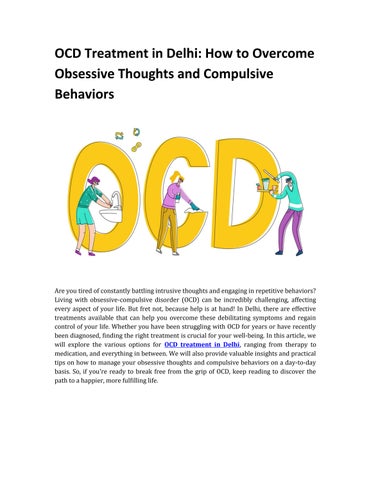
The signs and symptoms of OCD can manifest in various ways, and they may differ from person to person. However, there are some common patterns that can help identify the presence of OCD. Some of the most common obsessions include fear of contamination, excessive doubt, fear of harm to oneself or others, and intrusive sexual or violent thoughts. These obsessions often lead to compulsive behaviors aimed at reducing anxiety or preventing a feared event. Compulsions can include excessive handwashing, checking and rechecking, arranging objects in a specific order, and repeating certain words or phrases.
Living with OCD can be incredibly distressing, as the obsessions and compulsions can significantly impact daily life. Individuals with OCD may spend hours each day performing rituals or engaging in mental compulsions, causing them to miss out on important activities, relationships, and opportunities. The constant presence of intrusive thoughts can also lead to heightened anxiety, depression, and feelings of shame or guilt.
Diagnosing OCD: How is it recognized?
If you suspect that you may have OCD, it is important to seek a professional diagnosis from a qualified mental health professional. A diagnosis of OCD is typically made based on a thorough evaluation of your symptoms, medical history, and personal experiences. The mental health professional will likely use the criteria outlined in the Diagnostic and Statistical Manual of Mental Disorders (DSM-5) to determine if you meet the criteria for a diagnosis of OCD.
During the evaluation process, the mental health professional will ask you about the specific obsessions and compulsions you experience, how they impact your daily life, and any
related distress or impairment. It is important to be open and honest during this evaluation, as it will help ensure an accurate diagnosis and appropriate treatment recommendations. Remember, seeking a diagnosis is the first step towards finding effective treatment and regaining control of your life.
Types of OCD: Common obsessions and compulsions
OCD can manifest in a wide range of obsessions and compulsions, and it is important to remember that each individual's experience is unique. However, there are some common themes that many people with OCD can relate to. Understanding these common obsessions and compulsions can help you recognize the presence of OCD and seek appropriate treatment.
One common type of OCD is contamination obsessions and cleaning compulsions. Individuals with this subtype of OCD may have an intense fear of germs or dirt and may engage in excessive handwashing or cleaning rituals to alleviate their anxiety. Another common subtype is checking obsessions and compulsions, where individuals have an overwhelming need to repeatedly check things like locks, appliances, or personal belongings, in order to prevent a feared event from occurring.
Other common obsessions include intrusive thoughts of harm, such as fearing that you will harm yourself or others, or that you are capable of committing violent acts. These obsessions can be incredibly distressing and often lead to compulsive behaviors aimed at preventing harm. Some individuals with OCD may also experience symmetry obsessions, where they feel a need to arrange objects in a specific order or engage in repetitive counting or tapping rituals.
Treatment options for OCD: Therapy and medication
Fortunately, there are effective treatments available for OCD that can significantly reduce symptoms and improve quality of life. The two most commonly recommended treatments for OCD are therapy and medication, and often a combination of both is used for optimal results.
Cognitive Behavioral Therapy (CBT) for OCD
Cognitive Behavioral Therapy, or CBT, is a type of therapy that has been proven to be highly effective in treating OCD. CBT for OCD typically involves two main components: cognitive therapy and behavioral therapy.
In cognitive therapy, the individual works with a therapist to identify and challenge the irrational, obsessive thoughts that contribute to their OCD. The goal is to develop more realistic and rational ways of thinking that reduce anxiety and obsessions.
In behavioral therapy, the individual gradually exposes themselves to the situations or triggers that cause their obsessive thoughts and anxiety, while refraining from engaging in their usual compulsive behaviors. This process, known as exposure and response prevention (ERP), helps individuals learn to tolerate anxiety and resist the urge to engage in compulsions, ultimately reducing the power of OCD over their lives.
Seeking professional help: Finding an OCD specialist in Delhi
When seeking treatment for OCD, it is important to work with a mental health professional who specializes in the treatment of OCD. OCD can be complex and challenging to treat, and an experienced specialist will have the knowledge and expertise to provide the most effective interventions.
To find an OCD specialist in Delhi, you can start by asking for recommendations from your primary care physician or other mental health professionals. You can also search online directories or contact local mental health organizations for referrals. When choosing a specialist, consider their experience and expertise in treating OCD, as well as their approach to treatment. It is important to find someone who you feel comfortable working with and who understands your unique needs and goals.
Self-help strategies for managing OCD
In addition to professional treatment, there are several self-help strategies that can complement your OCD treatment and help you manage your symptoms on a day-to-day basis. These strategies can empower you to take an active role in your recovery and provide additional support between therapy sessions.
One effective self-help strategy is keeping a journal to track your obsessions and compulsions. By recording your thoughts and behaviors, you can gain insight into patterns and triggers, which can help you develop strategies to manage them. Additionally, practicing relaxation techniques, such as deep breathing or progressive muscle relaxation, can help reduce anxiety and promote a sense of calm.
Another self-help strategy is setting realistic goals and gradually exposing yourself to feared situations or triggers. This can help you build resilience and tolerance to anxiety over time. It is important to start small and gradually increase the difficulty of the exposures, while refraining from engaging in compulsions. Remember to be patient with yourself and celebrate even small victories along the way.