Selected Works
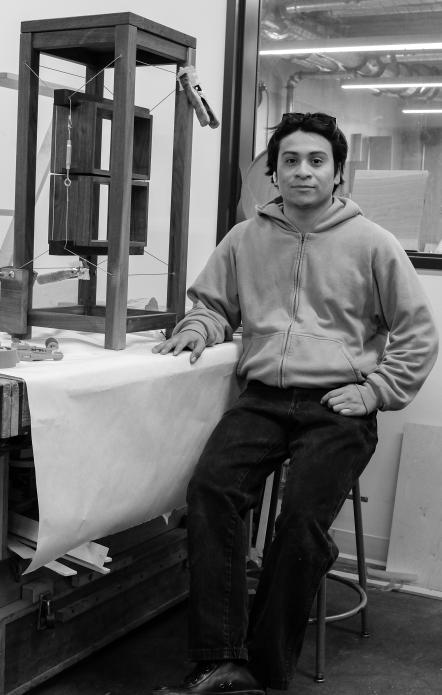
My name is Samuel Vallejo, a 21-year-old student currently pursuing a Bachelor of Architecture at California College of the Arts. I am an open-minded and dedicated individual with a passion for learning across a wide range of subjects. I consistently approach projects, activities, and daily tasks with effort and a positive mindset. I enjoy physical and technological approaches, exploring new methods of learning, working with various mediums, and collaborating with teams. I’m always excited to connect with others to share ideas and stories.
2024: Samuel Vallejo and Curran Thompson
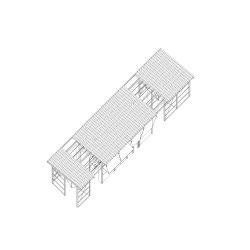
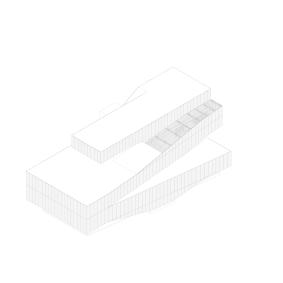
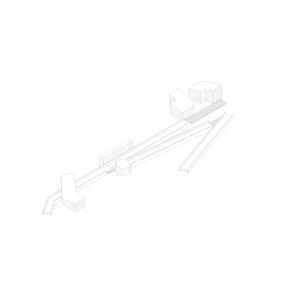
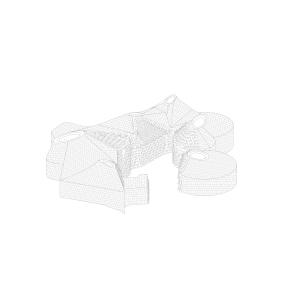
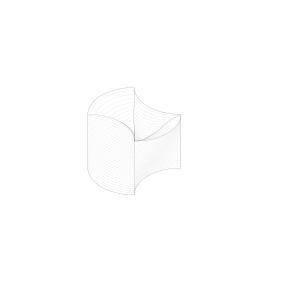
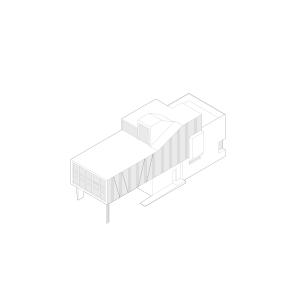
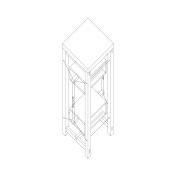
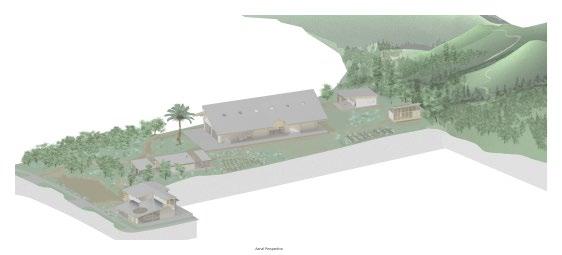
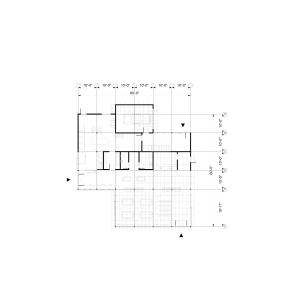
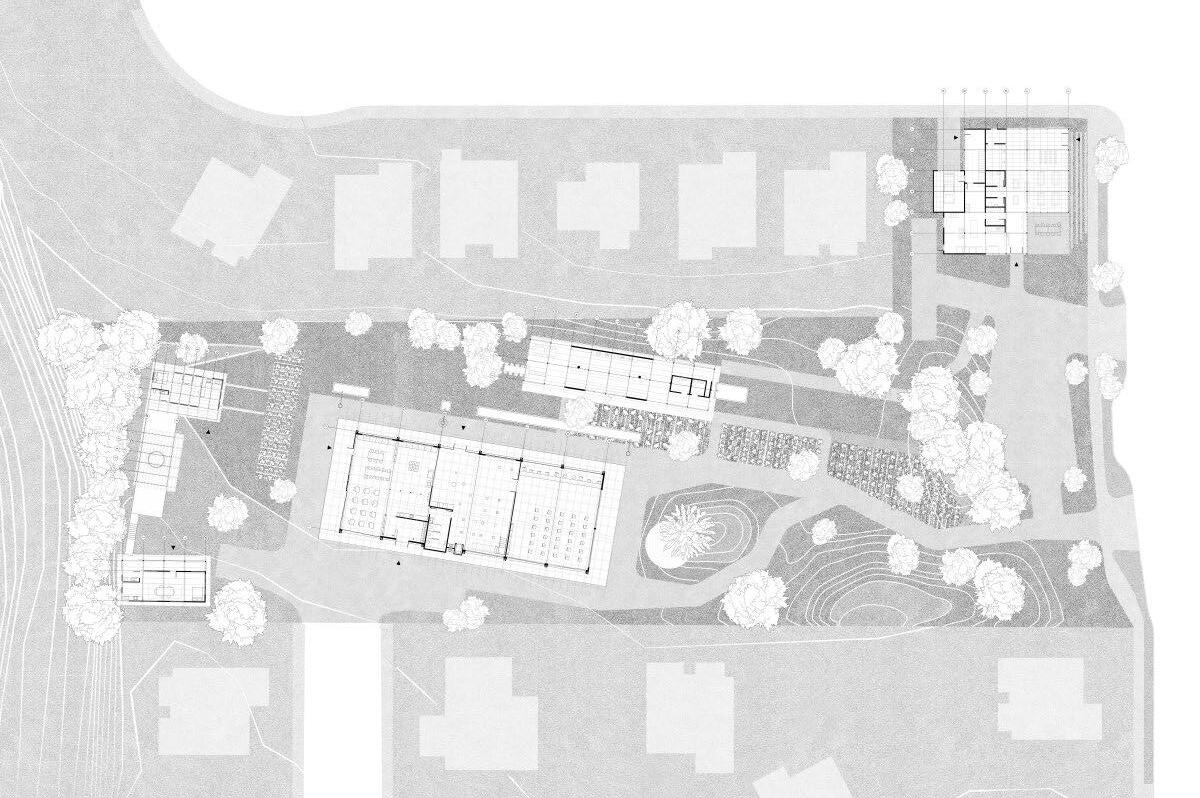
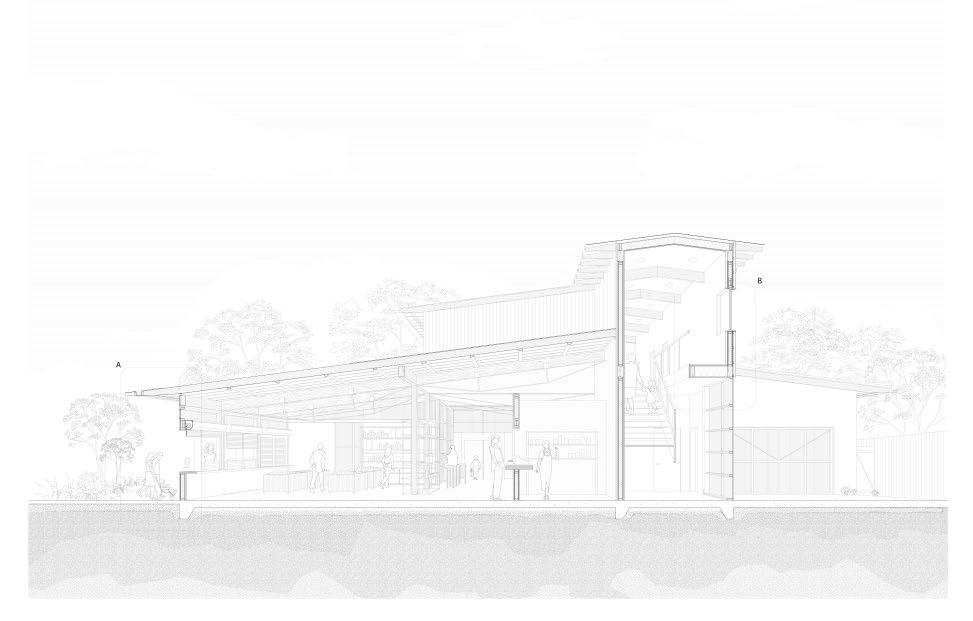
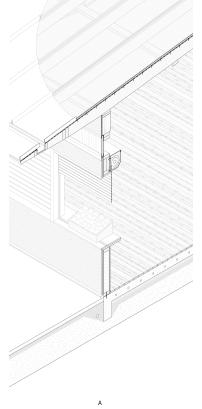
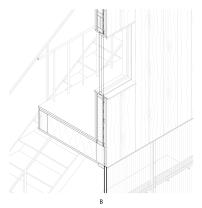
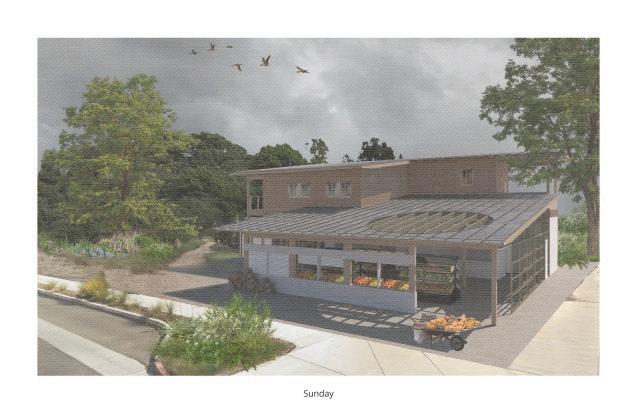
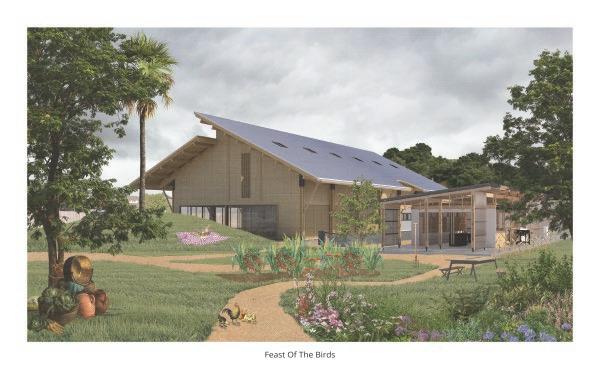
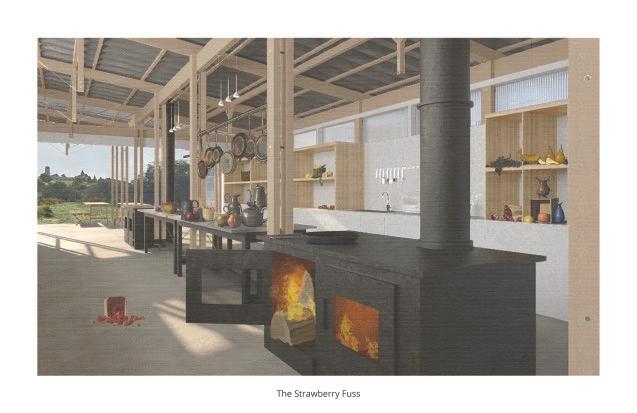
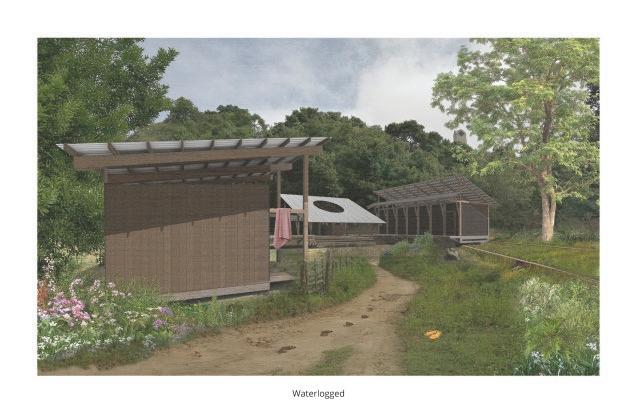
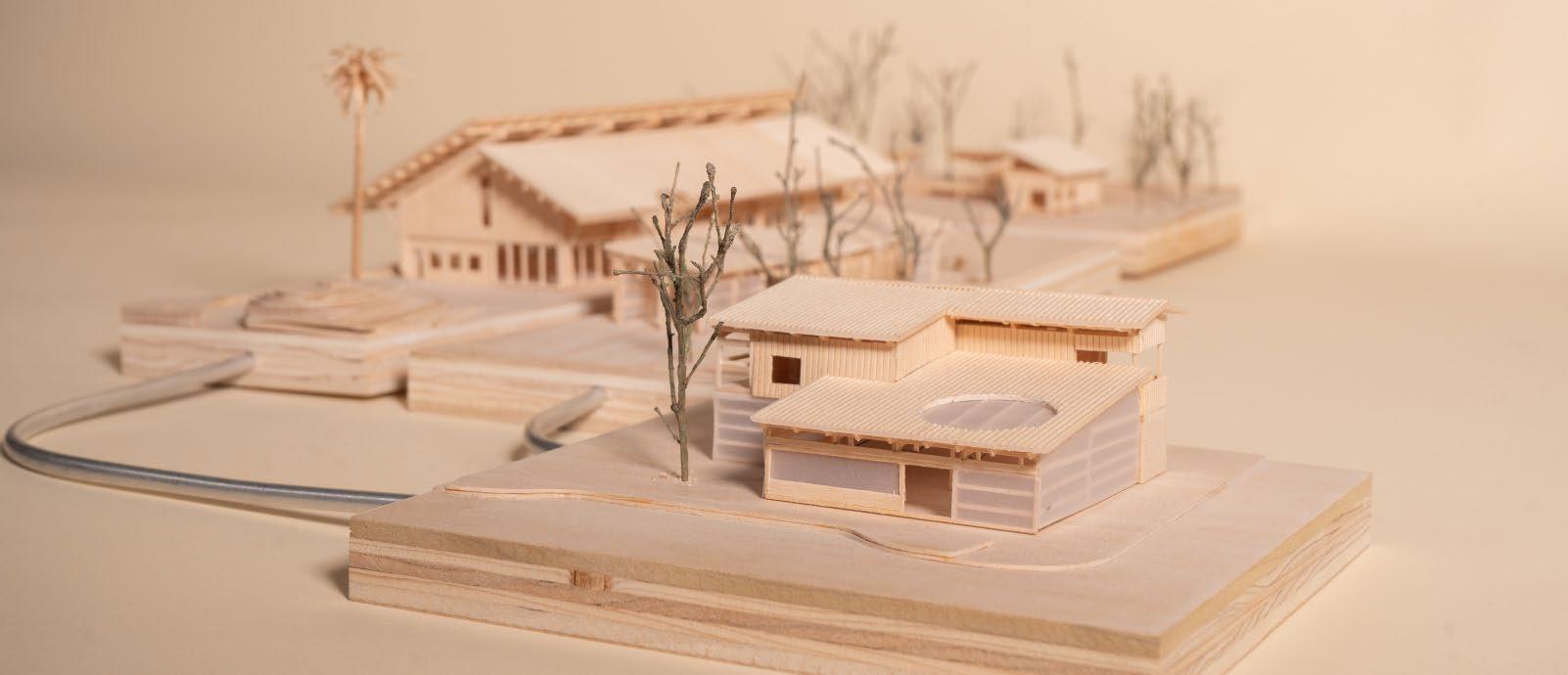
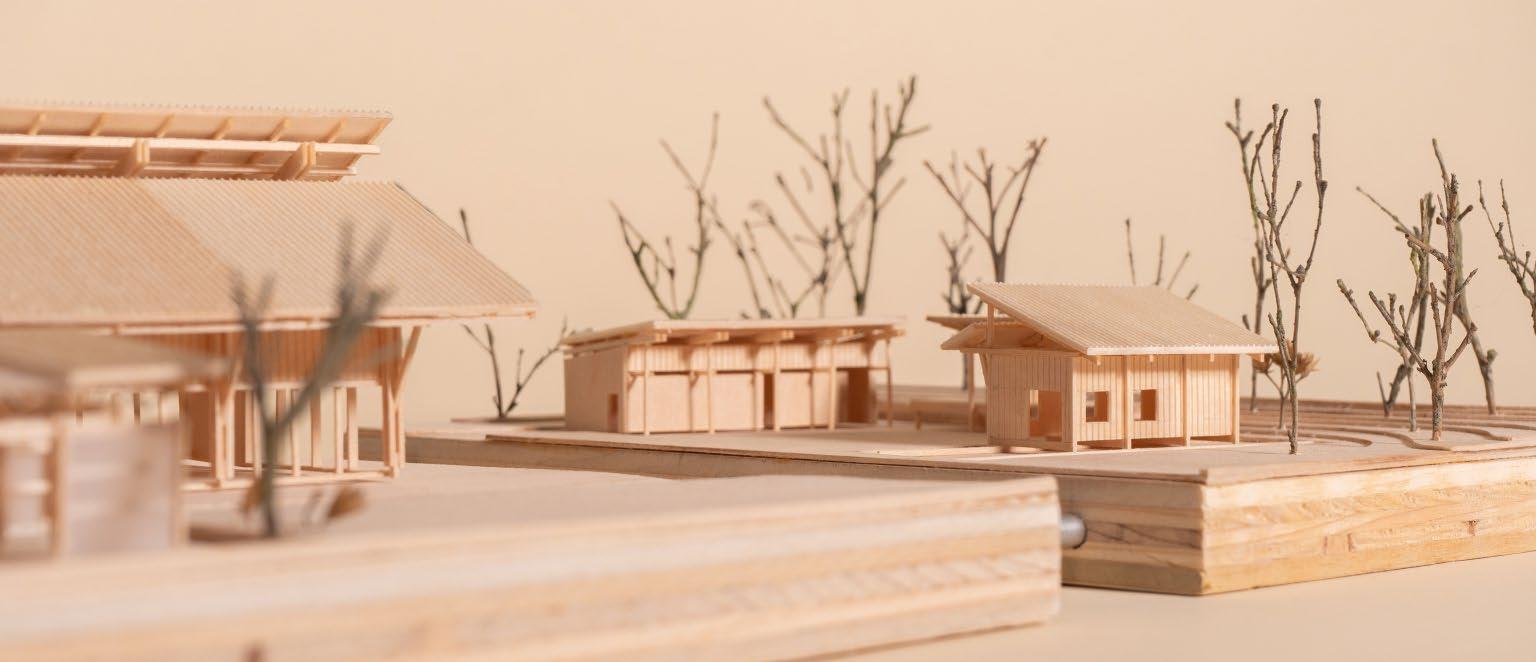
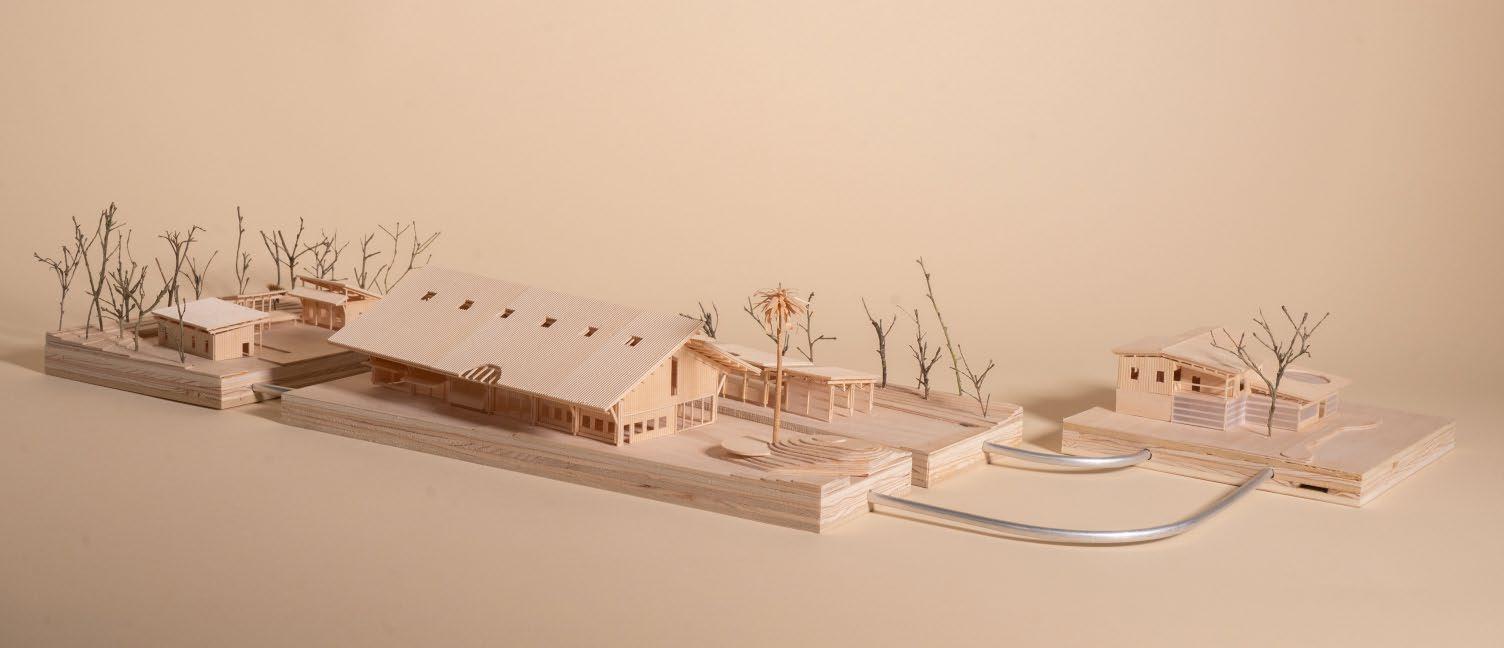
Tansu: a Japanese assortment of chest often crafted with wood, originally intended to hold household items, clothing, or other valuables. This collaborative project presents a transformative opportunity to re-imagine the relationship between the land we inhabit and the spaces we give back. the Tansu trunk concept exemplifies a space that deeply intertwines local cultural history with the agrarian values of the community cultivating the land and providing back.
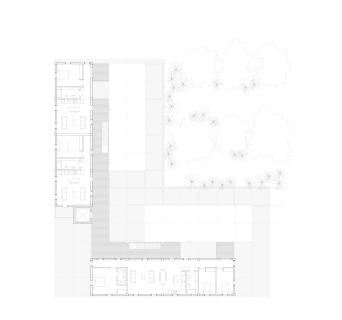
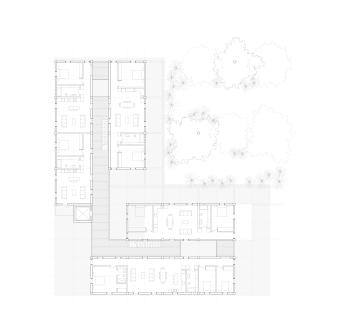
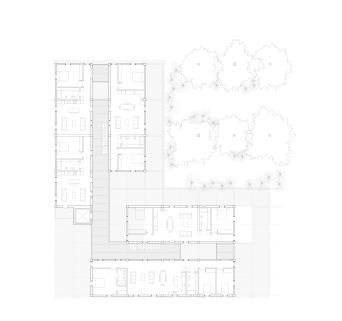
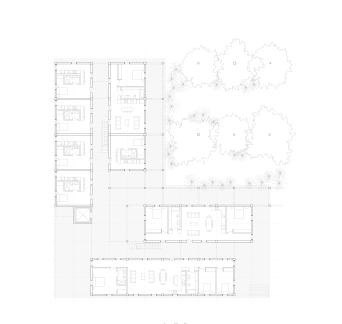
The project features a variety of buildings with programs tailored to benefit the community. During our visit to Arroyo Grande, CA, we engaged with locals to understand what programs would support their needs while preserving the area’s historical character. The site includes a live-work home which exemplifies the value to family businesses, an outdoor kitchen to indulge in farm to table practices. Neighboring the kitchen, a Great Hall which houses an exhibition space and a kindergarten provides needed resources for the town. Lastly, the end holds cabins designed to generate revenue and introduce visitors to this vibrant community.
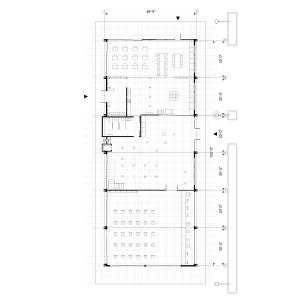
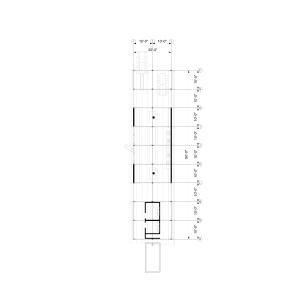
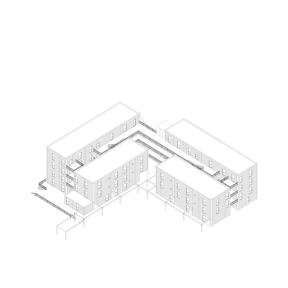
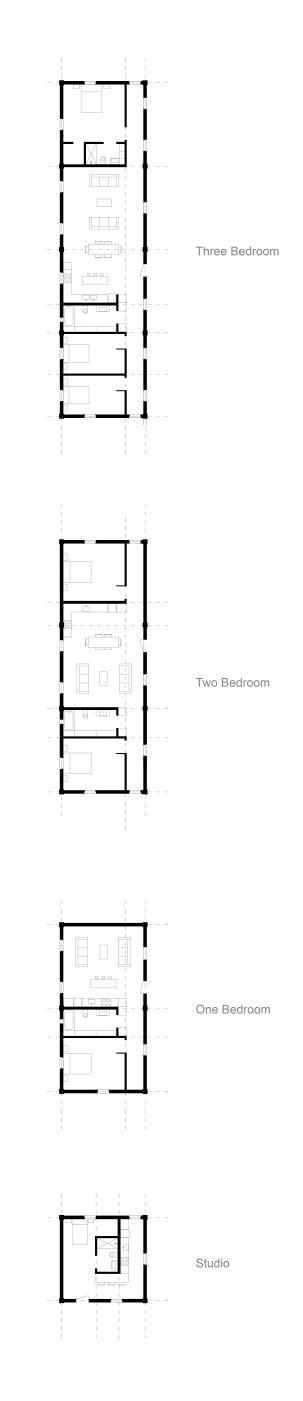
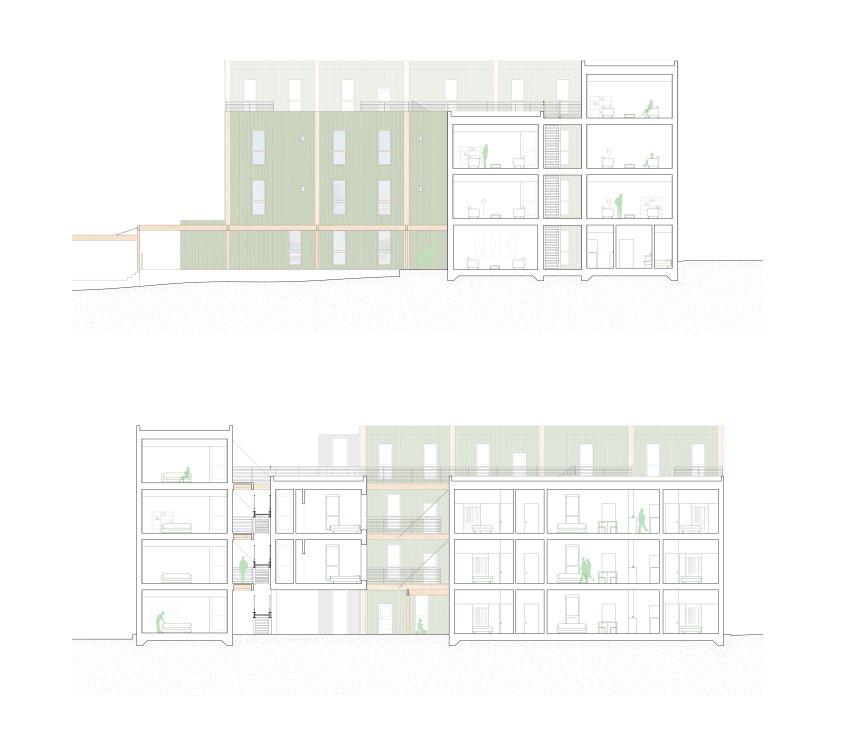
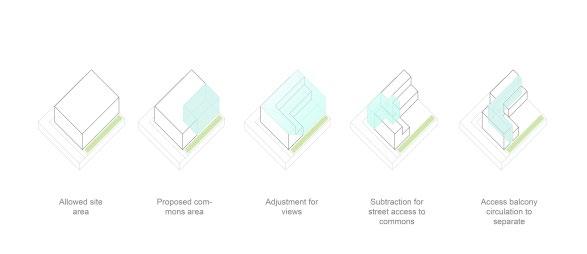
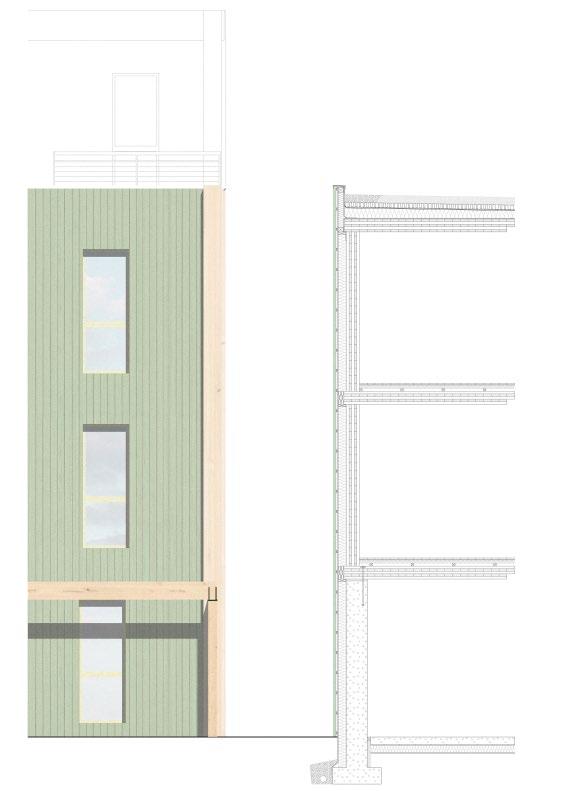
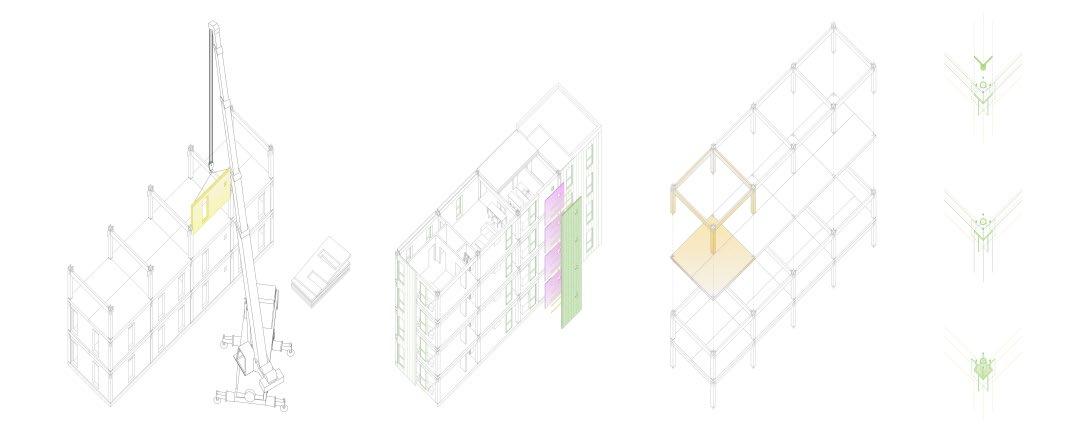
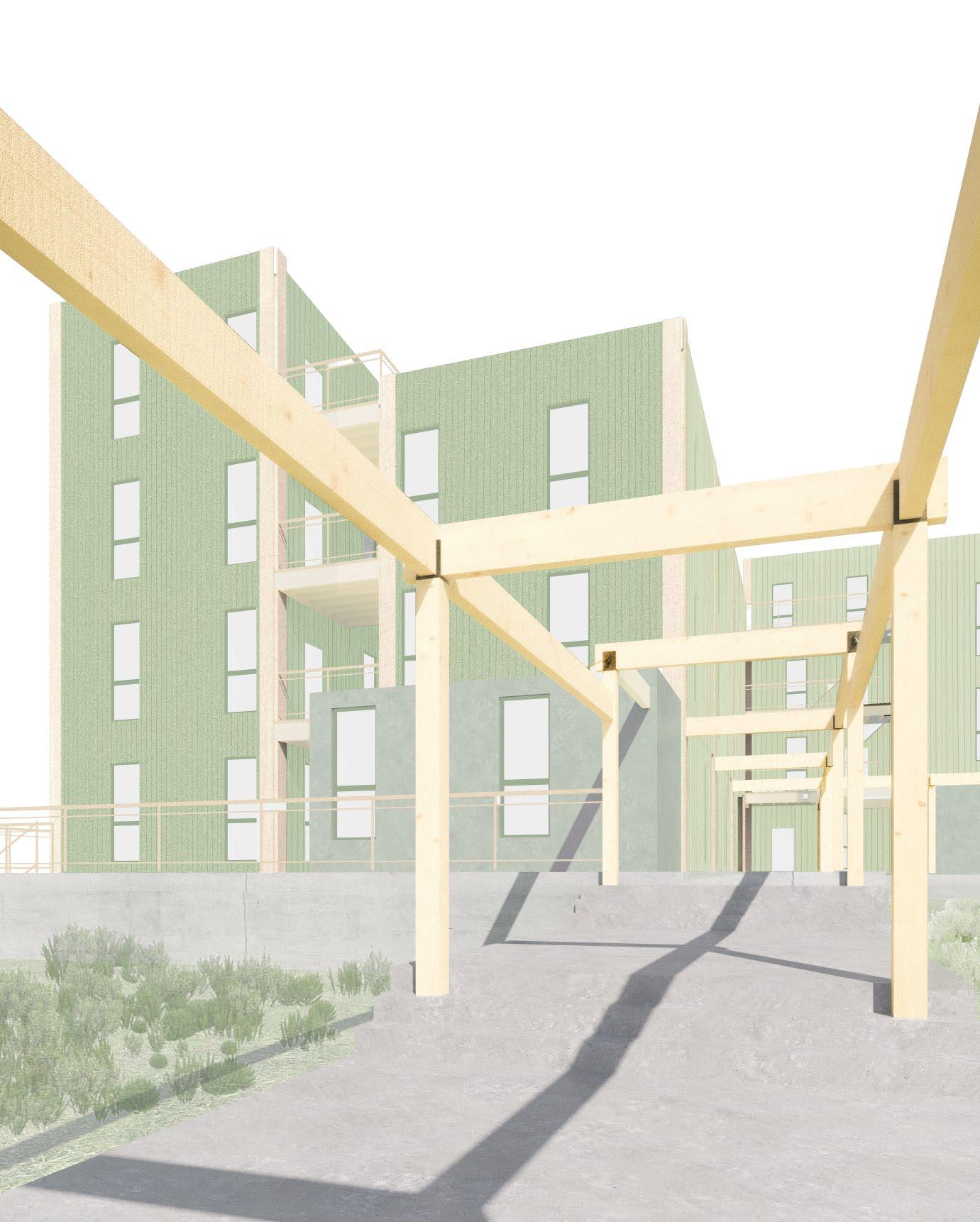
The White Pines apartment complex, a 20-unit development, serves the Portola neighborhood, drawing inspiration from the area’s traditional materials and vernacular architecture. “White Pines” originates from Eastern white pine wood, known for its lighter tone than its Western counterpart. This wood is incorporated alongside other types in the building’s mass timber structural system, creating a cohesive and inviting facade that complements the neighboring homes. The homes represent a unification between the existing community and future developments for the neighborhood. The buildings design takes into consideration many perspectives, and techniques, for optimal and affordable execution as well as a well balanced design that does not distract but welcomes modern design.
Continuity Experience Center
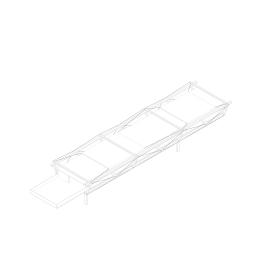
The Continuity Rodeo Experience Center, replacing the Rodeo Beach Station, serves as a versatile public facility catering to visitors of Rodeo Beach, Lagoon, and Marin Headlands trails. It replaces existing amenities like picnic grounds and shower facilities while adding a café, kitchen, event hall, and spaces for sporting activities. The striking mass timber construction balances the paved world of cars and the natural hiking and biking terrain, the project minimizes impact on the land using a unique strategy inspired by tension, compression, and tensegrity principles. Supported by a mass timber columns, the building integrates with the surrounding marsh, allowing natural expansion. The site offers diverse views, from historical military structures to the north, a complex lagoon-ocean beach relationship to the south, and natural hills and marsh to the west. Opposite the west, a parking lot and historic cabins serve as traditional indicators of arrival to the Marin Headlands.
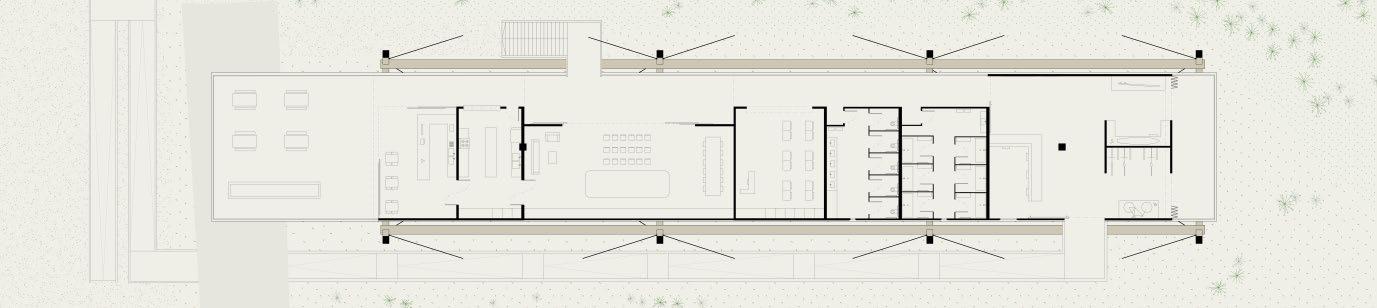
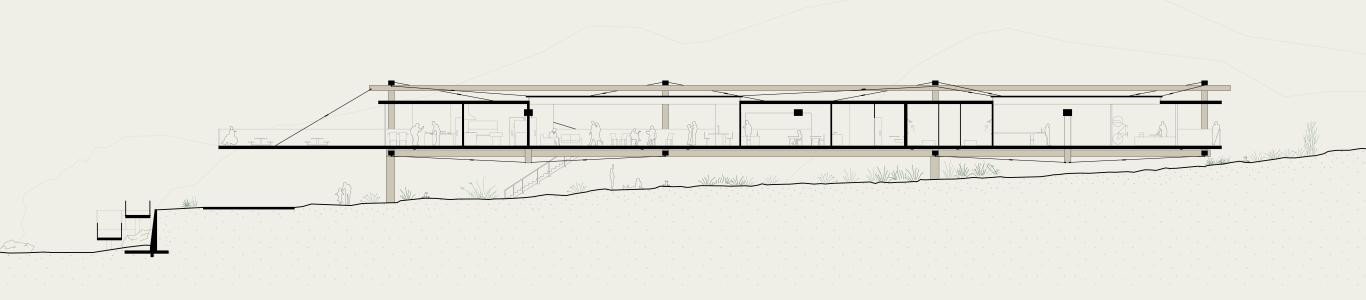
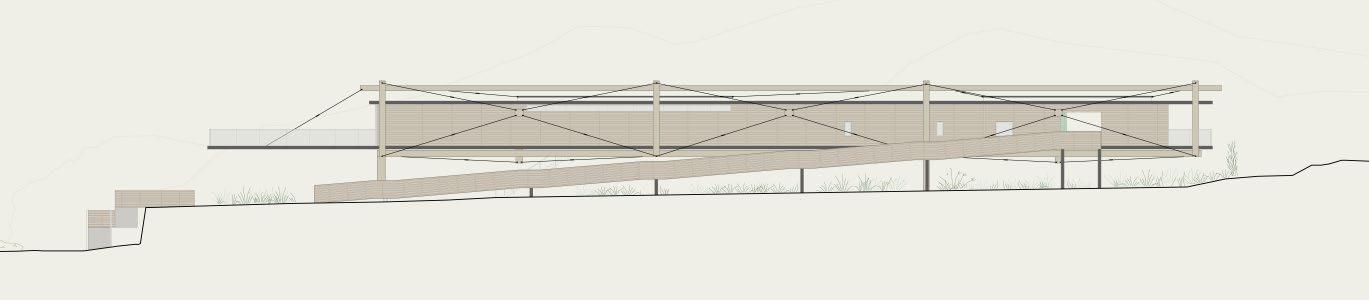
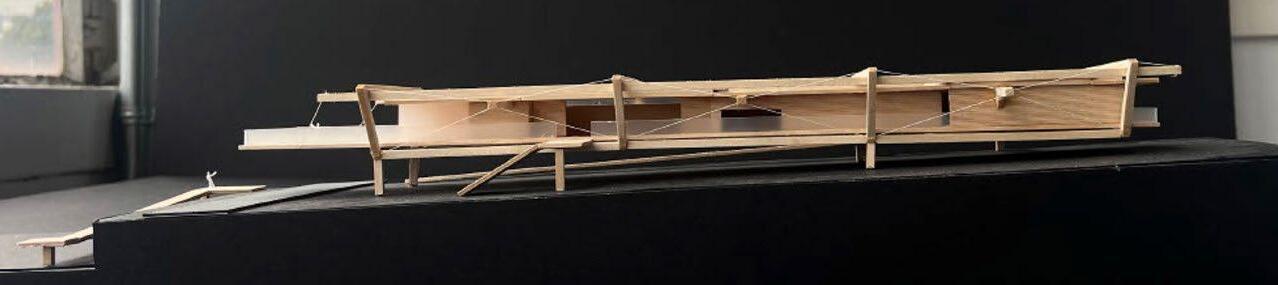
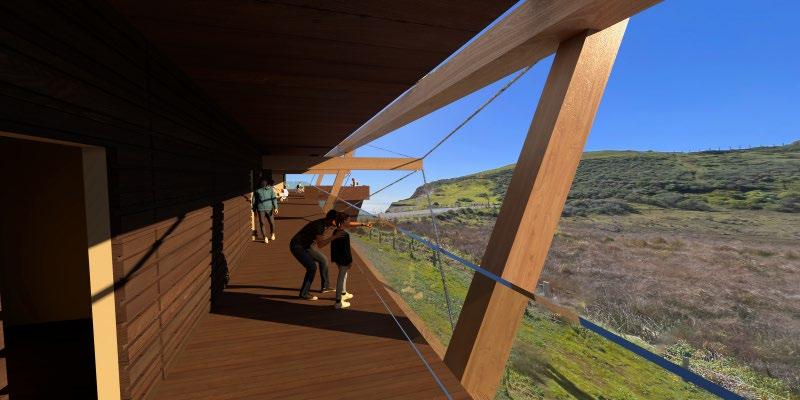
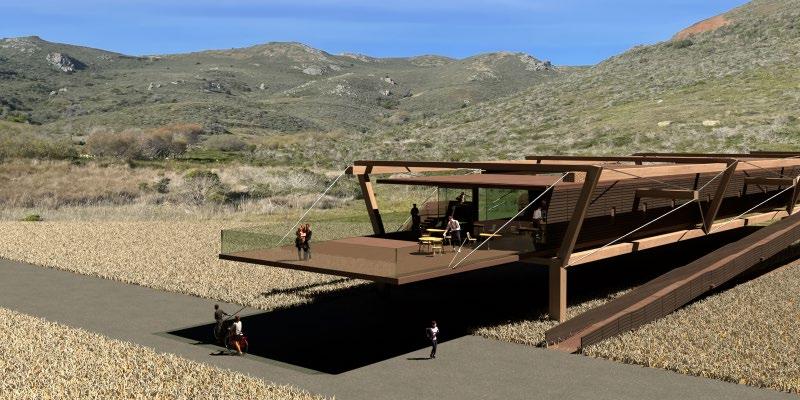
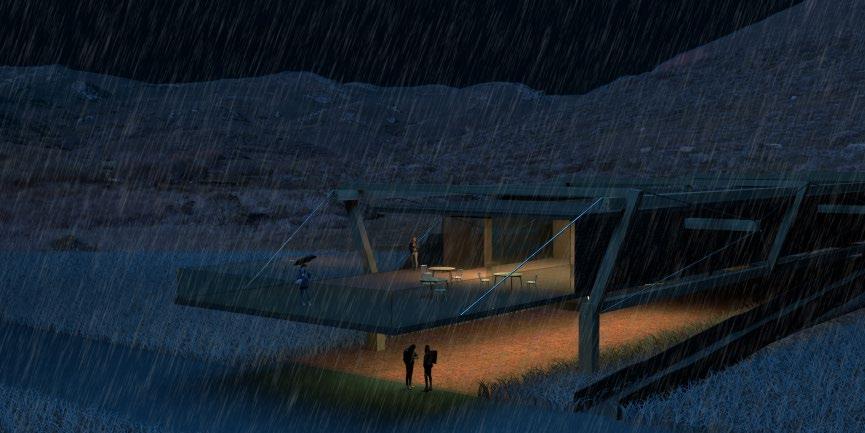
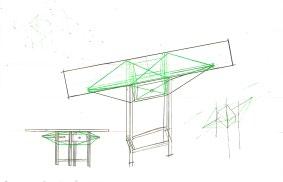
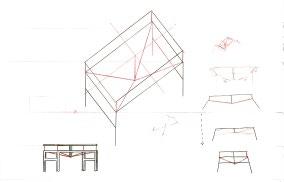
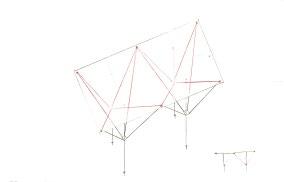
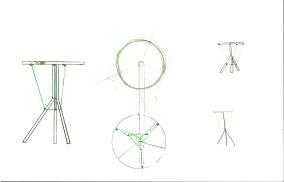
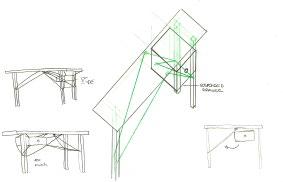
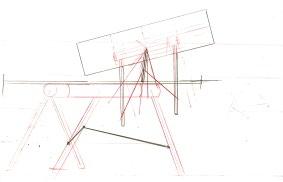
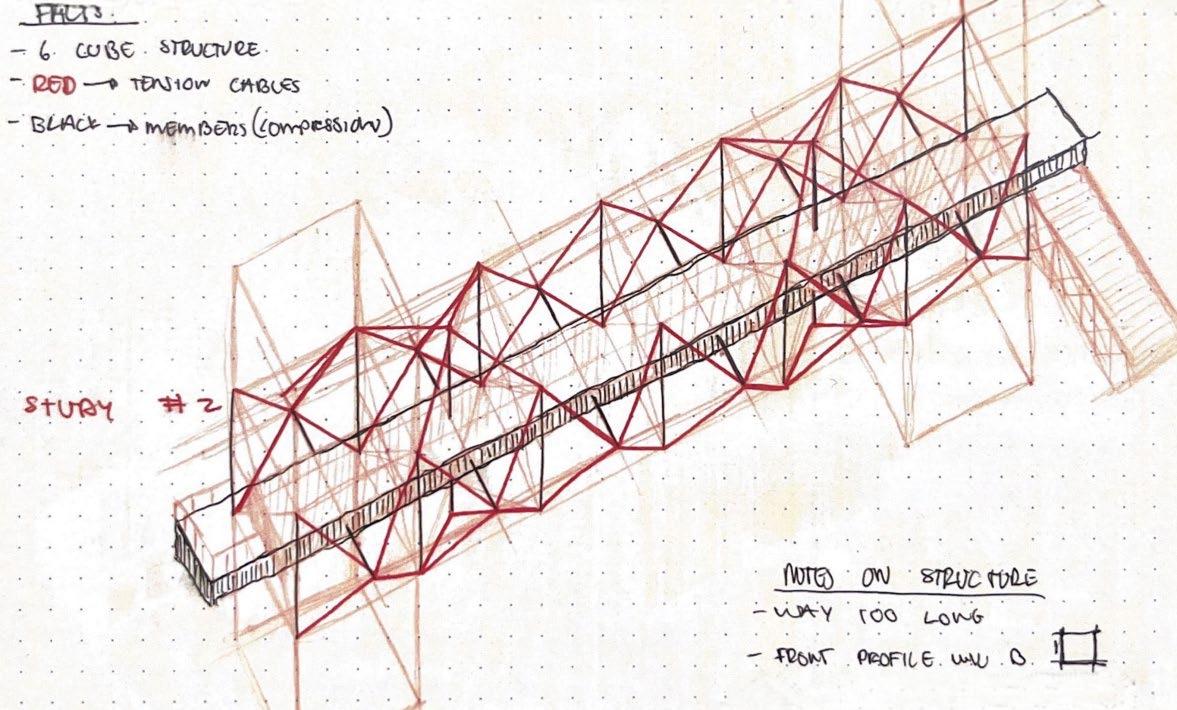
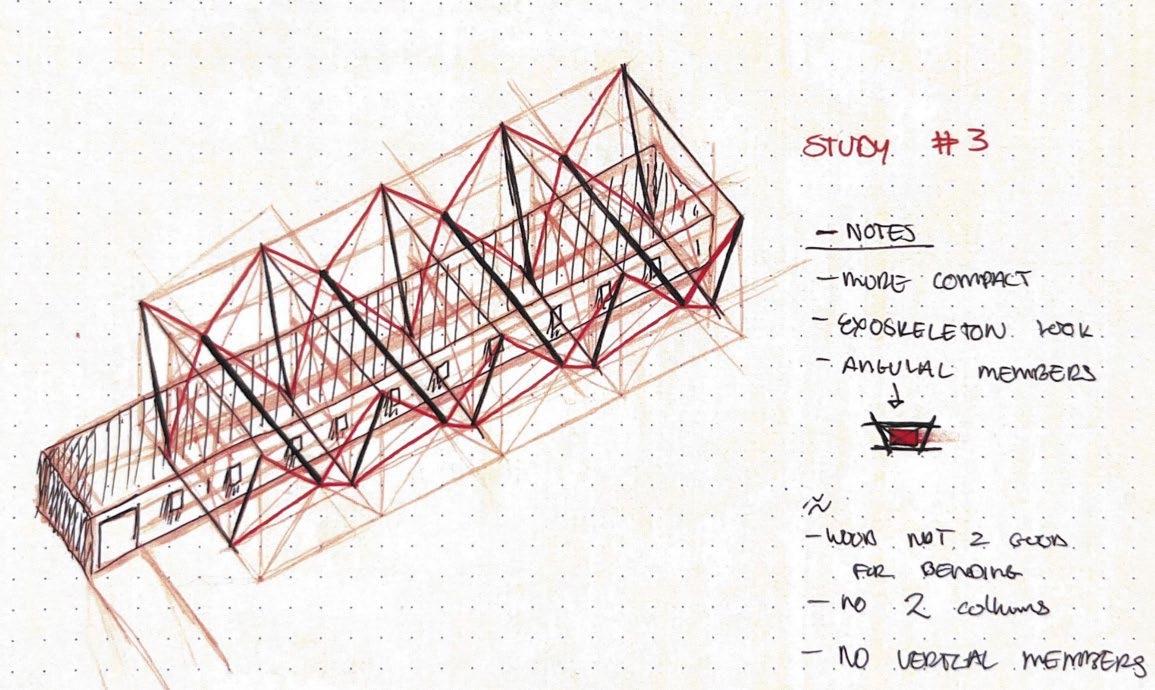
This project was a personal exploration of tensegrity structures and the combination of timber with metal components, materials whose unique interaction deeply intrigues me. Rather than designing a fully realized building, I approached this as an experimental study to visualize how these concepts could shape a structure. The process, which involved transitioning from concept to design and conducting research with precedent studies amd other forms of design, was both intellectually rewarding and inspiring. It also led to practical outcomes, including the creation of a furniture design, further fueling my passion for this specific form of design.These prelimiary sketches would serve as visual exploration into different techniques and approaches to this project.
Starless Mediatheque
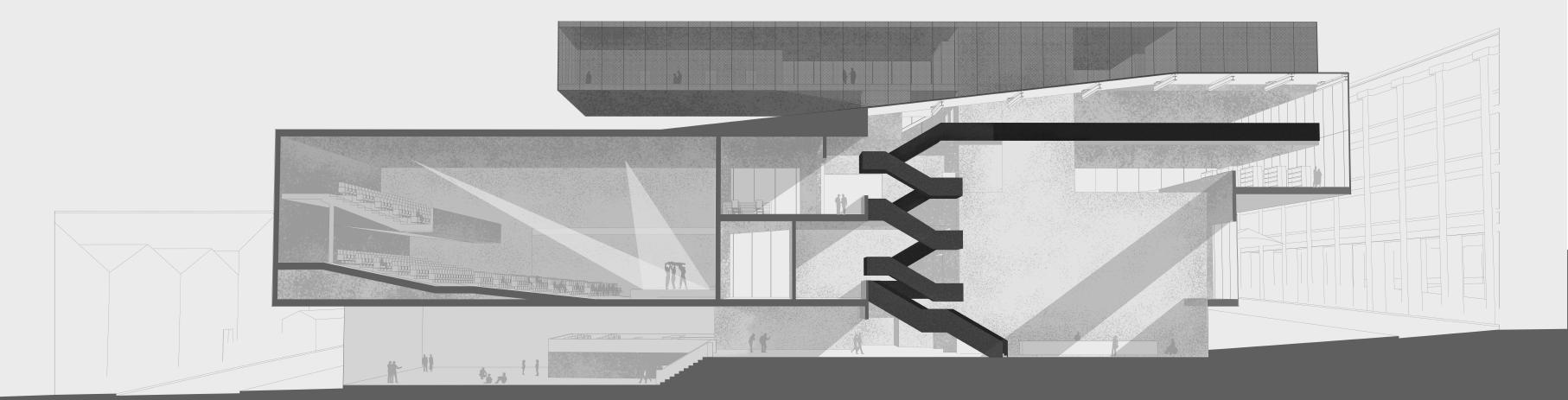
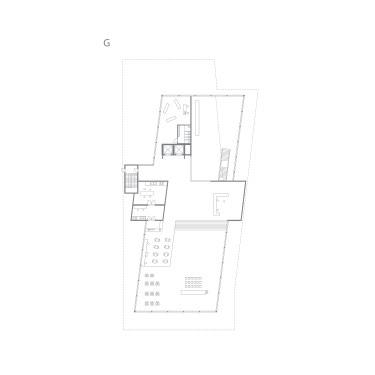
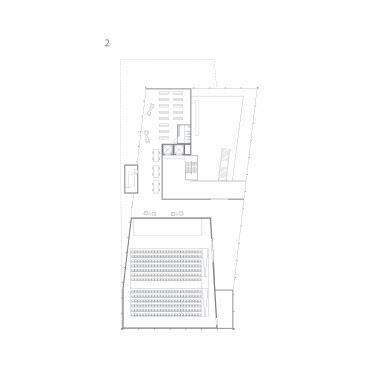
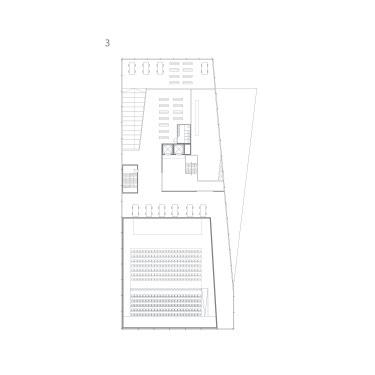
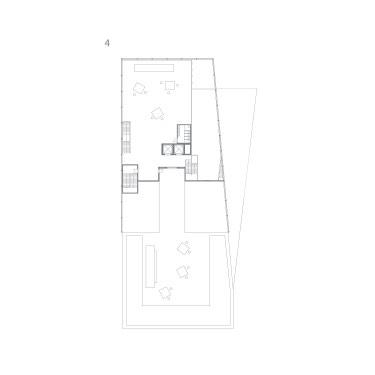
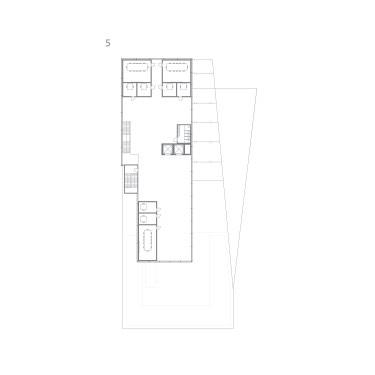
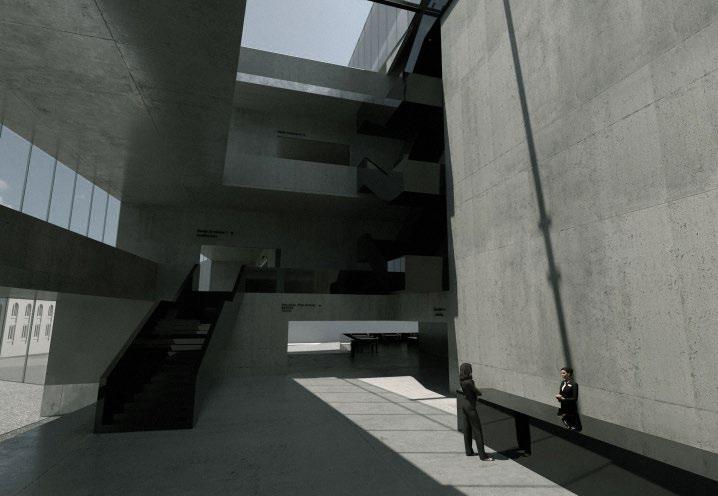
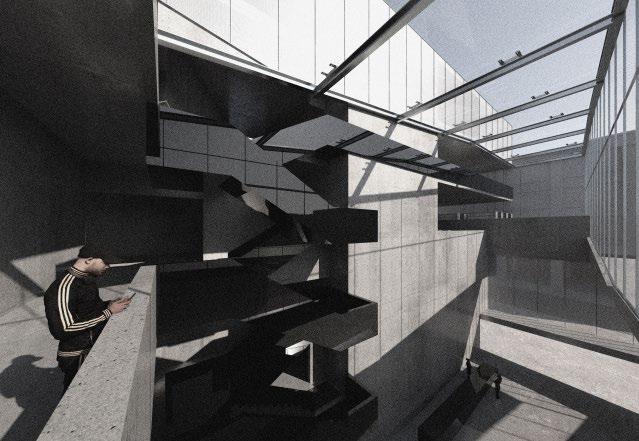
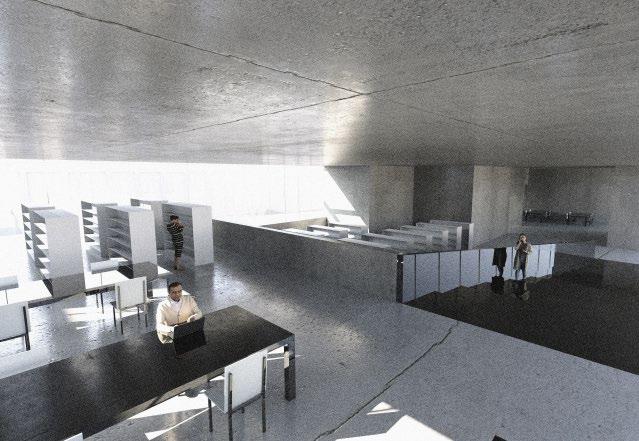
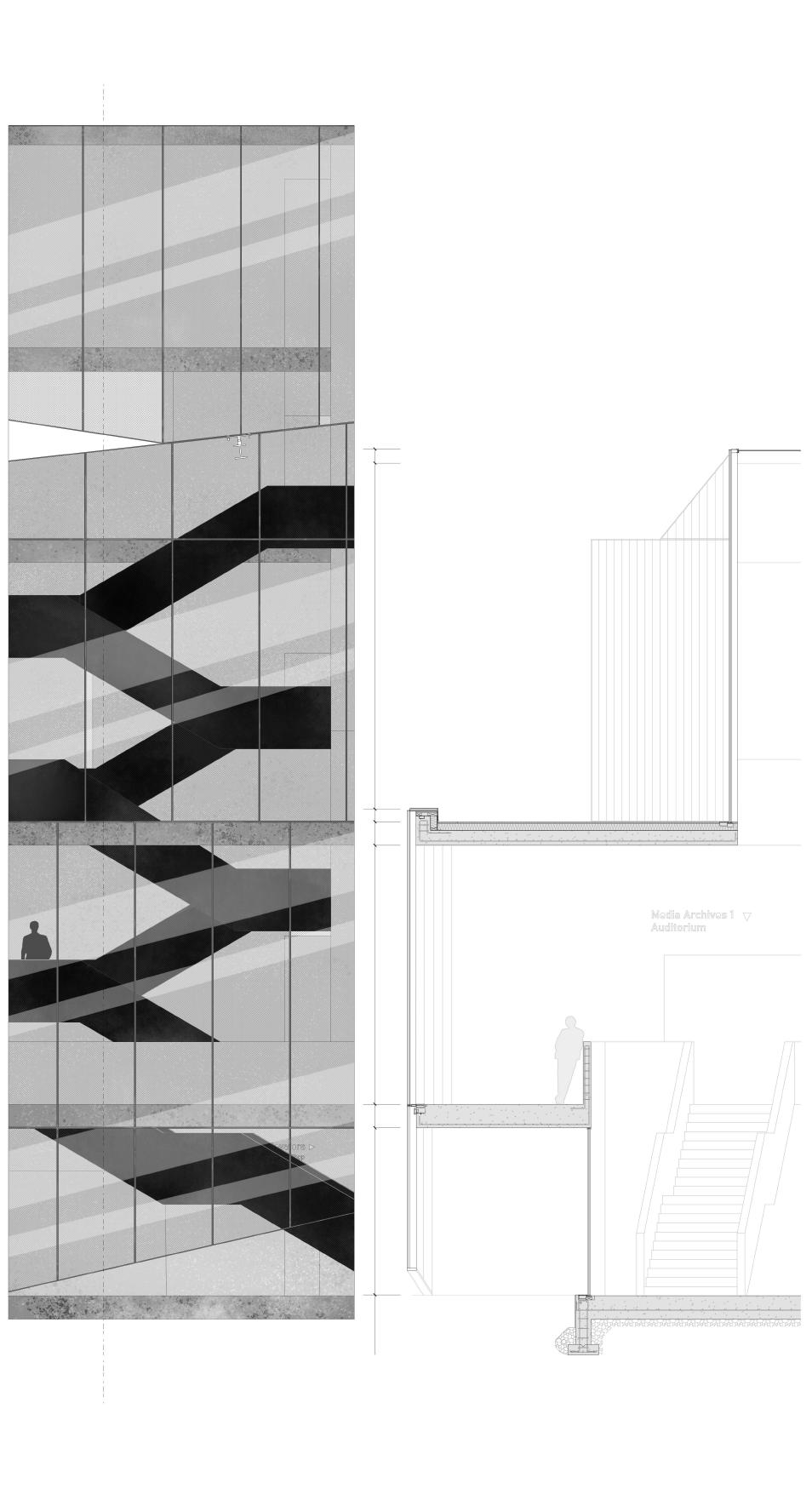
The Starless Mediatheque, a versatile media library, underwent a rigorous redesign resulting in a host of new features. Notably, the main lobby is now visible from the rooftop, adorned with a large skylight that floods the space with bright natural light, creating a warmer tone for the concrete structure. The continuous stairway in the main lobby connects all floors to the central atrium, enhancing accessibility. The upper area features private meeting rooms with breathtaking views of the bay and historic surroundings. A redesigned cantilever at the top integrates seamlessly with the building’s form, appearing to grow organically. The large concrete structure in the center houses elevators and bathrooms while providing essential structural support. Utilizing OKATECH curtain walls the media library comes together as a starless yet very bright place for knowledge and interaction.
Strigiforme Hostel
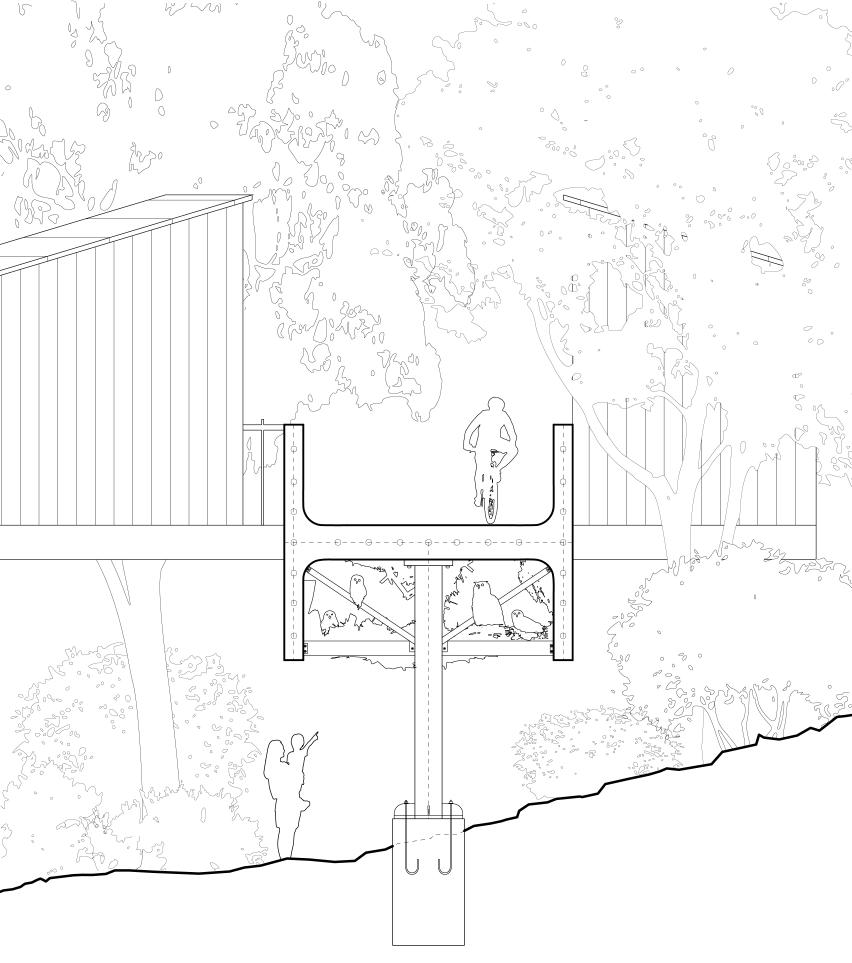
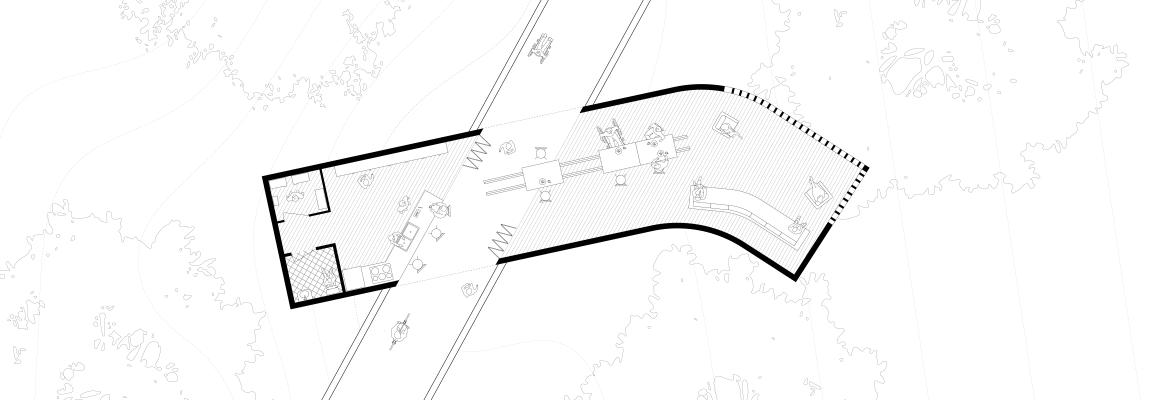
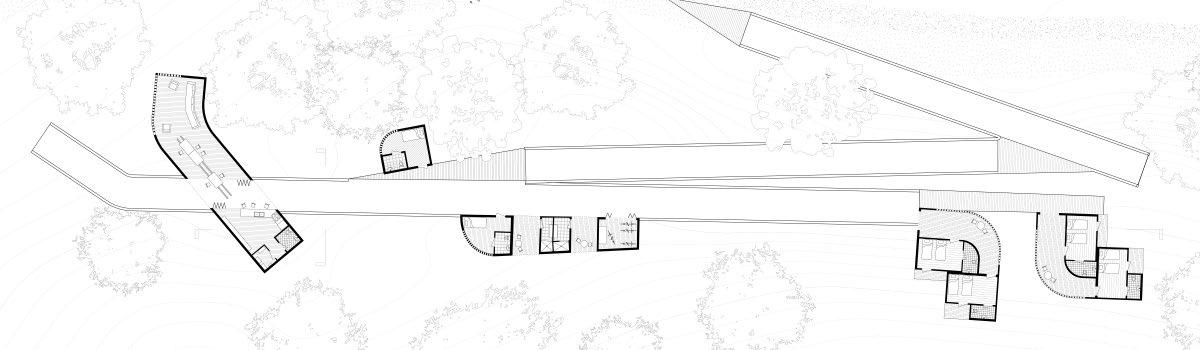
The Marin Headlands offers a serene escape from Bay Area bustle, boasting stunning ocean views and diverse wildlife. It’s a haven for hikers and bikers seeking respite from modern distractions. Nestled within this natural beauty lies the Rodeo Stgiforme Hostel, featuring elevated cabins overlooking lush foliage. The cabins, connected by a recycled highway girder pathway, blend seamlessly into the environment, fostering harmony with local critters. This design encourages visitors to immerse themselves in nature while enjoying panoramic vistas. In essence, it’s a sanctuary thatWexemplifies the harmonious coexistence of human structures and the environment, enriching the overall experience of the space whilst providing shelter for species such as the northern spotted owl.
Locomotion Hostel
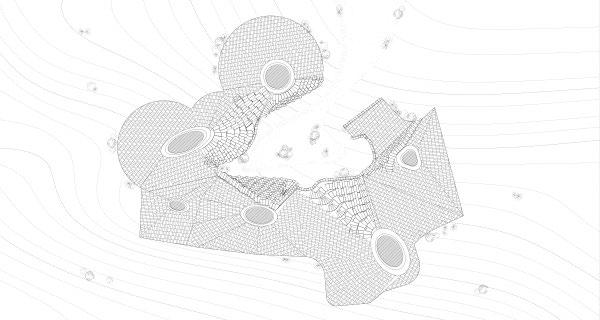
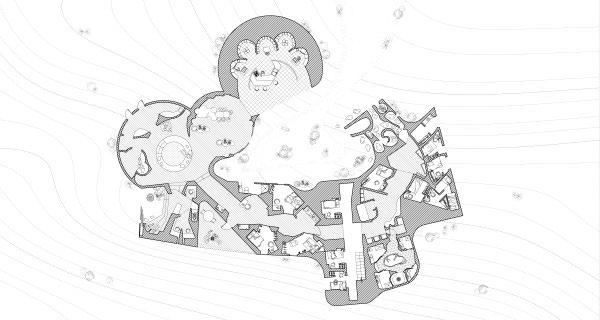
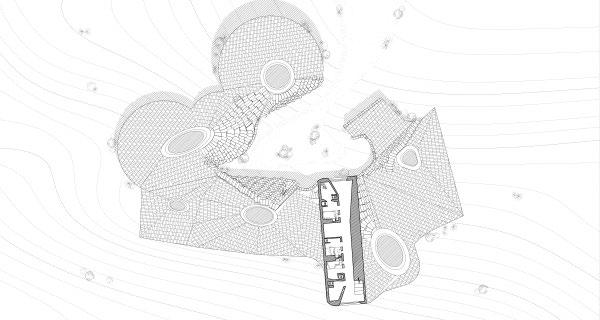
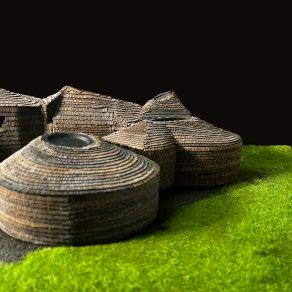
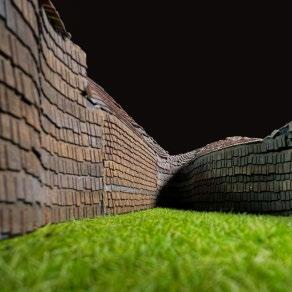
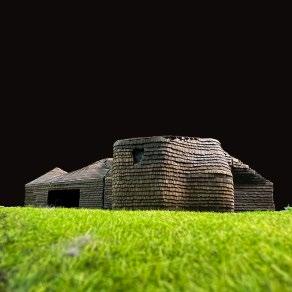
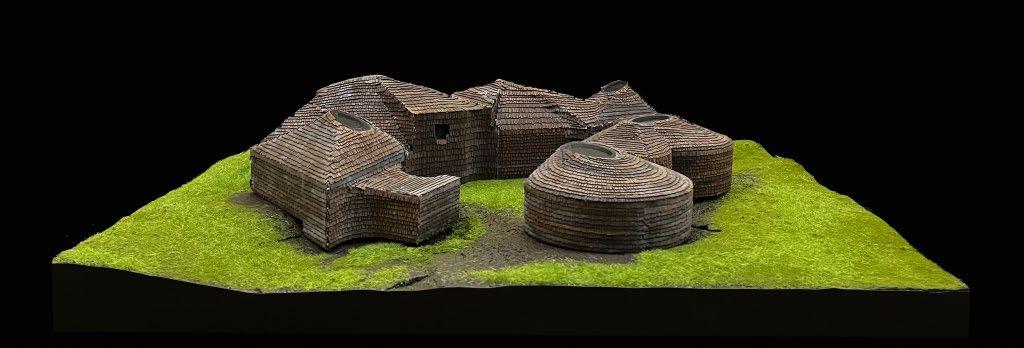
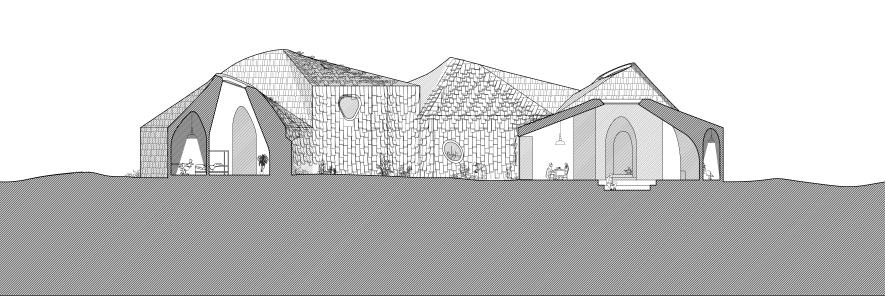
The Locomotion Hostel employs a loose-fit strategy, scattering its parts to highlight the spaces in between, emphasizing their importance. This approach harmonizes with the site, nestled in an open grassland habitat. The hostel’s design mimics the continuous pathways used by animals, with a tunnel-like circulation inside. Skylights in key areas resemble surface holes found in burrows. The structure’s materiality, featuring weathered wooden shingles, integrates it with the natural surroundings. Offering sleeping quarters, cooking facilities, meditation areas, and reception spaces, the hostel provides a tranquil setting for both productivity and relaxation.
Apple-Core Tile
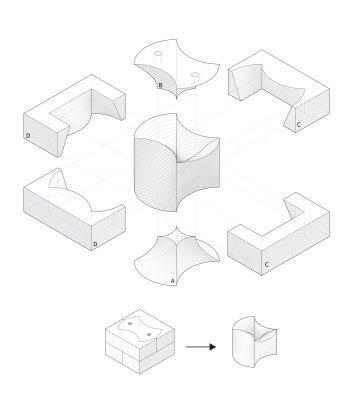
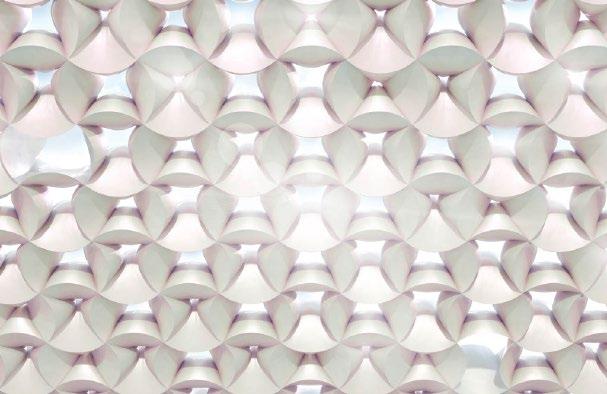
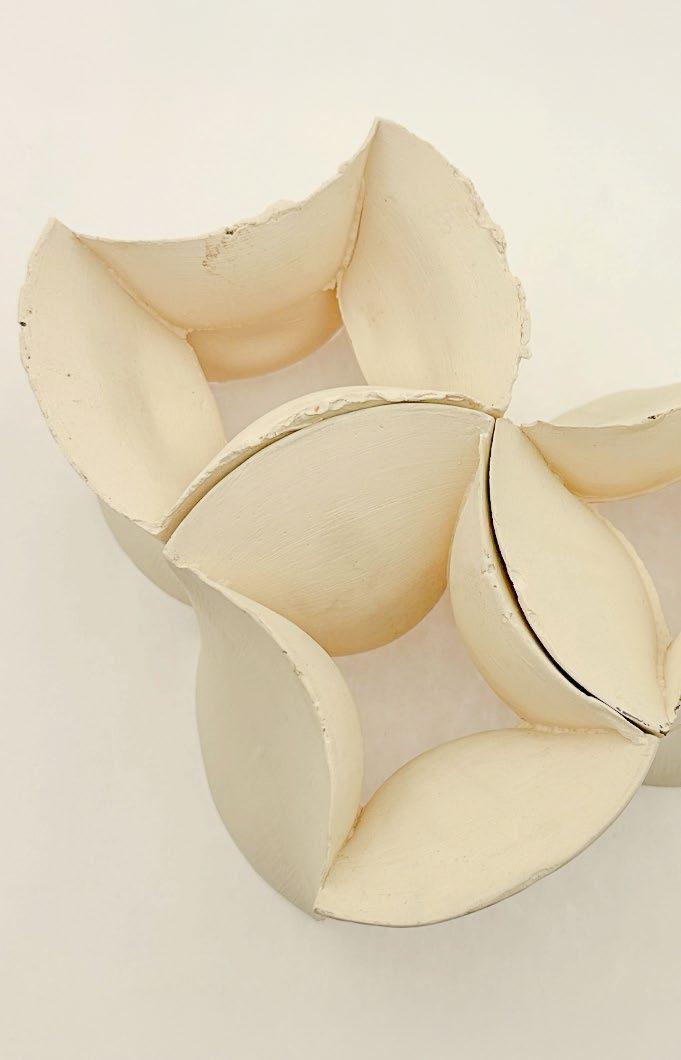
The Apple-Core three dimensional tile comes from a study on tile arrangements and members that interconnect in one or more ways. The ceramic tile is crafted from a five part mold in which was 3d printed, plaster molded and slip casted. The complex design allows immersive experiences no matter the angle from which it is viewed. This project brought me back to my time as a ceramicist during all of my four years of high school and allowed me to introduce a newer level of complexity learned in architecture school.
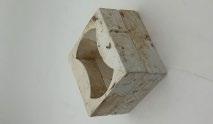
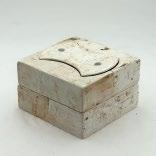
The tile-making process involved 3D-printed molds (left), which were used to create plaster casts (right) that served as the final molds for the tiles.
The six plaster cast molds are designed to interlock, allowing wet clay to be poured into them. Once the clay is set, the molds are disassembled, revealing the finished tile.
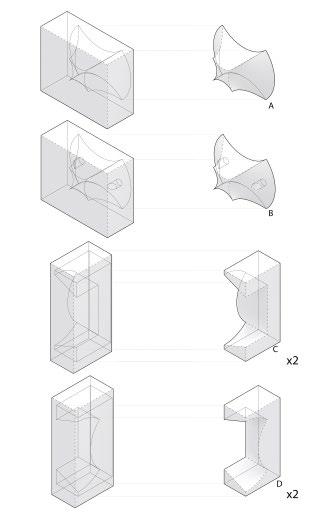
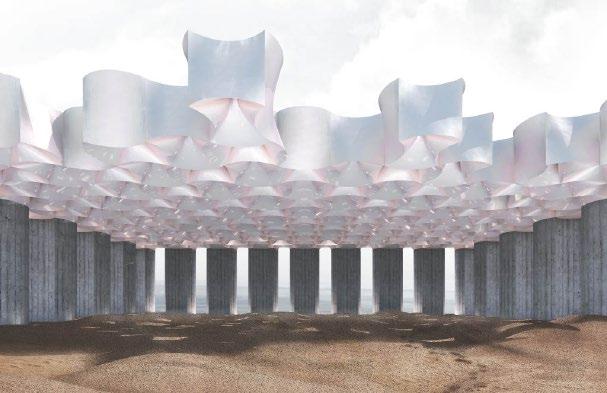
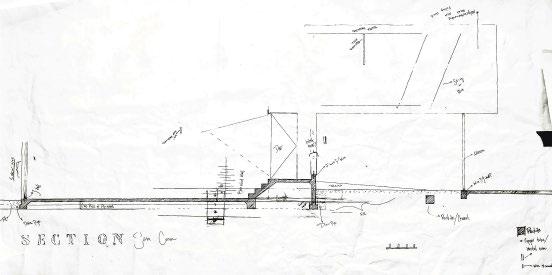
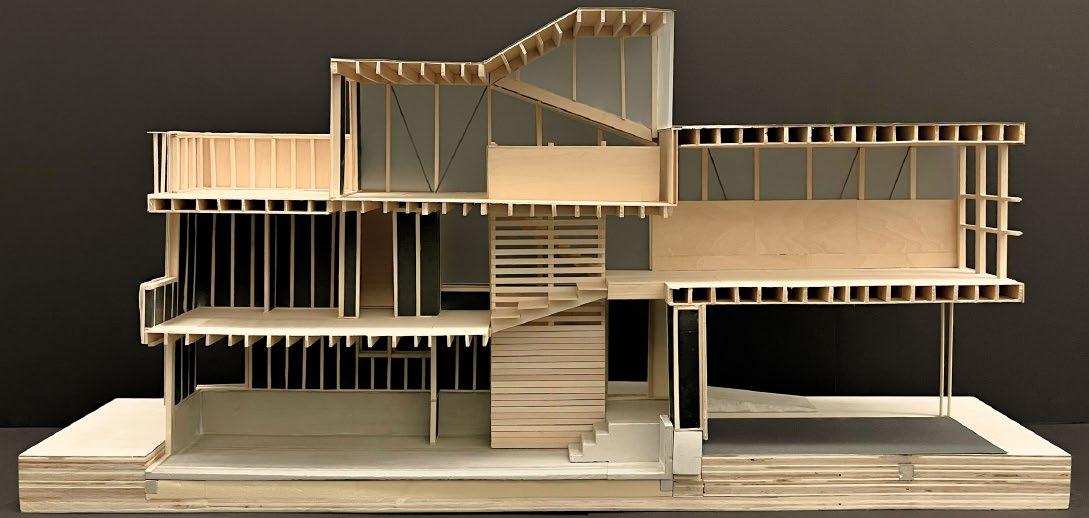
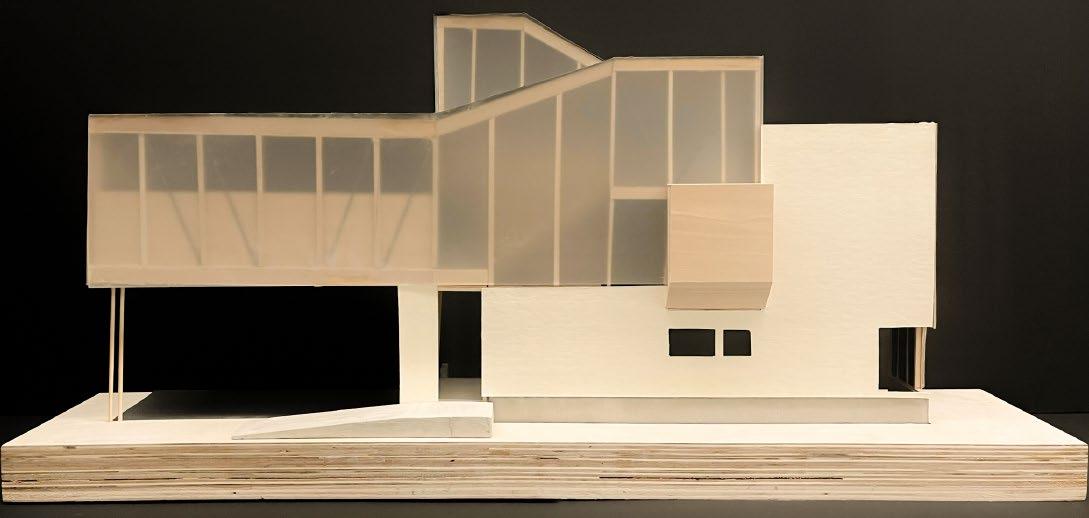
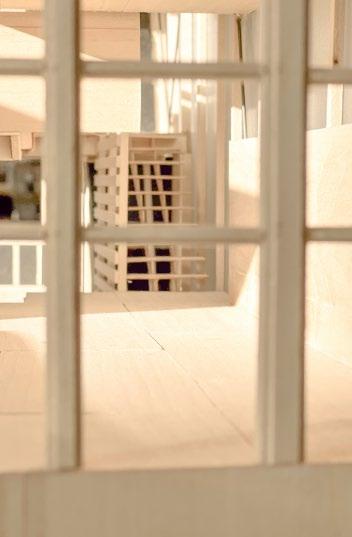
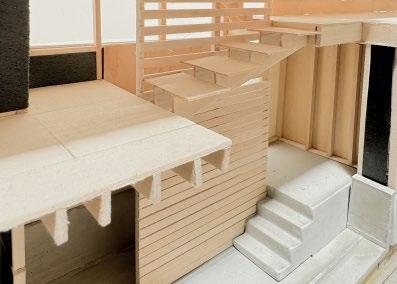
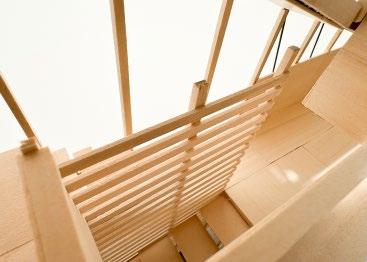
WorkHouse is an innovative 1800-square-foot residence and studio designed for a small family, located behind an existing dwelling near a bustling boulevard and the Pacific Design Center. Emphasizing visually shared exterior spaces that seamlessly extend indoors, the design balances the daily rhythm of living, working, and privacy through strategic plan and section adjustments, along with a mix of transparent, translucent, and opaque materials. This collaborative project involved comprehensive research and hands-on craftsmanship, including mold making, 3D printing, cement mixing, and precise model construction at a 1:1/2 scale. Iterative study models were pivotal in refining the home’s circulation and spatial dynamics.
Strigiforme Hostel
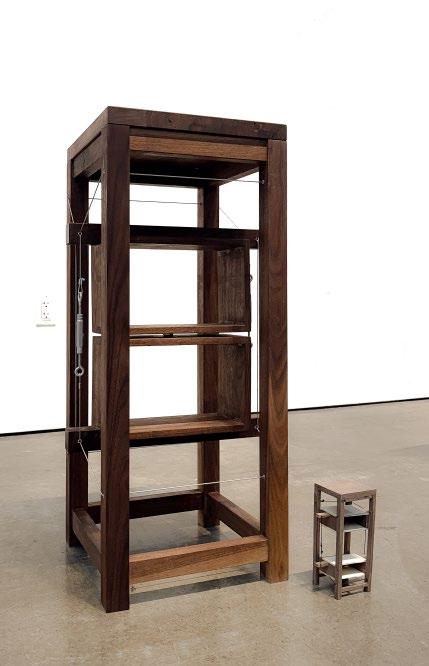
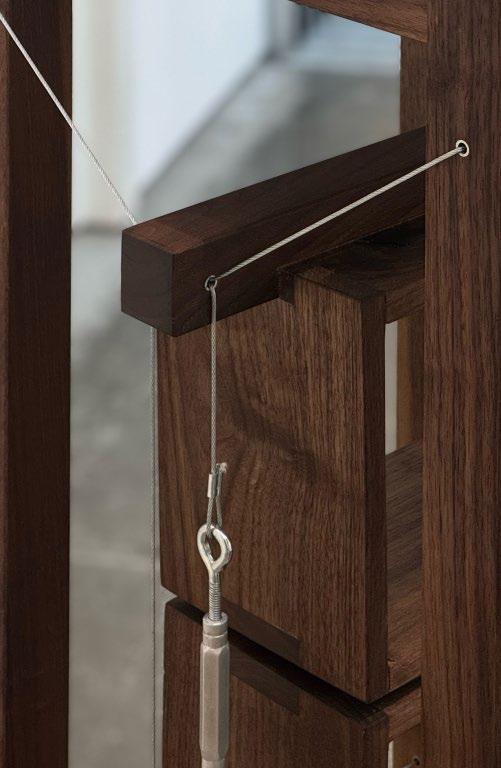
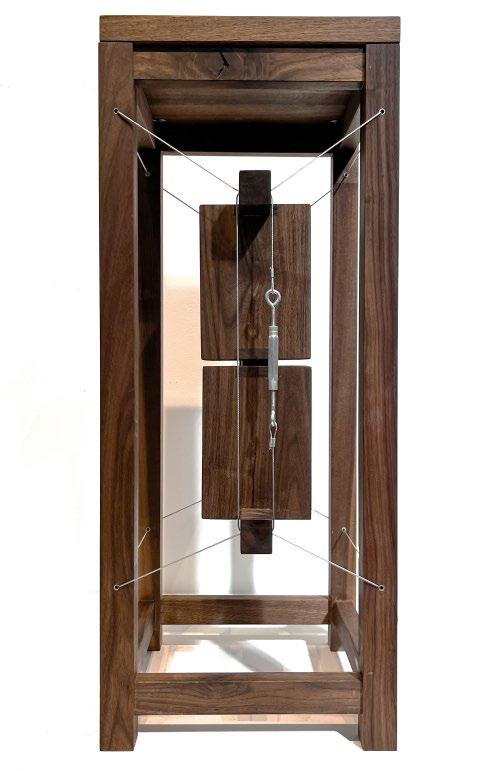
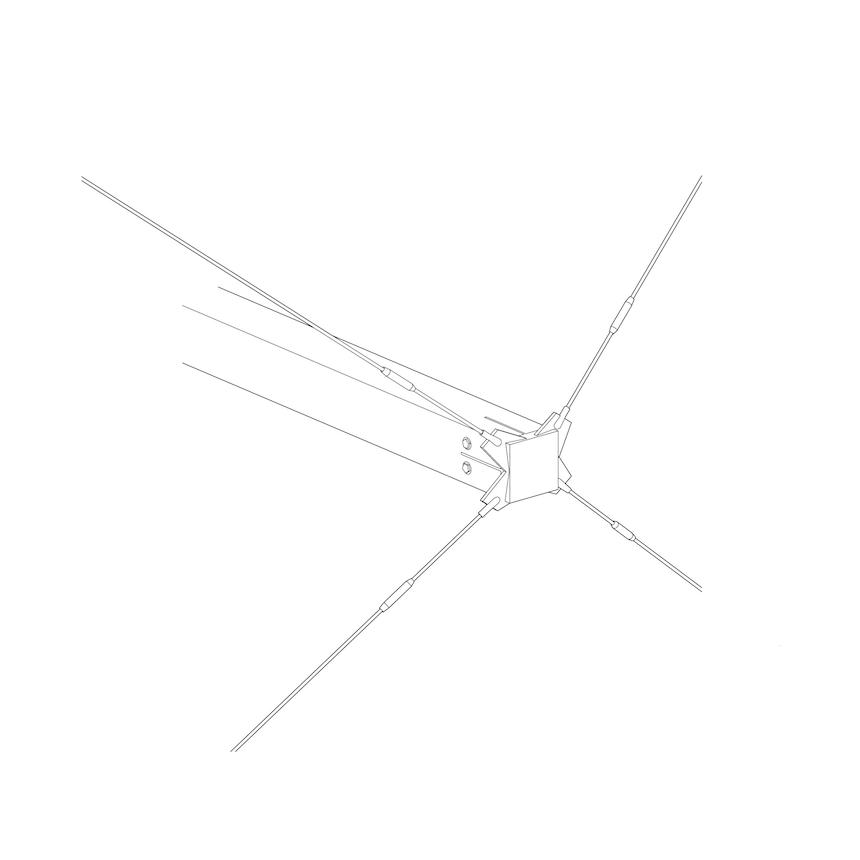
Building on my exploration of natural materials and my architectural interests, I ventured into furniture design as the next step in applying my research to real-world implications. Through extensive research and iterative design, I developed a simple yet effective tensile structure with practical applications. This process presented challenges beyond typical furniture-making, particularly with the incorporation of tensile steel wire and its unique complexities. Navigating these difficulties deepened my understanding of the material and highlighted the importance of perseverance when taking on not only a new medium but also a new approach to an already existing tradition.
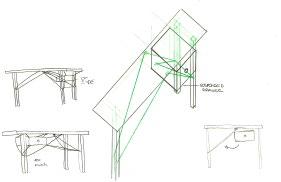
The project began with sketches, primarily in axonometric view, as it helps me better understand the shapes I draw. When sketching, I like to use different colors to represent various components. In this case, I used color to indicate members I envisioned being in tension or compression.
The exploration followed with a physical model, which served as an early indicator of the idea’s potential and provided encouragement to pursue it further. It also offered a brief introduction to the challenges of working with wood as a medium.