
EMEA Liquid Hydrogen Fuel Market
Size, Growth & Revenue Outlook 2024–2034
MARKET INTELLIGENCE REPORT


Market at a Glance
The EMEA liquid hydrogen fuel market is entering a high-growth decade, underpinned by decarbonization mandates, industrial demand, and strategic energy diversification across the region.
16.8% CAGR Projected compound annual growth rate through 2034
$5.5B Market Size (2025)
Base year valuation in USD billions
$25.8B
Forecast (2034)
Expected market value in USD billions
Growth Trajectory 2025–2034
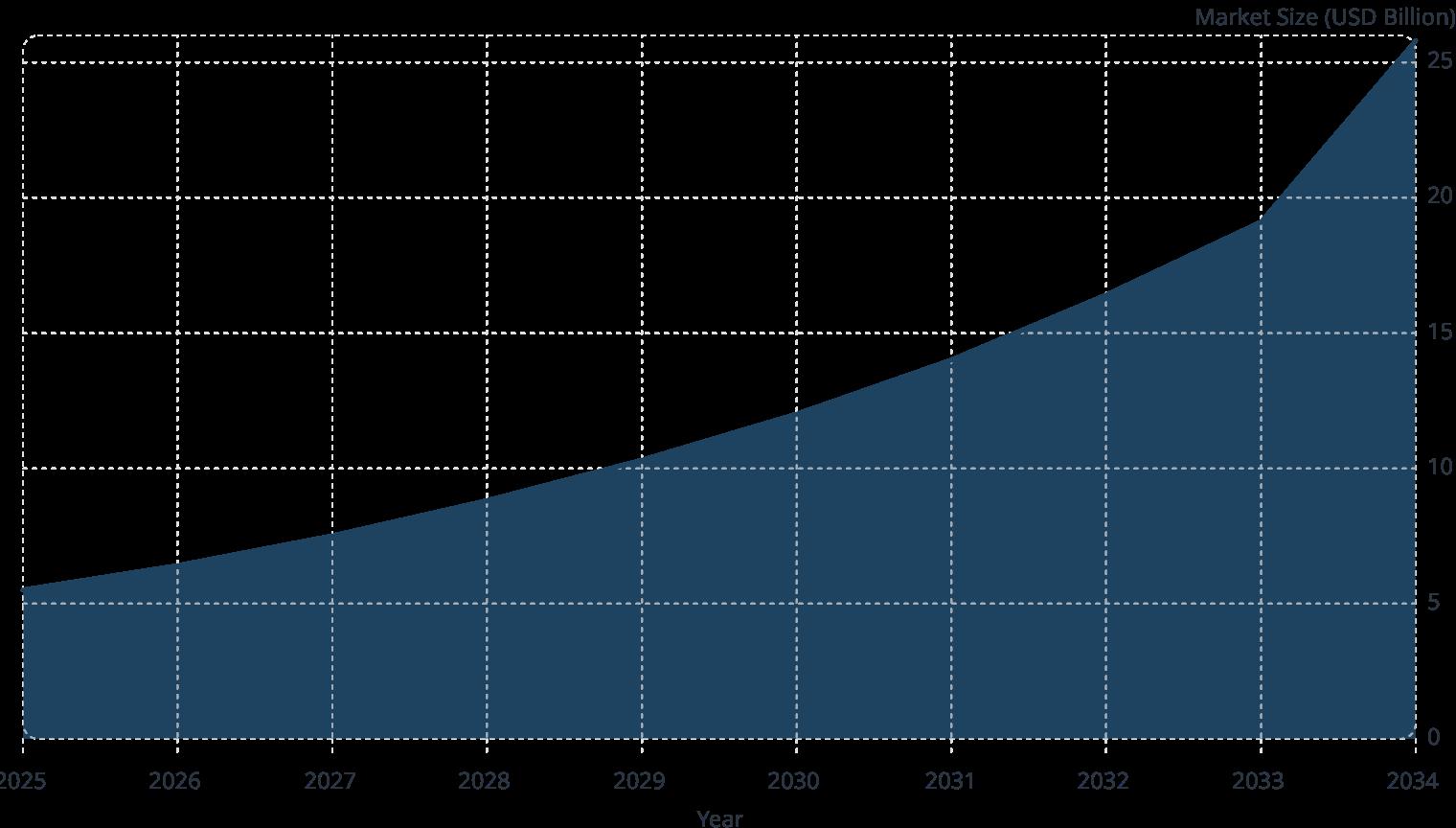
Market value is forecast to nearly 5x between 2025 and 2034, driven by scaling green hydrogen production capacity, expanding refueling infrastructure, and tightening EU emissions regulations.
Get More Info: https://www.marketsintrend.com/report/4265-emea-liquid-hydrogen-fuel-market

Regional Dynamics
�� Dominating Region
�� Fastest Growing Region
Europe leads the EMEA market, anchored by robust EU hydrogen strategy, established industrial infrastructure, and deep capital markets supporting large-scale projects.
Middle East is rapidly scaling, leveraging abundant renewable energy resources, sovereign wealth investment, and ambitions to become a global hydrogen export hub by the early 2030s.
Key Market Players
The competitive landscape spans integrated energy majors, industrial gas leaders, technology specialists, and innovative pure-play hydrogen ventures across EMEA and globally.

Integrated Energy Majors
• TotalEnergies SE (France)
• Shell plc (United Kingdom)
• BP p.l.c. (United Kingdom)
• Engie SA (France)

Industrial Gas Leaders
• Air Liquide (France)
• Linde plc (Ireland)
• Siemens Energy AG (Germany)
• Hydro (Norway)

Technology & Equipment
• Chart Industries (US/EMEA)
• Hexagon Composites ASA (Norway)
• NPROXX (Netherlands)
• Cummins Inc. (US/EMEA)

Pure-Play & Innovators
• Plug Power Inc. (US/EMEA)
• HYVIA – Renault & Plug Power JV
• H2 Green Steel (Sweden)
• Fortescue Future Industries
Strategic Takeaways
Accelerating Momentum

A 16.8% CAGR signals sustained structural demand — not a short-term cycle — making early positioning critical for investors and strategists.
Europe as the Anchor
Regulatory clarity and established industrial corridors give Europe a durable lead; watch for cross-border infrastructure investments through 2027.
Middle
East as the Wildcard
Sovereign-backed scale and low-cost renewable feedstock position the Middle East for outsized growth — and potential as a global export hub.
Fragmented Competition
With 18+ key players spanning majors, specialists, and JVs, consolidation and strategic alliances will define the competitive map by 2030.