 Samarth Vachhrajani
Architecture Portfolio // Selected Works
Samarth Vachhrajani
Architecture Portfolio // Selected Works
Table Of Contents
Portfolio
1/ Textile Co-Op - Dia Beacon Art Residency
2/ Pigneto Social Hub
3/ Des Moines Art Center - Downtown
4/ Four-Mile Creek Greenway Community Recreation Center
5/ Pickard Chilton Summer Internship Work
6/ Palaces of the People (Exhibition)
7/ Digital Fabrication
8/ Publications
Samarth Vachhrajani
Textile Co-Op - Dia Beacon Artist Residency
Beacon // New York
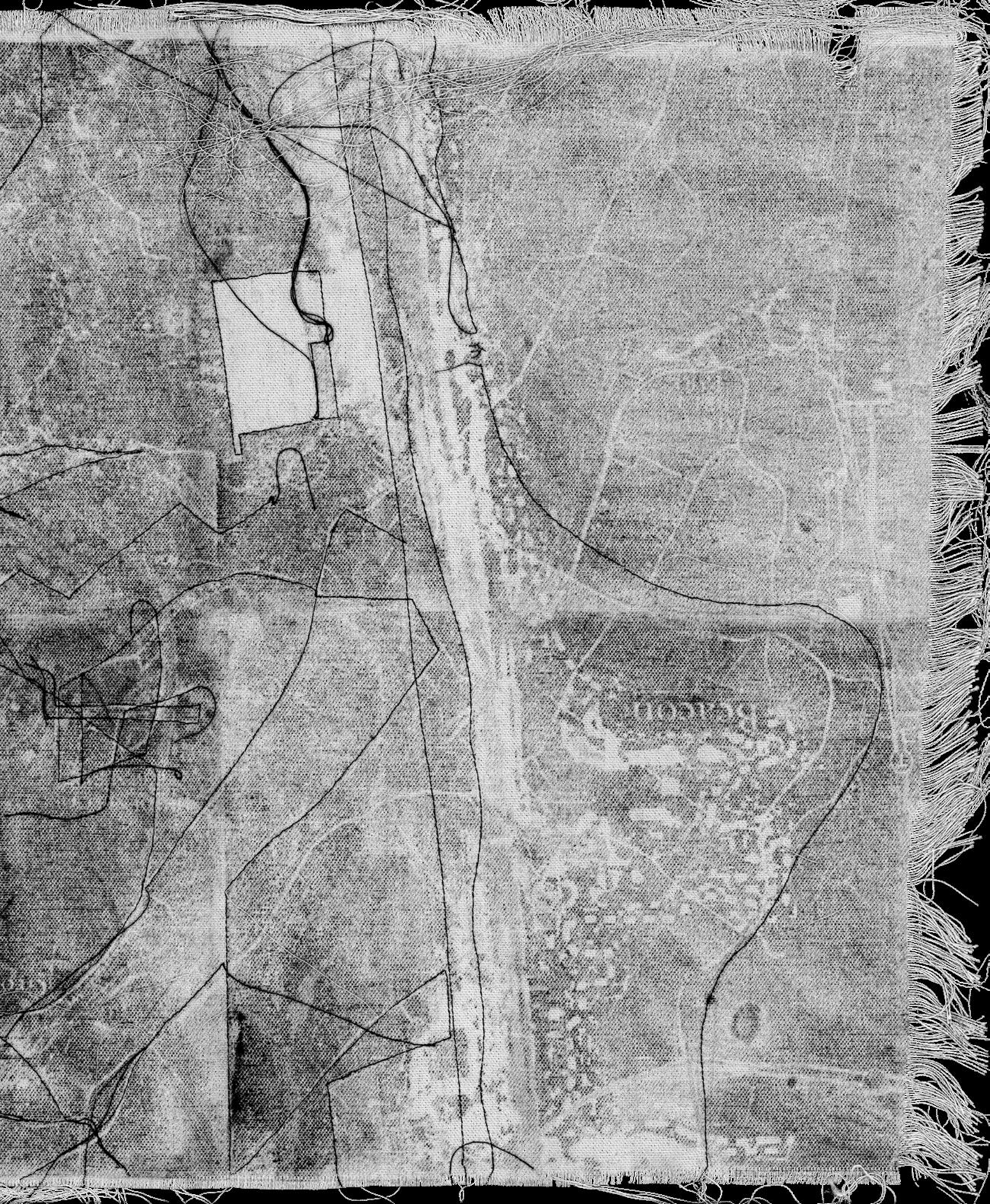
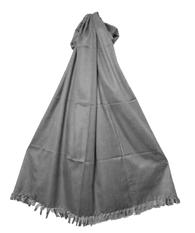
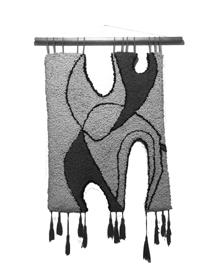
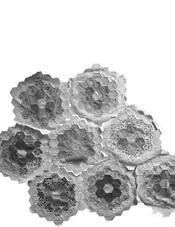
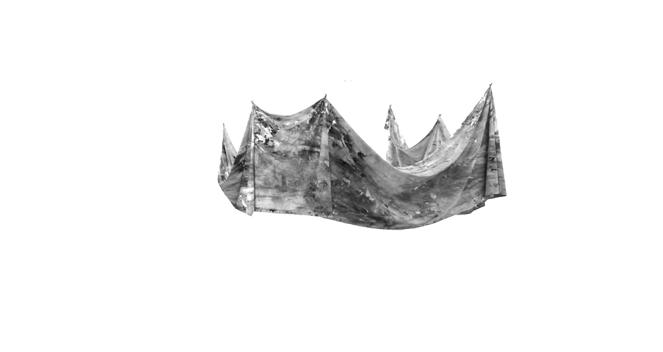
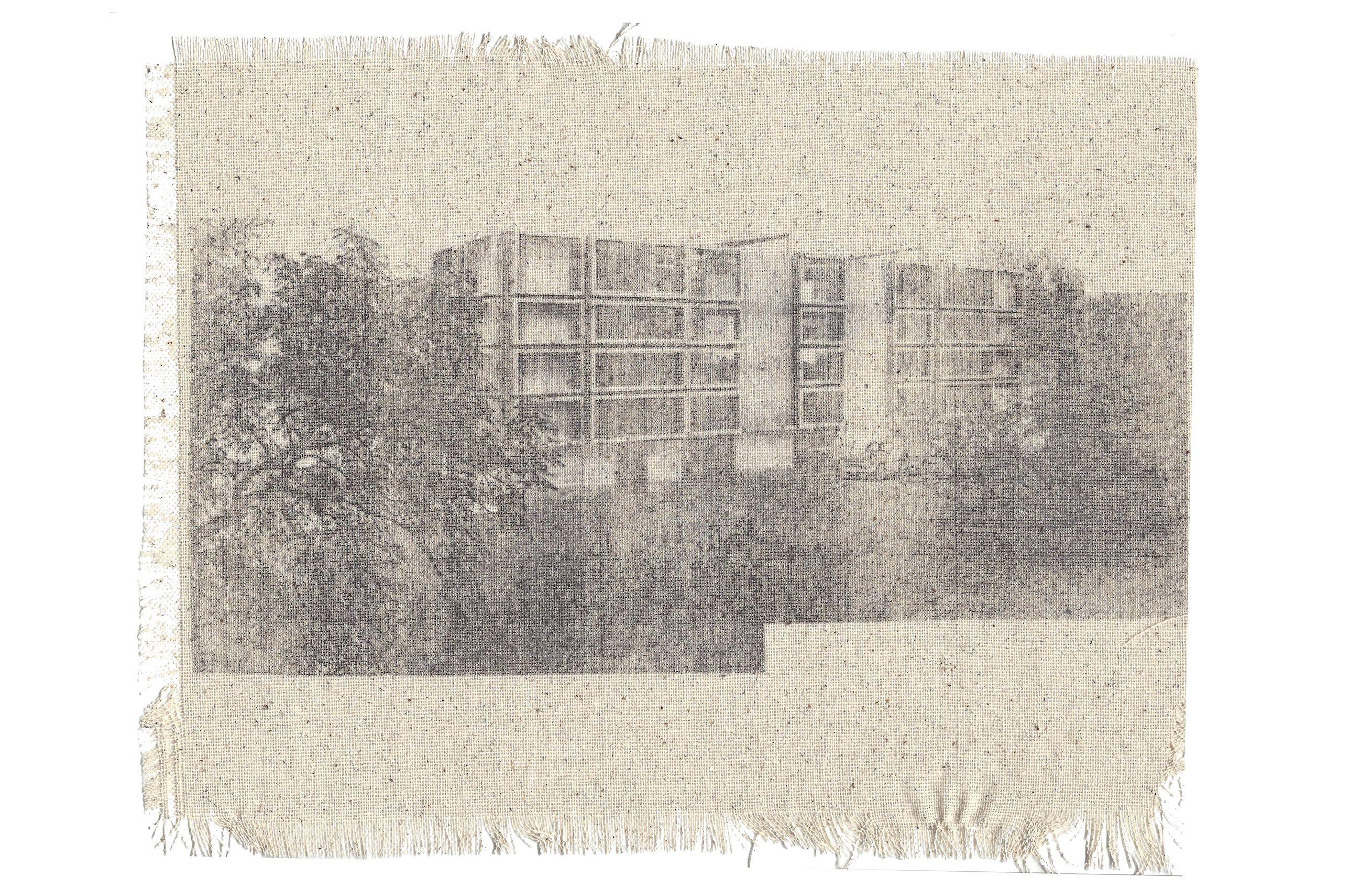
Textiles are objects which carry stories and memories in them. They signify the conditions that once existed. Even during the COVID-19 pandemic, where we found ourselves trapped in our houses, textiles could ground oneself to remember the stories attached on the fabric with each stitch and stain.
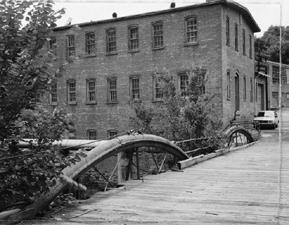
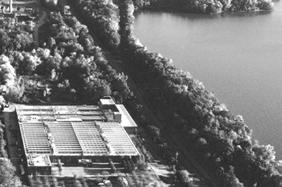
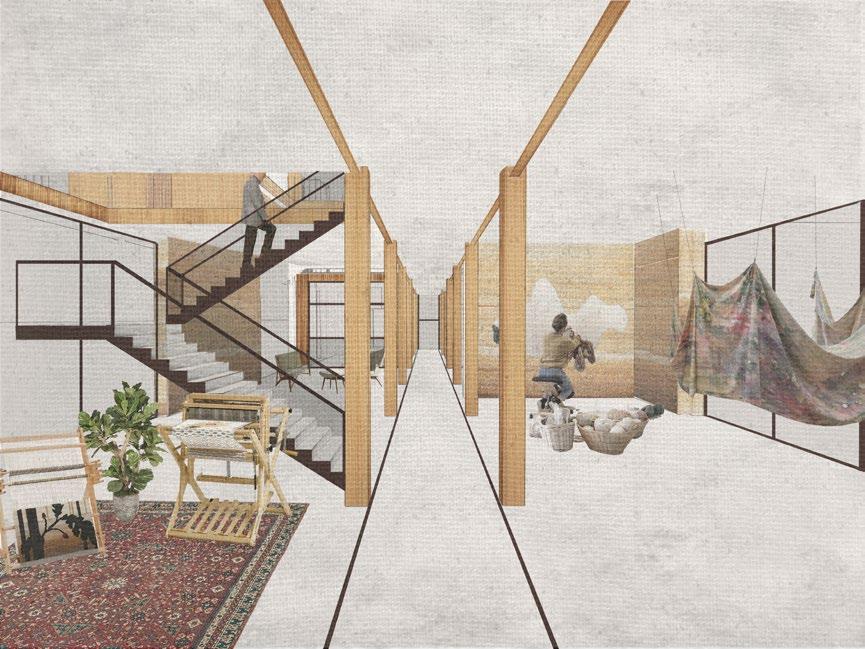
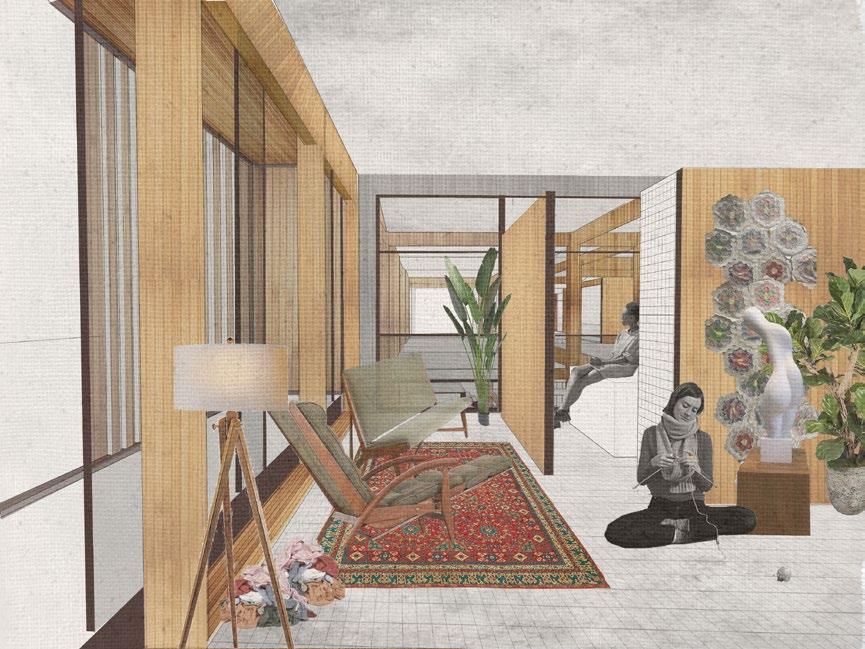
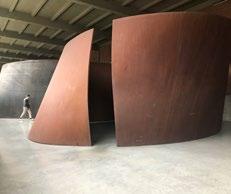
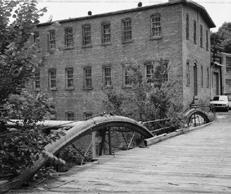
This Textile Co-Op is located in Beacon, NY, a place where multiple hat factories existed. The city was once known as the “hat factory making capital of New York State.” Our project recognizes this past of Beacon, NY through art residencies within the Dia:Beacon Museum. The existing art museum and renovated factory features several large site specific sculptures including work from Richard Serra, Sam Gilliam, Andy Warhol and Dan Flavin. The proposed residency located to the west of the museum is where textile artists have the opportunity to participate and lead discussions on oral histories. The artists create tapestries and other such pieces which not only respect the oral histories connected to the pieces and the place but also act as a speculative form of generating new knowledge and art.
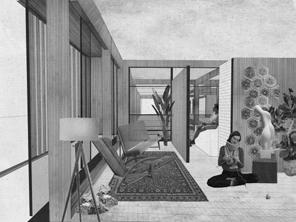
The building is a co-working collective space for sharing skills and stories with other artists and the public visiting the Dia Beacon Museum.
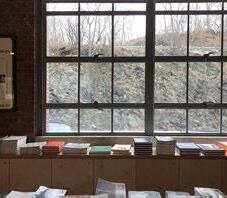
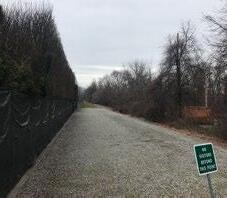
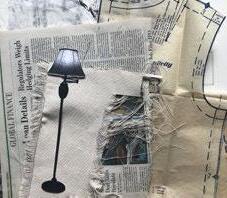

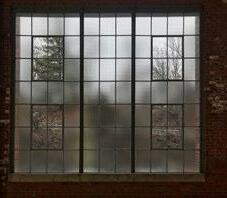
Project 1 // Textile Co-Op 4
In Collaboration with Mae Murphy
Site
Images
Digital
Render printed on Fabric

STORAGE
Ground Level
Pigneto Social Hub
Rome, IT
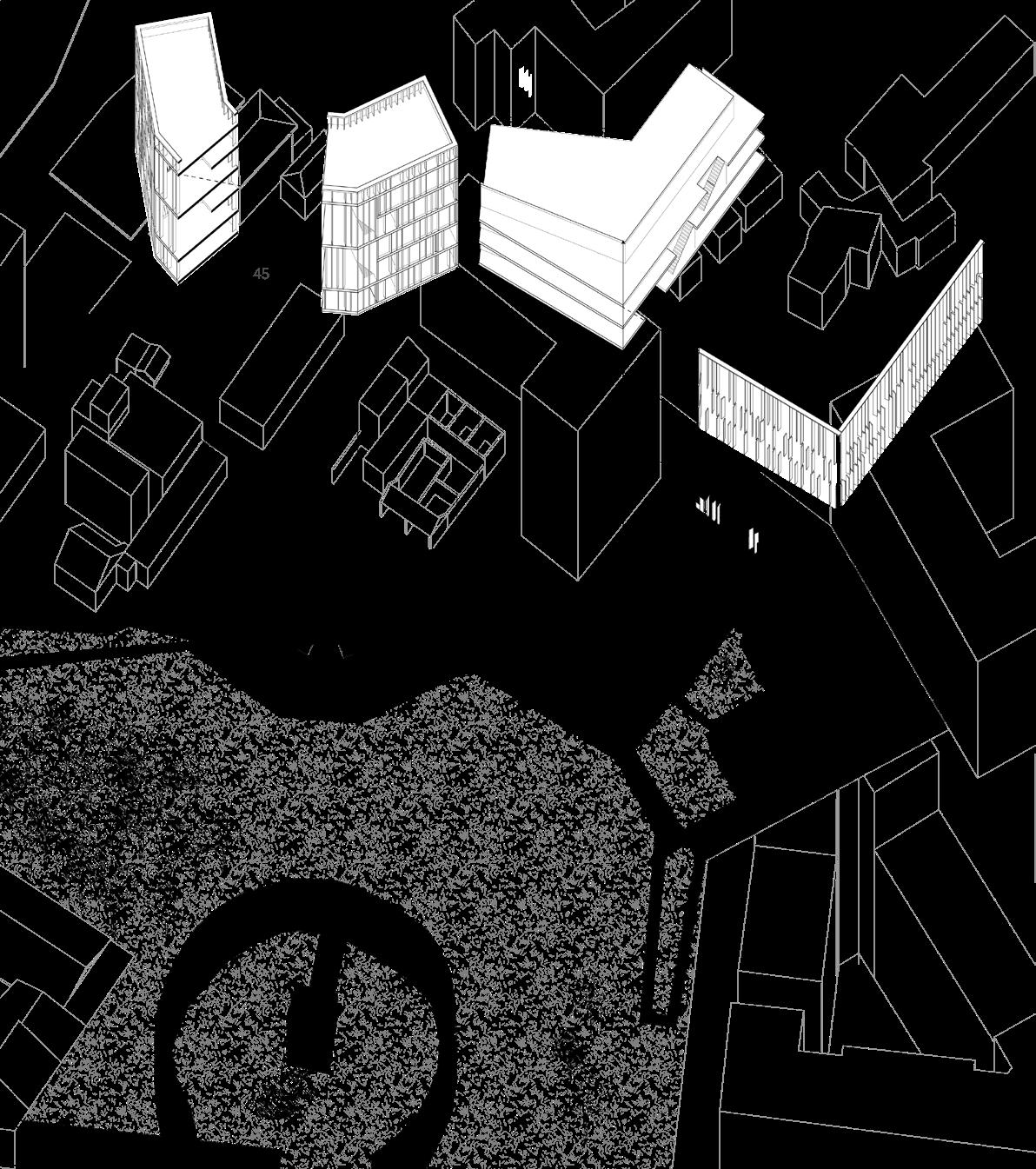
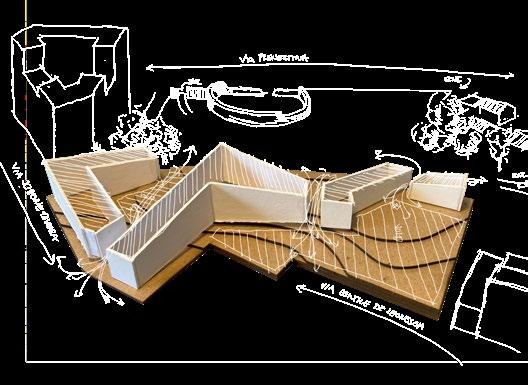
Multiple typologies and social dynamics shape the neighborhood of Pigneto in Rome. Benevolo argues in The European City that “a city’s physical form derives from a complex combination of geographical and historical factors; its various aspects constitute an array still more varied than that presented by those economic, social, and cultural events.” Pigneto in Rome is a rapidly changing Peripheral neighborhood, which acted as a collective space for people not served by Rome’s stagnant center.
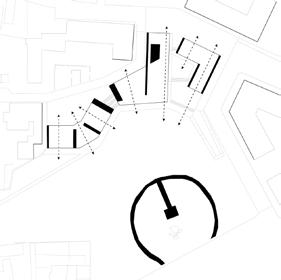
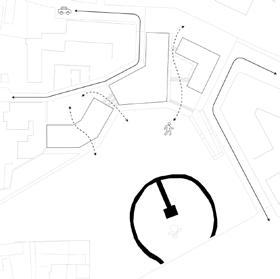
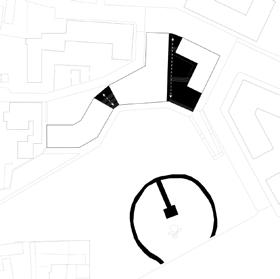
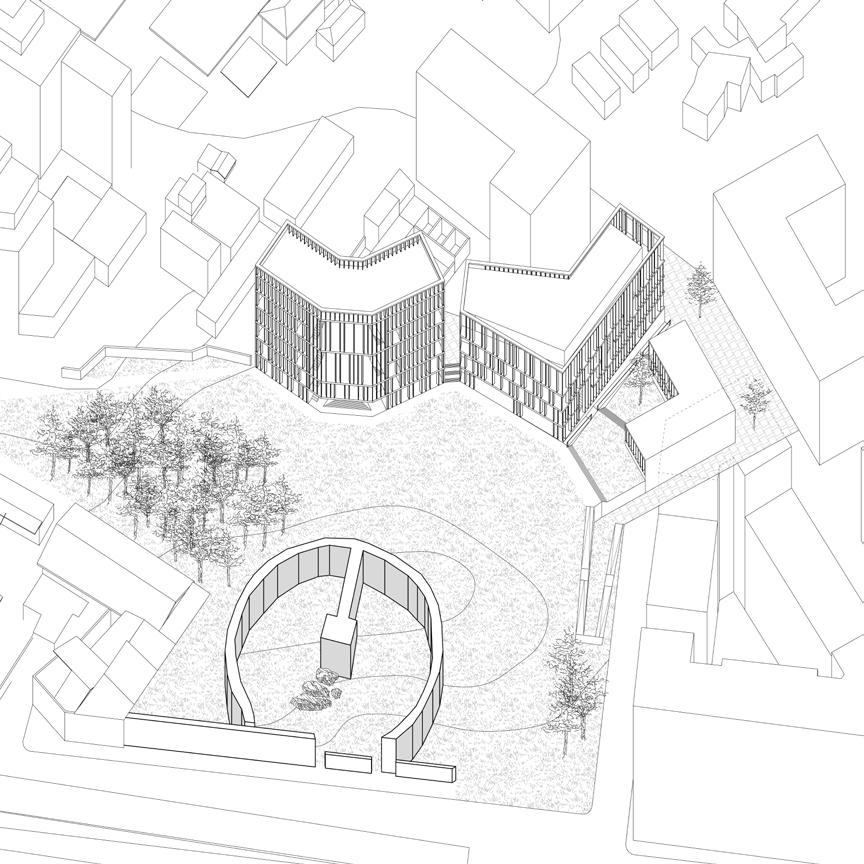
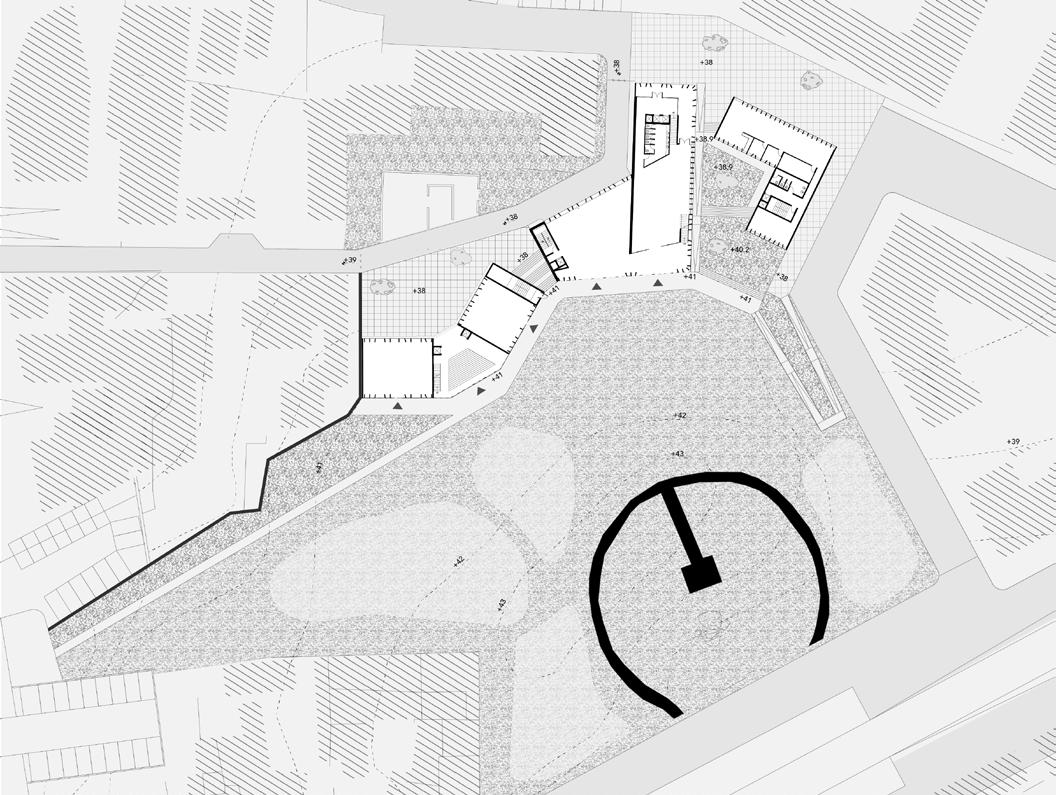
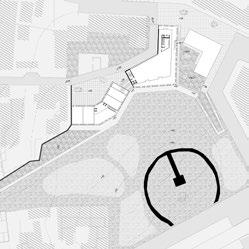
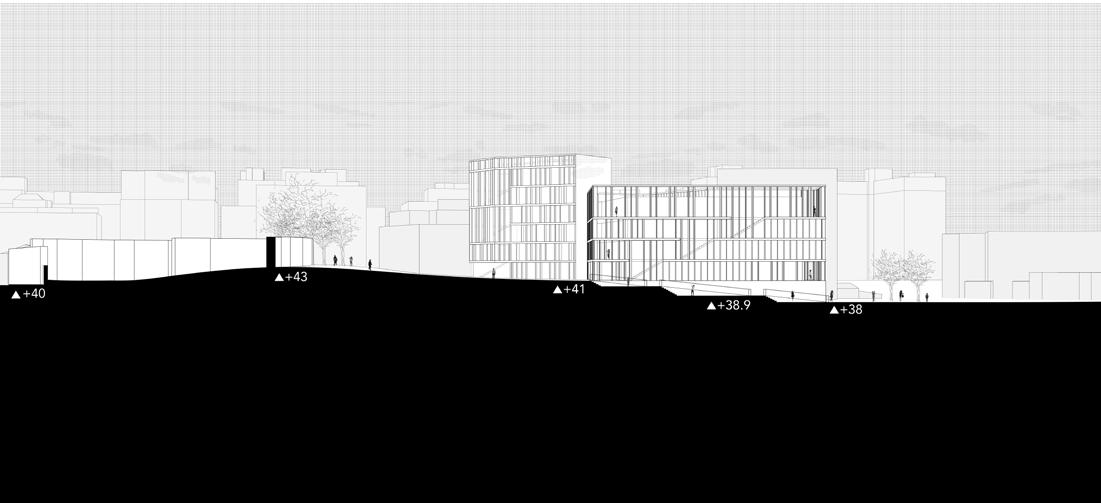
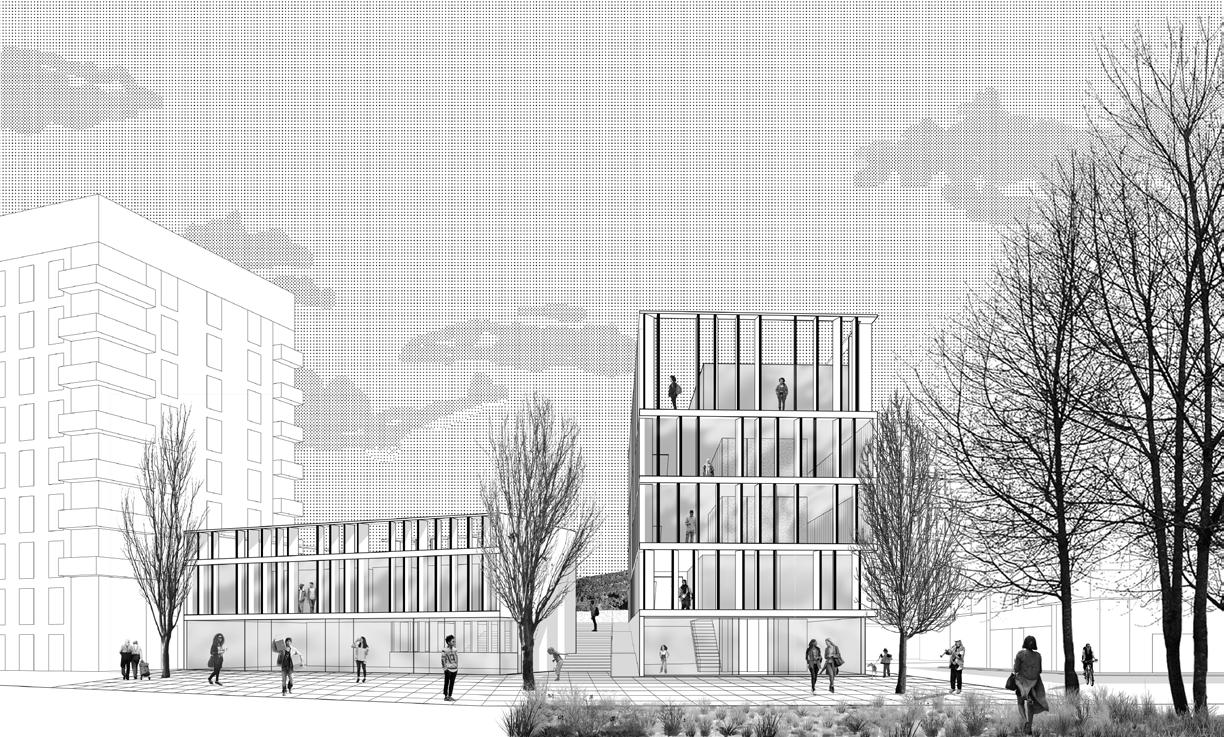
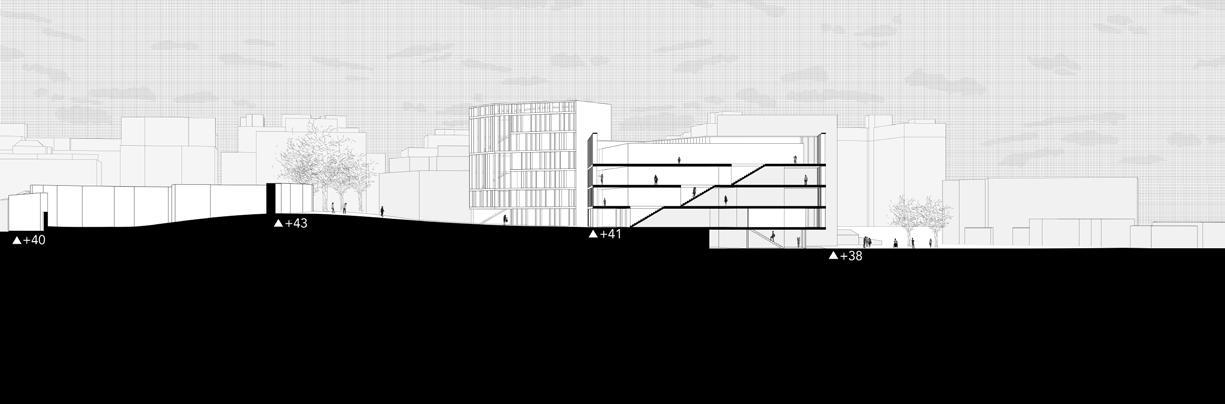
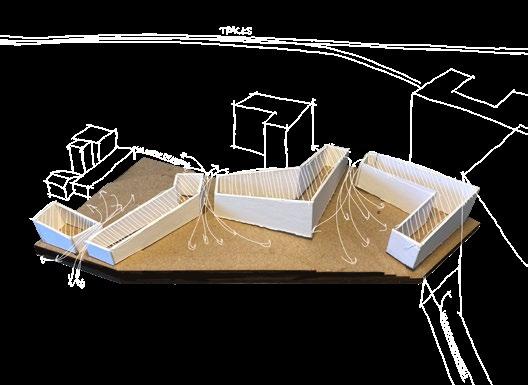
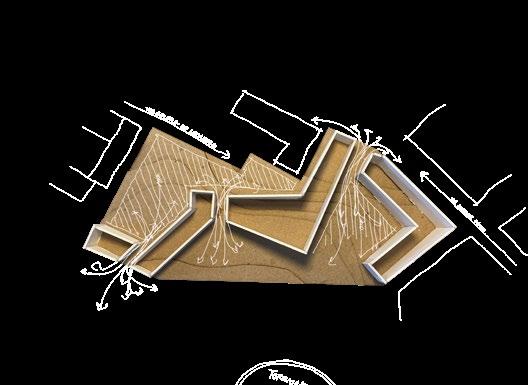
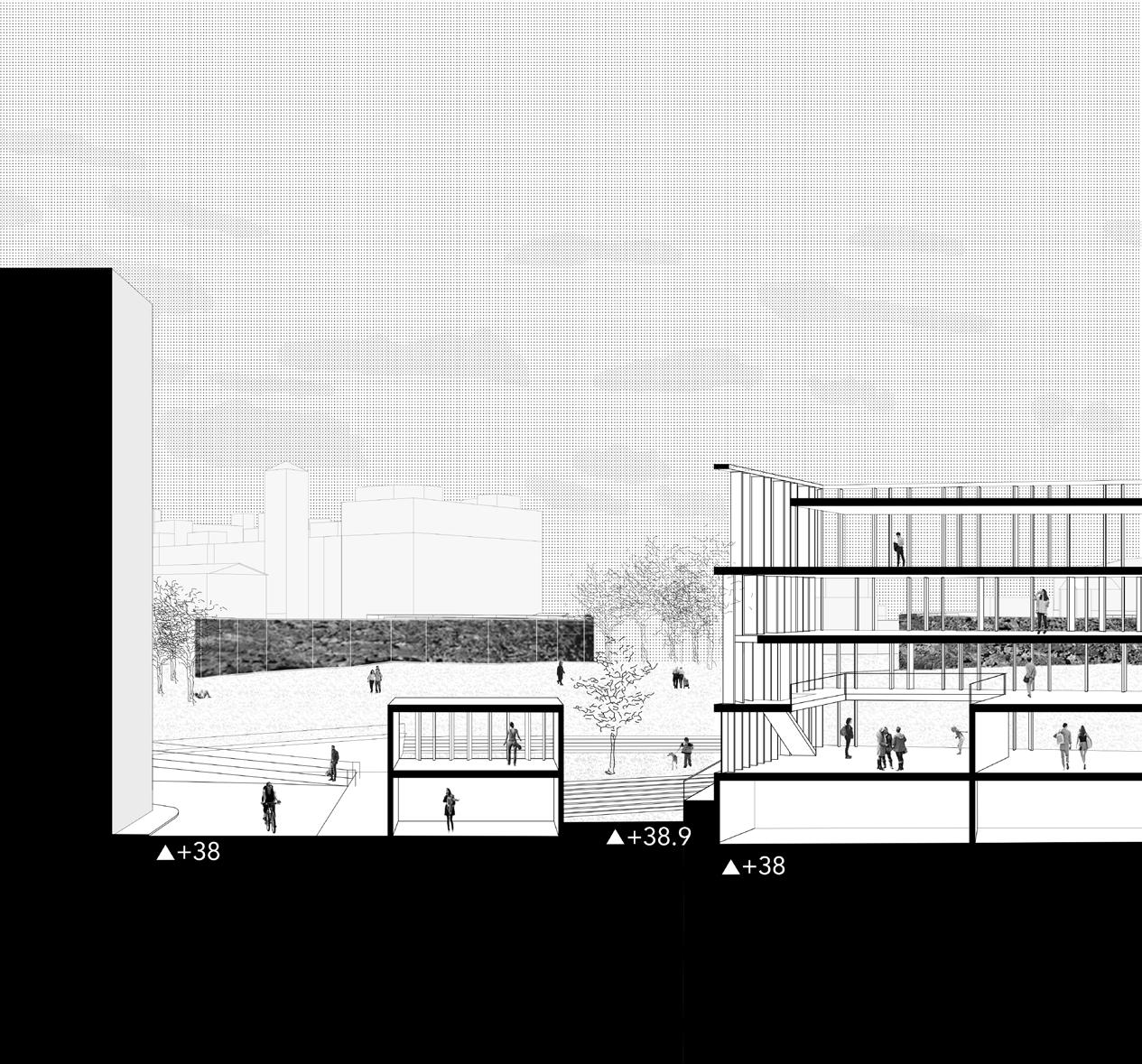
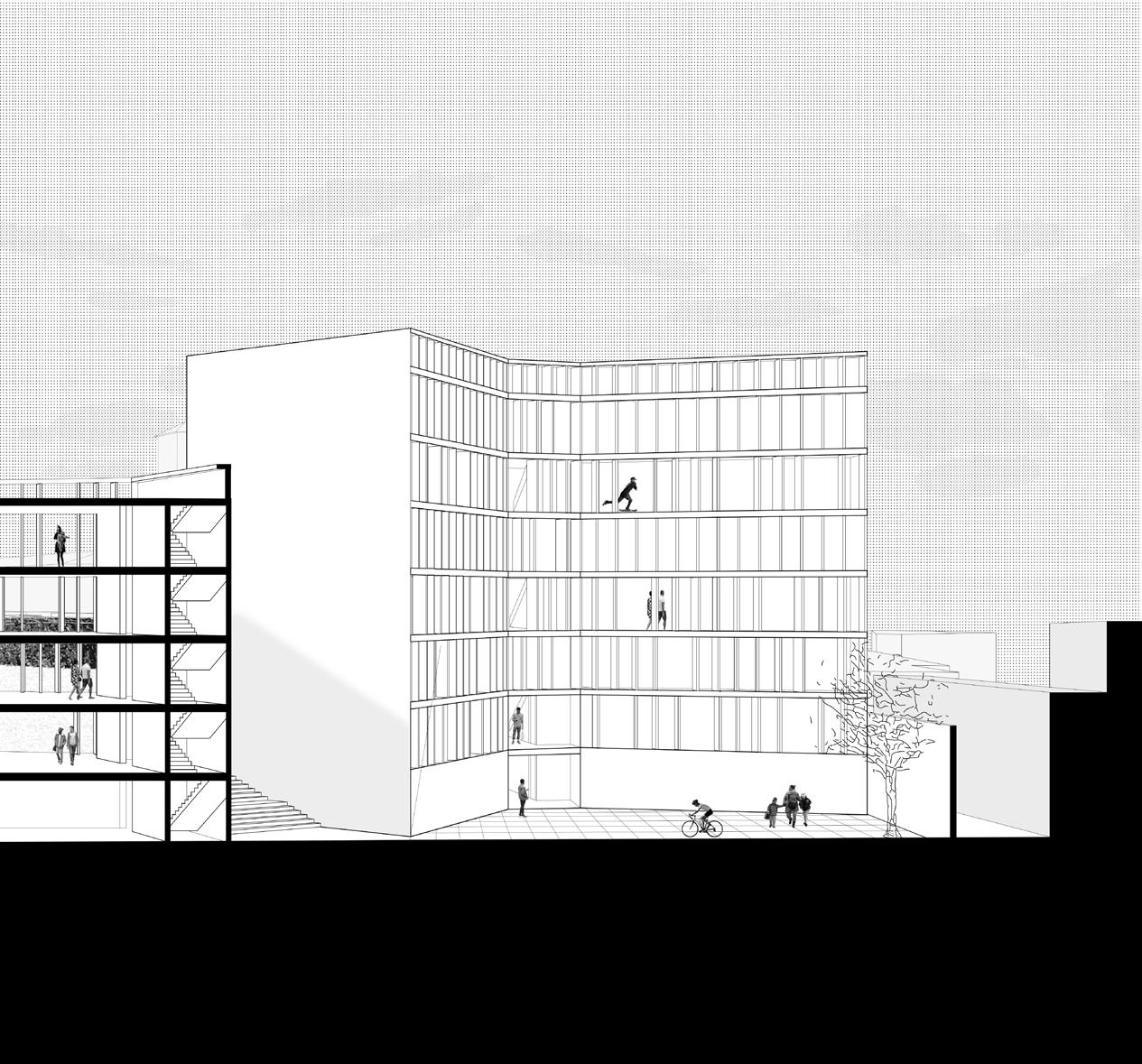
Our proposal works as a porous “spine” or an “edge” continuous with the push and pull of the city’s urban fabric - connecting the neighborhood to the Park and The Torrione Monument. Programs are divided into three main buildings - Student housing, central public building, and the workshops. The entry sequence is created through thresholds and edges - marked by the geometry of the buildings. These series of interconnected collective spaces become a part of the landscape and adapt to the changing topography through ramps and stairs. The Facades become the walls of the public spaces, a complex mechanism mediating dialogue between the interiors and the exteriors. Our facades are a series of shifted columns that allow for natural light to be filtered into the spaces and provide views into the city. They become a binding element among the three buildings, which are otherwise unique formally.
Pigneto was built by its citizens over time, building with it strong solidarity and community. The social hub is a designated place for the culture of Pigneto and creates space for its future growth.
Project 2 // Pigneto Social Hub 12
CIRCULATION THRESHOLDS ORIENTATION Orientation Circulation Thresholds In Collaboration with Luke Mcdonell
Samarth Vachhrajani 13
Site Axonometric Drawing
Project 2 // Pigneto Social Hub 14
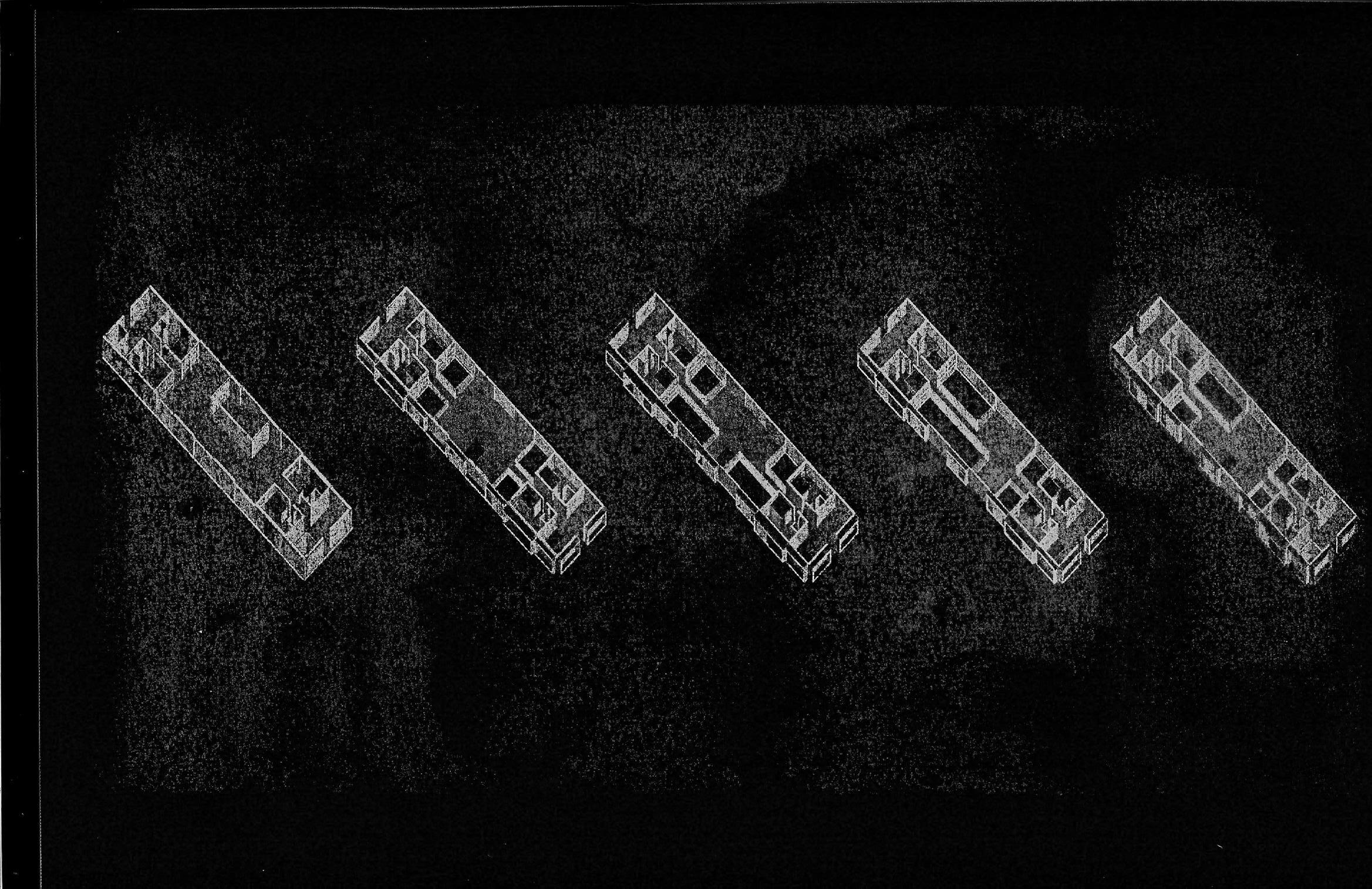
Exploded Axonometry
Samarth Vachhrajani 15
Floor Plans
Site Section
Project 2 // Pigneto Social Hub 16
Perspective Render
Building Section
Samarth Vachhrajani 17 Initial
Study Diagrams
Context Diagram - South
Context Diagram - North
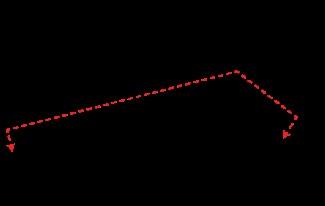
Floor Plan Diagram - Circulation
18 Project 2 // Pigneto Social Hub
Perspective Section
19 Samarth Vachhrajani
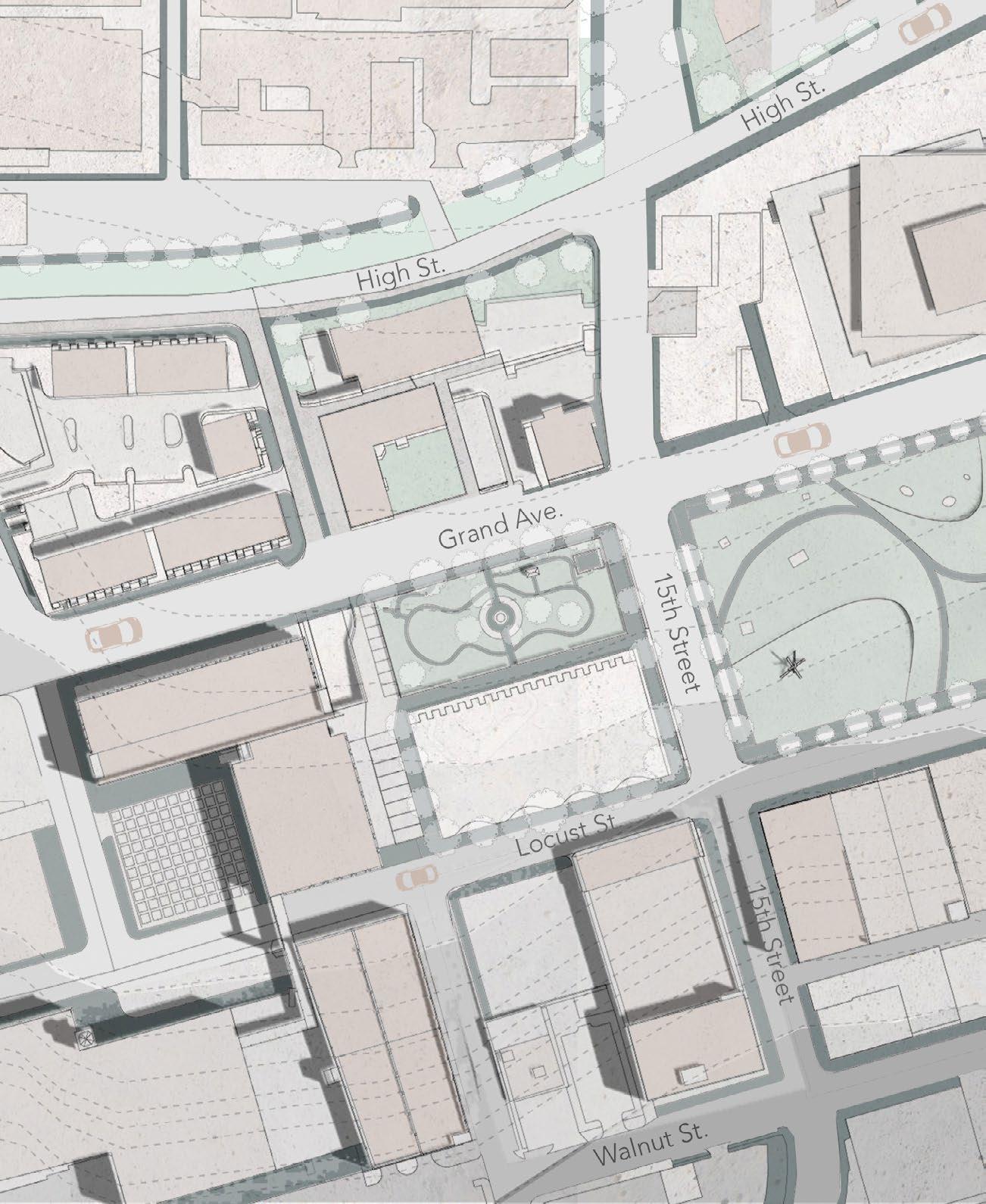
SITE
Des Moines Art Center - Downtown
Des Moines, IA
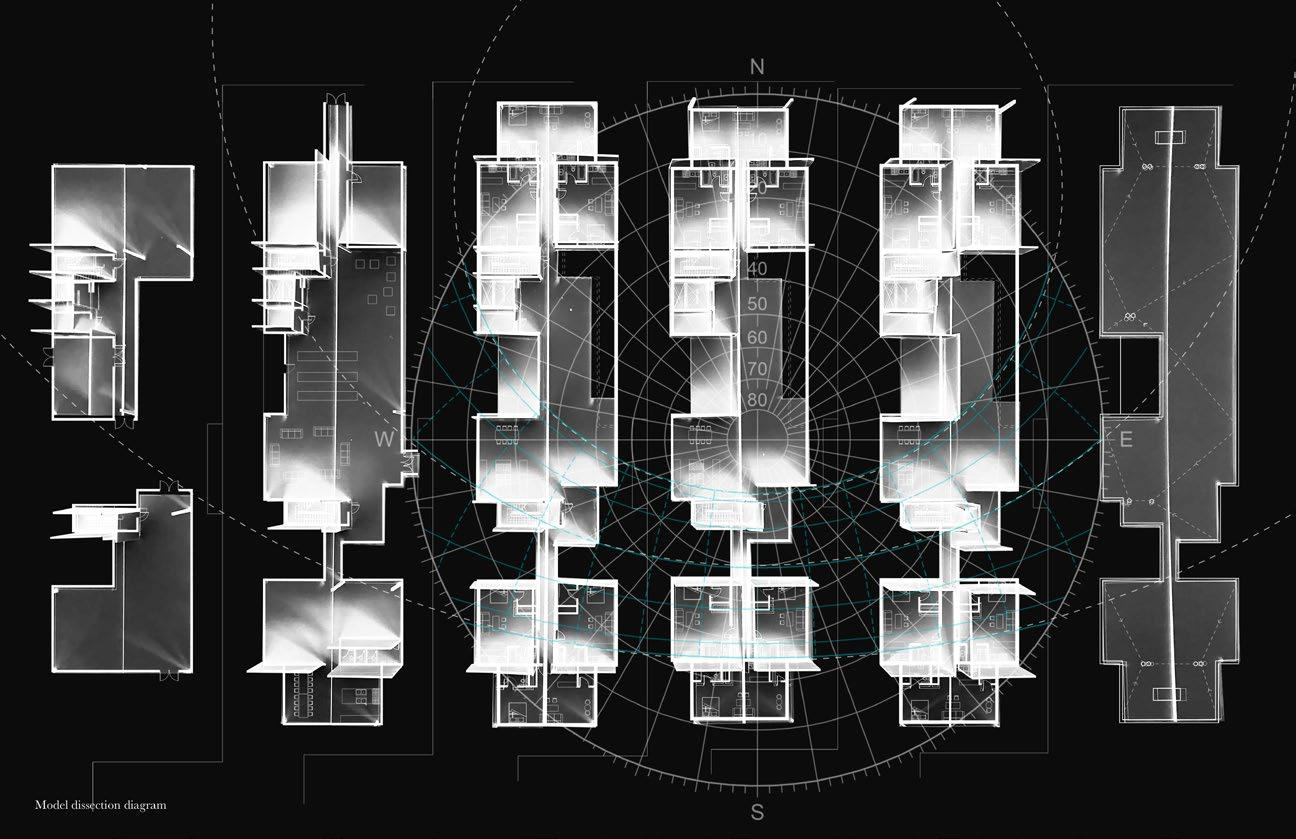
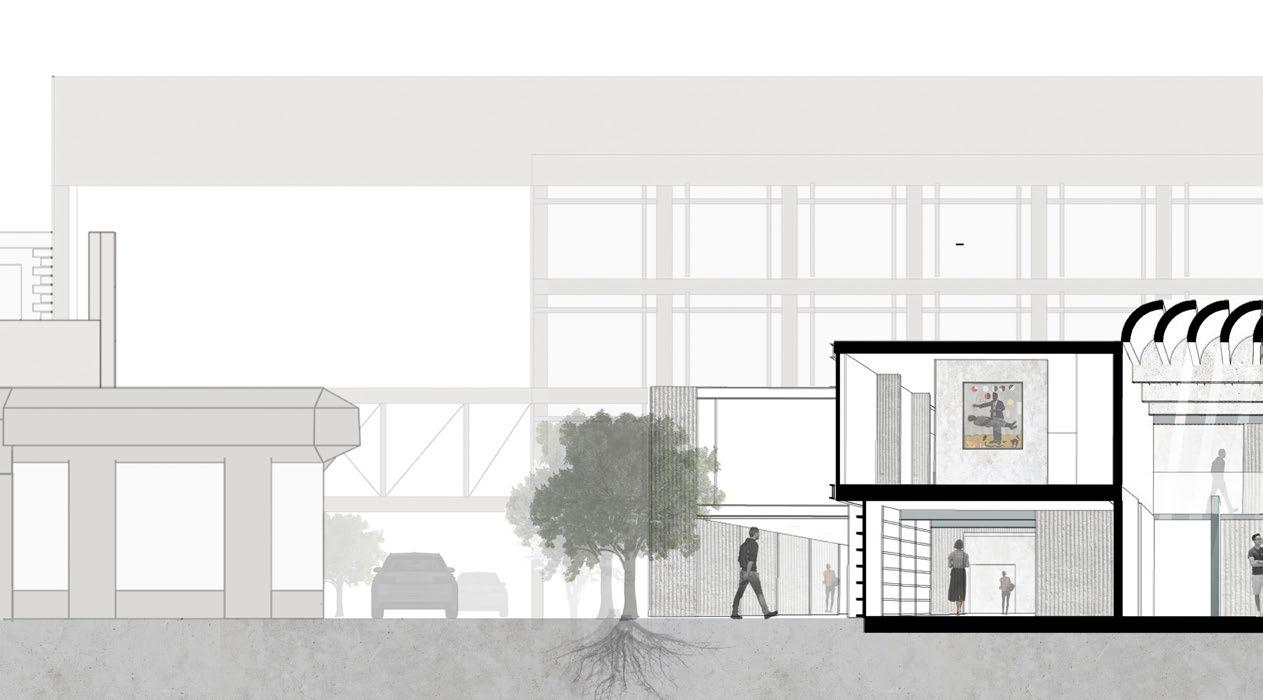
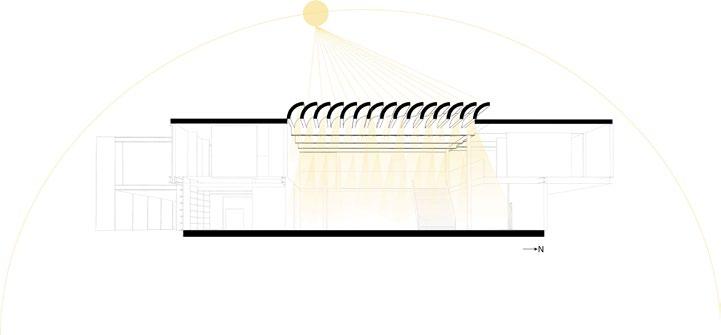
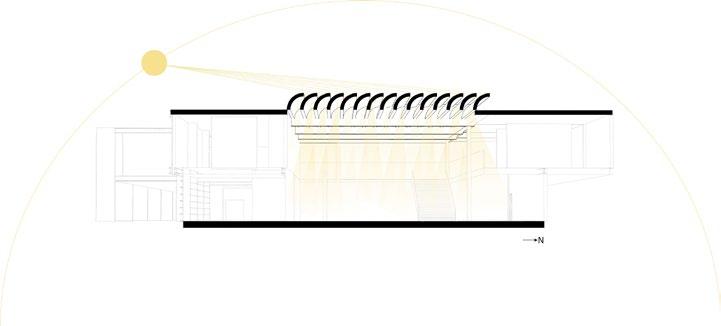
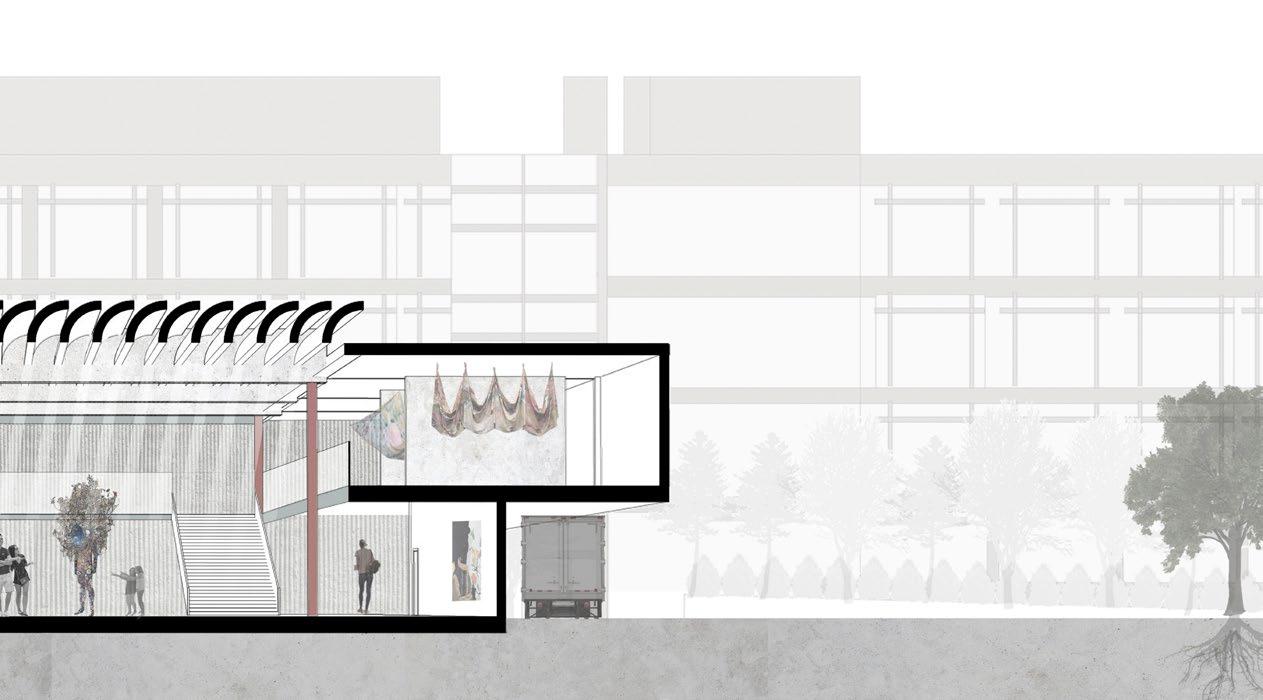
The Downtown Des Moines Art Center is dedicated to reflecting on the important social and cultural conversations of Des Moines and connecting larger national occurrences of injustice to its local manifestation. The design strategy is to stand in continuation of the long axis of the Papa John Sculpture Park. Our building from the west slowly opens up to the sculpture park aided by the processional march of the colonnade. Our proposal also consists of Long span folded plates structure, on the volumetric double heighted gallery and auditorium spaces, which also help in bringing diffused light into the gallery.
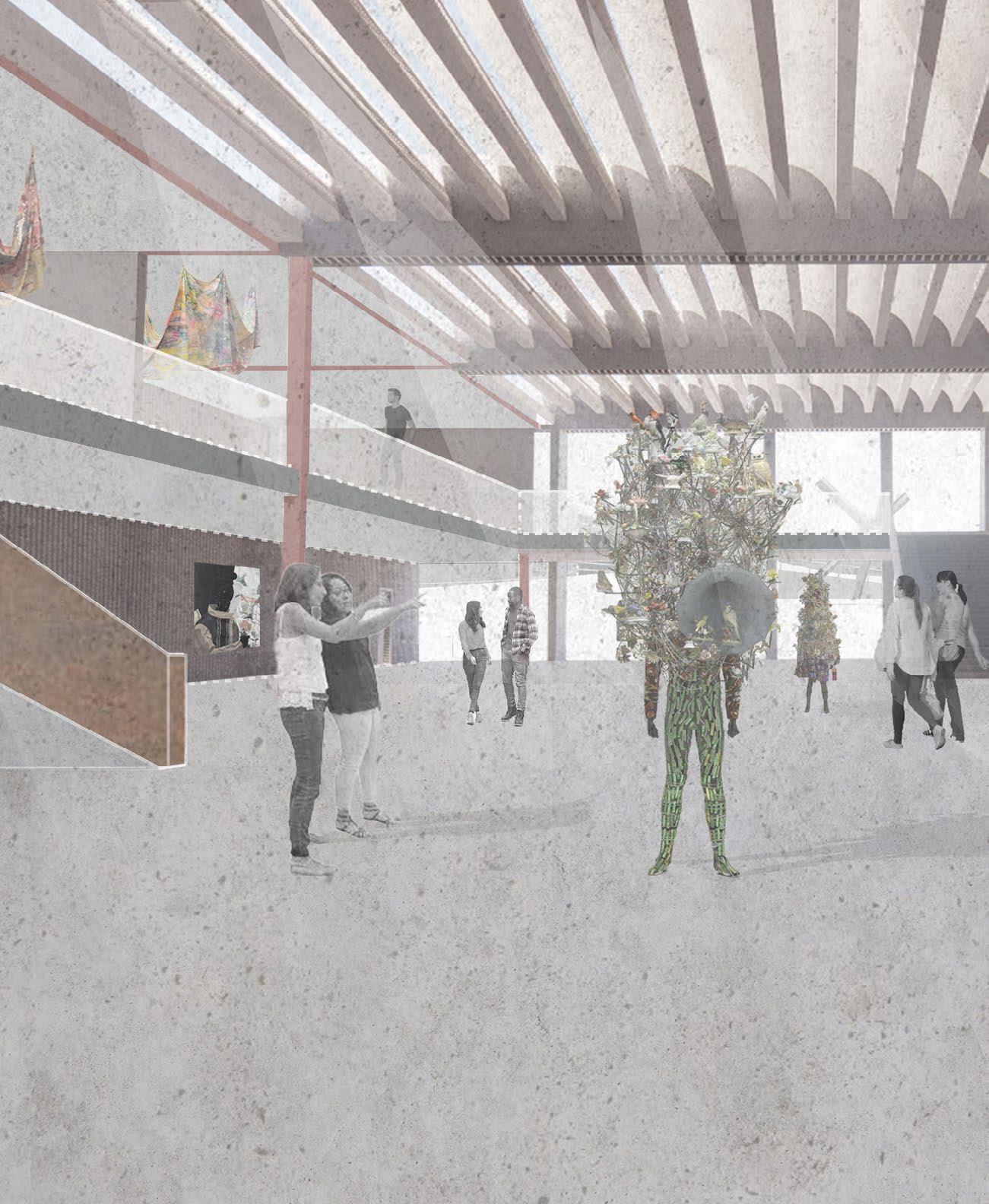
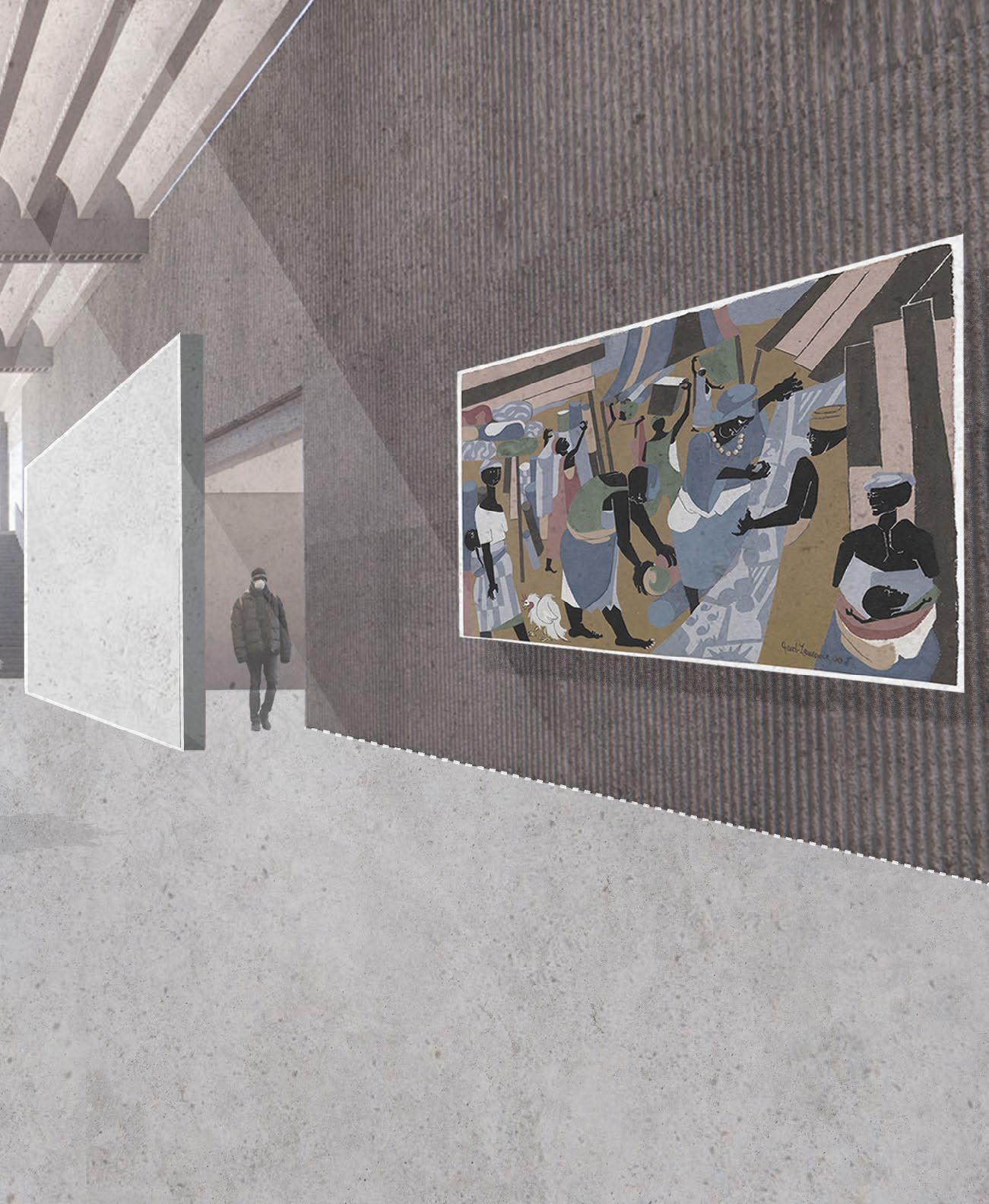
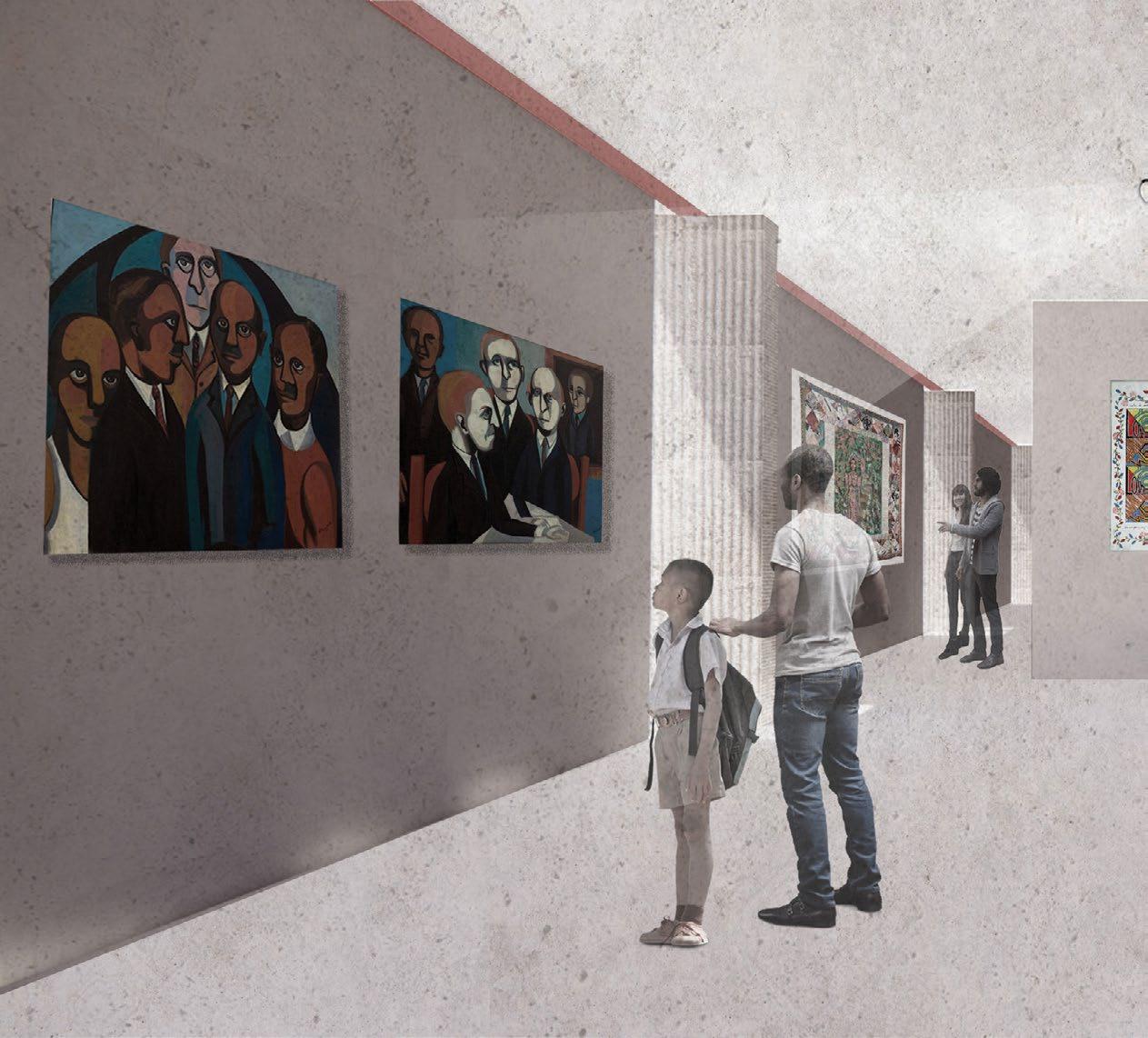
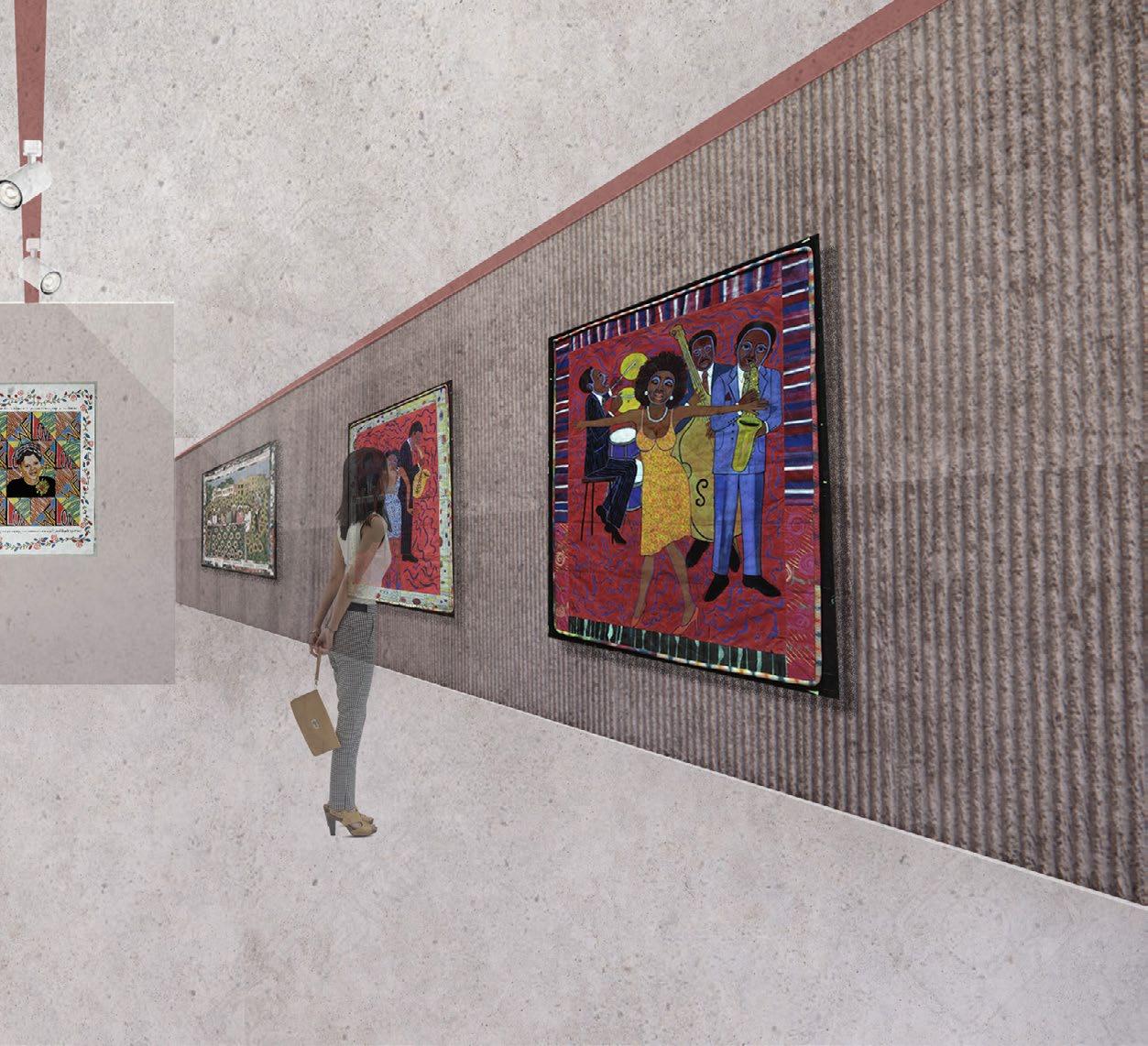
The large double-height gallery space acts as an open space that allows for discourse around important issues and a place where the museum visitors can reflect and take civic action. These galleries also provide a space for showcasing work by emerging and established artists of color, and provides them a space to bring light to injustices in an unfiltered way. In contrast to the larger gallery two smaller galleries on second level are condensed spaces where the visitors interact with the context in a more intimate setting for quiet reflection.

Samarth Vachhrajani 21
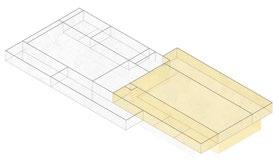
Massing Diagrams
In Collaboration with Adison Mixdorf
Site Plan
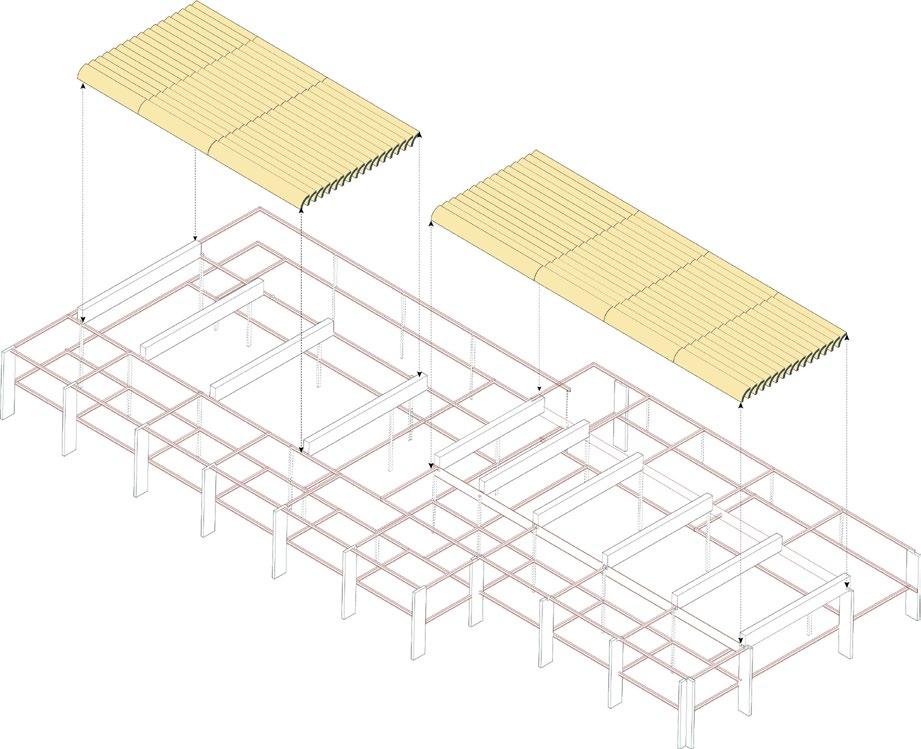
Structure Diagram
Folded Plates
Girders
Exterior Colonnade
Project 3 // Des Moines Art Center 24
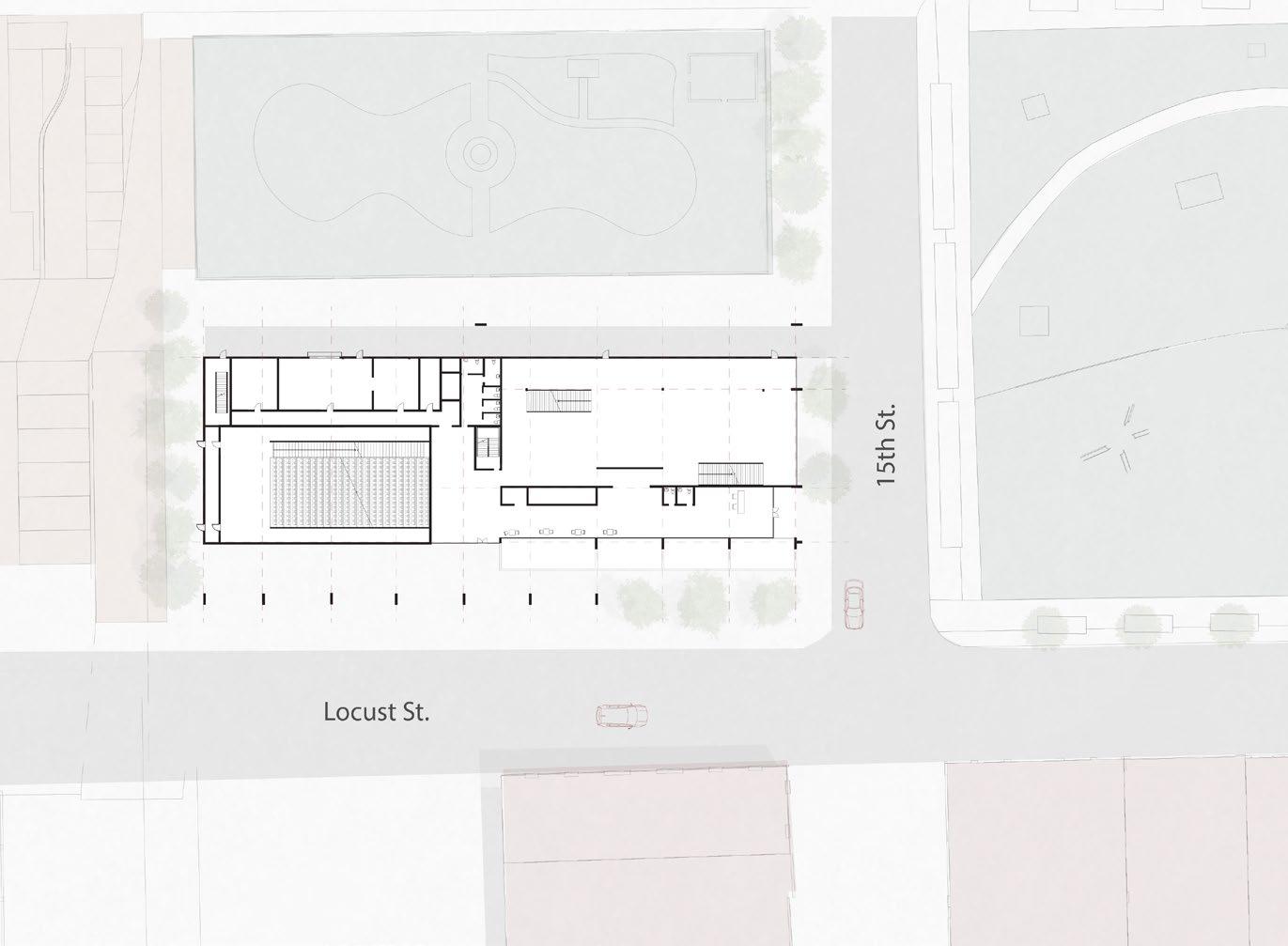

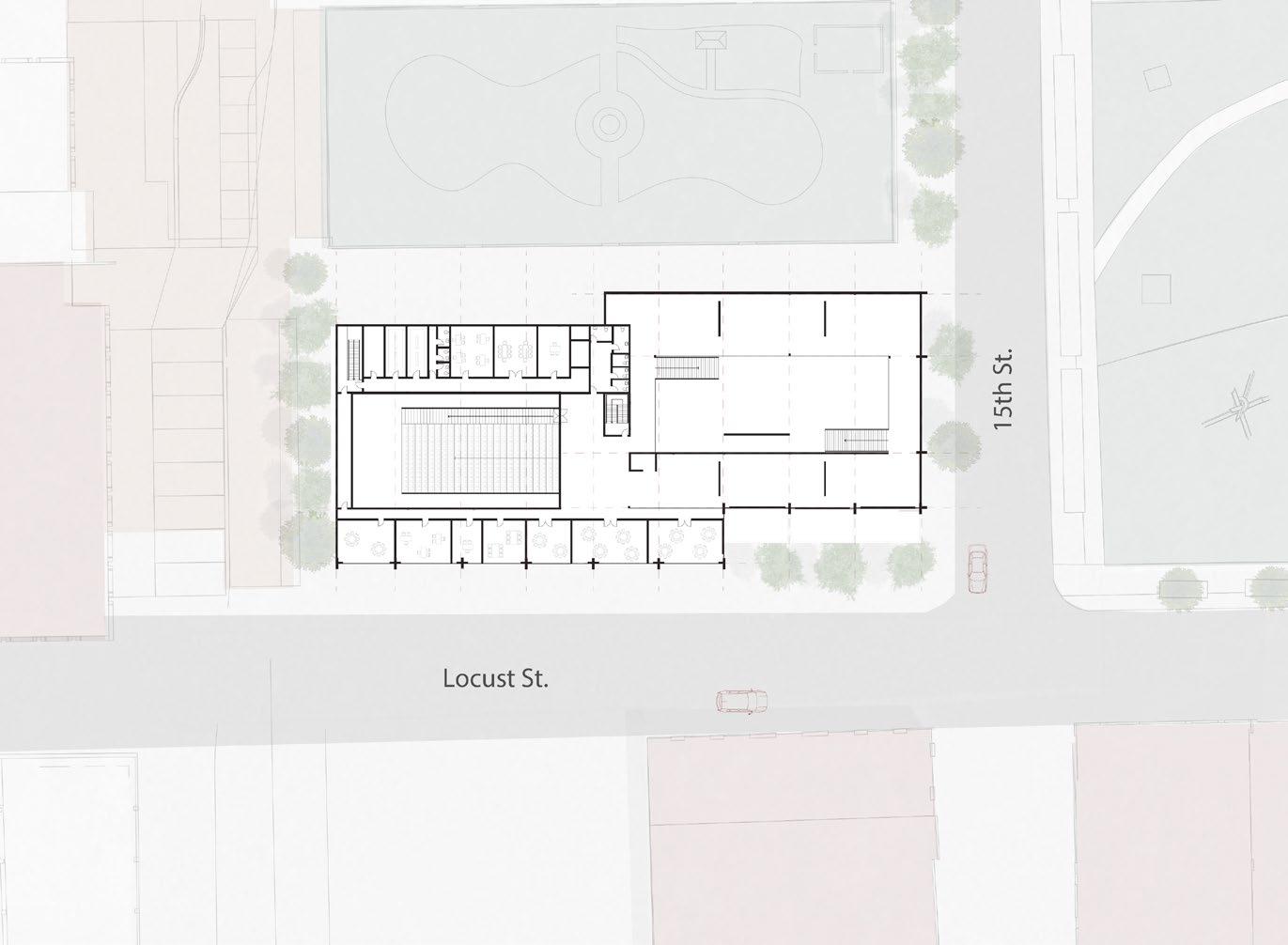
Level 1 Floor Plan Level 2 Floor Plan
26
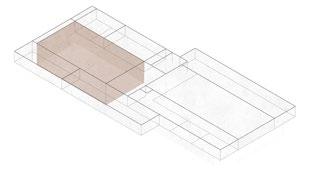
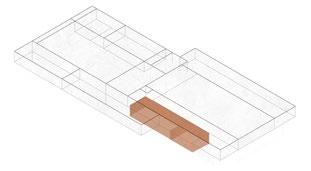
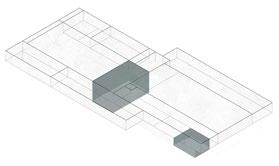
Exhibition Galleries
Cafe + Store Auditorium Lobby
Interior Gallery Render Program Diagrams
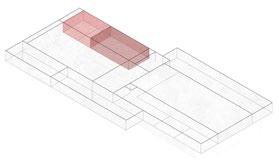
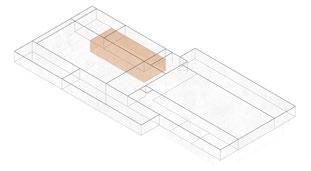
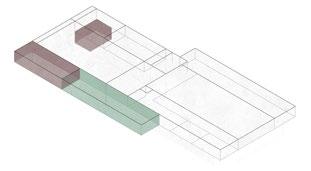
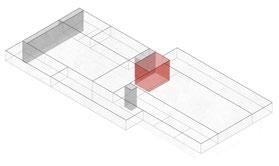
Samarth Vachhrajani 27 Staff Vertical Circulation Bathrooms Truck Docking Area Curatorial Education
Project 3 // Des Moines Art Center 28
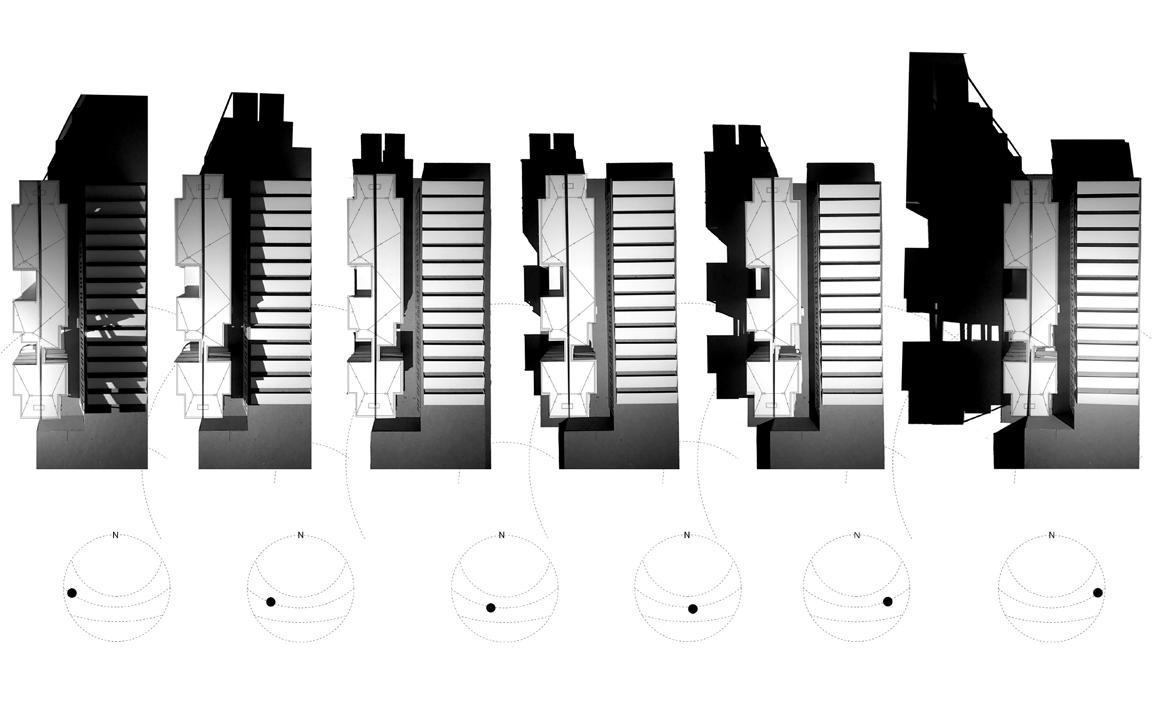
Summer Solstice Sun Study // 12PM
East Section

29
Winter Solstice Sun Study // 12PM
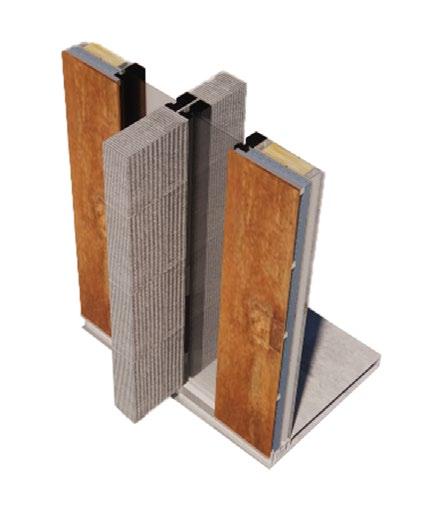
Corten Steel Clading
Mullions
Exterior colonnade
Bat Insulation
Rigid Insulation
Sub Structure Anchor
Metal Stud Wall
Concrete Floor
C-Channel
Exterior colonnade
Mullions
Glass Sliver
Rigid Insulation
Bat Insulation
Gypsum Board
Concrete Floor
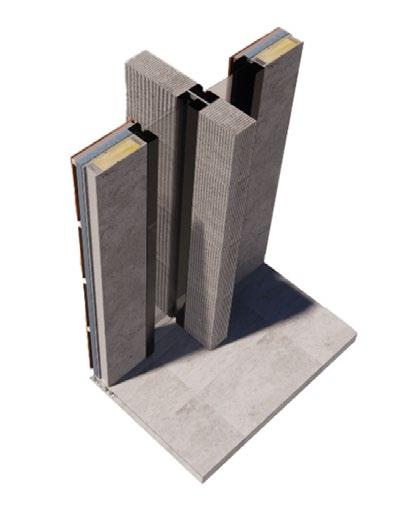
Rendered Wall Details
Project 3 // Des Moines Art Center 30
Samarth Vachhrajani 31
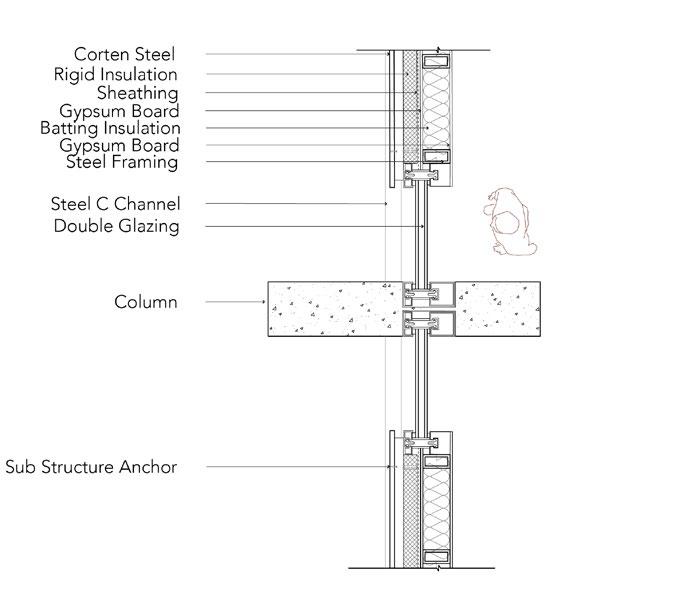
Wall Plan Detail with Corten Steel Cladding
Four Mile Creek Recreation Center
Des Moines, Iowa
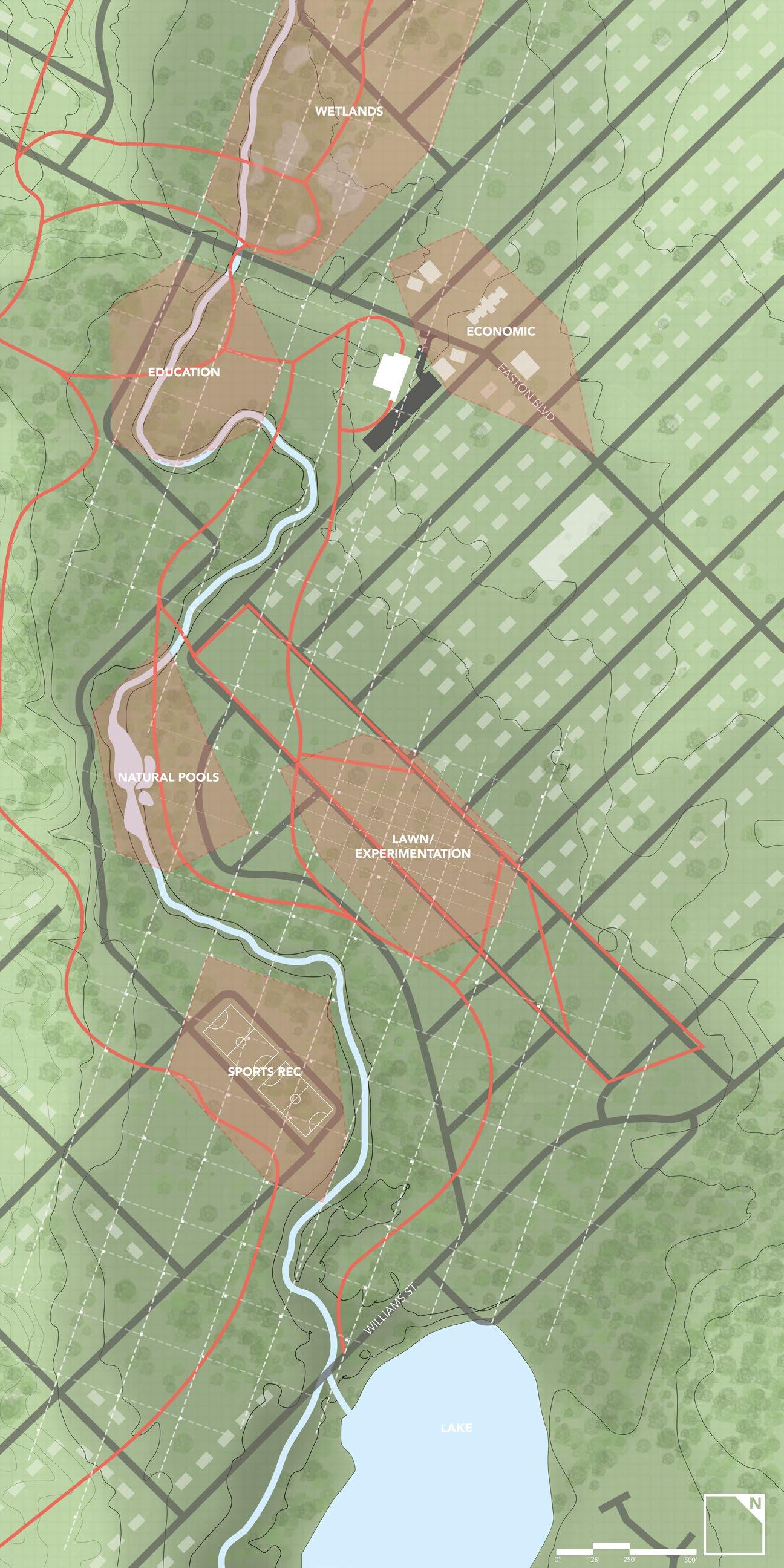
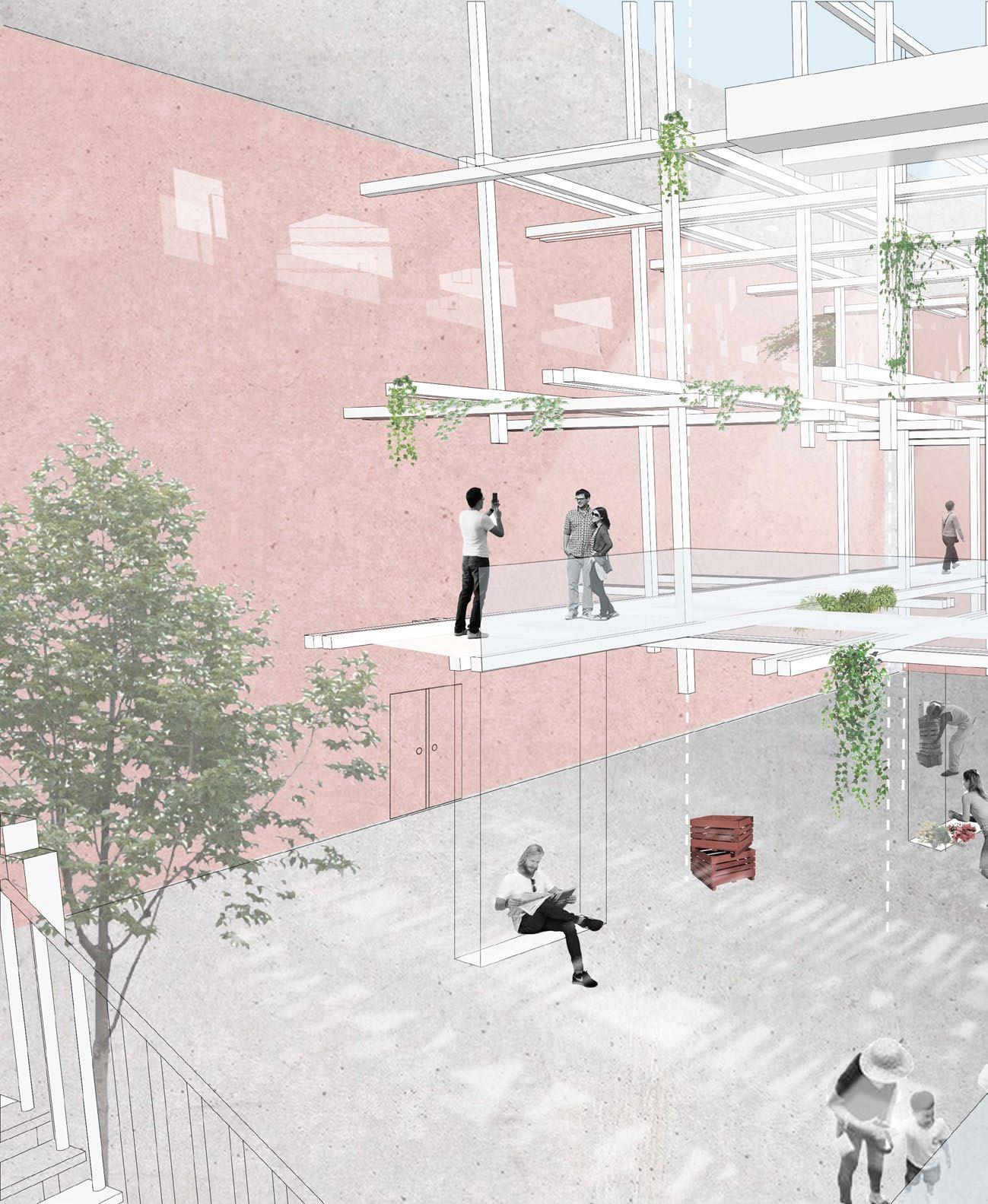
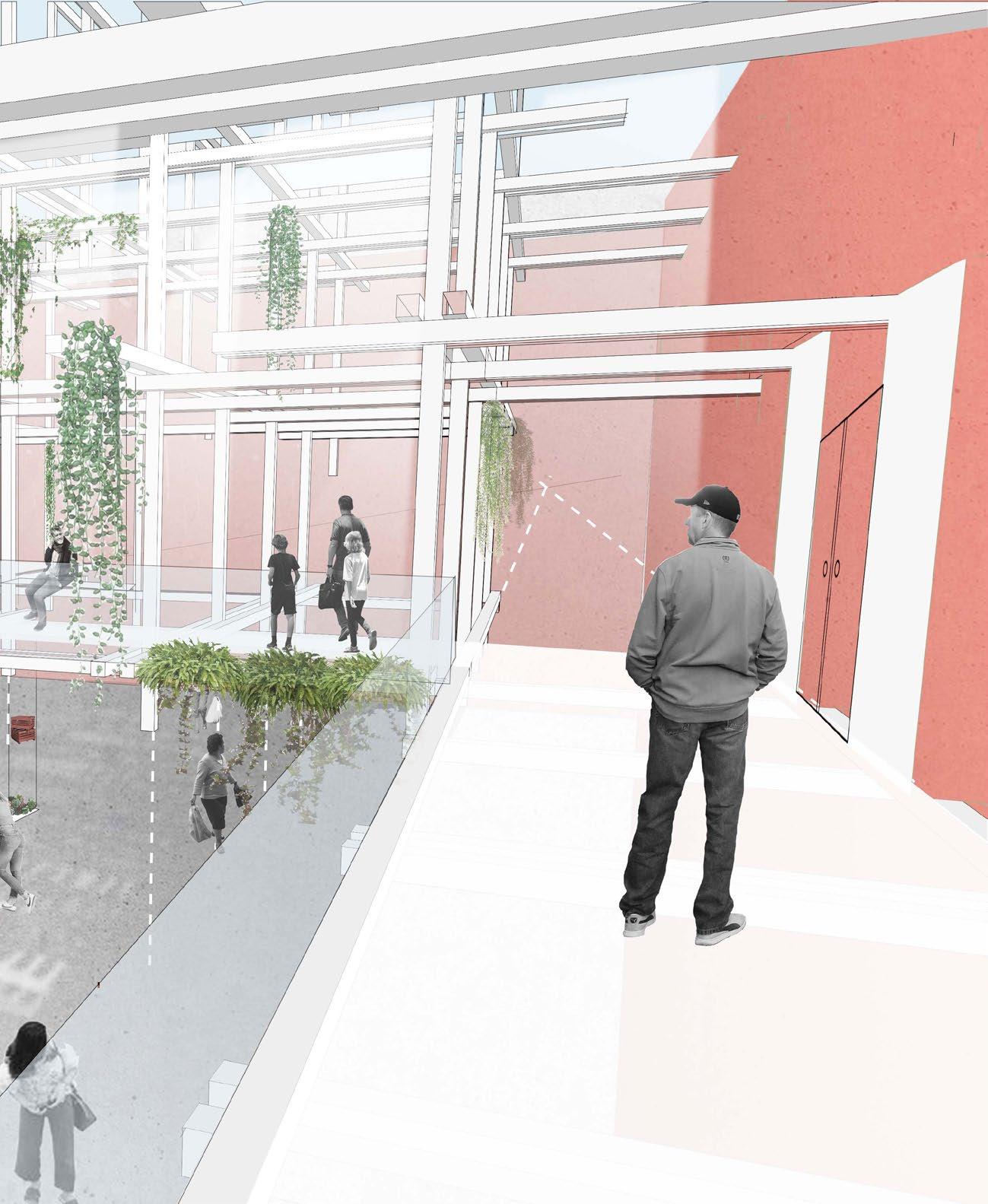
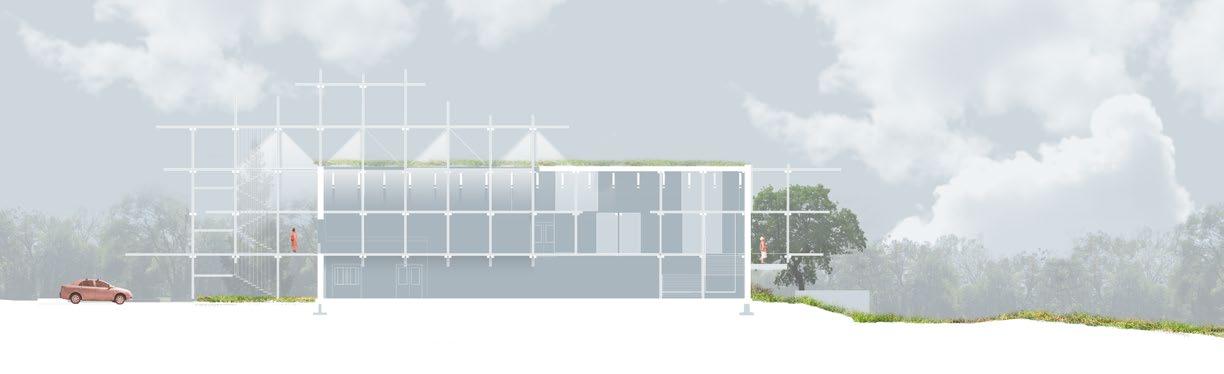
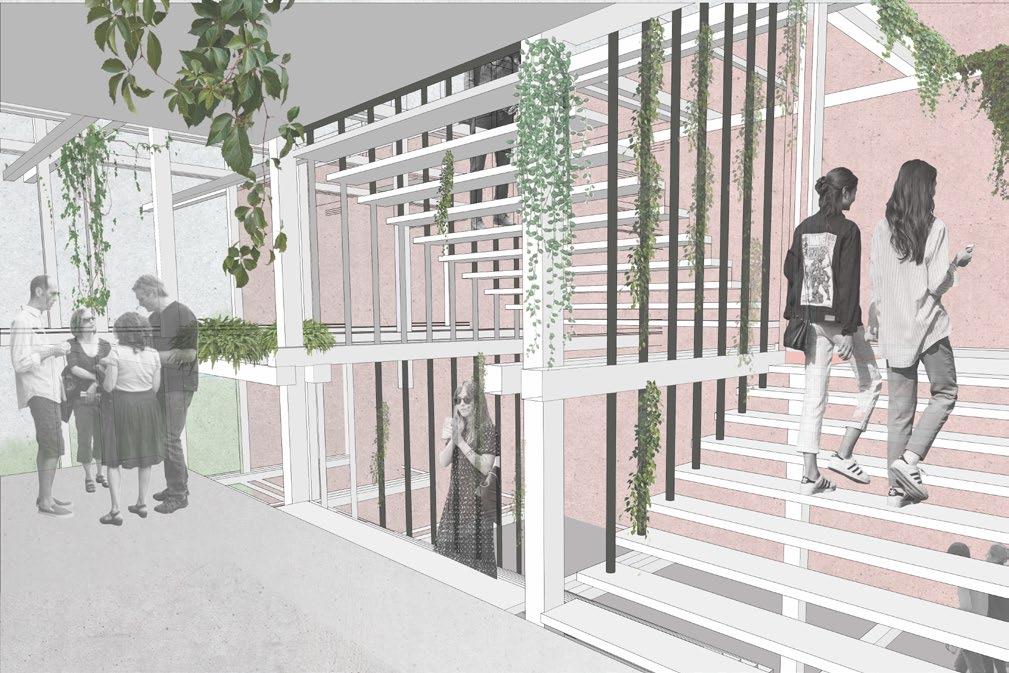
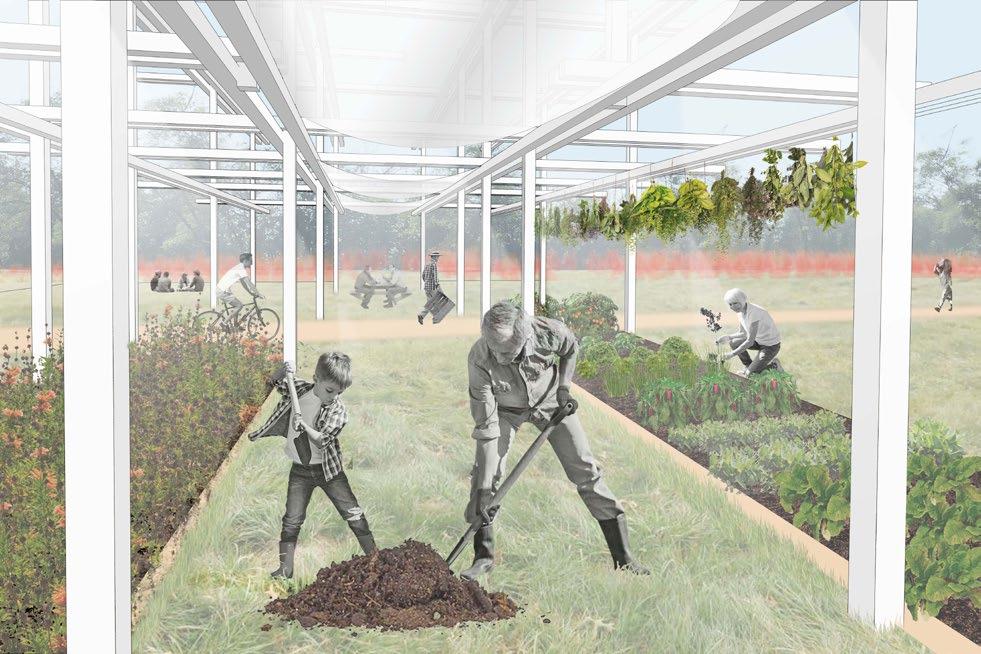
Tim Ingold suggests that architecture is a knot between the earth and the sky. Taking this as our thesis, the project is an exploration of reconceptualizing a community center. Our site is in a deurbanising neighborhood, in Des Moines, Iowa, due to its geographical location in a flood plane. The site is a food desert, and as we unbuild/build-over the existing recreation center, we are taking the opportunity to address theses issues of the community. We are asking the questions of how can we redefine recreation as a means to communal sustainability. And, how can traditional recreation be transformed or used to address these issues.
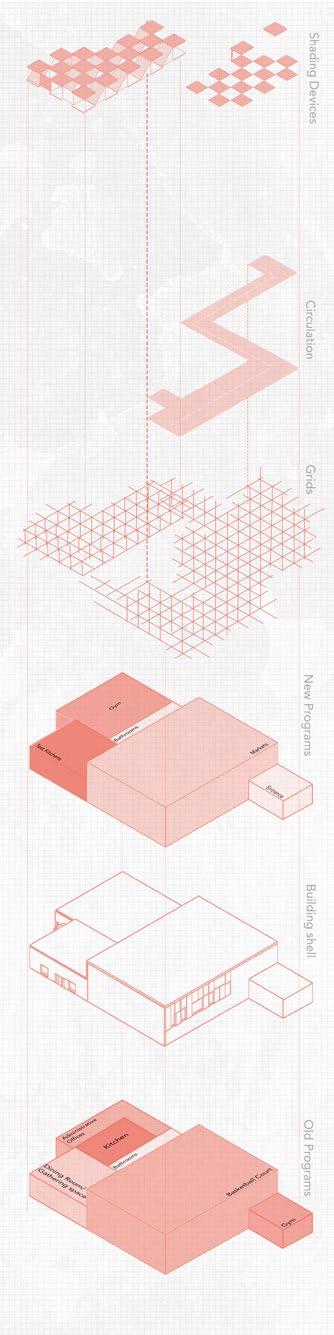
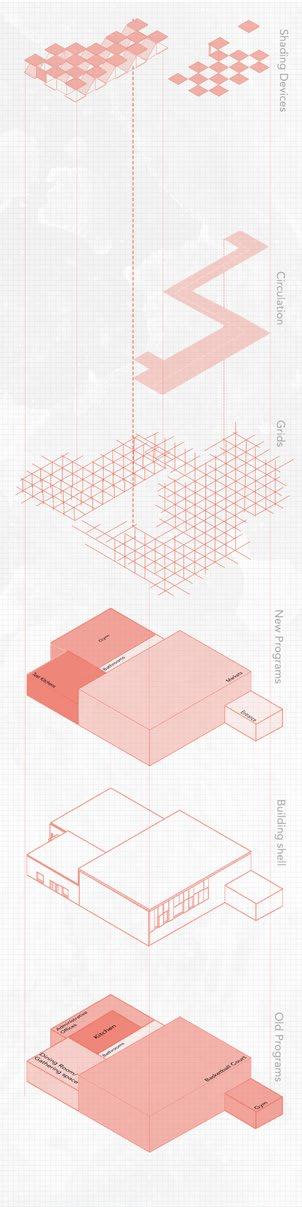
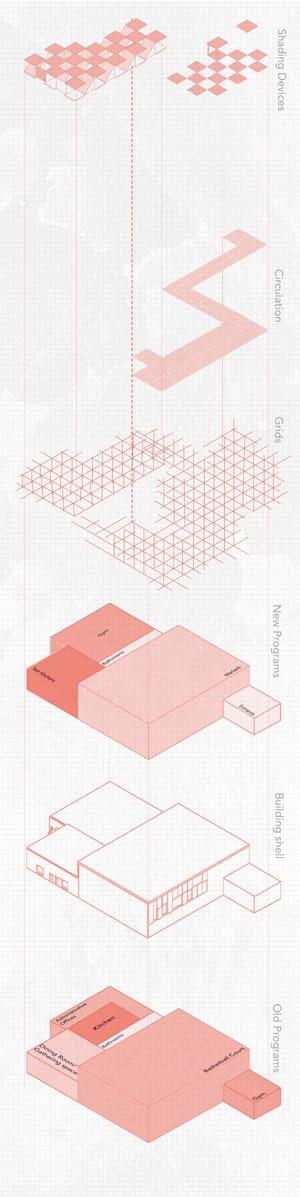
The interior programs of the existing building housed a basketball court, gym, dining room/gathering area, empty administrative offices, and a kitchen. To reorganize the building to better suit the needs of the existing occupants we moved the gym to the front of the building to mainly increase the safety of its users. The kitchen expanded and moved locations and now functions as a place for experimentation and education through the use of test kitchens and a classroom. The new exterior basketball court allows for a community activation space to be infilled in its place. The flexible programming of this recreation center allows for control depending on if it is a market space, town hall meeting, after school program, meal program, or annual event.
Project 4 // Four Mile Creek Recreation Center 32
In Collaboration with Cameron Wahlberg
Old Programs New Programs
SUMMER
SPRING
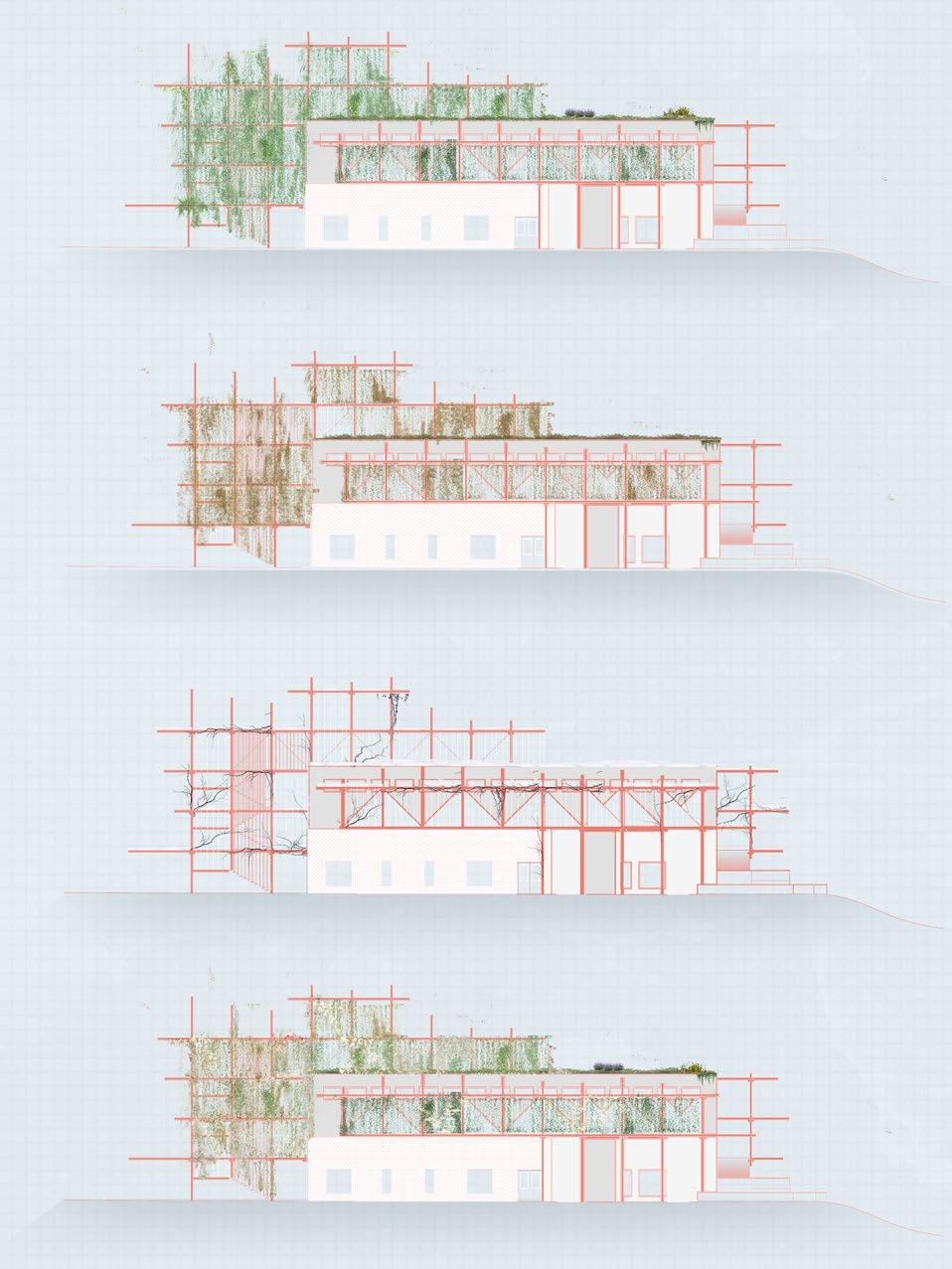
Seasonal Elevations
Project 4 // Four Mile Creek Recreation Center 36
FALL WINTER


Samarth Vachhrajani 37
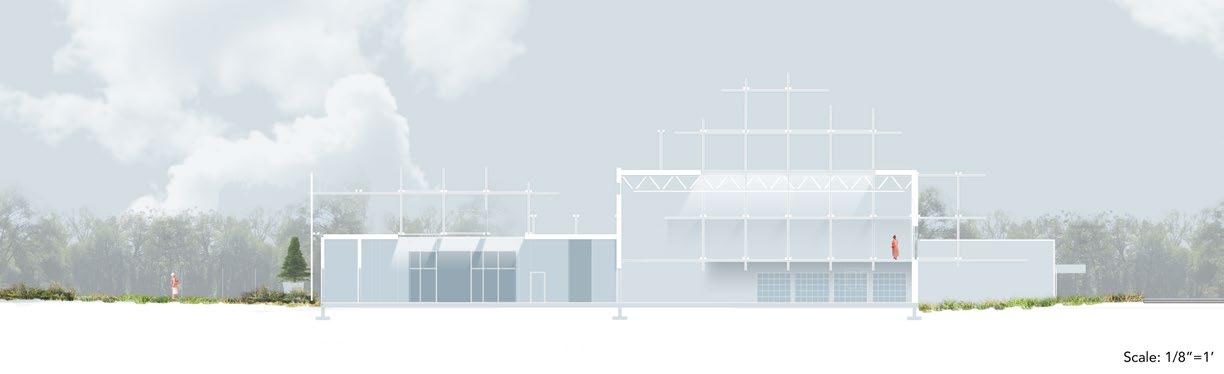
South Section 1
South Section 2
Project 4 // Four Mile Creek Recreation Center 38
Samarth Vachhrajani 39
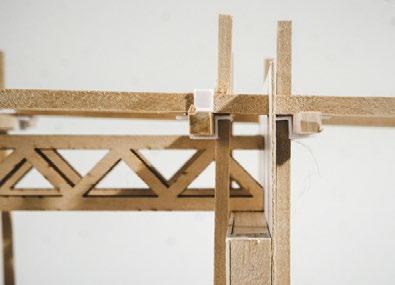
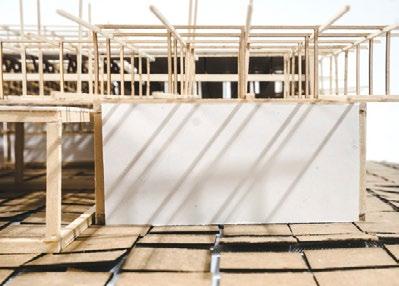
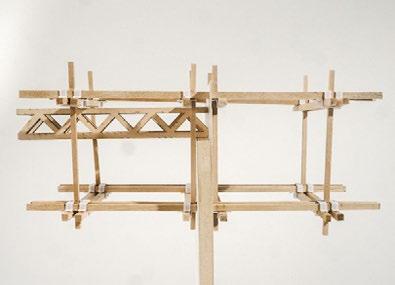
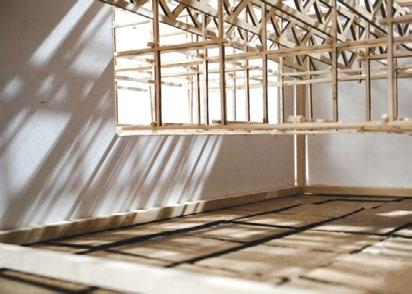
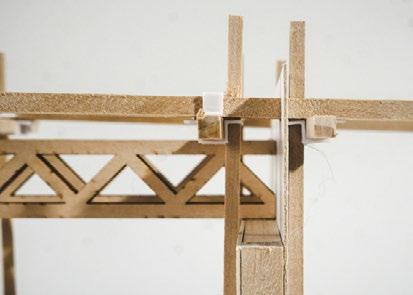
40 Project 4 // Four Mile Creek Recreation Center
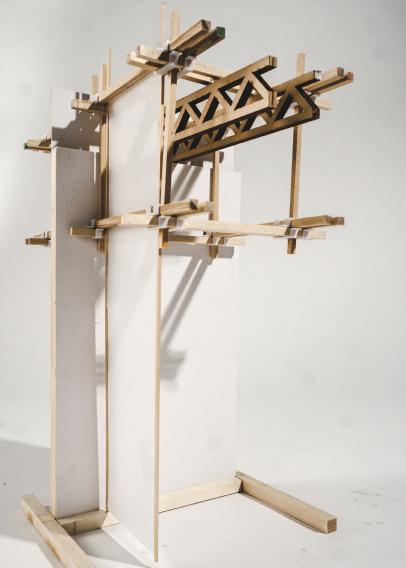
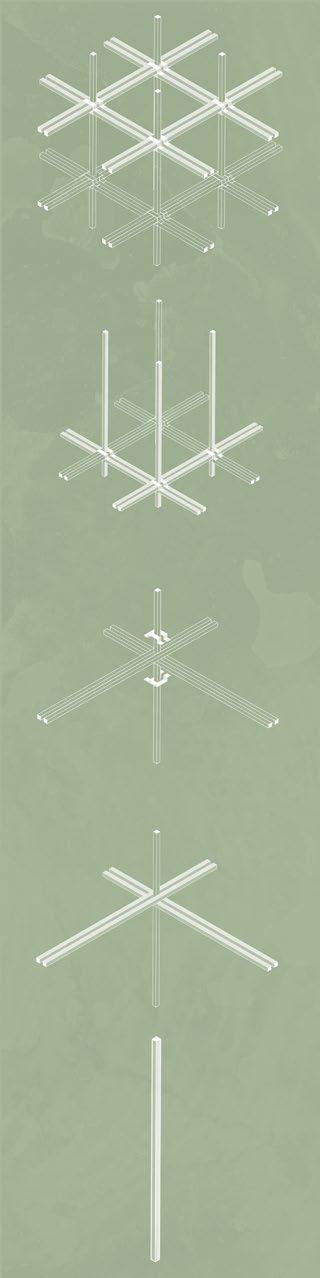
41 Samarth Vachhrajani
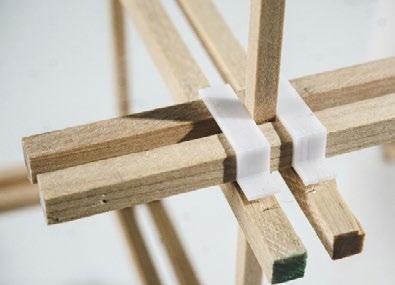
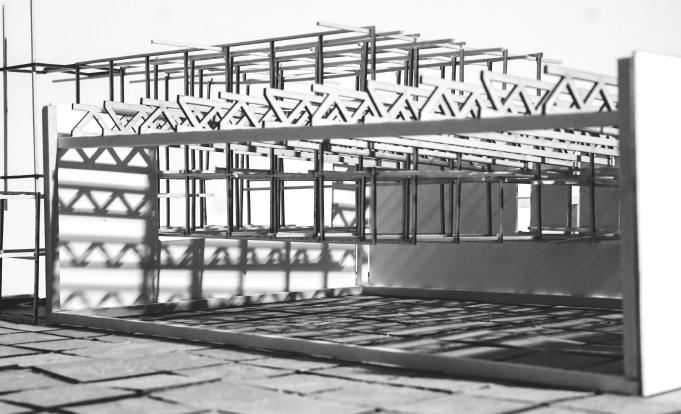
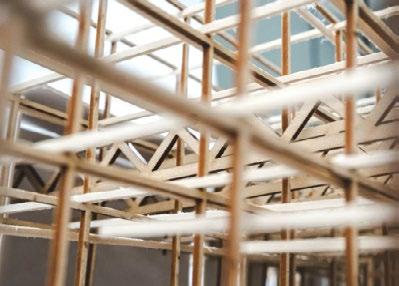
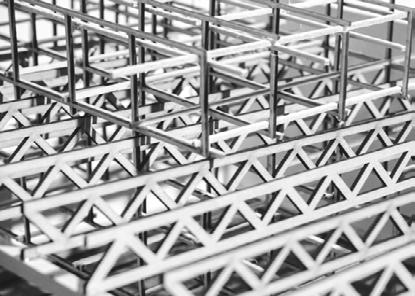
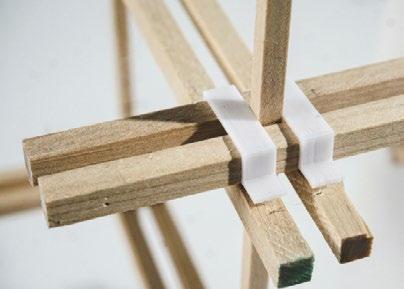
Detail // Laser cut Wood Model
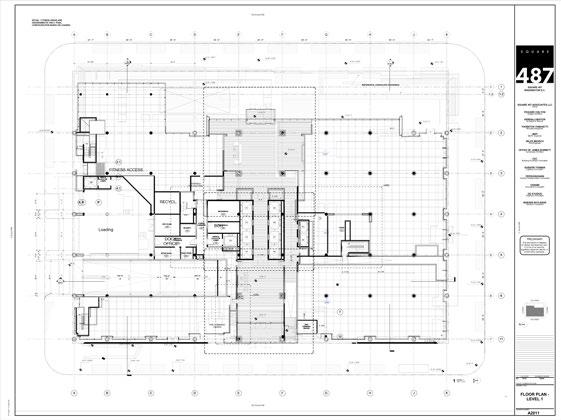
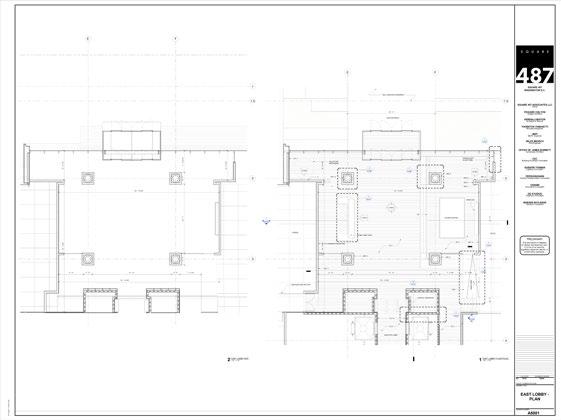
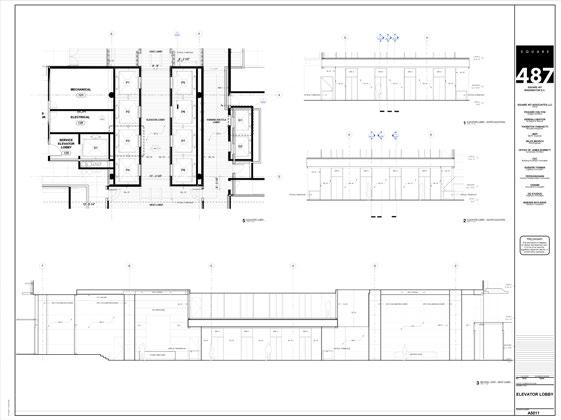
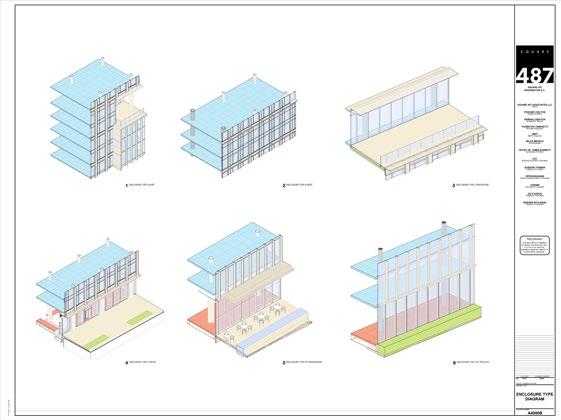
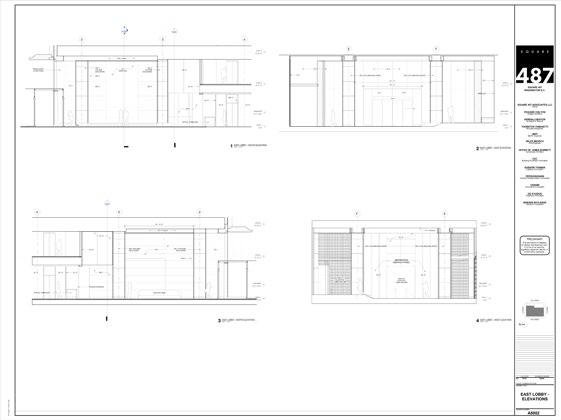
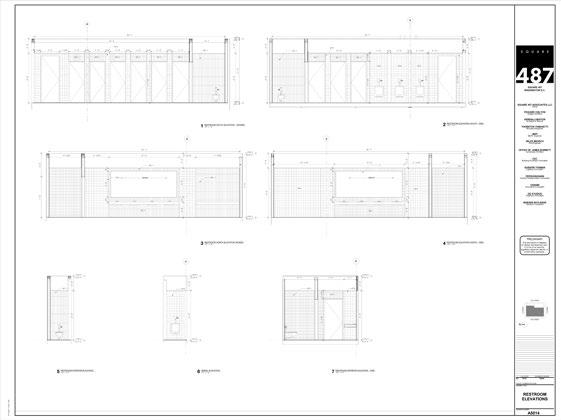
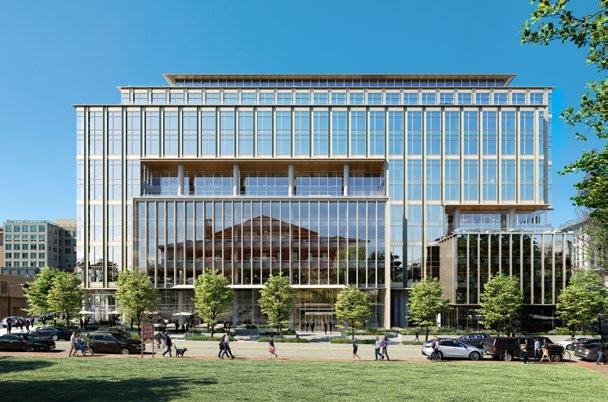
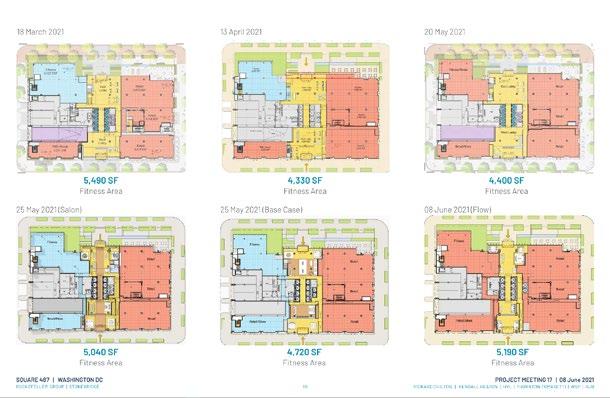
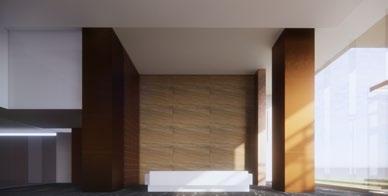
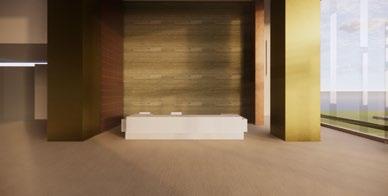
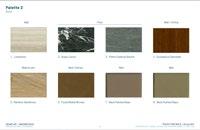
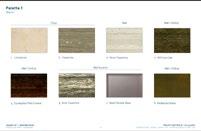
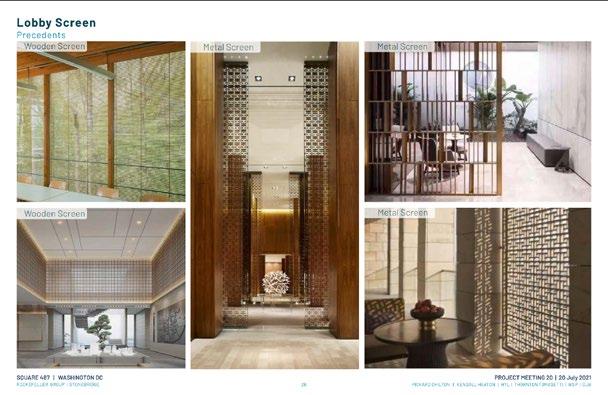
Pickard Chilton Internship Work 42 Examples of My Contribution to 100% Schematic Design Documentation
2022 // New Haven, CT.
2021,
Pickard Chilton Internship
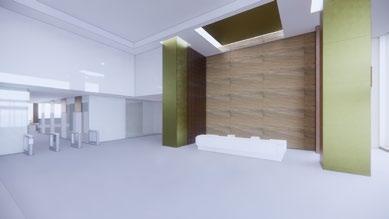
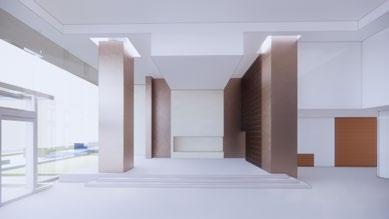
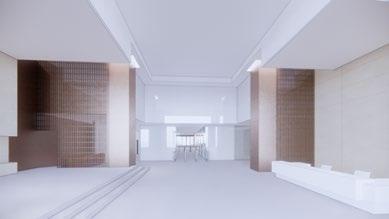
Samarth Vachhrajani 43
EXTERIOR RENDER (Externally Produced)
Material Palette Studies
Client Presentation Packages
Lobby Ceiling Studies
Palaces of the People
Iowa State University
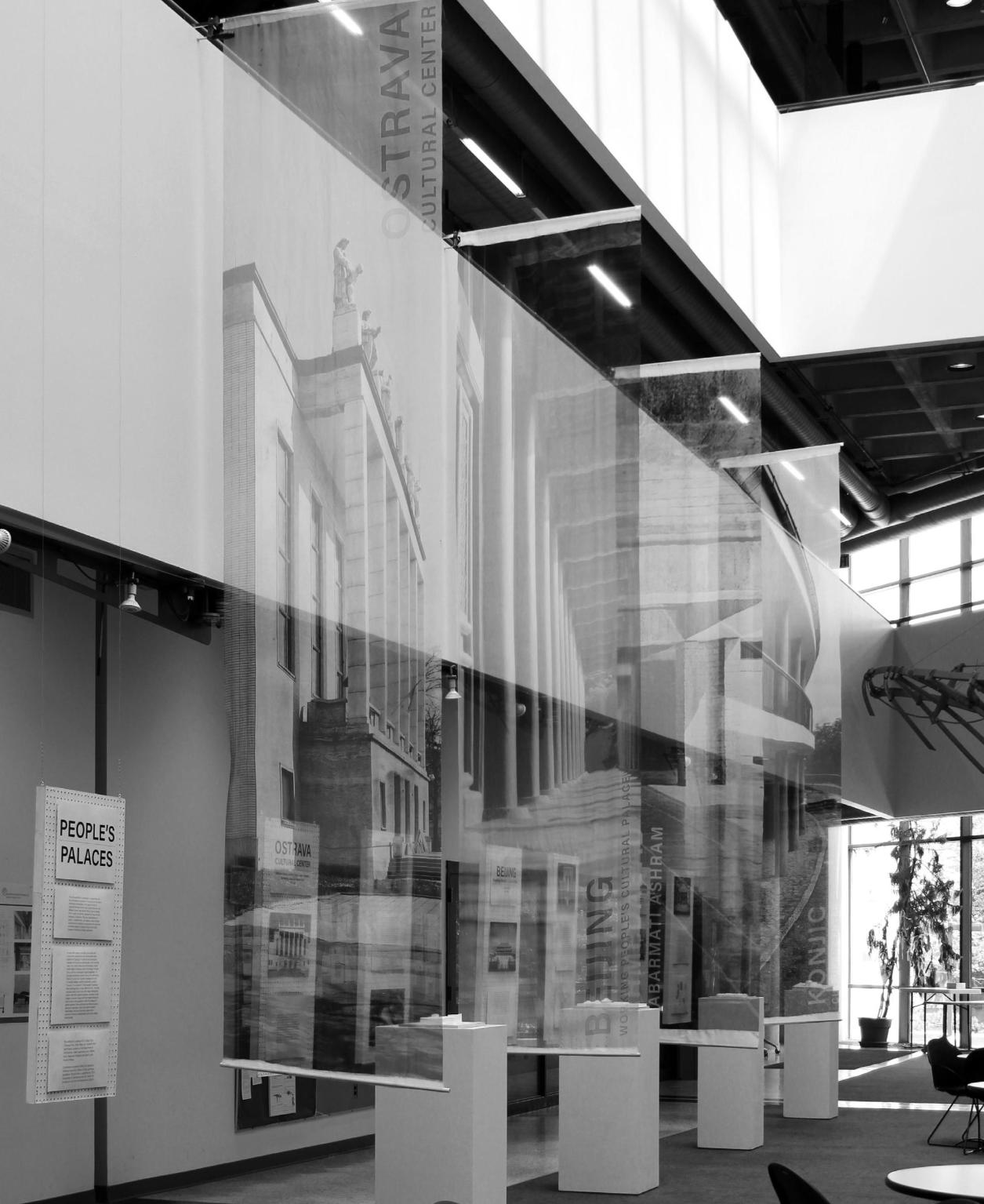
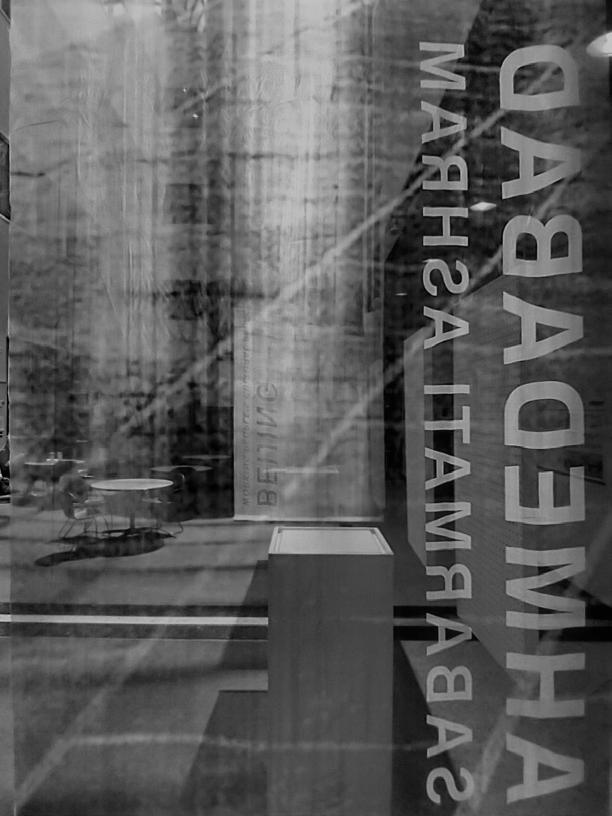
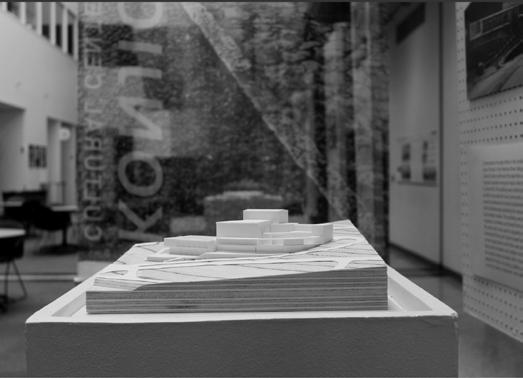
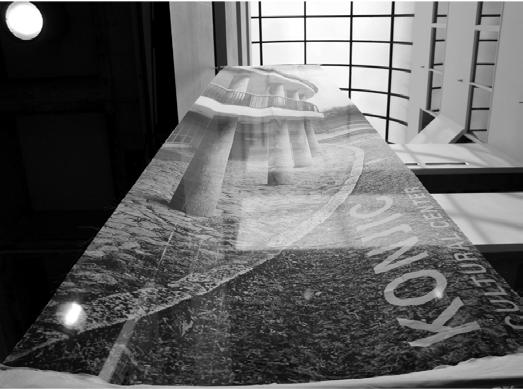
Palaces of the People was a curatorial project, with Prof. Vladimir Kulic, Peter Miller, Zhaoyue Chen and Samarth Vachhrajani. The exhibition was curated as a part of conference ‘Learning from Socialism: Alternative Modernities in the Second World.’ The Project assembled four projects located in Ahmedabad, India; Bosnia and Herzegovina, Beijing, China and Croatia, that looked at architectures built for the people and by the people under socialist state imagination.
Samarth Vachhrajani
45
Images from the Exhibition
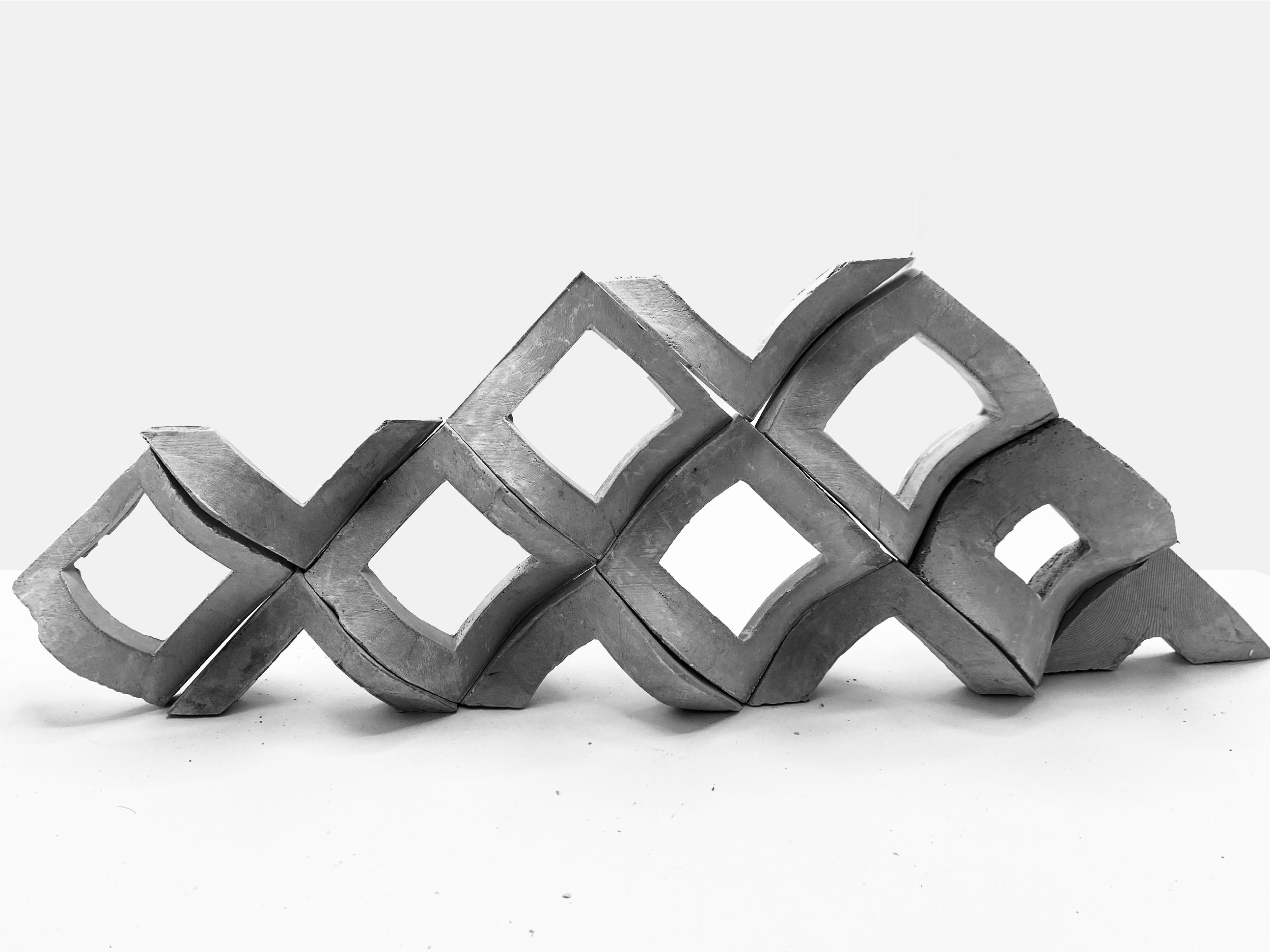
Digital Fabrication
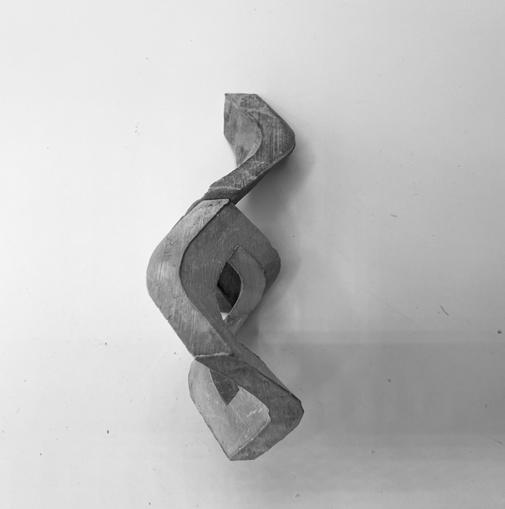
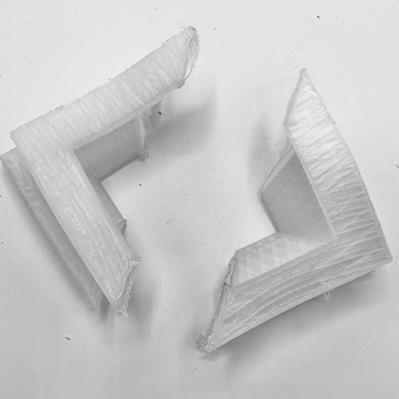
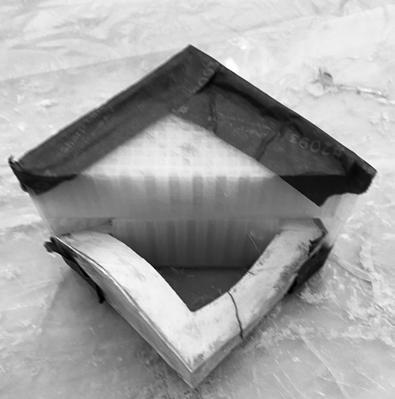
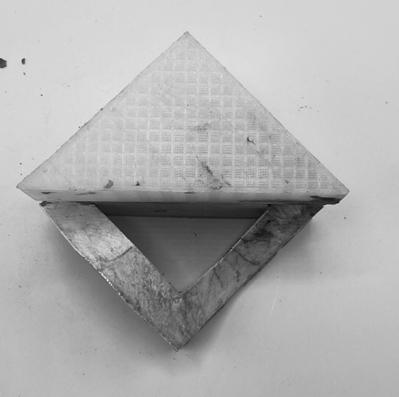
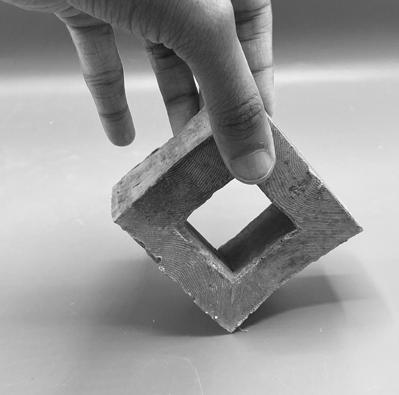
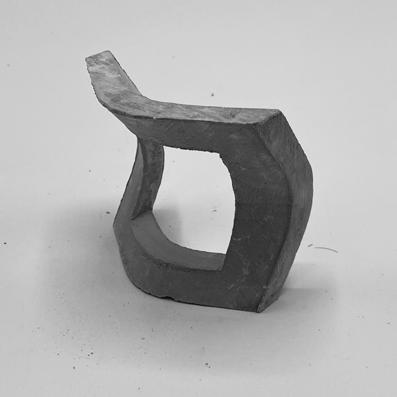
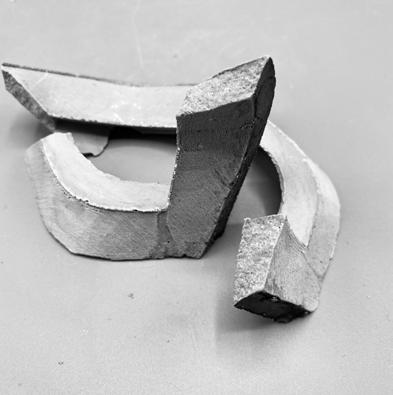
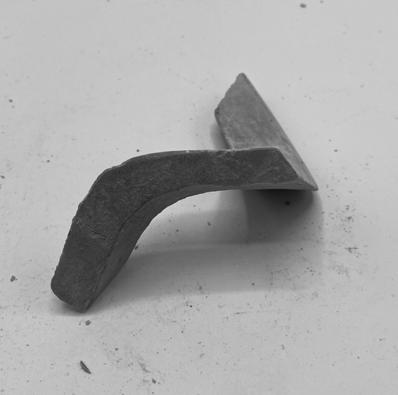
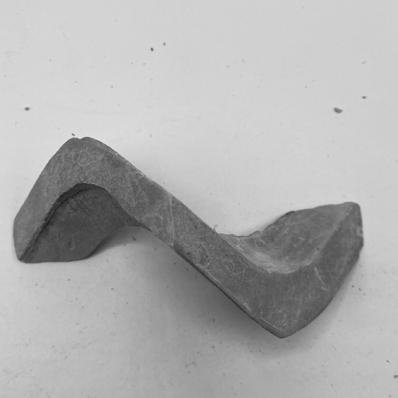
3-D Printing + Casting
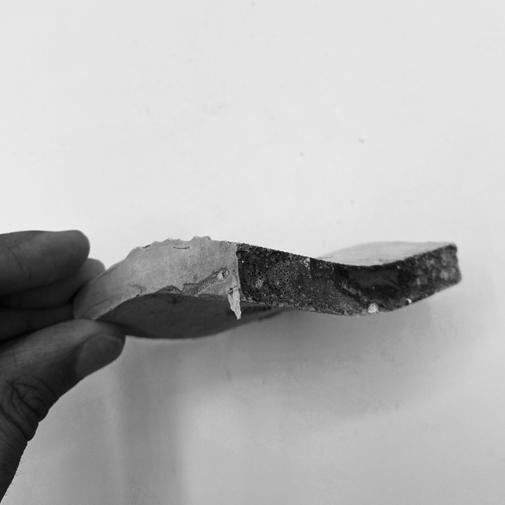
Diagrams
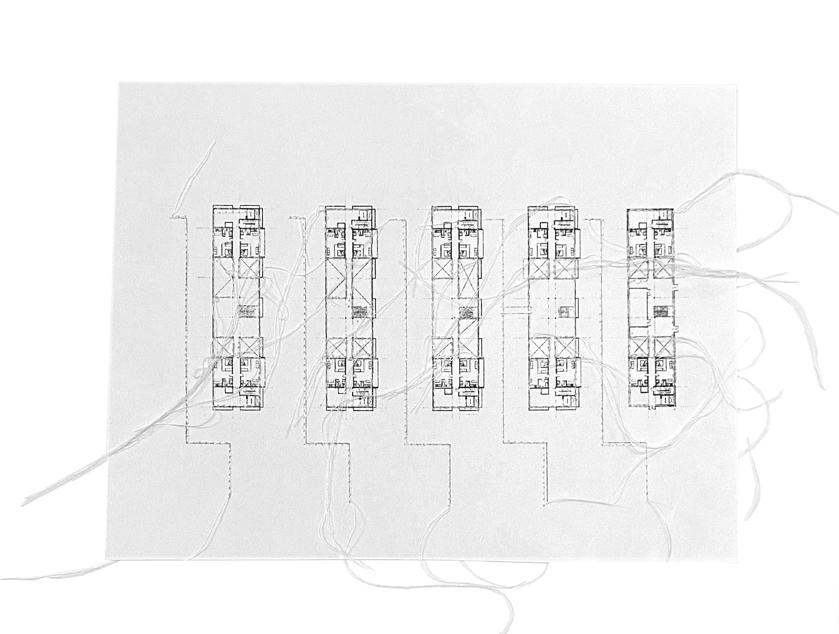
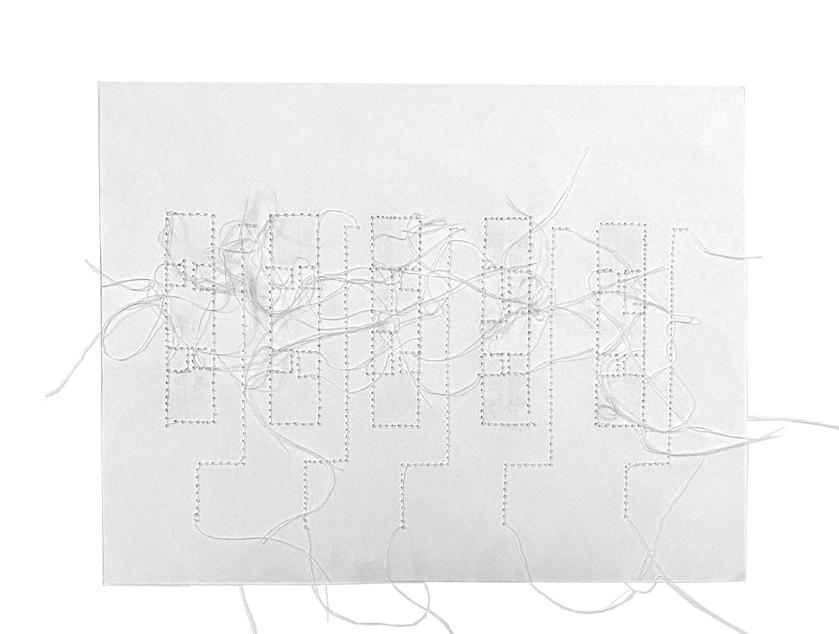
Digital Fabrication 0.5” 1.5” 3” 2” 2” 0.125” 1.5”
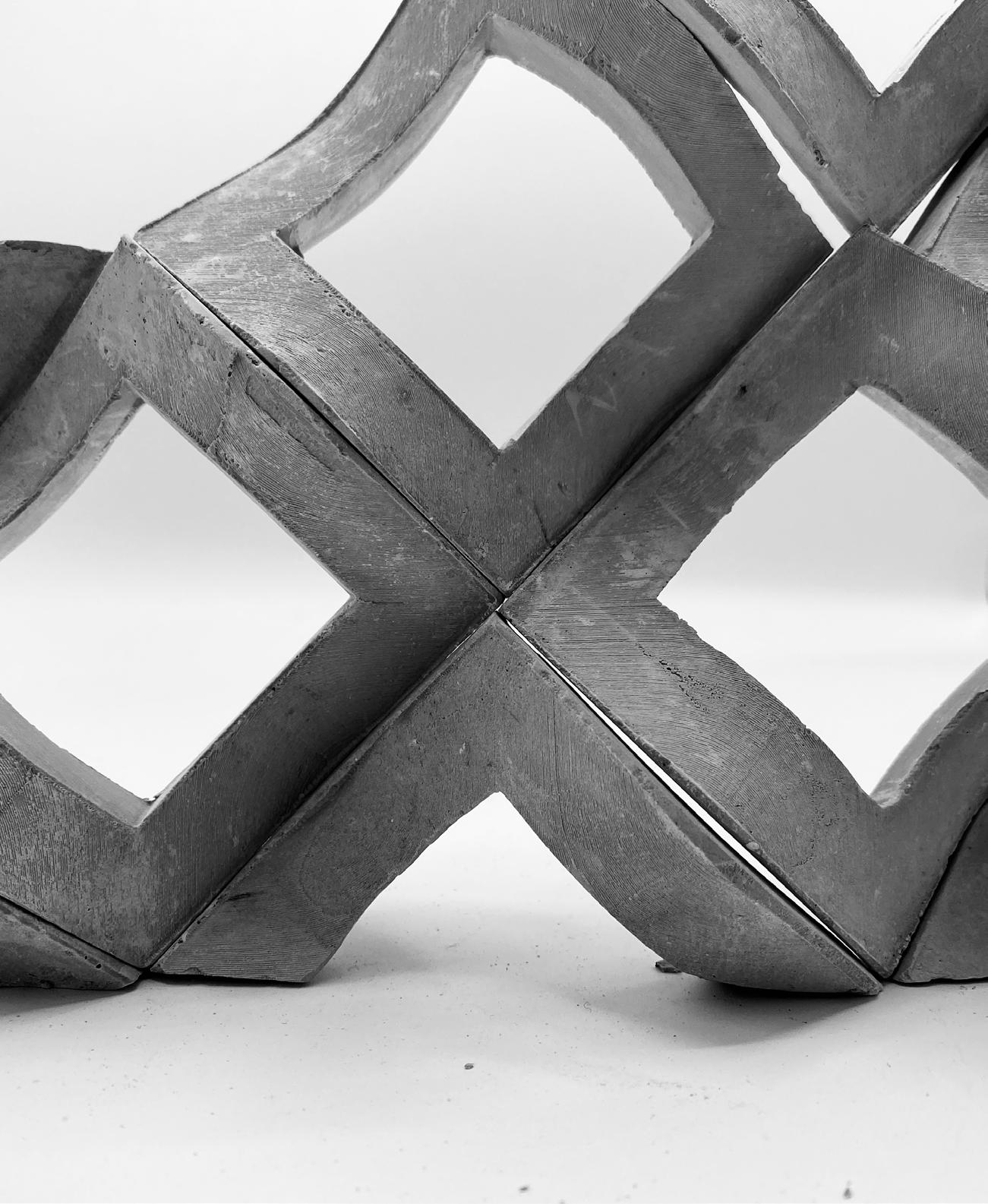
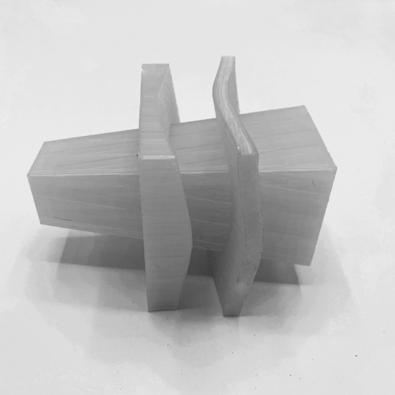
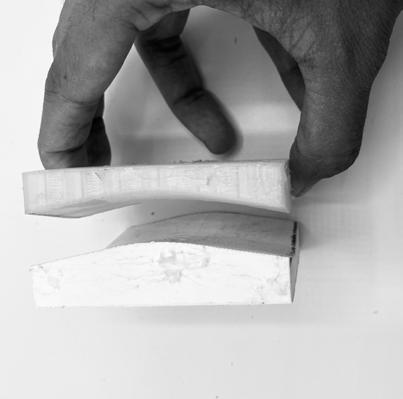
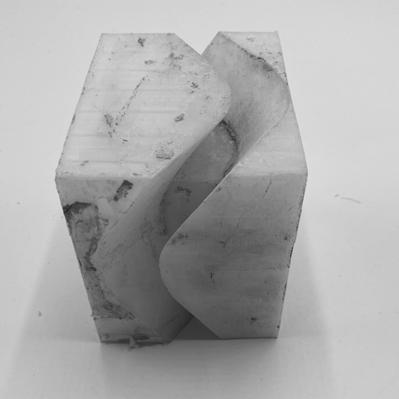
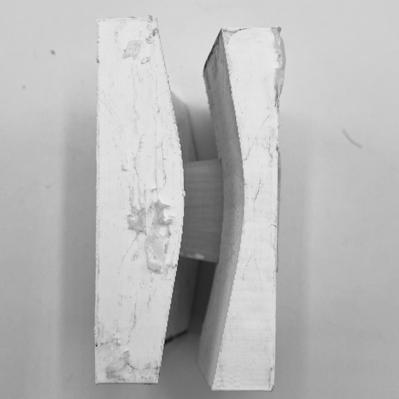
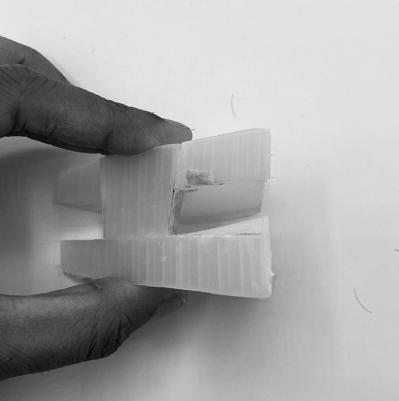
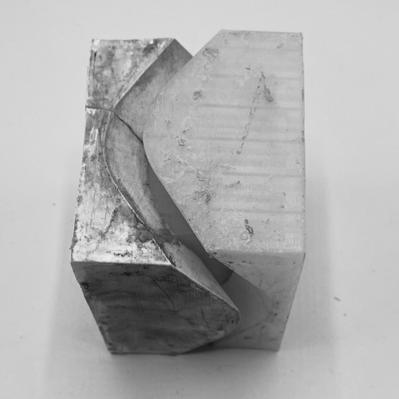
Digital Fabrication 1 4 7 2 5 8 3 6 9 Module Iterations
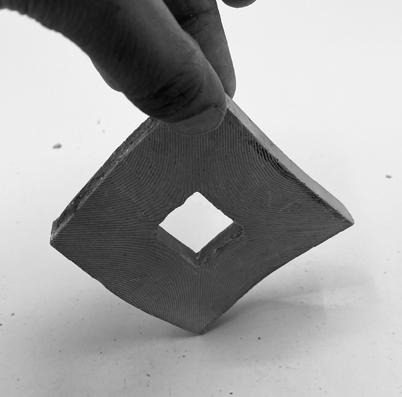
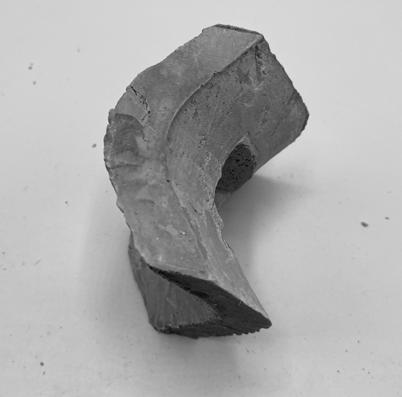
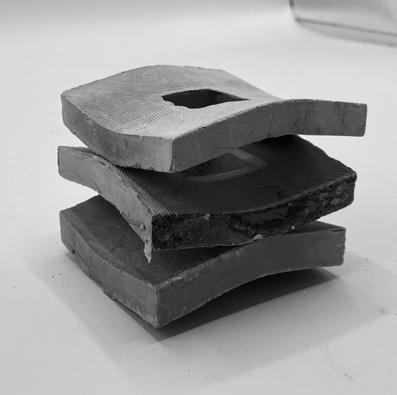
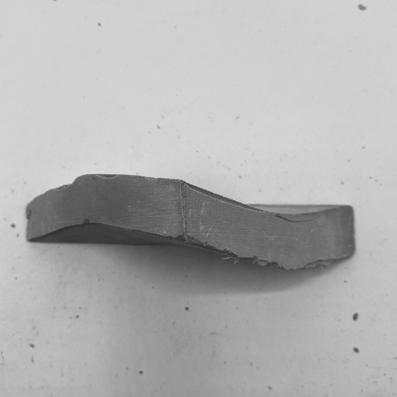
Samarth Vachhrajani 1 4 7 2 5 8 3 6 9
Cast Results
Digital Fabrication
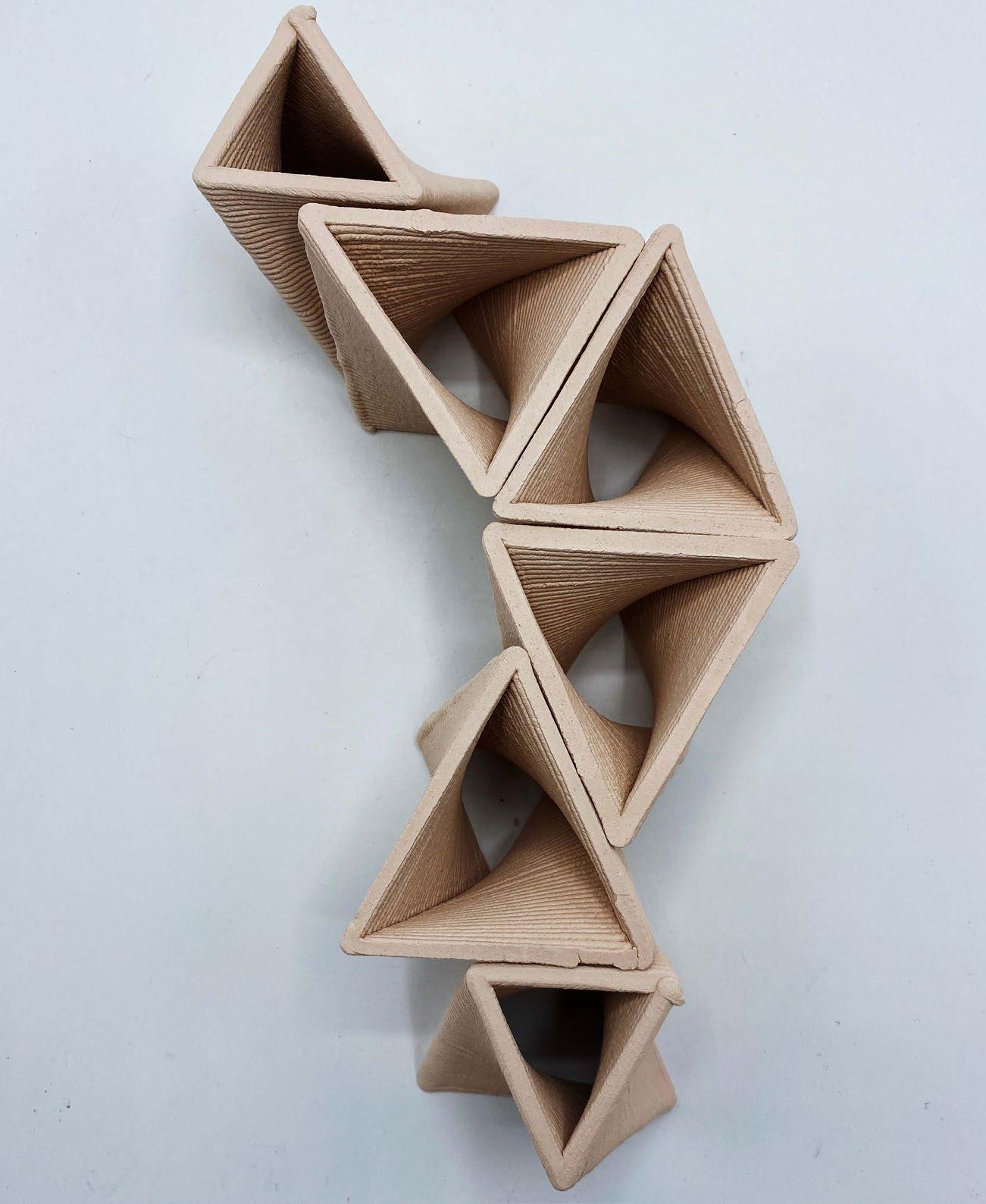
Ceramic 3-D Printing
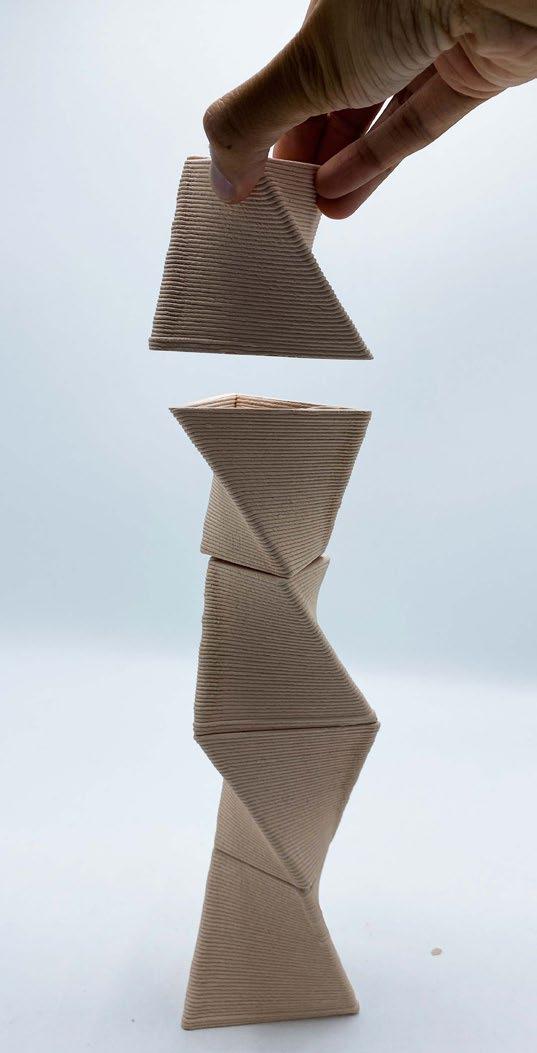
Digital Fabrication
2” 3” 3” 2” 3” 3” 2”
Diagrams
54 Publications
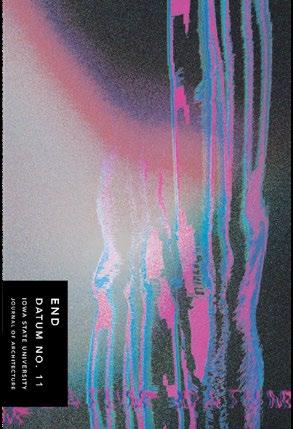
Datum 11: End (contributor)
Paprika! 9: Abolition in Practice (Editor, MED Working Group)
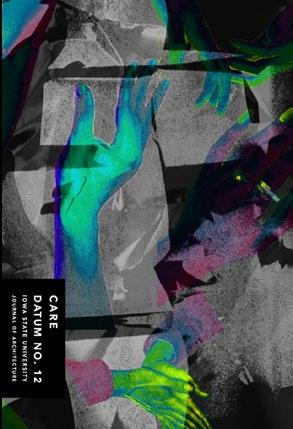
Datum 12: Care (Editor)
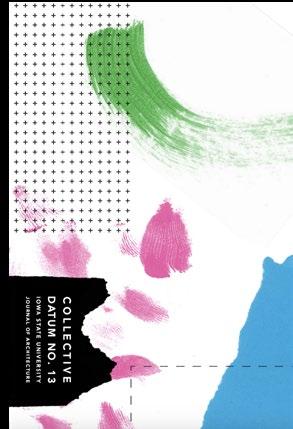
Datum 13: Collective (Editor)
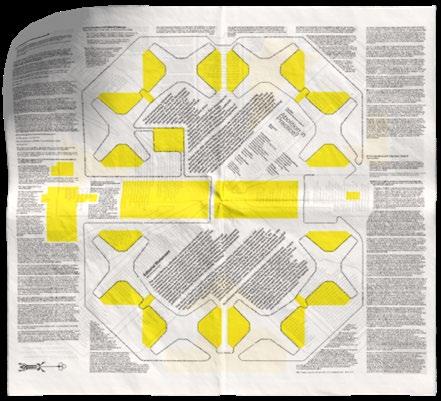
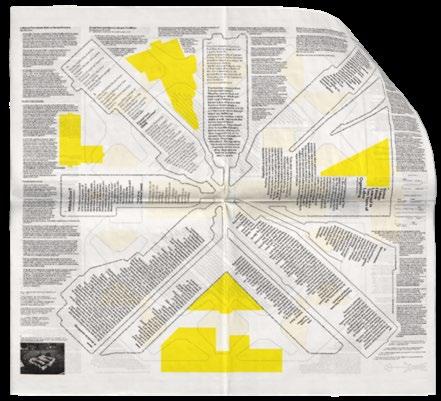
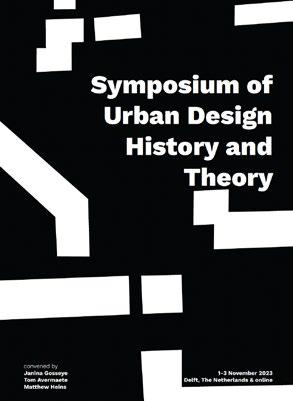
SUDTH (participant, Contributor)
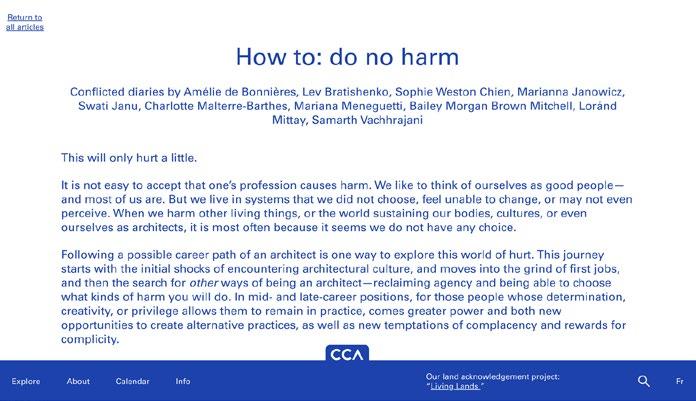
Canadian Center for Architecture, How to: do no harm (contributor)
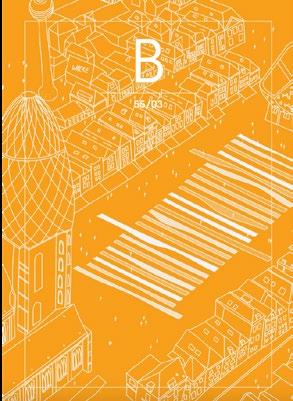
Bnieuws 55/03 Where (Contributor)
Publications
Pidgin, Issue 32, Princeton School of Architecture: For issue 32, Pidgin has commissioned an essay on the India-Bangladesh Border. Forthcoming in Spring 2024.
Paprika! Volume 9, Issue 3 ‘Abolition in Practice’ : Contributing editor for Paprika, with MED Working group. Our publication solicited pieces that stage architectural practice and its implication in the death dealing logics of racial capitalism.
Canadian Center for Architecture, How to: do no harm: selected for a three week residency at the Canadian Center for Architecture in Montreal, to think and discuss the complicity of architectural practice in environmental and social harms. The residency ended in a collaborative editorial, published on the CCA website.
Bnieuws, Issue 55 / 03 Where: invited to co-write for journal based our of TU Delft, Faculty of architecture, titled ‘Where.’ In this exchange, we ruminated about care, collective, beauty and its place in architectural discourse.
Datum, Student Journal Of Architecture, Iowa State University: engaged in student publication, as contributor and editor at large for Datum. During my time, we published three issues titled, End, Care and Collective respectively.
55 Samarth Vachhrajani