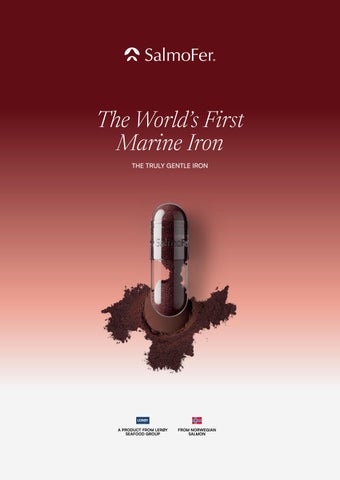
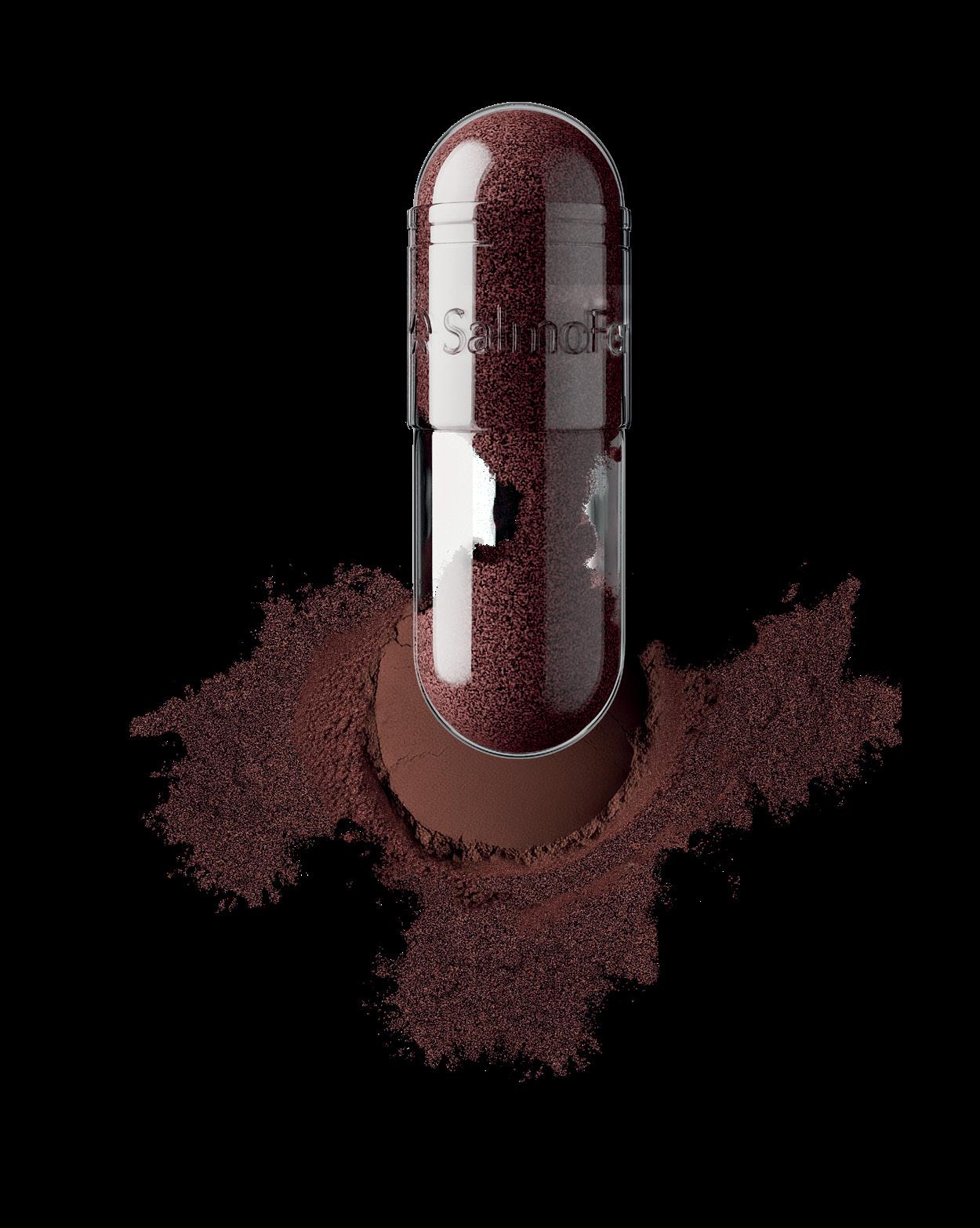
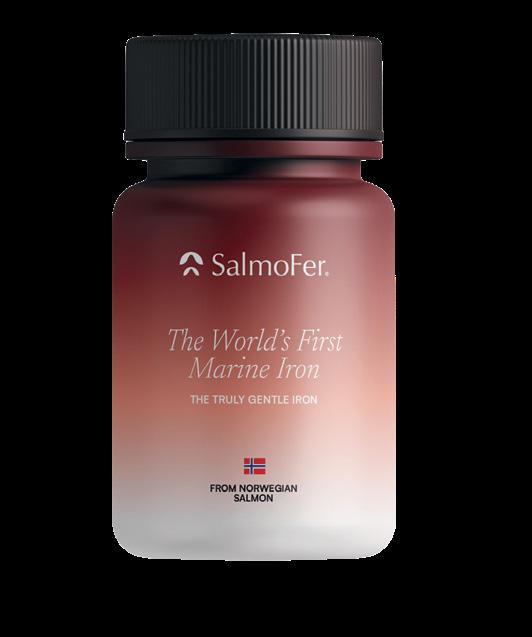
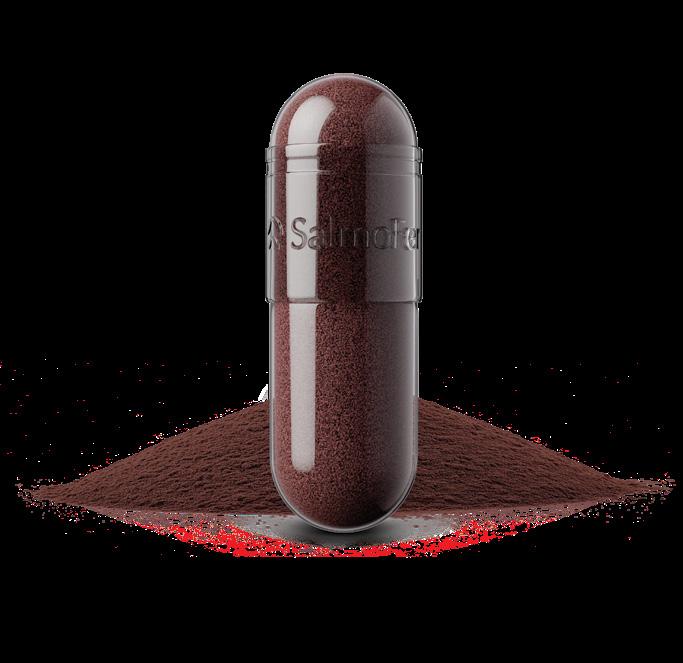
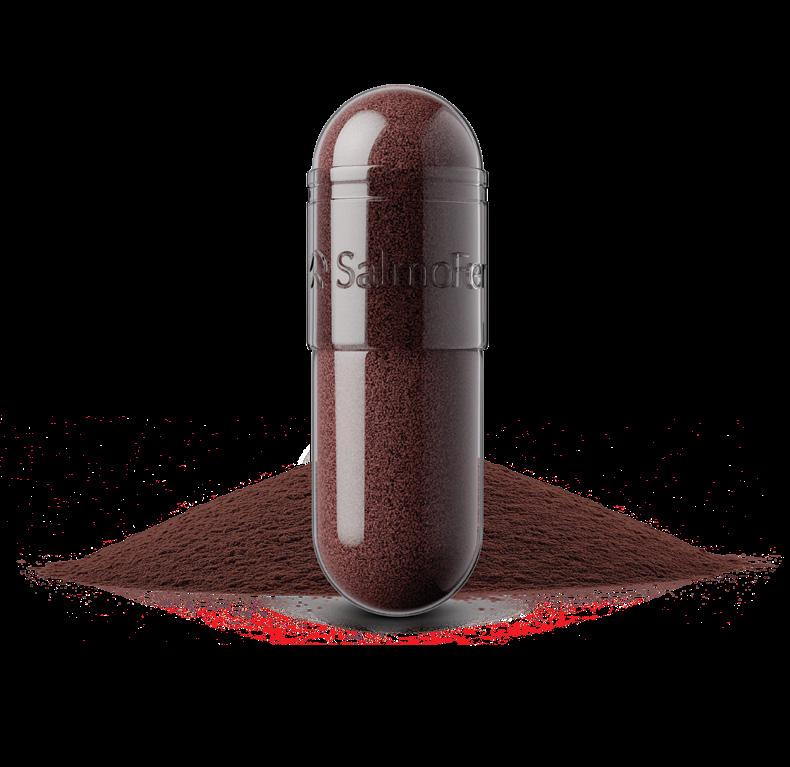
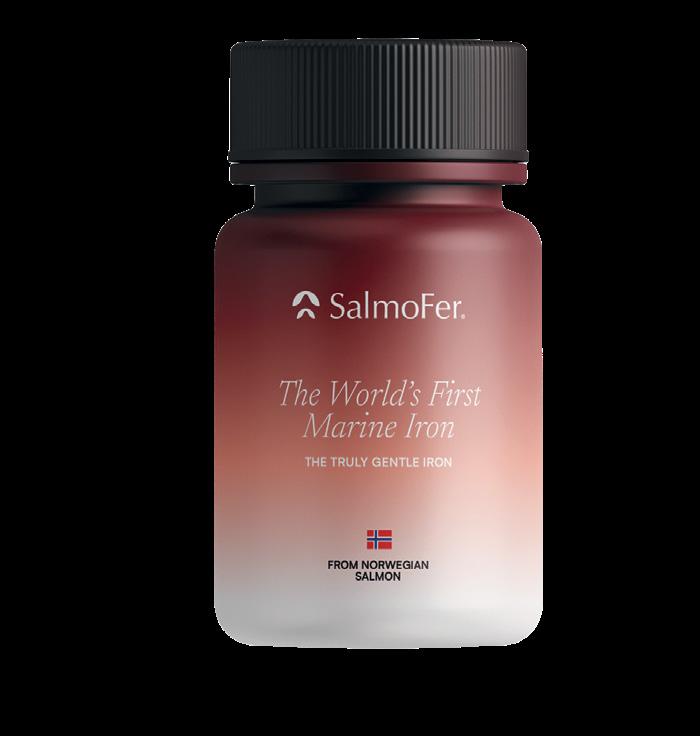
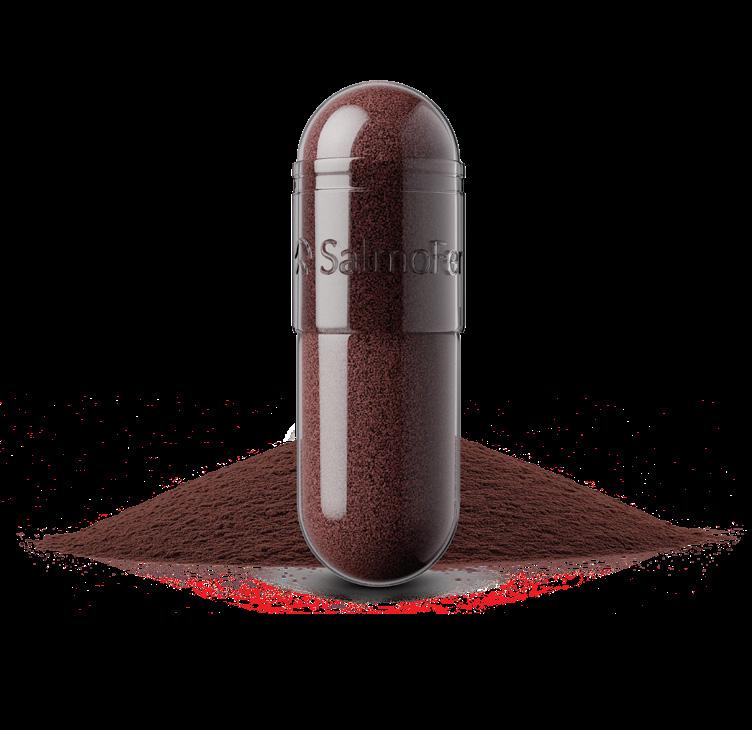
SalmoFer® is truly gentle iron combined with great performance. It also stands out with its origin — the world’s first marine-based iron.
www.salmofer.com
“After years of development, we’re proud to introduce SalmoFer® — the world’s first marine-based iron ingredient. And of course, it’s based on the best form of iron: heme iron”
— Mats Trones, Head of 100%Fish, Lerøy
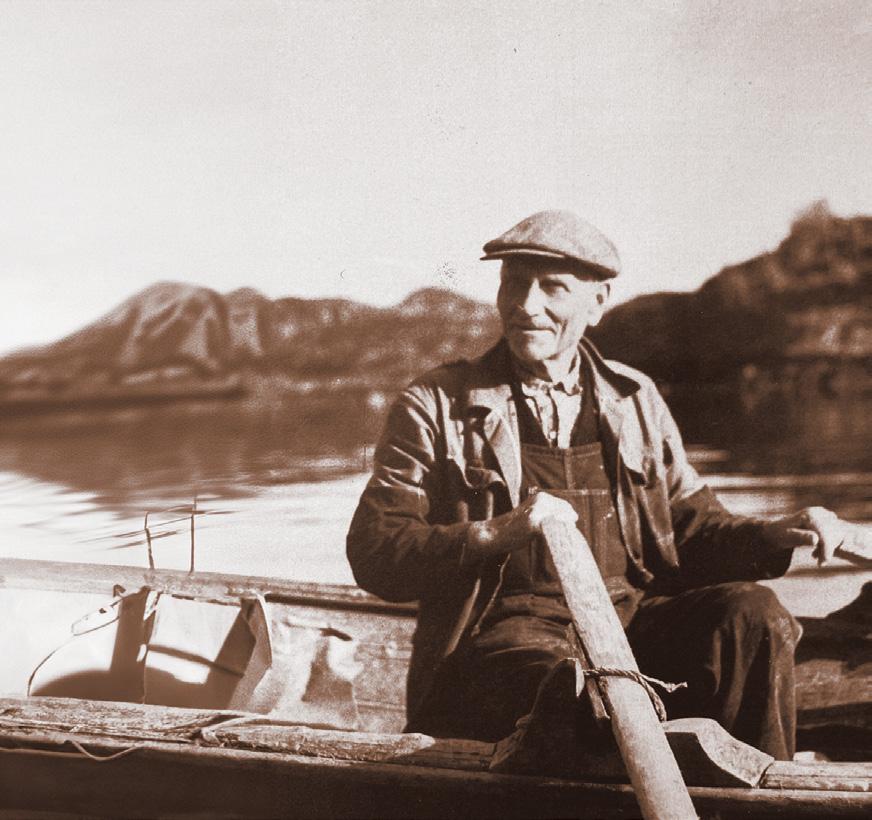
The Norwegian Seafood Pioneer - Since 1899
Lerøy Seafood Group
SalmoFer® is developed by Lerøy Seafood Group, one of the world’s leading seafood companies with over 120 years of experience in sustainable Norwegian Sefood. The Group´s core business is the production of salmon and trout, catches of whitefish, processing, product development, marketing, sale and distribution of seafood. Every single day, all year round, our about 6,000 employees deliver seafood corresponding to five million meals. We have an extensive range of sustainable, healthy products served on tables in more than 80 different countries. We are proud suppliers of seafood to customers worldwide, and our deliveries correspond to 1.75 billion meals every year.
Sustainability in focus
Several independent assessments have shown that Lerøy is one of the best in terms of sustainability. Lerøy was named the second most sustainable
protein producer globally by the Coller FAIRR Protein Producer Index (2024/2025) — a leading benchmark evaluating the ESG performance of the world’s 60 largest meat, dairy, and aquaculture companies. This recognition reflects decades of systematic work, innovation, and responsibility across the entire group.
100%Fish: utilizing our marine sources
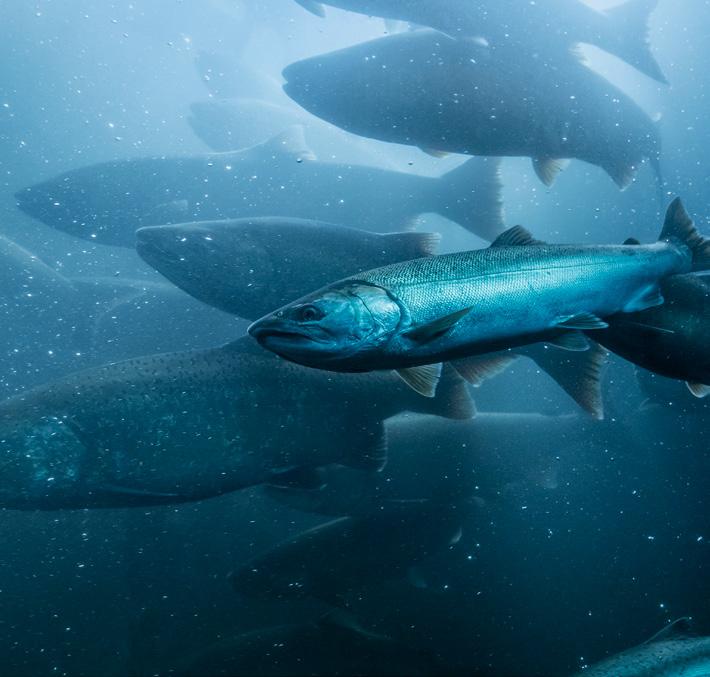
To unlock even more value from the ocean, Lerøy established 100%Fish — an innovation unit dedicated to developing premium health ingredients from our unique, high-quality marine materials. 100%Fish reflects Lerøy’s long-term commitment to sustainability, full resource utilization, and innovation beyond traditional seafood. Our flagship development is SalmoFer® — the world’s first marine-based iron ingredient, derived from our premium and sustainable Atlantic Salmon.
Lerøy Seafood Group value chain
Why the World Struggles With Iron Deficiency
– Even in a World Full of Supplements
Iron is essential for life
It fuels oxygen transport, supports red blood cell formation, contributes to cognitive and immune function, and helps maintain energy metabolism and physical performance. Yet, iron deficiency remains one of the most common and underdiagnosed nutritional deficiencies worldwide.1, 2
Mild deficiencies, real impact
While severe iron deficiency anemia is well recognized, mild and moderate deficiencies often go unnoticed.⁸
Subtle symptoms — fatigue, reduced concentration, poor sleep, and lowered immunity — can quietly erode wellbeing and productivity.⁹
1 in 3 people are iron deficient
Iron
deficiency
hits hard — and wide
of toddlers in the U.S. are iron deficient³ of elderly adults in developed countries⁵ of pregnant women globally⁴
Vegetarians face up to 3× higher risk than omnivores⁶
Over 50% of IBD patients experience iron deficiency⁷
Well-known Side Effects From Traditional Iron Supplements
Traditional iron supplements typically rely on nonheme iron — a form the body absorbs inefficiently.10 While inexpensive and widely available, this type of iron comes with clear limitations.
Because of its poor absorption, higher doses are often required. But this comes at a cost: excess unabsorbed iron can remain in the gut, where it may trigger inflammation, oxidative stress, and disrupt the gut microbiome.1, 10, 11
As a result, up to 50% of users report gastrointestinal side effects — including nausea, cramps, and constipation, leading many to stop taking their supplements altogether.12
For many, this becomes a frustrating trade-off: they want the benefits of iron, but not the discomfort.
Type of Iron Matters –Why
Heme Iron is the
Smarter Choice
Iron exists in different forms. The form of iron you choose directly impacts absorption, tolerability and effectiveness — which is why it matters that SalmoFer® is a heme iron–based ingredient.
Better absorbed – designed for human biology
Heme iron is the form naturally found in meat and fish — and the form our bodies are biologically designed to absorb.
Unlike non-heme iron, which is absorbed through passive transport, heme iron follows a dedicated and efficient absorption pathway.1
Heme Iron enters intestinal cells either through heme-specific receptors or via enzymatic breakdown by heme oxygenase enzymes. The iron is then transported into the bloodstream and delivered where it’s needed. See figure 1 on the next page.
Because it bypasses dietary inhibitors like phytates, calcium and polyphenols, heme iron provides more consistent and 2–3 times greater bioavailability than non-heme iron.1, ¹³
Unlike traditional non-heme iron salts, which can irritate the gastrointestinal lining and leave behind free iron, heme iron is efficiently absorbed and leaves minimal unabsorbed residue in the gut.
Effective at lower doses – with fewer side effects
While non-heme iron salts often leave unabsorbed residues that cause gastrointestinal discomfort, heme iron is naturally absorbed with greater efficiency and delivers results at smaller doses.¹⁴
This results in:
• Less strain on the gut
• Fewer gastrointestinal complaints
• Better tolerability and long-term compliance
Intracellular
Bloodstream
Figure 1: Active vs Passive Iron Transport Heme iron uses a specialized absorption mechanism that avoids the limitations of non-heme iron, including dietary interference.
Excellent safety profile – gentle on the gut
Heme iron has been part of the human diet for millennia, and is extensively studied in clinical research. It is recognized as safe and well tolerated, even at higher doses.¹⁵
Unlike traditional non-heme iron salts, which can irritate the gastrointestinal lining and leave behind free iron, heme iron is efficiently absorbed and leaves minimal unabsorbed residue in the gut.¹⁶ ¹⁷ See figure 2 on the right.
This matters — because free iron can trigger:
• Gut inflammation
• Oxidative stress
• Growth of harmful bacteria like E. coli and Salmonella
• Suppression of beneficial bacteria like Lactobacillus¹⁷
By avoiding this, heme iron helps maintain a healthy microbiome and is especially suitable for people with sensitive digestion.
Impact of high luminal iron on gut health markers
Gut Pathogens
E. coli
Clostridum
Enterobacteria
Campylobacter
Intestinal Lumen
Epithelium
Imbalance
Ammonia
Luminal pH H+ sulfide
Probiotics
Epithelial Damage
Figure 2: Iron and the Gut Microbiota Non-heme iron leaves free iron in the gut, promoting dysbiosis and inflammation. Heme iron leaves less free iron, helping preserve a healthy microbiome.
Naturally regulated by the body
Heme iron absorption is naturally balanced by the body’s own regulatory system. In contrast to nonheme iron, which can be absorbed in excess and influenced by dietary and physiological factors, heme iron follows a stable pathway that reflects the body’s iron needs. This built-in regulation helps ensure that the right amount of iron is absorbed — supporting balance and safety.1, 8, 19, 20
This matters because maintaining the right iron balance supports:
• Reduced risk of unnecessary iron accumulation
• Better protection against oxidative stress
• Nutritional safety in sensitive populations
Flexible for everyday use
Non-heme iron absorption is highly influenced by diet, and is advised to be taken with spesific foods and under ideal conditions to be absorbed. Heme iron can be taken with or without food — and still be effective.1, 21
Its unique absorption pathway makes it:
• Independent of stomach acidity
• Unaffected by common dietary inhibitors
• Compatible with any daily routine
This flexibility helps ensure consistent use, contributing to fewer missed doses — and fewer side effects.
Enhances non-heme iron absorption
In addition to working exceptionally well on its own, heme iron also enhances the absorption of non-heme iron when consumed together, a well-documented effect known as the “meat factor.”1, 22
This synergy makes heme iron an ideal choice for:
• Standalone supplements
• Combination formulations
• Fortified foods
Clinical Study Results on SalmoFer®
A completed, two-arm, open-label clinical study was conducted in 61 premenopausal women (aged 23-42) with low iron or mild anemia. Participants received a single 9 mg dose of SalmoFer®, followed by 6 mg daily for 8 weeks.
The study was performed by the Nutraceuticals Research Institute (2025), and was submitted for peer review in October 2025.
The results demonstrated clear benefits:
• +25% increase in serum iron within 24 hours
• +76% increase in ferritin after 8 weeks
• Significant improvements in hemoglobin and hematocrit (p<0.05)
• No gastrointestinal side effects or adverse events reported, even when taken on an empty stomach
These preliminary findings support SalmoFer® as a safe and effective iron solution — delivering meaningful improvements without the side effects that limit compliance in traditional products.
SalmoFer® A New Standard in Gentle Iron
SalmoFer® is truly gentle iron combined with great performance. It also stands out with its origin — the world’s first marine-based iron. This natural and sustainable ingredient meets the needs of modern consumers and the innovation goals of forward-looking supplement brands.
SalmoFer® is scienced-backed, better tolerated, and ideal for daily use – even on an empty stomach. It allows brand owners to deliver iron benefits without the compromises typically associated with iron supplements.
1
3 5
Truly Gentle Iron with great performance
SalmoFer® delivers the iron your body needs, without the side effects your customers fear. Its natural, heme-bound form follows the body’s preferred absorption pathway and leaves little unabsorbed iron in the gut. This translates to fewer gastrointestinal side effects, such as constipation, nausea, or bloating — consequently improving adherence.
The world’s first marine iron with a unique story to tell Sourced from Norwegian salmon, a symbol of purity and health, SalmoFer® is the first marine-based iron ingredient ever developed. It offers a fresh story of origin, clean-label positioning, and a premium narrative that stands out.
2
Flexible and practical iron that fits real life
Unlike traditional iron supplements, SalmoFer® can be taken with or without food, at any time of day, without compromising absorption or causing discomfort. This flexibility supports daily compliance and user satisfaction.
4
Excellent safety profile backed by nature and science
Heme iron has been safely consumed for thousands of years and is extensively documented in scientific literature. SalmoFer® preserves this natural form, and in our clinical trial no gastrointestinal side effects or any other adverse events were reported, even when taken on an empty stomach. It’s safe, familiar, and proven.
Natural, whole food iron preserved as nature intended
Most iron supplements are made in a lab: chemically synthesized, bound to artificial carriers, or enzymatically modified. Even some heme-based products lose their natural structure along the way. SalmoFer® is different. No synthetic processing. No artificial additives. Just clean, food-based iron that is naturally effective and truly unmodified.
6
Regulatory approval - ready for use
Regulatory acceptance in key markets makes it easy for brand owners to move quickly. SalmoFer® is considered to be non-novel food in the EU and self-affirmed GRAS (Generally Recognized as Safe) in the US, reflecting its origin from a traditionally consumed food source.
Salmofer® provides a multi-category opportunity
• Women’s Health
• Prenatal & Postnatal Nutrition
• Iron Deficiency & Anemia Support
• Healthy Aging
• Children & Adolescent Health
• Active & Sports Nutrition
• Restricted Diets
• Sensitive GI Needs
• Cognitive & Immune Support
• Fortified & Functional Foods
• Clinical & Specialized Nutrition
The Iron Supplement Market: Ready for Growth
Iron deficiency is one of the most widespread nutritional issues globally — affecting around 1 in 3 people.1 Yet despite this enormous need, the iron supplement market remains significantly underdeveloped.
The global iron supplement market is valued at approximately $4.2 billion, accounting for just over 2% of the $190 billion global dietary supplement market. Its growth rate around 3.8% annually, is less than half that of the broader supplement sector (8%).23, 24 This gap reveals substantial untapped potential and significant growth opportunities.
Why the gap?
Traditional iron supplements cause poor tolerability and show variable efficacy. Side effects such as
constipation, nausea, and abdominal discomfort are very common, leading many individuals to discontinue use. This ongoing gap between clinical need and user adherence highlights the demand for a more tolerable and effective form of iron.25 This disconnect between widespread need and limited adoption signals a clear opportunity: A better iron could unlock growth in a stagnant category.
Unlocking the iron opportunity
SalmoFer® inherently meet the needs that traditional iron supplements have failed to address. SalmoFer® is truly gentle iron combined with great performance. It also stands out with its origin — the world’s first marine-based iron. This natural and sustainable ingredient meets the needs of consumers and the innovation goals of forward-looking supplement brands.
This gap reveals substantial untapped potential and significant growth opportunities
$4.2 Billion
The global iron supplement market is valued at $4.2 billion
2% Just 2% of the $190 billion dietary supplement market
4% Only half of the average growth rate compared to the broader dietary supplement sector
1 in 3
Today’s iron supplement market falls short of addressing the need affecting 1 in 3 people globally
Will Your Brand Be Part of the Iron Revolution?
We’re partnering with forward-looking brands to unlock the untapped potential in the iron supplement market.
SalmoFer® is available as a flowable powder, with flexible formats for bulk capsules, tablets, and white-label products.
Let’s bring better iron to market — together.
Contact us to learn more about SalmoFer®, and how it can strengthen your portfolio.
Email: contact@salmofer.com Web: www.salmofer.com
We’re here to support your product development, answer technical questions, and provide the documentation you need.
References:
1. Kalman, D., Hewlings, S., Madelyn-Adjei, A., & Ebersole, B. (2025). Dietary heme iron: A review of efficacy, safety and tolerability. Nutrients, 17(13), 2132
2. National Institutes of Health. Office of Dietary Supplements. Iron Fact Sheet for Health Professionals. Updated March 2021.
3. Jefferds ME et al. Am J Public Health. 2022;112(S8):S826–S835.
4. World Health Organization. Worldwide Prevalence of Anaemia 1993–2005. Geneva: WHO; 2008.
5. Gaskell H et al. QJM. 2008;101(9):791–798.
6. Saunders AV et al. Med J Aust. 2013;199(S4):S11–S16.
7. Gisbert JP, Gomollón F. World J Gastroenterol. 2008;14(29):4635–4640.
8. Beard JL, Connor JR. Iron status and neural functioning. Annu Rev Nutr. 2003;23:41–58.
9. Lo CH et al. Cell Mol Gastroenterol Hepatol. 2023;15(4):981–1000
10. Hurrell RF. Influence of vegetable protein sources on trace element and mineral bioavailability. Int J Vitam Nutr Res. 2003;73(3):213–220.
11. Lo CH et al. Iron supplementation promotes gut dysbiosis, intestinal inflammation, and colitis via unabsorbed iron in the gut lumen. Cell Mol Gastroenterol Hepatol. 2023;15(4):981–1000.
12. Lo CH et al. Iron formulations differ in gastrointestinal side effects and impact on gut microbiota. Eur J Haematol. 2023;110(2):123–130.
13. Frazer, D. M., & Anderson, G. J. (2005). The regulation of iron transport. BioFactors, 22(1-4), 103–111.
14. Zimmerman, M. B., & Hurrell, R. F. (2007). Nutritional iron deficiency. The Lancet, 370(9586), 511–520.
15. Fuqua, B. K., Vulpe, C. D., & Anderson, G. J. (2012). Intestinal iron absorption. Biochimica et Biophysica Acta (BBA) - Molecular Cell Research, 1823(9), 1392–1403.
16. Hurrell, R., & Egli, I. (2010). Iron bioavailability and dietary reference values. The American Journal of Clinical Nutrition, 91(5), 1461S–1467S.
17. Jaeggi, T., Kortman, G. A. M., Moretti, D., et al. (2015). Iron fortification adversely affects the gut microbiome, increases pathogen abundance and induces intestinal inflammation in Kenyan infants. Gut, 64(5), 731–742.
18. Martinez-Torres, C. & Layrisse, M. (1971). Iron absorption from veal muscle. The American Journal of Clinical Nutrition, 24(5), 531–540.
19. Fairweather-Tait, S. J. (1982). Iron absorption. Biochemical Society Transactions, 10(3), 428–430.
20. Reddy, M. B., Hurrell, R. F., & Cook, J. D. (1995). Meat consumption in a varied diet marginally influences nonheme iron absorption in normal individuals. The Journal of Nutrition, 125(9), 2300–2307.
21. Lynch, S. R. (2000). Interaction of iron with other nutrients. Nutrition Reviews, 58(3), 102–110.
22. Layrisse, M., García-Casal, M. N., et al. (1999). New insights into the effects of meat on iron absorption. Nutrition Reviews, 57(8), 233–238.
23. Grand View Research. Iron Supplements Market Size, Share & Trends Report 2024–2030.
24. Fact.MR. Global Dietary Supplements Market Analysis 2024–2034.
25. Tolkien, Z. et al. (2015). Ferrous sulfate supplementation causes significant gastrointestinal side-effects in adults: A systematic review and meta-analysis. PLoS One, 10(2), e0117383.
SalmoFer® is truly gentle iron combined with great performance. It also stands out with its origin — the world’s first marine-based iron. This natural and sustainable ingredient meets the needs of modern consumers and the innovation goals of forward-looking supplement brands.
SalmoFer® is scienced-backed, better tolerated, and ideal for daily use – even on an empty stomach. It allows brand owners to deliver iron benefits without the compromises typically associated with iron supplements.