HKBU Cultivating Peace program art exhibition
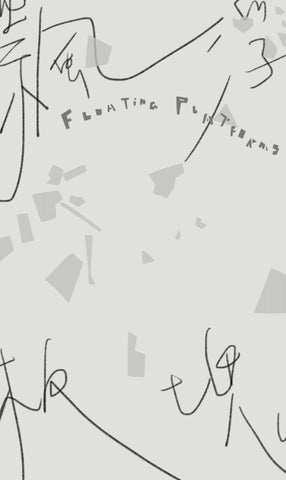
《飄浮板塊 Floating Platforms》
4-29/5/2023
1a space
香港浸會大學栽種和平項目藝術展覽
參展藝術家 Participating artists:
島仔藝術 Dou Chai Arts
鄧國騫 Kwok-hin Tang
Rajat Sharma
梁翠萍 Sally Leung
李卓媛 Sharon Lee
蕭俞 Zoe Siu
參與學校 Participating schools:
聖公會諸聖中學
S.K.H. All Saints’Middle School
聖公會白約翰會督中學
S.K.H. Bishop Baker Secondary School
策展人 Curator:
梁翠萍 Sally Leung
策展概念 Curatorial Statement
生活在大都市中,你來我往,我們總是需要有縱錯落卻不能止息的相交,群體由不同 的個體組成與驅動,作為一個整體,世界巨輪才能繼續轉動。生活的狹縫間,我們處 在社區之中,與無數陌生者同行一路。
然而因著近年大環境的改變,疫情、戰亂、社會運動等,群體或個體間總彌漫著各種 不安全。一紙口罩、不准觸碰,我們只剩下眼神能交換,加上AI人工智能興起,三年 恍如隔世,人與人之間彷彿建起了更多有形無形的牆。疫症過後,我們如何重回現實 世界?繼續樂於躲在自己的舒適地帶,還是可以重新詰問社群於我何關?對於群體 的建構與想像,未來還可以有什麼可能性?
挪威社會學家,也是和平學的主要創始人——約翰.加爾通(Johan Galtung)提出 積極和平和消極和平兩個概念。消極和平主張的是直接暴力的消失,然而積極和平 關注的卻不只是衝突的不存在,更指向社會上應有一種更理想的環境,人們可以在 當中體面地生存,是一種創造性的轉化。「和平」是一種美好的合作體系,人們能在 其中彼此協作,互相依存,向著和諧社會的美好方向持續發展。
在理想與現實充滿張力之下,香港浸會大學栽種和平項目延續上年度《海的某處》 展覽對於和平學的探討,今年嘗試以行動作為和平學的實踐,項目包括邀請藝術 家、大學生與中學生以數個月的時間共處及一起進行創作,透過社區遊、小組分 享、創作練習等,互相認識及探索人際及社區和平的可能性,嘗試開拓社會互動的 不同方向。
展覽《飄浮板塊》概念取材自板塊運動的地質學現象,岩石圈板塊在流動的軟流圈 上緩慢移動,令地球表面維持在活躍多變的狀態。板塊相遇之處透過不同形式的 碰撞,或接合、或推擠、或分離,生成不同的特殊地貌。這個相遇的過程不可控,但 同時也具可塑性。正如項目透過藝術家與學生協作的過程,嘗試以行動探索人際關 係之中流動的本質。藝術家及同學們從第一次接觸,彼此摸索,到共同在社區中創作, 經歷了不同的磨合砥礪。展覽嘗試透過四組藝術小組作品,以及兩位以自身經歷回 應主題的藝術家的作品,尋找人與人之間可變的距離與邊界,在行進的過程中以不 同的方式追溯關係中的平衡點,同時連結於社區更廣結的脈絡中。不只作品本身, 過程更是一場精彩的實驗。
展覽以梁翠萍的混合媒介作品作開端,處於整個展覽空間的邊緣地帶,梁氏透過 重新聯絡最近一年半間已移居外地的朋友,邀請他們以拍照及寄送物件的方式, 探尋身份與社群的變化,從中嘗試挑戰慣常的社群定義,以及追索關係的流動本質。
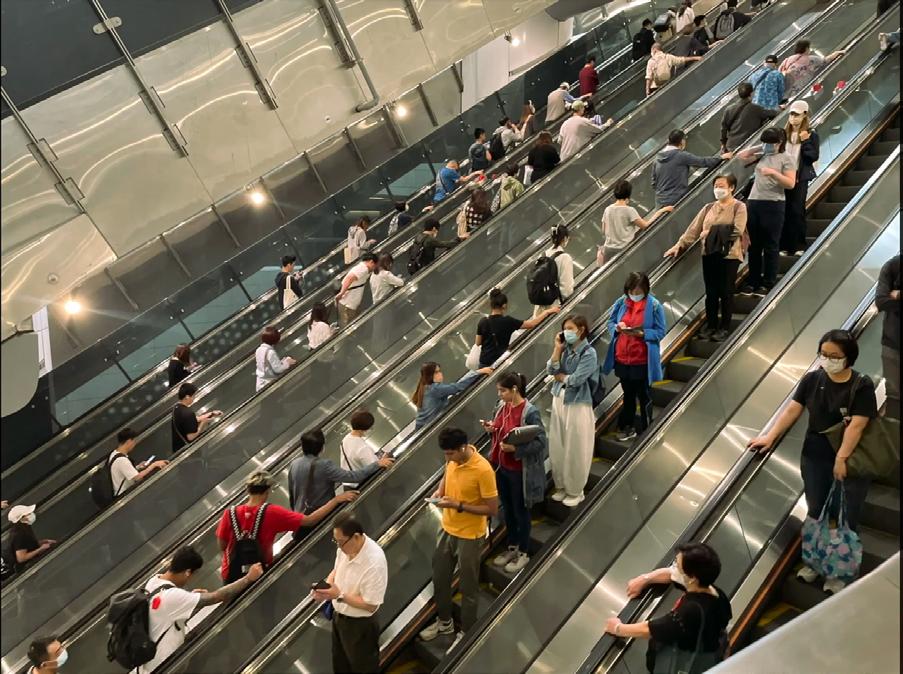
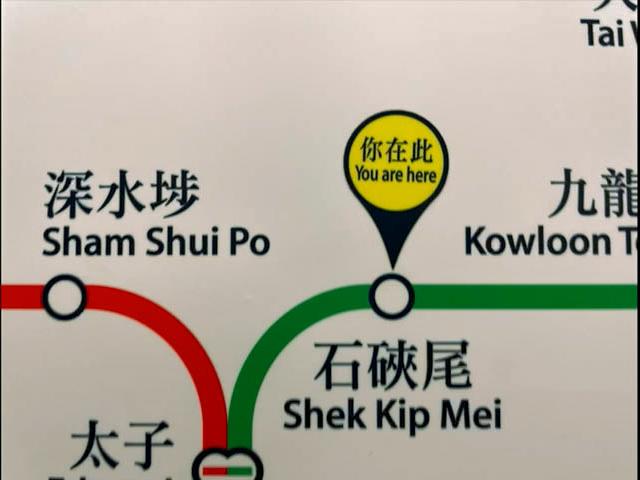
往內再折返本地社區,蕭俞與其小組則嘗試以服裝的重構及快閃式社區藝廊,解構 旺角區草根階層的多樣性,並以碎片形式接合學生與本地社群,透過街坊的記憶重 新組織社區歷史與未來。從縱向的歷史洪流,再連繫至群體的橫向流動,人們在社會 中存在與連結的方式也為印度裔藝術家Rajat Sharma所關注的。移居香港一年多, 藝術家把每天通勤時在地鐵上的觀察以錄像形式展示,把人們與手機熒幕的孤立 狀態對比五光十色的廣告牌,嘗試拷問社會現況與香港人的社群生態。
社區呈現動態曲張,一直延伸擴展,但在捉摸不定的變化、若即若離的連結中,李卓 媛的小組攝影及錄像作品則為人在社區中的存在定調。繁忙市區中各種移動脈絡 被消減成身體一呼一吸的存留,是社群在空間中的安全地帶,也成了整個展覽空間 中一個寧靜小島。在社區中存在,這種不刻意、安然自如,或許便是人與人之間的 歸宿。透過島仔藝術與小組的迷宮棋盤裝置,在社區中帶動學生與街坊互動,回家 之路成為一種遊戲,一邊探索何處是家,同時自身也成了社區中另一個綠洲。最後 我們回到日常的根上,人與人的關係在鄧國騫的探索中,是一種最基本的練習。
社區是一種最純然的存在,盛載著不同份量的拉鋸與綿延。個體之間的邊界互相擠 壓,喪失規則,自然地朝不同方向而生。鄧氏透過每一次的小組創作練習探索這個 團隊本身,使關係呈現一種流動的狀態,不確定,或許繞了一圈,又回到原點,我們 重新再來。
在浮動可變的板塊之上,挑戰的還有我們與他者的信心。在推拉之間,站不穩,目光 的游移不只指向彼岸,還有我們內裡或多或少的敏銳。群體的角力,飄浮,是常態, 也是更廣闊的陸地存在之方式。
Living in a metropolis, people coming and going, we always have scattered yet unavoidable interactions. A group is composed and driven by different individuals. As a whole, the giant wheel of the world can continue to turn. In the slits of life, we are in community, walking with countless strangers on the same way.
However, due to changes of the social environment in recent years, such as epidemics, wars, social movements, etc., insecurities emerged among groups or individuals. With paper masks on and no touching, we only have eyes to exchange signals. Coupled with the rise of artificial intelligence, three years going like a lifetime, more tangible and intangible walls seemed to be built between people. After the epidemic, how do we return to the real world? Do we continue to be happy hiding in our comfort zones, or should we ask again how the community relates to us? To construct and re-imagine communities, what possibilities are there in the future?
A Norwegian sociologist, aka the founder of peace studies, John Galtung proposed the concepts of positive peace and negative peace. Negative peace advocates the disappearance of direct violence, whereas positive peace not only focuses on the absence of conflicts, but also points to a more ideal environment in society in which people can live with dignity, which is a kind of innovative transformation.“Peace”is a beautiful interdependence system in which people can cooperate and trust each other, and continue to develop towards the direction of a harmonious society.
Under the tension between ideal and reality, the Cultivating Peace Project of Hong Kong Baptist University continues the discussion on peace studies from the art exhibition“Somewhere on the Sea”last year. This year, it tries to take the practice of peace studies into action. The project includes inviting artists, university students and secondary school students to spend several months together to create artworks. Through community tours, group sharings, creative exercises, etc., they get to know each other and explore the possibility of interpersonal and community peace, so as to explore different directions of social interaction.
The concept of the art exhibition“Floating Platforms”is based on the geological phenomenon of plate movement. Lithospheric plates move slowly on the flowing asthenosphere, which keeps the earth’s surface in an active and changeable state. Where the plates meet, through different forms of collision, merging, pushing or separating, different special landforms are generated. The process of this encounter is uncontrollable, but at the same time malleable. Just like the process of collaboration between artists and students, it tries to explore the flowing characteristic in human relationships. From the first contact, the exploration of each other, to doing the collaborative art project in the community, the groups have experienced different adjustments and breakthroughs in relationships. Through the works of four art groups and the works of two artists who respond to the theme with their own experiences, the exhibition attempts to explore the changing distance and boundary between people, trace the balance point of relationship in the process, and at the same time connect to a broader context of community. Not only the works themselves, the process is also an exciting experiment.
The exhibition begins with Sally Leung’s mixed media work, which is located at the edge of the entire exhibition space. By reconnecting with friends who have emigrated in the past year and a half, Leung invites them to take photos and send her objects by post, to explore the changes in identity and relationship, from this to challenge the usual definitions of community and trace the fluid nature of relationships. Back to the local community, Zoe Siu and her group deconstruct the diversity of the urban grassroots in Mong Kok through the reconstruction of clothings and pop-up community art gallery, fragmentally connect the students and the local community, and reorganise community history and future by memories of the neighbourhood. From a vertical view of history to the horizontal flow of groups, the way people exist and connect in society is also the concern of Indian artist Rajat Sharma. After living in Hong Kong for more than a year, the artist records and presents his observations on the MTR during his daily commute, comparing the isolated state of people with phone screens and the colourful billboards, trying to question the current social situation and the community ecology of Hong Kong people.
The community is dynamic and variegated, constantly expanding and extending, but among the unpredictable changes and looming connections, Sharon Lee’s group photography and video works set the tone for people’s existence in the community. The hustle and bustle of urban life is reduced to the breath of a human body, being a safe zone for the community in the space, so as a quiet island in the middle of the entire exhibition space. The mere presence in the community, unintentional, safe and sound, is the destination for people. Through the maze boardgame of Dou Chai Arts and their group, students and neighbours are driven to interact. The route going back home becomes a game, in which people explore where home is, and at the same time become another oasis there. Finally, we return to the root of daily life. The relationship between people is a fundamental exercise in Kwok-hin Tang’s exploration. Community is an existence, full of see-saw and extension of different weights. Individuals squeeze boundaries, abandon rules, and naturally grow in different directions. Tang explores the art group itself through creative exercises each time, keeping the relationship in a state of flow, uncertain, perhaps looping in a circle, and then returning to the original point, to start all over again.
Floating platforms challenge the trust between us and others. Pushing and pulling, waddling and trembling, the wandering eyes not only point to the other shore, but also our more or less acuity inside. A struggling community, floating may be the norm, and also a way of wider lands.
梁翠萍 Sally Leung
移動記憶 Moving Memories
混合媒介 Mixed media
尺寸多變 Dimension variable
2023
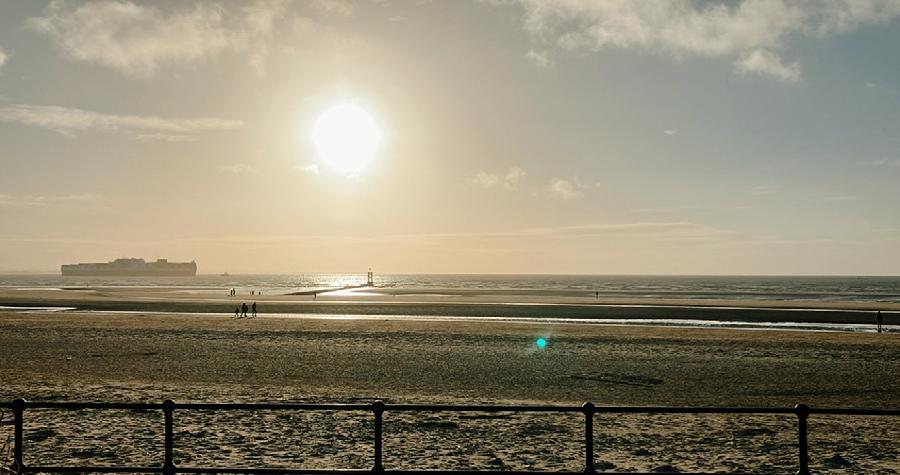
藝術家從2021年10月開始直至現在,在一年半內共參加了13場歡送會,告別了15位朋友。離別 是近年香港人常面對的課題,然而,對於遷移至另一地方,人們的身份、記憶、社群間的聯繫又 會隨之而產生怎樣的變化?什麼是社群?又是什麼在定義我們的身份?
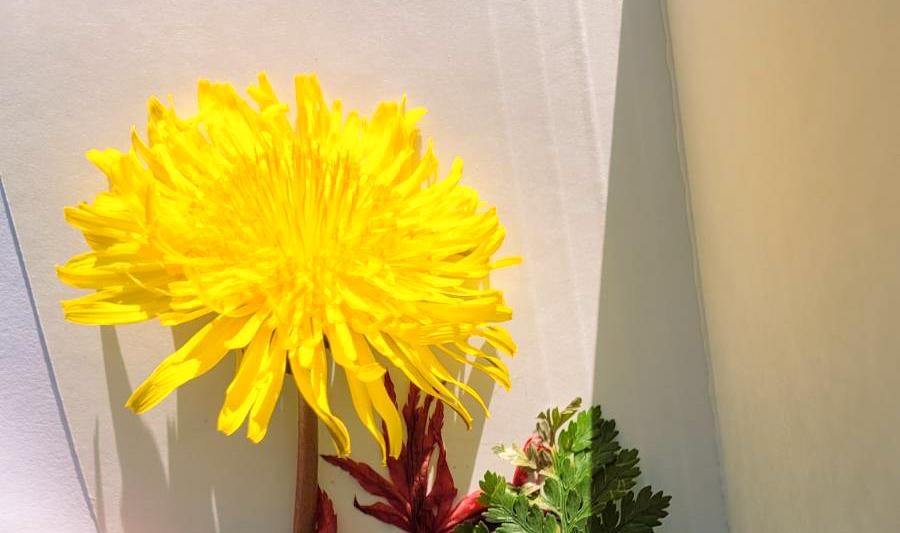
在這作品中,藝術家逐一聯絡已離開香港的朋友,透過問候、對話,邀請他們拍下一張照片,捕捉 在另一國度中會讓他想起香港的事物,嘗試找尋脫離一個地方後與原有社群剩下的連結點,並 邀請他們寄來一件當地的物件,同時藉此次邀請行動追索及照見彼此互動關係中的變化,試圖 跨越有形的地域邊界,探問群體的本質。
From October 2021 to the present, the artist has participated in 13 farewell parties in one and a half years and said goodbye to 15 friends. Departing has been a common issue faced by Hong Kong people in recent years. However, when moving to another place, what changes will occur in people’s identity, memory, and communal connections? What is a community? And what defines our identities? In this work, the artist contacts friends who have left Hong Kong and invites them to take a photo capturing things that remind them of Hong Kong in another country, through this trying to find the remaining connection points with the original community after leaving a place, as well as invites them to send a local object, and at the same time take this invitation as a trace and observation to the changes in the reciprocal relationship between each other, trying to cross the tangible geographical boundaries and explore the essence of a community.
Putney
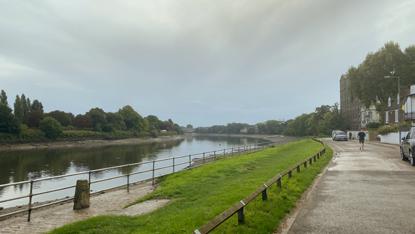
3 St. Johns Ave, London SW15 2AG
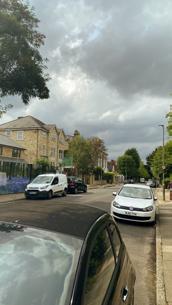
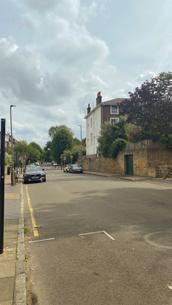
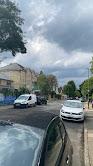
Richmond
Richmond, England, United Kingdom
https://goo.gl/maps/NSFXCBu1CANUHbsf7
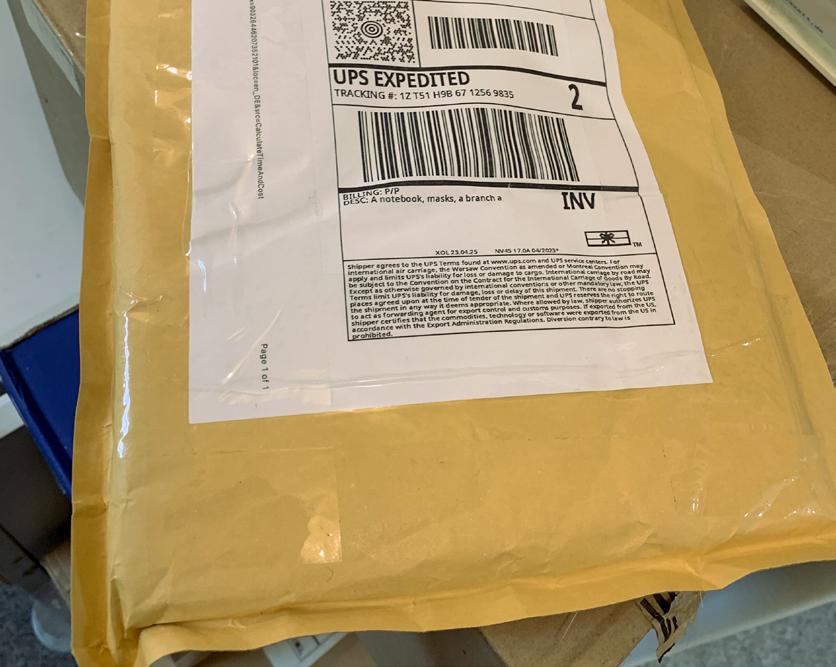
5 個附件
IMG_1177.jpg 2242K
IMG_1176.jpg 1961K
IMG_1438.jpg
藝術家簡介 Introduction of artist
梁翠萍是一位現居香港的跨界別藝術家。畢業於香港中文大學心理學系,後修讀繪畫及神學 課程。她的創作源於對身邊人和事細膩的感知,透過繪畫及混合媒介創作,把人的情感、宗哲 思考及日常觀察互相連結與扣問。作品探討人類活動的內心狀態,嘗試揭示不可見的精神面貌, 及探索現實與虛幻的邊界。她關注的議題還包括記憶、生死、關係、城市與社群。
曾與不同單位合作,包括藝術組織、音樂單位、學校、出版社、商業品牌、社福機構及網媒等。
近年也參與策展及藝術教育工作,希望透過藝術打開生活更多可能性。
Sally Leung is an multidisciplinary artist currently based in Hong Kong. She graduated from the Chinese University of Hong Kong majoring in Psychology, and then studied painting and theology. The impetus of her works originates from her delicate perception of daily encounters and people around. Through paintings and mixed media works, she connects and interrogates human emotions, philosophical thoughts and daily observations. Her works explore the inner state of human activities, try to reveal the invisible psychological appearance, and explore the boundary between reality and imagination. Her practice also focuses on memory, life and death, relationships, cities and communities.
She has collaborated with different units, including art organizations, music units, schools, publishers, commercial brands, non-governmental organizations, online media, etc. In recent years, she is also involved in curation and art education work, hoping to open up more possibilities of life through art.
UK East
1778K
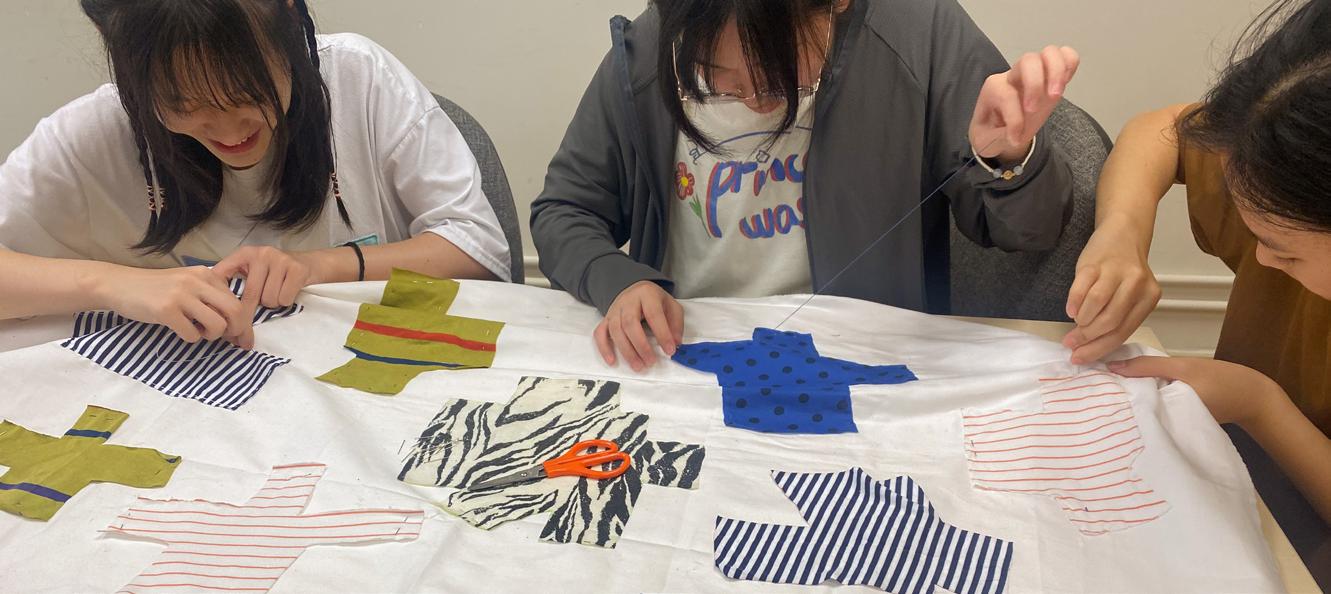
解構草根都市美 Deconstructing the Beauty of Urban Grassroots 紡織、木、數碼印刷 Textiles, woods, digital prints
尺寸多變 Dimension variable 2023
疫情加劇了個人主義現象,讓人們躲在家中自給自足,不需參與社區生活,甚至只在網絡中建 立虛擬世界與外界溝通。因此,大部分人可以脫離社區的參與和合作,只需專注於個人的快樂、 自由和自主。
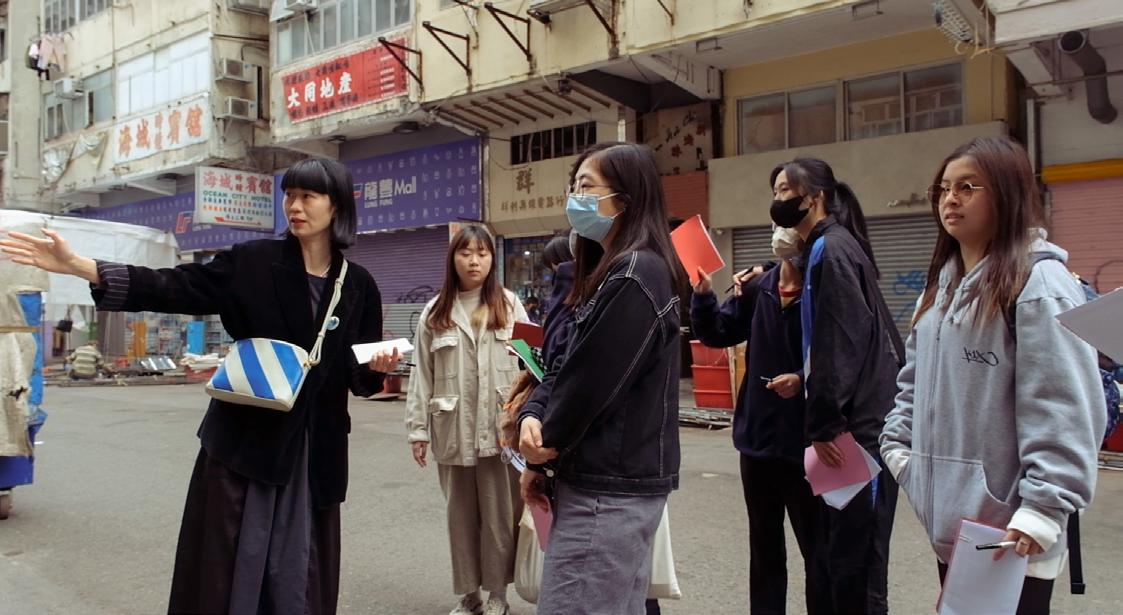
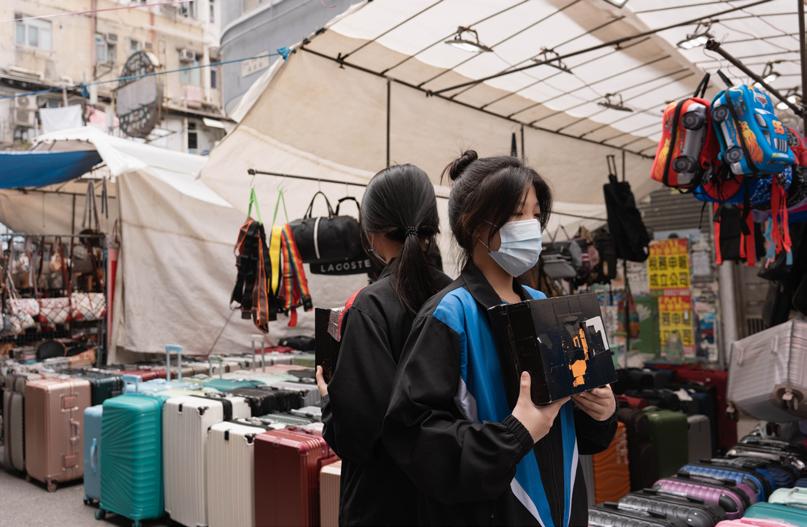
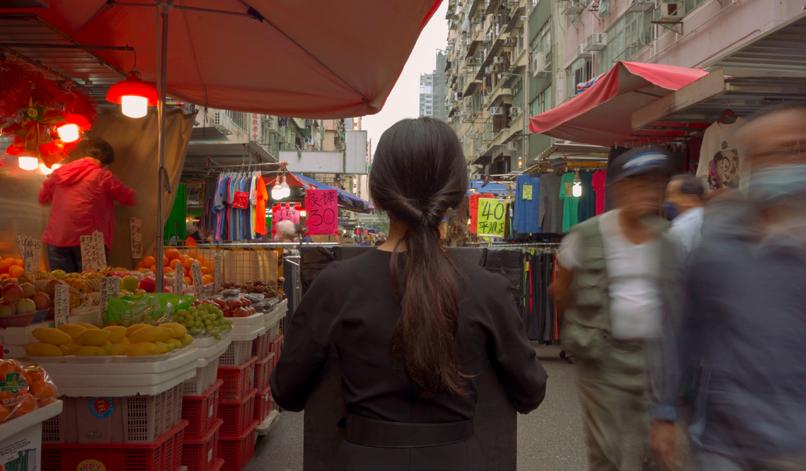
一開始,聖公會諸聖中學的同學們對於進入旺角繁華社區並不感興趣,因為他們已經習慣在 淘寶、小紅書上購買衣服和日用品,很少光顧實體店舖。因此,藝術家從他們的興趣出發,先 鼓勵他們去看女人街上的衣服。他們來到了美之入口時裝店,這是他們這次社區之旅中逗留 最久的商店。他們也是第一次發現學校旁邊的旺角街道有趣。
美之入口時裝店在旺角已經經營了幾十年,儘管其他店舖已經相繼倒閉,它一直堅守在社區中, 沒有改變。那裏賣的二手復古衣服充滿生活痕跡,衣服風格比較草根、混亂,不按照傳統結構, 感覺跟這個舊區的草根階層文化特性很相似。日常衣服是人類生活中必不可少的物品,也是 人類文化的凝聚物。它是社會形態的保證,反映了不同時代的文化風氣、社會的特徵和價值觀。 衣服的顏色、剪裁、物料和圖案能夠傳遞訊息和故事,它是時代的語言,也是時代的記憶。
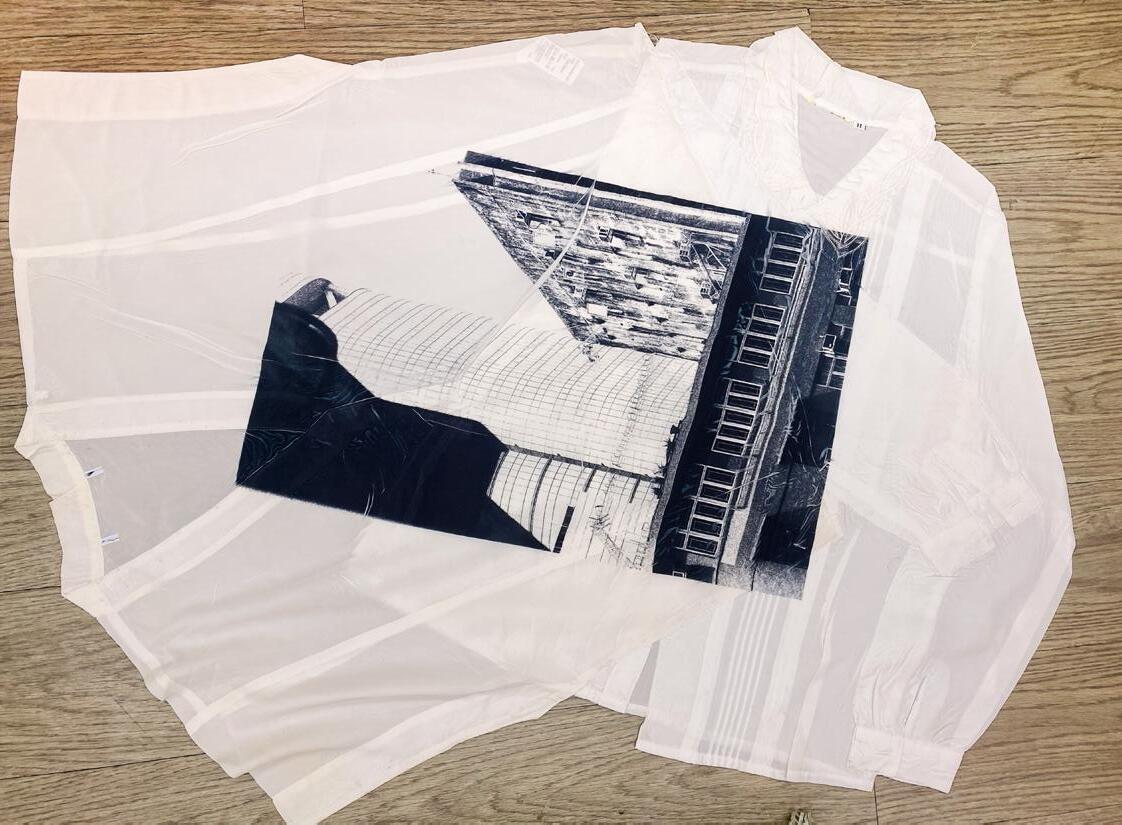
他們在美之入口時裝店搜羅了二十件衣服,運用時裝解構方法,先破壞原本的結構再重組,試圖 打破既定框架、衝擊以往印象。他們先把所有衣服拆解,然後再把部分衣服縫在一起,變成另一 個形態。有一面布縫上很多手袖,每一個不同尺寸、圖案的手袖代表着不同旺角勞動工人的精 神面貌,有女人街檔主、公園清潔女工、朗豪坊外派宣傳單張的兼職員等。有些衣服則拆成 碎片,剪成菱形圖案,再手工縫拼湊成他們看見旺角舊區一些城市新建築發展的圖案,最後有 幾件衣服化作抽象符號,表達同學對通菜街街頭演出多樣文化的驚嘆。
這個解構衣服的過程讓他們審視了整個旺角社區的變化,也帶他們細心觀察當中細節,尋找 社區的耀眼點。另外,他們用攝影紀錄了不一樣的旺角社區角落,然後把黑白圖片印在重新 組成的衣服上。他們把圖片融入日常生活品中,藉著衣服上的圖像轉化和街坊討論的話題, 希望刺激街坊更多觀察、聯想,鼓勵他們挖掘更多社區趣味。
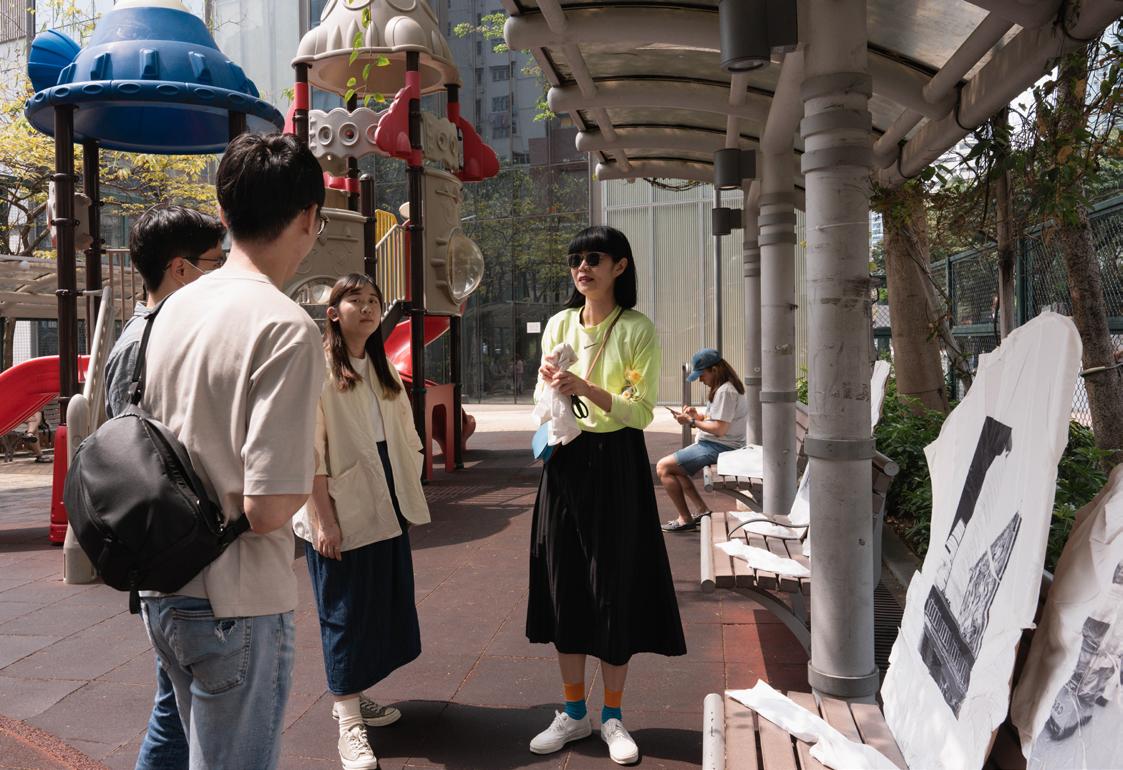
他們帶著四件印有旺角城市景觀的改裝衣服,去到火車站、公園等公眾地方展示給旺角街坊, 希望吸引他們來一起討論對社區環境的喜好,他們以簡單刺繡在其中拆解的手袖做記號,以 暖色黃、粉紅線色顯示喜歡;藍、綠線色則代表不喜歡,從而表達出他們對社區的歸屬感程度。
最後,他們希望這次走進公共空間可以引導同學接觸社區,主動和街坊溝通,希望他們將來 可以繼續投入社區,為社會帶來更多創新與希望。
蕭俞
Zoe Siu
The pandemic has exacerbated individualism, causing people to stay at home and be self-sufficient, avoiding participation in community and even just communicating with people through virtual platforms. As a result, most people can detach themselves from community involvement and cooperation, focusing solely on their own happiness, freedom, and autonomy.
Initially, the students of S.K.H. All Saints’Middle School were not interested in visiting the bustling community of Mong Kok, as they were accustomed to buying clothes and daily necessities on Taobao and Xiaohongshu, instead of visiting physical stores. Therefore, the artist started by encouraging them to explore the boutiques on Ladies Street based on their interests. The group went to Mee and Chee Fashion Store, which was the store where they stayed the longest during their community tour. It was also the first time they discovered the interesting features of the Mong Kok streets near their school.
Mee and Chee Fashion Store has been operating in Mong Kok for decades and has remained unchanged in the community despite the closure of other stores. The vintage clothes sold there are full of traces of life, with a grassroots and chaotic style that does not follow traditional structures, and feels very similar to the cultural characteristics of the grassroots community in this old district. Daily clothes are essential items in human life and are also a cultural symbol. They guarantee social forms and reflect the cultural trends, social characteristics, and values of different eras. The color, cutting, material, and pattern of clothing can convey messages and stories. It signifies the language and memory of the times.
They collected twenty pieces of clothing from Mee and Chee Fashion Store and utilised the deconstruction method, breaking the original structure before reassembling it, trying to break the framework and challenge past impressions. They first dismantled all the clothes and then sewed some of them together to create a different form. Some sleeves were removed from the clothes and stitched onto the plain fabric which embodies the spirit of Mong Kok labour force, such as Ladies Market stall owners, the park cleaning ladies and leaflet distributors,etc. Some were cut into diamond shapes and hand-sewn together to create patterns that they saw in some new buildings in the old district of Mong Kok. Finally, some clothes were transformed into abstract symbols expressing the students’admiration for the diverse cultural performances at Sai Yeung Choi Street.
This deconstruction process of clothing allowed them to examine the changes in the entire Mong Kok community and also led them to carefully observe the details and search for the sparkling points in the community. In addition, they used photography to record different corners of the Mong Kok community and then printed the black and white pictures on the reassembled clothes. They integrated the pictures into daily life and hope to stimulate the community to observe and associate more, encouraging them to discover more interesting aspects of the community.
They brought four clothes with Mong Kok landscape prints to public places such as the MTR station and park to showcase to the community, hoping to attract them to discuss their preferences for the community environment with them. They made a simple embroidery on the dismantled sleeves as a symbol, with warm yellow and pink stitches showing a liking for the community, while blue and green stitches represent dislike, expressing their sense of belonging to the community. Finally, it is hoped that this visit can guide students to engage with the community and bring more innovation and vision to the society in the future.
參與同學及人員 Participating students & staff
聖公會諸聖中學
S.K.H. All Saints’Middle School:
簡芯茹 Jian Xinyu
張加貝 Cheung Ka Pui
湯詠蓉 Tang Wing Yung
劉夢蝶 Liu Mengdie
黃寶怡 Huang Po Yi
魏琳丹 Ngai Lam Tan
余玉君 Yu Yujun
香港浸會大學 HKBU:
陳啟聰 Chan Kai Chung
李曉彤 Lee Hiu Tung
協助同工 Assisting staff:
鄒籽晴 Chow Chi Ching
(聖雅各福群會 St James’Settlement)
江雋林 Anthony Kong
影片製作 Video production:
謝文傑 Kenneth Tse
江雋林 Anthony Kong
關善鎂 Sin-mei Kwan
藝術家簡介 Introduction of artist
蕭俞2007年畢業於香港理工大學時裝設計,曾為國際牛仔褲品牌DKNY JEANS及LEVIS當設計 工作,之後對繩結藝術產生興趣,2011年毅然決定要創立ZOEE。她喜愛把傳統手工藝細節融入 充滿現代感的飾物結構中,突顯新舊元素碰撞出來的化學作用。她更曾獲中環置地廣場的邀請, 為美國著名時尚界、設計界的翹楚Iris Apfel的個人展覽設計限量版首飾系列。
除了設計首飾配件外,她還通過探索繩索的建築可能性,利用繩索裝置改造零售和畫廊空間 來進一步推動邊界,這些裝置具有雕塑般的大膽和精心複雜。她曾經為香港K11 SHOPPING MALL以及ELEMENTS商場做大型繩結裝置。她也致力於推動打結藝術,獲邀在國際品牌發布會 設計不少紡織工作坊,包括OMEGA, HENNESSY V.S.O.P , Adidas, Uniqlo, FRED, Mikimoto, 45R & MARIMEKKO。這些年,她還應邀代表香港參加國際展覽,如「2019年希臘珠寶周」,2017 年的倫敦工藝周和2013年9月的「布魯塞爾設計周」。
Zoe Siu is a Hong Kong-based knot designer, known for her bold, sculptural accessories and striking ropework installations. Weaving together traditional craftsmanship with inventive design, her creations are both sophisticated yet playful, contemporary yet timeless. In 2011, Zoe founded the accessories label ZOEE. She has since created a diverse range of innovative, knot-inspired jewellery collections, attracting stockists from major cities across Asia. Furthermore, she established the ZOEE Accessories Select Shop in 2014 as a platform for independent designers from around the world to showcase their craftsmanship and creative ethos. More recently, Zoe was invited to collaborate with renowned US fashion icon, IRIS APFEL, designing an exclusive accessories set for her solo exhibition at the Hong Kong Landmark in 2017. In addition to designing accessories, Zoe has been pushing boundaries further by exploring the architectural possibilities of rope, transforming retail and gallery spaces with ropework installations that are both sculpturally bold and painstakingly intricate. She has created huge knot installations for ELEMENTS Mall and K11 ART SHOPPING MALL. Dedicated to promoting the art of knotting, Zoe regularly runs workshops for international brand launches, including OMEGA, HENNESSY V.S.O.P, ADIDAS, FRED, UNIQLO, MIKIMOTO, 45R, and MARIMEKKO, etc. She has also been invited to represent Hong Kong at international exhibitions, such as the‘Brussels Design September’festival in 2013, London Craft Week in 2017, AUTOR Jewellery Fair 2017 in Romania and Athens Jewellery Week 2019 in Greece.
Rajat Sharma
消費者進行曲 March of the consumers
Video 06’31” 2023
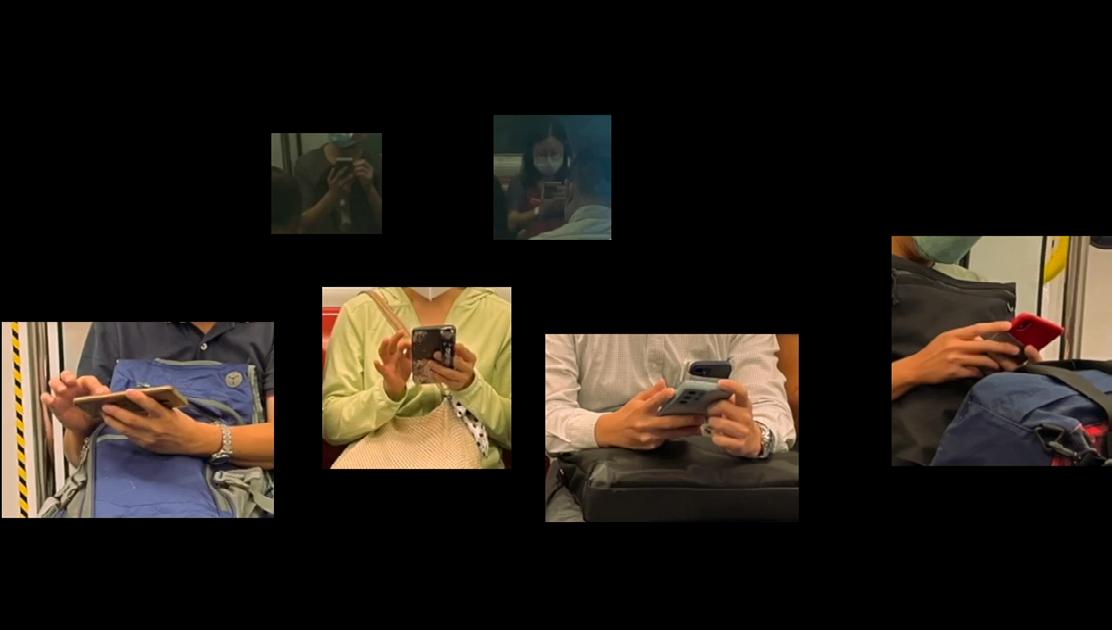
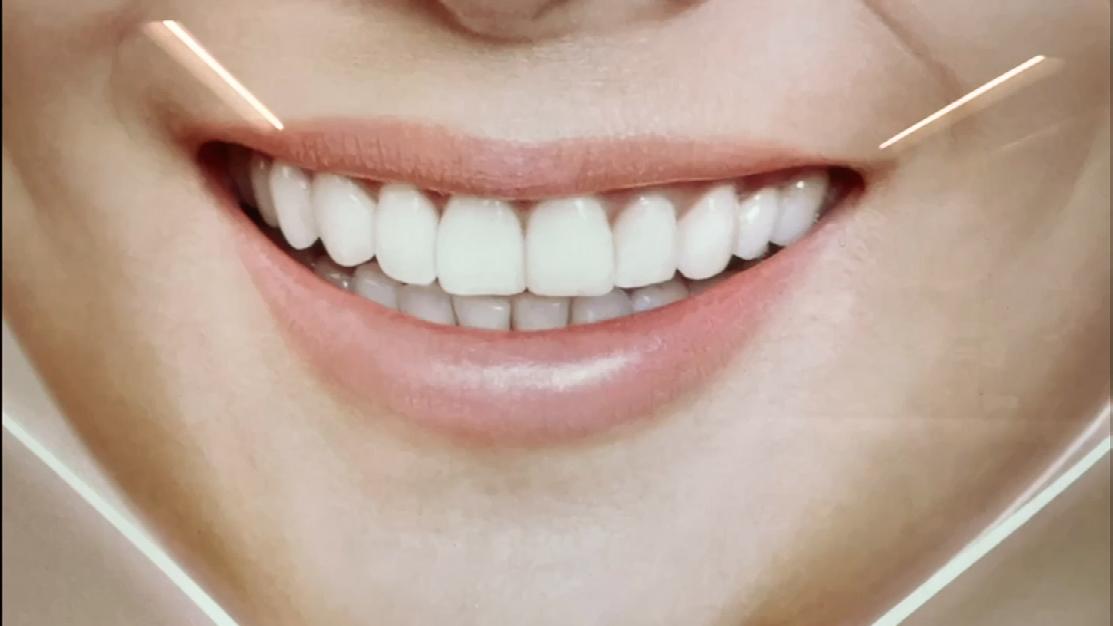
廣告牌閃亮的大熒幕上正在出售快樂,但是人們手中的便攜式熒幕又在消耗什麼? 看似疲倦和孤立,為什麼真實的人與廣告牌上的人如此不同? 這段錄像捕捉了人們對熒幕的極化迷戀,這與消費文化所展示的虛幻幸福形成鮮明對比。
Happiness is being sold on the big shiny screens of the billboards. But what is being consumed through those portable screens in the hand? Seemingly tired and isolated, why are the real people so different from the ones on the billboards?
This video captures the alienating obsession with the screens that offer a stark contrast to the pseudo happiness of consumer culture being sold.
錄像
藝術家簡介 Introduction of artist
Rajat Sharma是來自德里的視覺藝術家,在歐洲完成了媒體藝術與實踐碩士學位。他的創作 主要涉及影像藝術、版畫及數碼拼貼等媒介,並嘗試在數位與類比的工作流程中找到和諧點。
他的藝術的政治含義並不依賴於主題的再現,而是通過新的表現模式改變社會(和歷史)現實。 這些不是以複製現實為中心,像人們在日常生活
中所經歷的那樣,而是揭示現實的矛盾,從而揭示社會現實不是常態,而是或許需要改變的。這 種形式上的抽象容許他能夠將人們認為不容置疑的社會生活的各個方面政治化。
Rajat Sharma is a visual artist from Delhi, having finished his Masters in Media Arts and Practices in Europe. Mostly dealing in disciplines of video art, printmaking and digital collages, his projects locate harmony between digital and analogue workflows. The political implications of his art do not rest on the reproduction of the subject matter but alter the social (and historical) reality through new modes of representation. These are not centered around replicating reality as one experiences it in our everyday lives but expose the contradictions of reality, thus revealing that social reality is not natural but perhaps subject to change. This formal abstraction allows him to politicize the aspects of social life one considers unquestionable.
李卓媛 Sharon Lee
呼吸的凝視 Breathing Gaze
針孔攝影、雙頻錄像 Pinhole photography, two-channel video
尺寸多變 Dimension variable 2023
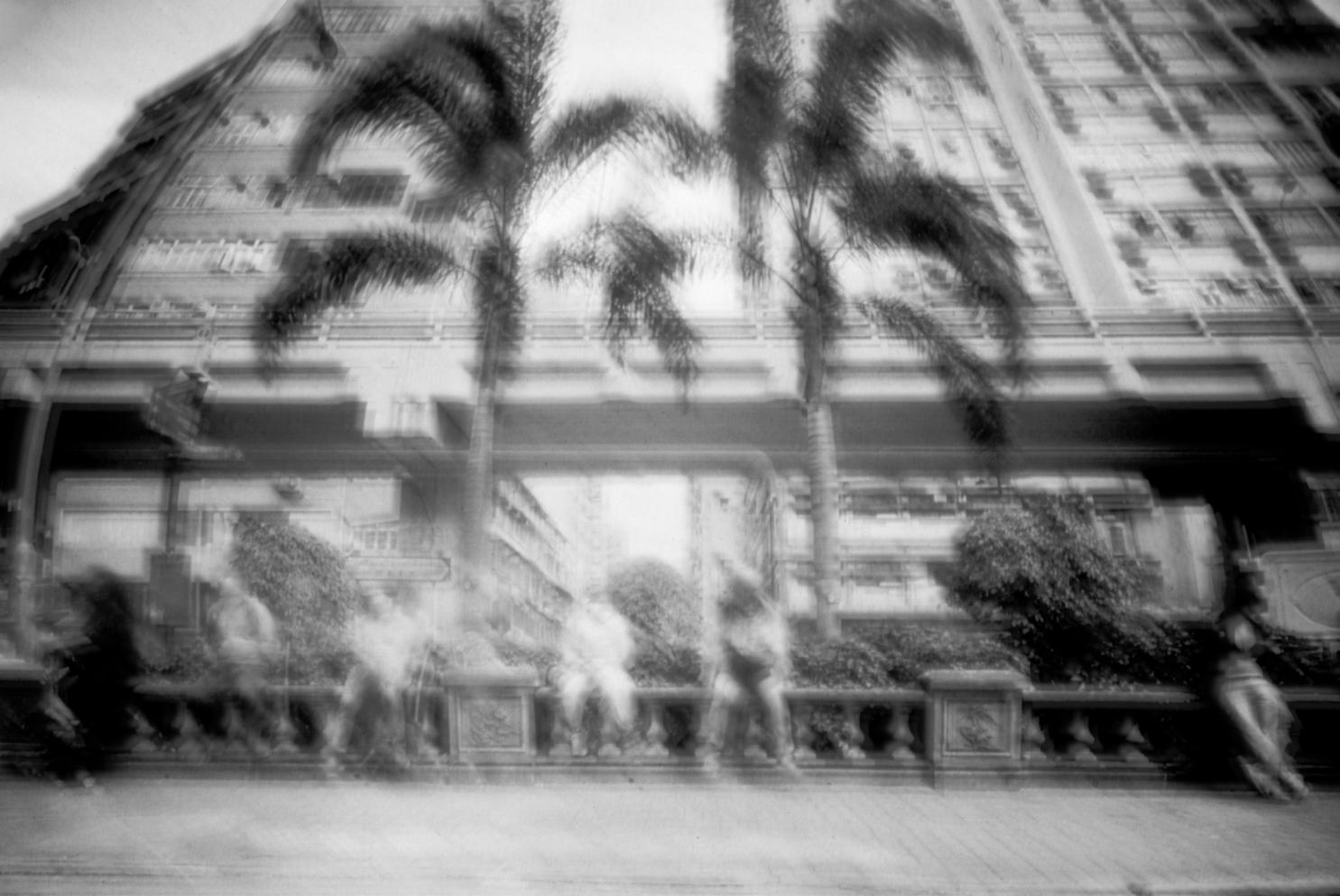
人類發明機械,漸漸以機械取代視覺,凌駕感官,甚至左右表達與思想。作品以針孔攝影作實踐, 試圖消取身體與攝影機械之間的邊界,把兩者合而為一。
影像連結了呼吸的律動。微小的一呼一吸卻支撐我們身體的一切,亦是存在的證明。晃動的影像 呈現相機背後的呼吸與凝視,空景亦是社群於社區互動的總和。
是個體構成社群,還是社群容納個體?是次作品希望借拾來的木瓜盒,借原始的光學探知自身 的存在、觀察社區空間與社群的互動。
Humans have invented machines, gradually replacing vision with machines, overriding the senses, and even controlling expression and thought. The work uses pinhole photography as a practice, trying to eliminate the boundary between the body and the photographic machine, and integrate the two into one.
The images link the rhythm of breathing. A tiny breath supports our body, and also as a proof of existence. Shaking images show the breathing and gaze behind the camera, and the aerial view is also the sum of people’s interactions in the community.
Do the individuals form the community, or does the community contain the individuals? This work hopes to use the papaya box picked up and the original optics to explore its own existence, and observe the interaction between the community and space.
參與同學及人員
Participating students & staff
聖公會諸聖中學
S.K.H. All Saints’Middle School:
吳雯欣 Wu Man Yan
王歡欣 Wang Huanxin
朱若嵐 Zhu Ruolan
劉夢丹 Liu Mengdan
張穎鈞 Zhang Yingjun
李依玟 Li Yiwen
甄雅琳 Zhen Yalin
香港浸會大學 HKBU:
黎頴蒑 Lai Wing Yan
馬焯楠 Ma Cheuk Nam
協助同工 Assisting staff:
陳翠欣 Chan Chui Yun
(聖雅各福群會 St James’Settlement)
張樂瑤 Celia Cheong
影片製作 Video production:
謝文傑 Kenneth Tse
藝術家簡介 Introduction of artist
李卓媛(1992年生於香港)從事藝術創作,以攝影作為跨媒體創作的重心。李氏以影像、文字、 物件、場域探討歷史、回憶與身份建構。李氏的創作混用原始光學和數位攝影,以慢和迂迴的 方式建構影像,以重複的手法消磨影像的重累。
李氏的作品曾於多個本地和國際藝術機構展覽:大館 (2022)、Peer to Peer: UK/HK (2019)、
香港國際攝影節 (2018-2021) 等等。李氏的首個個人展覽「填空補白」(2017) 於光影作坊舉辦, 其後作品「缺景」(2018-19) 獲WMA Master大獎。
Sharon Lee (b. 1992, Hong Kong) is an artist with a cross-disciplinary practice based on photography. Concerning history and memory on cultural identity, Lee works with images, objects, text and sites to explore solitude and itinerant belongings on themes related to human resilience. Combining analogue and digital imaging, Lee embraces slowness and disappearance in her photography art.
Lee’s artworks were presented at local and international art institutions, including Tai Kwun Contemporary (2022), Peer to Peer: UK/HK (2019), Hong Kong International Photo Festival (2018–2021), etc. Lee debuted her solo exhibition“The Presence of Absence”(2017) at Lumenvisum and won the WMA Masters Award with The Crescent Void series (2018-2019).
島仔藝術 Dou Chai Arts
回家記 Homecoming
互動裝置 Interactive Installation
尺寸多變 Dimension variable
2023
「每日最想就是回家。」
家的確是個令人安心的地方,不過到底何處是家?
以生活時間長短來量度?還是你對這個地方熟悉的程度?
一個你會離開但總會回來的地方?
一座大廈,是家。
一個區域,也會說是家。
一個社區,又算不算是家?
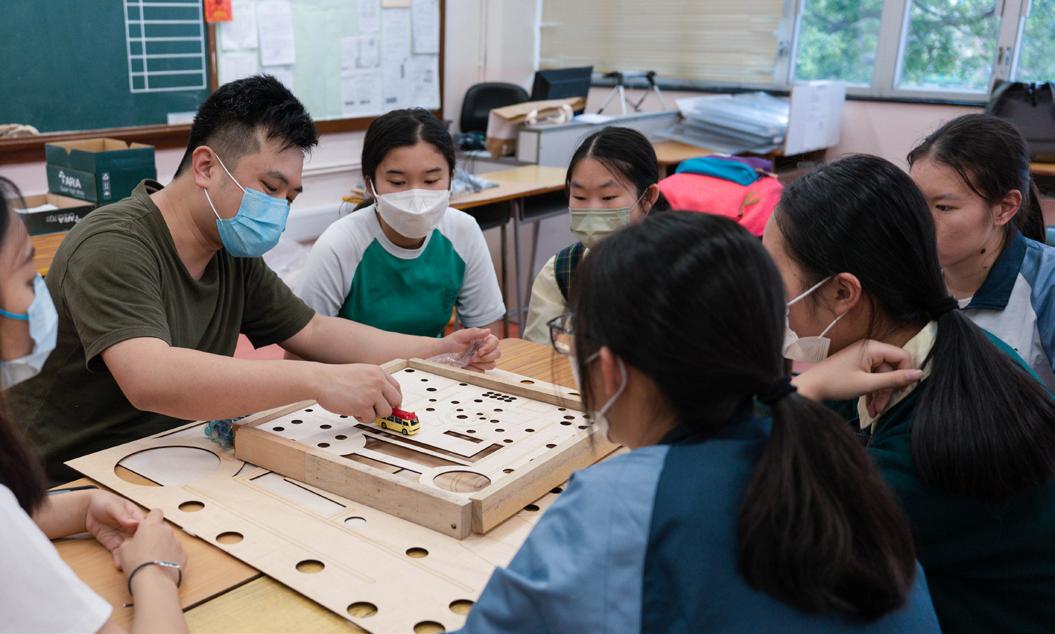
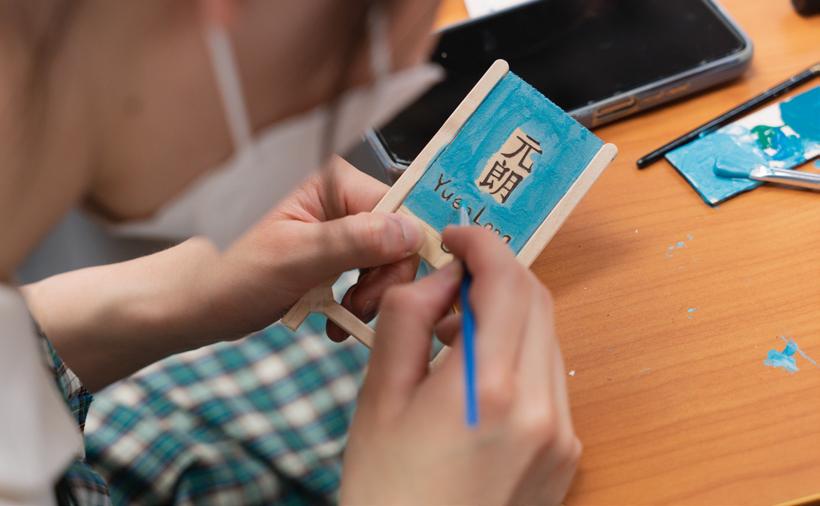
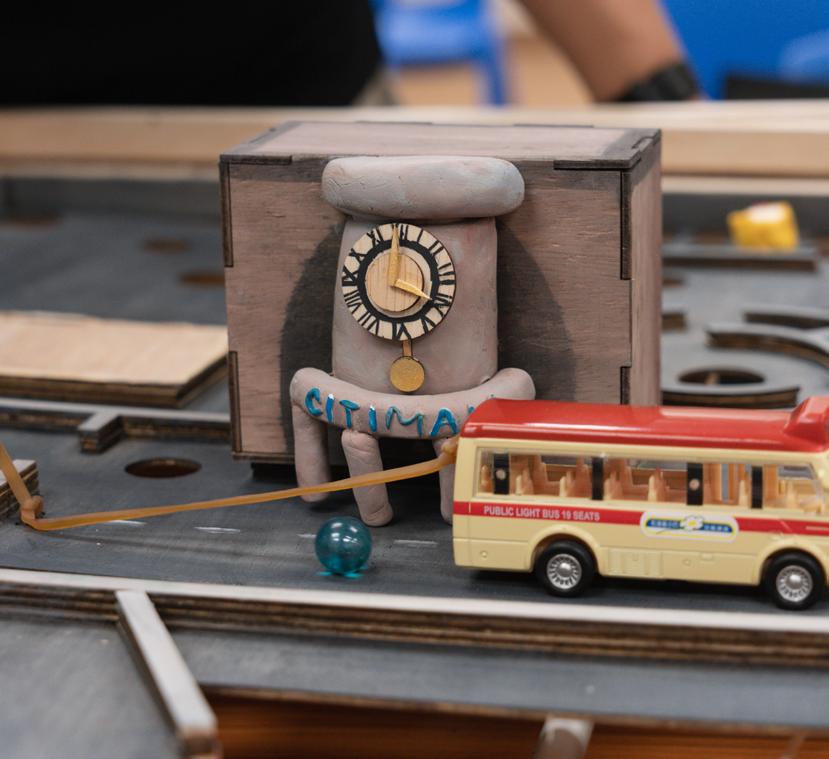
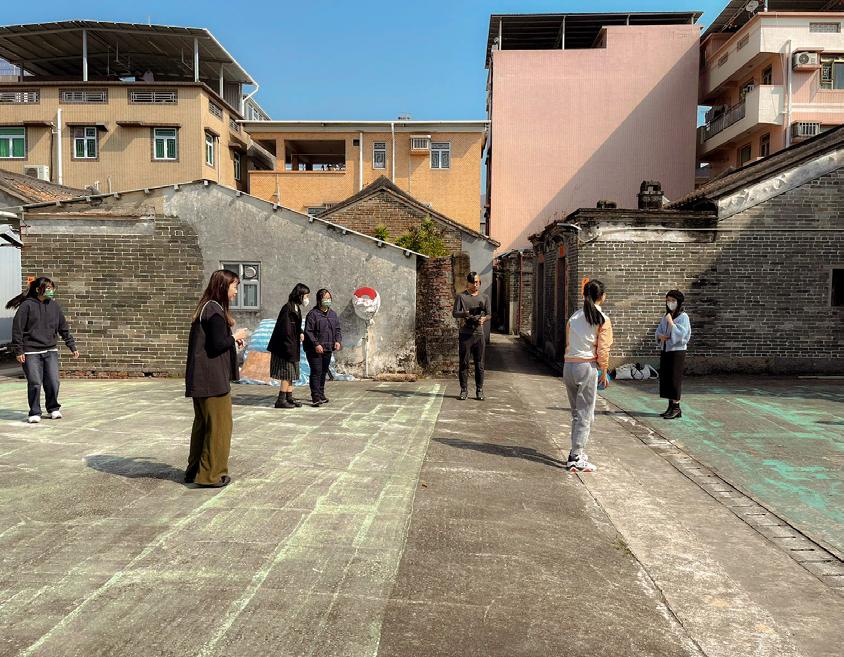
藝術家與聖公會白約翰會督中學同學收集了一些元朗標誌性的地方,以及一些尋常但又刻印 在同學腦中的元朗事物,製作了一個從學校回家的彈珠迷宮,走到街上讓街坊經歷同學的回家 路線,一起回家。
“What I want most every day is to go home.”
Home is indeed a reassuring place, but where is home? Does it depend on the time we spend? Or how familiar you are with this place?
Is it a place where you leave but always come back?
A building is a home.
A district can also be said to be home. Is a community a home?
The artist and the students of S.K.H. Bishop Baker Secondary School picked some iconic places in Yuen Long, as well as some ordinary but engraved things in Yuen Long in the students’minds, and made a marble maze for returning home from school. They went to the street and let the neighbors go through the home route of the classmates and go home together.
參與同學及人員
Participating students & staff
聖公會白約翰會督中學
S.K.H. Bishop Baker Secondary School:
鄧芷妍 Tang Tsz Yin
黃泓怡 Wong Wang Yi
翁伊林 Yung Yi Lam
羅子欣 Law Tsz Yan
陳紫蕙 Chan Tsz Wai
周樂頤 Chau Lok Yee
羅鈺鴻 Luo Yuhong
香港浸會大學 HKBU:
黃芷晴 Huang Tsz Ching
Hong Kristen Yeaeun
譚淑筠 Tam Shuk Kwan
影片拍攝 Video:
謝文傑 Kenneth Tse
藝術家簡介 Introduction of artist
島仔藝術由一眾年青藝文工作者於2021年組成,以發展共創空間和拓展工作小隊為重心,成員 涵蓋藝術文化、社區教育、本地生產等多個範疇。
「島仔」積極參與不同藝文項目,並透過成員的技能或技術交換,促進和拓展藝術文化於社會 上的參與性和可能性。
曾參與及舉辦不同藝文活動,包括deTour 2021、《此地.異鄉 | 音樂 x 詩會》、《一樹無聲》展覽等。
Formed in 2021 by a group of young arts and cultural workers, Dou Chai Arts focuses on developing co-working space and expanding the arts and cultural work team. Members are involved in arts and culture, community education, local production and other fields.
Dou Chai Arts actively participates in different arts and cultural projects, and promotes and expands the participation and possibility of art and culture in society through the exchange of skills among members.
It has participated in and held various arts and cultural events, including deTour 2021, “Treelogy - Tracing the Secret Life of Secret”, local music and poem show, etc.
鄧國騫 Kwok-hin Tang
練習帳 Exercise
多頻道錄像、石墨紙本、紙、防火板、彩色紙本打印、混合媒介
Multi-channel videos, graphite on paper, paper, fire resistant boards, color printing on paper, mixed media
尺寸多變 Dimension variable 2023
皮球反覆在土地和掌心間跳彈,在追逐在掌握每球來回的線路同時,看球看地看掌。砰嘭的聲響 打了個叉。它的影被烈日拉長成另一種球,忽爾被一伙人撿起又另有用途。沒有勻稱分明或啡 或綠的球場;沒有白紙黑字條文細列的規則。哪裡是運動?哪裡是遊戲?哪裡是藝術?哪裡是 社區?哪裡是日常?如何共識和交匯?
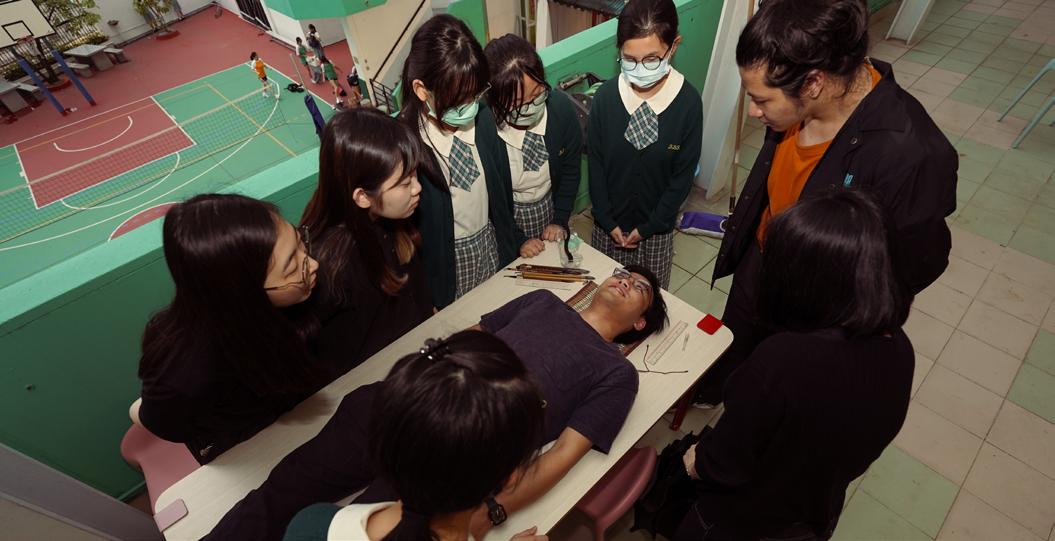
練習作為練習、過程、結果本身。
規範塑造技藝、習慣、視角。
必將進步;必將失去。 給我們日常的帳,同樣是眾人的障。
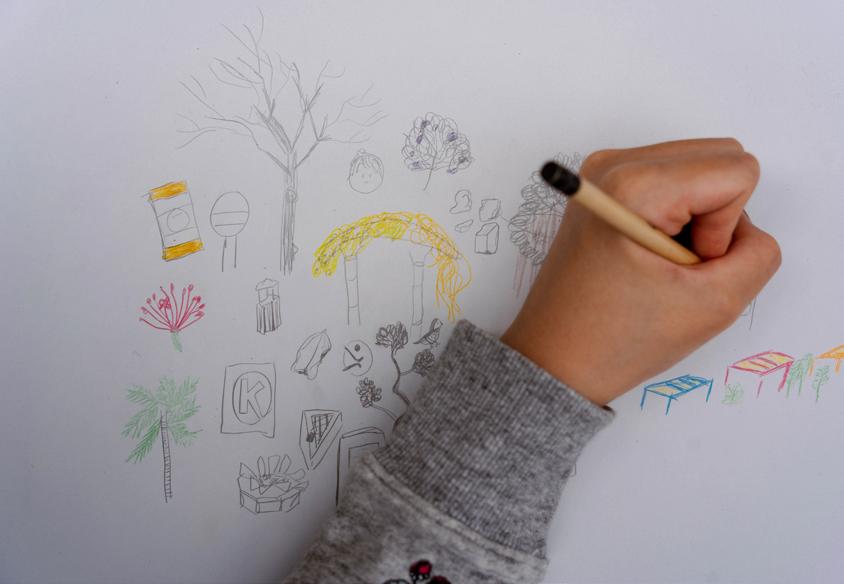
熟悉的事務結束了嗎?可否重新練習? 細看籃子內外被承載及失散的每一顆果實,還有它們的樹。 再認識;再結束;再練習。
可記起人生胡塗的帳?一伙人在此時此刻數算著,為明日打開的窗。
The ball repeatedly bounced between the ground and the palms. While we were chasing and mastering the back-and-forth lines, we were looking at the ball, the ground, and the palms at the same time. A big bang disturbed. Its shadow was stretched by the scorching sun that it was seemingly transformed into another kind of ball. Suddenly a group of people picked it up and used it for another purpose. If there was no evenly divided brown or green sports field; no rule was listed in black and white, where were sports? Where were games? Where was art? Where were communities? Where was daily? How did they reach a consensus and interchange?
Exercise as exercise, process, and outcome all to itself. The rules and norms shape techniques, habits, and perspectives following must improvements and must loss.
Give us exercise books, as well as everyone debt or karma. Are the familiar affairs over? Can we practice again?
Look closely at each fruit carried and lost inside and outside baskets, and at their trees. Get to know them again. When it is over, we practice again. Can you remember a muddled debt of life? A group of people are counting here and now, so as to open - windows for our future and next generation.
參與同學及人員 Participating students & staff
聖公會白約翰會督中學
S.K.H. Bishop Baker Secondary School:
張靜瑤 Zhang Ching Yiu
郭逸晴 Kwok Yat Ching
黃卓欣 Wong Cheuk Yan
楊寶妮 Yeung Po Ni Danielle
莫詠琳 Mock Wynne Lam
鄧考嵐 Tang Hau Laam
戴佑芯 Dai Yau Sum
香港浸會大學 HKBU:
黎正揚 Lai Ching Yeung
鄭雅妍 Cheng Nga Yin
協助同工 Assisting staff:
鄒籽晴 Chow Chi Ching
(聖雅各福群會 St James’Settlement)
藝術家簡介 Introduction of artist
鄧國騫是一位混合媒介藝術家,1983年生於香港,2008及06年分別取得香港中文大學藝術系 藝術碩士及文學士。鄧氏的創作始於對其原居民背景及生活點滴的追問,繼而發展出緊扣其 生命進程與經歷的探索,亦緊扣其生活的地方。他總浸淫於複雜、矛盾、掙扎的當下裡,從身邊 及耳聞目睹中反思自身與他人;現實與想像;過去與現在等人事物,繼而在混沌的情境裡呈現 某時某刻某種深埋的情緒、關懷及本質性,主題觸及成長、承傳、本土、自由、都市、消費、自然、 政治、規範、存在等。2009年獲香港當代藝術雙年獎優秀獎,亦為2013年亞洲文化協會獎助金 得主。
Kwok-hin Tang is a mixed media artist. He was born in 1983 and raised in Hong Kong. He received his Master of Fine Arts from the Chinese University of Hong Kong in 2008 and Bachelor of Arts (major in Fine Arts) in 2006. Tang’s artistic practice originates in his inquiries into his own background as an indigenous inhabitant and pieces of life, and which the exploration is developed and closely related to his own life journey and experiences, as well as to the place where he lives. He is always immersed in the complex, contradictory and struggling present. Through observing the surroundings, he introspects himself and the others, reality and imagination, anyone and anything between the old and new, etc.; it thereby reveals certain hidden emotions, concerns and essences at particular moments among chaos, dealing with growth, inheritance, locality, freedom, urbanization, consumption, nature, politics, norms, existence, etc. He was awarded the first prize at Hong Kong Contemporary Art Biennial in 2009 and was also a grantee of Asian Cultural Council in 2013.
主辦 Organized by:
香港浸會大學中華基督宗教研究中心 Centre for Sino-Christian Studies, HKBU
香港浸會大學校牧處 Chaplain’s Office, HKBU
協辦 Co-organized by:
贊助 Sponsored by:
聖雅各福群會 St. James’Settlement
田家炳基金會
Tin Ka Ping Foundation
亞洲基督教高等教育聯合董事會
The United Board for Christian Higher Education in Asia
香港浸會大學創意研究院 Institute of Creativity, HKBU
計劃伙伴 Project partner:
1a space

香港浸會大學創新服務學習中心
Centre for Innovative Service-Learning, HKBU
工作團隊 Working team
策展人 Curator
策展助理 Curatorial assistant
栽種和平項目負責老師 Teacher-in-charge of Cultivating Peace program
栽種和平項目助理 Cultivating Peace project assistant
校牧處同工 Staff of the Chaplain’s Office
主視覺設計 Key visual design
影像 Media
技術支援 Technical support
梁翠萍 Sally Leung
關善鎂 Sin-mei Kwan
郭偉聯 Wai-luen Kwok
(浸大宗教及哲學系系主任暨副教授 Head & Associate Professor of the Department of Religion and Philosophy, HKBU)
江雋林 Anthony Kong
張樂瑤 Celia Cheong
謝文傑 Kenneth Tse
蔡美珍 Veggy Choi
黃文詩 Manif Wong
梁翠萍 Sally Leung
謝文傑 Kenneth Tse
江雋林 Anthony Kong
關善鎂 Sin-mei Kwan
劉志鏗 Herman Lau
李曉華 Li Hiuwa
鳴謝 Acknowledgement
陳謳明大主教
The Most Revd Andrew Chan
田慶先先生
Mr. Tin Hing Sin
謝虹校牧
Rev. Hung Tse
許華英校長
Principal Joelle Wah-ying Hui
王力克校長
Principal Wong Lik-hak
張達昌先生
Mr. Cooke T C Cheung
展覽工作人員 Exhibition helpers
香港聖公會
Hong Kong Sheng Kung Hui
田家炳基金會
Tin Ka Ping Foundation

香港浸會大學
Hong Kong Baptist University
聖公會諸聖中學
S.K.H. All Saints’Middle School
聖公會白約翰會督中學
S.K.H. Bishop Baker Secondary School
聖雅各福群會
St James’Settlement
更多資訊 More information

栽種和平IG
Cultivating Peace IG / #artpeaceexhibition
栽種和平FB
Cultivating Peace FB