As a notable pioneer of the farm-to-table movement, Simon Rogan’s ethos is guided by hyper-local ingredients that are harvested, fished or foraged by the best and most sustainable regional producers.
Together with our head of sustainability, Keith Abela, our executive chef, Oli Marlow, and our head chef, Christian Cali, we have created menus that champion environmentally conscious suppliers and growers, united by a passion for their craft.
From the vantage point of the rooftop of the beautiful Iniala Harbour House hotel in Valletta, guests can take in the most spectacular views of the Grand Harbour whilst enjoying Malta’s only two Michelin star dining experience.
Escape The Ordinary
Discover a side of Malta that feels intimate, inspiring, and effortlessly luxurious. Indulge in a weekend retreat to the timeless beauty of Iniala Harbour House, where the warmth of Maltese hospitality meets the elegance of world-class design.
Set along Valletta’s iconic Grand Harbour, our palatial residences and suites offer a haven of tranquility, complemented by a state-of-the-art gym, a spa nestled within ancient stone vaults, a rooftop restaurant with two Michelin stars, and the comfort of exquisite service at every turn.
To celebrate our fifth anniversary, we’ve curated exclusive offers crafted especially for our local guests to experience everything Iniala has to offer.
Visit our website to discover limited-time offers.
Settle into the new year with recipes that balance comfort and freshness...
January is not about excess. It is not about reinvention for the sake of it. It is about returning to what feels steady — to food that nourishes, comforts, and restores rhythm after the noise of celebration. This issue of Served is grounded in that idea: cooking with intention, balance, and care.
Across these pages, you will find recipes that lean into warmth without heaviness, indulgence without excess. Blood oranges take centre stage this season their brief, vivid appearance reminding us that beauty in food is often fleeting. From marmalades and syrups to vibrant salads and citrus-led desserts, they bring colour and clarity to winter cooking. Their brightness cuts through richness, lifting familiar dishes into something quietly extraordinary.
Comfort also has its place here, but in a considered way. Golden baked mac and cheese with a crisp top and silky Mornay beneath. Farmhouse eggs paired with slow-cooked beans. A butternut squash soup layered with gentle spice. These are dishes rooted in familiarity, yet refined through technique and restraint. They are meant to be cooked slowly, served generously, and enjoyed without rush.
You will also find plates that celebrate contrast smoky chimichurri steak against creamy mash, burrata balanced with roasted beets and blood orange glaze, saffron brioche softened with caramel and cream. Each recipe reflects what we believe good food should be: thoughtful, expressive, and deeply satisfying.
Beyond the kitchen, this issue continues our exploration of craft and place. From the award-winning Tojiro Knife Gallery in Osaka to Bangkok’s reimagined Apsara Cruise, we are reminded that design, like cooking, is an act of care. It is about respecting material, understanding history, and creating experiences that feel lasting rather than fleeting.
At its heart, Served is about detail. The small decisions that transform something simple into something
memorable. A pinch of spice that changes a dish entirely. A perfectly crisped edge. A sauce reduced just enough. These details are where flavour lives and where pleasure begins.
As we settle into the slower rhythm of the new year, I hope this issue encourages you to cook with confidence and curiosity. To revisit classics and refine them. To experiment with seasonal ingredients. To set the table even when it’s just for yourself.
Food has a way of anchoring us. It marks time, creates ritual, and brings people together without needing spectacle. In a season defined by cool mornings and early evenings, there is comfort in returning to the stove, to the chopping board, to the simple act of preparing something with your hands.
Thank you for being part of this community for reading, cooking, sharing, and continuing to support independent food publishing rooted in craft and authenticity. Each issue is shaped not only by our contributors and collaborators, but by you, the reader who brings these pages to life in your own kitchen. Here’s to a year of balance. Of flavour. Of thoughtful indulgence.
The Dalmore 40 Year Old (24th Edition) is available exclusively at Farsons Direct.
..."FROM THE SERVED KITCHEN"...
Chef Faisal left his comfortable life as a banker for a career as a chef consultant. His love for food was instilled by his mother, he has perfected his craft by studying cooking techniques in Europe. By establishing the Chef Faisal Consultancy, Faisal is able to not only share simple yet sophisticated dishes, but is also positioned to help restaurant businesses thrive.
Chef Lara Hansen is a home cook known for her refined yet heartfelt approach to cooking. Trained in Mediterranean cuisine, she blends classic techniques with bold, seasonal flavours inspired by her travels. Her dishes celebrate simplicity, colour, and balance, food that tells a story. For Served Magazine, Lara brings her creative flair to the table, transforming everyday ingredients into elegant, memorable experiences..
Louise Sammut balances managing risk at a leading bank with her deep passion for cooking. Her creativity lets her whip up meals for impromptu gatherings or elegant midweek suppers. Discovering her love for cooking young, she explored flavours and techniques, developing a signature style defined by flavourful dishes and meticulous presentation. She believes food brings people together and creates lasting memories for everyone to share.
Chef Elena Marlowe’s journey into food began in her grandmother’s kitchen, where recipes were passed down more by instinct than instruction. After training in contemporary European cuisine, she developed a style that blends precision with warmth. Her cooking is guided by seasonality and a deep respect for ingredients, allowing natural flavours to take the lead.
“THE FIRST ISSUE OF THE YEAR ARRIVES QUIETLY, EASING INTO A SLOWER RHYTHM SHAPED BY COMFORT, BALANCE, AND INTENTION.”
Faisal Ahmed Aldeleigan
Lara Hansen
Louise Sammut
Elena Marlowe
SETTLE INTO THE SEASON WITH RECIPES DESIGNED
SQUASH & SPICE ELEGANCE
A velvety butternut squash soup with warm spice, crisp brioche croutons, and creamy richness, refined yet comforting for cooler days.
GOLDEN BAKED MAC & CHEESE
This mac and cheese delivers creamy comfort with crisp edges, rich sauce, and subtle olive notes elevating a classic.
TOJIRO KNIFE GALLERY
Award winning Osaka knife gallery merges retail and maintenance, celebrating Japanese craftsmanship, transparency, longevity, and contemporary design rooted in tradition.
GLOW CITRUS
A vibrant citrus salad with burrata, roasted beetroot, kale, and blood orange, balanced by zesty vinaigrette and glossy orange glaze.
SAFFRON + CARAMEL BRIOCHE
A luxurious dessert layering saffron-infused cream, caramelised brioche, and whipped caramel, finished with fruit and crunch for celebratory indulgence.
FARMHOUSE BAKED EGGS & BEANS
A comforting farmhouse dish combining fluffy baked eggs, slow cooked beans, and grilled vegetables for a hearty, rustic, and satisfying bite.
CRIMSON
FOR WARMTH, BALANCE, AND EVERYDAY COMFORT.
BLOOD ORANGE MARMALADE
A winter feature celebrating blood oranges through zero waste cooking, turning peels, pulp, and juice into sustainable, beautiful, and flavourful kitchen creations.
CREAMED GROUPER PEARL RISOTTO
A creamy seafood risotto topped with grilled grouper, subtle spice, and chili oil, balancing richness, freshness, and elegant coastal flavour.
CITRUS VANILLE TARTE & COCOA SOIL
A playful dessert combining crisp tart shell, vanilla cream, blood orange sauce, and cocoa soil, balancing citrus brightness with creamy, chocolate richness.
APSARA CRUISE, FLOATING RESTAURANT
A historic rice barge reborn as a floating restaurant, Apsara Cruise blends Bangkok heritage, river views, and award-winning contemporary design.
BLOOD ORANGE SYRUP
A vibrant blood orange syrup offering bright citrus flavour, gentle sweetness, and endless versatility for drinks, desserts, and everyday seasonal cooking.
SMOKEY CHIMICHURRI STEAK
A bold, smoky steak dish paired with fresh chimichurri, creamy mash, sautéed vegetables, and aromatic chili oil for balanced richness.
THE DALMORE 40 YO 2024 EDITION
A TIMELESS SINGLE MALT DEFINED BY FOUR DECADES OF MASTERY
“A MULTITUDE OF AROMAS ENTHRAL THE SENSES WITH THIS TRULY TIMELESS EXPRESSION – A TAPESTRY OF TANTALIZING DELIGHT.”
RICHARD PATERSON OBE, MASTER DISTILLER, THE
DALMORE
The Dalmore Aged 40 Years – 2024 Edition, a rare and meticulously crafted single malt Scotch whisky that exemplifies the distillery’s enduring commitment to time, tradition, and excellence.
Aged for four decades and guided by generations of whisky-making expertise, this exceptional release represents a harmonious balance of depth, elegance, and indulgent complexity.
A Story Four Decades in the Making
The Dalmore Aged 40 Years – 2024 Edition began its journey in American white oak ex-bourbon casks, laying the foundation for its rich and structured character. The whisky was then transferred into 30-year-old Matusalem oloroso sherry casks, adding layers of sweetness and spice.
This process was further elevated by finishing the spirit in American white oak ex-bourbon casks and exceptionally rare Graham’s Port Colheita casks from 1970. The final stage saw the original 40-year-old vatting from 2017 expertly blended with new liquid and left to harmonise in an in-situ cask, resulting in a whisky of remarkable smoothness, balance, and complexity.
Tasting Notes
Aroma: Cherries, plums, and sultanas layered with toffee apple and vanilla pod.
Palate: Orange peel and chocolate truffles, complemented by Old English marmalade and crushed walnuts.
Finish: Elegant black forest fruits and poached pear, laced with caramel and dark chocolate.
A Landmark Release
The Dalmore Aged 40 Years – 2024 Edition stands as a testament to the distillery’s philosophy that great whisky is shaped not only by cask and spirit, but by patience and vision. This rare expression offers collectors and connoisseurs a chance to experience the pinnacle of long-aged Highland single malt.
About The Dalmore
Founded in 1839, The Dalmore is renowned for its pioneering approach to cask curation and its unmistakable house style — rich, layered, and luxuriously refined. Each release reflects a legacy of innovation, craftsmanship, and unwavering attention to detail.
The Dalmore 40 Year Old (24th Edition) is available exclusively at Farsons Direct.
For further information or interest in acquiring The Dalmore Aged 40 Years – 2024 Edition, please contact Farsons Direct: www.farsonsdirect.com
FROM TUSCANY TO LONDON –THE GREAT PASTA AWAKENING OF THE 80'S
In 1984 to most Londoners, the word pasta meant either spaghetti in a tomato sauce or macaroni cheese. And as for pasta sauces, these came with the spaghetti in the same can. Basil was hardly known and pesto a sauce too far.
A visit to Tuscany opened my eyes to the glory of Italian food, its essential simplicity and rich earthy flavours. So, in partnership with my boyfriend Derek Johns, I opened a retail shop called Pasta Pasta on the Pimlico Road, SW1. The stylish interior was of designed by Derek and we installed a commercial kitchen in the basement to produce the fresh pasta and a variety of sauces. Customers could take away a gourmet feast they could prepare at home in minutes. We received a great deal of publicity in glossy magazines and the London press – an instant hit.
Pasta is made in two ways; dried, extruded, usually eggless pasta; or the real thing made with eggs and rolled and cut to become lasagna, tortoloni, linguine, fettucine or ravioli. This type of pasta cooks in a fraction of the time of dried pasta – usually a couple of minutes in salted boiling water suffices. The texture is sublime, unctuous and silky.
For the first year or so we sold all we could produce. We stocked a variety of genuine Italian salamis and cheeses such as Parmesan, Tallegio and buffalo Mozzarella plus some sweet things like Pan Forte (a sticky, dense cake made with dried fruits, almonds and flour) to end the repast. Our best sellers were the ever-popular Pesto Genovese and Puttanesca, or whore’s sauce, so called as it originated in the red-light district of Naples and is made with olives, tomatoes and anchovies.
People went wild for these new, fresh tastes; so different from the bland, manufactured products that lined the shelves in supermarkets back then. It was not long before we had imitators and the better supermarkets started sourcing fresh pasta and sauces. Our business model had not taken sufficient notice of this possibility, alas.
Pasta made simply and beautifully
I have retained my love of Italian food and could talk for hours about pasta and its various sauces. I make my own pasta and sauces and I love plain olio e aglio meaning oil and garlic with perhaps a little dried chilli topped with fresh grated Parmesan. Never buy grated Parmesan in cardboard boxes; its taste is unmentionably horrid. From Sicily, Pasta Norma made with aubergine and tomato and pasta con sardo – a concoction of filleted fresh sardines, pine nuts and raisins topped with deep fried breadcrumbs, trust me its delicious but not easy to make at home. The combination of fish and raisins sounds odd but harks back to Sicily’s Arab past; North Africans love to combine fruit with meat or fish as in their delicious tagines. The beauty of this cuisine is that it is easy and quick to make but you must use the best fresh ingredients. Be bold, experiment for yourself. Create new and unusual combinations of flavour and see how they work for you and your friends. Pasta is versatile, so should you be.
A surprisingly good, quick and cheap pasta recipe
I recently discovered a surprisingly good way to serve spaghetti. It costs little and people love it.
Steam some cauliflower heads al dente then break them up quite small. Meanwhile heat a generous amount of oil and garlic in a pan, add anchovy filets and cook until they seem to melt. Add the cauliflower then the cooked pasta and top with fried breadcrumbs - simple but majestic.
Built on Narrative
Ellul Bistro is shaped by the idea that hospitality is as much about feeling as it is about food. Rooted in a long-standing family legacy, the bistro carries forward generations of care, taste, and attention, while translating them into a contemporary, everyday setting. It’s a place designed not for grand occasions alone, but for the rhythms of daily life—morning coffees, lingering lunches, unhurried dinners, and weekends that unfold slowly.
Interior Design by Sara Brincat, draw studio and Photography by Brian Grech
EEllul Bistro is a contemporary expression of a family legacy, one rooted in taste, care, and hospitality. While its foundations draw from generations of fine dining, the bistro itself is intentionally everyday, a place for morning coffees, light lunches, unhurried dinners, and relaxed weekend moments. Here, food and space work together to create an experience that feels generous, expressive, and deeply connected to its surroundings.
Inspired by local flavours and classic European dishes, the menu celebrates balance and comfort. Honest ingredients, timeless recipes, and generous portions define the offering, whether it’s a crisp salad, handmade ravioli, or a bottle of wine shared with friends. The food invites people to linger, and the space encourages them to stay.
That sense of ease begins with the building itself. Ellul Bistro occupies one of Valletta’s most storied corners, a setting that shaped the entire approach to the project. Led by Sara Brincat, Head of Interior Design at draw studio, the brief was to transform a freshly refurbished café into a layered, expressive bistro, one that feels alive with colour, energy, and conversation, welcoming both locals and those weaving through the capital.
From the outset, it was clear the space had presence. The original ground-floor ceiling immediately draws the eye, and rather than competing with it, the design frames and celebrates it, allowing it to lead the narrative.
Much like the food, the interior is about restraint and intention, knowing when to add and when to step back. >>
“Nothing here is accidental; from plate to ceiling, every detail contributes to a shared experience.”
“Ellul Bistro is intentionally everydaydesigned for morning
The ground floor sets the tone the moment you step inside. Warm, earthy tones dominate, grounding the space and creating intimacy. Browns and rusts reference the land, anchoring the dining experience and allowing the architecture above to shine. Texture plays a key role, from upholstered seating to layered wall finishes and bespoke details that reveal themselves slowly, much like a well-composed dish.
Nothing here is accidental. From crockery and table lamps to signage and staff uniforms,
every element was carefully selected to ensure cohesion. This attention to detail mirrors the kitchen’s philosophy, thoughtful, consistent, and quietly confident.
Upstairs, the experience shifts without breaking the story. Traditional Maltese balconies overlook the street below, offering charm, light, and movement. But the goal was never to make the first floor a secondary choice. Instead, it was designed to feel equally compelling. Where the ground floor is warm and grounded, the upper level becomes lighter, more playful, and
expressive. Cooler tones inspired by the sky create an inverted relationship between the two floors, reflections of each other, but in reverse.
To bring this level to life, artist James Micallef Grimaud was commissioned to reinterpret the ceiling in a completely different way. The result introduces surprise and elevation, ensuring the first floor has its own identity while remaining part of the same narrative.
Art flows naturally throughout the bistro, much like conversation around the table. Valletta’s
coffees, unhurried dinners, and moments meant to linger.”
streets are layered with history and storytelling, and Ellul Bistro reflects that richness by placing art at the heart of the space rather than treating it as decoration. Works by local artists Ed Dingli, Kane Cali, and Charles Cordina sit alongside pieces created by members of the in-house draw team, blurring the line between studio and site.
Outdoors, bespoke tables designed by draw extend the experience onto the street. Produced in collaboration with Mediterranean Ceramics, their patterns and layouts bring colour and
character beyond the walls, inviting passersby to pause, observe, and join in.
Inside, a sculptural piece by artist Stefan Priehyba offers a quieter moment. An abstract yet classical interpretation of the client’s mother, it speaks to heritage, memory, and family, themes that echo through both the food and the space. Like the menu itself, it feels personal without being sentimental.
At its core, Ellul Bistro is a project driven by character, that of the building, the city, and the people behind it. The concept evolved
organically, influenced by the existing architecture, a love of colour, a bold personality, and even tequila, whose graphic bottles and vibrant presence became unexpected sources of inspiration.
The result is a place where flavour and design meet effortlessly. A bistro where meals stretch longer than planned, conversations flow easily, and every detail, from plate to ceiling, contributes to a shared experience. Ellul Bistro doesn’t ask to be rushed. It invites you to sit, eat, look around, and stay a while.
Blood oranges are one of nature’s most striking accidents familiar at first glance, yet quietly extraordinary. Their deep crimson flesh is the result of anthocyanins, a type of antioxidant pigment rarely found in citrus. Unlike berries or grapes, blood oranges develop this colour only under specific conditions: warm days paired with cool nights. It’s this temperature shift that triggers their signature hue, giving each fruit its unique marbling of red, ruby, and flame-orange tones.
Their origins are most closely tied to the Mediterranean, particularly Sicily, where volcanic soil and winter climates create ideal growing conditions. Historical records suggest blood oranges emerged sometime between the 15th and 17th centuries, likely as a natural mutation of the sweet orange. From Italy, cultivation spread across southern Spain and later to California, where similar climates allowed the fruit to flourish.
There are several recognised varieties, each with its own character. Moro is the boldest, deeply coloured and intensely flavoured, with notes that lean almost wine-like. Tarocco is sweeter and less pigmented, prized for balance and juiciness. Sanguinello, often associated with Spain, sits somewhere in between mild, aromatic, and elegant.
Flavour-wise, blood oranges offer more complexity than their paler counterparts. Alongside classic citrus sweetness, they carry hints of raspberry, pomegranate, and sometimes even a faint bitterness that adds depth. This makes them as suited to savoury dishes as they are to desserts and drinks.
Seasonal by nature, blood oranges appear in winter and early spring, making their arrival feel fleeting and special. Part of their charm lies in this impermanence a reminder that some of the most beautiful ingredients are meant to be enjoyed briefly, vividly, and in season.
“EVERY PEEL, EVERY DROP, NOTHING WASTED, EVERYTHING TRANSFORMED.”
Words: Sophia Atkins
WASTE NOT, WANT NOT:
ZERO-WASTE RECIPES THAT USE EVERY PART OF THE BLOOD ORANGE VITALITY
Few ingredients embody both beauty and purpose quite like the blood orange. Its vibrant colour, floral aroma, and tangy sweetness make it one of winter’s most captivating fruits, but beyond its allure lies an opportunity for creativity and sustainability. This is where zerowaste cooking shines, using every part of the blood orange to craft dishes, condiments, and garnishes that are as resourceful as they are delicious.
Recipes & Ideas
Candied Blood Orange Peels
Don’t throw away those peels, transform them into sweet, chewy jewels. Boil sliced peels twice to remove bitterness, then simmer in sugar syrup until glossy. Dry overnight and toss in sugar. Perfect for topping desserts, ice cream, or even cocktails.
Blood Orange Syrup
Simmer leftover juice and pulp with sugar and a touch of lemon until thick and aromatic. Use this syrup to sweeten drinks, drizzle over breakfast dishes, or glaze cakes.
Zest-Infused Salt or Sugar
Dry your zest and mix it into sea salt or caster sugar for a fragrant seasoning. Citrus salt enhances grilled fish or roasted vegetables, while citrus sugar elevates baked goods and cocktails.
Blood Orange Marmalade
A timeless preserve that uses it all, peel, pith, and pulp. Simmer everything with sugar and water until thick and glossy. Ideal on toast, with cheeses, or as a glaze for roast duck.
Dehydrated Blood Orange Slices
Slice thinly and dry at low heat for a few hours. These crisp, jewel-toned rounds add beauty to cocktails, desserts, or festive décor.
Compost the Rest
Even after all your creative uses, anything left can return to the earth. Add the scraps to your compost or garden soil, nature’s own zero-waste system.
The blood orange teaches us a simple truth, nothing in nature is ever truly wasted. With a little imagination, even the smallest peel or drop of juice can add beauty and depth to the kitchen
This dish feels like a quiet statement of confidence, clean, expressive, and effortlessly modern. At its heart is a celebration of colour and balance, where earthy sweetness meets bright acidity and soft indulgence. Roasted beetroot anchors the plate with depth and warmth, its natural sugars intensified just enough to feel indulgent without losing elegance. Blood orange appears in multiple forms—zest, juice, glaze—layering the dish with citrus clarity that lifts every element it touches.
The zesty orange vinaigrette sets the tone, glossy and aromatic, spreading across the plate like an invitation. Fresh kale adds structure and bite, while juicy blood orange wedges burst with freshness, cutting cleanly through the richer notes. At the centre, burrata delivers its signature contrast: cool, creamy, and luxurious, gently melting into the surrounding flavours. A light orange glaze adds sheen and sweetness, tying the citrus story together with restraint rather than excess.
Finishing touches matter here. Pomegranate seeds bring pops of acidity and texture, shaved parmesan adds a savoury whisper, and a final drizzle of extra virgin olive oil rounds everything out with silkiness. The result is a plate that feels intentional yet unfussy—vibrant, seasonal, and beautifully composed.
This is the kind of recipe that belongs on a sunlit table, equally suited to a refined starter or a light main. Fresh but grounded, elegant but approachable, it’s a reminder that the most memorable dishes don’t shout—they resonate.
Ingredients
For the Zesty Orange Vinaigrette
5g blood orange zest
50ml blood orange juice
10ml red wine
20ml olive oil
¼ tsp sea salt
1/8 tsp black pepper powder
A pinch of oregano
5g brown sugar
For the Roasted Beetroot
80g beetroot slices
1/8 tsp sea salt
A pinch of black pepper powder
5ml olive oil
For the Orange Glaze Sauce
50ml orange juice
10g white sugar
20ml water
To Serve
40g kale leaves
50g blood orange wedges
60g roasted beetroot
5g pomegranate seeds
2g shaved parmesan
1 burrata cheese
60ml zesty orange vinaigrette
20ml orange glaze sauce
5ml extra virgin olive oil
Method
Zesty Orange Vinaigrette
In a sauce blender, combine all ingredients except olive oil and blend for 1 minute. Slowly drizzle in the olive oil while blending to emulsify the vinaigrette.
Roasted Beetroot
Toss beetroot slices with salt, pepper, and olive oil. Spread on a baking tray and roast in a preheated oven at 200°C for 10 minutes.
Orange Glaze Sauce
Combine all ingredients in a saucepan and simmer over medium heat for 5 minutes until slightly thickened.
To Serve
Start by spreading the zesty orange vinaigrette evenly across the base of the plate. Arrange the roasted beetroot slices, fresh kale leaves, and vibrant blood orange wedges artfully over the dressing. Gently place the burrata cheese in the center. Drizzle extra virgin olive oil and orange glaze sauce over the top to add richness and shine. Finish with a sprinkle of pomegranate seeds and a touch of shaved parmesan for a balanced presentation and flavor.
By Chef Faisal
BURRATA WITH ROASTED BEETS, & ZESTY BLOOD ORANGE GLAZE
BLOOD ORANGES BRING A RICHNESS AND COLOUR THAT ELEVATES CLASSIC MARMALADE INTO SOMETHING MORE LAYERED AND AROMATIC. BALANCED BETWEEN BITTERNESS AND SWEETNESS, THIS PRESERVE CAPTURES THE ESSENCE OF WINTER CITRUS AT ITS PEAK. SLOW COOKED AND GENTLY SET, IT IS A VERSATILE STAPLE, EQUALLY AT HOME ON MORNING TOAST, ALONGSIDE CHEESE, OR WARMED AND BRUSHED OVER CAKES AND PASTRIES.
Ingredients
1kg blood oranges
1 lemon
1.2kg caster sugar
1.5 litres water
Method
Wash the blood oranges and lemon thoroughly. Cut the fruit in half and squeeze out the juice, reserving it. Place the seeds in a piece of muslin or a clean cloth and tie securely.
Thinly slice the orange and lemon peel, removing any excess pith if thick. Place the sliced peel, reserved juice, muslin bag, and water into a large heavy based pan.
Bring to a gentle simmer and cook for about 45 minutes, or until the peel is soft and translucent. Stir occasionally and skim any foam from the surface.
Remove the muslin bag and squeeze it carefully back into the pan, discarding the bag once done. Add the sugar and stir gently over low heat until fully dissolved.
Increase the heat and bring to a rolling boil. Cook for 15 to 20 minutes, stirring occasionally, until the marmalade reaches setting point. Test by placing a spoonful on a cold plate, it should wrinkle when pushed.
Remove from the heat and allow to rest for 10 minutes. Pour into sterilised jars, seal, and leave to cool completely.
By Lara Hansen
BLOOD ORANGE SYRUP
THIS BLOOD ORANGE SYRUP IS A CONCENTRATED EXPRESSION OF FRESH CITRUS, REDUCED SLOWLY TO PRESERVE BOTH FRAGRANCE AND FLAVOUR. LIGHTLY SWEET AND VIVIDLY COLOURED, IT ADDS BRIGHTNESS WHEREVER IT IS USED, FROM COCKTAILS AND SPRITZ STYLE DRINKS TO YOGHURT, FRUIT, AND DESSERTS. KEPT CHILLED, IT BECOMES AN EASY WAY TO BRING SEASONAL CITRUS INTO EVERYDAY COOKING AND ENTERTAINING.
Ingredients
500 ml freshly squeezed blood orange juice 250g caster sugar
Method
Place the blood orange juice, sugar, and zest into a small saucepan. Heat gently, stirring until the sugar has completely dissolved.
Bring the mixture to a light simmer and cook for 15 to 20 minutes, or until slightly thickened and glossy. The syrup should coat the back of a spoon.
Remove from the heat and allow to cool. Strain if a smoother finish is preferred.
Transfer to a clean bottle or jar and store refrigerated for up to two weeks.
How to Use
Drizzle syrup over yoghurt, fruit, or cakes
Use in cocktails or spritz style drinks
Spoon marmalade onto toast, pastries, or cheese boards
Warm marmalade slightly and brush over cakes or roasted fruit
A SIMPLE CITRUS REDUCTION FOR DRINKS AND DESSERTS
SCAN FOR MENU
the
Weekend
flavour collection
buffets worth the
THE COMFORT CHAPTER
Comfort food has never been about excess, it’s about reassurance. The dishes we return to when we want to slow down, feel grounded, or simply eat something that understands us. In its best form, comfort food balances warmth with intention, familiarity with quiet refinement. These three recipes capture that idea beautifully, each offering a different expression of comfort while sharing a common thread: care, balance, and depth.
Squash + Spice sets the tone with softness. This butternut squash soup is gentle by design, built on roasted squash that brings natural sweetness and body without heaviness. Creamy, velvety, and subtly spiced, it delivers warmth rather than intensity. A swirl of cream, crisp croutons, and a whisper of spice elevate the bowl without distracting from its purpose, to soothe. It’s the
kind of dish that invites you to slow down, spoon by spoon, letting comfort arrive quietly.
Farmhouse Baked Eggs + Beans leans into rustic familiarity. There’s something deeply reassuring about eggs baked just until tender, paired with rich, savoury beans and toasted bread. It’s honest food, simple ingredients, cooked well, meant to be eaten without ceremony. This dish feels rooted in tradition, echoing slow mornings and shared tables. It’s hearty without being heavy, nourishing without trying too hard, and endlessly adaptable to the rhythm of everyday life.
Then comes The Perfect Bake, a golden mac and cheese that represents comfort in its most unapologetic form. Creamy at its core and crisp on top, it’s a dish built on technique as much as nostalgia. A smooth Mornay sauce coats
every piece of pasta, while the oven does its work, transforming the surface into something bubbling, bronzed, and irresistible. It’s indulgent, yes, but controlled. Familiar flavours, sharpened and refined, proving that classics don’t need reinvention, just respect.
Together, these dishes tell a story of modern comfort food, one that values restraint as much as richness. They don’t shout for attention or rely on excess. Instead, they focus on texture, balance, and feeling. Whether it’s the silkiness of soup, the grounding satisfaction of baked eggs, or the indulgent pull of mac and cheese, each recipe offers a moment of pause.
Comfort food, at its heart, is emotional cooking. It’s food that meets you where you are. These recipes remind us that comfort doesn’t have to be complicated, it just has to be thoughtful.
Soak the black eyed beans for 1 hour and boil until tender. In a cooking pot, melt the butter and sauté the shallots and garlic until golden. Add the tomato paste and cook for 1 minute, then stir in the tomato puree and seasonings. Let it simmer over low heat for 3 minutes before adding the boiled beans. Cook for another 3 minutes and set aside.
Cloud Egg
Whisk the egg whites with seasoning until stiff peaks form. Line a baking tray with parchment paper, place a round mould, and spoon the egg whites foam into it. Bake in a preheated oven at 180°C for 8 minutes. Carefully place the yolk on top and return to the oven for an additional 2 minutes.
Grilled Vegetables
In a bowl, toss all ingredients together. Grill on a preheated grill for 4 minutes until lightly charred and tender.
To Serve
Place the toasted brioche halves on one side of the plate to anchor the composition. Nestle the baked cloud egg on the opposite side, allowing its puffed white and golden yolk to remain center stage. Spoon a generous portion of the warm, savoury beans salsa next to the egg. Arrange the grilled vegetables alongside for a burst of color and rustic charm. Finish the presentation with a sprinkle of fresh chopped parsley for a bright, herbal accent.
BAKED EGGS + BEANS
SQUASH + SPICE
This butternut squash soup is all about gentle layers of comfort and care. It begins with roasted squash, lightly seasoned and caramelised until naturally sweet and tender, forming the backbone of the dish. Blended with milk into a silky purée, the squash takes on a smooth, almost velvety texture that feels both wholesome and indulgent. Sautéed garlic, butter, and olive oil deepen the flavour, while a touch of cream adds richness without overwhelming the vegetable’s natural warmth. A hint of parmesan brings subtle savoury depth, tying everything together. Crisp brioche croutons add contrast, offering buttery crunch against the smooth soup. Finished with a swirl of cream, fresh parsley, and just a whisper of cinnamon, this bowl strikes a beautiful balance between cosy and refined. It’s simple, soothing, and quietly elegant—perfect for slow lunches, cool evenings, or whenever you crave something nourishing yet comforting.
In a mixing bowl, toss the butternut squash cubes with olive oil, salt, and pepper. Spread evenly on a baking tray and roast in a preheated oven at 220°C for 15 minutes until golden and tender.
Butternut Squash Purée
Blend the roasted squash and milk in a sauce blender until smooth and velvety.
Butternut Squash Soup
In a saucepan, heat olive oil and sauté garlic until golden. Add the squash purée, butter, cream, cheese, salt, and pepper. Simmer over medium heat for 3 minutes until rich and creamy.
Croutons
Cut the brioche into 1-inch cubes, toss with olive oil and salt, then bake in a preheated oven at 180°C for 5 minutes until crisp and golden.
To Serve
Ladle the warm, velvety butternut squash soup into a deep bowl, letting it settle into a smooth surface. Gently drop the golden croutons over the center, allowing a few to float invitingly. Drizzle a swirl of rich cooking cream for a luxurious finish, then lightly dust the top with a whisper of cinnamon and a sprinkle of fresh parsley, adding both aroma and elegance to this comforting, autumnal dish.
THE PERFECT BAKE
There are few dishes as universally loved as baked mac and cheese, yet when done well, it transcends nostalgia and becomes something quietly luxurious. This version leans into balance—silky Mornay, perfectly cooked pasta, and a golden, bubbling crust that delivers both texture and depth. Familiar, comforting, and unapologetically rich, it’s a reminder that the simplest classics often leave the strongest impression.
Sauté butter and flour in a saucepan for 2 minutes.
Gradually add milk and stir.
Add remaining ingredients and cook on medium heat for 3 minutes.
Baked Mac & Cheese
Boil macaroni for 9 minutes, then strain.
In a pan, sauté garlic in olive oil for 1 minute. Add macaroni and Mornay sauce; cook for 2 minutes.
Transfer to a baking dish and top with mozzarella. Bake in a preheated oven at 220°C for 10 minutes.
To Serve
Serve the hot, golden-baked mac and cheese straight from the oven onto a plate, ensuring the top remains bubbly and lightly crisped. Sprinkle freshly grated Parmesan cheese over the surface for an added savory layer. Finish with a dusting of dry black olive powder, introducing a subtle earthy depth that complements the creaminess of the dish. This final touch elevates the comfort classic into a refined and flavorful presentation.
By Louise Sammut – Cook Time: 30mins – Serves 4
BROCCOLI GNOCCHI WITH BUTTER AND SAGE SAUCE
Ingredients
350g broccoli florets
250g all-purpose flour
(plus extra for dusting)
1 large egg
100g Benna Salted Butter
10 fresh sage leaves
Salt
Instructions
1. Add the broccoli florets to a large pot of salted boiling water and boil for 10 minutes, until tender. Drain well and squeeze out as much moisture as possible. Leave to cool completely.
2. Place the broccoli in a large bowl and blend until smooth using a hand blender.
3. Add the egg and a pinch of salt and beat lightly with the mashed broccoli. Gently fold in 120g of flour and gradually add more flour as needed until a non-sticky dough is formed; it should be soft but not stiff. Place the dough on a lightly floured surface and knead gently.
4. Divide dough into 4 portions, and roll each into a long rope about 2 cm thick. Pinch and cut gnocchi into 4 cm pieces.
5. Drop gnocchi in a large pot of salted boiling water and cook until they float to the surface (3-4 minutes).
6. In a pan, melt the butter and add the sage leaves and cook until sage leaves start to crisp and the butter starts to turn golden brown. Toss the cooked gnocchi in the pan and sauté briefly in the sauce.
EXPLORING THE TOJIRO KNIFE GALLERY
OSAKA, JAPAN
In Osaka, Tōjiro Knife Gallery transforms the simple act of buying a knife into a refined design experience.
In a city celebrated for food culture and precision craftsmanship, Tojiro Knife Gallery Osaka has been awarded a Dezeen Award 2025, recognised for its clarity of concept, meticulous detailing, and deep respect for Japanese maintenance culture. Designed by KATATA YOSHIHITO DESIGN (L/O), the project transforms the simple act of buying a knife into an immersive experience of tradition, technique, and longevity. >>
“Craftsmanship does not end at purchase. At Tojiro Knife Gallery, it continues through care, maintenance, and respect for longevity.”
KATATA YOSHIHITO
DESIGN (L/O), led by Japanese creative director Yoshihito Katata, was selected from over 4,300 entries submitted from more than 80 countries, standing out for its craftsmanshipdriven approach and cultural depth. Located in Osaka’s historic kitchenware district, the gallery reinterprets Japanese cutlery culture through a contemporary spatial language that feels both modern and deeply rooted.
The space combines a knife retail area with an open maintenance room, allowing visitors to observe sharpening and repair processes carried out by skilled craftsmen.
This transparency reflects a distinctly Japanese value system, one that celebrates tools, honours longevity, and embraces sustainable use over disposability.
Production and retail are intentionally integrated. The maintenance room is equipped with the same machines and tools used at Tojiro’s main factory in Tsubame-Sanjo, supporting everything from daily upkeep to complex repairs. By bringing these processes into view, the gallery communicates the brand’s belief that craftsmanship does not end at purchase, it continues through care.
One of the defining architectural gestures is the reinterpretation of yoroi-bari, a traditional Japanese construction method, into a knife
display system. Knives appear to float against warm wooden panels, secured through concealed magnets and precision detailing that balances safety, function, and visual tension. This softness of timber contrasts with the armour-like stainless-steel facade, creating a deliberate dialogue between warmth and strength, tradition and industry.
Rather than designing a space for its own sake, the concept began with what the gallery needed to express, then structure, materiality, and user experience were developed in reverse. The result is a retail environment where heritage and contemporary design work as one, offering a refined and modern expression of Japanese craftsmanship. >>
“In revealing the life of the knife beyond its making, the gallery
reminds us that true design is not only created, it is sustained.”
THE MAIN EVENT
With Chef Faisal
Chef Faisal brings together comfort and refinement through a collection of thoughtfully crafted recipes. From vibrant citrus-led plates to rich, satisfying classics, each dish reflects his focus on balance, flavour, and careful technique. Rooted in tradition yet styled for the modern table, these recipes are designed to be approachable without losing their sense of occasion. Whether you are cooking for guests or simply elevating an everyday meal, Chef Faisal’s creations invite you to slow down and savour the process as much as the plate.
SMOKY CHIMICHURRI STEAK
By Chef Faisal –
Prep Time: 30mins – Cook Time: 20mins – Serves 1
Ingredients
For the Steak Marination
200g beef tenderloin
¼ tsp sea salt
1/8 tsp black pepper powder
3ml lemon juice
5ml olive oil
5g garlic, chopped
For the Chimichurri Sauce
10g parsley, chopped
5g garlic, chopped
20g shallot, chopped
5g spring onion, chopped
5g coriander, chopped
5ml lemon juice
1/8 tsp chili flakes
1/8 tsp oregano
15ml olive oil
20ml red wine vinegar
¼ tsp sea salt
1/8 tsp black pepper powder
For the Mashed Potato
150g potato
500ml water
10g butter
5g parmesan cheese
¼ tsp sea salt
A pinch of white pepper powder
20ml cooking cream
For the Sautéed Vegetables
10g mushroom
10g carrot
20g green zucchini
10g butternut squash
10g potato
1/8 tsp sea salt
A pinch of black pepper powder
¼ tsp Italian seasoning
5ml olive oil
For the Chili Oil
3ml balsamic vinegar
¼ tsp chili flakes
A pinch of chopped parsley
¼ tsp smoked paprika
2g garlic, chopped
5g shallots, chopped
30ml olive oil
¼ tsp sea salt
To Serve
200g grilled steak bites
60g chimichurri sauce
150g mashed potato
60g sautéed vegetables
5ml chili oil
Method
Steak Marination
Cut the tenderloin into small cubes. In a mixing bowl, combine all ingredients and mix well. Arrange the marinated meat onto skewers. Grill on a charcoal grill for 3 minutes on each side.
Chimichurri Sauce
Combine all ingredients in a bowl and mix well until fully incorporated.
Mashed Potato
In a pot, boil water and add the potato. Cook until tender. Strain and mash well. In a pan, melt butter and sauté the mashed potato for 1 minute. Add the remaining ingredients and cook until creamy and fluffy.
Sautéed Vegetables
Blanch all vegetables except mushrooms. In a pan, heat oil and sauté all vegetables for 2 minutes. Add seasoning and sauté for another minute.
Chili Oil
In a saucepan, heat oil and cook shallots and garlic until light brown. Add the rest of the ingredients and stir well.
To Serve
Begin by arranging a bed of vibrant sautéed vegetables on the serving plate. Nestle the grilled steak bites on top, allowing the smoky sear to shine through. Spoon the zesty chimichurri sauce over the steak, letting it cascade naturally across the vegetables. Beside the steak, form a smooth mound of creamy mashed potato for balance. To finish, drizzle a delicate swirl of chili oil over the top, adding a bold aroma and a gentle heat that ties the entire dish together.
PAN-SEARED CHICKEN ROULADE
By Chef Faisal –
Prep Time: 30mins – Cook Time: 20mins – Serves 1
Ingredients
For the Red Wine Sauce
15g butter
20ml olive oil
30g onion, chopped
5g garlic, chopped
150ml red wine
10ml balsamic vinegar
3g fresh thyme
1 bay leaf
10g all-purpose flour
¼ tsp salt
¼ tsp black pepper powder
¼ tsp chicken stock powder
A pinch of smoked paprika
5g brown sugar
For the Mashed Cauliflower
200g cauliflower
500ml water
10g butter
5g parmesan cheese
¼ tsp sea salt
A pinch of white pepper powder
30ml cooking cream
For the Chicken Filling Mix
10g spinach, chopped
3g garlic, chopped
10g feta cheese
20g sundried tomatoes, chopped
10g green olives
A pinch of black pepper powder
1/8 tsp salt
For the Chicken Roulade
1 chicken breast
50g chicken filling mix
For the Sautéed Vegetables
20g broccoli
10g carrot
20g green zucchini
10g butternut squash
1/8 tsp sea salt
A pinch of black pepper powder
¼ tsp Italian seasoning
5ml olive oil
To Serve
1 pan-seared chicken roulade,
sliced into 5 pieces
60g red wine sauce
4 spring onion slices
200g mashed cauliflower
60g sautéed vegetables
3g parmesan cheese
Method:
Red Wine Sauce
In a saucepan, heat butter and oil, then sauté onion and garlic for 2 minutes. Stir in flour and cook for another minute before adding red wine. Mix well and incorporate the rest of the ingredients. Simmer over medium heat until the sauce thickens slightly.
Mashed Cauliflower
Boil the cauliflower in salted water until soft, then strain and mash thoroughly. In a frying pan, sauté the mash with butter, then add the remaining ingredients. Cook until smooth and fluffy.
Chicken Filling Mix
Combine all ingredients in a bowl and mix until evenly incorporated.
Chicken Roulade
Butterfly the chicken breast and gently flatten it. Spread the filling evenly, then roll the chicken tightly and secure it with twine or toothpicks. Sear the roulade in a pan with a bit of butter until golden brown on all sides, then bake in a preheated oven at 200°C for 10 minutes.
Sautéed Vegetables
Blanch all vegetables. Heat oil in a pan, add the vegetables, and sauté for 2 minutes. Add the seasoning and continue sautéing for 1 minute.
To Serve
Begin by spreading the mashed cauliflower onto the plate as a smooth, creamy base. Neatly arrange the sliced chicken roulade on top in a fanned or linear presentation. Drizzle the red wine sauce generously over the chicken, allowing it to flow slightly onto the cauliflower for a rich, glossy finish. Place the sautéed vegetables alongside to add vibrant colour and texture. Garnish with delicate spring onion slices and a sprinkle of grated Parmesan to complete the dish with elegance and depth.
CREAMED GROUPER WITH PEARL RISOTTO
Ingredients
For the Cooked Risotto Rice
5g butter
5g shallots, chopped
3g garlic, chopped
50ml milk
100ml cooking cream
5g parmesan cheese
¼ tsp sea salt
1/8 tsp white pepper powder
A pinch of oregano
80g risotto rice
80ml water
For the Fish Marination & Grilling
150gm grouper fish
1/8 tsp sea salt
A pinch of black pepper powder
A pinch of smoked paprika
3ml lemon juice
5ml olive oil
By Chef Faisal –
Prep Time: 30mins – Cook Time: 20mins – Serves 1
Method:
For the Chili Oil
3ml balsamic vinegar
¼ tsp chili flakes
A pinch of chopped parsley
¼ tsp smoked paprika
2g garlic, chopped
5g shallots, chopped
30ml olive oil
¼ tsp sea salt
To Serve
200g cooked risotto rice
150g grilled grouper fillet
1g parmesan cheese
1g spring onion
2g red capsicum
3g yellow capsicum
3ml chili oil
Cooked Risotto Rice
In a cooking pot, sauté shallots and garlic in butter until browned. Add water, salt, pepper, and oregano, bring to a boil, then stir in the rice and milk. Cover and simmer on low heat for 18 minutes. Stir in the cooking cream and continue to cook for 2 more minutes until creamy.
Fish Marination & Grilling
Combine all marinade ingredients in a bowl and coat the fish well. Grill on a preheated grill for 4 minutes on each side until charred and fully cooked.
Chili Oil
In a saucepan, heat the olive oil and sauté the shallots and garlic until golden. Add the remaining ingredients, stir well, and set aside.
To Serve
To serve, spoon the creamy risotto onto the center of a warm plate, shaping it gently for a neat presentation. Lay the grilled grouper fillet over the risotto, its charred edges offering contrast to the soft grains. Drizzle the vibrant chili oil for a touch of heat and sheen. Finish by sprinkling finely chopped spring onions, slivers of red and yellow capsicum, and a light dusting of parmesan cheese, adding freshness, color, and a final savory note to this elegant seafood dish.
Apsara Cruise, Bangkok’s AwardWinning River Barge Reborn as a Floating Restaurant
On Bangkok’s legendary Chao Phraya River, where ancient temples meet the skyline of a modern metropolis, one remarkable vessel has returned to the water with a new purpose. Once a working rice barge from the Ayutthaya era, the Apsara Cruise has been reimagined into a refined dining destination for Banyan Tree Bangkok, earning the prestigious title of Bar and Restaurant of the Year at the World Architecture Festival Interiors. >>
In the bustling heart of Thailand’s capital, the Chao Phraya and its waterways remain essential to daily life, still carrying commuters and cargo across the city.
Along the riverbanks, Bangkok’s most iconic landmarks, such as the Temple of Dawn, the Grand Palace, and Fort Phra Sumen, stand as enduring symbols of a water-laced heritage that stretches back centuries.
The boat now known as Apsara Cruise once travelled these same routes as a cargo vessel, transporting rice, sugar, and trade goods between large ships and riverside warehouses, long before Bangkok became the nation’s capital. Today, thanks to Phuket-based Studio Locomotive, it has been thoughtfully transformed through a design that honours its origins while elevating it into an all-season hospitality space.
The conversion preserves the original wooden cargo hull, now adapted below deck to house motorisation, a full commercial kitchen, and guest facilities. Above, a new superstructure echoes the shape of a vernacular bamboo canopy, offering a contemporary silhouette that still feels deeply rooted in Thai tradition. The result is a three-deck restaurant cruise with a total usable area of 245 square metres, including a 90-square-metre indoor dining area.
Throughout the design, Studio Locomotive draws on Thai fine arts and architectural references, reinterpreting them through modern materials and fresh execution. Murals inspired by Buddhist legends, auspicious Prajamyam floral motifs associated with protection and good fortune, and colour palettes drawn from glazed terracotta temple roof tiles appear
in unexpected forms, mirror finishes, mosaic surfaces, and detailed wooden beadwork that catch the light as the boat moves.
On the main dining deck, a beverage bar sits alongside a concealed wheelhouse, cleverly disguised within a green-tinted glass booth. Here, glass wall murals depict the Rice Goddess and other mythical deities tied to agricultural abundance, reimagined with contemporary storytelling by collage illustrator Nakrob Moonmanas.
Recently named Bar and Restaurant of the Year at the World Architecture Festival Interiors, Apsara Cruise stands as a powerful example of adaptive reuse done with intention, where heritage is not simply preserved, but reactivated, offering new meaning through hospitality and design. >>
“By preserving its soul while redefining its function, Apsara Cruise becomes more than architecture, it becomes continuity in motion.”
As twilight settles over the Chao Phraya, Apsara Cruise drifts past illuminated spires and riverside communities much as it once did in its working life, yet with an entirely new purpose. What was formerly a vessel of trade has become a vessel of storytelling, carrying guests through layers of Thai history, craftsmanship, and contemporary design. In reimagining the boat, Studio Locomotive has not frozen it in nostalgia, but allowed it to evolve — proving that adaptive reuse can be both reverent and forward-looking. Suspended between water and skyline, past and present, Apsara Cruise embodies a distinctly Thai continuity: fluid, resilient, and richly expressive.
A MORNING AFFAIR
I grew up eating this most Sundays. My mum would fry the bacon and black pudding while the muffins toasted, and we’d gather around the table without much fuss. The eggs were always cooked just right, yolks still soft, and she liked to add something slightly sweet for balance. I’ve always loved a proper savoury breakfast generous and grounding and these muffins bring together smoky bacon, black pudding and a runny egg, finished with a spiced date tamarind jam that adds just enough sweetness to lift every bite.
BLACK PUDDING, GOATS CHEESE, BACON + FRIED EGG MUFFIN WITH DATE & TAMARIND JAM
Ingredients
3 English muffins sliced in half lengthwise
2 tbsp salted butter
6 rashes of streaky bacon
3 eggs
3 slices black pudding
3 pieces of chevre (soft goat s cheese)
3 tbsp. date and tamarind jam
Method
Melt 1 tbsp of the butter in a frying pan over medium heat. Place the muffin halves side down in the melted butter and toast until golden brown and set aside. Add the sliced black pudding to the pan and cook until dark black all the way through, about 2 min on each side. Then fry bacon until browned on each side for around two minutes. Drain bacon on paper towels. Melt the remaining butter in the pan and fry the egg to your liking, season with salt and pepper. Place the goat cheese rounds onto a baking sheet and place under a moderate grill. Grill for 2-3 min, until the cheese has melted and begun to brown. Assemble each muffin with butter, 1 tbsp. jam, bacon, black pudding, melted goats cheese and top with a fried egg.
Date and Tamarind jam
100g soft pitted dates
100g boiling water
1 tbsp. tamarind paste
A pinch of cinnamon
½ tsp. of mixed spice
Method
Place the dates into a bowl with the water and allow to sit for half an hour or until softened. Place into a food processor, along with all the rest of the ingredients. I repeat this process 5 times to get a smooth paste. Place into a small jar or container and keep in the fridge.
“Where savoury meets sweet, breakfast becomes a ritual.”
CREPES WITH EGG
RICOTTA SALATA AND PARMA HAM
Ingredients
2 cups milk of choice
2 eggs
1 cup flour of choice (I like to use whole meal or buckwheat)
1 tbsp. coconut oil
Salt
To assemble
Parma ham
Grated ricotta salata
Fresh chives
Eggs
Avocado
Fresh parsley
Salt and pepper
Drizzle of olive oil
Method for crepes
Place the milk, eggs, flour, coconut oil and a pinch of salt into a blender or food processor. Blend until smooth and lump-free. Cover and refrigerate the batter for 30–45 minutes to rest. Heat a non-stick pan over medium-low heat and lightly brush with olive oil. Pour a ladle of batter into the centre of the pan, tilting and swirling to evenly coat the base in a thin layer. Cook for 2–3
minutes, or until the edges begin to lift and the underside is lightly golden. Flip and cook for a further 1–2 minutes. Transfer to a plate and repeat with the remaining batter.
To assemble and bake
Preheat the oven to 180°C and line a baking tray with parchment paper.
Place a crepe on the tray and layer with slices of Parma ham, grated ricotta salata and a sprinkle of fresh chives.
Crack an egg gently into the centre of the crepe. Fold the edges inward to create a loose parcel, leaving the yolk visible in the centre.
Bake for 8–12 minutes, or until the egg white is set but the yolk remains slightly soft (or to your preference).
Remove from the oven and finish with a drizzle of olive oil, salt and freshly ground black pepper. Top with sliced avocado and scatter with fresh parsley before serving.
SWEET BITES
Bright, refined citrus meets warm, golden indulgence — two desserts that balance elegance and comfort in every bite.
By Chef Faisal –
Prep Time: 20mins – Cook Time: 10mins – Serves 1
Ingredients
For the Tart Shell
80g all-purpose flour
1 tbsp white sugar
1/8 tsp sea salt
55g butter
1 egg yolk
15ml water
For the Chocolate Crumbs
25g white sugar
25ml water
A pinch of sea salt
50g white chocolate
For the Blood Orange Sauce
25g cherries
50ml blood orange juice
10g white sugar
For the Philadelphia Cream Mix
50g Philadelphia cheese
30g whipping cream
2ml vanilla essence
To Serve
60g chocolate crumbs
1 tart shell
60g Philadelphia cream mix
50ml blood orange sauce
10g cotton candy
Method
Tart Shell
In a mixing bowl, combine flour, sugar, and salt. Add butter and rub into the dry mix until crumbly. Incorporate the egg yolk and water, then mix into a soft dough. Roll out and line a tart pan. Bake in a preheated oven at 180°C for 15 minutes until golden and firm.
Chocolate Crumbs
In a saucepan, bring sugar, water, and salt to a boil until it reaches 120°C. Remove from heat, quickly stir in white chocolate, and mix vigorously until crumbles form. Let cool.
Blood Orange Sauce
Simmer cherries and sugar over low heat for 5 minutes, then add blood orange juice and continue cooking for another 5 minutes until reduced to a silky sauce.
Philadelphia Cream Mix
Whip the cream until airy and thick. Fold in vanilla essence and softened Philadelphia cheese using a spatula until smooth and fluffy.
To Plate
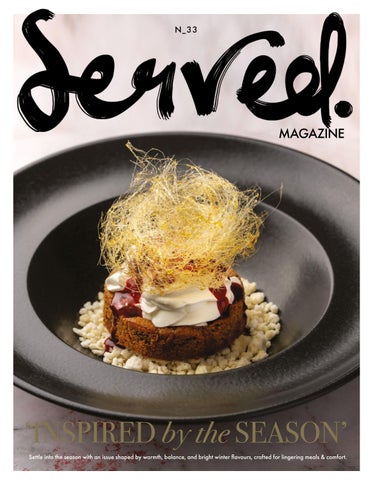
Begin by spreading a layer of chocolate crumbs onto a serving plate to resemble rich cocoa soil. Gently place the tart shell over the crumbs and fill it with the smooth Philadelphia vanilla cream. Drizzle the vibrant blood orange sauce across the top, allowing it to pool naturally. Finish by placing a whimsical tuft of cotton candy on top, creating a contrast of textures and a touch of playful elegance.
CITRUS–VANILLE TARTE & COCOA SOIL
SAFFRON BRIOCHE CARAMEL DREAM
A LUXURIOUS DESSERT LAYERING SAFFRON-INFUSED CREAM, CARAMELISED BRIOCHE, AND WHIPPED CARAMEL, FINISHED WITH FRUIT AND CRUNCH FOR CELEBRATORY INDULGENCE.
Ingredients
For the Saffron Cream
250ml cooking cream
A pinch of cardamom powder
40g white sugar
4 saffron threads
For the Caramelized Bread
200g brioche loaf
15g white sugar
10g butter
For the Whipped Caramel
50g white sugar
10g butter
60ml cooking cream
A pinch of sea salt
To Serve
200g caramelized brioche bread
200g saffron cream
2 scoops whipped caramel
3g futeen flakes
2g caramelized hazelnuts, chopped
2 strawberry slices
2 blueberries
Method
Saffron Cream
In a saucepan over low heat, combine all ingredients and simmer gently for 10 minutes until infused and slightly thickened. Set aside.
Caramelised Bread
Toast the brioche slices in butter until golden, then sprinkle sugar directly into the pan and continue cooking until the sugar caramelizes onto the bread.
Whipped Caramel
In a saucepan, melt the sugar until it reaches 195°C, then add butter and mix well. Stir in salt and cream, remove from heat, and let cool completely. Once cooled, beat with a hand mixer until fluffy and smooth.
To Serve
To serve, begin by spreading the warm saffron cream across the base of the plate to create a silky foundation. Neatly arrange the caramelized brioche slices on top, allowing their golden surface to peek through. Add two scoops of the airy whipped caramel, letting them rest gently over the bread. Finish with delicate garnishes: sprinkle the futeen flakes and chopped hazelnuts for crunch, then add fresh strawberry slices and blueberries for a pop of color and freshness. This composition blends visual elegance with layered indulgence.
By Chef Faisal – Prep Time: 20mins – Cook Time: 10mins – Serves 1
By Chef Faisal –
Prep Time: 20mins – Cook Time: 15mins– Serves 1
GARDEN ROUGE PASTA SALAD
Ingredients
For the Balsamic Lemon Dressing
15ml balsamic vinegar
¼ tsp sea salt
1/8tsp black pepper powder
30ml olive oil
10ml lemon juice
10g brown sugar
1/8 tsp Italian seasoning
2g garlic, chopped
1/8 tsp smoked paprika
20ml date molasses
To Serve
40g spiral pasta, boiled
40g blood orange wedges
3 dehydrated blood orange
slices
10g feta cheese
40g baby romaine lettuce
5g red capsicum julienne
5g yellow capsicum julienne
50ml balsamic lemon dressing
2g parmesan cheese
Method
Balsamic Lemon Dressing
In a sauce blender, combine all ingredients except the olive oil and blend for 1 minute. Gradually incorporate the olive oil while blending to achieve a smooth, emulsified dressing.
To Serve
Begin by spooning half of the balsamic lemon dressing across the serving plate as a base layer. Artfully arrange the baby romaine lettuce, spiral pasta, vibrant blood orange wedges, and strips of red and yellow capsicum over the dressing. Drizzle the remaining dressing on top to infuse the salad with a rich tang. Finish by garnishing with feta crumbles, parmesan shavings, and the crisp dehydrated orange slices for a refreshing contrast in texture and flavour.
K I T C H E N T O P S
L e a d i n g p ro v i d e r o f n a t u r a l s t o n e p ro d u c t s a n d a w i d e
s p e c t r u m o f re l a t e d s e r v i c e s Va s t s e l e c t i o n o f m a r b l e ,
g r a n i t e , t r a v e r t i n e , o n y x , q u a r t z i t e , h a rd s t o n e , c o m p o s i t e
s t o n e , e x p o s e d a g g re g a t e , p o r f i d o , q u a r t z a n d c e r a m i c
H a l m a n n Ve l l a L t d , M o s t a R o a d , L i j a
T: ( + 3 5 6 ) 2 1 4 3 3 6 3 6 E : i n f o @ h a l m a n n v e l l a c o m
w w w . h a l m a n n v e l l a . c o m
C h e f M a r v i n G a u c i i n h i s b e s p o k e k i t c h e n S u r f a c i n g t h e m o s t b e a u t i f u l s p a c e s .