Our Mission is to inspire our students to become fine young men who will shape positive futures for themselves, their families, and the global community. Through a broad and inclusive program, our students will be educated and prepared for life. They will possess a solid knowledge base in a wide range of disciplines as well as core academic skills combined with 21st-century global skills. During their time at St. George’s School, they will also develop Core Values such as Empathy, Humility, Integrity, Resilience, Respect, and Responsibility. They will be inspired to become good men who are ready and relevant in our changing world!


The annual process of selecting courses is an exciting one. Browsing through our extensive catalogue of courses and imagining all of the possibilities for future learning and growth can be quite inspirational. The Academic Program is the foundational pillar of our Senior School experience. We inherently strive to provide our students with a robust, challenging, and supportive learning environment that becomes far more than just a linear progression from Grades 8 to 12, but rather serves as a rewarding journey of self-discovery and enlightenment.
With this in mind, there is great benefit in reflecting upon how all of our students can demonstrate each of our six Core Values throughout their academic journey. Being empathetic learners means possessing a genuine openness to different perspectives and ideas. It’s important to have the capacity to enter into discussions and debates with a sincere willingness to change a particular point of view, should the facts or new information justify doing so. Bringing humility to our studies requires the capacity to accept and embrace what we do not know and recognize the value of asking questions and learning from those around us. Conducting ourselves with academic integrity represents a total commitment to completing and submitting work that is authentic and original, even if the results might fall short of expectations. It also necessitates properly acknowledging those resources to which we are indebted to through various research processes.
At times, learning can be difficult. Not everything comes naturally to us and as a result, resilience holds an important place for each of our students. Students should realize that risk taking and overcoming challenges will be vital aspects of each individual’s pathway through Senior School. There will never be a shortage of support from our faculty and staff, but our students do need to maintain a resilient mindset. We also ask that our students enter into every learning situation with respect for their teachers and peers. All of our classrooms must be safe and welcoming places of belonging and purpose for everyone. Lastly, we understand that our Academic Program is vital in helping prepare our students for the world that awaits them after Graduation. As such, developing consistently responsible habits in the pursuit of personal success is invaluable.
I wish all of our students the very best as they choose the courses that will shape their future personal learning adventures. Please feel invigorated by all that is to come, and know that we are wholeheartedly committed to facilitating an exceptional Academic Program.
Warmest Regards,

MR. LEN GURR Principal, Senior School
This handbook is an important resource to consult as you engage in course planning for the 2026–27 school year. You’ll see important academic policies, course descriptions, guidance on opportunities and requirements for each year, and worksheets to help guide your thinking and planning. Be sure to consult the cycle and timeline for due dates, and keep an eye on the weekly eNews and updates on the School Portal.
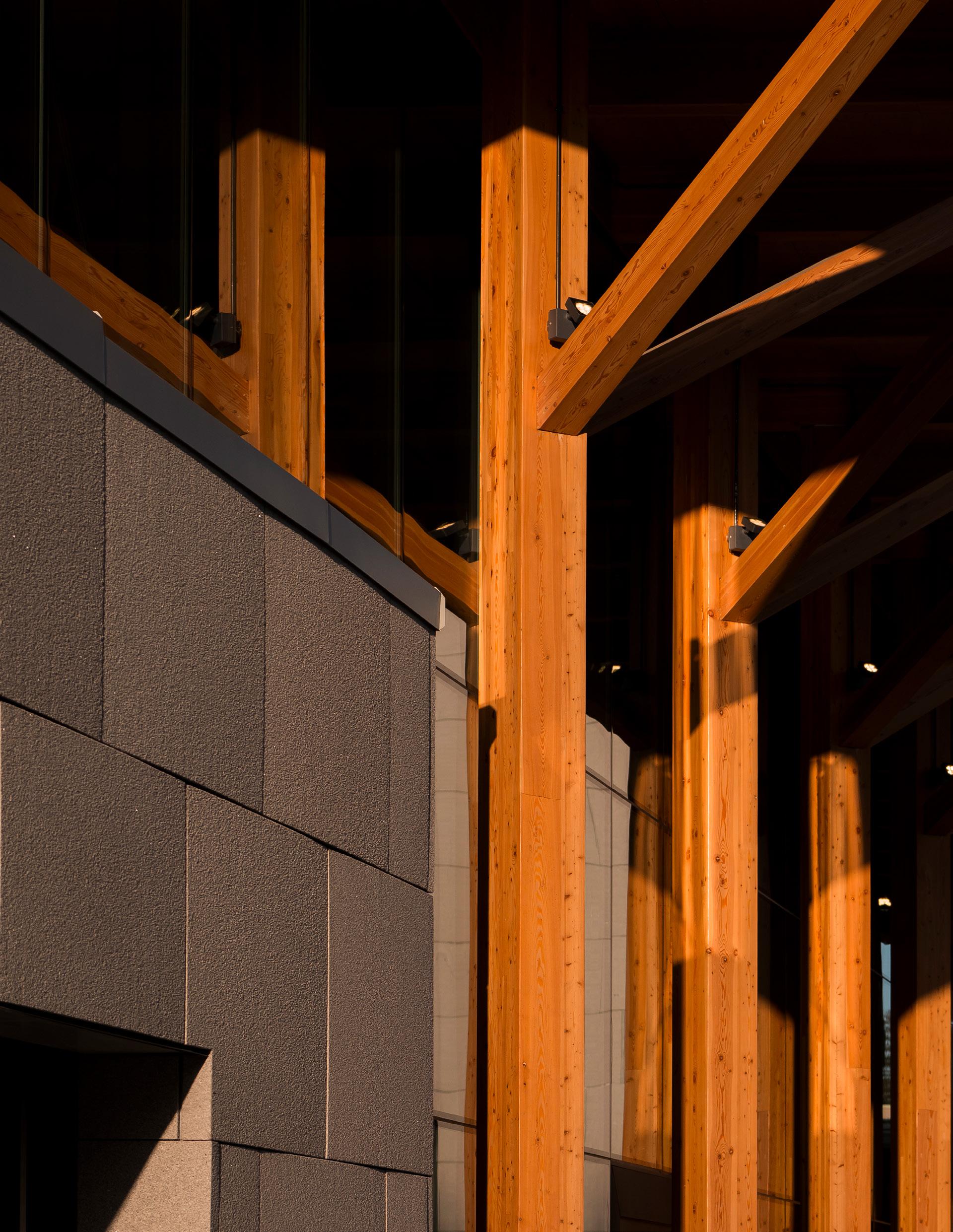
The 2026–27 school year is shaping up to be one of the most exciting yet with all of us having had time to experiment in our new learning spaces. The new Academic buildings allow for greater flexibility in teaching environments, break out spaces, and improvements in many specialized classrooms. It’s an exciting time to be a student and teacher at St. George’s School. The upcoming renovations to the west building will create even more opportunities for our Theatre Arts, Music, and Physical and Health Education Departments.
St. George’s Senior School is committed to providing an exciting range of learning opportunities. Teachers embrace pedagogical approaches that deepen student engagement and create a culture of inquiry in the classroom. Through varied instructional and assessment strategies including cohorts, Harkness discussions, guided inquiry, blended learning, visible thinking routines, and experiential learning, students are encouraged to find a love of learning. We believe that there are many ways of knowing that can be nurtured as each student finds their own voice and purpose. Learning at St. George’s School will support a student to develop their independence, connect to the world, and feel a sense of agency.
Course planning and selection is a whole-community event, and we look forward to supporting you along this reflective and goal-setting journey. The 2026-27 timelines and processes are prepared with care. Should unforeseen circumstances require a change, we will provide updates to parents in the weekly eNews, update material on the School Portal, and connect with students via email, and update material on the Course Selection Canvas page.
ALL STUDENTS:
Attend and engage in information sessions (as offered) or informational videos.
Current Grade 8s, 9s, 10s, and 11s submit course planning worksheets and course requests by March 10th at 4:00 pm.
After receiving their full course schedule in early July, submit any course change requests during the Course Change Windows when they open if desired.
FOR 2026-27 GRADE 10S AND 11S:
Enroll in courses to meet Graduation requirements and check your final requests using the Grad Requirements Checklist to ensure you meet those requirements.
Be familiar with relevant entry requirements and program prerequisites for post-secondary applications. Book a meeting with your University Counsellor.
PARENTS
Carefully read through the Course Planning eBlast distributed the week of January 19th. Understand St. George’s School and Ministry of Education Graduation Requirements. Be familiar with the course information and selection process to support your child’s decision-making and self-advocacy.
ADVISORS, TEACHERS, HEADS OF GRADE, AND UNIVERSITY COUNSELLORS
Advisors/Teachers – Are available to answer student questions and guide students to find reliable information. Heads of Department – Consider requests for student placement and determine final placement in streamed courses.
University Counsellors and Heads of Grade – Review student decisions and discuss implications for post-secondary planning.
SCHOOL ADMINISTRATION
Ensure information is shared in a timely manner. Ensure policies are equitably upheld.
Receive and process course requests.
Work with Heads of Department for placement.
Work with Heads of Grade, University Counselling, Learning Support, and others for final schedule approvals.
Generate student schedules.
Receive and process course change requests.
JANUARY-MARCH 2026
1 on 1 Course Planning Meetings for current Grade 10s and 11s with their University Counsellor. In-School, Virtual, or Video Information Sessions for all current and new students.
Use the following links to download a worksheet for your Grade to guide you through the planning and selection process.
• Into Grade 8 (‘31)
• Into Grade 9 (‘30)
• Into Grade 10 (‘29)
• Into Grade 11 (‘28) and Into Grade 12 (‘27)
The Academic Handbook has every course that St. George’s School offers at the date of publication. Use this as a starting point to learn about each course by reading the description, type of course, primary modes of learning in the course, and typical amount of out-of-class work per week.
There are a number of advanced and accelerated options available to students, increasing through Grades 8–12. These courses are labelled as Honours or Advanced Placement (AP). These courses are characterized by:
• Increased pace.
• Increased complexity of learning outcomes.
• Increased number of learning outcomes.
• Increased responsibility on the student for independence in their learning, including actively reviewing and previewing. To identify which characteristics may be present in an Honours or Advanced Placement course, look for the following key terms:
• Accelerated: Students experience the course's learning outcomes at a faster pace than the non-Honours equivalent course.
• Enriched: Students experience a course with greater depth and complexity of learning outcomes compared to the nonHonours equivalent.
• Advanced: Students are completing a course that is designed for students in a higher Grade level. E.g. Grade 8 students completing a Grade 9 course.
There are a number of reasons students might consider an accelerated or advanced course. Rather than focusing on the grade students hope to earn in a course, what matters most is that they select a course that is the right style, pace, and fit for them — and that they’re able to do their best within that “sweet spot” of challenge.
Note: If it is deemed to be in the best interest of a student’s learning and experience to be removed from an Honours, Accelerated, or Advanced Placement course, a student may be moved to another course by St. George’s School in consultation with the student, teacher, Head of Department, and Vice Principal of Academics.
Students entering Grades 11 and 12 must book an appointment with their St. George’s University Counsellor prior to submitting their course requests. Students will be emailed, notifying them of which University Counsellor they will meet with, along with details on how to book appointments. Appointments will be take place at lunch, after school, and for Grade 11s, also during their spares. Students must complete their Course Planning Worksheet, Activity Log, and University Research Assignment and share these documents with their University Counsellor a minimum of 24 hours before their scheduled course planning meeting.
Note: Timelines and processes are subject to change. Students should refer to the Course Planning section of the Student Life Canvas page and pay attention to their school email for the most up-to-date information.
DEADLINE:
CURRENT GRADE 8S, 9S, 10S, AND 11S IS MARCH 10, 2026 AT 4:00 PM.
Students new to St. George’s School should submit their requests based on the timeline provided in the New Student Orientation Evening, and on the New Student Checklist.
Each student submits their own course selection for review from the Head of Grade, Personal Counsellors, University Counsellors, Vice Principals, and Principal.
To submit your course selection:
1. Go to your Grade’s submission form, ensuring you are logged into your St. George’s account.
New to St. George’s School Going Into Grade 9 to 12 Into Grade 8 (‘31) Into Grade 9 (‘30) Into Grade 10 (‘29) Into Grade 11 (‘28) Into Grade 12 (‘27)
2. Follow all prompts, including uploading your Course Planning Worksheet.
Note:
• Students must submit their requests by their assigned due date. Please note, these requests will be considered final. There is no priority order to submissions.
• Students entering Grades 11 and 12 should wait to submit their choices until they have their 1:1 Course Counselling Session with their assigned University Counsellor.
• New students entering Grades 8-12 will be invited to submit their choices in April 2026, and will also be invited to a New Student Welcome Evening and follow up meetings to discuss course selections.
created.
St. George’s School believes in student-centered scheduling, where student choice is at the forefront of our scheduling. For students, this means they will not select courses from a predetermined Master Schedule. Instead, they will select their preferred courses and alternates, and the Master Schedule will be based on the combination of teacher availability and student requests. This approach will enable us to:
• Have a more accurate set of data as to what courses interest students.
• Achieve a higher percentage of fulfilling student requests.
• Be more responsive to student requests to determine the number of sections of courses, and determine which courses are offered.
In a small number of cases, we may have more students interested than we have spaces available or students may have a conflict when the Master Schedule is created. Additionally, in some cases, there will be insufficient student interest to offer a course. In both those cases, the School reserves the right to place a student in a different, relevant course to ensure a positive Academic Program for everyone.
Student schedules will be distributed, and the course change process will be outlined.
St. George’s School provides every opportunity to learn more about all our courses, meet with teachers, and connect with formal and informal mentors and advisors to put students in the best possible position for selecting the right schedule for them. Yet, we recognize that there are many reasons why a student may change their mind. Therefore, there will be multiple windows for course changes. These windows have specific purposes and restrictions. Please consider changes carefully. When schedules are released in early July for students to review, an electronic course change form will be shared with students. If your summer geopolitical region limits your access to the course change form, please be in contact with the Vice Principal of Academics for assistance. All changes are subject to availability and require students to pay attention to deadlines and details.
There are a number of reasons why students may want to change courses. Please keep in mind that there are many other types of support and solutions if you are feeling like a course isn’t the right fit for you. Your first step is always to speak directly with your teacher.
You might consider these questions as a starting point:
• Have other students felt the same way as I am right now? How have they coped?
• Do you (the teacher) think that I’m showing signs that the material is not the right zone of challenge for me (too much or too little)?
• What might I be able to do to fill in gaps or find an extra challenge?
• From what have you (the teacher) seen of my work so far, where do you think my strengths and weaknesses are?
• What are some ways I can actively make the best use of class time and homework assigned?
• How can I get further support?
Updated versions of all student schedules are posted the Tuesday of the first week of school. Students should ensure to check those schedules, as it will contain classroom locations.
WINDOW #1
FULL CHANGES (ROUND 1)
• Grade 8-12: Open.
• August 4 at 9:00 am –August 25 at 4:00 pm
WINDOW #2
FULL CHANGES (ROUND 2)
• Grades 8-9: Not open.
• Grades 10-12: September 21 at 8:15 am –September 25 at 4:00 pm
WINDOW #3
STREAM CHANGE
Grades 11/12:
September 28 at 9:00 am –December 18 at 4:00 pm
WINDOW #4
GRADE 8 ,9, 11, AND 12
SEMESTER 2 CHANGES
Grade 8/9 and Grade 11/12
Semester 2 Courses: December 1 at 7:00 amDecember 18 at 4:00 pm
• Add/drop any course(s) based on course schedule
• Add/drop any course(s) based on course schedule and experience in the class
• Must meet Course Load Requirements
• May not exceed number of spares permitted
• Must select from the Master Schedule
• Possibility that desired course may be at capacity
• Course removed from report card/transcript
• Changes will be uploaded to the School Portal September 3 at 4:00 pm
• Must meet Course Load Requirements
• May not exceed number of spares permitted
• Possibility that desired course may be at capacity
• Course removed from report card/transcript
• Grades from one section of the same course follows student to new section when moving
• Changes will be communicated via email
• Change stream of a course (in/out of accelerated Honours or Advanced Placement)
• Invitation for Grades 8, 9, 11, and 12 to change Semester 2 courses.
• May not drop a course entirely
• Possibility that desired course sections may be at capacity
• Subject to school approval and teacher consultation
• Original course removed from transcript, kept on report cards (if issued)
• Changes will be communicated via email
• Grades 8, 9, 11, and 12 Semester 2 Course Change Requests
• Possibility that desired course may be at capacity
• Changes will be communicated via email
Students who graduate from St. George's School earn a St. George’s Certificate of Graduation and the BC Dogwood Diploma. The chart below summarises Graduation Requirements for our students. All courses are four credits, unless otherwise noted. See this Worksheet for a usable copy you can use to track your graduation requirements. * Indicates an additional St. George’s requirement that is in addition to BC Ministry of Education requirements
GRADE 10
Concert Band 10
Drama 10
Studio Arts 2D 10
Studio Arts 3D 10
Media Arts 10
Jazz Band 10
Television Production 11
Theatre Production 11
Directing and Script Development 11
Career Life Education
EFP Literary Studies 10 (2 credits) AND Composition 10 (2
STUDIES 12
MATHEMATICS 10
MATHEMATICS 11*
PHYSICAL & HEALTH EDUCATION 10
SCIENCE 10
SCIENCE 11 *
SECOND LANGUAGE 10 *
SOCIAL STUDIES 10 AND SOCIAL STUDIES 11 *
INDIGENOUS-FOCUSED COURSE
Media Arts 11/12 AP
Studio Arts 2D 11/12
Studio Arts 3D 11/12
Theatre Production 11/12
Television Production 11/12
Graphic Production 11/12
Grade 12 Career Life Connections 12B (Capstone)
In selecting courses, students need to be aware of both general and specific admission requirements for post-secondary institutions and their specific programs. Admission requirements and how applications are assessed are subject to change, requiring students to do continuous research to ensure they meet entrance requirements. Students entering Grades 11 and 12 are advised to work closely with their St. George’s University Counsellor throughout the course selection process. It is ultimately the student’s responsibility to ensure he has the required courses for his postsecondary applications and is able to meet entrance requirements. Students will be supported in this by their St. George’s University Counsellor. St. George’s University Counsellors are well-versed in course planning and post-secondary admissions, and are advocates for each student, supporting and guiding him in his unique journey.
While some universities assess a student’s application holistically, taking into account factors such as a student’s character, extra-curriculars, and accomplishments, the academic profile remains paramount. Many universities base admissions solely on a student’s academic record. Students should also consider their strengths, interests, and abilities in choosing their courses as admission to university is competitive.
To ensure St. George’s students are university-admissible, they need both the required number of approved Grade 12 courses for admissions and the prerequisites for their program of interest at each institution. While focusing on Grade 12 academic courses, many universities also include an assessment of a student’s academic performance in Grades 10 and 11 in determining their admissions decisions.

Our Education Program is founded on curricula and requirements from the BC Ministry of Education and Child Care. The resources below may be of interest to you:
• BC Graduation Program Policy Guide (Grades 10-12)
• BC Curriculum
• Provincial Assessments (Literacy 10 and 12; Numeracy 10)
• Indigenous-Focused Course Graduation Requirement (new for Graduates of 2025)
• Reporting on Student Learning
University Admissible Courses are specific courses used by universities to assess a student’s application and to calculate a student’s academic average for admissions purposes. Students must graduate from St. George’s School with English Studies 12, plus at least four (five are highly recommended) additional university-admissible courses. There are other Grade 12 courses that we offer, which will contribute to a student’s learning and self-discovery, as well as to their other Graduation Requirements. See the Course Descriptions for a full list of all Grade 12 courses. The following courses are generally regarded as university-admissible. It is crucial for students to know which courses their prospective universities will accept. Note: all courses on this list are subject to availability due to enrollment.
• Most Advanced Placement courses (See Course Descriptions for a listing)
• 20th Century World History 12
• Anatomy & Physiology 12
• Calculus 12
• Chemistry 12
• Computer Programming 12 (Accepted by a limited number of schools)
• Contemporary Indigenous Studies 12
• E-Commerce 12 (Accepted by a limited number of schools)
• Entrepreneurship 12 (Accepted by a limited number of schools)
• English Studies 12
• French 12
• Geology 12
• Latin 12
• Law Studies 12
• Mandarin 12
• Physical Geography 12
• Philosophy 12
• Pre-Calculus 12
• Physics 12
• Spanish 12
• Urban Studies 12


The ADST Department’s philosophy centers on the belief that education thrives through hands-on projects and experiential learning. Our teachers are committed to fostering an environment that ignites creativity, sharpens critical thinking, and cultivates problem-solving skills.
Using experiential learning, our courses encourage students to apply theoretical knowledge in practical settings, ensuring they not only acquire technical proficiency but also develop analytical and problem-solving abilities. Guided by the Design Thinking Process, our approach to education is a pathway to innovation, teaching students to empathize, ideate, prototype, and iterate.
The ADST Department is a community that values inclusivity and collaboration. By merging cutting-edge technology with traditional craftsmanship, we equip students with a versatile skill set, ready to navigate the challenges of the 21st century.
Robotics Competition (VEX), Robot Wars, Makers Club, Business, Investment and Entrepreneurship Clubs, Dragons’ Lair Pitch Competition
COURSES OFFERED
Business Education 8, Computer Studies 8, Robotics 8, Woodwork 8, Business Education 9, Computer Programming 9, Drafting 9, Electronics and Robotics 9, Woodwork 9, Electronics and Robotics 10, Entrepreneurship and Marketing 10, Graphic Production 11, Technology Explorations 10, Web Development 10, Computer Programming 11, Robotics 11, Graphic Production 12, Graphic Production IDS, Woodwork 11, AP Computer Science A 12, AP Macroeconomics 12, AP Microeconomics 12, Computer Programming 12, E-Commerce 12, Woodwork 12, and Mechatronics 12.
The Department for Leadership and Impact (DLI) supports St. George’s students on their journey of self-curiosity, leadership development, and engagement in meaningful community action. Leveraging dedicated time for reflective thinking and experiential learning through Flex Day Programming and Career-Life Education classes, the DLI connects students and faculty to collaborate with community partners and engage with leadership experts. Foundational to St. George’s School’s mission for students to become Fine Young Men Ready To Do Good In The World, the DLI is a space where leadership learning is intentional in design and purposeful in impact.
Our Career-Life Education Program empowers students to gain a deeper understanding of themselves as people and learners, which is essential foundational leadership development work. The program encourages students to reflect on who they are, on how they build relationships with others, and how they interact and lead in teams. Students learn to synthesize their personal values with their life and career pursuits, enabling them to make meaningful contributions and positive impacts on both their immediate community and the wider world. Through a structured curriculum and experiential learning opportunities, the program fosters character development, leadership skills, and a sense of personal and civic responsibility. Our program culminates in their Grade 12 year with a year-long Capstone Project, where the dual focus on personal passions and external impact epitomizes what the CLC experience is all about. By embarking on this journey, students are not only equipped with the tools to navigate their academic and professional trajectories successfully, but they also become agents of positive change, inspiring and influencing those around them.
Develop volunteer, mentorship, and work experience connections; hone leadership skills and traits; participate in Careers Day as well as Personal and Professional Toolkit Workshops and internship opportunities.
COURSES OFFERED
Career Education 8, Career Education 9, Career Life Education, and Career Life Connections.

The English Department is committed to providing all boys with varied opportunities to help them cultivate a love of literature, become independent thinkers, and develop a voice that’s distinctly theirs. Beyond preparing students for the demands of post-secondary education, we aim to foster a critical and explorative appreciation for literature and the nuances of language by engaging with perspectives different from our own. Our classrooms are places of curiosity, inquiry, and creativity — supported (not supplanted) by technology, fundamentally driven by a collaborative spirit, and individual contributions. We want learners of all levels to take risks in pursuing excellence. Teachers place an understanding of boys’ learning styles, needs, and the diverse cultures of the School at the forefront of lessons. As students progress through their years at St. George’s School, they will make important choices in focus and breadth of learning to form a challenging, but cohesive program of study that is personally enriching.
STUDENT EXTENSION OPPORTUNITIES BEYOND THE CLASSROOM
Opus, Poetry In Voice, and Book Club.
COURSES OFFERED
English 8, English 9, English First Peoples Literary Studies 10, Composition 10, Composition 11, Composition 11 Honours, Literary Studies 11 Honours, AP English Language & Composition 12, AP English Literature & Composition 12, English Studies 12, and Journalism 12.

ENGLISH 8
ENGLISH
ENGLISH 9
FIRST PEOPLES LITERARY STUDIES 10 COMPOSITION 10
STUDENTS MAY ADVANCE TO A COURSE OF THEIR CHOOSING BASED ON THEIR DESIRED LEVEL OF CHALLENGE.
COMPOSITION 11 HONOURS OR OR LITERARY STUDIES 11 HONOURS COMPOSITION 11
STUDENTS MAY ADVANCE TO A COURSE OF THEIR CHOOSING BASED ON THEIR DESIRED LEVEL OF CHALLENGE.
ENGLISH STUDIES 12
AP ENGLISH LITERATURE & COMPOSITION
ENGLISH STUDIES 12
ENGLISH STUDIES 12
AP ENGLISH LANGUAGE & COMPOSITION

The Languages Department is dedicated to providing a practical and fun language learning experience that emphasizes culture, communication, and creativity. Our approach promotes collaboration, empathy, growth, and self-discovery. By exposing our students to new perspectives and equipping them with relevant language skills, we empower them to become confident and effective communicators in a dynamic and global landscape.
STUDENT EXTENSION OPPORTUNITIES BEYOND THE CLASSROOM
Francophone Culture Club, National French Contest (Le Grand Concours), Chinese Culture Club, Latin Club, National Latin Exam, and Spanish Club (TBC).
COURSES OFFERED
French 8, French 8 Foundations, Latin 8, Mandarin 8, Spanish 8, French 9, French 9 Honours, Latin 9, Mandarin 9, Mandarin 9 Honours, Spanish 9, French 10, French 10 Honours, Latin 10, Mandarin 10, Mandarin 10 Honours, Spanish 10, Spanish Introductory 11, French 11, French 11 Honours, Latin 11, Mandarin 11, Mandarin 11 Honours, Spanish 11, AP Chinese Language & Culture 12, AP French Language 12, AP Latin 12, AP Spanish Language & Culture 12, French 12, French 12 Honours, Latin 12, Mandarin 12, and Spanish 12.
FRENCH

FRENCH 8 FOUNDATIONS
FRENCH 9
FRENCH 10
FRENCH 8
FRENCH 9 HONOURS
FRENCH 10 HONOURS
FRENCH 11 HONOURS
FRENCH 11
FRENCH 12
FRENCH 12 HONOURS
AP FRENCH LANGUAGE 12
Movement between streams is possible with a diagnostic assessment.
SPANISH
SPANISH 8
SPANISH 9
SPANISH 10
SPANISH INTRODUCTORY 11
SPANISH 11
SPANISH 12
Placement Test in the Spring and teacher recommendation required.
SPANISH 12
AP SPANISH LANGUAGE AND CULTURE
Mathematics is more than a sequence of calculations that lead to the correct solution to a problem. It is a state of mind and an intellectual art. It is a discipline that goes beyond its immediate, apparent, and obvious applications. It confirms, expands, and diversifies the meaning of what it is to be human, and its language is accessible to people of all cultures and backgrounds. Mathematics has been with us ever since we began using language, and the requirement for mathematics was, and is, inescapable ever since we were civilized.
It is a way of analytical thinking where the benefits extrapolate well beyond the boundaries of a classroom. Our world out there is crying out for thinkers; people who can critically analyze, deductively reason, substantiate their thoughts, and come up with creative and innovative solutions to problems whose consequences greatly affect the world we live in.
The study of Mathematics can encourage the development of such thinkers. The way in which you will be taught (and the way in which you will be challenged to learn) is for you to understand what it is you are learning...for you to struggle, negotiate, and overcome — emerging as a more resilient, more well-thought-out, more communicative thinking individual. It is with this hope that we look forward to our experience with you in the classroom this year. We are optimistic that you are up to the challenge.
STUDENT EXTENSION OPPORTUNITIES BEYOND THE CLASSROOM
Fusion Program: Fusion is an opportunity for Grade 10s to explore the world of STEM (Science, Technology, Engineering, and Math) in an integrated and experiential way. All Cohort members take Science, Math, English, and the Fusion (Technology Exploration 10) course as one group. Where possible, curricula from these courses are blended in order to deepen connections and apply knowledge.
Co-Curricular Competitive Math Program (CCMP): A Grade 9–12 co-curricular by invitation where students participate in a mixture of math contest preparation and advanced topics.
Annual Math Contests: American Math Competitions (AMC 8, AMC10, AMC 12); American Invitational Math Exam; Canadian Open Math Contest (COMC) that leads to potentially qualifying to the Canadian Math Olympiad and representing Canada at the International Math Olympiad; and Waterloo contests like the Canadian Senior and Intermediate Math Contest, Pascal, Cayley, Fermat, Fryer, Galois, Hypatia, Euclid, and Gauss.
COURSES OFFERED
Math 8, Math 8 Accelerated, Math 8/9 Honours Enriched, Math 9, Math 9 Accelerated, Math and Pre-Calculus 10, Math and PreCalculus 10 Honours Enriched, Pre-Calculus 11, Computational Mathematics 11, Pre-Calculus 11 Honours Enriched, Pre-Calculus 12, Pre-Calculus 12 Honours Enriched, Calculus 12, AP Calculus AB 12, AP Calculus BC 12A, AP Statistics 12, AP Statistics Blended 12, Advanced Topics in Mathematics 12.

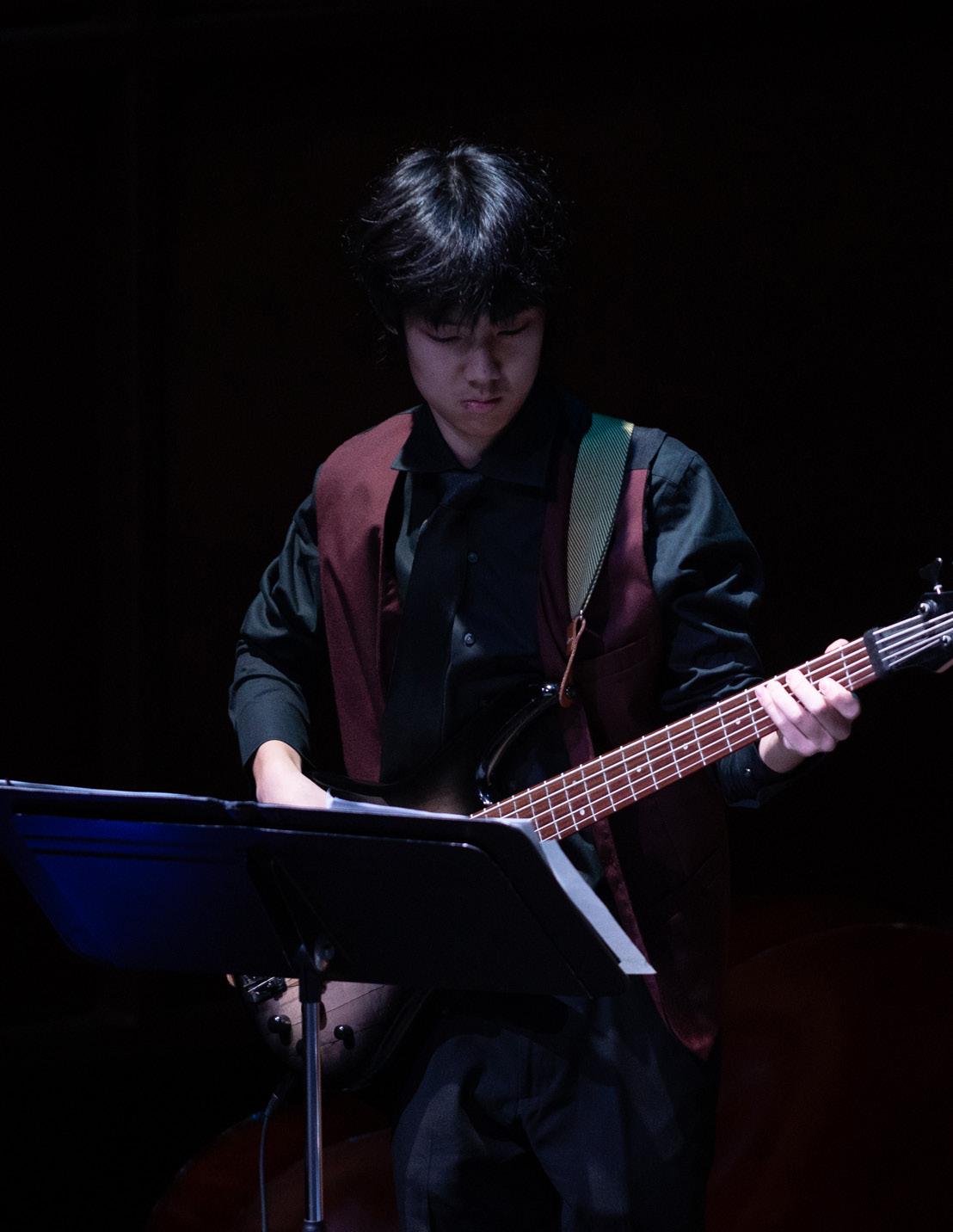
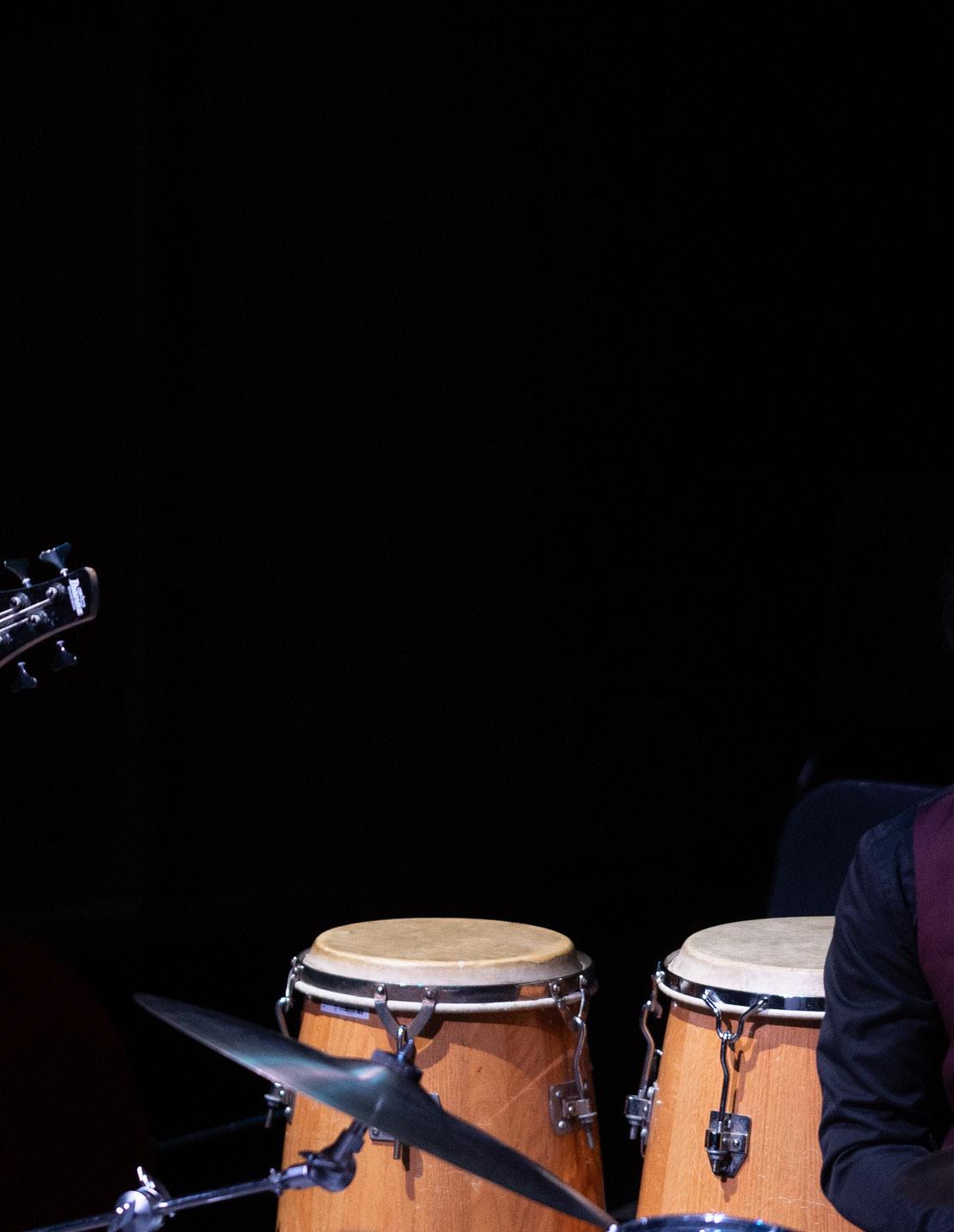
Our goal is to provide each student with the best possible Music education. Through learning to play an instrument, students will be challenged to develop an informed and inquiring mind that enables them to engage the fundamental issues of their art and to become effective cultural leaders in society.
The study of Music brings growth and development in so many ways. By performing in both large and small ensembles, students will develop highly refined listening skills, personal confidence, healthy self-esteem, cooperation, collaborative skills, and leadership qualities.
Through the process of individual study of an instrument, each student will develop self-discipline, the ability to set short-term and long-term goals, and better understand achieving quality through perseverance and dedication. Students will also gain many other qualities, including Empathy, Humility, Integrity, Respect, Responsibility, and Resilience: the Core Values of St. George's School.
Most importantly, we believe that the study of Music allows us to celebrate and preserve our cultural heritages, and also explore the realms of expression, imagination, and creation resulting in new knowledge. It is a medium that allows us to express what words cannot.
The St. George’s Wind Ensemble is a co-curricular open by audition to any student enrolled in the Band course at their corresponding Grade level: Junior (8-10) or Senior (10-12) Jazz Ensemble.
COURSES OFFERED
Concert Band 8, Concert Band 9, Concert Band 10, Concert Band 11, Concert Band 12, Junior Jazz Ensemble 8, Junior Jazz Ensemble 9, Junior Jazz Ensemble 10, Senior Jazz Ensemble 10, Senior Jazz Ensemble 11, Senior Jazz Ensemble 12, and AP Music Theory 12.
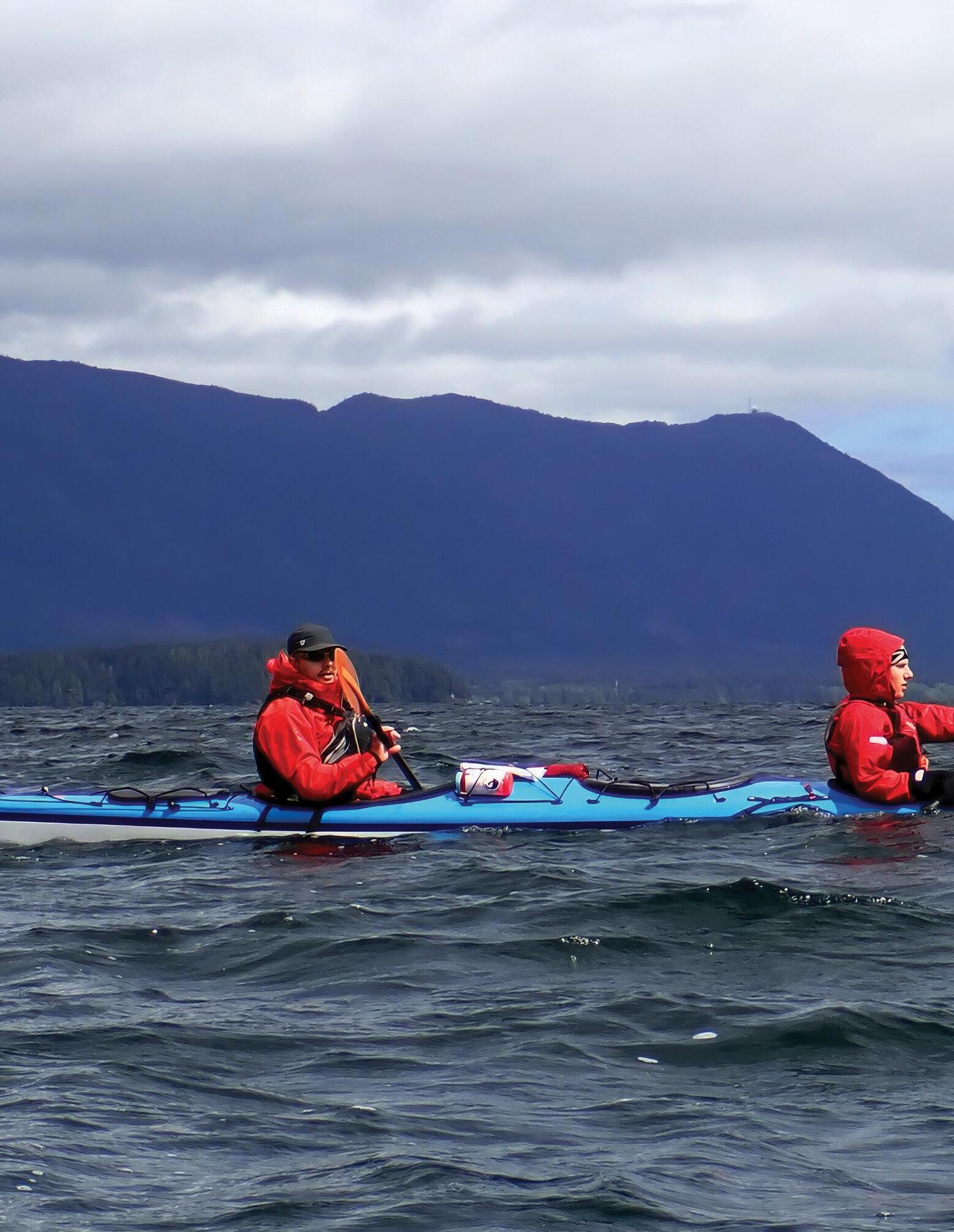
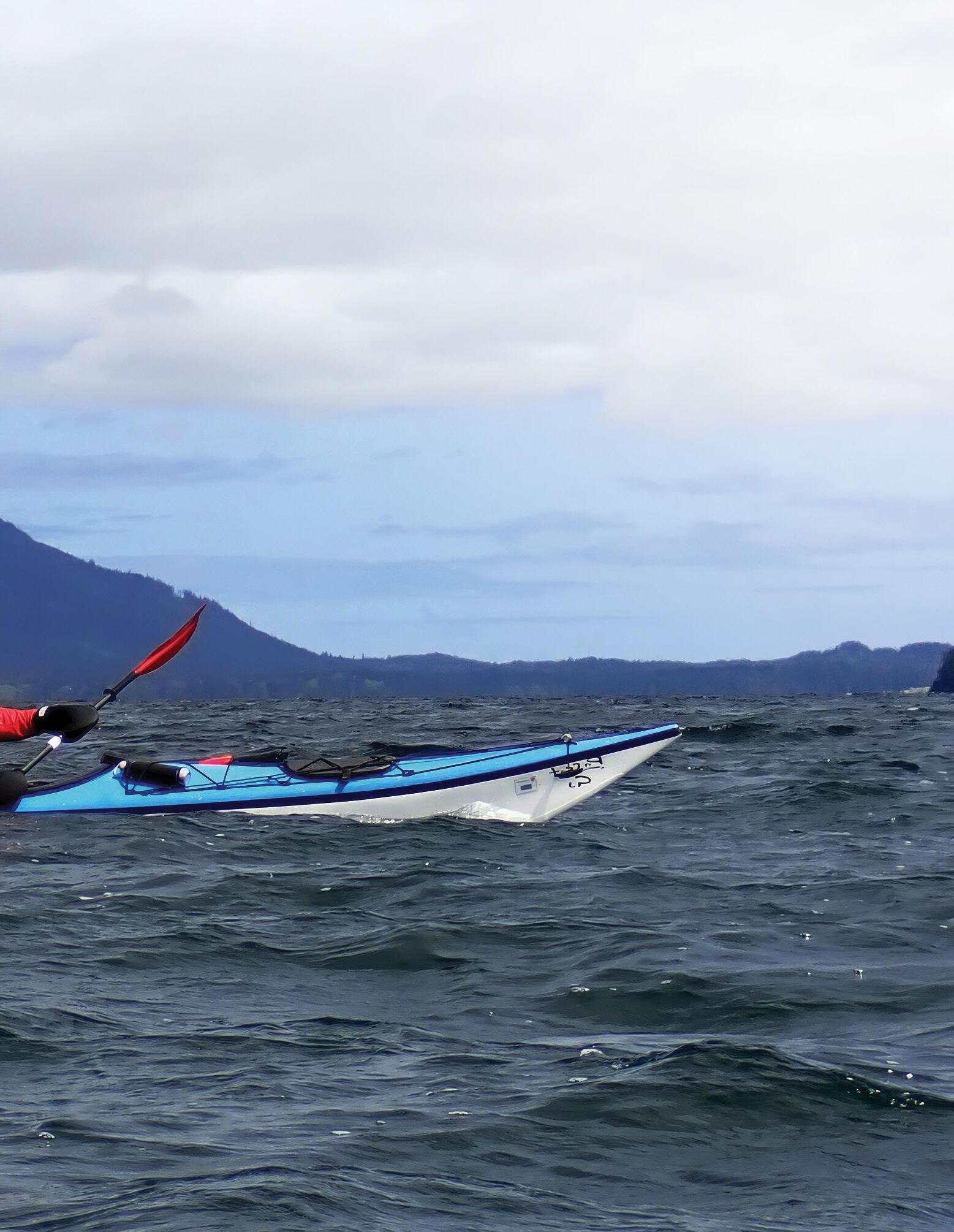
At St. George’s School, we believe in the transformative power of Outdoor Education to foster holistic development and inspire a lifelong connection to the natural world. Our philosophy is grounded by the belief that Outdoor and Experiential Education allows students to develop self-awareness, inspires a sense of responsibility, and creates a deeper connection to natural spaces. Through the Outdoor Experiences offered at St. George’s School, students will connect with their peers, overcome challenges together, and grow as a community while developing the character strengths that all students need to excel in our ever changing world.
Grade 8 Community Building Trip, Grade 8 Navig8 Trip, Grade 9 Explorer Trips, and Grade 10 Sea to Sky Trips.
Discovery 10 Cohort: The Discovery Cohort is an opportunity for Grade 10 students to engage in Outdoor and Experiential learning throughout their Grade 10 year. They will participate in 50+ days of Outdoor Experiences during the year and will complete PHE, Science, English, Socials, and Outdoor Education elective as a group. When possible, curriculum will be integrated with the Outdoor Experiences and will focus on creating a deeper connection with their peers and natural spaces.
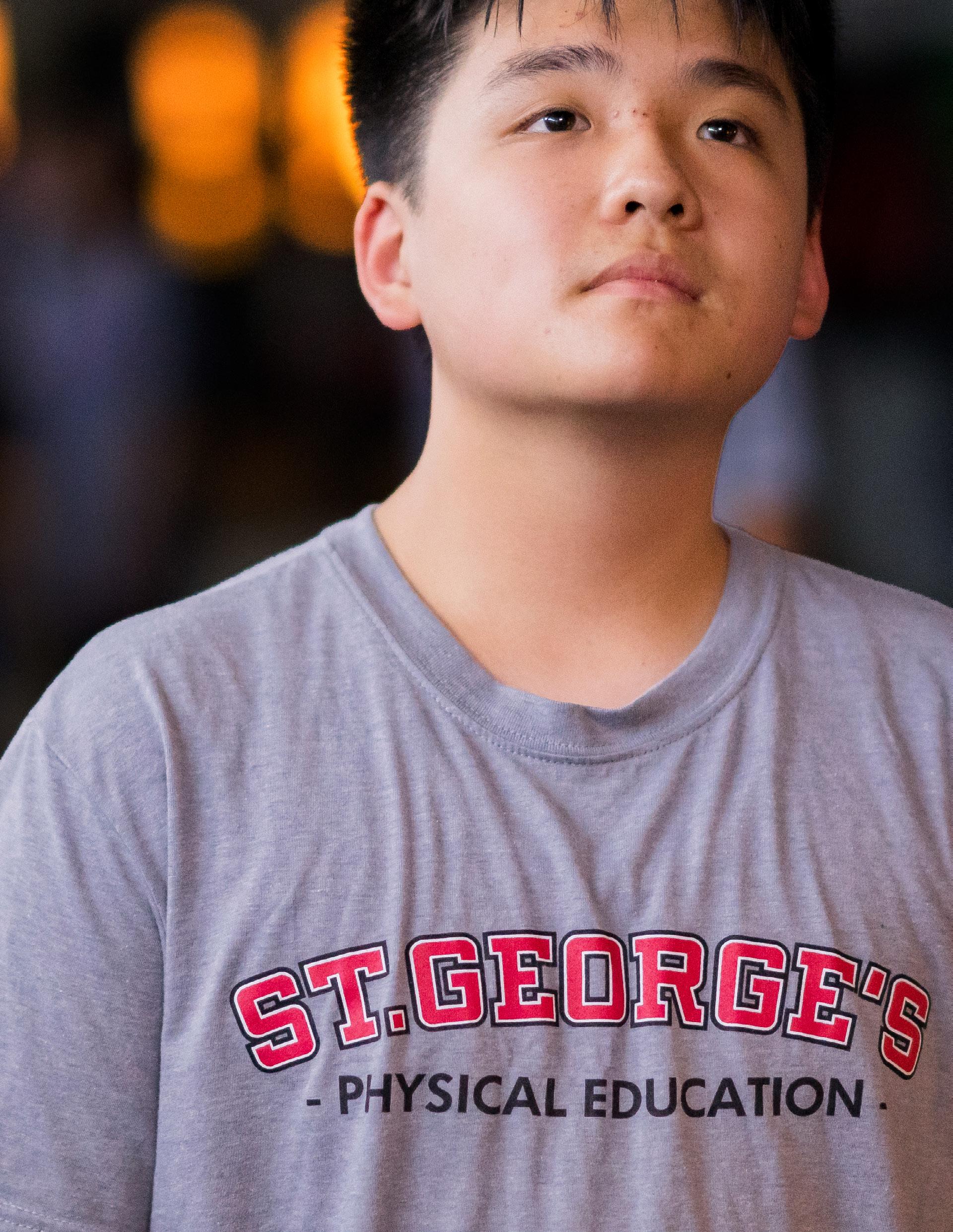
The philosophy of the St. George’s Physical and Health Education (PHE) Department aligns with the British Columbia Physical and Health Education curriculum, focusing on the departmental philosophy of Challenge, Connect, Grow. In our department, we strive to challenge students to reach their potential, connect with themselves and others through meaningful experiences, and grow as confident, healthy, and engaged individuals. The health component of our curriculum delves into the concept of identity and wellness, encouraging students to explore diverse factors affecting their physical and mental well-being. Through this exploration, students gain insights into themselves and the world around them. Our approach prioritizes the creation of a fun, safe, and inclusive environment conducive to students challenging themselves and enhancing their skills across a broad spectrum of activities. We strive to impart an appreciation for the role of physical activity in maintaining overall health and wellness, nurturing students’ enthusiasm for active participation in all our courses.
Grade 8 to 10 Physical Health Education classes are tailored to individual engagement, interest, and health goals. Please see the four levels of PHE below that our students may request.
High Performance: This Strength and Conditioning–based class focuses on physical development to help students maximize performance in their chosen competitive sport. Approximately 90% of class time is spent in the Fitness Centre, where students follow a structured training program tailored to individual, sport-specific goals. Emphasis is placed on proper technique, safe training practices, and progressive improvement to support long-term athletic development.
Competitive: This competitive Physical and Health Education (PHE) course is designed for students who are actively engaged in school or community sport and are motivated to enhance their athletic performance. The course emphasizes physical literacy, movement competency, as well as personal and social responsibility through structured training, sport-specific skill development, and competitive gameplay.
Recreational: This Physical and Health Education (PHE) course is designed for students interested in maintaining an active, healthy lifestyle through a variety of physical activities. The course emphasizes physical literacy, movement competency, and personal and social responsibility through inclusive participation, skill development, fitness activities, and recreational gameplay.
Participatory: This participatory Physical and Health Education (PHE) course is designed for students who are interested in engaging in regular physical activity and developing healthy, active habits. The course emphasizes physical literacy, movement competency, as well as personal and social responsibility through active participation, skill development, fitness activities, and inclusive gameplay. Students are encouraged to challenge themselves at an appropriate level, set personal goals, and contribute positively to a supportive and respectful learning environment.
DEPARTMENT PHILOSOPHY
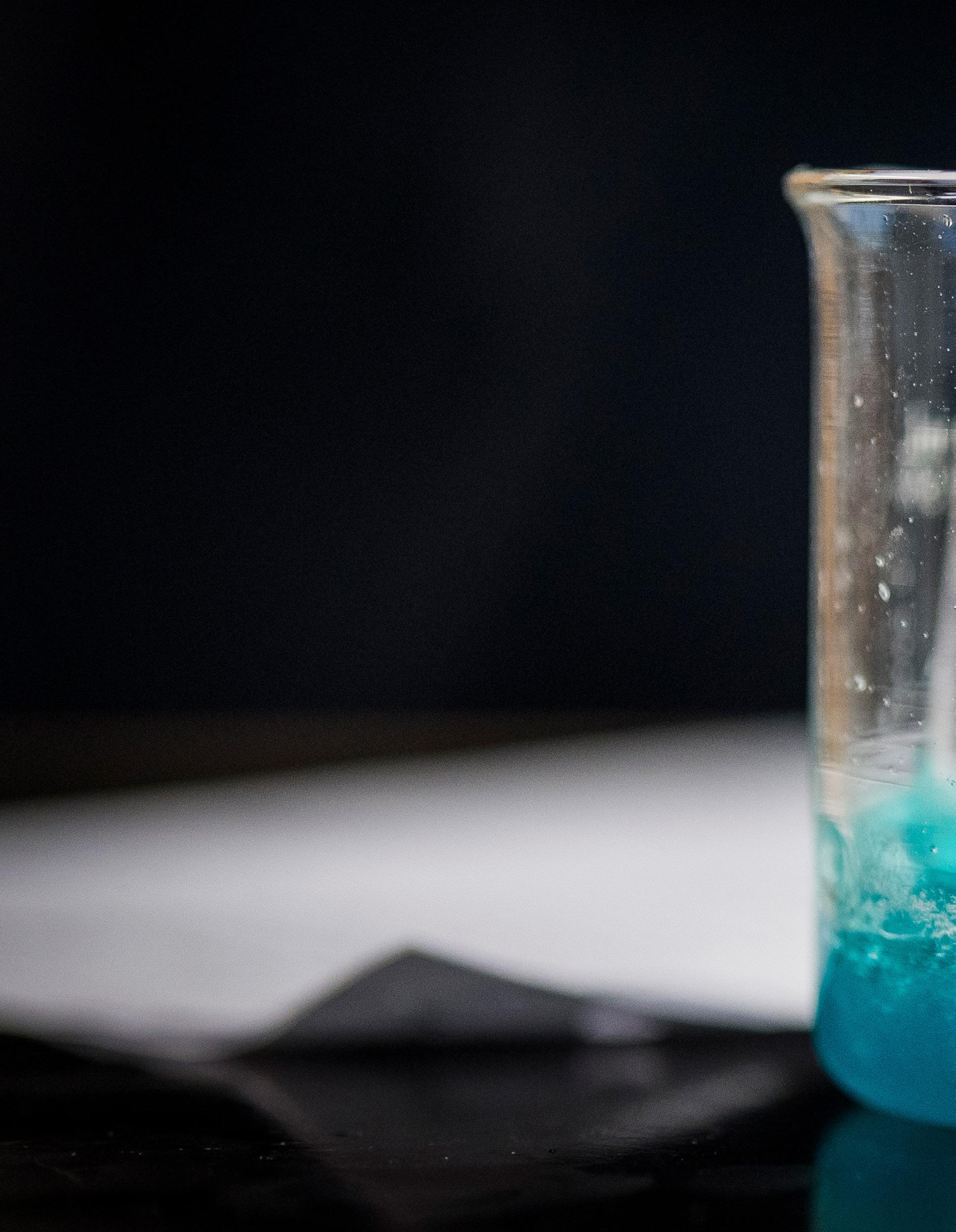
The St. George’s Science Department endeavours to empower students with the confidence to tackle challenges through research and experimentation. Recognizing the inherent biases in knowledge, we focus on developing techniques for creating informed, ethical, and inquisitive citizens and scientists.
Our curriculum emphasizes problem-solving using mathematics and the scientific method, instilling practical skills for real-world challenges. We encourage students to extrapolate ideas into new domains, fostering creativity and innovation.
We work hard to cultivate intellectual curiosity. We inspire students to ask big questions about the world, aiming not only to impart knowledge but also to ignite a passion for lifelong learning and exploration.
STUDENT EXTENSION OPPORTUNITIES BEYOND THE CLASSROOM
Clubs - Many student-led clubs exist to enrich learning in specific areas of interest. These include subject-specific clubs as well as clubs focused on writing, publishing, or fun activities such as beekeeping.
Science Fair - This event allows students to take a deep dive into a single topic of interest and compete with others across the province.
Competitions - Students compete against other students across the country and worldwide to put their knowledge, problem-solving, and engineering skills to the test.
COURSES OFFERED
Science 8, Science 9, Science 10, AP Physics 1 Honours 11, Chemistry 11, Chemistry 11 Honours, Earth Sciences 11, Life Sciences 11, Physics 11, Anatomy and Physiology 12, AP Biology 12, AP Chemistry 12, AP Environmental Science 12, AP Physics 2 Honours 12, Chemistry 12, Geology 12, and Physics 12.
DEPARTMENT PHILOSOPHY
In Social Studies, our mission is to cultivate engaged and responsible citizens who are equipped with the tools to navigate an ever-changing world. Through a commitment to critical thinking, curiosity, and inquiry, we empower students to question, analyze, and shape their understanding of society.
We focus on literacy in its diverse forms, from media literacy to persuasive writing, equipping students with the skills to effectively communicate and advocate for their ideas. Our classroom activities and assessments primarily revolve around lively discussions and in-depth research projects, fostering collaborative learning and critical analysis. Additionally, many courses include guest speakers and off-site learning opportunities to make connections to real-world issues.
Central to our mission is the reconciliation of past and present, preparing students to actively shape the future by understanding historical contexts and promoting empathy. In doing so, we aim to inspire a generation of compassionate and informed global citizens poised to make positive contributions to society.
STUDENT EXTENSION OPPORTUNITIES BEYOND THE CLASSROOM
• Saints Conference: Model United Nations
• Saints Conference: Debate
• History Club
• History Bowl & Bee Competition
• Great Canadian Geography Challenge
COURSES OFFERED
Social Studies 8, Social Studies 9, Social Studies 10, Contemporary Indigenous Studies 12, 20th Century World History 12, AP Comparative Government & Politics 12, AP European History 12, AP Human Geography 12, AP Psychology 12, AP U.S. History, AP World History 12, Law Studies 12, Philosophy 12, Physical Geography 12, Economic Theory 12, Social Justice 12, and Urban Studies 12.
37
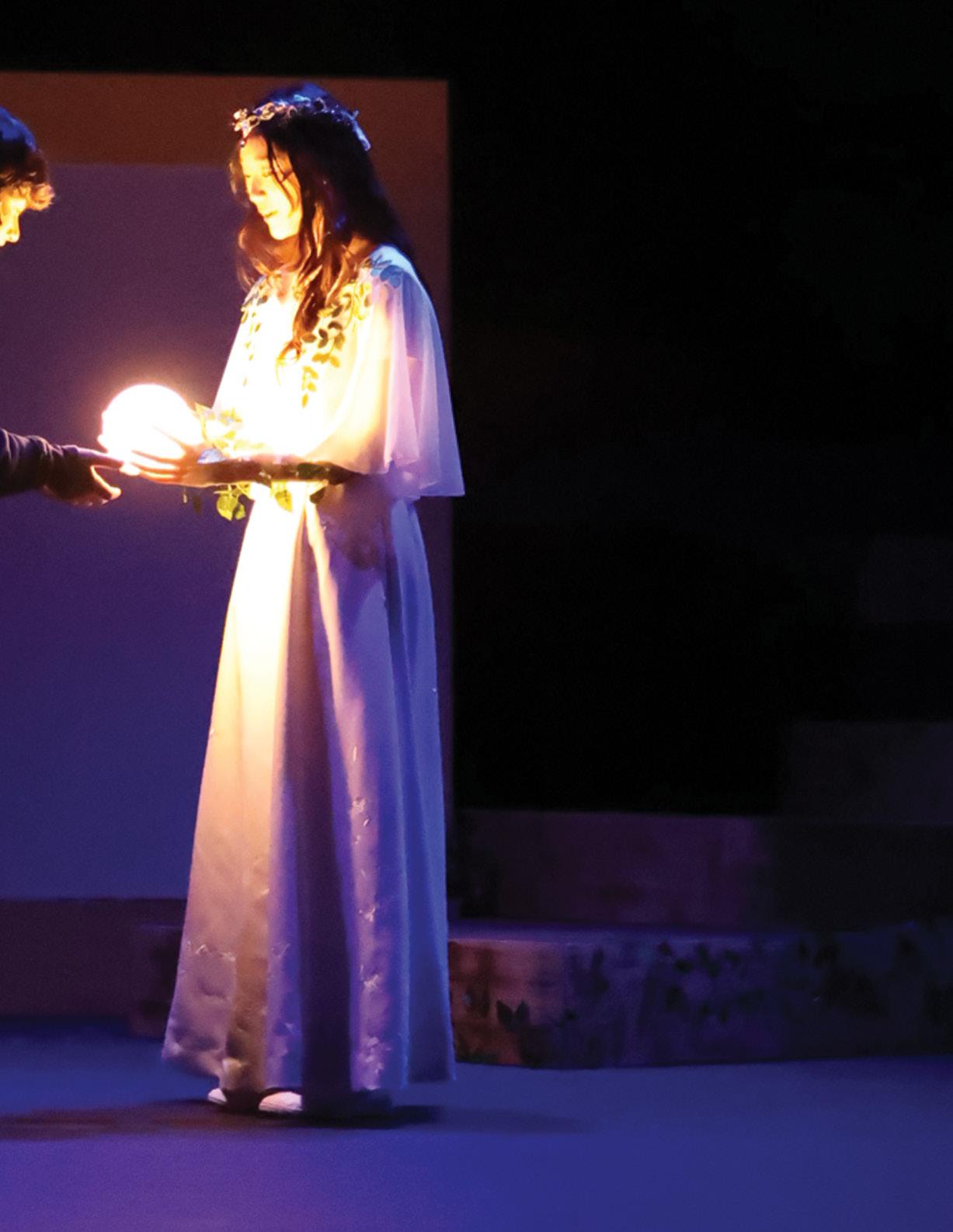
St. George’s School Theatre Arts: A place for those longing to explore, create, perform, and belong. Theatre Arts, as a part of St. George's Arts, offers a wide array of performance, technical, analytical, and creative courses spanning both stage and screen. Theatre Arts courses encourage students to develop their awareness and use the elements of Drama, Technical Theatre, Film Study, and Creation to invent works that are related to their personal interests and experiences. In these courses, students will experience being a performer, audience, playwright, technician, designer, and director. Through the process of taking on roles, students develop and express empathy for people in a wide range of situations. They develop the ability to interpret and comment on a range of works and activities, and evaluate their own and others’ creative work.
All Grades: Saints Players Theatre Company - Cast, Crew, Front of House, Publicity.
TVP 11 & 12 – Vancouver-Wide School Film Festival / Production Set Field Trips
Drama 11 & 12 – BC Zones and BC Drama Festival
Drama 8–12 – Live Theatre Performance Field Trips
Directing and Script Development 11 – Film/Moving-Viewing Field Trips
COURSES OFFERED
Drama 8, Drama 9, Drama 10, Directing and Script Development 11, Drama 11, Television Production 11, Theatre Production 11, Drama 12, Television Production 12, Theatre Production 12, and Theatre Company 12.

DEPARTMENT PHILOSOPHY
Engaging Head, Heart, and Hand. In Visual Arts classes, students are preparing to navigate an everchanging world by learning to engage their imagination and creativity, explore perception, and create meaning. Students are guided through collaboration, employing multiple intelligence strategies, encouraging self-expression, purposeful play, and technical excellence. The process of personal inquiry fosters independence and cultivates a confident attitude towards new possibilities. The Arts remind students that thinking and feeling do not need to be limited by language.
STUDENT EXTENSION OPPORTUNITIES BEYOND THE CLASSROOM
Students can choose from a variety of classes, including 2D Studio Arts that cover drawing, painting, design, and printmaking, Ceramics, which includes wheel throwing, hand building and sculpture, and Media Arts, which includes Animation, Film, Design and Photography, AP Studio Arts.
COURSES OFFERED


The post-secondary planning process is an integral part of a St. George’s education that permeates much of the thinking and actions of our students, from course planning to co-curricular pursuits to self-reflection. The University Counselling Department is committed to helping students become the most authentic version of themselves by guiding them towards opportunities to engage with life and learning. The department values each student for who they are and recognizes that each person’s path is unique. Students are encouraged to immerse themselves inside and outside the classroom, explore their interests, rise to new challenges, and find the things that inspire them. The University Counselling Department envisions that through this process, students will develop a strong sense of self and purpose, eventually pursuing meaningful careers where they will be happy, successful, and committed to making the world better. The department provides current information about postsecondary options, university admissions requirements, athletic recruitment, gap years, scholarships, and more. The University Counselling Department’s goal of supporting students in finding the right university or future plan requires a holistic approach and places the importance on fit rather than prize.
These opportunities include dedicated time for individual meetings with university counsellors, 75+ University visits to St. George’s School, University Ambassadors Club, University Counselling Connection Blocks, Future Planning Sessions on Flex Days, various special events and presentations, University Fairs, Post-Secondary Planning Workshops, Careers Week, and Alumni Connection Opportunities.
JESSIE BAHIA Registrar jbahia@stgeorges.bc.ca
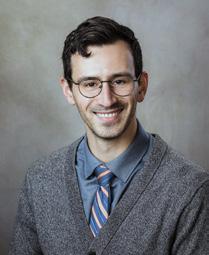
CHRIS VYTASEK Vice Principal Academics cvytasek@stgeorges.bc.ca
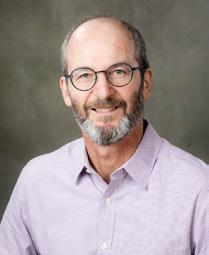
STEPHEN ZIFF Assistant Vice Principal sziff@stgeorges.bc.ca
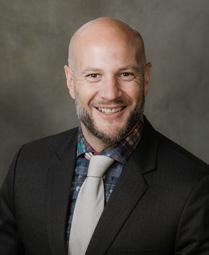
WES BOISE Theatre Arts wboise@stgeorges.bc.ca
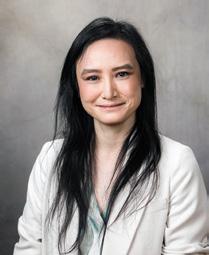
STEPHANIE CHAN English schan@stgeorges.bc.ca
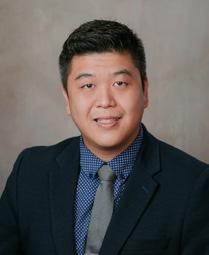
DOUG TAM Mathematics dtam@stgeorges.bc.ca
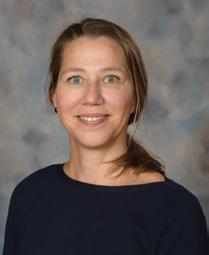
SANTHE LeBLANC Visual Arts sleblanc@stgeorges.bc.ca
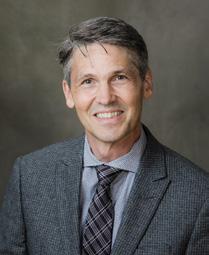
DEAN MARKEL Music dmarkel@stgeorges.bc.ca

JONATHAN MERGUI
Applied Design, Skills, & Technology jmergui@stgeorges.bc.ca
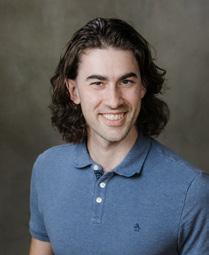
NATHAN MOENS Science nmoens@stgeorges.bc.ca
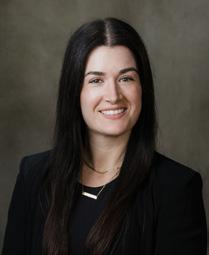
MILICA SEVER Languages msever@stgeorges.bc.ca
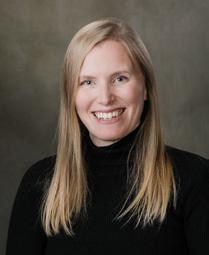
CARLY WENNER Social Studies cwenner@stgeorges.bc.ca
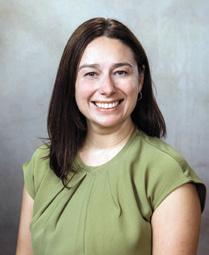
SARAH McLEAN Leadership Education smclean@stgeorges.bc.ca
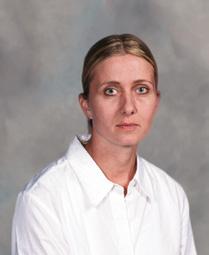
CHRISTINE WESSLER Head of University Counselling cwessler@stgeorges.bc.ca
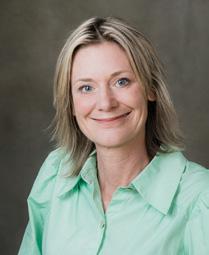
LARA SLEATH Assistant to University Counselling lsleath@stgeorges.bc.ca
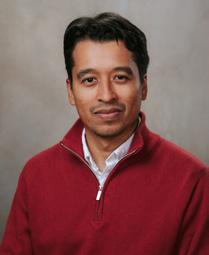
ALBERTO MILIAN University Counsellor amilian@stgeorges.bc.ca
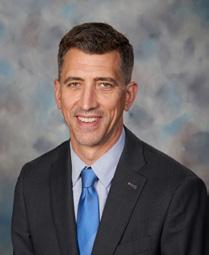
GUY Da SILVA PHE gdasilva@stgeorges.bc.ca
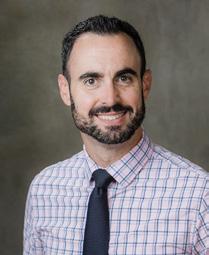
RYAN CHAPMAN University Counsellor rchapman@stgeorges.bc.ca
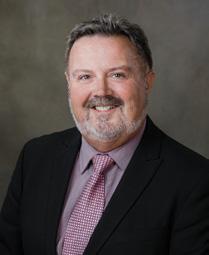
ANDREW JONES University Counsellor ajones@stgeorges.bc.ca
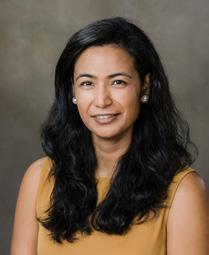
DIVA SHRESTHA University Counsellor dshrestha@stgeorges.bc.ca
Dear Students,
Welcome to Grade 8! My name is Mr. Scribani, your Head of Grade 8, and I look forward to getting to know you better this year. I have high hopes for each of you as you explore new activities and interests, pushing beyond your comfort zone to meet new people and embrace new experiences. As you try new things, you might feel a mix of excitement and nervousness — it's okay to feel this way! Start by joining a club or participating in a new sport, and seek support and guidance from your classmates or teachers.
Throughout the year, I will guide you in the Senior School, introduce you to our traditions, and uphold our standards. I will model pride in St. George’s Senior School, an excitement for learning, and what a supportive community looks like. You will develop confidence in yourself, embodying the qualities of a fine young man capable of hosting others and contributing positively to our school life.
Together, we will navigate significant events like Orientation Week, Remembrance Day, Graduation Day, and activities like the New Parents Dinner and MoTalks. These provide valuable opportunities to showcase your talents, and connect to the school community.
Grade 8 will present challenges as academics become more demanding and your independence increases. Find a study or revision routine that suits you, even if it differs from your peers. As you face these challenges, you might experience moments of frustration or uncertainty — we are here to support you. Seek resources like study groups or tutoring sessions, and don't be afraid to ask for help.
Let's make this year memorable and fun!
Sincerely,
MR. SCRIBANI Head of Grade 8
IN GRADE 8, students will have a set schedule of six full-year courses, with each course occurring in one of eight blocks: English, Social Studies, Math, Language, Physical and Health Education, and Science. Students will also select from a variety of semestered courses in two of their eight blocks. They will have one course block devoted to Arts Education (from the Visual Arts, Theatre Arts, Music Departments), and one course block devoted to Applied Design Skills and Technology (ADST). Students will experience up to two Arts Education courses, and two ADST courses. Students also have a choice to replace one of their Visual or Theatre Arts courses with Latin 8. In these choices, we encourage students to cast a wide net, exploring skills and topics they love as well as those they may have never encountered before. In Grade 8, students learn through experimentation with variety. Career Education 8 occurs via direction instruction during X-blocks, Advisory, Assembly, and Flex Days.
Note 1: Some students may do Learning Support or ELL 8.
Note 2: Concert Band 8 is a full-year course, replacing one ADST and one Arts Education course.
PLEASE USE THIS LINK TO ACCESS DIGITAL WORKSHEETS FOR PLANNING YOUR GRADE 8 YEAR.
SEMESTER COURSES *
SEE COURSE DESCRIPTIONS FOR
NOTE: SOME STUDENTS MAY DO
OR ELL 8.
COMPUTER STUDIES 8 (ADST 8)
Computer Studies 8 is an exploration of technology featuring a focus on computational thinking, computing technology, and digital literacy. By exploring the basics of Python programming, basic web design and development, and even a little bit of Virtual Reality, students will develop introductory skills that will benefit them in the world of computers and programming. Creative thinking, troubleshooting, and sharing will be emphasized using the Design Thinking Model. This course assumes no prior knowledge of programming, web design/development, or other computer skills.
ELECTIVE INQUIRY/PROJECT, TECHNOLOGY/TOOLS 1-2 HOURS
ROBOTICS 8 (ADST 8)
Robotics 8 is the introductory course into electronics and robotics where previous knowledge is not required. Students will use two platforms to advance their knowledge, VEX and Arduino circuits. They will explore the importance of the overall design as well the thoughts that go towards prototyping, implementation, and testing of their ideas. They will learn by doing and determine why some concepts require alternative strategies. Students will learn how to move their robot and how basic programming logic works. They will also explore sensors and basic Arduino devices. Lessons are conducted in a supportive environment where the joy of learning is a key.
ELECTIVE
INQUIRY/PROJECT, TECHNOLOGY/TOOLS, EXPERIENTIAL
0 HOURS
BUSINESS EDUCATION 8 (ADST 8)
Business Education 8 is a hands-on, project-based course. As an introduction to business, this course explores marketing concepts such as product innovation, pricing strategies, advertisement, and distribution. In addition, students get to engage in design challenges following the Design Thinking Process. Students gain valuable skills in communicating and creative thinking. Business Education 8 is not a prerequisite for courses in business education or economics in later grades.
ELECTIVE
INQUIRY/PROJECT, TECHNOLOGY/TOOLS, EXPERIENTIAL
1-2 HOURS
WOODWORK 8 (ADST 8)
This course is an introduction to woodwork. Students will learn how to use hand and power tools safely and confidently. Through the making of various pieces, students will experience a sense of accomplishment and demonstrate skills and understanding of basic woodwork and design practices.
ELECTIVE
DIRECT INSTRUCTION, TECHNOLOGY/TOOLS, EXPERIENTIAL
0 HOURS
ENGLISH 8
English 8 is a year of curiosity and discovery. Through stories, poems, novels, plays, and multimedia, students explore how language helps us understand ourselves, others, and the world around us. With an emphasis on personal identity and voice, students learn to ask good questions, develop confidence in discussion, and express ideas with clarity and imagination. They are introduced to the PEE chain for structured responses. From crafting personal narratives to engaging in creative presentations, students also begin to see themselves as both readers and creators of meaning.
French 8 Foundations is designed for those with very limited or no prior experience in French. A basic foundation will be taught and first and then the course will eventually move to cover the same content as regular French 8. Students will work toward being able to communicate both orally and in writing on topics that they are familiar or which they have a personal interest in. Students are assessed and evaluated on both their receptive abilities (listening and reading comprehension) as well as their productive abilities (speaking and writing). Successful students in this course will increase their fluency and be able to participate more actively in reciprocal interactions.
CORE PROGRAM DIRECT INSTRUCTION, DISCUSSION 1-2 HOURS
FRENCH 8
French 8 is designed for those with elementary school background in French. In this course, students work toward being able to communicate both orally and in writing on topics that are familiar or of personal interest. Students are assessed and evaluated on both their receptive abilities (listening and reading comprehension) as well as their productive abilities (speaking and writing). Successful students in this course will increase their fluency and be able to participate more actively in reciprocal interactions.
CORE PROGRAM DIRECT INSTRUCTION, DISCUSSION 1-2 HOURS
FRENCH 9 HONOURS (FOR GRADE 8S)
French 9 Honours is an enriched and fast-paced class that is intended for students with a strong background in oral French (Immersion students, or who come from a French background) and/ or who have exceptional skills and discipline in language learning. There is a higher emphasis on oral communication and students should feel comfortable understanding and speaking French during class time. Students will be evaluated on both their receptive abilities (listening and reading comprehension) as well as their productive abilities (speaking and writing). Successful students in this course will increase their fluency and be able to participate more actively in reciprocal interactions.
PRE-REQUISITE:
Placement assessment required.
CORE PROGRAM DIRECT INSTRUCTION, DISCUSSION 1-2 HOURS
Spanish 8 is an introductory course that introduces students to the basics of the language and builds their communicative competence. In this course, students work toward being able to communicate both orally and in writing on topics that are familiar or of personal interest. Students are assessed and evaluated on both their receptive abilities (listening and reading comprehension) as well as their productive abilities (speaking and writing). Successful students in this course will increase their fluency and be able to participate more actively in reciprocal interactions.
CORE PROGRAM DIRECT INSTRUCTION, DISCUSSION 1-2 HOURS
Mandarin 8 is designed for students with little to no prior knowledge of Mandarin. The course introduces various real-life scenarios alongside Chinese culture and etiquette, helping students develop the four essential language skills: listening, speaking, reading, and writing. These skills enable students to communicate effectively in Mandarin at a basic level. Students will learn at least 140 Chinese characters and engage with topics such as Pinyin Foundations, Numbers, Greetings, Dates, Age, Telephone Numbers, Family Members, Self-Introduction, Occupations, Time, Daily Routines, and Means of Transportation. The course uses Easy Steps to Chinese Book 1 and its accompanying workbook. Additionally, a dynamic range of supplementary materials enhances and enriches the learning experience.
CORE PROGRAM DIRECT INSTRUCTION, DISCUSSION 1-2 HOURS
9 HONOURS (FOR GRADE 8S)
Mandarin 9 Honours is designed for students with a strong foundational background in Mandarin Chinese. Students are expected to have prior experience and well-developed skills in listening, speaking, reading, and writing, including familiarity with Pinyin, numbers, dates, age, self-introduction, family members, occupations, time, and daily routines. In this course, students will further enhance their language proficiency by exploring topics such as colours, clothing, parts of the body, countries, languages, school subjects, and making phone calls. They will develop the ability to engage in daily conversations, recognize and write approximately 100 Chinese characters, and compose short paragraphs on familiar topics, such as describing someone’s appearance and writing about school life. The course integrates rich cultural components and expands students’ vocabulary through a variety of engaging resources and activities. Building on their existing foundation, Mandarin 9 Honours provides an immersive and comprehensive approach to advancing both language skills and cultural understanding.
PRE-REQUISITE: A placement assessment is required prior to enrollment, with a focus on reading and writing proficiency.
CORE PROGRAM DIRECT INSTRUCTION, DISCUSSION 1-2 HOURS
Latin 8 introduces students to the achievements of the classical world through the study of Latin. Students will learn vocabulary and grammatical concepts essential for reading and translating adapted classical texts. English is the language of instruction, and students will develop their oral communication, reading, and writing skills in both English and the classical language. Through a variety of enrichment activities, students will explore aspects of life in the ancient world, including trade, commerce, education, arts, sports, ecology, daily life, and social practices, and will make connections across the curriculum between the classical world and the world around them. Note: Latin 8 is a semestered course and occurs during the normal Grade 8 elective block. Students must also choose an additional Language 8 course.
ELECTIVE DIRECT INSTRUCTION, DISCUSSION 1-2 HOURS
8
Math 8 continues the mathematical journey from elementary school, focusing on developing students’ understanding, problemsolving, reasoning, analysis, communication, connection, and reflection skills. These skills will be assessed across topics including Integers and Fractions, Algebra and Linear Equations, Roots and Pythagorean Theorem, Surface Area and Volume, Ratios and Percentages, and Probability and Statistics. Successful completion leads to Math 9, or, with approval, Math 9 Accelerated.
CORE PROGRAM DIRECT INSTRUCTION, INQUIRY/PROJECT 1-2 HOURS
MATH 8 ACCELERATED
Math 8 Accelerated is designed for motivated students with a strong aptitude for mathematics. This comprehensive course covers both the Math 8 and Math 9 curricula, emphasizing the development and refinement of students’ understanding, problem-solving, reasoning, analysis, communication, connection, and reflection skills. Key topics include Rational Numbers, Linear Equations and Inequalities, Linear Relations, Powers and Exponent Laws, Pythagorean Theorem, Surface Area and Volume, Polynomials, Ratios and Similar Polygons, Probability and Statistics, and Financial Literacy. Upon successful completion, students will progress to Math 10, or with special approval, Math 10 Honours Enriched.
RECOMMENDATIONE: Proficient/Extending in Math 7
CORE PROGRAM DIRECT INSTRUCTION, INQUIRY/PROJECT 1-2 HOURS
MATH 8/9 HONOURS ENRICHED
Math 8/9 Honours Enriched is tailored for highly capable and motivated students who have a strong interest in mathematics. This course includes all the topics and skills from Math 8 Accelerated, with additional enrichment opportunities. These opportunities include exploring advanced topics, participating in contests and competitions, and engaging in non-routine problem-solving. Students who successfully complete this course will advance to Math 10, or with permission, to Math 10 Honours Enriched.
PRE-REQUISITE: Students should feel extremely comfortable with their fluency of their current math skills and should already have a passion and interest for more advanced mathematics, recreational math, and contests.
CORE PROGRAM DIRECT
Concert Band 8 is an ideal opportunity for students to explore their interest in music while working collaboratively with others. This full-year program is designed to teach music through the use of the concert band and is open to all students. Those with previous experience on a woodwind, brass or percussion instrument will be placed into an advanced class where time will be spent on the concepts and techniques of performing band and solo music. Those with no experience on a band instrument will form their own class for the first term. Here, they will select an instrument and will be taught the fundamentals of performance of that instrument. By the end of the first term, they will be integrated into the advanced class. All students will perform at concerts and festivals as part of the Junior Concert Band.
ELECTIVE DIRECT INSTRUCTION, EXPERIENTIAL 1-2 HOURS
Junior Jazz Ensemble is an opportunity for proficient and interested students to learn to play jazz in a big band setting. Students will undertake a journey exploring the history and repertoire of the major eras of jazz, including learning basic improvisation techniques. As an introductory course much of our effort will be devoted to internalizing the “feel” and “concept” of swing. We will do this through rehearsal, performance, and listening to many exemplary recordings. Rehearsals take place Tuesday and Thursday mornings from 7:00-8:15 am. Attendance is mandatory. We will perform at the Winter and Spring Music Department Concerts as well as at the Envisions Jazz Festival (February), the BC Interior Jazz Festival (April), and at the Saints Fair. Any outside performance opportunities will be discussed by the group as they arise.
Any students enrolled in Band, 8. 9, or 10 are open to join by audition. Auditions occur during the second week of school. All students wanting to audition must download the audition materials from the Music Department website. This course is designed to give students the experience and skills of playing in a Big Band.
ELECTIVE DIRECT INSTRUCTION, EXPERIENTIAL 1-2 HOURS
PHYSICAL AND HEALTH EDUCATION 8
Physical and Health Education 8 (PHE 8) aims to provide success for every individual student, regardless of physical abilities. We present activities in ways that encourage effort, preparedness, a positive attitude, sportsmanship, cooperation, and skill improvement. Over the year, students are taught a variety of lifelong sports and activities. These sports include aquatics, badminton, basketball, fitness, floor hockey, football, soccer, softball, volleyball, ultimate, and yoga. We build up the skill set each year and add new advanced strategies and tactics to further excel in the understanding of each sport. The health outcomes for the course will be covered during 10 Health and Career Education classes, delivered in two class mini units over the course of the year. Students are assessed on the PHE 8 learning outcomes in the BC Ministry of Education curriculum. Our goal is to have boys finish the year with enthusiasm, confidence, and strive to be fit for life! Please see the Department Philosophy earlier for the descriptions of the four levels of PHE offered at the Grade 8 level.
In Grade 8 Science, we recognise that students have a wide range of Science class experiences. As a result, the goal of Science 8 is to learn not only the language of science but also spark curiosity and a love of science. Students engage in a large number of hands-on experiments and inquiry-based projects to build their skills to help them learn the foundations of the Scientific Method. There are four major content units in the course: Biology focuses on the world of cells and microorganisms; Chemistry opens up the atomic world with quarks, protons, and changes of state; Physics sharpens our focus by engaging us in lenses, mirrors, and how light is a ray, particle, and wave at the same time; Earth Science shakes things up by exploring the explosive nature of volcanoes, earthquakes, and plate tectonics. Science 8 is a great introduction to the wonderful world of Science.
CORE PROGRAM DIRECT INSTRUCTION, INQUIRY/PROJECT 1-2 HOURS
SOCIAL STUDIES 8
Social Studies 8 looks at the world starting from the seventh century until the 1750s and addresses history, geography, economics, political science, sociology, philosophy, and beyond. The course builds foundational skills in social studies, including gathering, interpreting, and analysing ideas, assessing the significance of people, places, events, and developments, the determining credibility of sources and evidence, characterizing continuity and change over time, deduction of the cause and consequence of certain actions, considering historical and present-day perspectives, and formulating ethical judgments. Inquiries have included “How do we know what we know about the past?”, “How revolutionary was the Scientific Revolution?”, and “How should the Age of Exploration be remembered?”
CORE PROGRAM DISCUSSION, INQUIRY/PROJECT 0 HOURS
ELL 8
The English Language Support class is for students who have been identified by the School as needing support with their spoken, written, and academic English skills. Students will be supported in acquiring mastery of English to help them succeed in community engagement and in their other classes.
PRE-REQUISITE: Enrollment in this course is based on the recommendation of the ELL and Admissions Department. English Language Learners 8-10 are required courses for students who have been identified as requiring additional English language support.
DIRECT INSTRUCTION, DISCUSSION,
DRAMA 8 (ARTS EDUCATION 8)
Drama 8 offers an introduction to character-building and scene-building in order to develop better cooperation, communication, and selfconfidence. All classroom activities require students to work in groups in order to accomplish common goals. Students engage in movement and trust exercises, apply these skills to mime, and eventually prepare for in-class performances. Students will explore story structure, character development, and character relationships. Introductory technical elements will be included in order to enhance story-telling. Within a trusting environment, students will develop confidence in learning to give and accept audience feedback.
ELECTIVE DISCUSSION, EXPERIENTIAL 0 HOURS
ART 8 (ARTS EDUCATION 8)
This course introduces students to the basics of drawing, painting and design. In a playful and collaborative studio environment, students are encouraged to explore materials and find imaginative, creative solutions to their projects. Students will learn colour mixing and painting techniques with acrylic paint on canvas, combined with mixed media. Through the use of sketchbooks, students will be lead to develop their sketching and shading ability as well as to visiually express their ideas and explore personal interests.
ELECTIVE DIRECT INSTRUCTION, DISCUSSION, INQUIRY/PROJECT, TECHNOLOGY/TOOLS, EXPERIENTIAL 0 HOURS
CERAMICS 8 (ARTS EDUCATION 8)
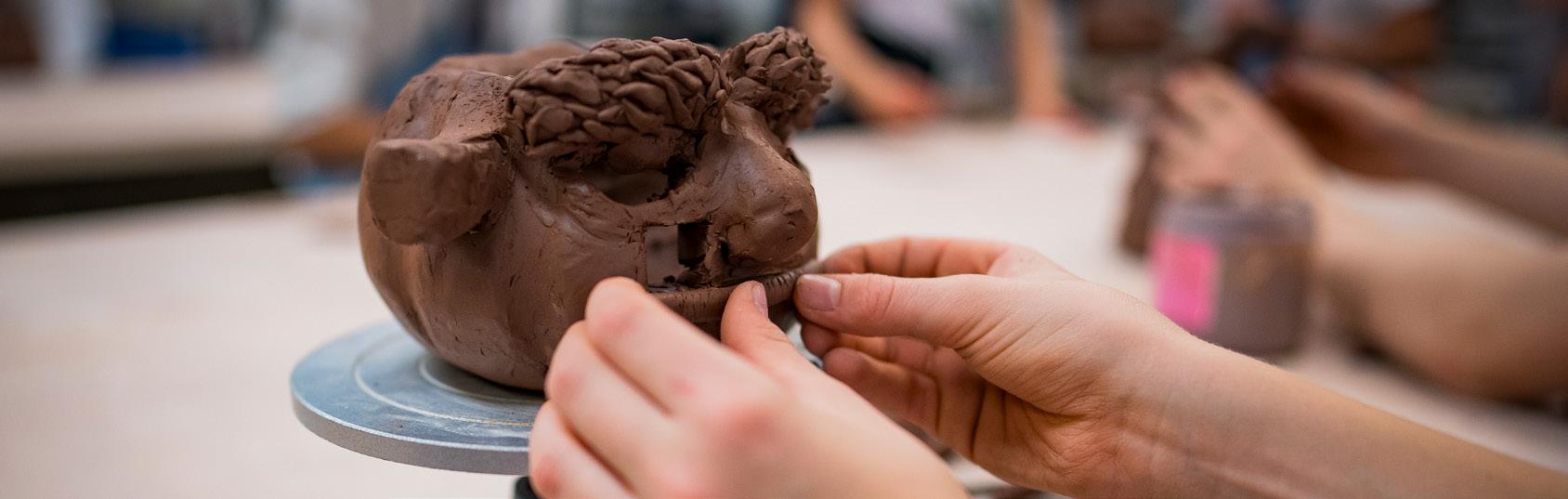
Ceramics 8 introduces students to clay as a medium for artistic expression and exploration. No previous experience is necessary, but students must be prepared to get their hands dirty and have fun! Instruction focuses on wheelwork, handbuilding, and sculpture. Each project emphasizes creativity, problem solving, particular design elements and principles, and relevant vocabulary. Students will begin to develop the skills required to become skilled and confident. All work assigned can be completed in class time, but students are encouraged to attend Ceramics Club to extend their exploration and skill development.
ELECTIVE
DIRECT INSTRUCTION, DISCUSSION, INQUIRY/PROJECT, TECHNOLOGY/TOOLS
0 HOURS
MEDIA ARTS 8 (ARTS EDUCATION 8)
This course offers students a playful introduction into digital artistic creation and manipulation using Digital Photography, Photoshop, and Illustrator. Students are introduced to the basics of digital SLR photography including composition, camera functions, mood, and storytelling. Imagining the impossible becomes possible as students learn to develop composites in Photoshop. Students will also learn to design vector graphics and relevant applications. Students will have the opportunity, if time allows, to test and explore the magic of the virtual world using HTC Vive headsets and Tilt brush software to make immersive paintings.
ELECTIVE
DIRECT INSTRUCTION, INQUIRY/PROJECT, TECHNOLOGY/TOOLS
0 HOURS
CAREER EDUCATION 8
Career Education 8 provides an opportunity for students to begin thinking about who they are and their future. Through self-reflection, personal development, and community workshops, students begin examining their strengths, preferences, and skills. This course is a first look into creating a future life, career plan, and self-development.

GRADE 9, students will have a set schedule of six full-year courses. Each course will occur in one of eight blocks: English, Social Studies, Math, Language, Physical and Health Education, and Science. Students will also select from a variety of semestered courses in two of their eight blocks. They will have one course block devoted to Arts Education (from the Visual Arts, Theatre Arts, Music Departments), and one course block devoted to Applied Design Skills and Technology (ADST) education. Students will experience up to two Arts Education courses and two ADST courses. With the exception of Latin 9 and Concert Band 9, students can register for any elective, providing another opportunity to explore and experiment with a variety of courses and types of learning. Similar to Grade 8, Career Education 9 occurs via direction instruction during X-blocks, Advisory, Assembly, and Flex Days. In contrast, there are several courses that require Grade 9 prerequisites in Grade 10, so it’s best to cast an eye towards next year and beyond.
Note 1: Concert Band 9 is a full year course, replacing one Semester of ADST and one Semester of Art electives. Note 2: Latin 9 is a full year course, replacing one Semester of ADST and one Semester of Art electives.
STUDENTS CAN ACCESS A COURSE PLANNING DOCUMENT HERE .
Two blocks for semestered courses that rotate courses part way through the year for a total of four courses throughout the year.
ELECTRONICS AND ROBOTICS 9 (ADST 9)
Electronics and Robotics 9 is a project-based, exploratory course. Students will learn how to develop simple systems using Arduino as their platform for designing, prototyping, coding, and troubleshooting. They will appreciate the importance of incremental steps and the sequencing of processes and ideas. Students will learn why things work and more importantly, why they do not work. They will learn about the application of alternative strategies and step-by-step improvement. Important connections between electronic and mechanical elements will be explored as well. Students will troubleshoot code, mechanisms, and various Arduino components. Lessons are conducted in a supportive, fun, and encouraging environment.
ELECTIVE INQUIRY/PROJECT, TECHNOLOGY/TOOLS 1-2 HOURS
BUSINESS EDUCATION 9 (ADST 9)
This dynamic half-year course provides students with a valuable opportunity to acquire skills, gain practical experiences, and expand their knowledge in the fields of Finance, Marketing, and Communications. The hands-on and participatory approach is utilized to encourage active involvement and experiential learning. Each unit culminates with projects that require students to perform tasks or demonstrate applied skills. Students will learn the value of understanding different communication styles and models through case analysis; compete in an online stock market simulation; and work with a real client. Throughout the course, students will engage both independently and collaboratively. There is a high emphasis on creative and critical thinking, analysis, knowledge, application as well as both oral and written communication.
ELECTIVE TECHNOLOGY/TOOLS, EXPERIENTIAL 0 HOURS
COMPUTER PROGRAMMING 9 (ADST 9)
Computer Programming 9 is an exploration of programming concepts through problems and game design. By exploring graphic- and text-based coding with a choice of Python, C++, or Java, students will become more confident using computational thinking and problem solving skills. Creative thinking, program flow, debugging, and exploring the impacts of technology will be emphasized using the Design Thinking Model. This course assumes no prior knowledge in computer programming.
ELECTIVE DISCUSSION, INQUIRY/PROJECT 0 HOURS
DRAFTING 9 (ADST 9)
Drafting 9 is designed to help students develop a greater understanding of technology through an introduction to drafting techniques, digital prototyping, and 3D literacy. Through the exploration of 3D drawings and CAD software, students will increase their confidence as technology designers, while being encouraged to find their personal voice through assignments, projects, and reflection. This course will cover the basic concepts of creating and interpreting 3D drawings and models. Risk-taking and creative thinking will be strongly emphasized using the design thinking model.
ELECTIVE INQUIRY/PROJECT, TECHNOLOGY/TOOLS 0 HOURS
WOODWORK 9 (ADST 9)
This course builds on the skills developed in Woodwork 8, but Woodwork 8 is not a requirement. Students will learn how to use tools and machinery safely and confidently in order to allow for an exploration of intermediate woodwork practices and joinery techniques. Through the making of various pieces, students will experience a sense of accomplishment while demonstrating creativity and technical skill. There will be a significant focus on the design process.
ELECTIVE
DIRECT INSTRUCTION, TECHNOLOGY/TOOLS, EXPERIENTIAL
0 HOURS
ENGLISH 9
English 9 builds on the foundations of English 8 by inviting students to explore more complex texts and perspectives. How do language and story shape our views of self, justice, belonging, and change? Students analyze how authors use structure, symbolism, and tone to communicate deeper meaning — and they begin to experiment with these tools in their own writing. Through group work, independent reading, and reflective writing, students strengthen their voice and learn how to support their ideas with evidence. They continue to practise quote integration and refine paragraph structure.
French 9 offers students the opportunity to build on the language skills they developed in French 8. Students communicate both orally and in writing in French, through a variety of thematic units. Students will improve their fluency and be able to communicate in a wider variety of settings than in the previous year. Through project work and direct instruction, students will expand their vocabulary and knowledge of grammar in order to communicate their ideas.
PRE-REQUISITE: French 8 or equivalent
CORE PROGRAM
DIRECT INSTRUCTION, INQUIRY/PROJECT, EXPERIENTIAL
1-2 HOURS
French 10 Honours is an enriched and fast-paced class that is intended for students with a strong background in oral French (immersion students, or who come from a French background) and/ or who have exceptional skills and discipline in language learning. The course is taught almost entirely in French and students will engage in project-based learning, authentic francophone resources, advanced grammar concepts, and expand their knowledge of francophone culture. Please note that diagnostic assessments will be done the first week of class to ensure that students are registered in the correct level grade level course. Students may be moved to a different stream that best suits their current abilities.
PRE-REQUISITE: French 8 Honours
CORE PROGRAM
DIRECT INSTRUCTION, INQUIRY/PROJECT, EXPERIENTIAL
1-2 HOURS
Latin 9 introduces students to the achievements of the classical world through the study of Latin. Students will learn vocabulary and grammatical concepts essential for reading and translating adapted classical texts. English is the language of instruction, and students will develop their oral communication, reading, and writing skills in both English and the classical language. Through a variety of enrichment activities, students will explore aspects of life in the ancient world, including trade, commerce, education, arts, sports, ecology, daily life, and social practices, and will make connections across the curriculum between the classical world and the world around them. Note: Latin 9 is a year-long course and occurs during the normal Grade 9 elective block. Students must also choose an additional Language 9 course.
Note: Latin 9 is a full-year course and occurs during the normal Grade 9 elective block. Students must also choose an additional Language 9 course.
PRE-REQUISITE:
Latin 8 or with permission of the Head of Languages.
ELECTIVE DIRECT INSTRUCTION, DISCUSSION 1-2 HOURS
MANDARIN 9
Mandarin 9 is designed for students with little to no prior knowledge of Mandarin. The course introduces various real-life scenarios alongside Chinese culture and etiquette, helping students develop the four essential language skills: listening, speaking, reading, and writing. These skills enable students to communicate effectively in Mandarin at a basic level.
Students will learn at least 140 Chinese characters and engage with topics such as Pinyin Foundations, Numbers, Greetings, Dates, Age, Telephone Numbers, Family Members, SelfIntroduction, Occupations, Time, Daily Routines, and Means of Transportation. The course uses Easy Steps to Chinese Book 1 and its accompanying workbook. Additionally, a dynamic range of supplementary materials enhances and enriches the learning experience.
PRE-REQUISITE:
Mandarin 8
CORE PROGRAM DIRECT INSTRUCTION, DISCUSSION 1-2 HOURS
MANDARIN 10 HONOURS
Mandarin 10 Honours is open to students who have successfully completed Mandarin 8 Honours at St. George’s School. It is designed to further enhance students’ language proficiency, with a focus on applying their skills in real-life scenarios through relevant materials. Students will continue to refine their reading, writing, listening, and speaking skills, aiming to learn approximately 250 new Chinese characters. The curriculum covers a variety of practical topics, including Food and Dining Experiences, House and Layout, Neighborhood, Relatives, Physical Appearances, Seeing a Doctor, Seasons, Weather, Occupations, Hobbies, Subjects of Study, School Facilities, Stationery, and Cultural Celebrations. Students will work with Easy Steps to Chinese Book 2 and Book 3, along with their accompanying workbooks. The course integrates cultural elements, supplementary vocabulary, and a diverse array of resources to provide an engaging and well-rounded learning experience.
PRE-REQUISITE:
Mandarin 8 Honours or with permission of Head of Languages
ELECTIVE DIRECT INSTRUCTION, DISCUSSION 1-2 HOURS
Spanish 9 offers students the opportunity to build on the language skills they developed in Spanish 8. Students communicate both orally and in writing in Spanish, through a variety of thematic units, and will improve their fluency and be able to communicate in a wider variety of settings than in the previous year. Through project work and direct instruction, students will expand their vocabulary and knowledge of grammar to communicate their ideas.
PRE-REQUISITE:
Spanish 8
CORE PROGRAM DIRECT INSTRUCTION, DISCUSSION 1-2 HOURS
Math 9 continues the journey from Math 8, focusing on further developing students’ understanding, problem-solving, reasoning, analysis, communication, connection, and reflection skills. These skills will be assessed across topics including Rational Numbers, Linear Equations and Inequalities, Powers and Exponents, Linear Relations, Polynomials, Similarities and Transformations, Financial Literacy, and Statistics and Probability. Successful completion leads to Foundations and Pre-Calculus 10.
PRE-REQUISITE:
Math 8
Math 9 Accelerated is designed for motivated students with a strong aptitude for mathematics. This comprehensive course covers both the Math 9 and Math 10 curricula, emphasizing the development and refinement of students’ understanding, problem-solving, reasoning, analysis, communication, connection, and reflection skills. These skills will be assessed across topics including Rational Numbers, Linear Relations, Functions and Arithmetic Patterns, Linear Equations and Systems, Polynomials and Factors, Similar Polygons and Trigonometry, Financial Literacy, and Statistics. Successful completion leads to Pre-Calculus 11, or with special permission, to Pre-Calculus 11 Honours Enriched.
PRE-REQUISITE: Math 8, and teacher or HOD review.
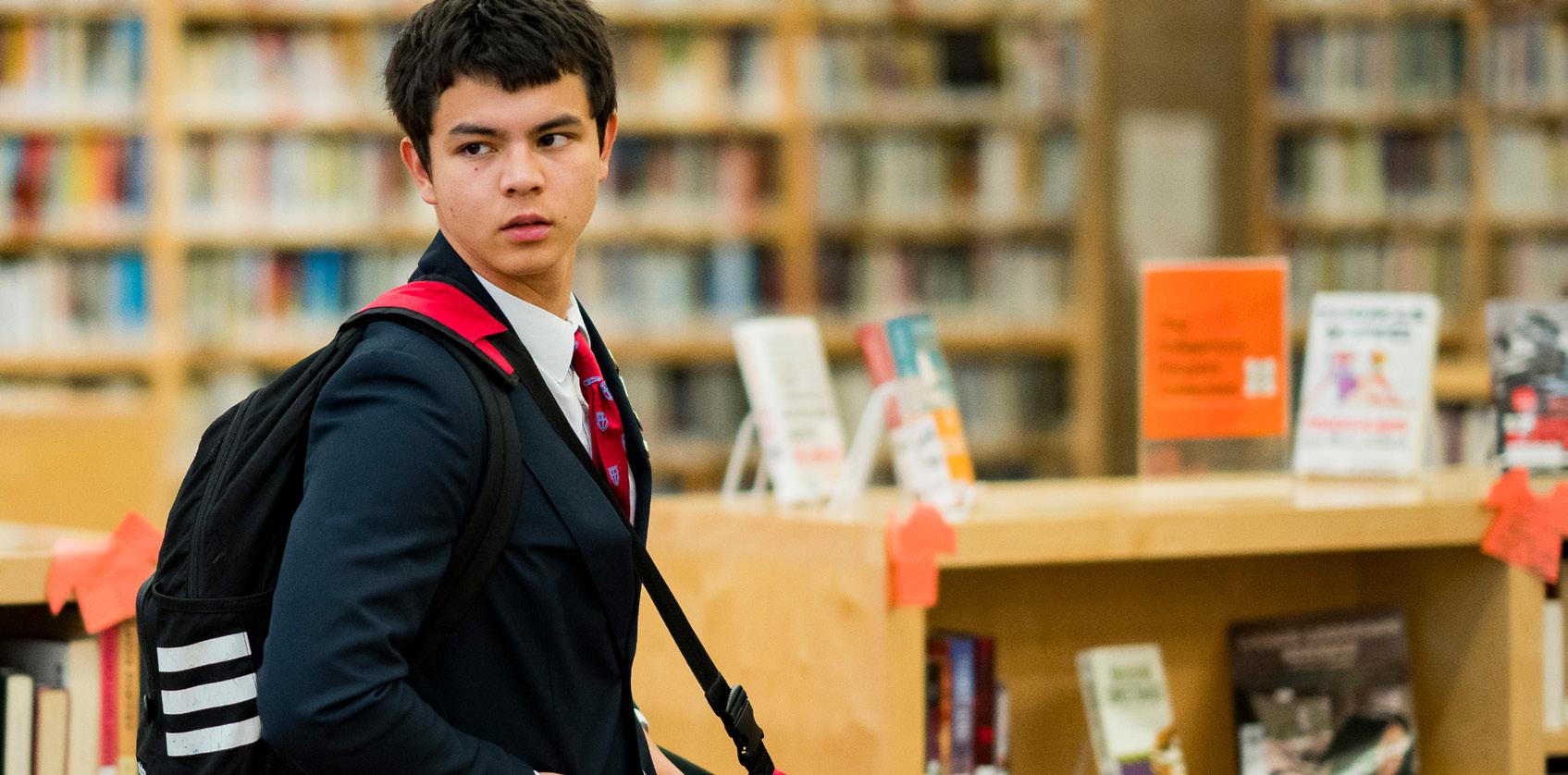
FOUNDATIONS OF MATH AND PRE-CALCULUS 10 HONOURS ENRICHED (FOR GRADE 9S)
Foundations of Math and Pre-Calculus 10 Honours Enriched is tailored for highly capable and motivated students who have demonstrated a strong interest in mathematics. This course includes all the topics and skills from FMP 10, with additional enrichment opportunities. These opportunities include exploring advanced topics, participating in contests and competitions, and engaging in non-routine problem-solving. Students who successfully complete this course will advance to Pre-Calculus 11, or with permission, to Pre-Calculus 11 Honours Enriched.
PRE-REQUISITE: Math 9 and teacher/HOD review.
RECOMMENDATIONS: Extending in Math 9
CORE PROGRAM DIRECT INSTRUCTION, TECHNOLOGY/TOOLS 1-2 HOURS
FOUNDATIONS OF MATH AND PRE-CALCULUS 10
Foundations of Math and Pre-Calculus 10 continues the journey from Math 9, focusing on further developing students’ understanding, problem-solving, reasoning, analysis, communication, connection, and reflection skills. These skills will be assessed across topics including Trigonometry, Factors and Products, Exponents, Relations and Functions, Linear Functions, Systems of Linear Equations, Arithmetic Sequences, and Financial Literacy . Successful completion leads to Pre-Calculus 11, or with special permission, to Pre-Calculus 11 Honours Enriched.
PRE-REQUISITE: Math 9
CORE PROGRAM DIRECT INSTRUCTION, TECHNOLOGY/TOOLS 1-2 HOURS
CONCERT BAND 9 (ARTS EDUCATION 9)
Students continuing their instrumental performance will delve into musical expression, instrumental technique, and collaborative performance. The Concert Band 9 ensemble will explore more challenging repertoire from a variety of genres and cultures. The emphasis of this course is on achieving a high standard of performance through study of balance, blend, articulation, and technique. This is a performance-oriented course, with emphasis on festivals (local through international) and concerts. Visiting clinicians and instrumental specialists also work with students in the second and third terms
PRE-REQUISITE:
Completion of Concert Band 8 or have related experience with approval from Head of Department for Music.
JAZZ ENSEMBLE 9 (ARTS EDUCATION 9)
Junior Jazz Ensemble is an opportunity for proficient and interested students to learn to play jazz in a big band setting. Students will undertake a journey exploring the history and repertoire of the major eras of jazz, including learning basic improvisation techniques. As an introductory course much of our effort will be devoted to internalizing the “feel” and “concept” of swing. We will do this through rehearsal, performance, and listening to many exemplary recordings. Rehearsals take place Tuesday and Thursday mornings from 7:00-8:15 am. Attendance is mandatory. We will perform at the Winter and Spring Music Department Concerts, as well as at the Envisions Jazz Festival (February), the BC Interior Jazz Festival (April), and at the School Fair. Any outside performance opportunities will be discussed by the group as they arise.
Students open to join by audition. Band 8, 9, or 10 students are also encouraged to audition. Auditions occur during the second week of school. All students wanting to audition must download the audition materials from the Music Department website. This course is designed to give students the experience and skills of playing in a Big Band.
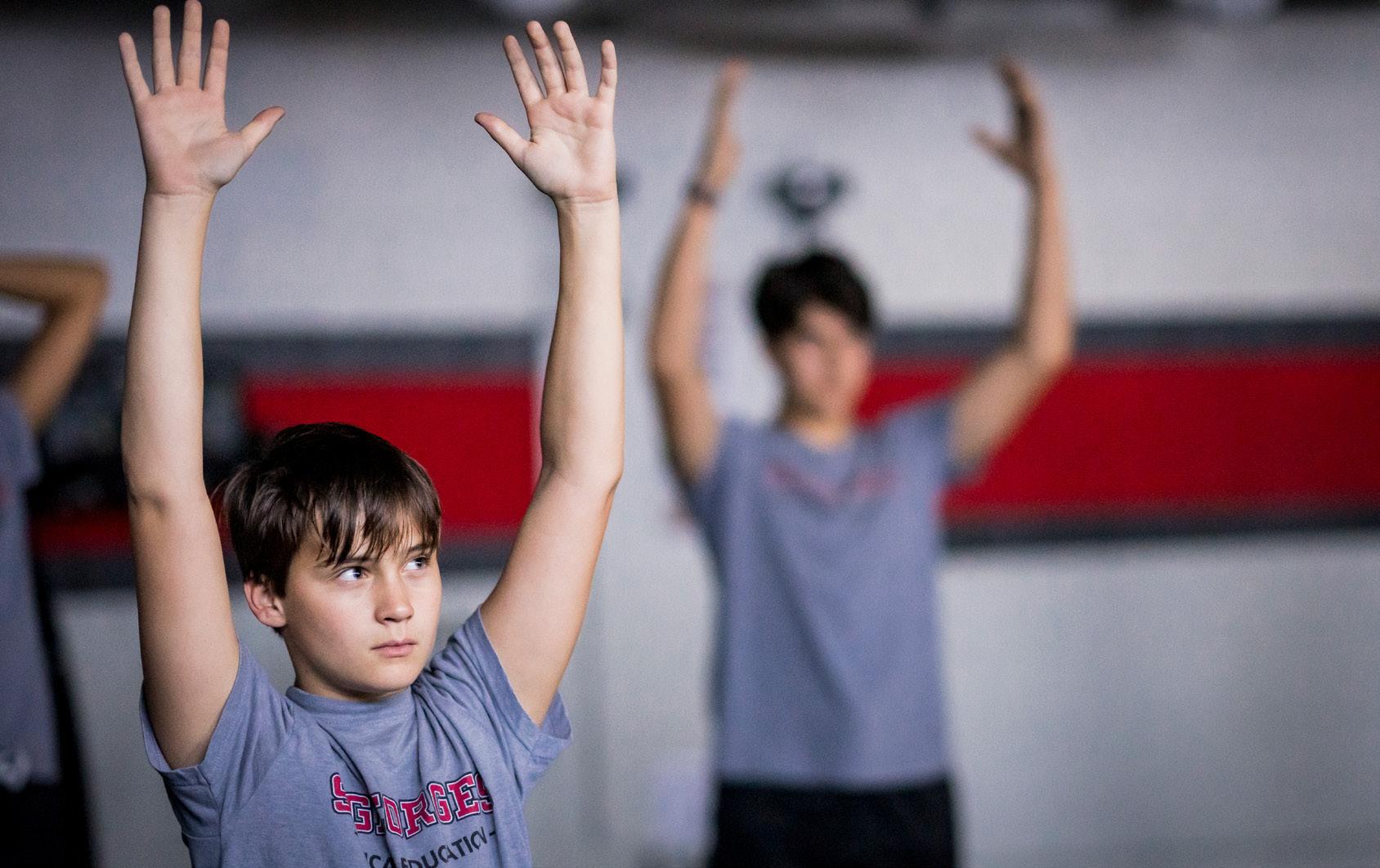
PHYSICAL AND HEALTH EDUCATION 9
Physical and Health Education 9 (PHE 9) aims to provide success for every individual student, regardless of physical abilities. We present activities in ways that encourage effort, preparedness, a positive attitude, sportsmanship, cooperation, and skill improvement. Over the year, students are taught a variety of lifelong sports and activities. These sports include aquatics, badminton, basketball, fitness, floor hockey, football, soccer, softball, volleyball, ultimate, and yoga. We build up the skill set each year and add new advanced strategies and tactics to further excel in the understanding of each sport. The health outcomes for the course will be covered during 10 Health and Career Education classes, delivered in two class mini units over the course of the year. Students are assessed on the PHE 9 learning outcomes in the BC Ministry of Education curriculum. Our goal is to have boys finish the year with enthusiasm, confidence, and to strive to be fit for life! Please see the Department Philosophy earlier for the descriptions of the four levels of PHE offered at the Grade 9 level.
9
The Grade 9 Science curriculum develops communication, thinking, and personal/social awareness by building students’ skills in questioning, predicting, planning, conducting, processing, analyzing, evaluating, applying, and communicating. These skills are developed across Biology, Chemistry, Physics, and Environmental Science as students study circuits, periodic table patterns & chemical bonding, nutrient cycles & human impacts, and sexual & asexual reproduction, supported by hands-on investigations such as yeast fermentation and work with ionic and covalent compounds. Four outcomes — Questioning/Predicating/Planning/ Conducting, Processing & Analyzing, Understanding & Solving, and Communicating — are assessed multiple times through content on cellular reproduction, chemical bonding, circuit components, and nutrient & energy cycling.
CORE PROGRAM DIRECT INSTRUCTION, INQUIRY/PROJECT 1-2 HOURS
SOCIAL STUDIES 9
The course will center around the 4 “Big Ideas” in the BC Social Studies 9 curriculum: How do new ideas and ideologies influence societies and events? How is collective identity constructed and how can it change over time? How do power discrepancies impact relationships between individuals and between societies? How does the physical environment influence politics, economics and society? We will study these ideas thematically and through case studies from Canada and around the world.
CORE PROGRAM
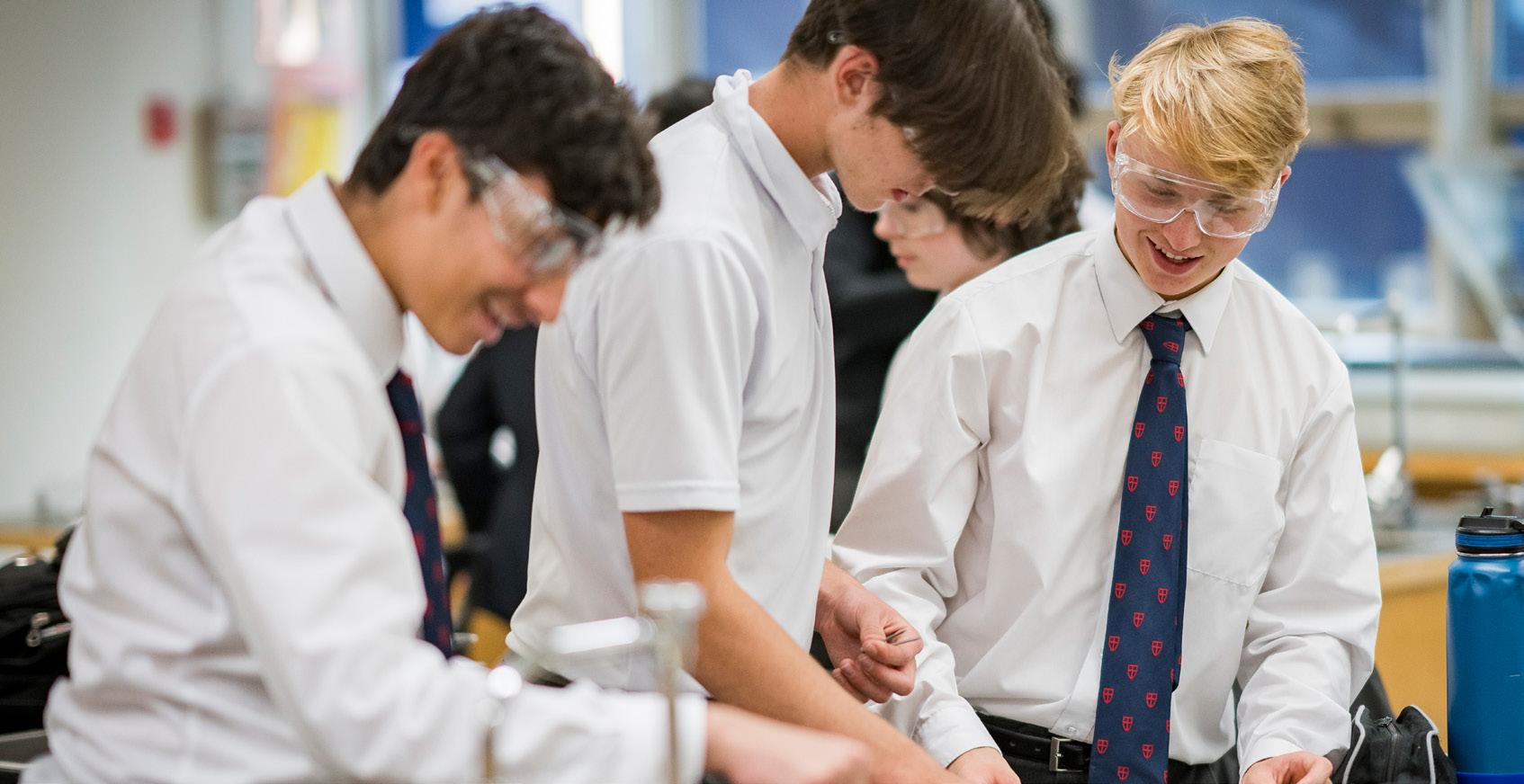
The English Language Support class is for students who have been identified by the School as needing support with their spoken, written, and academic English skills. Students will be supported in acquiring mastery of English to help them succeed in community engagement and in their other classes.
PRE-REQUISITE: Enrollment in this course is based on the recommendation of the ELL and Admissions department. English Language Learners 8-10 are required courses for students who have been identified as requiring additional English language support.
DIRECT INSTRUCTION, DISCUSSION, 0 HOURS
CAREER EDUCATION 9
Career Education 9 is a continuation of Career Education 8. Students will continue to expand their personal development and skills through workshops that build on personal skills, community involvement, and self-reflection. They will also begin to look at how their communities, relationships, and society impact the work that they do. Career Education 9 is a guide to helping students recognize that achieving their learning goals requires effort, perseverance, and how their own unique experiences and skills impact prospective careers.
DRAMA 9 (ARTS EDUCATION 9)
Drama 9 deepens students’ ability to express themselves in public and encourages creative risk-taking in a safe, challenging, and enjoyable environment. With their improved cooperation, collaboration, and communication skills, emerging actors will explore dynamic character relationships in theme-based scene performances. Students will create and explore imagined environments by developing their spatialawareness, movement, and miming skills. By applying learned lighting and audio principles, performers will explore and build a richer theme-based play for an in-school audience. From their deepened experience of creativity and innovation, students will better discuss and critique both their own work and their classmates’ work.
ELECTIVE DISCUSSION, EXPERIENTIAL 1-2 HOURS
ART 9 (ARTS EDUCATION 9)
Art 9 students explore various visual techniques responding to themes using self-expression. Students are encouraged to explore materials and find imaginative, creative solutions to their projects. Units are designed to allow students to fully develop their potential in drawing, painting, and mixed media. A blend of classical and contemporary approaches will be developed depending on the project. The sketchbook will be used to encourage independent drawing skills and personal artistic growth, visually express their ideas, and explore personal interests.
ELECTIVE DIRECT INSTRUCTION, DISCUSSION, INQUIRY/PROJECT, TECHNOLOGY/TOOLS, EXPERIENTIAL 0 HOURS
ANIMATION 9 (ARTS EDUCATION 9)
This course provides a basic introduction to the art of animation, focusing on the fundamental principles of squash and stretch, anticipation, timing, follow-through and overlapping action, slow-in and slow-out, secondary action, and arcs. These principles will be explored using a new animation software called Harmony by Toon Boom. Students will use Harmony and Adobe Premiere to edit and sequence frames, and to add such animated effects as fades, scrolling titles, and sound sync. The depiction and analysis of movement will also be explored through various forms of stop motion including Claymation. Basic film concepts such as composition, framing, and storyboarding will be introduced and applied to a final film. Beyond a student’s interest in developing drawing skills, no prior animation experience is required for this course.
ELECTIVE
DIRECT INSTRUCTION, INQUIRY/PROJECT, TECHNOLOGY/TOOLS, EXPERIENTIAL
0 HOURS
CERAMICS 9 (ARTS EDUCATION 9)
Ceramics 9 explores clay as a medium for artistic expression and creative problem solving. The semester course focuses on wheelwork and hand building and sculpture. Projects are designed to develop technical skills as well as to engage the imagination of the students. Sketchbooks are an intrinsic part of the course and students begin to use them for idea development, goal setting, and reflection.
ELECTIVE
DIRECT INSTRUCTION, INQUIRY/PROJECT, TECHNOLOGY/TOOLS, EXPERIENTIAL
0 HOURS
Media Arts 9 develops visual literacy and communication through the fundamental elements and principles of design. Students will be encouraged to explore the creative process conceptually and critically through both traditional and new media. The basics of Typography and Photoshop will be introduced as tools in image creation, along with extensive use of Cintiq screens and pens. Image development and design strategies will play an integral part in the starting points and content of the assignments and projects presented. The sketchbook will be a visual and written diary documenting the creative process through collections of images, artistic resources, and brainstorming media. A blend of classical and contemporary approaches will be developed depending on the specific project. The sketchbook will be used to encourage independent drawing skills and personal artistic growth.
ELECTIVE
DIRECT INSTRUCTION, INQUIRY/PROJECT, TECHNOLOGY/TOOLS, EXPERIENTIAL
0 HOURS
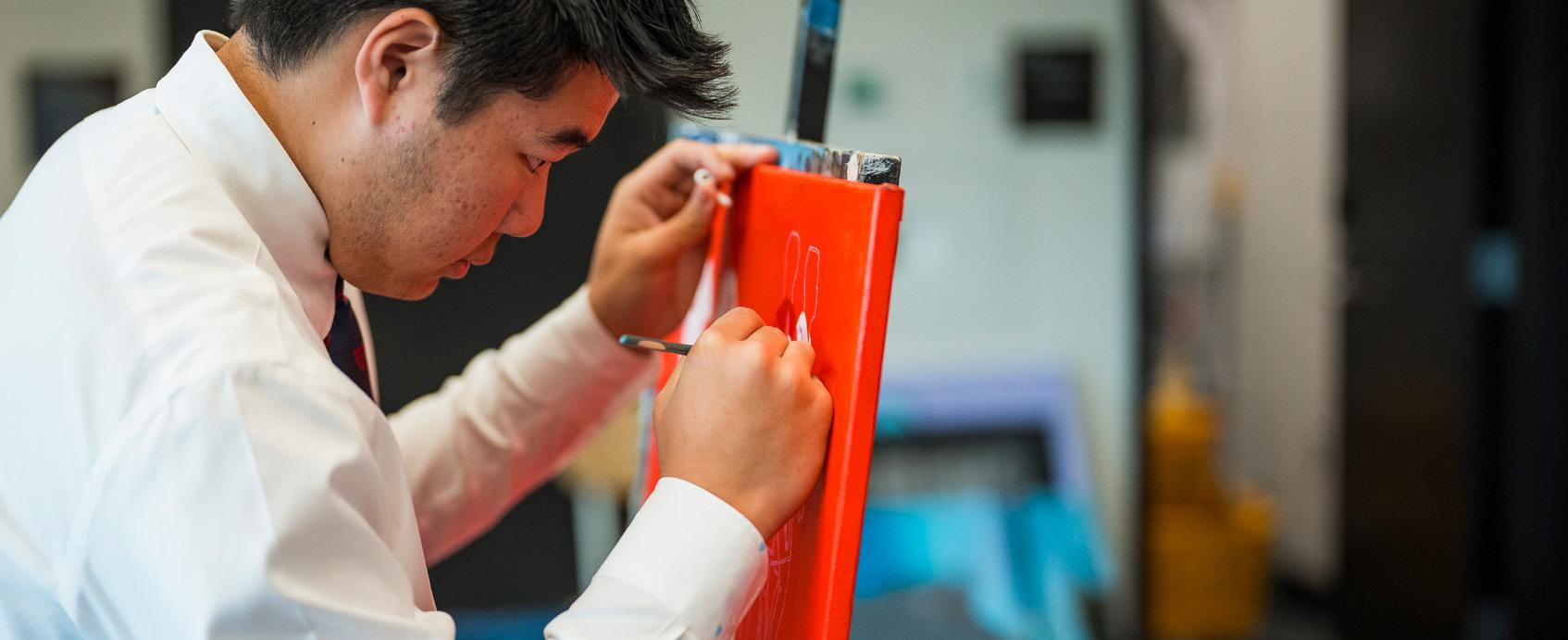

IN GRADE 10, students will continue with the same group of six core courses as in Grade 8 and Grade 9, and have two full-year courses of their choice. We encourage students to go deep, choosing skills and topics they wish to explore with time, commitment, and curiosity. This is a year to learn through relationships and experiences. For their Grade 10 year, students have the option to apply for an interdisciplinary cohort. For 2026-27, two cohorts will be offered: Discovery 10 and Fusion 10. Students who apply to and are invited to join the cohort experience-specific classes (core and elective) with their cohort. These courses use the same foundational curriculum as the non-cohort sections; however, they are intentionally linked by the theme of the cohort and are focused on deep interdisciplinary connections and authentic experiential education.
STUDENTS CAN ACCESS A COURSE PLANNING DOCUMENT HERE .
Students in Grade 10 may apply for a Cohort. A Cohort, consisting of approximately 20 students, takes several of their classes together for the entire year. This allows the teachers and students to experience unique learning opportunities that blur the typical boundaries of the classroom and enable greater connections with real-world learning. Each Cohort links a different combination of core (3-4) and elective (1) courses within a unifying theme. Participants in a Cohort have the same outcomes in the linked courses as non-Cohort students, but through a specific lens. For more information on the Cohorts, please view the School Portal or contact Mr. Crompton (Fusion), Ms. Denholm (Discovery), or Mr. Ziff.
All students entering Grade 10 may apply to join either Discovery 10 or Fusion 10. Students may only be in one Cohort, but may apply to both. The Cohort application process is open from January 19th at 10:00 am and due by February 6th at 4:00 pm. Applications may be submitted through THIS LINK, using student’s regular St. George’s School login. The application involves contributions from the student and a follow-up confirmation of parent/guardian support (sent via email). Students who have applied to a Cohort should NOT submit their other course requests until they receive the results of their application.
Grade 10 students are presented with a valuable chance to explore the boundless realm of STEM (Science, Technology, Engineering, and Math) through the Fusion Program, which operates under an integrated, experiential approach. As a cohesive cohort, all students actively engage in Science, Math, English, and the Fusion (Technology Exploration 10) course. By merging the curricula of these courses when possible, students are afforded the opportunity to foster robust connections and practically apply their knowledge. One such illustration involves a vehicle design project that effectively intertwines the Science 10 Physics curriculum with the tenets of applied design. To further expand their horizons and elucidate potential career paths and post-secondary avenues in STEM fields, the program orchestrates field trips and hosts guest speakers. A notable highlight of the program is the year-end project, in which students are encouraged to harness their STEM expertise to identify and resolve a real-world challenge. Facilitating this endeavour are esteemed professionals from both academia and industry, who collaborate with the students. Field trips complement their learning journey by providing additional layers of enrichment. Throughout the program, all students actively participate in a pre-year retreat as well as a year-end trip.
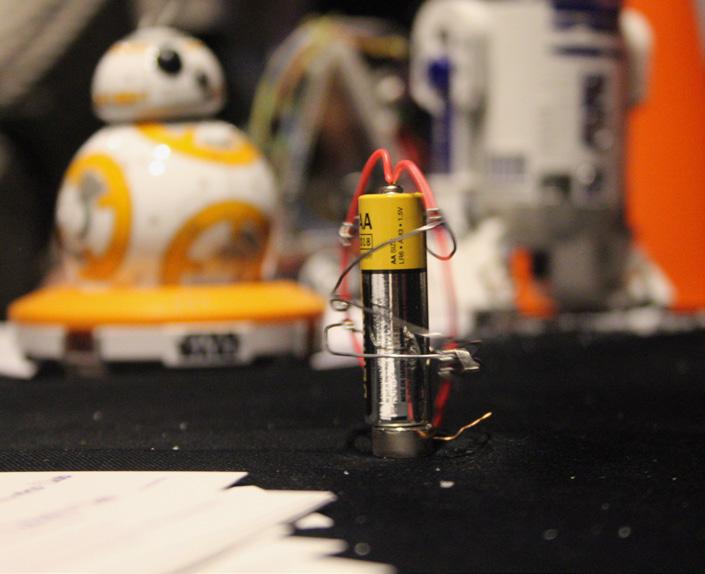

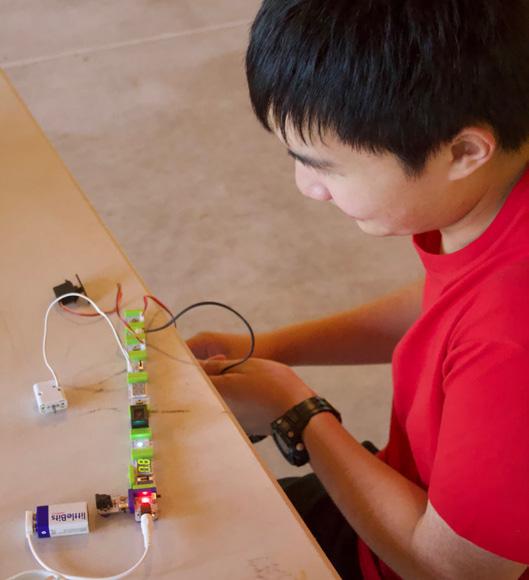
Discovery 10 is a Cohort Program that offers a year of challenging Outdoor Experiences through which students will learn the Grade 10 curriculum. Together, the Discovery students take English 10, Science 10, Social Studies 10, Physical Education 10, and Outdoor Education 11. These Cohort classes are often leveraged in order to deliver integrated and extended learning opportunities in the field and subject-specific catch-up blocks upon their return. The goals of the program are for students to gain self-confidence, work with others, improve their communication skills, and develop leadership skills. Furthermore, students will learn to extend their environmental and social awareness and examine their relationship with the natural world; the outdoor skills required for a variety of self-propelled activities (Hiking, Kayaking, Canoeing, Snowshoeing, Rock Climbing, and Camping); and to integrate academic learning to cultural and wilderness experiences
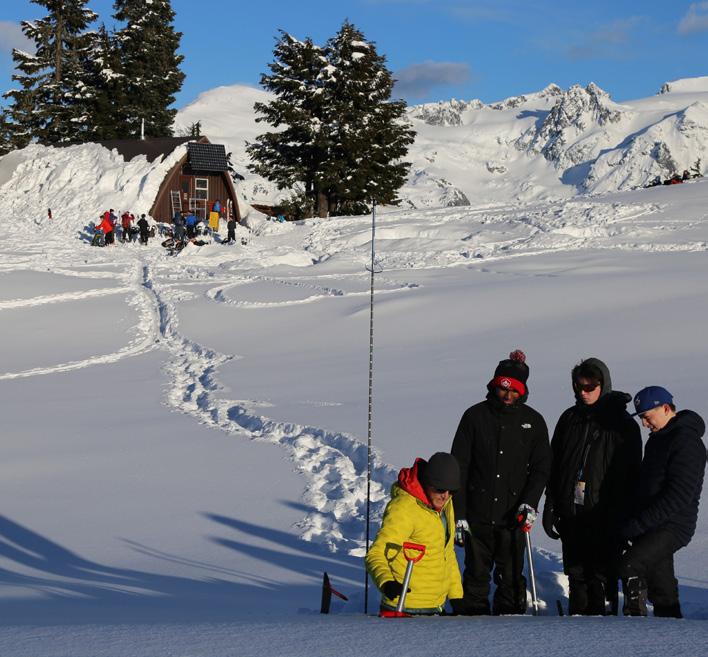
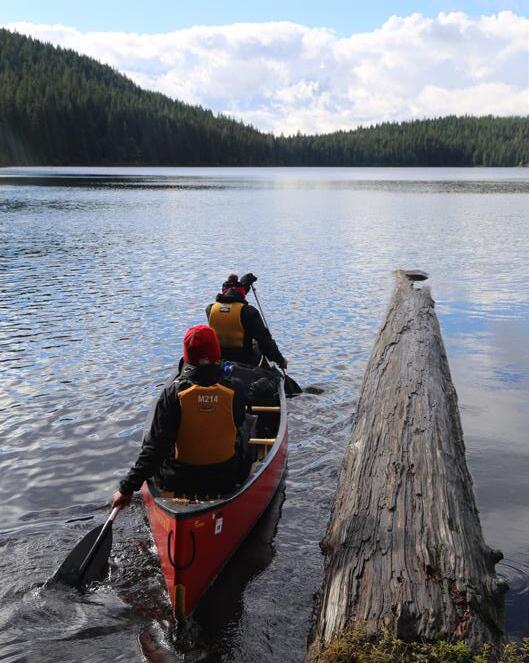
This course is dedicated to fostering essential skills for success in the business world. Students embark on a journey that begins with a collaborative team project, guiding them through the design process, while concurrently undertaking the challenge of creating a prototype for an actual client. Armed with this foundational knowledge, students are then empowered to address a problem they are passionate about, ultimately evolving their ideas into viable business concepts. The course leverages Stanford's Business Model Canvas, guiding students through the dynamic process of creating a comprehensive Business Plan. Utilizing the modern 'blocks,' students learn to present their ideas in a contemporary business context and then pitch their ideas to an audience, where they must defend their ideas. The culmination of this course equips students with the requisite knowledge and skills to manage their personal finances, covering crucial aspects such as budgeting and investing. This is achieved through participation in an online simulation that replicates real-world financial scenarios. Throughout the course, a high emphasis is placed on fostering creative and critical thinking, problem-solving, and the ability to articulate individual ideas into written form. The curriculum builds upon information learned in other subjects, providing students with a holistic understanding that extends throughout the academic year. By the end of the course, students will have honed their business acumen, developed practical skills in design thinking, and gained financial literacy, positioning them for success in the dynamic and competitive landscape of the business world.
ELECTIVE INQUIRY/PROJECT, EXPERIENTIAL 1-2 HOURS
ELECTRONICS AND ROBOTICS 10
Electronics and Robotics 10 is a project-based, exploratory course. Students will gain practical knowledge about software development lifecycle where testing informs the next iteration of reaching successful results of what the mechanism intends to do. They will appreciate the importance of incremental steps and sequencing of processes and ideas. Students will learn how to design circuits using Arduino. They will also learn why things work and more importantly do not work in what they intend to accomplish. Important connection between electronic and mechanical elements will be explored and implemented. Students will troubleshoot code, mechanisms, and electronic components. Lessons are conducted in supporting and encouraging environment.
ELECTIVE INQUIRY/PROJECT, TECHNOLOGY/TOOLS 1-2 HOURS
WEB DEVELOPMENT 10
Web Development 10 is an exploration of Internet technologies featuring a focus on websites, applications, and impacts of technology. By exploring web design, user experience, and communication, students will become more confident and informed technology designers and users, and will be encouraged to find their personal voice through discussion, projects, and reflection. This course will cover basic programming concepts using HTML, CSS, and Javascript. It will also explore prototyping and wireframing with programs like Figma and Adobe XD. This course is designed to challenge students in both the world of programming as well as designing, using both computational thinking and design thinking to do so. This course assumes no prior knowledge of computer programming or web development.
ELECTIVE INQUIRY/PROJECT, TECHNOLOGY/TOOLS 2-3 HOURS
10 (TECHNOLOGY EXPLORATIONS 10)
Fusion 10 is a course taken as part of the Fusion 10 Cohort Program. It focuses on the design and technology side of STEM and links as much as possible with the cohort Science, Math, English, and PE courses. Students will learn to apply their knowldge in all areas of STEM to build solutions to real-world problems. The year's work cullminates in a personal project where students identify a problem that interests them and build a solution to solve it. Projects are presented within the School and to industry and university experts on our year end trip. This course is only for students who apply to and are invited to join Fusion 10.
ELECTIVE
INQUIRY/PROJECT, TECHNOLOGY/TOOLS, EXPERIENTIAL
3-5 HOURS
GRAPHIC PRODUCTION 11
Graphic Production 11 is an exciting course where students become content creators, combining graphic arts, photography, and journalism in order to tell the story of our school year. Our primary product of the year, the Georgian Yearbook, requires students to learn Adobe InDesign skills to create visually engaging productions and designs. They will also learn how to take striking photos and videos using mirrorless cameras, action cameras, and drones, and edit what they capture in Adobe Lightroom. Finally, to tell riveting stories with a consistent voice, students learn the basics of journalism. As leaders on the Georgian Production Team, these students will have the opportunity to shape and preserve the legacy and memory of each year at St. George’s School.
ELECTIVE
DIRECT INSTRUCTION, TECHNOLOGY/TOOLS, EXPERIENTIAL
0 HOURS
This course is designed as an in-depth study of woodwork and joinery. Students will use tools and equipment safely and confidently to explore advanced woodwork practices. While working through an applied design process, students will develop a sense of personal agency and demonstrate a high level of creativity and technical skill. Students will journal and connect their pieces and experiences to culture, identity, community, and place.
PRE-REQUISITE: Woodwork 8 or 9.
ELECTIVE
INQUIRY/PROJECT, TECHNOLOGY/TOOLS, EXPERIENTIAL.
0 HOURS
Coupled with EFP Literary Studies, Composition 10 introduces students to the rigours of upper-level English. The course is designed to support students in their development of written communication. Students can expect to study exemplars and develop personal strategies for successful communication; engage in cycles of drafting and revision based on feedback; and produce written work encompassing the expository, descriptive, narrative, and persuasive. Composition 10 expands students’ writing competencies by introducing them to varied structures, forms, and styles, but also crucially sets up learners for familiarity with theme and purpose analysis as well as argumentation in paragraph form. Through the combined English Language Arts 10 programming, students will still have the opportunity to engage in creative writing, develop spoken language, and integrate new media.
CORE PROGRAM
DISCUSSION, DIRECT INSTRUCTION
1-2 HOURS
English First Peoples Literary Studies 10 is grounded in the understanding that texts are historically and culturally constructed. Students will explore First Peoples literature in a variety of contexts, genres, and media. In studying Indigenous perspectives, students will also become more proficient in the literary forms, techniques, and devices that writers use to effectively convey their opinions and themes. They will develop key analysis and interpretation skills. This course provides opportunities for all students to explore personal and cultural identities, histories, stories, and connections to land/ place.
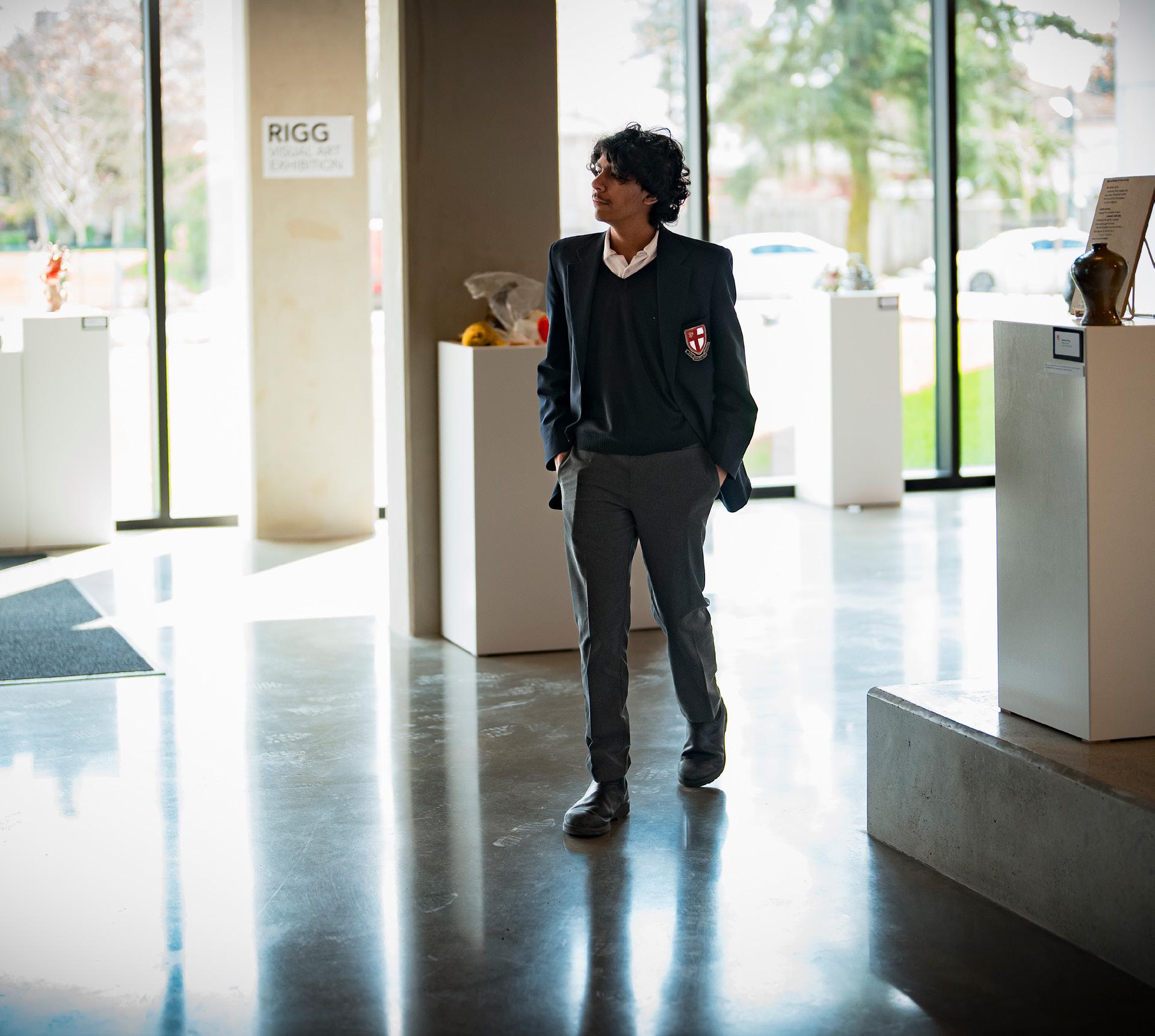
SPANISH 10
The aim of Spanish 10 is to continue to widen the students' experience in the Spanish language as well as leading them on cultural journeys through Latin America. Building upon the vocabulary and grammar base from Spanish 9 we will move into more complex structures, such as past and composed tenses that are vital to every form of communication in everyday life. Listening and speaking skills are honed more carefully, and are as important as written work in this course. Anchoring Spanish 10, we use a wide variety of online material and language magazines, and enjoy at least one movie study. Units of study will periodically substitute project-based assignments for our more traditional written tests and exams. Students can also look forward to field trips to Mexican or Spanish restaurants.
PRE-REQUISITE:
Spanish 9 or approval of Head of Department for Languages.
CORE PROGRAM
DIRECT INSTRUCTION, INQUIRY/PROJECT, EXPERIENTIAL
1-2 HOURS
SPANISH INTRODUCTORY 11
Spanish Introductory 11 is a dynamic accelerated course for students with no background in Spanish and is directed at students in Grade 10 or 11 who may be new to the School without a background in the languages that we teach. Other students who wish to join this class can do so with the permission of the Head of the Spanish Department. Quickly building a vocabulary and grammar base in Spanish, students move into more complex structures that are vital to every form of communication in everyday life. Listening and speaking skills are honed carefully, and are as important as written work in this course. Students will enjoy cultural journeys through Latin America and Spain through their music, films, and food, and produce projects that highlight their newfound linguistic ability. Students can continue to a regular Spanish 11 class upon completion of this course.
CORE PROGRAM
DIRECT INSTRUCTION, INQUIRY/PROJECT 1-2 HOURS
MANDARIN 10
This course is designed for students with prior knowledge of Easy Steps to Chinese Book 1. Students in this course focus on building on past language exposure to improve speaking, listening, reading, and writing skills. Students expand their oral expression abilities by increasing vocabulary, improving understanding of grammar concepts, strengthening pronunciation abilities, focusing on listening comprehension, and building on previously learned Chinese characters. This course allows students to be able to speak about topics pertaining to their daily lives and also focuses on deepening knowledge of Chinese culture and customs.
PRE-REQUISITE:
Mandarin 9 or the approval of the Department Head.
CORE PROGRAM
DIRECT INSTRUCTION, TECHNOLOGY/TOOLS 1-2 HOURS
MANDARIN 11 HONOURS
Students in this course continue to build on past language exposure to improve speaking, listening, reading, and writing skills. Students expand their oral expression abilities by increasing vocabulary, improving understanding of grammar concepts, strengthening pronunciation
abilities, focusing on listening comprehension, and building on previously learned Chinese characters. This course allows students to be able to speak about topics pertaining to their daily lives and also focuses on deepening knowledge of Chinese culture and customs.
PRE-REQUISITE:
Mandarin 9 Honours or placement assessment. All Languages placement assessments take place in March, the week prior to Spring Break.
CORE PROGRAM
DIRECT INSTRUCTION, INQUIRY/PROJECT, EXPERIENTIAL
1-2 HOURS
FRENCH 10
French 10 is a dynamic course that builds on the language skills students have developed in earlier French courses. Students are encouraged to communicate actively in French, and are expected to develop their work to reflect more personal insight and a more sophisticated understanding of how the language works. A further expansion of thematic vocabulary and grammar concepts will help students improve their fluency. Many assessments are project based. Students in French 10 can look forward to trips to French restaurants, movies, and exhibits.
PRE-REQUISITE: French 9 or its equivalent.
CORE PROGRAM
DIRECT INSTRUCTION, INQUIRY/PROJECT, EXPERIENTIAL
1-2 HOURS
FRENCH 11 HONOURS
French 11 Honours is an enriched and fast-paced course that is taught in French. Students are expected to communicate consistently in French with each other and the teacher. It is enriched to encourage speaking, reading, and writing at a higher and more sophisticated level than what is expected in the regular French 10 class. The themes are supplemented by current francophone media from around the world. Students in all streams of French can look forward to local field trips as opportunities become available.
PRE-REQUISITE: French 9 Honours
CORE PROGRAM
DIRECT INSTRUCTION, INQUIRY/PROJECT, EXPERIENTIAL
1-2 HOURS
LATIN 10
This course introduces students to the achievements of the classical world through the study of Latin. Students will learn vocabulary and grammatical concepts essential for reading and translating adapted classical texts. English is the language of instruction, and students will develop their oral communication, reading, and writing skills in both English and the classical language. Through a variety of enrichment activities, students will explore aspects of life in the ancient world, including trade, commerce, education, arts, sports, ecology, daily life, and social practices, and will make connections across the curriculum between the classical world and the world around them.
PRE-REQUISITE: Latin 9
ELECTIVE DIRECT INSTRUCTION, DISCUSSION 1-2 HOURS
FOUNDATIONS OF MATH AND PRE-CALCULUS 10
Foundations of Math and Pre-Calculus 10 continues the journey from Math 9, focusing on further developing students’ understanding, problem-solving, reasoning, analysis, communication, connection, and reflection skills. These skills will be assessed across topics including Trigonometry, Factors and Products, Exponents, Relations and Functions, Linear Functions, Systems of Linear Equations, Arithmetic Sequences, and Financial Literacy. Successful completion leads to Pre-Calculus 11, or, with special permission, to Pre-Calculus 11 Honours Enriched.
PRE-REQUISITE: Math 9
CORE PROGRAM DIRECT INSTRUCTION, INQUIRY/PROJECT 1-2 HOURS
PRE-CALCULUS 11 HONOURS ENRICHED
Pre-Calculus 11 Honours Enriched is designed for highly capable and motivated students with a demonstrated strong interest and achievement in mathematics. The curriculum covers all topics and skills from Pre-Calculus 11, supplemented with enrichment opportunities. These opportunities include exploring advanced topics, participating in contests and competitions, and engaging in non-routine problem-solving. Upon successful completion, students will progress to Pre-Calculus 12, or with permission, to Pre-Calculus 12 Honours Enriched.
PRE-REQUISITE:
Foundations of Math and Pre-Calculus 10 and teacher/HOD review.
RECOMMENDATIONS:
Foundations of Math and Pre-Calculus 10 Honours Enriched.
CORE PROGRAM DIRECT INSTRUCTION, INQUIRY/PROJECT 1-2 HOURS
COMPUTATIONAL MATHEMATICS 11
Computational Mathematics 11 is an integrated course for motivated students who have not studied programming extensively. It covers all Pre-Calculus 11 topics but is also taught using the Python programming language and a Computer Science lens. Students should expect a more rigorous course workload, with assessments including both traditional math evaluations and dedicated programming assignments and projects. The curriculum also emphasizes computational thinking, ethical AI use, and “vibe coding.” Successful completion grants credit for Pre-Calculus 11, preparing students for the Pre-Calculus 12 stream.
PRE-REQUISITE: A minimum of 92% in Foundations of Math and PreCalculus 10, or with Head of Department Approval.
CORE PROGRAM DIRECT INSTRUCTION, INQUIRY/PROJECT 1-2 HOURS
PRE-CALCULUS 11
Pre-Calculus 11 continues the journey from Foundations of Math and Pre-Calculus 10, focusing on solidifying students’ understanding, problem-solving, reasoning, analysis, communication, connection, and reflection skills. These skills will be assessed across topics including Factoring and Radicals, Rational Functions, Quadratic Functions, Quadratic Equations, Inequalities, Trigonometry, and Financial Literacy. Successful completion leads to Pre-Calculus 12, or, with special permission, to Pre-Calculus 12 Honours Enriched.
PRE-REQUISITE:
Foundations of Math and Pre-Calculus 10
CORE PROGRAM DIRECT INSTRUCTION, INQUIRY/PROJECT 2 HOURS
CONCERT BAND 10
Concert Band 10 builds on the foundational skills established in Concert Band 8 and 9. Whatever your current level, you will find that this ensemble will challenge you as a musician. It is this challenge that will provide growth and development for each student and director as we explore a variety of repertoire for the concert band. The concepts of tone, articulation, balance, blend, interpretation, technique, and phrasing form the basis of all instruction. Large ensemble and small ensemble works are performed with emphasis on concert band literature. Excellence in performance is stressed as students are taught to refine their musical skills and talents through a series of activities, including concerts, festivals, master classes, and yearly tours. Concert Band is the ideal venue for students who are interested in exploring their passion for music and working collaboratively with others. Students enrolled in Concert Band 10, 11, & 12 form the Senior Concert Band.
PRE-REQUISITE:
Band 8 or 9; prior experience on woodwind, brass, or percussion instrument; or by permission of the instructor.
JUNIOR JAZZ ENSEMBLE 10
Junior Jazz Ensemble is an opportunity for proficient and interested students to learn to play jazz in a big band setting. Students will undertake a journey exploring the history and repertoire of the major eras of jazz, including learning basic improvisation techniques. As an introductory course, much of our effort will be devoted to internalizing the “feel” and “concept” of swing. We will do this through rehearsal, performance, and listening to many exemplary recordings. Rehearsals take place on Tuesday and Thursday mornings from 7:00-8:15 am. Attendance is mandatory. We will perform at the Winter and Spring Music Department Concerts as well as at the Envisions Jazz Festival (February), the BC Interior Jazz Festival (April), and at the Saints Fair. Any outside performance opportunities will be discussed by the group as they arise. Advanced players may be invited to join the Senior Jazz Ensemble that occur Tuesday and Friday mornings.
PRE-REQUISITE:
Open to join by audition, for any student enrolled in Concert Band 8, 9, or 10. Auditions occur during the second week of school. All students wanting to audition must download the audition materials from the Music Department website. This course is designed to give students the experience and skills of playing in a Big Band.
ELECTIVE DIRECT INSTRUCTION, EXPERIENTIAL 1-2
DISCOVERY 10
Discovery 10 is a Cohort Program that offers a year of challenging Outdoor Experiences throughout which students will learn the Grade 10 curriculum. Together, the Discovery students take Literary Studies & Composition 10, Science 10, Social Studies 10, Physical & Health Education 10 and Outdoor Education 11. These Cohort classes are often leveraged in order to deliver integrated and extended learning opportunities in the field and subject-specific catch-up blocks upon their return. The goals of the program are for students to gain selfconfidence, work with others, improve their communication skills, and develop leadership skills. Furthermore, students will learn to extend their environmental and social awareness and examine their relationship with the natural world; the outdoor skills required for a variety of self-propelled activities (Hiking, Kayaking, Canoeing, Snowshoeing, Rock Climbing, and Camping); and to integrate academic learning to cultural and wilderness experiences.
PHYSICAL AND HEALTH EDUCATION 10
Physical and Health Education 10 (PHE 10) aims to provide success for every individual student, regardless of physical abilities. We present activities in ways that encourage effort, preparedness, a positive attitude, sportsmanship, cooperation, and skill improvement. Over the year, students are taught a variety of lifelong sports and activities. These sports include aquatics, badminton, basketball, fitness, floor hockey, football, soccer, softball, volleyball, ultimate, and yoga. We build up the skill set each year and add new advanced strategies and tactics to further excel in the understanding of each sport. The health outcomes for the course will be covered during ten Health and Career Education classes, delivered in two mini units in the class over the course of the year. Students are assessed on the PHE 10 learning outcomes in the BC Ministry of Education curriculum. Our goal is to have boys finish the year with enthusiasm, confidence, and to strive to be fit for life! Please see the Department Philosophy earlier for the descriptions of the four levels of PHE offered at the Grade 10 level.
Science 10 prepares students for their Senior Program by developing a range of essential skills designed to broaden students’ perspectives on key themes in Science as well as deepen their understanding of how these themes are interrelated. The key themes explored in Science 10 include an introduction to genetics, chemical bonding, chemical reactions, forms of energy, transformations between energy forms as well as an introduction to Astronomy. Students will experience a variety of inquiry projects (biotechnology applications) and lab-based instruction to develop strong foundational skills in each area of Biology, Chemistry, and Physical Science. Thinking, problem-solving, and team-building skills are emphasized to encourage the students’ ability to evaluate and analyze problems and ideas that are relevant in a rapidly changing world. After Grade 10, students will select a domain (or domains) of Science to specialise in (e.g. Earth Sciences, Chemistry, Life Science, Physics, etc) and so should also pay attention to areas they are keen to explore further in future years.
In Social Studies 10, we try to understand current issues and trends in Canada and the world. We will look for local, regional, and global patterns and parallels between the present and the past as we consider important themes of diversity, multiculturalism, and the impact of history on the present. The big ideas of the course explore the impact of global and regional conflicts; the development of political institutions; differences in worldviews and perspectives; local geographic information in comparsion with global issues; and historical and contemporary injustices. Students will engage in discussions, self-guided inquiry projects, and simulations to enhance their learning.
CORE PROGRAM DISCUSSION, INQUIRY/PROJECT 1-2 HOURS
The English Language Support class is for students who have been identified by the School as needing support with their spoken, written, and academic English skills. Students will be supported in acquiring a mastery of English to help them succeed in community engagement and in their other classes.
Note: English Language Learners 8-10 are required courses for students who have been identified as requiring additional English language support.
RECOMMENDATION: Enrollment in this course is based on the recommendation of the ELL and Admissions Department.
DIRECT INSTRUCTION, DISCUSSION, 0 HOURS
CAREER LIFE EDUCATION
Career Life Education is a mandatory course for graduation that students will complete in Grade 10. CLE 10 is a scheduled course that occurs with direct instruction during X-Blocks, Advisory, Assemblies, and Flex Days, University visits, and University Counseling time. Learning focused on preparation for life as an engaged community member including skills and aptitudes of personal development, personal advocacy and rights, planning and preparation for post-secondary and careers, and cultivating a sense of well-being and balance. This course is followed by Career Life Connections, which students complete in Grades 11 and 12.
CORE PROGRAM DISCUSSION, EXPERIENTIAL 0 HOURS
Drama 10 is a bridge between Middle School Arts Education and Senior Performance Arts courses. It challenges students to deeply express emotions and motivations in a safe, engaging, and rewarding environment, and to create three-dimensional characters and worlds with purposeful speech and movement. Actors will combine a deeper understanding of narrative structure, staging, and acting to create and perform their own student issues play for an in-school audience. They will learn to communicate and think like actors, and will use these skills to break down and interpret scripts and collaborate, critique, and improve. Young actors will conclude their experience in Drama 10 by rehearsing and performing a one-act play that has been written for them, and with a singing workshop that is designed to build confidence for beginners. No prior experience in a Drama class is required to participate in this class.
Directing and Script Development 11 focuses on individual and collective storytelling and meaning through the lens of vibrant histories, diverse cultures, and contemporary communities. With an everimproving critical eye, students will explore people’s sense of identity and belonging. They will begin to understand the dedication and resilience of filmmakers as they use a myriad of artistic techniques to immerse their audiences in the lives of their characters and subjects. In the end, the critical viewer must become the storyteller himself in order to understand how creativity and collaboration bring new perspectives to light and can change both the artist and the audience.
ELECTIVE
INQUIRY/PROJECT, TECHNOLOGY/TOOLS, EXPERIENTIAL
3-5 HOURS
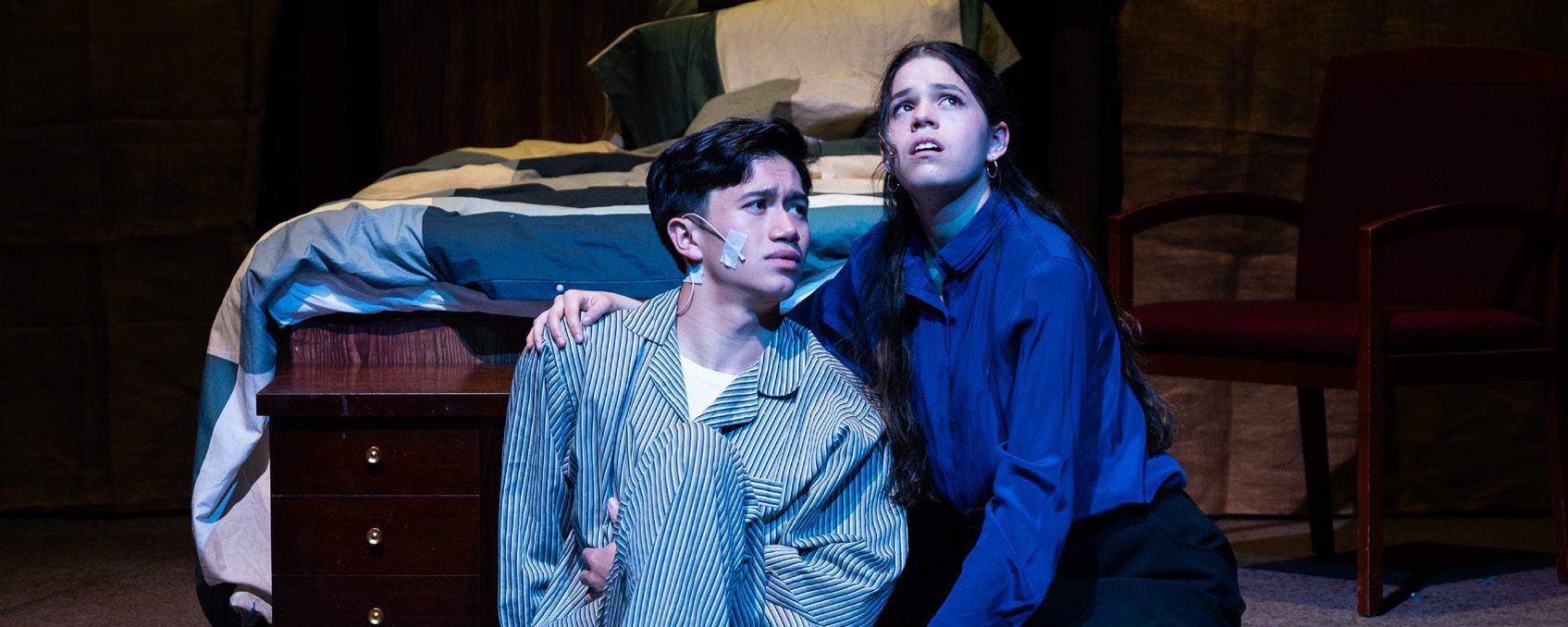
Theatre Production 11 is a hands-on experience for students working on Saint’s Players Theatre productions and other events in the auditorium. The course is meant for students who wish to gain valuable practical skills, many of which are applicable outside of theatre. The course offers students the chance to explore areas such as stage/house management, lighting, sound, scenic design, scenic painting, setconstruction, wardrobe, props and makeup. This course supports the various stage productions at St. George’s School throughout any given school year, including events such as plays, concerts, musical shows and some presentations at weekly assemblies. This will require, from each student, some out-of-class time for a variety of activities, including scenic design and construction, props building, rehearsals, and the set-up, run and strike phases of a production. Students should enter the class with the understanding that they will be required to work the show run of at least one of the school productions, which is a very rewarding but serious time-commitment.
ELECTIVE
INQUIRY/PROJECT, TECHNOLOGY/TOOLS, EXPERIENTIAL
5+ HOURS
Theatre Production 11/12 is a hands-on experience for students working on Saints Players Theatre productions and other events in the Auditorium. The course is meant for students who wish to gain valuable practical skills, many of which are applicable outside of theatre. The course offers students the chance to explore areas such as stage/ house management, lighting, sound, scenic design, scenic painting, setconstruction, wardrobe, props, and makeup.
This course supports the various stage productions at St. George’s School throughout any given school year, including events such as plays, concerts, musical shows, and some presentations at weekly assemblies. This will require, from each student, some out-of-class time for a variety of activities, including scenic design and construction, props building, rehearsals, and the set-up, run and strike phases of a production.
Students should enter the class with the understanding that they will be required to work the show run of at least one of the school productions, which is a very rewarding but a serious time-commitment. Students taking Theatre Production 12 (see prerequisite) will go into more depth on the course outcomes, have the opportunity to specialise their learning, and will be expected to provide leadership and mentorship to the program.
ELECTIVE
INQUIRY/PROJECT, TECHNOLOGY/TOOLS, EXPERIENTIAL
1-2 HOURS
In Media Arts 10, students’ knowledge and understanding of new media techniques will be enhanced through visually exploring and creating digital imagery. Based on the processes and content areas of the visual arts curriculum, the course provides an overview of some, if not all, of the following: Animation, Film/Digital Video, Graphic Design, Photoshop, and Digital Photography. With extensive use of Harmony by Toon Boom, Adobe Premiere, and Photoshop. Students will learn the technical and fundamental aspects of image creation on a Mac computer.
ELECTIVE
DIRECT INSTRUCTION, INQUIRY/PROJECT, TECHNOLOGY/TOOLS, EXPERIENTIAL
0 HOURS
In this course, students will spend half of the year on the potter’s wheel making functional pottery forms, and the other half creating hand built sculpture projects. The course is project-based and students are encouraged to express their own ideas, emotions, and personalities using clay and ceramic processes. Sketchbooks are used to document the creative processes explored throughout the year. The program hosts visiting artists and arranges field trips for inspiration and learning about the diverse world of Ceramic Art. No prior experience is necessary but a willingness to get muddy is mandatory! All work assigned can be completed in class time, but students are encouraged to attend Ceramics Club to extend their exploration and skill development.
ELECTIVE
DIRECT INSTRUCTION, INQUIRY/PROJECT, TECHNOLOGY/TOOLS, EXPERIENTIAL
0 HOURS
The primary focus of this course is the development of critical and creative capacities, through visual exploration and questioning of self. They do this by exploring cultural influences, artistic traditions, and contemporary perspectives to gain more comprehensive understandings of self. Students will explore ways to convey their thoughts, emotions, and ideas visually through guided studies and sustained drawing from various sources. Students gain experience in techniques that include charcoal, oil, and chalk pastel as well as acrylic and watercolor paint. The imagination and curiosity of the student are of paramount importance in this elective.

, students have a wide variety of required and elective courses. In these grades, we encourage students to see their choices as part of a two-year Graduation Program. Some courses have prerequisites, and some have recommended standings in previous courses. Some students will have identified required courses to be eligible for specific universities or programs. In all cases, we encourage students to look at these years in a holistic way, selecting courses that offer challenges and also the opportunity to return to areas of passion or interest from previous years. This is the time to see the seeds planted in previous years of experimentation and depth blossom.
STUDENTS CAN ACCESS A COURSE PLANNING DOCUMENT HERE .
Students may request a spare without a required co-enrollment course. Students should think of this spare block as an independent study block, using it for time within the school day to complete homework, meet with teachers, and pursue independent interests or contributions to the life of the School. Having a spare aligns with our recommendation that a Grade 11 schedule consist of the five required courses; a “stretch course” (course that pushes a student into new areas of knowledge or skill sets); and a “grow course” (course or courses that delve into a passion or support wellness).
A well-rounded, recommended St. George’s education in Grade 11 would include a course from at least one of these areas:
• Arts Education (Music, Theatre Arts, Visual Arts)
• Physical and Health Education
• Applied Skills, Design, and Technology
Grade 11 students are required to be on campus for their spares. Students who request eight academic-based subjects will have their schedules subject to school approval.
Advanced Placement (AP) courses are available to students in Grades 11 and 12. AP courses follow a curriculum designed by the College Board, and are directed towards a final exam (set by the College Board). AP courses are open only to Grade 11 and Grade 12 students, and count as courses towards Graduation. St. George’s School does not recommend students in Grades 8-10 self-study AP courses or self-study exams, and will not excuse students in these grades from school or school trips to write AP exams.
There are additional steps students in AP courses must take, including:
• Registering for all AP courses they are registered in at St. George’s School using their legal name and four-digit student number on the AP registration site in the fall.
• Registering for the AP subject exam in May.
AP exams take place in May, and do not factor into a student’s grade in the course. The students may opt out or cancel an AP exam by submitting the provided cancellation form. There is a charge for each AP exam that a student writes or cancels after November 15th. Students who do not show up to write their scheduled AP exam will incur a charge for the exam. These will be charged to the student’s account at the end of the year. Students in Grade 11 and Grade 12 may register to write an exam for a course they have self-studied, but only if the course is offered at the school in that school year. Only St. George’s students may write AP exams at the school.
Information on the course registration and exam sign up/cancellation will be sent to students in the fall via email.
For further information on AP Courses, please refer to the College Board website
Under teacher supervision, students may study in more detail the content of a course that they have completed, earning additional Independent Directed Study (IDS) credits. To participate in this learning method, students must demonstrate the ability to work independently. Along with their teacher, they should also develop an Independent Directed Study plan that includes: (1) A process for ongoing facilitation and assessment, (2) Criteria for determining successful completion, and (3) A credit value (one, two, three or four credits) for the proposed IDS. Independent Directed Study courses may be in- or out-of-timetable.
Interested students should contact the current teacher of the course they wish to study in more detail for permission. IDS requests must be approved by the course instructor and the Head of Department.
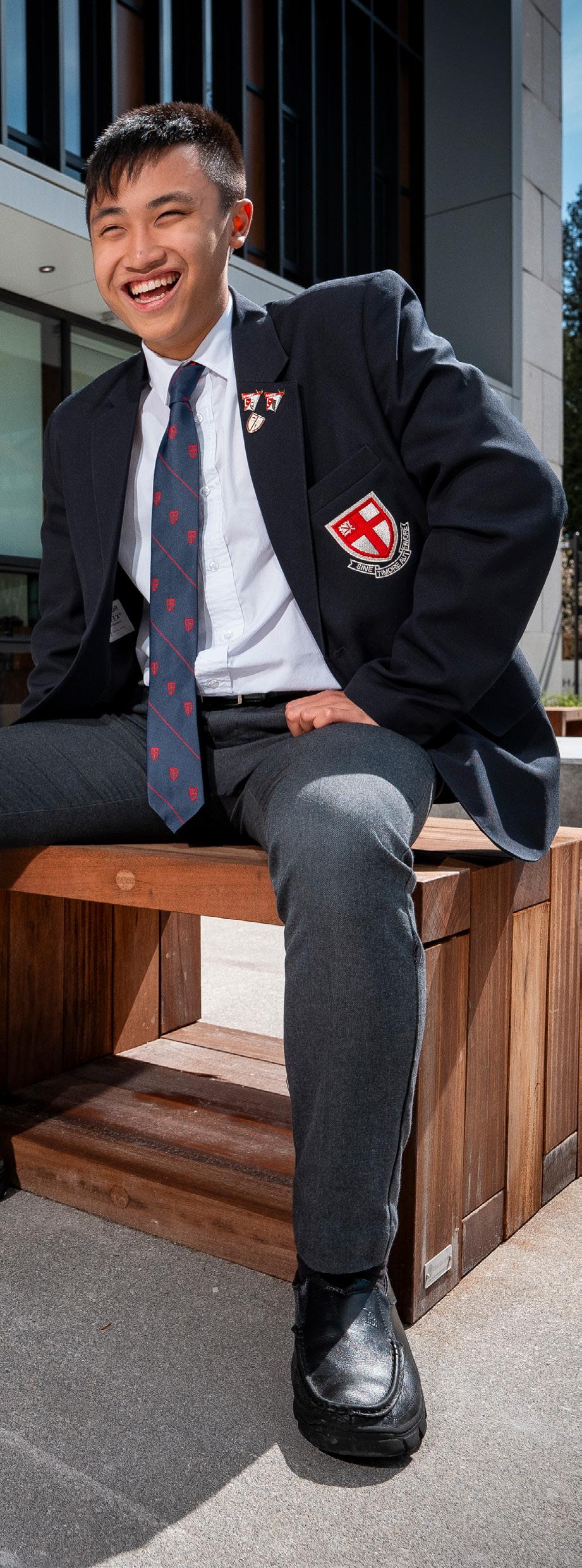
We are committed to the quality and impact of our educational programming at St. George’s School in the classroom and in our integrated approach that infuses learning, character education, and community engagement. We provide a variety of ways for students to be exposed to new interests, pursue passions, meet Graduation Requirements, and fulfill post-secondary application needs.
We expect St. George’s students to complete their high school education through our provided program and pathways. Should a student wish to pursue online or summer school courses, they should consult the respective Head of Department, their University Counsellor, and the Vice Principal of Academics to understand the implications on their learning. Students must be aware that:
• All courses required to fulfill Graduation Requirements must be taken at St. George’s School.
• Any course that serves as a prerequisite for a subsequent course must be taken at St. George’s School. Example: A student wishing to take Physics 12 at St. George’s School must take the prerequisite Physics 11.
• The St. George’s School transcript will only show courses that have been completed within St. George’s School, or Graduation Requirements for which equivalencies have been granted (i.e. students who complete Grade 10 outside of BC).
• Approval for courses taken at the post-secondary level (i.e. UBC Access Studies) is on a case-by-case basis for students in unique circumstances. Inquiries should be directed to the Vice Principal of Academics for more information.
If students choose to take a course through a summer or online provider, they are expected to hold themselves to the highest ethical standards when taking these courses, including but not limited to upholding our expectations for Academic Integrity in assessments and self-reporting, and affirming they are not simultaneously enrolled in the same course at two different providers (including two online providers, one online provider and St. George’s School, etc).
Students who take Ministry courses with other accredited providers should forward their final transcript to the School Registrar (registrar@stgeorges.bc.ca). Courses will be added once complete or, if taken by Grade 12 students, at the School’s regular reporting intervals (October, December, March, and June).
Working together with the Academics Office, the University Counselling Team will send St. George’s School’s/Ministry of Education transcripts directly to post-secondary institutions to support students' applications, where applicable. If students (of any grade) require a transcript for other purposes (jobs, scholarships, summer programs, etc):
• Students may request a copy of their St. George’s School transcript by completing the form HERE.
• Students may request a copy of their Ministry of Education transcript by following information HERE.
• Students who believe they qualify for Challenge, External, or Equivalency credits should contact the Vice Principal of Academics.
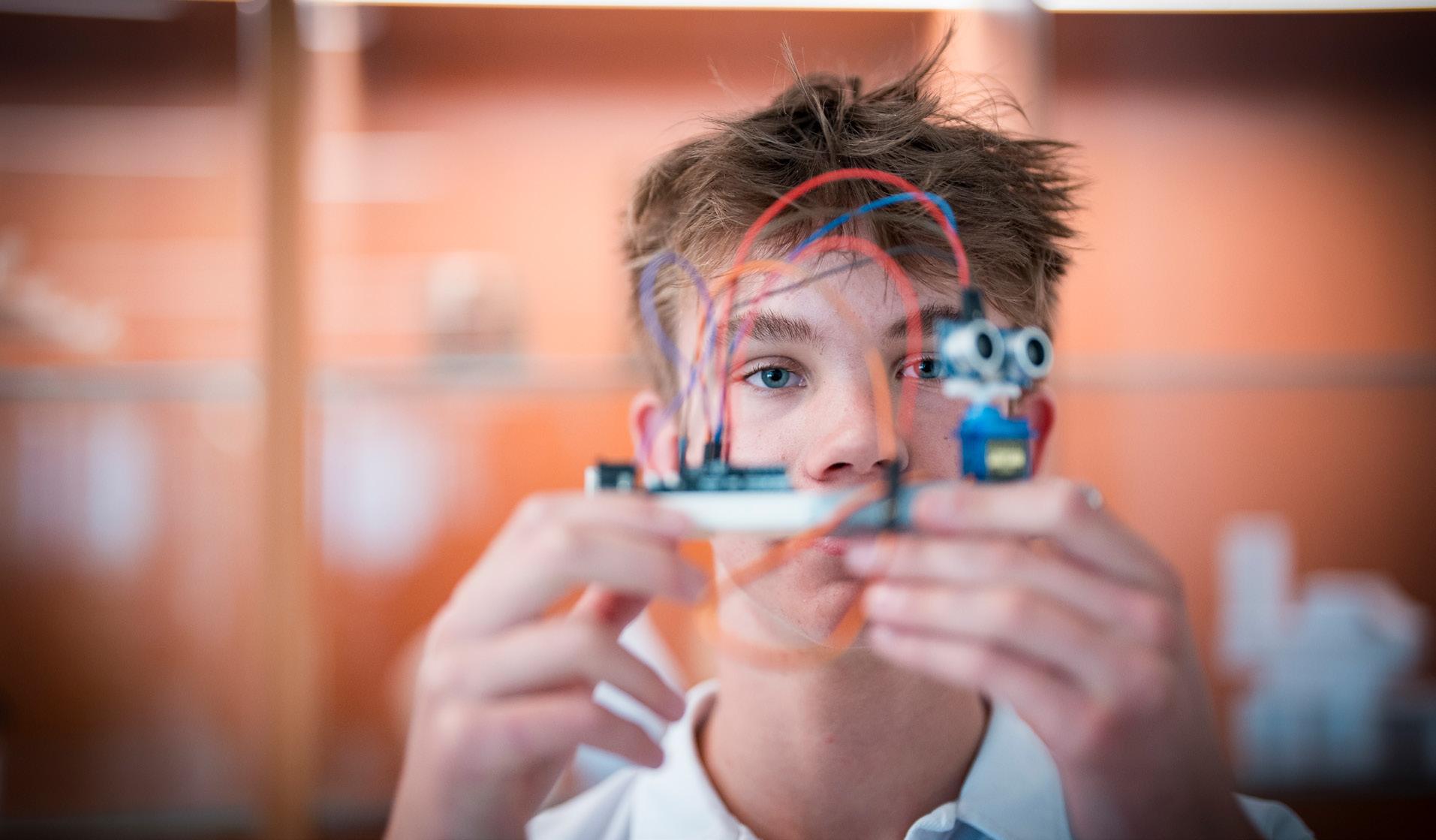
COMPUTER PROGRAMMING 12
Students are offered an opportunity to explore topics in Computer Science of their own choice. They must demonstrate that their chosen project contains programming material that is beyond the APCS level of programming and they must also demonstrate a high level of achievement with their chosen topic. Part of the assessment will be to document their progress, discussing what they have learned, what they found interesting, and what they found challenging, and part of the assessment will actually be the project that is produced. Students are encouraged to utilize a project management application to break down their project into milestones which they can use to demonstrate their progress.
PRE-REQUISITE:
AP Computer Science A 12 or having already written the APCS exam along with approval of the Head of Department for ADST
ELECTIVE DISCUSSION, EXPERIENTIAL 3-5 HOURS
AP COMPUTER SCIENCE A 12
AP Computer Science A 12 is intended to further develop the programming ability of students. While the standard concepts of programming are covered in detail, students are also challenged to write compact solutions to the given problems as well as concepts such as space and time efficiency. These ideas are then used to help further develop each individual's programming ability. Students will have a mature approach to programming as well as develop their own unique style toward programming.
PRE-REQUISITE:
Computer Programming 11 and/or Computer Programming 9, or with approval of the Head of Department for ADST
E-COMMERCE 12
Students will explore components of the digital world of marketing in E-Commerce 12. From foundational principles to advanced strategies, the course will delve into all different themes of online business, covering topics such as digital marketing, search engine optimization, and website creation. Through a combination of theoretical knowledge, practical application, real-world case studies, and hands-on simulations, students will be well-equipped to navigate and thrive in the dynamic landscape of E-Commerce. Note: There is an opportunity for individual students to bring their Entrepreneurship & Marketing 10 venture to market.
ELECTIVE INQUIRY/PROJECT, EXPERIENTIAL 1-2 HOURS
AP Microeconomics teaches the basics of economic perspectives and those keen to pursue economics and/or business as a career. The course follows the Advanced Placement curriculum. Specifically, Microeconomics will cover supply and demand, elasticity, perfectly competitive to monopoly markets, and the interaction of land, labour, and capital. The course will prepare students for AP Macroeconomics in 2027-28.
ELECTIVE DISCUSSION, DIRECT INSTRUCTION 3-5 HOURS
The Entrepreneurship 12 course provides a broad overview of the process of turning an innovative idea into a successful enterprise. This course will be useful for anyone, whether or not they have had prior business or entrepreneurial experience. The course explores the characteristics of the entrepreneurial mind and the environment in which these ventures succeed. The course provides selfassessment of the skills and commitment necessary to successfully start and operate an entrepreneurial venture. From there, students create their own startup venture and are guided through the entrepreneurial approach. This approach consists in validating or pivoting assumed hypothesis about the buisness venture. The course uses the Canvas Business Model and the Lean Startup methodology as the tools to refine their concept. Entrepreneurship 12 is a hands on, project based course, which features numerous guest speakers and opportunities to "get out of the building" to connect class concepts to the real world.
ELECTIVE DISCUSSION, DIRECT INSTRUCTION 1-2 HOURS
ROBOTICS 11
Robotics 11 is a project-based, exploratory course. Students will gain more advanced knowledge of how the software development lifecycle works, where testing informs the next iteration of reaching successful results of what the mechanism intends to do. They will appreciate the importance of incremental steps and the sequencing of processes and ideas. Students will learn how to design more advanced circuits and elements using Arduino, why things work and more importantly, do not work in what they intend to accomplish. An important connection between electronic and mechanical elements will be explored and implemented. Students will troubleshoot code, mechanisms, and electronic components. An important part of the course is the research element of the latest trends in Robotics, Society, and Electronics. Lessons are conducted in a supportive and encouraging environment.
RECOMMENDATIONS:
Prior coding experience is recommended.
ELECTIVE INQUIRY/PROJECT, TECHNOLOGY/TOOLS 5+ HOURS
MECHATRONICS 12
This year-long Mechatronics course integrates the design and construction of mechanical mechanisms with electronics, using Arduino as the core platform for hands-on projects that emphasize exploratory design and real-world applications. Students begin by exploring basic mechanical and electronic systems, such as gears, levers, and structures, while learning to incorporate electronic components, such as sensors, actuators, and motors, through Arduino programming. The curriculum draws from user-centred design principles, encouraging empathetic observation and ideation to address design opportunities informed by diverse perspectives, including First Peoples’ worldviews. The course culminates in a major final or a series of smaller projects in which students showcase designs, reflect on their processes, and identify future career paths in mechatronics. Throughout the course, emphasis is placed on adapting tools to extend human capabilities, fostering interpersonal skills like professional communication and teamwork for lifelong learning.
PRE-REQUISITE:
Robotics 8, 9, 10, 11 or with Head of Department Approval.
ELECTIVE INQUIRY/PROJECT, TECHNOLOGY/TOOLS, EXPERIENTIAL
5+ HOURS
This course is designed as an in-depth study of woodwork and joinery. Students will use tools and equipment safely and confidently to explore advanced woodwork practices. While working through an applied design process, students will develop a sense of personal agency and demonstrate a high level of creativity and technical skill. Students will journal and connect their pieces and experiences to culture, identity, community, and place. Students who have completed Woodwork 11 will be enrolled in Woodwork 12.
PRE-REQUISITE:
WW8 or WW9 is required, or with approval of Head of Department for ADST.
ELECTIVE
INQUIRY/PROJECT, TECHNOLOGY/TOOLS, EXPERIENTIAL
0 HOURS
Graphic Production 11 is an exciting course where students become content creators, combining graphic arts, photography, videography, and journalism in order to tell the story of our school year. Our primary product of the year, the Georgian Yearbook, requires students to learn skills in Adobe InDesign that will help them create visually engaging productions and designs. They will also learn how to take and edit striking photos and videos using mirrorless cameras, action cameras, and drones, and edit what they capture in Adobe Lightroom and Premiere Pro. Finally, to tell riveting stories with a consistent voice, students learn the basics of journalism. As leaders on the Georgian Production Team, these students will have the opportunity to shape and preserve the legacy and memory of each year at St. George’s School. Students who have already taken Graphic Production 11 or have played a significant role in the production of the Georgian will be enrolled in Graphic Production 12 and learn more advanced photography, videography, and editing techniques and essentially, take on a formal leadership role for the Georgian.
ELECTIVE DIRECT INSTRUCTION, TECHNOLOGY/TOOLS 0 HOURS
GRAPHIC PRODUCTION 12
Graphic Production 12 is where students take their content capture and creation skills to the next level. Students learn more advanced photography, videography, and editing techniques. Specifically, they will learn how to take striking videos using mirrorless cameras, action cameras, and drones, and edit what they capture in Adobe Premiere Pro. In addition to taking on a leadership role in the Georgian, they will be tasked with capturing key events and experiences throughout the year and produce content for the school community.
PRE-REQUISITE:
Graphic Production 11 or with Head of Department Approval.
ELECTIVE TECHNOLOGY/TOOLS, EXPERIENTIAL 0 HOURS
Composition 11 challenges students to express their ideas with clarity, creativity, and control. While students read a range of nonfiction, poetry, and short fiction to inspire their own work, the primary focus is on writing. The more demanding Composition 11 Honours option requires an extension of ability into critical analysis. Through genres such as personal essay, narrative nonfiction, editorial commentary, and reflective prose, students experiment with structure, tone, and style. They revise thoughtfully, respond to feedback, and learn how they themselves can inform, persuade, and move an audience. The course emphasizes process — from idea generation to polished draft — and helps students find and refine their unique writing voice.
PRE-REQUISITE: Any English 10 course.
CORE PROGRAM DIRECT INSTRUCTION, DISCUSSION 1-2 HOURS
Composition 11 Honours is an enriched course which prepares students for the analytical demands of AP English by focusing on rhetoric, style, and purposeful writing. Students engage deeply with nonfiction texts — essays, speeches, journalism, satire, and memoir — to examine how writers use language to inform, persuade, and provoke. Emphasis is placed on crafting original arguments, analyzing rhetorical strategies, and refining personal voice. Students are expected to write frequently, revise rigorously, and participate in seminar discussions that explore the power of language in public life.
PRE-REQUISITE: A minimum grade of 86% from Composition 10 or a recommendation from their English 10 teacher is necessary for approval from the Head of Department of English.
RECOMMENDATION: Enrolling students should be confident readers who are interested in deconstructing meaning and capable of strong argumentation, and who have earned a minimum grade of 90% in Composition 10.
CORE PROGRAM DIRECT INSTRUCTION, DISCUSSION 2-3 HOURS
LITERARY STUDIES 11 HONOURS
Literary Studies 11 Honours is an enriched course offering a broad survey of English literature, tracing how language, form, and theme have evolved from the oral tradition to the Romantic era. Students study foundational texts — including Beowulf, Chaucer, Shakespeare, Donne, Swift, Blake, and Wordsworth — while exploring how literature reflects changing views of heroism, morality, nature, and the self. Emphasis is placed on historical context, literary analysis, and academic writing. Students are expected to read closely, think critically, and contribute meaningfully to seminar-style discussion. Core texts are poetic forms written in pre-modern English.
PRE-REQUISITE: A minimum grade of 86% from EFP Literary Studies 10 or a recommendation from their English 10 teacher is necessary for approval from the Head of Department of English.
RECOMMENDATION: Enrolling students must be prepared to read and work with unfamiliar passages and have earned a minimum grade of 90% in Literary Studies 10.
CORE PROGRAM
DIRECT INSTRUCTION, DISCUSSION, INQUIRY/PROJECT
2-3 HOURS
ENGLISH STUDIES 12
English Studies 12 is a culmination of the skills and habits developed over previous years. With a strong emphasis on critical inquiry, students read closely, think deeply, and write with precision and purpose. Students explore English through engagement with authentic oral and written First Peoples’, Canadian and Eurocentric stories and accounts. It recognizes the power of storytelling and voice in the process of reconciliation and fostering justice. They study texts that provoke discussion about ethics, truth, and the role of language in shaping worldview. Students take more ownership over their learning, selecting texts, developing independent projects, and crafting nuanced responses that demonstrate insight and originality.
PRE-REQUISITE: Any English 11 course.
CORE PROGRAM DIRECT INSTRUCTION, DISCUSSION 3-5 HOURS
JOURNALISM 12
Welcome to The Echo! Journalism 12 is an elective course that provides a unique opportunity for students to produce a professional-quality, student-directed online newspaper. News articles will feature stories that are of interest to the St. George’s community, neighbouring schools, and teenagers in general. By creating an interactive, WordPress-based website, Journalism students will be able to report, on a regular and timely basis, on the many events that occur at St. George’s School such as Athletics, Arts, Service And Charity, Games, and Clubs. In addition to studying the attributes of quality Journalism (researching, writing, and editing news for the public), students will also become familiar with contemporary online literacies such as blogs, YouTube, social media, and more. Using these resources and publishing online in a responsible and ethical way are at the core of journalistic practices today. Journalism students will produce a professional portfolio of published articles, photographs, and videos on our news website. This course is open to students in Grades 10–12.
ELECTIVE
DIRECT INSTRUCTION, DISCUSSION, INQUIRY/PROJECT, TECHNOLOGY/TOOLS, EXPERIENTIAL
1-2 HOURS
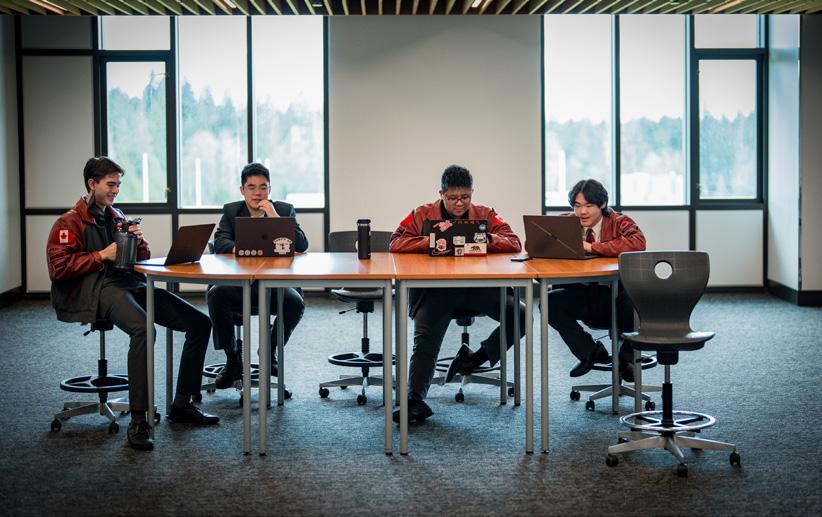
AP ENGLISH LANGUAGE AND COMPOSITION 12
AP English Language & Composition 12 explores how writers use rhetoric to shape arguments and influence audiences. Students study a wide range of nonfiction — essays, memoirs, speeches, satire, journalism — and learn to analyze tone, structure, and rhetorical strategies. They practice writing in multiple forms, focusing on clarity, evidence, and voice. Pre-Requisite: AP English Language & Composition 12 is equivalent to an introductory college-level course; enrolling students are expected to be inquisitive and independent learners who want to enhance their already proficient English-language skill set.
PRE-REQUISITE:
A minimum grade of 90% or a strong recommendation from their English 11 teacher is required for consideration by the Head of Department for English.
CORE PROGRAM DIRECT INSTRUCTION, DISCUSSION 3-5 HOURS
AP ENGLISH LITERATURE & COMPOSITION 12
AP English Literature and Composition 12 invites students to engage in the close study of imaginative fiction, poetry, and drama, with an emphasis on how writers craft meaning through language, structure, and literary technique. Through canonical and contemporary works, students analyze character, setting, conflict, and theme. Academic essays, literary response, and seminar discussion help students develop sophistication in both interpretation and expression. AP Literature and Composition 12 is equivalent to an introductory college-level course; enrolled students are expected to be avid readers and already competent writers who can focus on developing a precise yet elegant style and respond critically and creatively to a variety of literary sources.
PRE-REQUISITE:
Students are required to have earned a minimum grade of 90% in their English 11 course or with approval from the Head of Department for English.
CORE PROGRAM
DIRECT INSTRUCTION, DISCUSSION, INQUIRY/PROJECT 3-5 HOURS
FRENCH 11
In French 11, students are expected to understand and more actively communicate in French at a more sophisticated level and show greater personal insight than what was required in previous years. French 11 will continue to widen the students’ experience in the French language as well as lead them on cultural journeys through Canada and the world. More complex structures in past tenses will be studied and be a part of all oral, listening, reading and writing tasks. Supplementary online resources, reading material, videos, music, and French language films are used as deemed appropriate by individual teachers. Students can expect longer projects to be the culminating assessments for many units.
PRE-REQUISITE: French 11 or French 10H
ELECTIVE
DIRECT INSTRUCTION, INQUIRY/PROJECT, EXPERIENTIAL
1-2 HOURS
FRENCH 12
French 12 is the culmination of five years of French language study. It offers a fun and dynamic atmosphere where students are expected to communicate actively in French. Such communication will become more fully developed and show greater personal insight than was required in previous years. In addition, students will continue to enhance their knowledge of French culture through various media such as French language videos, music, literature, and movies. Oral, written, or film projects will be the culminating assessments for many units. Finally, students will look forward to visits to local museums and art galleries when French presentations are highlighted. A trip to a French restaurant where students can practice their French will be a must!
PRE-REQUISITE: French 11 or French 10H
ELECTIVE
DIRECT INSTRUCTION, INQUIRY/PROJECT, EXPERIENTIAL
1-2 HOURS
FRENCH 12 HONOURS
French 12 Honours is the culmination of the Honours stream of the French Program. This class offers an enriched atmosphere where students are expected to communicate actively in French. Such communication will be more fully developed and show greater personal insight than was required in previous years. In addition, the student will continue to enhance his knowledge of French culture through various media such as French language videos, readings, and movies. Oral, written, or film projects will be the culminating assessments for many units. Finally, students will look forward to visits to local museums and art galleries when French presentations are highlighted. A trip to a French restaurant where students can practice their French will be a must! Note: students at this level are highly encouraged to take the external DELF exam in June.
PRE-REQUISITE:
French 10H or with the permission of the Head of Department.
ELECTIVE
DIRECT INSTRUCTION, INQUIRY/PROJECT, EXPERIENTIAL
2-3 HOURS
AP FRENCH LANGUAGE 12
AP French Language 12 is a fast-paced, accelerated class where students use French at a first and second-year university level. Students are expected to communicate actively in French and to read and write at a sophisticated level. Six themes which reflect issues in our modern world are required by the College Board and are the basis of our language and cultural studies. Although we prepare rigorously for the AP exam, students will engage in tasks, presentations, a debate, and a project that showcases their communicative competencies and links to cultural elements that include visual arts, cinema, architecture, music, literature, fashion, and food. To further develop students’ knowledge and appreciation of French global culture, they will learn about current events in Francophone communities around the world, watch two French films, and enjoy a class visit to a French restaurant.
PRE-REQUISITE: French 12H; French 10H or French 11 and a placement assessment or teacher recommendation.
ELECTIVE
DIRECT INSTRUCTION, DISCUSSION, INQUIRY/PROJECT
3-5 HOURS
LATIN 11/12
This course (one semester of Latin 11; the second of Latin 12) continues with the achievements of the classical world through the study of Latin. Students will learn vocabulary and grammatical concepts essential for reading and translating original classical texts (authors such as Catullus, Caesar, Pliny, Ovid, and Vergil). English is the language of instruction, and students will develop their oral communication, reading, and writing skills in both English and the classical language. Through a variety of enrichment activities, students will explore aspects of life in the ancient world, including Trade, Commerce, Education, Arts, Sports, Ecology, Daily Life, and Social Practices, and will make connections across the curriculum between the classical world and the world around them.
PRE-REQUISITE: Latin 10
ELECTIVE DIRECT INSTRUCTION, DISCUSSION 3-5 HOURS
AP LATIN 12
This course continues with the achievements of the classical world through the study of Latin. Students will learn vocabulary and grammatical concepts essential for reading and translating original classical texts (Caesar and Vergil) as prescribed by the College Board. English is the language of instruction, and students will develop their oral communication, reading, and writing skills in both English and the classical language. Through a variety of enrichment activities, students will explore aspects of life in the ancient world, including Trade, Commerce, Education, Arts, Sports, Ecology, Daily Life, and Social Practices, and will make connections across the curriculum between the classical world and the world around them.
PRE-REQUISITE: Latin 12
ELECTIVE DIRECT INSTRUCTION, DISCUSSION 3-5 HOURS
Mandarin 11 enhances students' foundation in Mandarin by gaining more confidence in using this language in various contexts. Students are expected to be able to engage in general conversations on a range of topics in Mandarin, understand information conveyed on familiar topics, read texts relating to course content, and write for daily needs. Culture continues to play a large part of this course with units that focus on calligraphy, food, Chinese language films, and Chinese etiquette.
PRE-REQUISITE: Mandarin 10
ELECTIVE DIRECT INSTRUCTION, TECHNOLOGY/TOOLS 1-2 HOURS
MANDARIN 12
Mandarin 12 continues to build students' confidence in the four language skills, and greatly improves Chinese language proficiency. Students will be able to discuss issues related to daily life, and present well-organized information orally and in writing on theme-based topics. Students are expected to communicate with more complex sentence structures and a variety of vocabulary on familiar topics. Students will deepen their understanding of Chinese culture with units that focus on calligraphy, food, Chinese language films, and Chinese etiquette.
PRE-REQUISITE: Mandarin 11 or Mandarin 10H
ELECTIVE DIRECT INSTRUCTION, TECHNOLOGY/TOOLS 1-2 HOURS
AP CHINESE LANGUAGE AND CULTURE 12
AP Chinese Language And Culture 12 is a fast paced, accelerated class where students use Mandarin at a first and second year university level. Students are expected to communicate actively in Mandarin, and to read and write at a sophisticated level. Six themes which reflect issues in our modern world are required by the College Board, and are the basis of our language and cultural studies. Although we prepare rigorously for the AP exam, students will prepare many projects that hone their speaking, writing, and filmmaking skills.
PRE-REQUISITE: Mandarin 10H, Mandarin 12, placement test and teacher recommendation
ELECTIVE
DIRECT INSTRUCTION, INQUIRY/PROJECT, EXPERIENTIAL
1-2 HOURS
Spanish 11 offers an enriched atmosphere in which students are expected to communicate actively in Spanish that is more fully developed, and shows greater personal insight than was required in previous years. Spanish 11 continues to widen the student's experience in the Spanish language as well as leading him on cultural journeys through Latin America and Spain. More complex structures in past tenses will be studied and be a part of all oral, listening, reading, and writing activities. Supplementary online resources, reading material, videos, music, and Spanish language films are used as deemed appropriate by individual teachers. Students can expect longer projects to be the culminating assessments for many units. Finally, students will also look forward to visits to local museums and art galleries when Latin or Spanish presentations are highlighted. A trip to a Mexican or Spanish restaurant where students can practice their Spanish will be a must!
PRE-REQUISITE:
Spanish 10 or Spanish Introductory 11 or approval of Head of Department for Languages.
SPANISH 12
Spanish language study. It offers an enriched atmosphere where students are expected to communicate actively in Spanish. Such communication will be more fully developed and show greater personal insight than was required in previous years. In addition, the student will continue to enhance his knowledge of Hispanic culture through various media such as Spanish language videos, readings, and movies. Oral, written, or film projects will be the culminating assessments for many units. Finally, students will look forward to visits to local museums and art galleries when Latino or Spanish presentations are highlighted. A trip to a Mexican or Spanish restaurant where students can practice their Spanish will be a must!
PRE-REQUISITE: Spanish 11 or approval of Department Head
ELECTIVE
DIRECT INSTRUCTION, DISCUSSION, INQUIRY/PROJECT, EXPERIENTIAL
1-2 HOURS
AP
AP Spanish Language 12 is a fast paced, accelerated class where students use Spanish at a first and second year university level. Students are expected to communicate actively in Spanish, and to read and write at a sophisticated level. Six themes which reflect issues in our modern world are required by the College Board, and are the basis of our language and cultural studies. Although we prepare rigorously for the AP exam, students will prepare many projects that hone their speaking, writing, and filmmaking skills. Students will also enjoy class fiestas where they prepare Mexican, South American, or Spanish meals, and learn how the cultural niceties of these events play such a large role in the lives of Hispanic people.
PRE-REQUISITE:
Spanish 12 or approval of Head of Department for Languages
ELECTIVE
DIRECT INSTRUCTION, DISCUSSION, INQUIRY/PROJECT, EXPERIENTIAL
3-5 HOURS
SPANISH INTRODUCTORY 11
Spanish Introductory 11 is a dynamic accelerated course for students with no background in Spanish and is directed at students in Grade 10 or Grade 11 who may be new to the school without a background in the languages that we teach. Other students who wish to join this class can do so with the permission of the Department Head. Quickly building a vocabulary and grammar base in Spanish, students move into more complex structures that are vital to every form of communication in everyday life. Listening and speaking skills are honed carefully, and are as important as written work in this course. Students will enjoy cultural journeys through Latin America and Spain through their music, films, and food, and produce projects that highlight their newfound linguistic ability. Students can continue to a regular Spanish 11 course the next year upon completion of this course.
ELECTIVE
DIRECT INSTRUCTION, INQUIRY/PROJECT, EXPERIENTIAL
2-3 HOURS
COMPUTATIONAL MATHEMATICS 11
Computational Mathematics 11 is an integrated course for motivated students who have not studied programming extensively. It covers all Pre-Calculus 11 topics but is also taught using the Python programming language and a Computer Science lens. Students should expect a more rigorous course workload, with assessments including both traditional math evaluations and dedicated programming assignments and projects. The curriculum also emphasizes computational thinking, ethical AI use, and “vibe coding.” Successful completion grants credit for Pre-Calculus 11, preparing students for the Pre-Calculus 12 stream.
PRE-REQUISITE:
A minimum of 92% in Foundations of Math and Pre-Calculus 10, or with Head of Department Approval.
CORE PROGRAM
DIRECT INSTRUCTION, TECHNOLOGY/TOOLS 2-3 HOURS
ADVANCED TOPICS IN MATHEMATICS 12
This course is intended for those who have already completed AP Calculus BC, and who wish to continue learning mathematics. This will provide a rich, useful, and challenging mathematics course, which will give them an insight into the various higher-level topics explored in first- or second- year undergraduate mathematics courses. Many of the topics covered will be a direct extension of, or an application of, the material learned in AP Calculus: Complex Numbers, Hyperbolic Functions, further Integration techniques, 1st and 2nd order Differential Equations, Vectors, Matrices, and perhaps brief forays into group theory or number theory. There may also be required a third-term independent study/project digging deeper into an area of the course already covered, or exploring a new area.
PRE-REQUISITE:
Students must already have completed AP Calculus BC 12A and have the permission of the Head of Department.
NOTE: This course is not a University Admissible Course.
ELECTIVE
DIRECT INSTRUCTION, INQUIRY/PROJECT, TECHNOLOGY/TOOLS
1-2 HOURS
CALCULUS 12
Calculus 12 follows a provincially designed curriculum. The course covers the basic principles and elements of a first-year calculus course at university. Calculus is a highly recommended course, or a necessary prerequisite course, for many science-based or businessbased university programs in Canada (especially in Ontario). Due to the sequencing of topics in the two curricula, Calculus 12 may be taken concurrently with Pre-Calculus 12. This is a demanding course, and students should expect to devote considerable time out of class to reinforcing what they have learned and practising extensively.
PRE-REQUISITE: Pre-Calculus 11
RECOMMENDATION:
Completion of Pre-Calculus 12, or enrolled concurrently.
ELECTIVE
DIRECT INSTRUCTION, TECHNOLOGY/TOOLS
AP CALCULUS AB 12
AP Calculus AB 12 is primarily intended for Senior students who have already successfully completed Pre-Calculus 12 and wish to take a college- or university-level calculus course while still in high school. The course follows the syllabus for Advanced Placement Calculus (AB). It is strongly recommended that students have already completed Pre-Calculus 12 and have performed very well on that course. This is a demanding course, and students should expect to devote considerable time out of class to reinforcing what they have learned and practising extensively. Because of the advanced nature of this course, it is intended for students who are exceptionally well-prepared and motivated.
PRE-REQUISITE:
Completed Pre-Calculus 11, and with teacher or Head of Department approval.
RECOMMENDATION:
Completion of Pre-Calculus 12 at 90% or higher.
ELECTIVE DIRECT INSTRUCTION, TECHNOLOGY/TOOLS 3-5 HOURS
AP CALCULUS BC 12A
AP Calculus BC is similar to the AP Calculus AB course except that it covers even more material and to a greater depth. This course is much faster-paced than the Calculus AB course and consequently requires an even greater commitment from the student. Students should expect to devote considerable time out of class to reinforce what they have learned and practise extensively. Because of the advanced nature of this course, it is meant for students who are exceptionally well-prepared and highly motivated. It is strongly recommended and expected that students have already completed Pre-Calculus 12, and have performed exceptionally well on that course.
PRE-REQUISITE: Completed Pre-Calculus 11, and with teacher or Head of Department approval.
RECOMMENDATION:
Completion of Pre-Calculus 12 at 95% or higher.
ELECTIVE
DIRECT INSTRUCTION, TECHNOLOGY/TOOLS
3-5 HOURS
PRE-CALCULUS 11
Pre-Calculus 11 continues the journey from Foundations of Math and Pre-Calculus 10, focusing on solidifying students’ understanding, problem-solving, reasoning, analysis, communication, connection, and reflection skills. These skills will be assessed across topics, including Factoring and Radicals, Rational Functions, Quadratic Functions, Quadratic Equations, Inequalities, Trigonometry, and Financial Literacy. Successful completion leads to Pre-Calculus 12, or, with special permission, to Pre-Calculus 12 Honours Enriched.
PRE-REQUISITE: Foundations of Math and Pre-Calculus 10.
CORE PROGRAM
DIRECT INSTRUCTION, TECHNOLOGY/TOOLS
3-5 HOURS
PRE-CALCULUS 12
Pre-Calculus 12 continues the journey from Pre-Calculus 11, focusing on expanding and stretching students’ understanding, problemsolving, reasoning, analysis, communication, connection, and reflection skills. These skills will be assessed across topics including Functions and Transformations, Polynomial Functions, Radical and Rational Functions, Exponents and Logarithms, Trigonometry Functions and Identities, Sequence and Series, and Conics.
PRE-REQUISITE: Pre-Calculus 11.
ELECTIVE DIRECT INSTRUCTION, TECHNOLOGY/TOOLS 3-5 HOURS
PRE-CALCULUS 12 HONOURS ENRICHED
Pre-Calculus 12 Honours Enriched is designed for highly capable and motivated students with a demonstrated strong interest and achievement in mathematics. The curriculum covers all topics and skills from Pre-Calculus 12, supplemented with enrichment opportunities. Due to its accelerated pacing and the exploration of advanced topics, the course is demanding. These opportunities include exploring advanced topics, participating in contests and competitions, and engaging in non-routine problem-solving.
PRE-REQUISITE: Pre-Calculus 11.
RECOMMENDATION: Pre-Calculus 11 Honours Enriched.
ELECTIVE DIRECT INSTRUCTION, TECHNOLOGY/TOOLS 2-3 HOURS
The AP Statistics course introduces students to the primary concepts and tools for collecting, analyzing, and drawing conclusions from data. This course emphasizes four key themes: exploring data, sampling and experimentation, probability and simulation, and statistical inference. Throughout the course, students develop conceptual understanding through technology, investigations, problem-solving, and writing. Understanding data accurately and from various perspectives is crucial across many disciplines, including social sciences, medicine, business, commerce, applied mathematics, and biology, as it informs decision-making. While statistics is a field of mathematical studies, strong writing, reading comprehension, and communication skills are also essential. This course is equivalent to a one-semester introductory, non-calculus-based college statistics course.
PRE-REQUISITE: Pre-Calculus 11 or with approval from Math HOD
ELECTIVE DIRECT INSTRUCTION, TECHNOLOGY/TOOLS 2-3 HOURS
The ‘blended’ format is taught in collaboration with Crofton House School. Each week, there would be a regular classroom block in our own school, and then, if there are no assessments that week, the remaining block(s) would effectively be study blocks. Approximately every two weeks, there would be a two-hour in-depth evening session for all the students to explore what they have learned in more detail, alternating between Saints and Crofton House. These sessions were held on Wednesdays between 4:00 pm until 6:00 pm in the 2026–27 academic year. The evening sessions form the main focus of the course, and full attendance at every session is expected. These sessions will include small-group work, experiential hands-on activities, some teacher-led lecture-style sessions, collaborative discussion prior to assessments, and mini-projects. There is a strong focus on self-directed learning, and students are expected to be organised, disciplined in their work habits, and \ to have done whatever necessary pre-reading is required in advance of the next class or evening session. For further details, please contact Mr. Andrew Jones.
PRE-REQUISITE: Pre-Calculus 11 or approval from Head Of Department for Math..
ELECTIVE
DISCUSSION, INQUIRY/PROJECT, TECHNOLOGY/TOOLS, EXPERIENTIAL 2-3 HOURS
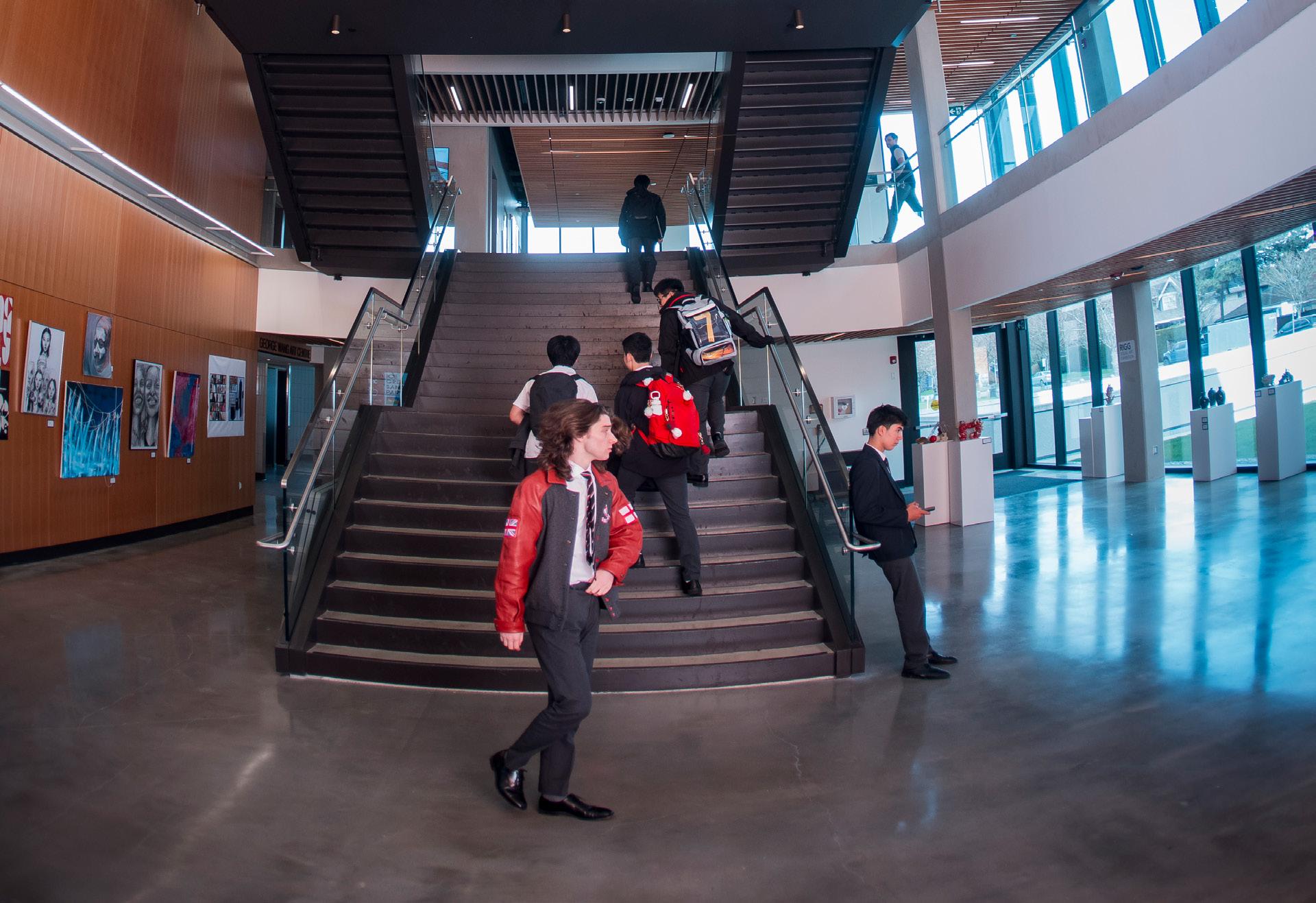
Students enrolled in Concert Band 10, 11, & 12 form the Senior Concert Band. This course is open only to students who have prior experience on a woodwind, brass, or percussion instrument or by permission of the instructor. Concert Band 10, 11, and 12 build on the foundational skills established in Concert Band 8 and 9. Whatever your current level, you will find that this ensemble will challenge you as a musician. It is this challenge that will provide growth and development for each student and director as we explore a variety of repertoire for the concert band. The concepts of tone, articulation, balance, blend, interpretation, technique, and phrasing form the basis of all instruction. Large ensemble and small ensemble works are performed with an emphasis on concert band literature. Excellence in performance is stressed while students are taught to refine their musical skills and talent through a series of activities which include concerts, festivals, master classes, and yearly tours. Concert Band is the ideal venue for students who are interested in exploring their passion for music and working collaboratively with others.
PRE-REQUISITE: Band 10 or approval of Head of Department for Music.
ELECTIVE DIRECT INSTRUCTION, EXPERIENTIAL
AP Music Theory 12 is offered as a supplement to the Music Program and is open to interested students who are keen to deepen their understanding of music theory. Its purposes are to prepare the student for the Advanced Placement exam in Music Theory while allowing the student to explore compositional and theoretical issues pertaining to the European art music traditions (ie. "classical music"). The course is tailored to the interests of the participating students within the confines of exam preparation. Topics covered include basics of harmony, formal structure of music, sight singing, introductory history, and analysis. Other topics that are often explored include composition, arranging, and orchestration. The AP Music Theory 12 students learn the basics of MIDI (computer music), composition, and performance through access to and use of the MIDI Lab. Royal Conservatory Theory is helpful but not a prerequisite.
PRE-REQUISITE:
Approval of Head of Department for Music required.
ELECTIVE DIRECT INSTRUCTION, EXPERIENTIAL 3-5 HOURS
Senior Jazz Ensemble 11/12 is an ensemble of musicians with an interest and experience in exploring all kinds of jazz. Interested students should have at least one year experience playing jazz and must be current members of the Concert Band at their grade level. Rehearsals occur Tuesday and Friday mornings at 7:00 am. As this is a small ensemble with players playing unique parts, regular attendance is essential. The focus of the ensemble is in learning jazz style, tradition, and improvisation, with a focus on listening to discover the cultural context of the music we play. Evaluation will include playing tests, listening assignments, transcriptions, and jazz syntax. The members of the group will prepare a large ensemble and combo repertoire for performance at both of the Music Department’s concerts in December and April, at a music festival, and the Saints Fair. The group will also work toward additional performance opportunities as they arise.
PRE-REQUISITE: One year of previous jazz experience. All students required to complete an audition in September.
ELECTIVE DIRECT INSTRUCTION, EXPERIENTIAL 3-5 HOURS
FITNESS AND CONDITIONING 11/12
Fitness and Conditioning is a course offered for all fitness levels and backgrounds. The class will train regularly in the Fitness Centre and will expose students to various styles and types of training. Students will learn how to train the entire body effectively, safely, and with proper technique in all exercises and with all types of equipment. In the classroom, students will learn nutrition, basic anatomy, and muscle physiology to help gain a deeper understanding of how the body works and how muscle growth occurs. Assessment will include personal training and nutrition logs, self and peer evaluations, and small group projects to demonstrate expertise in a field of fitness. Field trips and interesting guest speakers will enhance the learning and make this a course a great fit for those athletes playing at the next level or students just wanting to make personal fitness gains. The learning outcomes we assess are from the BC Ministry of Education curriculum. Our goal is to develop boys who can train safely, confidently, and understand the importance of good nutrition and proper goal setting to be fit for life! Fitness and Conditioning 12 requires students to have completed Fitness and Conditioning 11.
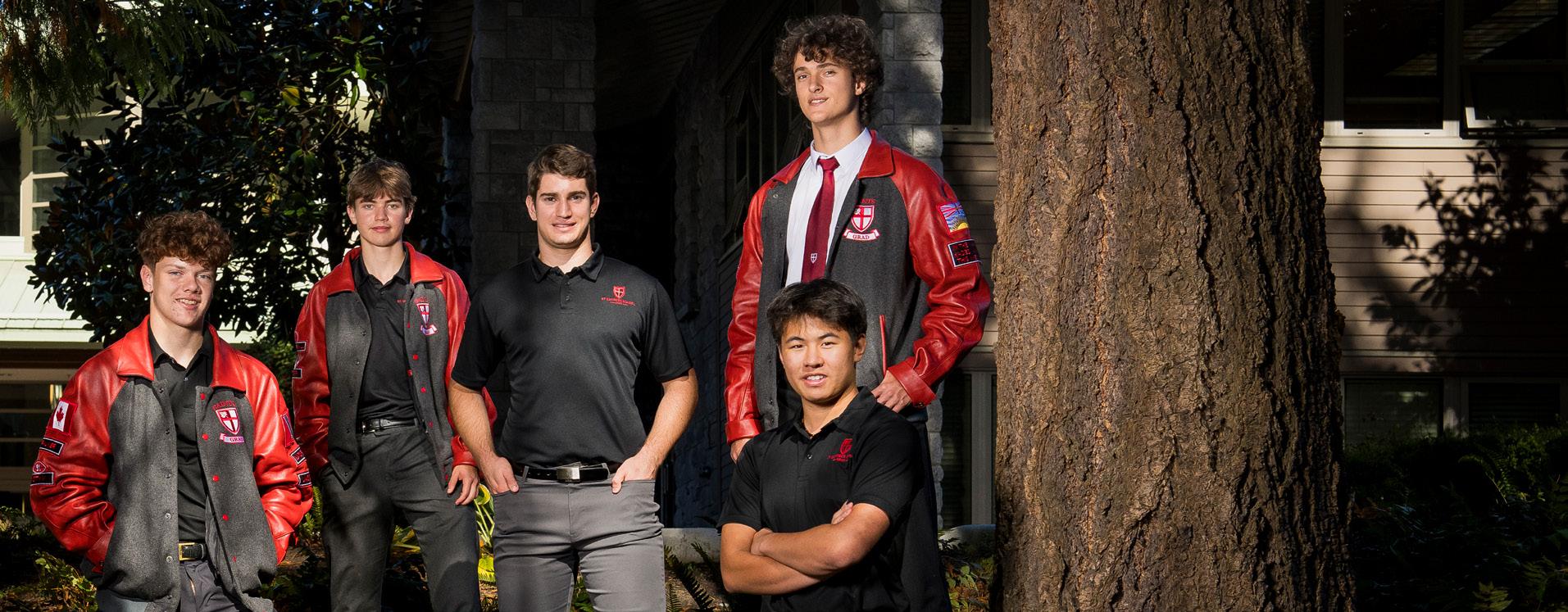
AP BIOLOGY 12
AP Biology 12 is designed to be the equivalent of a college introductory Biology course usually taken by Biology Majors during their first year. The two main goals of AP Biology are to help students develop a conceptual framework for modern biology and to gain an appreciation of the scientific process. Major themes that are emphasised include science as a process, evolution, genetics, energy transfer, continuity and change, relationships of structure to function, regulation, interdependence in nature, and science technology and society.
PRE-REQUISITE:
Completion or concurrent enrollment in Anatomy and Physiology 12 or completion of a summer study package and assessment in September. Material is available from the Head of Department for Science.
ELECTIVE
DIRECT INSTRUCTION, INQUIRY/PROJECT, TECHNOLOGY/TOOLS, EXPERIENTIAL
1-2 HOURS
CHEMISTRY 11
Topics taught in Chemistry 11 are the foundational skills for all higher level chemistry courses. These include an overview of the historical and philosophical developments that led to the modern quantum model of the atom and the organization of the periodic table; the quantum model of the atom to predict the structure of simple molecules and compounds, including organic molecules; the nature of chemical bonds and prediction of physical and chemical properties; and the mole concept and its applications in stoichiometry, including solution chemistry. Laboratory skills and experiments are integrated with the theory to reinforce the concepts and their practical origins throughout the course.
ELECTIVE DIRECT INSTRUCTION, INQUIRY/PROJECT 3-5 HOURS
CHEMISTRY 11 HONOURS
This is the first year of a two-year program that will provide an opportunity for the very best students of chemistry, who scored a minimum of 90% in Chemistry 10, to gain credit for Chemistry 11, Chemistry 12, and AP Chemistry through two courses. The Chemistry 11 Honours course is a demanding and enriched version of Chemistry 11 and will cover the regular Chemistry 11 curriculum (see above) and five units from AP Chemistry. Students will receive credit for Chemistry 11 at the end of their Grade 11 year. The topics covered include the regular Chemistry 11 curriculum plus the AP portions of thermochemistry, atomic theory, molecular structures and gases. In the laboratory, a more critical approach to experimentation is undertaken. Students must be highly selfmotivated and are expected to read extensively and master a significant quantity of material. They must be able to assemble information through analysis and problem-solving activities and participate in peer-to-peer dialogue.
PRE-REQUISITE:
Required to have earned an 86% grade level on the skills and chemistry outcomes of Science 10, or with approval of the Head of Department for Science.
ELECTIVE DIRECT INSTRUCTION, EXPERIENTIAL 3-5 HOURS
CHEMISTRY 12
Chemistry 12 is a course in physical and inorganic chemistry with a quantitative emphasis; therefore, students must be adept at algebraic and numerical problem solving. Students use a variety of analytical skills and experimental techniques to measure rates of reaction and study dynamic equilibrium, solubility equilibrium, and acid-base reactions. This experimental data is used to develop and interpret the appropriate theory. The clear presentation of ideas with full supporting factual data is expected in both written work and during in-class activities. An emphasis is placed on making connections between the material studied and the real world.
PRE-REQUISITE: Chemistry 11 Honours or a minimum grade of 86% in Chemistry 11, along with a summer study package and assessment in September. Material is available from the Head of Department for Science.
RECOMMENDATION:
Recommended to have earned a B grade or higher in Chemistry 11.
3-5 HOURS
AP CHEMISTRY 12
This is the second year of the Chemistry 11 Honours / Chemistry Advanced Placement Program. In Grade 12, students who successfully completed Chemistry 11H, with a minimum “A” standing, will continue their rigorous study of chemistry with the remaining 8 units of AP Chemistry. Five of these units form the basis of the provincial Chemistry 12 curriculum. Therefore, students will receive credit for Chemistry 12 and AP Chemistry upon successful completion of this course. The topics covered include the regular Chemistry 11 curriculum plus the AP portions of thermochemistry, atomic theory, molecular structures and gases. In the laboratory, a more critical approach to experimentation is undertaken. Students must be highly self-motivated and are expected to read extensively and master a significant quantity of material. They must be able to assemble information through analysis and problem-solving activities and participate in peer-to-peer dialogue.
PRE-REQUISITE:
Completion of Chemistry 11 is required and one of: 1) earning an A grade in Chemistry 11H or 2) an A grade in Chemistry 11 along with a summer study package and assessment in September. Material is available from the Head of Department for Science.
ELECTIVE DIRECT INSTRUCTION, DISCUSSION 3-5 HOURS
EARTH SCIENCES 11
This course is focused on discovering the changing nature of our world, and developing the ability to think on a geological timescale. Students will study topics such as geology, plate tectonics, oceanography and the hydrosphere, meteorology, and astronomy. They will discuss how these topics have an impact on our lives, and work to gain a deeper understanding of how our place in the universe came to be. The course focuses on climate change as well as topics and issues that relate from climate change.
ELECTIVE
DIRECT INSTRUCTION, DISCUSSION, INQUIRY/PROJECT
1-2 HOURS
AP ENVIRONMENTAL
This is a descriptive science course, rather than a rigorouslymathematical analytical course. The goal of the AP Environmental Science course is to provide students with the scientific principles, concepts, and methodologies required to understand the inter-relationships of the natural world, to identify and analyze environmental problems both natural and human-made, to evaluate the relative risks associated with these problems, and to examine alternative solutions for resolving or preventing them. Environmental Science is interdisciplinary. The following themes provide a foundation for the structure of the AP Environmental Science course. Energy conversions underlie all ecological processes; the Earth itself is one interconnected system; humans alter natural systems; environmental problems have a cultural and social context; understanding the role of cultural, social, and economic factors is vital to the development of solutions; human survival depends on developing practices that will achieve sustainable systems.
ELECTIVE
DISCUSSION, INQUIRY/PROJECT, TECHNOLOGY/TOOLS
1-2 HOURS
12
Geology 12 explores different types of earth materials, their origins uses and how these materials provide evidence for the many geological processes that take place throughout the expanse of geological time. Mineralogy, volcanism, metamorphism, sedimentation and sedimentary rocks, deformation and structural geology and hydrothermal systems are studied with reference to the materials produced, and the impact that they have on man and society at large. The earth is studied as a continually changing, open laboratory. This course seeks to enhance the student’s understanding of the Earth and the processes that continue to shape its evolution. The history of life and change on planet Earth is explored with references to fossils and the historical sequence of events that have taken place that have led to large and smallscale change. The theory of plate tectonics and its relationship to geological events such as earthquakes, volcanoes, mountain building, and mineral resources is also developed extensively. Surface processes including glaciers, running water, groundwater and groundwater resources are explored.
ELECTIVE DIRECT INSTRUCTION, INQUIRY/PROJECT 1-2 HOURS
The Grade 11 science curriculum focuses on fostering scientific skills and aptitudes, including planning and conducting experiments, processing and analyzing data and information, applying ideas to new contexts, and communicating understanding. Physics 11 applies these competencies to foundational physics principles organized in units covering kinematics (describing motion), dynamics (describing the causes of motion), energy conservation, electric circuits, and waves and sound. In addition to scientific competencies, numeracy, and literacy skills are developed and assessed regularly. The course relies heavily on graphical and mathematical methods, so an existing comfort level with algebra and trigonometry is important when embarking on physics, and a fair amount of practice is required outside of class hours.
ELECTIVE DIRECT INSTRUCTION, INQUIRY/PROJECT 3-5 HOURS
AP PHYSICS 1 HONOURS 11
This is the first year of the AP stream of Physics available at St. George’s School. The course is designed to foster the students’ curiosity and eventually understanding of the physical world we live in. AP Physics 1 focuses on phenomena that can be observed in our daily lives and encourages students to make connections between their time in class and their experiences outside of it. While the AP curriculum demands a heavily content-based approach, we do spend a lot of time developing the scientific and mathematical skills to progress in the field.
PRE-REQUISITE:
Required to have earned an A grade or Extending proficiency levels on the skills and physics outcomes of Science 10, and an A in Pre-Calculus 11, or with approval of Head of Department for Science.
ELECTIVE DIRECT INSTRUCTION, EXPERIENTIAL 3-5 HOURS
Physics 12 at St. George’s School follows from Physics 11 to develop a deeper understanding of the natural world around us. We combine a mathematical and experimental approach to describe motion in terms of the forces which govern the interactions between objects. The topics in Physics 12 include: momentum, equilibrium, circular motion, electrostatics, electromagnetism, and special relativity. The course promotes a deeper understanding of the interactions between objects and helps us understand, predict, and describe their behaviours.
PRE-REQUISITE: Physics 11
ELECTIVE DIRECT INSTRUCTION, EXPERIENTIAL 3-5 HOURS
AP PHYSICS 2 HONOURS 12
This is the second year of the Physics AP stream. Topics covered in Physics AP-2 include the following: thermodynamics with kinetic theory, electrostatics, electric circuits with capacitors, electromagnetism, physical and geometric optics, topics in modern physics and special relativity. Students will be prepared to write the College Board exam for Physics AP-2 in May, and will have regular assessments and labs that will constitute their St. George’s School Grade. They can expect to make connections between the content from this course and other senior science course experiences. Experimental work is an important part of any physics program, and it is a strong component in the AP courses.
PRE-REQUISITE: Completion of AP Physics 1 Honours 11 or Physics 11 and successful completion of the summer catch-up package.
ELECTIVE DIRECT INSTRUCTION, EXPERIENTIAL 3-5 HOURS
ANATOMY AND PHYSIOLOGY 12 PRE-MEDICAL FOCUS (ANATOMY AND PHYSIOLOGY 12)
Open to Grade 11 and 12 students, this accelerated course provides an in-depth exploration of human anatomy and physiology with a pre-medical focus. Building on the standard Anatomy and Physiology 12 curriculum, the course integrates hands-on medical training and expert-led discussions, leveraging the wealth of knowledge from St. George’s alumni and parent community in the medical field. Students will gain practical skills such as suturing, taking blood pressure readings, and CPR certification, alongside exposure to advanced topics like MCAT preparation. This dynamic program is designed for students passionate about medicine, offering a unique bridge between academic foundations and realworld medical practice.
PRE-REQUISITE: Science 10
ELECTIVE DIRECT INSTRUCTION, EXPERIENTIAL 1-2 HOURS
ANATOMY AND PHYSIOLOGY 12
Anatomy and Physiology 12 is an intensive, in-depth study of the wonders of the human body. The focus shifts from the atomic with molecular biology, through microscopic with cellular biology and then macroscopic as body parts and body systems are fully understood. This course has students engaging in a large number of labs, projects, and dissections so that they can really understand the content they are learning and see how it is applied in a realworld context. In many units, students have opportunities to pursue topics of personal interest and to present their findings on various diseases, disorders, and health issues to their peers. Given one only
gets one life to live, this course is essentially like getting to study the operating manual of the care and keeping of your body. The end goal is a detailed understanding of factors that can impact human health and how to use our knowledge to keep ourselves as healthy and happy as possible.
RECOMMENDATION:
Students taking this course in Grade 11 are recommended to have earned Extending proficiency levels or A grades on the skills and Biology outcomes of Science 10.
ELECTIVE DIRECT INSTRUCTION, EXPERIENTIAL 1-2 HOURS
Welcome to Life Sciences 11 where we study all the different kinds of life you find in one area— animals, plants, fungi, and even microorganisms like bacteria that make up our natural world. This course is assessed through projects and labs, not tests. The purpose is to immerse students in hands-on experiences so they can understand how organisms work together in ecosystems, like an intricate web, to maintain balance and support life. The course will focus on different environments, examining how the organisms that live there shape and are shaped by their home. This course will open your eyes to the wonder of many new fields of Biology and provides a valuable foundation to students wishing to pursue Biology degrees in post-secondary institutions, or students looking at other faculties of study but value learning about the natural world. This course is eligible to students in Grade 11 or Grade 12 as their Grade 11 Science course.
ELECTIVE DISCUSSION, INQUIRY/PROJECT, 1-2 HOURS
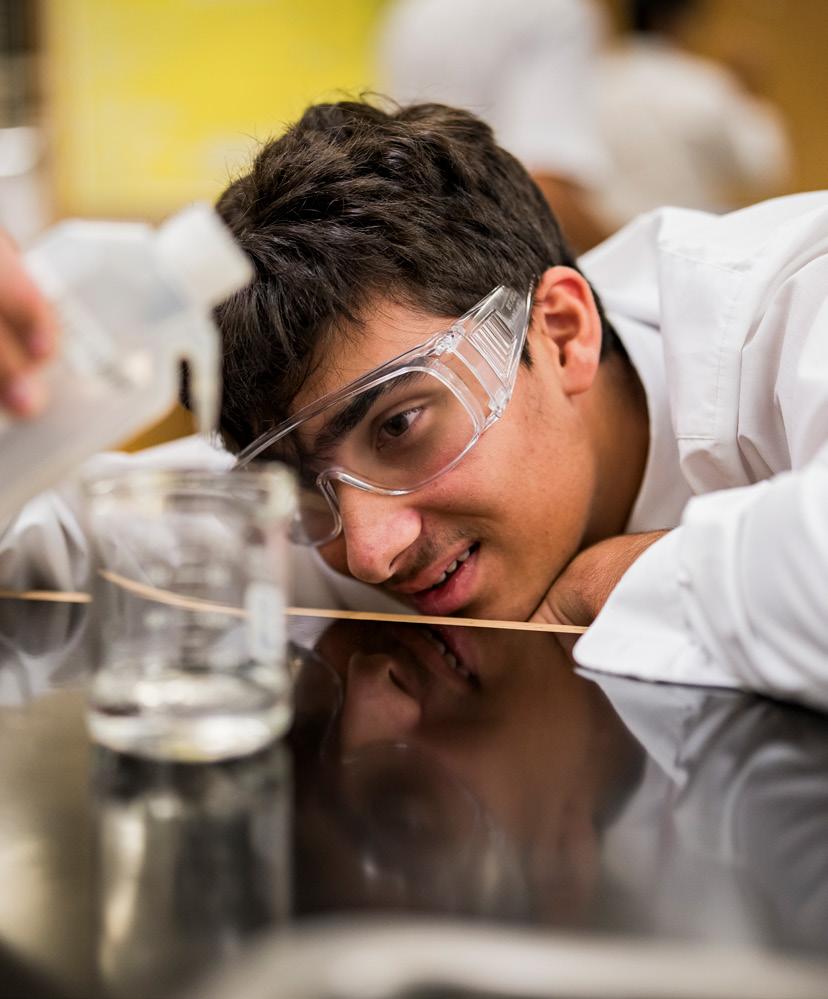
Social Justice 12 explores issues of equity, fairness, and human rights in local, national, and global contexts. This course is designed for students with no prior knowledge, some background understanding, or those seeking to deepen and diversify their existing knowledge, providing accessible entry points while also offering opportunities for more complex and critical inquiry. Students examine how power, privilege, and diverse worldviews shape individual and collective experiences, and how social, political, economic, and environmental systems can create or challenge injustice. Through inquiry, discussion, and critical analysis, students investigate the causes and impacts of social injustices, evaluate the role of individuals, governments, and organizations, and consider approaches to advocacy, activism, and allyship. The course emphasizes ethical reasoning, evidence-based thinking, and respectful engagement with multiple perspectives, empowering students to become informed, thoughtful citizens committed to contributing to a more just and inclusive society.
ELECTIVE DISCUSSION, INQUIRY/PROJECT 1-2 HOURS
This Social Studies elective introduces students to the field of economics through a humanities lens. Focusing on the theoretical side of economics, students will learn about classical and neoclassical theories of money, markets, business cycles, and economic systems. Students can expect to read and learn from a range of theorists, including some from economic backgrounds and others from fields such as history, political science, sociology, and psychology. Throughout the year, we will compare the theoretical to the real-world, assessing different economic systems, practices, and solutions in communist countries, the 2008 financial crisis, and more! This course can serve as a great alternative or introduction to AP Micro/Macroeconomics. It could be especially useful for anyone interested in pursuing business, finance, or the humanities in university.
ELECTIVE DISCUSSION, INQUIRY/PROJECT 1-2 HOURS
20TH CENTURY
20th Century World History focuses on developing students’ abilities to think conceptually about World History from approximately 1918 to the present, and to apply historical thinking skills as they learn about the past. Students will study three ‘Big Ideas’ of equal importance — Nationalist movements can unite people in common causes or lead to intense conflict between different groups; the rapid development and proliferation of technology in the 20th century led to profound social, economic, and political changes; and the breakdown of long-standing empires created new economic and political systems — providing areas of historical inquiry for investigation throughout the course. Studying these themes requires students to use reason in order to examine historical significance. They will be evaluating source material and examining differing perspectives, drawing connections and conclusions about continuity and change over time, and weighing cause and consequence as we look at the course in the context of ethical judgement and historical empathy.
ELECTIVE DIRECT INSTRUCTION, INQUIRY/PROJECT 1-2 HOURS
AP EUROPEAN HISTORY 12
AP European History 12 focuses on developing students’ abilities to think conceptually about European History from approximately 1450 to the present and apply historical thinking skills as they learn about the past. Five themes of equal importance— interaction of Europe and the world, poverty and prosperity, objective knowledge and subjective visions, states and other institutions of power, and individual and society — provide areas of historical inquiry for investigation throughout the course. These require students to reason historically about continuity and change over time and make comparisons among various historical developments in different times and places.
(Offered on a two year rotation, next offered 2027-28)
ELECTIVE DISCUSSION, INQUIRY/PROJECT 3-5 HOURS
AP Comparative Government and Politics 12 introduces students to the rich diversity of political systems. The course uses a comparative approach to examine the political structures; policies; and political, economic, and social challenges of six selected countries: Great Britain, Iran, China, Russia, Mexico, and Nigeria. Students will compare the effectiveness of approaches to many global issues by examining how different governments solve similar problems. They will also engage in disciplinary practices that require them to read and interpret data, make comparisons and applications to real world issues, and develop evidence-based arguments. This is a discussion-based course.
ELECTIVE DIRECT INSTRUCTION, INQUIRY/PROJECT 1-2 HOURS
The AP Human Geography course helps students understand the influence of globalizing forces, the frameworks of political systems, and the economic developments, which have transformed regions. As such, the course provides students with models for understanding the world around them. The major units introduce students to key geographic concepts, skills, and issues. Issues explored relate to population studies, differing cultural patterns, and their impact on the environment, political frameworks, agriculture and rural land use, the rise of cities, urban patterns, and urban planning, and global patterns of industrialization and their impacts. Throughout the year, students will complete problem-based learning and inquiry-based assignments, Harkness discussions, AP exam preparation, and further develop their research and essay writing skills. They will also be asked to participate in field trips. AP Human Geography offers great diversity. This course should appeal to students who enjoyed success in their earlier work in Social Studies and are now interested in such areas of college study as Geography, History, Economics, Sociology, Political Science, and Anthropology.
ELECTIVE DISCUSSION, INQUIRY/PROJECT 3-5 HOURS
LAW STUDIES 12
In Law Studies 12, we consider three questions to help students develop their own definition of justice: 1. What is just? 2. How do you ensure a fair and just trial? 3. How do you apply ethics, morality, and justice in practice? Through the first question, we discuss the underlying philosophies of law, how our thinking has changed throughout history, and consider ethical dilemmas. In the second question, we look at the Canadian criminal and civil system and feature mock trials and a trip to the Law Courts along with guest speakers. The third question is explored through independent inquiries into instances of injustice, applying our learning from the rest of the year toward understanding the problem and proposing solutions. Law 12 is a dynamic, participation-centred course that is suitable for both Grade 11 and Grade 12 students interested in a range of ideas, questions, and concepts related to law, power, governance, systems and issues in society.
ELECTIVE DISCUSSION, INQUIRY/PROJECT 3-5 HOURS
PHYSICAL GEOGRAPHY 12
Physical Geography 12 focuses on the Earth’s physical processes and systems. Students delve into concepts such as geomorphology, climatology, hydrology, and biogeography to understand the interconnectedness of Earth’s features and the forces shaping them. They explore topics such as plate tectonics, weather patterns, water systems, and ecological dynamics through lectures, discussions,
and hands-on activities, gaining insights into environmental sustainability and resource management. Through a combination of theoretical exploration and practical application, students develop critical thinking skills and a profound appreciation for the Earth’s complexity. By the end of the course, they are equipped with the knowledge and tools to analyze geographic phenomena, assess environmental issues, and contribute to informed decision-making in a rapidly changing world.
ELECTIVE DIRECT INSTRUCTION, INQUIRY/PROJECT 1-2 HOURS
AP PSYCHOLOGY 12
AP Psychology 12 will introduce students to the systematic and scientific study of the behaviour and mental processes of human beings and other animals. Students are exposed to the psychological facts, principles, and phenomena associated with each of the major subfields within psychology. Major content areas include the following: methods, approaches, and history; biological bases of behaviour; cognition; development and learning; social psychology and personality; and mental and physical health.
ELECTIVE
DIRECT INSTRUCTION, DISCUSSION, INQUIRY/PROJECT
3-5 HOURS
AP U.S. History 12 is an engaging discussion around some of the key issues and events that have shaped America today. This course covers U.S. history from the pre-Columbian period to the present. Student-centred, conversational, and problembased learning dominate this course. In addition, this course is taught using a variety of styles including simulations, debates, discussions, document analysis, documentaries, films, projects, and presentations. Thus, collaboration, collegiality, and critical thinking are key components. AP U.S. History 12 follows a chronological approach and covers legal, economic, and social history as well as the more traditional political, military-diplomatic, and biographical themes. Those interested in attending college or university in the U.S., having a career in law, politics, government, journalism, management, or history, or learning about how the U.S. came to dominate world affairs should carefully consider taking the AP U.S. History course.
(Offered on a two year rotation, next offered 2026-27
ELECTIVE DISCUSSION, INQUIRY/PROJECT 3-5 HOURS
AP WORLD HISTORY 12
In AP World History 12, students investigate significant events, individuals, developments, and processes in four historical periods ranging from 1200 to the present. Students develop and use the following same skills, practices, and methods employed by historians: analyzing primary and secondary sources; making historical comparisons; utilizing reasoning about contextualization, causation, and continuity and change over time; and developing historical arguments. The course provides five themes that students explore throughout the course in order to make connections among historical developments in different times and places including: interaction between humans and the environment; development and interaction of cultures; state building, expansion, and conflict; creation, expansion, and interaction of economic systems; and development and transformation of social structures.
ELECTIVE
DIRECT INSTRUCTION, DISCUSSION, INQUIRY/PROJECT
3-5 HOURS
AP Art History 12 is an introductory college-level art history course. Students cultivate their understanding of art history through analyzing works of art and placing them in a historical context as they explore concepts like culture and cultural interactions, theories and interpretations of art, the impact of materials, processes, and techniques on art and art making, and understanding purpose and audience in art historical analysis.
ELECTIVE
DIRECT INSTRUCTION, DISCUSSION
3-5 HOURS
Derived from a Greek word that means ‘lover of wisdom’, Philosophy is an academic discipline that examines the fundamental nature of knowledge, reality, and existence. In the history of education, Philosophy was essentially the first subject because it involves what we think about subjects, rather than the use of experimentation and observable evidence. As areas of study have become accessible to empirical investigation, they have become their own subjects, such as Biology, Chemistry, Mathematics, and History. However, Philosophy retains its value in the modern world as there are still many deep, fundamental questions to be explored. This course will deal with five key areas:1) Methods of reasoning and argument in philosophy. 2) Metaphysical theories about the nature of reality. 3) Epistemological theories about knowledge and truth. 4) Social and political philosophy. 5) Theories of morality, ethics, and aesthetics. Examples of topics that will be discussed include logic and rational argument, logical fallacies, idealism, materialism, free will, skepticism, personal identity, justice, rights, virtue ethics, and many more. The course will be anchored in reading for understanding and discussion-based learning, but will involve numerous written responses to philosophical questions and a major project around developing your own personal philosophy for life.
ELECTIVE DISCUSSION, INQUIRY/PROJECT 1-2 HOURS
Contemporary Indigenous Studies 12 offers students an opportunity to honour the Calls to Action from the Truth and Reconciliation Commission of Canada in addressing injustices of the past and committing to the act of reconciliation. The big ideas of the course focus on learning about Indigenous cultures and worldviews in Canada, the resistance and resilience of Indigenous communities, and the rights and responsibilities of governments and citizens in taking action against injustices. The course is an interdisciplinary blend of history, geography, politics, law, economics, and art. The course will feature inquiry projects and discussion-based learning.
CORE PROGRAM DISCUSSION, INQUIRY/PROJECT 1-2 HOURS
Urban Studies 12 is for students who are interested in architecture, urban design, and the future of cities. Blending history, geography, politics, and urban planning, this course explores how cities grow, change, and respond to the people who live in them. Students will explore how past decisions influence today’s urban spaces and how cities tackle real-world challenges such as housing, transportation, and sustainability both in Vancouver and around the world. Students will work with real planning tools, take part in discussions and debates, learn from guest speakers, and participate in off-site learning experiences.
ELECTIVE DISCUSSION, INQUIRY/PROJECT 1-2 HOURS
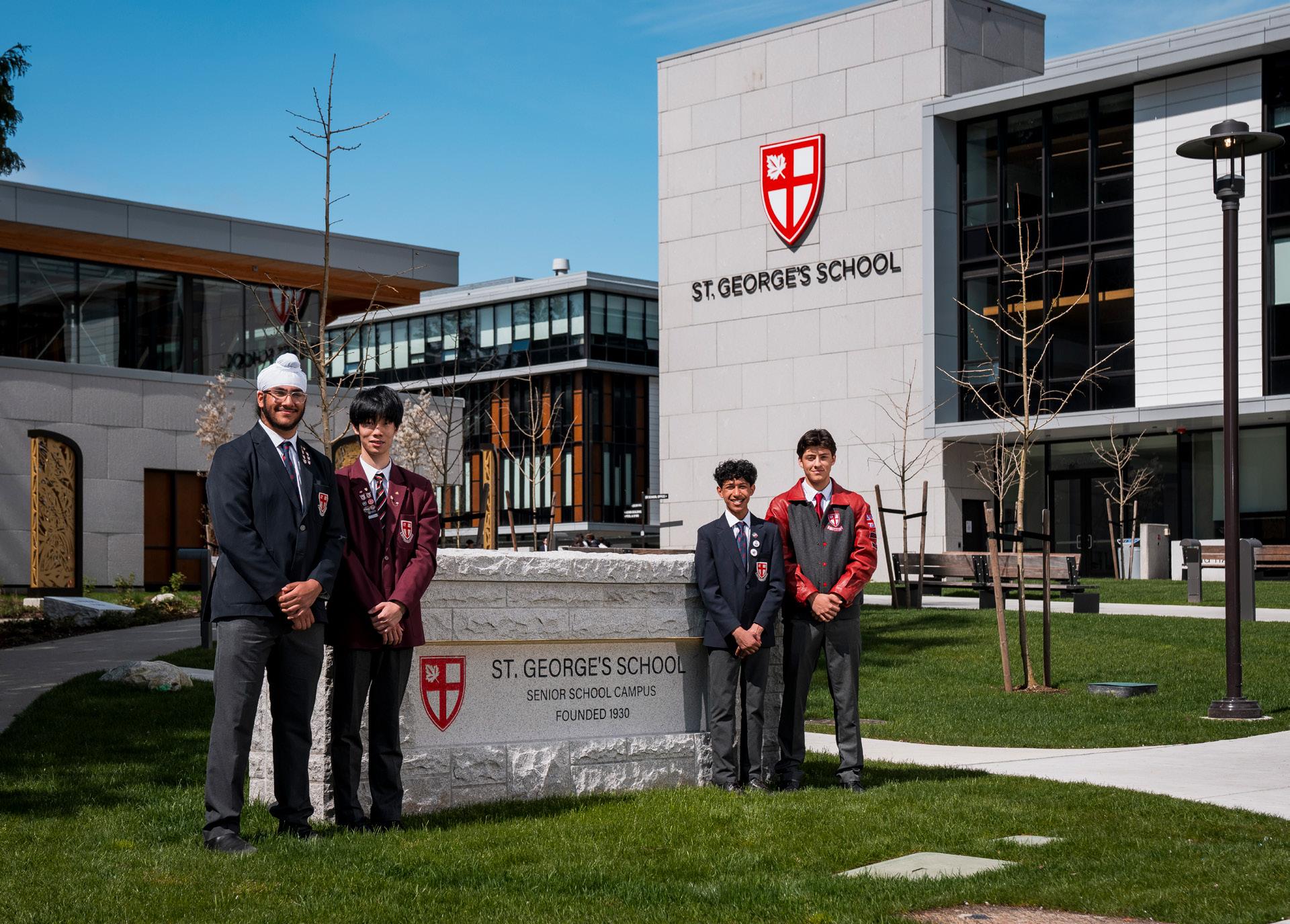
DRAMA 11
All students are welcome to take this fun, exciting course, regardless of their experience levels! The main goal of Drama 11 is for students to expand their understanding of what is possible in the fields of theatre and acting. Students will experiment with new styles of movement and staging to tell stories, learn new techniques to discover and create characters from a script, and work with a professional film actor on a simulated film set. Students will also perform a one-act play using a professionally written script, and perform this play for various audiences, including at a local Drama Festival. Drama 11 gives all students the opportunity to develop their creativity and experience the supportive team environment of a play's cast without the after-school commitment and gives seasoned actors new tools that they can apply to other productions.
ELECTIVE INQUIRY/PROJECT, EXPERIENTIAL 0 HOURS
DRAMA 12
Drama 12 is welcome to all, offering an opportunity for self-directed growth. It provides an enriched introduction to the craft of acting for students who are newly interested in theatre, while also acting as a final developmental stage for experienced actors. Students will gain confidence, collaboration, and listening skills in a supportive, teamoriented environment, which also prepares those who are interested for post-secondary acting and theatre opportunities. Fun and rewarding dramatic exercises, scene work, direction, and most importantly, performance make up the landscape of Drama 12. Ensemble work is stressed so attendance is critical. Drama 12 students write or are provided with a script that aims to challenge but not defeat the actor, and will be performed in front of an invited audience during the school day in the last few weeks of the year.
RECOMMENDATION:
Some acting experience or lower-level drama courses are helpful and encouraged, but not required.
ELECTIVE INQUIRY/PROJECT, EXPERIENTIAL 0 HOURS
DIRECTING AND SCRIPT DEVELOPMENT 11
Directing and Script Development 11 focuses on individual and collective story-telling and meaning through the lens of vibrant histories, diverse cultures, and contemporary communities. With an everimproving critical eye, students will explore people’s sense of identity and belonging. They will begin to understand the dedication and resilience of filmmakers as they use a myriad of artistic techniques to immerse their audiences in the lives of their characters and subjects. In the end, the critical viewer must become the storyteller himself in order to understand how creativity and collaboration bring new perspectives to light and can change both the artist and the audience.
ELECTIVE
INQUIRY/PROJECT, TECHNOLOGY/TOOLS, EXPERIENTIAL
1-2 HOURS
TELEVISION PRODUCTION 11
Television Production 11 offers students the opportunity to delve into the creative and technical side of short filmmaking. Students will learn and practice industry techniques and demonstrate their learned knowledge through group-based film projects. All units and projects in this course are structured to include the Pre-Production, Production, and PostProduction phases to allow for thorough understanding of the total process of film production. We will explore the fundamentals of writing and acting for the screen. During film apperception discussion, students will learn to unpack what makes a film successful. Finally, students will have an opportunity to take part in both live broadcasts of major school
events as well as spirit videos to promote school events. A tremendous amount of maturity, cooperation, communication, and effort is required in this course due to the high level of group-based projects as well as the responsibilities related to our filmmaking equipment. Students taking Television Production 12 (see prerequisite) will go into more depth on the course outcomes, have the opportunity to specialise their learning, and will be expected to provide leadership and mentorship to the program.
ELECTIVE
INQUIRY/PROJECT, TECHNOLOGY/TOOLS, EXPERIENTIAL
5+ HOURS
TELEVISION PRODUCTION 12
TVP 12 is the subsequent course of TVP 11. This prerequisite model allows now experienced film students the chance to build off of all previous knowledge, skills, and experience gained during the students' journey through TVP 11. TVP 12 offers students the opportunity to delve deeper into the technical and stylistic side of filmmaking. Students will learn and practice industry techniques building off of their already acquired skills. This learning will be demonstrated through group-based projects. All units and projects in this course are structured to include the Pre-Production, Production, and Post-Production phases as per industry standards. Throughout the year, students will have many opportunities to continue to find their own style as a filmmaker and to be able to identify particular styles of known filmmakers. A variety of creatively structured projects allow for deep learning and growth towards a number of skills and abilities.
Television Production 12 requires completion of Television Production 11
ELECTIVE
INQUIRY/PROJECT, TECHNOLOGY/TOOLS, EXPERIENTIAL
5+ HOURS
THEATRE PRODUCTION 11/12
Theatre Production 11/12 is a hands-on experience for students working on Saints Players Theatre Company’s productions and other events in the Auditorium. The course is meant for students who wish to gain valuable practical skills, many of which are applicable outside of theatre. The course offers students the chance to explore areas such as stage/ house management, lighting, sound, scenic design, scenic painting, set construction, wardrobe, props, and makeup. This course supports the various stage productions at St. George’s School throughout any given school year, including events such as plays, concerts, musical shows, and some presentations at weekly assemblies. This will require each student to use some out-of-class time to participate in a variety of activities, including scenic design and construction; props building; rehearsals; and the set-up, run, and strike phases of production.
Students should enter the class with the understanding that they will be required to work the show run of at least one of the school productions, which is a very rewarding but serious time commitment. Students taking Theatre Production 12 and Theatre Company (see prerequisite) will go into more depth on the course outcomes, have the opportunity to specialise their learning, and be expected to provide leadership and mentorship in the program.
PRE-REQUISITE:
Theatre Production 12 requires completion of Theatre Production 11.
ELECTIVE
INQUIRY/PROJECT, TECHNOLOGY/TOOLS, EXPERIENTIAL
1-2 HOURS
AP 2D DESIGN PORTFOLIO 12
AP 3D DESIGN PORTFOLIO 12
AP STUDIO ART: DRAWING 12
Students select one of the following programs offered: 2-Dimensional Design, 3-Dimensional Design, or Drawing. AP Studio Art is designed for students who are seriously interested in the practical experience of art and have time to dedicate to their practice. Students select an area of focus and create a portfolio of work to demonstrate their artistic skills and ideas they have developed, refined, and applied over the course of the year. Students submit portfolios to the AP Board for evaluation in midMay.
PRE-REQUISITE:
Studio Arts 2D11, 3D11, Media Arts 11, or permission from Head of Department
ELECTIVE
DIRECT INSTRUCTION, INQUIRY/PROJECT, EXPERIENTIAL
3-5 HOURS
An extension of Media Arts 10, this course builds upon the students’ understanding of new media techniques. Students will continue to explore and create digital imagery through more involved assignments. Based on the processes and content areas of the visual arts curriculum, the course provides an advanced overview of some, if not all of the following: Animation, Film/Digital Video, Graphic Design, Photoshop, and Digital Photography. With extensive use of Harmony by Toon Boom, Adobe Premiere, and Photoshop, students will approach the creative process from an enhanced technical and aesthetic point of view on a Mac computer.
PRE-REQUISITE:
Experience in Animation 9, Media Arts 9, or Media Arts 10; or related experience and approval from the Head of Department for Visual Arts.
ELECTIVE INQUIRY/PROJECT, TECHNOLOGY/TOOLS 0 HOURS
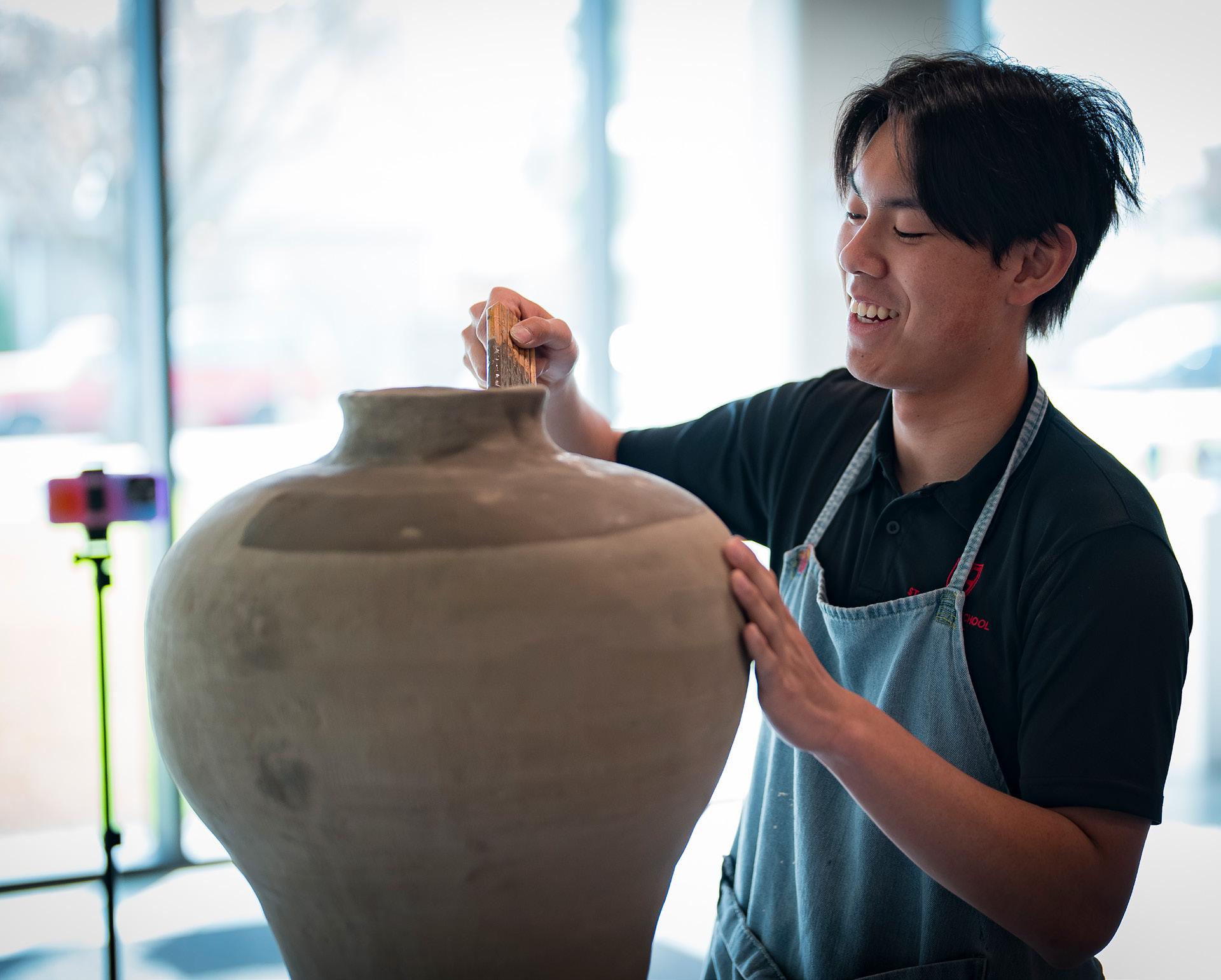
An extension of Media Arts 11, this course builds upon the students’ understanding of new media techniques. Students will continue to explore and create digital imagery through more involved and conceptual assignments. This course is designed for students who have completed Media Arts 11 and wish to take their technical knowledge base of digital software to the next level, and engage in the creative process in an independent study format. Students are encouraged to think conceptually and critically, and to visually problem solve through personal expression of ideas. The sketchbook will be a visual and written diary documenting the creative process through collections of images, artistic resources, and brainstorming. Context and linear development to a design solution is essential.
PRE-REQUISITE:
Completion of Media Arts 11 or with related experience and approval of Head of Department for Visual Arts.
ELECTIVE INQUIRY/PROJECT, TECHNOLOGY/TOOLS 0 HOURS
STUDIO ARTS 2D 11
Many of the processes used in this course are familiar to the students. The diverse nature of the course allows for flexibility, creative thinking, and risk-taking. Based on general themes, the students are encouraged to develop imagery in a two-dimensional medium that best suits their visions. The evolution of ideas and exploration of design problems and techniques occur in the sketchbook. Studies and preliminary work are developed before any major project. This course expects students to focus on their imagination and creativity, rather than their technical limitations. The students will exhibit their work throughout the year, and everyone is expected to participate in a final show at the end of the year.
ELECTIVE INQUIRY/PROJECT, EXPERIENTIAL 0 HOURS
STUDIO ARTS 2D 12
At this level, the students are expected to work with increased independence, resolving their own questions derived from given themes. They will design works to express their own understanding of self. Portfolio development is an integral part of the course as it helps to gain greater understanding of their creative potential and journey. The teacher acts as a resource person and helps with aesthetic and technical problem-solving. Sketchbooks are a requirement and all artwork should display vision and imagination.
Students are asked to use their books to explore their creativity, focussing on their imagination rather than their technical limitations. The students will exhibit their work throughout the year, but all are expected to participate in a final show at the end of the year.
PRE-REQUISITE: Grade 12 students only.
ELECTIVE INQUIRY/PROJECT, EXPERIENTIAL 0 HOURS
STUDIO ARTS 3D 11
In this course, students spend half of the year on the potter’s wheel making increasingly complex pottery forms. The other half of the year is spent creating hand-built sculpture projects, including using and making plaster molds for slip casting. The course is projectbased and students are encouraged to express their own ideas, emotions, and personalities using clay and ceramic processes. Sketchbooks are used to document the creative processes explored throughout the year. The course includes visiting artists and field trips for inspiration and learning about the diverse world of Ceramic art. A “Raku firing” at the Shadbolt center closes out the year. It gives students the opportunity to participate in the experience of directly working with fire. All work assigned can be completed in class time, but students are encouraged to attend Ceramics Club to extend their exploration and skill development.
ELECTIVE DIRECT INSTRUCTION, INQUIRY/PROJECT, TECHNOLOGY/TOOLS, EXPERIENTIAL 0 HOURS
STUDIO ARTS 3D 12
At this level, the students are expected to work with increased independence, resolving their own questions derived from given themes. They will design works to express their own understanding of self. Portfolio development is an integral part of the course as it helps to gain greater understanding of their creative potential and journey. The teacher acts as a resource person and helps with aesthetic and technical problem-solving. Sketchbooks are a requirement and all artwork should display vision and imagination. Students are asked to use their books to explore their creativity, focussing on their imagination rather than their technical limitations. The students will exhibit their work throughout the year, and all are expected to participate in a final show at the end of the year.
PRE-REQUISITE: Ceramics 8, Ceramics 9, Studio Arts 3D 10, Studio Arts 3D 11, or with approval from the Head of Department for Visual Arts. Grade 12 students only.
ELECTIVE INQUIRY/PROJECT, TECHNOLOGY/TOOLS 0 HOURS
Career LIfe Connections (CLC) is a mandatory course for Graduation that students will complete in their Grade 11 and 12 years. CLC 11 is a scheduled course that occurs with direct instruction during X-Blocks, Advisory, Assemblies, Flex Day, University Counseling Time, Careers Day, and University visits. Learning will focus on preparation for the future as lifelong learners, focusing on themes of personal reflection and community engagement, personal futures and postsecondary preparation, and life skills and wellbeing.