Work Placement Diary 25th April - 5th May Sai Chen
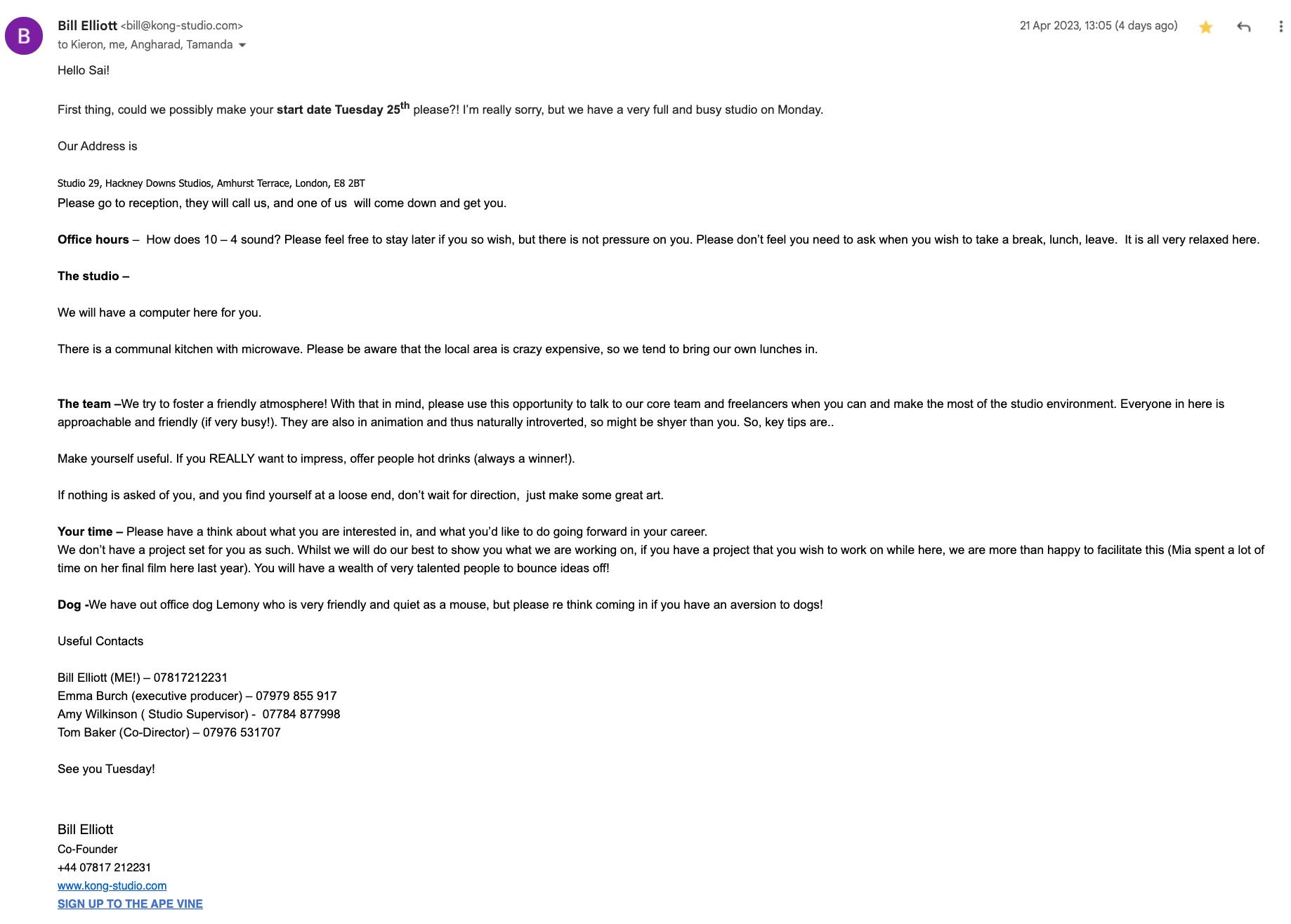
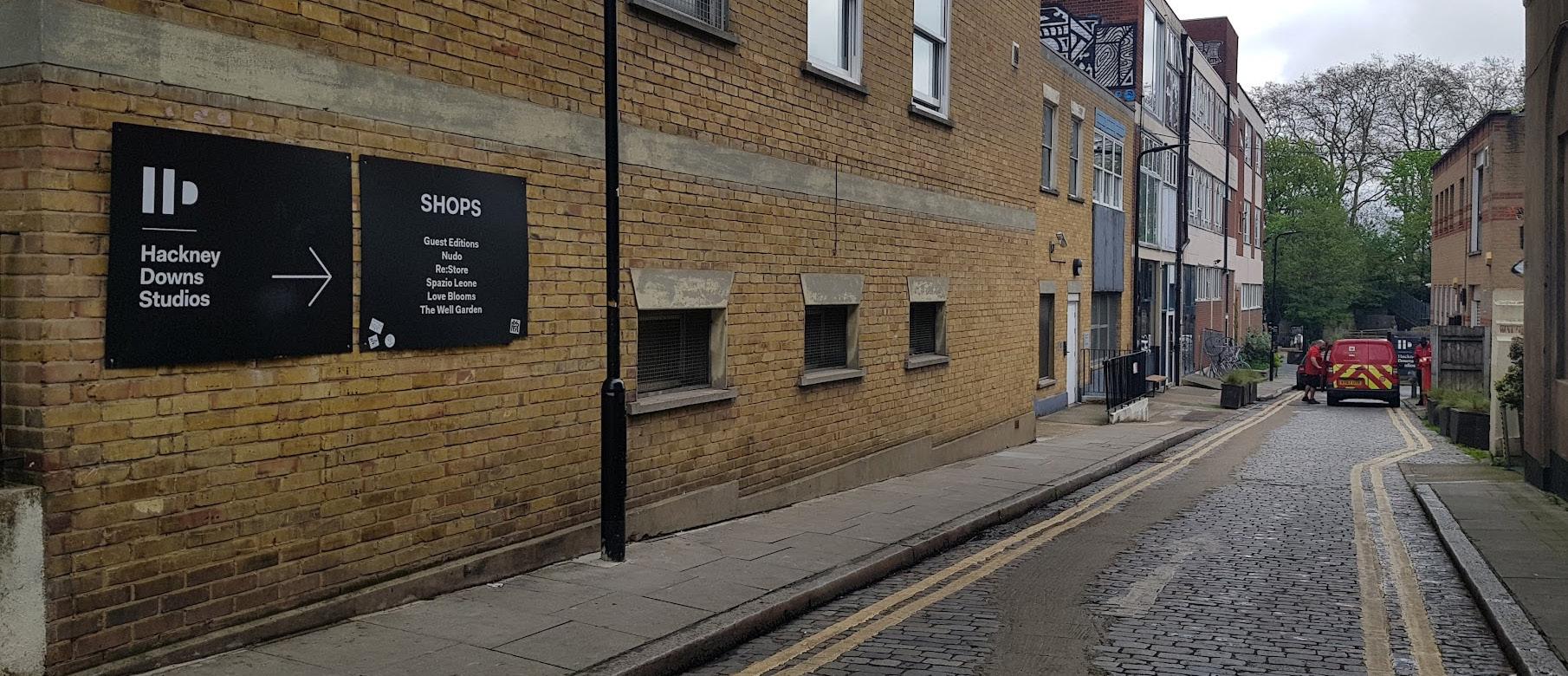
Kong Animation Studio is a 2D animation studio co-founded by Bill Elliott and Tom Baker. They are based in London and are part of a creative hub at Hackney Downs Studio. Though they specialise in 2D animation, they also work in a variety of styles and do different types of work. These include advertising, entertainment, factual, kid’s TV & online and more.
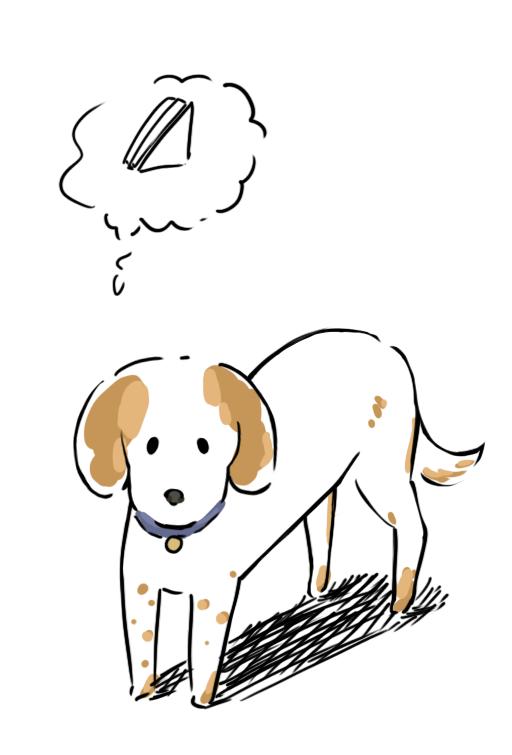
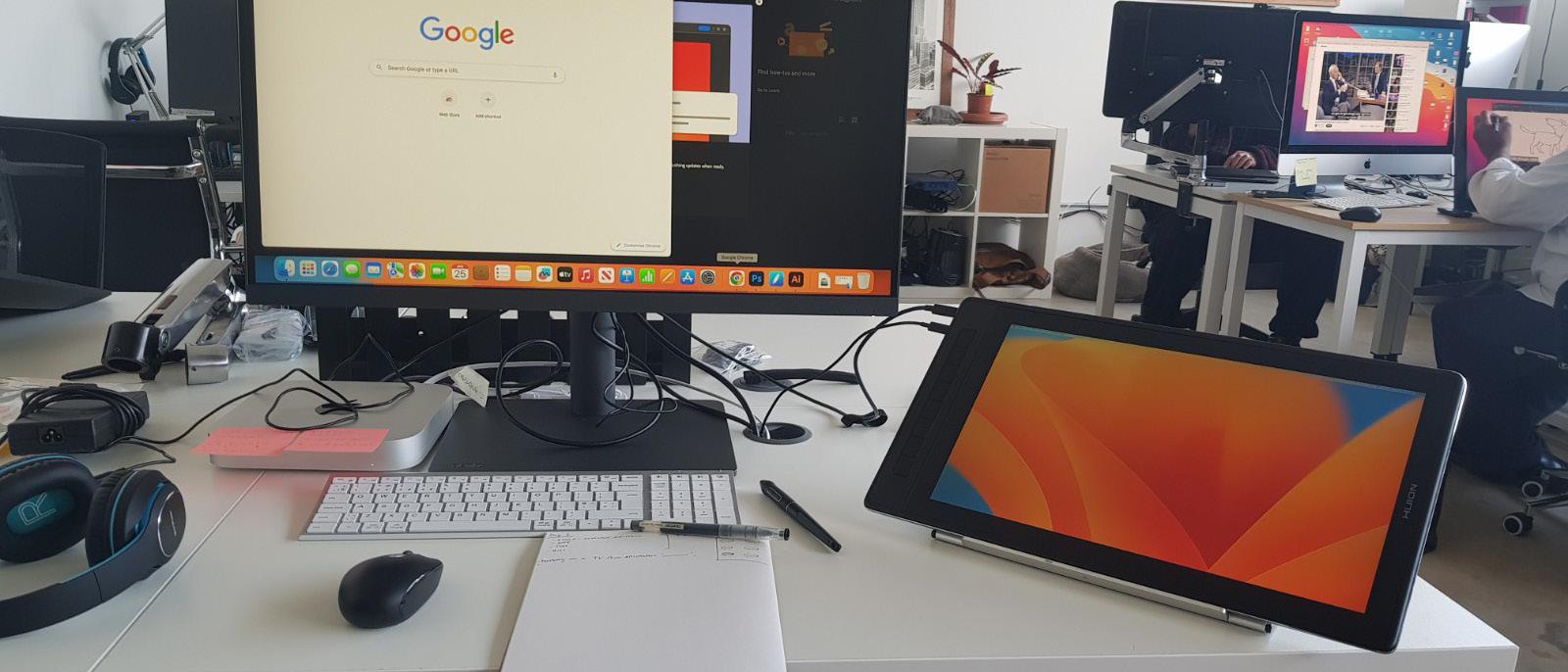
On my first day, I was nervous but excited to finally start my placement. Unfortunately, the excitement I felt took a turn when I arrived 25 minutes late because of delayed transportation when I was supposed to arrive at 9 am. However, Bill was kind enough to assure me it wasn’t a problem. When I entered the studio, Bill gave me a quick tour and ran through Health & Safety steps. He then introduced me to Emma Burch (executive producer), Amy Wilkinson (Studio Supervisor), Tom Baker (Co-Director), as well as their office dog, Lemony! We talked about my project, my comic from last year, and they showed me a quick snip at the project they are currently working on, a 26-minute animation series based on Quentin Blake. At the moment, they are at the stage of drawing in-betweens of the frames. It looked amazing and felt surreal because I had never imagined seeing an animation behind the scenes. After this, Bill took me to my working space, which came with a computer and a Huion graphic tablet, which were terrific because they ran so smoothly! I worked on my final project for the rest of the day and left at 5.
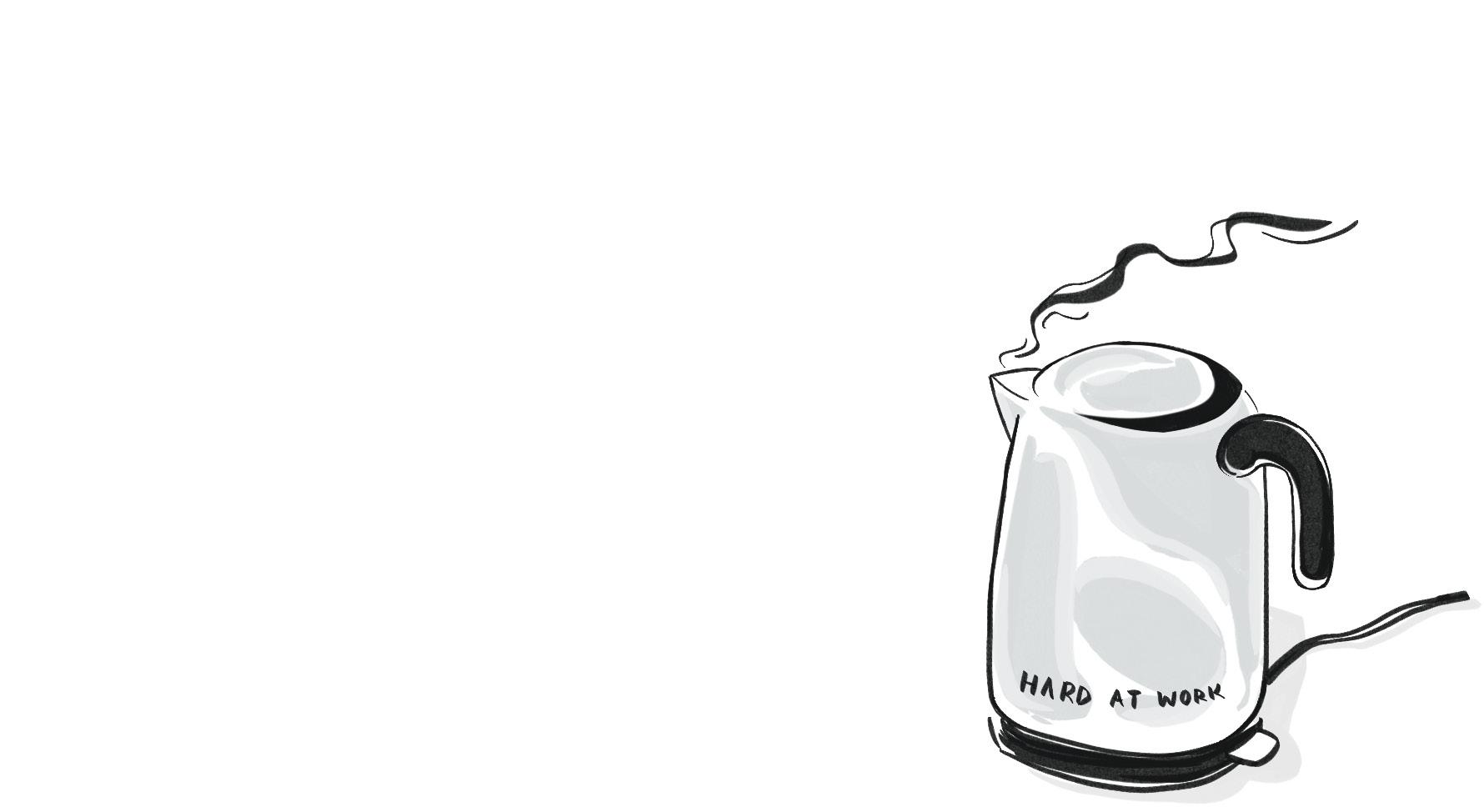
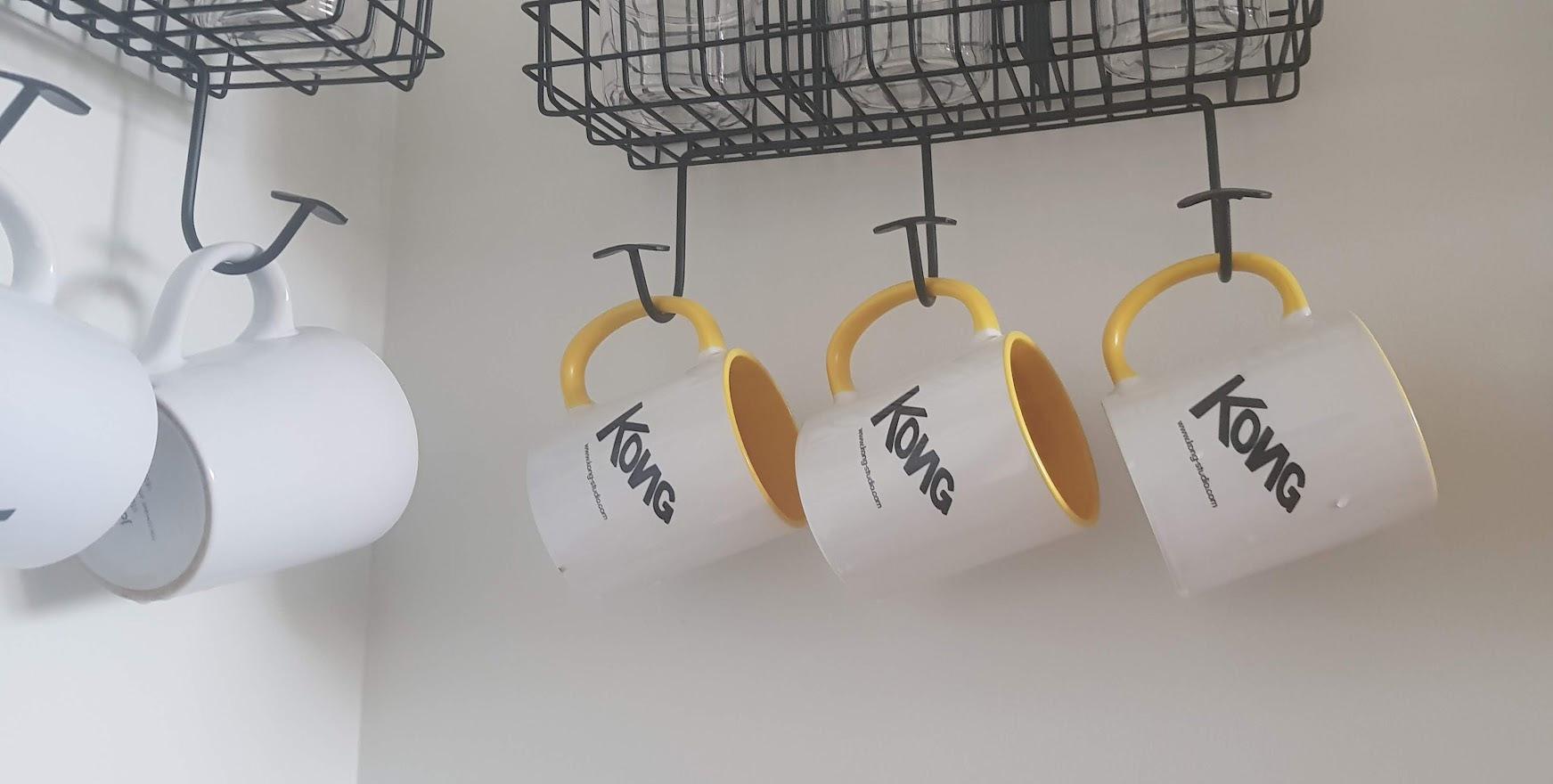
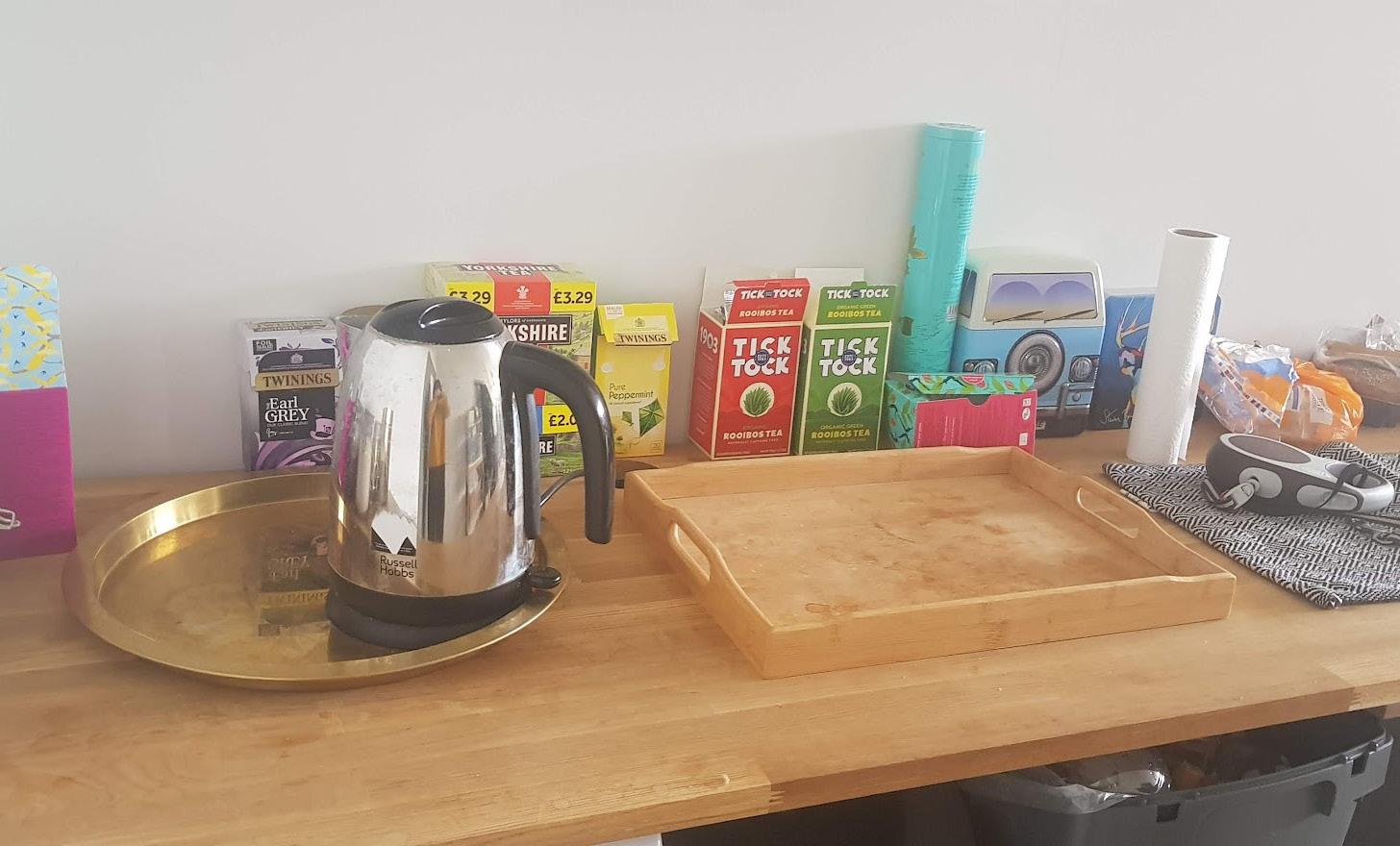
The working space and environment were very calm and chill, which I very much liked. Despite having yet to meet most of the team, they seemed friendly from the conversations I heard, and Amy even offered tea and cookies. Since all of my work is all on Procreate, there wasn’t much use with the Huion tablet. I thought it was a waste and a lost opportunity to not use it, so I decided to use photoshop and illustrate anything for this diary, such as lemony to the right. Even though Bill said it wasn’t a problem for being late, I still think it’s bad practice and unprofessional; thus, my goal for tomorrow is to arrive on time.
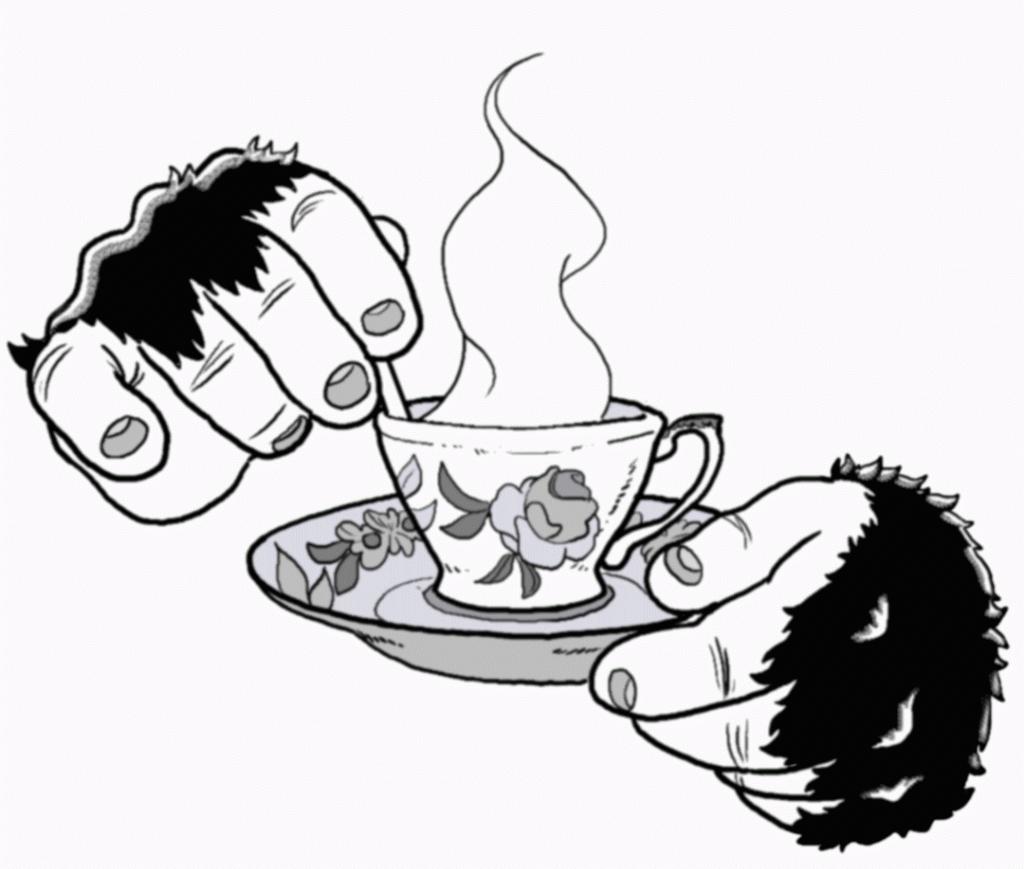
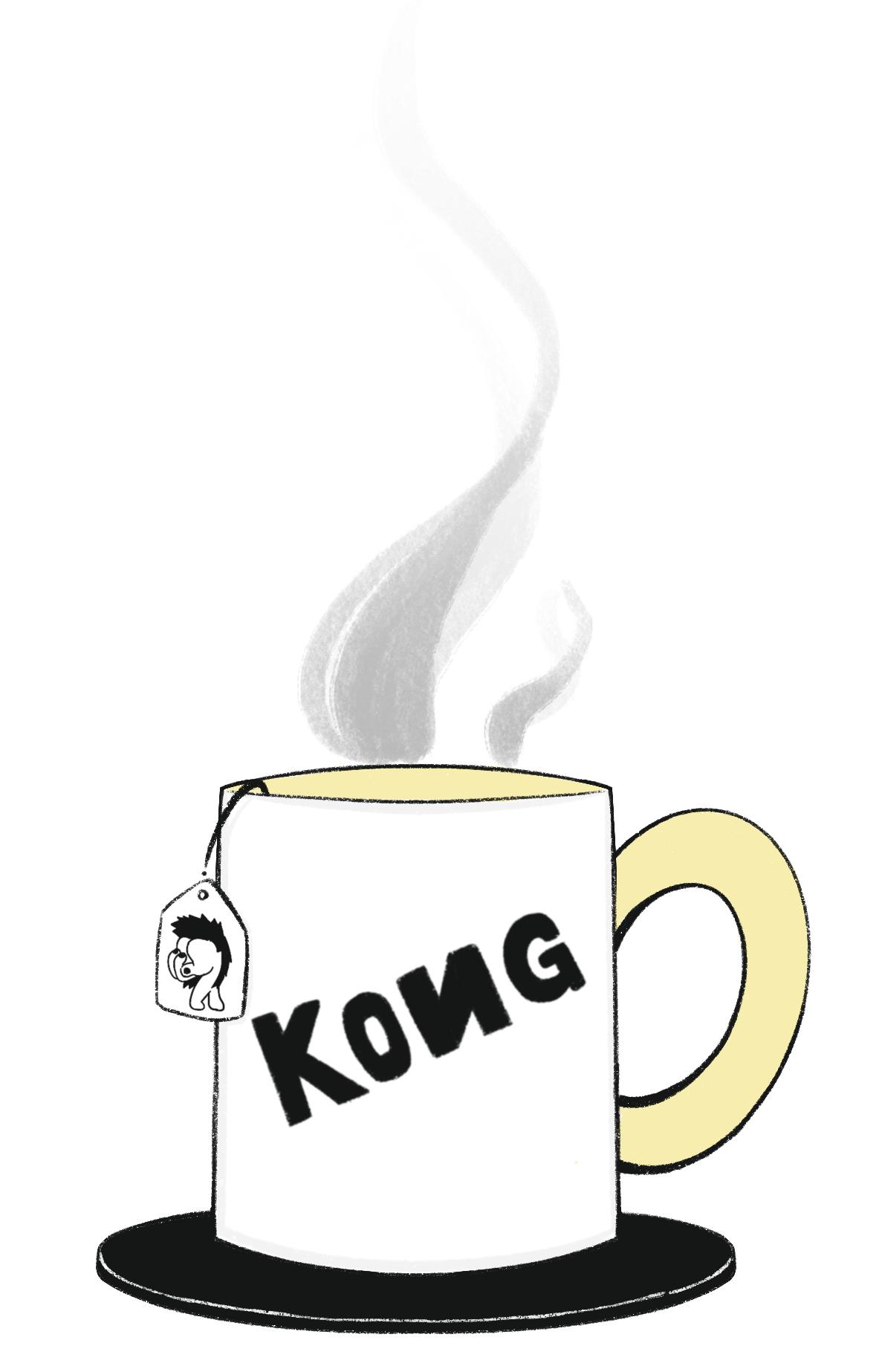
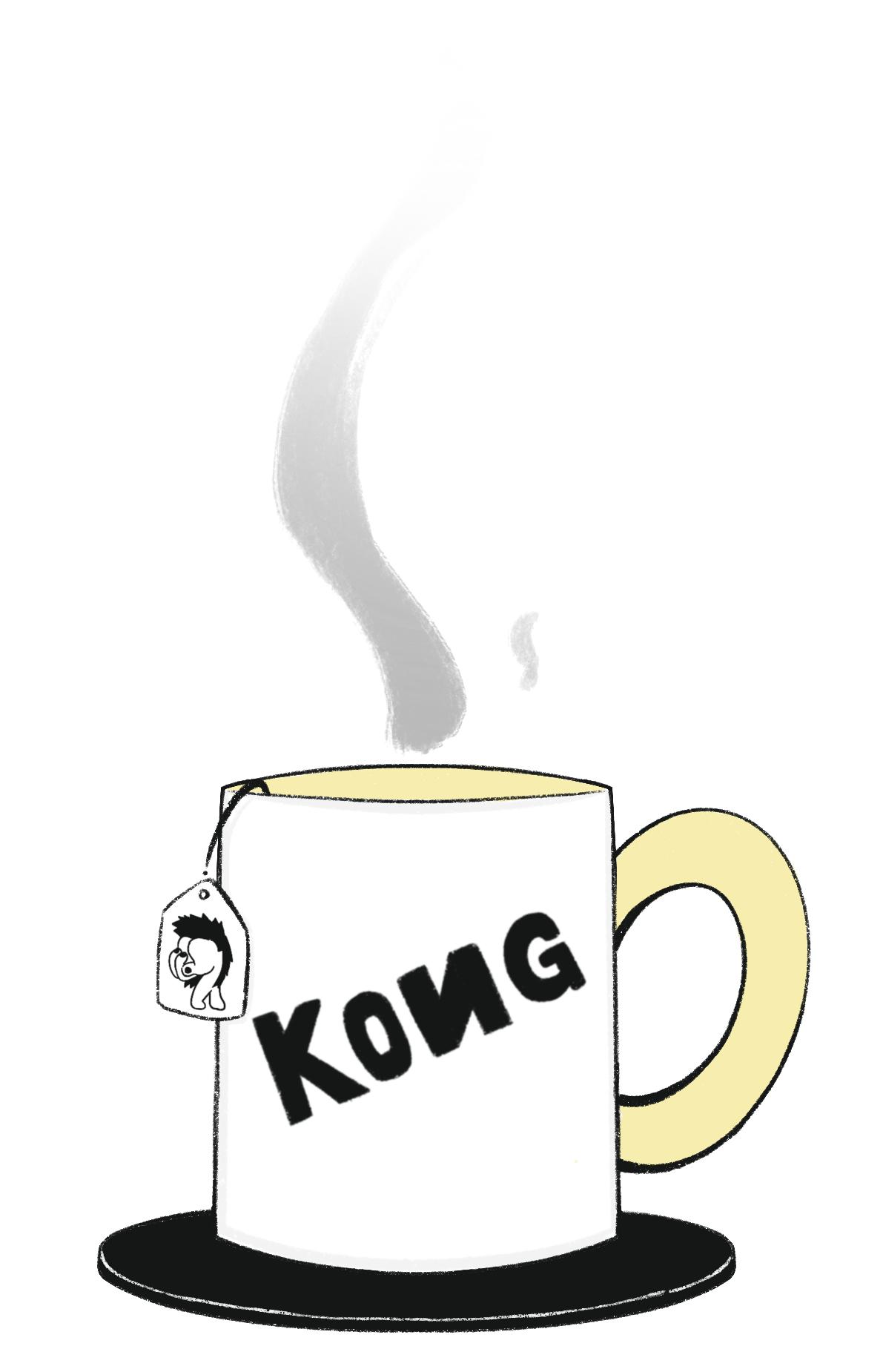
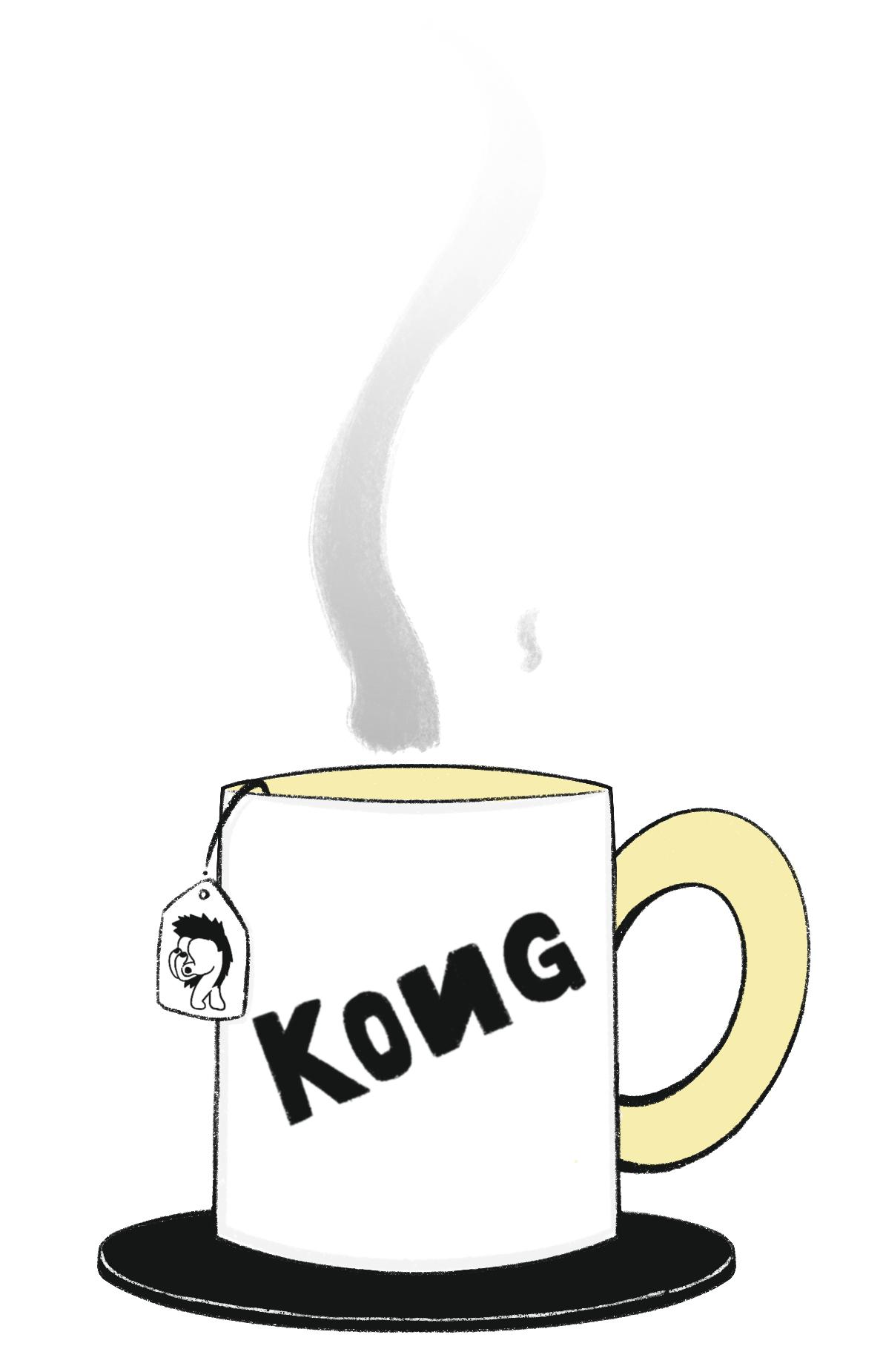
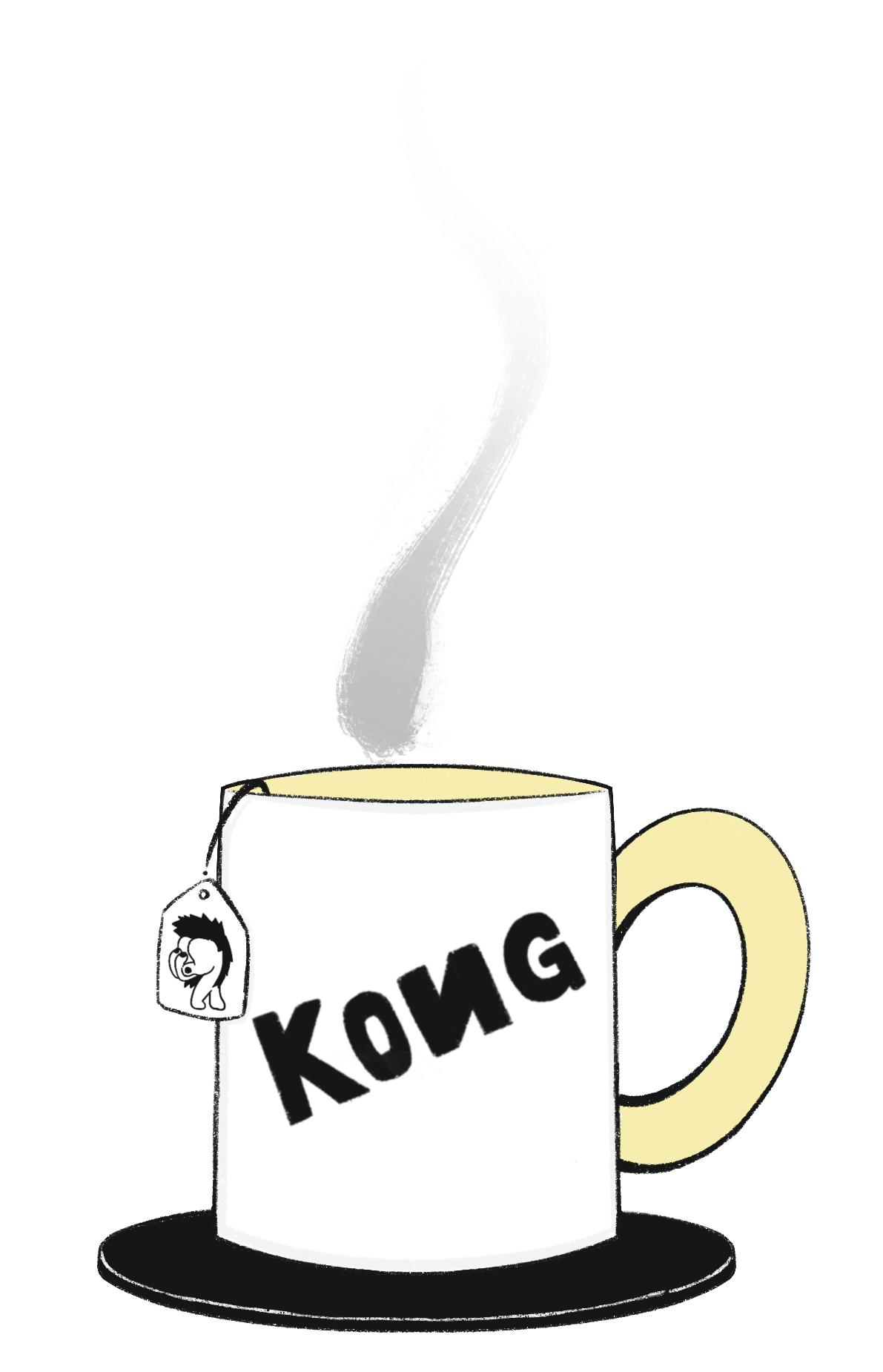
I’m proud to say that one of my goals for today was achieved, I made sure to arrive on time. Nothing really happend today, it went pretty uneventful and continued working on my project for the rest of the day, though at one point there was a small issue on the monitor as it wouldn’t turn on, so Amy and Tom came over to fix it. I’m starting to get more used to the graphic tablet they provided, and drew a small cup on photoshop. As I have only oened a small graphic tablet (without the screen), I really like how it the pen feels. It felt a little softer from an ipad screen. Unfortunately, it was a busy day for them so Bill couln’t show me their project, but hope to the upcoming days. At the end of the day, Bill gave me looked through my FMP and gave me advice, some include:
• Write a short paragraph on what I want to achieve and do for my career. (For example, adventure time pitch bible shows what exactly the story is about, what they are, what’s going to happen, then a small drawing introducing them. This will help myself and others to know what exactly I can do, as if pitching my ideas to them with clarity
•
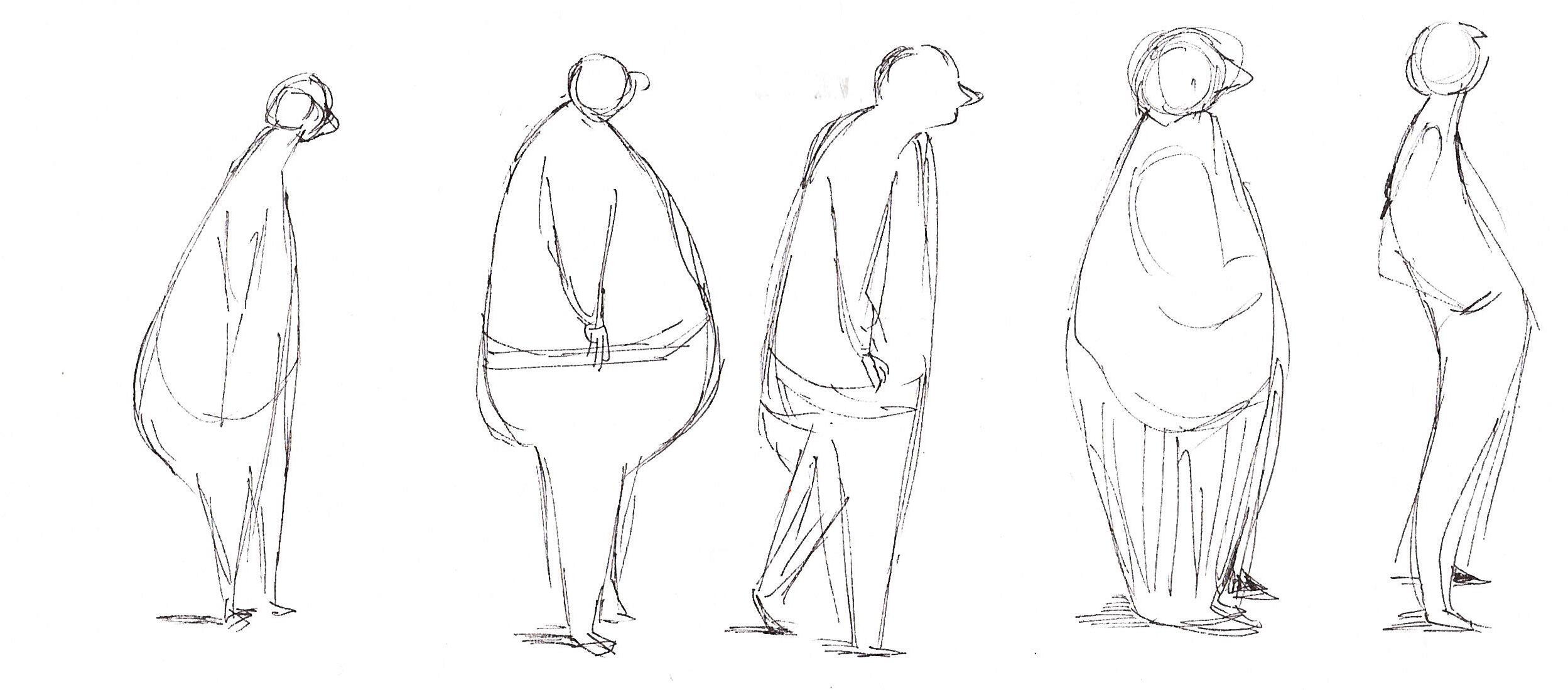
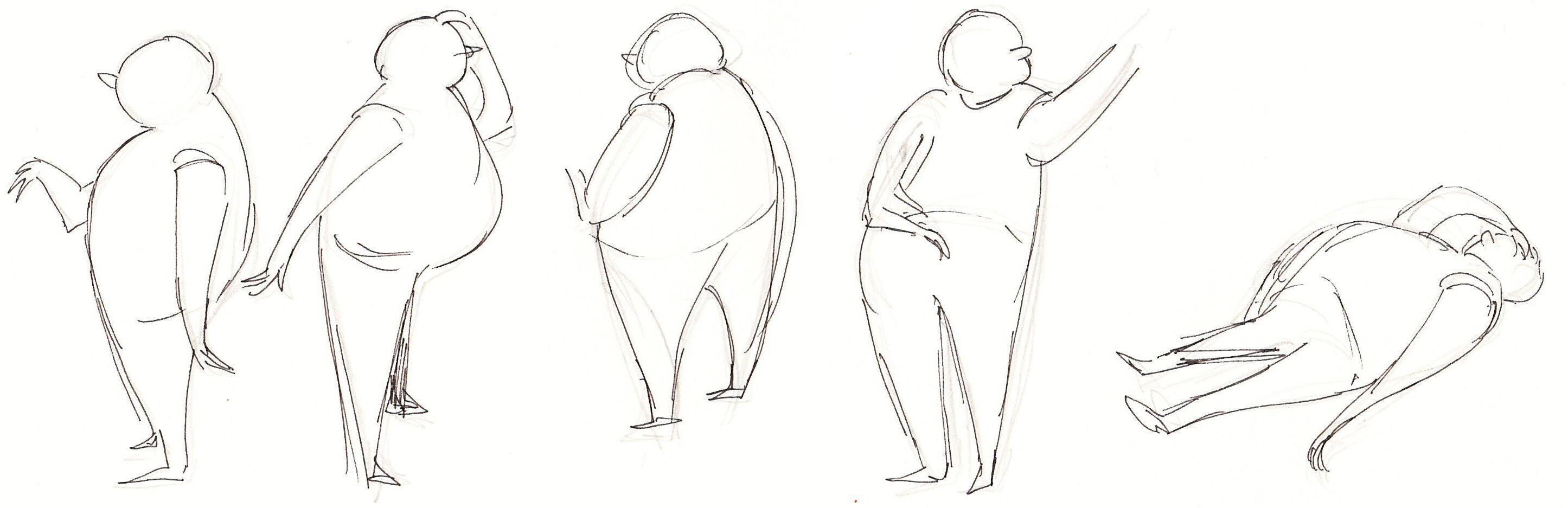
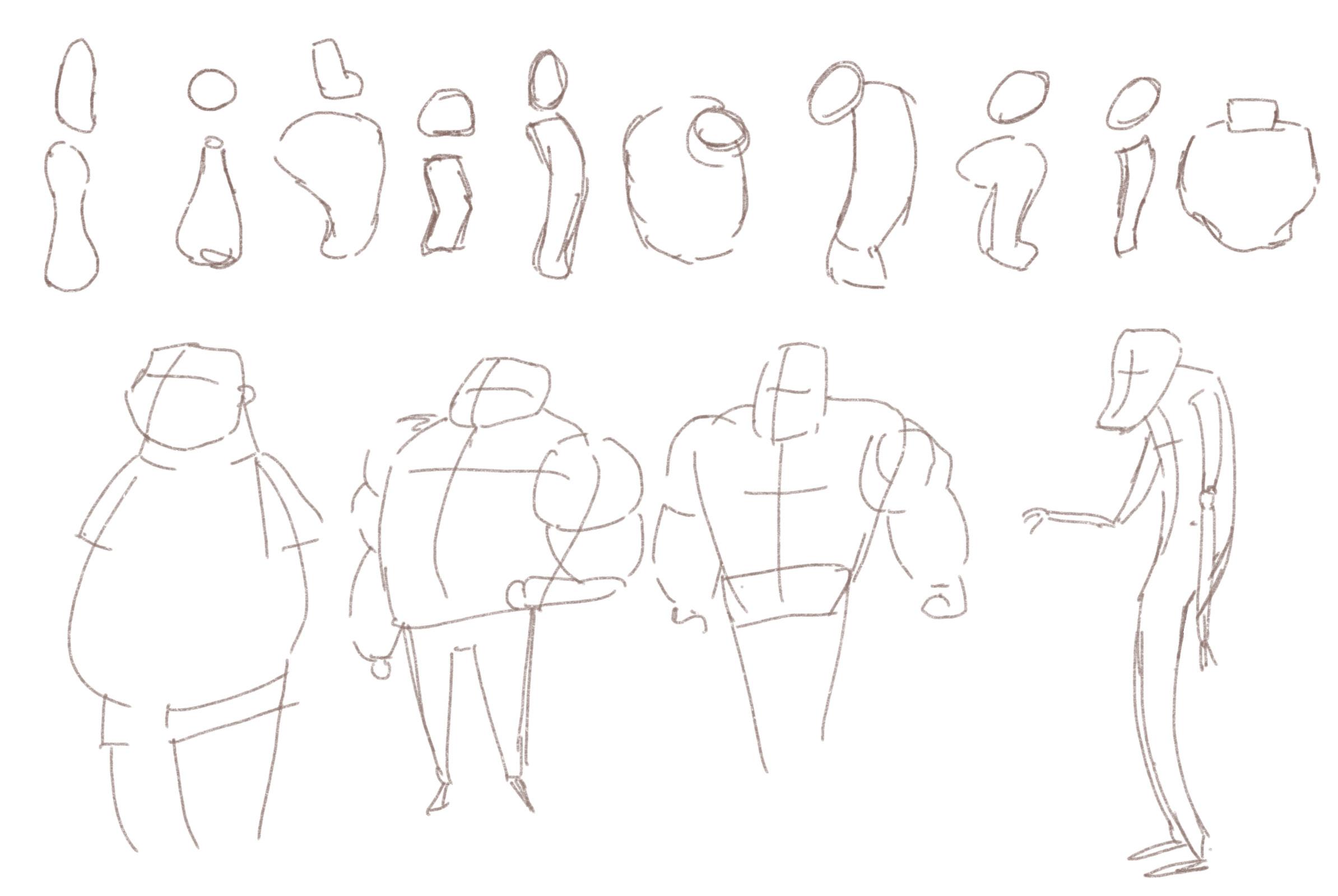
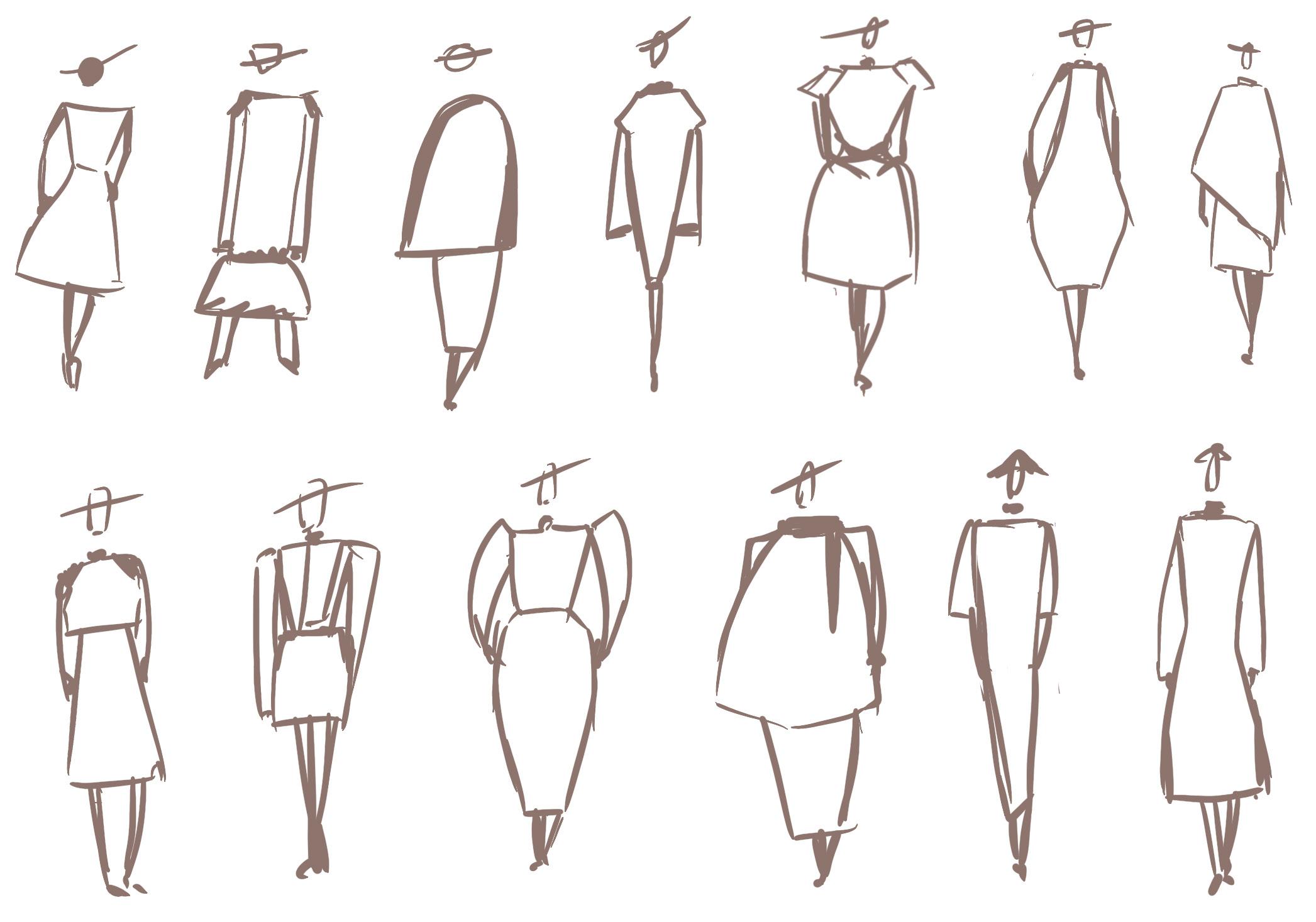
• From a proffession perspective, draw various of body shapes, not just what you want to draw.
•
• Could maybe animate the cup

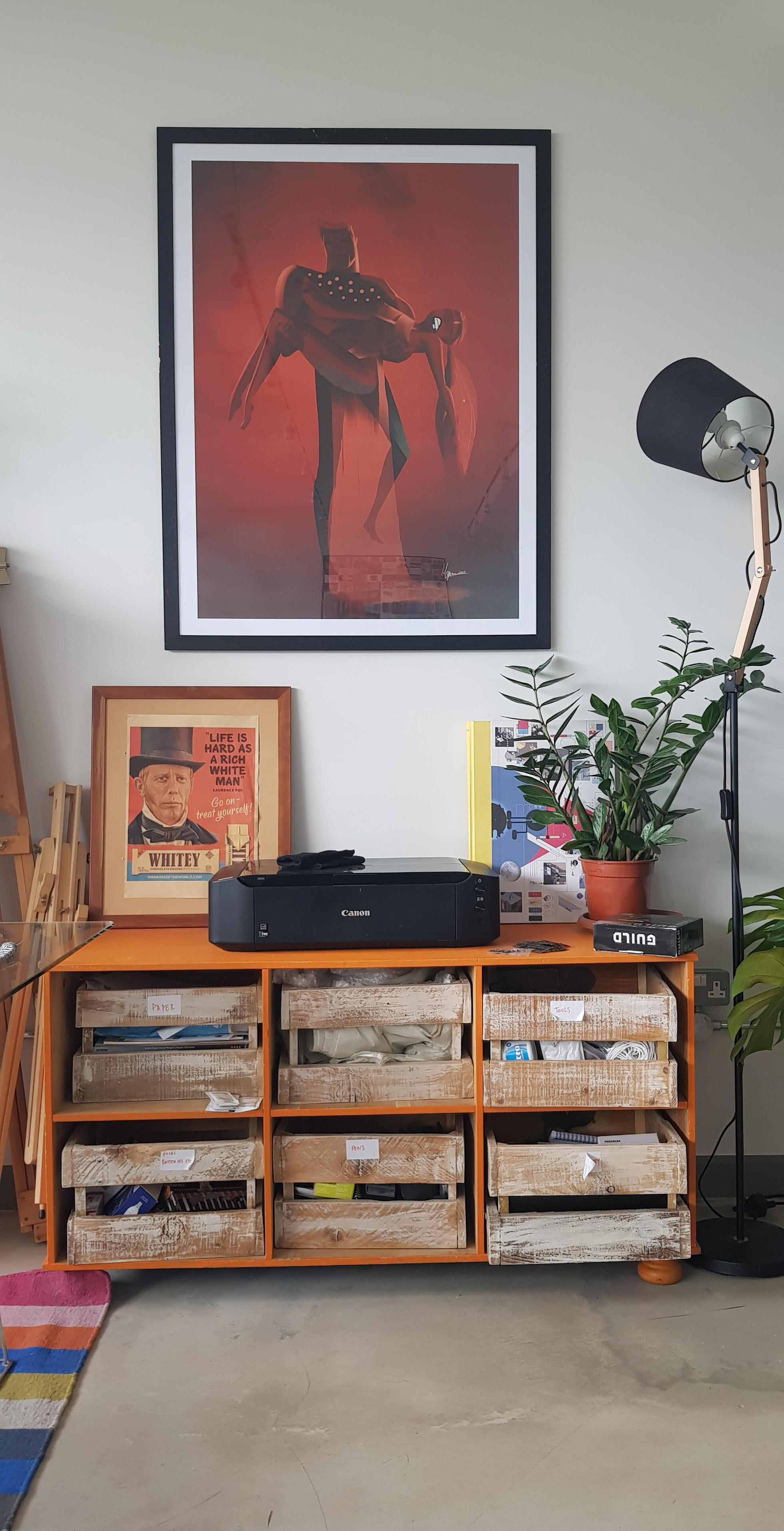
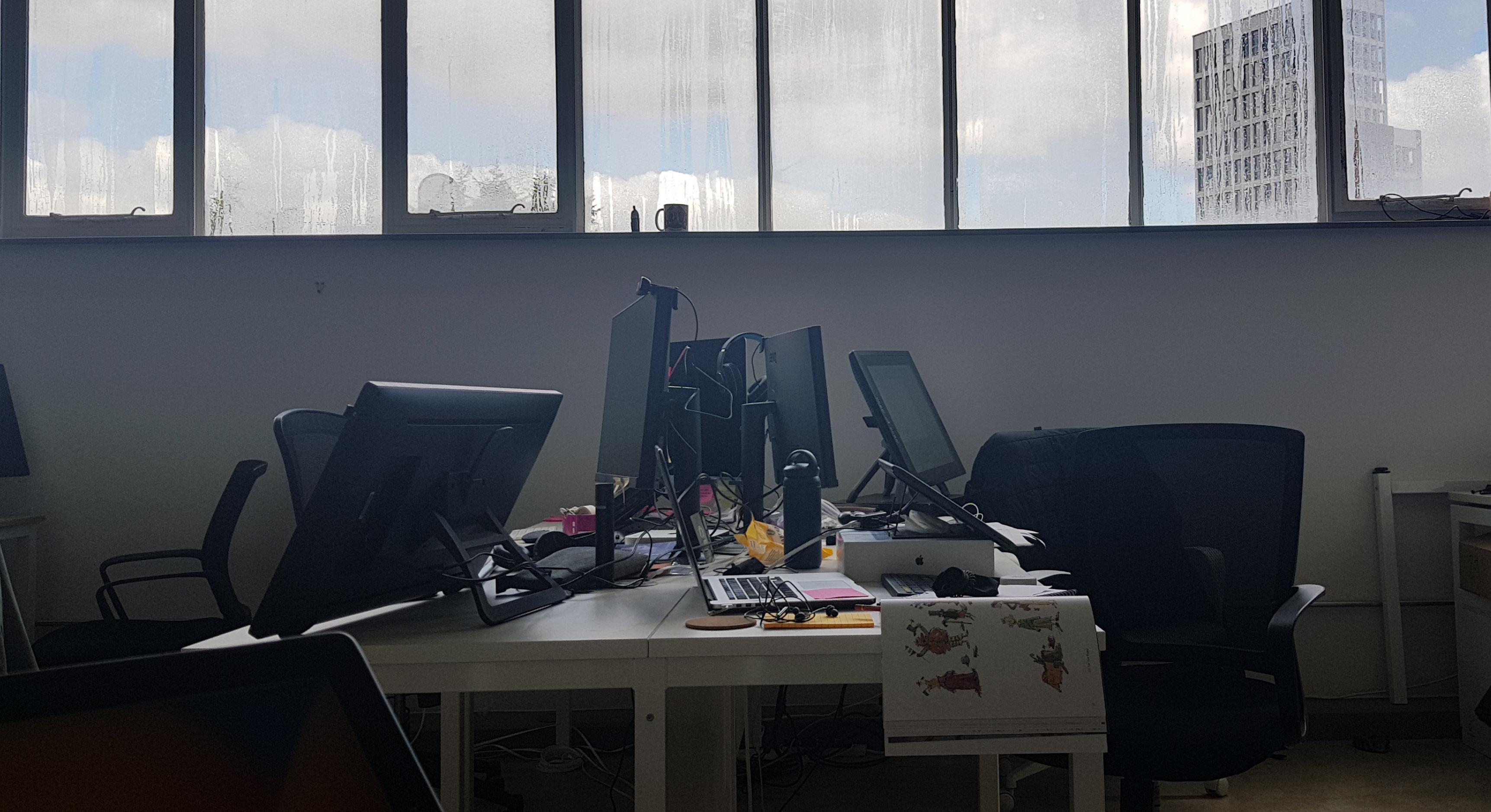
Bill isn’t in today so I called Amy to open the door for me to get inside the studio. I found out from her that the studio starts at 9-am, but people usually come in much earlier at around 8:30 am. I was a little surpsrised to hear that honestIy. I think it just shows how committed the team are, and how much they want the project to be a success. It also reminded me how people who does animation, or in the creative industy in general, are so passionate with their career. This got me thinking further on what I want to do after University. I do have a couple of ideas, and animation is one of them but I was unsure with how an animation studio functions, and the specific type of work or skills they require. Either way, I was unsure if I fit with this line of work and having an interest with minimal animation work will only get me so far. I’m hoping that on Friday I get to learn more about the animation industry.
Just like yesterday, I continued with my project all day whilst keeping the advice Bill gave me. I decided to change a couple of things which is a little concerning concidering with less than 1 month left until the deadline. Even so, I think if I input what Bill aksed me to do, it will help my project tremendesly, even if it differes slightly from my original idea and brief.
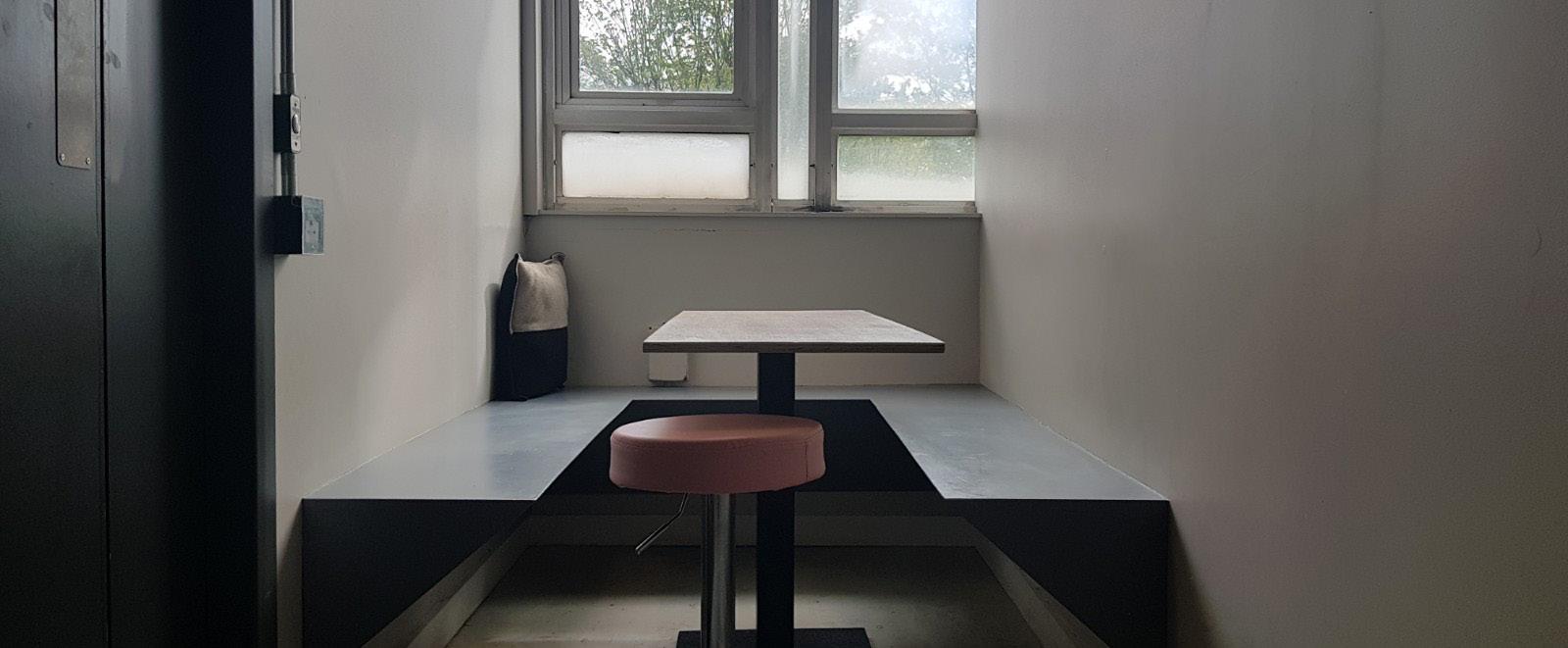
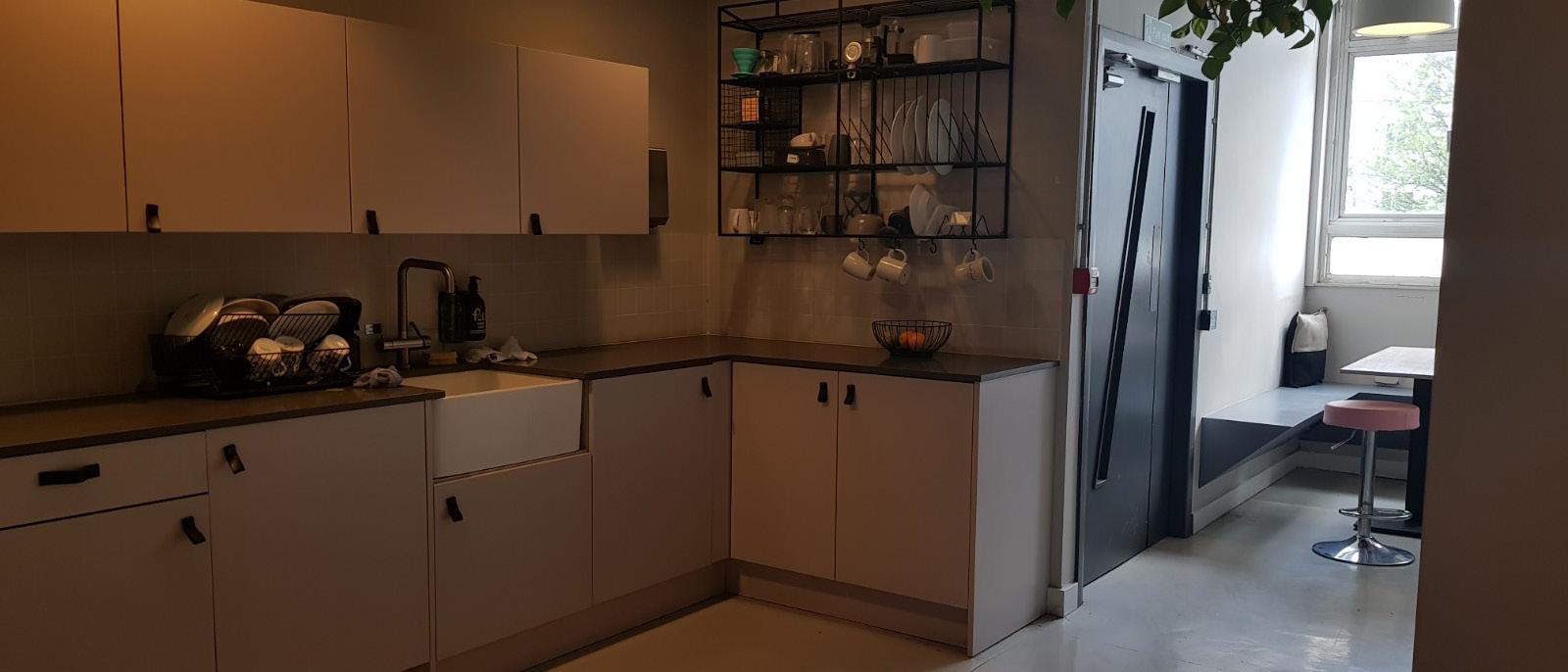
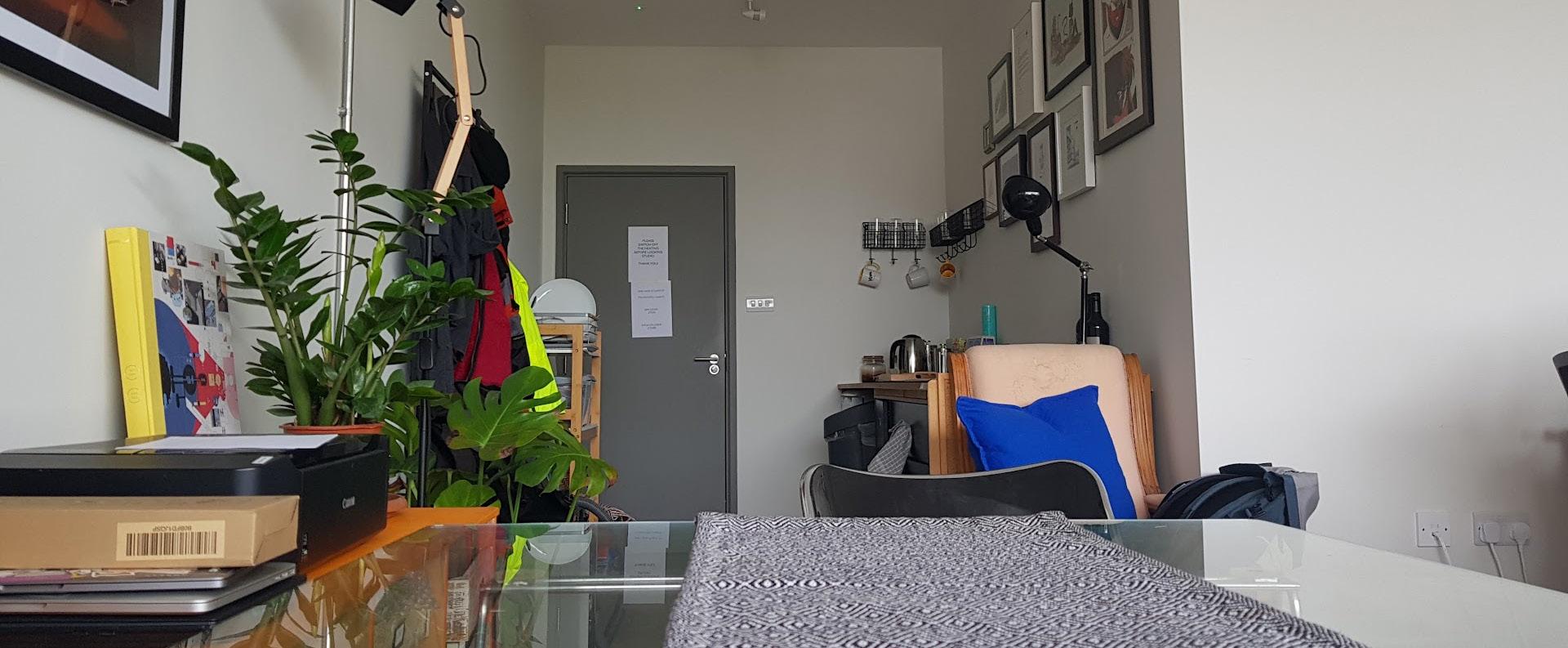
On this day, Mia, one of the alumni, talked and showed me what they were working on. She walked me through how the process worked and showed me some examples. Unfortunately, I couldn’t take any pictures, but from what I saw, it was amazing and fascinating. By the end of the talk, she clarified many things I was confused about with the animation industry, primarily how it functions and the process. Here are the things I’ve learnt:
• Posing (the storyboard to show the scene’s action)
• After comes the Rough ( the movements of the action to show how the animation looks in the end, drawing in-between frames)
• Tie-down (put rough drawings in line with the model and clean up the frames)
• Inking (final cleaning of the lines)
• Colour
•
• One person is in charge of lining, another does the colour, and another does the effects etc. No one does everything in a scene, and multiple people do it. Once all the scenes are completed, another person will put them together.
•
• Before the animation starts, someone from another department must create design sheets that include: multiple character turnarounds, measurements, expressions, mouth movements, props (bags, bikes etc.), and backgrounds.
•
• The producer sets and gives everyone tasks through FTrack, a collaborative programe. They can schedule, give feedback, comment live, and other collaborative features.
•
• Once you are given tasks, the deadline is usually 1 week long. After you have completed them, you ask for more.
•
• The lead animator gives the brief and checks whether the animation is good. If they still need to, they will send it back to you with comments, and then you change them according to the feedback.
• Everyone has to match the same style. To do this, they will use reference sheets.
•
• Sometimes, to get the animation right, they record and act out the scene in person to use as a reference. This is especially useful for mouth movements. Another method is to import a 3D rendering; if you don’t know the position of something, then all you have to do is to line over it. Another way is to import a side view of a character from a character design sheet and line over that.
•
• Mia creates a board of references to use for herself
•
• It is alright not to know the programme they are using, as they will teach it. Toon Boom, Animate, and Photoshop are industry-standard programmes for animation, and it is much easier to learn, according to Mia. She watched tutorials from ‘ZeBirdBrain’ to help her learn Toon Boom.
GENERAL ADVICE: It is better to start in a smaller animation studio than a larger one, as bigger companies tend to be stricter and be constantly in your face. Smaller companies are a lot calmer and more relaxed.
As of this moment, Kong Studio is adapting a 6 episode series of the 26-minute-long film based on Quentin Blake’s work. In total, 24 people are working on this project, along with three other studios. This project has been ongoing since last year, and is currently working on the 4th and 5th episodes.
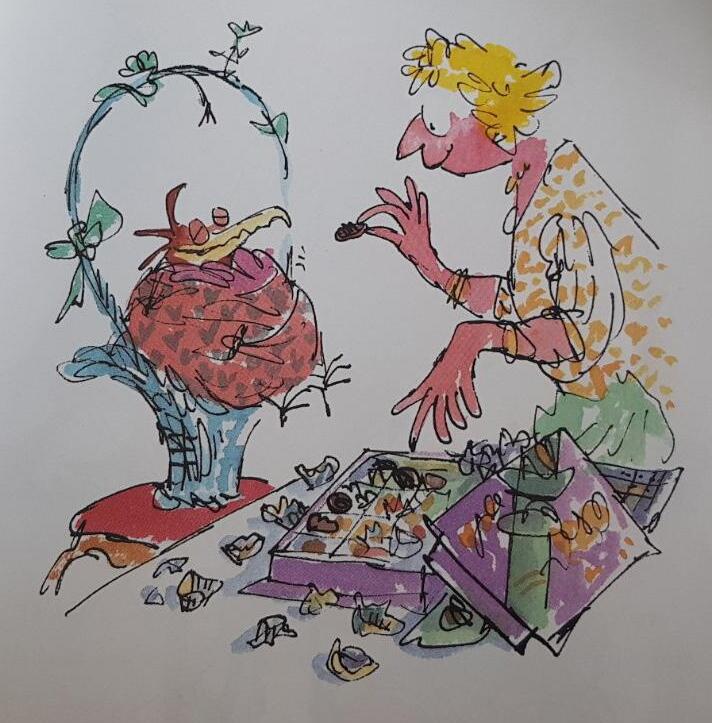
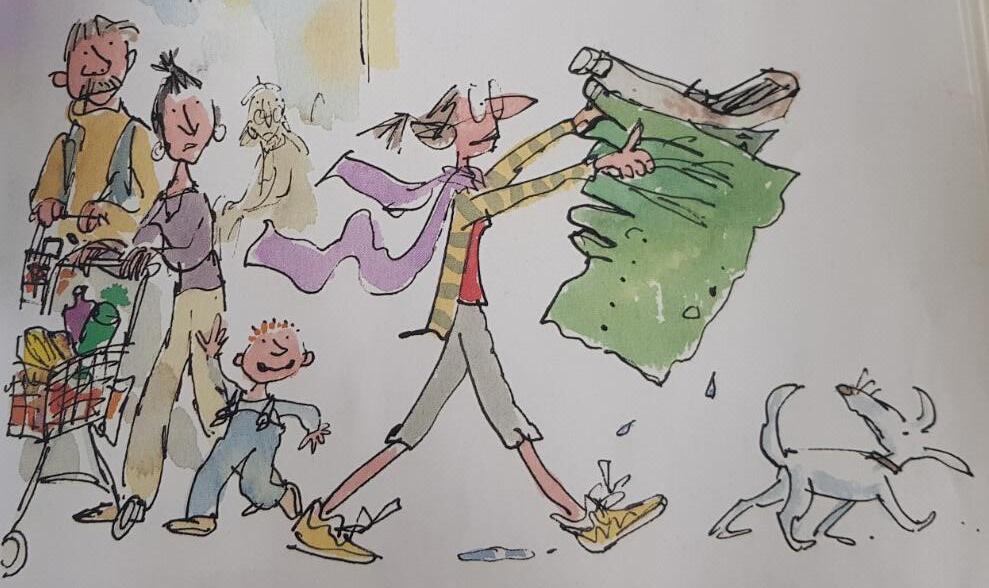
During the morning, a couple of technical issues involved my and Lucja’s monitor. A new animator assistant came in today, so Lucja became my neighbour, and thus have to change monitors. It worked out eventually, but mine wasn’t so lucky as it wouldn’t turn on, and our technician, Amy, wasn’t in to fix it. As a result, I worked on my iPad and jotted down notes on paper instead of using the monitor and tablet. I’ve been working digitally for quite some time, so I took advantage of this opportunity to work on analogue. I looked at some of their book collections, including animation tutorials, Marvel and Disney concept artbooks, Bill and Tom’s publications/ illustrations, and of course, comics. They were an exciting find, and I liked some of the books they had, which I’m considering purchasing if I get the chance. Regardless, the ‘Drawn To Life’ by Walt Stanchfield (Disney master class) is what I studied the most. Here’s what I found helpful:
• Avoid tangent lines to create depth and define shapes better.
• Treat both eyes and brows as a unit instead of a singularity; it would help you know the brows’ position from the eyes when animating.
• Gestures allow characters to act out a certain role they have been given. For example, “Mickey Mouse has his own personality and own movements and gestures, which are consistent with his body structure and personality given to him.”
•
• Drapery (folding in clothes) can enhance the gesture. Look for logical reasons behind the shapes of clothing or drapery. The reason will always be found in bodily gestures.
I only wrote down a few I found helpful in myself from the amount I could read; some were a reminder, while most could prove beneficial in my project. Even though animation and illustration are not the same, they still tie very well with shared principles, rules, skillsets etc. The only thing I need to do is to put them into practice.
The rest of the day, I continued working on my project, and at one point in the afternoon, I offered everyone biscuits, which they very much enjoyed, and I’m glad they liked it. Today’s workplace seemed more busy than usual, from technological difficulties to training to meetings. It was insightful to see that despite having a packed schedule, they still find the time to help and check on the team, even if it is their job; it shows me that they are well-organised and care about the team.
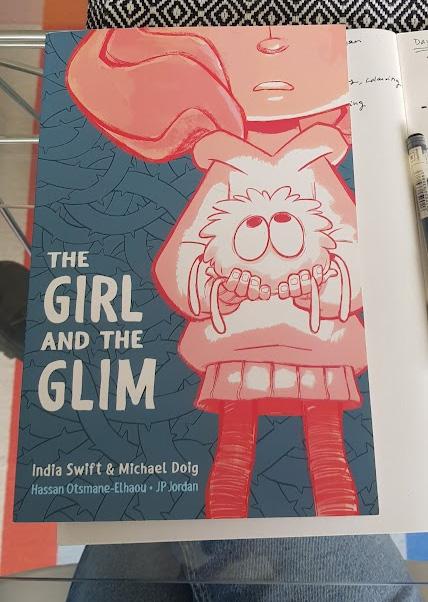
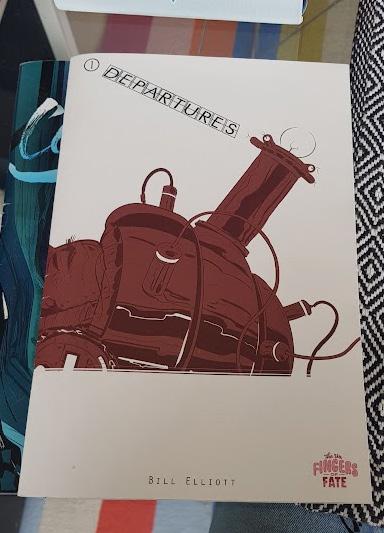
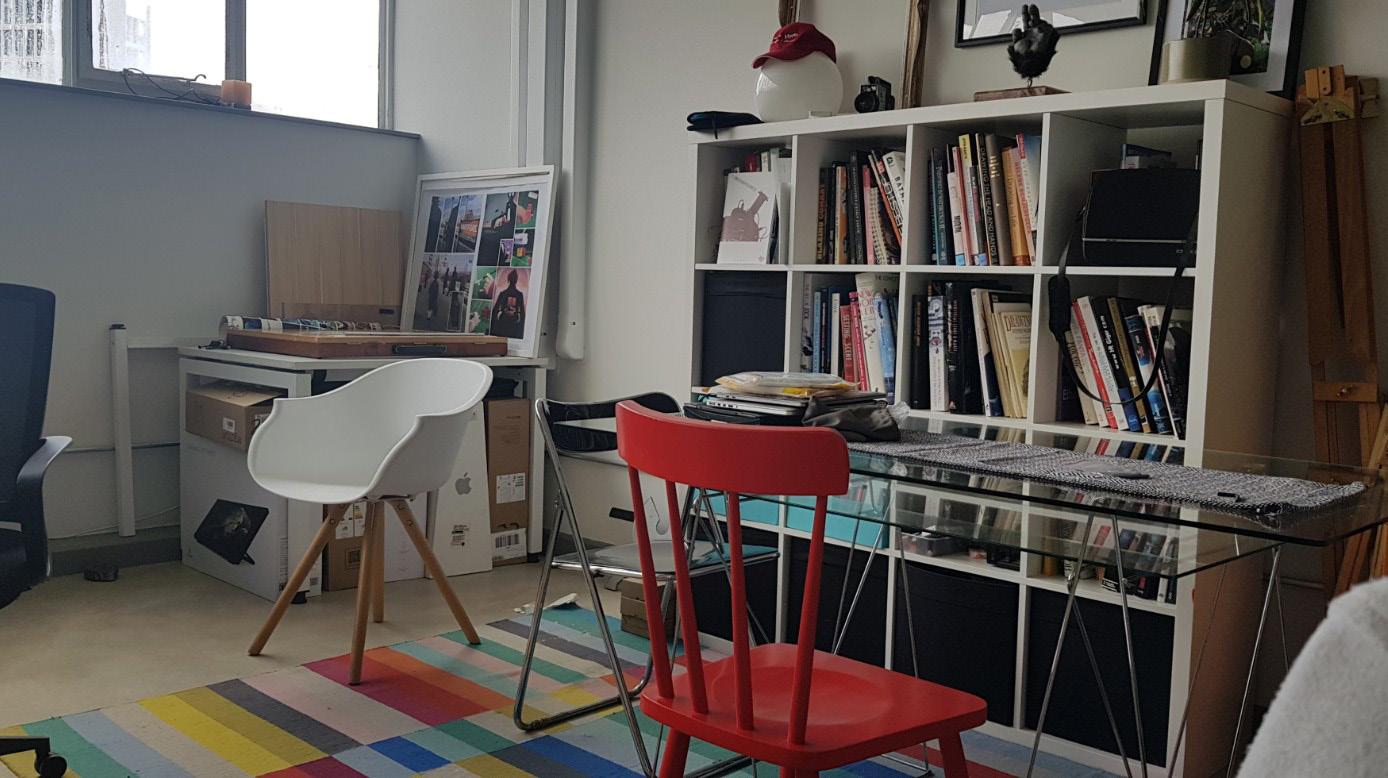
Nothing much happened today, and I just continued working on my project. It’s good that the monitor is working now, so I showed Lucja my project, and she provided some feedback:
• Justify the text so that it ends in line with the text above and below. Try not
• to leave 2-3 letters at the end of the sentence so the text aligns in the centre.
•
• Put the logo in line with the content
•
• Try to match the illustration style with the typeface
•
• It would be better if the title was hand-drawn
•
• Scrap the process page, as it seems unnecessary
•
• Maybe have the last page be the thank you page and move Incidia to the
• previous page
It was an uneventful day (at least for me), but I felt stressed all day as I contemplated the approaching deadline. I’m glad I received so much feedback, but that also means I have more work to do. In a way, I’m happy that I focused on my FMP today and managed to make some progress.
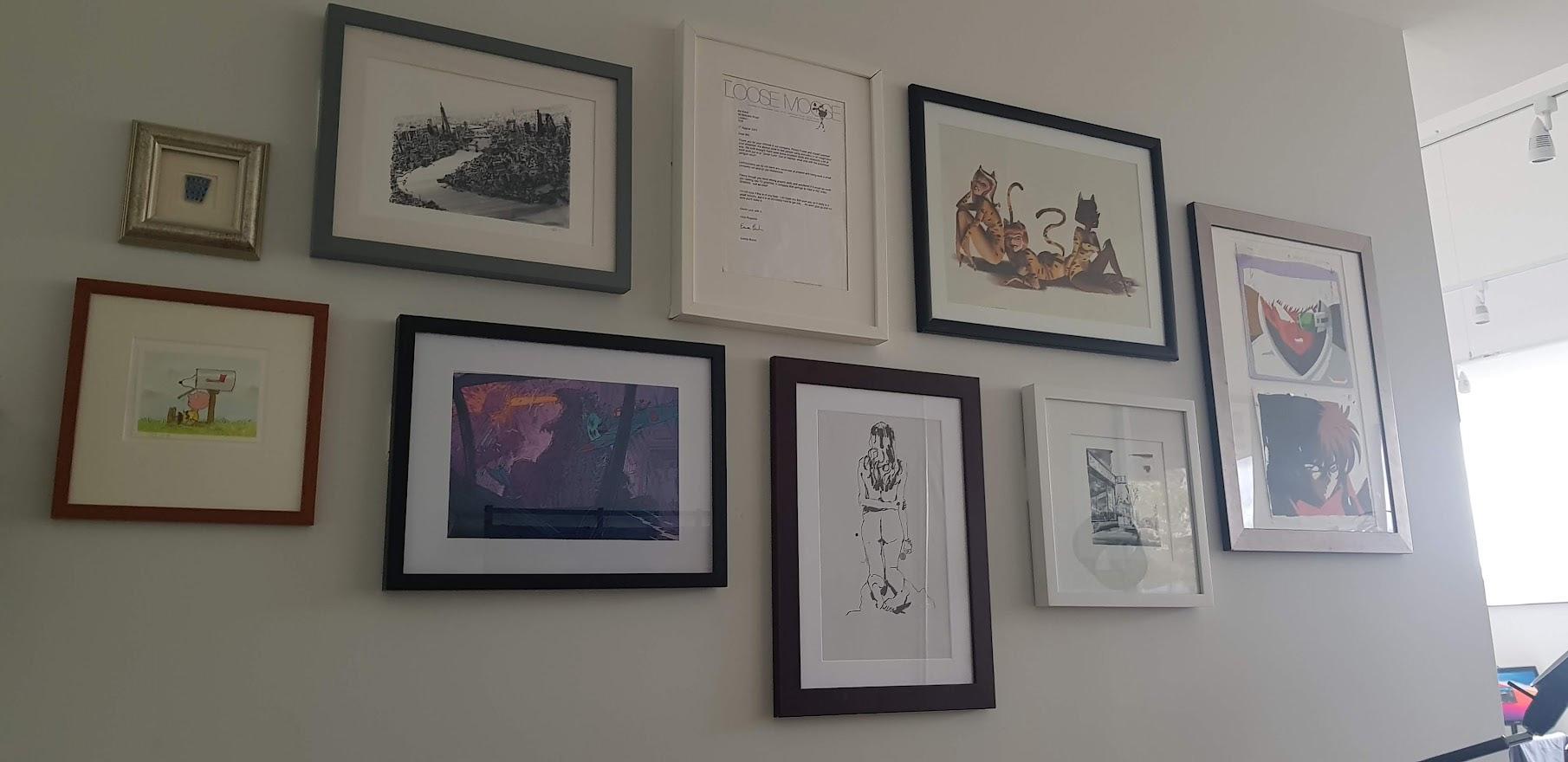
The day passed without anything noteworthy happening, and I continued working on my project as usual. I was very focused, managed to finish a few illustrations, and felt accomplished. The people around me may have influenced me to concentrate on my work, which motivated me to do so. This could also mean that I am starting to get comfortable in the working environment, where before, I felt anxious. At the end of the day, my hand started cramping, and it was a little hard to continue drawing. I find it amazing how animators can work all week, from morning (9 am) to evening (6 pm), with a small lunch break.
In addition, I practised drawing characters that I am unfamiliar with according to Bill’s advice. I used the books I read as a guide to do this.
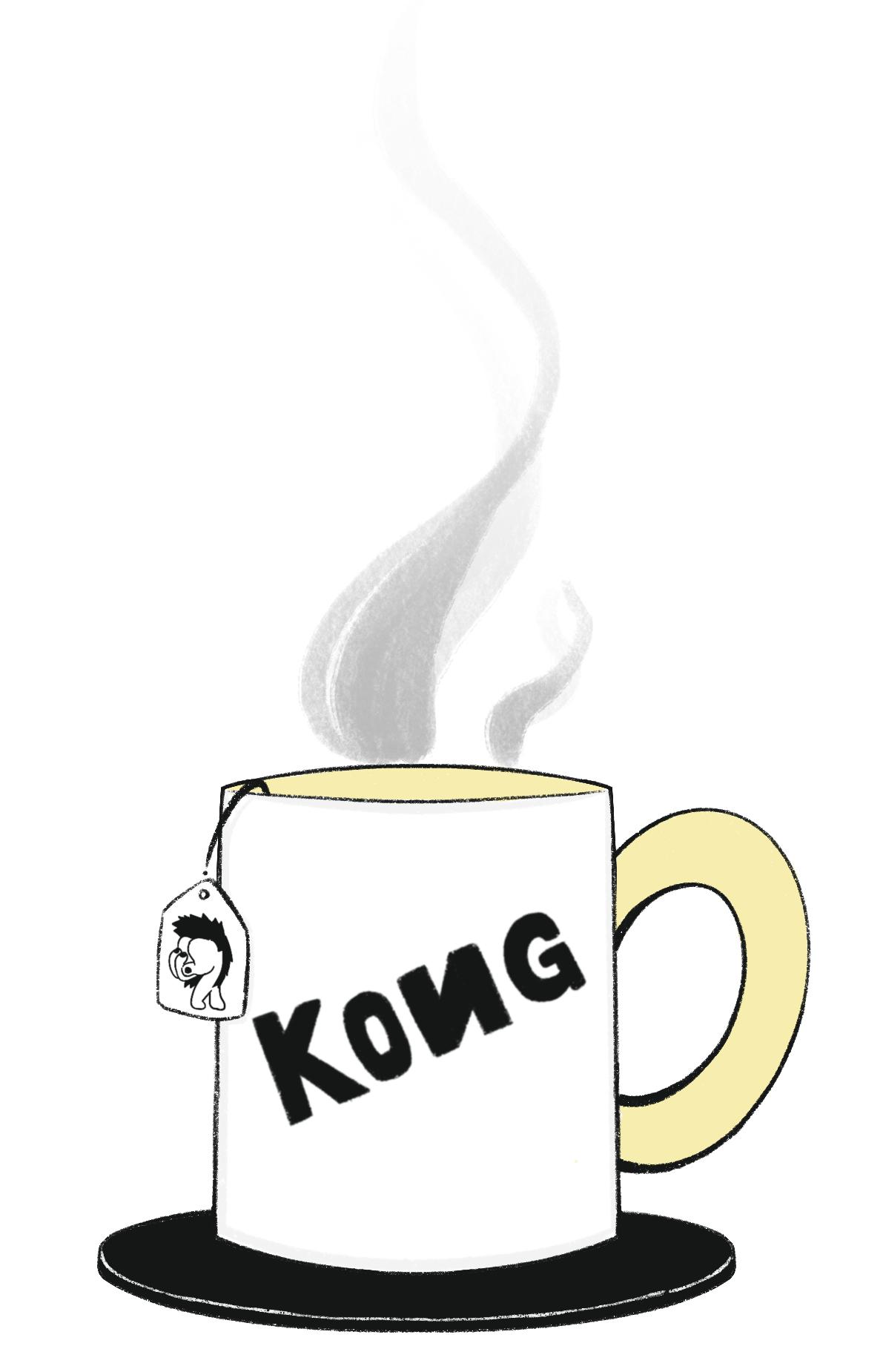
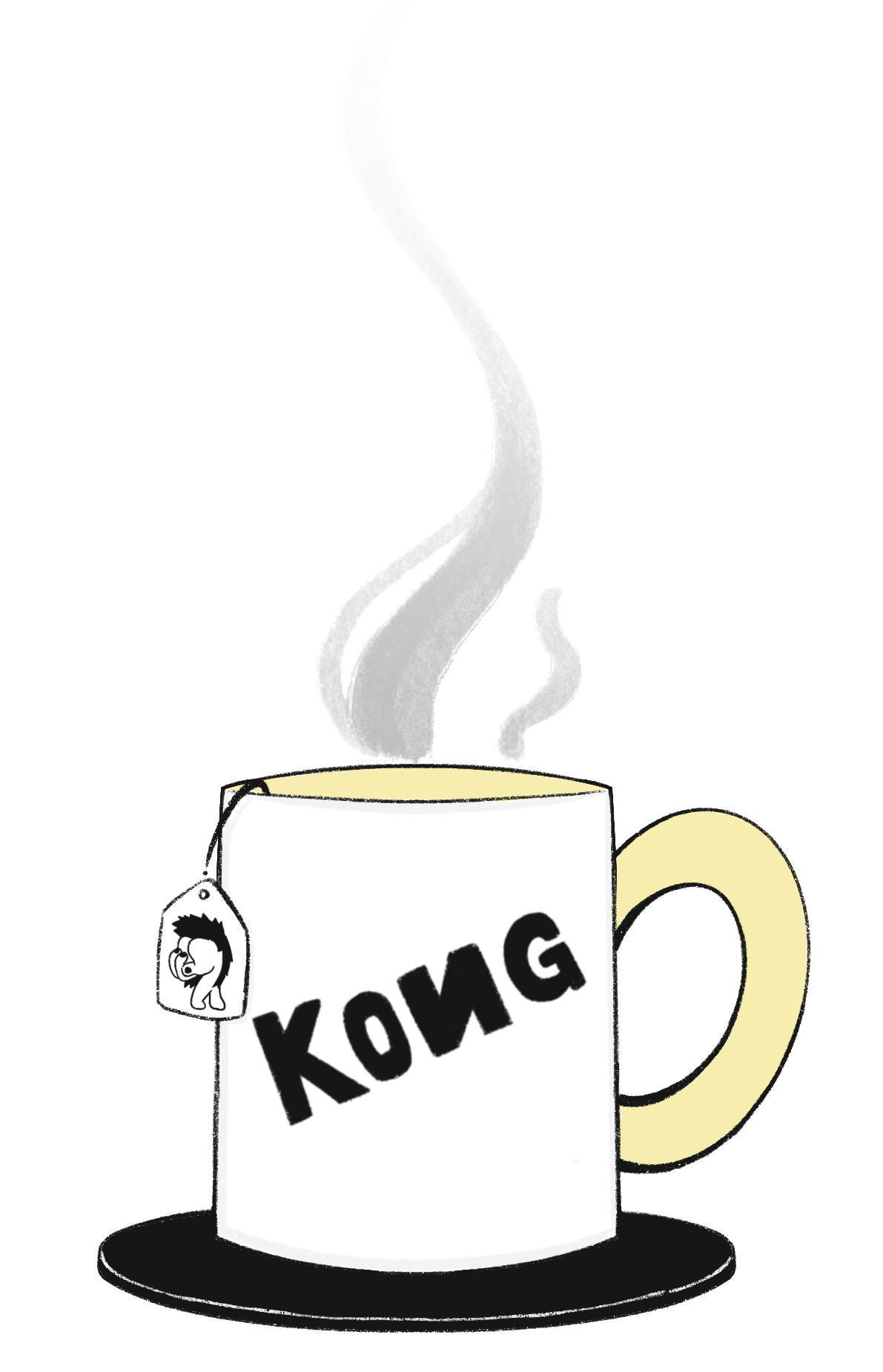
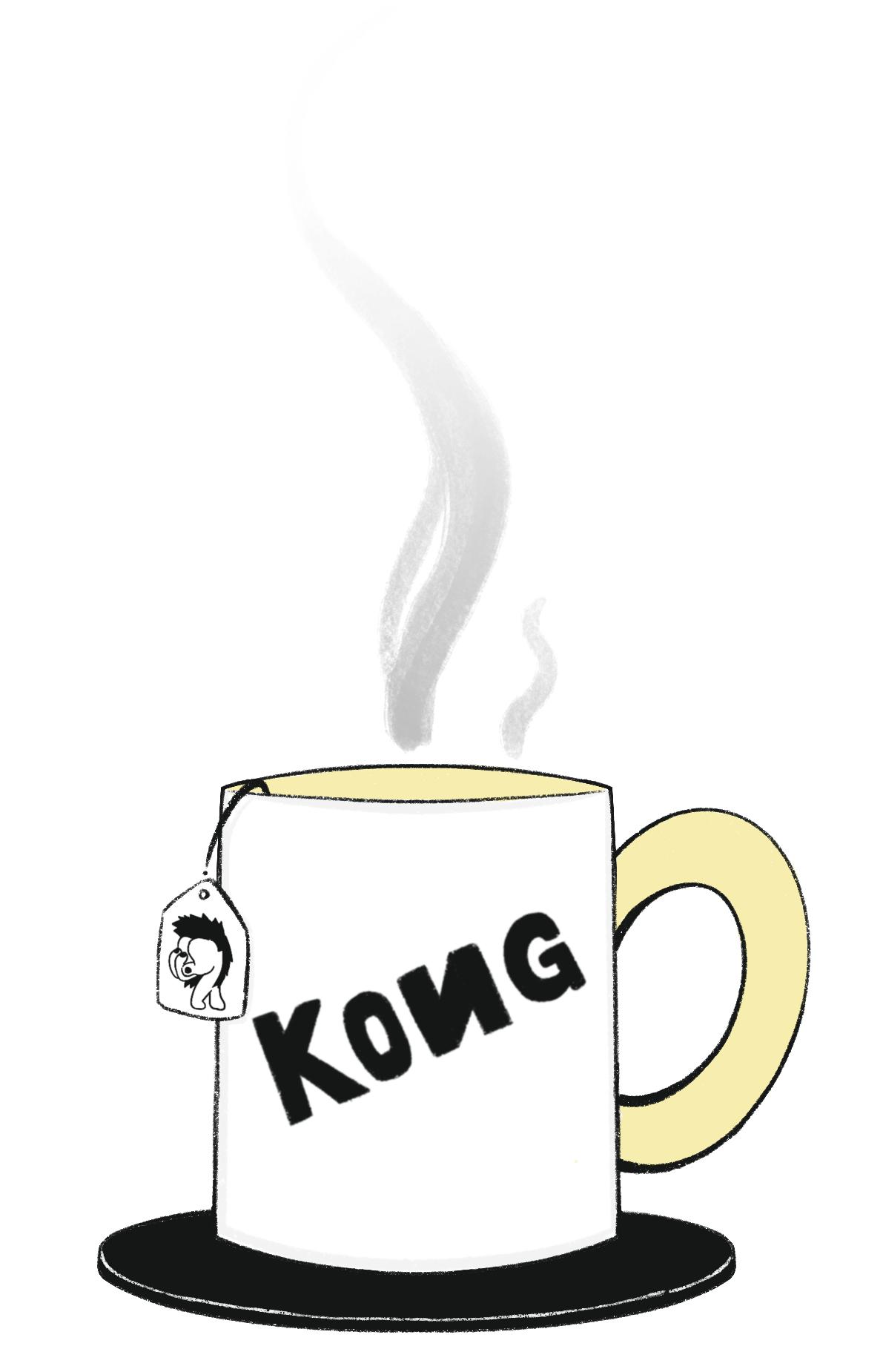
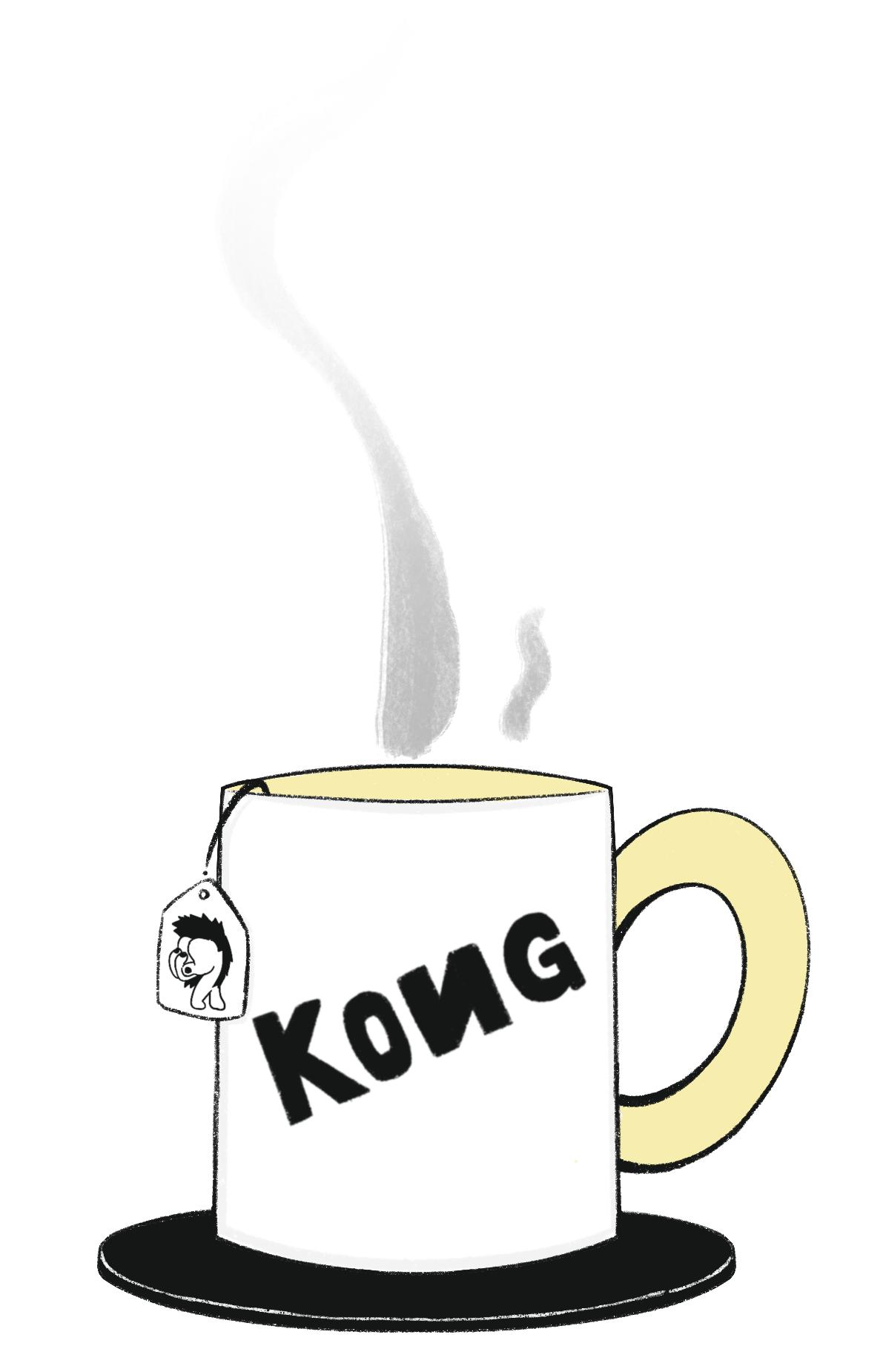
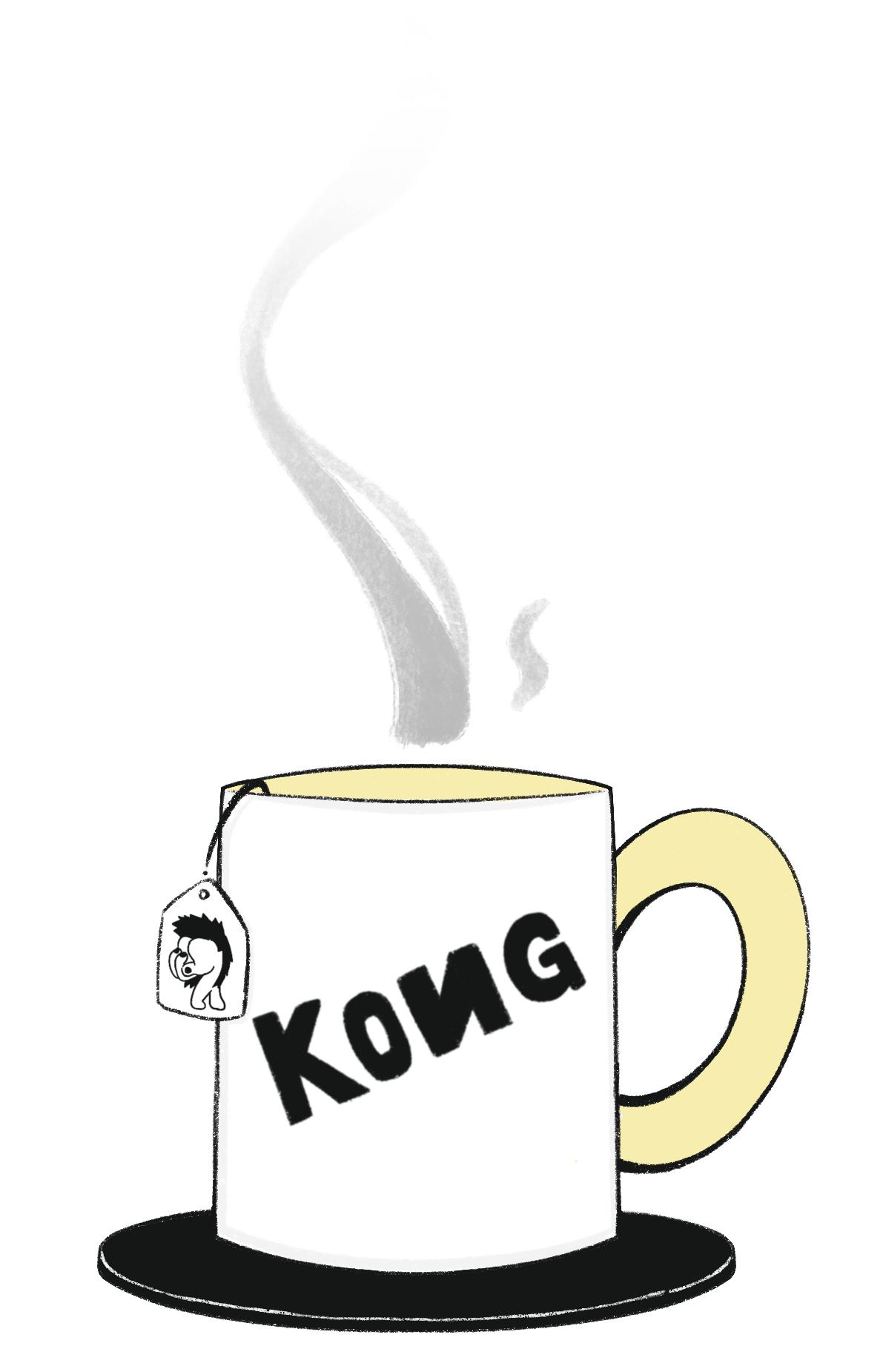
Bill, Tom, and Emma weren’t in the morning, so Amy opened the door for me. As this was my last day, I gifted the studio two boxes of herbal tea and a pack of biscuits they all enjoyed. Apart from that, the day went on as usual, and I continued to work on my project. I managed to finish a couple of illustrations and had a chat with Lucja about her own FMP. As she guided me through her experience and provided me with advice on how to manage my workload, I felt like I had a bit more confidence. At the end of the day, I showed Bill one last time what I had done throughout the two weeks and offered him a small animation I did to commemorate my time here as a thank-you gift. I felt like I had to do some animation in an animation studio at least, so I animated the cup of tea I drew on my second day here. All in all, I learned a lot during my stay, and I will miss the studio’s relaxed atmosphere.
During this 2-week placement, I learned much about the animation industry. Initially, I found it confusing and unclear how an animation studio works, but as time passed, I observed the teamwork among the members and spoke with Mia and Lujca (alums), which helped me understand the working environment. At this studio (or in smaller studios in general), I could immediately tell that the atmosphere and environment were very friendly and relaxed; the director momentarily checked up on the team, everyone was helping one another, and they offered tea and biscuits every day etc., not to mention they have an office dog! Even though they were extremely busy, they still made the time to help you whenever needed. In the beginning, I was interested in an animation career but, at the same time, unsure if animation would be a fit for me because I still lack the skill, knowledge, and experience for it; now, however, I understand that there are many roles within animation, and not just animating, take Lucja for example who is working as a colourist. It is alright not to be experienced or know much about animation, as you would learn on the job. Knowing this, I now feel more confident about this becoming a potential career.
At the start of my placement, I explained my project, and he asked what the narrative behind it was. This was a very potent question because everyone asked me this, and if a director mentions it, it is something to be concerned about. However, my stay here helped me establish a narrative so clear that no one I have talked to (at this moment of writing) has asked me that question. The great amount of feedback I received benefited my FMP greatly, such as drawing different shapes for the characters and not just the ones I wanted to draw. While the characters look nice, professionals want to see variety rather than similar figures all the time, so for my project, I decided to experiment with shapes that would suit the overall theme of my project.