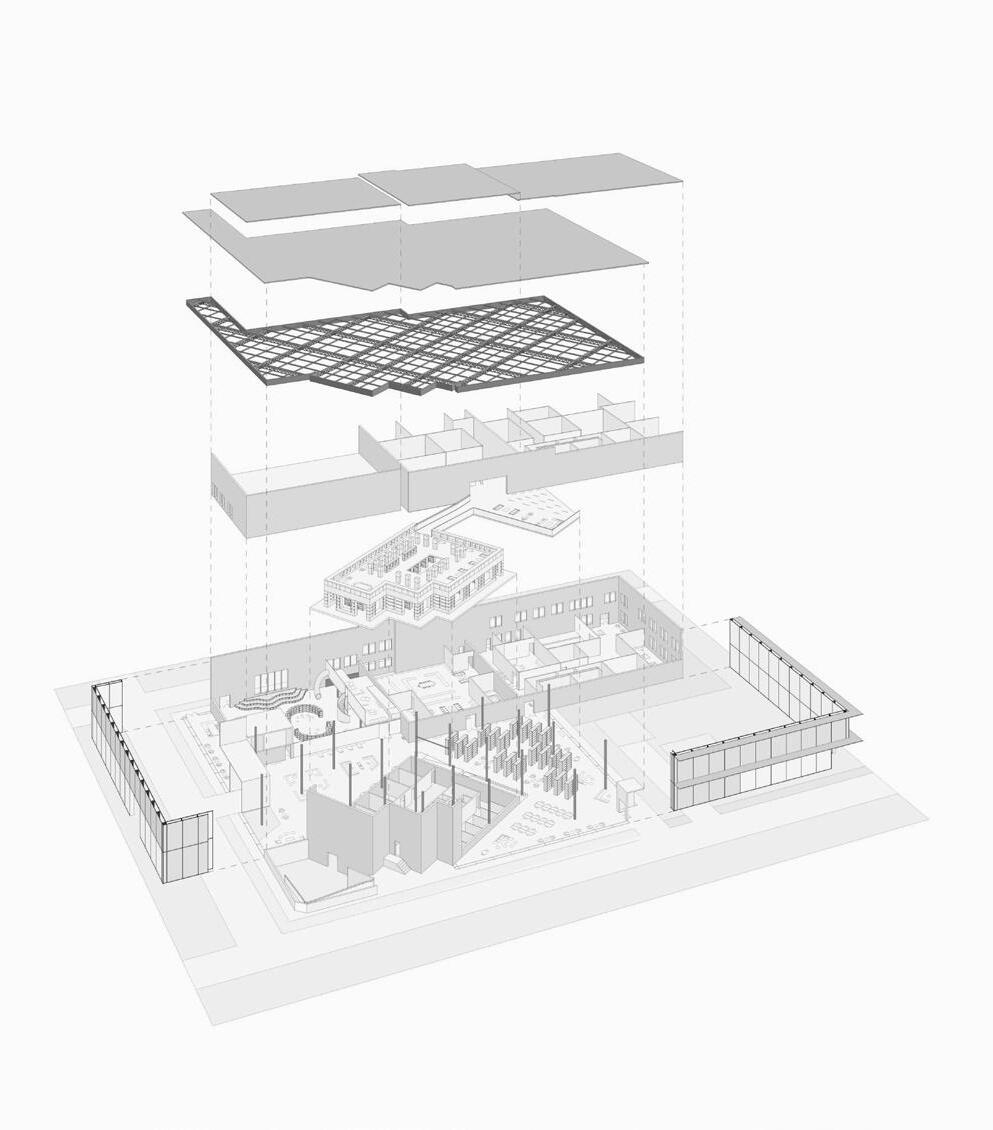
PORTFOLIO Selected Works 2017 - 2023
Elaine Wu
Elaine Wu
LEED Green Associate
Master of Design: Adaptive Reuse (STEM Program)
Rhode Island School of Design
Bachelor of Interior Architecture
School of the Art Institute of Chicago
LinkedIn
Contents
01. 02. 03. 04. 05.
Circular Rhapsody
Multi-Complex Commercial Center
A four-story brick building transformed into a commercial center, containing functions like co-working space, pescatarian restaurant, dive bar, tattoo bar and hydroponic pot shop. Concept derives from the idea of Maximalism.
Life Above Water
Exhibition Center and Storm Shelter
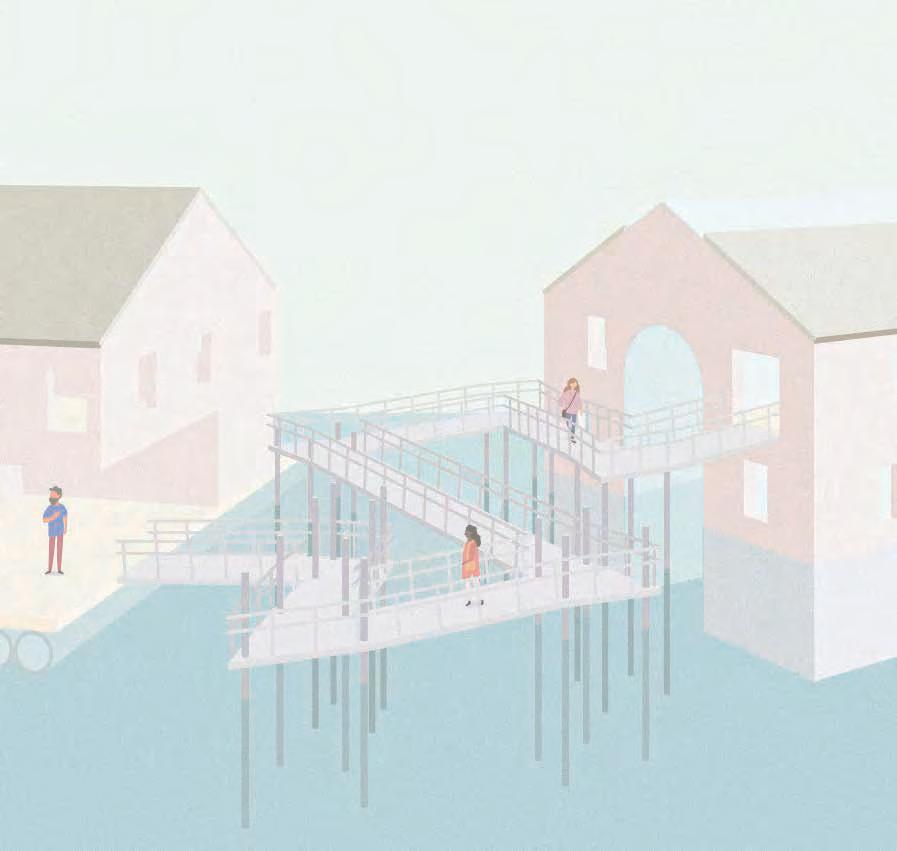
Looks closely at the issue of climate change and rising sea levels. Designing structures that adapts changing water levels. Existing storage space is transformed into a storm shelter, and exhibition center.
Philosophy of Co-Work
Co-Work Office Space
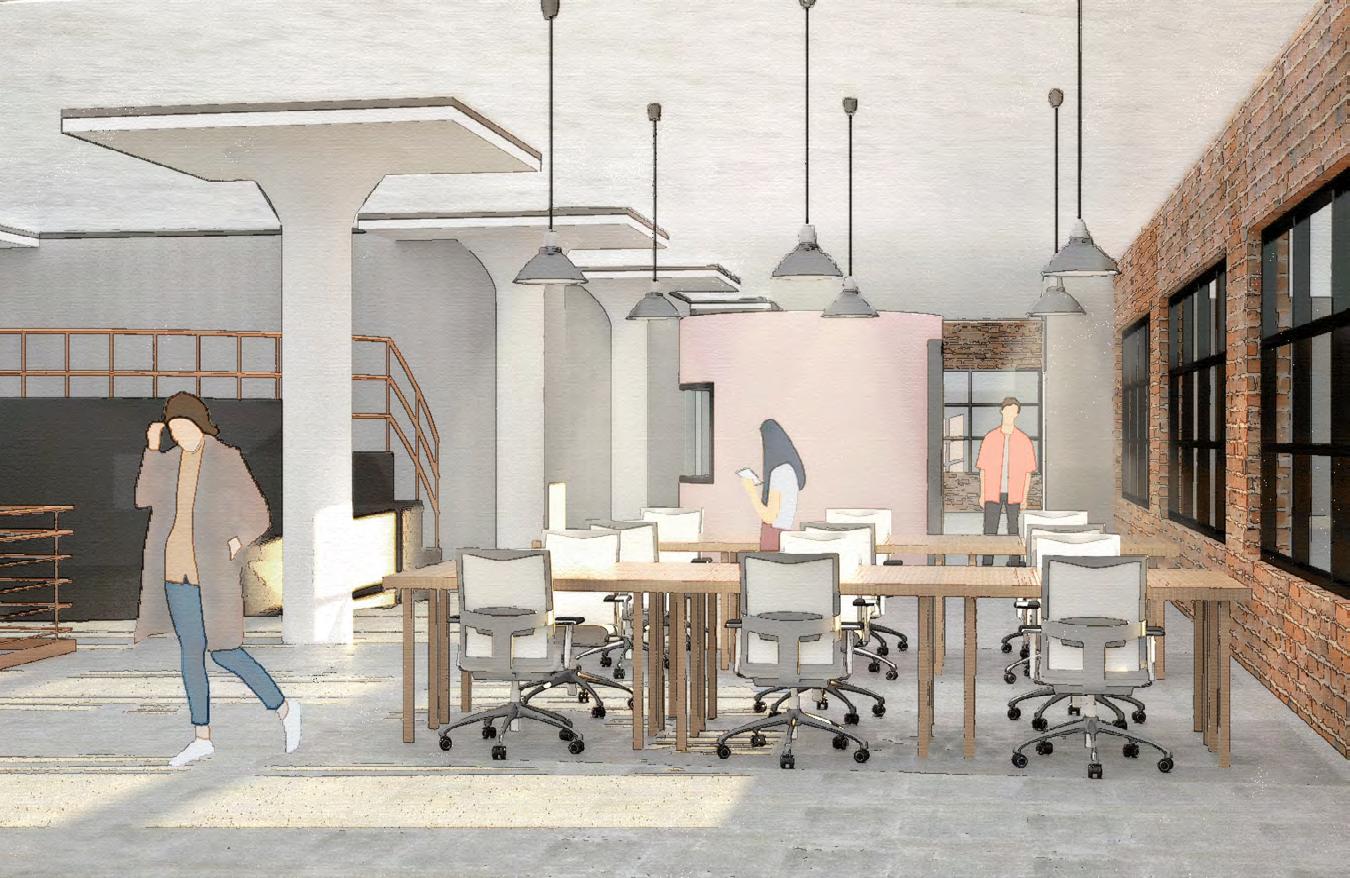
An adaptive reuse project that renovates an old warehouse, providing flexible cowork spaces to encourage collaborations.
Hign End Residences
Professional Projects with RH
Professional architectural drawing sets, furniture and decor selections, picking out mateiral swatches, client meeting and presentation assistance.
Renderings
Professional renderings generated using SketchUp and Vray. Collaborating with senior designers on large scale luxury residential projects.
01. Circular Rhapsody
4
Ways to interpret Circular Shapes
Interior Concept -- Strategy of Circles
Concentric Off-center Interference Unequal interference Grid insertion Equal division
Building Concept -- Maximalism
Minimalism has an air of intellect, of rigor. When someone hear the word “maximal” in the context of interior architecture, they may think of images from the magazine The World of Interiors, or Victorian sitting rooms.
This form of maximalism refers to the form of decoration and that word, in the design world may not be a positive one. However, decoration is not the only way to make an interior feel maximal.
In this project, maximal is approached from a perspective of architectural plan. When two completely different shapes: square and circle meet, together they create unique spacial quality.
In terms of program, this four story high brick building will be transformed into a multi-complex commercial center. It will contain co-working spaces, tattoo bar, hydroponic pot shop, dive bar, and restaurant. The excess function fitting into one small building can also be seen as one form of maximalism.
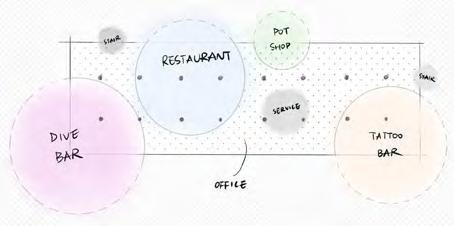
Concept Diagram: Circles inside Grid
5
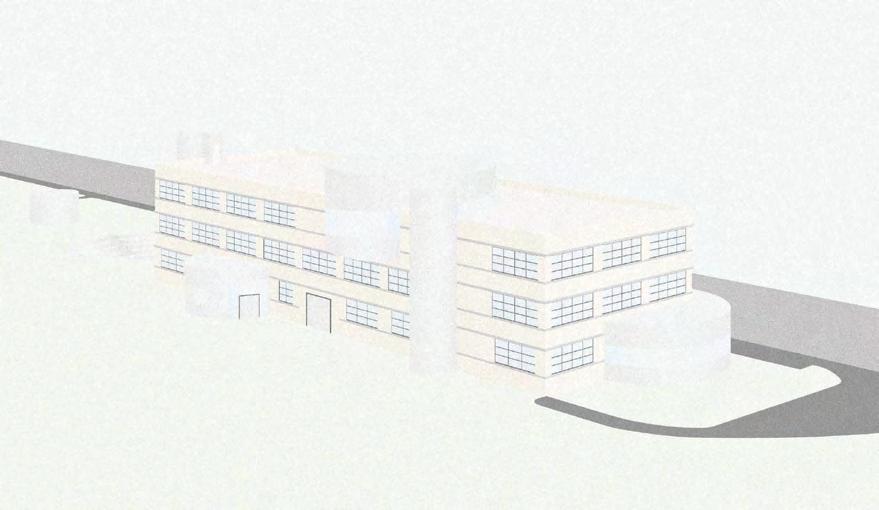
The existing brick building is a very rational building -- identical bays all around with a ratio of 1:3. However, with the addition of circles, it is more exciting to move through the space.
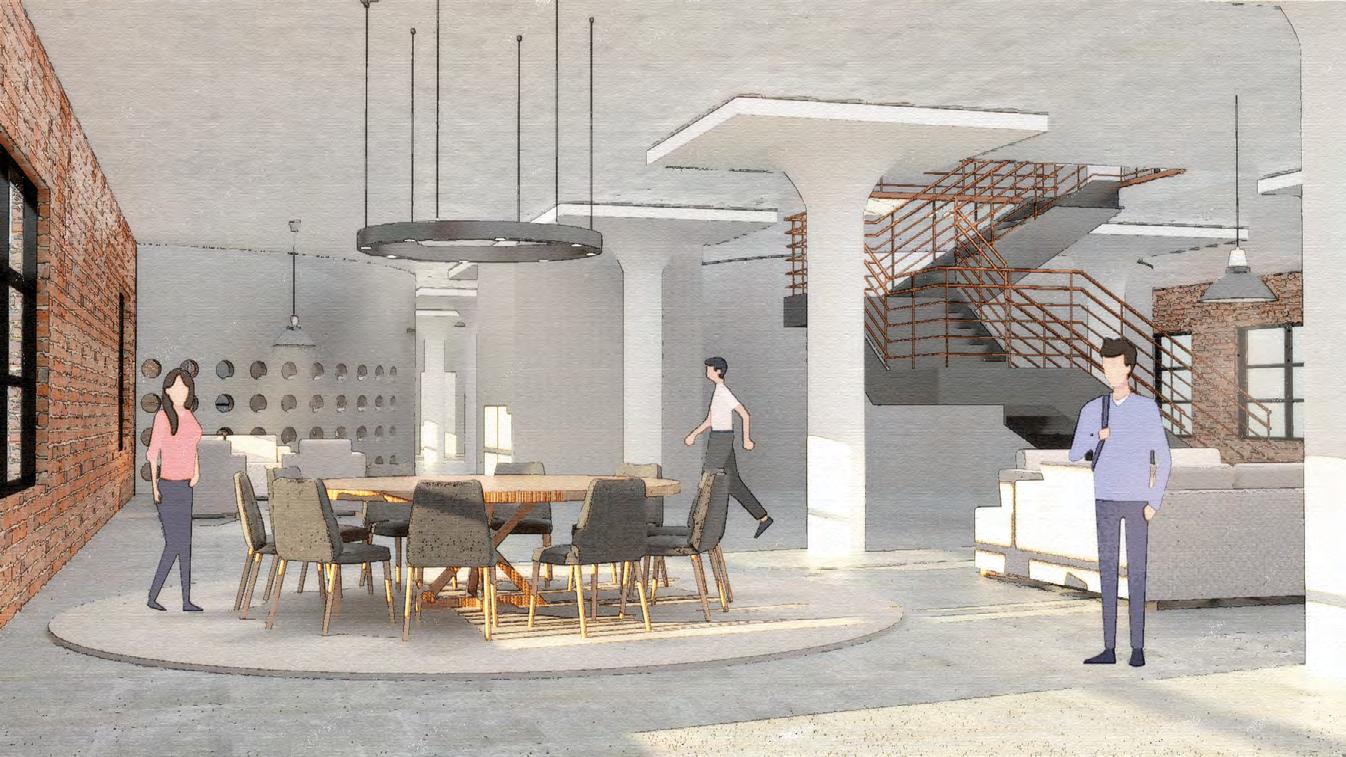
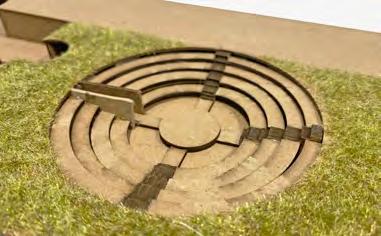
Sometimes circular spaces were defined with physical partitions, but sometimes they are defined with soft boundaries: circular carpet or circular light fixtures. Each big circle represents a different function, with different spacial approach on the interior. On the outside, circular elements are also incorporated, forming an amphitheater and a power/ supply center for food trucks.
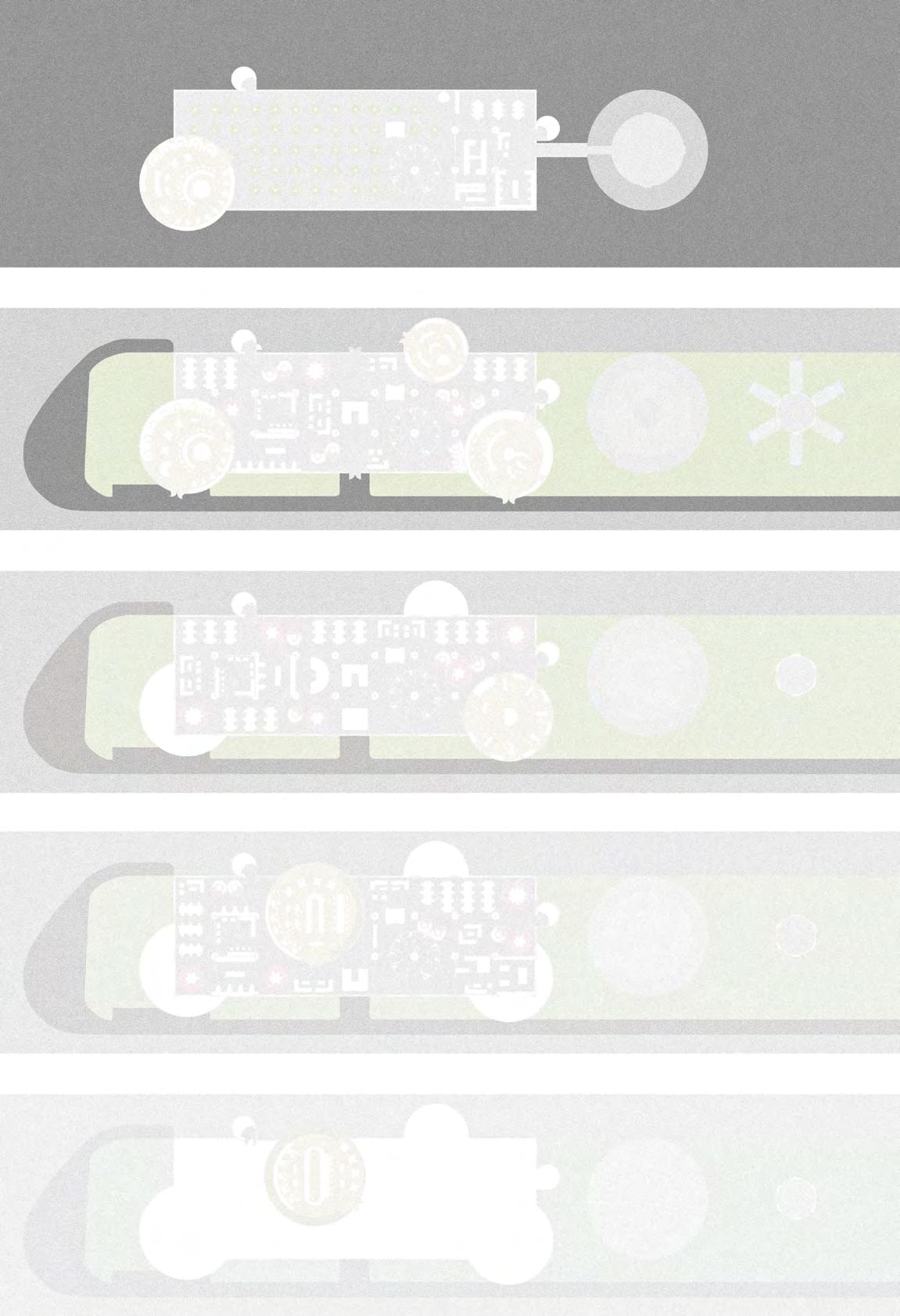
6 A A’ Basement Floor Plan Scale: 1/16” = 1’- 0” First Floor Plan Scale: 1/16” = 1’- 0” N UP DN UP UP UP UP UP UP Basement Plan Ground Level Plan
First Floor Plan
Scale: 1/16” = 1’- 0”
Second Floor Plan
Scale: 1/16” = 1’- 0”
Second Level Plan
Third Floor Plan
Scale: 1/16” = 1’- 0”
Third Level Plan
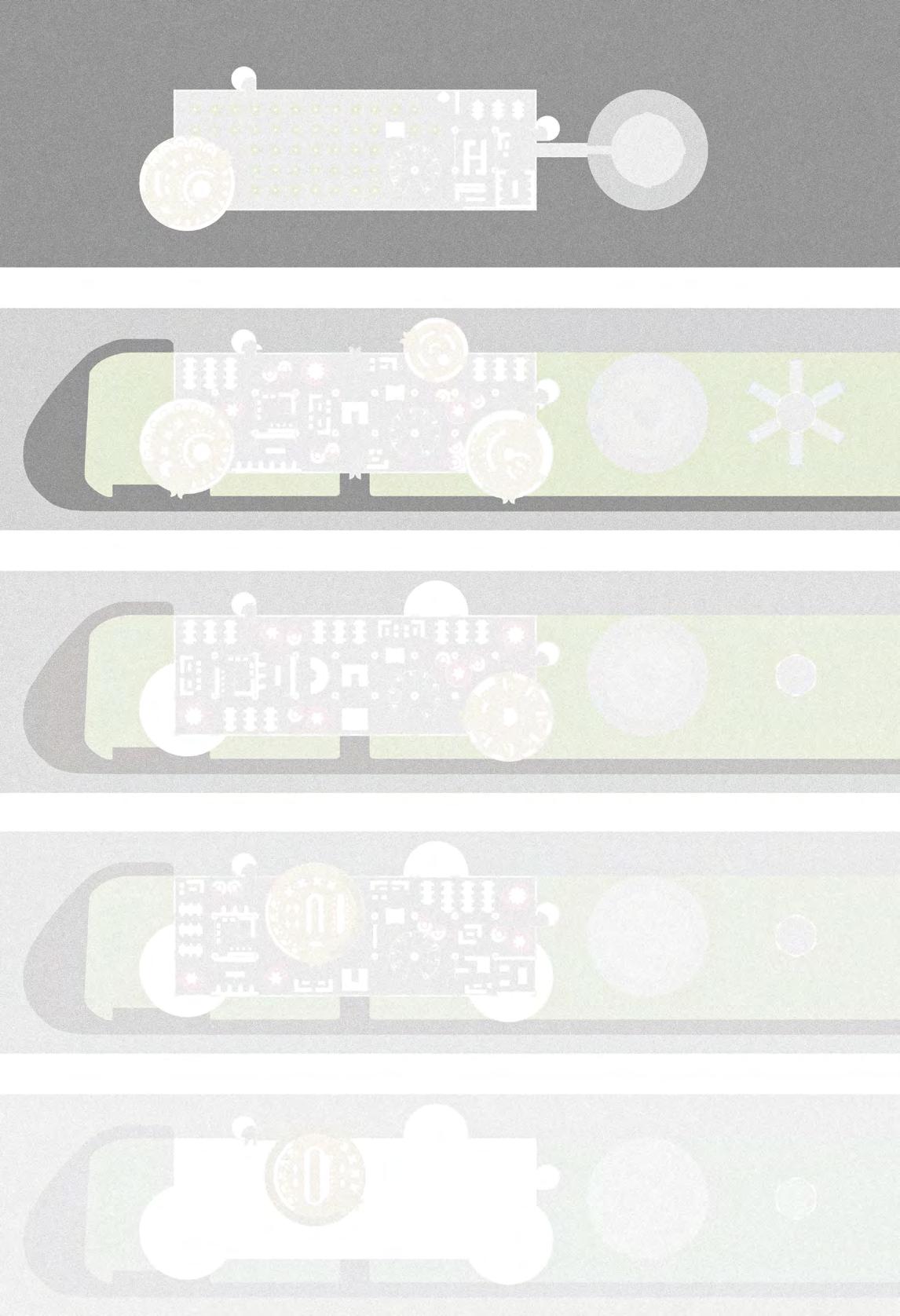
Roof Top Plan
Roof Top Plan
Scale: 1/16” = 1’- 0”
Roof Top Plan
7
UP DN DN DN DN UP DN UP UP UP
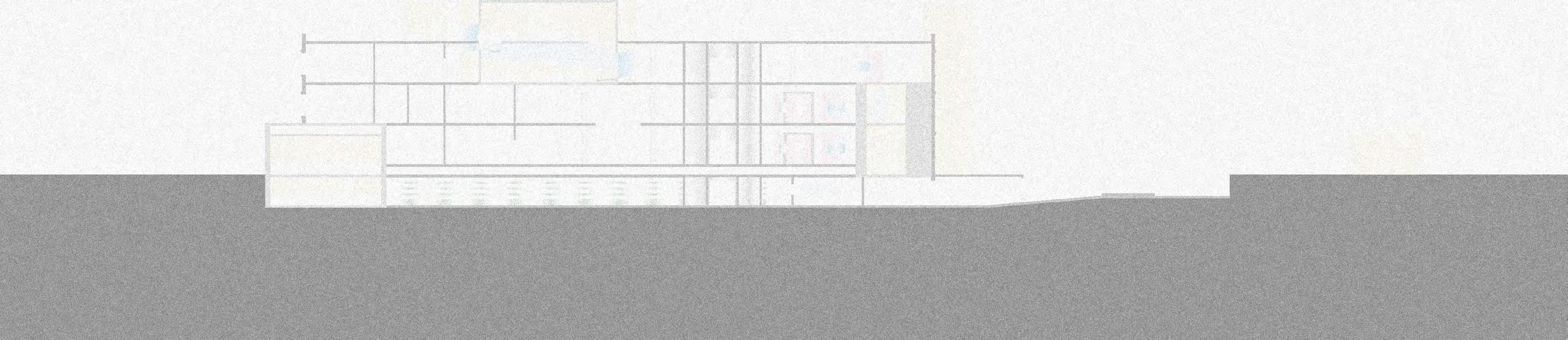 Section
A - A’
“Hydroponic Column” Plan “Hydroponic Column” Elevation: Existing Column (Left) vs. Wire Mesh (Right)
10
Nutrition solution pumped up from bottom tank to the top tray
Liquid circulates from top to bottom, moving through the roots of plants
Detail: Pot shop
11
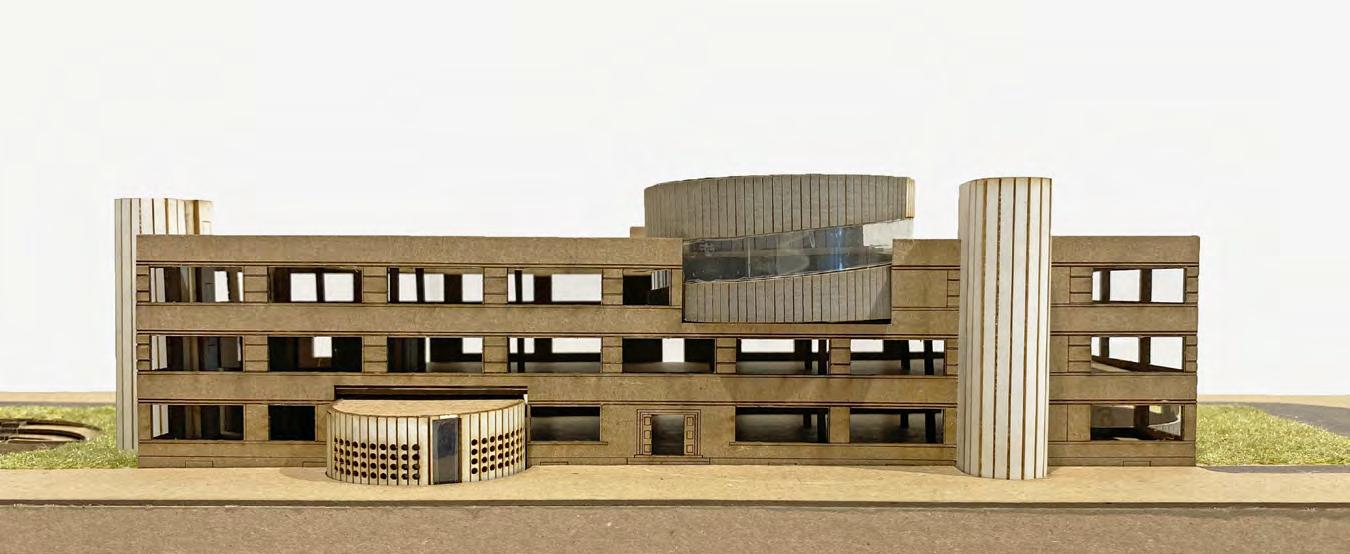
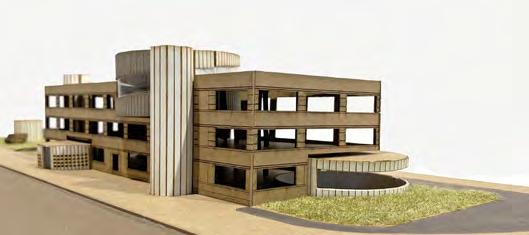
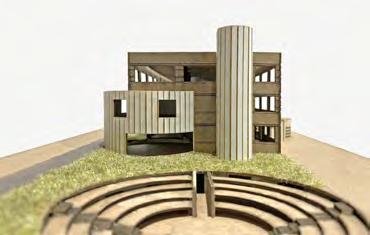
Photos of Physical Model
The building contains six different functions in total -- co-work office, dive bar, tattoo shop, hydroponic pot shop (including planting), and pescatarian restaurant. These functions each take place in a “cylinder”, and the co-work office acts like an adhesive that bonded everything together.
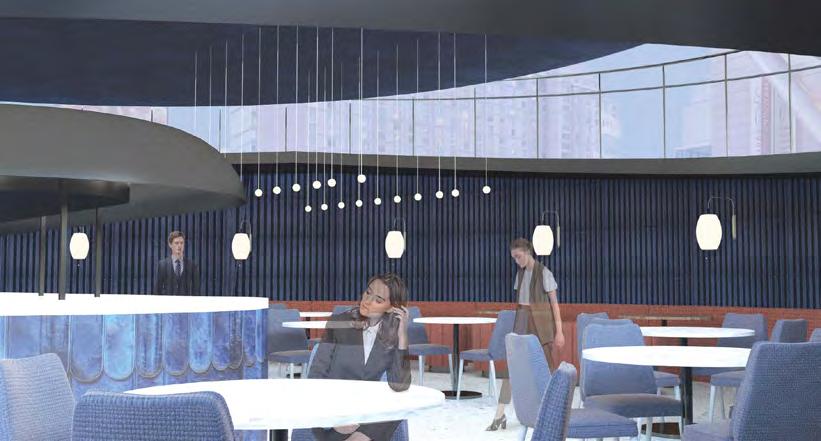
In those individual cylinders, each space has its own concept and identity. Just like the title, each space has its own rhapsody. But at the same time, they all share the same language -- circles.
For the pescatarian restaurant, it is more formal and pristine. There is one big ramp wraps around the whole space provides easy access from the first floor to the second floor.
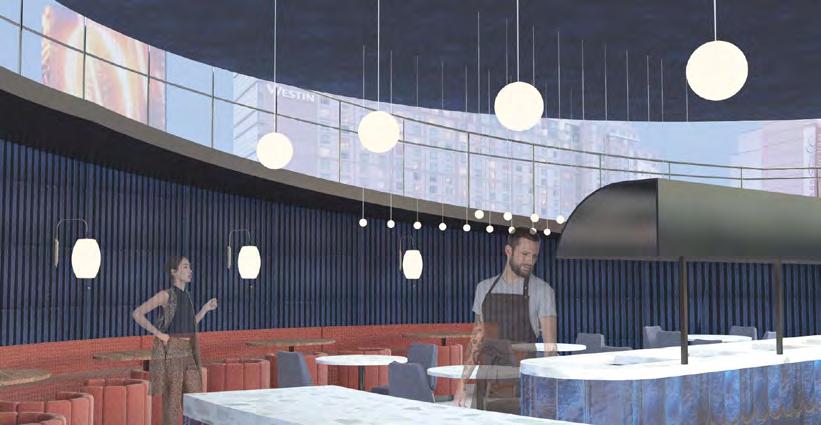
At the same time, the ramp provides opportunity for people to oversee the whole space, appreciate the circular identity. A strip of glass windows will run with the ramp, provide access of natural light.
12
13
02. Life Above Water
Climate change is an existential threat to humanity and life on earth, and is arguably the most complex and terrifying problem we face.
The most direct and impactful evidence of climate change is the rising sea level. In Rhode Island - The Ocean State - the front line is the hundreds of miles of coastline, which is fast becoming the territory for a new kind of design challenge.
As sea levels rise, and storms grow more intense and less predictable, the climate question is becoming one of both “resilience” in the face of change, and the likely need for the “managed retreat” of our built environment and its infrastructures.
Warren, a coastal city in Rhode Island, is standing in the forefront of design challenges, constantly experiencing threats. In this project, the building is redesigned into a resilient structure, adapting off-grid living style.
14
What can we do when water comes?
Rhode Island Flood Map
Existing Water Map
100 YR Flood Map
500 YR Flood Map
When looking at the flood map on a large scale, it doesn’t feel that terrible. However, when we zoom in, the impact is huge.
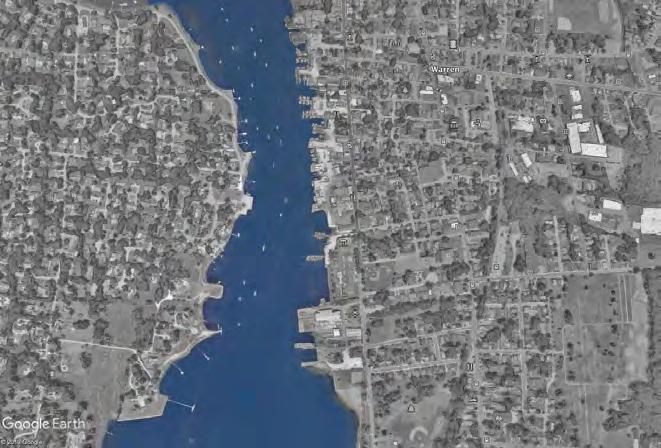
For those buildings built along the coastal line, even the smallest flood may bring a deadly result.
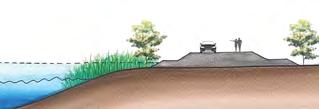
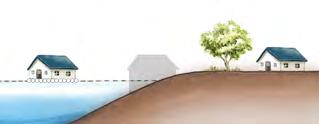
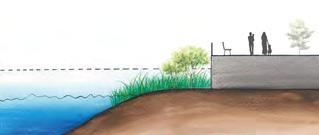
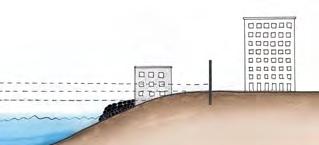
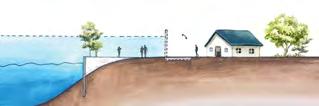
On the left are few long-term solutions that can be applied to buildings, properties, and infrastructures when water comes. But overall, we are retreating; due to be cost and effort we need to put in for a more advanced barrier systems.
15
A. Build fixed and/or movable barriers
D. Reconstruct buildings or decompose
E. Build hard and/or soft barriers
Warren Site Zoomed In
C. Build resilient structure and/or retreat
B. Build man-made barriers and/or develop ecological barriers
Woonsocket
Pawtucket
Attleboro
Providence Warren
Riverside Barrington
Cranston Warwick
Central Falls North Seekonk
Fall River
Somerset
Taunton Greenville
Coventry
Attleboro Falls
405 Water St.
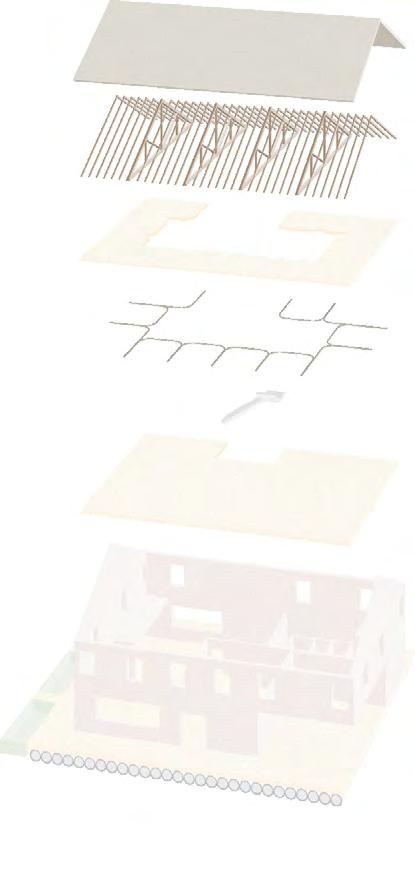
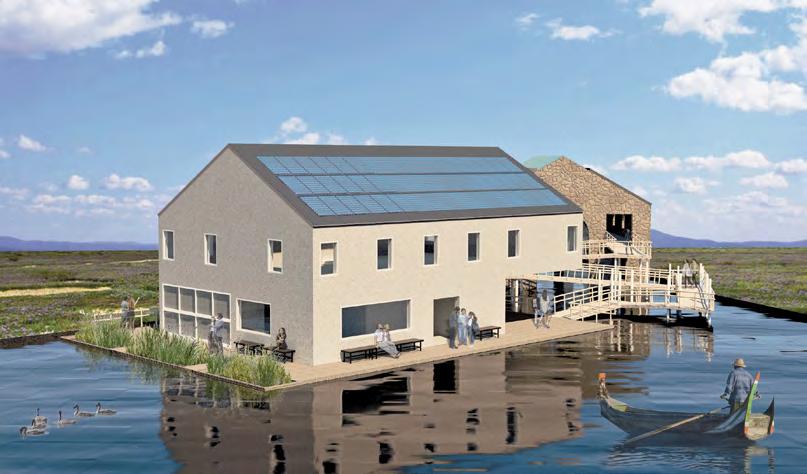
New Floating Structure: Storm Shelter
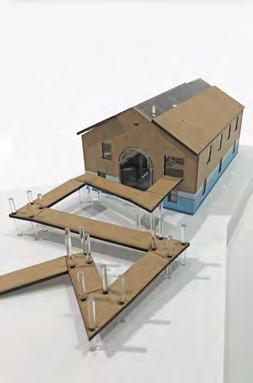
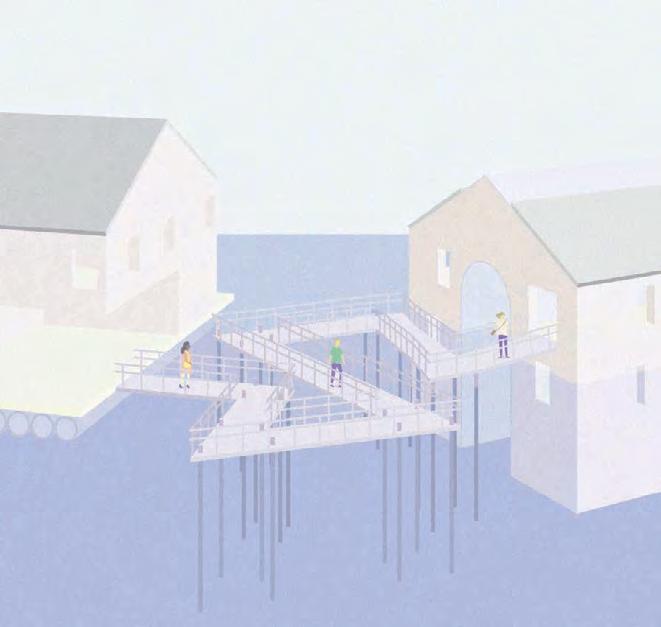
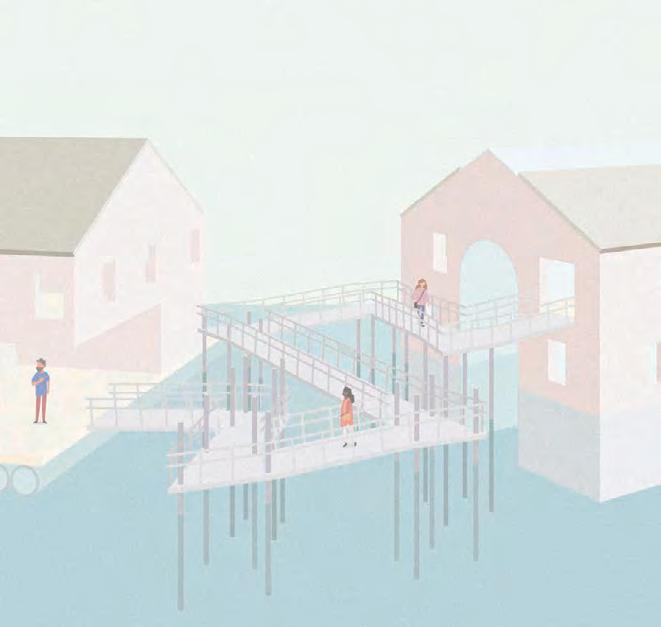
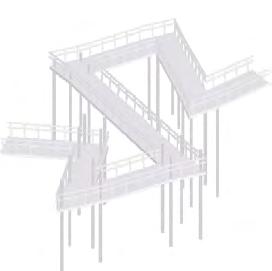
Reuse attitude: Demolish and Rebuild Floating Bridge, ADA accessible. Gradient of ramp would gradually decrease once water rises.
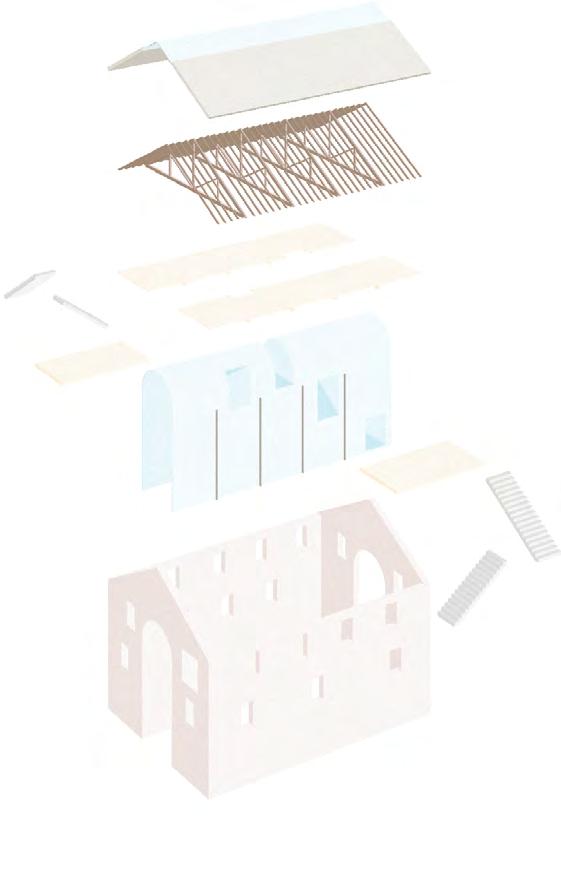
Original Stone Structure: Exhibition Hall
Reuse attitude: Let it Decompose
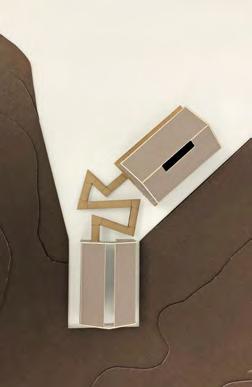
As the sea level gets higher and higher, people would eventually travel by boat. As a result, this “island” is looking into the future that people would arrive by boat.
The boats will be parked along the deck, and people would visit the housing unit first. This is a chance for them to experience off-grid living lifestyle. People would then access the original stone structure by crossing the floating bridge.
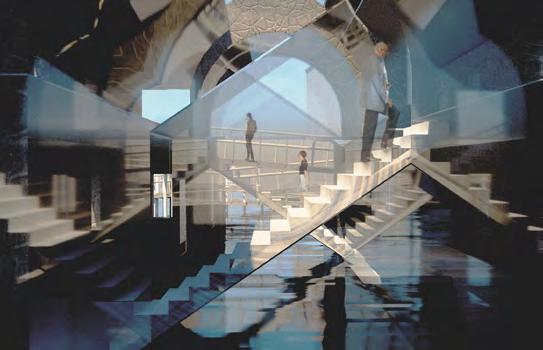
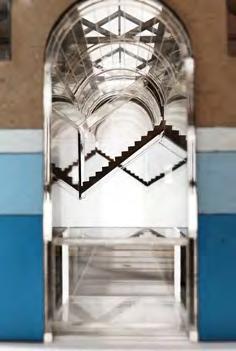
The original stone structure is acting as a record of water levels. There will be marks indicating different water levels inside the tunnel, and the structure would eventually taking over by water.
16
Detailed Model Site Model
Transformation Diagram (Plan)
Floating Solar Desalination Pots
Floating Wetlands
Battery Storage
Clean Water Tank
Grey Water Tank
Black Water Tank
First Floor Plan (Floating Structure)
Second Floor Plan (Floating Structure)
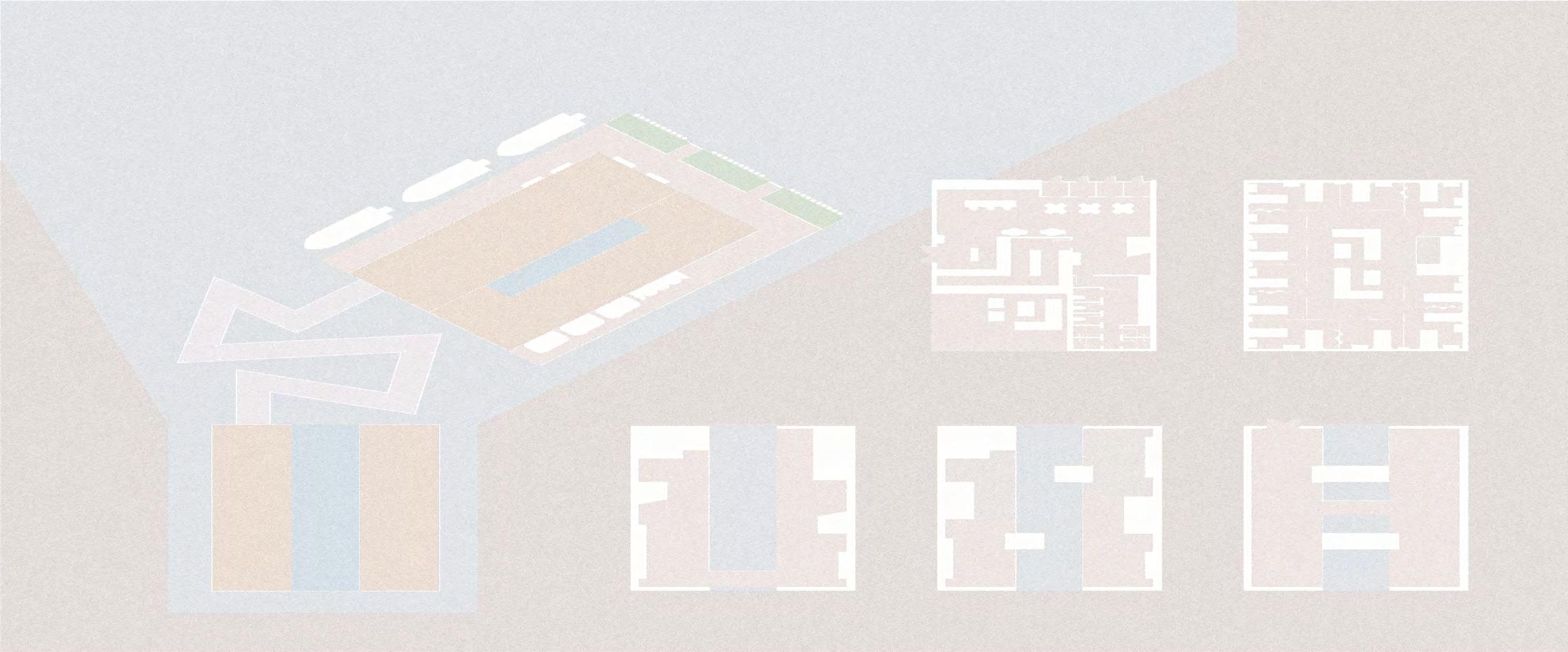
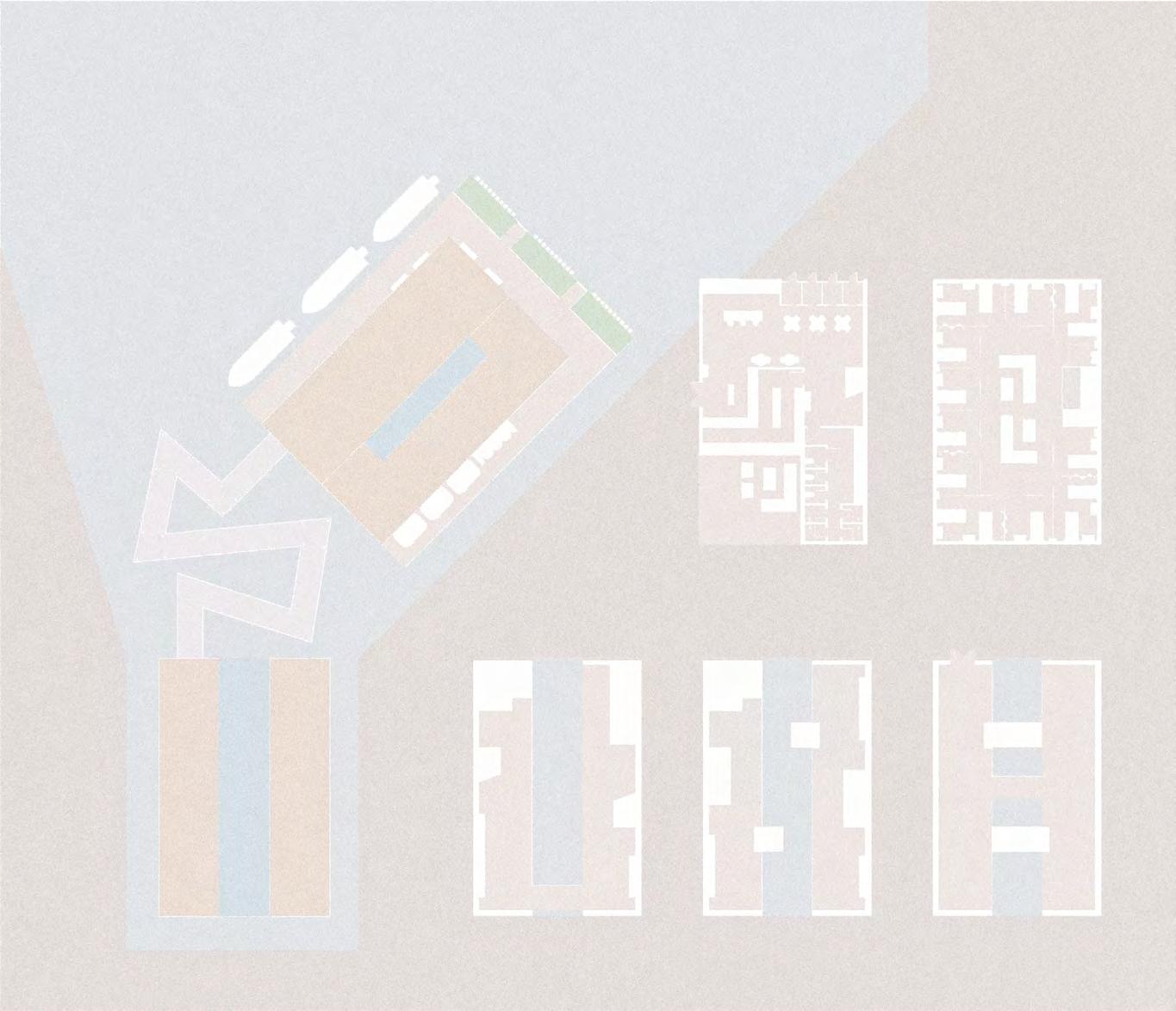
Basement Plan Structure)
First Floor Plan (Stone Structure)
Second Floor Plan (Stone Structure)
C B’ UP UP UP DN DN DN DN Open to below
N
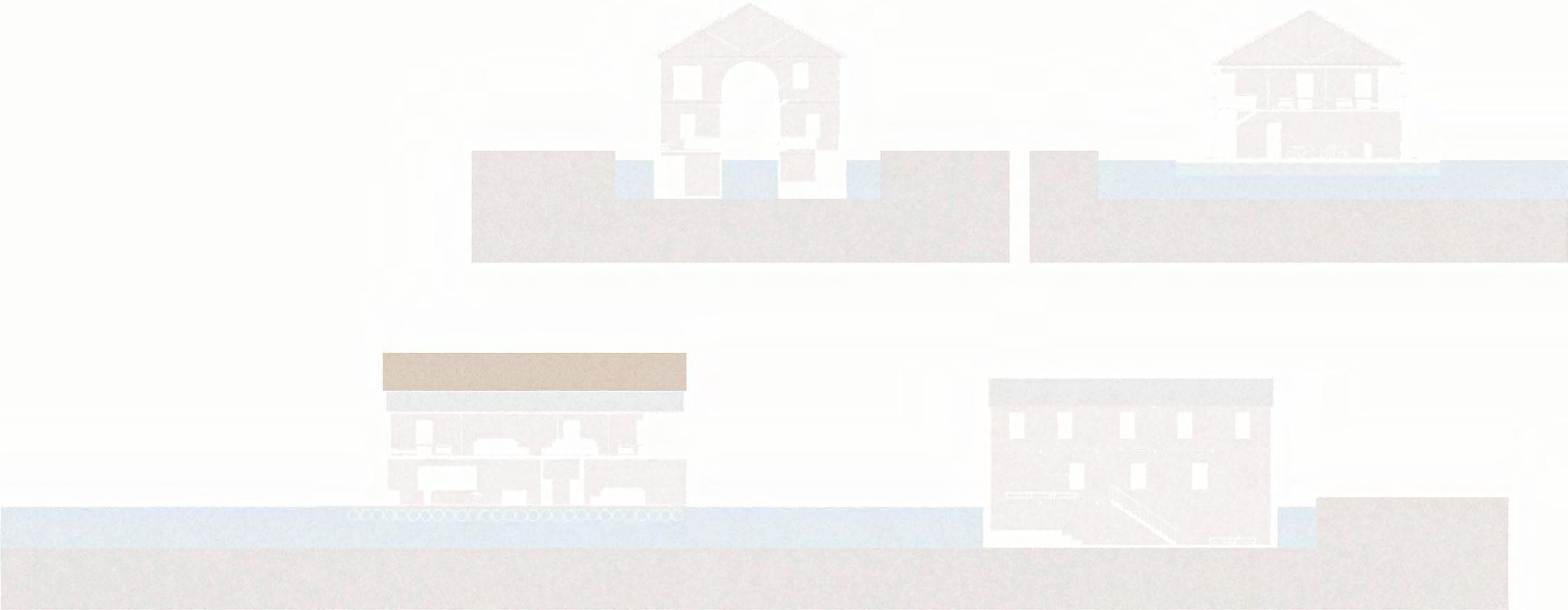
The site experiences daily high tide and low tide situations, which in total will make a 5 feet different in water level. As a result, the floating structure and bridge will constantly moving up and down daily, as the stone structure stays. Visitors can also experience the water in the stone structure, looking into the glass tunnel. The 500 YR Flood will result in a rise of 10 feet in water level.
18
Proposed Design under Current Water Level
Proposed Design under 500YR Flood Water Level
500

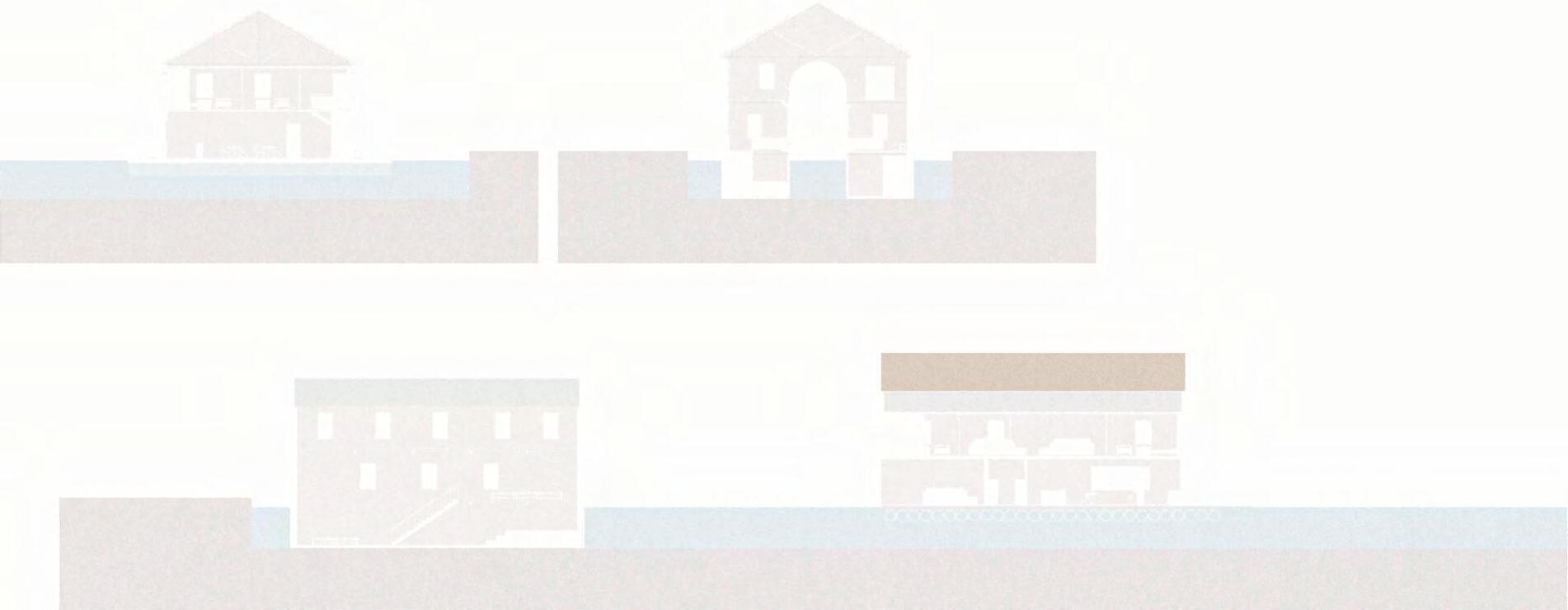
High Tide
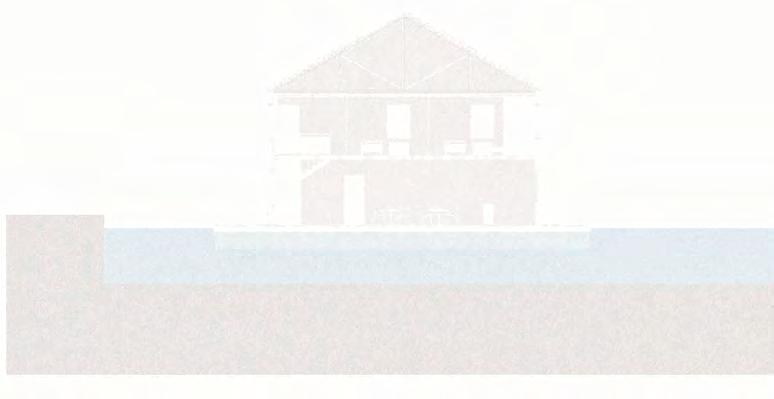
Low Tide
19
Section C - C’ (Both Structures at Normal Water Level)
Section A - A’ (Stone Structure at 500 YR Flood Level)
Section B - B’ (Floating Structure at 500 YR Flood Level)
YR Flood Line
100 YR Flood Line
20
Roof, skylight on the other side
Roof, skylight in the middle
Glass tunnel, with two staircases running across Original stone structure
Floating bridge with guides reinforced below water
Dropped ceiling above sleeping area
Ceiling track for flexible panels and soft partitions
Floating structure, moves with water
Solar energy is collected through PV panels on top of the roof of the floating structure. The energy will be transferred into electricity and stored in batteries. The batteries will then connect to the electricity system of the building.
The water system is also self-sustainable, and environmentally friendly. There will be separate tanks for clean, gray, and black water. Gray water will be collected, reused, and then treated with black water to be reclaimed back to the sea.
21
Rendered Perspective: Looking East
Rendered Perspective: Inside Tunnel Detail Model
03. Philosophy of Co-work
22
Co-working spaces have developed from a lifestyle choice into a real estate facility management model that defines trend.
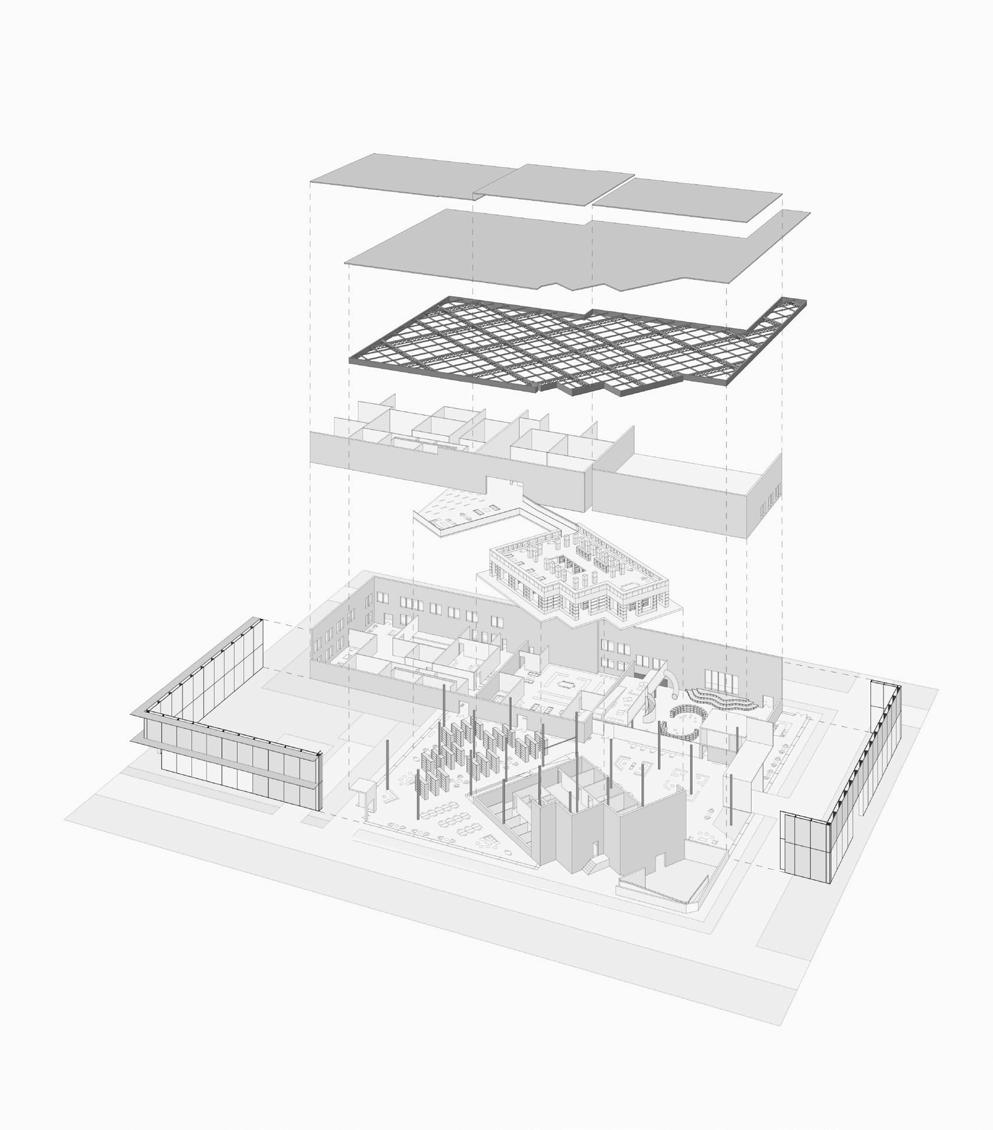
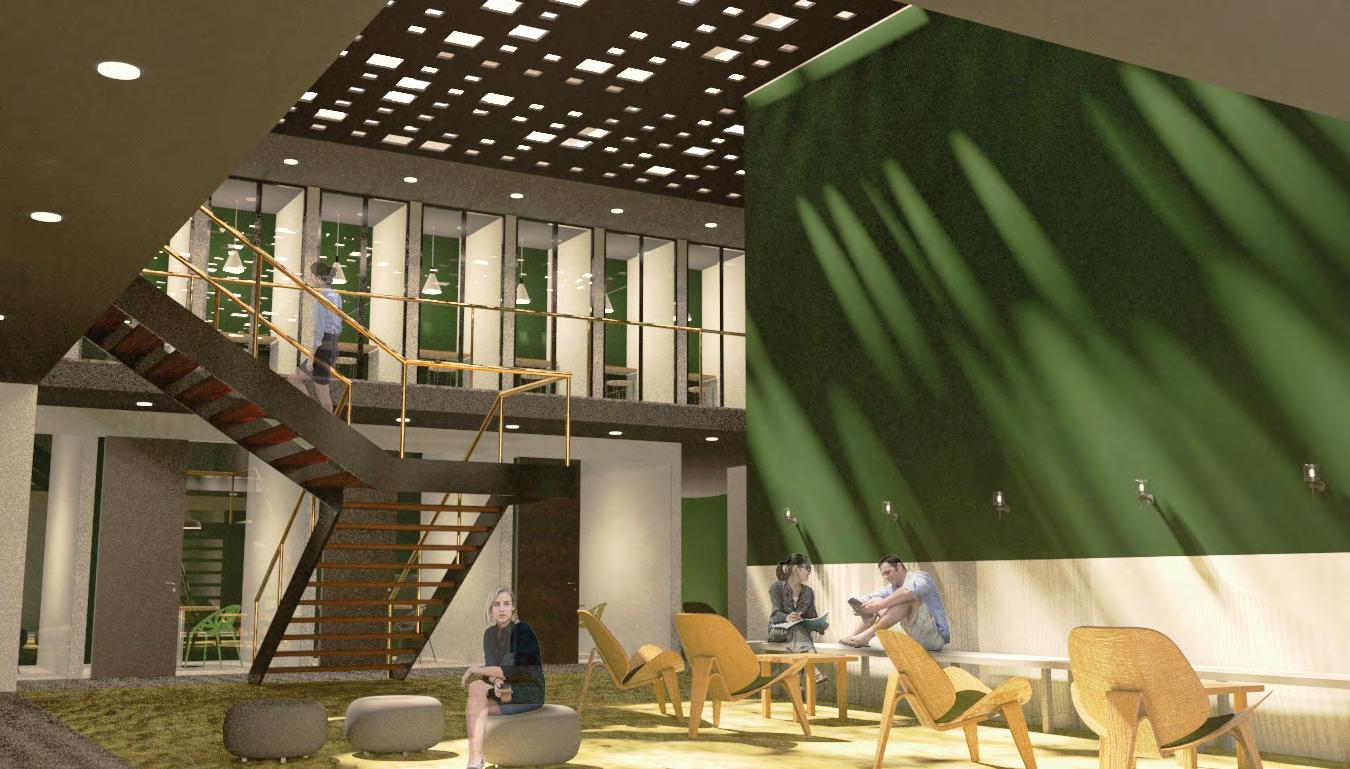
This program is given a site 1210 W. Lake St, located in Chicago, IL. The site is currently an empty warehouse. The mission is to reuse the space and reprogram it into a co-working space with community areas (kitchen/cafe, lounge), 19 conference rooms, 11 monthly rent offices, 80 hot desks, 8 phone booths, 12 carrels/cubbies, 100 lockers, restrooms, and a manager’s office.
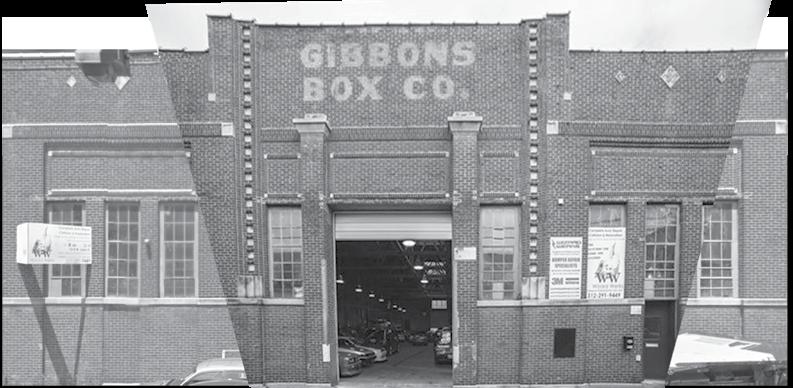
The building it self has a strong materiality, especially the facade, has unique brick patterns as well as stone decorations. All those features were kept during the new design proposal.
For the new proposed facade, windows will extruded all the way to the ground with green walls in between. This maximizes access of natural light for the interior and at the same time improves people’s experience when walking on the street.
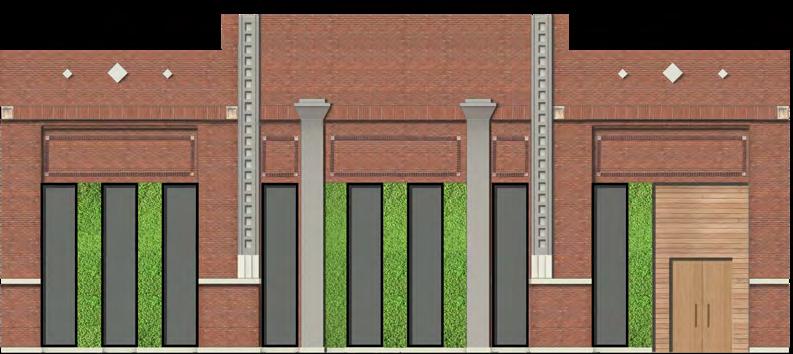
23
Proposed Facade (Flat Render)
Existing Facade (Photo Montage)
Plan Shape Transformation
The concept refers to the original shape of the building: a rigid, simple rectangle, aiming for dynamic movement inside the space and prioritize use.
The rectangle is taken and splitted in to two triangles. The two triangles then transforms into two L shapes, forming a courtyard in the center.
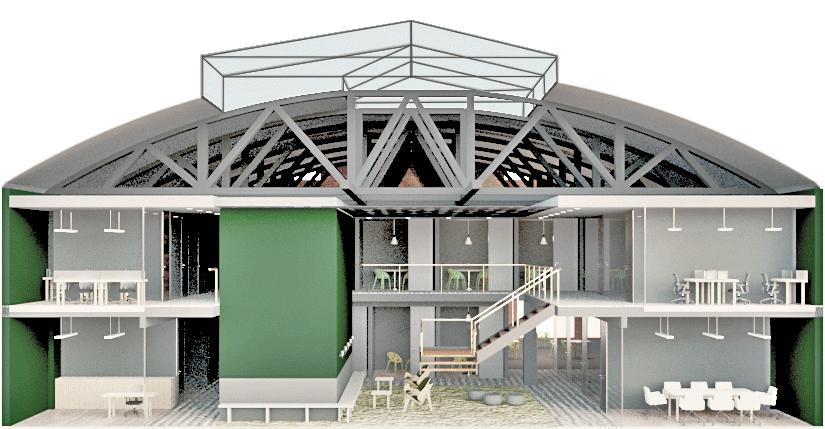
Access to natural light is maximized by extending windows on the front facade as well as adding sky light above the courtyard. A patterned screen is added to prevent over exposure during summer.
24
Rendered Section A - A’
Community Area
Community Area
Community Area
Open work space
Open work space
Meeting rooms (small, medium and large)
Open work space
Meeting rooms (small, medium and large)
Meeting rooms (small, medium and large)
Monthly rent offices (small, medium and large)
Monthly rent offices (small, medium and large)
Monthly rent offices (small, medium and large)
Manager’s office
Manager’s office
Manager’s office
Phone booth
Phone booth Locker rooms
Locker rooms
Phone booth
Locker rooms
Service Area (Elevators, Bathrooms)
Elevator
25 First Floor Plan Mezzanine Floor Plan
UP
DN Open To Below Open To Below UP
Elevator DN Open To Below Open To Below A A A’ A’ B B B’ B’
26 COVERED LANAI CH@9'-0" PRIMARY BEDROOM CH@9'-0" DINING AREA CH@9'-0" LIVING ROOM CH@9'-0" KITCHEN CH@8'-0" PANTRY CH@8'-0" LAUNDRY CH@9'-0" GUEST BEDROOM 1 CH@ 9'-0" MEDIA ROOM CH@9'-0" FOYER CH@9'-0" SERVICE ELEVATOR ELEVATOR ELEVATOR CORRIDOR MECH CLOSET CH@ CLOSET CH@ PRIMARY BATHROOM CH@9'-0" GUEST BEDROOM 2 CH@ 9'-0" GUEST HALLWAY CH@ 9'-0"
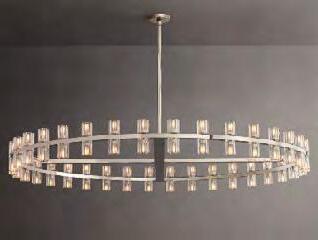
Arcachon Roung Chandelier
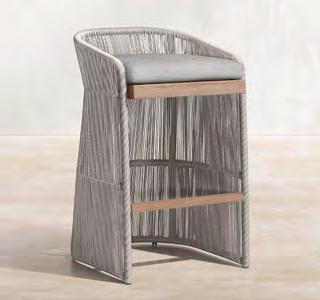
Havana Couner Stools
Nuvole Hand-knotted Rug
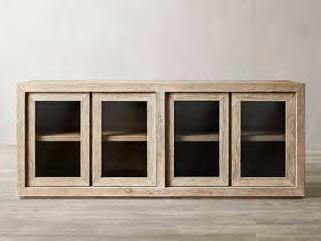
Reclaimed Oak Sideboard
04. High End Residences
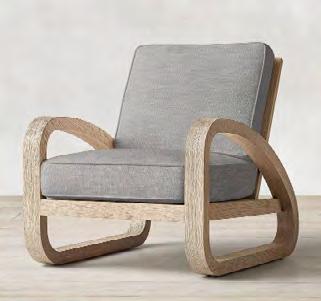
Pascal Chair
27
Living Room Section
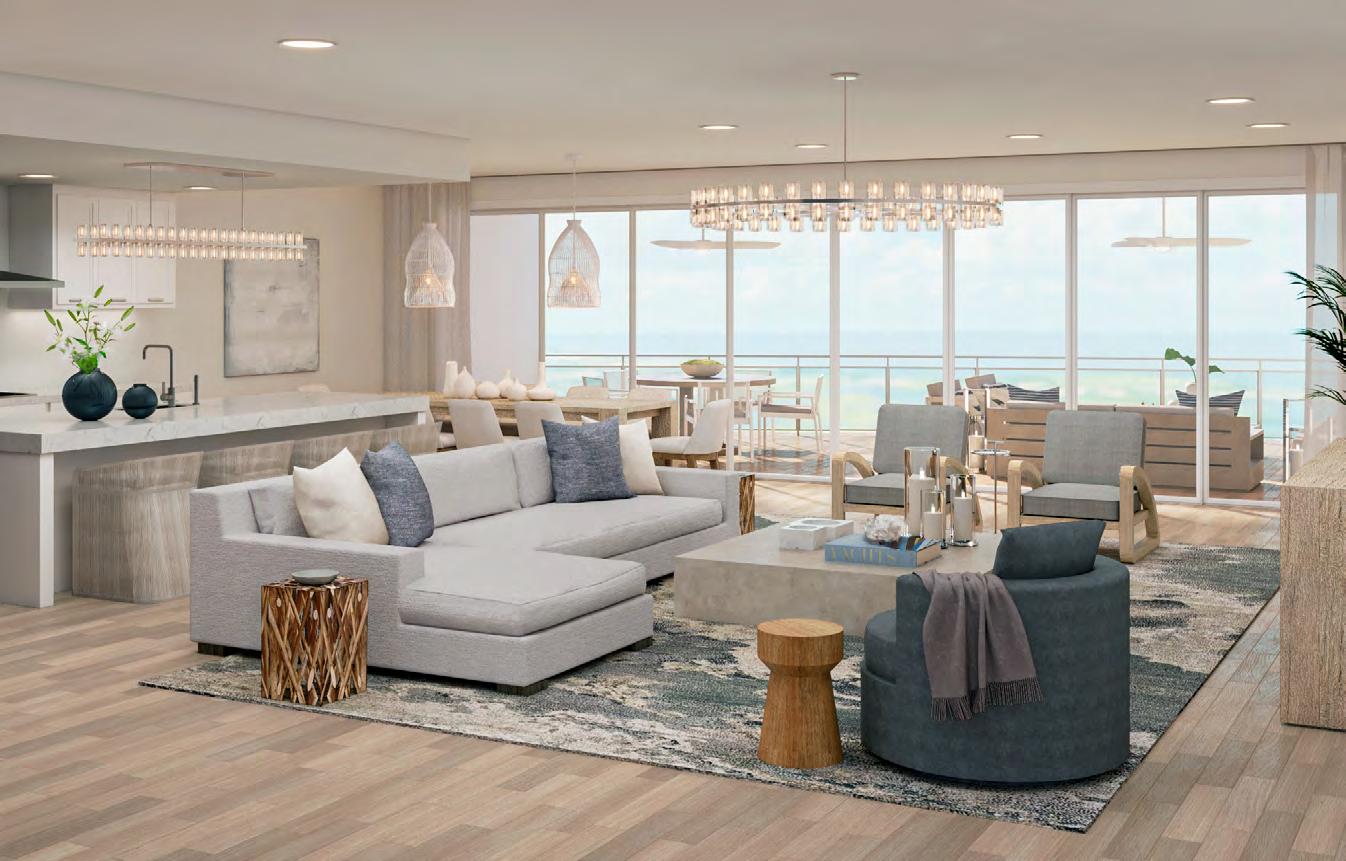
28 Rendering | Living Room
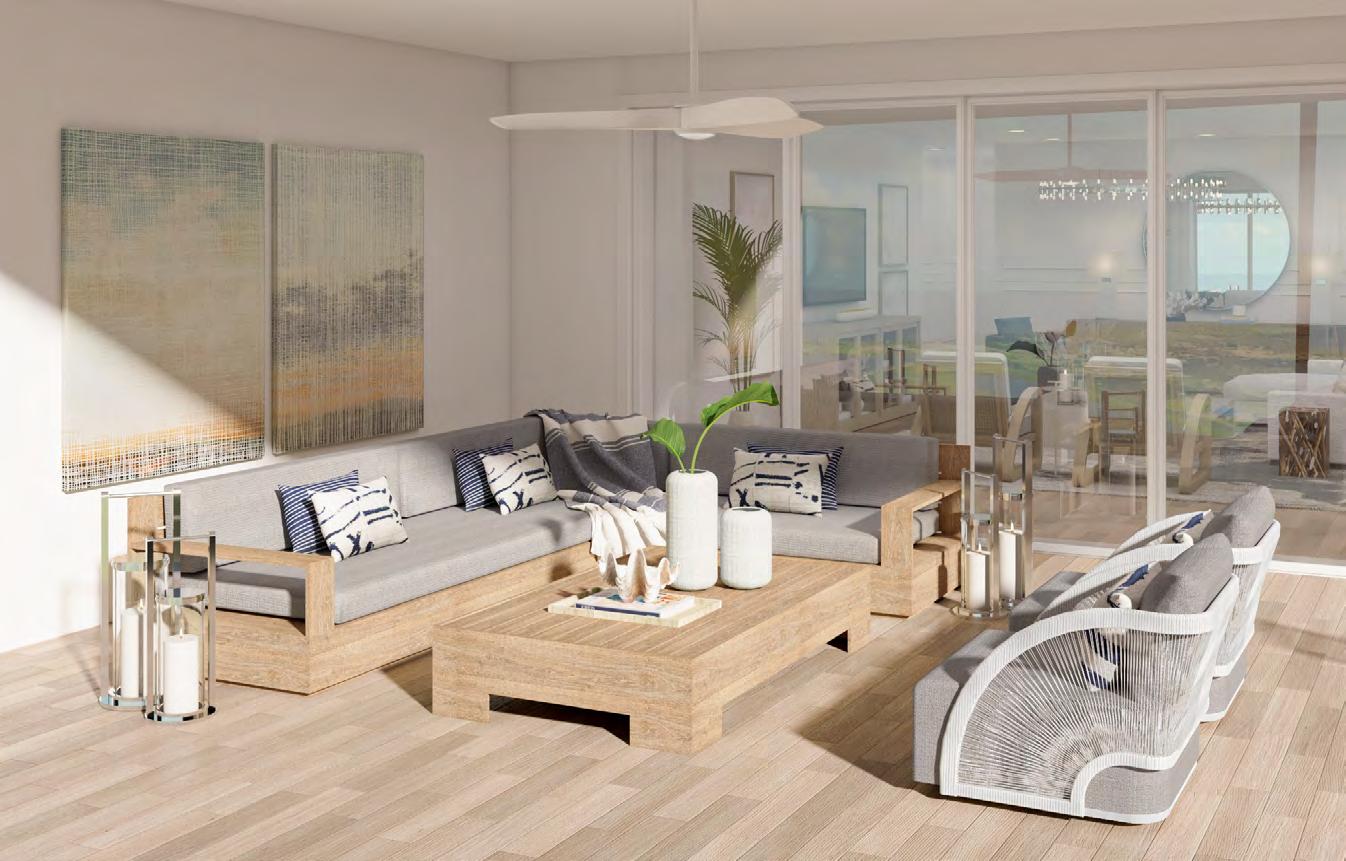
29 Rendering | Outdoor Patio

30
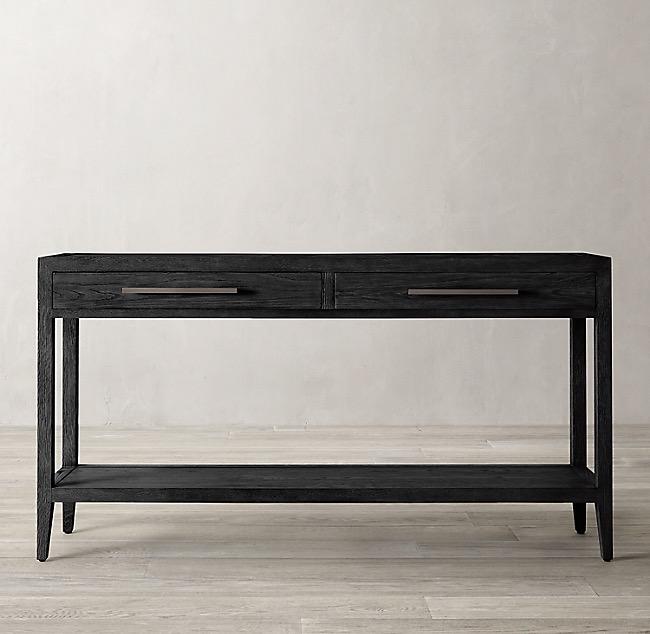
French Contemporary Console Table
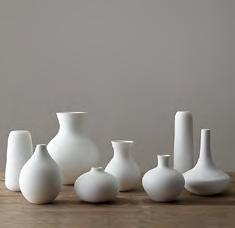
Matte White Glass Vase
Pendant Round Mirror
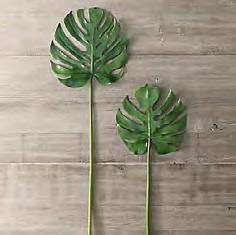
Faux Monstera Leaf
31 GREAT ROOM CH@9'-6" OUTDOOR LIVING BAR CH@8'-8" KITCHEN CH@9'-3" FAMILY ROOM CH@9'-10" GUEST BEDROOM 1 CH@9'-10" GUEST BEDROOM 2 CH@9'-10" GUEST BEDROOM CH@9'-10" GUEST BALCONY GALLERY/HALLWAY CH@8'-8" PRIMARY BEDROOM CH@9'-10" OFFICE CH@9'-10" PRIMARY OUTDOOR PRIMARY BATH CH@9'-10" GUEST BATH 1 CH@8'-8" GUEST BATH 2 CH@10'-0" GUEST BATH 3 CH@9'-3" POWDER BATH CH@8'-8" POWDER BATH CH@8'-8" FOYER CH@9'-10" HALL CH@8'-8" VESTIBULE CH@8'-4" LAUNDRY CH@8'-0" OUTDOOR DINING OUTDOOR LOUNGE
05. Renderings
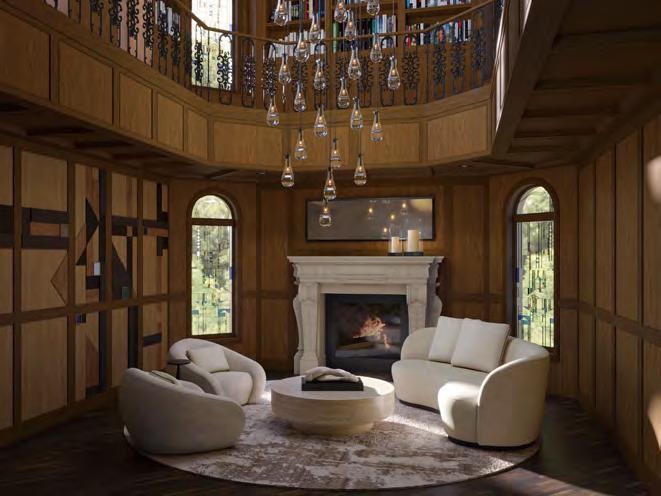
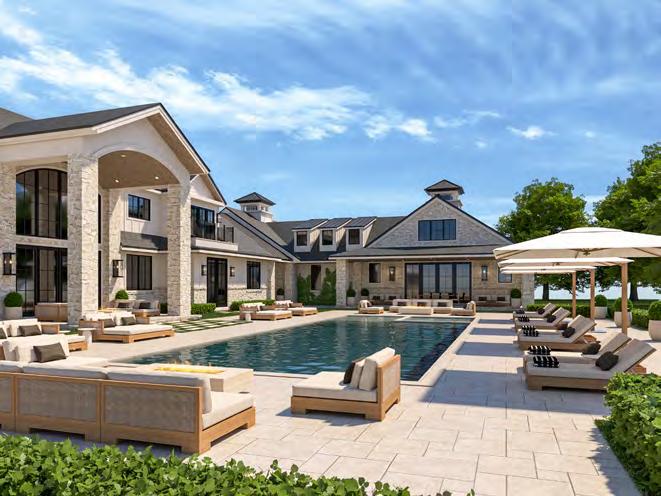
32
Water Mill, NY
Tierra Verde, FL
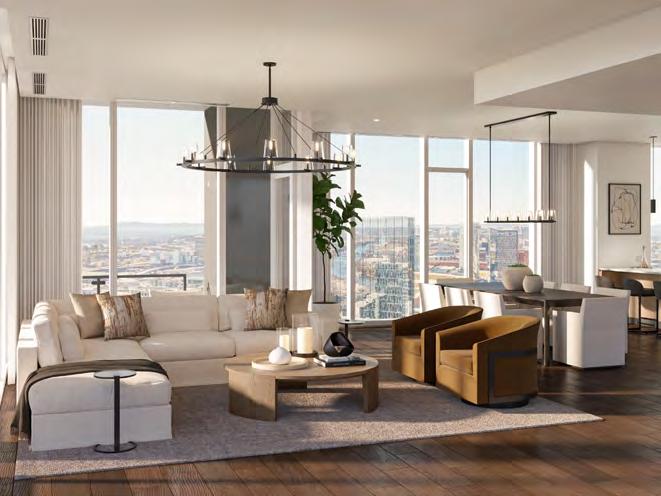
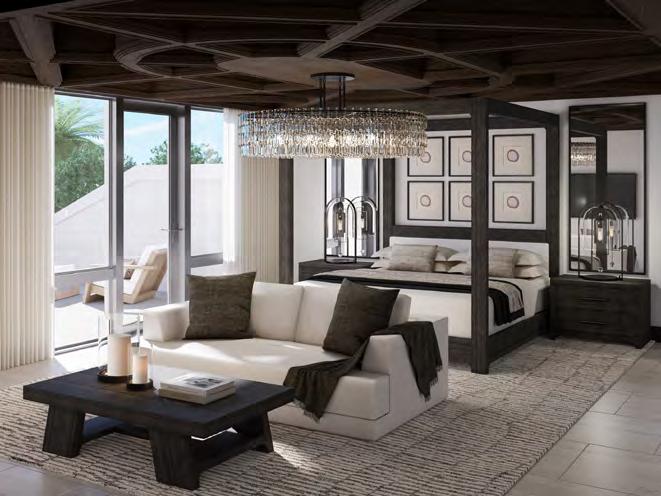
33
Nashville, TN Medellín, Colombia
Selected Works 2017 - 2023
Elaine Wu