RI Wood Turtle & Rapid Response Network for Confiscated Turtles
SAFE North American Songbird & SAFE Monarch Sustainability at the Zoo
Global Conservation Programs & Partnerships
AZA Collaboration
Sophie Danforth Conservation Biology Fund
Project Selva
Providing Support
in
A YEAR OF SHARED IMPACT A LETTER FROM THE DIRECTORS:
At the Roger Williams Park Zoo, conservation is defined as the responsible and effective management of natural resources, aiming to preserve wildlife, ecosystems, and the environment This work comes to life in two essential, interconnected ways: through direct action to protect wildlife and habitats, and through education that builds understanding, empathy, and the foundation for lifelong conservation stewardship. Conservation at the Zoo emphasizes intentionality, teamwork, and a long-term commitment to environmental wellbeing—whether we're reintroducing endangered species to the wild or empowering a student to take their first climate action
Looking back at 2025, we are filled with immense gratitude and pride for all that has been accomplished. The past year has been a testament to the power of our staff and community, fueled by your unwavering support and dedication to preserving the natural world Through Conservation and Education we continue to protect wildlife and wild places while inspiring the next generation of conservation champions.
A Year of Integrated Impact
Thanks to you, our conservation programs achieved extraordinary milestones in protecting threatened and endangered wildlife and habitats, both locally and internationally—through breeding and reintroduction programs, research and sustainability initiatives, and in-situ support via the Quarters for Conservation program, AZA SAFE programs, and the Sophie Danforth Conservation Biology Grants. At the same time, our education programs worked to ensure these conservation successes inspire action, fostering care, empathy, heightened awareness, and a deeper understanding of the natural world in thousands of learners
In 2025, we worked with intention to provide high-quality, inclusive learning experiences for people of all ages, designed to spark curiosity and cultivate a sense of belonging. Our educators model and promote a culture of care and well-being, fostering resilience and emphasizing social-emotional learning across all audiences Every initiative from camps and school programs to community outreach and youth leadership was designed to connect people to our conservation mission and nurture empathy for the wildlife we work to protect.
These educational experiences create the foundation for informed, meaningful conservation action. One moment that captures this impact came from a student at our Youth Climate Summit, who said: "I feel more confident now like I can actually do something about climate change." That sense of empowerment the bridge between understanding and action—is at the heart of our integrated approach to conservation.
LOOKING AHEAD TO 2026
While we celebrate these successes, the work is far from over. In the coming year, we will build on this momentum by deepening the connection between our conservation action and educational impact:
Implementing the new Roger Williams Park Zoo 5-year Conservation Plan, which will better align our conservation work with our mission and strategic goals
Opening our new conservation learning center to facilitate innovative programming that helps more learners discover their agency in conservation.
Expanding partnerships and refining evaluation tools to strengthen both our conservation outcomes and educational impact
The Zoo's mission relies on people who share a deep love for wildlife and wild places. Thank you to the staff, volunteers, partners, and supporters who make this work possible Your dedication fuels our impact and strengthens our shared mission every day. You are the driving force behind everything we do, and we could not accomplish this crucial work without you. Together through both protecting species and inspiring people we are creating a more hopeful future for all.
Our Mission
As leaders in conservation and animal care, we create engaging experiences that empower guests to join us in conserving wildlife and wild places.
tles
New England cottontail rabbits released 28
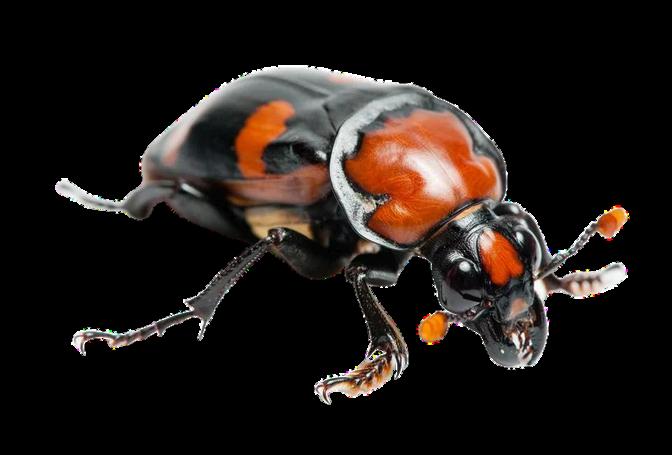
American burying beetle broods
provisioned during release 195
Radio tags deployed on wood turtles 8
3
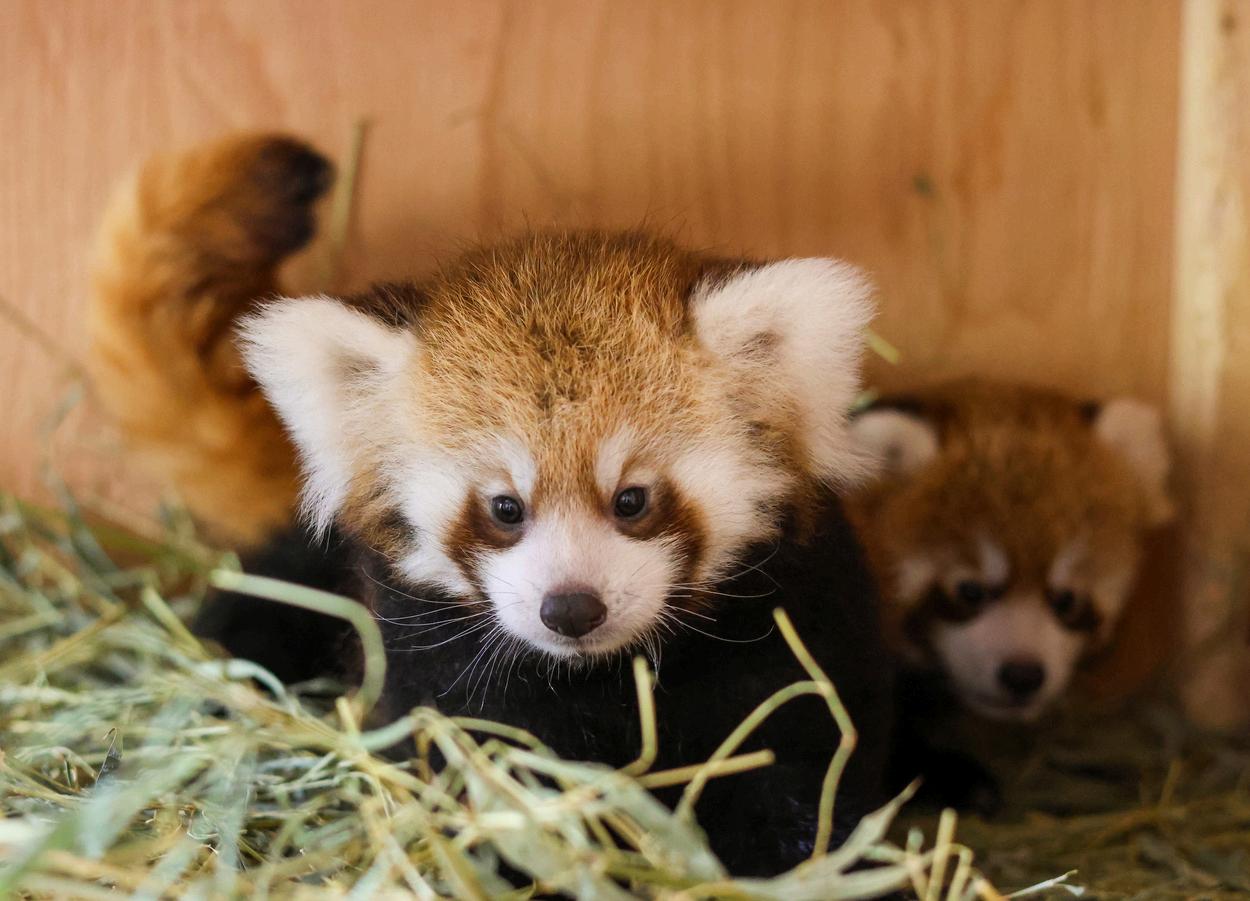
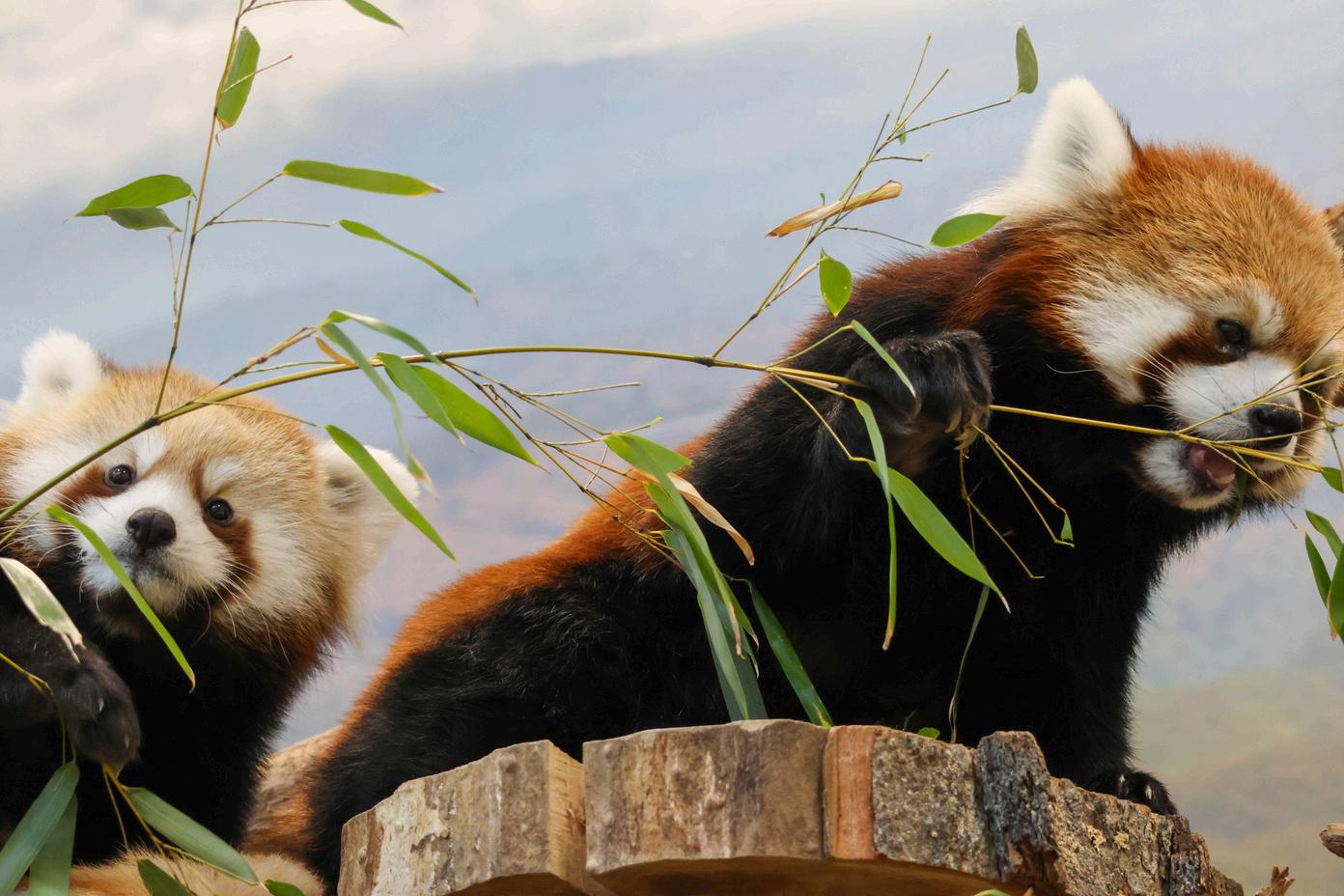
Species Survival Plan births: Linne’s two-toed sloth and red panda
Pledges made to “Spread Your 32
Observations to the national FrogWatch USA database 503 diverted from the landfill shared out to the local community
RWPZ care
Lbs of food waste 2880
Electronic devices recycled through Eco-Cell 1088
AMERICANBURYINGBEETLERECOVERYPROGRAM
2025 Field Release & Research
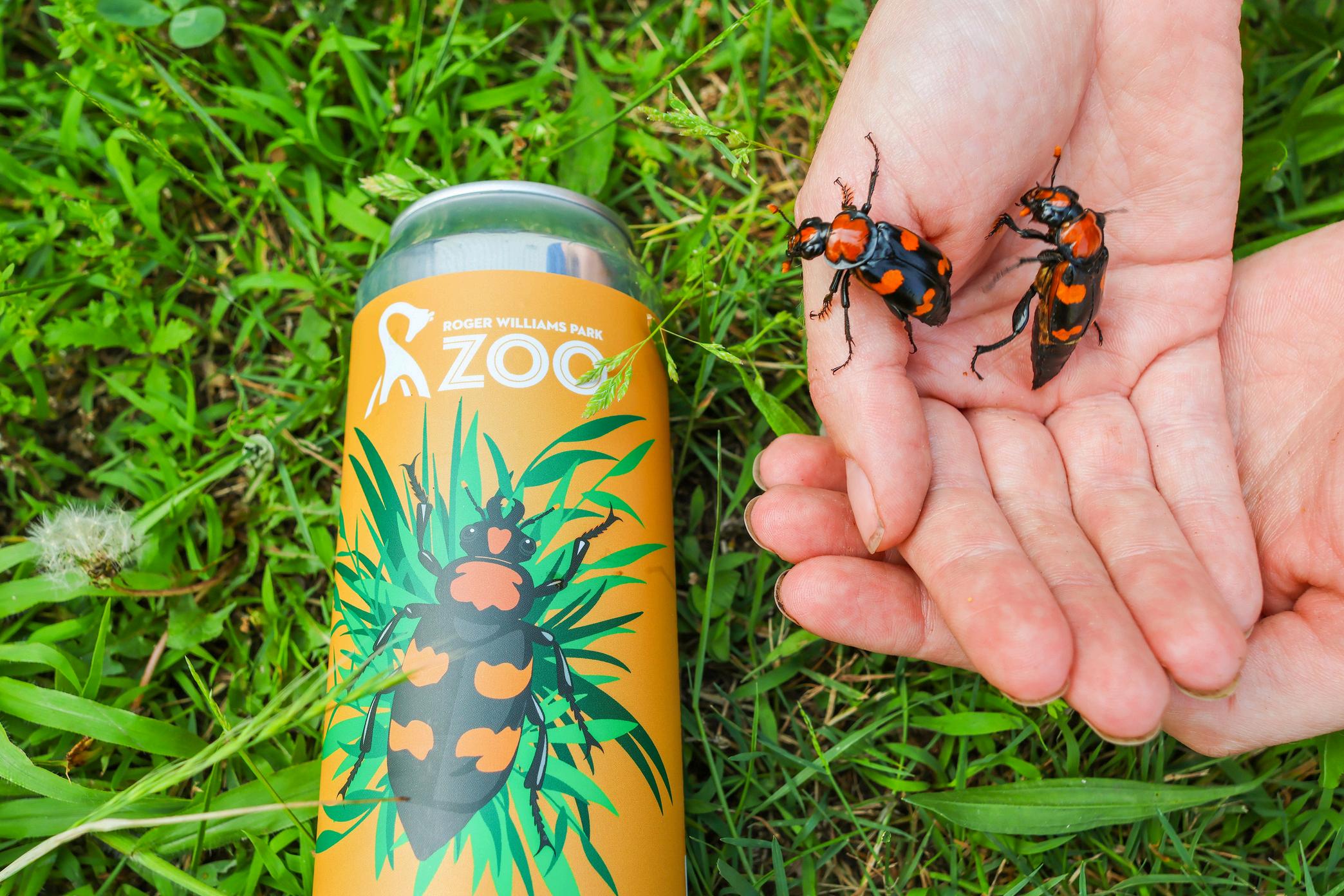
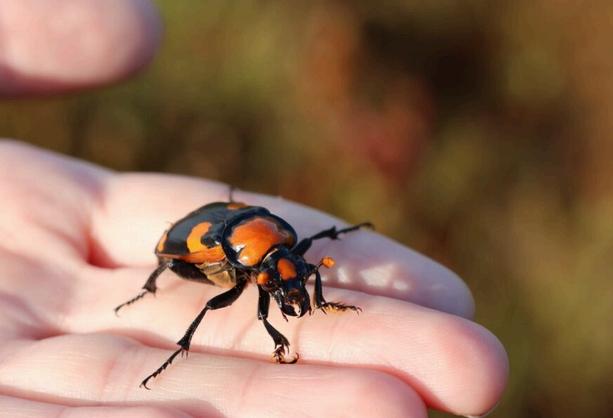
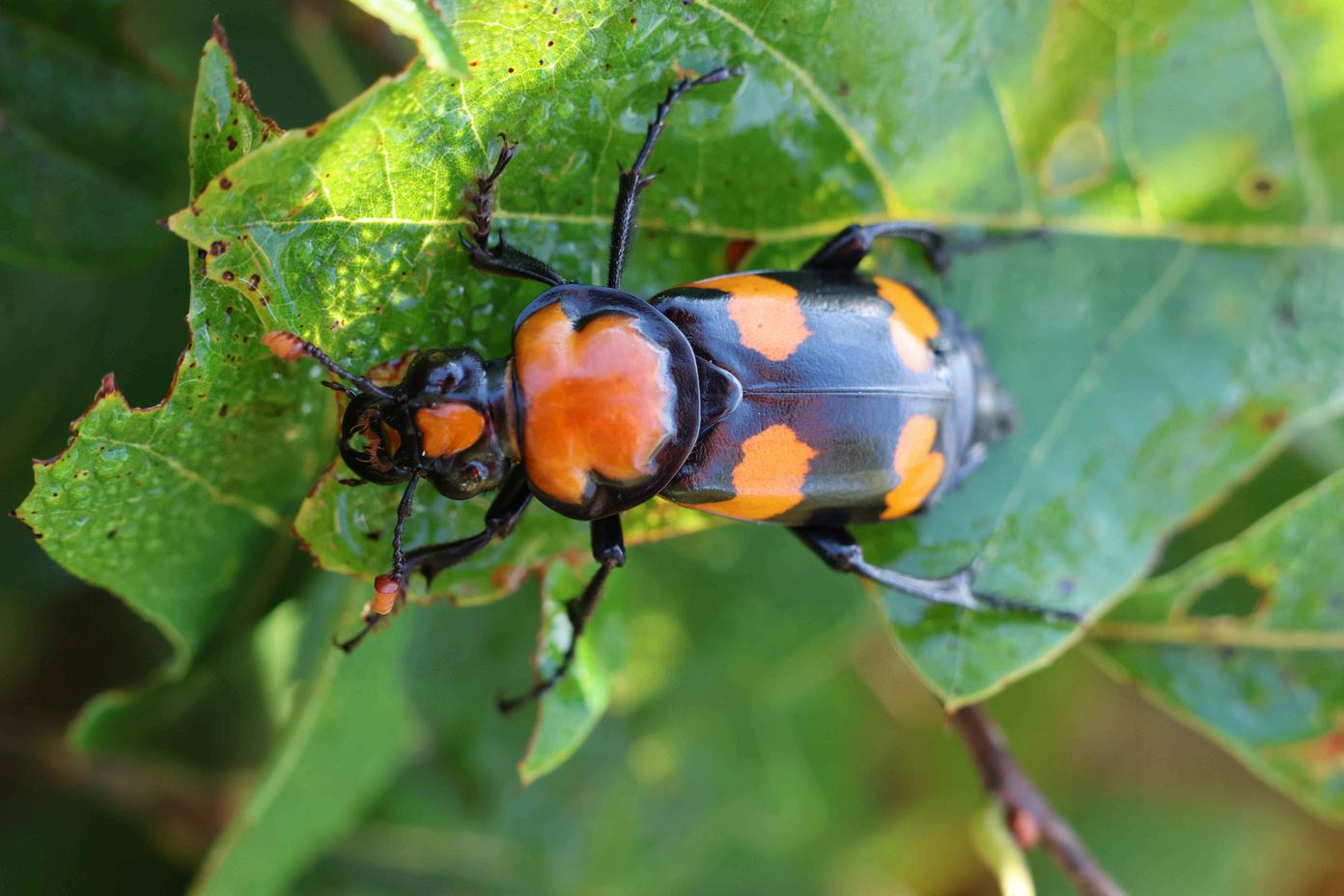
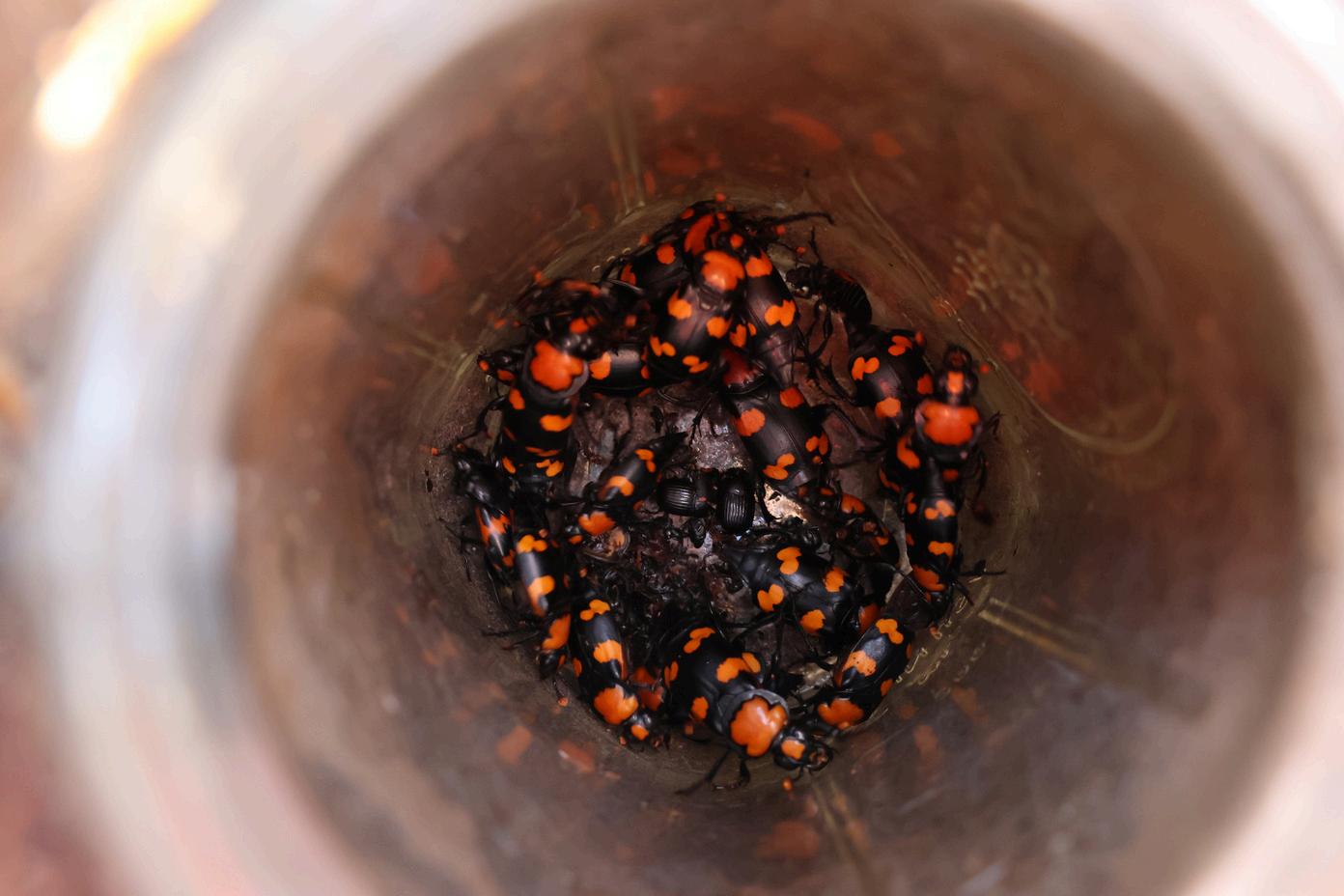
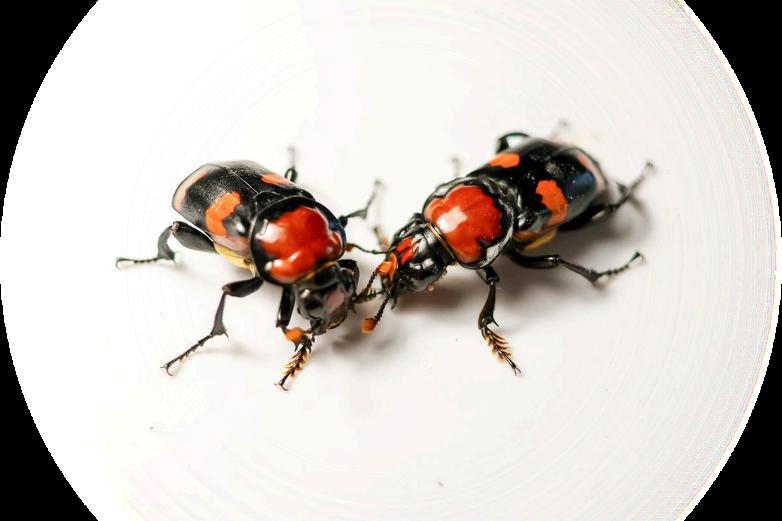
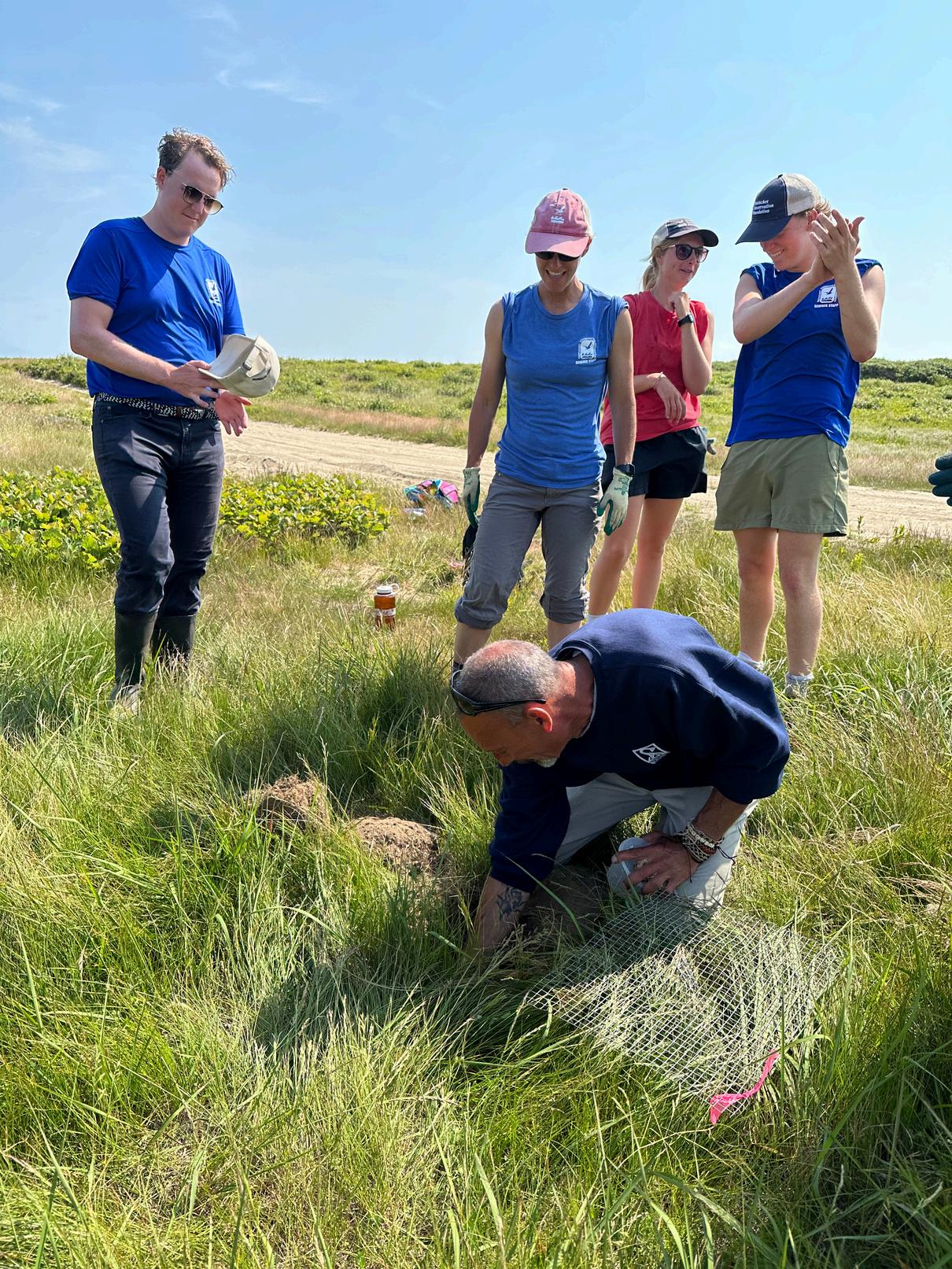
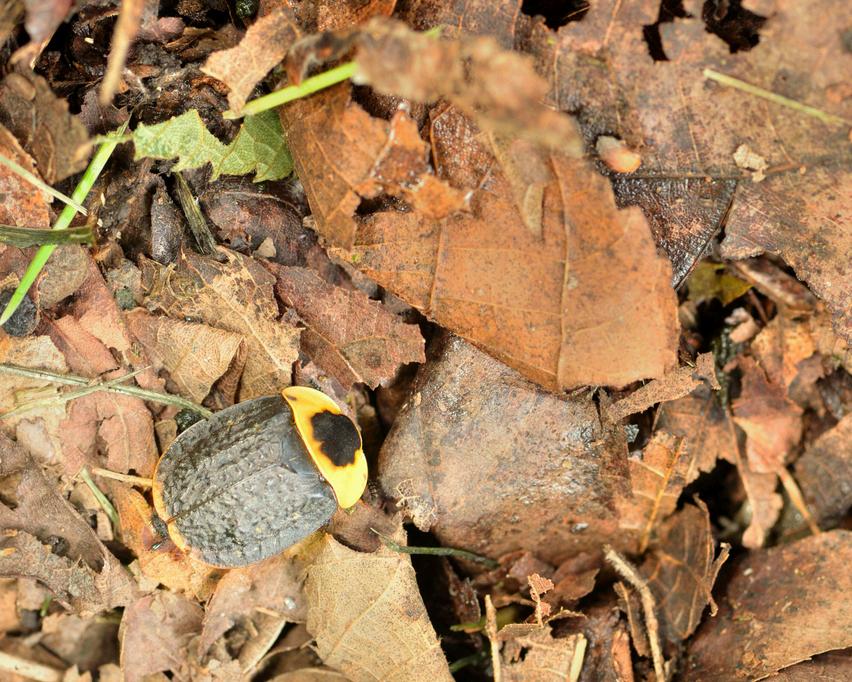
In June, a total of 195 broods, comprising both Zoo-raised and wild-caught beetles, were provisioned. A success check 12 days postrelease, involving the excavation of 30% of the broods, estimated a production of over 1,279 larvae on the landscape. The success of the release was confirmed during late summer trapping, which yielded an impressive 273 newly eclosed beetles over a four-day period
The Zoo also initiated a new research study during the late summer trapping in collaboration with SUNY College of Environmental Science and Forestry Beetles were swabbed for lab testing and also provided a small elytra clipping for stable isotope analysis. This analysis reveals the beetle's lifetime diet, including the larval stage. Comparing the two methods will determine if swabbing is a more cost-effective and less invasive alternative for identifying the species' carrion choice for reproduction.
Grant-Funded Research
A new multi-year study was initiated on grant from the Rhode Island Natural His with The Nature Conservancy’s Block Is how temperature and humidity influenc critical for population recovery.
The funding facilitated the purchase an trapping and breeding operations on Bl controlled breeding lab. By comparing c better define the species’ ecological nic
Beetle Lab Update
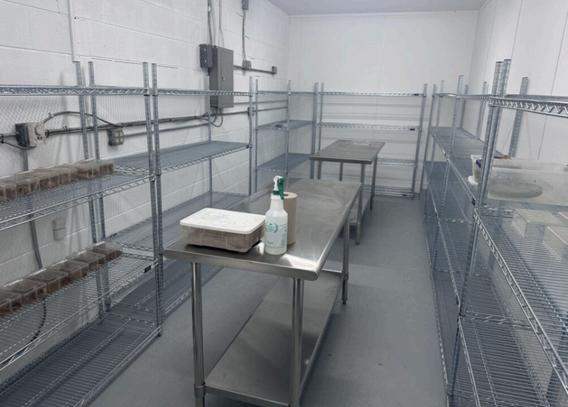
The ABB project secured a $35,000 grant this past year for reconstruction of the Zoo's beetle breeding lab. Built in-house by the operations team, the new facility is three times larger and was redesigned to maximize breeding efficiency.
The upgraded lab now features timed lighting, durable metal shelving, a backup generator, and improved heating/cooling systems. Enhanced insulation ensures consistent
temperature control, while refinished walls and floors streamline cleaning and maintenance. These improvements create a more effective and efficient environment, strengthening dayto-day operations and enhancing long-term capacity for ABB recovery. Sarah K. de Coizart
Article TENTH Perpetual Charitable Trust’s support made this essential reconstruction possible, ensuring continued commitment to the conservation of the state insect.
Collaborative Webinar: On the Brink
On November 5, 2025, the Director of Conservation Programs participated in The Center for Biological Diversity’s webinar, On the Brink: American Burying Beetle Recovery Efforts. The program offered a comprehensive look at conservation strategies and the recovery journey across the species’ western and eastern populations. The webinar successfully raised awareness for this endangered species and showcased the collaborative efforts of RWPZoo with partners including the Saint Louis Zoo, Cincinnati Zoo & Botanical Garden, and The Wilds
The full hour-long recording is available here >
NEWENGLANDCOTTONTAIL REPOPULATIONPROJECT
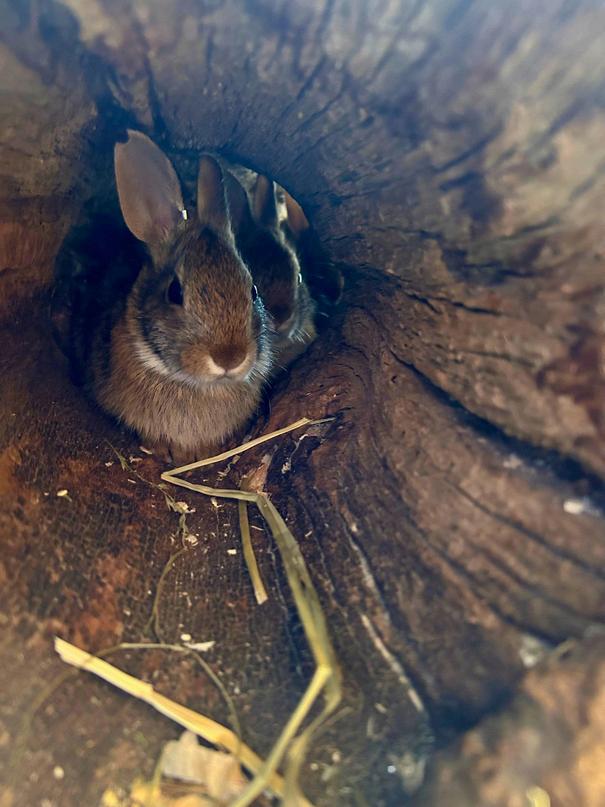
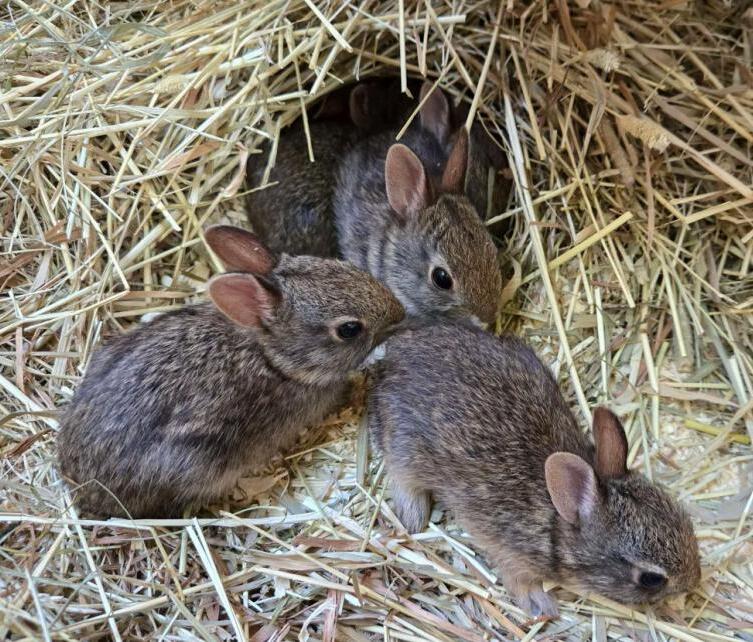
28 rabbits from the breeding program were released to sites across New England in 2025.
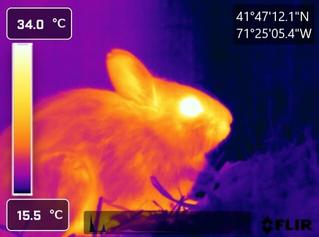
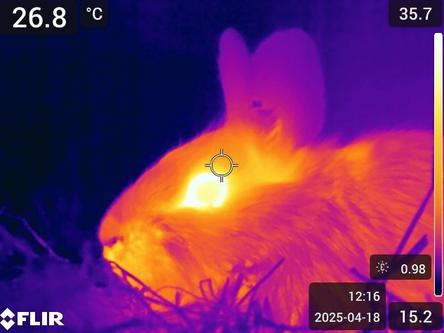
Additional research included attempts at pregnancy detection using thermal imaging. Researchers compared thermal measurements with known breeding outcomes, based on the fact that elevated progesterone levels can increase body temperature. The study found that pregnant females showed ear temperatures approximately 10% higher than those of nonpregnant females. While further data is necessary for full validation, this technique could streamline future breeding operations by allowing for the earlier detection of successful breeding and pregnancy, which is currently difficult to confirm.
During the 2025 New England Cottontail breeding season, the Zoo partnered with the University of Rhode Island (URI) to conduct research to better understand the species and maximize the breeding program's impact.
The research continued the refinement of a mate-choice study. Data showed that females were twice as likely to breed with the males they visited most frequently compared to those they visited least. Completing the year’s study required a team of 17 students to code 144 hours of video footage in 10 days. As these methods are streamlined and more data is collected, the research and breeding teams anticipate opportunities to improve production while gaining insight into the species’ natural behaviors.
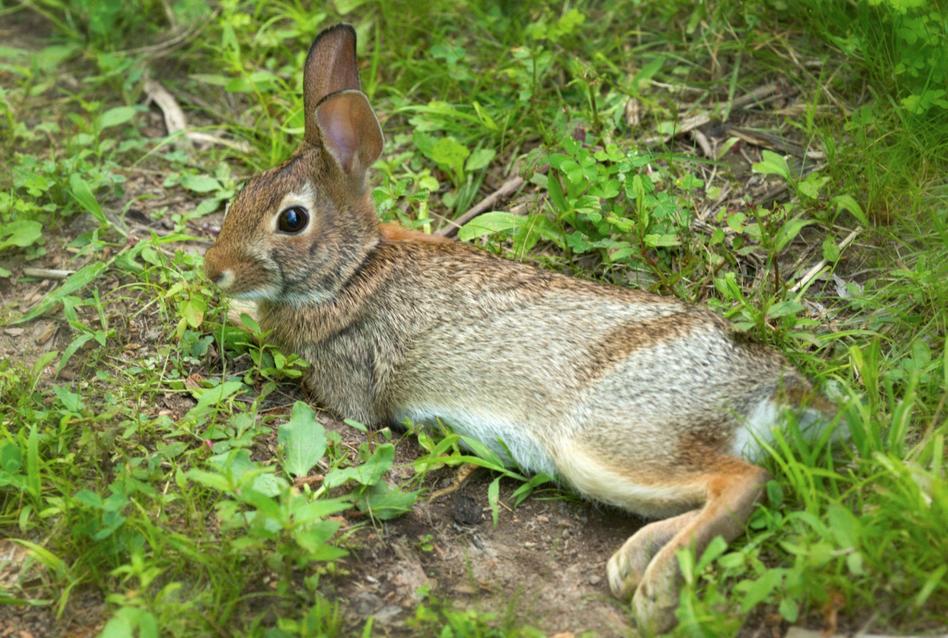
The rare New England cottontail, a threatened species of native rabbit once abundant throughout the New England region, is getting much-needed help.
RHODEISLANDWOODTURTLEPOPULATION ASSESSMENTS
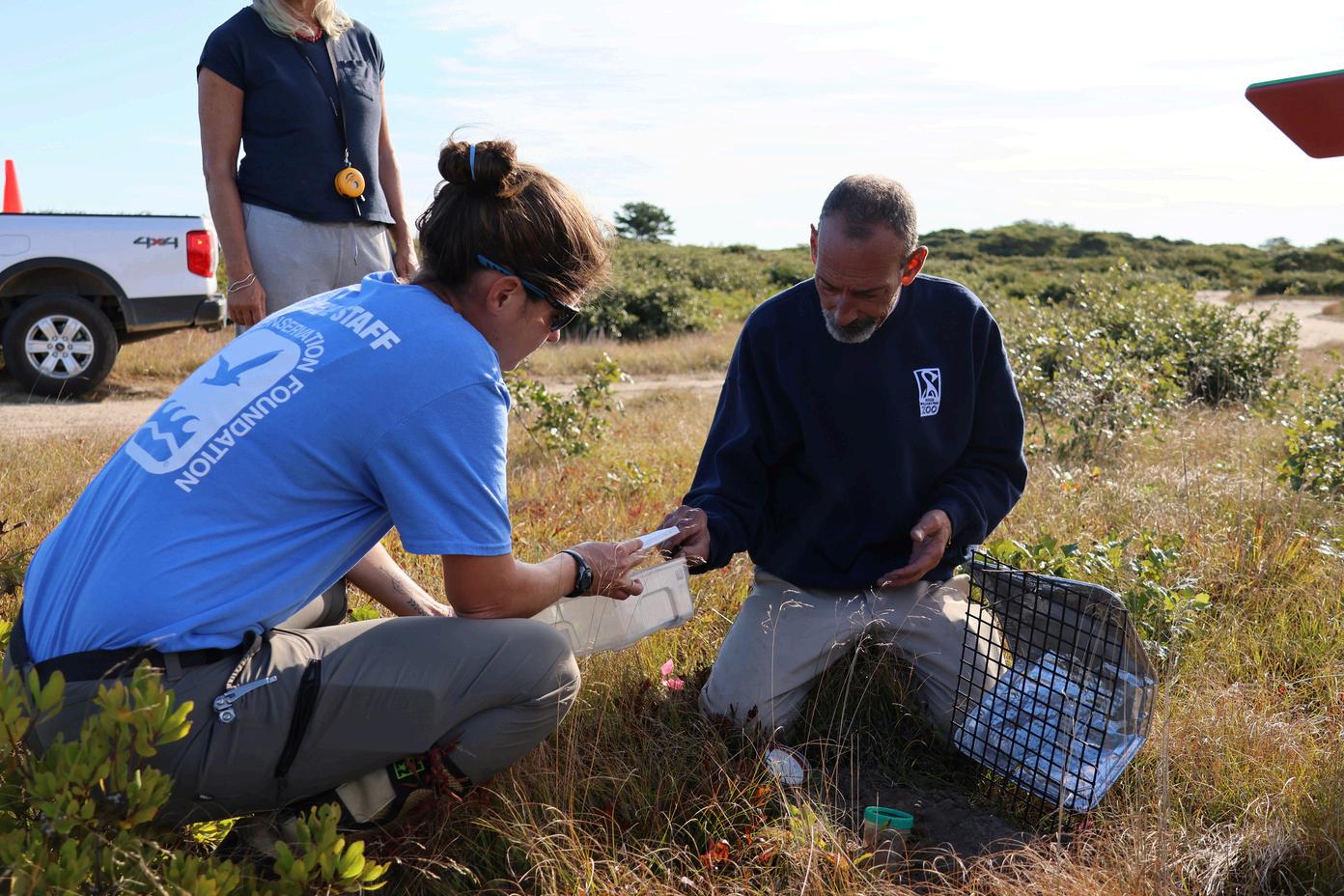
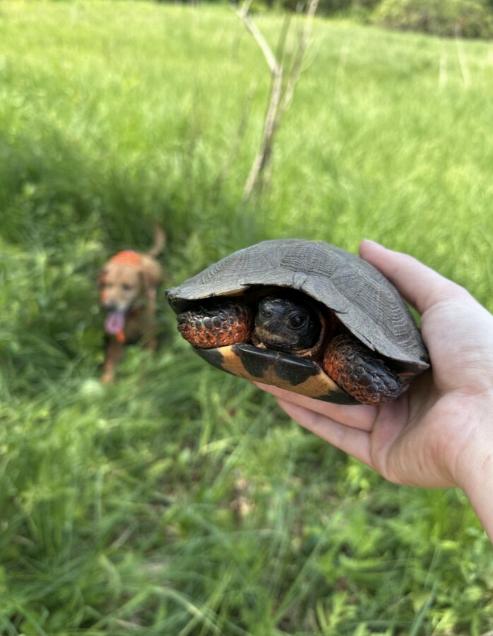
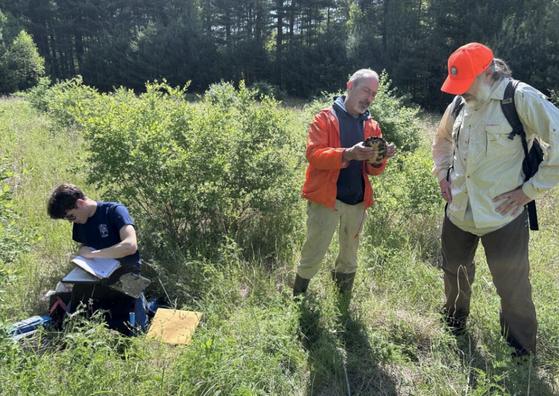
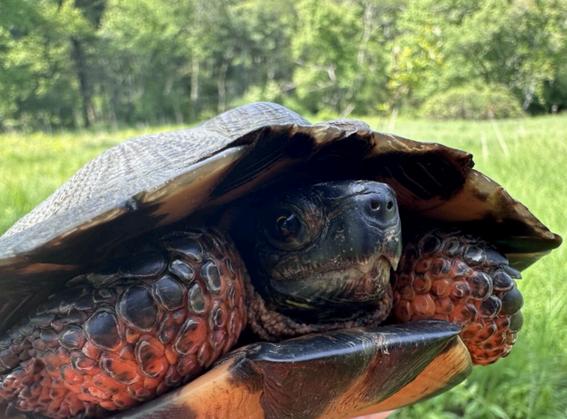
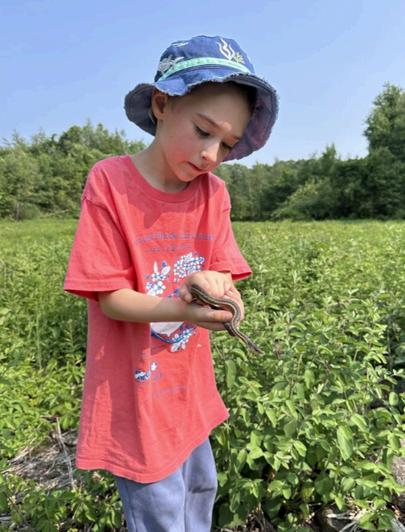
The Zoo continues to monitor Wood Turtles in partnership with the Rhode Island Department of Environmental Management (RIDEM) to better understand the species' environmental role. In 2025, with support from the June Rockwell Levy Foundation, the Zoo began studying a new Wood Turtle population and deployed eight radio tags during the field season. These tags enable radio tracking for regular data collection on location, animal weight, and behavior. Analysis of this data provides insight into movement patterns throughout the year and how the species utilizes its landscape.
Looking ahead, there are plans to utilize five GPS trackers to gather more detailed information about this species. In partnership with the Smithsonian Institute to explore the use of environmental DNA (eDNA), this technique can detect species presence from minute genetic traces in water, providing an additional method for population monitoring.
EASTERNBOXTURTLEBREEDINGPROGRAM
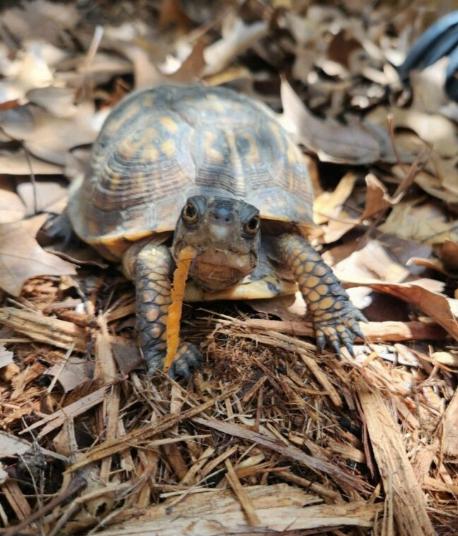
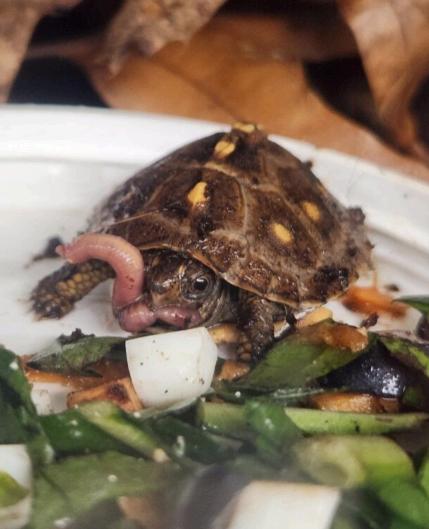
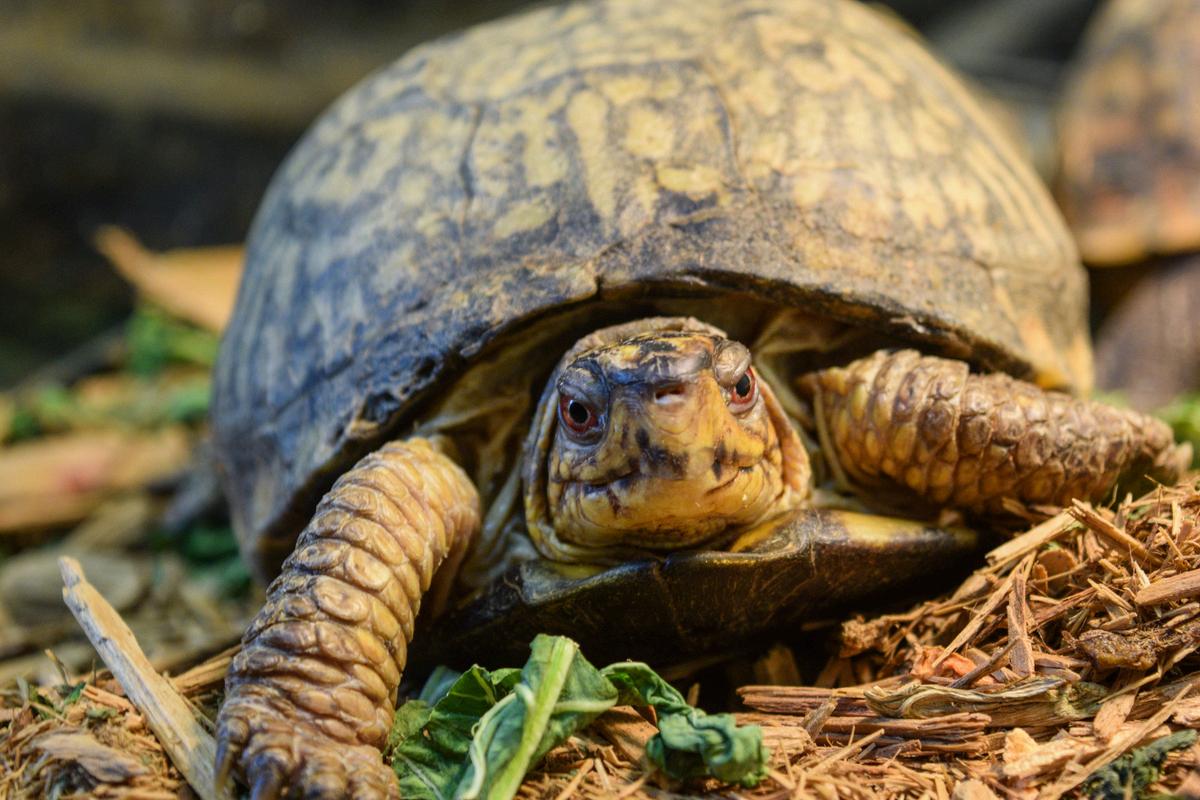
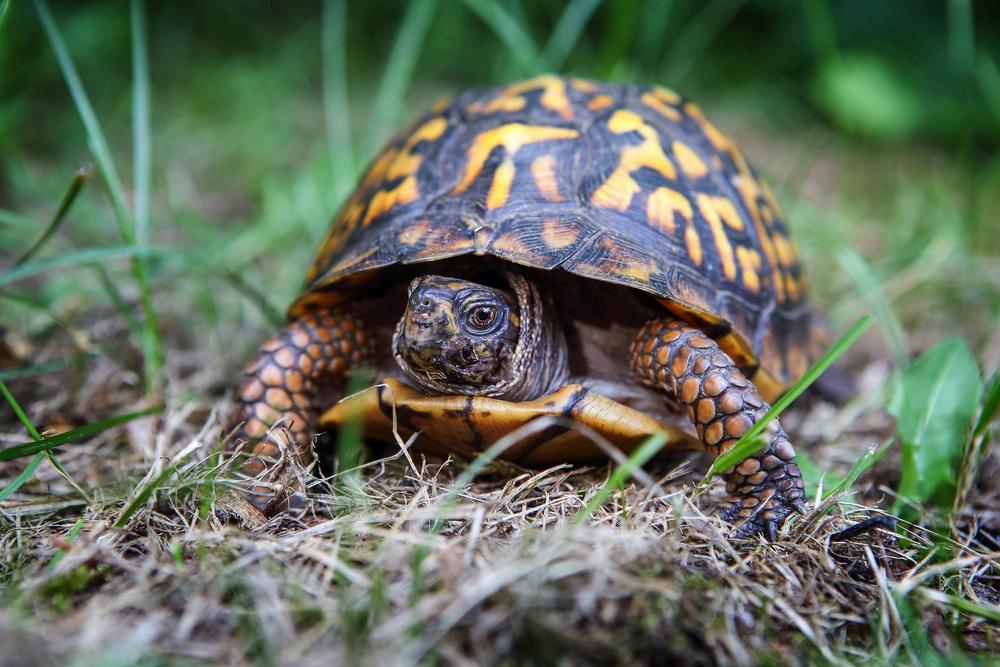
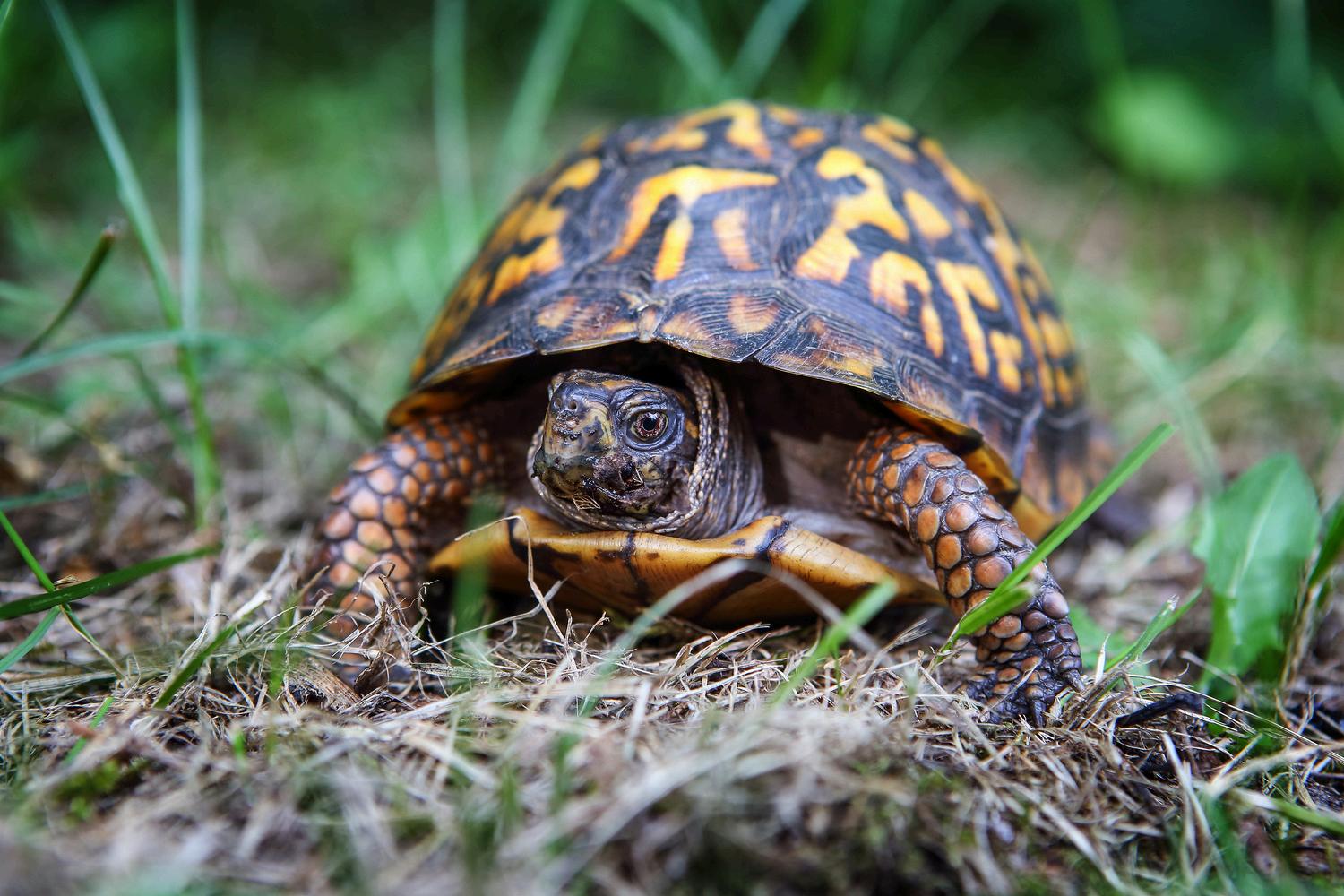
The Zoo's Eastern Box Turtle breeding program expanded in 2025 with the addition of two new hatchlings, bringing the total number of turtles raised to four. These young turtles will remain at the Zoo for growth and maturation. The Rhode Island Department of Environmental Management (RIDEM) is currently assessing the possibility of releasing these Rhode Islandheritage turtles to augment existing wild populations in the state.
RAPIDRESPONSENETWORK FORCONFISCATEDTURTLES
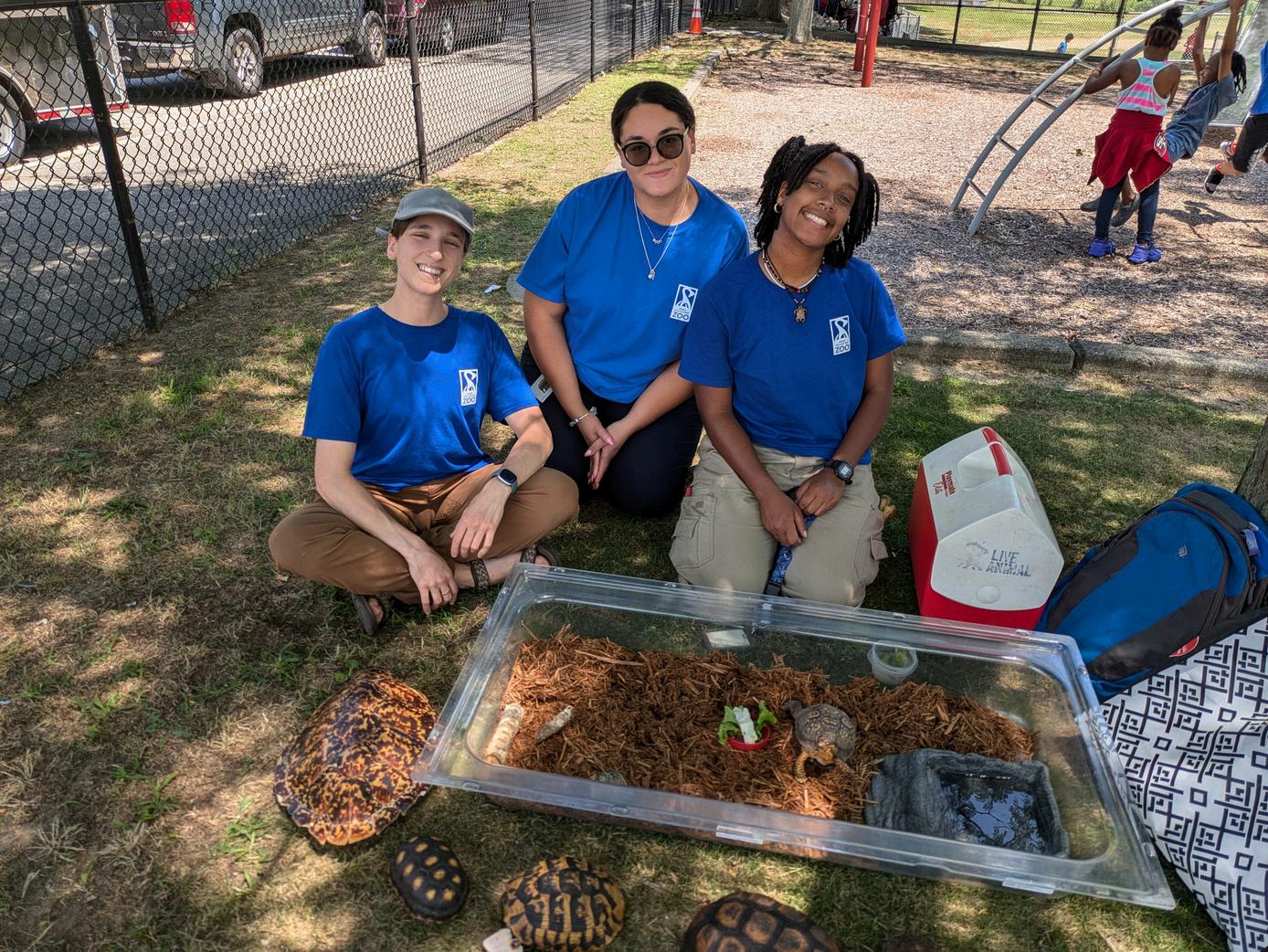
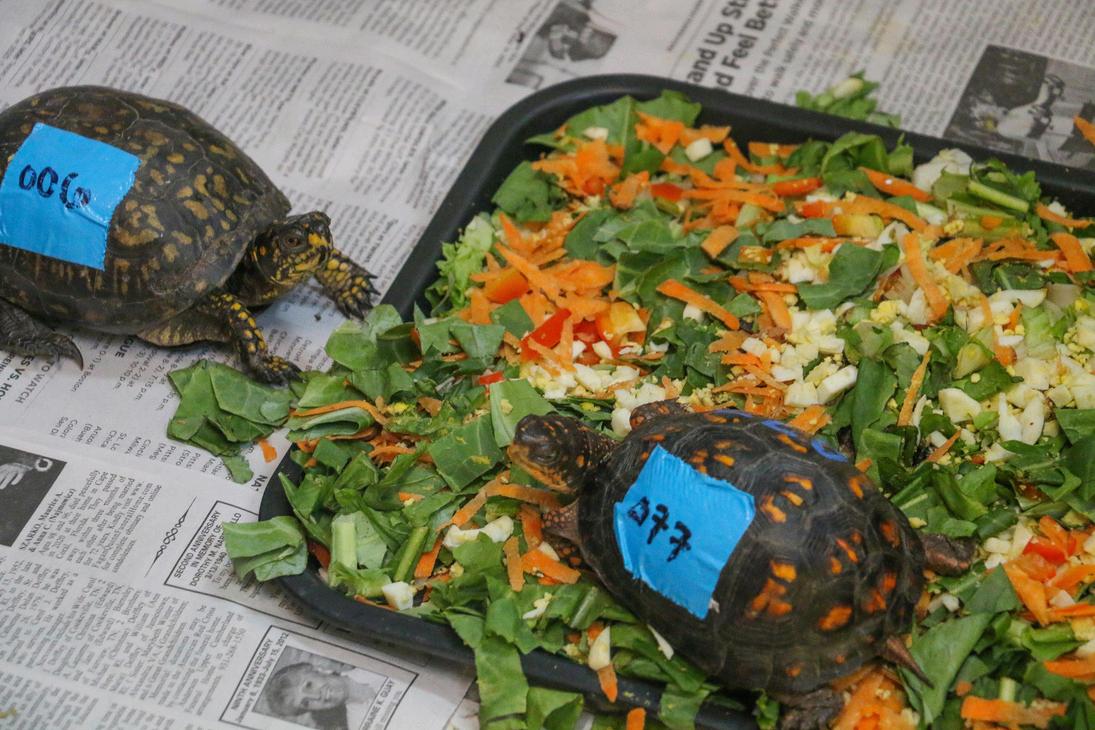
Since 2019, the Zoo has taken in nearly 100 confiscated turtles.
The Zoo plays a critical role in regional and national conservation efforts by working with the Collaborative to Combat the Illegal Trade in Turtles (CCITT). This partnership provides quarantine housing and veterinary care for confiscated turtles.
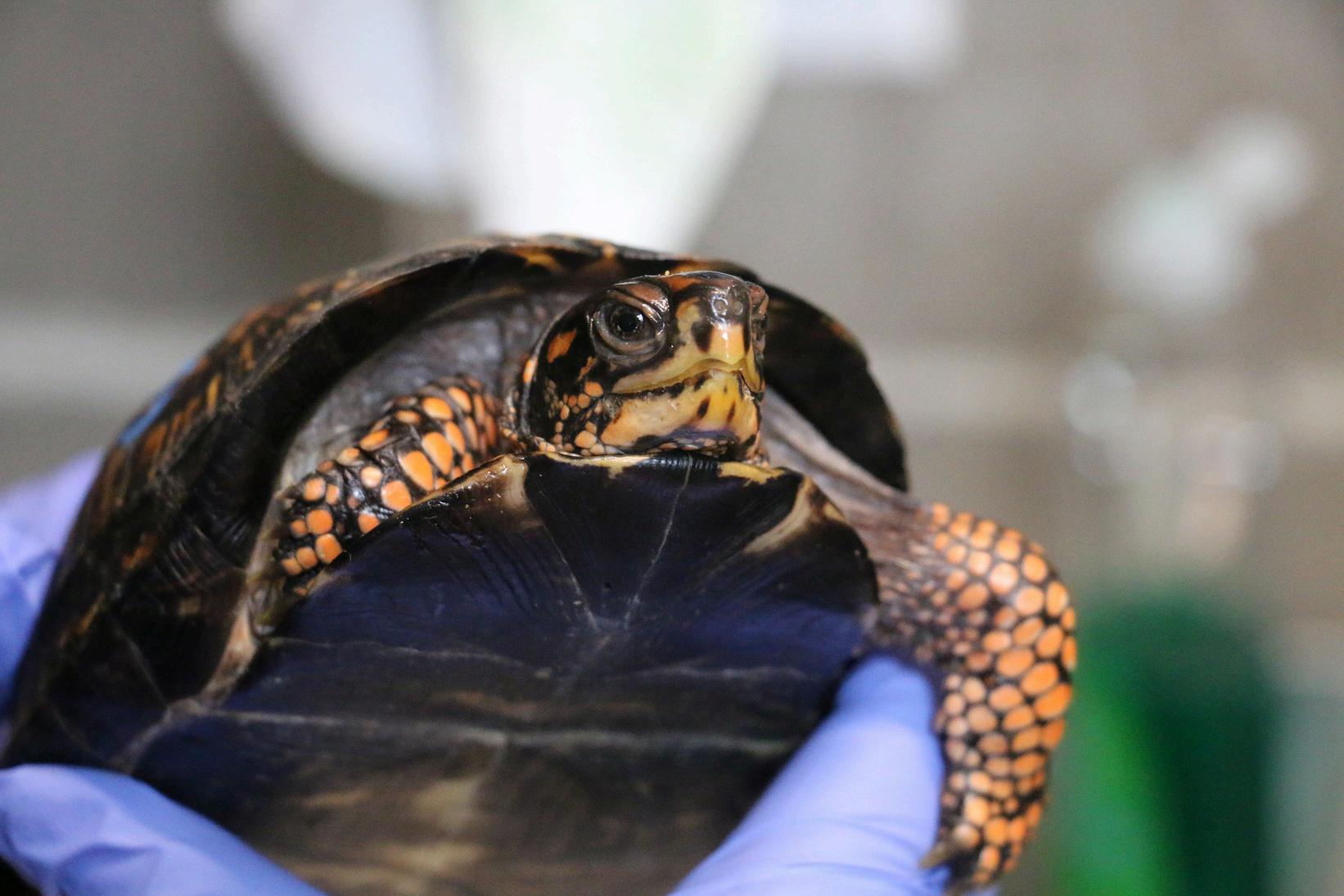
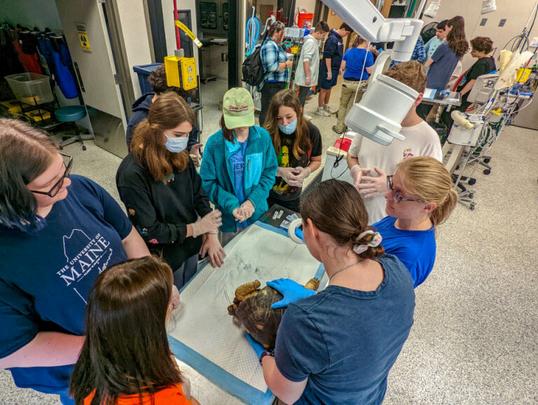
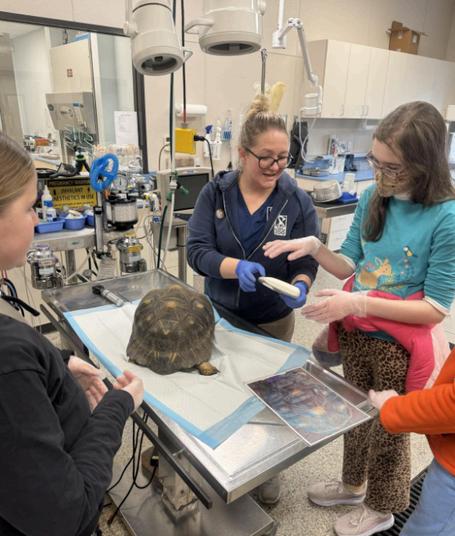
In 2025, the Zoo received ten Gulf Coast box turtles from a wildlife confiscation case. The turtles were placed in the quarantine facility for health monitoring and disease screening. During this period, the veterinary team identified that several turtles were gravid
The Zoo is an active member of the SAFE: North American Freshwater Turtle program. These confiscated turtles will remain in the Zoo's care until suitable long-term placements can be arranged.
Since 2019, the Zoo has sheltered nearly 100 confiscated turtles, emphasizing the importance of collaborative partnerships to combat the illegal pet trade and ensure the long-term survival of native turtle species.
“Confiscation to Conservation” is the goal.
SAFENORTHAMERICANSONGBIRD &SAFEMONARCHINITIATIVES
Native Habitat Preservation and Enhancement
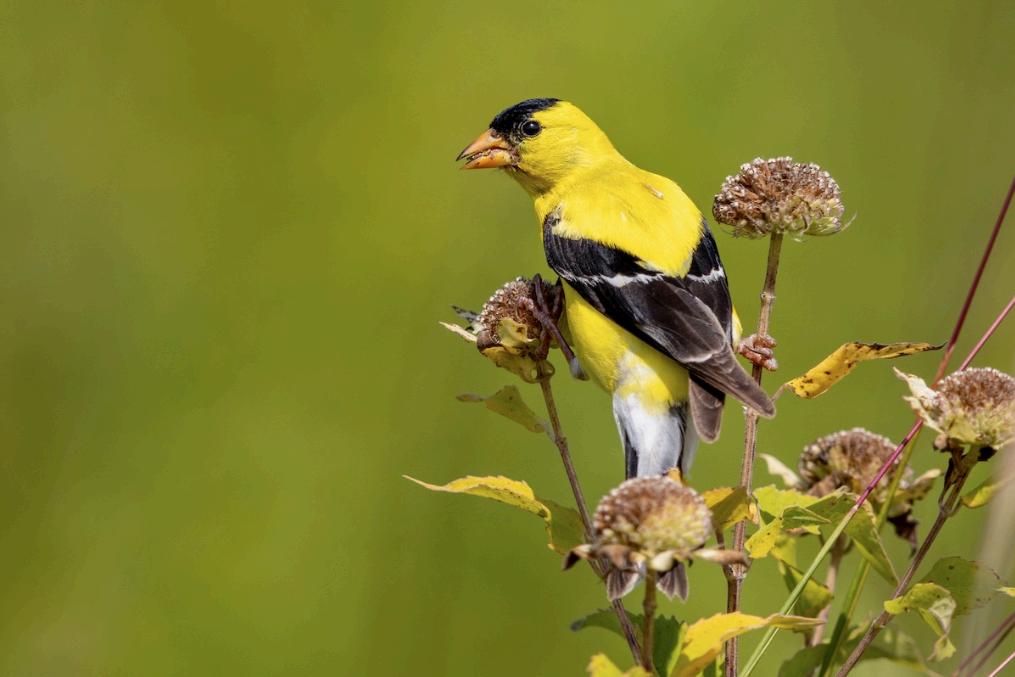
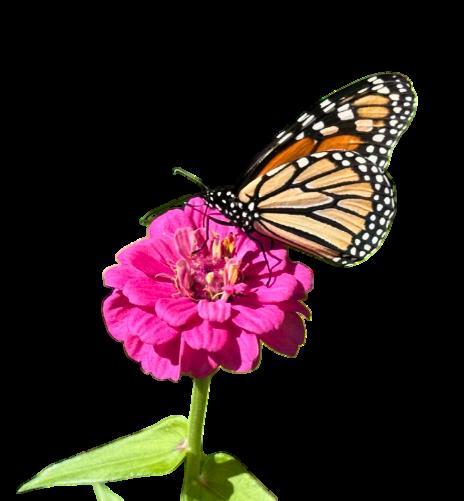
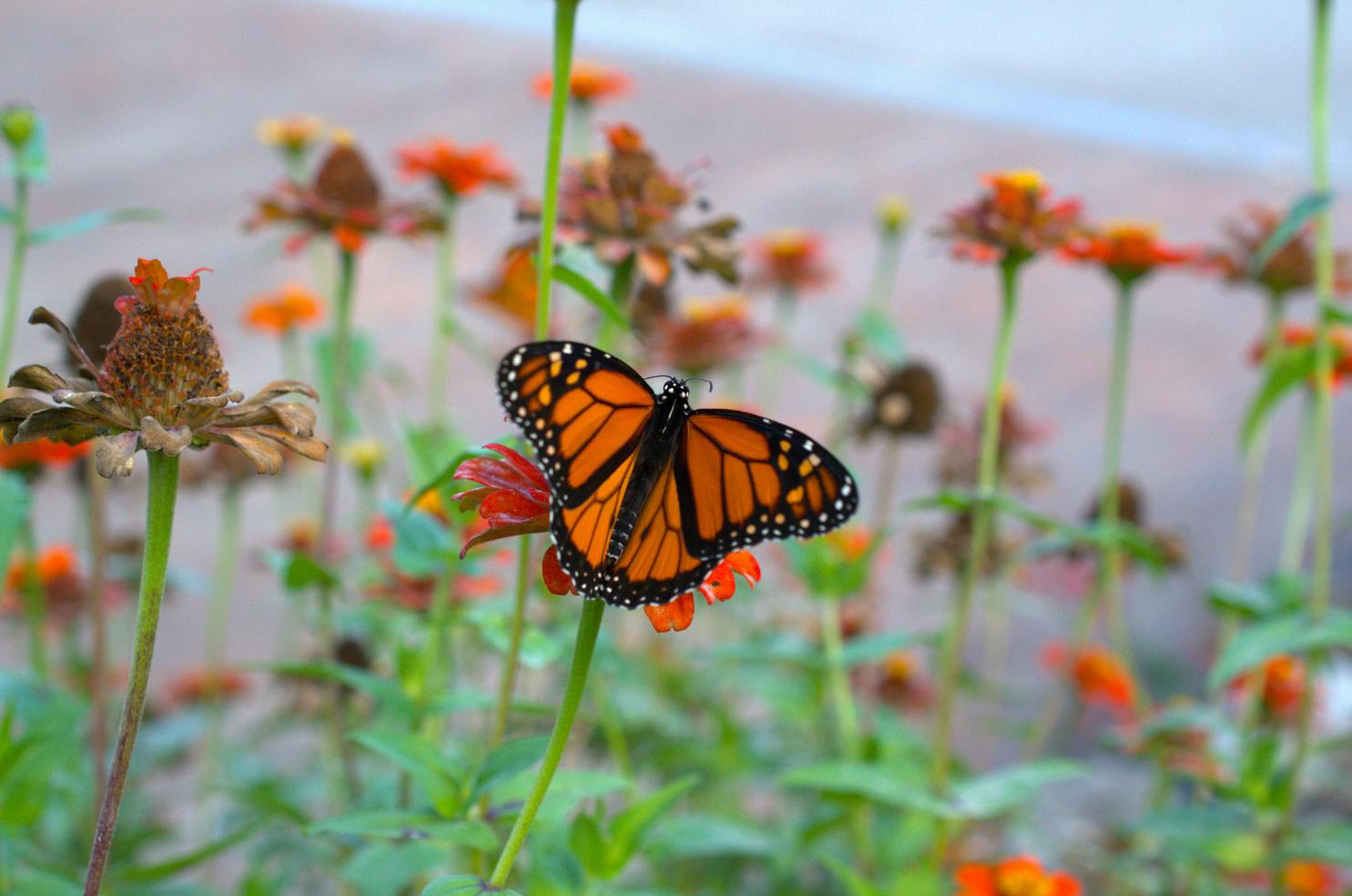
In 2025, the Zoo integrated its SAFE North American Songbird initiatives with SAFE Monarch efforts, making conservation action accessible to the public.
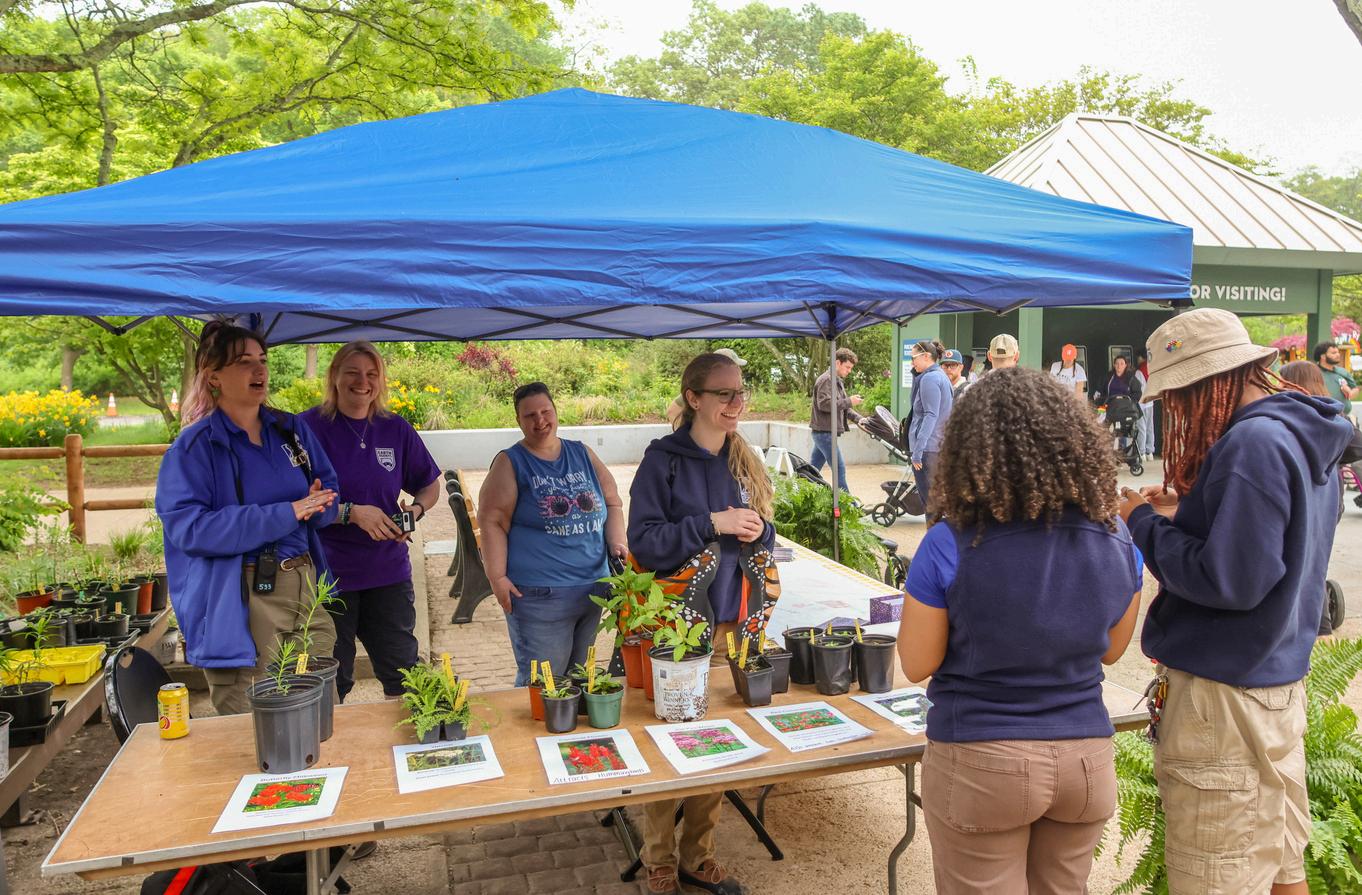
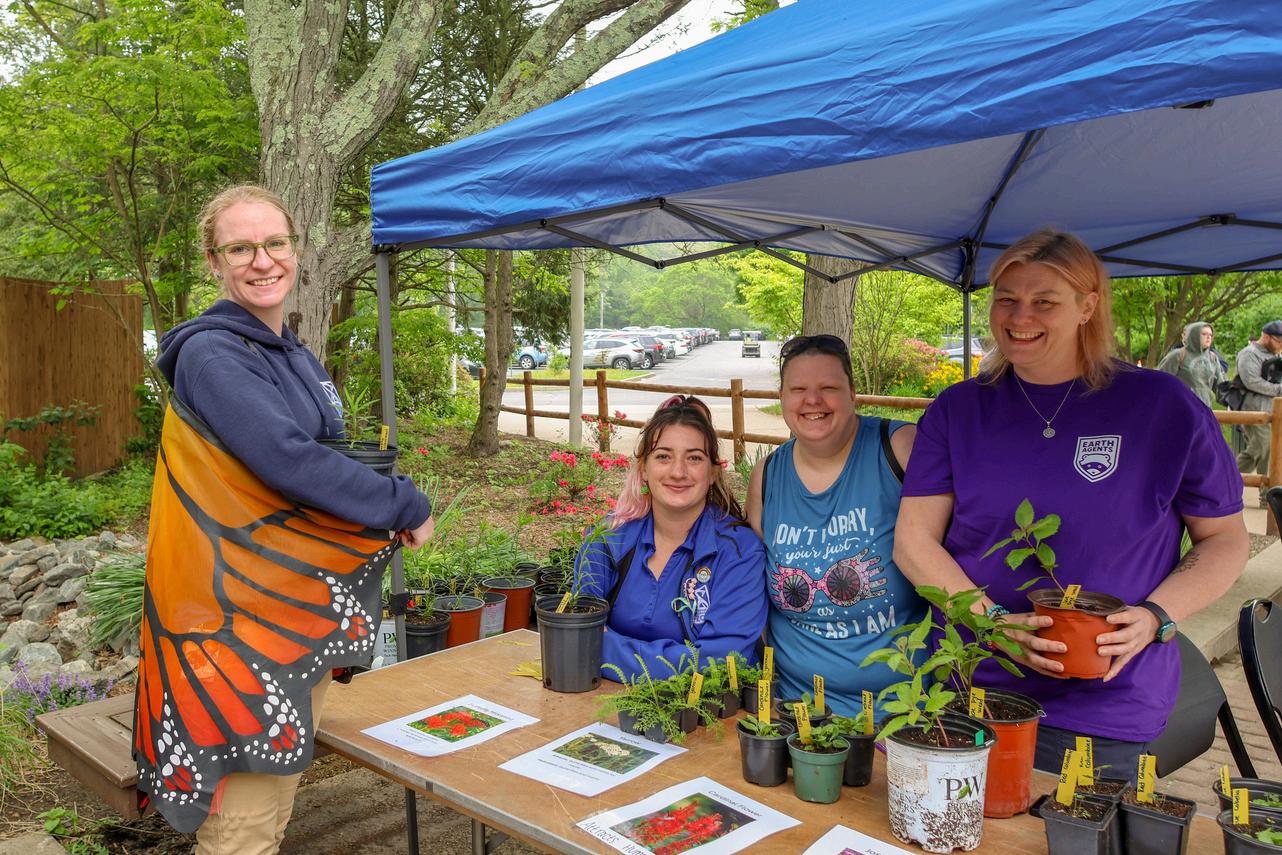
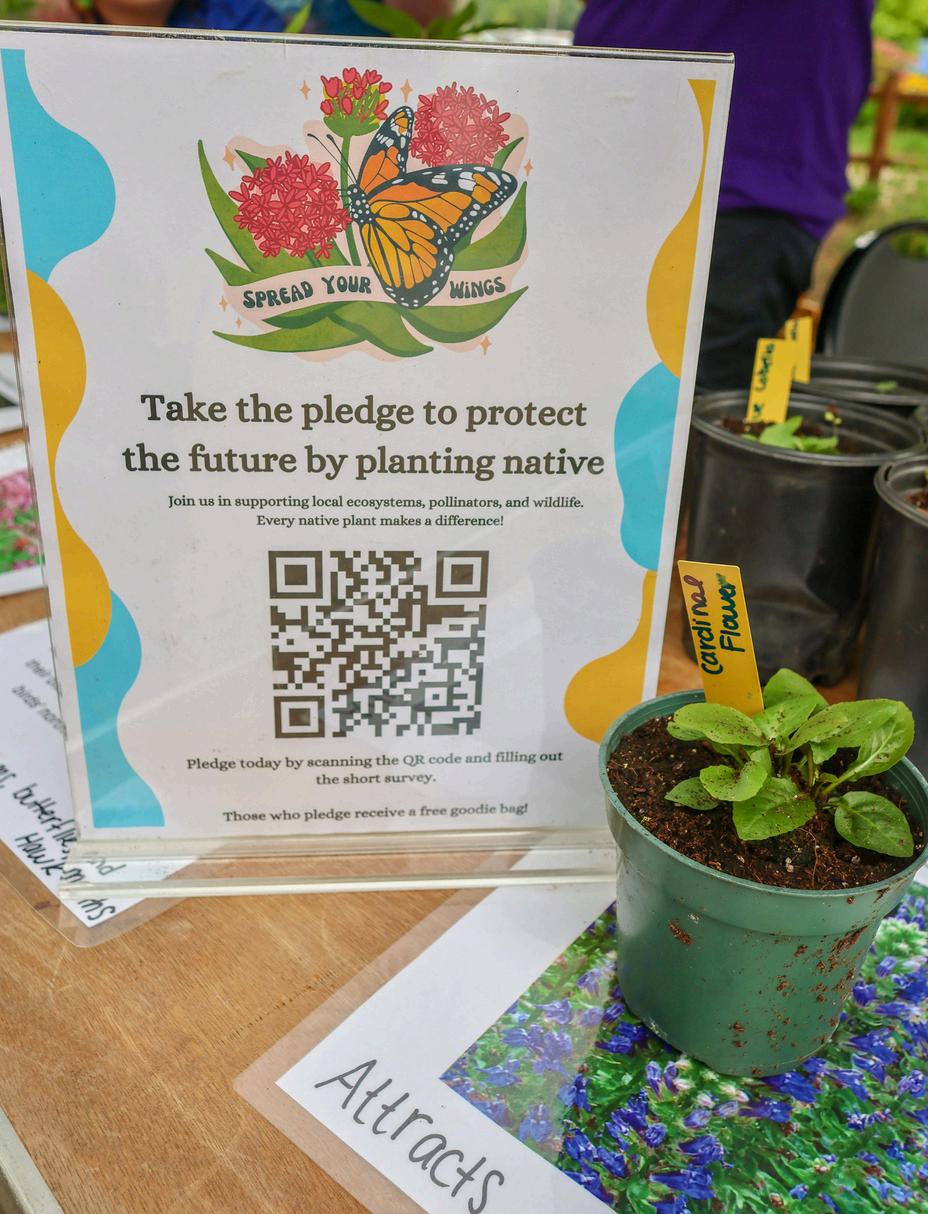
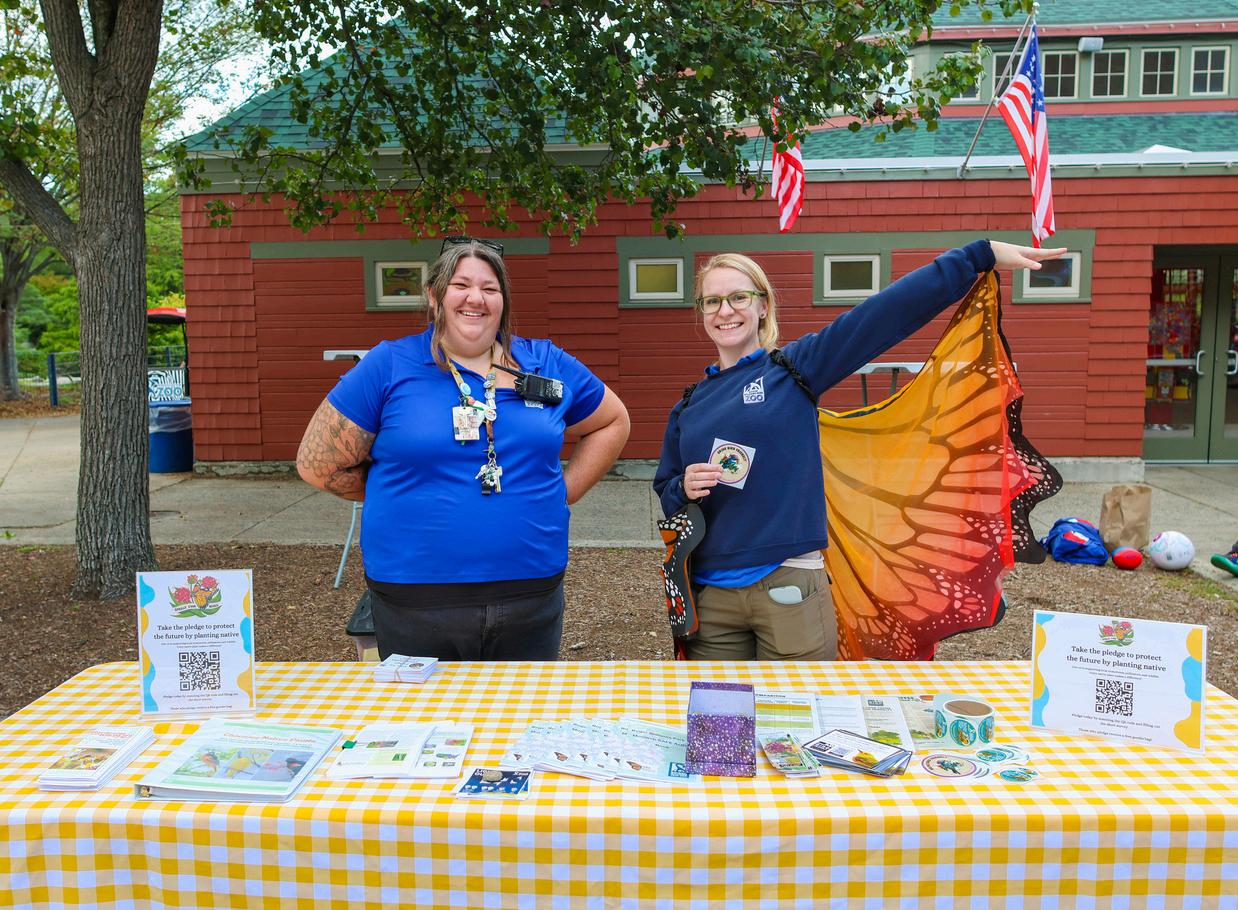
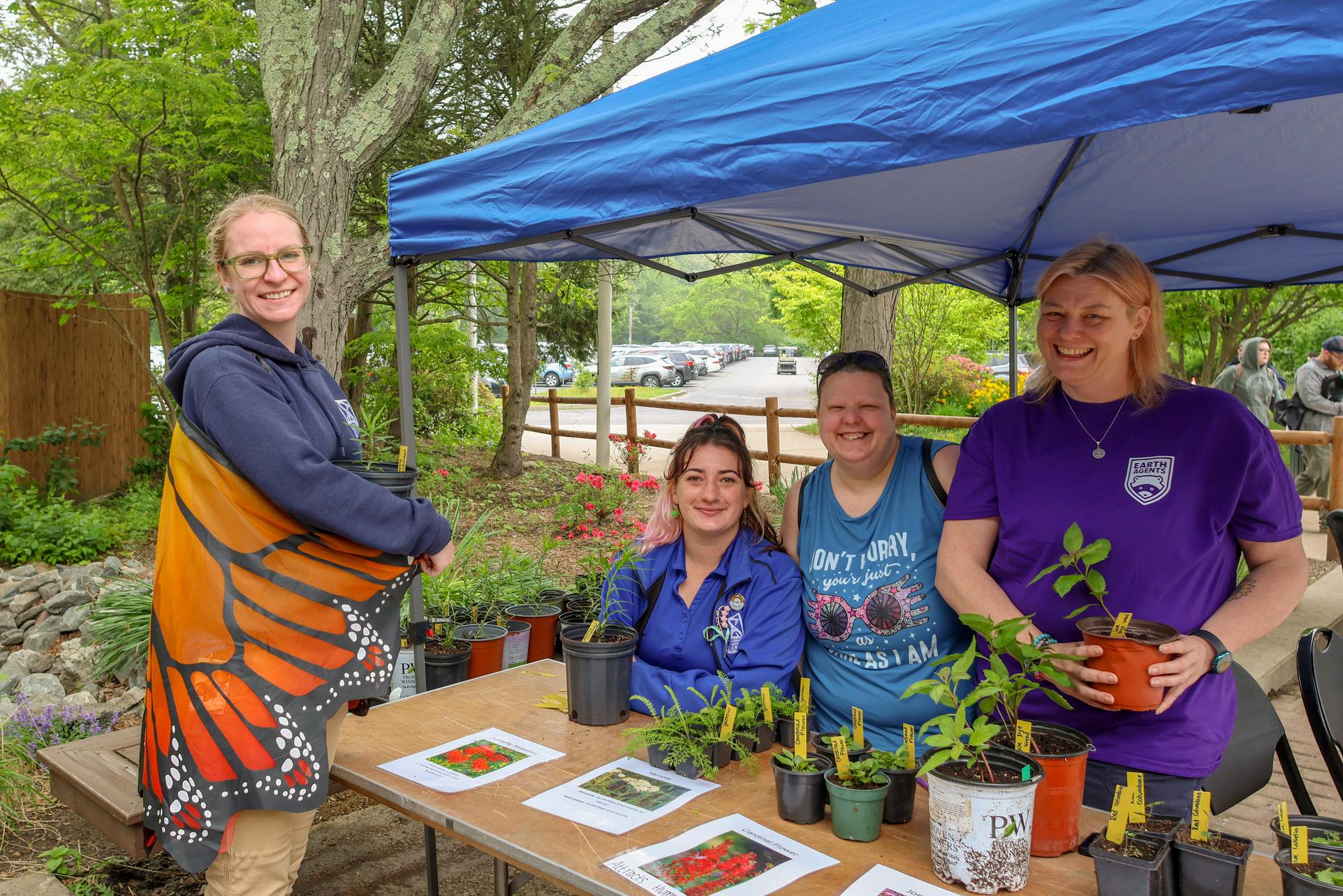
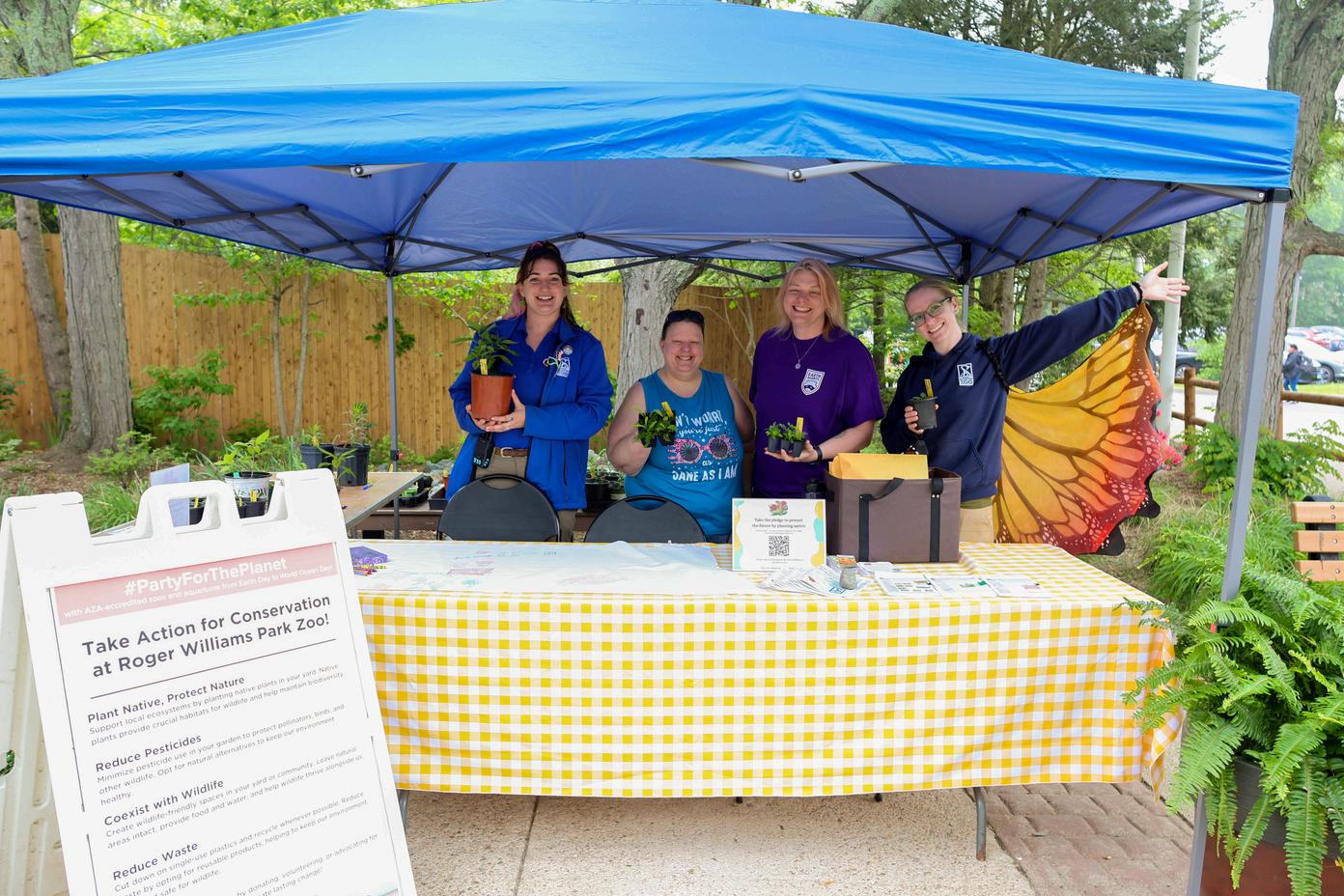
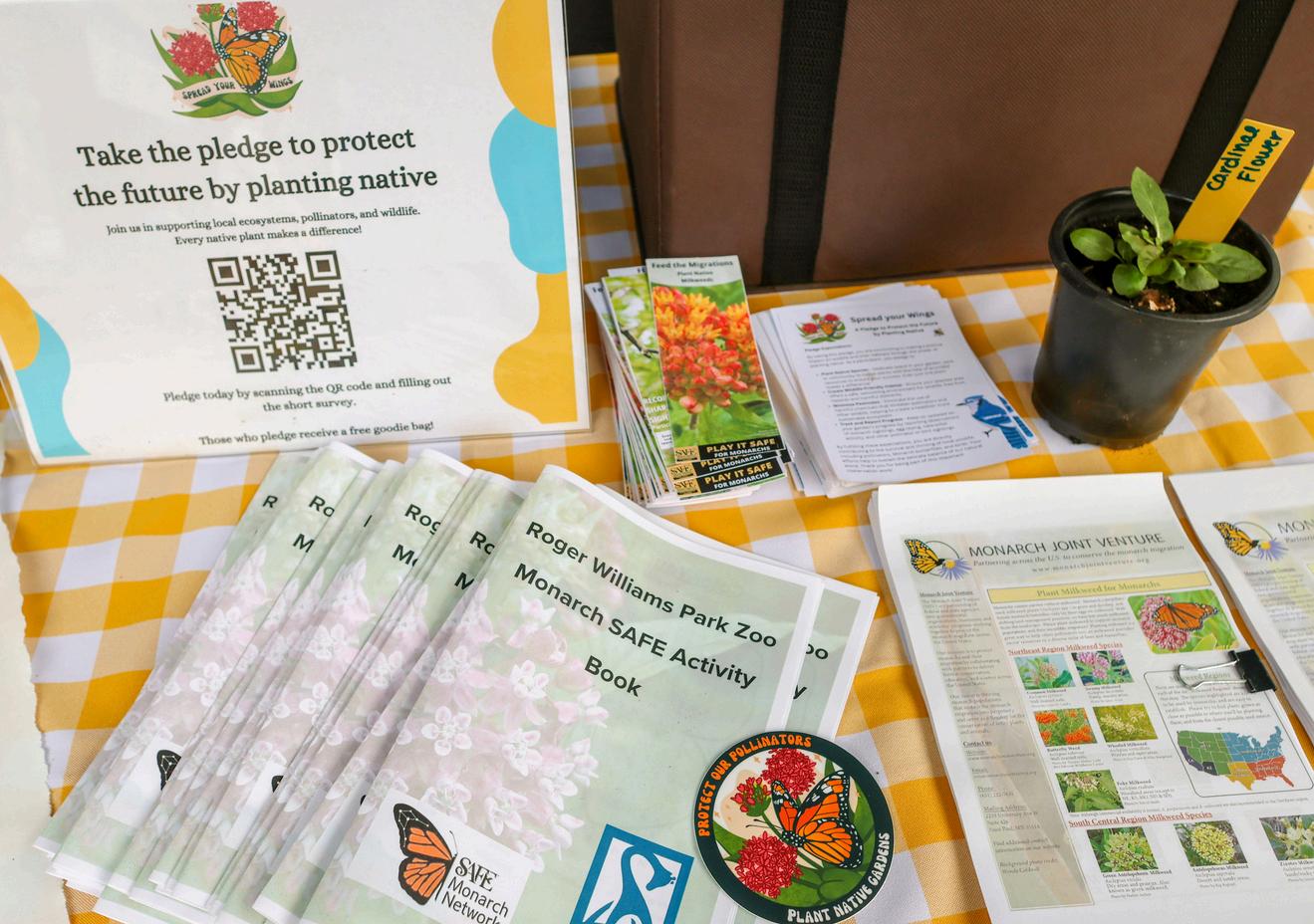
A pilot evaluation tool to measure the impact of native plant and seed giveaways was initiated during spring songbird events, including one held at the Zoo for Endangered Species Day and another hosted in Roger Williams Park to ensure community access. The horticulture team propagated native plants, and 200 were distributed to guests who took the “Spread Your Wings” pledge, with 18 pledges recorded.
200+ Native plants distributed to the local community in 2025.
Building on the pilot's success, the official "Spread Your Wings" events launched in September, resulting in the distribution of more native plants and additional pledges. Participants committed to quarterly follow-up emails, providing valuable data on long-term engagement and plant giveaway impact.
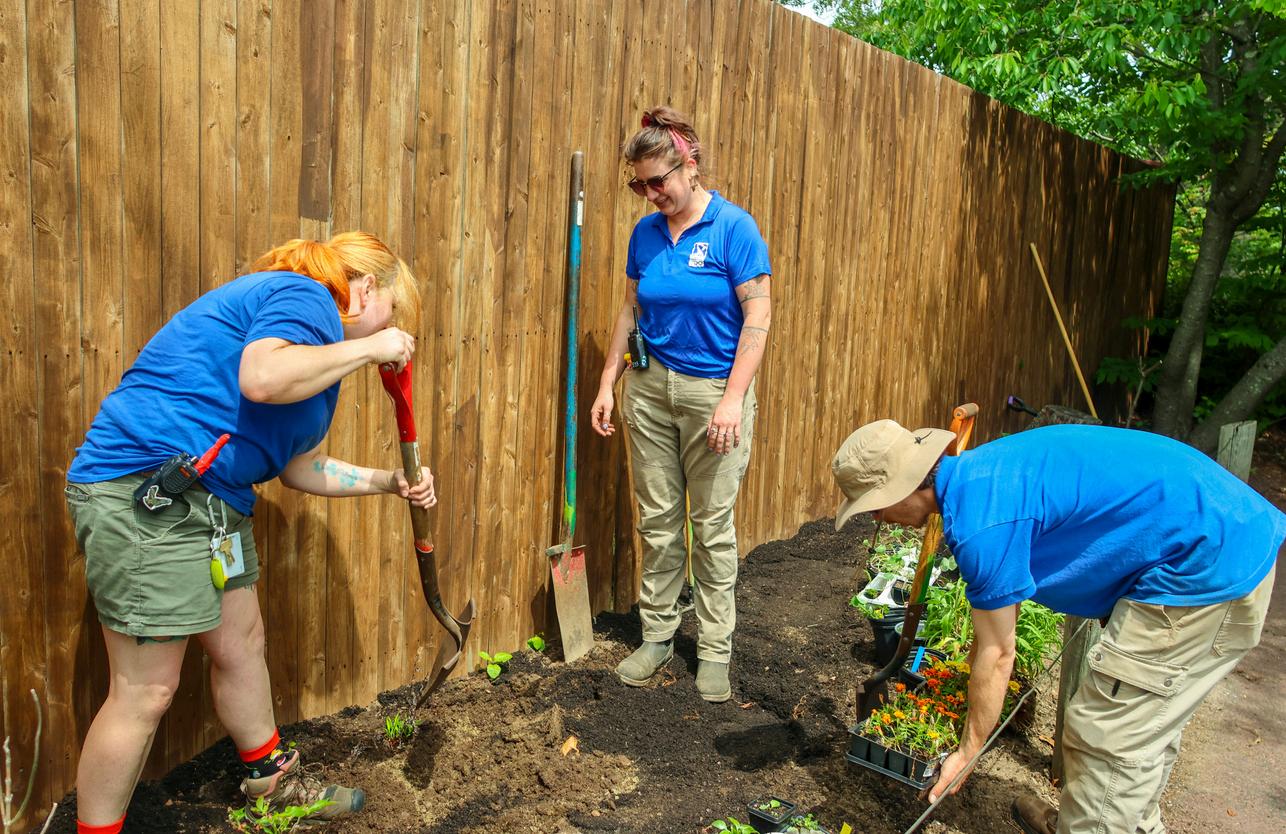
To further promote healthy habitats, the Zoo organized a staff gardening day. Staff helped establish a vibrant new space, prepared by the horticulture department. This area now serves as both a wildlife sanctuary and a living exhibit for Zoo guests.
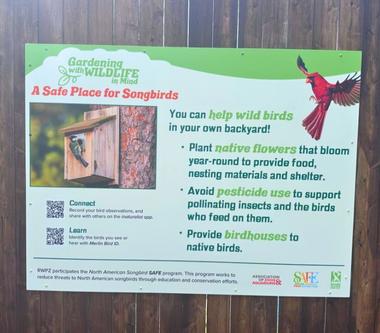
The importance of creating healthy habitats is reinforced by new interpretive signage placed at native plant gardens across the campus, including the new staff garden, a milkweed garden for Monarchs d b h d d i O i k d These gardens and graphics emphasize t erflies, bees, and countless other wildl
Reducing Free-Roaming Cat Impacts on Wildlife
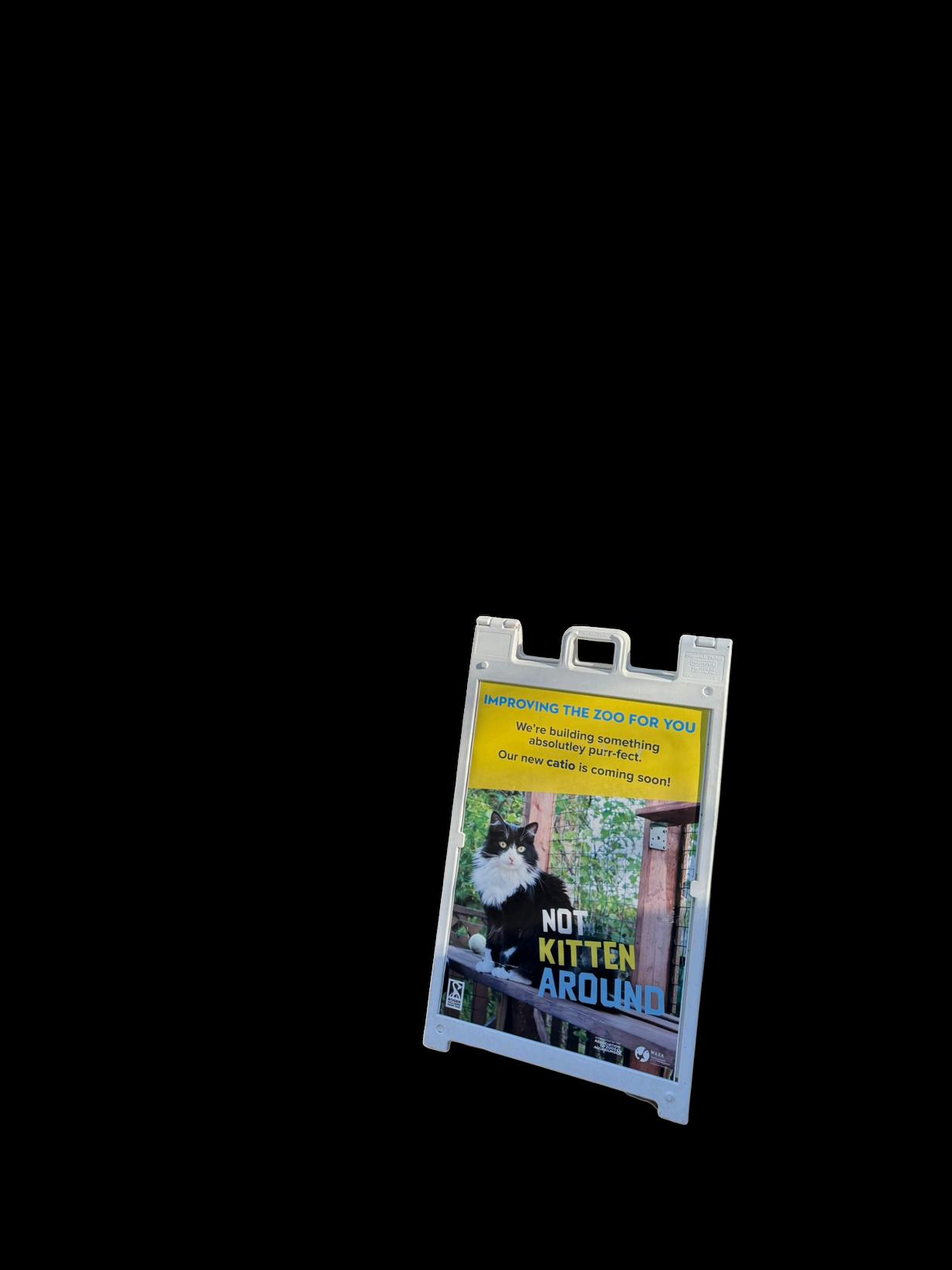
Supported by a RI Foundation PAW grant and partners like SAFE North American Songbird, the Laura J. Niles Foundation, and Meg Ferguson, the Zoo collaborated with the RISPCA to construct a new “Catio” habitat.
Educational messaging at the Catio highlights the importance of responsible pet ownership, addressing domestic house cats as an invasive species with significant environmental impacts. The exhibit demonstrates how safe outdoor enclosures offer enrichment without threatening native wildlife.
With an estimated $2.4 billion birds lost annually to cat predation, the Zoo encourages practices like keeping cats indoors and providing alternatives such as a Catio, promoting both bird mortality reduction and healthier, safer lives for cats.
STORMWATERINNOVATIONCENTERPARTNERSHIP
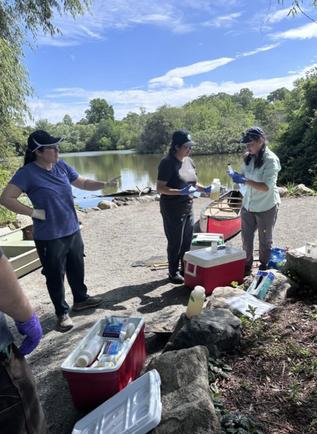
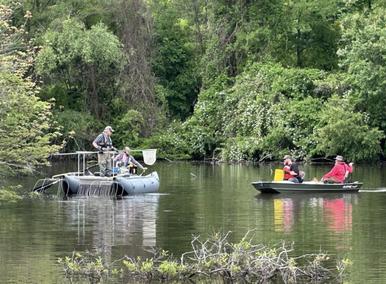
The Zoo has continued its partnership with the Stormwater Innovation Center, a collaboration that includes the Audubon Society of Rhode Island, The Nature Conservancy, URI, EPA, and Providence Parks, to evaluate and ultimately improve water quality within the Roger Williams Park water systems. This work includes regular water monitoring of the Zoo’s wetlands, assisting with fish surveys, and conducting stormwater runoff surveys to establish a comprehensive water quality baseline These efforts ensure the Zoo remains committed to understanding and improving the health of its aquatic environments.
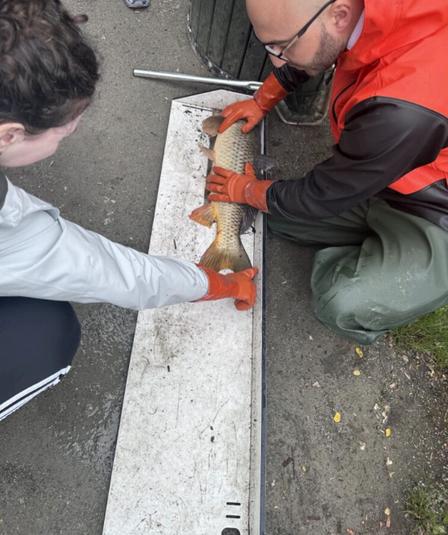
Significantly, the Stormwater Innovation Center secured a fully funded 2025 SNEP Watershed Implementation Grant for $254,253. This grant will allow the Zoo and its partners to remove invasive carp from the Zoo wetlands and implement other measures to enhance water quality and monitor the pond systems across the park Furthermore, the funding will support additional workshops, interpretive signage, and educational programming focused on the Stormwater Innovation Center's mission to improve water quality and stormwater management in Rhode Island.
RHODEISLANDNATURALHISTORYBIOBLITZ
The Zoo remains a proud, longtime supporter of the Rhode Island Natural History Survey's annual BioBlitz. This year, the event focused on Steer Hill and Philip’s Farm in Glocester, RI.
Over a 24-hour period, more than 300 volunteers documented as many plant and animal species as possible. Their collective efforts resulted in recording over 1,200 species, securing the fifth-highest count in the BioBlitz's 26-year history.
As a partnering organization, the Zoo contributes essential financial support, staff participation, training, and public awareness efforts to ensure the continued success of the BioBlitz.
SUSTAINABILITYATTHEZOO
Eco-Cell E-Waste Recycling
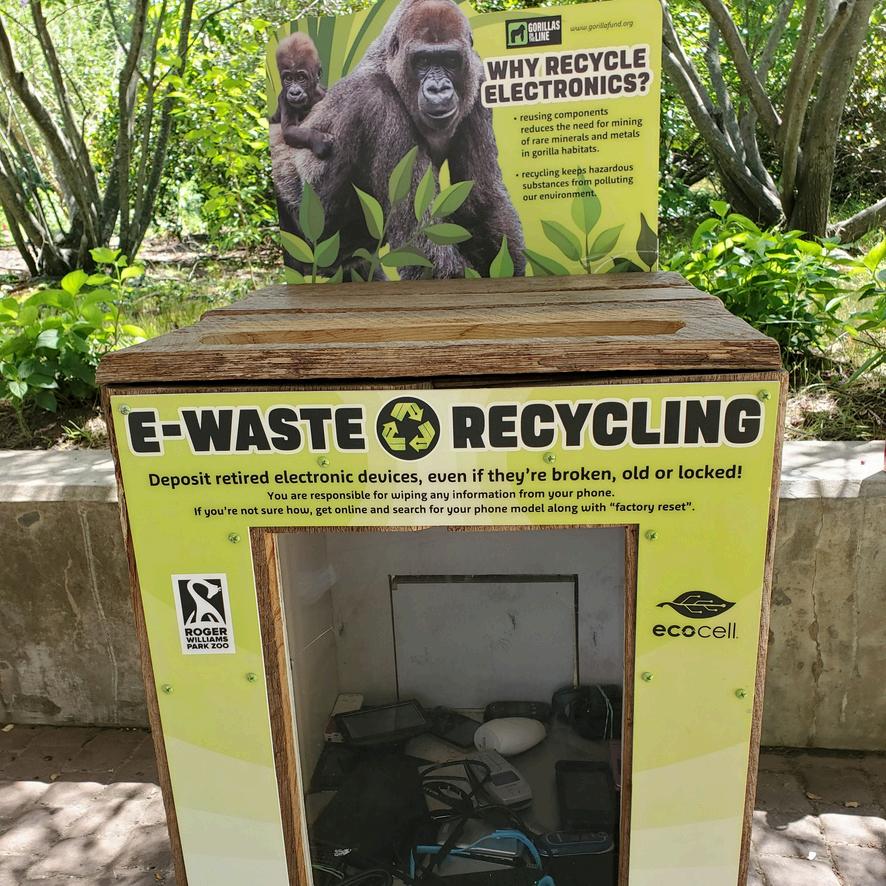
The Zoo's e-waste recycling initiative with Eco-Cell provides an easy, responsible way to recycle old electronic devices.
In 2025, the Zoo hosted its first Staff Cell Phone Drive, which contributed 29 devices to the overall collection. This brings the Zoo's 2025 total to 1,088 devices with $562 50 contributed to gorilla conservation.
Funds earned through Eco-Cell are donated directly to the Dian Fossey Gorilla Fund International, supporting gorillas and their habitats.
The Zoo's cell phone recycling program aims to empower the public toward more responsible disposal. The Zoo recognizes its responsibility to manage devices responsibly as technology advances
A dedicated e-waste bin is available at the Zoo's main gates year-round for the collection of old electronic devices, with plans for expanded efforts next year.
Events and Waste Reduction
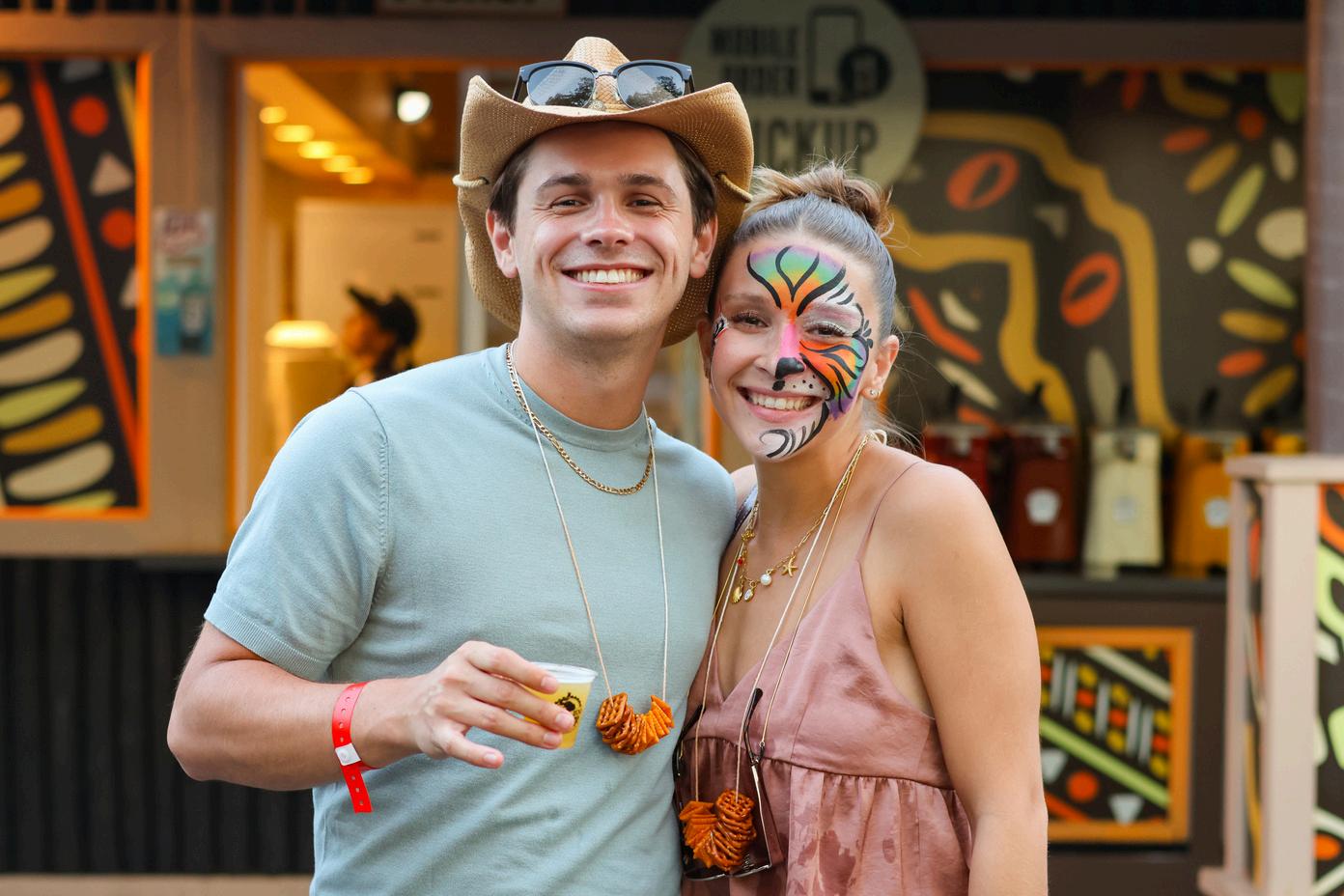
In 2025, the Zoo implemented a new waste reduction strategy for its top evening events: Whiskey for Wildlife, Zoobilee: Party with a Purpose, Party with Pride, and Brew at the Zoo. Through a partnership with BlackEarth Compost, the Zoo offered comprehensive composting for guests. Collaboration with vendors ensured all serviceware (plates, forks, cups) was BPI-certified compostable, diverting nearly all food waste and serviceware from the landfill.
Collectively, the Zoo successfully redirected 2,880 pounds of waste from the landfill, transforming it into nutrient-rich compost.
SAVING ANIMALS FROM EXTINCTION AN AZA COLLABORATION:
in the AZA's SAFE (Saving Animals From Extinction) program to pp g efforts. The current list of SAFE programs includes:
Andean Highland Flamingo
Cheetah
Giraffe
Jaguar
North American Monarch
North American Freshwater Turtle
North American Songbird
Red Wolf
Tree Kangaroo of Papua New Guinea
In 2025, the Zoo became a program partner in two new SAFE initiatives:
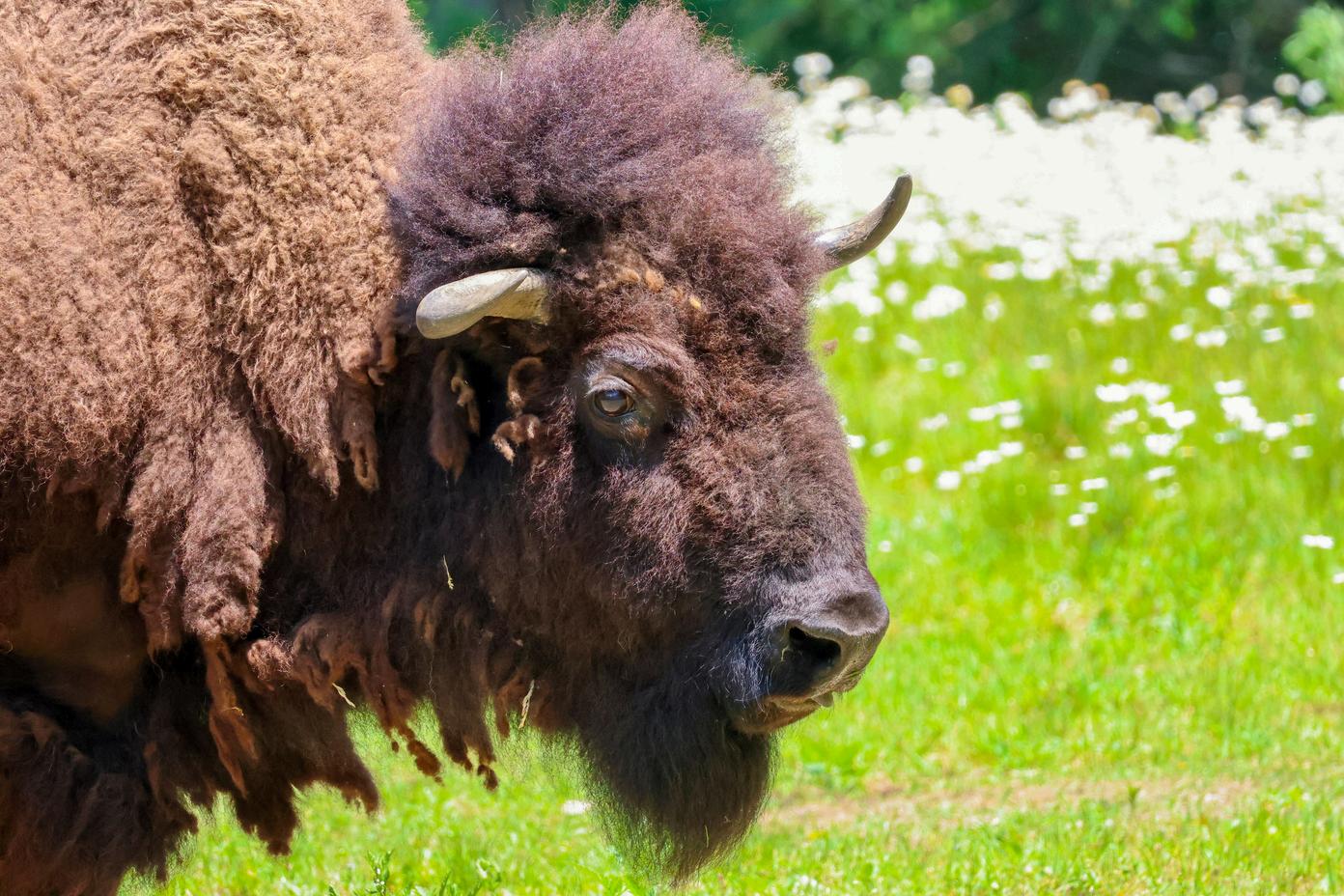
SAFE Bison: This program is dedicated to conserving the iconic North American Bison. As a keystone species, bison are vital for maintaining grassland ecosystems and hold deep cultural significance With bison already residing at the Zoo, this partnership strengthens the commitment to their preservation and the health of North America's grasslands, supporting both in situ and ex situ conservation initiatives.
SAFE American Burying Beetle: In collaboration with partner institutions (including Saint Louis Zoo, Cincinnati Zoo, and The Wilds), an application was submitted to designate the American Burying Beetle as a new SAFE species. The application was accepted in June, making the American Burying Beetle the 54th SAFE species Co-led by Bob Merz (Saint Louis Zoo) and Lou Perrotti (Roger Williams Park Zoo), steering committee members are developing strategic goals and objectives for a three-year plan. This initiative will bolster breeding and recovery efforts while engaging new partners in ecological field research relevant to the species and the vertebrate species upon which it relies in the wild.
SOPHIEDANFORTHCONSERVATIONBIOLOGYFUND
The Sophie Danforth Conservation Biology Fund (SDCBF) was established by Roger Williams Park Zoo and the Rhode Island Zoological Society in 1989. Annually, the SDCBF grant program awards ten small grants of up to $1,000 each for field studies and other projects that demonstrate a multi-disciplinary approach to biodiversity and ecosystem conservation
2025 Award Recipients:
ProjectsTitle
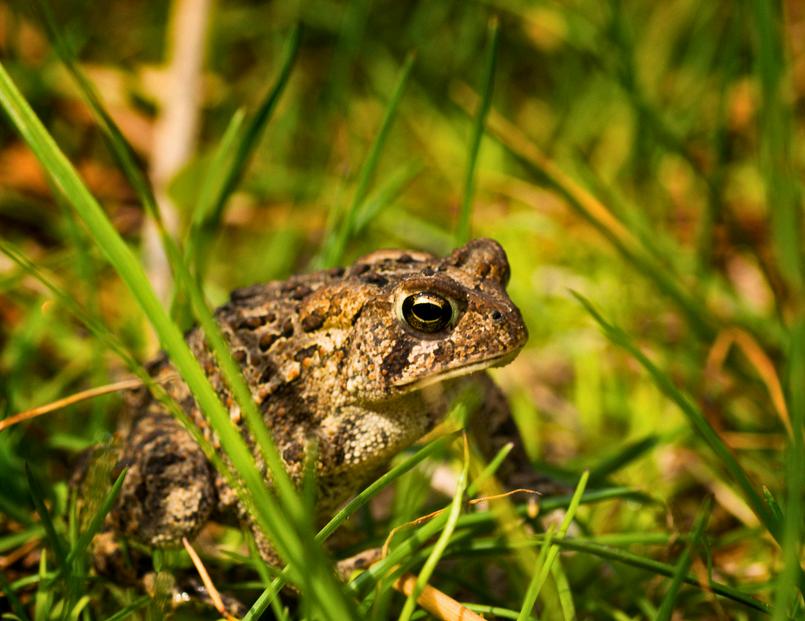
Rapid-response project to safe the Mindo Harlequin toad
Assessing microplastic pollution and diet in a Greenlandic population of white-tailed eagle (Haliaeetus albicilla)
Saving White-bellied Heron through mitigating the risks of collision with Power lines
People & Nature in Harmony: The Continued Evolution of New nature Foundation’s Ugandan Programs
Enhancing Biodiversity Inventory Effort: Building a Sequence Metabarcoding Database for Marine Fish in Indonesia Marine Protected Areas (MPAs)
Integrated Conservation of Critically Endangered Species in Taita Hills: Combining Habitat Restoration, Community Engagement, and Ecological Monitoring
Endocrine, Behavioral, and Reproductive Study of BuffyTufted-Ear-Marmoset (Callithrix aurita) in Captivity
Evidencing local extinction of black lion tamarins (Leontopithecus chrysopygus) in a priority conservation area for reintroduction efforts
Assessing post-release success of head-started American crocodile (Crocodylus acutus) in Lago Enriquillo, Dominican Republic
Advancing Wildlife Disease Diagnostics in Kenya
PrincipalInvestigator
Alejandro Areaga
Mael Perroud
Tshering Tobgay
Michael Stern & Rebecca Goldstone
Ni Kadek Dita Cahyani
Fredrick Kilonzo
Maria Eduarda Silva
Gabriela Rezende
Bobby Greco
Dr Katie Delk
PROJECTSELVA
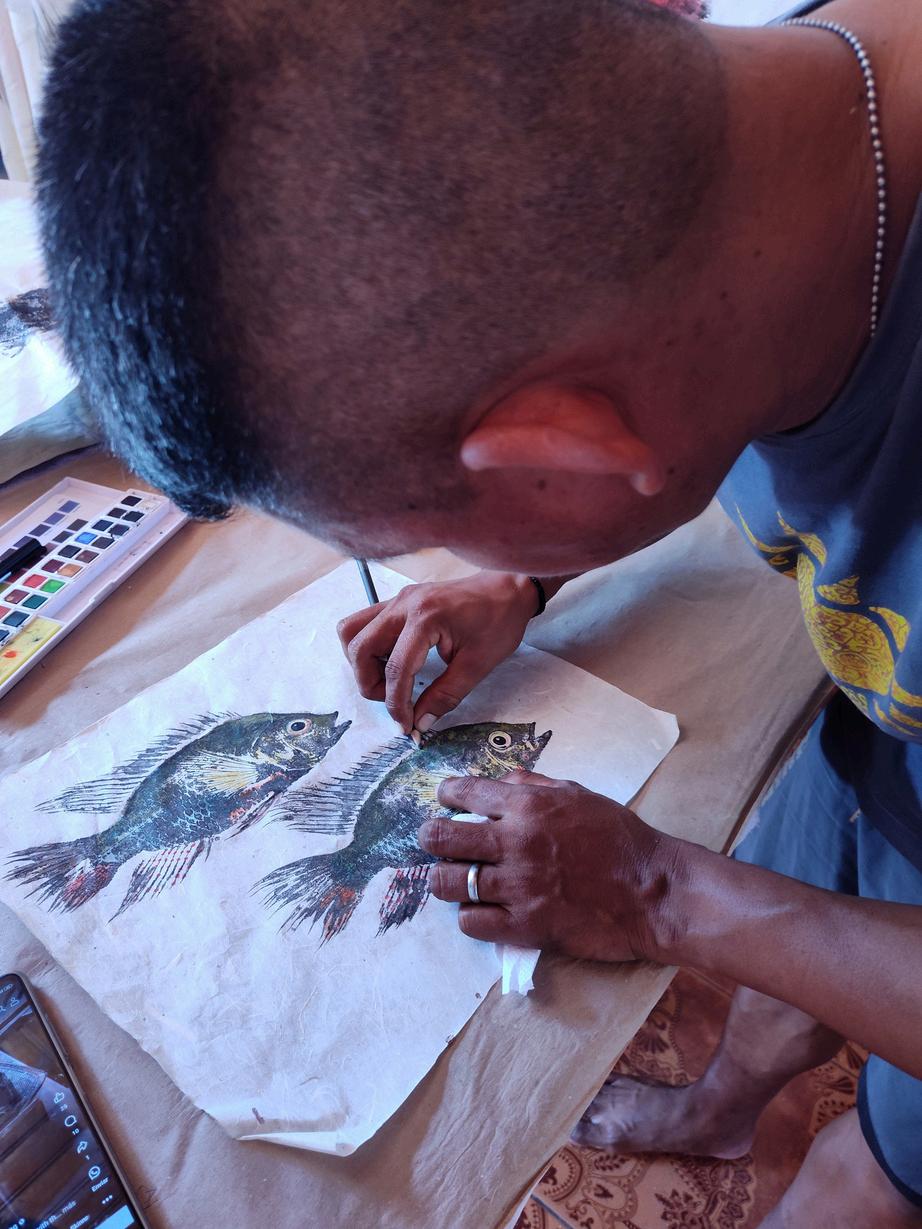
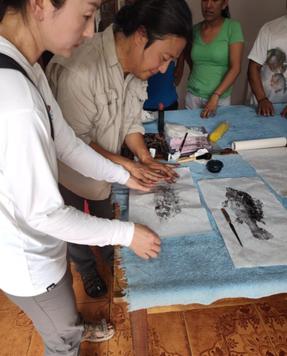
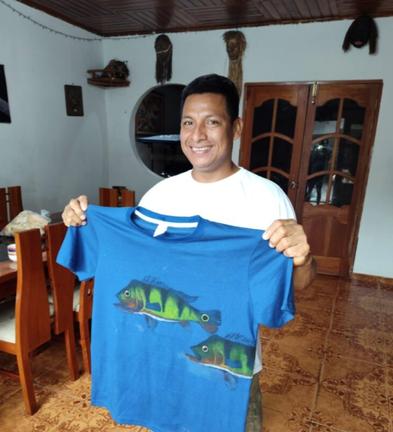
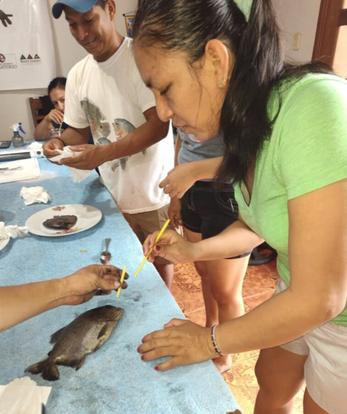
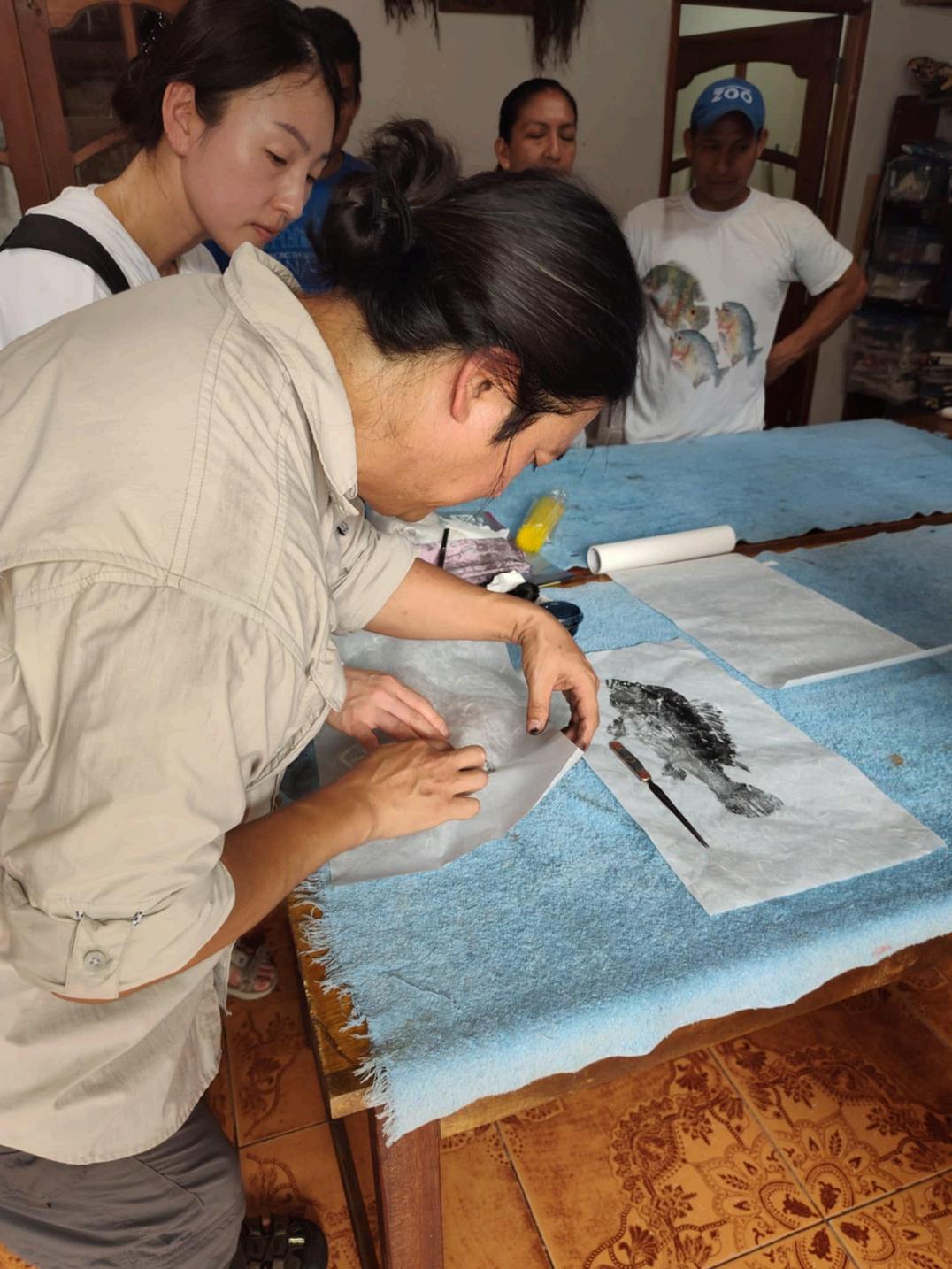
Project Selva partners visited Peru this year, arranging a hands-on gyotaku training for the team. Gyotaku, the traditional Japanese art of fish printing, effectively connects the rainforest's biodiversity with culture, conservation, and artistry. The team acquired new techniques and skills, enhancing their ability to produce beautiful artwork and strengthen support for the Indigenous communities assisted by the project
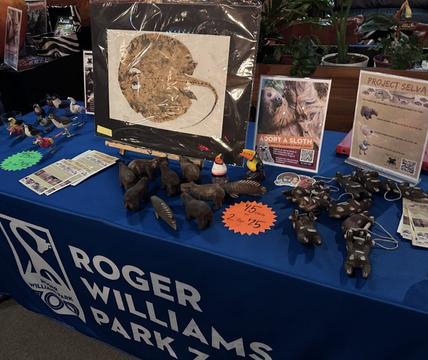
New opportunities to support the project arose through several art sale events. These events raised awareness while offering the Zoo's audiences accessible ways to support Indigenous artists through purchasing their work. These table sales were immensely successful, raising $3,054, which will be reinvested directly into Project Selva
The Zoo also provided support to its partners during a moment of deep loss. After learning that one of the team leaders in Peru had unfortunately fallen ill and was not expected to recover, the Zoo made an additional effort to send funds to assist with funeral expenses While heartbreaking, such moments underscore that the Zoo is part of a community extending beyond the project itself.
Project Selva, a collaboration between San Antonio Zoo and RWPZoo, partners with indigenous communities to conserve their land by generating sustainable income.
Project Selva empowers indigenous artists to create and sell their traditional crafts and gyotaku fish prints—a Japanese art form adapted to the Amazon’s aquatic diversity. These beautiful, eco-friendly pieces provide a vital source of livelihood and discourages destructive practices such as logging and mining. Proceeds from the sale of these items directly support the program, ensuring a regular revenue stream for indigenous communities.
Gyotaku, or fish printing" is a traditional Japanese art form that originated as a practical method for fishermen to document their catches. The process involves applying ink directly to a fish and pressing paper onto its surface to create an exact anatomical record. While it began as a means of recording the fish caught, today it has since evolved into a fine art and educational tool used to celebrate the intricate beauty of marine life.
PROVIDINGSUPPORT
Action for Cheetahs Kenya – SAFE Cheetah
Cockscomb Basic Wildlife Sanctuary – SAFE Jaguar
Conservation Planning Specialist Group
Environmental Council of Rhode Island
International Elephant Foundation
Monarch Joint Venture – SAFE Monarch
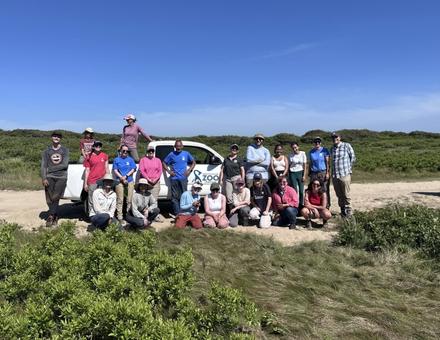
Nantucket Conservation Foundation
Project Selva
Red Panda Network
Rhode Island Natural History Survey
Snow Leopard Trust
Tanzania Conservation and Research Program
The Ocean Project
Tree Kangaroo Conservation Program – SAFE Tree
Kangaroo of Papua New Guinea
Wild Nature Institute – SAFE Giraffe
Wildlife Conservation Society – Komodo Dragon SSP
Zoo Outreach Group – SAFE Flamingo
Quarters for Conservation
A visit to the Zoo is an investment in the future of wildlife. 25 cents from every general admission tickets is directly contributed to conservation efforts, locally and globally. In 2025, the Zoo donated $12,473.25 to each of these conservation initiatives:
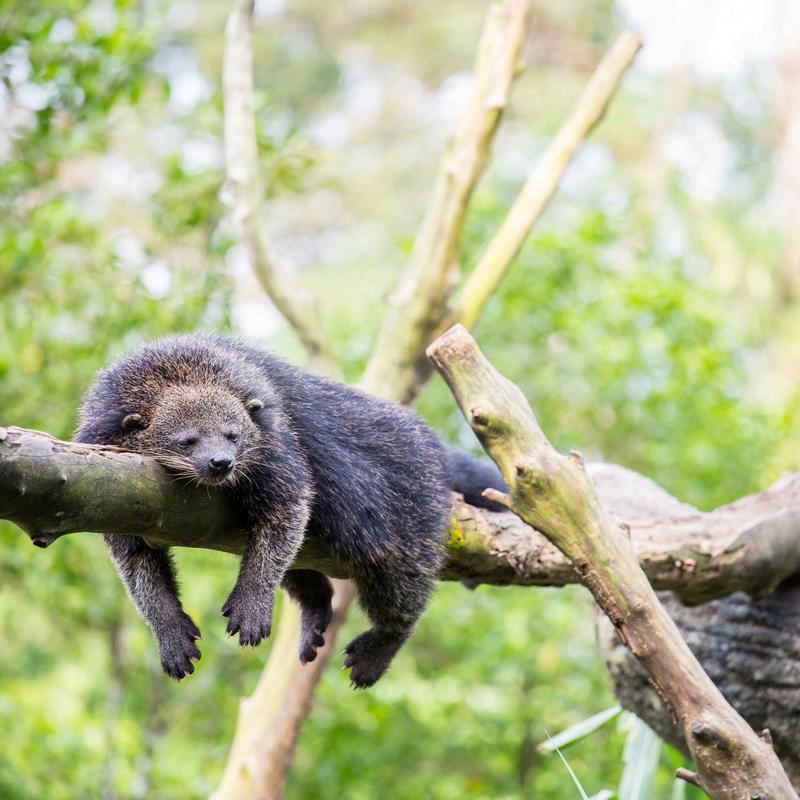
ABC Conservation (Binturong)
Animals Asia
Giant Otter Project/Projeto Ariranhas
Wildlife Clinic of Rhode Island
Coins for Conservation
Roger Williams Park Zoo’s commitment to conservation extends beyond our gates. We are proud to provide funding for crucial work protecting threatened species and their habitats, locally and globally.
The Zoo’s Faces for the Rainforest exhibit offers guests the opportunity to donate funds directly to critical rainforest conservation efforts:
Chilean Amphibian Conservation Center
The Nature Conservancy
Oklahoma City Zoo – Eastern Guatemala Reforestation Project
REGIONALPARTNERS
Roger Williams Park Zoo would like to extend our gratitude to the following organizations for their collaborative contributions and support. Their collective efforts, knowledge, and expertise helps us ensure the continued survival of threatened and endangered species and their habitats for generations to come:
Audubon Society of Rhode Island
Black Earth Compost
Connecticut Department of Energy & Environmental Protection
IDEXX Laboratories
Linda Loring Nature Foundation
Maine Department of Inland Fisheries & Wildlife
Maria Mitchell Association
Massachusetts Audubon
Massachusetts Division of Fisheries & Wildlife
Nantucket Conservation Foundation
Nantucket Field Station UMass Boston
Nantucket Land Bank
National Fish & Wildlife Foundation
Natural Resources Conservation Service
New Hampshire Fish & Game Department
New York State Department of Environmental Conservation
Rhode Island Department of Environmental Management
CONSERVATIONAND EDUCATIONINACTION
The Teacher’s Institute Program
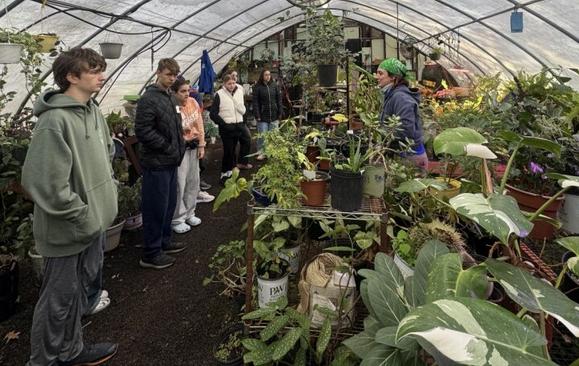
Since 2014, Roger Williams Park Zoo and the Providence Urban Wildlife Conservation Partnership have welcomed local educators for a unique, week-long professional learning experience.
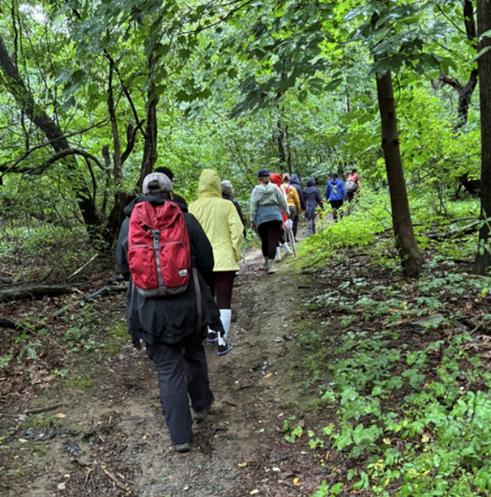
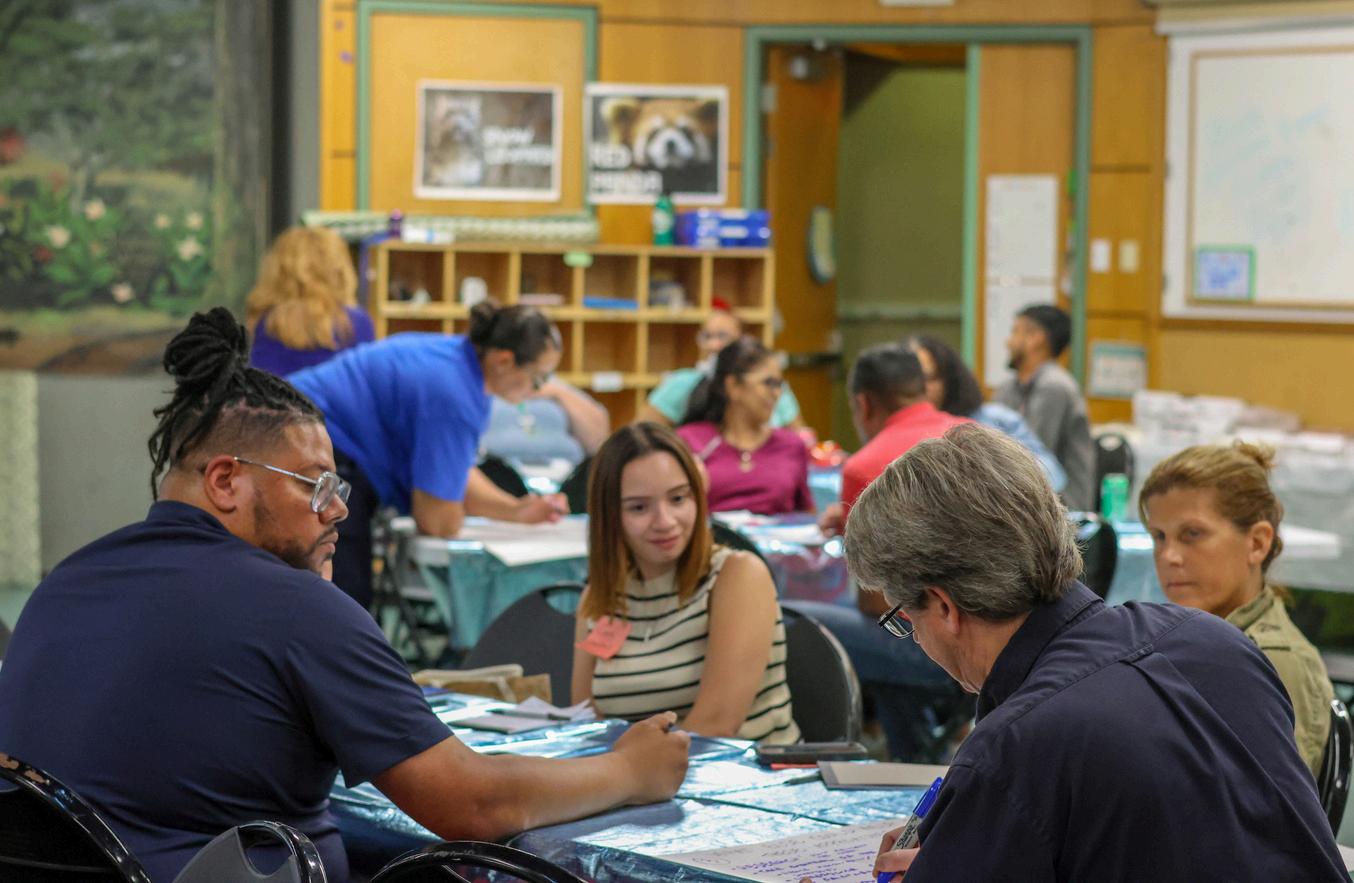
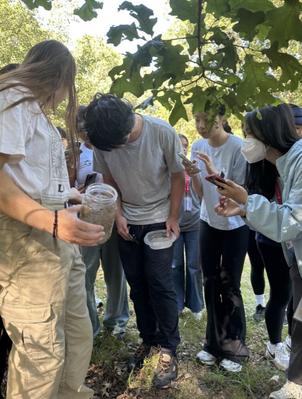
The Teacher’s Institute immerses educators in local biodiversity, endangered species conservation, community science, and the transformative power of outdoor learning. Designed to build both knowledge and confidence, the program empowers teachers to bring real-world science and environmental stewardship directly into their classrooms and schoolyards.
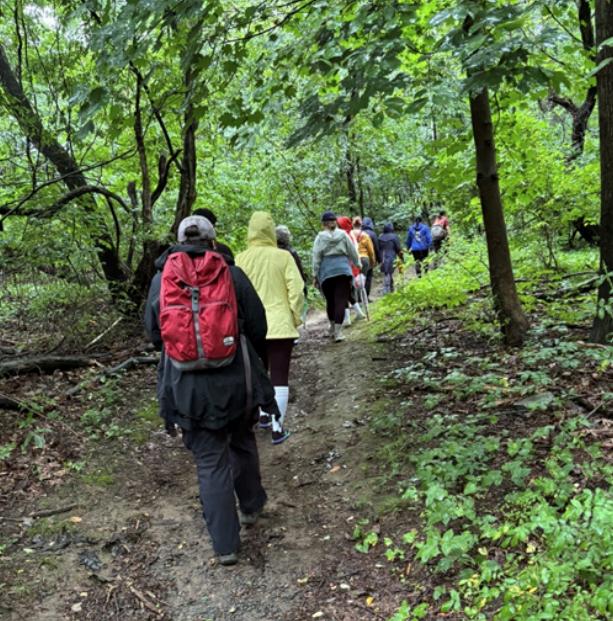
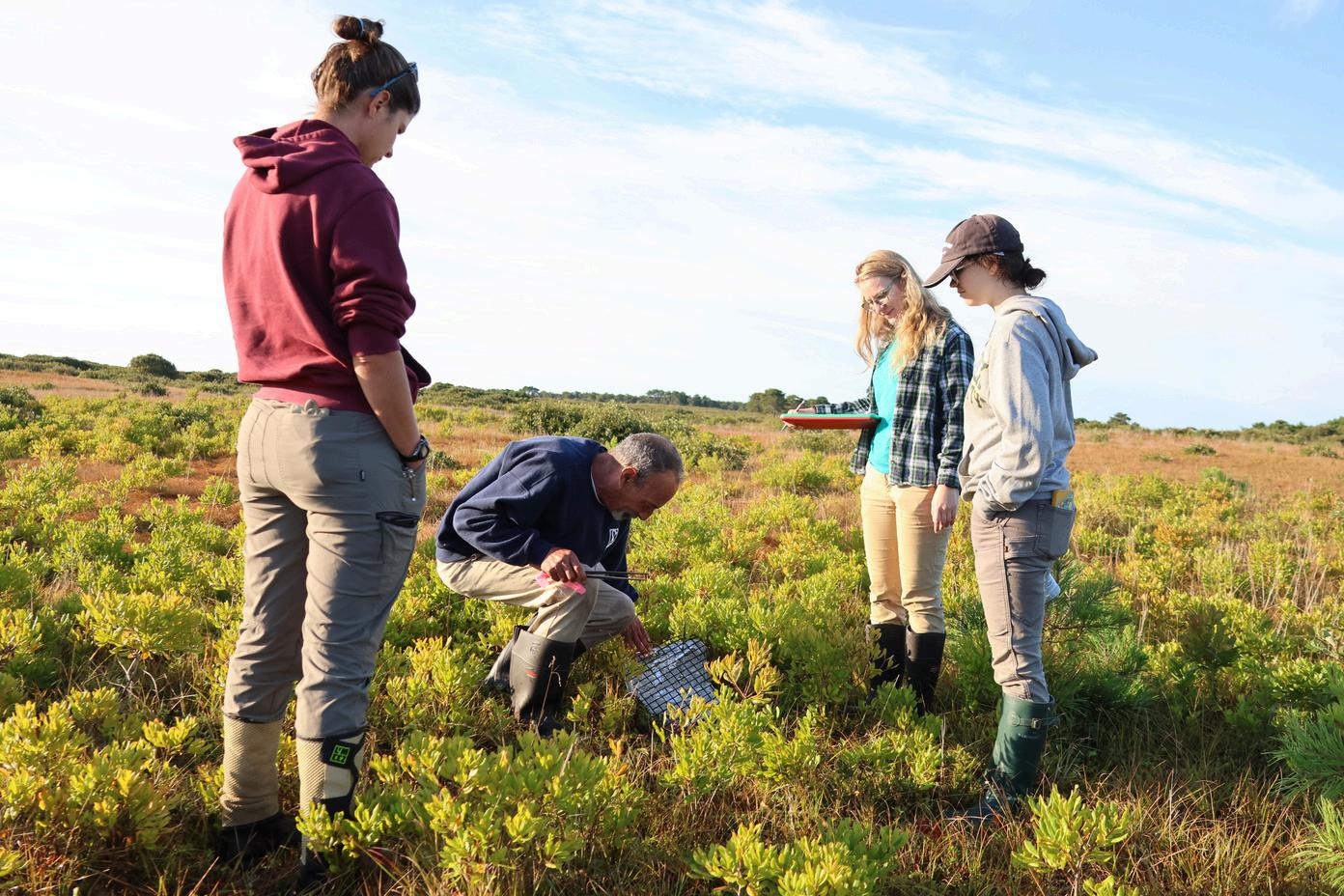
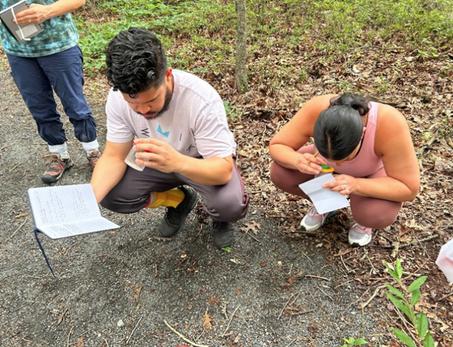
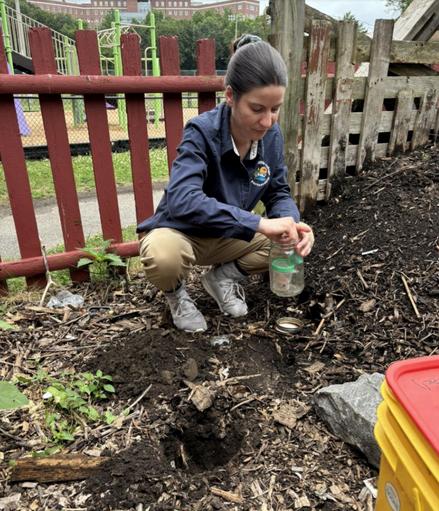
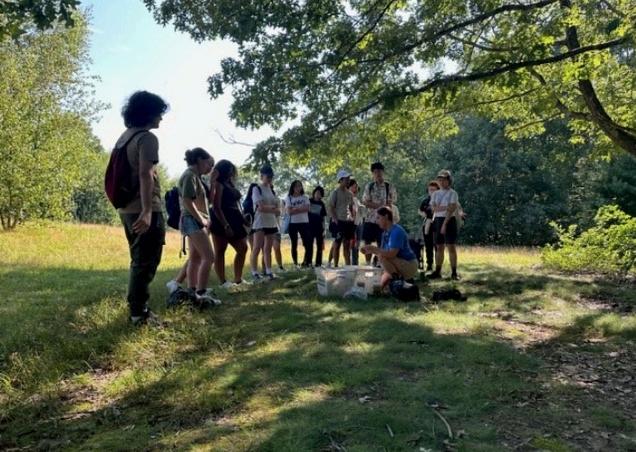
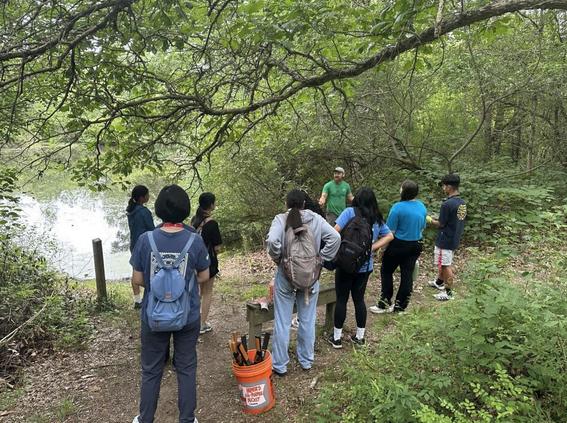
A highlight of the Institute is the hands-on field research. Teachers join Lou Perrotti, the ks to set traps for native carrion contribute to the monitoring of w local research informs species
Transformative Impact
The impact on participants is profound. Educators consistently describe the Institute as a turning point in their careers. One teacher reflected that the experience “changed my perception of zoos and gave me a lot of ideas to teach my class about conservation.” Another shared how meaningful it was to see “how many people dedicate their life’s work to caring about animals, plants, and the greater environment.”
Many participants emphasized how the Institute renewed their commitment to outdoor education. “It reaffirmed the importance of real-world experiences for children,” one educator wrote “Heading into our schoolyard or a local park is worthwhile and impactful ” Others found inspiration in the compassion of the Zoo staff: “Hearing how much the animals are cared for really moved me… it was healing.”
When asked if they would recommend the Institute to their peers, the response was unanimous. Teachers called it “the best PD of my career” and “an eye-opening experience.” One participant summed it up simply: “In a heartbeat I cannot express enough how amazing this experience truly was.”
With each summer cohort, the Teacher’s Institute strengthens the bond between Providence educators, their students, and the natural world, ensuring that conservation excellence begins right in our own community.
Education Mission
Our Education Team strives to improve the future for wildlife and people by creating welcoming, accessible programs that ignite curiosity, build emotional connections, and bring people closer to nature and each other. Through these experiences, we inspire meaningful action to protect wildlife and preserve wild places for future generations.
YEAR IN REVIEW EDUCATION BY THE NUMBERS:
Students served during Out of School Time programs 500+
ZooCampers across 1,000+ summer, seasonal break and day camp offerings
703
mal assadors during ite and ite rams
Youth Climate Summit attendees 64 in partnership with the Rhode Island Environmental Education Association
Animal ambassadors ,703 seen during programs
36
Partnerships with community organizations
472 serving
950 school programs
Young Explorer participants
9,000+ participants
FAMILYPROGRAMMING
Breakfast with the Animals
194 Participants
In 2025, the Zoo offered three unique experiences, combining exclusive early access to the Zoo with behind-the-scenes interactions with our animal care team. These programs transform a simple meal into a meaningful opportunity to connect with wildlife, deepening public appreciation for the Zoo’s mission. As one participant noted, “The experience was amazing learning about the animals while enjoying a beautiful breakfast made it unforgettable,” a sentiment that highlights the lasting impact of these immersive encounters.
Zoo Careers 101 Workshop
The Zoo Careers Workshop is a two-day immersive program designed to introduce high school students to the diverse professional landscape of zoo operations and conservation. In 2025, the program expanded its reach through the State of RI Governors' Workforce grant, hosting 33 total students, including participants from Title I schools who engaged with experts in fields ranging from veterinary medicine to exhibit design. By combining hands-on learning such as animal check-ups with staff mentorship, the workshop successfully fostered professional pathways Ultimately, the program empowers the next generation of conservationists by bridging the gap between interest and real-world zoological careers.
Additional Family Programs
Travel with the Zoo: 111 guests participated in our day trips to the Bronx Zoo, an initiative that extends our educational impact and offers new perspectives on wildlife conservation through the exploration of world-class exhibits.
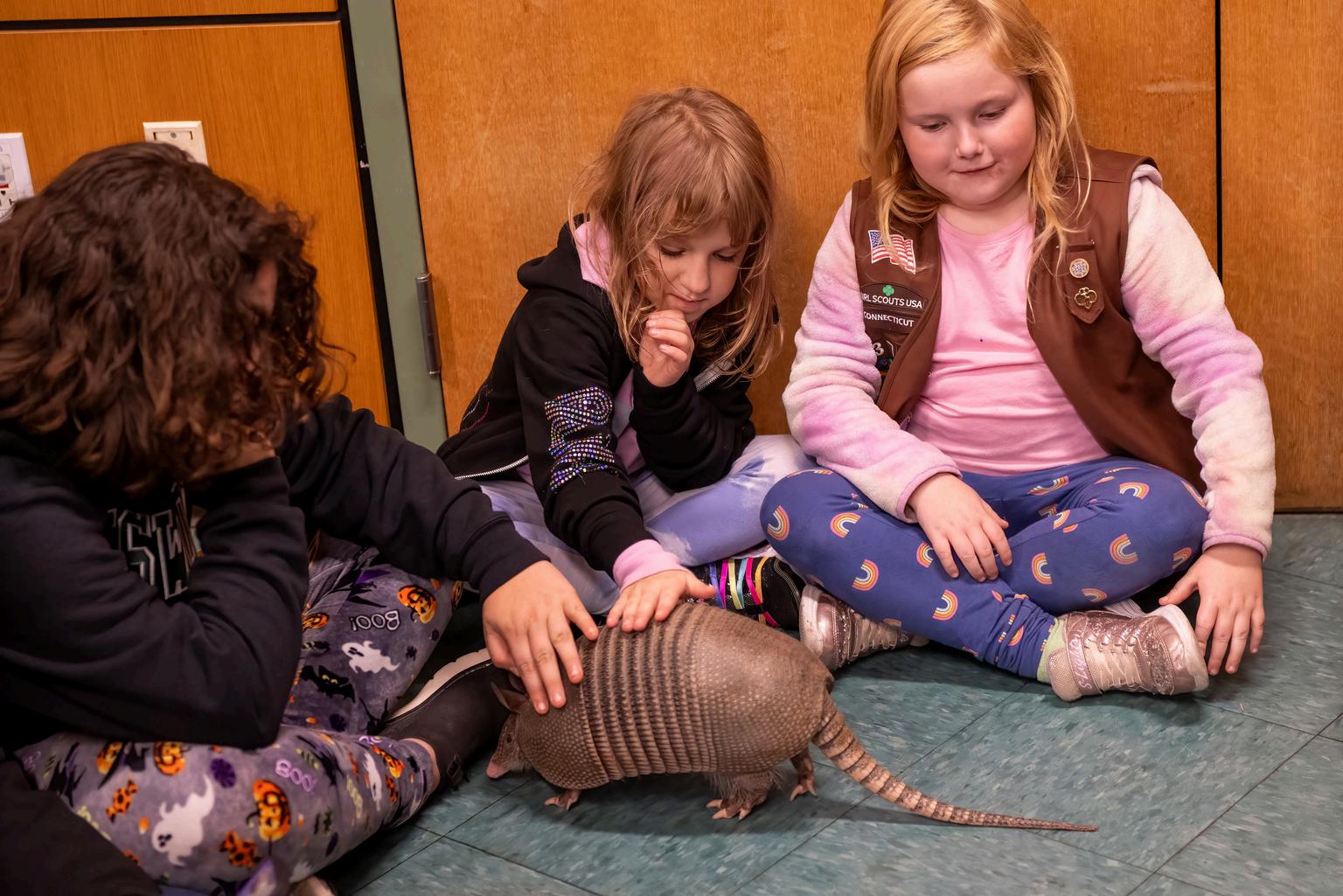
Scout Family Fun Night: This after-hours event welcomed 106 participants for an evening of animal encounters and keeper chats that blended education with family celebration.
Carving with the Pros: This exclusive, adults-only program provided 10 guests with a private pumpkin carving class led by professional artists, featuring penguin conservation storytelling and VIP access to the Jack-O-Lantern Spectacular.
Snore & Roar Overnight Programs in partnership with HarborOne Bank
Our Snore & Roar Overnight Programs offer guests a unique opportunity to explore Roger Williams Park Zoo after dark.
Signature offerings include the Jack-O-Lantern Spectacular overnight, where guests enjoy front-of-line access to thousands of glowing, hand-carved pumpkins, and the Holiday Lights overnight, featuring over one million lights, animal meet-and-greets, and sensory-themed activities. By combining adventure with education, these programs allow participants to engage with animals in meaningful ways while exploring the Zoo in a magical nighttime setting.
In 2025, the Zoo hosted 38 programs for 743 participants, providing immersive experiences that included face-to-face animal encounters, guided tours, and themed activities designed to spark curiosity and deepen connections to wildlife.
These experiences leave a lasting impact, fostering empathy for wildlife and strengthening family and community bonds. Guests described the stays as truly memorable, with one parent noting, “The girls will remember it forever,” highlighting the programs’ ability to create lifelong impressions for families.
100% of participants reported that educators were friendly and knowledgeable. The program earned a satisfaction rating of 4.7 out of 5.
YOUNGEXPLORERS
Young Explorers is a free early childhood education program for children and their caregivers, held annually from September through April Led by Miss Mackenzie, each session offers age-appropriate activities that invite families to explore the natural world together.
The program’s core mission is to:
In 2025, the program reached over 950 participants, providing hands-on learning experiences fostering curiosity and a love for wildlife.
Nurture adult-child relationships through shared discovery
Enhance empathy for wildlife and natural habitats.
Develop inquiry skills and a foundation for lifelong learning.
Build lasting community connections.
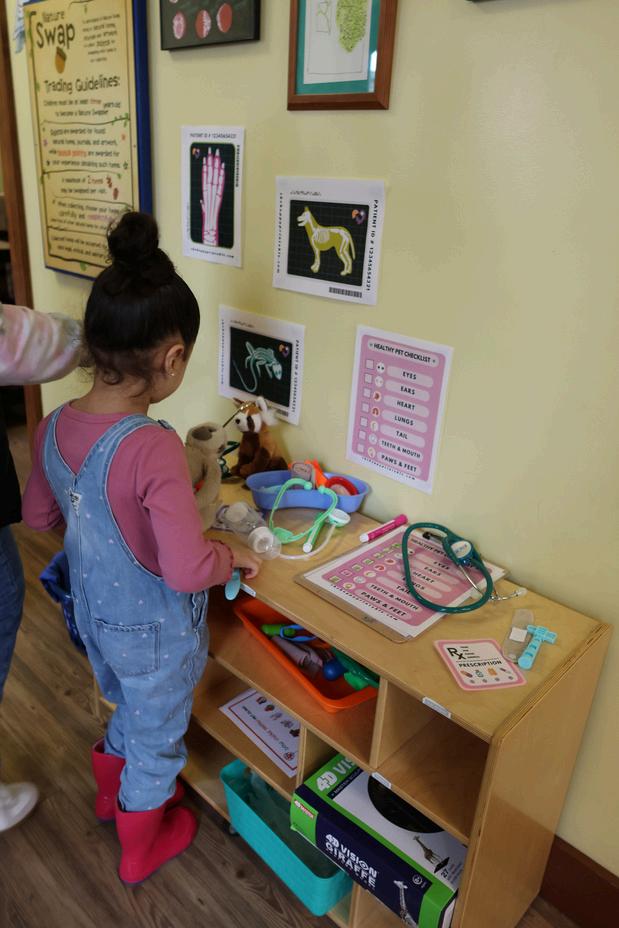
A highlight of the season was the February Critter Clinic, where favorite stuffed animals for a "check-up." This session stood out playful, educational environment that resonated deeply with fa specifically designed to encourage observation, questioning, an
By combining playful exploration with structured learning, Young Explorers supports both early cognitive development and social-emotional growth. The program lays a foundation for lifelong conservation values, making nature education accessible, memorable, and impactful for our youngest learners and their caregivers alike.
ZOOSCHOOL
Zoo School is designed to foster scientific identity, curiosity, and empathy for wildlife Enrollment increased from 100 students in the 2024–2025 season to 124 students for 2025–2026, reflecting sustained interest from the homeschool community.
Evaluation data from the 2024–2025 season shows gains across multiple developmental and learning outcomes. Notably, 75.1% of participants felt comfortable approaching instructors - a key indicator of psychological safety and supportive mentorship Many families now consider Zoo School a cornerstone of their curriculum. Collectively, these results highlight the program’s success in cultivating a lasting interest in conservation and establishing the Zoo as a trusted educational partner.
WILDCONNECTIONS
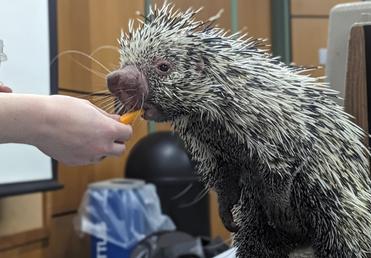
Our premium animal encounter program, Wild Connections, provides guests with unforgettable behind-the-scenes experiences that highlight the deep bonds between keepers and animals. By blending natural history with intimate storytelling, these programs foster emotional and cognitive connections that inspire a profound respect for wildlife and the Zoo’s conservation mission Participants gain a unique window into the intentional care our team provides, building a lasting appreciation for the role of modern zoos.
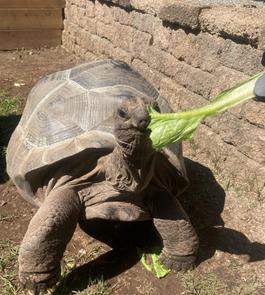
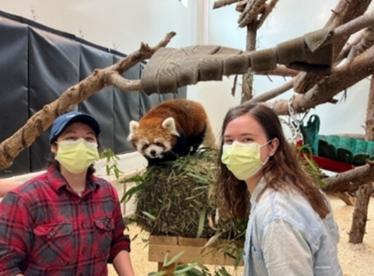
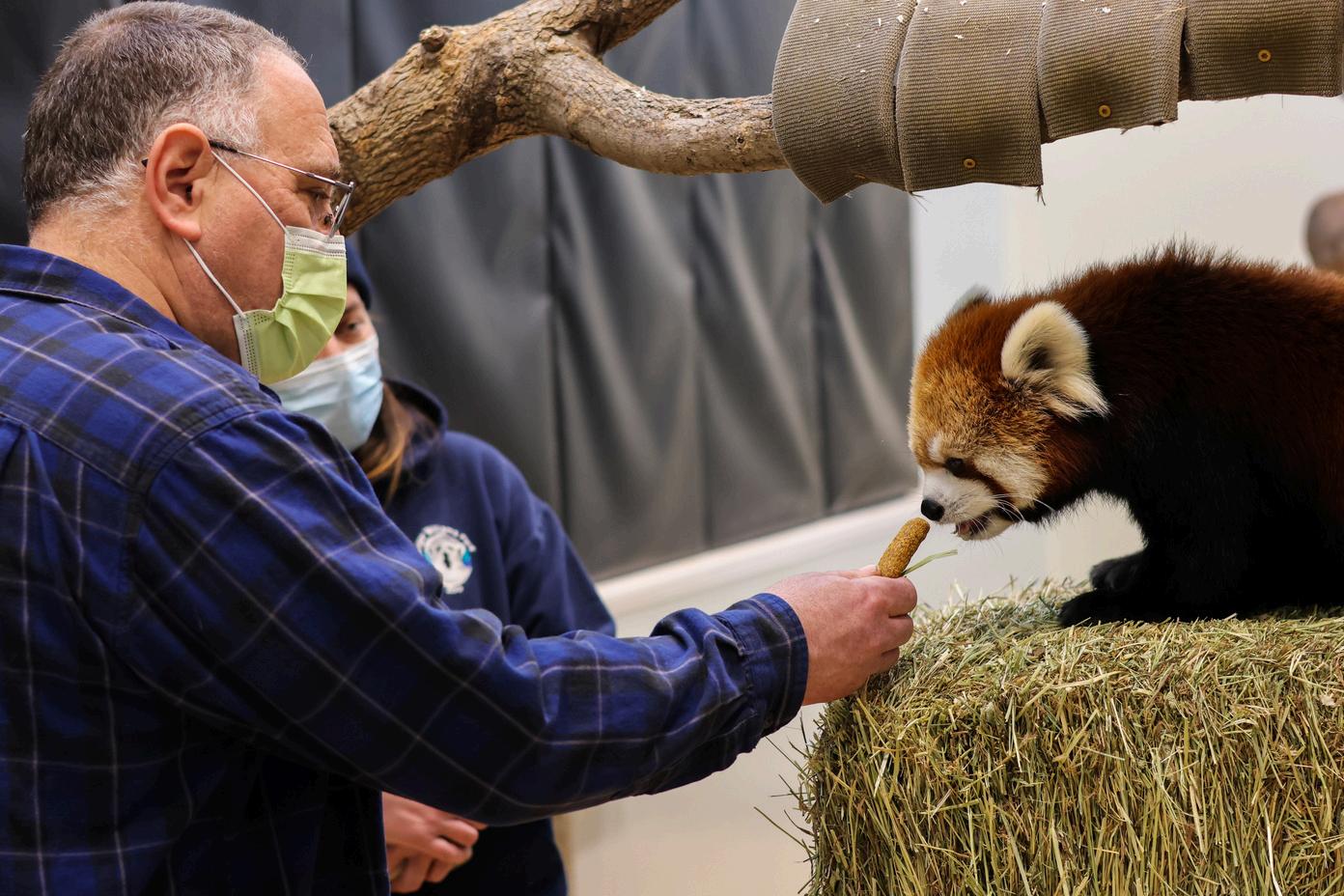
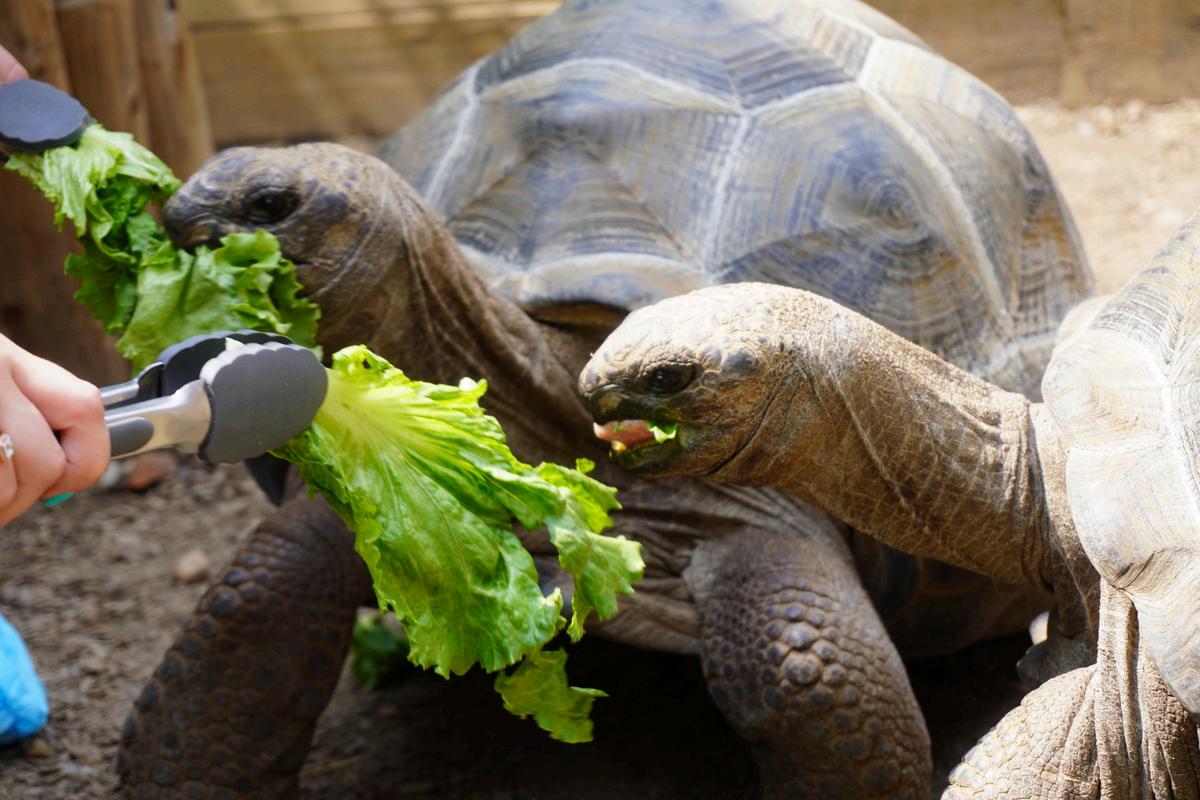
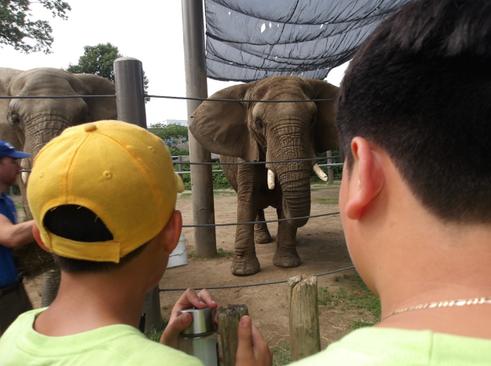
In 2025, Wild Connections hosted 220 participants across 78 experiences, featuring species ranging from elephants and red pandas to Aldabra tortoises and moon bears. Through feeding sessions, training demonstrations, and exclusive staff-only access, guests created lifelong memories from rain-soaked elephant mud baths to a heartwarming red panda proposal. As one guest shared, "Even in the pouring rain, RWZ delivers a fabulous experience... I can’t come up with the right words to express how much I loved it."
These testimonials underscore the joy and transformative impact these encounters bring to our community.
ZOOCAMPinpartnershipwithCoxConserves
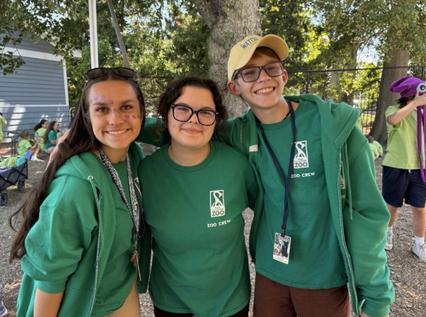
Zoo Camp remains a cornerstone of the Zoo’s educational programming, providing a safe and supportive environment for youth to partnerships and philanthropic support, needs and children on the autism spectru available to a diverse community.
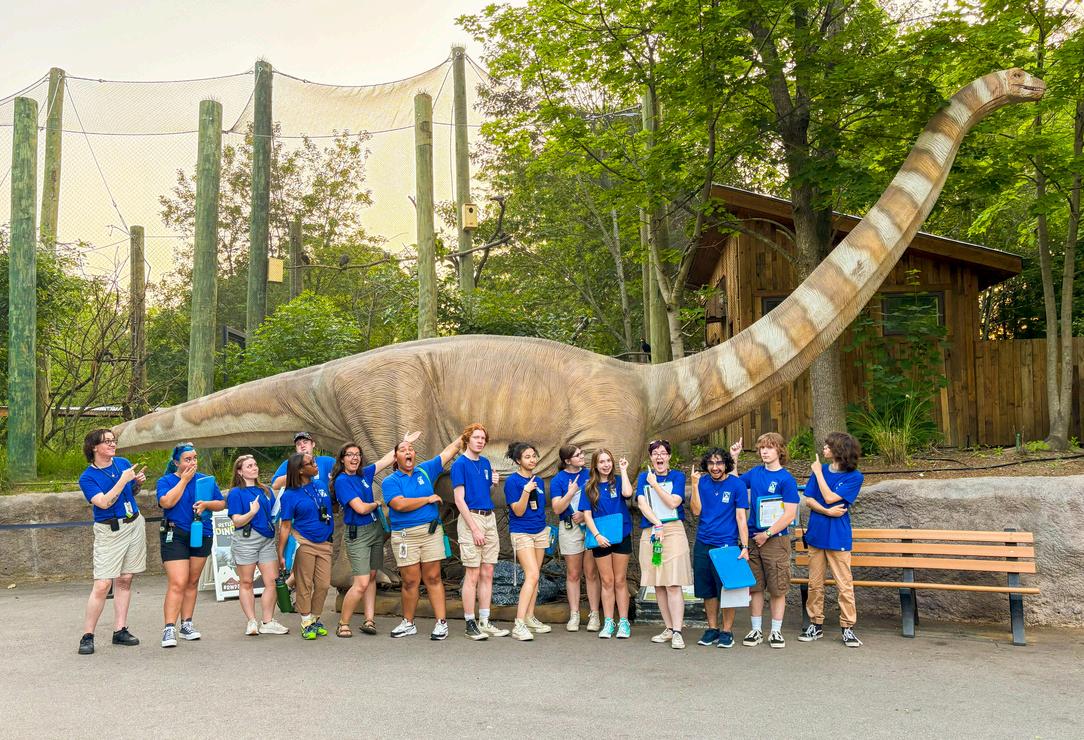
In 2025, the program reached over 1,100 campers across summer and seasonal sessions, bolstered by more than 8,000 volunteer hours from teen Counselors-in-Training.
Program outcomes reflect significant imp Caregivers reported 97% satisfaction, with 100% expressing confidence in staff quality and safety. Beyond satisfaction, guardians observed meaningful developmental gains: 63% of campers showed increased confidence, while 57% demonstrated greater independence. 97% of families reported that their child’s interest in the natural world increased, underscoring the program's role in cultivating long-term engagement with wildlife and conservation.
Qualitative feedback reinforces these results, as families consistently highlighted animal encounters, hands-on activities, and social connections as the most impactful elements. These outcomes along with unsolicited donations from appreciative families position Zoo Camp as a high-impact initiative that successfully blends youth development with a lasting commitment to nature. Through partnerships with Bank RI, Centerville Bank, Andrade Faxon Foundation, John E. Fogarty Foundation, and Providence Rotary, the Zoo provided summer camp scholarships for 38 local youth
EARTHAGENTS
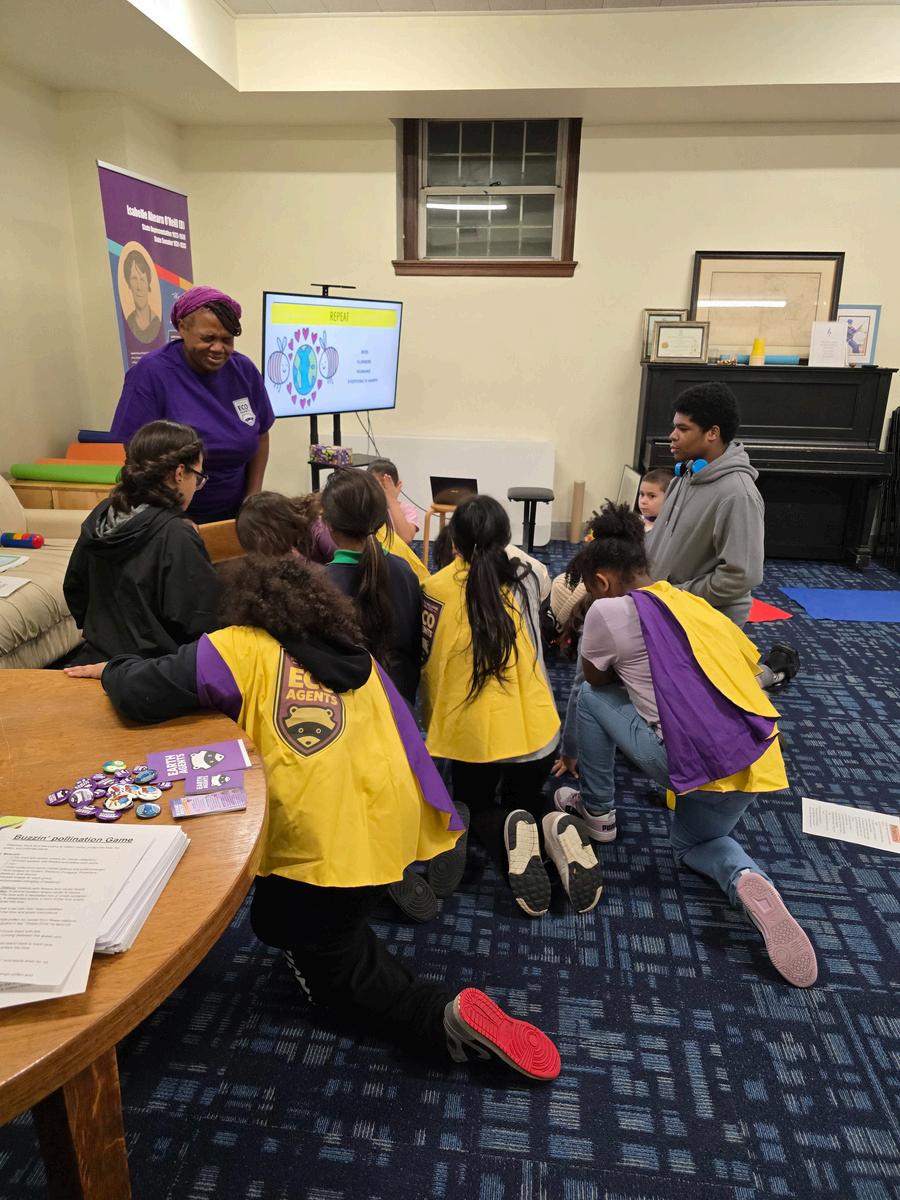
Earth Agents is a family-centered leadership program that empowers participants to drive community action for wildlife conservation. In 2025, 14 families developed skills in community engagement and local advocacy, bridging the gap between environmental issues and neighborhood priorities.
Key Achievements:
Zoo Stewardship: Families supported the Zoo’s mission at major events—including World Ocean Day and the Great Backyard Bird Count by supporting e-recycling efforts, distributing native plants, and designing and dispersing bilingual educational materials.
Community Outreach: Participants engaged approximately 350 community members and distributed 200 "1,000 Hours Outside" activity sheets to promote nature connection
Policy Advocacy: One family-led campaign focused on protecting the Prudence Island research reserve. This effort involved public demonstrations and direct communication with elected officials, coinciding with the successful maintenance of federal funding for the site.
The Earth Agents program successfully moves families from awareness to measurable action. By fostering civic engagement and policy advocacy, the program extends the Zoo’s conservation impact far beyond its physical grounds.
SCHOOLPROGRAMS
Our school programs portfolio offers a diverse range of standards-based, experiential learning opportunities for students from preschool through high school. The curriculum is tailored by age group: preschool students develop empathy for nature through observation; elementary students investigate survival adaptations; and middle school and high school students analyze complex ecosystem dynamics and conservation roles
In 2025, we delivered 472 programs to over 9,000 participants, connecting classroom learning to real world experiences.
The impact of these immersive experiences is reflected in our high educator satisfaction ratings, which average 4.8 out of 5. Teachers consistently report that our programs align seamlessly with curriculum standards while enhancing student curiosity and engagement. Our interactive approach—featuring animal meet-and-greets and facilitated discussions —is particularly effective, with over 70% of participants expressing high satisfaction with animal encounters and 65% praising the depth of our facilitated learning.
Educators frequently highlight the lasting impression these programs leave on their students. Testimonials celebrate the "fantastic" level of interactivity and the value of customized programming that meets specific classroom needs. Ultimately, these experiences do more than teach science; they foster a lifelong empathy for wildlife and a deeper connection to the natural world, providing vital support for teachers in achieving their educational goals.
OUTOFSCHOOLTIMEPROGRAMS
Serving over 500 students through 38 series and 200 annual visits, these student-led programs allow instructors to build strong relationships with participants while tailoring activities to their unique interests and learning styles.
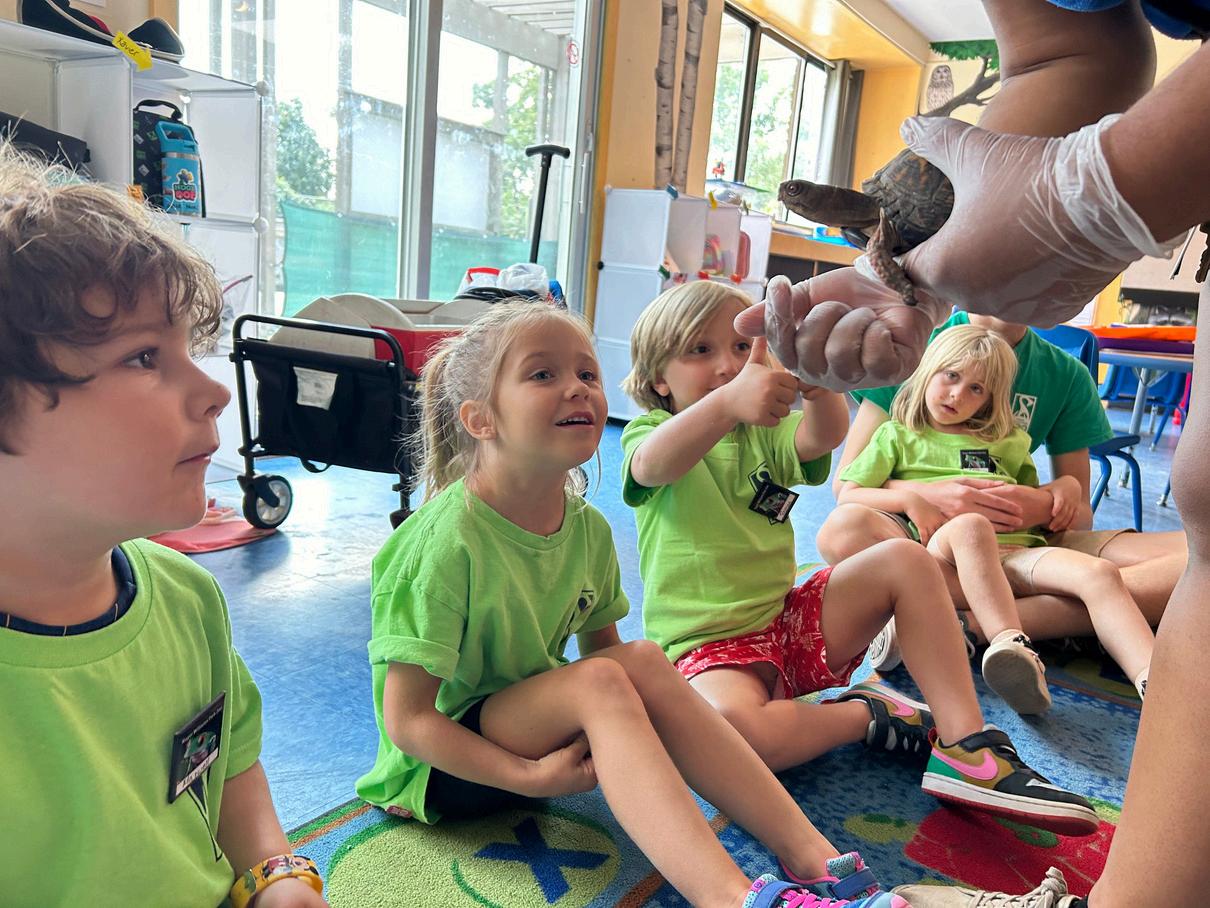
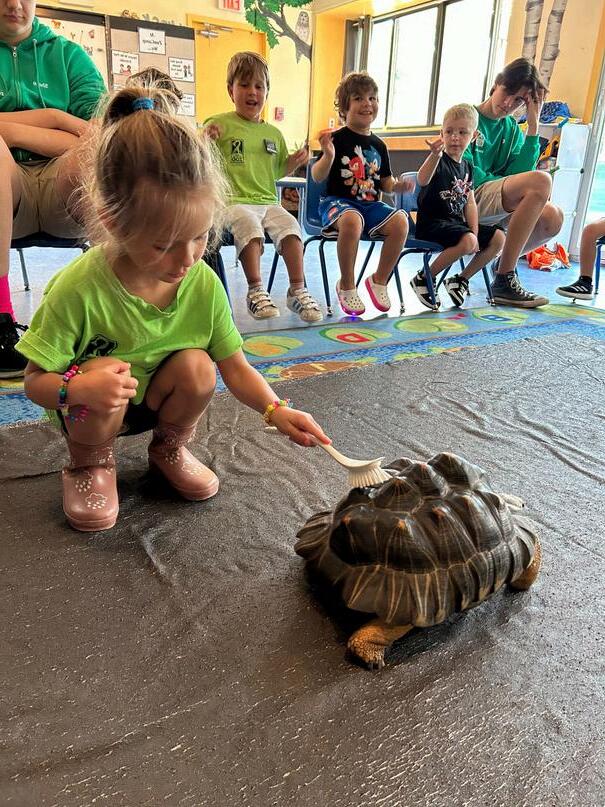
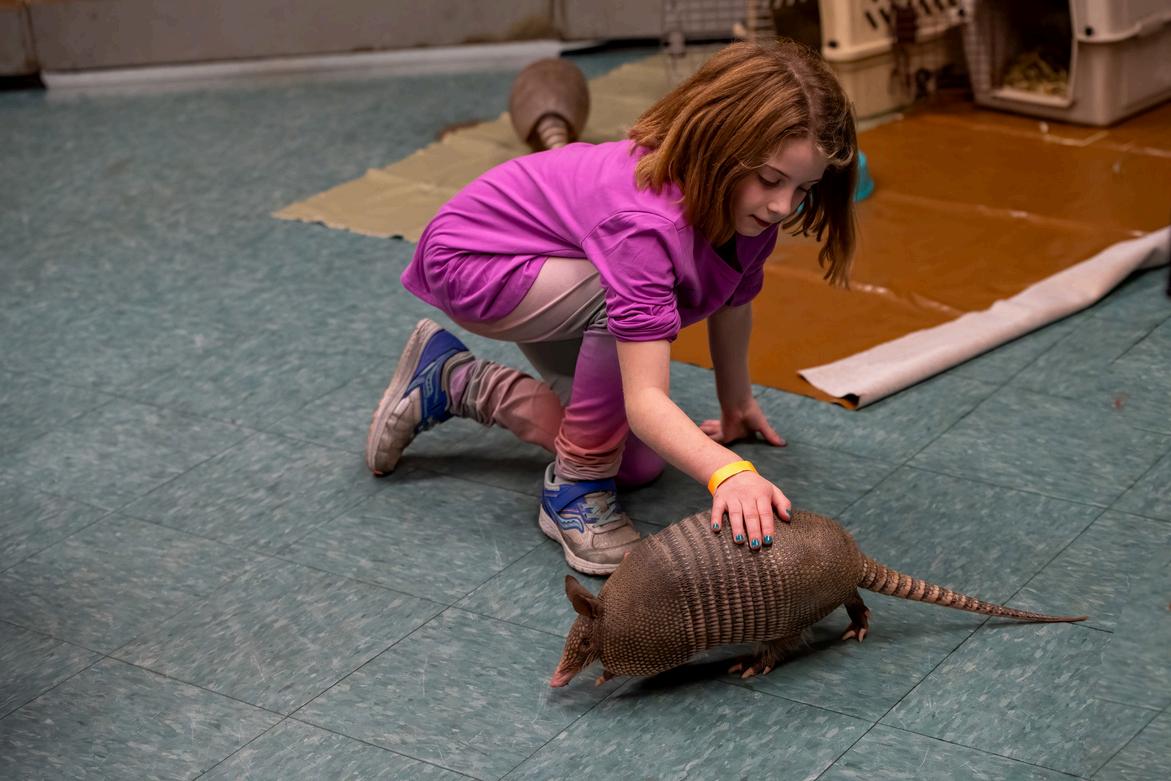
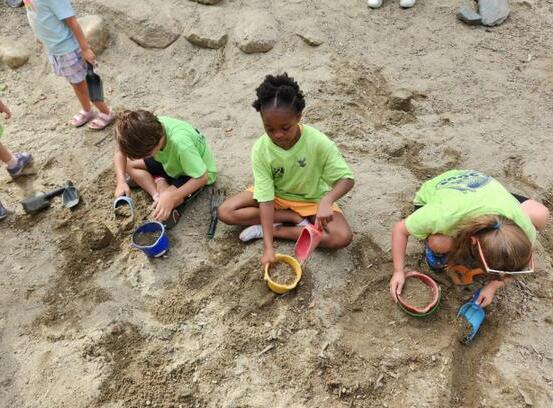
Our Out of School Time programs provide engaging, multi-week learning experiences before school, after school, and during the summer. Students explore the natural world and interact with animal ambassadors, utilizing hands-on science practices such as observation and inquiry to better understand their environment.
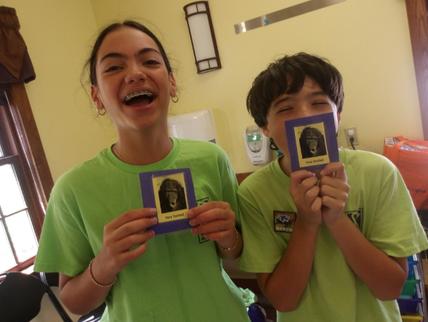
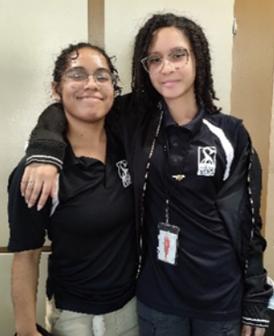
Beyond academic enrichment, the programs nurture scientific identity and foster critical social-emotional skills, including empathy, teamwork, and responsible decision-making. The longterm impact of this approach is exemplified by former "Pets and Vets" participants Tyra and Mya, who are now employed at the Zoo. Their journey highlights how our programs cultivate a lifelong connection to science and the natural world, transforming early curiosity into meaningful career pathways.
COMMUNITYPROGRAMS
In 2025, the Zoo’s Education Team reached over 1,800 participants by partnering with 36 Southern New England organizations to deliver 68 interactive programs. These initiatives fostered compassion for wildlife through live animal encounters and hands-on learning. Additionally, the team supported the City of Providence’s Eat, Play, Learn initiative by conducting 24 neighborhood visits, providing local families with essential access to nature-based education and creative engagement throughout the summer.
YOUTHCLIMATESUMMIT
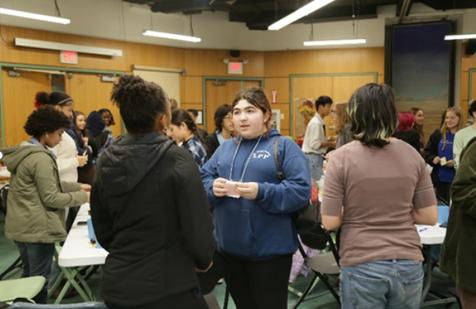
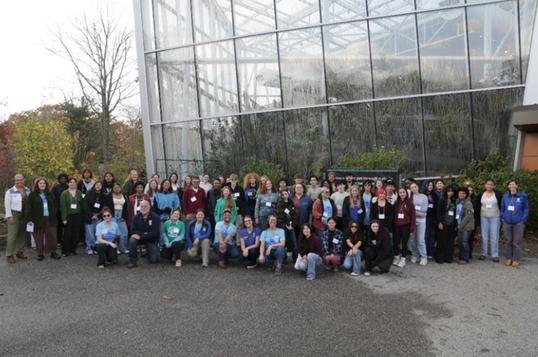
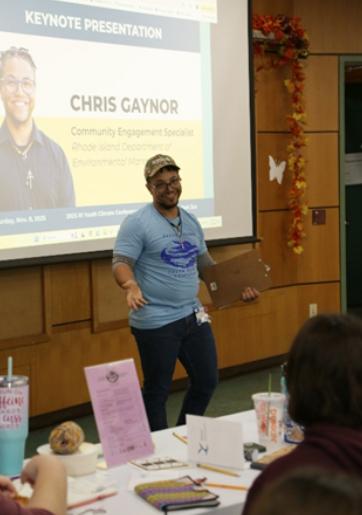
In 2025, the Education Department partnered with the Rhode Island Environmental Education Association (RIEEA) to host the Zoo’s inaugural Youth Climate Summit. Supported by various local organizations and donors, the event united 53 youth and 11 mentors from across the state for a day of collaborative learning and artistic expression. Participants engaged in hands-on projects and workshops led by experts like local artist AGONZA and representatives from RIDEM, focusing on effective climate communication and community leadership.
The summit successfully empowered attendees to move from inspiration to action. Youth participants highlighted the value of learning to navigate diverse perspectives, while mentors gained strategies for fostering stronger youth-adult partnerships. Impact data reflected this success: youth reported high levels of motivation to pursue community projects (4.33/5), and mentors felt better equipped to share hopeful messages regarding climate action (4 45/5) Ultimately, the summit demonstrated that collaborative, intergenerational experiences are vital for driving meaningful environmental change.
The event was supported by Rhode Island DEM, Papitto Opportunity Connection, Rotary Club of Wakefield, RI AFL-CIO, REI, and Frog & Toad Press.
“Learning how to talk to others about climate change and inform them, even if they have different opinions than me, was very valuable.”
- Youth Attendee
WHY THEY MATTER PARTNERSHIPS AND COLLABORATIONS:
Partnerships are vital to the Zoo’s mission, extending learning beyond campus to connect classrooms with real-world conservation. By collaborating with schools, universities, and community groups, our education team co-creates inquiry-based experiences that reinforce academic standards while fostering empathy and problem-solving skills. These programs empower students to see themselves as contributors to conservation, bridging the gap between classroom and authentic challenges in animal care and environmental stewardship.
Lincoln High School – Principles of Engineering
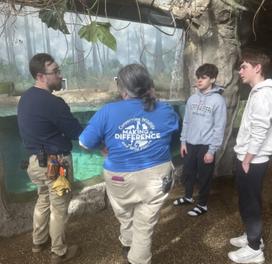
Students in Lincoln High School’s engineering course collaborated with Zoo staff to design functional animal enrichment, such as nesting boxes for hornbills and specialized feeders. By researching species-specific needs and consulting with professionals, students applied design principles to resolve genuine health and wellbeing issues This partnership exemplified the power of applied engineering, with students taking pride in seeing their precise, functional designs improve the lives of the Zoo’s animals.
Pine Point School – 3rd Grade Enrichment Project
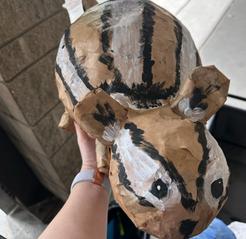
Pine Point third graders applied their understanding of animal behavior to design papier-mâché “prey” items for Red River Hogs. The project culminated in a visit to the Zoo, where students observed the hogs interacting with their creations. This collaboration successfully integrated the Zoo’s Education and Animal Care teams, giving young learners a tangible sense of contribution and reinforcing the importance of empathy in wildlife care.
San Miguel School – Career Symposium
Through a City of Providence grant, the Zoo facilitated a Career Symposium for San Miguel School’s Environmental Justice Academy. The event introduced students to conservation pathways through the lens of social equity and community wellbeing. By engaging with various professionals, students learned that conservation careers intersect with science, advocacy, and justice, highlighting that environmental stewardship is as much about supporting people as it is about protecting wildlife.
University of Rhode Island – Zoo Animal Management
The Zoo co-facilitates a Zoo Animal Management course with the University of Rhode Island, led by Professor Justin Richards. In 2025, 35 students gained a comprehensive view of the industry through direct access to experts in animal care, education, and operations. This partnership provides future professionals with real-world case studies and a deep understanding of the interdisciplinary nature of modern zoological institutions.
Marianapolis Preparatory School – LEAP Week
During LEAP Week, 15 students from Marianapolis Preparatory School engaged in an immersive study of endangered species conservation through field work and expert-led tours. This program allows students to step outside the traditional classroom to build deeper relationships with educators and the natural world The side-by-side learning model sparks lifelong curiosity and reinforces the practical application of conservation science.
Twinkle Little Star Child Care Centers
Zoo educators visit Twinkle Little Star classrooms monthly, reaching around 60 preschool and pre-kindergarten students annually. These lessons are aligned with classroom curricula, using stories, songs, and animal encounters to support early literacy and developmental milestones. By integrating wildlife education into daily learning, the partnership fosters a foundational connection to nature for the youngest members of our community.
DRIVING LEARNING FORWARD
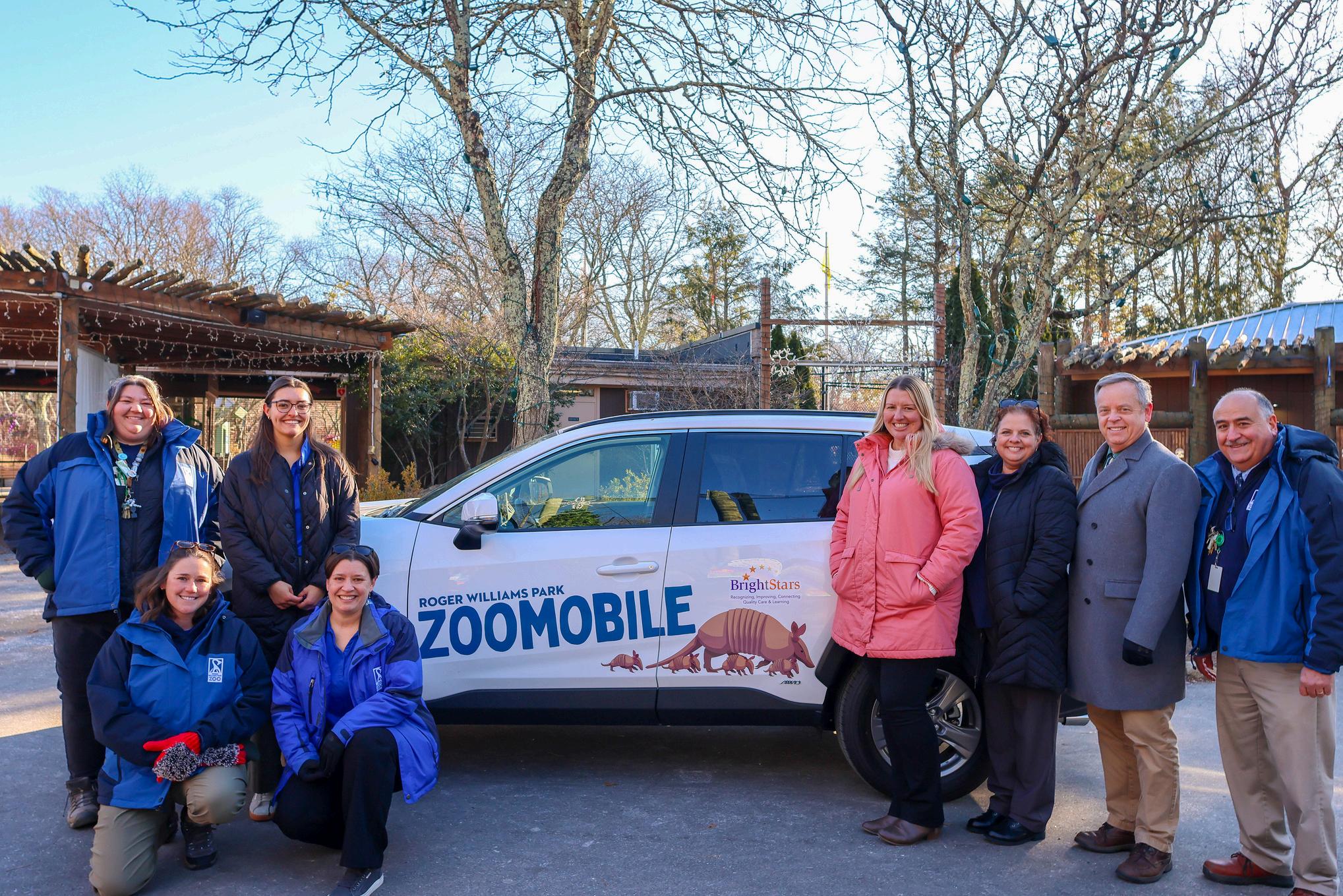
In 2025, the RI Department of Human Services and BrightStars bolstered the Zoo’s educational outreach capabilities by donating a new RAV4 Zoomobile. This critical addition to our fleet ensures the safe, year-round transport of staff and animal ambassadors, allowing us to deliver high-quality environmental education regardless of the weather.
By the close of the year, our Education team facilitated programming for approximately 5,600 learners through one-time visits and deep-impact collaborations. These initiatives, which include out-of-school and after-school programming, allow our educators to build lasting community relationships and align our conservation curriculum with Next Generation Science Standards (NGSS).
In 2025, the Zoomobile fleet traveled over 3,000 miles across New England.
Summer@Brown Program
Conservation of Endangered Species
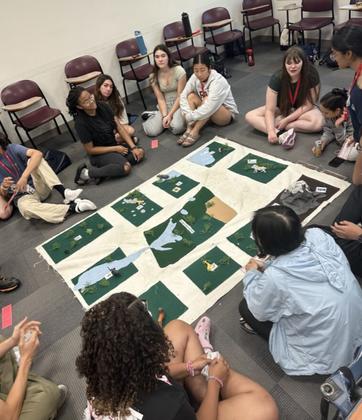
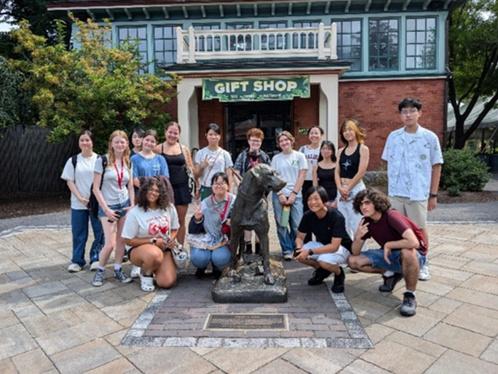
In 2025, 20 high school students participated in a three-week course focused on local and global conservation challenges. Participants utilized the Zoo as a primary learning tool to build conservation identities and leadership skills, culminating in the creation of personalized conservation plans for local wildlife. Students reported significant growth in confidence and empathy, leaving the program as informed advocates ready to make a difference in their own communities
Innovation Inspired by Nature: A Biomimicry Challenge
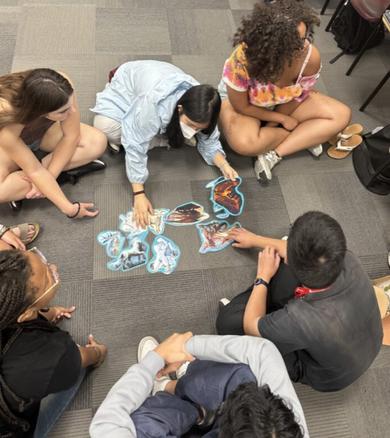
Twenty-four students explored the intersection of biology and engineering during the 2025 Biomimicry Challenge By studying animal adaptations and engaging in the design thinking process, students developed nature-inspired solutions to modern environmental problems. The course emphasized that the most valuable aspect of science is the ability to apply knowledge toward sustainable innovation, fostering a deep appreciation for nature's role in solving human challenges.
PROFESSIONALCONTRIBUTIONS
Beyond delivering exceptional programs, our Education team advances the field of conservation education locally and nationally. By sharing expertise through leadership roles, committee service, and professional presentations, we help shape industry best practices and foster vital networks. These contributions amplify our impact beyond the Zoo, driving innovation and collaborative strategies that strengthen the entire profession
Conference Presentations:
Members of the Education Team presented at:
The Providence Parks Department Conference
The Association of Zoos and Aquariums (AZA) Regional Education Meeting
National Leadership:
Members of the Education Team, serve on or facilitate the following initiatives and committees:
Women in Camp National Network
AZA’s Regional Education Community of Practice
AZA’s Conservation Education Committee
AZA’s Conservation Learning Course
AZA’s Monthly Camp Meetings
Statewide Engagement:
Members of the Education Team serve on the:
Rhode Island Association of Camps (RIAC)
Rhode Island Science Leadership Advisory Board
Species Conservation Leadership:
Members of the Education Team serve as Education Advisors to the American Burying Beetle SAFE Program and the Sloth Bear SAFE Program though AZA.
Advancing Zoo Initiatives:
Members of the Education team serve on the Zoo’s Sustainability Committee, Safety Committee and support the Zoo’s chapter of the American Association of Zookeepers
Roger Williams Park Zoo is accredited by the Association of Zoos and Aquariums (AZA), and a member of the World Association of Zoos and Aquariums (WAZA).
Roger Williams Park Zoo is supported and managed by the Rhode Island Zoological Society (a registered 501(c)3 non-profit organization) and is owned by the City of Providence.