LIfesaving NICU Care for the Tiniest Babies Neuroplastics Team
Rebuilds Faces
Post-Brain Surgery
A Baby’s Journey Home
A tiny preemie, born at only 24 weeks, goes home from the hospital in record time, thanks to expert care she received from the amazing NJMS neonatal team.
Neuroplastics Team Preserves Facial Appearance Post-Neurosurgery
A unique collaboration gives patients their lives—and their facial features—back after devastating neurological trauma or disease.
The New Jersey Medical School campus is buzzing with excitement right now. There are so many things happening that it’s hard to know where to begin.
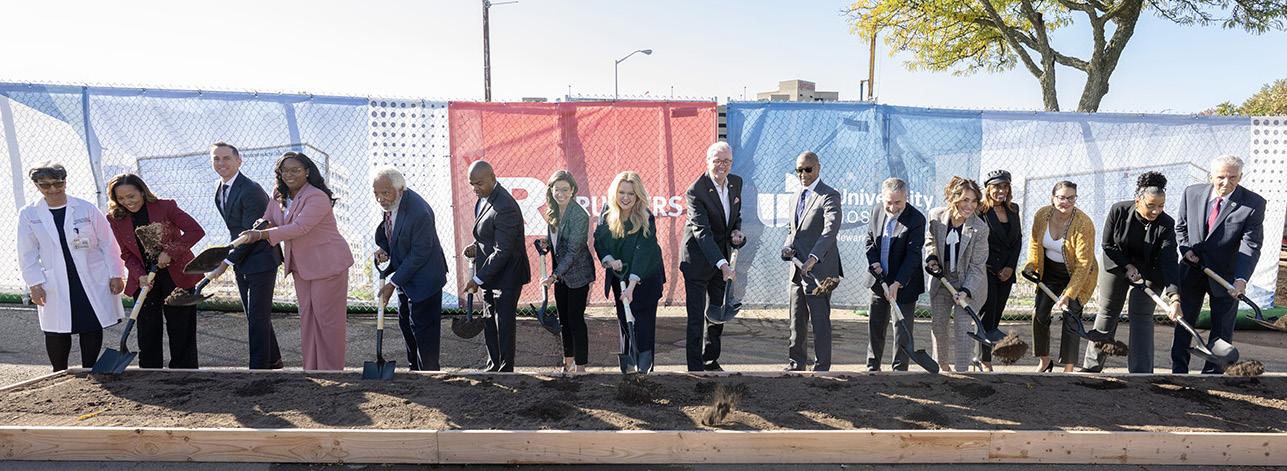
Anyone coming to campus can’t help but notice the construction taking place across the street from the Bergen Building. After demolishing the complex of temporary trailers, known years ago as the Administrative Complex (or informally as the blue buildings), Rutgers Health and University Hospital broke ground in late October, marking the beginning of the modernization of our health sciences campus here in the heart of Newark.
The first new building will feature four floors of administrative office space, 11,000 square feet of clinical space for outpatient care, and an 875-space parking garage. This addition to our campus will further enhance our mission of providing the best possible health care for the residents of our city.
In this issue of Pulse, you can read about another new addition to our campus, the new
A Message from the Dean
Clinical Skills Center (CSC). Located in the Rutgers Cancer Institute at University Hospital, it boasts 12 identical high-tech rooms that are exact replicas of doctors’ offices. Here the students participate in medical simulations. They must diagnose and plan treatments in a given amount of time. They learn in a safe space, where mistakes are a learning tool.
In yet another major change, this year for the first time, NJMS and Robert Wood Johnson Medical School will begin classes on the same day. Faculty on both campuses have been working together to synchronize both medical schools’ curricula, as well. Together, we continue to advance medical education and healthcare throughout New Jersey and beyond.
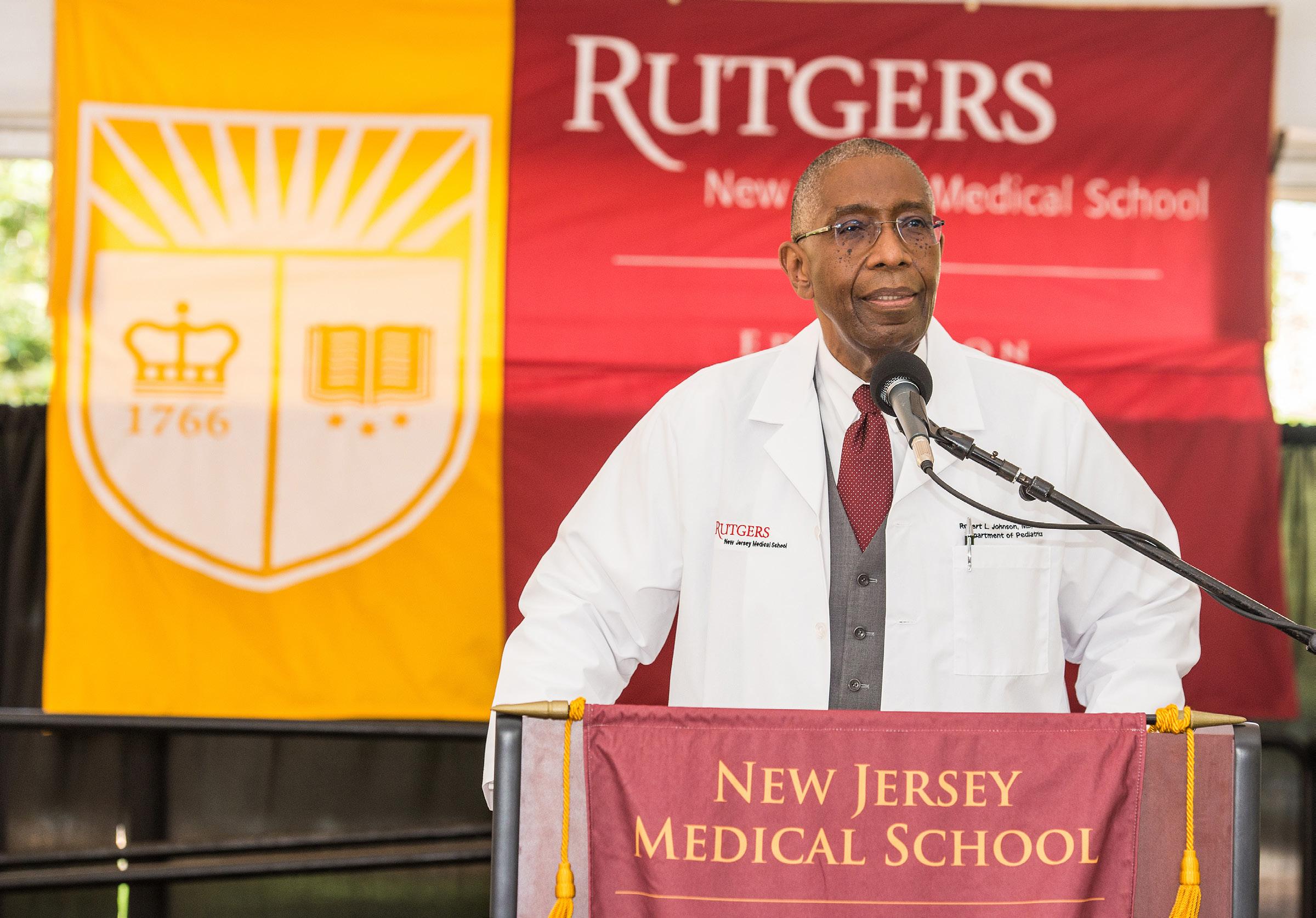
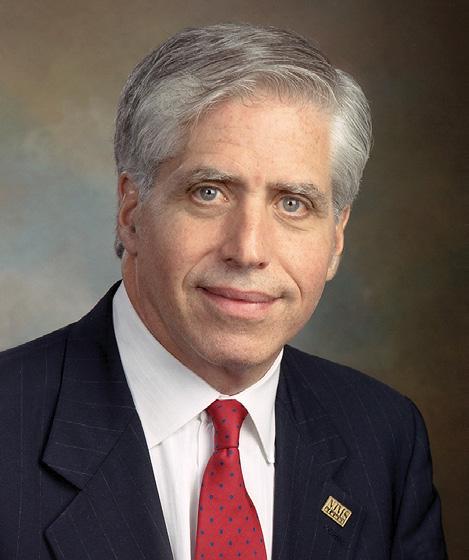
Robert L. Johnson, MD, FAAP’72
The Sharon and Joseph L. Muscarelle Endowed Dean Rutgers New Jersey Medical School
DEAN
Robert L. Johnson, MD, FAAP’72
The Sharon and Joseph L. Muscarelle Endowed Dean, Rutgers New Jersey Medical School
ASSOCIATE EDITOR
LaCarla Donaldson
Manager, Marketing and Communications
SENIOR EDITOR
Mary Ann Littell
CONTRIBUTING WRITERS
Ty Baldwin
Merry Sue Baum
Amanda Castleman
Nancy A. Ruhling
Lina Zeldovich
DESIGN
Sherer Graphic Design
PRINCIPAL PHOTOGRAPHERS
Keith B. Bratcher, Jr
KEEP IN TOUCH
Pulse is published twice a year by Rutgers New Jersey Medical School. We welcome letters and suggestions for future articles.
Send all correspondence to: Marketing and Communications
Stanley S. Bergen Building 12th Floor, Rm 1234 65 Bergen Street Newark, NJ 07107 or via email to: njmsmarketing@njms.rutgers.edu
ON THE COVER
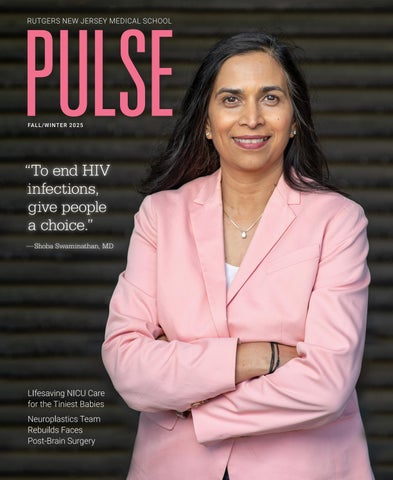
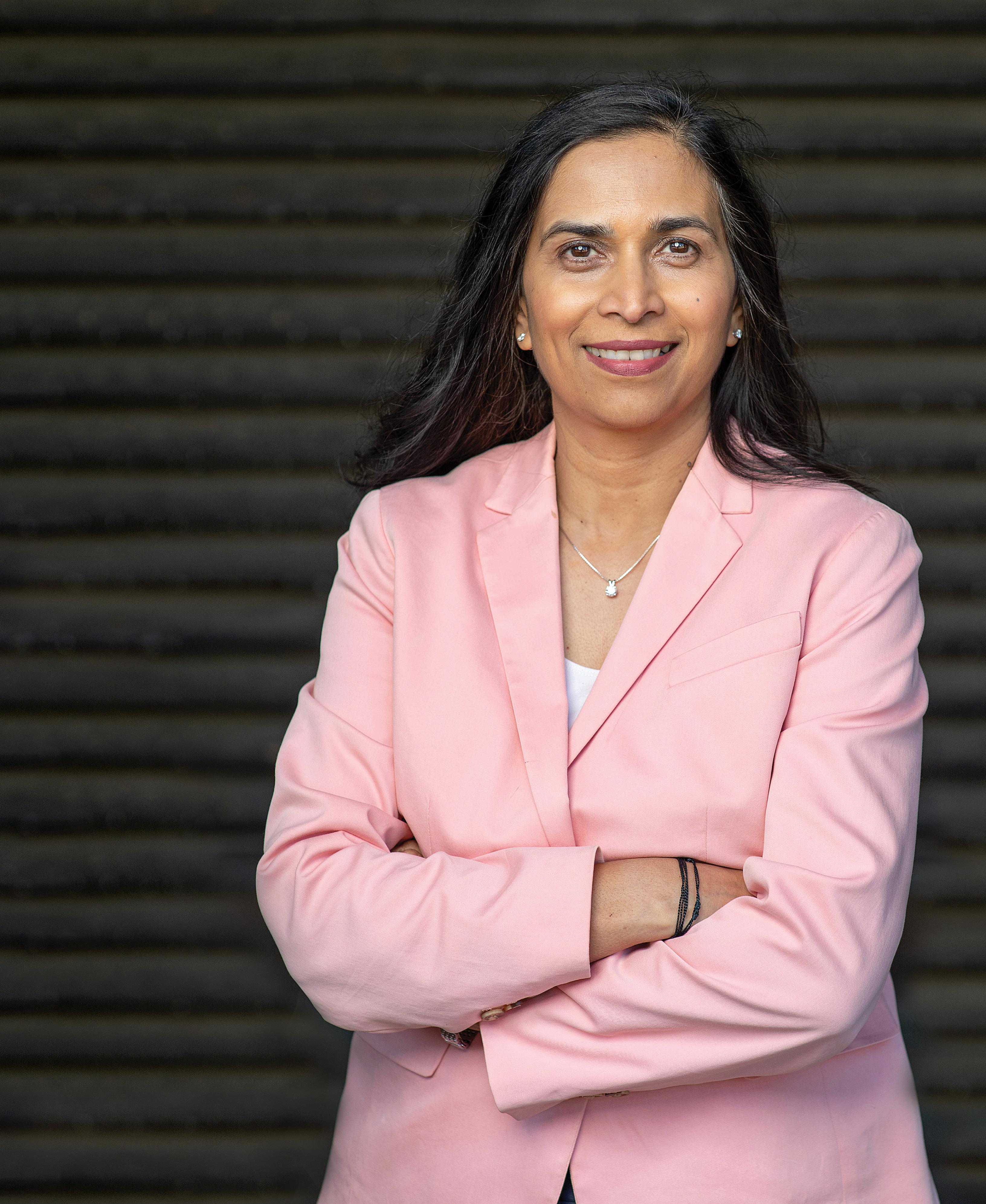
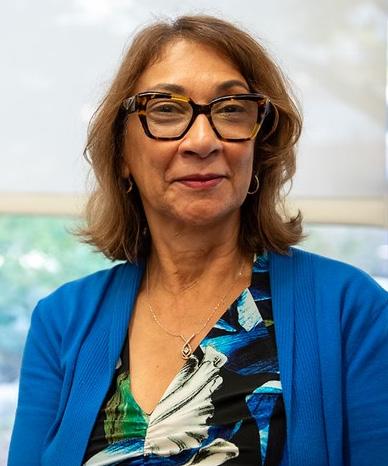
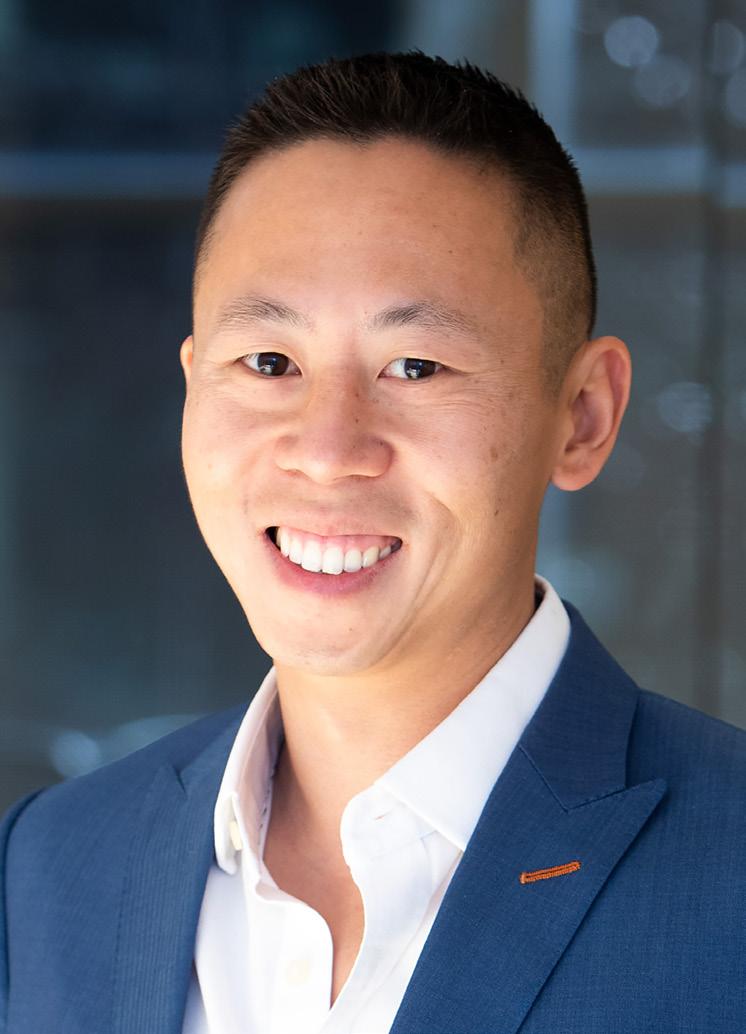
Shoba Swaminathan, MD, is leading exciting research on HIV treatment.
njms.rutgers.edu
Get Social with Rutgers NJMS
PHOTO BY KEITH B. BRATCHER, JR.
KEITH B. BRATCHER, JR.
FY i
New, Non-Invasive Device
Detects Upper GI Bleeding
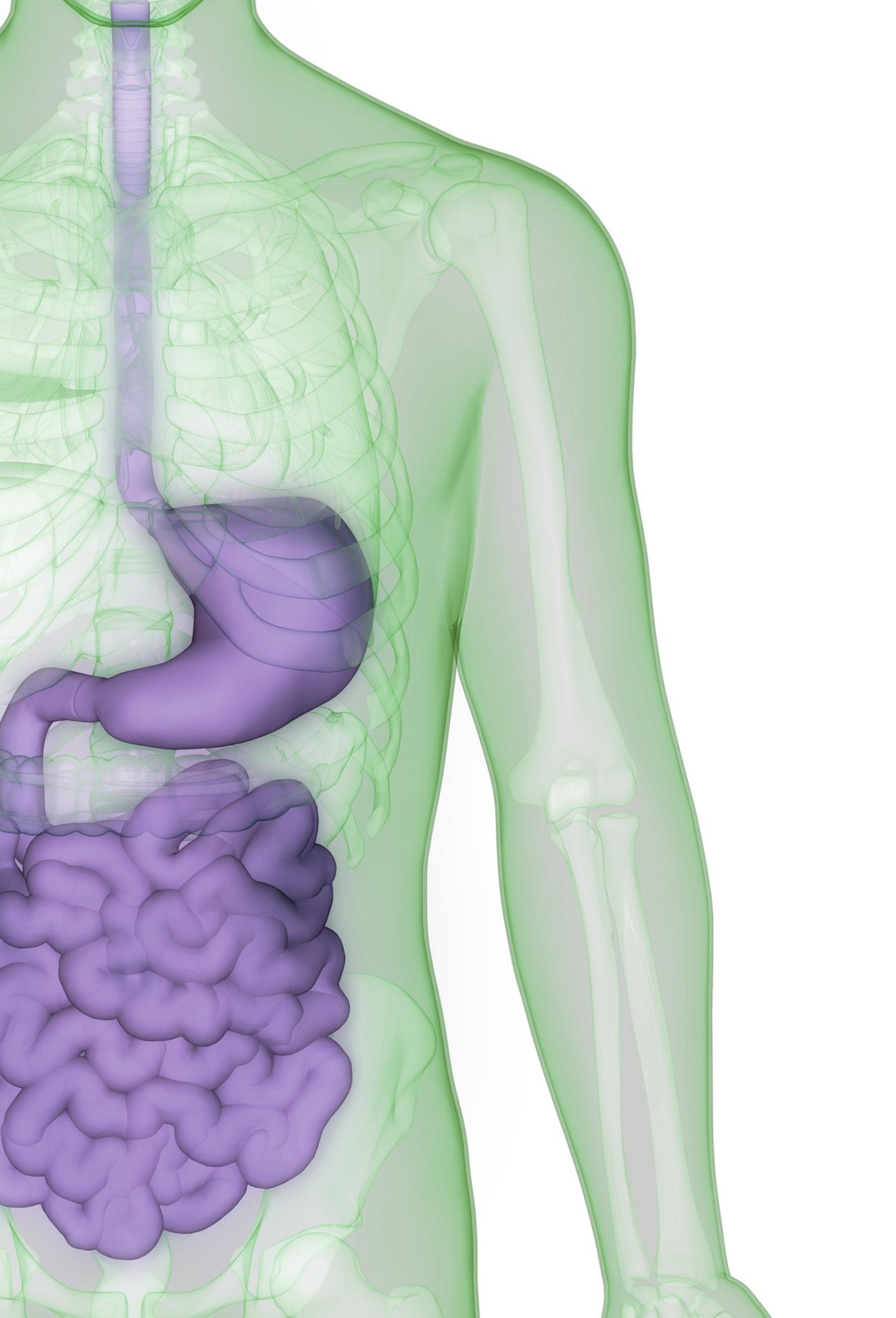
Each year, more than half a million patients are admitted to hospitals for gastrointestinal (GI) bleeding, a common medical emergency. GI bleeding can fall into two broad categories: upper and lower sources of bleeding. Early detection and treatment can prevent serious complications.
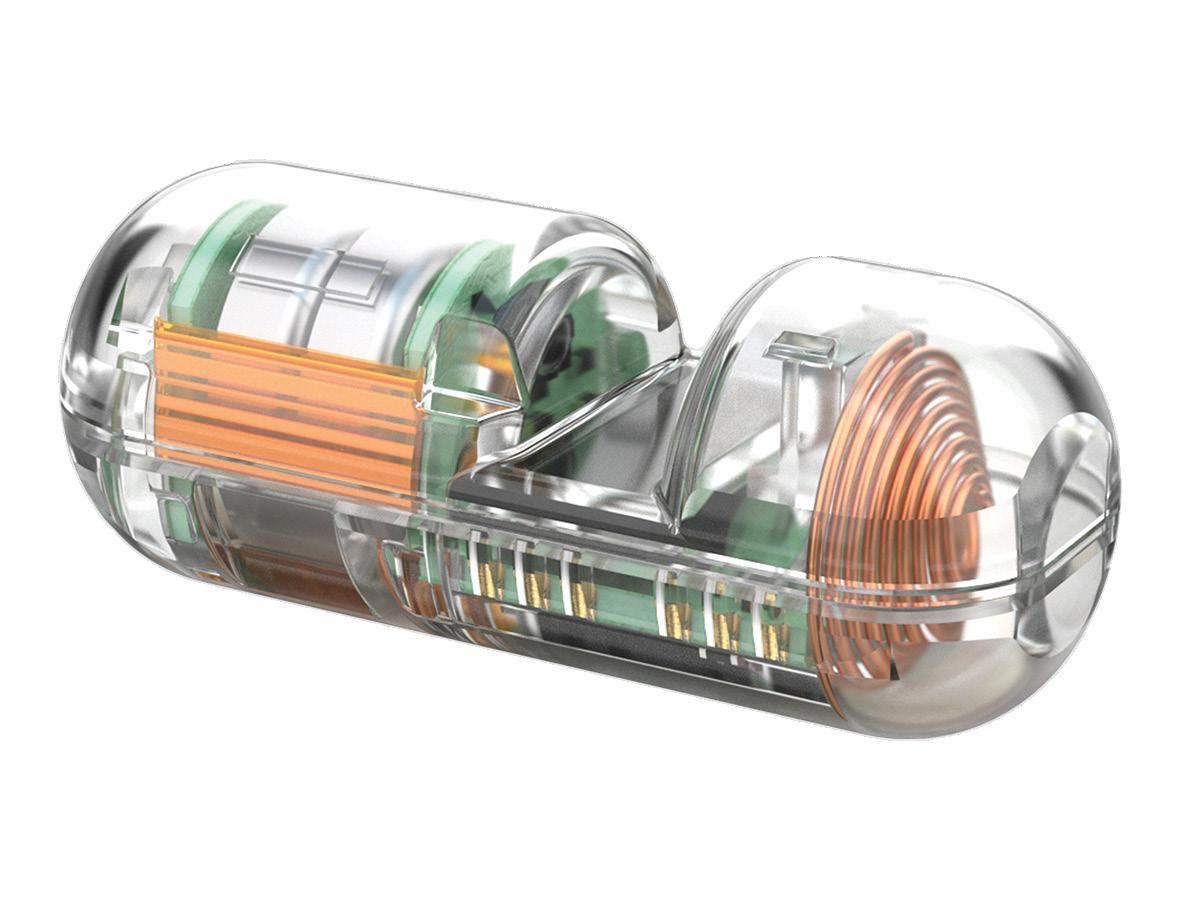
The NJMS Gastroenterology Department has taken a high-tech approach to diagnosing patients with upper GI bleeding. This past summer, department clinicians began using a new, FDA-approved technology to detect upper GI bleeding: the PillSense GI Bleed Detection System (EnteraSense Ltd, Galway, Ireland). University Hospital is the first in New Jersey to implement this new point-ofcare technology.
Clinical assessment and scoring symptoms can be used for triaging patients for the need to perform
“This technology will likely be essential to the future of
esophagogastroduodenoscopy (EGD), which has been the clinical standard for evaluating and treating upper GI bleeding. This procedure uses an endoscope equipped with a tiny camera to examine the lining of the esophagus, stomach, and duodenum. However, timely diagnosis and intervention via EGD, an invasive procedure, can be challenging, requiring dedicated facilities, a specially trained clinician, and some form of sedation.
Enter PillSense, a non-invasive, rapid, and accurate tool that can assist in both evaluating upper GI bleeds and offering guidance for clinical decision-making. “This system allows us to efficiently triage patients with concern of GI bleeding,” explains gastroenterology fellow Shivani Patel, MD “Patients swallow the PillSense capsule, which detects blood within the upper GI tract. The capsule communicates with a receiver and indicates within 10 minutes if blood is present.”
The PillSense system consists of an optical sensor and an external receiver that processes and displays data from the capsule as “Blood Detected” or “No Blood Detected.” “This device gives us an effective data point in diagnosing GI bleeding,” says Patel. “It’s quite accurate, with few false negatives. It is non-invasive, very small. Once it’s done its job, the patient passes it in the stool.”
If the results of the test are negative, the chance of having a GI bleed is very small, notes Patel: “You get very few false negatives, which is great for patients.”
She adds: “This technology will likely be essential to the future of gastroenterology care, allowing for very effective triage of patients.”
Meet the Joint Chair of Radiation Oncology
Joseph Contessa, MD, PhD, has been named chair of the Department of Radiation Oncology for NJMS, Robert Wood Johnson Medical School, and Rutgers Cancer Institute of New Jersey. He will also serve as associate director for translational research at Rutgers Cancer Institute.
An internationally recognized physician-scientist, Contessa joins Rutgers from Yale University, bringing extensive experience in radiation oncology, translational research, and academic leadership. He has served as principal investigator or co-investigator on over 20 grants and has published more than 70 peer-reviewed manuscripts in leading journals. Contessa’s leadership extends through service on multiple National Institutes of Health study sections and journal editorial boards.
“I’m honored to join this exceptional team of physicians and scientists and look forward to continuing our leadership in advancing radiation therapy research and care,” says Contessa. “I’m also grateful for the opportunity to return to my home state and contribute to the department and center’s mission of delivering innovative treatments and expanding access to clinical trials for patients in New Jersey and beyond.”
Maria Soto-Greene, MD, Receives AAMC ACE Award
Maria L. Soto-Greene, MD, executive vice dean, is one of five recipients of a 2025 AAMC ACE Award for Advocacy, Collaboration, and Education. A lifelong advocate for students from disadvantaged backgrounds and a leader in health equity, Soto-Greene has served tirelessly to shape the future of medicine, empowering thousands to pursue careers in science and medicine through her work at NJMS. She helped develop programming that expanded access to education for students from disadvantaged backgrounds, guiding thousands into careers in medicine and science.
Established in 2023, the ACE Award recognizes individuals who partner with the nation’s medical schools, academic health systems, and teaching hospitals to advance the health of patients, families, and communities across the country.
Endowed Lecture Launched at NJMS
A generous gift from George Hill, MD, and Helene Hill, PhD, will fund the new George J. Hill, MD, D.Litt & Helene Z. Hill Endowed Lecture. The endowment will support an annual surgical lecture featuring a nationally recognized speaker, bringing invaluable insights and clinical inspiration to our academic community. The inaugural lecture, titled, “On the Shoulders of Giants,” will be held January 28, 2026, given by Dr. George Hill.
“Shoulders of Giants” could describe the Hills themselves. Throughout their extraordinary careers, the Hills have provided generous support of student research funds and scholarships at Rutgers, demonstrating their commitment to academic medicine, research, and the pursuit of learning. George Hill served as chief of the Division of Surgical Oncology at NJMS from 1981 to 1996. Following his retirement, he was named Emeritus
Professor of Surgery at age 64. He then pursued his passion for history, earning an MA in American history at Rutgers–Newark and later completing a D.Litt and publishing several books. Helene Hill served as a professor of radiology at NJMS, where she taught and published from 1981 to 1997. Her scholarly and educational contributions have left a lasting impact.
The NJMS community is grateful for their generosity.
i3D Symposium Brings ID Experts Together
Scientific conferences are important drivers of innovation and institutional health: sharing data, allowing scientists to test ideas in real time, and showcasing new talent. By that yardstick, the steady expansion of the Rutgers Health Institute for Infectious and Inflammatory Diseases (i3D) symposium says a great deal about i3D’s own growth.
This year’s two-day symposium, held in late May, was titled “Immune and Metabolic Responses to Pathogens.” It drew a record 150 attendees to the Paul Robeson Center in Newark. Organizers split 27 talks between Rutgers
scientists and outside speakers, a deliberate choice to widen the conversation and raise i3D’s profile beyond its campus.
New faculty members participated in structuring the conference, including recently recruited i3D assistant professors Tania Wong, PhD, and Jack Hsu, PhD, who emceed sessions ranging from immunometabolism and respiratory viruses to maternal–offspring immunity.
Scientific highlights from external speakers featured several presentations on the hot topic of immunity, including a few talks on metabolic signals that affect
immune responses and disease outcomes in infection and cancer. Later, In the poster hall, 40 trainees presented work and competed for cash awards of $500, $300 and $200, sponsored by Agilent Technologies.
i3D alternates external symposia with internal retreats in the off years to keep momentum without overtaxing labs, explains William Gause, PHD, director of i3D. Noting the spring symposium’s excellent turnout, he said the plan is simple: “Do it again, cover a new area, bring in new voices.”
a closer look
Opening the Doors to the Clinical Skills Center
Experts agree that hands-on experience is among the best methods of teaching. It has a much greater impact, fosters creativity and is more memorable than passive classroom learning. NJMS students are now engaging in experiential learning in a new state-of-the-art Clinical Skills Center (CSC).
The CSC is located in Rutgers Cancer Institute at University Hospital on the Newark campus. Maria LaBoy, MD, is administrative director. The space and new technology provide an ideal environment for conducting simulations: scenarios in which patients, played by healthy individuals, are trained to imitate a patient with a specific condition. Known as standardized patients, or SPs, these “patients” relay their history, what symptoms they are experiencing, their emotional state, and other criteria that put the student’s clini-
cal knowledge and communication skills to the test.
“There are 12 identical exam rooms that look exactly like a doctor’s office,” says Sophia Chen, DO, associate dean for pre-clerkship education. “Everything that happens during a simulation is considered real.”
Students start applying their classroom learning after only a few weeks in medical school. “Conducting a basic patient history is one of the first things students are taught at NJMS,” says Chen. “They then come to the CSC to practice on SPs, which helps them learn to build doctor-patient rapport and become comfortable with patients.” She adds that getting structured feedback this early helps them learn how to improve their skills and then continue to build on what they’ve learned. “It’s also a completely safe place for them to make mistakes. No harm is done.”
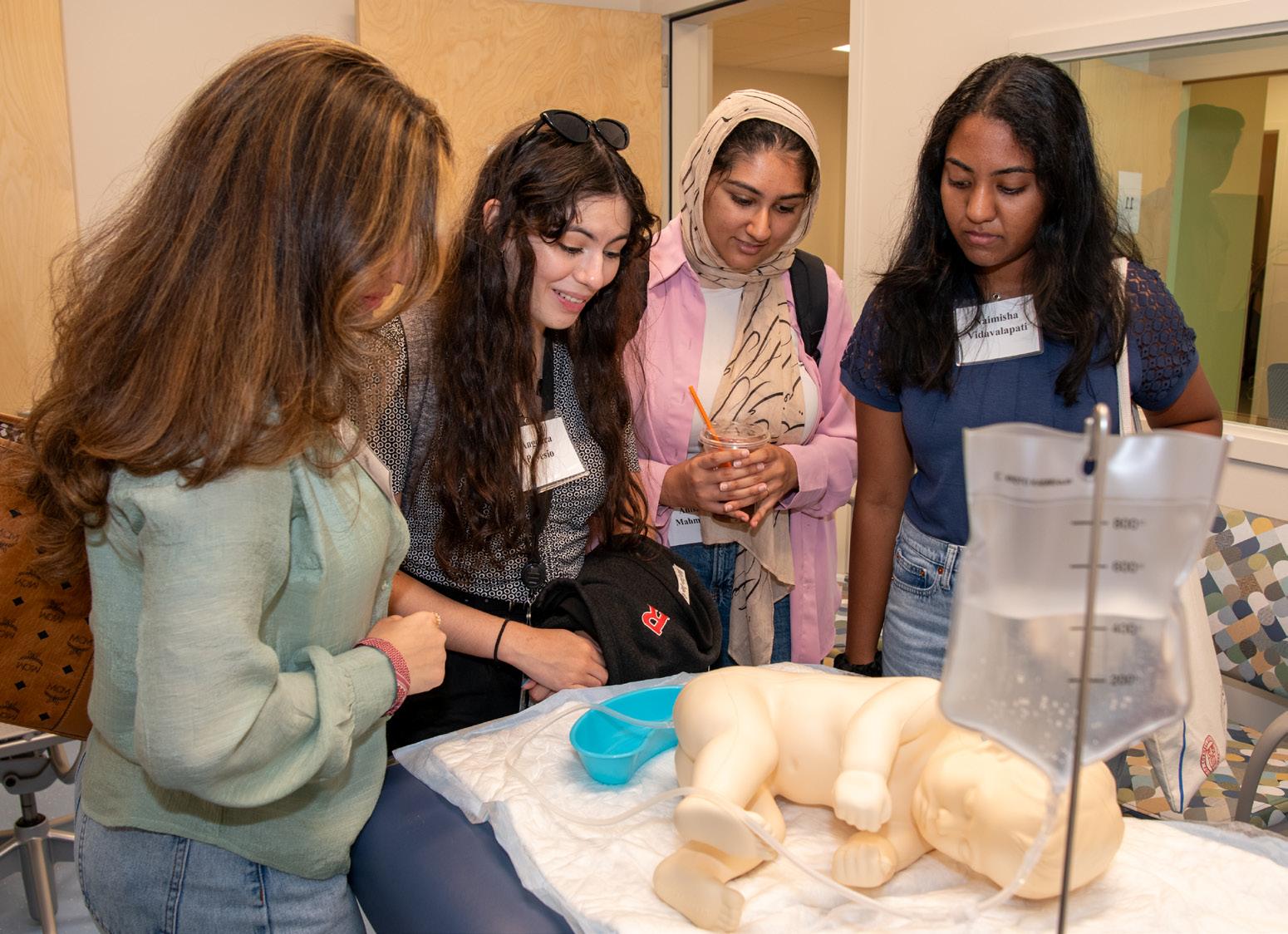
Additionally, the CSC has a cadre of hightech adult, pediatric and infant mannequins that students use to perform invasive procedures and to recognize symptoms that an SP can’t replicate.
Chen says students are enthusiastic participants in the simulations. “It gives them the opportunity to practice and interact with patients in a safe environment. They genuinely love this piece of their education.”
Celebrating the New CSC
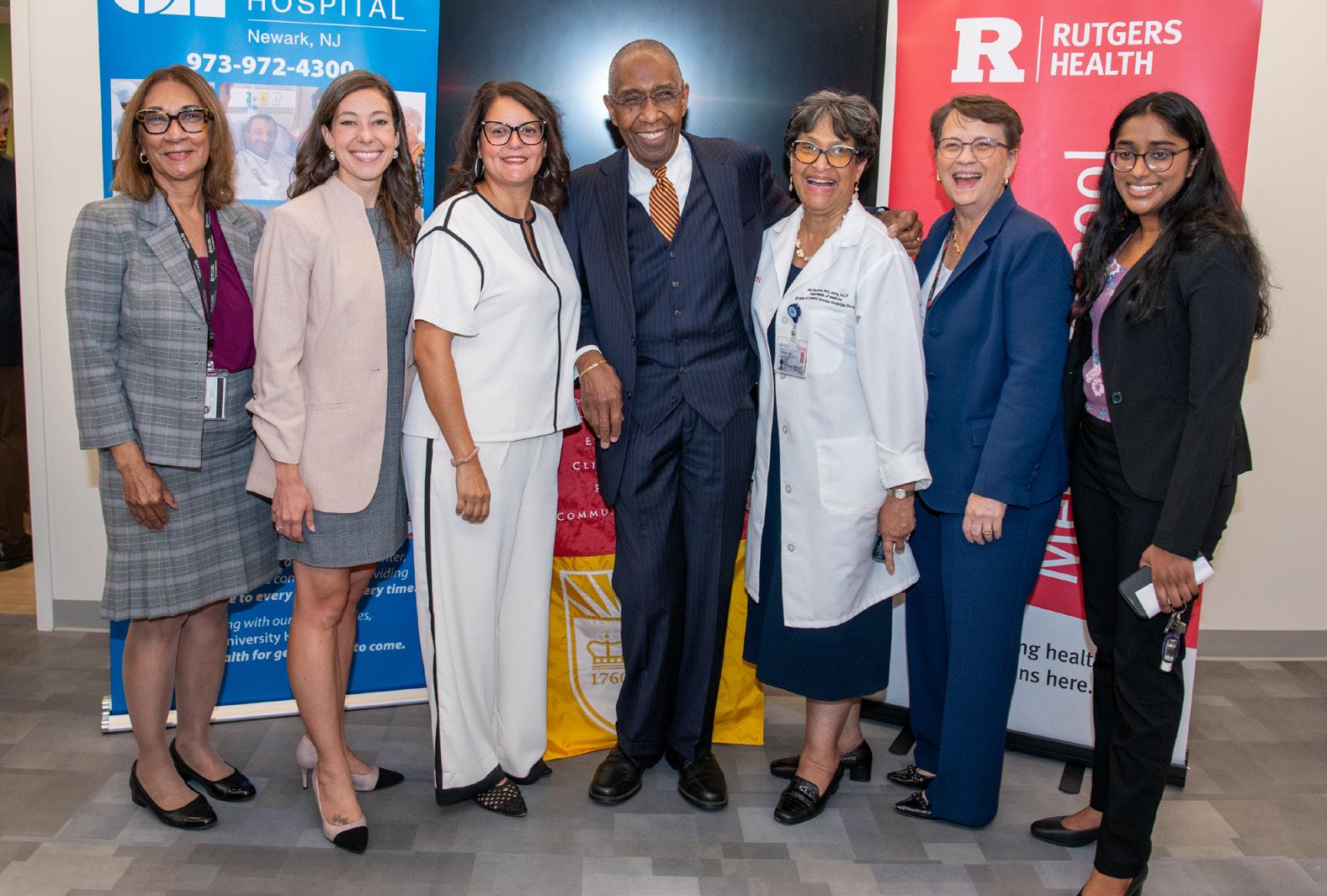
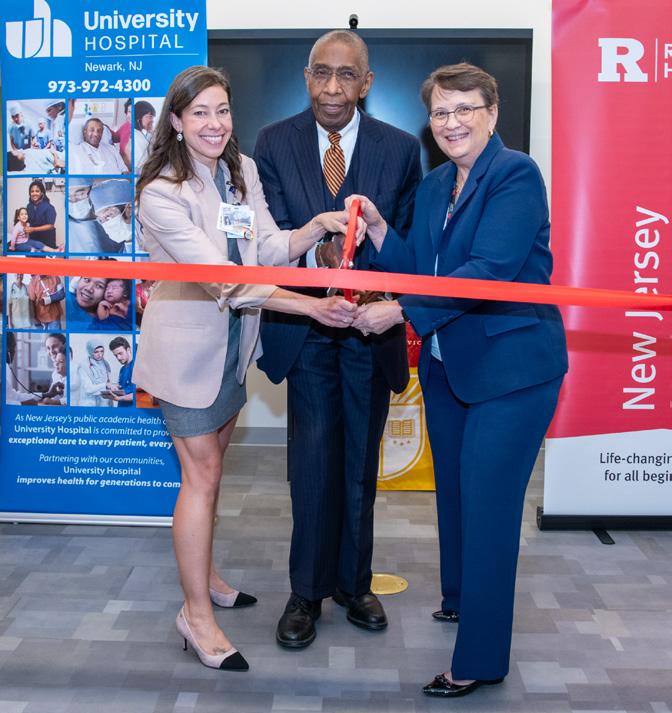
Leaders from NJMS, University Hospital, Robert Wood Johnson Medical School (RWJMS) and government officials attended a ribbon-cutting ceremony on August 6 to celebrate the opening of the CSC. Following the ceremony, Laboy and Chen led tours of the facility.
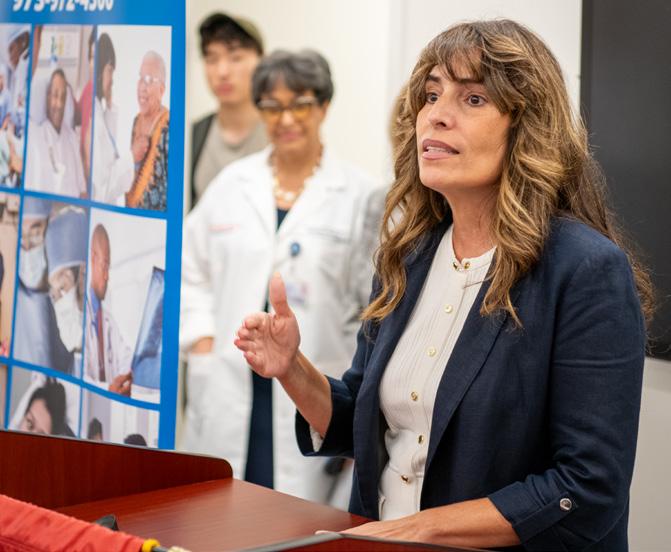
Maria Soto-Greene, MD, executive vice dean of NJMS, opened the ceremony and introduced a distinguished roster of speakers. They were: Robert L. Johnson, MD, FAAP, dean, NJMS; Amy P. Murtha, MD, dean, RWJMS; Kaitlan Baston, MD, MSc, former interim president and CEO, University Hospital; Iris Herrera, MD, MPH, FACP, chief medical officer and chief medical information officer, University Hospital; Vaishnavi Guddeti, NJMS Student Council president; Assemblywoman Eliana Pinto Marin; and New Jersey Senator M. Teresa Ruiz.
Watch the video here
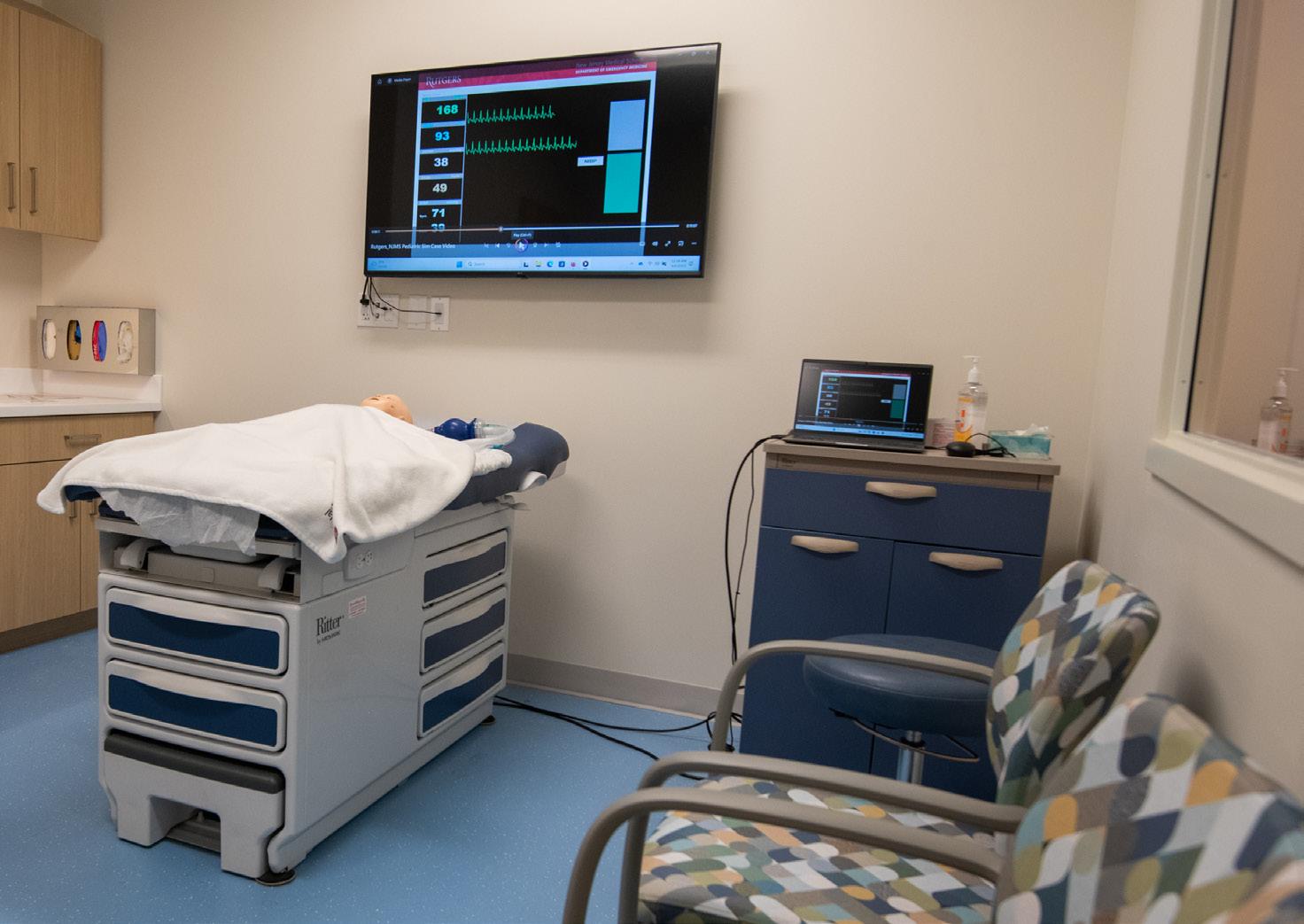
1. Students learn to do an invasive procedure on a baby using a high-tech infant mannequin.
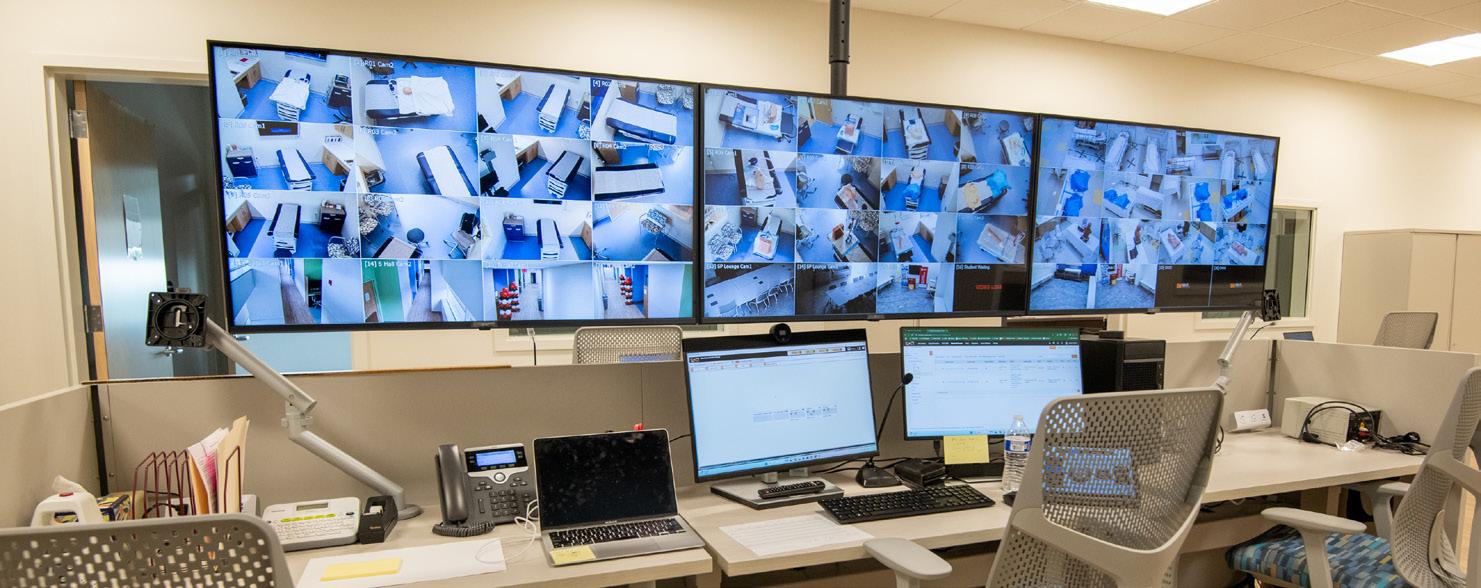
2, 3. The CSC boasts 12 identical rooms that look exactly like physicians’ offices. There is also a command center, where the simulations taking place in each room are broadcast live. Each room is next to a viewing room where faculty and/or other students may watch simulations in real time.
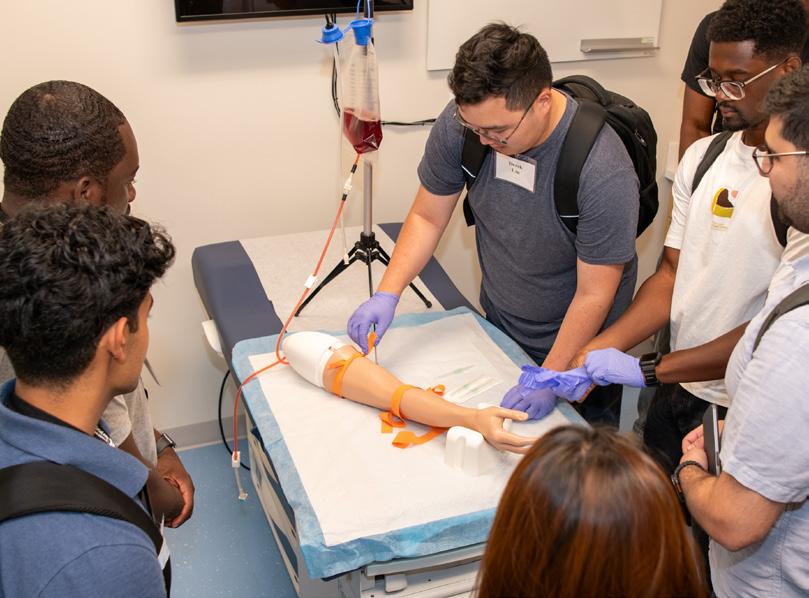
4. Future physicians use individual body parts to practice procedures before performing them on actual patients.
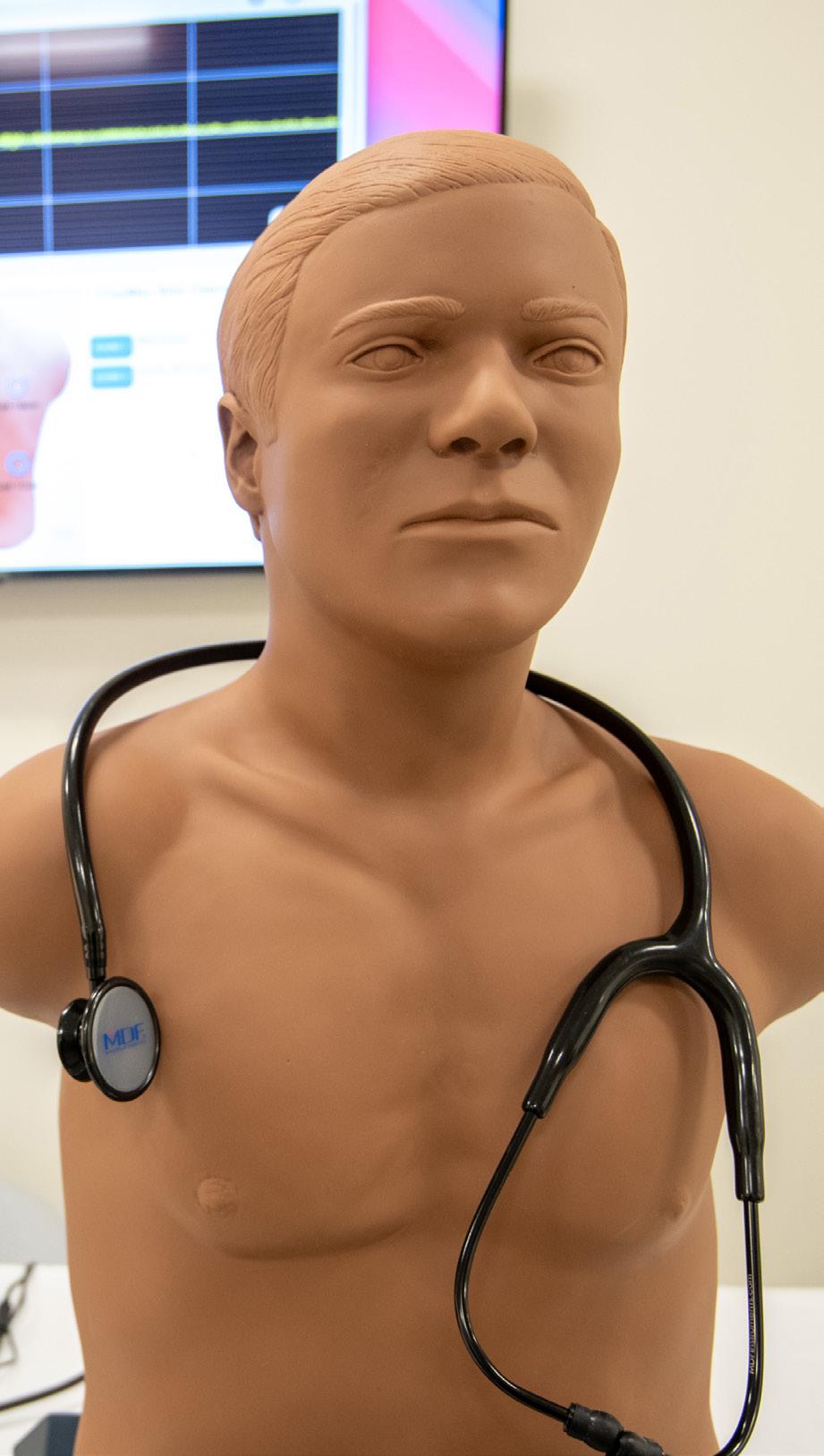
5. Students learn abnormal sounds, like heart arrhythmias, using a torso mannequin.
Procedures and Counting: CuttingEdge Aorta Replacement at UH
BY AMANDA CASTLEMAN
Continued on page 9 a closer look
Being open-hearted is generally a good thing — except when it comes to lifesaving surgery to replace aortic valves. The standard of care no longer routinely involves cutting open chest walls and spreading ribs. Instead, surgeons percutaneously insert collapsible replacements that expand inside the body and nest inside patients’ diseased valves, regulating blood flow.
This minimally invasive procedure, known as transcatheter aortic valve replacement (TAVR), often helps reduce complications while improving recovery time and quality of life. And it’s growing more common: This spring, the FDA broadened its approval to include all patients with severe aortic stenosis, even those without symptoms.
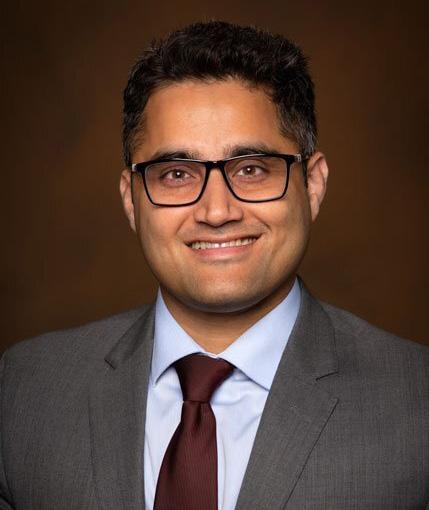
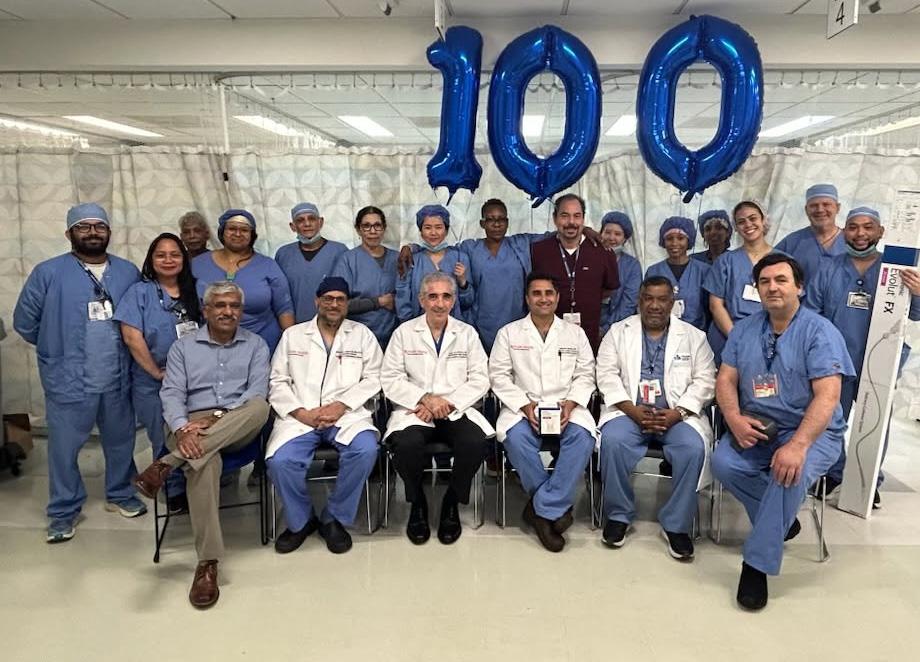
NJMS just completed its 100th TAVR, making this alternative procedure accessible to underserved communities in and around Newark. “It’s a huge game changer,” says
Abhishek Sharma, MD, associate professor of medicine and director of NJMS’s structural heart disease program, cardiac catheterization laboratory, and interventional cardiology program. “We are proud to bring this lifesaving treatment to patients who may not otherwise have access to this level of specialized care.”
Patients usually return home 24 to 48 hours after a TAVR and soon resume most normal activities, Sharma explains. Contrast that with days — or even weeks — in the hospital for open-heart valve replacements and around six months recovery at home before returning to normal routines.
The structural heart disease program often winds up treating tricky cases declined by other hospitals because of high risk or the procedure’s complex nature. It relies on a multidisciplinary approach, detailed backup plans, and a deep bench of talent to tag in. For example, if most surgeons encounter arteries too narrow for TAVR, the procedure is a bust. But the NJMS team can use an ultrasound shock wave to break up the problematic calcium (a process called intravascular lithotripsy), then deliver the catheter and the valve safely.
The program — which ranks among the country’s fastest-growing centers for advanced structural heart treatment — has already added another transcatheter therapy:
Abhishek Sharma, MD
To End HIV Infections, We Must Give People a Choice
BY LINA ZELDOVICH
An estimated 630,000 people died from HIV-related illnesses in 2024 worldwide. Although this is a significant decrease from the peak cases in 2004, HIV remains a leading cause of death globally and particularly in sub-Saharan Africa. And despite preventative medications approved by the FDA, some 1.3 million people worldwide still acquired HIV infections last year.
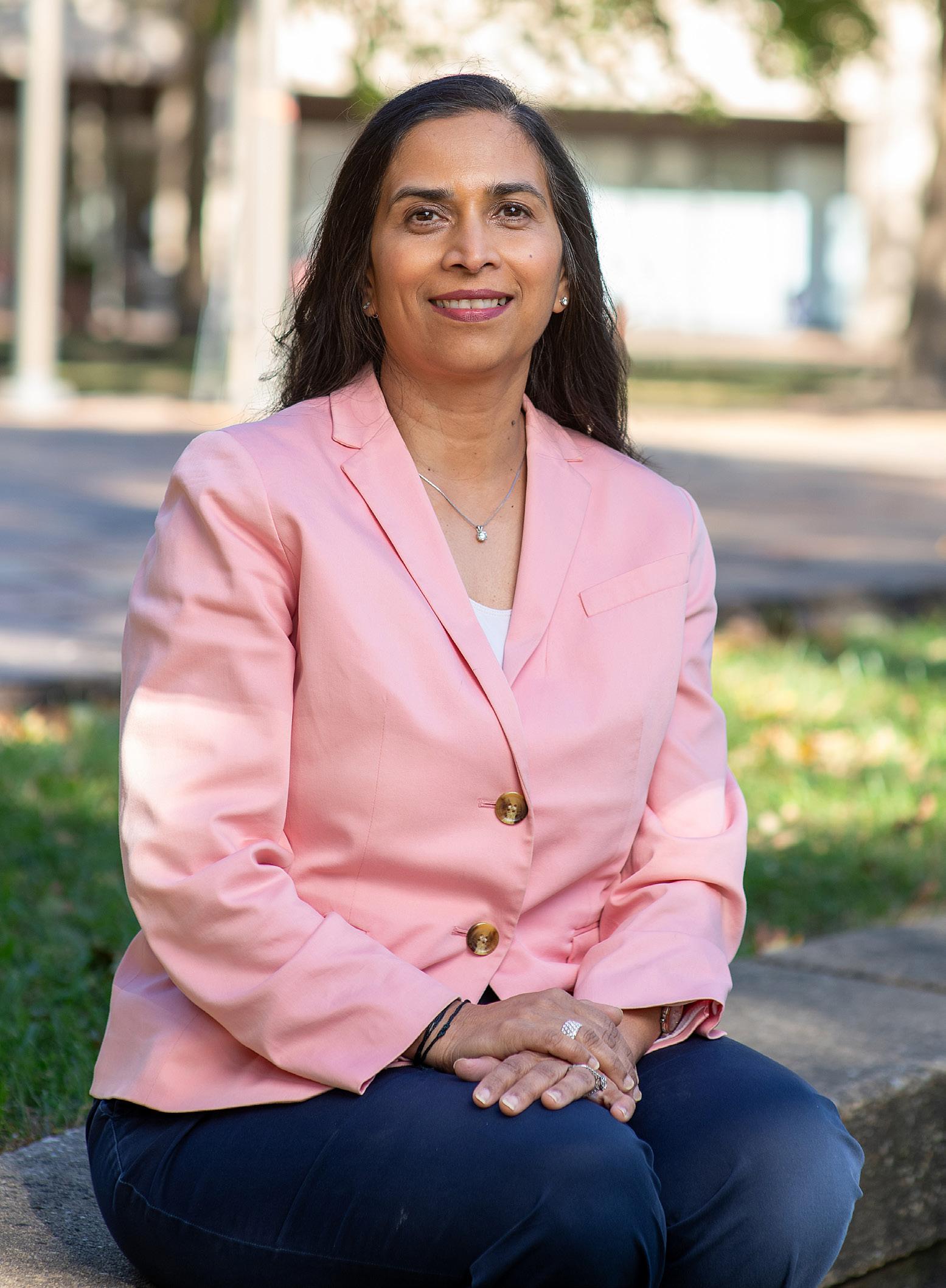
“We have had medications approved for HIV prevention, also known as PrEP — Pre-Exposure Prophylaxis — for over 12 years, yet there really has been a very slow uptake of them,” says Shobha Swaminathan, MD, professor of medicine and director of HIV services at NJMS. “The reasons for this are lack of awareness of the availability and need of PrEP and barriers to accessing PrEP.”
For example, cabotegravir, a long-acting injectable preventative HIV medication, must be given every other month as an injection, but not everyone is able to travel so regularly to a clinic, particularly in Africa. There is also a daily pill, Truvada, but some people find it difficult to adhere to such a schedule or keep up with prescription refills. Even for those living in the U.S., this can be a challenge.
That’s why Swaminathan is really excited about a study for lenacapavir, an injection that the FDA approved earlier this year, which requires only one shot every six months for PrEP. Conducted as a collaboration between Gilead Sciences and the HIV Prevention Trials Network (HPTN), the study, named HPTN102/ PURPOSE3, aims to assess the acceptability
and safety of lenacapavir among 250 women enrolled in various sites in the U.S. “Women need choices,” says Swaminathan, who is the protocol chair for HPTN102. “That’s because the best scientific advances are meaningless if people don’t want them.”
She points to the birth control options for women that offer varied choices. Today, there are pills, injections, transdermal patches, vaginal rings, implants and other devices, she notes. “I look at the HIV prevention field similar to how we look at birth control options,” she explains. “With HIV prevention we need to find and give people varying options so they can choose what best fits their needs.”
Swaminathan’s team has participated in other HIV prevention studies in the past,
recruiting participants from the local Newark community. Her team operated the only site in the state that contributed to the approval of the first injectable HIV prevention medication, cabotegravir. Seeing the medicine come to market was a rewarding experience.
In the lenacapivir study, participants are assigned to two groups, one of which takes the daily pill Truvada, while the other receives the lenacapivir injection every six months. At the end of the study, they have a choice to continue with their assigned medication or switch from the pill to injection. “That will be helpful, because people who are on the pill may say they want the pill and stay on the
Continued on page 9
Shobha Swaminathan, MD
Building Equity in Dermatological Diagnosis
BY NANCY A. RUHLING
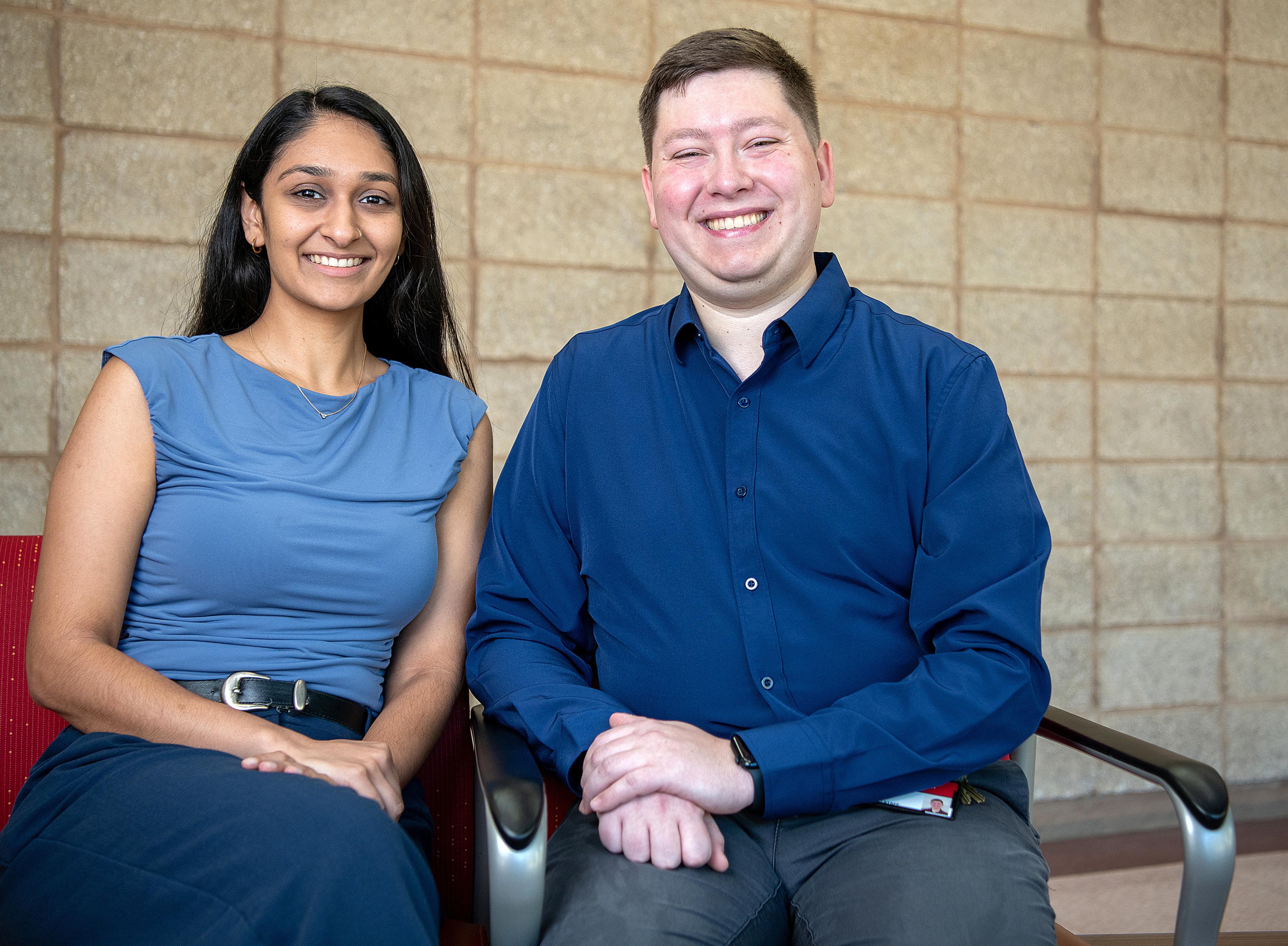
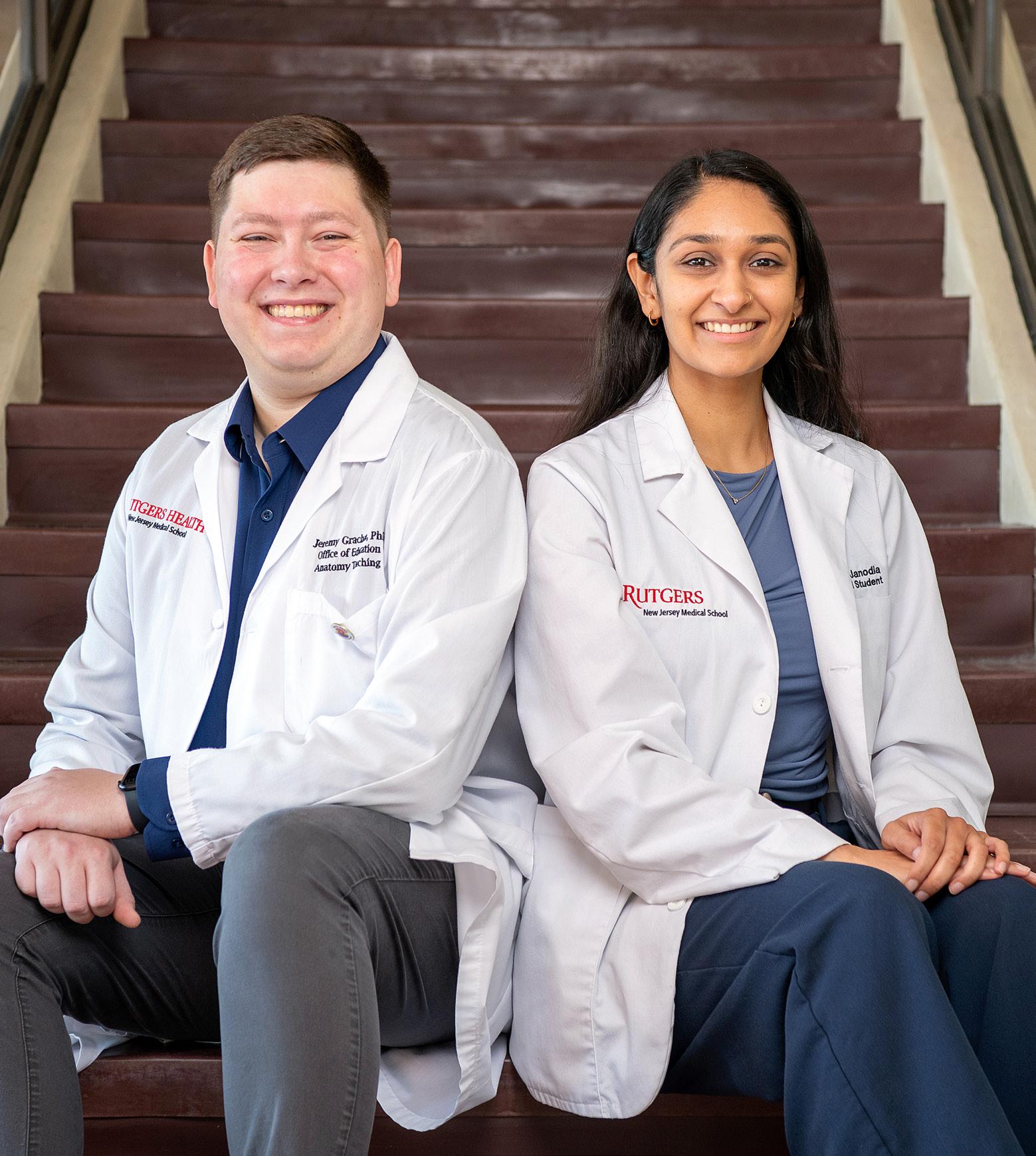
In her first year at NJMS, Rucha Janodia attended a required lecture on dermatology. She was interested in the subject because her medical journey started when she was a dermatology medical assistant.
“I was interested in learning about any kind of medicine,” she says. “The doctors I worked for knew I was going to medical school and offered to let me read their textbooks.”
The lecture was eye-opening because, for the first time, Janodia saw slides that showed the lesions in color. The most helpful ones, she adds, were those that showed some light and dark skin colors side by side.
“I attended every lecture in person every single day,” she says. “It was interesting and exciting. And I thought it would have been helpful to me and other medical students if
each lesion could be shown in light, medium and dark skin tones.”
Janodia is part of the NJMS Distinction in Medical Education program, preparation for students who expect to pursue careers in academic medicine and who intend to emphasize teaching and educational initiatives as faculty members. She decided to take a deeper look at the slides as the first part in her programrequired curricular project.
“The lectures were the most inspiring thing I’d been exposed to, and dermatology has a history of visual inequity,” she says. “The standard for decades has been on white skin tones. That only started changing in 2020, when more skin-color resources became available.”
She became the lead author of a paper published in the Journal of the National Medical Association that assessed the medical school’s use of slides in dermatology lectures.
Using the New Immigrant Survey Skin Color Scale, Janodia and fellow student Helen Nguyen analyzed the skin tones of the images within the four lectures, under the guidance of her faculty mentor, Jeremy Grachan, PhD, an assistant professor with the Office of Education, and faculty involved within the curriculum, including Valerie A. Fitzhugh, MD’04, chair of the Department of Pathology, Immunology and Laboratory Medicine, who put together the slides for the original series of four lectures; as well as Christin Traba, MD’06, MPH, executive associate dean for education; and Sophia Chen, DO, associate dean for preclerkship education.
They discovered that 59.5% of the images in the four lectures showed light/white skin, 16.1% were medium/brown, and 24.4% were dark/black, a stark contrast to the population of Newark, NJ, where, in 2022, 48.2% of residents identified as Black/African American and 36.8% identified as Hispanic/Latino.
“Our goal was to make others aware of the gap,” says Grachan. “Skin tone can impact dermatologic diagnoses, so visual equity is very important.”
While the school had been aware of the issue before Janodia brought it up and was working to add more skin colors to the slides,
Jeremy J. Grachan, PhD, with student Rucha Janodia
images of lesions in all three tones are not always available.
“We take the images from various sources, including textbooks, but the choices are limited,” Grachan says. “Our paper does suggest different resources so medical schools and institutions can increase the diversity. And when we bring in new faculty, we make them aware of this.”
“The final part of my project is exploring students’ accuracy and confidence in identifying these lesions across skin tones. Seeing the three skin tones together will be a big help to students when treating patients.”
—RUCHA JANODI
Based on the assessment, the school already is starting to make changes. A new lecture covers 10 common lesions, illustrating each of them in the three skin tones.
The final part of Janodia’s project is exploring students’ accuracy and confidence of identifying these lesions across skin tones. Seeing the three skin tones together, Janodia says, will be a big help to students when treating patients.
Janodia, who graduates in May 2026, is applying for an internal medicine residency. “I hope that bringing awareness to this issue will improve health care and save lives,” she says. ●
Aorta Replacement
Continued from page 6
repairing the mitral valve controlling the heart’s ability to pump efficiently. The team hopes to soon introduce tricuspid valve procedures, allowing it to address the whole spectrum of structural heart disease. “That’s pretty unique to us,” Sharma says. “And our safety and clinical outcomes have been above and beyond the national average.”
He has received individual accolades as well. Sharma won a first-place Young Investigator Award from the American College of Cardiology’s New York chapter in 2017. Six years later, the Society for Cardiovascular Angiography & Interventions named him among
HIV Infections
Continued from page 7
pill. People who are on the injection may say, I love the injection, so I’m going to continue the injection. And some may say, I don’t like the injection, I want the pill instead. Their decisions will allow us to see their preferences and choices and how those evolve over time,” Swaminathan says.
She sees that study as a landmark step in HIV prevention, because—unlike with daily pills and monthly injections—people would
its “30 in Their 30s” winners recognizing earlycareer interventionalists who epitomize the qualities expected of future leaders.
Marc Klapholz, MD, an interventional cardiologist who serves as professor and chair of medicine, also admires the talent behind these innovations. He notes that creating the structural heart program and introducing TAVR brought cutting-edge cardiovascular care to the citizens of Newark and Essex County. “Dr. Abhishek Sharma is a national leader in TAVR and structural heart disease, whom we recruited to NJMS and University Hospital,” Klapholz says. “He has created an outstanding program that has markedly increased access to this state-ofthe-art care for the underserved populations of our community.” ●
only have to receive it twice a year. “It’s not a lot, and most people can probably do that,” she says. If implemented successfully, this landmark prevention achievement has the potential to effectively change the HIV incidence trajectory, she explains. “I think it’s very exciting. I think it’s really cool for us to be able to be part of one of the key scientific innovations for this year.”
That doesn’t mean that all work is done, she notes, adding that her team is already gearing up for a study to test a monthly pill regimen. “People need options,” she says, “so we’re working to give them as many as possible.” ●
The multidisciplinary cardiovascular team at NJMS/UH. This program ranks among the fastest-growing centers for advanced structural heart treatment in the U.S.
Research Roundup Immune System to the Rescue
BY LINA ZELDOVICH
Y our immune system serves as your body’s first line of defense, protecting you from viruses, bacteria, parasites, and even cancer. The immune system does it by maintaining a veritable army of various immune cells, which it can mobilize, and then dismantle when the threat is gone.
NJMS scientists are doing exciting work in immune system cells research: studying the cells’ interactions and signaling mechanisms to understand the inner workings of the immune system and devise better treatments. Here is a look at some of this work.
Engineering Macrophages to Treat Diseases
As you go about your day, millions of immune cells called macrophages are keeping you healthy, their duties ranging from devouring foreign invaders to suppressing cancer to cleaning up your own dead cells, such as in wound healing. “Macrophages are a really important immune cell type,” says Jason H. Yang, PhD, assistant professor at the Center for Emerging Pathogens. “They are kind of like a jack-of-all-trades, a Swiss Army Knifetype of cell that helps the body stay healthy.” That multifaceted quality makes macrophages a very promising tool for treating a variety of diseases. It may be possible to reprogram macrophages to treat certain conditions they don’t fix naturally. “One of the most exciting things in biotechnology right now is engineering the so-called living drugs, specifically, engineering immune cells as therapeutic agents themselves,” says Yang. “We want to be able to engineer macrophages so we can tell them what to do to treat various diseases.”
Yang’s team is already performing experiments on macrophages obtained from healthy human donors. Now they will be able to take this research even further, thanks to a recent NIH award, which will enable Yang and his collaborators to build a better understanding of how various biological signals prompt macrophages to turn on specific responses and to build technologies for activating those responses when needed— such as tackling certain cancers or foreign organisms.
Jason H. Yang, PhD
“Instead of focusing on just one biological mechanism or one disease, this grant is geared toward helping investigators develop platform technologies that could be applied for many different kinds of diseases,” Yang explains. Partnering with oncologists to test therapies for treating cancer, they hope to collaborate with cardiovascular researchers to develop creative therapies for heart failure. They also aim to investigate strategies for treating antibiotic-resistant infections such as tuberculosis. “We really intend to tap into macrophages’ versatility,” Yang says. “And we are excited about the possibility of making a very unique impact.”
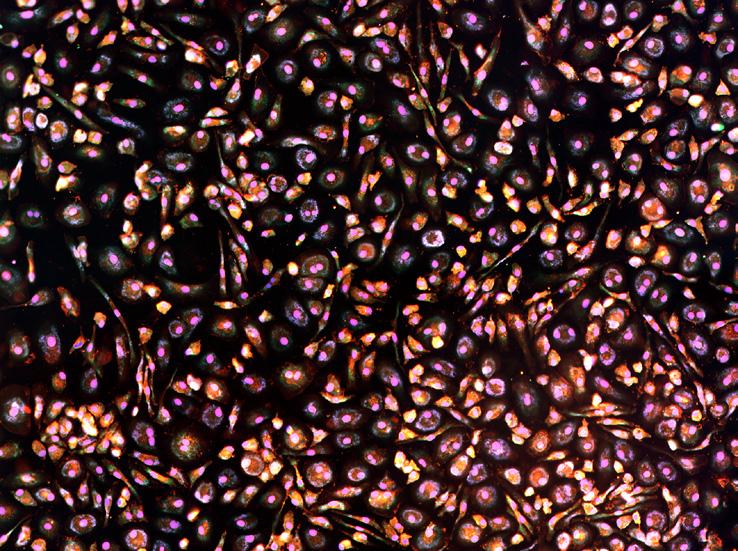
Fluorescence microscopy of human macrophages. Five-color cell painting labels subcellular structures: nuclei (blue); endoplasmic reticulum (cyan); nucleoli and cytoplasmic RNA (green); actin, golgi, and plasma membrane (red); mitochondria (magenta). These assays reveal the incredible diversity present within in a single cellular population
Studying How Dendritic Cells Jumpstart Defenses
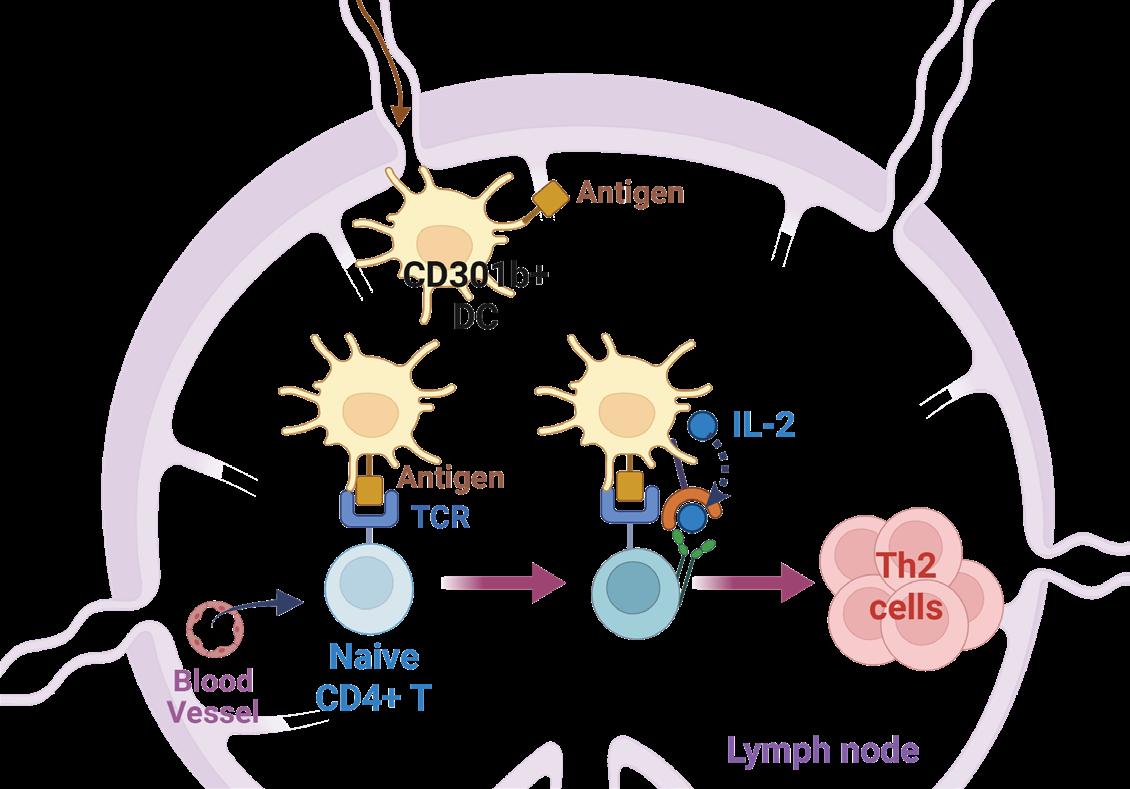
A type of immune system cell, dendritic cells act as the body’s patrollers that scout for foreign invaders, looking for antigens—molecules present in pathogens and allergens that are recognized as “non-self” by the immune system. Dendritic cells traverse the body, snapping these antigens from any substances that look suspicious.
“Dendritic cells survey the body's surfaces like the skin or gut or lung,” says Yosuke Kumamoto, PhD, assistant professor at the NJMS Center for Immunity & Inflammation and the Department of Pathology, Immunology, and Laboratory Medicine. “They sample
the antigens, they display them on their own surface, and they take them to the nearest ‘hub,’ such as a lymph node or a spleen, which is where the immune response starts.” It’s not unlike a “Most Wanted” bulletin board that calls out to bounty hunt ers. “We call it an immunological display window,” Kumamoto says.
The body’s bounty hunters— another immune system cell type called T-cells—take note, which is the process Kumamoto studies. Once a T-cell recognizes an antigen displayed on dendritic cells, the dendritic cells activate it, turning the so-called naïve T-cells into the specialized type T-helper cells. Kumamoto’s work is focused on the T-helper type 2 cells, or Th2 cells.
The Th2 cells help other immune cells to mediate the proper response to parasitic infections, but also can promote allergic responses to otherwise unharmful antigens if not properly regulated. Th2 cells have multiple functions in the immune system: They coax the immune system’s B-cells into generating antibodies, activate certain types of macrophages for tissue repair, and also release important molecules called cytokines that act as chemical messengers, coordinating immune responses.
Kumamoto discovered that this activation process can’t happen without a specific subtype of dendritic cells, called CD301b+ dendritic cells. His research focuses on the complex interactions through which CD301b+ dendritic cells activate the naïve T-
After sampling antigens in the body surfaces, CD301b+ dendritic cells (DC) migrate to the nearest lymph node, where they act as an ‘immunological display window’ to recruit naïve T cells that are specific to the antigen. Once they find an antigen-specific partner, CD301b+ DC produce a cytokine, IL-2, which is required for the differentiation of T cells into Th2 cells.
on the surface of CD301b+ dendritic cell, the two begin a complex biological messaging exchange, sending and receiving molecular messages to and from each other, including a cytokine IL-2.
While studying these interactions, Kumamoto’s team discovered a new role for the cytokine IL-2. They found that without the IL-2 messaging, the naïve T-cells cannot differentiate into Th2 cells. “Without dendritic CD301b+ dendritic cells releasing the IL-2 cytokine, T-cells cannot differentiate into Th2 cells,” Kumamoto says.
“Developing a better understanding of the immune system mechanisms can lead us to better therapeutic approaches for allergic and infectious diseases,” he notes.
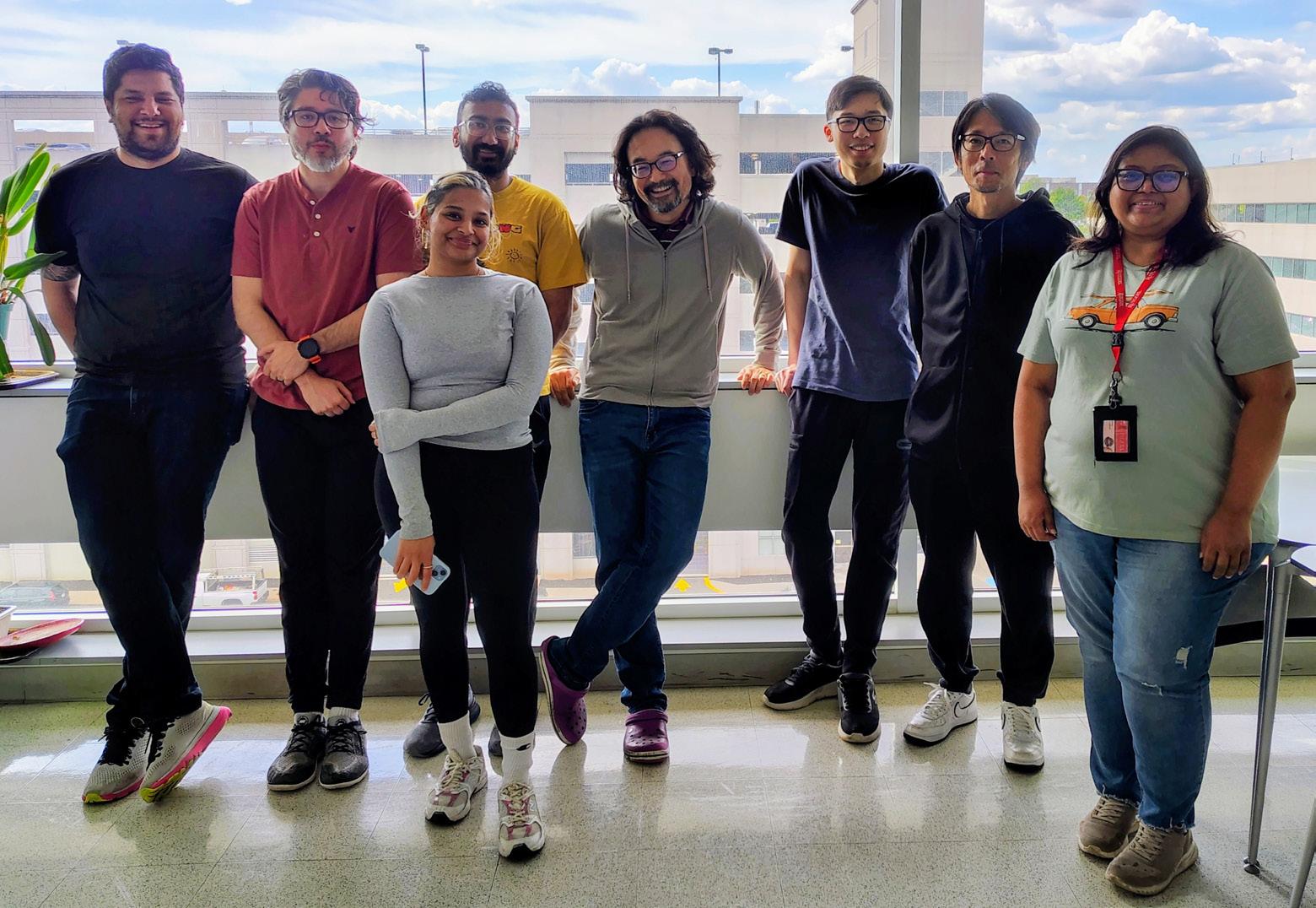
Yosuke Kumamoto, PhD (center), with members of his research team
A Baby’s Journey
BY MERRY SUE BAUM
HOME
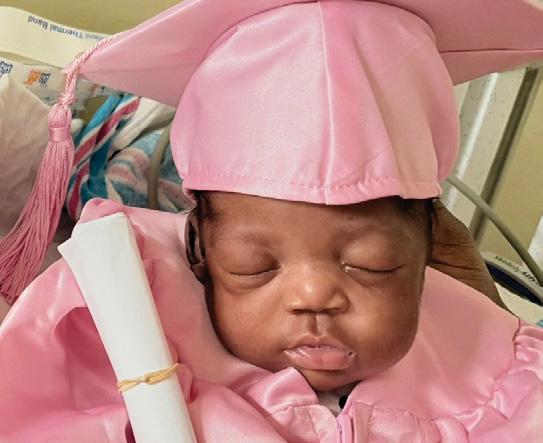
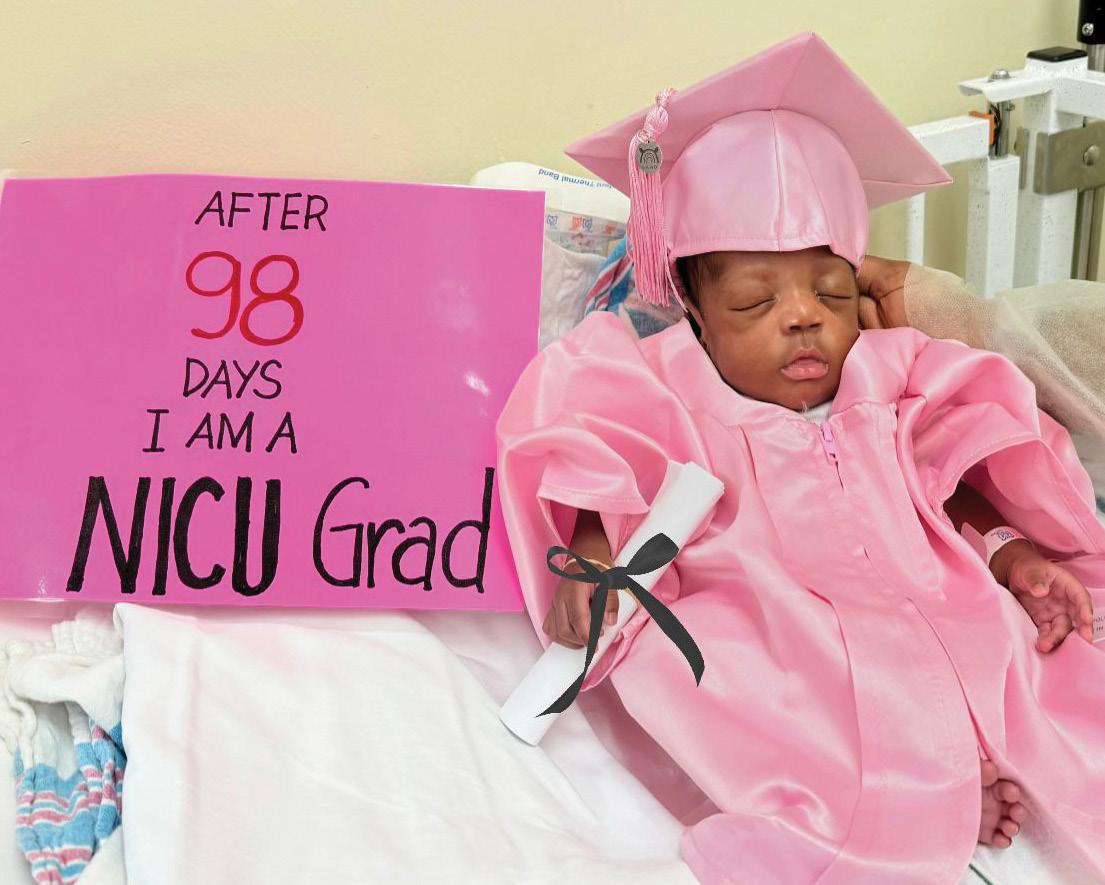
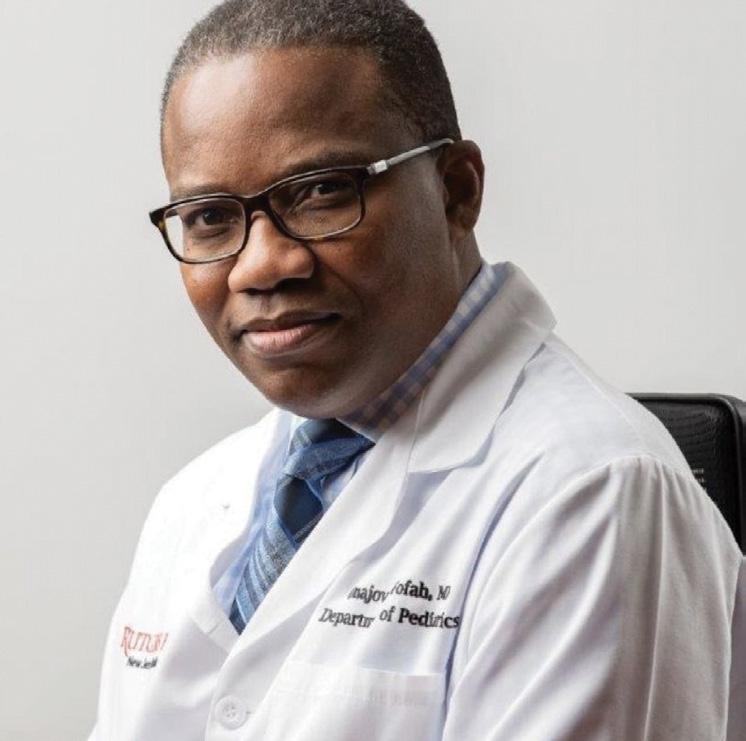
Baby Daveen Ajayi recently set a record at the Neonatal Intensive Care Unit (NICU) at Newark’s University Hospital (UH). Born at only 24 weeks and weighing a mere 1 pound 9 ounces, she was considered a micropreemie. It wasn’t her size, however, that set her apart. Daveen went home in less than 100 days after she was born, before her original due date, and she was eating and breathing on her own. “We’ve had many tiny babies over the years,” says Ona Fofah, MD, professor and chair of the NJMS Department of Pediatrics. “None have ever gone home that soon and without any external equipment. She truly is our miracle baby.”
The journey from the NICU to home was anything but smooth, for both the baby and her family. Titilope Ajayi, Daveen’s mother, came into the hospital when her water broke at 22 weeks and three days. At first, she was frightened by the ramifications of to trying to save such a premature baby. “One doctor explained all the possible complications these babies face,” says Titilope. “She could have developmental delays, vision and hearing problems, brain bleeds and even cerebral palsy. He was doing his job, giving me a heads-up on what could happen, but it scared me. I didn’t want my baby to suffer.”
Making the decision to try to save a micropreemie is extremely difficult. Families and
physicians must consider the complex medical, financial and personal factors involved. Fofah and Harpreet Kaur, MD, section chief of pediatric hospital medicine and the physician handling Daveen’s case, says the starting point of the conversation with the family focuses on statistics collected from national and statewide databases. “We want to give the family concrete information,” says Fofah. “It’s probably the most important piece of the conversation.”
UH neonatologists refer to the Vermont Oxford Network (VON), which has the world’s largest voluntary databases on exceptionally low birth weight infants and neonatal intensive care admissions. They also use the National Institute of Child and Human Development (NICHD) database as another calculator. “We enter all the information on the baby, including the weight, gender, ethnicity and many other factors,” says Kaur. “The databases calculate the chances of survival.” In Daveen’s case, VON gave her an 83 percent chance of survival and NICHD gave her a 78 percent chance, if she could remain in utero until 24 weeks.
“When Dr. Fofah came to talk to me, it was like talking to a family friend,” says Titilope. “He told me what the databases had calculated and suggested we take the baby’s weight. We found she was a good size.” She adds that Kaur encouraged her to stay hopeful and said everyone would work together to offer Daveen the best possible chance of having a healthy life. To give the baby the best chance of survival, Titilope remained in the hospital on bedrest, under the watchful eye of the UH nurses. She took steroids to help Daveen’s lungs mature, magnesium to protect the baby’s brain and nervous system, and antibiotics to prevent infection.
When it was time for Daveen to make her entrance into the world, an entire team of health care workers was on hand, including doctors, nurses, a nurse practitioner and a respiratory therapist. Fofah says when a preemie is being delivered the room is set at 80 to 82 degrees. “If a premature baby gets cold, it increases the risk of mortality,” he explains. After she was born, Daveen was put into what
looks like a plastic bag to keep her warm. She was intubated and taken to the NICU. There she was fed colostrum with an eye dropper and later breast milk from the hospital’s breast milk bank, until Titilope could pump. Although Daveen didn’t need the bank’s milk, it is available to any baby who does, and it is free of charge. “We want to help families as much as possible, which lessens their stress,” says Kaur. “Mother’s milk is the best, but the milk in the bank is the next best thing and is much better than formula.”
When Daveen turned three weeks old, Titilope was finally able to hold her. “We practice kangaroo care, which is a parent holding the baby skin-to-skin on his/her chest,” say Kaur.
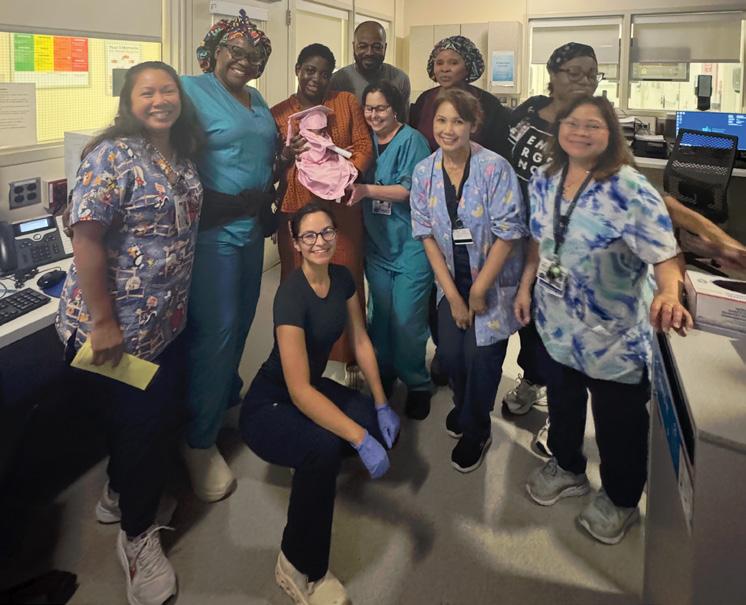
Facing page: Born at only 24 weeks and little more than a pound, baby Daveen went home in less than 100 days after she was born, thanks to the care she received from the NJMS neonatal team (right).
“It’s amazing how beneficial it is. It improves the baby’s heart rate and breathing, helps regulate the body temperature and helps the baby gain weight faster. It even aids in brain development. And both mother and baby enjoy it.” Titilope was a little nervous when she first held the baby. “She was so fragile and had so many tubes and wires attached to her,” she says. “After I got used to it, I just loved it. Daveen would just lay there and sleep. It was wonderful.”
Even with her medical background—Titilope is a licensed practical nurse—she wasn’t prepared for the roller coaster ride ahead. During her three months in the NICU, Daveen developed pneumonia, kidney and heart problems, and other ailments. Titilope visited the
Continued on page 16
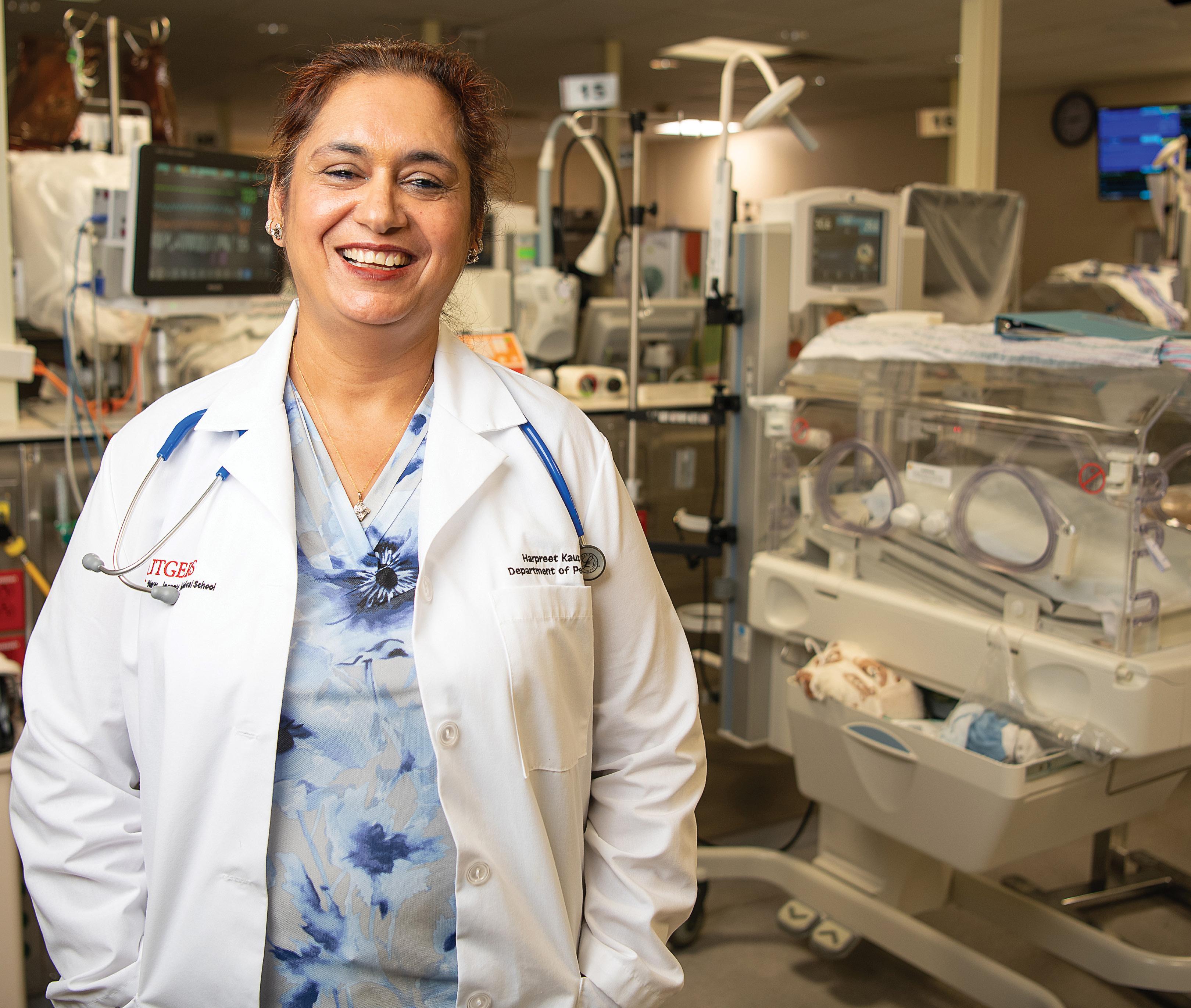
Neonatologist Harpreet Kaur, MD, (above left) and Ona Fofah, MD, professor and chair of pediatrics
Restoring Function & Appearance PostNeurosurgery
BY MARY ANN LITTELL
In January 2022, what began as a fun Vermont holiday for Sean Murphy and his brothers turned into a full-scale nightmare. The trip was an annual outing the siblings looked forward to—skiing and snowboarding, family meals together, and bonding. Then Murphy had a terrible accident, sustaining injuries that could have killed him.
Following emergency surgery, “I was happy to be alive,” says Murphy. “But part of my skull was missing, and I had a five-inch crater in the side of my head. Thankfully, my team of doctors at New Jersey Medical School had the expertise to help me. I was extremely fortunate to find them.”
The life-changing accident happened after an invigorating day on the slopes. That evening, the family had a home-cooked meal at their rented ski house. After dinner, Murphy stepped outside to retrieve something on the ski rack. He slipped on black ice and fell,
hitting his head. At least, he thinks that’s what happened. He has little recollection of the accident, other than picking himself up off the driveway. One of his brothers was with him, but didn’t see him fall. “I told him I crushed my butt,” he says. “That part of me was sore. But I had no headache, no blood, bumps, or bruises.”
By the next morning, Murphy was in excruciating pain. His brothers called 911, and an ambulance brought him to a local hospital. He had sustained a severe left frontal subdural hematoma, bleeding of the brain that can occur following a head injury. The hospital, lacking the resources to treat his traumatic brain injury (TBI), transferred him to the University of Vermont Medical Center in Burlington, 90 minutes away.
The TBI had caused severe swelling, putting pressure on his skull and brain—a danger-
ous, even life-threatening condition requiring prompt treatment. The medical team waited anxiously for the swelling to subside. When it didn’t, neurosurgeons performed a craniectomy, removing a portion of his skull to relieve the pressure.
After a week of recovery, Murphy was transferred to Kessler Institute for Rehabilitation in West Orange, NJ, an hour from his home in Point Pleasant. “I had physical rehabilitation, and speech therapy to help with aphasia,” says Murphy.
Once home, Murphy noticed that some aspects of his life were different. In addition to his speech being affected, his reactions to things seemed slower. An inveterate smoker all his life, he no longer craved cigarettes. Another major difference was in his appearance: “The side of my head looked like Mt. St. Helens after it erupted.”
Murphy’s Vermont physicians had instructed him to follow up with a neurosurgeon. He would need a cranioplasty, a procedure in which surgeons replace the missing bone with either the original piece of skull, a manufactured implant like titanium or acrylic, or a 3D-printed custom implant. Cranioplasty is needed after a craniectomy to protect the brain, restore appearance, and relieve symptoms like headaches and fatigue.
Researching neurosurgeons in the area, Murphy and his wife learned about Pankaj K. Agarwalla, MD, associate professor of neurosurgery at NJMS. Agarwalla is fellowship-trained in treating a full range of cranial conditions, including glioblastoma, skull base tumors, trauma, brain bleeds, work-related injuries, and more.
“We were impressed by his training and credentials,” says Murphy. “Meeting with him, we were even more impressed. He was kind, caring, and compassionate.”
Agarwalla told Murphy he’d be an ideal candidate for neuroplastic surgery, a new subspecialty combining neurosurgery and plastic/reconstructive surgery to optimize
outcomes for patients post-brain and skull surgery. This multidisciplinary approach focuses on preventing or minimizing cosmetic and functional defects.
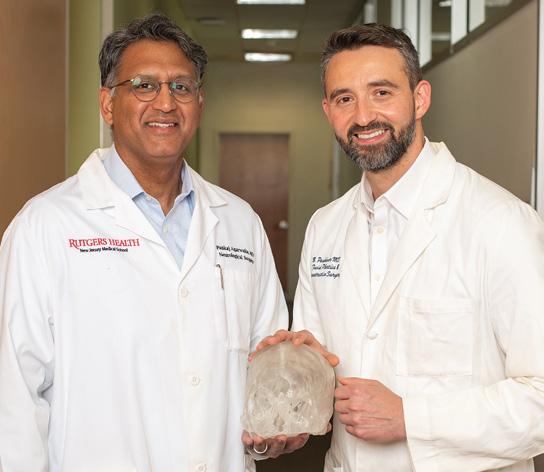
Agarwalla’s partner in this effort is Boris Paskhover, MD, associate professor of otolaryngology and director of facial plastic and reconstructive surgery at NJMS. The two surgeons began their collaboration six years ago. “We had adjoining offices and would chat about our cases,” says Agarwalla. “I had a number of complex cranial reconstructions, and I felt that a facial plastics partner would be really helpful. We started doing cases together, with good outcomes. As more patients found out about us, they came here for care.”
He adds: “Working as a team allows me to focus on the brain and healing—what I need to
worry about—rather than the cosmetics. And it allows him to focus on the cosmetics, and not worry about the brain aspect. So it’s winwin for the two of us, as well as our patients.”
Skull defects after neurosurgery are very common. Lifesaving operations for trauma, workplace and motor vehicle injuries, gunshot wounds, tumors, and more can dramatically change a patient’s physical appearance. Historically, the aftermath of such surgery has been overlooked. The advent of neuroplastics is a game-changer, thanks to pioneering surgeons like Agarwalla and Paskhover. They are among the first in New Jersey to offer combined neurosurgery and plastic surgery to restore patients’ appearance and function.
Continued on page 16
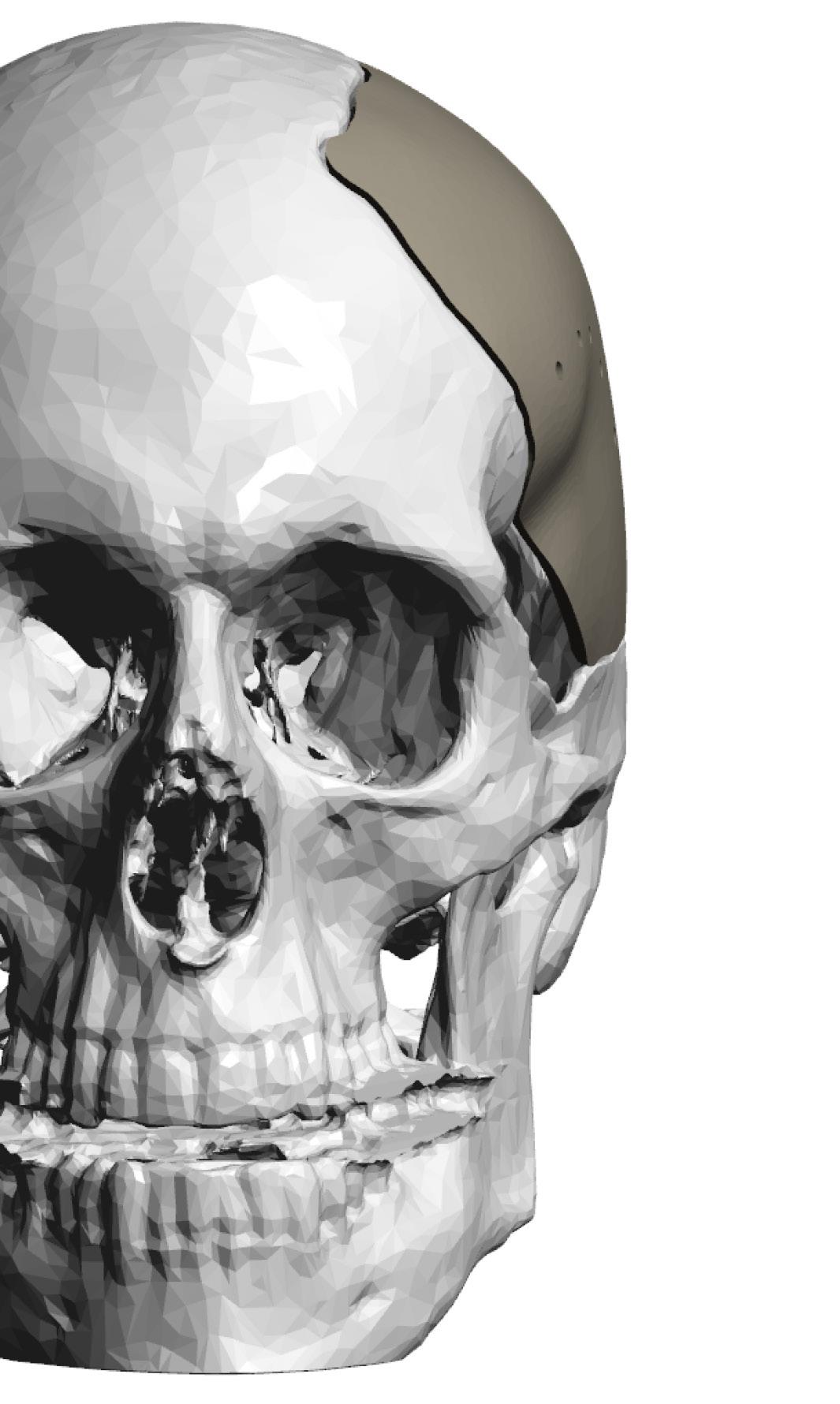
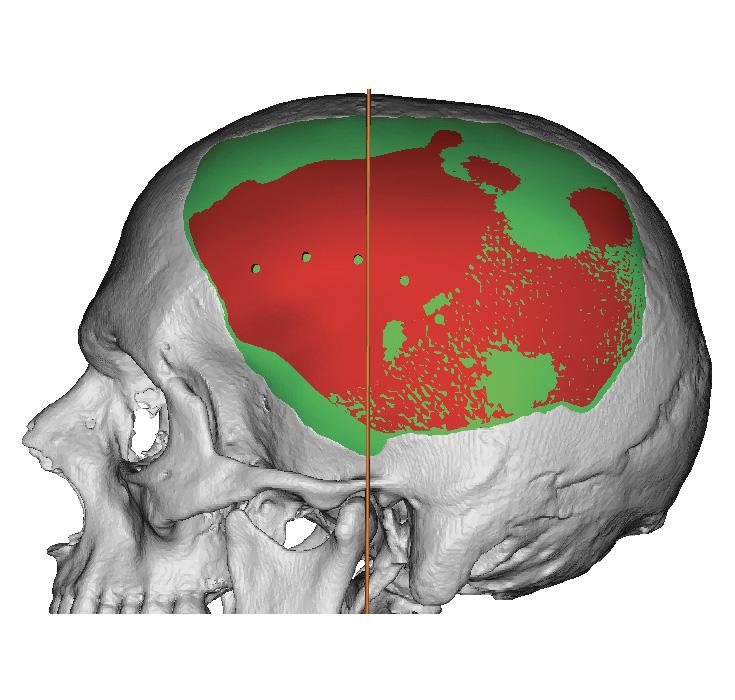
Facing page: Using special imaging techniques, customized craniofacial implants are 3D-printed to replace sections of the skull that were removed.
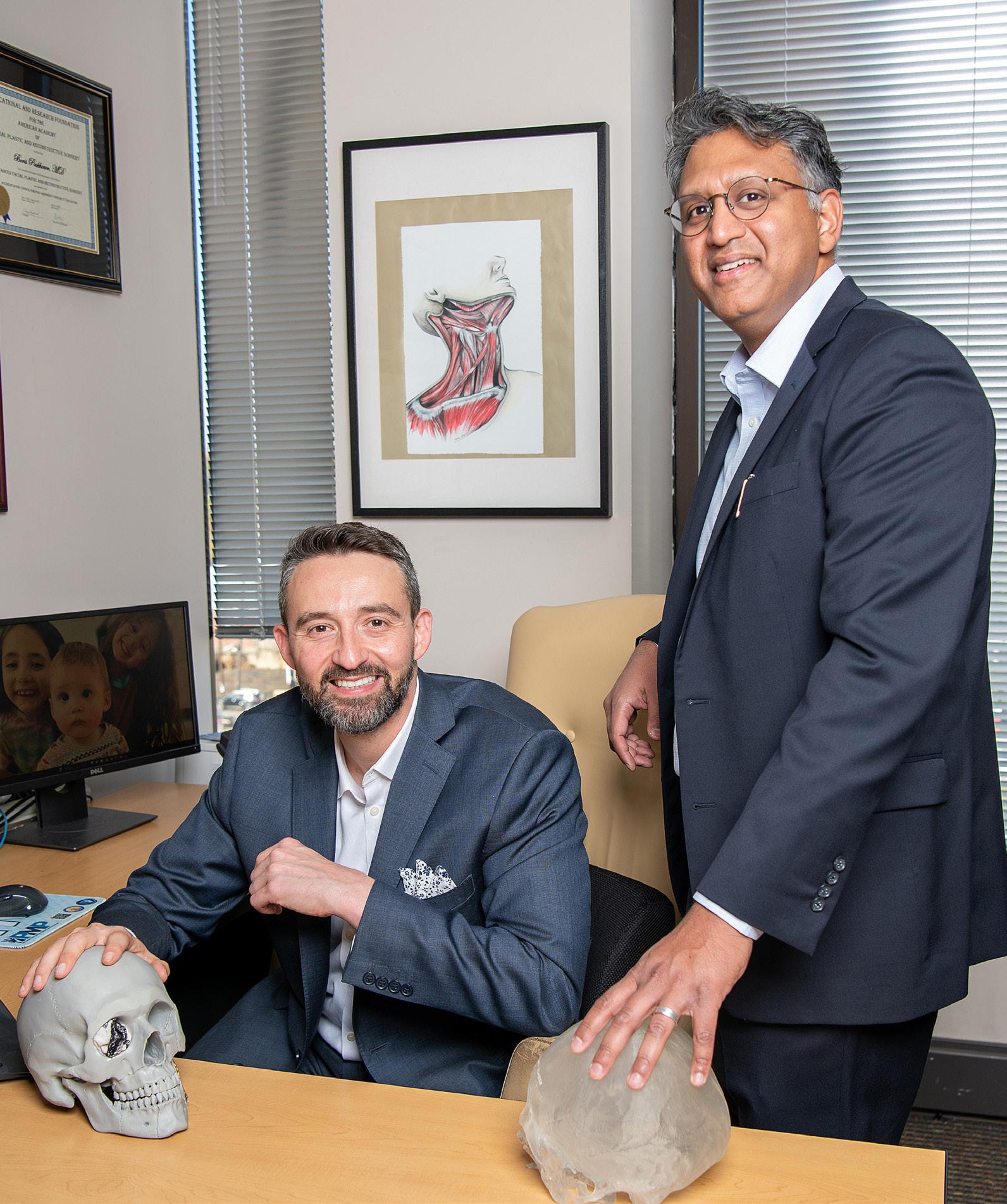
Right: Surgeons Boris Paskhover, MD (left), and Pankaj Agarwalla, MD
A MIRACLE RECOVERY
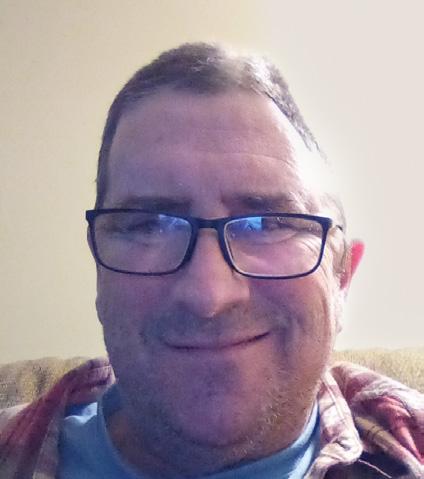
Before: Following a serious fall, Murphy had neurosurgery to remove part of his skull, leaving a large indentation in his forehead.
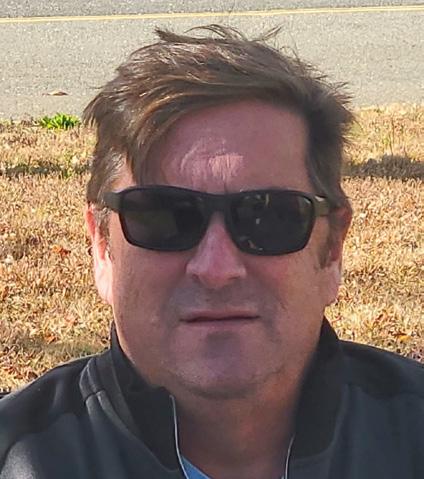
After: An NJMS surgical team replaced the missing portion of his skull with a 3D printed implant. “What a difference this made,” he marvels. “You’d never know I even had brain surgery.”
“To restore appearance, we use special imaging techniques to print 3D craniofacial implants that will replace sections of the skull that were removed,” explains Agarwalla. “Working with engineers at the medical device company Stryker, we produce a customized implant for each patient. From the design of the implant to the actual procedure, every detail is meticulously planned via Teams meetings with the medical team and the engineers.”
So prolific is this team that they are the lead enrollment site for an international, multicenter cranioplasty clinical trial with Stryker. While the FDA-approved implant has been in use for years, the company continues to monitor quality outcomes. “We are the only center in New Jersey that is part of the trial,” notes Paskhover. “Only five centers in the U.S. are participating. We are the busiest of all of the sites, recruiting the most patients.”
While Murphy ultimately received a 3D printed implant, initially he wanted to use his own skull fragment. “The hospital in Burlington stored it on ice,” says Murphy. “I was pretty insistent about using it, until my doctors explained the advantages of 3D printed implants.”
“The 3D printed implant is ideal for patients,” explains Paskhover. “The patient’s own bone is often damaged, since it has already gone through trauma and surgery. In addition, the patient’s bone may not have the appropri-
ate contour. To obtain better symmetry of the skull, the 3D printed implants are superior—custom-made for each patient. In addition, if the bone was frozen, with possible variations in temperature, it may become a nidus for infection.”
Murphy’s surgery was performed on May 24, 2022, at Newark’s University Hospital. Operating like a well-tuned orchestra, the surgeons lifted the scalp flap, prepared the brain surface for the implant, and attached the implant with titanium miniplates and screws, working carefully to insure a perfect fit. After a short hospital stay, Murphy was discharged to recuperate at home.
He’s extremely happy with his result. “My hair grew back, and there is no visible scar,” he says. “I look as good as new, and feel that I’ve made an amazing recovery, all things considered.” His speech is fine and he has returned to normal activities.
“We’re very happy with Sean Murphy’s outcome,” says Agarwalla. “Cranioplasty remains an important part of the recovery process from traumatic brain injury. When the skull is reconstructed, patients don’t have to wear a helmet and can return to normal daily interactions without the visual reminder of their trauma. The physical and psychological impact is tremendous.”
Paskhover adds: “It’s not so uncommon anymore. Many people are having neuroplastic surgery—including Daenerys in ‘Game of Thrones.’” He’s referring to British actress Emilia Clarke, who had two brain aneurysms and had brain surgery twice to treat them.
“Her physicians did such an excellent job that you can’t tell she had brain surgery,” Paskhover continues. “That’s the high level of care and aesthetic refinement we want to bring to all patients, not just movie stars. You don’t need to be famous to have a good outcome.” ●
A Baby’s Journey
Continued from page 13
baby every day and held her tiny fingers in her own hand. When she was at home, however, she worried. “I didn’t sleep much, and every time the phone rang, I was afraid it was bad news,” she says. “But the nurses were wonderful. They kept me up-to-date with everything that was happening. They answered every question I had, even if I had asked it before. They were so caring and supportive. They felt like family.”
Fofah says UH’s neonatal unit has the latest, state-of-the-art technology, which is critical to helping these tiny babies survive. But it’s UH’s family- centered care that is at the heart of the babies’ growth and recovery. “From the physicians, nurses and respiratory therapists to the pharmacists and lab technicians, everyone does his/her part,” he says. “We have a team coordinator who ensures that all those involved in the baby’s care are working in unison. Our care at UH truly is phenomenal.”
The same team that helped Daveen during her hospital stay was on hand when she finally went home. All the follow-up arrangements had been made, and a group picture of the team was taken. “It was quite a day,” says Kaur. “It is so rewarding to see these babies go home. Helping these babies is our passion. You never stop, no matter what.”
Fofah agrees. “Things don’t always turn out as well as they did for Daveen, but you keep going. Then you have an outcome like Daveen’s, and it’s all worth it,” he says. “We’ll certainly never forget her. She was one in a million.”
Titilope says there are no words to describe her gratitude to the UH team. “Daveen won’t remember what happened, but I will. I’ll never, ever forget.”
As of this writing, Daveen is 6 months old and weighs 10 pounds. According to her doctors, she’s had no adverse effects from her premature birth and is in good health. Titilope has returned to work. Once Daveen is a little older, Titilope will return to Chamberlain University in North Brunswick, where she is pursuing her BSN. ●
Stepping Up for Step 1
BY ABIGAIL ISAAC, NJMS’26
Step 1. Those two words typically elicit feelings of dread and anxiety among second-year medical students. The first of three exams in the United States Medical Licensing Examination (USMLE) series, Step 1 evaluates medical students’ understanding of basic science principles and their application to medicine, assessing readiness for clinical rotations.
Students are provided with several weeks of dedicated study time to review two years’ worth of material and prepare for success. Nonetheless, the test is a formidable challenge. Poring over endless questions, and pages upon pages of medical content, students experience feelings of inadequacy, isolation and anxiety. The stress of preparation is frequently compounded by imposter syndrome, which is only exacerbated by many students’ hesitancy to communicate with peers undergoing the same challenges.
To help ease this burden, NJMS piloted the Peer Support for Step 1 Medical Student Group during the 2024–2025 academic year. Second-year medical students who signed up to participate were paired with third-year peer support mentors. The Office of Student Affairs provided comprehensive training for the mentors. Among other topics, mentors were taught strategies to provide support through active listening and role-play. They were reminded of the key components of step 1 preparation, as well as ways to identify red flags in students’ study strategies. The need for confidentiality was emphasized, and mental health resources were made available for students as needed.
This year, 34 second-year students preparing for step 1 and 33 third-year mentors, including myself, opted to participate in the peer support program.
Many second-year students speak highly about the many benefits of the mentoring program, highlighting their appreciation for the availability and encouragement of mentors. This has also been mirrored by feedback received via surveys analyzing whether the program met its goals to reduce isolation and stress while providing second-year students with an outlet to comfortably communicate their concerns and anxieties. Similarly, thirdyear students have also
provided positive feedback, suggesting that some have felt that they were able to positively impact mentees and found the experience rewarding.
“While most medical students will agree that the Step 1 test is a formidable challenge, many speak highly about the benefits of our mentoring program.”
—ABIGAIL ISAAC, NJMS’26
As initiator of the program and mentor to two second-year students, I can attest to the gratification I experienced through guiding and supporting my mentees during this process. I was, in part, motivated by my own experience, which I remember all too well—completing hundreds of questions, bleary-eyed and wanting reprieve from staring at my laptop, while remaining anxious about the select topics that I simply could not seem to grasp. Even with the support of my family, it was difficult to avoid the loneliness and self-doubt.
My familiarity with this intense stress inspired me to be readily available to my mentees, checking in frequently. With each phone call, text message, and Zoom meeting, as I noted my mentees’ anxieties diminishing, I recognized that what I was doing was truly purposeful. Most rewarding was receiving my mentees’ excited messages about increasing NBME scores, their well-deserved passing Step 1 scores, and especially, their messages of gratitude.
While pleased with the positive feedback for the program, NJMS envisions its expansion in coming years. The hope is to involve a greater portion of the second-year class and potentially involve the integration of tutoring services to address academic need as well. As the benefit of the program continues to be evaluated, the hope and long-term goal involves inspiring other medical institutions to implement similar strategies to combat students’ stress, anxiety, and isolation during such a demanding and challenging time. While the complete elimination of imposter syndrome and psychological strain is unlikely, this program represents a promising opportunity to help future physicians through this process. ●
A Legacy of Serving Others
BY TY BALDWIN
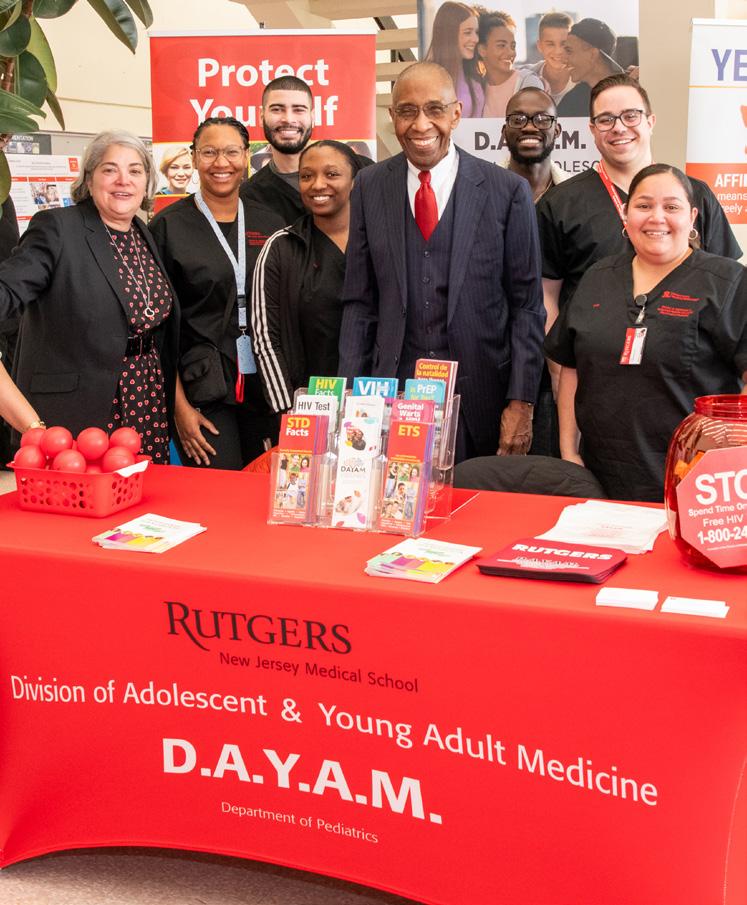
Robert Johnson, MD’72, wasn’t always the Sharon and Joseph L. Muscarelle Endowed Dean at Rutgers NJMS. Back in the days before disco balls and bell bottoms, he was just, well, Dr. Johnson, a young man finishing up a fellowship in adolescent medicine at NYU. In 1976, when NJMS recruited Johnson to return to his alma mater and establish the Division of Adolescent and Young Adult Medicine (DAYAM), no one could have known that the man who would someday become the NJMS dean was embarking on a lifelong mission to serve the citizens, and city, of Newark. As DAYAM enters its fiftieth year, it seemed a good time to look back at the division, its successes, and the man who made it all happen.
Johnson’s keen interest in community health and public service began early. When
he was in medical school at the College of Medicine and Dentistry of New Jersey (as NJMS was then known), he and some of his fellow students founded the Student Family Health Care Clinic to deliver free health care to Newark’s underserved community. And he’d done something similar during residency, working with fellow students to found The Door, a free health clinic for at-risk youth in New York City. So it’s easy to see why NJMS wanted Johnson back: he was a man who knew how to get things done.
Upon returning to Newark, Johnson’s first task was to establish DAYAM clinics. Then he undertook the more formidable task of changing the age grouping for both inpatient and ambulatory care. “In 1976, pediatrics stopped at the age of twelve,” Johnson explains. “That was true all across the country. I had to con-
vince the hospital administration, the heads of pediatrics and internal medicine, the nurses–all these people–that it would be better to congregate all the teenagers at the hospital onto one floor. There were some challenges,” he adds, but “once we got rolling, I found a lot of support from groups and parents in the community.”
A major DAYAM success is the Sexual Reproduction Health Clinic. Fully funded by the state, its focus is on both male and female contraception, as well as the diagnosis, treatment, and prevention of STDs and HIV. It was due to this clinic that Johnson found himself at the forefront of the battle against AIDS.
“In the eighties we began to see where kids were dying,” he says. “That was a hard thing for us. We had questions about how the
disease was transmitted, questions about how to diagnose it, about how teens could get it in the first place.” Once sexual transmission was confirmed, DAYAM established condom availability programs throughout Newark, and Johnson headed up a national program to develop testing methodologies.
Mobile testing was one way that DAYAM worked to reach teens engaged in high-risk behaviors. “We had a van that would roll out in the streets, and we’d hire kids to encourage other kids to come in and get tested.” Over time, testing expanded to include gonorrhea, chlamydia, and syphilis. “Taking health-care screening to people on the streets is a methodology that’s taken hold,” Johnson says, “but it started with things we were doing to fight HIV.”
Johnson’s book “The Race Trap” (coauthored with NJMS psychiatrist Steven Simring, MD), grew out of the racial divisions unearthed in the mid-nineties by the O.J. Simpson trial. “The reaction to the verdict divided along racial lines,” Johnson says. “It became clear that black people and white people could see the same things and reach different conclusions.” The talk-show host Montel Williams was so impressed with the book (he called it “candid and eye-opening”) that he invited the two men to come on his show to discuss their ideas about how people could better communicate across racial lines.
Over the years, Johnson has done more television news and talk shows than he can count. “Every time they wanted someone to talk about abortion or teen pregnancy, they invited me,” Johnson says. Likewise, when a show like “ER” or “Law & Order” wanted to portray issues around teens and sex, they asked Johnson to consult. It was important to get correct information to the public, and Johnson’s not sorry he made those contributions but, at this point in his life and career, he says, “I avoid that stuff like the plague.”
He’s joking, of course, but knowing that, hearing the joke, is a big part of getting to know Dean Johnson. He speaks warmly, but honestly, about his life at NJMS, both the successes and the things that didn’t go as well as planned. There’s a reason why Johnson is the
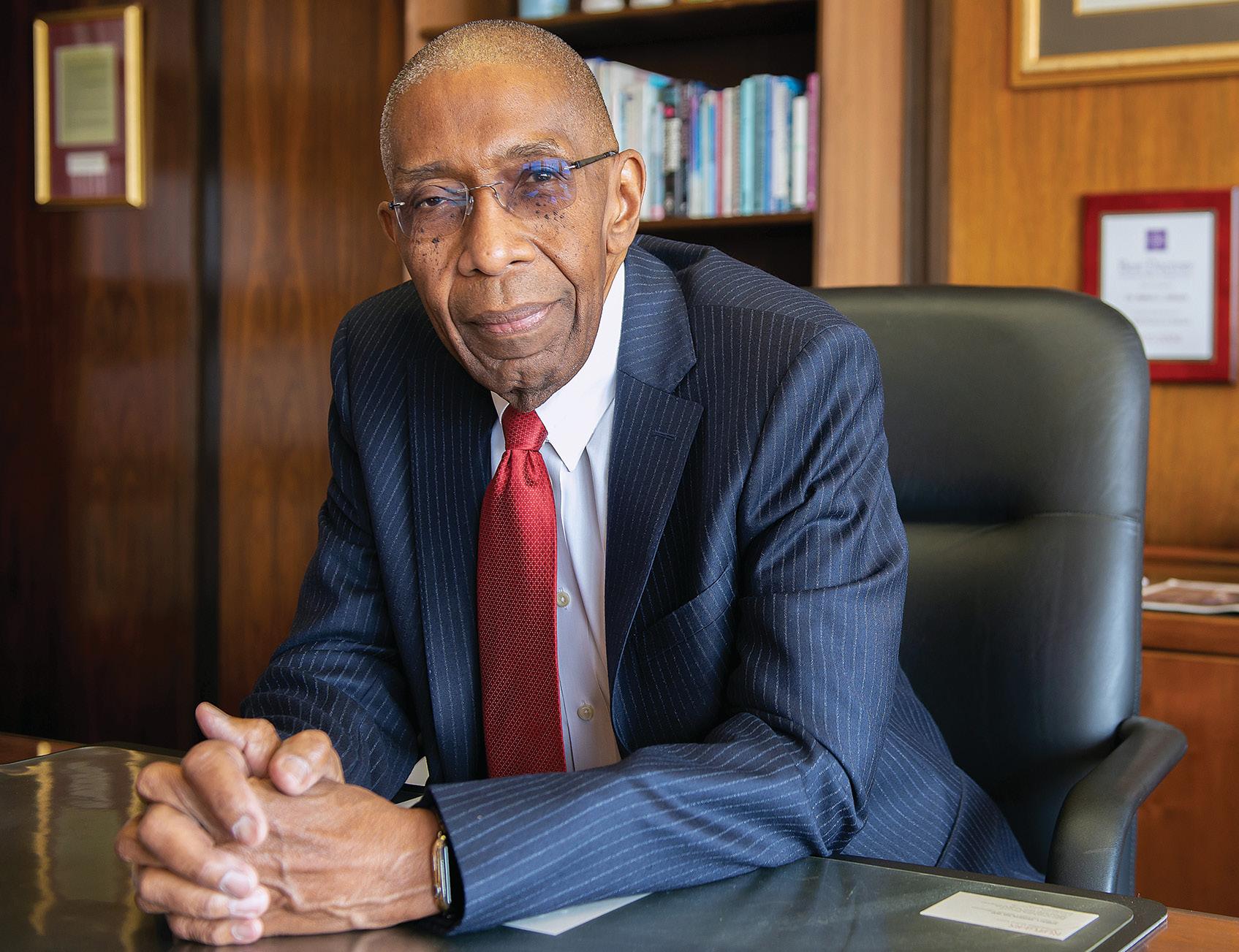
longest serving medical school dean in the U.S., a reason why he was recently honored as a 2025 recipient of the Rutgers AfricanAmerican Alumni Alliance (RAAA), Inc. award, a reason why he was also selected to serve as Interim Chancellor of Rutgers Health beginning January 1, 2026. Perhaps Johnson’s outlook, his generosity of spirit, has come with age, but it seems more likely that it was always there, in the man himself.
“For more than fifty years, my life has been firmly rooted in the city of Newark,” Johnson says. “I’m now seeing the grandchildren of some of the kids I saw in the seventies.”
One of the things he’s most proud of is the number of Newark community groups that have developed with a focus on teenagers. “In 1976, when I came back, there were very few things that were teen focused, or that took into account the differences in how teens consider the world and how adults consider the world. And that’s changed. This approach has become what’s normal, and no one would think about doing it differently. It’s really gratifying.” ●
Student in Rutgers Summer Research Program
Wins National Competition
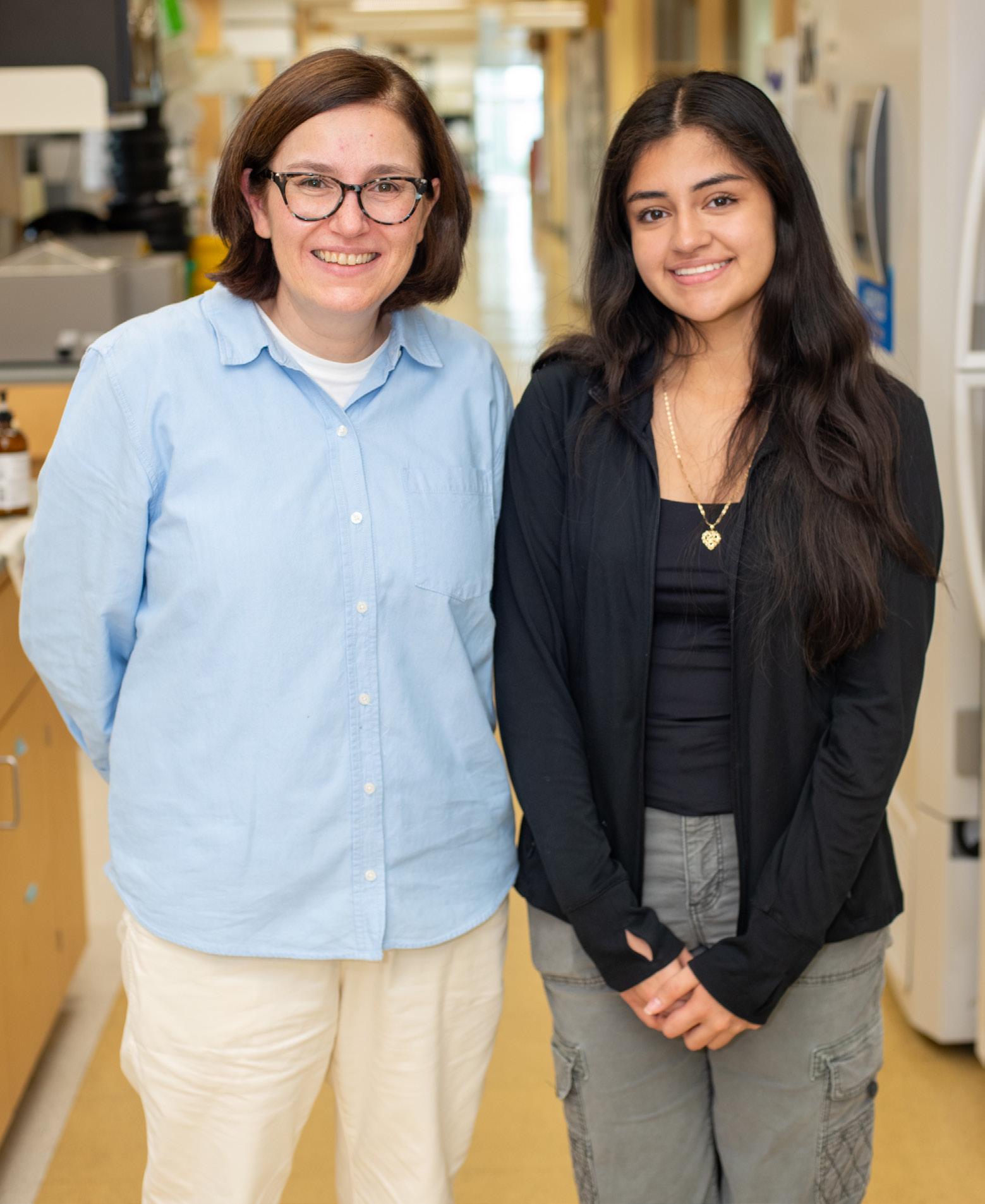
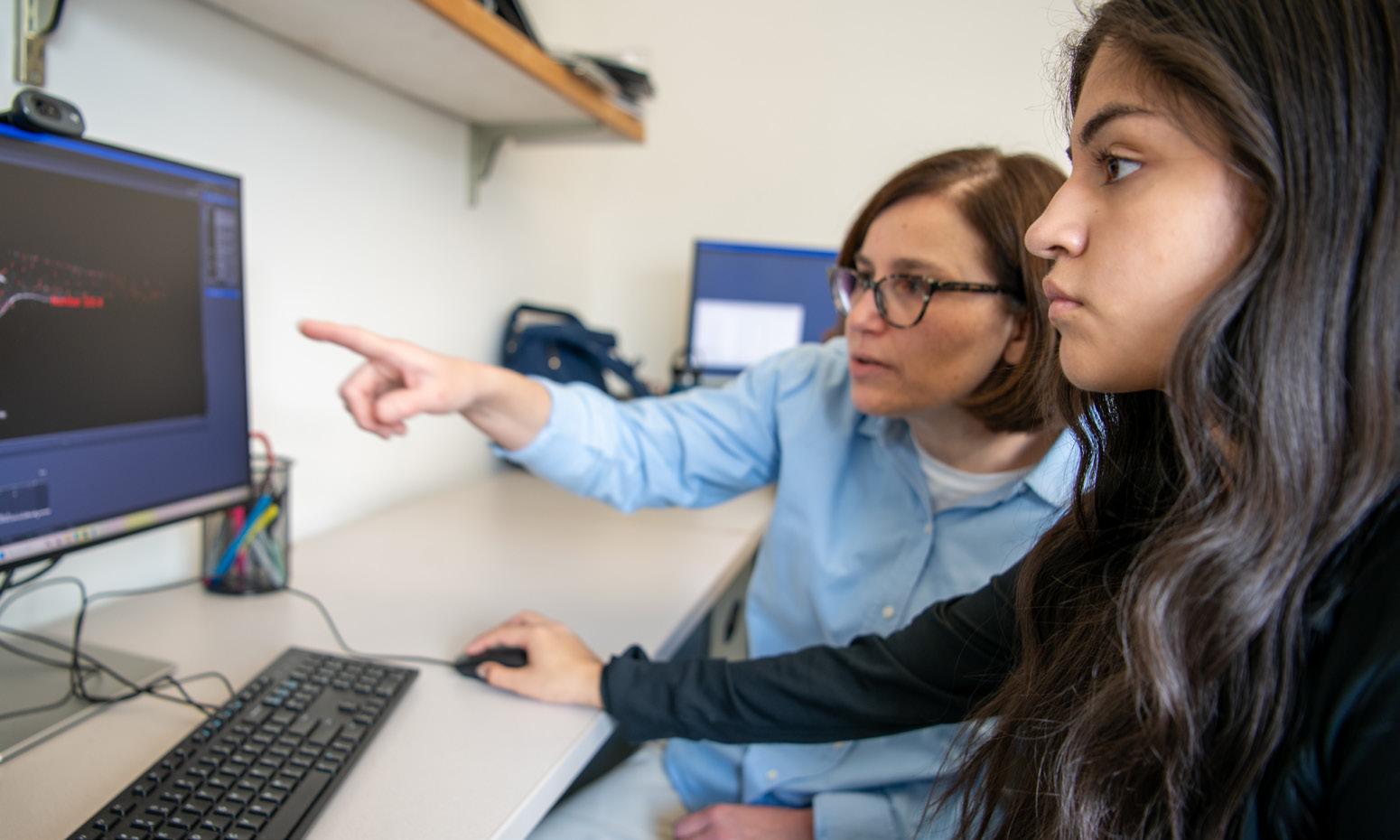
As an intern in the Pathways to Scientist program, high school student Ashley Aguirre learned data analysis and specialized imaging techniques, studying the immune responses of zebrafish.
BY MARY ANN LITTELL
Strike up a conversation with Ashley Aguirre, and you’ll be wowed by her intelligence and maturity. The 17-yearold speaks like a seasoned scientist, knowledgeably discussing neutrophils, macrophages, and other topics most adults know nothing about.
But Aguirre does more than “talk the talk.” She has spent many hours doing hands-on research in a laboratory, as a participant in the joint Rutgers New Jersey Medical School/ Rutgers Institute for Infectious and Inflammatory Diseases Pathway to Scientist program. This initiative provides biomedical research opportunities to talented, highly motivated high school students and teachers in the Newark, N.J. area.
As part of the pathway program, Aguirre spent the summer of 2024 interning in the lab of Veronika Miscolci, PhD, assistant professor of microbiology, biochemistry, and molecular genetics. Miskolci put her to work on a compelling study and the two formed a close bond.
“I’m so grateful for everything Dr. Veronika has done for me—introducing me to lab work and giving me a chance to do real research,” said Aguirre. “The experience has made me realize that I want a career in science.”
“Ashley did excellent work in our lab,” said Miskolci. “Her accomplishments speak for themselves.”
In the spring of 2025, Aguirre presented her research at the annual Afro-Academic, Cultural, Technological and Scientific Olympics competition, sponsored by the NAACP. Thrilled to win first place in the state competition, Aguirre advanced to the nationals, where she had another big win: taking first place in the biology category and second place in medicine and health. She received $3,500 in prize money and a new iPad.
“What a fantastic achievement!” Miskolci said. “We’re very proud of Ashley.”
The oldest of six children, Aguirre is a senior at Newark’s Arts High School. She said she’s always liked science. She learned about the pathway program from her art teacher, who encouraged her to apply. Miskolci had signed on to mentor a student. Impressed by
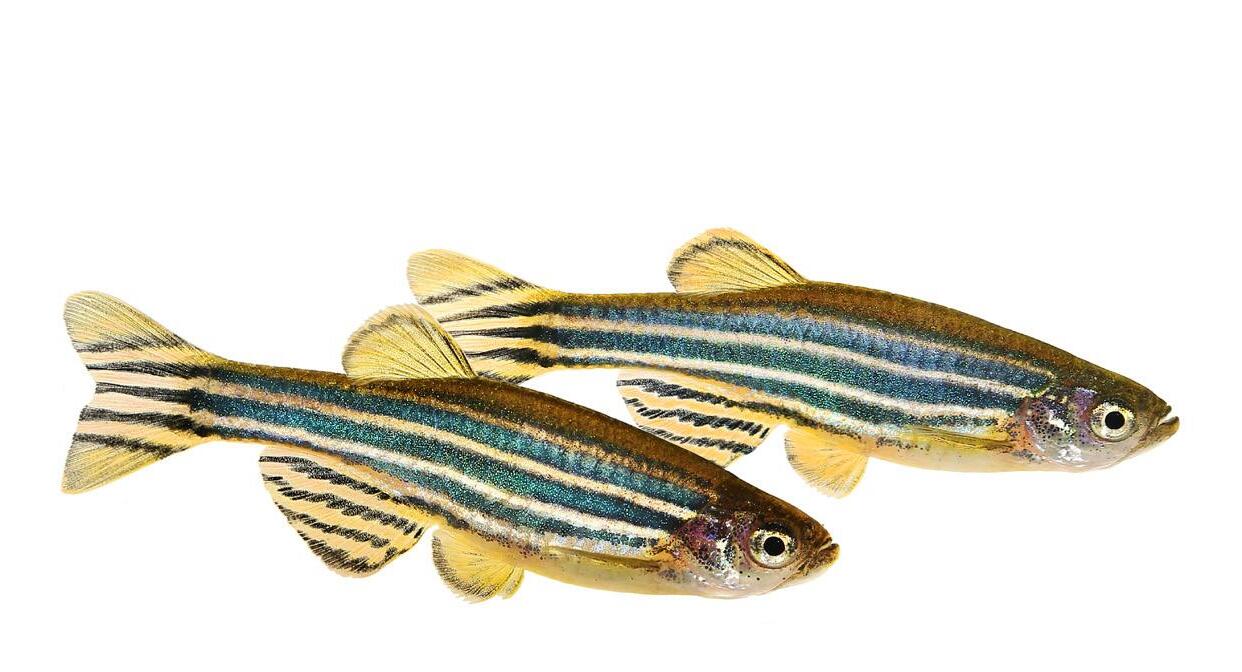
Aguirre’s application, Miskolci set up a Zoom interview. “Speaking with Ashley, I knew right away that she’d be a great fit,” said Miskolci. A native of Hungary, Miskolci grew up in New York. Her NJMS lab, as part of the Center for Cell Signaling and the Center for Immunity and Inflammation at Rutgers, studies the regulation of the innate immune response during inflammation and sterile injuries, using zebrafish models of sterile injury in combination with high-tech imaging modalities.
Miskolci has a keen interest in mentoring. As a postdoc, she even took special training in how to be a good mentor. “It can make or break a science career,” she said. “The best training comes from having an active project. I had one for Ashley that I’d been nurturing— studying how macrophages and neutrophils, essential components of the immune system, interact to orchestrate effective immune responses.”
Aguirre joined the lab in July, working three days a week. She was intimidated at first, meeting so many highly trained scientists,
healthy diet? How does diet influence immune system development? And how does metabolism regulate immune system development?” said Aguirre. “We induced inflammation through injury—that was the unhealthy diet— and studied the immune system response.”
“Ashley is a sponge for learning,” said Miskolci. “You only have to show her something once, and she understands it. She doesn’t let obstacles get in her way.”
“Mentoring can make or break a science career. The best training comes from having an active project. I had just the one for Ashley studying how macrophages and neutrophils interact to orchestrate effective immune responses.”
—VERONIKA MISCOLCI
all older than her. However, her nervousness disappeared as she got to know her summer colleagues and learned new skills, including data analysis and specialized imaging techniques using a microscope.
“Among the questions we studied were: How does the host (zebrafish) tolerate an un-
Aguirre continued this work into the fall, coming to the lab a few afternoons a week after school. She learned about the Afro-Academic, Cultural, Technological and Scientific Olympics from her guidance counselor and decided to enter. Advancing to the national competition, Aguirre wrote a 20-page paper
and prepared a poster, which Miskolci printed on foam board. Aguirre prepared extensively, with Miskolci and her team firing questions at her as the judges would. Her high school teachers provided additional coaching.
“I studied very hard,” said Aguirre. “The judges asked a lot of questions. Because I was so well prepared, I was able to answer all of them. I was really happy to win.”
This summer, Aguirre has continued in the pathway program, working in the lab of William C. Gause, NJMS senior associate dean for research and part of the pathways “brain trust.” The program is largely funded by the Institute for Infectious and Inflammatory Diseases (i3D), which he directs. Gause notes that a primary goal of the program is to interest high school students in biomedical research as a career option.
“It’s a terrific springboard to college-level science,” he said. “Students experience what’s happening in an actual, active lab. They are exposed to the excitement of biomedical research, with the potential of making significant discoveries.”
Now a high school senior, Aguirre is applying to colleges. She plans to major in biomedical engineering. “I’d like a career in research or medicine,” she said. “I’m interested in cancer research, so maybe I’ll go into oncology.”
She added: “I couldn’t have done any of this without Dr. Veronika’s support.” ●
Facing page, left to right: Mentor and mentee: Veronika Miscolci, PhD, and Ashley Aguirre
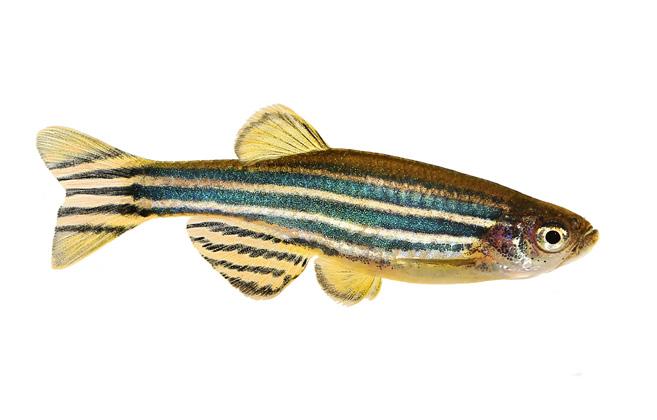
Right: Studying zebrafish provides valuable insights into the immune system.
Celebrating the Life of George Heinrich, MD
Physician. Administrator. Educator. Innovator. Friend. Mentor. Husband. Father. George Heinrich, MD’72, was all of that and so much more. Heinrich, who served as NJMS associate dean of admissions for many years, died suddenly in June 2025, following a long career dedicated to supporting and guiding generations of students with warmth and compassion. The NJMS community came together in a special ceremony on October 15 to mourn his loss and and pay tribute to his generosity and humanism.
Heinrich always said that he learned the importance of service from his parents. His father, a urologist, ran a practice out of the family’s Manhattan apartment, while his mother helped with the practice. Heinrich was only 15 when he lost his father to colon cancer. “I realized my father took care of a lot of people,” he said. “He was my role model for that as well.”
Heinrich’s interest in admissions grew from his desire to help guide and select future generations of physicians. He believed it was vitally important to give students the knowledge they needed to successfully navigate the admissions process. Generous with his time, he made himself available for consultations with anyone who needed advice, both
actual and aspiring applicants. He also ran admissions seminars, both in person and on the web.
One of the things he’s best known for is his commitment to personally phoning each accepted student to tell them they had been admitted to NJMS. With these calls, he was not only delivering good news, but also demonstrating that his personal support would continue through four years of medical school and beyond.
In addition to his work with admissions, Heinrich served as the volunteer vice-chair and CEO of the New Jersey Health Foundation, an organization providing grants to support health education and research throughout the state. With a keen interest in business and entrepreneurism, he also started a distinction program in entrepreneurship and innovation that assists students who want to start business ventures.
To learn more about George Heinrich’s life and many accomplishments, see the profile published in the Spring 2025 issue of Pulse Better yet, read here the many tributes and remembrances offered by students, faculty, and staff at the celebration of Heinrich’s life.
View a slideshow about Dr. Heinrich’s life here.
“I vividly remember the much-anticipated phone call from Dr. Heinrich, a moment that marked the start of my journey at NJMS. I later had the honor and privilege of working with him more closely, and serving on the admissions committee gave me the chance to see firsthand the profound impact he had on thousands of individuals.”
Shivam Rangolia • NJMS Class of 2027
“I had the unique pleasure of getting to know Dr. Heinrich while serving on the admissions committee during my years as an MD/PhD student.… I witnessed his compassion and unwavering belief in every student’s potential. He approached each file with care, looking not only for academic excellence but for humanity and purpose.”
Jason Domogauer • MD’18, PhD
“Dean Heinrich was the first person who made me feel like I had a family at NJMS. Without much family of my own to rely on, his belief in me gave me a sense of belonging I’d been searching for. What set him apart was how deeply he cared for people—building a home where every student from every background felt welcomed, valued, and part of real change.”
Chun Yen Chen • NJMS Class of 2028
“You forever changed my life. Your impact will be felt for years and generations to come amongst the many whose lives you changed. I am forever grateful to have worked with you over 20 years interviewing for NJMS. Knowing you has been one of the greatest honors of my life.”
Carolina Cabral • MD’08
“Dr. Heinrich profoundly shaped the lives of the students he guided and called to accept into NJMS. The faith he placed in his students continues to grow within us and will live on in the patients we serve.”
David Kim • NJMS Class of 2029
“When I interviewed for a job at NJMS, Dr. Heinrich was one of a handful of people to interview me. And no, he didn’t call me directly to tell me I got the job like he does with accepted students, but he did invite me over to his office after I started to welcome me. It was the start of a nice friendship, as we enjoyed talking about IT issues. He always asked about my family and genuinely cared about my well-being. Some of these conversations happened at 12 midnight (or later), as we were both night owls. He was kind and warm, and I will miss him.”
Jim Boyce • Deputy COO & Executive Director, IT@NJMS
A Look at the Future of Health Care in Newark
Rutgers Health and University Hospital celebrated breaking ground on the first phase of a multiyear redevelopment plan to expand the campus and increase access to care, world-class clinical services, education and research.
“For decades, University Hospital has delivered critical care to New Jersey families. Today’s groundbreaking represents years of community-centered planning, along with a renewed commitment to advancing health equity and improving health outcomes for the people of Newark,” said Governor Phil Murphy. “When this project is complete, University Hospital will have the modern resources and facilities to better protect the health and future of both Newark and the surrounding region.”
The groundbreaking follows the long-awaited demolition of administrative offices built in the 1970s, intended at the time for temporary use. The first building will include four new
floors of administrative offices, 11,000 square feet of University Hospital clinical space, and an 875-space parking garage.
Work will also begin on a new medical office building to replace the current Doctors Office Center. The new facility across the street will offer an expanded range of specialties to better meet the community’s health care needs. Once that project is complete, construction of a new patient tower can follow, along with major updates to the existing hospital building. Specialties will begin transitioning into the larger, purpose-built spaces in 2027.
“At its core, this project is about people,” said Rutgers Health Chancellor Brian Strom, MD. “It is about expanding access to care, improving health outcomes and revitalizing a critical health care corridor in the heart of this city. As we turn the soil on this site, we are taking a major step in Newark’s story toward an even healthier and more equitable future.”
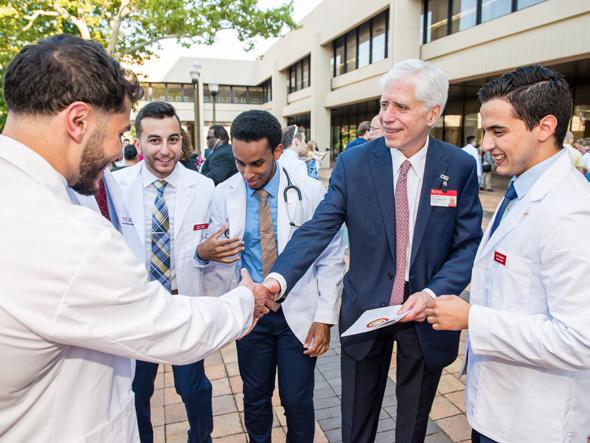
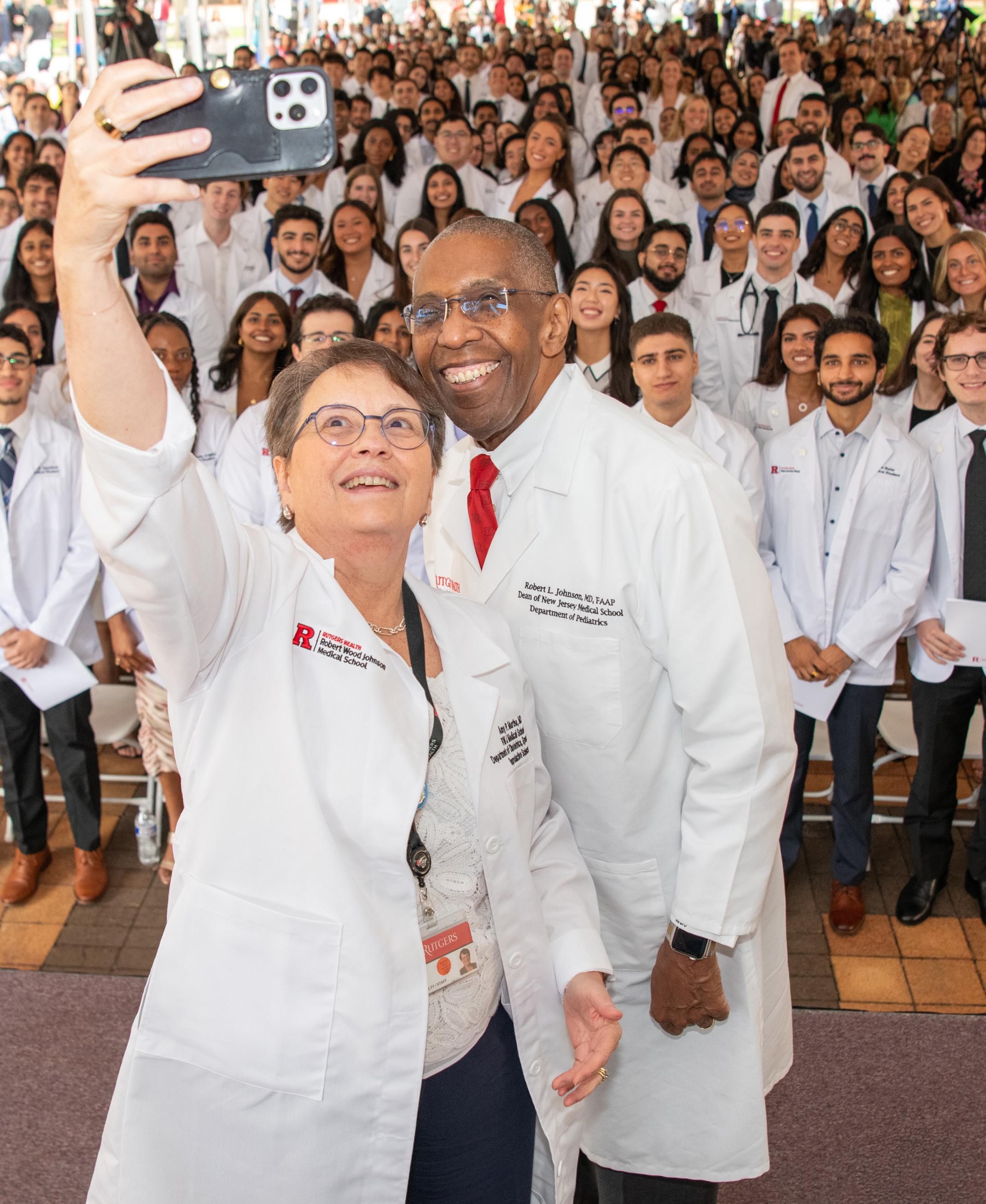
Deans Robert Johnson, MD, and Amy Murtha, MD, celebrate White Coat Day with students. Watch the video
PHOTO BY KEITH B. BRATCHER, JR.
185 South Orange Avenue
njms.rutgers.edu
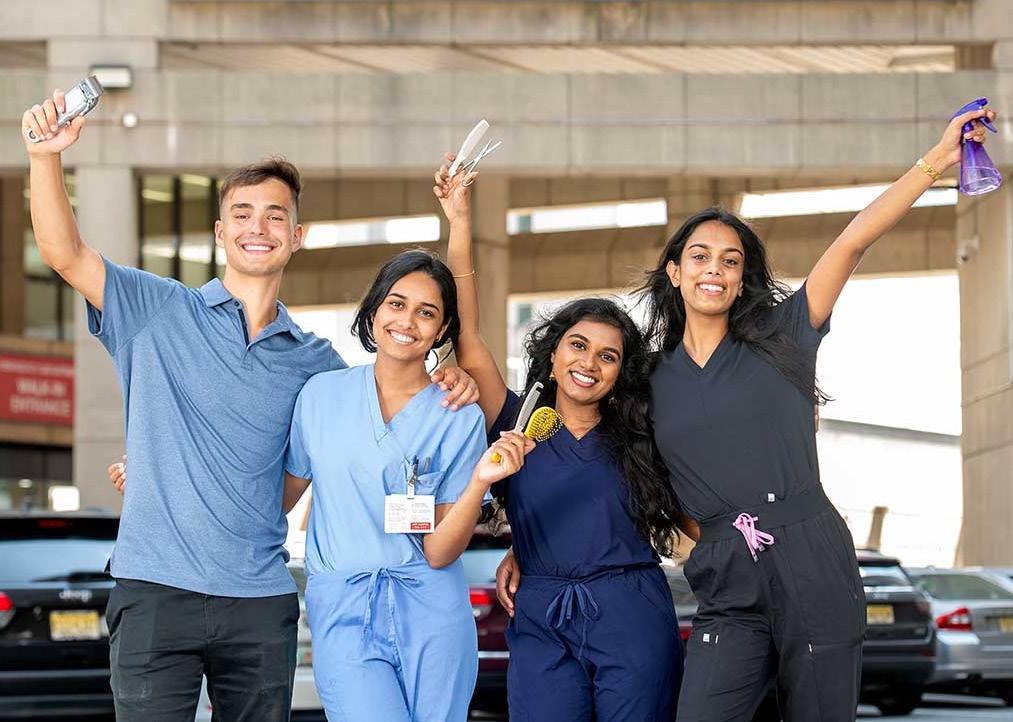
Our Bergen Barbers story won the best of CASE District II Award for Communications and Storytelling, honoring the culture and care demonstrated every day by our outstanding student community.
Thank you and congratulations to all our Rutgers colleagues who worked on this story. Your collaboration and commitment made this possible. And a big shout-out to our entire medical community, who ‘walk the talk’ every day in providing the best patient care. Read the story in Rutgers Today.