Rutgers University–Camden Honors College Newsletter: Fall 2025
LEADING IN HONORS:
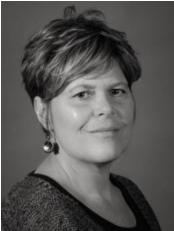
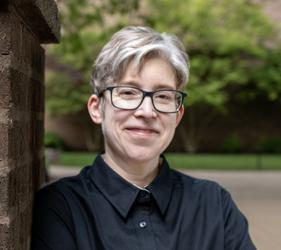
DIRECTOR
DR. LEE ANN WESTMAN
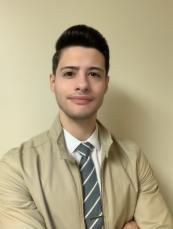
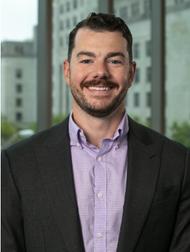
ASSISTANT DEAN
GABRIEL O. MOLINA, MPA
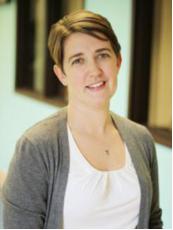
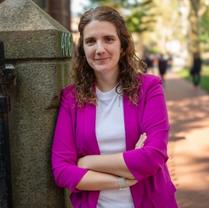
ASSISTANT DEAN
KRISTA WEHLEN
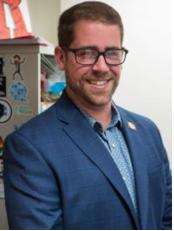
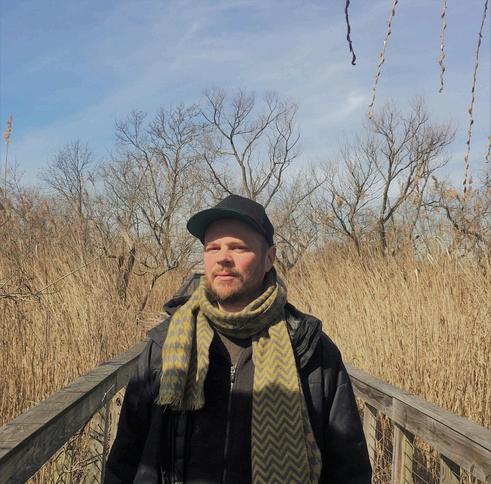
ASSISTANT DEAN
BRIAN K. EVERETT, MPA, PHD-ABD
This Newsletter was produced by Assistant Dean Everett with contributions by Provost Sandra Richtermeyer, Dr. Lee Ann Westman, Assistant Dean Wehlen, and Assistant Dean Molina
CAMDEN.RUTGERS.EDU/HONORS-COLLEGE
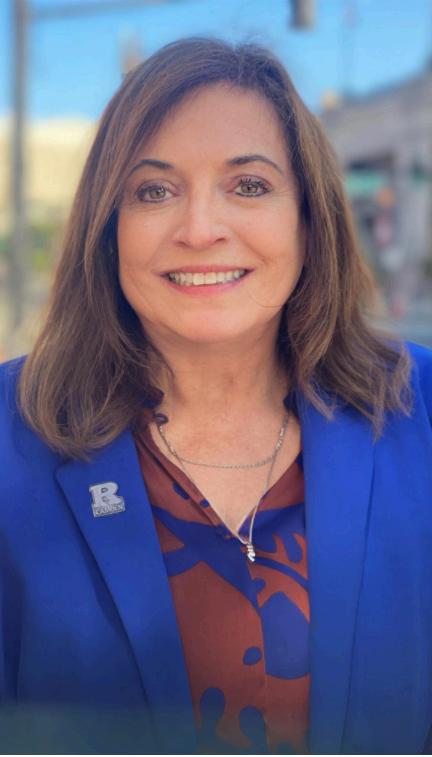
Dr. Sandra Richtermeyer, Provost and Executive
Vice Chancellor for Academic Affairs at Rutgers
University - Camden
Since its founding in 1997, the Rutgers–Camden Honors College has been a cornerstone for academic excellence and student success. Professor Emeritus Allen Woll and University Professor Margaret Marsh envisioned a program that would offer exceptional undergraduate students a place to discover their passions and make a meaningful mark on their collegiate experience. Nearly three decades later, that vision has flourished.
Since its inception, the Honors College has cultivated generations of talented students who have gone on to become accomplished medical professionals, educators, lawyers, business leaders, researchers, and public servants. Their achievements reflect the strong academic foundation, mentorship, and community they experienced here at Rutgers–Camden.
Today, under the leadership of Dr. Lee Ann Westman, the Honors College continues to thrive. I am inspired by the many ways our students distinguish themselves through their research, their athletic commitments, their leadership across campus, and their dedication to one another in a rapidly changing world. Honors students enrich the Rutgers–Camden community by serving in the Student Government Association, leading numerous student organizations, competing as NCAA athletes, and conducting undergraduate research across disciplines
The faculty and staff who steward the Honors College are equally exceptional. Their cutting-edge scholarship, innovative course design, and deep commitment to mentoring students ensure that our undergraduates are supported, challenged, and fully prepared for what comes next.
As Provost, I am proud to celebrate the transformative impact of the Rutgers–Camden Honors College. It has grown into a true asset not only for our campus but for the entire Rutgers University community. In the pages ahead, you will see how the Honors College continues to expand its national footprint earning recognition and awards while empowering students, faculty, and staff to pursue excellence in all they do.
FROM THE DIRECTOR
It is my distinct pleasure to work with so many terrific students and my entrepreneurial and dedicated colleagues in the Rutgers-Camden Honors College. Each semester, I see students embrace the Honors College’s vision to be both academically engaged and immersed in the campus and the community through attending events and participating in community service. And quite often, I see those same students become mentors and leaders to newer students and in campus and community organizations. The Honors College staff provides the scaffolding, but it is the students who climb it and reach the top!
Let me share some examples: The Honors College invites students to be intentional about their educational journey and they answer the invitation by participating in learning abroad, academic research, and internships, applying for fellowships, completing a second major, and attending academic conferences.
Furthermore, Honors College students complete more than 2000 hours of service each semester through the First Year Forum and through the Honors College Engagement requirements Honors College juniors and seniors serve as peer mentors to incoming first year students. Honors College students sit on committees to select new courses, to develop proposals for learning abroad, and to organize our annual Breast Cancer Walk. Honors College students serve as editors on The Undergraduate Review, a journal that features research papers, short stories, poetry, and essays from students across the campus community.
In short, Honors College students understand that a university education is much more than just going to class and earning good grades (although they certainly do that as well!) and they take advantage of the many opportunities available at Rutgers-Camden. I hope you enjoy reading about them in our newsletter.
Dr. Lee Ann Westman, Director of The Honors College at Rutgers University - Camden and Associate Teaching Professor
Goals for the Year
Learn about the mission and goals of the Honors College for the 2025-2026 academic year.
Data Review
Retention and programmatic data is reviewed to provide a glimpse of how our students achieve excellence.
A National Presence
Presenting at national conferences, winning awards, international fellowships, and athletic achievements!
A Professional Staff
The Honors College staff goes beyond the scope of advising to benefit the campus and the university at-large.
IMPACT Day 2025
Our students do something they’ve never done before, helping them adjust to their new collegiate lives
Peer Mentors & 2025-2026 Honors Seminars
We honor and celebrate our peer mentors, and this year ’ s Honors College Faculty Fellows.
FOR THE 2025-2026
ACADEMIC YEAR
Goals For The Year
Increase enrollment of first year, rising sophomore, and transfer students;
Increase opportunities for First Year Forum students to participate in the Camden community as a class; Create more soft skills workshops for students via peer mentor program and digital badging program; Develop an Honors College Learning Abroad course; Conduct data-driven assessment of Honors College engagement and peer mentor program; Communicate more effectively with departments across campus by connecting current chairs and directors with Honors College liaisons.
Mission
The mission of the Honors College is to encourage academic achievement, support interdisciplinary study and collaboration, and promote engagement on campus and in the surrounding communities. The Honors College seeks to foster a diverse community and a sense of belonging, and invites students to pursue their goals in meaningful, intentional, and impactful ways.
Incoming first-year students will take the First Year Forum seminar, taught by Dr. Lee Ann Westman, and honors sections of English Composition, if necessary. Later, students will complete 2 upper-division honors courses at any time between their sophomore and senior year. Honors College students have curricular and co-curricular requirements they must complete in order to maintain their membership in the Honors College and graduate with our designation. Each semester, students must attend at least 1 Honors Event, 3 Campus Activities, and complete at least 2 hours of community service. Often, we find that our students go beyond these basic engagement requirements.
Our belief has always been that our program requirements, in addition to regular individual academic advising, helps Honors College students to develop a sense of community here at Rutgers-Camden. So, we asked!
Based upon the results of a qualitative survey administered to first-year students in both the Fall 2024 and Spring 2025 semesters, we found that on average, 93% of Honors College students believed membership in the Honors College meant something meaningful to them, and 86% of students believed it was important for them to connect with other Honors College students. 80% of Honors College students directly referenced “community” or “connection” in their responses when asked how they thought the Honors College would fulfill their needs during their time at Rutgers-Camden. This student feedback further informs the spirit behind the Honors College’s 91% retention rate.
The First Year Forum was launched in the Fall of 2022 as part of the Honors College’s revamped curricular requirements. Through a blended emphasis on civic engagement, group work, and best practices in first-year-experiences, Dr. Westman’s First Year Forum has produced a variety of outcomes. Perhaps the most impactful are the group projects which, in 4 instances now, have turned into selfgoverning and on-going student organizations. Groups such as Caring for Camden, Cooking for Camden, and Period Poverty began as a semester-long group project, but now they live on as SGA-funded organizations which continue to serve the campus and greater Camden communities. The First Year Forum also provides ongoing leadership opportunities to upper-class students who serve as Teaching Assistants. The TA’s mentor each group of students through the process of completing their civically engaged project, especially when things fail. In fact, the Honors College will be presenting at the National College Honors Council this year, and a key highlight will be the flexibility of the students in the First Year Forum given the many moving logistical details involved. As we will tell our Honors College colleagues, most projects have setbacks and roadblocks, and often, students learn more from projects that require them to pivot or even restart.
Quantitative Analysis
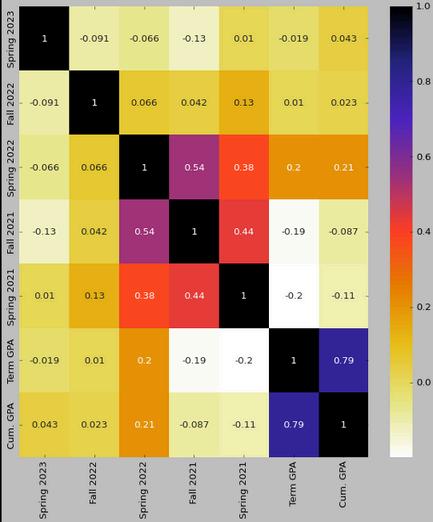
We wanted to know if there was any relationship between students completing their semesterly engagement requirements and GPA. Assistant Dean Everett created a dataset based upon students completing their engagement requirements, GPA in a given semester, for the incoming class of Fall 2019.
By tracking their GPAs and completion of engagement requirements over 8 semesters, we were able to observe that students typically earn higher term GPAs when they also complete their engagement requirements.
More analysis related to this dataset will be forthcoming and will include additional class years, and will also factor in the First Year Forum as a new variable.
A NATIONAL PRESENCE IN HONORS EDUCATION
The students, faculty, and staff who make up our Honors College have developed a national and international presence.
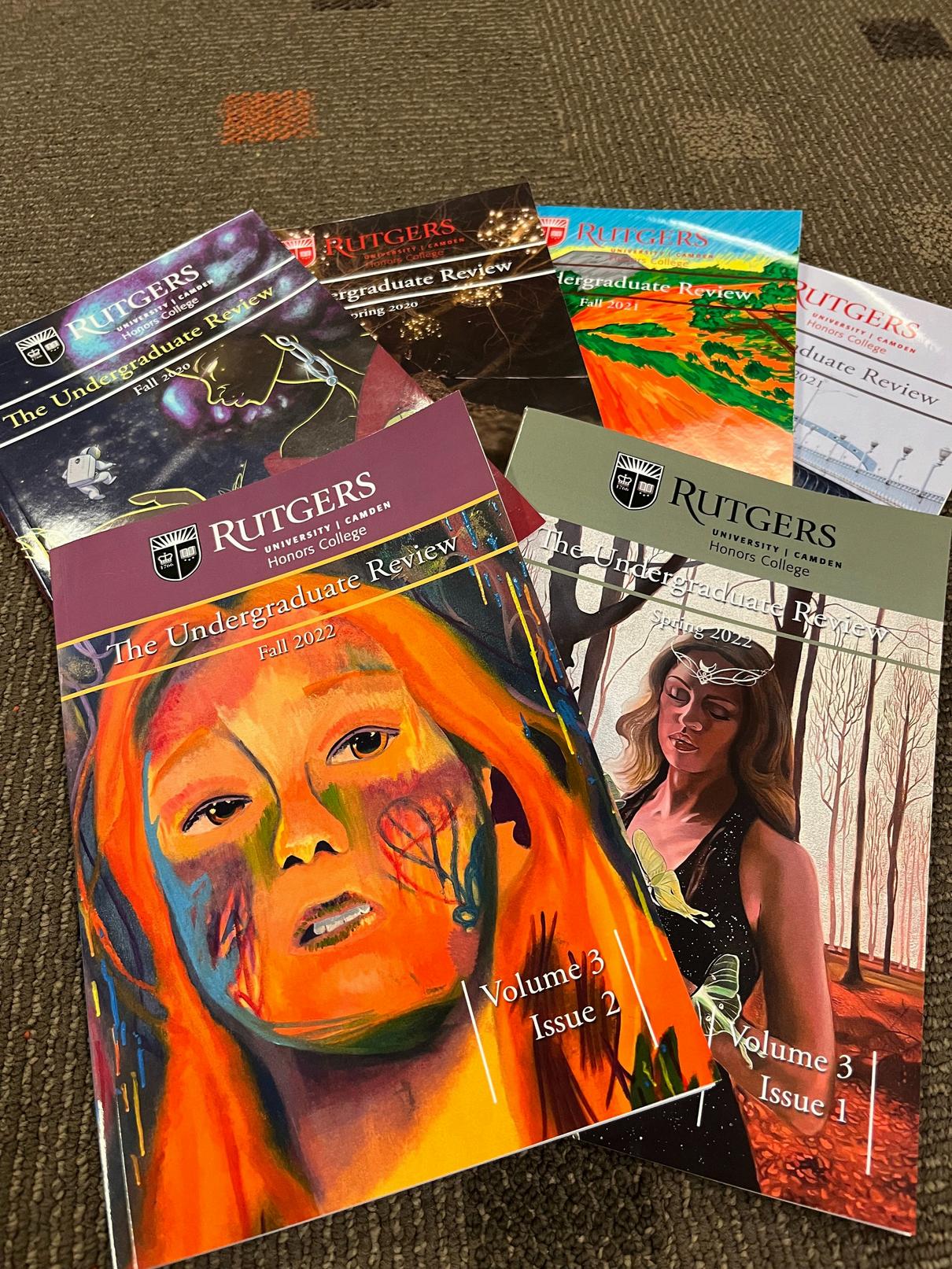
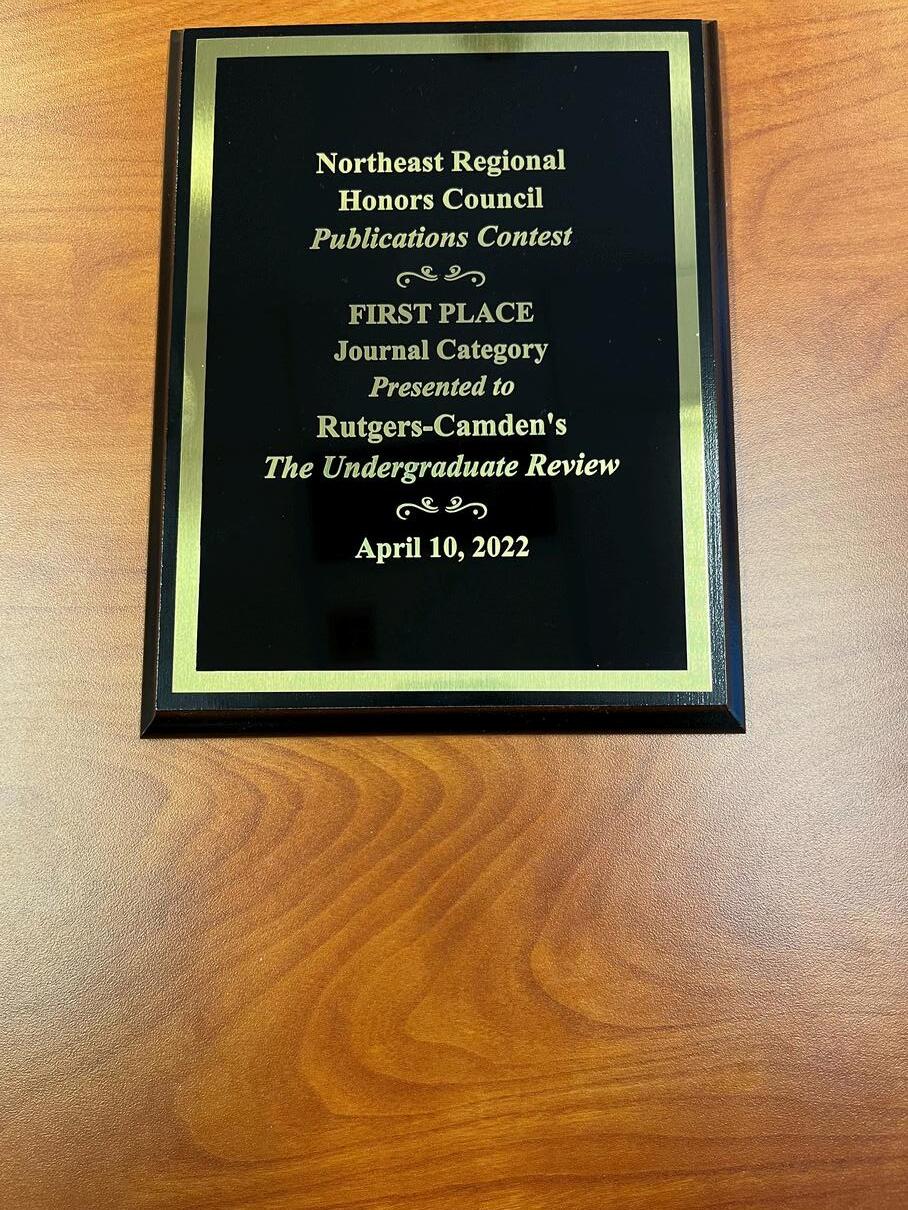
In 2022, the Rutgers-Camden Honors College won First Place in the Northeast Regional Honors Council’s publication contest for The Undergraduate Review, an undergraduate journal of scholarly and artistic work. The Review is overseen Assistant Dean Molina and Dr. Westman, along with student editors Jason Entrekin, Nancy Nguyen, and Calvin Nguyen.
This c share Coun
Seat a
ways
decisi
Examples of these efforts include The Undergraduate Review, the Honors College’s Peer Mentor program, and including students on search committees as well as review committees for future courses. Campus and Community Partnerships: What Could Go Wrong?, this presentation will discuss embedded community projects, and how most projects experience roadblocks of some sort. Students learn from these setback, even if this requires them to start over.
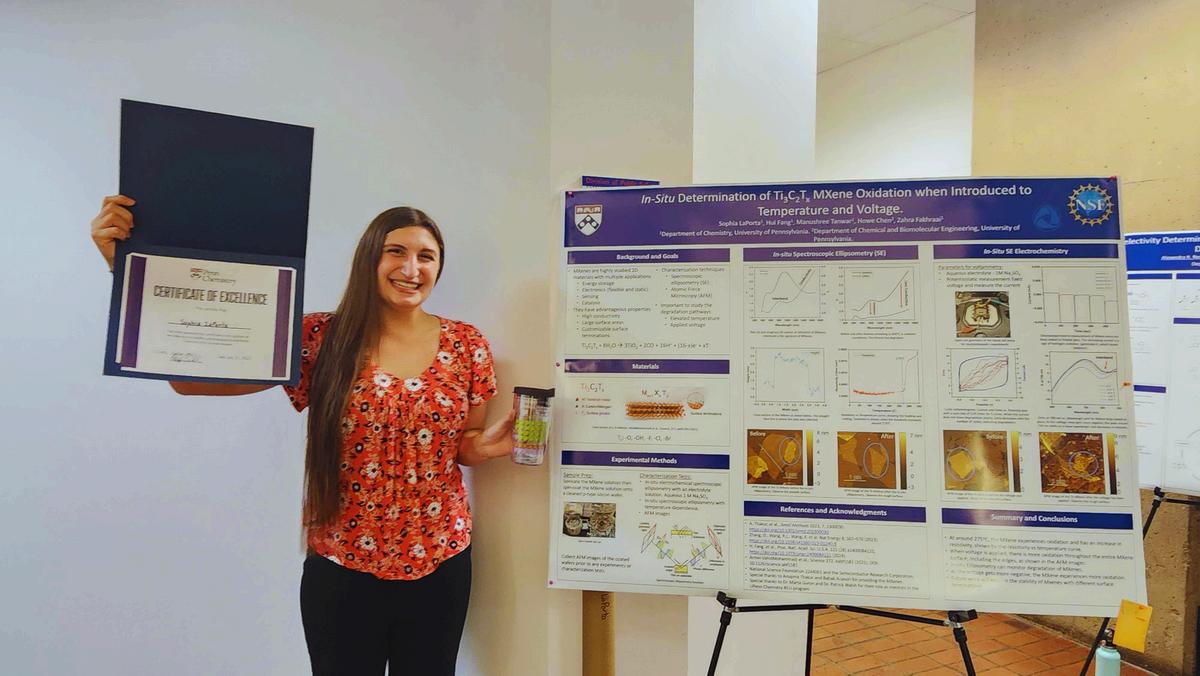
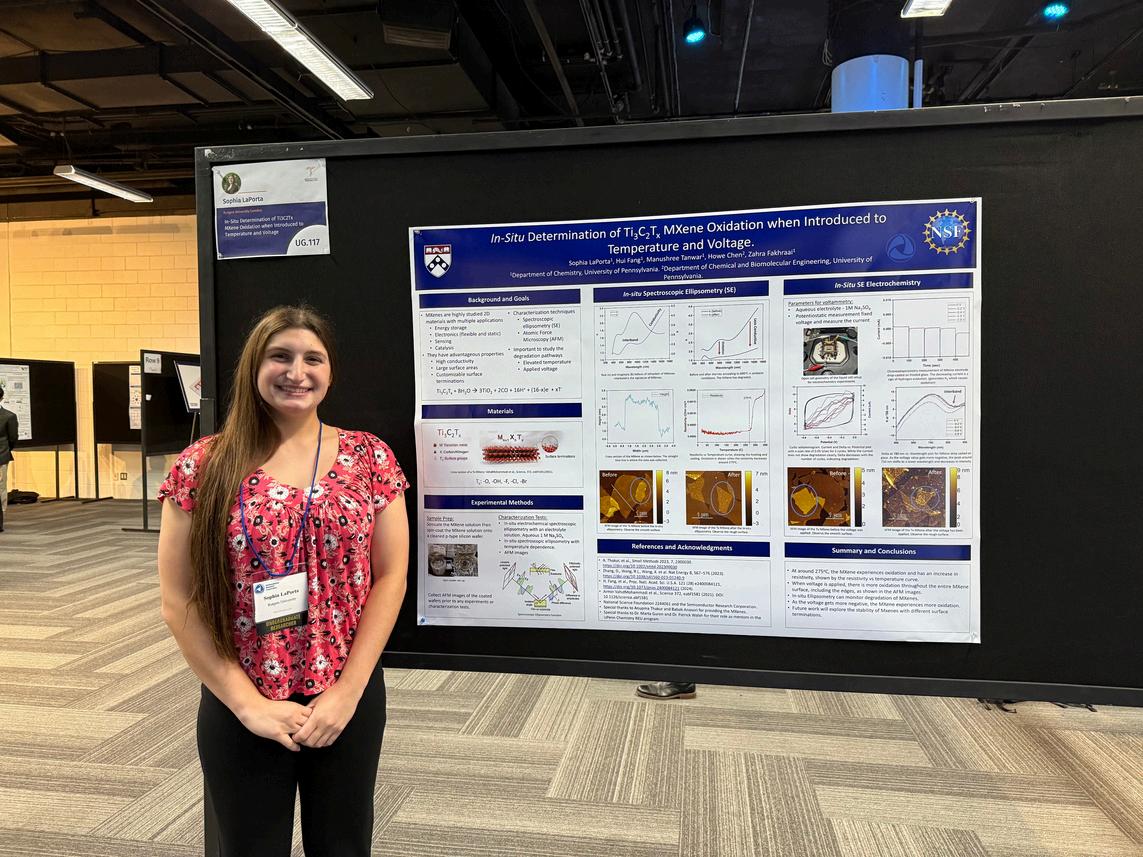
Sophia LaPorta, an Honors College Senior who majors in Biochemistry, completed a 10-week chemistry research experience at the University of Pennsylvania in the Fakhraai Lab as part of the UPenn Chemistry REU. At the end of the research project, Sophia and the other undergraduate students compiled their research into a poster, which was then presented to the UPenn chemistry community. At this presentation she was awarded a Certificate of Excellence in scientific communication.
Sophia then presented her UPenn research at TECHCON 2025 in Texas as sponsored by the Semiconductor Research Corporation (SRC). She presented her research as both a poster and with a lightning talk where she and the other members of her UPenn REU spoke about their experience and research.
Sophia will also be attending NDiSTEM Conference later this fall in Ohio. Sophia is attending this conference with the URISE program at Rutgers University - Camden to provide her with more opportunities to expand her research experience.
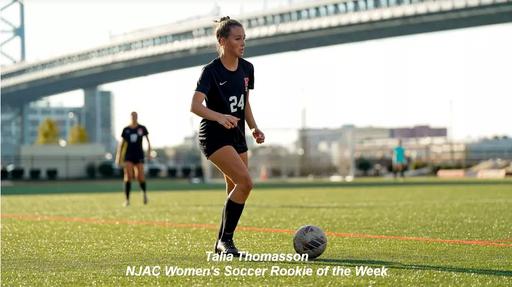
Honors College freshman Talia Thomasson, a Health Sciences majors, was named Rookie of the Week by NJAC Women’s Soccer.
Congratulations, Talia!
As an Honors College Faculty Fellow, Dr. Nate Walker is teaching an honors research seminar this fall that examines the impact of artificial intelligence on vulnerable populations.
"It's an interesting paradox," he said, "AI can both be a sword and a shield. AI can cause real harm to women, children, racial and religious minorities, and other vulnerable populations. But if designed responsibly, it can protect and even advance the very rights that it threatens."
His seminar builds upon his recent trip to South Africa, where he helped moderate the North-South policy dialogue on the proposed UN Convention on AI, Data, and Human Rights. This event featured the research that he and Amisha Rastogi, an honors student, are doing at the AI Ethics Lab.
A Professional Staff
Like offices throughout all of higher education, the Rutgers-Camden Honors College has a lot of moving parts. Our assistant deans regularly manage their advising responsibilities while taking on projects and initiatives on for the Honors College and the campus. Below is a brief accounting of their ongoing work:
Assistant Dean Gabriel Molina
The Honors College’s Undergraduate Review publication and its Peer Mentoring Program are both lead by assistant dean Molina. His prior classroom expertise and study of pedagogy shine through these student-centered and student-driven programs. Under his leadership, all Honors College staff and Peer Mentors have earned the “Be There” Certificate, an online mental health training sponsored by jack.org and the Born This Way Foundation. Assistant Dean Molina also organized a group of students to lead an Honors College team at this October’s Walk For The Cure event at Cooper River Park. He earned recognition this year on Front Runner New Jersey’s 30 Under 40 Top Latino Leaders of South Jersey.
Assistant Dean Krista Wehlen
As the higher education and South Jersey landscapes both change, assistant dean Wehlen has led the application and interview processes for the Joint B.S./D.O programs offered here at Rutgers-Camden in partnership with RowanVirtua School of Osteopathic Medicine. Assistant Dean Wehlen has empowered students to be part of the interviewing committee. Additionally, she has worked to reinvigorate faculty and staff committees dedicated to fostering support services for students pursuing pre-medical and pre-health professions.
Assistant Dean Brian Everett
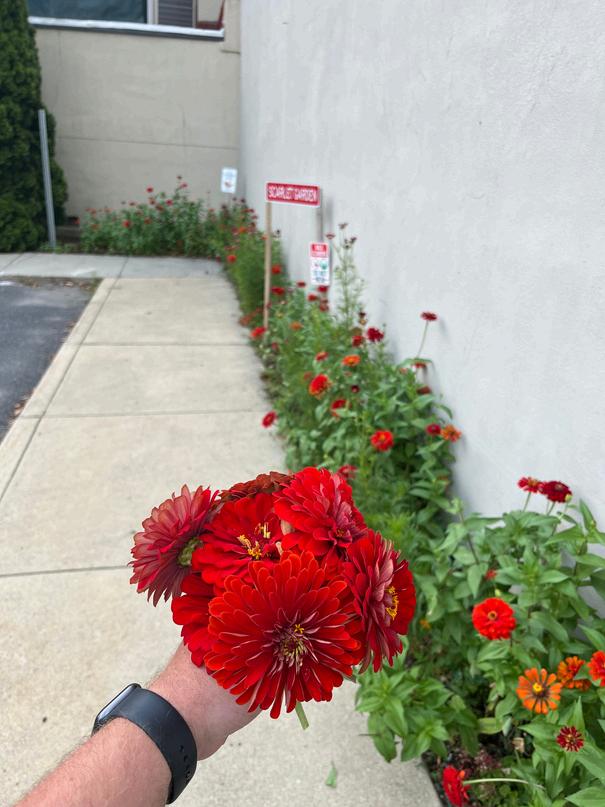
Assistant Dean Everett leads students through the care-taking of the Scarlet Garden, found just outside of the back-door entrance of Honors College building. He also has launched the Honors College’s Digital Badging Program. He partners with his academic advising colleagues across campus to facilitate an academic advising/academic affairs committee, and now partners with faculty and student support offices to aid students with language barriers. He serves on a university-wide task force charged with finding a replacement for Degree Navigator, serves as a University Senator representing RutgersCamden staff, and is co-chair of the Senate’s Budget and Finance Committee.
IMPACT Day 2025
th
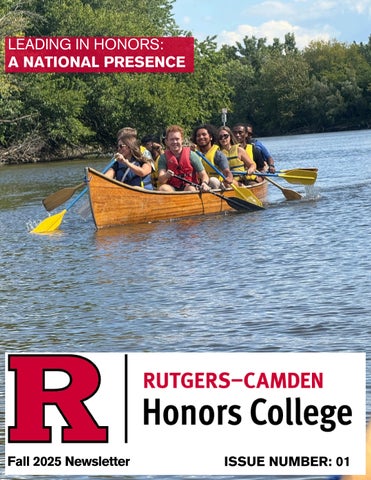
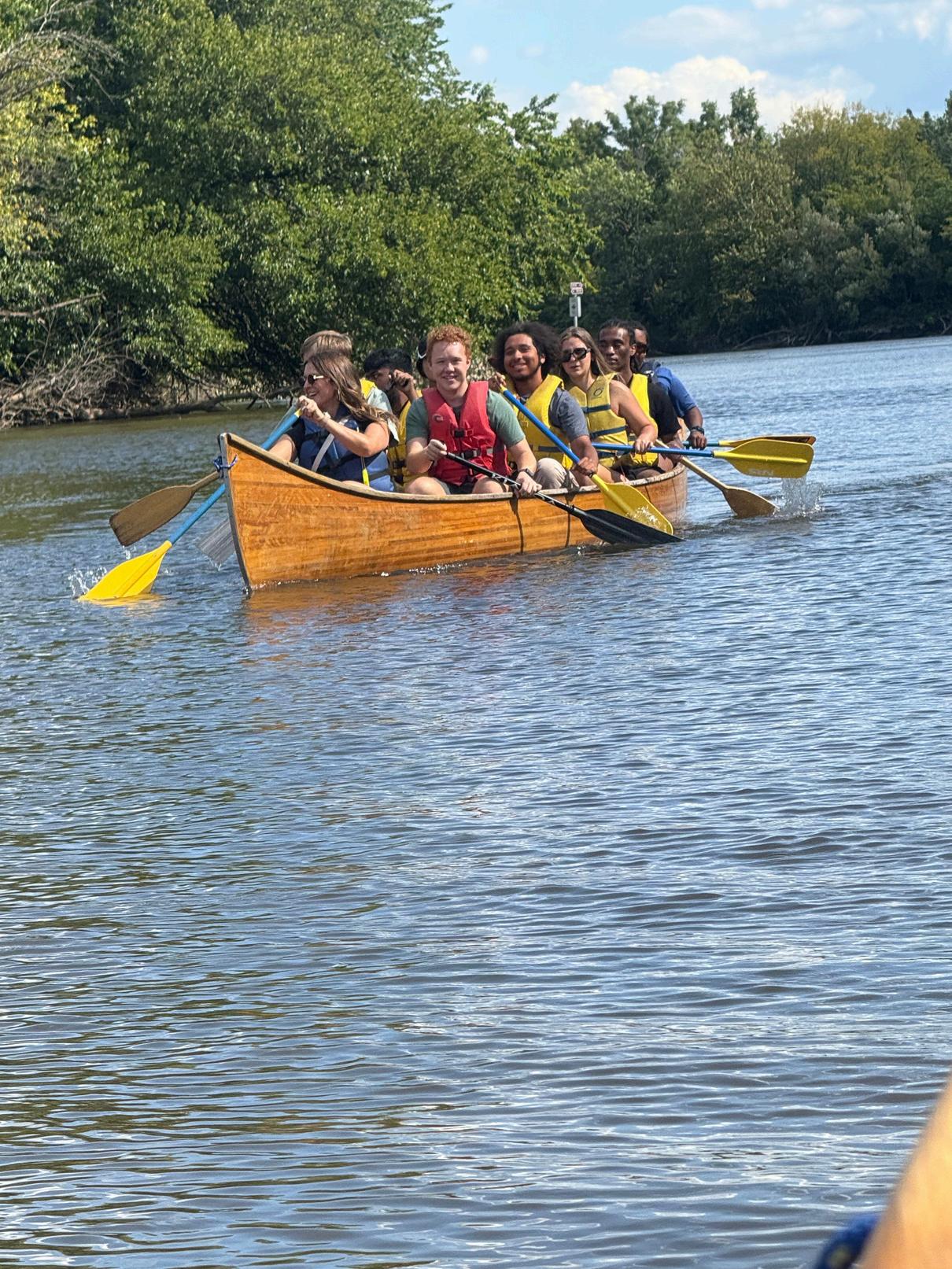
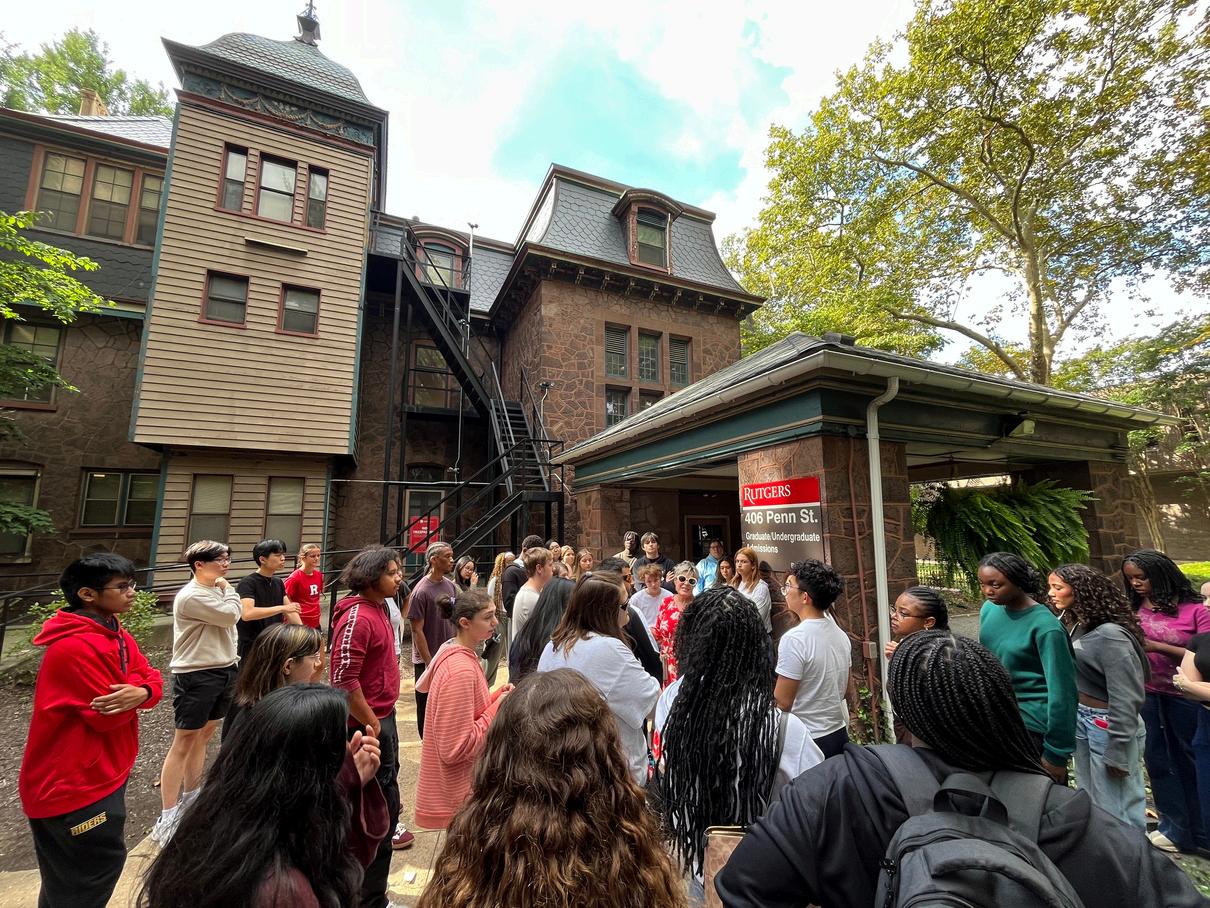
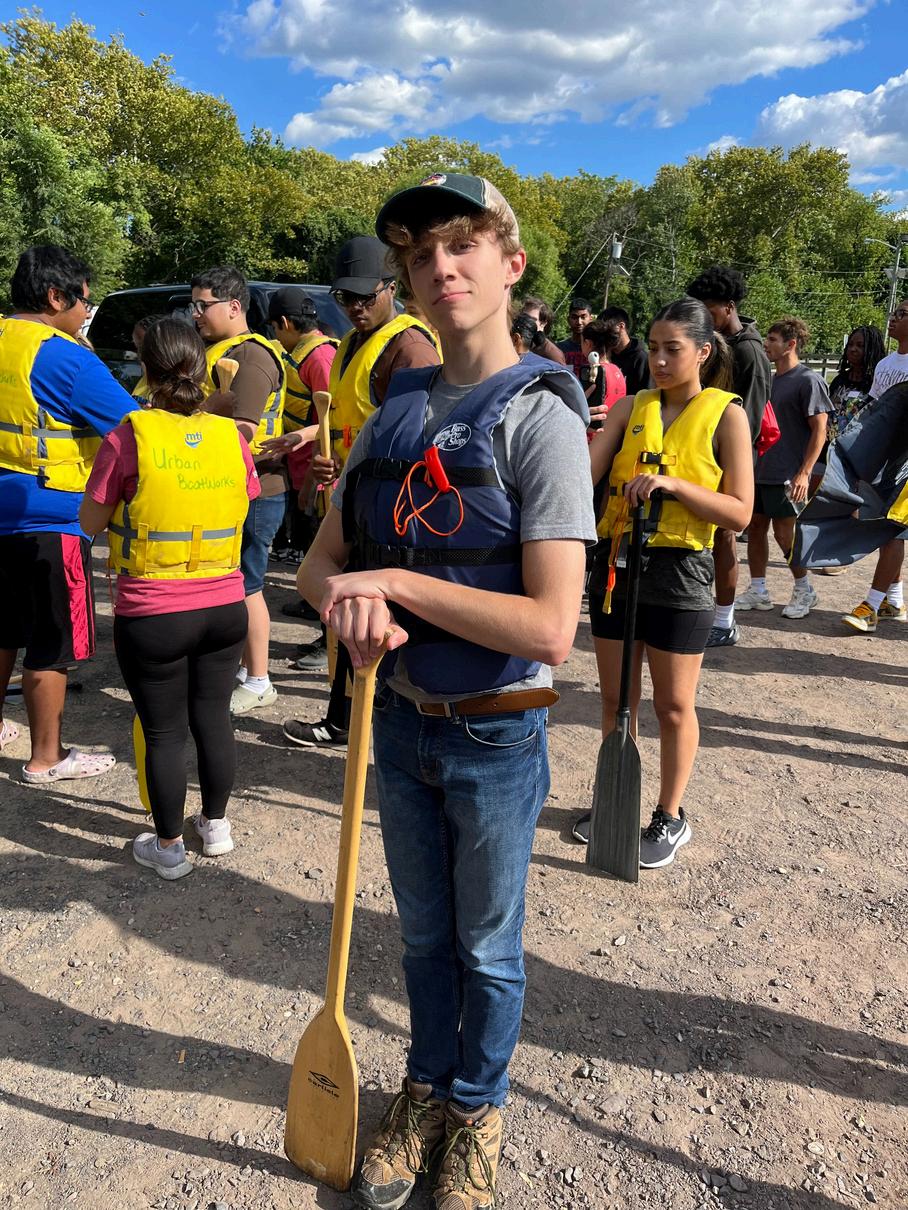
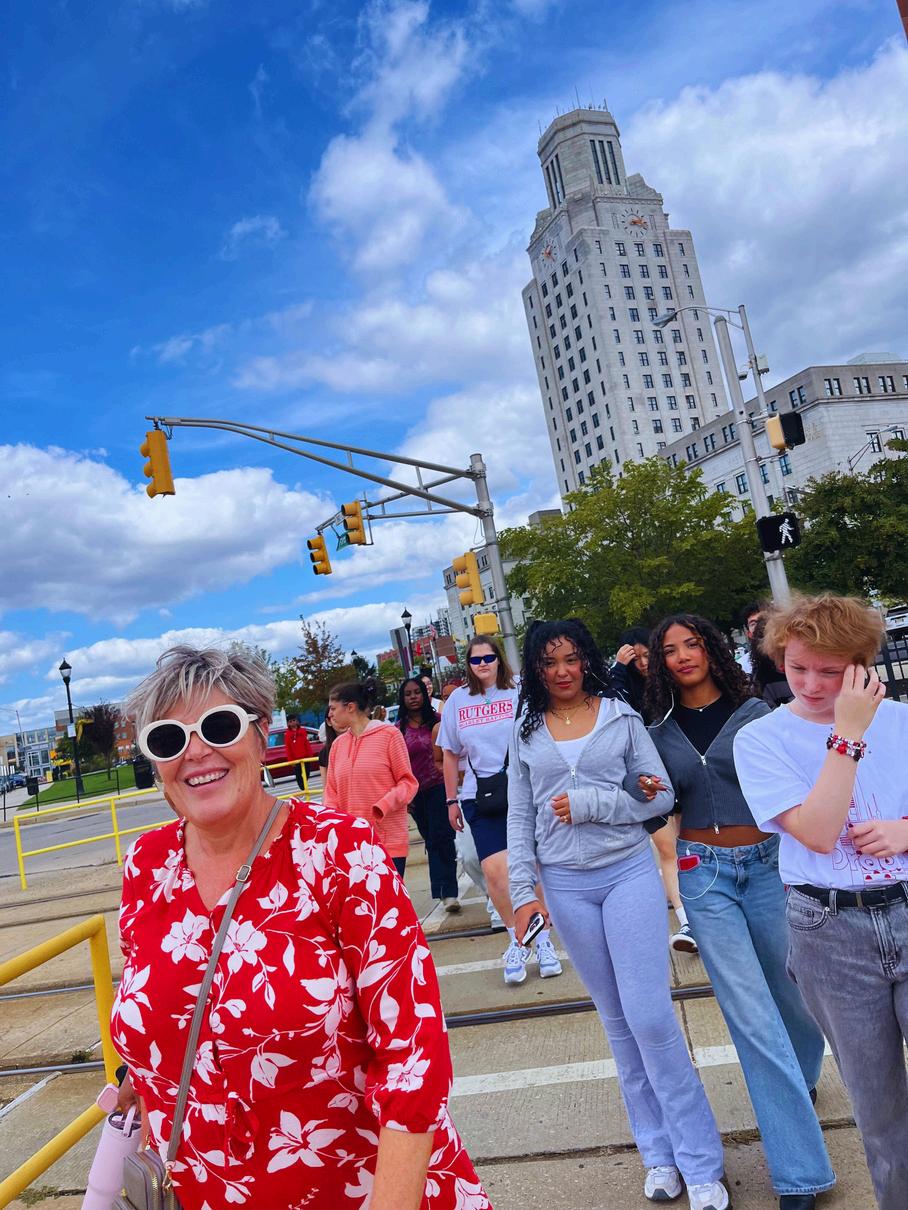
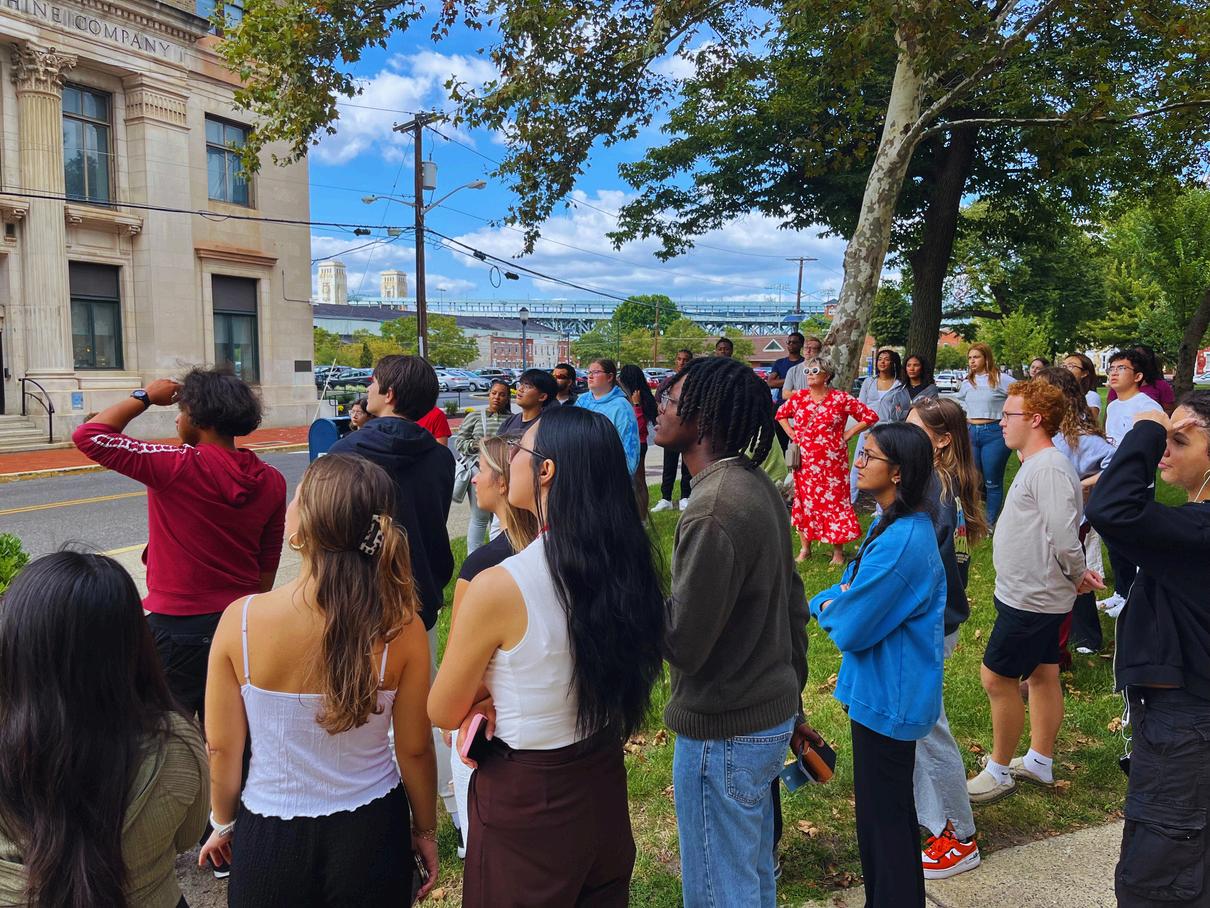
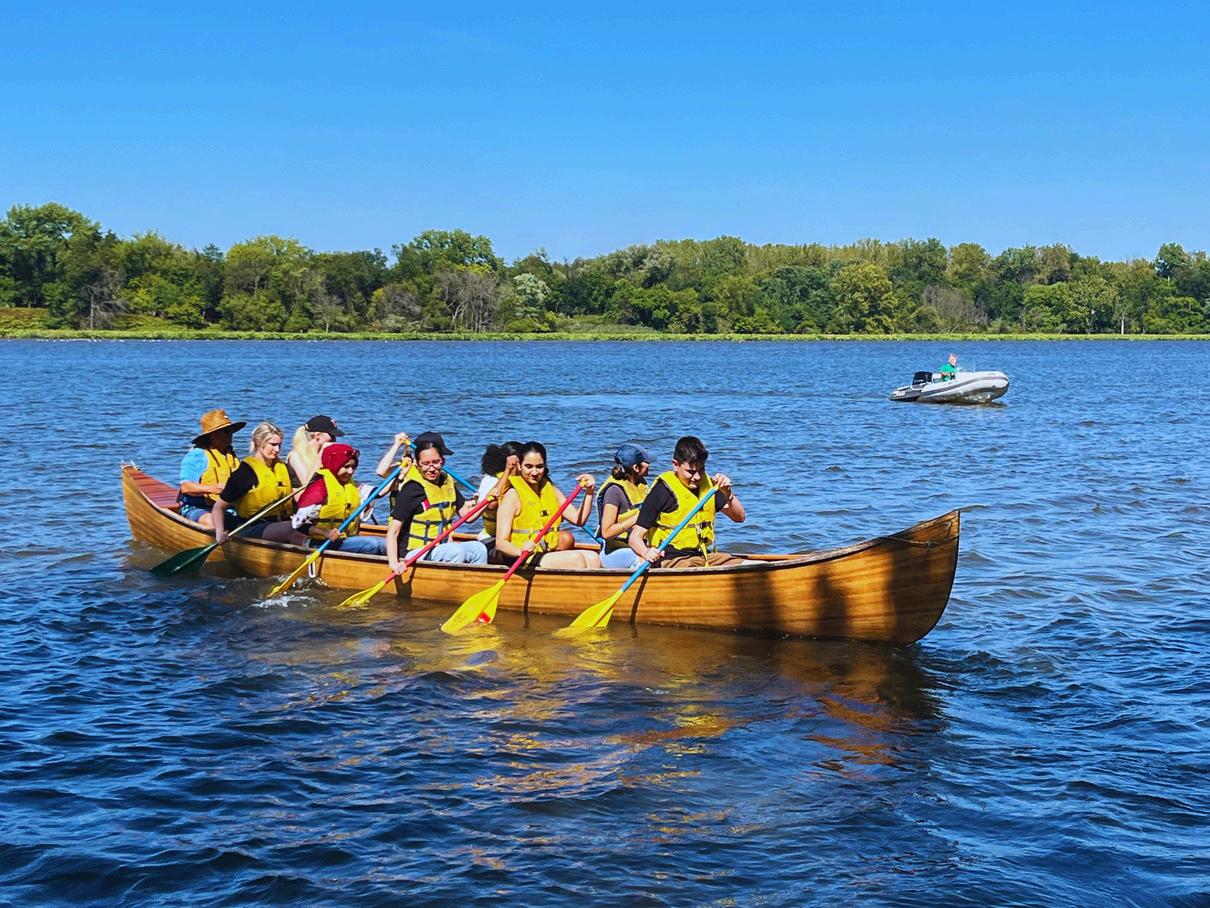
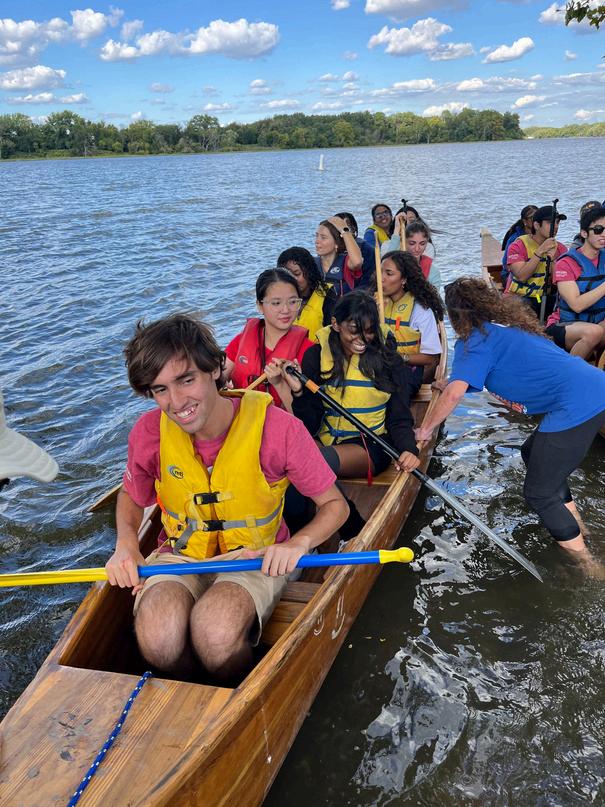
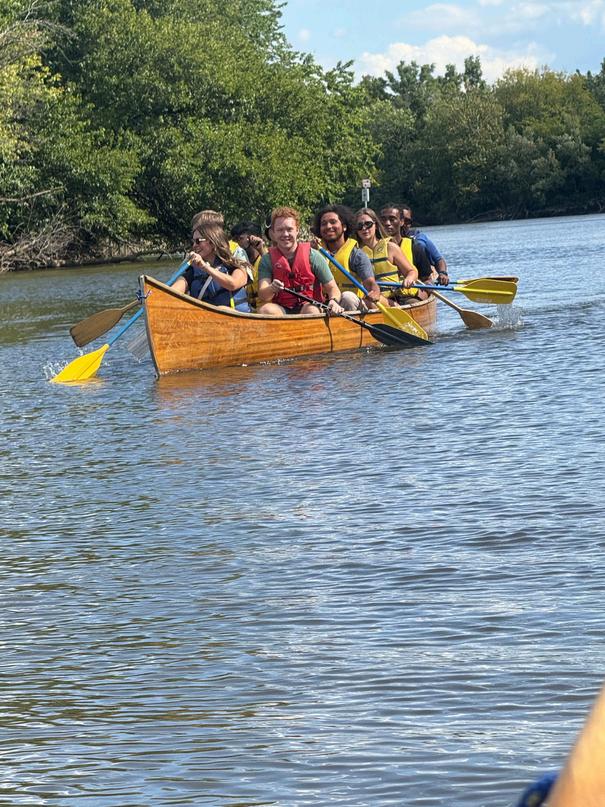
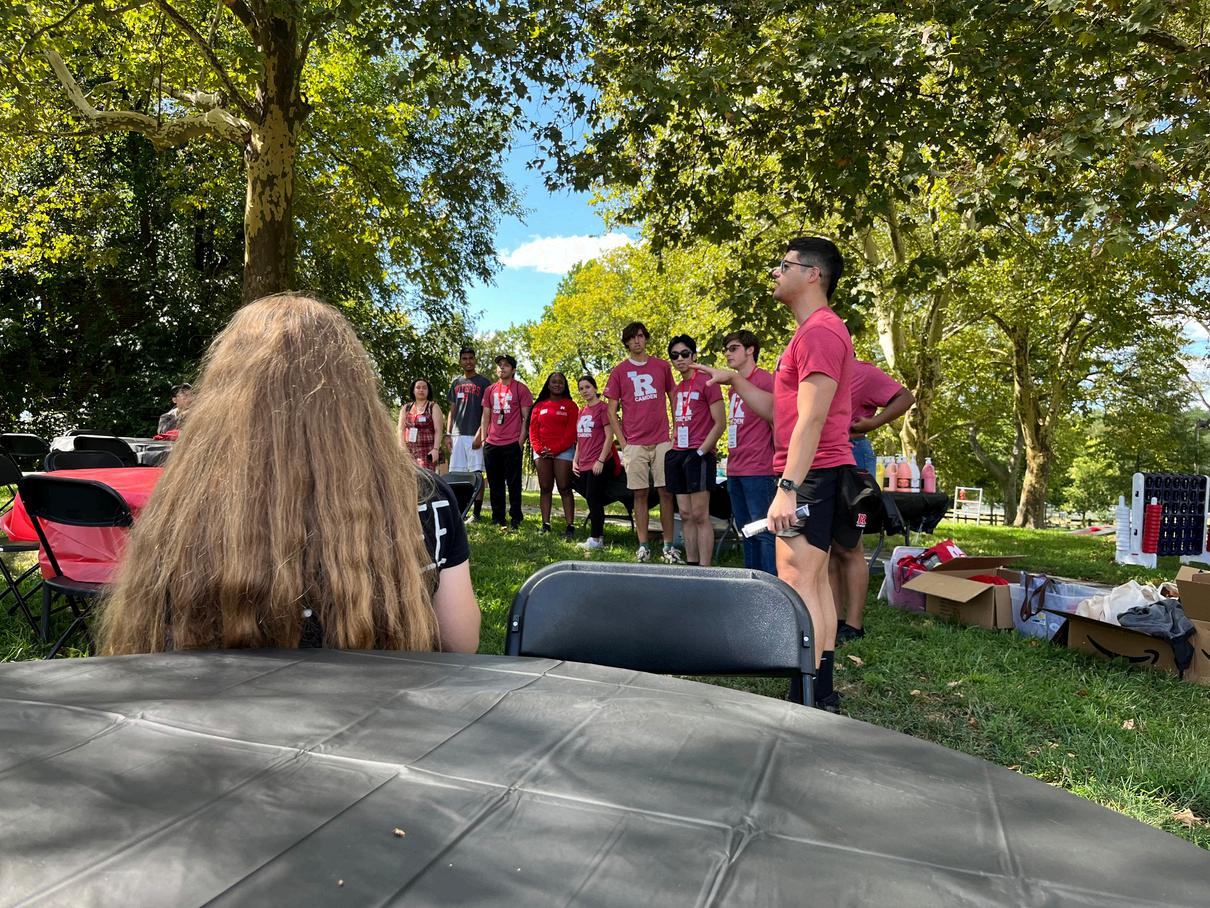
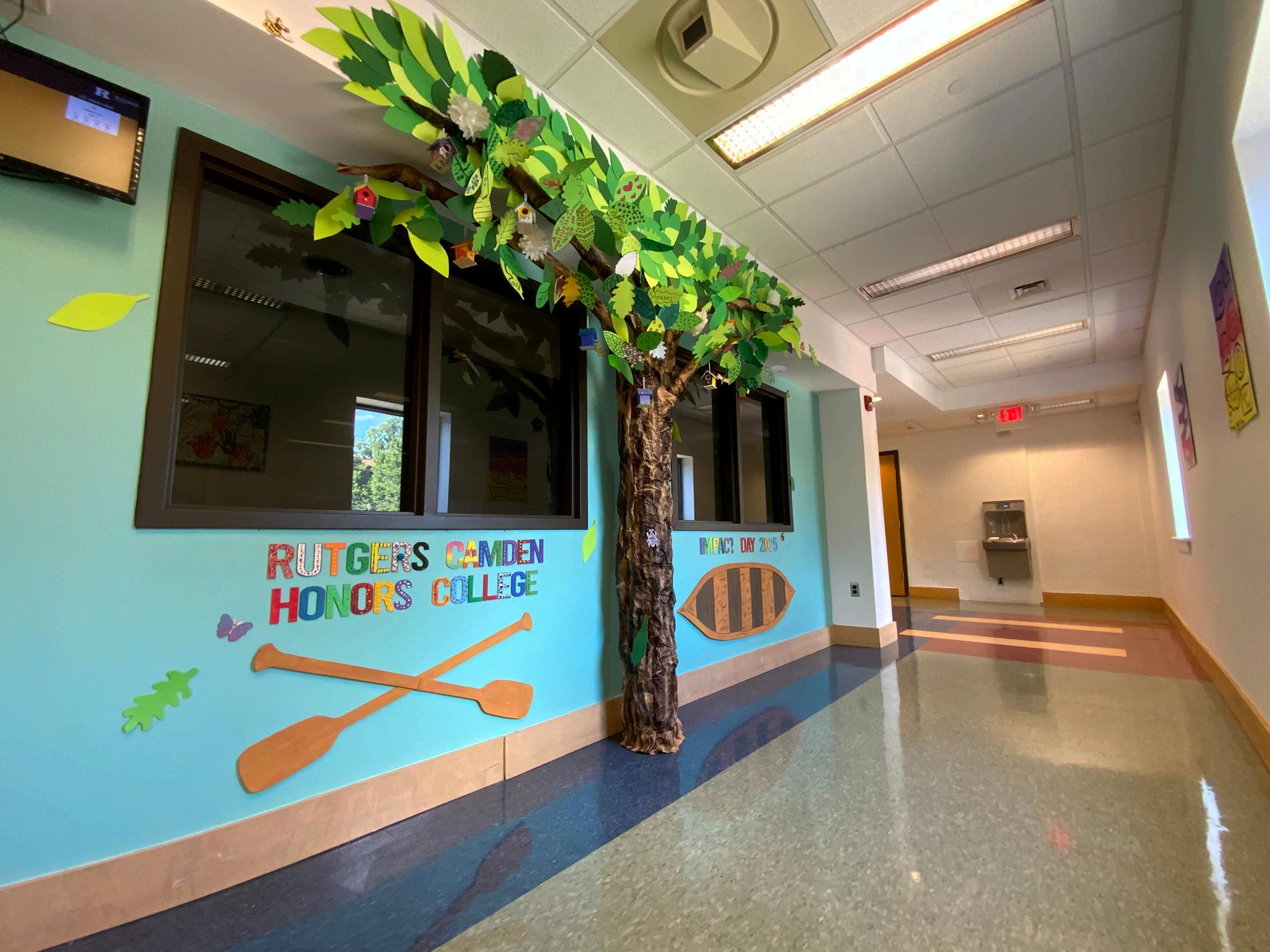
For the 5 straight year, The Honors College set up shop at Pyne Poynt Park and partnered with a Camden-based organization, Urban Promise, as part of our annual IMPACT Day events. Urban Promise partners with local Camden City middle schools and high schools, and through the mentorship of volunteers, they construct the very canoes our Honors College student used to voyage along the Cooper River inlet.
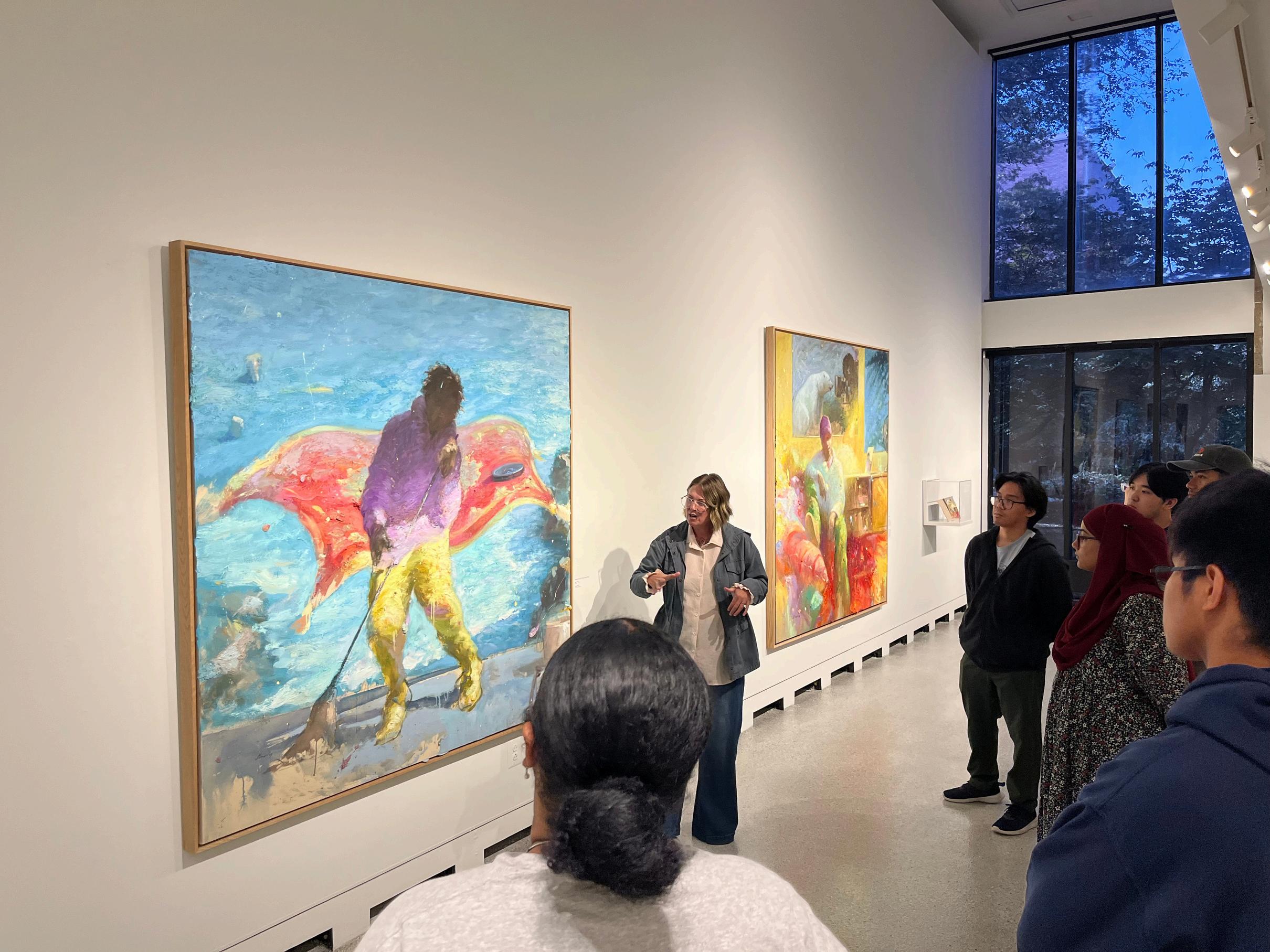
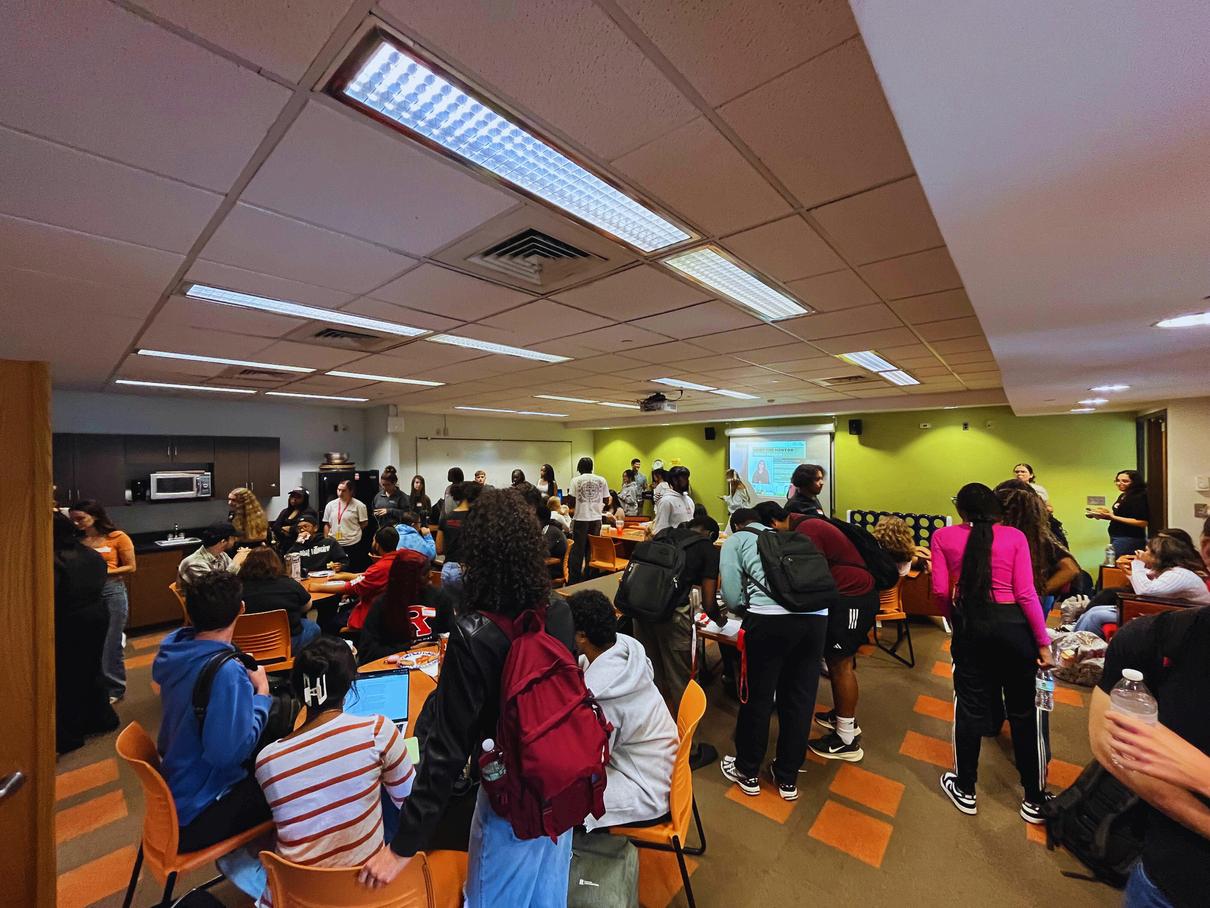
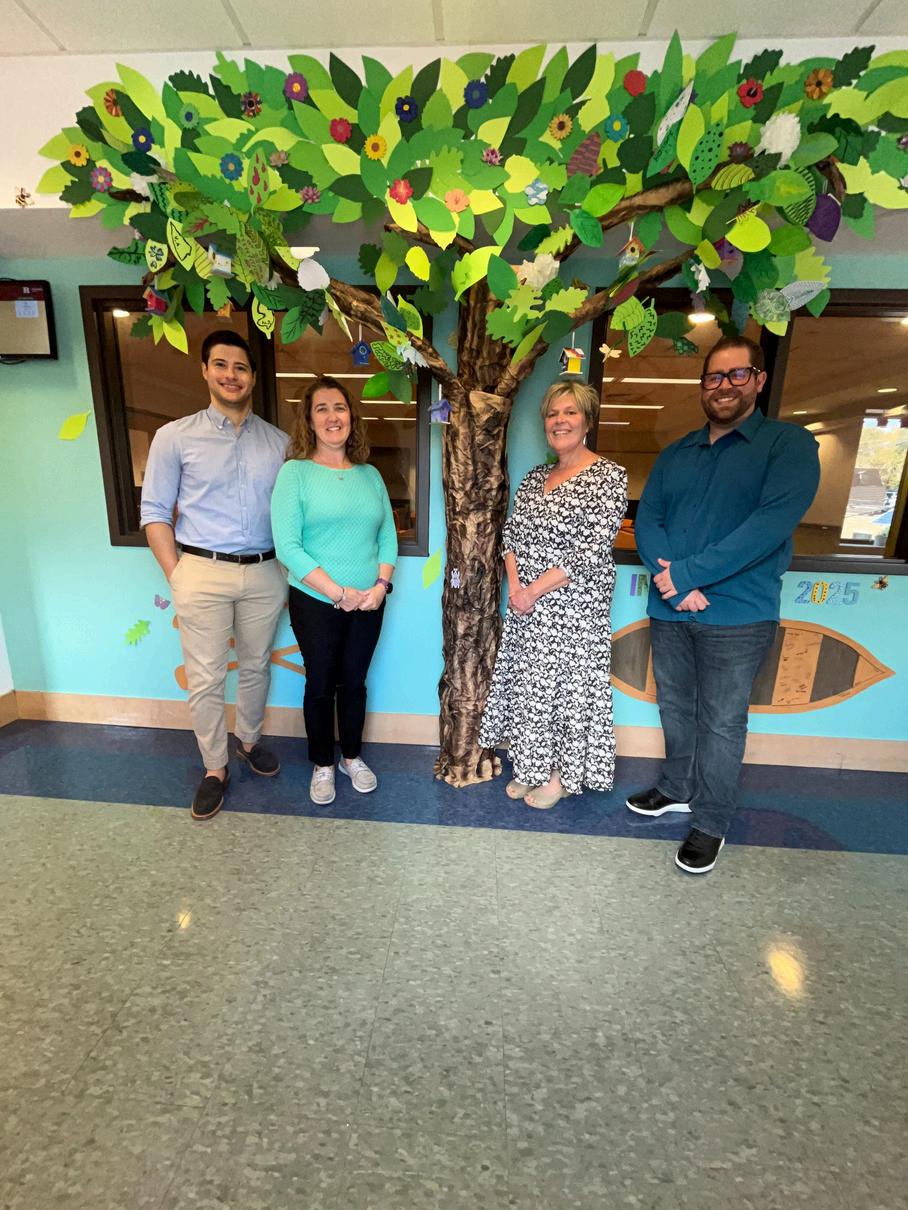
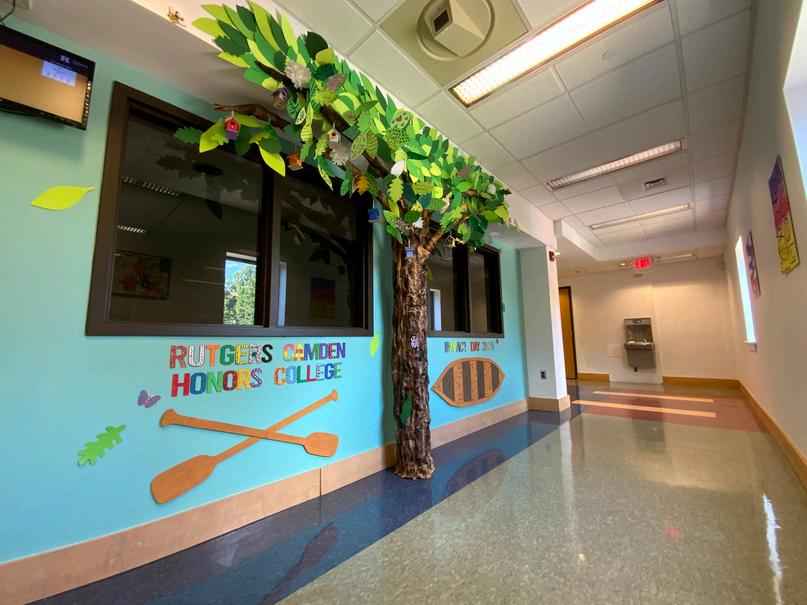
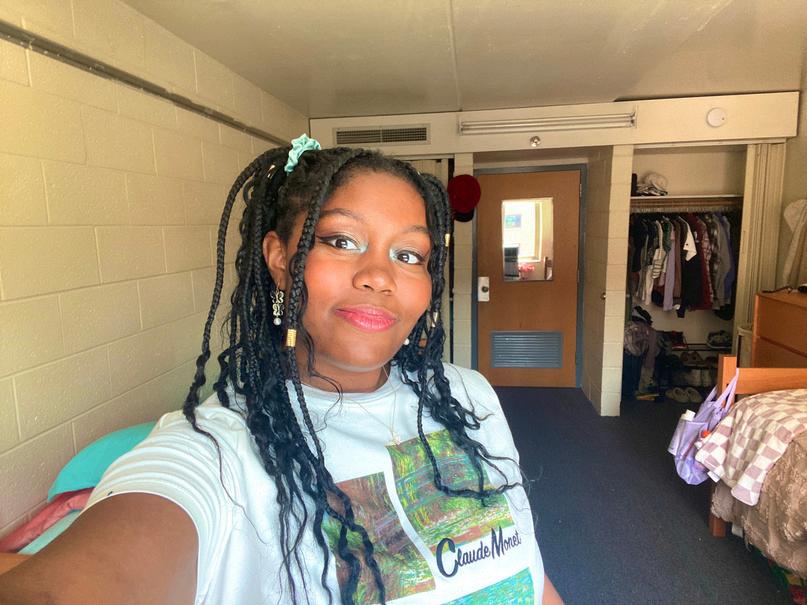
In addition to trying something new on their first day, our incoming Honors College students work on an art project alongside their new peer mentors. Assistant Dean Molina designed this year’s project, and organized the peer mentor pairings.
Artificial intelligence has the potential to both violate and advance human rights, particularly affecting vulnerable populations. But what does that really mean? Which rights are at stake, for whom, and why? How might vulnerable populations be compromised, and who bears the responsibility for protecting them? How does AI impact—negatively or positively—women and children, as well as racial, ethnic, Indigenous, and religious minorities? What can technology companies and regulators do to ensure that AI minimizes harm and maximizes benefits for persons with disabilities, older adults, LGBT+ people, refugees, and migrant workers? In this course, students will apply what the United Nations calls a “vulnerability lens” to evaluate AI’s impact on vulnerable populations throughout its lifecycle—from development to deployment to monitoring. No prior experience in computer science, philosophy, or law is required; however, students majoring or minoring in these disciplines are encouraged to enroll.
Inventing Sex: Bodies, Gender, and Sexuality in the Archives
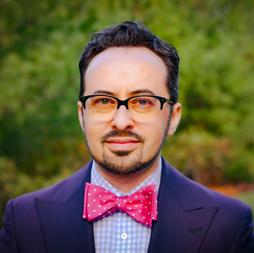
Jesse Bayker
Modern American institutions are built on the premise that men and women are fundamentally different in ways that are obvious and indisputable. And yet human bodies and psyches persistently defy neat categorization into just two types. Sex categorization—the division of humans into male and female—has fascinated scientists, religious thinkers, and social theorists for centuries. Ideas about hermaphrodites and sexual intermediaries— people whose bodies and sexual desires did not fit into a strict binary system—have often been at the center of the debates about the very nature of being human. This course traces the invention of sexual categories from the medieval period to the modern era using a wide array of scientific and literary texts and archival visual materials. We analyze how scientists made meaning of the world through the practice of obsessively collecting, curating, and categorizing case studies, specimens, and scientific illustrations. In the process, students develop a critical understanding of modern queer, transgender, and intersex identities in historical perspective. Students then engage in archival practice and curate their own meaning-making collection of artifacts drawn from local and digital repositories related to queer and trans history.
Human-in-the-loop: cyber-physical systems and artificial intelligence
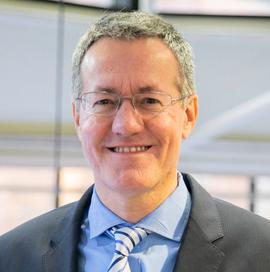
Benedetto Piccolo
The course will provide a basic introduction to cyper-physical systems and the use of Artificial Intelligence. Cyberphysical systems (briefly CPS) are defined as systems with a physical component and a digital one. A good example is autonomy in driving. This includes autonomous vehicles, with capabilities such as maintaining lanes, regulating speed, parking, all the way to complete autonomy, but also intelligent infrastructure, such as travel speed suggestions, apps for best routes, alert systems. Both theory and practice struggled in the past with understanding the human-in-the-loop component. This refers to the fact that human actions influence the whole system, for instance in driving humans keep control of the vehicle and perform driving choices. A further complication emerges with the massive use of Artificial Intelligence (briefly AI) tools. The course aims at introducing both basics of CPS systems and AI, give a perspective on the current state-of-the-art, and stimulating questions on how to improve such systems for optimizing the human experience.
Umwelt: Animal, Vegetable, Mineral
Sarah Allred
‘Umwelt’ is a German word that describes ‘what it is like’ for an organism to perceive the world. Human and nonhuman creatures alike experience the world through their senses, but the Umwelten of non-human organisms are decidedly different than the human Umwelt. Some animals have similar senses as humans (e.g. vision), but their Umwelt is different because they have sense receptors that perceive light that humans do not. (For example, bees see ultraviolet light; and fire-chasing beetles see far-far-infrared light.) Some animals have entirely different senses that let them ‘see’ parts of the world that humans are ‘blind’ to, such as magnetic fields and electricity. Although plants to not have nervous systems and are thus argued by some philosophers not to have an Umwelt at all, plants clearly also take in information about the world and act on it. In this course, students will engage in extended interdisciplinary imagination of Umwelt. What would it be like to ‘see’ as a fungus does, with its million miles of hyphae inserted into tree roots across a forest? What would it be like to ‘taste’ the direction of the south pole through the earth’s magnetic field, as loggerhead sea turtle does? Students will also learn about why human and non-human organisms have the Umwelts that we do. What features of the living and nonliving world shaped the Umwelt of the living?
Seminar on Professional Nursing
Dr. Scott Hirst
This introductory nonclinical course in nursing is designed to provide the student with a foundation in nursing knowledge that will provide the basis for ensuing theory and clinical nursing courses. Major foci will be the discipline and profession of nursing, its history, its conceptual and theoretical structures, and the patterns of knowledge needed for developing the science and practice of nursing. It requires the integration of previously acquired knowledge in the sciences, arts, and humanities and introduces basic concepts in epidemiology, demographics, and cultural competencies, as well as the knowledge necessary for a beginning understanding of the research process, and for development of interpersonal and interdisciplinary communication skills. The ethics and values of the profession as well as the scope of practice and other legal and regulatory aspects will be introduced. Current issues in nursing and the many roles of the baccalaureate-prepared professional nurse will be examined and discussed as the student is socialized to become a self-reflective, accountable, lifelong learner given to self-appraisal as she or he navigates the route to achieving the terminal objectives of the curriculum.
Monsters and Other Weirdos in Folklore and Fiction
Professor Sean Lovitt
This class is rooted in folk tales as the expressions of traditional and changing beliefs about our humanity. We will look at how these classic stories define humanity in relationship to its inhuman others, both natural and the supernatural. We will track the beliefs and definitions of the inhuman across genres to modern iterations in the oral culture of cryptids and literary inventions of Weird Tales. A close reading of these stories reveals the troublesome ways we construct our idea of the human, of civilization and even reality through exclusions of “beastly,” “unreal,” and “weird” beings. For example, we will critically examine the role that storytelling played in constructing a modern industrial culture that devalued our relationships to animals and our environment. More broadly, we will investigate what fictional animals and monsters tell us about humans who were historically excluded from spheres of social life and, in some cases, humanness. While studying these stories, we will consider questions of gender, race, and sexuality. In what ways do these stories reinforce the exclusive boundaries of what counts as human and in what other ways do they expose its porousness?
(De)Humanizing the Other: Multilingualism and Linguistic Minorities in the United States
Professor Silvia Perez-Cortes
This course is designed to provide students with the tools to analyze how immigration has shaped the cultural and linguistic landscape of the United States through time, and to reflect upon the ideologies that foster (or deter) inequalities rooted in social and linguistic discrimination. To do so, students will be presented with a critical overview about the presence –and influence– of multicultural and multilinguistic minorities in the US, placing a particular emphasis on Latino, Asian and African American communities. In our sessions, we will focus on understanding the characteristics and evolution of the languages and dialects spoken by these groups (i.e. Spanglish, Latino and African American English, Creoles…) as well as the impact of standardized linguistic ideologies on their acceptance and perception
Slavery and Freedom from Ancient Rome to Rutgers
Professor Evan Jewell
The history of slave systems in the Roman and Atlantic worlds has seen a surge of interest in recent years, not least because comparative histories of slavery have also become a topic of scholarly interest. Yet the subsequent histories of freedom for the (formerly) enslaved peoples studied are usually disconnected from one another, and are rarely put into comparative perspective. This course seeks to remedy this by examining both the history of slavery and freedom—including its transitional, more nebulous states—and the constituent experiences of enslavement and freed life in the Roman and Black Atlantic worlds in a comparative framework, stretching from the moment of abduction to the acts of resistance, rebellion, flight and emancipation, and finally to the experience of “limited freedom” which freed people in both societies were/are subjected to, not least in the forms of citizenship conferred on, or withheld from, them.
Restorative/Transformative Justice
Professor Josh Staub
This course is designed to teach students about the history and practices of Transformative/Restorative JusticePractices (TRJP), providing insight into how TRJP can be integrated into systems, making them restorative, how TRJP can impact and inform policy creating opportunity for innovations leading to an increased quality of life for all people, regardless of their identifying factors, and teaches hands-on skills like restorative conversations and four unique forms of circle practices equipping students with skills that will aid them in navigating their various career choices.
Faculty who are interested in proposing an Honors Seminar for the 2026-2027 academic year are encouraged to review the criteria sent out by their dean, and submit their proposal to Dr. Lee Ann Westman, Director of the Honors College, by December 1 , 2025. She can also be reached for questions at leeann.westman@rutgers.edu st