
TERRITORIAL HUB
TERRITORIAL HUB
A RECONNECTING SYSTEM FOR FOOD, MATERIALS AND ENERGY IN LEEDS PRIORITY NEIGHBOURHOODS
Renfeng Yin (MSC)
Deming Liu (MSC)
Yuyang Ding (MSC)

LANDSCAPE URBANISM 2024-2025
ARCHITECTURAL ASSOCIATION SCHOOL OF ARCHITECTURE
Thesis Supervisor
Clara Olóriz Sanjuán
Programme Directors
Jose Alfredo Ramirez
Eduardo Rico-Carranza
History& Theory Seminar Tutor
Clara Olóriz Sanjuán
Elena Luciano Suastegui
Technical Tutor
Daniel Kiss
Huang Sheng-Yang (William)































2.1

HUB?








4.1
























LAND REQUIREMENTS FOR A SELF-SUSTAINING CITY









TERRITORIAL HUB
Amid the intersecting crises of climate change, energy poverty, and housing inequality, political and industry attention is often reduced to a narrow focus on carbon reduction—typically framed through technological efficiency or offsetting schemes. Yet, within the housing sector, such a reductionist lens fails to address deeper social contradictions. Conventional large-scale demolition schemes, long employed as urban regeneration strategies, have not solved issues of housing equity. Instead, they frequently exacerbate injustice: original communities are displaced, residents face uncertain or inadequate rehousing, and social fabrics are fragmented. Against this backdrop, retrofit has emerged as an alternative, yet its mainstream practice still carries structural limitations. Too many retrofit strategies emphasise cost savings and technical energy performance, while externalising social and environmental costs. These externalities manifest in unsustainable material supply chains, the marginalisation of residents in decision-making, and top-down governance structures driven by corporate contractors and datafication.
As a result, retrofit often remains at the surface level of efficiency upgrades, without addressing the underlying inequities embedded in housing and community life.
Social housing is at the epicentre of these challenges. Much of the existing stock dates back to the early twentieth century, marked by ageing structures, high energy waste, and concentration within areas of long-term poverty and deprivation. While the UK government has introduced initiatives such as the Social Housing Decarbonisation Fund (SHDF) and the Local Authority Delivery Scheme (LAD) to drive energy upgrades, these schemes exhibit significant blind spots. They confine policy goals to carbon reduction at the level of technical performance, while overlooking the sustainability of materials, the local economic multiplier effects of retrofit supply chains, and the rights of residents to participation and ownership. In this sense, retrofit risks becoming another form of “greenwashing”: a technocratic façade that masks the persistence of extractive practices, externalised costs, and systemic marginalisation.
This study seeks to move beyond these limitations by reframing housing retrofit as a territorial strategy. Through the model of the Territorial Hub, we explore how housing retrofit can be expanded to integrate food, energy, and material systems, transforming retrofit into an anchor of socio-ecological infrastructure that fosters collective care and regional regeneration. The emphasis on locally sourced biobased materials (such as hemp fibre and wood fibre) is not only motivated by their significant carbonreduction potential, but also by their capacity to reshape governance logics, labour relations, and ownership structures within the retrofit process.
By employing Public–Common Partnerships, GIS-based spatial analysis, and design research, this study advances a framework for housing retrofit as a place-based catalyst for justice. In this framework, retrofit is no longer a mere technical exercise of efficiency, nor a continuation of extractive redevelopment models. Instead, it becomes a process of cultivating the commons: an infrastructure of care, collaboration, and resilience that sustains both people and the land they inhabit.
PROJECT STRUCTURE & METHODOLOGY PROJECT STRUCTURE
This project is structured into three main strands, each addressing a critical dimension of social housing retrofit within the UK’s Net Zero policy framework:
Landscapes
of Production
How can locally sourced biobased materials (such as hemp and wood fibre) be cultivated, processed, and applied in retrofit projects in ways that strengthen local economies and enhance biodiversity? What opportunities exist for housing retrofit to serve as a territorial anchor that connects material production with ecological regeneration?
Ownership and Governance
Who owns the resources, infrastructures, and decisionmaking processes underpinning housing retrofit? What mechanisms of finance and governance—such as Public–Common Partnerships—can redistribute benefits more equitably and empower communities in retrofit delivery?
Labour and Skills
How might the transition from extractive, carbonintensive industries towards biobased material economies create new forms of work? What training, reskilling, and institutional support are required to integrate workers into a decentralised retrofit supply chain, ensuring fair labour conditions and social justice?
The project unfolds across seven chapters. Chapter 1 introduces the Net Zero policy context and the challenges facing social housing. Chapter 2 examines conventional retrofit approaches and identifies systemic shortcomings. Chapter 3 explores the role of biobased materials in reducing embodied carbon and reshaping retrofit practices. Chapter 4 develops the concept of the Territorial Hub as a socio-ecological infrastructure linking housing with food, energy, and materials. Chapter 5 addresses ownership and governance structures, proposing Public–Common Partnerships as an alternative to market-led delivery.
Chapter 6 reflects on labour transitions and supply chain resilience. Finally, Chapter 7 concludes by identifying policy gaps and outlining avenues for future research and experimentation.
Methodology
This research adopts a qualitative and design-based methodology, guided by the principle that architectural research can be both analytically rigorous and creatively speculative.
Case Study Approach
The study is grounded in a case study of Leeds, focusing on Priority Neighbourhoods (such as Bayswater) where deprivation, housing need, and policy support intersect. This allows for a place-based exploration of retrofit challenges and opportunities.
The methodology integrates:
Critical Discourse Analysis (CDA): Drawing on Fairclough’s framework, CDA was conducted to interrogate UK decarbonisation initiatives, housing retrofit policies, and biobased material strategies, highlighting how narratives of sustainability intersect with power, governance, and equity. GIS Spatial Analysis: Mapping Index of Multiple Deprivation (IMD) data, housing association locations, community organisations, and policy-defined neighbourhoods to determine potential sites for Territorial Hubs and evaluate accessibility within 20-minute neighbourhood catchments.
Design Research: Developing speculative territorial models and visual outputs (maps, diagrams, retrofit scenarios) to translate policy analysis into actionable spatial strategies.
Field Observation and Precedent Analysis: Reviewing built examples (e.g., Wolves Lane, Atelier Groot-Eiland, and London’s housing retrofit projects using biobased materials) to extract transferable principles.
Policy and Economic Analysis
Reviewing government funding schemes such as the Social Housing Decarbonisation Fund (SHDF) and Local Authority Delivery Scheme (LAD), as well as exploring material supply chain economics, labour conditions, and regulatory gaps.
Approach
By combining critical policy analysis, territorial mapping, and design speculation, this project aims to reposition retrofit as a territorial strategy that goes beyond energy efficiency. The approach emphasises:
Material sustainability through biobased innovation. Community empowerment through participatory governance and ownership.
Labour justice through reskilling and fair integration into new supply chains.
Ultimately, the methodology underscores that retrofit must be more than a technical fix: it must become a socioecological infrastructure for climate justice and community resilience

NET ZERO AND SOCIAL HOUSING RETROFITTING 1
TOWARDS CARBON NEUTRALITY BY 2050: POLICY CONTEXT AND CURRENT PRACTICE
This chapter situates the challenge of social housing retrofitting within the UK’s broader net zero agenda. The built environment, and housing in particular, is both a major contributor to national carbon emissions and a critical site of everyday life. As the government commits to achieving carbon neutrality by 2050, retrofit has emerged as a cornerstone strategy—not only to reduce emissions but also to address fuel poverty, social inequalities, and the resilience of communities.
The discussion proceeds in five parts. It begins by outlining the national ambition and the role of the built environment, before turning to the debate between demolition and retrofi as competing pathways. The chapter then examines the core policy frameworks and funding schemes, followed by case examples that demonstrate how private sector actors have been mobilised in delivery. It concludes with a critical reflection that questions whether current approaches are sufficient, thereby setting the stage for the proposal of the Territorial Hub as an alternative model in the following chapter.





















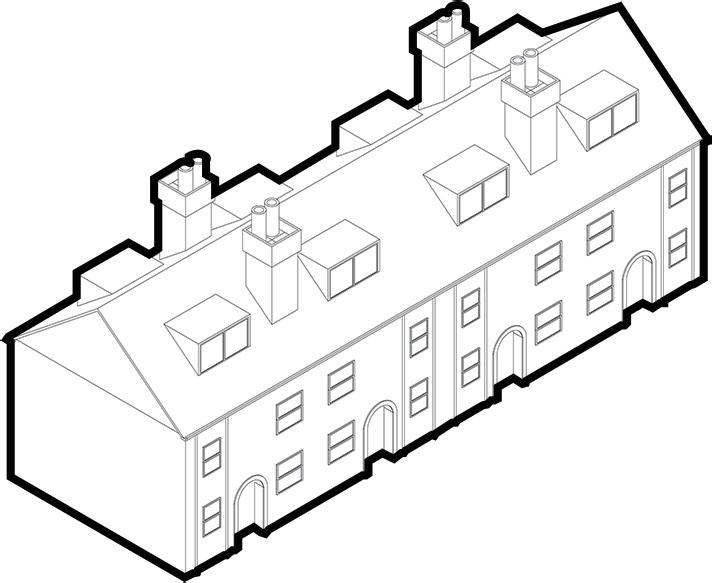
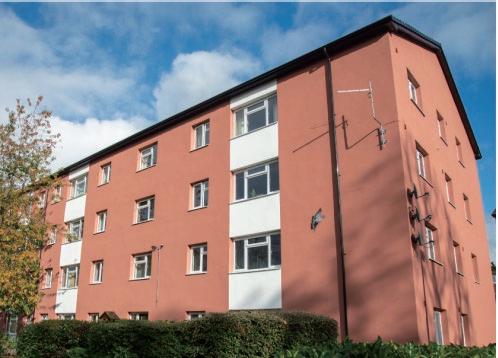
fig 1.1 Retrofi area near Bayswater. Source image: Photographed by Yuyang
THE NATIONAL CARBON IMPERATIVE
UK CARBON EMISSIONS: CURRENT LEVELS AND SECTOR BREAKDOWN
BACKGROUND
In June 2019, the UK Parliament passed legislation requiring the government to reduce net greenhouse gas emissions by 100% compared to 1990 levels by 2050, thereby making the UK a ‘net zero’ emitter. Prior to this, the target had been set at an 80% reduction.
Net Zero signifies a balance between greenhouse gas emissions and removals. It differs from ‘gross zero emissions’ (which demands all emissions be eliminated— unrealistic in practice) by acknowledging that some emissions will persist, requiring offsetting through natural carbon sinks (such as oceans and forests) or potential future artificial sinks. The UK achieves net zero only when ‘emissions = removals’.
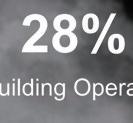
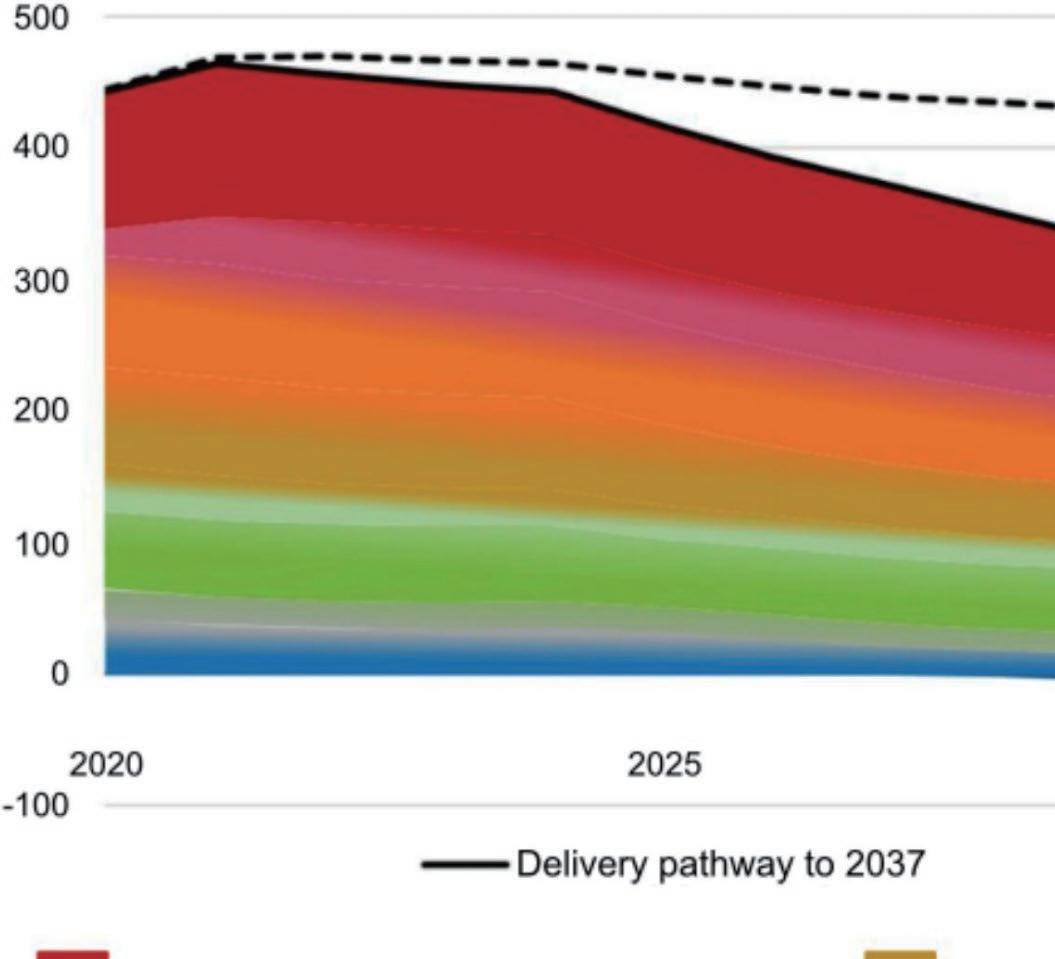
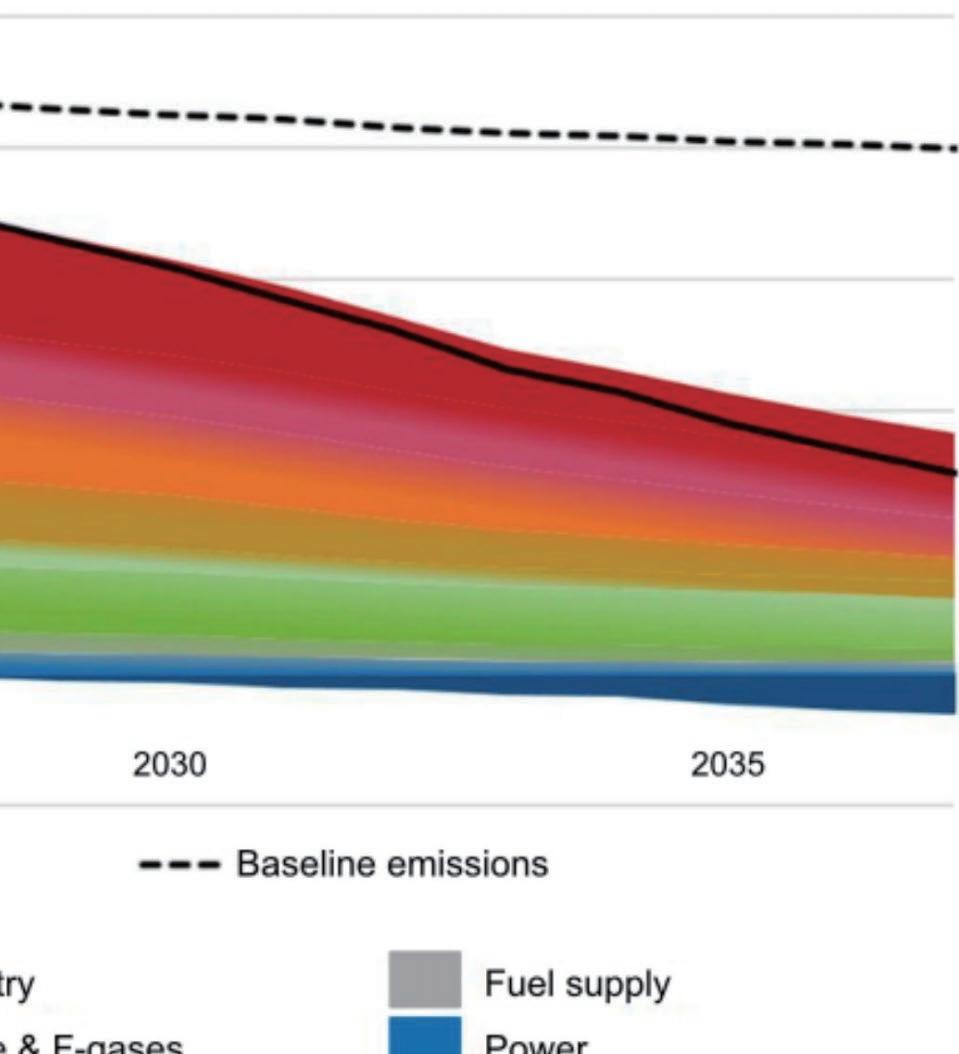
Currently, the UK’s primary greenhouse gases include carbon dioxide, methane, and nitrous oxide, with carbon dioxide accounting for the largest share. Its main sources stem from fossil fuel combustion (such as coal-fired power stations, transport, and domestic heating). Over the past three decades, the UK’s greenhouse gas emissions have steadily declined, reaching just 57% of 1990 levels by 2018. However, emissions from sectors such as transport, housing, and agriculture have barely decreased, presenting the most challenging obstacles to achieving net zero.
Consequently, the Climate Change Committee (CCC) emphasises: ‘Net zero is necessary, feasible, and costeffective, but it is extremely challenging.’
A central tension in housing decarbonisation lies in the choice between large-scale demolition and retrofit.
Demolition entails enormous embodied carbon emissions, excessive construction waste, and the loss of community fabric.
Retrofit offers a more sustainable path: lower embodied carbon, improved energy efficiency, and the possibility of maintaining social ties.
For social housing, which faces multiple dilemmas—ageing stock, energy waste, and structural injustice—retrofit is framed not only as a technical necessity but also as a matter of climate justice.
















































HOUSING AND EMISSIONS
WHY RETROFITTING MATTERS
“Our discussion today really focused on a few core questions: can and should social housing be retrofitted in most cases, with demolition as the exception? How do retrofit and demolition compare in terms of cost, carbon, and social impact? What role should residents play, and how do we balance that with expert input? We also explored technical barriers, on-site disruption, new financing models, and regulatory drivers. It’s clear this is a complex issue spanning technical, social, and policy dimensions — and the debate today is about providing insights for the new government and future housing strategies.”

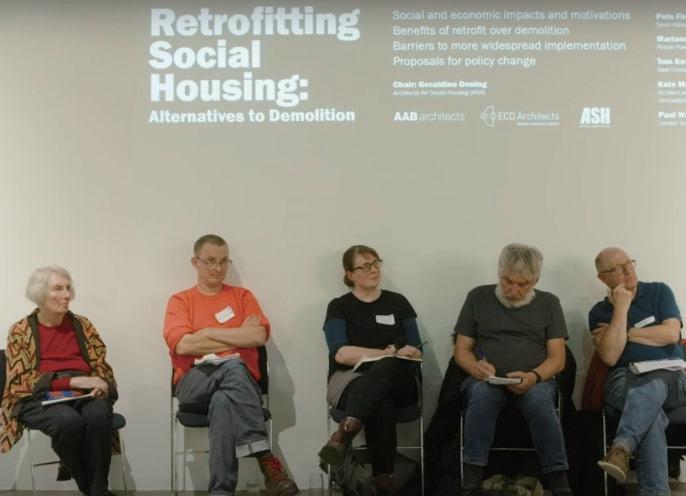
fig 1.6 Alternative to Demolition. Source image: youtube.com/watch?v=2Z2f7U2MOz0&t=542s

“As an architect, what strikes me is that many project teams don’t actually know what they’re supposed to be doing. They get caught up in façades and appearances instead of talking to residents and looking inside the buildings. I believe retrofit must start from everyday lived experience, with proper surveys and clear procedures, not unnecessary complications. By adding or infilling new housing within existing structures, we can use that value to pay for the retrofit, while keeping communities and social housing stock intact. Above all, public green space and shared facilities must be preserved, not absorbed into luxury developments.”
3.YouTube. “Retrofitting Social Housing: Social and economic barriers and benefits of estate retrofit.” Accessed September 13, 2025. https://www.youtube. com/watch?v=2Z2f7U2MOz0&t=542s.Accessed September 12, 2025. https://ukgbc.org/news/the-whole-life-carbon-roadmap-answering-your-data-faqsreceived-to-date/.

“I’ve been through so-called ‘consultation’ processes myself. In reality, residents never had a real chance to participate. Information was only provided in English, excluding older people, disabled residents, and multilingual communities. Many of us couldn’t even access repair data, let alone understand the differences between technical systems. That left us unable to make informed decisions about our homes. The endless meetings also drained our time and energy. We need to keep asking the basic question: who is housing for? Developers, or the people who need to live safely, healthily, and affordably?”

“Compared to demolition, retrofit is far less disruptive and much more respectful to communities. It also brings real health and wellbeing benefits—like reducing damp and mould, and making previously unusable rooms habitable again. These benefits are hard to measure, but they matter deeply. The biggest challenge is people—we don’t have enough trained workers. That’s why we need programmes to build skills and create ways for residents to contribute too. On the funding side, we should merge retrofi and maintenance budgets, and use ‘pay-as-you-save’ models where households cover costs with the money they save on energy bills. We also need mechanisms like energy company penalty funds that communities can apply to. But for this to work, we need clear pre-condition surveys and straightforward processes—otherwise builders and contractors just don’t know what to do. The Cedar Tower project in Glasgow, with its thermal collectors, is a good example of what’s possible.”
“In my community we’ve lived under so-called regeneration for twenty years, and it feels like constant harassment. The dust, the noise, the uncertainty—it’s exhausting. Local authorities control the process, and residents’ voices are almost completely excluded. Meanwhile, our neighbourhoods get run down, homes left empty, the area stigmatised—even used as horror film locations. Public green spaces and facilities get swallowed by luxury developments. Promises are made, but never delivered, and communication is neither open nor honest. For us, regeneration hasn’t been a promise of better lives—it’s been a nightmare.”


“What is called ‘regeneration’ or ‘beautification’ of demolition is in reality a downgrade. A project promised in ten years can drag on for thirty. Residents endure dust, noise, and uncertainty, only to see most new units go to private sale, while social housing stock actually shrinks.
The lack of accountability is fundamental—officials change, and residents never know what they will get.
From social and environmental perspectives, retrofit is far more beneficial than demolition. Too many carbon models assume adequate heating, but in reality many households under-heat their homes, so damp and mould persist, and the models miss the point. Older people also avoid the private rental sector because they see it as unsafe and unaffordable. All of this shows why we must hold on to the principle: retrofi first, demolition only as a last resort.”
Resident, South Kilburn Estate
Technical Director, People Powered Retrofi
Save Cressingham activist, former resident
Visiting Professor, LSE
Architect
Pete Firmin
Marianne Heaslip
Tom Keane
Paul Watt
Kate Macintosh
CURRENT POLICY INSTRUMENTS
LAD& SHDF, THEIR SCOPES, PRIORITIES AND LIMITATIONS
Two major funding schemes form the backbone of the UK’s social housing retrofit strategy:
Social Housing Decarbonisation Fund (SHDF): Targets homes below EPC band C, supporting insulation, ventilation, renewable integration, and heating upgrades. Its aims include delivering warm homes, reducing carbon emissions, tackling fuel poverty, supporting green jobs, developing the retrofi sector, and improving tenant wellbeing.
Local Authority Delivery Scheme (LAD): Focused on
In September 2024, the Warm Homes:
Fund (WH:SHF) was launched as the successor to SHDF, continuing support for nationwide retrofitting.
The Social Housing Decarbonisation Fund (SHDF)
SHDF will upgrade a significant amount of the social housing stock currently below Energy Performance Certificate (EPC) band C up to that standard. It will support the installation of energy performance measures in social homes in England and facilitate the subsequent widespread adoption of decarbonised heating systems and help:
1.deliver warm, energy efficient homes
2.reduce carbon emissions
3.tackle fuel poverty
4.support green jobs
5.develop the retrofit sector
6.improve the comfort, health and well-being of social housing tenants
Local Authority Delivery Scheme (LAD)
The LAD scheme aims to raise the energy efficiency of low income and low energy performance homes with a focus on energy performance certificate (EPC) ratings of E, F or G. Phase 2 allocated funding to Local Net Zero Hubs.
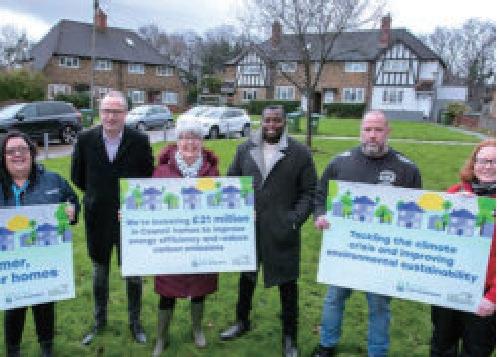
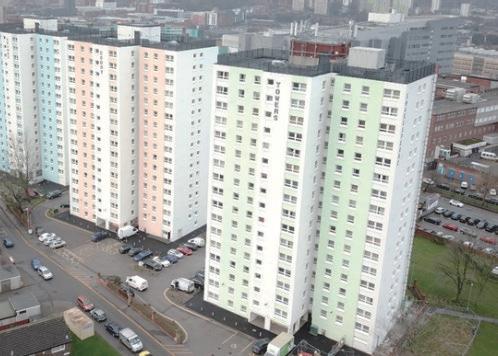
Private contractors have been central to delivering retrofit programmes: 4.UK
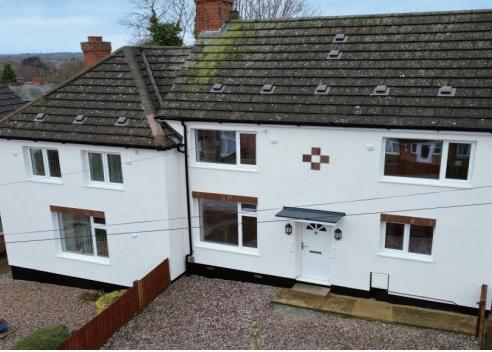
Wates : Completed 198 housing retrofits for Hyde Group under SHDF Phase 2.1, investing £4.3 million in integrated measures including insulation, photovoltaics, air source heat pumps, and LED lighting. Equans: Delivered cumulative decarbonisation projects worth £320 million across three SHDF rounds, managing the entire process from funding applications to construction delivery.
This case demonstrates that deep retrofits are entirely feasible at both technical and organisational levels, provided adequate funding and governance mechanisms are in place.
BUILT EXAMPLES
SELECTED CASE STUDIES OF RETROFITTED SOCIAL HOUSING UNDER CURRENT POLICY SCHEMES


Comparative Insight
Both Wheatley and Wates illustrate the evolving role of housing organisations in the UK’s net-zero transition. Wheatley’s large-scale, socially embedded retrofits address issues of affordability and fuel poverty, while Wates’ pilot projects exemplify technical innovation and heritage-sensitive retrofit solutions. Together, they highlight how housing organisations are simultaneously climate actors, community builders, and innovation drivers within the built environment.
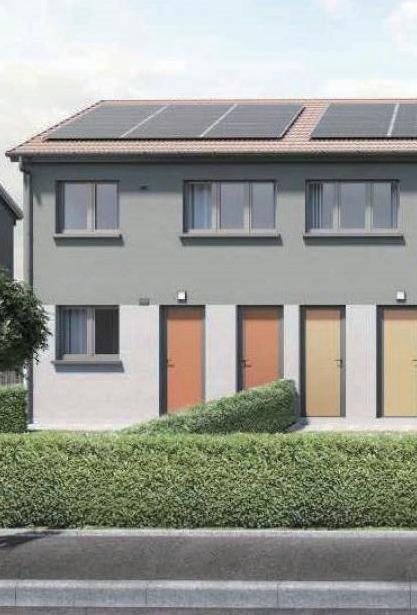
The Wheatley Group is among the United Kingdom’s largest housing, care, and property-management consortia, recognised for its role in social housing provision and community regeneration. Over the past decade, Wheatley has become the largest builder of social rented homes in Scotland, while simultaneously creating more than 11,000 jobs and 2,000 training opportunities. Its initiatives extend beyond housing delivery to encompass poverty alleviation, social care, and community support, underscoring the multi-scalar role of housing organisations in socio-economic transformation.
Recent programmes have increasingly centred on netzero retrofitting. A notable case is the £1.5 million deep retrofi of 36 Canadian timber homes in Drumchapel, Glasgow. Originally constructed in a post-war nontraditional style with low insulation and electric heating, these dwellings exhibited poor energy performance and high running costs. The retrofi replaced external timber panel systems with advanced wall insulation, triple-glazed windows, insulated doors, and integrated air-source heat pumps with photovoltaic systems. Outcomes included an 87% reduction in energy consumption, an EPC rating improvement from E to B, and an estimated seven-tonne annual carbon reduction per household. The project illustrates the integration of housing retrofit with wider sustainability agendas, advancing both climate goals and fuel poverty alleviation.
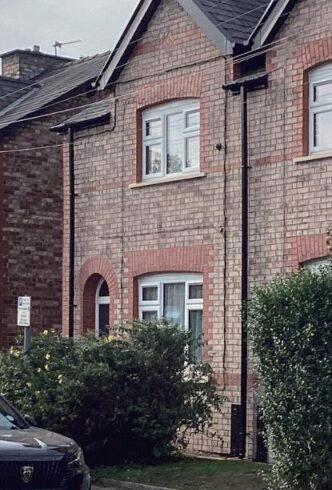
Wates is the UK’s leading family-owned development, construction, and property maintenance company, with a 125-year history and a portfolio that spans residential, commercial, and public-sector projects. The company adopts a holistic approach to decarbonisation, emphasising the full life cycle of buildings—from design and construction to retrofitting and long-term maintenance. Its strategic framework combines sustainable placemaking, building efficiency, and the retrofitting of existing spaces.
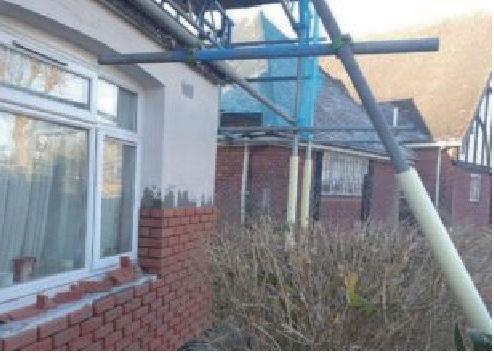
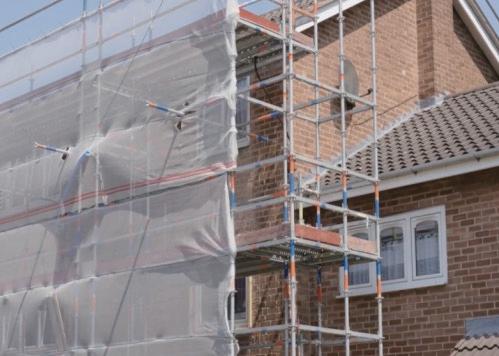
In 2024, Wates delivered a pilot retrofit project for L&Q Housing in Trafford under the Social Housing Decarbonisation Fund (SHDF) Wave 2.1. The project targeted 20 homes originally built with nine-inch redbrick façades near a conservation area. To balance heritage aesthetics with improved thermal performance, Wates collaborated with Structherm to install a PAS2035compliant external wall insulation (EWI) system replicating traditional brickwork through advanced render technology. The intervention achieved a U-value of 0.28 W/m²K, upgrading EPC ratings from D–F to C. Complementary measures included cavity wall and loft insulation, new windows and doors, and enhanced ventilation strategies. This project demonstrates how retrofit interventions can be tailored to respect architectural heritage while meeting contemporary energy performance targets. More broadly, Wates’ approach highlights the significance of designsensitive retrofit as a pathway to achieving net-zero housing, while maintaining alignment with local planning requirements and community trust.