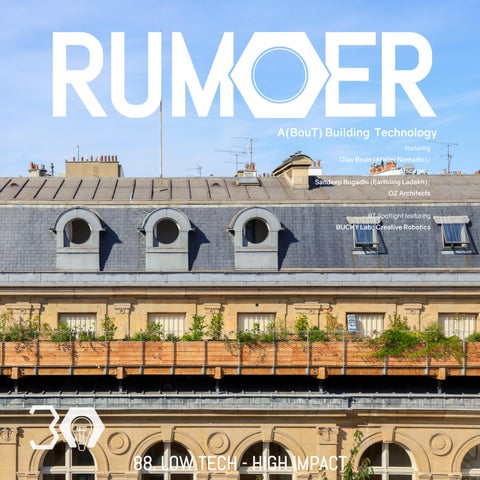
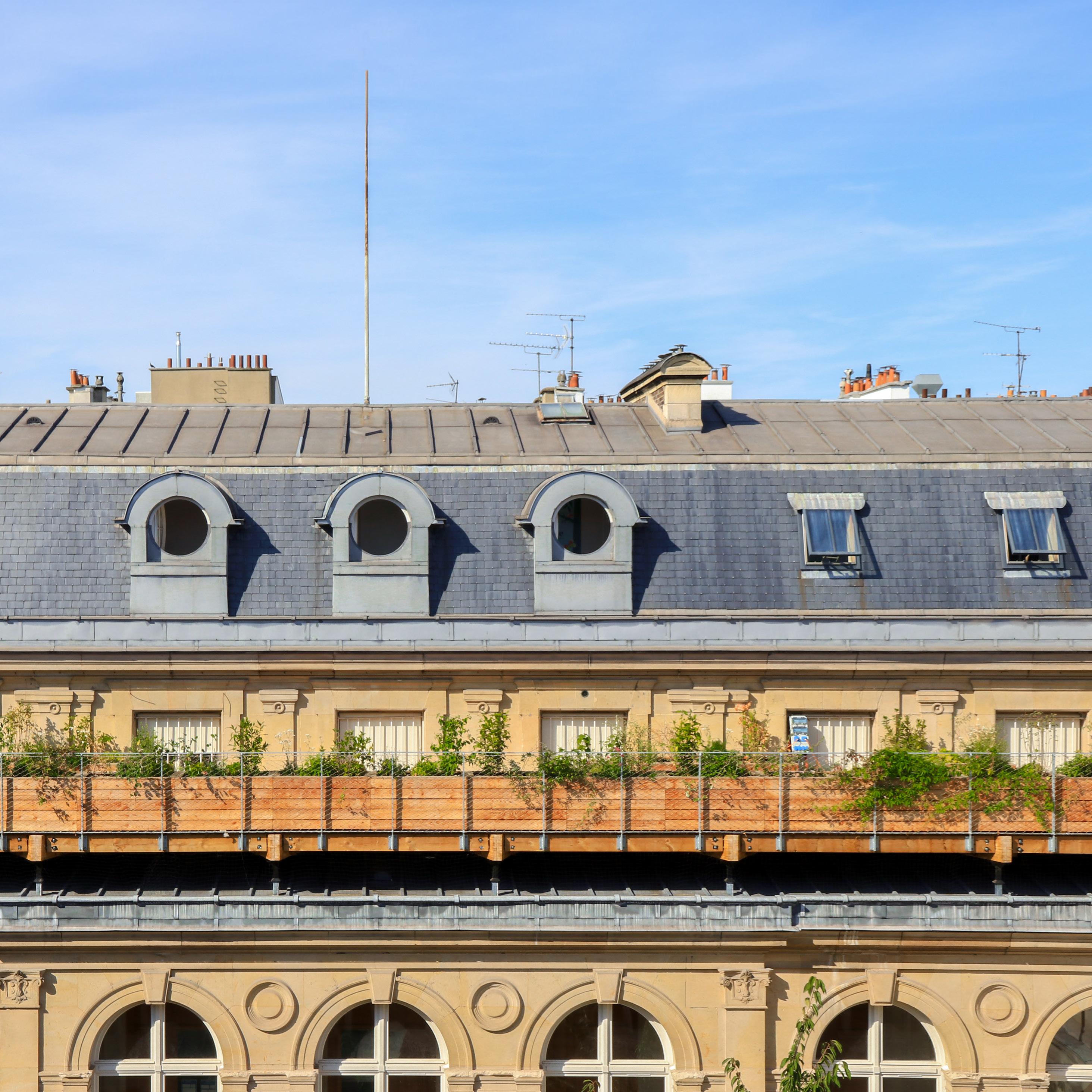
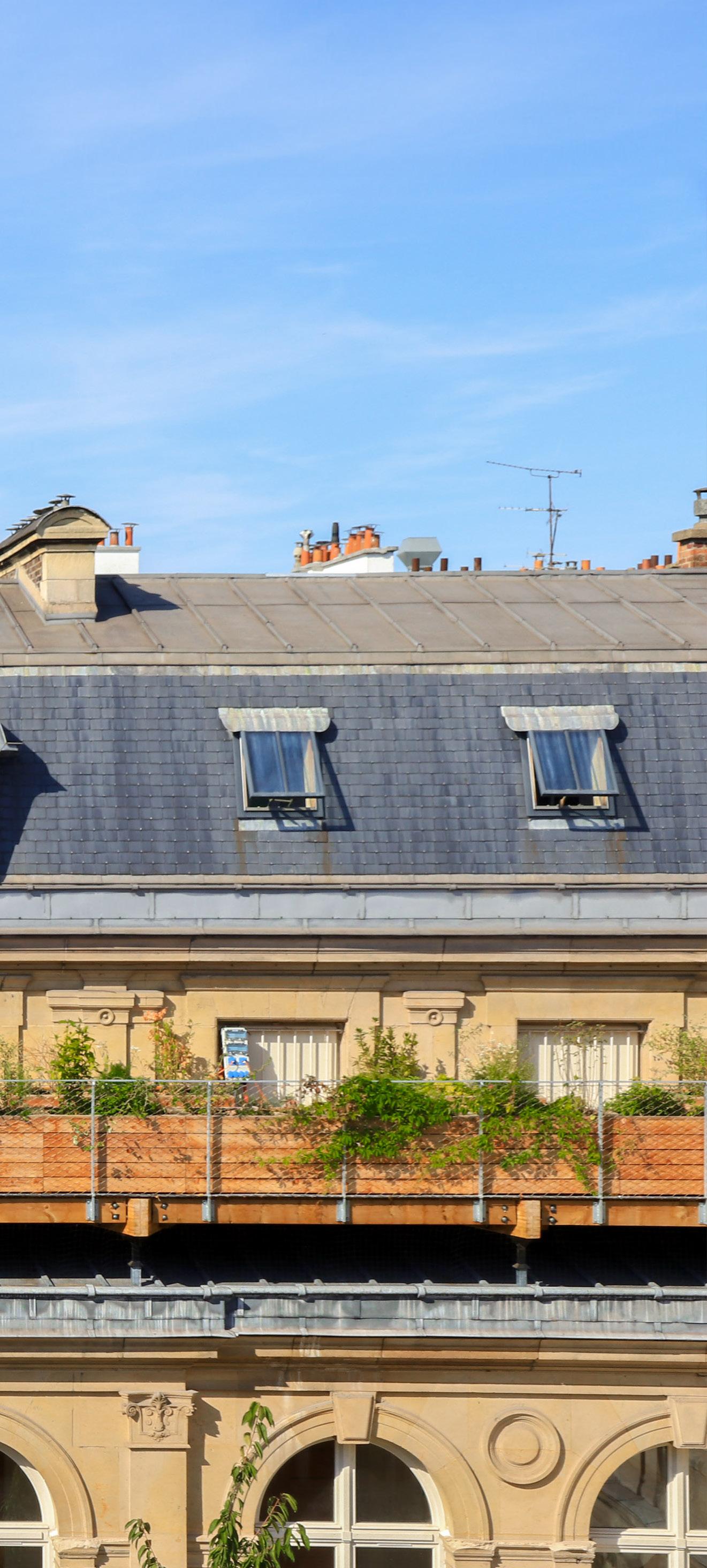
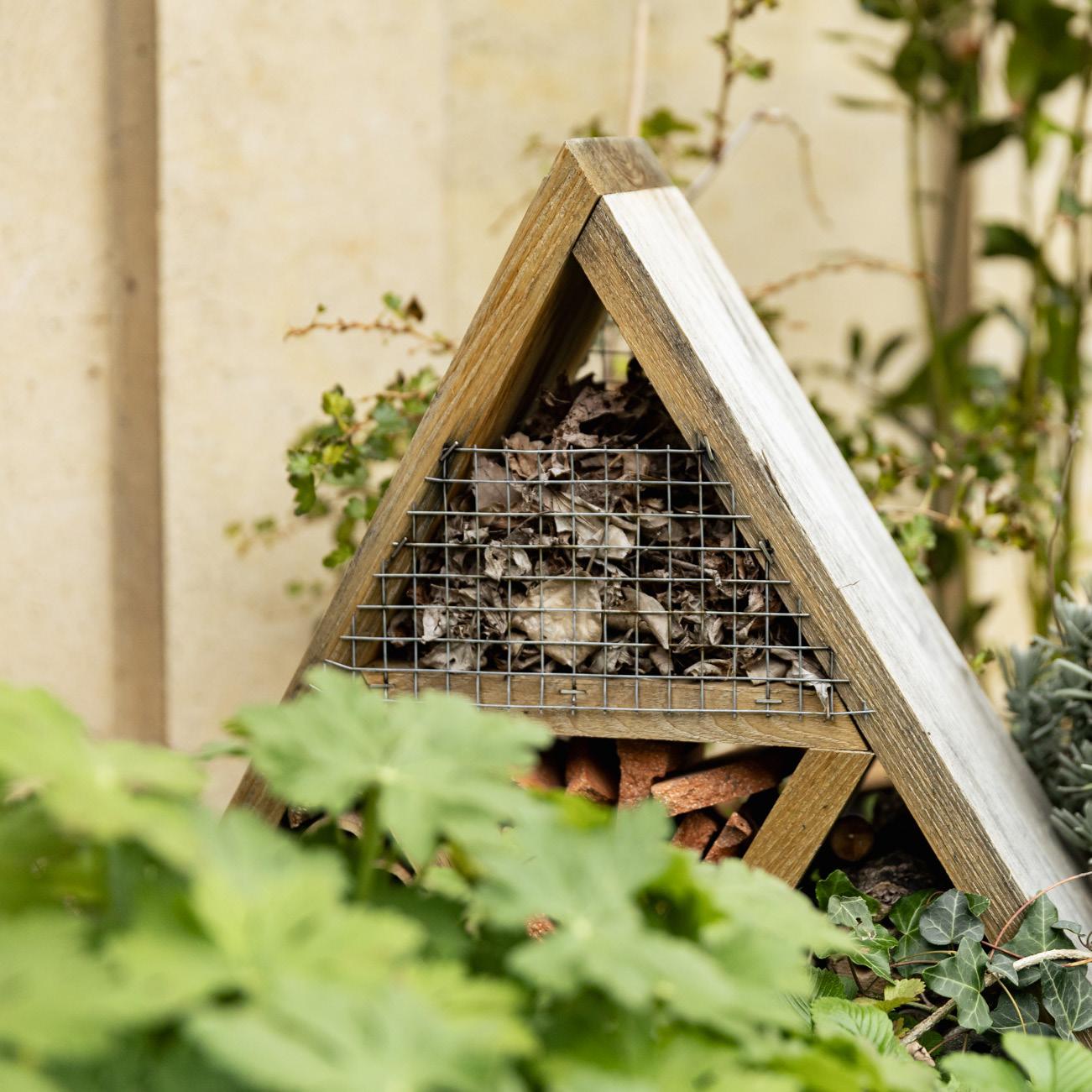
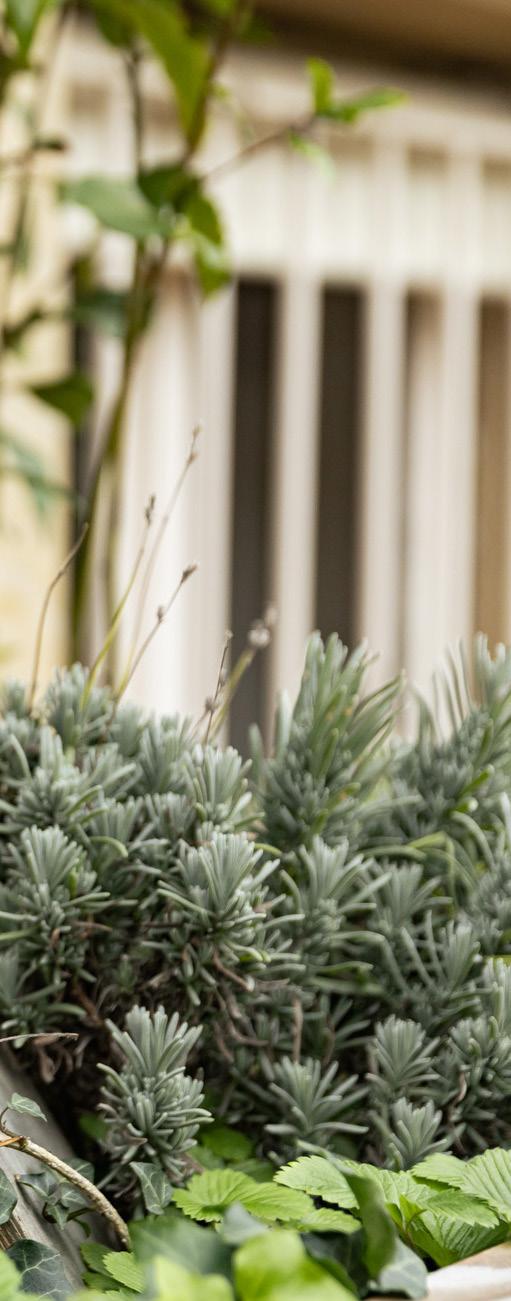
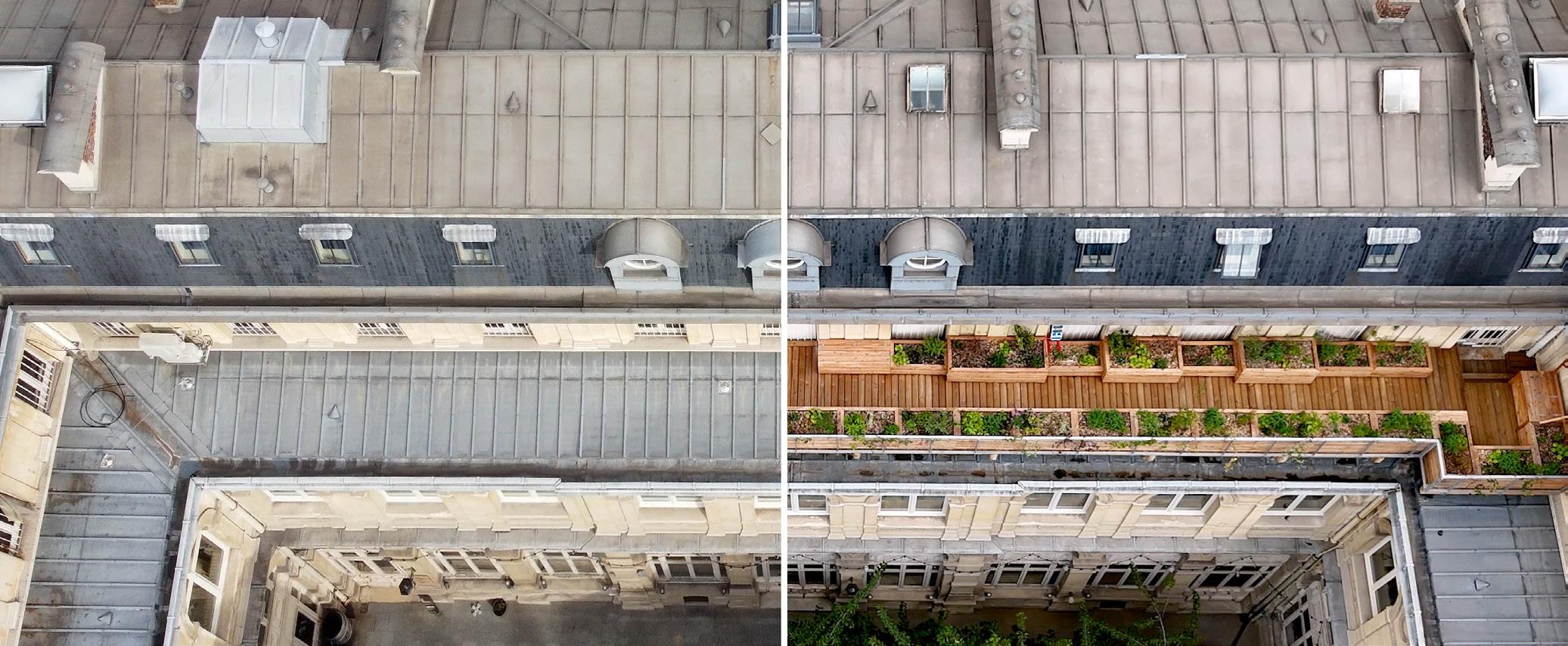
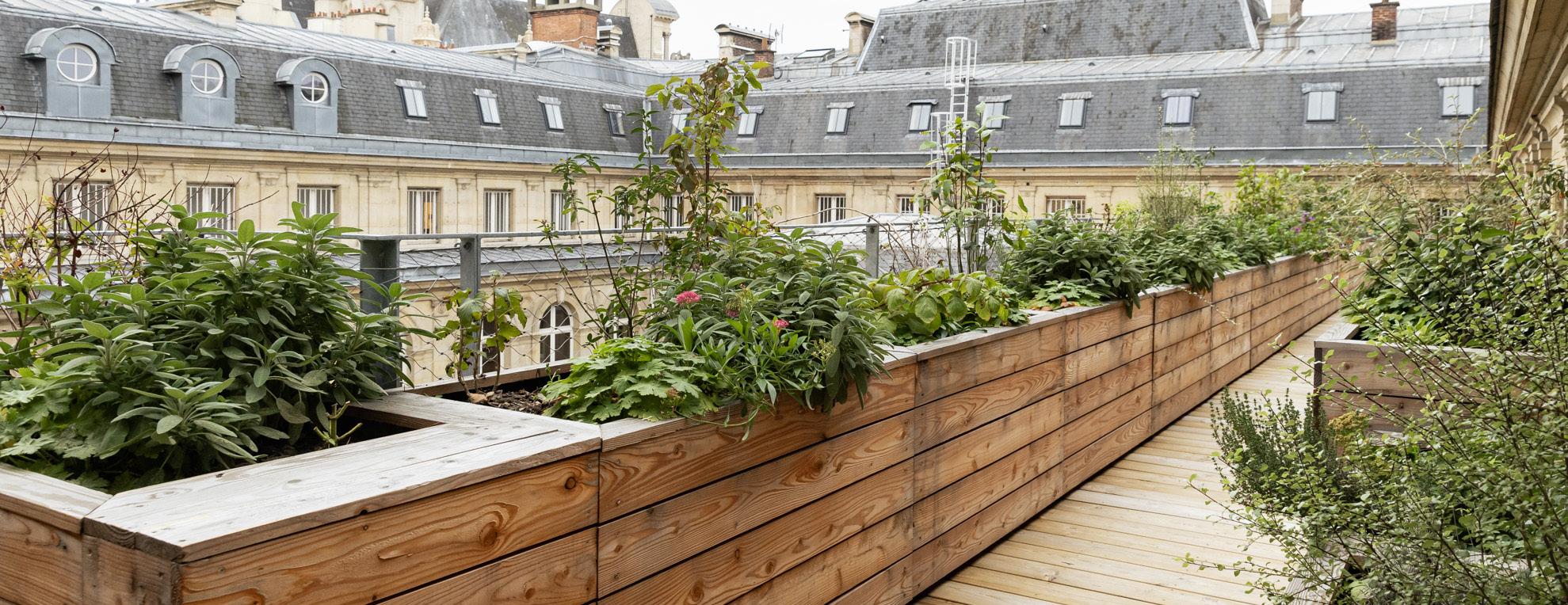
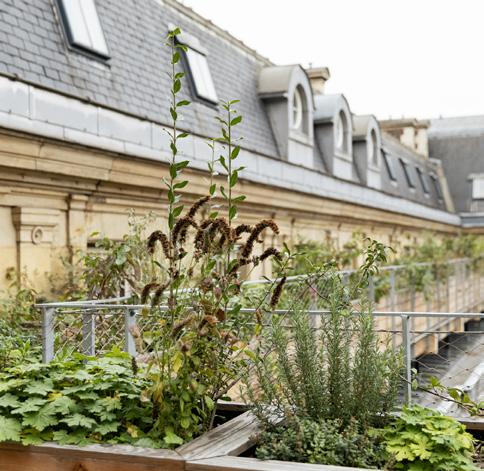
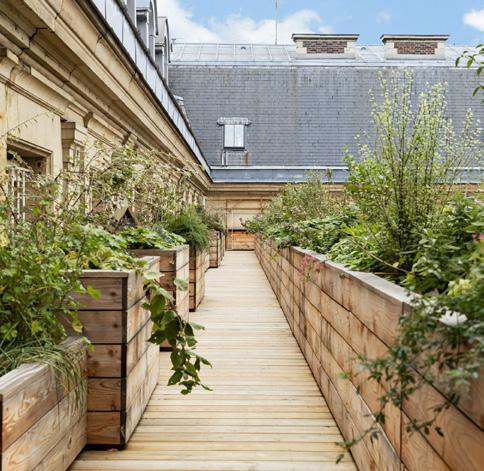
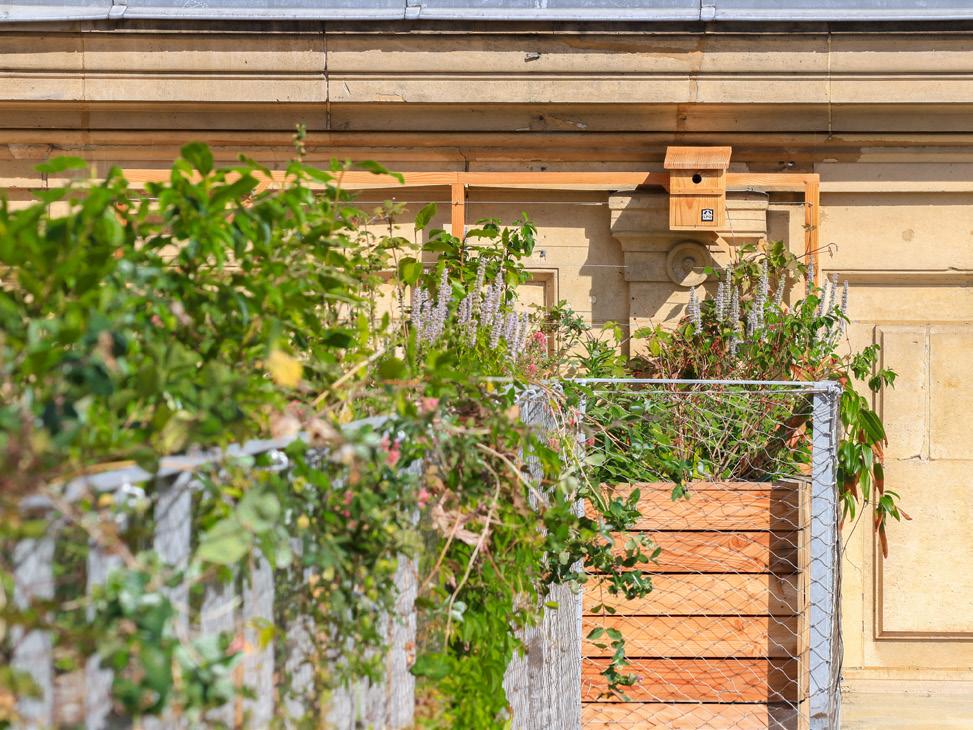
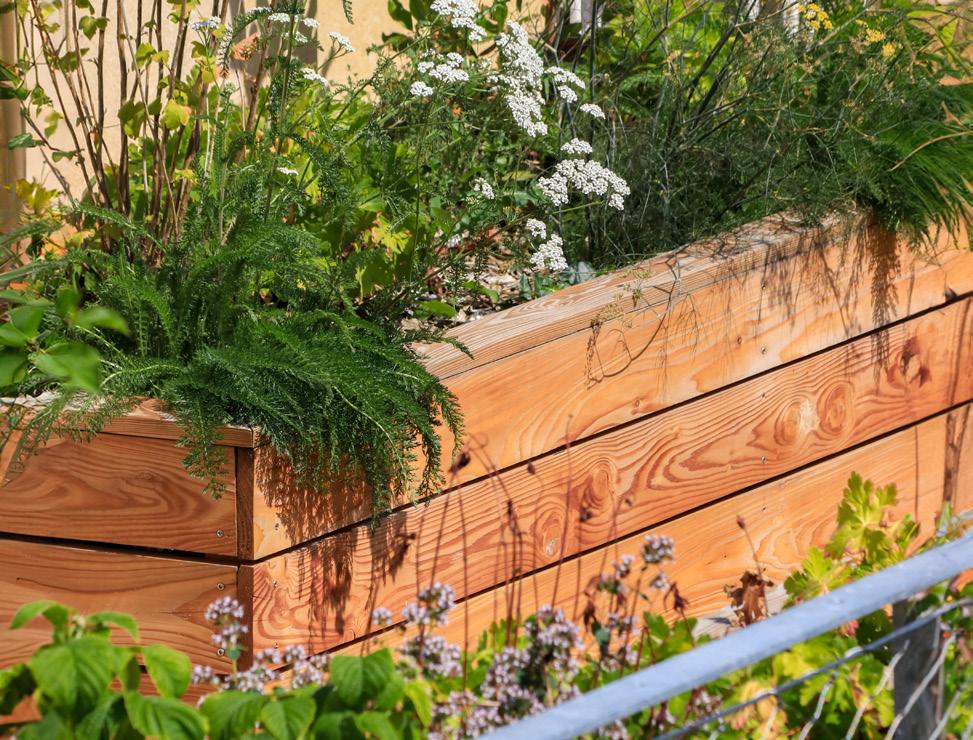
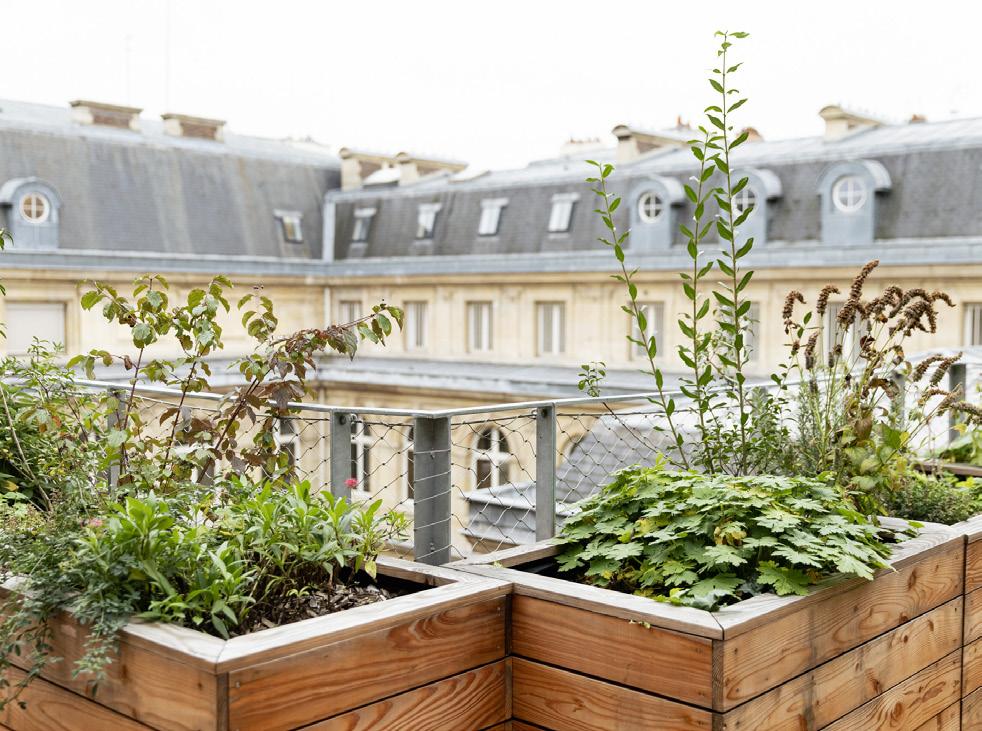
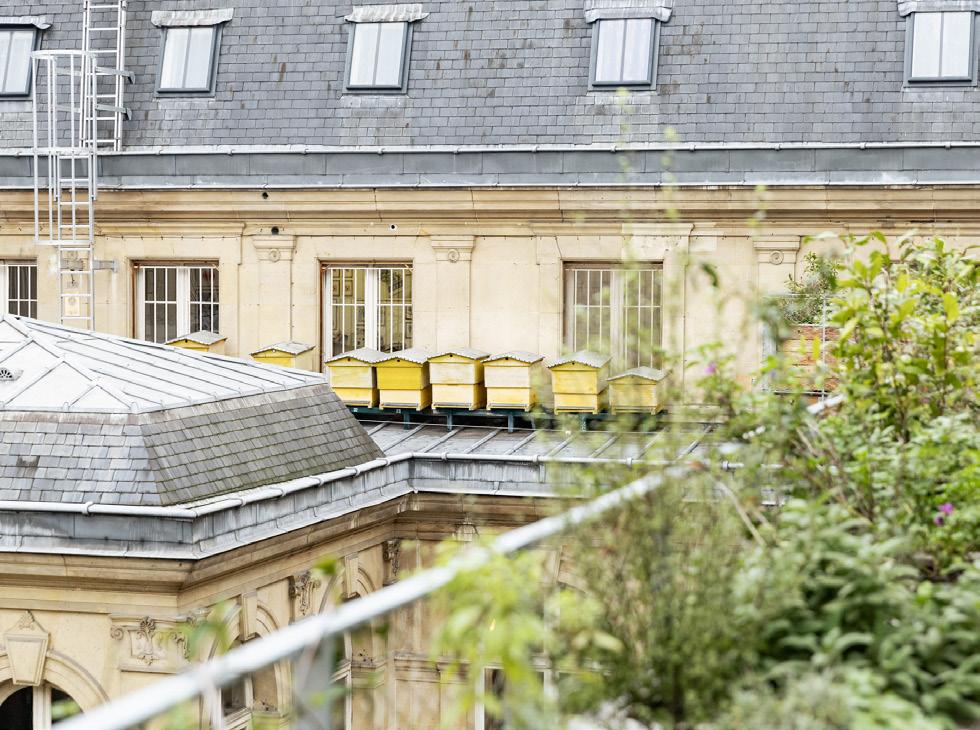
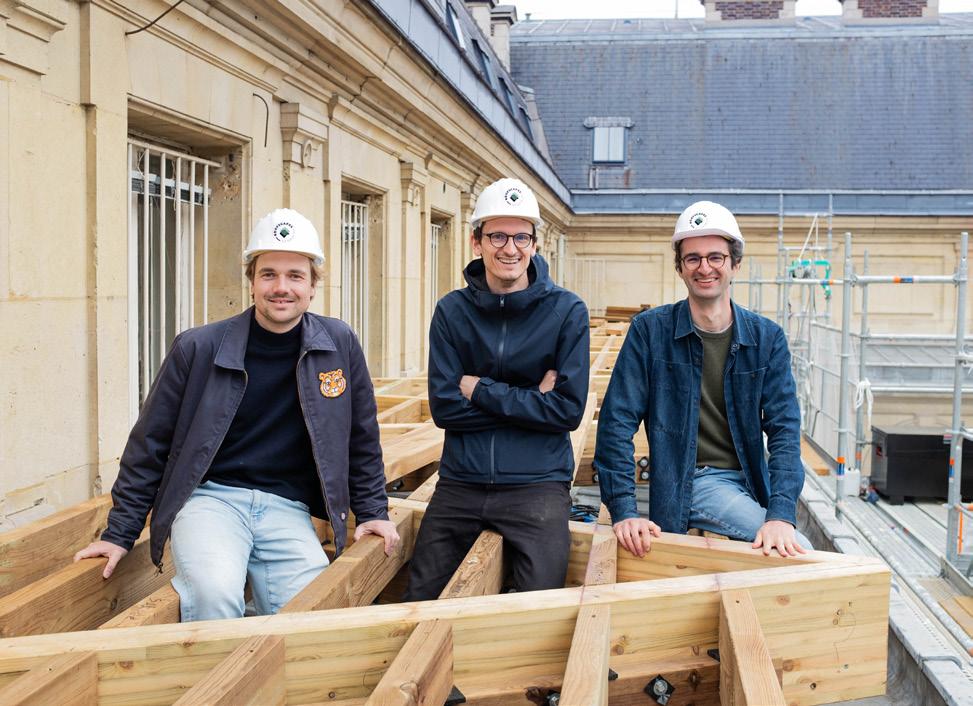
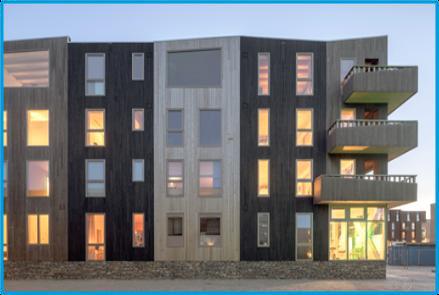
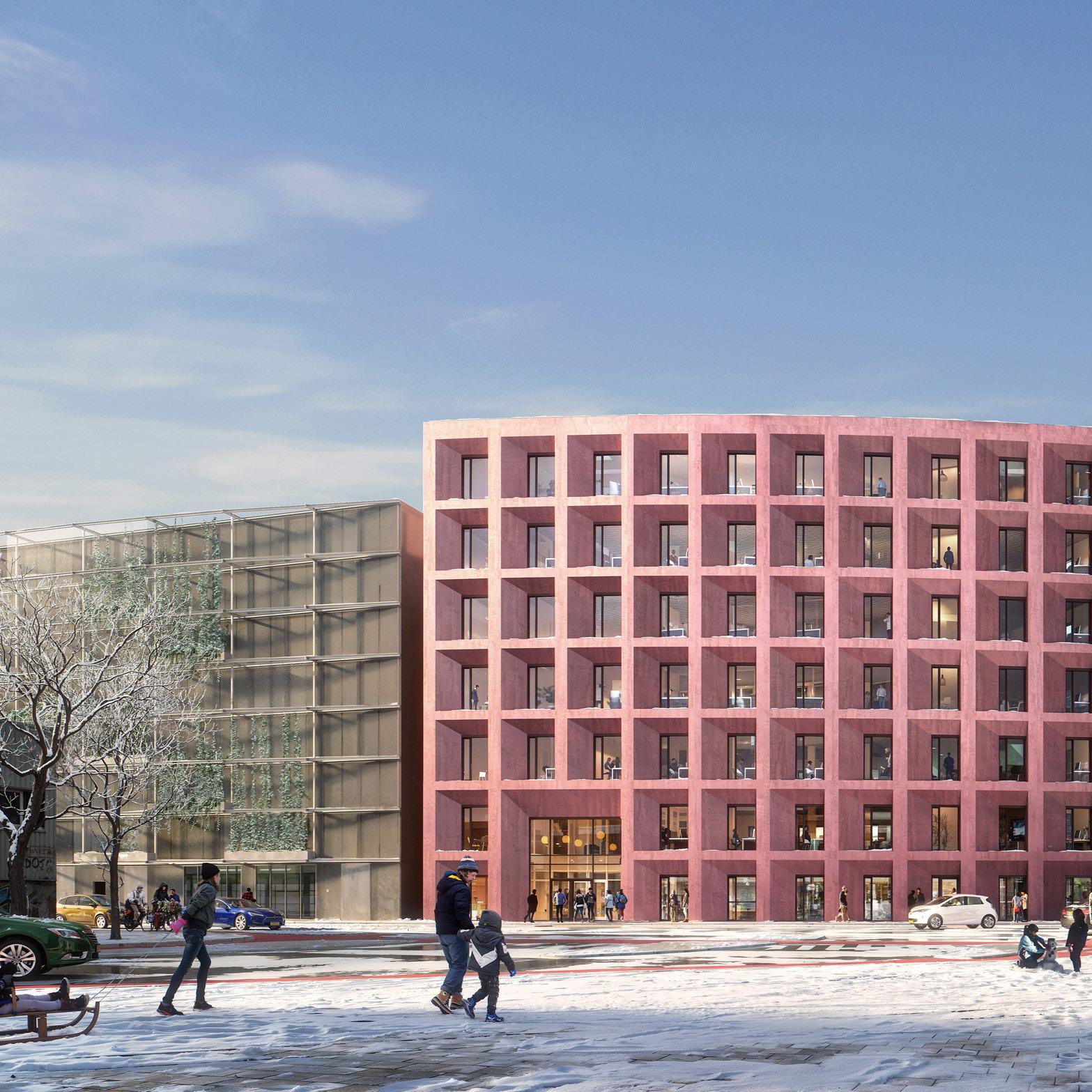
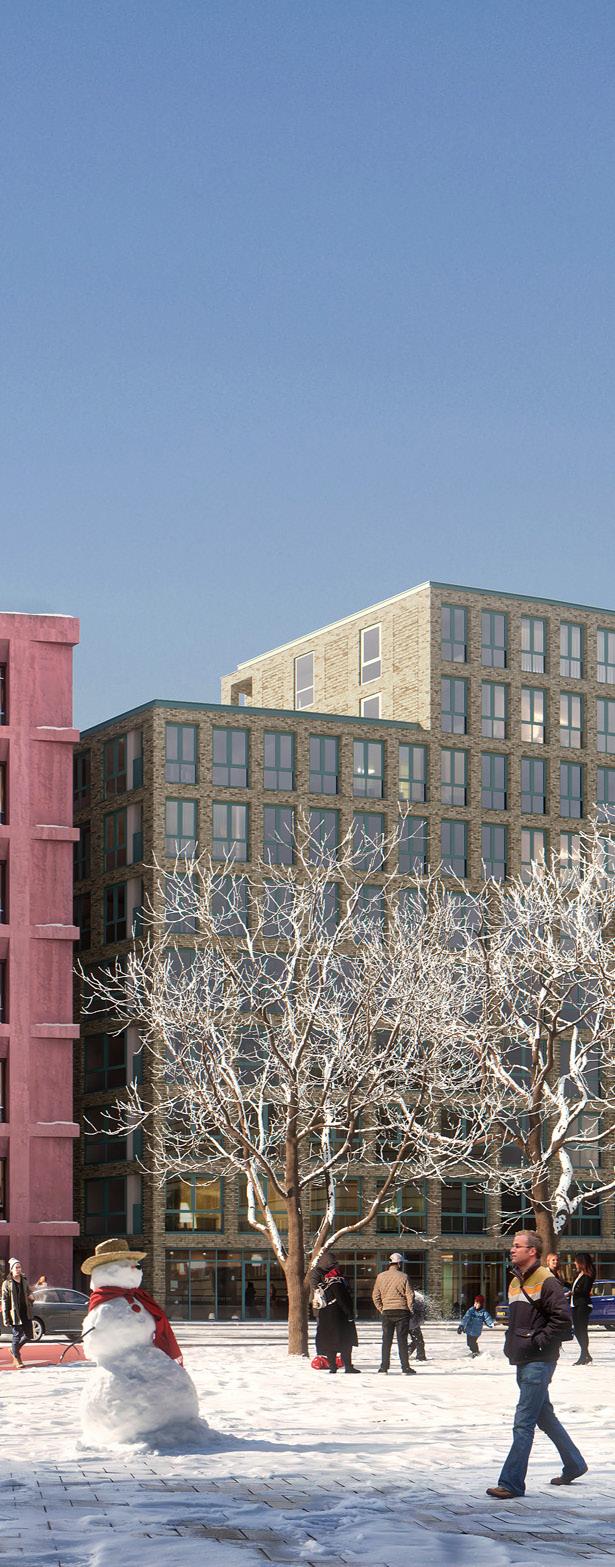
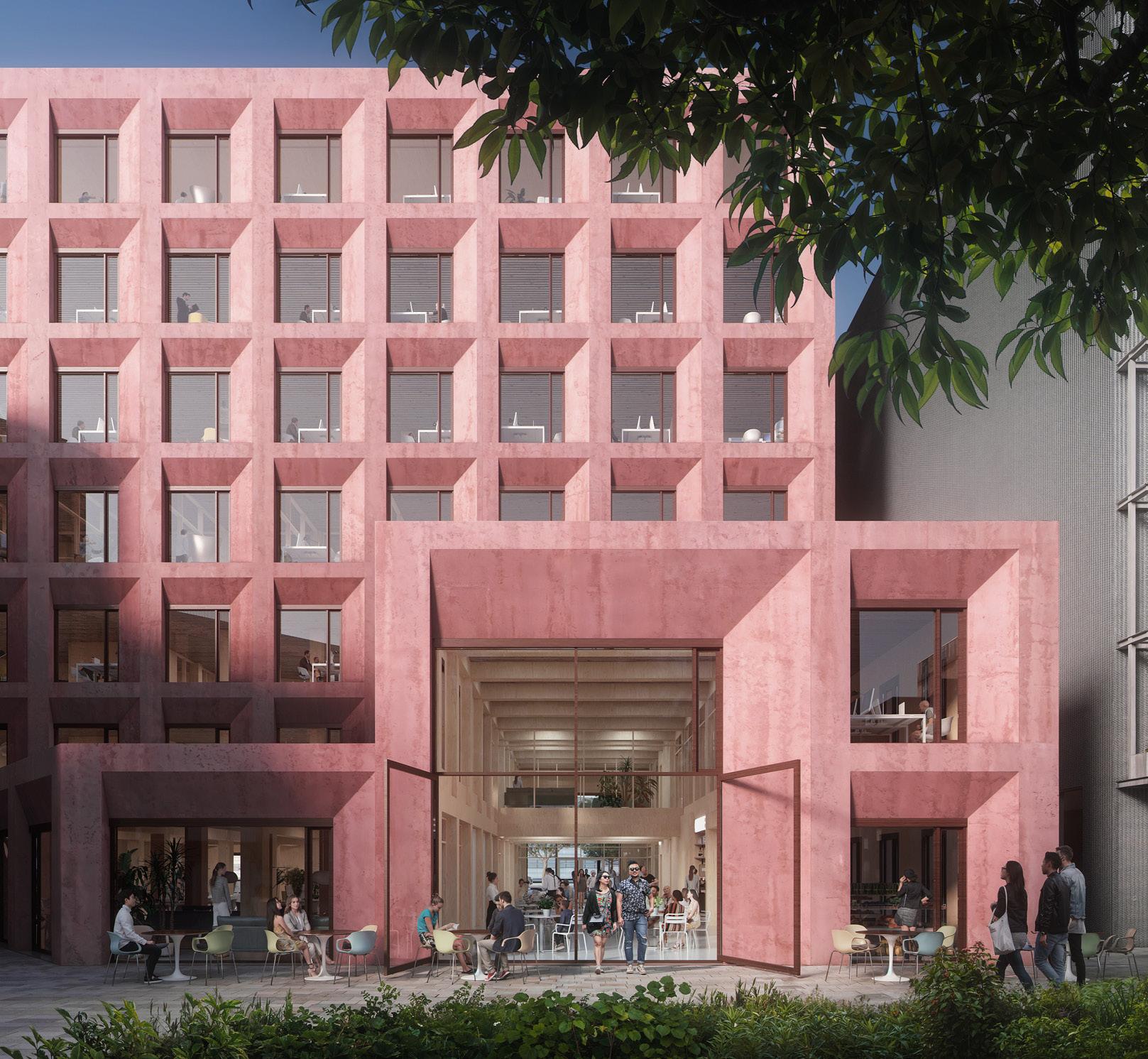
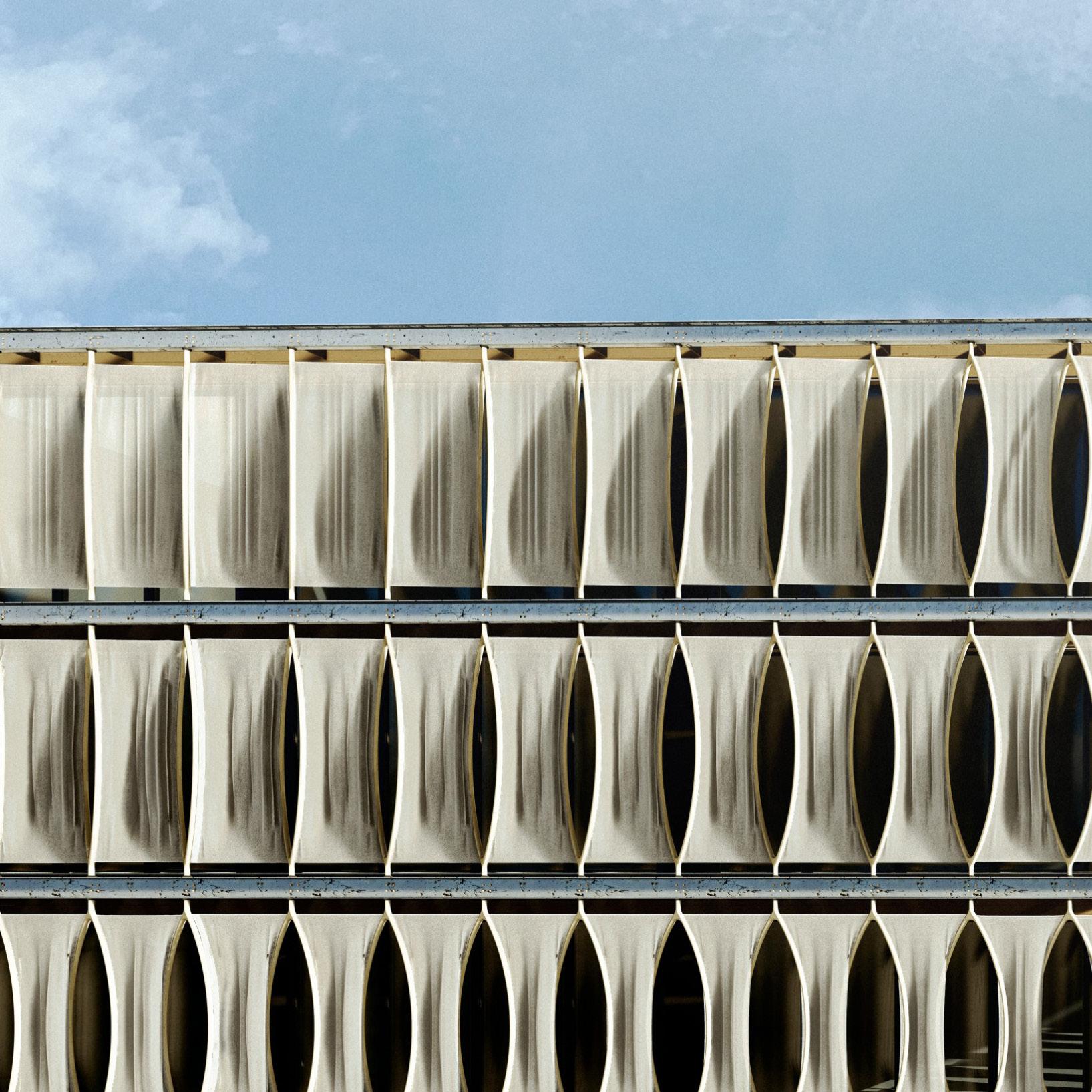
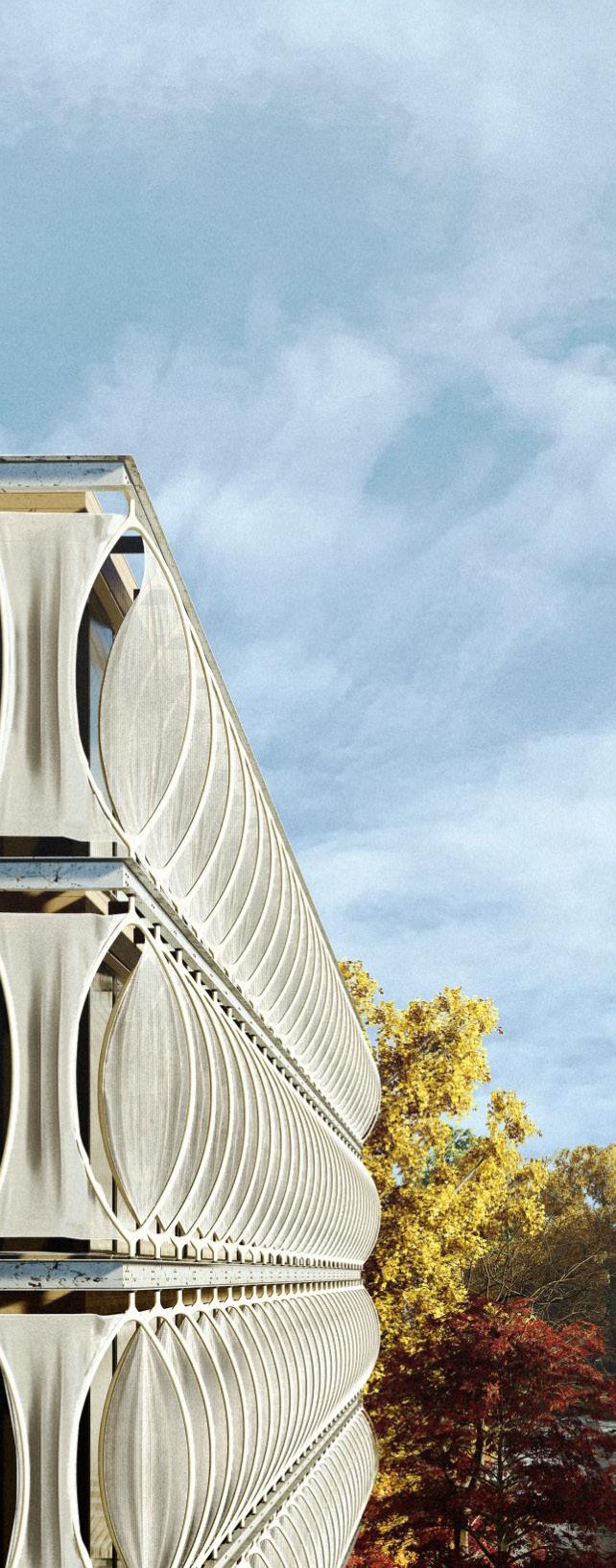
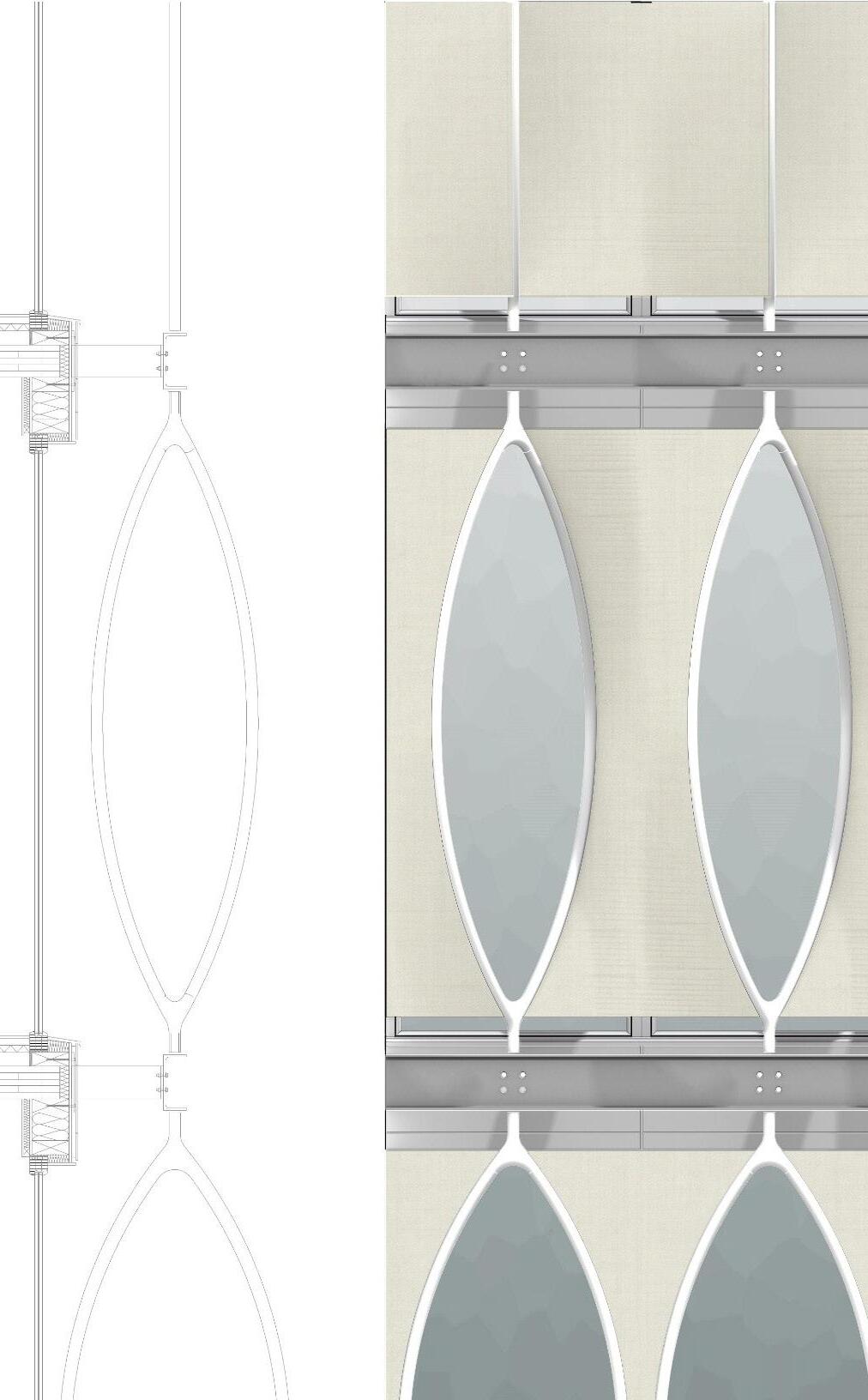
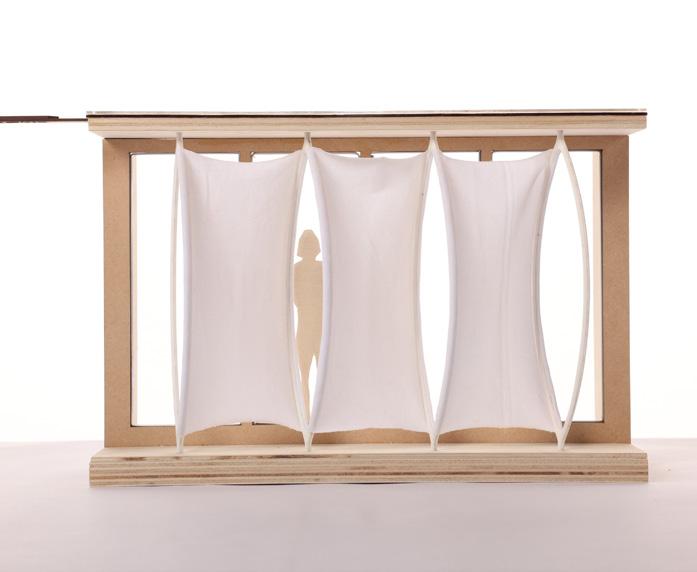
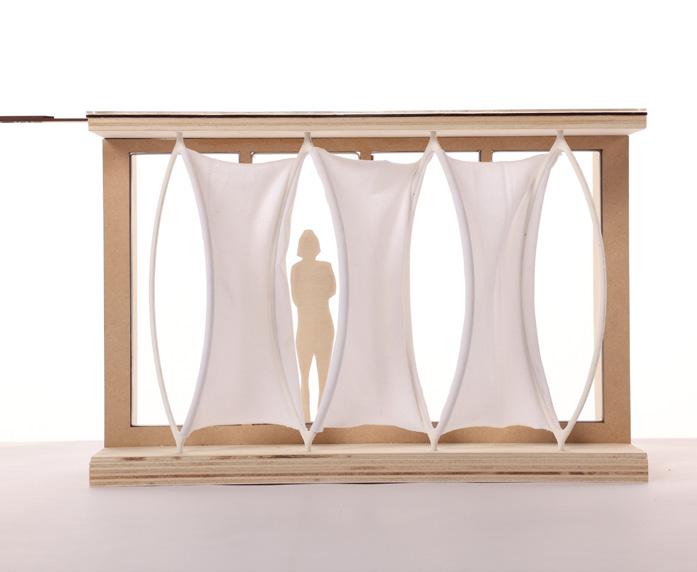
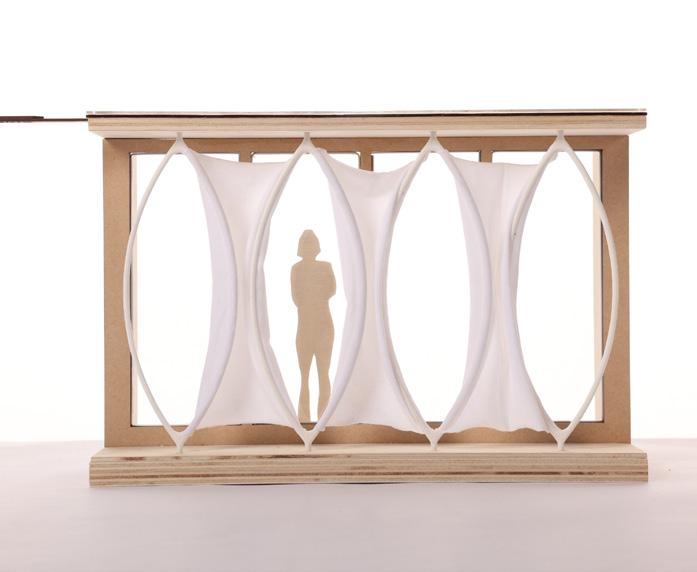
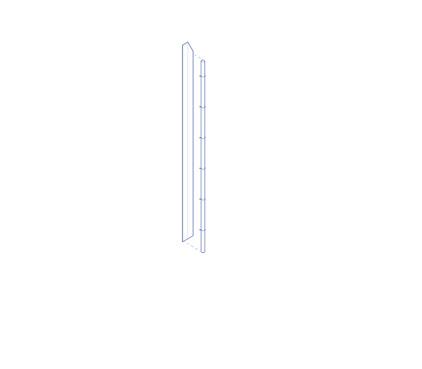
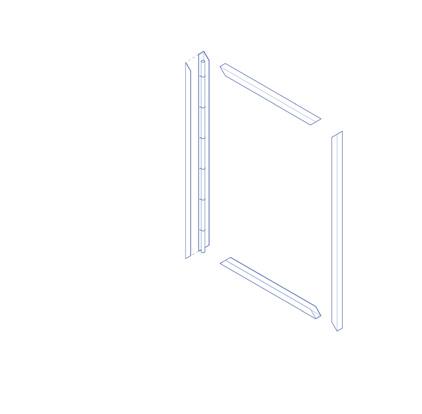
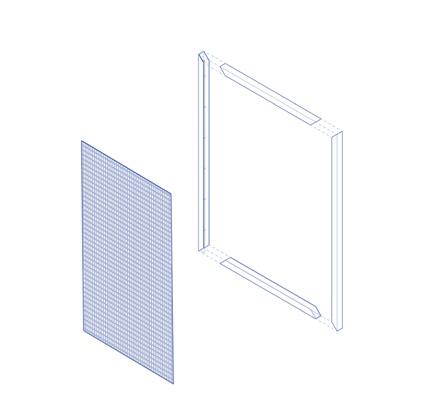
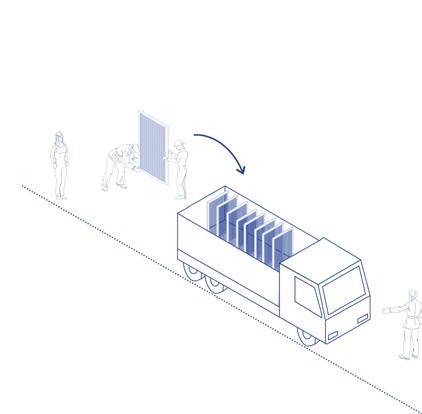
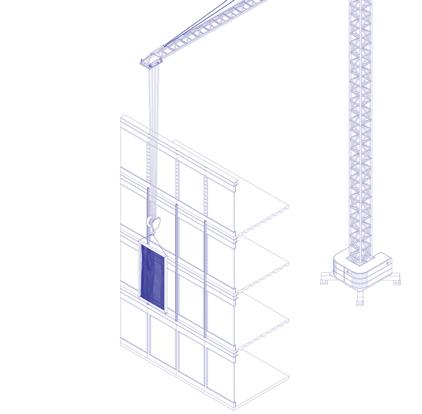
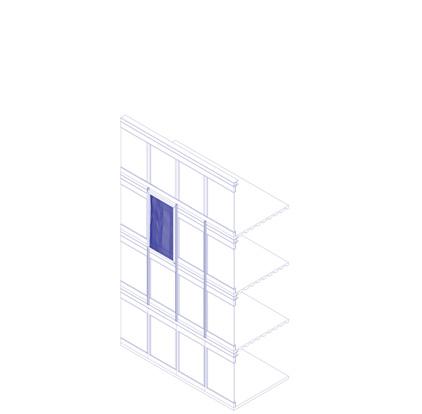
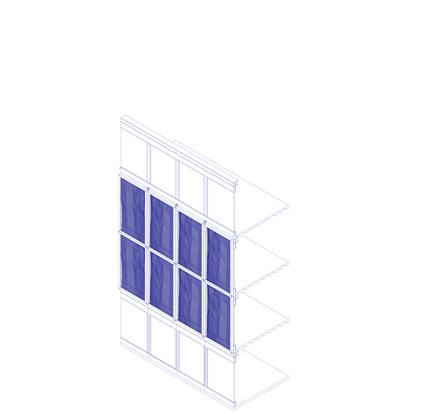
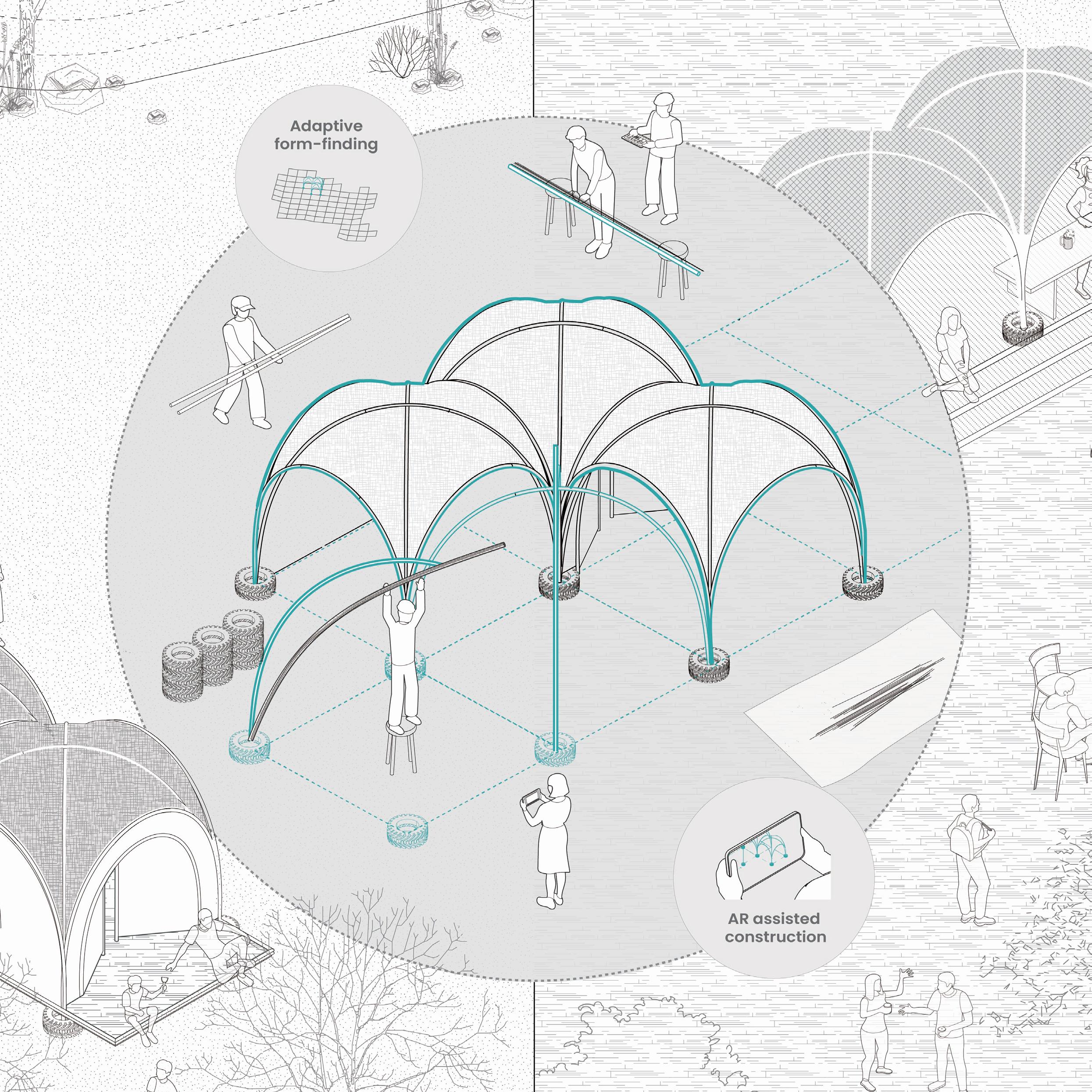
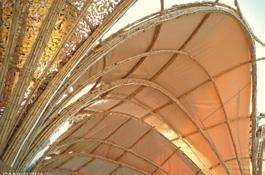
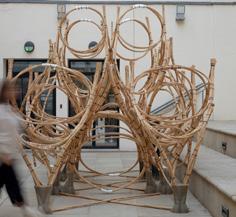
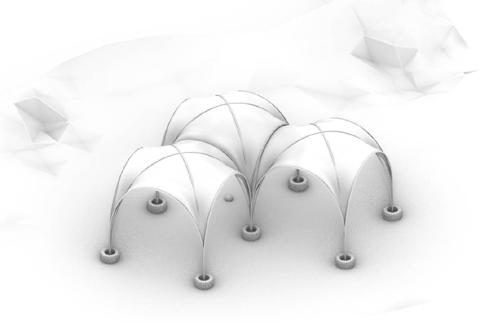
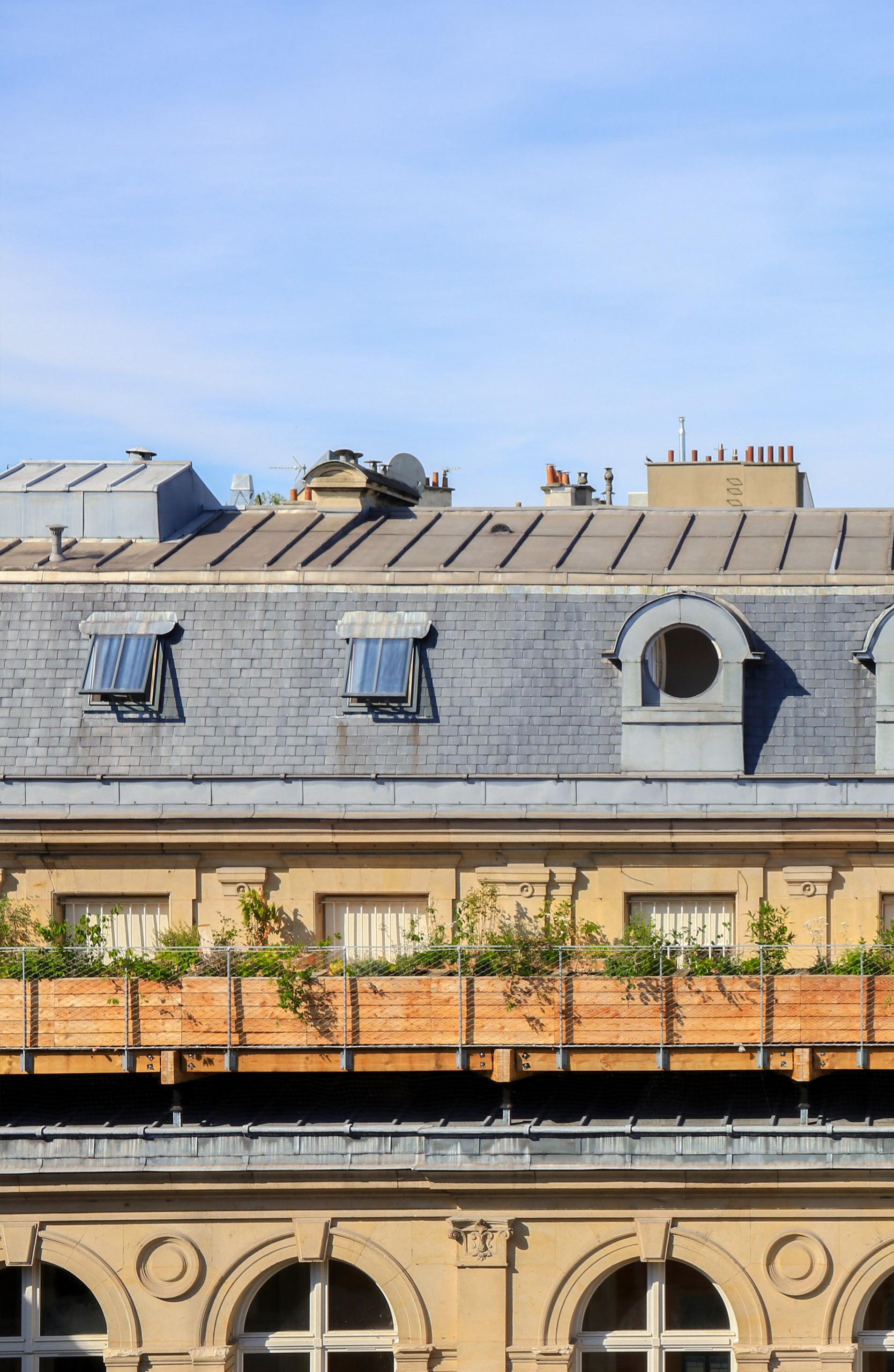
This issue's cover page features a design intervention from the studio Roofscapes, showcasing a low-tech architectural system that transforms overheated pitched roofs into shaded, planted, and accessible rooftops.
The project was originally developed as a climate adaptation strategy for European cities, re-activating the building envelope as a passive climatic interface. By combining lightweight structures, vegetation, and shared outdoor space, Roofscapes demonstrates how existing heritage buildings can be tactically adapted to rising temperatures while enhancing biodiversity, comfort, and urban life.
Roofscapes Studio Cover page
https://www.roofscapes.studio/home-english
RUMOER 88 - LOW-TECH, HIGH IMPACT
2nd Quarter 2026
31st year of publication
RuMoer
Rumoer is the primary publication of the student and practice association for Building Technology ‘Praktijkvereniging BouT’ at the TU Delft Faculty of Architecture and the Build Environment. BouT is an organization run by students and focused on bringing students in contact with the latest developments in the field of Building Technology and with related companies.
Every edition covers one topic related to building technology. Different perspectives are shown while focusing on academic and graduation topics, companies, projects, and interviews.
With the topic ‘Low Tech, High Impact’, we are publishing our 88th edition.
Praktijkvereniging BouT Room 02.West.090
Faculty of Architecture, TU Delft Julianalaan 134 2628 BL Delft
The RuMoer Committee is open to all students. Are you a creative student that is eager to learn about the latest achievements of TU Delft and Building Technology industry?
Come join us at our weekly meeting or email us at: rumoer@praktijkverenigingbout.nl
Circulation
The RuMoer editions appear 2-3 times a year, with more than 150 printed copies and digital copies made available to members through online distribution
Membership
Amounts per academic year (subject to change):
€ 15,- Students
€ 30,- PhD Students and Alumni
€ 30,- Academic Staff
Single Copies
Available at Bouw Shop (BK) for:
€ 5,- Students
€ 10,- Academic Staff, PhD Students and Alumni
Sponsors
Praktijkvereniging BouT is looking for sponsors. Sponsors make activities possible such as study trips, symposia, case studies, advertisements on RuMoer, lectures, and much more.
For more info contact BouT: info@praktijkverenigingbout.nl
If you are interested in BouT’s sponsor packages, send an email to: finances@praktijkverenigingBouT.nl
Disclaimer
The editors do not take any responsibility for the photos and texts that are displayed in the magazine. Images may not be used in other media without permission of the original owner. The editors reserve the right to shorten or refuse publication without prior notification.
6
Bamboo Architecture by Atelier
Nomadic
Company Article
Olav Bruin
14
Roofscapes
Project Article
Tim C., Olivier F., Eytan L.
24
The Creek Diskit
Project Article
Sandeep Bogadhi
32
ONO - Our New Office
Amsterdam
Company Article
Oresti Sarafopoulos
40
ThermoTwist
Student Article
Victoria R., Caroline B., Janvi D., Yasaman S., Lieke B.
48
HydroTensile
Student Article
Emmanouela M., ThaleiaPelagini k., Celia L., Helena S., Saroja S.
60
User-Centred Sustainability
Studio
Student Article
Evanthia S., Giel J., Geunchan S., Russ D.
68
Swiss Knife
Student Article
Valerie P., Sarah W., Ayelet R., Radha B.
80
AR/ch
Student Article
Artemisia G., Oliver M., Purvi S., Wen H.
EDITORIAL
Dear reader,
I’m excited to announce the publication of the 88th edition of RuMoer: Low-Tech, High Impact
The theme chosen for this issue presents a very broad topic; one that might initially seem easy to define, yet it is continually being redefined in the modern age of rapid technological advancement.
Low-Tech is often associated with bio-based materials, and vernacular building traditions that have been shaped by climate, and histories of culture. But in an era that is defined strongly by technological acceleration and increasingly more complex construction systems, the presence of low-tech practices and ideals are slowly being overwhelmed. In dense urban landscapes around the world, firms compete with each other to stand out and realise the most innovative and advanced buildings that continuously push the capabilities of design and architecture. In this sense we must consider that Low-Tech is not the absence of innovation, but a reconsideration of what progress should look like.
This issue of the magazine embraces that range. Alongside projects rooted in sensitive material use and building practices, we also wanted to present case studies, projects, and concepts that have worked to embrace the modern world while subverting the need for high-powered and complex machinery. Through passive
RuMoer Committee 2025-2026
energy strategies, climatic responsiveness, and socially driven sustainability initiatives, the projects featured here demonstrate how architecture can improve quality of life. With the 88th issue, we present approaches that are both grounded and forward-looking - where low-tech thinking becomes a powerful tool for creating meaningful, resilient, and enduring impact in a range of different contexts.
We hope you enjoy this edition!
Sinan Wehrli Editor-in-chief | RuMoer 2025-2026
Purvi Radha Ekin
Ipek Sinan
Bamboo Architecture by Atelier Nomadic
Olav Bruin
Building with bamboo, how Atelier Nomadic explores the endless possibilities of this versatile material.
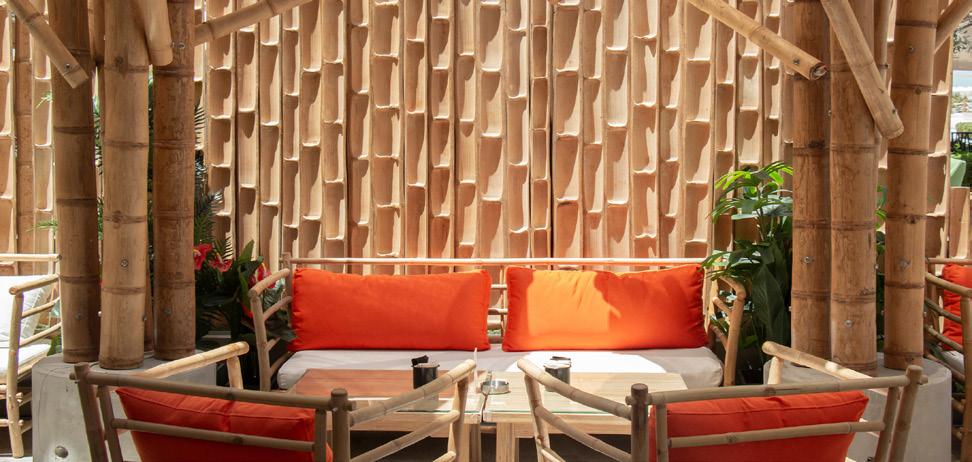
There’s a quiet revolution happening at the edges of shorelines and in the canopies of palm groves: bamboo is being reshaped from a humble plant into large-span pavilions, treehouses and overwater dining halls that feel both ancient and contemporary. Rotterdam based Atelier Nomadic is one of the leading offices in bamboo architecture and explores the endless possibilities of this versatile material — borrowing vernacular strategies, working with local craftsmen, and treating bamboo as a structural, aesthetic and ecological ally. Their projects - from a safari lodge in Sri Lanka, bamboo treehouses in Mexico and the overwater restaurant in the Maldives - show how a fast-growing grass can contribute to a more sustainable architecture.
Bamboo is one of the fastest growing renewable building materials in the world and has the opportunity to play a vital role towards a more sustainable future of the building industry. It reaches
maturity in 3–5 years and when bamboo is cut, the root system remains intact and the plant naturally regrows. This preserves soil structure and prevents erosion. Bamboo absorbs large amounts of CO2 during growth, often more than an equal area of trees. Using it in buildings effectively locks away that carbon for the lifespan of the structure, aiding climate-mitigation efforts. Bamboo has a high strength-to-weight ratio, comparable to steel in tensile strength. As the bamboo harvest cycles are short and continuous, it provides a renewable income source for rural communities.
As there are over 1500 bamboo species in the world, it is important to select the right species for its specific use in the building as each species has its specific properties as the length of the culm, its diameter or its wall thickness. Most bamboo projects use therefor about 2 or 3 different bamboo species for the various parts of the building.
Atelier Nomadic doesn’t use bamboo as a novelty. Across its work the studio treats bamboo as a systemic choice: a renewable, high-strength building material that
is also culturally resonant in many of the tropical contexts where they build. Rather than imposing a single aesthetic, their designs evolve from three overlapping constraints — climate, craft and ecology — producing buildings that respond to sun, wind, rain and the life that surrounds them. This approach is visible in the way vaulted bamboo shells, woven bamboo grids and open louvers are used not only to form space but to regulate it bioclimatically, reduce embodied carbon and create tactile, breathable interiors.
Safari lodge, Sri Lanka
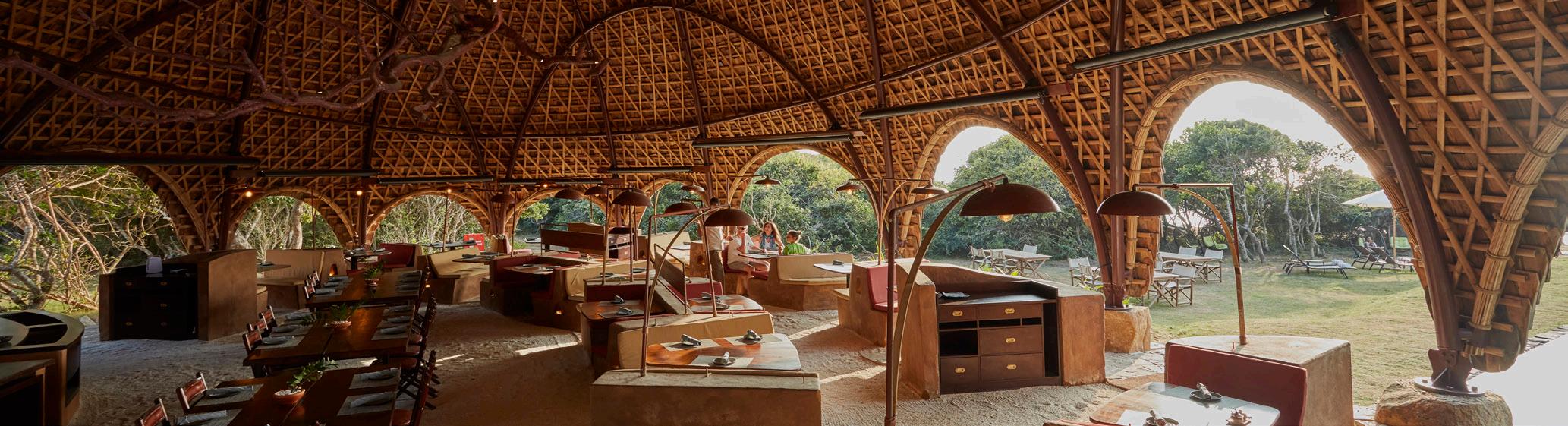
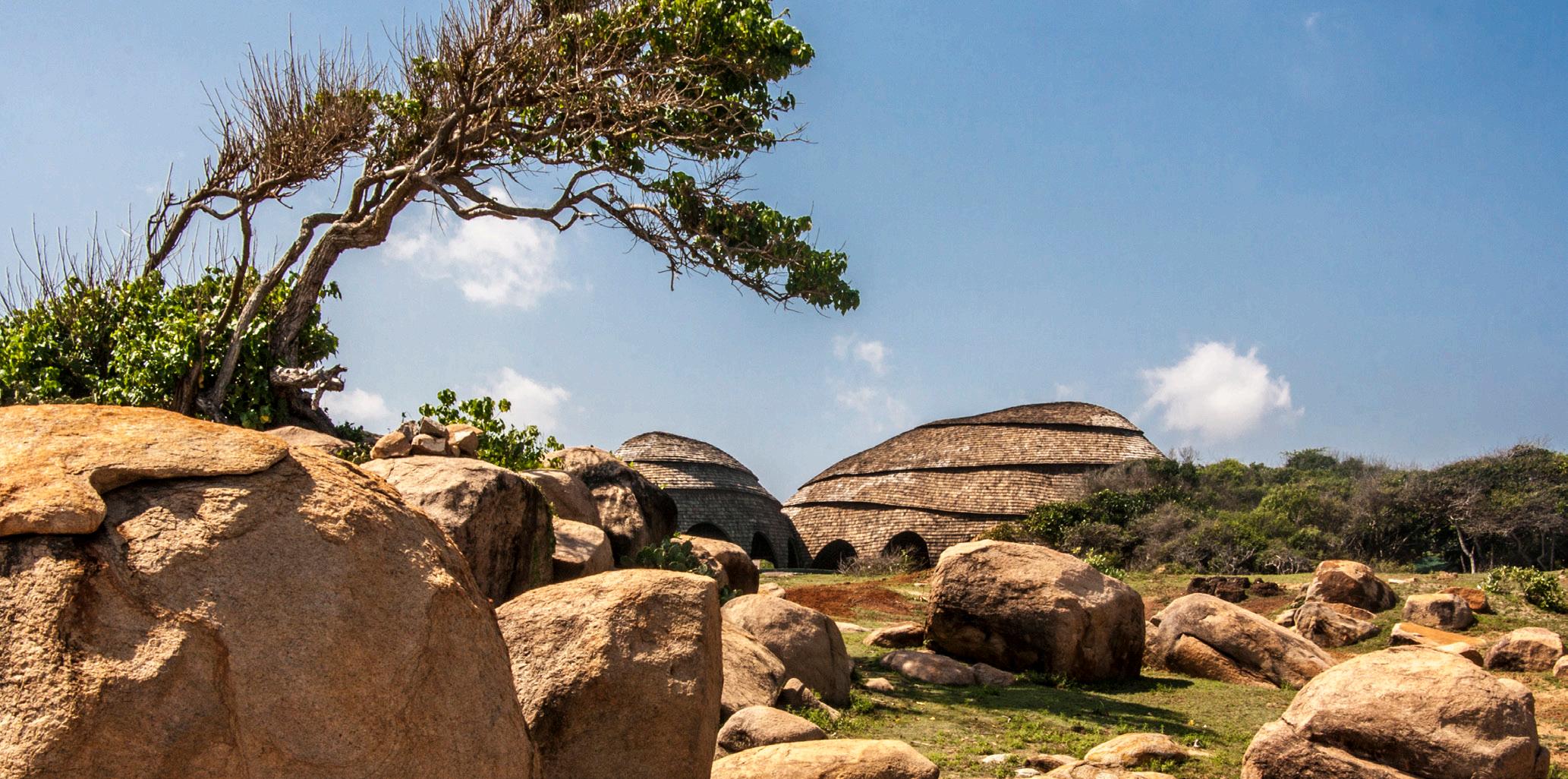
Atelier Nomadic’s first project is Wild Coast Tented Lodge, a safari camp situated adjacent to Yala
National Park, home to leopards, elephants, crocodiles and wild buffalos. To make a natural fit into the landscape, the architecture of the camp takes inspiration from the massive rocky outcrops that are scattered across the semi-arid landscape. From afar, the large pavilions look solid but on closer inspection, they’re revealed as light, open structures. The 10m high vaulted roofs are crafted from a steel skeleton as primary structure, clad in a secondary layer of woven bamboo, covered with reclaimed teak shingles.
Bamboo was not used in its natural round shape; it has been radially split to create long flexible strips that form the 3 layers of the grid structure. The arched openings are supported by bundles of 1x1cm bamboo
Fig. 5: Wild Coast Tented Lodge -by Mark Hernandez Folguera
splits that frame the surrounding landscape. Concentric ventilation slits are integrated in the roof to provide natural cross ventilation, keeping public spaces comfortable with minimal mechanical cooling. Some of the interior seating has been built from mudbricks, a traditional building material that is a mixture of earth and elephant dung, an abundant resource.
The initial ambition was to use bamboo as primary structure but the local building code did not allow for bamboo to be used for this purpose. But using bamboo for the secondary structure offered a great opportunity to introduce and promote bamboo as an alternative and sustainable building material in a country that is rapidly developing with the typical modern materials as concrete and steel.
Treehouses, Mexico
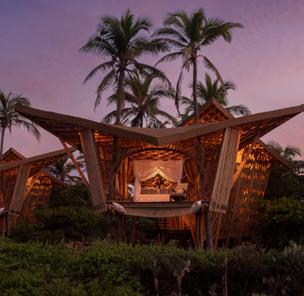
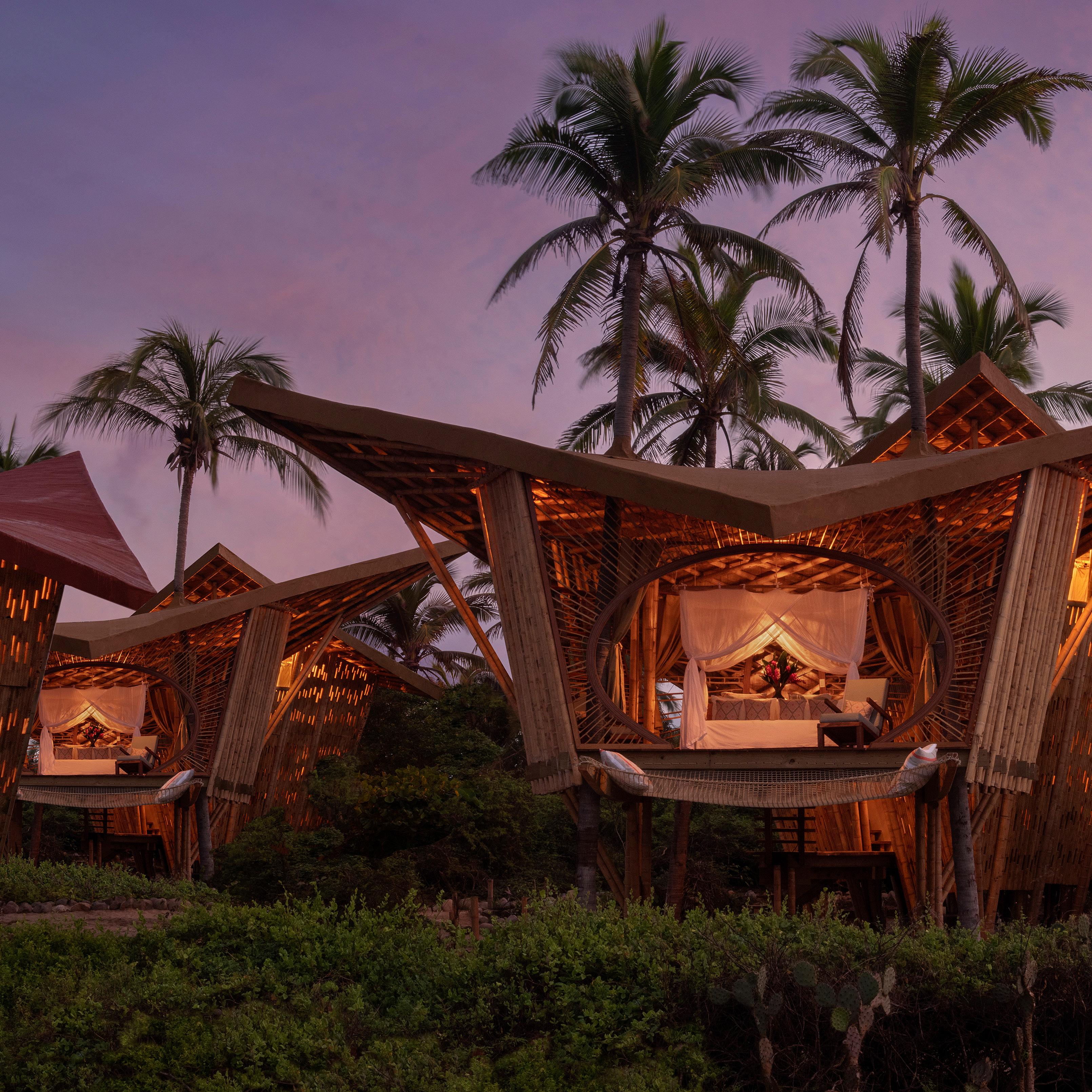
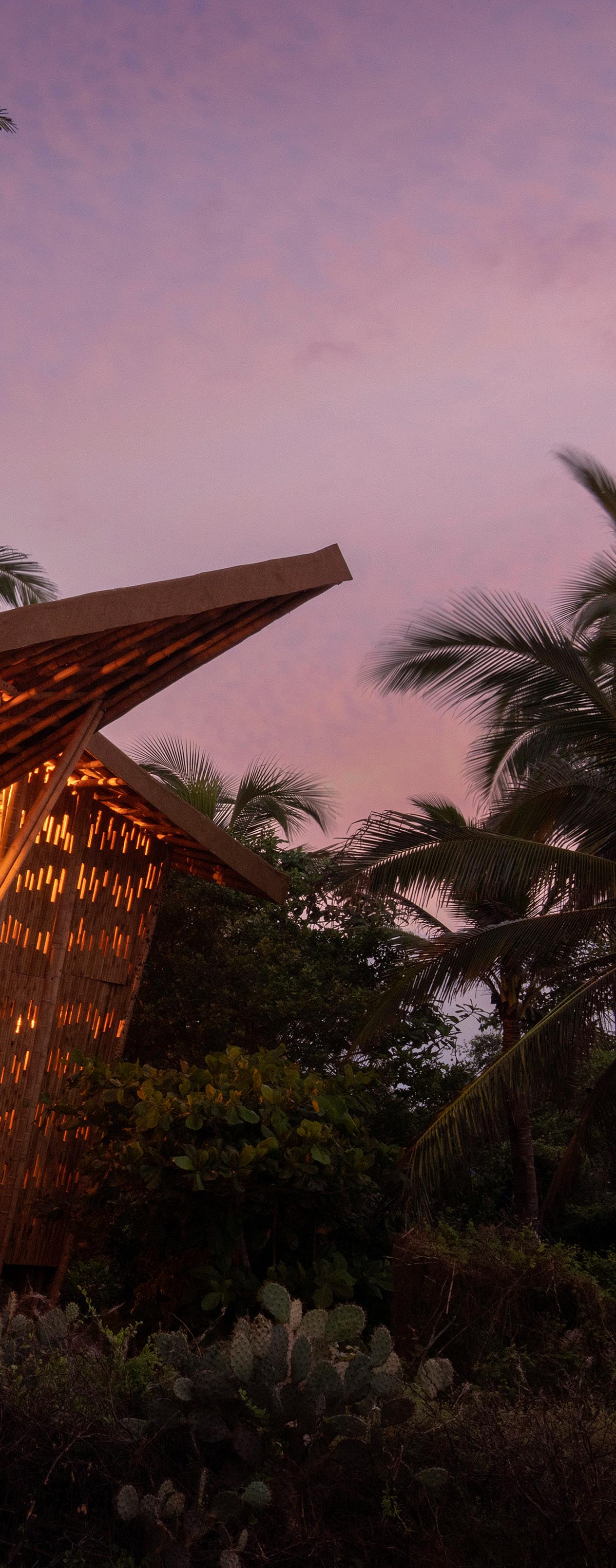
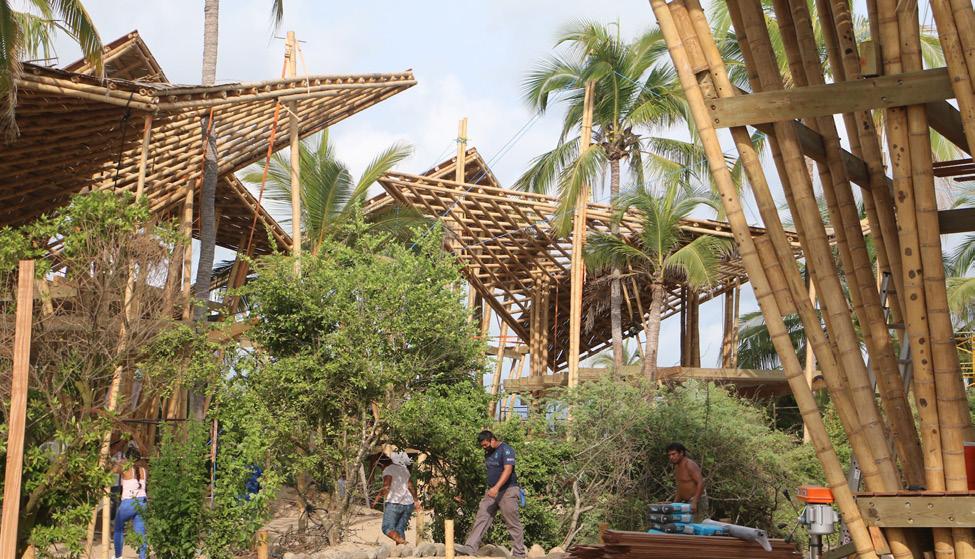
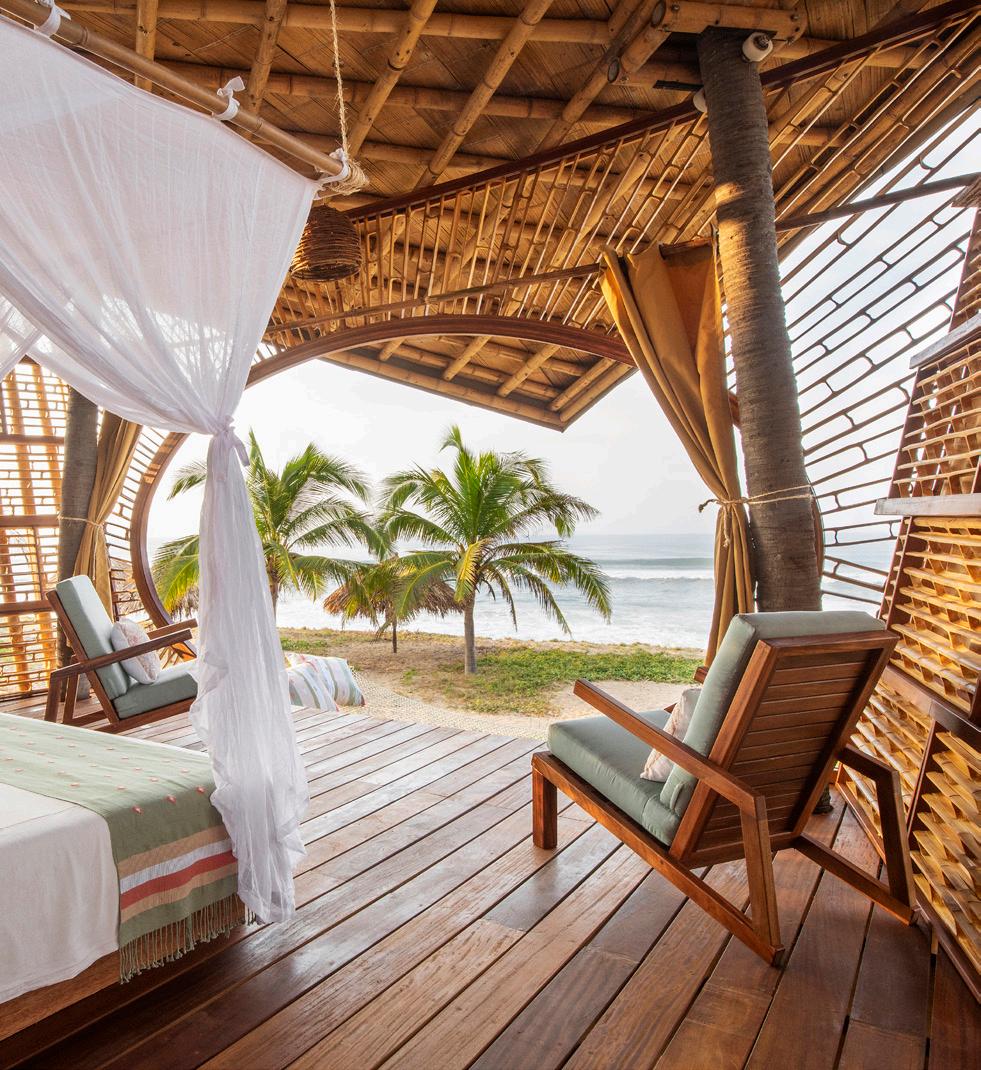
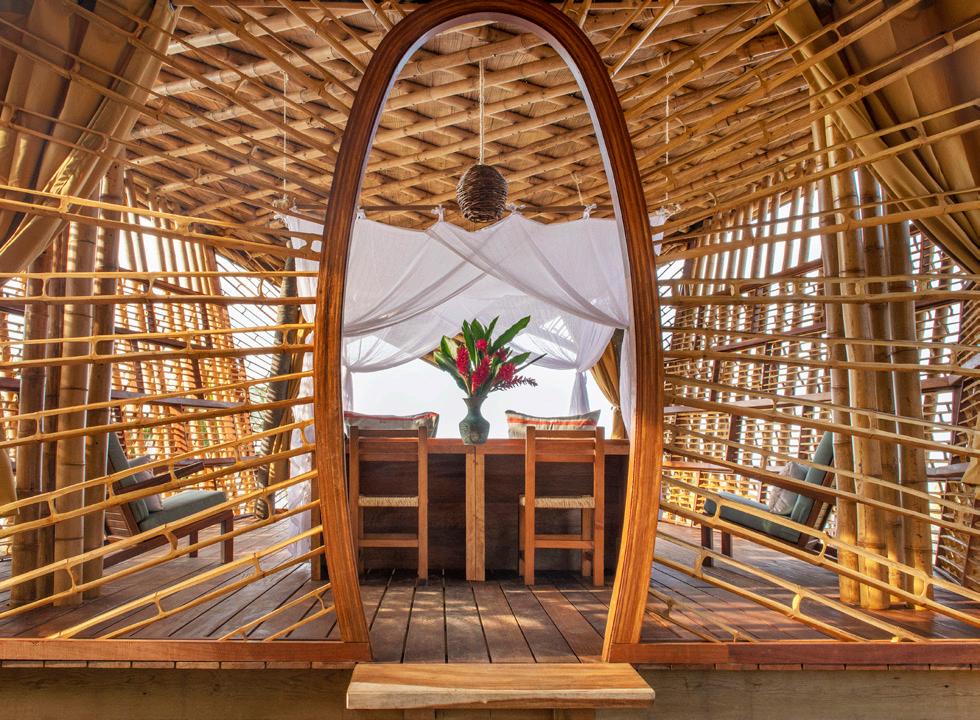
On the Pacific coast of Mexico, Playa Viva is a regenerative resort that has long prioritized lowimpact living — solar power, off-grid operations and habitat restoration. The bioclimatic design of the bamboo treehouses is well suited to the environment: the hyperbolic paraboloid roof acts like a big umbrella, providing shade for the sun and protection from heavy
Fig.6: Treehouses -by AVABLU
Fig.7: Treehouses -by AVABLU
Fig.8: Jamaican restaurant -by Atelier Nomadi
rains. The façades are clad with bamboo louver panels that reveal the cross section of the bamboo and allow for natural cross ventilation. The elevated structures with a minimal footprint help protect root systems and dune ecology. Guadua bamboo was used for the main structure, roof structure, façade louvers and ceiling, and Phyllostachis Aurea was used for the wall and façade panels.
Jamaican restaurant, Abu Dhabi
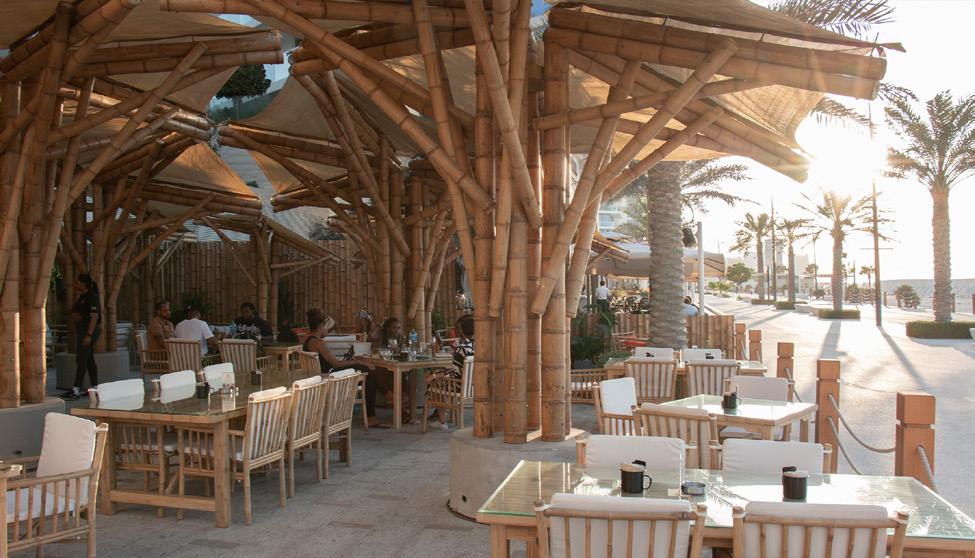
Ting Irie is a Jamaican restaurant in Abu Dhabi overlooking the Persian Gulf. Atelier Nomadic developed a sculptural bamboo canopy to cover the outdoor lounge area. Its design mimics branching coral forms that provide shade while allowing for cooling sea breezes to pass. It is reportedly the first bamboo installation of its kind in the Middle East and despite its tiny scale compared to its famous neighbours as the Louvre and Guggenheim, it aspires to promote the use of more sustainable and natural building materials in this rapidly developing city.
Overwater restaurant, Maldives
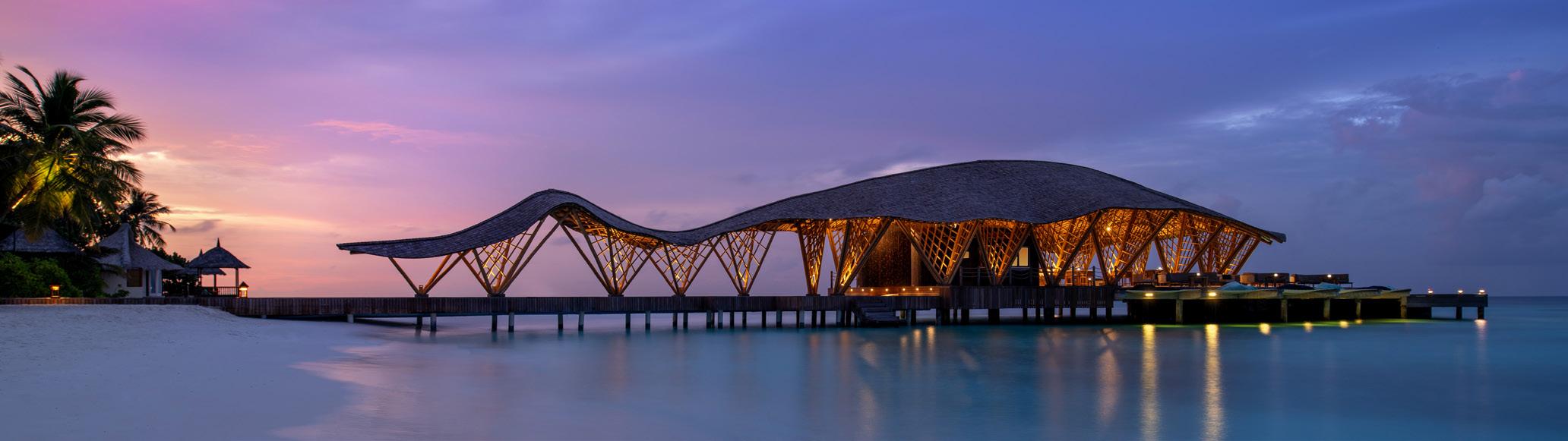
One of Atelier Nomadic’s most poetic gestures is the overwater Yakitori restaurant in the Maldives, a structure shaped like the pink whiprays that graze in the surrounding lagoon. Its ribcage-like structure is formed from a sequence of hyperbolic-paraboloid bamboo trusses. This structural system made it possible to build an organic shape from straight bamboo poles. The design is a revamp of an existing jetty where guests are guided by the rays tail as they walk along the jetty towards the restaurant. The structure open flanks allow for natural ventilation and provide a panoramic sunset view over the surrounding lagoon.
Bamboo’s advantages are clear — rapid renewability, high tensile strength, and an expressive aesthetic — but bamboo architecture also requires rigorous thinking about joint design, preservation, and lifecycle. Atelier Nomadic’s projects show careful attention to these issues: selecting species for its structural capacity, and working with local craftsmen to refine joinery. In tropical, marine and forested environments, detailing to
Fig.9: Overwater-restaurant 1-by JOE CHUA AGDEPPA
avoid water traps, insect ingress and UV degradation is as essential as the initial form-finding.
Bamboo architecture, when done well, feels inevitable. Atelier Nomadic’s projects show how this versatile material can be scaled into low-tech structures that provide human comfort and are deeply attuned to their natural surroundings. A humble material that was once referred to as ‘poor man’s timber’ has the potential to play a vital role towards a more sustainable future of the built environment.
After graduating from the Faculty of Architecture at the TU Delft in 2006, Olav worked for 7 years at Rotterdam based 24H-architecture where he learned about bamboo as a building material for their projects in Thailand, including the Panyaden School and Kid’s Den. In 2014 he founded Atelier Nomadic, a studio that specializes in biophilic architecture and bamboo construction. Inspired by vernacular architecture, they utilize local crafts and sustainable materials that fit symbiotically into their natural surroundings. Their work covers several continents and includes hospitality projects, private residences, schools and social housing. The studio has been honoured with the Architecture Master Prize, International Architecture Award, Design for Asia Award and the UNESCO Prix Versailles.
Olav Bruin
Tactical Architectures for the Low-Tech Climate Realignment of Existing Buildings
Adapting European Cities
As the construction sector bears a major share of responsibility for the ongoing climate crisis, the role of architects is undergoing profound transformations. For our generation, it is no longer about erecting new, carbon-intensive monuments, but about maintaining, transforming, and adapting existing buildings — extending their life cycles while aligning them with contemporary environmental challenges.
Tim Cousin | Olivier Faber | Eytan Levi
This paradigm shift, far from a constraint, opens a field of renewed meaning and agency. Most of Europe’s building stock was designed for a different climatic regime, often incompatible with current and future conditions, as evidenced during increasingly severe summer heatwaves.
The building envelope — the interface between exterior climate and interior space — has become a critical site of experimentation. It is within this thickness that the adaptation of buildings must now take place. After centuries shaped by cold-climate priorities, followed by a modernist pursuit of uniform mechanical comfort — reliant on postwar fuel abundance and neglecting the envelope’s mediating role — the intensification of heatwaves across Europe demands a reawakening of climatic intelligence within architecture.
If Paris’ 2050 climate is to resemble that of Seville today, the French capital lacks the passive architectural and urban devices that have long enabled the Andalusian city to endure heat. Active maladaptations such as individual air conditioning are spreading rapidly, threatening to raise urban temperatures by several additional degrees and to undermine urban livability. This trend perpetuates the modern, energy-intensive faith in technological control — a desire to abstract and conquer climate through artificial means. Yet this logic has reached energy and climate resilience limits, outlining a future neither desirable nor sustainable.
climatic wisdom embedded in the passive design of southern cities, we must now devise new architectural systems — not for our living spaces to wage a Sisyphean battle against climate, but to realign them with their evolving environmental contexts in a passive and symbiotic manner. These systems must deliver high impact with a lightweight environmental footprint, tactically enhancing existing buildings through low-tech, adaptive means.
Blind Spots at the Roof Level
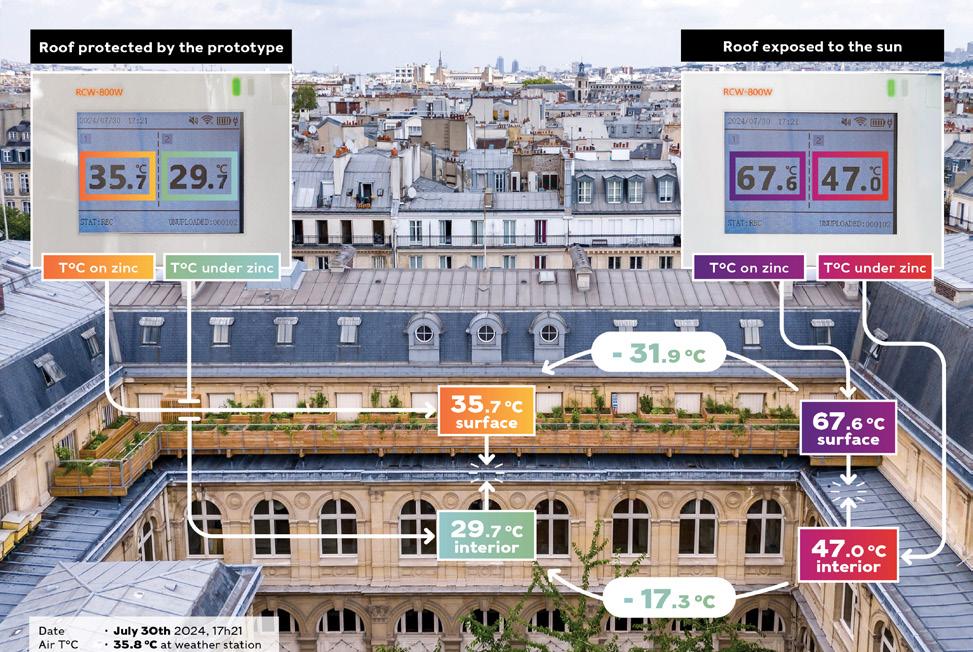
Among the elements of the urban envelope, roofs remain both overlooked and full of potential. Directly exposed to solar radiation, they are among the most climate-vulnerable urban surfaces, covering nearly 40% of the built area in a city like Paris. While green roofs on flat buildings are now widely promoted by urban policies, they remain largely confined to new or structurally-reinforced constructions. Pitched roofs, by contrast, are almost entirely neglected despite their ubiquity and promise. In Paris, four out of five buildings are covered with pitched zinc roofs whose surface temperature can reach 70–80 °C in summer — directly contributing to unbearable attic overheating and city-wide urban heat islands. Far from anecdotal, the issue of pitched roof overheating was until recently one of the great blind spots of adaptation policies.
Heritage and Inspiration
How, then, can these roofs be adapted in a lowtech manner? Their diverse geometries, steep slopes, and heritage value make architectural interventions complex. Yet urban history abounds with examples where roofs once played an active role in daily life, long before
the advent of modernist flat roofs. Venetian altane offering shaded outdoor spaces, or the Dachterrassen of Zurich and Basel — used in the 19th century for drying laundry — have become cherished building commons. These typological precedents remind us that climate adaptation can coexist with heritage preservation, enriching the everyday urban fabric rather than compromising it.
A Low-Tech Approach
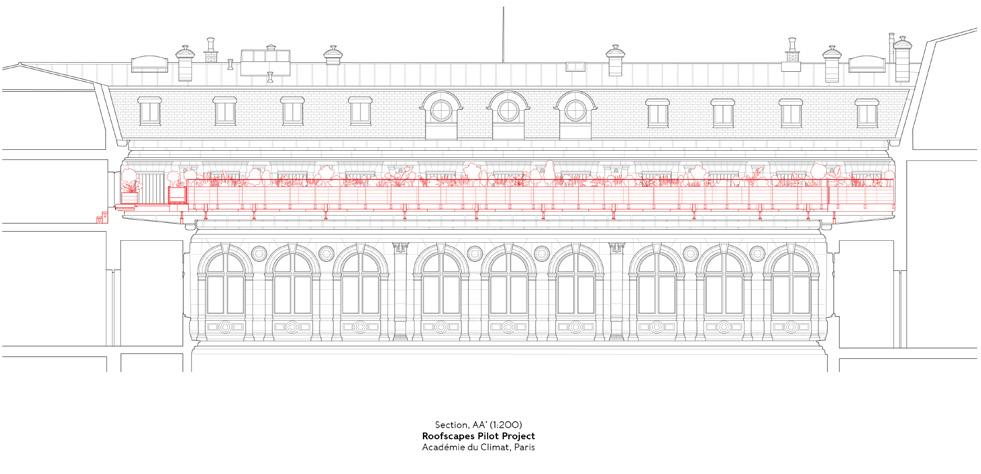
Building on these precedents, Roofscapes proposes a lightweight and pragmatic strategy. When roofs overheat, the first step is to shade them using materials of low thermal inertia, inspired by the wooden platforms of Venice. This new datum becomes the foundation for planted layers with sufficient substrate depth to provide essential ecosystem services: thermal regulation, water retention, biodiversity anchoring. By rendering part of these surfaces accessible, we also create high-quality outdoor spaces for building users — addressing both the scarcity of green areas and the demand for adaptive thermal comfort.
This approach materializes in a green and accessible over-roof system. Modular and reversible. it can be deployed on existing buildings without demolition, bringing adaptation benefits previously out of reach for this building typology. Shade, vegetation, and accessibility constitute its passive drivers, making the over-roof system a quintessentially low-tech approach.
From Awareness to Deployment
At the outset, urban regulations neither anticipated nor permitted this form of climate adaptation atop existing buildings. Moreover, heritage preservation
rules — covering most of the city’s surface — posed significant obstacles to the project. Faced with this challenging context, we redirected our efforts toward public and institutional engagement to build awareness towards the necessity of our approach.
In 2021, we presented at the Seoul Biennale Building the Resilient City a model envisioning a network of interconnected green and accessible over-roof units forming a resilient urban roofscape. Later exhibited in Paris, the installation catalyzed dialogue with the City of Paris and heritage authorities. In parallel, on-site heat measurements on Haussmannian buildings and the launch of the Paris Rooftop Days — a festival mobilizing professionals, policymakers, and citizens around the overlooked potential of roofs — further strengthened the case for a comprehensive strategy of climate adaptation for pitched roofs.
This process paved the way for a first prototype.
In 2024, following discussions with the government body in charge of heritage preservation, we deployed a 100 m² accessible green over-roof atop the former town hall of Paris' 4th arrondissement — one of the first buildings overseen by Haussmann, now housing the City of Paris' Académie du Climat. Commissioned by the City of Paris under a research and development public procurement contract, the pilot aimed to assess Roofscapes' system’s
Results were conclusive: during the July 2024 heatwave, when air temperatures reached 36°C in Paris, attic temperatures under the reference roof reached 47°C, compared to only 30°C beneath the over-roof system — a reduction of 17°C. The system retained more rainwater than conventional green roofs and reduced irrigation needs fivefold through integrated reservoirs. Biodiversity surveys also revealed a doubling of pollinators and a notable increase in plant and bird species in the first year alone.
Inaugurated by the Mayor of Paris in November 2024, the prototype demonstrated the feasibility of reversible, low-tech adaptation on heritage buildings. Roofscapes is now working to scale this strategy across Paris and other European cities in collaboration with public and private partners.
Toward Systematic Tactical Interventions on the Envelope
The green and accessible over-roof system inaugurates a broader framework for architectural adaptation: tactical interventions on the envelope.
Building on the lineage of Venetian altane, a wide array of historical and contemporary precedents offers a fertile corpus for rethinking the agency of the building envelope.
". . . the installation catalyzed dialogue with the City of Paris and heritage authorities. "
London's basement light wells drawing coolness from the ground, medieval bay windows projecting into the public realm in countless European historic centers, unplanned verandas on Soviet Khrushchevki, attached greenhouses on suburban houses, or façades veiled in deciduous
climbing plants — all testify to a long-standing capacity of architecture to mediate environmental conditions through its outermost layer.
Beyond their spatial or aesthetic qualities, these devices reveal the latent potential of the envelope as a site for tactical, incremental, and low-tech transformation.
They invite to a renewed understanding of architecture not as an inert shell, but as an active climatic interface — mediating between interior comfort, environmental flux, and collective life.
As explored in Roofscapes' 2025 Venice Biennale exhibition Climate Realignments, interrogating
the thickness of existing envelopes opens a new field of design for climate adaptation. Within this “climatic offset” — the interstitial zone between building and atmosphere — a repertoire of additive, low-tech systems can be deployed to provide shading, natural ventilation, vegetation, rainwater capture and retention, or hybrid spatial uses.
These systems adapt to diverse typological matrices, from steeply-pitched roofs to façades, forming an expandable catalog of responsive components: planter systems, lightweight platforms and balconies, operable shading devices, and photovoltaic canopies.
Their combinations generate layered architectures capable of mediating heat, light, and air through passive means.
Through this adaptive layer, the envelope regains its climatic intelligence — no longer conceived as a boundary, but as an active milieu. In doing so, it redefines the relationship between architecture and environment, between adaptation and habitability, realigning both our
envelopes and our modes of living with the conditions of a transforming climate.
Tim Cousin, Olivier Faber and Eytan Levi are cofounders of Roofscapes Studio, an MIT spinoff based in Paris, France to adapt existing buildings to climate change. Tim, Olivier and Eytan hold a Bachelor of Science in Architecture from the Swiss Federal Institute of Technology in Lausanne (EPFL) and a Master of Achitecture from the Massachusetts Institute of Technology (MIT). Their work has been exhibited at the Seoul, Rotterdam and Venice Architecture Biennales and published in the Guardian, the New York Times and CNN.
Roofscapes was awarded the Dak Held award at the Rotterdamse Dakendagen in 2025, and is currently workingamong other projects with public and private building owners - with the City of Rotterdam, TU Delft and MVRDV on the Interreg-NWE Multiroofs project.
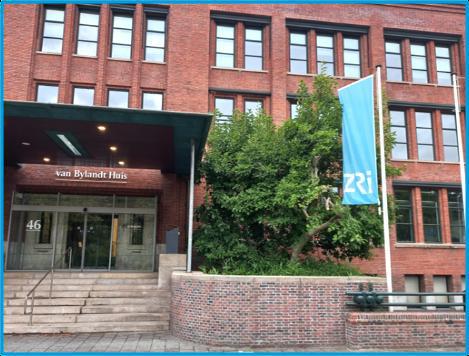
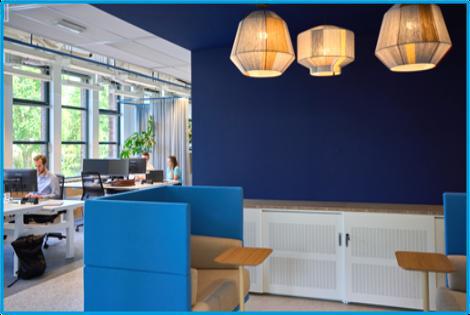
ZRi is een bouwadviesbureau voor Aanbesteden & Contracteren, Bouwfysica & Bouwtechniek en Bouwmanagement. Vanuit een karakteristiek pand in Den Haag werkt ons team van ongeveer 25 adviseurs aan uitdagende projecten, zowel nieuwbouw als renovatie en herontwikkeling.
In ons werk hebben we extra aandacht voor toekomstbestendigheid, energie-efficiëntie en circulariteit.
Op zoek naar een inspirerende en prettige werkomgeving en leerzame afstudeerplek?
Bij ons krijg je de kans om jouw kennis in te zetten bij onze mooie projecten en verder te groeien als bouwkundig professional. Scan de QR code en ontdek welke mogelijkheden en actuele vacatures er zijn voor jou.
▪ AANBESTEDEN & CONTRACTEREN
▪ BOUWFYSICA & BOUWTECHNIEK
▪ BOUWMANAGEMENT
Beeld: Marcel van der Burg
The Creek Diskit by Earthling Ladakh
Sandeep Bogadhi
Introduction
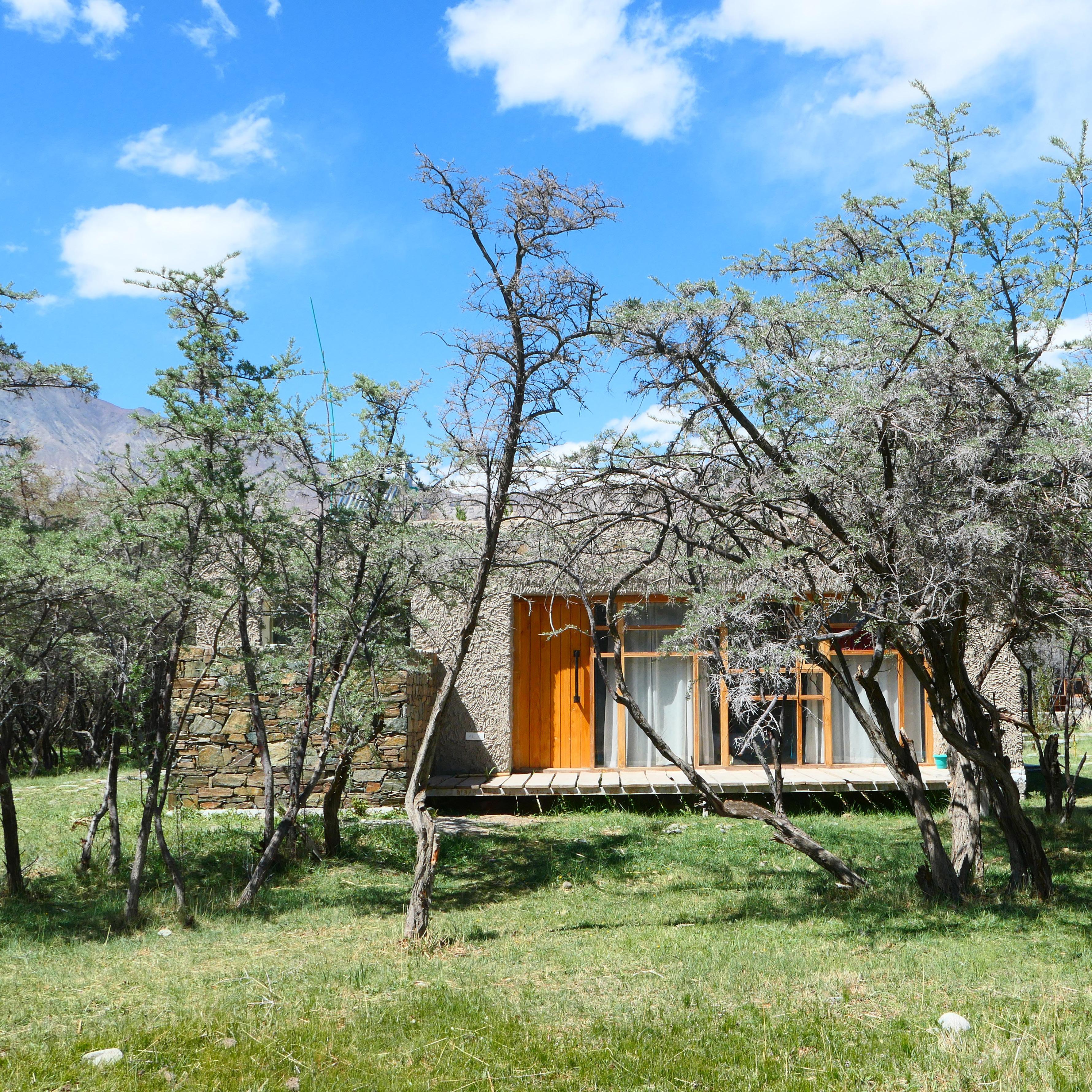
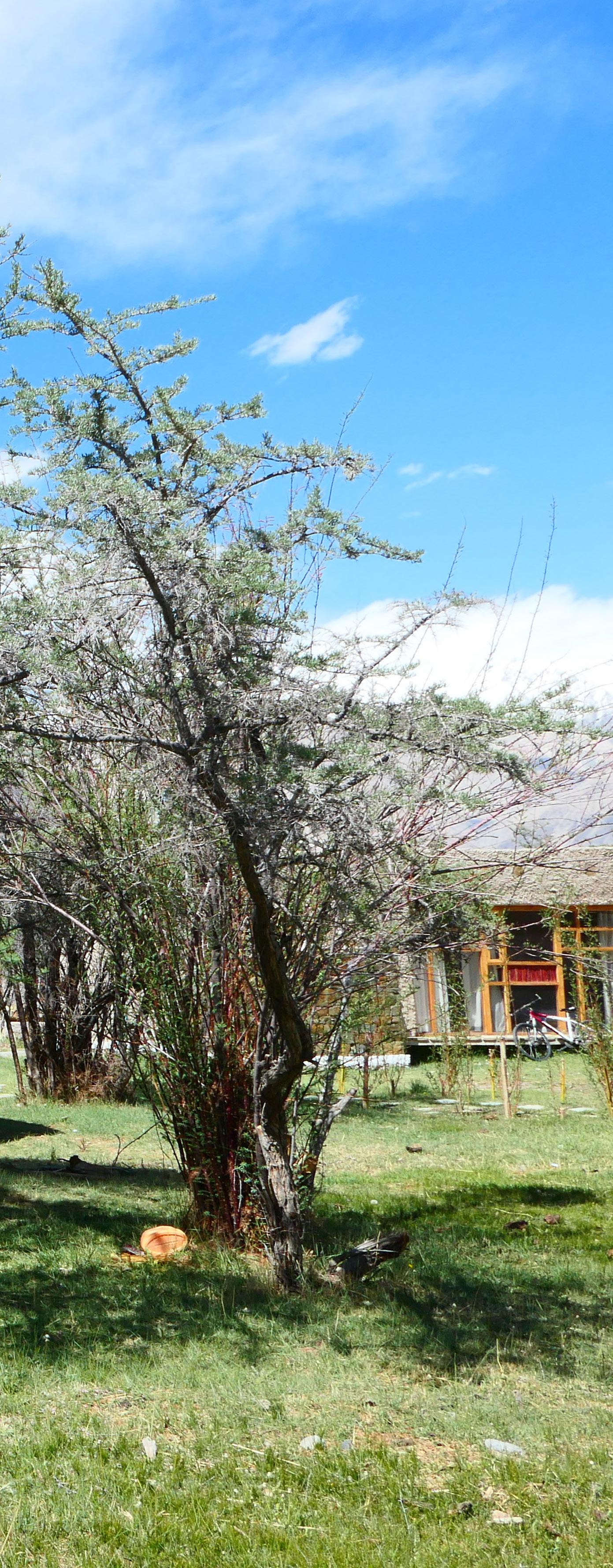
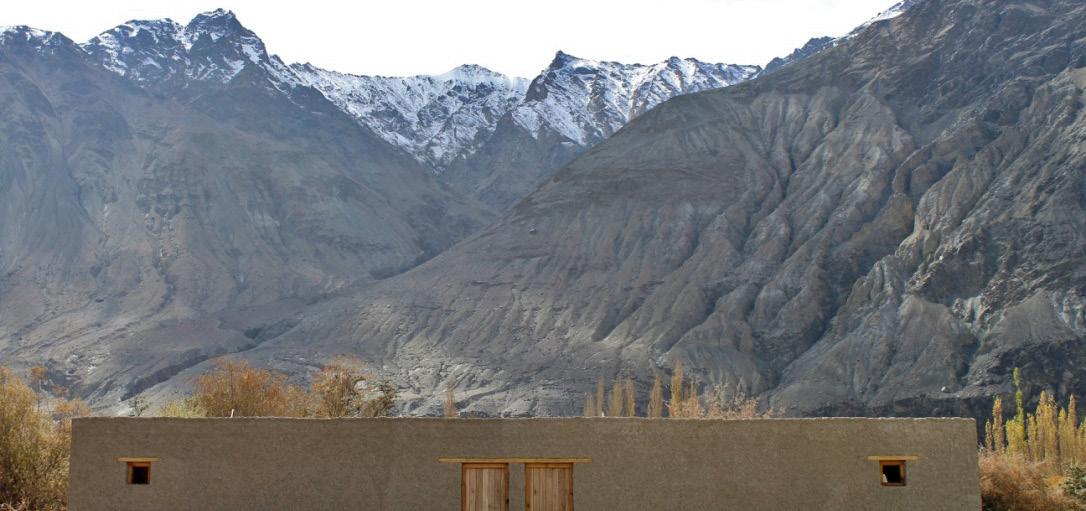
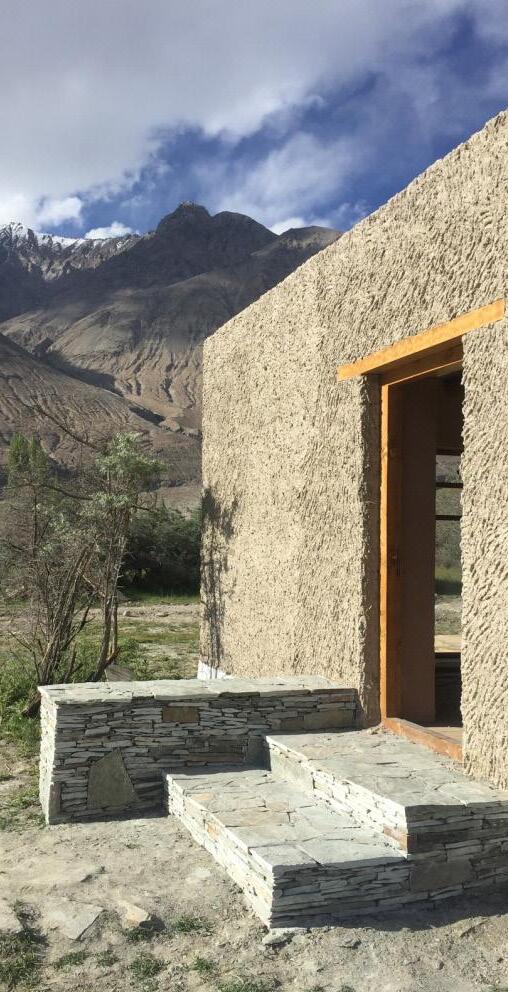
Set in Diskit village at an altitude of 3,150 meters, beyond the Khardung La pass, the project comprises twelve earth chalets with private gardens, carefully embedded within a marshy terrain shaped by natural springs and seasonal streams. Rather than resisting the site’s conditions, the architecture emerges directly from them. Soil and rubble deposited by a nearby creek form the primary building material, transforming what is naturally abundant into a sustainable construction resource.
The retreat embodies a philosophy of low-impact, context-driven design, where material honesty, craftsmanship, and simplicity guide every decision. Built entirely by local craftsmen using readily available earth, stone, wood, and reed bamboo, the project demonstrates how traditional knowledge and local resources can be reinterpreted to meet contemporary needs.
Mountain range with creek to the south
Site Context
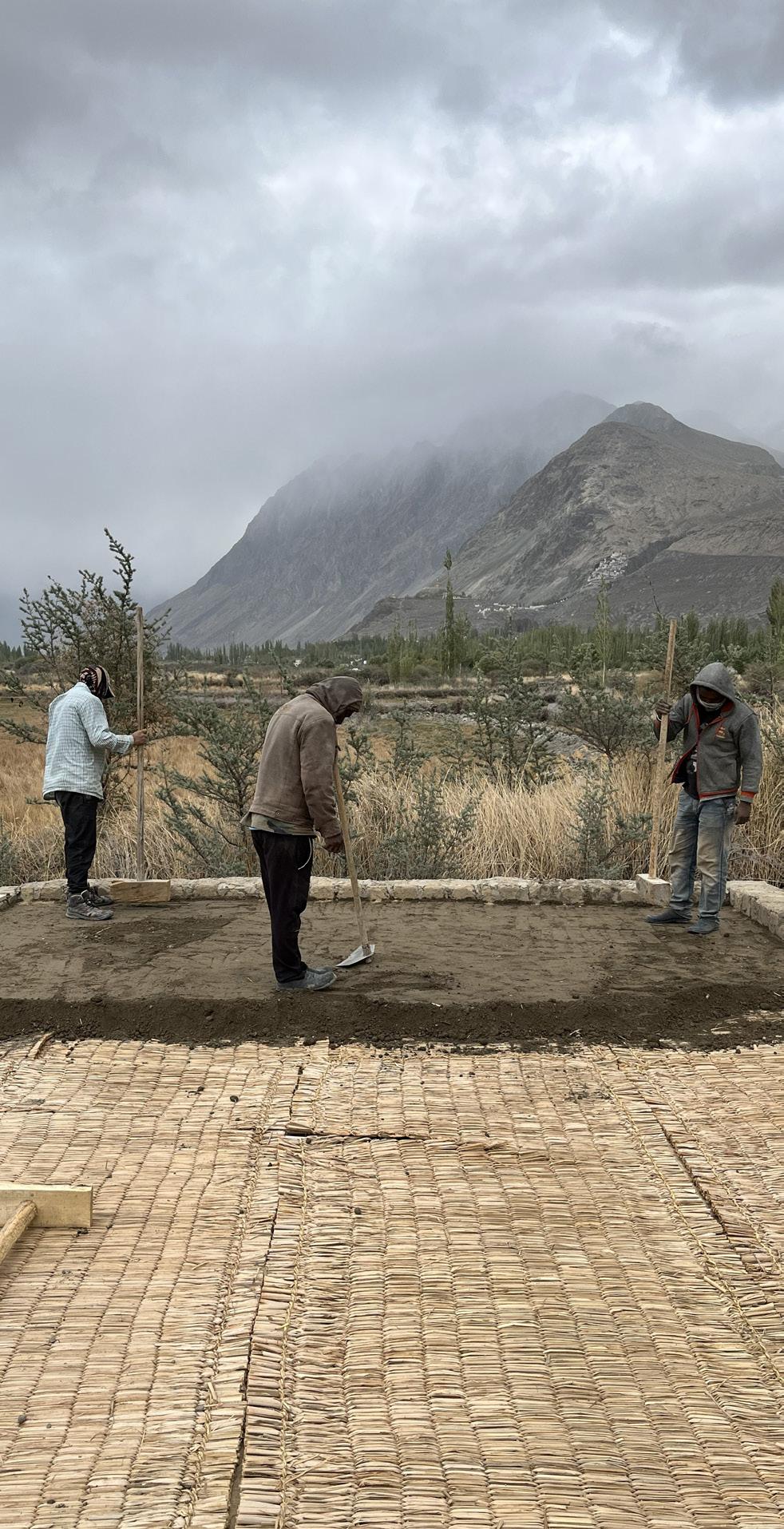
The retreat is located in Diskit village, in the quiet remote valley of Nubra, Ladakh, at an altitude of 3150 metres beyond Khardung La, the highest pass in the region. The site is a marshy pad due to the surrounding springs with sea buckthorn trees, while also facing a creek on the southern side. During peak summer months, the creek overflows, bringing with it mud and rubble that settles at around 500 metres from the site. This very soil and rubble from the creek were used to build the entire project.
Every piece of architecture is a sculpture befitting its context, which can transcend socio-cultural issues and time and still be relevant. The intention was to create a low impact architecture, which is humble and minimal; architecture that celebrates the experience of the rugged and harsh landscape. An architecture which remains in the background.
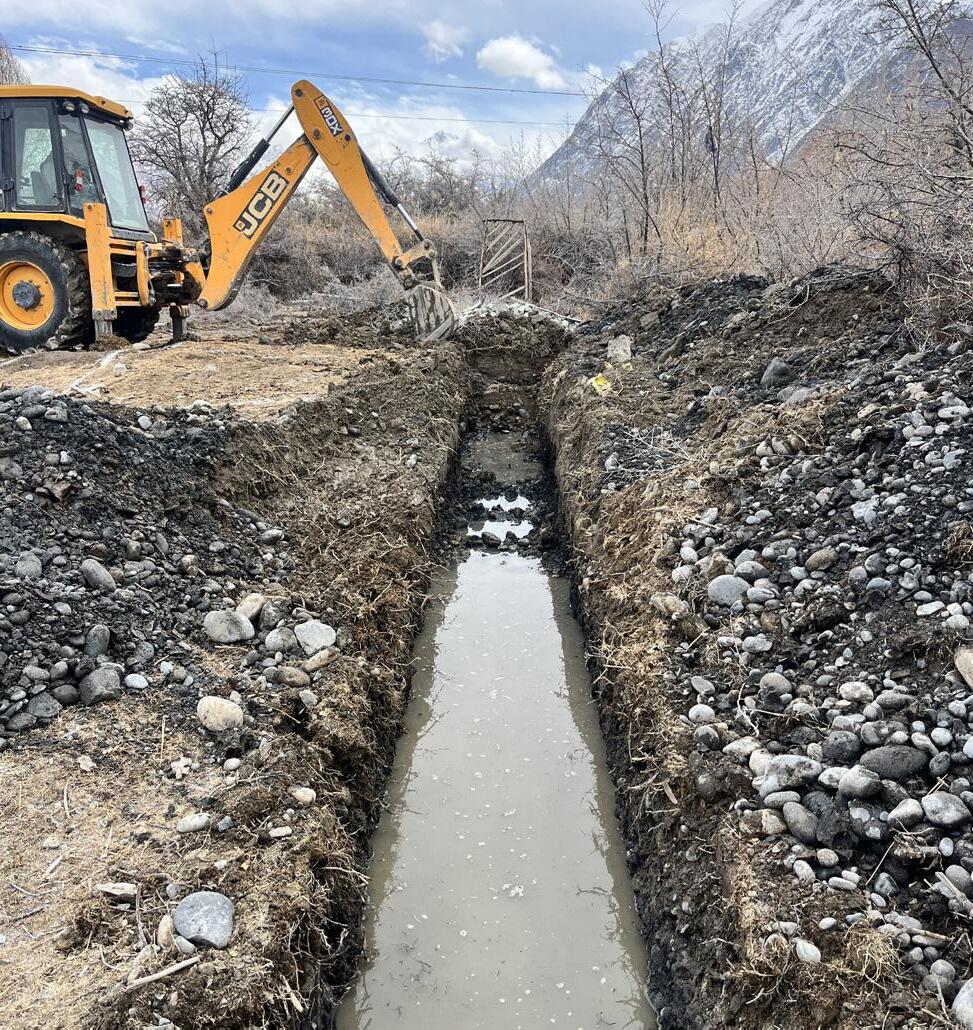
Building foundations in the marshy soil
Construction Systems for local craftmanship
Material, craftsmanship and simplicity are the only constants, which stand the test of time.
The project serves as a demonstrative process for the locals on how to identify resources around a place and how to rearrange them to arrive at a sensible, logical construction solutions which serve for the summer as well for harsh winters where temperatures drop below freezing.
Keen interest has been given to formwork, tools and transportation so that these construction techniques can be readily adopted and adapted by the locals to build their own houses. Entire construction is executed by local craftsmen from the Diskit village.
Planning
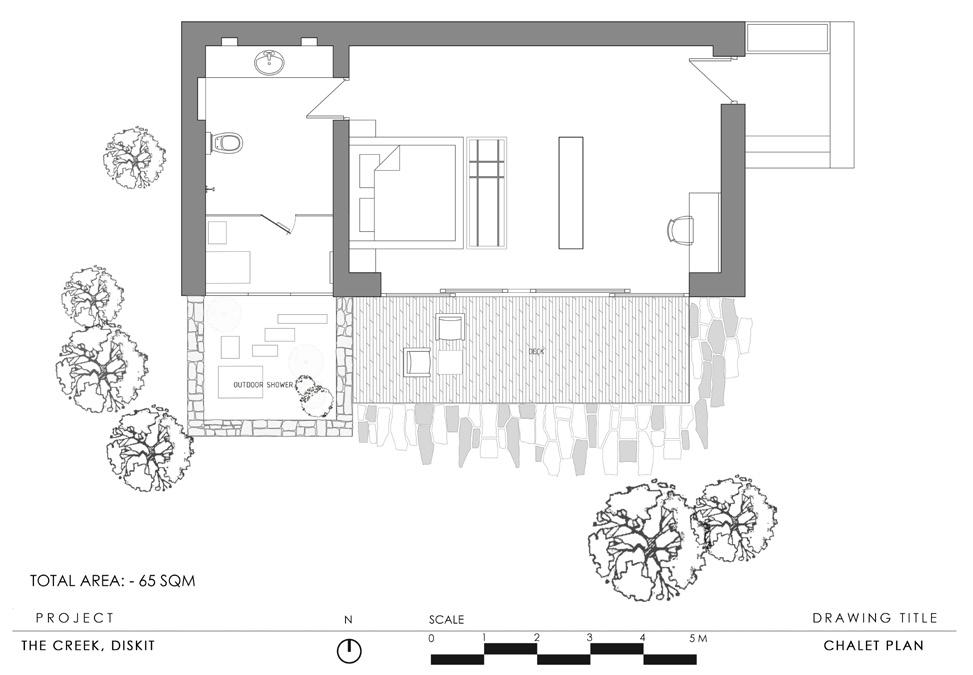
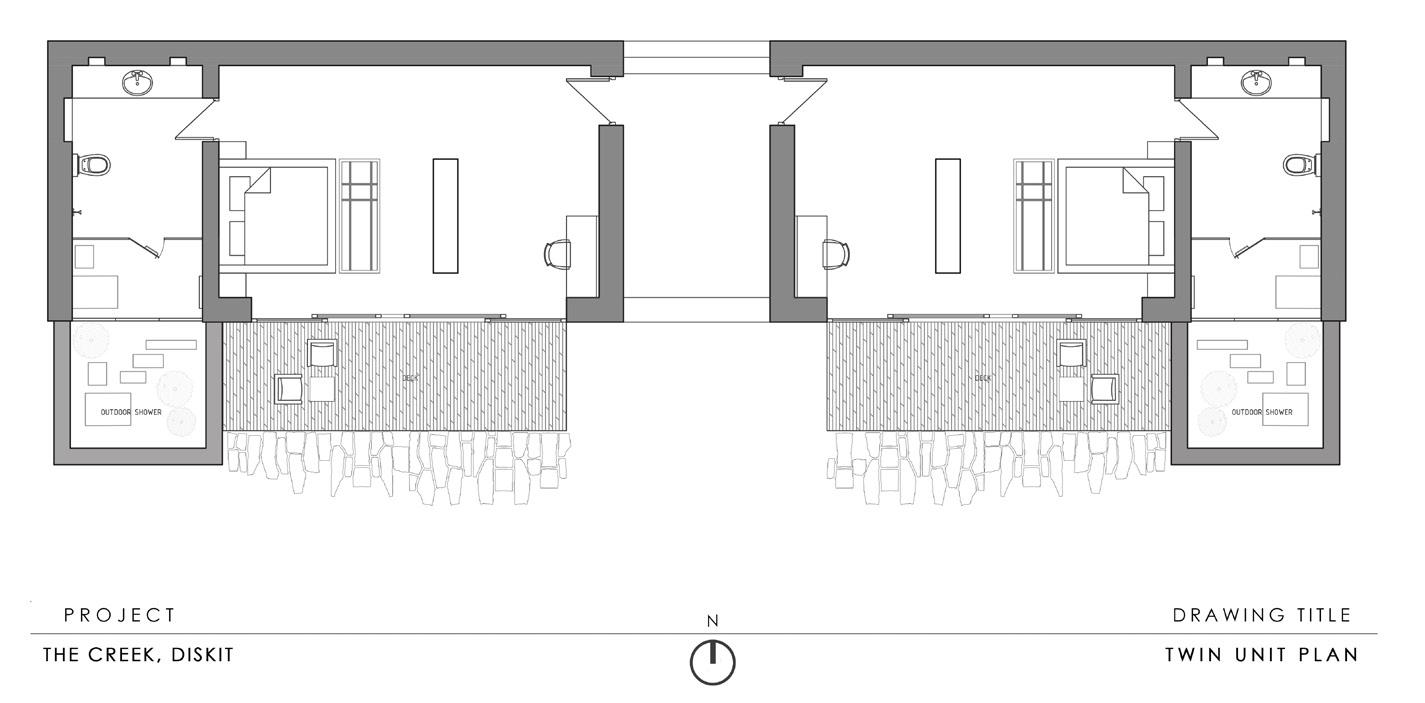
Planning is carried out to avoid cutting a single tree, while the orientation is carefully considered such that each chalet gains maximum sun. The most effective orientation was found to be 8-12 degrees west of cardinal south to gain maximum afternoon sun, which is warmer. Each unit is comprised of two clean volumes joined together, one volume in Earth (room) and the other volume in stone (outdoor open shower). Typical layout in varying construction methods with earth, stone and wood are employed where earth varies its form from adobe, cseb to rammed earth. The walls are 18” (45.7cm) thick and the room proportions are 1.5 : 2.5. The roof is
The Creek Chalet and Twin Unit plans
constructed traditionally with pine rafters, and comprised of a mud roof with fine clay top layer.
Material choices and intentions
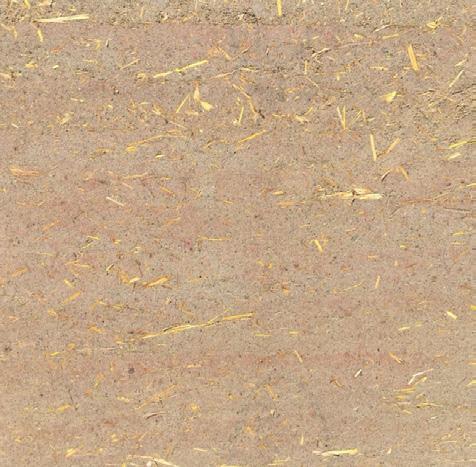
Earth: water-soaked soil (clay, sand and silt) provided by the creek is collected and a suitable mix is prepared for building. As a result, all the raw materials for construction are collected at no cost. Adobe, rammed earth walls, earthen plaster, and compressed earth blocks are all made from this very same mud.
Stone: The roads to Nubra valley are very narrow and controlled blasting of mountains is carried out by
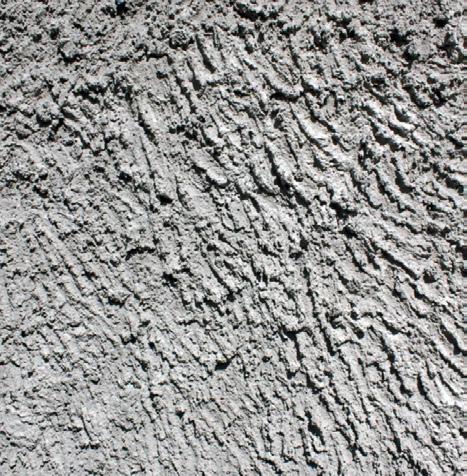
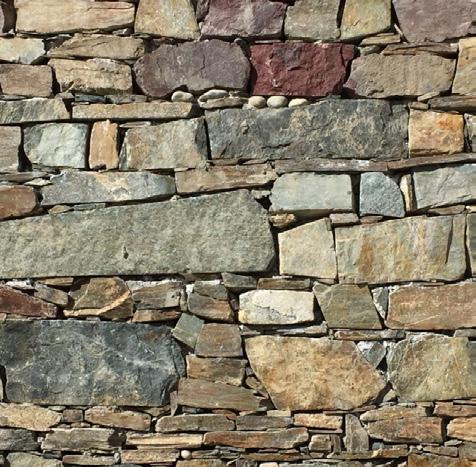
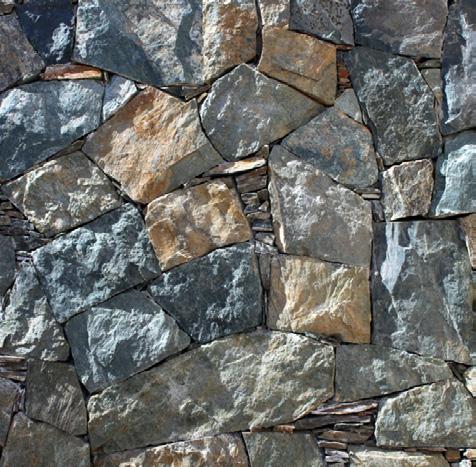
Texture palette of different finishes on the chalets. [top-left] traditional plaster, [top-right] stones, [bottom-left] blasted stone wall, [bottom-right] rammed earth
Flat mud roof
the border roads organization to widen these roads. As a result, flagstones are available along the sides of the narrow roads, which has been made redundant. These stones are collected at no cost and used for all the stonework in the project. Extensive stone work with refined craft done with different kind of stones available in the region.
Reed Bamboo (Umbuk): Reed bamboo grows along the glacier streams and in abundance. It doesn’t lose its colour even after it has been dried.
Conclusion
By drawing entirely from the site’s natural and redundant resources, the project transforms environmental constraints into opportunities for sustainable construction. Its low-impact planning, climate-responsive orientation, and robust material systems ensure comfort across seasonal conditions while preserving the existing landscape. Equally significant is the project’s role as a living model for local craftsmanship—empowering the community through transferable building knowledge and techniques.
Chalet entryway
Sandeep Bogadhi is the founder of Earthling Ladakh, a design build practice based out of Nubra Valley since 2015. His practice is based on the premise that every context has the potential and material resource to evolve on its own to give itself a regional identity and aesthetic with the power of design and craftsmanship. His primary inclination is towards projects with public interface on the principles of ecology, community building and identity.
Sandeep Bogadhit
ONO - OUR NEW OFFICE | AMSTERDAM
Oresti Sarafopoulos
Yes we can.
The first Bio-Based office without mechanical climatization in The Netherlands.
OZ’s years of experience in designing buildings have taught us that we have become increasingly dependent on technology to achieve sustainability. Unfortunately, while more technology makes buildings appear more sustainable on paper, it makes them unaffordable. Our conclusion? The key does not lie in expensive installations and solar panels but in smart, sustainable architecture.
That’s why we are taking the initiative for change. We are building the first Biobased office with radically reduced mechanical systems in the Netherlands.
In addition to being the designer and user, we are codevelopers. For us, development is not an end in itself, but a means to realize better buildings that are more humane, more sustainable and more in touch with nature. We believe in a future with fewer installations and more architecture. Not because we are idealists, but because we are realists.
Less is Real
With ONO, we create a building that transfer the budget of mechanical installations towards more space for architecture. In this way, we are investing in a better building —literally. We design spaces with high ceilings and natural ventilation using bio-based materials, based on passive building techniques. This allows us to create a healthy, comfortable, and affordable workplace. And it is possible.
We not only reduce construction costs but minimize maintenance as well. Instead of additional hardware, we invest in smart software. With advanced simulations, we eliminate the need for air conditioning, and afterward, software continues to monitor comfort
levels in the spaces.
All in all, this means natural simplicity in design using less materials, less reliance on solar panels, and drastically lower energy consumption. This building is not just a step in the right direction—it is entirely Paris Proof, both in ecological footprint and in use.
Comfortable climate
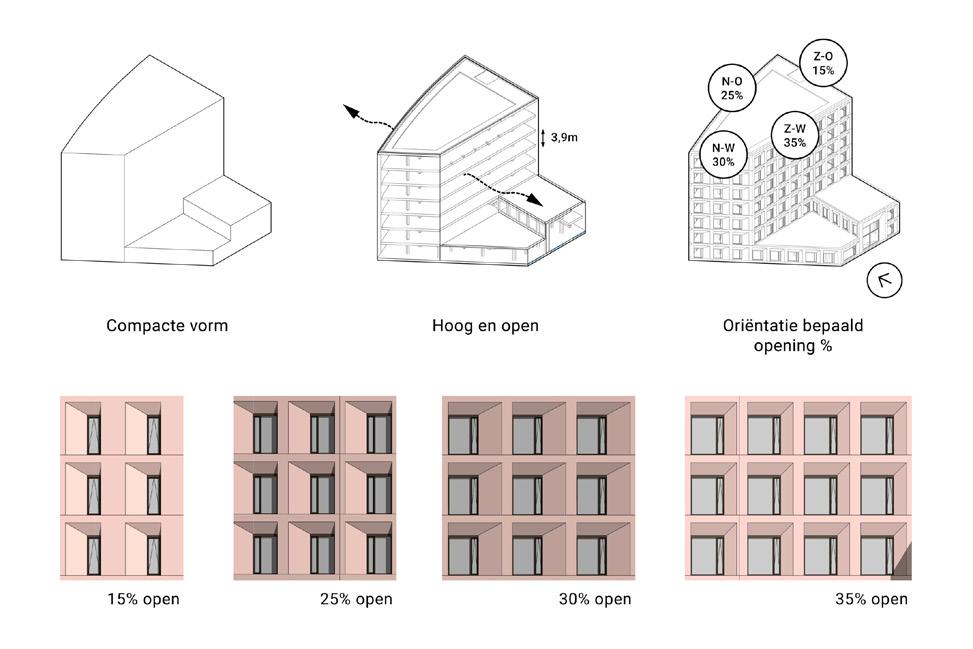
Is a Bio-Based building without mechanical climatization comfortable, one might think. Yes, it can be! Sun, people, lighting and computers heat the building in winter. Deep recesses in the façade as well as sun shading keep the solar influx out in summer. Temperature will rise and lower in a very stable pattern following the seasons which is natural to our body and mind.
Together with Aveco de Bondt we made simulations in Energy-Plus software to design a buildup that has comfort. This has been established by manipulating the insulation grade, glass openings and mass to dampen the temperature deviation. The 2226
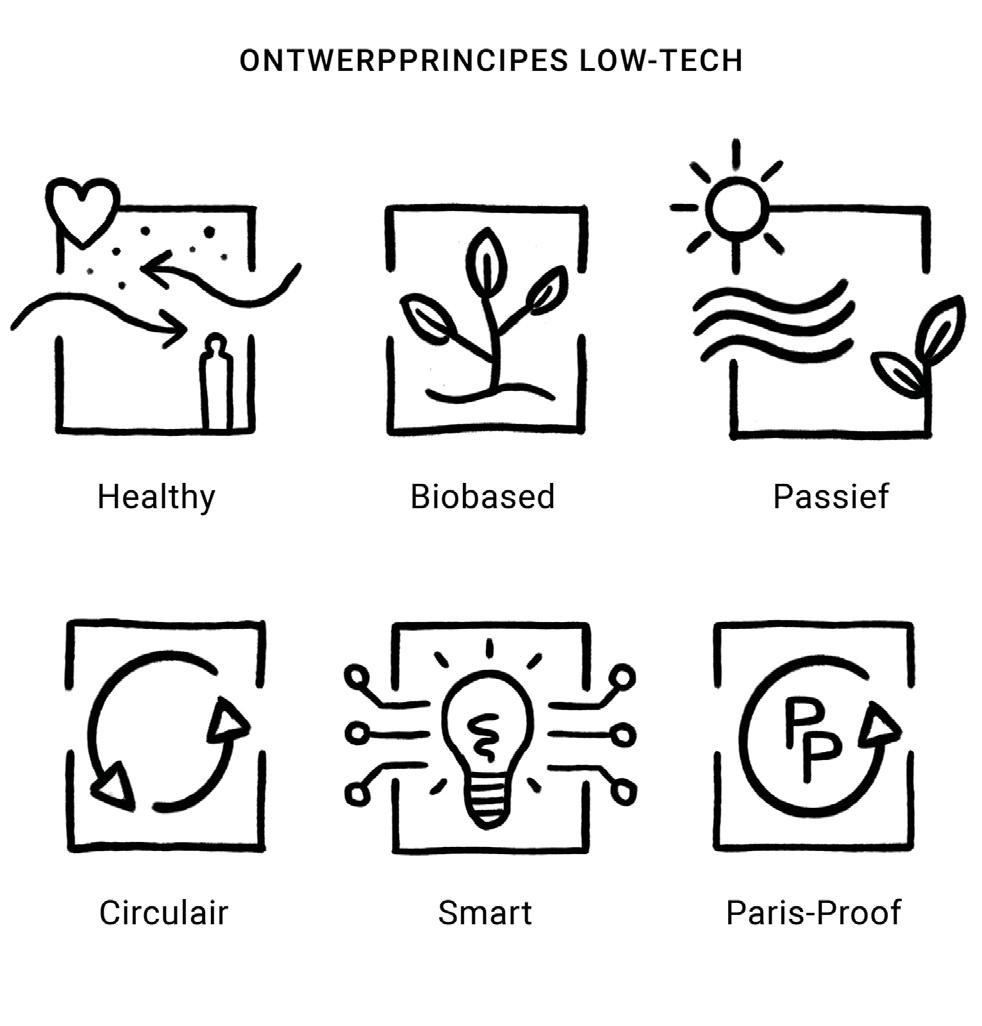
Fig. 01: Low-tech Principles
Fig. 02: Low-tech Principles
Fig. 04: Our new office render
Stiftung in Austria did a second opinion and declared the building to behave very stable.
Bio-Based craftsmanship
We like this building to be an epitome of craftsmanship: manmade out of natural materials. The loadbearing construction is made of mass timber 2D elements. For acoustic comfort a mass layer made of rammed earth (fluid poured) is on top of the CLT floor. Wooden windows with triple glass panes have ventilation flaps. A vapour open façade is derived as the
timber construction is internally and externally clad with prefabricated chalk hemp blocks. The façade is finished with chalk stucco; this gives an artisanal finishing.
Fig. 03: section
As an architect walking through cities, I experience that they are becoming increasingly crowded and warmer. While working to make buildings more sustainable and feasible, I realized that relying on technical installations can actually be counterproductive. I make a difference through a natural simplicity like ONO, radically reducing mechanical systems and making buildings more human, bringing them closer to nature.
OZ is an international architecture firm with more than 35 years of experience. We are proud of our craftsmanship and work from an inquisitive, down-to-earth attitude. Without preconceived ideas, we create contemporary
architecture that embraces the complexity of life and enriches its surroundings.
Oresti Sarafopoulos
ThermoTwist: Rethinking sun-shading for a sustainable future
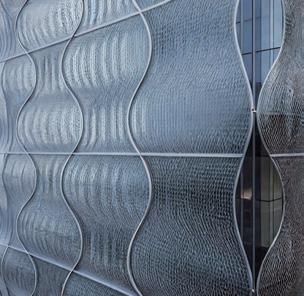
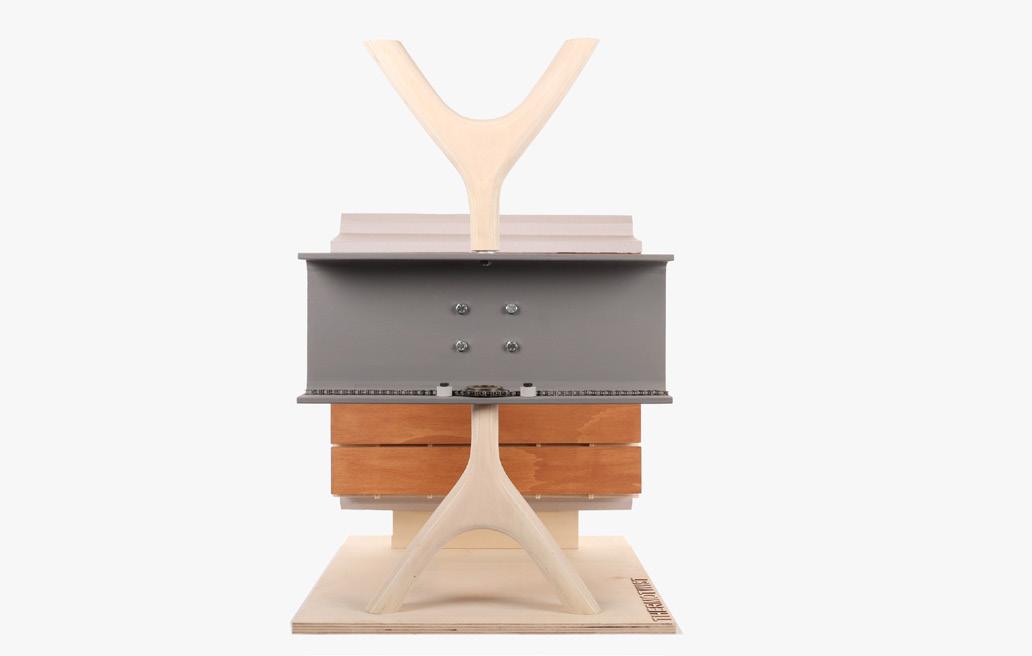
Imagine a building façade that dynamically transforms throughout the day, shifting in response to sunlight without any motors and electricity. The façade ripples as the temperature changes, gradually opening and closing like a living surface, controlling daylight and heat to create a comfortable indoor environment. This is ThermoTwist, a motor-free, kinetic façade system that passively responds to temperature changes to optimize shading without consuming energy, developed at TU Delft’s Bucky Lab.
The Bucky Lab is a hands-on course within TU Delft’s Building Technology track, designed to bridge the gap between conceptual design and physical prototyping. The lab focuses on the facades of the future, encouraging students to experiment with materials, mechanisms, and fabrication techniques to create innovative building solutions. Each semester, students tackle a real-world challenge and develop a prototype that pushes the boundaries of architecture, engineering, and sustainability.
ThermoTwist emerged as part of this ongoing effort to redefine how buildings interact with their environment. The challenge was to design a selfregulating sun shading system that requires no electricity, no motors, and minimal maintenance, while still being functional and visually striking. (fig. 01)
Traditional sun shading systems rely on motorized louvres or electrochromic glass, which allow for dynamic adjustment of light levels but consume energy and require ongoing maintenance. While effective, these solutions add complexity and increase operational costs over time. ThermoTwist presents a radical alternative: a shading system that moves naturally in response to temperature shifts, using the physical properties of materials rather than motors or sensors. (fig. 02)
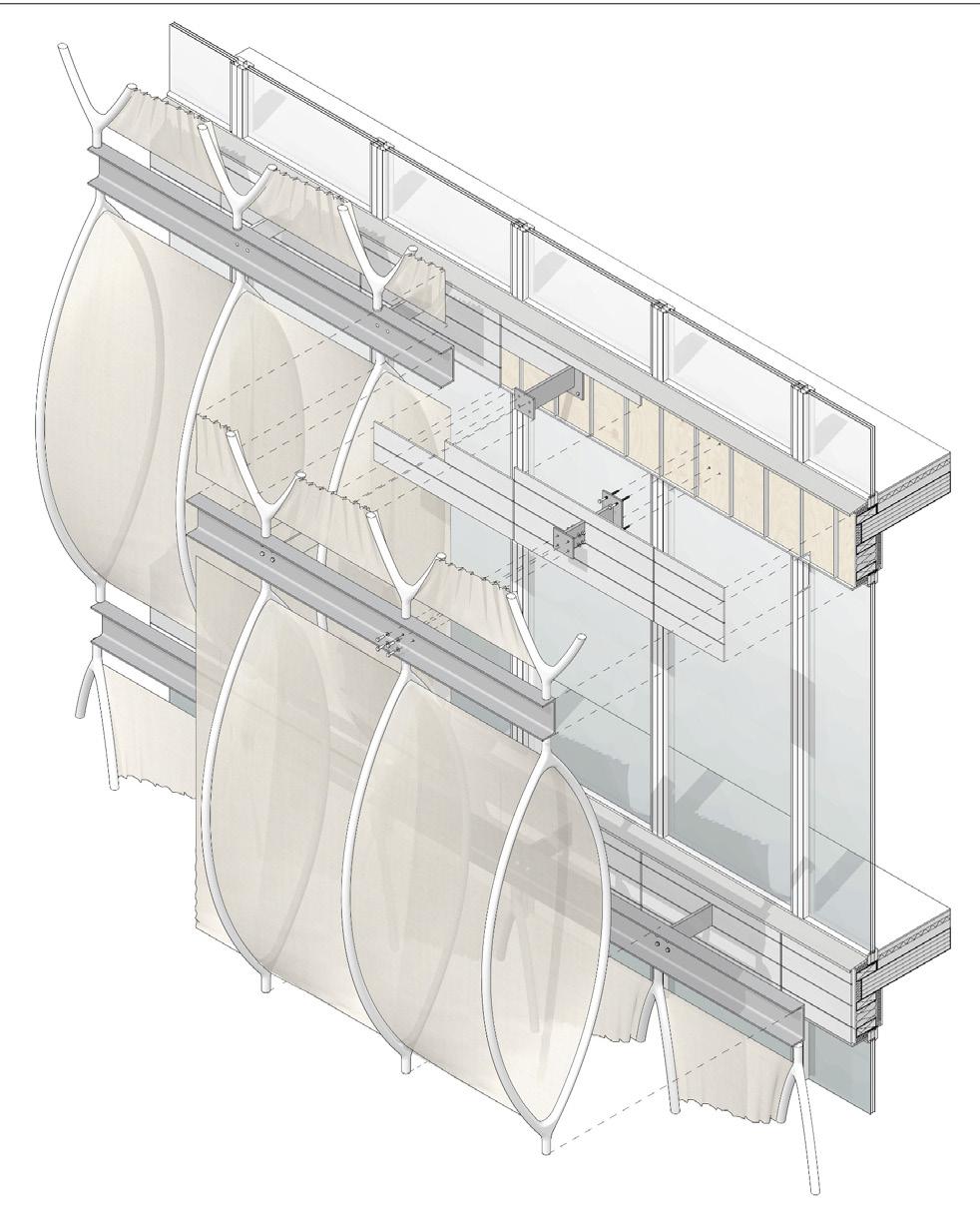
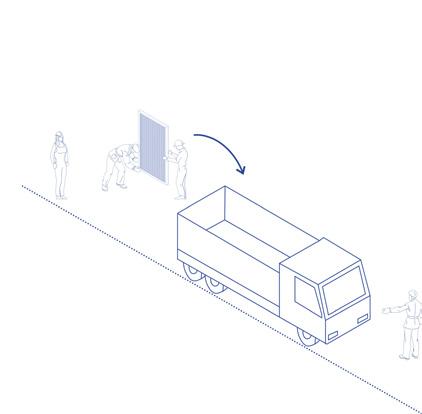
ThermoTwist operates without motors, using thermally responsive materials to trigger movement. Its dynamic aesthetics allow shading panels to rotate gradually in response to heat exposure, creating a façade that constantly evolves with the environment. (fig. 03)
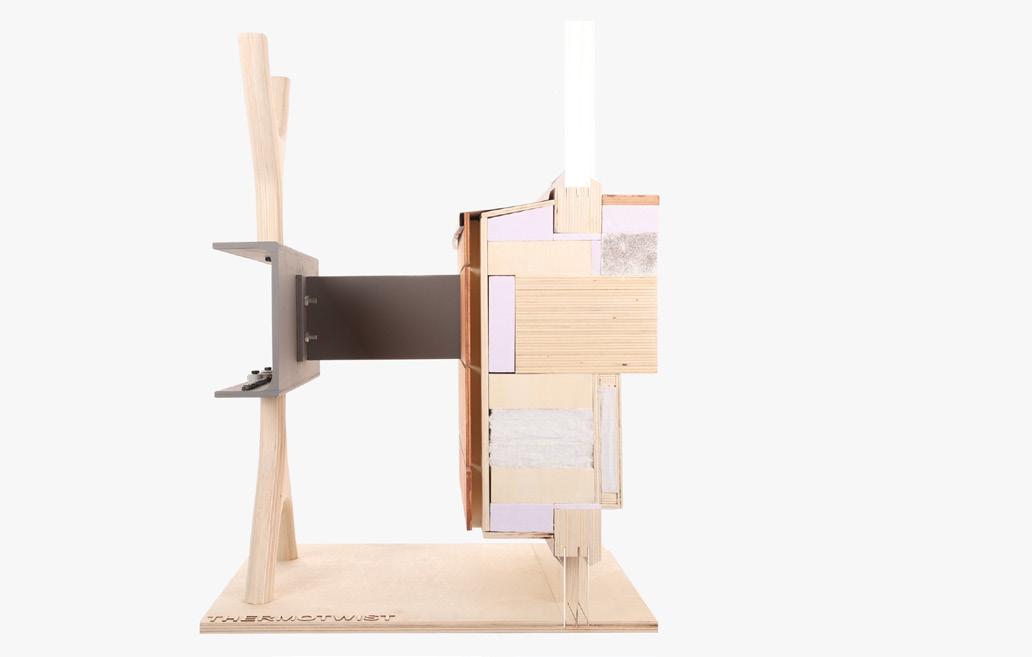
By eliminating motors and electronics, the system reduces both operational costs and carbon footprint while requiring little maintenance due to its simplified mechanical operation. The key to ThermoTwist’s Fig. 01: facade render and construction section
innovation is a precisely engineered mechanism that converts small thermal expansions into significant panel rotations, allowing the system to shade or expose windows depending on the radiant temperature.
A crucial element of ThermoTwist’s success is its use of advanced materials that react predictably to temperature changes. After extensive research, the team
selected bimetallic strips for the expansion mechanism. These metals expand and contract in response to heat, providing a passive actuation system. Reinforced ETFE (Ethylene Tetrafluoroethylene) was chosen for the shading panels due to its lightweight properties, UV resistance, and long-term durability. Additionally, a wishbone frame structure was designed to minimize friction and weight
Fig. 02: 3D renders of facade transformation in response to temperature shifts
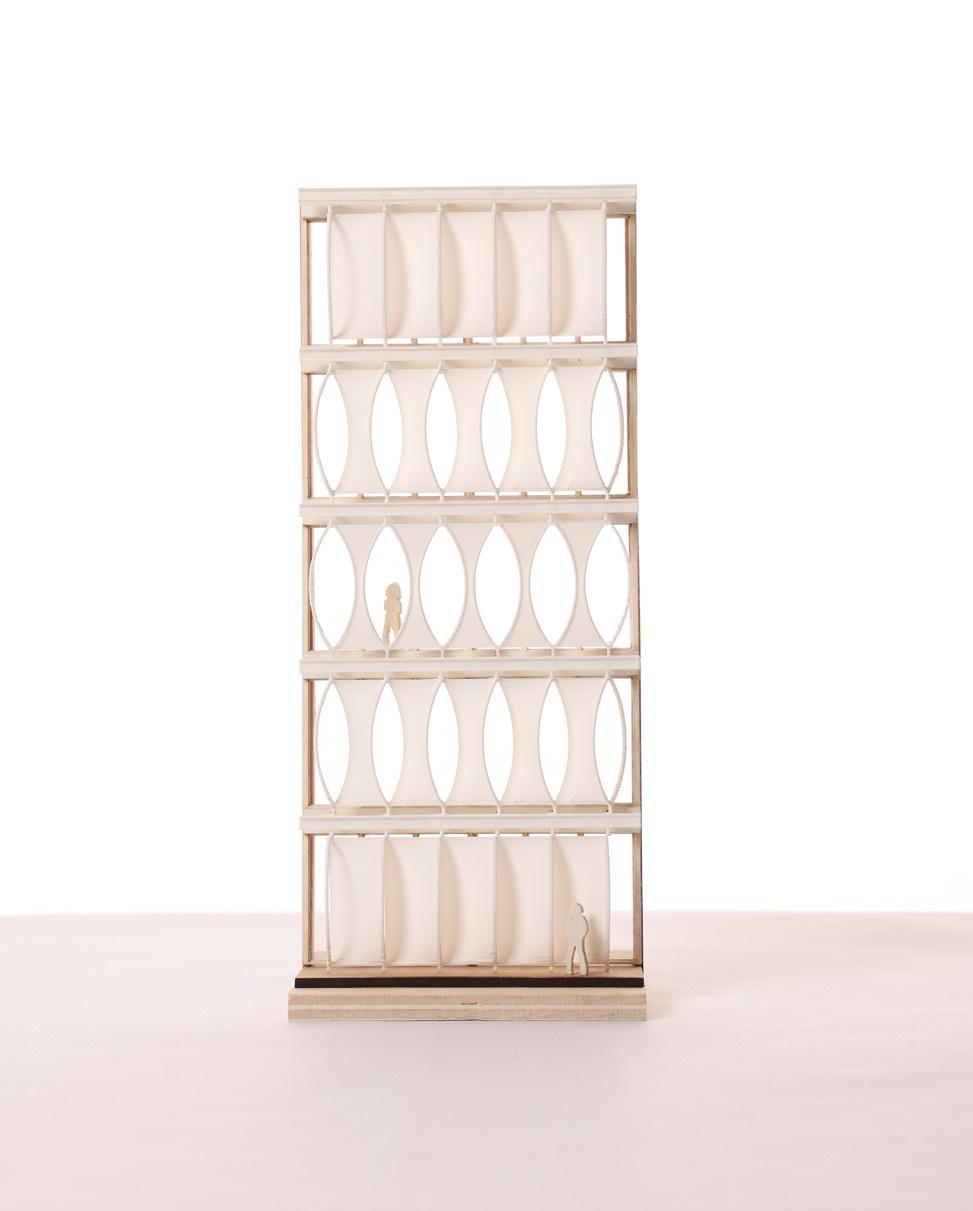
Fig. 03: 1:100 model display of incremental transformation of facade
while maximizing strength, and mounted onto the facade as a second skin. (fig. 04)
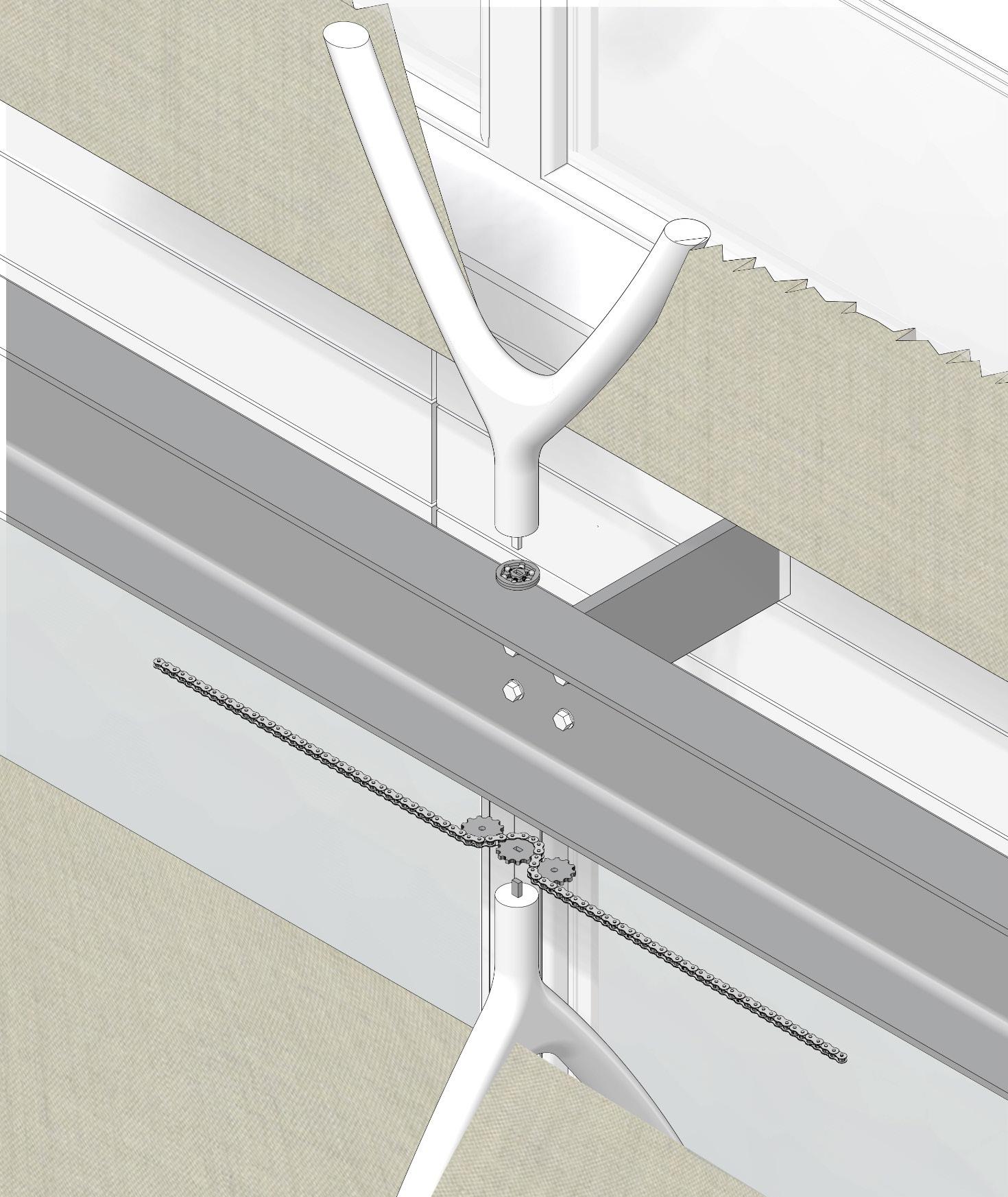
Building a kinetic façade system without motors presented a number of engineering challenges. To achieve smooth, controlled panel rotation, the team experimented with several designs before selecting a rack-and-pinion system with a rotary limiter. This ensures that panels rotate precisely to 90 degrees when triggered by heat expansion. (fig. 05)
External shading systems must withstand high wind loads, which can cause instability. To address this,
a slipping bearing was introduced, allowing panels to automatically adjust to wind pressure and reducing stress on the mechanism. The system was also tested using light simulations to analyze how different panel positions impact natural daylight levels inside the building. These simulations helped fine-tune the system to provide optimal daylight while preventing glare and overheating. One of Bucky Lab’s core principles is learning through making. The ThermoTwist team built multiple prototypes, starting with small-scale models before moving to a full-scale, working version. (fig. 05 & 06)
The prototyping phase revealed several key
05: Wishbone-frame structure with rack-and-pinion system
Fig.
Fig. 04: ThermoTwist axonometric mounting system
insights. The system works well at model scale, but at full scale, weight and friction become significant factors requiring further material refinements. Additionally, wind load resistance required extra reinforcement to ensure stability in extreme weather conditions.
While ThermoTwist offers clear sustainability benefits, it must compete with faster, more predictable motorized shading systems. One possible improvement is the addition of a manual override feature, allowing users to adjust the panels if needed while still benefiting from automatic passive operation most of the time.
Fig. 06: final 1:1 scale model of ThermoTwist
Fig. 05: small-scale of facade structure with ThermoTwist
Although ThermoTwist is not yet marketready, it demonstrates the potential of passive kinetic facades. As material science advances, systems like this could become a mainstream alternative to motorized sunshades, offering reduced energy consumption, lower maintenance costs, and a façade that interacts dynamically with the environment. At TU Delft, the Bucky Lab continues to push the boundaries of architecture and engineering, proving that the buildings of the future do
not have to consume more energy; they can work with nature instead.
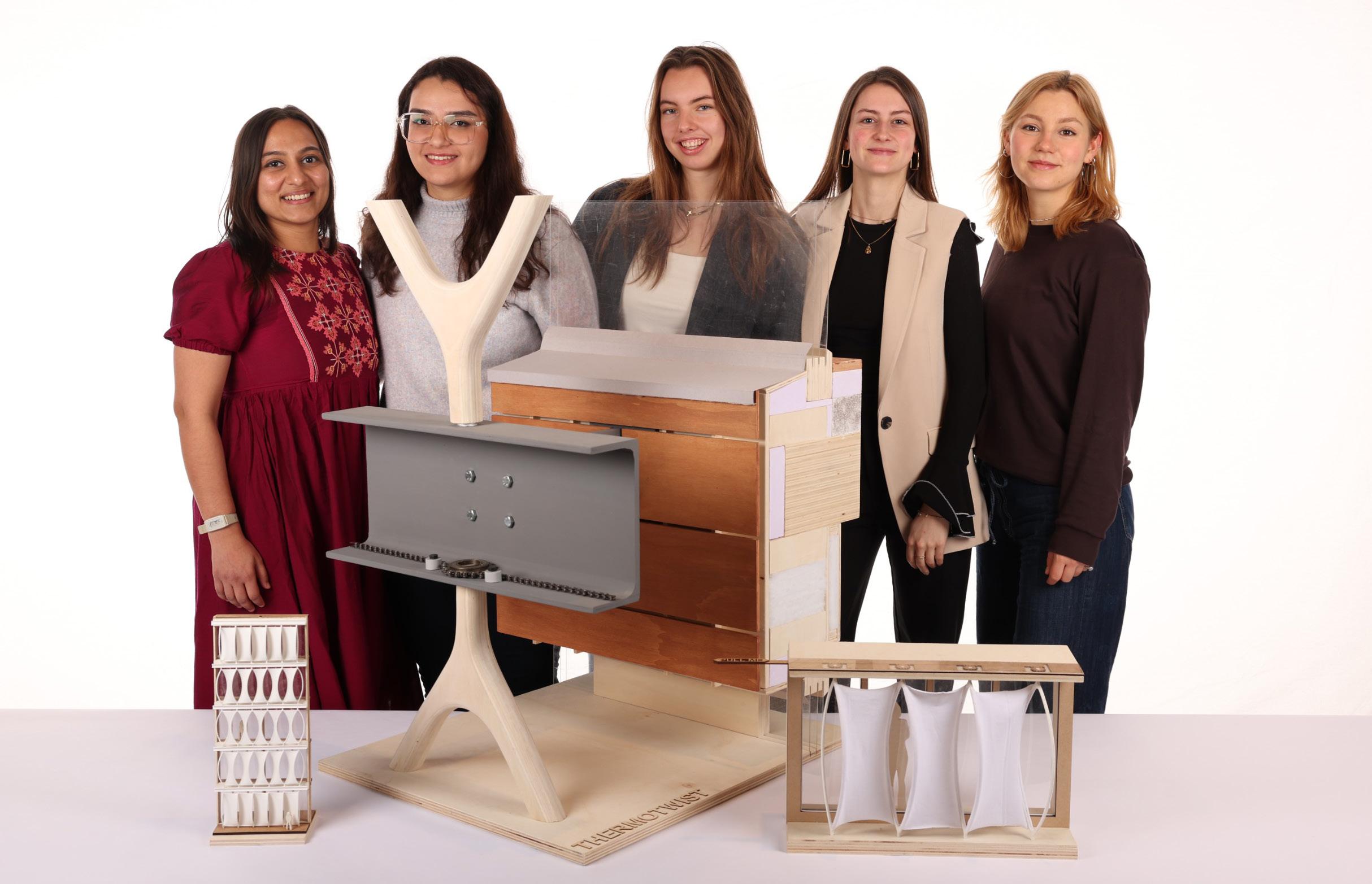
This project was made possible by the Bucky Lab team at TU Delft, with guidance from Marcel Bilow, Nadia Remmerswaal, Hugo Nagetzaam, and support from Aldowa. Their expertise and mentorship helped bring ThermoTwist from an idea to a working prototype. (fig. 07)
Fig. 07: ThermoTwist group members (from left-to-right); Janvi Dedhia, Yasaman Shamssabzevar, Caroline Bos, Lieke Buijssen, Victoria Rieger
Victoria Rieger is originally from Germany and studied architecture in Munich, where she soon realized her interests extended beyond the design of whole buildings alone. Her architectural training as a drafter and work on demanding projects shaped her creative approach and taught her self-discipline, endurance, and confidence in drawing, digital tools, teamwork, and decisionmaking. After gaining handson experience through an internship in carpentry, she moved to the Netherlands and worked at an architecture firm specializing in infrastructure, combining technical complexity with a strong human perspective. She is currently pursuing a Master’s degree in Building Technology at TU Delft, where she has developed an all-
round design profile with a keen eye for detail, spanning computational design, façade and product design, structures, and climateresponsive strategies.
Janvi Dedhia is an architect from Mumbai, India, currently pursuing her Master’s in Building Technology at TU Delft. With a strong passion for circularity and sustainable humanitarian solutions, she is driven by the ambition to reimagine how building components can be designed and produced using non-conventional materials. She brings over three years of professional experience, having led architectural projectsacross the hospitality, residential, and commercial sectors. This cross-sectoral background, coupled with her commitment to sustainability, places her at the intersection of design innovation and environmental responsibility. Her work reflects a deep engagement with material science, sustainable design strategies, and the pursuit
of building practices that are both accessible and impactful for the industry.
Imagine buildings that not only shelter us, but also sustian us
Water is a fundamental necessity; yet more than 2.2 billion people worldwide face water scarcity. Many regions, particularly arid and high-humid environments, struggle with unpredictable rainfall and limited access to clean water. As climate change accelerates,
this issue is becoming more pressing, urging architects, engineers and urban planners to explore new ways of integrating sustainability into the built environment.
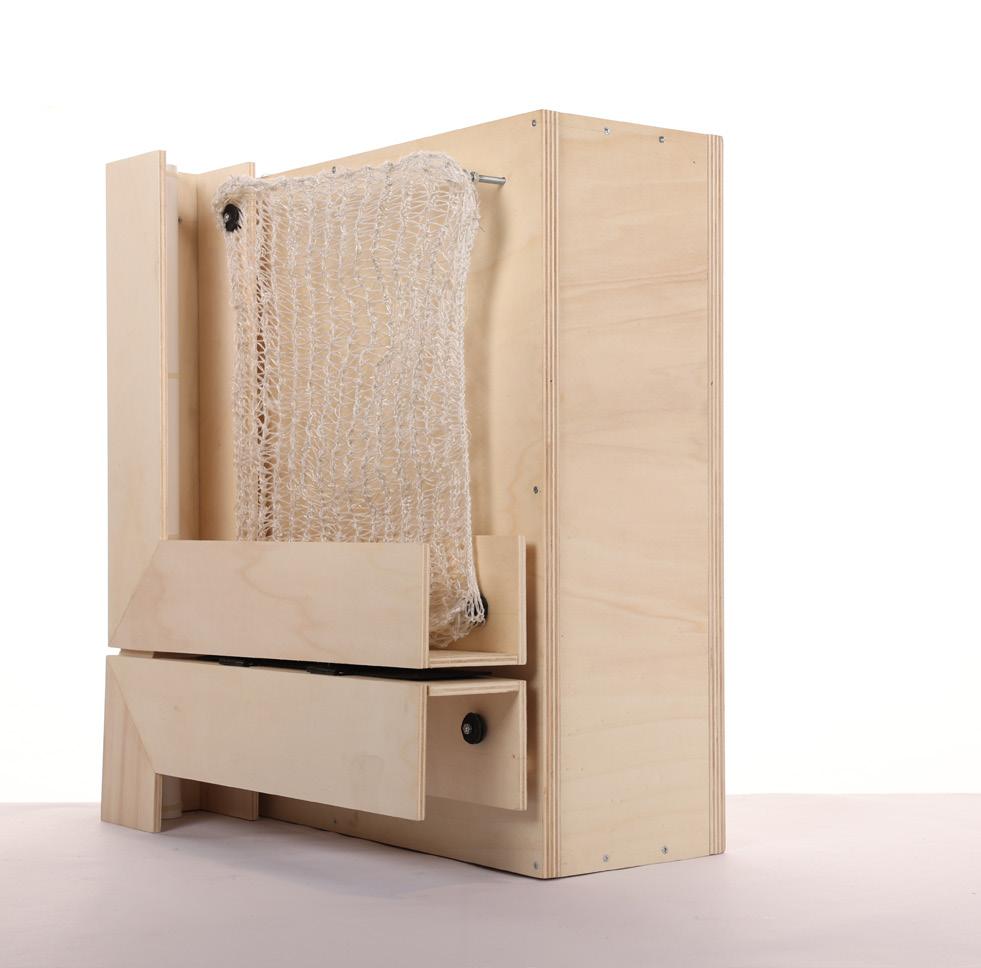
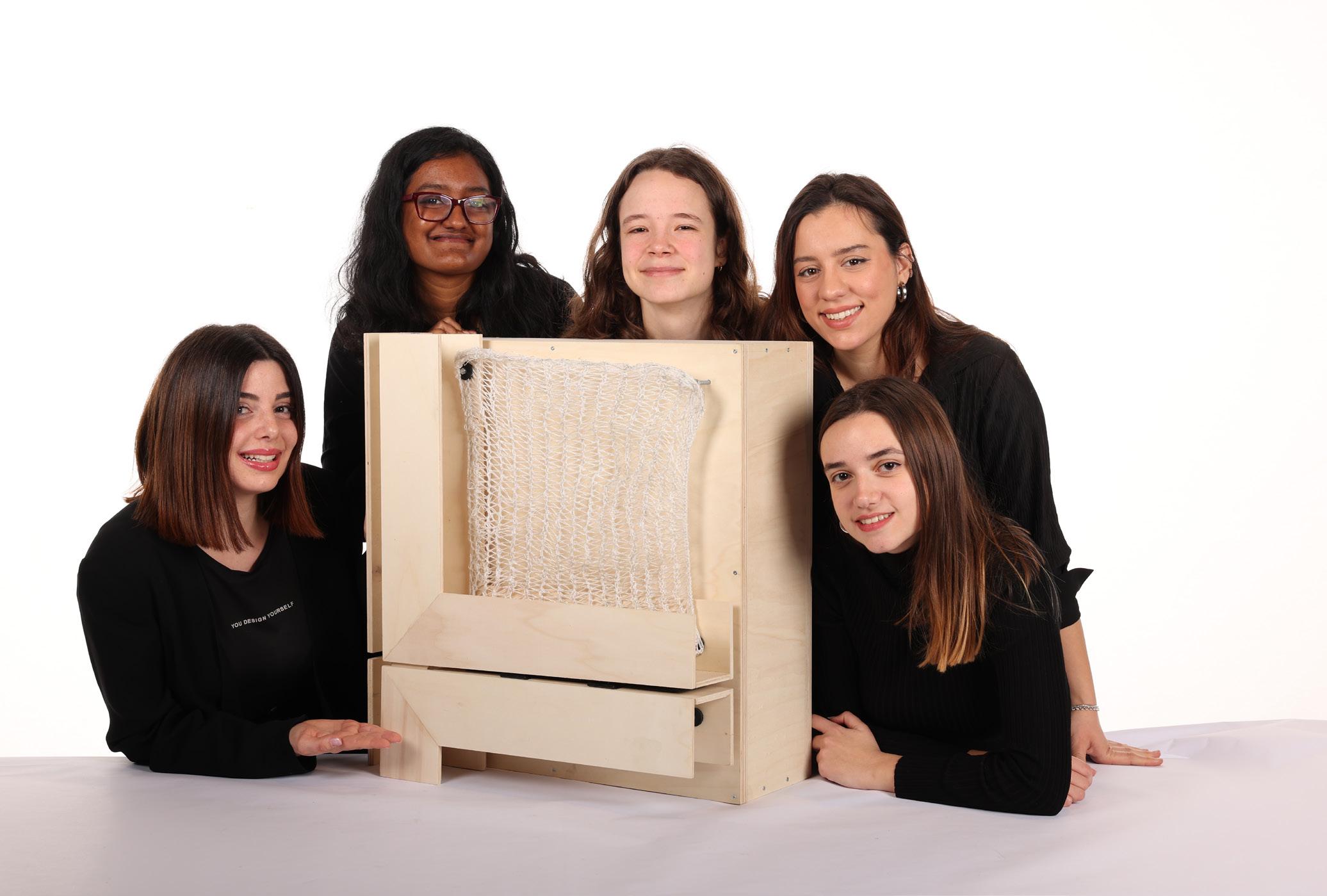
As part of the Bucky Lab course at TU Delft, in collaboration with Aldowa, a company specializing in high-quality facade cladding, the challenge was to create a "Future Facade" that actively contributes to solving real-world problems. The result was HydroTensile, a lightweight textile facade that harvests moisture from the air and channels it into a collection system for practical use. (fig. 01)
By combining hydrophilic and hydrophobic fibers within an optimized mesh, HydroTensile transforms passive building surfaces into functional water collectors. Designed for modular adaptability, it seamlessly
integrates into various architectural styles and urban settings, offering a sustainable, aesthetically appealing solution that contributes to water conservation.
Why HydroTensile?
Water scarcity is no longer a distant problem, it is a crisis affecting communities worldwide. Rapid urbanization, population growth and climate-induced droughts are pushing traditional water supply systems to their limits. Alternative solutions are urgently needed and architecture can be part of the answer.
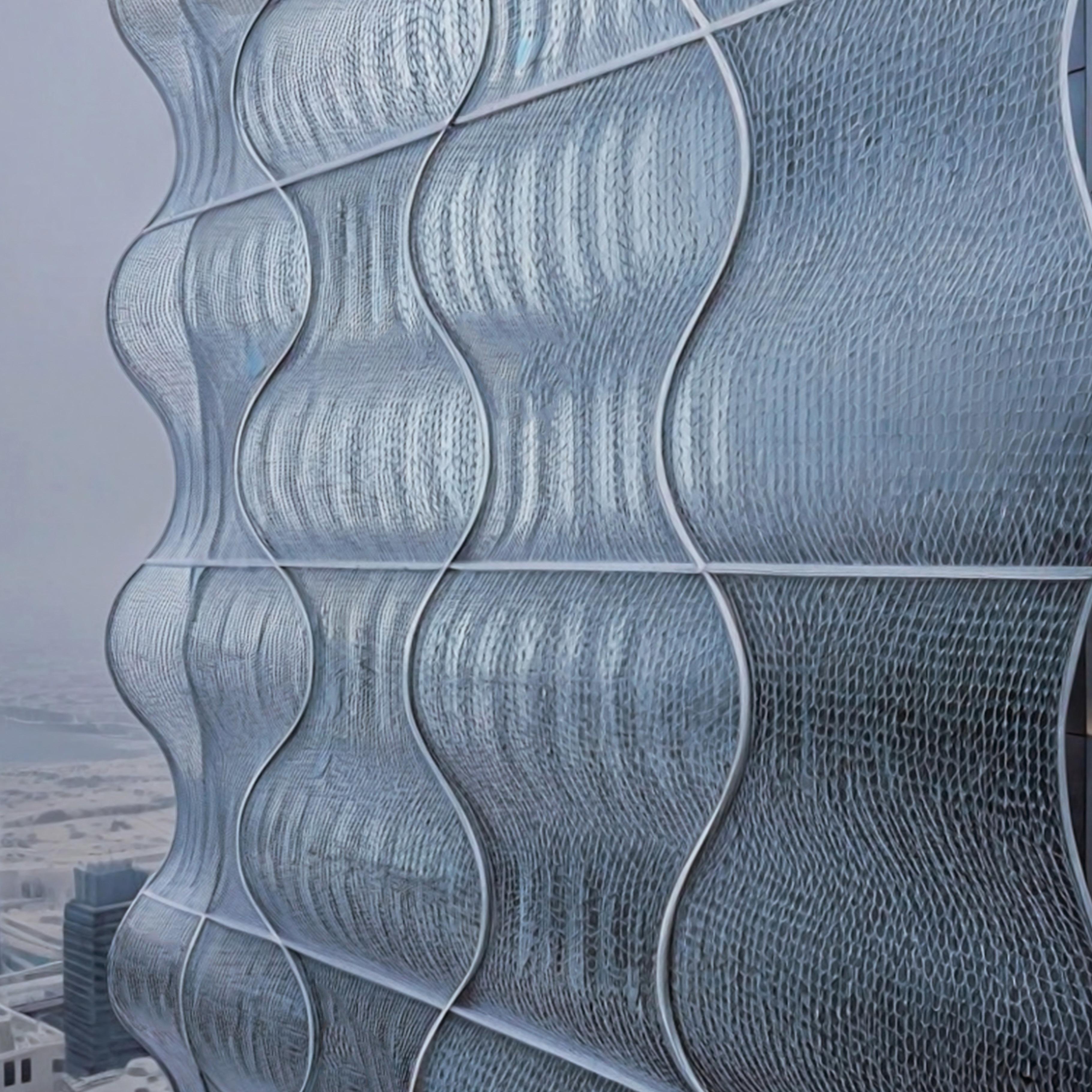
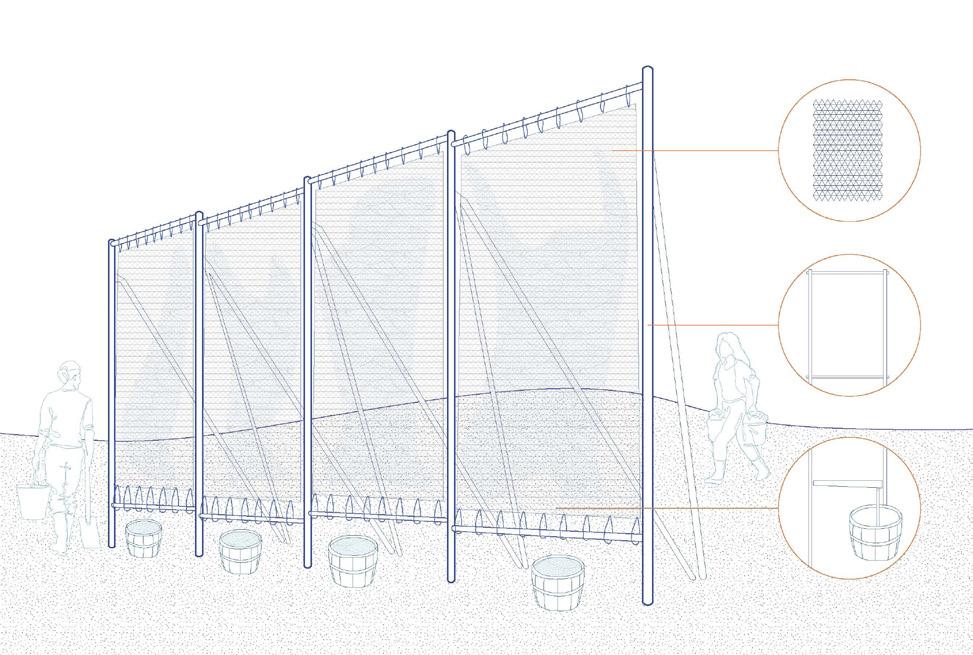
Inspired by traditional fog-harvesting techniques used in Morocco and Chile, HydroTensile brings this concept into the urban landscape, integrating it into building facades (fig. 02). HydroTensile operates passively, collecting moisture from fog and dew, making it an efficient and self-sustaining alternative.
By transforming ordinary facades into functional water collectors, buildings can play an active role in addressing water shortages.
Fig. 01: physical model at 1:1 scale
Fig. 02: drawing for future concept scenario
What is HydroTensile?
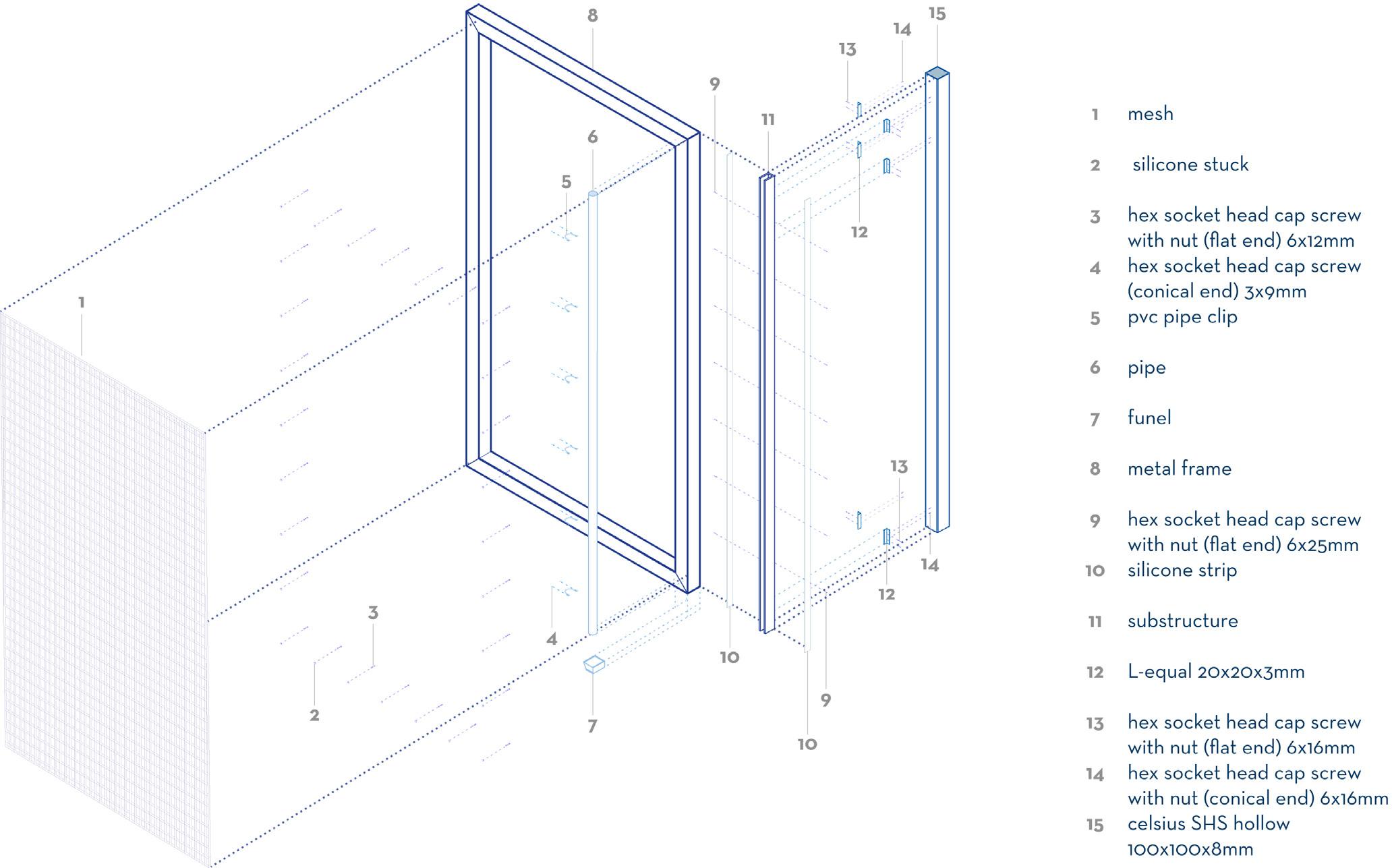
HydroTensile is more than just a building envelope, it is a high-performance textile-based system designed to capture, store and repurpose atmospheric moisture. It consists of three core components: (fig. 03)
• A woven mesh, which attracts and captures water droplets from the air.
• A lightweight aluminum frame, where the bottom section functions as a built-in gutter, directing water flow efficiently.
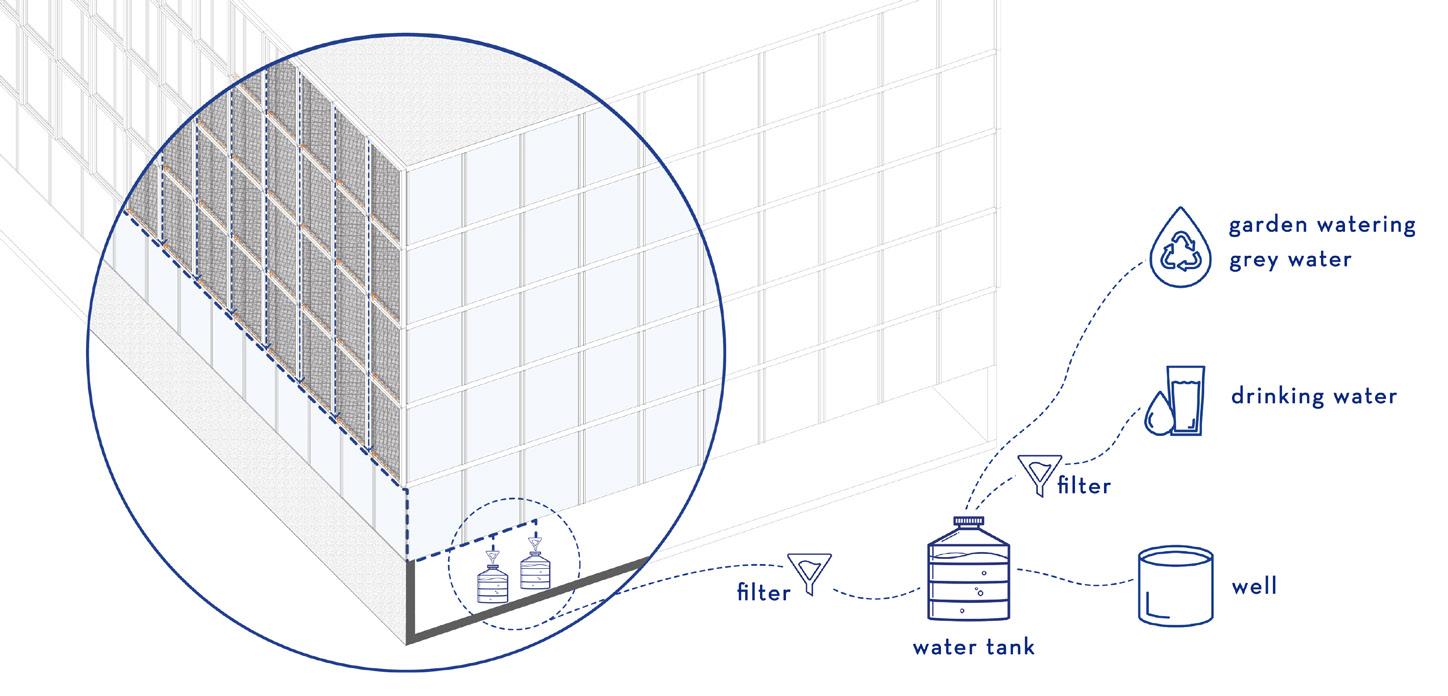
• Vertical pipes and a funnel system, which transport collected water into storage tanks for later use.
03: design composition
Fig.
Given the diverse range of buildings that could benefit from this technology, HydroTensile was designed with versatility in mind.
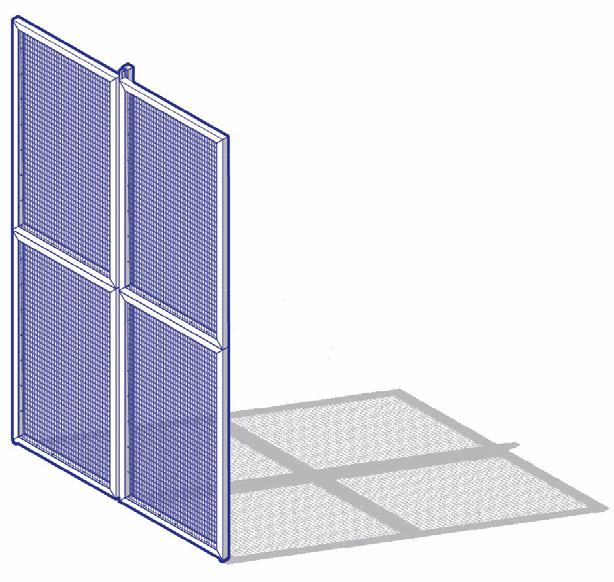
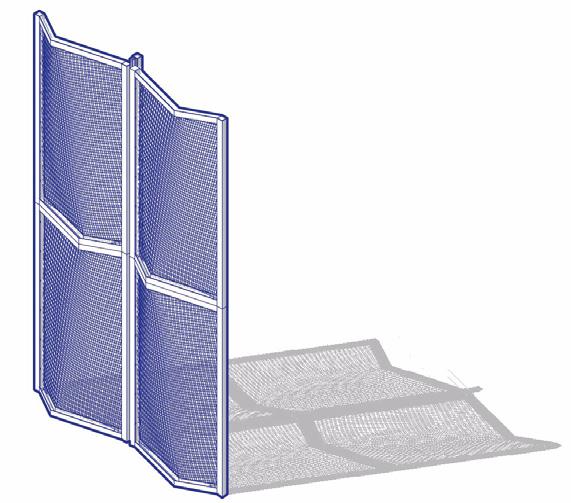
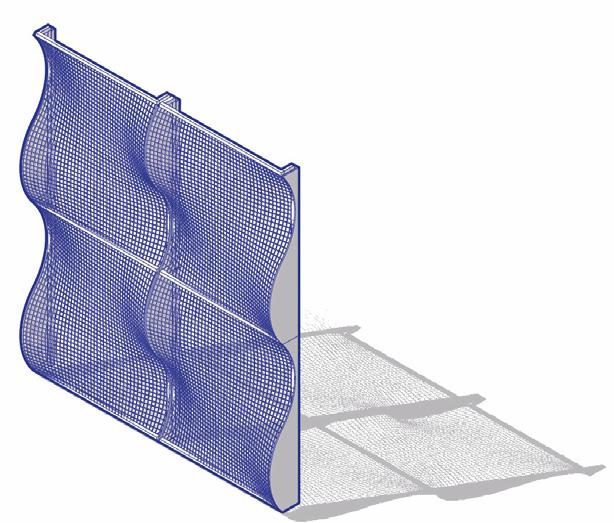
It is available in three variations: (fig. 04(a), (b), (c))
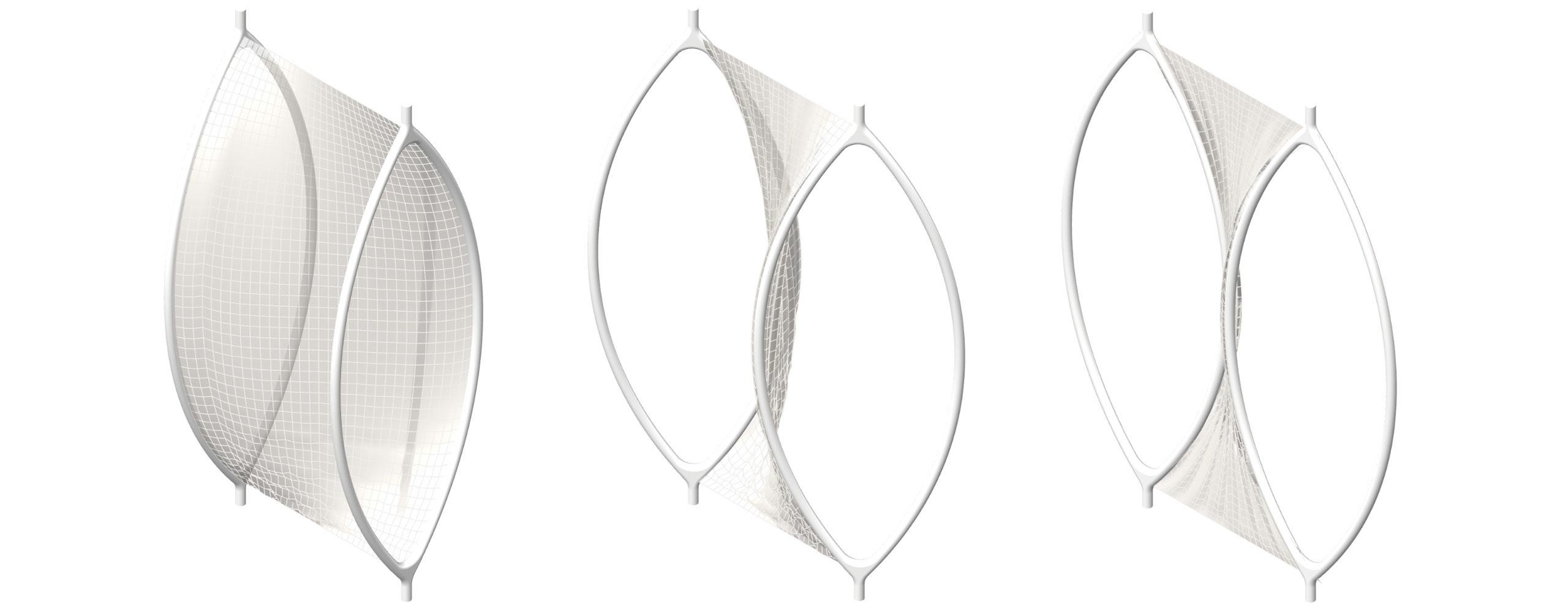
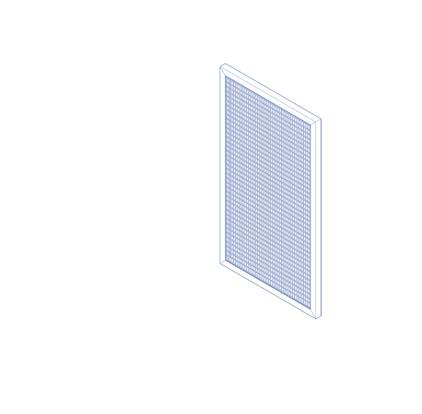
• Simple Panel: a straightforward design providing stability and ease assembly, suitable for static installations where minimal adjustments and cost efficiency are needed.
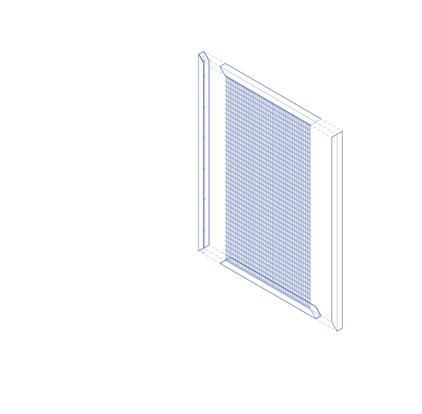
• Folded Panel: designed for flexibility, this frame gives a folding illusion of the mesh, making it ideal for dynamic applications, without compromising compact storage during transportation.
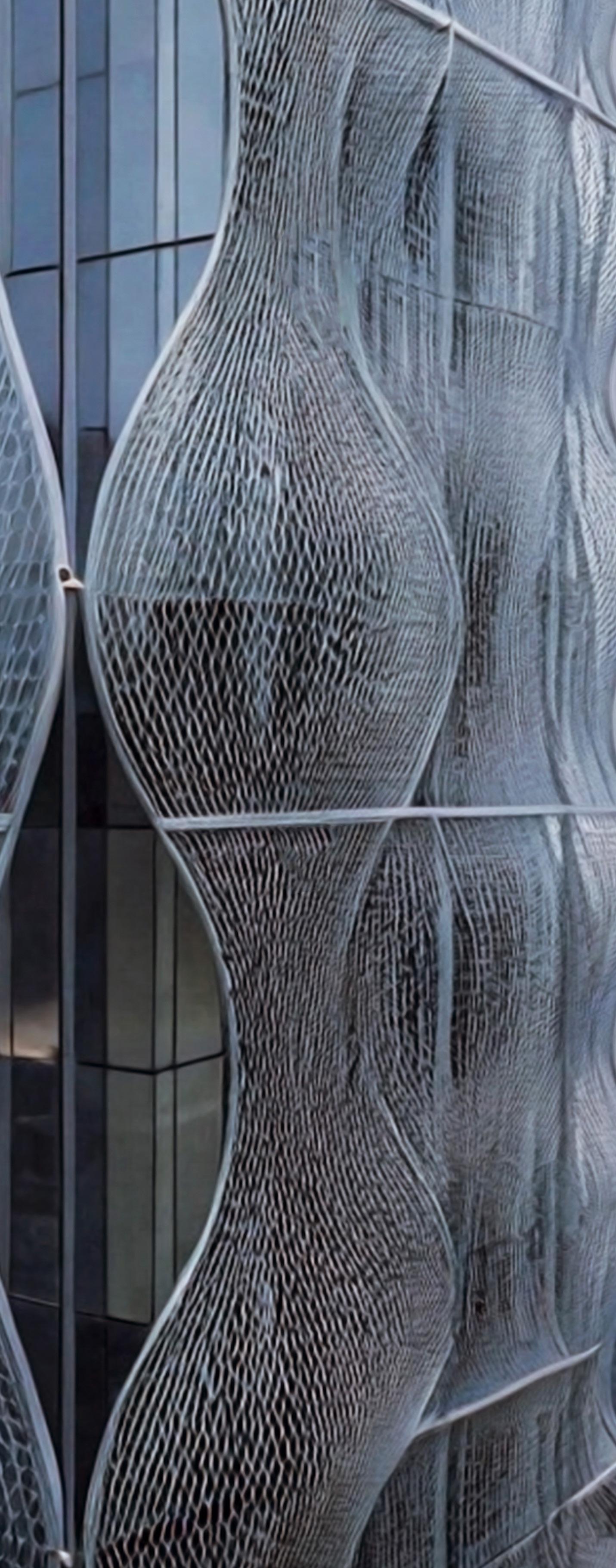
• Curved Panel: a modular system composed of curved elements. This option provides an aesthetically pleasing design that enhances fog harvesting efficiency by optimizing airflow and water collection through the mesh. Its double-curve structure creates the illusion of a flowing wave, adding both aesthetic appeal and functionality.
With these variations, HydroTensile can be integrated into new constructions or existing buildings, ensuring efficiency without compromising architectural aesthetics.
How does it work?
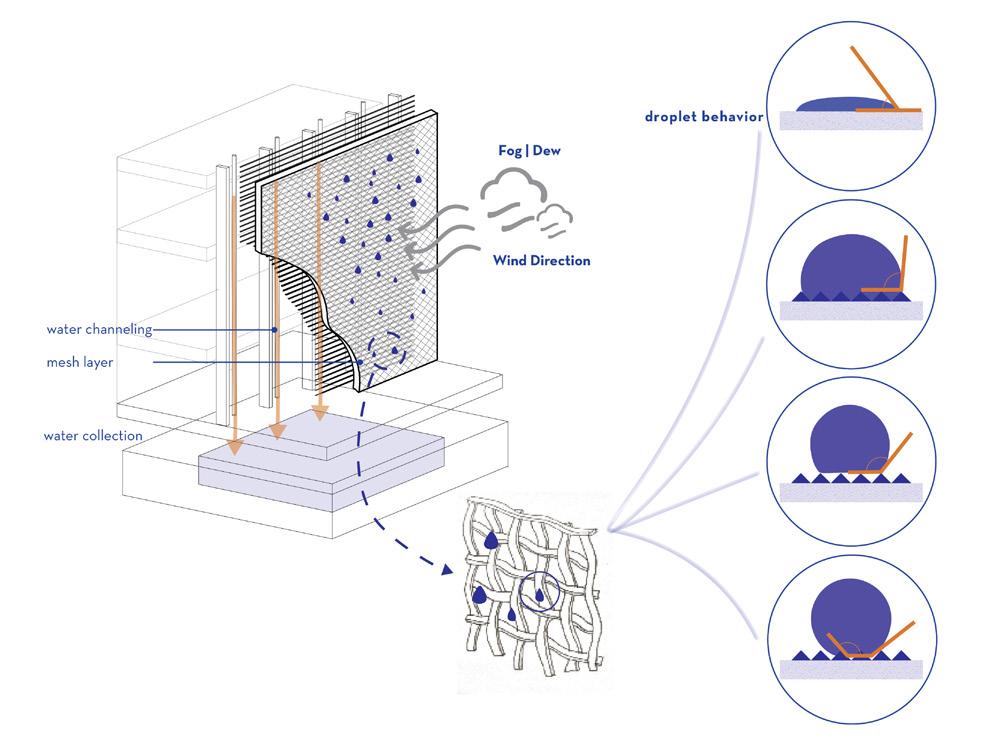
HydroTensile operates by harnessing natural environmental conditions to extract moisture from the air. Fog and dew pass through the textile mesh, where hydrophilic fibers capture and retain water droplets. Gravity and surface tension guide droplets downward along hydrophobic fibers, ensuring smooth
Fig. 04(a): Simple Panel
Fig. 04(b): Folded Panel
Fig. 04(c): Curved Panel
Fig. 05: gutter system
water movement. A built-in gutter system directs the collected water into vertical pipes, where it is funneled into a storage tank. The harvested water can be filtered, stored and repurposed for irrigation, greywater systems, or further purification. (fig. 05)
This self-sustaining process requires no external energy source, making HydroTensile a low-maintenance, cost-effective and environmentally friendly solution. The effectiveness of this process depends on droplets’ behavior. (fig. 06)
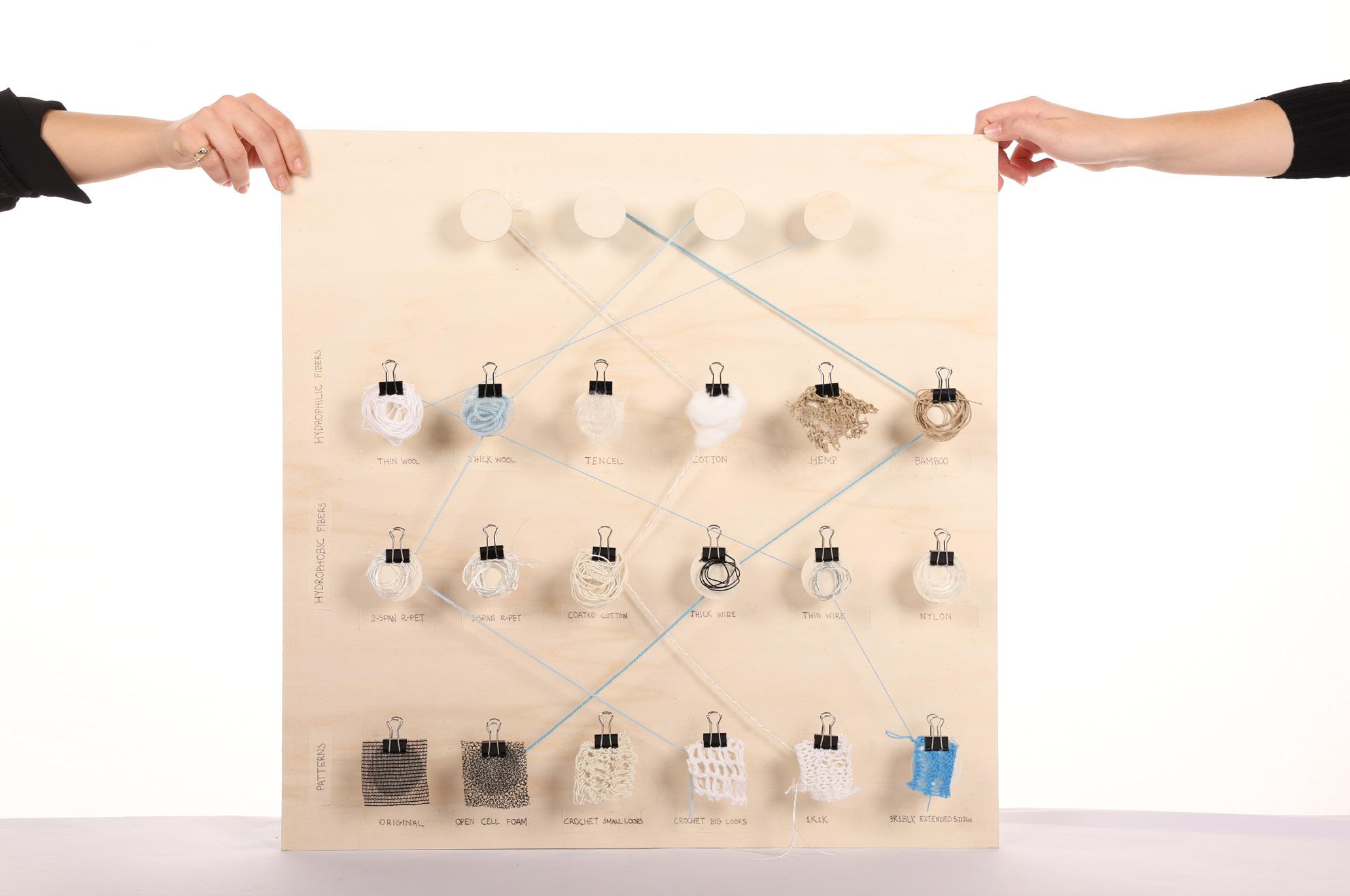
To determine the optimal material combination, extensive research and testing were conducted on different patterns (prefabricated and handmade) and fibers (recycled, recyclable, and bio-based). After multiple tests, the findings aligned with previous research: the combination of hydrophilic and hydrophobic fibers was the most effective for capturing and channeling water droplets efficiently. (fig. 07)
Material Innovation: Combination of Fibers
The core of HydroTensile lies in its carefully engineered textile mesh, developed in collaboration with textile specialist Usch Engelmann. A custom thread was created by spinning recycled PET (rPET) fibers with recycled wool and recycled metal wire threads, ensuring Fig. 06: droplet behaviour
This hybrid material was chosen for its ability to:
• Effectively absorb and retain water droplets (recycled wool: hydrophilic function).
• Guide water efficiently into the collection system (rPET: hydrophobic function).
• Maintain structural integrity over time, resisting wind and sandstorms (metal wire).
Beyond material selection, the pattern of the mesh plays a critical role in water collection efficiency. Extensive testing on handmade and prefabricated patterns identified a structure that not only enhances droplet retention and movement but also ensures
Fig. 07: material results an optimal balance of durability, moisture capture and sustainability.
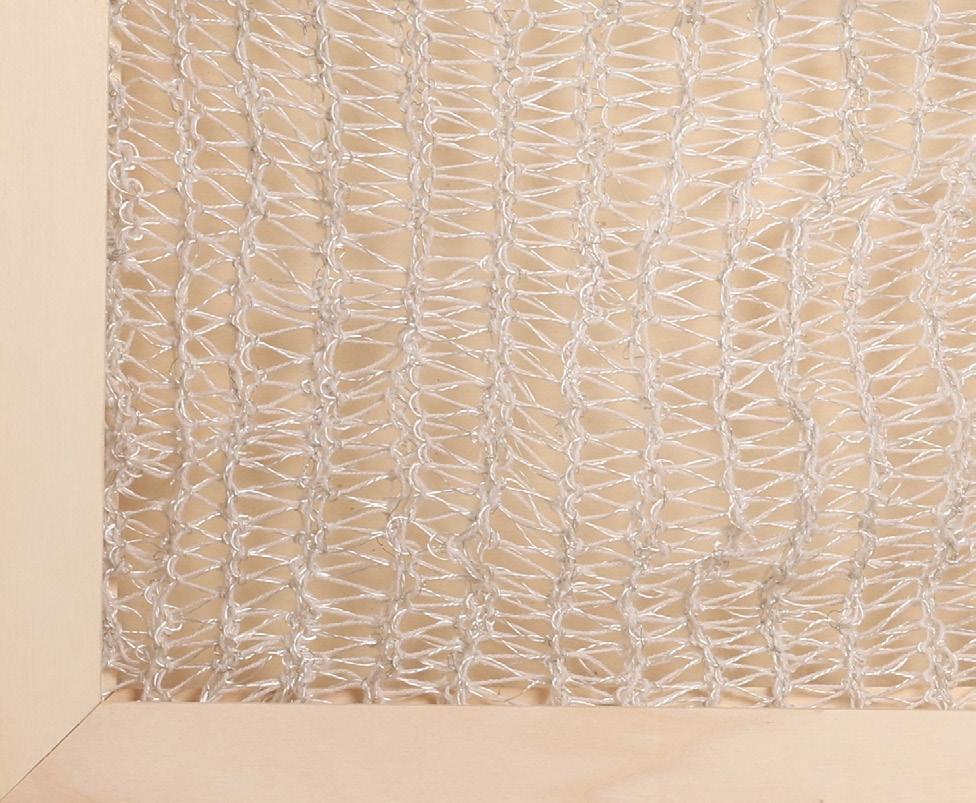
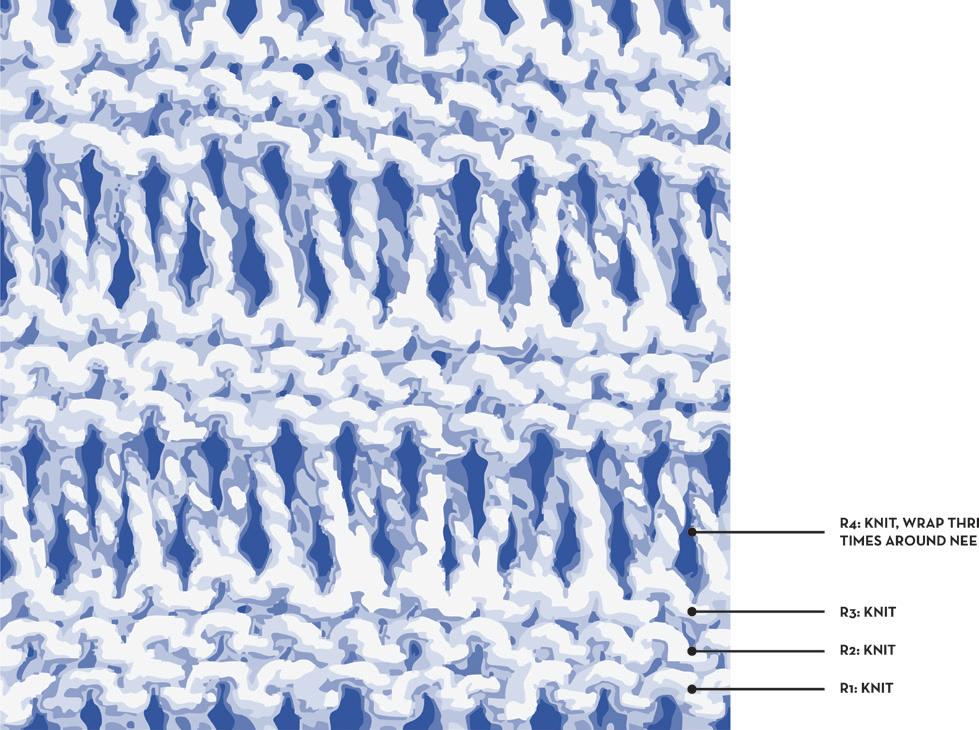
machine producibility. By developing a knitting pattern that retains the three-dimensional qualities of crochet while being compatible with industrial knitting machines, HydroTensile achieves both precision and scalability in production. (fig. 08, 09)
This innovation allows for efficient manufacturing, ensuring that the textile mesh can be produced consistently and cost-effectively at scale, making HydroTensile a viable, market-ready facade solution for sustainable water harvesting.
Designed for Efficiency: Easy Assembly & Installation
Innovation should not come at the cost of complexity and HydroTensile was designed with ease of assembly in mind. Its lightweight, modular system allows for fast and efficient installation, making it accessible for a wide range of buildings.
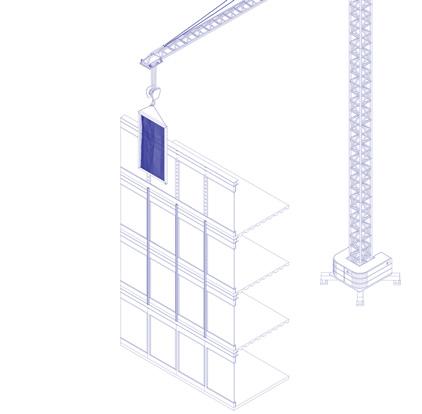
Each pre-fabricated aluminum frame supports the woven textile mesh, integrating a built-in gutter for water collection. The panels are engineered for interconnectivity, creating a scalable system adaptable to different architectural needs. The use of standardized components simplifies manufacturing and installation, reducing both time and costs. (fig. 10)
Additionally, HydroTensile’s modular design allows for easy maintenance, enabling quick replacements or reconfigurations based on environmental conditions. Whether applied to a single building or large-scale urban developments, its flexibility and efficiency make it an attractive and practical water-conscious solution.
A Vision for the Future
HydroTensile is not just about collecting water, it is about rethinking the way architecture interacts with nature. This project envisions a future where buildings actively contribute to climate adaptation, providing solutions beyond mere shelter.
Fig. 09: final mesh-knit
Fig. 08: mesh knitting pattern
Looking ahead, future refinements will focus on enhanced UV protection, increasing material lifespan and self-cleaning properties, reducing maintenance needs.
By improving these aspects, HydroTensile can become an accessible, large-scale solution for urban and rural applications.
Fig. 10 (1 - 12)
Conclusion
HydroTensile redefines the role of architecture, demonstrating that buildings can go beyond passive structures to actively support sustainability.
By merging functionality, aesthetics, and environmental responsibility, this innovative facade turns ordinary surfaces into a resource for water collection,
reducing reliance on conventional supply systems while strengthening urban resilience.
As water scarcity becomes an increasing global concern, HydroTensile presents a forward-thinking solution, where facades not only protect but also contribute to a more sustainable future. (fig.11)
Fig. 11: HydroTensile group members (from left-to-right); Emmanouela Myrtaki, Saroja Sethuraman, Helena Stevens, Celia Leoudi, Thaleia-Pelagini Kalfa
Saroja is an architect from India with a bachelor’s degree in architecture and over three years of professional experience as a project architect working with architectural firms. She is currently pursuing a master’s degree at TU Delft in the Building Technology track. Her interests lie in smart buildings, human–building interaction, energy efficiency, and building physics. By combining her strong design background with advanced technical knowledge, she aims to contribute to the creation of intelligent, sustainable, and user-cantered built environments
LinkedIn: www.linkedin.com/in/ sarojasethuraman
Email ID: sarosethu98@gmail.com
Helena is a Belgian second-year Building Technology student that also pursued her bachelor at the TU Delft. Next to her volunteering, work as a student assistant and competitive rowing, she is currently working on a graduation project, researching welded wood as an alternative to synthetic glues in wood and woodbased products. It fuses her passion for sustainability, structural innovation, and solutions that respond to real market needs.
Celia Leoudi is a Greek Architectural Engineer and MSc candidate in Architecture, Urbanism & Building Sciences (Building Technology) at TU Delft. She co-founded ACL Architects in Thessaloniki, working on interior design, renovations and adaptive reuse with a focus on circular, materialdriven design. Having attended fashion design training at Central Saint Martins, she brings a strong sensitivity to materiality, detailing, and visual perception. Her ongoing master’s thesis, Revealing Absence – Translucent glass for marble monuments restoration, develops and tests a translucent, marblecompatible glass insert and investigates how light can be used to reveal absence as a deliberate narrative in reversible heritage repair.
Thaleia Kalfa is an Architectural Engineer with professional experience on design projects and competitions across different scales and typologies in international architectural studios. Alongside practice, her work has been presented in academic and cultural contexts, including conferences, and Biennale-related projects. She is currently pursuing an MSc in Building Technology at TU Delft, specializing in sustainable design, advanced materials, and user comfort, with a strong focus on research-through-making and experimental fabrication. Since November 2024, she has been contributing to research on sustainable building design, façade innovation, and material efficiency at TU Delft. Her work reflects a continuous
interest in architectural reuse and material-driven design
Emmanouela, originally from Greece, is an architectural engineer specializing in material innovation, façade engineering, and sustainable design strategies, with a focus on transforming waste streams into highperformance building components. Currently pursuing an MSc in Building Technology at TU Delft, following an integrated master’s degree in architectural engineering from Aristotle University of Thessaloniki. Professional experience includes architectural design and construction processes, with involvement in high-end hospitality and residential projects. Alongside her architectural practice, she is the founder of a sustainable clothing brand in Greece, producing limited
collections using recycled and repurposed textiles
LinkedIn: www.linkedin.com/in/ emmanouela-myrtaki
Emmanouela Myrtaki
Thalia Kalfat
User-Centred Sustainability Studio
Evanthia Soumelidou | Giel Jon van Beijnum | Geunchan Song | Russ Daverveld
Problem Statement
As Delft West faces rapid urban development, the Municipality of Delft has recognized the need for a comprehensive vision to address the challenges of modern urban life, from housing shortages to environmental sustainability and community vitality. To transform Delft Campus and its surrounding areas into a wellintegrated hub, the municipality created the Delft Campus Vision. This vision aims to balance increased density with quality green spaces, accessible mobility, and diverse housing options, ensuring a high quality of life for all residents and fostering connections across academic, economic, and community spheres.
Our Vision
Bridging Innovation and Community through Practical Engagement
While TU Delft fosters strong academic skills and technological expertise within its student body, these strengths often remain within the university’s walls, creating a disconnect between theoretical knowledge and its practical application in the local community.
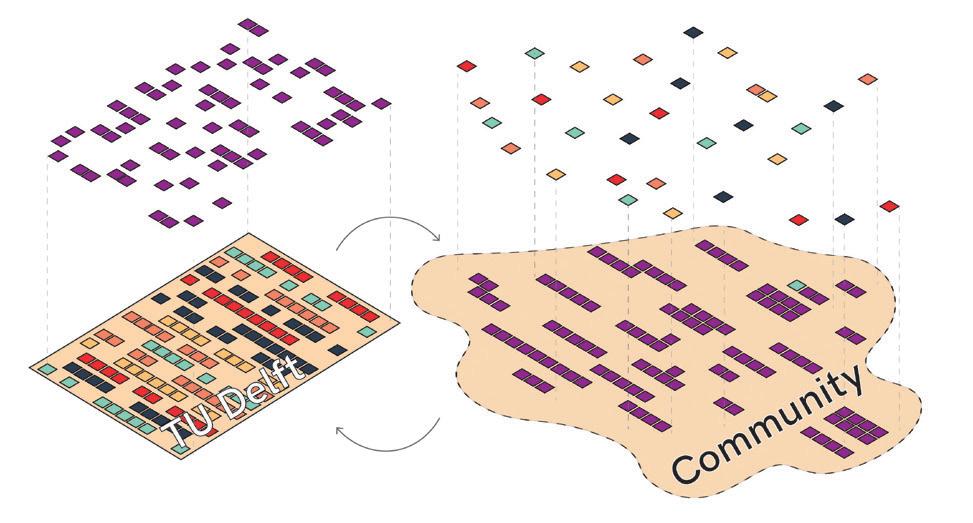
Our project seeks to address this gap by integrating TU Delft’s innovative resources directly into Delft West, transforming academic insights into socially impactful actions that respond to community needs. By facilitating collaboration between the university and Delft West, we aim to create a landscape where knowledge flows reciprocally, allowing both students and residents to learn from one another in meaningful ways.
Our vision aligns with the Municipality of Delft’s broader objectives for the Delft Campus area. The municipality’s vision centers around building an inclusive, connected community where innovation and daily life intersect to support a high quality of living. Complementing this, our project leverages the university’s academic and technical strengths to engage the community in sustainable, collaborative efforts. This approach emphasizes the social value of technology, aiming to create not just solutions, but shared experiences that help integrate Delft West with TU Delft, ultimately enriching both.
A Reciprocal Exchange Model
Our vision embraces a two-way exchange where both students and community members bring valuable insights to each other’s spaces. Students apply their academic knowledge to address local challenges, gaining hands-on experience that builds their understanding of
real-world social dynamics. At the same time, community members are welcomed into the university environment, where they can explore new technologies, interact with students, and access academic resources.
This reciprocal model allows residents to experience firsthand how innovations are developed and tailored to real-world applications, creating a continuous feedback loop. Through this partnership, we foster a culture of mutual respect and learning, ensuring that innovation stays responsive to community needs and that students develop practical, community-centered skills.
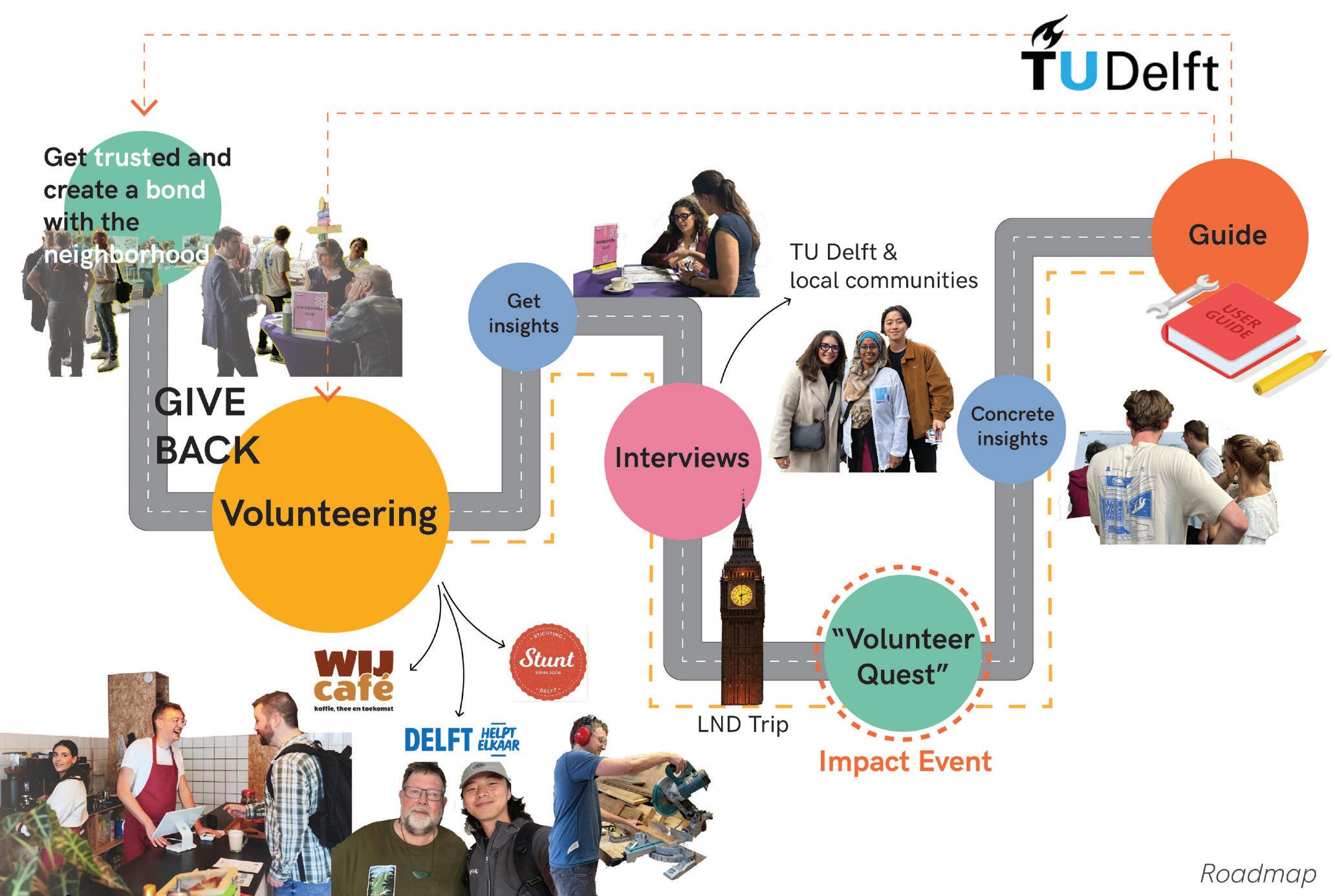
Our Approach-Roadmap.
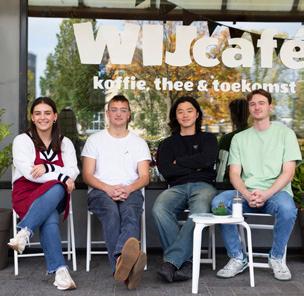
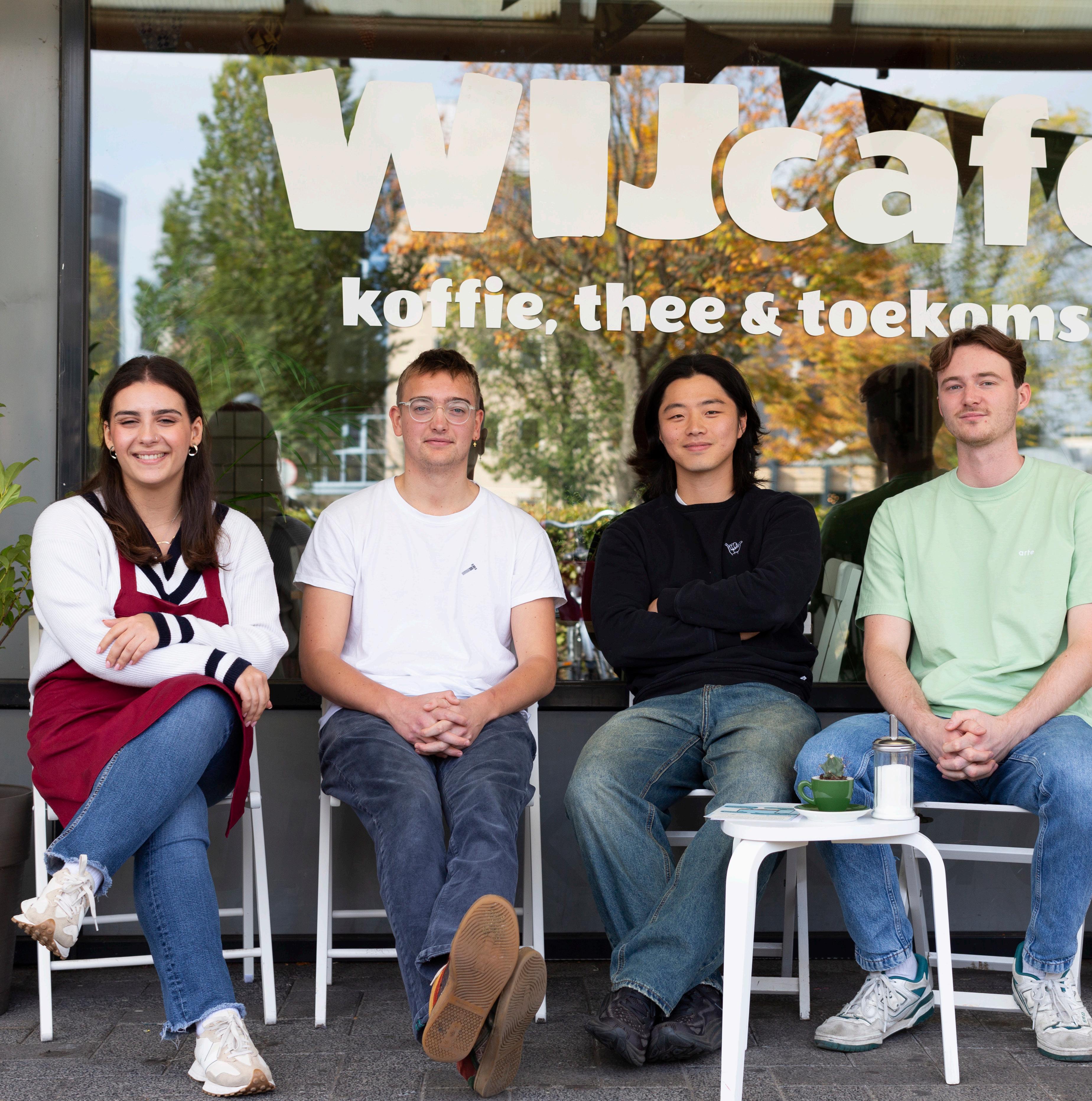
Our journey toward making a meaningful impact began with active engagement in the community. First, we immersed ourselves by volunteering with local organizations like Wijcafé, Stunt, and DelftHelpElkaar. Through this hands-on involvement, we built relationships, connected with residents over every day experiences, and identified areas where TU Delft’s resources could directly support community needs. Simultaneously, we conducted interviews with key stakeholders from both the university, the local community and organizations to deepen our understanding of existing challenges and opportunities.
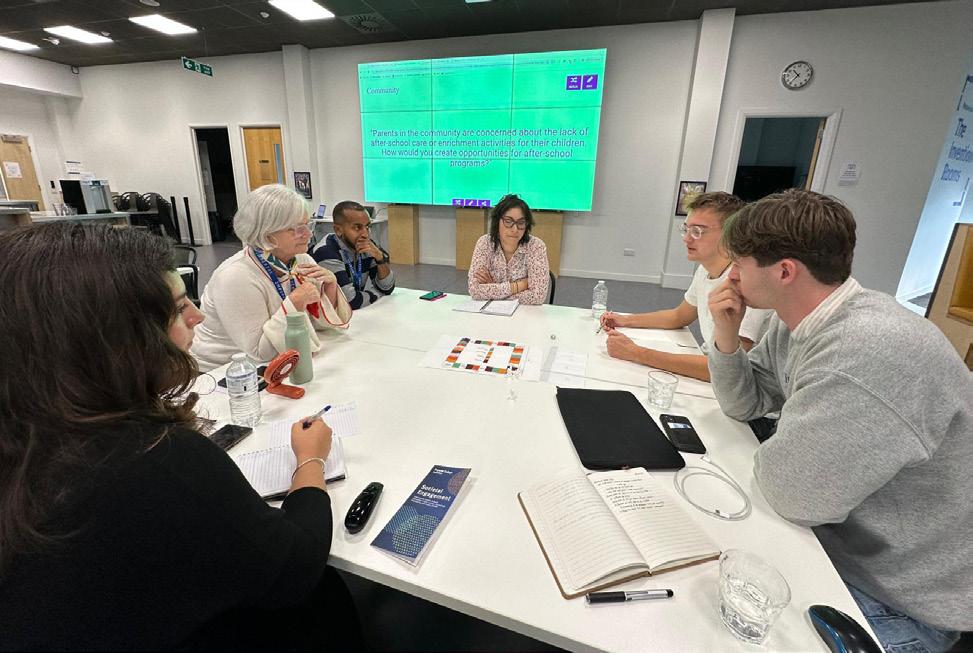
Building on this foundation, we took our next step by gathering insights from successful case studies. Our team visited universities in London known for their effective community partnerships, where we tested the board game we designed as a tool for the “Impact Event” and explored practical models for integrating university resources into community-based initiatives. This research inspired new strategies and provided actionable ideas to strengthen our own project.
With these insights and local input, we then developed
a practical guide to support long-term collaboration between TU Delft and the community. This guide was designed as a resource, detailing strategies, structures, and activities that would foster an ongoing, mutually beneficial partnership.
Goal
To connect technological innovation with community needs through practical and strategic solutions driven by community volunteering. We aim to make technology useful and accessible by working with communities and overcoming challenges together. This partnership ensures mutual benefits for both TU Delft and the communities, enhancing the overall impact.
The Why
This guide is a commitment to transparency and accountability, serving as a gesture of giving back to both
TU Delft and the Delft West community. It acknowledges the trust and patience of those who have seen many ambitious projects and promises of transformation fall short.
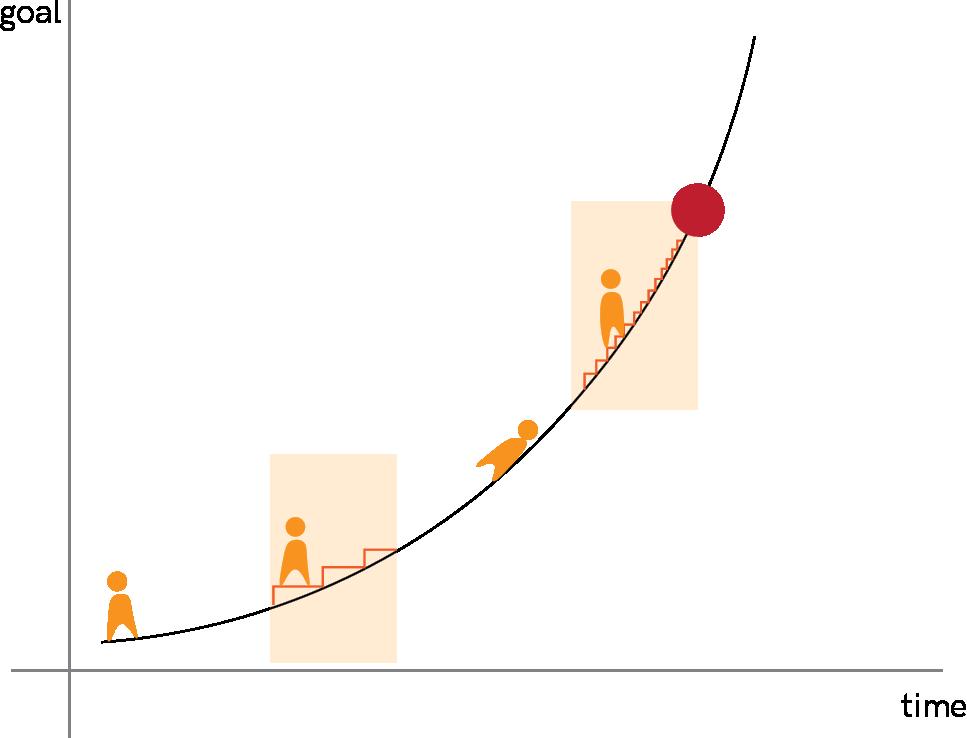
Over the years, various initiatives have introduced visions of vibrant, sustainable futures but have often failed to deliver concrete, short-term outcomes. We recognize the importance of addressing this gap by managing expectations and building a roadmap that prioritizes realistic, achievable steps.
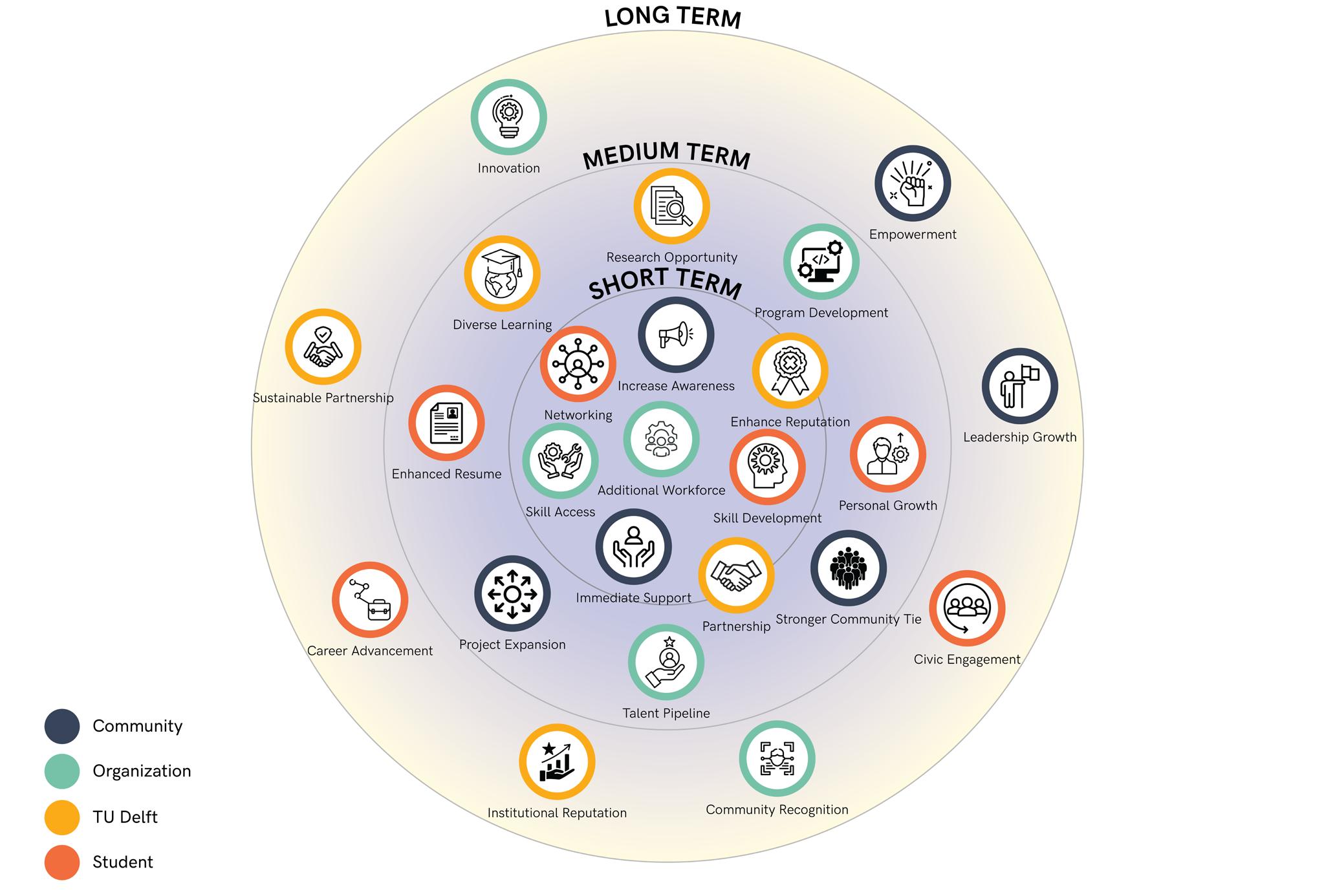
Our approach centers on breaking down the broader goals of energy transition, community engagement, and sustainable development into incremental phases that can be tracked and adjusted over time. By structuring this guide around short-, medium-, and long-term strategies, we aim to provide a clear framework for action that aligns with the community’s immediate needs while gradually working toward more transformative goals.
Fig. 01: Our Vision
Fig. 02: Keywords
Fig. 03: Breaking down the process into managerial parts
In the short term, we focus on initiating visible, small-scale projects that build trust and demonstrate the university’s commitment to the community.
Medium-term actions include scaling these efforts by incorporating feedback, adjusting strategies, and establishing foundational structures that enable sustained collaboration. Long-term objectives envision a fully integrated partnership between TU Delft and Delft West, where mutual support and innovation drive
community resilience and environmental impact. By detailing this phased approach, the guide not only outlines specific actions but also reinforces the importance of consistency and follow-through. Each step is designed to ensure that the relationship between TU Delft and Delft West evolves in a meaningful, constructive way, fostering a sense of shared responsibility and a pathway toward a sustainable future.
Fig. 04: Roadmap
The What & The When
In the short, medium and long term there are benefits for the community, organizations, university and students (see figure 6). Three events provided input for different possibilities to create a connection between the university and the community. Besides these events we had many insights from our volunteering experiences and the meetings we had.
1. An excursion to London, visiting the UCL and ICL; the University College and Imperial College in London started a few years earlier than the TU Delft. They are more engaged with the surrounding community and provided interesting ideas to actively engage with the community.
2. The ‘stadsgesprek’ between the neighborhood and the university and municipality; a good opportunity to
Fig. 05: Volunteering Benefits for all the involved stakeholders per timeframe
listen to the community and find out what is important to them.
3. The impact event we organized ourselves; we brought residents, students, the university and local organizations together to explore the possibilities of bringing the university and community closer together by a board game our team designed. With further research and more events, more opportunities can be found. Research can be more specific towards the different groups to find solutions for certain benefits.
The Who-Connections Between Organisations
At the event contact information was shared between organisations that did not know each other before, broadening the network above even further. We also discovered at the impact event that word-ofmouth promotion works best within communities, this significantly reduces the hassle factor.
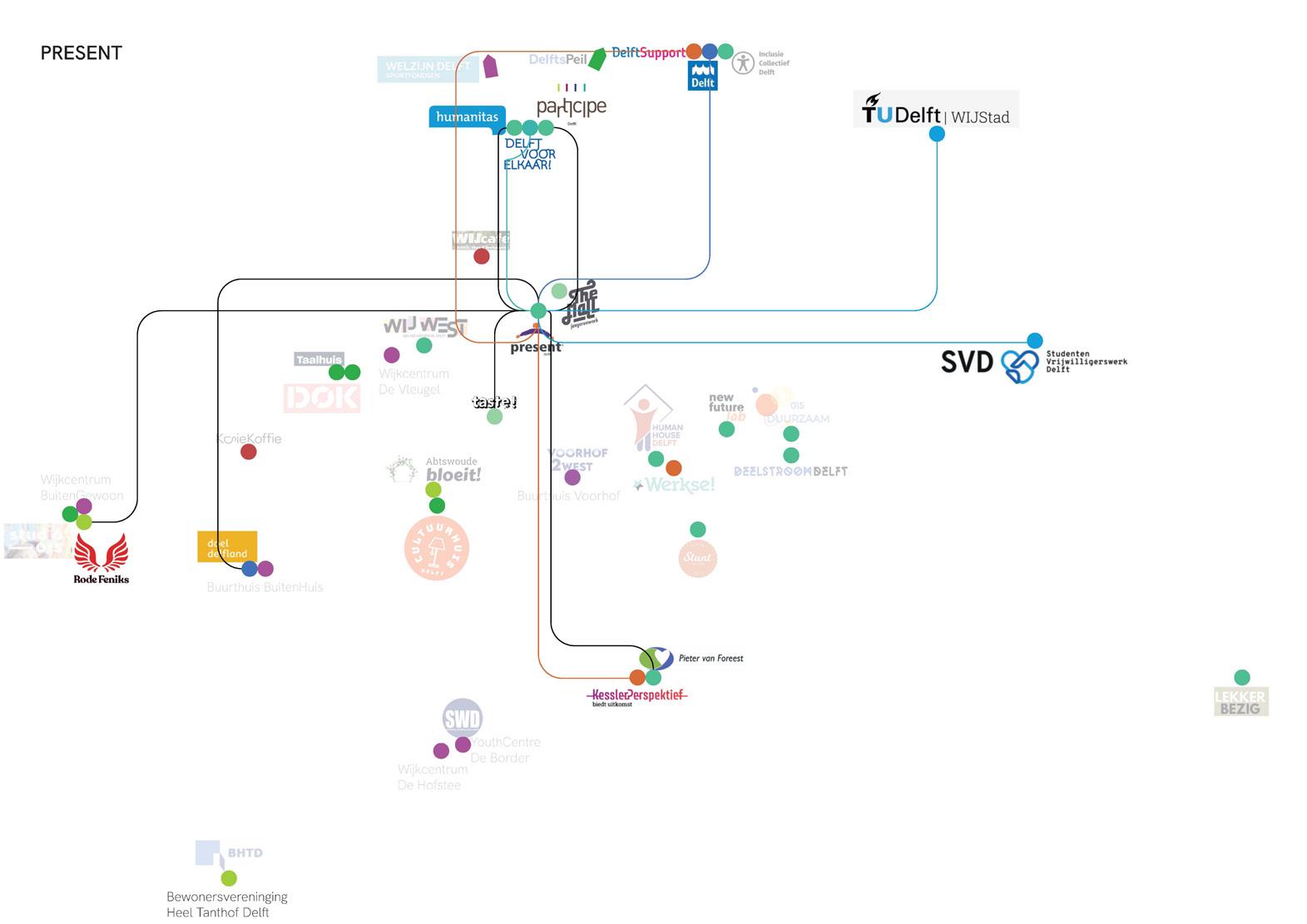
The TU Delft Department of Outreach and Engagement runs a project called WIJstad. This section of the department maintains many connections throughout the city, which are visible in the diagram. Their network primarily includes community and volunteer organizations.
Delft voor Elkaar is a key organization providing care and support by connecting volunteers with those in need. They operate an online volunteer job board, called Delft Helpt Elkaar,.Here volunteers can apply for various roles. The organization has strong ties to community centres and also collaborates with social care companies, such as Delft Support, which offers assistance to all Delft residents with healthcare, youth care, or social support questions.
Present connects volunteers with people in need, organizing short-term projects to support vulnerable residents. Both TU delft and Delft voor Elkaar are connected with present.
Fig. 06: Testing board game with engagement initiatives from Imperial college at The Invention Room
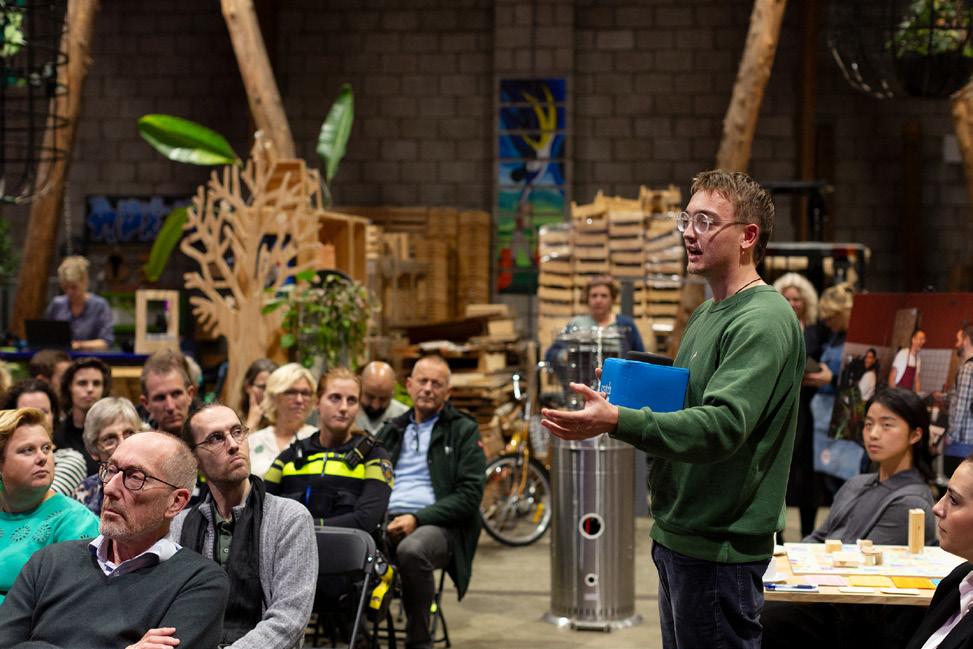
Fig. 07: Giel Jon represents our team and speaks for student volunteering (photo by Max van Dongen)
Discussion
Looking forward, it is vital that TU Delft and the Delft West community continue to build upon the foundation established in this project. We recommend further integration of volunteer activities into the academic curriculum, with targeted roles that align students’ skills with community needs. Expanding upon our “living lab” concept could facilitate continuous community-driven research, providing spaces where university innovations address local issues directly.
Boundary objects, like the game we designed, can act as powerful tools for connecting community members and the university. This game promotes dialogue and cooperation, enabling participants to
engage in shared problem-solving and understand each other’s perspectives. Such tools help bridge gaps, making academic concepts accessible and building lasting connections between TU Delft and Delft West. Additionally, establishing a centralized “community hub” or “Neighbourhood University” within Delft West could provide a permanent venue for ongoing collaboration and engagement. This accessible location would welcome all interested community members, serving as a base for various courses and research programs focused on community engagement. Activities and initiatives can be organized and coordinated from this hub, creating an even stronger connection between the university and local residents.
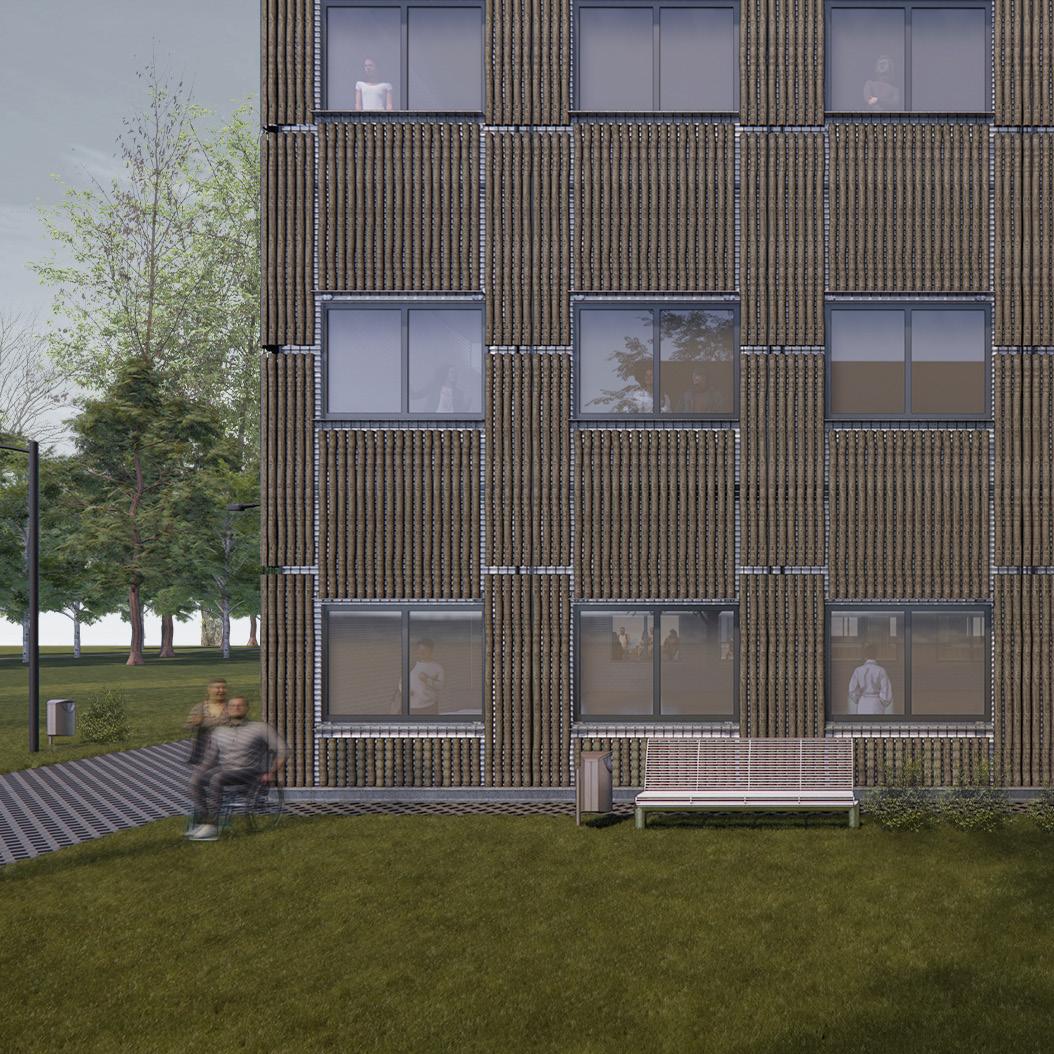
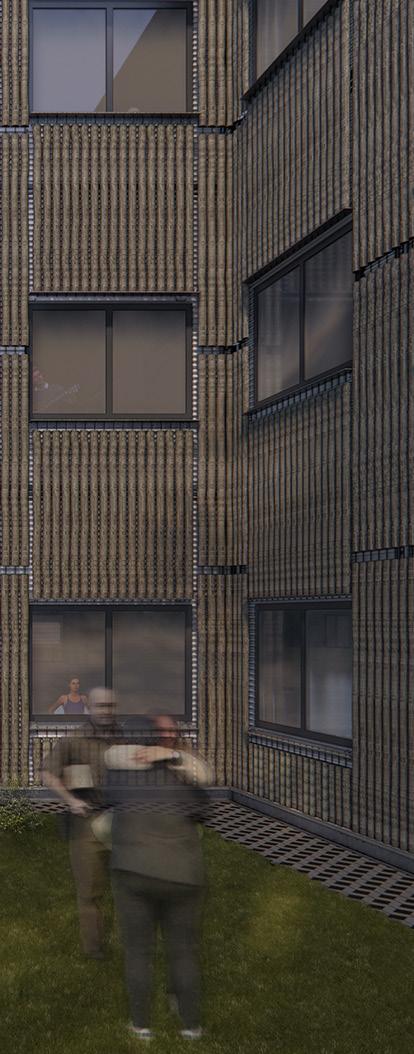
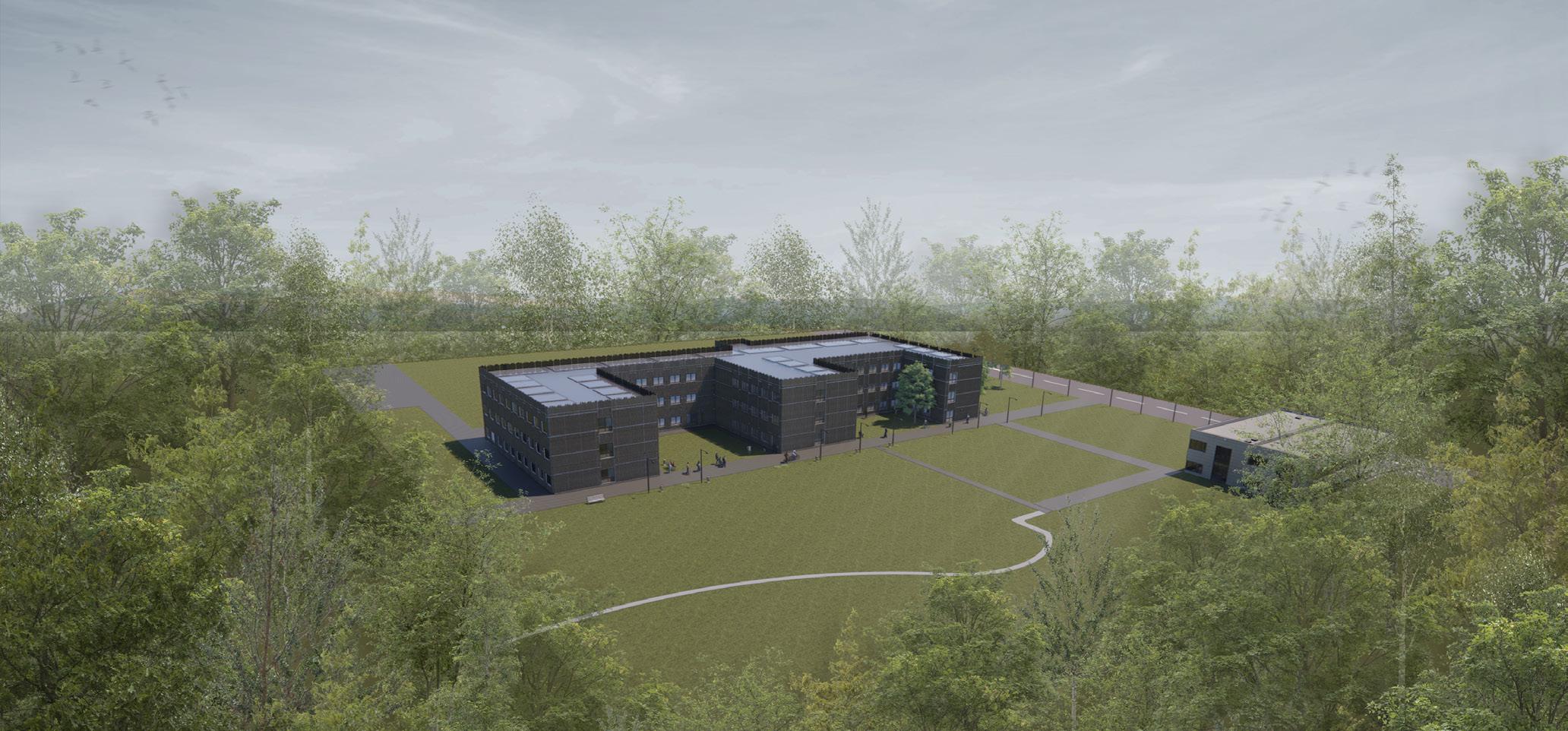
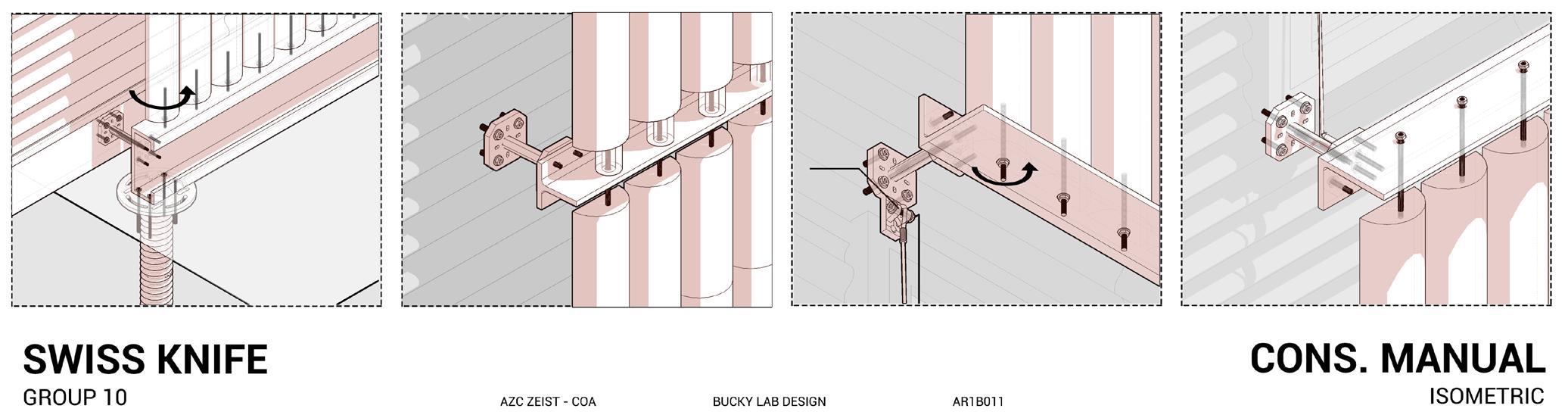
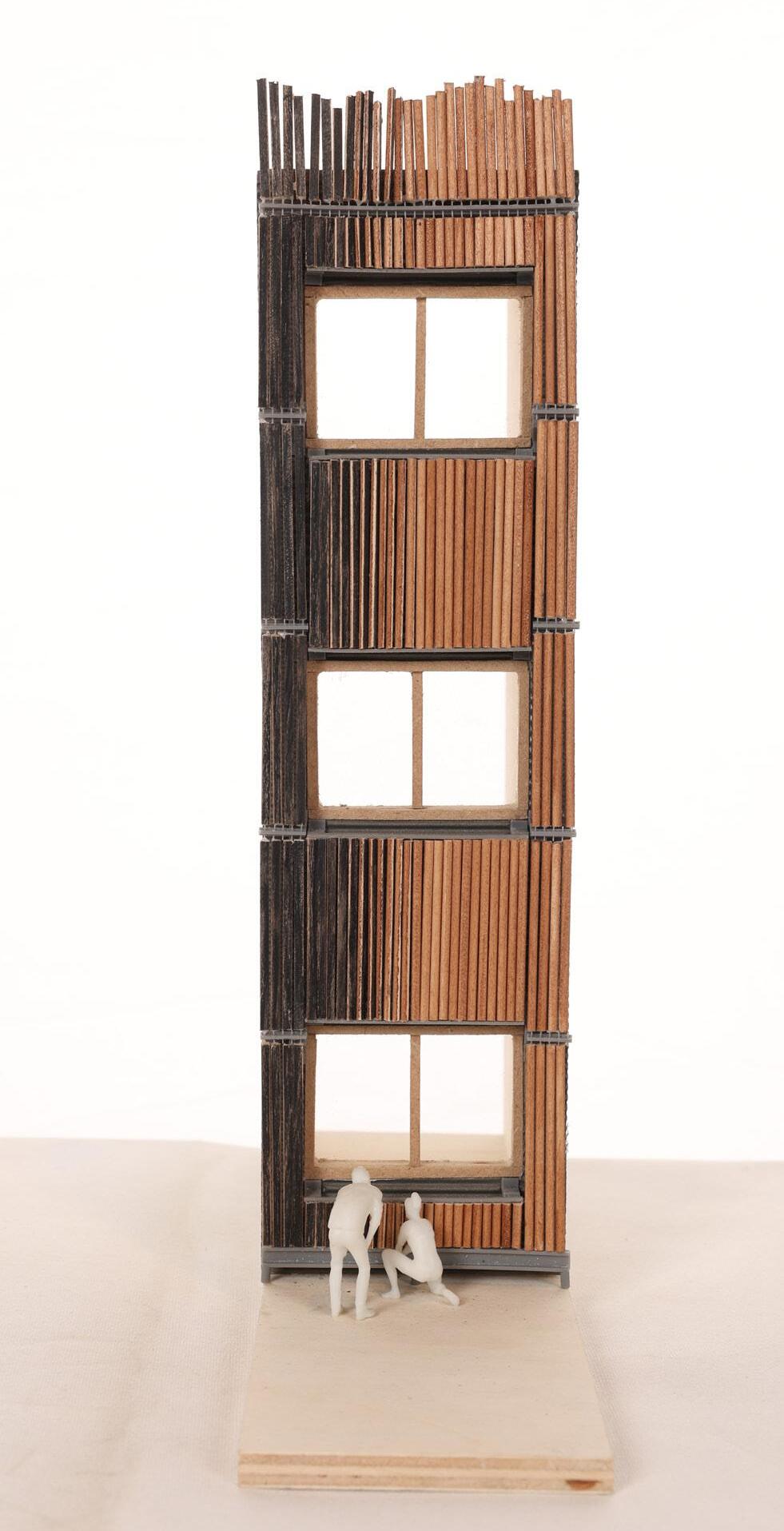
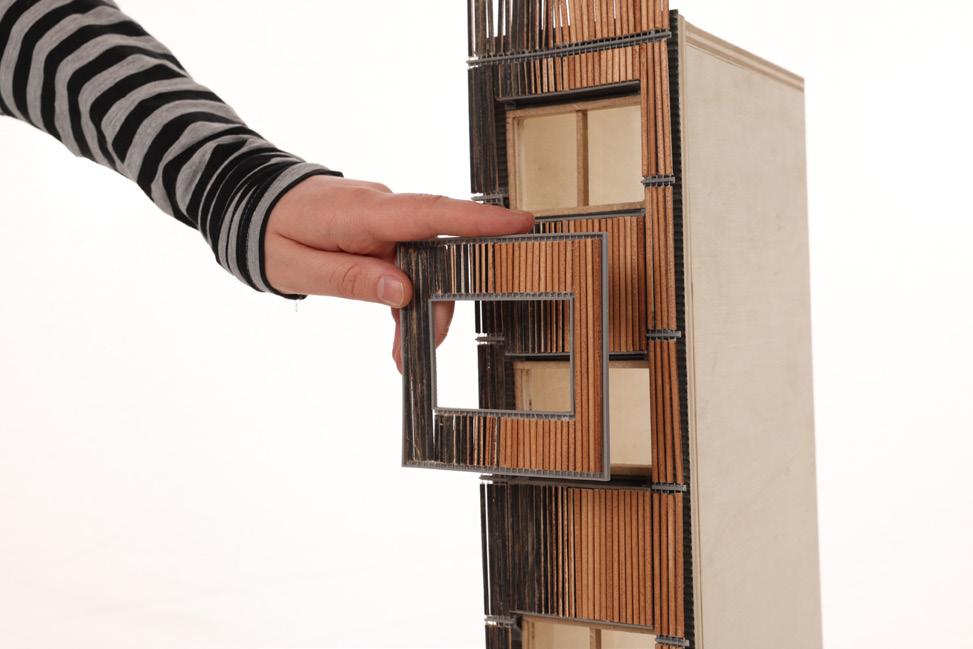
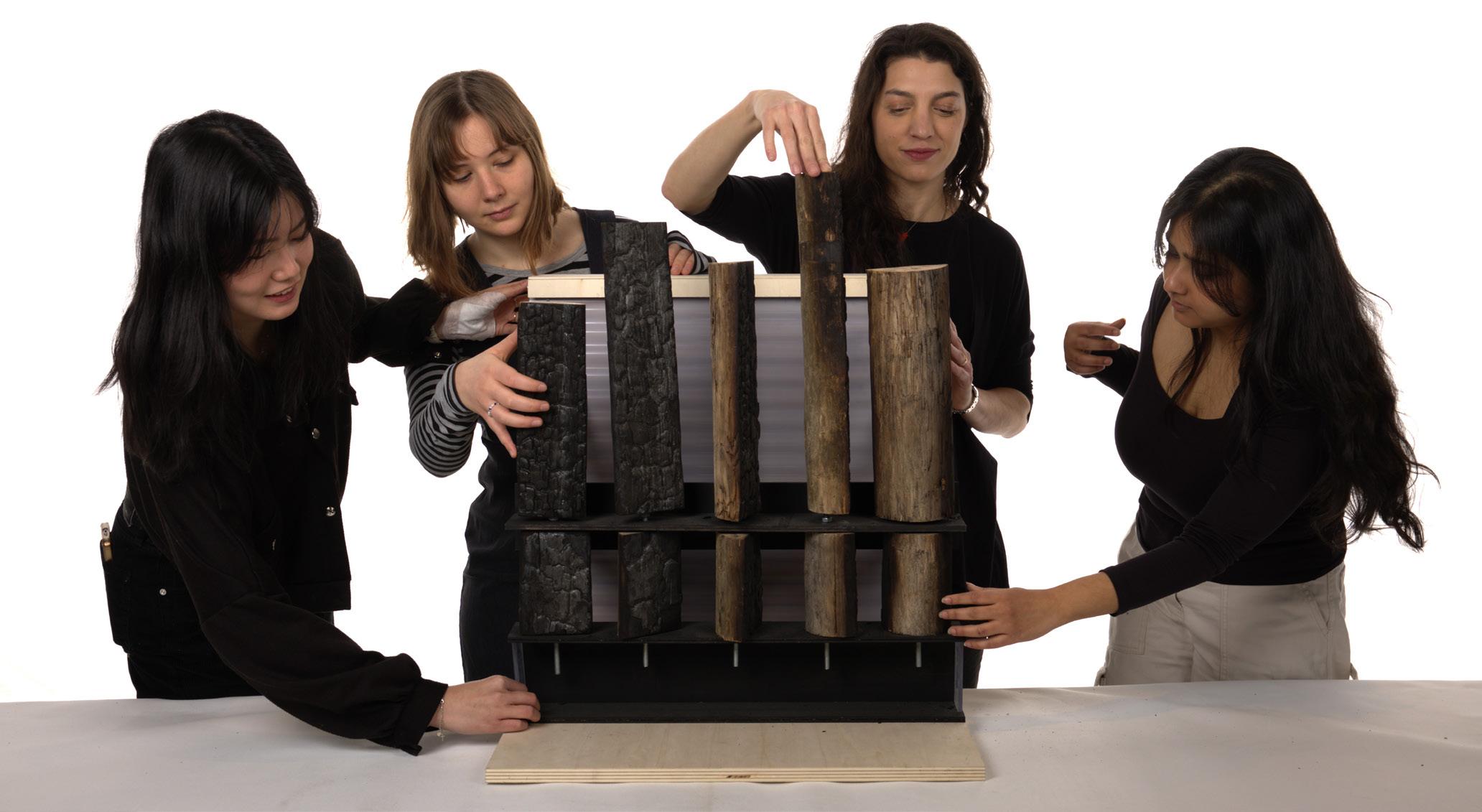
At the asylum seeker center in AZC Zeist, rising indoor temperatures have sparked a creative rethinking of how architecture can respond naturally to climate. The proposal introduces a modular wooden facade that adapts to the changing seasons. Each panel features two distinct faces: one charred to absorb warmth in winter, the other left natural to reflect heat in summer. With a simple 180 degree rotation, the facade transforms, balancing comfort, efficiency, and environmental sensitivity. Developed as part of a Bucky Lab project by Radha, Valerie, Ayelet, and Sarah, first year students in the Building Technology master’s track at TU Delft, the design blends material experimentation with a strong sense of context and sustainability.
What inspired your group to develop a design focused on reducing heat loads on modular units? Did you have any specific motivation for choosing this area?
Valerie: It was my idea actually, which I’m very thankful the team chose.
I initially wanted to work with wood as the main material because our site is surrounded by a forest, and wood is very sustainable, recyclable, and locally available. My concept was to create a facade with charred wood on one side to protect the material and help with insulation in Winter, while the other side remains in its
natural state for summer use. This way we could also do a performance comparison of the charred side versus the uncharred wood.
People don’t usually think of timber’s insulative properties in terms of “burnt versus unburnt.” What made you think charring wood could affect its insulation in that way?
Valerie: Honestly, it started as an assumption around the heat absorption of different colours and their surface, especially with the colour black as it absorbs more heat. The wood around our site is quite light in
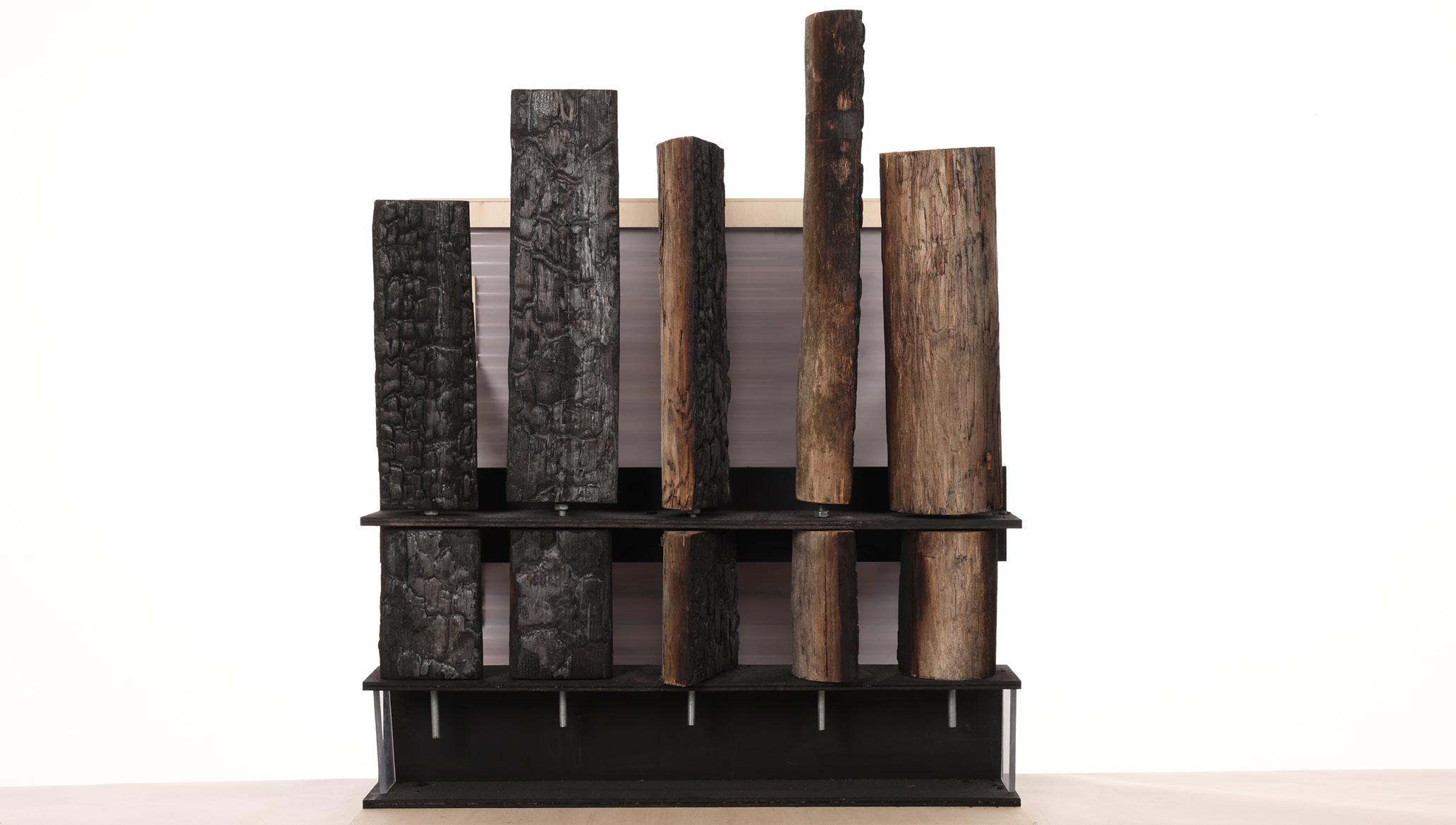
Final 1:1 model of a facade unit
Digital render of the site and the asylum centre
colour, so the contrast stood out to me. I thought we could use that property intentionally, black for absorption and lighter tones for reflection.
So, basically, you were thinking of how shades and tones could influence heat behaviour?
Valerie: Exactly. And that may also come from my background growing up in Indonesia. It’s rare to see dark buildings because black absorbs heat, and our climate is already quite hot, but seeing charred wood being used for its heat absorption made me think differently. It’s fascinating to see the same material behave so differently in a different context.
Could you also give us a brief explanation of the design and engineering behind your project?
Valerie: Since it uses waste material, we wanted the system to be as simple as possible and easy to replace – perhaps every three years or so.
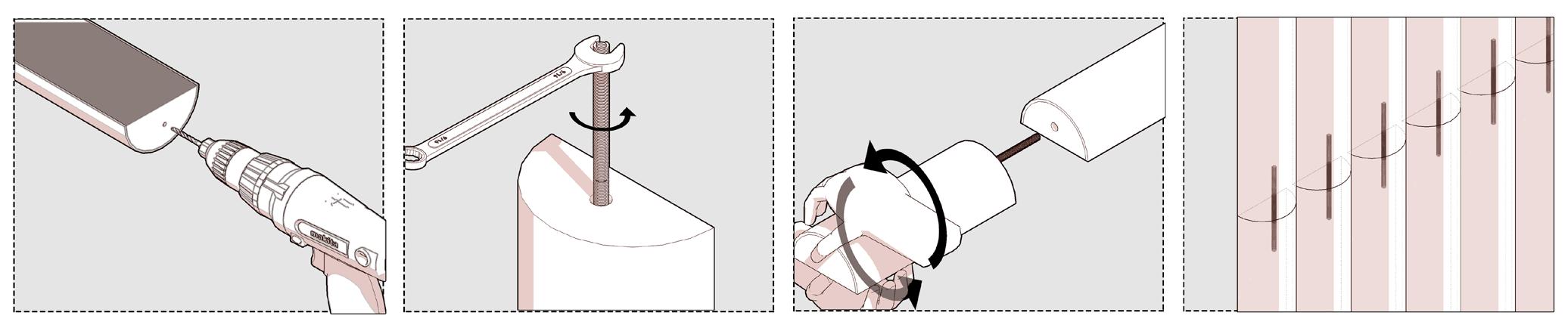
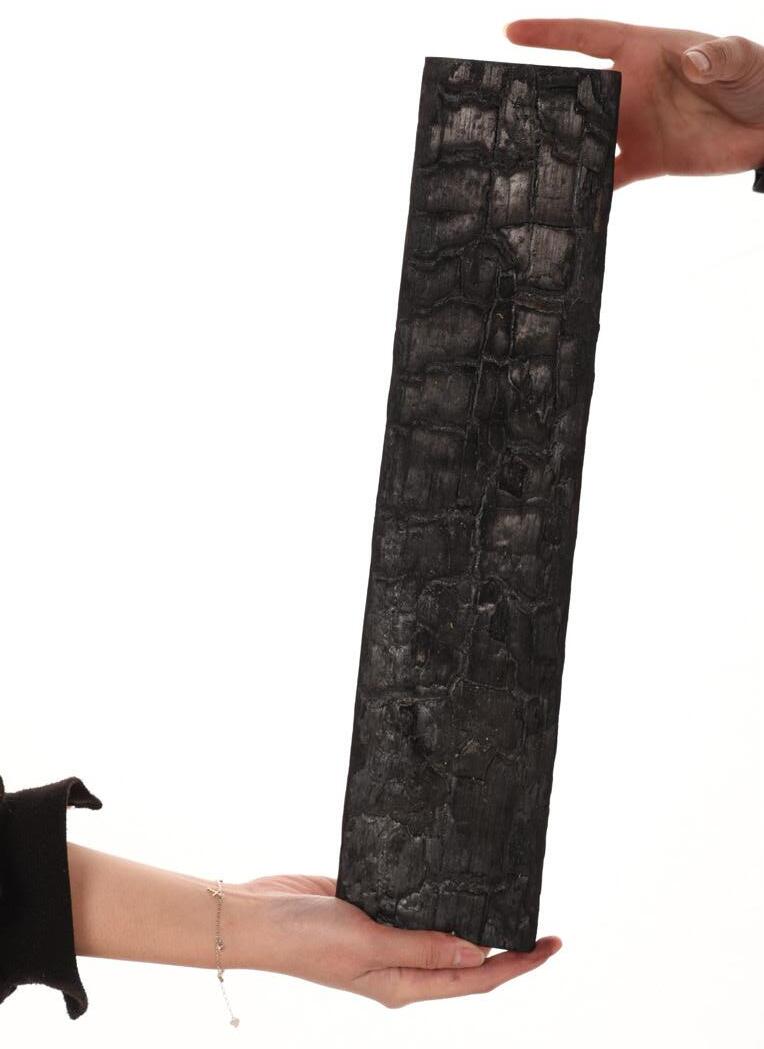
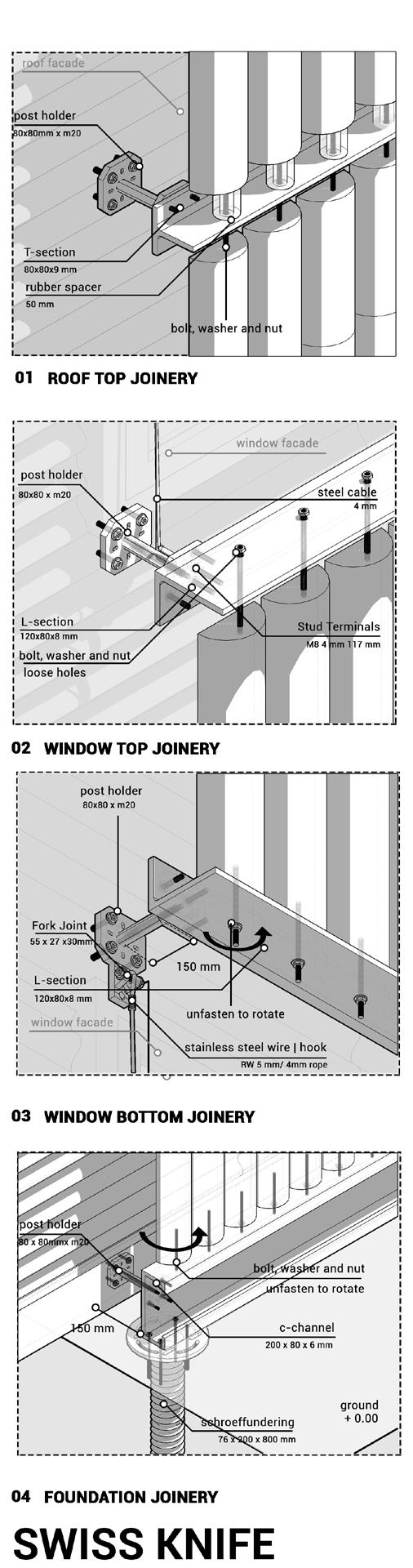
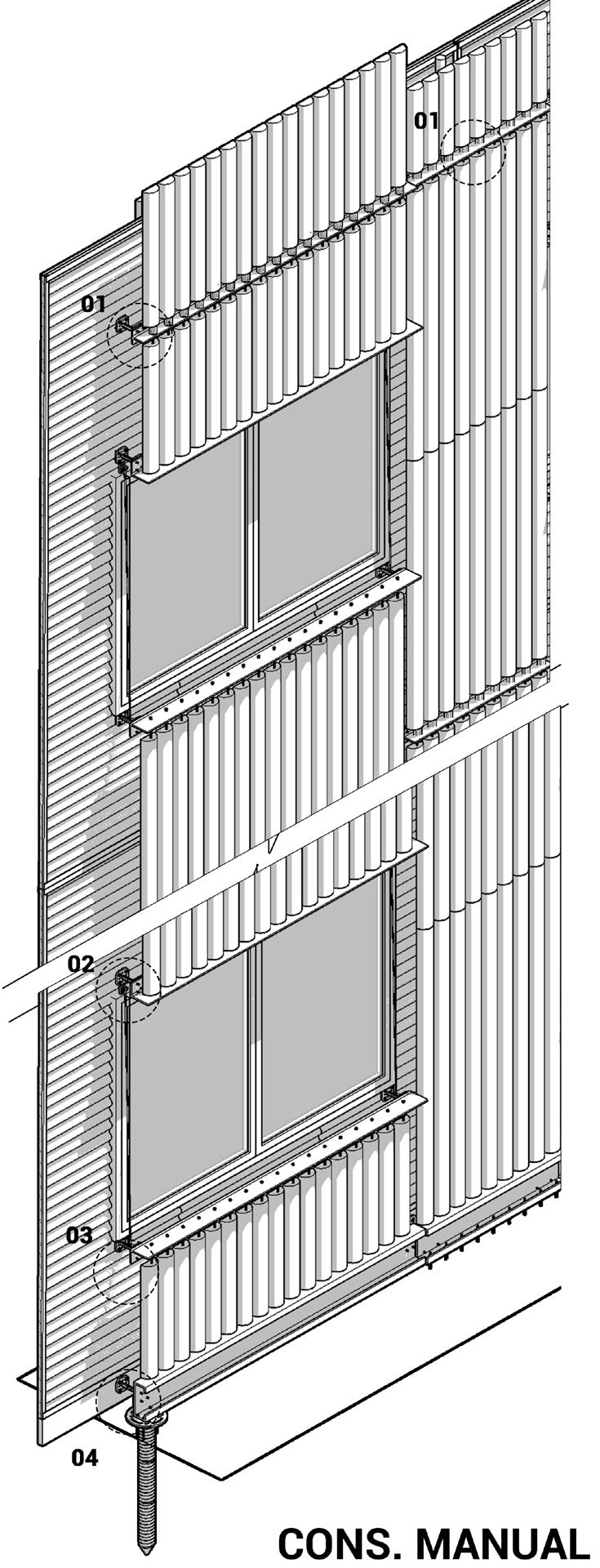
Each component is essentially a half log of Douglas Fir stacked vertically. The log is split in half, so each piece has one flat side and one rounded side. The flat side is charred, while the rounded side remains natural. The module can rotate: charred side out in winter for heat absorption, and natural side out in summer for reflection. Steel connections hold the logs in place using M8 threaded rods. The rods connect at both ends: one end into the bottom of one log and the other into the head
of the next.
There are two main steel beams, one at the ground level and one at the roof. The bottom beam plays a key role in enabling the rotation. One beam is mounted at the base and another at the top, securing the structure while allowing the logs to rotate along their axis.
Now that the model is complete, how do you feel about the overall result?
Are you satisfied, or do you think there are areas that didn’t quite work as planned?
Valerie: Visually, I’m really happy – it looks almost exactly as imagined. But functionally, there are aspects that didn’t work as intended. The design turned out more complex than was expected, especially for something intended to be simple. The calculations do indicate that it does reduce heat, which is a nice achievement for our concept, but in practice the system functions more as a sun-shading element rather than a true insulative system.
Do you think, with better technology or more development time, this concept could become a more effective and realistic system?
Valerie: Yes, definitely! With more time, resources, and technical refinement, the design could evolve into something more effective. Right now, it serves more as a proof-of-concept and starting point. The prototype looks flat and could use more dimensional depth, but it successfully tests the technical principle rather than focusing purely on aesthetics. It works as a ventilated facade system that cools the
Scale model of a facade unit
building passively, even if it doesn’t fully reach the desired insulative performance.
How complicated was the process of realizing the project? Were there any difficulties when it came to collaborating with different people? Especially since you’ve all just recently met in this master’s program.
Sarah: I’m happy to say there weren’t any real problems with collaboration – the teamwork went very smoothly. In terms of the companies we were contacting; Utrecht Landscape provided wood samples for our prototypes, and several people around the TU Delft campus, including the campus gardener, were very open and supportive in helping with different aspects of our research.
Of course, within the group, there were still a few complications here and there – as is the case in any project – but everyone had a clear focus. My interest was in the charring of the wood and in circularity: how the wood is sourced, reused, and integrated into existing material flows. Radha focused on the structural calculations, designing details and how the system behaves statically, while Ayelet took charge of the climate-related calculations, driven by her doubts about whether the system would truly work thermally. She worked closely with Professor Martin Tenpierik, who was very generous with his time and advice.
Within the scope of Bucky Lab, did you enjoy the part you worked on?
You mentioned focusing on the material and the charring process, were you also leading the manufacturing and sampling?
Sarah: Yes, that was a big part of my role. I was responsible for arranging and preparing the samples, contacting different companies and workshops, and even reaching out to charring specialists.
A key question for me was understanding what actually counts as waste wood, since wood can be reused in many forms. I wanted to see where this project could fit within existing wood waste streams. Part of my task was to explore how different charring intensities affect the appearance and potential performance of the wood, so with the help of Professor Marcel Bilow, we planned and executed those experiments.
Ayelet: Conducting these experiments with Marcel was extremely helpful. After working hard to sand the wood, so it will char evenly, we also tested crooked, unsanded wood elements and actually resulted in a more aesthetically pleasing pattern. Something that looked more natural and raw, rather than perfect or standardized.
Looking back, did you enjoy this specialization and the role you played in the project?
Sarah: Absolutely! I really enjoyed working on the material side and the charring process, especially because I had encountered this technique before during an exchange in Japan. I was introduced, mainly visually, to the traditional charring technique called Shou Sugi Ban
(or yakisugi). I didn’t get to work with it directly back then, but I knew it existed, and when this project presented itself, it felt like the perfect opportunity to explore it indepth!
Traditionally, it is used to make the wood last longer and to protect it from weather and pests, not specifically for insulation, but the thermal benefits make it especially interesting for contemporary applications where both performance and sustainability matter.
That sounds really interesting. Could you tell us a little more about the Shou Sugi Ban process in Japan?
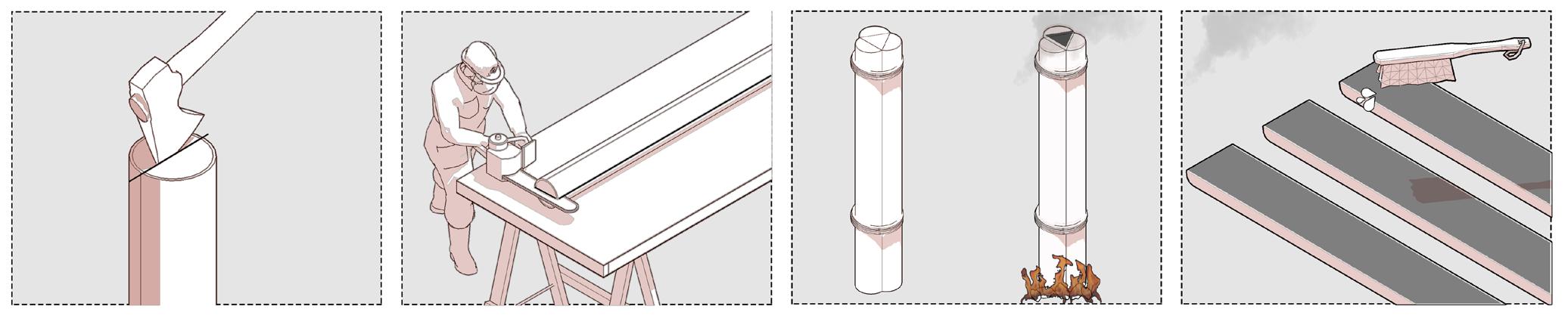
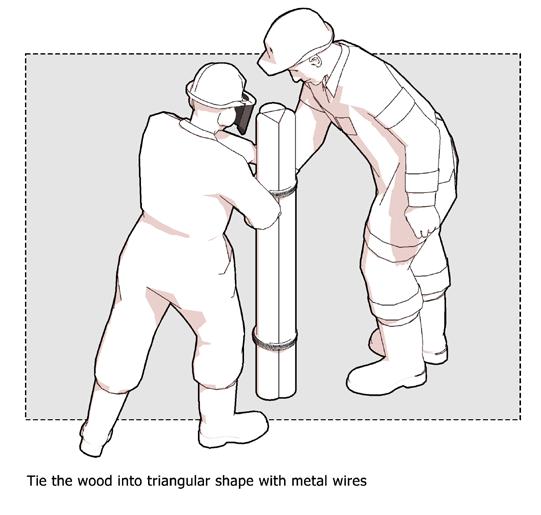
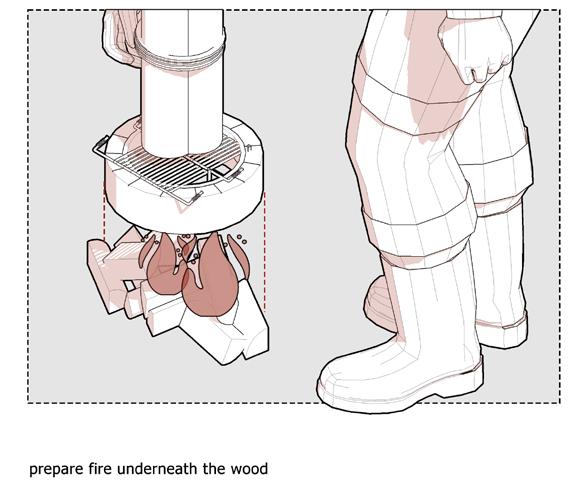
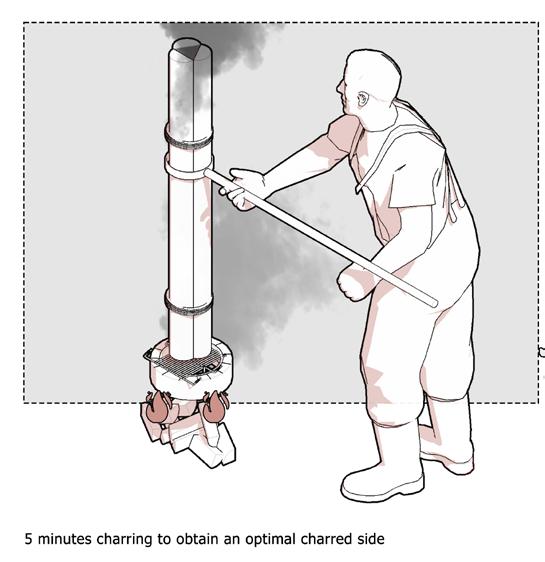
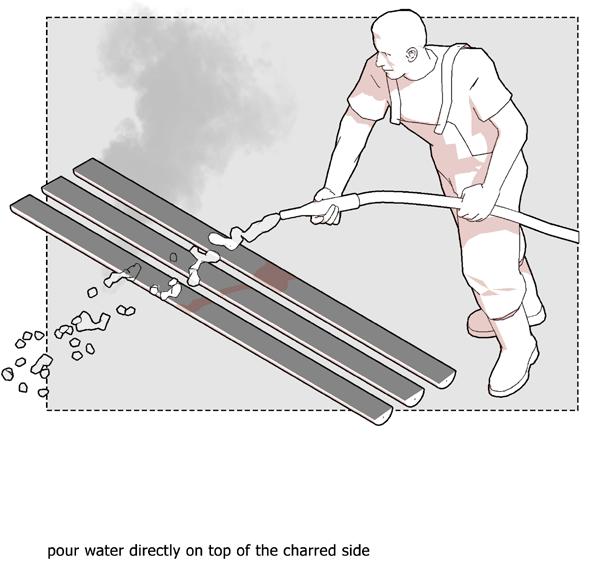
Sarah: Yes, of course! I looked up the traditional method – which is centuries old – and it typically involves three wooden planks tied together to form a triangular tube, and then placed vertically over a fire. This creates a kind of chimney, with the flames moving upward through the hollow center, and charring the inner surfaces. The time spent over the fire determines the depth and intensity of the charred layer. The thicker the charred layer, the better the thermal insulation. It also creates a natural protective skin that reduces the need for chemical treatments, which aligns very well with our sustainable design goals.
Can you explain the principle behind this system? How does your façade cool in summer and heat in winter?
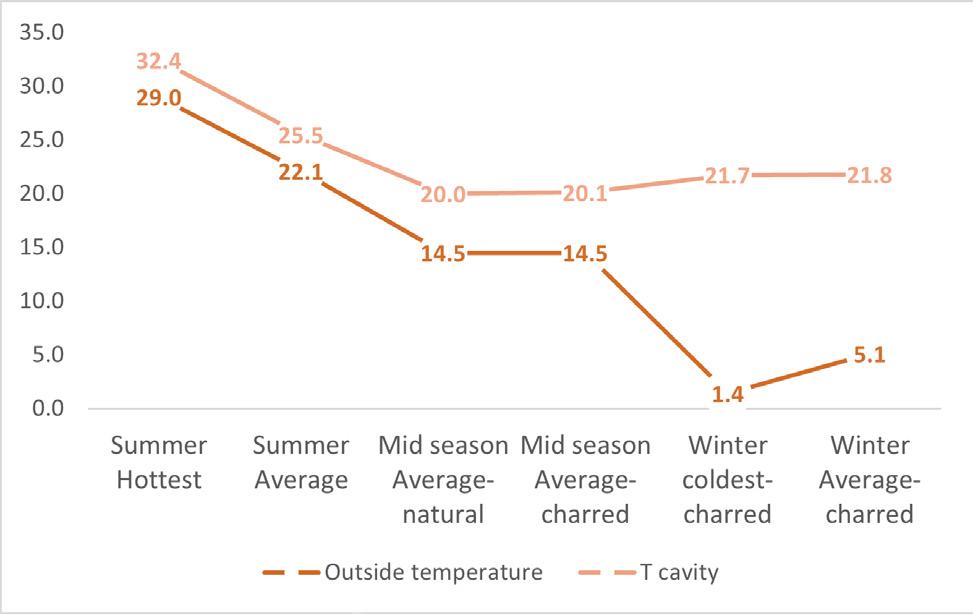
Ayelet: In summer, wind passing through the cavity between the wood and the steel cools the air in that gap, creating a microclimate that reduces heat transfer to the steel behind. The ventilated facade uses this airflow and the chimney effect to remove heat.
Shou Sugi Ban process
In winter, with the charred side of the wood facing outward, the facade absorbs solar radiation. Heat is conducted through the wood and then transported through radiation and convection into the cavity, warming the air in that space. The cavity acts as a buffer zone: the warmed air makes it easier for heat to pass toward the steel facade, so the inner layer becomes warmer than the outside air. The gap (roughly 20 to 25 centimeters) functions like a second skin, creating a protective thermal layer around the units.
Ayelet, you mentioned you focused on the thermal results and did the calculations to validate the project. Did you have any prior knowledge about this type of calculation?
Ayelet: In architecture, there is a constant search for low-tech cooling solutions, I recognize this especially coming from a hot country myself. Many academic projects rely on high-tech systems that are expensive and difficult to implement, particularly in contexts where budgets are limited. That is why Valerie’s idea was so inspiring to me. Initially, there was the assumption that the air between the wooden elements might act as an insulating layer if it were somehow closed off. However, Marcel explained that this wouldn’t be possible as the gaps between the wood meant the system couldn’t behave like a sealed system. Professor Martin then directed us to research showing that the system behaves more like a ventilated facade. Even though the layer is open to the outside and has windows and openings, the chimney effect still occurs and creates a microclimate in the gap.
Single element of charred wood
Scale model of unit being mounted
That realization was very exciting because it meant a truly low-tech system, could still have a measurable thermal effect.
There was a desire for calculations that are both reliable and understandable, especially without extensive prior experience in advanced simulations. Complex software can give misleading results if the inputs are not set up correctly. Working with guided mathematical methods felt safer, particularly with Professor Martin’s advice. That gave me the confidence that the assumptions and steps were sound. The work was done with relatively
simple – but carefully structured – calculations in an Excel file. The key was making the right assumptions and understanding each step to be able to trust the results.
How did you feel about your final results?
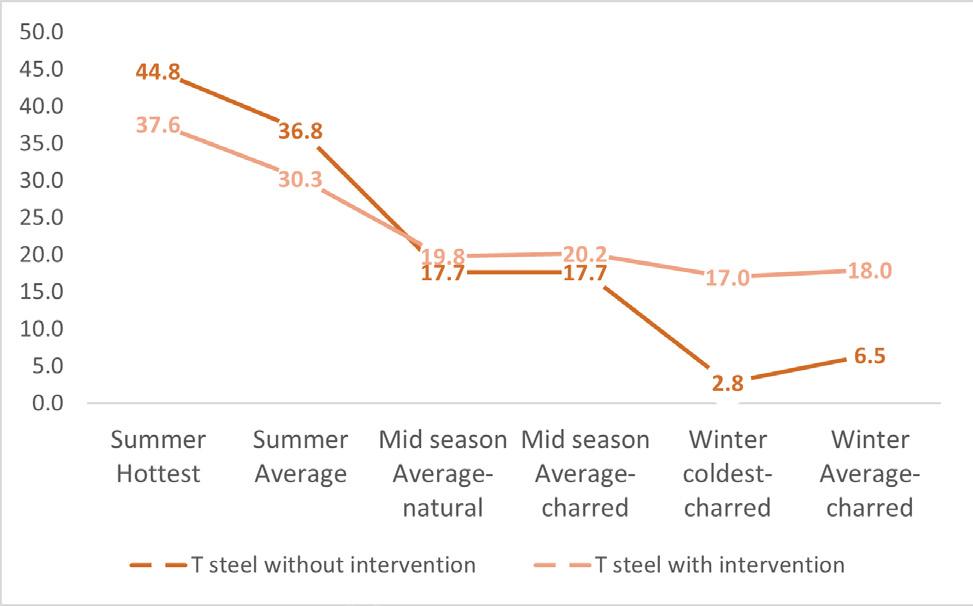
Ayelet: According to my calculations, for the summer peak the system cools the exterior steel surface of the existing units by about 7 degrees. In winter, the charred side facing outward helps warm the steel by about 10 degrees. This result is remarkable, considering it relies on passive means and no mechanical systems, just the wood, cavity, and wind, and I felt that they were very successful results!
Lets talk about the mechanical system. How was the rotation achieved, and how was it ensured that the facade could handle the loads?
Timber logs can be quite heavy. How did you resolve the technical aspects of the facade?
Radha: This was within my scope. Initially, the idea was to create modular units made of three timber poles grouped together, stacked vertically and rotating as one module. Each set of three poles would span three floors, but this quickly proved too heavy and unreliable, especially because the whole module would be hinged on one side. A single three-pole module could weigh around 20 kilograms, making rotation and mounting difficult and unsafe.
The design shifted to single semicircular poles stacked on top of each other along the full height. One discretized system is now comprised of individual logs (spanning three floors), each rotating independently Heating and cooling results
while remaining part of a continuous vertical line.
In principle, rotation happens only once or twice a year when the seasons change. One change would happen around spring (March–April) and the other before winter (October–November). Technically, each log can be rotated more often if needed, but the concept assumes infrequent adjustment to keep the system simple and robust.
Having a manual rotation system fits in nicely with a low-technology goal, but was an automated system for the rotation ever considered?
Radha: Yes, there was an idea to use a wax motor system, based on a special low–melting point wax. The concept functions on the principle that temperature changes would cause the wax to melt and move, driving a small hydraulic-like mechanism to rotate the logs automatically. However, this approach was eventually discarded because it would have been too complex and expensive, requiring specific materials and a whole hydraulic system with pumps and controls. The goal was to keep the project cheap, low-tech, and easy to maintain.
Isometric detail
As a final note, were there any other memorable experiences throughout your BUCKY Lab experience?
Ayelet: A really nice highlight I an remember came from visiting the TU Delft gardener, who works in a beautiful - almost hidden - corner of the campus, surrounded by chickens, herbs, and historic buildings. He mentioned that in winter they cut trees before the storms and offered to give us some of the wood. Those samples later helped us compare charring effects on different wood species and informed the research in a very direct way.
Radha: Our persistence paid off when Utrecht Landscape responded with an excellent offer to provide
wood. It’s an organization responsible for managing and protecting landscapes and trees in the Utrecht region. They invited us to a site in a small town near Zeist, at a place with former World War II airfield bunkers that are now used as studios and wood storage spaces. They had been collecting old wooden signposts from across the region to replace them with new ones. Many of these poles were partly rotten, but some – especially the Douglas fir – were still structurally sound inside. We selected those as our main material. For them, it was a relief to see a potential second life for what was essentially a large pile of wooden waste, and for us it matched perfectly with the project’s focus on reuse and low environmental impact.
Swiss Knife group members (from left-to-right); Chriscentia Valerie Phoebe, Sarah Wagner, Ayelet Rapoport, Radha Barbhai
Currently a master’s student at TU
Delft studying Building Technology, I also work as a junior editor for RuMoer, engaging closely with design discourse. After completing my bachelor’s in architecture in India, I gained experience on notable international projects including Santiago Bernabéu Stadium and New Giza in Cairo with L35 Architects in Madrid. I have also interned at Mindspace Architects, where I strengthened my interest in performance-driven design. I enjoy exploring how engineering, detailing, and material systems can shape more intelligent and resilient buildings.
Sarah Wagner is a master’s student at TU
Delft with a multicultural background rooted in Germany and Japan. She holds a bachelor’s degree from Germany and has gained professional experience through internships at SANNA and Ryuji Nishikawa’s office.
I aspire to create sustainable spaces with unique identities shaped by their cultural and environmental context. This ambition has guided me over the past eight years as a project architect working on public buildings, education campuses, housing, and urban masterplans, moving through every phase from concept to construction. Most of my experience comes from Malis Architecture (TLV), where values of nature preservation, walkability, and community well-being shaped my approach. More recently, as a freelance architect, I’ve focused on thoughtful, tailor-made solutions. I’ve now joined the Building Technology MSc at TU Delft and the Company Relations team, driven by a desire to harness nature in creating comfortable
environments and to advance climate justice in design. I’m always open to connecting, especially around R&D for climate-resilient buildings and façades.
Ayelet Rapoport
Radha Barbhai
Sarah Wagner
I am currently a Master’s student in Building Technology at TU Delft, building on my Bachelor of Architecture, where I graduated Best Cum Laude from Petra Christian University in Surabaya, Indonesia. Since 2023, I have worked at PT. StoryG Asia, first as a Space Designer handling creative concepts, technical drawings, and construction monitoring, and later as a Team Leader for the Design, Construction, and Branding Division, coordinating multidisciplinary teams and overseeing projects endto-end. I am especially interested in structural design, disaster-resistant buildings, and integrating sustainable materials while exploring innovative spatial experiences in architecture.
The aim was to develop a system for lightweight active bending structures built with natural materials that could be designed and assembled by non-experts. Application scenarios range from emergency shelters in disaster relief contexts to pop-up pavilions for exhibitions or campus events. Instead of pursuing automation through mechanical robots, the work investigates computer-aided construction, where AR visualization, environmental scanning, and adaptive modeling create a feedback loop between design intent, human action, and material behaviour. The motivation arises from the challenges of virtual vs real-world construction. Natural materials like reed and bamboo behave unpredictably, and construction sites rarely match digital assumptions. Rather than programming robots to overcome these uncertainties, the project explores how digital systems can empower humans to interpret and respond to them in real time. In doing so, the project reframes robotic collaboration as a partnership between human intuition and computational intelligence. A dynamic system that promotes accessibility, sustainability, and creative co-creation in construction
Introduction
This project addresses the challenge of designing and building with natural materials, creating lightweight temporary structures and making construction accessible to non experts. Projected application scenarios such as emergency shelters and pop-up pavilions may have limited access to robots and expensive technical equipment so the end product – an AR construction guide –is designed as a mobile device app. The proposed workflow integrates environmental scanning, adaptive modelling, AR visualization, and digital twin feedback. By framing these computational systems as a form of ‘virtual’ robotics the project emphasises user empowerment, enabling laypersons to make informed, site-specific decisions and customize outcomes during construction. Human robot interaction is thus positioned as a feedbackdriven process.
The project has three principal components: natural materials, active bending and AR assisted construction. Natural materials are selected for their low-carbon, local, circular, and flexible yet strong characteristics, making them ideal for bending-active structures. Using ‘grass-like’ natural materials bundled into structural elements allows for translation to most globalcontexts and native plants with appropriate characteristics can be interchanged eg. reeds, bamboo or willow. Active Bending allows for lightweight, fast to assemble, 3D forms from simple 2D elements. This construction system has vernacular roots across global architecture, from nomadic yurts to boats, baskets and geodesic domes. AR assisted construction can be site adaptable and integrated with parametric design and real time feedback. A key focus lies in developing a design language that translates complex spatial logic into clear,
Flex Pavillion | AA, UK
Augmented Activebending Formwork for Concrete | Proceedings of CAADRIA, Hong Kong
Augmented Human-Robot Collaborative Bending | Proceedings of CAADRIA, Hong Kong
visual guidance. Through augmented reality, the project reinterprets traditional 2D construction drawings as interactive 3D instructions, making design intent more legible and constructionmore intuitive for non-expert builders.
Design Overview and Methodologies
The design process focused on defining a clear use case, temporary structures for disaster relief or pavilions, developing a vaulted arch prototype made from bundled reeds with modular, stackable foundations. Parallel software workflows were established: site scanning via LiDAR, parametric design in Grasshopper, AR environment development in Unity, and marker tracking through a Python script.
The workflow begins with scanning of the chosen site and definition of an ‘origin point’ to create a digital twin of the topography, this serves as the basis for parametric modeling in Rhino and Grasshopper, where bending-active structures are digitally simulated and adapted to site-specific constraints. These models are then integrated into Unity, where AR overlays guide the step-by-step construction process.
During assembly, QR or ArUco markers are used to register physical nodes and anchor points, allowing the system to track real-world deviations and compare them against the digital twin. This feedback is reintroduced into Grasshopper to refine the model, closing the loop between virtual and physical. The workflow was tested through a prototype, an active bending arch constructed using the AR guide on a tablet, validating its effectiveness in bridging digital intent and built reality.
The outcomes of this project include both the individual components - environmental scanning,
parametric modeling of the reed structure, the AR construction guide and the marker based feedback system - and the integrated ‘Virtual Robotic Agent’ workflow that connects them. Together, they demonstrate a process that showcases not only the possibilities of the proposed application, but also its potential for future development. The AR/ch integrated construction platform is the most promising outcome of the project. Overall, the system demonstrates an accessible and adaptable method for constructing temporary structures using irregular natural materials, with opportunity for further material and use case experimentation. Scope for industry applications of this system range from participatory design practices to training of skilled workers and educational contexts where the ‘gameification’ of construction offers new and exciting ways to learn.
Materials and Technologies
The materials and technologies used in this project represent two ends of a spectrum, one rooted in traditional craftsmanship and the other in advanced digital design. The active bending structure is made from natural, locally sourced materials - in this case reedchosen for its flexibility and sustainability. These are bundled by hand using traditional knotting techniques like the West Country and Cow Hitch. On the digital side, a variety of software is used to capture the terrain, generate a parametric design, create an AR environment and monitor the as-built structure [please refer to the design flowchart for a detailed review of the digital process]. These materials can be packaged as a small ‘kit of parts’ which would allow for quick implementation: an app, a small number of key construction tools (ArUco markers,
Sample bundled elements using (left) west country (right) cow hitch
Bundling guidecourtesy of Ayaka Sato
Reed Willow
Fig.
bundle bases, ‘origin’ marker and diameter measure) and any widely available natural material (reeds, willow, bamboo) which can be bundled according to the guide.
Project Results
The adaptive modelling procedure generates iterative design output based on environmental, material and user related inputs. These include origin location, topography, number of occupants, the climate of the region, and material properties such as bending and axial stiffness. The model was extensively tested and has been successfully demonstrated for various different sites and programme requirements. Due to the limited time scope of the project there are numerous additional functionalities which have been excluded from this proofof-concept prototype such as alternative geometries, further structural validation based on climate data and improved site analysis through collision checks with vegetation. Despite the short project timeline a working prototype of the AR/ch tool has been developed which effectively communicates the construction sequence of the vaulted arch reed structure. A single bending-active reed bundle curve was selected as a trial sequence and was successfully built by the team on several occasions, both outdoors and in the final exhibition space. Additional functionality for integrated design adjustment, interactive structure element labelling and bundle making instructions are expected to be included in the future development. The ArUco marker tracking system is at a more rudimentary stage and remains separate from the AR environment, however, the standalone python script successfully generates and reads relative marker positions through a camera feed and can be fed back into the digital modelling environment in grasshopper.
Fig. 4: Prototype UI Construction, Sequence: Full structure overview
Conclusion
While the project initially set out to explore human computer collaboration, the hands-on process of working with active bending and natural materials revealed a deeper layer of complexity. Successful construction ultimately depended less on digital precision and more on human-human collaboration, where clear communication, shared decision-making, and mutual trust were as essential as the digital tools themselves. Although augmented reality intuitively allows digital models to be projected into physical space, its use as a construction tool posed challenges, particularly in translating large-scale structures onto the limited interface of a handheld device. The need to continuously navigate between the digital and physical world demanded a new kind of spatial awareness and adaptability from the builders. Through this process, real time feedback emerged as a crucial direction for future development. Small variations in the bending or tension of the reed material significantly influenced the resulting form, demonstrating the importance of responsive digital systems that can adjust to material behavior as it unfolds. While the current workflow presents a proof of concept for such feedback, a fully integrated live system could further bridge the gap between simulation and fabrication. Ultimately, the project underscores that dexterity, spatial reasoning, and intuition remain irreplaceably human skills. Rather than automating these abilities, the proposed system seeks to extend craftsmanship, positioning digital and robotic tools as collaborators that support, interpret, and amplify human creativity. In doing so, it reframes the role of robotics in design and construction as one of cocreation rather than substitution, both technological and craft-based practices.
References
Dabaieh, M., Sakr, M. (2015). BUILDING WITH REEDS: Revitalizing a building tradition for low carbon building practice. https://www.researchgate.net/ publication/286458843_BUILDING_WITH_REEDS_ Revitalizing_a_building_tradition_for_low_carbon_ building_practice
Rodriguez, A. L., Pazmino, P. I. J., & Pantic, I. (2022). Augmented Active-Bending formwork for concrete, a manufacturing technique for accessible local construction of structural systems. Proceedings of the International Conference on Computer-Aided Architectural Design Research in Asia, 2, 181–190. https://doi.org/10.52842/conf. caadria.2022.2.181
[Architectural Asociation School of Architecture DLAB Visiting School structure, installed as part of UK Construction Week 2023]. Accessed on: October 24, 2025. [Photograph]. https://lcx.works/FLEX/
Pittiglio, A., Yang, X. (2025). Augmented Human Robot Collaborative Bending: Human-robot collaboration for biogenic material bending-active assemblies. Proceedings of the International Conference on Computer-Aided Architectural Design Research in Asia, 2, 315–324. https://doi. org/10.52842/conf.caadria.2025.2.315
Ayaka, S. (2025). Reimagine Reeds: Active Bending with Reed Bundle. Royal Danish Academy Graduation Projects from Computation in Architecture. https://kglakademi. dk/da/ projekt/reimagine-reeds-active-bending-reed bundle