Portfolio.
Rudransh Thakur | Interior Design
Selected Works - 2018-2023
“Everything you can imagine is real”
- Pablo Picasso
C O N T E N T 2023 2023 2023 2022 2021 16 05 30 45 58 | Soyal Mountain Resort | Patagonia Retail Store | The Himalayan Community School | The Residential Nest | Exploration
Academic - Retail Exhibition Design
Brand - Patagonia
This is retail design project for a self chosen brand as a part of academic assessment. This is a group project from semester 5 showcasing the design process and representing the brand to the market as an exhibition design.
Softwares - Photoshop, Autocad, 3ds Max, Sketchup, Enscape, Indesign
Brief
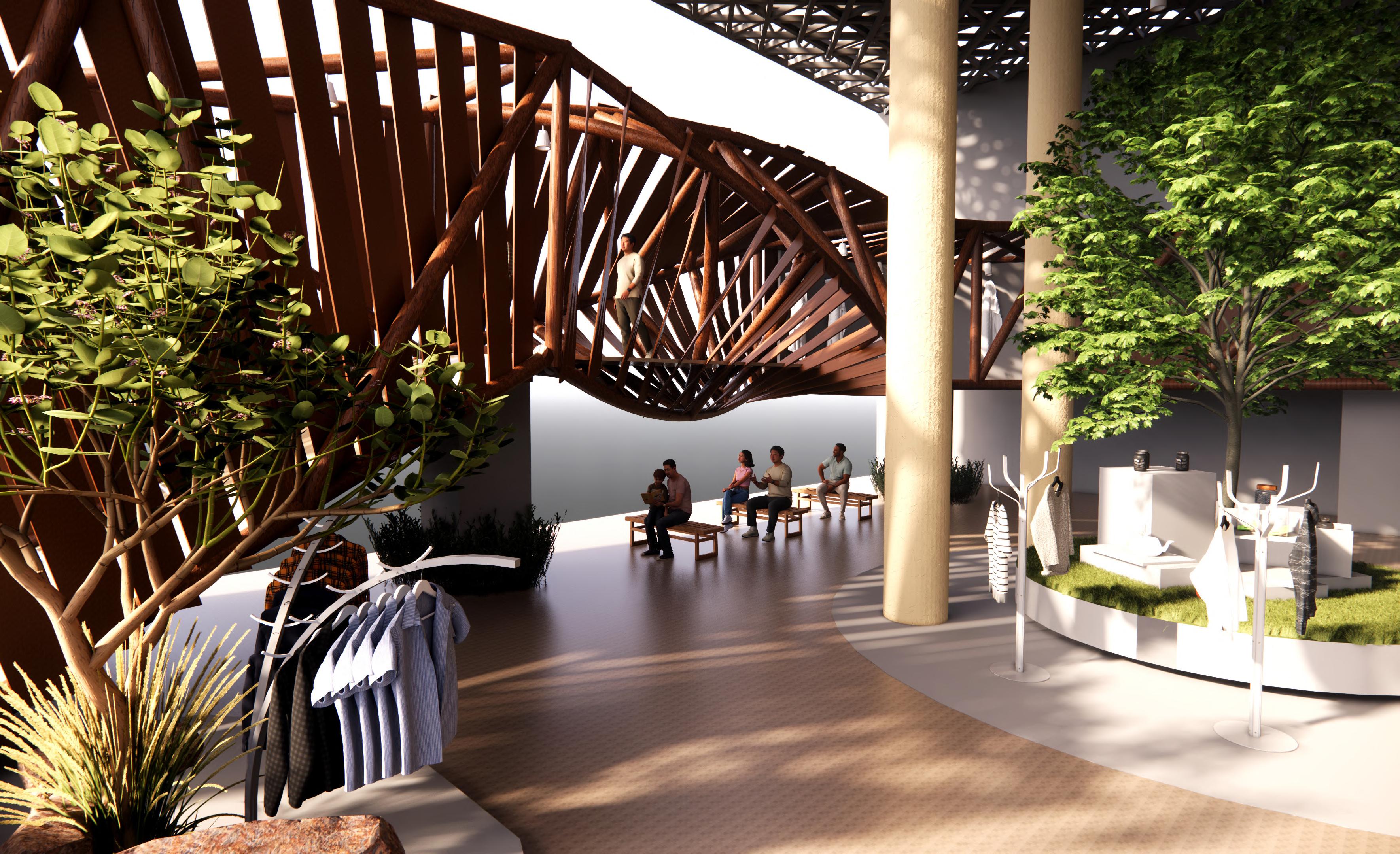
The client’s company started off as an apparel based company but gradually got transformed into a mission driven enterprise, which is to implement solutions against environmental crises. The expo will exhibit viable and sustainable ideas, opportunities for local workers to work as extra staff & other feasible employment areas, which will develop a sense of empathy and awareness among the visitors and will break the usual notion of the term “eco-friendly”
Goal
Through this exhibition we as designers want to spread awareness about the real essence of sustainability in a holistic manner. This is a platform promoting sustainable form of living, spreading the term eco-friendly through trading, specialised schemes/services polices and opportunities.
Program requirement


Display Resources

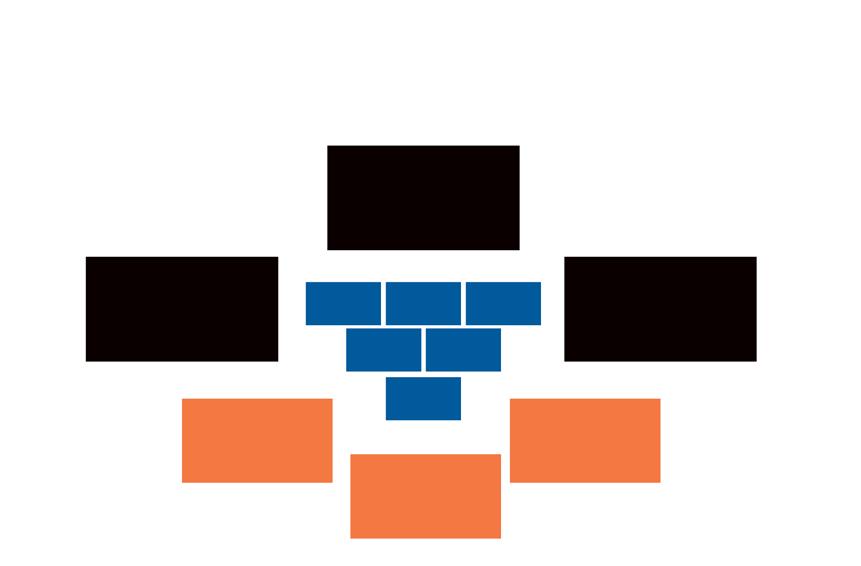

There are several products/resources that will be displayed, such as the brand practice regenerative rganic farming to produce grains, seeds, beansm bars, spices. They also produce clothes which are termed in different categories for men and women to the bestellers. They organise various events to generate awareness on our planet by activism stories, trending topics, etc.
Concept Development
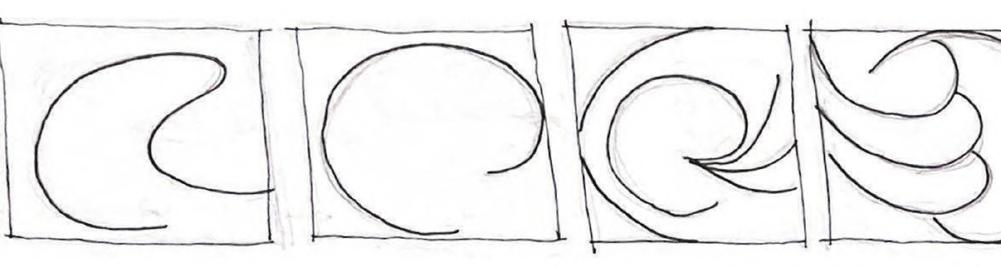
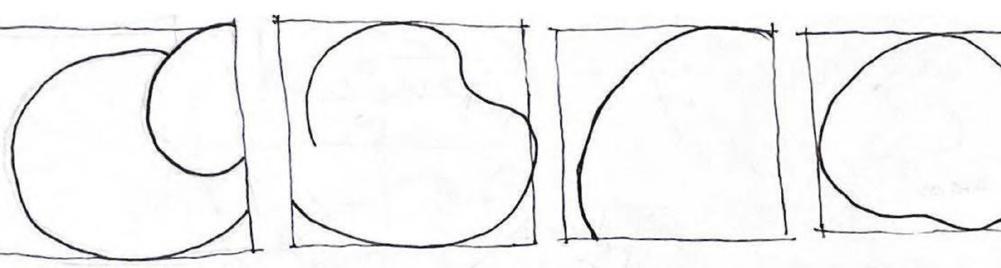
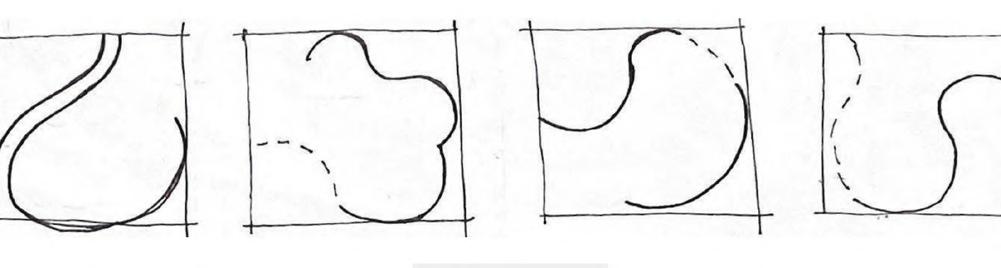
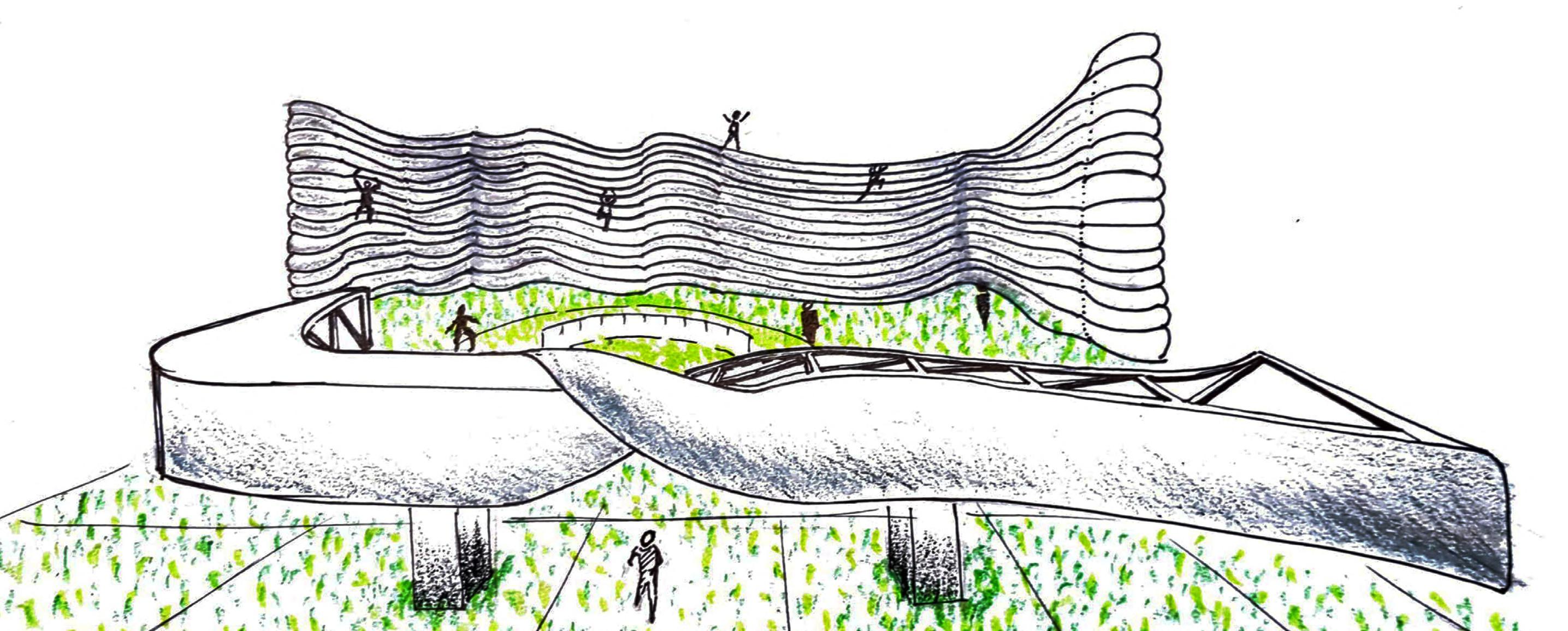
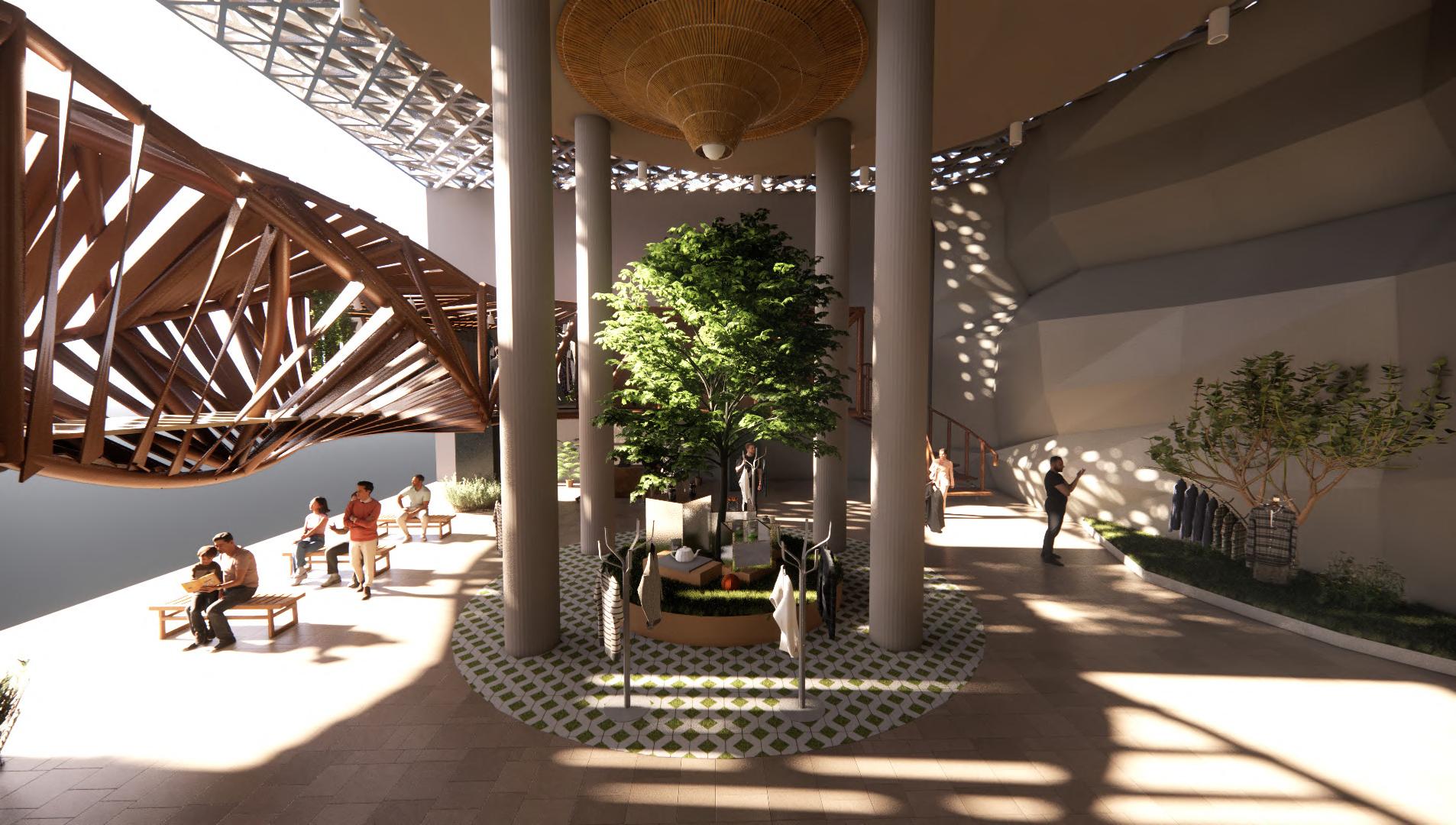
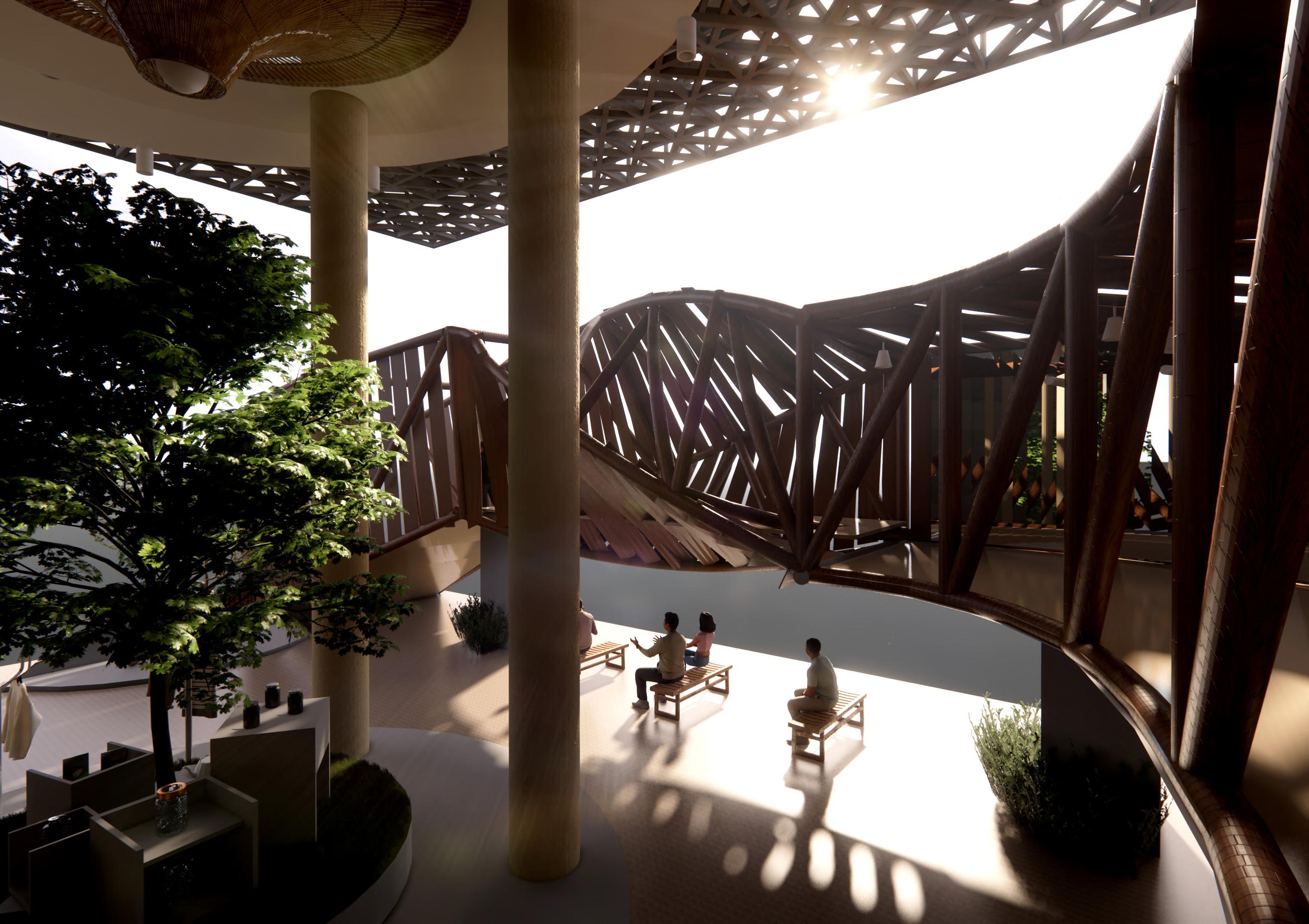
Based on company’s mission driven approach we started on creating form that creates a journey for the user. These forms are curvilinear in shape which demonstrates the longitivity of the product and far sighted approach towards our future generations.
Space Planning
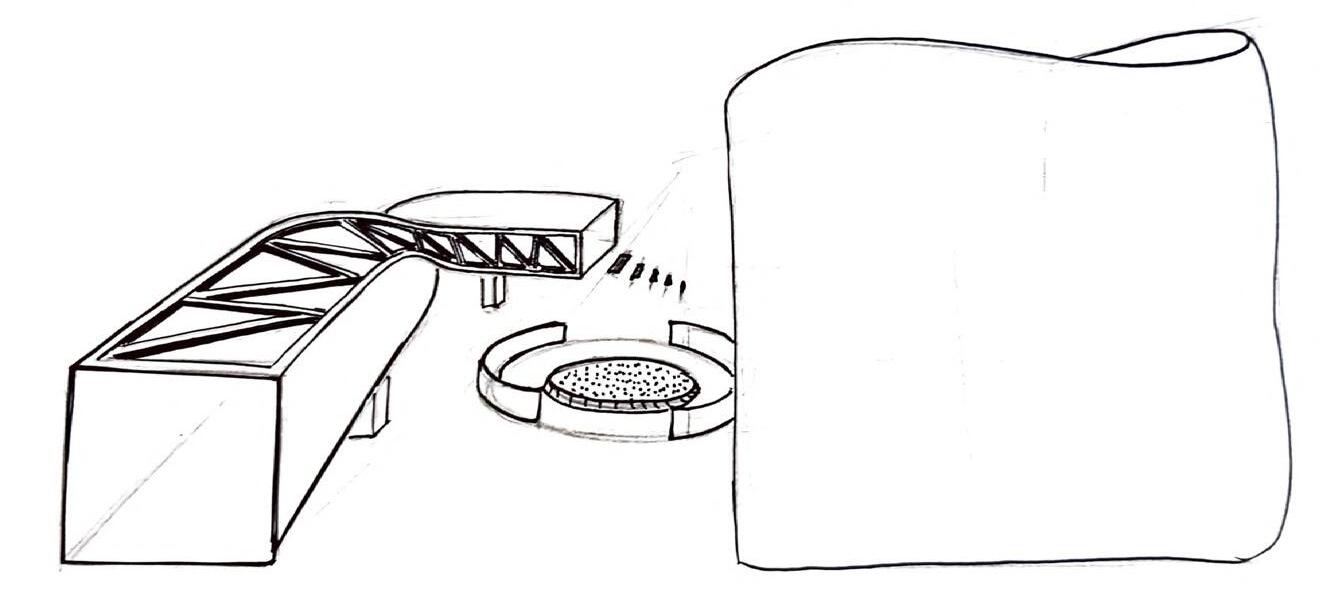
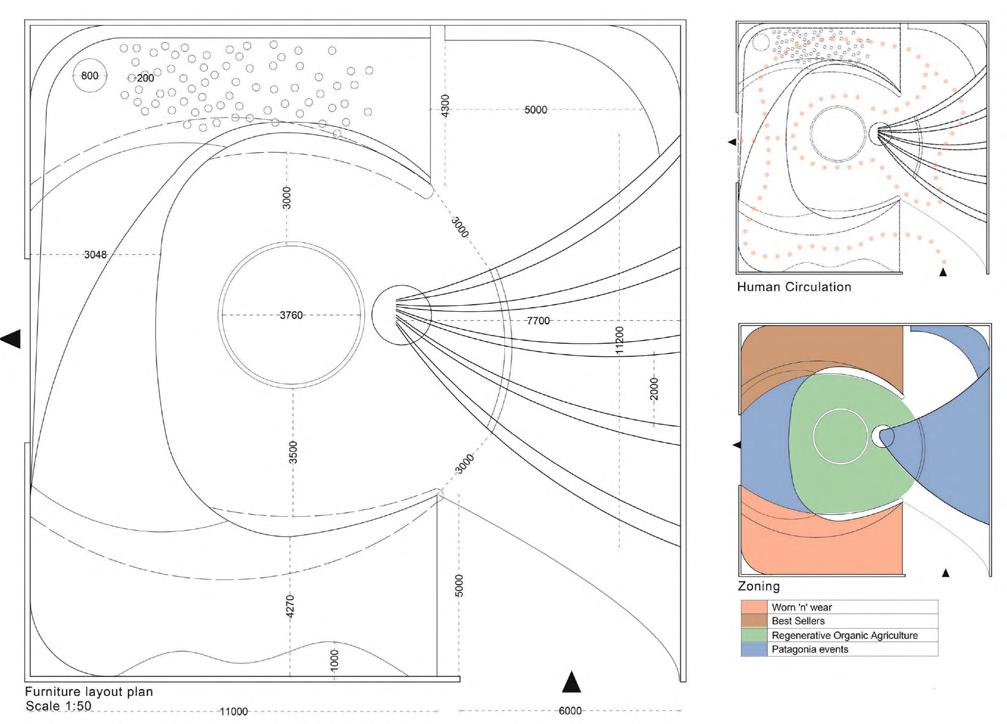
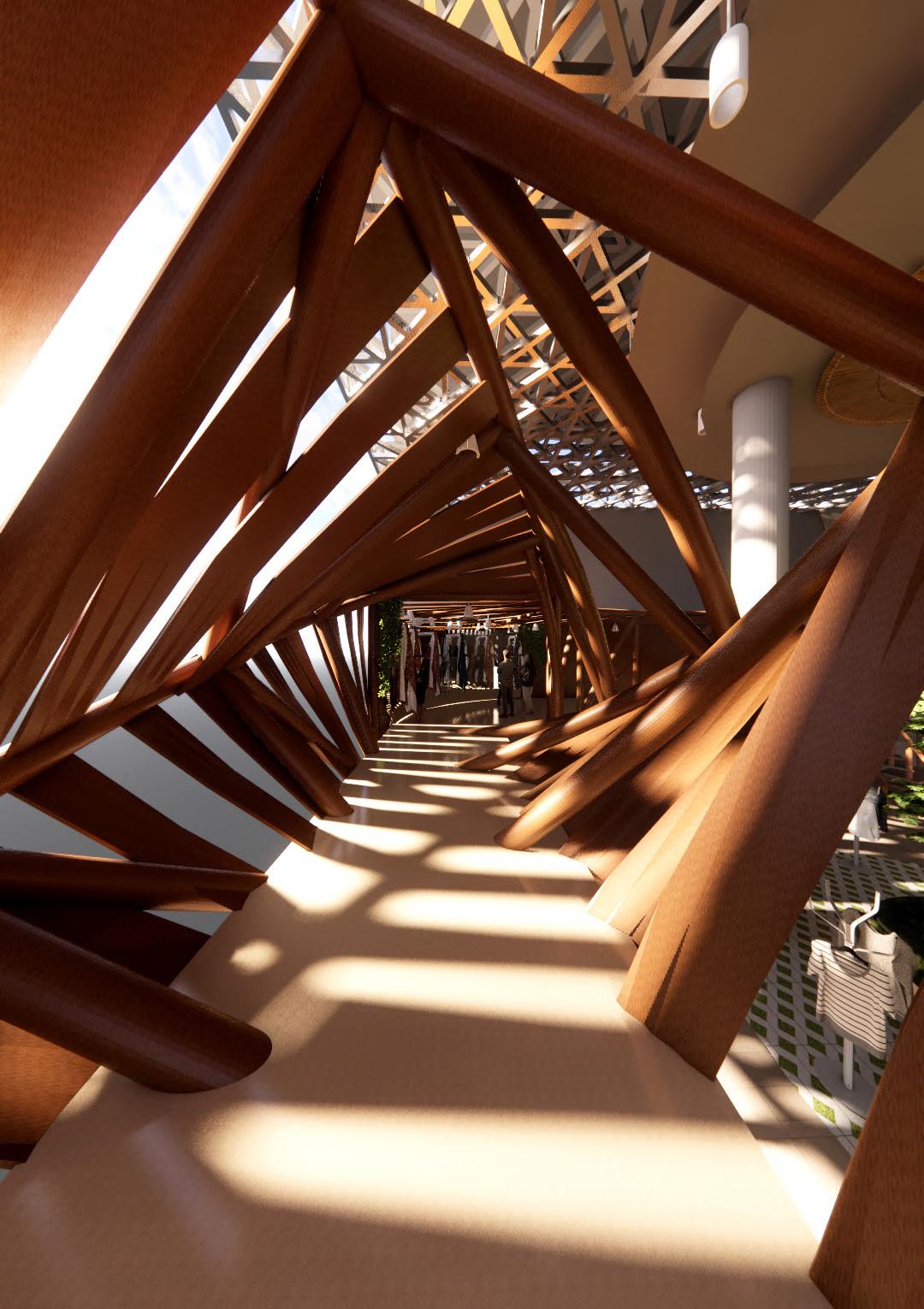
The space planning is done in different segments to maximize the activity zones and minimize the clutter during high footfall. A twisted curvilinear cuboid has been introduced which symbolizes an idea in the space, that the jounrey is greater than the destinaton. Through this form the jounrey of the user starts, where the story of brand is displayed and the centre part of the space is the wide array of display products.
FOOD Regenerative Organic Farming Worn ‘N’ Wear
on trending
CLOTHES DISPLAY EVENTS
Activism Stories
topics
Kit of Parts Lighting Design
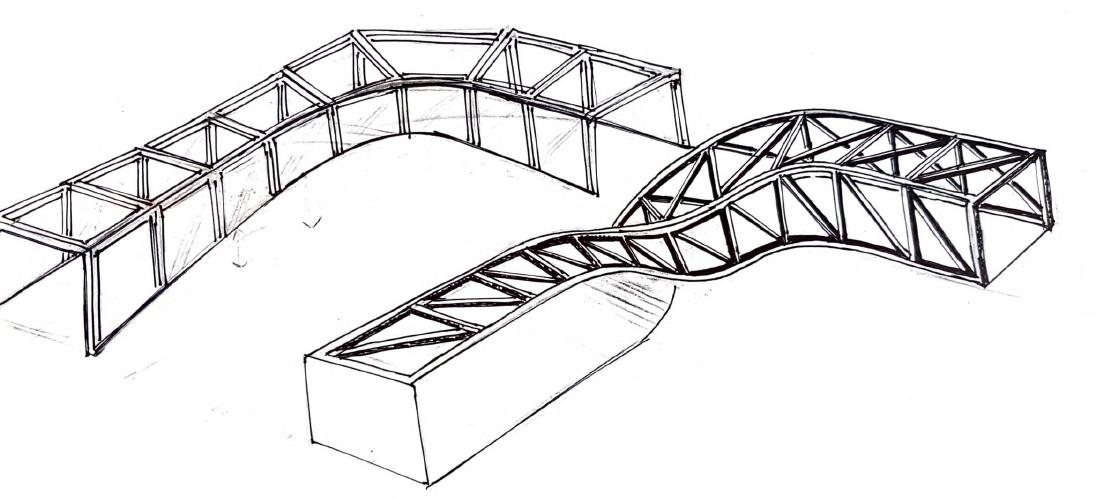
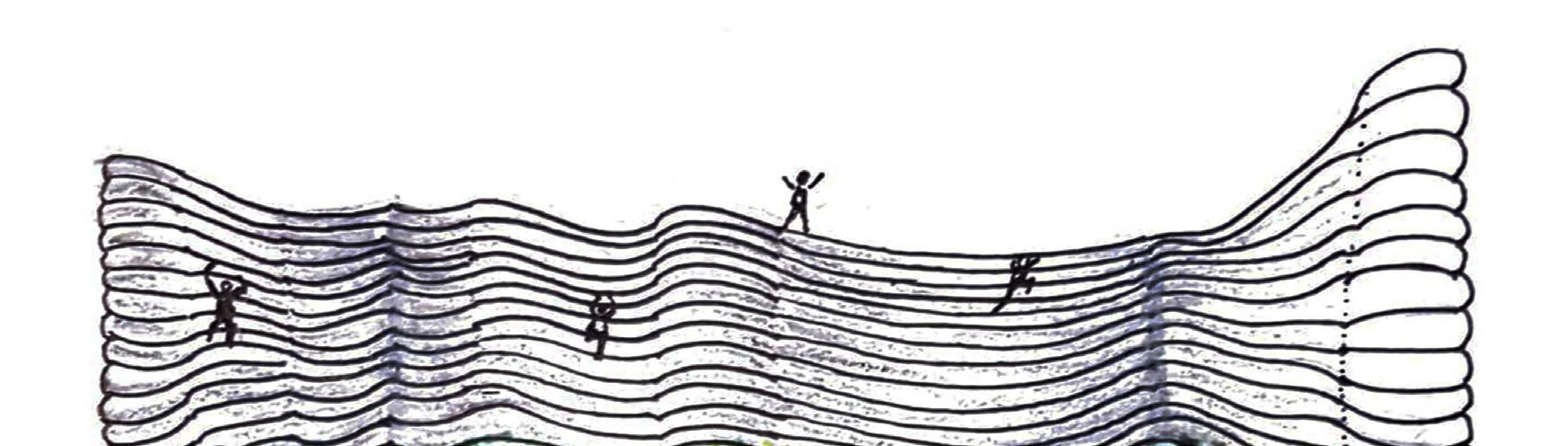
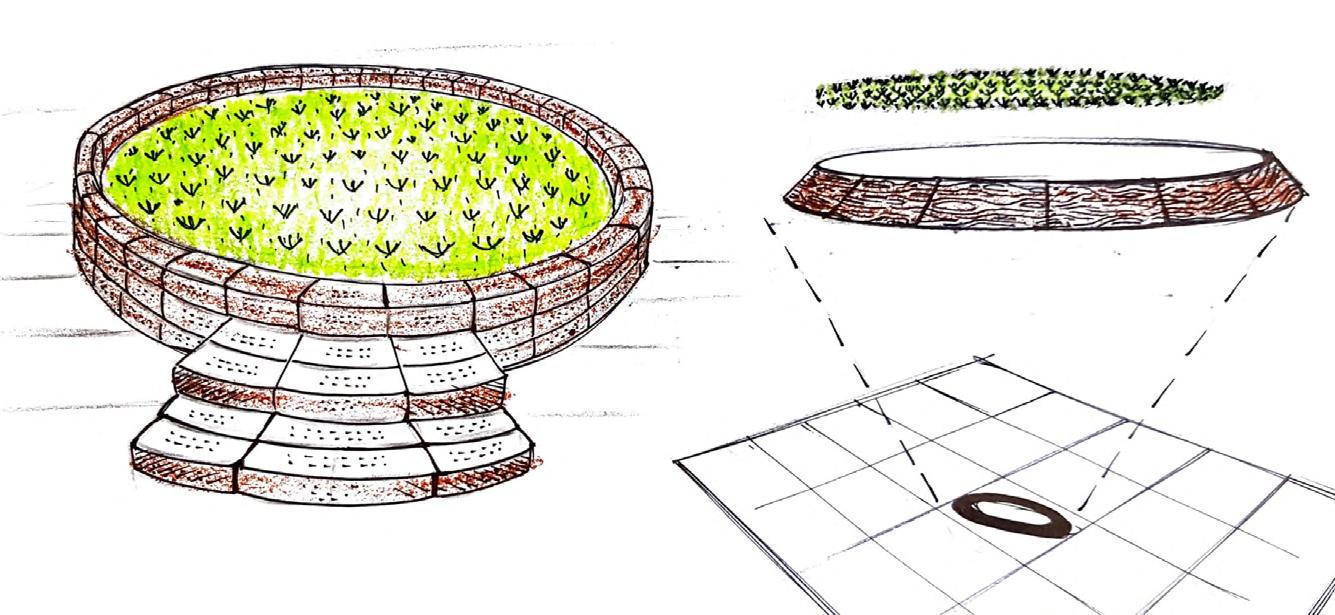
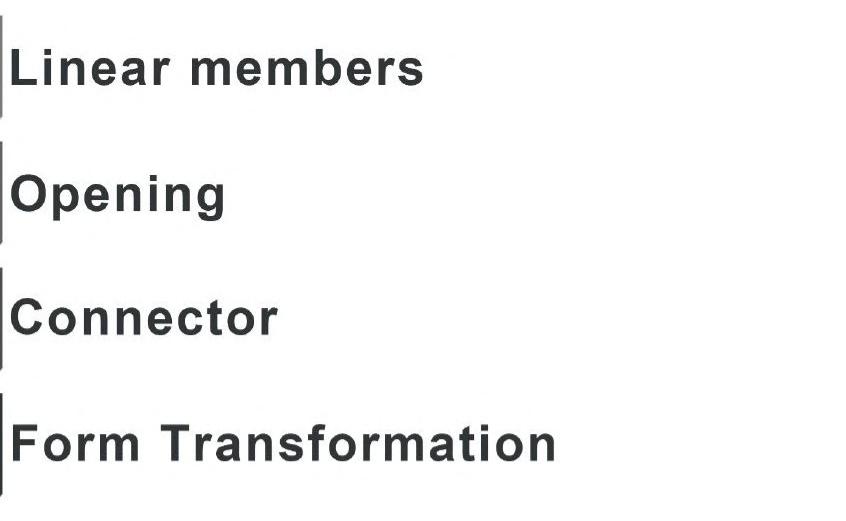
There are several designing techniques which has been used here to generate a unique approach which relates to the conept. These are level modulation, flexible plane, horizontal plane, multifucntion vertical plane, linear members, opening, connector and form transformation. Combining them all, we have a collection of methodologies which are then induced in the space.
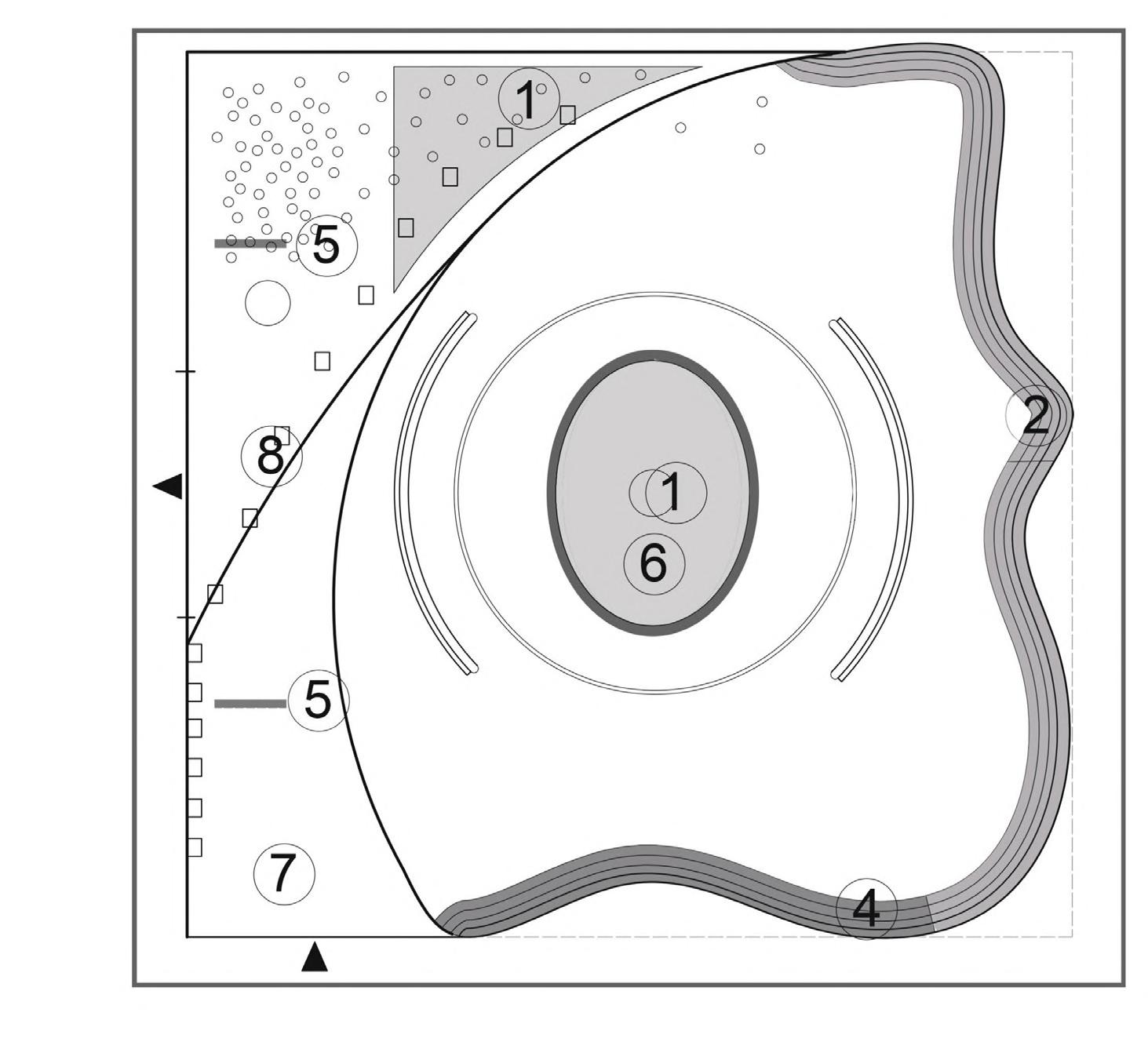


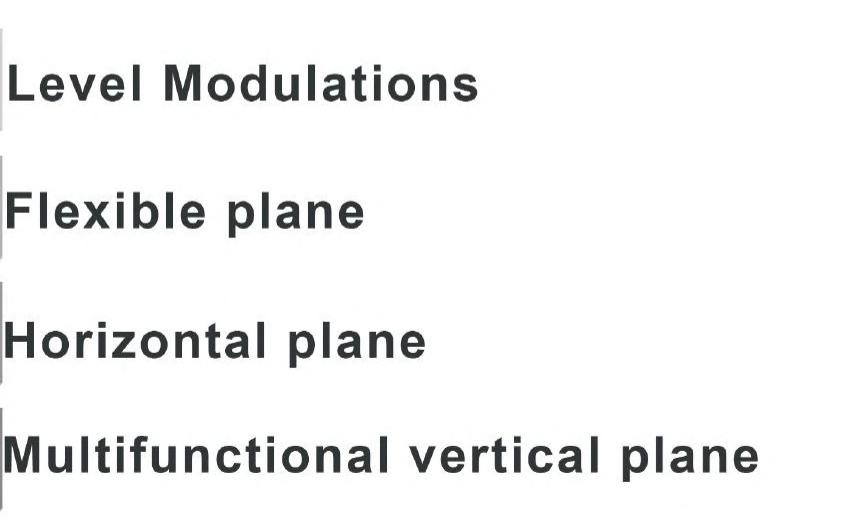
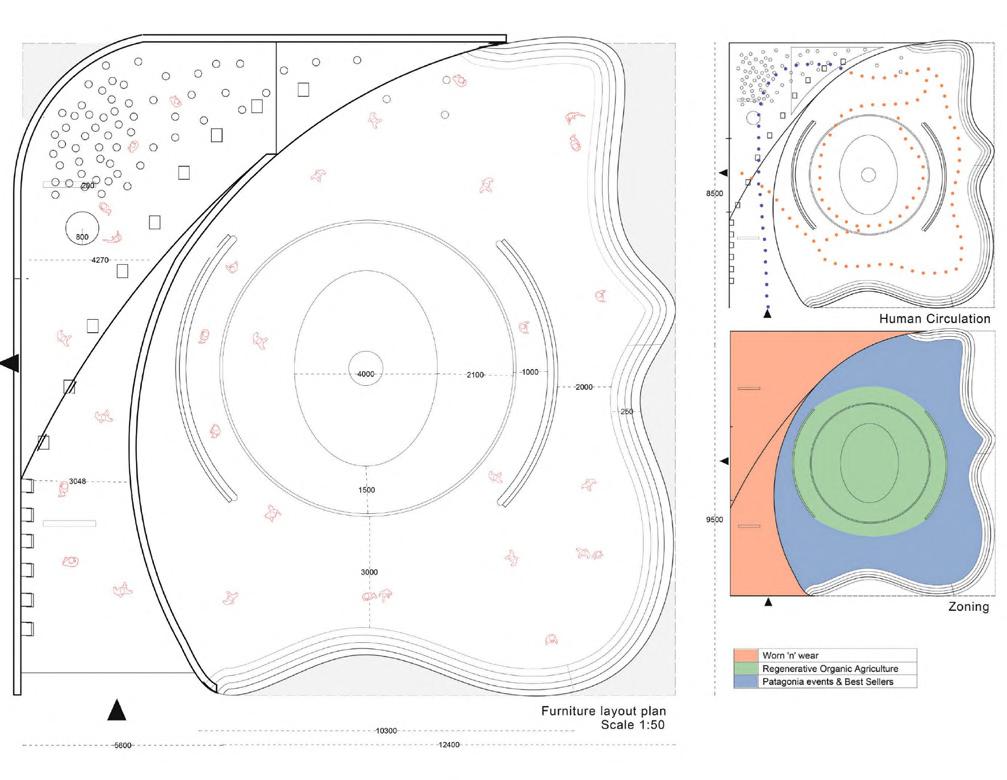
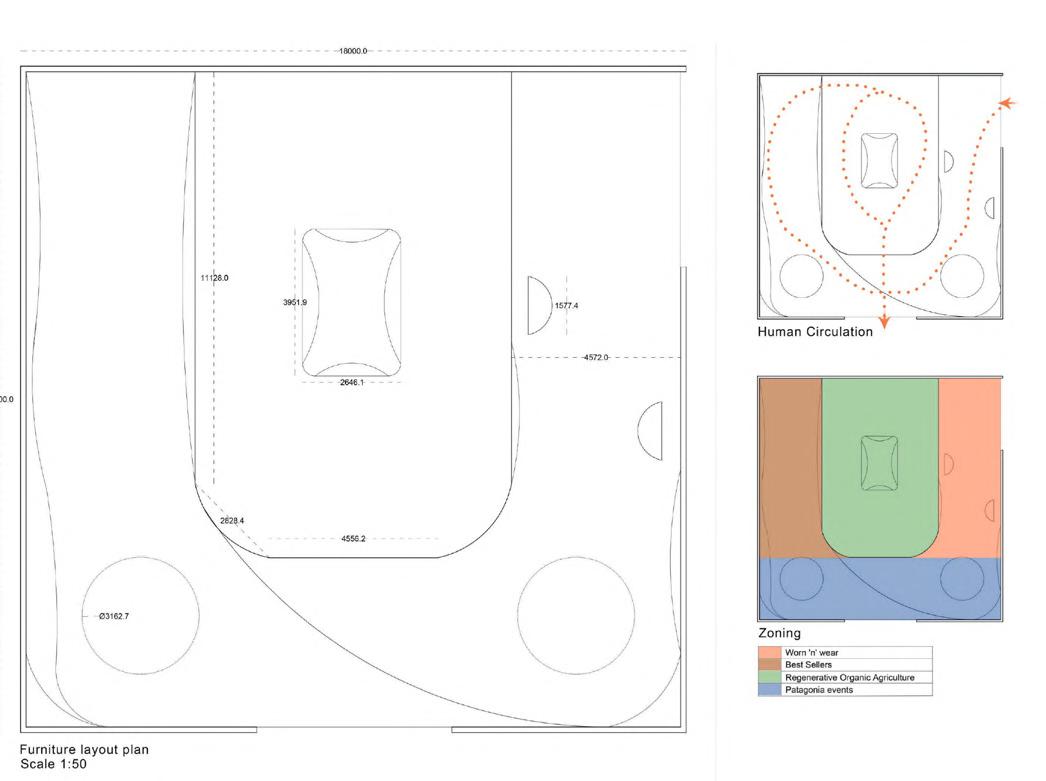
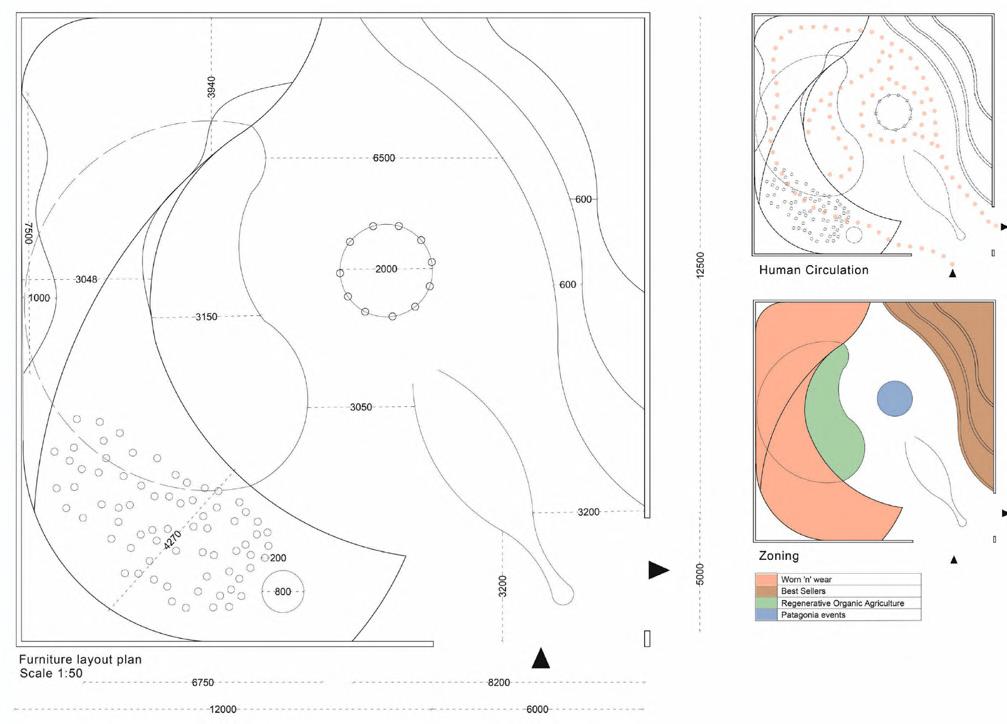
After applying kit of parts we have started placing the activities/functions into the space and made several layouts which can work best in terms of display, the visual merchandising and the user journey in the space. This process helped us to explore various possibilities to arrange, add or remove segments in space.
Here we have used different layers of lighting which starts from the tunnel to the central space. The layer 1 targets especially on the entarnce and all the way through the tunnel, using hanging lights mainly for the walkway. Layer 2 is used to focus more on the circulation path and Layer 3 for central display.
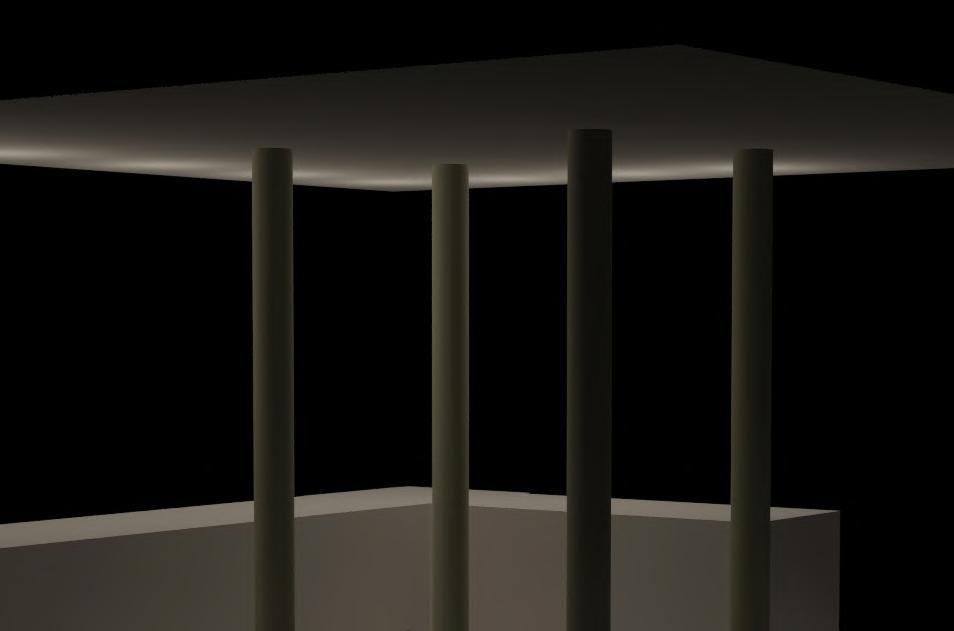
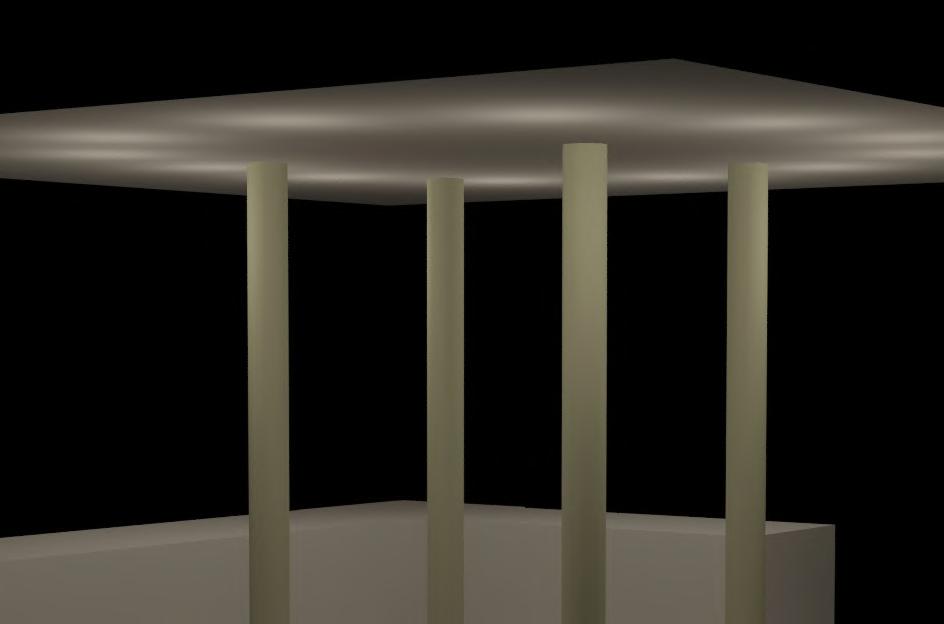
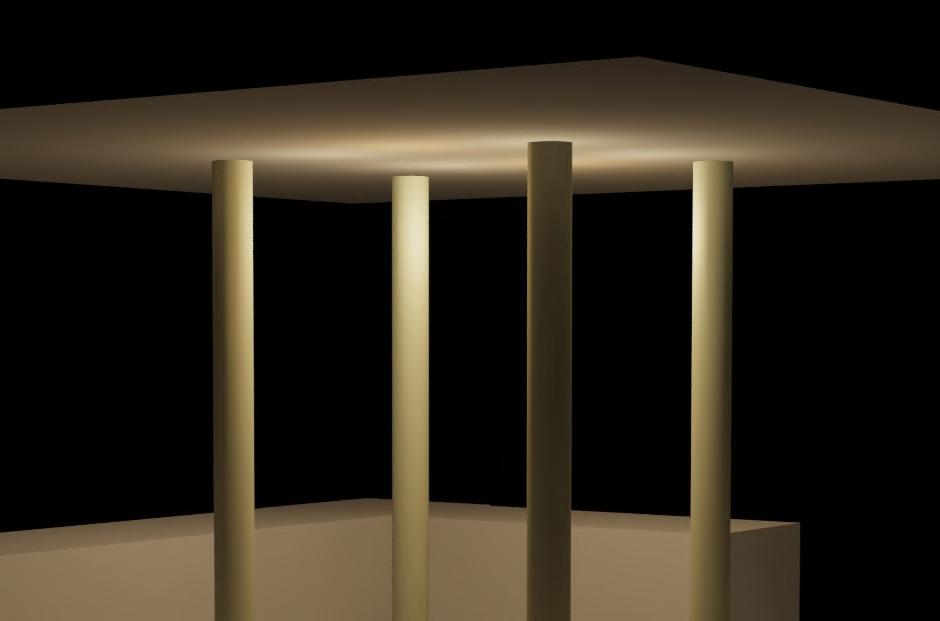
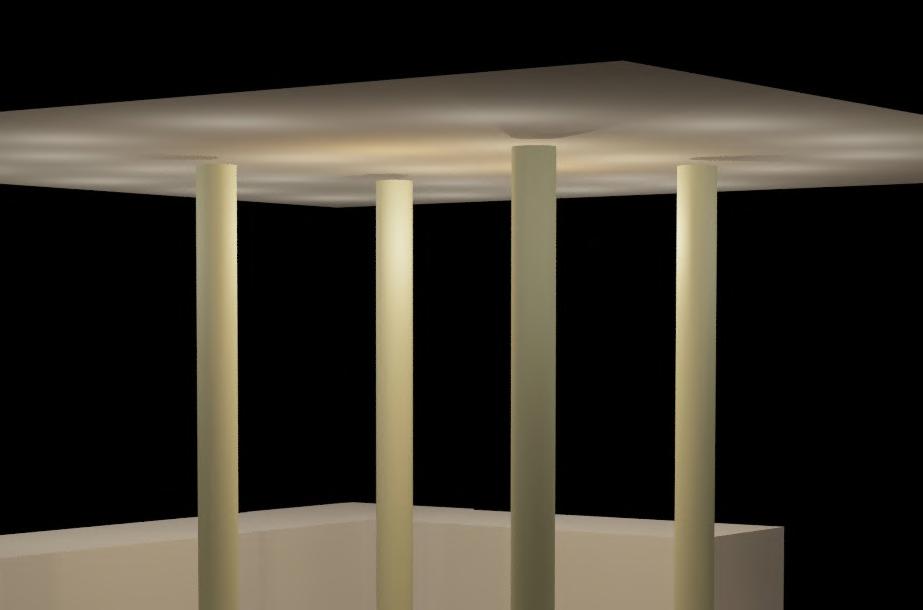
As per the carpet area of the retail expo we calculated the number of Lumens to be used in this area and divided the number of lights in three different layers. We have included all the types of light sources like, ceiling light point, wall point, hanging lights, wall scones, floor light point etc. to emphasize specific areas
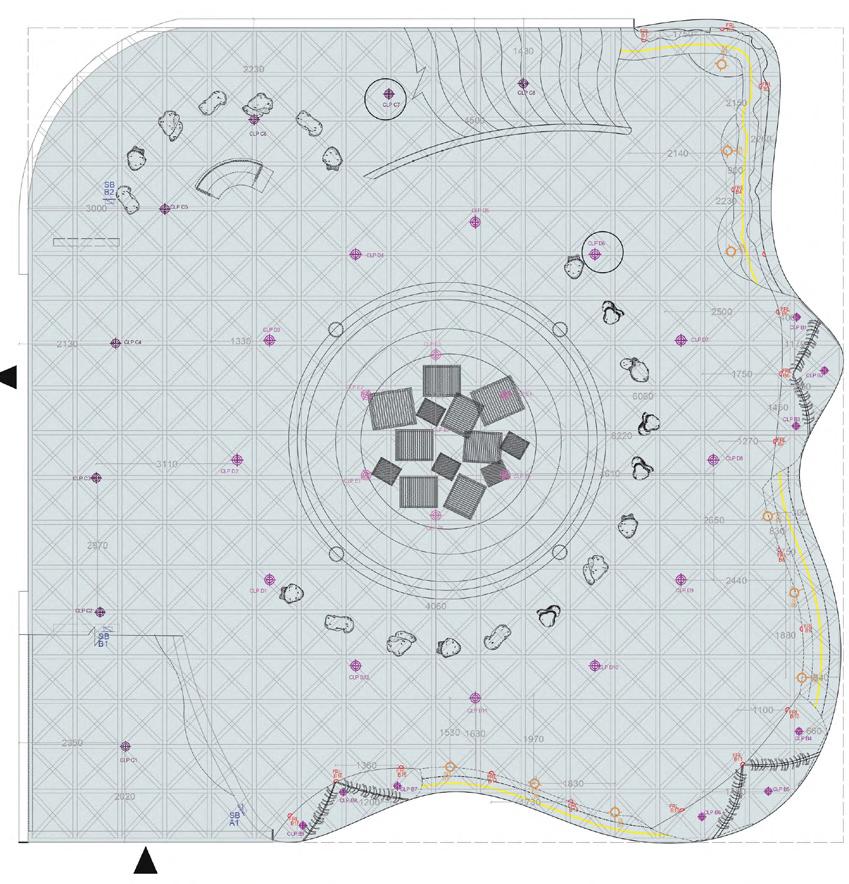
S.NO AREA NO.OF LIGHTS LUMENS TEMP.(k) BEAM ANGLE MODEL NO. tunnel 8 3702 5000 36 LE02-521-XXX-65-XX (o) SYMBOL 1 DIMENSIONS(MM) d=185 h=197 tunnel (I) 10 4000 4000 60 RS271B LED40 TYPE CLP 2 d=195 h=209 CLP 3 tunnel (d) 7 890 3000 12 WACP201409 d=55 w=90 h=160 FP central space 6 6860 4000 36 LE02-821-XXX-57-OP d=200 h=209 CLP 4 5 circulation path 12 3430 5000 36 LE02-441-XXX-57-OP d=145 h=170 CLP 6 curve display(a) 4 2650 3000 12 FLEXION LED STRIP l=18542 PL curve display(b) 9 165 6500 7 12 D910365 d=42 h=24 SL 8 curve display(C) 9 2080 2080 24 LD57-251-036-40-XX W=140 h=100 SL 9 curve display(d) 18 110 2700 60 ER57 d=28 FRL S.NO AREA NO.OF LIGHTS LUMENS TEMP.(k) BEAM ANGLE MODEL NO. tunnel 8 3702 5000 36 LE02-521-XXX-65-XX (o) SYMBOL 1 DIMENSIONS(MM) d=185 h=197 tunnel (I) 10 4000 4000 60 RS271B LED40 TYPE CLP 2 d=195 h=209 CLP 3 tunnel (d) 890 3000 12 WACP201409 d=55 w=90 h=160 FP central space 6 6860 4000 36 LE02-821-XXX-57-OP d=200 h=209 CLP 4 5 circulation path 12 3430 5000 36 LE02-441-XXX-57-OP d=145 h=170 CLP 6 curve display(a) 4 2650 3000 12 FLEXION LED STRIP l=18542 PL curve display(b) 9 165 6500 7 12 D910365 d=42 h=24 SL 8 curve display(C) 9 2080 2080 24 LD57-251-036-40-XX W=140 h=100 SL 9 curve display(d) 18 110 2700 60 ER57 d=28 FRL S.NO AREA NO.OF LIGHTS LUMENS TEMP.(k) BEAM ANGLE MODEL NO. tunnel 8 3702 5000 36 LE02-521-XXX-65-XX (o) SYMBOL 1 DIMENSIONS(MM) d=185 h=197 tunnel (I) 10 4000 4000 60 RS271B LED40 TYPE CLP 2 d=195 ; h=209 CLP 3 tunnel (d) 7 890 3000 12 WACP201409 d=55 w=90 h=160 FP central space 6 6860 4000 36 LE02-821-XXX-57-OP d=200 h=209 CLP 4 5 circulation path 12 3430 5000 36 LE02-441-XXX-57-OP d=145 h=170 CLP 6 curve display(a) 4 2650 3000 12 FLEXION LED STRIP l=18542 PL curve display(b) 9 165 6500 7 12 D910365 d=42 h=24 SL 8 curve display(C) 9 2080 2080 24 LD57-251-036-40-XX W=140 h=100 SL 9 curve display(d) 18 110 2700 60 ER57 d=28 FRL
Space) Ceiling Light Points Wall Light Points False Ceiling Grid Layout 1 Layout 3 Layout 2 Layout 4 Layer 2-3 - 3000K + 5000K (Central Area)
2 - 5000K (Circulation Path)
Layer 1 - 4000K (Tunnel) Layer 3 - 3000K (Central
Layer
Cardboard Model Design Documentation
In order to analyse the practicality of the form and circulation movement we created a rough cardboard model and made a digital illustration to merge the ideas and zones with the model. This is a hybrid technique to conjoin the imagination on an abstract form of cardboard model and digital illustration to provide a glimpse of the space.
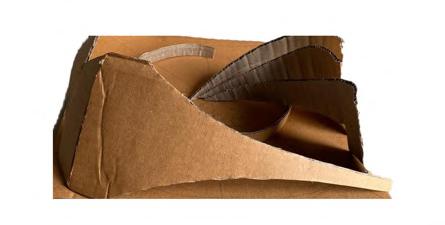
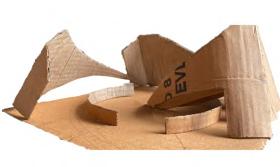
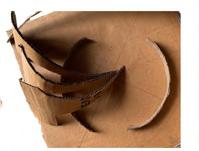
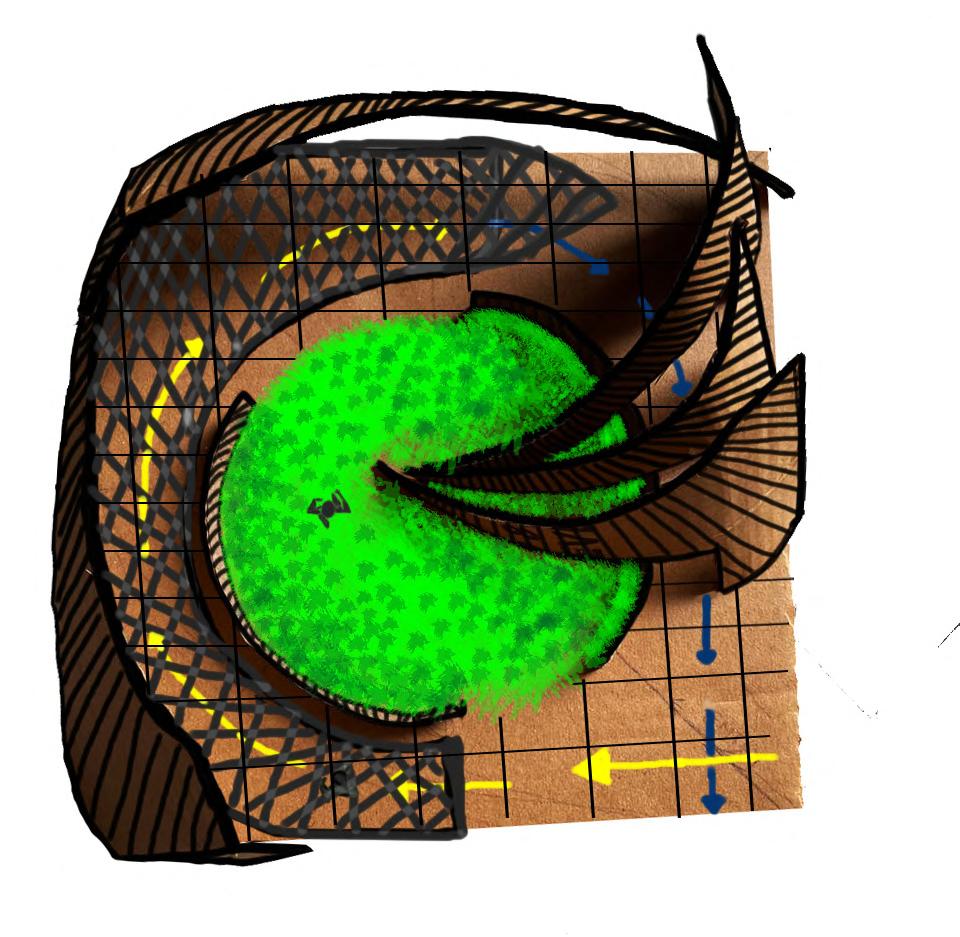
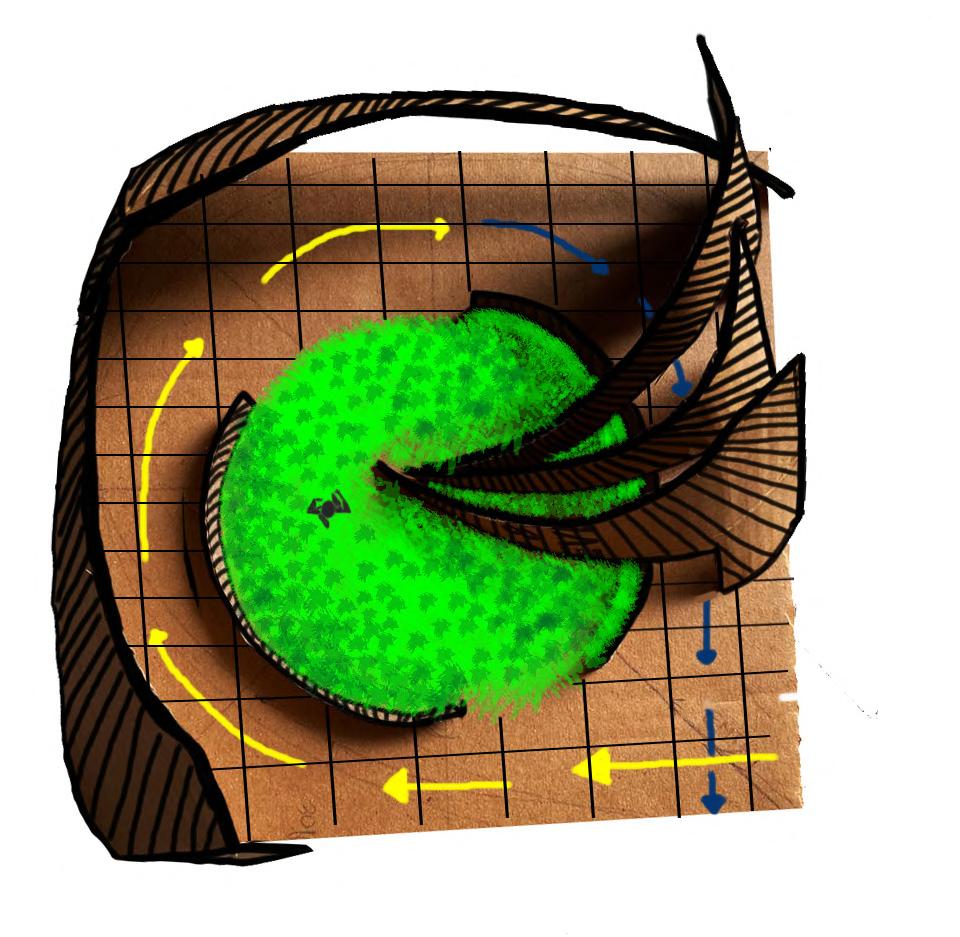
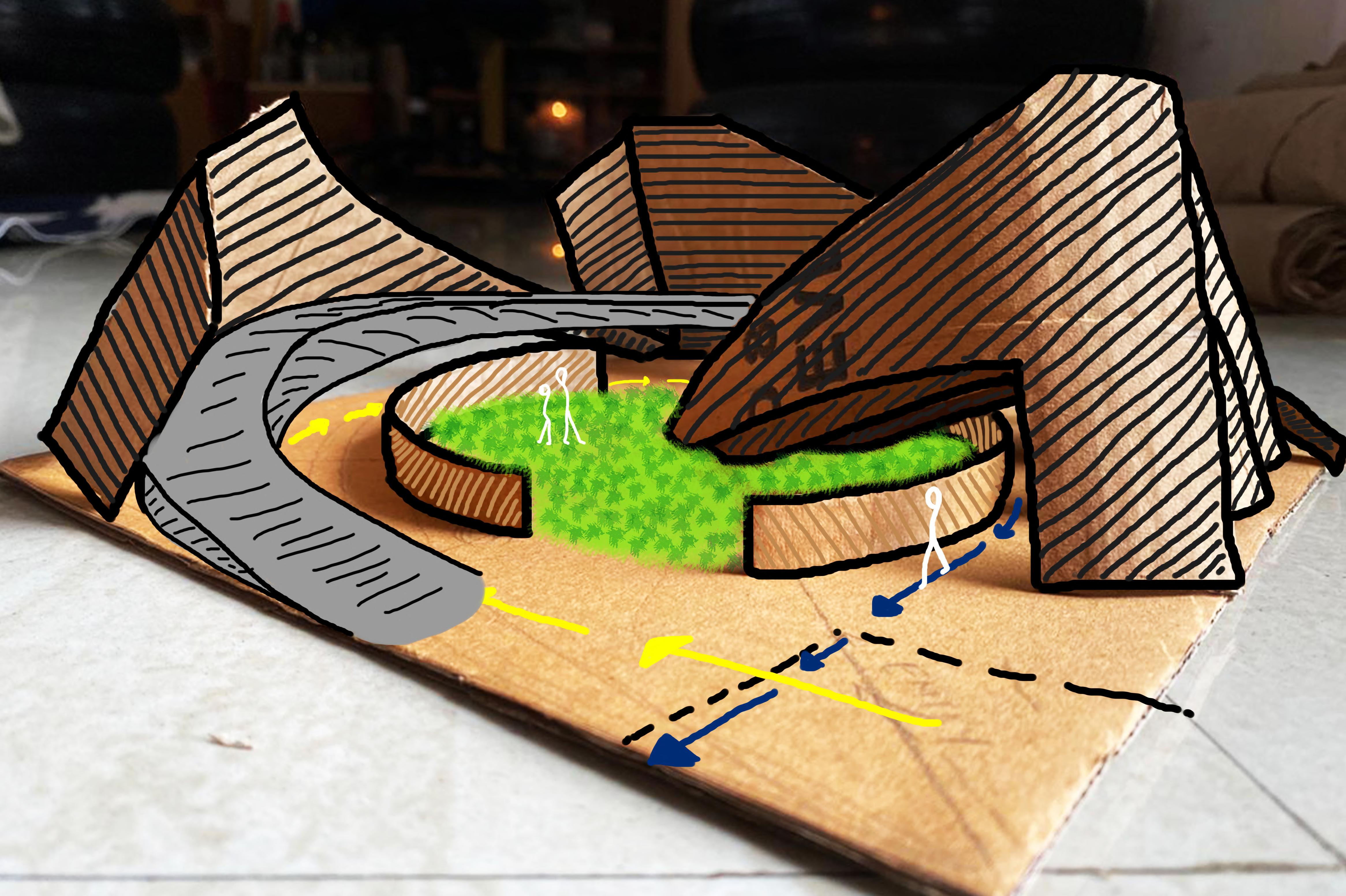
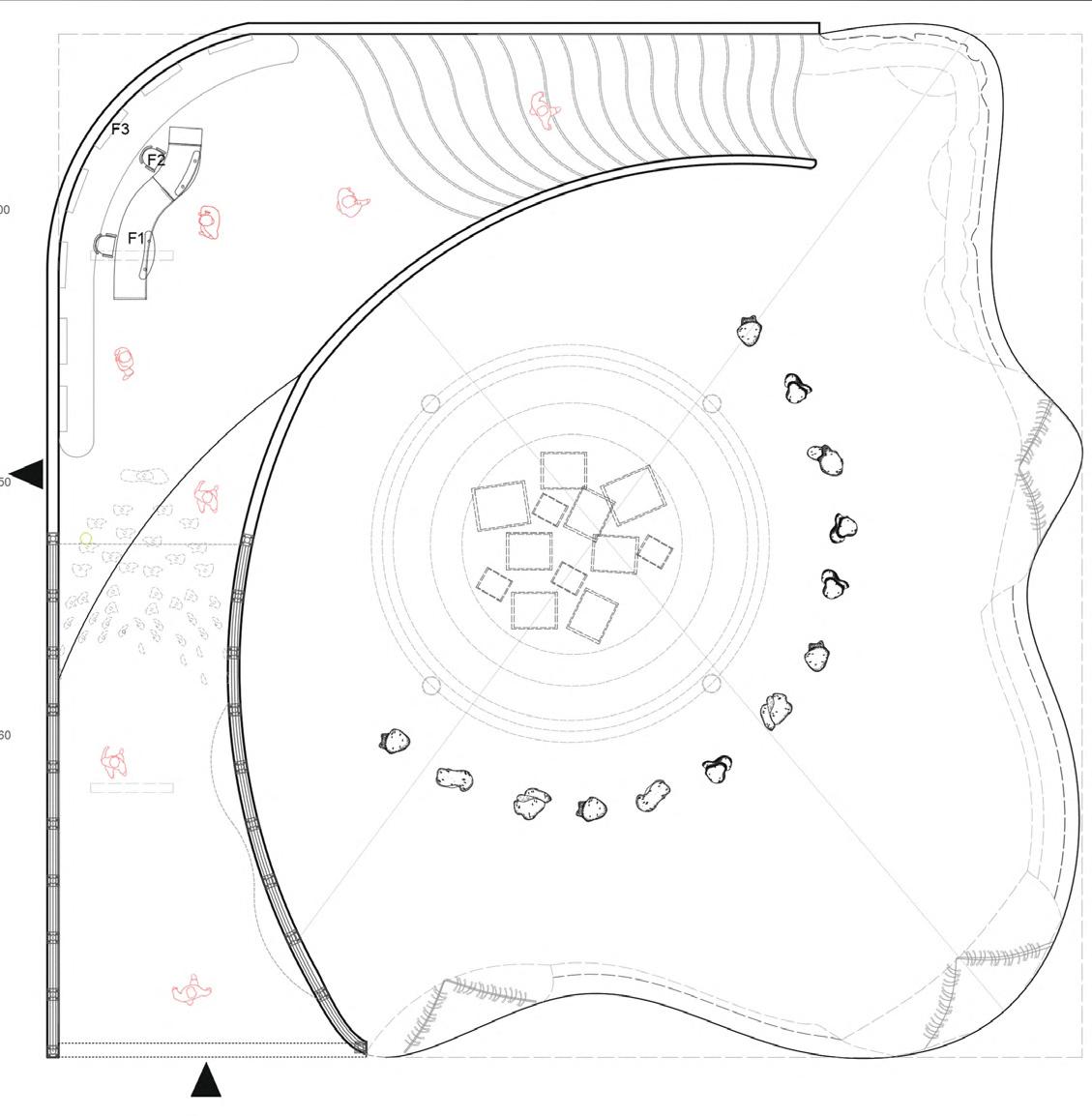
The furniture plan represents the idea and purpose of each zone and the furniture placed on the three major spaces, i.e., tunnel area, central walkway space/circulation path and central display area.
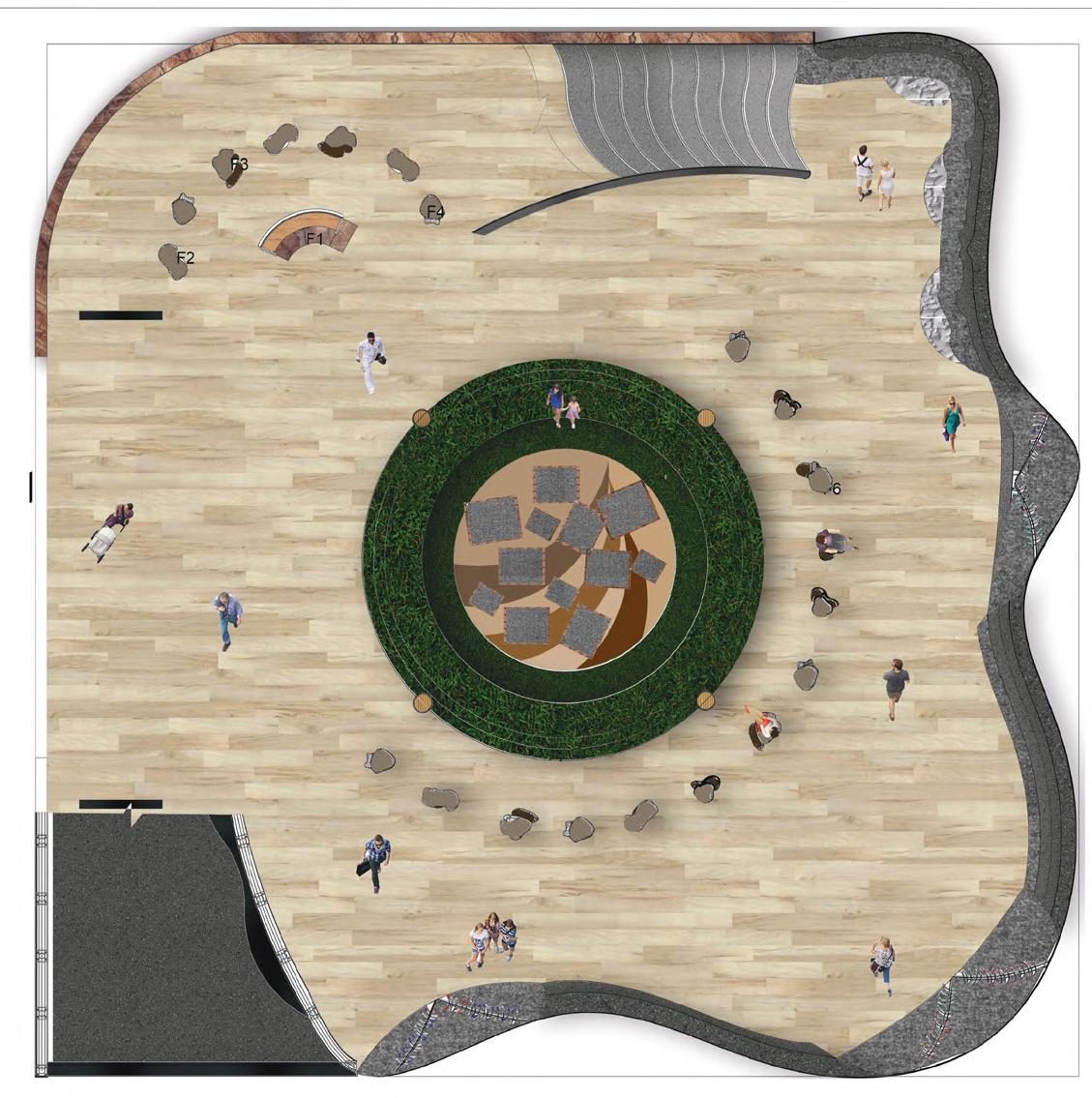
The rendered plan for ground floor showcases the activity pattern, display areas, circulation movement and materials which is mainly stone, wood and concrete throughout the space. The centralised theme encourages a movement within the space.
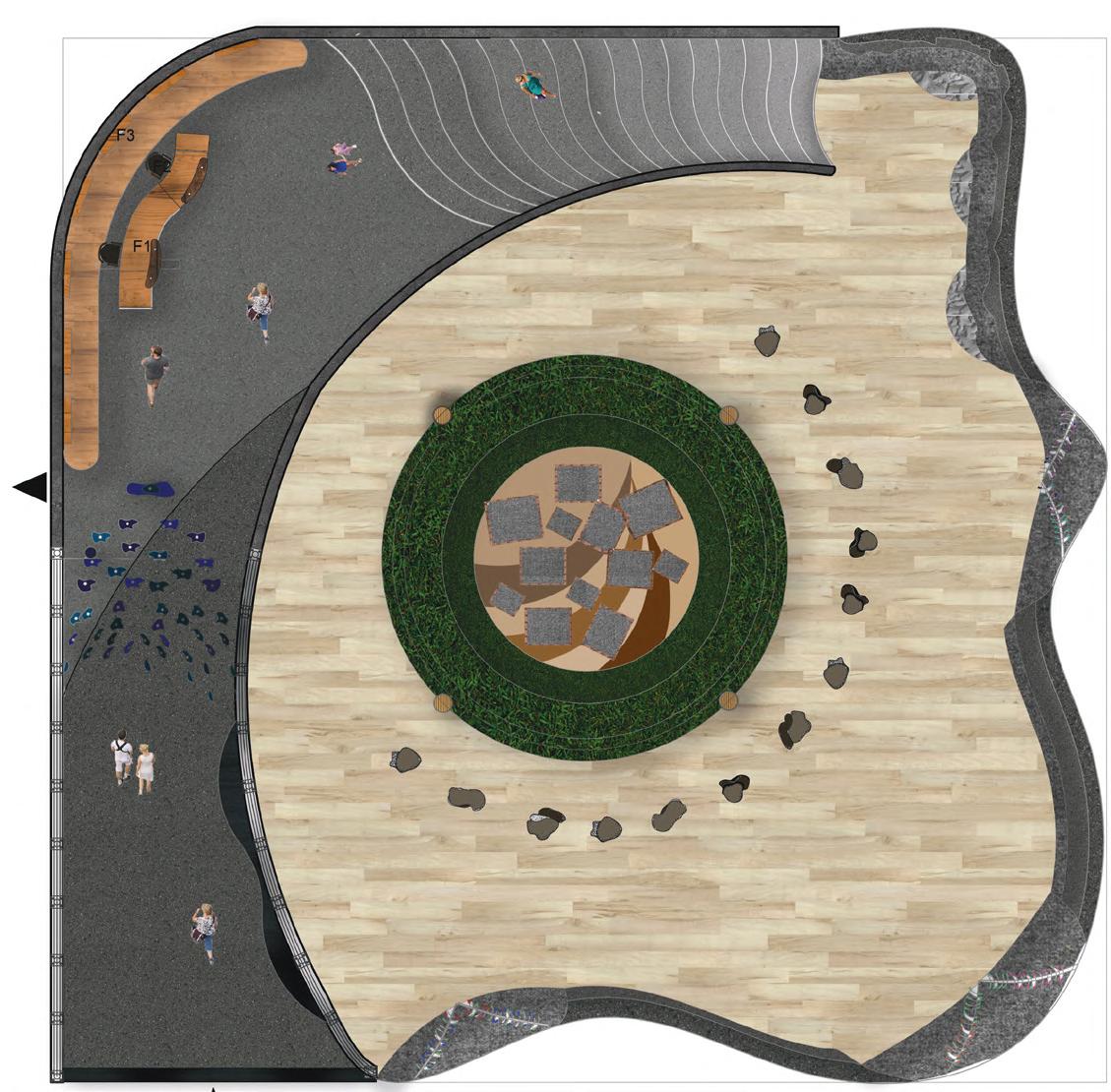
This is the first floor plan which shows he tunnel as well. Here the main entrance is from tunnel and after completing the full circle in the space the user can exit from below the tunnel. The tunnel is made up from locally sourced bamboo and reclaimed woodden pieces to encourage sustainability.
Industry - Hospitality Design Project
Client - Soyal Mountain Resort
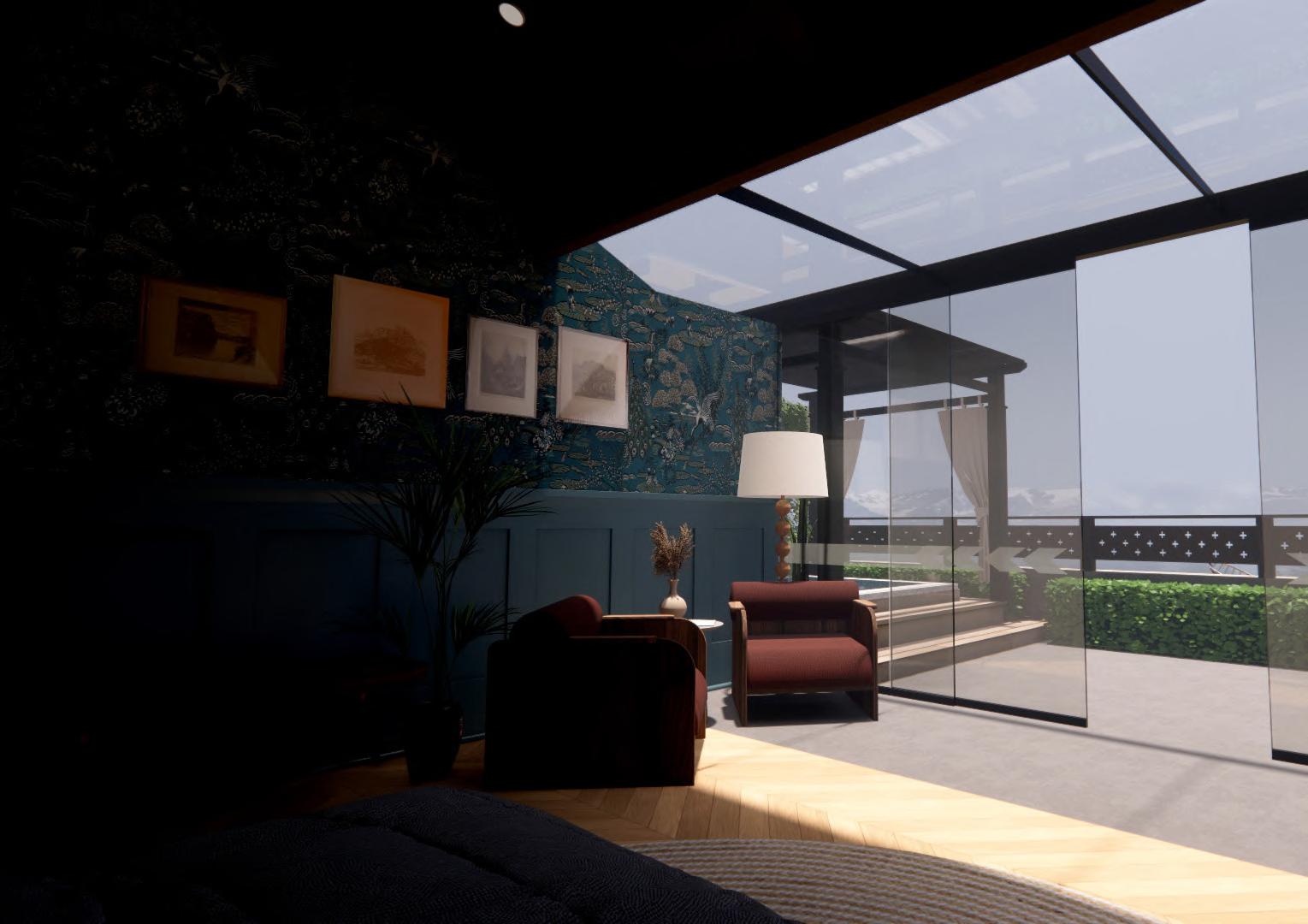
The Soyal Resort is an ongoing hospitality project located in Manali, India. The brief is to design family suite, suite and attic suite rooms in country style and rustic format to suite the needs of tourists coming to visit the mountains.
Softwares - Photoshop, Autocad, Sketchup, Enscape, Indesign
Client brief
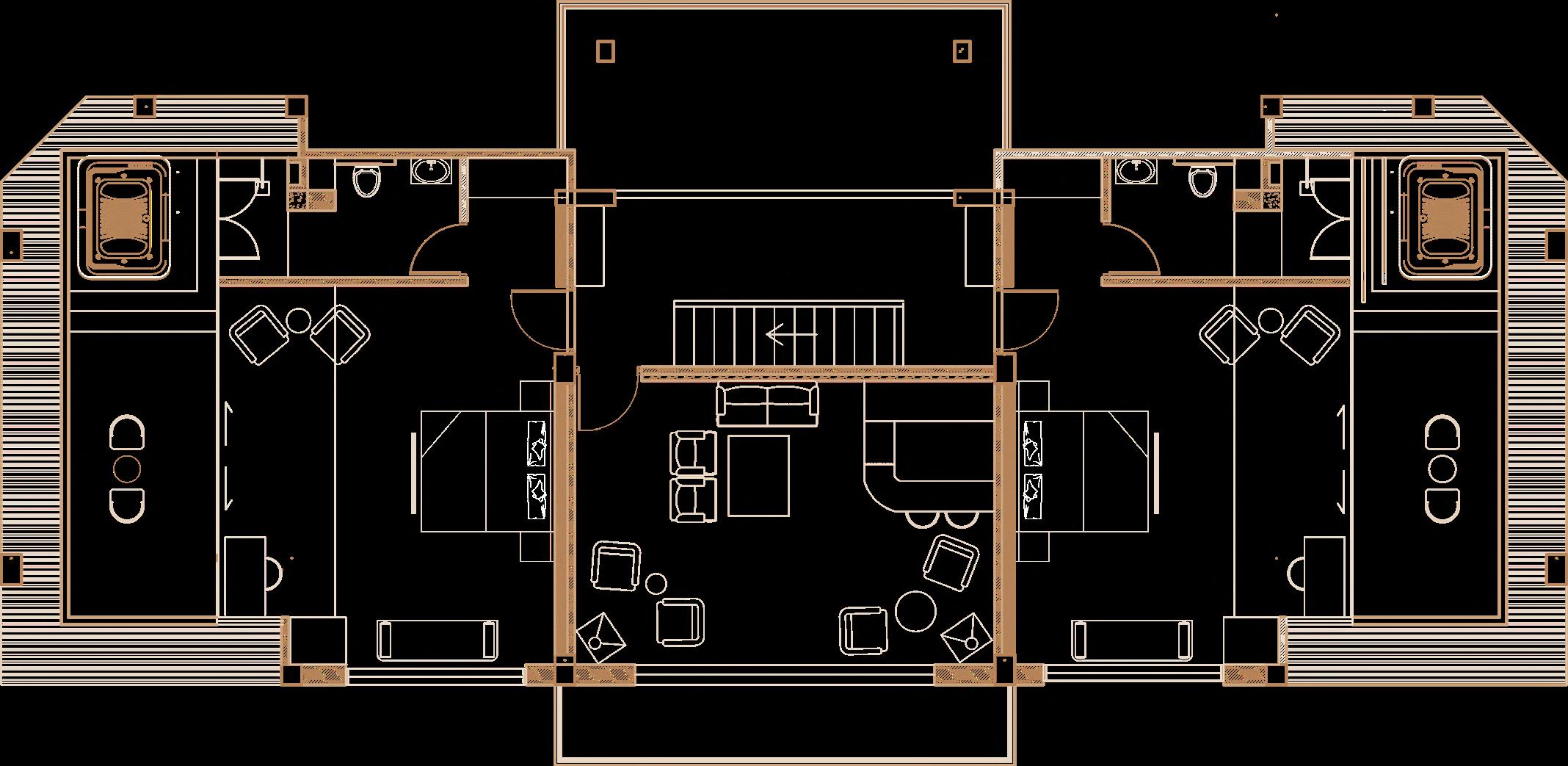
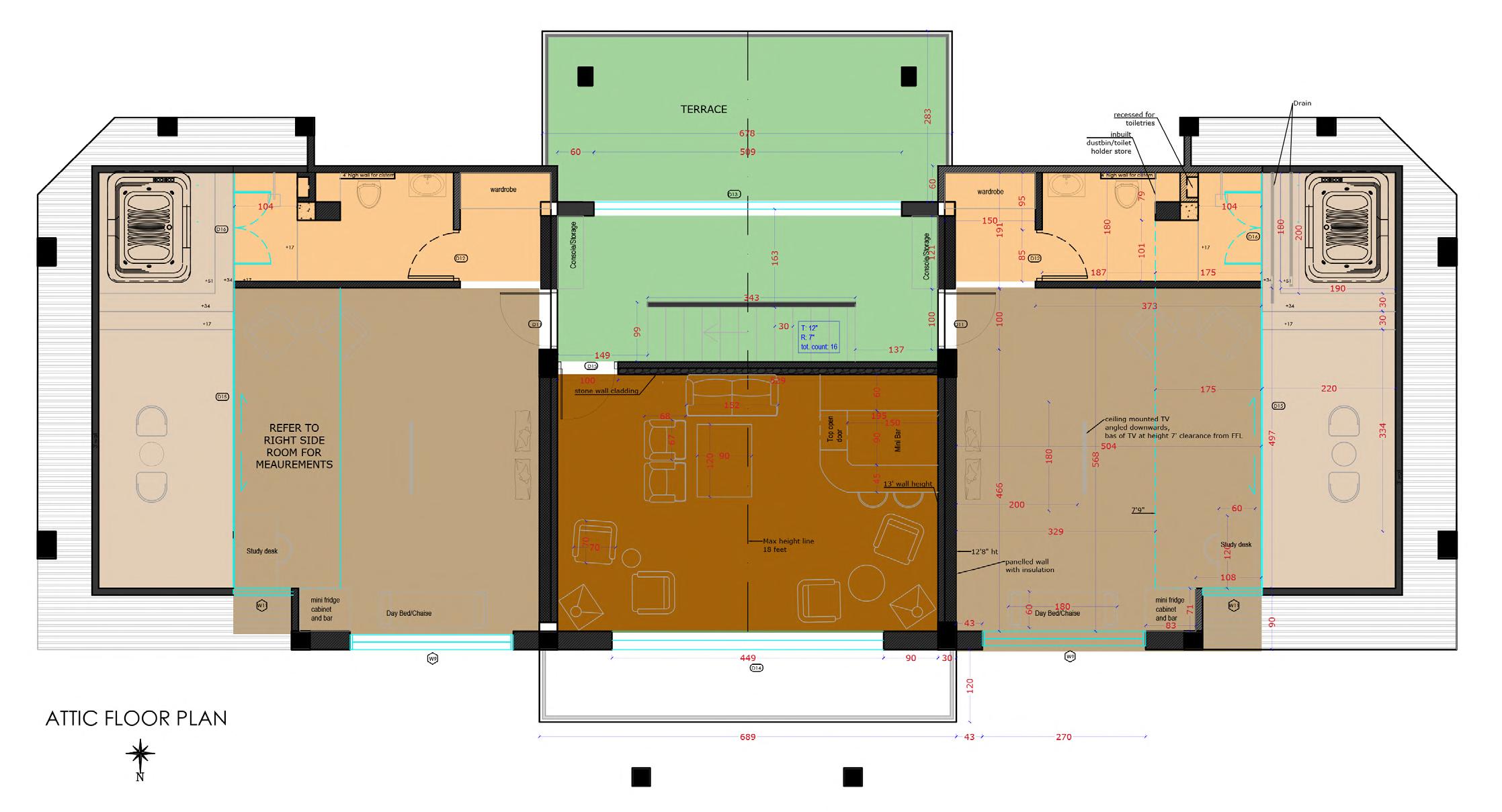
The brief is to design a hospitality space especially targetting the tourism sector coming to visit the mountains. The property is based in, Manali, India, and the client requirement was to design the space for family of four, group of two and individuals as well. The building has two levels on which the ground floor is for reception area, and two bedrooms with attached washroom. On the other hand, the first floor has a lounge area and a terrace in common spaces and two attic room with attached terrace and washroom.
Requirements
The requirement is to design spaces for specific target audience like individual tourist and family group who can be accomodated in the space as a nest with all the basic ameneties, by imbibing the essence of country style interior with a minimalistic approach.
Goal
The goal is to achieve the feeling of home away from home, an experience which can create a long lasting impression on the user’s mind. Using the facilities and mixing it with the spaces to enhance their vacation in a luxurious nest is what we need to achieve.
Concept Development Material Selection
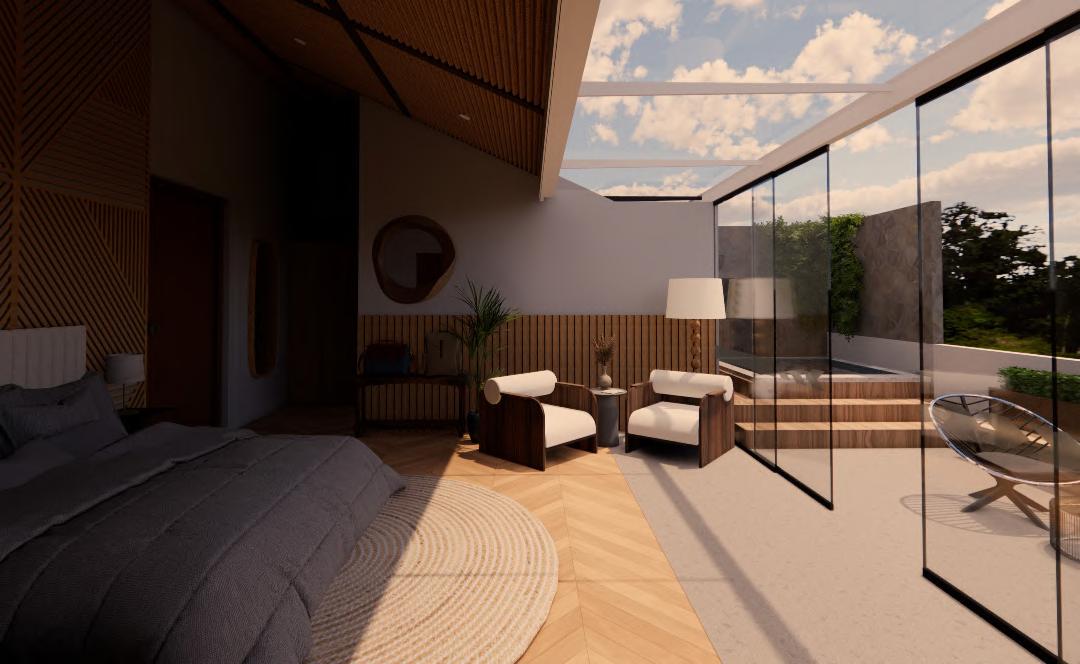
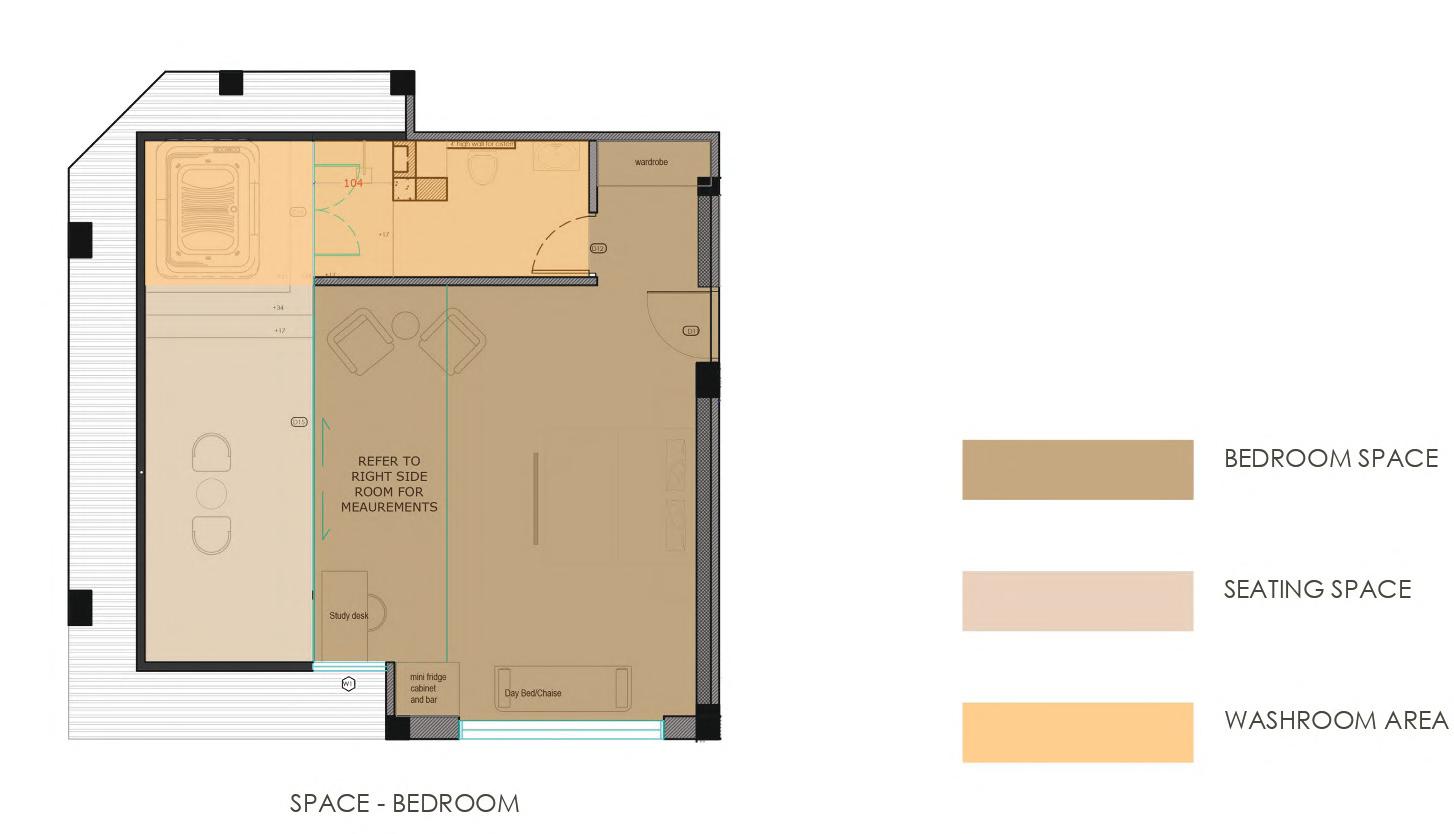
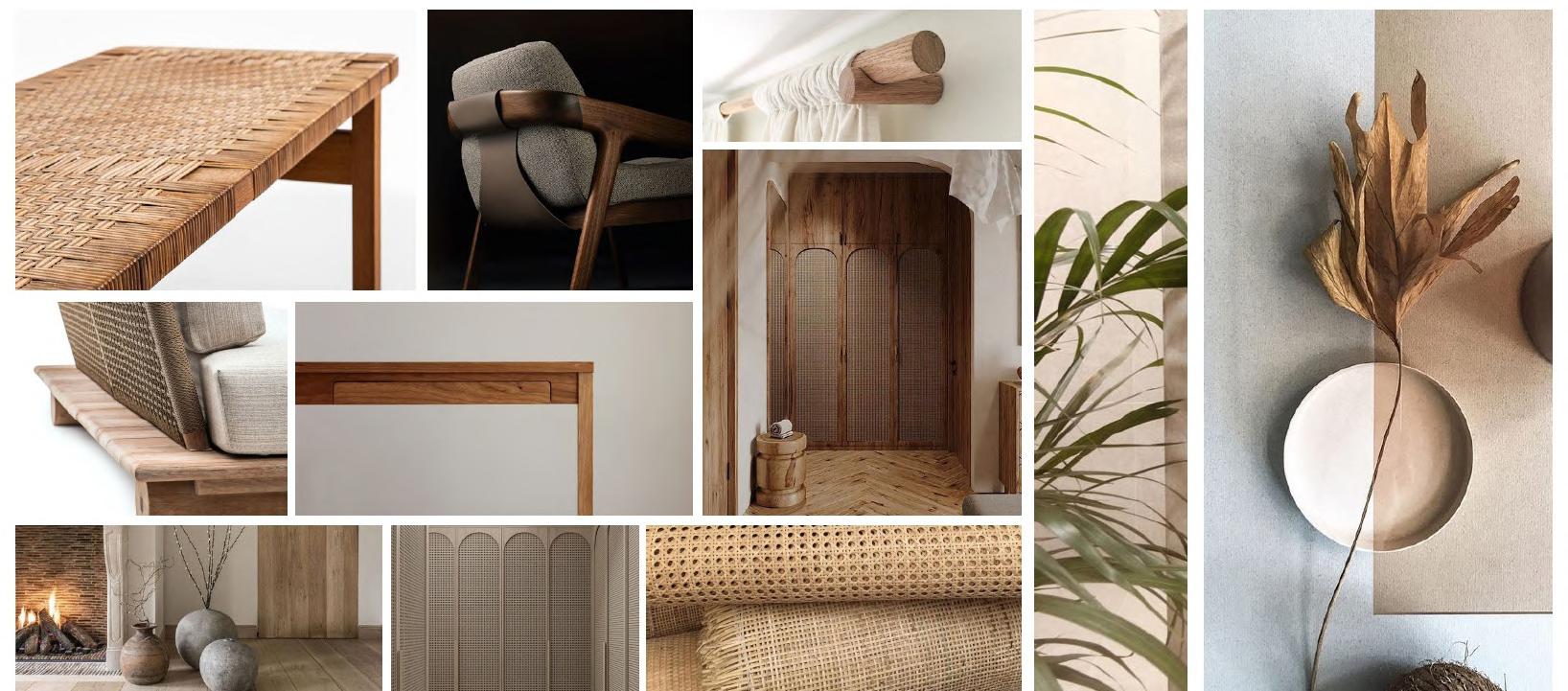
After the research and discussions with the lead designer we freezed the Japandi Style and a hint of the Wabi Sabi into the attic space. But since we needed to keep the elements look minimal and focus more on the surroundings of the space. We added these style features only on furniture and accessories. The attic space is divided in three different zones, the bedroom area, seating/terrace area and the washroom.
The Big Idea
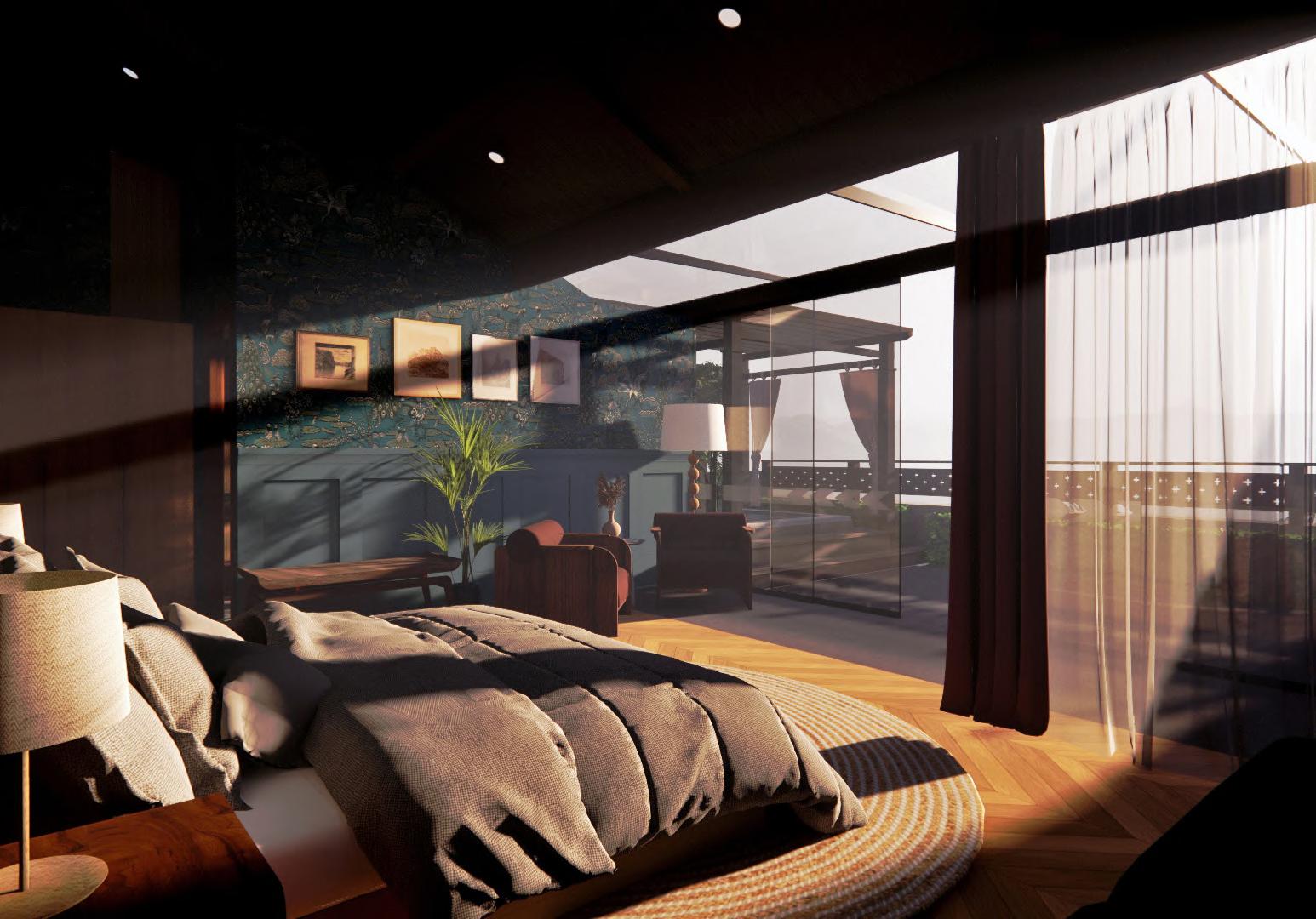
The Big Idea is the gist of the major concept or ideation which is the central server to all the ideas. We decided to mix the Japandi Style and Contemporary style to formulate the rest of the corners of the space. The functions in the bedroom are as per the general user and study on tourist, which is a luggage rack, study space, reading corner, and storage space.
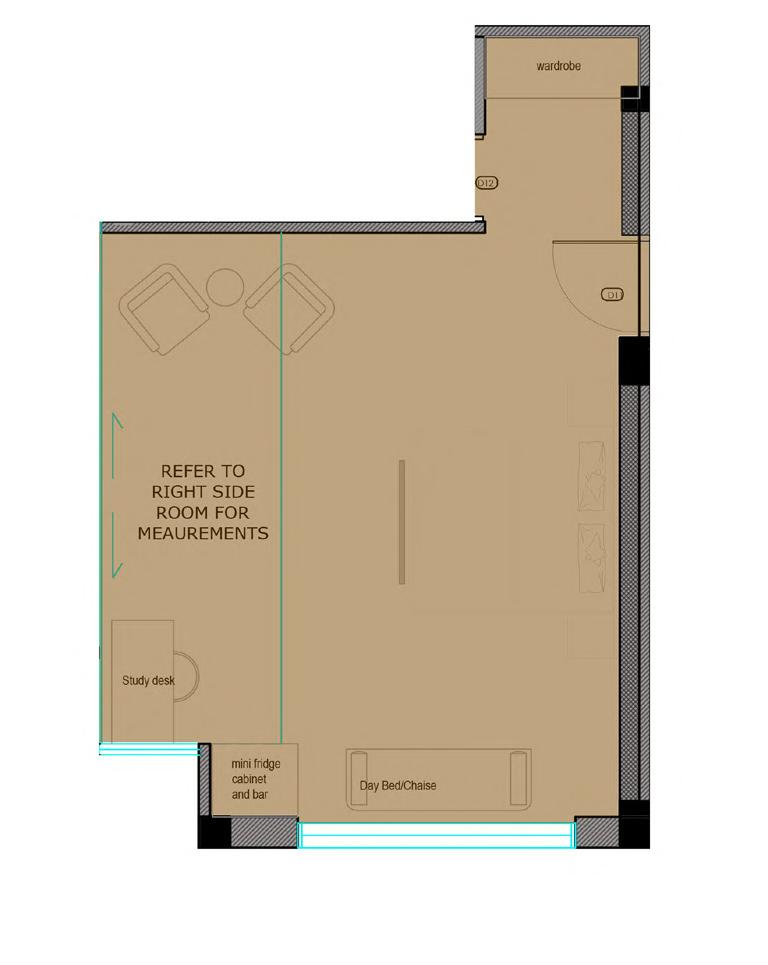
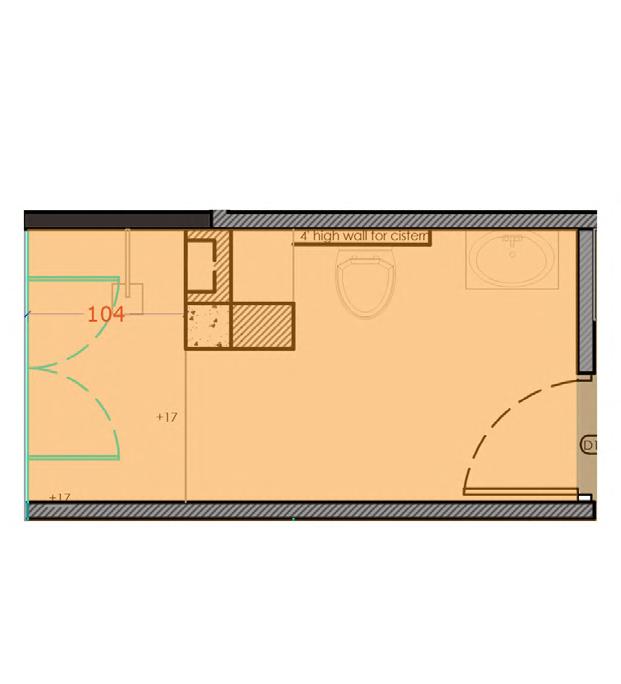
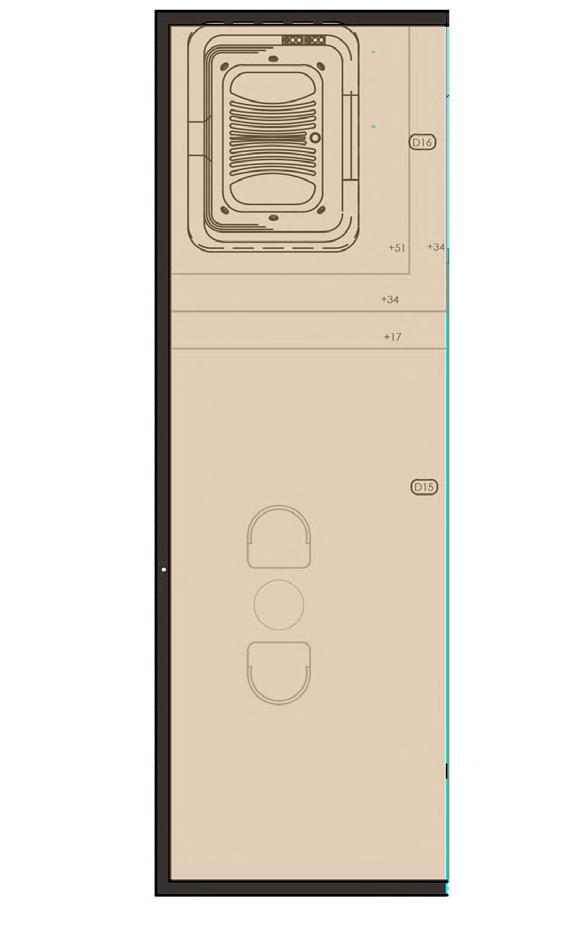
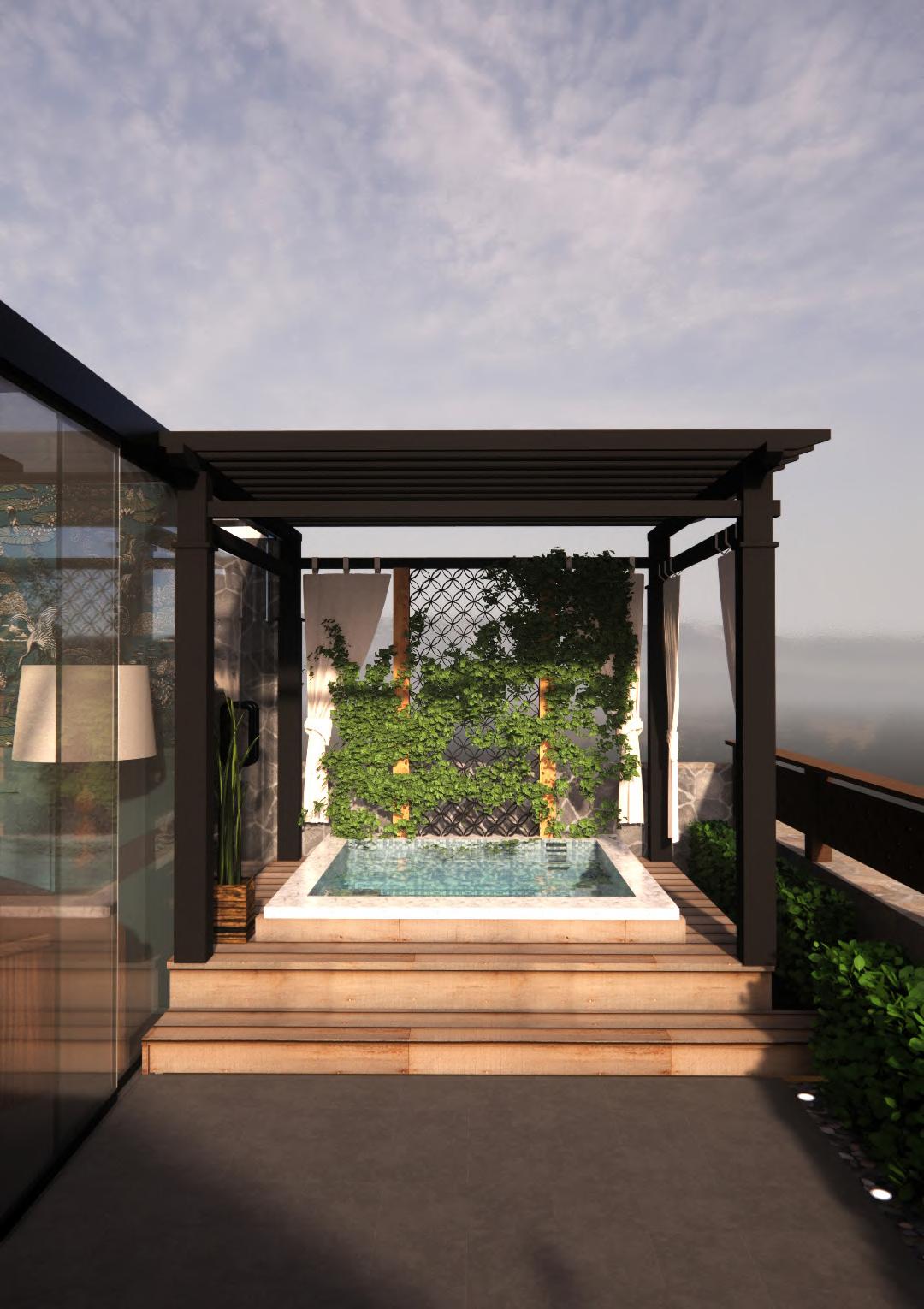
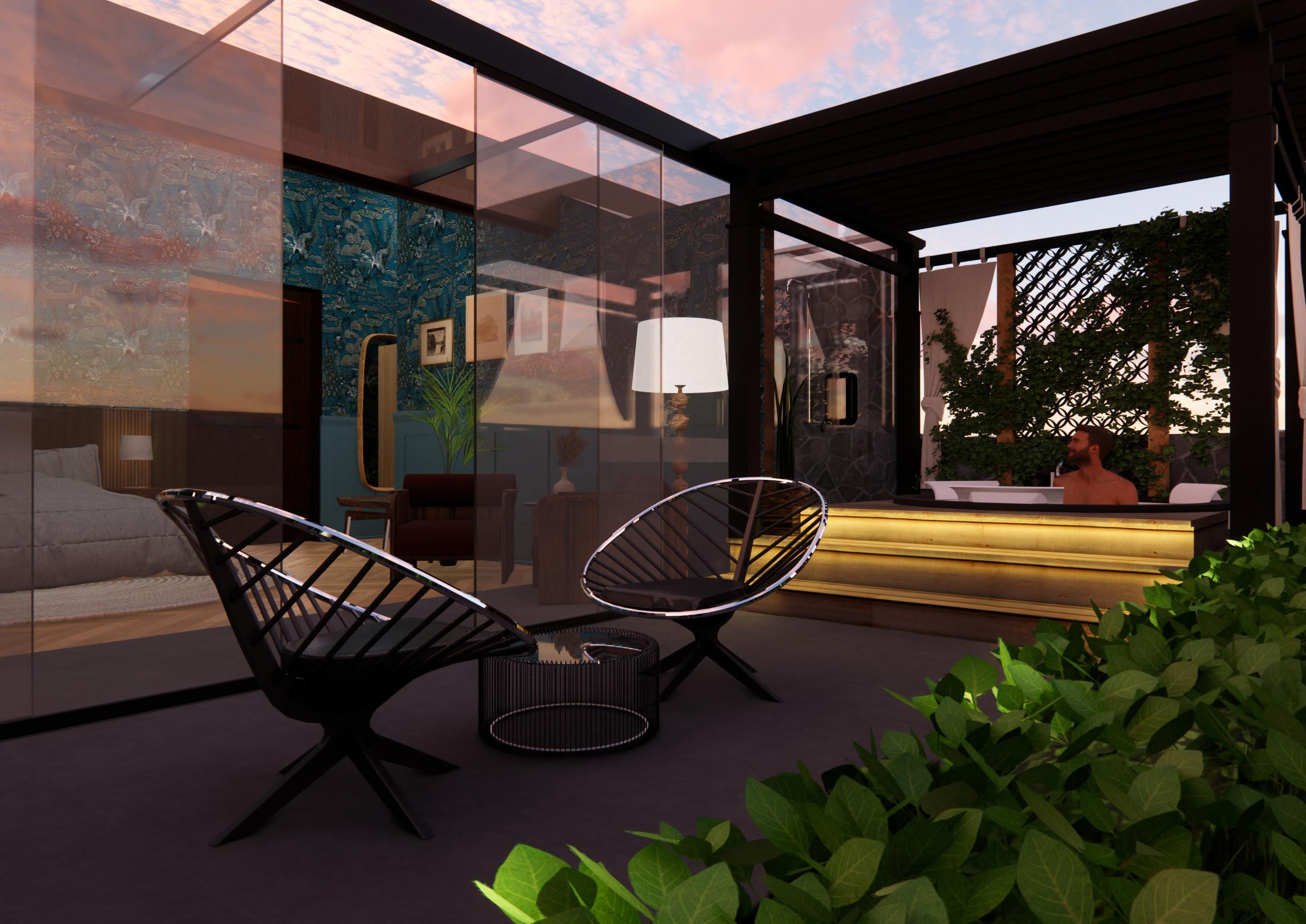
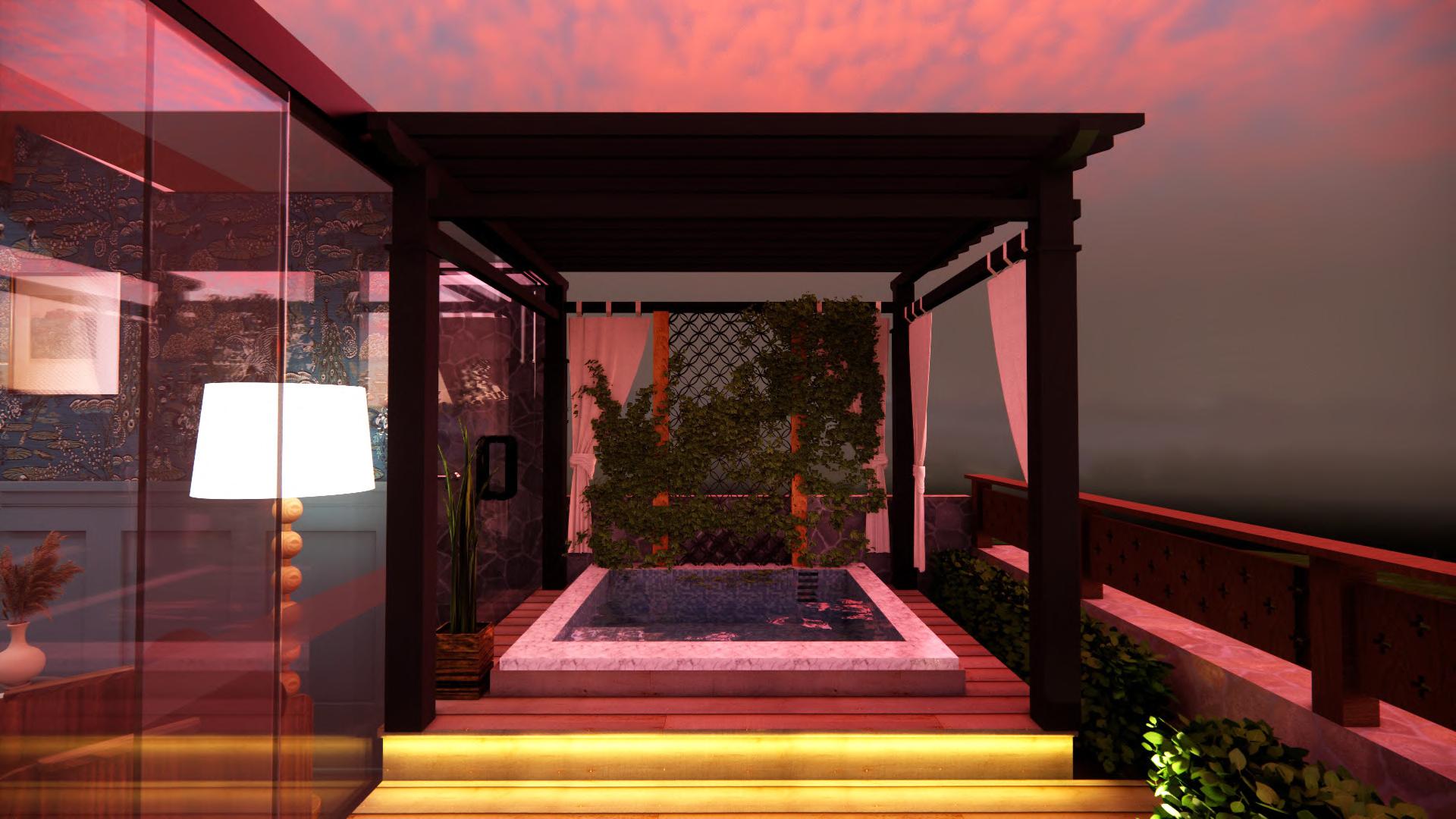
These three areas are segregated into parts to make the design process more interested and detailed. The spaces are connected to each other but serves different functions. The terrace is designed as a front display screen which is visible from the bedroom giving a panaromic view of the mountains. The jacuzzi area is also combined with the terrace making it a hybrid space.
The most of the materials are locally sourced from the nearby villages. We have selected a palette of natural material palette including rattan sheets, concrete pots, teak wood, wooden tiles. To keep the overall theme earthen and japandi, the singular tone is very rough and raw textures.
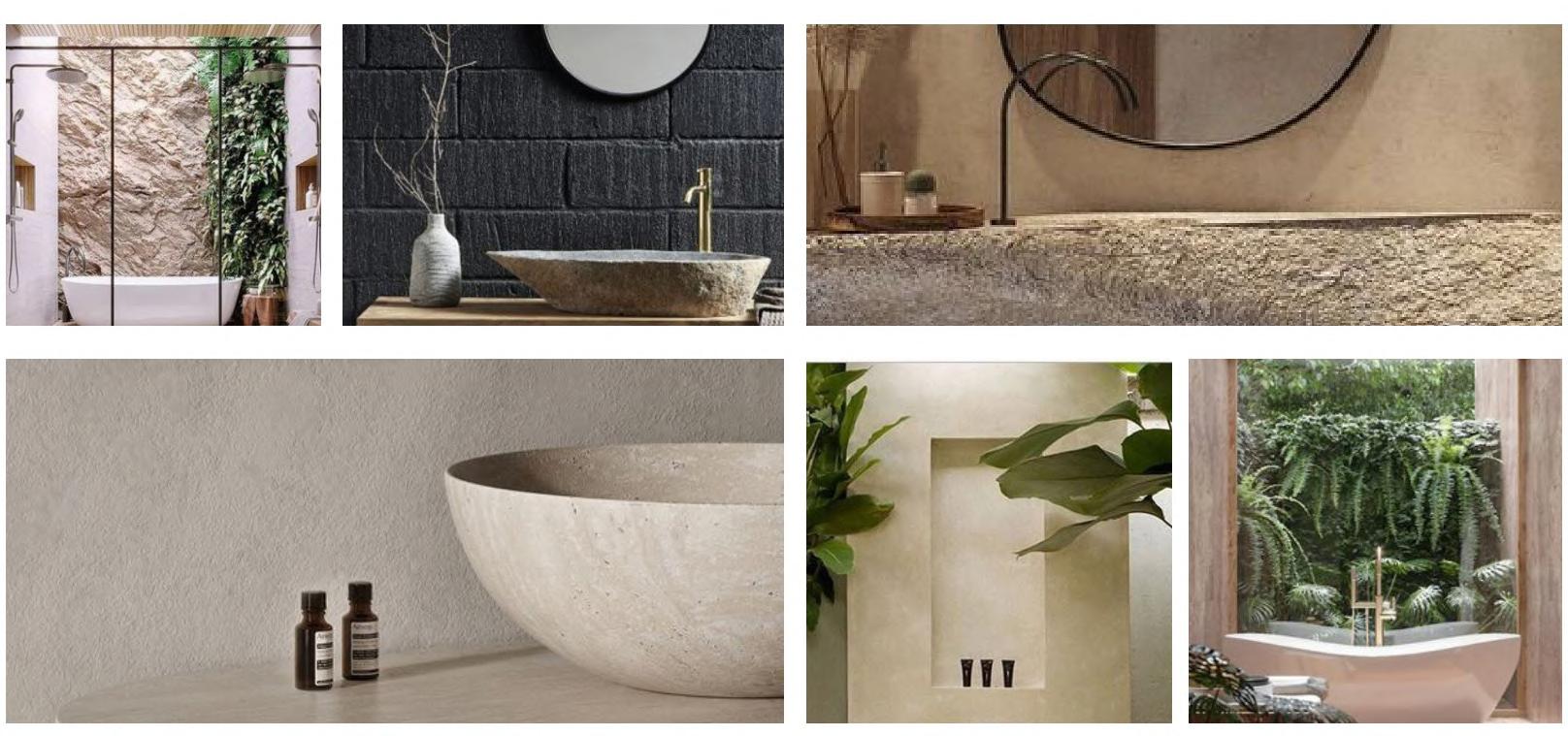
r u s t i c w a s h r o o m
Bedroom Space Washroom Space Terrace Space
Furnishing/Accessories Selection Design Documentation
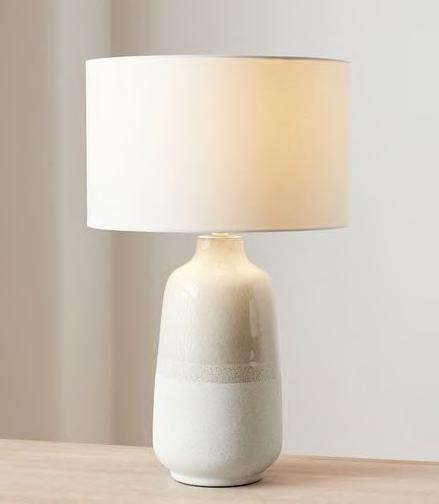
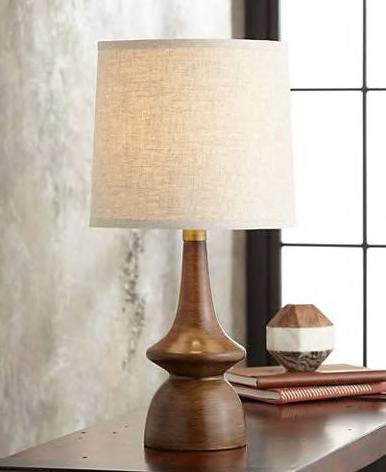
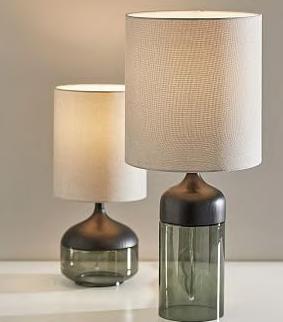
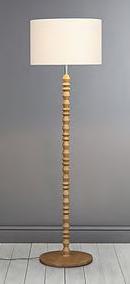
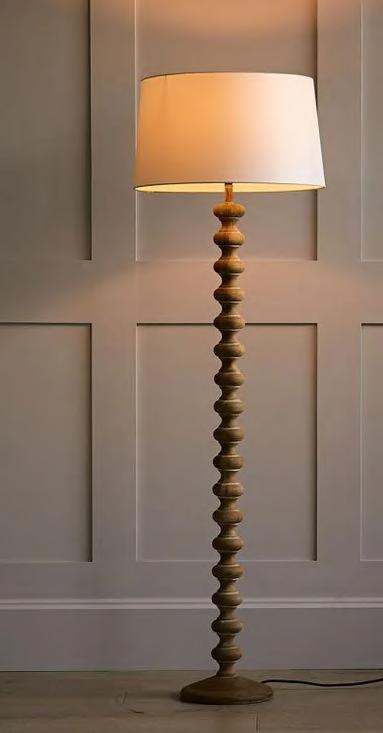
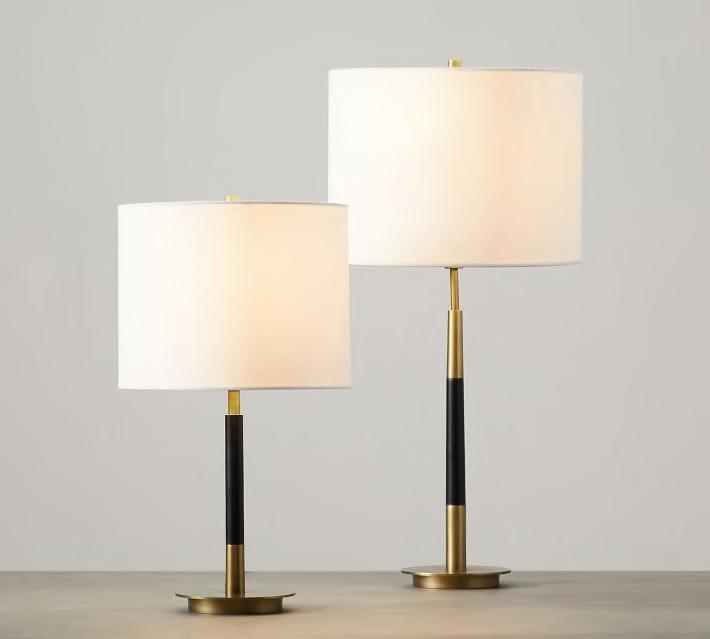
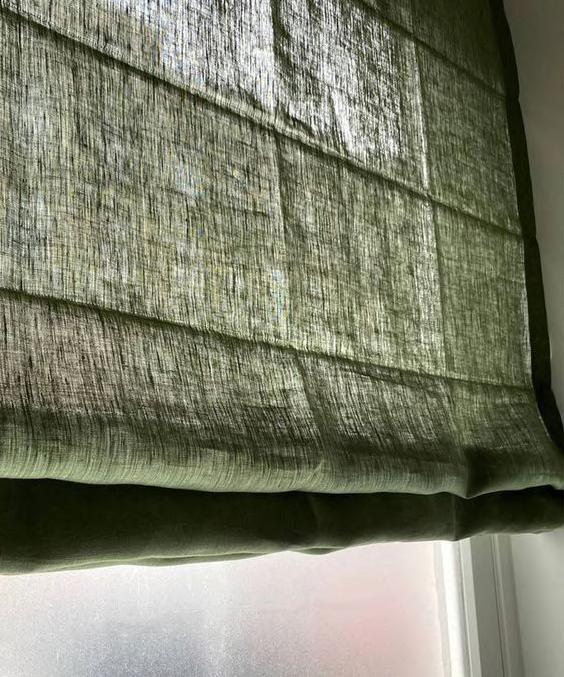
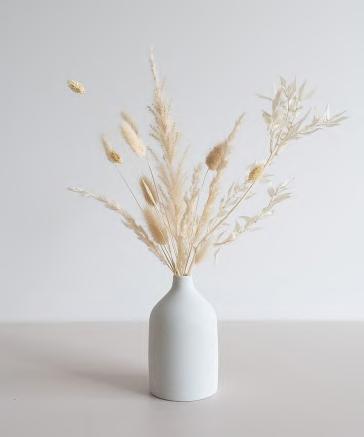
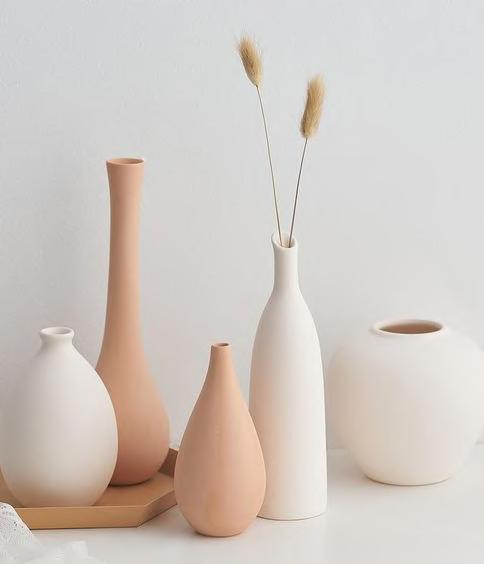

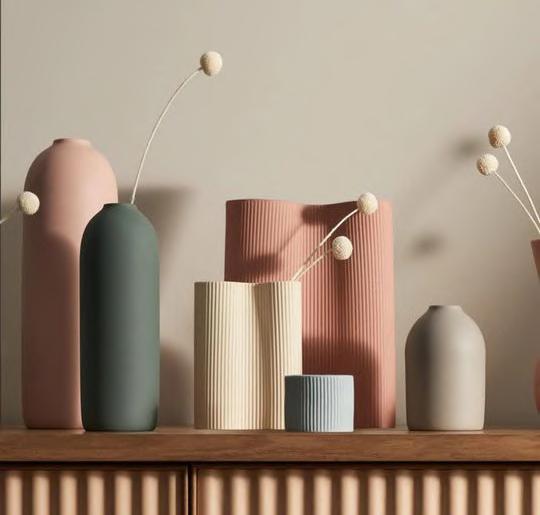
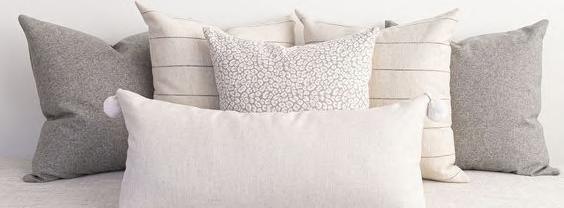
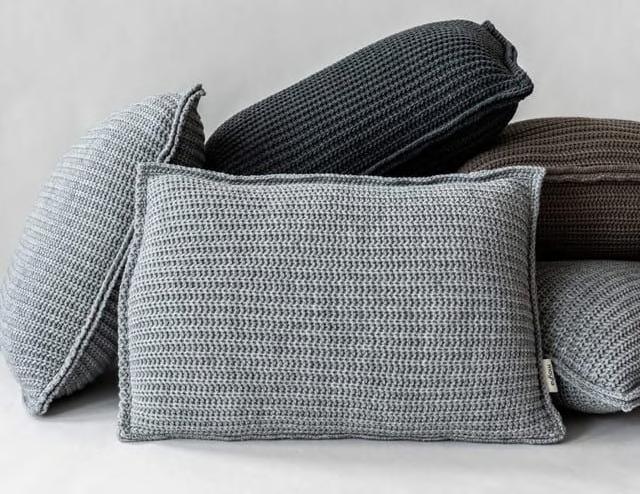
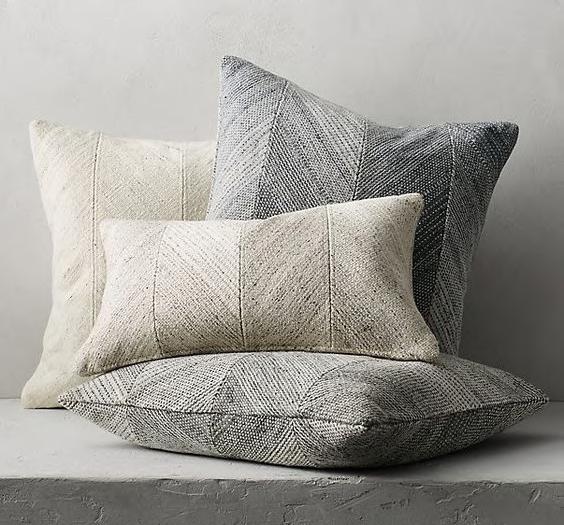
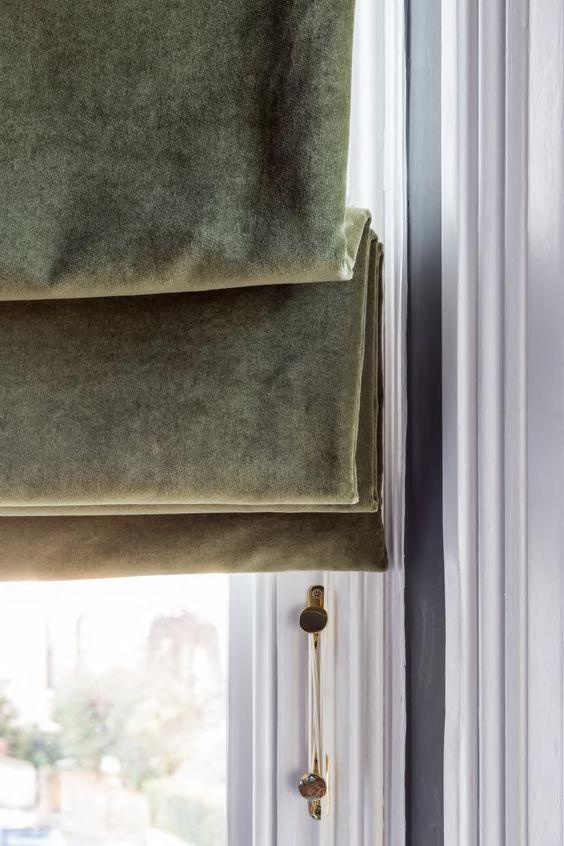
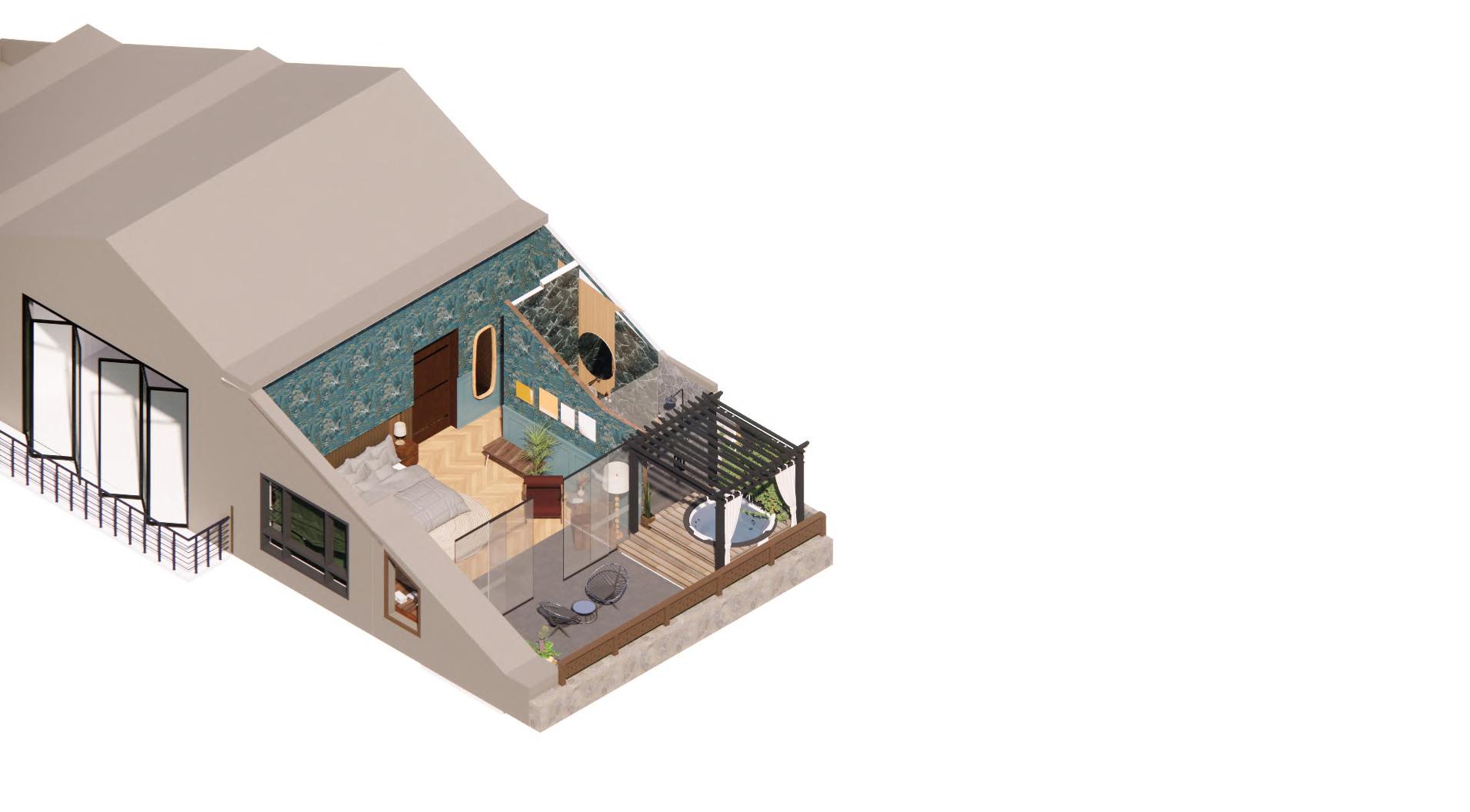
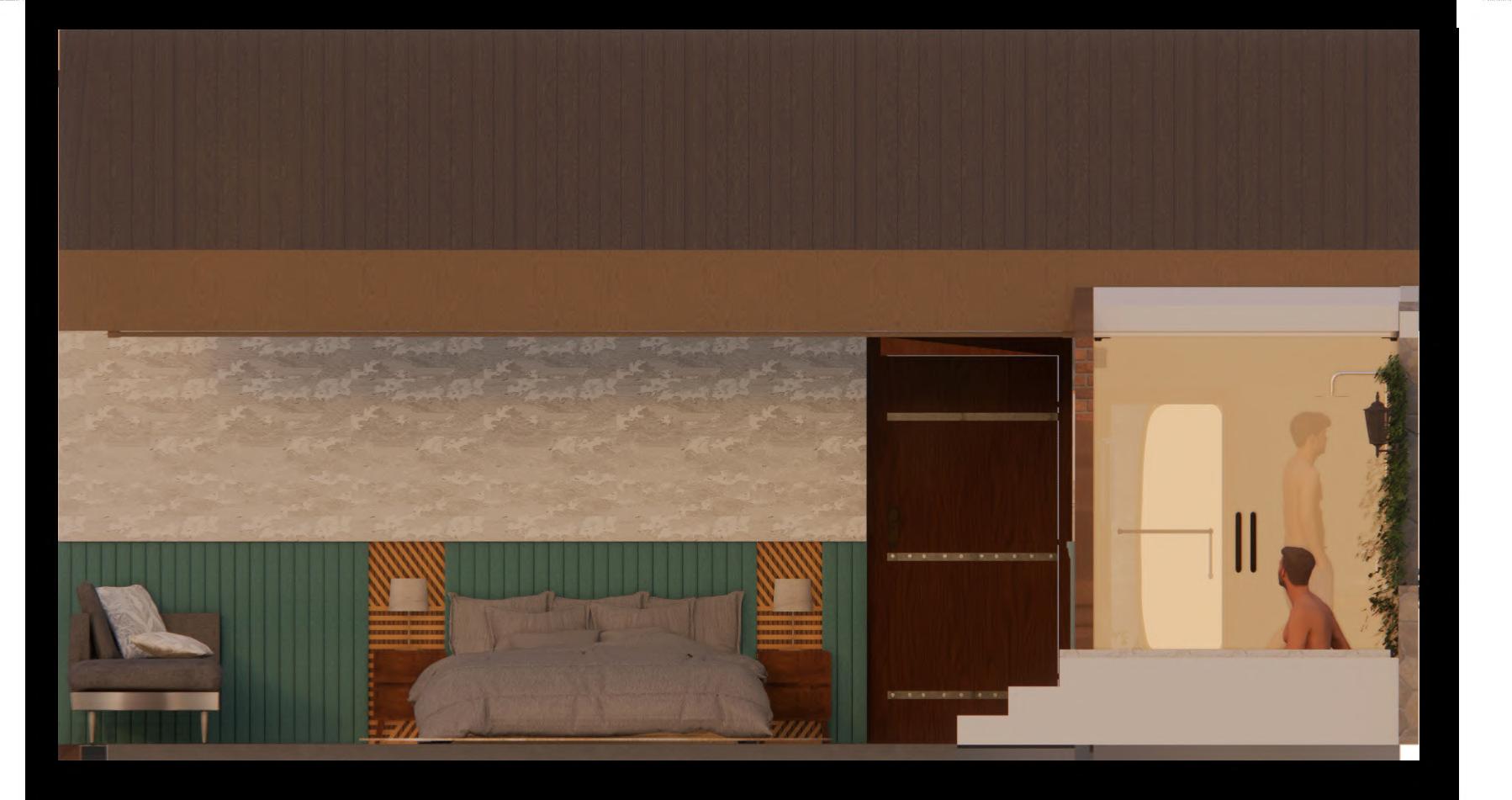
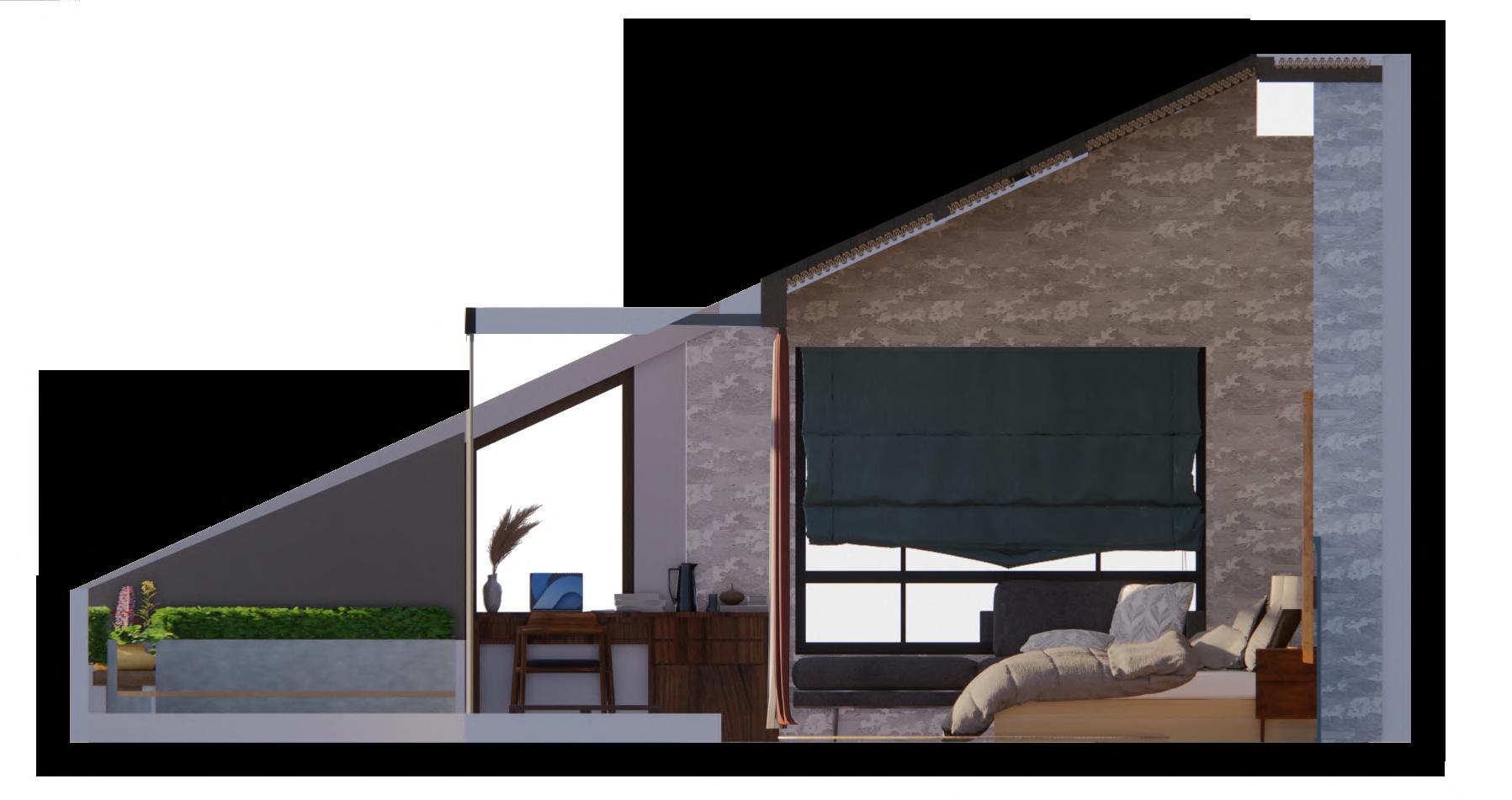
In the attic space, the three zones that depicts three different functions like, bed space, washroom area, and terrace area conjoined by jacuzzi area. Below are the detailed sections of the bedroom area to demostrate furniture details, panelling, wall finishes and also structural members placement.
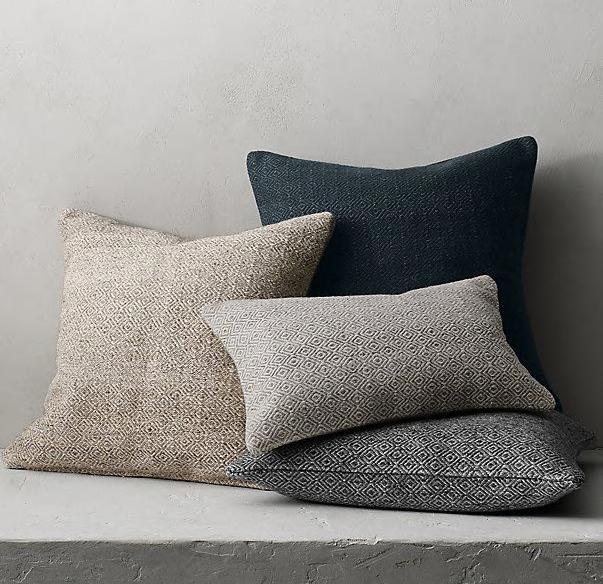
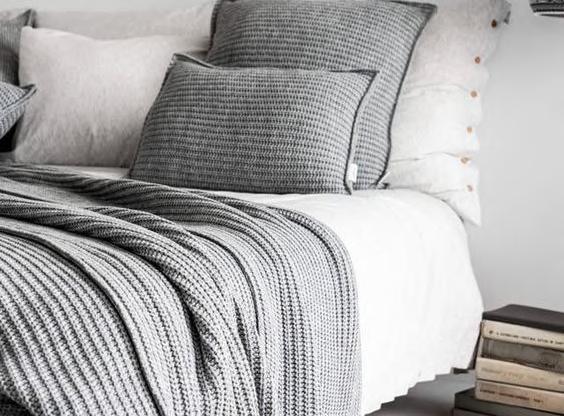
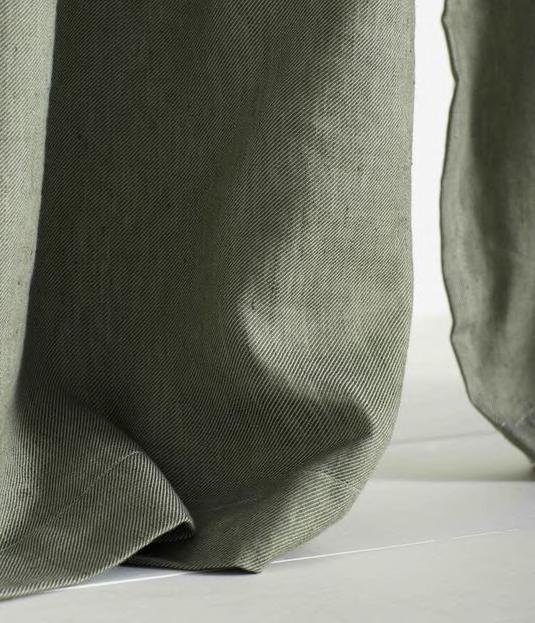
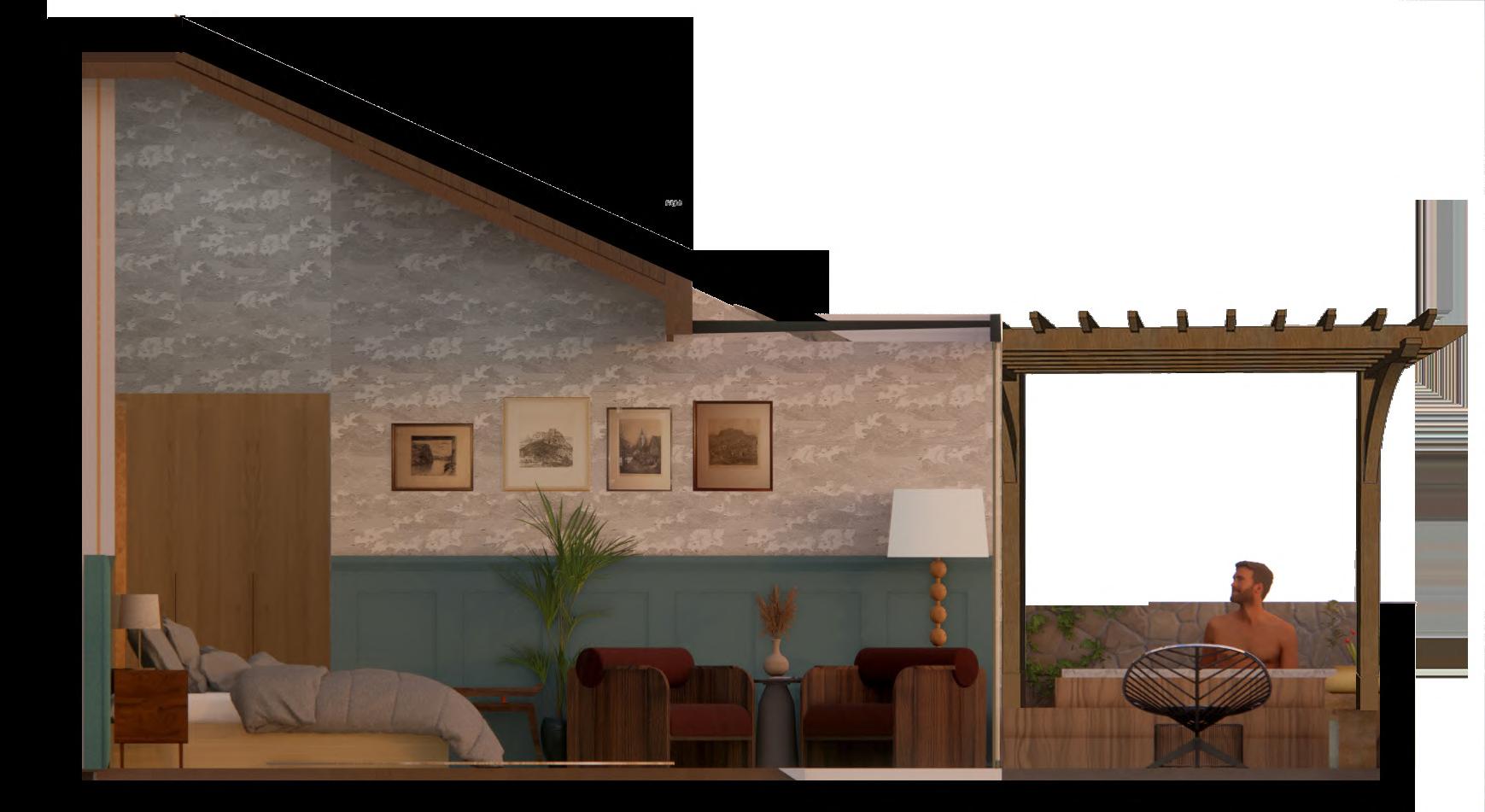
SIZE - 20”X20” SIZE - 20”X20” SIZE - 24”X15” SIZE - 24”X15” PAMPASS PLANT CERAMIC VASE FOR PLANTER FLOOR LAMP 20 x 20 x 60 Inch Grey, White and Blue Shades White bedsheet with Grey Bedspread MUSLIN CLOTH/NEUTRAL TABLE LAMP SIZE 45cm x 30cm x 25cm Olive Green Roman Blinds SIZE 270cm x 165cm A C C E S S O R Y B O A R D ELEVATION AA" 60 133 100 193 596 45 180 45 45 45 55 180 105 MIL01 Headboard Detail MIL02 Wall Panel Detail For Door Millwork Check D11 For Detail Check Millwork FR03 For detail check Millwork FR01 For Detail Check Millwork FR01 For Detail Check Millwork FR02 Millwork FR08 For Cushions and Bed furnishings, Check ACS 04 For table lamp, Check ACS 05 ELEVATION BB" 270 165 200 83 225 157 55 40 For Detail Check Millwork FR04 For Detail Check Millwork FR01 75 105 45 For Detail Check Millwork FR02 524 For Floor Lamp Check ELEVATION CC" 130 210 343 259 96 70 70 39 42 51 61 40 51 20 20 141 45 45 15 217 For Detail Check Millwork FR08 For Detail Check Millwork FR07 For Detail Check Millwork FR06 Millwork FR05 For Painting Check ACS 01 For Planter Check ACS 02 For Floor Lamp Check ACS 310
Detailed Drawings
The detailed technical drawings are made on Autocad which were approved by the lead designer and sent for the production on site. The technical drawings here showcases the details of bed back padded panel, jazuzzi base detail, for the insight to vender and site manager for better coordination.
Detailed Drawings
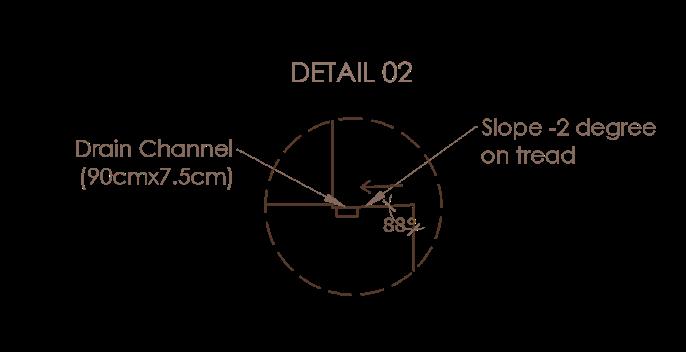
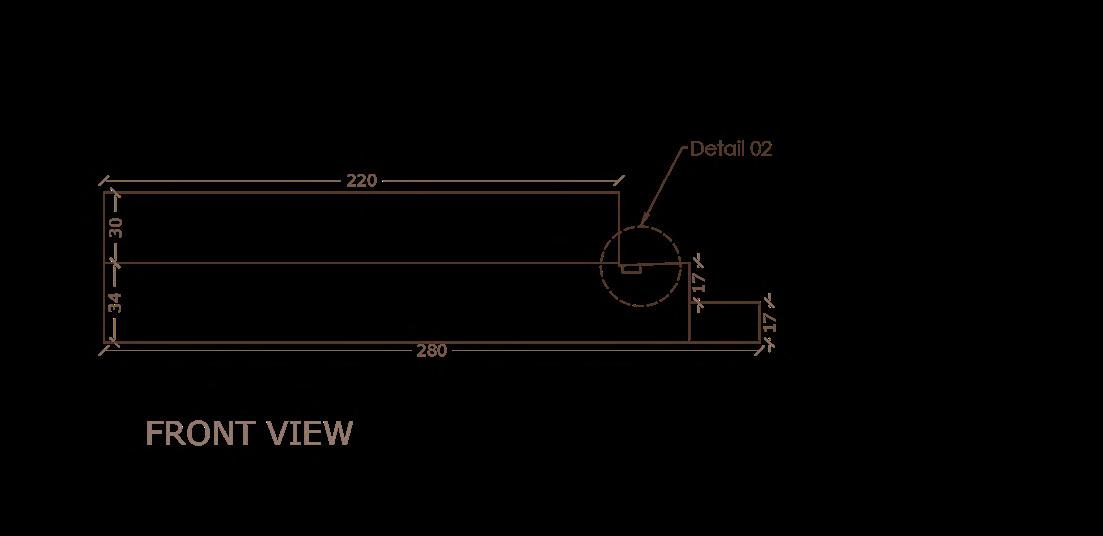
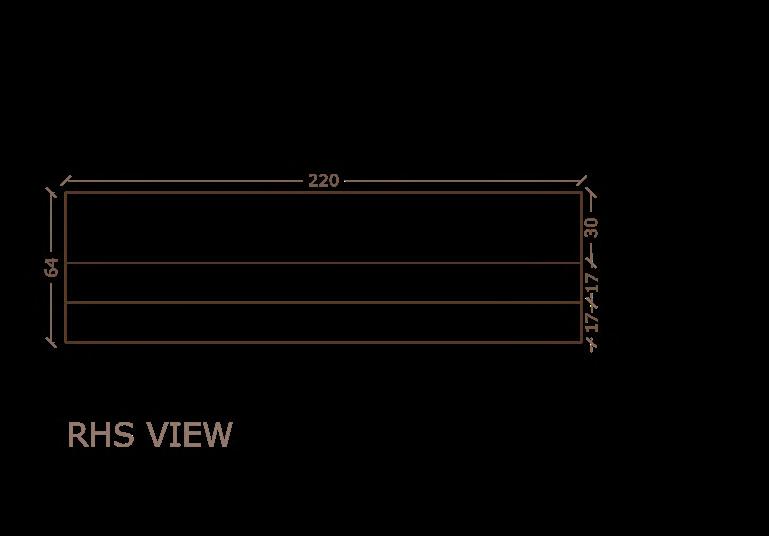
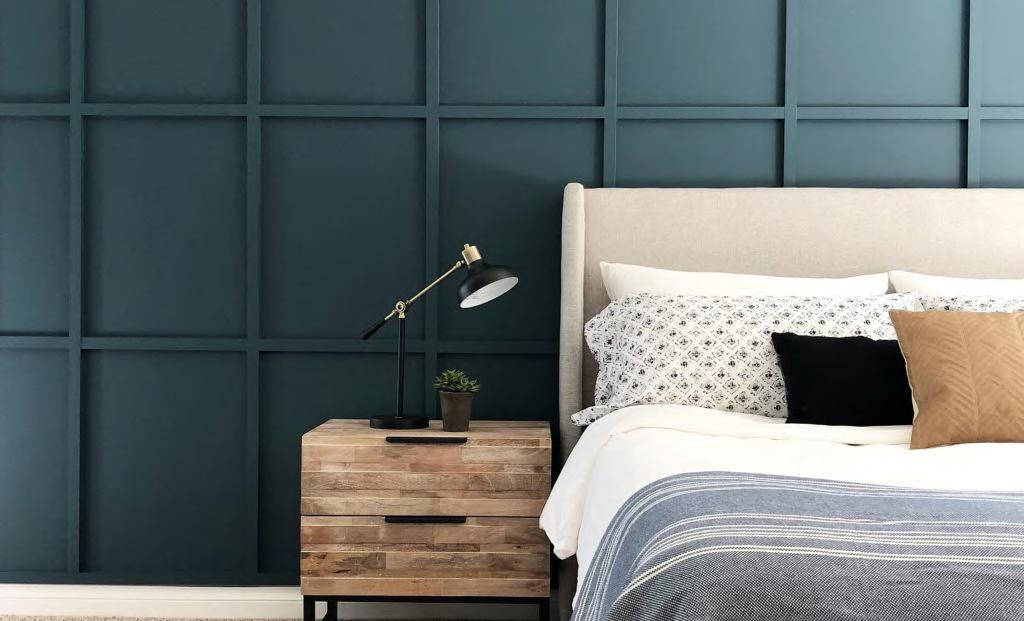
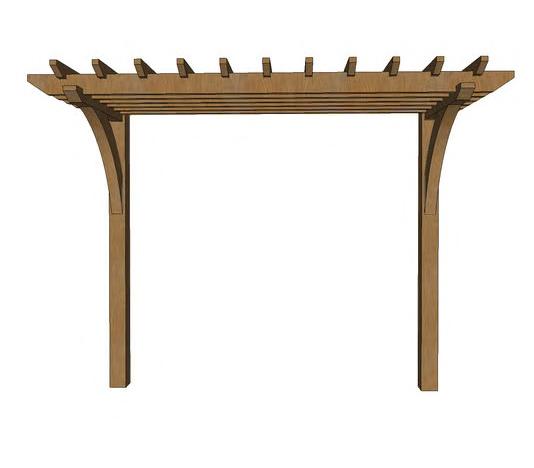
These drawings shows the details of making an MDF wall panel with checkered blocks, for the bed back wall. The other drawings derives another details which gives information of the pergola design, frame, pillars, the grill design and the how the full frame will be fixed from jacuzzi top.
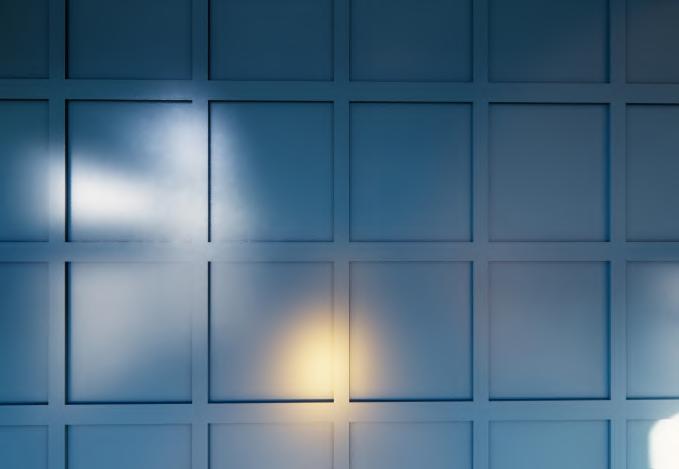
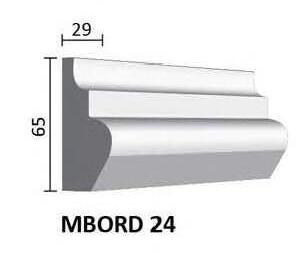
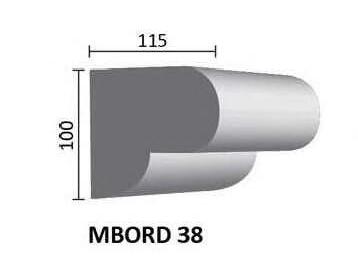
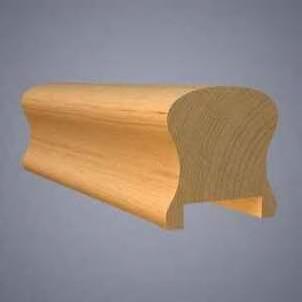
As the jacuzzi was procured by client, we had the basic dimensions of unit and accordingly made a void surrounding by wooden deck and slope required for easy drainage and comfortable steps as per the space allowed and which matches the design aesthetics as well.
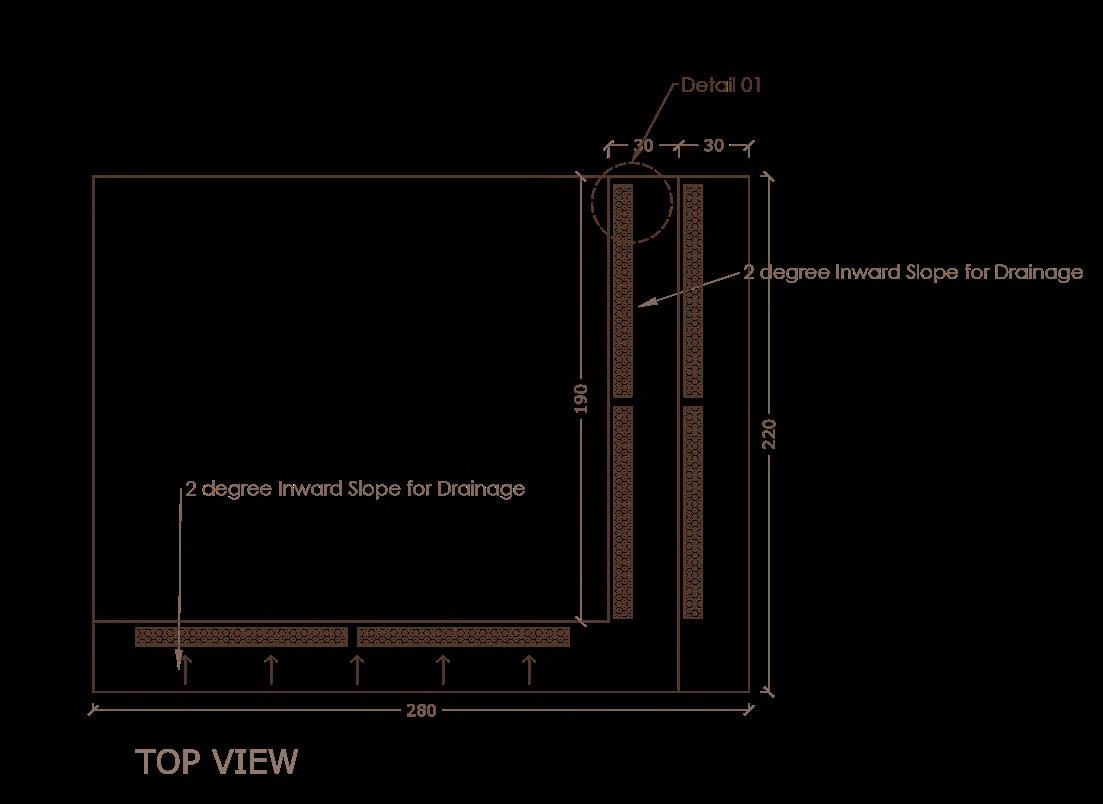
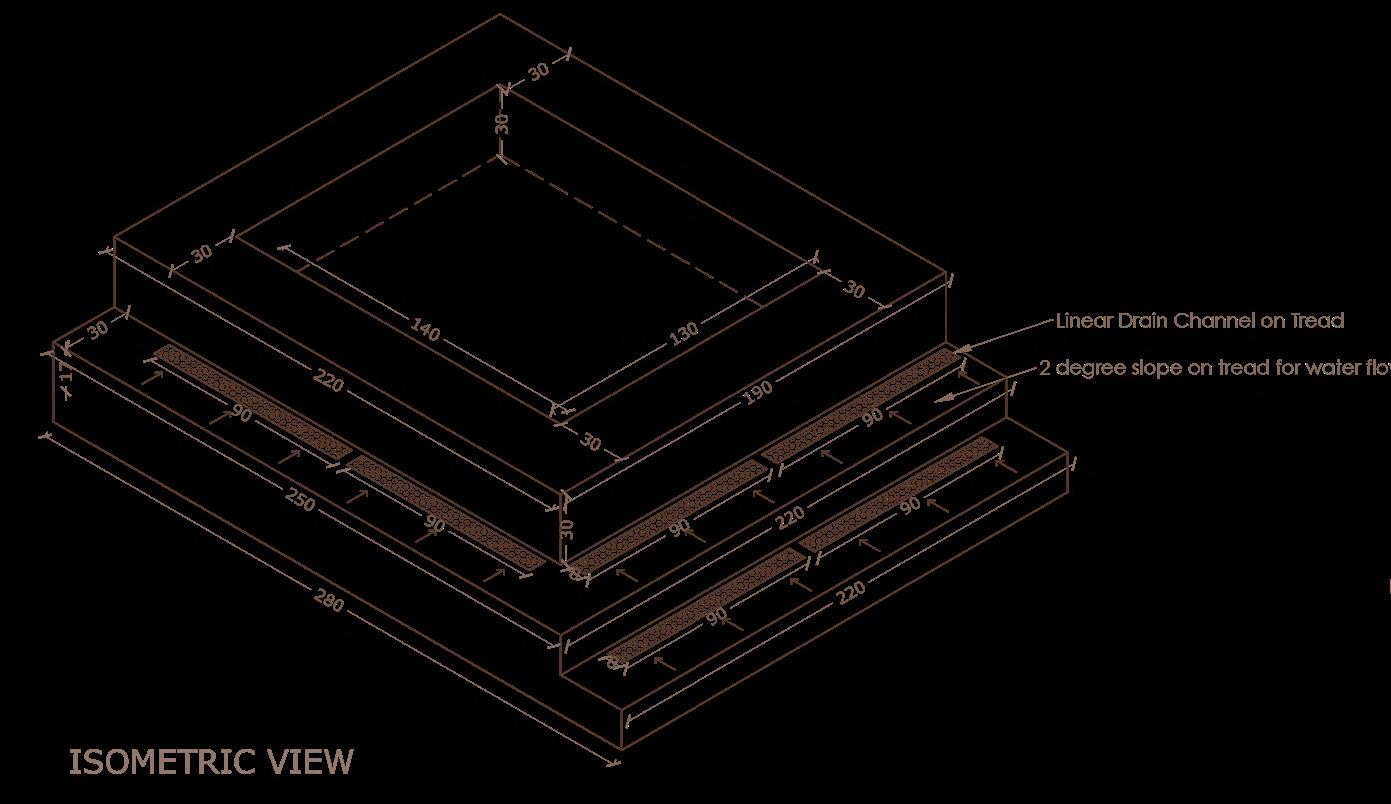
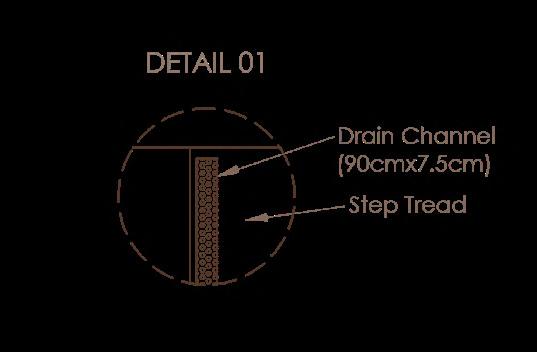
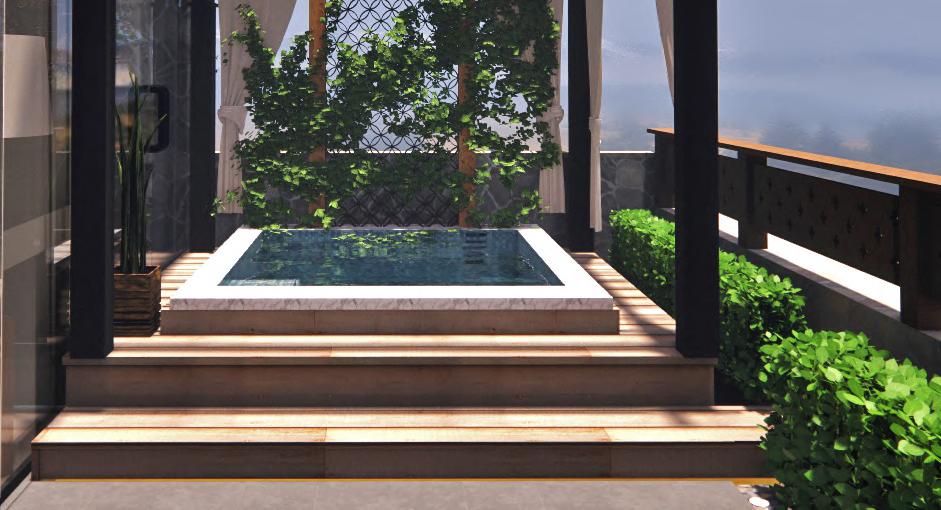
The pergola was designed in the traditional japanese style which relates well with the himalayan design statement made of dark wood and stone, also the grill pattern was chosed to describe the local pattern which can be found in the verncacular architecture of temples and mud houses.

WPC Louvre on 19mm base ply(1"x1") Tucked Foam on 19mm Base Ply 496 45 45 180 45 181 Base from 19mm Ply Cladded with Foam and stitched with fabric 10 45 45 180 45 181 120 45 45 180 120 DETAIL 01 DETAIL 02 TOP VIEW FRONT VIEW SIDE VIEW ISOMETRIC VIEW DETAIL 01 DETAIL 02 Base in 19mm Ply Foam on Ply WPC Louvre on PLY Cladded Foam Base in 19mm Ply 120 WPC Louvre in Wooden Shade on ply Fabric on Foam Fabric on Foam WPC Louvre on 19mm base ply(1"x1") Tucked Foam on 19mm Base Ply 45 45 180 45 181 Base from 19mm Ply Cladded with Foam and stitched with fabric 180 45 45 180 45 40 120 DETAIL 01 DETAIL 02 TOP VIEW SIDE VIEW ISOMETRIC VIEW DETAIL 01 DETAIL 02 Base in 19mm Ply Foam on Ply WPC Louvre on PLY Cladded Foam Base in 19mm Ply 120 WPC Louvre in Wooden Shade on ply Fabric on Foam Fabric on Foam WPC Louvre on 19mm base ply(1"x1") Tucked Foam on 19mm Base Ply 496 45 45 180 45 181 Base from 19mm Ply Cladded with Foam and stitched with fabric 10 45 45 180 181 120 45 45 180 45 40 DETAIL 01 DETAIL 02 TOP VIEW FRONT VIEW ISOMETRIC VIEW DETAIL 01 DETAIL 02 Base in 19mm Ply Foam on Ply WPC Louvre on PLY Cladded Foam Base in 19mm Ply 120 WPC Louvre in Wooden Shade on ply Fabric on Foam Fabric on Foam 45 45 180 45 181 Base from 19mm Ply Cladded with Foam and stitched with fabric 10 45 120 45 45 180 45 40 DETAIL 01 DETAIL 02 TOP VIEW FRONT VIEW SIDE VIEW ISOMETRIC VIEW DETAIL 01 DETAIL 02 Base in 19mm Ply Foam on Ply WPC Louvre on PLY Cladded Foam Base in 19mm Ply 120 WPC Louvre in Wooden Shade on ply Fabric on Foam Fabric on Foam 2” DETAIL 01 Dado Top Rail DETAIL 02 Middle Profile Section Bottom Base Skirting Ref. Image Ref. Image 45 104 70 70 94 60 35 60 15 15 15 15 15 6 10 Skirting 10cm from FFL Ply base with MDF cladding Profile moulding TWO SIZE PANEL DETAIL DETAIL 01 Dado Top Rail A A' DETAIL 02 DETAIL 03 Middle Profile Section Bottom Base Skirting Ref. Image Ref. Image Ref. Image 45 104 70 70 94 60 35 60 15 15 15 15 15 6 10 Skirting 10cm from FFL Ply base with MDF cladding Profile moulding TWO SIZE PANEL DETAIL DETAIL 01 Dado Top Rail A A' DETAIL 02 DETAIL 03 Middle Profile Section Bottom Base Skirting Ref. Image Ref. Image Ref. Image 45 104 70 70 94 60 35 60 15 15 15 15 15 6 10 Skirting 10cm from FFL Ply base with MDF cladding Profile moulding TWO SIZE PANEL DETAIL
2" Thick Horizontal Batten 2" Thick Vertical Batten 2" Wide Batten Frame All cladded on wall 420 48 57 Material - 12mm MDF Size - 2” Batten (Vertical&Horizontal)
FRONT VIEW TOP VIEW RHS VIEW 200 200 190 190 27 27 27 27 27 27 180 170 8 27 27 253 220 205 220 179 MIL03 PERGOLA/JAALI DRAWING NOTES - Size, Form and height will differ as per site area and Jacuzzi base area - Pergola size will depend on Jacuzzi platform - Quantity - 2 - Overall design of The Pergola and Jaali Should remain same, - Structural design of support rafters and beams may vary by the carpenter on site, Column and support post may also vary as per strength and long run factor, but the design to be remained same Detail 01 DETAIL 01 JAALI/PARTITION SCREEN DETAILS Metal Wire Design External MS Frame REFERENCE IMAGE 205 90 8 8 5 2" MS Frame 3" Square 1" Round Metal Wire Internal Frame 280 220 220 30 34 17 92 92 24 24 179 19 284 253 220 24 24 92 92 164 179 30 17 17 220 64 88 88 19 19 90 205 FRONT VIEW TOP VIEW RHS VIEW 200 200 190 190 27 27 27 27 27 27 180 170 8 27 27 253 220 205 220 179 MIL03 - PERGOLA/JAALI DRAWING NOTES - Size, Form and height will differ as per site area and Jacuzzi base area - Pergola size will depend on Jacuzzi platform - Quantity - 2 - Overall design of The Pergola and Jaali Should remain same, - Structural design of support rafters and beams may vary by the carpenter on site, Column and support post may also vary as per strength and long run factor, but the design to be remained same DETAIL 01 JAALI/PARTITION SCREEN DETAILS External MS Frame REFERENCE IMAGE 205 90 8 5 2" MS Frame 3" Square 1" Round Metal Wire Internal Frame 280 220 220 30 34 92 92 24 24 179 19 284 FRONT VIEW TOP VIEW RHS VIEW 200 200 190 190 27 27 27 27 27 27 180 170 8 8 27 27 253 220 205 220 179 MIL03 PERGOLA/JAALI DRAWING NOTES - Size, Form and height will differ as per site area and Jacuzzi base area - Pergola size will depend on Jacuzzi platform - Quantity - 2 - Overall design of The Pergola and Jaali Should remain same, - Structural design of support rafters and beams may vary by the carpenter on site, Column and support post may also vary as per strength and long run factor, but the design to be remained same Detail 01 DETAIL 01 JAALI/PARTITION SCREEN DETAILS Metal Wire Design External MS Frame REFERENCE IMAGE 205 90 8 8 5 5 2" MS Frame 3" Square 1" Round Metal Wire Internal Frame 280 220 220 30 34 17 92 92 24 24 179 19 284 253 220 24 24 92 164 179 30 17 17 220 88 19 90 205 FRONT VIEW TOP VIEW RHS VIEW 200 200 190 190 27 27 27 27 27 27 180 170 8 27 27 253 220 205 220 179 MIL03 - PERGOLA/JAALI DRAWING NOTES - Size, Form and height will differ as per site area and Jacuzzi base area - Pergola size will depend on Jacuzzi platform - Quantity - 2 - Overall design of The Pergola and Jaali Should remain same, - Structural design of support rafters and beams may vary by the carpenter on site, Column and support post may also vary as per strength and long run factor, but the design to be remained same Detail 01 DETAIL 01 JAALI/PARTITION SCREEN DETAILS Metal Wire Design External MS Frame REFERENCE IMAGE 205 90 8 5 2" MS Frame 3" Square 1" Round Metal Wire Internal Frame 280 220 220 30 34 17 92 92 24 24 179 19 284 253 220 24 24 92 92 164 179 30 17 17 220 64 88 88 19 19 90 205 TOP VIEW 200 200 190 190 27 27 27 27 27 27 180 170 8 27 27 253 220 205 220 179 MIL03 - PERGOLA/JAALI DRAWING NOTES - Size, Form and height will differ as per site area and Jacuzzi base area - Pergola size will depend on Jacuzzi platform - Quantity - 2 - Overall design of The Pergola and Jaali Should remain same, - Structural design of support rafters and beams may vary by the carpenter on site, Column and support post may also vary as per strength and long run factor, but the design to be remained same Detail 01 DETAIL 01 JAALI/PARTITION SCREEN DETAILS Metal Wire Design External MS Frame REFERENCE IMAGE 205 90 8 8 5 5 2" MS Frame 3" Square 1" Round Metal Wire Internal Frame 280 220 220 30 34 17 92 92 24 24 179 19 284 253 220 24 24 92 92 164 179 30 17 17 220 64 88 88 19 19 90 205
Detailed Drawings
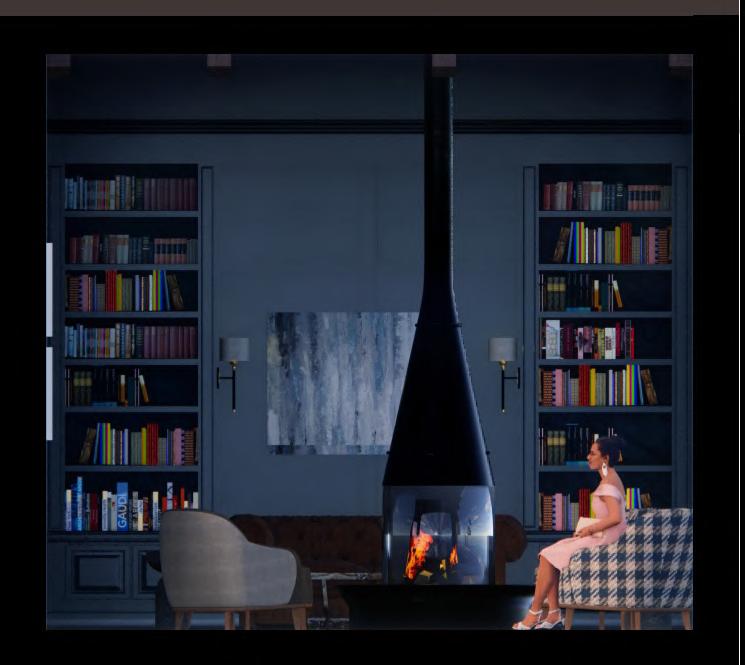
This drawing is from the lounge area on first floor which is a common space to sit and relax while reading a book with a sip of coffee. The designed book shelf is traditional in style and for a little classical look different half circle moulds have been added on top middle and bottom horizontal and vertical carcass members.
MIL01 TOP VIEW FRONT VIEW 424 330 424 45 90 184 90 225 77 Detail 01 Detail 03 Detail 02 Detail 04 Top Rail Crown Moulding Book Shelves Book Shelves Bar Shelves 2cm Moulding 30 LHS VIEW 45 30 330 40 120 120 184 39 10 40 40 34 34 34 34 34 34 90 2" Partition 38 8 90 90 99 75 184 208 For opening detail check MIL02 Base Cabinet Without storage TOP VIEW 424 45 MIL02 FRONT VIEW Detail 03 120 120 LHS VIEW 45 40 120 10 120 39 10
Where every room tells a story!
The space provides not only a place to stay but to rejuvenate yourself in the midst of mountains, where we the fresh breeze will not only energise your body and soul but will create a long lasting effect with our personalised experience.
From individual rooms to family suites, we’ve got you covered. From lounge areas to personal jacuzzi, the facilities will embark your journey to the mountains and evolve a different aspect of hospitality for you.
Thesis - Commercial Design Project
Client - Himalayan Community School
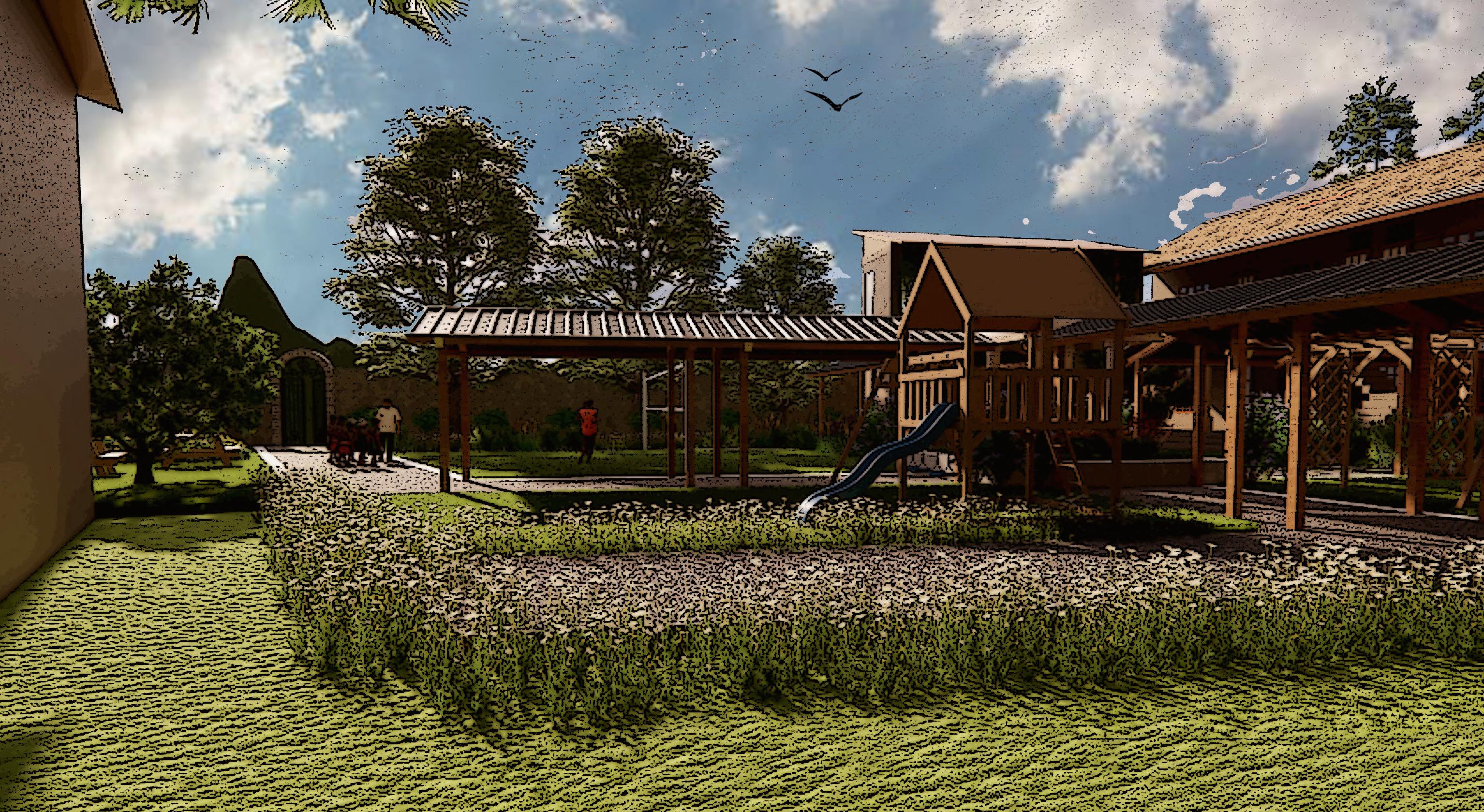
The program is to design an educational space based on Vedic teaching princples in modern context to deliver effective learning space. The aim is to deliver a learning environment which responds well with the climatic and geographic conditions of the region.
Softwares - Photoshop, Autocad, Sketchup, Enscape, Indesign, MorpholioTrace, Concepts
Brief
The program is to design an educational space which is based on the teachings of Sage Vashisth. The major concept behind the project is to incubate Ancient method of Vedic teaching with modern context in order to deliver effective learning space with the values of Indian Sages. The space will consists of a Primary and Middle school in the campus area with multiple acivity zones based on learning experience, subject-wise requirement and target group as well. The values will contain Vedic teachings on spirituality, yoga, social values, personality development and civic responsibilities
Requirements
The space requirement are Language/Library Area, Primary classroom, Secondary Classroom, Temple Area, Meditation and Yoga Area.
Space Zones
To provide value based education in form of experimental, theoretical and physical form, in order to become self sustained. Given these
N UID UNITED WORLD INSTITUTE OF DESIGN NOTE PROJECT NAME DWG TITLE SEMESTER DATE DRAWN BY SHEET SIZE DWG NO. A2 VIII SCALE CHECKED BY DATE MASTER PLAN FIRST FLOOR RUDRANSH THAKUR 23/05/2022HIMALAYAN COMMUNITY SCHOOL 1:100
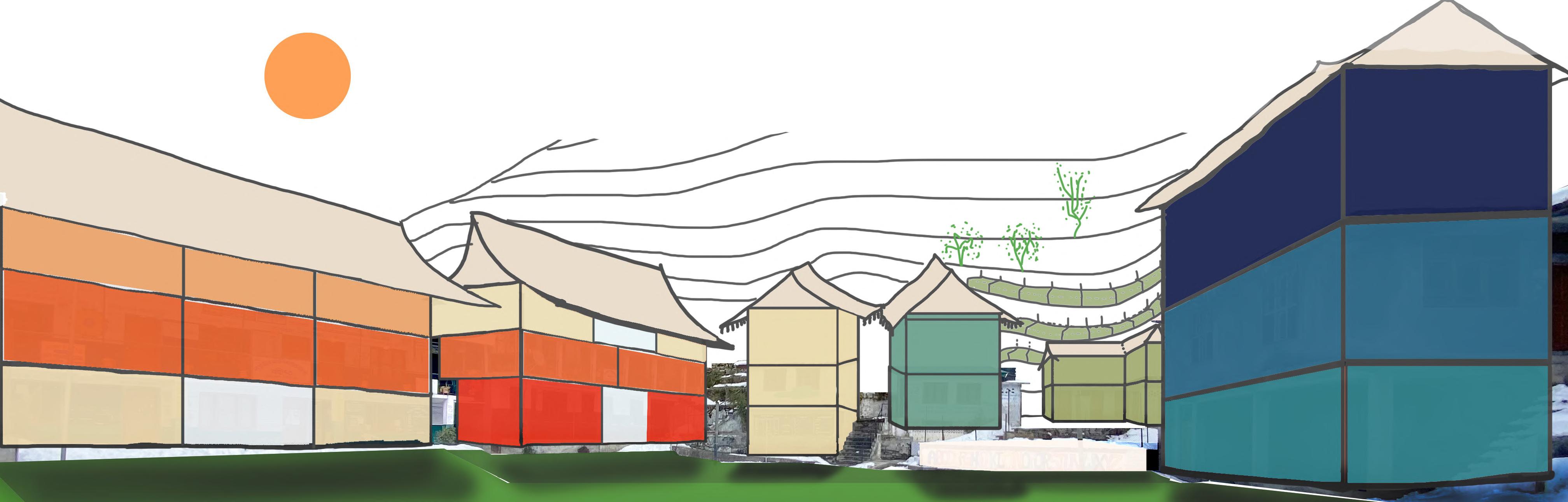
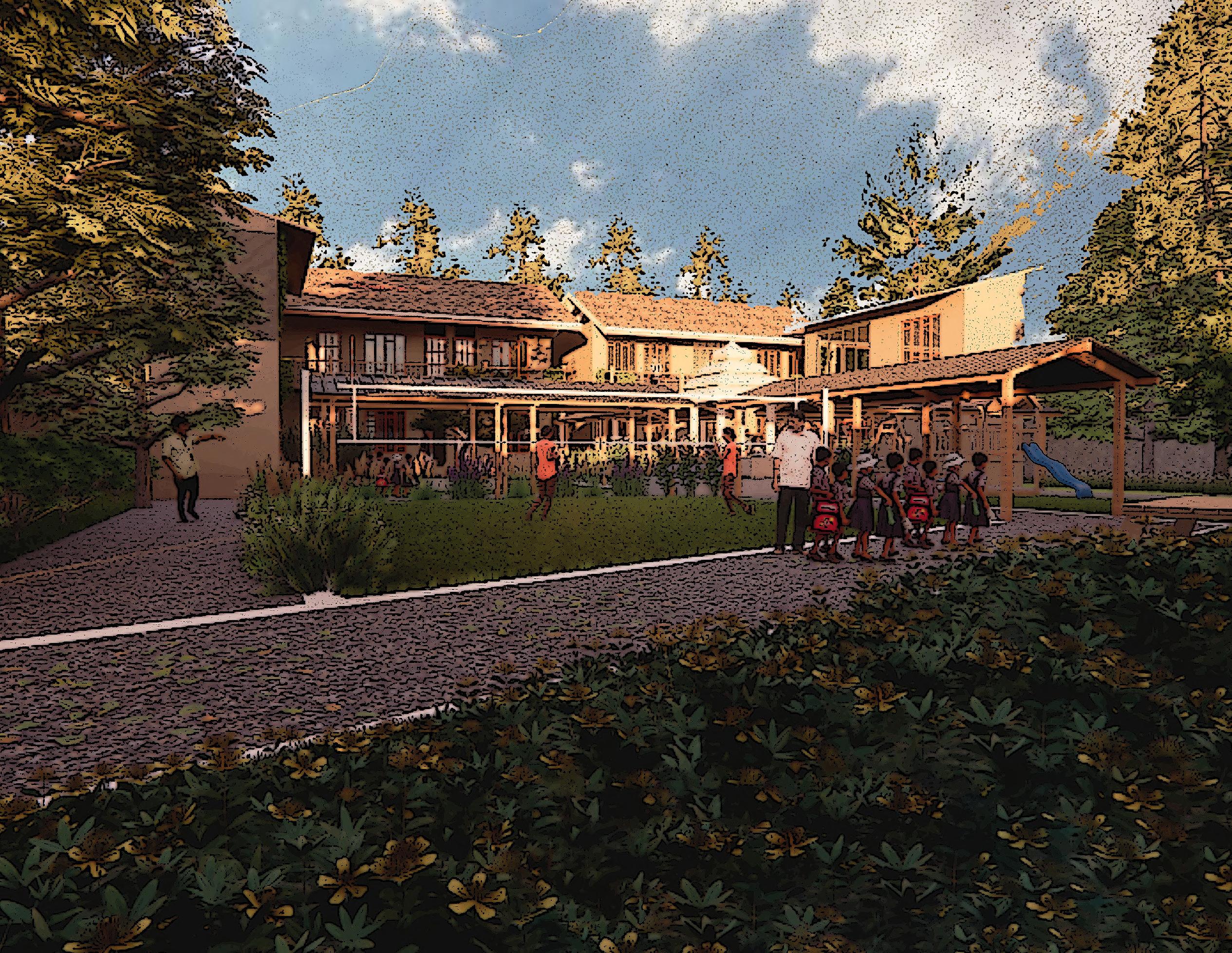
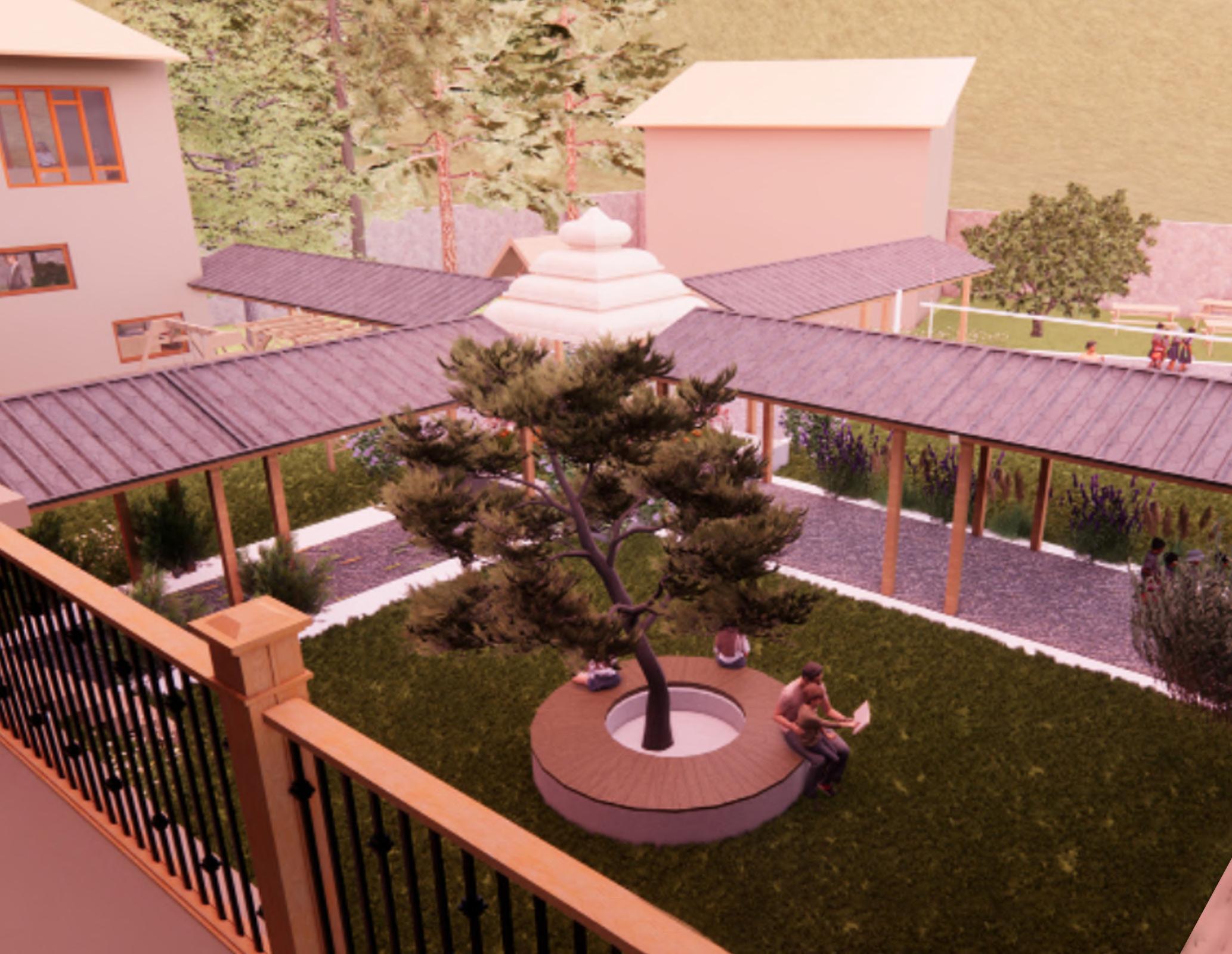
The site consists a total of six organized structures, which serves different functions for the school. The major two building are used as Primary and Middle School. Just opposite to that, lies a solo structure, which is used mainly for recreational activities of school like examination room, meeting room, cultural room. The other three structures serves the purpose of service, like, Primary mess and secondary mess and washrooms, as per Mid-day-meal program provided by government.
Site Context
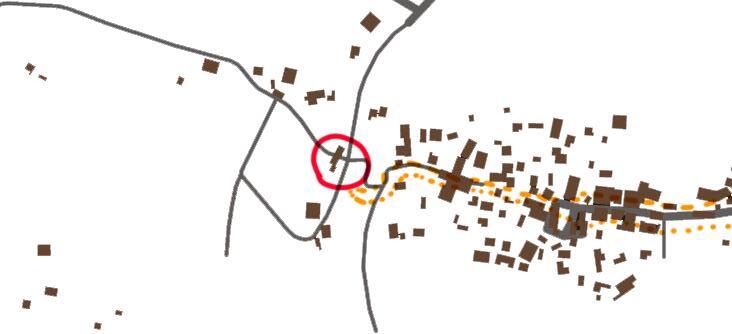
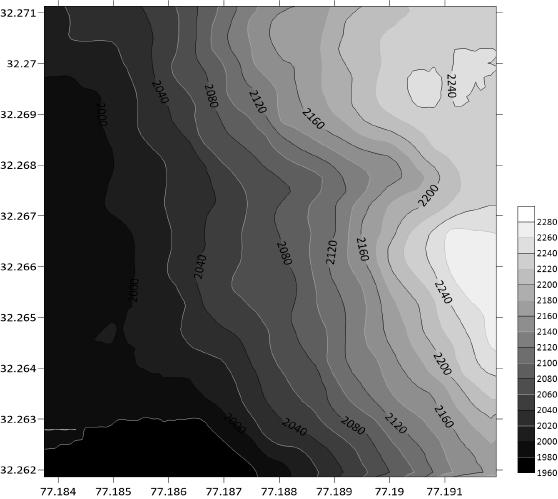
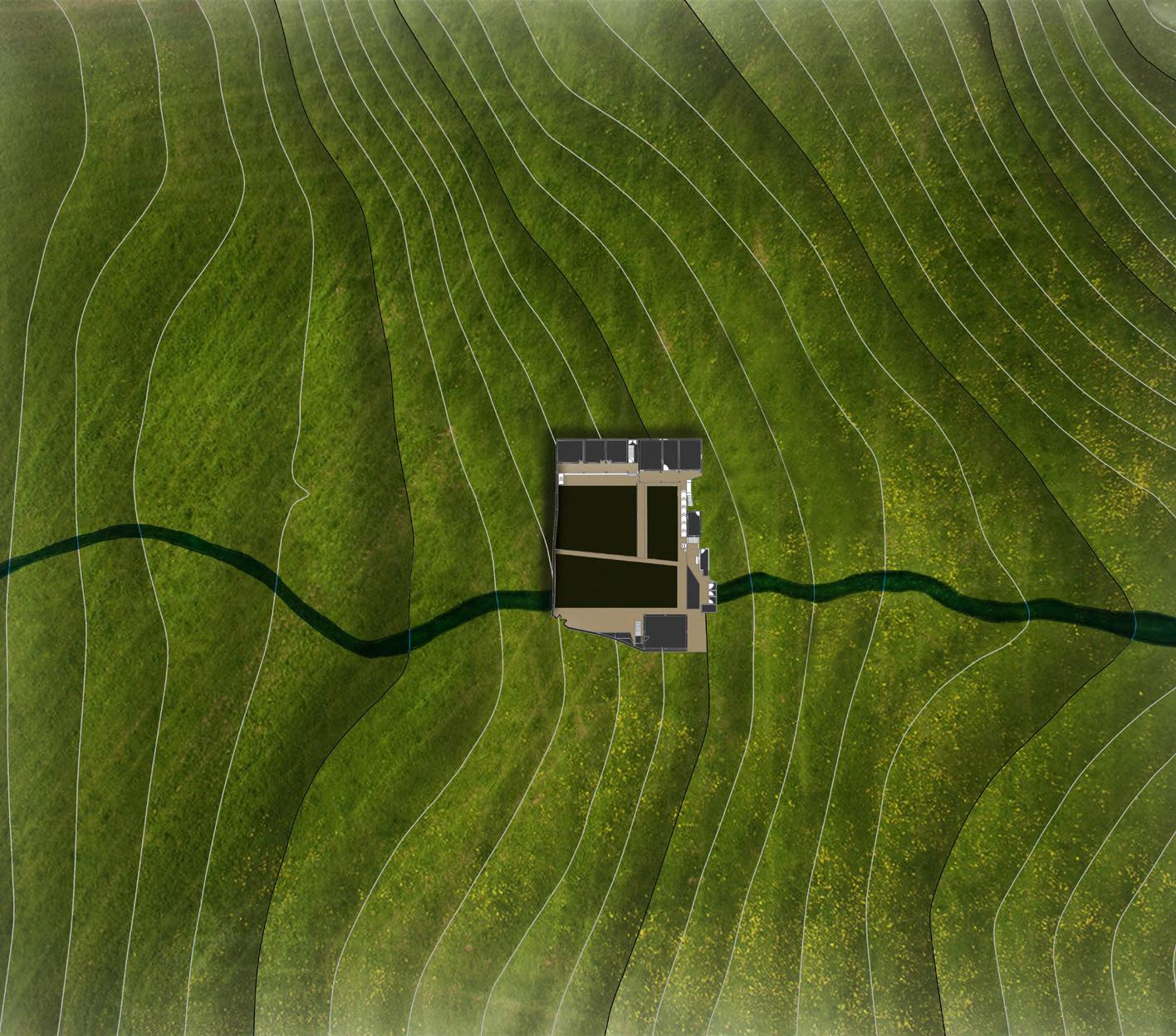
The form and typology of terrain is steep, with +20m rise in elevations of each level. the arrangement is curvic which is left untouched in the design parameteres. The area is rich in flora and fauna, fertility of soil, considering these factors to stay unaffected in the design process and keeping the forest belt intact. Vashisth village is situated at an elevation of 2050m from sea level. The nature blooms in the months of April to June. the area comes in the high seismic zone; and is prone to landslides, unexpected weather conditions
The Big Idea
The central idea in the project is Unity in Diversity. In order to create a village school, based on cultural values, the term ‘Unity’ is as important as other values in school design. After analysing context, which is in multilevels, a sense of community is given through varied levels in interior planning and diversifying the sense of unity in all spaces.
The major inspiration for interior styling is from, himalayan culture. the zen spaces which delivers the idea of goodness. The acceptance of nature, light, aroma, tangible texture and minimal elements which compliments the haptic ratio in space. I have come to a conclusion, to infuse technology and science in the spaces by providing digital labs, smartscreens, small stage platform in each class, for personality development, in unified himalayan community.
/ Location
Research
Concept Development
By using the method of sectional alteration, taking inspiration from zen style and infusing technology in the spaces, a Himalayan Community School, which especially caters to the needs of locals, a platform for development, evolution and contribution to modern society.
Primary & Middle School
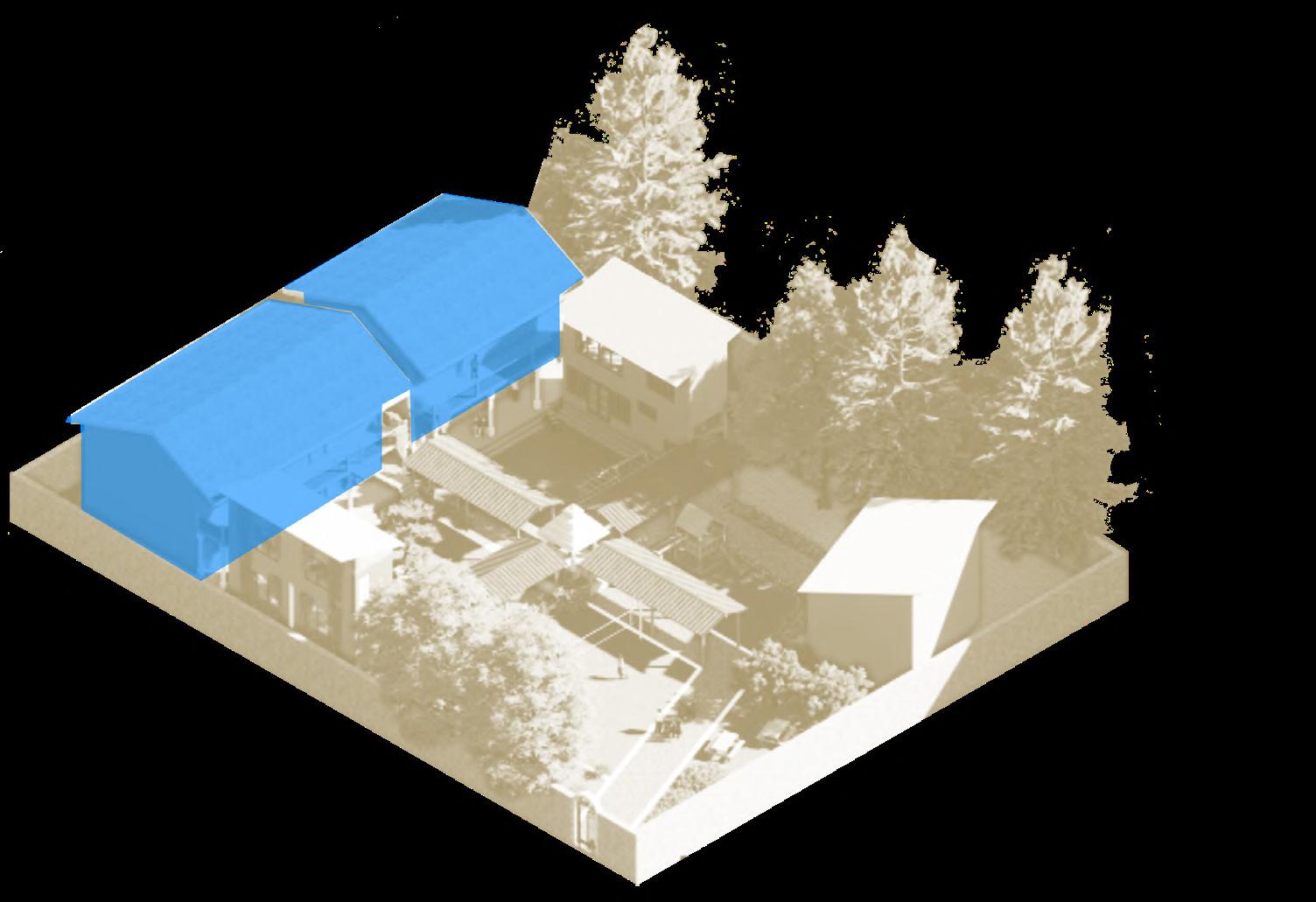
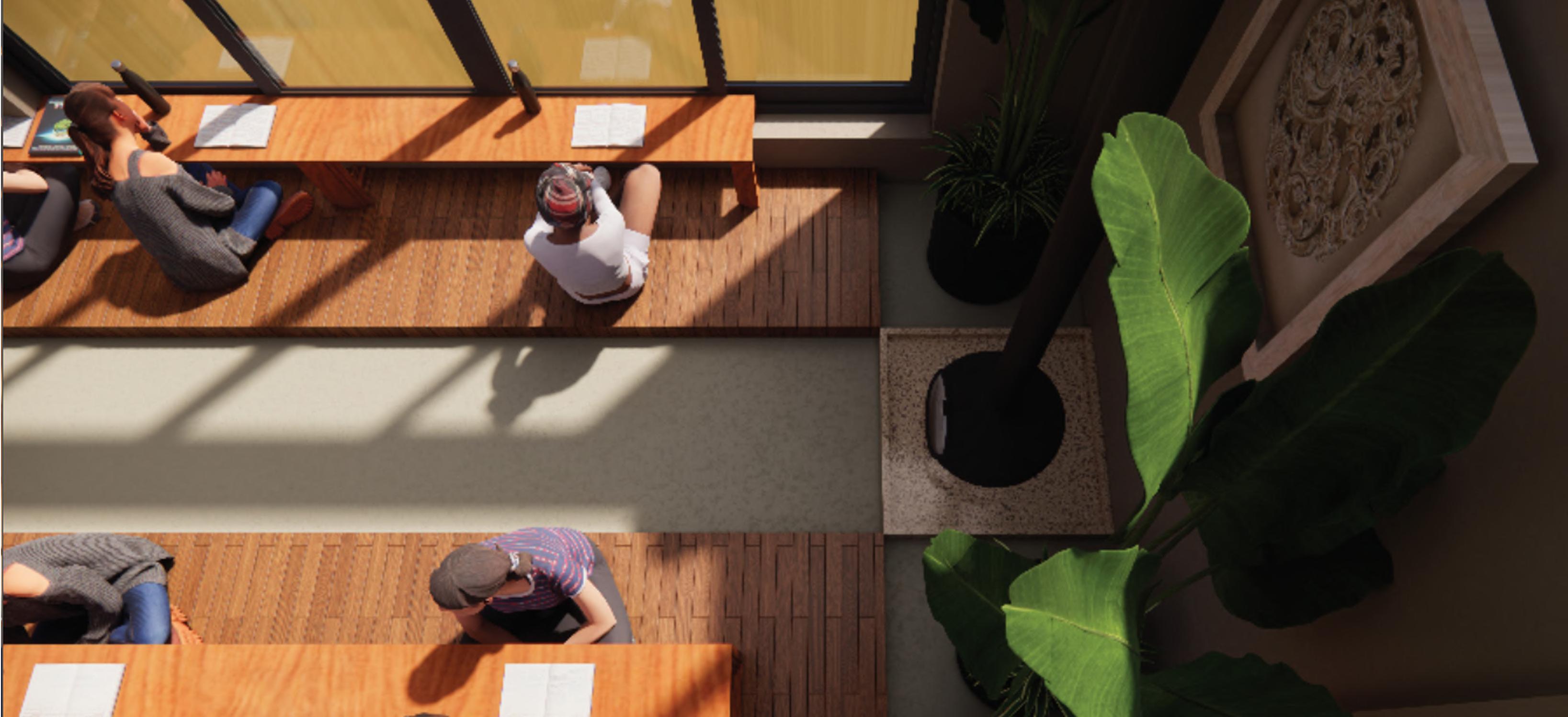
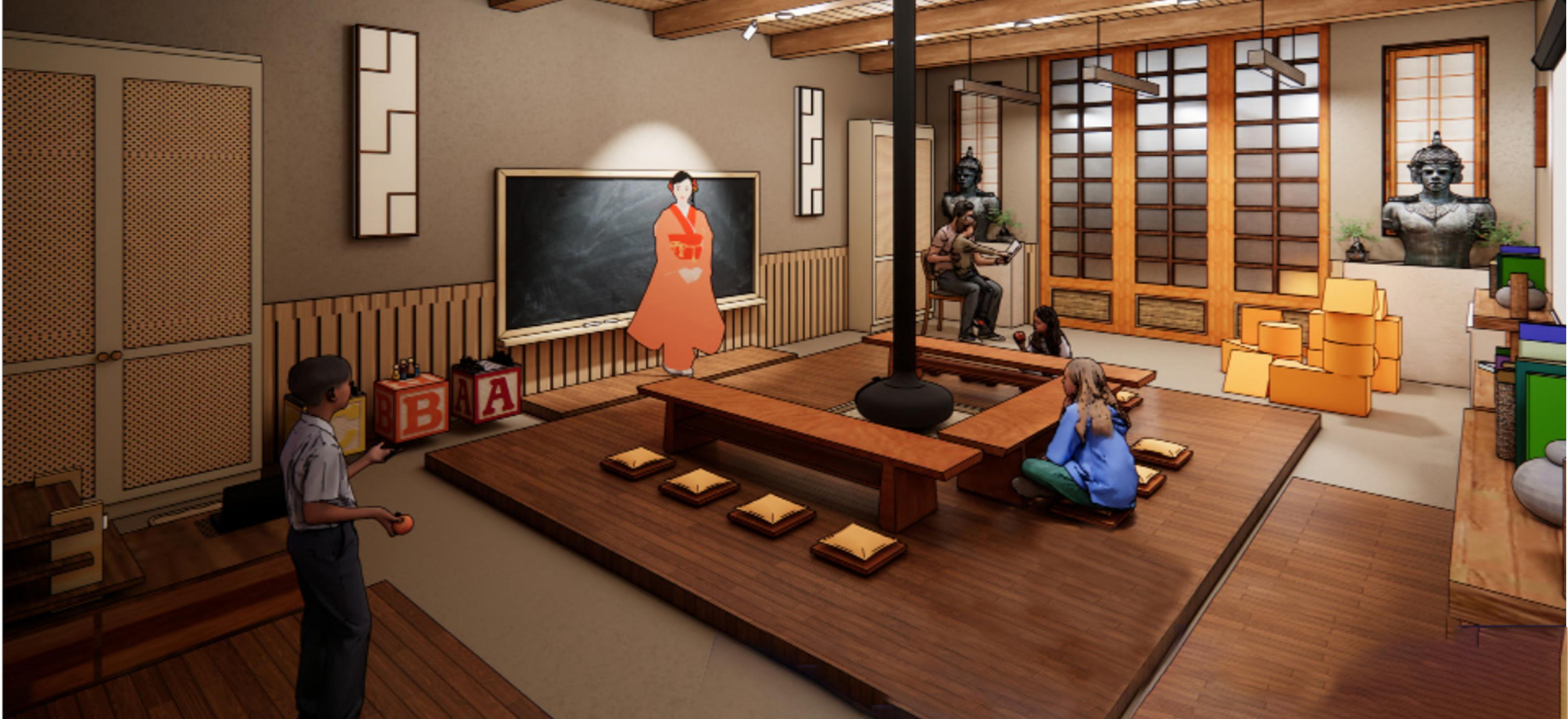
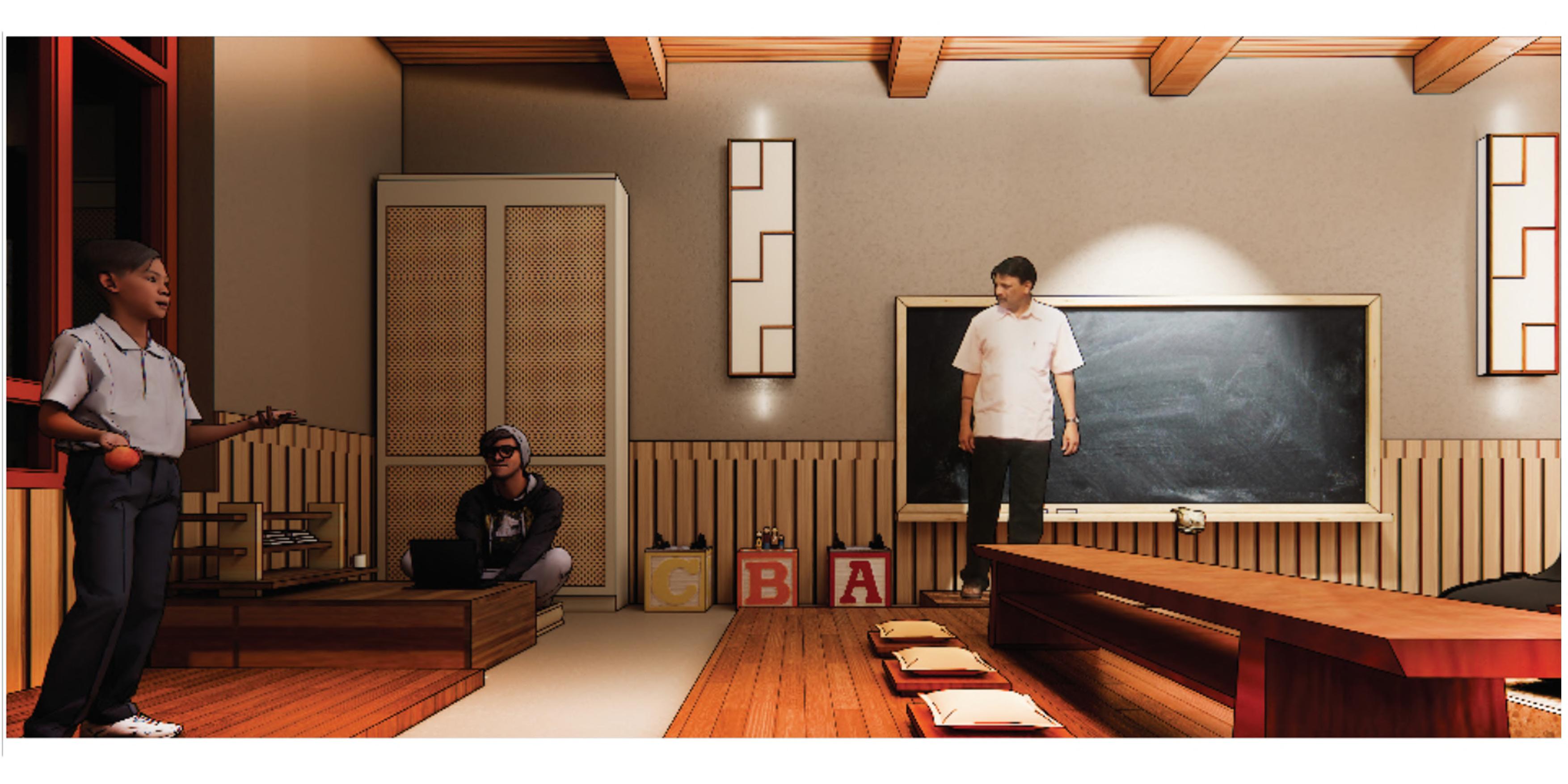
The primary building consists of six classrooms in total for primary students from 1st-5th. The classrooms are designed, keeping the technology, discipline with nature. The zen theme is the core essence behind the spaces. The furnitures are kept low heighted, which helps foster to nurture essential qualities.
Yoga & Library
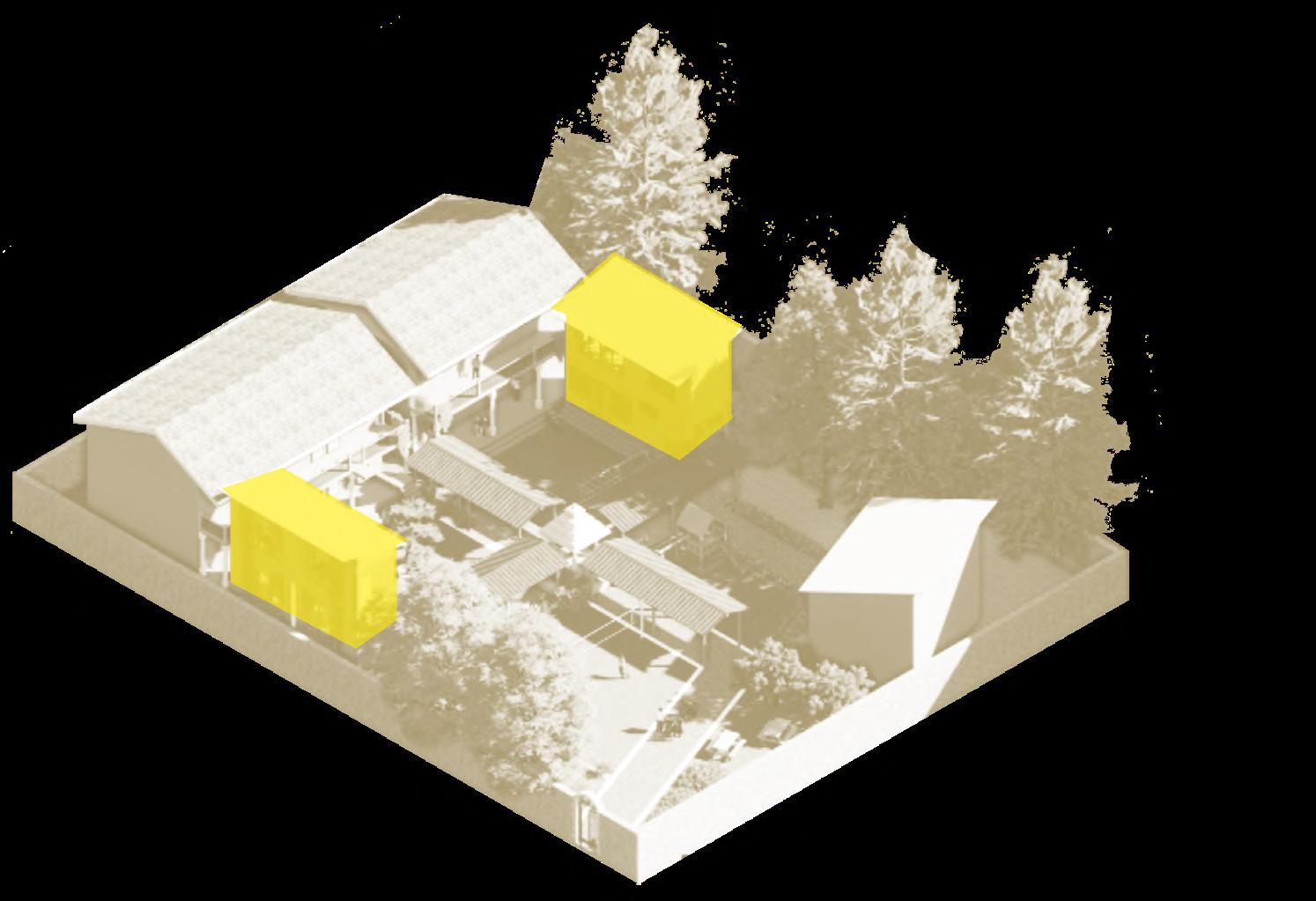
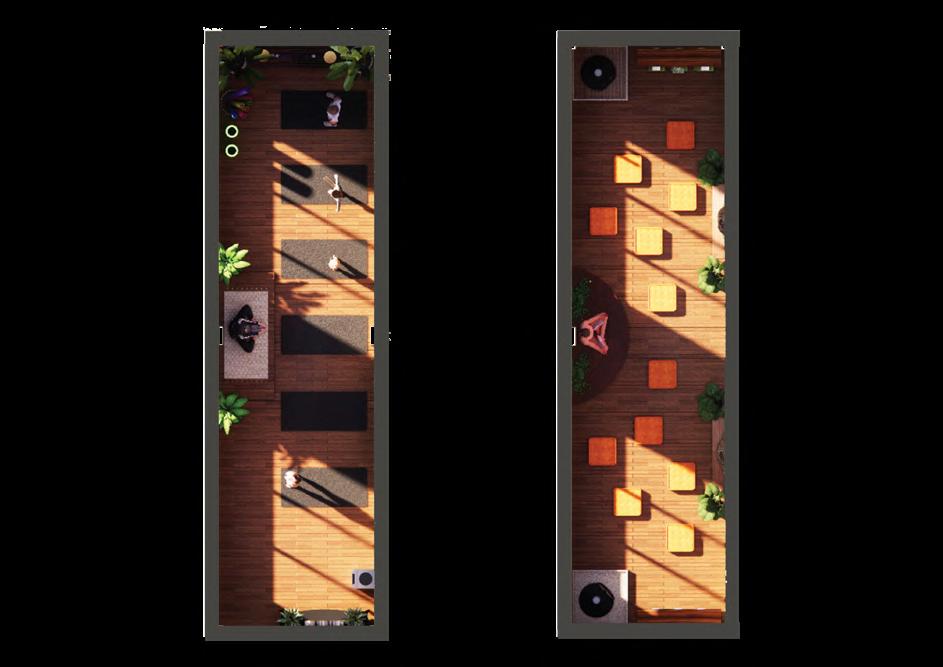
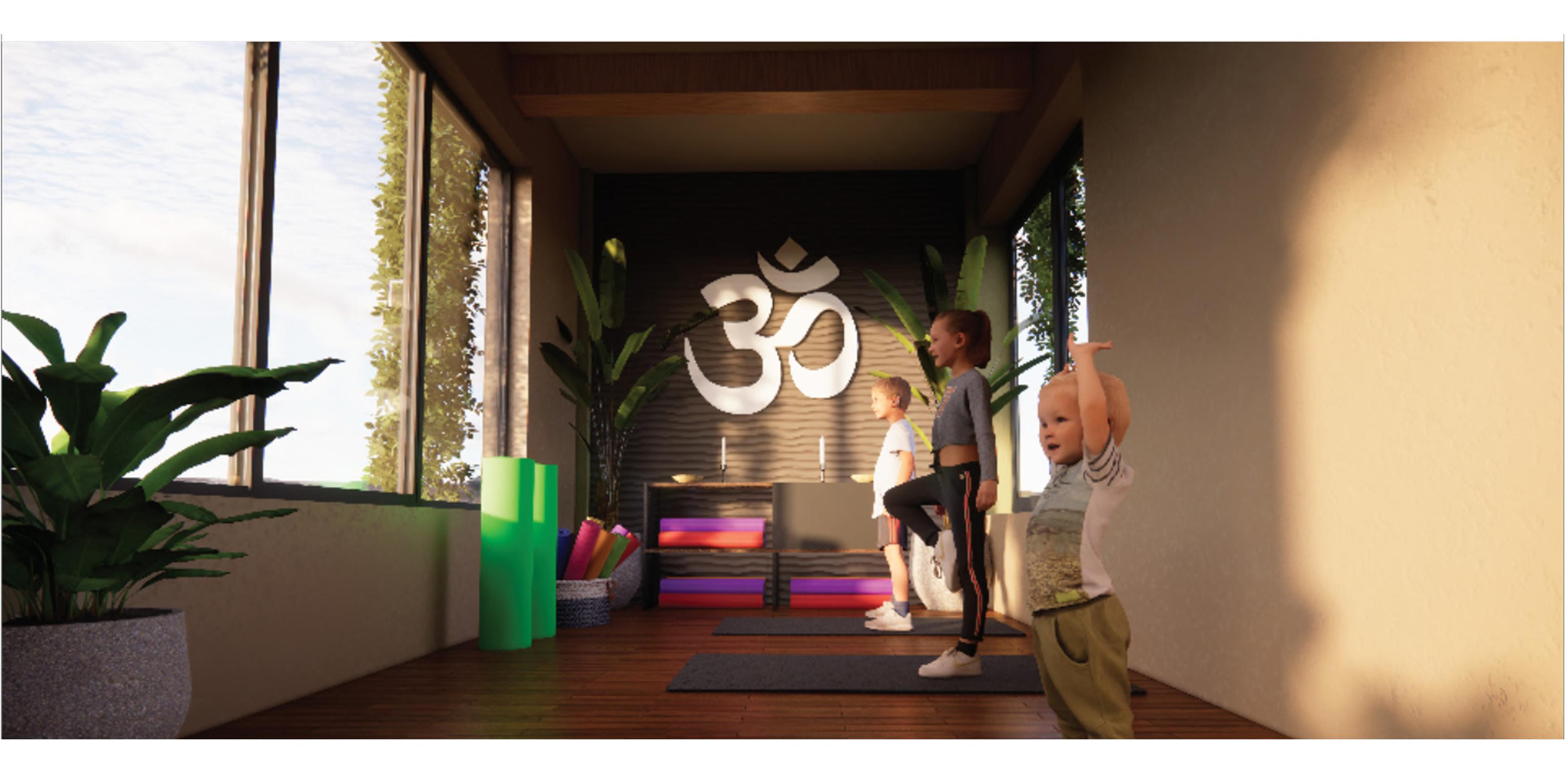
The yoga space, which is in first floor of the structure, is designed to accomodate one class which is 10-12 students at a time.
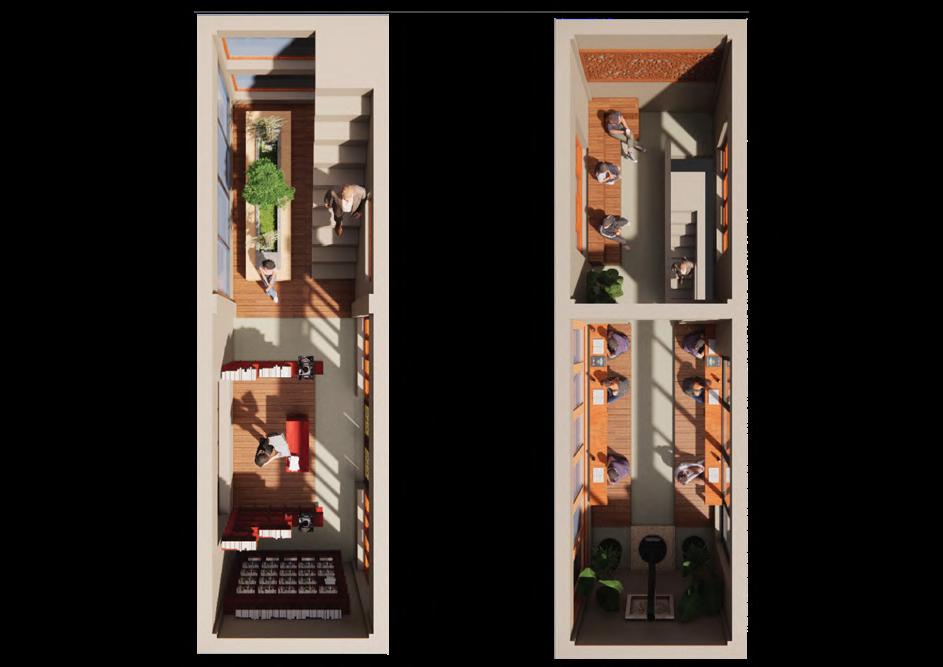
The Library space, due to the narrowness of the structure, the activity spaces has been divided in two floors, giving book shelf, reception, and a small indoor seating downstairs and reading upstairs.
Sacred Temple
The sacred temple on the centre is the main junction of the entire premises. This point can be accessed from all the areas, making it a meeting and assembly port for all the pupils. The derived concept is such that this temple is the heart of the school and the guiding light for the future of the students.
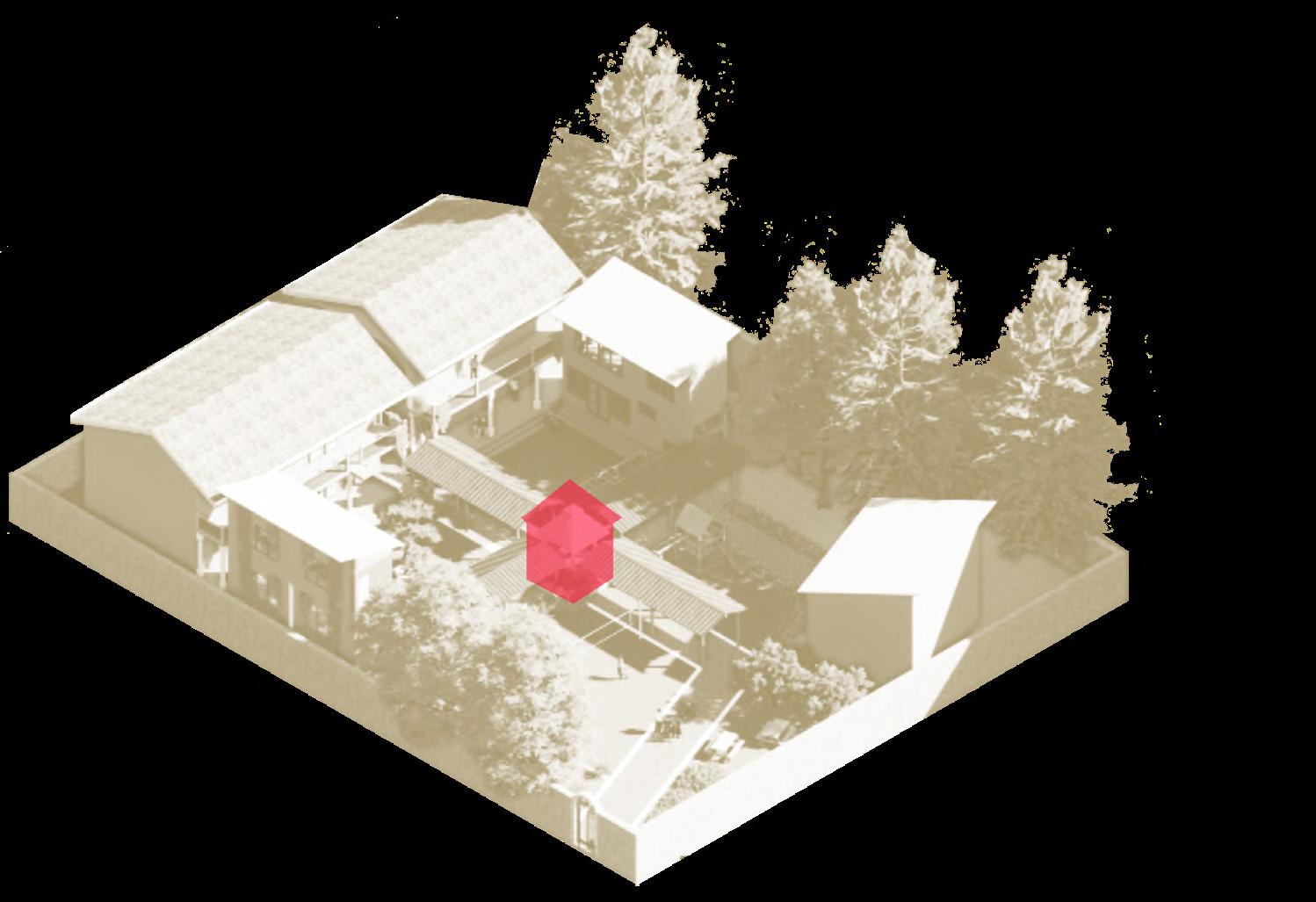
Space Planning
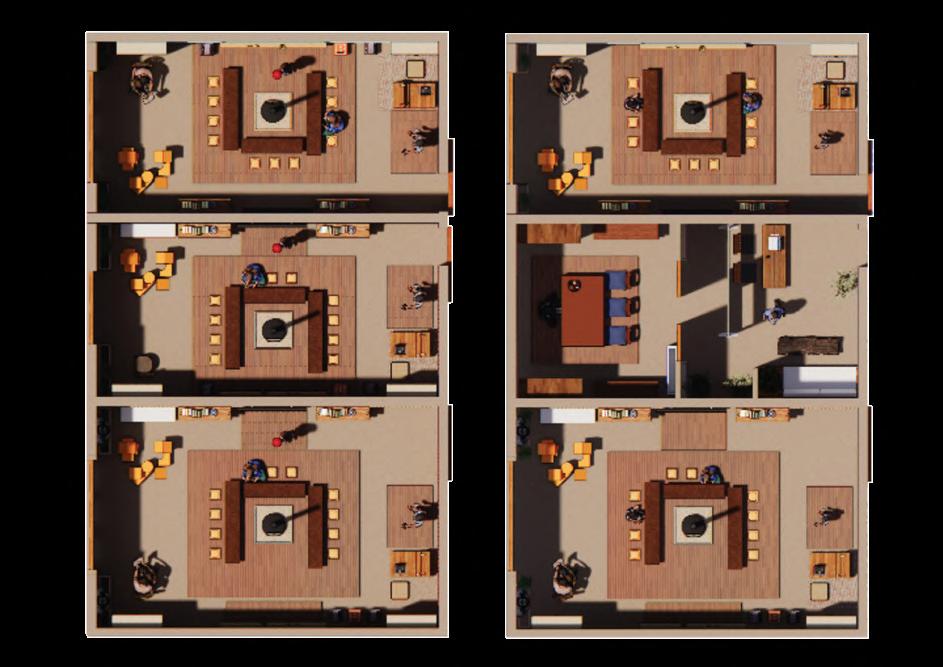
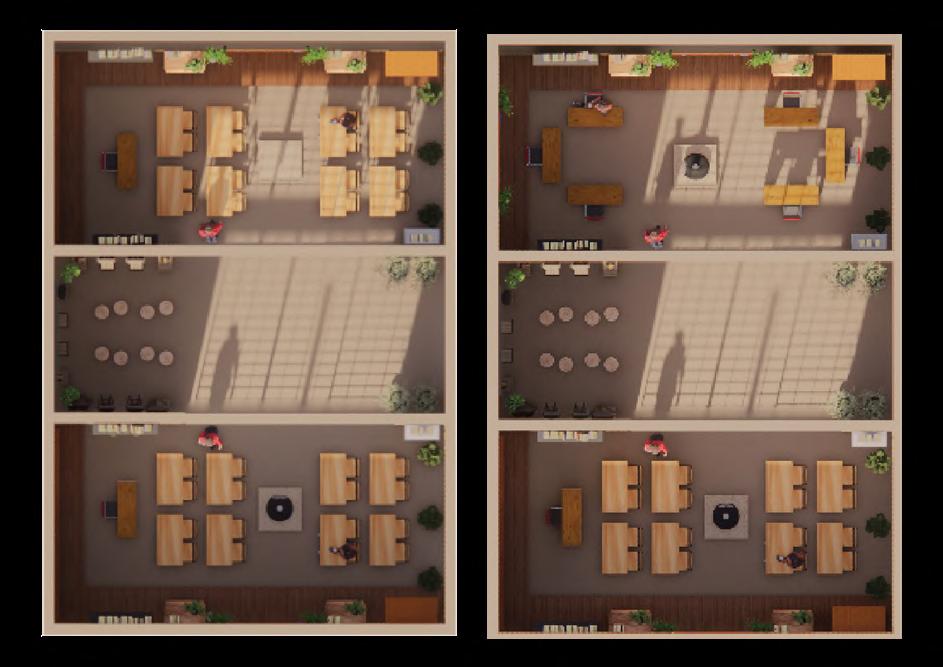
he isometric view explains various zones in classroom, the U shaped seating arrangement, activity zones of ground floor and first floor. Also special importance has given to the rised levels for the activites like teacher’s desk, personality development platform and smartscreen zone, in space which is a part of concept.
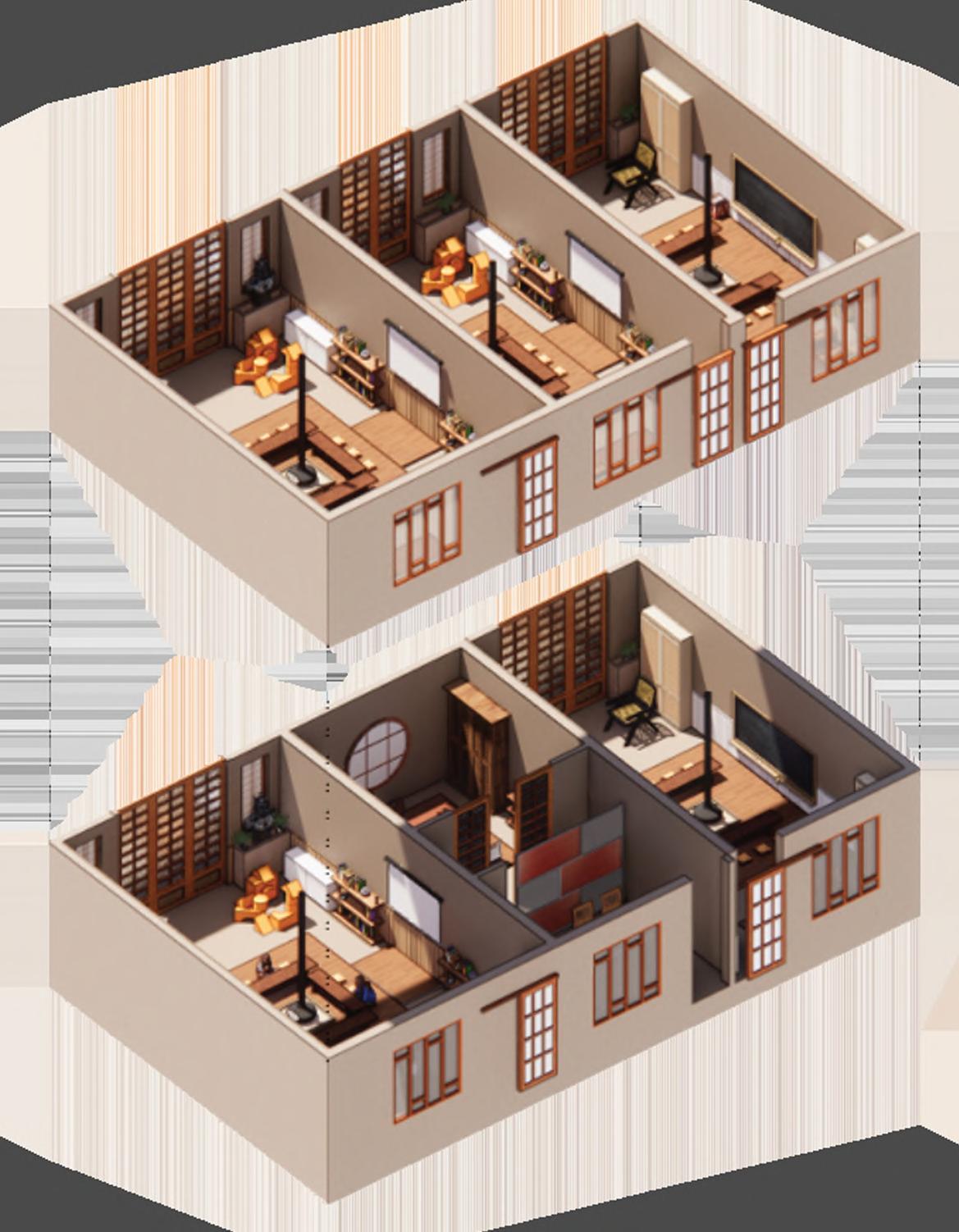
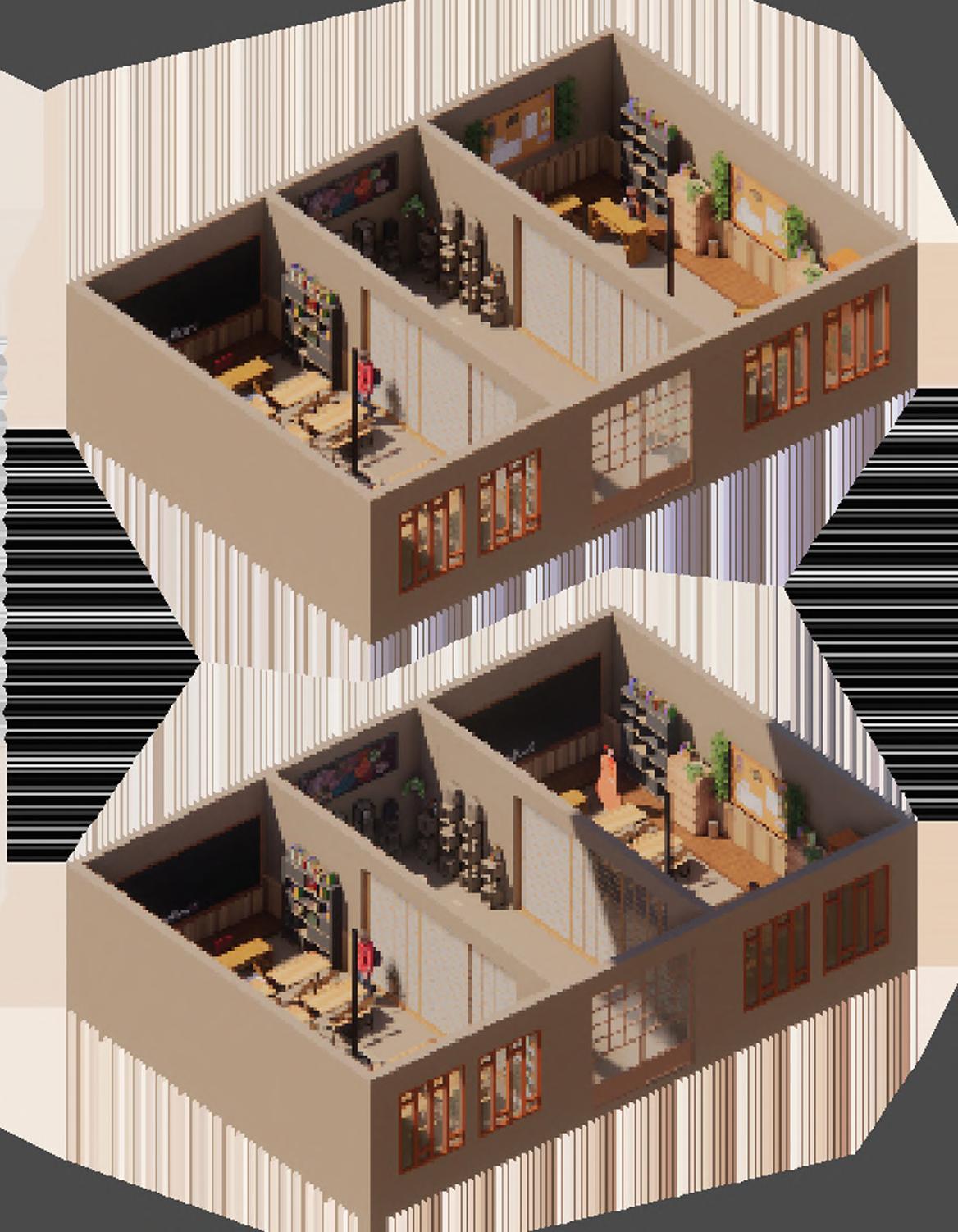
A sense of formal seats and plant filtered natural light will not only help to study in brighter environment but will also help to learn from surroundings and the elements it has to offer. The collective organization of interior elements are kept in order to promote unity in diversity.
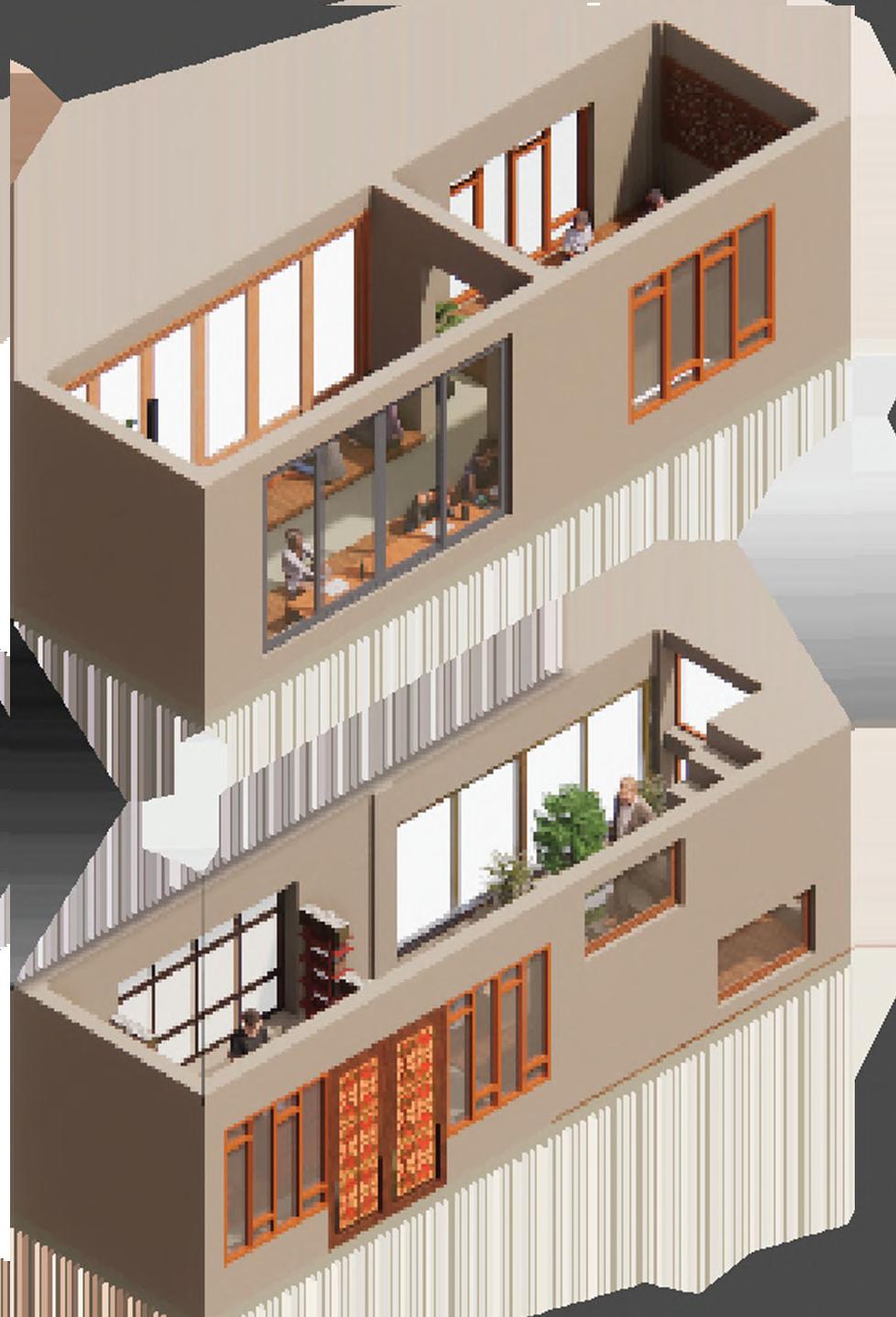
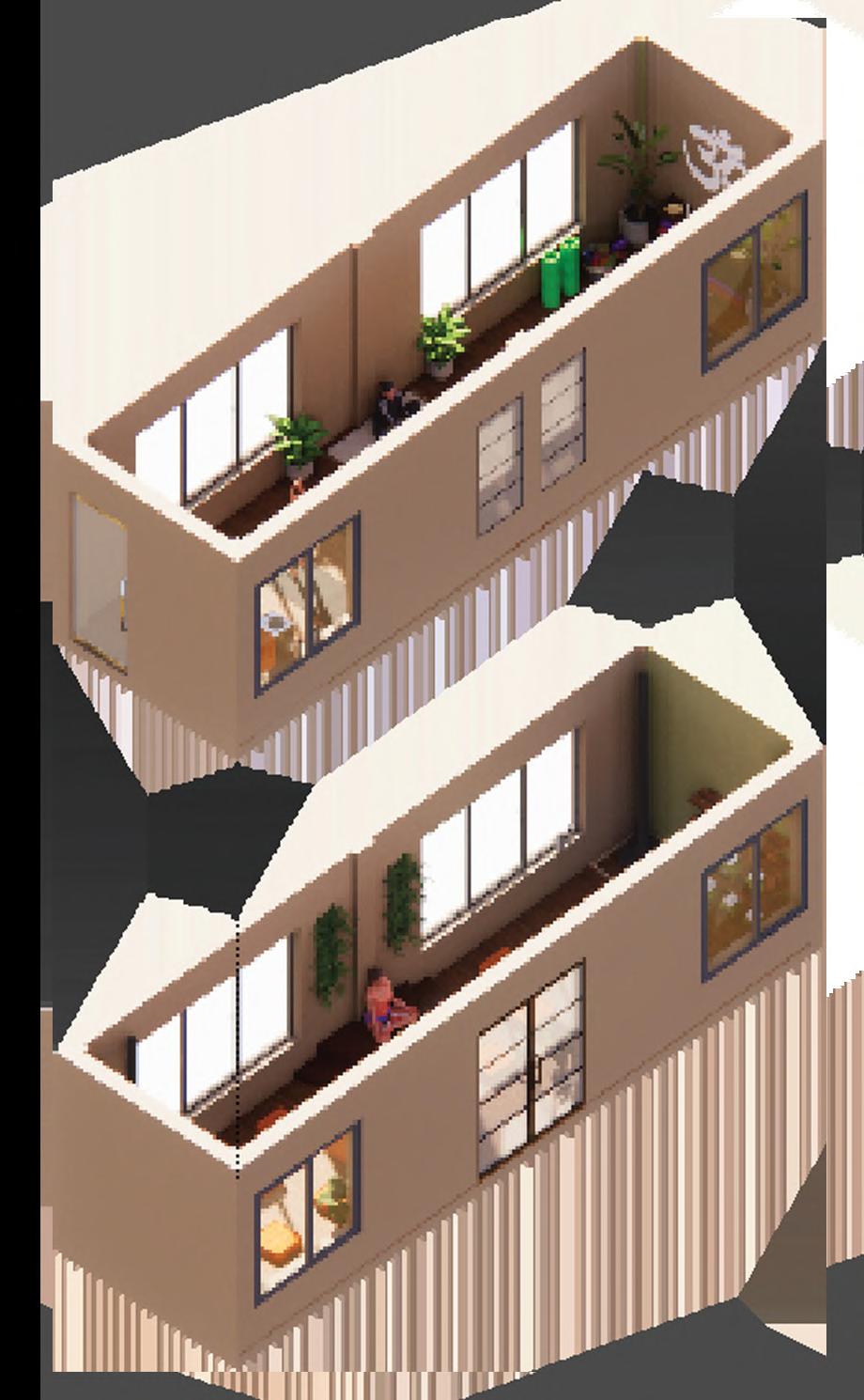
The arrangement is in a radial cum linear format, hypothetically which means, transpassing of radiation in a rectilinear box, which makes the space vivid, keeping the origin of radiation at guru’s seat. This concept of arrangement delivers the importance of Guru/Master in one’s life.
Moodboard/Inspiration Board
The inspiration board is prepared by choosing a set of images which resemble the spatial mood and thought process behind the color board and material board.







Furnishing/Accessories Selection

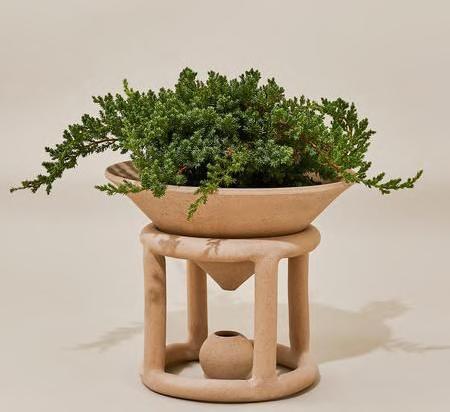
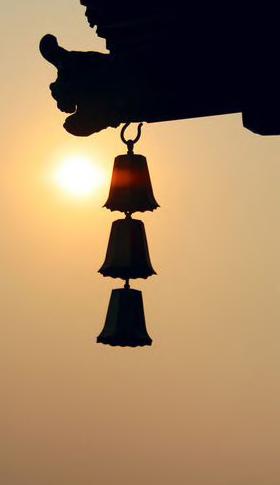
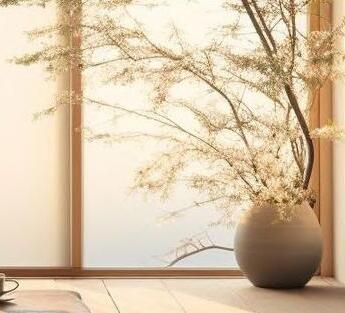
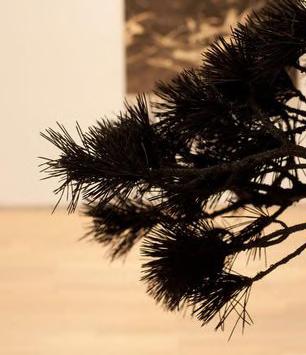




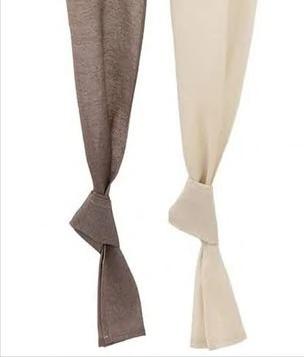
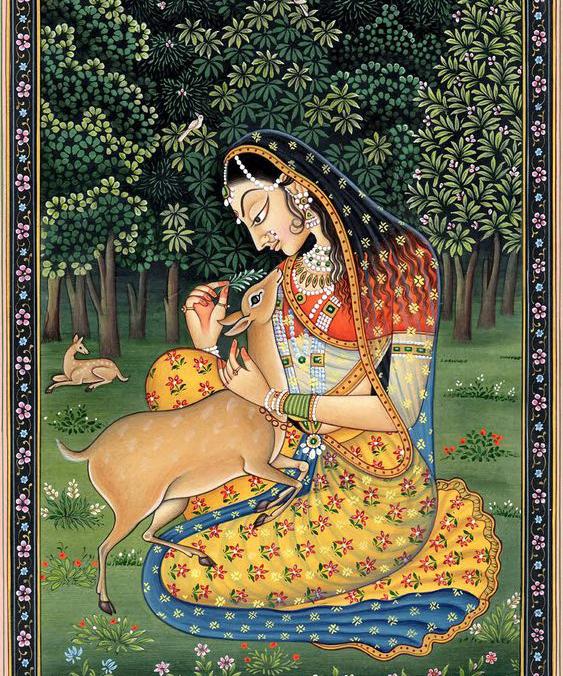
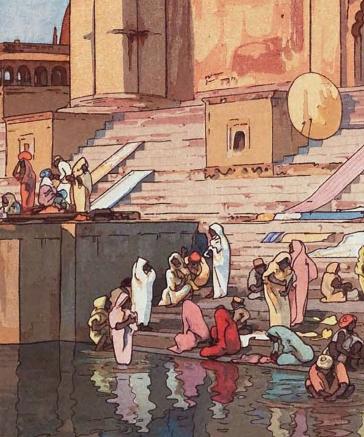


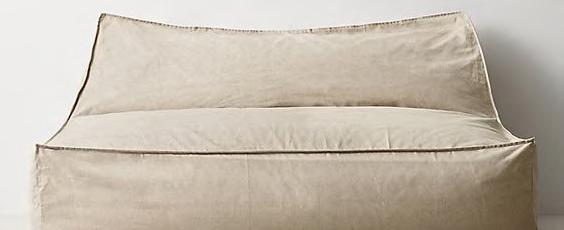
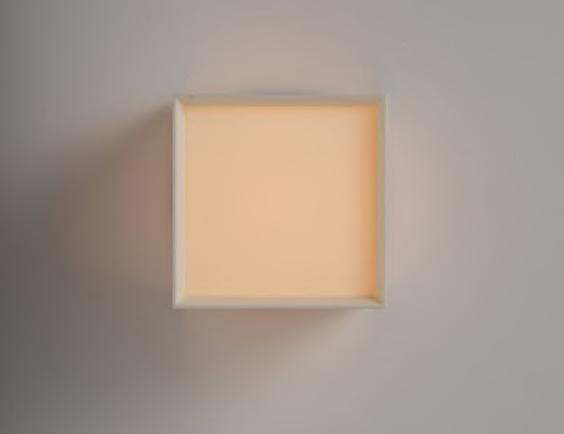
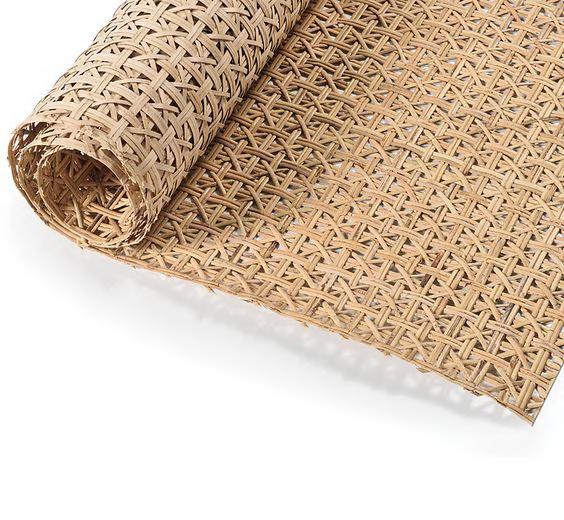
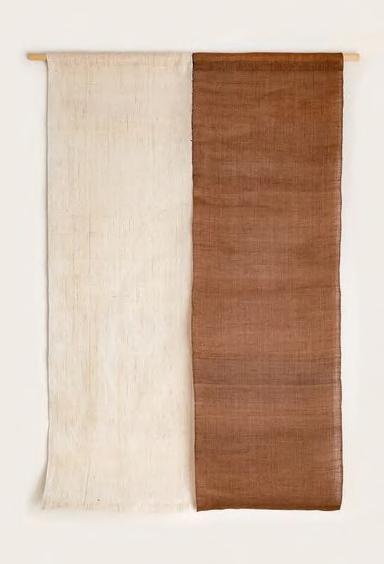
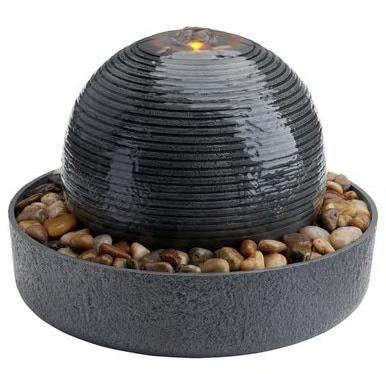
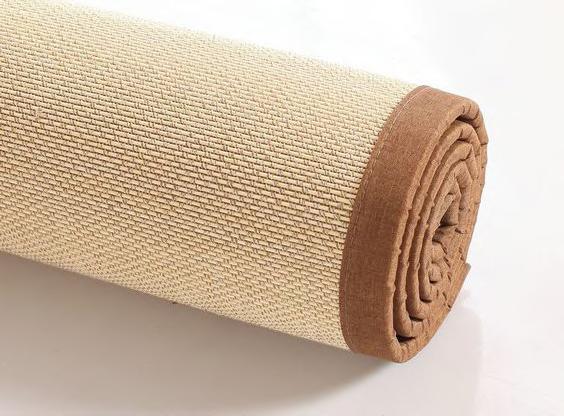
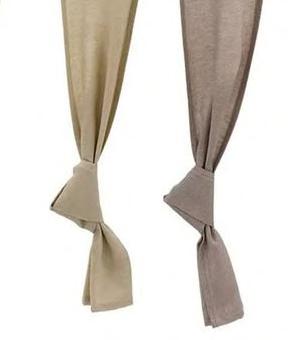 Lord Vishnu Idol Kids Toys
Cultutral Painting
Indian Paintings
Ring Toy
Wall light
Water feature
Candle Holder
Indoor Planter
Locally Sourced Toys
Locally Sourced Toys
Buddha Idol Curtains
Curtains
Rattan Sheet Muslin Sheet
Lord Vishnu Idol Kids Toys
Cultutral Painting
Indian Paintings
Ring Toy
Wall light
Water feature
Candle Holder
Indoor Planter
Locally Sourced Toys
Locally Sourced Toys
Buddha Idol Curtains
Curtains
Rattan Sheet Muslin Sheet
Design Documentation
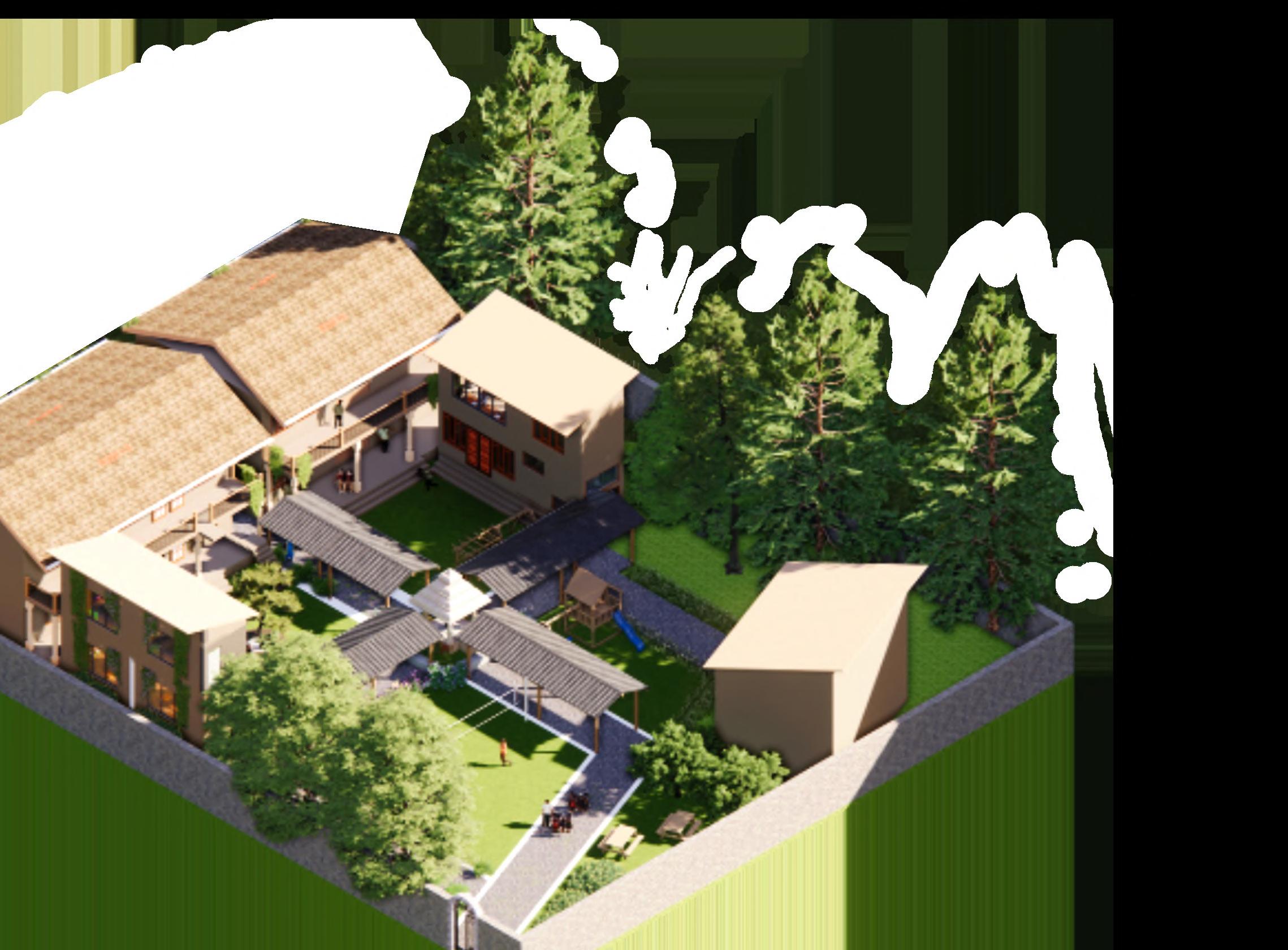
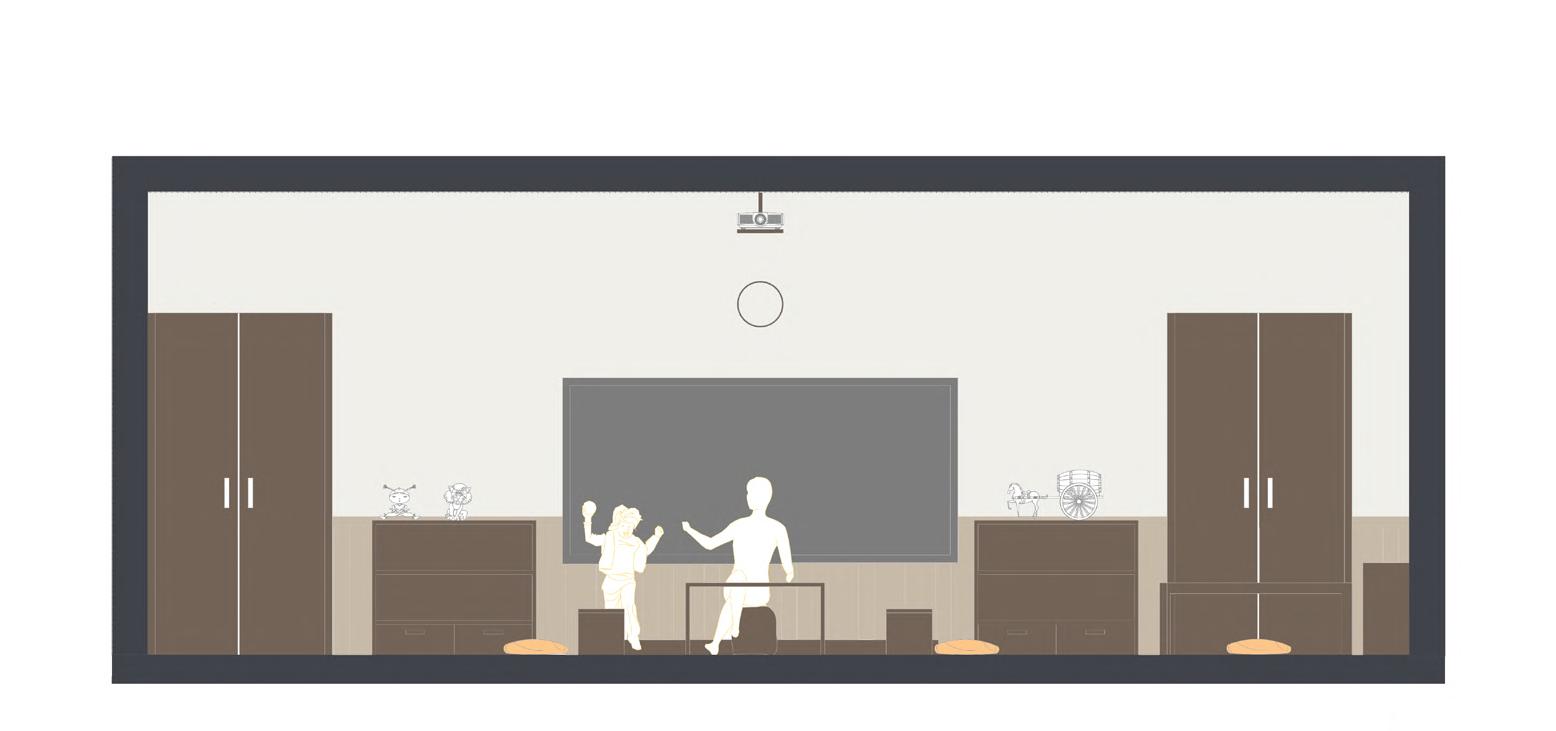
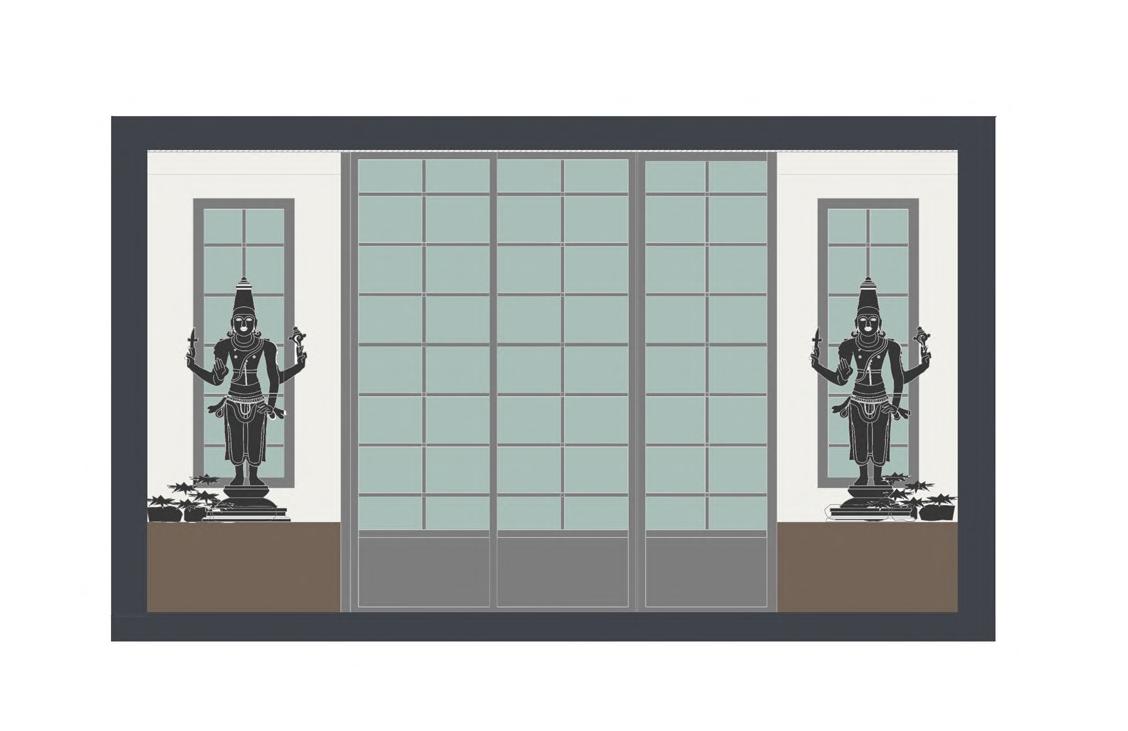
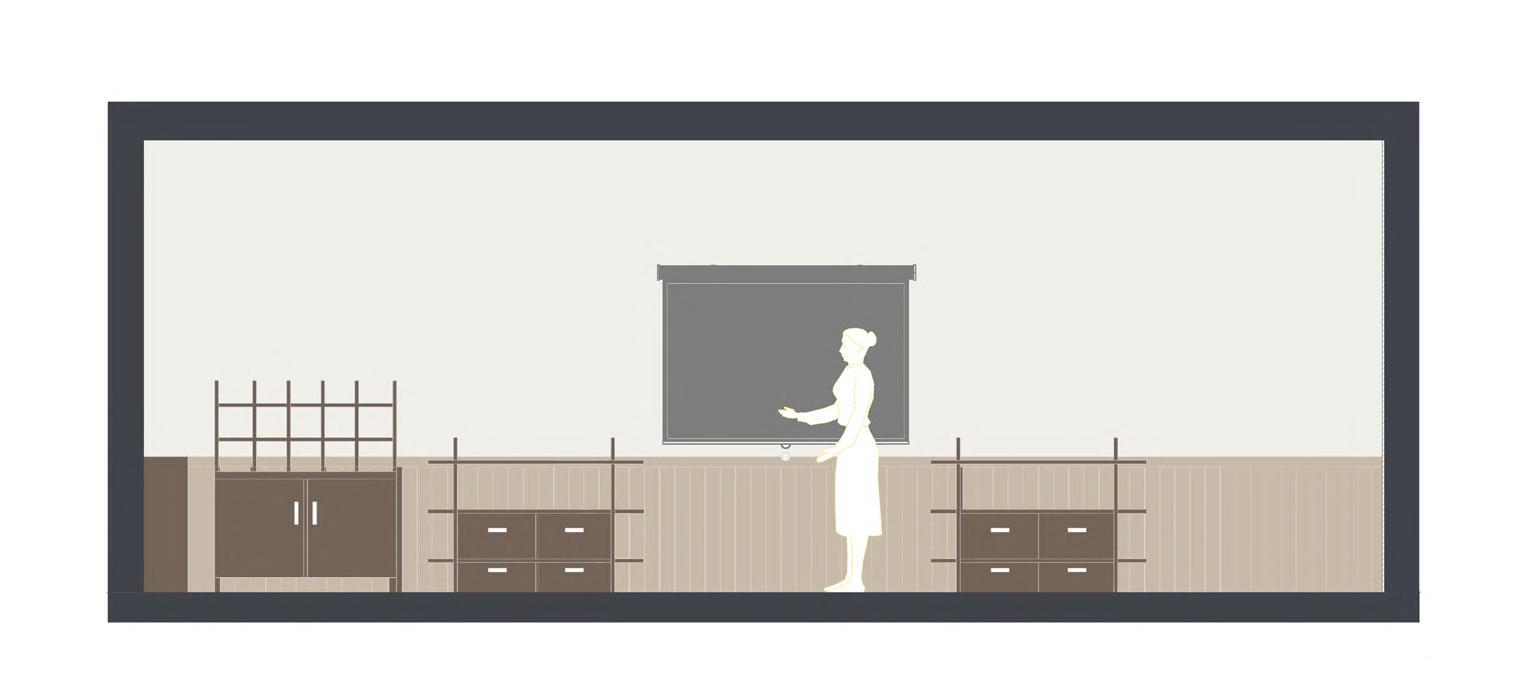
This diagram represents all the structures and landscape in one picture. Which states the movment pattern and activity zones. Sections on the below represents the detail of furniture and other elements of a primary classeoom. The middle school building has similar structure and area for the classroom as well.
Detail Drawing
The below rendered plans are for primary school, middle school, yoga space, and library space. This is representation of materials used on the floors, furniture color scheme and activity zones in the space. The light and shadow is also crucial and hence depicted in the plan.
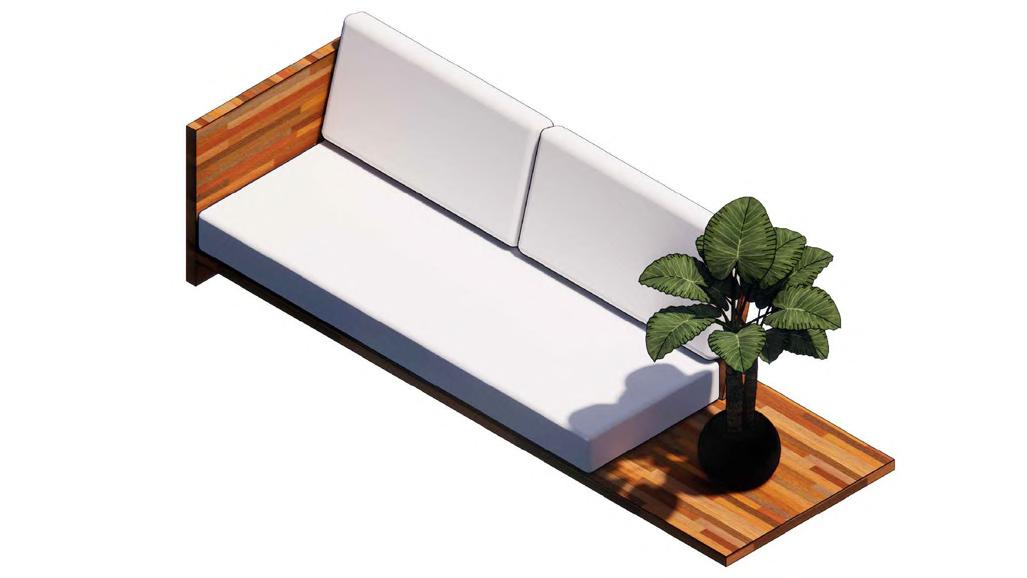
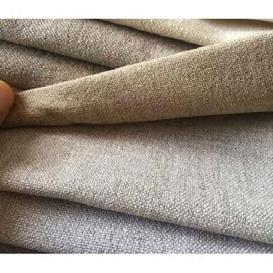
The drawings showcases the detail used to produce a low heighted sofa using maple wood as a base and MDF for the side and arm board. This furiture is placed near principal room in the waiting area. The exploded view also demonstrate the different parts of the furniture and how to assemble them.
A'A UID UNITED WORLD INSTITUTE OF DESIGN SEMESTER DATE SHEET SIZE DWG NO. SCALE CHECKED BY DATE N 23/05/2022 1:100 C'C Wooden Panelling UID NOTE PROJECT NAME DWG TITLE SEMESTER DRAWN BY VIII SCALE DATE N HIMALAYAN COMMUNITY SCHOOL PRIMARY SECTIONAL ELEVATION RUDRANSH THAKUR 23/05/2022 1:100 B'B DWG TITLE DWG NO. N PRIMARY SECTIONAL ELEVATION
RECEPTION AREA SOFA FRAME DETAIL EXPLODED FRAME VIEW DETAIL A'A DETAIL B'B 80.5 Upholstered Base ARM PANEL BACK PANEL FOUNDATION PANEL 80.4 170.9 58.0 61.0 5.0 13.0 240.0 80.0 15.0 15.0 50.0 5.0 30.0 170.0 10.0 5.0 80.0 10.0 15.0 8.2 15.0 62.2 240.0 BLOCKBOARD FOR SEAT RESTING UPHOLSTERY UPHOLSTERED BASE Arm Panel (5cm thick) Foundation Panel (5cm thick) Seat Base Wood (5cm thick) Foundation Panel (10cm thick) 80.0 170.0 241.3 Foundation UID UNITED WORLD INSTITUTE OF DESIGN NOTE PROJECT NAME DWG TITLE SEMESTER DATE DRAWN BY SHEET SIZE DWG NO. A3 VIII SCALE CHECKED BY DATE N HIMALAYAN COMMUNITY SCHOOL SOFA FURNITURE DETAIL RUDRANSH THAKUR 23/05/2022 1:100 RECEPTION AREA SOFA FRAME DETAIL EXPLODED FRAME VIEW DETAIL A'A DETAIL B'B 80.5 Upholstered Base ARM PANEL BACK PANEL FOUNDATION PANEL 80.4 170.9 58.0 61.0 5.0 13.0 240.0 80.0 15.0 15.0 50.0 5.0 30.0 170.0 10.0 5.0 80.0 10.0 15.0 8.2 15.0 62.2 240.0 BLOCKBOARD FOR SEAT RESTING UPHOLSTERY UPHOLSTERED BASE Arm Panel (5cm thick) Foundation Panel (5cm thick) Seat Base Wood (5cm thick) Foundation Panel (10cm thick) 80.0 170.0 241.3 UID NOTE PROJECT NAME DWG TITLE SEMESTER DATE DRAWN BY : VIII SCALE HIMALAYAN COMMUNITY SCHOOL SOFA FURNITURE DETAIL RUDRANSH THAKUR 23/05/2022 RECEPTION AREA SOFA FRAME DETAIL EXPLODED FRAME VIEW DETAIL A'A DETAIL B'B 80.5 Upholstered Base ARM PANEL BACK PANEL FOUNDATION PANEL 80.4 170.9 58.0 61.0 5.0 13.0 240.0 80.0 15.0 15.0 50.0 5.0 30.0 170.0 10.0 5.0 80.0 10.0 15.0 8.2 15.0 62.2 240.0 BLOCKBOARD FOR SEAT RESTING UPHOLSTERY UPHOLSTERED BASE Arm Panel (5cm thick) Foundation Panel (5cm thick) Seat Base Wood (5cm thick) Foundation Panel (10cm thick) 80.0 170.0 241.3 UID UNITED WORLD INSTITUTE OF DESIGN NOTE PROJECT NAME DWG TITLE SEMESTER DATE DRAWN BY SHEET SIZE A3 VIII N HIMALAYAN COMMUNITY SCHOOL SOFA FURNITURE DETAIL RUDRANSH THAKUR 23/05/2022 RECEPTION AREA SOFA FRAME DETAIL EXPLODED FRAME VIEW DETAIL A'A DETAIL B'B 80.5 Upholstered Base ARM PANEL BACK PANEL FOUNDATION PANEL 80.4 170.9 58.0 61.0 5.0 13.0 240.0 80.0 15.0 15.0 50.0 5.0 30.0 170.0 10.0 5.0 80.0 10.0 15.0 8.2 15.0 62.2 240.0 BLOCKBOARD FOR SEAT RESTING UPHOLSTERY UPHOLSTERED BASE Arm Panel (5cm thick) Foundation Panel (5cm thick) Seat Base Wood (5cm thick) Foundation Panel (10cm thick) 80.0 170.0 241.3 Foundation Panel UID UNITED WORLD INSTITUTE OF DESIGN NOTE PROJECT NAME DWG TITLE SEMESTER DATE DRAWN BY SHEET SIZE DWG NO. A3 VIII SCALE CHECKED BY DATE N HIMALAYAN COMMUNITY SCHOOL SOFA FURNITURE DETAIL RUDRANSH THAKUR 23/05/2022 1:100
Detail Drawing
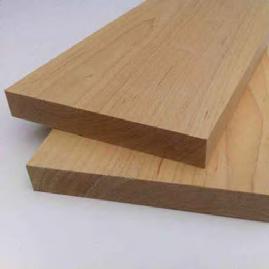
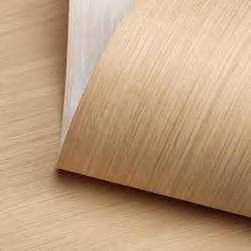
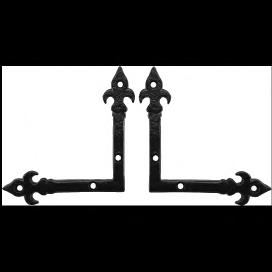
The door made up from teak wood, sourced locally from the forests and used widely in the wet wet areas like exterior, washrooms, windows and doors. These drawings depicts the accessoies and hardwares used in the door as well as profile which will be used on the door panel
Detail Drawing
Likewise the previous page these door details are for the library main building, which is why the design of these doors are kept very traditional and bold. The ancient wooden doors were kept bold and heavy to secure the internal premises and to safeguard the old textbooks from foreign invaders.

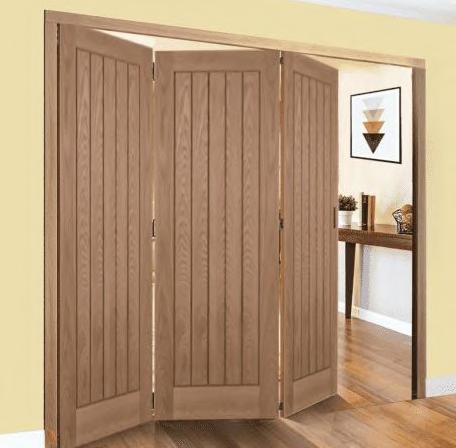
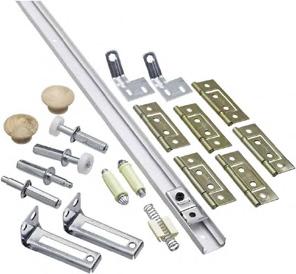
The drawings below depicts the sliding bifold door used in the primary classroom. These type of mecchanism require a top rail channel and the door is made from blockboard. The door panel is finished in teak ply.
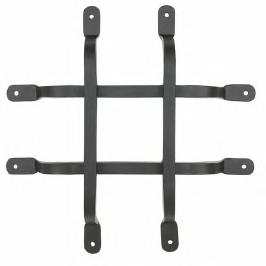
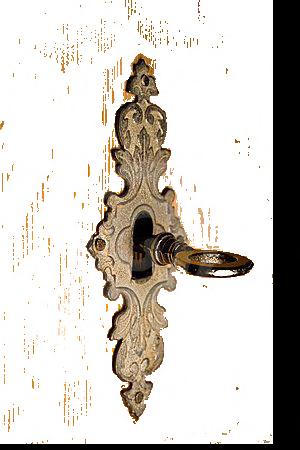
These doors has special set of hardwares and material that were sourced from Delhi, India. The list includes knocker, peephole speakeasy grill, Iron ancient lock, facial flat braces, iron rivets and vintage inside locks to give the aesthetics of an old era.



YOGA ROOM DOOR PALLA/PANEL DETAIL 195 100 90 76 37 3 28 99 76 60 3 12mm thick fixed glass 123 76 Detail A'A TRIM/CASING DETAIL 3 37 28 190 7 3 Detail B'B Detail C'C 110.0 Detail A'A REFERENCE IMAGE UID UNITED WORLD INSTITUTE OF DESIGN NOTE PROJECT NAME DWG TITLE SEMESTER DATE DRAWN BY SHEET SIZE DWG NO. A2 VIII SCALE CHECKED BY DATE YOGA ROOM DOOR FURNITURE DETAIL RUDRANSH THAKUR 23/05/2022HIMALAYAN COMMUNITY SCHOOL TOP VIEW FRONT VIEW DETAIL 01 4" Rai Chowkhat Palla in Block board with design in Teak Ply Recessed Top Channel 150 240 45 45 45 6" Hinges 110 Door Knob 135 37 63 63 26 230 DETAIL AA' DETAIL 02 Detail 02 U Grooving 5mm Grooving DETAIL 01 Palla in BlockBoard with design in Teak Ply 4" Chowkhat A A' 11 11 11 DETAIL 02 Detail 02 U Grooving 5mm Grooving DETAIL 01 Palla in BlockBoard with design in Teak Ply 4" Chowkhat A TOP VIEW FRONT VIEW DETAIL 01 4" Rai Chowkhat Palla in Block board with design in Teak Ply Recessed Top Channel 150 240 45 45 45 6" Hinges 110 Door Knob 135 37 63 63 26 230 YOGA ROOM DOOR PALLA/PANEL DETAIL 195 100 90 76 37 3 28 99 76 60 3 12mm thick fixed glass 123 76 Detail A'A TRIM/CASING DETAIL 3 37 28 190 7 3 Detail B'B Detail C'C 110.0 Detail A'A REFERENCE IMAGE UID UNITED WORLD INSTITUTE OF DESIGN NOTE PROJECT NAME DWG TITLE SEMESTER DATE DRAWN BY SHEET SIZE DWG NO. A2 VIII SCALE CHECKED BY DATE YOGA ROOM DOOR FURNITURE DETAIL RUDRANSH THAKUR 23/05/2022HIMALAYAN COMMUNITY SCHOOL YOGA ROOM DOOR PALLA/PANEL DETAIL 195 100 90 76 37 3 28 99 76 60 3 12mm thick fixed glass 123 76 Detail A'A TRIM/CASING DETAIL 3 37 28 190 7 3 Detail B'B Detail C'C 110.0 Detail A'A REFERENCE IMAGE UID WORLD INSTITUTE OF DESIGN NOTE PROJECT NAME DWG TITLE SEMESTER DATE DRAWN BY SHEET SIZE DWG NO. A2 VIII SCALE CHECKED BY DATE YOGA ROOM DOOR FURNITURE DETAIL RUDRANSH THAKUR 23/05/2022HIMALAYAN COMMUNITY SCHOOL YOGA ROOM DOOR PALLA/PANEL DETAIL 195 100 90 76 37 3 28 99 76 60 3 12mm thick fixed glass 123 76 Detail A'A TRIM/CASING DETAIL 3 37 28 190 7 3 Detail B'B Detail C'C 110.0 Detail A'A REFERENCE IMAGE UID UNITED WORLD INSTITUTE OF DESIGN NOTE PROJECT NAME DWG TITLE SEMESTER DATE DRAWN BY SHEET SIZE DWG NO. A2 VIII SCALE CHECKED BY DATE YOGA ROOM DOOR FURNITURE DETAIL RUDRANSH THAKUR 23/05/2022HIMALAYAN COMMUNITY SCHOOL YOGA ROOM DOOR PALLA/PANEL DETAIL 195 100 90 76 37 3 28 99 76 60 3 12mm thick fixed glass 123 76 Detail A'A TRIM/CASING DETAIL 3 37 28 190 7 3 Detail B'B Detail C'C 110.0 Detail A'A REFERENCE IMAGE UID UNITED WORLD INSTITUTE OF DESIGN NOTE PROJECT NAME DWG TITLE SEMESTER DATE DRAWN BY SHEET SIZE DWG NO. A2 VIII SCALE CHECKED BY DATE YOGA ROOM DOOR FURNITURE DETAIL RUDRANSH THAKUR 23/05/2022HIMALAYAN COMMUNITY SCHOOL YOGA ROOM DOOR PALLA/PANEL DETAIL 195 100 90 76 37 3 28 99 76 60 3 12mm thick fixed glass 123 76 Detail A'A TRIM/CASING DETAIL 3 37 28 190 7 3 Detail B'B Detail C'C 110.0 Detail A'A REFERENCE IMAGE UID UNITED WORLD INSTITUTE OF DESIGN NOTE PROJECT NAME DWG TITLE SEMESTER DATE DRAWN BY SHEET SIZE DWG NO. A2 VIII SCALE CHECKED BY DATE YOGA ROOM DOOR FURNITURE DETAIL RUDRANSH THAKUR 23/05/2022HIMALAYAN COMMUNITY SCHOOL
PALLA/PANEL DETAIL 100 90 76 37 3 28 99 76 60 3 12mm thick fixed glass 123 76 Detail A'A TRIM/CASING DETAIL 3 37 28 190 7 3 Detail B'B Detail C'C 110.0 Detail A'A REFERENCE IMAGE UID WORLD INSTITUTE OF DESIGN NOTE PROJECT NAME DWG TITLE SEMESTER DATE DRAWN BY SHEET SIZE DWG NO. A2 VIII SCALE CHECKED BY DATE YOGA ROOM DOOR FURNITURE DETAIL RUDRANSH THAKUR 23/05/2022HIMALAYAN COMMUNITY SCHOOL
YOGA ROOM DOOR
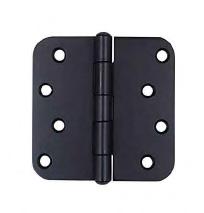
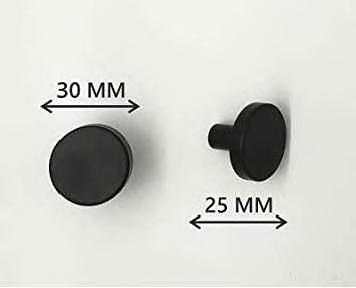
Item Description Quantity Hardware Set Door Knob Ref. Image Folding Door Hardware Set (Including Track, Rollers, Hinges, Handles, Pins) Size (152x7.6x10.2)cm Concealed Bifold door handle 1 piece per Door Total - 3 Piece 1 set (3 Hinges per Door) Total Hinges - 9 H A R D W A R E & M A T E R I A L L I S T Colour Black Size 30mm KPI 30mm Flush Door Size 90"x18" KPI 30mm Flush Door 1Piece Teak Ply 4mm Thickness Sheet Size 8'x4' Teak Ply in selected Shade 3 Sheet Small Iron Rivets Iron Lock Rustic Knocker Vintage Inside Lock Facial Flat Braces Peephole Speakeasy TOP VIEW FRONT VIEW DETAIL 01 Flat/Facial Door Braces Metal Door Knocker Speakeasy Grill Door Clavos/Rivets Facial Door Braces Metal Pull Handle Metal key hole DETAIL 01 A A' DETAIL A'A 3" Door Frame Chowkhat Trim details DETAIL 02 DETAIL 02 DETAIL B'B B' Panel moulding profile U Grooving on Teak Ply Clavos 30mm Block Board CHOWKHAT DETAILS PALLA TRIM DETAILS 3"x6" Rai Chowkhat 100 240 95 14 6 11 23 13 146 16 10 101 72 59 18 86 Moulding TOP VIEW FRONT VIEW DETAIL 01 Flat/Facial Door Braces Metal Door Knocker Speakeasy Grill Door Clavos/Rivets Facial Door Braces Metal Pull Handle Metal key hole DETAIL 01 A A' DETAIL A'A 3" Door Frame Chowkhat Trim details DETAIL 02 DETAIL 02 DETAIL B'B B B' Panel moulding profile U Grooving on Teak Ply Clavos 30mm Block Board CHOWKHAT DETAILS PALLA TRIM DETAILS 3"x6" Rai Chowkhat 100 240 95 14 6 11 23 13 146 16 10 101 72 59 18 86 Moulding TOP VIEW FRONT VIEW DETAIL 01 Flat/Facial Door Braces Metal Door Knocker Speakeasy Grill Door Clavos/Rivets Facial Door Braces Metal Pull Handle Metal key hole DETAIL 01 A A' DETAIL A'A 3" Door Frame Chowkhat Trim details DETAIL 02 DETAIL 02 DETAIL B'B B B' Panel moulding profile U Grooving on Teak Ply Clavos 30mm Block Board CHOWKHAT DETAILS PALLA TRIM DETAILS 3"x6" Rai Chowkhat 100 240 95 14 6 11 23 13 146 16 10 101 72 59 18 86 Moulding TOP VIEW FRONT VIEW DETAIL 01 Flat/Facial Door Braces Metal Door Knocker Speakeasy Grill Door Clavos/Rivets Facial Door Braces Metal Pull Handle Metal key hole DETAIL 01 A A' DETAIL A'A 3" Door Frame Chowkhat Trim details DETAIL 02 DETAIL 02 DETAIL B'B B B' Panel moulding profile
Grooving on Teak Ply Clavos 30mm Block Board CHOWKHAT DETAILS PALLA TRIM DETAILS 3"x6" Rai Chowkhat 100 240 95 14 6 11 23 13 146 16 10 101 72 59 18 86 Moulding
U
Industry - Residential Design Project
Client - The Larankelo House
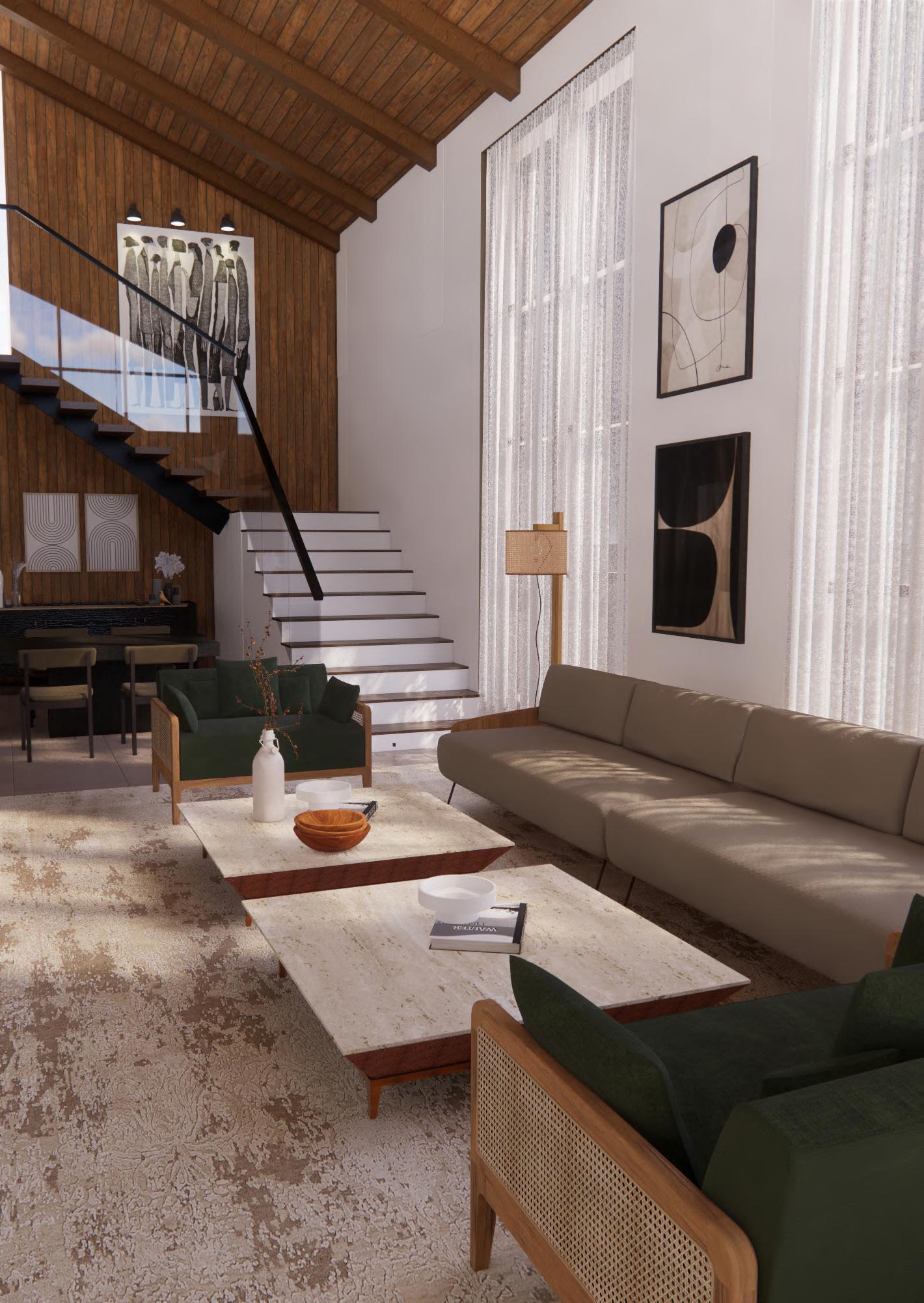
The is residential project located in Larankelo, India. The program was to design the complete house in rustic himalayan raw style as stated by the client, also it needs to be naturally heated due to extreme cold conditions in the region.
Softwares - Photoshop, Autocad, Sketchup, Enscape, Indesign,
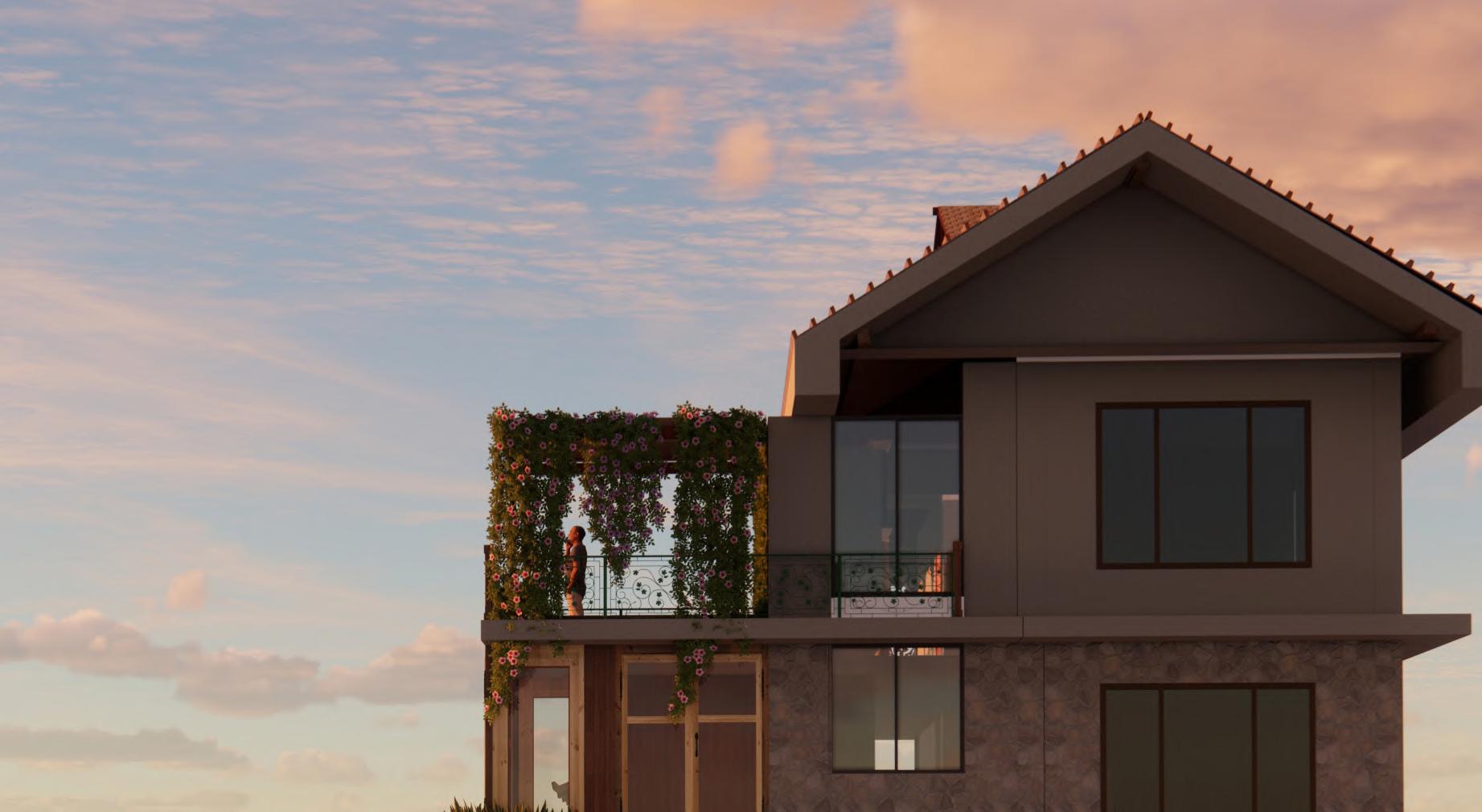
THE HIMALAYAN COMMUNITY SCHOOL | Thesis Project | 2022
Client Brief
Requirements
The brief is to design and execute the full house under the guidance of my lead designer in a traditional himalayan style, or a little bit of colonial style to showcase the clients profile as a government employee. Their family includes of the husband, wife, mother and father with one tweleve year old girl. They wanted this house to display the essence of their old house and keep the overall style to be very warm and cozy. The full structure comprises of two levels, on the ground floor, we have a living room, parents bedroom, common washroom, kitchen, and seating area/tandoor room(natural heating room). On first floor we have a common study area, master bedroom, daughter’s bedroom and a sunroom, On second floor we have a temple room, guest room and a terrace.
Space Planning
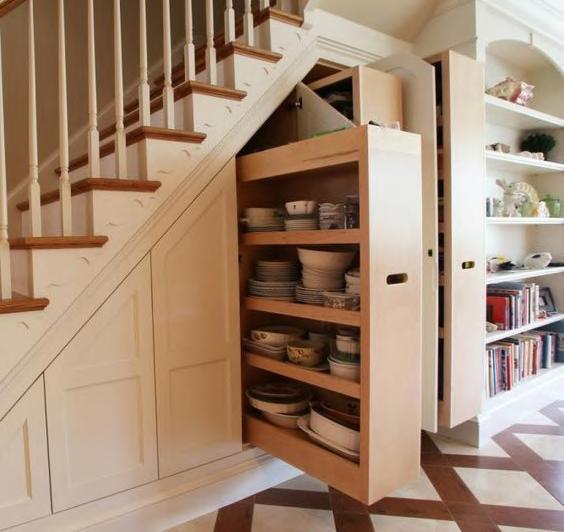
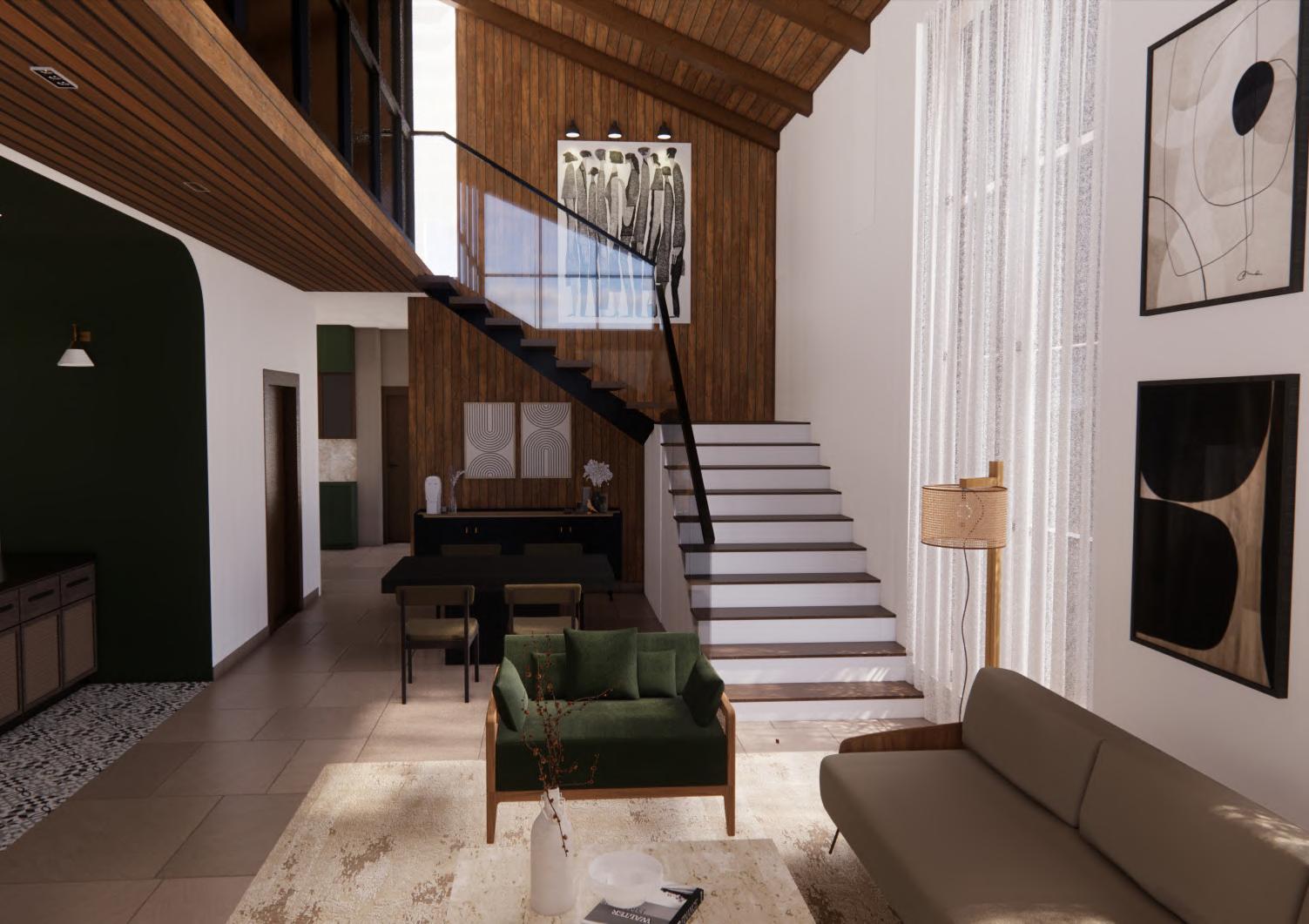
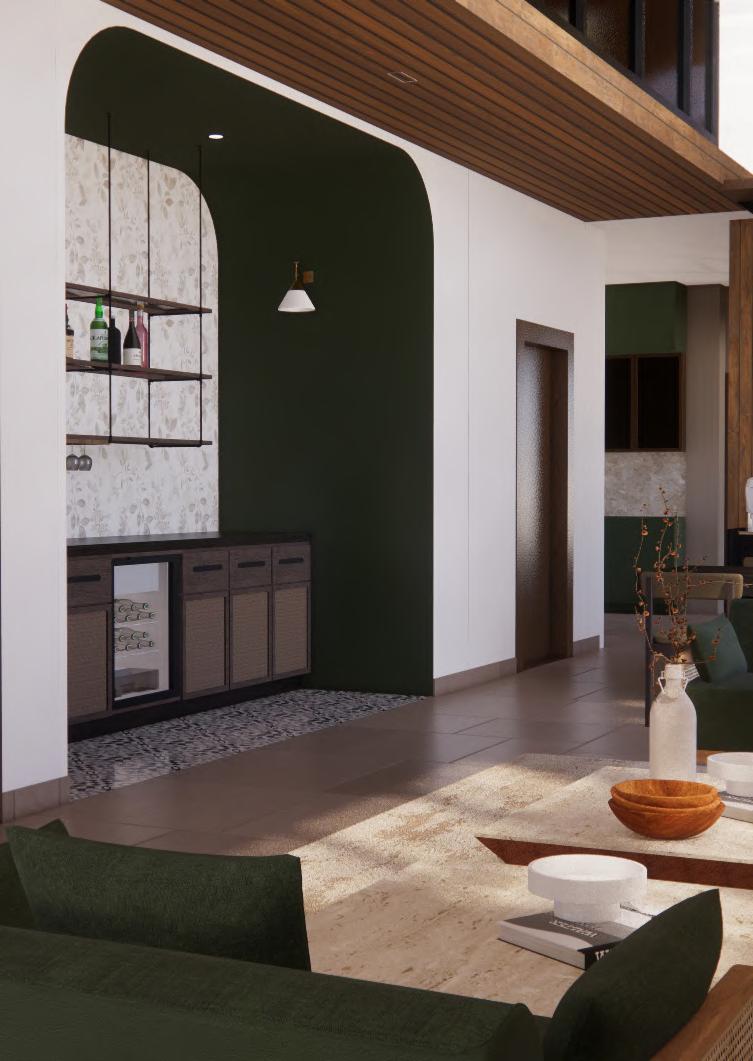
On the ground floor we have two major gathering areas that is, living room and tandoor/common seating room. Based on the client’s requirement and their culture study we need to add a bar area in the living room. Based on multiple discussions we found a way to include bar in the living room. The main hall consists of a six seater living space, dining space, bar area, and under staircase storage for cutlery.
Spatial Zoning
For the record, I am especially targetting on ground floor which has divided into five different zones as below. These areas are mainly for a group activity or for family gatherings. Hence the major interior styling is best visible in these areas.
The tandoor area, (word tandoor is a local term used in mountains to denote heat) or the heating room is a traditional form of living room with a natural heating system and low heighted sofa and tables. This room is placed near kitchen which also makes it easier to serve food and getting absorbed by the warmth of the tandoor.
THE RESIDENTIAL NEST| Industry Works | 2023 FURNITURE LAYOUT GROUNDFLOOR A 101 SCALE 1:50 FURNITURE LAYOUT GROUNDFLOOR A 101 SCALE 1:50
Washroom
Seating
Parents Bedroom Living Room Guest
Kitchen
Area
THE RESIDENTIAL NEST| Industry Works | 2023 109 46 46 92 100 214 46 82 240 30 240 28 30 23 23 37 275 31 137 360 38 90 90 92 LIVING ROOM 360 342 371 215 234 62 207 30 45 62 62 73 70 51 82 51 49 41 70 276 SEATING AREA
Moodboard/Inspiration Board
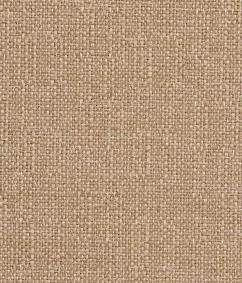
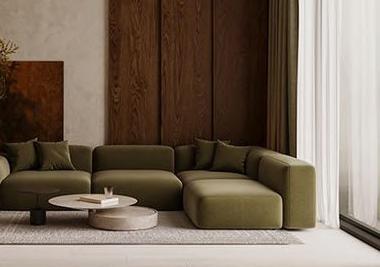
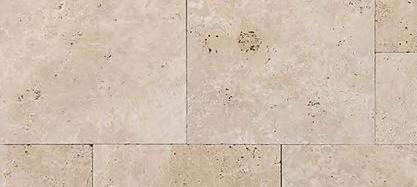
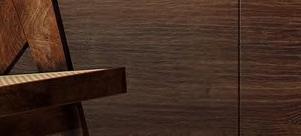
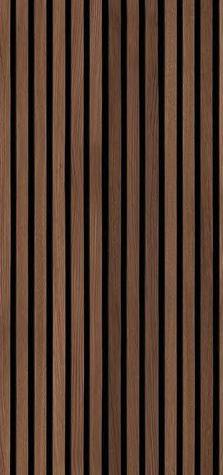
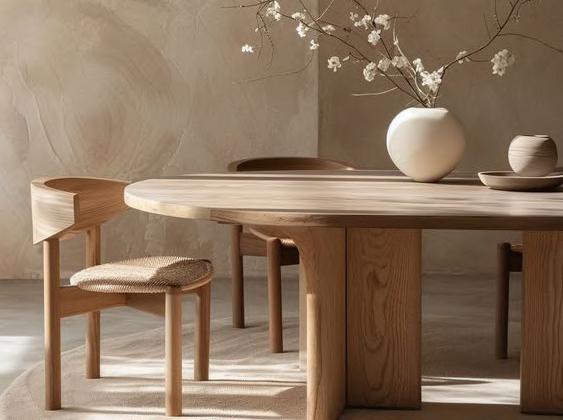
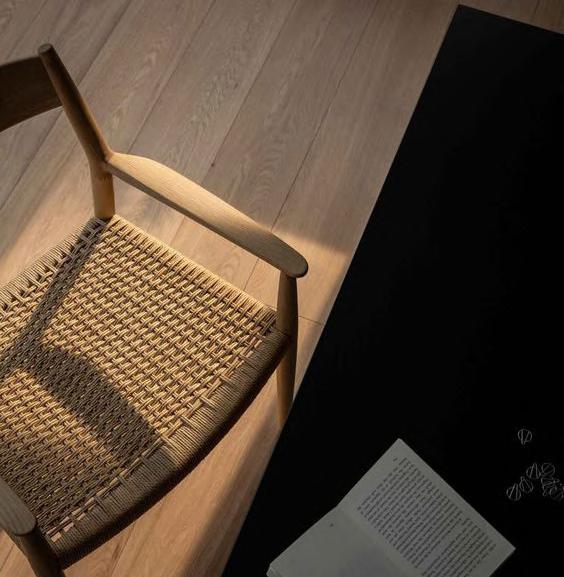
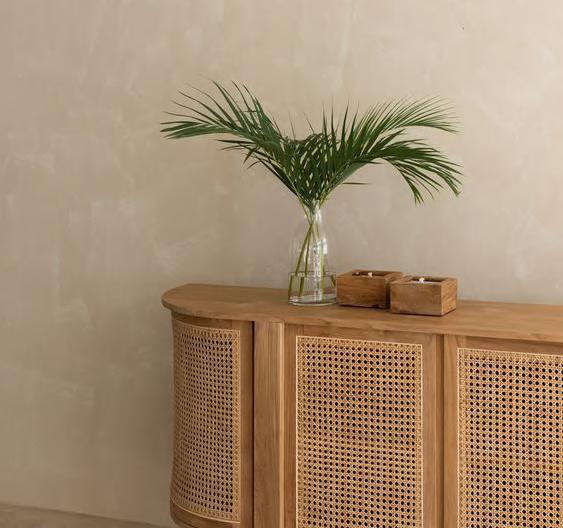
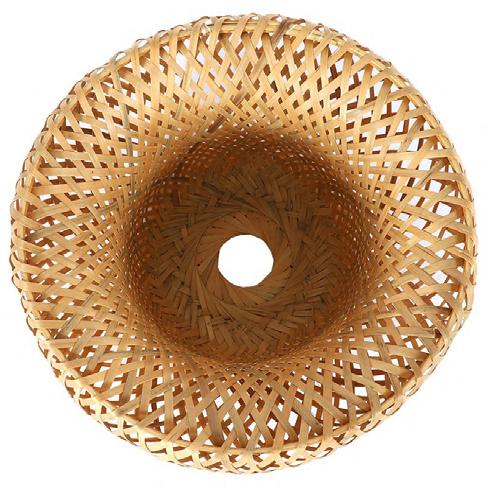
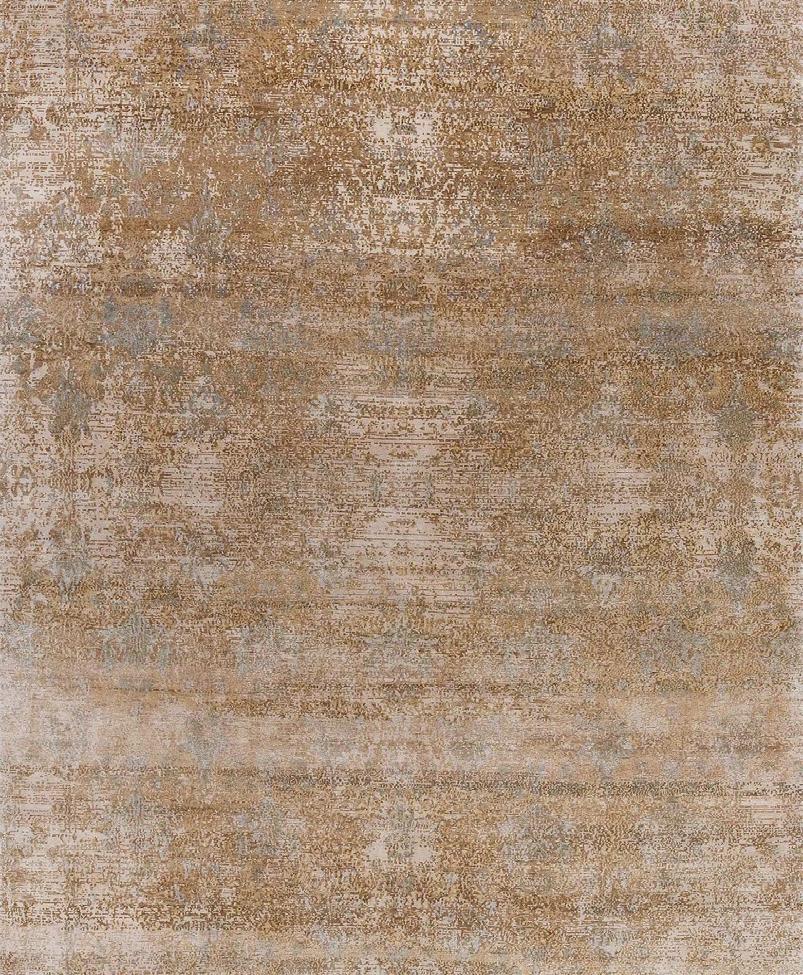
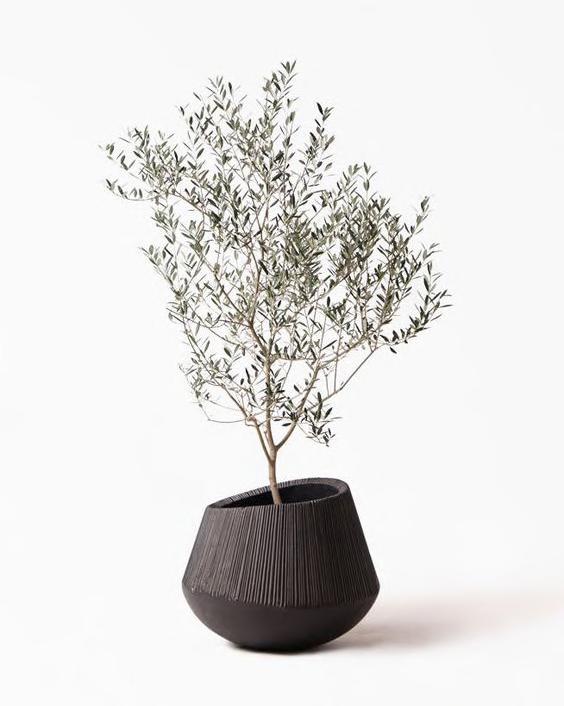
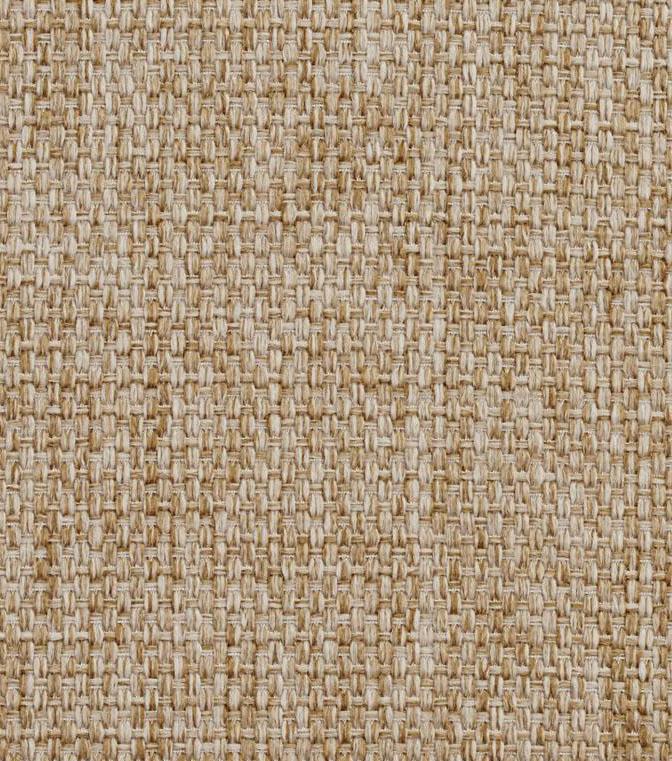
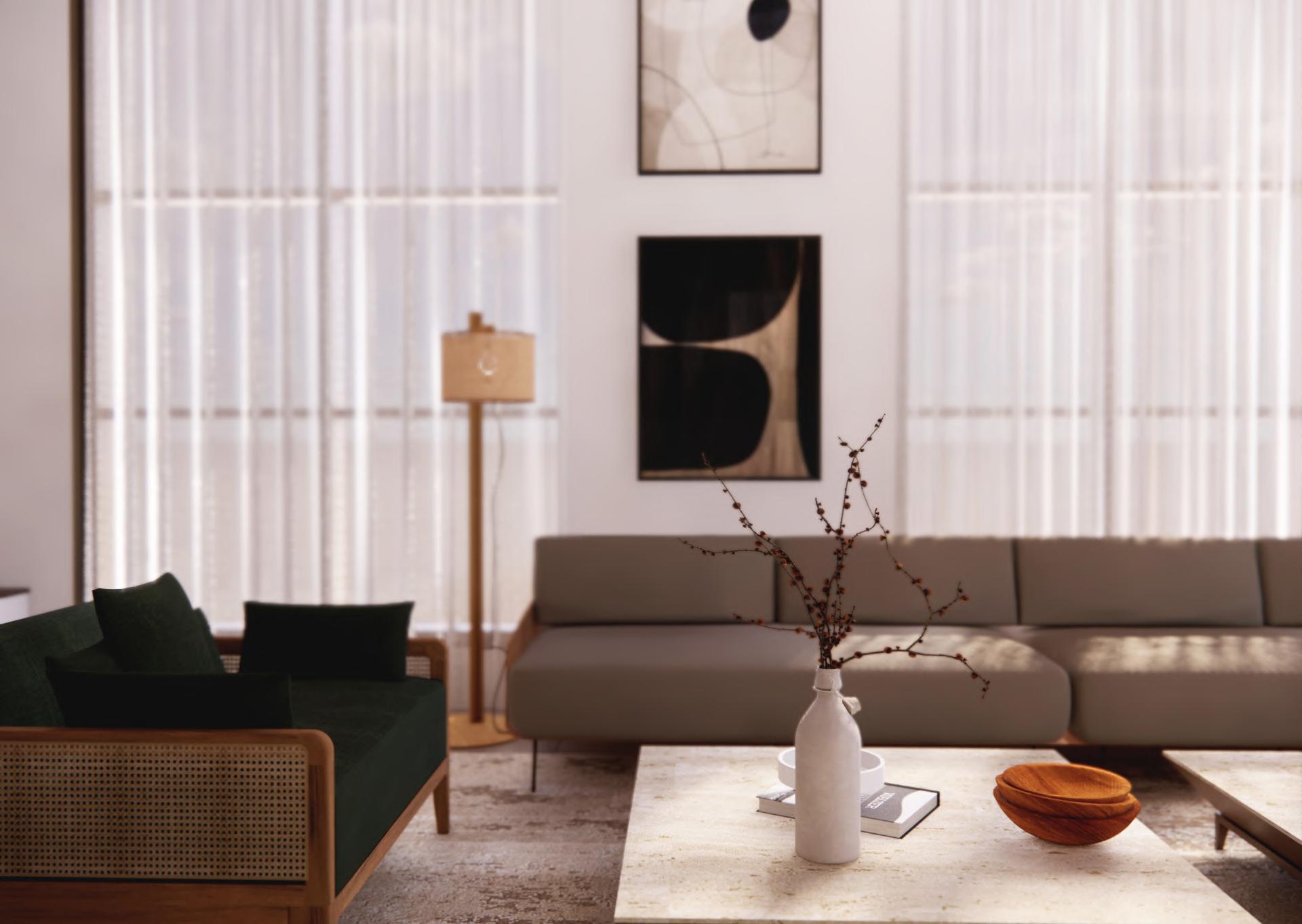
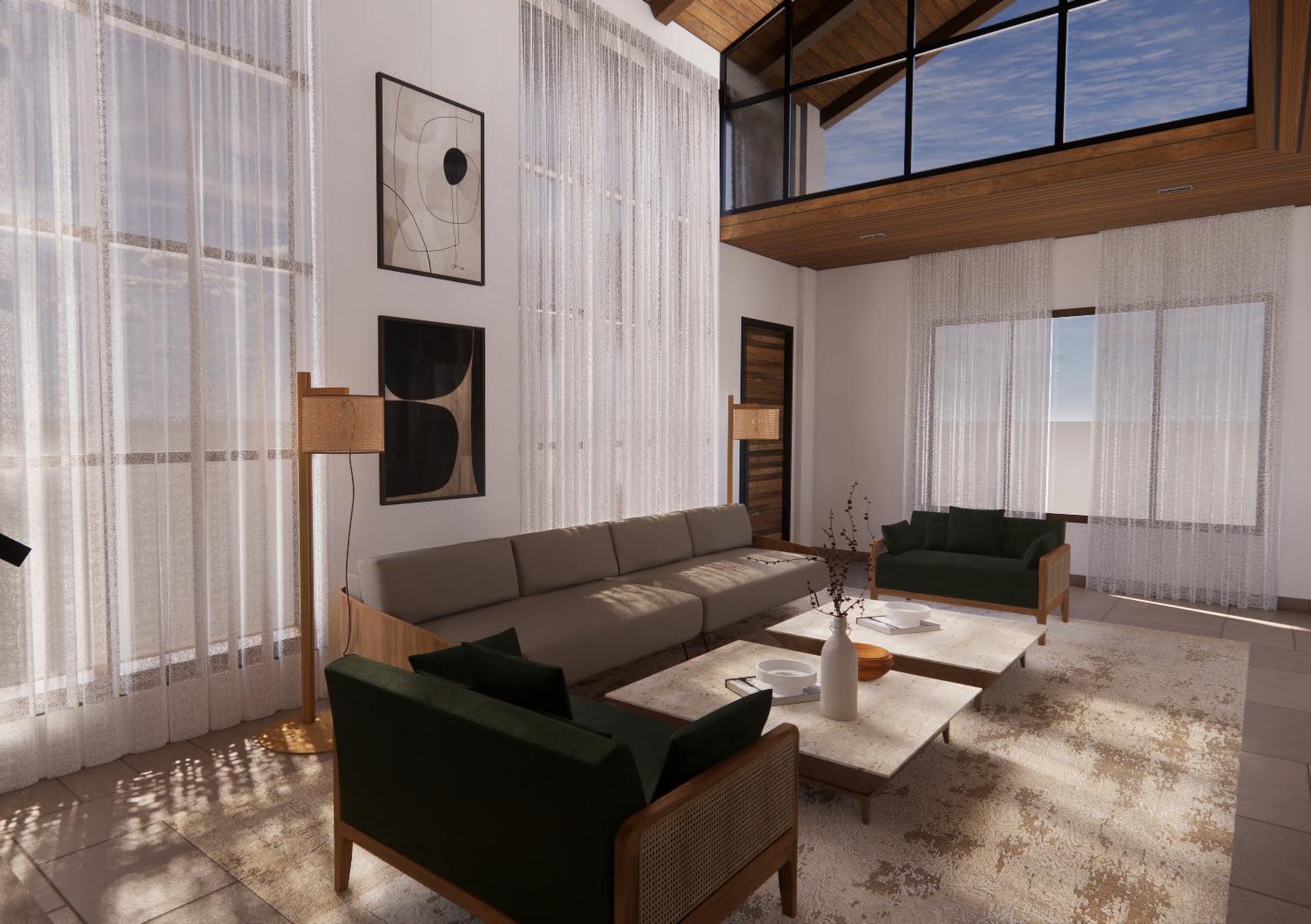
The selected materials are wood, stone and pu paint for majority of the elements. The majority of other furnitures were out sourced, and also the overall look and feel gives us a statement of rustic look. As the hall is a double heighted area where alot of natural light will be coming so we made a selection ofnatural dark materials which will create a huge contrast in relation to the design concept




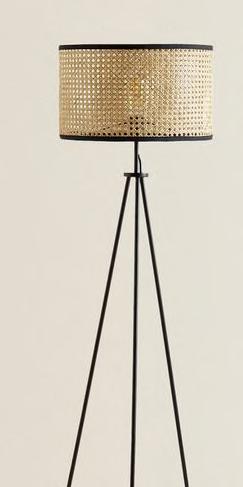


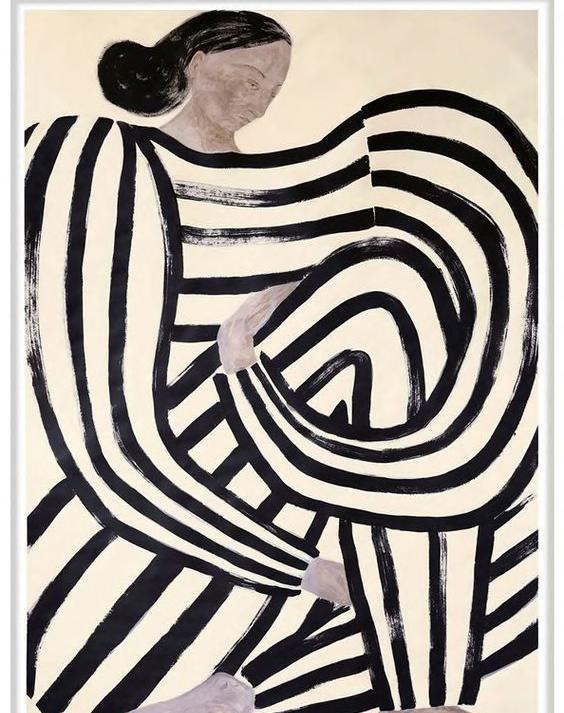
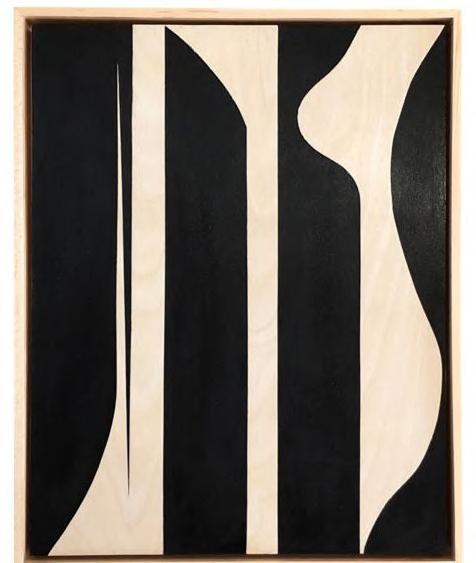
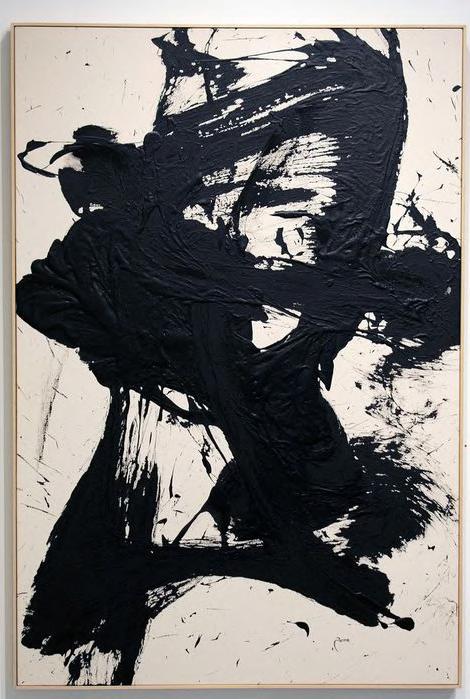
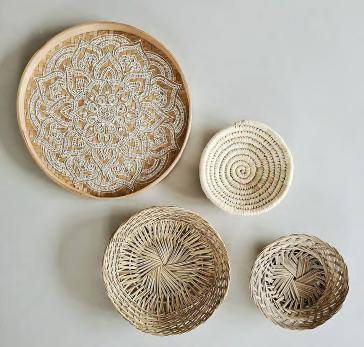
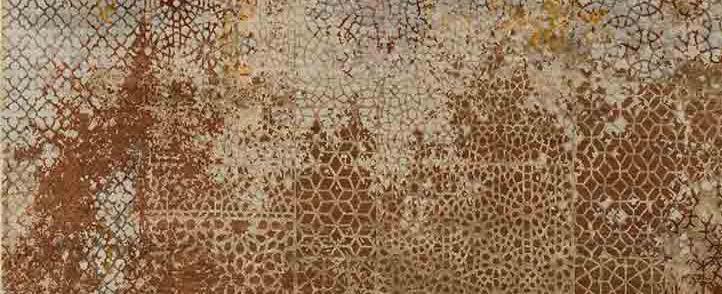
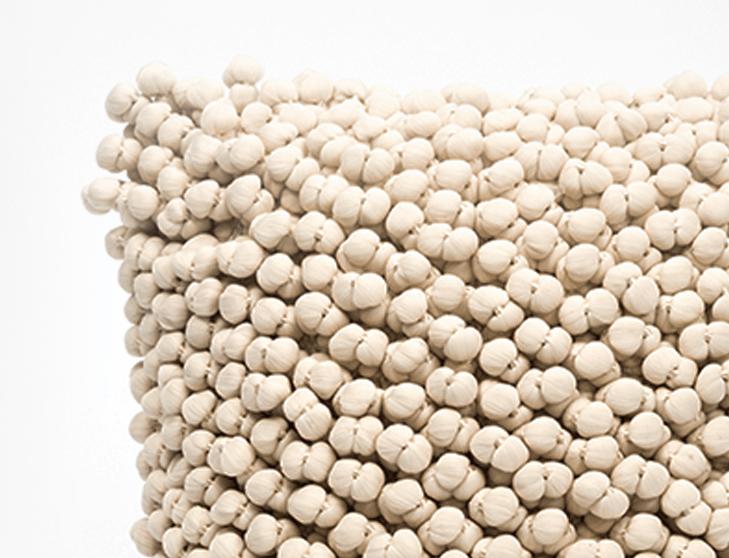
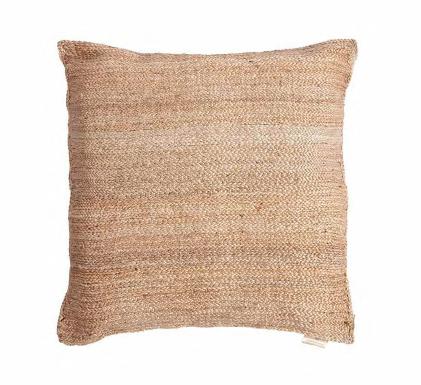
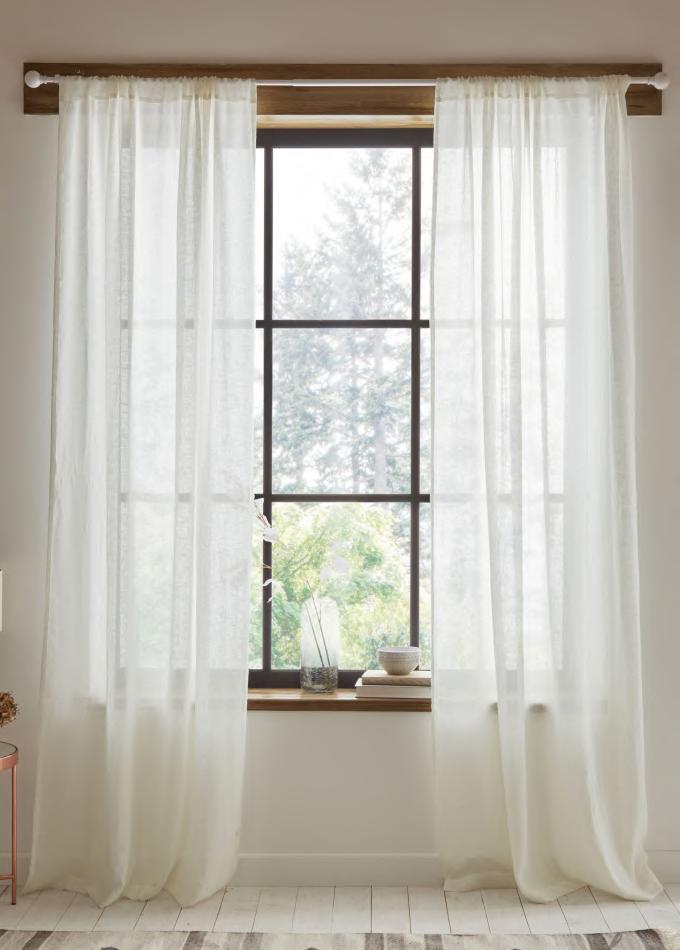
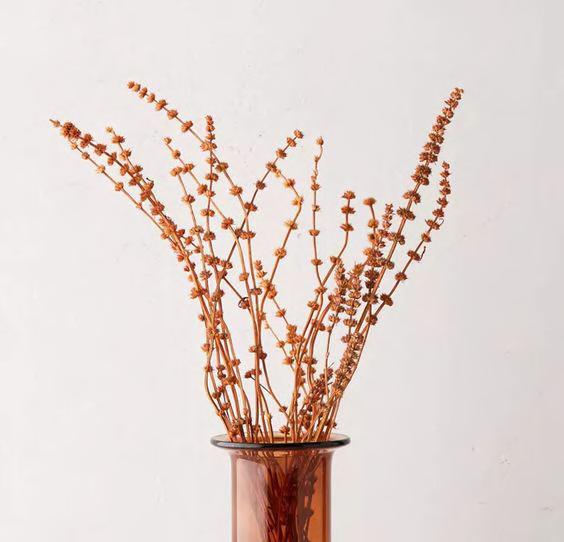
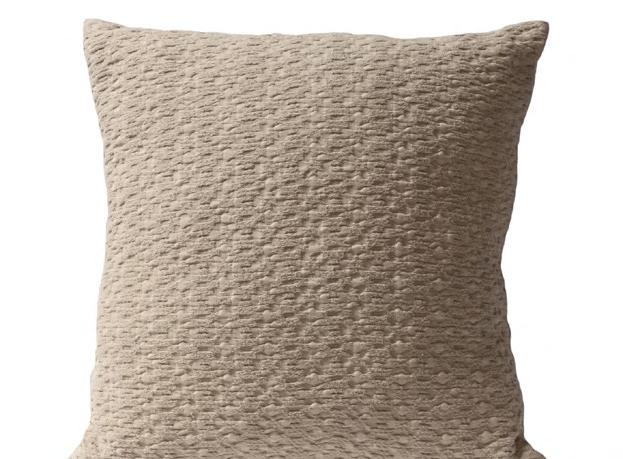
N A T U R A L L I V I N G
Lord Vishnu Idol Kids Toys Cultutral Painting Indian Paintings Ring Toy Wall light Water feature Candle Holder Indoor Planter Locally Sourced Toys Locally Sourced Toys Buddha Idol Curtains Curtains Rattan Sheet Muslin Sheet J A P A N D I STYLE Furnishing / Accessory Board
Design Documentation
These are the detailed elevations for the living room as per the design. A preview of all the furnitures with their sizes and mainly the heights have been mentioned which will be then delivered to the contractor or site manager.
Detail Drawing
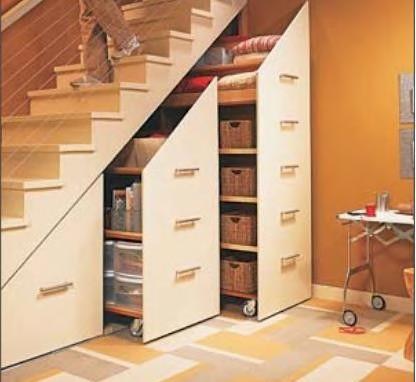
The client wants a good amount of storage to keep in all the cutlery items and utensils used for the serving the food, hence the space beneath the staircase was utilised for this function. This drawings gives the detail about this custom made built in furniture from MDF and laminate.

Below are detailed elevations for the tandoor/seating room which also portrays the same information in details like the height of the window and accessories, furniutres etc,. Based on this document the site markings are done by the design team in order to check the specification with the client.
This is a special furniture piece which is widely used in Lahauli tradition ( a mountain community area in Himachal Pradesh, India) where these tables were used with low heighted floor sofa to spend the family time. These details are the designs that performed by the local artisans on teak wood.
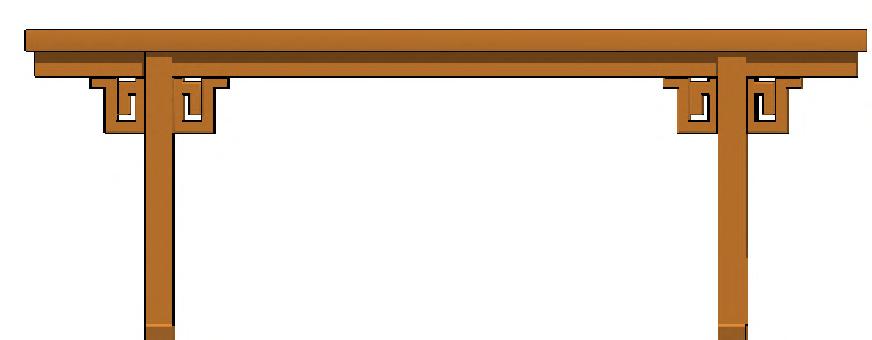



92 242 133 200 90 123 123 133 178 31 17 45 34 45 34 92 60 45 234 70 45 20 203 60 243 300 30 30 350 83 64 64 64 64 84 84 84 84 183 100 183 183 46 46 60 60 50 60 120 70 36 28 36 28 139 209 67 67 67 70 50 25 5 120 41 10 10 18 11 243 30 300 64 52 52 52 40 40 18 50 70 127 240 207 240 373 60 300 91 47 219 79 53 53 53 40 40 50 30 46 214 150 60 20 160 112 112 100
SOYAL MOUNTAIN RESORT | Industry Works | 2022 2” 50 219 355 355 135 45 79 133 FA 53 53 53 53 45 80 53 53 53 53 77 45 45 86 129 51 53 10 40 40 50 30 28 28 30 Utility Storage Dead Cabinet Open Shelf Dead Space 120 45 120 25 3 5 5 115 30 84 3 45 30 11 35 3 3 3 45 120 30 84 45 16 16 120 45 120 25 3 5 115 30 30 84 3 45 30 35 45 120 30 84 45 16 16 120 45 120 25 3 5 5 115 30 30 84 3 45 30 5 35 3 45 120 84 45 16 120 45 120 25 3 115 30 84 3 30 45 120 30 84 45 16 16 120 120 5 5 115 84 45 35 45 120 30 84 45 16 16
Design Documentation
This furniutre piece was made by ply wood base with top and side arms in MDF and added foam and fabric on top to give the desired statement of the design. This custom piece is adjustable on site as the position is not fixed and can be moved easily for cleaning purposes.
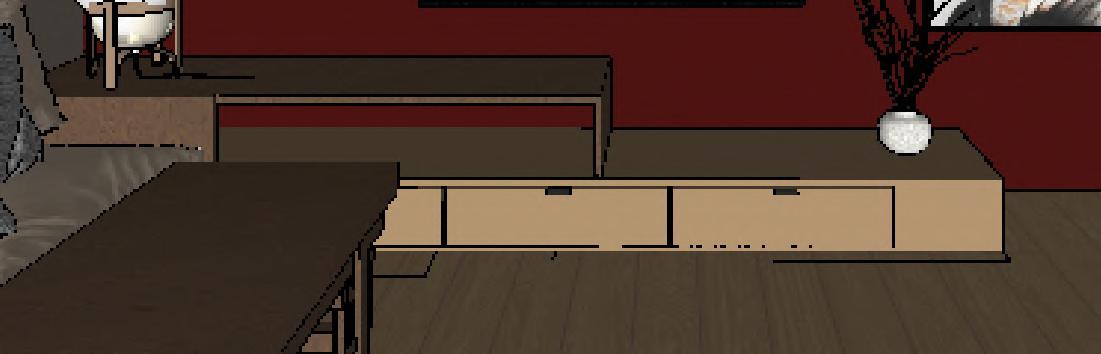
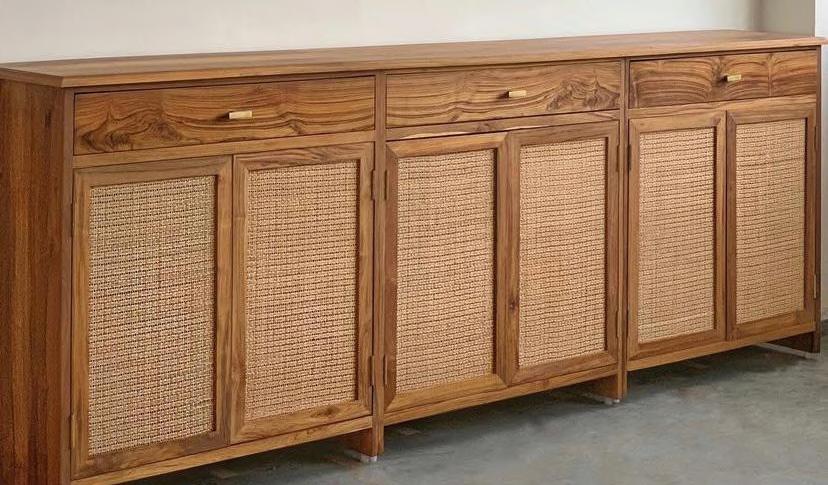
The TV unit is made up from MDF and laminate as the design is simple and elegant. This is a floor mounted unit with two sections, one is open and the other one has three drawers for storage.
40 50 338 338 70 18 40 218 10 10 11 10 10 18 40 40 30 30 70 218 40 218 70 10 10 40 30 30 30 3 18 40 10 40 50 40 18 48 68 338 18 40 20 50 40 50 338 338 70 18 40 218 10 10 11 10 10 3 18 40 40 30 30 70 218 40 218 30 3 10 40 50 40 18 48 338 18 40 20 50 10 10 3 18 40 40 218 70 10 10 40 30 30 3 18 40 50 68 338 40 50 338 338 70 18 40 218 10 10 11 10 10 3 18 40 40 30 30 70 218 40 218 70 10 10 40 30 30 30 18 40 10 40 50 40 18 48 68 338 18 40 20 50 70 136 209 20 30 276 20 30 45 25 25 20 5 67 67 67 25 68 70 45 208 68 25 20 206 Note : 1. 19mm Ply with Laminate as selected by designer. 2. Laminate of same shade to be applied inside the drawers as well. 67 25 24 3 70 136 209 20 30 276 20 30 45 50 25 25 20 5 67 67 67 25 68 70 45 208 68 25 20 206
: 1. 19mm Ply with Laminate
designer. 2. Laminate of same shade to be applied inside the drawers as well. 67 25 24 3 70 136 209 20 30 276 25 25 20 5 67 67 67 25 68 70 45 208 68 25 20 206
: 1. 19mm Ply with
as
2. Laminate of same shade to be applied inside the drawers
well. 67 25 24 3 70 136 209 20 30 276 25 25 20 67 67 67 68 70 45 208 68 25 20 206
1. 19mm Ply with Laminate as selected by designer. 2. Laminate of same shade to be applied inside the drawers as well. 67 25 24 3 70 136 209 20 30 276 25 25 20 67 67 67 68 70 45 208 68 25 20 206 Note : 1. 19mm Ply with Laminate as
Laminate of
shade to be applied inside the drawers
67 25 24 3 70 136 209 20 30 276 20 30 45 50 25 25 20 5 67 67 67 25 68 70 45 208 68 25 20 206
: 1. 19mm Ply with Laminate
Laminate of
shade to be
67 25 24 3 351 45 351 30 114 114 114 57 57 57 57 57 57 3 10 48 114 114 114 90 45 10 48 30 351 45 351 30 114 114 114 57 57 57 57 57 57 3 10 48 114 114 114 90 45 10 48 30
Note
as selected by
Note
Laminate
selected by designer.
as
Note :
selected by designer. 2.
same
as well.
Note
as selected by designer. 2.
same
applied inside the drawers as well.
Render - Living Area THE RESIDENTIAL NEST| Industry Works | 2023 THE RESIDENTIAL NEST| Industry Works | 2023
THE RESIDENTIAL NEST| Industry Works | 2023
Packaging Design
This is a part of my assignment project from second year to design and give the branding for our cafe deisgn project. This is a highway cafe project and thiese paper bags and plates that has been designed to promote the Cafe named Mandala.
Exploration
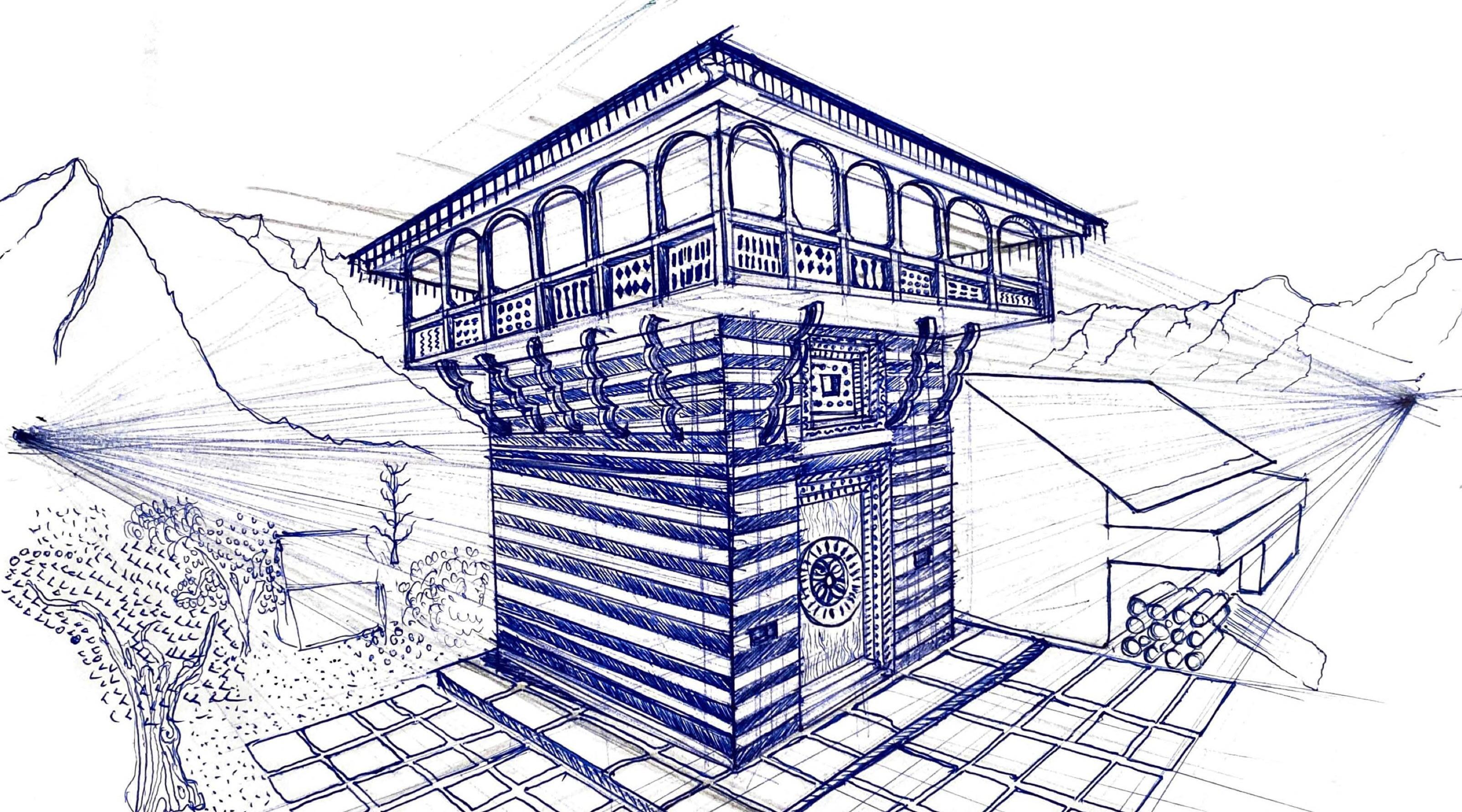
These are some set of exploration as a part of module or a part of some new interest that I have been doing in my recent years. The exploration part helps me alot to think in unique ways.
Softwares - Photosho, Indesign, Morpholio Trace, Sketchbook



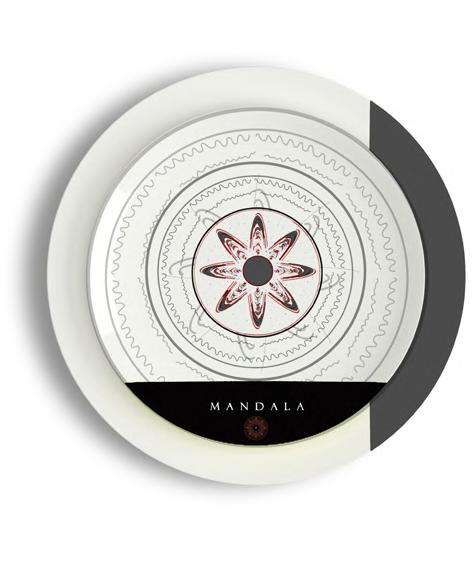
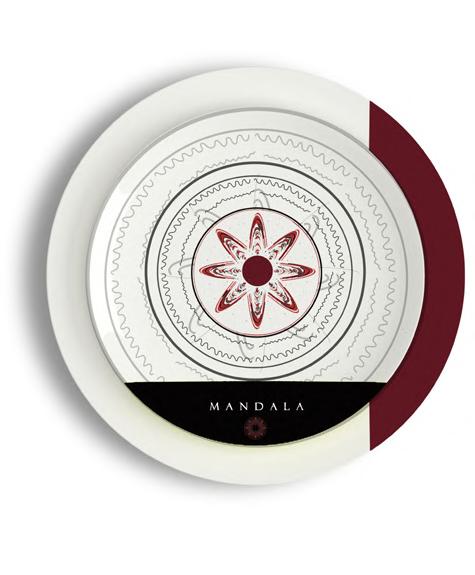
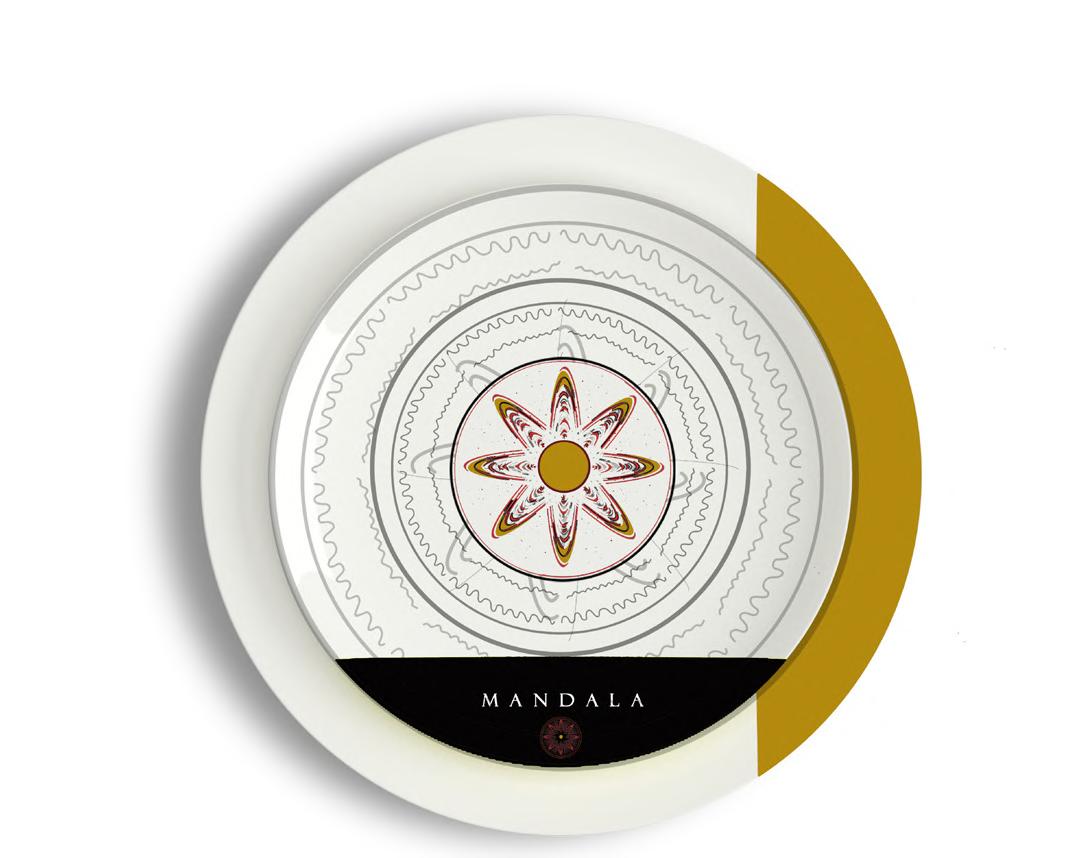
These plates are designed in three variations with different colors on it representing the brand colors and brand identity to their customers. The pattern on the plate is a story which wants the user to come more often to the cafe, resembles by the interior design concept and style statement of the brand.

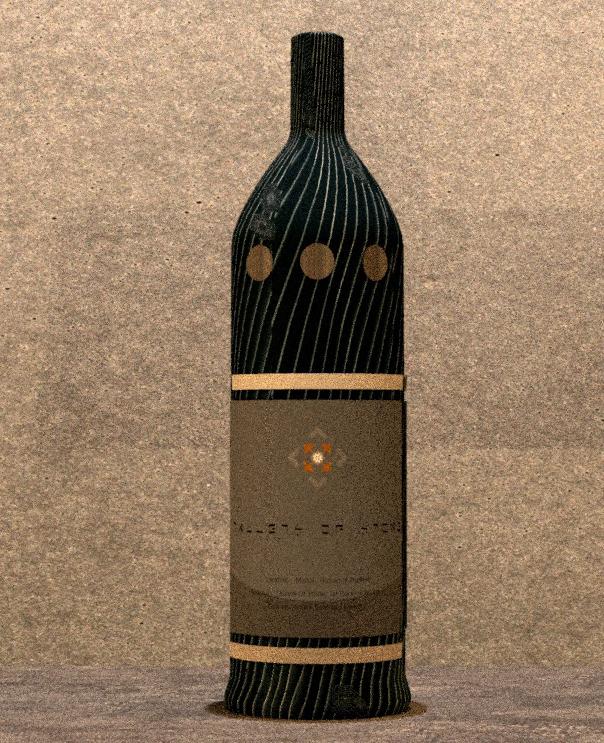
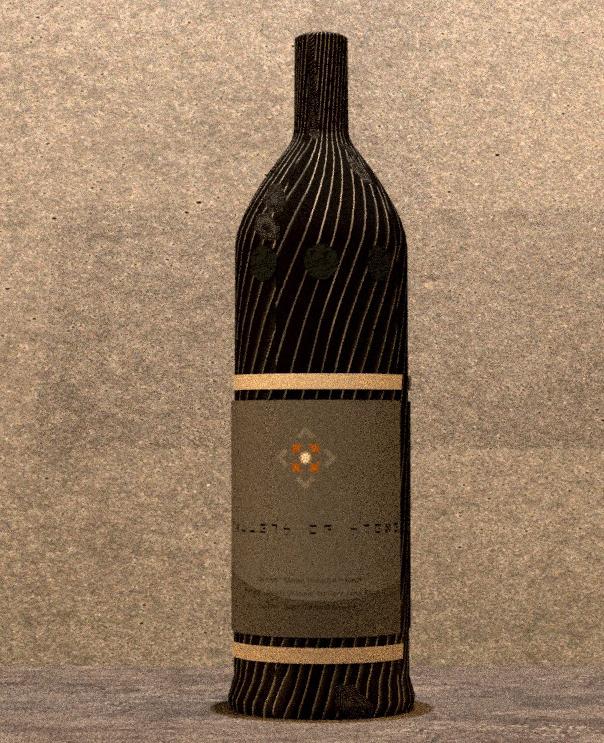

These designs are from second year from a retail design project based on Israel culture, there are three different flavours of these wines, hence three different types of packaging can be seen
Digital Retail Illustration
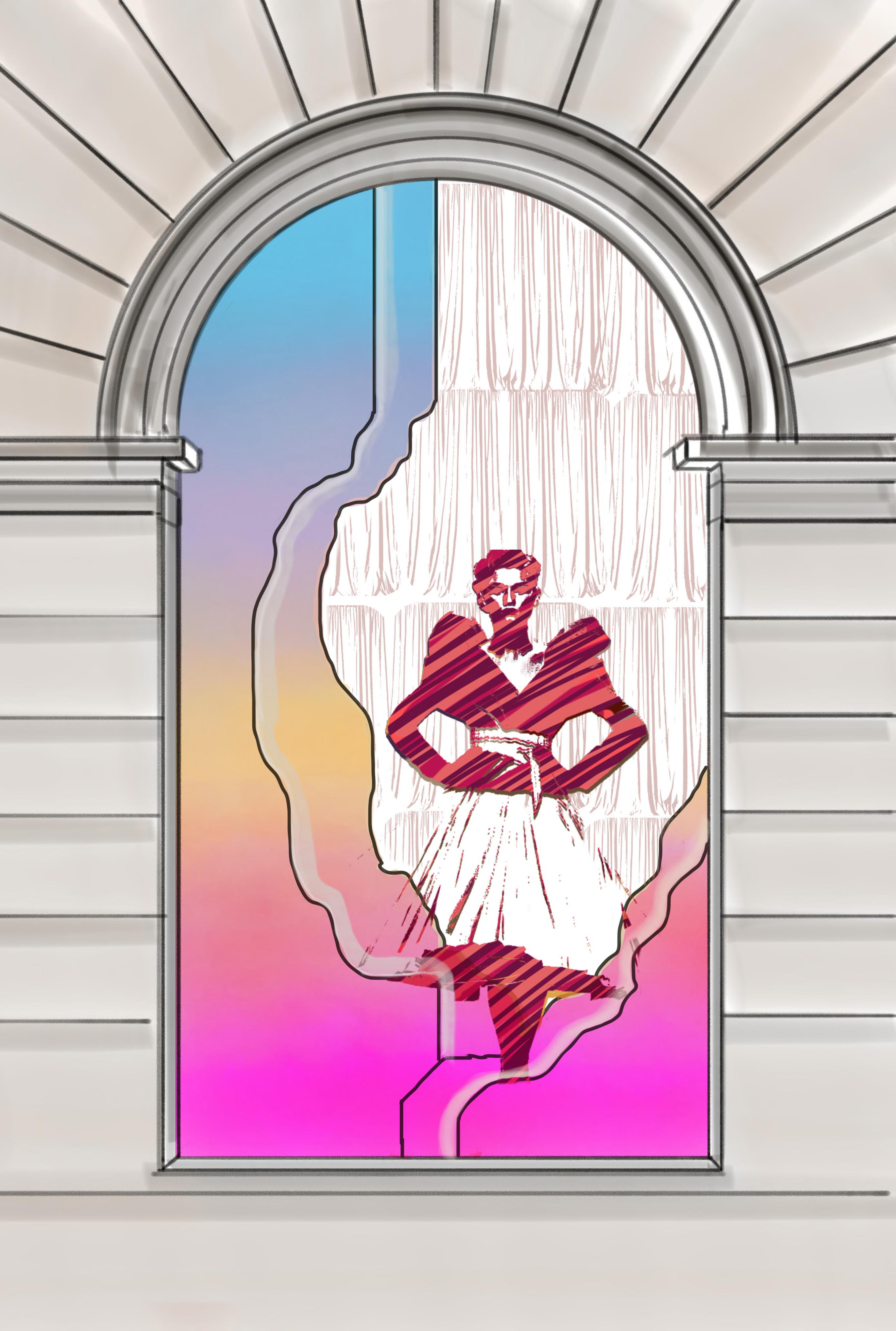
For the concept planning and brainstorming I use Morpholio Trace and Concepts app on Ipad to draw illustrations to gather ideas, concepts and even different styles to come up with a style for the design. I am very passionate about designing storefronts and these are the illustrations for a pop up store with a unique fashion style to support their brand identity with the help of display.
Digital Retail Illustration
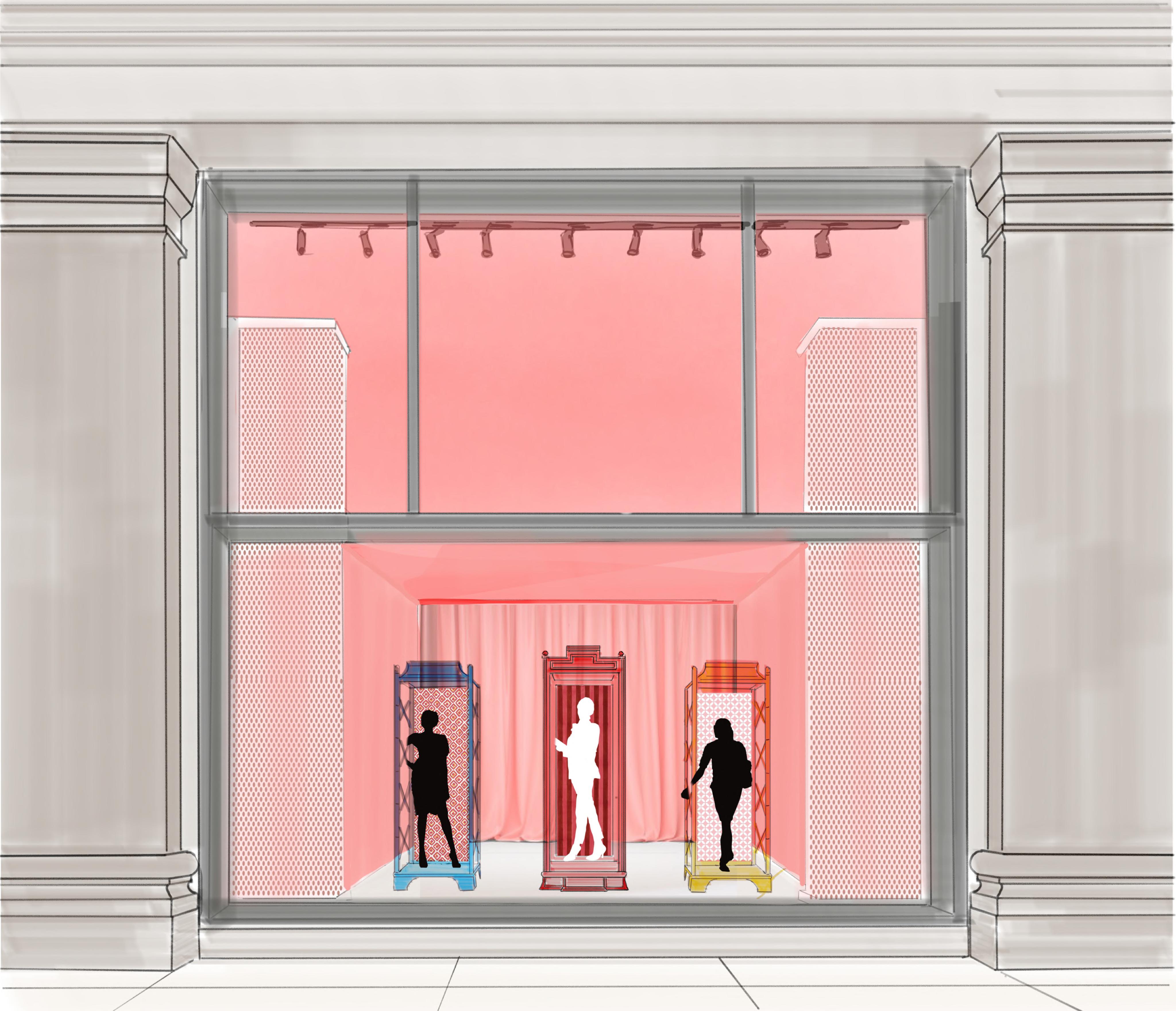
This is another conceptual design illustration for a retail fashion brand to display a feminine approach in their store front using major colors after the brand study and using multiple textures of the same color to produce different stories for the same cause. The same softwares has been used to create this illustration.
Digital Space Illustration
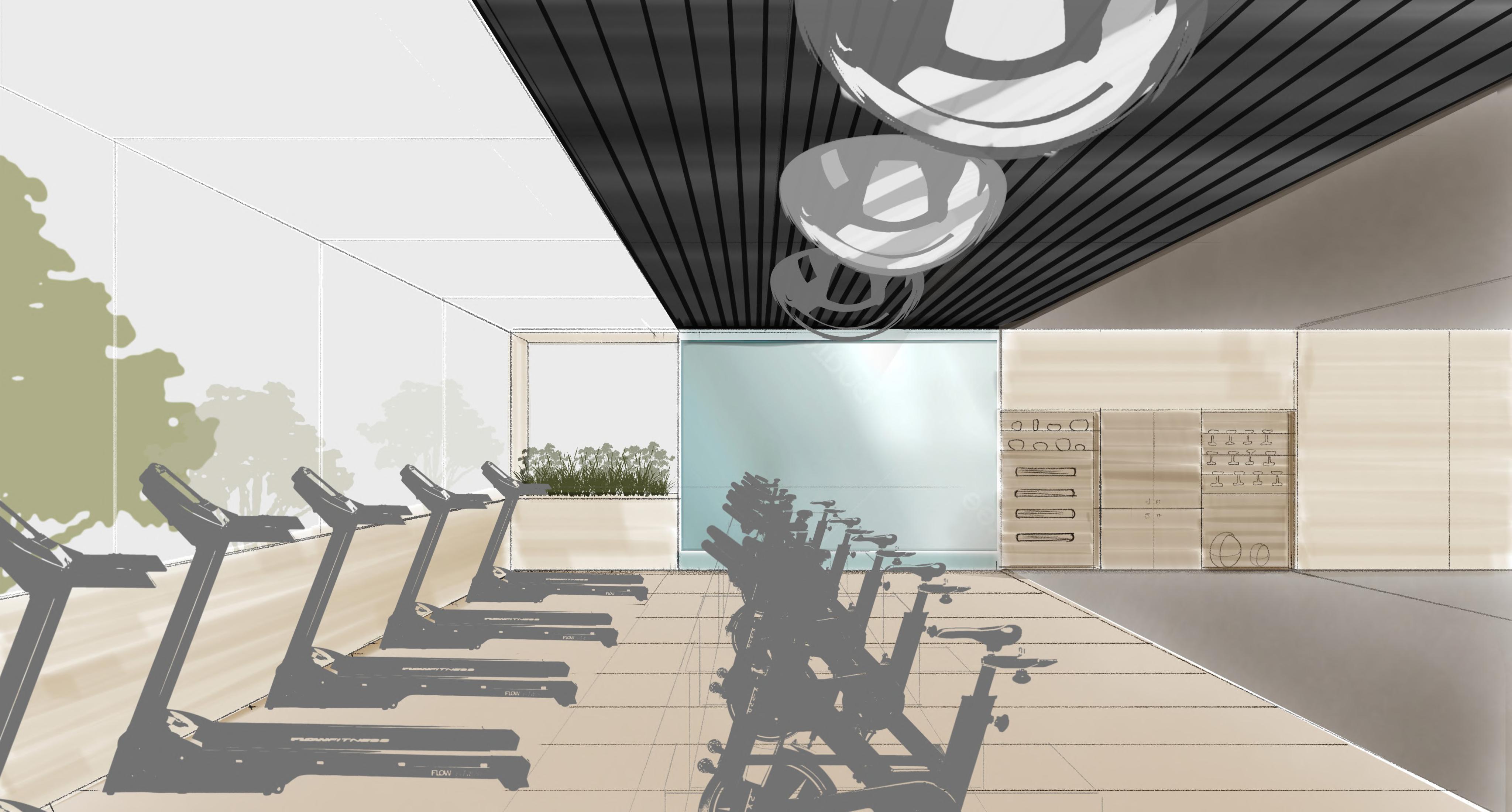
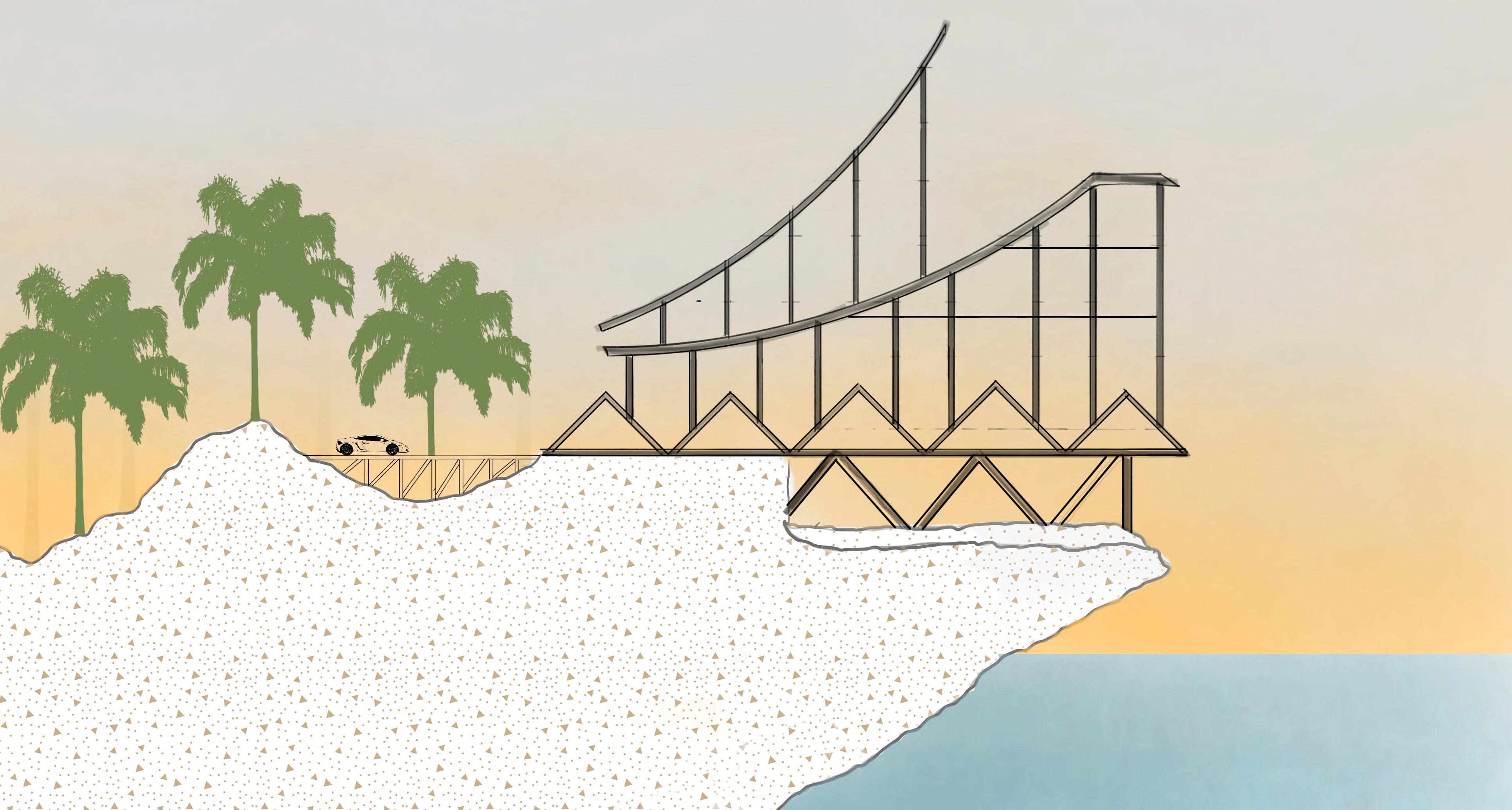
The top illustration is to give a conceptual idea of the gym renovation to the client for the clarity of space, materials and furniture placement to the client. The second illustration is something which I thought of earlier and this structure came to me out of the blue. The jumping off a cliff to the sea is the thought process behind the structure.
Digital Space Illustration
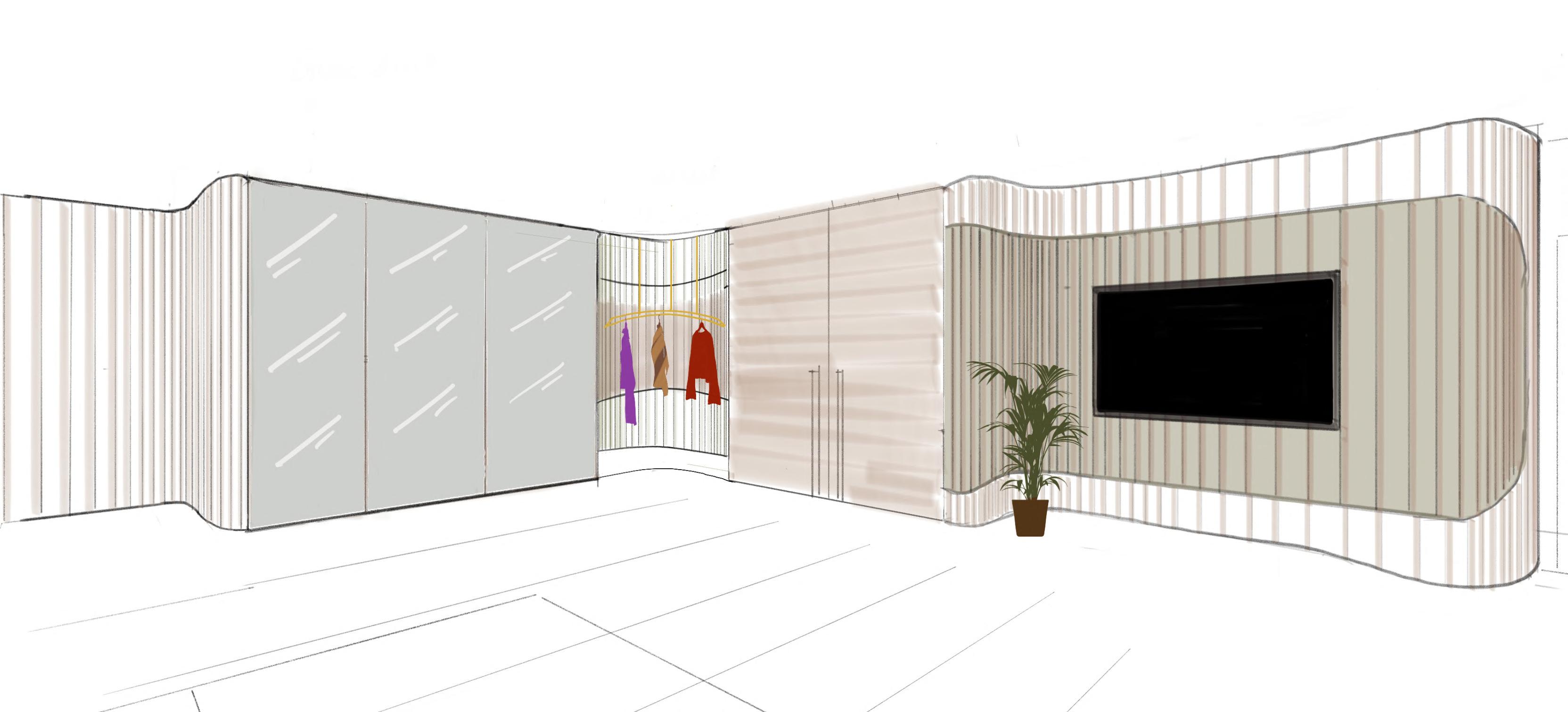
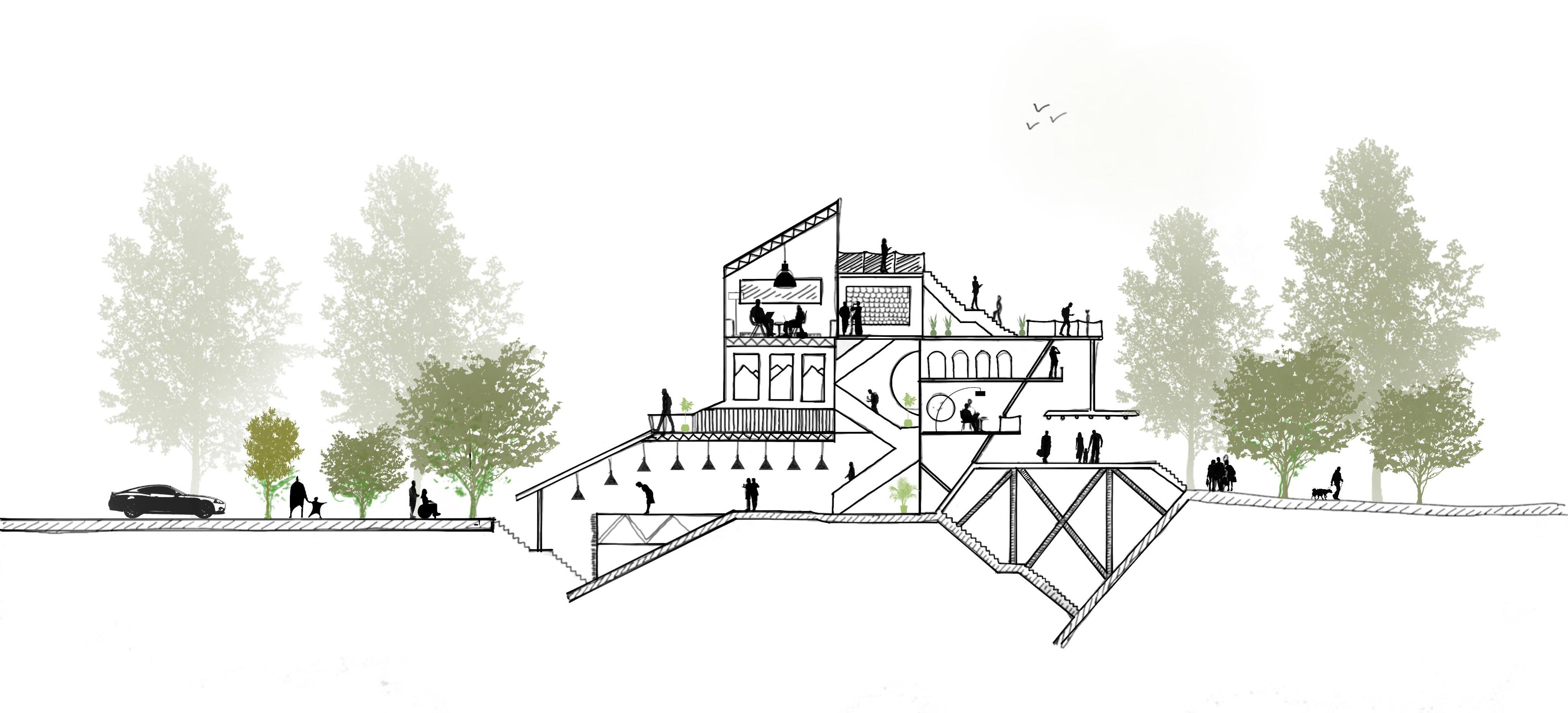
The top illustration is to renovate an L shape of a bedroom, design and give the materials to the client and the second illustration is for the self as living in mountains I have thought of multiple possibilities to design multi levels into the ground or to cater a large number of people under one roof. This is an elaboration of contructivism though process from imagination to illustration
“The noblest pleasure is the joy of understanding”
- Leonardo da Vinci
Rudransh Thakur | Interior Design | B.Des Interior
Selected Works | 2018-2023