



Students bridge divides between Twin Cities
SONIA KHARBANDA EDITOR-IN-CHIEF
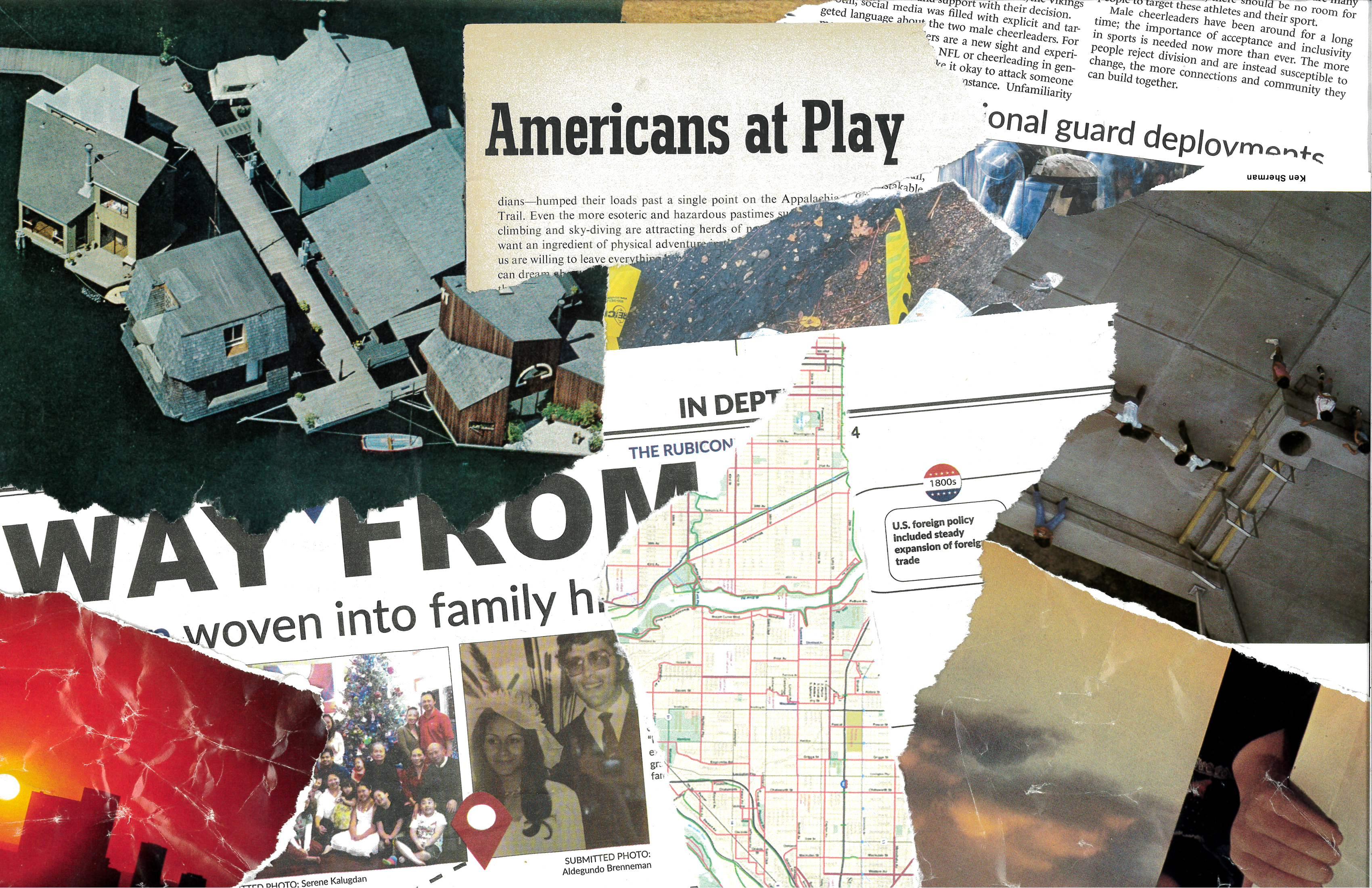
“All I had to do was cross the river,” senior Oliver Bisanz said, describing how moving from St. Paul to Minneapolis changed his perspective of the Twin Cities.
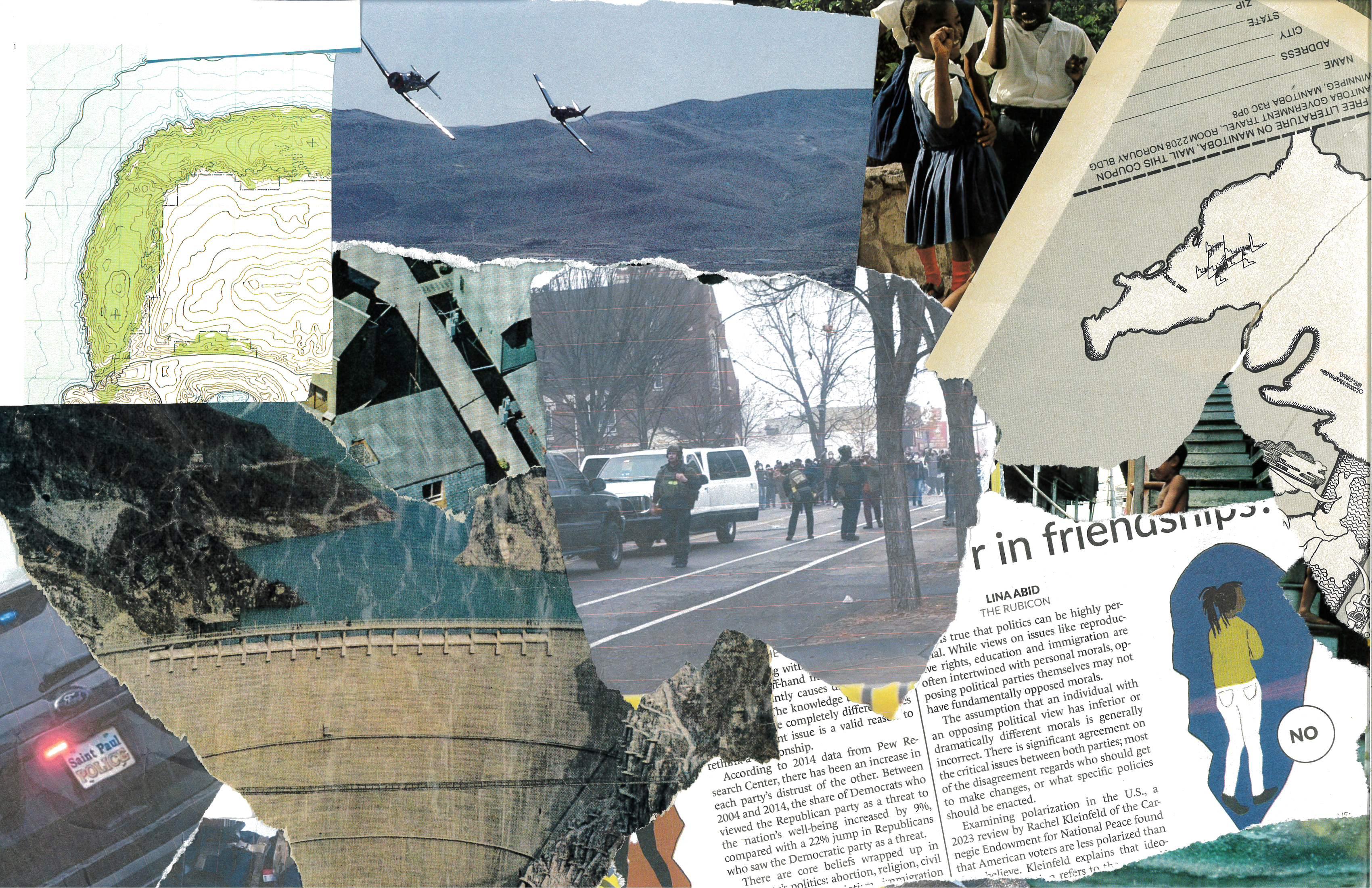
Every morning, about one in five upper school students do just that: cross the Mississippi River to attend school. The river is ever-present, a physical manifestation dividing the cities.
As a child, however, Bisanz rarely made this journey. He was content with his Crocus Hill neighborhood and access to restaurants and activities in St. Paul. All that changed a year and a half ago, when he moved to Lowry Hill and discovered the other half of the Twin Cities.
He now splits his time between the two, traveling to St. Paul to see friends while exploring his new community. Although he was only recently introduced to Minneapolis, Bisanz prefers its food and city atmosphere. “There’s much more to do compared to St. Paul … It’s also got more people, so that kind of just gives you more of a city vibe, which I like,” he said.
The cities’ differences in population and size were echoed in a recent poll of 49 upper school students. When asked to describe each city in three words, respondents frequently referred to Minneapolis as “busy,” “big” and “lively.” On the other hand, St. Paul was often described as “historic,” “calm” and “pretty.” Students most commonly answered that they go to Minneapolis for shows, movies and performances, at 61.2% of respondents, followed by restaurants/cafes (59.2%), concerts (55.1%) and visiting friends (55.1%). Meanwhile, 83.7% of participants said they go to St. Paul to visit friends; other common responses were restaurants/cafes (75.5%) and extracurricular activities (69.4%).
continued on pg. 9
JUAN MIGUEL ADAMS
MANAGING EDITOR
A single step in the wrong direction can throw the whole graph off, and everyone in the audience knows it. The annual graph-matching competition returned on Dec. 2, this time with mandatory attendance. The tradition began in 2015 and has since carved out its place as a ninthgrade rite of passage.
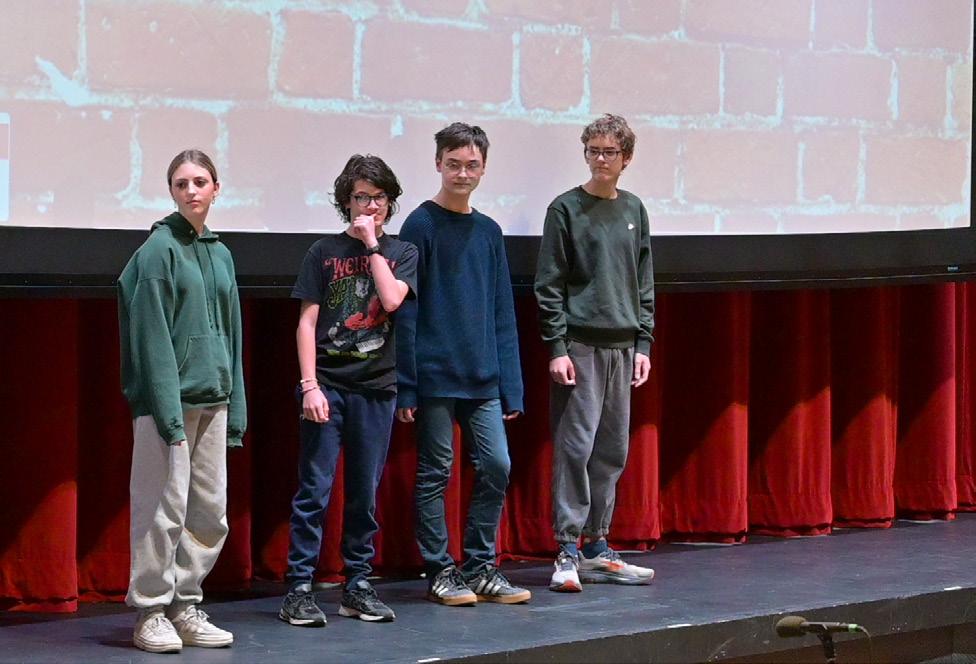
During Physics 9, students first mimic graphs by walking a programmed path while a Logger Pro sensor tracks their motion. The ninth-grader with the lowest score in each class is chosen to represent their class period. During the competition, they walk new graphs in front of the whole school as the system scores their accuracy and determines who is crowned champion.
The competition was organized by Physics 9 teachers and emceed by Science Department Chair Scot Hovan. Before these teachers joined the upper school, graph-matching took place during class, but never as a full event.
Hovan was part of the shift toward competition after Physics 9 was introduced. He got the inspiration for the idea online.
“I had been following many physics teachers
on social media, and one teacher I had been following had created these versions of the Logger Pro graphs that could provide a score to quantify a student’s performance,” Hovan said.
I was a little nervous going into it, but also excited that it would be fun. “
ninth-grader Eliot Schnieders

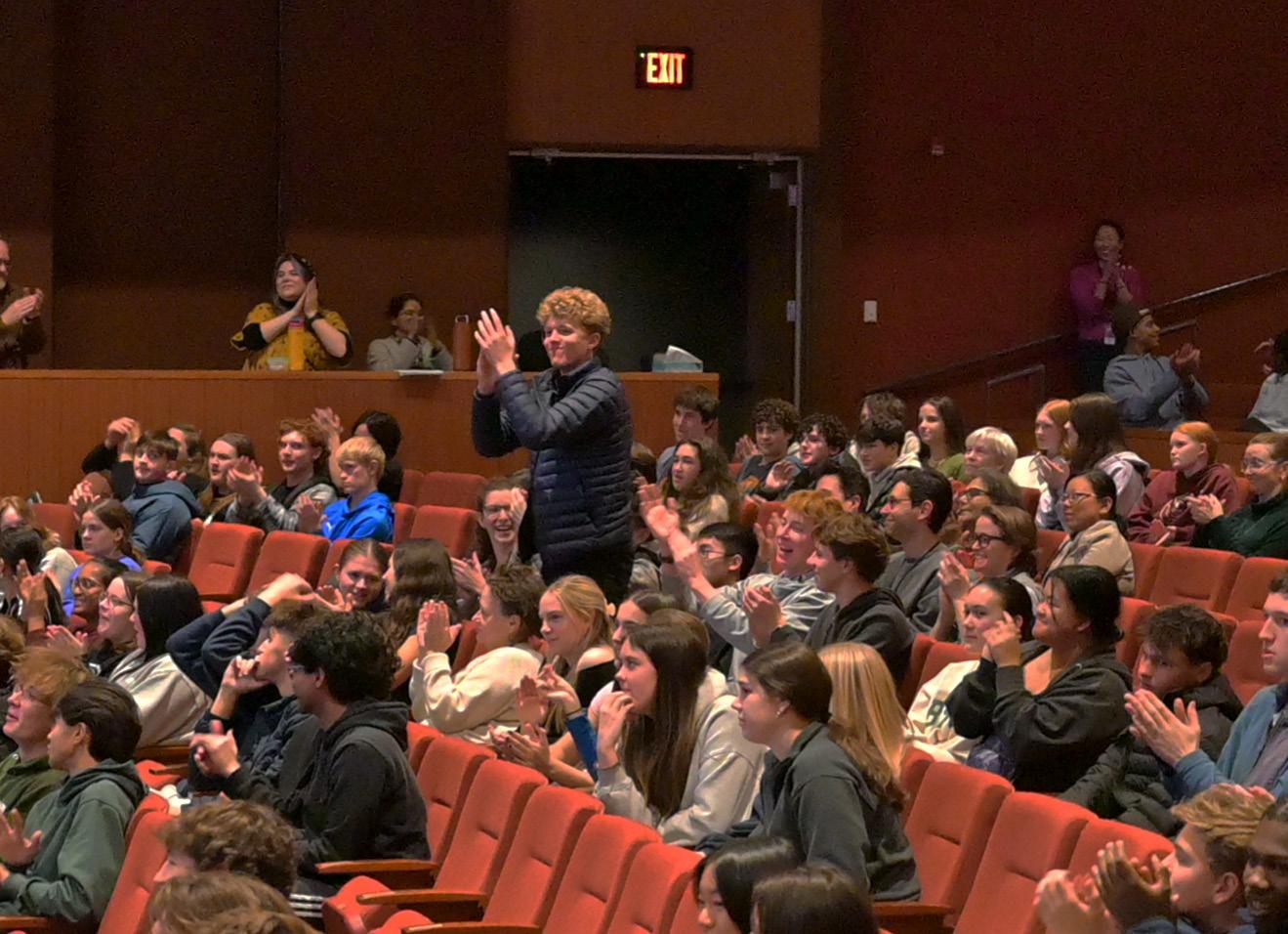
As the eight ninth-graders took the stage to match different graphs, the seating was rearranged so seniors were in the back and ninth-graders filled the front of the Huss Center for Performing Arts. Seniors wasted no time proving which class was the loudest, as the competitors lined up.
In fact, since the first graph-matching competition, seniors have always been the most energized.
“From the stage, Karissa and I looked back and saw seniors on their feet as a roaring crowd that electrified the Huss, and from that moment, we knew we had something special,” Hovan said.
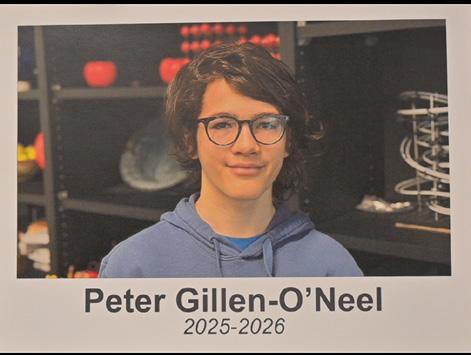
The finalists were ninth-graders Peter Gillen-O’Neel and Eliot
Schnieders, and Gillen-O’Neel ultimately won the title of champion.
“The whole thing was really fun, especially getting to do it with the school watching,” Gillen-O’Neel said. “My favorite part was probably being back behind the curtain with the other competitors discussing scores and strategies.”
Schnieders found a similar enjoyment in the community: “There were a lot of my friends up there, so that was comforting,” he said.
For many ninth-graders, the competition is an early, loud introduction to the school. Bright stage lights, a giant screen watching every move and a crowd waiting to see if the competitors know the difference between forward and backward.
However, Schnieders was more excited than scared. “I was a little nervous going into it, but also excited that it would be fun,” Schnieders said. “The beginning was a little crazy, but it wasn’t bad because there were other people up there, too.”
Gillen-O’Neel felt similarly: “I was a bit nervous, but not really. Being in front of the whole school was pretty fun.”
His advice for future competitors was simple.
“Make sure you go the right direction and not
the opposite one,” he said.
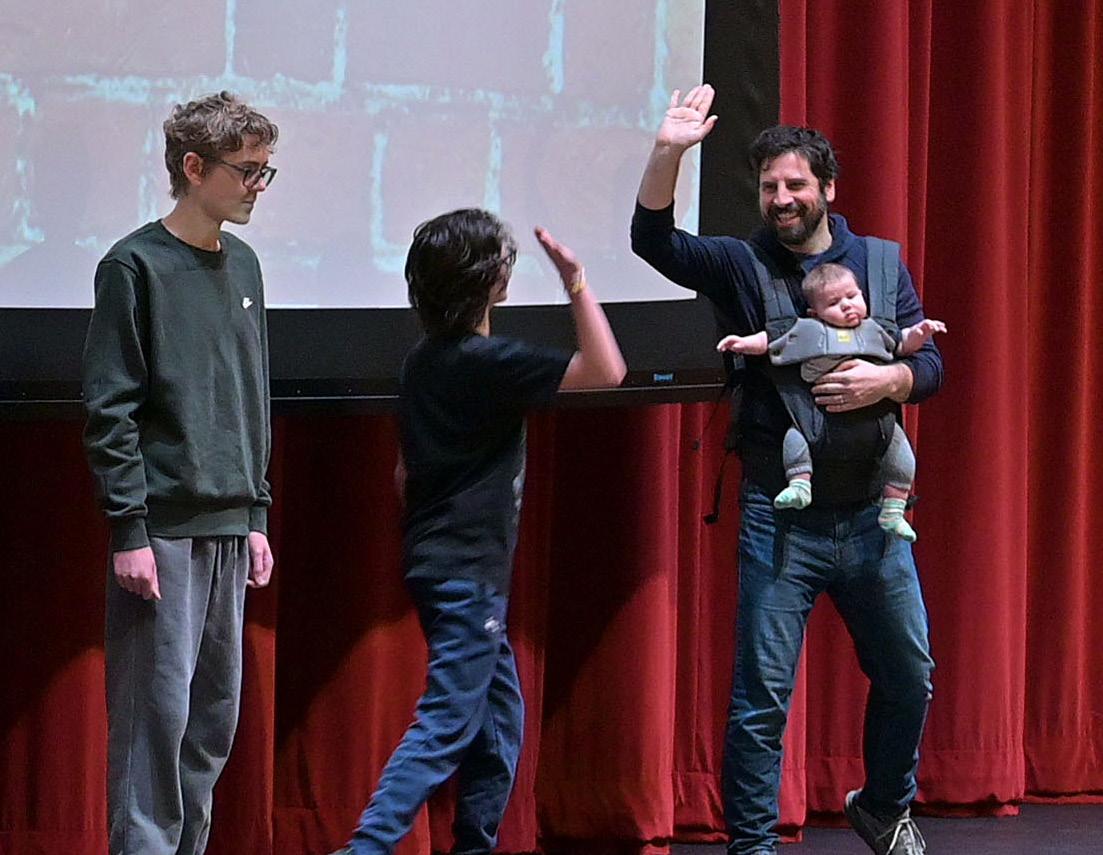
The event featured a few surprises. One was the entrance of Frank Martin, the 3-month-old son of science teacher Joseph Martin, who, with help from his dad, ended up earning the highest score of the day. In addition, for the first time in competition history, a student from Martin’s class was crowned winner.
Hovan finds the purpose behind the graph-matching competition to go beyond determining a champion.
“Tim Kraack, the director of choirs at SPA, told me something that has really stuck with me; he said that the graph-matching competition represents the best of SPA — it is a community gathering to cheer each other on, have fun, be silly, with an intellectual component that brings learning to life,” Hovan said.
As for the future, the tradition seems set. Every year brings a new set of ninth-graders, a new crowd and a new champion awkwardly pacing back and forth to win the coveted title.
I remember walking out and everyone from my physics period was cheering me on and giving me pointers. “
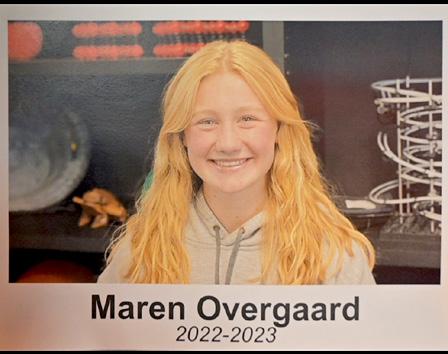
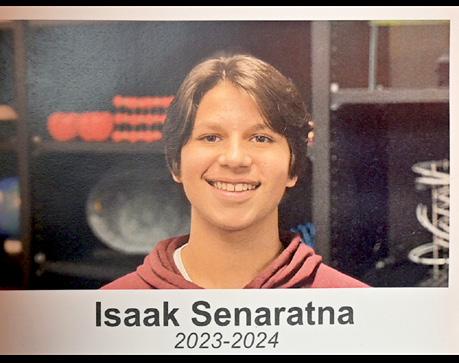
I think my fondest memory is seeing the next few competitions, and how each competition is a nod back to the previous. I think it’s a fun way to bring the whole school together.
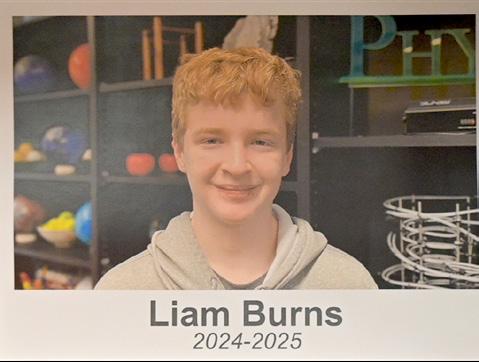
“ I enjoyed the opportunity to represent my class period at the assembly.
My favorite part was probably being back behind the curtain with the other competitors discussing scores and strategies. “
When a group of five students founded Sincerely Gen 1.5 last year, they had a vision: to build a support system for immigrant youth. They have since recruited many new volunteers and created multiple partnerships with schools in the area. Now, the organization is entering its third partnership with a St. Paul elementary school.
Current seniors Shefali Meagher, Carys Hsiung, Zimo Xie, Lani Ngonethong and Sophie Donahue have come a long way with their project since its founding. Meagher described the initial process, however, as somewhat difficult.
“Since we’re a youth-led nonprofit, it’s hard to reach large audiences and find people who would benefit from our services,” she said. “That’s why, in the initial stages of starting our nonprofit, we did a lot of research to find community centers, programs, and schools that have a similar mission. We … decided to reach out to them to see if we could collaborate with their [English as a Second Language] programs.”
Thus far, Gen 1.5 has partnered with Hmong immersion school Txuj Ci Hmong Language and Culture Lower Campus and Colectiva Bilingüe’s Camp Colectiva. They recently formed a new partnership with Adams Spanish Immersion. Another is in the works, which Meagher explained may be a way to expand their services to older students.
“We have been trying to find ways to work with older students because we know that, as a student new to the country, college applications can be really daunting, and we want to help with the process,” she said. “We are currently starting a partnership with the Ukrainian American Community Center, so we’ll see if any of their clients are older.”
The organization is geared toward empowering immigrant youth in grades K-12 through various educational activities. These include teaching ESL, tutoring
students in core subjects, career networking and giving college advice.
Junior Naomi Glozman, a regular volunteer with Sincerely Gen 1.5, usually assists with English and reading skills.
“As a volunteer, I primarily read with the kids,” she said. “Most of the kids I’ve worked with are fluent in conversational English, but some struggle with identifying less common written words.”
I decided to volunteer ... because I am a child of immigrants who has been fortunate enough to receive a great education in the United States.
junior
Naomi Glozman “

Sincerely Gen 1.5 advertises their search for volunteers via student newsletters, student announcements and posters around campus. Over 20 volunteers have been recruited this way. While looking to complete the 10 required hours of service during her sophomore year, Glozman discovered the group via newsletter and soon became involved.
“I decided to volunteer because it seemed like a good cause, especially because I am a child of immigrants who has been fortunate enough to receive a great education in the United States. I felt compelled to do all I could to make a difference in these kids’ lives,” she said.
Volunteers meet three times a week to read to and tutor elementary-age students. These meetings take place on Tuesdays and Thursdays from 4:30 to 5:45 p.m. at Adams Spanish Immersion and Wednesdays at Txuj Ci from 7:30 to 8:15 a.m.
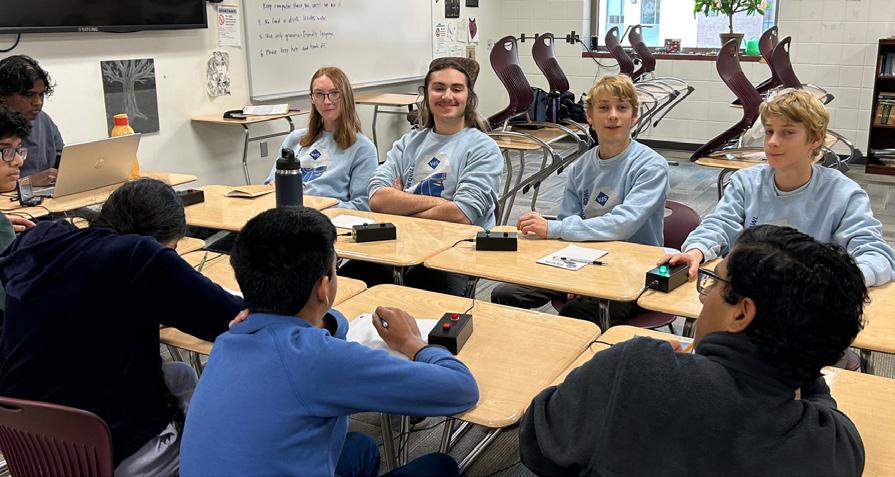
Spartan Quiz Bowl qualified for nationals for the first time since 2022, and will travel to Illinois to compete in April.
“The team made it to nationals my freshman year,” senior William Hanna said. “We had an excellent group of seniors, and when they graduated, we were competitively struggling. That’s why we’re so proud of how we’ve rebuilt the team.”
That rebuild has involved entertaining announcements at assemblies. Senior Murray Goff, who took over as hype man this fall, said, “Our recruitment strategy started last year with Adam Ebert doing announcements mostly as a joke, but I decided that it was fun, memorable, and made assemblies more engaging.”
Recruitment is ongoing, and students are welcome to come to meetings whether they compete or not. “Because the Quiz Bowl team needs a diversity of knowledge, everyone can contribute something, even if you think you don’t know enough,” Hanna said.
After one remaining league night in January, the team will compete at RAT-RACE described by coach Kate Lockwood as “a fast paced, toss-up style questions only” meet on Jan. 17 at St. Thomas Academy.
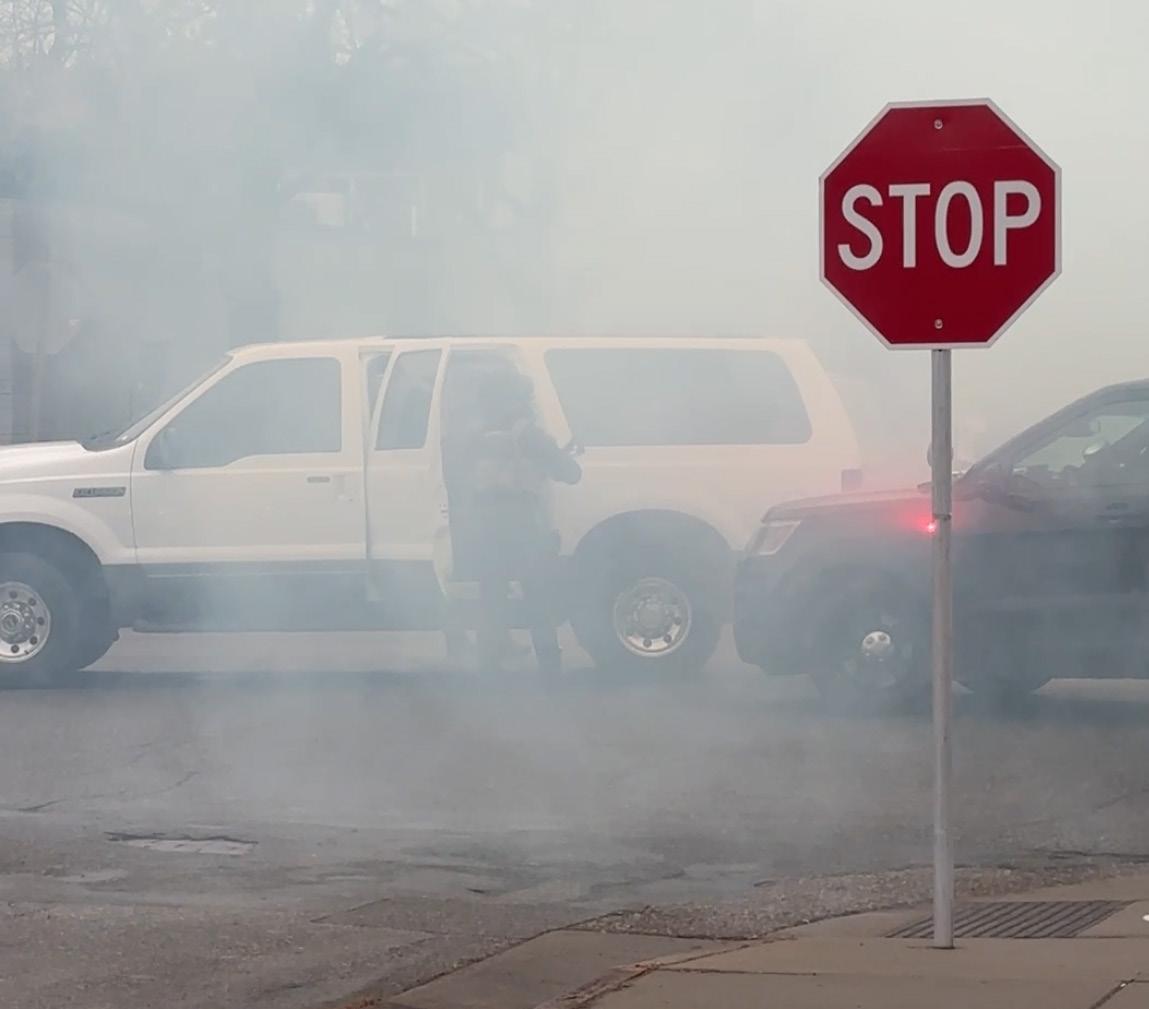

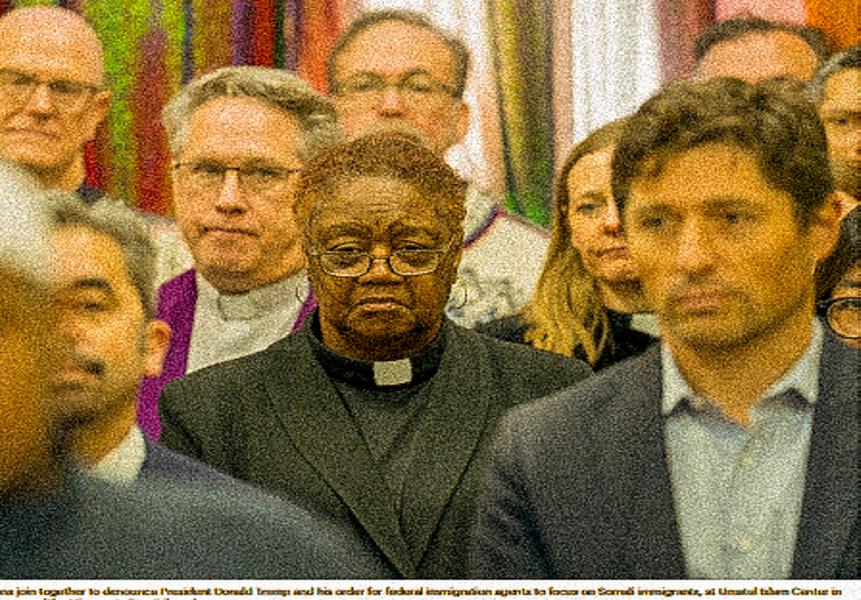
Fear, anguish and outrage: these are the emotions that many students are feeling in response to the recent presence of Federal Immigration and Customs Enforcement agents in the Twin Cities. In the past year, scrutiny of immigrants has intensified with President Donald Trump’s deployment of ICE and the National Guard to major cities across the country, including Los Angeles, New York City and Chicago.
Recent show-of-force operations in the Twin Cities, such as at the restaurant Hola Arepa, have sparked protests across the cities. Some protesters have been met with chemical irritants and even rubber bullets, including at a protest on Nov. 25 at the intersection of Payne and Geranium Avenues in St. Paul.
Sophomore Oakley Schonwald believes that the measures ICE has taken are causing fear and uncertainty.
“I absolutely hate the concept of ICE in general. I think the border issue has been disputed for a while, but no matter your
opinions, I find it impossible to believe that the solution is forcing people out of their homes,” Schonwald said. “This constant interrogation and fear that people are being made to live with, I think it’s awful that we’ve come to this.”
Because Minnesota has the largest Somali population in the country, Trump chose to attack Minneapolis. In a recent post on Truth Social, Trump made multiple comments bashing Somali immigrants, as well as criticizing Gov. Tim Walz. “Somalian gangs are roving the streets looking for ‘prey’ as our wonderful people stay locked in their apartments and houses,” he said.
Although the federal government has power over local and state governments regarding immigration, local and state administrations have no obligation to actively participate in raids and other displays of force by FBI or ICE agents. Minneapolis Mayor Jacob Frey made this clear in a press briefing on Dec. 2. “Our police officers are not ICE agents. They will not cooperate with ICE agents,” he said.
History teacher Aaron Shulow commented on
the relationship between the federal and local levels of law enforcement.
“It’s very complicated when it’s the federal government breaking the law, because they’re the supreme law of the land, and they have the resources, but at the very minimum, local leaders … certainly do not have to assist in breaking the law,” he said.
It feels kind of dystopian … It’s almost hard to believe that [ICE raids] even [are] a thing.

After Trump’s statements about the Somali community, ICE initiated “Operation Metro Surge” in Minneapolis. An article published Dec. 4 by the Department of Homeland Security, titled “ICE Arrests Worst of the Worst Criminal Illegal Aliens During Operation Metro Surge in Minneapolis, Including Pedophiles, Domestic Abusers and Gang Members,”
highlighted people of Somali descent arrested in the operation. It also included a quote from Homeland Security Assistant Secretary Tricia McLaughlin, blaming Walz and Frey for allowing these alleged criminals to “roam the streets” of Minnesota.
Junior Gus Hembre expressed his perspective on the recent ICE raids around the country.
“It feels kind of dystopian … It’s almost hard to believe that it even is a thing,” he said.
The recent ICE raids and increased racial scrutiny carried out by the federal government affect more than those directly involved. Students, teachers, families and communities are struggling to cope with the current conditions in the country.

THE RUBICON - DECEMBER 2025
OUR MISSION
We strive to capture the spirit of the community through its stories while inspiring deeper conversations. Above all, we stand for integrity in our pursuit to inform and engage our readers.
THE RUBICON
St. Paul Academy and Summit School 1712 Randolph Ave • St. Paul, MN 55105 rubicon.spa@gmail.com www.rubiconline.com @TheRubiconSPA
25-26 STAFF
EDITOR-IN-CHIEF MANAGING EDITOR
CHIEF VISUAL EDITOR NEWS EDITORS
OPINIONS EDITORS
HEALTH & WELLNESS EDITOR
PAGE ONE/IN DEPTH EDITOR
FEATURE EDITORS
SPORTS EDITORS
A&E EDITORS
GOOD QUESTION EDITOR
COPY EDITOR DATA JOURNALIST
Sonia Kharbanda
Juan Miguel Adams
Amanda Hsu
Evie Gardner
Wynter Feiner
Peony Steele
Eva Burns
Izzy Middlebrook
Peter Ostrem
Ariella Kim
Sylvia Westra
Sam Galarneault
Harper Larsen
Tallulah Dogwill
Sunde Auberjonois
Lina Abid
Ivy Evans
Jack Gao
RUBICONLINE
DIRECTOR OF RUBICONLINE
PRODUCTION MANAGER
CREATIVE DESIGN MANAGER
DIVERSITY MANAGER
BEATS MANAGER NEWS EDITORS
OPINIONS EDITORS
FEATURE EDITORS
IN DEPTH EDITOR A&E EDITORS
SPORTS EDITORS
COPY EDITOR
PODCAST EDITOR RUBICON TV
SOCIAL MEDIA MANAGER
Thomas Chen Greyson Sale Zimo Xie
Lani Ngonethong
Elizabeth Tuttle
Peter Lipinsky
Ike Obi-Walker
Winston Arvidson
Audrey Jansen
Zahir Hassan
Naomi Zins
Shrey Nemani
Lani Ngonethong
Yassin Mokbel
Senetneb Theba
Allen Wang
Aiden Ruediger
Yasmin Khan
Nabeeha Qadri
Nora McKoy
Andrew Lipinsky
Audrey Peltier
CONTRIBUTORS
Carys Hsiung, Annika Kim, Kate Tuttle, Huxley Westemeier
STAFF WRITERS
Dhru Chaney, Olivia George, Sofia Johnson, Rohan Kavuru, Niko Lifton, Katherine Lin, Lilly Parr, Annalia Sarzoza, Ellie Whitcomb
ADVISER
Kathryn Campbell, CJE
PUBLICATIONS ASSISTANT Scott Gillespie
MEMBERSHIPS
Columbia Scholastic Press Association
National Scholastic Press Association
Private School Journalism Association MN
School Press Association Quill and Scroll Honor Society
CURRENT
allows them to better understand
and perspectives. The ability to build trust is a lifelong skill that goes beyond any high school
of the staff agree
The difference between simply completing assignments and truly benefiting from school experiences comes down to one thing: authentic connection. Respect may be a basic expectation in any classroom, but it is just the starting point for positive student-teacher relationships. Alone, respect creates stability, but when students actively put in effort to connect with teachers and demonstrate their willingness to learn, they create an environment where genuine growth can flourish.
In a school with a demanding academic curriculum, students sometimes hesitate to reach out to teachers about small struggles or successes. Though talking to teachers outside of class can be difficult, abandoning the willingness to communicate has greater downsides. Pushing oneself to form valuable relationships with authority figures has benefits that last far longer than the initial uneasiness a connection may bring.
For students to apply their in-school experiences to the world outside the classroom, they must go beyond mere politeness. A student can sit through entire classes, following instructions and working diligently, but authenticity with teachers requires students to engage on a deeper level. These actions can be as simple as asking follow-up questions, inquiring about a teacher’s day or showing interest in a subject. Even when it feels uncomfortable, communicating honestly and showing curiosity lays the groundwork for a genuine relationship.
Sometimes though, small efforts toward connection can feel like risks, but is that necessarily a bad thing? A study conducted by Brain and Behavior found that risk-taking enhances learning and facilitates improved decision-making. Although risk-taking in academics can refer to choosing challenging academic tasks, it can also refer to building vulnerable yet stable relationships with teachers and being willing to develop trust despite a fear of judgment.
Trust researcher Charles Feltman offers this definition: “Trust is choosing to make something important to you vulnerable to the actions of someone else.” This trust requires one to take risks, show vulnerability and engage in authentic connections; it ultimately allows students to grow in a more significant way than compliance alone could.
When teachers have the tools to better support students, such as fully understanding a student’s passions, motivations and struggles, students can, in turn, benefit from having an adult who understands their learning style and recognizes their full potential.
Especially at a school where close relationships are fostered through small classes and one-on-one conversations, teachers have opportunities to reach out to individual students to offer guidance and expertise. However, it’s up to the student to turn that support into something meaningful. Without students’ efforts, even the most generous guidance may never fully take root.
Alternatively, forming connections with teachers isn’t solely about effort: it is also about mindset. Many students enter class with a predetermined notion of a teacher, often shaped by the perspective of a peer. These assumptions make it hard to fully engage and form sincere relationships with teachers.
Connection not only helps students succeed in school, it also helps them succeed beyond academics. Later in life, students will need to communicate effectively with professors, mentors and supervisors. Advocating for themselves and building trust with teachers in high school prepares them for the years of communication and connection ahead. While discipline and compliance are valuable academic skills, the ability to connect, form close relationships and build trust are lifelong assets.
INDEPENDENCE
INFOGRAPHIC: Eva Burns
PASSIONATE PATRIOTISM. The concept of nationalism comes in different forms; some positive, others harmful. On one end, it can be as simple as rooting for a national sports team, and on the other hand, it can escalate into extreme behaviors, including acts of hatred or violence.
THE RUBICON
Flags waving at Fourth of July parades. Singing along to the national anthem as U.S. Olympians stand on a podium with gold encircling their necks. Promoting stereotypes about a religious group and using those as a rationale to disengage. Supporting U.S. involvement in armed conflicts in areas of the world because of the racial identity of the majority of a country’s people.
When it comes to nationalism, there’s a clear line between patriotism and xenophobia. Nationalism fosters a sense of “us” by prioritizing national sovereignty and promoting a shared identity. It has the potential
to be a driving force for unity and independence.
In an article from the Foundation for Economic Education, it was found that one of the first manifestations of modern nationalism occurred during the French Revolution, which championed the idea that authority of government should be sustained by the populace in an ultimately positive way. However, the unification that nationalism now encourages is not purely positive. When nationalism is exacerbated, the ramifications are harmful.
An example of the negative ramifications in such a casual way is visible in the classic film, “Rocky IV,” released in 1985. The film featured a
PUBLICATION INFO The Rubicon is published eight times a year. We distribute 500 copies of each issue on the Randolph Campus which are available for free.
ADVERTISING The Rubicon does not accept advertisements.
ANONYMOUS SOURCES Although it is always preferable to use names when reporting, there are times when it is necessary to protect those we report on. Use of grade level or first name only are the most commonly used methods of anonymity.
BY LINES credit the individual who conducted interviews, drafted, revised and fact-checked an assigned story. Shared bylines are given to joint effort
central plot and themes surrounding the Cold War. The film was reexamined in a 1994 study, referenced in the New York Times article “National Identity is Made Up.” The study found that Americans who had never seen the film, after watching footage of Rocky beating the Russian opponent, experienced a self-esteem boost.
However, when they saw edited footage where Rocky lost to his Russian opponent, they experienced their self-esteem drop and became more likely to have negative opinions on Russians. This example demonstrates the drastic ways nationalism alters everyday experiences. When consuming a piece of media, it is natural to have
assignments. Stories that include supplemental materials include a credit at the bottom that states “Additional reporting by” followed by the name of the reporter.
EDITORIALS articulate the collective opinion of the staff, while minieditorials, opinions pieces, arts reviews, and columns belong to the author.
SUBMITTED WORK The Rubicon encourages the student body to contribute their voice. Submitted work includes Letters to the Editor, Submitted Work, or Images/ Illustrations. With all submitted work, fraud and impersonation are prohibited and will be reported to the administration and the Honor Council. Letters, story ideas, and interest can be
some sort of opinion on a conflict. However, allowing opinions to define identity can be harmful and create stereotypes.
When it comes to nationalism, there’s a clear line between patriotism and xenophobia.
sophomore Izzy Middlebrook

Those stereotypes and labeling can lead to xenophobia, which can create unique problems. Take, for example, the disconnect that exists in the rhetoric around COVID-19.
sent to rubiconstaff@spa.edu.
UPDATES AND CORRECTIONS
During the post-critique process, staff members identify inaccuracies and discuss reader feedback. The staff publishes corrections when an error is discovered during critique or reported to a staff member. Corrections should be directed to the Editor in Chief or appropriate section editor.
IN PRINT: Corrections are printed at the bottom of News p. 2. Corrections will be printed in the month following the error and, if the story is also published online, will be corrected following the online corrections policy.
PHOTO CREDITS Photos are labeled with the photographer name, whether
Tensions between China and President Donald Trump led to Trump and other Republicans labeling COVID-19 as the “Wuhan virus,” “Chinese virus” and the “Kung Flu,” and Trump advocating for fast-tracking the vaccine through Operation Warp Speed. That disconnect ultimately took lives because even though Operation Warp Speed was successful, Trump’s nationalistic labeling caused some Americans to reject the vaccines it produced. Furthermore, these offensive comments spurred violence toward Asian-Americans; nationalistic ideas misdirected hate onto an innocent group of people.
Equating personal worth with national identity threatens self-assur-
on staff or freelance. Images sourced outside the staff are credited with guidance from the National Press Photographers Association guides.
NAME AND PRONOUN USE
The Rubicon uses the name and pronouns shared by individual sources during interview. Each interview and survey begins with a request to say and spell the person’s name and to share the pronouns they would like to see published in the story, and the reporter is transparent about where the story will be published. If a mistake is made, a correction will be posted per the corrections policy.
CONFLICTS OF INTEREST The Rubicon news and Ibid yearbook avoid conflicts of interest while also honoring
ance. Creating a community that encourages, or can even be built on hate, is unhealthy.
While nationalism has certainly evolved since its founding, and crept its way into many different facets of life, the current state of nationalism in the U.S. is destructive. Reaching out across divides that nationalism causes is the first step toward discrediting harmful stereotypes. Working with different peers, keeping an open mind to new perspectives and ultimately recognizing stereotypes but not accepting them, are all important steps toward dismantling hateful communities.
the fact that our reporters are involved in the school and local community beyond their work on staff. Staff members avoid writing about students, teachers, student clubs, affinity groups, and organizations that they are closely involved with. The reporter is always responsible for disclosing conflicts of interest, but if a conflict of interest comes to light after publication, it does not warrant removal of the story. If it is in the best interest of a source to be interviewed by a close friend in the case of a sensitive topic, the interviewer will not write the story— they will solely conduct the interview. Unavoidable conflicts of interest are specifically mentioned at the top of a story. Photographing or videography of news events is never a conflict of interest.
RUBICON - DECEMBER 2025
SAM GALARNEAULT THE RUBICON
The line where appreciation turns into appropriation isn’t always clear, agreed upon or taken into consideration. Cultural appreciation versus appropriation is something to always be mindful of, as people rarely truly know the effect it might have on a greater audience. When it comes to this topic, a lack of knowledge can be dangerous because it can lead to inadequate awareness and understanding, ultimately resulting in disrespect and harm. Don’t fall into that hole. Instead, practice cultural competence. In a diverse society and in a complicated world with a rich history, culture is seen in many different forms and ways of living. Culture is how
different groups of people convey their heritage throughout generations. Culture can be seen through one’s language, beliefs, food, art and much more, which help express one’s lifestyle.
It is important to be mindful when trying to show appreciation for a culture.

Appreciation of one’s culture is learning about its significance, history and relevance, and simultaneously displaying that respectfully. Appropriation and harm arise when a culture is not giv-

DEFINITIVE DISTINCTION. Cultural appropriation occurs when the dominant culture co-opts the culture of a marginalized group. Although it is often unintentional, the harm felt by the communities is real and must be considered.
en respect, understanding or acknowledgment. Cultural appropriation happens when a dominant culture tries to take pieces of a marginalized or minority group’s culture and integrate it into their own lifestyle without fair acknowledgment or respect.
Typical examples of cultural appropriation are the use of clothes or sacred items as costumes or using makeup that mimics other cultures’
skin color. The common factor of these situations in cultural appropriation is the little care individuals have for the original culture they are exploiting.
This often begins with a lack of understanding of the significance and history of culture, and while good intentions may be present, that is not always a valid excuse when harm is caused. During Halloween, warnings about appropriation are
prominent and fill school hallways. Posters remind students to be conscious about what they decide to choose as their costume. In a school with different backgrounds, religious and personal experiences, it is important to keep sensitivity in mind, especially when choosing a costume.
The distinction between appropriation and appreciation can vary among different individuals. Overall, the way
people present themselves can have a greater impact on others than they may expect or intend. It is important to be mindful when trying to show appreciation for a culture. Being supportive and sensitive goes a long way when it comes to being mindful about how a costume might impact others. The safer route is always the smarter route in this case.
In the spirit of knowing one’s enemies, it is important to be as informed as possible about the latest developments in technology, especially in the world of artificial intelligence. In a world with constant technological advances, the concerns about humankind being outpaced and threatened by them are never truly dormant. There has been perpetual discourse around the subject for as long as the internet has existed, whether the evolving technology is viewed as an imminent danger or an exciting possibility.
In the wake of the spread of AI use in the last few years, a neo-Luddite movement has gained popularity, with young people across the country rejecting the often harmful nature of new technologies and challenging the notion of their necessity.
Historically, the Luddites were a group of factory workers who protested the introduction of new machinery during the Industrial Revolution, as it threatened their jobs. The term has since been used to describe those opposed to new technologies in general.
Regardless of whether the threat posed by AI is doomsday-level, the promises of efficiency offer little in return for our cognitive function. In academics, reliance on AI undermines the value of showing up to learn, exercising skills in critical thinking and analysis. Especially at a tuition-based school, it comes down to a waste of resources.
According to a 2025 study in Nature Human Behavior on the effect of ChatGPT on brainstorming, ChatGPT initially showed positive effects on the creativity of ideas, but consistently demonstrated a decrease in the diversity of ideas overall compared to humans unaided by AI.
Additionally, in 2025, researchers at the Massachusetts Institute of Technology conducted a study mon-
itoring the effect of ChatGPT on critical thinking, which revealed that subjects who wrote essays using ChatGPT showed lower brain engagement and produced generally lower-quality essays. Toward the end of the study, the ChatGPT-assisted writers frequently opted to copy-paste the entire essay from the AI chat.
The commitment to a neo-Luddite lifestyle does not necessarily entail giving up all technology. The founder of the Luddite group at the University of Minnesota, Emma Bourne, told the Minnesota Daily, “A website isn’t going to take away my livelihood. Instagram definitely could. Google Gemini or other forms of AI definitely could.” Members of the U of M group generally still own and use cell phones, but reject social media and AI.
Protecting livelihood and encouraging interpersonal connections deserves to be celebrated.
These founding principles of protecting livelihood and encouraging interpersonal connections deserve to be celebrated. There is no better motivation to stray away from AI use than the threat to humanity’s ability to connect.
This kind of existential worry is not new with the rise of AI, however. Cell phones and social media have prompted similar questions around human connection since they have become widespread. The combined risk of these powers is the ultimate driving force of the neo-Luddites.
Being informed and intentional about the tools you use is the key to maintaining a sustainable balance in
LUDDITES BY THE NUMBERS 24+
Luddite clubs currently exist in North America
March 11, 1811
was when the Luddite movement first began in Arnold, United Kingdom when factory workers protested against the use of new machinery
17 Luddites were executed in 1812 for the crime of machine breaking
March 2025
was when the University of Minnesota’s Luddite group was founded
INFORMATION: The Luddite Club, United Kingdom National Archives, Minnesota Daily
a life surrounded by constantly advancing technology. Likely, more education will lead to less trust in these technological crutches.
It seems that many people, teenagers and adults alike, can acknowledge their own reliance on their phones and social media or AI as harmful, but have trouble regulating it themselves. If joining a community that supports exactly this goal is what will motivate that change, by all means, consider the Luddites.
Scan this QR code to access the official website of The Luddite Club.
BY THE NUMBERS
young people reported that the COVID-19 pandemic had a negative impact on their mental health.
56% of U.S. public schools effectively provide mental health services to every student who requests them. 1 in 5
50.6% of U.S. youth ages 6-17 with a mental health disorder received treatment in 2024.

AGITATING AMOUNTS. Youth ages 6-17 are disproportionately impacted by lack of mental
“Everybody deserves a space to talk about what’s going on in their life,”
When the COVID-19 pandemic confined millions of Americans to their homes in 2020, the strain on mental health became prevalent, as a 2024 Pew Research Center survey by Giancarlo Pasquini and Emma Kiku suggests. The crisis exposed long-standing stigmas and emboldened the importance of mental health.
According to a 2022 survey conducted by the Kaiser Family Foundation and CNN, 90% of U.S. adults believe the nation is experiencing a mental health crisis.
This battle with mental illness has only grown more prevalent as time has elapsed. The number of individuals facing mental health challenges was exacerbated by the pandemic, when one-fifth of adults in 2020 were recognized as struggling with a mental health condition.
Societal attitudes toward mental health tend to be complex. A 2016
study from The Lancet by Graham Thornicroft and Nisha Mehta, et al., revealed that individuals tend to accept the medical or genetic nature of a mental health disorder but are still prone to bear negative feelings toward the person with the condition.
Junior Nico Martin noticed that people his age tend to be reluctant to discuss mental health openly.
“I do notice that within communities of kids, talk of mental health is kind of a taboo … and it can really only be brought up when you’re super close friends with somebody,” Martin said.
“If you’re struggling and having a hard time making friends, then it’s almost impossible to get a conversation out about mental health.”
The reason for this “taboo” is stigma. According to an article titled “Stigma, Prejudice and Discrimination Against People with Mental Illness” written by the American Psychiatric Association, more than half of individuals struggling with mental health issues do not get help for their conditions.
The most commonly reported reason for this is the fear of change in treatment from others.
Upper school counselor Clare Roney urges community members to support each other proactively. She has observed that after receiving support, seeking professional support often seems more manageable.
people kind of stuff it,” Roney said. “They try to cope the best way they can, sometimes with unhealthy coping mechanisms, and eventually, I think it impacts all areas of their life.”
for mental health increasingly difficult to access.
Access to mental health facilities in 18% of large rural areas and 40% of isolated rural areas is scarce, as most care facilities are located at least 30 minutes away from these areas.

Roney emphasized the risks that can come with the neglect of an individual’s mental health care needs. “I also notice that students feel when people do share, they’re not the only ones struggling. I fear that when we don’t talk about it, and we don’t normalize mental health, and we don’t have resources available,
Researchers have identified several kinds of stigmas. The first is public stigma, which encompasses discriminatory ideologies that others have about mental illness. The second is self-stigma, or internalized shame. Finally, the third is structural stigma, meaning policies or systems that institutions have in place to intentionally or unintentionally impair those with mental illness, such as lower funding for mental health research.
ISSUES
Additionally, these areas have a higher proportion of households without access to essential telecommunication devices, meaning telehealth opportunities are inaccessible, according to a University of South Carolina Rural Health Research Center study titled “Access and Quality of Mental Health Services in Rural and Urban America.”
military members and health professionals tend to shy away from seeking help because judgments are instilled by surrounding stigmas.
Obtaining help isn’t only necessary during times of hardship. Sophomore Naomi Mann emphasizes the importance of mental health maintenance. “You don’t have to have something wrong with you to go to therapy. I think it’s just a good opportunity. Everybody deserves a space to talk about what’s going on in their life. And I think that it needs to be normalized,” Mann said.
The first step toward nullifying the power of mental health stigmas is to normalize mental illness and support community members through their best and worst moments. Battling mental illness is not a linear process, and treatment varies between patients; however, options can include immediate crisis support via hotlines, discussing mental health with primary care providers and finding a therapist. I do notice that within communities of kids, talk of mental health is kind of a taboo.
Another example of structural stigma is the lack of care available in the U.S. Hesitancy to verbally advocate for oneself comes from this stigma. However, this isn’t the only obstacle in the way of obtaining support. Slightly more than half of counties in the U.S. lack any practicing psychiatrists, making treatment
It is also reported that mental health stigma disproportionately deters certain groups from getting support. According to an article from Cambridge University Press, “What is the impact of mental health-related stigma on help-seeking?
A systematic review of quantitative and qualitative studies,” ethnic minorities, youth, men,



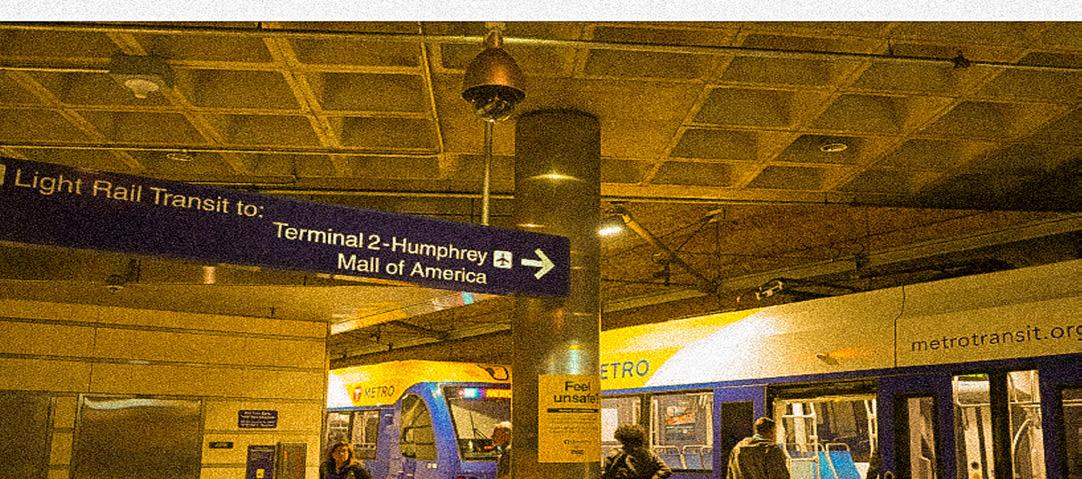

Minneapolis and St. Paul are just a bridge-crossing away from each other, separated by the Mississippi River. But despite their misleading name, the Twin Cities have different economic and industrial backgrounds that influence their cultures today. The European colonizers who first settled in Minnesota were fur traders. Fur was in high de-
mand, and through network of international trade, Fort Snelling came a bustling hub dustry and commerce 1819. Over the next decades, this would come the entry point entrepreneurs looking set up shop in what thought of as uncharted territory. Finally, in St. Paul was recognized the state capital. While St. Paul’s pean population exponentially, even settlers acquired the ly unoccupied land once belonged to digenous peoples. and more farms established around
“
don't often.

through this international Snelling behub of incommerce by next few would bepoint for looking to what they uncharted in 1849, recognized as
Paul’s Europopulation grew even more the newland that the Inpeoples. More farms were around the
continued from pg. 1
Few acknowledged a hesitancy to cross the river –although, obviously, Minneapolis attendees at school have no choice, as they have to travel to St. Paul.
Sophomore Rory Kigin has lived in St. Paul for her entire life and appreciates its strong sense of community and access to small businesses: “I think it’s very family-oriented … it just feels so walkable and there’s always something to do.”
Still, Kigin does not see a stark divide between the cities and enjoys seeing friends and trying restaurants in Minneapolis.
Junior Cormac Graupman shares this belief, as he lives near the Lake Street-Marshall Avenue Bridge in St. Paul and can easily access both cities: “If there’s a restaurant in Minneapolis that you want to go to, it’s not a huge hassle to get over there … from where I live, where it’s probably 10 minutes to both downtowns, there’s no ‘oh, it’s in Minneapolis, we shouldn’t go there,’” he said.
In addition to the bridge near Graupman’s home, dozens of structures connect the two sides of the river. Some are only for passage by car – such as Interstate 94 – while others are for pedestrians
and bicyclists, like the Stone Arch Bridge and the Ford Parkway Bridge. The Metro Green Line travels across the Twin Cities and the University of Minnesota campus; Kigin mentioned taking the bus to Minneapolis.
It's [St. Paul] very family oriented ... it just feels so walkable and there's always something to do.
sophomore Rory Kirgin

Although most students described their willingness to cross the river, outside perceptions of each city can create divides.
Junior Aldegundo Brenneman, who lives in Minneapolis, believes the differing racial demographics,
state, and one of these small towns developed to become Minneapolis.
During a period of economic boom in the late 19th and early 20th century, Minneapolis was known as the “Flour Milling Capital of the World.”
Bill Lindeke, an urban geographer based in Minnesota commented on the current economic state of the cities: “The hotel industry is really a big part of the downtown economies in both cities, and they really market the riverfront. There’s not really any flour milling in Minneapolis left, but General Mills is a big corporation that emerged out of [that industry] and became a food conglomerate,” he said.
Minneapolis has become a home to new centers of culture, like the Walker Art Museum,
the Guthrie Theater and First Avenue. It produced artists like Prince, Winona Ryder, Lizzo and Bob Dylan.
As previously influential industries like milling dissipated, Minneapolis became known as more of an artistic hub than an industrial one.
Some students like junior Leo Johnson prefer Minneapolis over St. Paul due to its size.
“I’ve met people from other states who believed Minneapolis was the capital, just because of the size and the skyline,” Johnson said.
Lindeke remarked that although the original industries that kickstarted the city may have disappeared, many of the physical structures they inhabited still impact the city skyline and riverfront.
“
I like that everyone’s super nice to each other...everyone's holding up their part [in St. Paul].

In contrast to Minneapolis’ economic background, St. Paul’s industry was initially more trade based. Although very dependent on river barges at first, by the late 19th century, enough settlers established businesses in the new state capital for it to function as a more localized economy.
Rather than taking advantage of the milling industry, St. Paul developed around the newly intro -
especially between the metro area and greater Minnesota, influence stereotypes.
“Some people say they think that Minneapolis is a very dangerous city, or that the crime is high, when often, they are just uncomfortable about the prospect of running into people of color. Often, that statement masks underlying biases about communities of other ethnicities, and is not grounded in facts,” he said.
Reflecting on his experiences living in both St. Paul and Minneapolis, Bisanz urges people to spend time in both cities. “I used to feel very divided from Minneapolis. I feel like, St. Paul people wouldn’t go to Minneapolis. But now that I’ve crossed the river … I think everyone should explore both cities.”
No matter where they live, the closeness and connections between Minneapolis and St. Paul offer students access to everything from busy city life to tightknit residential areas. There are opportunities abound to experience the unique and vibrant combined culture of the Twin Cities.


duced sprawling railroad systems.
Similarly to Minneapolis, much of St. Paul’s original economic foundations are still visible in the city today.
“In St. Paul, you get the barge traffic that still kind of reflects the river boat commerce stuff," Lideke said. "The other big part of the economy was the railroad, so when it showed up in the 1870s, it kind of reshaped riverfront land."
Not only do the physical structures remain, but societal and cultural structures as well. Where Minneapolis has continued to be a center for national and international arts and culture, St. Paul has remained a localized community in the eyes of St. Paul natives.
Junior Nico Martin reflected that he appreciates

the community centric culture of his hometown, St. Paul.
“I like that everyone’s super nice to each other. Every time you go into a shop, you’re greeted nicely, and everyone on the street is nice to you. And everyone’s holding up their part. Most people will shovel all of their snow, and my neighbors are super nice,” Martin said.
The divides between the Twin Cities have little to do with the bridges they cross to travel between Minneapoils and St. Paul; instead, they are rooted in deep industrial history and cultural past.
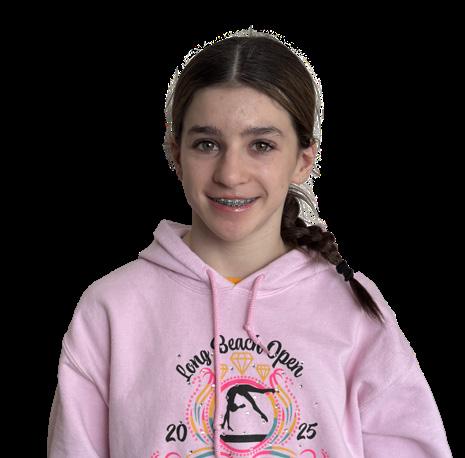

like St. Paul more because I live there and Minneapolis is a tad more confusing.
RUBICON - DECEMBER 2025
EVIE GARDNER THE RUBICON
When asked about one’s identity, responses to this question will vary, but overall one theme will prevail: culture. Culture is based
For ninth-grader Elliott Hazzard, a blend of Canadian and English cultures have always played a significant role in his life.
Culture is straightforward for some, directly tied to their nationality, race or religion. But combining multiple factors can create a mix of unique experiences, traditions and ways of life. Being multi-cultural can foster a deeper understanding of identity and the world.
“It’s really cool to incorporate traditions from two different cultures, and put them together and think about them in a new way,” Hazzard said.
Hazzard lived in Canada until he was 6 years old, when he moved to Minnesota. As he got older, he became more interested in connect ing with his culture from afar.
“When I moved away from Canada, obviously it was very sad, because I was young and I was leaving all my friends. But I feel like I’ve had a lot of amazing opportunities here,” he said. “I think I’ve become more connected to [Minnesota].”
Growing up in an isolated environment due to a distinct culture may feel disconnecting, but for Hazzard, it has provided new insights and opportunities.
“It’s unique to be one of the only people to celebrate certain things in your neighbor hood. But you can also introduce other peo ple to [them] too,” he said.
At school, affinity groups are a common place where students are able to share their experiences. However, many affinity groups are based on religion or race, rather than culture based on nationality. This can pres ent challenges to students like Hazzard, with a lack of specific spaces designated for cultural bonding.
on a variety of factors, ranging across race, nationality, religion and tradition.
Senior Violet Pitcher has experiences ranging across a multitude of countries, with unique encounters in each place.
Pitcher used to live in South Africa, where there weren’t many other interracial couples or biracial people, and where racial tensions linger from the legacy of apartheid.
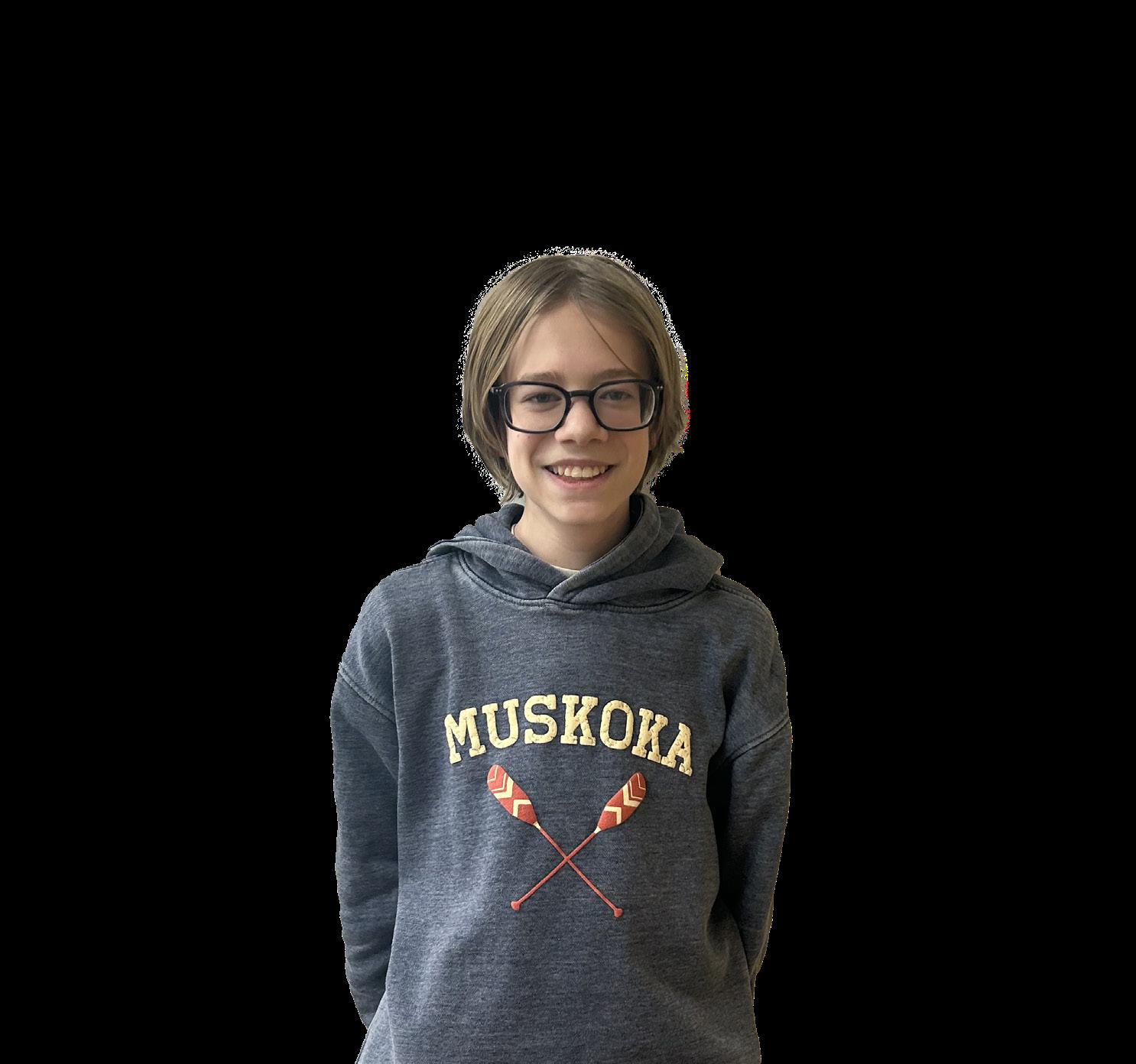

Despite having a blend of heritage, Hazzard has grown to appreciate his culture in the context of his own life.
“I love my culture and I’m very proud of it. I feel like there are a lot of things I wouldn’t know if I didn’t have this culture,” he said.
Because Hazzard’s experiences differ from that of his family, he takes advantage of the unique perspectives shared by them.
“My mom talks to me about what her life was like in Britain ... and my dad talks about what it was like growing up for him [in Canada], and those experiences are different [from] what I’m experiencing,” he said.
Some might not know how to face cultural differences because they’re only ever used to one identity, but growing up with ties around the world offers more connections and a deeper understanding.
“I think it’s important to recognize people’s identities and the way people celebrate or do certain things is different from yours,” Hazzard said.
Culture is a cornerstone of connection, especially in a diverse environment. Culture and identity are heavily intertwined. A deep dive into one’s culture can sometimes be messy and difficult to understand. But for Hazzard, exposure to a mixture of cultures has enhanced his worldview and life.
Variation within humans are the differences that bring us together across the globe, or can force us apart. In a globalized world, it is increasingly rare to find someone with just one facet of their identity.
“To my white peers, I wasn’t white, and to a lot of my black peers, because I had a white parent, they saw me as somebody who couldn’t identify with the struggle of being black,” she said. “It’s different, because black in South Africa is not the same as being black in America. So my kind of racial identity experience was very nuanced.”
In a society with increasing pressure to self-define as one singular part of an identity, Pitcher has managed to navigate how to express each aspect of her racial identity.
“The saying that I use is, ‘I’m also black, also white.’ That’s helped me to be able to celebrate both of my identities and not feel like I have to choose. Because of our history and because of how things have played out in society, there are going to be pressures to choose, but I don’t necessarily have to do that, and I can celebrate both of those cultures that I come from,” she said.
After moving back to the U.S. in 2021, nuance in her racial identity didn’t end.
“This is a journey that’s going to be for years, and I’m still going to be learning and growing,” Pitcher said. Understanding identity is something that every person has an experience with. A 2018 study by Harvard University called The Identity Project investigated the impact of exploring and understanding racial identity. The study found that teenagers who were able to grow and explore their race had not only a more elevated sense of self-identity, but of their identity in a global landscape as well. Pitcher has grown up and developed a deeper understanding of her race and how to express herself.
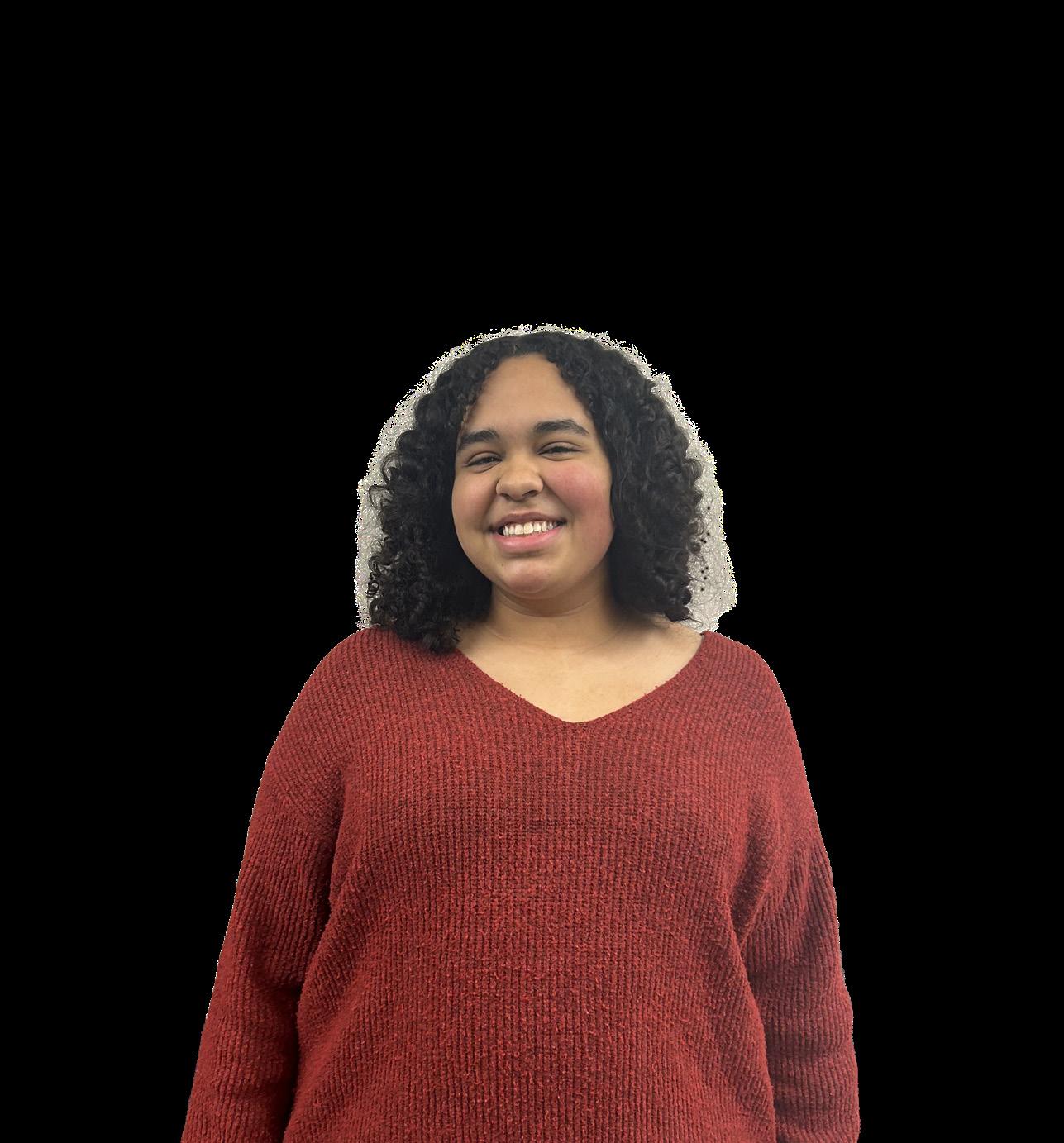
“I’ve become more sure of my place in society, and I’ve had more experience navigating conversations about race and just the tricky topics,” she said. “I’ve become more open to having those conversations and not feeling defensive when people ask me about my race or my experiences. It’s figuring out who I am, and then coming into those conversations with an open mind.”
Despite the school’s effort to increase diversity in faculty, Pitcher believes there is still work to do.
“There isn’t as much representation as I would like, especially with teacher representation,” Pitcher said. Being able to learn from teachers with similar experiences is powerful.
“Empathy is really important. Teaching students who have different experiences from you is really strong, but it is different than having [shared] lived experiences. When we’re talking about history, culture or society, it’s been a struggle to have to navigate that on my own, educationally,” Pitcher said.
Racial identity, especially in a society where race plays a significant role, is crucial to understanding the fabric of the world. Though identity may vary, Pitcher has learned that it is up to the individual to decide what makes them who they are.

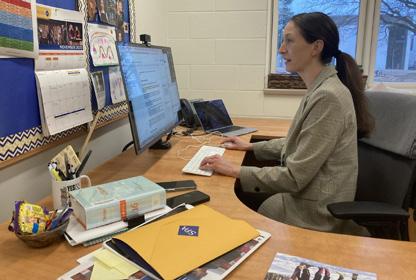
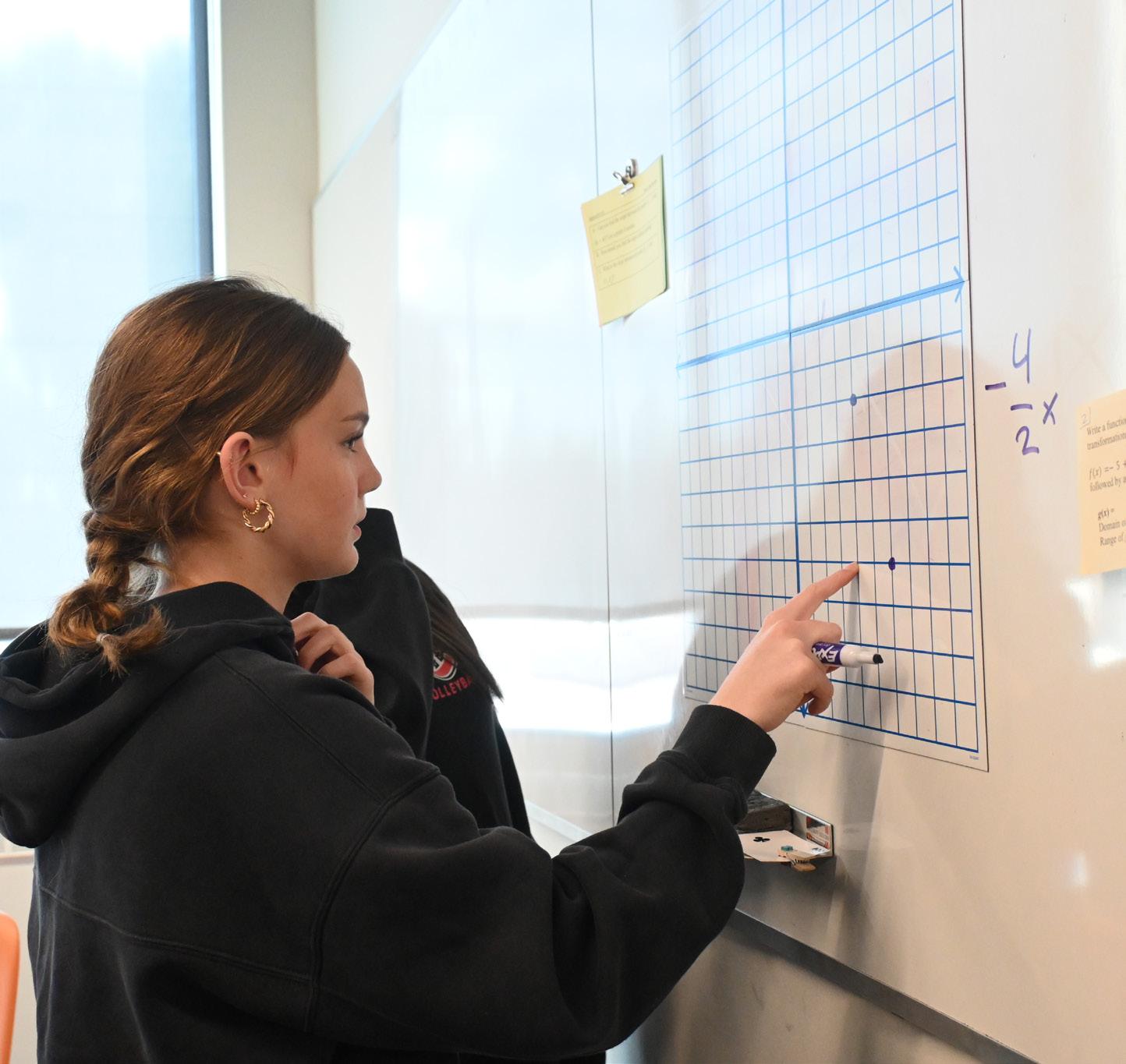
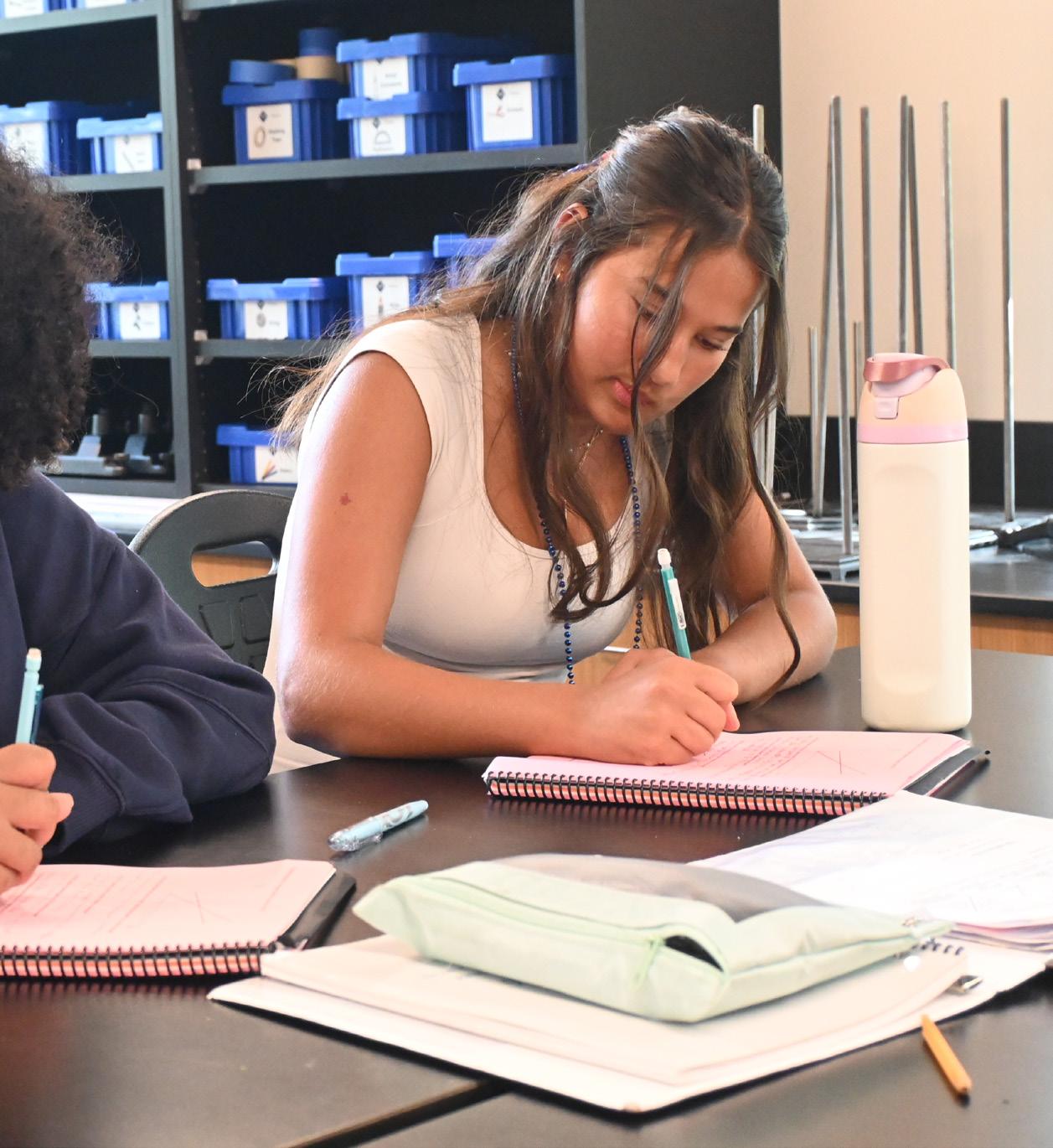
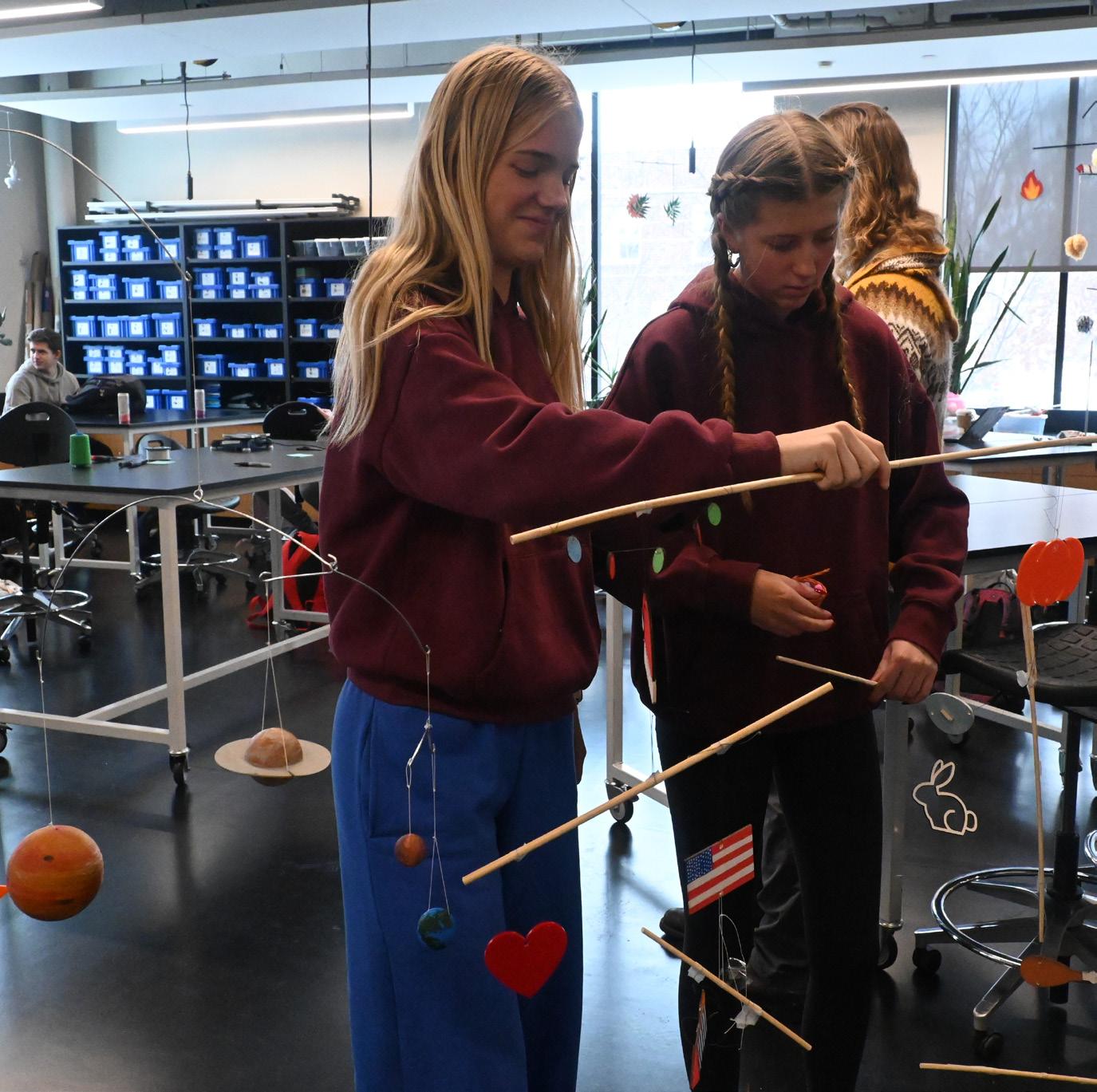
Despite the fact that women have been integral to the progression of representation in science classrooms, in a male-dominated field, gender ratios have an influence on group assignments and classroom structure.
Sophomore Clara Lovelace is in Principles of Engineering, taught by Science Department Head Scot Hovan this semester, with only one other girl, which has actually improved Lovelace’s experience. “I’m just working with one person because [she’s] the only other girl, which is obviously so fun because you get to know this person,” she said.
As the minority in this class, her voice could be easy to overlook, but that hasn’t been an issue for Lovelace. “[Dr. Hovan] definitely tries to empower us a little bit more, especially because we’re in the minority,” she said.
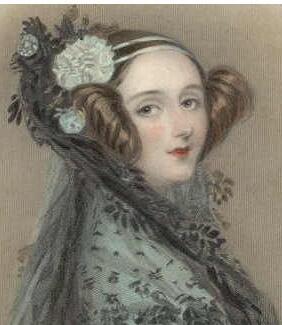
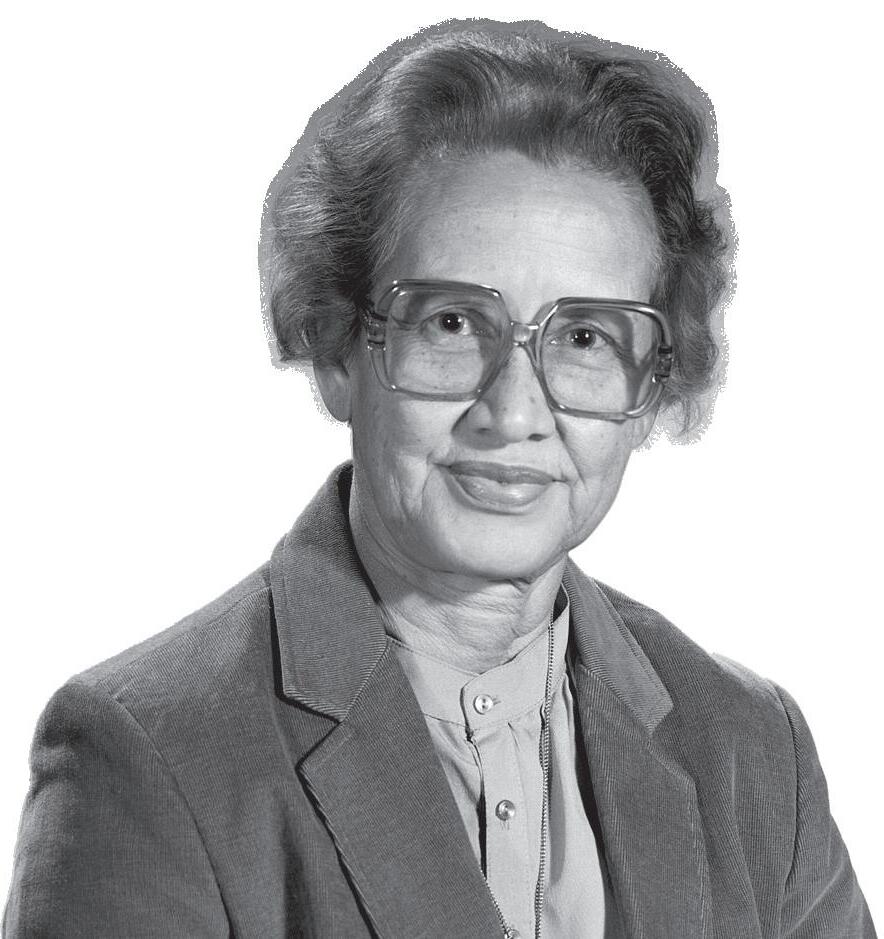
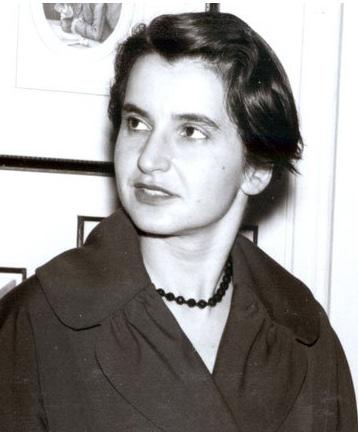
Figures such as DNA scientist Rosalind Franklin, NASA mathematician Katherine Johnson and the first computer programmer Ada Lovelace were all influential in their respective fields. These figures reflect a documented legacy of women working and participating in STEM disciplines. They were just the beginning of women in STEM, and current students are the continuation.
For POE, Lovelace also noticed an imbalance in her LEGO Technic experience, which is a building resource and an important part of the curriculum.
“I feel like a lot of the boys in our class have worked with LEGO Technic, but I have not. That’s just maybe a gender thing,” she said.
Hovan commented on how gender-based socialization impacts the experience of female students in engineering.
“When I began Principles of Engineering in
the fall of 2018, I remember that very few of the female students had ever done work with LEGO ... it’s getting better now,” Hovan said.
I think it’s a lack of interest or lack of knowing that girls can do this too. “
In addition to her POE class, which has a minimal number of girls, Lovelace’s Honors Biology class is similar, with a total of three girls. She noted that the difference in enrollment might be related to how students choose their courses, but it could also be influenced by gender norms.
“I think it’s a lack of interest or lack of knowing
that girls can do this too,” she said.
Hovan has noticed that enrollment in engineering classes is dramatically skewed towards male-identifying students.
“A lot of people feel that ... they know they can’t do engineering, and unfortunately, the people who have more of the negative perceptions are female-identifying students, so I have to be a little bit more cognizant of the fact that they might be coming into my class already feeling like they’re curious, but not confident,” he said.
Seeking to track how much space each student takes up during discussion, Hovan uses an app called Equity Maps that measures who speaks and for how long. The app was particularly instrumental in a class Hovan taught that “wasn’t predominantly male by number, it was by contribution. There were males that were demonstrating real mansplaining ten-
dencies. And when I said that to the class, the female-identifying students applauded because they knew that it was the case,” he said.
Since eighth grade, ninth-grader Liva Collins has taken four STEM classes: Algebra I, eighthgrade science, and now geometry and Physics 9. As the first science class in the high school, students’ experience with physics sets them up for whether they are qualified or choose to take honors.
In physics class, she has noted a pretty even gender ratio, likely due to the fact that all ninth-graders are enrolled in it.
“I feel like everyone in my class is nice, and I can have a good work relationship with all of them,” she said.
For Lovelace, her ninth-grade physics class instilled a love of STEM through her teacher, Karissa Baker.
“She gave me confidence in STEM and showed me what my strengths are,” she said.
Junior Eliza Bray is currently enrolled in Environmental Science, Calculus AB and Honors Chemistry. Bray’s STEM classes have a mostly even gender ratio, with the exception of her Calculus class.
“Just in general, there are less girls, because I know in other classes there’s about the same amount,” she said. The experiences of these students highlight the varying gender representation in STEM classes. Their perspectives emphasize the possibilities in spaces where teachers include and interactively involve all students. While individual experiences and classes taken differ, each student’s reflection points to the importance of supportive instruction and encouragement.
BREAKING BARRIERS. Girls in STEM classes can draw inspiration from famous female scientists from the past. Ada Lovelace, Katherine Johnson, and Rosalind Franklin are just a few out of many women in STEM who shaped their field and challenged gender roles.




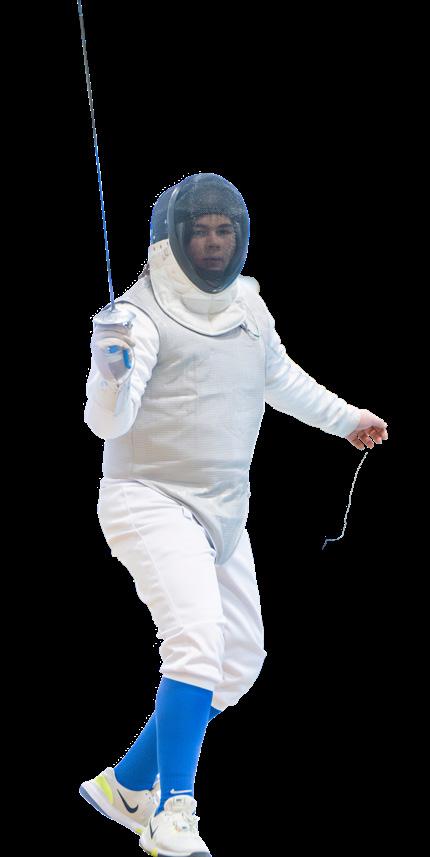


tle bit more dependent on actually being in the pool, and swimming itself, that could be a little bit harder to do, in contrast to other winter sports,” he said.
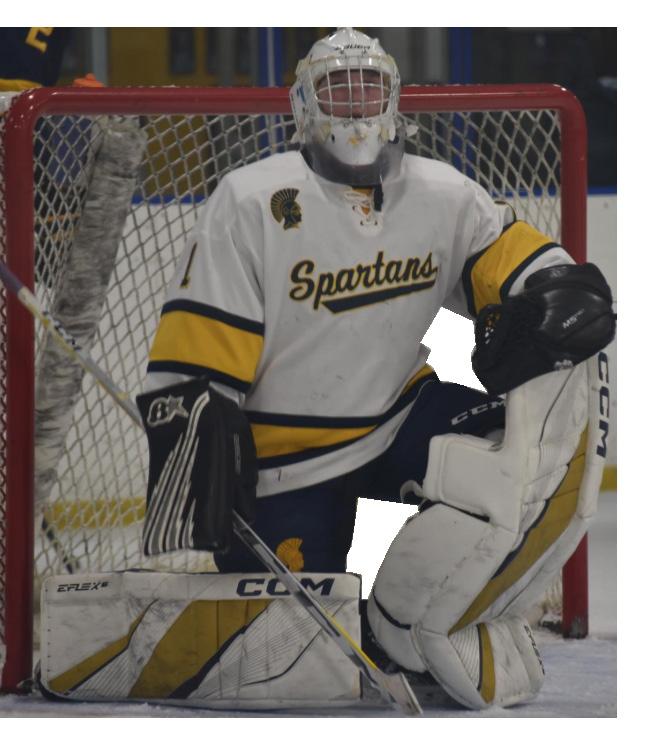
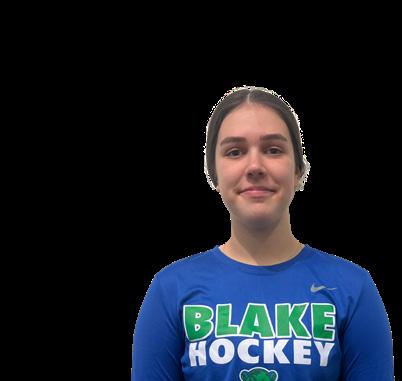
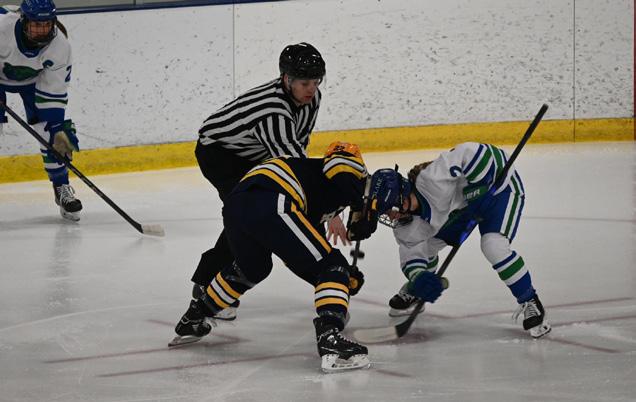
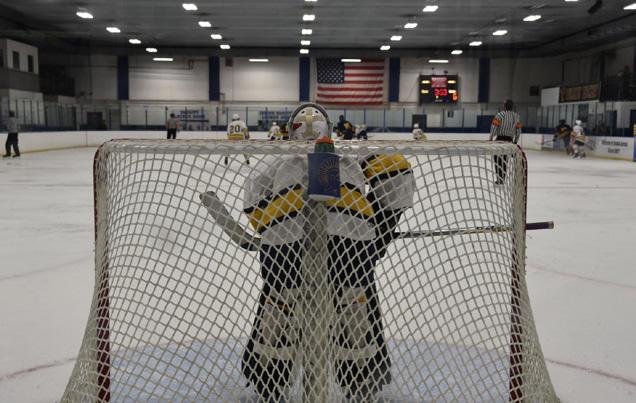
Each morning over winter break, junior Maddie Wright and the rest of the Bears hockey team hit the ice. Excluding Christmas Eve and Christmas Day, Wright practices with the team for an hour and 15 minutes each morning, doing regular drills and also preparing for the upcoming Holiday Tournament Dec. 29-31. The players arrive 15 to 30 minutes before practice starts and play Christmas music while they get ready.
“I really enjoy having the break from school, but I still like having hockey because I have something to do every day,” Wright said. “I think it is different from the spring or fall season because, even though we don’t have school, hockey still takes place, which doesn’t happen for most sports.”
For those who don’t play a winter sport, it’s hard to imagine the reality of a season divided by winter break, or a winter break interrupted by practices. Teams often begin with tryouts, a few practices and possibly a few games in December. They then take a break in the season as winter break begins, and practices become optional. Few or optional practices make it hard for athletes to stay on pace, but can also allow students to take a full step back from athletics and enjoy the break.
Swimmer Mati Halloran is away for most of the break, and finds that it can be hard to keep up in the weeks off. “Your overall fitness [in] swimming is a lit-
For fencer Jack Gordon, stepping away from fencing when the practices become optional over break makes it easier for him to get rusty. “[In January] if you’re not performing how you think you should, that can be a little frustrating,” he said.
Halloran sees getting back into the pool in January after weeks away as a unique mental challenge for winter athletes. “Your teammates have been practicing, and they’ve been getting better and a lot faster, and meanwhile, you’ve been getting slower, you’ve been not practicing. You’ve been getting out of shape,” he said.
junior Maddie Wright “
It’s like a second family. People enjoy hanging out during practices everyday since we are all so close.
On the other hand, alpine skier Juliette Smith thinks taking breaks from her sport is helpful. “I always do my best ski after a week or two of break, that happens for some reason,” she said. “But also … I miss skiing during break and racing with the team, so it’s kind of sad.”
Unlike other sports, mandatory hockey practices affect Wright’s ability to travel. “During hockey season, in general, people do not travel unless it is absolutely necessary,” she said. “I believe people on the team really enjoy playing hockey over winter break because everyone is so invested in the sport and wants to get 1% better every day.”
This year, Halloran is working to maintain his progress from December throughout the season, despite the break. “Something I’m trying to work on is to maintain a lot of that work that I do in December, because it is, like, two and a half [to] three weeks of work, and I think it’s important to carry that on to the weeks in January,” he said.
For Smith, the few practices before winter break are a teaser of the season to come. “I think every bit of practice is really important, especially just getting back into it. We don’t ski for so long during the rest of the year, so those couple practices before break are really important to just remember how to ski and get back into it before we start racing,” she said.
Halloran thinks the routine of practices over break contributes to the team culture. “You’re almost grounded in a group of people and a group of friends that you see almost every single day during winter practice,” he said.
Wright believes that practices over break makes the team closer. “It’s like a second family,” she said. “People enjoy hanging out during practices everyday since we are all so close.”


SWIMMER STROKE. Sophomore Alex Haupt reaches out of the water to complete another stroke in the 100 freestyle. After a close race, Haupt placed second.

AMBITIOUS ANTICIPATION. A group of Trojan swimmers intently watch the 100 breaststroke.

Swimmer Kaya Cayci believes that the competitiveness between classes and sections varies. “There are teams in conference that have a lot [fewer] people and aren’t quite as fast as those you find in ... sections,” Cayci said.
A personal record. A first-place finish. A state qualifying time. Some depend on the section and class, while others don’t.
Sections and classes are similar, but different in how they are assigned. According to the Minnesota State High School League, section placements for schools participating in MSHSL-sponsored sports are classified by enrollment and geography.
On the other hand, a school’s class is based on its enrollment and performance. For all MSHSL sports except football, classes range from A to either AAA or AAAA.
The more A’s there are in the class, the better the team ranks compared to other schools in terms of size or performance. An MSHSL classification and performance review updates classes and sections every two years. A section is composed of teams in the same class; in the post-season, teams will compete against teams in their class that they may not have previously faced in section or conference matchups.
In the upper school, this year’s enrollment stands at 423, meaning most teams are put in either Class A or AA for the 2025-26 season, except for a few other sports and co-op teams.
Competitiveness is dependent upon the differences between classes and sections. Trojans Swim and Dive has remained in Class AA and Section 6 for the past few years.

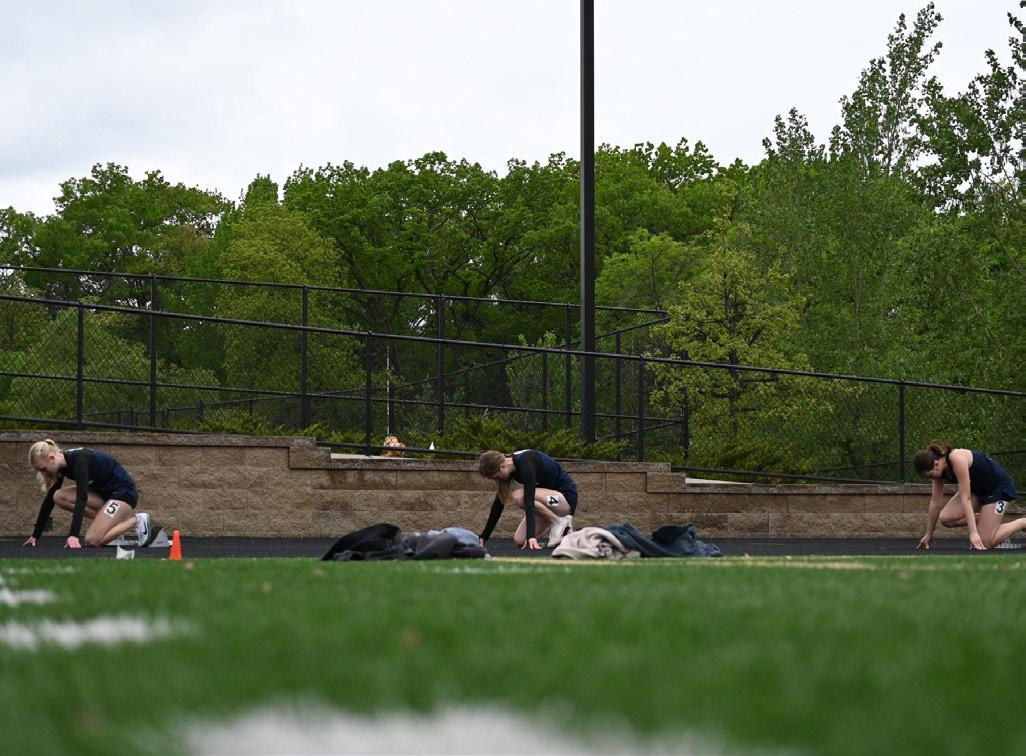
Although track and field switched from Class AA to A and Section 3 to 4 three years ago, sprinter Langston Thompson finds that competition in track depends more on the different events than the class.
“I think [competitiveness] depends on which events I know. Some events have not had as stiff competition, but other events have had ... really great competition,” Thompson said.
“ Some events have not had as stiff competition, but other events have had ... really great competition.
junior Langston Thompson
Compared to track and field, cross country changed its class and section classification more recently. In the 2025 season, they moved from Class A to AA and Section 4 to 3.
Cross country runner Annika King believes that even with the same scores, placements vary slightly depending on the competitiveness of the group.
“In conferences, we lost by one point, and I think if we were in another one, we would have placed higher,” she said.
Similarly, for post-season qualifications, Thompson finds that different sections produce different qualification times for the state tournament.
“The men’s 400-meter [was] sub 51 to go to state, versus [another] section where you had to run a 53 to go to state,” he said.
Although there are bound to be differences between classes and sections in sports, when the differences between classes and sections are too great, teams have mixed responses.
Cayci thinks that if the differences between sections and classes can negatively impact team performance.
“I definitely think it’s sometimes harder to shoot for goals when they’re just so high ... for teams that are really struggling against those they’re competing against,” Cayci said.
However, not all teams respond in the same way. King sees that although it may affect some teams, it actually further motivates the girls cross country team to perform at their best.
“I think it can [hurt the team’s confidence],” King said, “but for our team, I think it really pushed us to be better and really give it all at our meets.”
Classes and sections work together to create the boundaries for competition. They do not define a team’s goals, performance, or progress. Though classes and sections have similarities, they differ slightly in how they group teams, but both continue to shape the level of competition schools face each season.

THE RUBICON - DECEMBER 2025

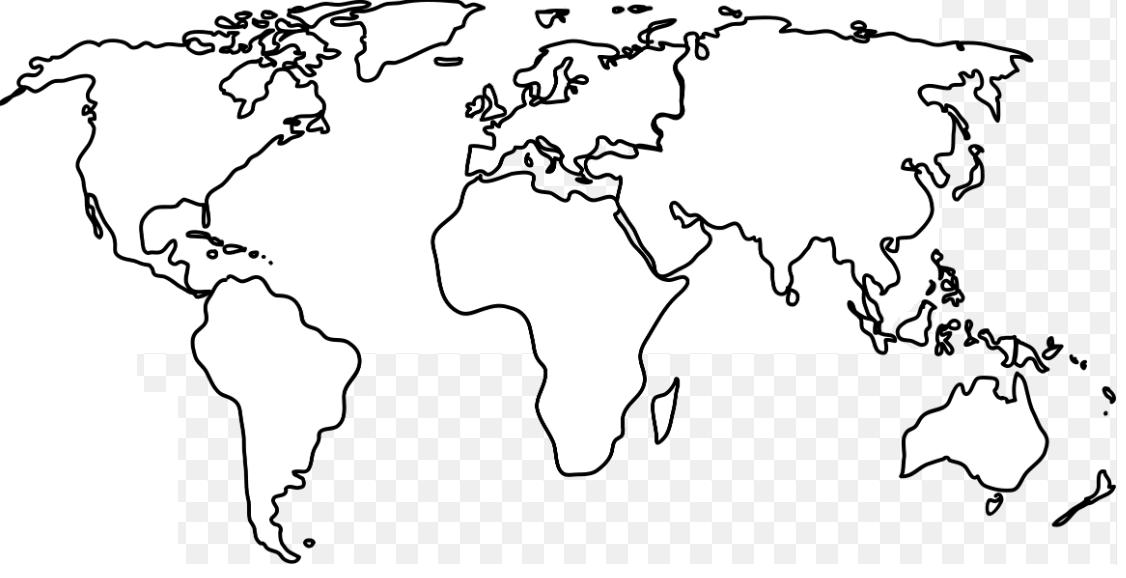
cient forms of art can be divided into regional groups, demonstrat ing the essential role geography plays in creating art, as well as the strong connection between art and the spatial identity of the artist. With the rise of technology, art has become increasingly connected in different regions. “Art has never been more globalized than with the rise of social media,” senior Elle Williams said.

PETER OSTREM THE RUBICON
Art is inherently tied to the artist’s societal and global identity. The first recorded art piece dates back to approximately 100,000 BC and is a form of African Rock Art. African Rock Art can be distinguished by three distinct geographic regions: the Southern, Central and Northern regions. Even the most ancient forms of art can be divided into regional groups, which demonstrates the essential role geography plays in creating art, as well as the strong connection between art and the spatial identity of the artist.
Far from ancient African Rock Art, the contemporary art world is one vastly connected by technological advances and widespread globalization. Due to the ease of communication across continents, artists are constantly liaising with one another, and as a result, the emphasis on nationality within art has declined. In an article published Aug. 7, 2023, by Composition Gallery titled “The Global World is Your Oyster: How Globalization Has Changed the Art World,” the authors define globalization as “a process of integration between large-scale social and economic factors, through the increase of trade and communication channels.” Composition Gallery mentions the rise of art fairs and large gallery openings, as well as the art
INFORMATION: Victoria and Albert Museum
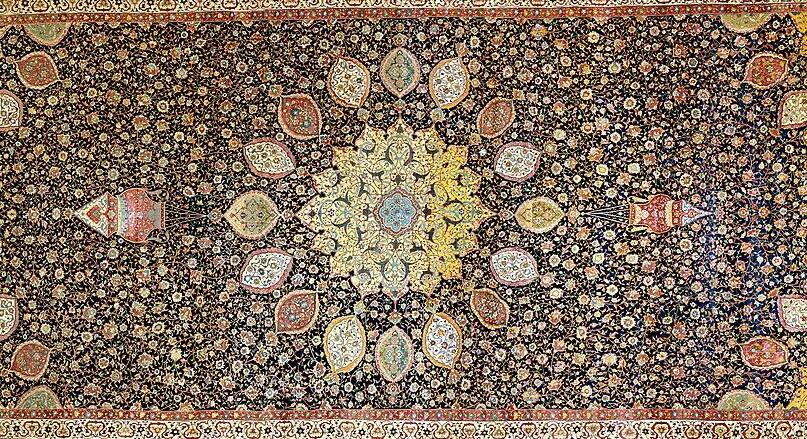
DELICATE DESIGN. One of the world’s oldest dated carpets was made in the town of Ardabil in north-west IRAN The carpet is over 34 feet long, and the entire surface is covered with an intricate design. 1 3 4 2
collecting and integration of modern-day technologies into art.
These factors have enabled artists to reach a larger audience and provided more artistic opportunities within their work; however, there are some drawbacks. There is intense pressure on young artists to conform to styles and trends and appeal to an international audience, resulting in a decline in the sense of localization within artistic communities.
“
I think nationality influences my art, not on purpose because it’s not what I try to represent, but it can be eurocentric, which I do know.

Senior Elle Williams believes that social media has had a massive impact on the global artistic community. “Art has never been more globalized than with the rise of social media,” she said.
Williams also believes that artwork can mix cultures beyond the artist’s lived experience.
1 2 4 3

INFORMATION: Minneapolis Institute of Art
“Art can also be representative of more than one nationality or culture; it’s much more connected than it used to be,” she said.
The impact of globalization is also apparent at school. The wide selection of visual arts electives provides students with an understanding of different worldwide artists, as well as of how their nationality plays into their work.
Junior Eliza Bray said, “I have been taught a good amount about who the artists are, and we learn about how they express their nationality through their art.”
Some students believe that their nationality inherently influences their art, whether they are conscious of it or not. Senior Eliza Dayton is one of these students. “I think nationality influences my art, not on purpose because it’s not what I try to represent, but it can be eurocentric, which I do know,” she said.
Art has long been a means for artists to express their national identity; however, with the rise of social media and global connectivity, this has evolved. Art can tell the story of the world, rather than just an artist’s experience. A story of multiple cultures can subconsciously reveal itself in an artist’s artwork. With the globalization of the art world, the way and form in which an artist’s nationality is represented in their art is no longer the same as it was prior to globalization, but it is still very much present.

INFORMATION: Wikimedia
GOLDEN HORNS. The Bull-Headed Lyre of Ur is an ancient stringed instrument. It was excavated in 1928 in southern IRAQ The instrument features a bull’s head crafted from gold sheet and attached to a wooden soundbox.

PEONY STEELE THE RUBICON
By the time a teenager in one country could stream the same song as a kid across the world with a single click, music was no longer confined to borders, and instead was moving freely across them.
During the early 2000s, technological advancements within the internet and digital music platforms paved the way for a cross-cultural fusion of music. Geographical barriers were broken by streaming services and social media, allowing listeners to discover music from almost anywhere in the world.
As audiences adapted to more diverse tastes, mixed-genre music became increasingly popular. Artists also embraced sample libraries and digital audio workstations, which conveniently turned a computer into a full recording studio.
A new sense of creative freedom was born, and it marked a completely transformed era of musical innovation defined by global influence. Cultural boundaries dissolved and genre-blending music thrived off of limitless experimentation where artists drew freely from global styles.
Director of Choral Activities Tim Kraack points out how widely available music is today.
“Even when I was a kid, if you wanted to listen to an album by an artist, you had to go buy a CD for like $12 and now $15 will get you access to infinite music every month,” he said.
Over time, anyone could explore a wide range of music for a fraction of the cost.
“The accessibility of all this different music has made it so much easier for everyone to mix and match whatever kind of elements they like,” Kraack said.
Examples of genre-blending are Beyoncé’s innovative album “Cowboy Carter,” Playboi Carti’s song “Vamp Anthem,” with a combination of rap with classical components in the background, or Justin Bieber’s “Baby,” which merges pop with a feature from the rapper Ludacris.
People can experience different cultures that they wouldn’t normally be exposed to, so it’s a way to see art and culture from somewhere else.

Junior Henrik Braude produces music as a hobby and also implements different styles depend-
ing on the project.
“It’s less like going for a genre and more of just an idea or a vision,” he said.
Braude said he makes whatever he feels is best at the moment: “It could end up sounding like a specific genre or it could end up sounding like a mixture of things. I don’t try to aim for anything in particular.”
Genre-blending is now new. Historical examples include George Gershwin combining jazz and classical elements in compositions such as “Rhapsody in Blue,” or the creation of one of the most dominant genres in the Western world between the 1960s and the 2010s: rock and roll.
The birth of rock and roll was a fusion of jazz, blues and country with influence from gospel. Even jazz was created by a mix of 19th and 20th century African rhythms with European harmonies.

Some of Braude’s music has been inspired by different parts of the world, partly due to him listening to international music.
“People can experience different cultures that they wouldn’t normally be exposed to, so it’s a way to see art and culture from somewhere else,” he said.
Fusion music expresses diverse musical traditions, and the merging of cultures preserves the evolution of traditional music while still promoting creative expressivity. When turning on a playlist for a listening session, it might be fun to think about the rich history and music theory behind the beats.
HARPER LARSEN THE RUBICON
Love triangles have hooked viewers and divided fandoms since the dawn of television, and Netflix’s cult hit “Stranger Things” is no exception to this phenomena. “Stranger Things” (Season five, Vol. one) came out Nov. 26 and features two central love triangles. Eleven and Mike have been together since season three and quickly became a fan favorite. However, fans have speculated that Mike might fall for his lifelong best friend, Will Byers. Another love triangle includes characters Jonathan, Steve and Nancy. The fifth season depicts competition over Nancy, and volume one sets up Nancy’s final choice between the two love interests.
Fans are divided on who the right choice is, and so are the upper school viewers. Many say Steve and Nancy are endgame; however, Jonathan fans are adamant that he is the right choice. Overall, based on a poll of 41 upper school students, “Stranger Things” fans were split: 47.5% believe Steve is the right choice, 30% of respondents stuck with Jonathan and defended him in their explanations, and 22.5% of voters think they should all find someone new.
Jonathan has been Nancy’s boyfriend for multiple seasons, and when it comes to Jonathan supporters, the upper school has no shortage. “I think that Jonathan is perfect for Nancy and just because someone has been loving you since high school doesn’t mean that they are a good match,” ninth-grader Katherine Lin said. Senior Taryn Karasti also supports Jonathan and Nancy. “Nancy and Jonathan work better because they click better and they understand each other better. Steve and Nancy just scream friends,” she said.
As for Steve, many students said that he has been there since day one and will be there until the end. Sophomore Eli Kardasis Sturtz has been rooting for Steve since the first season. “Jonathan is just kinda odd and creepy,” he said. Ninth-grader Grace Berger is also leaning towards Steve and Nancy and thinks Nancy deserves better than Jonathan. “Jonathan is a bum and Steve appreciates her and has really grown as a person throughout the series,” she said.
The topic of Mike and Will, called Byler by fans of the pairing, or Mike and Eleven, also known as Mileven, also came with strong opinions. Again, the results
show a mix of opinions. 40% of respondents are holding on to the Mileven ship and another 40% are ready for everyone to find someone new, while 20% think Byler is endgame.
Kardasis Sturtz is against Byler, but all for El and Mike. “It will literally ruin the show if Mike ends up with his childhood best friend. It would just add a really weird dynamic … that would just not be good writing after four seasons of Mike saying how much he loves El,” he said. Senior Otto Rudolf is also a fan of Mileven from a plot standpoint. He argues it wouldn’t make sense any other way: “Mike and El have been together for the entire show and it’d be too hard to justify changing that and putting Mike and Will together in only four episodes.”
Mike and El have been together for the entire show and it’d be too hard to justify changing that ... in only four episodes.
senior Otto Rudolf

As for Will and Mike, anyone who voted for them would gladly explain why. Karasti is adamant that the show needs more romantic glam and is a big fan of Byler. “There needs to be some more spice and drama and the Mike/Will couple would bring that to the table!” she said.
Many people are set on the idea that Will is too good for any of the current options. Holden doesn’t think Mike deserves Will. “Mike and El don’t seem right together, and Will is too good for any of the others,” she said.
“Stranger Things” fans are speculating about the ending and are ready for volume two to reveal the answers. Whether or not fans will get their dream ending will have to wait until Dec. 25, but it’s clear upper school fans are excitedly waiting for the ending of the show.






THE RUBICON - DECEMBER 2025
AMANDA HSU CHIEF VISUAL EDITOR
The world has approximately 315 land borders, stretching from 279 feet to over 5,525 miles long, separating countries. However, for students, the borders that shape their lives aren’t only found on a map.
“Borders,” according to the Oxford Dictionary, can be used to describe a line separating two political or geographical areas or the edge or boundary of something. The most common uses of the word refer to country borders, accessibility borders and identity borders, but whether carrying a more abstract or more literal meaning, the word usually comes with a heavy weight.
“
[When I think of borders], I think of the St. PaulMinneapolis border.
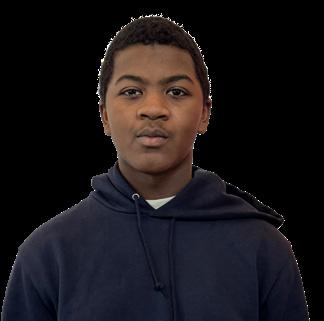
People often interpret borders in different ways, depending on the situation or circumstance. For example, senior Raina Heidkamp sees borders as an interchangeable term with no set definition. “I define borders as either physical or nonphysical boundaries that serve as some sort of limitation. I usually think of borders as country borders, but there are a lot of types,” Heidkamp said.
Similarly, when sophomore Baron Bailey hears borders, he thinks about his local environment. “I think of the St. Paul-Minneapolis border,” Bailey said.
However, for junior Rachel Guo, upon hearing the term, she thought of a more abstract definition. “I think of a line on a paper [that] I can’t color over,” Guo said.
Borders can also relate to an individual’s personal identity or family history. Divides in age, religion, race or other demographics are all examples of ways people could view borders showing up in their lives. For example, Guo sees her Christian faith as an important border in her life.
For ninth-grader Andreas Bauer, age is an important border, and he keeps it in mind when playing with younger or older kids on his St. Croix soccer team. When thinking of borders in his identity, he also brought up his family’s cultural history. “My mom, she’s from Germany when there was the [wall separating the] west and east,” Bauer said.
Heidkamp also sees country borders as a determining factor in her identity, as her family frequently discusses immigration. “I grew up around immigration a lot … because my mother is a Chinese-Viet namese immigrant … and so she had to cross multiple countries’ borders to get to America. And my dad’s an immigration attorney, so a lot of his job has to do with our country’s non physical borders and helping people cross them,” Heidkamp said.
At school, borders exist everywhere, barring or dividing the student body from classes or activities or each other. Heidkamp sees the financial factor as one border on campus. “I think there are some instances where there are some students who get more opportunities to be able to go on trips and stuff because their parents are able to pay for it. There are a lot of students who don’t get the same opportunities because they don’t have the money to pay for them,” she said.
Social borders can also impact student life, for instance, Bailey points to the lack of shared spaces and interactions between grade levels as a barrier. “There is no shared com mon space for all grades. [If I want to go to] the junior commons, there are people who don’t allow you to [enter]. It’s taboo,” Bailey said.
Borders permeate throughout every aspect of life, whether one realizes it or not. From loca tional history to personal identity, borders draw the lines of how students see themselves fitting into the world around them.
- SPA THINKSWhere do you see borders on campus?
In the common spaces. They’re the spaces where each grade level hangs out, and each grade level has their own.
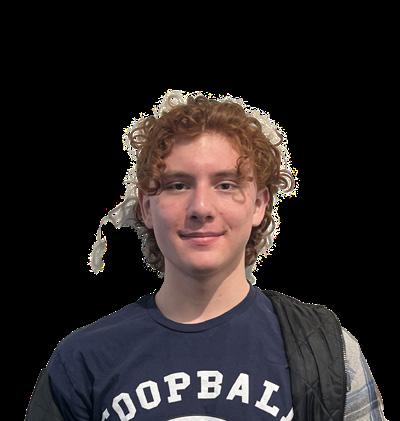
I see divisions between genders when there’s free seating in class.
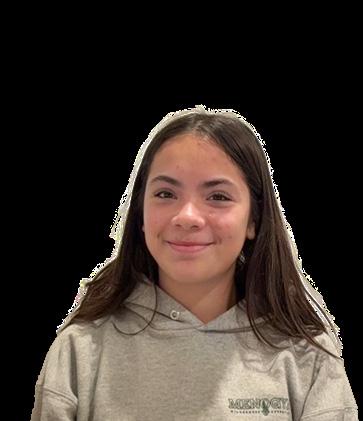
The lunch room, even though I’m friends with juniors, I sit with my 10th grade friends. “
sophomore Magarsaa Mullataa

People like to stay within their own grade level, yet also some of the best relationships that I see and that I have are between grade levels.
sophomore Lily Parr