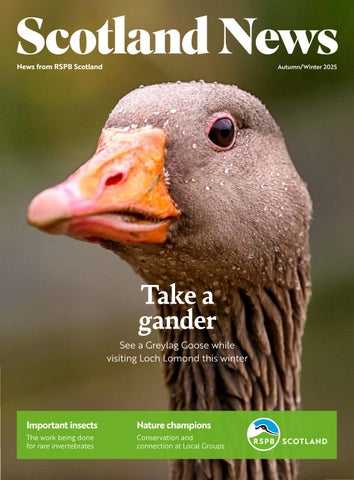
See a Greylag Goose while visiting Loch Lomond this winter
Important insects
The work being done for rare invertebrates
Nature champions
Conservation and connection at Local Groups
Welcome!
Watching autumn arrivals and spotting the shifting colours always brings the outdoors to life for me, even on the greyest of days. Across our nature reserves and beyond, there’s never a bad time of year to experience Scotland’s nature.
Wildlife in Scotland continues to face many threats – but with your support there is hope. Many of you have already spoken up for nature alongside us this year. Now, we’re asking Scottish Government to increase investment in naturefriendly farming and there’s still time to add your voice: rspb.org.uk/ growingscotlandsfuture
As the Natural Environment Bill progresses through Parliament and next year’s elections approach, Scotland’s decision makers have an opportunity to kickstart nature recovery. At this crucial turning point, we want to see politicians commit to vital actions for our natural world –you can learn more on page 3.
Staff, volunteers and members like you ensure a passion for wildlife is shared in communities across Scotland. The Climate FORTH project continues to reach new people and we’re excited to share more about the Young Leaders programme on page 4.
Your membership helps celebrate and save nature across Scotland; thank you for your support.
Anne McCall Director, RSPB Scotland
Action for nature
Our species Helping rare insects
Over 108
volunteers
9.6
2,680
Dark Bordered Beauty moths released
60
positive records for Northern Silver Stiletto-fly
21,181 hectares
of habitat managed for Dark Bordered Beauty moths
Since 2017, the Rare Invertebrates in the Cairngorms partnership has been working to conserve and increase rare insects across the Cairngorms National Park. It achieves this through surveys, community engagement,
Our people Volunteer celebrations
Saving nature wouldn’t be possible without volunteers. This year, Volunteers Week events across Scotland celebrated all that they do. Scan the QR code to find a volunteer role to suit you rspb.org.uk/volunteer
1,110
new rot holes for Pine Hoverfly Pine Hoverflies released across four sites
habitat management and captive breeding for release. The project is currently funded by the John Swire 1989 Charitable Trust. Find out more about the project at rspb.org.uk/rareinvertebrates
Follow Anne on @stranyannie
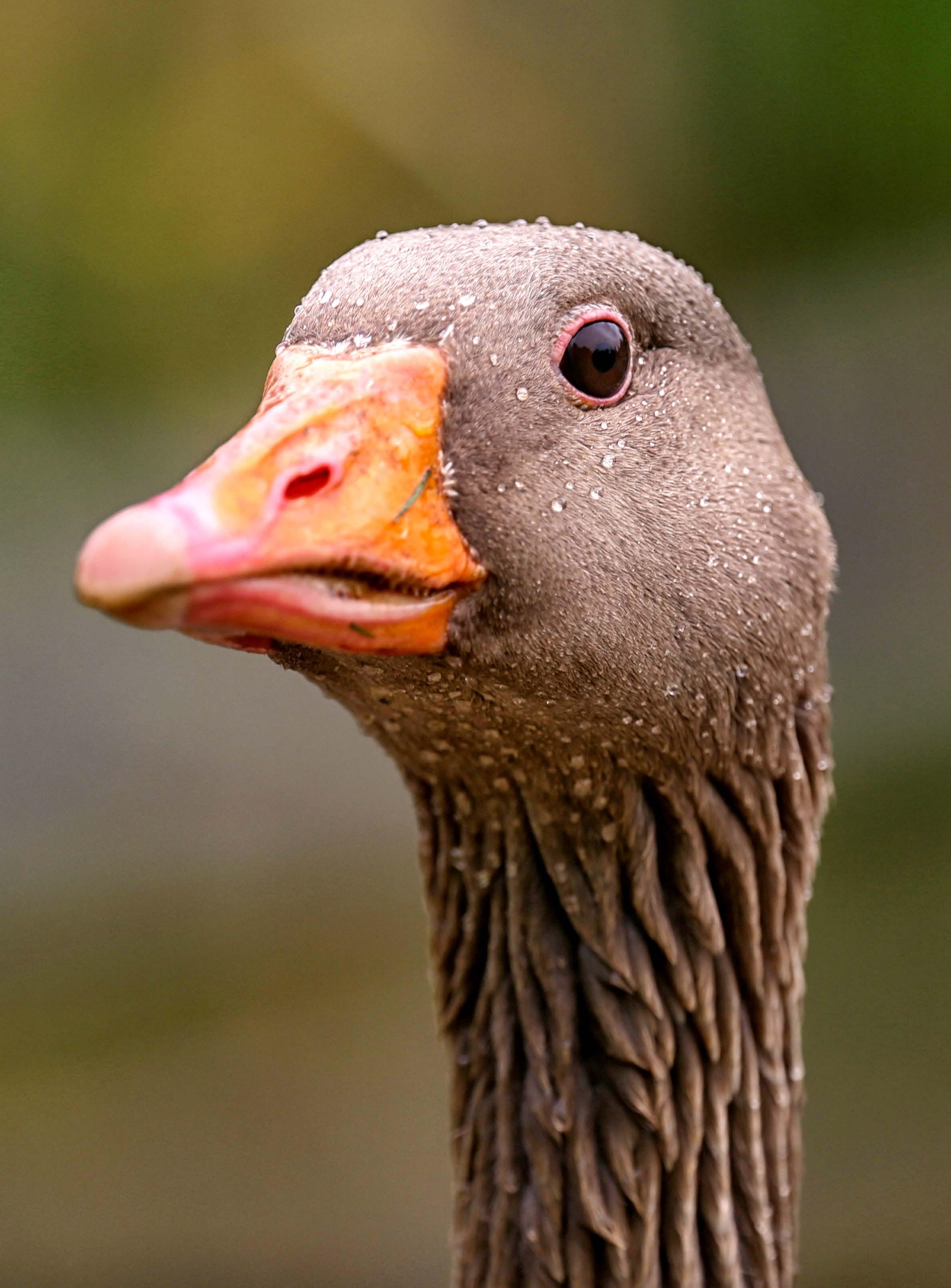
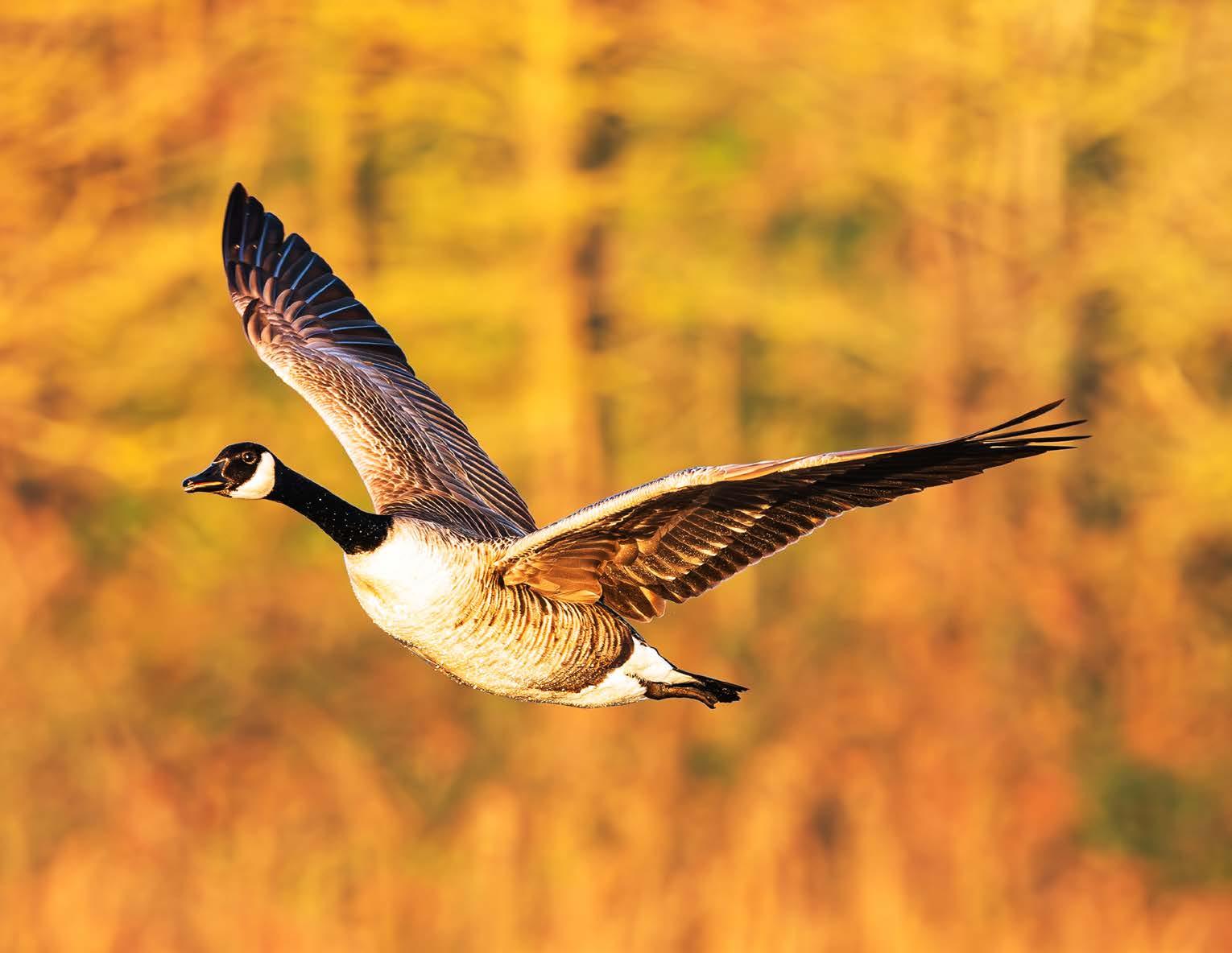
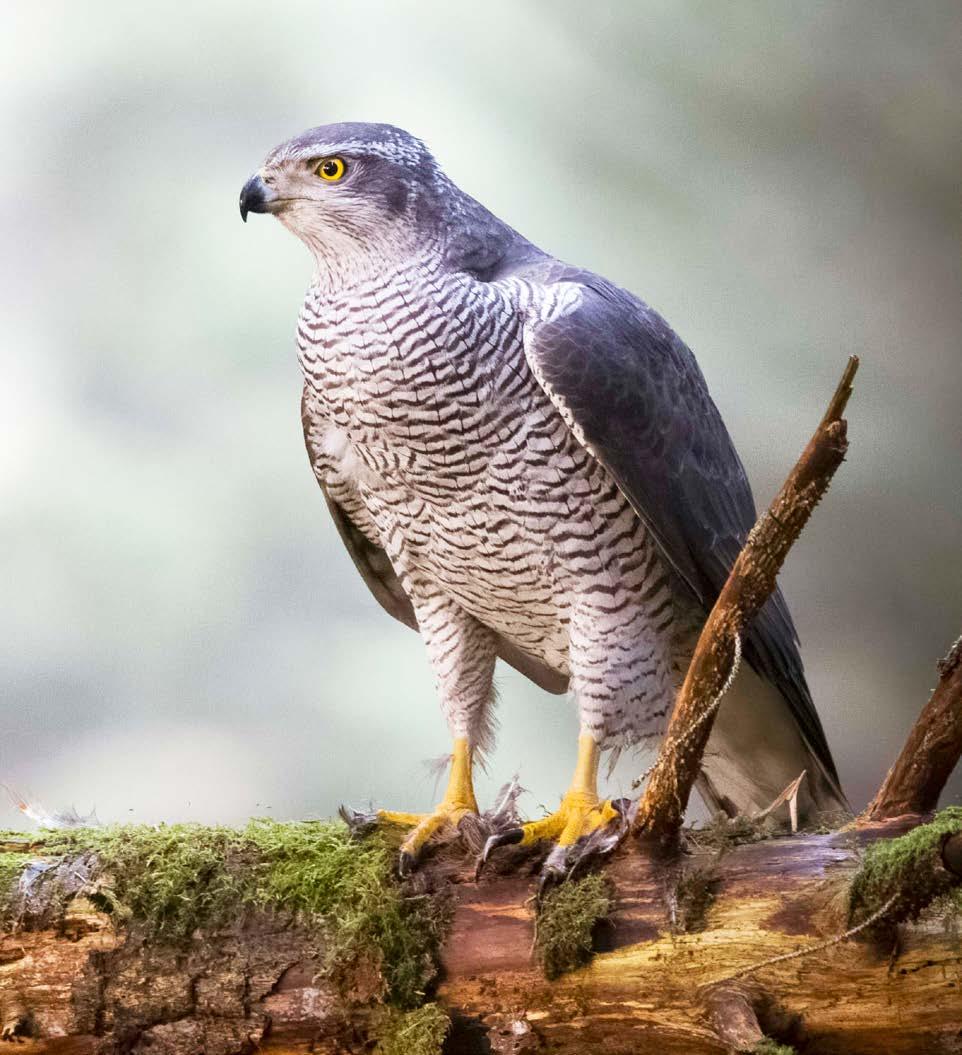
Cover: Greylag gooseby Michael Harvey (rspb-images.com).
Photos: Phil James, Andy Hay, Kevin Sawford, Beaver Trust, Colin Campbell, Ben Andrew (rspb-images.com);
Rosie Abbott, Anne McCall
Our species Five tasks for Scottish Government
Ahead of the upcoming Scottish Parliament election, here are five ways we want to see the next Scottish Government act for nature.
1. Introduce strong legal targets
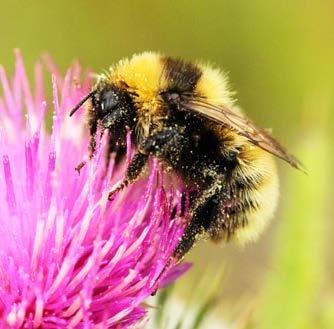
Help stop biodiversity loss in Scotland (such as the Great Yellow Bumblebee, pictured) by 2030 by introducing legally binding nature recovery targets through the Natural Environment Act.
2. Invest more in nature-friendly farming
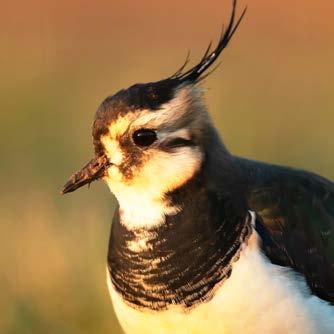
Commit at least 25% of farm funding to nature-friendly farming in 2026, rising to 75% by the end of Parliament. This could save birds such as Lapwings (pictured), help sustainable food production and fight climate change.
3. Stop needless wildlife deaths at sea
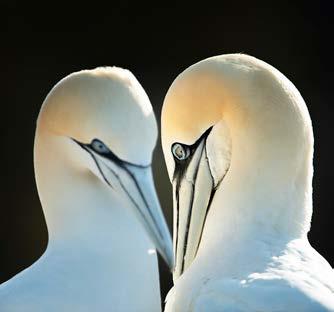
Roll out Remote Electronic Monitoring on Scotland’s long-line fishing vessels by the end of 2026. This will help prevent thousands of seabirds such as Gannets (pictured) and other wildlife dying in fishing gear.
4. Development which enhances nature
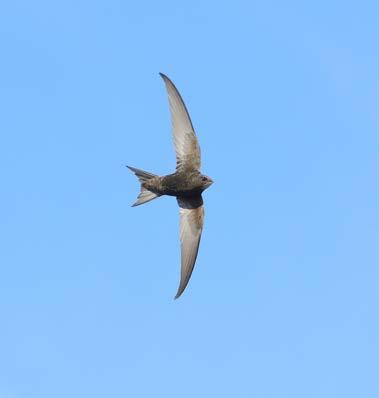
Ensure new developments on land and at sea help to reverse nature loss and enhance Scotland’s wildlife and habitats, such as those for Swifts (pictured).
5. Increase funding for nature
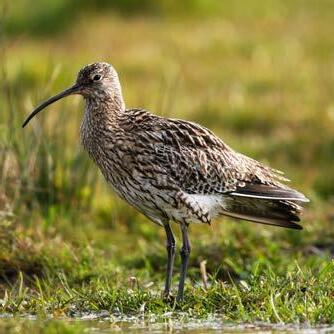
The Nature Restoration Fund should increase to improve environmental resilience, supporting habitats for species such as Curlews (pictured).
Sign up for the latest campaign news rspb.org.uk/beacampaigner
Our
places
Beavering away at Baron’s Haugh
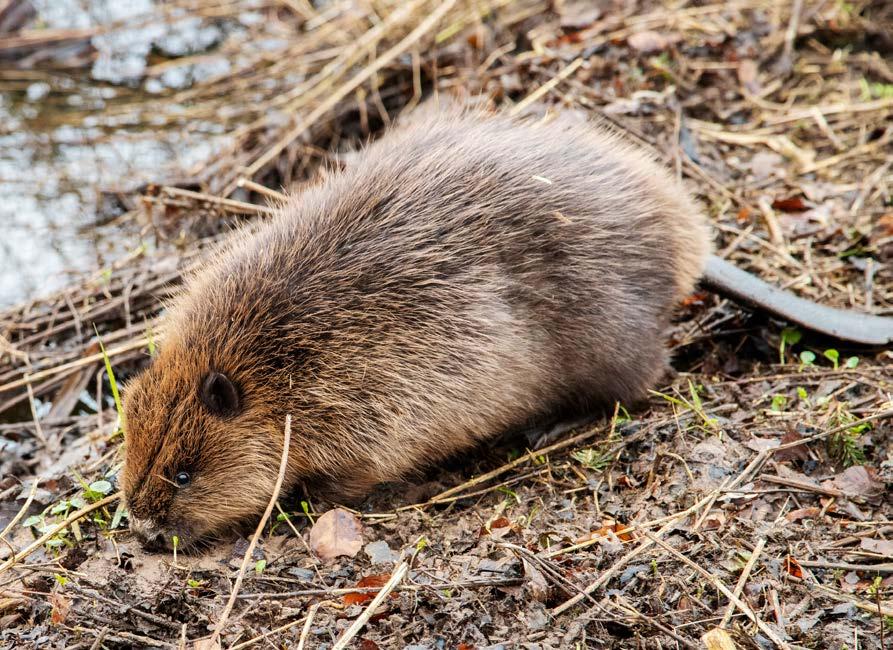
Nicknamed ‘ecosystem engineers’, Beavers create diverse and dynamic habitats that support wildlife. Their dams reduce flood risks, help keep our water clean and even limit global warming with carbon storage. Over the last few years we’ve been working with partners to reintroduce these incredible mammals at Loch
Lomond and in the Cairngorms. What we weren’t expecting was for them to turn up at one of our most urban nature reserves. Our team at Baron’s Haugh nature reserve in Motherwell have begun finding signs of Beavers. The team are yet to spot them in the flesh, but we are keeping a close eye out. Watch this space…
Our places
Awesome autumn
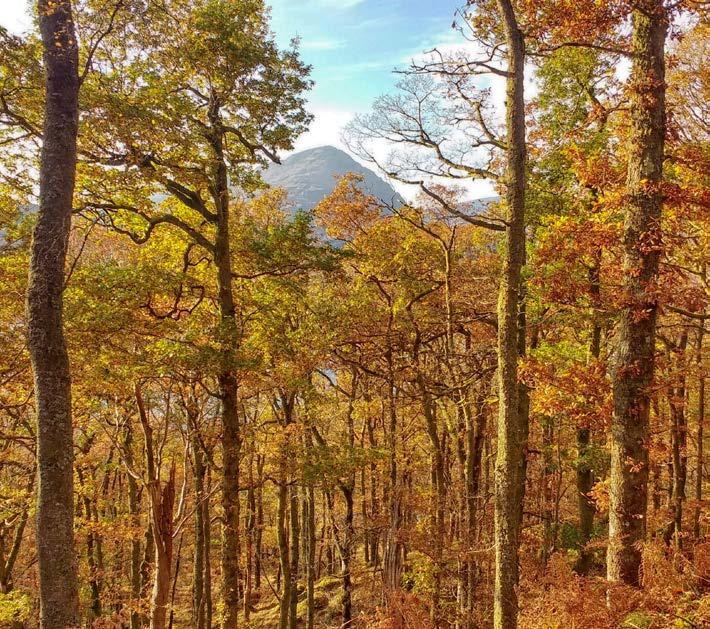
Autumn is an incredible time to head outdoors and experience the beauty of Scotland’s nature. Across our nature reserves, step into a sea of vibrant reds, oranges and golds as the season transforms the landscape. Even if you’ve visited before, it can feel brand new.
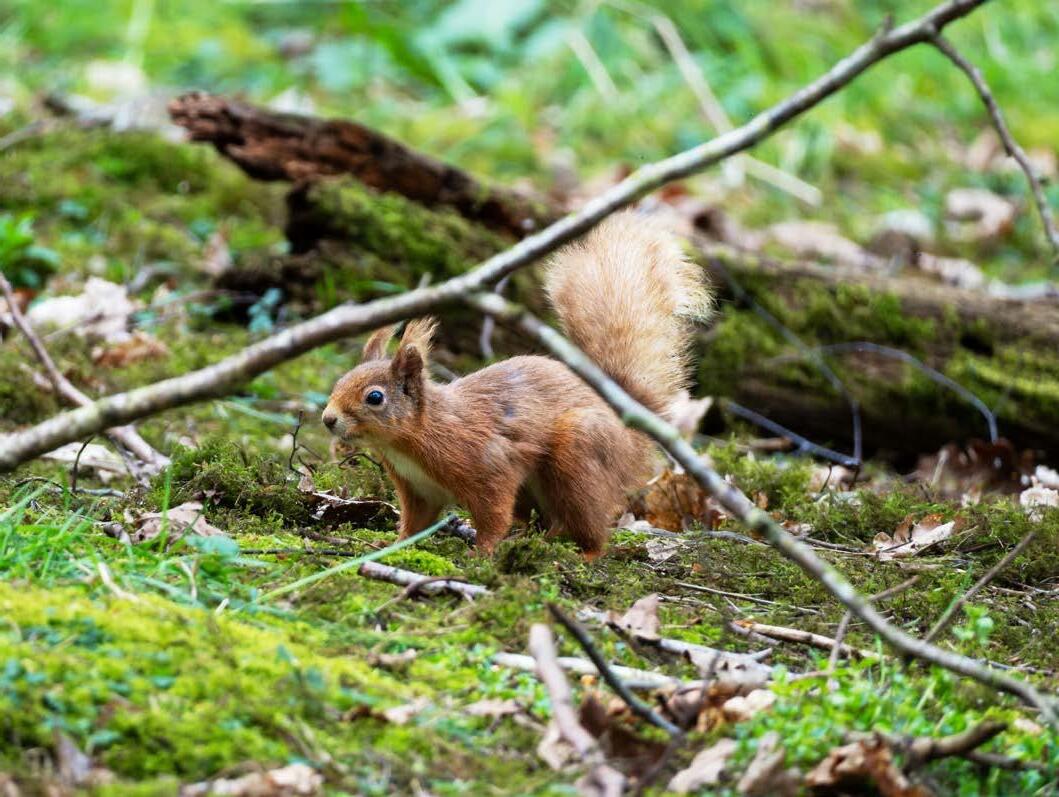
At Loch Leven, the Red Squirrel regulars are pictureperfect amongst autumn leaves. On the shores of Loch Lomond, the bursts of colour across the woodlands at
Our places Lochwinnoch news
Lochwinnoch nature reserve’s wetlands are the perfect place to visit this season, as it’s bustling with waders, ducks and geese. You might spot some changes – not just the autumn colours!
We now have a temporary visitor centre replacing the permanent building which, unfortunately, we can no longer use. You can still enjoy remarkable wildlife, events and selfled activities and even pick up some of your favourite shop items. Scan the QR code to discover what’s on offer. rspb.org.uk/Lochwinnoch
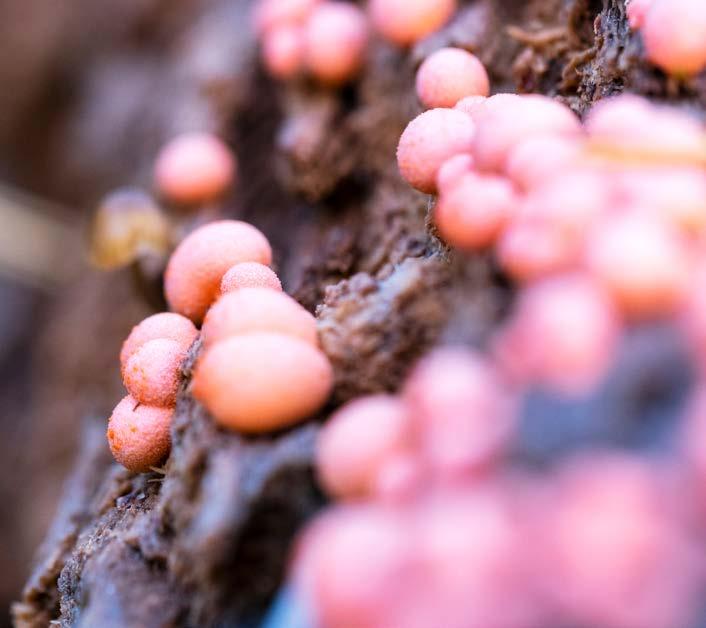
Inversnaid and Loch Lomond nature reserves will take your breath away with their beauty. In the Cairngorms, look underfoot for spots of colour in the form of fantastic fungi at Loch Garten.
Discover autumn at a nature reserve near you by scanning the QR code rspb.org.uk/visit-scotland
Our people
Young people nurture nature
Climate FORTH is supporting young people to engage with their communities and local heritage. Across the four local authority areas of Stirling, Clackmannanshire, Falkirk and Fife, ‘Young Leaders’, aged 18–25, are involved in shaping Local Resilience Plans through
workshops and youth club sessions, where they mentor and inspire younger participants to be ‘Young Champions’, aged 11–17. Both groups are gaining skills and building confidence with a youthled microgrant process that allows them to design and deliver heritage and nature-related projects.
Potential activities include planting trees and wildflowers at primary schools, lifting local green spaces to be more resilient to climate change and helping to preserve local heritage sites such as war memorials. The scheme is supporting Young Leaders and Champions to develop their knowledge and key skills such as teamwork, communication, and problem-solving and ensures young people have a voice in shaping the future of the Inner Forth.
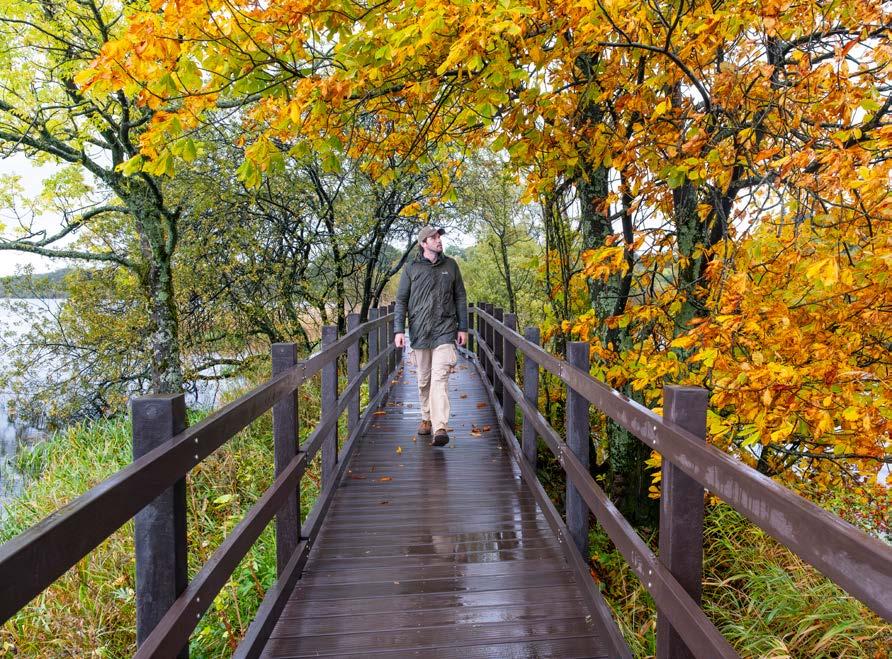
Above from left to right: Autumnal oak leaves, Wolf’s Milk Slime mould at RSPB Loch Garten, Autumn colours at Inversnaid Below right: Young Champions with Climate FORTH
Let your passion soar at Loch Lomond
Our places RSPB Loch Lomond
Everyone’s welcome to explore the wildlife around this famous loch
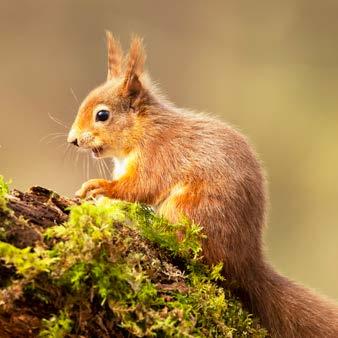
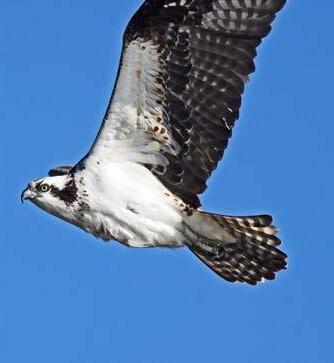
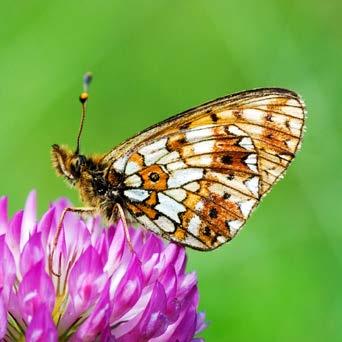
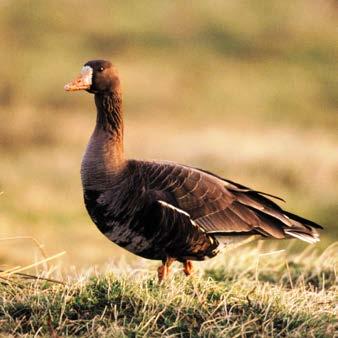
1. Red Squirrel 2. Osprey
3. Small Pearlbordered Fritillary
4. White-fronted Goose
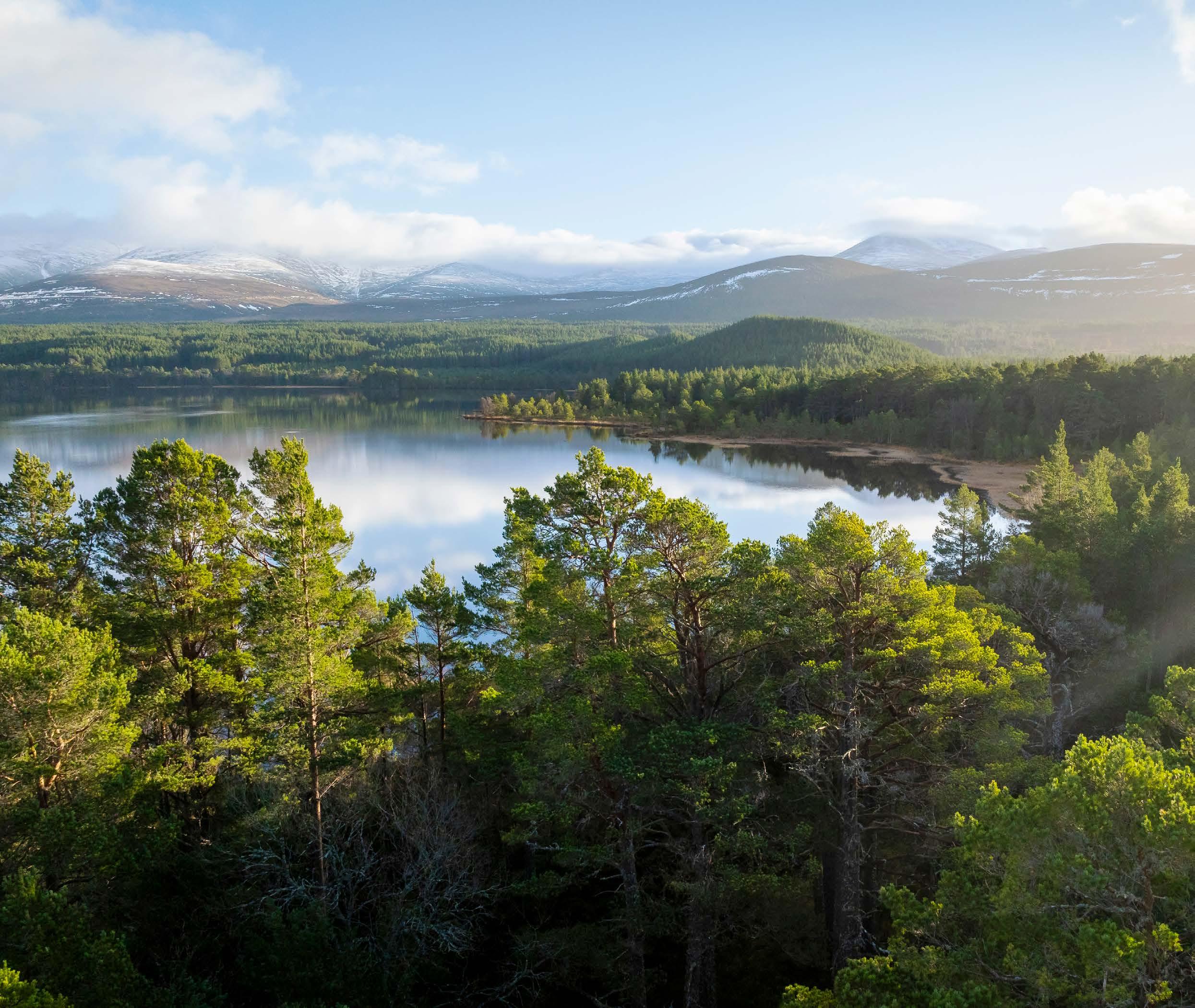
RSPB Scotland Loch Lomond nature reserve has a brilliant array of woodlands, wetlands and grasslands waiting to be explored. When you visit, you have an amazing opportunity to see a variety of wildlife; as autumn arrives, the nature reserve is bustling with activity. Migrating birds from thrushes to wildfowl are stopping by on their journeys. The stars of the show are Greenland White-fronted, Greylag and Pink-footed geese which gather in large numbers. They can be seen throughout the winter, making the most of the site for roosting and feeding.
There’s even more to experience every time you return. When you visit in a new season, or even at a different time of day, you can spot a species you haven’t seen before or discover something new. In winter, there are seasonal visitors to spot and stunning views of snow-capped Munros; in spring, you’ll see breathtaking blankets of Bluebells and in summer, Swifts swoop through, living their life on the wing.
It’s a special place for everyone to enjoy and there are dedicated efforts to ensure the remarkable nature can be experienced by as many people as possible.
Our people Paula Baker
One memory that stands out is seeing seven Ospreys circling together – one clutching a fish while the others flew around nearby. Releasing Beavers at RSPB Loch Lomond is another moment I’ll never forget. 1 3 4 Star species
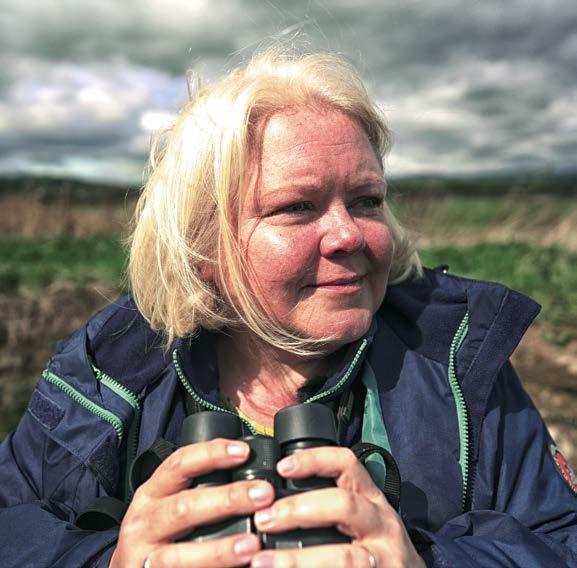
Paula Baker has been the Site Manager for RSPB Scotland Loch Lomond since 2013, after seven years as Assistant Site Manager at RSPB Scotland Lochwinnoch.
RSPB Loch Lomond
Seasonal highlights Loch Lomond is picture-perfect in autumn. The stunning woodland foliage transforms with dramatic colours, fascinating fungi appears amongst the trees and flocks of geese fly overhead. rspb.org.uk/ lochlomond
There are trails allowing better access for visitors with varying mobility needs as well as buggies and prams. There’s also a Changing Places toilet, one of only three in the National Park. Find your place in nature at RSPB Scotland Loch Lomond. There are even more exciting plans ahead – so keep your eyes peeled! rspb.org.uk/lochlomond
What is a highlight you have experienced at the nature reserve?
Many hands working for wildlife
RSPB Scotland’s Local Groups are communities of devoted volunteers, passionate about conserving nature in their neighbourhoods
There are many different ways to celebrate and save nature – and we can do more when we work together. Building dedicated, connected communities who want to see Scotland’s natural environment thrive is key to securing a bright future for our threatened species and habitats. Across the country, an amazing network of Local Groups are bringing people together, sharing their passion for Scotland’s amazing wildlife and taking action to protect it.
Some of these groups have been going strong for over 50 years! Glasgow’s Local Group took flight in 1972, with Edinburgh and Aberdeen following closely behind. In recent years, golden anniversaries have been celebrated in style with outings into nature, inspiring talks from RSPB staff and supporters such as wildlife filmmaker Hamza Yassin, awards and, of course, cake.
Since those early years, more groups have come together across Scotland and there are now 11 Local Groups, including our newest, Friends of Abernethy, which began in 2011. Over 100 volunteers generously give their time to help organise events, fundraisers and engage people with campaigns to champion nature in their area.
Local Groups are making a real impact. You’ll often find members rolling up their sleeves and getting stuck into practical conservation work, lending a hand at their local nature reserves or taking on projects in their communities, such as installing bird feeders at a hospice. Their knowledge and voices play a vital role in local advocacy, sharing local planning applications that could affect wildlife or contributing to campaigning and raising awareness of the challenges nature faces.
Over the last year alone they’ve raised £7,500 for projects and nature reserves around Scotland. In 2018, Friends of Abernethy leader Jean kicked off an incredible challenge, aiming to climb every Munro in Scotland to raise money. Others have joined events such as the Kilt Walk, hosted a wildlife art exhibition and found all sorts of fun and creative ways to support nature conservation.
Community action has the power to make a difference. For many people, these volunteer-led groups are the voice of the RSPB in their local area, and they are an essential force in the fight to save nature. Thanks to Local Groups, more people can make connections with and share the love of nature, helping protect it for generations to come.
Find out more Want to get involved? Discover more about Local Groups and how to join: rspb.org.uk/ LocalGroups
Scan me
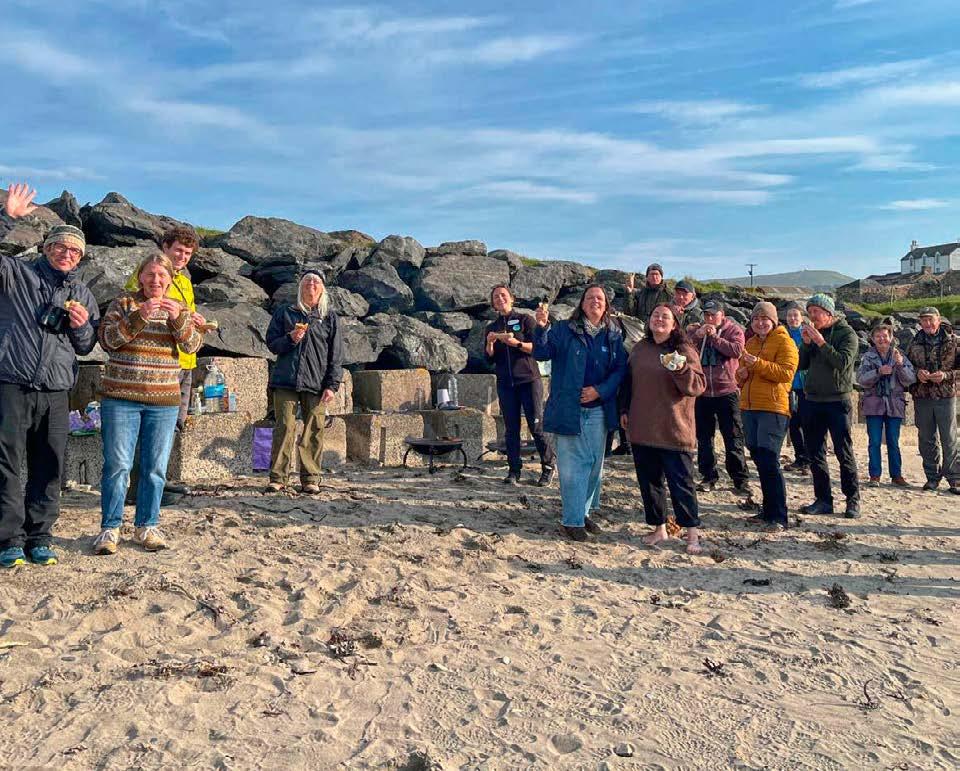
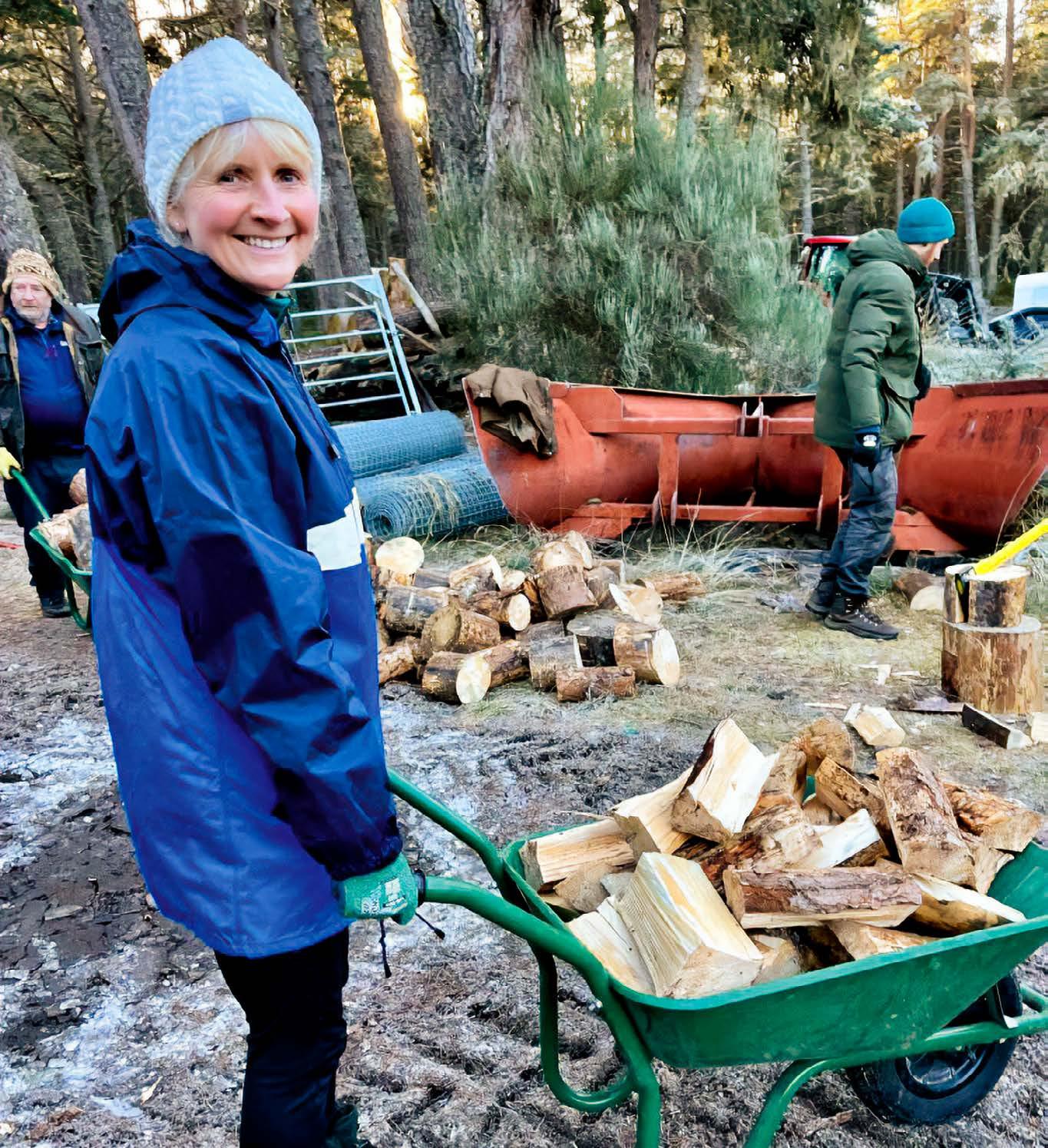
Bottom right: Volunteers chopping wood at Abernethy for the local community
Photos: Friends of Abernethy, Edinburgh Local Group, Glasgow Local Group, Aberdeen and District Local Group, Aileen Fox
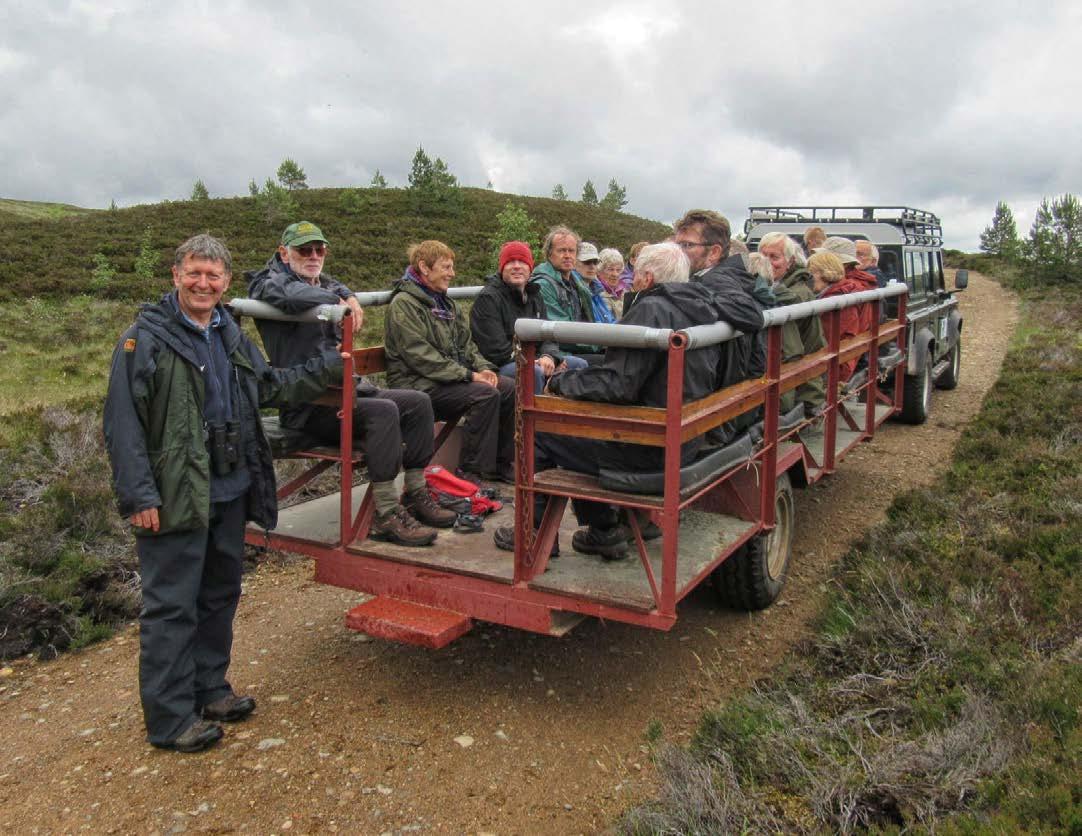
Above left: Friends of Abernethy’s mode of transport to outer areas of the reserve
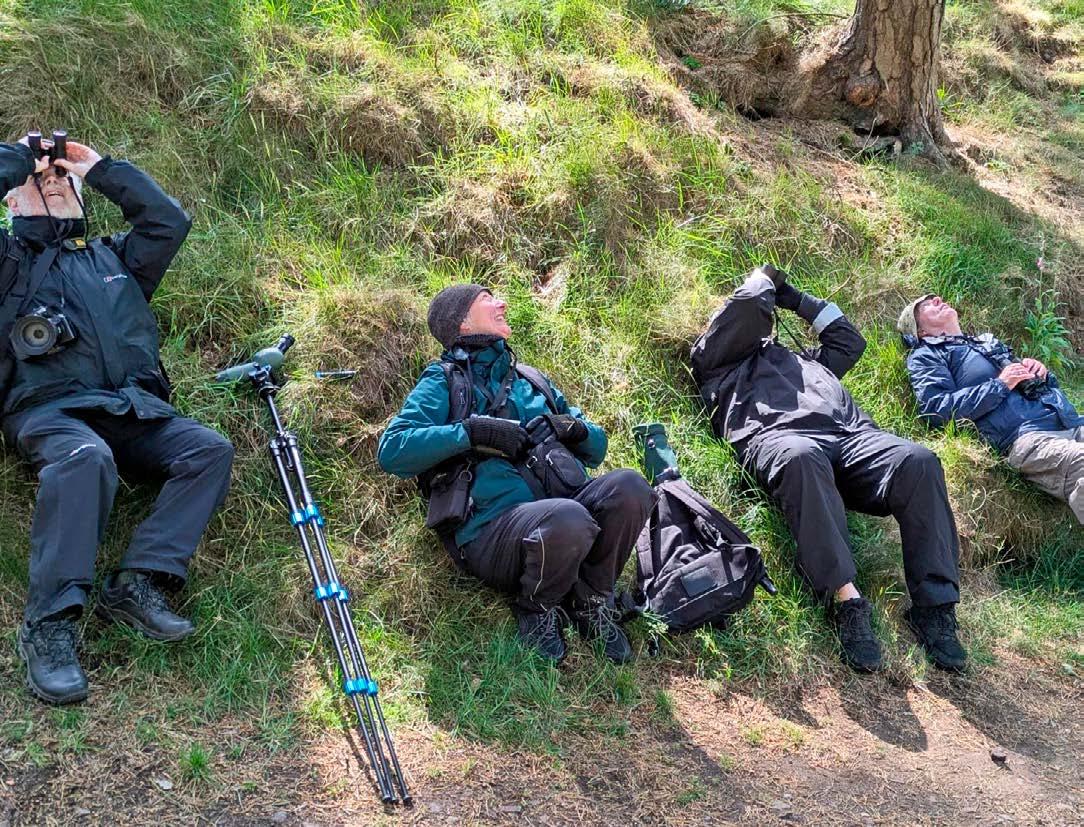
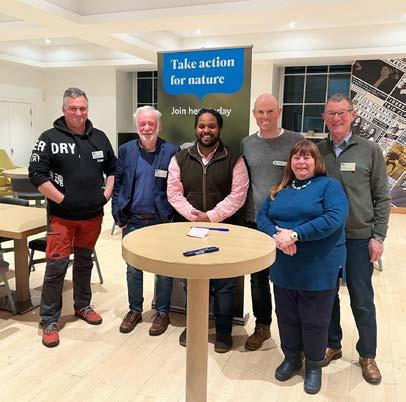
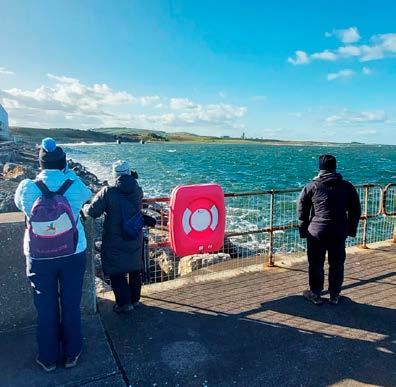
Above right: Edinburgh Local Group, Flotterstone outing 2025
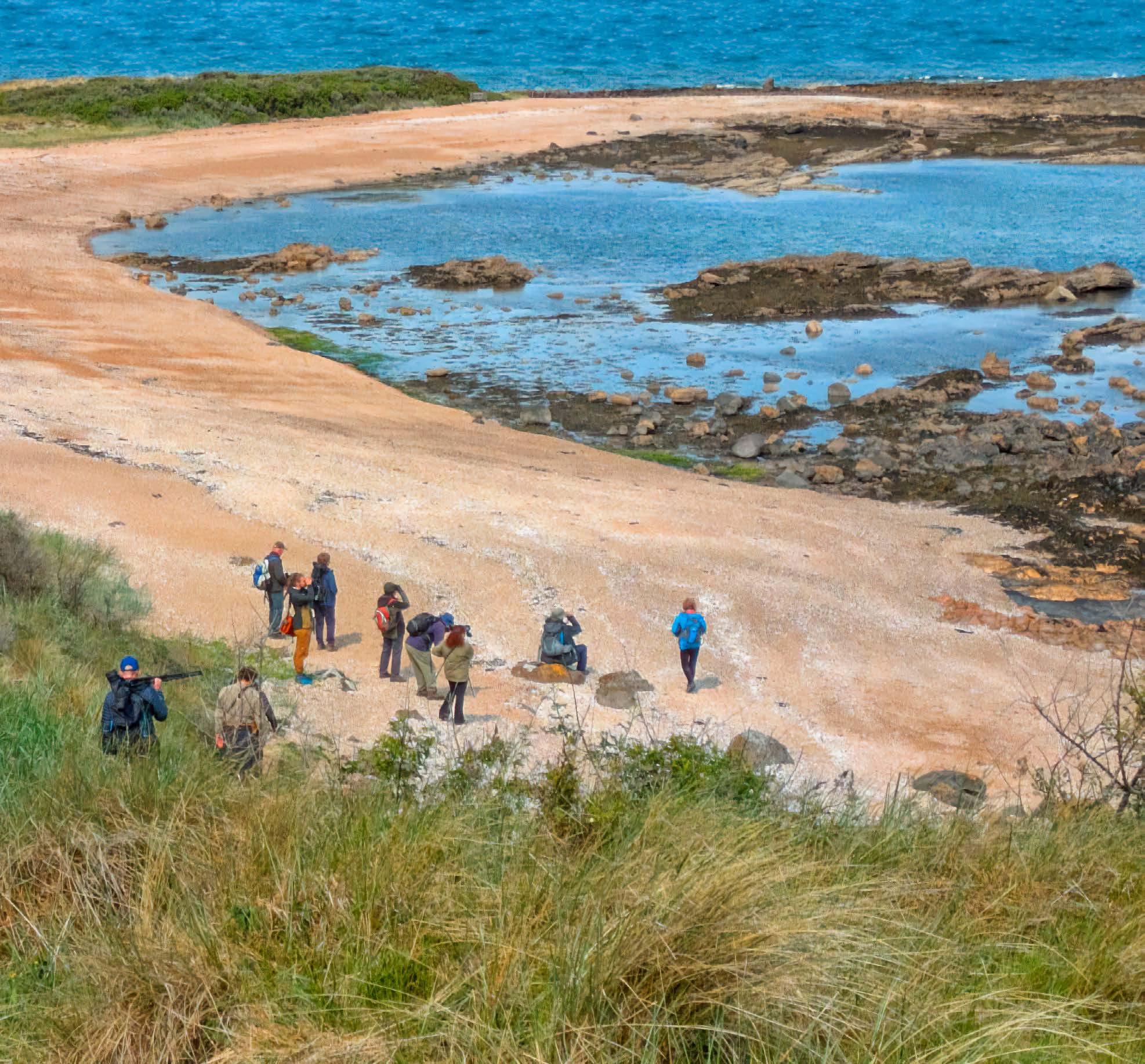
Top right: Edinburgh Local Group, Gullane trip 2025
Volunteer case studies
Aberdeen & District Local Group
David Leslie, leader:
“After spending a few years working in Australia, I moved back to the UK and became interested in local birding. My dad encouraged me to go to the local RSPB group outings, which I enjoyed, and over the subsequent years I led a few of these trips, to point out and identify birds for the other group members.”
David White, member: “Volunteering is about friendship, camaraderie and conversation with a group of similarly motivated people. Although weeding has its own attractions, enjoying a cup of tea or a piece of cake with fellow volunteers makes the day complete.”
Friends of Abernethy – Jean Burns
Since 2018 Jean has been ‘bagging’ Munros to raise funds for RSPB Scotland, with the aim of making Loch Garten nature reserve more accessible for visitors.
In 2022 Jean hiked up number 70 to celebrate her 70th birthday, which she topped in 2023 by completing her 100th for her golden wedding anniversary. Now she aims to reach 141, which would push her up to half of all of Scotland’s Munros!
When we asked Jean what her favourite Munro has been in the 100 that she’s climbed, she answered quite simply: usually whichever one she hiked last.
Glasgow Local Group –Hilary McKenzie
“I’ve been involved with the Glasgow Local Group for 14 years. A couple of my early trips were to Islay and Fair Isle and I soon realised that not only were there many Scottish islands that I hadn’t been to, but also what amazing wildlife and nature we have on our doorstep. With the help of experienced members of the group I soon got to observe many species of birds, gradually learning to identify lots on my own.
“The indoor meetings have guest speakers to keep my interest growing across many different topics. They encourage me to explore and watch wildlife.”
photos
Many thanks to everyone who has shared their nature photos with us – we always love to see them! Do you have photos that feature spring wildlife? Please send them to Allie McGregor, Editor, at Allie.McGregor @rspb.org.uk