Fine Autographs and Artifacts | January 14, 2026
Fine Autographs and Artifacts | January 14, 2026
This year marks fifty years since I started RR Auction. It’s hard to believe. Back in 1976, I was a kid in Boston with a love of collecting and no real sense of where it would all lead. My grandfather handed me $1,800 to get things going. He never asked a question and never asked for it back. He just believed in me. That belief is what set everything in motion.
What began as a one-man operation selling baseball memorabilia and simple autographs grew slowly, one step at a time. I spent ten years working out of my parents’ basement, doing whatever it took to keep the business alive. I typed up my own little mail-bid catalogs and mailed them out myself. I didn’t have much, but I cared about doing things the right way, learning as I went, and treating people well.
Carla, my wife at the time, was always there to help me from the very beginning when I was just trying to make things work. In 1986, I hired Bill White as our first team member, and he’s still with the company today, almost forty years later. And in 1996, Elizabeth Otto joined the consignment department, and she’s still here too. I’m proud of the people who have stood by this company, and I’m just as proud that my children and other family members have worked here at one point or another, including my son Bobby, who now serves as our COO. Watching him help lead the business has meant a great deal to me.
We became known as specialists in documents and manuscripts. Since 1976, we’ve handled pieces that span the full stretch of written history, from Einstein to Edison, from Henry VIII to Henry David Thoreau, and from Beethoven to Bob Dylan. At the heart of it all are the handwritten letters and manuscripts. They tell the story in the writer’s own words, and that’s always been the foundation of this company.
And as the country marks its 250th anniversary this summer, we’ll be offering a full set of all the signers of the Declaration of Independence, including Button Gwinnett. For someone who started out selling single autographs, bringing all the Founders together again carries a certain weight.
Over the years, we’ve also handled some remarkable pieces in space exploration. We’ve represented several of the moonwalkers themselves and the things they carried with them, Dave Scott from Apollo 15, Gene Cernan, the last man on the moon, and Alan Bean, Charlie Duke, and others. Space-flown hardware and mission-used artifacts have been a meaningful part of our story, and I never take for granted the trust those astronauts placed in us.
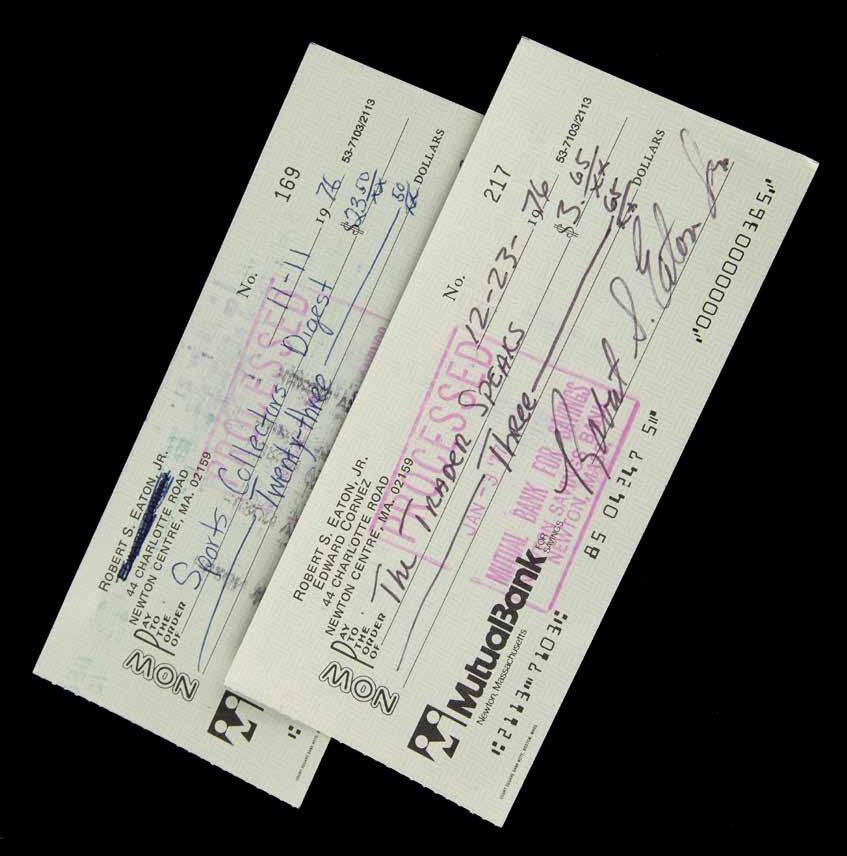
In the world of technology, we share something meaningful with Apple, we both started in 1976. It’s been something special to help tell that early Apple story through the documents and artifacts from those first months in the garage, the early checks, contracts, and Steve Jobs’s actual Apple-1 prototype. This January, we’re offering Apple Check #1, the first check the company ever issued.
Along the way, some things have come through our doors that I never expected. We sold the $28 million seat on Jeff Bezos’s first Blue Origin flight. We handled Jim Sanborn’s Kryptos archive, tied to one of the great modern codebreaking puzzles. And we even revealed and sold a previously unknown JFK film taken in Dealey Plaza. These aren’t the kinds of things you picture selling when you’re typing up catalogs in your parents’ basement, but they’ve become part of the story nonetheless.
And the truth is, the moments that stay with me aren’t the big headlines. They’re the times when we helped someone change their life, often by exceeding their financial expectations. When a consignor’s item, whether it was an Elon Musk archive, an Einstein letter, or a family heirloom, made a difference for them. That has always been at the center of this company. RR Auction has always been about people. Consignors. Buyers. The people who referred us to someone who needed help. And the staff who worked hard behind the scenes. None of this would have happened without them.
And through it all, I think about my grandfather’s gesture, the quiet belief he showed when he handed me that $1,800. He didn’t make a big deal out of it. He just always believed in me. Half a century later, everything we’ve built has come from that same kind of belief. People believed in what we were trying to do. They gave us a chance. They sent others our way. For that, we are grateful.
WITH GRATITUDE, BOB EATON FOUNDER, RR AUCTION
ATTENTION:
Please mail all payment checks to:
R & R Auction Company of Massachusetts, LLC
1 State Route 101A, Suite 3
Amherst, New Hampshire, 03031
Steve Jobs and the Apple Revolution
January 29, 2026
Olympics Memorbilia
February 19, 2026
Fine Autographs & Artifacts
Now accepting consignments
Remarkable Rarities
Now accepting consignment
Space Exploration
Now accepting consignment
Marvels of Modern Music
Now accepting consignment
January 14, 2026
At 6 p.m. on Wed. January 14 t he one-hour extended bidding period begins followed immediately by the 30 Minute Rule. All times in RR Auction guidelines and instructions are stated according to the Eastern (U.S.) time zone.
MA/Lic.
Bob Eaton CEO, Acquisitions bob.eaton@rrauction.com
Carla Eaton Owner, Auctioneer carla.eaton@rrauction.com
Bobby Livingston Executive Vice President, Public Relations bobby.livingston@rrauction.com
Bobby Eaton VP, Business Development Auctioneer, MA/Lic. #3214 bobby.eaton@rrauction.com
Sue Recks Customer Service Manager Accounts Receivable sue.recks@rrauction.com
Melissa Adams Accounting Executive melissa.adams@rrauction.com
Amey Fuller Staff Accountant amey.fuller@rrauction.com
Elizebeth Otto Consignment Director elizebeth.otto@rrauction.com
Jeff Cafferelli Consignment Director jeff.cafferelli@rrauction.com
Fiona Lenaire Consignor Customer Service Manager fiona.lenaire@rrauction.com
Cecily Gruce Inventory Manager Customer Service cecily.gruce@rrauction.com
Grace Maggio Executive Assistant grace.maggio@rrauction.com
Kevin Lessard Shipping Manager kevin.lessard@rrauction.com
Matt Klein Filemaker Developer and IT Administrator matt.klein@rrauction.com
Bill White Lead Autograph Appraiser bill.white@rrauction.com
Dan McCarthy Writer, Researcher dan.mccarthy@rrauction.com
Evan Mugford Writer, Researcher evan.mugford@rrauction.com
Sarina Carlo Head of Production sarina.carlo@rrauction.com
Nikki Brickett Photographer nikki.brickett@rrauction.com
Joe Boucher Production Assistant joe.boucher@rrauction.com
Suzy Torres Photographer suzy.torres@rrauction.com
Robert S. Eaton Sr. 1940–2001
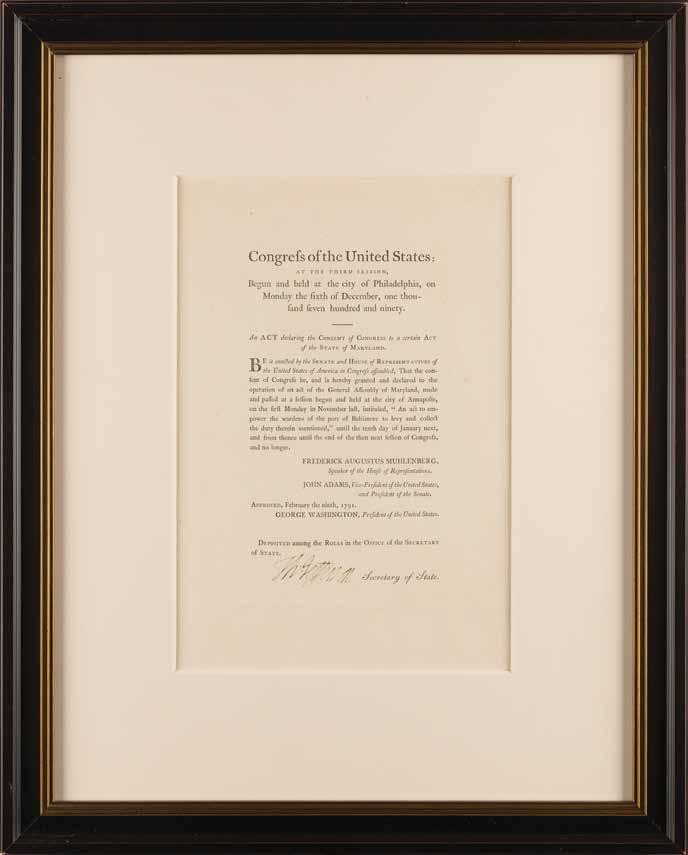
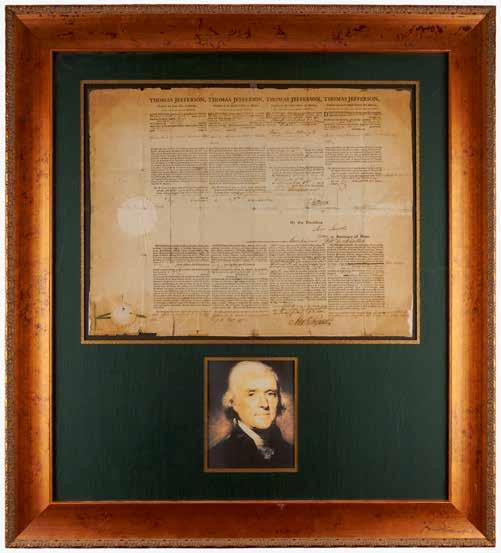
Official printing of the First Congress of the United States, signed by Thomas Jefferson as Secretary of State, approving an act granting temporary federal consent for Maryland to levy and collect a port duty at Baltimore
1. Thomas Jefferson Document Signed as Secretary of State - Act of Congress Permitting Maryland to Collect Baltimore Port Fees. DS as secretary of state, signed “Th: Jefferson,” one page, 7.75 x 11.75, February 9, 1791. Official printing of a resolution passed by the First Congress of the United States during its Third Session, headed “An Act declaring the Consent of Congress to a certain Act of the State of Maryland.” The act reads, in full: “Be it enacted by the Senate and House of Representatives of the United States of America in Congress assembled, That the consent of Congress be, and is hereby granted and declared to the operation of an act of the General Assembly of Maryland, made and passed at a session begun and held at the city of Annapolis, on the first Monday in November last, intituled, ‘An act to empower the wardens of the port of Baltimore to levy and collect the duty therein mentioned,’ until the tenth day of January next, and from thence until the end of the then next session of Congress, and no longer.” Imprinted at the conclusion with the names of Speaker Frederick Muhlenberg, Vice President John Adams, and President George Washington, and prominently signed below in ink by Secretary of State
Thomas Jefferson. Matted and framed to an overall size of 16.25 x 20. In very fine condition.
This early document reflects the young federal government’s effort to regulate interstate and maritime commerce under the newly ratified Constitution. Because states could not impose duties on imports or exports without Congressional consent, early measures such as this illustrate the practical mechanics of federalism in the nation’s formative years. In this instance, the act grants Maryland temporary permission to enforce a recently passed state law, which empowers the wardens of the Port of Baltimore to levy a port duty. Congress grants Maryland’s authority only on a limited basis—until January 10, 1792, and thereafter only until the close of the next congressional session—revealing the degree of federal oversight exercised in the early republic as the new system of commercial regulation took shape. Documents from the First Congress—particularly those signed by Thomas Jefferson— are prized for their role in defining the structure of American governance. Starting Bid $1000
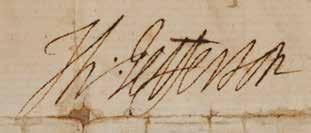
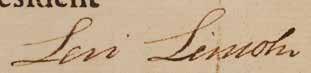
2. Thomas Jefferson and Levi Lincoln Document Signed as President and Acting Secretary of State (May 2, 1801). Rare partly-printed DS, signed “Th: Jefferson” as president and “Levi Lincoln” as acting secretary of state, one page, 22.25 x 17.5, May 2, 1801. Four-language ship’s paper issued to “Edward White of Newbern, master or commander of the Sch’r called the Romp…lying at present in the port of N. York bound for Tortola and laden with Flour, Corn, Beef & Shingles.” Signed in the center in crisp black ink by President Thomas Jefferson and countersigned by Acting Secretary of State Levi Lincoln. Also countersigned below by Joshua Sands as Collector of the Port of New York; Sands had served in the Revolution and would later represent New York in Congress. The left side retains its original two embossed seals. Impressively doublematted and framed with a portrait of Jefferson to an overall size of 34 x 38. In good to very good condition, with irregular light toning, tears, creases, and edge chipping, none of which adversely affect Jefferson’s signature.
This type of document was generally left blank and signed in advance by the president and secretary of state, then sent to ports and harbors to be filled out as needed. This pass must have been signed quite early in Jefferson’s term—Levi Lincoln, appointed as attorney general, also served as acting secretary of state from March 5 through May 1, 1801. James Madison had been officially named to the position, but did not arrive in Washington until May due to illness. A scarce and highly desirable presidential document—this is just the third such Thomas Jefferson–Levi Lincoln example we have encountered. Starting Bid $300
President Lincoln authorizes the safe passage of a Virginia widow, the niece of a former fellow Congressman-turned-Confederate captain, William L. Goggin, “whose honor I would take to any extent he would pledge it”
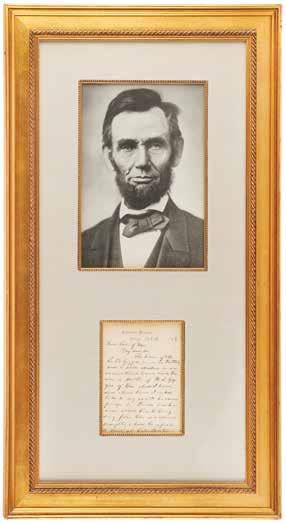
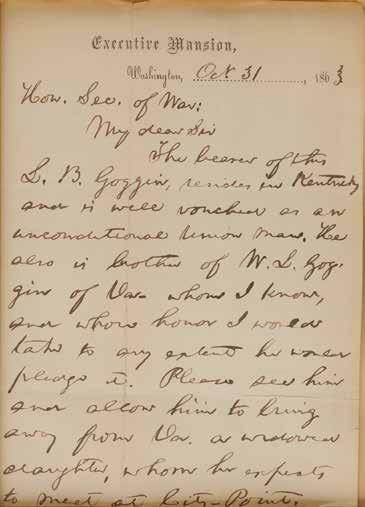
3. Abraham Lincoln Partial Autograph Letter as President to Secretary of War Edwin M. Stanton (October 31, 1863). Civil War-dated partial autograph letter from President Abraham Lincoln, unsigned, one page, 4.75 x 6.75, Executive Mansion letterhead, October 31, 1863. Addressed to Secretary of War Edwin M. Stanton, the handwritten letter reads: “The bearer of this, L. B. Goggin, resides in Kentucky and is well vouched as an unconditional Union man. He also is brother of W. L. Goggin of Va. whom I know, and whose honor I would take to any extent he would pledge it. Please see him and allow him to bring away from Va. a widowed daughter, whom, he expects to meet at City Point.” Impressively cloth-matted and framed with a large print of Alexander Gardner’s iconic ‘Gettysburg’ portrait of President Lincoln to an overall size of 17 x 31.75. In fine condition. William L. Goggin, a Whig politician and lawyer from Virginia, had served in Congress with Lincoln from 1847 to 1849. During the war, Goggin became captain of Home Guards for the Confederate Army. Starting Bid $500
4. Abraham Lincoln Document Signed as President (March 11, 1862). Civil War-dated partly-printed vellum DS as president, one page, 13.75 x 17.75, March 11, 1862. President Lincoln appoints John Pilsen as “Assistant Adjutant General of Volunteers with the rank of Captain in the service of the United States.” Signed at the conclusion in ink by Abraham Lincoln and countersigned by Secretary of War Edwin M. Stanton. The upper left corner retains the original blue seal. In fine condition, with intersecting folds and scattered faint stains. Accompanied by an original 2.5 x 4 carte-devisite portrait photograph of Pilsen wearing his military uniform in a full-length pose.
In early 1862, Gen. George B. McClellan proposed moving the Army of the Potomac by water to Urbanna, Virginia, to outflank Confederate forces and seize Richmond. President Lincoln, frustrated by delays, ordered all Union armies to begin offensive operations by February 22nd and directed McClellan to advance overland toward Manassas. McClellan objected, defending his Urbanna plan in a lengthy letter, and Lincoln reluctantly approved it.
On March 8th, concerned about McClellan’s slow progress, Lincoln convened a council of war and then appointed corps commanders himself. The very next day, Confederate Gen. Joseph E. Johnston unexpectedly withdrew south of the Rappahannock, rendering the Urbanna plan useless. McClellan then shifted to a new strategy: transporting the army to Fort Monroe and advancing up the Virginia Peninsula. Complicating matters, the Confederate ironclad CSS Virginia had just shocked Washington by destroying Union ships at Hampton Roads on March 8th, before being checked by the USS Monitor in their historic March 9th duel.
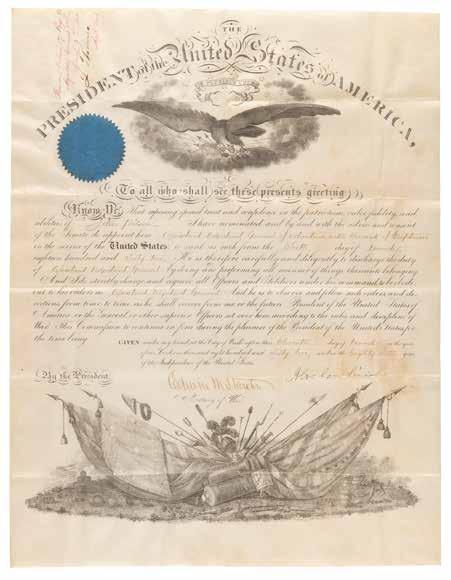
On March 11, 1862, the very date of this document, Lincoln removed McClellan as general-in-chief, leaving him in command only of the Army of the Potomac so that he could focus fully on the upcoming Peninsula Campaign. Starting Bid $1000
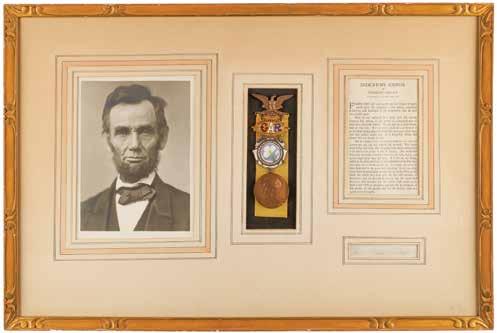
5. Abraham Lincoln Signature. Desirable ink signature, “Abraham Lincoln,” on an off-white 3.25 x .5 slip. Matted and framed with a print of Alexander Gardner’s iconic ‘Gettysburg’ portrait of President Lincoln, a souvenir copy of Lincoln’s Gettysburg Address, and a ‘Grand Army of the Republic’ medallion chain to an overall size of 24 x 16. In fine condition, with the signature a few shades light, but fully legible. Starting Bid $500

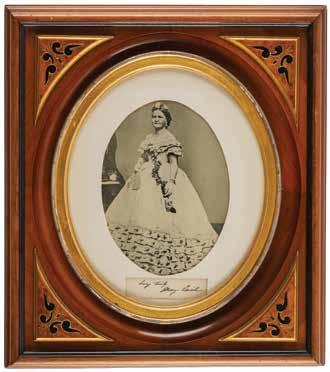
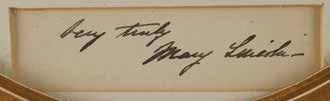
6. Mary Todd Lincoln Signature. Ink signature, “Very truly, Mary Todd Lincoln,” on an off-white 4 x 1 slip, matted and framed with a portrait to an overall size of 15.5 x 17.5. In fine condition. Starting Bid $200
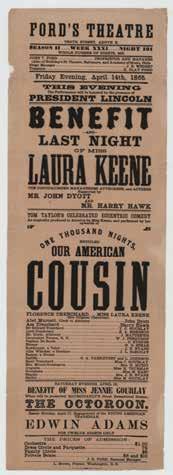
7. Lincoln Assassination: Ford’s Theatre Broadside (Period Reproduction). Period circa 1865 reprint of a playbill for the performance ‘Our American Cousin’ at Ford’s Theatre on April 14, 1865, 6 x 17.75, reading, in part: “Ford’s Theatre…Friday Evening, April 14th, 1865. This Evening The Performance will be honored by the presence of President Lincoln.” It goes on to list the cast and bills it as the last night of Miss Laura Keene. In very good to fine condition, with archival tape reinforcements to fold separations. In the aftermath of Lincoln’s assassination, mourners and collectors clamored for anything associated with that fateful day. Capitalizing on this newfound demand, several contemporary reprints of the Ford’s Theatre playbill for Our American Cousin were created. In this case, a charlatan printer added a line not seen on the originals: “This Evening: The Performance will be honored by the presence of President Lincoln.” Starting Bid $200
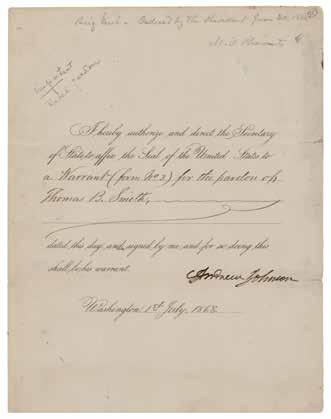
1868 clemency document from President Andrew Johnson, pardoning Thomas Benton Smith, a former brigadier general in the Confederate States Army
8. President Andrew Johnson Pardons a Confederate Brigadier General. Partly-printed DS as president, one page, 8.5 x 11, July 1, 1868. President Johnson authorizes and directs the Secretary of State to affix the Seal of the United States to “a Warrant (form No. 3) for the pardon of Thomas B. Smith.” Signed neatly at the conclusion by Andrew Johnson. In fine condition. In very good to fine condition, with old repairs to short tears along the right edge, and a small smudge to the first letter of the signature. Read more about Thomas Benton Smith online at www.RRAuction.com. Starting Bid $200
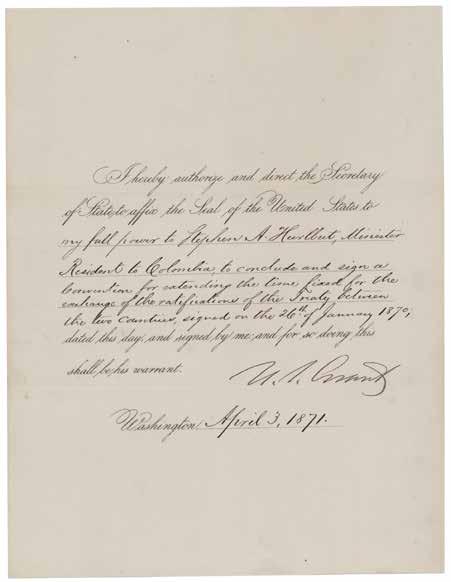
9. President U. S. Grant Seeks a Canal Agreement with ColombiaEarly 1871 Document Related to the Construction of the Panama Canal. Partly-printed DS as president, one page, 8.5 x 11, April 3, 1871. President Grant authorizes and directs the Secretary of State to affix the Seal of the United States to “my full power to Stephen A. Hurlbut, Minister Resident to Colombia, to conclude and sign a Convention for extending the time fixed for the exchange of the ratifications of the Treaty, between the two countries, signed on the 26th of January 1870.” Signed neatly at the conclusion by U. S. Grant. In fine condition.
This document relates to the Arosemena, Sánchez-Hurlbut Treaty, signed on January 26, 1870, which was a major early effort by the United States to secure the right to build an interoceanic canal across the Isthmus of Panama. That same year, President Grant established an Interoceanic Canal Commission, which would investigate the possible routes suggested by German naturalist Alexander von Humboldt for a canal across Central America.
During this period, Panama was not an independent nation but a province of Colombia, so any canal project required Colombia’s formal consent. Negotiated by U.S. Minister Stephen A. Hurlbut and Colombian diplomats Pablo Arosemena and Carlos R. Sánchez, the treaty followed a previous canal agreement that the U.S. Senate had rejected. Had it been finalized, it would have granted the United States broad authority to construct, control, and protect a canal route through Colombian territory—dramatically expanding American strategic influence and laying the groundwork for faster global trade and naval movement.
Although the treaty ultimately failed, it stood as one of the earliest serious attempts to secure a Panama Canal and helped shape the diplomatic path that culminated in the successful 1903 treaty, which finally allowed the canal to be built. The Panama Canal would go on to become one of the most important engineering achievements in world history—revolutionizing global commerce by cutting thousands of miles off maritime routes and solidifying the United States as a major strategic power. Starting Bid $200
“Let me congratulate you upon the final outcome of the Standard Oil case. I feel that all good citizens are under great obligations to Judge Landis”—
President Roosevelt applauds Kenesaw Mountain Landis and his record-setting $29 million fine of the Standard Oil Company in 1907
10. Theodore Roosevelt Typed Letter
Signed as President on the Historic 1907 Standard Oil Fine - “All good citizens are under great obligations to Judge Landis”. TLS as president, one page, 7.25 x 8.75, White House letterhead, August 5, 1907. Letter to Edwin W. Sims, a prominent prosecutor for the United States Department of Justice, in full: “Let me congratulate you upon the final outcome of the Standard Oil case. I feel that all good citizens are under great obligations to Judge Landis.” Roosevelt strikes through a section and adds four words in his own hand. In fine condition, with light creasing and several horizontal folds.
President Theodore Roosevelt, committed to curbing the power of monopolies during the Progressive Era, appointed Kenesaw Mountain Landis to the U.S. District Court for the Northern District of Illinois in 1905. Roosevelt’s administration was already targeting corporate abuses when an investigation by Commissioner of Corporations James R. Garfield uncovered that Standard Oil of Indiana had been receiving illegal railroad rebates in violation of the Elkins Act. In 1906, a grand jury indicted the company on 6,428 counts—later reduced to 1,903—and the case was assigned to Landis, one of Roosevelt’s trusted judicial appointees.
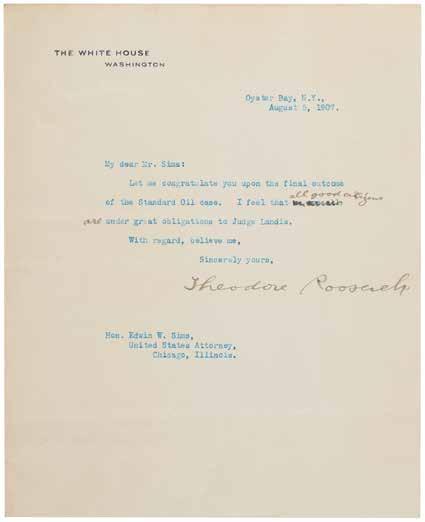
At trial in early 1907, Standard Oil did not dispute that rebates had occurred, but claimed it did not know that the rates were unlawful. Landis instructed the jury that the company had a duty to determine the lawful posted tariff, and the jury returned guilty on every count. Before sentencing, Landis famously subpoenaed John D. Rockefeller, producing national drama but little useful testimony. On August 3, 1907, Landis imposed the maximum fine—$29,240,000, the largest corporate penalty in U.S. history at the time. Although Landis’s action was reversed on appeal, he was seen as a judge determined to rein in big business, and the entire episode was widely viewed as a bold extension of Roosevelt’s trust-busting campaign and a symbol of federal resolve to hold powerful corporations accountable. Starting Bid $300
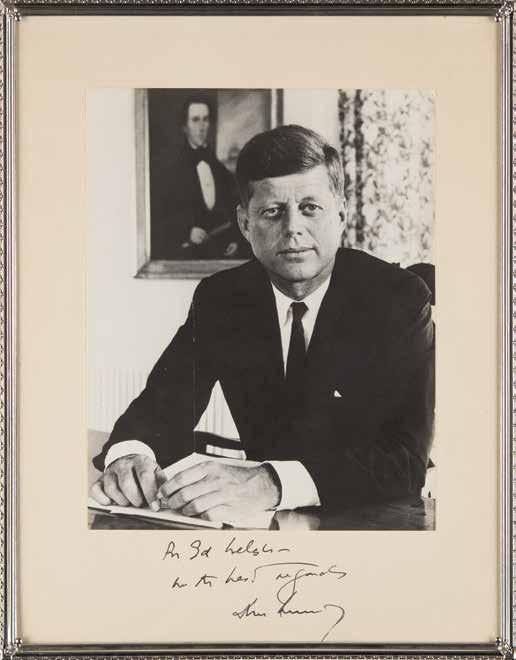
presents his portrait to the executive secretary of the National Aeronautics and Space Council, who played a key role in shaping early U.S. space policy
11. John F. Kennedy
Oversized Signed Photograph, Presented to the Executive Secretary of the National Aeronautics and Space Council. Outstanding vintage matte-finish 7.5 x 9.5 portrait of John F. Kennedy taken by Alfred Eisenstaedt after his nomination as the Democratic presidential candidate in August of 1960, affixed to its original 10.5 x 13.5 mount, signed and inscribed on the mount in fountain pen, “For Ed Welsh—with best regards, John Kennedy.” Framed to an overall size of 11 x 14. In fine condition.
Edward C. Welsh (1909–1990) was an American economist and government administrator who served as the inaugural Executive Secretary of the National Aeronautics and Space Council under President John F. Kennedy. Before that, he advised Senator Stuart Symington on space policy during the Democratic primary; material he developed for Symington was later repurposed in Kennedy’s campaign to sharpen his posture toward the Soviet Union. Starting Bid $500
“I have made arrangements with my brother to have him send you his book”—JFK-signed Profiles in Courage with signed letter from RFK
12. John F. Kennedy Signed Book (Profiles in Courage) and Robert F. Kennedy Typed Letter Signed. Signed book: Profiles in Courage. Later printing. NY: Harper & Brothers, 1956. Hardcover, 6 x 8.5, 266 pages. Signed and inscribed on the first free end page in black ink, “To Joe DeSilva – with best wishes, John Kennedy.” Autographic condition: fine. Book condition:
Accompanied by a TLS from Robert F. Kennedy signed “Bob,” one page, 8 x 10.5, United States Senate letterhead, December 28. 1956, addressed to Joseph T. DeSilva, secretary of the Retail Clerk Union, Local 770, in full: “Thank you for your letter and the material you enclosed which I found most interesting. You have had a fine career of which you should be very proud. I plan to see your people here in Washington either today or the beginning of next week. I hope I shall have the opportunity of seeing you again when I return to the West Coast.” Kennedy adds the postscript: “I have made arrangements with my brother to have him send you his book which I hope you find interesting.” The letter is in very good to fine condition, with file holes to the top, and scattered small tape stains.
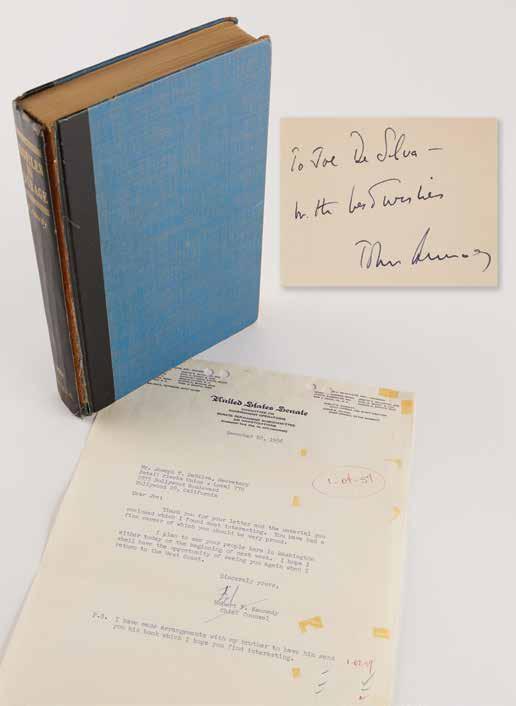
Kennedy underwent several life-threatening spinal operations in the 1950s. During his convalescence in 1954 and 1955, he wrote the book Profiles in Courage, which described eight instances in which U.S. senators risked their careers by standing up for their personal beliefs. It became a bestseller upon its release in 1956 and was awarded the Pulitzer Prize for Biography in 1957. Starting Bid $500
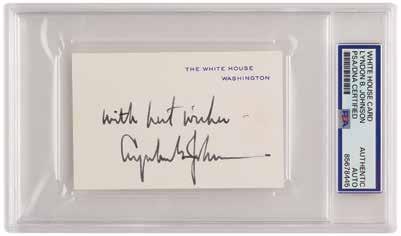
13. Lyndon B. Johnson Signed White House Card. Official White House card, 3.75 x 2.5, signed in bold fountain pen, “With best wishes, Lyndon B. Johnson.” In very fine condition. Encapsulated in a PSA/DNA authentication holder.
White House cards signed by Lyndon B. Johnson are uncommon, with RR Auction having offered only eight others in its history—the first of which was, at the time, the only known authentic example and described in Charles Hamilton’s 1983 authoritative publication, American Autographs, and in Larry F. Vrazlik and Michael Minor’s 1991 book From the President’s Pen. Starting Bid $200
Rare ‘Friends of Barack Obama’ check donating to the campaign committee of a fellow Illinois senator
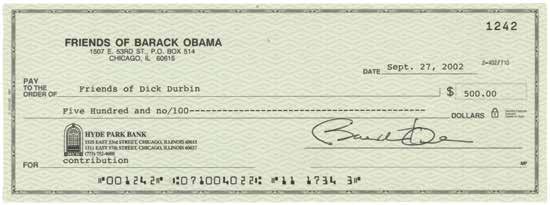
14. Barack Obama Signed Check - ‘Friends of Barack Obama’. Friends of Barack Obama check, 8.25 x 3, filled out in type and signed by Obama, “Barack Obama,” payable to Friends of Dick Durbin for $500, September 27, 2002. The memo section is annotated for “Consulting.” In very fine condition. Accompanied by a full letter of authenticity from PSA/DNA.
Friends of Barack Obama was his official campaign committee; at the time he signed this check, Obama was preparing for his third straight election to the Illinois Senate, which he won for the newly configured 13th district unopposed on November 5, 2002. Also of note is the payee, the campaign committee for Dick Durbin, a fellow Illinois senator who introduced Obama on the final night of the 2008 Democratic National Convention in Denver, Colorado. Starting Bid $200
‘A reminder that we are all part of something bigger than ourselves’—photograph signed with a rare presidential quintet of Barack Obama, George W. Bush, George Bush, Bill Clinton, and Jimmy Carter
15. Five Presidents Signed PhotographBarack Obama, George W. Bush, George Bush, Bill Clinton, and Jimmy Carter. Soughtafter color satin-finish 10 x 8 photo of President George W. Bush standing next to his predecessor, President-elect Barack Obama, in the White House’s Oval Office on January 7, 2009, with former American Presidents George Bush, Bill Clinton, and Jimmy Carter also in attendance, signed in the lower border in black felt tip by all five pictured U.S. presidents. In very fine condition.
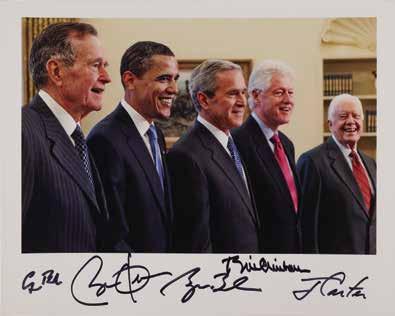
On January 7, 2009, President George W. Bush invited the former presidents and President-elect Barack Obama for a private lunch and meeting. The event symbolized the peaceful transfer of power and the continuity of American democracy, with Bush remarking, ‘One message that I have, and I think we all share, is that we want you to succeed.’ Obama, then only days away from inauguration, later described the meeting as ‘a reminder that we are all part of something bigger than ourselves.’ This was a rare gathering, the first time all five living U.S. presidents at that time had gathered together in the White House in 27 years. Starting Bid $500
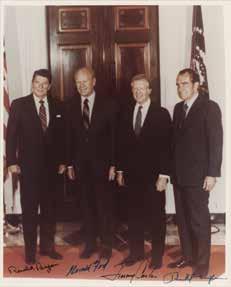
16. Four Presidents Signed Photograph - Reagan, Nixon, Carter, and Ford. Color glossy 8 x 10 photo of Presidents Nixon through Reagan gathered at the White House prior to departing for Anwar Sadat’s funeral in 1981, signed in felt tip by Ronald Reagan, Gerald Ford, Jimmy Carter, and Richard Nixon. In fine condition. Starting Bid $200
As
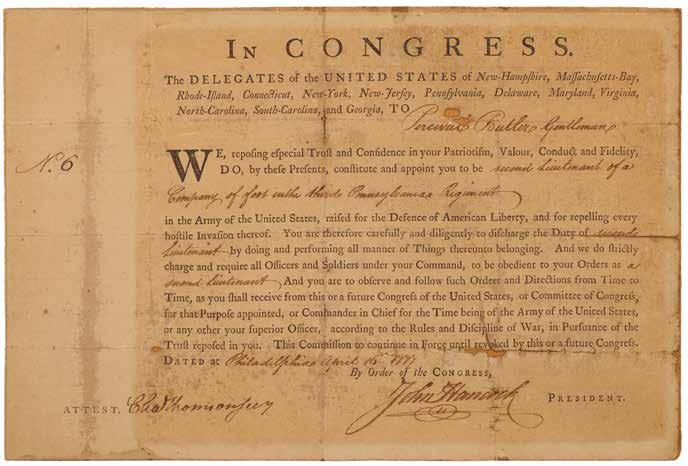
78. John Hancock Revolutionary War-Dated Document Signed, Appointing a Second Lieutenant in the Continental Army. Revolutionary War–dated partly-printed DS, one page, 13 x 8.75, April 16, 1777. As president of the Continental Congress, John Hancock appoints Percival Butler “to be second lieutenant of a Company of foot in the third Pennsylvania Regiment.” Prominently signed at the conclusion in ink by John Hancock as president, and countersigned by Charles Thomson as secretary. Affixed to an old piece of cardboard and in very good condition, with staining, toning, and small areas of paper loss, none of which adversely affect the bold signature.
According to the Encyclopedia of the American Revolution, Percival Butler (1760–1821) fought with Morgan at Saratoga and with Wayne against Simcoe at Spencer’s Tavern and took part in the siege of Yorktown. Starting Bid $500
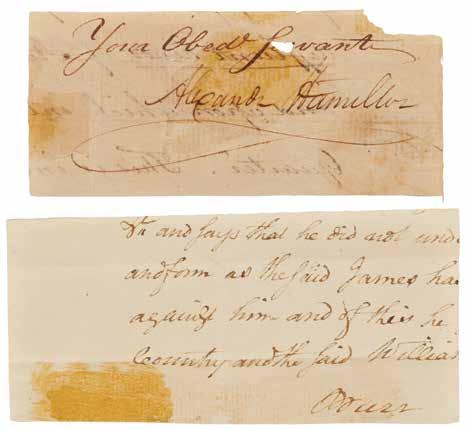
79. Alexander Hamilton and Aaron Burr Signatures. Historic pairing of ink signatures of Alexander Hamilton (“Your Obed’t Servant, Alexand’r Hamilton”) and Aaron Burr (“Burr”) on two individual off-white slips clipped from letters, respectively measuring 4 x 1.75 and 4.25 x 2. In overall very good to fine condition, with staining to both slips, and small areas of paper loss to the Hamilton slip, not affecting the signature. A remarkable autograph offering of the political rivals-turned-bitter enemies, whose deadly duel remains one of the more infamous and consequential in American history. Starting Bid $500
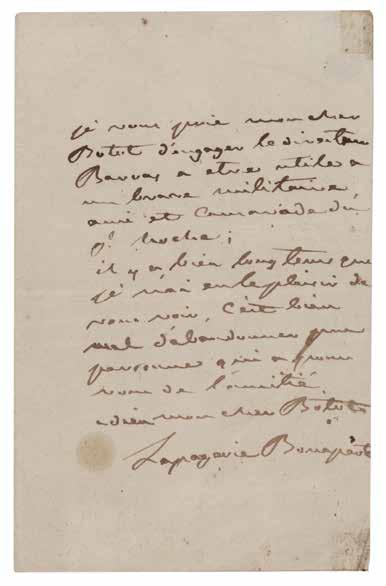
84. Josephine Bonaparte Autograph Letter Signed. Empress of France, born Marie Josèphe Rose Tascher de La Pagerie (1763–1814), who married Napoleon in 1796 and was divorced in 1810, unable to produce an heir. ALS in French, signed “Lapagerie Bonaparte,” one page, 4 x 6.25, no date. Handwritten letter to Citizen Butot, secretary to director Barras at the Luxembourg, seeking help for a soldier. In full (translated): “I pray you, my dear Butot, to engage director Barras to be useful to a brave military friend and comrade of general Hache. It has been a long time since I have had the pleasure of seeing you. It is good to leave alone such a person who has such friendship for you.” Addressed on the integral leaf in Josephine’s hand. In fine condition, with a small circular stain. Accompanied by a small engraved portrait. Starting Bid $200
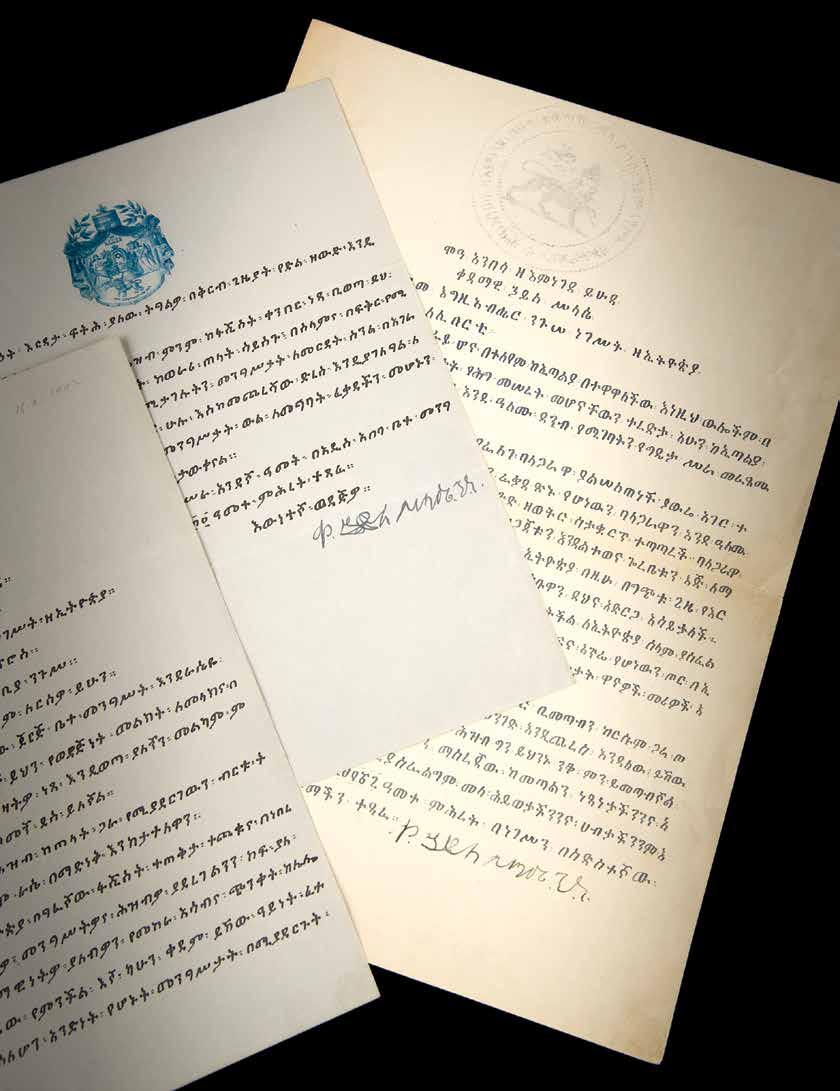
“The Ethiopian Nation has been delivered from the fascist yoke”
86. Haile Selassie (2) Letters Signed on the Second Italo-Ethiopian War and World War II: “The Ethiopian Nation has been delivered from the fascist yoke”. Two remarkable letters of state signed by Haile Selassie, bookending the Ethiopian struggle against Fascist Italy:
LS in Amharic signed by Haile Selassie as Emperor of Ethiopia, one page, 9.75 x 13.75, blindstamped letterhead with the Ethiopian seal of the ‘Conquering Lion of Judah,’ August 24, 1935. Selassie gives an impassioned plea to world leaders to intervene and avert war between Ethiopia and Italy. In part (translated): “In the conflict with Italy, Ethiopia is conscious of having fulfilled all the international obligations resulting from our special treaty with Italy, as well as from the multinational treaties to which we are parties and which constitute the fundamental basis of public international law. Notwithstanding the fact that our adversary who seeks to possess Ethiopia has frequently insulted her and called her a barbarous nation, Ethiopia has unceasingly prosecuted efforts to compel the fulfillment of international obligations by her reluctant opponent, and has observed throughout the conflict a policy of conciliation which has demonstrated our steadfast attachment to the cause of peace, despite the belligerent disposition, military preparations and avowed intention of our neighbor to initiate a war of conquest. Peace is indispensable to Ethiopia in order that our people may be conducted along the way of progress. We hope that the statesmen of the great nations who preside over the destinies of the world will not permit that an unjust and destructive war be waged in Ethiopia and undo all that has been done in recent years in the way of modernization. But if war must be brought to us by one of the great nations… we are determined to defend our freedom and our territory and to sacrifice if necessary all our resources of human lives and property.”
LS in Amharic signed by Haile Selassie as Emperor of Ethiopia, two pages, 8 x 10.5, letterhead with the seal of the Emperor of Ethiopia, August 10, 1942. Letter to King Peter of Yugoslavia, then exiled in London, sent via the court of King George VI. Selassie conveys his wishes for the liberation of Yugoslavia during World War II, in part: “My Government, my People and myself are following with admiration the struggle which Your Majesty’s armed forces are waging against the enemy, and
we view with sympathy the suffering endured by those of your subjects now in the occupied parts of Your Majesty’s Kingdom. We have not forgotten the way in which Your Majesty, your Government and your People so nobly supported our cause when our country was the victim of fascist aggression and occupation. We, who have undergone the same tribulations, can feel, better than any others, the sufferings and anxieties of Your Majesty, and we are confident that your just cause will soon prevail, with the help and sacrifices of the United Nations. Although the Ethiopian Nation has been delivered from the fascist yoke, we still wish to make available our resources to their utmost limit, so that we can help to make the world a place in which the small nations can live in peace and amity, secure from the threat of aggression. It is for this reason that we have informed President Roosevelt of our adherence to the Pact of the United Nations.” In overall fine condition.
Ethiopia was first invaded by imperialist-minded Italy in 1880, but had maintained its independence up until this time. In 1928, Italy signed a treaty with Ethiopia—one it seemingly never intended to honor. Tensions escalated in December 1934, when a major clash occurred at the Italian outpost of Walwal in eastern Ethiopia. Italy demanded reparations, prompting Ethiopia to appeal to the League of Nations, which appointed a commission of arbitration.
On September 3, 1935—just two weeks after the first letter—the commission reported that neither side was at fault. Nevertheless, on October 3, Italy launched a full-scale invasion of Ethiopia, as well as neighboring Eritrea and Somaliland. The Ethiopian army suffered a decisive defeat at May Chaw on March 31, 1936, and Italian General Pietro Badoglio entered Addis Ababa on May 5, forcing Emperor Haile Selassie into exile.
In early 1941, during the East African campaign of World War II, Italy was defeated by the combined forces of the United Kingdom, the Commonwealth of Nations, Free France, Free Belgium, and Ethiopian partisans. On May 5, 1941, Selassie was restored to power, triumphantly returning to the capital of Addis Ababa and marking the re-establishment of a sovereign Ethiopia. Starting Bid $500
“The bee carries all kinds of nectar to the beehive”
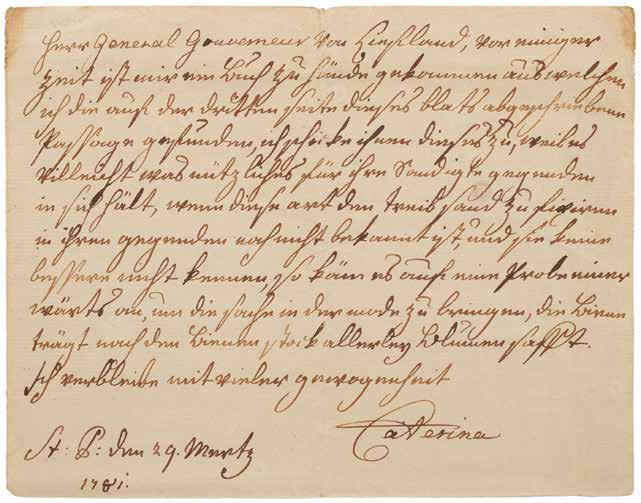
88. Catherine the Great Autograph Letter Signed: “The bee carries all kinds of nectar to the beehive”. The most renowned and the longest-ruling female leader of Russia, reigning from July 9, 1762 until her death in 1796 at the age of 67. ALS in German, one page, 8 x 6.25, March 29, 1781. Handwritten letter to a “General Governor,” in part (translated): “I recently discovered a book where I found the passage that is copied on the third page of this sheet of paper. I send this to you because it might contain matters of some interest to your sandy territories. If this method of fixing the shifting sand is not yet known in your territories, and if you don’t know a better one, a try might be worthwhile in order to make it fashionable. The bee carries all kinds of nectar to the beehive.” The passage to which she refers is no longer present. In fine condition. Starting Bid $500
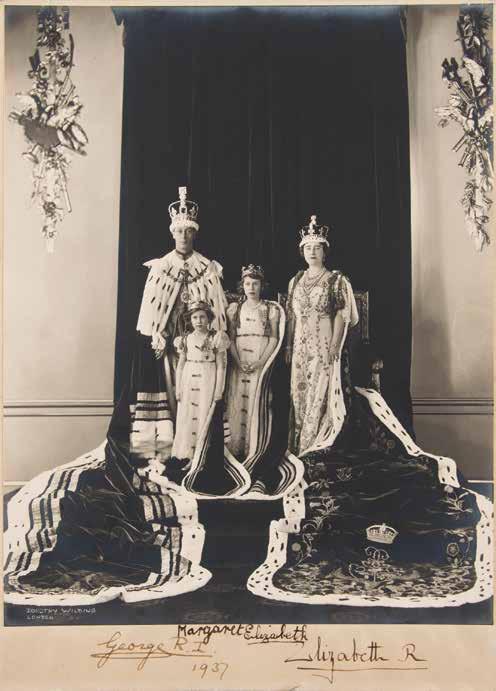
89. King George VI and Family Rare Fully Signed Photograph of Coronation (1937). Marvelous vintage mattefinish 8.25 x 10.25 coronation portrait of King George VI, Queen Elizabeth The Queen Mother, Princess Elizabeth, and Princess Margaret, taken by Dorothy Wilding on the day of George VI’s coronation—May 12, 1937—affixed to its original 8.5 x 11.5 mount, signed on the mount in ink, “George R. I.,” “Elizabeth R,” “Elizabeth,” and “Margaret.” Also signed in the lower left corner in white ink by the photographer, “Dorothy Wilding, London.” Reverse bears Wilding’s studio label. In fine condition, with trimmed edges, some light silvering along the top, and some light rippling along the bottom. A marvelous image of the royal family on their important day, signed by two British monarchs—a simply stunning piece. Starting Bid $1000
“Keep strong Ivy, you’re a very special lady & much adored by me for one!”—touching letter of encouragement from Princess Diana
90. Princess Diana Autograph Letter
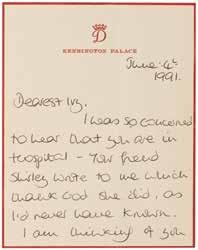
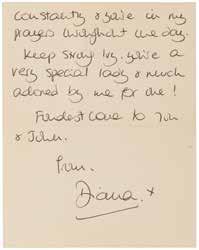
Signed. ALS signed “Diana, x,” one page both sides, 5.5 x 7, personal ‘Kensington Palace’ letterhead, June 4, 1991. Handwritten letter to Mrs. J. Woodward, whom Diana calls “Ivy,” in full: “I was so concerned to hear that you are in hospital – your friend Shirley wrote to me which thank God she did, as I’d never have known. I am thinking of you constantly & you’re in my prayers throughout the day. Keep strong Ivy, you’re a very special lady & much adored by me for one! Fondest love to you & John.” In fine condition. Accompanied by the original mailing envelope, hand-addressed by Diana. Diana met and befriended Ivy Woodward in September 1990, when the former was visiting Prince Charles, who had been hospitalised for a broken arm at the same hospital as Woodward’s son, Dean, who lay in a coma following a motorbike accident. Four weeks after Diana’s first visit, Dean regained consciousness and, by December 1990, he was well enough to go home. Starting Bid $200
“Elizabeth R., 1981” and “Charles”—rare dual-signed portrait of the Queen and her eldest son, the future king, Charles III, with the Privy Council that granted his marriage to Princess Diana
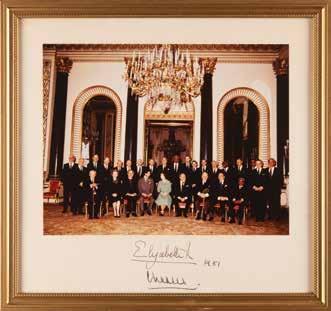
91. Queen Elizabeth II and King Charles III Signed Photograph. Exceptional color satin-finish 11.75 x 9 photo of Queen Elizabeth II and her son, Prince Charles, seated with members of the Privy Council, including former Prime Ministers Margaret Thatcher and Harold Wilson, at Buckingham Palace on March 27, 1981, signed on the original mount in fountain pen, “Elizabeth R, 1981” and “Charles.” Framed to an overall size of 15.75 x 14.75. In very good to fine condition, with a crease extending from the lower border into the image, passing through the first letter of Elizabeth’s signature. The Privy Council meeting on March 27, 1981, marked the Queen giving Prince Charles consent to marry Princess Diana, who was not in attendance, under the Royal Marriages Act. A rare union of signatures of the Queen and her heir apparent, the future King Charles III. Starting Bid $300
In 1692, Queen Mary II considers acts from the “Colony of Virginia” for “the Manufacture of the growth of that Country”
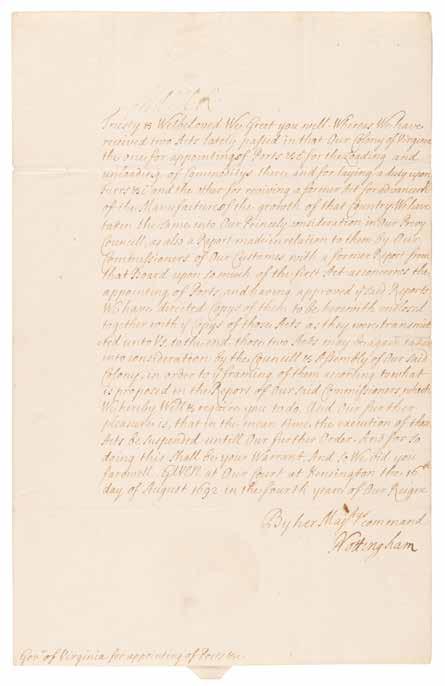
92. Queen Mary II Letter Signed to Edmund Andros, Colonial Governor of Virginia, Regarding Economic Acts. Queen of England, Scotland, and Ireland (1662–1694) with her husband, King William, from 1689 until her death. LS signed “Marie R,” one page, 7.5 x 11.75, August 16, 1692. Letter to Edmund Andros, colonial governor of Virginia, in part: “We have received two Acts lately passed in that Our Colony of Virginia, the one for appointing of Ports &c for the Loading and unloading of Commoditys there, and for laying a duty upon Furrs &c, and the other for reviving a former Act for advancem’t of the Manufacture of the growth of that Country.” Copies of the acts are returned to be “again taken into consideration by the Councill & Assembly of Our said Colony.” Signed at the head in ink by Queen Mary II, and countersigned at the foot by Daniel Finch, 2nd Earl of Nottingham. Addressed on the reverse to Andros, with an affixed white paper seal. In fine condition. Starting Bid $500
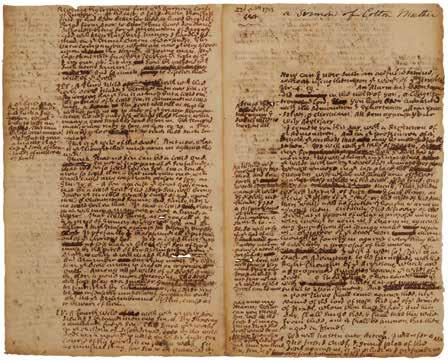
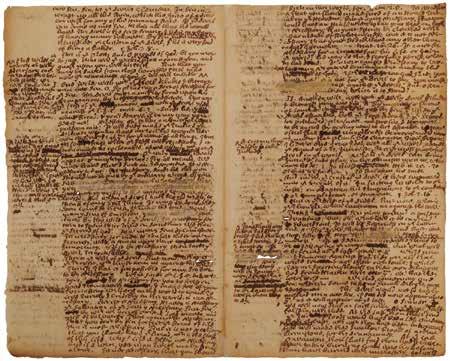
Scarce handwritten sermon by Cotton Mather, invoking Jeremiah 4:19: “Will ye wicked plot again to you and call upon you with highest. But alas you may be saved”
93. Cotton Mather Handwritten Sermon: “Will ye wicked plot again to you and call upon you with highest. But alas you may be saved”. Puritan clergyman, scholar, and author who countenanced the Salem witch trials (1663–1728). Unsigned handwritten manuscript by Cotton Mather, four pages on two adjoining sheets, 3.75 x 6, July 5, 1703. A neatly penned sermon in his diminutive hand, in part: “How can I utter such an awful sound without using… words of Jeremiah 4:19. An alarm has been sounded in the midst of you…O Lord. You have been awakened with the admonition & exhortation…yourselves… This is ye plot, and O you people of God, be you never so just…will ye wicked plot again to you and call upon you with highest. But alas you may be saved.” The text features a number of deletions and revisions, including several passages written in the left borders. In very good to fine condition, with scattered small areas of ink erosion, several small professional silking repairs, and light show-through from text on opposing sides. An unusually lengthy example from this very rare and controversial clergyman.
Mather refers to Jeremiah 4:19, which reads: ‘My bowels, my bowels! I am pained at my very heart; my heart maketh a noise in me; I cannot hold my peace, because thou hast heard, O my soul, the sound of the trumpet, the alarm of war.’ Starting Bid $500
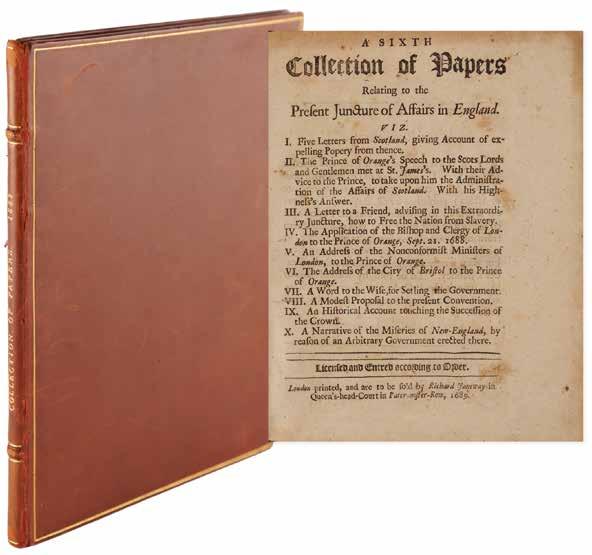
94. Increase Mather: “A Narrative of the Miseries of New England, by reason of an Arbitrary Government Erected there” (First Collected Edition, 1689). New England Puritan clergyman (1639–1723) who served as the sixth president of Harvard College from 1685 to 1701 and was influential in the administration of the Massachusetts Bay Colony. Very rare first collected edition of Increase Mather’s “A Narrative of the Miseries of New England, by reason of an Arbitrary Government Erected there,” pp. 29-32 , no. X in: A Sixth Collection of Papers Relating to the Present Juncture of Affairs in England. London: Richard Janeway, 1689. Bound in late 19th-century brown calf, 6.25 x 7.75, 34 total pages. Book condition: VG/None, lacking first and last blanks, some pale spotting, and some scuffing and surface impressions to boards.
This is an early printing of Increase Mather’s influential Andros tract—his earliest and most significant printed effort during his mission in England to secure a new charter for Massachusetts, ultimately achieved in 1691. Originally issued separately in Boston in December 1688, the piece was reprinted only weeks later as No. X in Janeway’s Sixth Collection of Papers Relating to the Present Juncture of Affairs in England.
Mather’s narrative addresses the Crown’s campaign—through quo warranto actions and related legal measures—to strip the New England colonies of the “ancient Rights and Priviledges” granted under their original charters. Central to the tract is a forceful protest against the arbitrary rule of Sir Edmund Andros. He includes a copy of a petition to the King—likely drafted by Mather—submitted by John Gibson (aged 87) and George Willow (aged about 86) on behalf of the inhabitants of Cambridge and neighboring towns, pleading for relief from Andros’s misgovernment.
A work of great historical importance, it received extended treatment from bibliographer Thomas J. Holmes, who details six subsequent editions and devotes twelve pages to its analysis. This example represents the variant state with the catchword “mads” on page 31.
References: Alden & Landis 689/169; Church 714; Holmes 79b; Sabin 81492, 46708, 9372. Provenance: Lot 161, Christie’s, December 3, 2007. Starting Bid $300
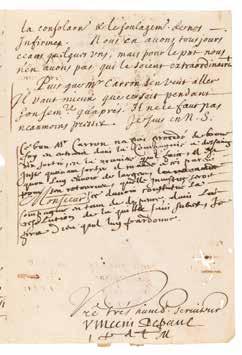
“What an injustice...I ask God to forgive him”— Saint Vincent de Paul tends to his missionary work in 1659
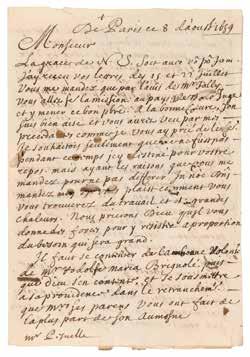
95. Saint Vincent de Paul Letter Signed, with Autograph Postscript: “What an injustice...I ask God to forgive him”. Catholic priest (1581-1660) canonized in 1737, known as the patron saint of all works of charity. He had been abducted by the Barbary pirates and held captive as a slave for two years before escaping and returning to France, where he dedicated the rest of his life to alleviating poverty and aiding those who suffer. Scarce LS in French, signed “Vincent de Paul,” three pages on two adjoining sheets, 4.5 x 6.5, August 8, 1659. Letter to Jacques Pesnelle, the Superior in Genoa, Italy, touching upon several topics regarding assignments and the governance of the community. In part (translated): “You tell me that, on the advice of M. Jolly, you are going to give a mission in M. [Lejuge’s] birthplace and are taking that good priest with you. Fine! I am very glad of this, and you saw in my previous letters that I asked you to do so. I only hoped that it would not be during this period set aside for your rest…Please let us know how your work is progressing and how you are tolerating the hot weather. We will ask God to give you the strength to support it, in proportion to the need, which will be great.
We must be content with the good will of M. Rodolphe-Maria Brignole, since God is satisfied with it, and be submissive to Providence in the reduction his parents have made of most of his alms to you.
I was consoled to learn of the idea with which God inspired you of proposing one-day retreats to your little community, of their fondness for making them, and of the blessing God has given this. Since God is not dependent on time, He sometimes grants more graces in one day than in eight, and we profit more by short retreats than by long ones because they are more inviting and less wearisome.
We have not included in the Rules many minor practices which are observed—and should be observed —in the Company. It has always been the custom here not to go into the garden outside the time of recreation without permission. We often recommend this, and you should do the same.
I certainly hope that M. Lejuge’s fever has not lingered and that, if he was seriously ill, you did not fail to take good care of them, as we must always do for the consolation and relief of our sick men. We still have a few here in this house, but none of them is seriously ill just now. Since M. Caron wants to leave, it is better for him to go during his [seminary] than after. Nevertheless, you must not pressure him.”
De Paul adds a ten-line postscript in his own hand, commenting on that concluding statement: “This good M. Caron has not acted in an upright manner by entering the Company with the idea of leaving it. If you look only at the fact, [is it] just for him [to] leave? He is asking his parents to send him money to return home. What an injustice it would be to have put the Company to so much expense, with the intention of leaving it without any plausible reason. I ask God to forgive him.” In very good to fine condition, with scattered small areas of paper loss, none of which affect Vincent’s handwriting. Published as No. 2935 in the Correspondence of St. Vincent de Paul, Vol. 8, edited by Pierre Coste. Starting Bid $500
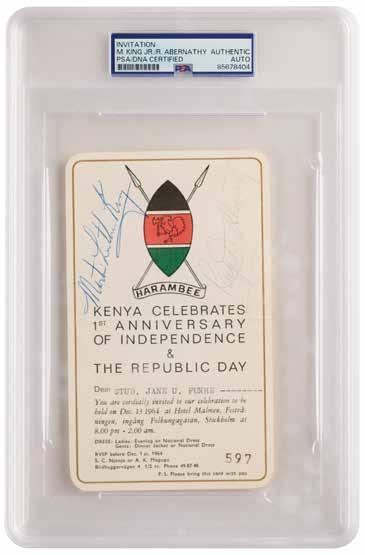
Martin Luther King, Jr. and his mentor, Ralph Abernathy, attend a Kenyan anniversary celebration in Stockholm, Sweden, just three days after King’s historic reception of the 1964 Nobel Peace Prize
97. Martin Luther King, Jr. and Ralph Abernathy Signed ‘Kenyan Anniversary’ Invitation (December 13, 1964) - Three Days After Receiving the Nobel Peace Prize. Rare original 3.75 x 6.25 invitation card for an event celebrating Kenya’s first anniversary of independence and its newfound designation as a republican government, held at the Hotel Malmen in Stockholm, Sweden, on December 13, 1964, signed boldly in blue ballpoint, “Martin Luther King,” and in black ballpoint, “Ralph D. Abernathy.” In fine condition, with a horizontal fold. Encapsulated in a PSA/DNA authentication holder. Accompanied by a printed photo of King and his wife, Coretta Scott King, dancing at the Malmen Hotel in Stockholm, Sweden, where he was a guest of honor on the first anniversary festivals for the Republic of Kenya.
Following King’s assassination in 1968, Abernathy attempted to carry forth his vision and succeeded him as president of the Southern Christian Leadership Conference, leading the Poor People’s Campaign and their 1968 March on Washington. A remarkable piece signed by two of the most prominent and important organizers of the Civil Rights Movement—items signed by both King and Abernathy are exponentially rare, this being one of only a handful we’ve ever offered.
On December 10, 1964, three days before he attended this celebration in Sweden, Rev. Dr. Martin Luther King, Jr. was the guest of honor at the University of Oslo in Norway, where he received the Nobel Prize for Peace for being the ‘first person in the Western world to have shown us that a struggle can be waged without violence.’
Although the Nobel Peace Prize was awarded to King for his exceptional leadership skills in the principles of peace, nonviolence, and direct action, he stated, as quotes from his autobiography: ‘This Nobel Prize was won by a movement of great people, whose discipline, wise restraint, and majestic courage has led them down a nonviolent course in seeking to establish a reign of justice and a rule of love across this nation of ours: Herbert Lee, Fannie Lou Hamer, Medgar Evers, Chaney, Goodman and Schwerner, and the thousands of children in Birmingham, Albany, St. Augustine, and Savannah who had accepted physical blows and jail and had discovered that the power of the soul is greater than the might of violence. These unknown thousands had given this movement the international acclaim, which we received from the Norwegian Parliament.’ Starting Bid $500
96. Mohandas Gandhi and Charlie Chaplin Signed Book - India in Bondage. Rare signed book: India in Bondage: Her Right to Freedom and a Place Among the Great Nations by Jabez T. Sunderland. First edition. NY: Lewis Copeland Company, 1929. Hardcover, 6 x 9, 531 pages. Signed on the reverse of the frontispiece in fountain pen, “M. K. Gandhi” and “Charlie Chaplin.” The page is also signed “Mira” by Mirabehn, the name adopted by Madeleine Slade (1892–1982), an Englishwoman who became a devoted follower of Mahatma Gandhi and an influential figure in India’s independence movement. Autographic condition: fine. Book condition:
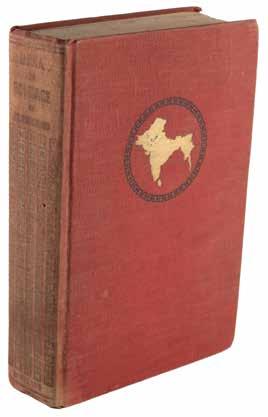
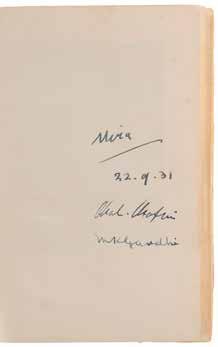
Accompanied by a typed holiday greeting card from “Doctor Katial,” and a handwritten letter or provenance from the original recipient, W. Stuart Masters, who writes: “This book was a gift to me by my friend Dr. C. L. Katial, sometime mayor and alderman of Clerkenwell. At the time of the abortive 1931 All-India Conference Chaplin was visiting London, and wished to meet Gandhi privately for a talk. (The result of the talk was the film Modern Times). News of the impending meeting have ‘leaked’ to the Press a ‘secret’ meeting place was sought and found in the East End home of Dr. Katial, who was acting as Gandhi’s personal physician during his London visit. Dr. Katial phoned me the place and time to give an ‘exclusive’ interview; and I obtained the autographs at that time.”
On September 22, 1931, in a modest house on East India Dock Road in London’s East End, Charlie Chaplin met Mahatma Gandhi during the latter’s visit to Britain for the Second Round Table Conference—a series of high-profile negotiations on India’s constitutional future. Gandhi had come as the sole representative of the Indian National Congress, hoping to press the case for Indian self-rule.
Although Gandhi had never heard of the film star, he agreed to meet him only after learning how profoundly Chaplin’s work resonated with ordinary people. Their conversation turned to machinery and its social impact: Chaplin argued that machines could free workers from drudgery, while Gandhi countered that, under colonialism, mechanization had only deepened India’s economic dependence on Britain. Before India could enjoy the benefits of technological progress, he insisted, it first needed freedom. The encounter made a lasting impression on Chaplin. According to recollections, he joined Gandhi in prayer during the visit and afterward described him as ‘one of the most brilliant men’ he had ever met. Five years later, Chaplin released Modern Times, widely regarded to be one of the best films of his career, one of the last great silent movies, and the last outing for his Little Tramp character. The themes of the movie—concern for workers, skepticism toward unrestrained industrialization, and an interest in human dignity—echo the conversation he shared with Gandhi that afternoon. Starting Bid $500
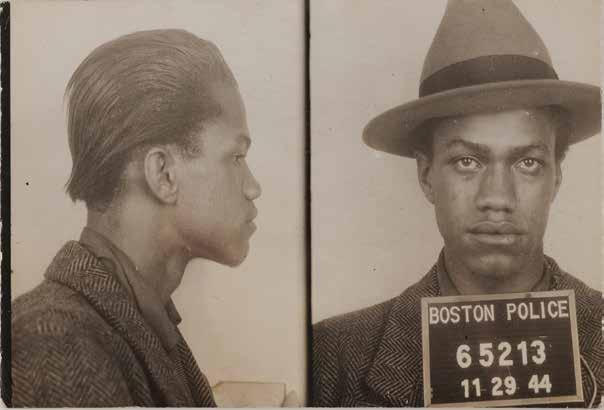
98. Malcolm X Original 1944 Mug Shot - From His First Arrest in Boston. Iconic original vintage semi-glossy 4.75 x 3 ‘mugshot’ or booking photograph of Malcolm Little from November 29, 1944, showing the 19-year-old wearing a hat and in a profile pose. The placard in front of him reads: “Boston Police, 65213, 11 29 44.” In fine condition. Consignor notes that this original mug shot originates from the collection of a retired Boston police detective.
Malcolm Little was arrested in Boston in 1944 for larceny—part of a series of petty crimes he committed as a young man—which resulted in a sentence of four months in jail and one year of probation. At the time, he was known by the nickname ‘Detroit Red’ and was involved with a small group that targeted wealthy homes. His 1944 arrest was an early encounter with the justice system, foreshadowing the more serious charges that would lead to his imprisonment in 1946. This period marked a turning point, as his eventual incarceration became the catalyst for his intellectual and spiritual transformation.
In 1946, he was again picked up for larceny and breaking and entering, and, found guilty, began serving his eight-to-ten year sentence at Charlestown State Prison in February. He made efforts to reform and educate himself while there, and with his sister Ella began a letter-writing campaign in hopes of getting transferred to the Norfolk Prison Colony (today known as MCI-Norfolk)—it offered broader educational opportunities that did not exist in Charlestown. He ulti-
mately found success, and was transferred to Norfolk on March 31, 1948. In The Autobiography of Malcolm X, he described the colony as ‘comparatively, a heaven, in many respects,’ observing: ‘Norfolk Prison Colony represented the most enlightened form of prison that I have ever heard of. In place of the atmosphere of malicious gossip, perversion, grafting, hateful guards, there was more relative ‘culture,’ as ‘culture’ is interpreted in prisons. A high percentage of the Norfolk Prison Colony inmates went in for ‘intellectual’ things, group discussions, debates, and such.’ He joined the weekly debate team, where he honed his oratorical skill, and devoted much of his time to studying in the prison library. Most importantly, it was during this time that Malcolm discovered the Nation of Islam. It seems that he began to question authority after becoming involved with the Nation of Islam, and was shipped back to Charlestown State Prison for being ‘undesirable.’
Paroled on August 7, 1952, after seven years served, Malcolm Little left prison as Malcolm X, a devout member of the Nation of Islam and a committed disciple and pupil of Elijah Muhammad. He soon moved to Detroit and began an intensive recruiting campaign for the Nation of Islam. Relying on the rhetorical skill honed during his time in prison, Malcolm X attracted new members wherever he spoke. Within a year, he would triple the membership of Detroit’s Temple No. 1. Increasingly recognized as the public face of the Nation of Islam, he returned to the east coast in late 1953 and continued to grow the organization. Starting Bid $1000
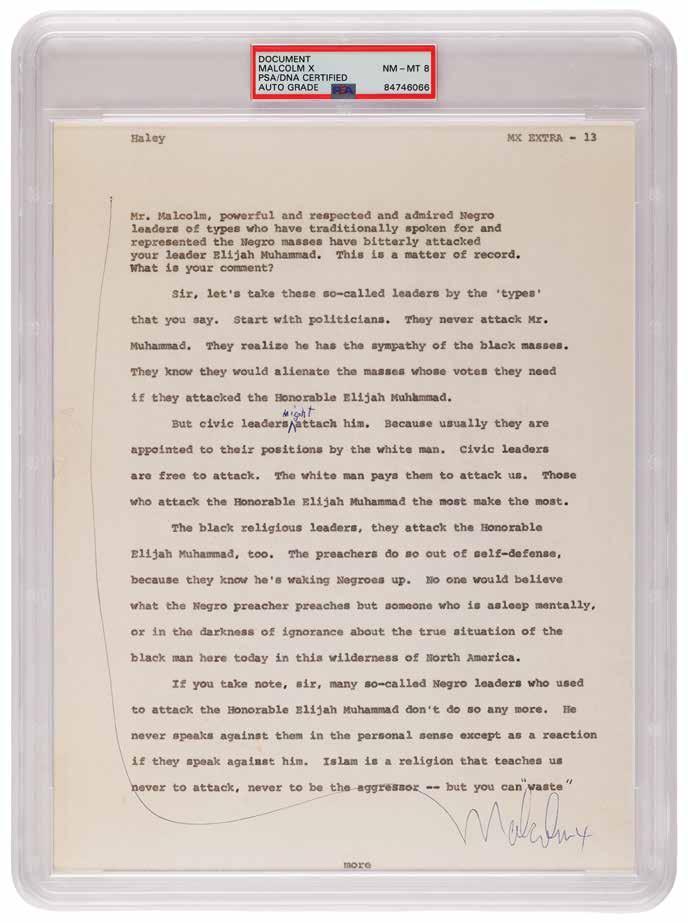
Malcolm X on the public criticism of Elijah Muhammad by Negro leadership—
“Civic leaders might attack him. Because usually they are appointed to their positions by the white man. Civic leaders are free to attack. The white man pays them to attack us. Those who attack the Honorable Elijah Muhammad the most make the most.”
99. Malcolm X Signed Page for Alex Haley’s Playboy Interview - PSA NM-MT 8. Page marked “MX EXTRA – 13” from the original typescript of Alex Haley’s 1963 interview of Malcolm X for Playboy magazine, one page, 8.5 x 11, signed “Malcolm X” in the bottom margin (with a marginal line indicating his approval of the contents). In full: [Haley] “Mr. Malcolm, powerful and respected and admired Negro leaders of types who have traditionally spoken for and represented the Negro masses have bitterly attacked your leader Elijah Muhammad. This is a matter of record. What is your comment?
[Malcolm X] Sir, let’s take these so-called leaders by the ‘types’ that you say. Start with politicians. They never attack Mr. Muhammad. They realize he has the sympathy of the black masses. They know they would alienate the masses whose votes they need if they attacked the Honorable Elijah Muhammad.
But civic leaders might attack him. Because usually they are appointed to their positions by the white man. Civic leaders are free to attack. The white man pays them to attack us. Those who attack the Honorable Elijah Muhammad the most make the most.
The black religious leaders, they attack the Honorable Elijah Muhammad, too. The preachers do so out of self-defense, because they know he’s waking Negroes up. No one would believe what the Negro preacher preaches but someone who is asleep mentally, or in the darkness of ignorance about the
true situation of the black man here today in this wilderness of North America. If you take note, sir, many so-called Negro leaders who used to attack the Honorable Elijah Muhammad don’t do so any more. He never speaks against them in the personal sense except as a reaction if they speak against him. Islam is a religion that teaches us never to attack, never to be the aggressor — but you can ‘waste’…” Malcolm X adds the word “might” in his own hand. In very fine condition. Encapsulated and graded by PSA/DNA as “NM-MT 8.”
Playboy’s May 1963 interview with Malcolm X was one of the most famous of Haley’s career and gave most readers their first in-depth look at Malcolm X’s teachings and personality. Supporters and critics viewed the Muslim minister in very different terms. Admirers saw him as a courageous advocate for the rights of African Americans and condemned crimes against black Americans; detractors accused him of preaching racism, black supremacy, and violence. Nevertheless, he has been described as one of the greatest and most influential African-American leaders in history. Within a year of granting this interview, with America still gripped by ever-growing racial tension, the once-combative black nationalist Malcolm X had repudiated almost every stance in the interview. He had broken with the Nation of Islam movement, fallen out with its leader, Elijah Muhammad, renounced black supremacy, and embraced racial equality and human rights. He was assassinated in Harlem in 1965. The Marc and Mary Perkins Collection. Starting Bid $500
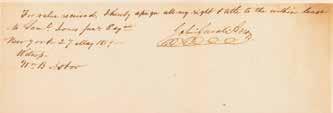
100. John Jacob Astor Autograph Document Signed. Businessman who was the first prominent member of the Astor family and the first multimillionaire in the United States (1763–1848). ADS, one page, 10 x 3.5, May 27, 1819. Handwritten receipt, in full: “For value received, I hereby assign all my right & title to the within lease to Sam’l Jones Jun’r Esq’r.” Signed at the conclusion in ink by John Jacob Astor, and countersigned by William B. Astor. Professionally inlaid into a larger sheet and in fine condition, with toning to the side edges. Starting Bid $200
signed by the company’s principal leaders,
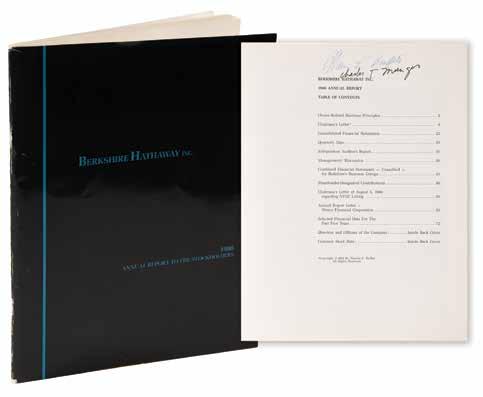
101. Warren Buffett and Charlie Munger Signed 1988 Berkshire Hathaway Annual Report. Original Berkshire Hathaway, Inc. 1988 ‘Annual Report to the Stockholders,’ 72 pages, 8.5 x 11, signed at the top of the opening ‘Table of Contents’ page in blue ballpoint, “Warren E. Buffett,” and in black ink, “Charles T. Munger.” The 1988 Berkshire Hathaway Annual Report contains Warren Buffett’s annual letter to shareholders, where he reviews the company’s performance, investment decisions, and business philosophy, along with Berkshire’s “Owner-Related Business Principles” that outline how the company is managed for long-term owners. It includes audited financial statements, quarterly data, management’s discussion of operating results, and unaudited breakdowns of Berkshire’s major business groups, especially its insurance and non-insurance subsidiaries. The report also features information about Berkshire’s charitable contribution program, an additional chairman’s letter discussing the company’s new NYSE listing, and the annual report for Wesco Financial, which was Charlie Munger-led and majority-owned by Berkshire at the time. It concludes with five-year financial summaries, as well as listings of directors, officers, and common stock information. In fine condition. The consignor notes that the signatures were obtained by an immediate family member who was present at the meeting. Starting Bid $500
his mother-in-law, offering to put her “on one of those beautiful brand new jets with the movies just like the president’s”
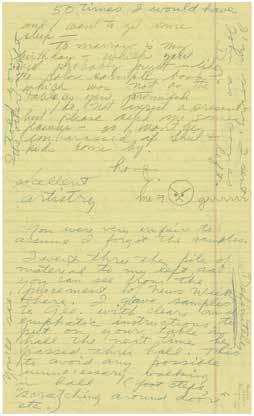
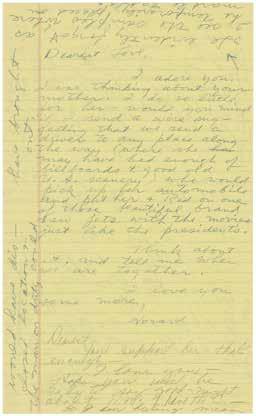
Signed to His Wife, Jean Peters, Offering Her Mother a ride on “one of those beautiful brand new jets with the movies just like the president’s”. ALS signed “I love you some more, Howard,” one page both sides, 8.5 x 14, no date. Handwritten letter to his wife, the actress Jean Peters, in full: “Dearest Love, I adore you. I was thinking about your mother. I do so little for her would you mind if I send a wire suggesting that we send a driver to any place along the way (where she may have had enough of billboards & good old U.A. scenery) who would pick up her automobile and put her & Red on one of those beautiful brand new jets with the movies just like the president’s. Think about it, and tell me when we are together.”
Peters responds below in pencil, in full: “You support her—that’s enough—I love you—Hope you will be ready to say goodnight about 11:00. I have the C— so I am feeling mean and I want to get some sleep—Tomorrow is my birthday—which you will probably forget—like the color sample book which was not on the table as you promised. I do not expect a present—but please send me some flowers—so I won’t be embarrassed if Shirl & kids come by.” She signs “Love, J,” sketching an angry face and adding, “grrrrrr.”
Hughes responds below, writing: “You were very unfair to assume I forgot the samples. I went thru the pile of material to my left as you can see from the placement of News Week there. I gave samples to Geo. with clear and emphatic instructions to put on your table in hall the next time he passed thru hall. This to avoid any possible unnecessary walking in hall (foot steps, ‘scratching around door,’ etc.) He evidently forgot, as I see the samples where he temporarily placed on marble table.” In fine condition.
This unique letter illustrates the unusual method of correspondence between Hughes and his wife of 14 years, actress Jean Peters. Marrying in 1957, the couple rarely saw each other in person, communicating instead through strange meeting rituals and the back-and-forth exchange of letters, such as this one. Despite the lack of physical contact, as Hughes was an infamous hypochondriac, Peters felt a deep devotion to the fragile mogul. Holed up in various reclusive locations and consumed by his work, Hughes exhibited genius—albeit, neurotic genius—in his broad range of interests, including aviation and filmmaking. Like much of Hughes’ correspondence, the letter is somewhat cryptic and disjointed, lending even more to the curious and intensely intriguing nature of this wildly successful business magnate and the wife who loved him. Starting Bid $200
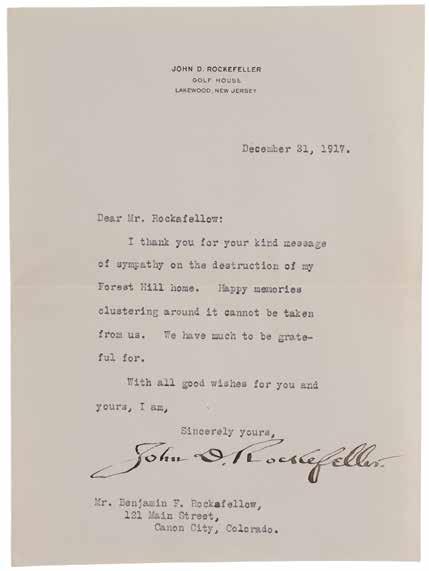
After
tragedy, Rockefeller writes to his cousin:
“I thank you for your kind message of sympathy on the destruction of my Forest Hill home. Happy memories clustering around it cannot be taken from us”
103. John D. Rockefeller Typed Letter Signed on “the destruction of my Forest Hill home”. TLS, one page, 5.75 x 8, personal letterhead, December 31, 1917. Letter to his cousin, Benjamin Rockefeller (or ‘Rockafellow’), president of the Rockefeller Family Association. In full: “I thank you for your kind message of sympathy on the destruction of my Forest Hill home. Happy memories clustering around it cannot be taken from us. We have much to be grateful for.” In fine condition. Accompanied by Rockafellow’s retained copy of his letter to Rockefeller, signed “B. F. Rockafellow,” in part: “Accept my sincere regrets over the loss of your beautiful Forest Hill Home, and surprise that after all your kindness to people, and benefactions to mankind, that any human being should have had a heart to so grievously wrong you.” Also includes two contemporary color postcards depicting John D. Rockefeller’s grand Forest Hill residence.
The recipient, Rockefeller’s cousin Benjamin Franklin Rockafellow (1835–1926), served in the Civil War, went West and fought Indians, and developed the Rockvale and Brookside mines in Colorado; for eight years, Rockafellow served as president of the Rockefeller Family Association.
Located in Cleveland, Ohio, Rockefeller’s Forest Hill estate, originally purchased in the 1870s as part of a failed health-resort venture, evolved into the family’s beloved 700-acre summer retreat, complete with formal gardens, a lake, recreational grounds, and miles of wooded paths. The mansion served as the center of Rockefeller family life for decades until its tragic destruction by fire in 1917—a loss that, as Rockefeller noted, could not erase the “happy memories” it held. Though the home was never rebuilt, the property’s legacy endured: portions were later transformed into Forest Hill Park, while another section was developed into the architecturally distinctive Forest Hill Historic District by John D. Rockefeller, Jr. Starting Bid $200
104. John D. Rockefeller and Henry M. Flagler Signed ‘Standard Oil Trust’ Stock Certificate. Partly-printed DS signed “John D. Rockefeller” and “H. M. Flagler,” one page, 16 x 7.75, October 5, 1887. Stock certificate for 20 shares in Rockefeller’s Standard Oil Trust issued to Mrs. Alice Stobo, signed at the conclusion by John D. Rockefeller as president, Henry M. Flagler as secretary, and Joel Francis Freeman as treasurer. The original receipt remains affixed to the left edge. In fine condition.
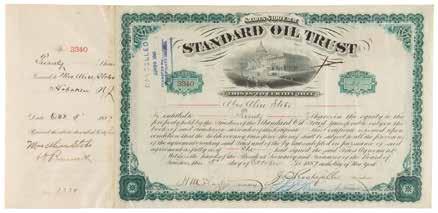
John D. Rockefeller (1839-1937) was a business magnate and philanthropist whose Standard Oil empire made him the wealthiest man in the world. Henry Flagler (1830-1913) was a real estate and railroad entrepreneur who also co-founded Standard Oil, remembered for his efforts to make Florida the ‘Newport of the South’ by providing extensive rail access and grand hotels to lure wealthy vacationers. Starting Bid $300
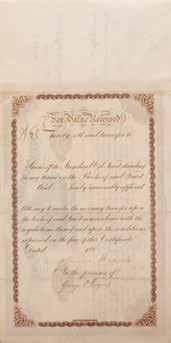
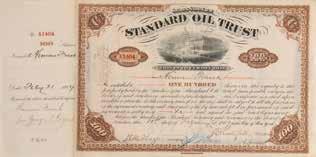
105. John D. Rockefeller and Henry M. Flagler Signed ‘Standard Oil Trust’ Stock Certificate - Issued to a Renowned Petroleum Chemist. Partly-printed DS signed “John D. Rockefeller” and “H. M. Flagler,” one page, 15.5 x 7.75, February 21, 1889. Stock certificate for 100 shares in Rockefeller’s Standard Oil Trust issued to renowned chemist and mining engineer Herman Frasch, signed at the conclusion by John D. Rockefeller as president, Henry M. Flagler as secretary, and Joel Francis Freeman as treasurer. The original receipt, which remains affixed at the left edge, is signed by Rockefeller’s private secretary, George D. Rogers, who also signs on the reverse. In fine condition. Read more about Rockerfeller and Flager online at www.RRAuction.com. Starting Bid $200
Admiral
notes on the Manhattan Project and first atomic bombs: “Kioto 1st target but pressure prevented, therefore Hiroshima first. Bad weather prevented Kioto second therefore Nagasaki”
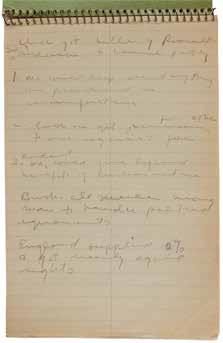
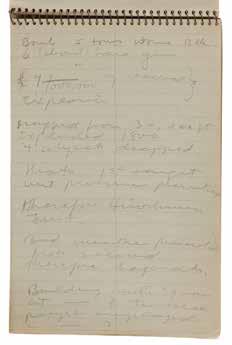
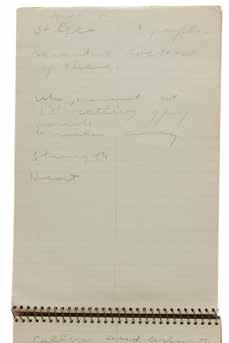
106. Richard E. Byrd’s Handwritten Notes on J. Robert Oppenheimer, the Manhattan Project, and the Atomic Bombing of Japan. Explorer and pilot (1888–1957) who claimed to be the first to reach the North and South Poles by air. Explorer and naval officer Richard E. Byrd’s handwritten notes on J. Robert Oppenheimer, the Manhattan Project, and the first atomic bombs dropped on Japan to end World War II, totaling four pages in the front of a 6 x 9 spiral-bound ‘Tumbler’ notebook; Byrd writes five more pages of notes in the rear, with four additional pages of notes—jottings on love, courage, peace and other subjects—loosely laid in. Also laid in is a “Ship’s Position” slip from the USS Auburn (AGC-10), noting its position on October 16, 1945, locating it 1991 miles from Pearl Harbor during its postwar voyage home from Japanese waters.
On the Manhattan Project, Byrd writes, in part: “Church[ill] got better of Roosevelt, Sir Anderson to blame partly…We could keep secret anything we produced in manufacturing…Bush—all science, wrong man to handle political agreements…England supplied 2% & got nearly equal rights…Men working on project: 1. Oppenheimer prof. physics at University Cal & Cal Tech, 2. Compton, 3. Lawrence u. cal, 4. Fermi (?) 5. ?, Uranium transmutted to plutonium. Bomb 5 tons…dropped from 30,000 ft, exploded 1800…Kioto 1st target but pressure prevented, therefore Hiroshima first. Bad weather prevented Kioto second therefore Nagasaki.” In overall fine condition. During World War II, Admiral Richard E. Byrd briefly set aside his career in polar exploration when he was recalled to active duty to act as a confidential advisor to Ernest J. King, the U.S. Navy’s Chief of Naval Operations. His expertise in navigation and large-scale operations made him a valuable senior officer, serving on the the South Pacific Island Base Inspection Board, directing a ‘Special Navy Mission’ to survey various islands in the East and South Pacific in connection with national defense, and participating in the United States Strategic Bombing Survey (USSBS) in 1944–1945. As the war drew to a close, Byrd was present aboard the USS Missouri on September 2, 1945, witnessing Japan’s formal surrender, a moment that symbolized the end of the global conflict and capped his wartime service. Provenance: Lot 64, Bonhams, June 25, 2024. Starting Bid $200
Thomas Edison and the invention of popular culture: “They all insist I shall put on Tango, & Rag tunes of the latest out as they say they young folks are the ones who use Phonos the most & demand this stuff”
107. Thomas Edison
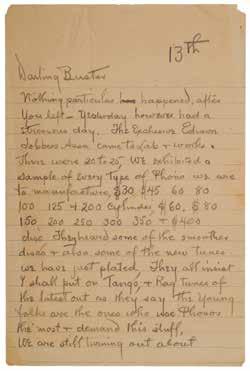
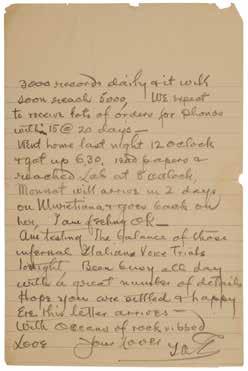
Autograph Letter Signed on Popular Music: “They all insist I shall put on Tango, & Rag tunes of the latest out as they say they young folks are the ones who use Phonos the most & demand this stuff”. Significant ALS in pencil, signed “With oceans of rock-ribbed love, Your lover, T.A.E.,” two pages, 6 x 9, no date but circa 1912–1913. Handwritten letter to his wife, Mina, addressed to “Darling Buster,” in full: “Nothing particular happened, after you left. Yesterday however had a strenuous day. The Exclusive Edison Jobbers Assn. came to Lab & Works. There were 20 to 25, we exhibited a sample of every type of phono[graph] we are to manufacture, $30 $45 60 80 100 125 & 200 cylinder, $60. $80 150 200 250 300 350 & $400 disc. They heard some of the smoother discs & also some of the new tunes we have just plated. They all insist I shall put on Tango, & Rag tunes of the latest out as they say they young folks are the ones who use Phonos the most & demand this stuff.
We are still turning out about 3000 records daily & it will soon reach 5000, we expect to receive lots of orders for Phonos within 15@20 days—Went home last night 12 o’clock & got up 6:30, read papers & reached Lab at 8 o’clock. Monnat will arrive in 2 days on Muretiana & goes back on her, I am feeling OK—Am testing the balance of those infernal Italian Voice Trials tonight, been busy all day with a great number of details. Hope you are settled & happy ere this letter arrives.” In fine condition, with some minor edge chipping.
When Thomas Edison invented the phonograph in 1877, he initially envisioned it for uses like dictation, audio books, and foreign language-learning—not music. However, recording music quickly became the most popular use for the device, which first imprinted sound onto tinfoil cylinders and later onto more durable wax cylinders. Though Edison long preferred the wax cylinders, he finally introduced a disc phonograph and disc records in 1912. He also sent an agent to Europe in search of operatic performances to record and sell; they returned hundreds of recordings for Edison’s review, virtually all of which he disliked (here calling them “infernal Italian voice trials”). Soon, Edison’s record label was putting out a variety of popular music—tango and rag included—helping to develop popular culture across America and the world. Starting Bid $500
Twice-signed first edition of Edison: His Life and Inventions—the first authorized biography of the genius inventor
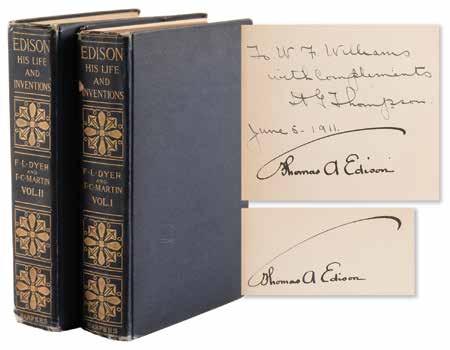
108. Thomas Edison Twice-Signed Book Set - Edison: His Life and Inventions. Signed book set: Edison: His Life and Inventions, Vols. I and II, by Frank Lewis Dyer and Thomas Commerford Martin. First edition. NY: Harper & Brothers, 1910. Hardcovers bound in the publisher’s finely woven deep blue cloth with brightly gilt-titled spines, top edge gilt, 5.5 x 8.5, 989 pages. Signed on the first free end page of both volumes in fountain pen, “Thomas A. Edison.” Autographic condition: fine, with a presentation inscription inside the first volume. Book condition: G/None, a cracked and partially detached rear joint to Vol. I, cracked front hinge to Vol. II, edgewear, and some chips and fraying to spines. Edison: His Life and Inventions is a comprehensive authorized biography of Thomas Edison. Drawing on personal interviews, Edison’s own notes, and firsthand accounts, the authors detail his major inventions, relentless work ethic, and contributions to modern technology. The work paints Edison as a quintessential American genius, emphasizing both his technical brilliance and his entrepreneurial spirit. Starting Bid $300
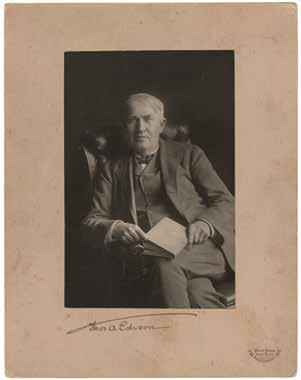
109. Thomas Edison Signed Photograph by Pach Bros. Vintage matte-finish 4 x 6.25 photo of the genius inventor by Pach Bros. of New York, affixed to its original 7 x 9 studio mount, neatly signed on the mount in ink with his classic ‘umbrella’ signature, “Thos. A. Edison.” In fine condition, with some light soiling to the mount. Starting Bid $200
Einstein recommends a fellow German émigré: “He is a cultured, capable, and intelligent man”
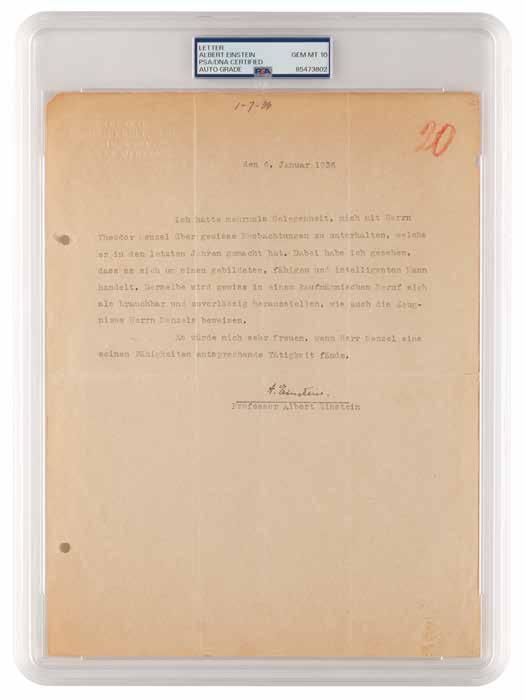
110. Albert Einstein Typed Letter Signed - PSA GEM MINT 10. TLS in German, signed “A. Einstein,” one page, 8.5 x 11, blindstamped personal Princeton letterhead, January 6, 1936. Letter to Theodore Menzel, a German national and American resident who had initiated a correspondence with the theoretical physicist in late November 1933. Einstein’s letter, in full (translated): “I have had the opportunity on multiple occasions to converse with Mr. Theodor Menzel about certain observations that he has made in recent years. On these occasions, I have seen that he is a cultured, capable, and intelligent man. He will certainly show himself to be useful and reliable in a business career, as Mr. Menzel’s references also demonstrate. I would be greatly pleased if Mr. Menzel were to find employment matching his capabilities.” In very good to fine condition, with light toning and soiling, and binder dings and two file holes to the left edge. Encapsulated and graded by PSA/DNA as “GEM MT 10.” Starting Bid $500
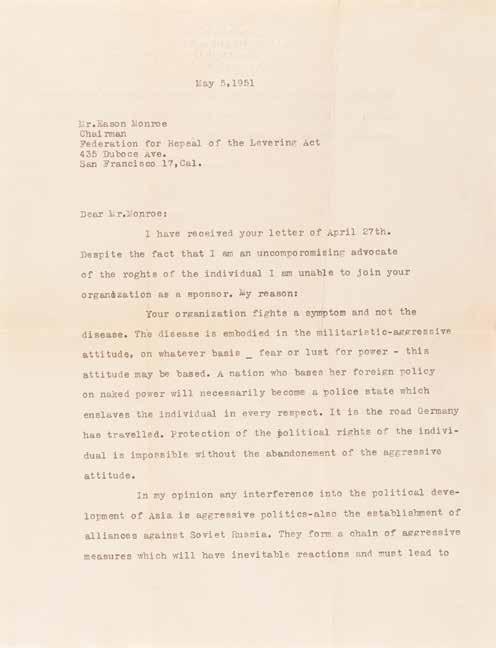
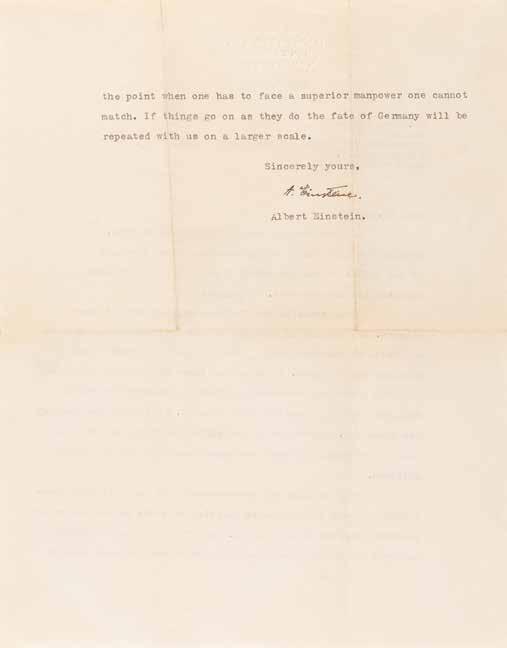
a prescient warning:
“If things go on as they do the fate of Germany will be repeated with us on a larger scale”
111. Albert Einstein Typed Letter Signed on McCarthyism and Cold War Aggression: “If things go on as they do the fate of Germany will be repeated with us on a larger scale”. TLS signed “A. Einstein,” one page both sides, 8.5 x 11, blindstamped personal Princeton letterhead, May 5, 1951. Letter to Eason Monroe, chairman of the Federation for Repeal of the Levering Act, in part: “Despite the fact that I am an uncompromising advocate of the rights of the individual I am unable to join your organization as a sponsor. My reason: Your organization fights a symptom and not the disease. The disease is embodied in the militaristicaggressive attitude, on whatever basis fear or lust for power this attitude may be based. A nation who bases her foreign policy on naked power will necessarily become a police state which enslaves the individual in every respect. It is the road Germany has travelled. Protection of the political rights of the individual is impossible without the abandonment of the aggressive attitude.
In my opinion any interference into the political development of Asia is aggressive politics—also the establishment of alliances against Soviet Russia. They form a chain of aggressive measures which will have inevitable reactions and must lead to the point when one has to face a superior manpower one cannot match. If things go on as they do the fate of Germany will be repeated with us on a larger scale.” In fine condition. Accompanied by a booklet entitled “California’s New Loyalty,” distributed by Monroe’s organization.
Einstein’s letter was written at the height of Cold War anxieties, amidst the nationwide expansion of loyalty-oath requirements aimed at rooting out alleged subversives. California’s Levering Act—passed in 1950—mandated that all state employees sign loyalty oaths disavowing radical affiliations, a measure widely condemned by civil-liberties advocates as an infringement on constitutional rights. Eason Monroe, who had been fired from his faculty position at the San Francisco State University, organized efforts to challenge the act on the grounds that it criminalized dissent and fostered an atmosphere of political intimidation. Einstein, a vocal critic of McCarthyism, responds here with characteristic philosophical breadth—sympathizing with the goal yet insisting that the deeper danger lay not in a single statute, but in the nation’s growing tendency to justify repression in the name of national security.
The letter also reflects Einstein’s consistent warnings about the militarization of American foreign policy following World War II. Having fled Nazi Germany, he was acutely sensitive to early signs of authoritarian drift, and he saw the emerging East–West confrontation as a catalyst for policies that could erode democratic freedoms from within. His reference to “the road Germany has travelled” underscores these fears. In this powerful and prescient communication, Einstein links domestic civil liberties to global political conduct, arguing that true protection of individual rights is impossible without a fundamental commitment to peaceful international engagement. Starting Bid $1000
Einstein writes in the year of his Nobel Prize, referring to his Theory of Relativity:
“May I call your attention to Prof. Dr. Schlick of Rostock, who has made valuable contributions to the Theory from a...philosophical standpoint and has also mastered its physical difficulties”
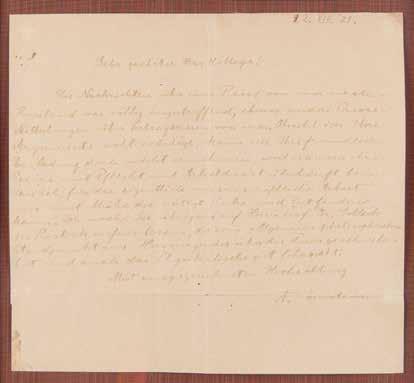
112. Albert Einstein Autograph Letter Signed, Referring to the Theory of Relativity and Mortiz Schlick, “who has made valuable contributions to the Theory from a...philosophical standpoint”. ALS in German, signed “A. Einstein,” one page, 7.25 x 6.75, August 22, 1921. Handwritten letter to a colleague, in part (translated): “The news about my trip to Russia was entirely incorrect…I cannot accept your…invitation as…I can hardly manage to find the necessary rest and incentive for the proper scientific work. May I call your attention to Prof. Dr. Schlick of Rostock, who has made valuable contributions to the Theory from a… philosophical standpoint and has also mastered its physical difficulties.” Attractively mounted, cloth-matted, and framed with a portrait to an overall size of 16.25 x 24. In very good to fine condition, with small stains, trimmed edges, and a horizontal mailing fold passing through the signature.
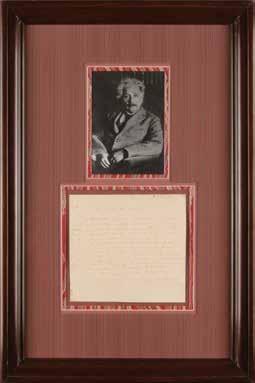
Einstein’s theory of relativity—the foundation of modern physics—encompassed his pioneering concepts of special relativity and general relativity, respectively proposed and published in 1905 and 1915. With it came his famed equation, “E = mc2”—the mass-energy relationship—undoubtedly the most well-known equation ever set forth. Moritz Schlick, a physicist, philosopher, and founder of the Vienna Circle, was deeply influenced by Einstein’s ideas and saw them as supporting a logical and empirical approach to knowledge. Schlick corresponded with Einstein and sought to interpret relativity within the framework of scientific philosophy, emphasizing clarity and logical analysis. Einstein would receive the 1921 Nobel Prize in Physics for ‘his services to theoretical physics, and especially for his discovery of the law of the photoelectric effect.’ A remarkable letter by Einstein, referring to his greatest achievement and a fellow thinker’s mastery of the subject. Starting Bid $500
Significant autograph letter by Nikola Tesla on early flash photography: “I think that we can obtain excellent photos. His ingenious scheme of combining with the phosphorescent light a flash will no doubt succeed”
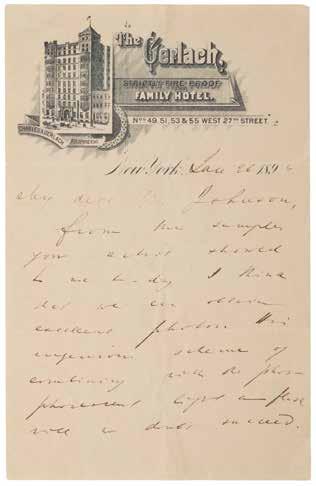
114. Nikola Tesla Autograph Letter Signed on Photography with Phosphorescence: “His ingenious scheme of combining with the phosphorescent light a flash will no doubt succeed”. ALS signed “N. Tesla,” one page both sides, 5.5 x 8.5, The Gerlach Hotel letterhead, January 26, 1894. Handwritten letter to his friend Robert Underwood Johnson, editor of The Century Magazine, on the first photographs taken with phosphorescent light. In full: “From the samples your artist showed to me to-day I think that we can obtain excellent photos. His ingenious scheme of combining with the phosphorescent light a flash will no doubt succeed. I have seen some defects in the method we have employed last time and think that the next time we shall do better. I shall arrange for an other trial, but I think that we must perform a few
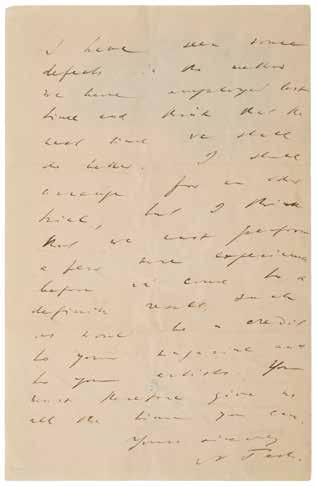
more experiments before we come to a definite result, such as would be a credit to your magazine and to your article. You must therefore give us all the time you can.” In fine condition. In September 1892, he moved into the Hotel Gerlach—now known as the ‘Radio Wave Building’—where he lived before the end of the century and experimented with radio waves in 1896. The modern dwelling befitted the eccentric inventor, as it was fireproof and equipped with elevators, electric lights, and sumptuous dining rooms. During this period, Tesla developed the first practical phosphorescent lamp, and would take the first photograph to be illuminated by phosphorescence—an image of Tesla himself holding the bulb in a rather dimly-lit room—in the weeks preceding this letter. Starting Bid $1000
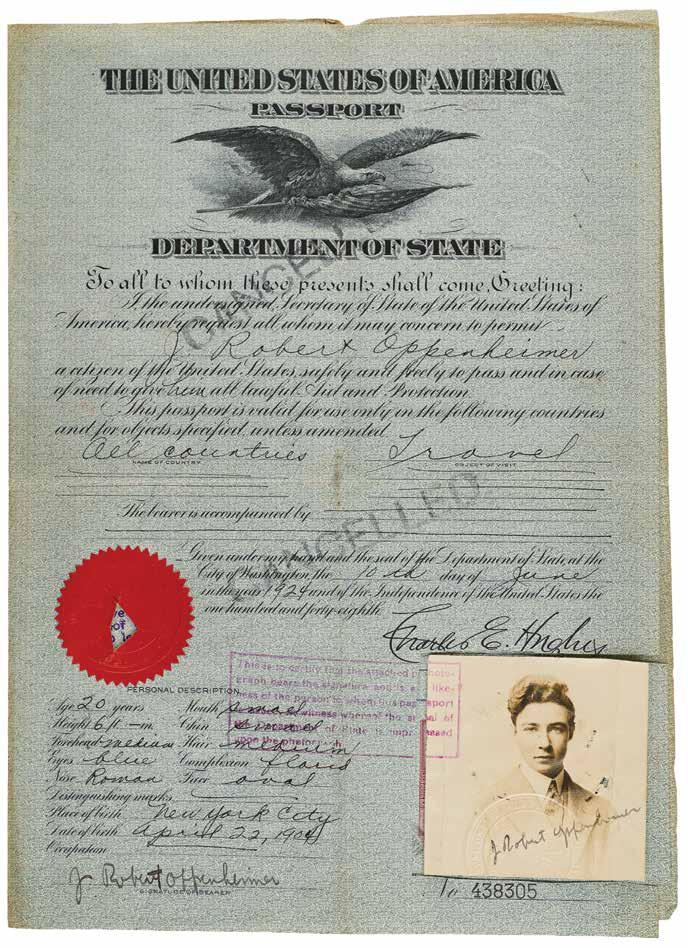
1924 American passport issued to a 20-year-old “J. Robert Oppenheimer,” signed twice by the future Manhattan Project director, including on his official passport photograph—an incredible document dated to his transformative early years of study in Europe
113. Robert Oppenheimer Historic Twice-Signed U.S. Passport (1924) - The 20-Year-Old Harvard Graduate Travels to Europe to Start His Pivotal Studies at Cambridge and Göttingen. Historic partly-printed DS, signed twice as “J. Robert Oppenheimer,” four pages on two adjoining sheets, 8.75 x 12, June 10, 1924. United States of America passport issued by the Department of State to “J. Robert Oppenheimer, a citizen of the United States,” permitting him to “safely and freely pass and in case of need to give him all lawful Aid and Protection.” The passport is valid for “All countries,” with the object of visit designated as “Travel.” Signed at the conclusion in fountain pen by Oppenheimer, who has also signed his official 2.75 x 2.75 passport photograph, “J. Robert Oppenheimer,” which has been neatly excised from the lower right corner; the photograph, which pictures Oppenheimer at the age of 17, is similar to the one used for his 1921 passport application.
The lower left corner of the document features Oppenheimer’s ‘Personal Description’ section, which has been filled out in another hand and includes fields like: Age (20 years), Mouth (small), Height (6 ft, -in), Chin (small), Forehead (medium), Hair (medium), Eyes (blue), Complexion (florid), Nose (Roman), Face (oval), Place of birth (New York City), and Date of birth (April 22, 1904). The passport has been canceled twice, bears its original red Department of State seal, and is signed in black ink by Secretary of State Charles Evans Hughes. The interior pages and the reverse of the second integral page bear visa stamps dated between 1924 and 1926, which identify Oppenheimer’s various stops in Italy, France, Germany, Switzerland, and the United Kingdom, including his arrival at Southampton on September 16, 1925. In fine condition, with toning and intersecting folds.
In the summer of 1924, a 20-year-old Oppenheimer, eager for life after Harvard University, traveled to Europe with his parents
as tourists, but also to prep for the next stage of his academic career. This passport allowed Oppenheimer not only to make this family trip but also to remain abroad to begin formal study at Cambridge University, which he would do the following September. Once at the Cavendish Laboratory, Oppenheimer worked under Ralph Fowler and was exposed to the exciting and emerging ideas of quantum mechanics. But Oppenheimer struggled with the lab’s experimental focus, and he found little satisfaction in the requisite hands-on work. Cambridge quickly became a source of deep emotional strain: he suffered from anxiety, depression, and isolation, all intensified by a tense relationship with his tutor, Patrick Blackett, culminating in the notorious cyanide-apple incident that revealed the severity of his inner turmoil.
Seeking a better environment for theoretical work, Oppenheimer moved in 1926 to the University of Göttingen, where he studied under Max Born. There, he entered one of the most vibrant centers of modern physics, forming friendships with future luminaries such as Werner Heisenberg, Pascual Jordan, Wolfgang Pauli, Enrico Fermi, Edward Teller, and Paul Dirac. In Göttingen, he finally flourished—publishing significant early papers and completing his doctorate—marking the true beginning of his rise as one of the foremost theoretical physicists of the twentieth century. A rare and significant artifact from a most turbulent and formative period of Oppenheimer’s young life.
From the collection of Bert G. Reynolds (1894-1970), an electrician from Cambridge who, in 1936, on the death of his aunt, moved to Grantchester Meadows, where it is believed the passport was discovered. ‘I was living in a miserable hole… Then in the spring I moved out to a place along the river halfway to Grantchester, which was less miserable,’ Oppenheimer, as quoted on pg. 89 in the 1980 book Robert Oppenheimer: Letters and Recollections. The passport was then passed to Colin Reynolds (1930-2023). Starting Bid $1000
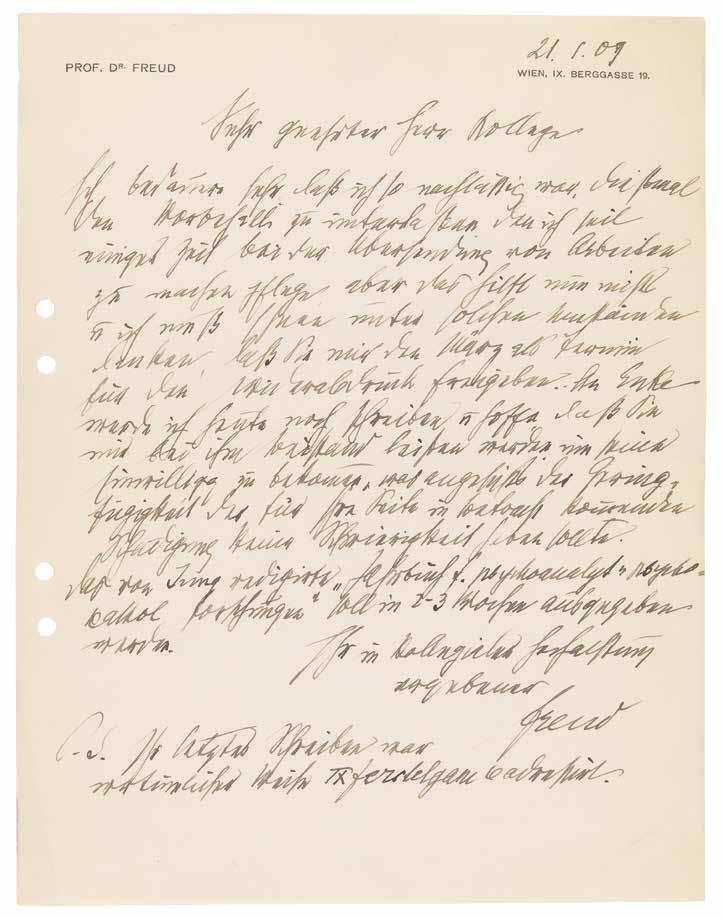
“The ‘Yearbook for psychoanalytic and psychopathological research’ edited by Jung is due to be published in 2-3 weeks”
115. Sigmund Freud Autograph Letter Signed on the First Psychoanalytic Journal and Its Editor, Carl Jung. ALS in German, signed “Freud,” one page, 8.25 x 10.75, personal letterhead, January 21, 1909. Handwritten letter to the German psychiatrist and pioneer of sexology, Albert Moll. The letter was part of an ongoing correspondence between the two men after Moll had written to Freud asking him to participate in the planned ‘Journal of Psychotherapy and Medical Psychology.’ In full (translated): “I very much regret that I was so negligent in making the reservation this time. I have omitted the habit of sending work for some time, but that doesn’t help now and I must thank you under these circumstances for allowing me to reprint it in March. I will write to Enke today and hope that you will help me to get his consent, which should not be difficult given the insignificance of the damage to your side. The ‘Yearbook for psychoanalytic and psychopathological research’ edited by Jung is due to be published in 2-3 weeks.” Freud adds a brief postscript: “P.S. Your last letter was mistakenly addressed to IX Ferstelgasse.” In fine condition, with creases to the corners, and file holes in the left margin. Albert Moll (1862-1939) was a neurologist, psychologist, sexologist, and ethicist. Alongside Iwan Bloch and Magnus Hirschfeld, he is considered the founder of medical psychology and sexology.
The first International Psychoanalytical Congress (IPC) occurred on April 27, 1908, and served as an international meeting of colleagues who shared a common interest in psychoanalysis. The event was initiated by Carl Jung and Welsh psychoanalyst Ernest Jones, with Freud eventually welcoming the idea and suggesting Salzburg as the host location. Jones wished its title to be the International Psychoanalytical Congress, but it was Jung who decided to call it the First Congress for Freudian Psychology.
Among the results of this first IPC was Freud’s presentation of the case of the Rat Man, and the inception of the ??first psychoanalytic journal, the Yearbook for Psychoanalytic and Psychopathologic Research, a forum dedicated to the latest research and theoretical developments in the fields of psychoanalytic thought.
As quoted from his 1914 book History of the Psychoanalytic Movement, Freud gives an account of the Salzburg meeting and the referenced journal: ‘The result of this first psychoanalytic congress was the founding of a periodical which began to appear in 1909 under the name of ‘Jahrbuch fur Psychoanalytische und Psychopathologische Forschungen,’ published by Bleuler and Freud, and edited by Jung.’ Starting Bid $500
116. Thomas Paine Partial Autograph Letter on a Motion by Gouverneur Morris “for fortifying New York”. The opening of an autograph letter from Thomas Paine, unsigned, no date, penned on an off-white 7.25 x 2.25 sheet. The partial handwritten letter, addressed to William Duane, fiery editor of the Republican newspaper Aurora in Philadelphia, Paine offers a pointed yet respectful critique of a motion by “Mr. Morris” (Gouverneur Morris, a leading Federalist) to fortify New York City. The writing reads: “As the Aurora is become a center of information to the union, I send you some observations on a motion of Mr. Morris for fortifying New York; and as the writer of this respects the character of Mr. Morris, that gentleman will find nothing but the discipline of mild personality in these observations.” Matted and framed with a photo portrait and a print of the Thomas Paine Cottage to an overall size of 16.75 x 9.5; among the various annotations to the frame backing is a note indicating that the “Portion of Autograph Letter to Mr. Duane Regarding New York Harbor Defense” derives “From Wm. R. Langfeld Collection – Biographer of Washington Irving.” In fine condition. Accompanied by a full letter of authenticity from PSA.
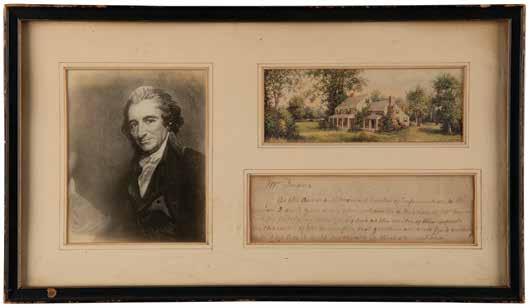
Based on the political figures mentioned and the issues under debate, it stands to reason that this letter can be placed in the years 1801–1803, most likely around 1802, when Thomas Paine had returned to the United States and was actively sending political commentary to William Duane of the Aurora. During this period, the U.S. Senate—where Federalist Gouverneur Morris served as New York’s senator—was engaged in discussions about the inadequate state of New York Harbor’s defenses.
Within this context, Morris introduced a motion calling for additional fortification of New York, relating to federal funding or support for strengthening the harbor’s defensive works—a recurring Federalist priority between 1801 and 1803. These initiatives were part of an ongoing national effort to expand coastal fortifications that had begun in the 1790s and continued into the early 1800s.
Even after the Revolutionary War, New York remained vulnerable and strategically crucial, making continued fortification necessary. The city had been held by the British for much of the war, proving how easily a strong navy could seize it. With Britain still commanding the seas and tensions persisting over maritime rights, many feared a renewed conflict would again bring enemy ships to New York Harbor. Strengthening New York’s defenses was seen not as leftover wartime precaution but as an essential measure to protect the nation’s busiest port and its growing commercial lifeline.
Paine’s letter responds directly to this proposal. Writing to Duane—editor of the Republican Aurora—he offers “observations” on Morris’s motion for possible publication. While Paine notes his respect for Morris personally, he uses the opportunity to criticize what he viewed as unnecessary or excessive Federalist military expenditures. The letter fits neatly into the partisan debates of the early Jeffersonian era, when questions of fortifications, national defense, and federal spending were central political issues. Starting Bid $500
118. James Cook Signature - Immensely Rare
Autograph of the Famed British Explorer. British Royal Navy officer, explorer, and cartographer (172801779) who led three voyages of exploration to the Pacific and Southern Oceans between 1768 and 1779. He completed the first recorded circumnavigation of the main islands of New Zealand and led the first recorded visit by Europeans to the east coast of Australia and the Hawaiian Islands. Coveted ink signature, “Jam: Cook,” on an off-white 2.75 x 1.75 slip. Archivally double-matted with an engraved portrait of Cook by James Basire the Elder (created as a frontispiece to the second voyage proceedings), and framed under UV conservation glass to an overall size of 17.25 x 21.75. In fine condition. Signatures of Captain James Cook, who died at the hands of native Hawaiians at the age of 50, are of the utmost rarity; the Auction and Book Sales Archive (ABSA), which incorporates the records of American Book Prices Current (ABPC), record only three autograph letters signed and three documents signed by Cook as having been sold at auction since 1980, the most recent example being a document of 1759, having been sold at Christie’s in 2019. A momentous occasion that represents the first James Cook signature that we have ever offered. Starting Bid $1000
120. Sam Houston Document Signed as Governor of Texas. Partly-printed DS as governor of Texas, one page, 14 x 11.5, June 22, 1860. Governor Houston grants “Stalia Wilkins…three hundred and twenty acres of land, situated…in Cass County.” Signed prominently at the conclusion by Sam Houston as governor and countersigned by Francis M. White as commissioner of the General Land Office. Matted and framed with a picture of Houston to an overall size of 28.5 x 21. In good to very good condition, with paper loss to the center, and heavy staining and soiling, throughout, affecting the text of the document but not the large signature.
Houston had been elected governor of Texas in 1859, becoming the only person to date to serve as governor of two states (he was governor of Tennessee from 1827 to 1829) and the only to be a former head of state of a foreign nation. Four months after this document was signed, Abraham Lincoln won the U.S. presidential election, and the Texas Secession Convention convened, with Houston fervently opposing the state’s secession. When Texas seceded in February 1861, and Houston refused to swear an oath of loyalty to the Confederacy, the legislature declared the governorship vacant. Houston did not recognize the validity of his removal, but he did not attempt to use force to remain in office, and he refused aid from the federal government to prevent his removal. His successor, Edward Clark, was sworn in in March 1861. Starting Bid $300
170. Robert E. Lee and U. S. Grant (2) Signatures. Superb pairing of ink signatures, “R. E. Lee” and “U. S. Grant,” separate off-white 3 x 1.25 slips, handsomely cloth-matted with portraits and nameplates to an overall size of 16 x 19.25. In fine condition. Starting Bid $300
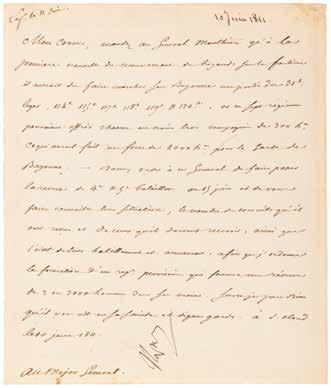
174. Napoleon Letter Signed to a Major General. LS in French, signed “Nap.,” one page, 7.25 x 9, June 10, 1811. Untranslated letter by Napoleon Bonaparte to a major general, organizing his troops. In fine condition, with a few scattered light stains. Starting Bid $300
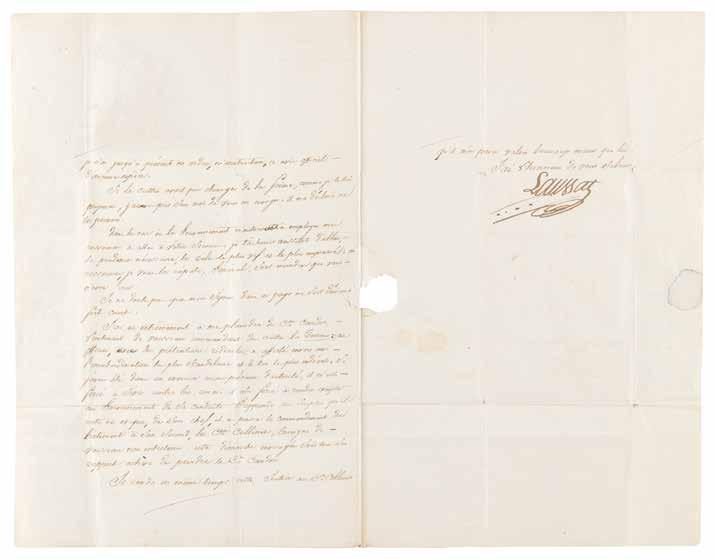
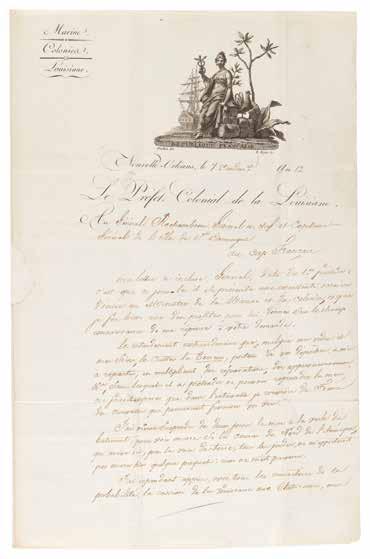
hears of the
“I have, however, learned—with every mark of probability —of the cession of Louisiana to the United States”
Signed on the Louisana Purchase: “I have, however, learned—with every mark of probability—of the cession of Louisiana to the United States”. LS in French, signed “Laussat,” three pages on two adjoining sheets, 8 x 12.5, Republique Francaise, Marine Colonie Louisiane letterhead, 7 Vendémiaire, an 12 [September 30, 1803]. Letter to General Donatien de Rochambeau, Commander-in-Chief and Captain General of the Island of Saint-Domingue, remarking on the impending transfer of the territory of Louisiana to the United States.
In full (translated): “My enclosed letter, General, is dated 1st Fructidor: On that day an excellent opportunity arose to write to the Minister of the Navy and the Colony, and I was very glad to take advantage of it to give him immediate informal notice of my response to your request.
The extraordinary delay that, despite my orders and my efforts, the cutter La Terreur, carrying your dispatches, has taken to set sail again, while making numerous repairs and taking on supplies, without which it claimed it could not return to sea, led me to hope that in the meantime, I would receive from France news that might favor your interests.I even suspended the ship’s sailing for two days to see if the mail from North America, which arrives here overland every Thursday, might bring me some package yesterday: nothing reached me.I have, however, learned—with every mark of probability—of the cession of Louisiana to the United States; but I have, up to the present, neither order, nor instruction, nor official notice of any kind whatsoever. If the Cutter had been able to load flour, as I suggested, I would have taken it upon myself to send some to you: he declared he could not. Should the government authorize me to use my resources to come to your aid, I will immediately try to combine the necessary prudence with the most ardent and eager zeal; these resources, I repeat, General, are less than you thought. I have no doubt that my stay in this country will be decidedly very short. I have had enormous cause to complain about Commander Candon, Lieutenant Commander of the cutter La Terreur; these officers, with ridiculous pretensions, affected towards me—the most scandalous insubordination and the most indecent tone. If I had been in a less precarious position of authority, he would have forced me to take action against him, just as he forced me to report his conduct to the government. I have also learned that he is staying here and that, on his own initiative, he has passed command of the ship to his second-in-command, Commander Collinet, an Ensign of an unmaintained ship. This action, considered from all points, completes the picture of Commander Candon. I also acknowledge that Commander Collinet was far superior to him.” In fine condition, with a seal-related tear to the left edge. Pierre Clément de Laussat writes at a moment of extraordinary geopolitical transition, remarking upon both his inability to furnish supplies to the embattled French forces in Saint-Domingue and the imminent transfer of Louisiana to the United
States. Laussat’s communication to General Donatien-Marie-Joseph de Vimeur, Vicomte de Rochambeau—who was charged with suppressing the Haitian independence movement—underscores the dire scarcity of French resources in the Caribbean and the uncertain political atmosphere in New Orleans. “I have learned—with every mark of probability—of the cession of Louisiana to the United States,” he writes, “but I have, up to the present, neither order, nor instruction, nor official notice of any kind whatsoever.” His admission that he could send no flour and possessed only limited resources—“less than you thought”—illustrates the collapsing state of French colonial logistics in the Americas.
The Louisiana Purchase Treaty had been signed months earlier, on April 30, 1803, but its terms remained closely guarded, and official news of the transaction traveled slowly through French military and administrative circles. At the time of this letter—just weeks before the U.S. Senate’s ratification of the deal—the prospective sale was still effectively a state secret. Napoleon Bonaparte’s decision to abandon his North American ambitions was shaped directly by the catastrophe unfolding in Haiti, where France was losing thousands of soldiers and exhausting its treasury in a failing attempt to suppress the revolution.
With war in Europe newly resumed, the Royal Navy threatened to sever French supply lines entirely. Under these pressures, Napoleon resolved to sell Louisiana, raising funds while denying Britain a potential foothold. Laussat, who had arrived in Louisiana in March 1803 to oversee its transfer from Spain back to France, now found himself unexpectedly responsible for delivering the territory to the United States instead. Within three months of this letter, Louisiana would belong to the Americans, and Rochambeau—defeated at the Battle of Vertières on November 18th—would surrender his remaining forces in Saint-Domingue to the British rather than face destruction by the insurgent army.
Despite holding only a fragile and temporary authority, Laussat acted as France’s final civil representative in Louisiana during this tumultuous period. Having heard rumors of the potential sale since his arrival, Laussat finally received official confirmation in August 1803, but no further instructions. His frustrations here with poor communication, the insubordination of the cutter La Terreur’s officers, and the lack of provisions available to support Rochambeau, capture the breakdown of French command in the region. Finally, on December 20, 1803, he presided over the formal ceremony transferring Louisiana to the United States, closing the brief and final chapter of French rule.
A unique, historically important letter that offers a rare, firsthand view of the confusion, strain, and swift imperial recalculations that culminated in one of the most consequential land transactions in American history. Starting Bid $1000
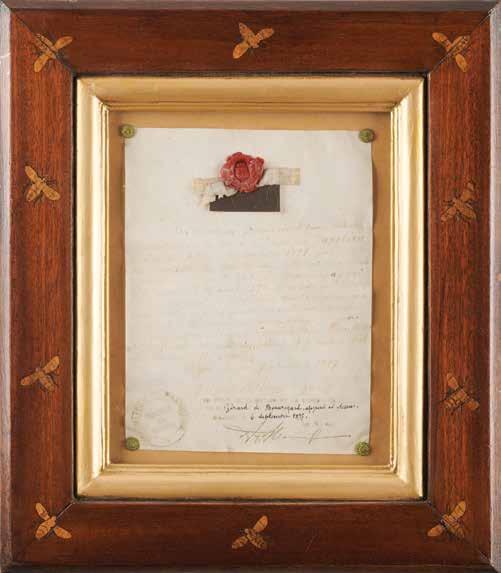
173. Napoleon Hair Relic, Cut at Saint Helena on the Day of His Death. Scarce lock of three or four strands of hair taken from the head of Napoleon Bonaparte on his deathbed, affixed by a red wax seal to a 19th-century letter of provenance certifying its origin. The certificate, signed by Gérard de Beauregard and dated September 6, 1897, reads, in part (translated): “This hair comes from a lock collected from the head of Emperor Napoleon in Saint Helena on May 5, 1821, by Mademoiselle de Montholon. She gave it to Count Jules de Champagny, who gave it, on August 19, 1852, to Madame Bergier de Beauregard, née Adelaide du Colombier, my grandmother. I am giving them today as a precious souvenir, as a testimony of my deep sympathy, to Mr. Pierre Claudin, and I affirm with my signature and my stamp their absolute authenticity.” Handsomely displayed in an exotic wooden frame with inlaid bees—the symbol of the emperor—to an overall size of 10.75 x 12.25; on the reverse is a handwritten letter by Beauregard, dated January 16, 1933, presenting the lock: “If I gave you this relic of Napoleon I, I knew that it would find in you the same respect with which I surrounded it.” In fine condition, with some staining to the old paper mount and an overall mothball odor.
Cut on the day of Napoleon’s death, May 5, 1821, in Saint Helena, this precious relic was retained by Hélène Napoleone de Montholon-Sémonville (1816–1907), Napoleon’s goddaughter. As she departed Saint Helena in July 1819 with her mother, Albine de Montholon, the lock almost certainly originates from her father, Count Charles-Tristan de Montholon, one of the emperor’s closest companions in exile. Montholon was present at Napoleon’s bedside during his final moments, closed the emperor’s eyes at death, and served as executor of his will. Locks of hair taken after Napoleon’s last breath were extraordinarily scarce, distributed in only minute quantities among a select few of his intimates. This example belongs to that exceedingly rare group, making it one of the most desirable Napoleonic relics known. The piece later passed through the hands of Count Jules de Champagny, one of the Dukes of Cadore and son of politician Jean-Baptiste de Nompère de Champagny, followed by Pierre-Roger Claudin (1877–1936), distinguished illustrator, painter, and member of the École de Nancy. Starting Bid $5000
Napoleon organizes his government in occupied Egypt: “In each province of Egypt, there shall be a Divan composed of 7 people, charged with safeguarding the interests of the province”
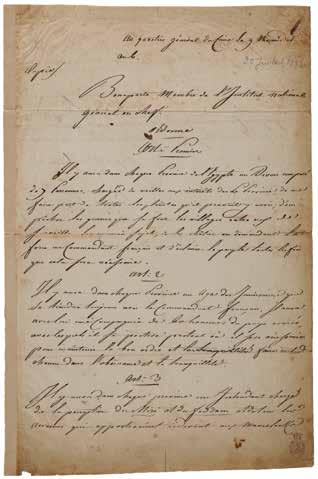
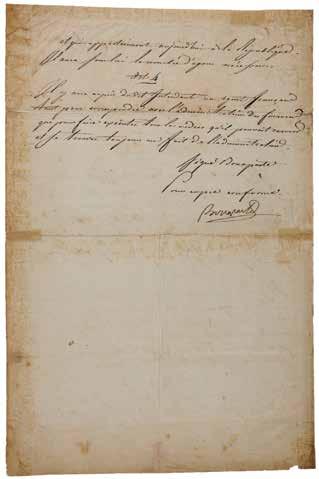
175. Napoleon Document Signed, Establishing the Administrative Structure of Occupied Egypt. LS in French, signed “Bonaparte,” one page both sides, 8.75 x 13.25, July 27, 1798. Official, certified copy of an order issued by Napoleon four days after the conquest of Cairo for the organization of the administration of Egypt. In part (translated): “In each province of Egypt, there shall be a Divan composed of 7 people, charged with safeguarding the interests of the province, reporting to me any complaints that may arise preventing wars between the villages, monitoring unruly individuals, punishing them by requesting force from the French commander, and enlightening the people whenever necessary…In each province, there shall be an Aga of the Janissaries who shall always remain with the French Commander. He shall have with him a company of 60 armed local men, with whom he shall go wherever necessary to maintain good order and restore obedience and tranquility.” In very good to fine condition, with scattered toning and light staining, and small repairs to minor fold splits.
This significant document dates to Napoleon’s campaign in Egypt and Syria, which he proclaimed to ‘defend French trade interests’ and to establish ‘scientific enterprise’ in the region. Although the expedition is best remembered in part for the discovery of the Rosetta Stone on July 15, 1799—an event that helped ignite Europe’s fascination with ancient Egypt—this order reflects the earliest administrative structures Napoleon imposed upon the conquered territory. Despite these efforts, tensions in Cairo soon escalated, culminating in a major uprising in October 1798 that the French Army quickly and forcefully suppressed. In its aftermath, Bonaparte punished the city with a substantial tax and dissolved its divan, replacing it with a military commission. Starting Bid $300
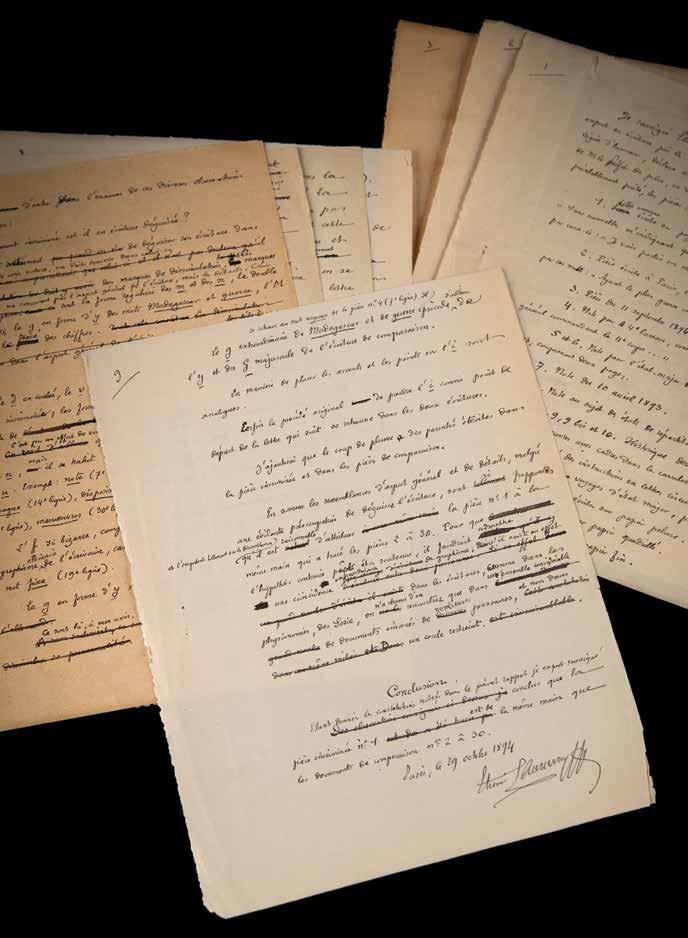
Incredible handwritten manuscript and graphological notes from the Dreyfus Affair court-martial, penned neatly across 16 pages by Etienne Charavay, one of the original five handwriting experts summoned to determine the author of the famed ‘bordereau’
176. Dreyfus Affair: Etienne Charavay Handwritten Manuscript and Graphological Notes from the 1894 Dreyfus Affair Court-Martial. Collection of 16 pages of handwritten graphological notes made by handwriting expert Etienne Charavay during the early stages of the Dreyfus Affair. A major political and social scandal in late 19th-century France, the Dreyfus Affair centered on the wrongful conviction of Captain Alfred Dreyfus, a Jewish officer in the French Army, for treason. A handwritten document—the famed ‘bordereau’—was discovered in a wastebasket at the German embassy in Paris, suggesting a French officer was passing military secrets to Germany. To determine the author of the ‘bordereau,’ a series of five handwriting experts were brought in by the French War Council in 1894. As one of the experts selected, Charavay initially determined that the handwriting in the ‘bordereau’ was natural, fast, and spontaneous, and not a forgery. His opinion changed, however, after consulting with lead investigator and forensic pioneer Alphonse Bertillon, and Dreyfus was convicted.
The lot contains a 9-page manuscript by Charavay, containing his detailed report that served as a side-by-side comparison of the anonymous bordereau and known handwriting samples of Captain Alfred Dreyfus. The untranslated report, in French, signed and dated at the conclusion, “Paris, a 29 octobre 1894, Etienne Charavay,” is penned neatly in crisp black ink on nine pages, each measuring 6 x 8. Included with the manuscript are an additional seven pages of handwritten notes by Charavay, penned in ink on pages ranging in size from 5.25 x 8.25 to 6 x 8, undated, which contain further graphological observations, with sections headed “Resemblances,” “Aspect general,” and “Differences entre la piece No. 1 et les pieces de comparaison.” A group of irregular cut slips with sparse notations is also included with the lot. In overall fine condition, with a few short edge tears.
After the discovery of the bordereau, Etienne Charavay was one of five handwriting experts summoned by the French military to determine its author. Charavay, a noted autograph
collector and handwriting expert of the day, after analyzing the handwriting of the bordereau, deemed it quick, spontaneous, and natural, without any disguise. His comparison of the bordereau with Dreyfus’s own handwriting yielded no strong match. Charavay ultimately changed his opinion after a meeting with Alphonse Bertillon, the famed criminologist and inventor of the mug shot, who was serving as head of the Judicial Identification Service. Bertillon’s flawed evidence, autoforgery theory, and political influence were all contributing factors to one of the most infamous miscarriages of justice.
When Charavay took the stand, he switched stances and admitted that his first finding was a mistake and invalidated the initial conclusion. Charavay was quoted as saying: ‘I want to state that in 1894, deceived by a graphic resemblance, I made a mistake in attributing the piece known as the bordereau to the author of an anonymous writing that belonged to Captain Dreyfus. Having found a new writing element, I now recognize my error, and it is a great relief to my conscience to be able, in front of you, gentlemen, and especially in front of the one who was the victim of this mistake, to declare that I was wrong in 1894.’
Dreyfus was ultimately convicted and shipped to Devil’s Island, a remote and brutal penal colony in French Guiana, where he remained for nearly five years. Due to new evidence and intrepid Dreyfusard supporters like Emile Zola (whose open letter, ‘J’Accuse...!,’ in the L’Aurore newspaper caused a major stir in France), Dreyfus was granted a second trial in 1899, which resulted in another conviction and a 10-year sentence. Realizing political pressure and growing instability in France, President Émile Loubet granted Dreyfus a full pardon just weeks after the retrial in September 1899. The pardon freed him immediately, but it did not annul the guilty verdict—Dreyfus was still officially a convicted traitor. He was finally exonerated in 1906, and French Army Major Ferdinand Walsin Esterhazy, who was initially charged and acquitted after a controversial two-day trial, was later revealed to be the actual spy and author of the bordereau. Starting Bid $500
containing original wood
fabric
the historic 1903
from the collection of Rodney M. Love, the probate judge of the Wright Estate, and the man who arranged the plane’s long overdue installation at the Smithsonian Institution
Wright Brothers Flown
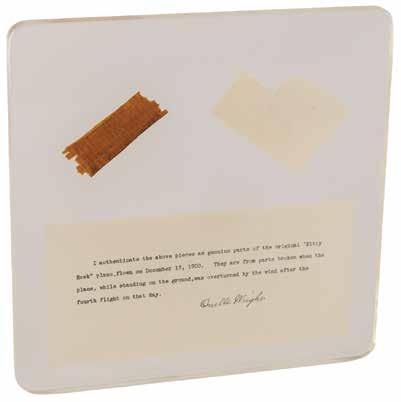
Display - From the Collection of the Probate Judge Who Delivered the Wright Flyer to the Smithsonian. Historic pairing of original artifacts from the Wright Brothers’ 1903 Wright Flyer single-place biplane, which made the world’s first heavier-than-air flight from Kitty Hawk, North Carolina, on December 17, 1903. The lot includes an off-white 2.5˝ x 1.75˝ swatch of wing fabric and a brown 2˝ x .75˝ wooden fragment, both of which are encased in a Lucite plaque, 8˝ x 8˝ x .25˝, which includes a statement of authenticity from Orville Wright, whose preprinted signature is present below. The statement reads: “I authenticate the above pieces as genuine parts of the original ‘Kitty Hawk’ plane, flown on December 17, 1903. They are from parts broken when the plane, while standing on the ground, was overturned by the wind after the fourth flight on that day.” Included is a rare original 5.5˝ x 3˝ admission ticket to the presentation of the Wright Flyer’s long-awaited installation into the Smithsonian Institution on December 17, 1948, which reads: “Presentation of the Wright Brothers’ Aeroplane of 1903, By the Estate of Orville Wright to the United States National Museum.” Stapled to the upper left is a restriction caption indicating that the ticket will not “admit more than one person.” The ticket’s original mailing envelope is included, which is postmarked December 6, 1948, and addressed to “Rodney M. Love, Probate Judge,” from whose collection these artifacts derive. In very fine condition. Accompanied by a copy of a 1948 letter from Colonel Edward A. Deeds to Judge Love, forwarding the plaque containing “souvenir parts…with a photograph of the letter which Orville had composed and signed,” and four articles (photocopied and original) related to the complicated return of the Wright Flyer and the important role of Judge Rodney Love, who served as probate judge for the Wright estate following the death of Orville Wright. To honor the Wrights’ memory and wishes, Love ensured that every legal and procedural detail was completed before the Smithsonian could receive the Wright Flyer from England. He required the Smithsonian to formally acknowledge, in perpetuity, that the plane was the first in flight. Once that condition was satisfied, he authorized the transfer of the Wright Flyer from the estate to the Smithsonian for the symbolic price of one dollar. The Smithsonian Institution, led by Secretary Charles Walcott, long refused to credit the Wright Brothers with the first powered, controlled flight, instead favoring former museum secretary Samuel Langley, whose 1903 Aerodrome tests had failed. In 1925, Orville Wright warned he would send the Flyer to the Science Museum in London unless the Smithsonian recognized the brothers’ achievement. When nothing changed, he shipped the aircraft to London in 1928, where it remained—aside from being moved for safety during World War II—until 1948. That year, after research by new Smithsonian secretary Charles Abbot and pressure from President Franklin D. Roosevelt, the Institution finally acknowledged the Wrights’ accomplishment. A year after Orville’s death, the Flyer returned to Washington and went on display at the Smithsonian’s Arts and Industries Building on December 17, 1948, exactly 45 years after its first flight. Starting Bid $200
Mercury 7 and New Nine—fully signed portrait of NASA Astronaut Groups 1 and 2— America’s original 16 astronauts
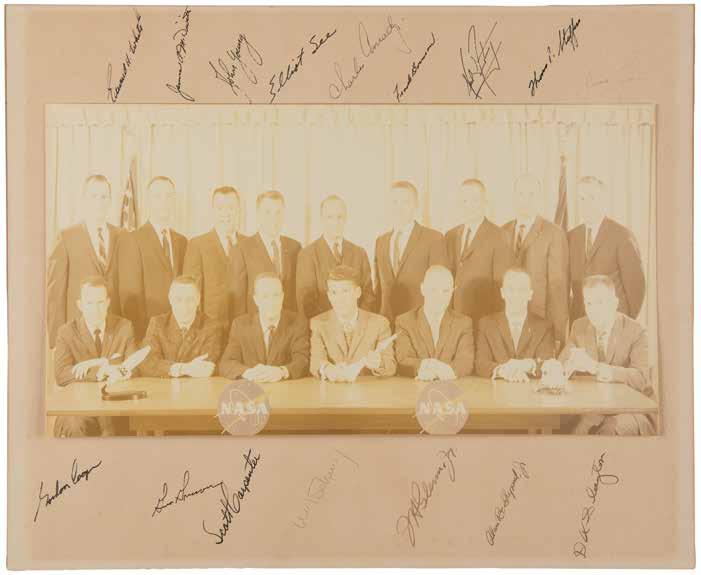
193. NASA Astronaut Groups 1 and 2 (Mercury 7 and New Nine) Fully Signed Photograph. Official color 13.75 x 7 NASA photograph of the first two groups of astronauts selected by NASA, with the front row depicting the original seven Mercury astronauts, who were chosen in April 1959, and the back row showing the ‘New Nine’ astronauts, who were named in September 1962. Affixed to its original 15.5 x 12 cardstock mount, which is signed in black ink or felt tip by everyone pictured: “Gordon Cooper,” “Gus Grissom,” “Scott Carpenter,” “W. M. Schirra, Jr.” “J. H. Glenn, Jr.,” “Alan B. Shepard, Jr.,” “DK Slayton,” “Edward H. White II,” “James A. McDivitt,” “John Young,” “Elliot See,” “Charles Conrad, Jr.,” “Frank Borman,” “Neil Armstrong,” “Thomas P. Stafford,” and “James Lovell.” In very good to fine condition, with slight fading to Schirra’s signature and heavy fading to Lovell; the image is also faded, but could be replaced to make a striking display. Accompanied by a full letter of authenticity from Zarelli Space Authentication. A sought-after, fully signed display that encompasses America’s original 16 astronauts, a group that includes tragic figures like Gus Grissom, Ed White, and Elliot See, as well as pioneers like Alan Shepard, the first American in space, and Neil Armstrong, the first man to set foot on the moon. Starting Bid $300
“I see Degas as nothing but the absolute greatest artist of all time”—Cassatt remarks on the elite painters of the 19th century
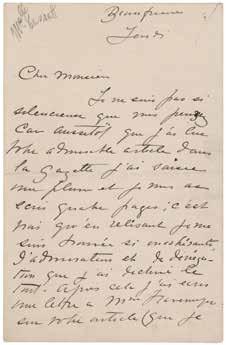
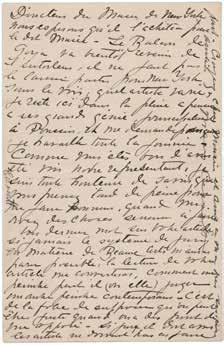
235. Mary Cassatt Autograph Letter Signed, Remarking on Cezanne, Degas, Monet, and Toulouse-Lautrec: “I see Degas as nothing but the absolute greatest artist of all time”. ALS in French, four pages on two adjoining sheets, 4.5 x 7, no date. Handwritten letter to a gentleman, in part: “I am not as silent as you think, for as soon as I read your admirable article in the newspaper, I took up my pen and wrote you four pages. It is true that after rereading it, I found myself so…filled with admiration and denial that I tore it all up. I then wrote a letter to Mrs. Havemeyer about your article (which I am sending her), and there, at least in English, I was able to say what I thought. Like me, she will know what you say about Cézanne and will be delighted by the allusion to Louise Collet. With Gauguin, it will always be difficult for me to comment. I knew him in his early days. I know that I was mistaken about Toulouse-Lautrec. But he’s not a painter. In short, I see Degas as nothing but the absolute greatest artist of all time, and on that point we agree.
Mrs. Havemeyer tells me that some people wanted to borrow her Degas for an exhibition where Monet would have the honor of a large room and Degas a small one next door; she refused, because, she says, ‘Degas must have first place.’ The poor man must be suffering right now, but why is he? How glad I am not to see him during this crisis. I sent you an article…about the purchase of the Velázquez. You saw that Mr. Duret gave it a passable review! The Boston museum paid $51,000 for that limping copy, and the El Greco is still for sale. Since Mr. Pierpont Morgan is not the director of the New York museum, we hope he will buy it for his museum. Goya’s Balcony is about to return from the framer, and we mustn’t let it leave for New York before seeing it—what a versatile artist!
Here I am in the rain, thinking about these great geniuses, especially Poussin, and wondering why I spend my days working. How kind of you to have gone to see our representative. I’m ashamed that you went to so much trouble to honor me when you have serious matters to attend to. One last word about your article. If the jury system in Fine Arts ever seemed plausible to me, reading your article has converted me. How can one artist judge another contemporary artist? It’s madness to believe one can be fair when one has such different opinions. If so, then what about the articles that perhaps don’t take them into account?” In fine condition.
Notably, Degas served as one of Cassatt’s chief mentors in Paris. He invited her to exhibit in the third Impressionist exhibition in 1877, and introduced her to pastel and engraving. For her part, Cassatt was instrumental in helping Degas to sell his paintings and promote his reputation in America. A remarkable artistic letter, filled with significant associations. Starting Bid $200
“I am very touched by your appreciation for my art, which I felt in this exhibition, so well done in my opinion. The stained glass windows are exceptionally well displayed”
236. Marc Chagall (3) Typed Letters Signed, with an Original Sketch, on Exhibitions in Reims and Rouen: “The stained glass windows are exceptionally well displayed”. Three TLSs in French, signed “Marc Chagall,” each one page, 8.25 x 9.75, Les Collines letterhead, dated from 1960 to 1964, with the first featuring a fantastic ballpoint sketch of one of Chagall’s typical faces in profile. All are to art historian and conservator Madame Popovitch. Excerpts from the letters, in translation:
July 15, 1960: “I am very touched by your appreciation for my art, which I felt in this exhibition, so well done in my opinion. The stained glass windows are exceptionally well displayed. Messrs. Miró and Maeght greatly admired its overall presentation and layout. I hope you will have visitors who will appreciate your work and efforts. I haven’t seen anything about this exhibition in the Parisian newspapers. Is there anything that could be done? Would you be willing to give me your opinion on the matter?”
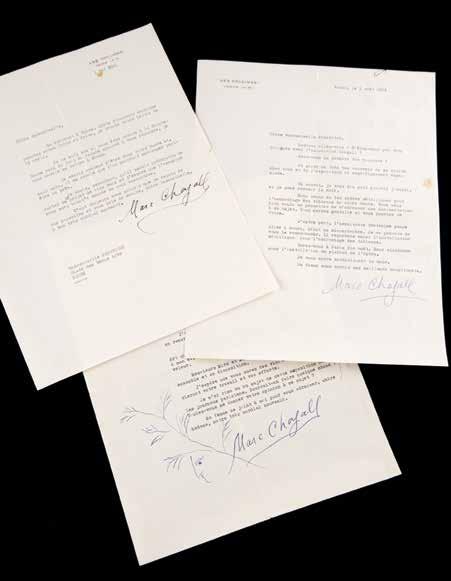
May 3, 1961: “Upon returning to Vence, after several weeks spent between Paris and Reims, I found your letter of April 14th. I don’t know if you are still at SainteBaume, but due to the delay in replying, I am sending you my letter from Rouen. I would be delighted to have your work displayed in your Museum, and for that reason, it seems to me that we could perhaps consider a loan. I believe, however, that it would be best to discuss the project in person, and I hope that we will soon have the opportunity to meet.”
August 5, 1964: “How are you? Aren’t you too tired with the Chagall exhibition? Were you able to take a vacation? I have very fond memories of my visit to your home and the magnificently organized exhibition. I’m telling you in secret how delighted I would be if I could come back to see it. We saw the metal frames for hanging the paintings in your Museum. You kindly promised to send me some information about them. It would be very kind of you if you could.”
In fine condition, with a few small stains. Accompanied by the original mailing envelope for the 1961 letter. Starting Bid $300
237. Gustave Courbet Autograph Letter Signed. French painter (1819–1877) who led the Realism movement and was scorned for his rigid classical outlook. He was imprisoned and fined for his part in the destruction of the Vendome Column and later fled to Switzerland. ALS in French, signed “G. Courbet,” one page, 5.25 x 8, no date. Handwritten letter to “Citizen Constant,” probably Jean-Joseph Benjamin Constant. In part (translated): “I would like you to publish in your newspaper…that the artists are meeting tomorrow, Monday, at 2 p.m.” In fine condition. Starting Bid $200
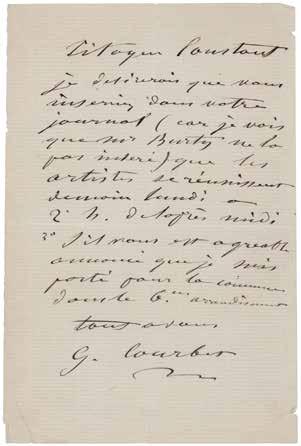
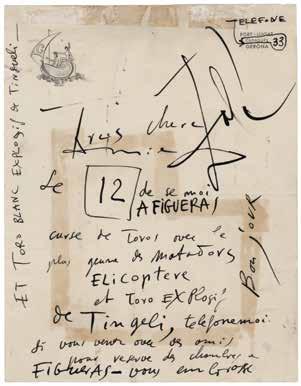
238. Salvador Dali Autograph Letter Signed to His Wife, Gala. ALS in Spanish, signed “Dali,” one page, 6.5 x 8.5, Port-Lligat letterhead, no date. Handwritten letter to his wife Gala, “the 12th of this month in Figueres.” A somewhat fragmented letter in which he asks his wife if she would like to join him in Figueres with some friends. In the letter, he mentions a performance by Tinguely, a bullfight with the youngest matador, and a helicopter ride. In very good to fine condition, with old tape stains affecting only appearance; Dali’s writing remains boldly and artistically rendered. Starting Bid $200
Signed with Sketches. French artist (1798–1863) who takes a place in the first rank of painters in the Romantic tradition and whose mastery of color and technique inspired both the Impressionist and Symbolist schools. Autograph manuscript in French, signed “Delacroix,” four pages on two adjoining sheets, 7 x 8.25, originating from one of his youthful notebooks. Delacroix writes out drafts of Latin (theme, verse) and Greek (translation) exercises. In addition, he draws a pencil sketch of a sun on the second page; a detailed ink sketch of a man’s head on the final page (subsequently crossed out); and some arabesques lightly drawn in pencil on the last page. In fine condition. Starting Bid $200
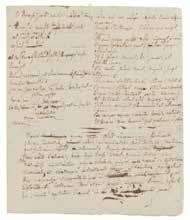
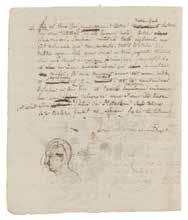
“I often think of the mountains of hours of work that each of those half-hours cost you, marveling at the meticulous perfection brought to the writing of each paragraph”
Robert Pinget: “Your writings that were on my bedside table at that time are still there now, and I haven’t stopped, every night before sleep, taking a little half-hour dip in them”. Four letters in French signed by Jean Dubuffet, including three ALSs and one TLS, each one page, 8.25 x 10.5, dated from 1978 to 1981. All are to the novelist and playwright Robert Pinget, offering insightful commentary on his work. One letter, in part (translated): “Our conversation of February 3rd continued, for me at least unilaterally, because the 10 volumes of your writings that were on my bedside table at that time are still there now, and I haven’t stopped, every night before sleep, taking a little half-hour dip in them. That’s a lot of half-hours spent with you. I often think of the mountains of hours of work that each of those half-hours cost you, marveling at the meticulous perfection brought to the writing of each paragraph, with, every five lines, throughout the book, some extremely striking word, some term (or some ellipsis) whose discovery is delightful. But what is even more astonishing is the position, the unusual and effective status, that you have given to the whole of these writings, this position of Brownian motion in which the speaker is not distant from what he observes, but integrated into it; speech is thus given to the object itself. He speaks without seeing it. What I highly admire is the marvelous cohesion, the perfect adequacy of the tone adopted, of all the stylistic flourishes, with the overall status. It’s a machine whose precision is impressive, where not a single flaw is found, where the smallest details are functional…and I also sense very well the great pleasure you must derive from writing these texts.” Read more online at www.RRAuction.com. Starting Bid $200
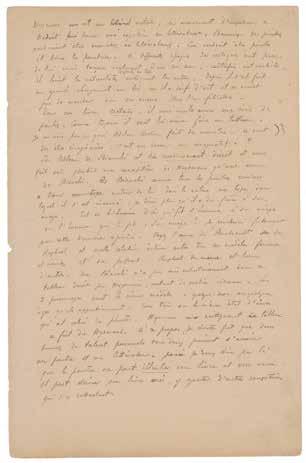
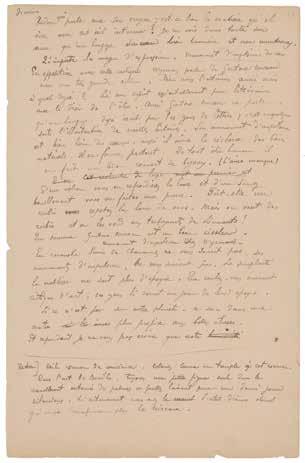
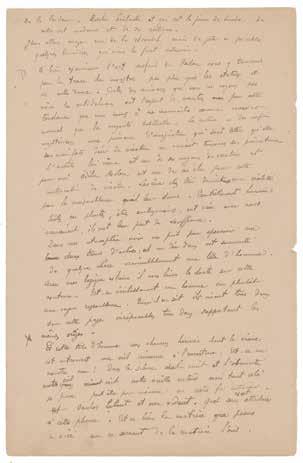
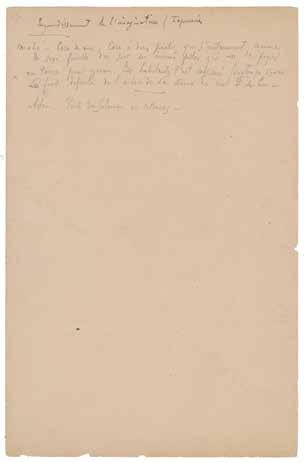
Gauguin’s philosophical musings on art, evoking Rembrandt and Raphael:
“Did God make man in his image or did man make God in his image?”
241. Paul Gauguin Handwritten Draft Manuscript on Symbolist Art with Reflections on Rembrandt and Raphael. Unsigned handwritten manuscript in French by Paul Gauguin, two pages both sides, 8 x 12.25, no date (circa 18901895). This lengthy piece, ostensibly a composite draft essay, matches very closely with the contents of a known Gauguin manuscript called ‘Impressions sur les peintres’ (‘Impressions on Painters’). Gauguin muses on contemporary art, highlighted by a lengthy discussion of his contemporary, Odilon Redon. He also references numerous artists, including Rembrandt, Raphael, Gustave Moreau, Puvis de Chavanne, and Bianchi, as well as novelist and art critic Joris-Karl Huysmans.
In part (translated): “Bianchi, like all the old painters, found around him in nature a type in which he became incarnated, or rather, I would
say, which he must have made in his image. Is it God who makes man in his image, or man who makes him in his image? I would come down strongly on the side of the latter opinion. Look at the work of Rembrandt, of Raphael, and what an intimate relationship there is between all his models, men and women, and his portrait. The same is true of Raphael and a good number of others. In fine condition. It is noteworthy that Gauguin mentions a sculpture of a ‘sea coconut,’ or ‘coco de mer,’ as he produced such a carving in the early 1900s, which now resides in the Albright-Knox Art Gallery, Buffalo, New York.
A significant artistic manuscript by the important painter.
A full translation of the manuscript can be found on our website. Starting Bid $1000
243. Frida Kahlo Original Telegram to Julien Levy, with Lipstick Mark. Original Western Union telegram sent by Frida Kahlo to Julien Levy, one page, 8 x 6.5, February 16, 1939. In full: “Julien my treasure couldn’t write been ill kidney trouble still in American hospital exhibition all a mess only desire come back New York soon miss you beyond words portrait three moons always close sorry about Muriel Duchands wonderful I adore you.” Signed in type at the conclusion, “Frida,” and sealed with a lipstick-mark kiss. In very good to fine condition, with light toning and soiling.
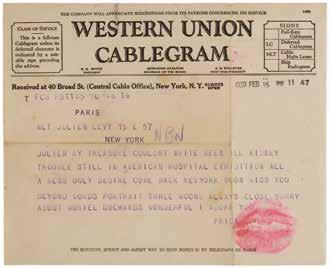
This evocative telegram from Frida Kahlo to gallerist Julien Levy—sent on February 16, 1939, from her hospital bed in Paris—captures a pivotal and turbulent moment in her life. Kahlo had traveled to Europe following her first solo exhibition at Levy’s New York gallery in 1938, intending to show her work at the Galerie Renou & Colle under the sponsorship of Surrealist leader André Breton. The trip, however, quickly soured. Breton’s disorganization left the exhibition in disarray, and Kahlo found herself stranded in Paris with little support.
During this period, Kahlo’s personal life was equally strained: her marriage to Diego Rivera had deteriorated and would end in divorce later that year. While in Paris in early 1939, she fell gravely ill with a severe intestinal and kidney infection, leaving her bedridden for two weeks at the American Hospital in Neuilly-sur-Seine. Feeling isolated and vulnerable—far from Mexico, Rivera, and her familiar circle—she wrote letters and sent telegrams, reaching out emotionally to close friends and former lovers such as Julien Levy and Nickolas Muray.
In this telegram, Kahlo speaks candidly of her illness, the chaos surrounding her Paris exhibition, and her longing for Levy (“miss you beyond words”). Sealed with a lipstick kiss, the message encapsulates the mixture of fragility, affection, frustration, and resilience that defined Kahlo’s Paris sojourn. Starting Bid $300
“Architecture is a perilous adventure where dreamers of skyscrapers on Parisian soil build houses with only one story above the ground floor”
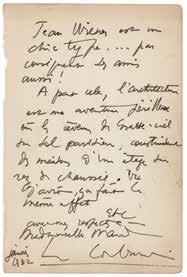
244. Le Corbusier Autograph Letter Signed: “Architecture is a perilous adventure”. French architect, artist, and industrial designer (1887–1965) whose central role in the development of the International Style made him one of the most influential and widely debated figures in the history of architecture. ALS in French, signed “Le Corbusier,” one page, 5 x 7.25, January 1932. Handwritten testimonial to his friend, the pianist and composer Jean Wiener (1896-1982). In part (translated): “Jean Wiener is a great guy… and so are his friends! Besides, architecture is a perilous adventure where dreamers of skyscrapers on Parisian soil build houses with only one story above the ground floor. Seen from the air, it has the same effect, etc.” In fine condition. Accompanied by a vintage 1962 silver gelatin photo of Le Corbusier taken at his exhibition at the Musée National d’Art Moderne. Starting Bid $200
“Some of the unimportant jokes very often made during discussions about painting are taken too seriously”
245. Edouard Manet Autograph Letter Signed: “Some of the unimportant jokes very often made during discussions about painting are taken too seriously”. ALS in French, signed “Ed. Manet,” three pages on two adjoining sheets, 4 x 6.25, 4 rue Saint Petersbourg letterhead, no date. Handwritten letter to “mon cher Arthur,” in part (translated): “Why haven’t you come and told me what you had in mind? I admit that I am very sorry to hear that some of the unimportant jokes very often made during discussions about painting are taken too seriously, and are likely to damage the relationships that are based on friendship and respect.” In very fine condition. Starting Bid $200
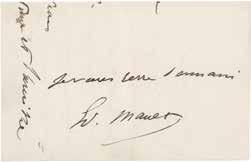
“I need to work for a thousand reasons, and especially for myself”—Matisse closes a familial letter with a sketch of a veiled lady
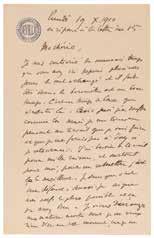
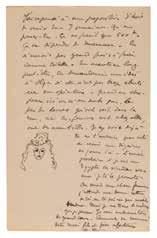
246. Henri Matisse Autograph Letter
Signed with Sketch: “I need to work for a thousand reasons, and especially for myself”. ALS in French, signed “H. M.,” four pages on two adjoining sheets, 5.25 x 8.25, October 19, 1910. Handwritten letter to “Ma chérie,” in part (translated): “I am upset by the bad weather you’ve had here for several days; the wind has changed and it’s very beautiful…I need to work for a thousand reasons, and especially for myself; to recover, that’s the best thing. I feel it’s a defense mechanism. So I’m taking care of my nerves as much as possible, and it’s going quite well. I’ve just finished a still life, which I don’t want to say anything about right now because I don’t want to compromise it, but I think you’ll be pleased. I’m also working on colors.”
He then mentions the various letters he receives, “demountable constructions.” He refers to some money to give to different people, providing a list of sums and names. He ends his letter by mentioning the arrival of his correspondent and the fact that she wouldn’t have to pay for “a long coat.” He adds a small drawing at the end, illustrating a mantilla. He signs as “your loving husband, son, and father.” In fine condition. Starting Bid $300
247. Henri Matisse Signed Photograph. Uncommon vintage matte-finish 3.5 x 5.5 head-and-shoulders postcard photo of the celebrated painter wearing glasses, boldly signed and inscribed in fountain pen, “A mon cher André Rouveyre, Henri Matisse, 12/3 42.” In fine condition.
André Rouveyre (1879–1962), a caricaturist and writer, was a lifelong friend of Matisse. The two collaborated on Matisse’s ‘Apollinaire,’ first published in 1952 in memory of their friend, the critic Guillaume Apollinaire. Starting Bid $200
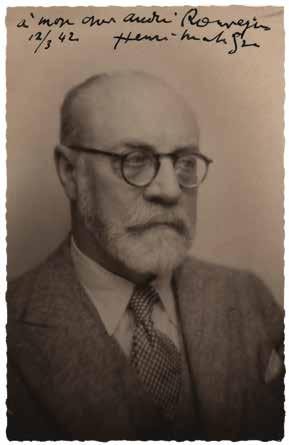
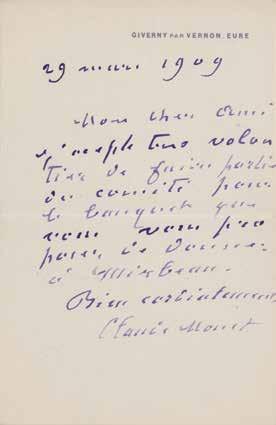
248. Claude Monet Autograph Letter Signed. ALS in French, one page, 5.25 x 8, Giverny par Vernon letterhead, March 29, 1909. Handwritten letter to a friend, agreeing to be part of the committee for the banquet in Mirbeau. In very fine condition. Starting Bid $300
249. Camille Pissarro Autograph Letter Signed. ALS in French, signed “C. Pissarro,” two pages on two adjoining sheets, 4 x 6, no date. Handwritten letter to his wife, Julie Vellay, with family news concerning a possible journey to Marseille by Ruth Bensusan-Butt; she would be traveling instead of her sister, Camille’s daughter-in-law, Esther Levi Bensusan, whom Pissarro had convinced to stay with her sick husband, Lucien Pissarro. In part (translated): “Esther wrote to you today to tell you she was leaving for Marseille. I persuaded Esther not to leave her husband, so we’ll see about arranging this trip differently. Ruth will probably make the trip in her place. Don’t bother going to Paris. Lucien is much better; he spent an hour on the terrace in the sun and felt very well. Goodbye, see you tomorrow.” In fine condition, with the lower half of the signed page missing, but affecting none of the text or signature. Starting Bid $200
“Capri is an adorable, tiny island, and has everything one needs to paint”
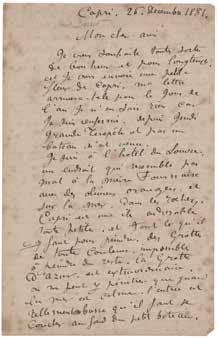
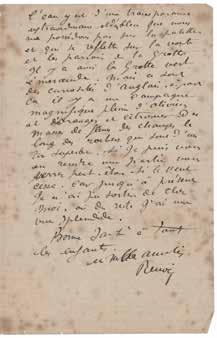
251. Pierre-Auguste Renoir Autograph Letter Signed: “Capri is an adorable, tiny island, and has everything one needs to paint”. ALS in French, signed “Renoir,” two pages on two adjoining sheets, 5.25 x 8.25, December 26, 1881. Handwritten letter to Paul Bérard about the island of Capri. In part (translated): “Capri is an adorable, tiny island, and has everything one needs to paint. Grottoes of every color, impossible to paint, by the way. The Azure Grotto is extraordinary. One can only enter it when the sea is calm. The entrance is so low that you have to lie down in the bottom of the small boat. The water there is extraordinarily clear and a blue unlike any we have on our palette, reflecting off the vault and walls of the cave. There’s also the emerald green cave. But those are English curiosities. Apart from that, there’s a magnificent countryside full of olive, orange, and lemon trees, masses of wildflowers along the rocks, which are a superb shade. If I can show you part of it, you might see it, if the wind dies down. Because so far I haven’t been able to leave my house, where, by the way, I have a splendid view.” In very good to fine condition, with overall foxing, affecting only appearance.
Pierre-Auguste Renoir’s 1881 visit to Capri had a notable impact on his artistic direction. Immersed in the island’s luminous Mediterranean atmosphere, he encountered an intensity of natural light and color that softened his palette and encouraged a more delicate, airy treatment of form. The trip also exposed him to classical and Renaissance influences—particularly through his studies of Italian art—which prompted him to move away from pure Impressionist spontaneity. Capri, with its radiant sea and sun-washed landscapes, became a catalyst for Renoir’s transition into his later, more classical phase. Starting Bid $200
“Good news, our paintings will be leaving for America shortly”
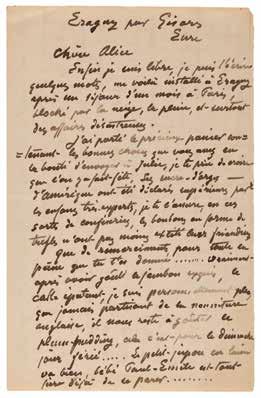
250. Camille Pissarro Autograph Letter Signed: “Good news, our paintings will be leaving for America shortly”. ALS in French, signed “C. Pissarro,” four pages on two adjoining sheets, 4.5 x 7, no date. Handwritten letter to “Alice,” in part (translated): “At last, I am free, I can write a few words. I have settled in Eragny after being stuck in Paris for a month due to the snow, the rain, and above all, some disastrous business. I brought with me the precious basket containing the delicious things you were kind enough to send to Julie. Please believe me, we had a feast! The American barley sugar was declared superior by the very discerning children. I assure you, these kinds of sweets, clover-shaped candies, are no less exciting than they are delicate.
Thank you so much for all the effort you put in… truly, after tasting the exquisite ham and the splendid cake, I am personally more than ever a fan of English cuisine. We still have to enjoy the plum pudding on Sunday… the little woolen petticoat fits well… baby Paul-Emile is already proud to get dressed… Speaking of our dear Alfred, who must be at sea by now, yesterday the 28th we talked a lot about him with Lucien, who misses him very much. You must be very sad about this separation, but you are so close, knowing it’s best for his future, that you took it bravely. Amélis must have expressed all the sorrow she felt at this sudden news. We all wished him good health and a speedy return, with the satisfaction of having been right!!…
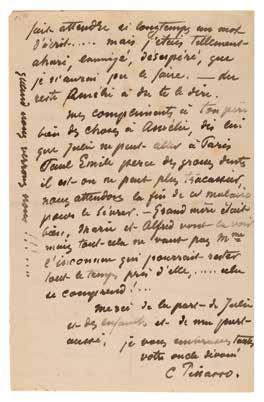
Lucien is now working on illustrations that should appear in an art magazine. He will have finished about fifteen drawings and engravings. I hope we won’t have any difficulty publishing them; we always have to wait for the publishers because they only publish very petty and not at all artistic drawings. When it’s done, we’ll send you the proofs. Dick Doyle’s book is truly astonishing. I didn’t much care for the first part in terms of the illustrations, but the little man with the lion is really quite impressive. I don’t think a child could handle such lions, and the background landscape made a similar impression on me!…
Good news, our paintings will be leaving for America shortly. Durand will leave next month; if it’s successful, we’ll be rid of our troubles, and it will probably have a very positive influence in the future! Now that this is written, I hope you’ll give me your news and, above all, that you’ll forgive me for making you wait so long for a word from me… but I was so troubled, so distraught, so desperate, that I couldn’t… besides, Amelia must have told you. My compliments to your father and my greetings to Amelia; tell her that Julie can’t go to Paris. Paul Emile is teething. He’s no longer a worry. We’re expecting his last molars in February. Grandma is doing well. Marie and Alfred want to see you, but it’s not worth it for Madame, who could stay alone all the time… it’s understandable! Thank you from Julie and the children, and from me too.” In fine condition. Starting Bid $200
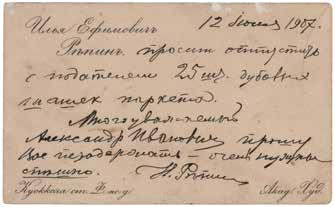
252. Ilya Repin Autograph Note Signed. Russian painter (1844–1930) of the Peredvizhniki artistic school, known for his realistic, psychologically intense works. ANS in Russian, signed twice, “I. Repin,” one page both sides, 4.25 x 2.5, 1907. Handwritten note sent from his house in Kuokkala, in which Repin requests a refund of 25 shillings. Signed on both sides by the celebrated artist. In fine condition. Starting Bid $200
‘Jaguar Attacking a Horse,’ through influential art dealer
253. Henri Rousseau Autograph Document Signed for the Sale of a Painting, ‘Jaguar Attacking a Horse’. Important French post-impressionist painter in the Naïve or Primitive manner (1844–1910) known for his lush jungle paintings and stylized portraits. Recognized as a self-taught genius, his work exerted an extensive influence on several generations of avantgarde artists. ADS in French, signed twice, “Henri Rousseau” and “H. Rousseau,” one page, 3.75 x 4.75, March 22, 1910. Handwritten receipt penned by Henri Rousseau, documenting the sale of his painting ‘Jaguar Attacking a Horse.’ In full: “Received from Monsieur Vollard the sum of one hundred francs for a painting…the fight between the Jaguars and the Horse.” Signed at the conclusion in ink by Rousseau, and also signed across an affixed revenue stamp. In fine condition.
Henri Rousseau painted ‘Jaguar Attacking a Horse’ during the later years of his career, a period marked by growing recognition from avant-garde artists and dealers in Paris. Though self-taught and long dismissed by academic critics, Rousseau had by 1910 gained the admiration of figures such as Pablo Picasso and the influential art dealer Ambroise Vollard, through whom he sold the painting. The painting reflects Rousseau’s enduring fascination with exotic jungle scenes—imagined landscapes inspired not by travel but by botanical gardens, illustrated books, and his vivid inner vision. Starting Bid $200
254. Henri de Toulouse-Lautrec Autograph Letter Signed. Important French painter and printmaker (1864–1901) whose lively, colorful portrayals of the people and places of fin-de-siècle Paris take a place among the most iconic images of the era. ALS in French, signed “H. Lautrec,” two pages on two adjoining sheets, 4.5 x 7, no date. Untranslated handwritten letter to Parisian art publisher Andre Marty. In fine condition, with a minor brush to the signature. Starting Bid $300
296. Briar Rose and Prince Phillip production cels from Sleeping Beauty. (Walt Disney Studios, 1959) Wonderful original production cels of Briar Rose and Prince Phillip from Sleeping Beauty, which show the handsome prince leaning to place a gentle kiss on the outstretched hand of Briar Rose, who is pictured in a lovely three-quarter pose. The Phillip cel has been trimmed to size and applied neatly to the Briar Rose cel, which is placed on a matching studio copy background of a fairy tale forest. Total character image measures 7.5 x 5, with a mat opening of 9.5 x 6.75. Double-matted and framed to an overall size of 18 x 16. In fine condition. Starting Bid $200

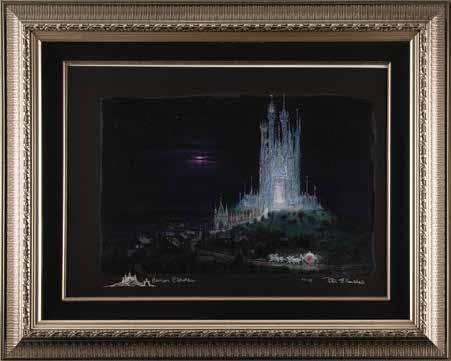
297. Cinderella: ‘The Glass Castle’ Deluxe Hand-Embellished Chiarograph Print by Peter and Harrison Ellenshaw. Gorgeous limited edition oversized color 23.5 x 17 deluxe handembellished chiarograph on black paper giclee entitled ‘The Glass Castle,’ numbered 77/195, signed in the lower left in silver ink with a remarque by legacy artist Harrison Ellenshaw, with a Peter Ellenshaw estate signature to the lower right. Beautifully matted and framed to an overall size of 33.5 x 26.5. In fine condition. Accompanied by a certificate of authenticity from Disney Fine Art.
This fine artwork was created through a proprietary method known as chiarography, which blends classic printmaking practices with modern digital techniques. Although each edition contains recurring imagery, every print becomes a truly unique piece due to the individualized hand-painting involved. The process begins with 485-gram, archival, acid-free black paper, which is coated by hand with a brushed base layer. This undercoat forms the surface on which the image is printed and creates distinctive brush-stroke textures that differ from one sheet to the next. During printing, archival pigment inks are applied only where the hand-painted basecoat exists, allowing the artwork to follow the organic edges of the brushwork. As a result, every print displays its own subtle variations and naturally expressive border. Starting Bid $300
298. Walt Disney Signed ‘Bambi’ Dye Transfer Print. Original color 10.75 x 8.5 dye transfer print from Bambi, showing the young deer with his forest friends, displayed in its original 16.75 x 15.5 Disney mat, signed on the mat in black crayon, “Walt Disney.” The backing bears the original Walt Disney Productions label identifying the print as a “reproduction of an original celluloid drawing” and that it “has been limited to 100 prints.” In very good condition, with wear, soiling, and light staining to the mat. Starting Bid $300
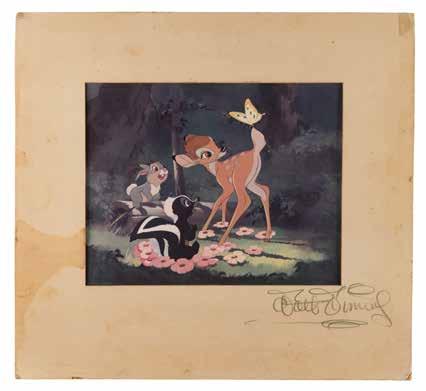
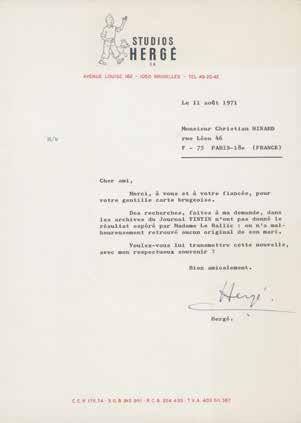
299. Herge Typed Letter Signed. Famous Belgian cartoonist (1907–1983) best known for his comic book series The Adventures of Tintin. TLS in French, signed “Herge,” one page, 8.25 x 11.75, Studios Herge letterhead, August 11, 1971. Letter to Christian Hinard, regarding illustrator Étienne Le Rallic’s collaboration with Tintin magazine. In full (translated): “Thank you, and thank you to your fiancée, for your kind postcard from Bruges. Research, conducted at my request, in the archives of Tintin magazine has not yielded the results hoped for by Mrs. Le Rallic: unfortunately, no original artwork by her husband has been found. Would you please pass on this news to her, with my respectful regards.” In fine condition. Starting Bid $200
Astounding original Superman character sketches by comic book icon Joe Shuster, which include early portrait drawings of Clark Kent, Lois Lane, Jimmy Olsen, and the Man of Steel
301. Joe Shuster Original Sketches of Superman, Clark Kent, Lois Lane, and Jimmy Olsen. Amazing vintage original Superman character sketches by legendary comic book artist Joe Shuster, accomplished in pencil on two off-white 11.25 x 7.25 stationery sheets from The Oliver Cromwell luxury hotel in Manhattan, New York. The first sheet bears a wonderful drawing of Superman in a handsome, barrel-chested profile pose adjacent to a lovely portrait sketch of the recipient, Doris Reed, and is signed and inscribed in the lower right, “To Doris, with best personal wishes from SUPERMAN’s artist–creator — Joe Shuster.” The second sheet has drawings on both sides: the front features profile portraits of Clark Kent and Jimmy Olsen, and the back contains a portrait sketch of the beautiful Lois Lane. Includes a vintage glossy 8 x 10 photo of Reed, a singer-actress then residing at The Oliver Cromwell. In fine condition, with light edge toning. Starting Bid $500
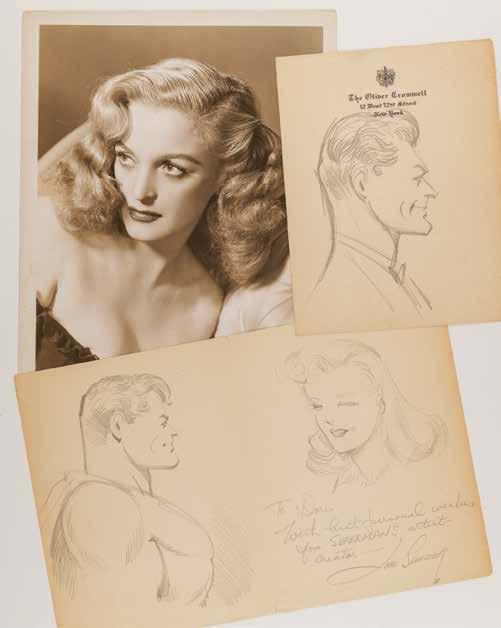
300. Bernard, Miss Bianca, Madame Medusa, Mr. Snoops, and Brutus and Nero collection of (113) preliminary storyboard drawings from The Rescuers. (Walt Disney, 1977). Collection of 113 original preliminary storyboard drawings by Ted Berman for The Rescuers, which features characters like the mouse heroes Bernard and Miss Bianca, as well as the villains Mr. Snoops, the alligators Brutus and Nero, and Madame Medusa, the latter of whom is featured most prominently. The majority of the drawings occur around the 48:54 mark of The Rescuers, when Madame Medusa gets startled by Bernard and Bianca and, without hesitation, starts shooting her shotgun to get rid of the poor mice. The drawings are accomplished in graphite, ink, and felt tip on off-white studio bond paper ranging in size from 6 x 4.5 to 9 x 5. In overall fine condition.
From the collection of legendary Disney storyboard artist Ted Berman. Starting Bid $200
302. Princess Aurora and Diablo production cels from Sleeping Beauty. (Walt Disney Studios, 1959) Original production cels of Princess Aurora and Diablo, the feathered pet of Maleficent, from Sleeping Beauty, picturing the gorgeous princess in a large profile pose, with the raven shown with wings spread over her hands. The total character image measures 4.5 x 5.75. Matted to an overall size of 12 x 10, with the mat reverse bearing a golden Walt Disney Productions label, which reads: “This is an original handpainted celluloid drawing actually used in a Walt Disney production.” In fine condition. Starting Bid $300
303. Princess Aurora and Prince Phillip production cel from Sleeping Beauty. (Walt Disney Studios, 1959) Original production cel of Princess Aurora and Prince Phillip from Sleeping Beauty, picturing the two characters in large close-up poses, with the total character image measuring 8.25 x 6.25. Matted to an overall size of 12 x 10, with the mat reverse bearing a golden Walt Disney Productions label, which reads: “This is an original handpainted celluloid drawing actually used in a Walt Disney production.” In fine condition. Starting Bid $200
304. Princess Aurora production cel from Sleeping Beauty. (Walt Disney Studios, 1959) Original production cel of Princess Aurora from Sleeping Beauty, picturing the gorgeous princess in a large half-length pose, with the total character image measuring 6.25 x 5.75. Matted to an overall size of 12 x 10, with the mat reverse bearing a golden Walt Disney Productions label, which reads: “This is an original handpainted celluloid drawing actually used in a Walt Disney production.” In fine condition, with light wear to the mat. Starting Bid $300
“Odd to think ‘Watership Down’ is ten years and four books ago”—Adams sends a signed first edition to an early reviewer
323. Richard Adams (2)
Autograph Letters Signed and Signed Book - Watership Down. Signed book: Watership Down. First UK edition. London: Rex Collings, 1972. Hardcover with dust jacket, 5.75 x 8.75, 413 pages. Signed and inscribed on the title page in black ballpoint, “To Nicholas Tucker, with every good wish from Richard Adams.” Autographic condition: fine. Book condition: VG/ G+, with an ownership inscription to the first free end page, and several small splits, tears, and stains to the dust jacket.
Includes two ALSs by Richard Adams, totaling three pages on two sheets, 5.25 x 7, May 12 and 20, 1982, both to Nicholas Tucker. The first, in part: “I remember your review. It was, as Mr. Toby Weller would have said, ‘a very good ‘un.’ Odd to think ‘Watership Down’ is ten years and four books ago. I personally always preferred Shardik but perhaps that’s wrong. Who is to tell?…Yes, I will sign the book for you, if you’ll send it. I’m told the current market value of a signed first edition is about £200 so I leave it to you to decide whether to register or not. I seem to remember that in your review you used ‘nix’ as a noun. This is a bête noire of mine. You might drop the nasty practice, as a quid pro quo!” The second, in part: “Everything here in turmoil, so will not write more at the moment, but I acknowledge your cheque with thanks. I hope we meet one of these days.” The letters are in fine condition. Accompanied by a copy of Tucker’s review of Watership Down, published in the New Statesman on December 22, 1972, as well as a custom-made quarter-leather clamshell case. Starting Bid $200
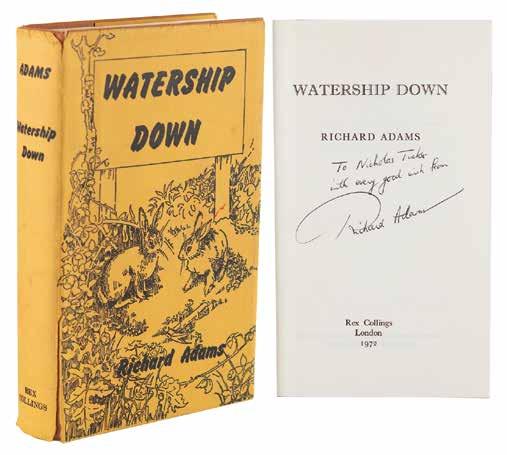
325. Hans Christian Andersen Autograph Quotation
Signed from ‘A Bouquet of Violets’. Beloved Danish author (1805–1875) best known for such classic fairy tales as The Ugly Duckling, The Red Shoes, and The Emperor’s New Clothes. AQS in Danish, signed “H. C. Andersen,” one page, 12 x 9, Rome, April 28, 1846. The legendary fairy tale author pens a beautiful quatrain (translated): “A violet dreamt in the night that it stood at the gates of Eden, lifted up to the beloved’s beast, the dream became reality.” A German translation is neatly penned below in another hand. In fine condition. This verse was first published as ‘A Bouquet of Violets’ in Andersen’s Fifty Short Poems, although our first line differs from the original. Starting Bid $200
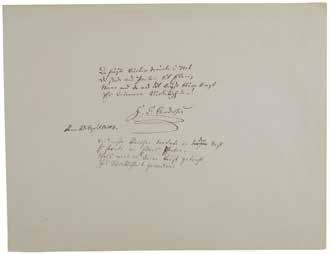
Cabinet portrait signed by the Peter Pan playwright
326. James M. Barrie Signed Photograph. Scottish author and dramatist (1860-1937) best known for the classic children’s play Peter Pan. Scarce 4.25 x 6.5 cabinet photo of the celebrated novelist and playwright by Elliott & Fry of London, signed in ink, “Yours truly, J. M. Barrie.” In fine condition. Starting Bid $200
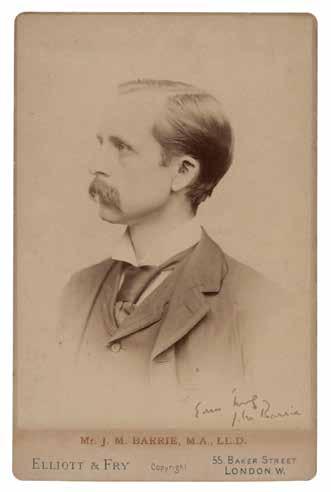
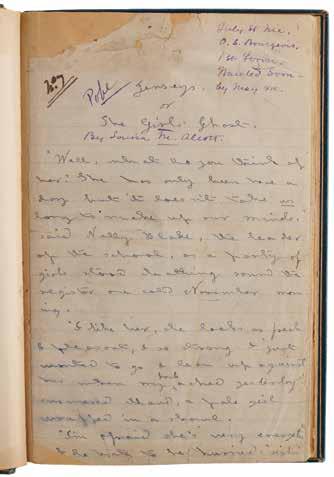
324. Louisa May Alcott Handwritten Manuscript for “Jerseys, or, The Girls’ Ghost” . Handwritten manuscript by Louisa May Alcott for her short story “Jerseys, or, The Girls’ Ghost,” 53 pages, 5 x 8, no date but published in St. Nicholas (Vol. XI, No. 8) in July 1884; also collected in Spinning-Wheel Stories, published in the same year. The original handwritten typesetting copy of Alcott’s story, with numerous corrections and interlineations by the author, with numerous printer’s markings to the text. Titled at the head by Alcott, “Jerseys, or, The Girls’ Ghost,” with printer’s notes in purple ink: “July St. Nic….Wanted soon, by May 4th, By Louisa M. Alcott.”
The story begins: “’Well, what do you think of her? She has only been here a day, but it doesn’t take us long to make up our minds,’ said Nelly Blake, the leader of the school, as a party of girls stood chatting round the register one cold November morning. ‘I like her, she looks so fresh and pleasant,
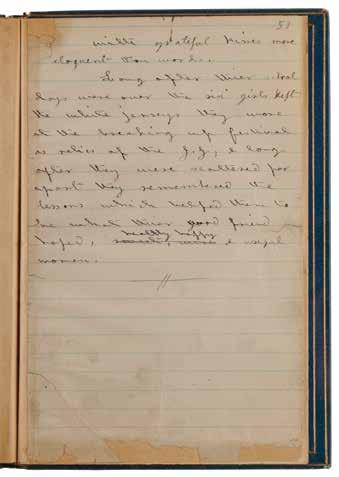
and so strong. I just wanted to go and lean up against her, when my back ached yesterday,’ answered Maud, a pale girl wrapped in a shawl.”
Handsomely bound in full blue morocco with gilt-titled spine, with an “Ex Libris, Estelle Doheny” label to front pastedown. In very good to fine condition, with scattered toning and soiling, and some minor paper repaired loss not adversely affecting the text; page 31 is missing.
“Jerseys, or the Girl’s Ghost,” one of the most significant pieces in Louisa May Alcott’s Spinning Wheel Stories, blends light mystery with the author’s characteristic social purpose. Though framed as a ghost tale, the story is actually a vehicle for Alcott’s progressive ideas—especially the late-19th-century movements for healthier dress, improved diet, and more active lifestyles for young women. Starting Bid $5000
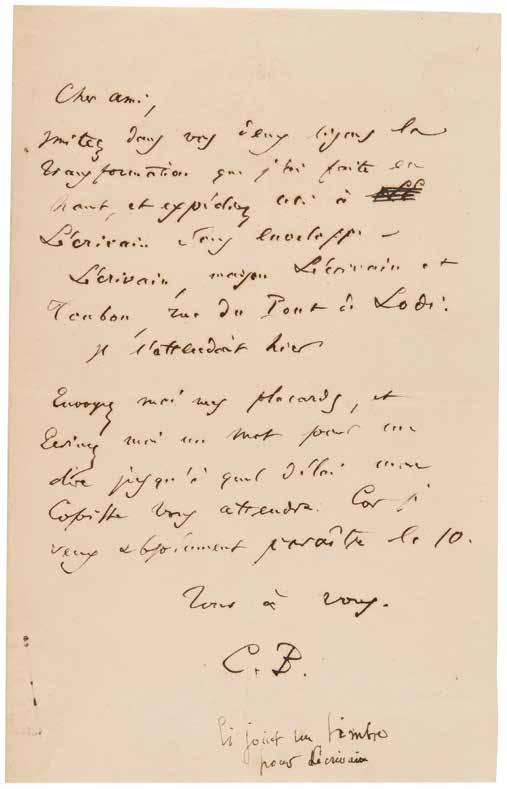
327. Charles Baudelaire Autograph Letter Signed, Sending a Manuscript for Correction. Influential French writer (1821–1867) best known for his highly imaginative and experimental verse, including the seminal 1857 collection Les Fleurs du Mal. ALS in French, signed “C. B.,” one page, 5 x 8.25, no date. Handwritten letter to a friend, sending his manuscript with a request to correct it and then send it to the publisher Lecrivain. In fine condition, with tiny pin holes to the lower left edge. Starting Bid $500
the death of the
“I, Francisco Narciso de Laprida, whose voice declared the Independence of these cruel provinces, defeated, my face stained with blood and sweat”
328. Jorge Luis Borges Autograph Poem Signed with Original Artwork by Raul Russo. Argentine writer (1899–1986) renowned as a master of imaginative fiction, known for his labyrinthine stories that transformed the boundaries of modern literature. Beautiful autograph poem signed by Jorge Luis Borges, one page, 6.25 x 9.25, enhanced with a gouache illustration signed by Raul Russo, with painted heading: “Poema, 1954.” An excerpt from Borges’ ‘Conjectural Poem,’ in which the great Argentine writer theorizes on the murder of Francisco Laprida, father of Argentina’s independence. In full (translated): “Dr. Francisco Laprida, assassinated on September 22, 1829, by Aldao’s guerrillas, thinks before dying: Bullets whiz by in the late afternoon, there is wind and ashes in the wind, the day and the misshapen battle are scattered, and victory belongs to the others. The barbarians win, the gauchos win. I, who studied the laws and the canons, I, Francisco Narciso de Laprida, whose voice declared the Independence of these cruel provinces, defeated, my face stained with blood and sweat, without hope or fear, lost, I flee south through the last suburbs.”
Below is a bright, colorful illustration done by Argentine painter Raul Russo, signed in the lower right in paint, “Russo 54.” On the reverse is another illustration by Russo, entitled “Galeria Witcomb,” followed by several fountain pen signatures, including those of Jorge Luis Borges, Raul Russo, artist Santiago Cogorno, poet Ricardo Molinari, and others. In fine condition.
Composed during a period of renewed national introspection in mid-20th-century Argentina, this presentation unites Borges’s literary meditation on history with Russo’s vivid visual interpretation, creating a striking collaboration between two major cultural figures. The additional signatures on the reverse further anchor the piece within the vibrant artistic and intellectual circles of Buenos Aires in the 1950s. Starting Bid $300
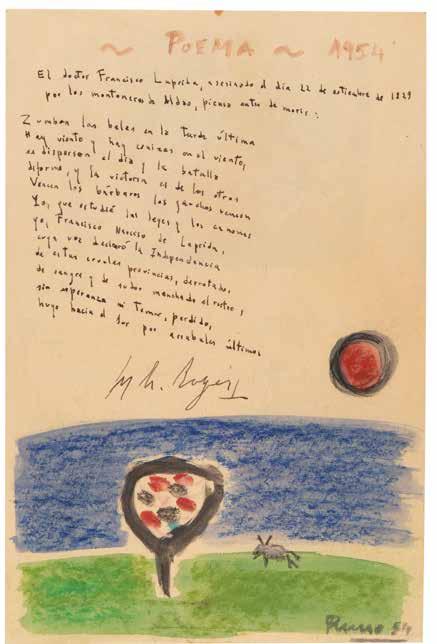
“Love, love who once didst pass the Dardan portals”—Elizabeth Barrett Browning translates a Euripidean love poem
329. Elizabeth Barrett Browning Handwritten Poem - A Translation of a Chorus by Euripides. Popular English poet (1806–1861) of the Victorian era, celebrated for her love sonnets. Rare unsigned handwritten poem by Elizabeth Barrett Browning, one page, 4.5 x 7.25, with attached slip annotated in another hand: “Manuscript of Mrs. Browning given to Mrs. Ford by R.B., March 18, 1866.” Identified at the head in the hand of her husband, the famous poet Robert Browning, “(Translation from the antistrophe of a chorus in the ‘Troades’ of Euripides),” the poem begins: “Love, love who once didst pass the Dardan portals / because of heavenly passion / Who once didst lift up Troy in exultation / To mingle in thy bond the high immortals.” In fine condition. Published as ‘Paraphrase on Euripides’ in Last Poems of Elizabeth Barrett Browning (NY: James Miller, 1862). Starting Bid $500
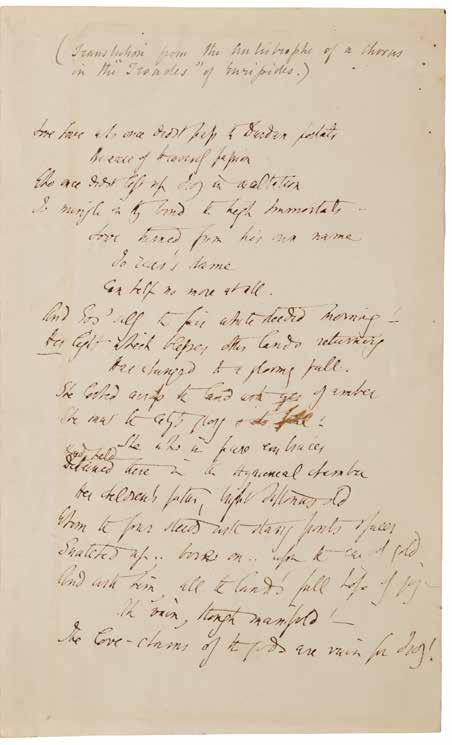
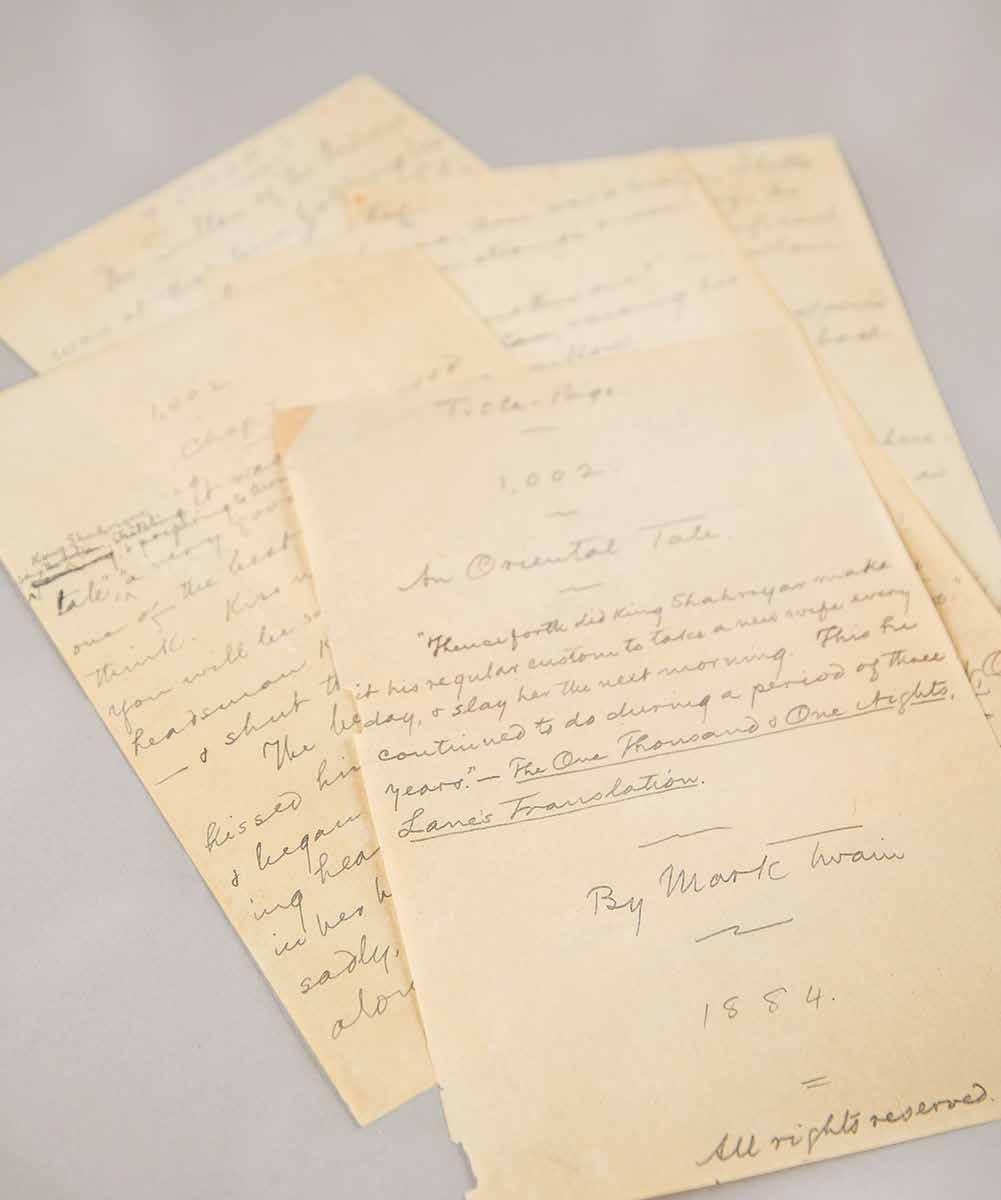
The first five pages of
‘1,002nd Arabian Night,’ completed during the same summer as Huckleberry Finn
330. Samuel Clemens Partial Autograph Manuscript Signed for ‘1,002nd Arabian Night,’ completed during the same summer as Huckleberry Finn. Fantastic partial autograph manuscript, signed “Mark Twain,” five pages, 5.5 x 8.5, dated 1884 on the handwritten title page. The first five pages of Clemens’s manuscript draft for ‘1,002nd Arabian Night’, a short story that went unpublished until after his death, with a handwritten cover sheet using a working title: “Title-Page. 1,002: An Oriental Tale. ‘Henceforth did King Shahriyar make it his regular custom to take a new wife every day, & slay her the next morning. This he continued to do during a period of three years.’—The One Thousand & One Nights, Lane’s Translation. By Mark Twain, 1884, All rights reserved.” He then launches into the tale of the King’s new wife, Scheherazade, primarily consisting of dialogue between her and King Shahriyar. At the bottom of one page, Clemens adds a note to the “compositor,” initialed “M.T.,” in full: “The figures inserted thus, (1) (2) (3), &c., refer to corresponding numbers on the illustrations. Leave them out, of course.” In overall very good to fine condition, with some nicks and chipping to edges, and a few small tape repairs to corners.
The remaining portion of the manuscript is preserved in the Mark Twain Papers at the University of California, Berkeley. Twain later wrote to his nephew, who was to publish the book, that it ought to be published anonymously. It would not appear in print until the publication of Mark Twain’s Satires & Burlesques by the University of California Press, edited by Franklin R. Rogers. In his introduction, Rogers reveals why Twain may have experienced a change of heart. Quoting Twain’s friend W. D. Howells on 1,002nd: ‘The opening passages are the funniest you have ever done; but when I got into the story itself, it seemed to me that I was made a fellow sufferer with the Sultan from Scheherazade’s prolixity…I feel bound to say that I think this burlesque falls short of being amusing.’
Nevertheless, ‘1,002nd Arabian Night’ certainly remains of great interest because of its closeness to Huckleberry Finn in the Twain canon—both were completed in Elmira, New York, in the summer of 1883. Starting Bid $1000
“This ‘interview’ is merely a lie. No interviewer saw me or spoke with me”—Twain responds to a supposed quarrel with Mrs. Astor
331. Samuel L. Clemens Autograph Note Signed: “This ‘interview’ is a merely a lie”. ANS signed “Mark Twain,” one page, 6.25 x 1, March 10, 1902. Clemens pens a note in the upper margin of a clipping from the New York American and Journal, responding to a piece describing a quarrel between himself and Mrs. Astor. In full: “This ‘interview’ is merely a lie. No interviewer saw me or spoke with me. It would not occur to me to discuss a subject with Mrs. Astor, or with the cat.” Matted and framed with the newspaper column and a matte-finish portrait of the author in his trademark white suit to an overall size of 14 x 10.5. In fine condition, with a tiny tape stain to the top edge. Starting Bid $200
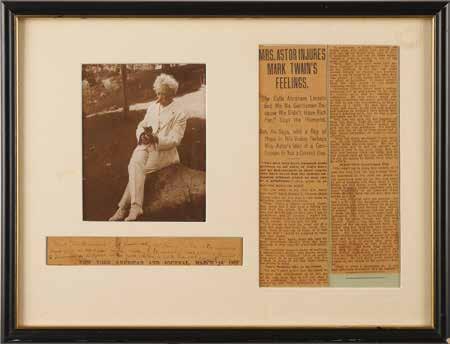
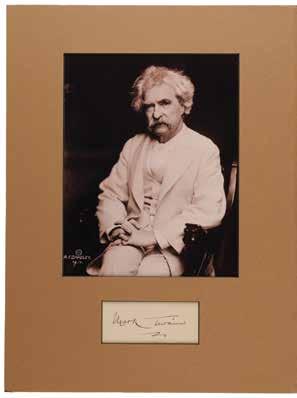
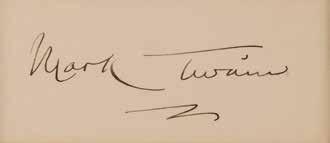
332. Samuel L. Clemens Signature. Crisp ink signature, “Mark Twain,” on an off-white 4 x 1.75 card, matted with a portrait of the author to an overall size of 12 x 16. In very fine condition. Starting Bid $200
“My correspondence is not voluminous enough to make a short-hand amanuensis necessary, & in my other work I am obliged to use the pen myself”
333. Samuel L. Clemens Autograph Letter Signed, Declining a Secretary’s Application: “In my other work I am obliged to use the pen myself”. ALS signed “S. L. Clemens,” one page, 5.75 x 9, The McIntyre Coal Company letterhead, September 8, 1879. Handwritten letter to stenographer Miss Mary H. Beale, his neighbor in Hartford, Connecticut, who had applied for a position with the famous author. In full: “In answer to yours of the 5th, I have to reply that my correspondence is not voluminous enough to make a short-hand amanuensis necessary, & in my other work I am obliged to use the pen myself.” The McIntyre Coal Company had been founded by Clemens’s father-in-law, Jervis Langdon. In fine condition. Starting Bid $200
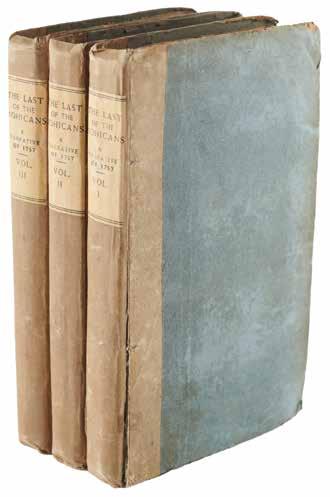
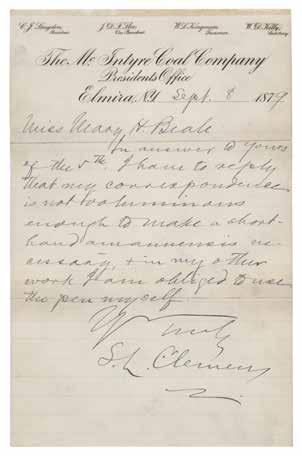
334. James Fenimore Cooper: The Last of the Mohicans; A Narrative of 1757 (First UK Edition). Scarce book: The Last of the Mohicans; A Narrative of 1757 by James Fenimore Cooper. First UK edition. London: John Miller, 1826. Hardcover in three volumes, bound in the rebacked original boards with facsimile spine labels, 4.75 x 7.75, totaling 858 pages. Book condition: G+/None, with edgewear, minor losses, and soiling to the rebacked boards, some soiling to the textblock, and missing rear endpaper in Vol. I.
Provenance: Lot 197, Bonhams, June 12, 2018.
The Last of the Mohicans by James Fenimore Cooper was published in 1826 as the second novel in his Leatherstocking Tales series; the first British edition came out about one month after the edition published in Philadelphia. Set during the French and Indian War, it quickly became Cooper’s most famous work and a defining example of early American historical romance. Its widespread success helped solidify Cooper’s reputation internationally, leading to numerous reprints and adaptations throughout the 19th and 20th centuries. Starting Bid $200
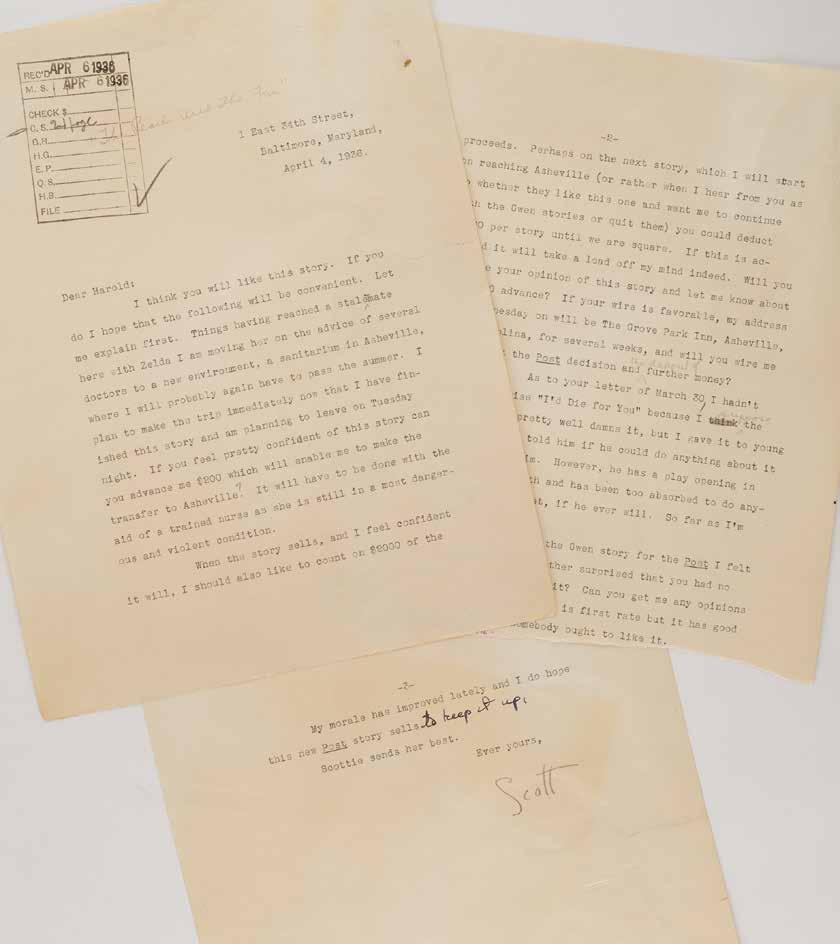
for an advance from his agent: “Things have reached a stale-mate here with Zelda. I am moving her on the advice of several doctors to a new environment, a sanitarium in Asheville”
335. F. Scott Fitzgerald Typed Letter Signed to Literary Agent Harold Ober: “Things having reached a stale-mate here with Zelda I am moving her on the advice of several doctors to a new environment, a sanitarium in Asheville”. TLS signed in pencil, “Scott,” three pages, 8.5 x 11, April 4, 1936. Letter to his literary agent Harold Ober, sending his story ‘The Pearl and the Fur’ and requesting an advance amidst financial hardship. In full: “I think you will like this story. If you do I hope that the following will be convenient. Let me explain first. Things having reached a stale-mate here with Zelda I am moving her on the advice of several doctors to a new environment, a sanitarium in Asheville, where I will probably again have to pass the summer. I plan to make the trip immediately now that I have finished this story and am planning to leave on Tuesday night. If you feel pretty confident of this story can you advance me $200 which will enable me to make the transfer to Asheville? It will have to be done with the aid of a trained nurse as she is still in a most dangerous and violent condition.
When the story sells, and I feel confident it will, I should also like to count on $2000 of the proceeds. Perhaps on the next story, which I will start on reaching Asheville (or rather when I hear from you as to whether they like this one and want me to continue with the Gwen stories or quit them) you could deduct $1500 per story until we are square. If this is accepted it will take a load off my mind indeed. Will you wire me your opinion of this story and let me know about the $200 advance? If your wire is favorable, my address from Wednesday on will be The Grove Park Inn, Asheville, North Carolina, for several weeks, and will you wire me there about the Post decision and the deposit of further money?
As to your letter of March 30, I hadn’t wanted to revise ‘I’d Die for You’ because I suppose the suicide theme pretty well damns it, but I gave it to young Bill Warren and told him if he could do anything about it I’d split with him. However, he has a play opening in New York this month and has been too absorbed to do anything with it as yet, if he ever will. So far as I’m concerned it’s dead.
As to the Gwen story for the Post I felt more hopeful and am rather surprised that you had no bidders. Who has seen it? Can you get me
any opinions on it? I don’t think it is first rate but it has good things in it and somebody ought to like it. My morale has improved lately and I do hope this new Post story sells to keep it up. Scottie sends her best.” In very good to fine condition, with somewhat irregular light toning, loss to one corner tip, and professionally repaired edge tears.
‘The Pearl and the Fur’ was one of four stories F. Scott Fitzgerald wrote for a planned series about a father and his daughter. The daughter, Gwen, was modeled on his own child, Scottie, and Fitzgerald hoped the series would achieve the same success as his earlier Basil and Josephine stories, which had run in The Saturday Evening Post from 1928 to 1931. In 1935 and 1936 he completed four Gwen stories: the Post accepted two but rejected the others and advised him to abandon the project, feeling the pieces were rushed and overly dependent on strained plots. During this time, his literary agent Harold Ober was effectively acting as both editor and collaborator, since the manuscripts often arrived in unsalable condition. His response to the draft of ‘The Pearl and the Fur’ included a list of 29 suggested revisions. Although the Post rejected ‘The Pearl and the Fur,’ the story was sold to the Pictorial Review, along with ‘Make Yourself at Home,’ for a combined $3500.
Following various stints of institutionalization during the early 1930s, Fitzgerald’s wife Zelda’s condition continued to decline. In 1936, Scott placed her in the Highland Hospital in Asheville, North Carolina, and wrote to friends: ‘Zelda now claims to be in direct contact with Christ, William the Conqueror, Mary Stuart, Apollo and all the stock paraphernalia of insane-asylum jokes…For what she has really suffered, there is never a sober night that I do not pay a stark tribute of an hour to in the darkness.’ The minimum monthly fee at Highland was $240, thus Fitzgerald’s request for a $200 advance. During this period, his financial situation was increasingly strained. Writes biographer Matthew J. Bruccoli: ‘By the summer of 1936 Fitzgerald owed Scribner’s $9000, and his debt to Ober had reached $11,000. Ober’s business, like most others, was suffering from the Depression. He had two sons to educate and was concerned about the mounting total. It did no good to explain that he could not keep advancing money; Fitzgerald continued to wire desperate pleas for $50 or $100 when his bank account was overdrawn.’ Starting Bid $500
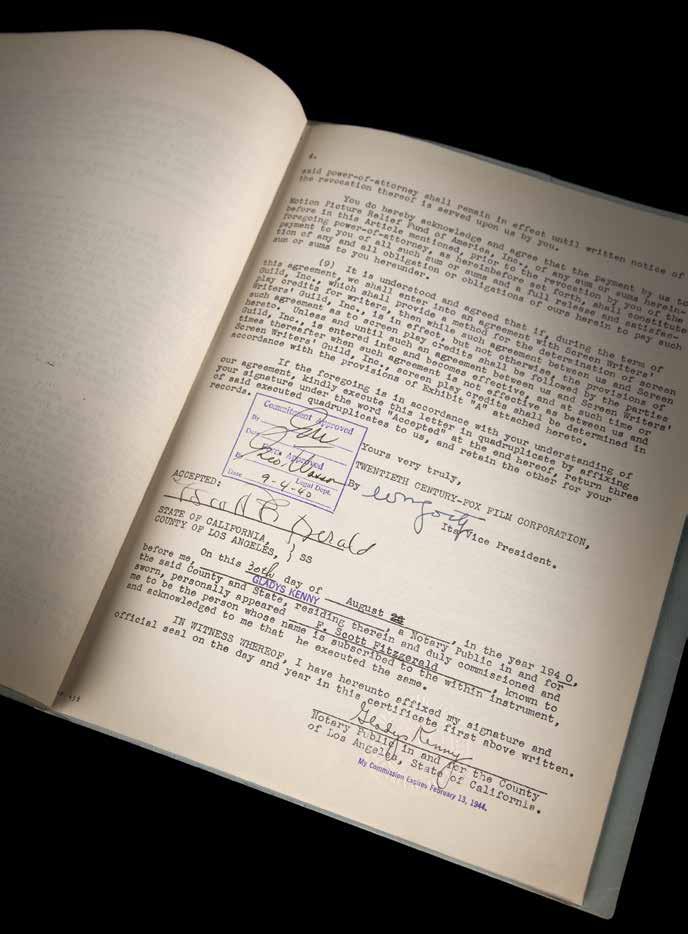
a four-week deal as a “scenario writer” with Twentieth-Century Fox
336. F. Scott Fitzgerald Document Signed - Fitzgerald’s Last Movie Contract with Twentieth-Century Fox. Important DS, three pages, 8.5 x 11, August 26, 1940. Contract between F. Scott Fitzgerald and Twentieth-Century Fox, employing him as a “scenario writer in creating, composing, revising and adapting literary works or compositions, including dialogue and/or continuity suitable for use in the production of motion pictures” for a period of tour weeks, at the rate of $1000 per week. Neatly signed at the conclusion in fountain pen by F. Scott Fitzgerald, and countersigned by a studio vice president and a notary. Stapled into its original blue legal folder, along with an “Exhibit A” rider outlining the “formula for determination of screen play credits.” In very fine condition.
This document, the studio’s retained copy, is Fitzgerald’s final contract for screen writing during his last stay in Hollywood.
He undertook the work to finance time to finish his novel, The Last Tycoon, a story about the movie industry, posthumously published in 1941. Writes biographer Matthew J. Bruccoli in Some Sort of Epic Grandeur: ‘Fitzgerald’s last screenwriting assignment came when Twentieth Century-Fox hired him to prepare a screenplay from The Light of Heart, Emlyn Williams’s play about an alcoholic actor. The job paid $1,000 per week from August 26 to October 15 [the four weeks was extended to six]. He submitted three drafts, but his version was rejected as too gloomy. The assignment was turned over to Nunnally Johnson. At Fox he was also involved in a story conference for Everything Happens at Night, a Sonja Henie vehicle, and may have worked briefly on Brooklyn Bridge, a proposed movie about the building of the bridge.’ Fitzgerald died in Hollywood on December 21, 1940, the novel which he desperately tried to complete left unfinished. Starting Bid $500
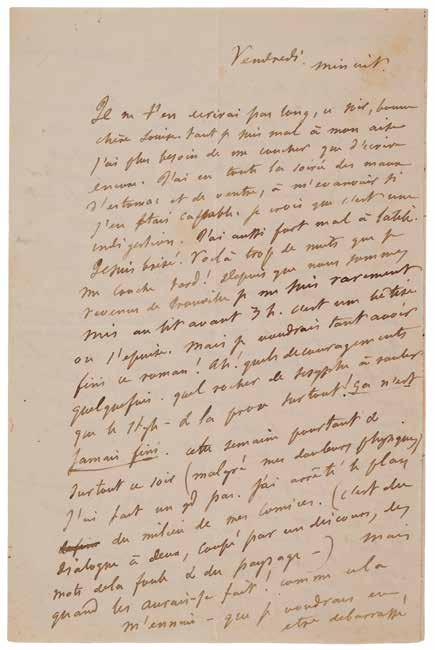
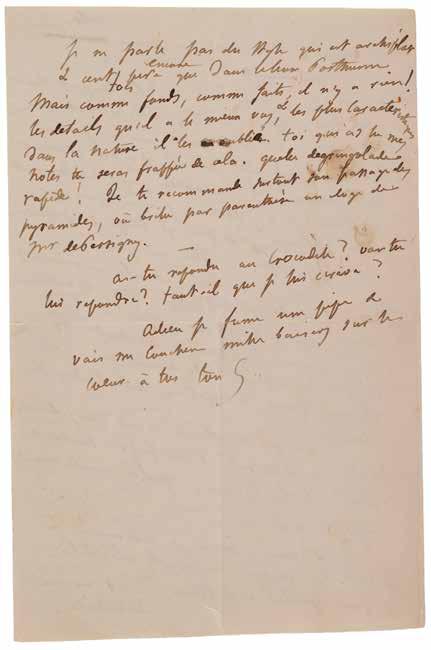
“Oh, Bovary, what a grinding millstone it is for me”—Flaubert tells his lover of endless toil on his masterpiece
337. Gustave Flaubert Autograph Letter Signed to His Lover on Writing Madame Bovary: “Oh, Bovary, what a grinding millstone it is for me”. ALS in French, signed “G,” four pages on two adjoining sheets, 5.25 x 8.25, October 7, 1853. Handwritten letter to his lover, the poet Louise Colet, concerning his writing of Madame Bovary. In part (translated): “I’ll not write you at length this evening, good, dear Louise. I am so uneasy, I need more to lie down than to write again. I have had a stomach and belly ache all evening, to the point of fainting, if I were capable of it. I think it is indigestion. I also have a bad headache. I am exhausted. That’s what comes from going to bed too late too many nights! Since we returned from Trouville I have rarely gone to bed before 3 A.M. That’s stupid, one gets exhausted. But I would like so much to have this novel finished! Ah! what discouragements sometimes, what cliff of Sisyphus to roll style up & prose, above all. That will never end. This week, however, and above all this evening (in spite of my physical sufferings), I have taken a great step. I have resolved on a plan of the middle of my agricultural fair (it is of a dialogue of two, cut off by a speech, by words from the crowd & by the countryside!). But when will I have them done! How that vexes me that I would like to be relieved of it to come to visit you. I have such a need for it & I desire you very much. B[ouilhet] will see you next week, I think. Well, not just to see you, and play tricks on me, hm, own up! Last Sunday he had the intention of leaving next Tuesday. I don’t think he has changed his mind. As to the rest, he should have written you. I didn’t say this vacation, dear Louise (that would not have made sense), but this winter my mother has to go to Paris.
I reiterate the promise of my engagement to you. I will do everything I possibly can so that you can meet and get to know each other. After that you will make arrangements as you see fit. I am breaking my head to comprehend the importance you place in this. But it is settled after all; let’s not talk about it anymore. How right Leconte was to show Planche his teeth. Those scoundrels! It’s always the same, ‘Anoint a rogue, he will stab you; / Stab a rogue, he will anoint you.’ Is the good Leconte getting on with his Celtic poem? This winter you will be a superb trio down there. Me, my solitude begins & my life is going to take on a form the way I will spend it perhaps 30 or forty years more. (I may very well have a dwelling in Paris, I will never stay there but some months of the year, most of my
time I will spend here!) So!—God is great! Yes, I am getting old and that makes me feel old very much, this departure of B[ouilhet], although I hardly held him back, although I urged him to leave.
How my hair is falling out! A wigmaker who cut it last Monday was alarmed by it, like the Captain of Ugliness, de Villemain. What saddens me is that I am getting sad, and, stupidly, in a somber way of thinking. Oh, Bovary, what a grinding millstone it is for me. Friend Max has begun publishing his voyage in Egypt. Le Nil to be a counterpart to The Rhin [Hugo’s book]. It is strange in its nothingness. I’m not referring to the style, which is exceedingly flat, a hundred times worse than in Le Livre Posthume. But as subject matter, as facts, there is nothing in it at all! The details he has best seen & the most characteristic in nature, he forgets them. You, who have read my notes, will be struck by that. What a sudden come-down. I above all recommend his passage on the pyramids, where a hymn of praise to M. de Persigny stands out as an aside. Did you answer the Crocodile? Are you going to answer him? Do I have to write him? Adieu, I’ll smoke a pipe and go to bed, a thousand kisses to your ear.” In fine condition.
Famed for his sometimes-debilitating perfectionist style, Flaubert struggled with writer’s block in the months prior to beginning his debut novel, Madame Bovary, in September 1851. He would spend six years toiling on the piece, always searching for ‘le mot juste’—the right word—in his pursuit of precise prose. This letter conveys his perfectionist disposition as a writer, grinding away day after day, sometimes occupying a week in the completion of one page, and never satisfied with what he had composed. He also refers to his mentor, guide, and best friend, the French dramatist Louis Bouilhet; Flaubert never wrote anything without his advice.
Finally published in 1856, Flaubert’s novel follows Emma Bovary, a dissatisfied and ambitious woman trapped in a mundane marriage, as she seeks escape through extravagant affairs and reckless spending. A seminal work of literary realism, the novel sparked an obscenity trial and is considered to be one of the most influential works of the 19th century. Starting Bid $300
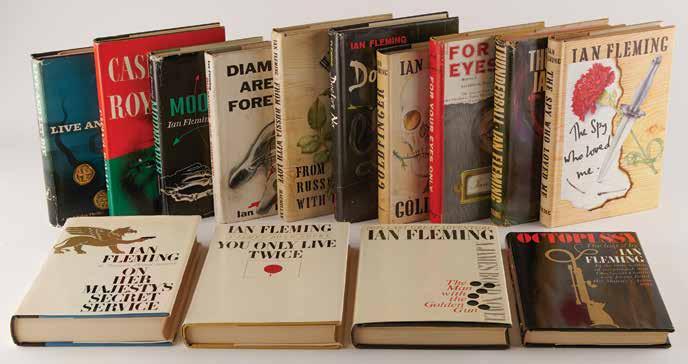
338. Ian Fleming: Complete Set of (14) US First Editions of the James Bond Novels. Complete set of 14 American first editions of Ian Fleming’s classic James Bond novels, all hardcovers in their original dust jackets, published between 1953 and 1966 by Macmillan, Viking, and the New American Library. Titles are: Casino Royale, Live and Let Die, Moonraker, Diamonds Are Forever, From Russia, with Love, Dr. No, Goldfinger, For Your Eyes Only, Thunderball, The Spy Who Loved Me, On Her Majesty’s Secret Service, You Only Live Twice, The Man with the Golden Gun, and Octopussy. Book condition: VG+/VG overall, with a price-clipped dust jacket for From Russia, with Love, and the other Macmillan editions clipped at corners but price retained, edgewear and small
tears to jackets, and several with bookplates affixed inside.
Ian Fleming’s James Bond novels represent one of the most influential bodies of popular fiction of the 20th century, defining the modern espionage thriller and shaping global pop culture for generations. Introduced in 1953, Bond emerged as a stylish yet hard-edged Cold War operative whose exploits blended real-world intelligence detail with glamorous adventure, setting a new standard for the genre. Fleming’s inventive plots and memorable villains created a literary phenomenon that soon inspired one of the longest-running and most successful film franchises in history. Starting Bid $500
339. E. M. Forster Signed Book - A Passage to India (Ltd. Ed. 142/200). Signed book: A Passage to India. First edition, limited issue, numbered 142/200. London: Edward Arnold & Co., 1924. Hardcover, 6.25 x 9.25, 325 pages. Neatly signed on the colophon in fountain pen, “E. M. Forster.” In very fine condition. Book condition: VG+/None, with toning to the book’s boards. E. M. Forster’s A Passage to India was published in 1924 by Edward Arnold after more than a decade of intermittent work and two formative trips Forster made to India in 1912 and 1921. It was his first novel since Howards End (1910) and ultimately his final full-length fiction, long delayed as he struggled to capture the political and cultural complexity of British-Indian relations. Upon release, it was widely acclaimed for its nuanced portrayal of empire and quickly became a cornerstone of modernist literature, earning the James Tait Black Memorial Prize and solidifying Forster’s reputation as a major novelist. Starting Bid $200
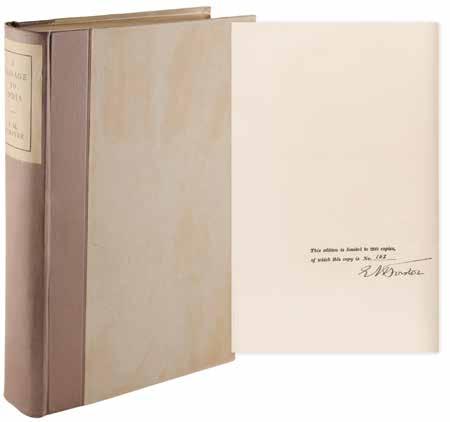

340. William Golding: Lord of the Flies (First Edition). Classic first edition book: Lord of the Flies by William Golding. First edition. London: Faber and Faber, 1954. Hardcover bound in red cloth with original pictorial dust jacket (with “12s 6d” price on front flap), 5 x 7.5, 248 pages. Book condition: VG/G+, with a bit of fading at the head of the slightly cocked spine, a couple small tears and losses to the top of the dust jacket, and minor foxing to the jacket.
From the front flap: “This is a story for adults about small boys; very ordinary small boys marooned on a coral island. At first it seems as though it is all going to be great fun; but the fun before long becomes furious and life on the island turns into a nightmare of panic and death. As ordinary decent day-to-day standards of behaviour collapse, the whole world they knew collapses with them.” Lord of the Flies was awarded a place on both lists of Modern Library 100 Best Novels, reaching number 41 on the editor’s list and 25 on the reader’s list, and chosen by Time magazine as one of the 100 best English-language novels since 1923. Starting Bid $200
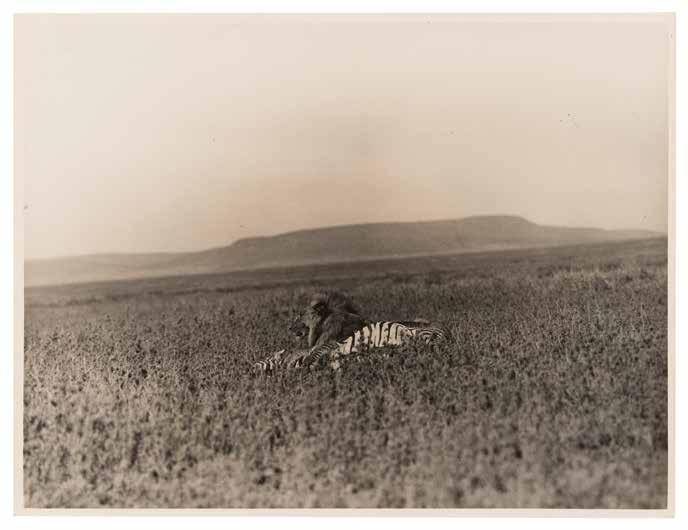
341. Ernest Hemingway Signed Photograph of Lion and Prey, Taken During a 1934 Safari. Spectacular vintage glossy 9.75 x 7.5 photo taken by Ernest Hemingway of a black-maned lion lounging beside its fallen zebra prey on the Serengeti, signed on the reverse in fountain pen, “Copyright by Ernest Hemingway, No. 4.” An earlier photograph from this sequence was published in Hemingway’s piece, ‘a. d. in Africa,’ in the April 1934 issue of Esquire. In fine condition.
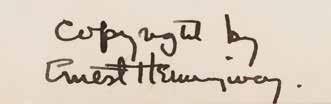
Hemingway’s striking image captures not only the raw immediacy of the hunt but also the author’s deep fascination with the unfettered drama of the African wilderness—a central theme that threaded through much of his nonfiction of the 1930s. Taken during his first East African safari, the photograph reflects his instinctive eye for narrative even in still imagery: the regal lion, the stark finality of its kill, and the vast Serengeti horizon beyond. As with his published accounts from this period, the scene conveys both the beauty and brutality of the landscape that so profoundly shaped his identity as an adventurer and writer. Possessing the dual allure of literary provenance and natural spectacle, the piece stands as a vivid testament to Hemingway’s lifelong pursuits in both art and experience. Starting Bid $300
342. Victor Hugo Signed Photograph and Autograph Letter Signed. Superb pairing of two items: a 2.5 x 3.75 carte-de-visite portrait of Hugo with two grandchildren, Georges and Jeanne, by Arsene Garnier of Guernsey, signed and inscribed on the reverse in ink by Hugo; and an ALS in French, signed “Victor Hugo,” one page, 4 x 5.25, March 3, [no year], in which Hugo praises the poetry of Georges Nazim and extends a warm invitation to dinner. A personal note continues on the reverse, further affirming his admiration. The letter is in fine condition; the photo is good to very good, with trimmed edges, light soiling to the image, and heavy irregular staining to the signed side Starting Bid $200
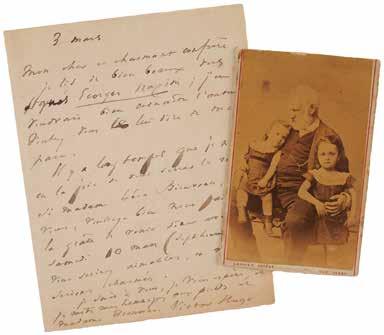
343. Victor Hugo: Royalty Statement for Lucrèce Borgia, Les Misérables, and Rigoletto (1881). Partlyprinted document in French, one page both sides, 7.75 x 12, April 1881. Royalty statement on the letterhead of A. Roger, “Agent General de al Societe des Auteurs & Compositeus Dramatiques,” prepared for the legendary French writer Victor Hugo, documenting payments due from theatrical productions between October 1880 and April 1881. In February 1881, Hugo entered his eightieth year, and France devoted to her greatest living author one of the most extravagant tributes ever given to a literary figure. The festivities included the largest parade ever held in France, as half a million people gathered to march past Hugo’s house on the Avenue d’Eylau (newly renamed Avenue Victor Hugo in his honor) down the Champs Élysées all the way to the center of Paris. They marched past Hugo’s window for six hours, the guides to the event wearing cornflowers as an allusion to Fantine in Les Misérables. On February 26th, a triumphant revival of Hugo’s historical play Lucrèce Borgia opened in Paris, sparking performances of Hugo’s stage works all across France. The present royalty statement lists 31 Parisian performances of “Lucrèce B.” in April 1881 including matinées, with a monumental total take of FF 5134.15. It further documents no fewer than 68 other performances are listed here (under columns for Banlieue, Départements, and Étranger), with Lucrèce alone playing in Angoulême, St Germain, Bordeaux, Dijon, Dunkirk, Limoges, Montpellier, Perpignan, Toulouse, etc. Les Misérables held the stage in Lille, Notre Dame de Paris in Brussels and Belleville, and Rigoletto from Avignon to Douai. In all the royalties amounted to FF 6599.65, summed up at the head. In fine condition, with a small tear to the top edge. Starting Bid $200
Handwritten chapter from Washington Irving’s Life of Washington, chronicling the relationship between
the Revolutionary War
344. Washington Irving Handwritten Manuscript Chapter from His Biography of George Washington. Handwritten manuscript by Washington Irving from Chapter 27 of his Life of Washington (Vol. IV), eleven pages, ranging in size from 5 x 8 to 5 x 10, no date but published in 1857. This portion of Irving’s manuscript, paginated by him from “469” to “479,” contains Irving’s account of “[General] Greene on the high hills of Santee—The enemy harassed—Greene marches against Stuart—Battle near Eutaw Springs.” The chapter begins: “For some weeks in the months of July and August General Greene had remained encamped with his main force on the high hills of Santee, refreshing and disciplining his men, and awaiting the arrival of promised reinforcements. He was constantly looking to Washington as his polar star by which to steer, and feared despatches from him were intercepted…In the mean time Marion with his light troops, aided by Colonel Washington with his dragoons, held control over the lower Santee.” At the end of the chapter, Irving writes: “We will now resume our narrative with the siege of Yorktown.” The pages are neatly affixed together at the top edges, with some other segments pasted together. In very good to fine condition, with toning, chipping, and a tear to the small slip affixed to the bottom of the first page.
Washington Irving’s Life of Washington is a multi-volume biography that chronicles the life and leadership of George Washington, blending historical detail with Irving’s characteristic narrative style. Written late in Irving’s career, it reflects extensive research and his desire to create a national historical work of lasting importance. The biography portrays Washington not just as a military and political figure, but as a model of character whose virtues shaped the early United States. Starting Bid $200
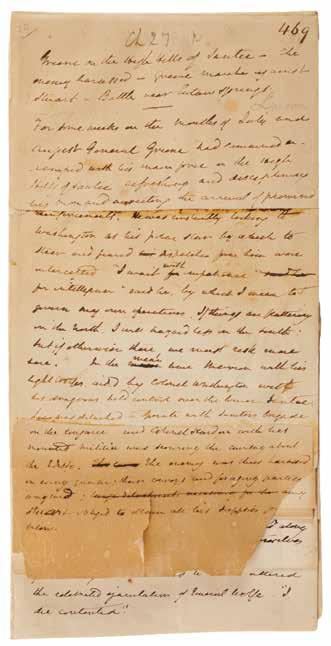
Kipling’s hand-corrected draft of “The King’s Ankus”—the ‘crown jewel’ of his Jungle Book stories
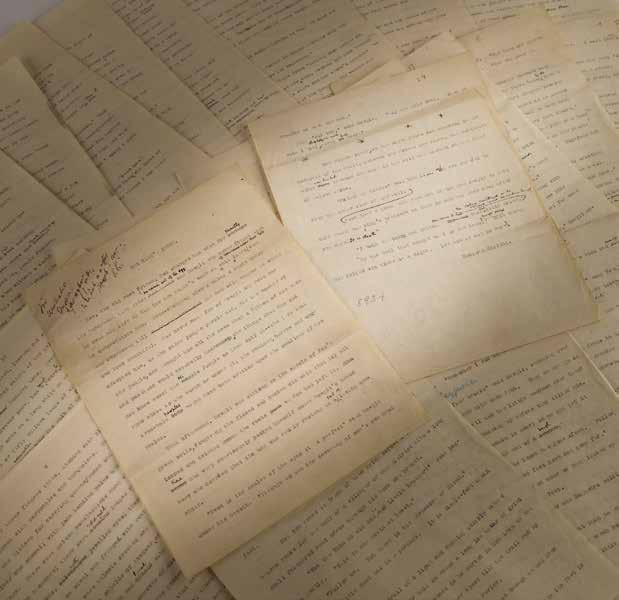
345. Rudyard Kipling Hand-Corrected Typed Manuscript for “The King’s Ankus” - The ‘Crown Jewel’ of His Jungle Book Stories. Hand-corrected typed manuscript for Rudyard Kipling’s story “The King’s Ankus,” one of the Mowgli stories in The Second Jungle Book, 24 pages, 8 x 10.5, signed at the head in ink by Kipling, “For Australia, India…only, To be pub. on or after March 1, 1895, R. K.” The author makes extensive corrections and emendations in ink throughout, with a few blue crayon and pencil edits made in other hands. The printed version reflects numerous verbal changes from the present typescript, including the restoration of some readings here deleted and the addition of a lengthy passage in the second page. In overall fine condition. Housed in a gorgeous custom-made blue morocco case, with giltstamped title and cobra device on the front.
“The King’s Ankus” is a short story from Rudyard Kipling’s Jungle Book series that follows Mowgli after he discovers an ancient treasure chamber guarded by a white cobra. Among the relics is a ceremonial elephant goad—the king’s ankus—which Mowgli takes at first but quickly discards after learning it carries a dark history. As the ankus passes from hand to hand, greed drives several humans to murder each other for its possession, highlighting the corrupting power of wealth and Mowgli’s fundamental difference from human society. The story blends adventure with a moral lesson about desire and violence in the human world. According to Kipling biographer Angus Wilson, the story is ‘the crown jewel of the two [Jungle] books…Kipling’s best use of myth in all his work.’ Starting Bid $5000
“Not as a ladder from Earth to Heaven— / Not as a witness to any creed: / But simple service simply given / To his own kind in their common need”
346. Rudyard Kipling Autograph
Quotation Signed and Typed
Letter Signed: “Not as a ladder from Earth to Heaven— / Not as a witness to any creed: / But simple service simply given / To his own kind in their common need”. Two items: an AQS signed “Rudyard Kipling,” one page, 8 x 2.75, quoting the final lines of his 1907 poem ‘The Sons of Martha,’ in full: “Not as a ladder from Earth to Heaven— / Not as a witness to any creed: / But simple service simply given / To his own kind in their common need,” written for “Service Post No. 10, American Legion”; and a TLS signed “Rudyard Kipling,” one page, 7.75 x 10, Burwash letterhead, March 4, 1924, in part: “In reply to your letter of the 19th February, I have much pleasure in complying with your request, and trust that the enclosed will be satisfactory.” In very good to fine condition, with light staining and toning to the letter. Accompanied by a custom-made quarter leather clamshell case. Provenance: Lot 260, Swann Auction Galleries, November 29, 2012. Starting Bid $200
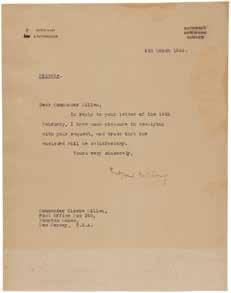
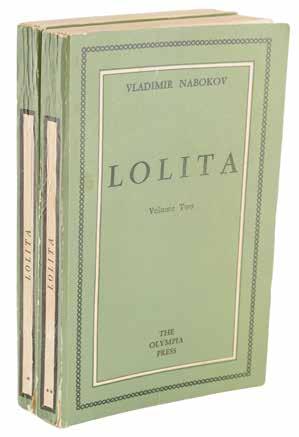
348. Vladimir Nabokov: Lolita (First Edition). Sought-after first edition book: Lolita by Vladimir Nabokov. First edition, first printing with “Francs : 900” imprinted on both rear wrappers (without 1,200 franc sticker on the back of volume one, nor any sticker residue present). Paris: The Olympia Press, 1955. Softcover in two volumes, 4.5 x 7, 188 and 223 pages. Book condition: VG-/None, with edgewear, minor dampstaining to lower left corner and top edge of the first few pages of Vol. I (including the title page), dampstaining to the bottom edge of the last forty or so pages of Vol. II, and some wear and creasing to spines and the rear wrapper of Vol. I.
Vladimir Nabokov’s Lolita is significant for its daring exploration of obsession, manipulation, and the unreliable narrator, wrapped in some of the most intricate prose of the 20th century. Through Humbert Humbert’s seductive yet disturbing voice, Nabokov forces readers to confront the gap between language and morality—how beautiful writing can disguise monstrous acts. Its cultural impact was heightened by its controversial first edition, published in 1955 by the Olympia Press in Paris—a small avant-garde publisher known for taking risks on works others deemed unprintable. This unconventional debut helped cement Lolita’s reputation as both a provocation and a literary masterpiece. Starting Bid $300
Herman Melville declines to write for an encyclopedia: “I am unpracticed in a kind of writing that exacts so much heedfulness”
347. Herman Melville Autograph Letter Signed, Declining an Encyclopedia Writing Job. ALS signed “H. Melville,” one page, 4.75 x 8, December 11, [1887?]. Handwritten letter to author and editor Rossiter Johnson, in full: “Yours of the 9th is received.—Your friendly proposition I must decline. And this—in part at least—from a sense of incompetence. For I am unpracticed in a kind of writing that exacts so much heedfulness—heedfulness, I mean, of a sort not demanded in some other departments.” In fine condition.
The text of this letter is collected in the Northwest-Newbury edition of The Writings of Herman Melville: Correspondence, edited by Lynn Horth, which notes: ‘The long career of Edwin Rossiter Johnson (1840–1931) as a prolific editor of encyclopedias, dictionaries, abridged classics, and anthologies (including Melville’s piece ‘The BellTower’ in the third volume, ‘Tragedy’ [1875] of his Little Classics…together with implications in this letter, make it likely that Melville was replying to a 9 December invitation to write something for such a work. Although this letter cannot be dated exactly, Davis and Gilman reported that it was written on the same paper as that of Melville’s 9 January 1888 letter to Edmund C. Stedman. If so, this letter probably refers either to Appletons’ Cyclopaedia of American Biography, for which Johnson was managing editor…or Appletons’ Annual Cyclopaedia, of which Johnson was sole editor between 1883 and 1902.’
By this point in his career, Melville’s literary efforts were focused almost entirely on poetic fiction—a mode entirely dissimilar from the compressed, fact-based style of the attentive encyclopedia entry. Starting Bid $1000
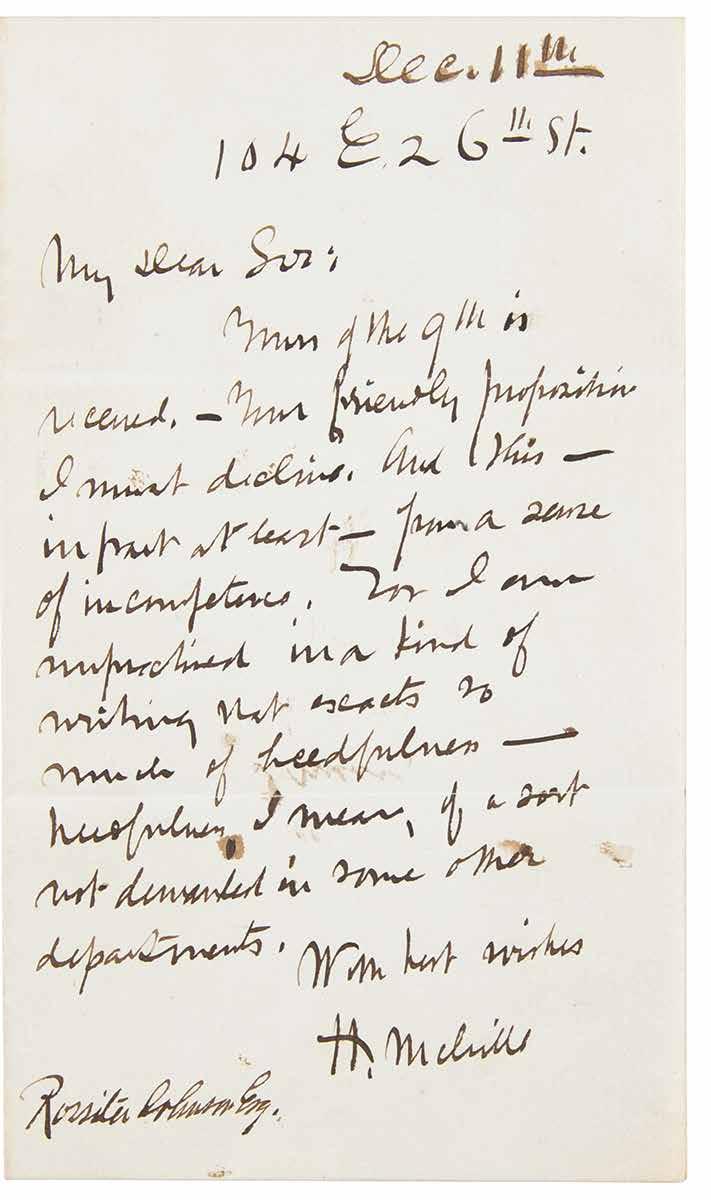
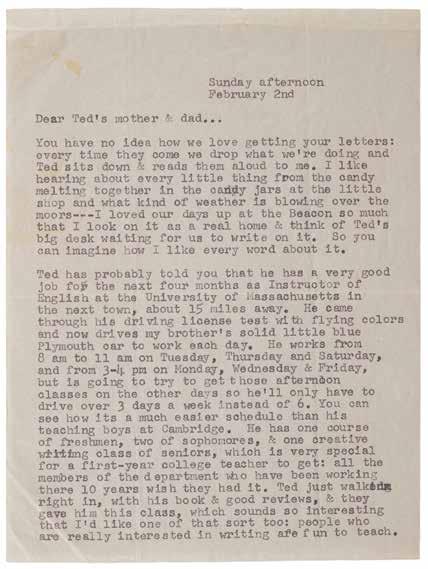
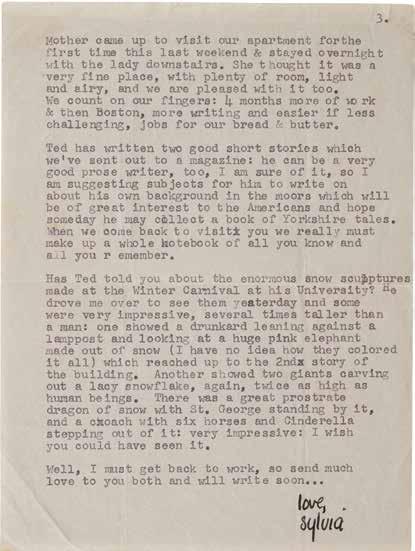
“I’ll have to read all the books by Hawthorne, Melville and Henry James”— writing to her in-laws, Plath reports on her work in American academia
349. Sylvia Plath Typed Letter Signed to Ted Hughes’s Parents, on Their Work in American Academia: “I’ll have to read all the books by Hawthorne, Melville and Henry James”. TLS signed “Love, Sylvia,” three pages, 5.75 x 7.75, February 2, 1958. Letter to her parents-in-law Edith and William Hughes, with updates on her and Ted Hughes’s work and health, and announcing their decision to move to Boston after fulfilling her contract with Smith College. In part: “You have no idea how we love getting your letters: every time they come we drop what we’re doing and Ted sits down & reads them aloud to me. I like hearing about every little thing from the candy melting together in the candy jars at the little shop and what kind of weather is blowing over the moors—I loved our days up at the Beacon so much that I look on it as a real home & think of Ted’s big desk waiting for us to write on it. So you can imagine how I like every word about it.
Ted has probably told you that he has a very good job for the next four months as Instructor of English at the University of Massachusetts in the next town, about 15 miles away. He came through his driving license test with flying colors and now drives my brother’s solid little blue Plymouth car to work each day…He has one course of freshmen, two of sophomores, & one creative writing class of seniors, which is very special for a first-year college teacher to get…Ted just walked right in, with his book & good reviews, & they gave him this class, which sounds so interesting that I’d like one of that sort too: people who are really interested in writing are fun to teach.
It is very unusual for anyone without a Phd. (a doctor’s degree) to get college-teaching jobs in America, but Ted’s book is a strong recommendation. He could probably teach at either Amherst or Mount Holyoke: the first a boy’s college, the latter a girl’s college, much like Smith, if he wanted to next year…but Ted wants not to teach but to get some other kind of work (without homework or extra preparation) in Boston next year while I write for a change, and he’ll have time to write too. Then, in the fall of 1959 we hope to come back to Europe for a year…I hope to have a book written by the end of next year in Boston…
My week and new semester begins tomorrow. I have been resting as much as possible, as the pneumonia left me really exhausted, not sick, but just very easily tired, so Ted has been taking very good care of me. I have taken on an extra little job in addition to my regular teaching
which is going to an advanced course in American literature which is taught by a world-famous critic, and helping him correct most of his exams throughout the semester: I’ll have to read all the books by Hawthorne, Melville and Henry James, but they are good, so I should enjoy it and a few hundred extra dollars will be very welcome. I’ve just finished correcting my own 70 blue-booklets of midyear exams & am resting my eyes on the scenery outside our window: red tile rooftops and two big gray squirrels chasing each other from branch to branch of the tall bare elm trees…
Ted has written two good short stories which we’ve sent out to a magazine: he can be a very good prose writer, too, I am sure of it, so I am suggesting subjects for him to write on about his own background in the moors which will be of great interest to the Americans and hope someday he may collect a book of Yorkshire tales…
Has Ted told you about the enormous snow sculptures made at the Winter Carnival at his University? He drove me over to see them yesterday and some were very impressive, several times taller than a man: one showed a drunkard leaning against a lamppost and looking at a huge pink elephant made out of snow (I have no idea how they colored it all) which reached up to the 2nd story of the building. Another showed two giants carving out a lacy snowflake, again, twice as high as human beings. There was a great prostrate dragon of snow with St. George standing by it, and a coach with six horses and Cinderella stepping out of it: very impressive: I wish you could have seen it.”
In very good to fine condition, with light creasing. Accompanied by the original mailing envelope, addressed in Plath’s own hand.
Published in The Letters of Sylvia Plath (Vol. II), p. 207-209.
This warm, expansive letter—written at a pivotal juncture in Plath and Hughes’s early married life—offers a rare, intimate window into their domestic routines, creative ambitions, and professional uncertainties in 1958. Rich with evocative detail, it captures Plath’s affectionate bond with her in-laws, her pride in Hughes’s rising reputation, and her own determination to carve out time for serious writing despite recent illness and a demanding teaching load. The couple’s announcement of their impending move to Boston marks a crucial moment in Plath’s development, foreshadowing the fertile creative period that would soon follow. Starting Bid $500
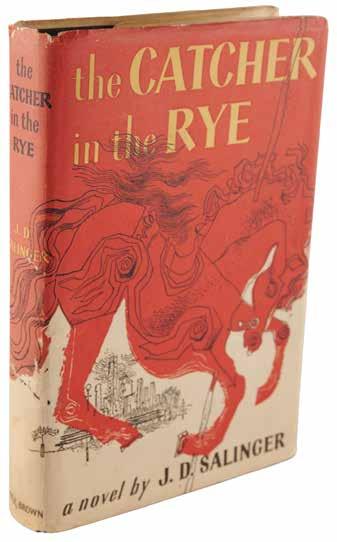
350. J. D. Salinger: The Catcher in the Rye (First Edition). First edition book: The Catcher in the Rye by J. D. Salinger. First edition, first printing. Boston: Little, Brown and Company, 1951. Hardcover bound in finely woven black cloth stamped in gold on the spine, with the original dust jacket (with portrait of Salinger by Lotte Jacobi on rear panel and “$3.00” price intact), 5.5 x 8, 277 pages. Loosely laid in is a card from the publisher, “With Compliments of The Publishers, Little, Brown & Company, 34 Beacon Street, Boston 6, Mass.” Book condition: VG+/VG-, with a small tear to the jacket’s spine, and some scuffing to the rear panel.
A landmark of twentieth-century American literature, The Catcher in the Rye has become one of the most sought-after modern first editions, prized for its cultural resonance and enduring influence. This appealing example—complete with its original, unclipped dust jacket and a rare publisher’s compliments card—is a standout copy of Salinger’s iconic debut novel. Starting Bid $500
“The
memoir, offering poetic observations of the vast Americana West
351. Robert Louis Stevenson
Handwritten Manuscript for “The Plains of Nebraska”. Unsigned handwritten manuscript by Robert Louis Stevenson, headed “The Plains of Nebraska,” one page, 8 x 12.5, no date. Stevenson drafts a section of the manuscript for his 1892 travel memoir Across the Plains, beginning: “It had thundered on the Friday night, but the sun rose on Saturday without a cloud. We were at sea—there is no other adequate expression—on the plains of Nebraska. I made my observatory on the top of a fruit waggon, and sat by the hour upon that perch to spy about me, and to spy in vain, for something new. It was a world almost without a feature: an empty sky, an empty earth; front and back, the line of railway stretched from horizon to horizon, like a cue across a billiard board; on either hand, the green plain ran till it touched the skirts of heaven.” Stevenson makes numerous corrections and deletions to the text, which is penned entirely in his distinctive, diminutive hand.
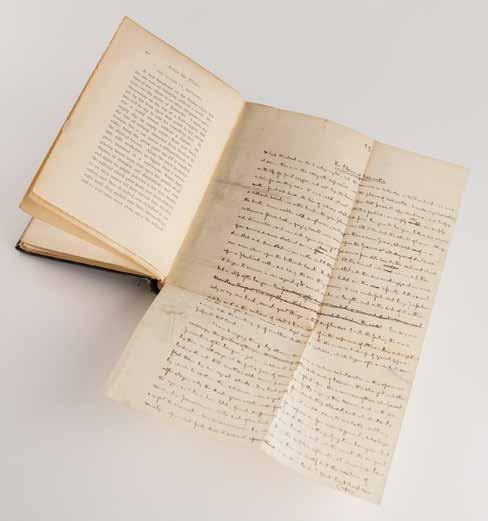
The manuscript page is folded in fourths and tipped into a first edition of the book Across the Plains (between pages 40 and 41), published in London by Chatto & Windus in 1892. Affixed to the front pastedown is an ALS by his friend and literary mentor Sidney Colvin, on British Museum letterhead, in full: “The Mss. inserted at pp. [31 and] 40 are portions of the original autograph by R.L.S. in my possession.” Autographic condition: fine, with short splits to the central vertical fold. Book condition: G-/None, with cracked and loose hinges, spine cloth split and peeling, rubbing to boards, bumped corners, and the bookplate of Margot Tennant affixed to the front pastedown.
Robert Louis Stevenson composed Across the Plains after his 1879–1880 journey from New York to California, transforming the rigors and monotony of overland travel into vivid literary observation. Published in 1892, the memoir captures his keen impressions of the American West at a moment of rapid change, blending travel narrative with social commentary and lyrical landscape writing. The Nebraska crossing—one of the most memorable passages in the book—reveals Stevenson’s ability to find drama in apparent emptiness, rendering the vast prairie in spare, poetic imagery. Manuscript material from Across the Plains is notably scarce, and this working draft page offers a rare glimpse into his creative process during a formative period in his transatlantic career. Starting Bid $500
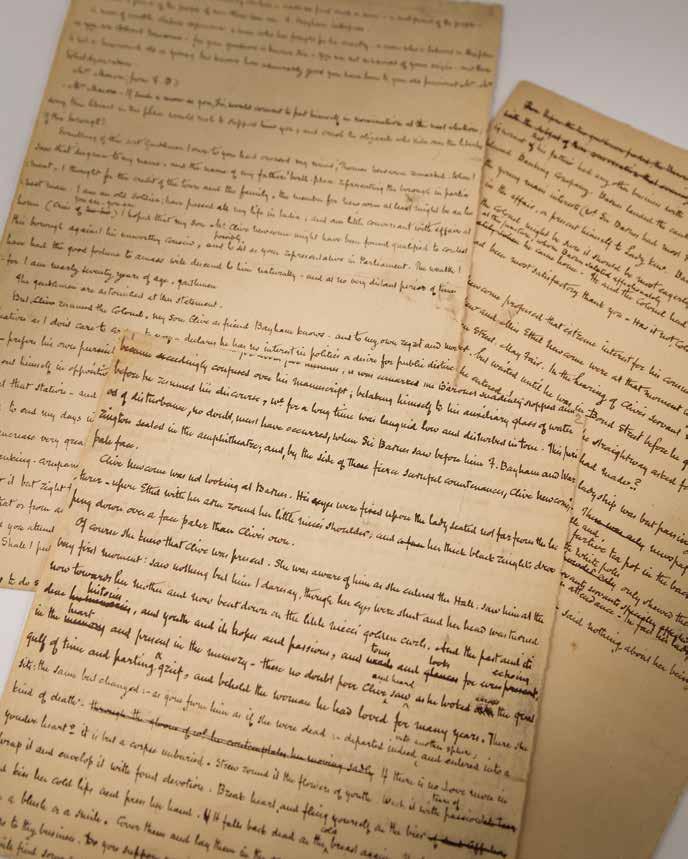
352. William Makepeace Thackeray Handwritten Manuscript for ‘The Newcombes’. Fragment from William Makepeace Thackeray’s handwritten manuscript for his novel The Newcomes, totaling four pages on three sheets, ranging in size from 5.5 x 6 to 5.5 x 8.75, circa early 1850s. Thackeray worked on his famous novel The Newcomes intermittently between August 1852 and June 1855, and first published it serially in 1854 and 1855. Penned in Thackeray’s distinctive and diminutive hand, the text features several corrections and emendations in his own hand, and a few unpublished passages. Otherwise, with the exception of some variant punctuation, the published text follows this manuscript exactly.
The unpublished passage comes from Chapter 51, and reads, with the first part struck through: “[Before the two gentlemen parted, the Baronet asked his uncle casually whether Clive was acquainted with the subject of their conversation that evening and was informed that] the young man was quite ignorant that his father had any other business with Sir Barnes Newcombe than that connected with the Bundelcund Banking Company.” The passage picks up with the text as published: “Barnes lauded the caution which his uncle had displayed. It was quite as well for the young man’s interests (which Sir Barnes had most tenderly at heart) that Clive Newcome should not himself move in the affair, or present himself to Lady Kew. Barnes would take the matter in hand at the proper season; the Colonel might be sure it would be most eagerly, most ardently pressed.”
The second page, smaller and double-sided, comes from Chapter 66, and includes the fine passage of Clive seeing Ethel again at Sir Barnes’ lecture. In part: “the Baronet suddenly stopped and became exceedingly confused over his manuscript: betaking himself to his auxiliary glass of water before he resumed his discourse, which for a long time was languid, low, and disturbed in tone. This period of disturbance,
no doubt, must have occurred when Sir Barnes saw before him F. Bayham and Warrington seated in the amphitheatre; and, by the side of those fierce scornful countenances, Clive Newcome’s pale face. Clive Newcome was not looking at Barnes. His eyes were fixed upon the lady seated not far from the lecturer—upon Ethel, with her arm round her little niece’s shoulder, and her thick black ringlets drooping down over a face paler than Clive’s own.”
The last page is from Chapter 67, and consists largely of dialogue. In part: “’I know a friend of the people if ever there was one,’ F. Bayham interposes. ‘A man of wealth, station, experience; a man who has fought for his country; a man who is beloved in this place as you are, Colonel Newcome: for your goodness is known, sir—You are not ashamed of your origin, and there is not a Newcomite old or young, but knows how admirably good you have been to your old friend, Mrs.—Mrs. What-d’-you-call’-em.’ ‘Mrs. Mason,’ from F. B. ‘Mrs. Mason. If such a man as you, sir, would consent to put himself in nomination at the next election, every true Liberal in this place would rush to support you; and crush the oligarchy who rides over the liberties of this borough!’ ‘Something of this sort, gentlemen, I own to you had crossed my mind,’ Thomas Newcome remarked. ‘When I saw that disgrace to my name, and the name of my father’s birthplace, representing the borough in Parliament, I thought for the credit of the town and the family, the Member for Newcome at least might be an honest man. I am an old soldier; have passed all my life in India; and am little conversant with affairs at home’ (cries of ‘You are, you are’). ‘I hoped that my son, Mr. Clive Newcome, might have been found qualified to contest this borough against his unworthy cousin, and possibly to sit as your representative in Parliament. The wealth I have had the good fortune to amass will descend to him naturally, and at no very distant period of time, for I am nearly seventy years of age, gentlemen.’ The gentlemen are astonished at this statement.” In overall fine condition. Starting Bid $500
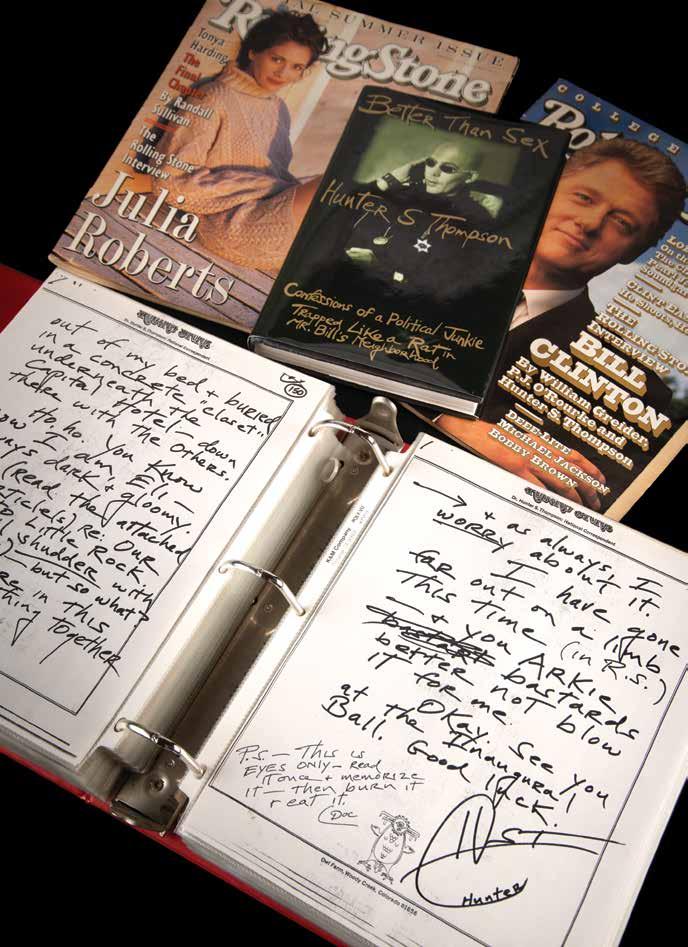
353. Hunter S. Thompson Archive: Early Draft of Better Than Sex, Prepared for Random House (c. 1992–1994), with Signed First Edition. A compelling archive documenting Hunter S. Thompson’s creation of Better Than Sex: Confessions of a Political Junkie, consisting of one of his photocopied working-manuscript binders prepared for Random House, a signed first edition of the published book, and two Rolling Stone issues containing reportage that fed directly into the project.
The highlight is a red three-ring binder prepared by Thompson during the early stages of Better Than Sex, containing approximately 260 photocopied sheets, each inserted—per Thompson’s longstanding practice—into individual plastic sleeves. These pages are entirely photocopies of Thompson’s working papers: drafts, correspondence, notes, faxes, scribbles, and drawings. No original handwriting or ink appears anywhere in the binder; all markings, annotations, margin notes, and bold strokes attributed to Thompson are photocopied reproductions of the originals he kept at Owl Farm.
Thompson refused to send his original manuscripts to publishers, preferring to hoard them in his basement. It was his custom to create a series of carefully curated photocopied binders that he hand-selected, paginated, and assembled before mailing them to his editor. The present binder is one of the three produced for Better Than Sex—most likely one of the first two, based on the content and absence of editorial oversight.
The material primarily spans from June through October 1992, capturing Thompson’s real-time reactions to Bill Clinton’s presidential campaign. The pages reflect the raw, unedited foundation of the book and include: photocopied typed and handwritten drafts (reproducing Thompson’s large marker annotations); working titles, outlines, and structural notes; and reproduced correspondence to and from various political figures. This correspondence offers a vivid snapshot of Thompson’s network during the 1992 campaign, with photocopied
letters and faxes involving Bill and Hillary Clinton, Jann Wenner, David Rosenthal, James Carville, George Stephanopoulos, P. J. O’Rourke, Ed Turner, Bill Greider, John Cusack, editors at Playboy and Esquire, Thompson’s lawyers, and others.
The binder also holds significant content not present in the final book—including cut passages, unused material, and rough early formulations—revealing an unfiltered glimpse into Thompson’s creative process. Housed in its own custom-made quarter morocco clamshell case, with gilt-stamped spine.
Additionally includes:
- a first edition of Better Than Sex: Confessions of a Political Junkie, published by Random House in 1994, hardcover with dust jacket, signed on an opening page in black felt tip by Hunter S. Thompson, “HST.” Housed in its own custom-made quarter morocco clamshell case, with gilt-stamped spine.
- two issues of Rolling Stone magazine: the 1992 ‘Bill Clinton Interview’ issue (September 27, 1992) and 1994 ‘Special Summer Issue’ (July 14–28, 1994) with Thompson’s ‘Trapped in Mr. Bill’s Neighborhood,’ an excerpt from Better Than Sex. Housed together in a custom-made slipcase.
In overall fine condition.
Provenance: Lot 111, Sotheby’s, January 25, 2022.
Hunter S. Thompson’s Better Than Sex (1994) is a wild, chaotic, and darkly funny chronicle of the 1992 U.S. presidential election, filtered through Thompson’s signature Gonzo lens. Written as a collage of faxes, rants, letters, and political commentary, the book captures his disillusionment with American politics while showcasing his unmistakable voice—furious, sharp, and weirdly hopeful beneath the madness. It stands as one of Thompson’s most unrestrained works, blending journalism and personal obsession into a raw portrait of an era. Starting Bid $1000
“Bombarnac hasn’t appeared yet in book form...that will be at the end of January. I’ll have the book sent to you along with Carpathians”—Verne clarifies the publishing history of his Voyages Extraordinaires
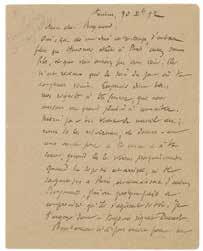
354. Jules Verne Autograph Letter Signed on His Voyages Extraordinaires. ALS in French, two pages on two adjoining sheets, 4.25 x 5.25, December 30, 1892. Handwritten letter to the artist Raymond Ducrest de Villeneuve, in part (translated): “Please express all our regrets to your wife whom we should so much have liked to meet…When your telegram arrived, we didn’t know you were in Paris, and since we know other Raymonds, and I had some difficulty in recognizing that it was from you. I’ll oblige you therefore always to sign Ducarest. Bombarnac hasn’t appeared yet in book form…that will be at the end of January. I’ll have the book sent to you along with Carpathians. You can count on that.” In fine condition, with uniform toning. Accompanied by a full letter of authenticity from PSA/DNA. Read more online at www.RRAuction.com. Starting Bid $200
Verne reports on his early writings—including plays, stories, and “tragedies, dramas, comedies, Italian comedies, melodramas, and vaudevilles in prose and verse, which will never see the light of day”
355. Jules Verne Autograph Letter Signed, Commenting on His Early Works: “I have in my portfolio tragedies, dramas, comedies, Italian comedies, melodramas, and vaudevilles in prose and verse, which will never see the light of day”. ALS in French, two pages on two adjoining sheets, 4 x 5.25, August 6, 1902. Handwritten letter to author Henri d’Almeras, who was then working on ‘Avant la gloire, leurs débuts [Before Glory: Their Beginnings],’ confiding information about his past life, his work, and his early writings. Read partial trasnslation online at www.RRAuction.com. Starting Bid $200
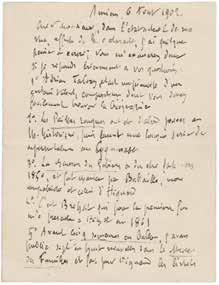
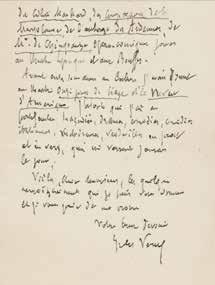
Wells weighs in on his best book:
“My best piece of significant story writing The Invisible Man...I am fond of The War of the Worlds because of its destruction of property”
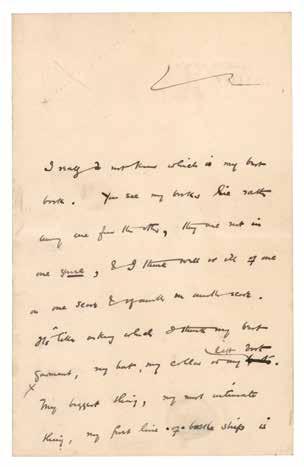
356. H. G. Wells Handwritten Letter on His “Best Book,” Commenting on The Invisible Man, The War of the Worlds, and Dr. Moreau. Unsigned partial handwritten letter by H. G. Wells, two pages on two adjoining sheets, 4.5 x 7, Spade House letterhead, no date. Partial handwritten letter with important autobiographical literary content, in part: “I really do not know which is my best book…It’s like asking which I think my best garment, my hat, my collar or my left boot. My biggest thing, my most intimate thing, my first line-of-battle ship is Anticipations, my best piece of significant story writing The Invisible Man. I think the Wonderful Visit manages to be pretty & that Love & Mr. Lewisham is as near beauty as I am likely to get, and I am fond of The War of the Worlds because of its destruction of property. I don’t like The First Men in the Moon as a whole, but I think it contains some of the best descriptive writing I have ever done. And I have a great tenderness of The Island of Dr. Moreau, because it is the only book of
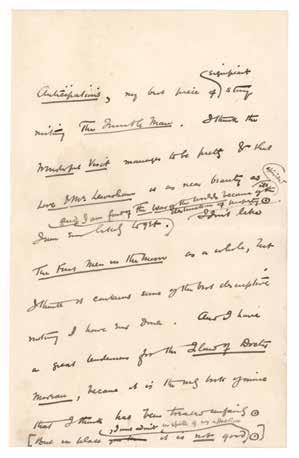
mine that I think has been treated unfairly.” In fine condition. Pioneering the science fiction genre and influencing countless writers, filmmakers, and thinkers, H. G. Wells left an indelible mark on literature. His seminal works, The Invisible Man and War of the Worlds, exemplify his visionary imagination and keen social commentary. While The Invisible Man delves into themes of power, identity, and morality in its exploration of the consequences of unchecked scientific advancement, The War of the Worlds remains a timeless classic, offering a chilling portrayal of alien invasion and humanity’s resilience in the face of overwhelming adversity. Although he felt that The Island of Dr. Moreau was “treated unfairly” by contemporary audiences, the novel has spurred myriad adaptations in all forms of media and remains one of his best-known works. Offering Wells’s first-person evaluation of his own bibliography, this is a significant handwritten letter by the ‘father of science fiction.’ Starting Bid $200
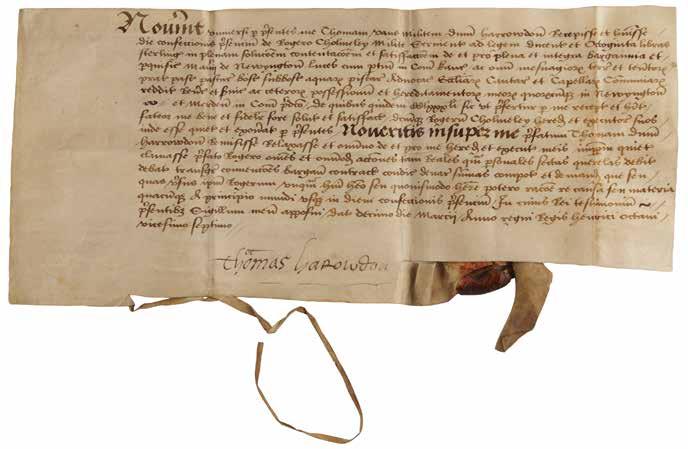
357. Thomas Wyatt Document Signed - Excessively Rare Autograph of the 16th-Century English Poet, Who Introduced the Sonnet to English Literature. English lyric poet (1503–1542) credited with introducing the sonnet to English literature. Excessively rare vellum manuscript DS, signed “Tho. Wiat,” one page, 11 x 5, March 10, 1535. Receipt of payment acknowledging that Lord Vaux has been paid £280 by Roger Cholmley for the manor of Newyngton Luces, Kent, signed at the conclusion in ink by Lord Vaux of Harrowden (“Thomas Harowdon”) and on the reverse by Thomas Wyatt (“Tho. Wiat”) and Sir Thomas Poynings (“Thomas Poynings”). In fine condition, with soiling to the reverse. Housed in a bookform cloth case with sunken compartment.
Per the accompanying old auction description: “This is the earliest recorded signature of the great Tudor poet and apparently the only example of his writing in private hands. It is among the earliest, undisputed autographs by a major English poet to have survived, and possibly the earliest to have been offered for sale. Wyatt’s known letters, the earliest of which dates from April 1537, are all in the Public Record Office and
in the British Library, where is also MS Egerton 2711 of Wyatt’s poems, partly in his autograph.”
Thomas Vaux, 2nd Baron Vaux of Harrowden (1509–1556) was a distinguished poet in Wyatt’s courtly circle. He was, with Wyatt and Surrey, a principal contributor to the great miscellany of 1557, Tottel’s Songs and Sonnets. He is now best remembered for ‘The Aged Lover Renounceth Love,’ the verses of recantation which, at the end of the century, William Shakespeare would incorporate into Hamlet: the Prince of Denmark hears the gravedigger singing the lines as he prepares Ophelia’s grave.
Wyatt’s fellow witness and signatory, Sir Thomas Poynings, was placed first amongst the poet’s three closest friends by John Leland in his Funeral Songs on the Death of the Incomparable Sir Thomas Wyatt. The fourth party to the transaction, Sir Roger Cholmley, the purchaser of the property, was appointed Recorder of London in 1535, later rising to the position of Lord Chief Justice. Provenance: Sotheby’s, July 18, 1960. Starting Bid $1000
“The opera is a disgrace and I only set foot in it to suffer martyrdom at the behest of the serialized drama. Must we then bid farewell forever to music in our sad country?”
393. Hector Berlioz Autograph Letter Signed to His Sister: “The opera is a disgrace and I only set foot in it to suffer martyrdom at the behest of the serialized drama”. Superb ALS in French, signed “H. Berlioz,” four pages on two adjoining sheets, 5.25 x 8.25, December 5, 1849. Handwritten letter to his sister, Nanci Pal, in part (translated): “This morning, I had an audience with the President [the future Napoleon III]. I got up early, dressed, and shaved; I stood around the Élysée Palace for an hour and a half, surrounded by sixty hideous deputies from three departments (my God, how ugly humankind is!). After these deputations were successively admitted and dismissed, the Prince came to offer us his apologies and send us back for another day.”
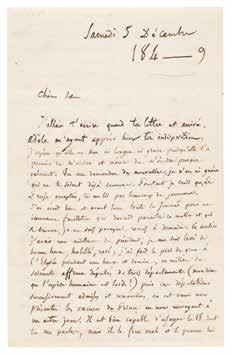
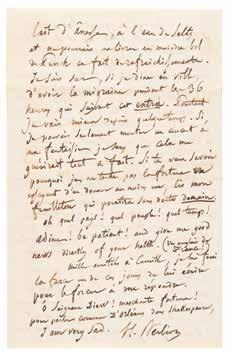
He comments on the possibility of a reduction in the allowances of the people’s representatives, and the constant change of ministers, and confesses: “I don’t know who our Director of Fine Arts is at the moment. They will soon no longer need to be directed. I have such a need to make great music, or at least to hear about it, that it has made me ill for the past few weeks; my whole nervous system is in a state of exasperation. The opera is a disgrace and I only set foot in it to suffer martyrdom at the behest of the serialized drama. Must we then bid farewell forever to music in our sad country? It is much worse in Germany, it seems.”
He worries about his friends in Vienna: “The King of Prussia is beginning to regain some of his composure. God grant that he may keep it!… He is the only king whose memory our art will preserve.” He gives news of Harriet, who has recently suffered several strokes, she is a little better each day. He is also worried about his son Louis, whom the headmaster says is making no progress.
Berlioz himself is on donkey milk and seltzer water, and suffers from a migraine after every dinner out: “If I could only put on a concert of my own choosing, I feel it would cure me completely. If you want to know why I don’t tempt fate by trying to give at least one, read my serial, which will probably appear tomorrow. Oh, what a country! What a people! What weather! Farewell! Be patient! And give me good news directly, of your health. (An Englishman in France!)…O Lord God! Wicked fortune! To speak like d’Orléans in Shakespeare, I am very sad.” In fine condition. Starting Bid $200
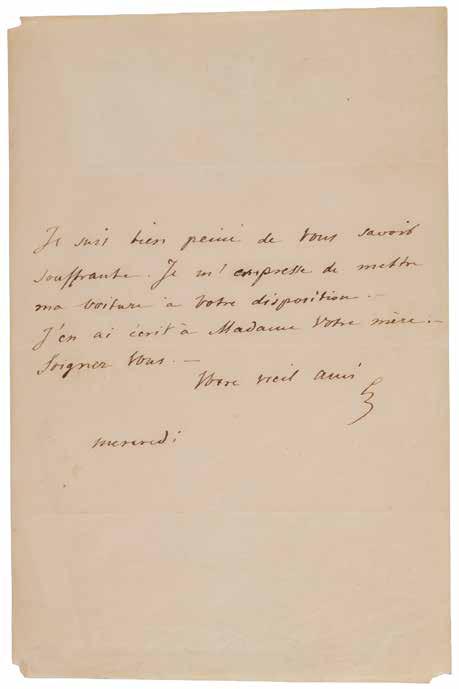
394. Frederic Chopin Autograph Letter Signed. ALS in French, signed “Votre vieil ami, Ch.,” one page, 5.25 x 8, no date. Handwritten letter to a woman, expressing his sympathy for her suffering, informing her that he has made his carriage available to her, and assuring her that he has informed her mother of the matter (“…I have written to Madame Your Mother…”). In fine condition, with trivial paper loss at the corner tips.
The composer was evidently on very good terms with the recipient, and it seems likely that she was Solange Clésinger, the daughter of George Sand. For a long time, Chopin gave Solange piano lessons, and when she married the sculptor Auguste Clésinger, the composer sided with her against her mother. In March 1848, Solange suffered the death of a newborn child. Starting Bid $1000
Gounod writes out the aria of Père Joseph from his four-act opera Cinq-Mars
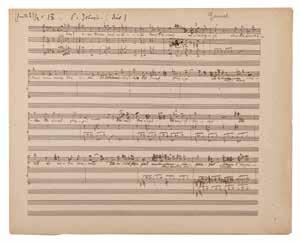
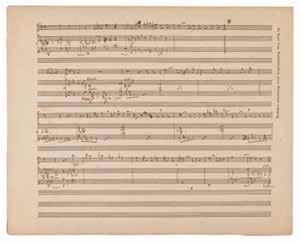
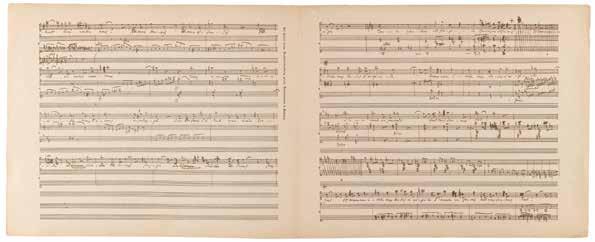
396. Charles Gounod Handwritten Musical Manuscript for Père Joseph’s Aria in ‘Cinq-Mars’. French composer (1818-1893) best remembered for his composition of ‘Ave Maria.’ Unsigned handwritten musical manuscript by Charles Gounod, four pages on two adjoining sheets, 12.25 x 9.75, being an excerpt of music and lyrics from his four-act opera Cinq-Mars, which debuted at the Opéra-Comique in Paris on April 5, 1877. The excerpt (complete in itself) corresponds to the aria of Father Joseph, the famous “éminence grise” of Richelieu. In fine condition.
In May 1876, Léon Carvalho, the new director of the Opéra-Comique, commissioned an opera from Charles Gounod. Freely adapted from Alfred de Vigny’s novel, Cinq-Mars, a lyric drama in four acts, with a libretto by Paul Poirson and Louis Gallet, was composed between the summer and autumn of 1876. The opera depicts the tragedy of a young conspirator during Richelieu’s government. Its premiere on April 5, 1877, was a failure. The main reason for this failure stemmed from the work’s hybrid nature, a kind of grand opera in miniature. It was surprising that such a dark historical subject would find its place at the Opéra-Comique. Despite the changes made by Gounod, the opera ran for just 56 performances and was withdrawn from the program on January 30, 1878. Starting Bid $300
Liszt writes to novelist George Sand, with commentary on love, literature, and music:
“I have become disgracefully stupid and as the proverb goes, ‘stupid as a musician’”
397. Franz Liszt Handwritten Letter to George Sand, Commenting on Love, Literature, and Music: “I have become disgracefully stupid and as the proverb goes, ‘stupid as a musician’”. Exceptional unsigned handwritten letter in French by Franz Liszt, eight pages on two sets of adjoining sheets, 5 x 8, 1836. Handwritten letter to French novelist George Sand from Franz Liszt, writing that he is in Geneva with Madame d’Angoult, his mistress, and he hopes that he can persuade George Sand to join them there. He refers to her legal suit to win separation from her husband [successfully granted that year], and expresses the hope that his letter will recall to her “a friend, a brother, whose affection and devotion you have won forever.” He has enjoyed her letters to Madame d’Angoult, and despite promises made in these letters, “I am still reluctant to believe in the reality of your incredible appearance at Geneva…These last few days your name has been mentioned throughout Geneva. It seems that your foolish Sosthène [Sosthène de la Rochfoucauld] is in correspondence with Mme. Clermont-Torrère and that he has warned her of your forthcoming arrival which immediately caused a great rumor and alert throughout the country—unfortunately it’s like Shakespeare’s play, Much Ado About Nothing.”
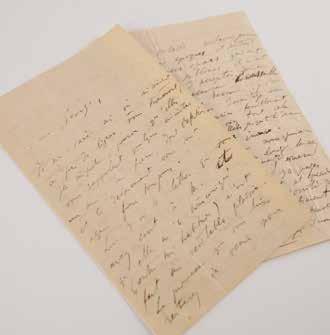
Liszt feels that if she does come to Geneva she will find him prodigiously dull. “For six months I have done nothing but write, scratch and scribble notes of all sorts and kinds. I’m convinced that if one were to work it out there would be several million, Thus, I repeat, I have become disgracefully stupid and as the proverb goes, ‘stupid as a musician.’ Perhaps I shall be more to your taste like this, for I recall that you entertained a deep dislike of my philosophic and ontological utterances, and that was very wise of you.”
Liszt turns to the critic, Sainte Beuve, and the “episode of 8000 verses of humanist poetry.” He states that he cannot join in admiration of this “new incarnation of God…While admiring certain details, certain days from certain epochs, and above all certain odd lines, which are really fine, it is impossible for me to accept it as a great work, the like of Jocelyn [one of Lamartine’s early poems].” He would like to discuss the work at length with her, and for the time being can only declare that he would rather have written thirty pages of Lelia than this entire story “in which poverty of thought and feeling so often show through the nebulous clouds of conventional sentimentality. Truly Sainte Beuve has achieved a tour de force in comparing Jocelyn to Robinson Crusoe, and that without Lamartine having the least notion of it. He should be complimented for such a Jesuit’s touch.”
He has heard that Didier of Geneva, a poet, was to have spent some time with her, and he inquires what this rumor signifies, promising that the information shall go no further than she wishes. He notes that it has been a long time since she has contributed to the Review, but imagines that her trial has taken up most of her time. “I hope that at last you are completely free from your husband [Casimir Dudevant), a comic character par excellence.” He mentions the newspapers’ coverage of the trial and the articles describing her return to conjugal rights. “…I am endlessly curious and that for the first time in my life to hear you recount the long and short of all this business, which I don’t doubt has gone entirely to your advantage…” He concludes his letter by once more hoping that she will come to Geneva, and comments: “If you were man enough to tell me in advance the hour of your arrival…I would go and meet you.” If financial pressures keep her from them, then he is only too willing to squeeze some money from his little finger to help her. In fine condition. Starting Bid $200
398. Franz Liszt Autograph Letter Signed. ALS in French, signed “F. Liszt,” one page, 6.75 x 8.5, no date but circa 1850. Handwritten letter to the mayor of Cologne, regretting that commitments keeping him in Weimar prevent him from traveling to Cologne to attend an anniversary celebration. In part (translated): “Worthy in every respect, by his rare qualities of character and talent, as well as by the very real and meritorious services he has rendered to your city, of such a demonstration by which your fellow citizens honor themselves….I am sincerely obliged, my dear Mr. Eisen, for the information you have given me concerning the celebration being prepared in Cologne to honor the twenty-fifth anniversary of Mr. Ernst [Meyden?] taking office. Mr. Meyden is certainly worthy in every respect, by his rare qualities of character and talent, as well as by the very real and meritorious services he has rendered to your city, of such a demonstration by which your fellow citizens honor themselves. While wholeheartedly associating myself with this celebration, I regret that occupations and duties requiring my presence in Weimar prevent me from going to Cologne to personally take part in it. However, I will not fail to remind Meyden directly of my presence on this occasion. Please accept the assurance of my sincere feelings of esteem and distinguished consideration.” Affixed to a larger mount and in fine condition. Starting Bid $200
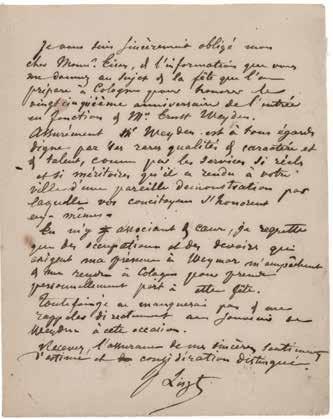
Liszt writes to a royal princess as he prepares to depart for Rome and start on one of his final compositions, the sacred work Via Crucis
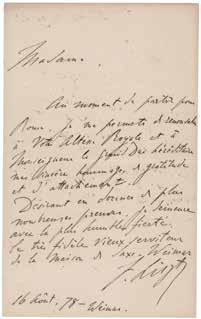
399. Franz Liszt Autograph Letter Signed to a Royal Princess. Romantic era composer and pianist (1811–1886) whose prowess at the keyboard earned him a cachet as perhaps the greatest virtuoso in the history of the instrument. ALS in French, signed “F. Laszt,” one page, 5 x 8, August 16, 1878. Addressed from Weimar, a handwritten letter from Franz Liszt to Princess Pauline of Saxe-Weimar-Eisenach, in full (translated): “At the moment of leaving for Rome, I take the liberty of renewing to Your Royal Highness and to Monseigneur the Hereditary Grand Duke my sincere tributes of gratitude and attachment. Wishing to give further proof of this, I remain, with the most humble pride, the most faithful old servant of the House of Saxe-Weimar.” In fine condition. Accompanied by the original envelope, which has been hand-addressed by Liszt.
A crisply penned letter from Liszt to a member of royalty—at this stage of his career, 66 years old and in retirement from touring, the virtuoso enjoyed life as a musical statesman, teacher, composer, and celebrity, his circle notwithstanding royalty. In 1878, he held a famous travel pattern of moving between Weimar, Budapest, and Rome, where in the fall of that year he would begin one of his final pieces: Via Crucis, S.53, a work for mixed choir, soloists, and organ, which was devoted to the Stations of the Cross. Starting Bid $200
Musical Quotations Signed for ‘Sapho’ and ‘Manon’. French composer of the Romantic era best known for his operas, including Manon, Sapho, and Werther (1842–1912). Exquisite pairing of two AMQSs by Jules Massenet:
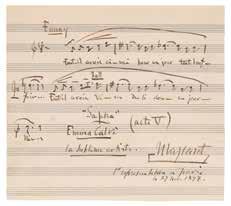
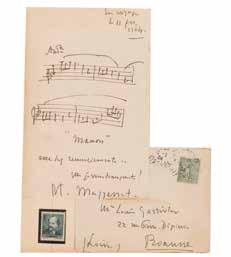
- AMQS on off-white 7.5 x 7 adjoined sheets, titled, signed, and inscribed at the conclusion in ink to the soprano Emma Calvé, who originated the role of Fanny, “’Sapho,’ (Acte V), Emma Calvé, la sublime artiste, Massenet, 1st representation a Paris, le 27 Nov. 1897.” Massenet pens five bars of the opening theme and lyrics from Fanny’s aria, “Faut-il avoir aimé.” After Calvé’s 1894 triumph in Massenet’s opera La Navarraise, he naturally wrote Sapho with her in mind. It was first performed on November 17, 1897, by the Opéra Comique at the Théâtre Lyrique on the Place du Châtelet in Paris with Calvé starring as Fanny Legrand.
- AMQS on an off-white 4.5 x 6.75 sheet, signed at the conclusion in ink, “Avec les remerciements… M. Massenet.” Massenet pens four bars from his opéra comique Manon. Trimmed and affixed to a scrapbook page along with the original hand-addressed envelope panel. In overall fine condition. Starting Bid $200
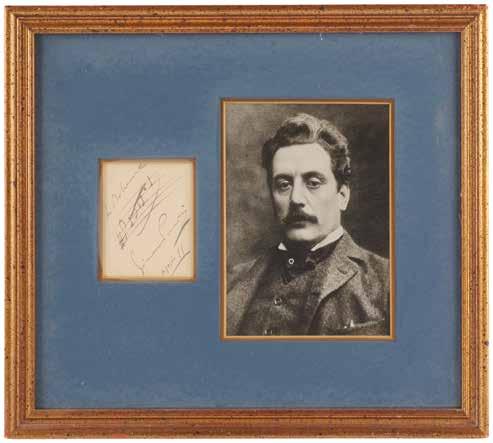
401. Giacomo Puccini Autograph Musical Quotation Signed for “La Boheme”. AMQS on an off-white 2.5 x 3.25 sheet, signed and dated below in ink, “Giacomo Puccini, Agosto 99,” who adds a bar of music from his iconic opera “La Boheme,” writing the title above. Doublematted and framed with a picture of the composer to an overall size of 14 x 12.5. In fine condition. Based on a story by French writer Henri Murger set in 1840s Paris, La Boheme was Puccini’s first major success—making him rich and famous—and arguably his greatest work. After its 1896 debut in Turin, the piece was quickly adopted into the international repertoire. Starting Bid $200
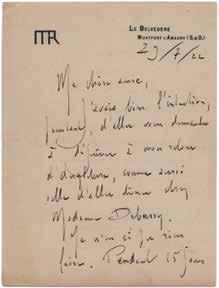
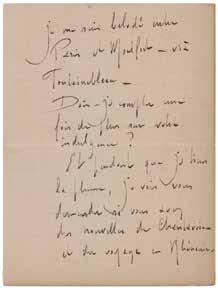
402. Maurice Ravel Autograph Letter Signed. Highly influential French composer (1875-1937) who remains unsurpassed in his imaginative use of instrumental color in his operas, brilliantly scored orchestral music, and virtuosic piano pieces. ALS in French, four pages on two adjoining sheets, 5.25 x 7.25, personal letterhead, July 29, 1922. Handwritten letter to Marguerite Long, expressing that he regrets not having been able to have lunch with her, nor dinner with Madame Debussy: “For 15 days I wandered between Paris and Montfort—via Fontainebleau.” He would like to hear news of Chantavoine and the trip to the Rhineland, as he is invited to a musical event in Milan in October. He is leaving Montfort “just when the garden and its surroundings are at their most resplendent. I am feeling down, and I will try to shake it off by going to work in Lyons-la-Forêt.” I hope to see you in Saint-Jean-de-Luz in September… if I go, because I’ve never been able to know 15 days in advance what I’ll be doing.” In fine condition. Accompanied by an unsigned mounted photograph of Ravel’s death mask. Starting Bid $200
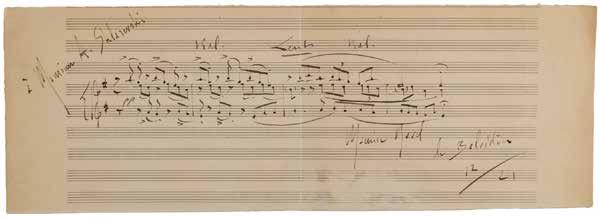
403. Maurice Ravel Autograph Musical Quotation Signed for ‘Ronsard à son âme’. Highly influential French composer (1875-1937) who remains unsurpassed in his imaginative use of instrumental color in his operas, brilliantly scored orchestral music, and virtuosic piano pieces. AMQS on an off-white 10.5 x 3.75 sheet, signed and inscribed in ink, “A Monsieur A. Sklarevski, Maurice Ravel, Le Belvédère, 12/21.” Ravel pens several piano bars from his piece ‘Ronsard à son âme [Ronsard to His Soul],’ signing at the conclusion. Written to a twelve-line stanza by poet Pierre de Ronsard, Ravel composed this song between 1923 and 1924. He intended it for the soprano Marcelle Gerar, who performed it for the first time on April 26, 1924, at a concert in London, where Ravel was touring. The work was subsequently orchestrated in 1935. Despite its short duration at just two minutes, it is considered one of Ravel’s most interesting pieces. The composer said of this song: ‘It is the one of my melodies that I can most conveniently accompany while smoking.’ Indeed, the accompaniment, consisting of a simple succession of fifths, is performed almost entirely with one hand. In fine condition, with a central vertical fold, and old mounting remnants on the back. Starting Bid $200
A ‘lost’ manuscript of Schubert’s somber meditation on the
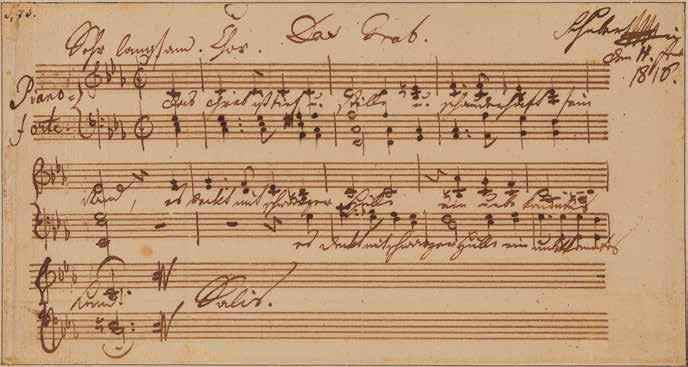
404. Franz Schubert Rare Autograph Musical
Manuscript Signed for ‘Das Grab,’ D.377 - A ‘Lost’ Meditation on the Grave. Prodigious Austrian composer (1797–1828) whose vast oeuvre comprised over 600 secular vocal works (mainly lieder), seven complete symphonies, sacred music, operas, incidental music, and a large body of piano and chamber music. Known only to a relatively small circle of admirers in Vienna during his lifetime, Schubert’s international renown grew immensely in the decades after his death at the age of 31. Rare autograph musical manuscript, signed “Schubert,” one page, 9 x 4.75. Vienna, February 11, 1816. Schubert pens “Das Grab,” D.377, a setting for male choir (TTBB) and piano of the text by Johann Gaudenz von Salis-Seewis (1762-1834), notated on three systems of two staves, the text of the first stanza between and below the staves. Schubert writes the title at the top, along with the indication “Sehr langsam. Chor.” He also notes the author’s name at the conclusion, “Salis.” Affixed to a larger sheet and in fine condition. Accompanied by an engraved portrait of Schubert.
Provenance: Walter R. Benjamin Autographs, New York, Catalogue 753, February-March 1959; Lot 74, Christie’s, November 21, 2012.
Between 1815 and 1819, Schubert returned repeatedly to Salis-Seewis’s somber meditation on the grave and the “unknown land” that lies beyond, producing no fewer than five settings—one of them left unfinished. This sustained engagement coincided with a remarkably intense period in Schubert’s early career, when he was composing at an extraordinary pace and frequently gravitating toward texts that reflected the growing Romantic fascination with mortality, transcendence, and the mysteries of the afterlife.
The poem’s elegiac tone appears to have struck a particularly deep chord in the young composer, whose own writings and musical output from these years reveal a persistent preoccupation with melancholy and with the fragility of human existence. Notably, all of Schubert’s treatments of this text are scored for choir rather than solo voice, a choice that amplifies the poem’s communal, almost liturgical atmosphere. Of these versions, this—the third setting—is often regarded as the most profoundly desolate, its harmonic language and choral writing conveying an especially intimate sense of longing. According to the Thematisches Verzeichnis (ed. Deutsch, 1978, pp. 225–26), both a draft and a fair copy of the work survive in the Wiener Stadtbibliothek (MH.407/c), supplementing the present manuscript—which that catalogue lists as ‘lost.’ Starting Bid $2500
“If only I didn’t have so much music in my head I could forget everything else”
405. Robert Schumann Autograph Letter Signed: “If only I didn’t have so much music in my head I could forget everything else”. Highly important German composer and pianist (1810–1856) whose distinctively lyrical musical language, especially evident in his keyboard works and art songs, made him one of the central figures of the German Romantic tradition. ALS in German, signed “R. Schumann,” one page, 8.5 x 10.75, December 15, 1840. Handwritten letter to German composer and author Constantin Julius Becker, in part (translated): “I have remained indebted to you…for many kind missives. Send me soon…an article on yesterday’s oratoria, but not too long, 1 to 11⁄2 columns, since in the next, i.e. last batch of the year, there is much to clean up. Keep the first issue of the new volume in mind, too, to which one always wishes to give special care…. Marx [the German musical scholar, author and composer, Adolph Bernhard Marx] sends his regards; he has resigned (officially) from Reittgerbe’s post. We must soon discuss…the next steps to be taken against this fellow. If only I didn’t have so much music in my head I could forget everything else.” In very good condition, with light creasing, tears and loss to the edges, and splitting to the very fragile folds. From the mid-1830s, much of Schumann’s time was taken up with affairs of the Neve Zeitschrift fur Musik. His correspondent, Constantin Becker, went in 1835 to Leipzig in order to assist Schumann in editing this periodical. The year 1840 was one of great importance in Schumann’s life. He was married to Clara Wieck in September after a five-year period of nearly impossible obstacles which had been set in their path by Clara’s father, obstacles which had led to prolonged legal transactions. At his marriage, Schumann’s previous despair was replaced by a jubilant attitude which gave way to a prolific period of song composition. In November/December there was an outpouring of the Kerner songs, most of which were published as Opus 35. Starting Bid $200
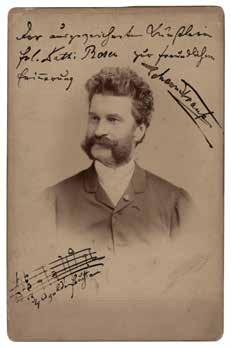
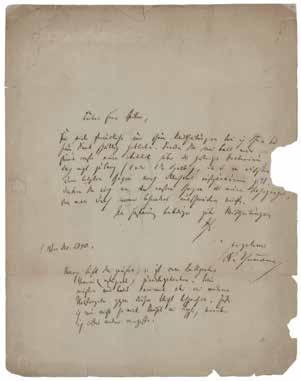
The ‘Waltz King’ presents his portrait, adding a desirable line of operatic melody
406. Johann Strauss II Signed Photograph with Autograph Musical Quotation. Eminent Viennese composer (1825–1899) known as the ‘Waltz King,’ who is remembered for such classics as ‘The Beautiful Blue Danube’ and the ‘Emperor Waltz,’ and for the operetta staple, ‘Die Fledermaus.’ Scarce 4.25 x 6.5 cabinet photo of Strauss by H. Eckert of Prague, boldly signed and inscribed at the top in ink by Johann Strauss II—offering his greetings and good wishes to “Kathi Rosen” in German—adding a couple bars of music and lyrics from the opera Ritter Pázmán at the lower left. In fine condition. A superlative signed portrait of the ‘Waltz King.’ Starting Bid $200
“Come today to the Chatelet – Petrushka is playing –
Just ask for Mr. Stravinsky’s box”—exceptionally early handwritten letter from Stravinsky on the second of his three ballet masterworks
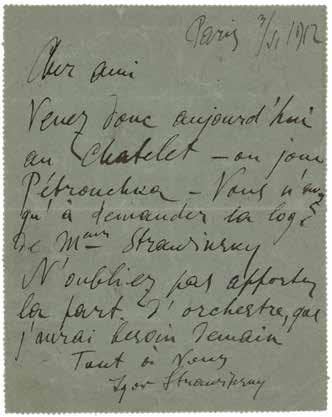
407. Igor Stravinsky Early Autograph Letter Signed on His Musical Breakthrough, Petrushka. Russian-born composer (1882-1971) whose distinctive, colorful, constantly evolving style earned him a place among the most influential composers in music history. His ballets The Firebird, Petrouchka, and Rite of Spring represent three central benchmarks of 20th-century music. Uncommonly early ALS in French, one page, 4.5 x 5.5, June 3, 1912. Addressed from Paris, a handwritten letter from Igor Stravinsky to esteemed French composer Louis Aubert, in full (translated): “Dear friend, Come today to the Chatelet – Petrushka is playing – Just ask for Mr. Stravinsky’s box. Don’t forget to bring the orchestra’s share, which I’ll need tomorrow.” In fine condition.
A decidedly early letter from the Russian master, whose timeless ballet Petrushka had opened a year earlier on June 13, 1911, at the Théâtre du Châtelet in Paris, France, to overwhelming success. Written for the 1911 Paris season of Sergei Diaghilev’s Ballets Russes company, Petrushka was conducted by Pierre Monteux and featured original choreography by Michel Fokine and stage designs and costumes by Alexandre Benois, who assisted Stravinsky with the libretto. Among its stars were Vaslav Nijinsky as Petrushka, Tamara Karsavina as the lead ballerina, Alexander Orlov as the Moor, and Enrico Cecchetti as the charlatan. Although some in St. Petersburg dismissed the work as a patchwork of Russian pop tunes, rural folksong, and ambient noise held together with what Prokofiev called ‘modernist padding,’ Petrushka’s innovative fusion of music, dance, and design has made it one of the most influential ballets ever created—and one of Stravinsky’s most performed and cherished works. Starting Bid $200
Tchaikovsky plans his Paris debut:
“Regarding the choice of dates and the program, I will submit in advance to whatever you decide”
408. Pyotr Ilyich Tchaikovsky Autograph Letter Signed, Concerning Travel Arrangements for His First Conducting Tour of Western Europe. ALS in French, signed “P. Tschaikovsky,” three pages on two adjoining sheets, 4.5 x 7.25, January 26, [1888]. Handwritten letter to the conductor Édouard Colonne, concerning his rigorous travel schedule for an upcoming conducting tour of Europe. On two dates in March, Tchaikovsky would conduct concerts of his own works with Colonne’s orchestra at the Théâtre du Châtelet in Paris, France.
In part (translated): “Your letter arrived in Hamburg a few hours after my departure for Berlin…Finally, last night I received it and immediately sent a telegram. On the 22nd, or at the latest the morning of the 23rd, I will be in Paris. If you have anything to tell me before then regarding the program, please take the following dates into consideration. I am staying in Leipzig until February 2nd; I am staying in Berlin from the 2nd to the 9th of February; I will spend the 10th and 11th in Leipzig; from the 12th to the 20th of February I am in Prague. For Leipzig, my address is Hotel Hauffe; for Berlin, Hotel St. Petersburg; for
Prague: Mr. Velebin Urbanek, to be delivered to P.T. I am giving you all this information to avoid any delays in replying should you find it necessary to write to me. Regarding the choice of dates and the program, I will submit in advance to whatever you decide. I look forward to being in Paris in a month and having the pleasure of seeing you.” In fine condition.
This letter dates from a pivotal moment in Tchaikovsky’s career, as 1888 marked his first major conducting tour of Western Europe—a turning point in his emergence as an international musical figure. Invited by Édouard Colonne, one of France’s leading champions of contemporary composers, Tchaikovsky traveled extensively that winter to promote and personally conduct his works at prominent cultural centers. His Paris concerts at the Théâtre du Châtelet helped solidify his reputation abroad, introducing French audiences to works such as the ‘Serenade for String Orchestra’ and ‘Francesca da Rimini’ under his own baton. This correspondence, rich with logistical detail, vividly reflects the composer’s hectic schedule and growing stature within the European musical world. Starting Bid $500
409. Giuseppe Verdi Autograph
Letter Signed. Italian composer (18131901) who was one of the most influential figures in the history of opera. ALS in Italian, signed “G. Verdi,” one page both sides, 5.25 x 8, November 5, 1869. Untranslated handwritten letter by Giuseppe Verdi. In fine condition, with a short split to the end of the central horizontal fold. Starting Bid $300
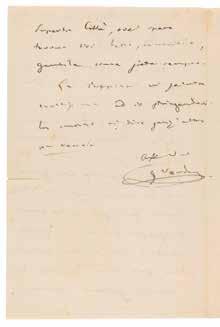
Gershwin presents his portrait to the American Society of Composers, Authors and Publishers
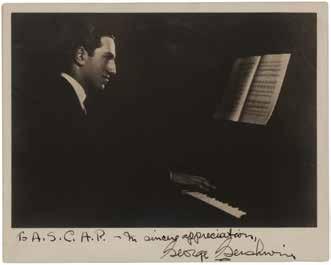
410. George Gershwin Signed Photograph to A.S.C.A.P.. Outstanding vintage matte-finish 10 x 8 photo of Gershwin posing at his piano, neatly signed and inscribed in the lower border in fountain pen, “To A.S.C.A.P.—In sincere appreciation, George Gershwin.” In fine condition, with a few small creases, and faint silvering to the dark areas of the image. ASCAP, the American Society of Composers, Authors and Publishers, was the leading rights-protection organization for American composers, founded in 1914. Starting Bid $200
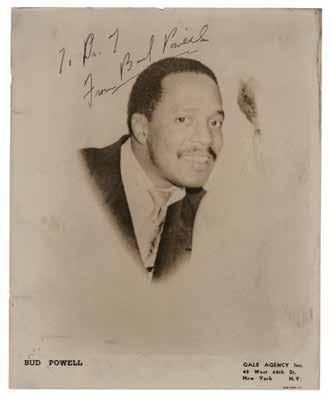
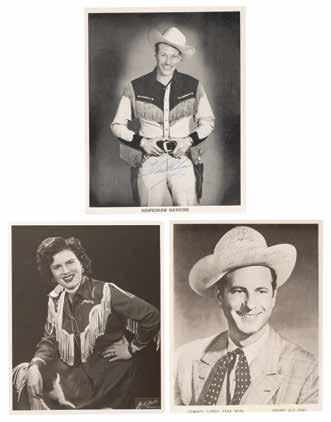
411. Bud Powell Signed Photograph. Jazz pianist (19241966) influential in the development of bebop. Vintage glossy 8 x 10 Gale Agency publicity photo of the great jazz pianist, signed and inscribed in fountain pen, “To Dr. T, From Bud Powell.” In very good to fine condition, with scattered small creases, and several short tears to the left edge. Accompanied by a full letter of authenticity from REAL and a provenance statement, explaining that the photograph comes from the collection of Dr. Reuben Troxell, a jazz enthusiast who displayed his autograph collection on the walls of his practice. Starting Bid $200
412. Patsy Cline, Cowboy Copas, and Hawkshaw Hawkins (3) Signed Photographs. Three vintage glossy photos signed by pioneering country music legends Patsy Cline, Cowboy Copas, and Hawkshaw Hawkins, including: an 8 x 10 publicity photo of Cline by the Rush Studio of Winchester, Virginia, signed in blue ballpoint, “Your friend, Patsy Cline”; an 8 x 10 publicity photo of Cowboy Copas, signed and inscribed in ink, “To ‘Babs,’ Sincerely, Cowboy Copas, WSM”; and an 8.25 x 10.75 publicity photo of Hawkshaw Hawkins, who has signed in ballpoint. In overall fine condition, with scattered small creases, and poor signature contrast, to the Cline photo. Starting Bid $200
Stacked signatures of ‘John, Paul, George, and Ringo’ on a very early, very rare NEMS Enterprises promotional card from 1962, predating the more popular Parlophone variants
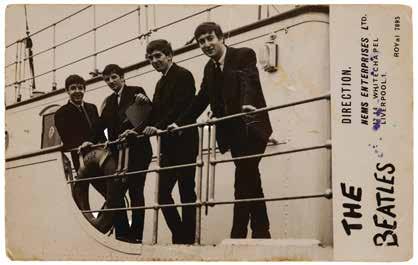
413. Beatles Signed Rare NEMS Enterprises Promotional Card (1962). Rare vintage glossy 5.5 x 3.5 NEMS Enterprises promotional card for the Beatles, which pictures the band wearing matching suits and leaning against a ship’s railing, signed on the reverse in blue ballpoint, “John Lennon, xxx,” “Paul McCartney, xxx,” “George Harrison, xxxx,” and “Ringo Starr, xxx.” The image was taken by Les Chadwick, who worked for the Liverpool-based photography firm ‘Peter Kaye Photography’ in September 1962. It pictures the group on board a boat named ‘The Salvor,’ which was moored at Albert Dock. In very good condition, with overall creasing, scattered stains, and a tiny fleck of missing emulsion to the image.
The consignor notes that the autographs were obtained by a young Beatles fan named Linda, who was a frequent attendee of the Cavern Club and other local Beatles performances in
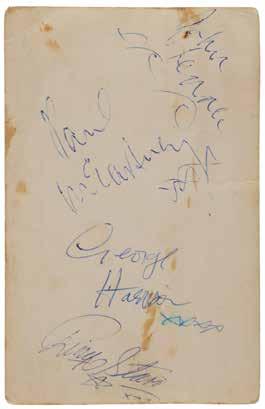
1962 and 1963. Accompanied by a certificate of authenticity from Tracks and by a modern photograph highlighting Linda at the front of the audience at Hulme Hall just outside of Liverpool on October 28, 1962. This was the band’s last-ever performance at the venue, but, interestingly enough, just a few months earlier, on August 18, 1962, Ringo performed his first-ever concert with the Beatles on the very same stage.
Autographed examples of this promotional card are extremely rare, as only a small population of these were ever printed. Of additional interest is the desirable ‘John, Paul, George, and Ringo’ ordering of the signatures, and how this promotional card is likely the first to feature an image of the Beatles with Ringo; this NEMS ‘Salvor’ example predates the later Parlophone promotional cards, which were produced in early 1963. Starting Bid $1000
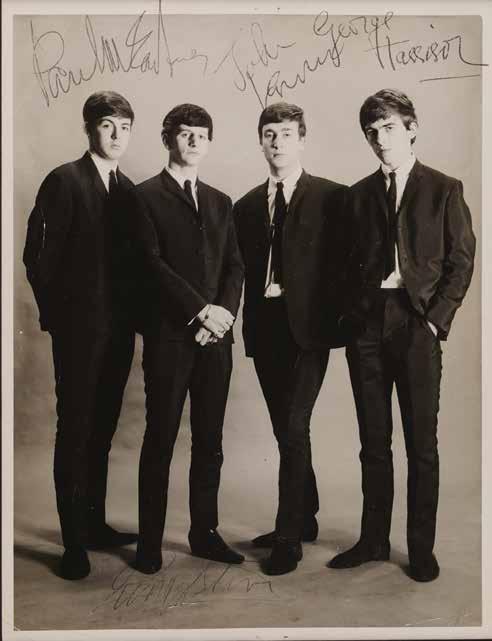
414. Beatles Signed Photograph - Taken by Astrid Kirchherr in 1962. Fabulous, early vintage glossy 6.5 x 8.5 photo of the Beatles in their modish suits, taken by Astrid Kirchherr in 1962, signed in black ballpoint by John Lennon, Paul McCartney, George Harrison, and Ringo Starr. Double-matted and framed to an overall size of 14.75 x 16.75. In very good to fine condition, with scattered creasing, the heaviest of which passes diagonally through John’s and George’s jackets.
Taken by Hamburg-based photographer Astrid Kirchherr in 1962, this striking, full-length portrait of the Beatles captures the band at a pivotal early moment—just as they were transitioning from their raw club-band origins toward international stardom. Kirchherr, who played a major role in shaping their early aesthetic, photographed them in her signature minimalist, high-contrast style, emphasizing their sharp suits and youthful energy. Taken shortly after Ringo Starr joined the group, this exceptional fully signed photograph reflects the formation of the iconic Beatles lineup and stands as one of the defining visual documents of their pre-fame era. Starting Bid $1000
Sought-after signatures from the birth of ‘Beatlemania’—a historic TV showcase on
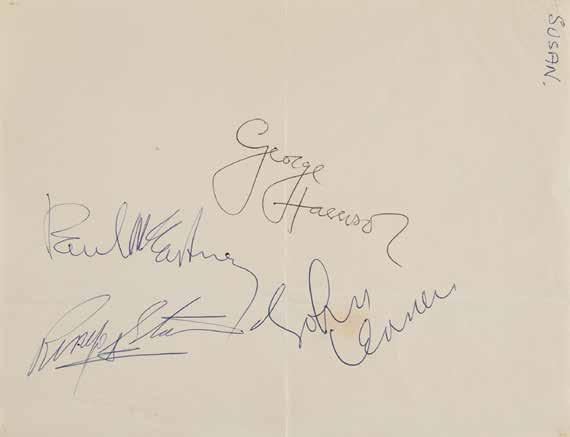
415. Beatles Signatures (October 13, 1963)Dating to Their ‘Beatlemania’ TV Concert on Sunday Night at the London Palladium. Magnificent set of vintage ballpoint signatures of the Beatles — “John Lennon,” “George Harrison,” “Paul McCartney,” and “Ringo Starr”— on an off-white 9 x 7 sheet, which were obtained on October 13, 1963, when the band famously performed on Val Parnell’s popular variety show Sunday Night at the London Palladium. The Beatles performed ‘From Me to You,’ ‘I’ll Get You,’ ‘She Loves You,’ and ‘Twist and Shout’ in front of a TV audience of 15 million viewers. To the delight of press photographers, dozens of fans blocked the street outside, a situation that made for front-page-ready pictures and stories for the next morning’s paper. The Daily Mirror described the mass hysteria in a single word that would soon be adopted into the worldwide cultural lexicon—Beatlemania. In very good to fine condition, with light creasing, intersecting folds, and a small tape stain on the back, showing through behind Lennon’s signature.
Accompanied by a certificate of authenticity from Fab Four Memorabilia Ltd., which contains a letter of provenance from
the original owner: ‘I had a cousin, Lawrence Crighton, who came over from New Zealand in the early 1960s. He was a qualified electrician but wanted to try his hand at theatre work—presumably there weren’t many theatres in NZ at the time, though I believe he gained some experience through amateur productions.
He was looked after initially by my dad’s elder sister, my aunt Mercia, who lived in West Yorkshire at the time. She helped him get a job at a local theatre. However, Lawrence wanted to see the bright lights and eventually moved to London, where he joined the large Aussie and Kiwi community in Earl’s Court.
Before he left for London, he visited our family in Liverpool with my aunt, and he learned that I was a big Beatles fan. He later secured a job as a lighting electrician at the London Palladium. When The Beatles appeared on Sunday Night at the London Palladium, he managed to get their autographs for me. I believe he sent them to me shortly after the show, and I’ve kept them ever since.’ Starting Bid $1000
Ink signatures of Lennon, Harrison, and McCartney, dated to the start of their 10-day conference on Transcendental Meditation in Wales, and two days before the tragic death of manager Brian Epstein

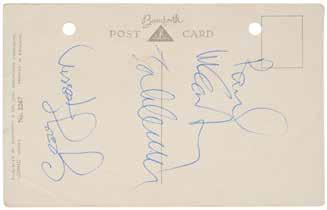
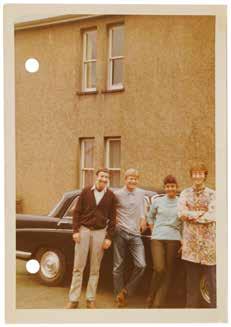
416. Beatles: John Lennon, Paul McCartney, and George Harrison Signed Postcard - Two Days Before the Death of Brian Epstein. Vintage ballpoint signatures, “Paul McCartney,” “John Lennon,” and “George Harrison,” on the reverse of a color 3.5 x 5.5 Bamforth & Co. postcard. Includes a color glossy 3.5 x 5 snapshot photo of Lennon posing with the recipient, Rod Griffin, and two others moments after he signed the postcard, which occurred on August 25, 1967, when the Beatles travelled from London to Bangor, Wales—along with Cynthia Lennon, Pattie Harrison, her sister Jenny, Alexis Mardas, Mick Jagger, and Marianne Faithfull—to attend the Maharishi Mahesh Yogi’s 10-day conference on Transcendental Meditation. The event was also attended by Griffin, who met the three Beatles upon their arrival. In very good to fine condition, with two punch holes, overall creasing, and a scuff to the letter of Lennon’s signature. Accompanied by certificates of authenticity from Tracks and Fab Four Memorabilia Ltd., and by three printed photos of the Beatles arriving at the conference, each of which features an arrow pointing out Griffin.
On August 25, 1967, the Beatles traveled from London to Bangor, Wales, to attend Maharishi Mahesh Yogi’s 10-day Transcendental Meditation course. Worn down by years of
relentless work and searching for direction after ending live performances in 1966, the band turned to Transcendental Meditation in hopes of finding renewed purpose, balance, and spiritual focus.
The retreat abruptly ended on August 27, when the Beatles received the shocking news that their manager, Brian Epstein, had died in London at the age of 32. Shaken by the sudden loss of the man who had guided their career from obscurity to global fame, the band immediately returned home. Lennon spoke candidly to the press on the band’s grief and Epstein’s importance, but in later interviews, he shared a more practical assessment on the loss of their manager: ‘I knew that we were in trouble then. I didn’t really have any misconceptions about our ability to do anything other than play music, and I was scared. I thought, ‘We’ve fucking had it.’’
In so many words, Lennon made it clear that Epstein served as the brains and organizing force behind the band’s success. Without him, they would struggle with the administrative and business aspects of their career, a sentiment that many fans and historians agree ultimately contributed to the band’s breakup. Starting Bid $500
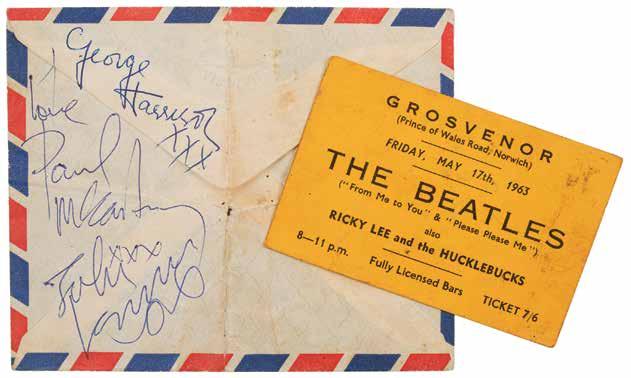
417. Beatles: John Lennon, George Harrison, and Paul McCartney Signatures - Obtained at the Grosvenor Rooms in Norwich, England (May 17, 1963). Vintage ballpoint signatures, “George Harrison, xxx,” “Love, Paul McCartney, xxx,” and “John Lennon, xx,” on a 5.25 x 4.25 Air Mail envelope. Includes an original ticket from the Beatles’ concert at the Grosvenor Rooms in Norwich, England, on May 17, 1963, which lists the opening act as Ricky Lee and the Hucklebucks, and promotes the band’s two lead singles, ‘From Me to You’ and ‘Please Please Me.’ In very good to fine condition, with light folds and creases. Accompanied by a letter of authenticity from Roger Epperson, and a letter of provenance from the daughter of the original recipient: “My mum gave me [the autographs] and she got them when the Beatles came to Norwich and played at the Grosvenor.”
According to local promoters Ray Aldous and Peter Holmes: ‘Paul was jolly. Ringo was the comedian. George never said a dickie-bird. And John was quiet. You didn’t get much out of John. He was the quiet man in the corner. John was the one talking about promotion and seemed to be the leader. They were heading for the big time. You could see it.’ Starting Bid $500
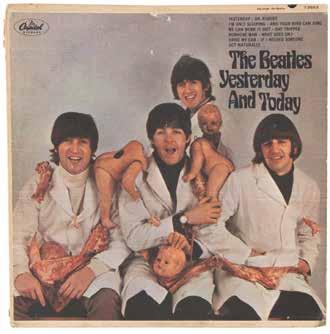
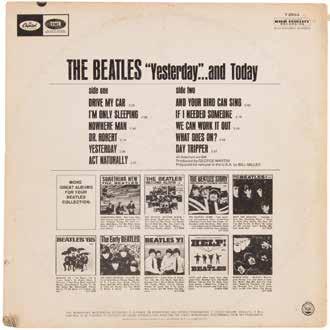
418. Beatles ‘Third State’ Butcher Cover Album - Yesterday and Today (Mono). The Beatles Yesterday and Today mono ‘third state’ butcher cover (Capitol Records, T 2553), its previously affixed ‘trunk’ cover pasteover peeled from the album jacket to reveal the ‘butcher’ cover underneath. In very good condition, with mild warping, a scuff to the top center, a short tear to the back edge, and partial separations to the worn edges. The record is included.
Within days of releasing this miscellany of previous hits, Capitol recalled all copies in response to retailers’ negative reactions to the original macabre cover image. The recalled copies were ‘retrofitted’ with a new pictorial flat, pasted over the first, featuring an innocuous image of the boys posed around a steamer trunk; these have frequently been peeled away by collectors to reveal the infamous butcher image below. Starting Bid $200
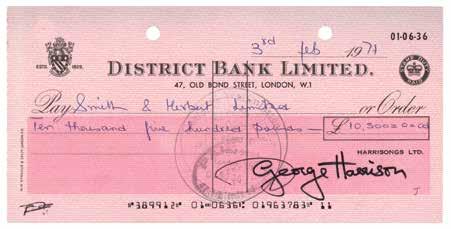
420. Beatles: George Harrison Signed Check - Dated to His Famous ‘My Sweet Lord’ Plagiarism Case. Harrisongs Ltd. business check drawn on an account with District Bank Limited, 8 x 4, filled out in another hand and signed in black felt tip, “George Harrison,” payable to Smith & Herbert Limited for £10,500, February 3, 1971. In fine condition. Accompanied by a certificate of authenticity from Tracks.
Harrison’s substantial payment to the London law firm Herbert Smith likely relates to his recent and very public legal issues.
In early 1971, Bright Tunes Music filed a copyright infringement case against Harrison, alleging that his song, ‘My Sweet Lord,’ plagiarized the Ronnie Mack song ‘He’s So Fine,’ later recorded by The Chiffons. In 1976, Harrison was found to have subconsciously plagiarized the song, a verdict that had repercussions throughout the music industry and that cost him just under 1.6 million dollars. Starting Bid $200
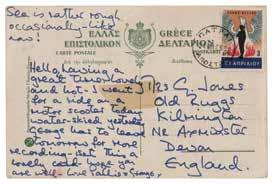
Autograph Letter Signed - “George has to leave tomorrow for more recording”. ALS from Pattie Boyd signed “Pattie & George,” penned on the back of a color 5.75 x 3.75 Greek postcard dated to 1968. The handwritten letter is addressed to Boyd’s mother and reads: “Hello, having a great time. Lovely and hot – I went for a ride on a motor scooter today, water-skied yesterday. George has to leave tomorrow for more recording –isn’t this a lovely card – hope you are well.” Boyd adds above, “Sea is rather rough occasionally – like now!” In fine condition, with an old tape stain at the center. Accompanied by a certificate of authenticity from Tracks. On August 17, 1968, George Harrison and Pattie Boyd flew to Greece for a brief holiday. They were accompanied on the trip by The Beatles’ assistant Mal Evans and were later joined by Twiggy and her boyfriend/manager, Justin de Villeneuve. As Boyd indicates, Harrison returned to London and EMI Studios to continue recording the Beatles’ self-titled 1968 ‘White’ album. Provenance: Christie’s, The Pattie Boyd Collection, March 2024. Starting Bid $200
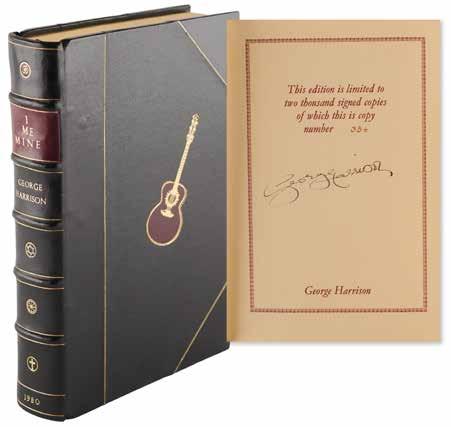
421. Beatles: George Harrison Signed Book - I, Me, Mine (Ltd. Ed. #384/2000). Beautiful signed book: I, Me, Mine. Limited edition, numbered 384/2000. Surrey, England: Genesis Publications, 1980. Leatherbound hardcover with slipcase, 7.25 x 10.25, 398 pages. Signed on the colophon in fountain pen by George Harrison. In very fine condition. A superlative example of this lavish, sought-after volume, complete with accompanying order form, publisher’s letter, and “Dark Horse” sticker. Starting Bid $200
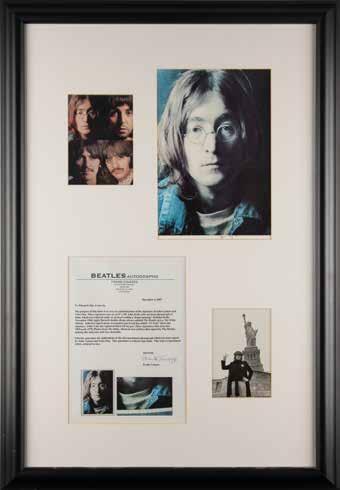
422. Beatles: Lennon and Ono Signed Photograph - Beatles ‘White Album’ Portrait Insert. Iconic color semi-glossy 7.25 x 11 portrait of John Lennon by John Kelly, issued as an insert within the Beatles’ classic 1968 ‘White Album,’ signed and inscribed in felt tip, “To Tony, John Lennon” and “& Yoko Ono.” Matted and framed with two images and a letter of authenticity from noted Beatles expert Frank Caiazzo
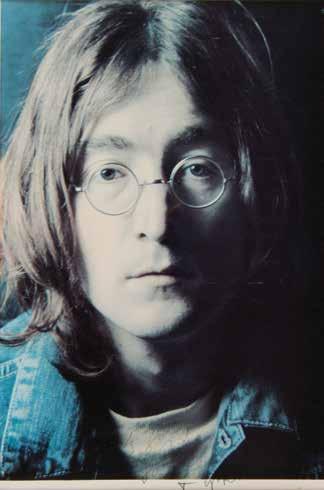
to an overall size of 22 x 32. Caiazzo writes, in part: “These signatures date circa late 1969/early 1970. Photos from The White Album do not surface often signed by The Beatles, making this item rare and very desirable.” In very good to fine condition, with fading to Lennon’s signature, and poor-to-moderate contrast to both signatures. Also accompanied by certificates of authenticity from Tracks and Perry Cox. Starting Bid $500
One day after the release of
John Lennon pays antique store owner Leslie Richardson, whose daughter inspired the song ‘Lucy in the Sky with Diamonds’
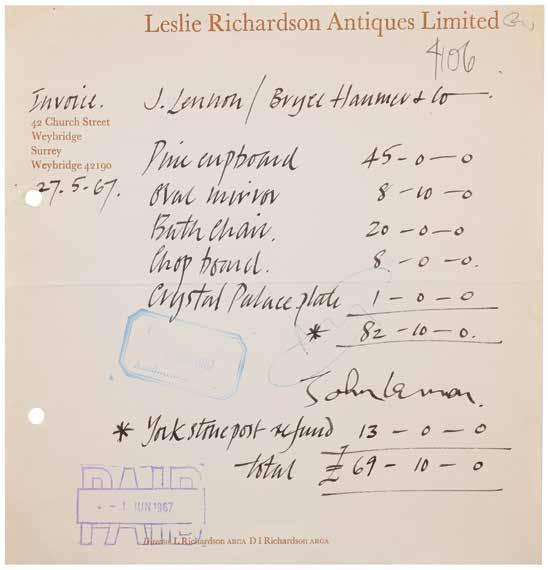
423. Beatles: John Lennon Signed ‘Leslie Richardson Antiques’ Invoice (1967). Manuscript DS, one page, 8.25 x 8, May 27, 1967. Invoice from Leslie Richardson Antiques Limited, an antique store in Weybridge, Surrey, issued to “J. Lennon / Bryce Hanmer & Co.,” for the purchase of a pine cupboard, oval mirror, bath chain, chop board, and a crystal palace plate for a total of £69.10, which includes a refund for a “York stone post.” Signed prominently in black ink by John Lennon. In fine condition. Accompanied by a certificate of authenticity from Tracks.
Lennon visited the shop on May 27, 1967, just one day after the rush release of the Beatles’ seminal album, Sgt. Pepper’s Lonely Hearts Club Band. The shop was a favorite of the Lennons, being just a few minutes from their ‘Kenwood’ home. Its owner, Leslie Richardson’s daughter, Lucy, used to play with Lennon’s son, Julian, when they were school children. It is said that on one occasion, whilst they were together, Julian drew a picture of a girl surrounded by diamonds, which he showed to his father. On a subsequent visit to the shop, Lennon saw Lucy and said, ‘Hello, Lucy in the sky with diamonds.’ Richardson thought this was all very strange until a short time after the song was released. Starting Bid $500
‘The Ballad of John and Yoko’ single record signed by Lennon during his memorable co-hosting
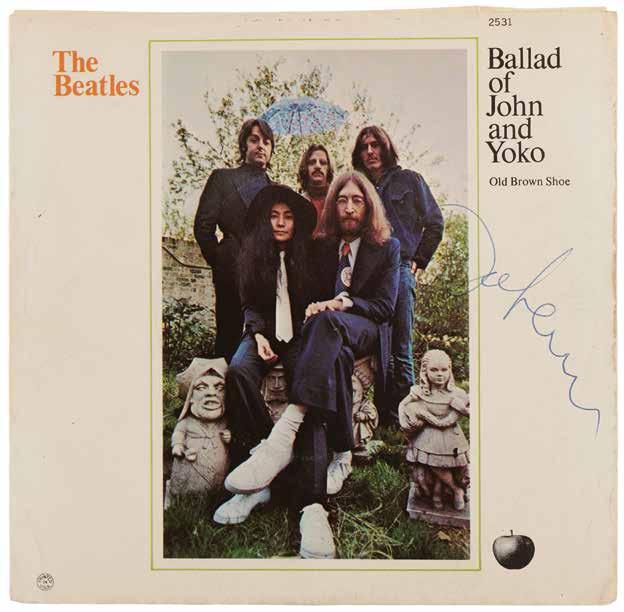
424. Beatles: John Lennon Signed 45 RPM Single Record - ‘The Ballad of John and Yoko’. Apple Records 45 RPM record sleeve for the Beatles’ single ‘The Ballad of John and Yoko / Old Brown Shoe,’ signed on the front cover in ballpoint by John Lennon. In fine condition. The record and original black “The Beatles on Apple” record sleeve are included. Accompanied by a photocopied letter of provenance from a friend of the original recipient: “The [album] sleeve was one of three items that John Lennon signed for a close personal friend of mine, Steve Goldberg…As best as I can recollect, Steve was in the audience for one of ‘The Mike Douglas Show’ tapings in February 1972 in Philadelphia and at the end of the show, was permitted by the show’s staff to wait for John to speak with him and get his records signed.”
In February 1972, The Mike Douglas Show broadcast a full week of five shows with co-hosts John Lennon and Yoko Ono. According to Douglas himself: ‘It was probably the most memorable week I did in all my 20-something years on air.’ Starting Bid $500
425. Beatles: John Lennon Signed Photograph, Presented to Help! Actress Wendy Richard. Scarce vintage glossy 5.5 x 3.5 Fropax Eskimo Frood Ltd. publicity photo of John Lennon of the Beatles, signed and inscribed on the reverse in ink, “To Wendy, love from, John Lennon, x.” In very fine condition.
Printed below the signature is “John Lennon M.B.E.,” a reference to his appointment as a Member of the Most Excellent Order of the British Empire, which was bestowed upon him and his fellow Beatles at Buckingham Palace on October 26, 1965. Four years later, on November 25, 1969, Lennon wrote a letter to Queen Elizabeth II, informing her that he was returning his MBE. It read: ‘I am returning my MBE as a protest against Britain’s involvement in the Nigeria-Biafra thing, against our support of America in Vietnam and against ‘Cold Turkey’ slipping down the charts. With love. John Lennon of Bag.’ This gesture had no effect on Lennon’s MBE status, which could be renounced, but ultimately only the Sovereign has the power to annul the original award. The medal, together with Lennon’s letter, is held at the Central Chancery of the Orders of Knighthood. The consignor notes that the recipient was English actress Wendy Richard, best known for her television roles as Miss Shirley Brahms on the BBC sitcom Are You Being Served?, and as Pauline Fowler on the soap opera EastEnders. Richard appeared in the Beatles’ second film, Help!, but her scene was later cut from the released version. Starting Bid $300
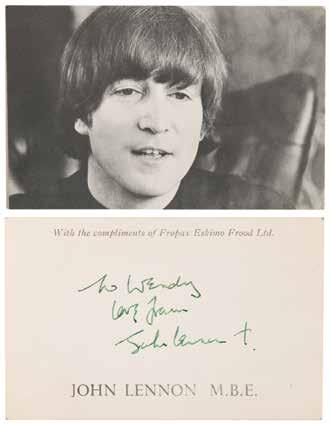
426. Beatles: Paul McCartney Signature. Vintage ballpoint signature, “Paul McCartney,” on the reverse of a 3 x 5.5 business card for the Tiberio Restaurant in Mayfair, London. The consignor notes that the signature was obtained by an employee at the restaurant circa 1965. In fine condition, with some light creases and faint stains. Accompanied by a certificate of authenticity from Tracks. Starting Bid $200
427. Bob Dylan Rare Signed 1964 London Concert Program - His 1st UK Appearance. Superb original program for Bob Dylan’s first public concert in London, England, held at the Royal Festival Hall on May 17, 1964, four pages, 7.5 x 9.75, signed on the front cover in black ballpoint, “Bob Dylan.” The interior features Dylan’s poem ‘My Life in a Stolen Moment,’ a reproduction of Ralph J. Gleason’s article ‘Bob Dylan, as seen by a Critic,’ and a large list of songs from which Dylan selected his set list, headed: “Bob Dylan will introduce his own programme and will select much of it from.” Dylan ended up playing 18 songs that night, including ‘The Times They Are AChangin’,’ ‘Who Killed Davey Moore?,’ ‘Chimes of Freedom,’ ‘Mr. Tambourine Man,’ and ‘A Hard Rain’s A-Gonna Fall.’ In very good condition, with heavy creasing, a central vertical fold, and tape stains and resulting surface loss to the right edge and top corners. Accompanied by a letter of authenticity from REAL and a certificate of authenticity from Fab Four Memorabilia Ltd. Starting Bid $500
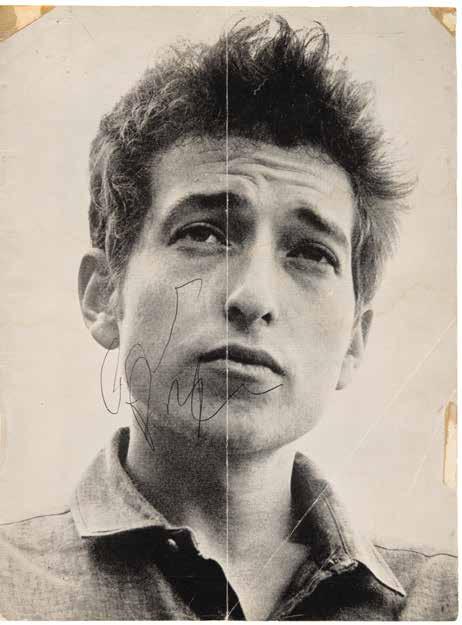
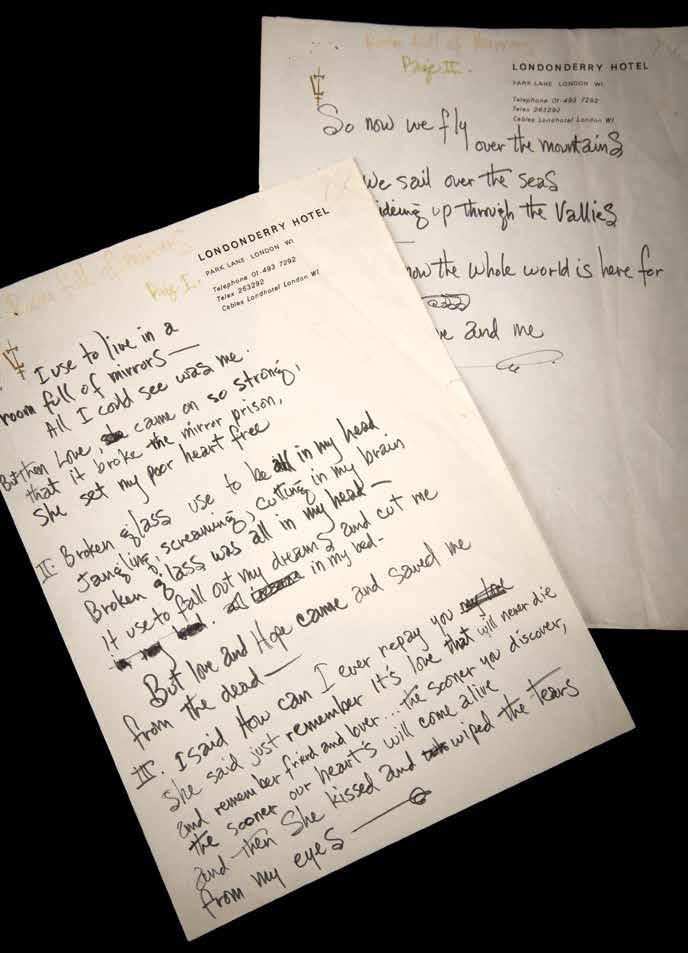
“I use to live in a room full of mirrors / All I could see was me”—original handwritten working lyrics
by Jimi Hendrix for one of his most psychologically revealing songs, “Room Full of Mirrors”
‘Room Full of Mirrors’. Exceedingly rare set of handwritten working lyrics by Jimi Hendrix for his song ‘Room Full of Mirrors,’ the first recording of which was made at the Record Plant in New York on August 12, 1968. Although Hendrix made subsequent recordings of the song over the next couple of years, ‘Room Full of Mirrors’ was never placed on an official Hendrix album during his lifetime; an unaltered rough mix of the song, recorded one month before Hendrix’s death on August 20, 1970, was released on the posthumous compilation album Rainbow Bridge in October 1971. A live version of the song, recorded at the Royal Albert Hall on February 24, 1969, was included on the posthumous live album Experience that was released in August 1971.
The lyrics, unsigned, no date (circa March 1970 or August 1970), are handwritten in black felt tip on two off-white 8.25 x 11.75 sheets of Londonderry Hotel letterhead, both of which are entitled at the top by Hendrix in faded red and green felt tip, “Room full of Mirrors,” and “Page I” and “Page II.” The lyrics, in full (spelling and grammar retained):
“I. I use to live in a room full of mirrors – / All I could see was me. / But then Love, came on so strong, that it broke the mirror prison, She set my poor heart free
II. Broken glass use to be all in my head / Jangling, screaming, cutting in my brain / Broken glass was all in my head – it used to fall out my dreams and cut me in my bed – / But love and Hope came and saved me from the dead –
III. I said How can I ever repay you / She said just remember It’s love that will never die / And remember friend and lover…/ the sooner you discover, the sooner our heart’s will come alive / and then She kissed and wiped the tears from my eyes –
So now we fly over the mountains / and we sail over the seas / We’re rideing up through the Vallies together – / you know the whole world is here for us to see / My Lady, my love and me.” In very good to fine condition, with staple holes, small tears, and overall creasing. Accompanied by a certificate of authenticity from Fab Four Memorabilia Ltd.
‘Room Full of Mirrors’ remains one of Jimi Hendrix’s most introspective works, a vivid metaphor for the emotional turbulence and self-confrontation that shadowed his final years. First written and recorded in 1968, the song and its difficult themes followed Hendrix through a period marked by relentless work, strained relationships, and growing psychological pressure. Though Hendrix returned to the
song repeatedly in the studio and onstage, it remained unreleased in his lifetime—its lyrics, which changed ultimately offering a vision of clarity and escape, a solution to the inner conflict that Hendrix himself, tragically, never found. The song’s title was later used for the name of a 2005 biography by author Charles R. Cross.
Although undated, the Londonderry Hotel letterhead indicates that the lyrics may date to either March 1970 or August 1970. Not long after receiving news that his former girlfriend, Kathy Etchingham, had married, Hendrix left America for England and checked into the Londonderry on March 19, 1970. He brought Etchingham to the hotel to convince her to leave her new husband—he was unsuccessful.
Hendrix met Etchingham four years earlier when he first arrived in London on September 24, 1966, at The Scotch of St. James nightclub. They became a couple during his rise to stardom, and Etchingham served as the inspiration for famous songs like ‘The Wind Cries Mary’ and ‘Foxy Lady.’ By April 1969, the couple had drifted apart. During his short stay at the Londonderry, Hendrix met routinely with Etchingham, went to nightclubs, jammed with fellow musicians, and returned to Olympic Studios, where he recorded his first two albums: Are You Experienced and Axis: Bold as Love.
Five months later, Hendrix returned to London from New York on August 27, 1970, booking the Park Suite at the Londonderry Hotel, where he spent two days giving press interviews before performing at the historic Isle of Wight Festival in the early morning hours of August 31st. Hendrix, who was also preparing for a major European tour, would die just 22 days after his return.
During this final stay at the Londonderry, Hendrix suffered an infamous meltdown. Etchingham discovered that Hendrix was back in London when Angie Burdon called her in distress, saying that she and a friend were in Hendrix’s suite and that he had ‘gone mad.’ When Etchingham arrived, she found the living area wrecked, the two women in their underwear, and Hendrix locked in the bedroom after becoming violent and erratic.
The hotel expelled Hendrix after discovering the damage, prompting him to move to The Cumberland—his last known address. He then traveled to the Isle of Wight for his final UK performance and continued to several troubled European shows before returning to London. Just days later, on September 18, 1970, Hendrix tragically died at the age of 27. Starting Bid $5000
“Jimi Hendrix, Be Groovy, Bro”— the Experience play Virginia’s Civic Dome on the night of Martin Luther King, Jr’s assassination
429. Jimi Hendrix Experience Signatures“Jimi Hendrix, Be Groovy, Bro” (Dated to the Assassination of Martin Luther King, Jr.). Vintage pencil signatures with inscriptions, “To Jimmy Smith, Jimi Hendrix, Be Groovy, Bro,” “To Jimmy Smith, all the best, Noel Redding,” and “Mitch,” on an off-white 5.5 x 2.5 sheet. Double-matted and framed with an Axis: Bold as Love album cover to an overall size of 17 x 21. In fine condition. The Experience played two shows in Virginia Beach at the Civic Dome on April 4, 1968, the very same day that Martin Luther King, Jr. was assassinated. After hearing news of King’s death, the band immediately returned to New York. A few days later, on April 7th, Hendrix was part of a small group of musicians who gathered at a small venue called the Generation Club in New York City for an impromptu performance in tribute to King. Among those on hand were Hendrix, Janis Joplin, Buddy Guy, Al Kooper, B.B. King, and Joni Mitchell.
Accompanied by a full letter of authenticity from JSA and a signed letter of provenance from the wife of the original recipient: “My late husband, Clifton James (Jimmie) Smith, Jr., was a huge Jimi Hendrix fan. When he found out that Hendrix was going to perform at the Virginia Beach Convention Center (The Dome) in April 1968, he planned on being at that concert.
He skipped school so he could be the first person in line to buy a ticket. When he arrived at the box office, the ‘roadies’ for the band were unloading the equipment. Jimmie offered to help them and they let him. As the band was setting up the equipment, they realized that some of it wasn’t working correctly. They called a local repair shop and the owner started loading the equipment into his van. Jimmie was knowledgeable in this field and told the repair shop owner he would like to help him fix the equipment. The owner agreed and they went to his shop in Norfolk, VA.
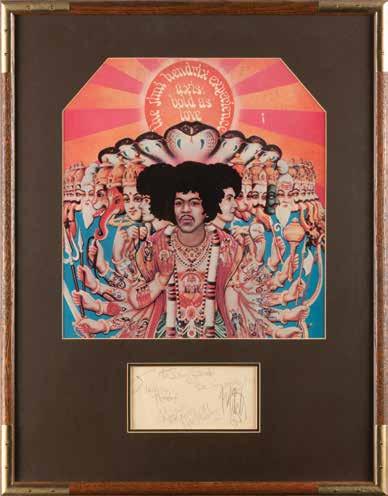
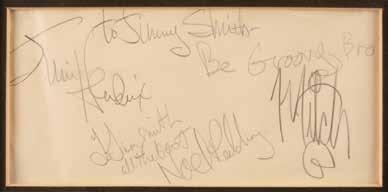
After the equipment was fixed, Jimmie and the shop owner went back to The Dome. By this time the first concert was over — that was the concert Jimmie was supposed to attend. The shop owner asked him if he would like to meet Jimi Hendrix and, of course, my husband said - YES! Jimmie said Hendrix was very pleasant and talked to him like a regular person. Jimmie was able to get Hendrix’s autograph as well as the other band members. Not only did he get their autographs, but he sat on stage for the second concert!” Starting Bid $500
430. Led Zeppelin 1973 UK Winter Program Signed by Page, Plant, and Jones. Rare original ‘Show Souvenir’ program from Led Zeppelin’s 1973 UK tour, 8.5 x 10.75, ten pages, signed on the front cover in ballpoint by Jimmy Page, Robert Plant, and John Paul Jones. The program features a biography, a press release, a tour itinerary, and images of the band and their third and fourth albums. In very good condition, with intersecting folds, and general overall handling wear. Accompanied by a certificate of authenticity from Fab Four Memorabilia Ltd.
A sought-after program signed at a pivotal period of the band’s career. Led Zeppelin’s 1972–73 UK winter tour began on November 30, 1972, at the Newcastle City Hall, and concluded on January 30, 1973, at the Guildhall in Preston, England, spanning roughly 24 shows across the United Kingdom. The band was touring in the wake of the massive success of their fourth studio album (commonly known as Led Zeppelin IV), released the previous year, and previewing material that would soon appear on Houses of the Holy. Starting Bid $300
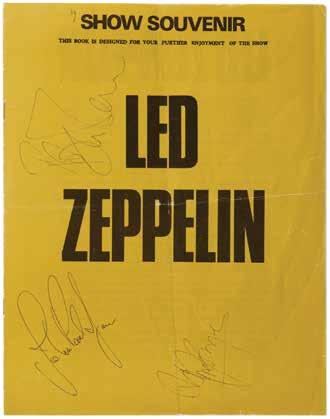
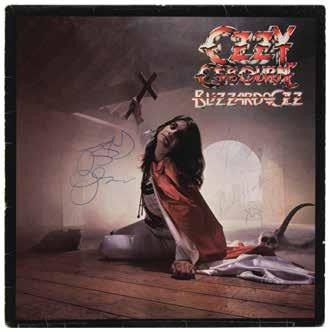
431. Blizzard of Ozz Signed Album with Ozzy Osbourne and Randy Rhoads. Sought-after Blizzard of Ozz album signed on the front cover in blue ballpoint by Ozzy Osbourne, Randy Rhoads, Lee Kerslake, and Bob Daisley. In fine condition, with light scuffing and scattered small surface impressions. The record is not included. Accompanied by a full letter of authenticity from JSA.
Blizzard of Ozz, Ozzy Osbourne’s debut solo album released in 1980, represents a landmark in heavy metal history, featuring iconic tracks like ‘Crazy Train’ and ‘Mr. Crowley.’ The album features the legendary guitarist Randy Rhoads as part of Osbourne’s first solo band, bolstered by Lee Kerslake on drums and Bob Daisley on bass. Anything signed by Rhoads is extremely rare due to his untimely death at age 25. With its powerful riffs and dark themes, Blizzard of Ozz endures as one of heavy metal’s greatest albums. Starting Bid $200
432. Elvis Presley Signed Photograph. Fantastic vintage glossy 8 x 10 photo of Elvis Presley posing in a checkered button-down shirt, hair slicked back in his trademark pompadour, signed and inscribed in fountain pen, “To Vernon, from Elvis Presley.” In fine condition, with a slightly trimmed left edge. Starting Bid $200

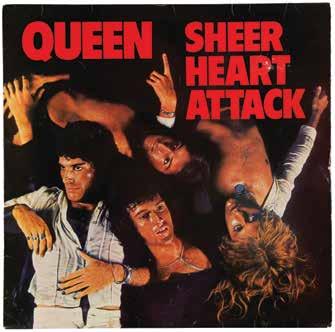
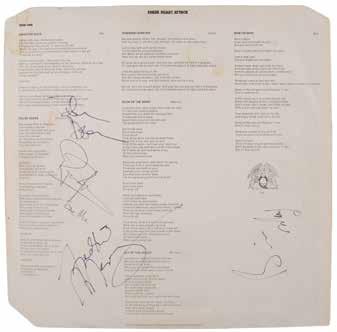
433. Queen Signed Inner Album Sleeve - Sheer Heart Attack. UK vinyl pressing of the 1974 Queen album Sheer Heart Attack, signed on the inner sleeve in black felt tip by Freddie Mercury, Brian May, and John Deacon, and in black ballpoint by Roger Taylor, who adds below, “See Me.” In very good to fine condition, with clipped corners and a few light stains. The record is included. The record is included. Accompanied by a certificate of authenticity from Tracks. Starting Bid $1000
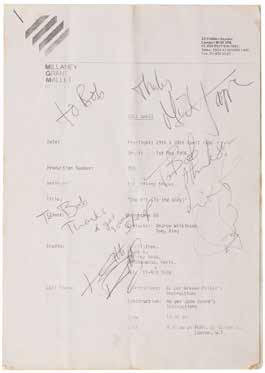
434. Rolling Stones Signed Music Video Call Sheet for ‘One Hit (To the Body)’. MGMM call sheet for the music video shoot of the Rolling Stones single ‘One Hit (To the Body),’ which took place at Elstree Studios in Borehamwood, Hertfordshire, England, on May 1, 1986. The call sheet, three pages, 8.25 x 11.75, is signed and inscribed on the front sheet in black ballpoint, “To Bob, Thanks, Mick Jagger,” “To Bob, Thanks & get some sleep, Keith Richards,” and “To Bob, thank you, love, Charlie Boy.” Includes two off-white 5.5 x 3.5 cards, one of which is signed in black ballpoint, “Love, Bill Wyman,” and the other is signed in black felt tip, “Ronnie Wood.” In fine condition, with intersecting folds to the call sheet. Accompanied by a certificate of authenticity from Tracks and by a letter from the wife of the original recipient: “The 3 autographs of Mick Jagger, Keith Richards and Charlie Watts on the Call Sheet for One Hit (To The Body) dated 1st May 1986, were dedicated to my late husband Robert Jones (Bob) when he worked with them on the shoot. He was an electrician (Sparks) with Pennine Lighting at that time under Graham Miller (Gaffer).”
‘One Hit (To the Body),’ the opening track on the Rolling Stones’ 1986 album Dirty Work, was released as the record’s second single on May 9, 1986. The song marked the first Rolling Stones single to list Ronnie Wood as a co-writer with Jagger and Richards. MGMM was the go-to company for music video production in the early 1980s. The company’s partners — Brian Grant, Scott Millaney, Russel Mulcahy, and David Mallet — were essentially the top directors in the burgeoning field, and their content dominated early MTV, which was quite sparse early on. The most ground-breaking, iconic, and memorable music videos of the first three years of MTV were, by and large, all produced by MGMM. Starting Bid $200
435. The Who: Keith Moon Signed Photograph. Terrific glossy 10 x 8 close-up photo of The Who drummer in profile, signed prominently in black felt tip by Keith Moon. In fine condition, with scattered small spots of emulsion irregularity. A rare and desirable uninscribed portrait of Moon in his fresh-faced prime. Starting Bid $200
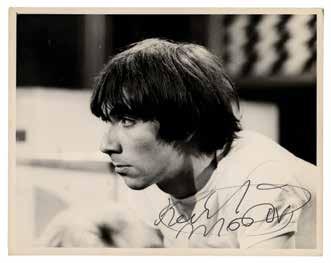
Errol Flynn offers advice to the young Burt Lancaster: “Watch those fucking Warner Bros. with the wary eye of an Egyptian surrounded in mid-desert by vengeful Israelites”
514. Errol Flynn Autograph Letter Signed to Burt Lancaster: “Watch those fucking Warner Bros. with the wary eye of an Egyptian surrounded in mid-desert by vengeful Israelites”. ALS, three pages on two adjoining sheets, 5.75 x 7.5, Excelsior letterhead, June 22, 1949. Handwritten letter to burgeoning Hollywood star Burt Lancaster, offering advice on life in Hollywood. In full: “Dear Burt—(know you won’t mind this informality—always figured ‘Mister’ should be reserved especially for people like Mr. Mayer or Mr. Warner—or even Mister Hakim). However—many thanks indeed for your note which I know full well was well-disposed & meant & now I want to thank you for it—The fact is tho’, I’m not here to work or even try to; on the contrary—have been trying only to see if I couldn’t slow down a tempo of living not only much too furious but one which seems to have somehow got out of control. Be sure that if Senors Bigazzi or Ferrera do me the favour of a phone call I’ll most certainly want to tilt a glass with these gentlemen—and at the same time mention your high regard for them. Incidentally, chum, and very sincerely, hope you won’t mind if I say this writer holds your work in high esteem too? Thanks again—and watch those fucking Warner Bros. with the wary eye of an Egyptian surrounded in mid-desert by vengeful Israelites; certainly, tho’, you must have the Fréres figured—just stare at ‘em—they wilt! Best luck—Burt.” In fine condition, with an ink stain to the second page. Accompanied by the original mailing envelope, addressed in Flynn’s hand to “Burt Lancaster, 830 Linda Flora Dr., Los Angeles 24, California.” Starting Bid $200
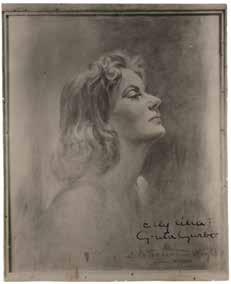
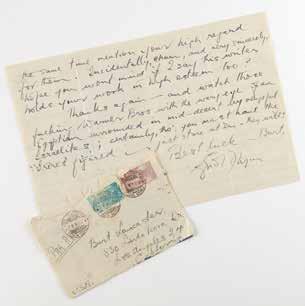
Garbo presents her portrait to the wife of actor Brian Aherne
515. Greta Garbo Signed Photograph. Fabulous vintage matte-finish 9.25 x 11.5 photo of an artist’s portrait of the celebrated silent star, nicely signed and inscribed in fountain pen to the wife of actor Brian Aherne, Eleanor de Liagre Labrot, “Elly Lilla: Greta Garbo.” In fine condition, with trimmed edges, and scattered small stains. In ‘The Garbo Next Store,’ published in the April 2000 issue of Vanity Fair, Garbo’s close personal friend William Frye recounts many stories of Garbo and mentions her friends, including Brian and Eleanor Aherne. Starting Bid $200
516. Jean Harlow Signed Oversized Photograph. Beautiful vintage matte-finish 10.25 x 13.25 full-length photo of Harlow holding a riding crop as she stands in the doorway of her home, signed and inscribed in fountain pen, “To my Darling Babe and Barney – I love you both forever and ever, Just, Jean.” Double-matted and framed to an overall size of 19.5 x 22.5. In fine condition.
In 1932, following her rise to fame in Howard Hughes’ 1930 war epic Hell’s Angels, Harlow moved into this home, situated on Club View Drive in Beverly Hills, with her mother, ‘Mama’ Jean, and stepfather, Marino Bello. The house in the photo is also where Harlow married MGM Studios executive Paul Bern on July 2, 1932, and where she returned following his suicide two months later, after leaving the ‘dream house’ that had been his wedding gift to her. The image was likely taken by a studio photographer from MGM, where Harlow was under contract from April 1932. Starting Bid $200
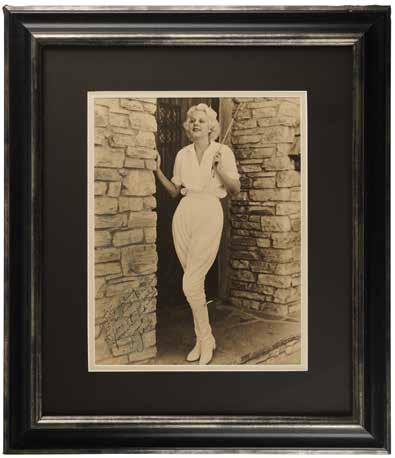
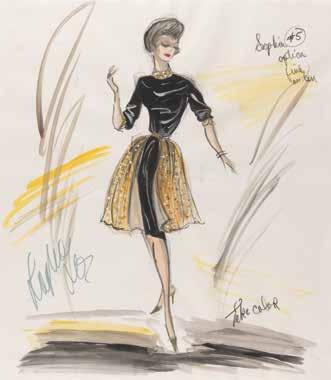
517. Edith Head and Sophia Loren Signed Original Costume Sketch for Houseboat. Fantastic original costume sketch for Sophia Loren in the 1958 romantic comedy Houseboat, accomplished in graphite and watercolor on a 14 x 16 sheet of sketch paper. The wonderful full-length drawing shows Loren in a classy black-and-gold dress, and is signed in the upper right in pencil by the designer, “Sophia #5, option fine, E.H.” Also signed in the lower left in silver ink by the actress, “Sophia Loren.” In fine condition. Starting Bid $200
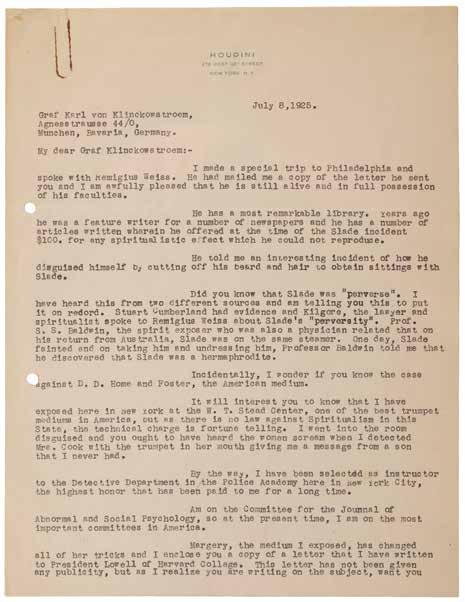
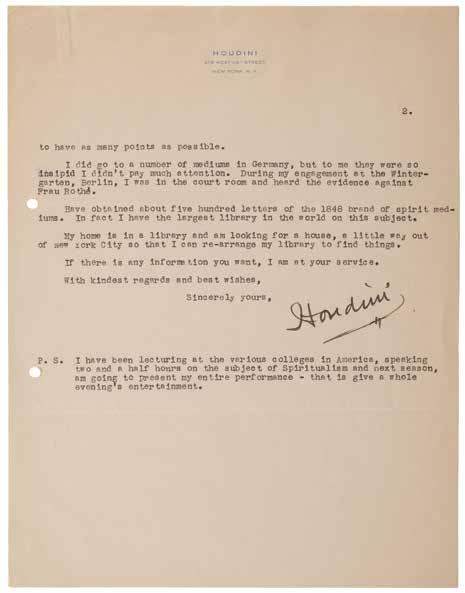
“I have been selected as instructor to the Detective Department in the Police Academy here in New York City”—content-rich letter from Harry Houdini on his new position with the NYPD, “the highest honor that has been paid to me for a long time,” and on exposing mediums like the “perverse” Henry Slade, the ‘Witch of Lime Street,’ and Mrs. Cecil Cook, “one of the best trumpet mediums in America”
519. Harry Houdini Typed Letter Signed on Exposing Mediums. TLS signed “Houdini,” two pages, 8.5 x 11, personal letterhead, July 8, 1925. Letter to German writer and intellectual Carl Graf von Klinckowstroem (18841969), a historian of science, technology, and culture. He was intrigued by the occult, especially the Swedish mystic Emanuel Swedenborg, but he also showed a receptiveness to Houdini’s skepticism about false mediums. The letter, in full: “I made a special trip to Philadelphia and spoke with Remigius Weiss. He had mailed me a copy of the letter he sent you and I am awfully pleased that he is still alive and in full possession of his faculties. He has a most remarkable library. Years ago he was a feature writer for a number of newspapers and he has a number of articles written wherein he offered at the time of the Slade incident $100. for any spiritualistic effect which he could not reproduce. He told me an interesting incident of how he disguised himself by cutting off his beard and hair to obtain sittings with Slade.
Did you know that Slade was ‘perverse.’ I have heard this from two different sources and am telling you this to put it on record. Stuart Cumberland had evidence and Kilgore, the lawyer and spiritualist spoke to Remigius Weiss about Slade’s ‘perversity.’
Prof. S. S. Baldwin, the spirit exposer who was also a physician related that on his return from Australia, Slade was on the same steamer. One day, Slade fainted and on taking him and undressing him, Professor Baldwin told me that he discovered that Slade was a hermaphrodite.
Incidentally, I wonder if you know the case against D. D. Home and Foster, the American medium.
It will interest you to know that I have exposed here in New York at the W. T. Stead Center, one of the best trumpet mediums in America, but as there is no law against Spiritualism in this State, the technical charge is fortune telling. I went into
the room disguised and you ought to have heard the women scream when I detected Mrs. Cook with the trumpet in her mouth giving me a message from a son that I never had.
By the way, I have been selected as instructor to the Detective Department in the Police Academy here in New York City, the highest honor that has been paid to me for a long time. Am on the Committee for the Journal of Abnormal and Social Psychology, so at the present time, I am on the most important committees in America.
Margery, the medium I exposed, has changed all of her tricks and I enclose you a copy of a letter that I have written to President Lowell of Harvard College. This letter has not been given any publicity, but as I realize you are writing on the subject, want you to have as many points as possible.
I did go to a number of mediums in Germany, but to me they were so insipid I didn’t pay much attention. During my engagement at the Wintergarten, Berlin, I was in the court room and heard the evidence against Frau Rothe.
Have obtained about five hundred letters of the 1848 brand of spirit mediums. In fact I have the largest library in the world on this subject.
My home is in a library and am looking for a house, a little way out of New York City so that I can re-arrange my library to find things. If there is any information you want, I am at your service.” Houdini adds a postscript: “I have been lecturing at the various colleges in America, speaking two and a half hours on the subject of Spiritualism and next season, am going to present my entire performance — that is give a whole evening’s entertainment.” In fine condition, with a rusty paperclip impression to the top edge. Starting Bid $300

518. Bob Hope 1980 People’s Choice Award for ‘Favorite Television Special’. People’s Choice Award presented to Bob Hope as “Favorite Television Special” for the 6th People’s Choice Awards held at the Hollywood Palladium on January 24, 1980. Made by Orrefors, the gorgeous crystal award, roughly 12 pounds, measures 13.75˝ tall with a square base of 4˝, neatly engraved on the front: “The People’s Choice Award, 1980, Robin Williams, Favorite Television Special.” The beautiful award takes the shape of a flame and is etched with the image of hands clapping. In fine condition. Provenance: Julien’s Auctions, Property from the Estate of Bob and Dolores Hope, September 2013. Starting Bid $500
520. Grace Kelly Signed Photograph. Stunning glossy 8 x 9.75 photo of Grace Kelly wearing a strapless gown and dazzling earrings, prominently signed in black felt tip by the beautiful actress. In fine condition. Starting Bid $200
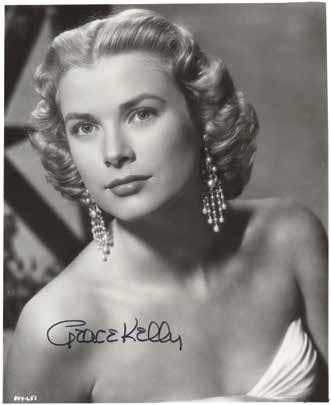
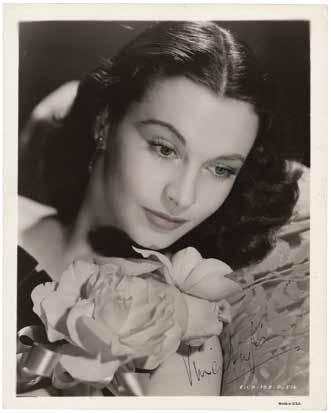
521. Vivien Leigh Signed Photograph. Gorgeous vintage glossy 8 x 10 close-up portrait of Vivien Leigh, neatly signed in fountain pen by the celebrated Gone With the Wind actress. In fine condition, with slight color embellishments to her lips and eyes. Starting Bid $200
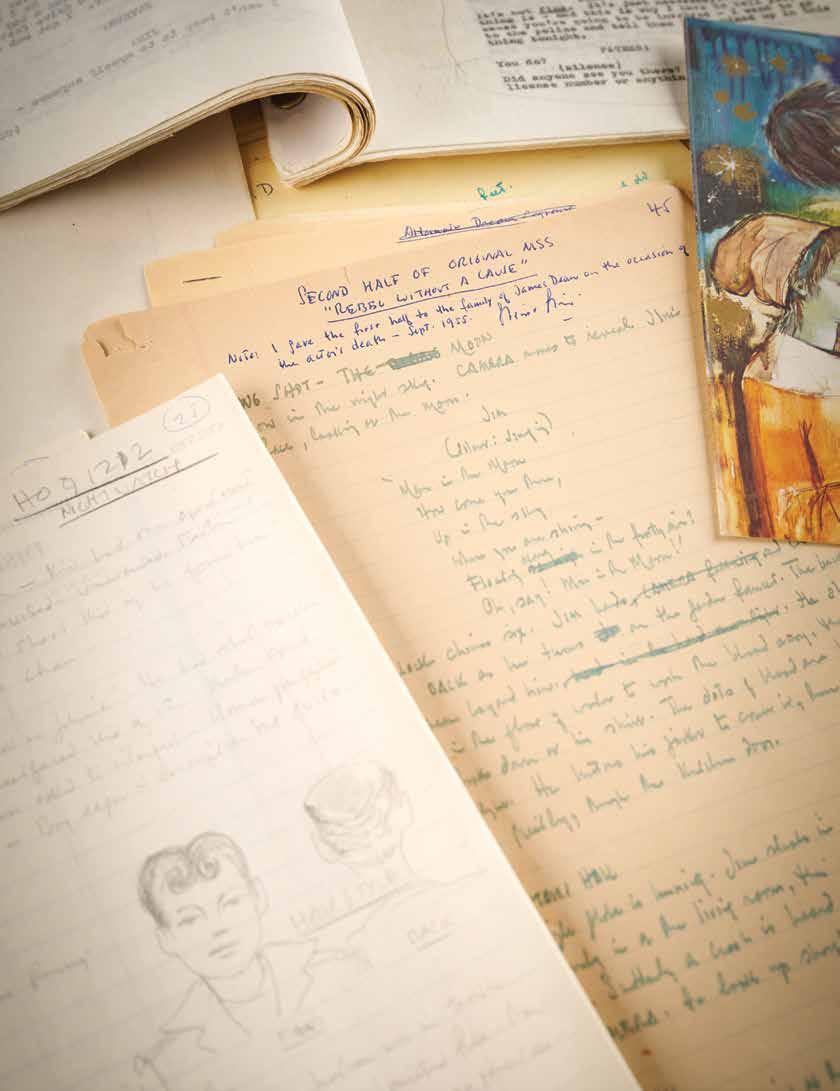
“Second Half of Original MSS, ‘Rebel Without A Cause,’ Note: I gave the first half to the family of James Dean on the occasion of the actor’s death – Sept. 1955. Stewart Stern”— remarkable original handwritten first draft of Stewart Stern’s classic screenplay, with amazing supplemental archive of final draft scripts, research notes, and rewritten scenes
524. Rebel Without a Cause Archive with (400+) Early Draft Pages and Scenes, Highlighted by (95) Pages of Stewart Stern’s Original Handwritten First Draft Screenplay. Incredible archive of research and draft material related to the classic 1955 James Dean film Rebel Without a Cause, highlighted by 95 surviving pages from screenwriter Stewart Stern’s original handwritten first draft of the film, which constitutes the memorable second half of the screenplay, pages 45 through 142. The first half of the screenplay, pages 1-44, was presented by Stern to Winton Dean, James Dean’s father, the day after the actor was killed in a car accident at the age of 24. The screenplay is penned in ink on beige and yellow 8 x 12.5 sheets of notebook paper, the first of which (page 45) is annotated and signed along the top in blue ballpoint by Stern, “Second Half of Original MSS, ‘Rebel Without A Cause,’ Note: I gave the first half to the family of James Dean on the occasion of the actor’s death – Sept. 1955. Stewart Stern.” Five pages of the script appear to be unaccounted for: 46, 75-77, and 141.
The archive also contains two very early original final drafts from Stern’s personal collection: a brad-bound mimeographed screenplay as presented to the studio, the front cover of which is annotated by Stern, “Rebel Without A Cause, Stewart Stern, Warner’s Mimeo, 3/26/55,” approximately 122 pages, 8.5 x 11, with the title sheet issued as “Final Part I, 3/25/55” and numbered “122”; and a brad-bound onionskin carbon copy, the front annotated by Stern, “Rebel Without A Cause, Stewart Stern, Author’s carbon, w/ corrections,” approximately 132 pages, 8.5 x 11, dated March 3, 1955, featuring scattered ink and pencil corrections and edits throughout.
Supplementing Stern’s handwritten draft are approximately 70 pages of 13 rewritten scenes, handwritten in ink and pencil on beige and yellow 8 x 12.5 sheets of notebook paper, which are entitled as follows:
Seq. A(2), marked “Jim at Juvenile Hall – opening, 2nd version”
Seq. A(3), “Original version, Dream sequence in Juvenile Hall”
Seq. B, “Glimpse of Judy – end of prologue”
Seq. C(1), “Plato at home, 1st version”
Seq. D, “Knife-fight – end.”
Seq. E(2), “Original, Dream Sequence, after knife-fight”
Seq. F, “Judy & her Father, 1st version”
Seq. G(1), “Jim confronts his parents after Buzz is killed, 1st version”
Seq. G(2), “Jim confronts his parents after Buzz is killed, 2nd version”
[Seq. H], “Jim goes to Juvenile Hall, looking for Ray, 1st version”
Seq. I, “Jim & Judy love scene in alley, odd pages”
Seq. J(1), “Jim wants to save Plato, 1st version”
Seq. J(2), “Jim persuades Ray & Dad to let him enter planetarium to save Plato, 2nd version”
Completing the archive are over 100 additional pages of research, script revisions, and sequences later eliminated from the final draft. These items include: research notes taken by Stern at Juvenile Hall during interviews with young offenders and annotated with character references for future scenes; a carbon on onion skin of the first typed sequence for submission to the director, dated January 17, 1955; Stern’s original typescript of the first and second sequences, as well as of the end of the planetarium scene; the author’s original typescript of the discarded ‘fantasy’ sequences in which characters in the foreground were to act out the reality, while the same characters in the background acted out their underlying fantasies; early typed pages, with heavy handwritten revisions of Jim’s return home, his confrontation with his parents, and his love scene with Judy; and a signed Christmas card from director Nicholas Ray. In overall fine condition.
Together, these pages offer an extraordinary window into the making of a film that reshaped American cinema. Archives of such depth and direct authorship are virtually unheard of for a picture as era-defining as Rebel Without a Cause, a milestone that pioneered the modern teen film and introduced a new realism to Hollywood—tackling identity, alienation, teen angst, masculinity, and parental pressures, elements that resonated deeply with Golden Age youths across America. Starting Bid $1000
522. Bela Lugosi Signed Photograph. Outstanding vintage matte-finish 8 x 10 photo of the celebrated horror star, signed and inscribed in fountain pen, “To Gertrude…sincerely, Bela Lugosi.” In very fine condition. Accompanied by a full letter of authenticity from PSA/DNA. Starting Bid $200
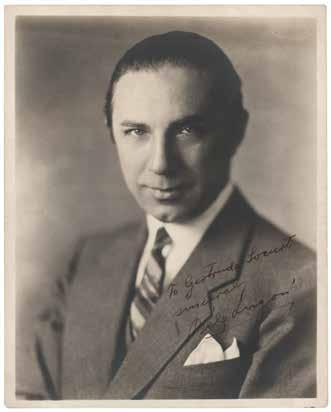
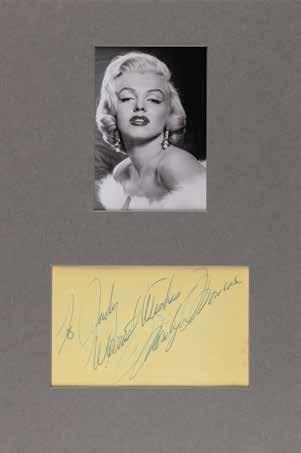
523. Marilyn Monroe Signature. Sought-after vintage ballpoint signature, “To Judy, Warmest wishes, Marilyn Monroe,” on a yellow 5 x 3.25 album page. Matted with a portrait to an overall size of 7.75 x 11.75. In fine condition. Starting Bid $500
652. Boston Red Sox: 2007 World Series Championship Ring, Awarded to a Fenway Park Usher. Exceptional 14K white gold 2007 Boston Red Sox World Series Championship ring made by Jostens, about size 10 (with removable wraparound reducer insert) and 40 grams, featuring the Red Sox logo created from red stones on face, set against a base-shaped background of genuine diamonds over navy blue synthetic sapphires. This is a “B”-level ring, as awarded to team staff, presented to longtime Fenway Park usher James O’Conner.
The bezel reads, “World Champions,” with the perimeter encircled by diamonds. One shank features the recipient’s surname, “O’Connor,” with a Red Sox logo and World Series trophy, as well as “Red Sox, 2007” at the bottom. The other shank depicts Fenway Park, with ornate text, “7th World Series Championship, 4-0 Sweep.” The inner band is etched, “Jostens 14K” and “Boston Red Sox, 10-28-07.” Includes the original wooden presentation box, which has the 2007 World Series logo on the front and “2007 World Champions” etched on the glass set into the lid. In fine condition, with light overall wear.
Three short years after reversing the ‘Curse of the Bambino,’ the Boston Red Sox returned to the World Series and easily swept the Colorado Rockies in four games. This attractive World Series ring commemorating the historic victory is of the utmost desirability. Starting Bid $1000
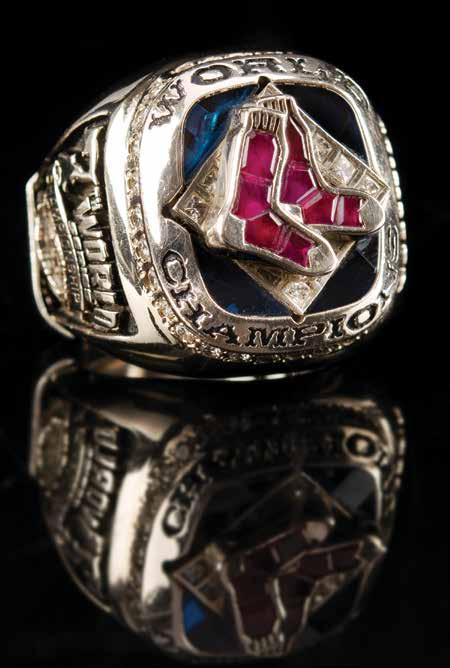
653. Kobe Bryant Signed Basketball. Spalding Official NBA game ball basketball, prominently signed on a side panel in silver ink by Kobe Bryant. In very fine condition. Accompanied by a certificate of authenticity from Mounted Memories, stating that the autograph was signed in Los Angeles on January 29, 2000; the Mounted Memories hologram is also present but detached. Starting Bid $200
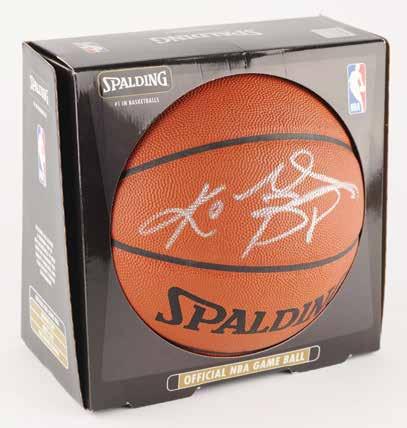
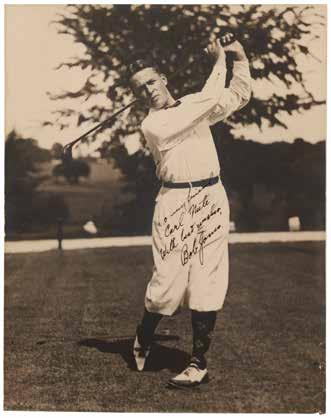
654. Bobby Jones Signed Photograph. Golfer (1902–1971) who, in 1930, became the only Grand Slam winner in the sport’s history, taking the U.S. and British Open and U.S. and British Amateur titles. Over the course of his career, he would win a total of four U.S. Open titles, five U.S. Amateur titles, and three British Open titles. Outstanding vintage matte-finish 7.5 x 9.5 photo of a young Bobby Jones swinging a wood on the golf course, neatly signed and inscribed in fountain pen, “To my friend Carl Nute, with best wishes, Bob Jones.” In fine condition, with tastefully trimmed edges, and a small crease to the lower right corner tip. Accompanied by a full letter of authenticity from PSA/DNA. Starting Bid $200
655. Babe Ruth Signature - Bright, Bold Example. Exceptionally bold ink signature, “Babe Ruth,” on an off-white 3.5 x 2 card. In very good to fine condition, with overall soiling, and light crease, and a mild brush to the first letter. A marvelously bright autograph of the legendary ballplayer. Starting Bid $300
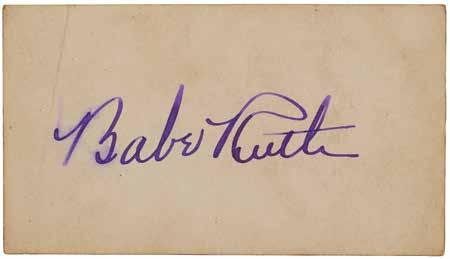
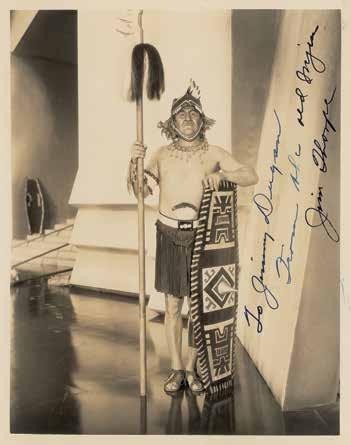
“From the old Injun, Jim Thorpe”
656. Jim Thorpe Signed Photograph: ““From the old Injun”. Versatile Native American athlete (1887–1953), widely regarded as the finest all-around athlete of the twentieth century, who won two Olympic gold medals and excelled in football, baseball, and basketball. His Olympic medals were stripped from him for an ostensible violation of the amateur-status rule (Thorpe had earlier played minorleague baseball) but were posthumously restored to him in 1983. Exceptional glossy 8 x 10 publicity photo of Thorpe in Native American costume during his Hollywood days, boldly signed and inscribed in fountain pen, “To Jimmy Dugan, from the old Injun, Jim Thorpe.” In very good to fine condition, with scattered light creasing. A rare and superb image. Starting Bid $200
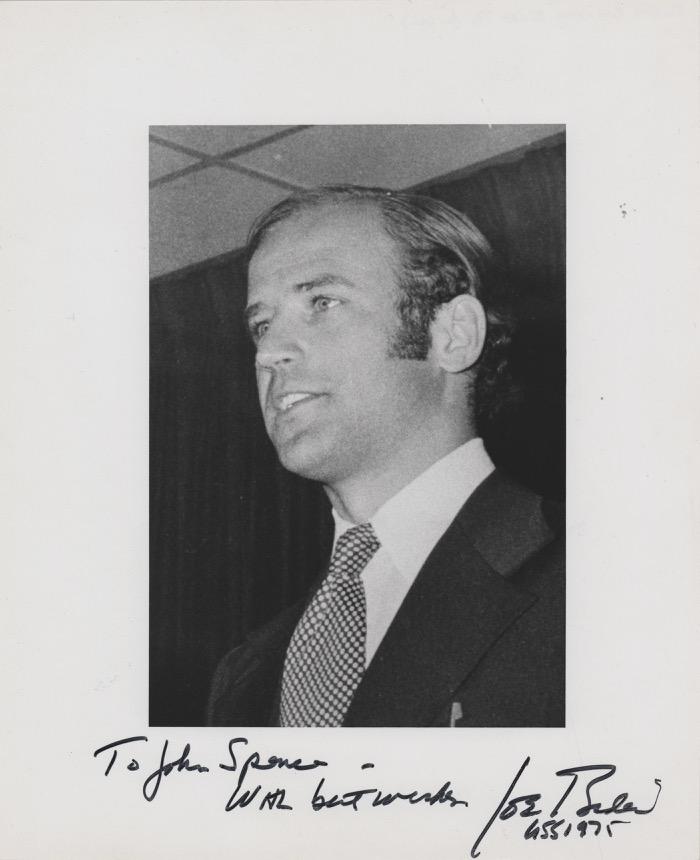
Starting
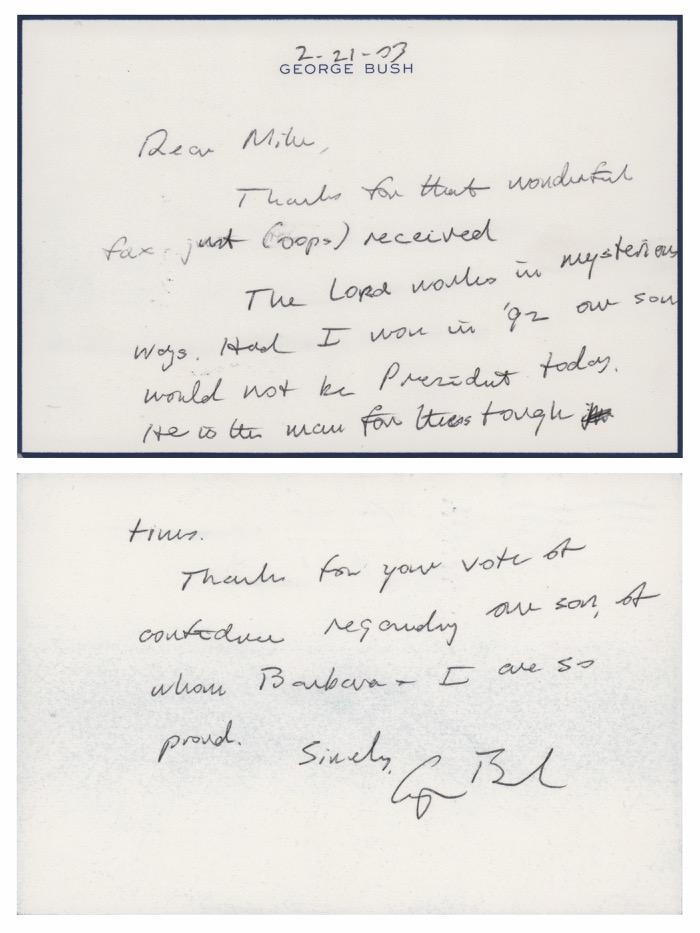
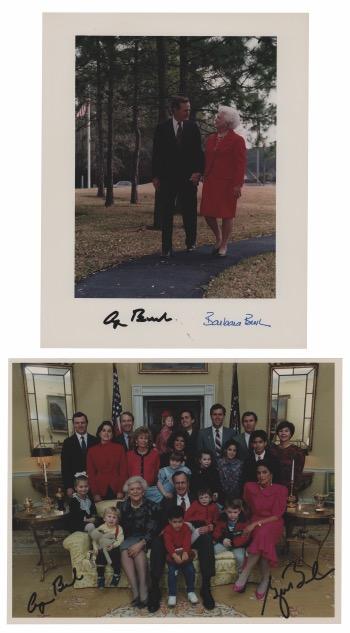
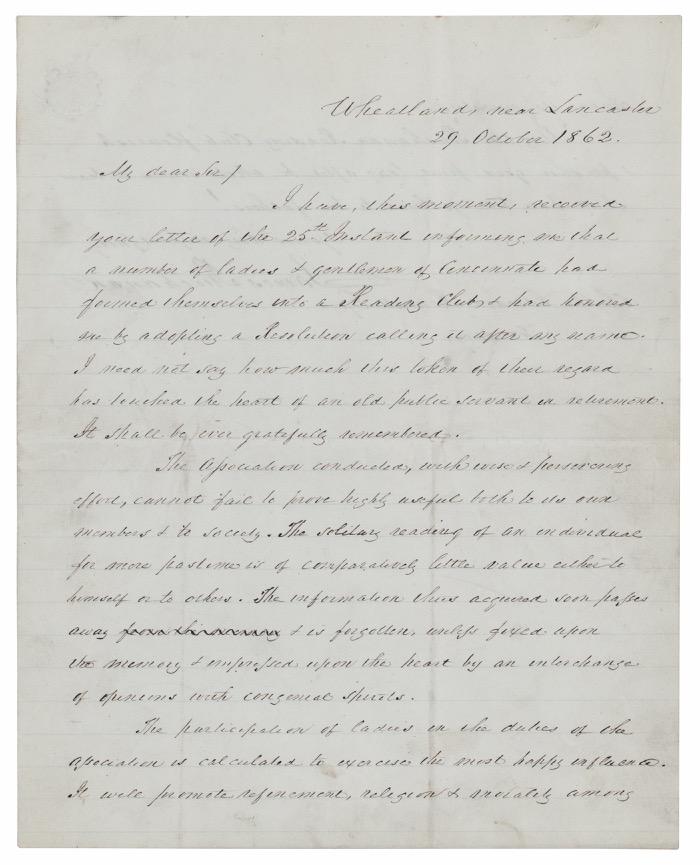
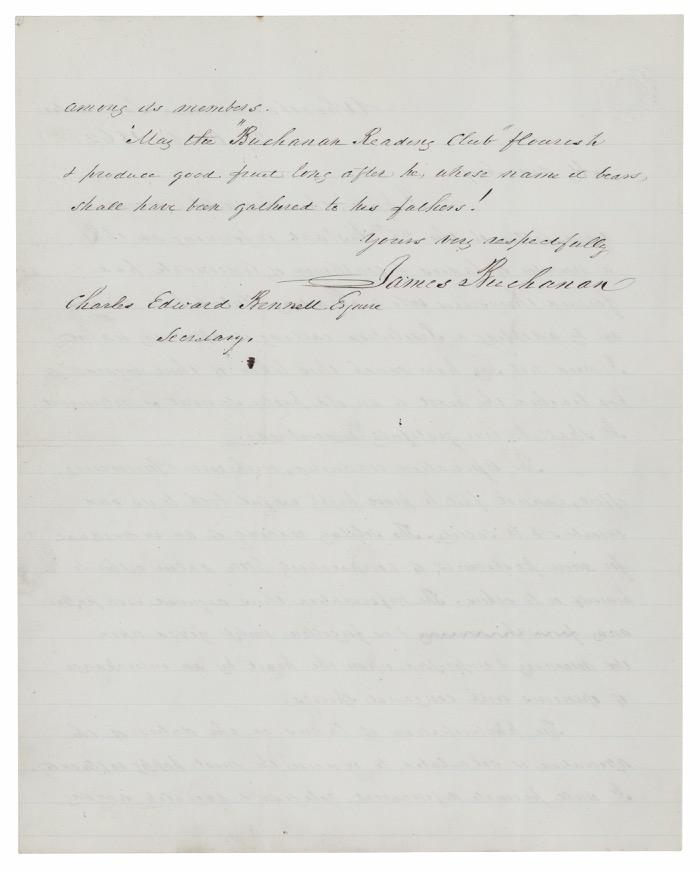
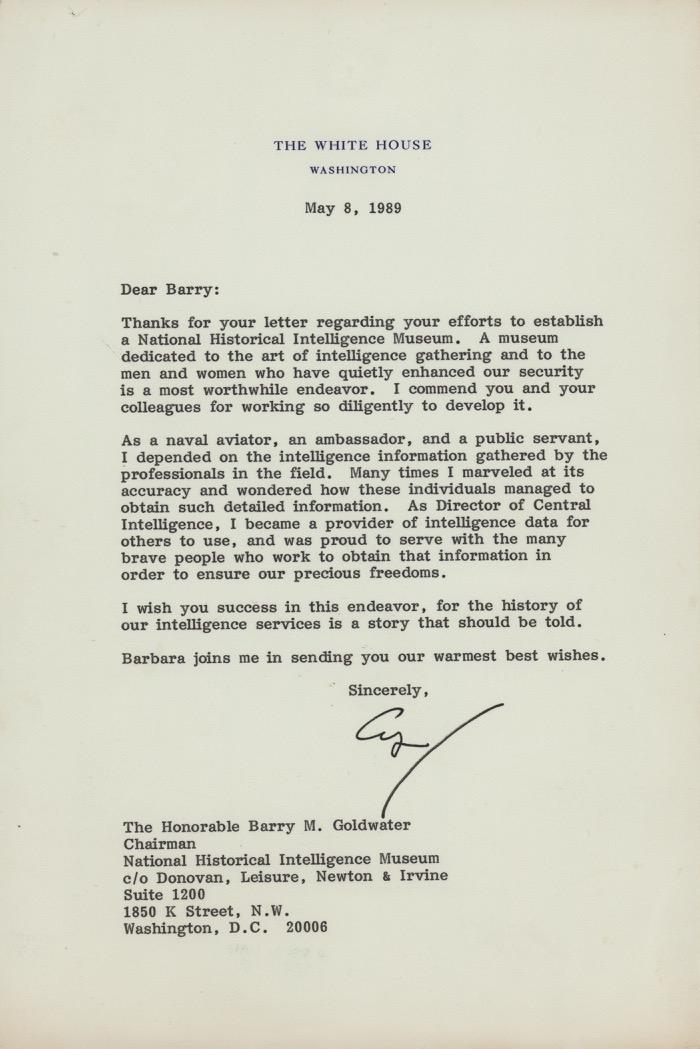
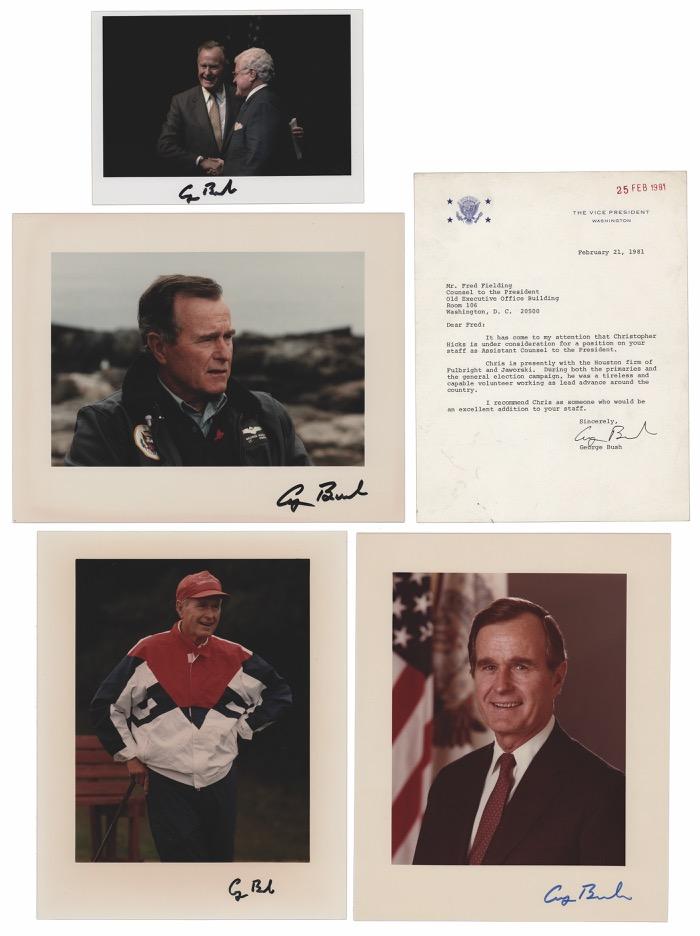
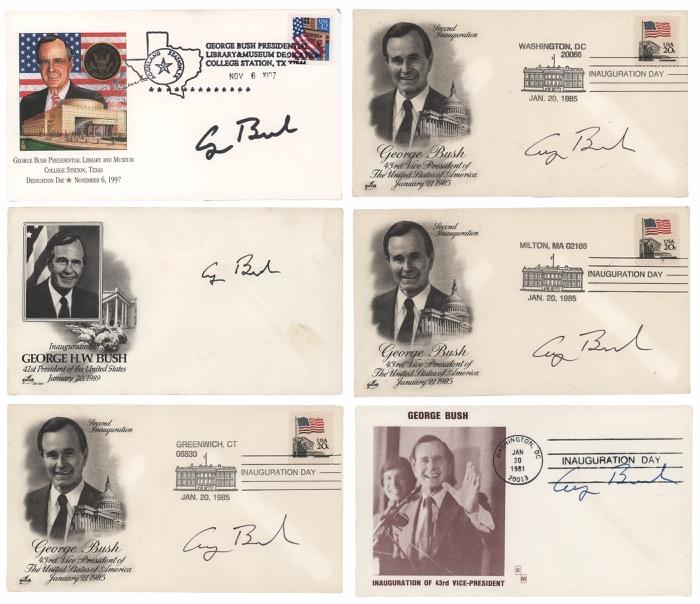
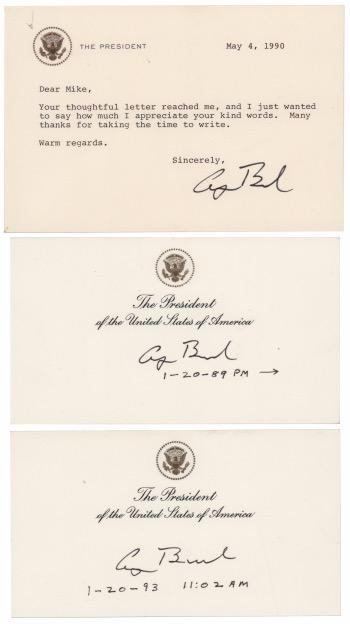
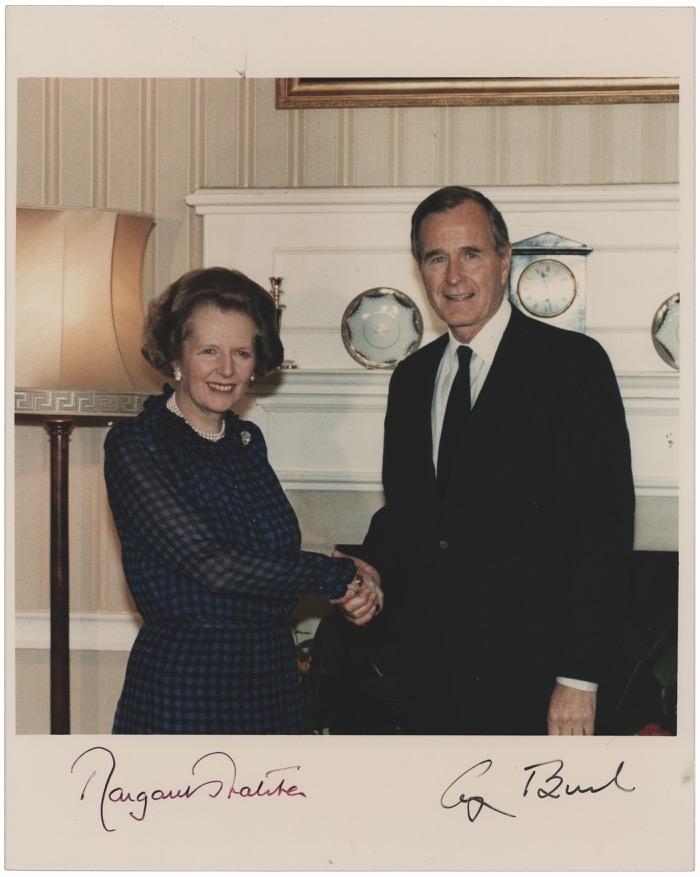
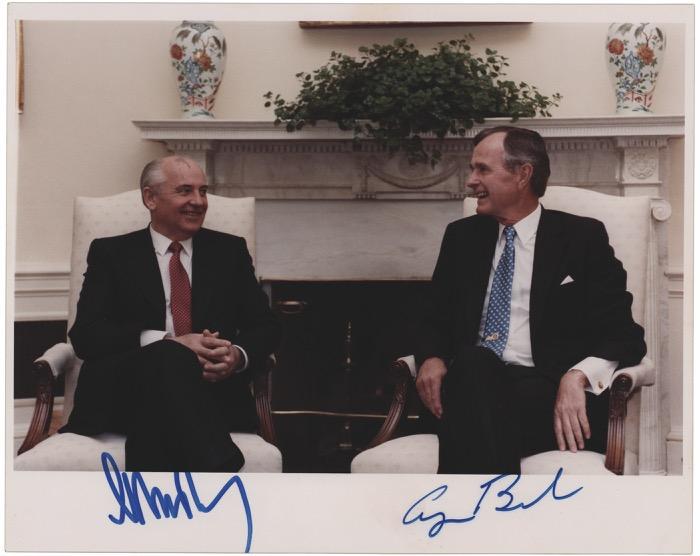
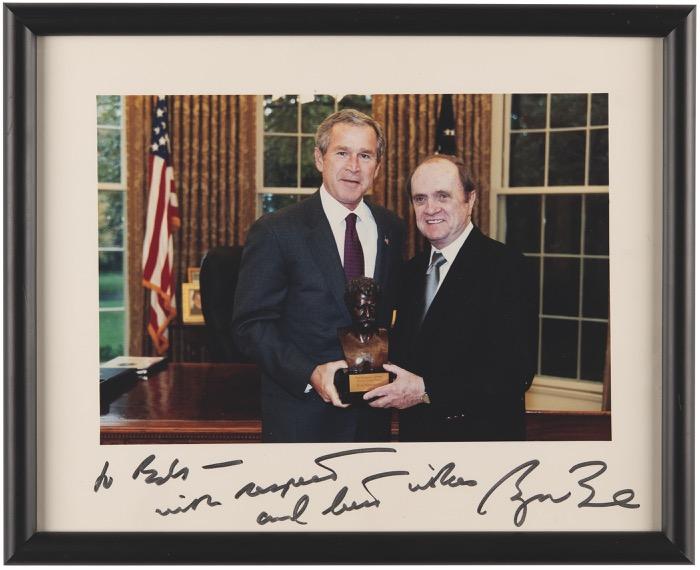
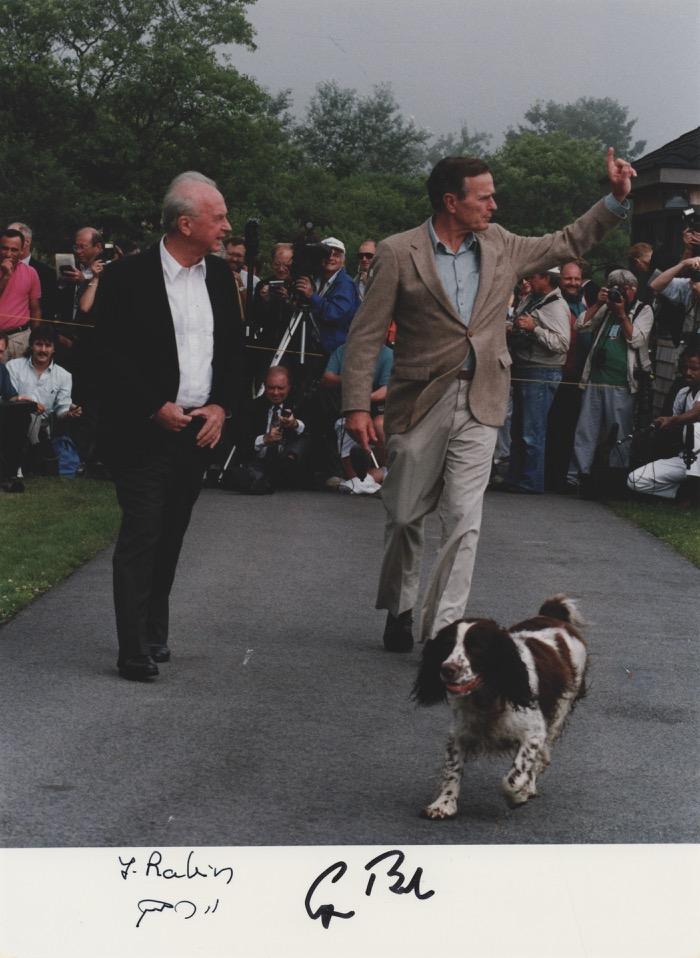

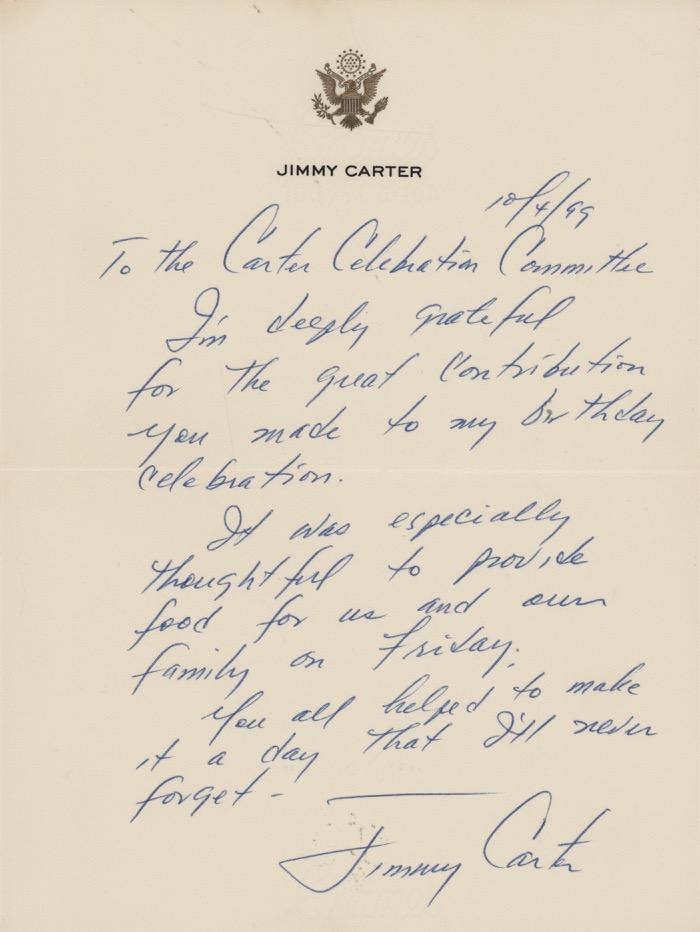
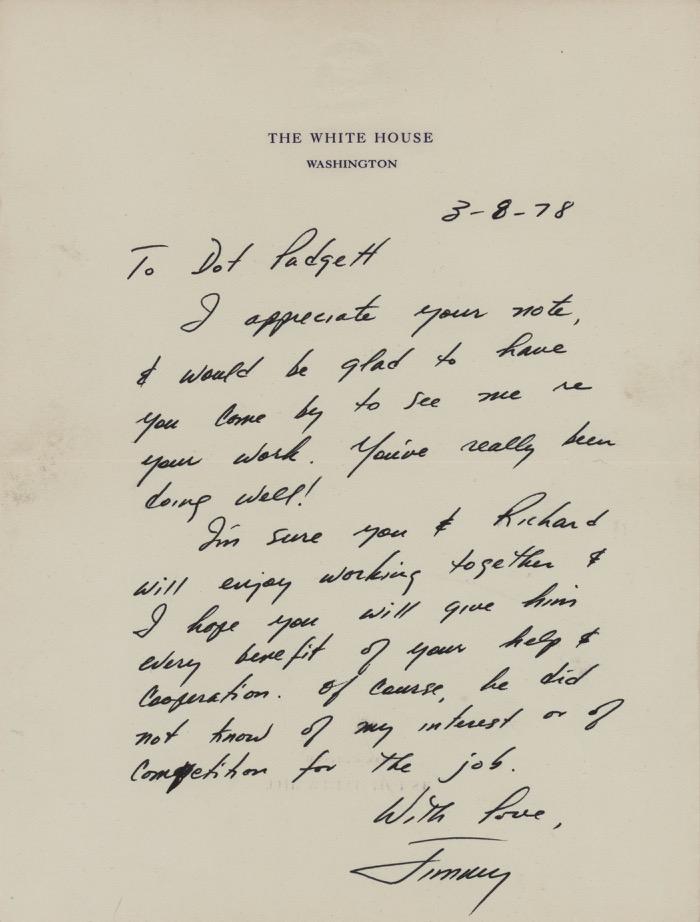
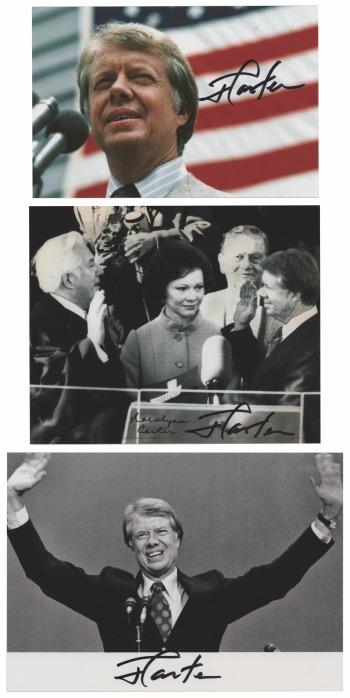
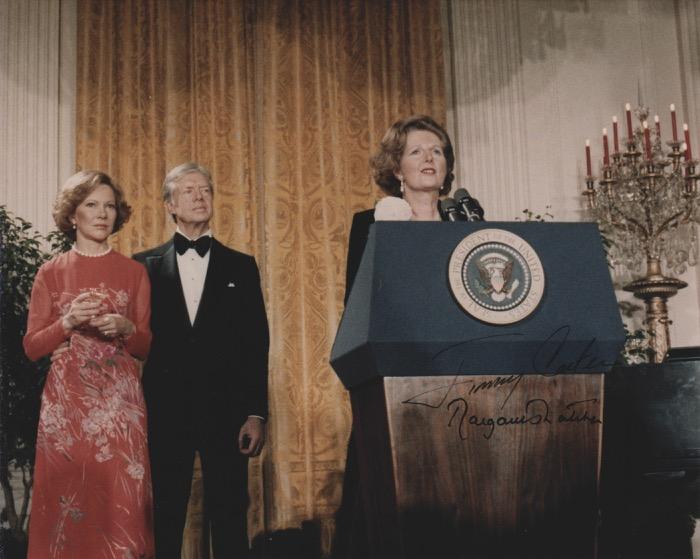
33. Jimmy Carter and Margaret Thatcher Signed Photograph Starting Bid $200
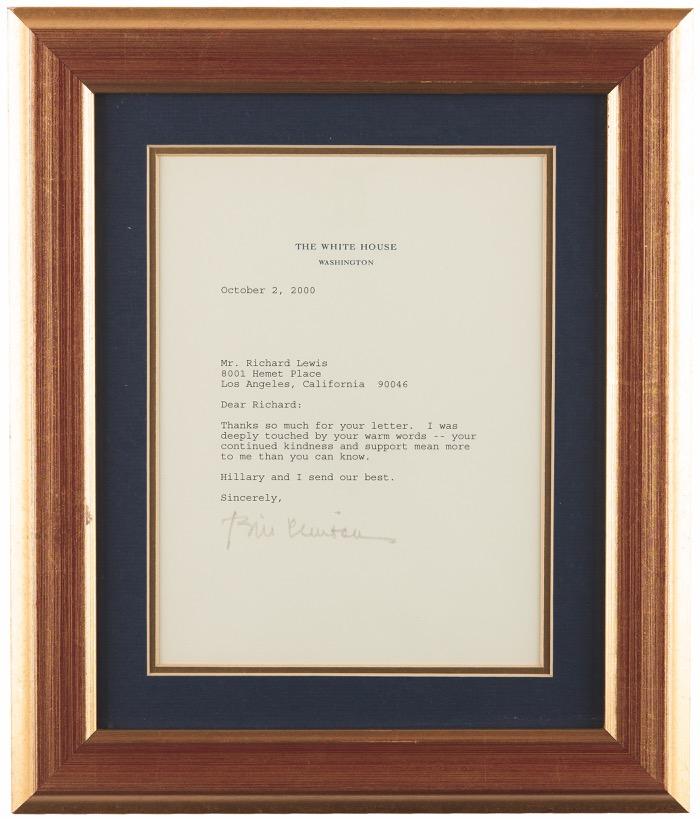
34. Carters and Fords (10) Signed Photographs Starting Bid $200
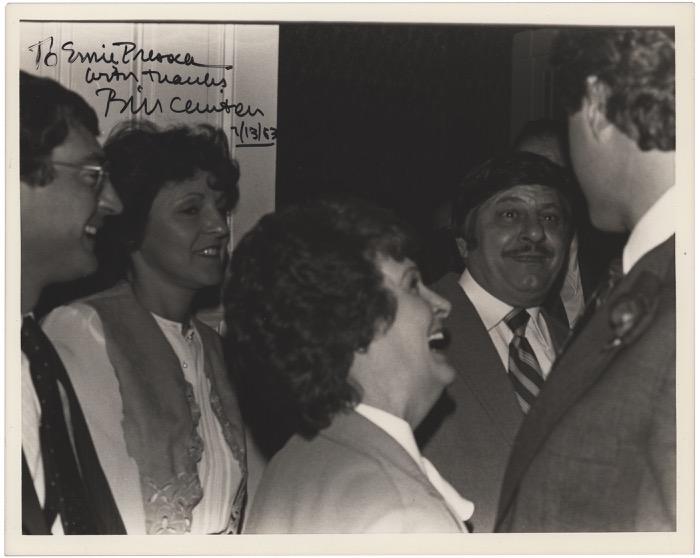
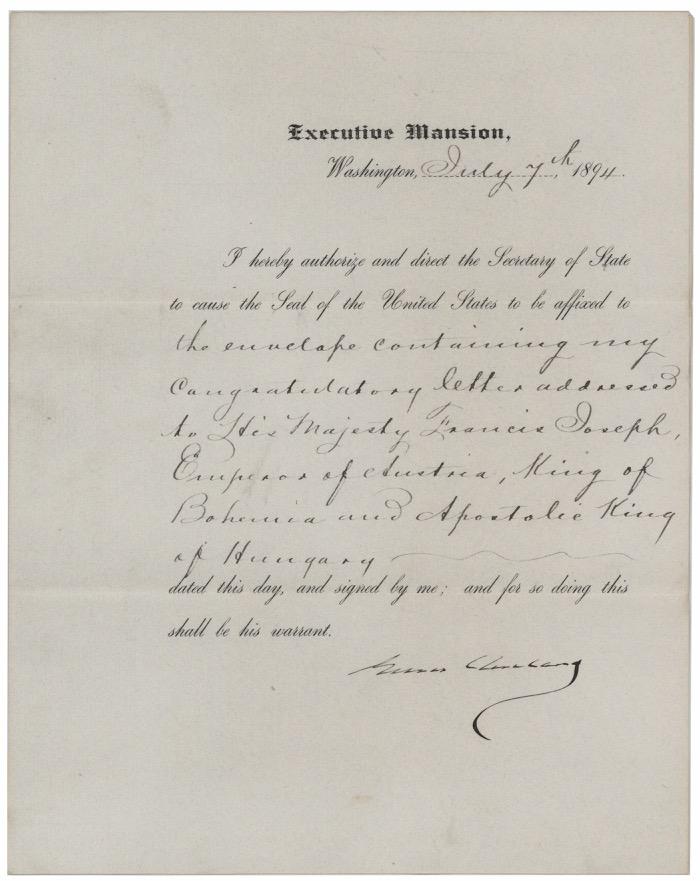
35. President Grover Cleveland Sends a Congratulatory Letter to Franz... Starting Bid $200
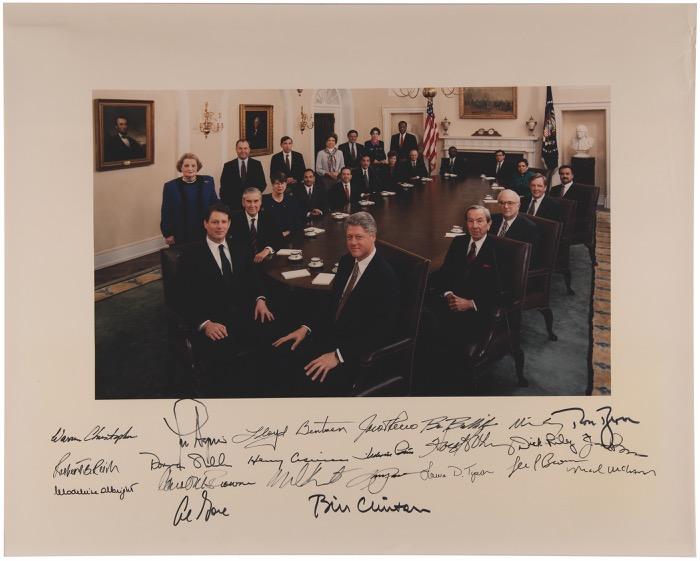
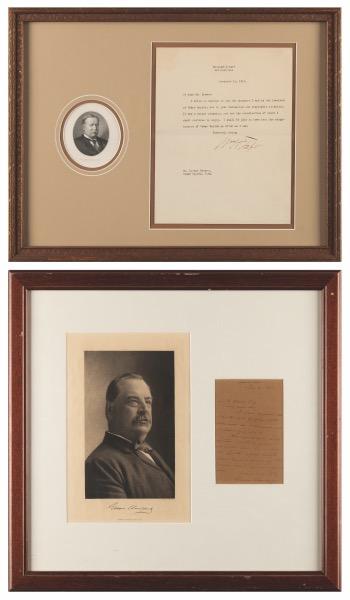
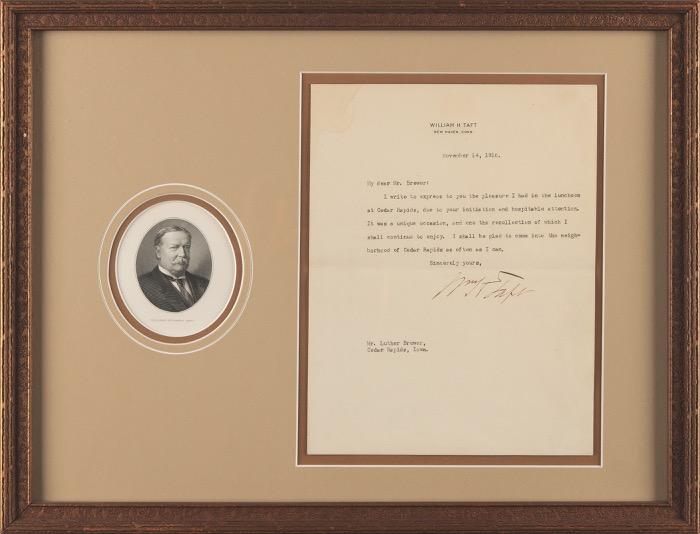
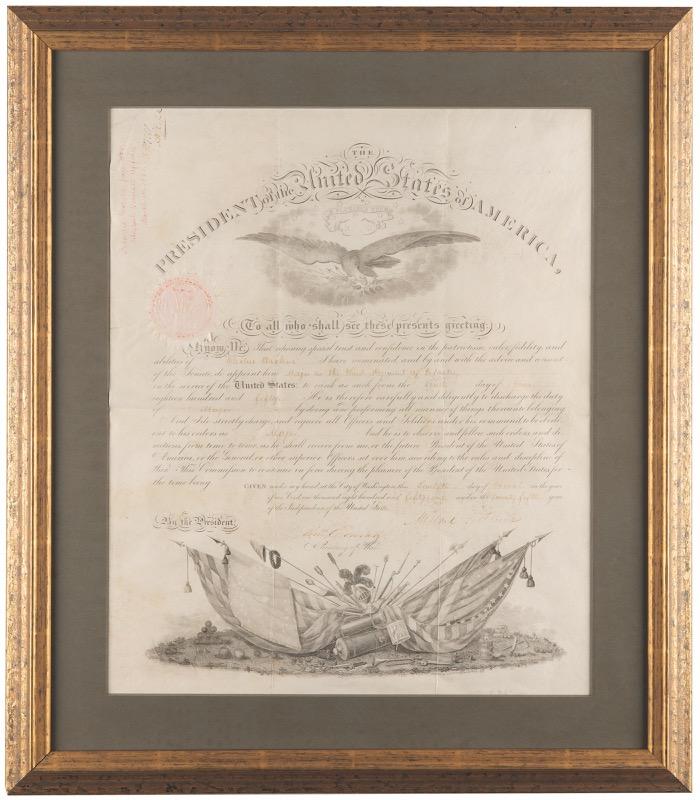
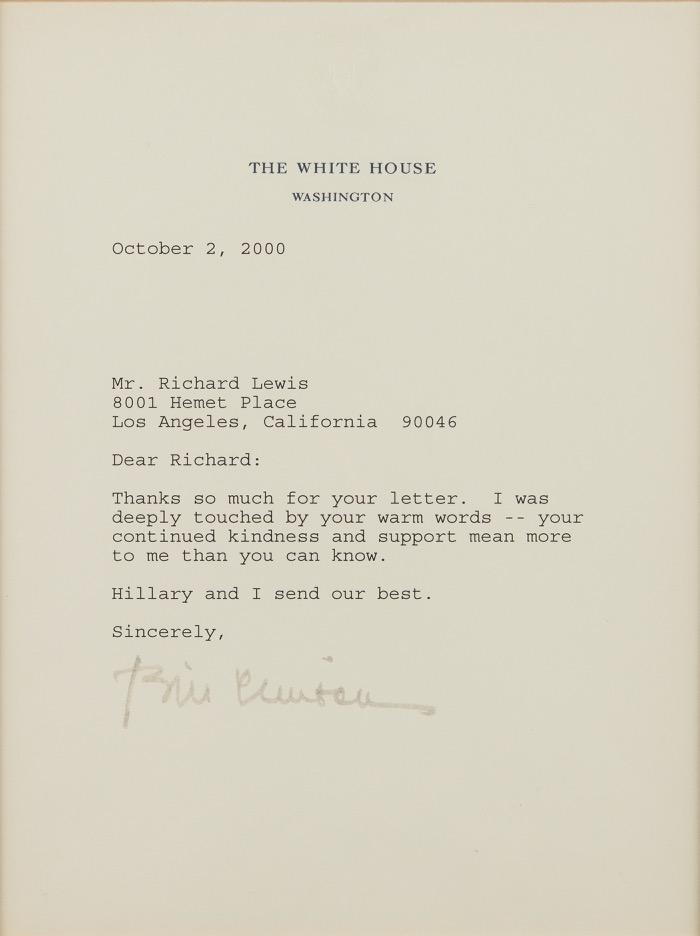
37. Bill Clinton Typed Letter Signed as President to Comedian Richard...
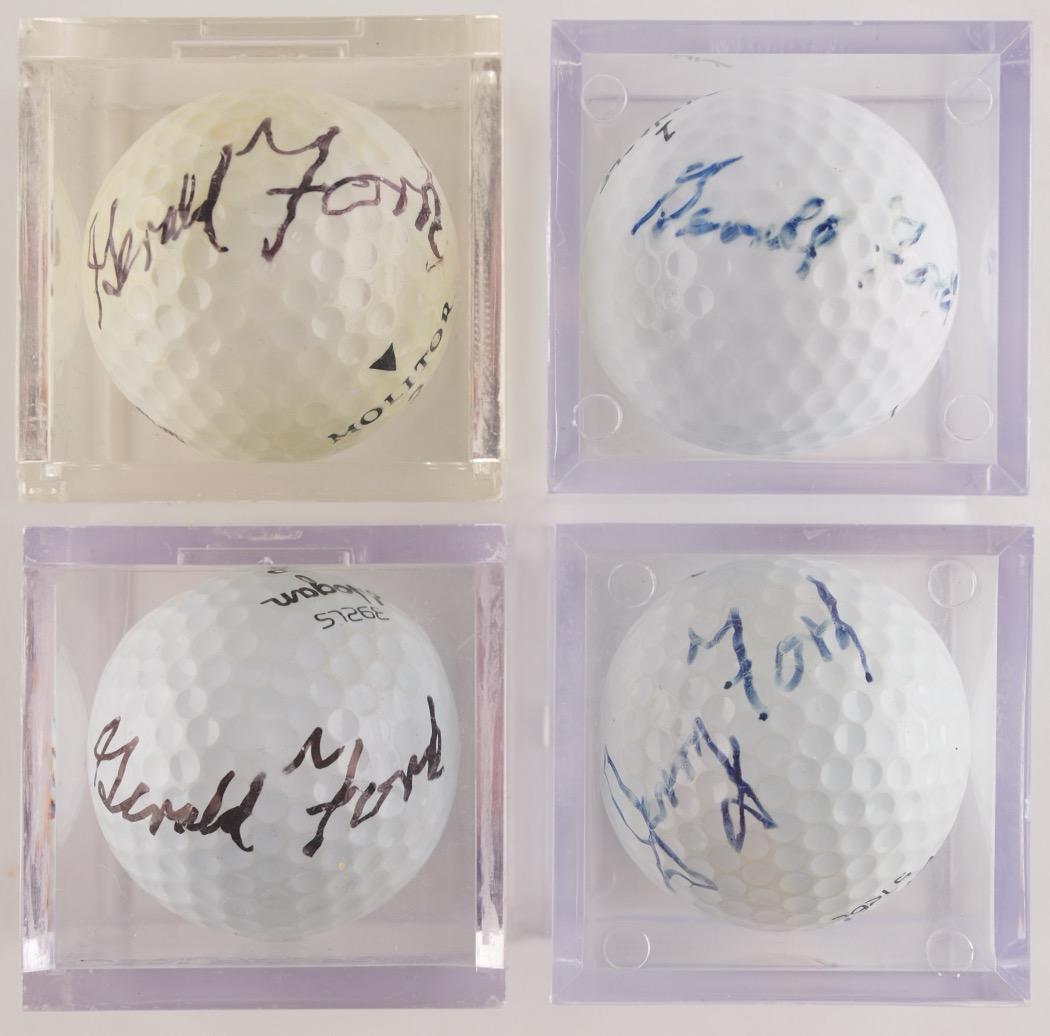
41. Gerald Ford (4) Signed Golf Balls Starting Bid $200
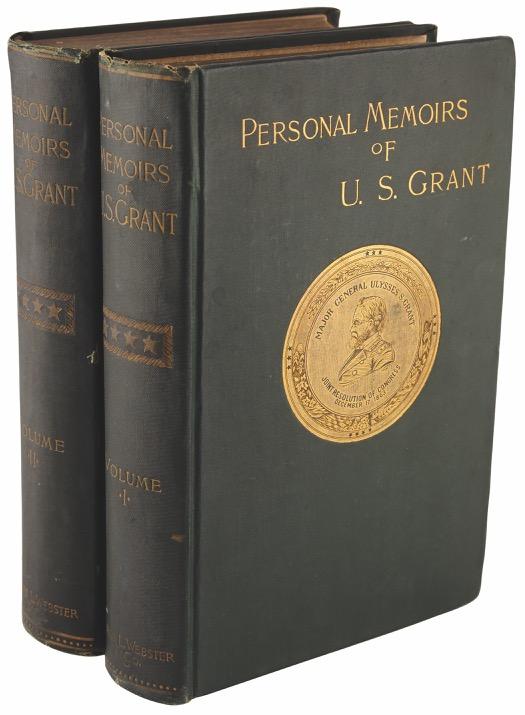
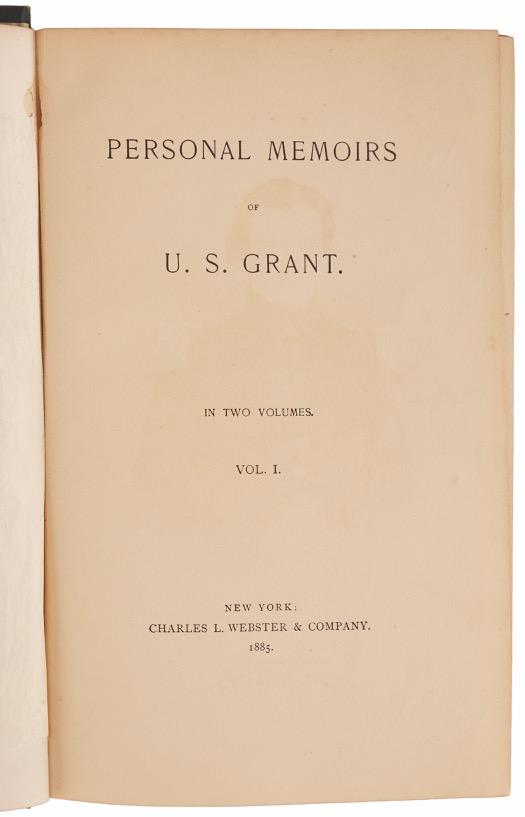
38. Bill Clinton Signed Photograph Starting Bid $200
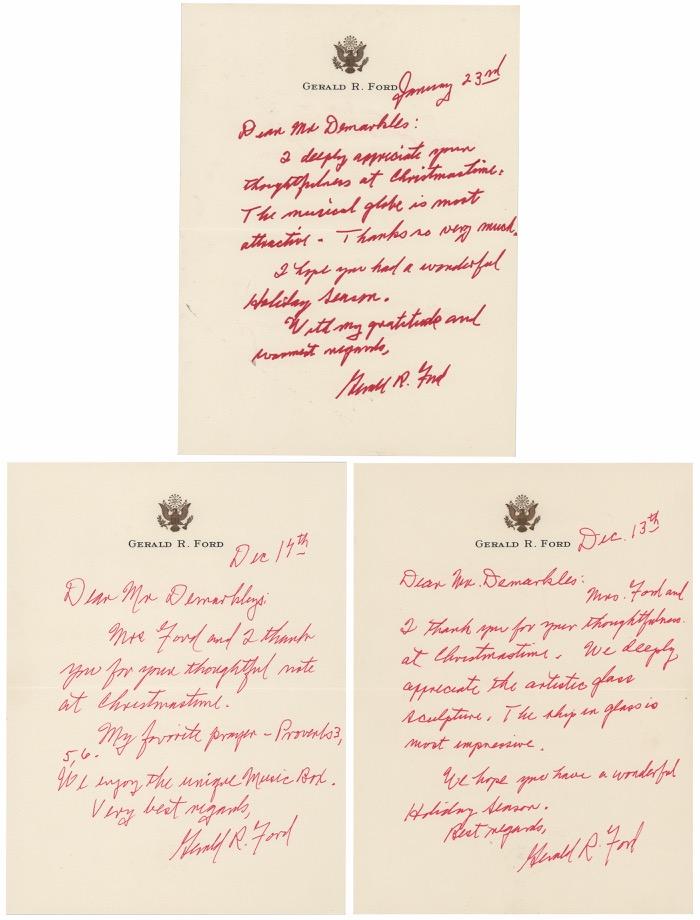
42. Gerald Ford (3) Autograph Letters Signed Starting Bid $200
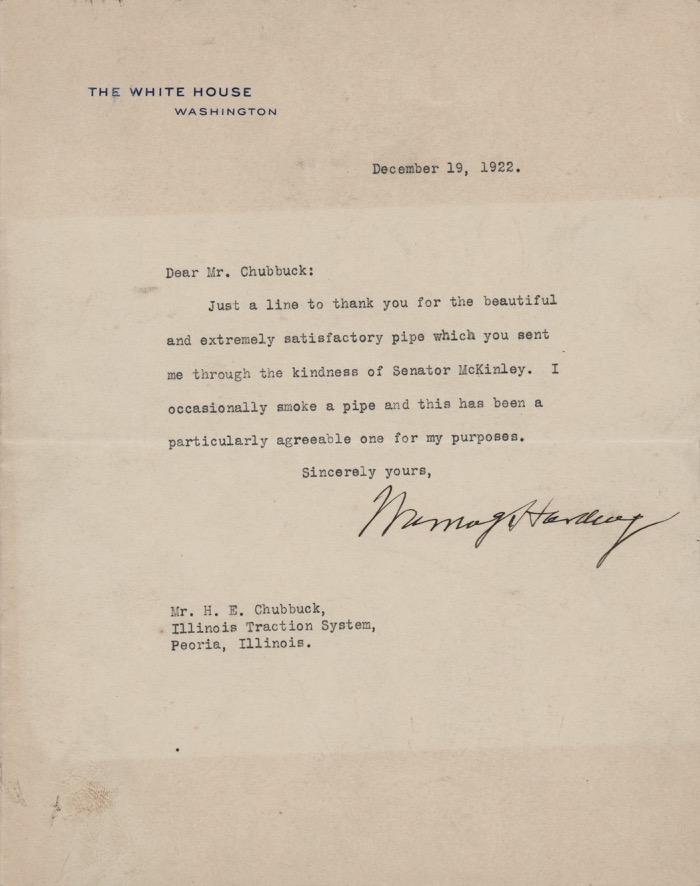
46. Warren G. Harding Typed Letter Signed as President Starting Bid $200
39. Bill Clinton and Cabinet (22) Multi-Signed Oversized Photograph Starting Bid $200
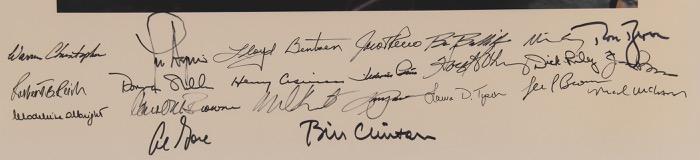
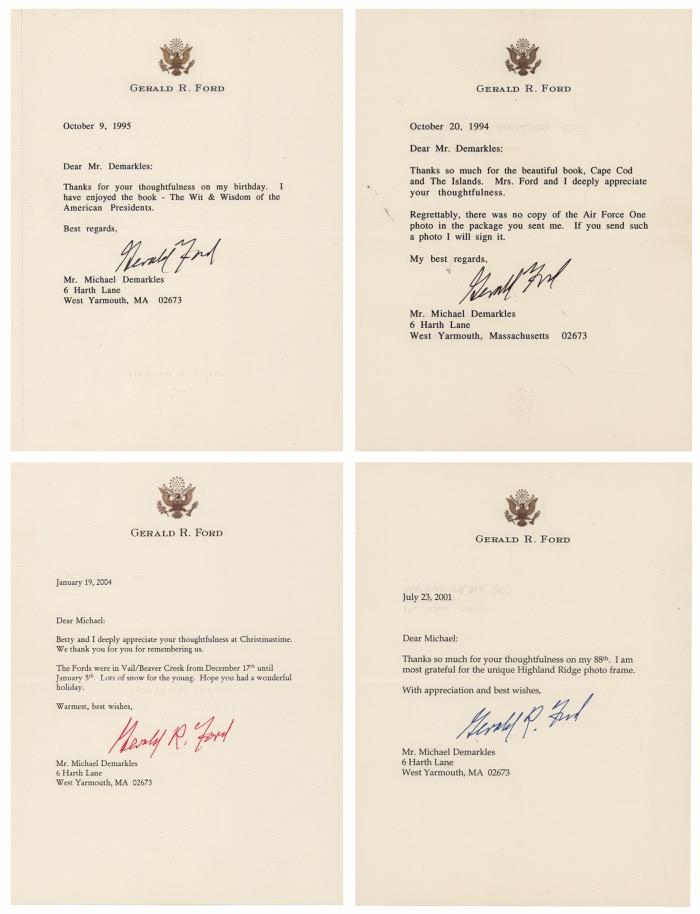
43. Gerald Ford (4) Typed Letters Signed Starting Bid $200
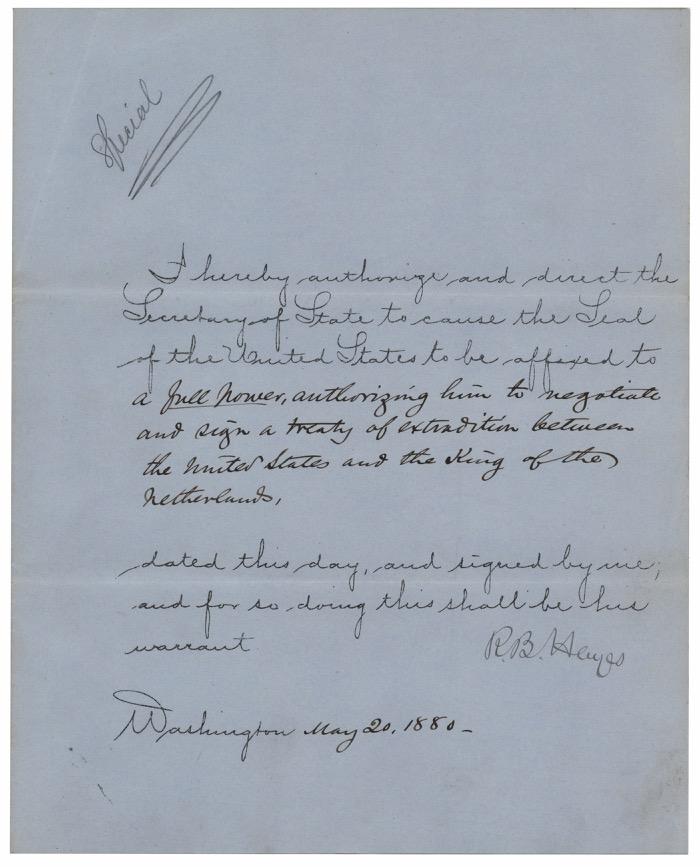
47. President Rutherford B. Hayes Seeks an Extradition Treaty with th... Starting Bid $200
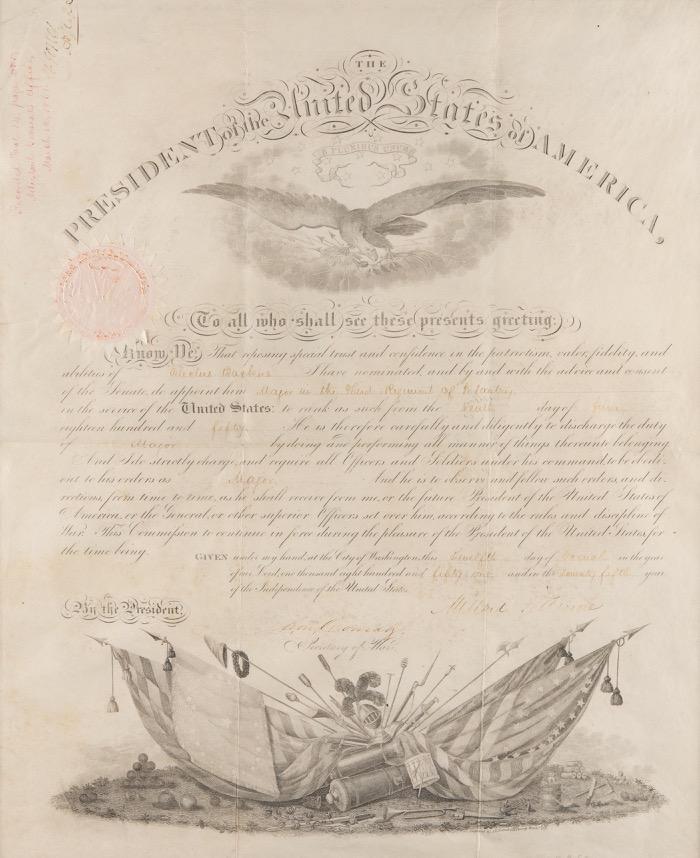
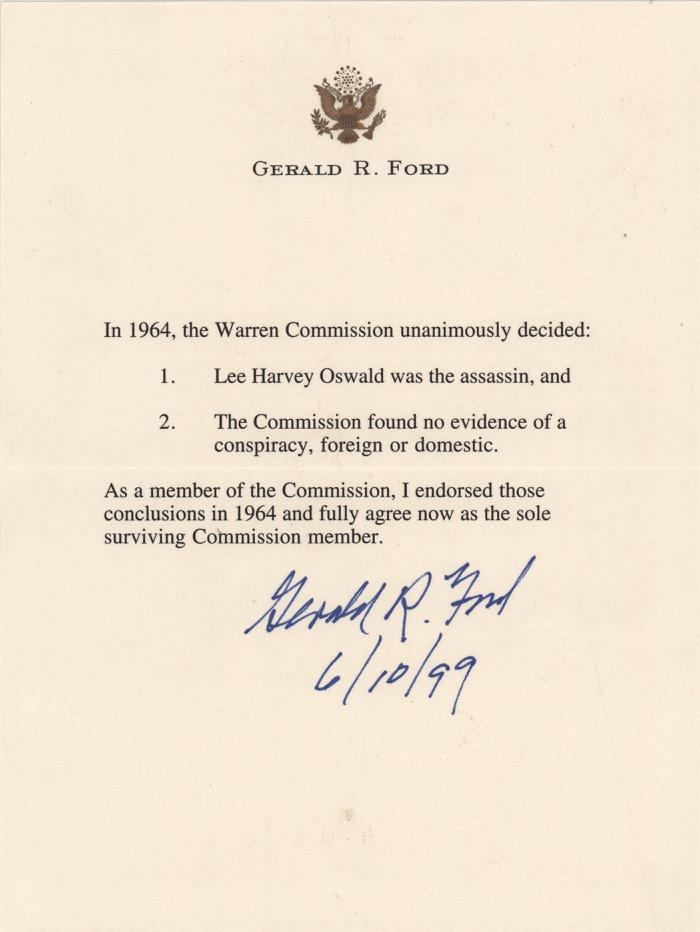
44. Gerald Ford Signed Souvenir Typescript on JFK Assassination - "Le... Starting Bid $200
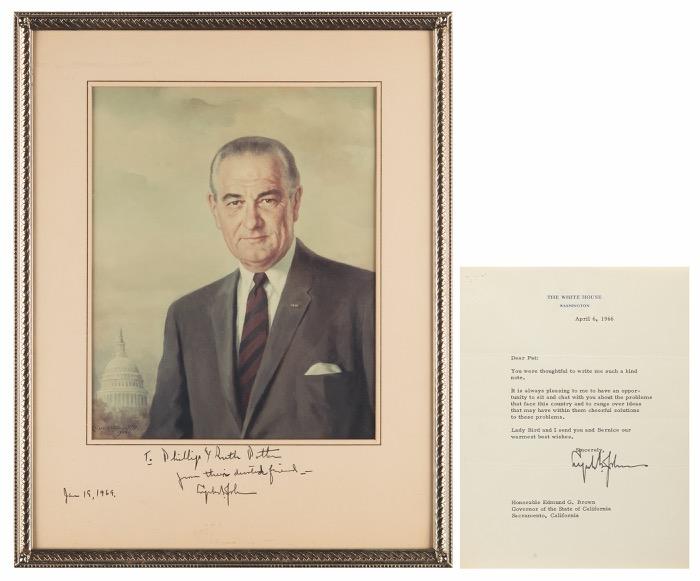
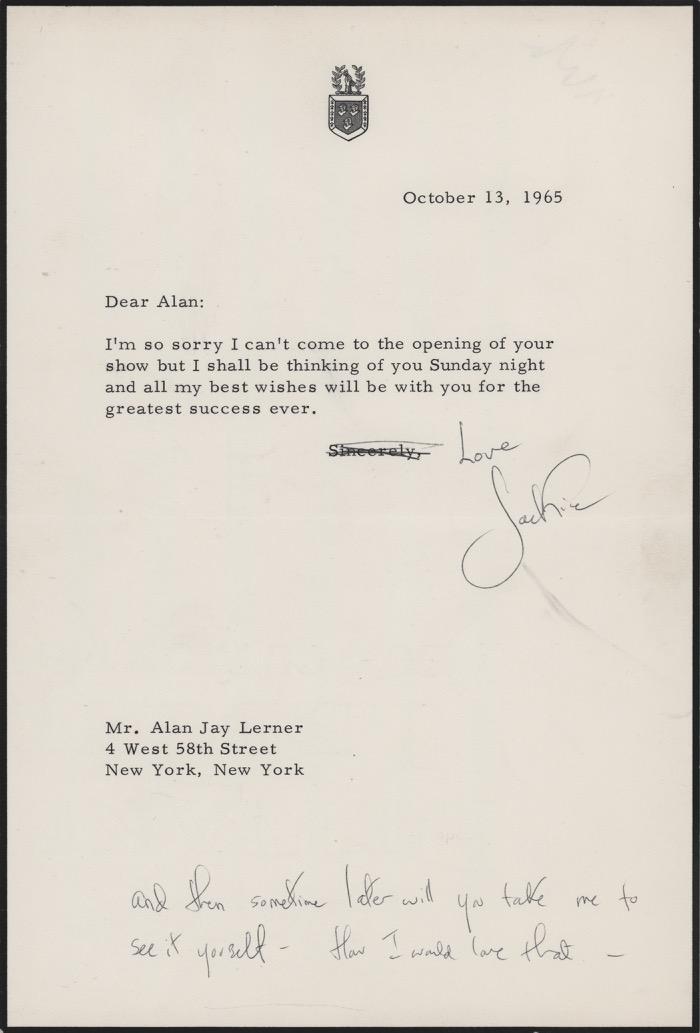
49. Jacqueline Kennedy Typed Letter Signed to Camelot Lyricist Alan J... Starting Bid $200
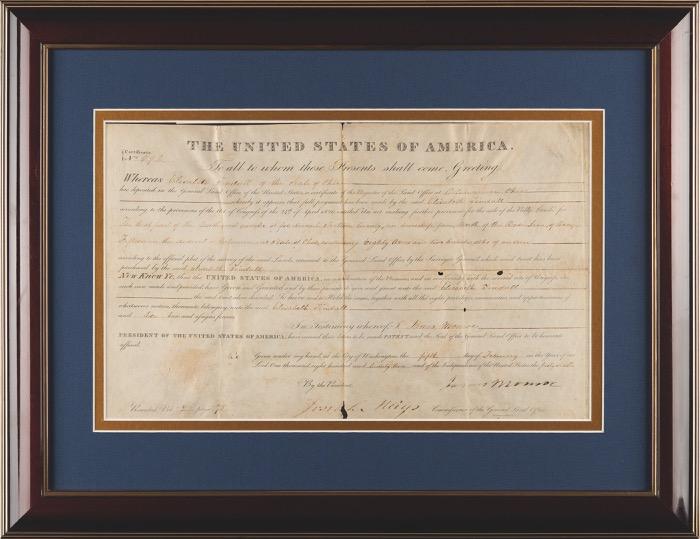
53.
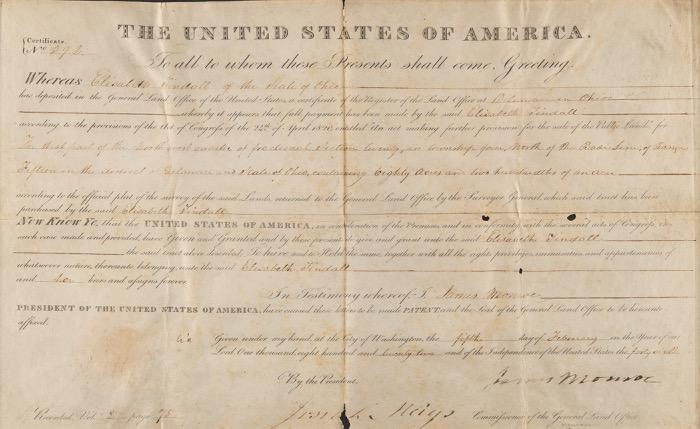
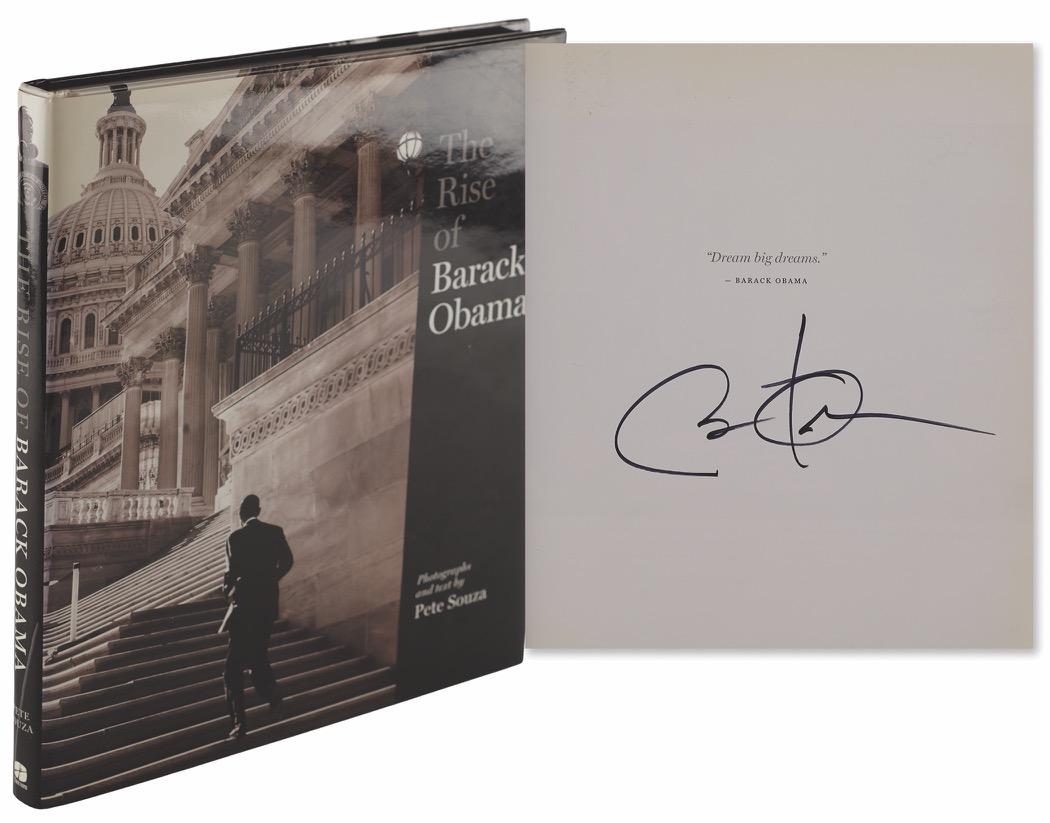
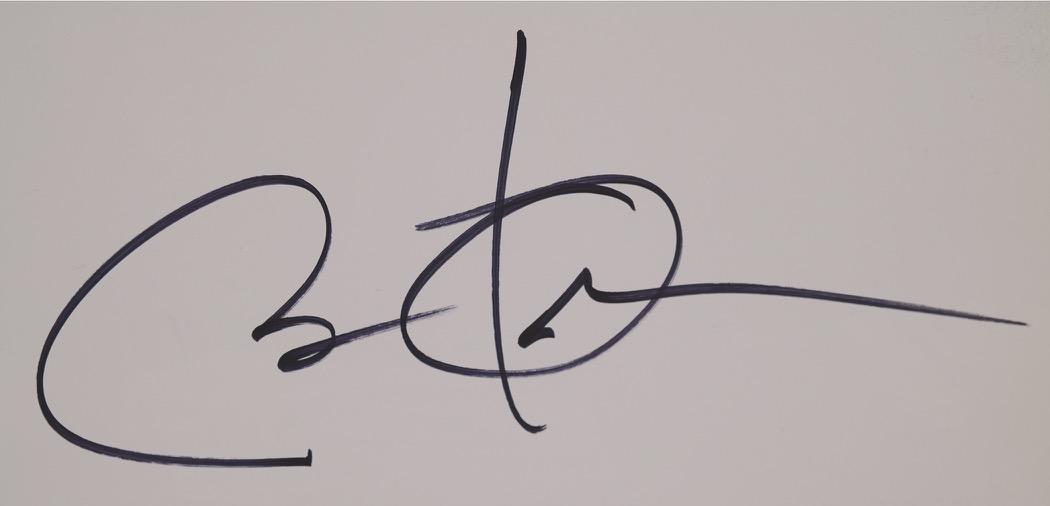
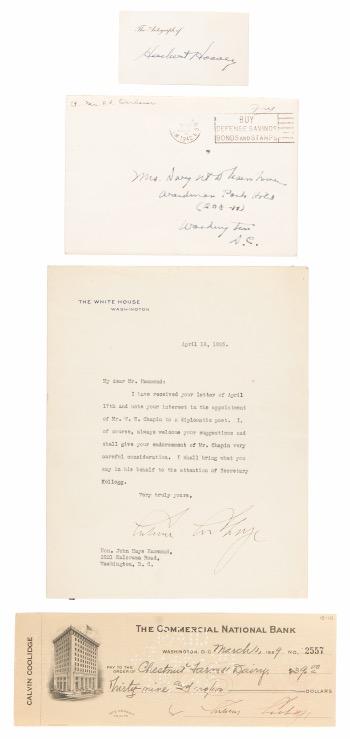
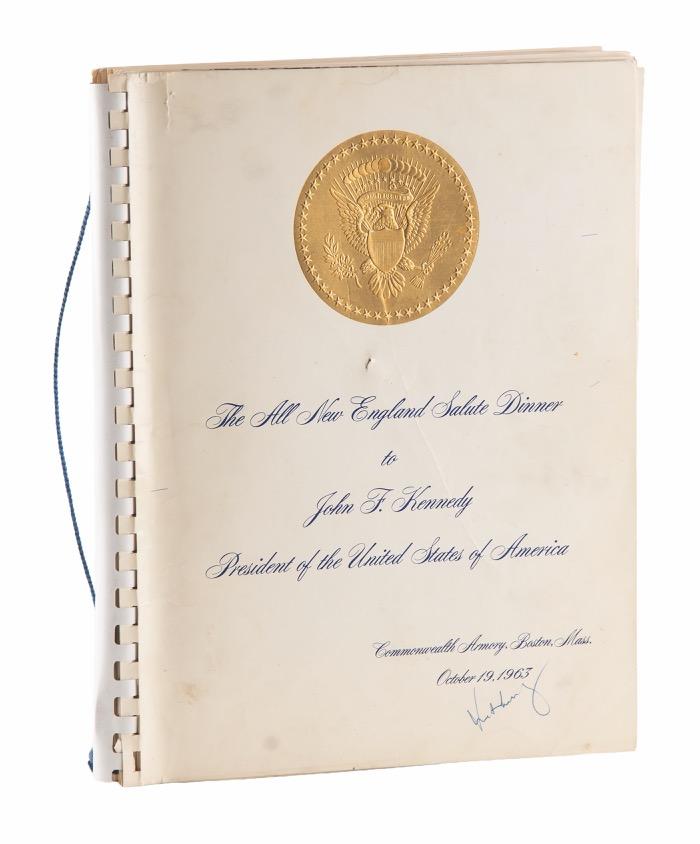
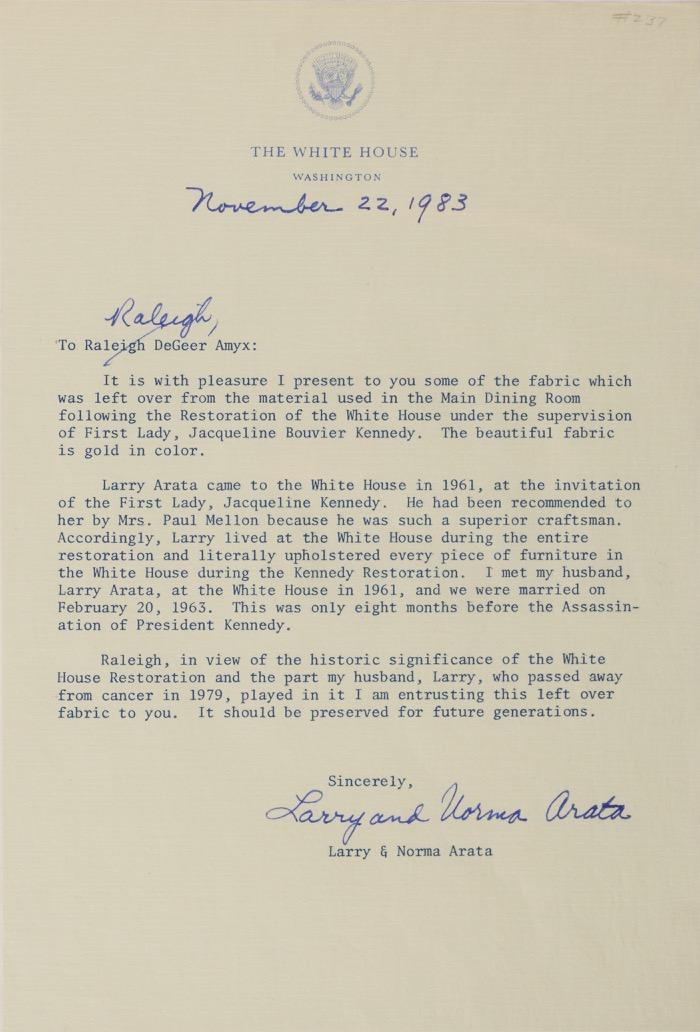
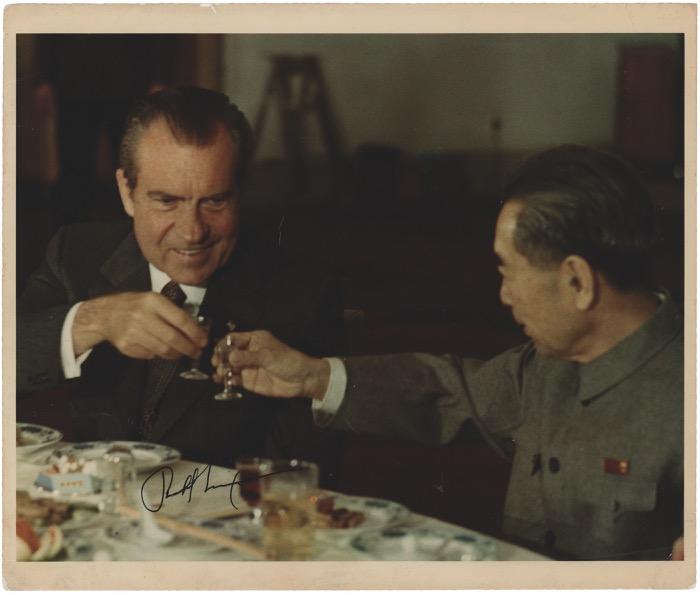
54.
Starting
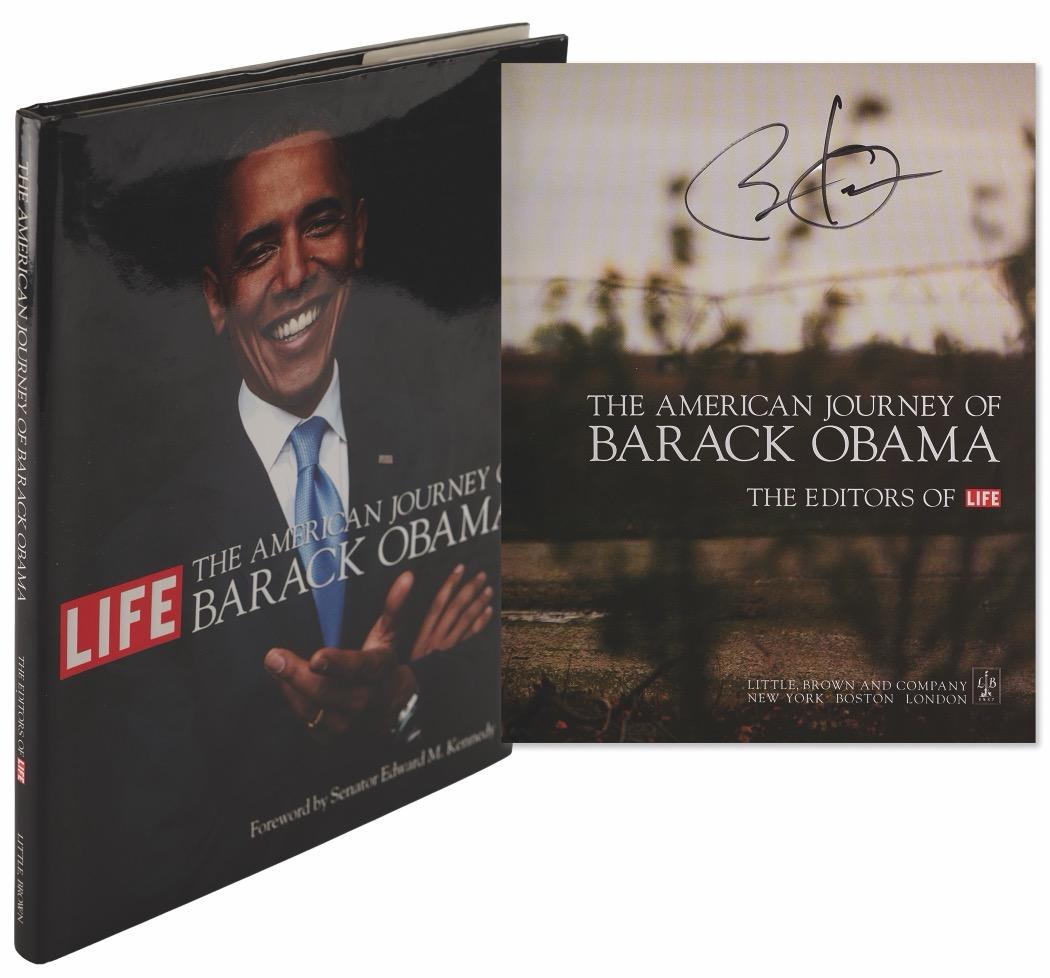
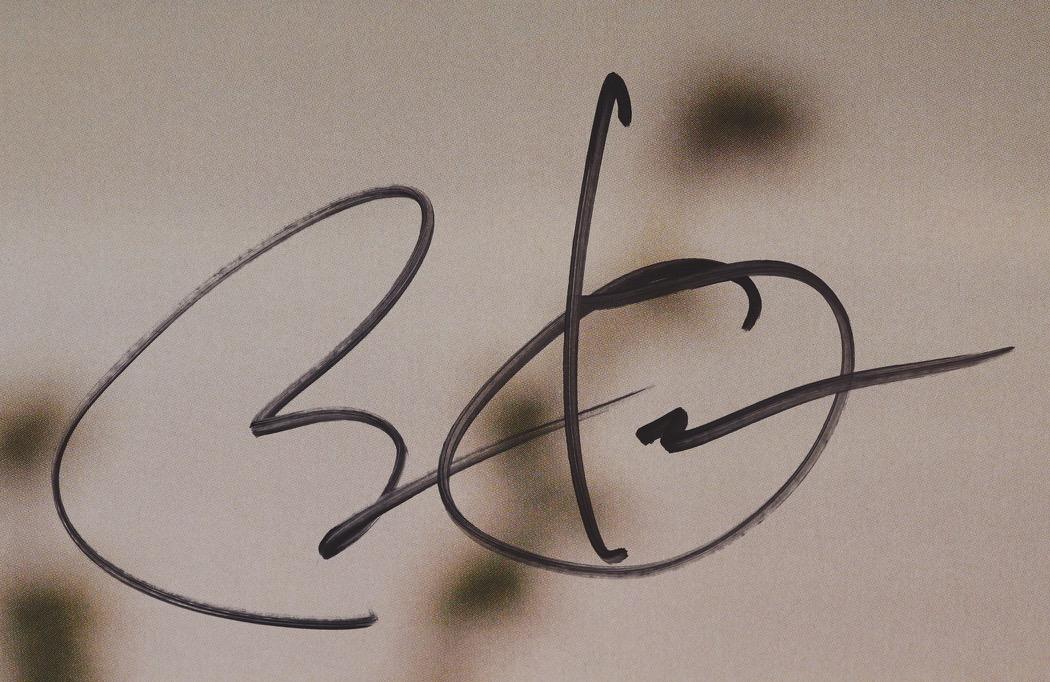
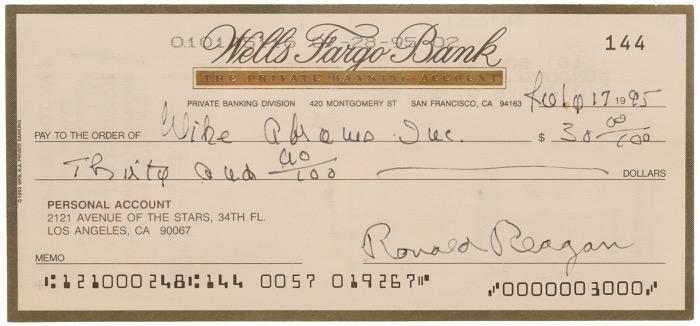
63.
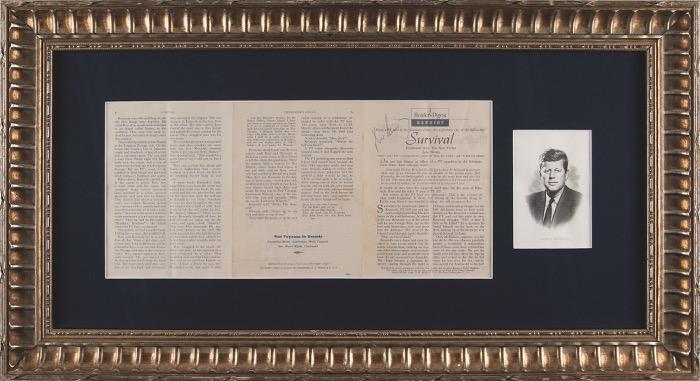
51. President John F. Kennedy Signed 'The All
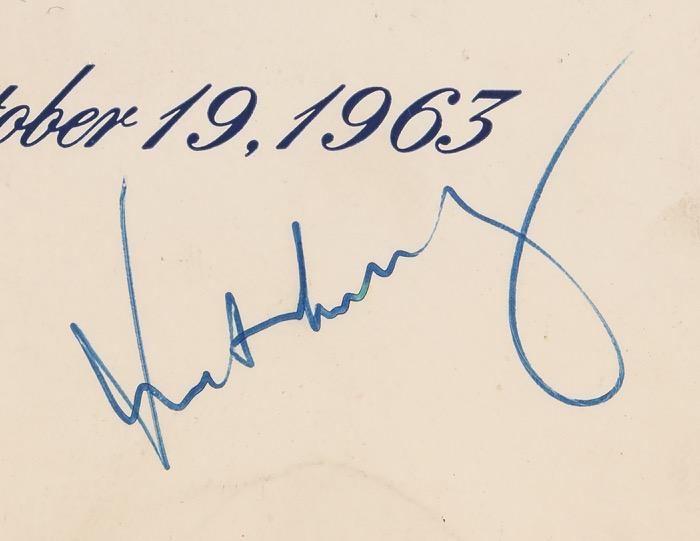
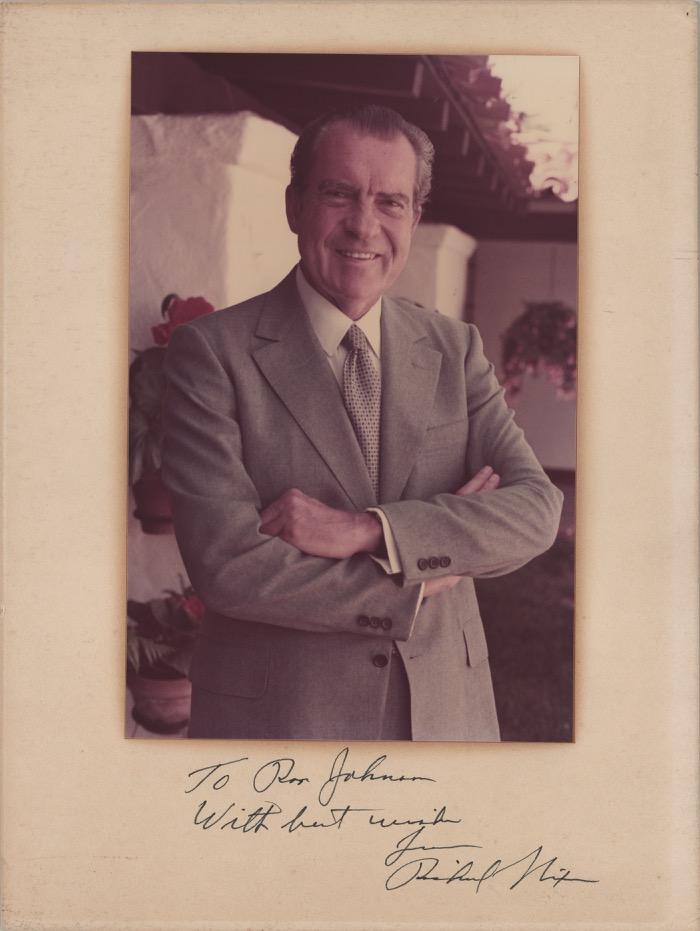
55.
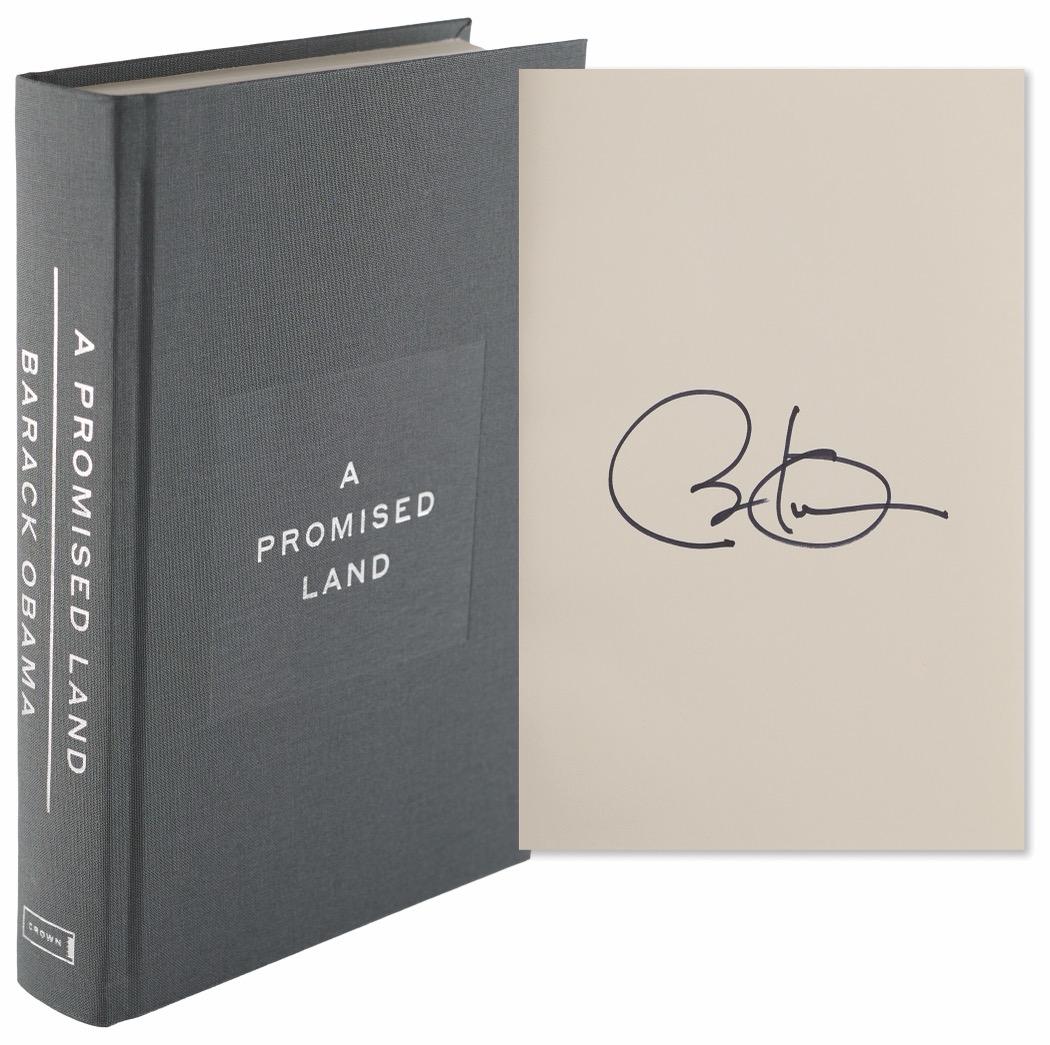
59.
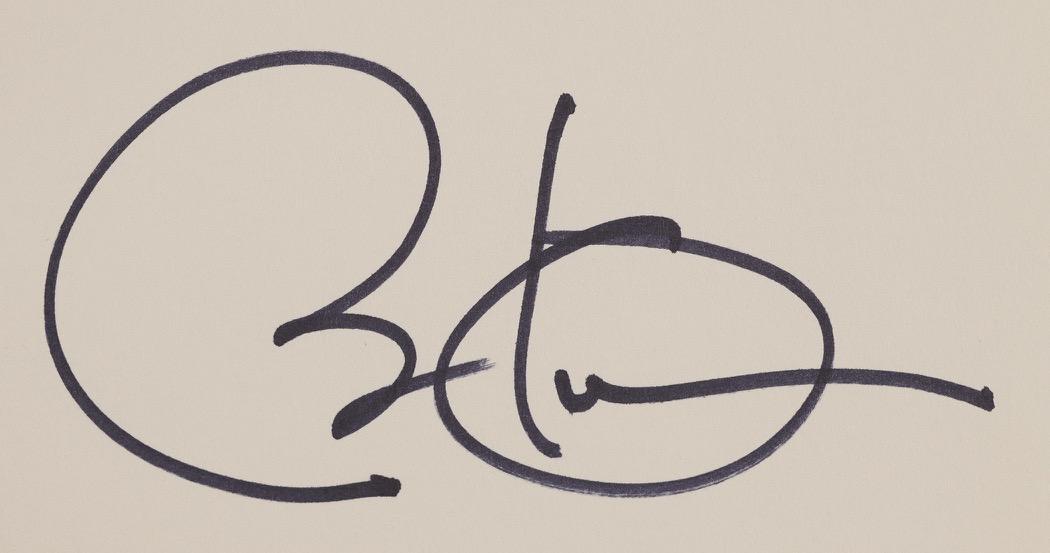
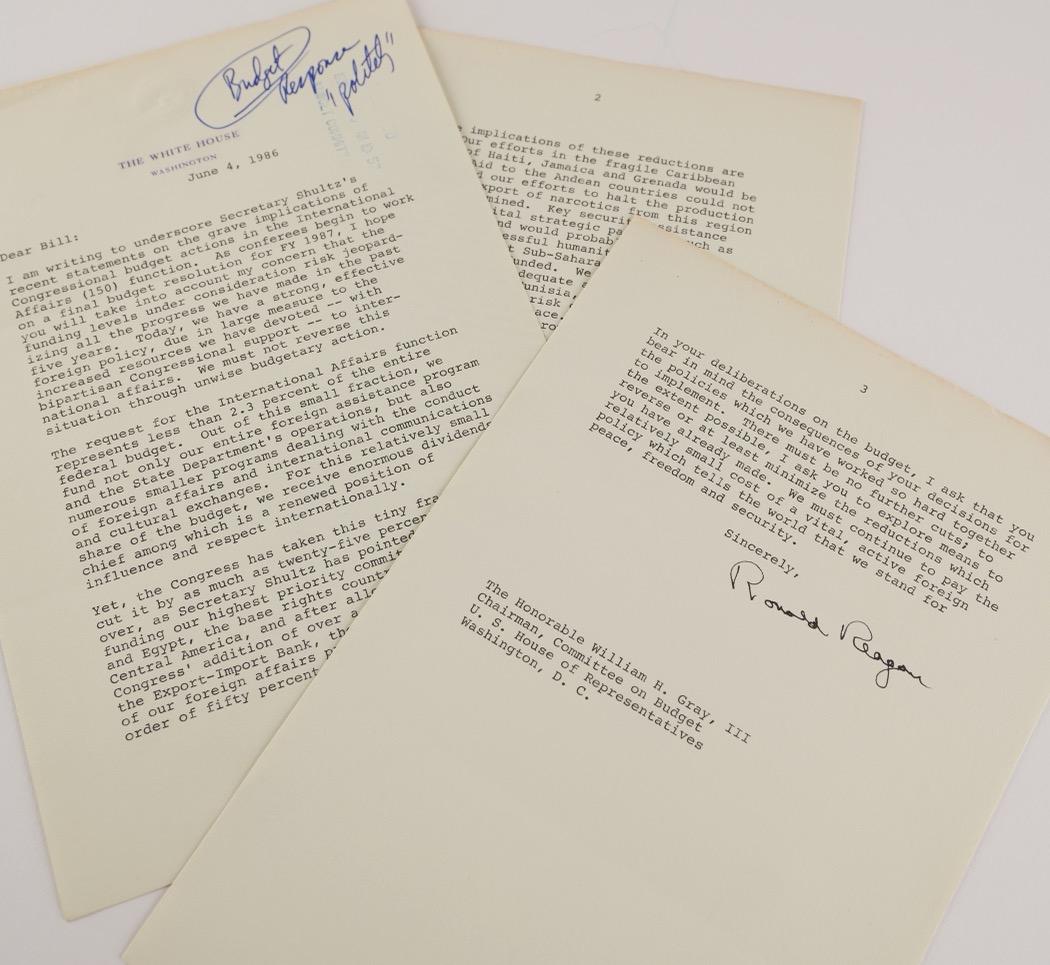
64.
52. John F. Kennedy Signed 'Survival' Article BookletDated to the ... Starting Bid $200
56.
Starting Bid $200
61.
Starting Bid $200
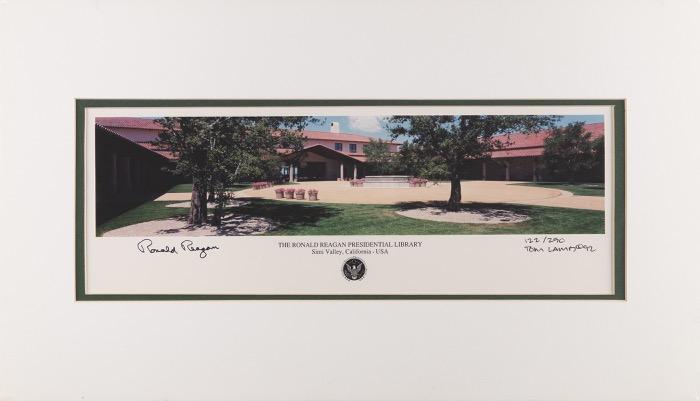
65. Ronald Reagan Signed Photographic Print (Ltd. Ed. #122/250) - 20˝... Starting Bid $200
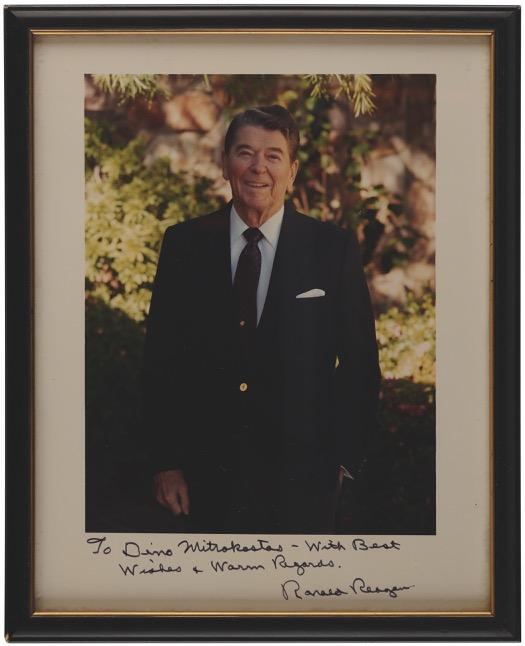
66. Ronald Reagan Signed Photograph Starting Bid $200
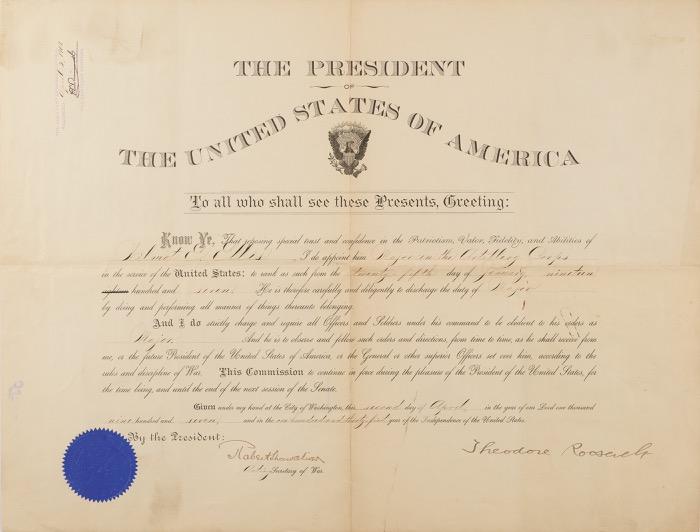
70.
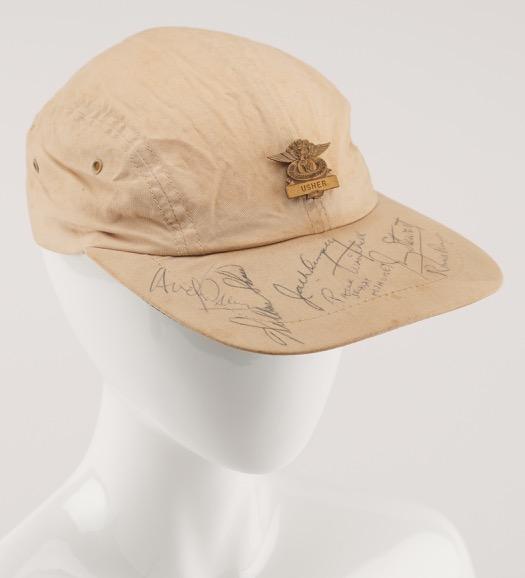
67.
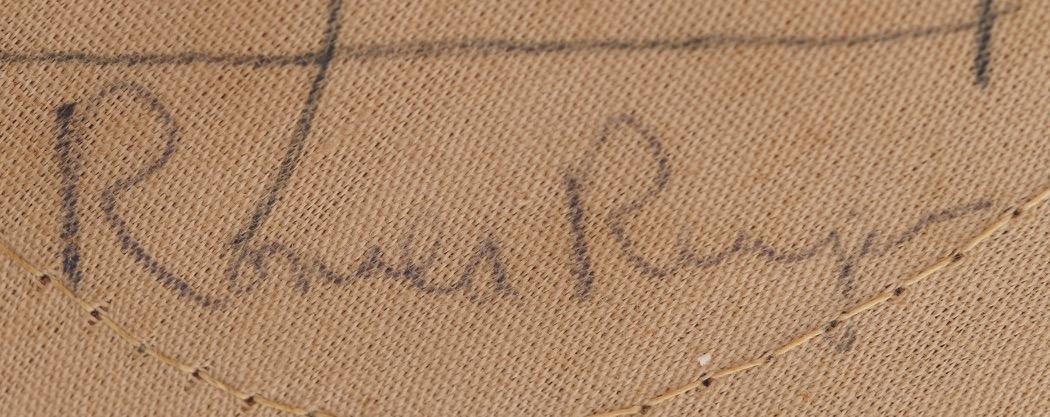
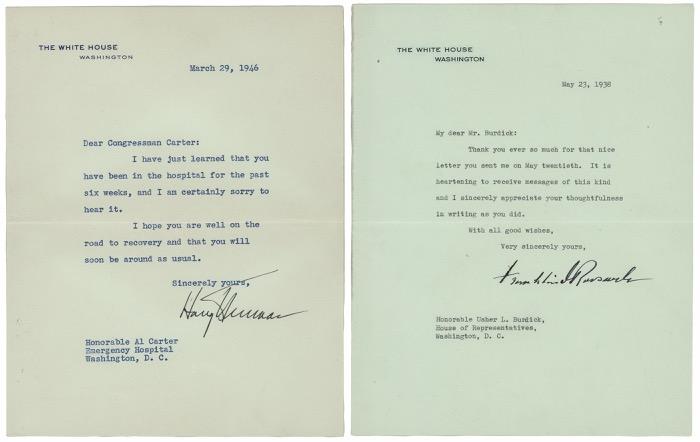
71.
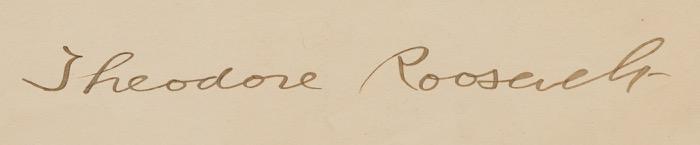
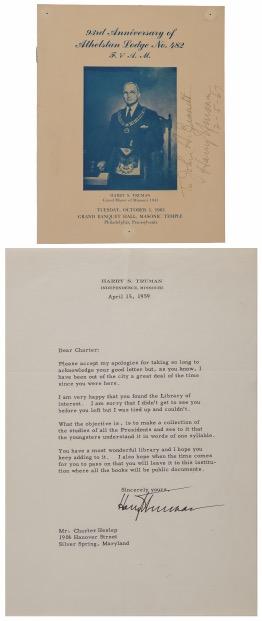
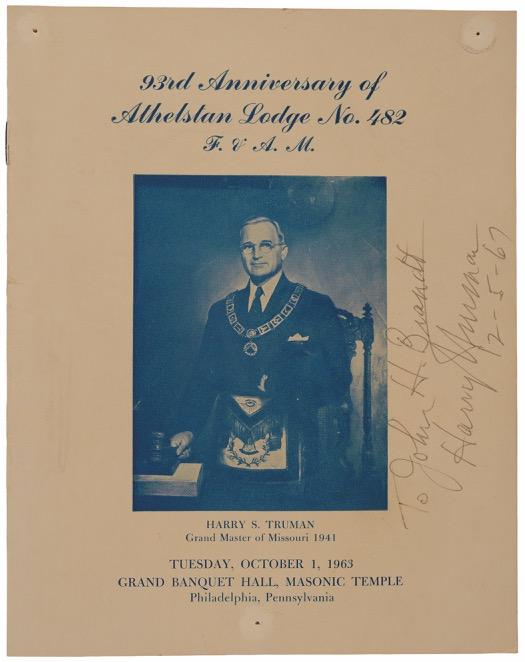
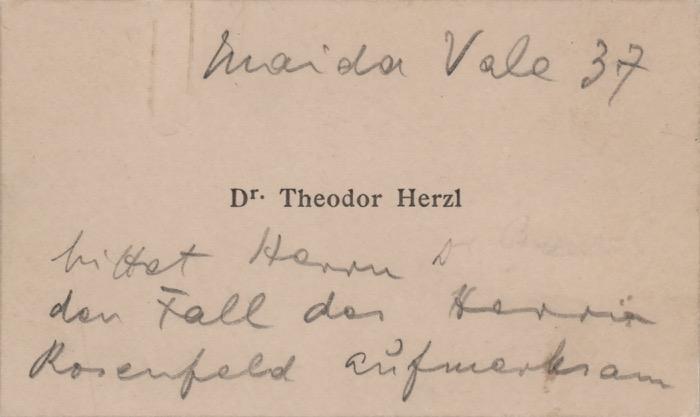
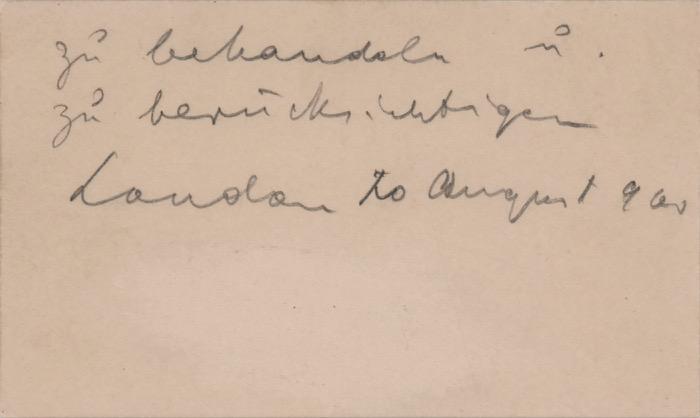
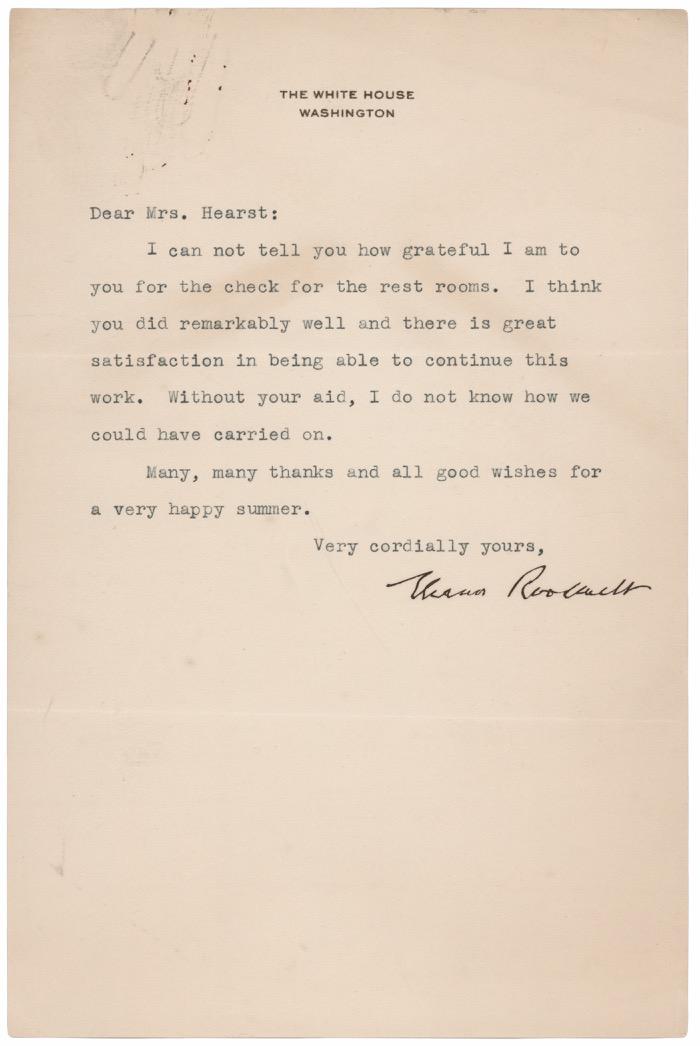
68.
72.
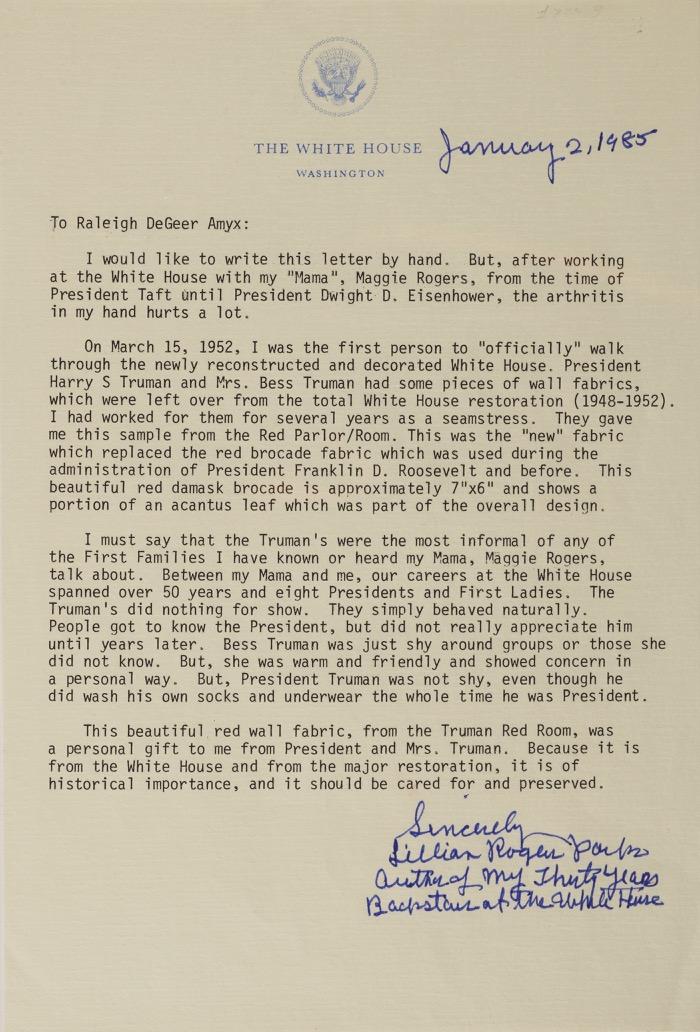
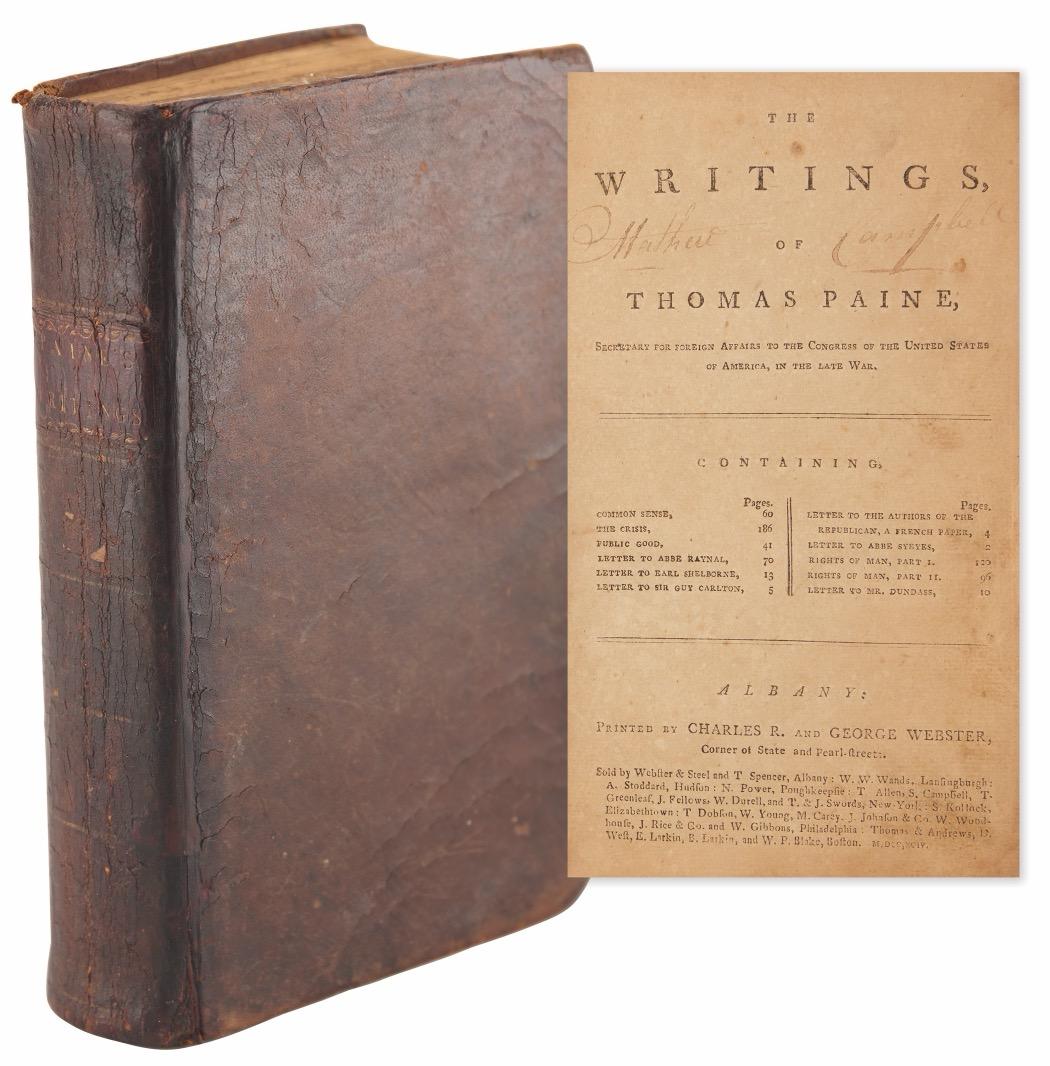
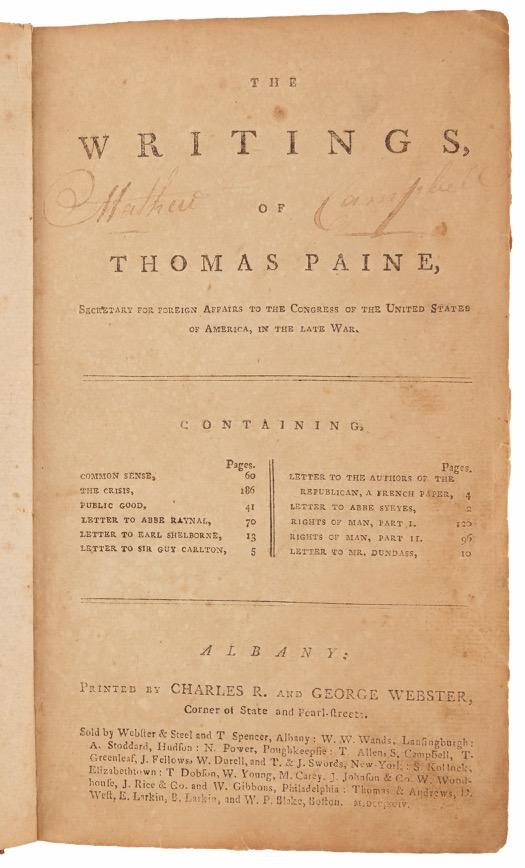
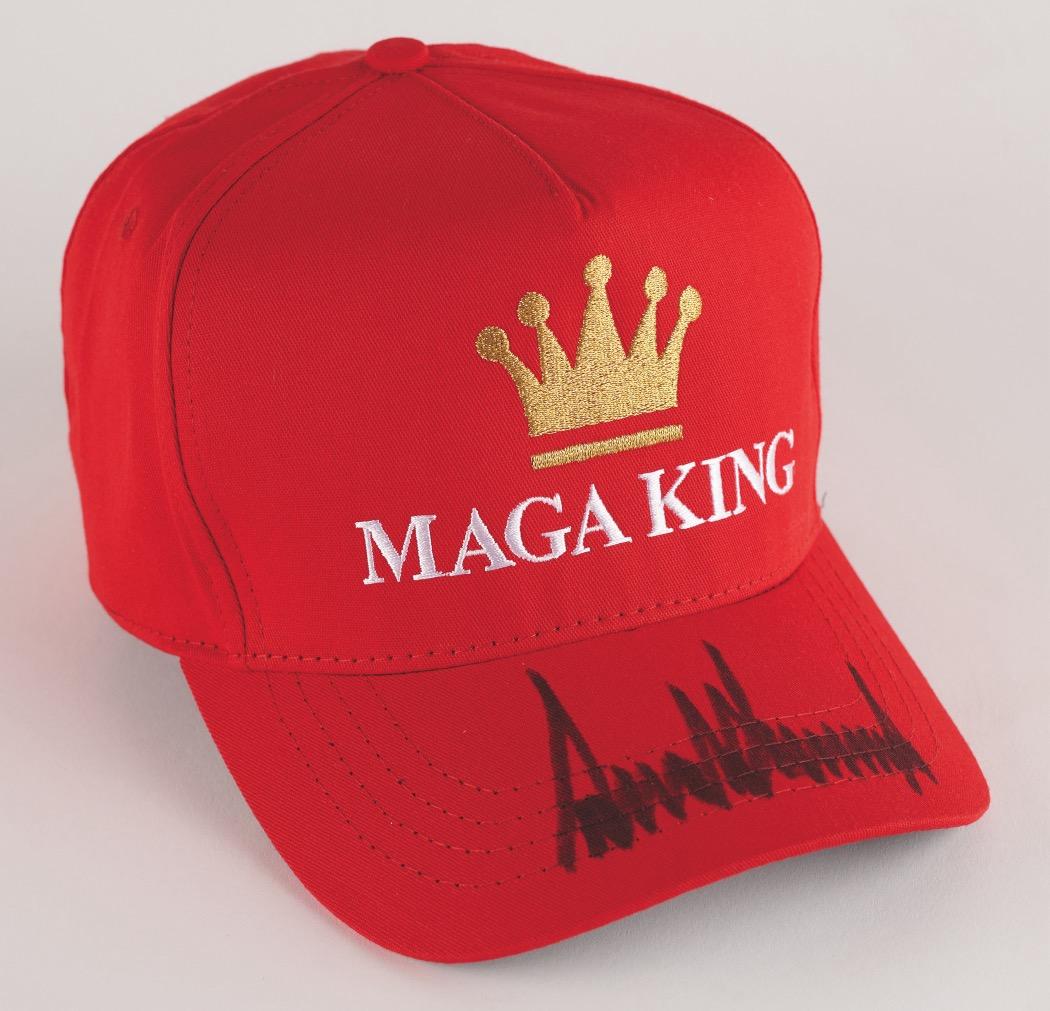
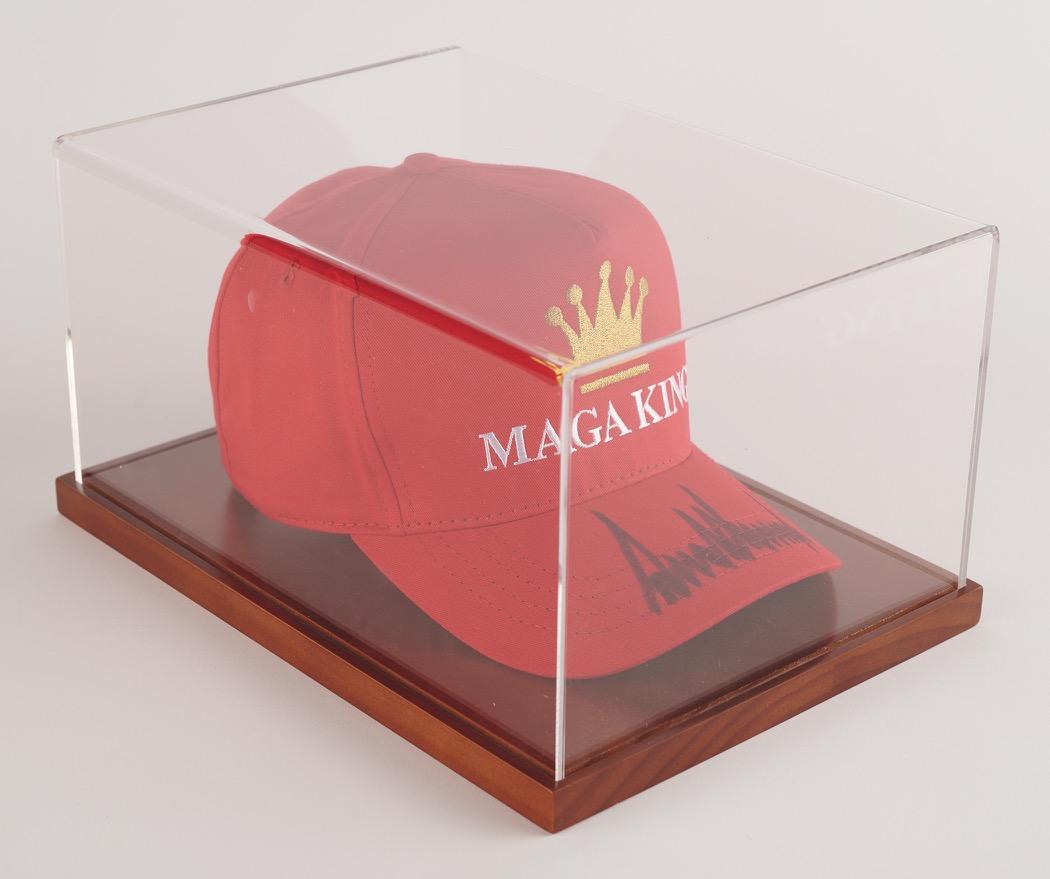
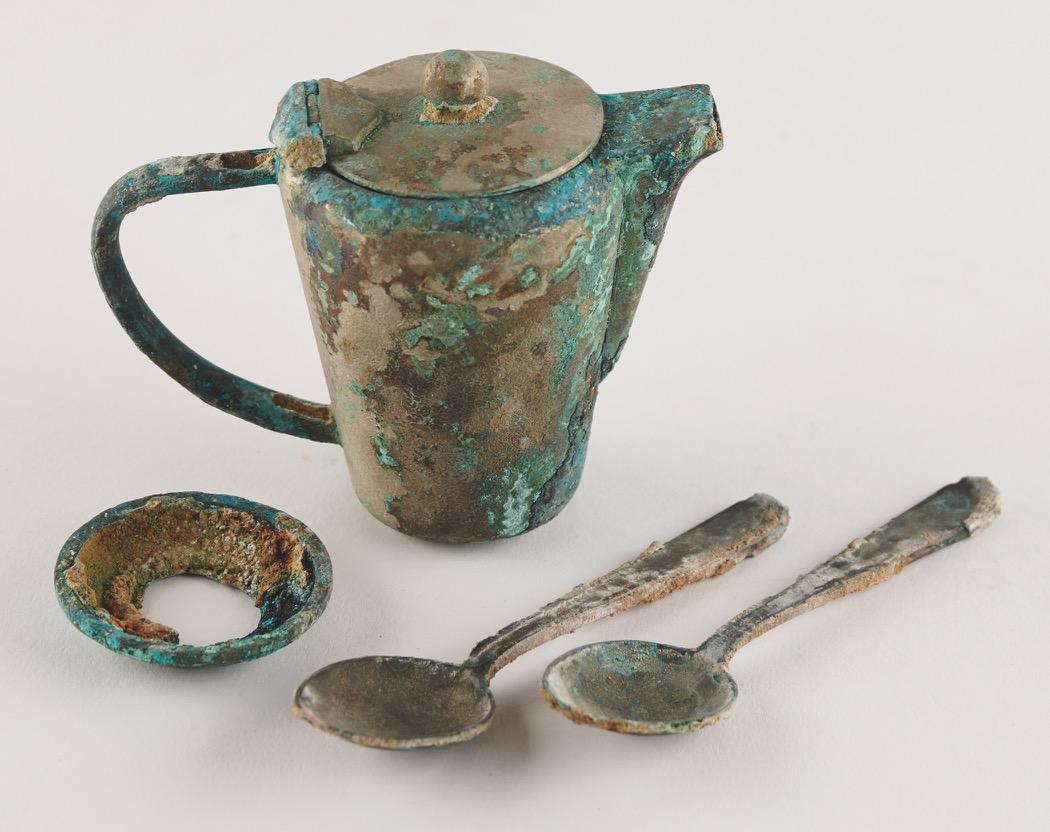
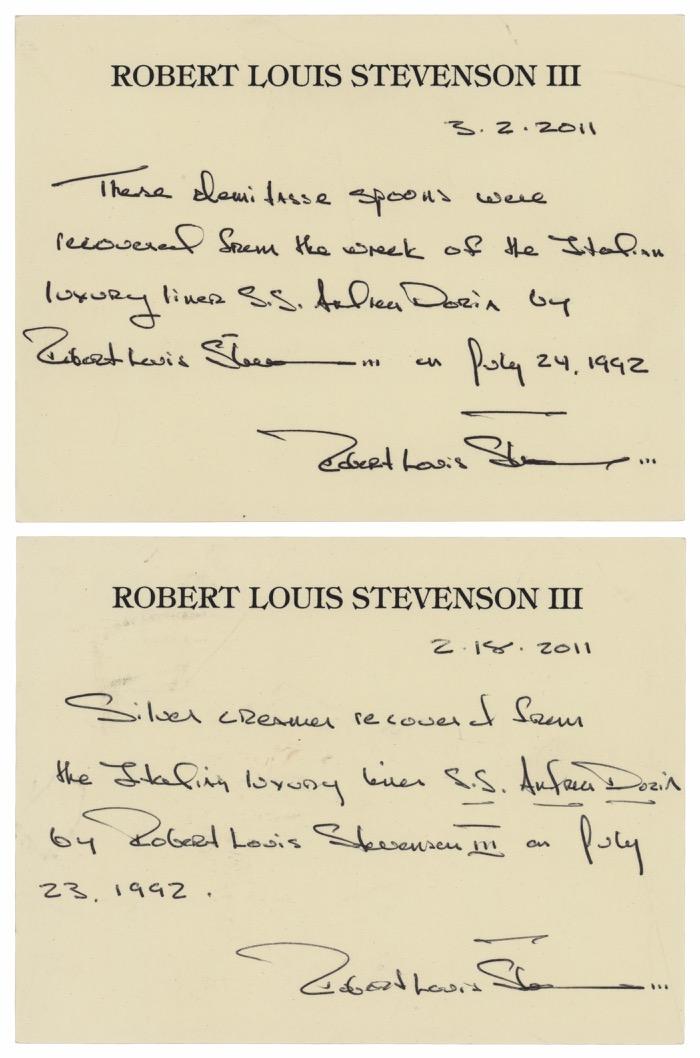
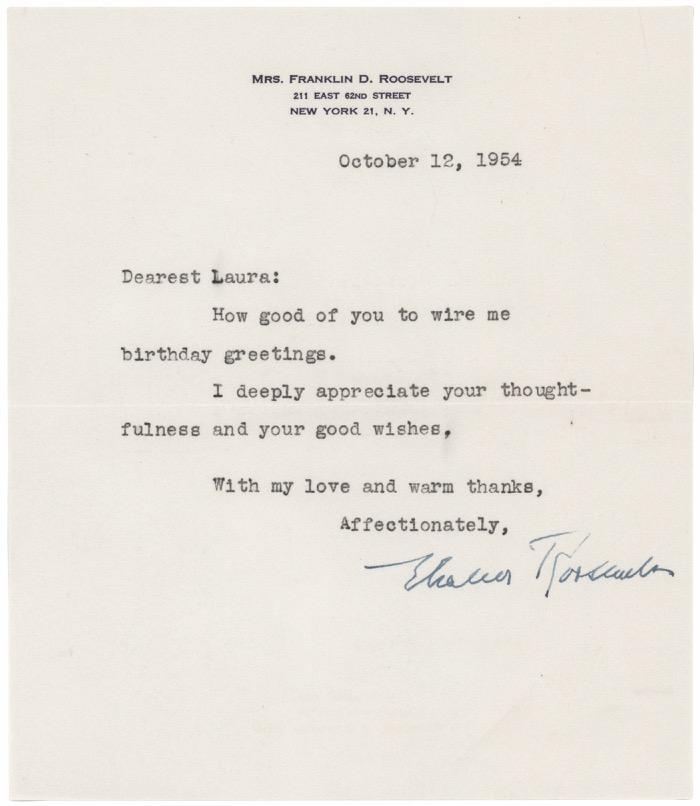
69.
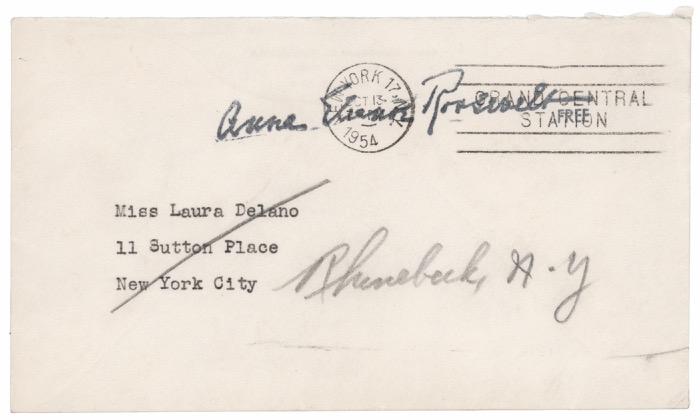
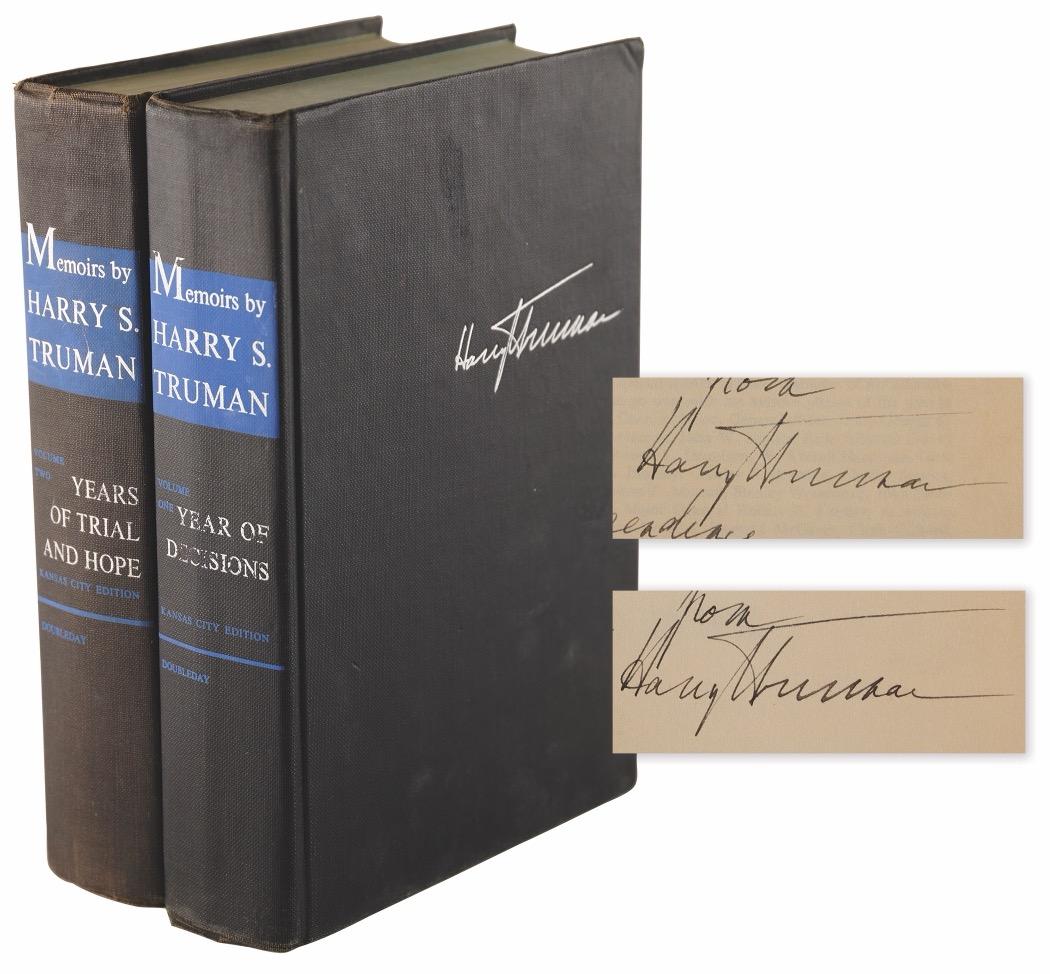
73.
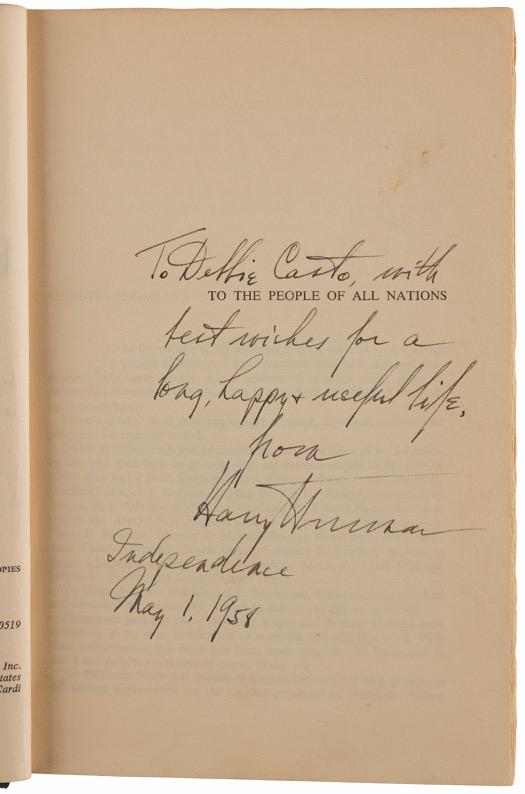
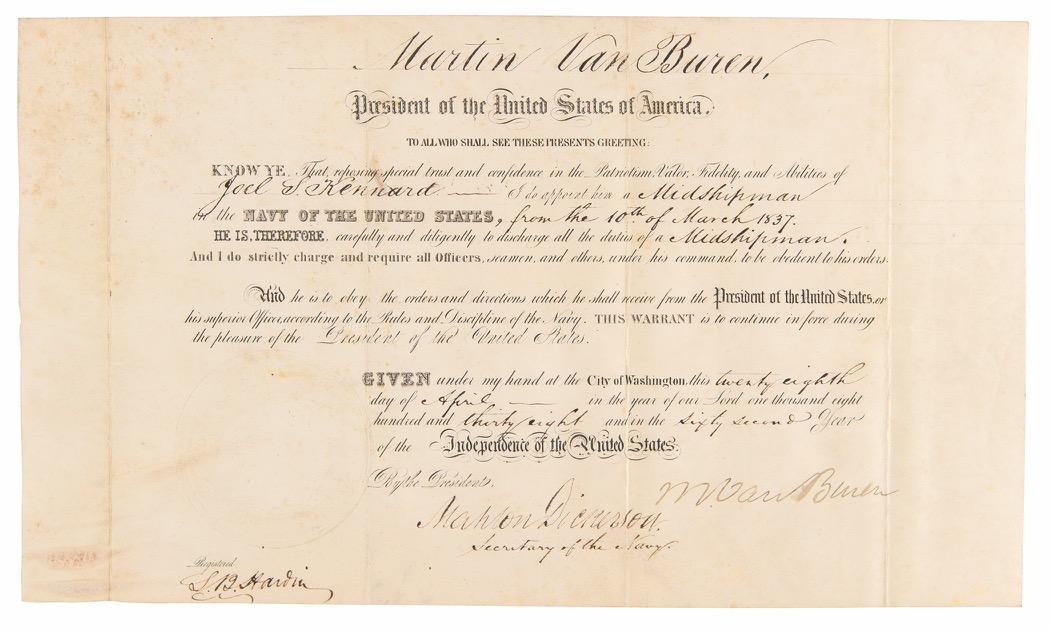
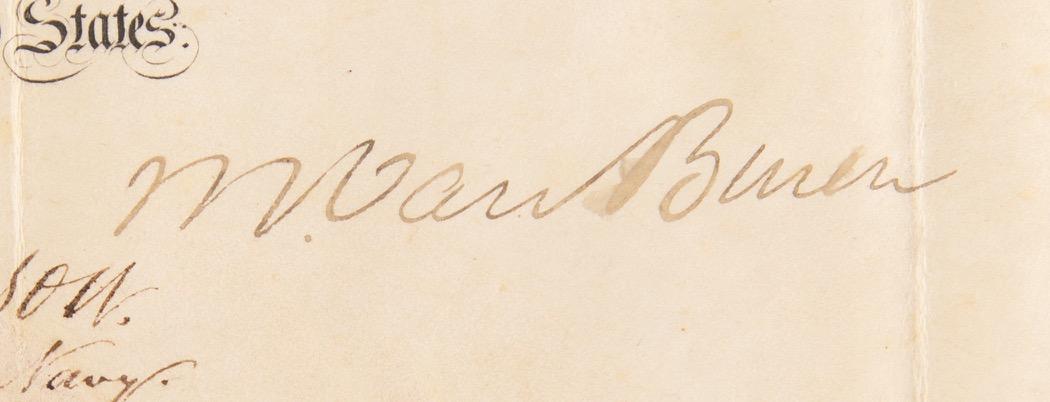
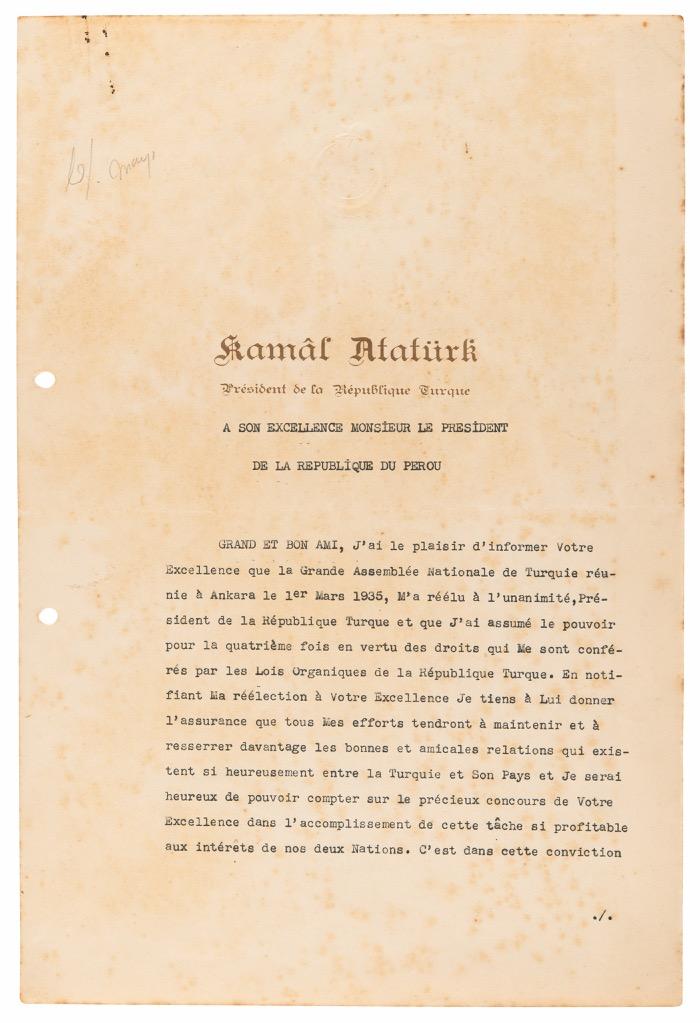
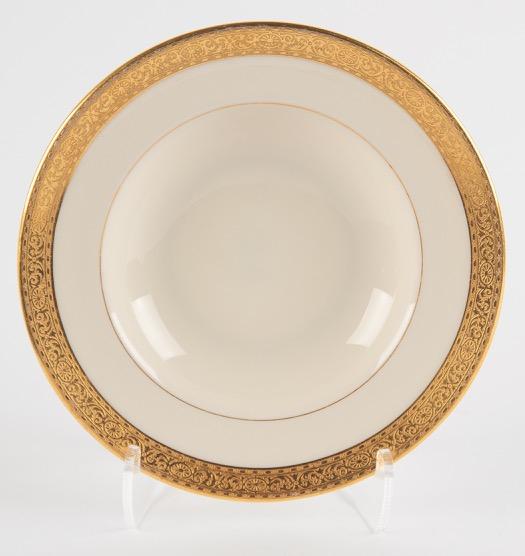
124. Al
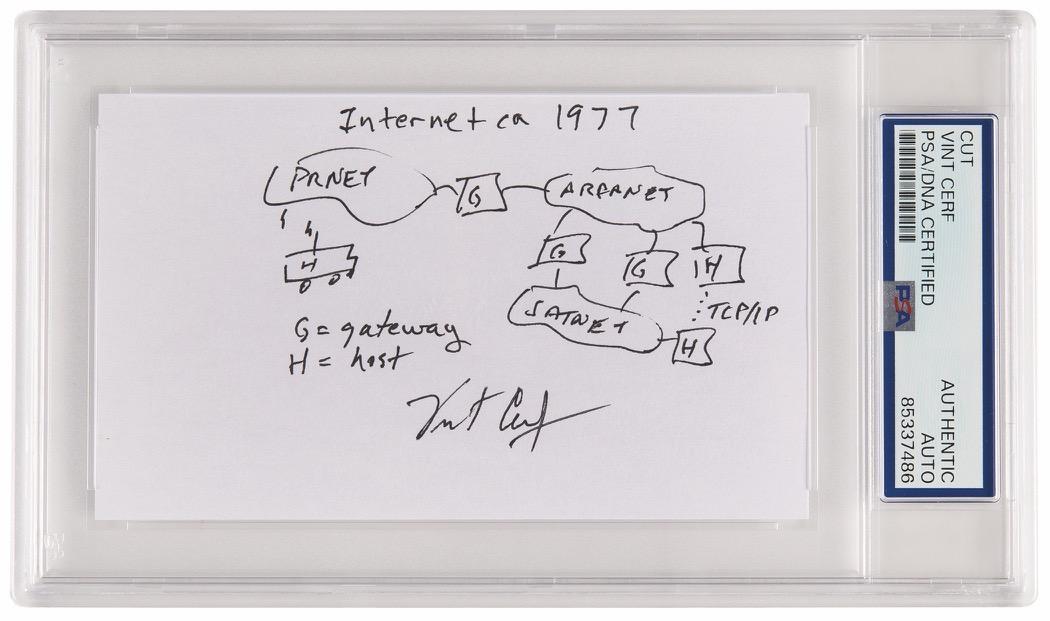
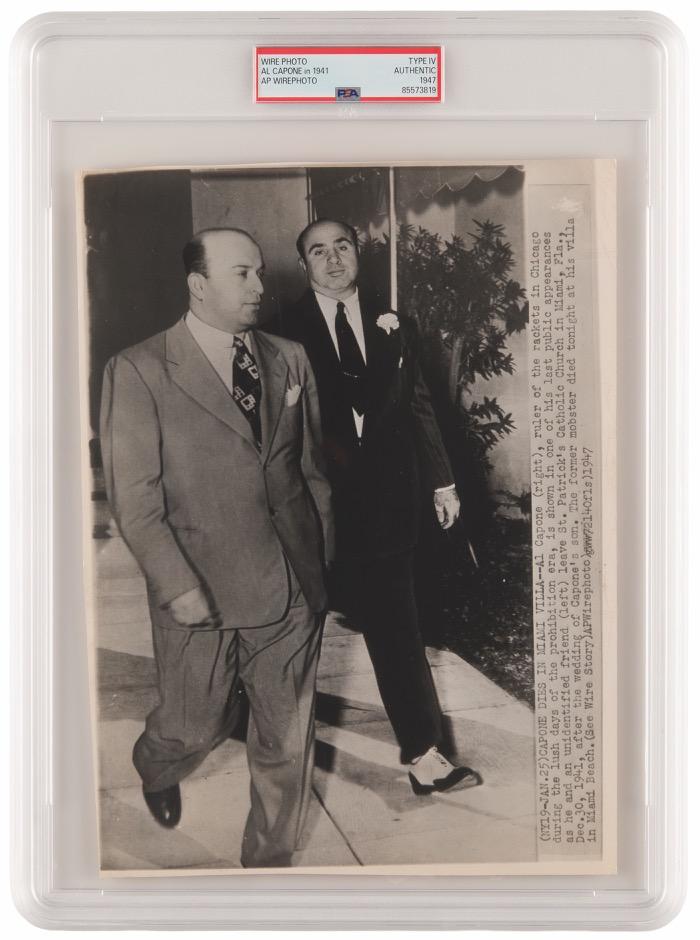
125. Al Capone Original Photograph - PSA Type IV Starting Bid $200
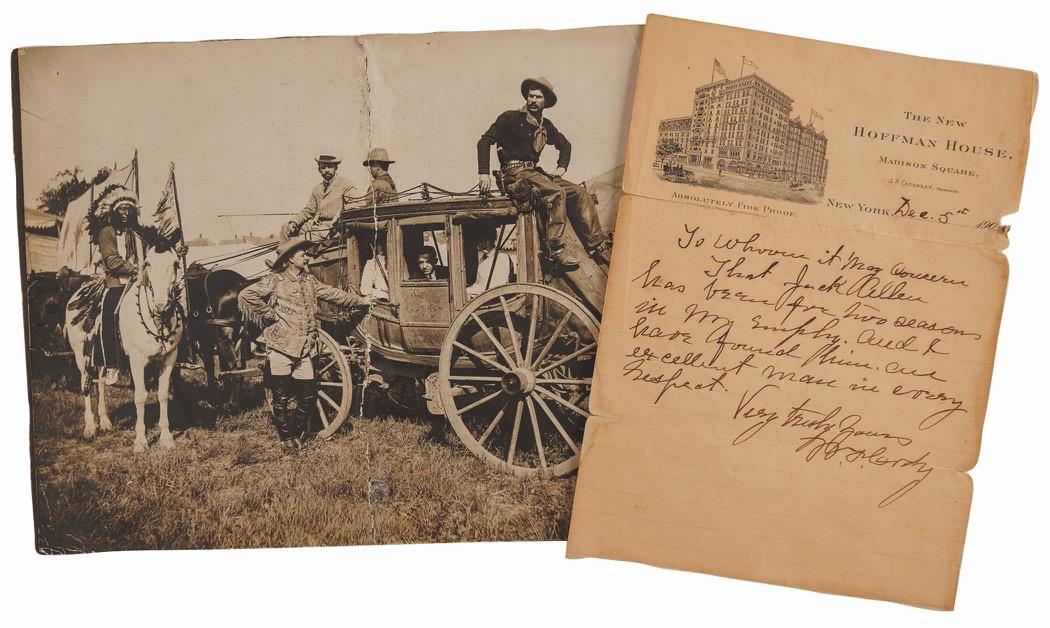
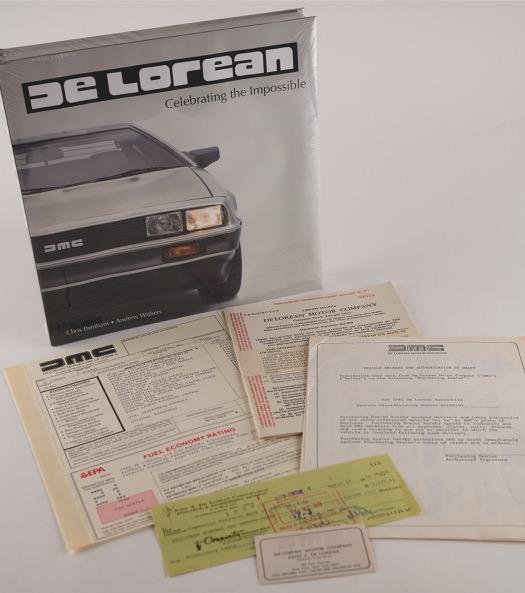

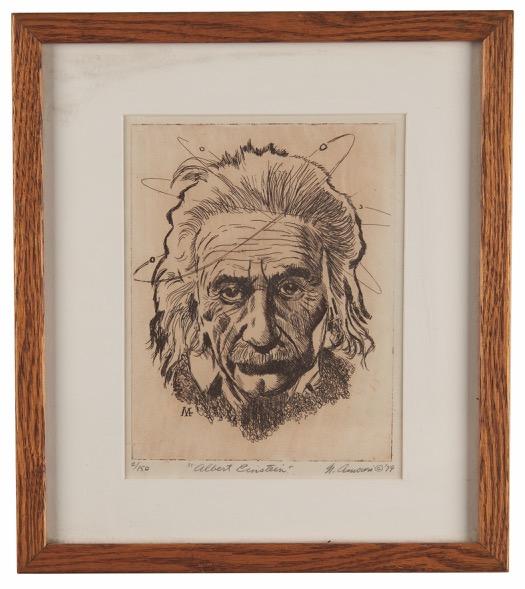
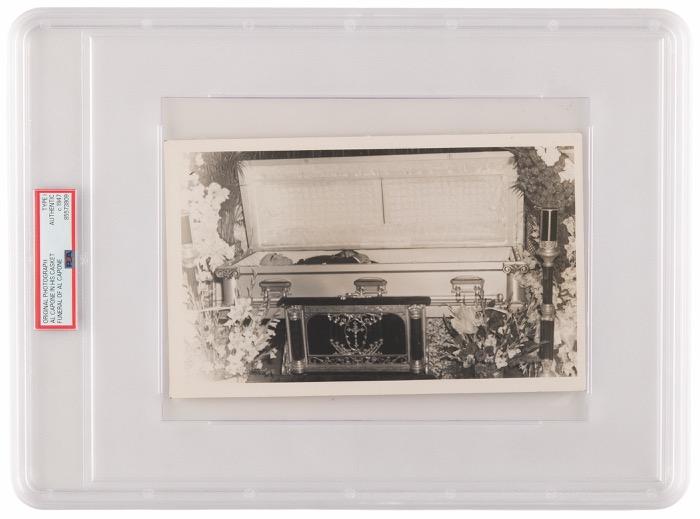
126. Al Capone Original Photograph - PSA Type I Starting Bid $200
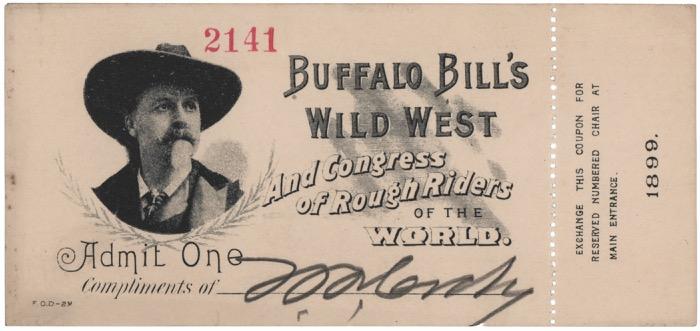
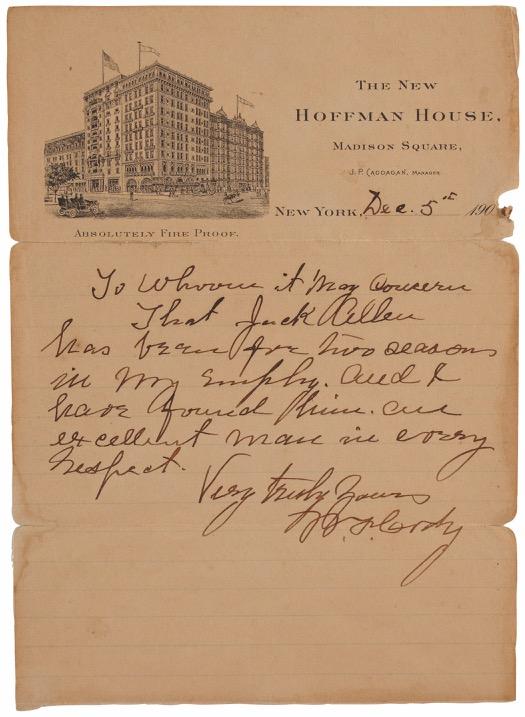
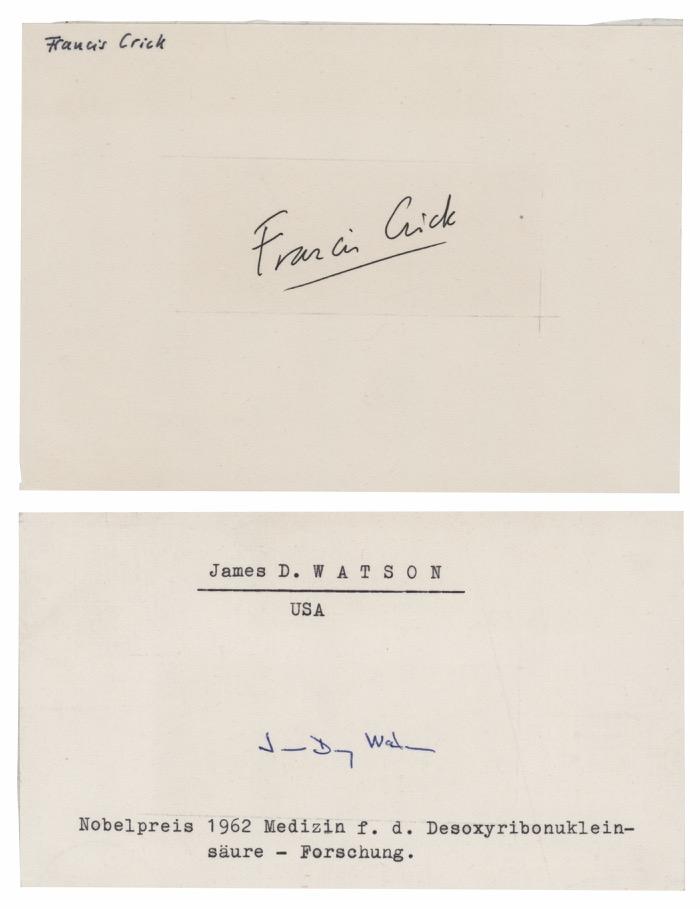
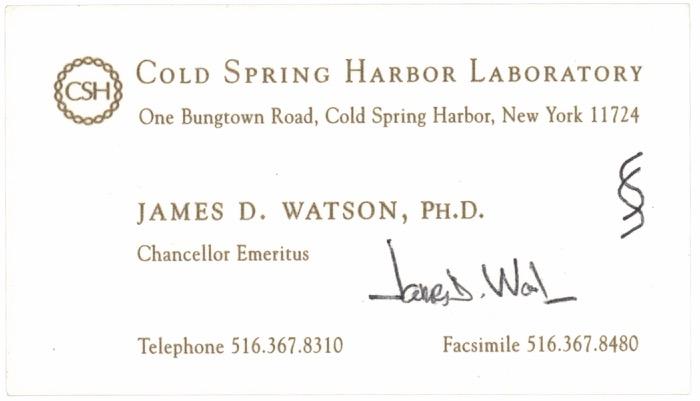
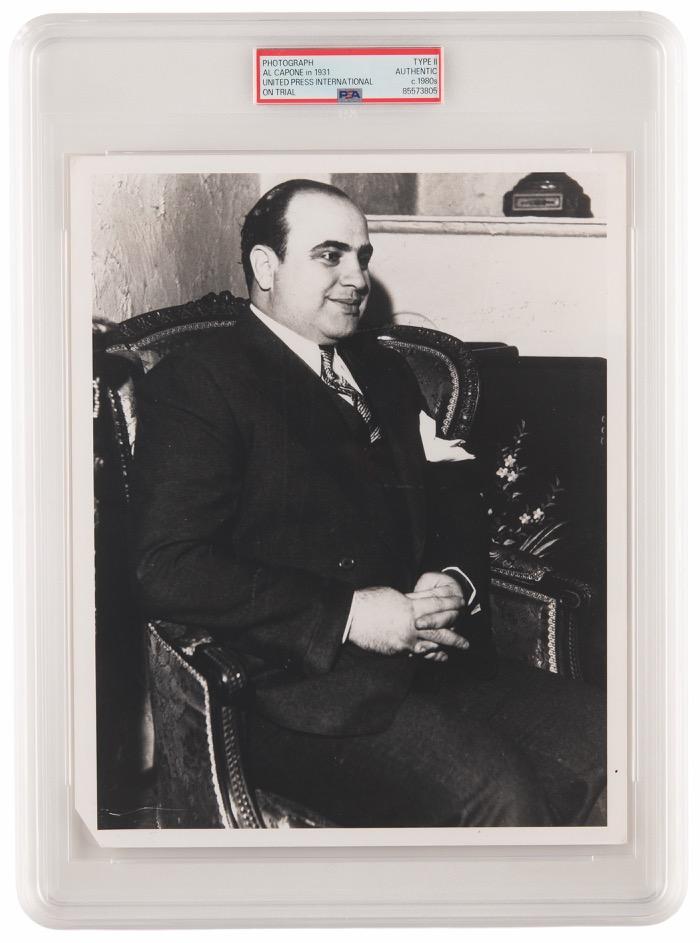
127. Al
Original Photograph - PSA Type II Starting Bid $200
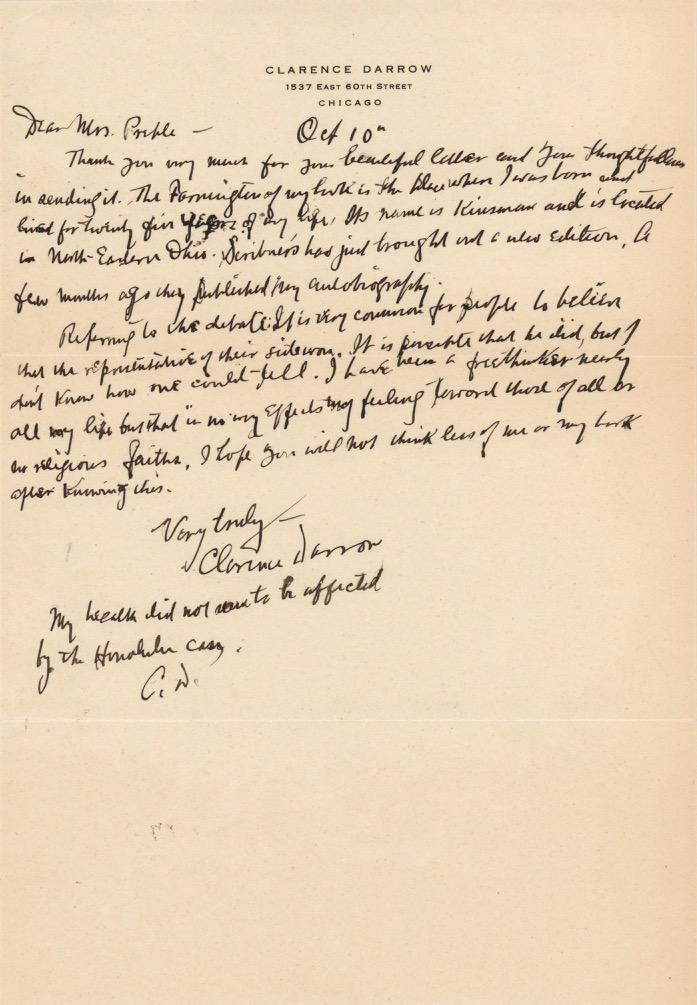
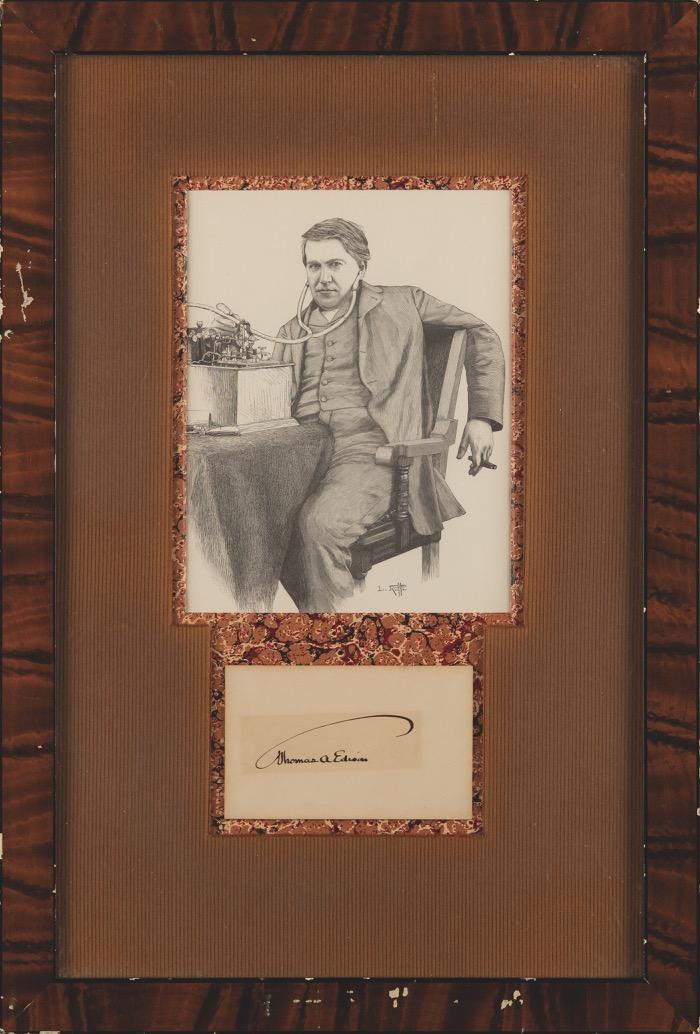
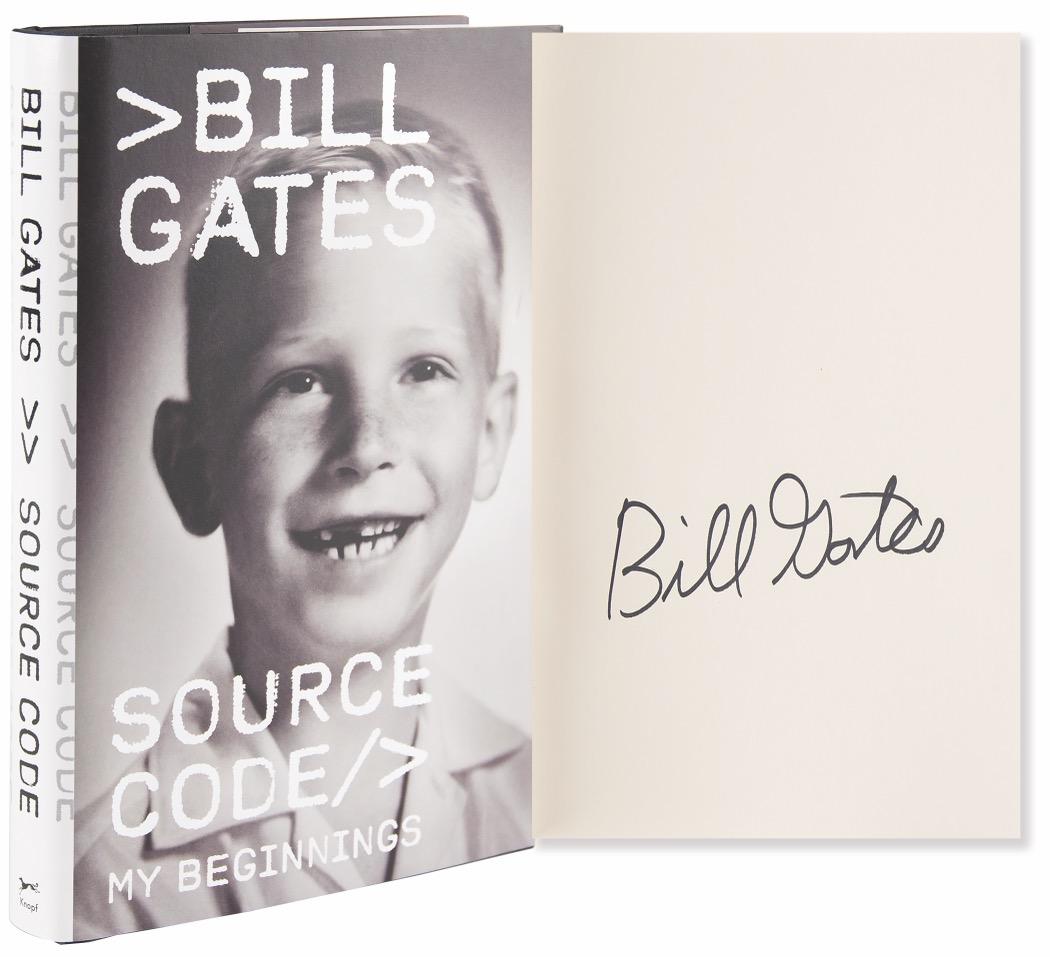
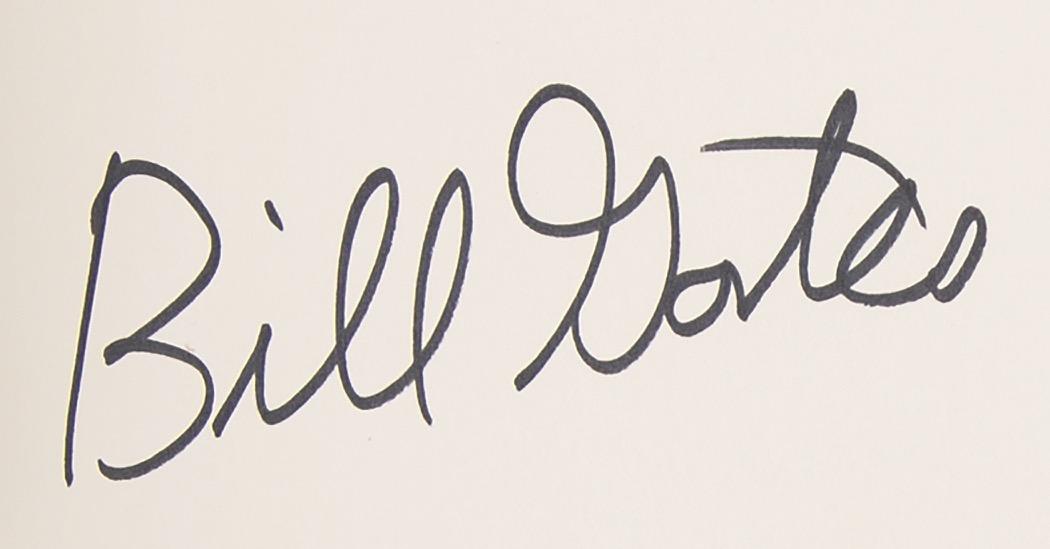
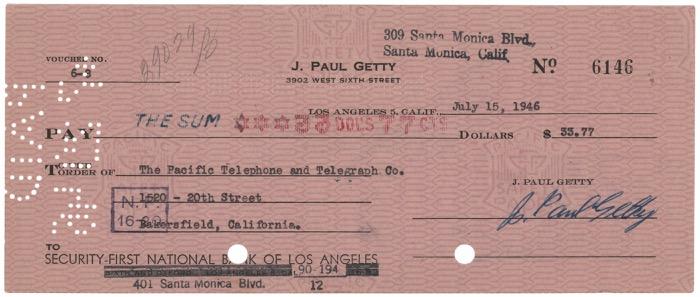
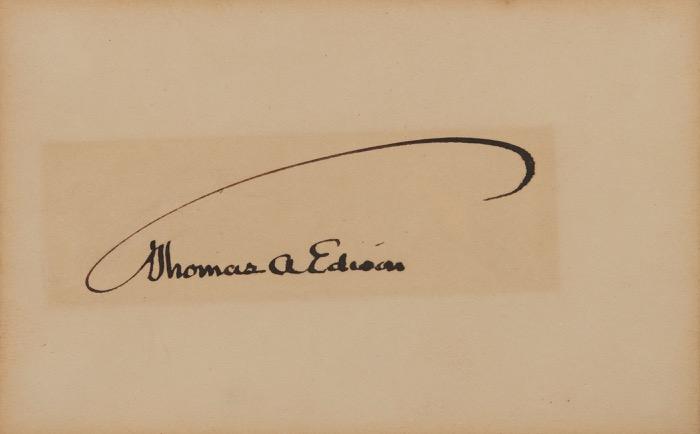

140.
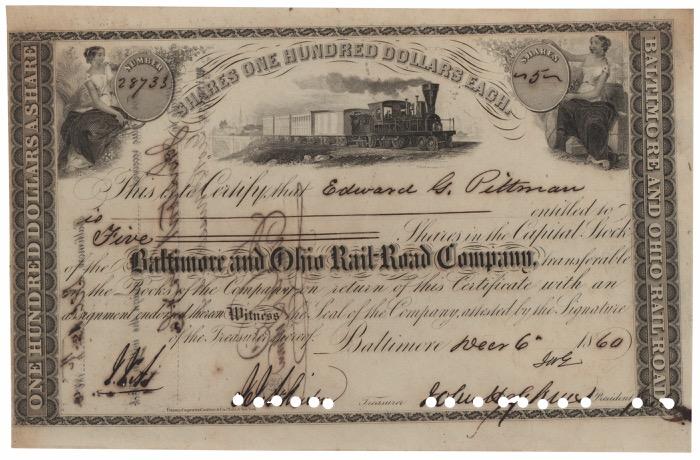
144. Johns Hopkins Document Signed Starting Bid $200
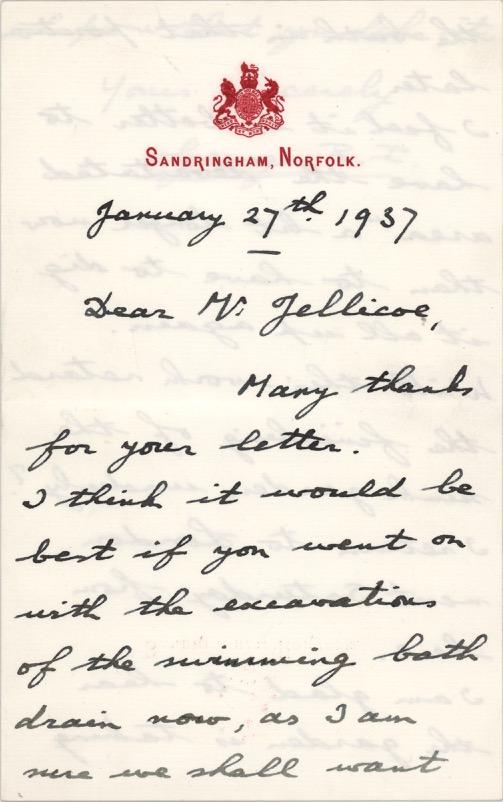
148.
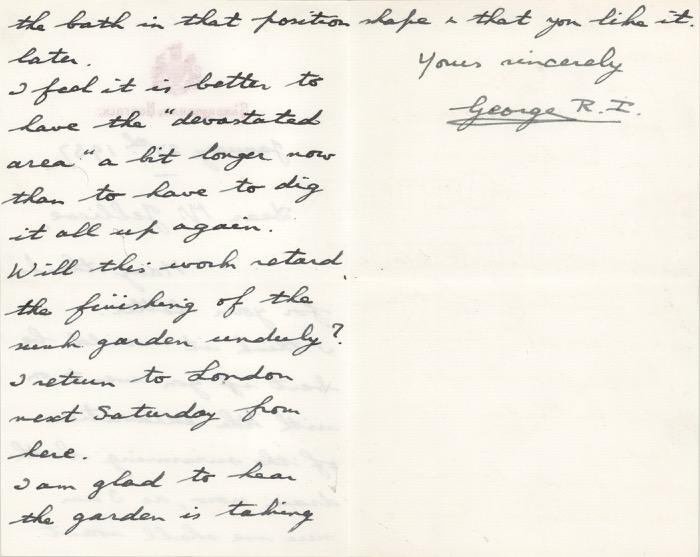
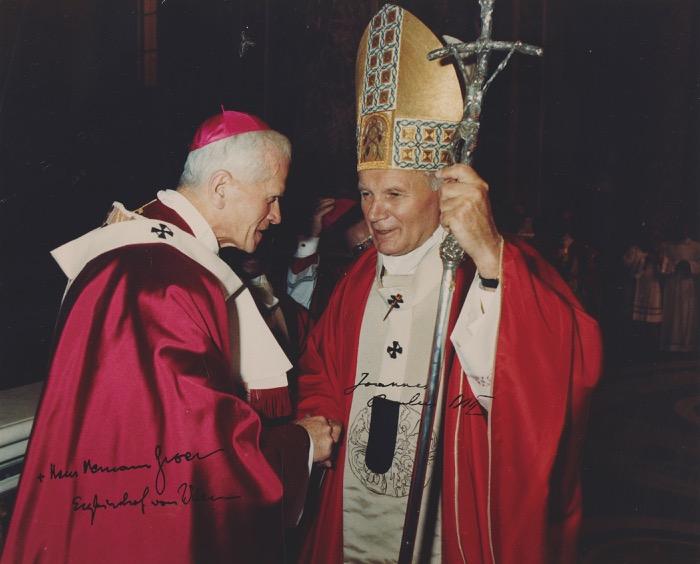
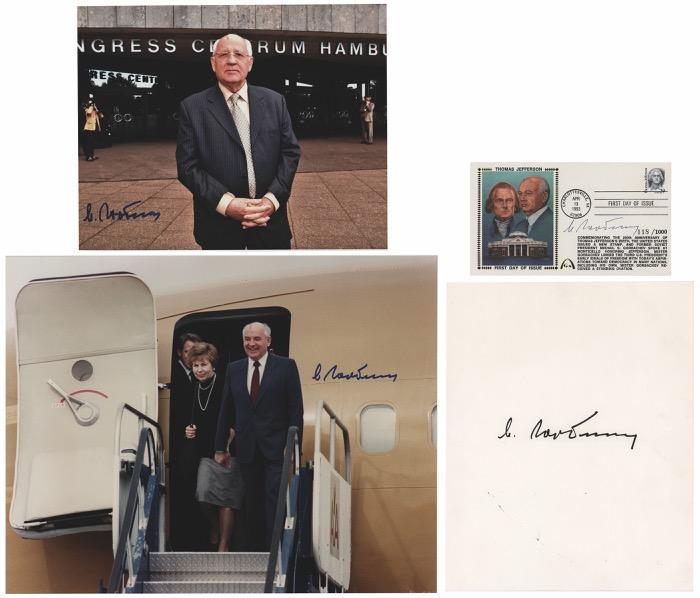
141.
142.
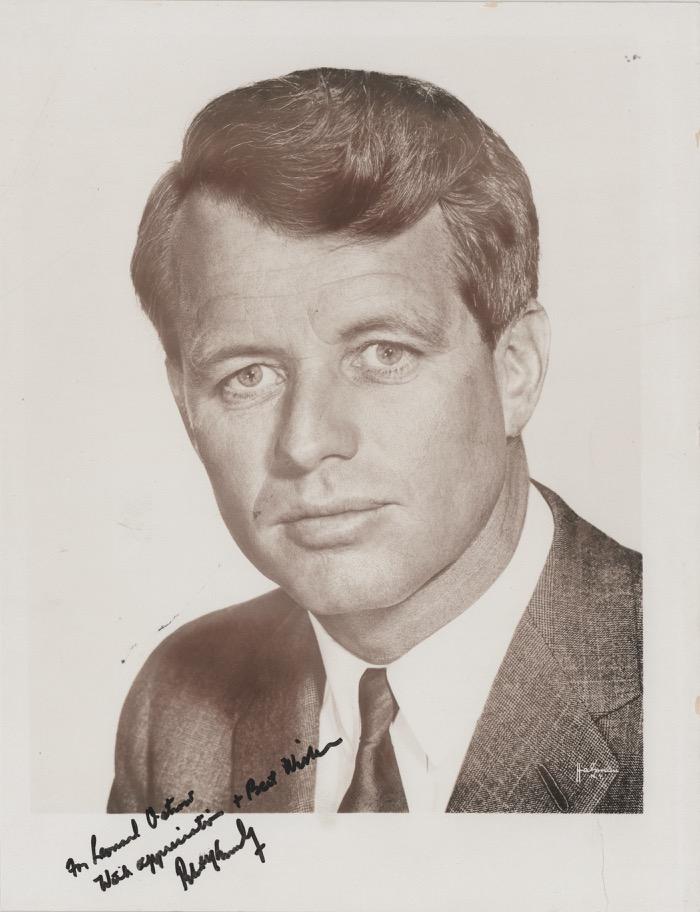
145. Robert F. Kennedy Signed Photograph Starting Bid $200
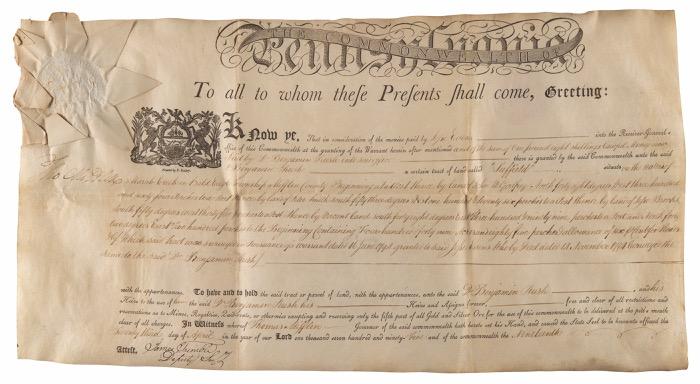
149.
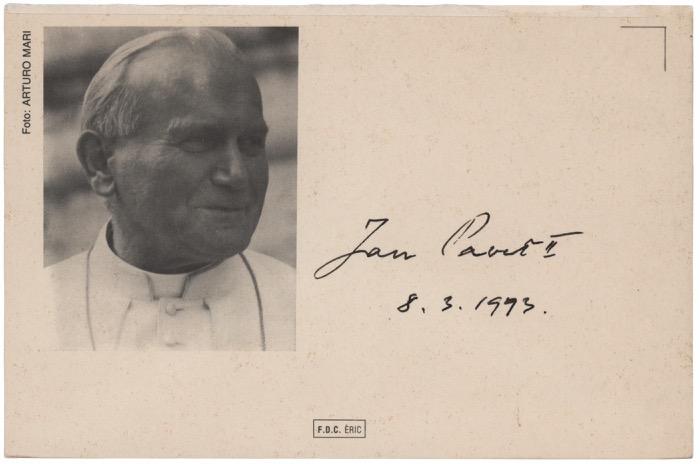
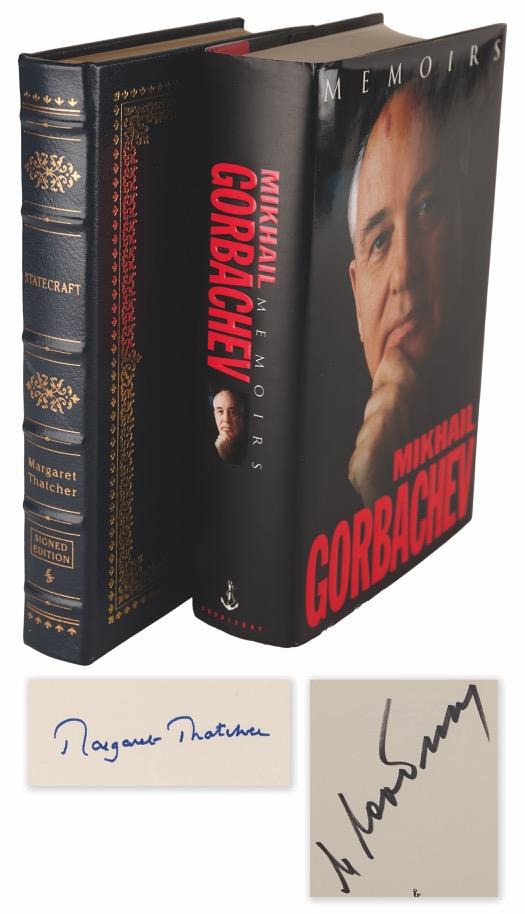
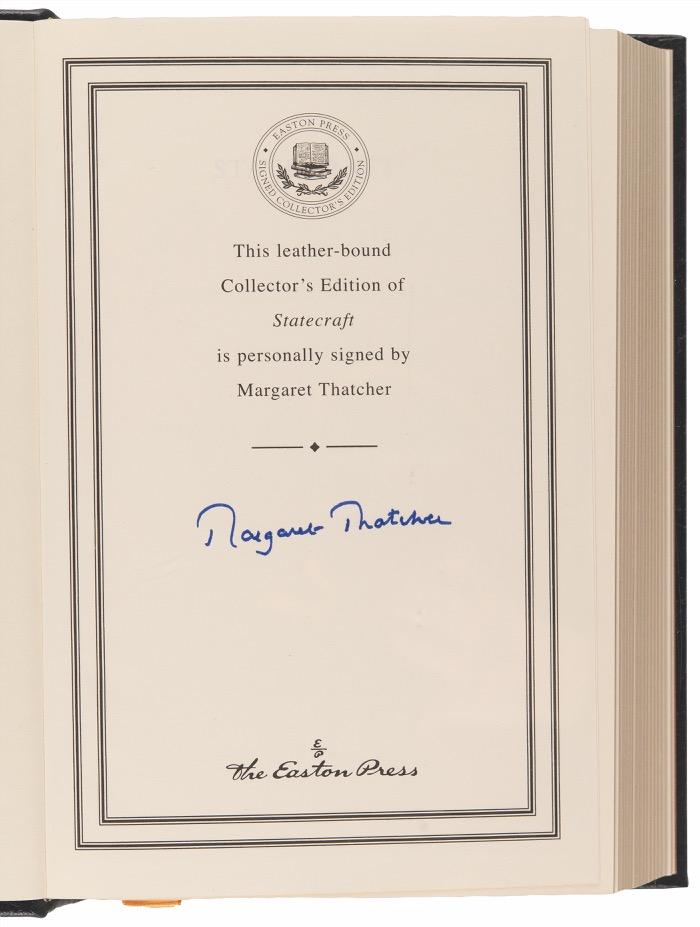
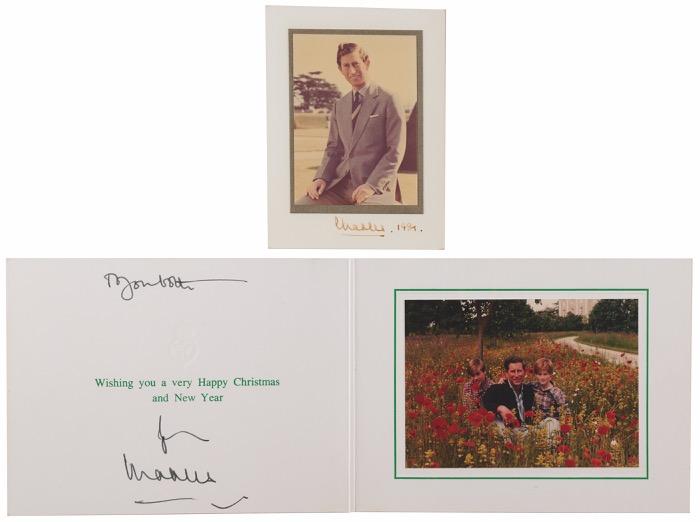
146. King Charles III
Signed Items - Photograph and Christmas Card Starting Bid $200
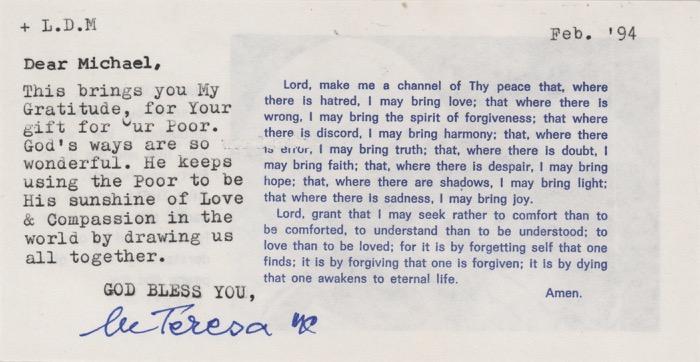
150.
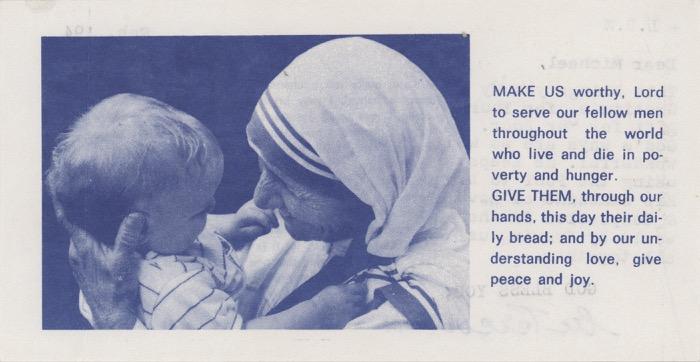
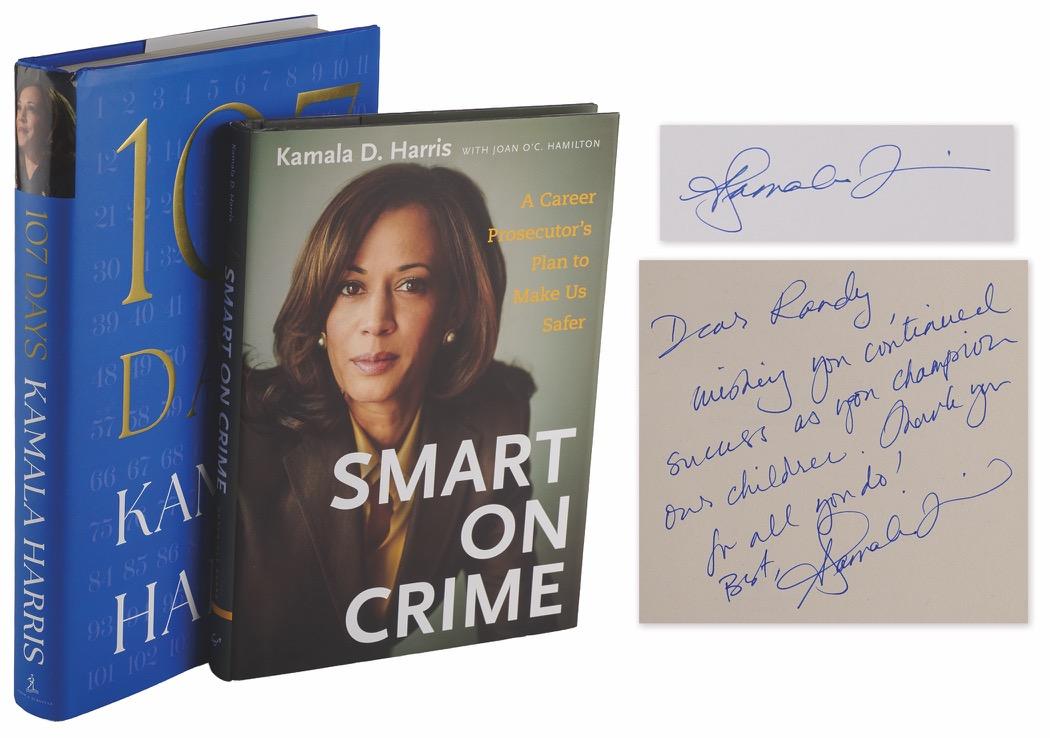
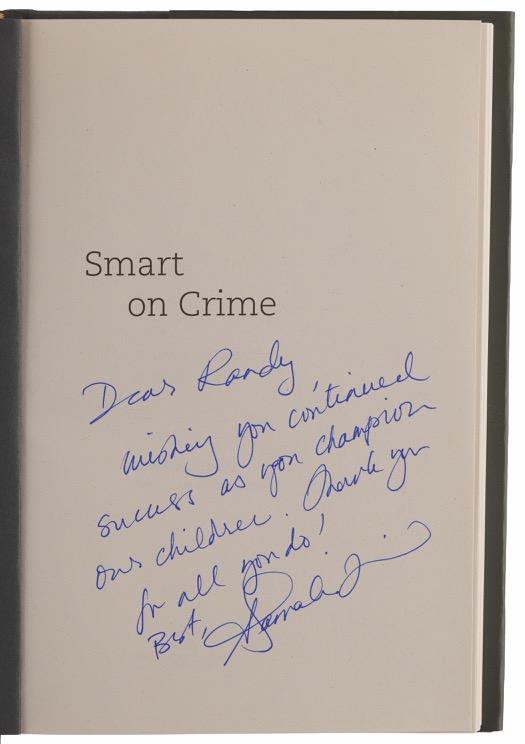
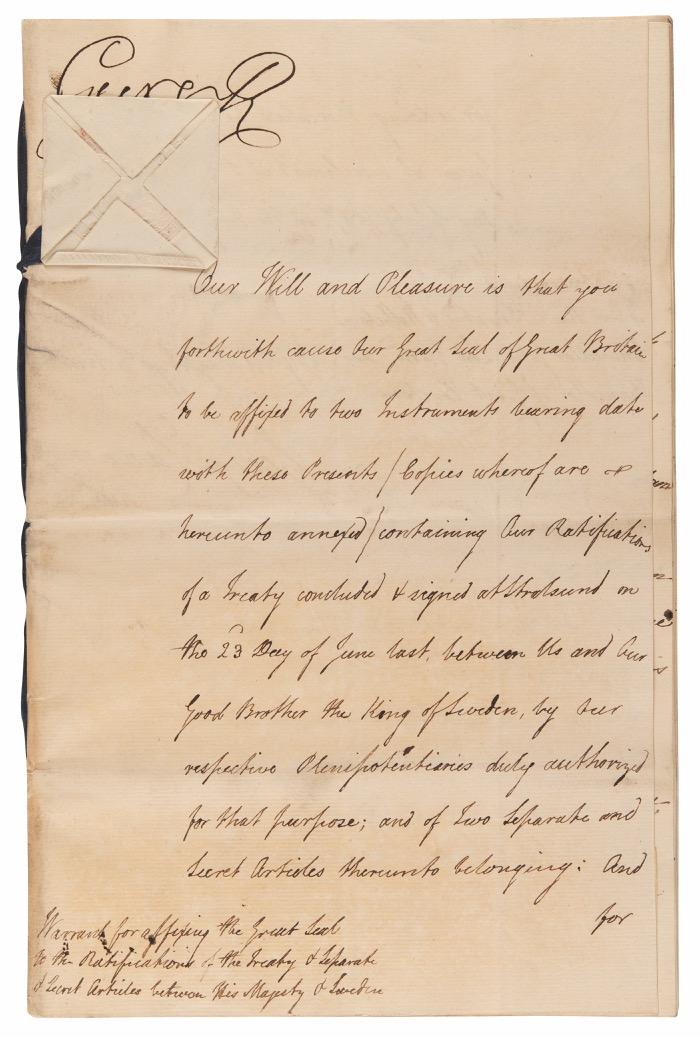
147.
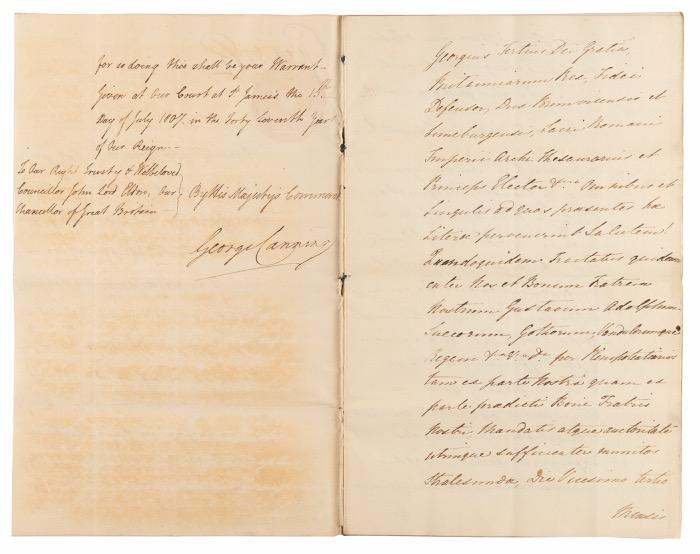
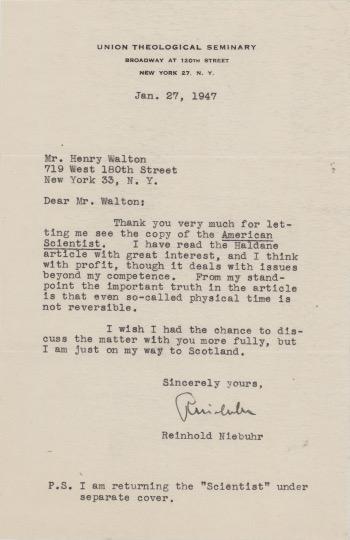
151.
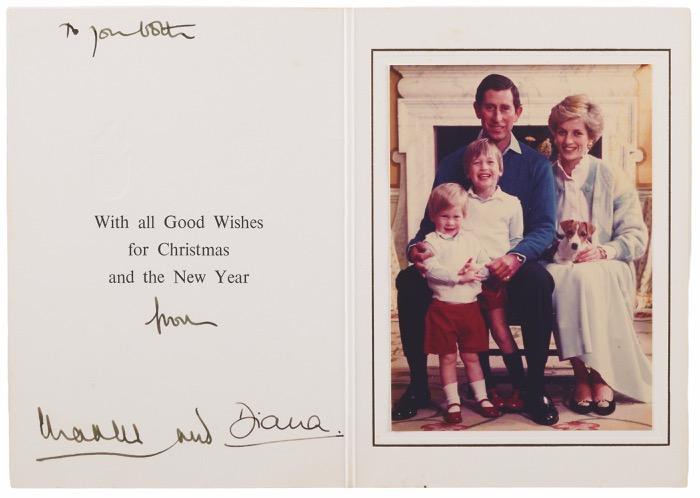
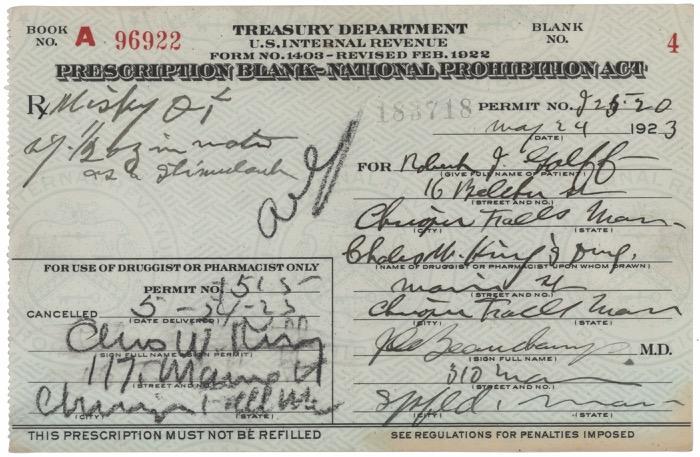
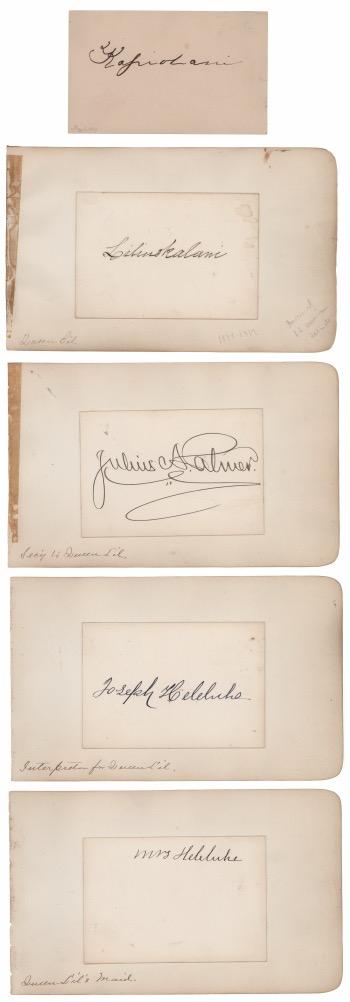
156. Queen Liliuokalani and Queen Kapiolani (2) Signatures Starting Bid $200
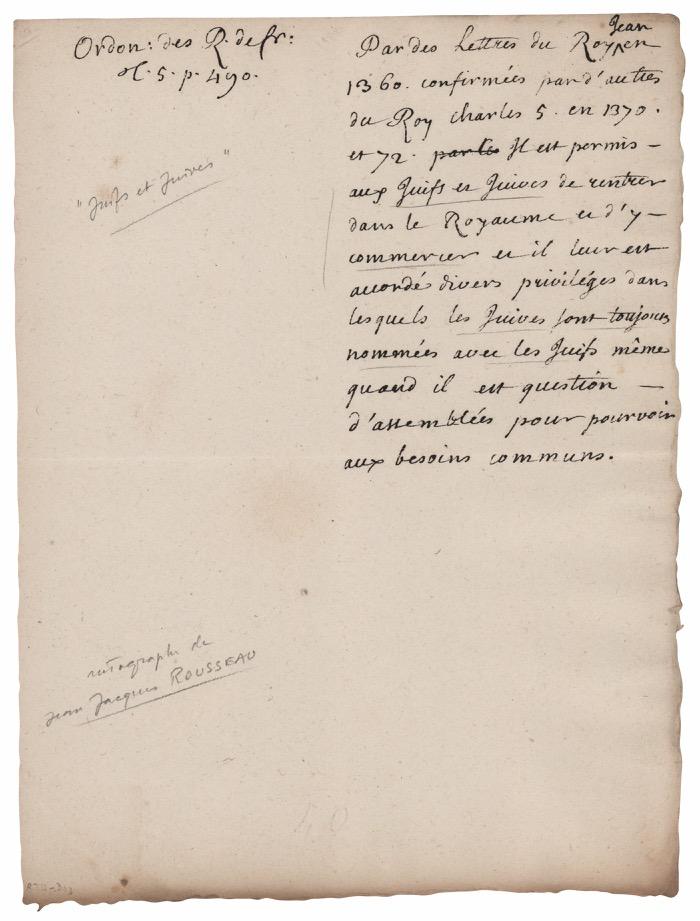
160. Jean-Jacques Rousseau Handwritten Manuscript on Medieval Jewish L... Starting Bid $200
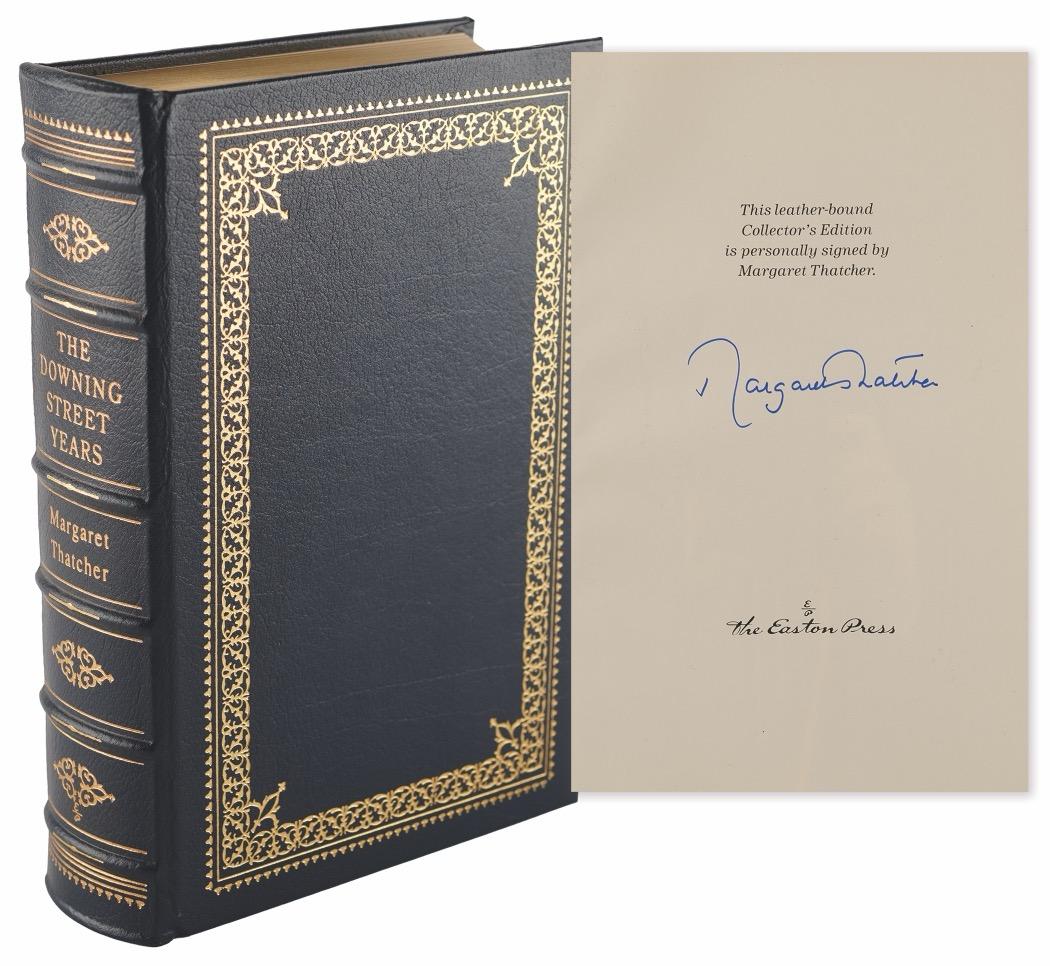
164. Margaret Thatcher Signed Book - The Downing Street Years Starting Bid $200
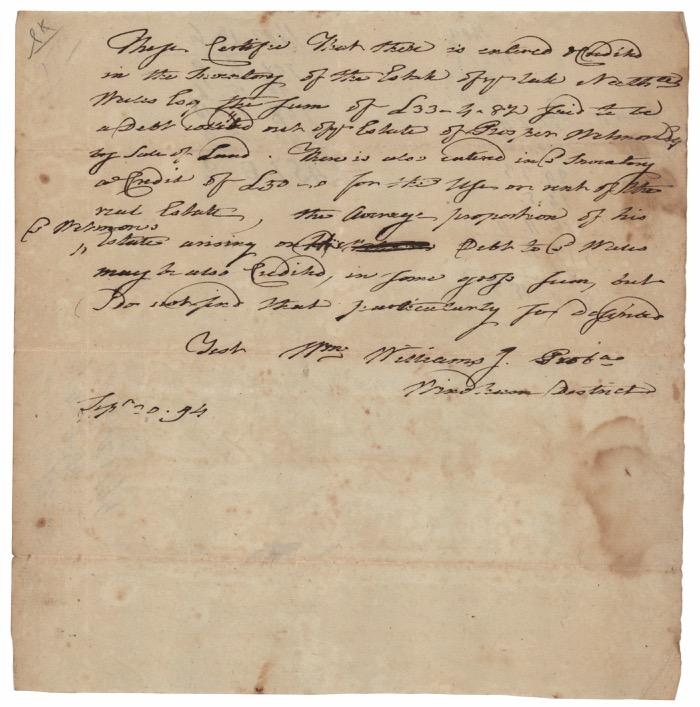
Autograph Document Signed Starting Bid $200
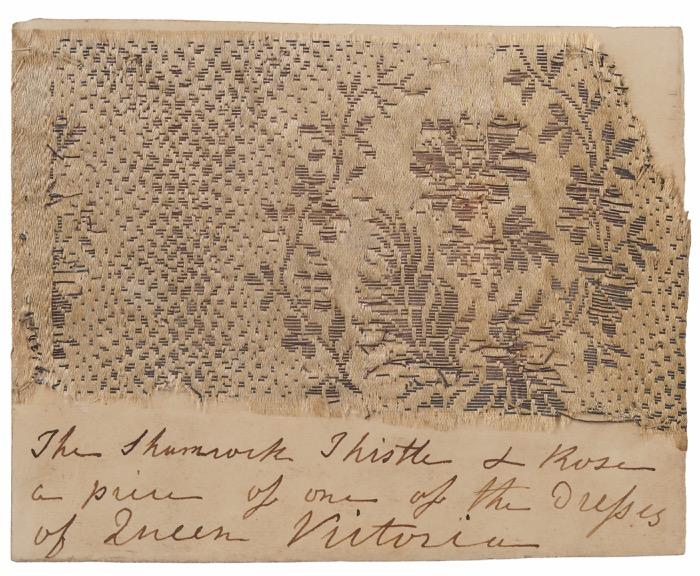
157. Queen Victoria Dress Swatch Starting Bid $200
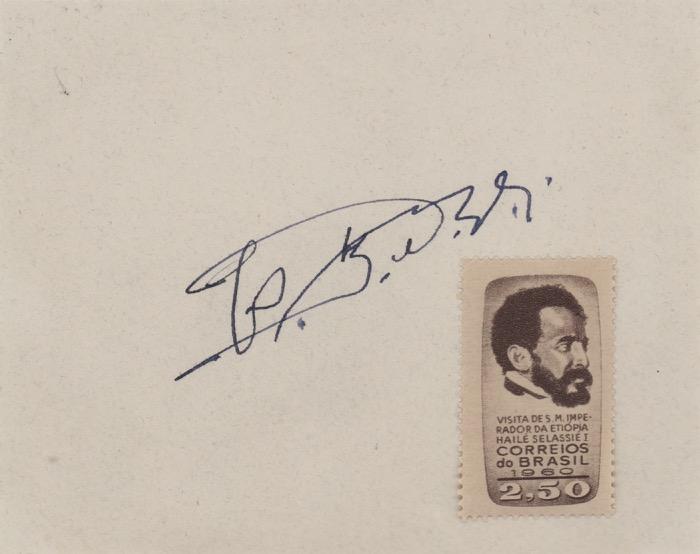
161. Haile
Signature Starting Bid $200
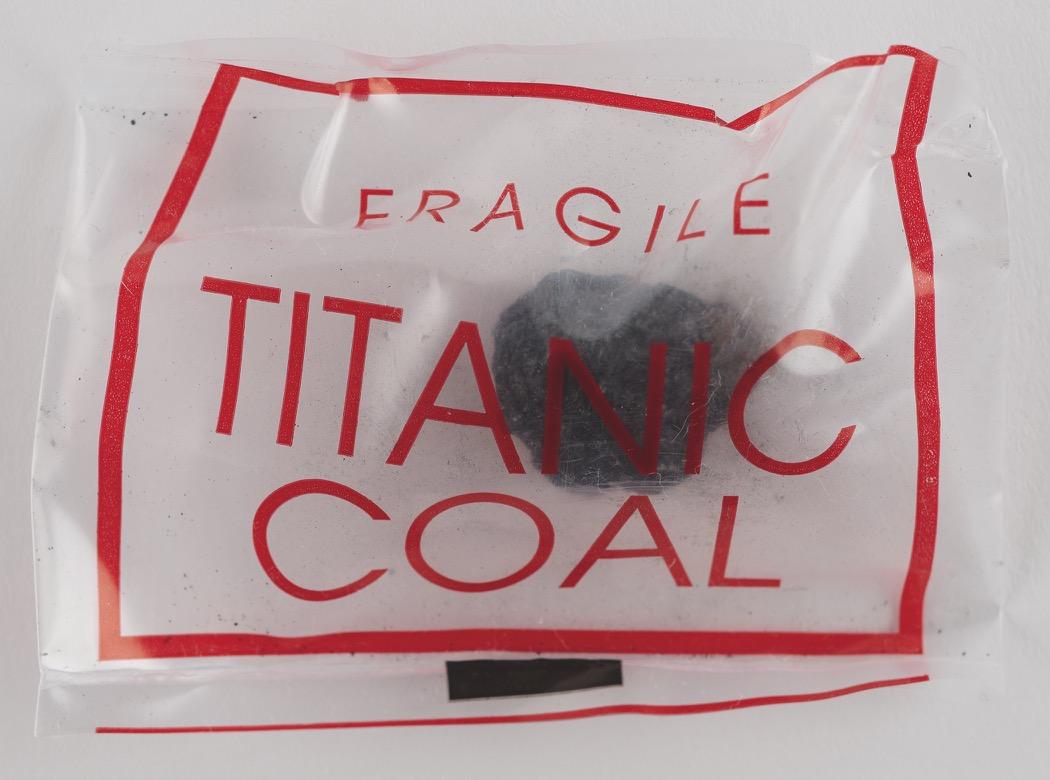
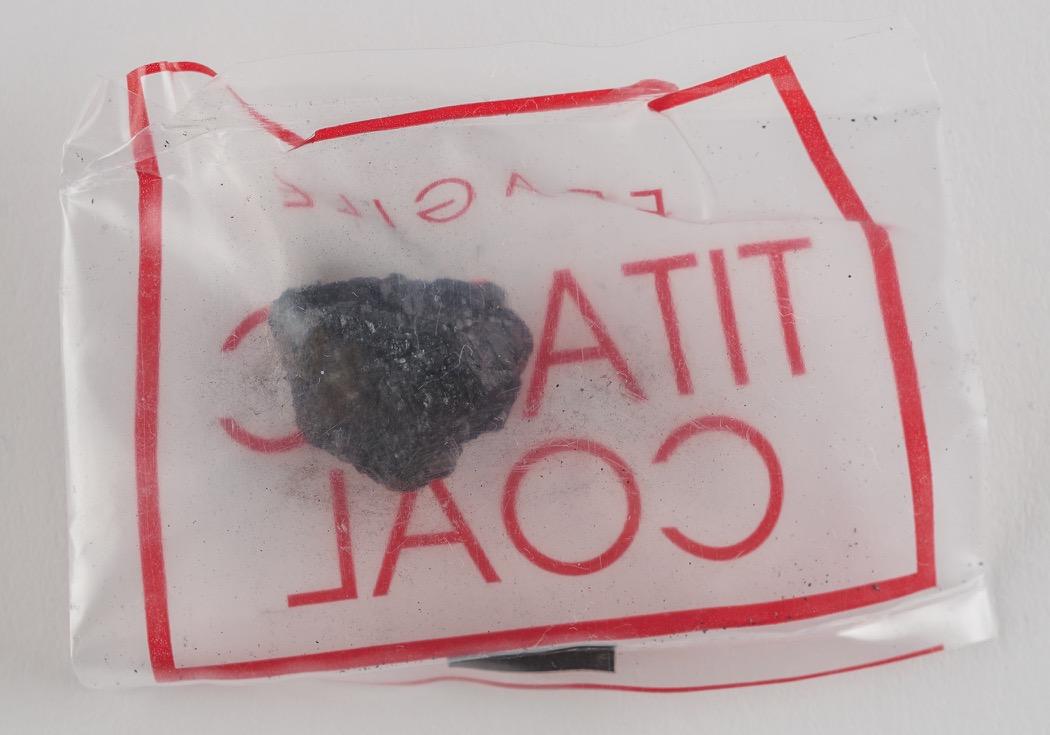
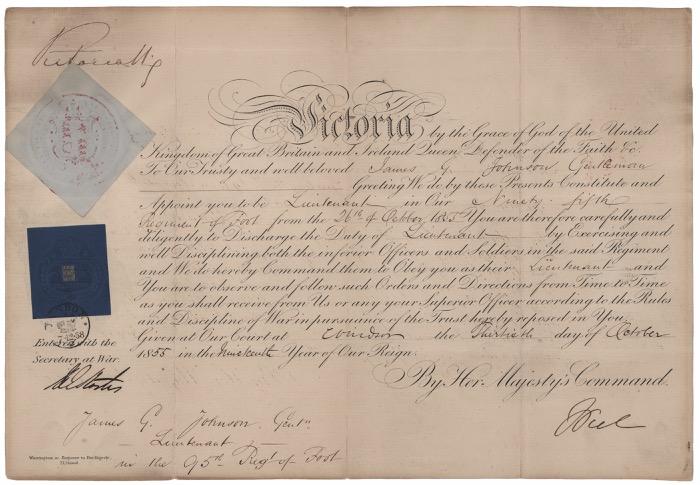
158. Queen Victoria Document Signed Starting Bid $200
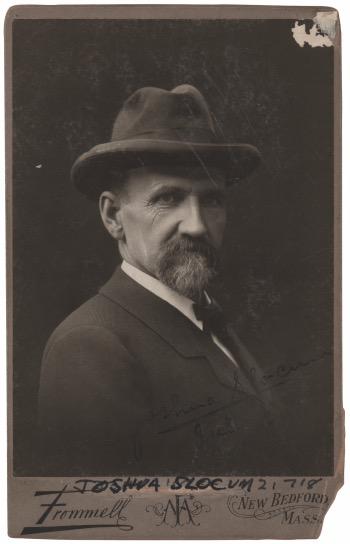
162.
Signed Photograph Starting Bid $200
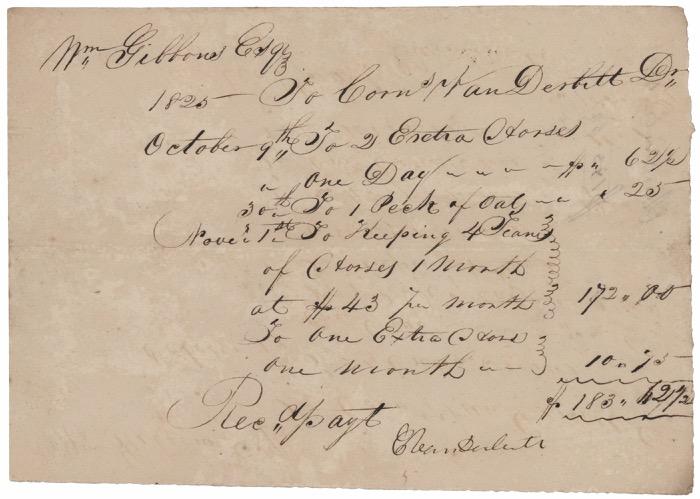
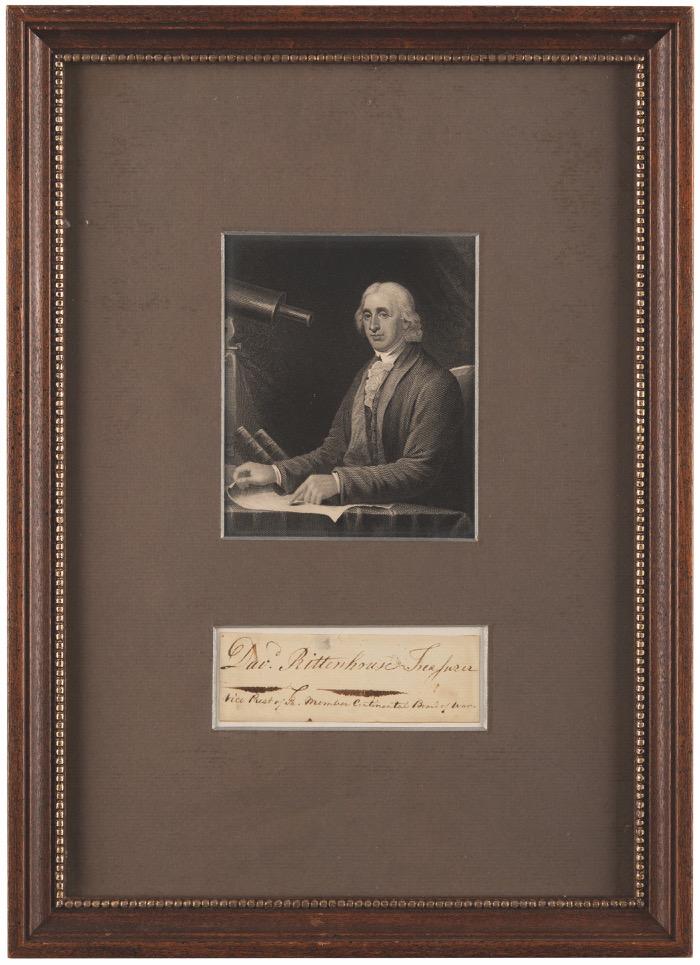
Starting Bid $200
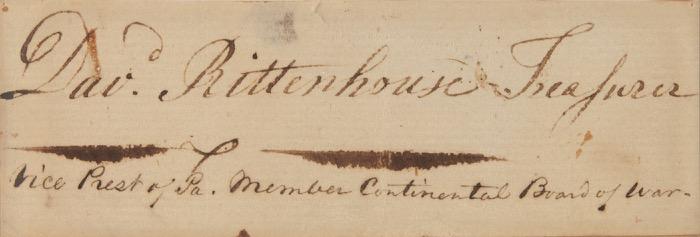
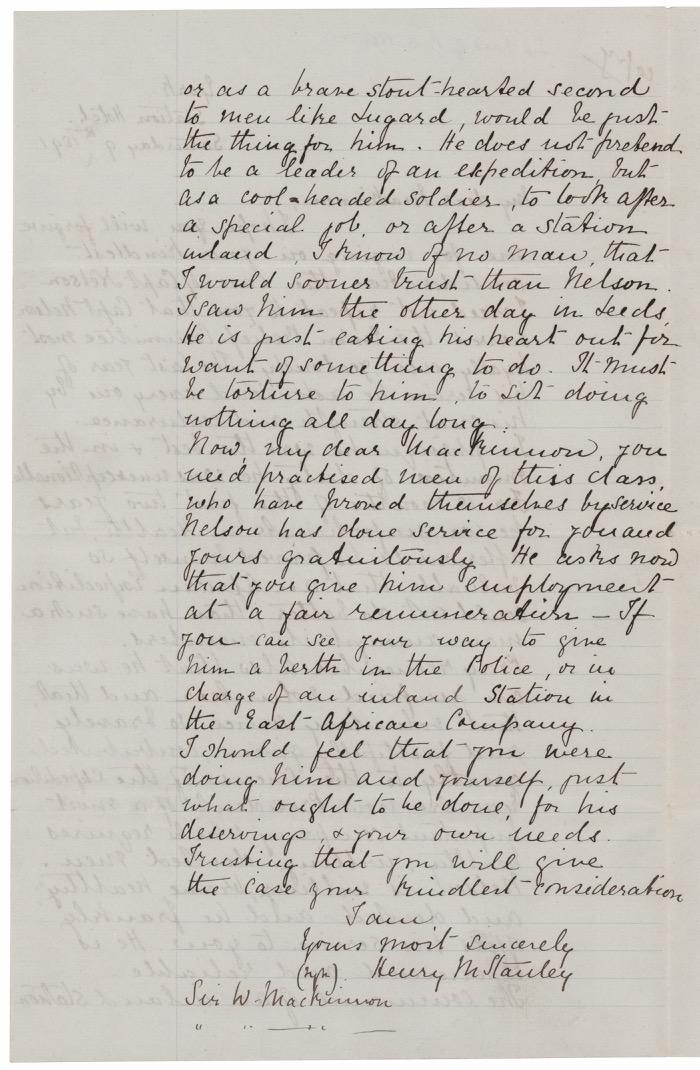
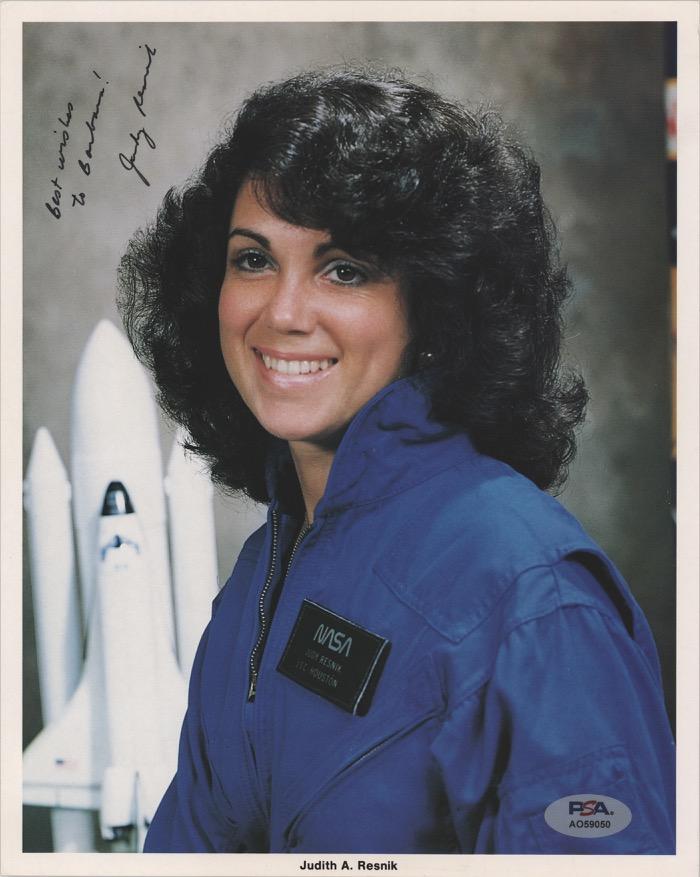
Starting Bid $200
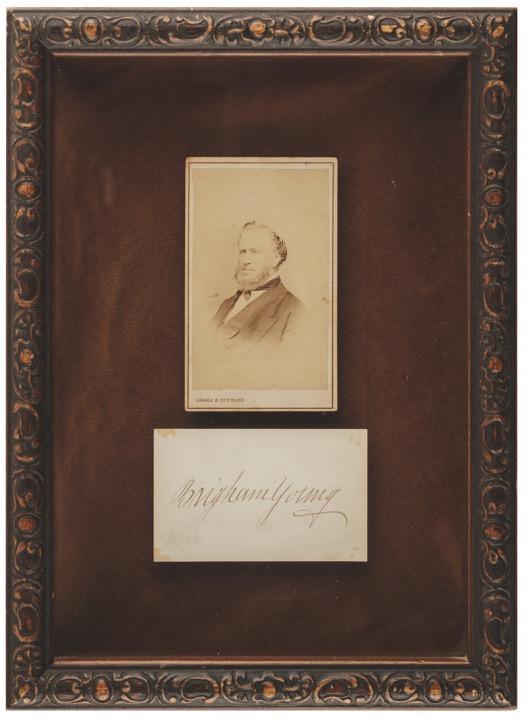
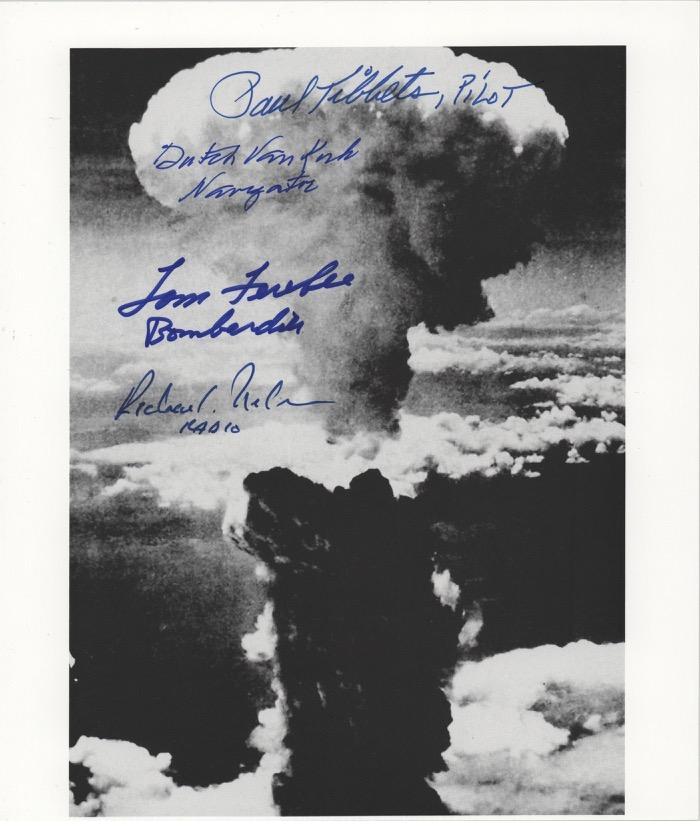
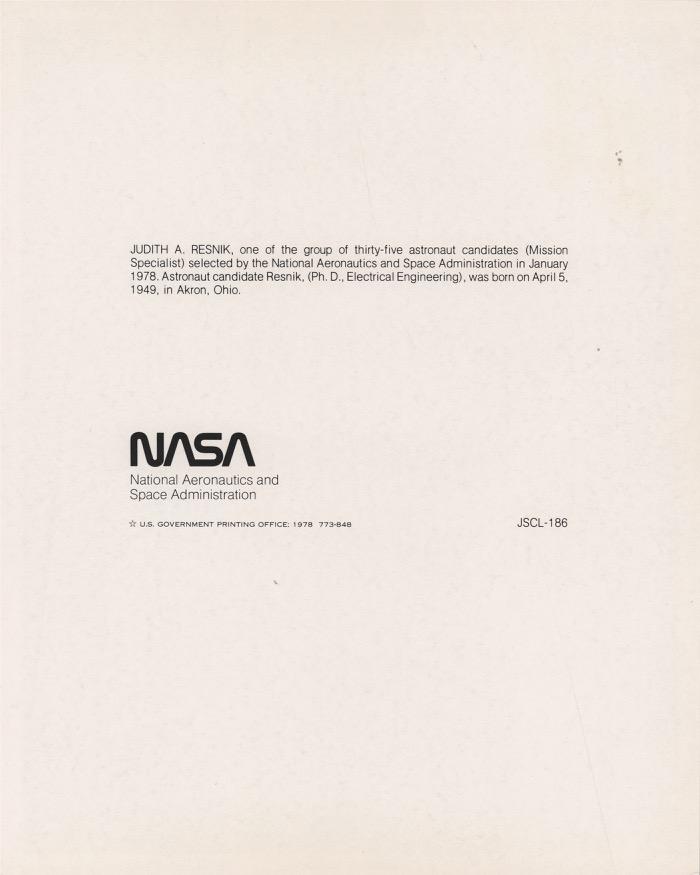
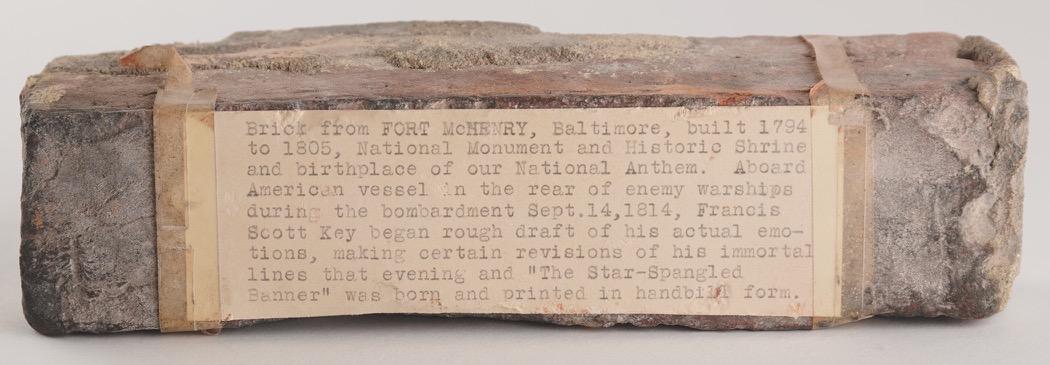
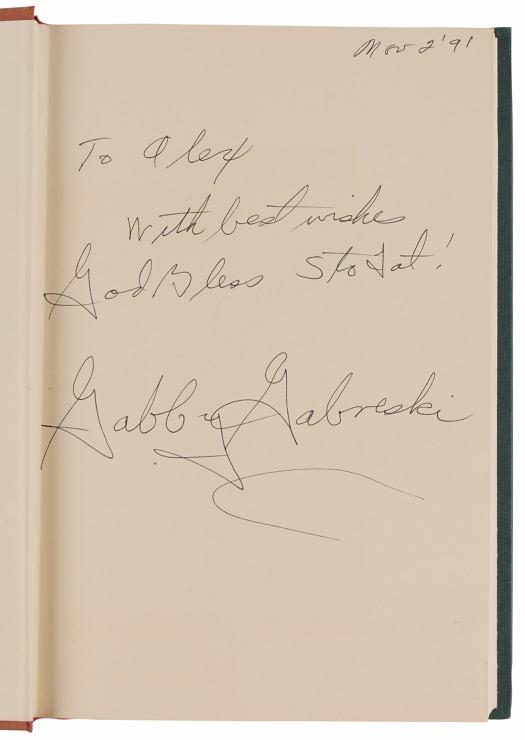
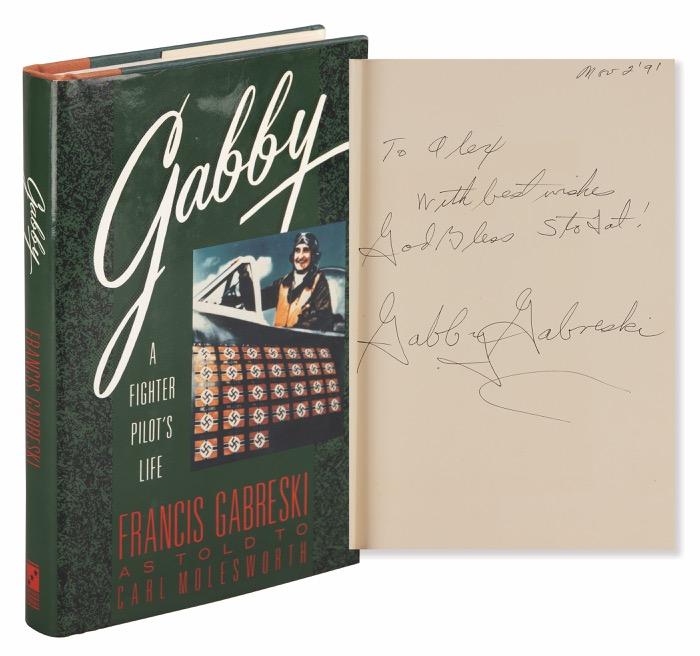
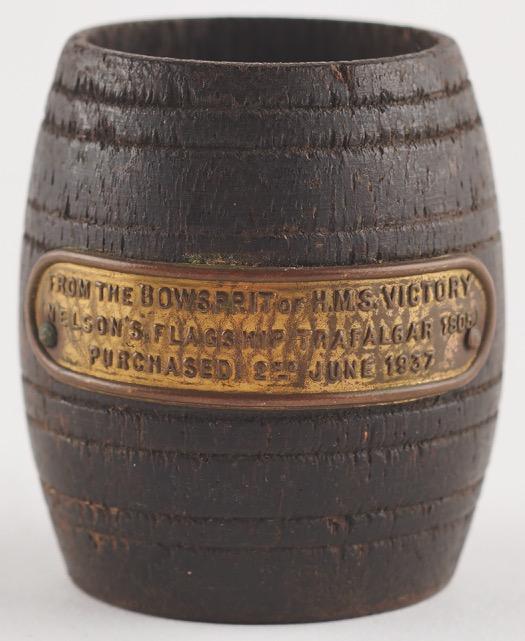
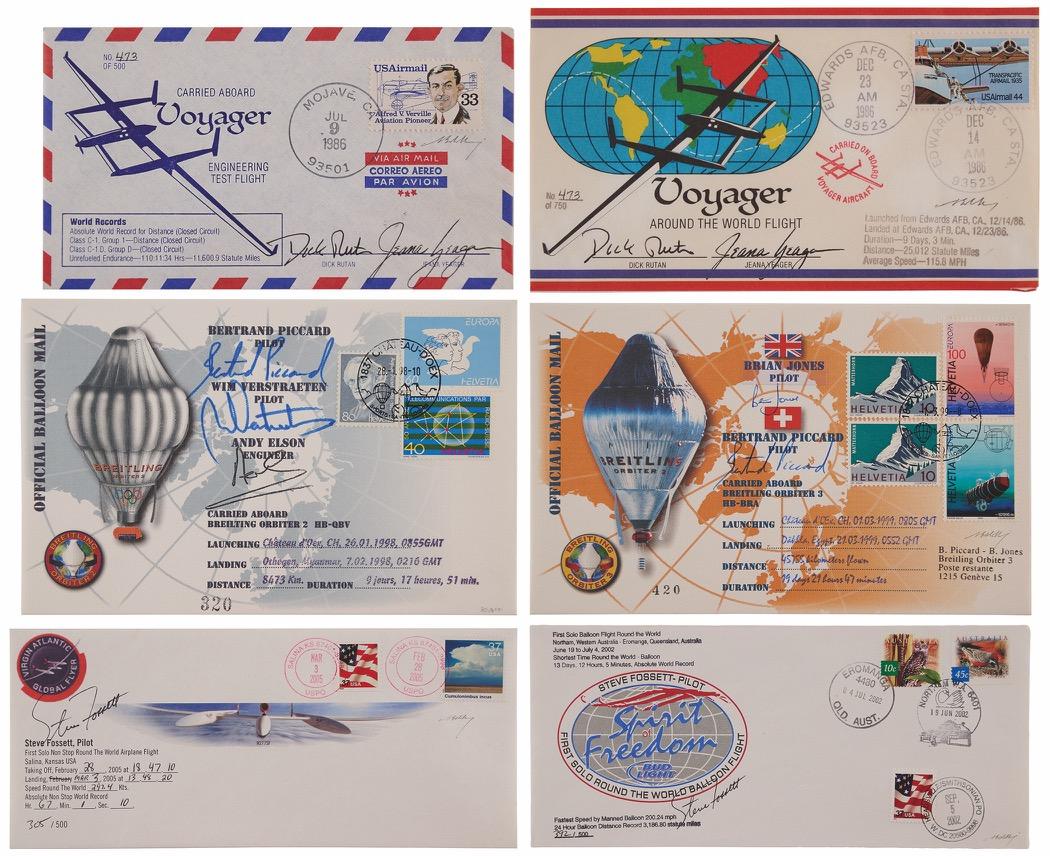
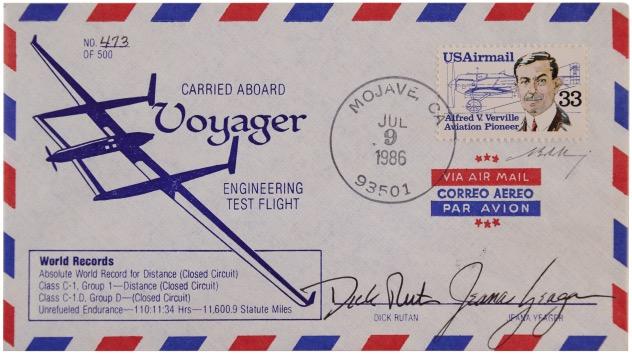
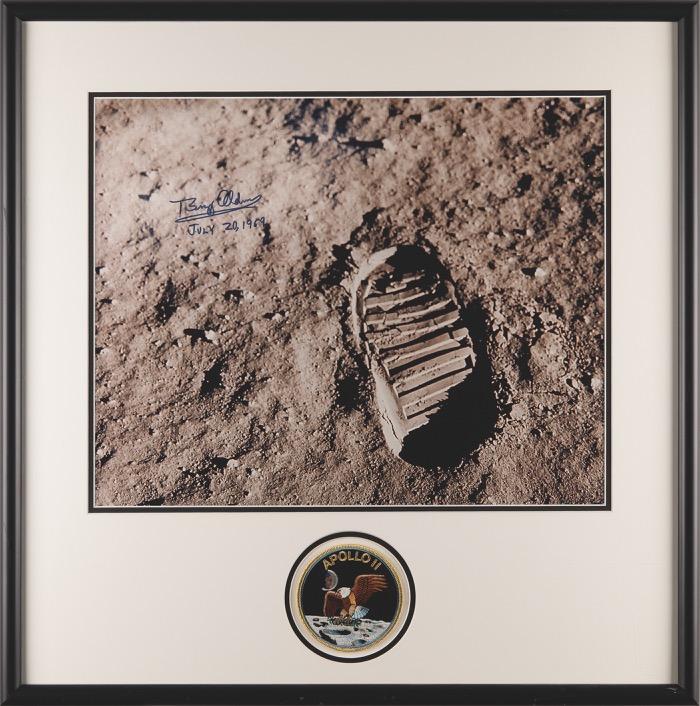
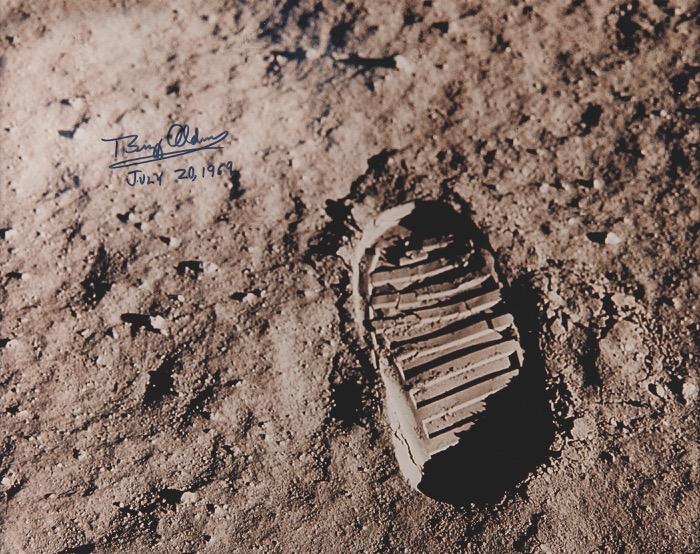
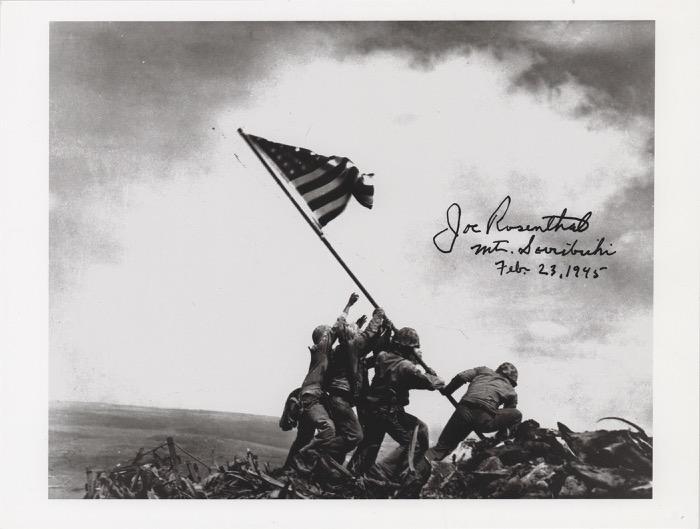
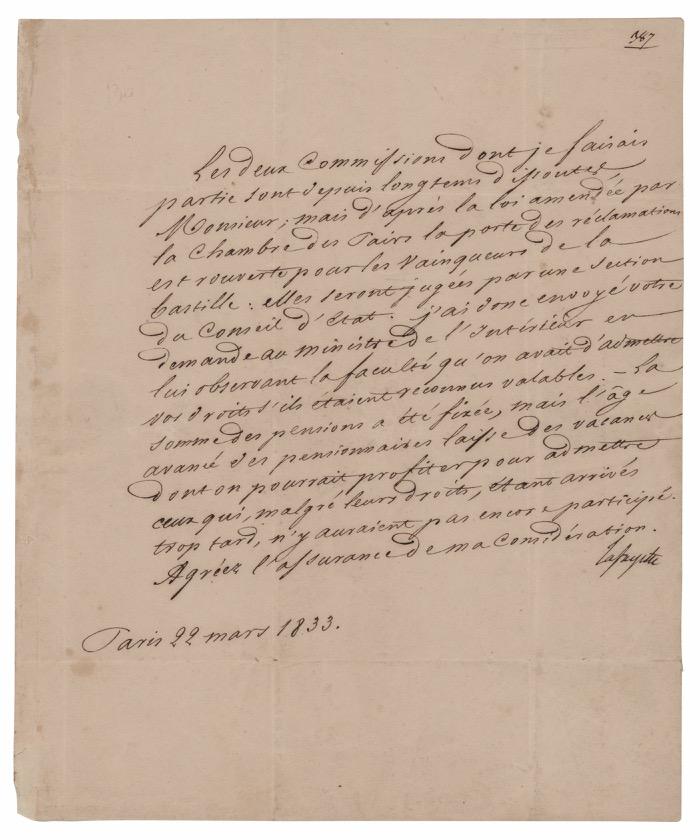
Starting Bid $200
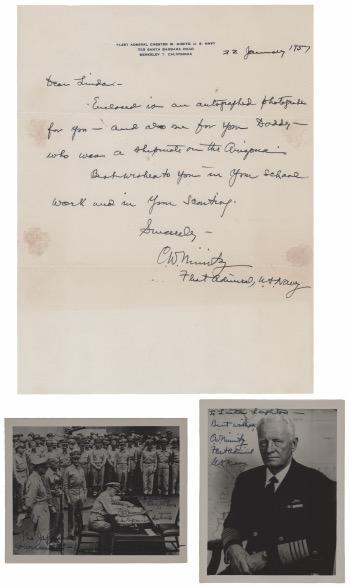
185.
Starting
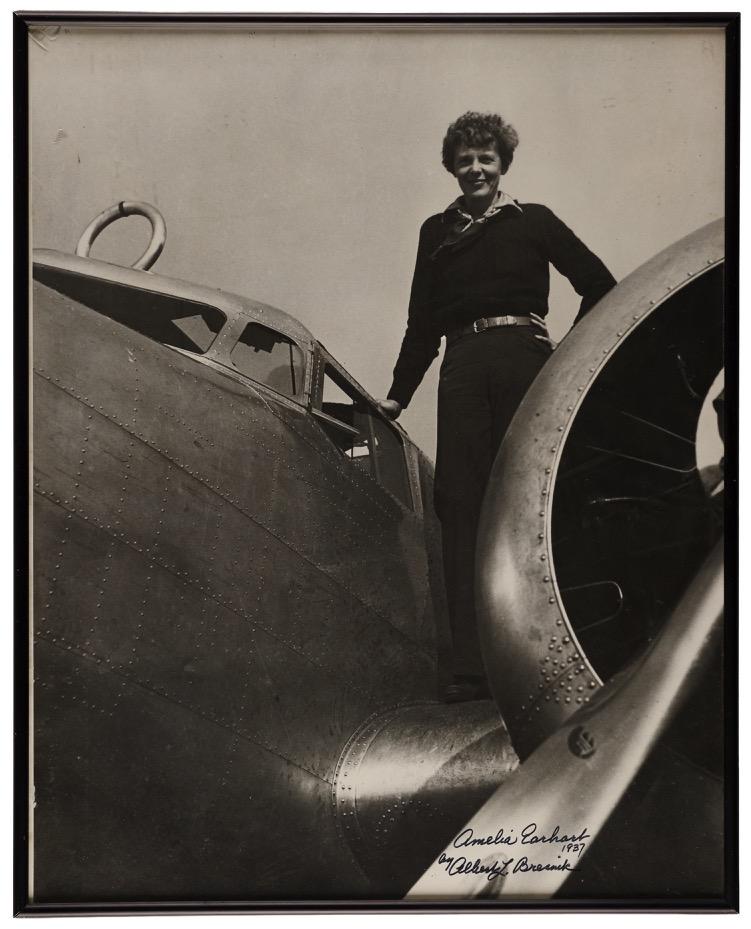
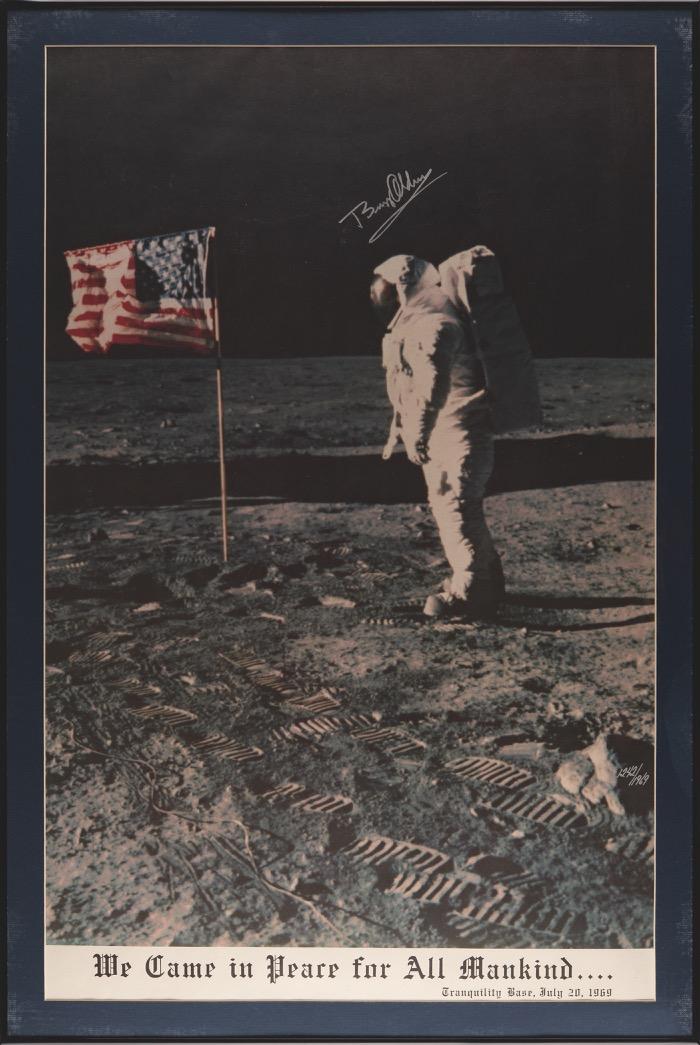
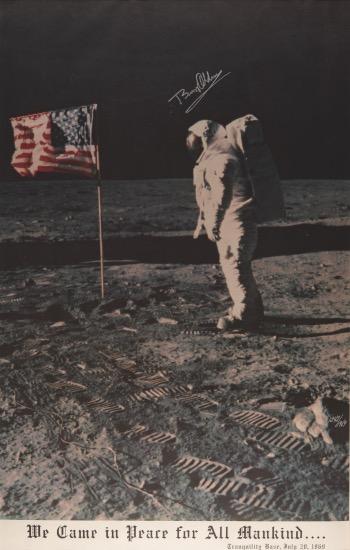
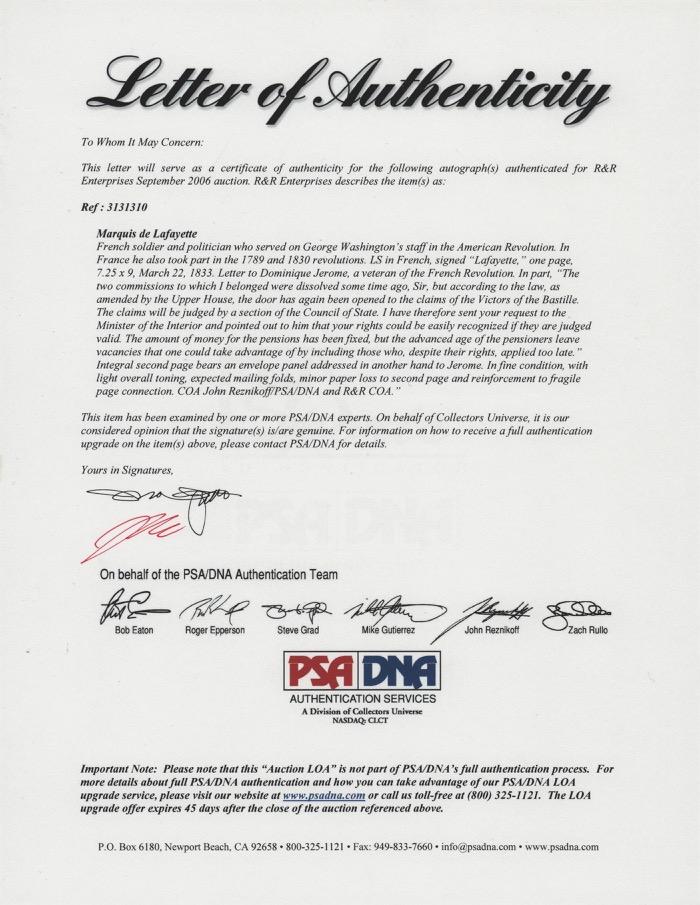
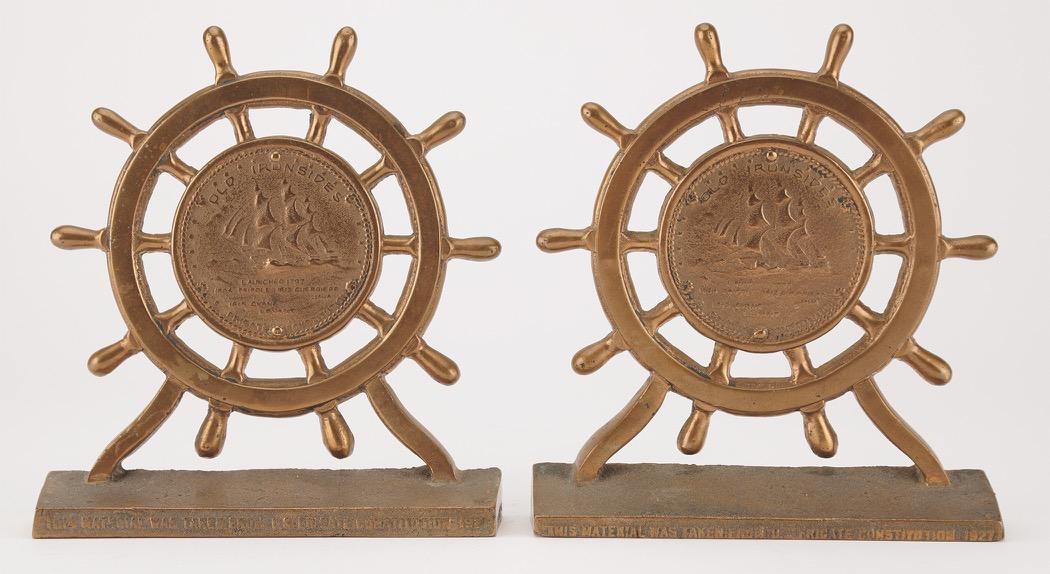
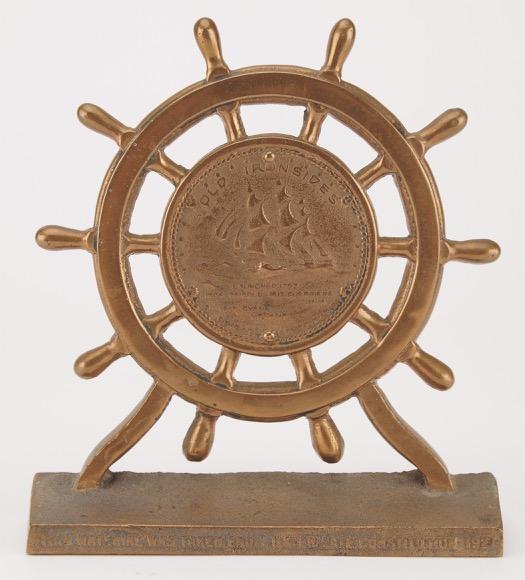
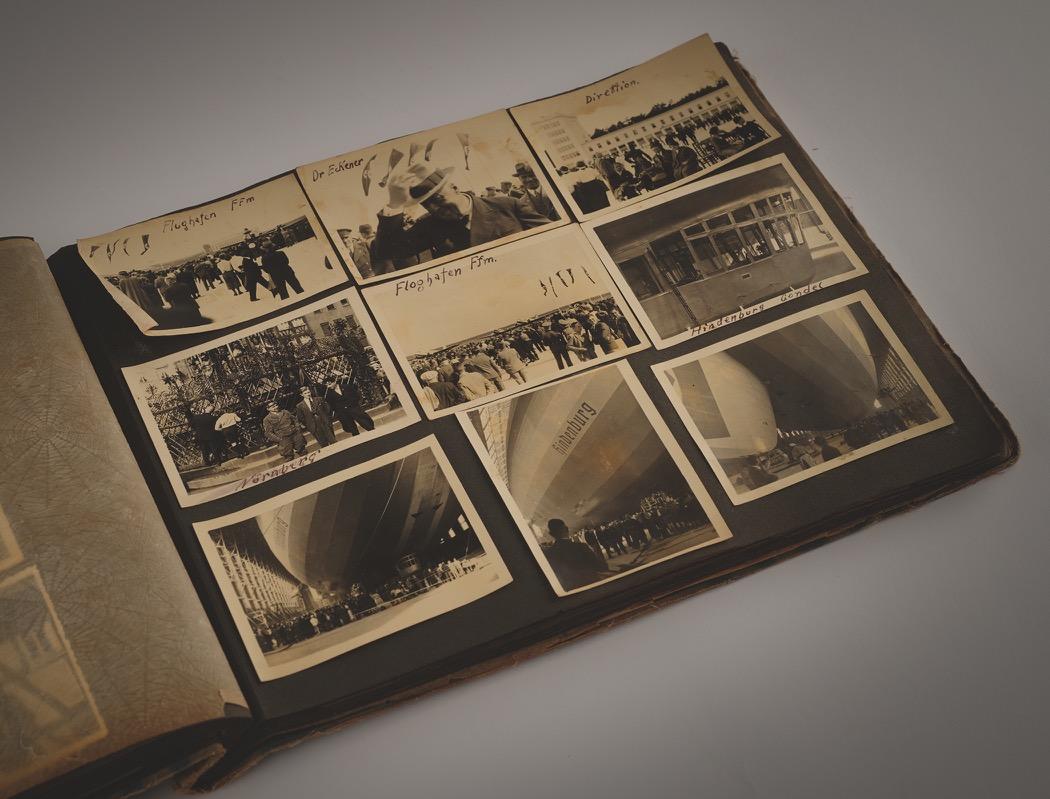
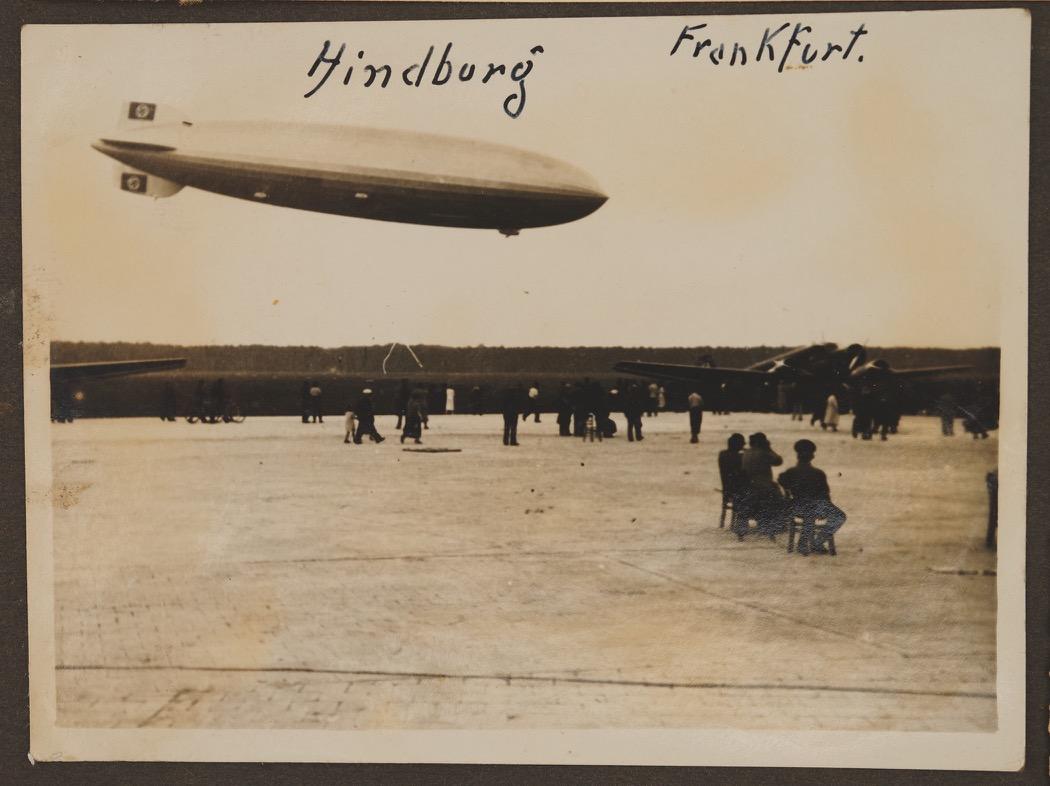
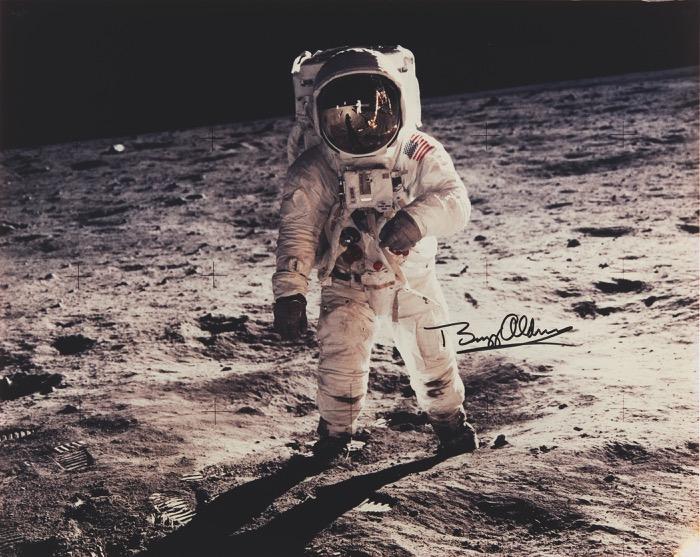
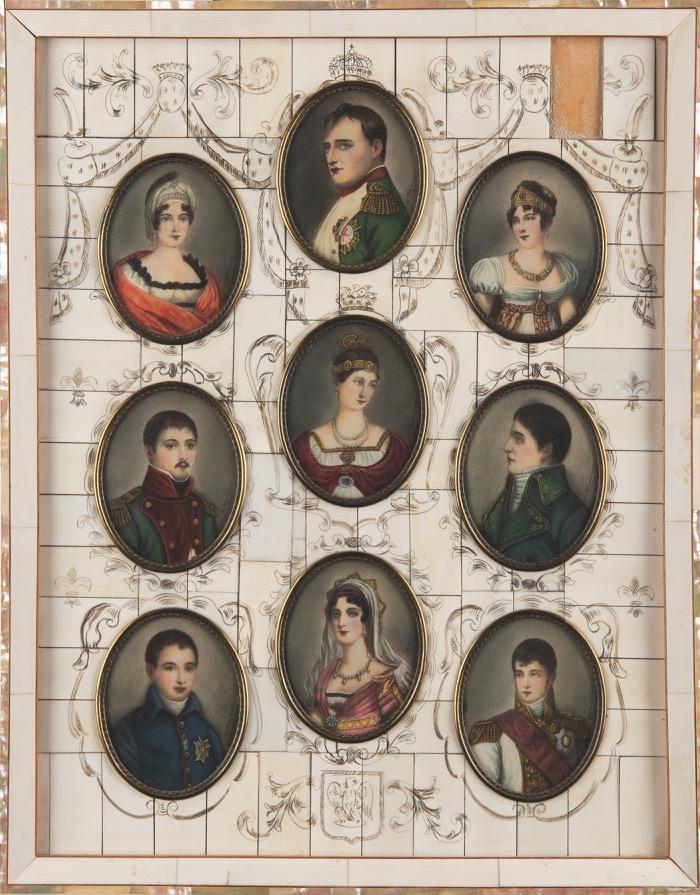
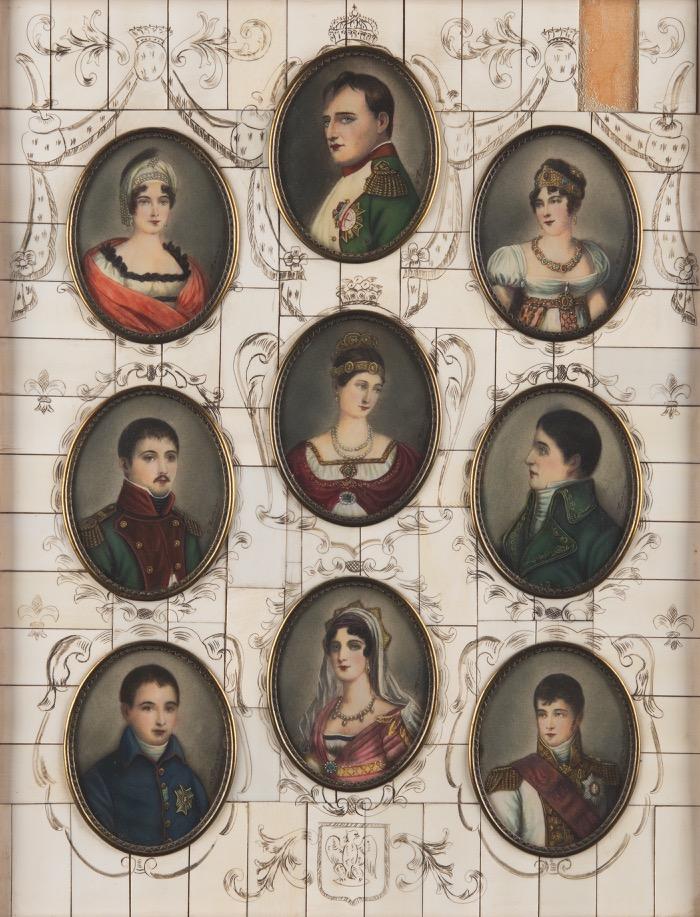
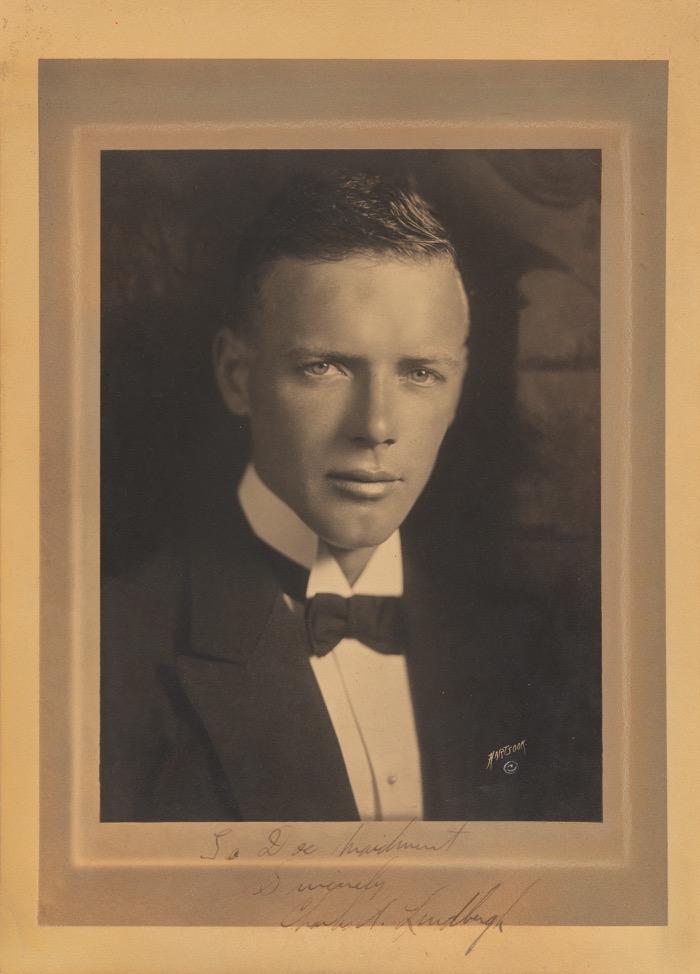
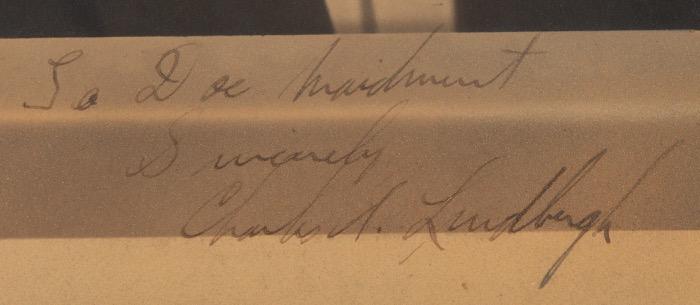
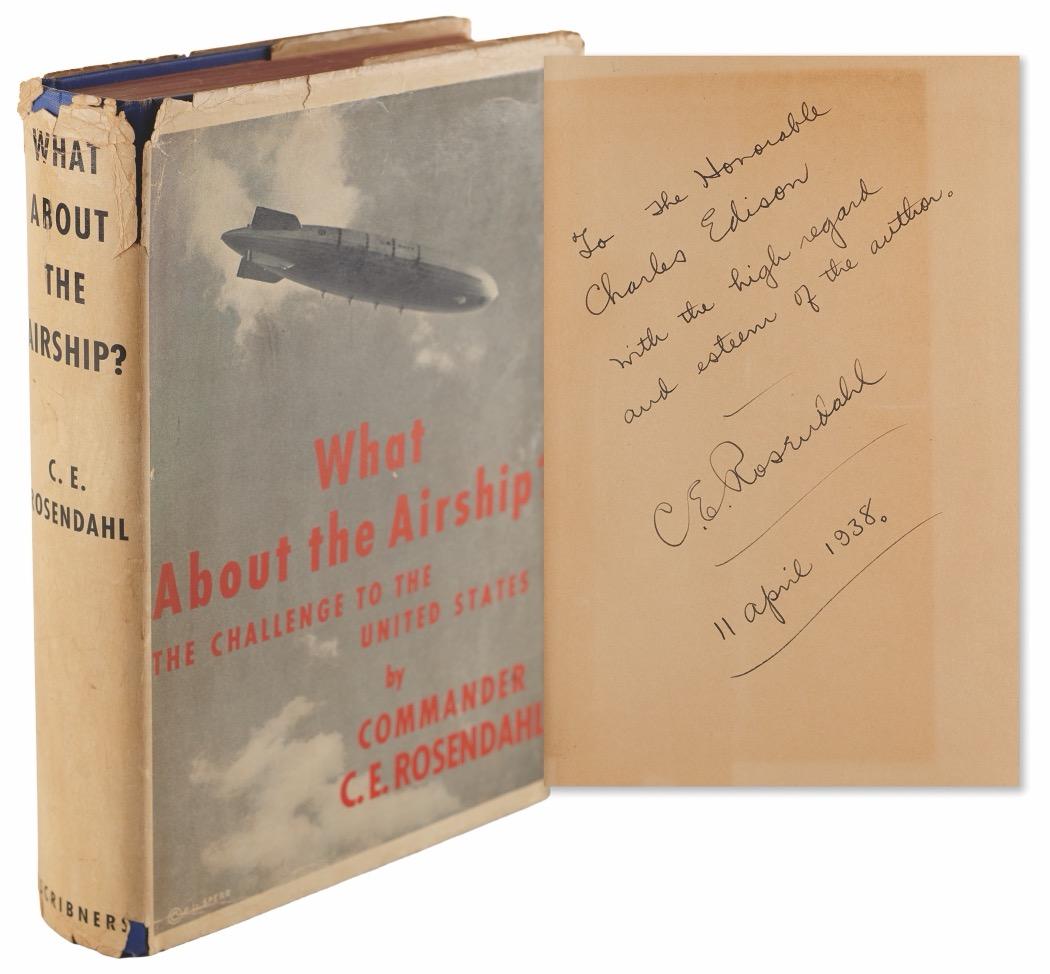
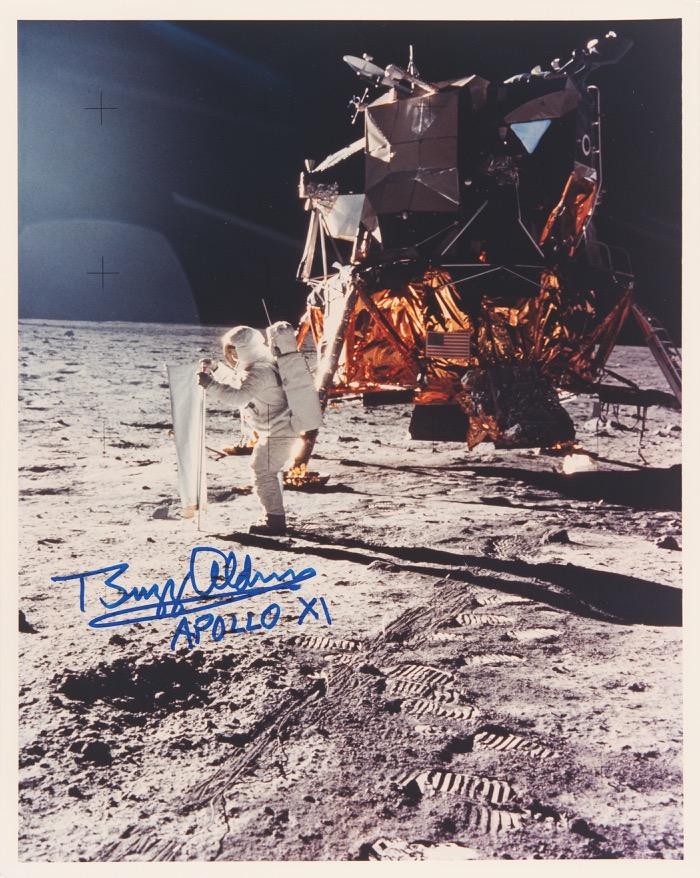
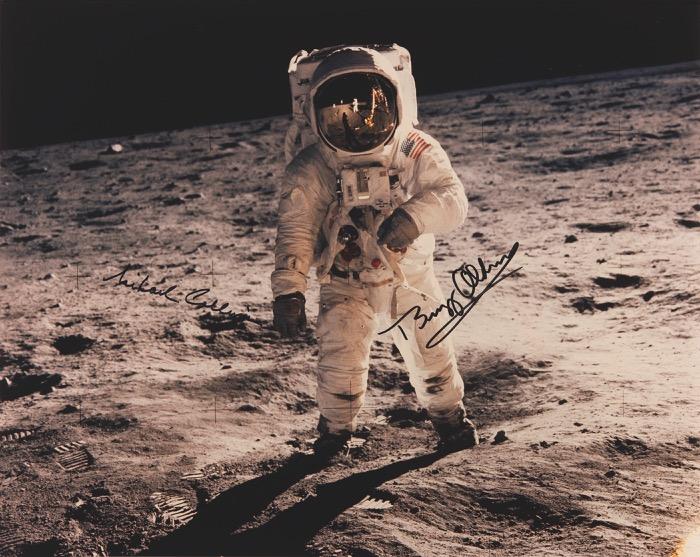
200.
and Michael
Signed Oversized Photograph Starting Bid $200
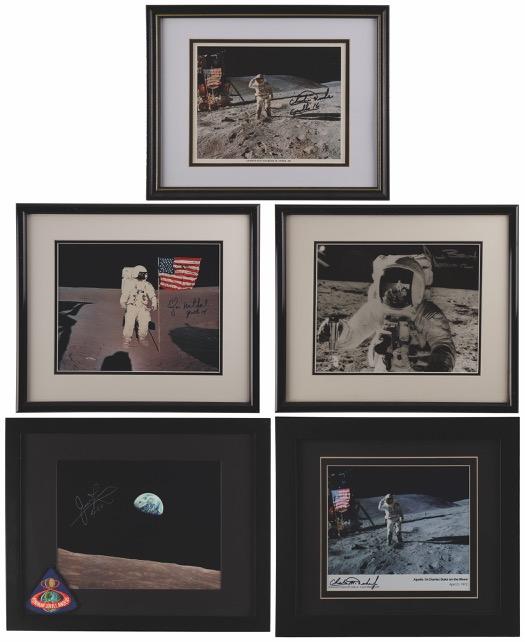
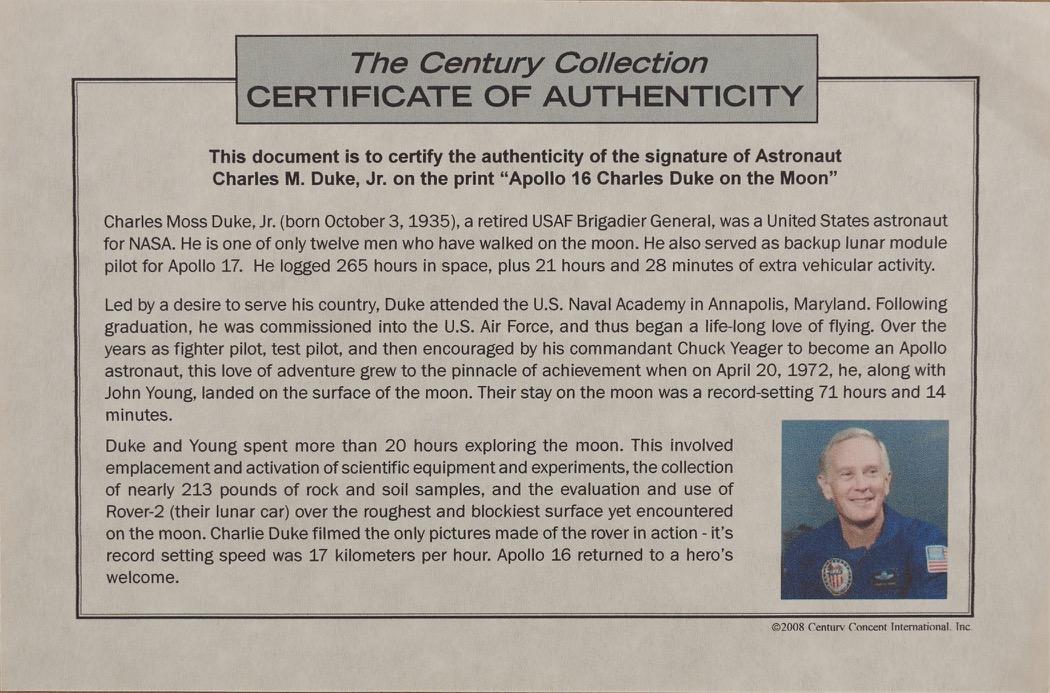
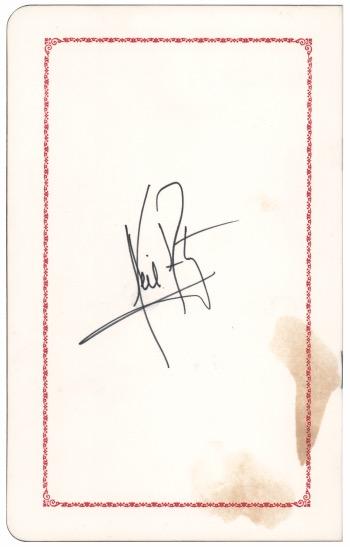
Starting
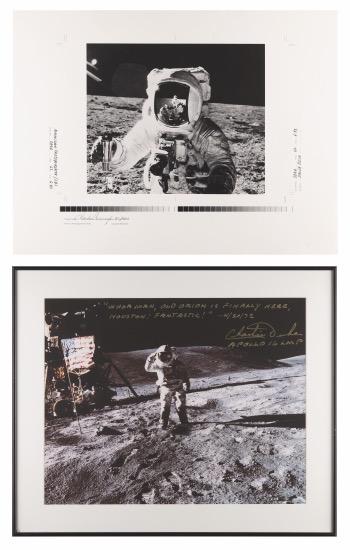
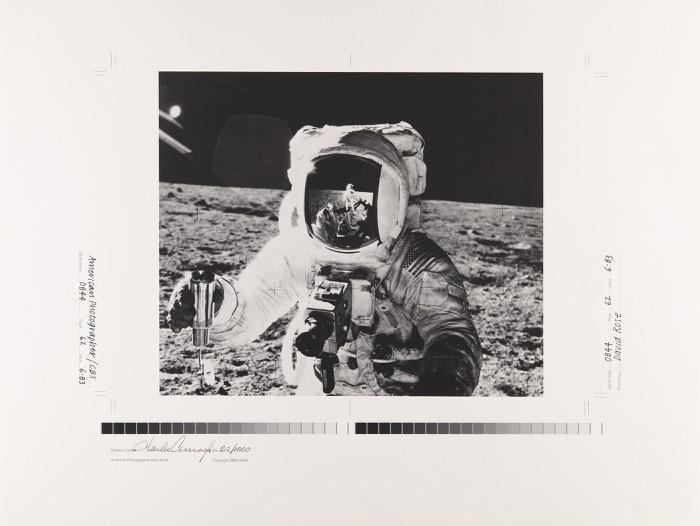
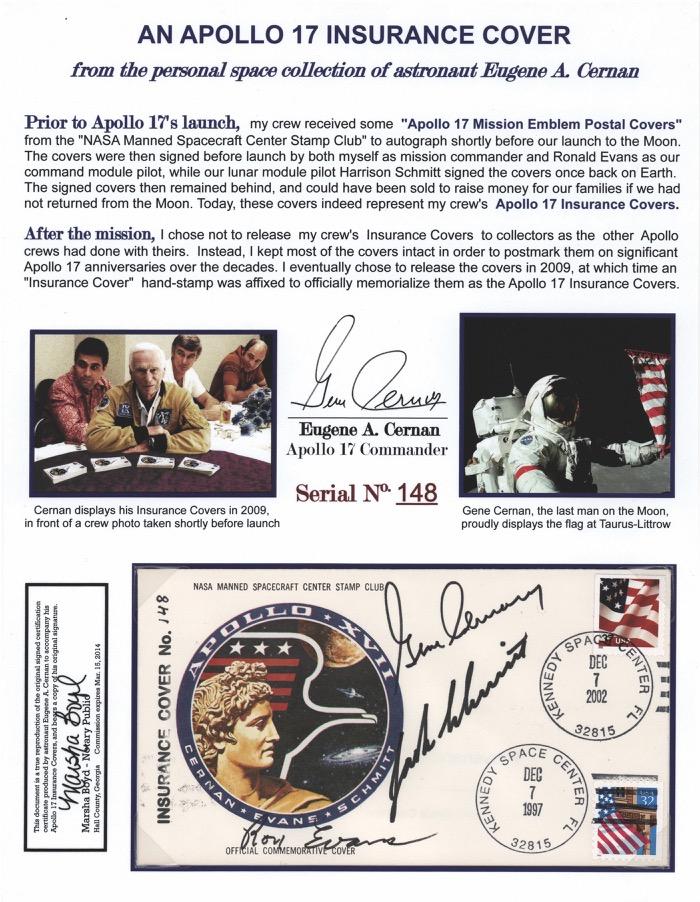
Starting
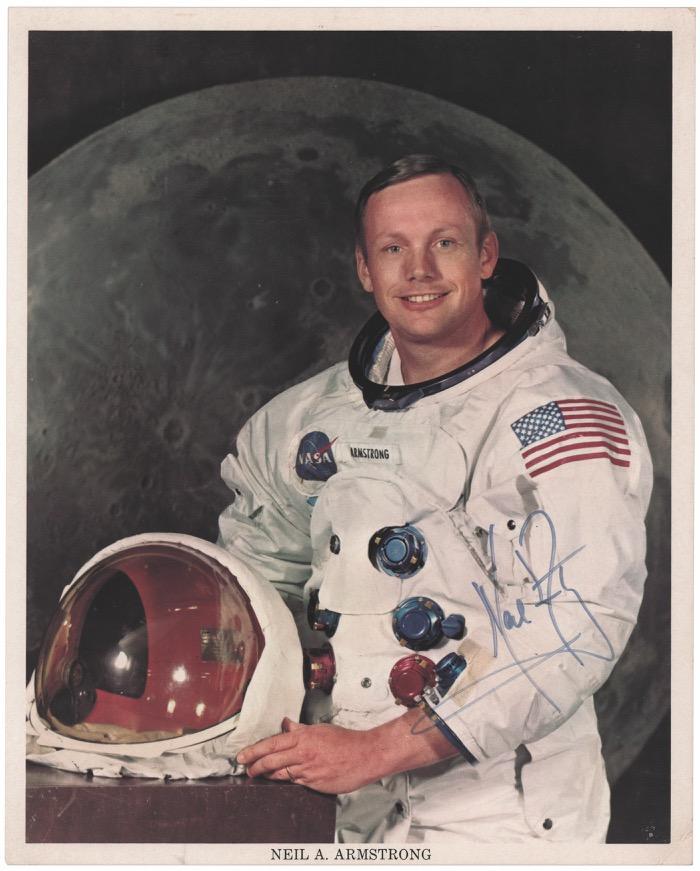
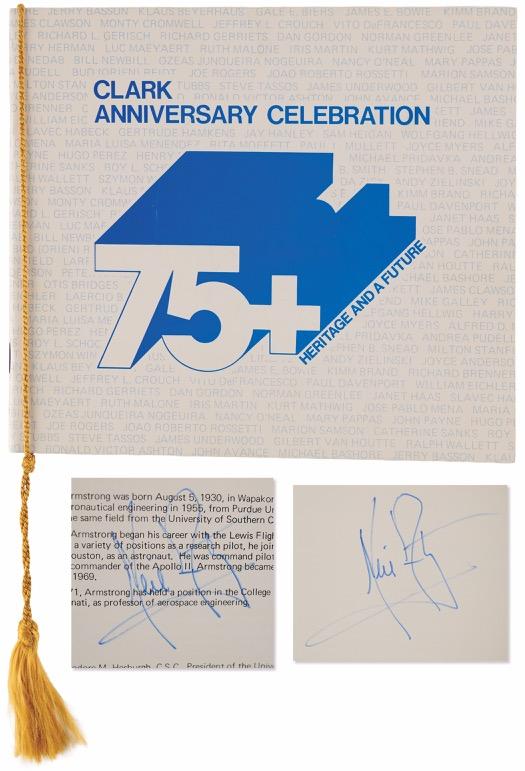
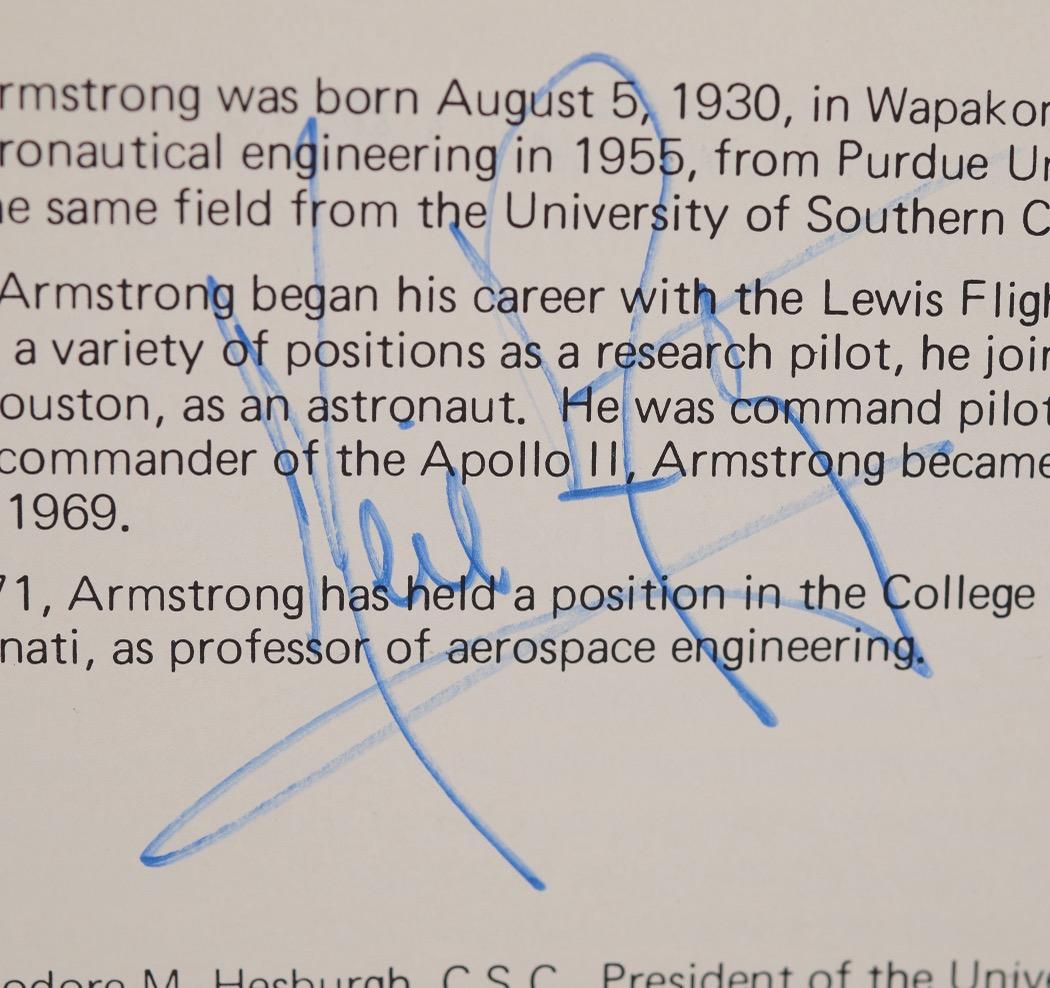
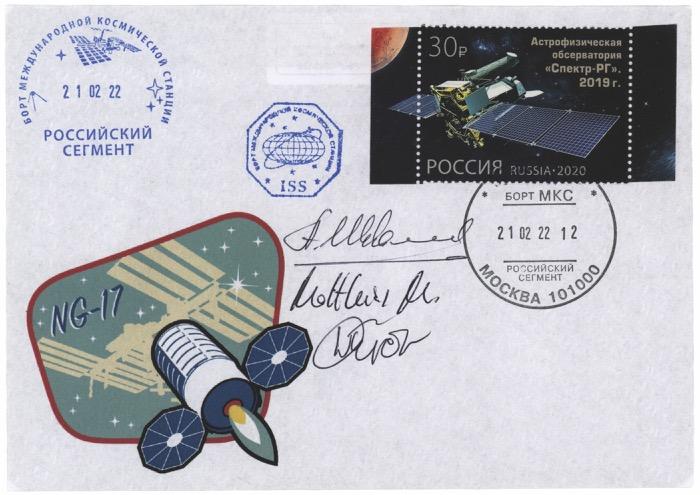

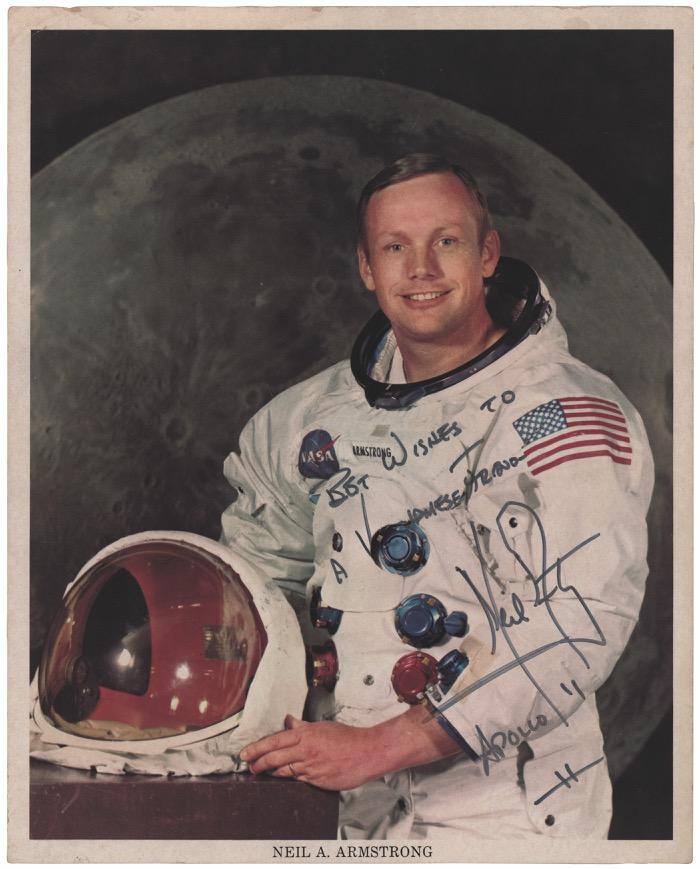
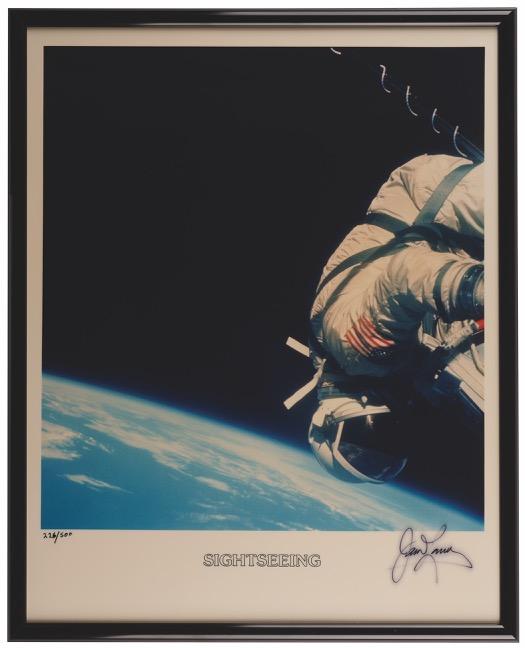
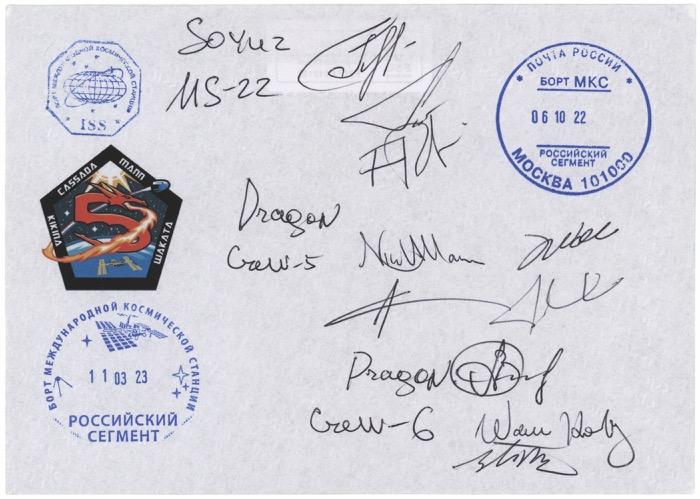
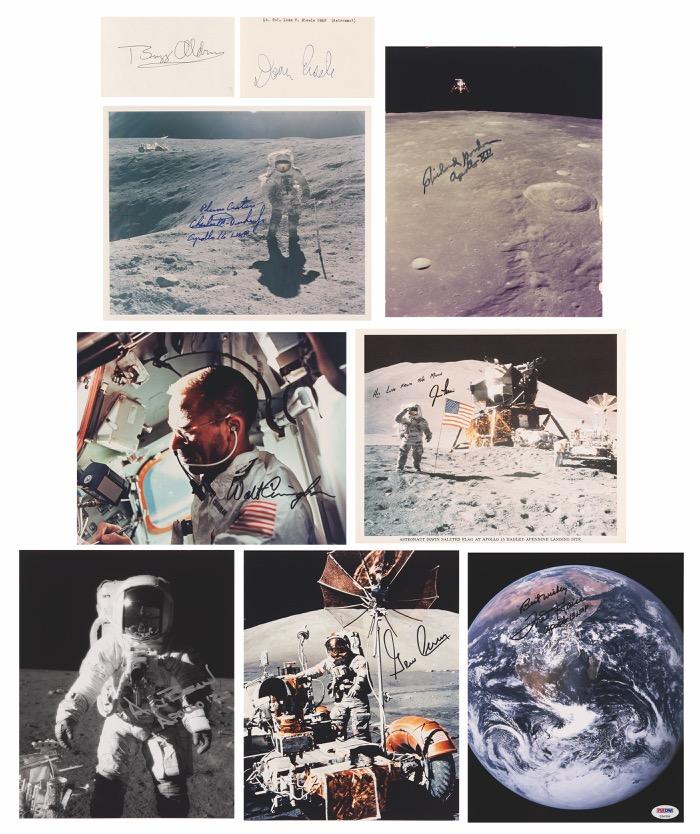
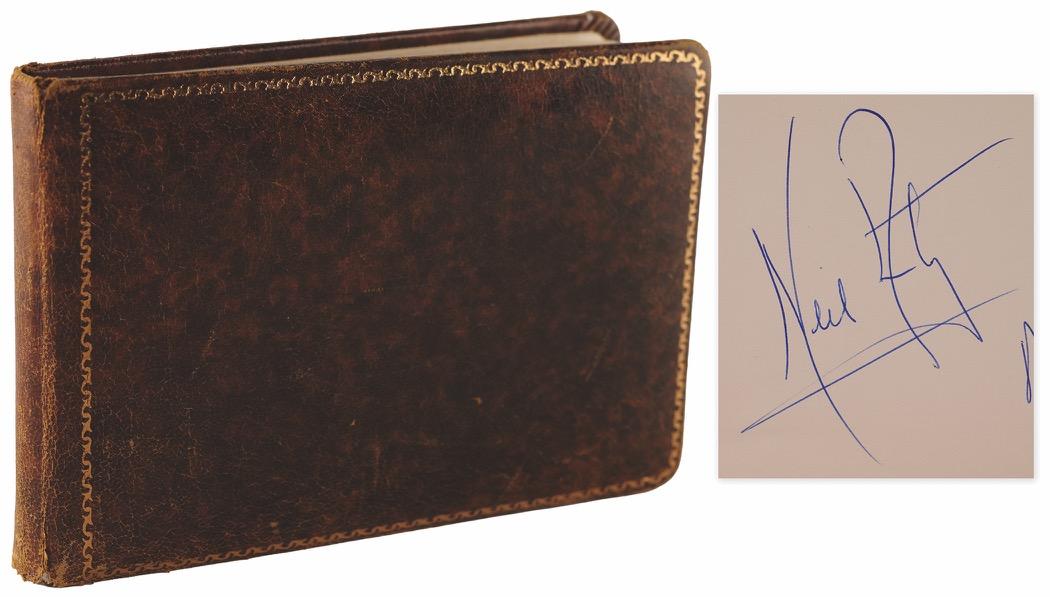
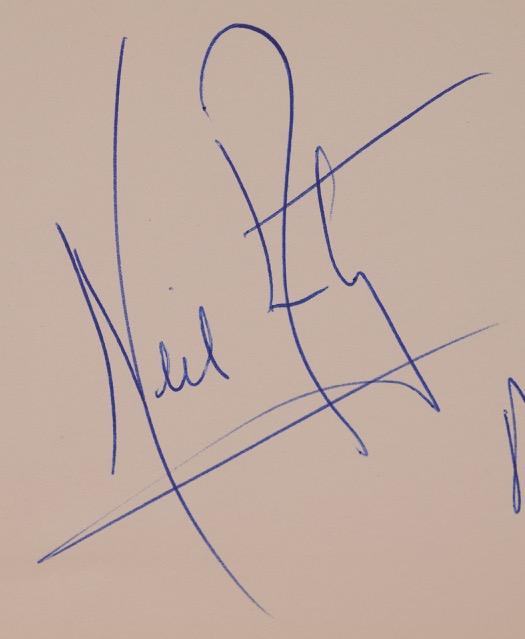
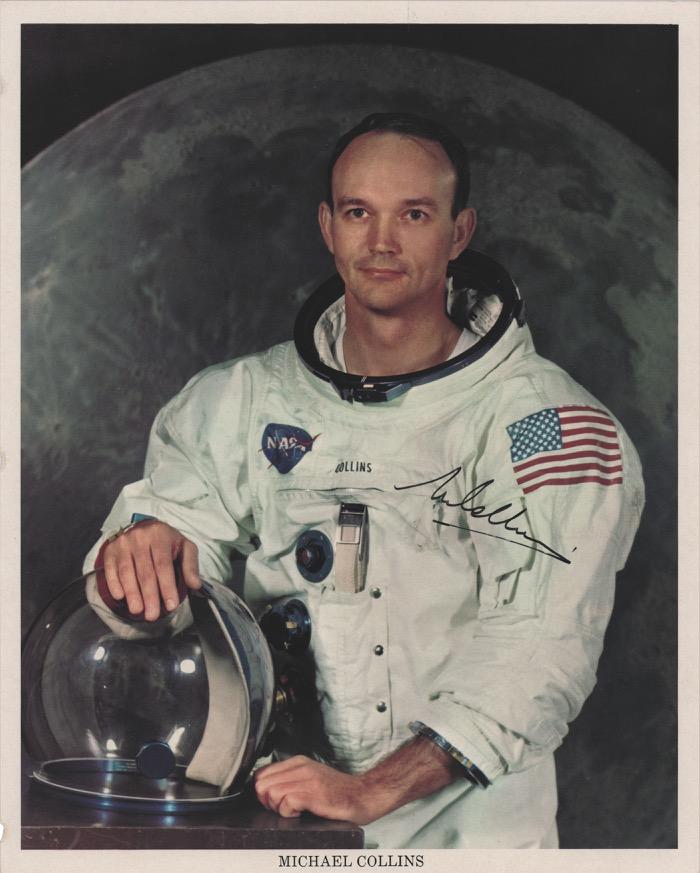
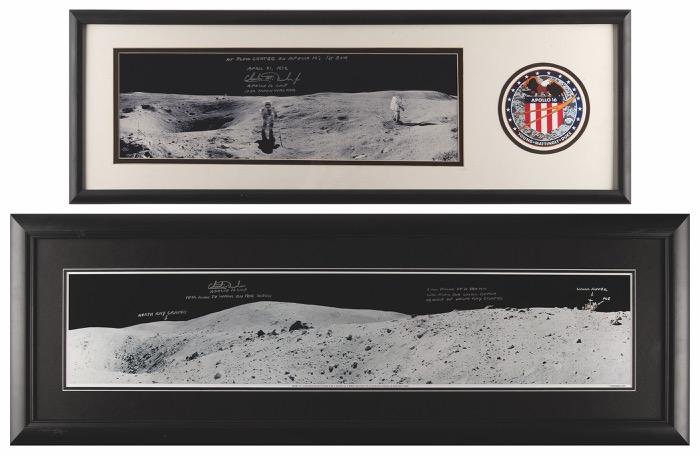
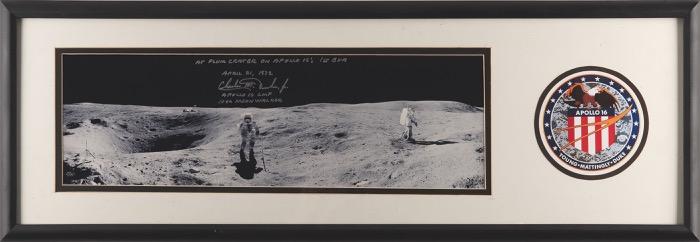
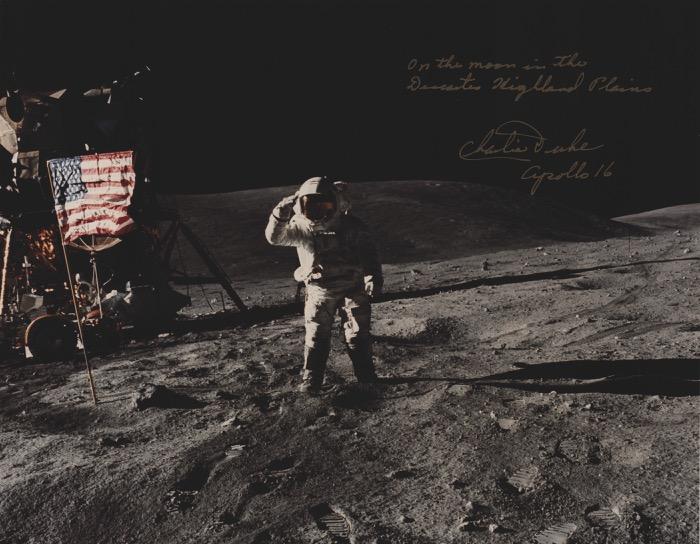
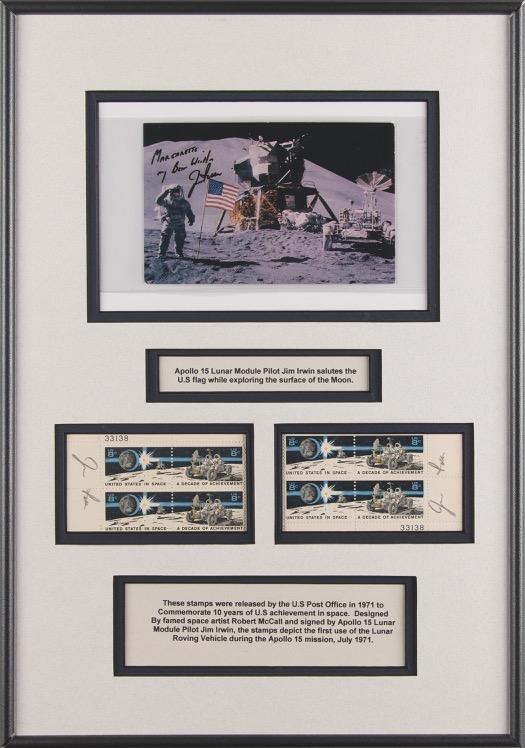
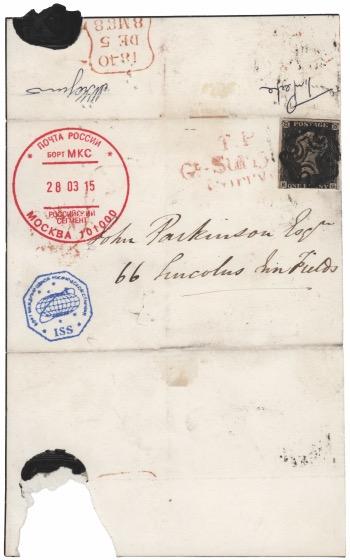
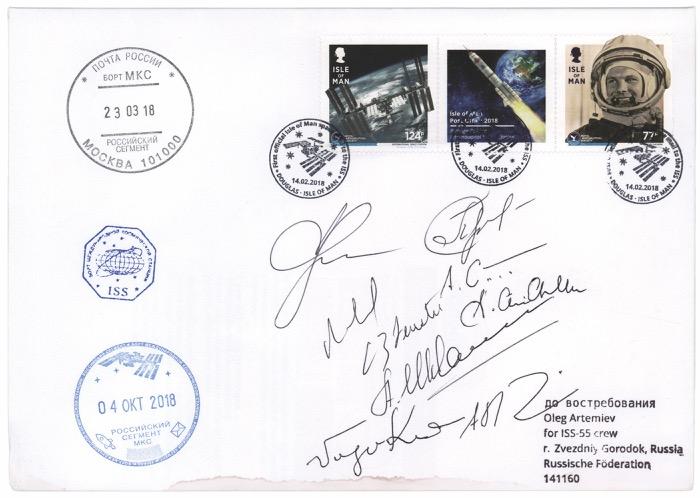
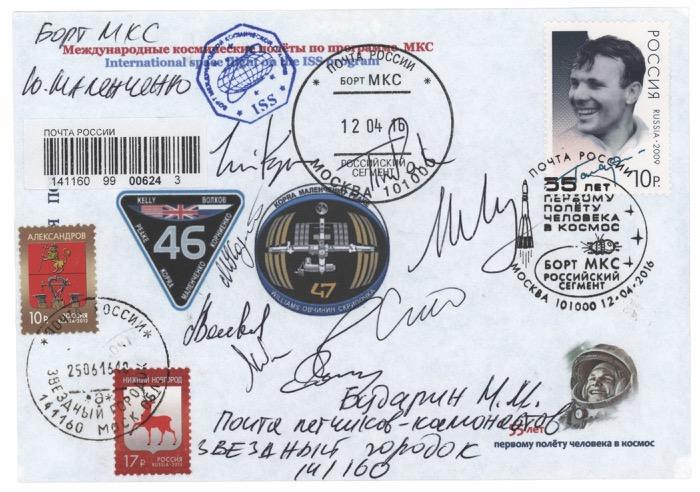
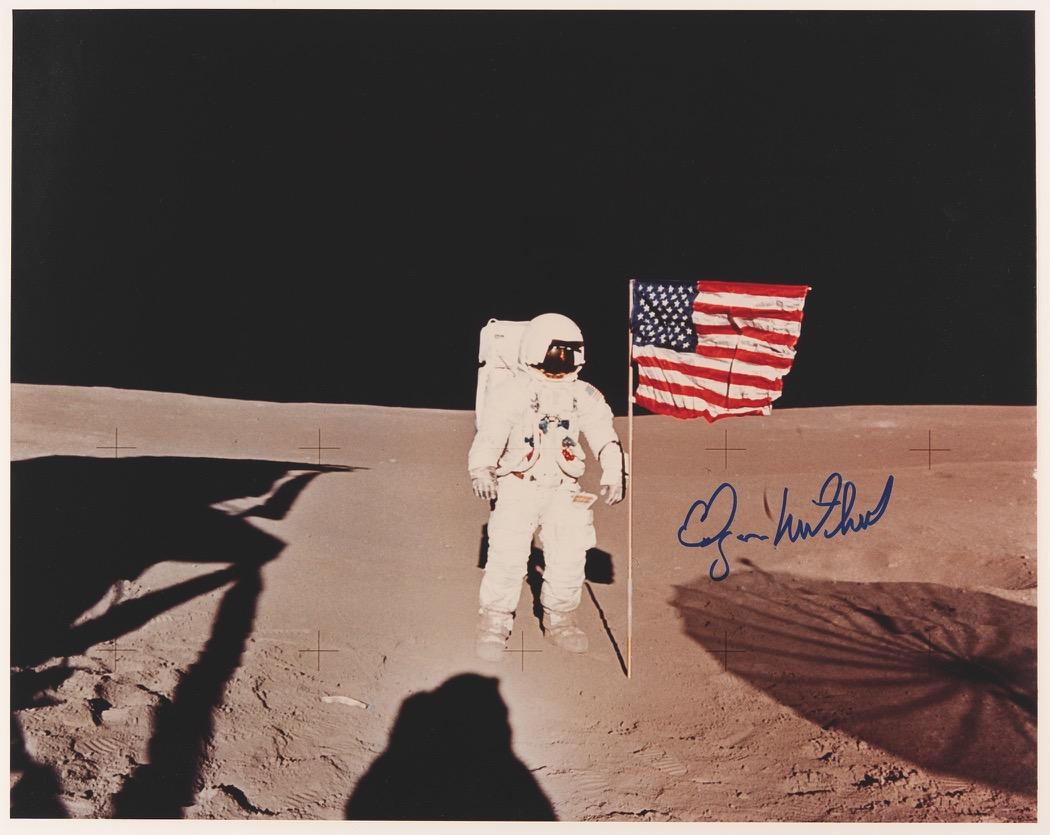
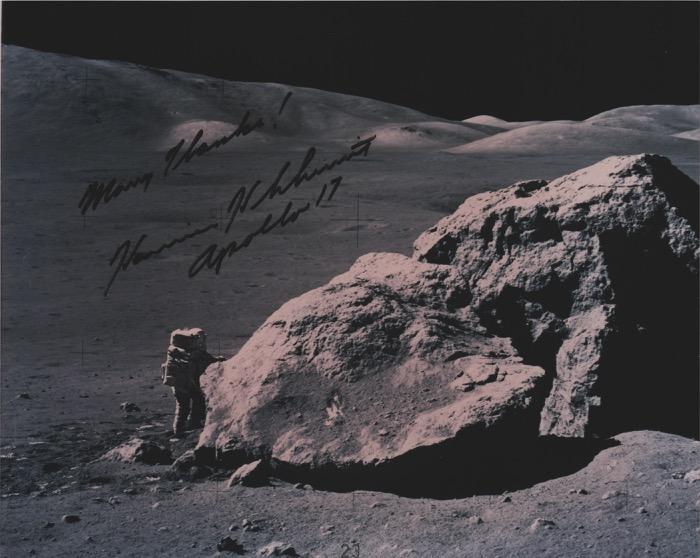
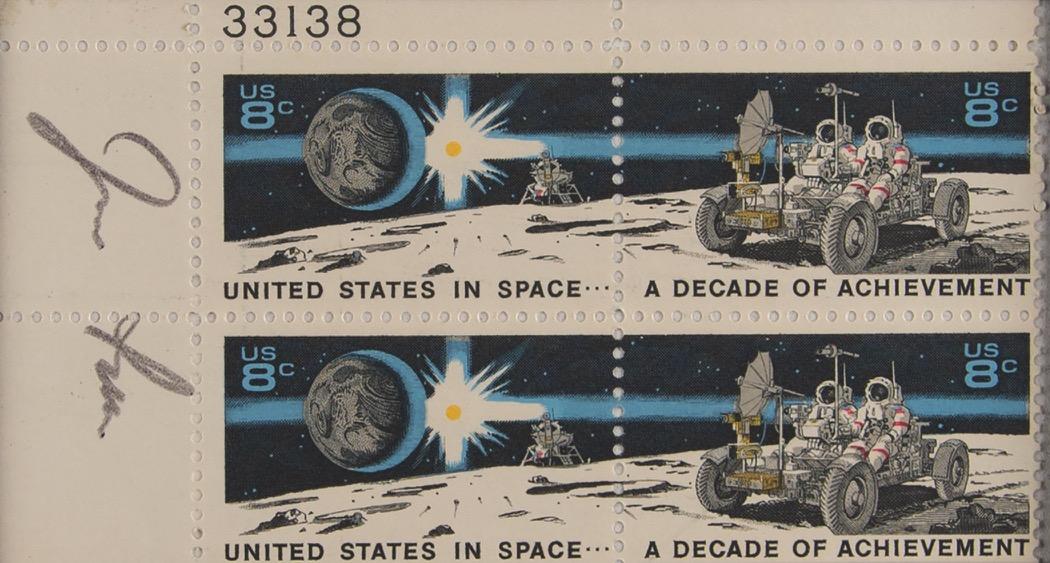
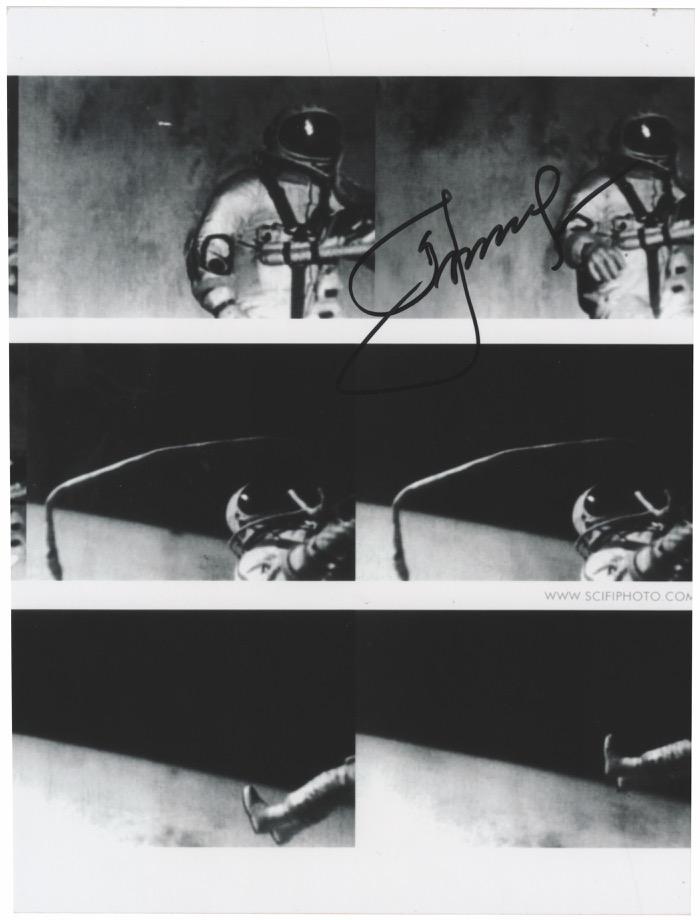
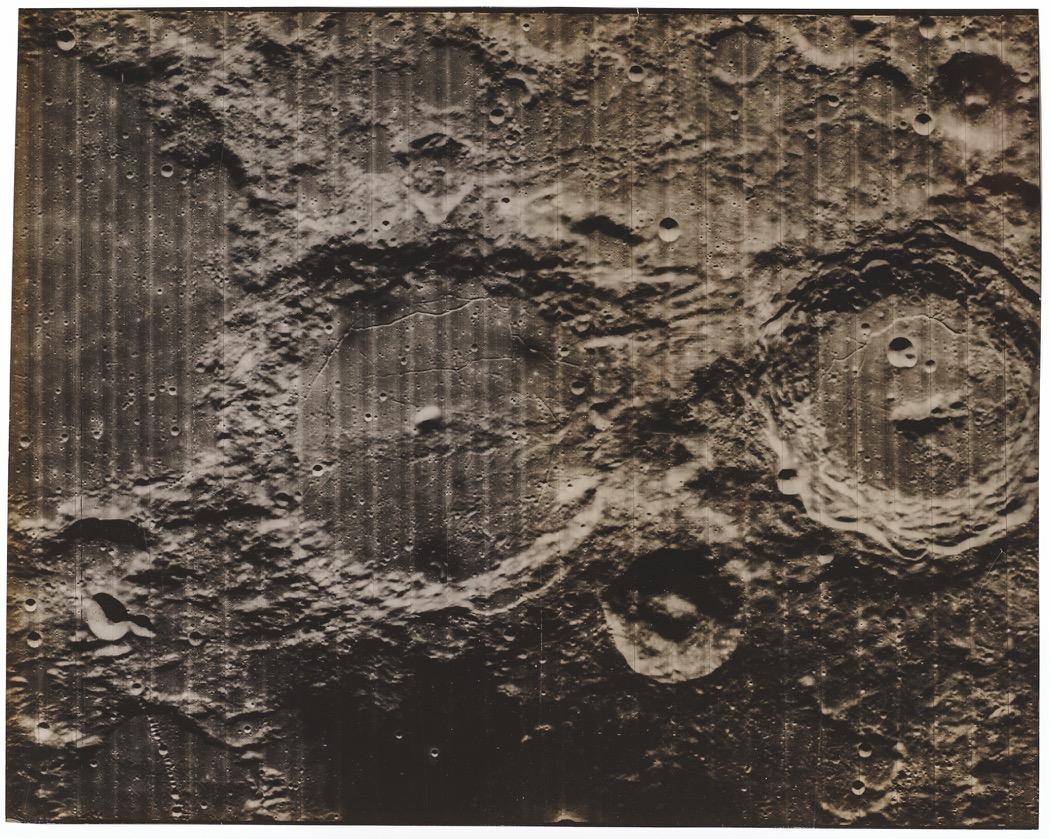
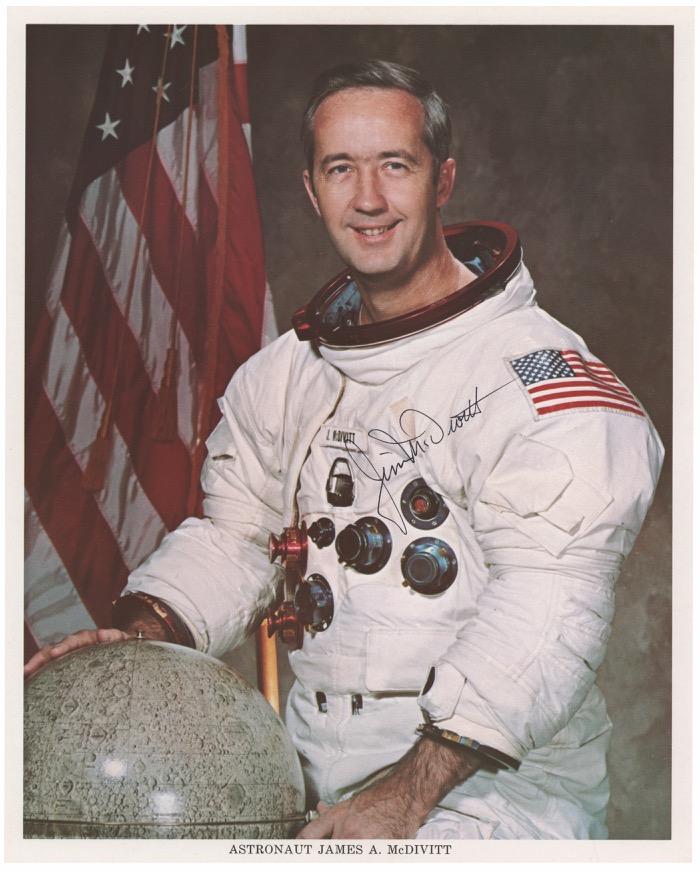
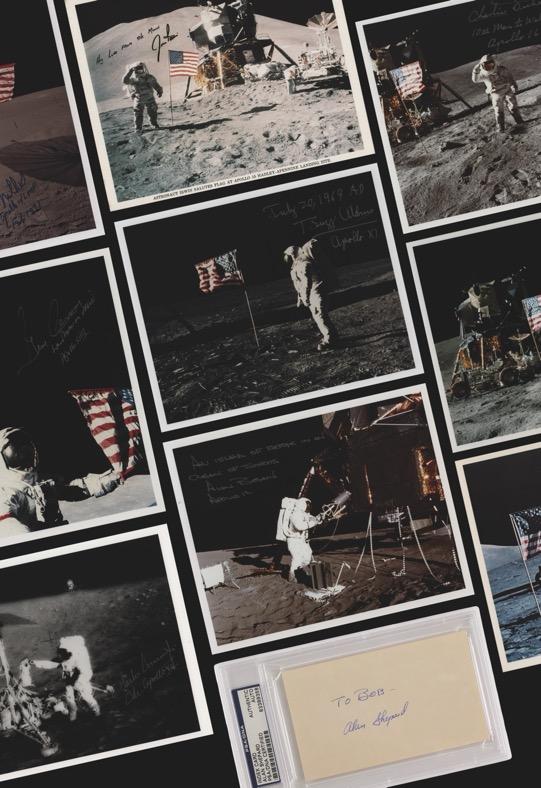
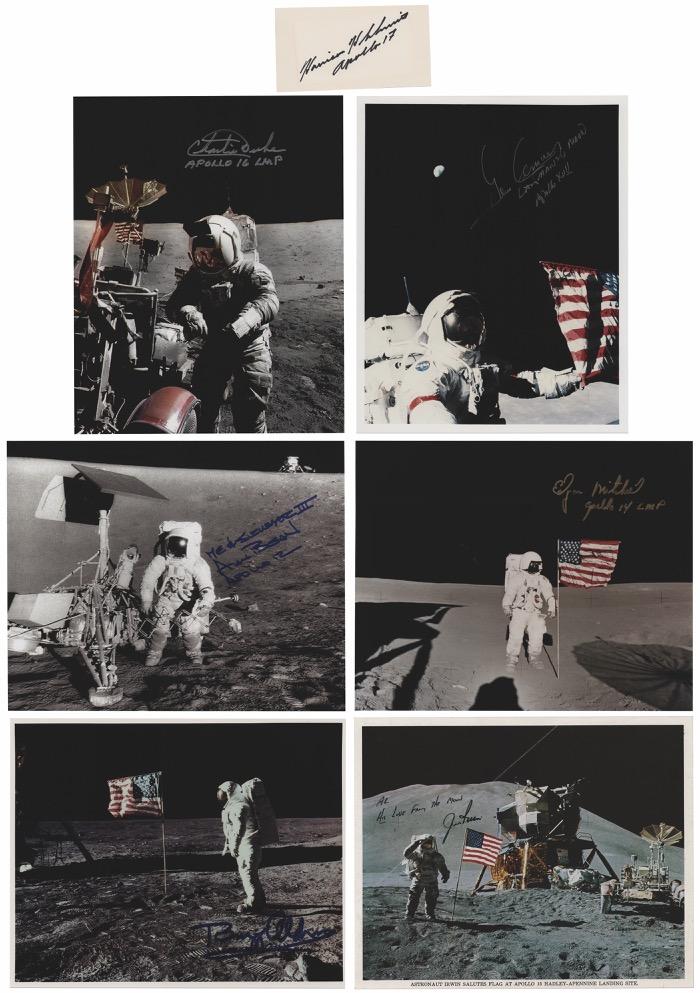
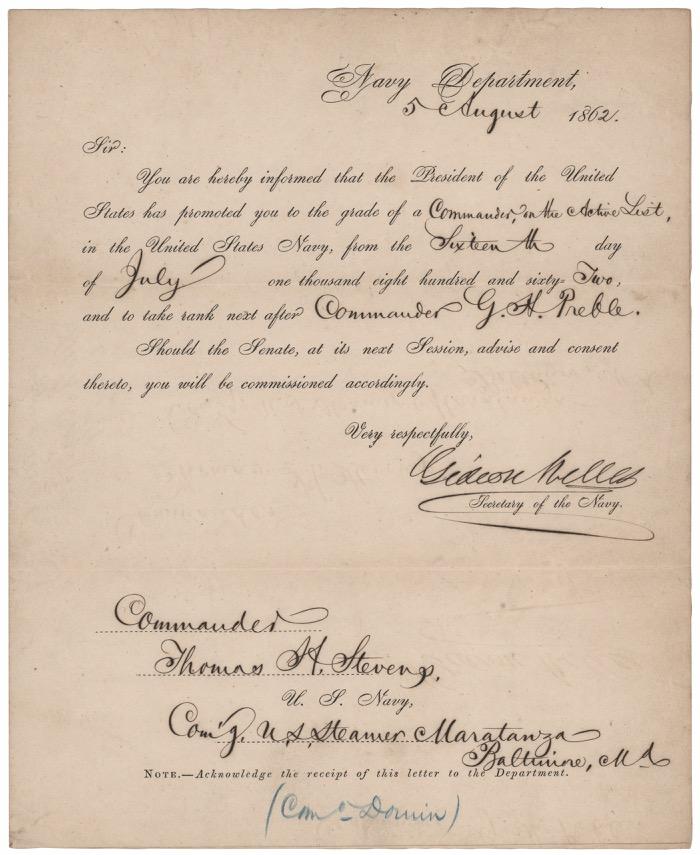
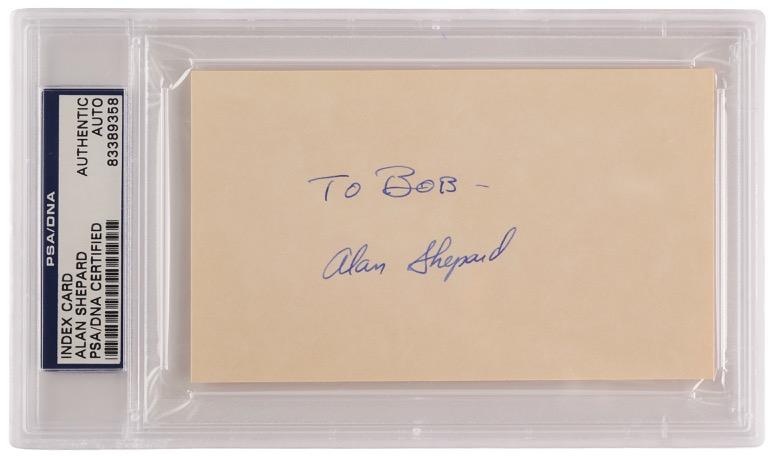
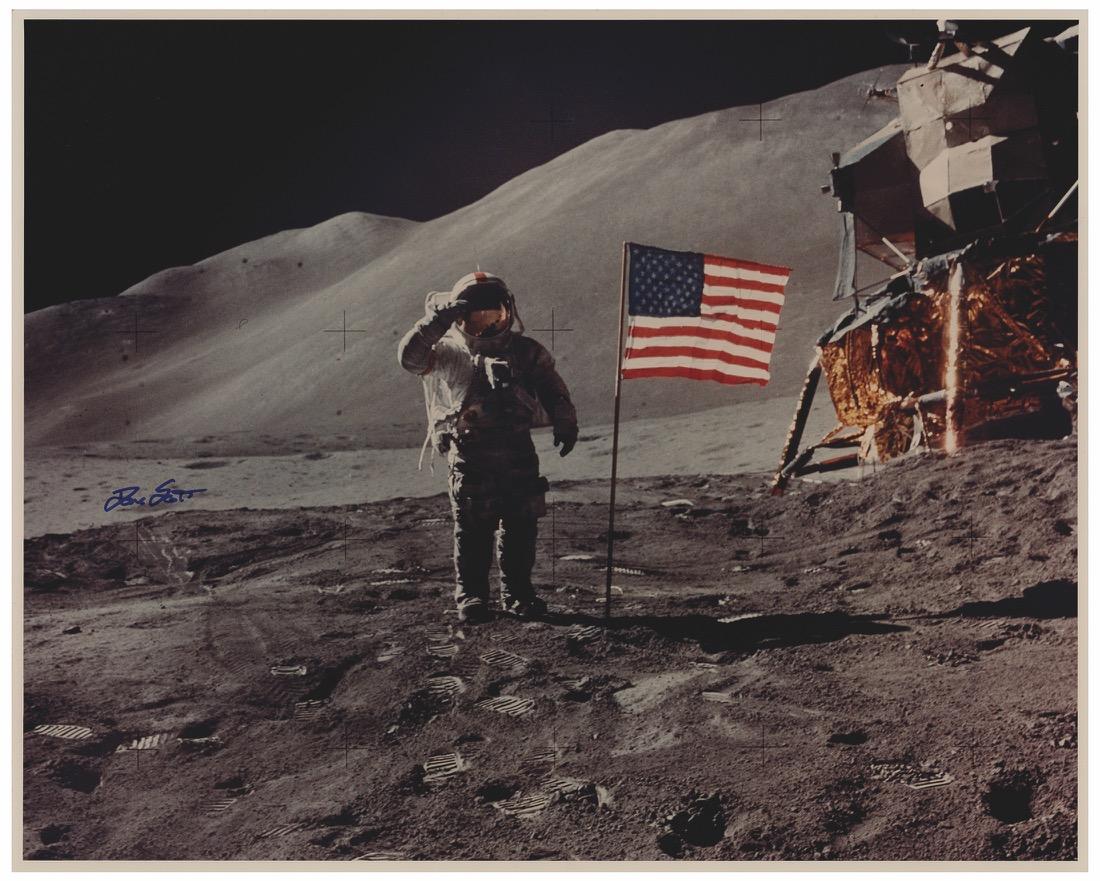
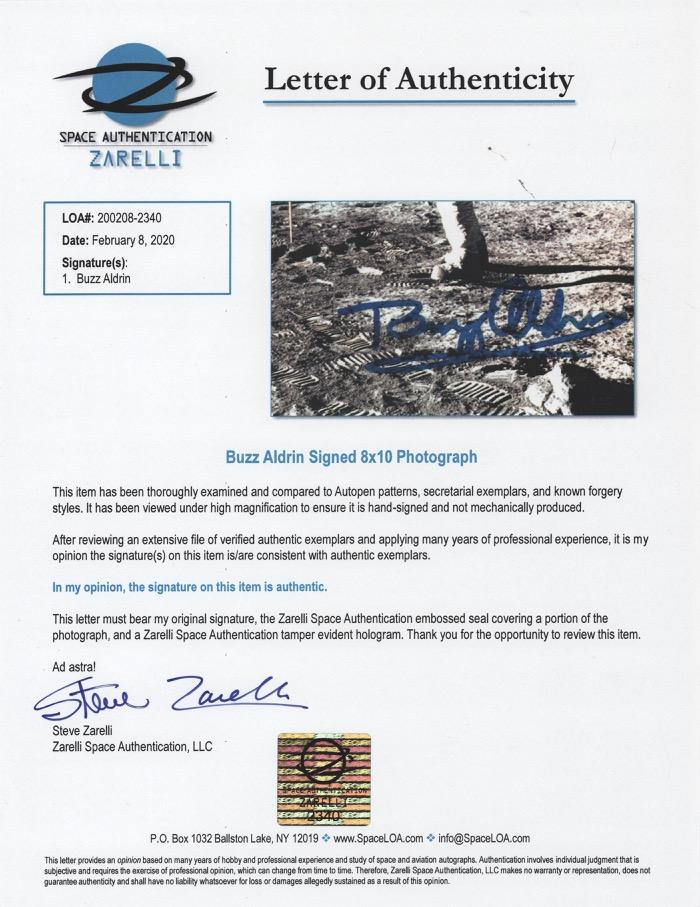
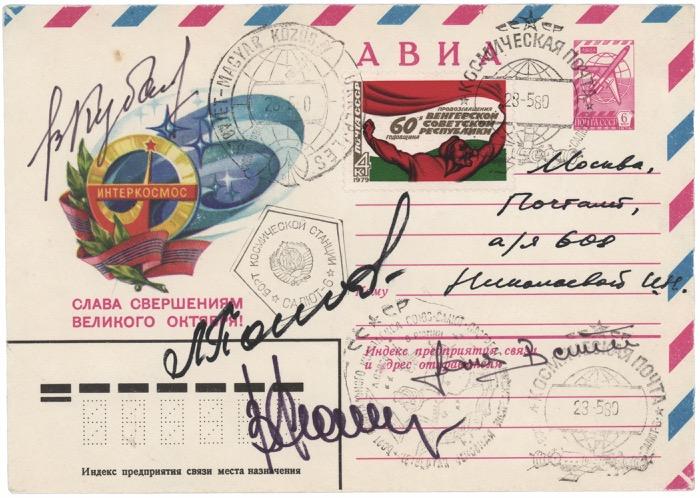
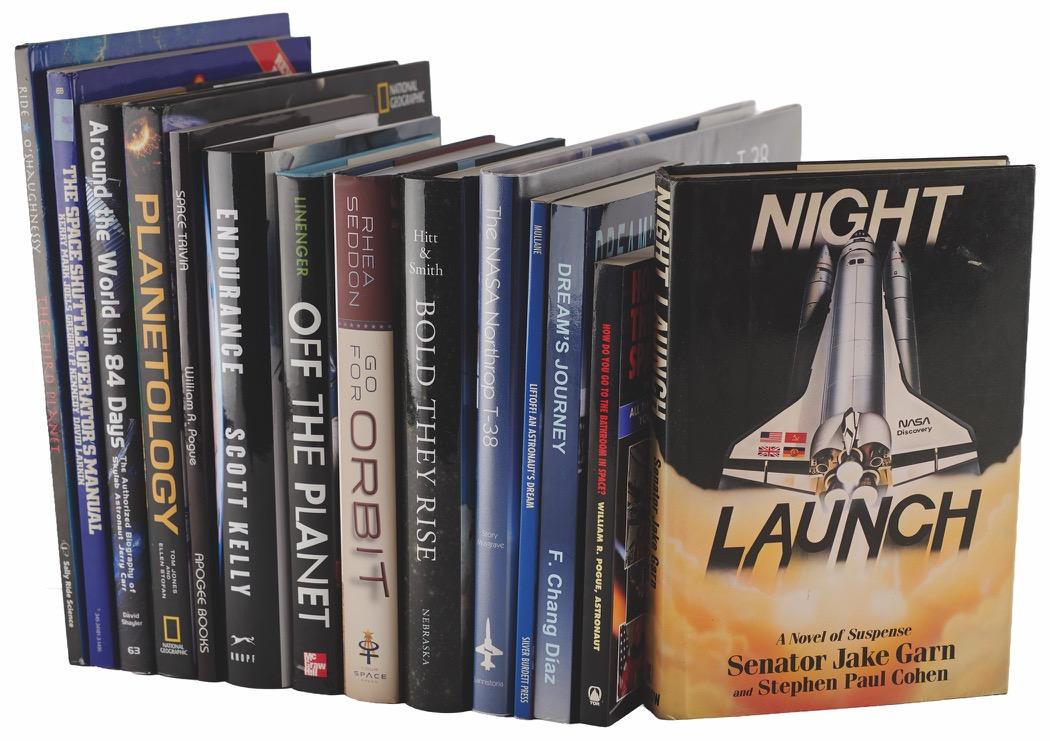
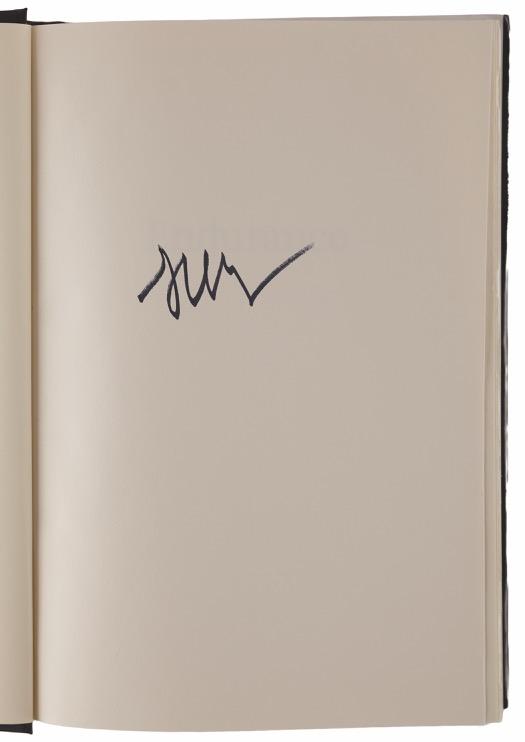
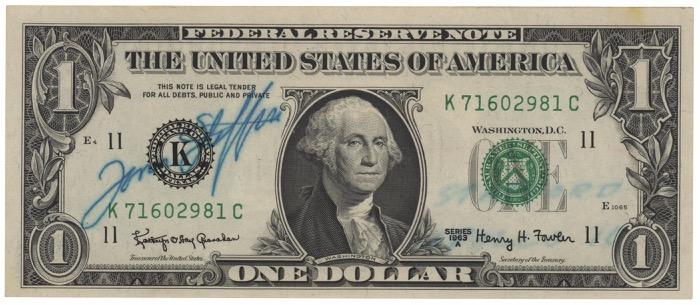
232. Tom Stafford Signed $1 Dollar Bill Starting Bid $200
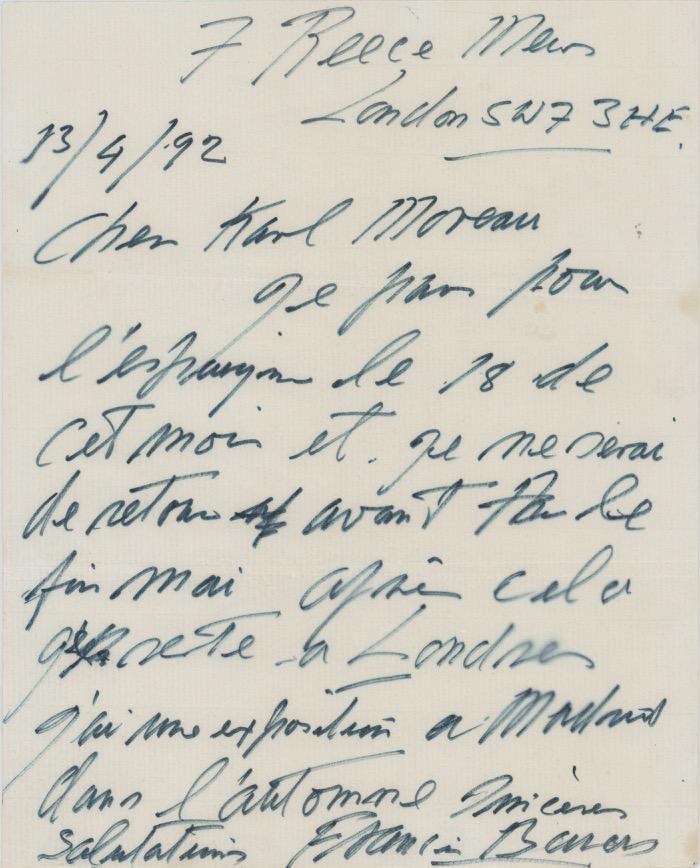
257. Francis Bacon Autograph Letter Signed: "I have an exhibition in M... Starting Bid $200
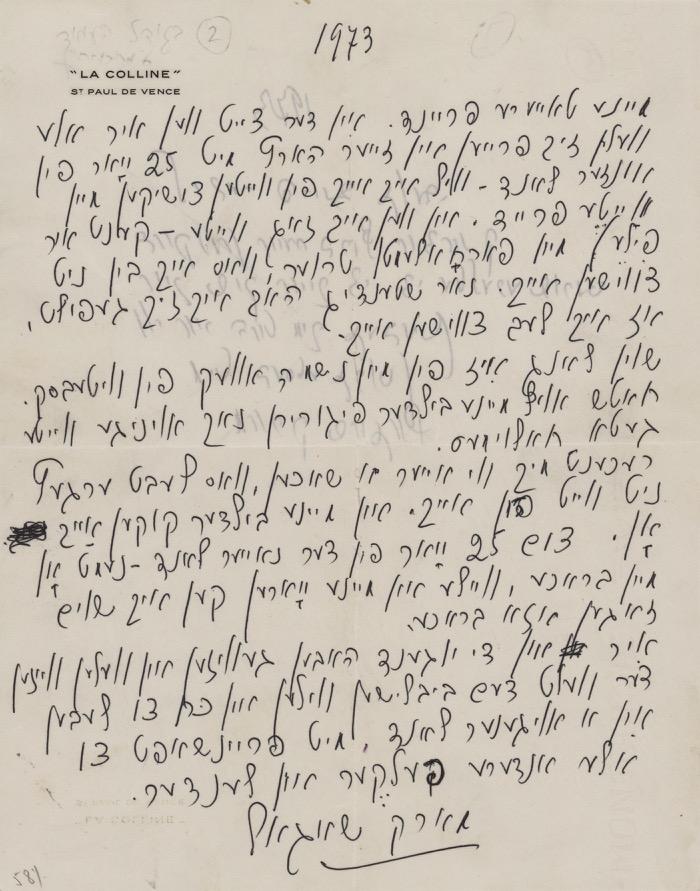
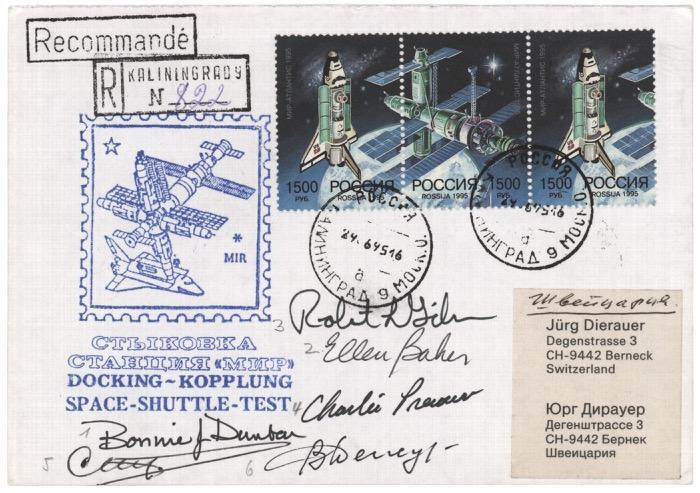
233. STS-71 Crew-Signed Cover Starting Bid $200
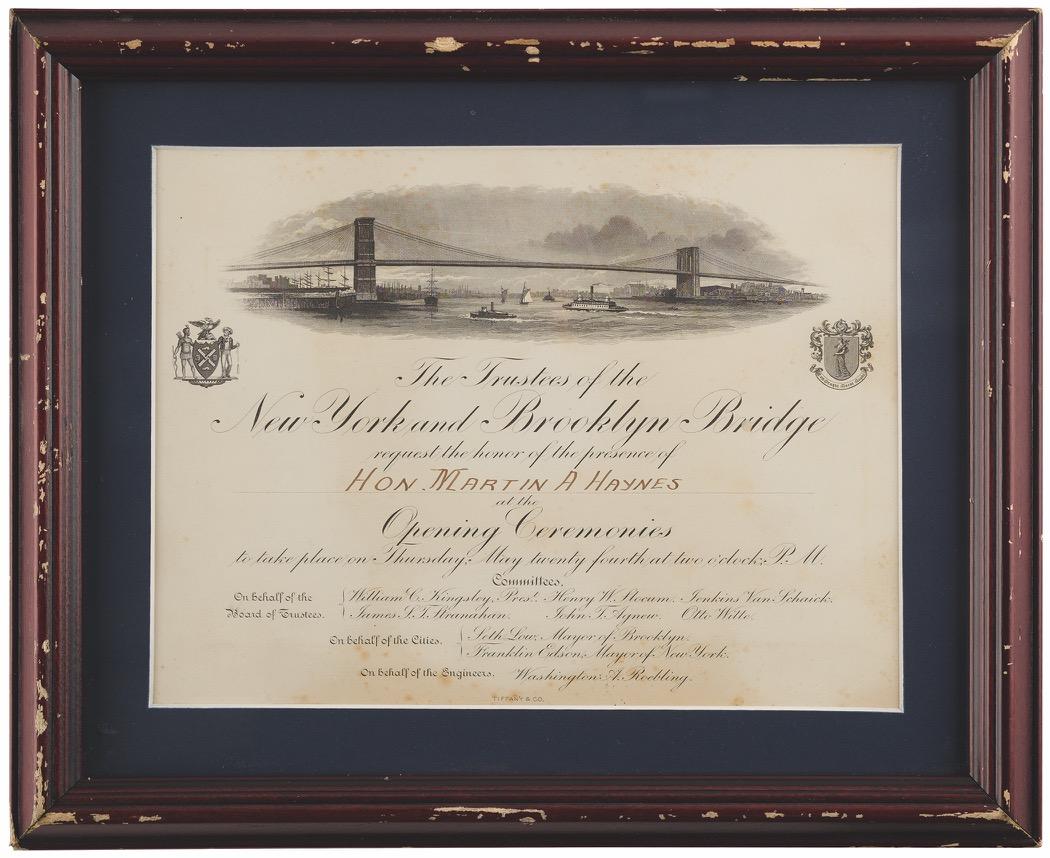
258. Brooklyn Bridge 1883 Opening Ceremonies Invitation Starting Bid $200
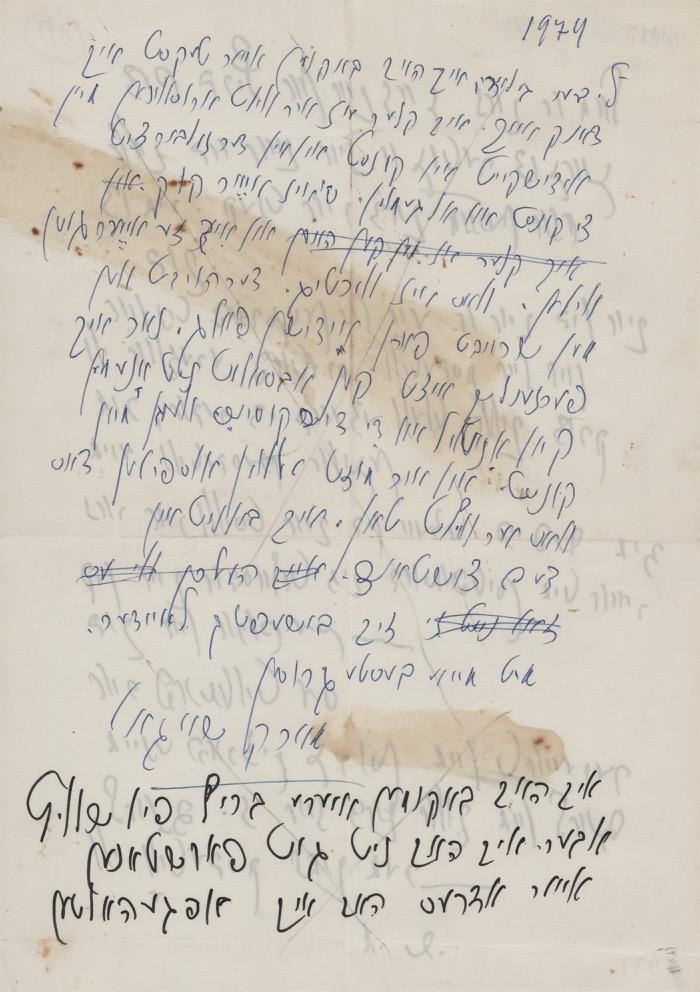
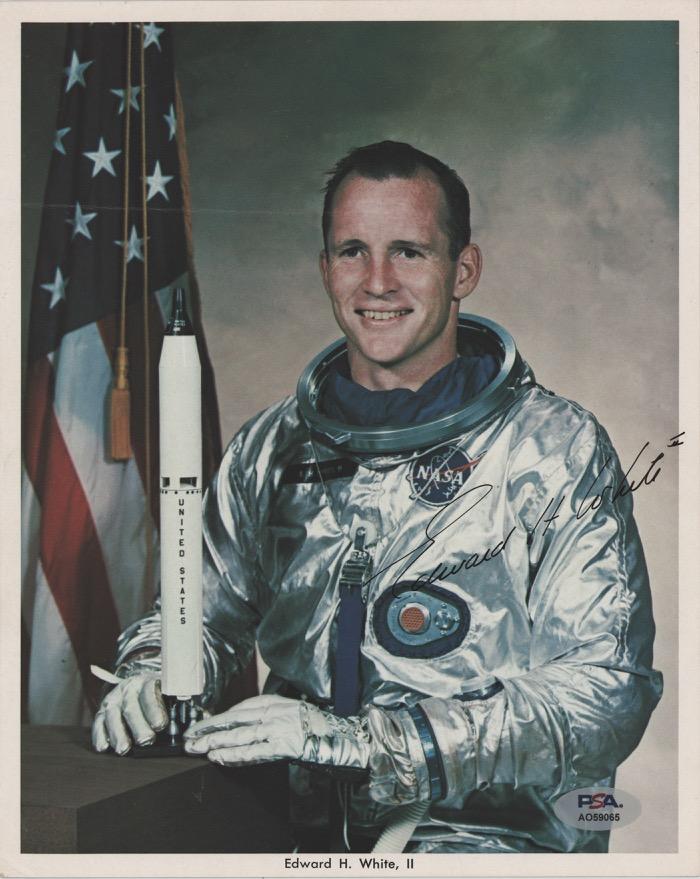
234. Edward H. White II Signed Photograph Starting Bid $200
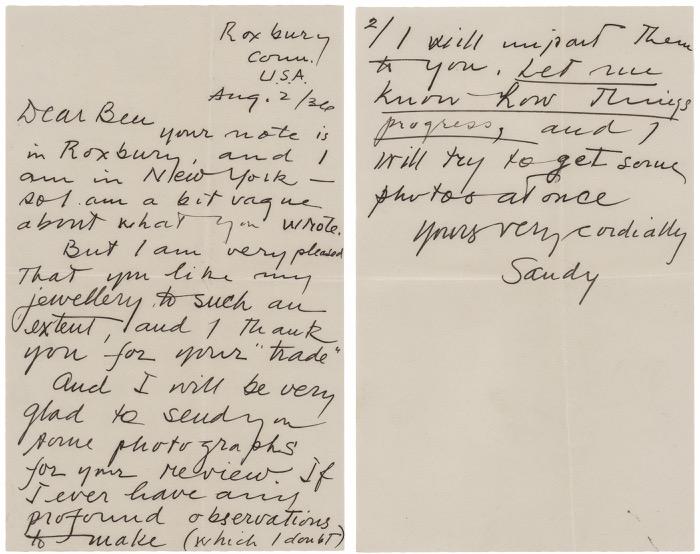
259. Alexander Calder Autograph Letter Signed: "I am very pleased that
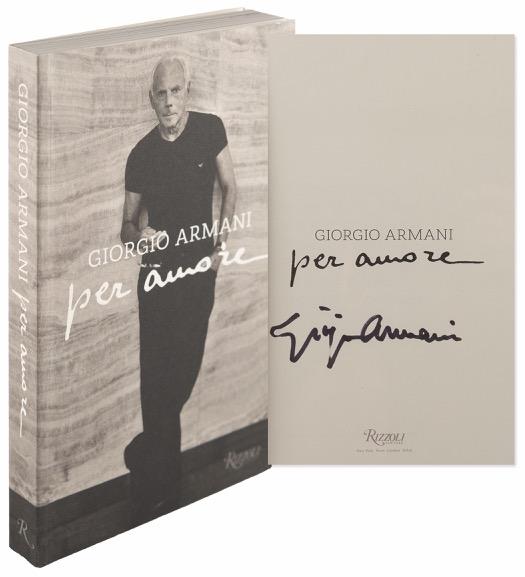
256. Giorgio Armani Signed Book - Per Amore Starting Bid $200
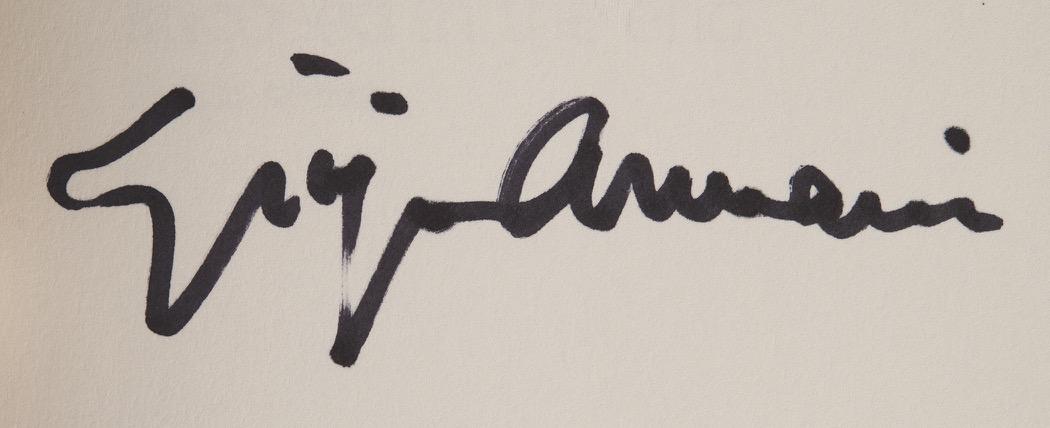
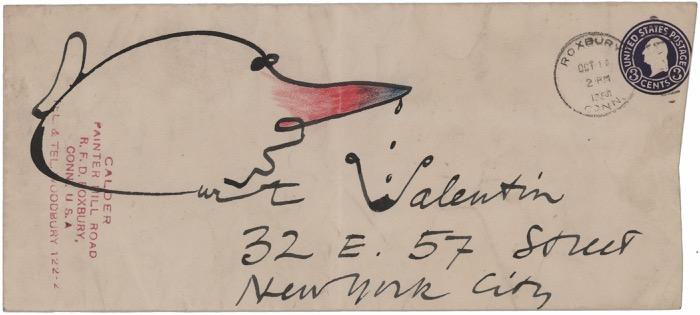
260. Alexander Calder Original Sketch on HandAddressed Envelope Starting Bid $200
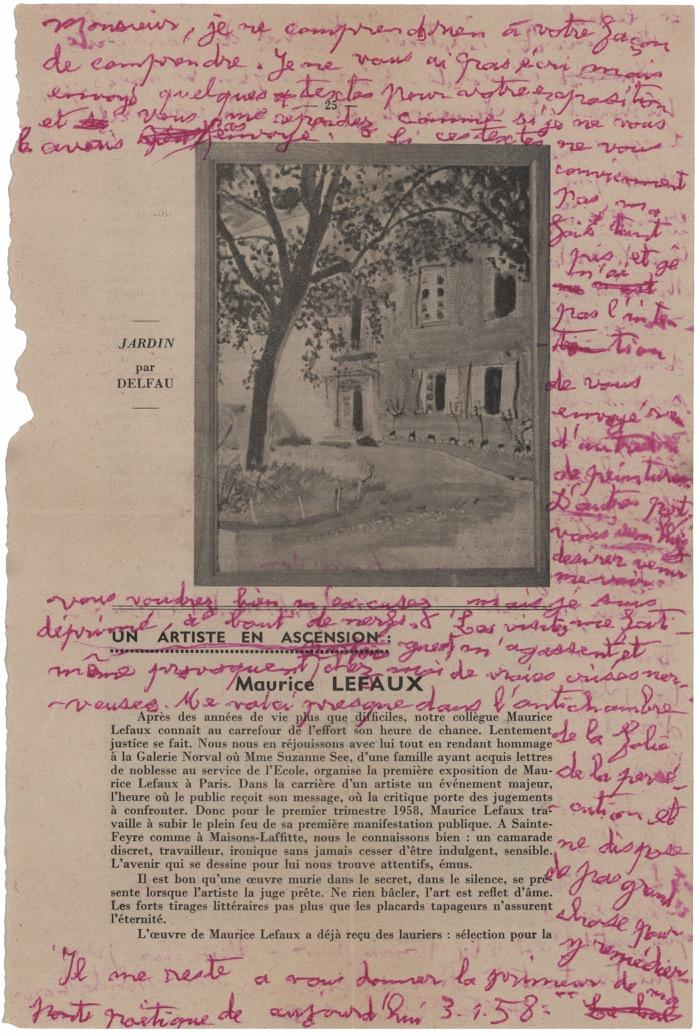
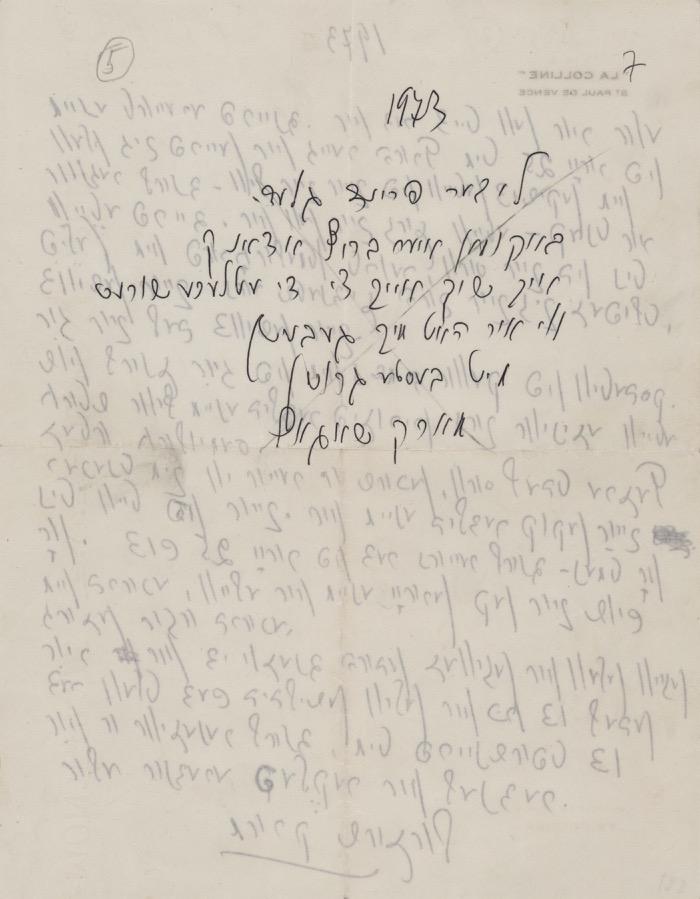
261. Marc Chagall Autograph Letter Signed on Israel's 25th Anniversary
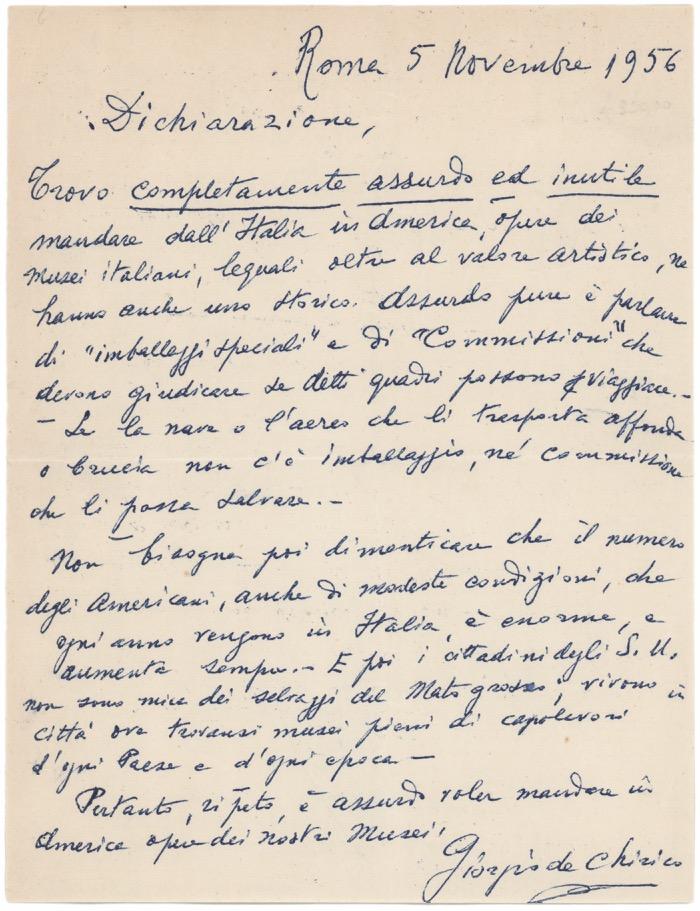
265. Giorgio de Chirico Autograph Letter Signed: "I find it completely... Starting Bid $200
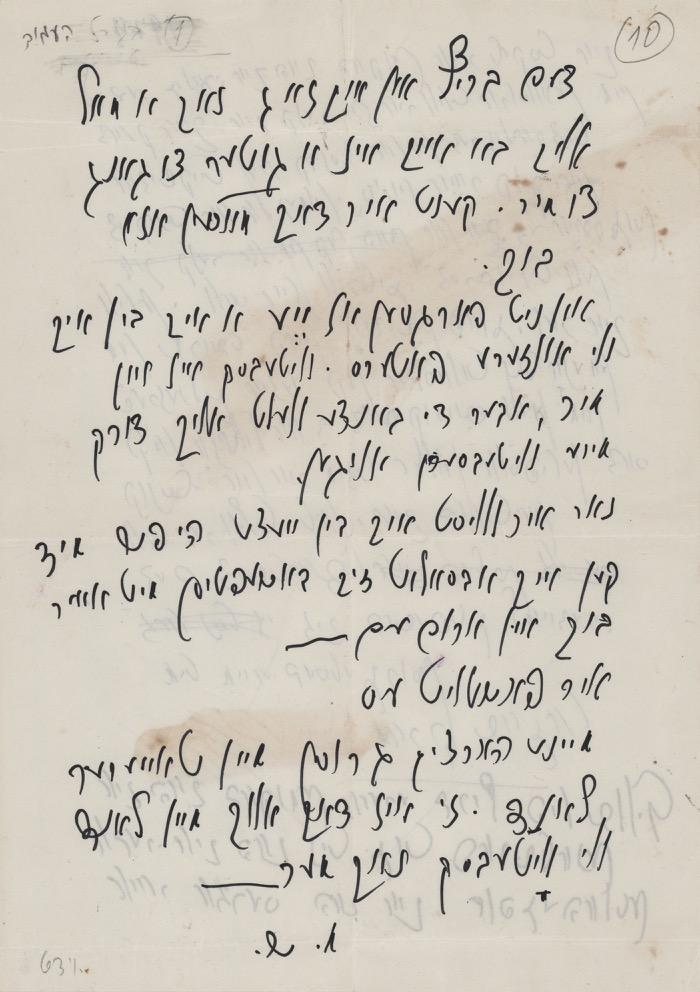
262. Marc Chagall Autograph Letter Signed: "I hope you will discover m...
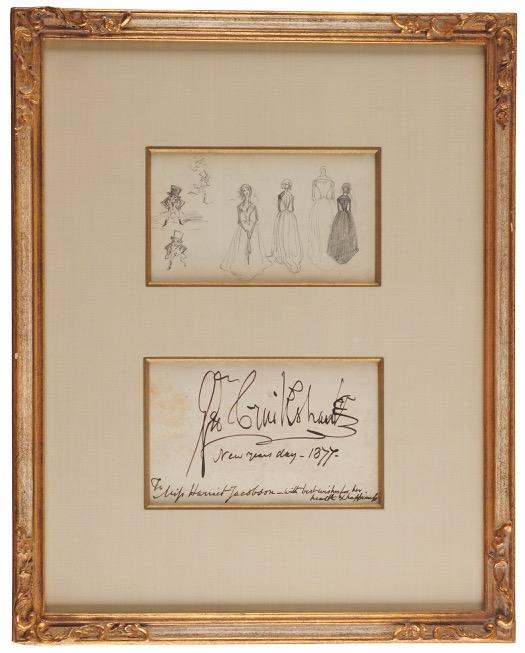
266. George Cruikshank Signature and Sketches Starting Bid $200
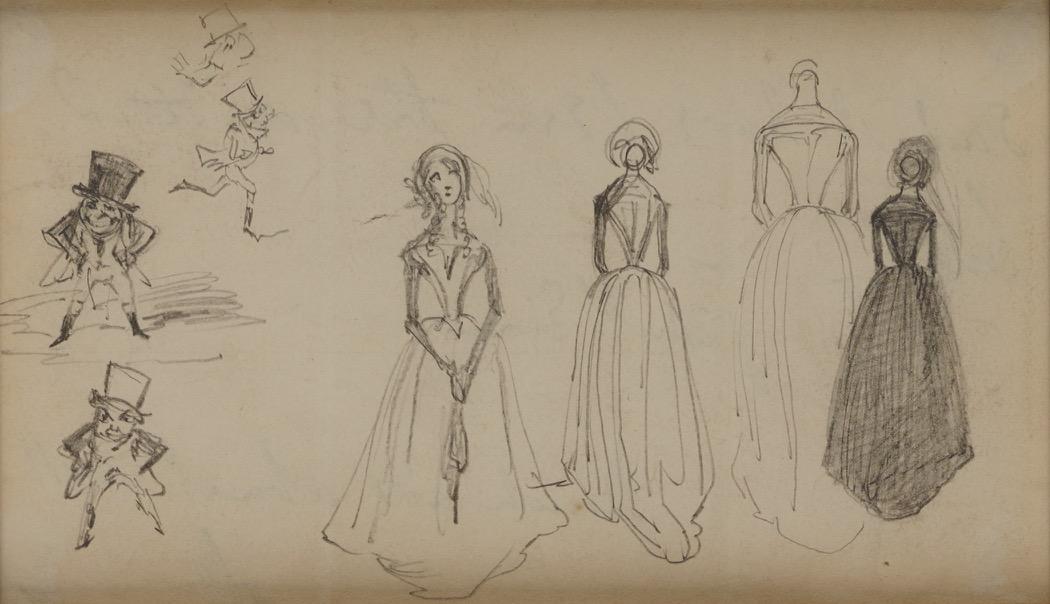
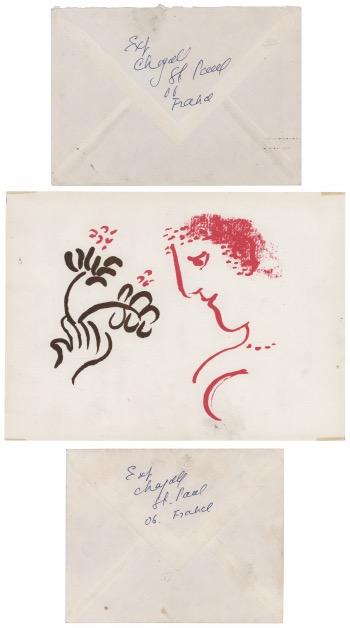
263. Marc Chagall Autograph Letter Signed and (2) Hand-Addressed Starting Bid $200
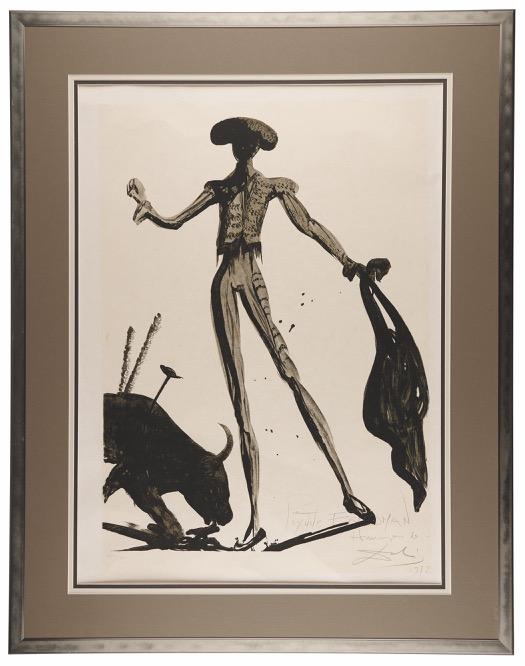
267. Salvador Dali Signed 'Torero Noir’ Lithograph (Ltd. Ed. #43/75) -... Starting Bid $200
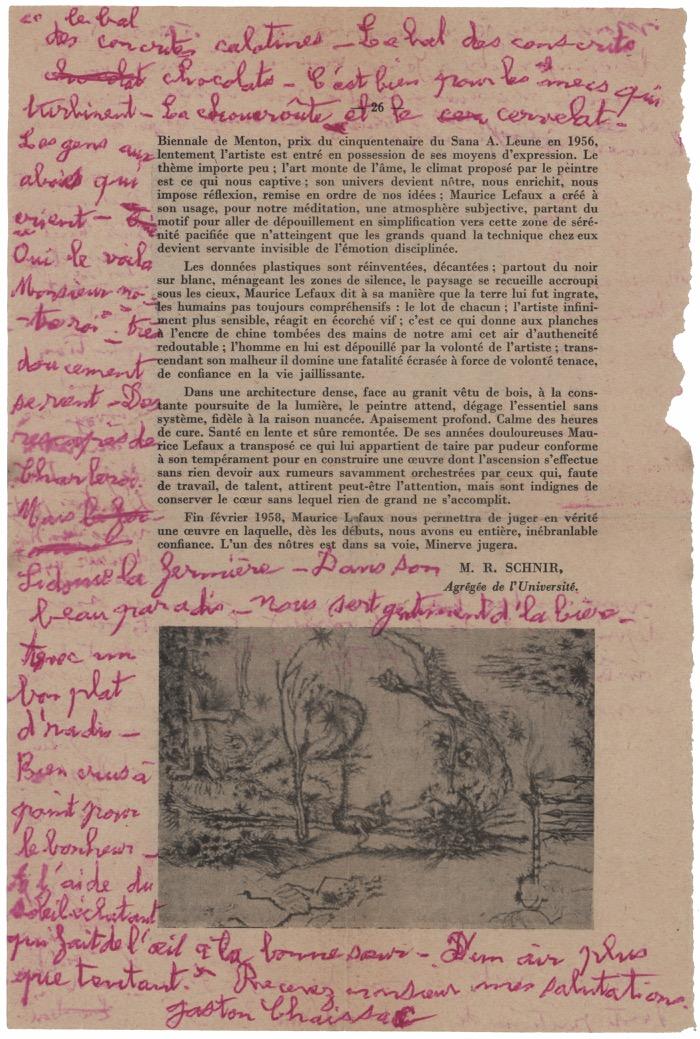
264. Gaston Chaissac Autograph Letter Signed
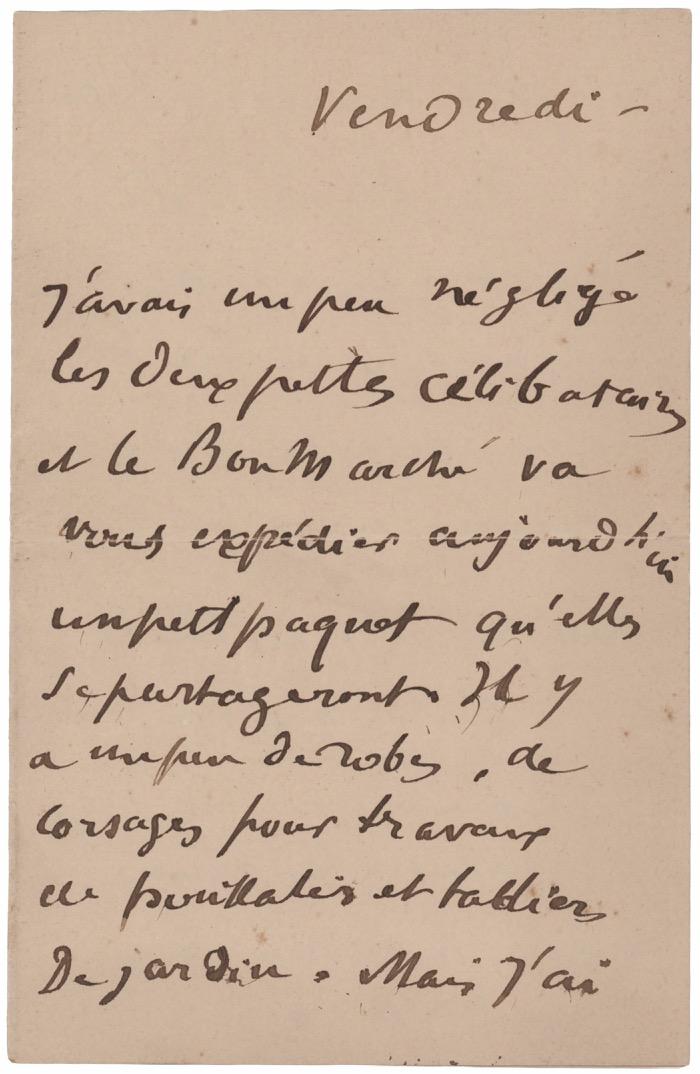
268. Edgar Degas Autograph Letter Signed
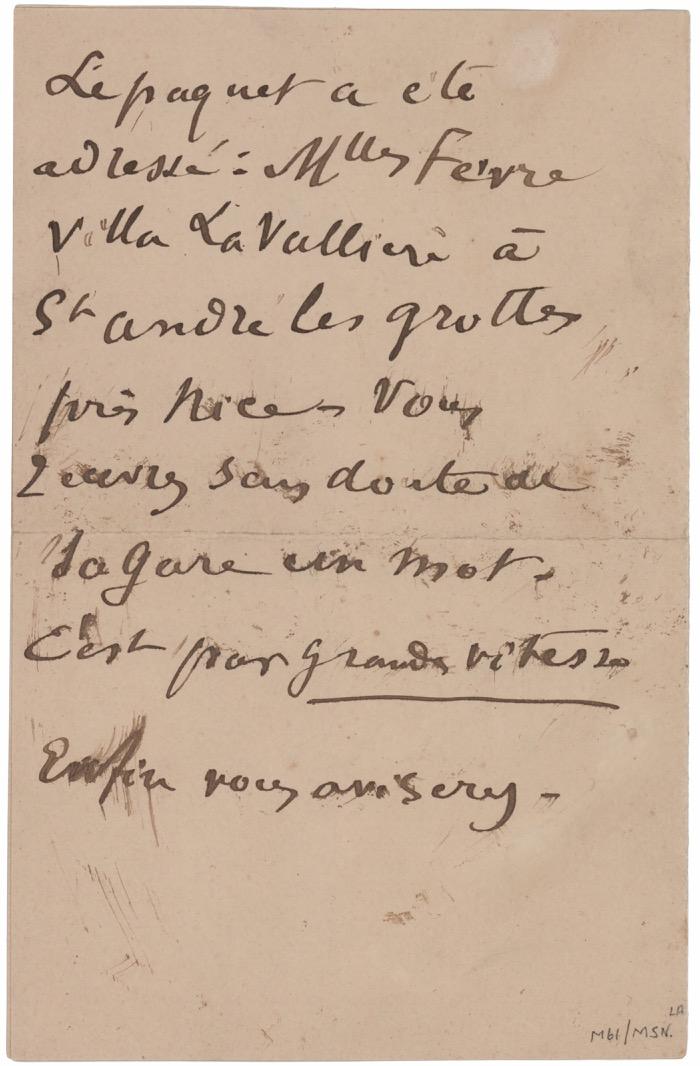
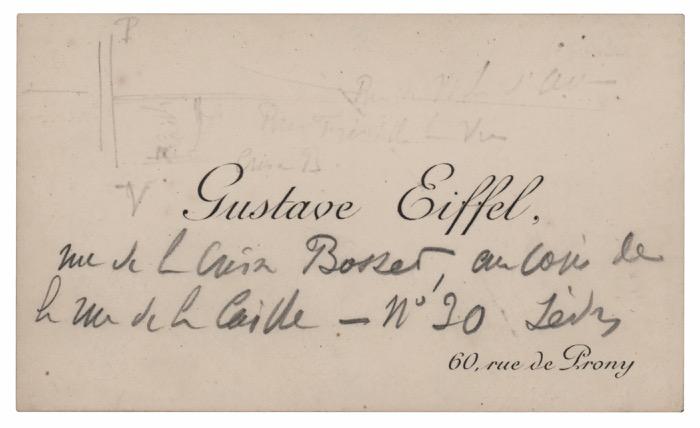
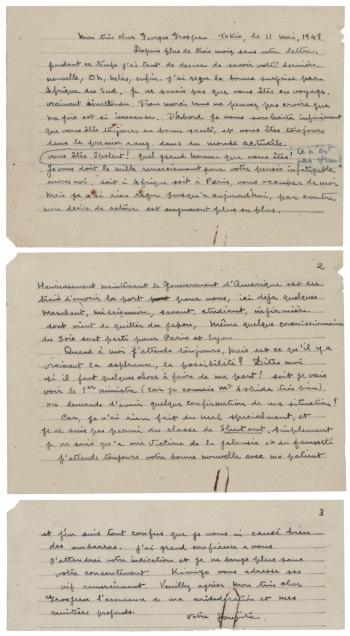
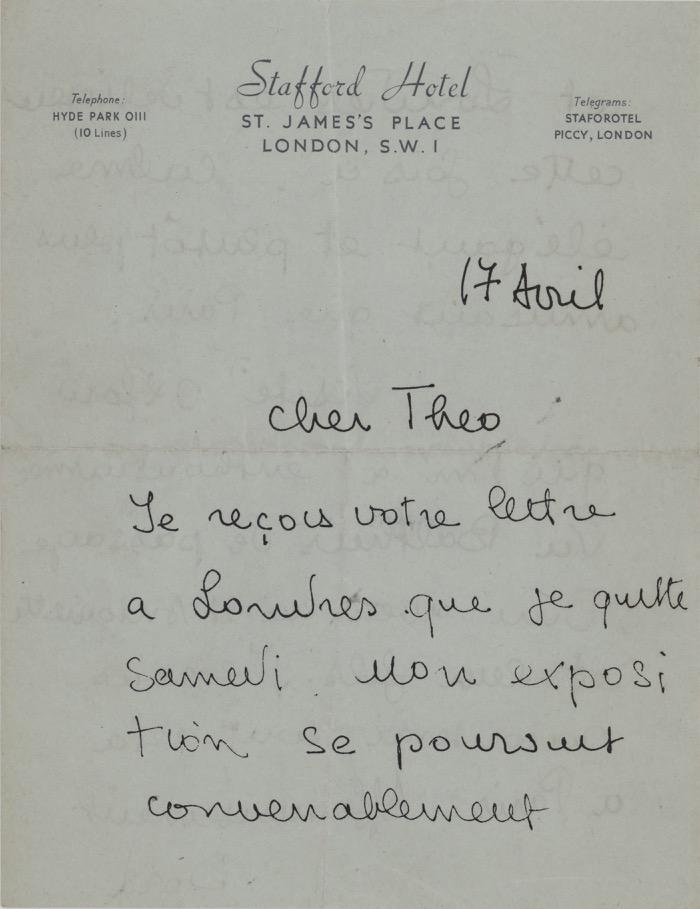
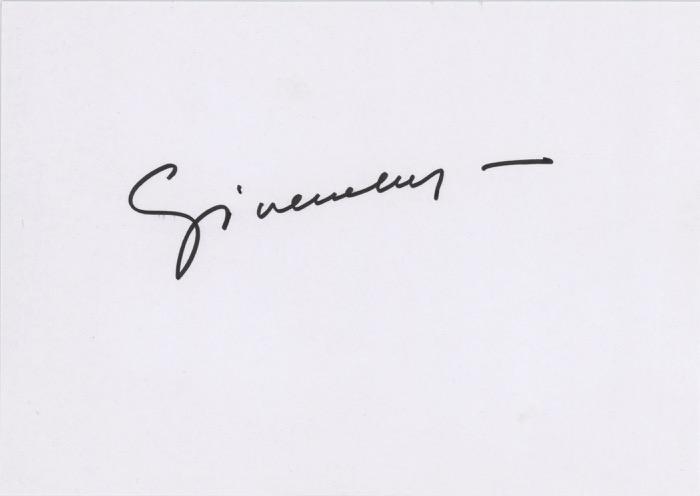
269. Gustave Eiffel HandAnnotated Calling Card Starting Bid $200
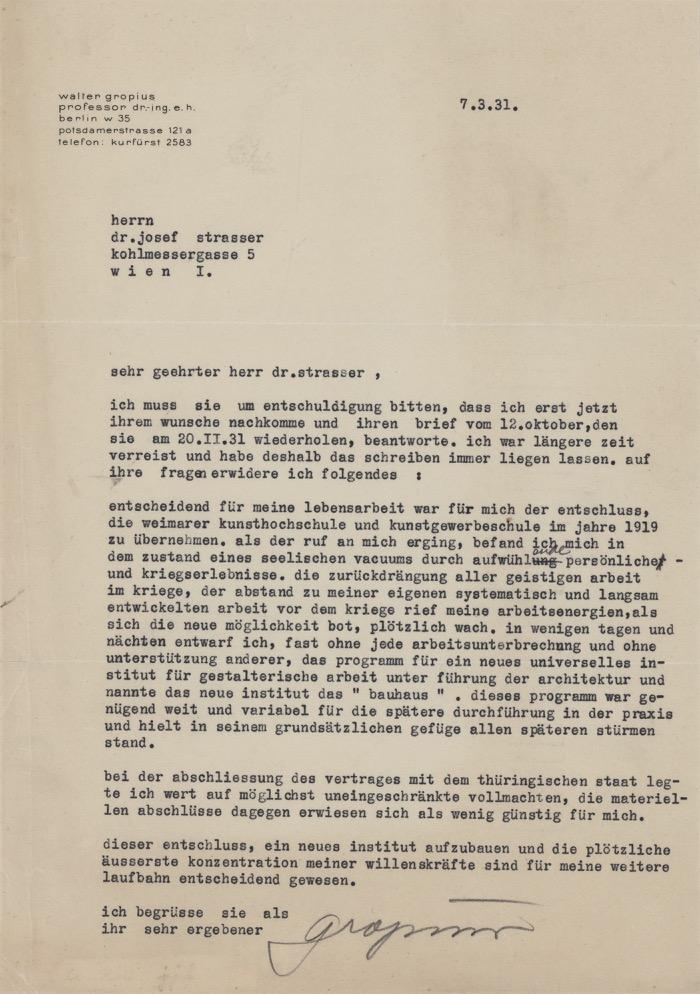
273. Walter Gropius Typed Letter Signed, Discussing His Founding of th... Starting Bid $200
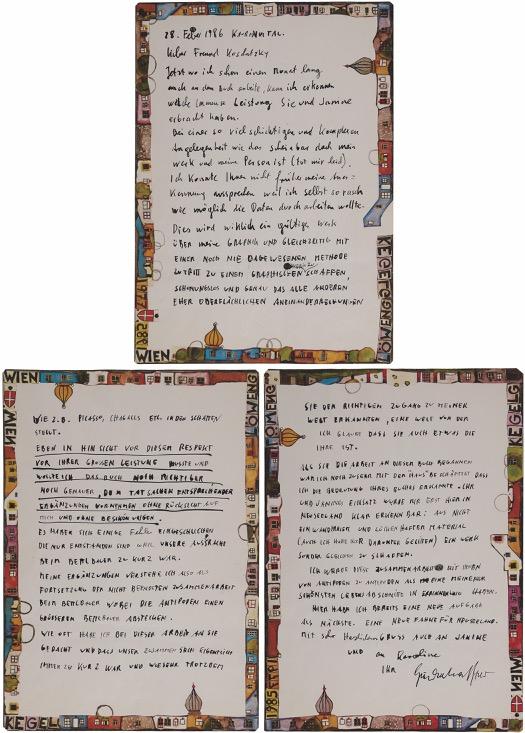
270. Tsuguharu Foujita Autograph Letter Signed: "I'm simply a victim o... Starting Bid $200
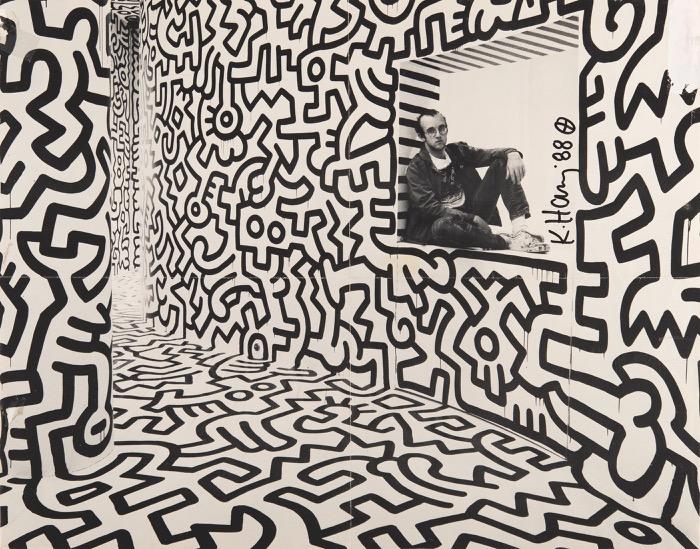
274. Keith Haring Signed 'Pop Shop' Poster
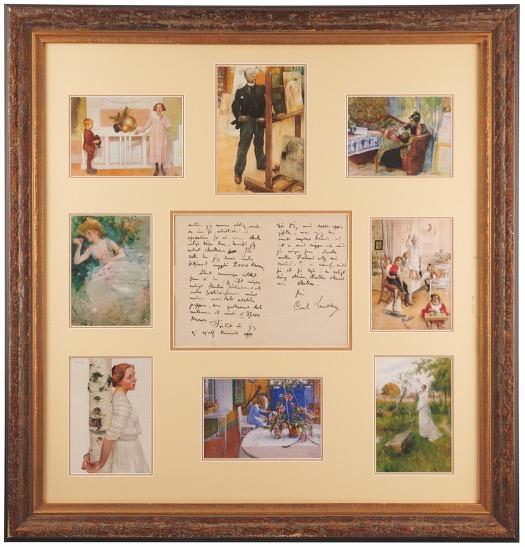
277. Friedensreich Hundertwasser Autograph Letter Signed to His Editor...
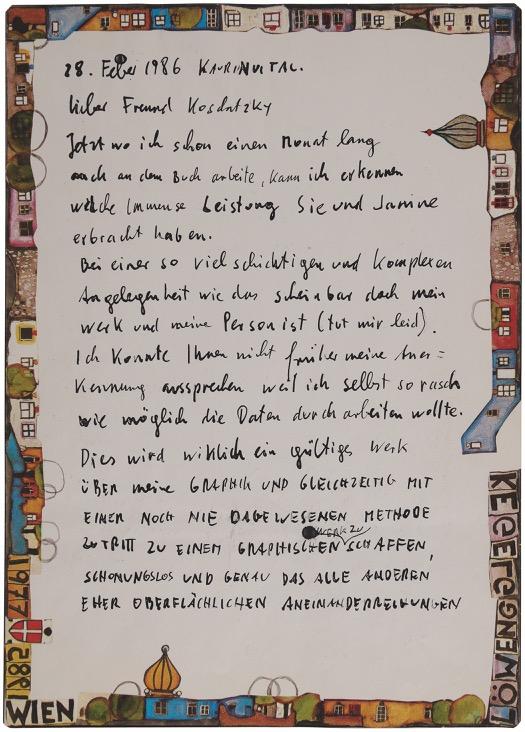
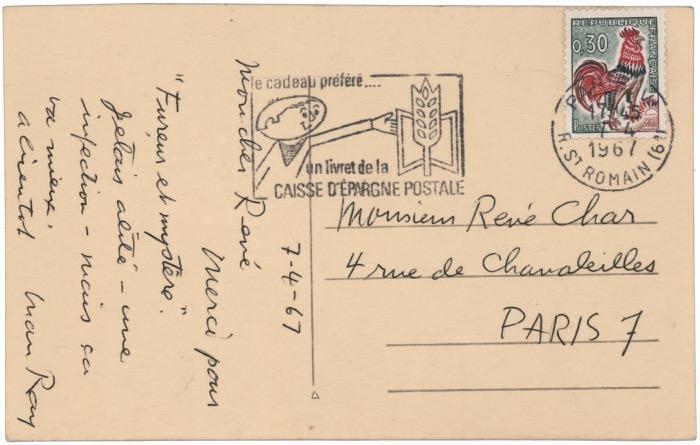
281. Man Ray Autograph Note Signed to Poet Rene Char Starting Bid $200
278. Carl Larsson Autograph Letter Signed
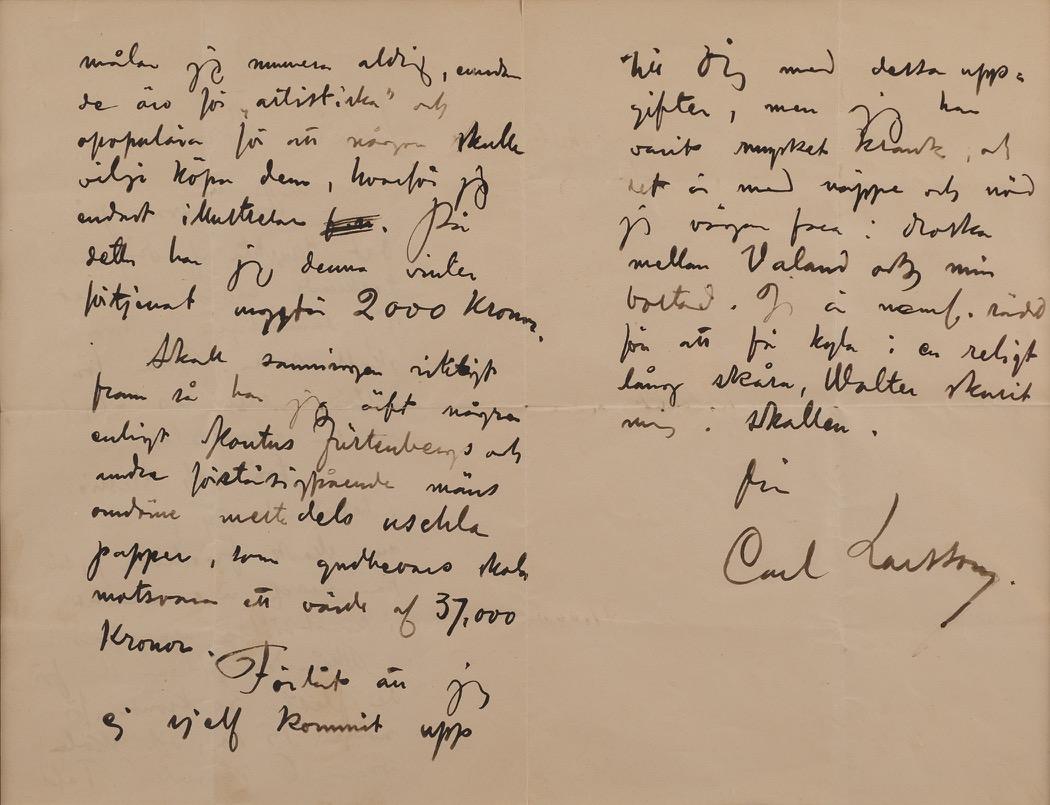
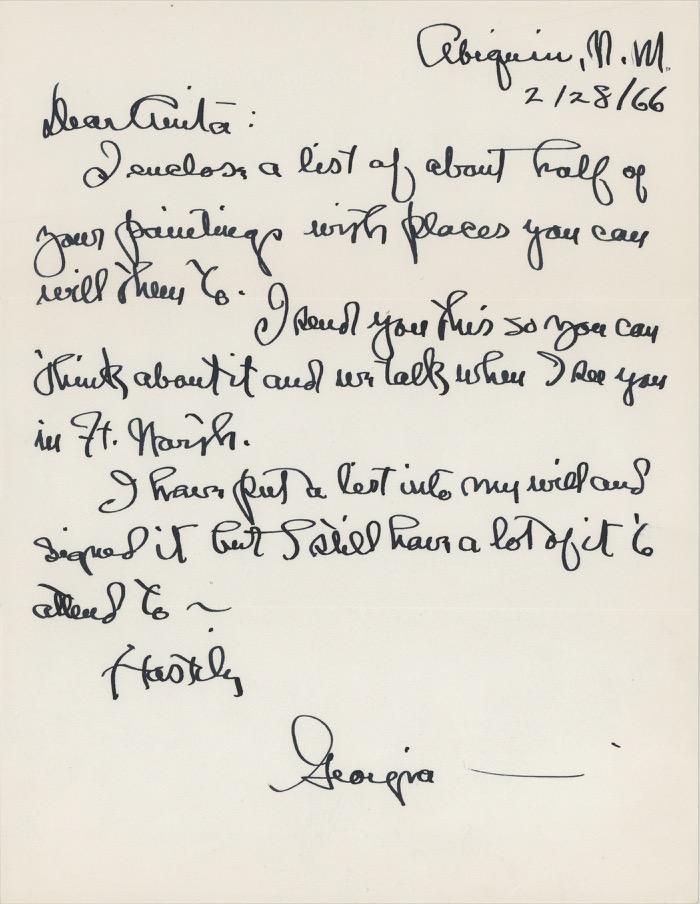
283. Georgia O'Keeffe Autograph Letter Signed Starting Bid $200
271. Tsuguharu Foujita Autograph Letter Signed
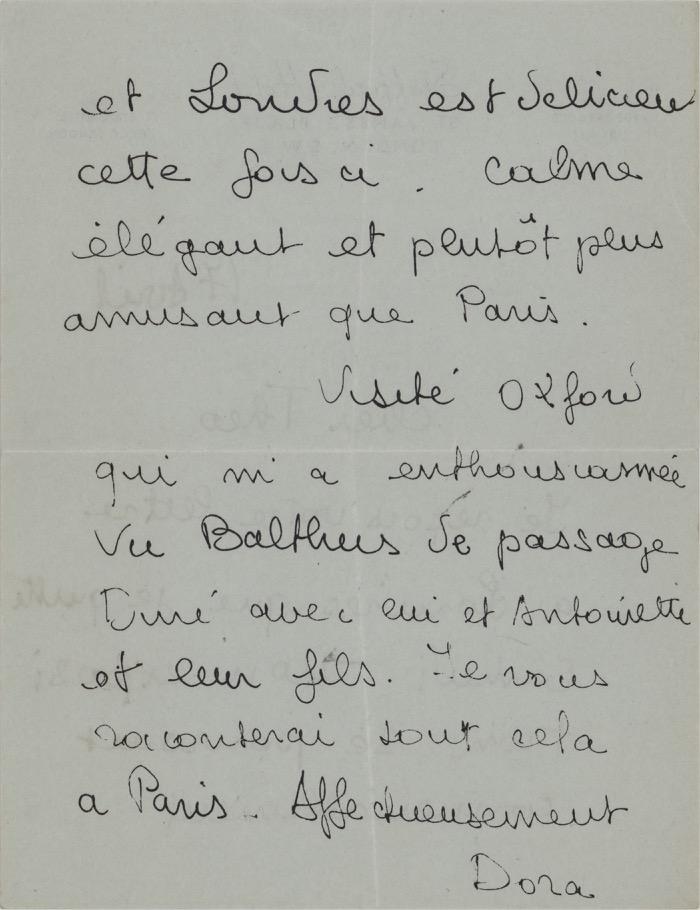
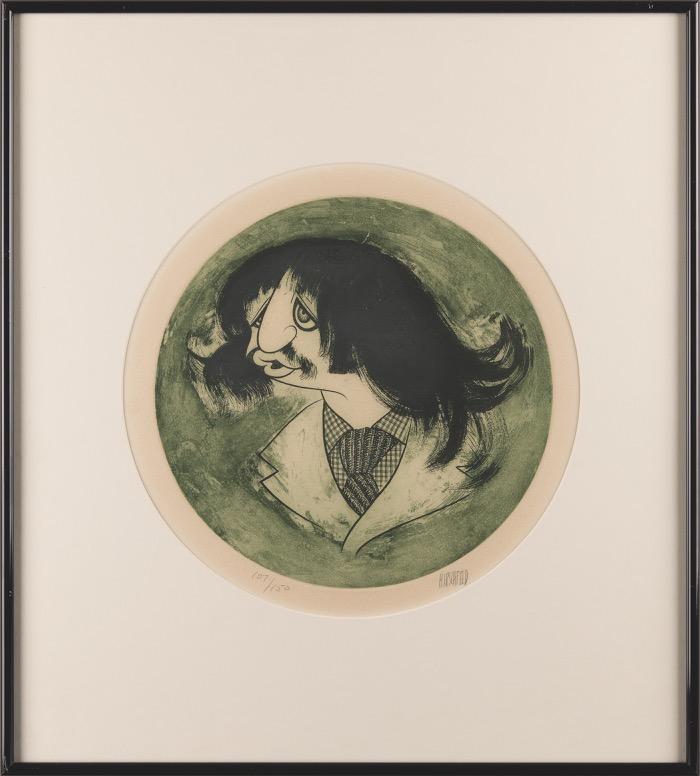
275.
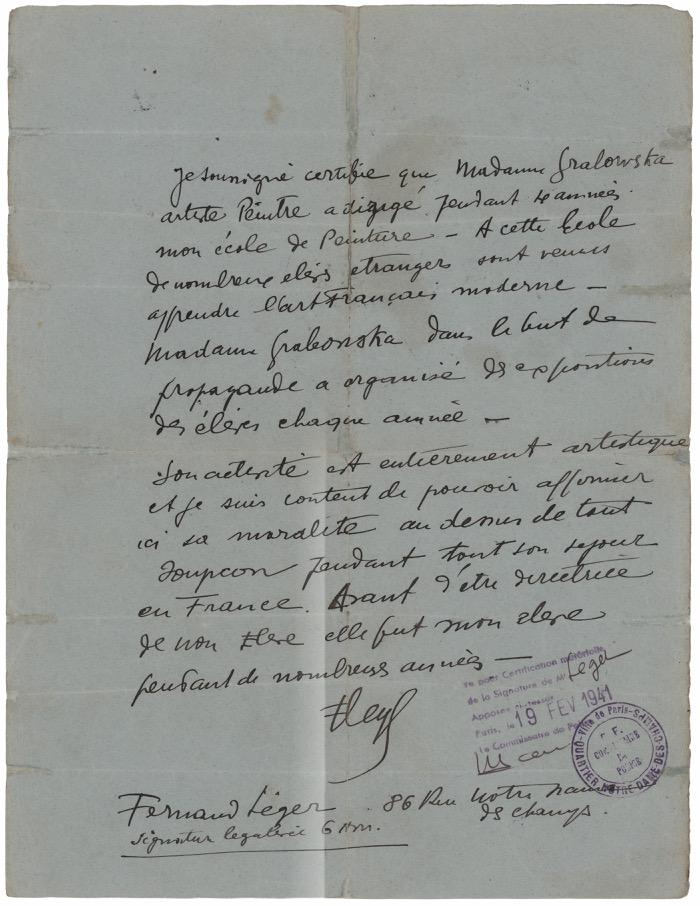
279. Fernand Leger Autograph Document Signed, Certifying His Future Wi... Starting Bid $200
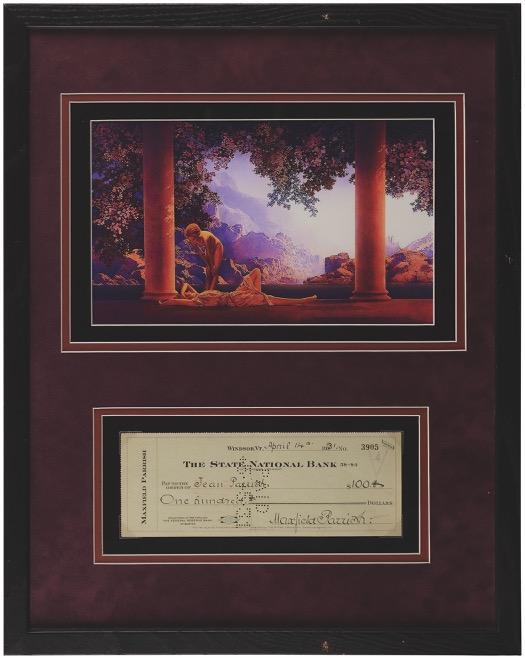
284. Maxfield Parrish Signed Check Starting Bid $200
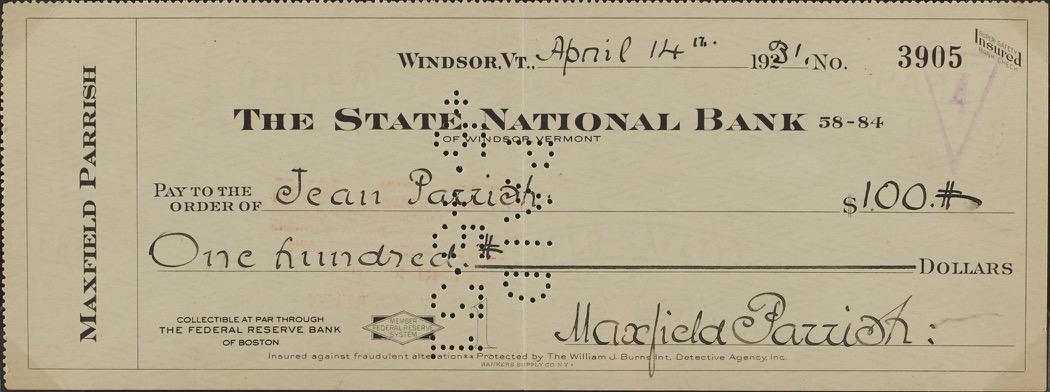
272. Hubert de Givenchy Signature Starting Bid $200
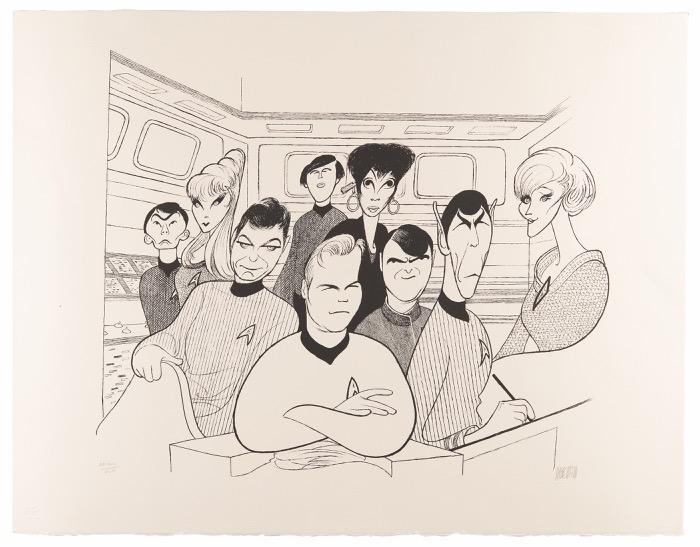
276.
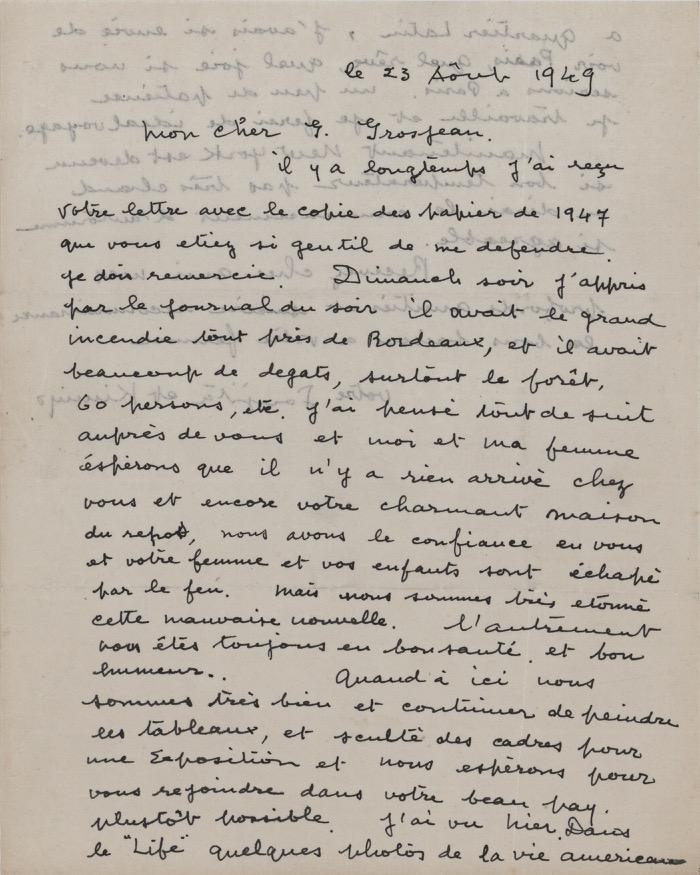
280. Dora
Autograph exhibition is progressing ...
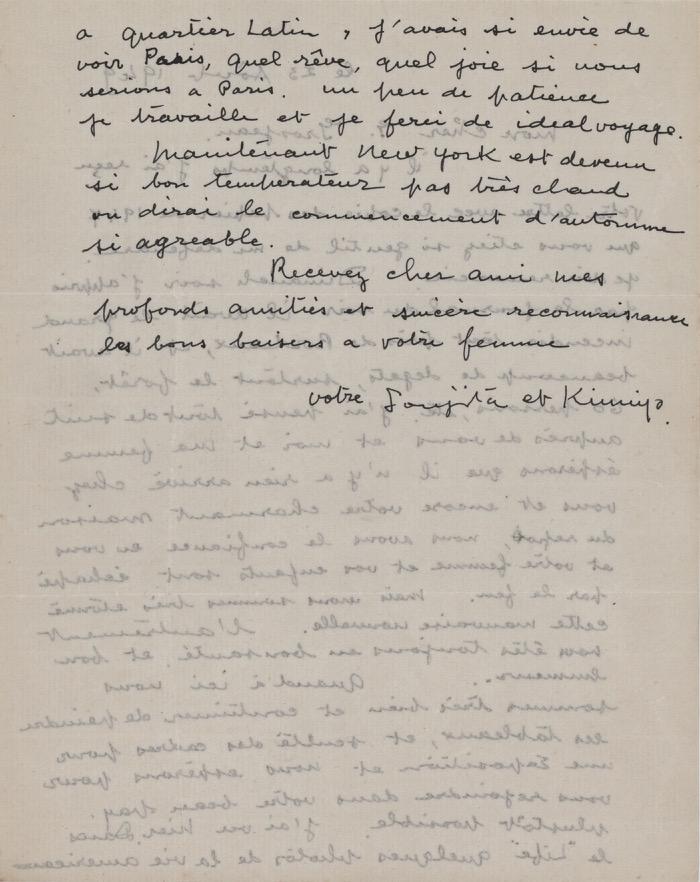
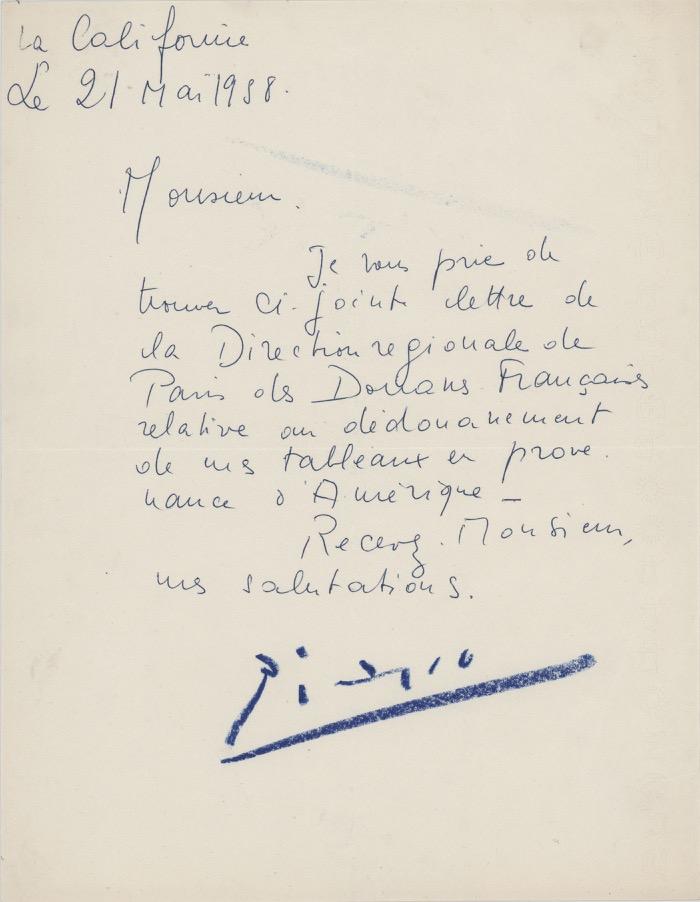
285. Pablo Picasso Letter Signed on "the customs clearance of my paint... Starting Bid $300
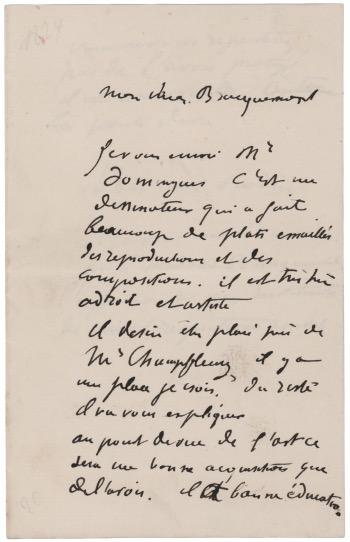
286.
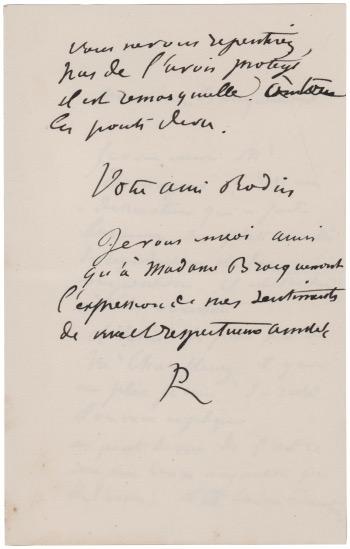
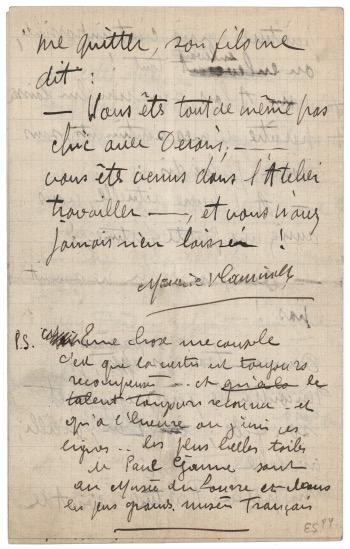
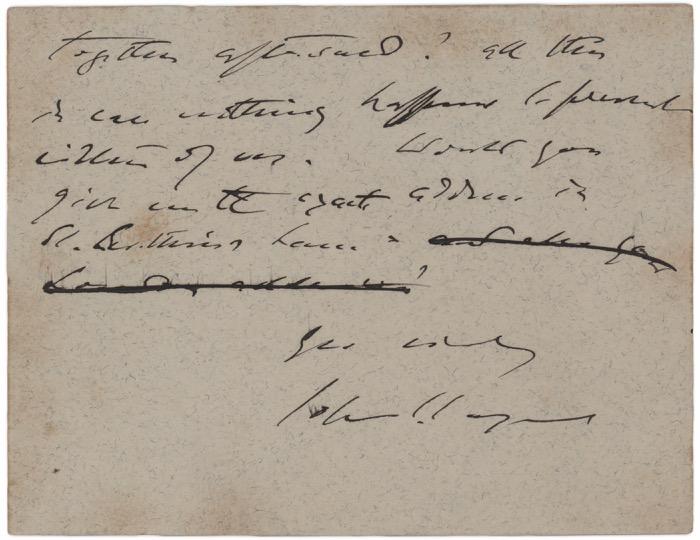
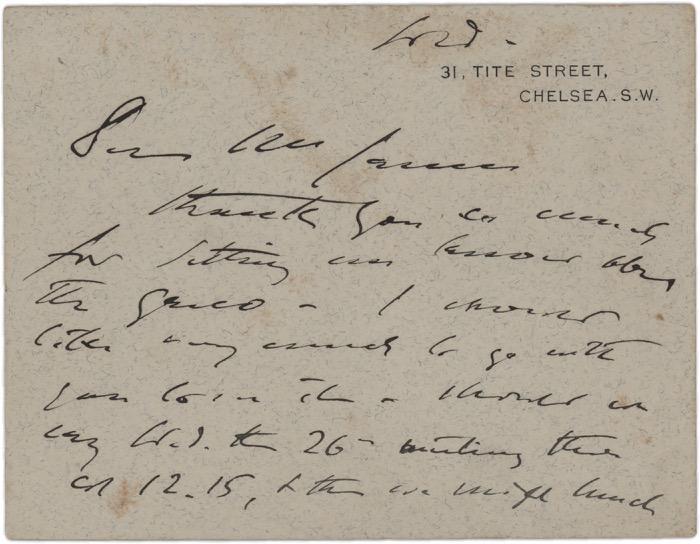
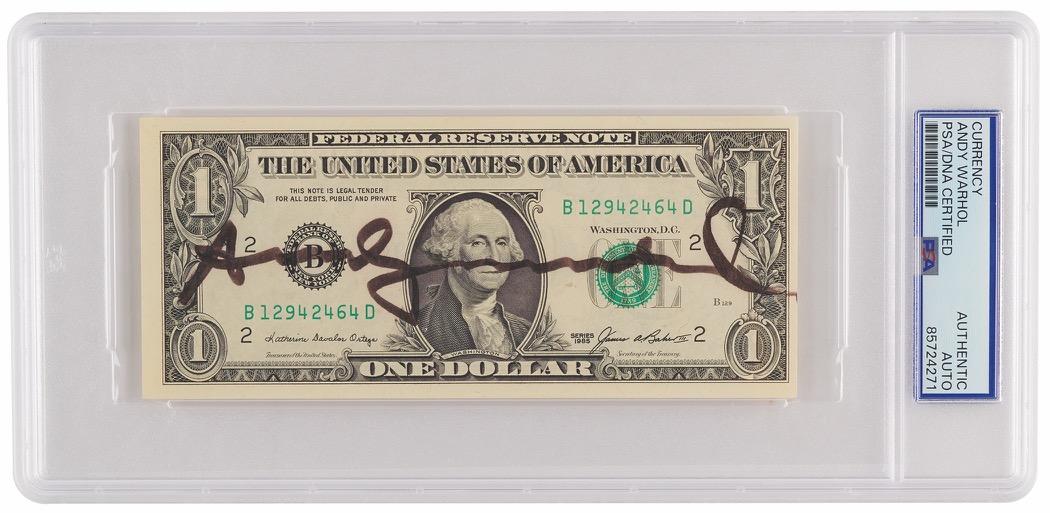
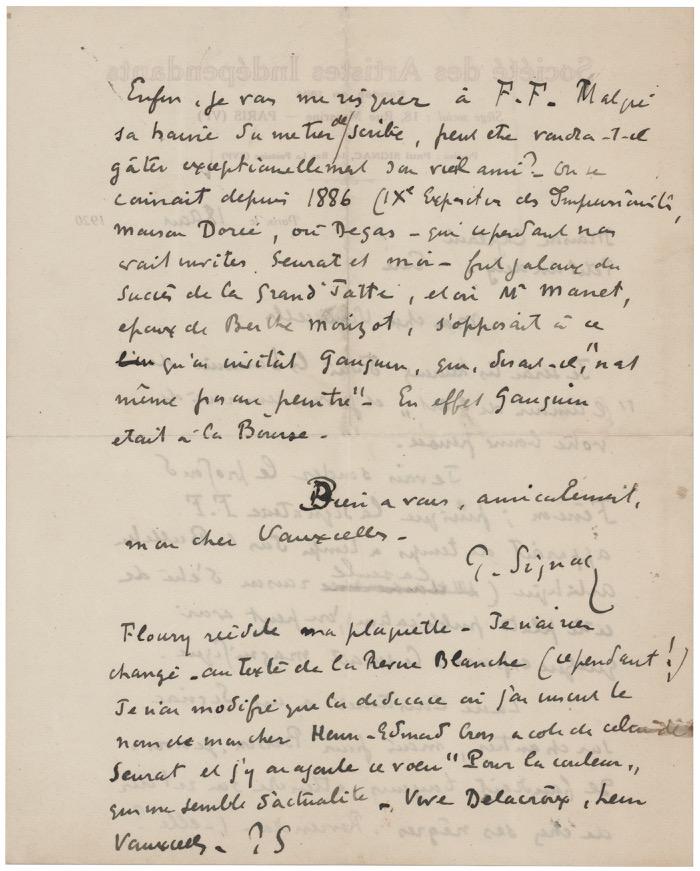
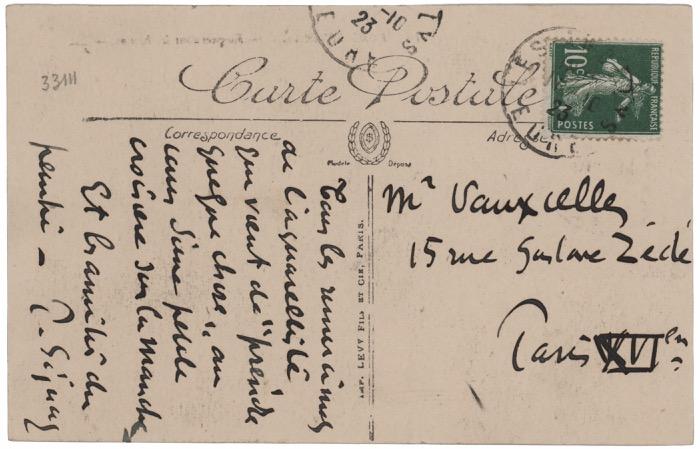
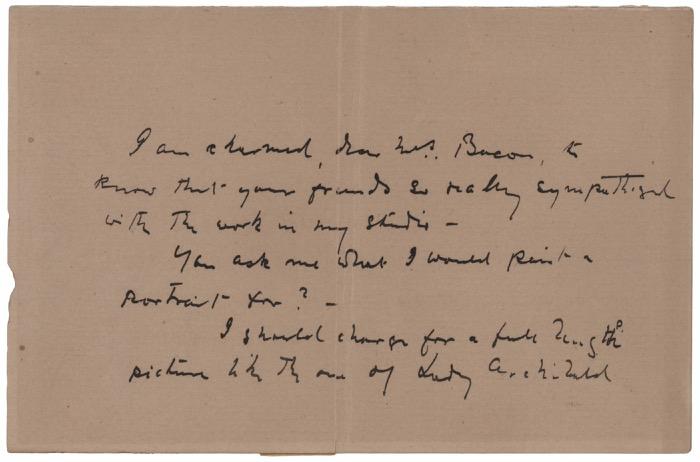
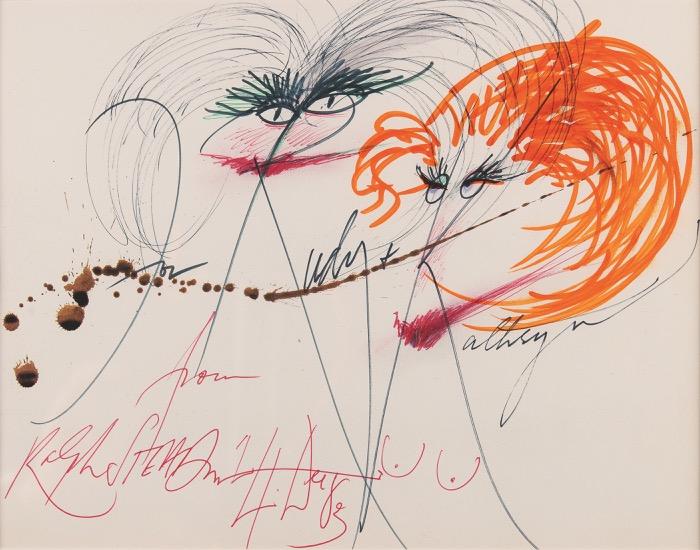
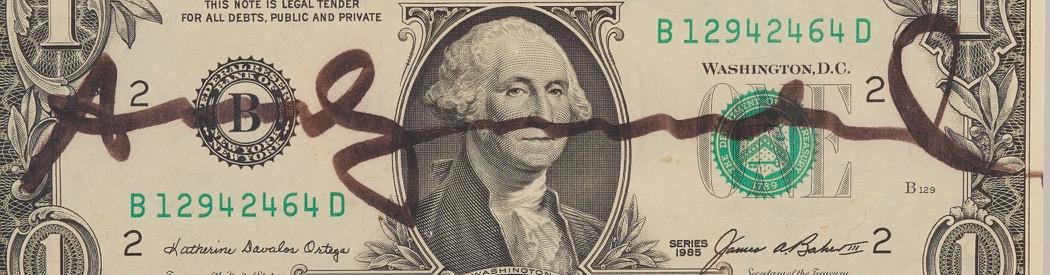
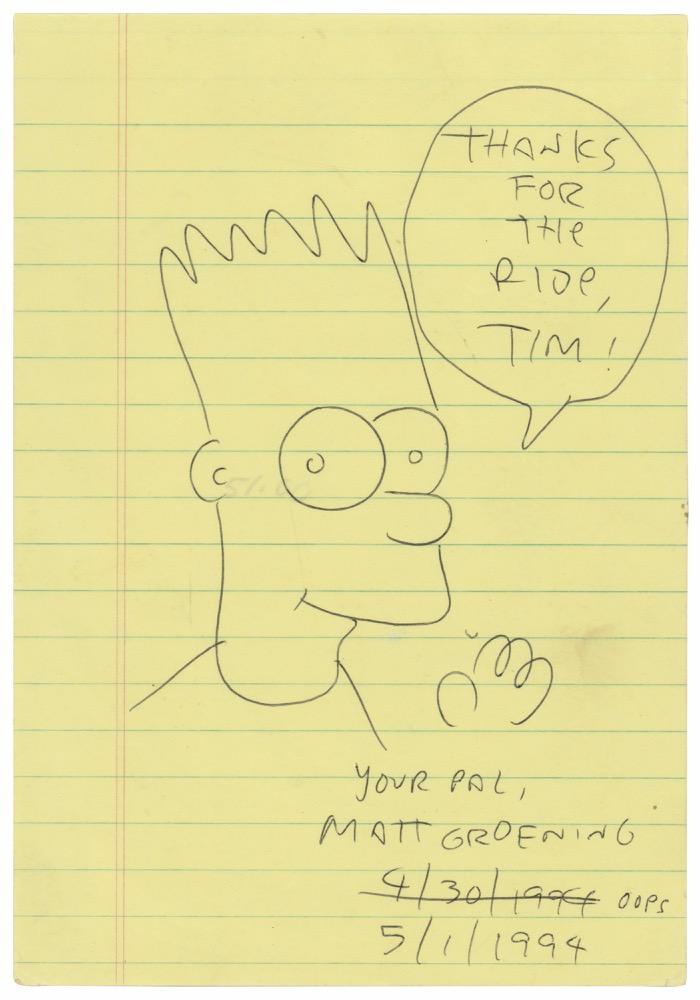
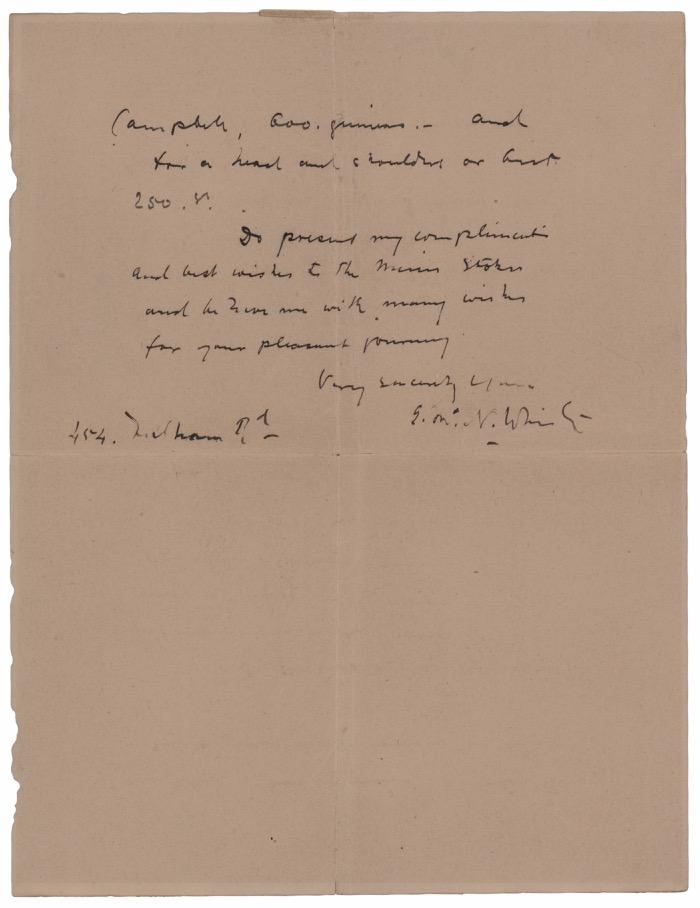
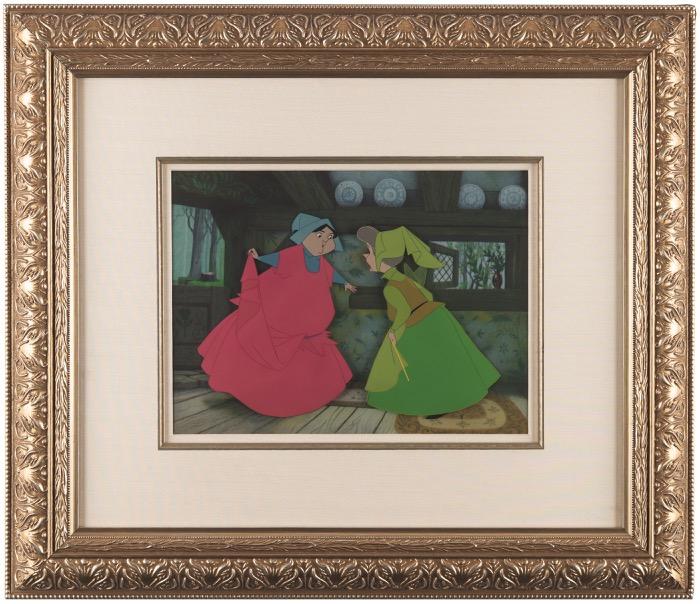
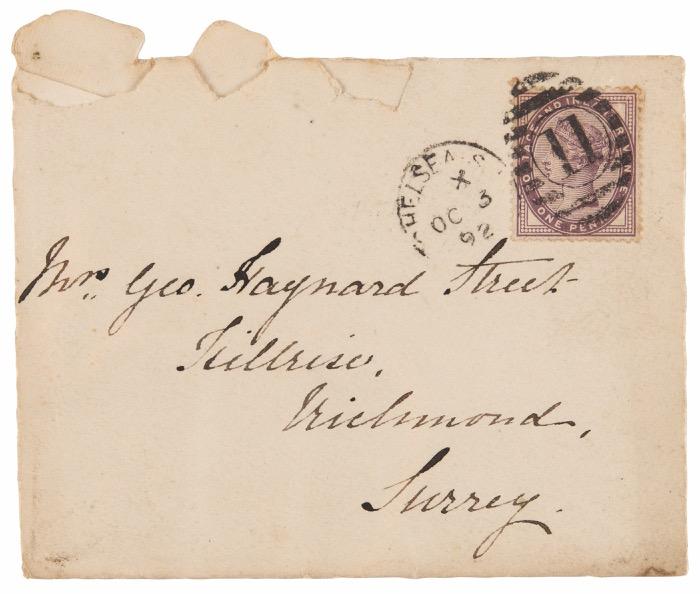
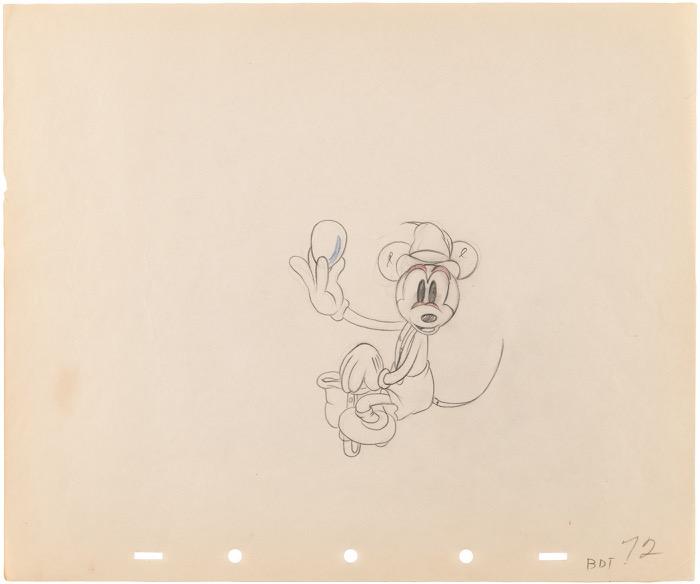
311. Jiminy Cricket model sheet from Pinocchio Starting Bid $200
315. Charles Schulz Signed Sketch of Snoopy in BookSandlot Peanuts Starting Bid $200
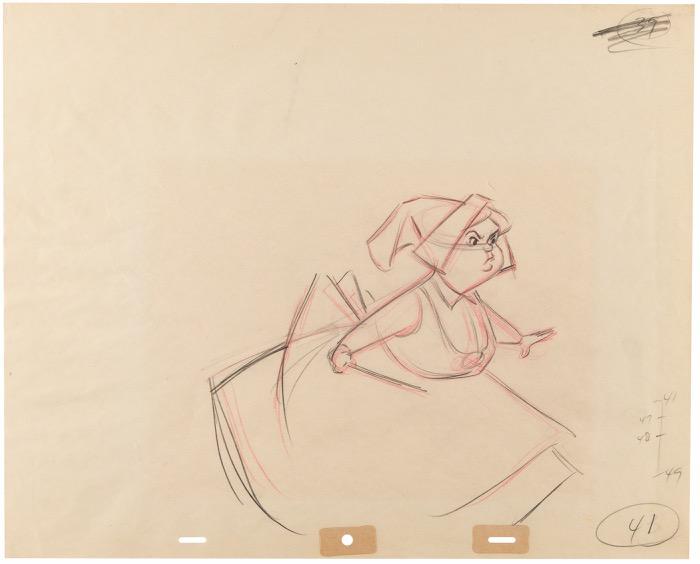
319.
Starting Bid $200
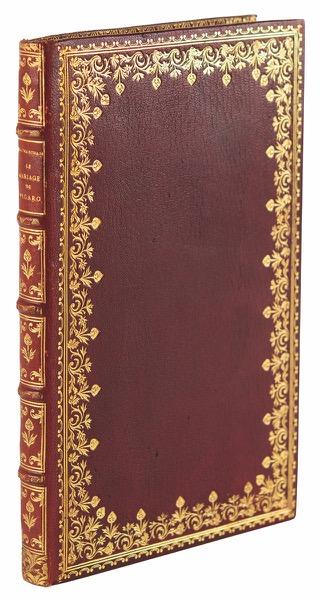
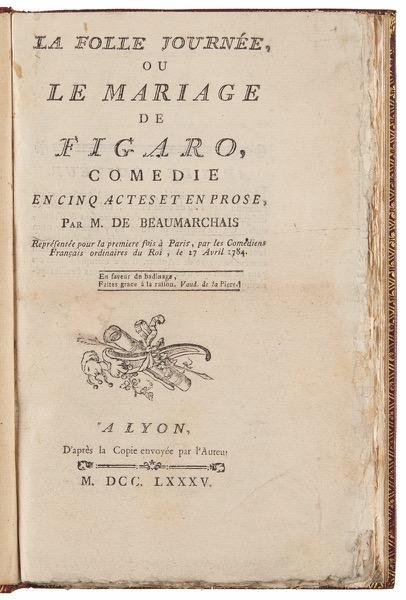
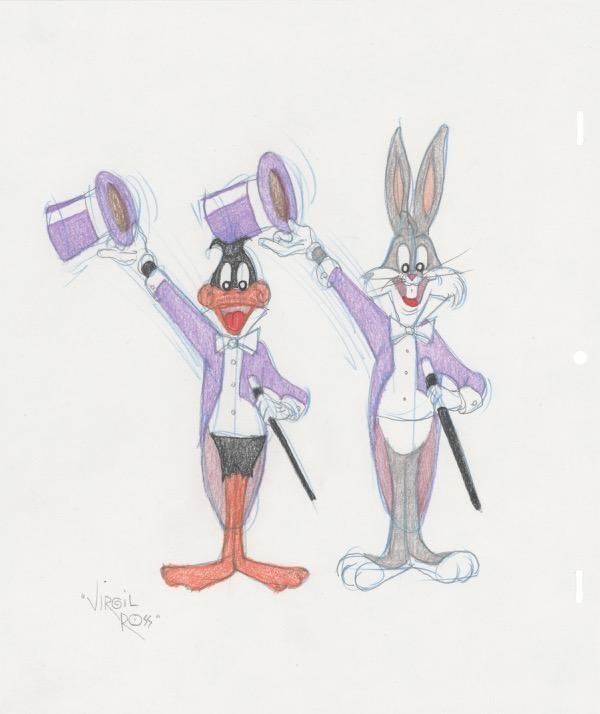
312. Bugs Bunny and Daffy Duck Original Drawing by Virgil Ross Starting Bid $200
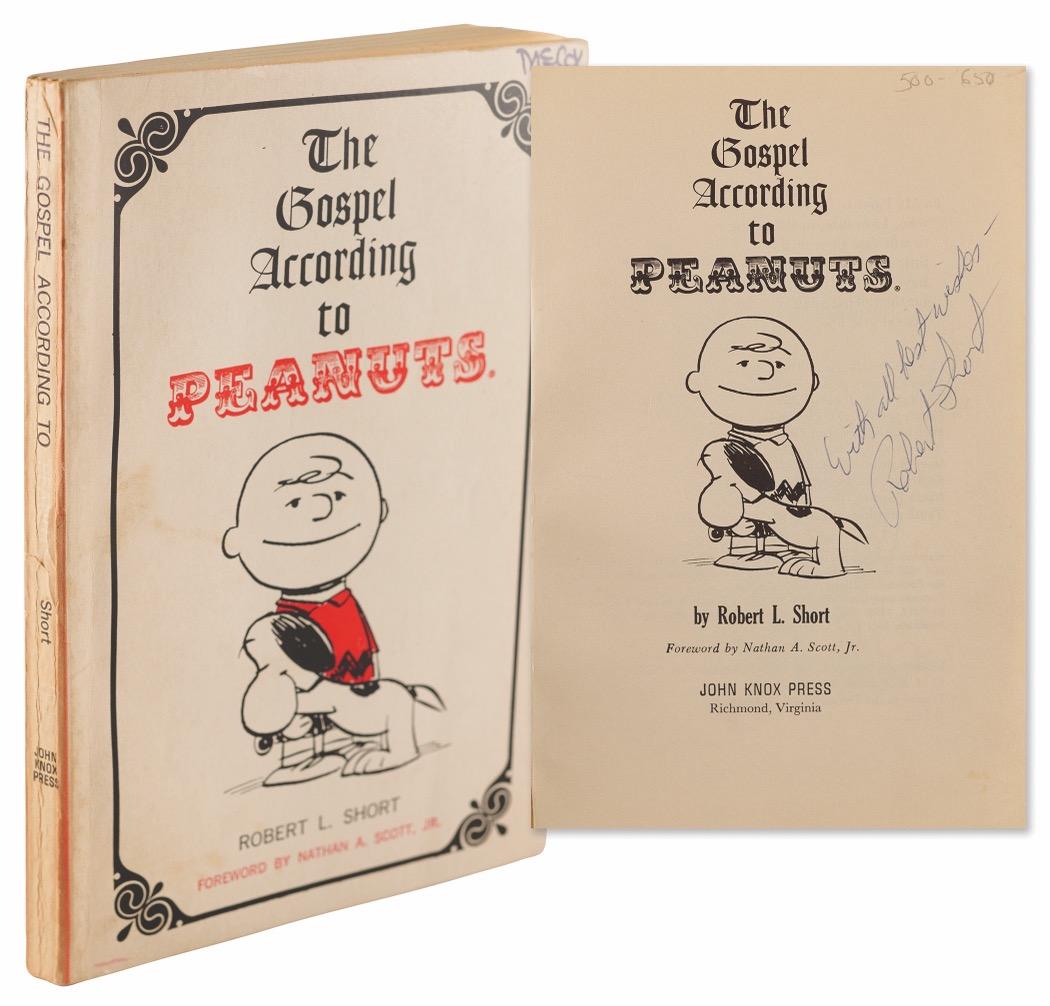
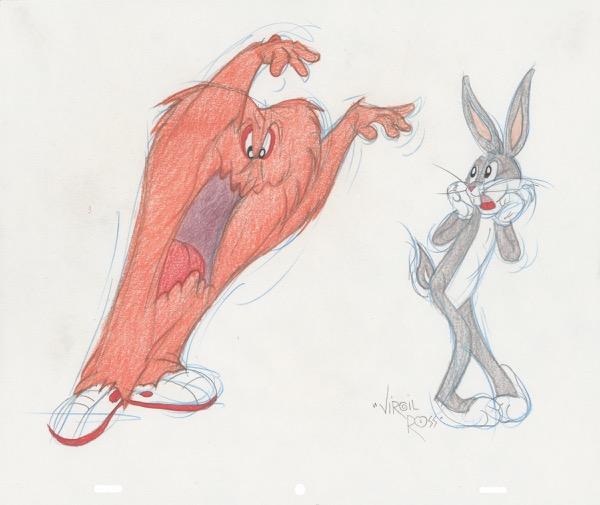
313. Bugs Bunny and Gossamer Original Drawing by Virgil Ross Starting Bid $200
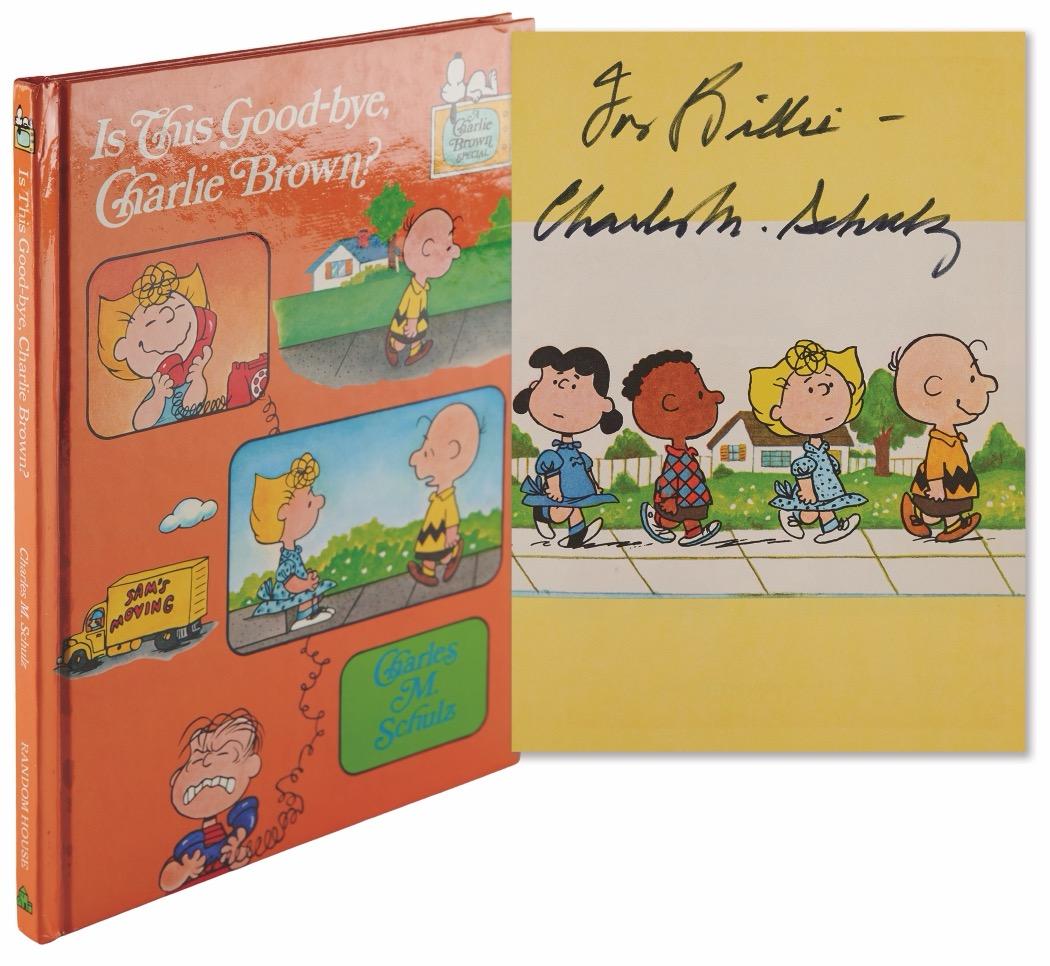
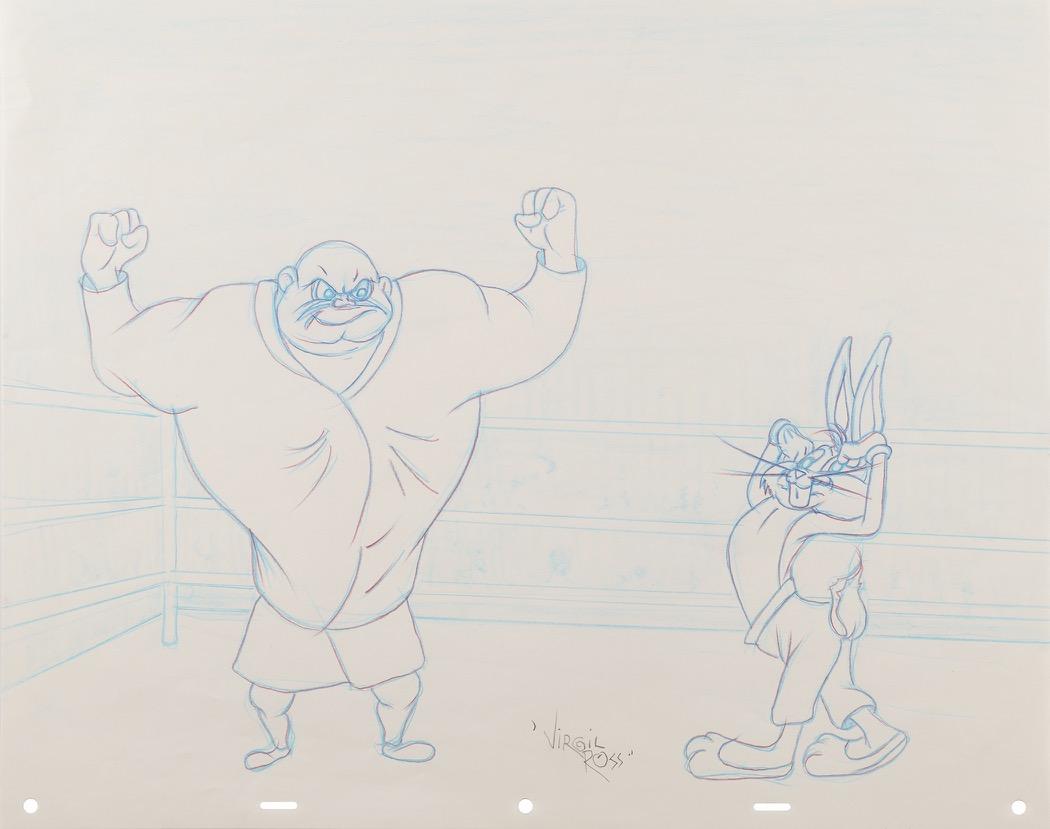
314. Bugs Bunny and The Crusher Original Drawing by Virgil Ross Starting Bid $200
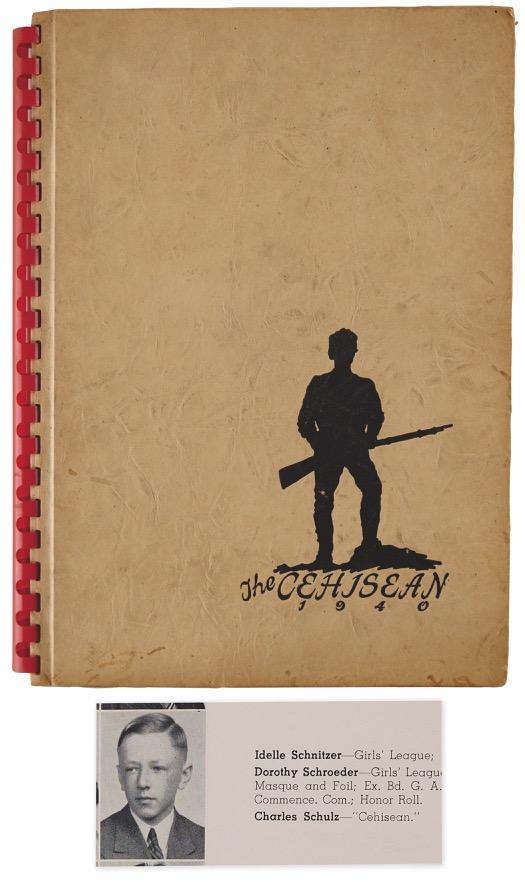
316. Charles Schulz Signed Sketch of Snoopy in BookThe Gospel Accor...
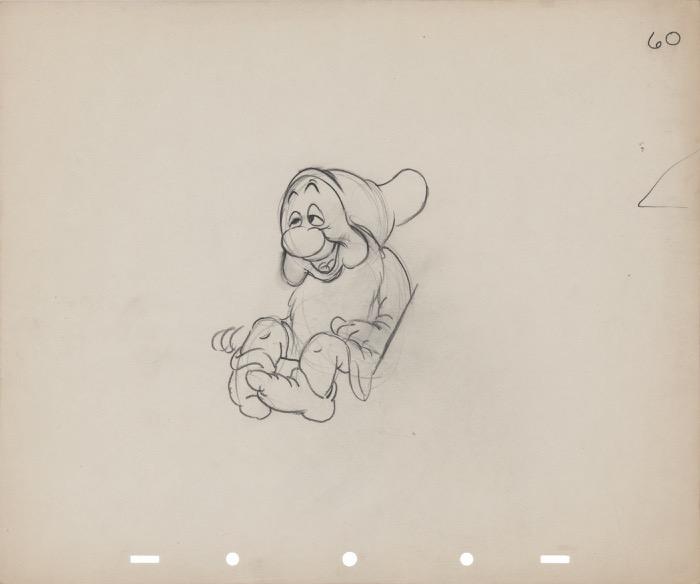
Starting Bid $200
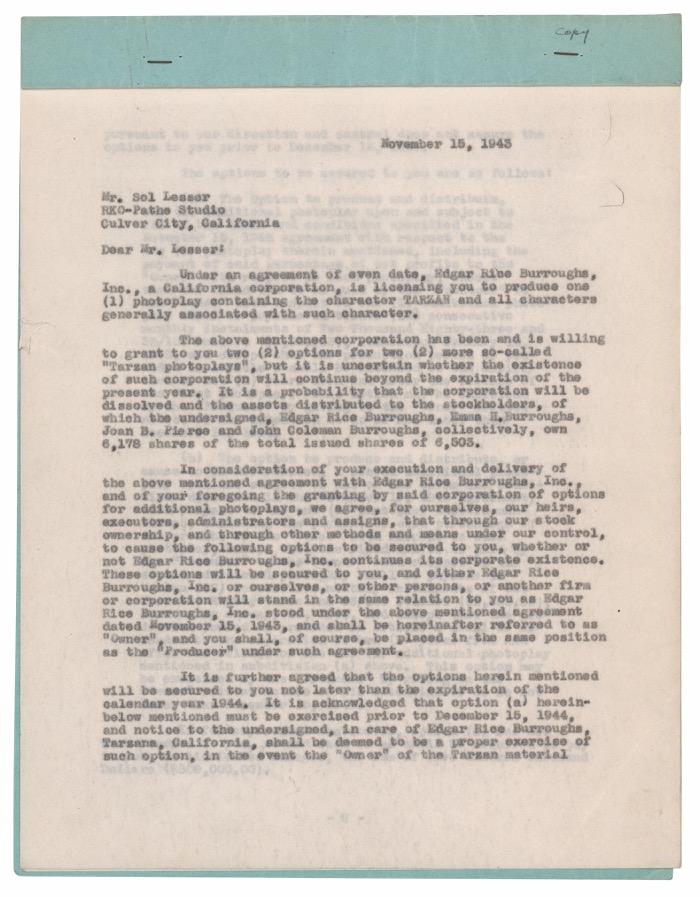
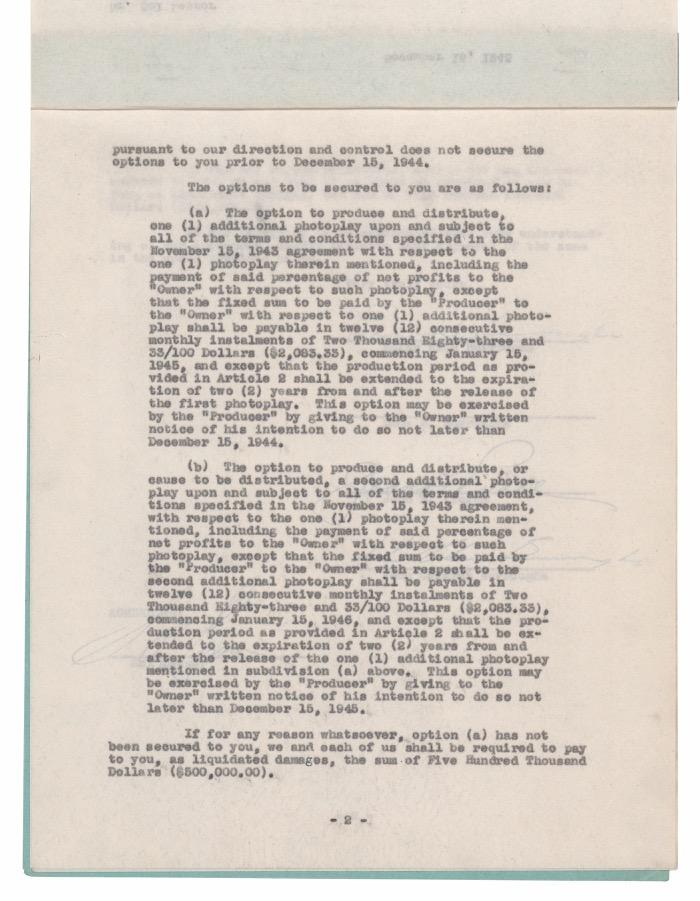
317. Charles Schulz Signed Book - Is This Good-bye, Charlie Brown?
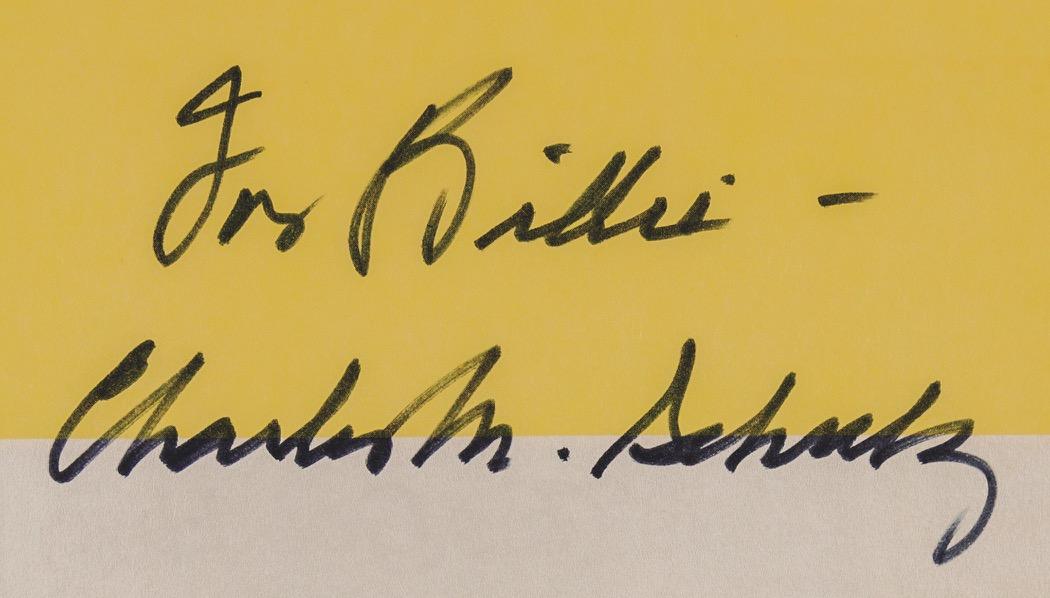
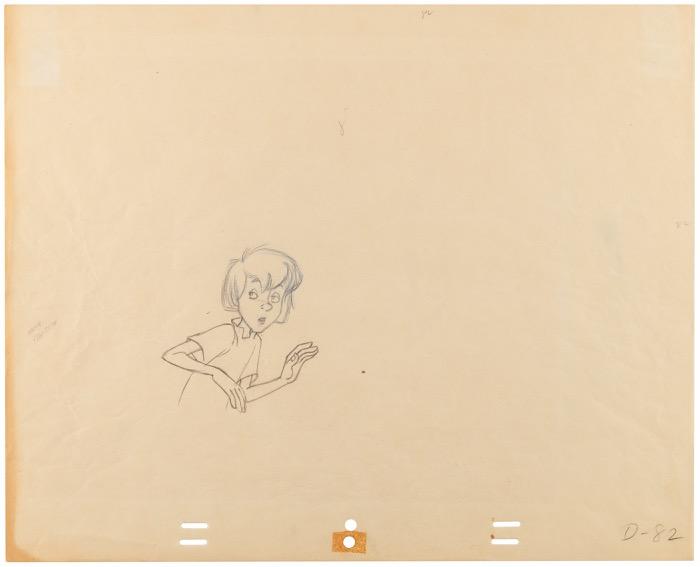

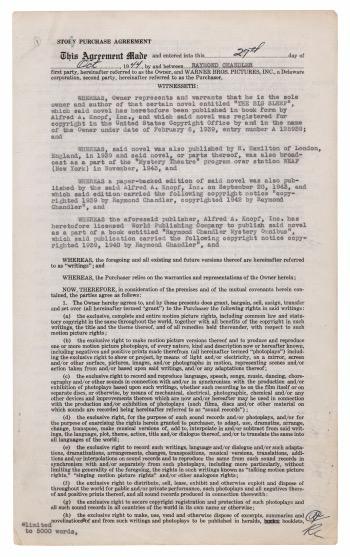
360.
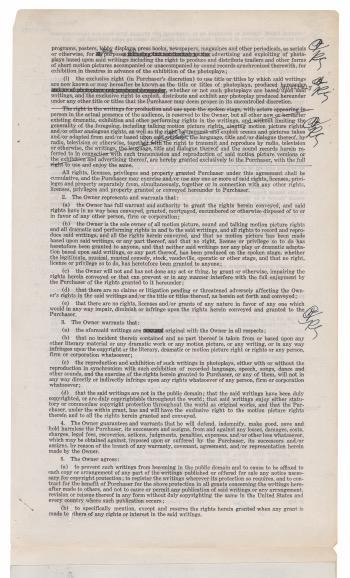
318.
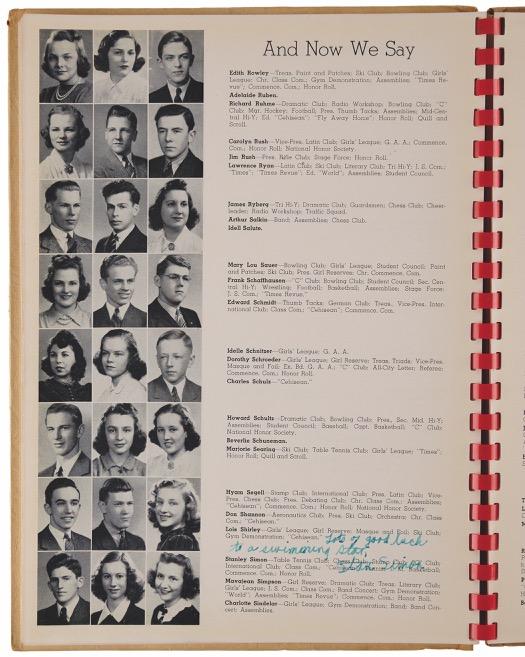
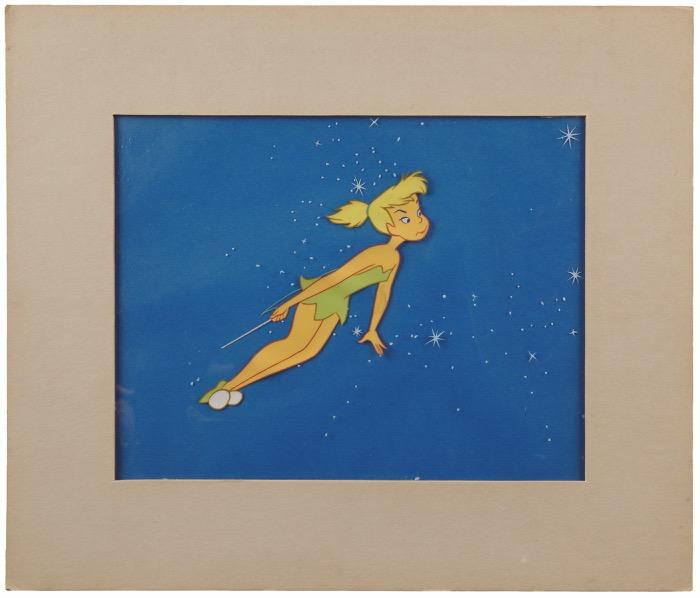
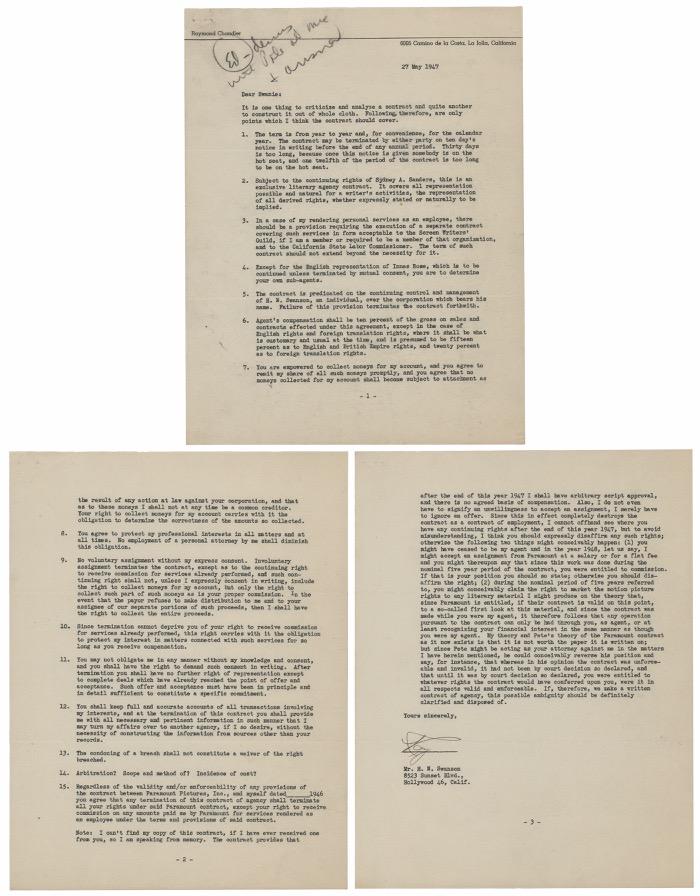
361. Raymond Chandler Document Signed, Outlining Terms for an Agency C... Starting Bid $200
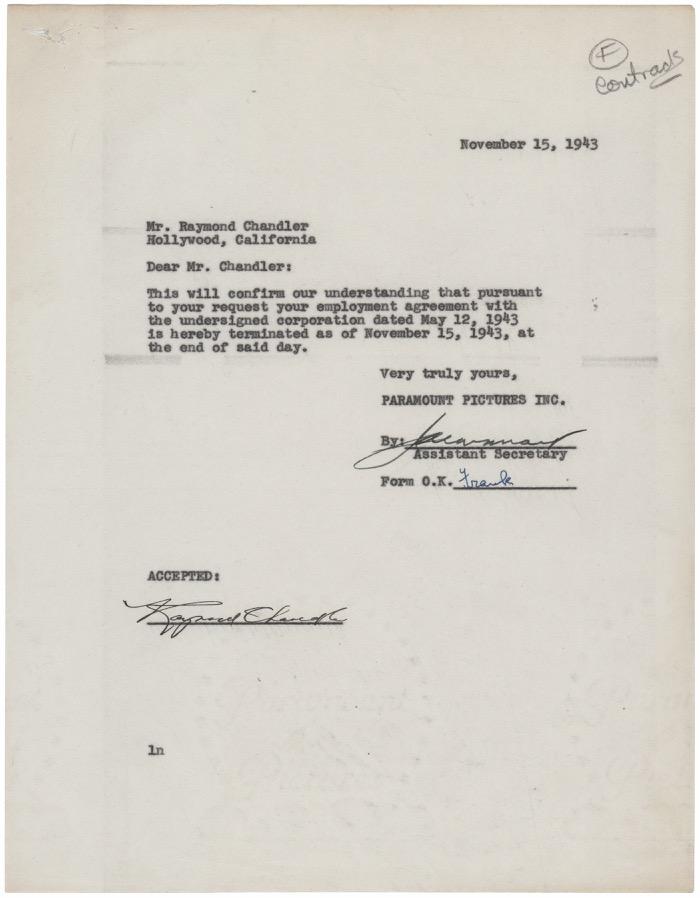
362. Raymond Chandler Document Signed for Paramount Pictures Starting Bid $200
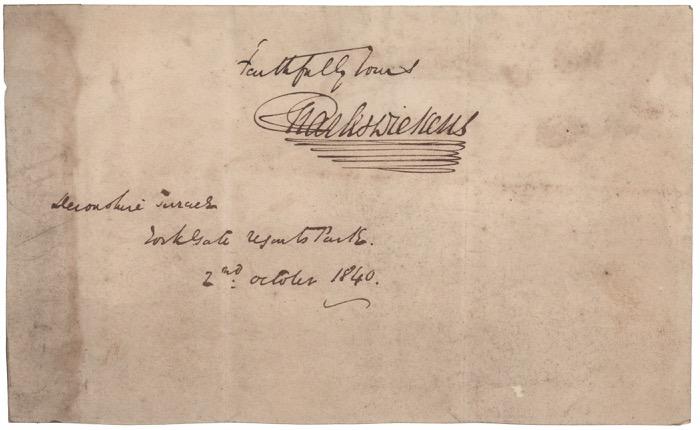
366. Charles Dickens Signature Starting Bid $200
370. Ernest Hemingway Handwritten To-Do List Starting Bid $200
363. Jean Cocteau Autograph Letter Signed with Sketch Starting Bid $200
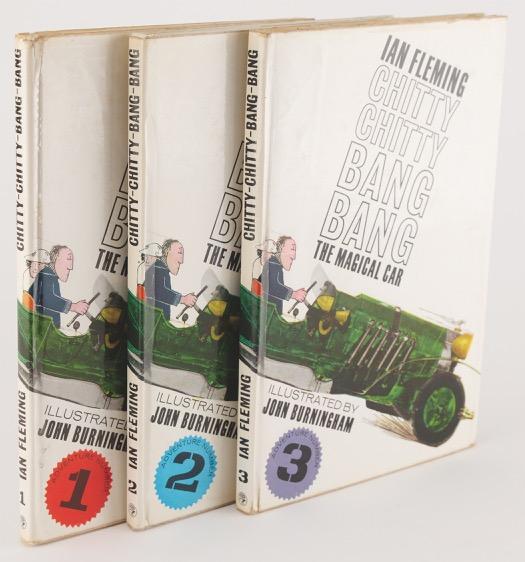
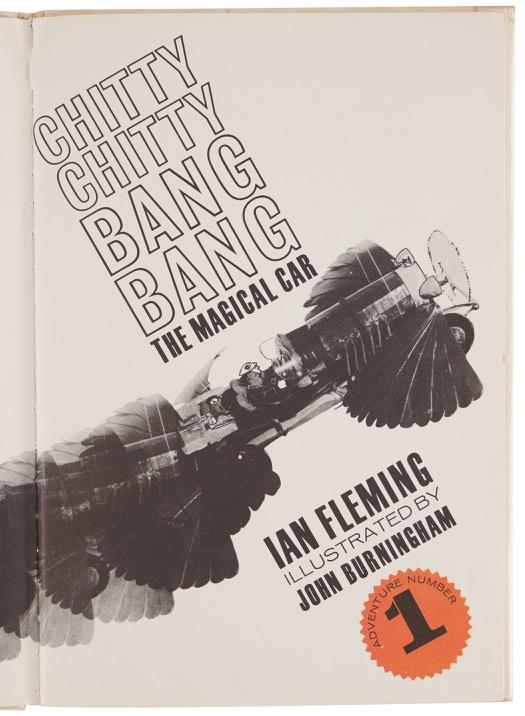
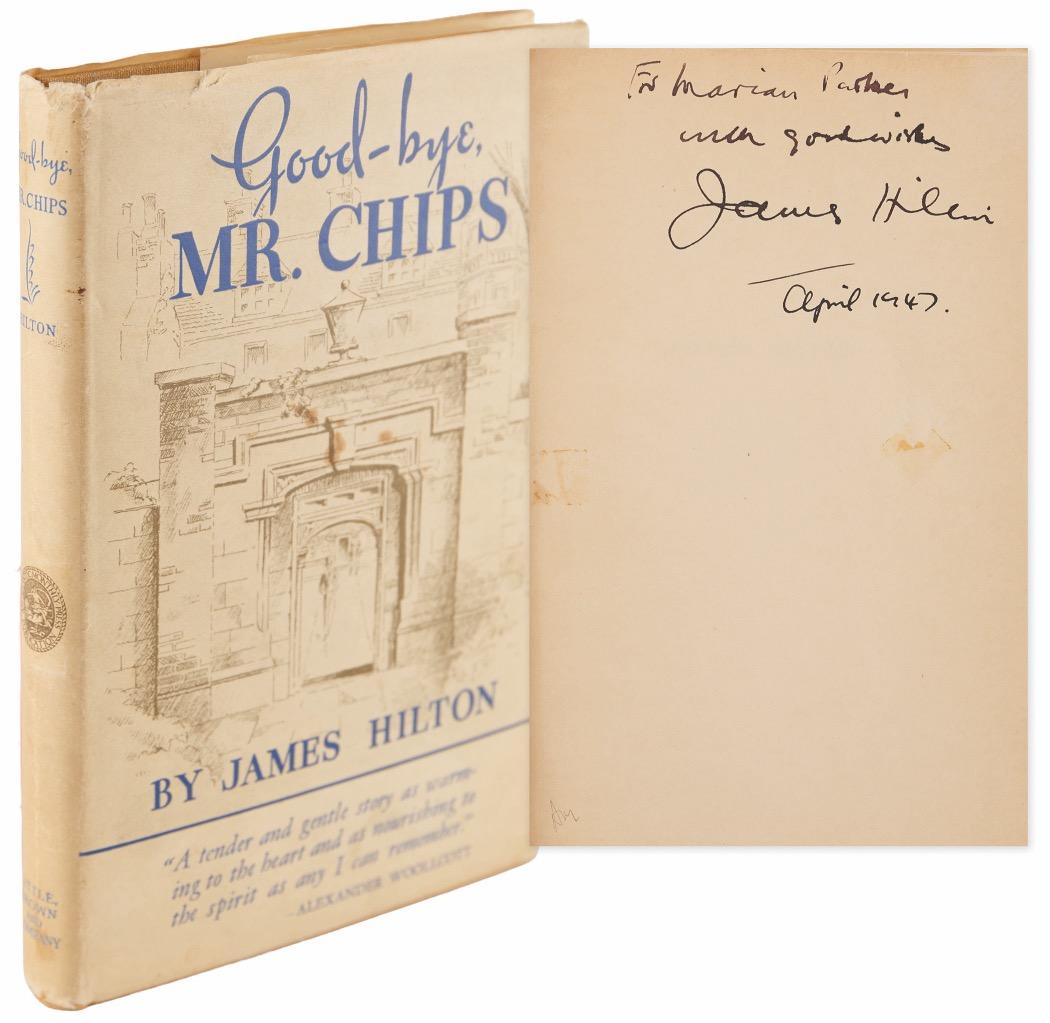
371.
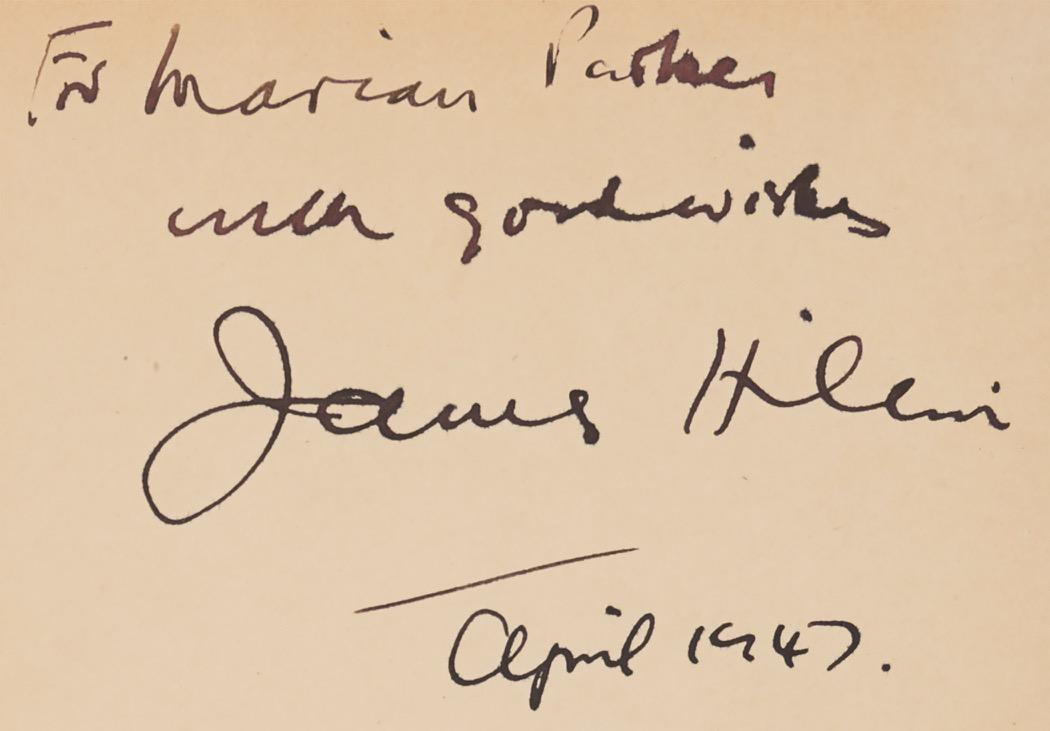
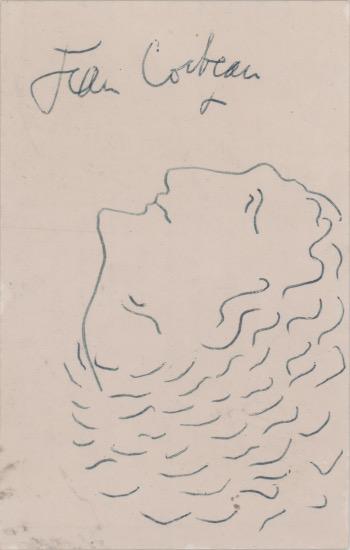
364. Jean Cocteau Signed Sketch Starting Bid $200
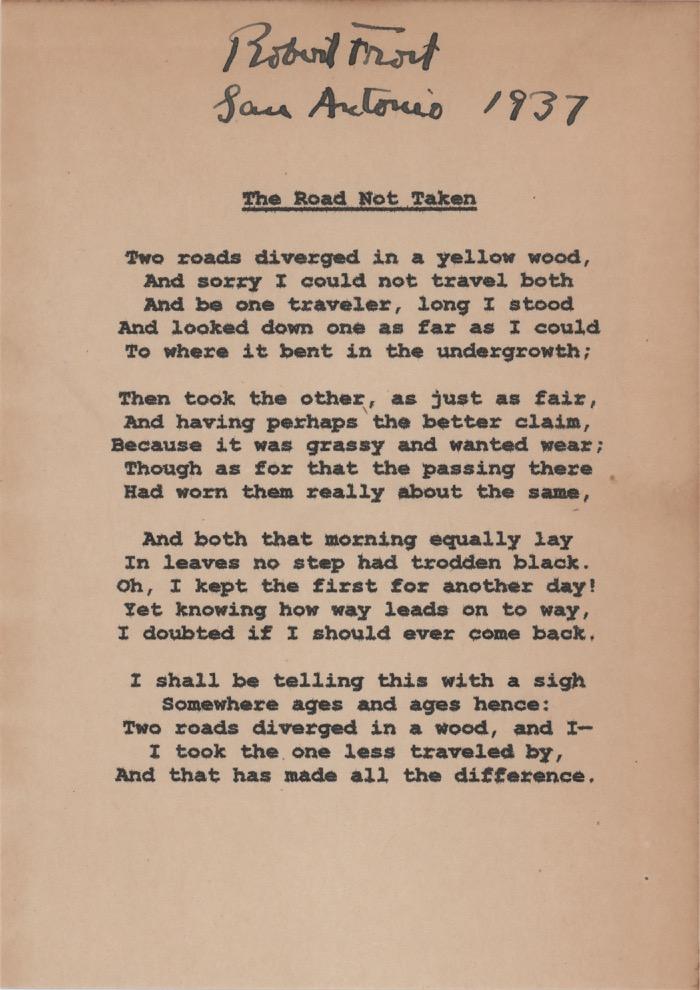
368. Robert Frost Signature Starting Bid $200
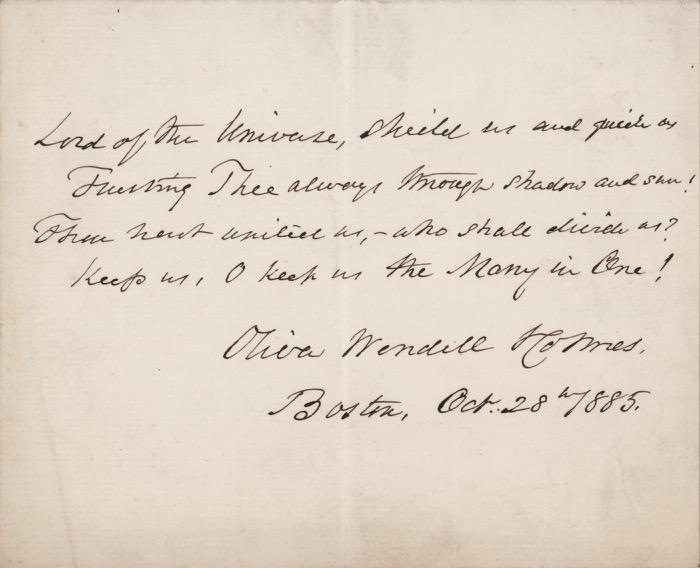
372.
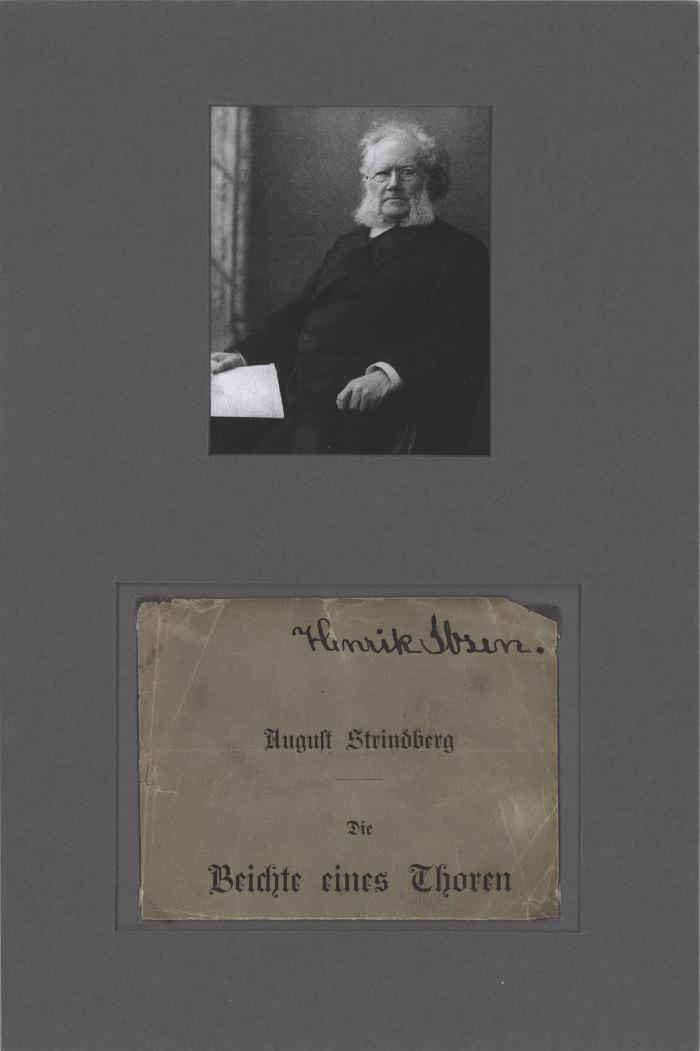
- Handwritt... Starting Bid $100
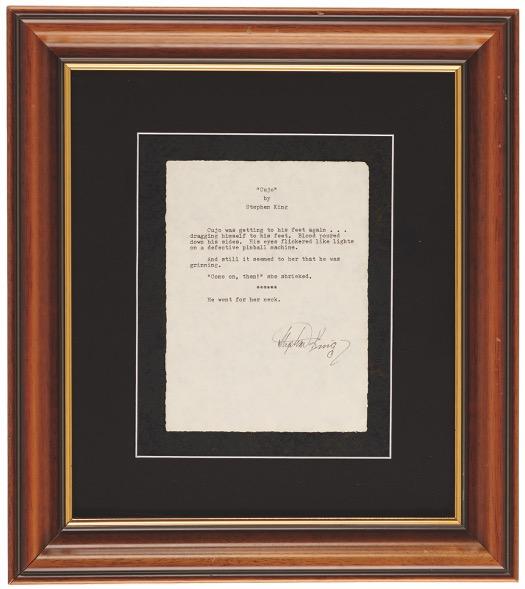
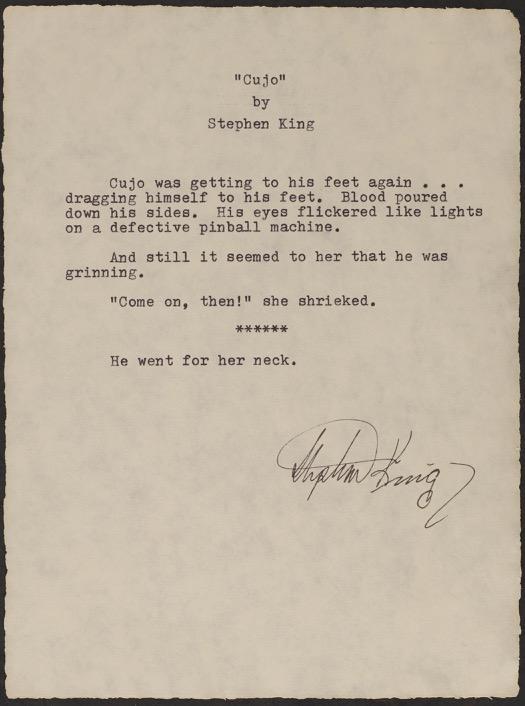
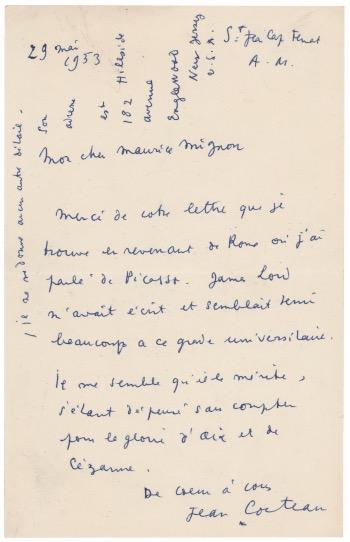
365. Jean Cocteau Autograph Letter Signed, Referring to Picasso Starting Bid $200
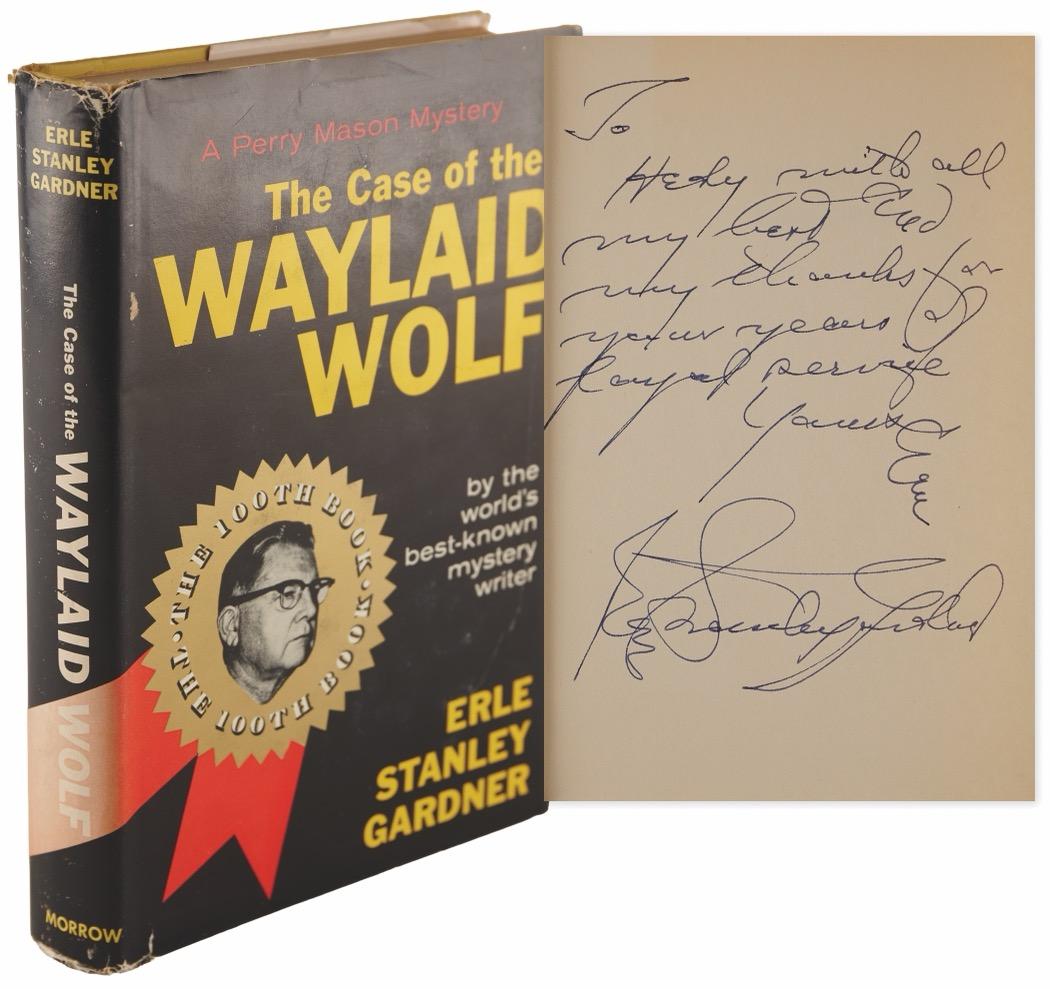
369. Erle Stanley Gardner Signed Book - The Case of the Waylaid Wolf Starting Bid $200
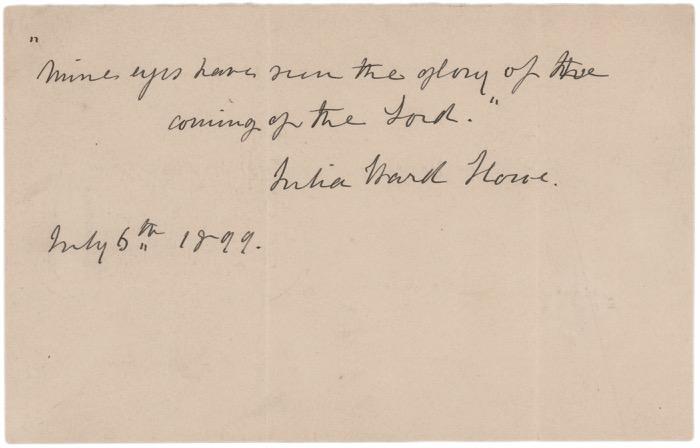
373. Julia Ward
Autograph Quotation Signed Starting Bid $200
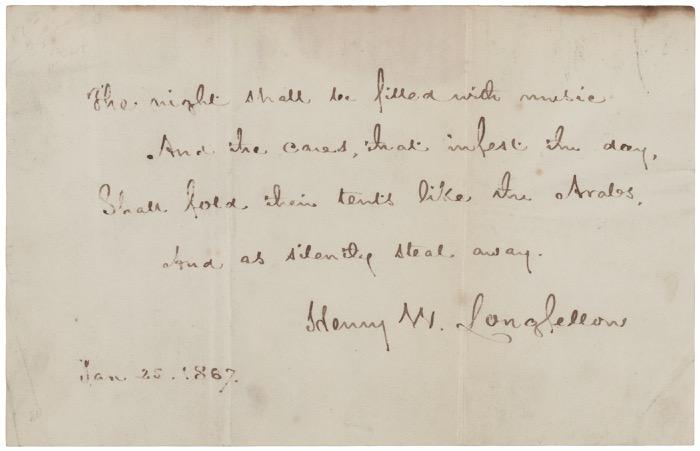
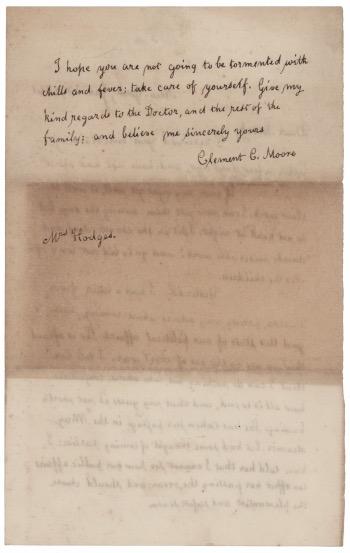
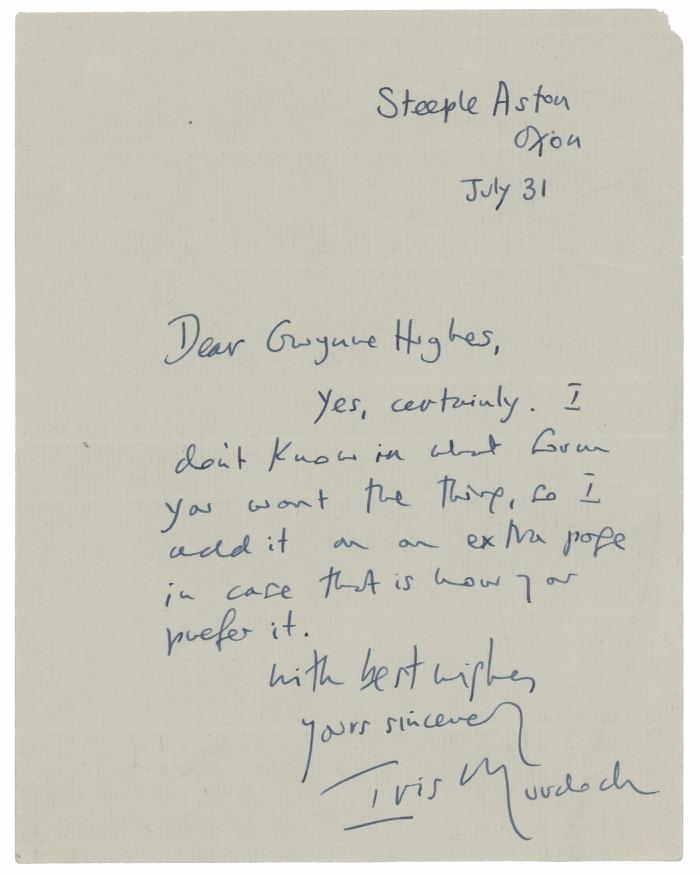
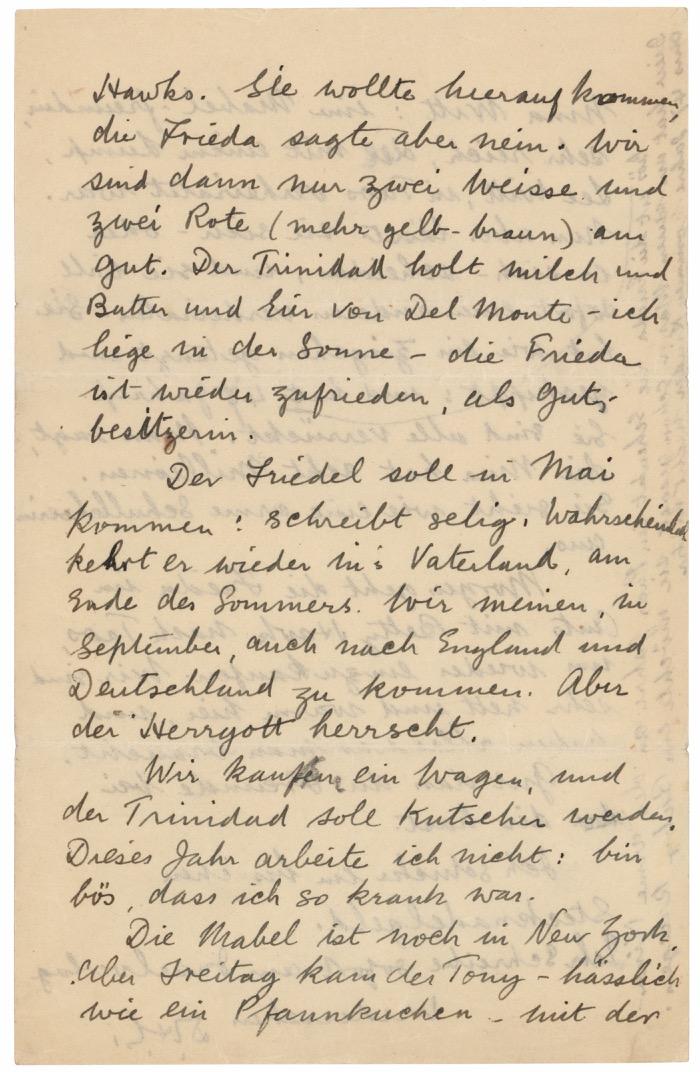
378. D. H. Lawrence Partial Autograph Letter Signed to
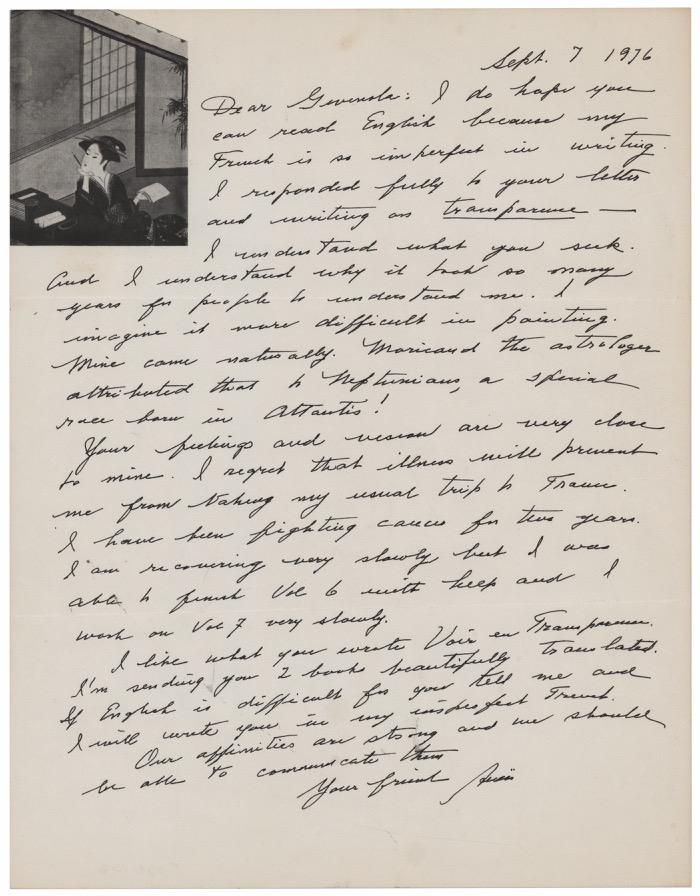
382. Anais Nin Autograph Letter Signed Starting Bid $200
386. J. D. Salinger Signature Starting Bid $200
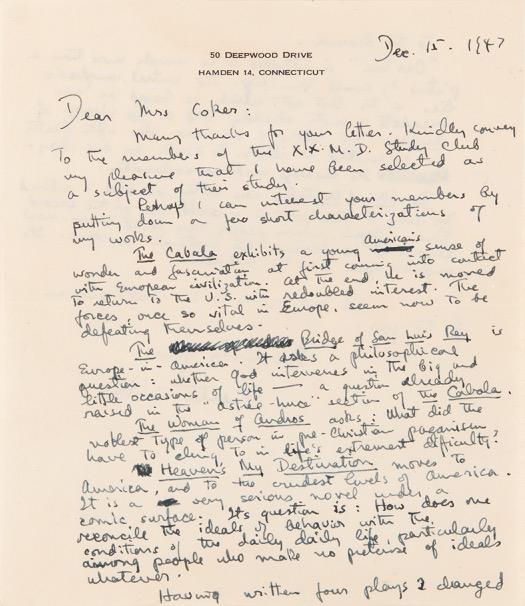
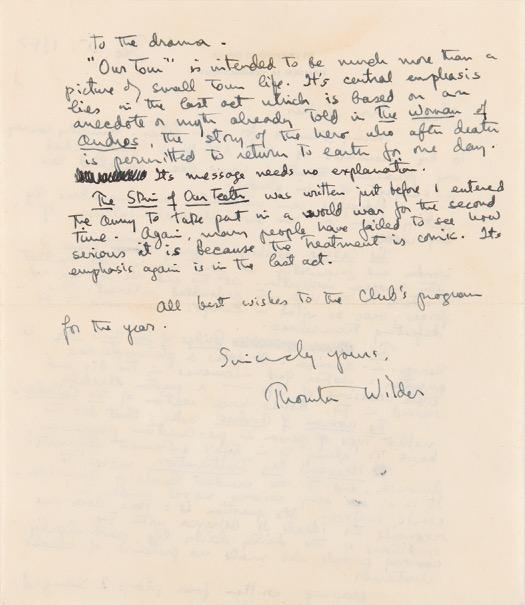
379. Henry Wadsworth Longfellow Autograph Quotation Signed from 'The D... Starting Bid $200
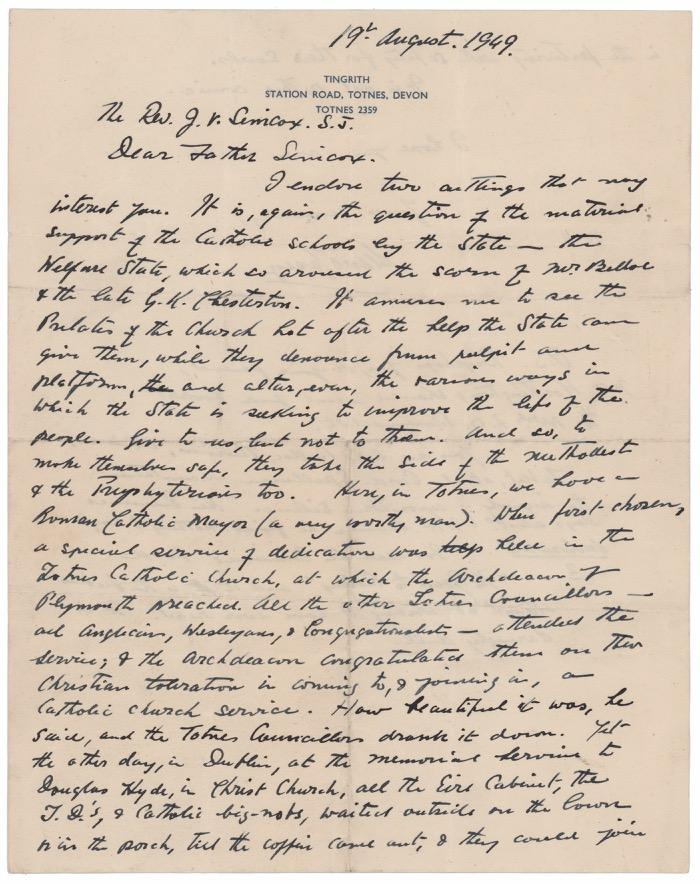
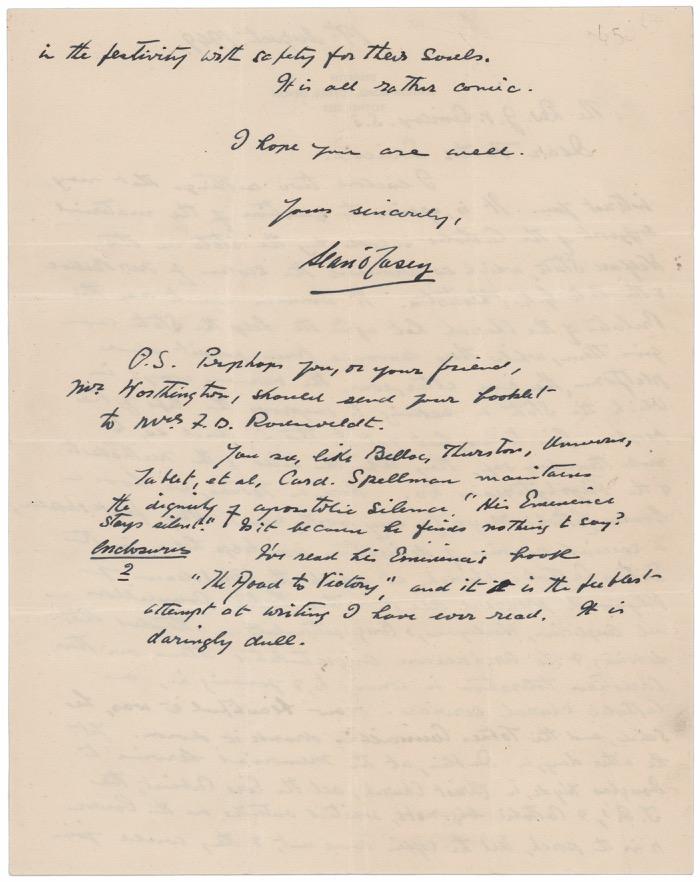
383. Sean O'Casey Autograph Letter Signed
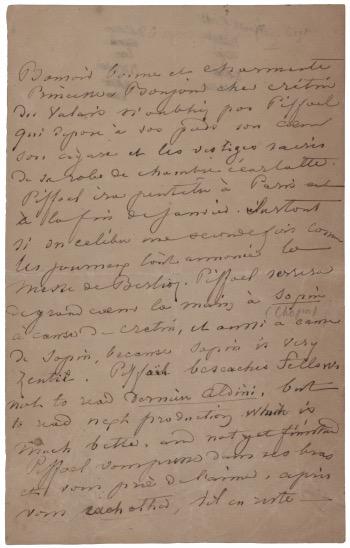
387. George Sand Handwritten Letter to Franz Liszt, Referring to Chopi... Starting Bid $200
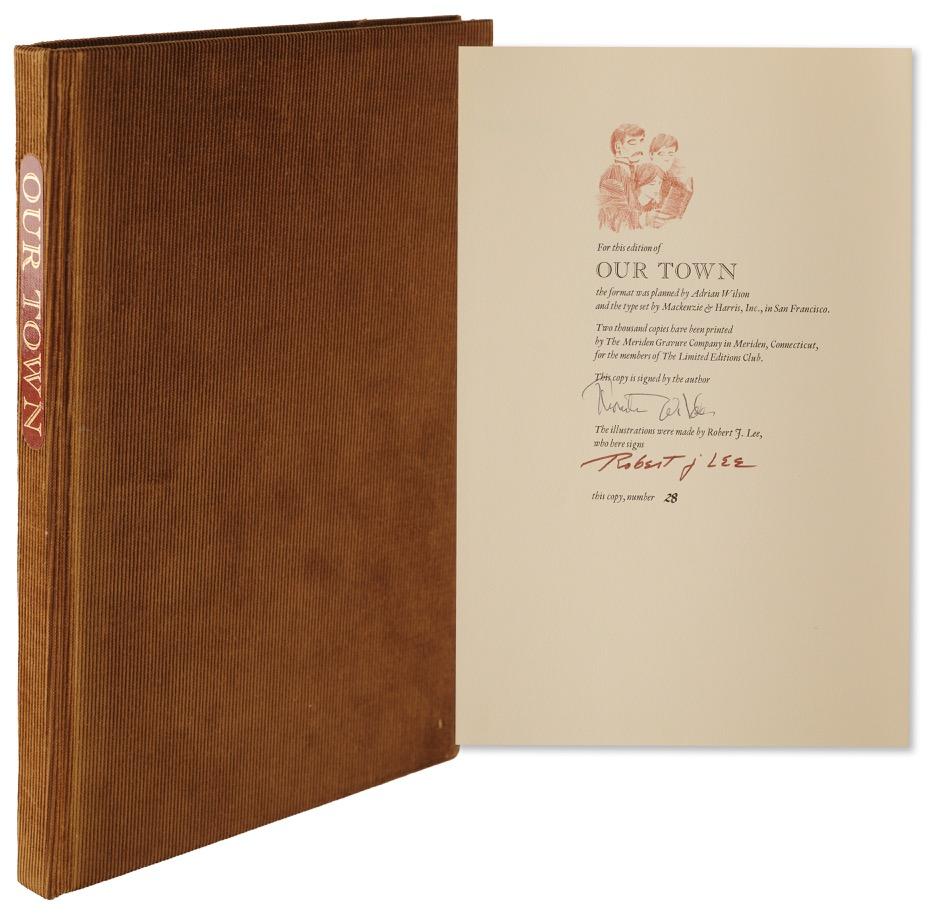
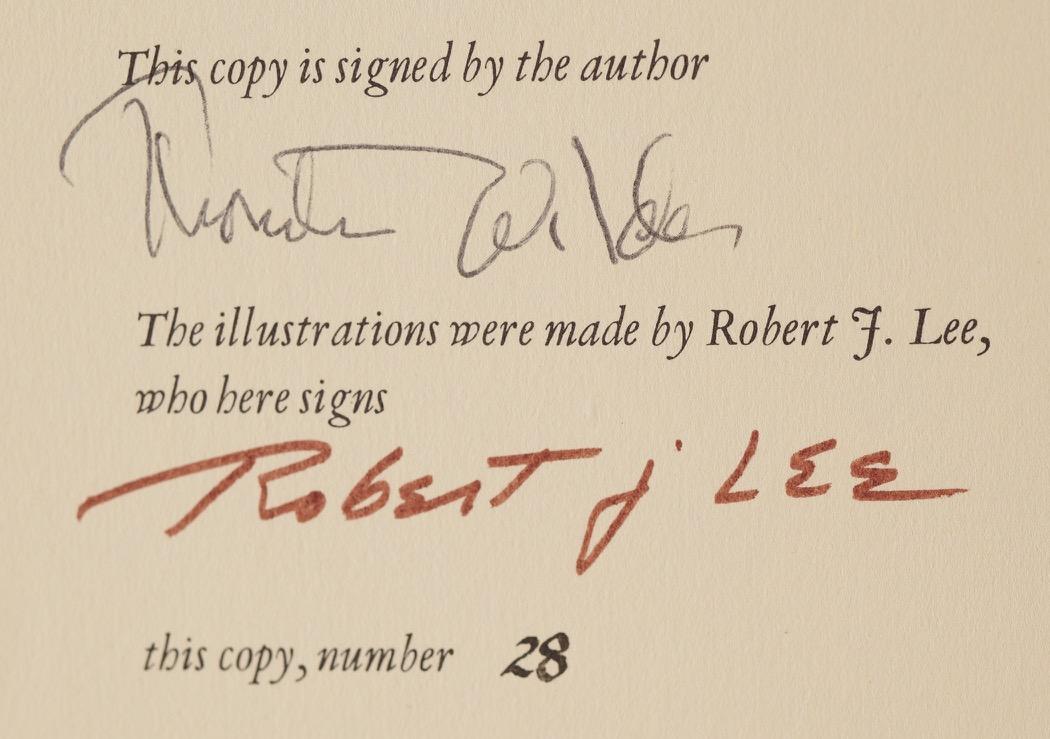
380. Clement C. Moore Autograph Letter Signed on His Daughter's Politi...
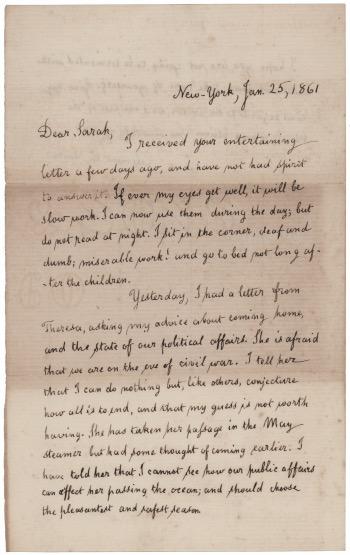
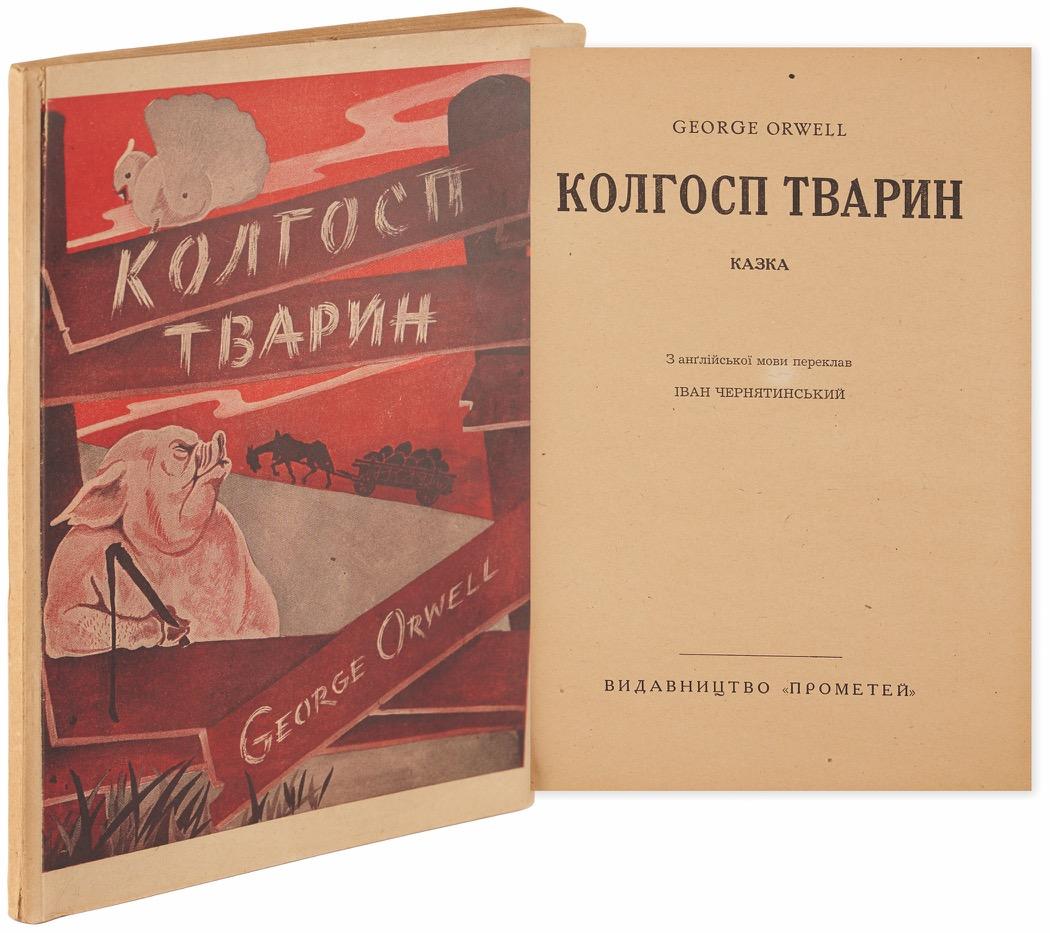
384.
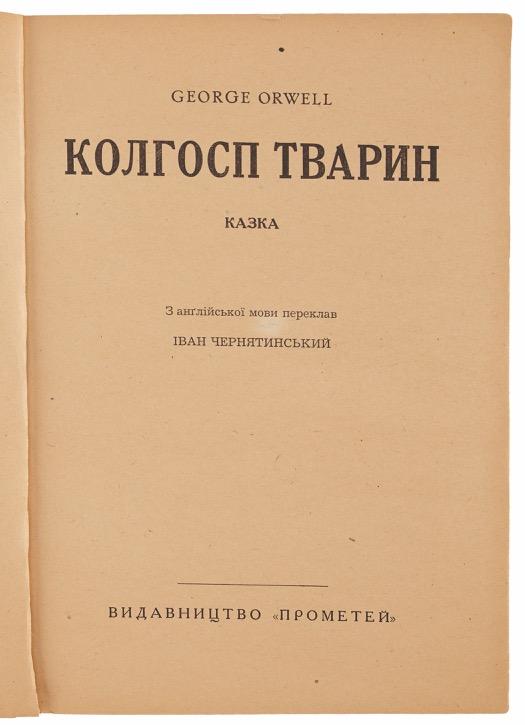
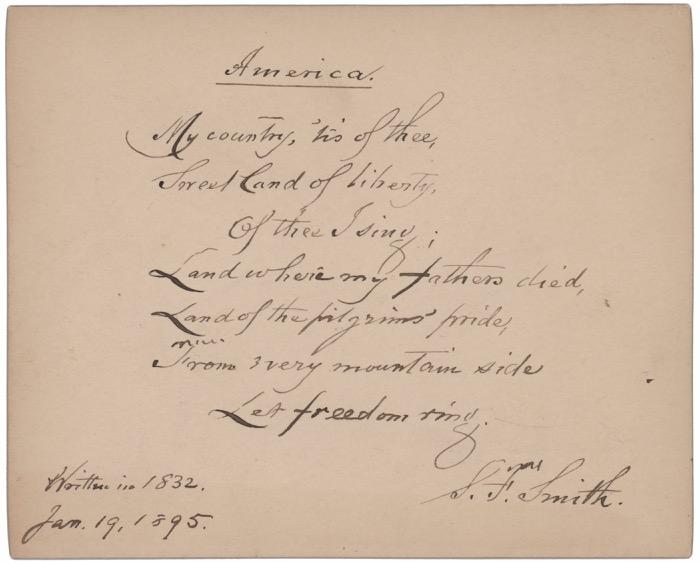
388. Samuel Francis Smith Autograph Quotation Signed: "My country, 'ti... Starting Bid $200
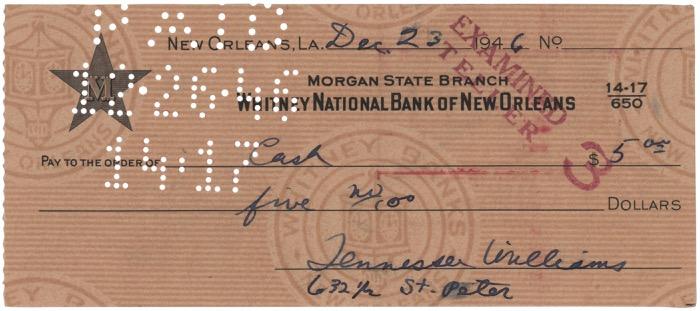
381. Iris Murdoch Autograph Letter Signed Starting Bid $200
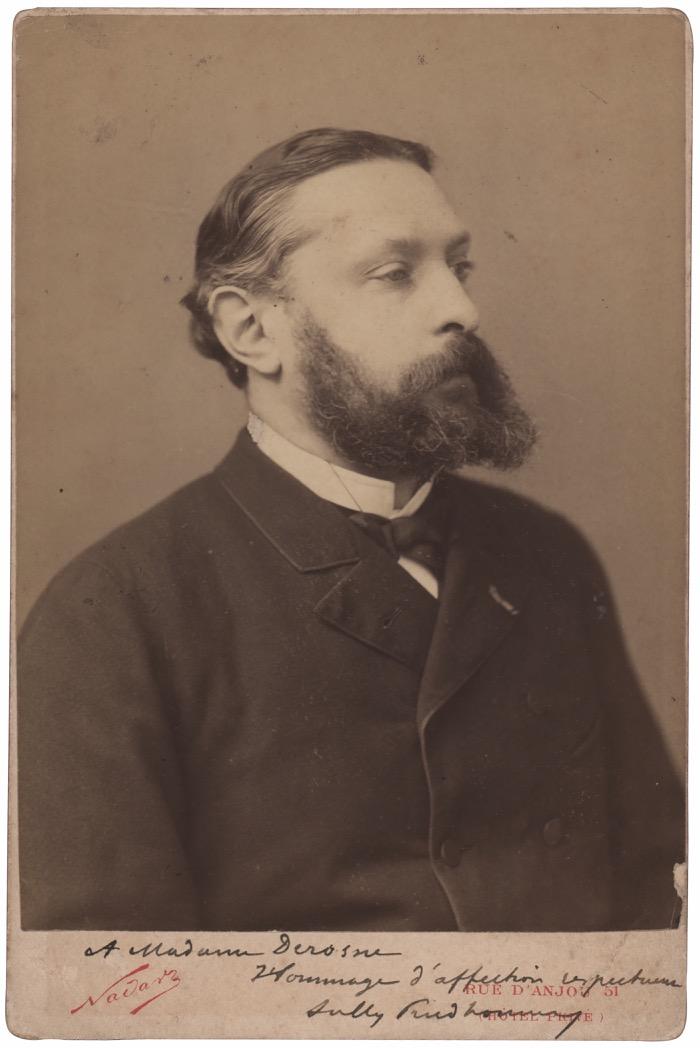
385.
Signed Photograph Starting Bid $200
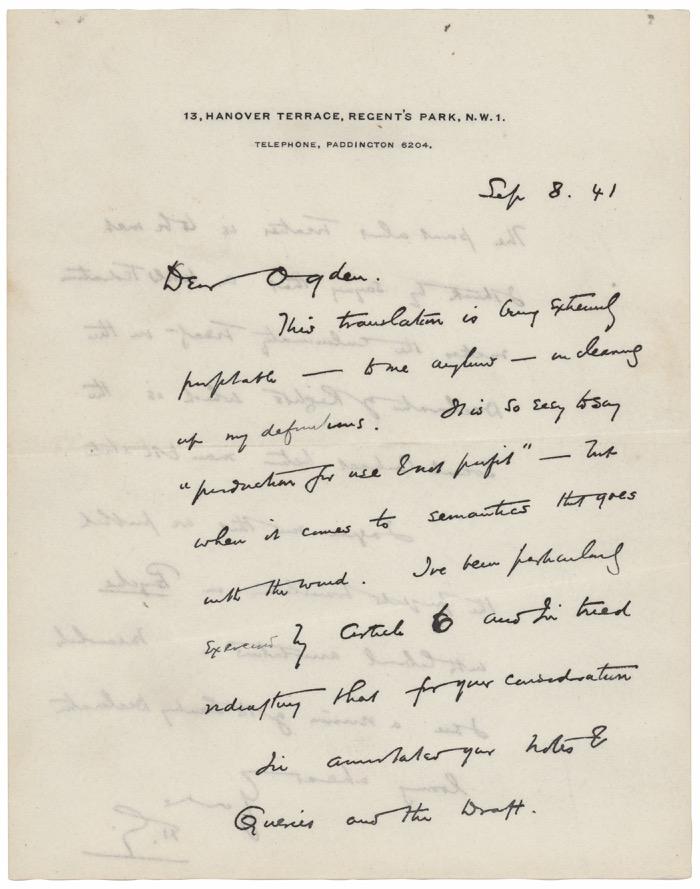
389. H. G. Wells Autograph Letter Signed on a Universal
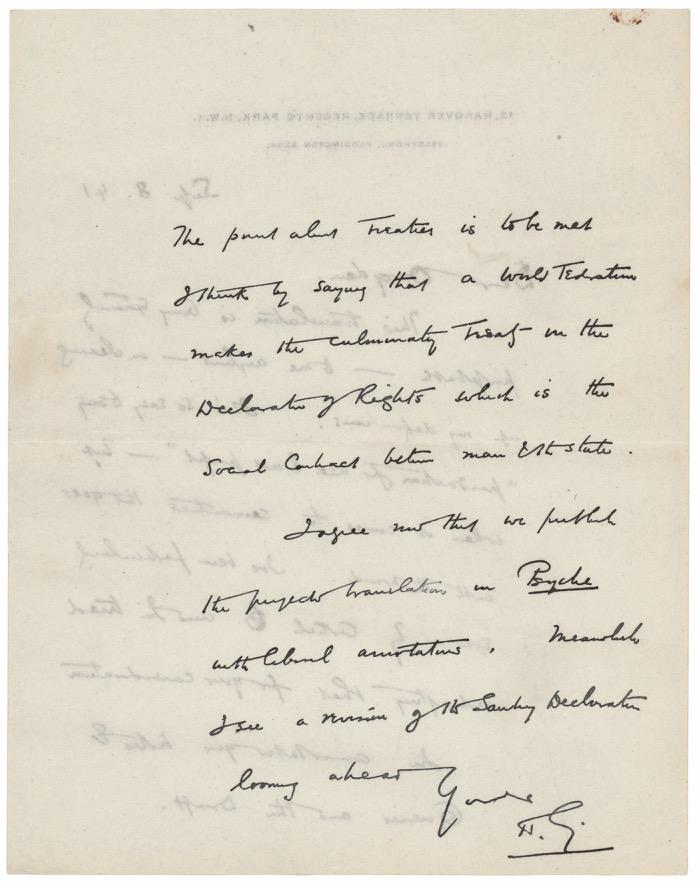
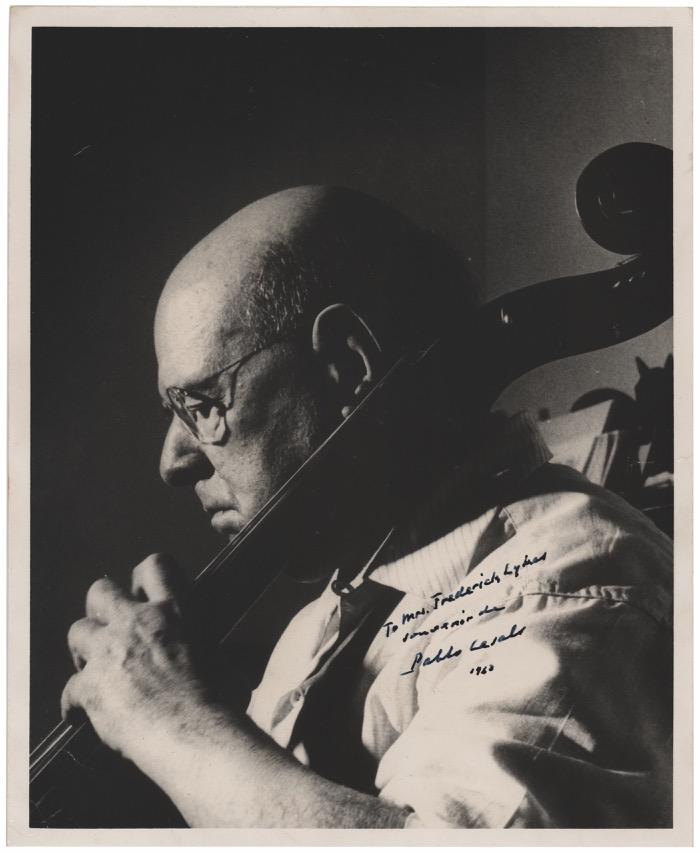
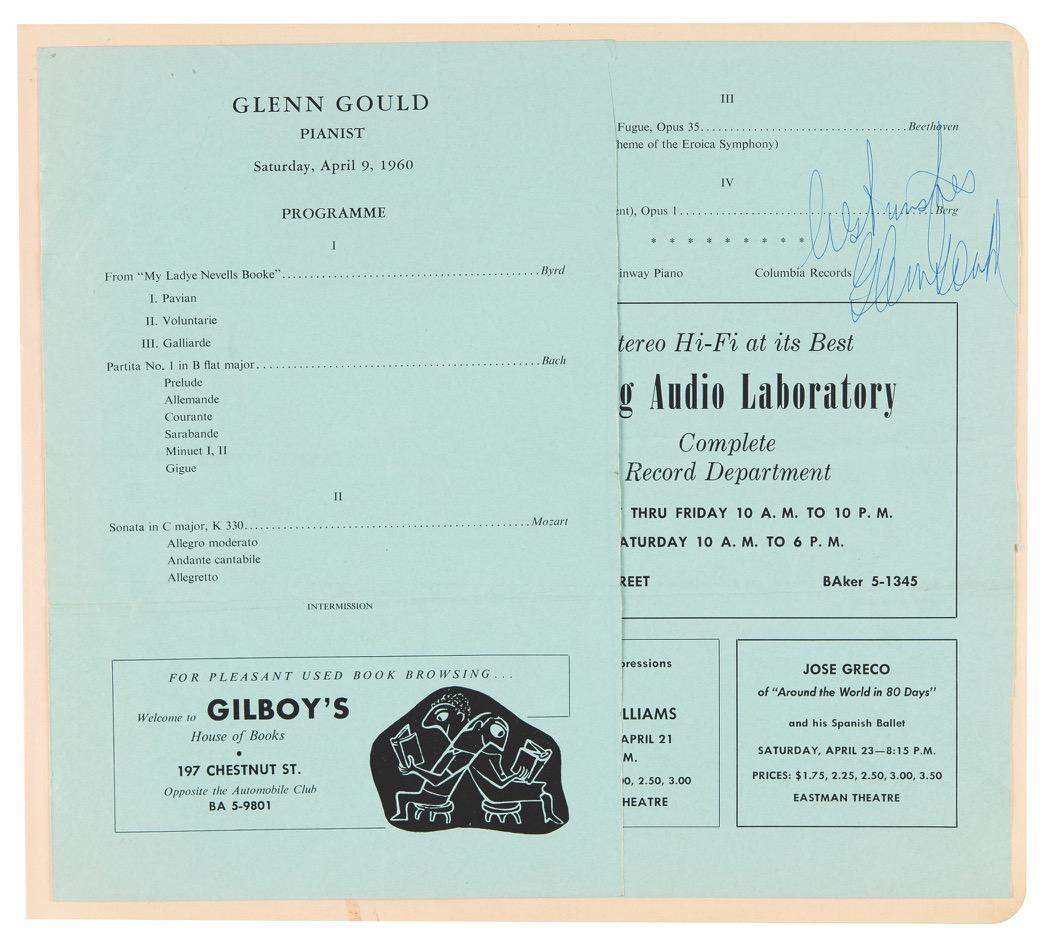
437. Glenn Gould Signed Program Page, Ticket Stubs,
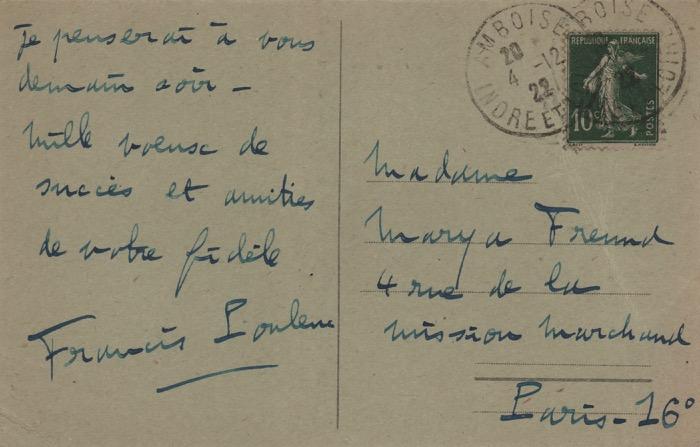
441. Francis Poulenc Autograph Letter Signed Starting Bid $200
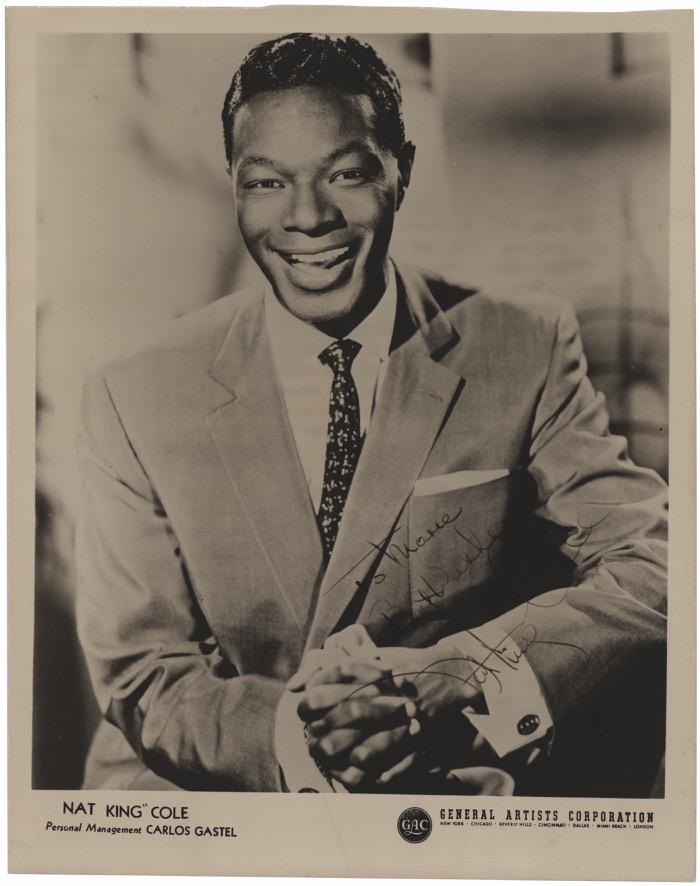
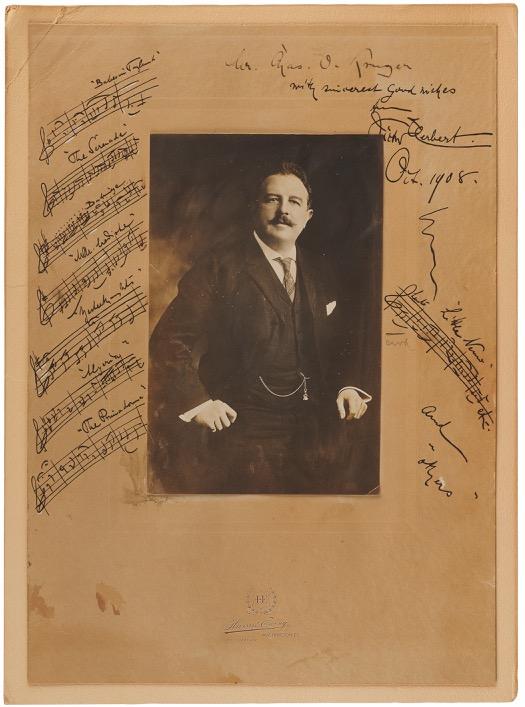
438. Victor Herbert Oversized Signed Photograph with Autograph Musical... Starting Bid $200
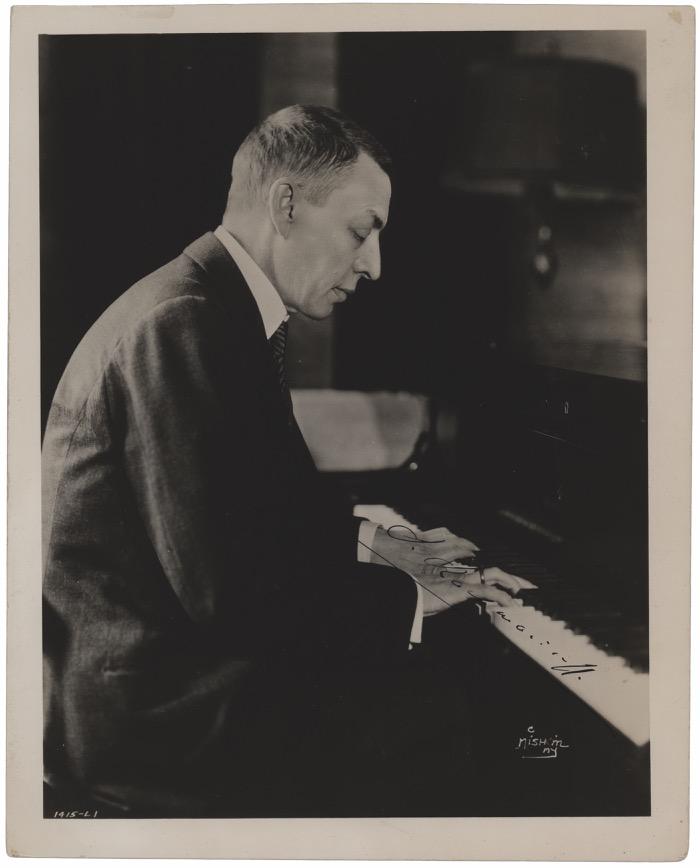
442. Sergei Rachmaninoff Signed Photograph Starting Bid $200
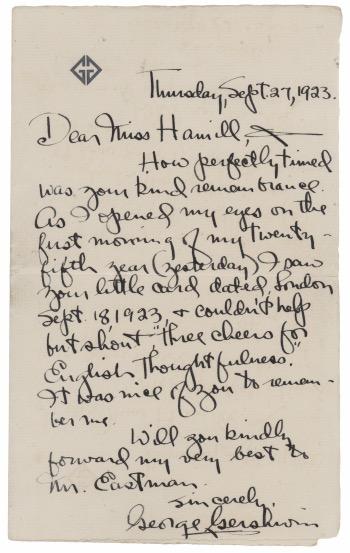
446. George Gershwin Autograph Letter Signed Starting Bid $200
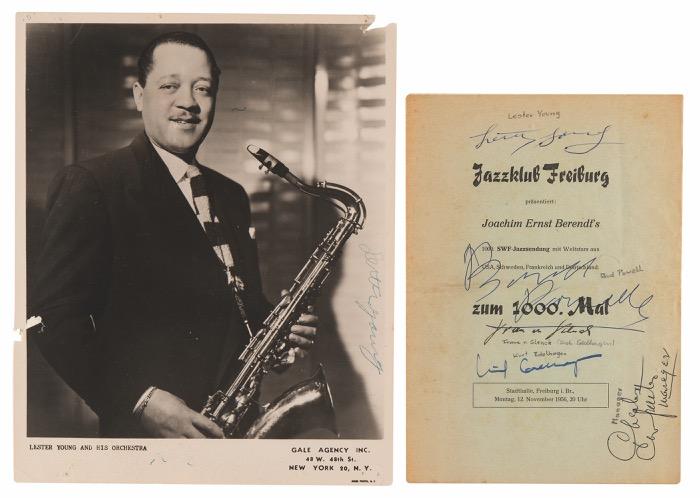
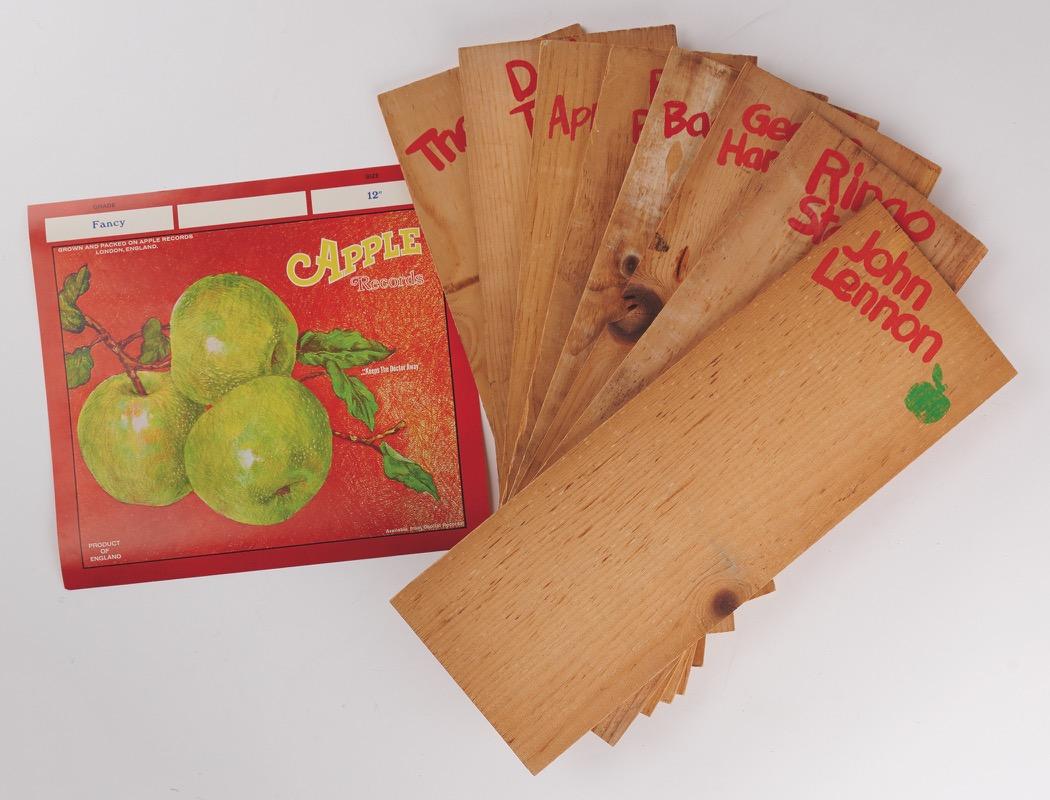
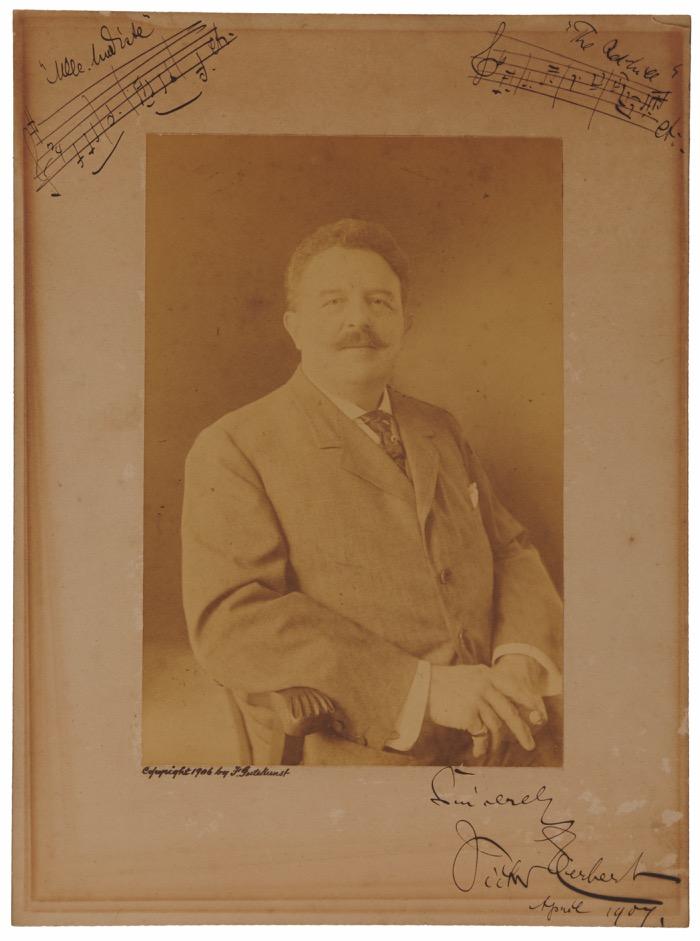
439. Victor Herbert Signed Photograph with Double Autograph Musical Qu... Starting Bid $200
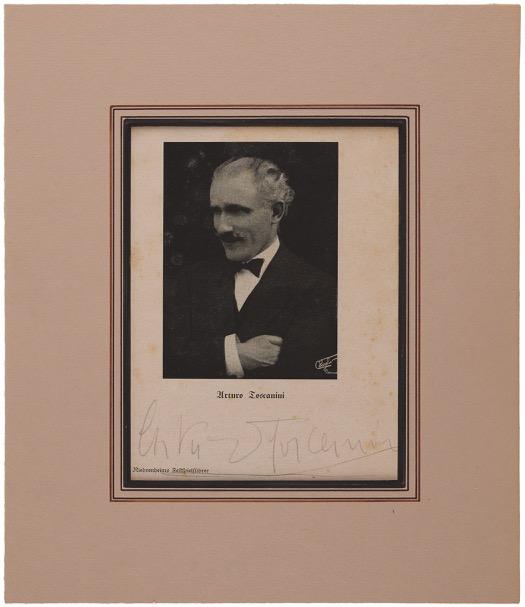
443. Arturo Toscanini Signed Photograph Starting Bid $200
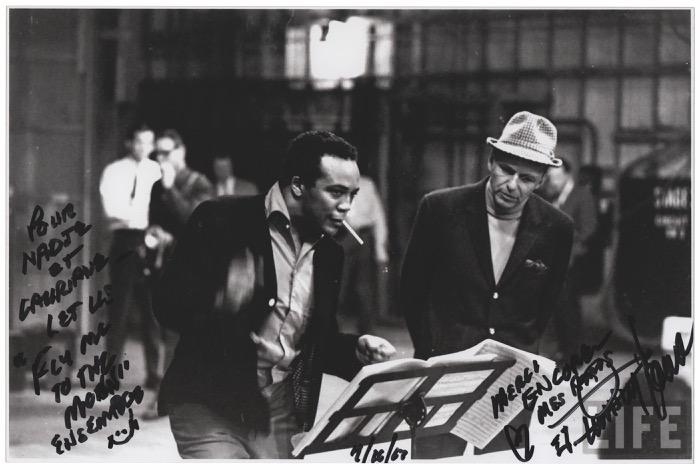
447. Quincy
Signed Photograph Starting Bid $200
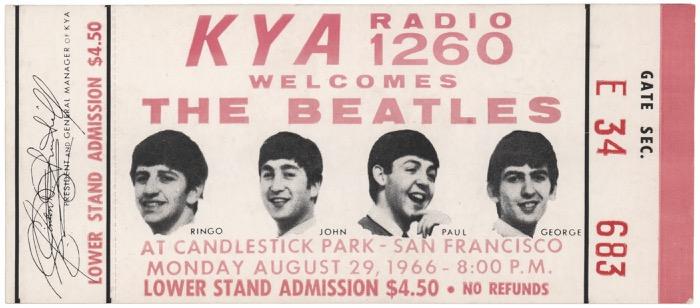
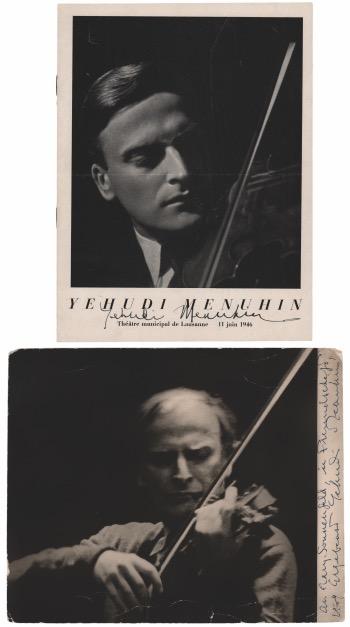
440. Yehudi
Signed Photograph and Signed Program Starting Bid $200
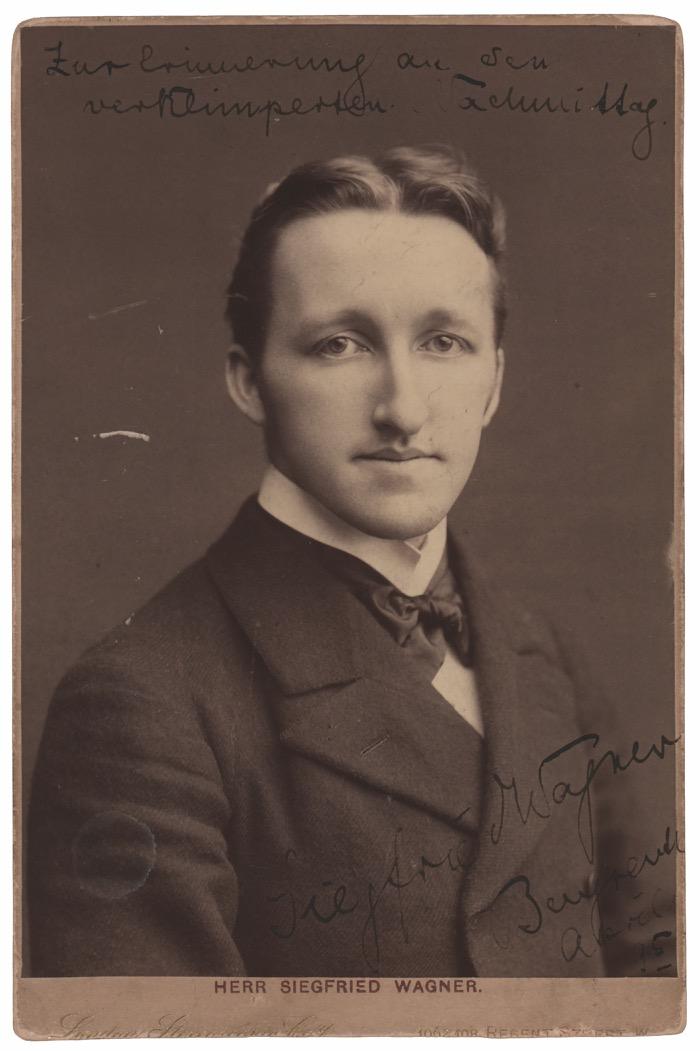
444.
Signed Photograph Starting Bid $200
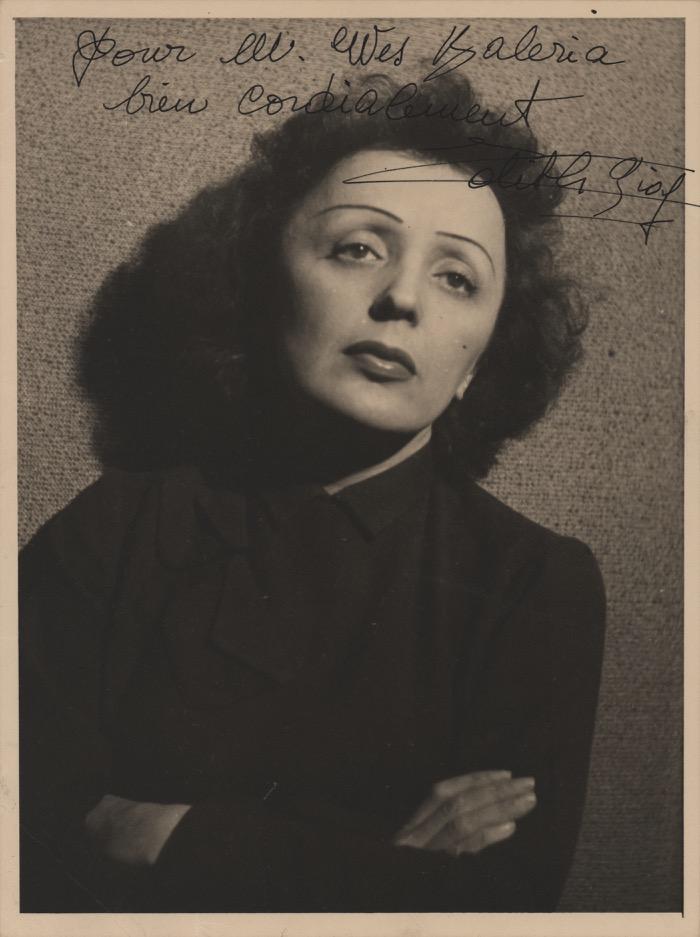
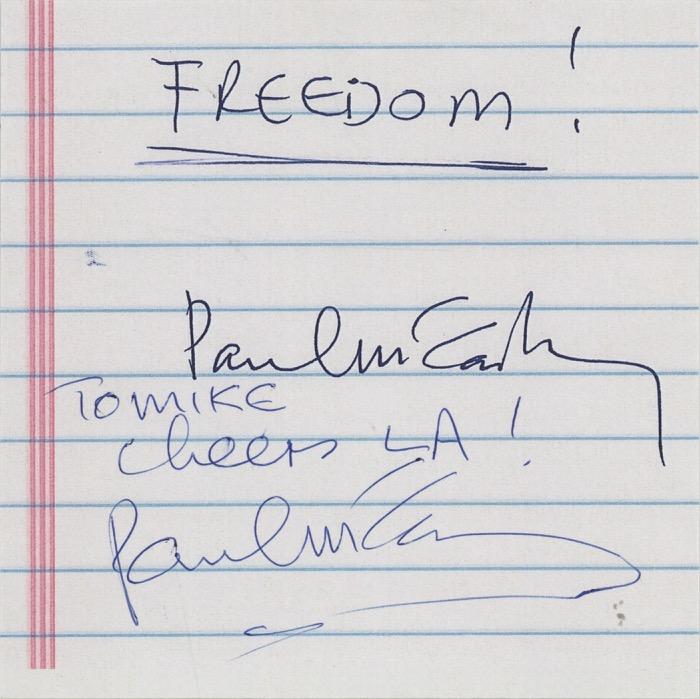
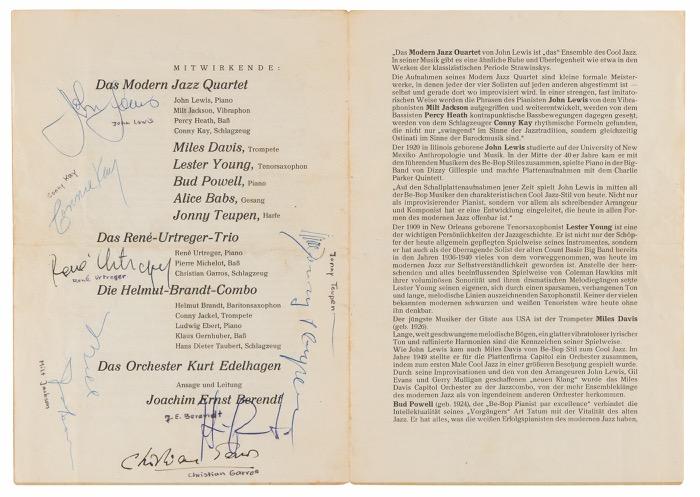
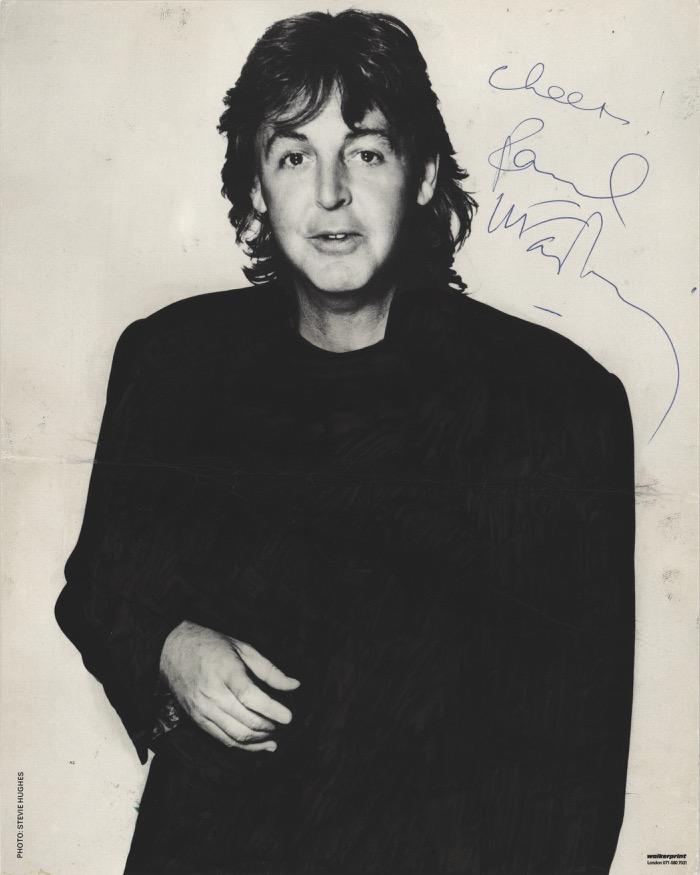
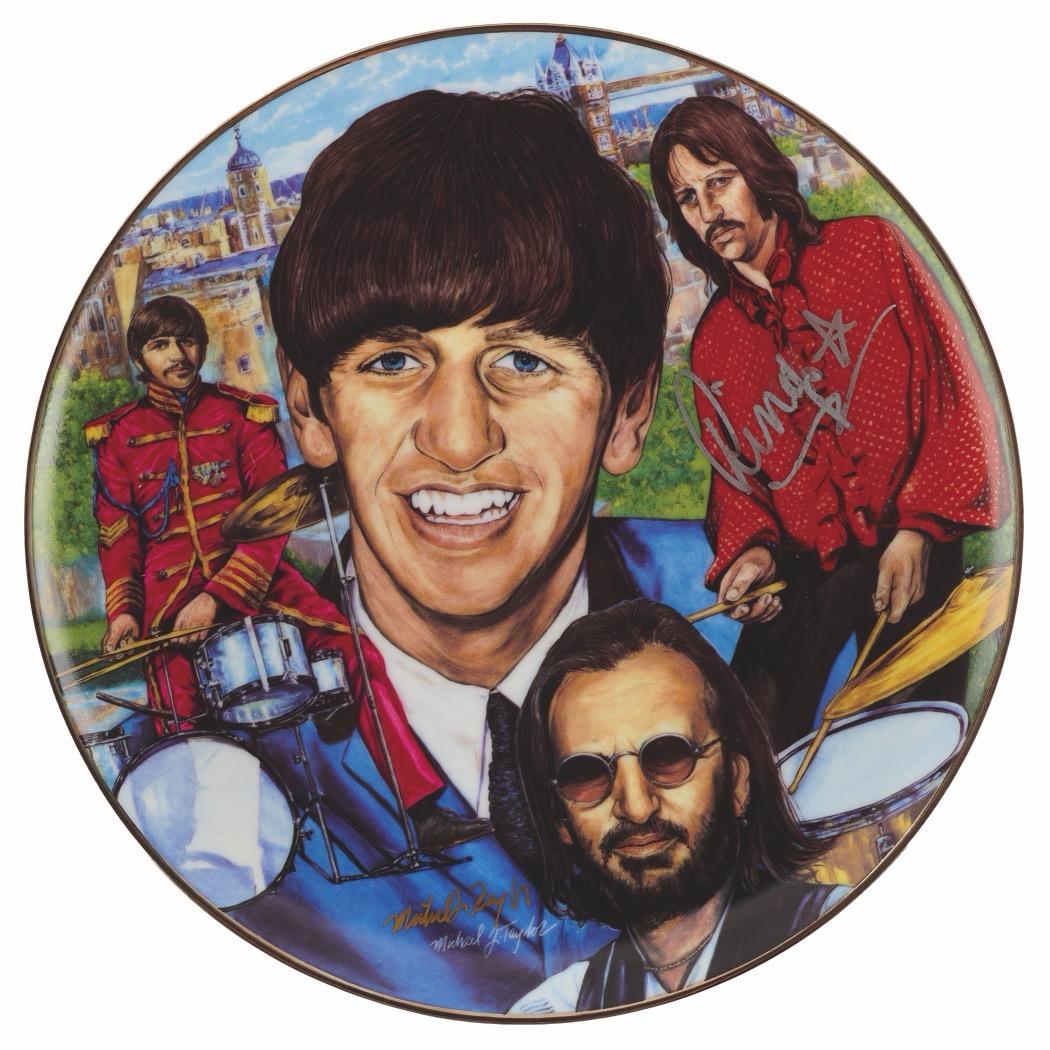
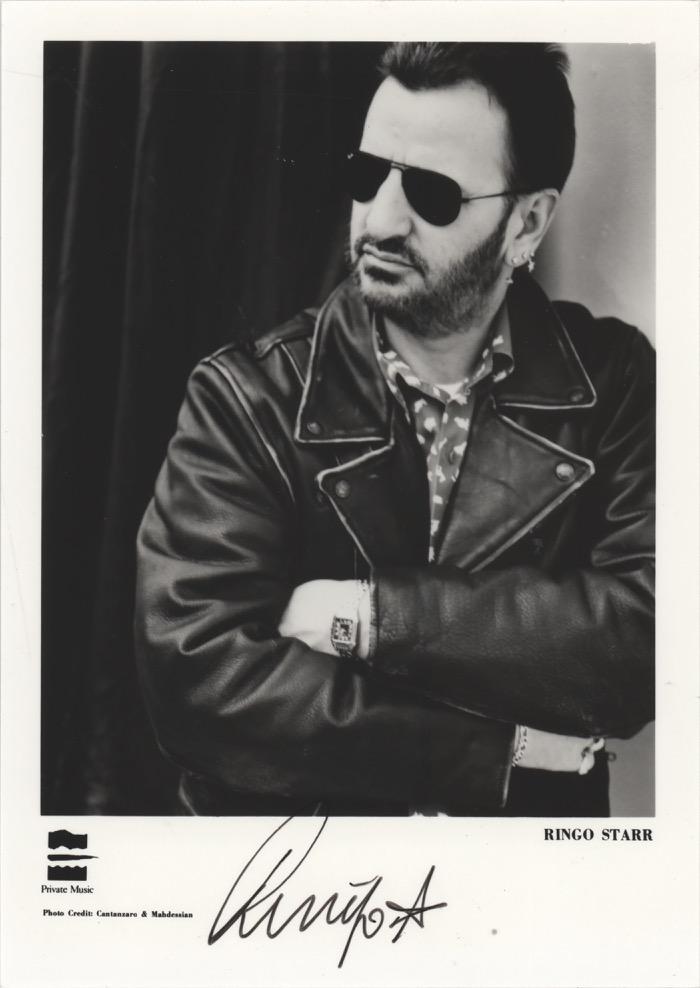
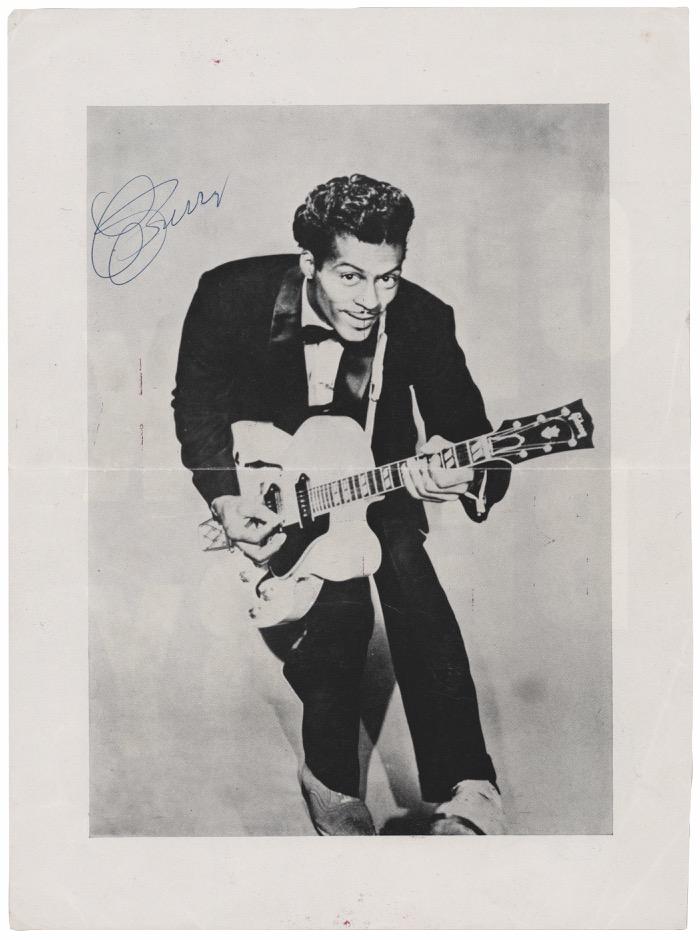
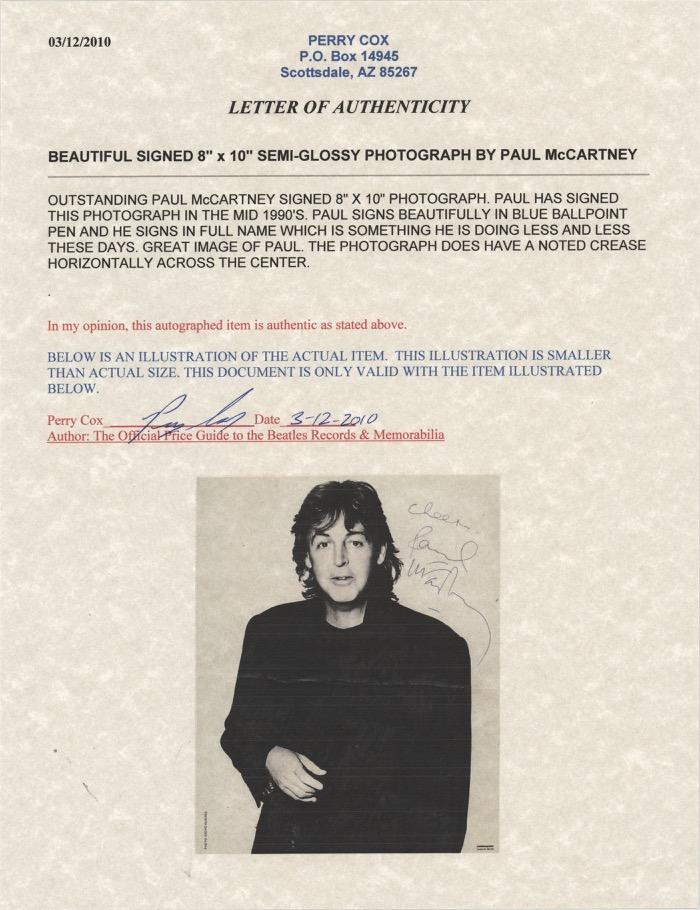
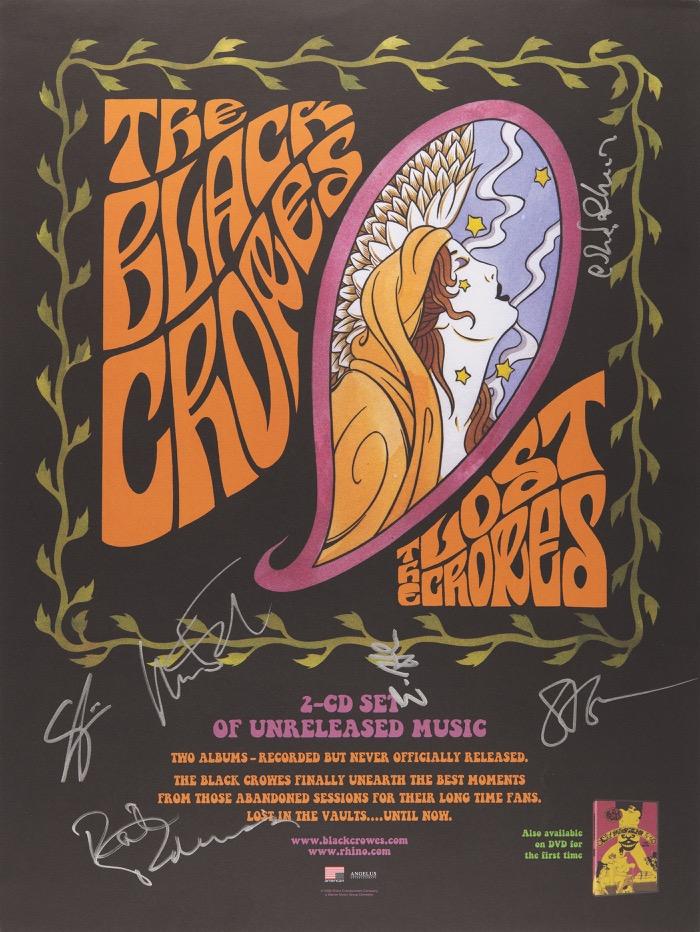
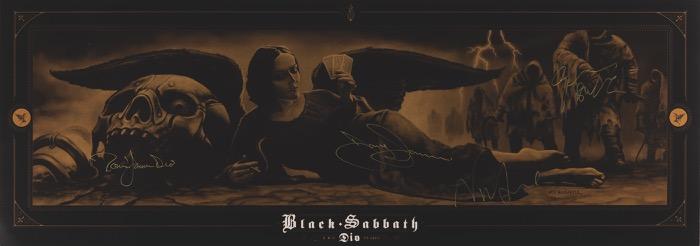


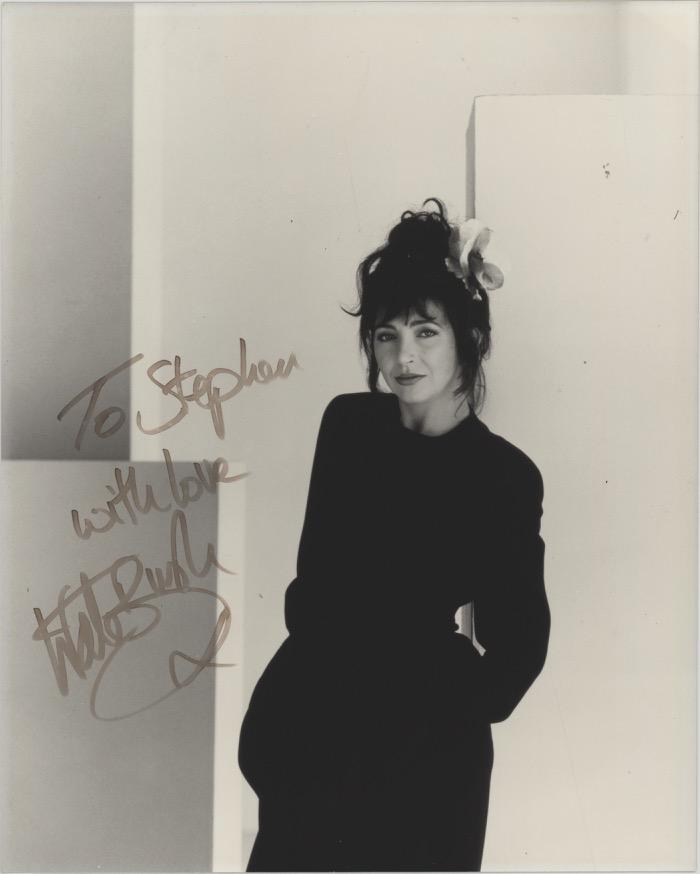

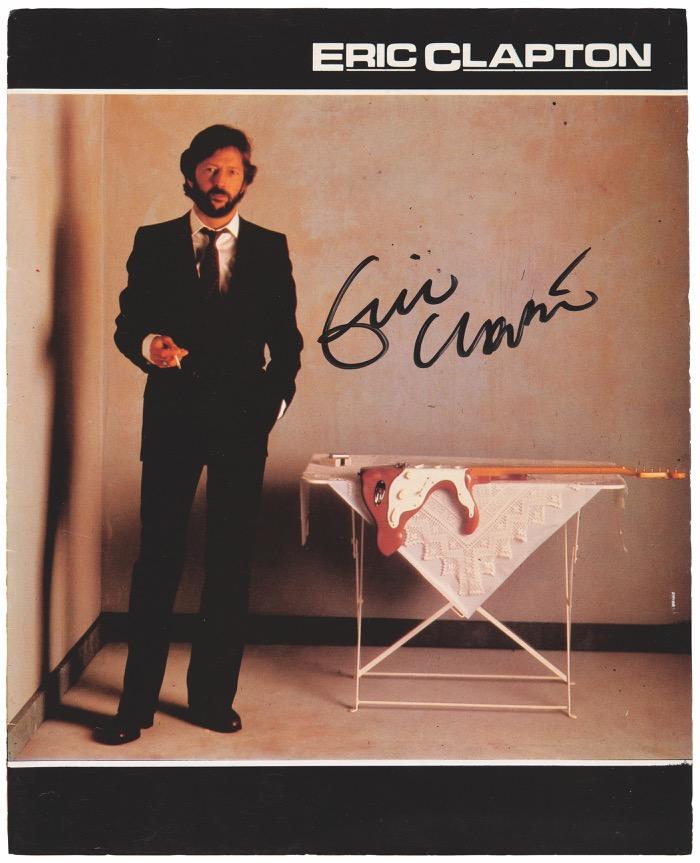
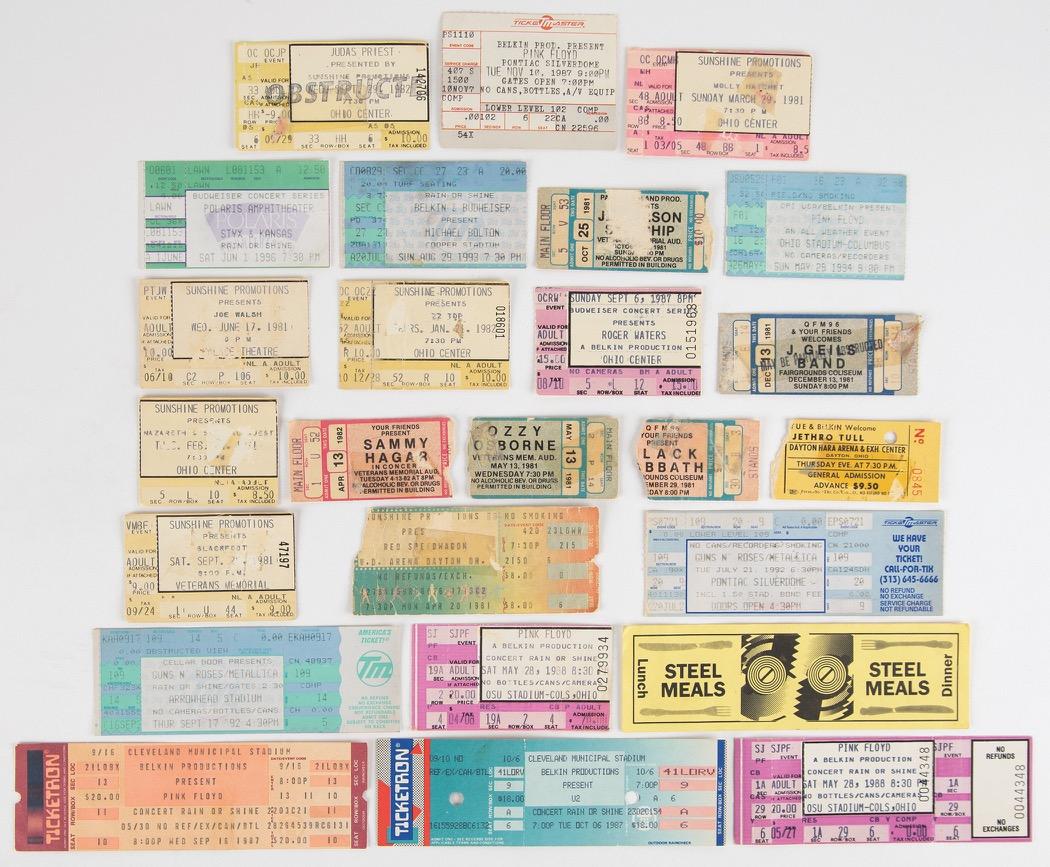
470.
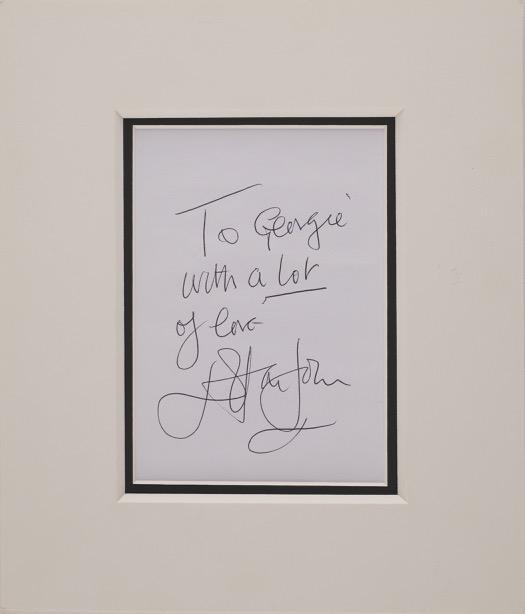
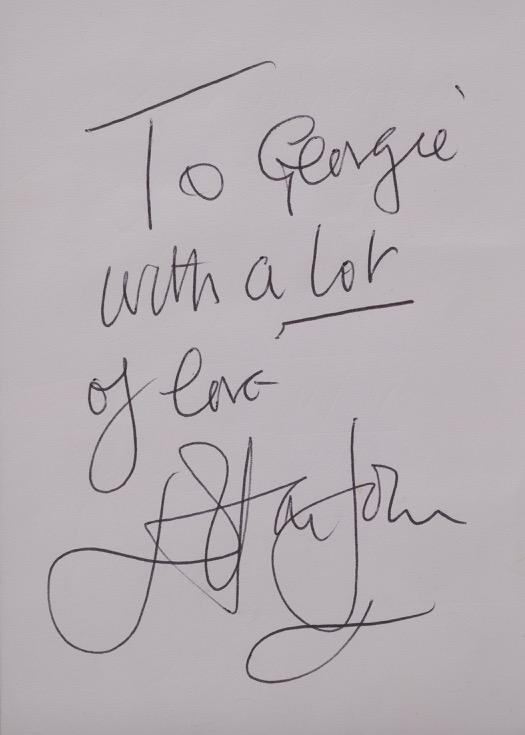
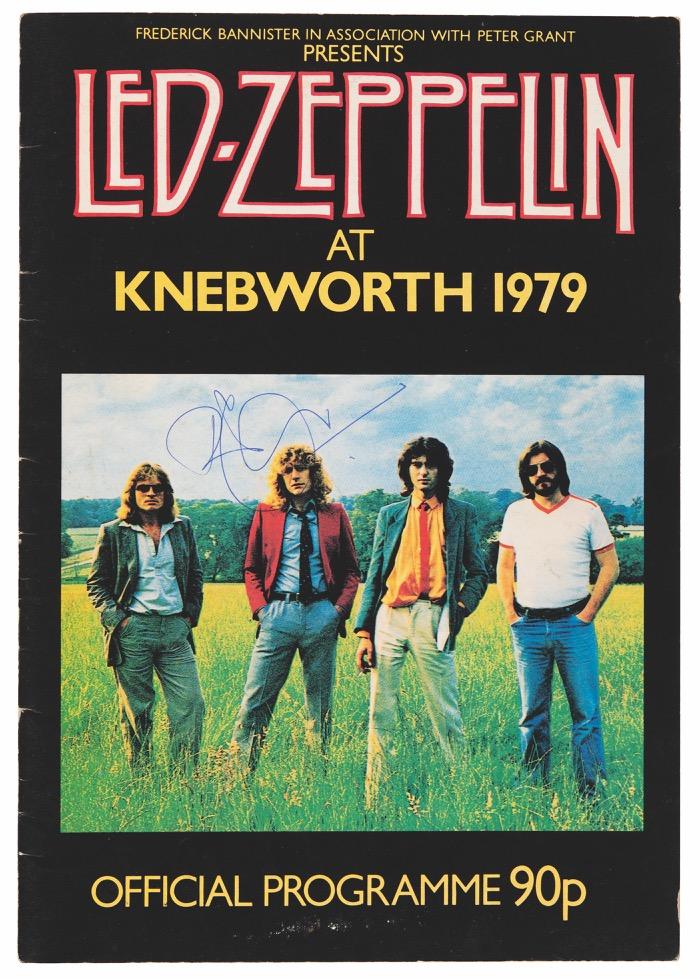
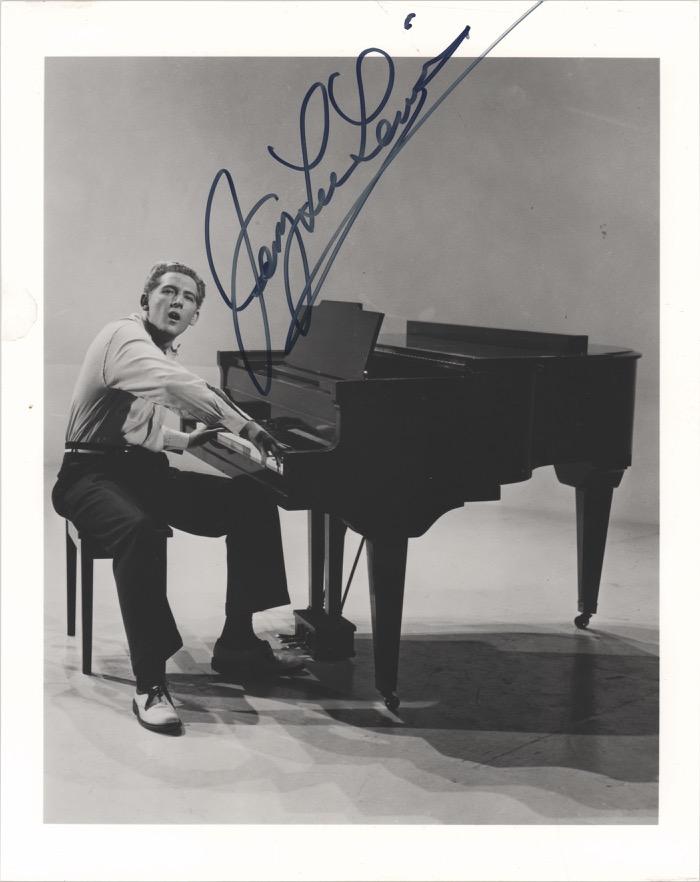
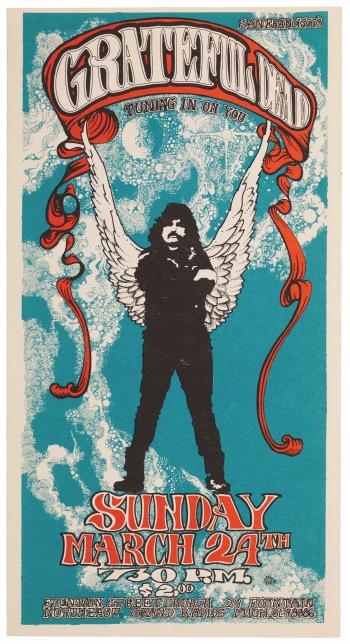
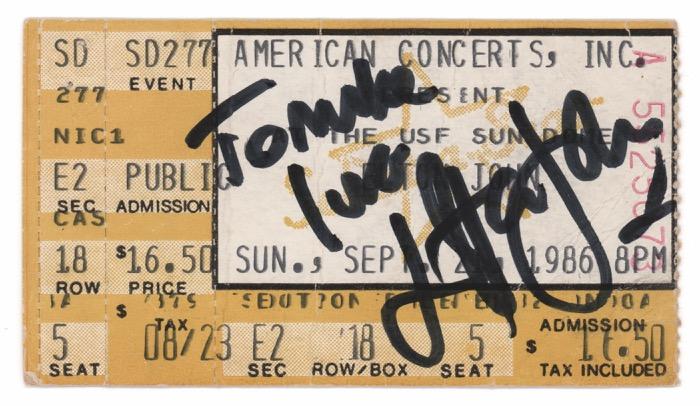
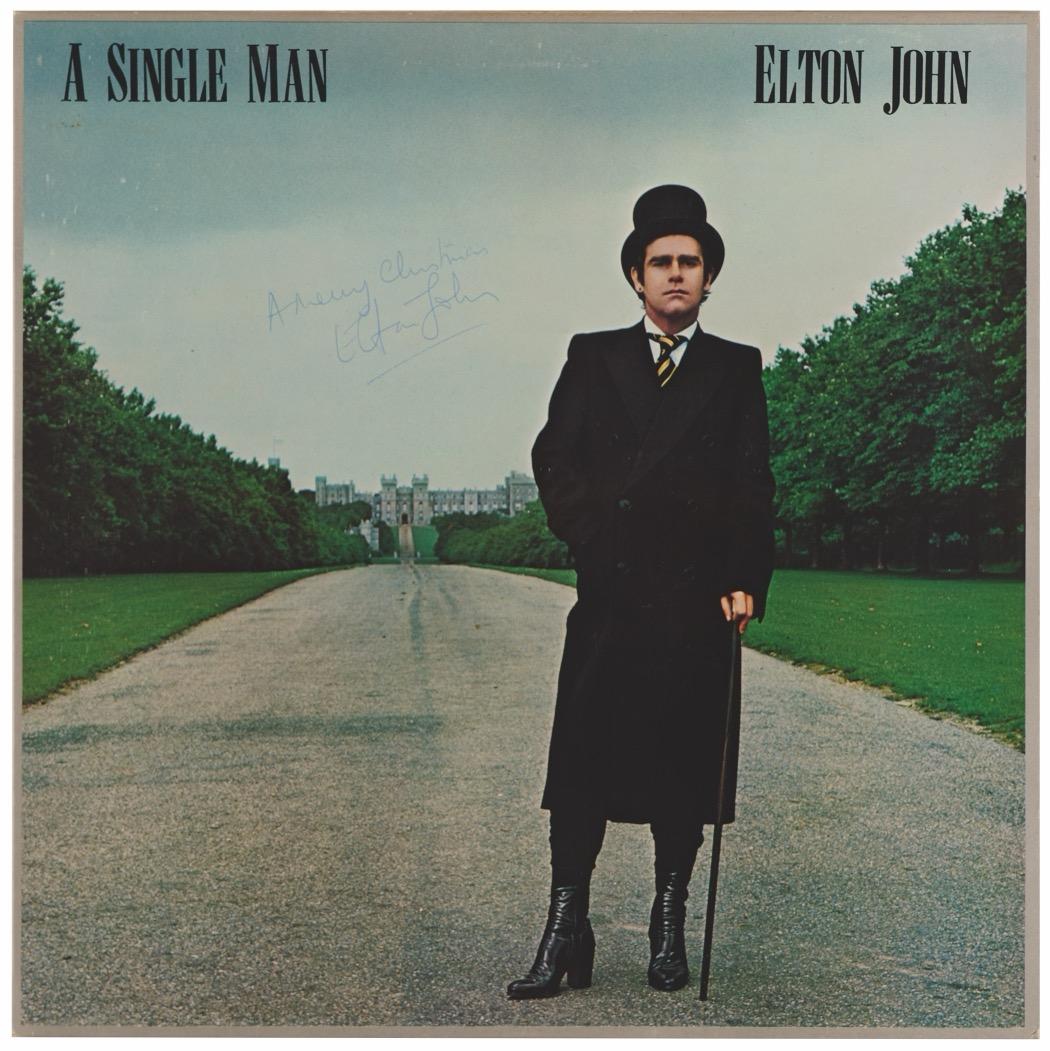
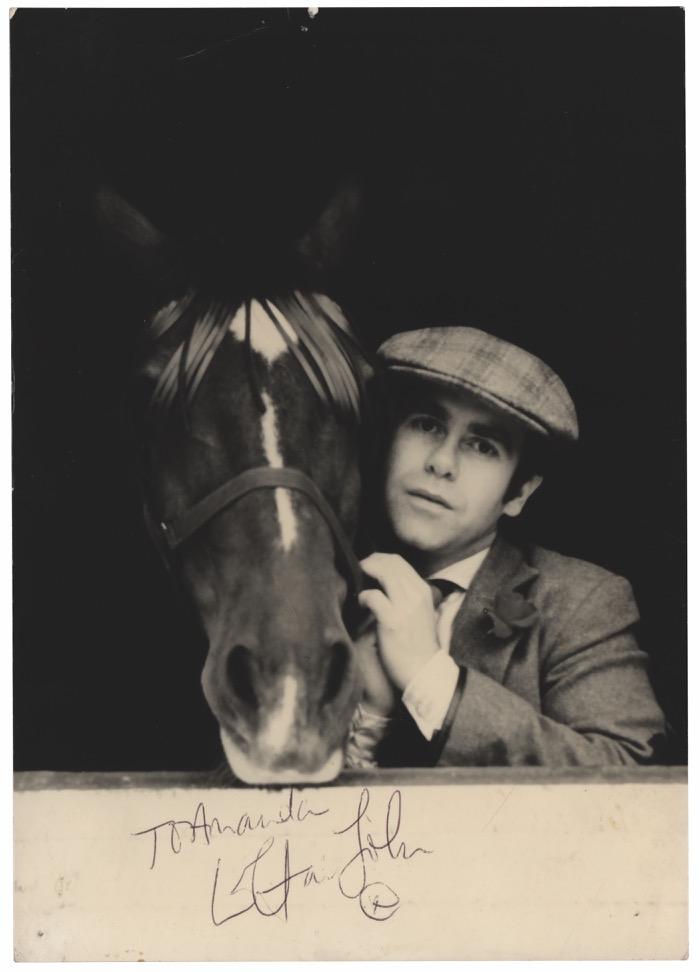
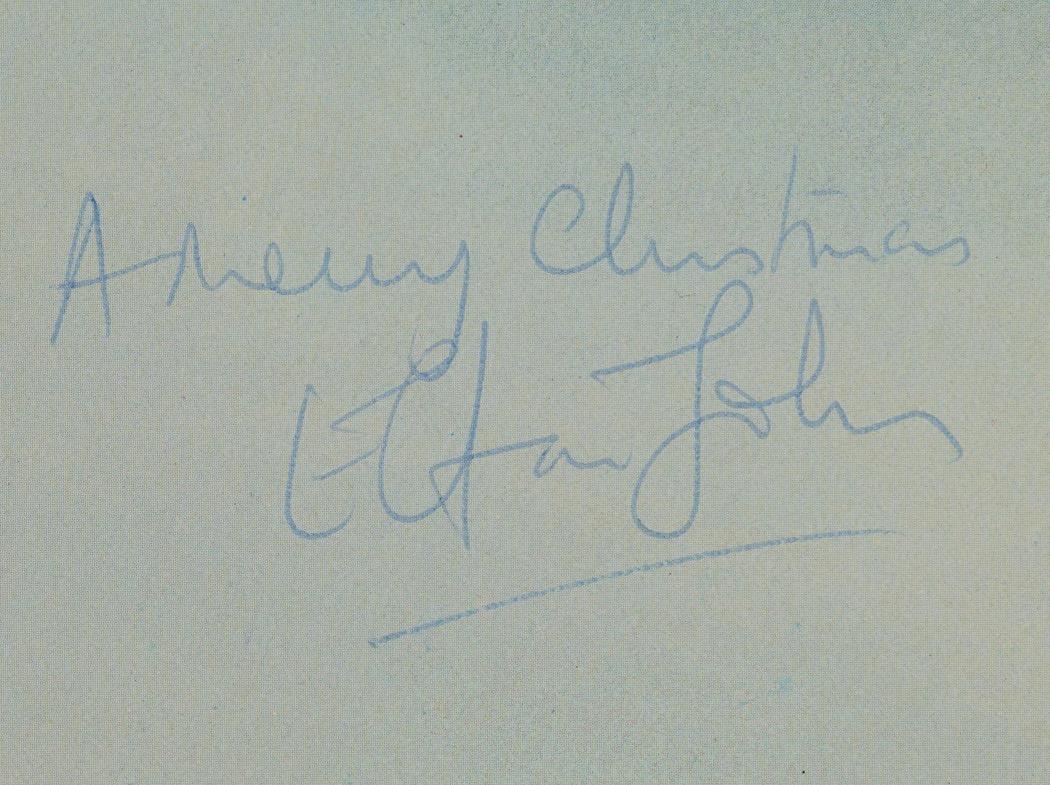

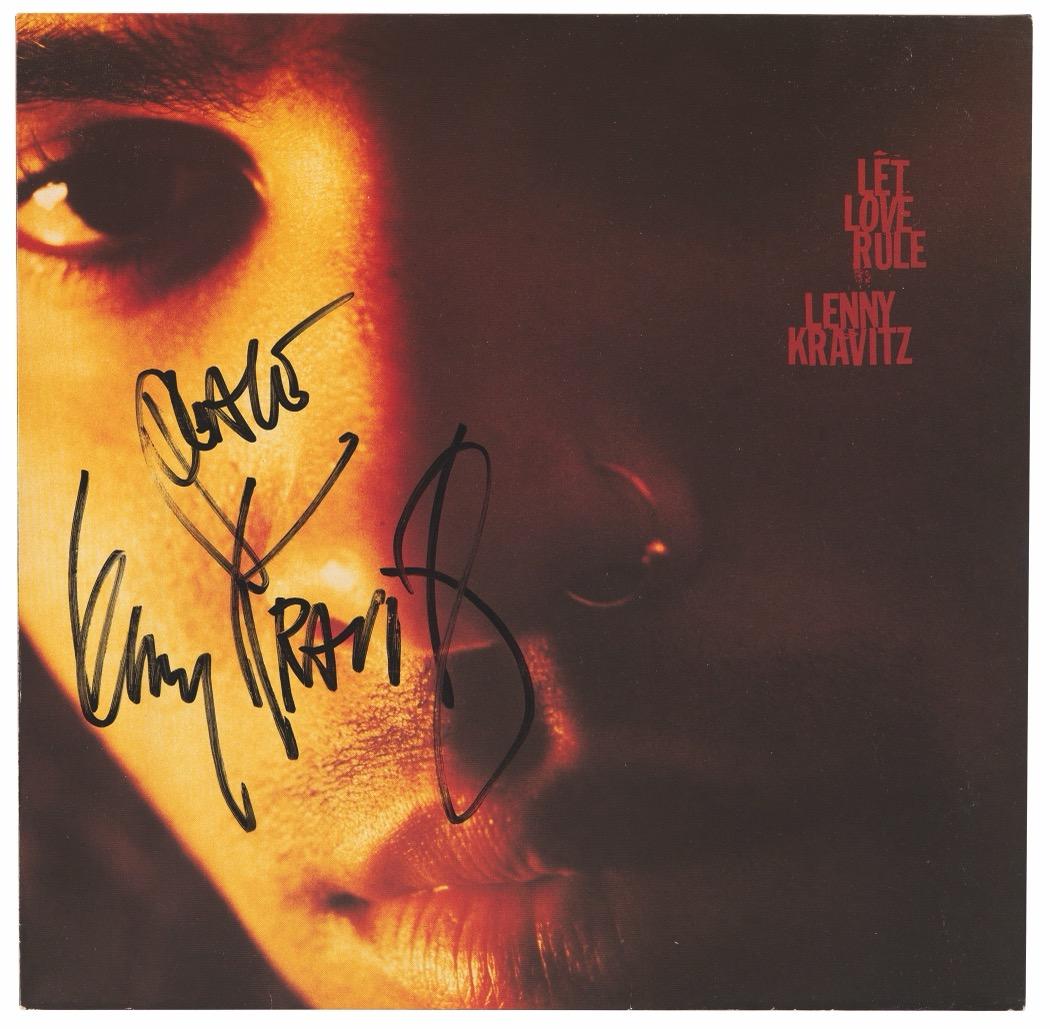
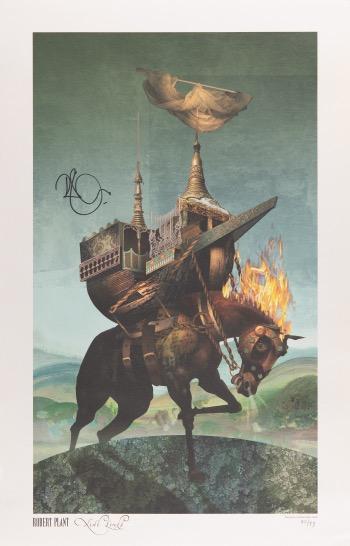
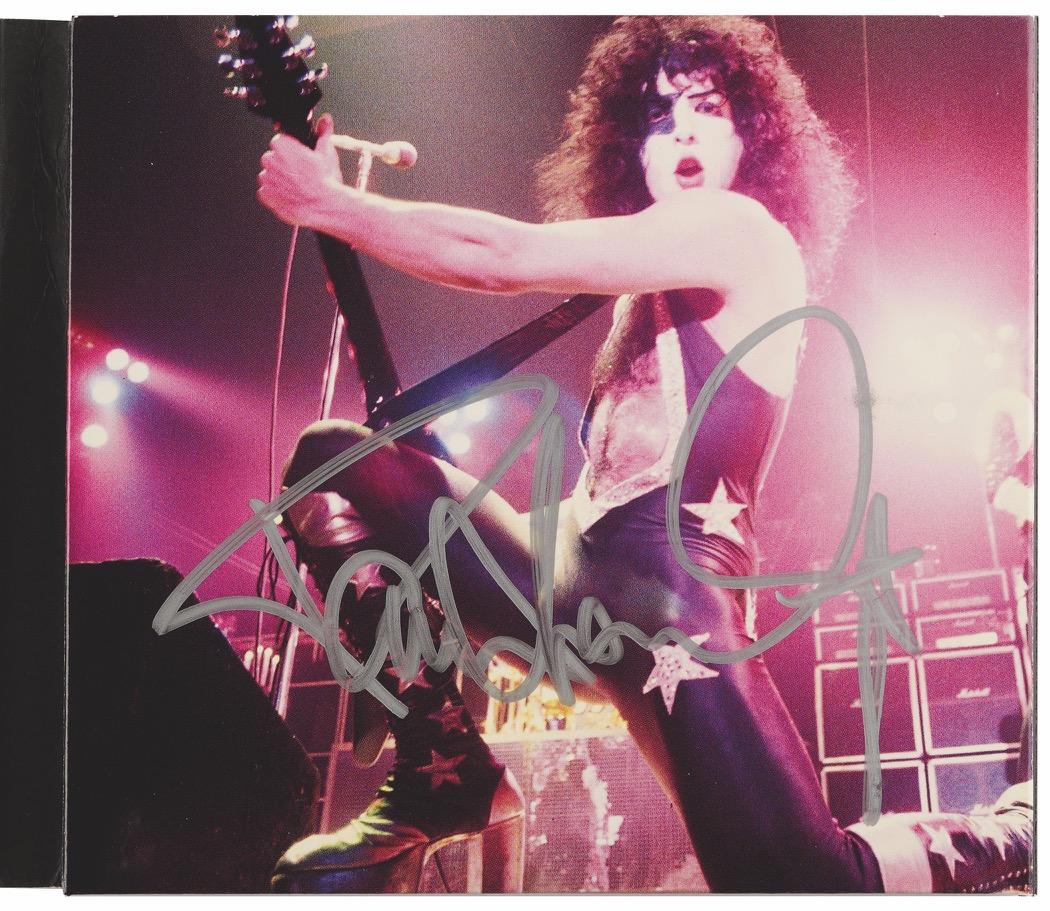

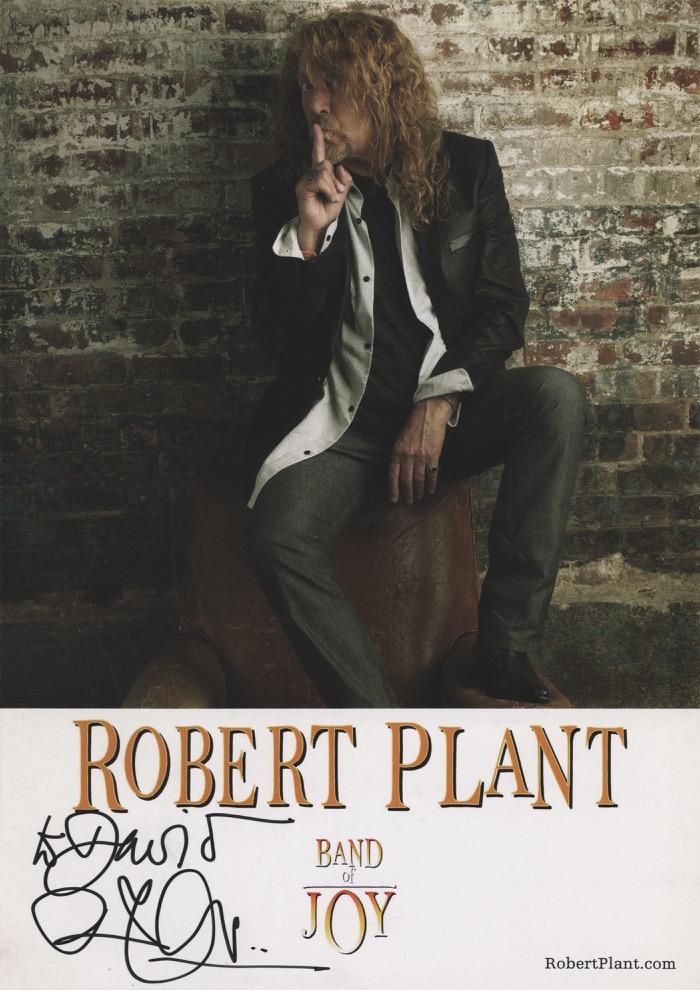
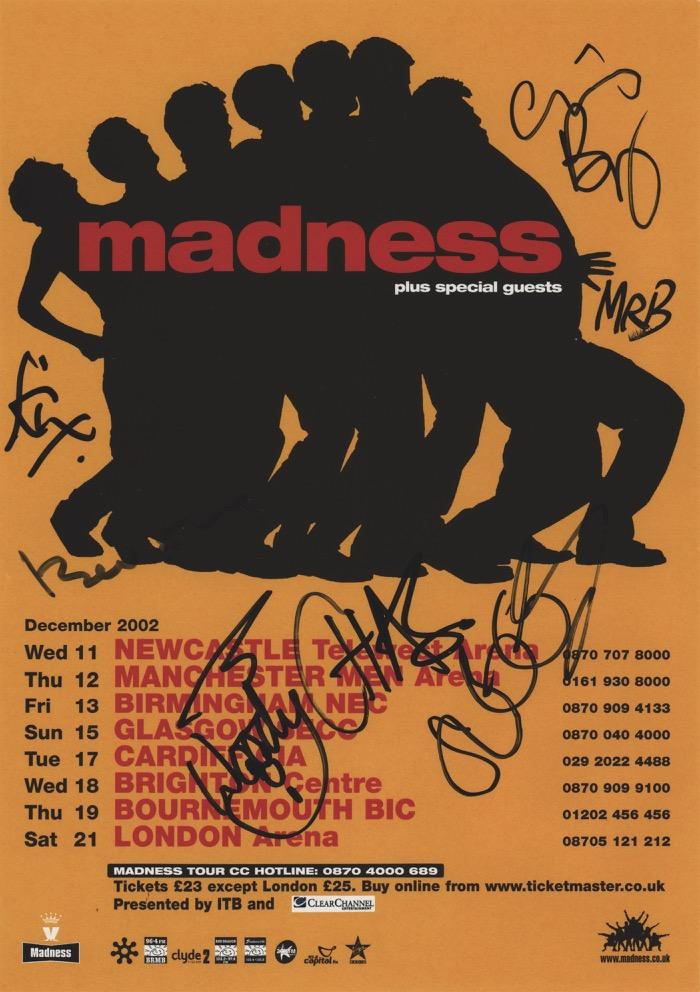
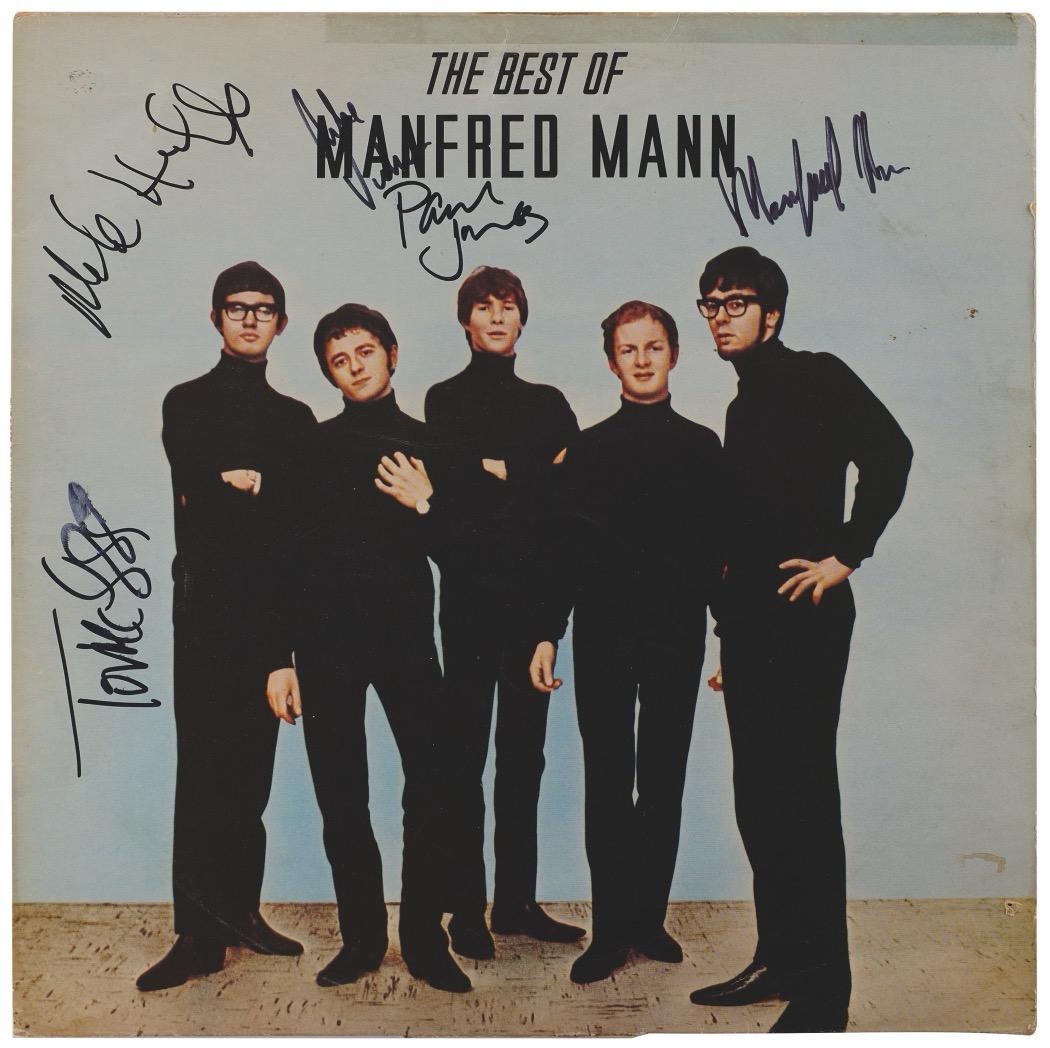
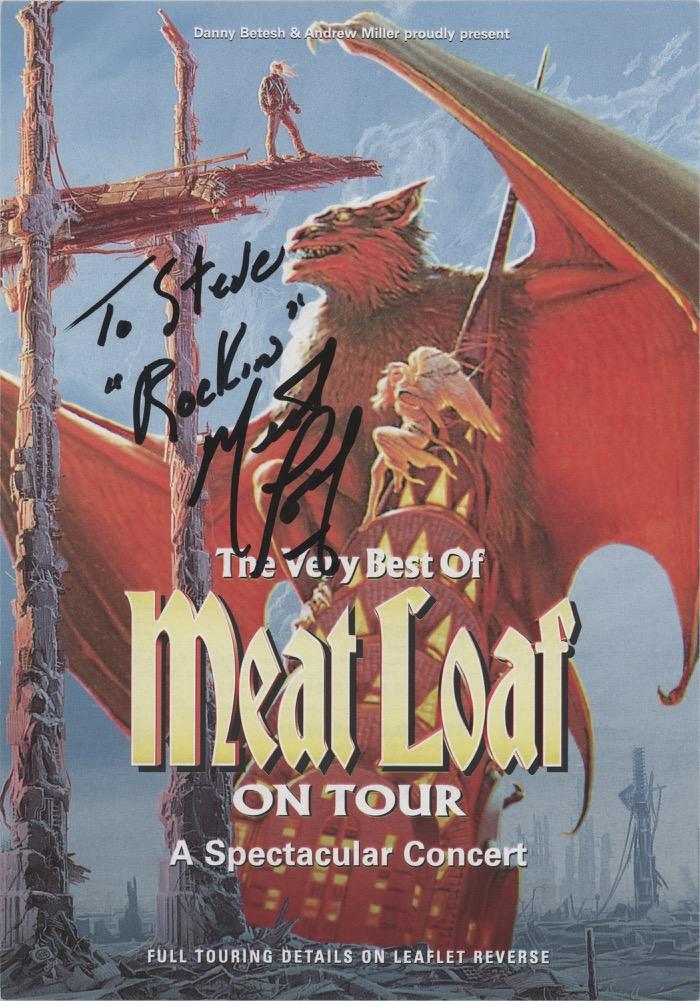
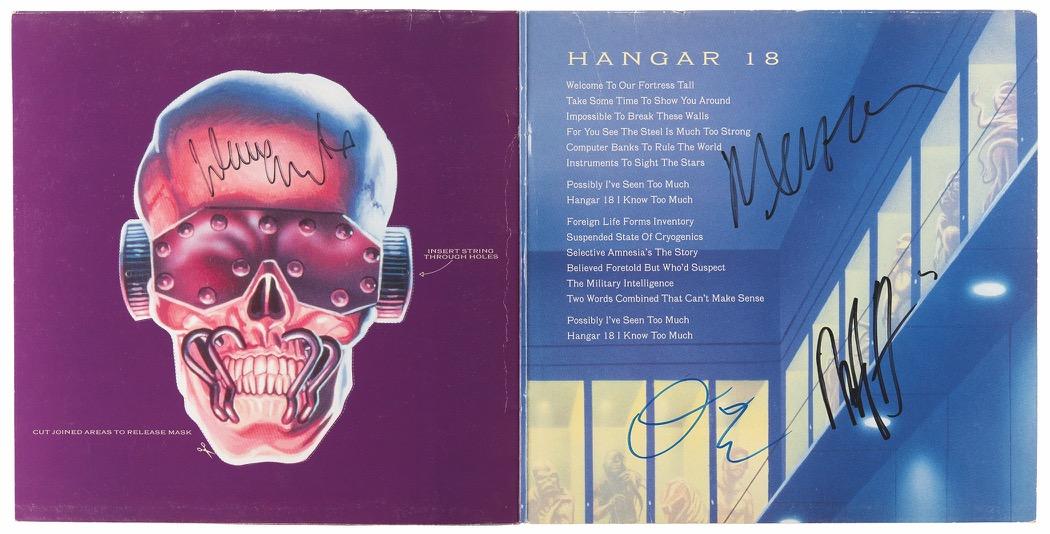
486.

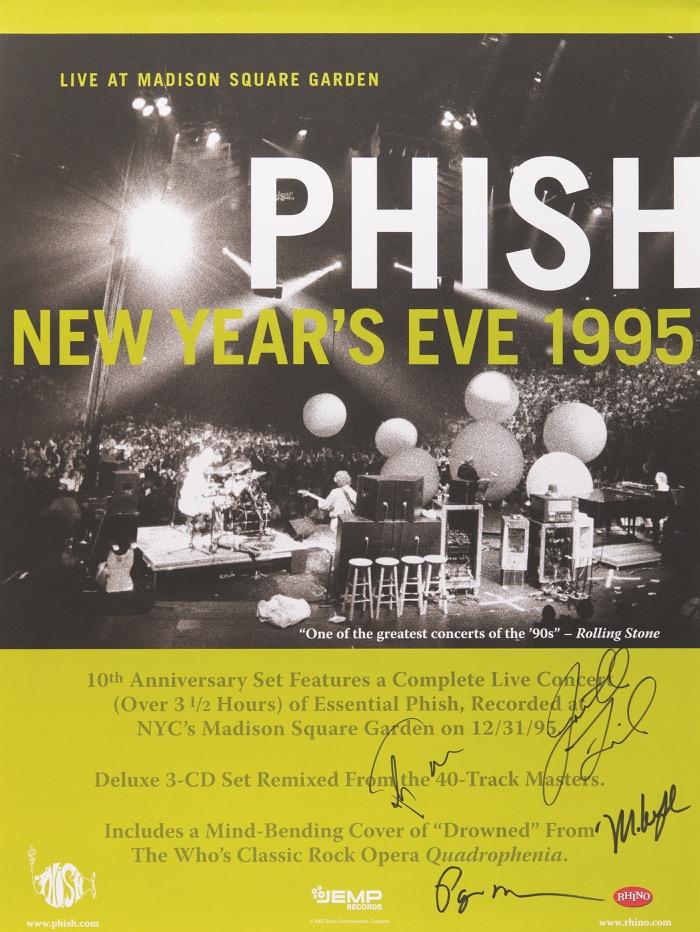
490.
Starting Bid $200
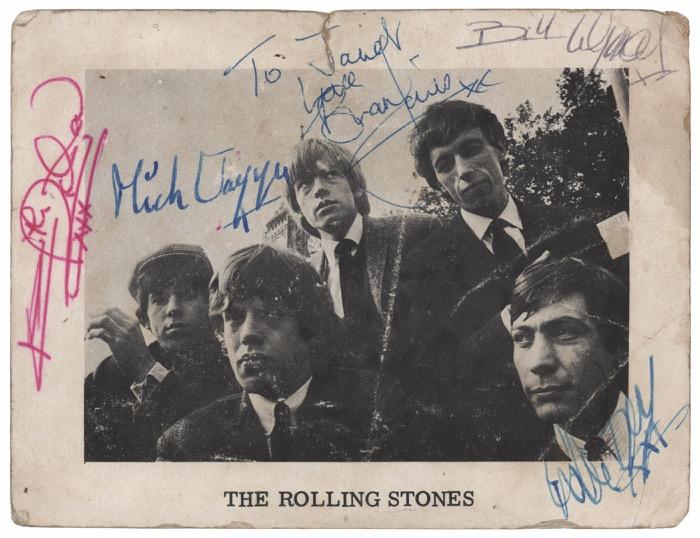
494.
Promotional Card (1964) Starting Bid $200
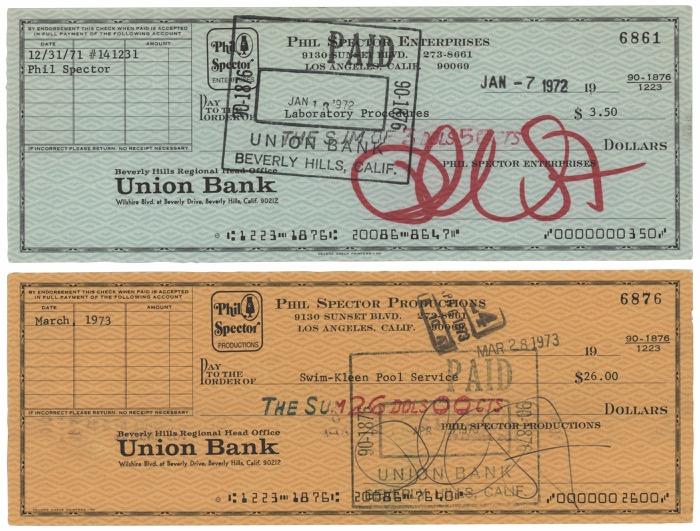
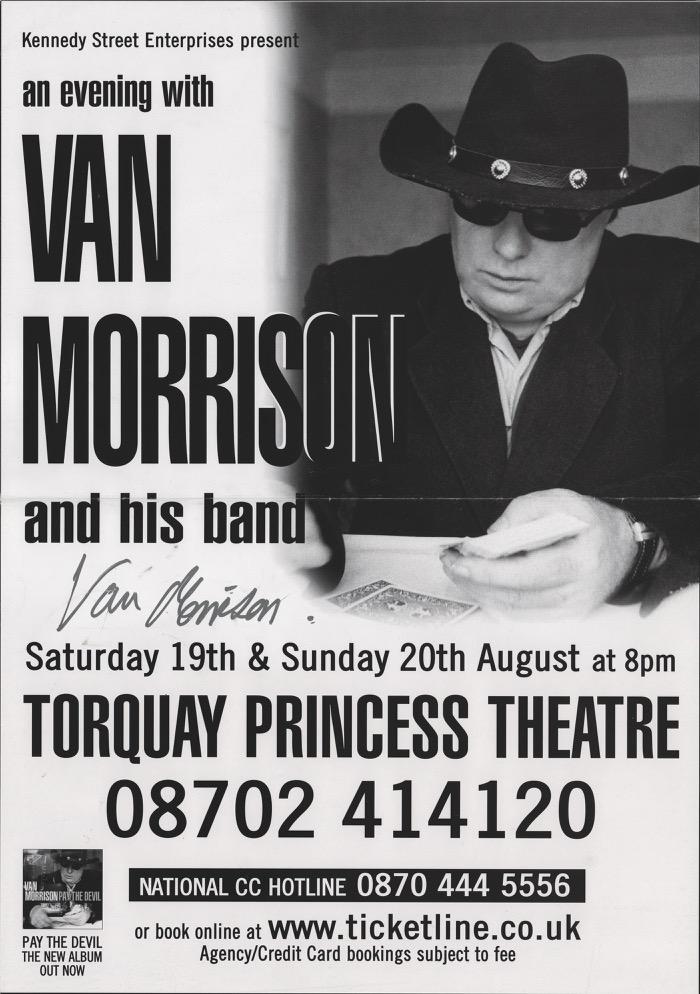
487. Van Morrison Signed Concert Poster (11.5˝ x 16.5˝) Starting Bid $200
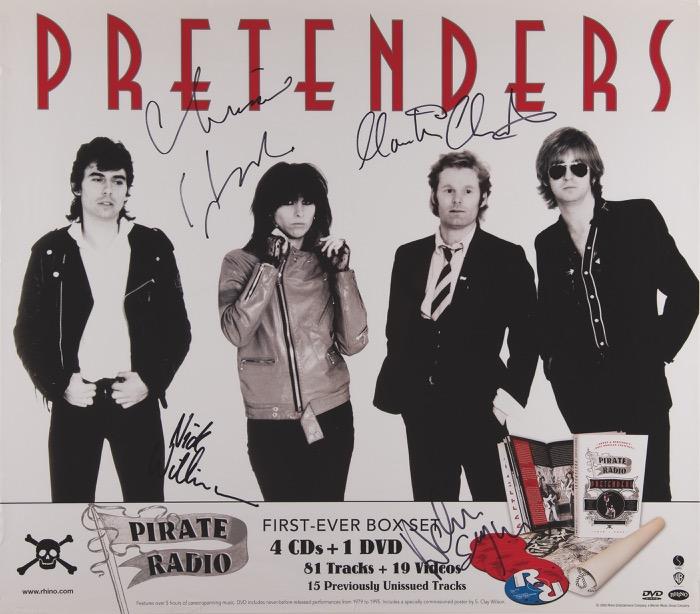
491. The Pretenders Signed 'Pirate Radio' Poster (24˝ x 21.25˝) Starting Bid $200
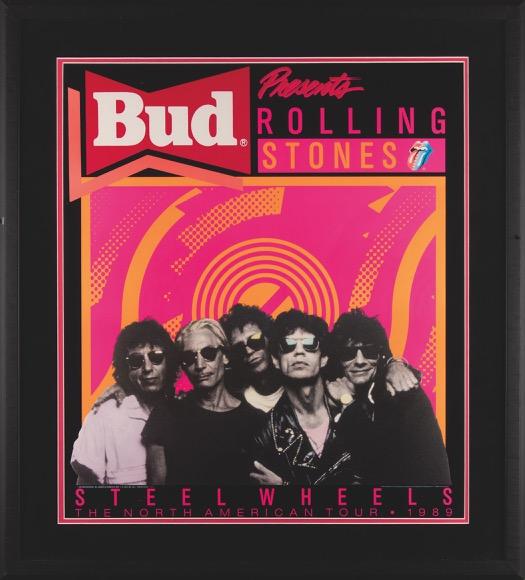
495.
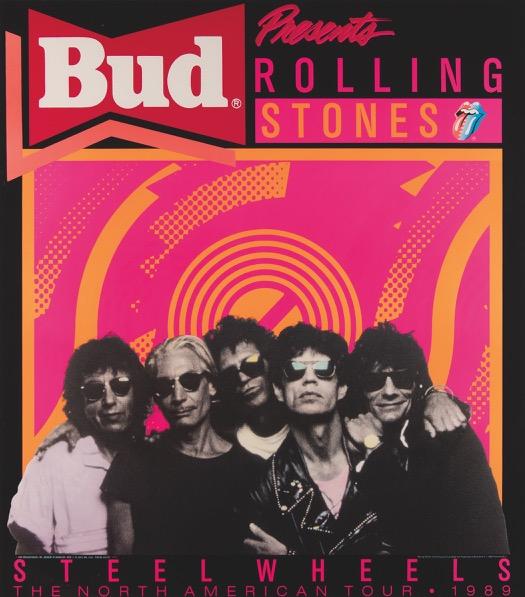
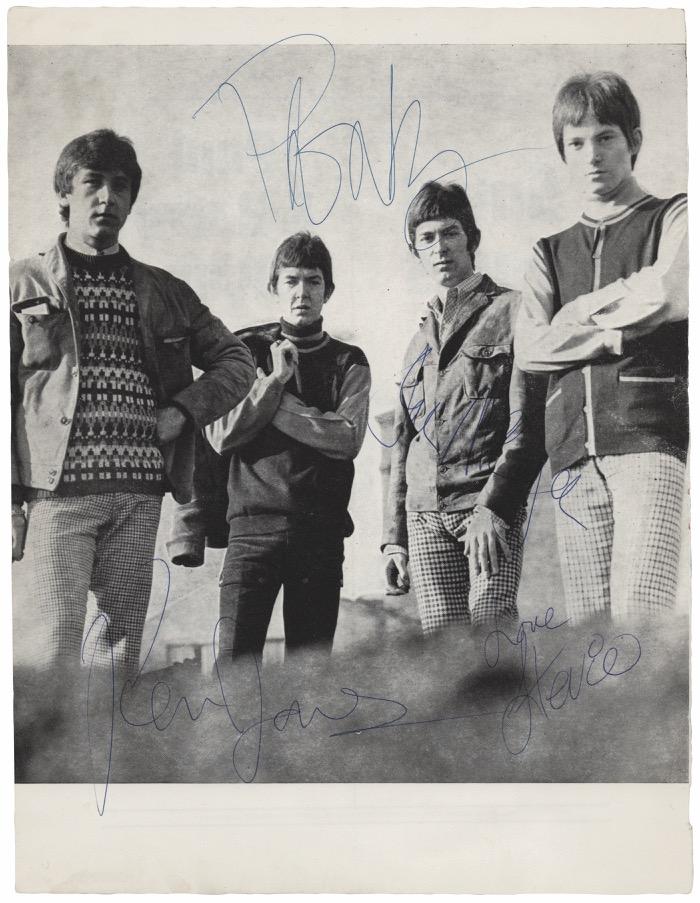
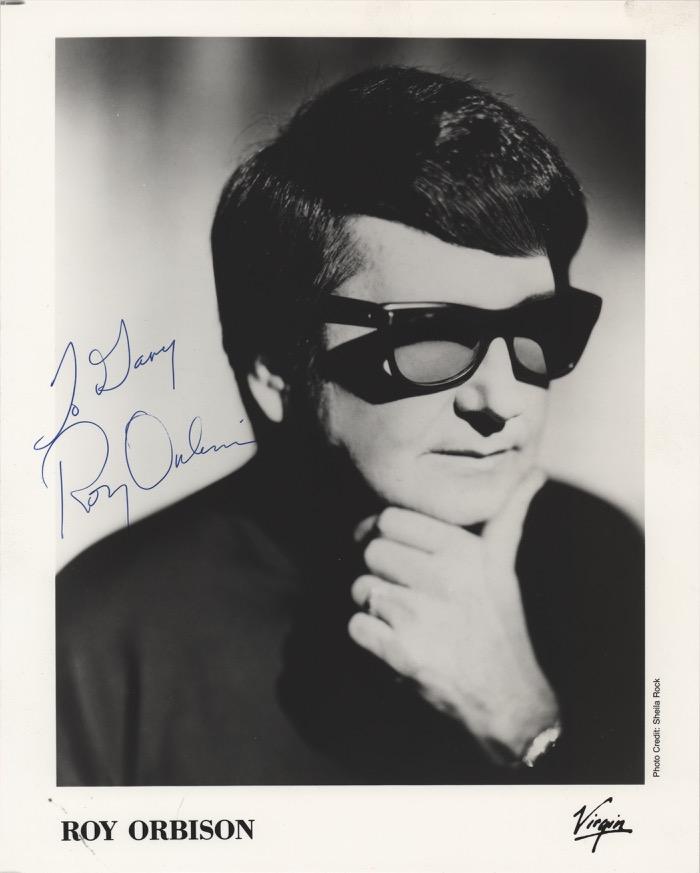
488.
Starting Bid $200
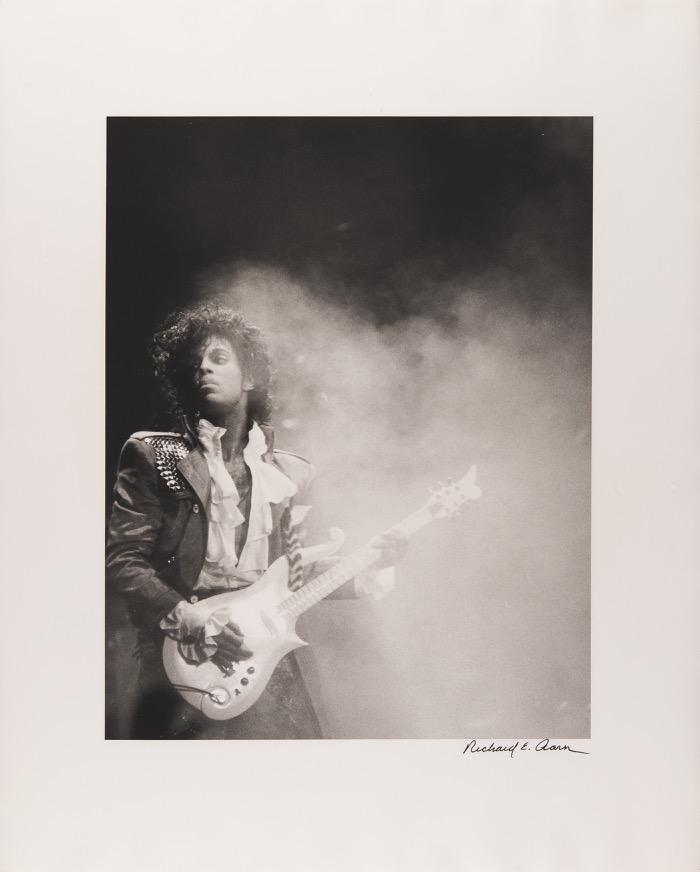
492. Prince Original 'Purple Rain
Photograph by Richard E. Aaron Starting Bid $200
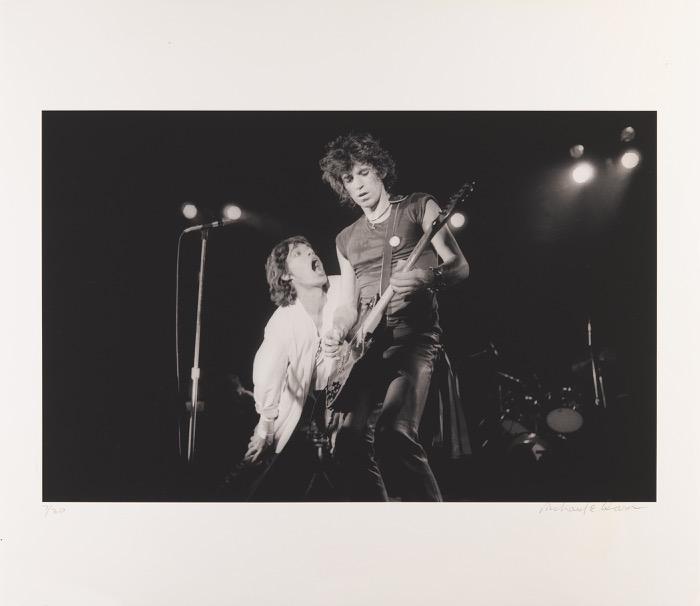
496.
Photographic Print... Starting Bid $200
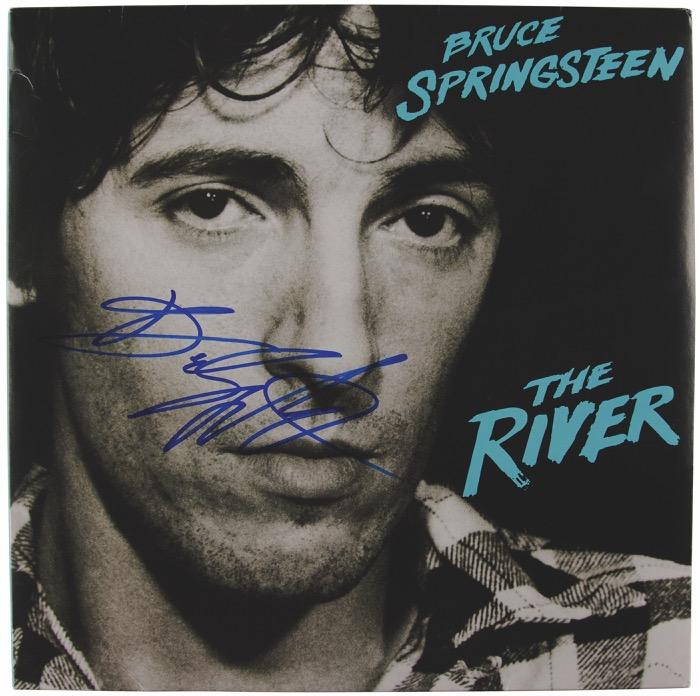
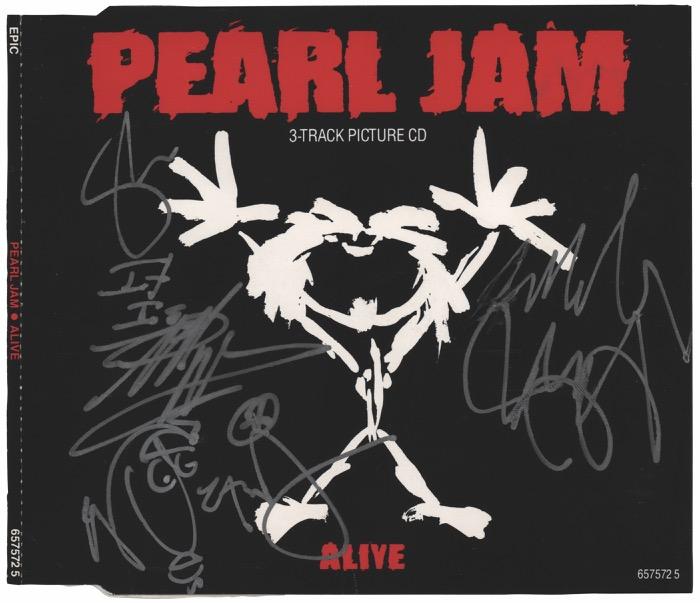
Starting Bid
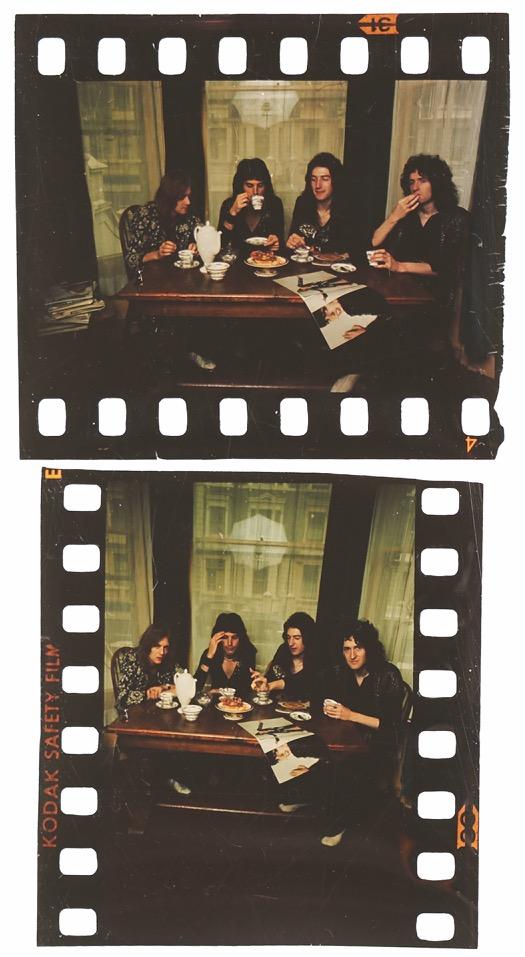
493. Queen
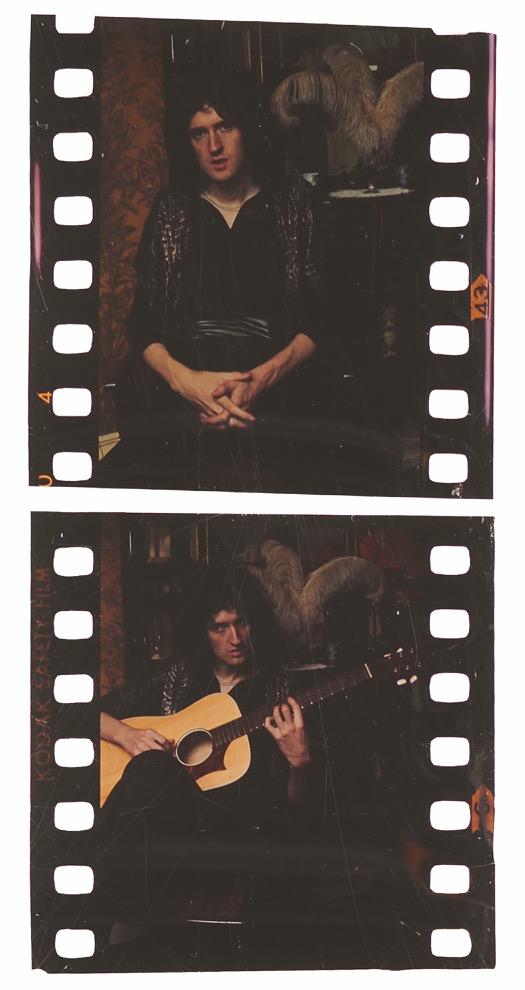
Original Color Positive Transparencies from Early Starting Bid $200
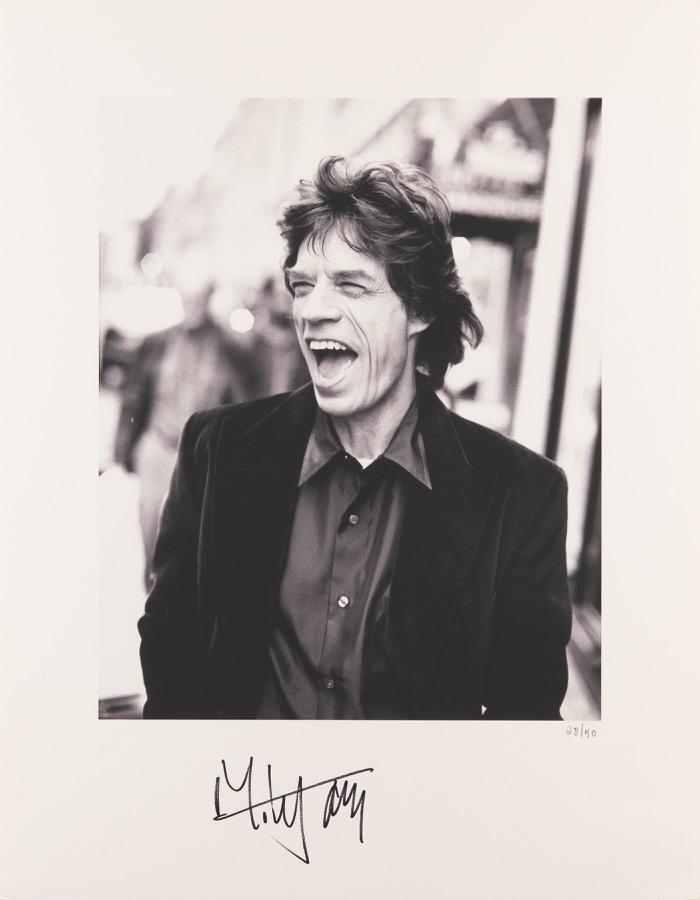
497.
Photographic Print (Ltd. Ed. #... Starting Bid $200
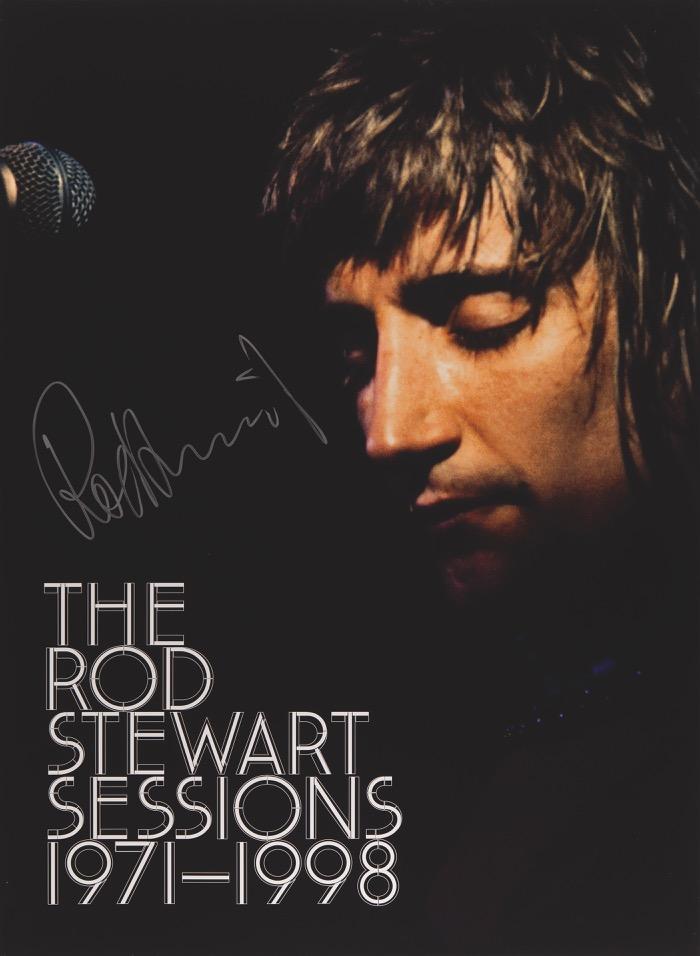
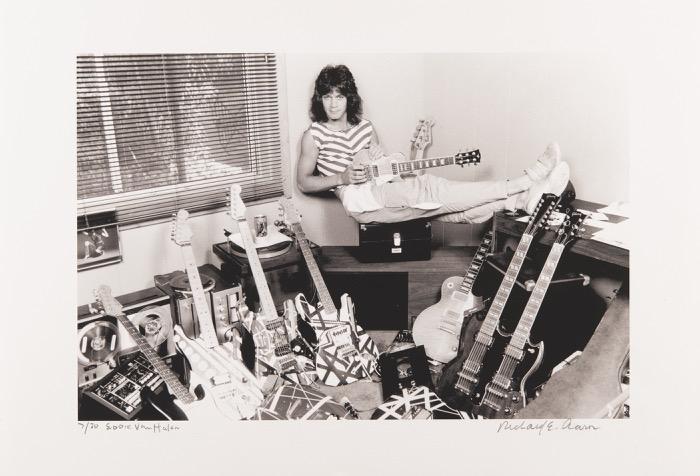
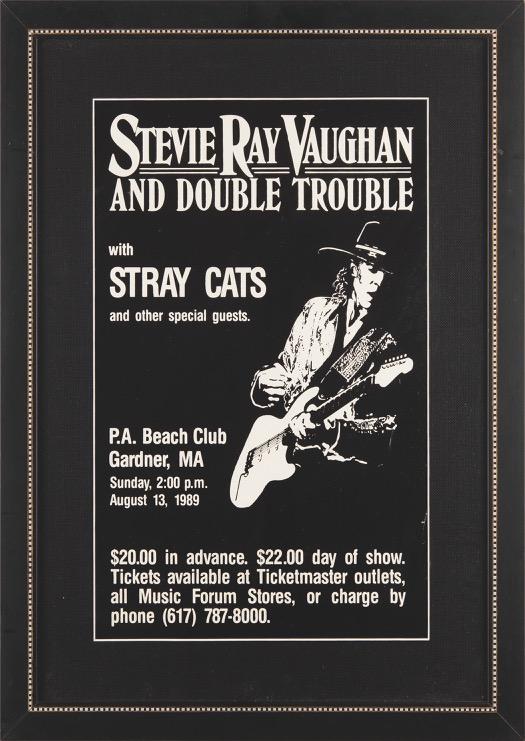
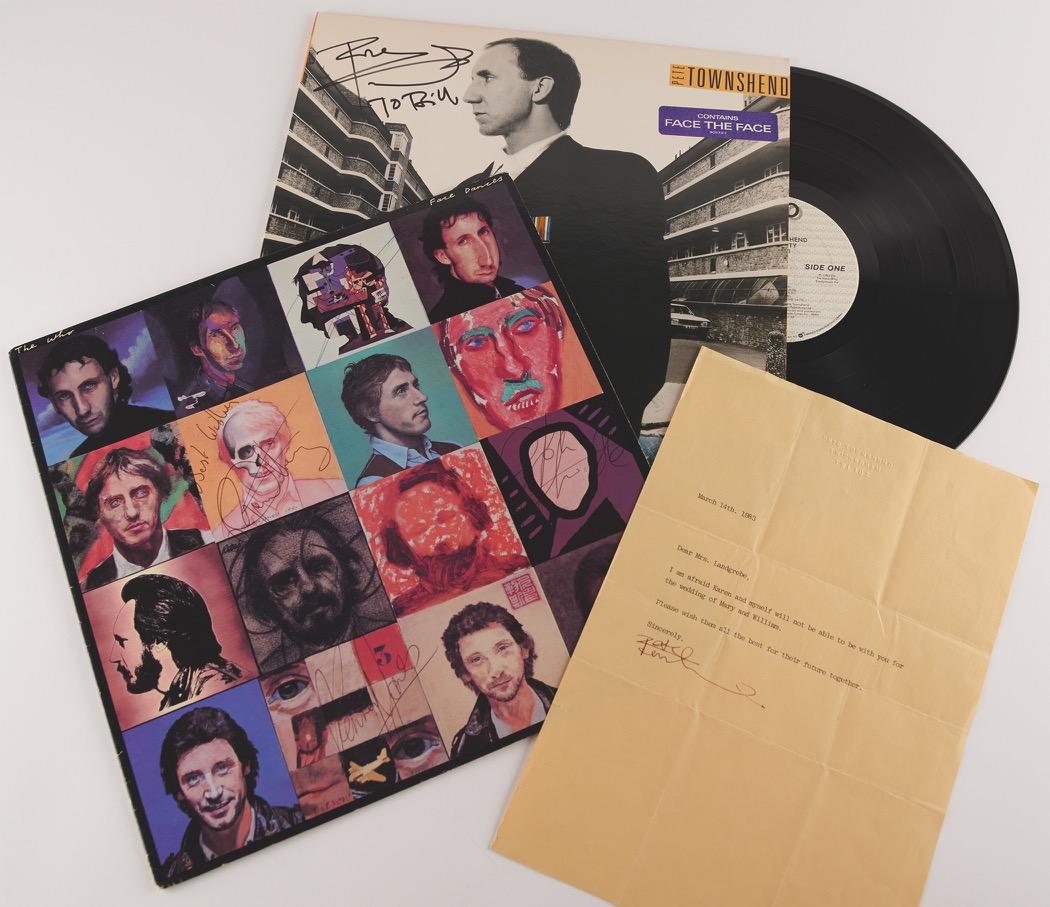
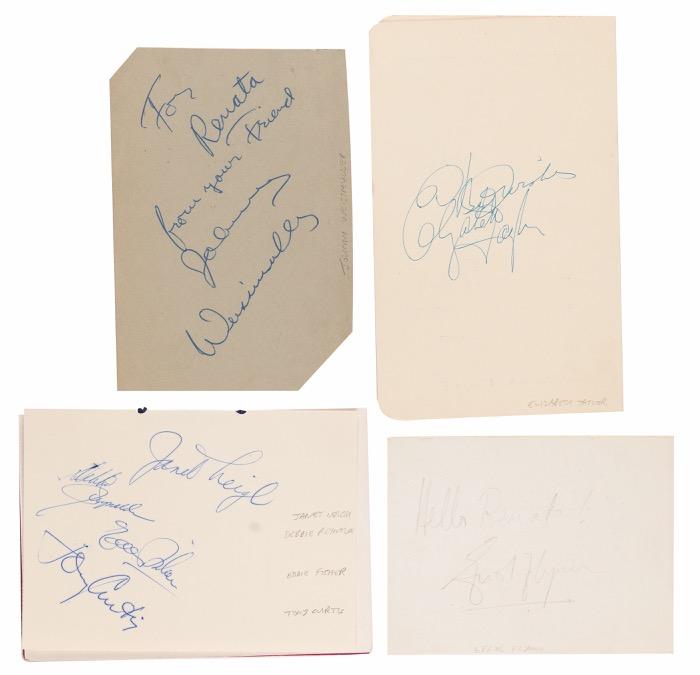
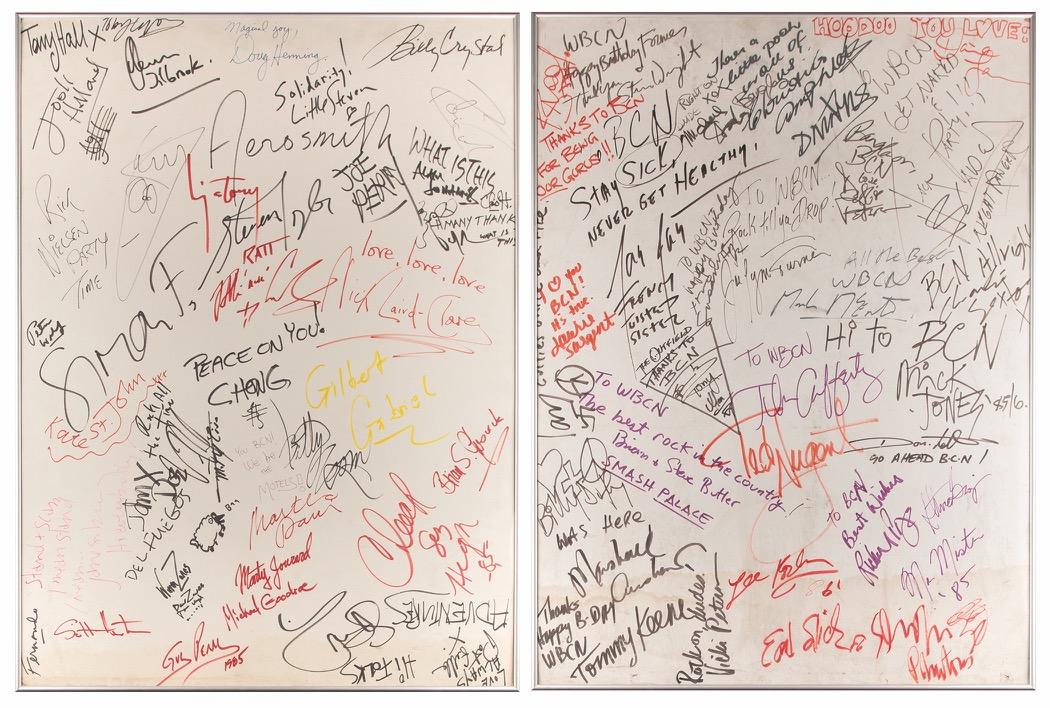
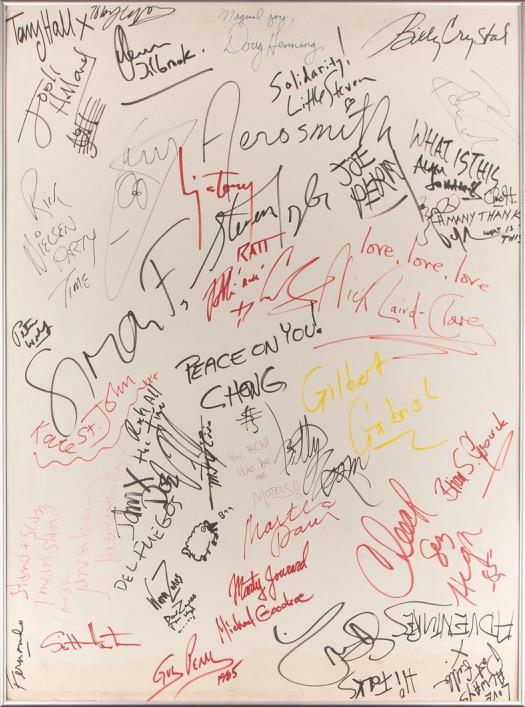
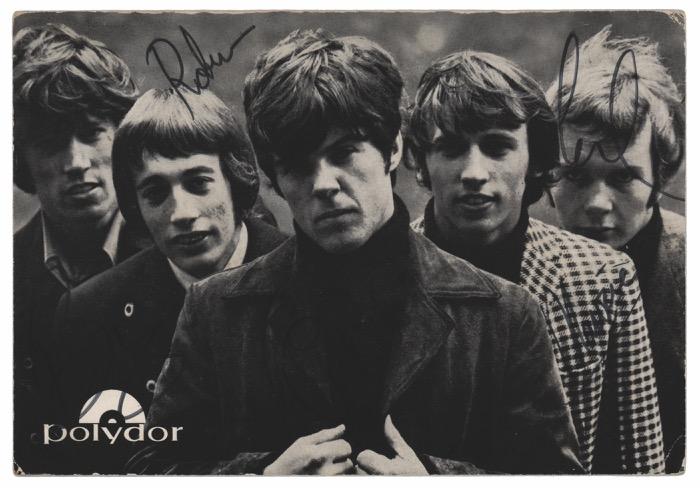

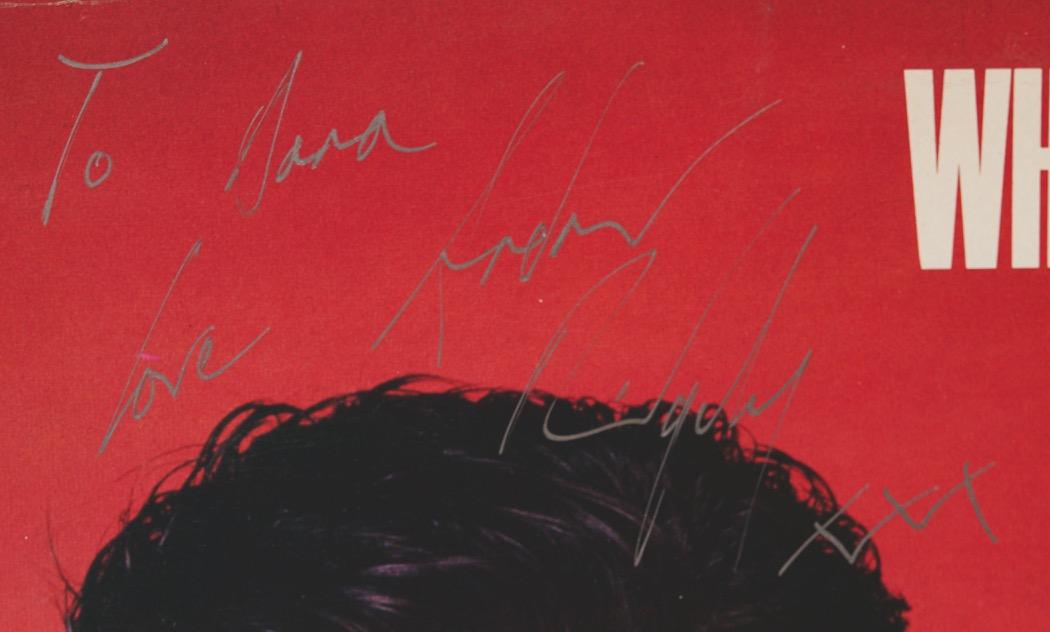
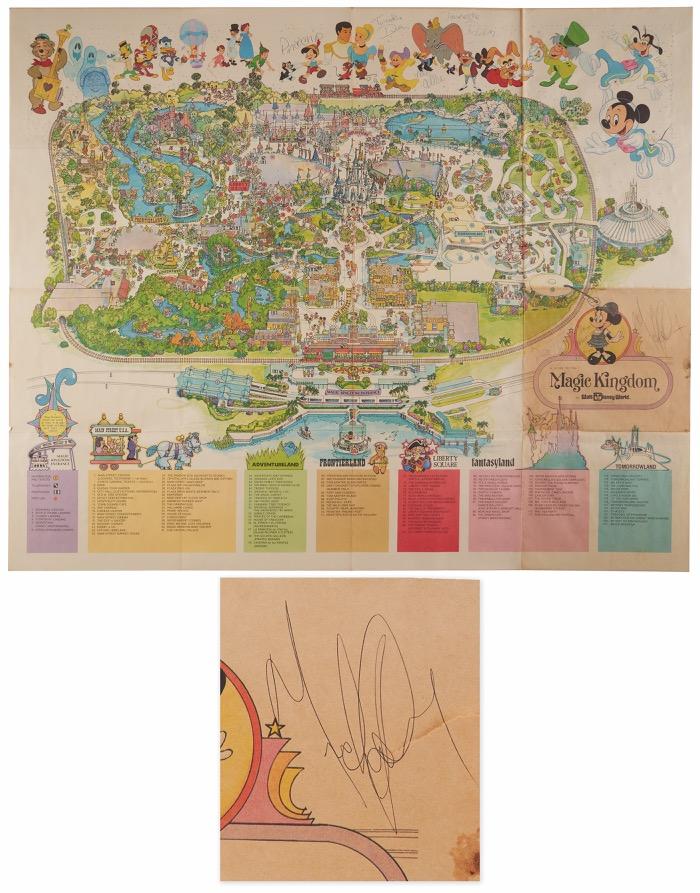
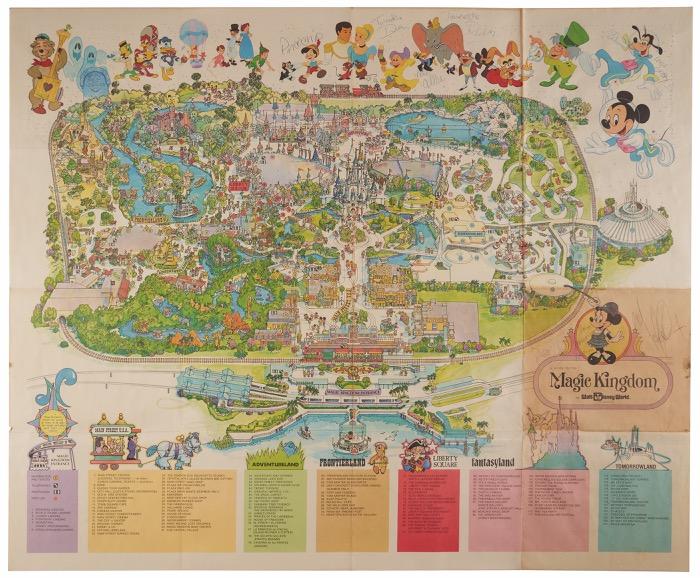
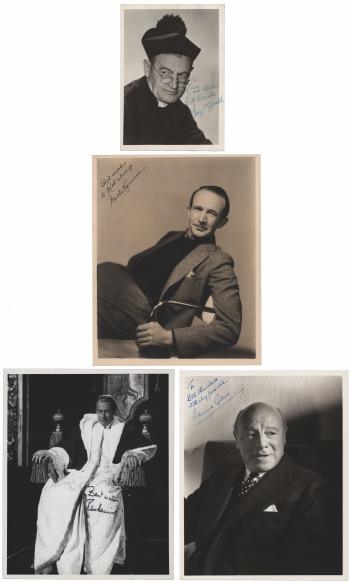

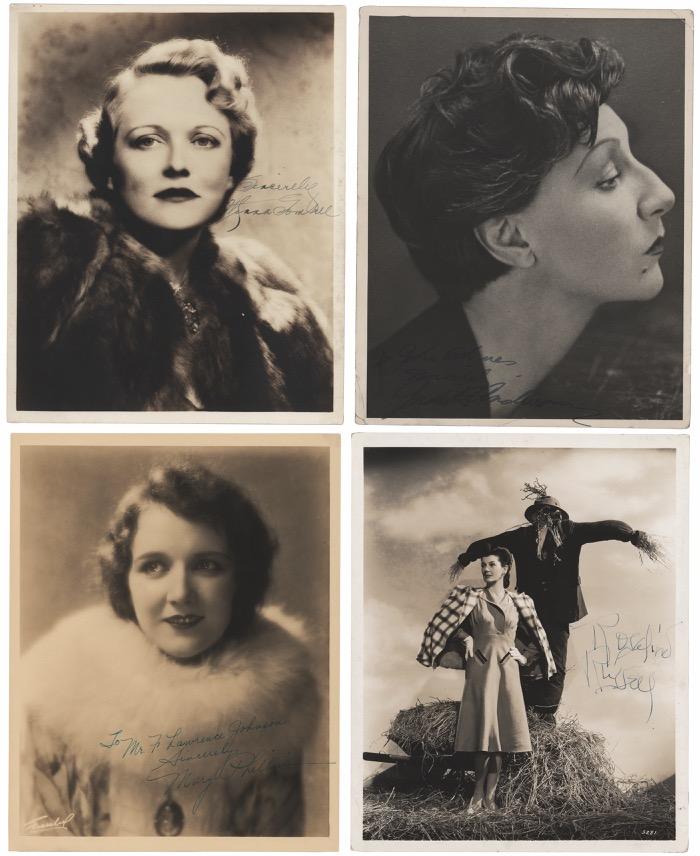
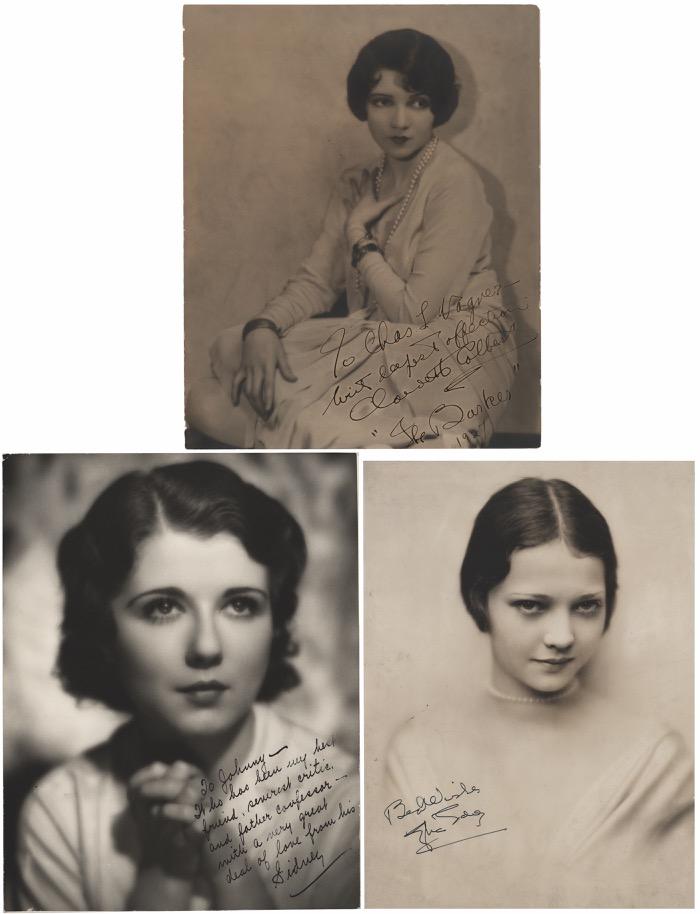
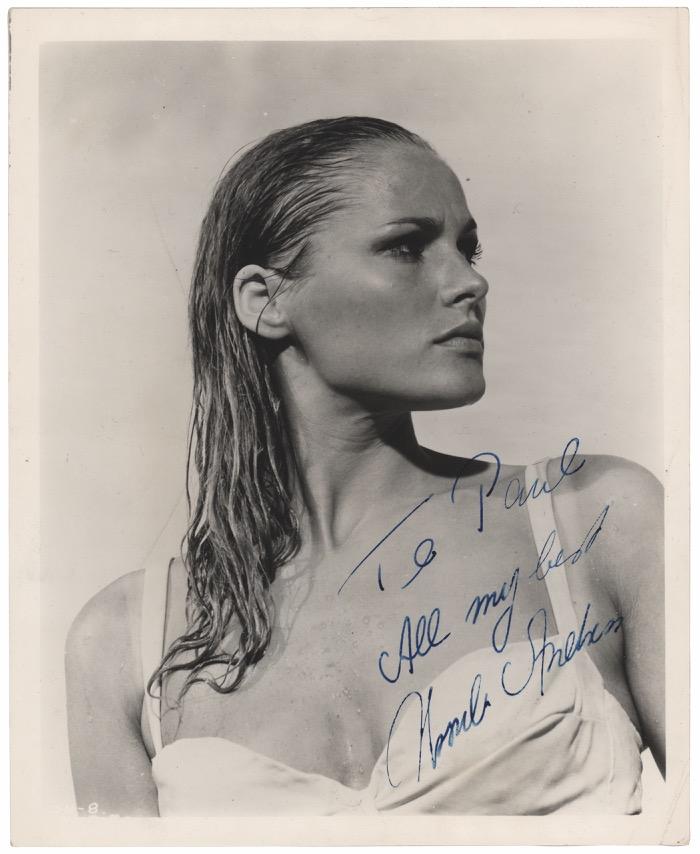
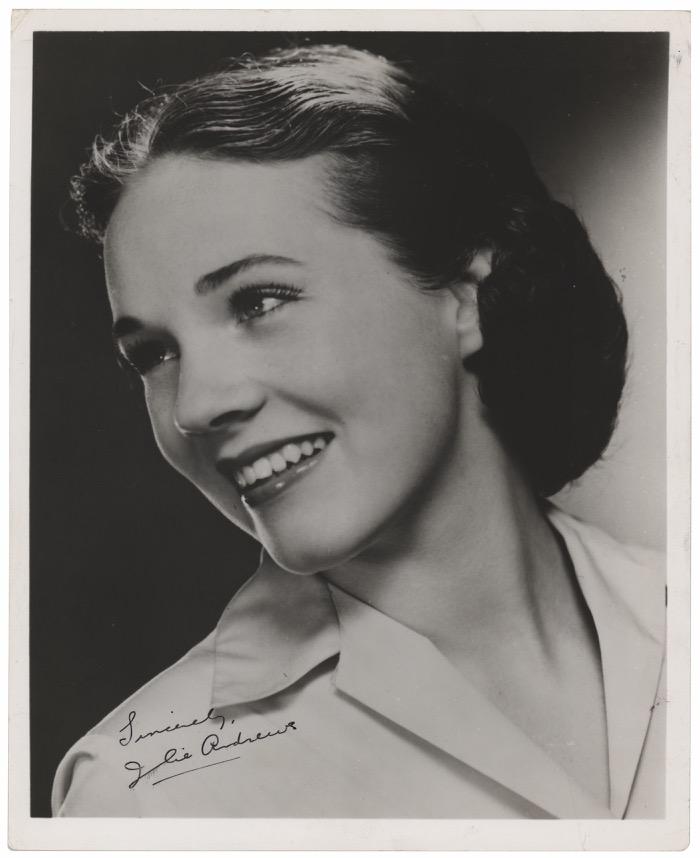

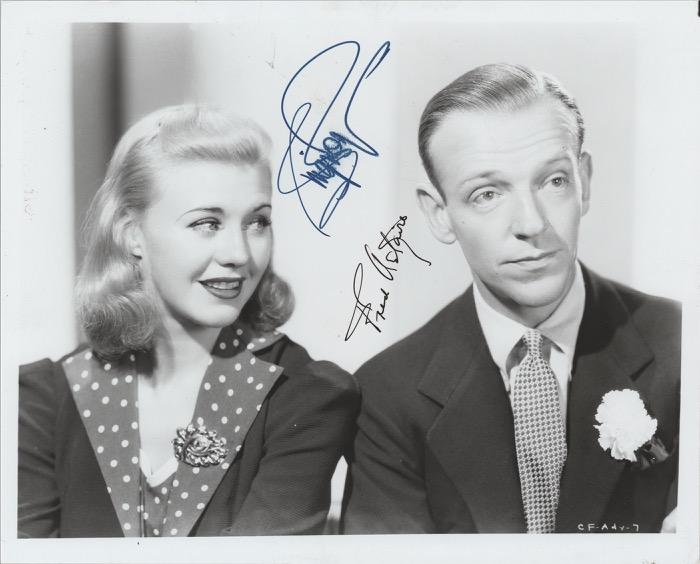
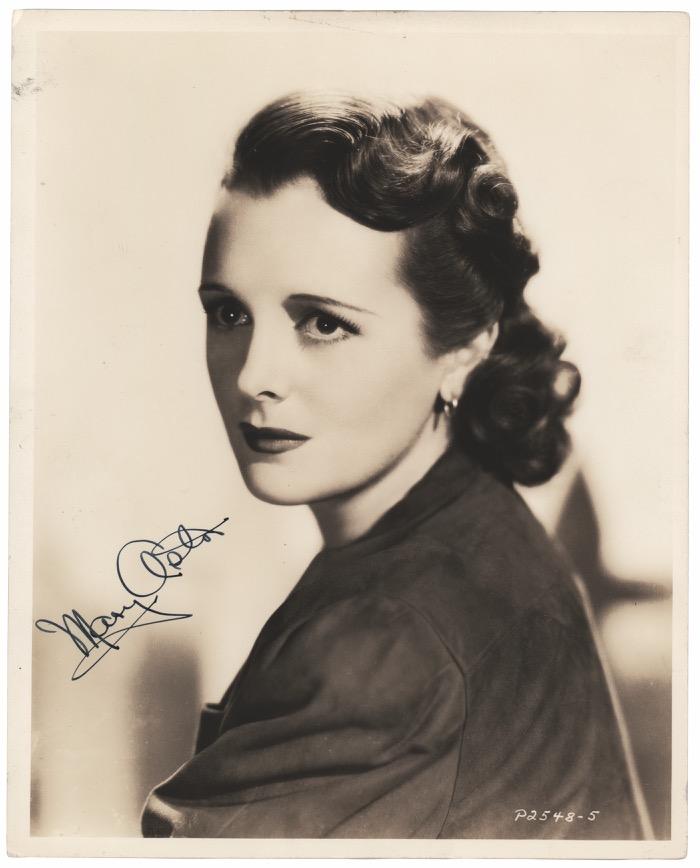
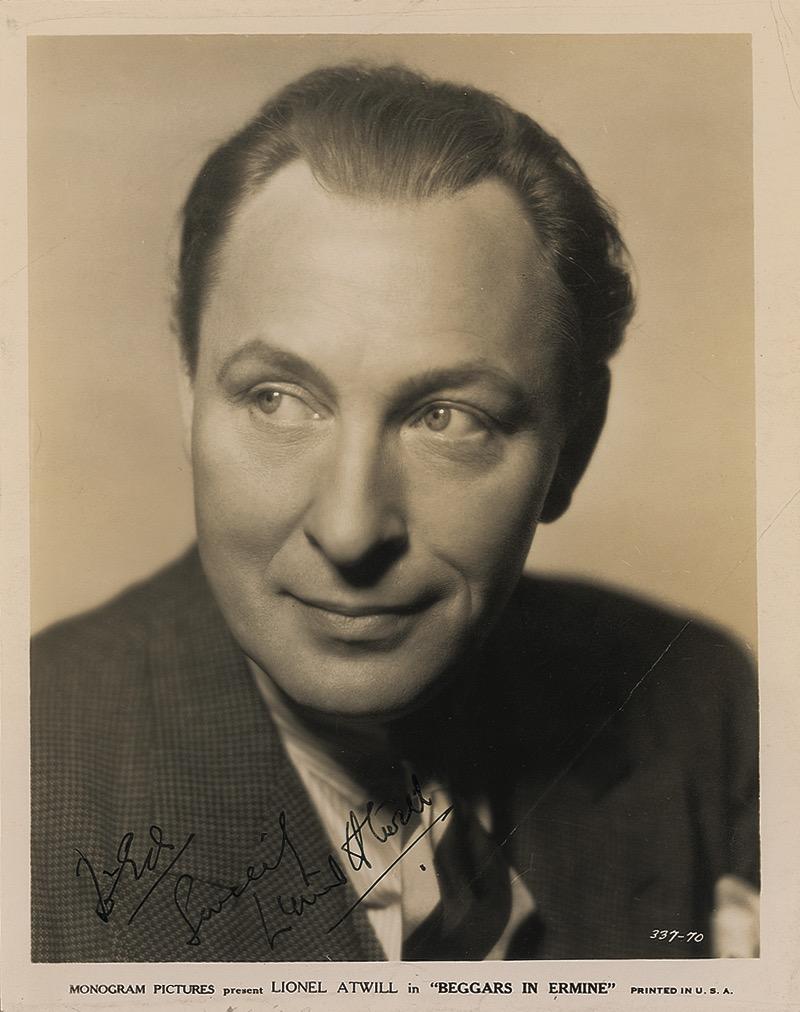
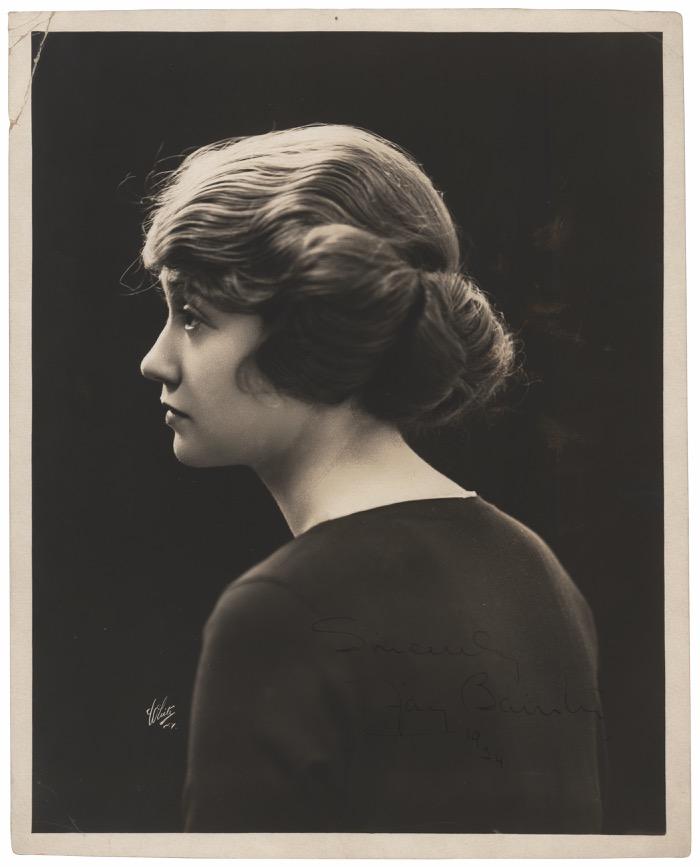
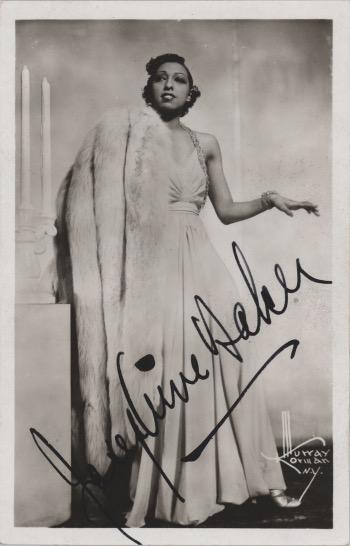
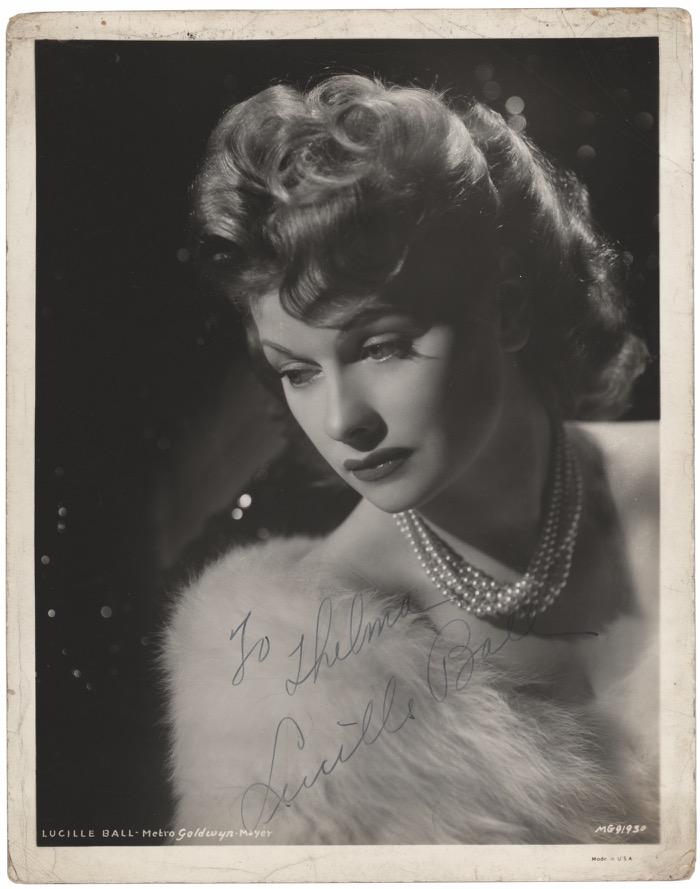

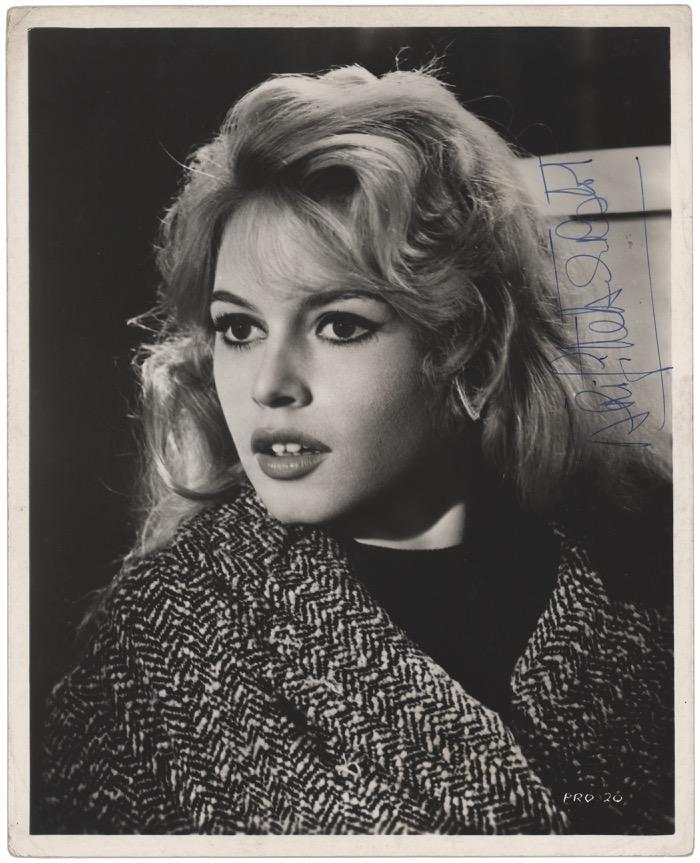
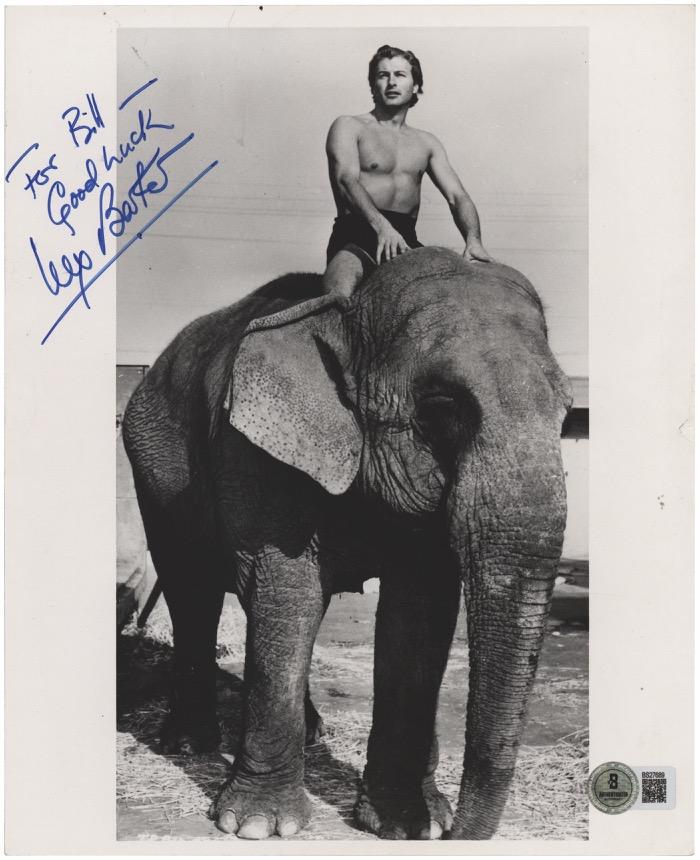
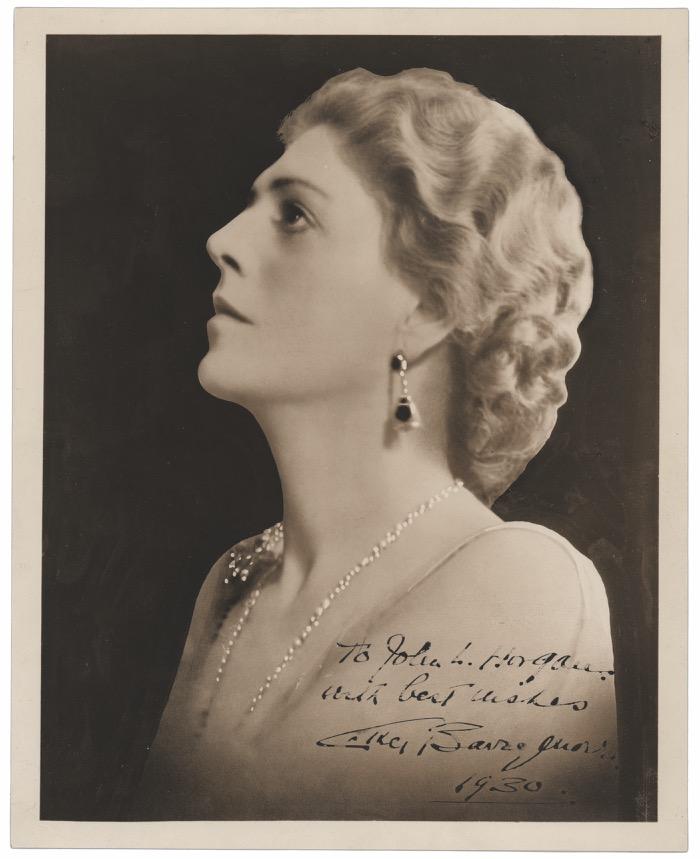
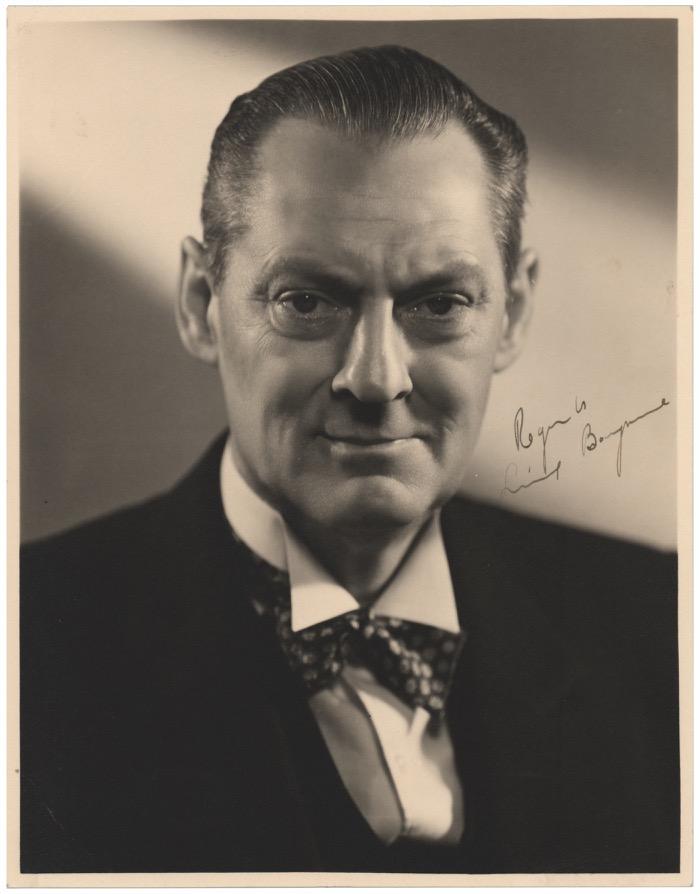
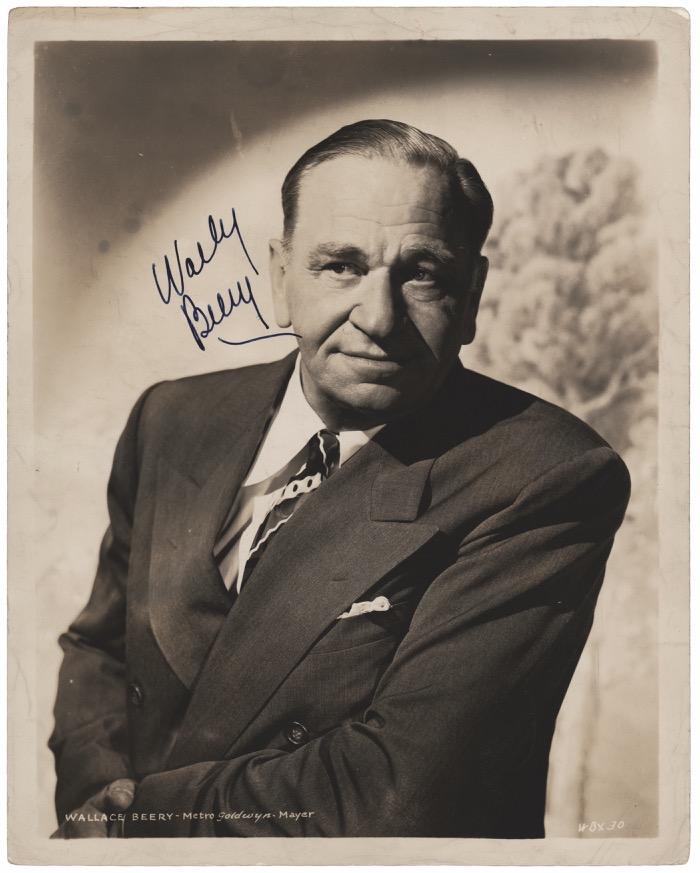
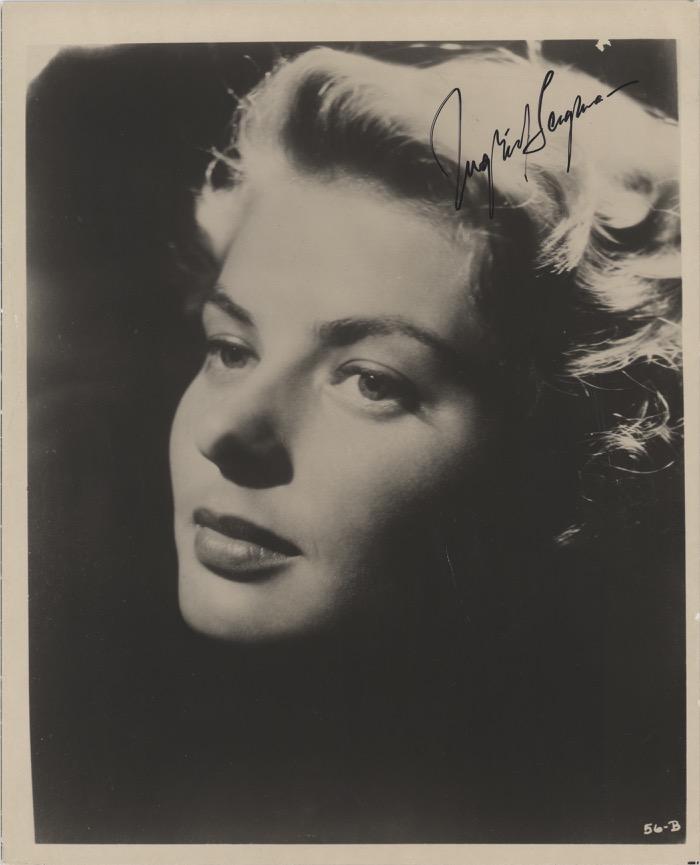
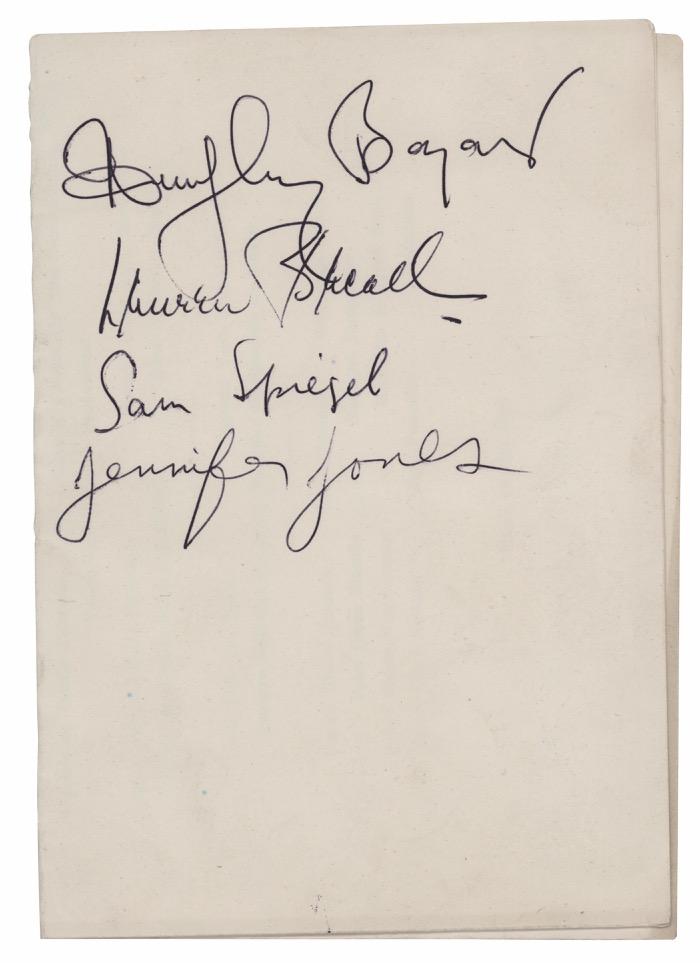
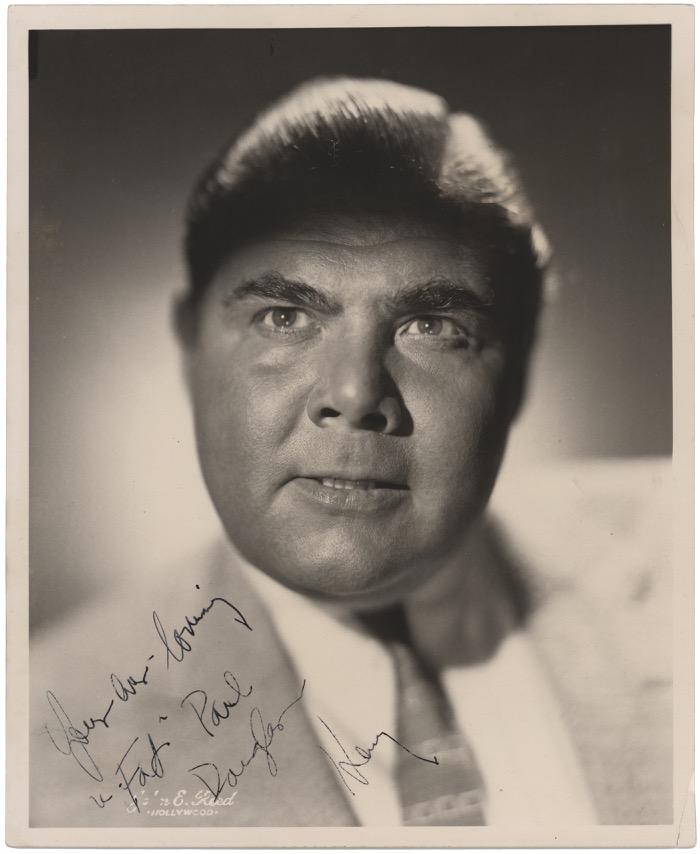
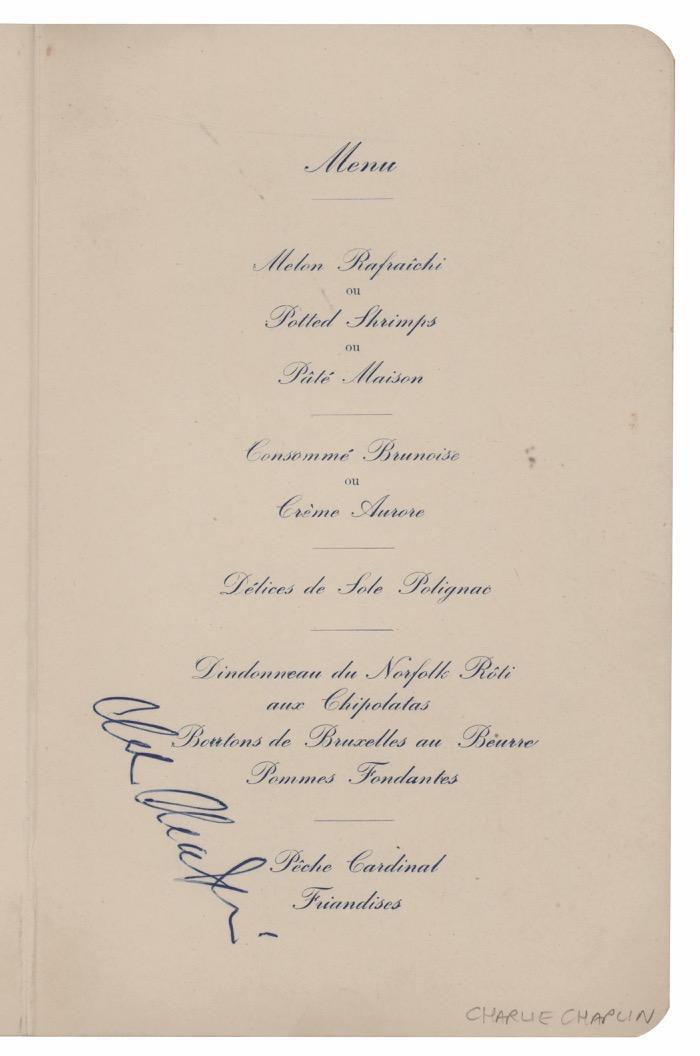
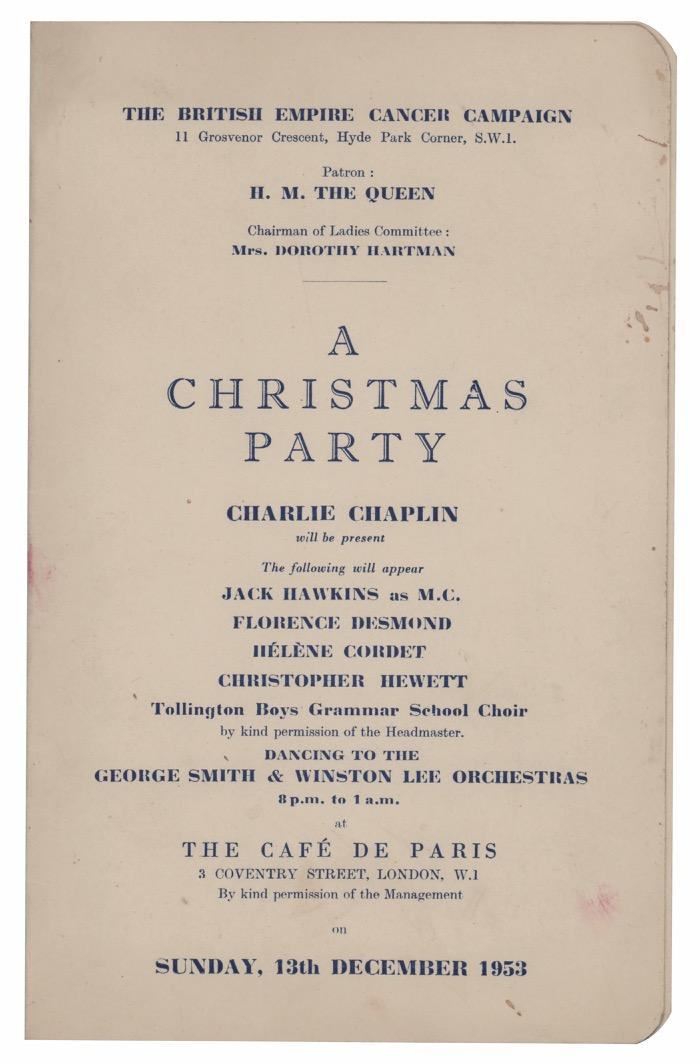
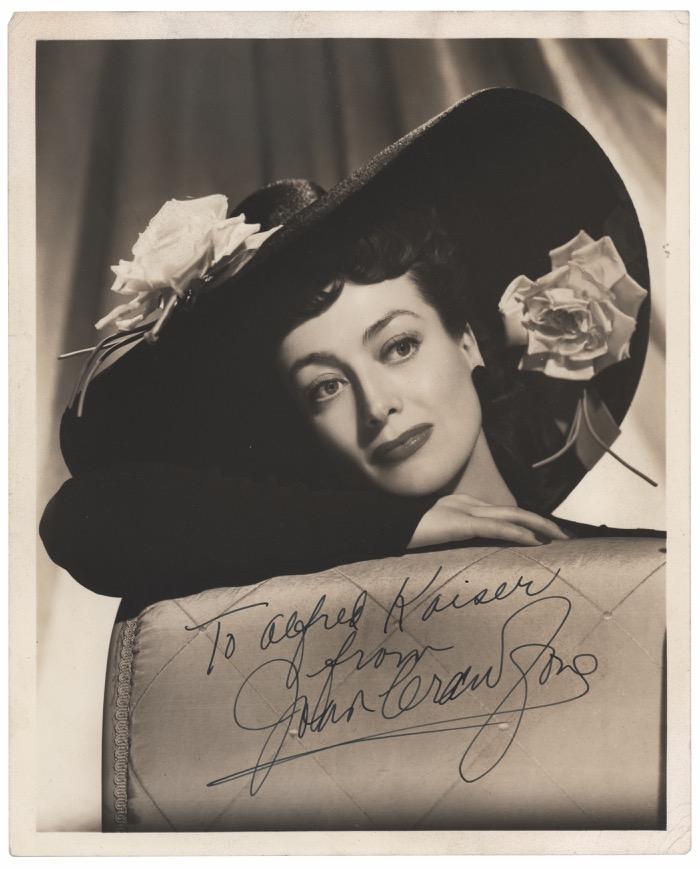
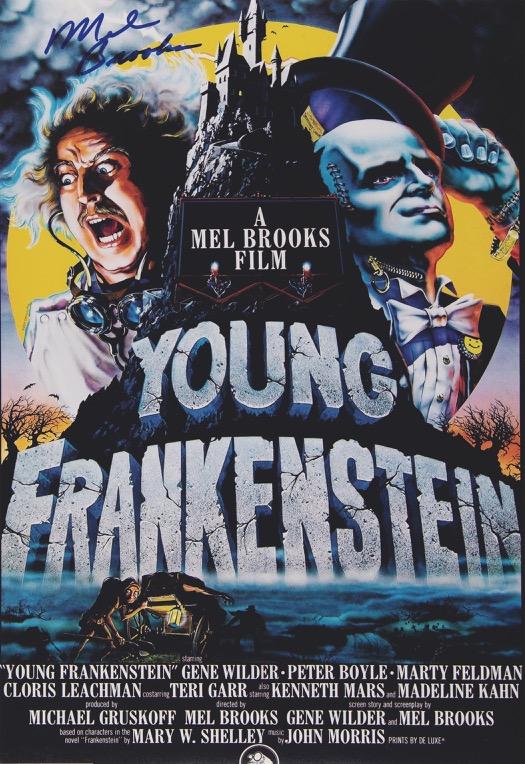
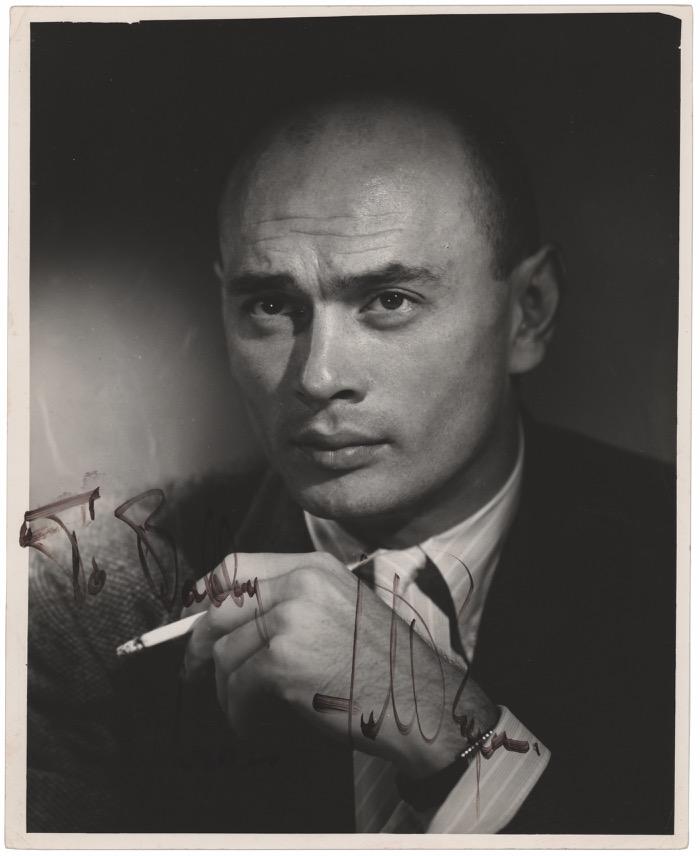
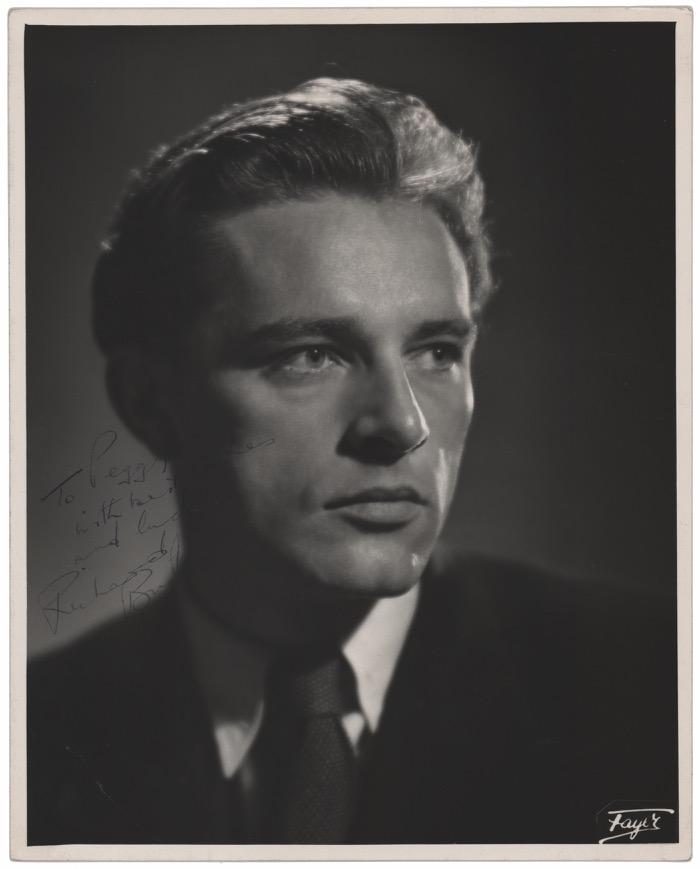
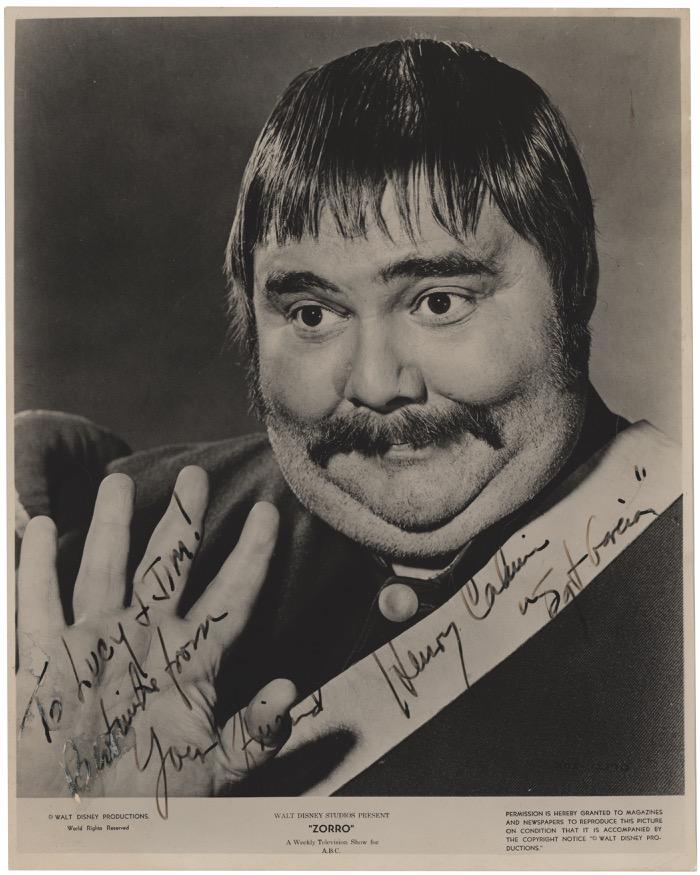
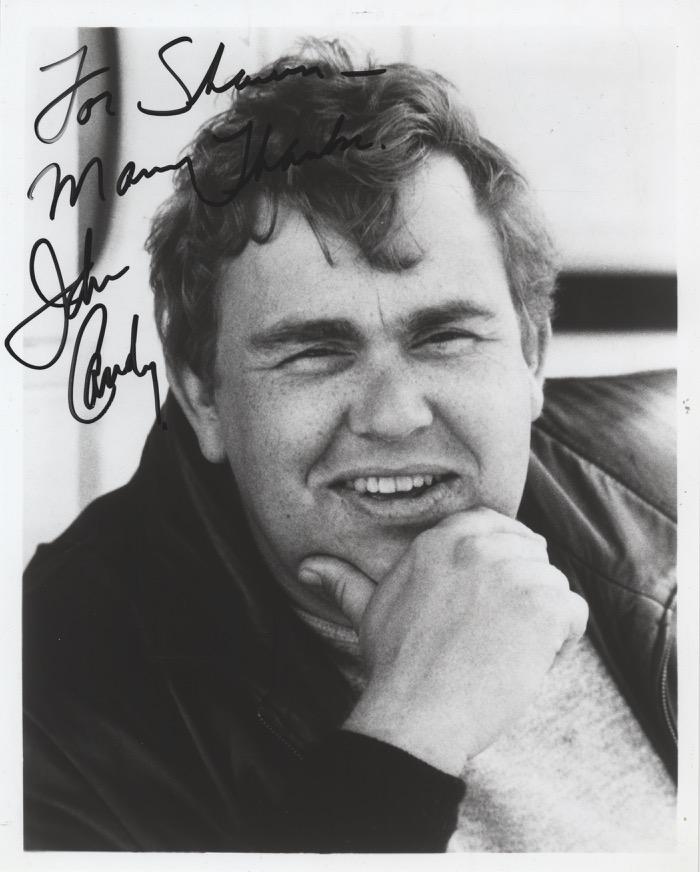
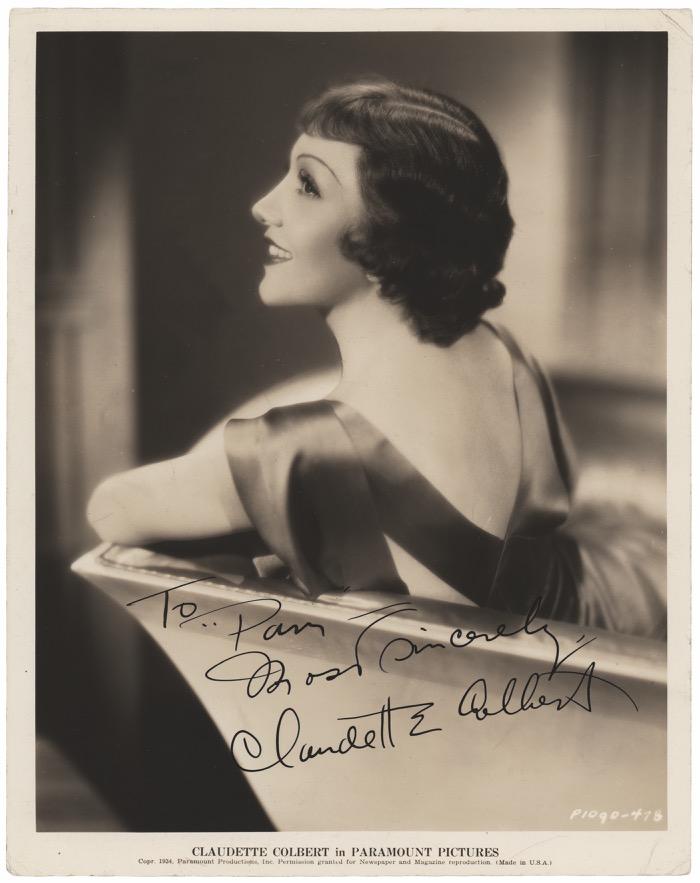

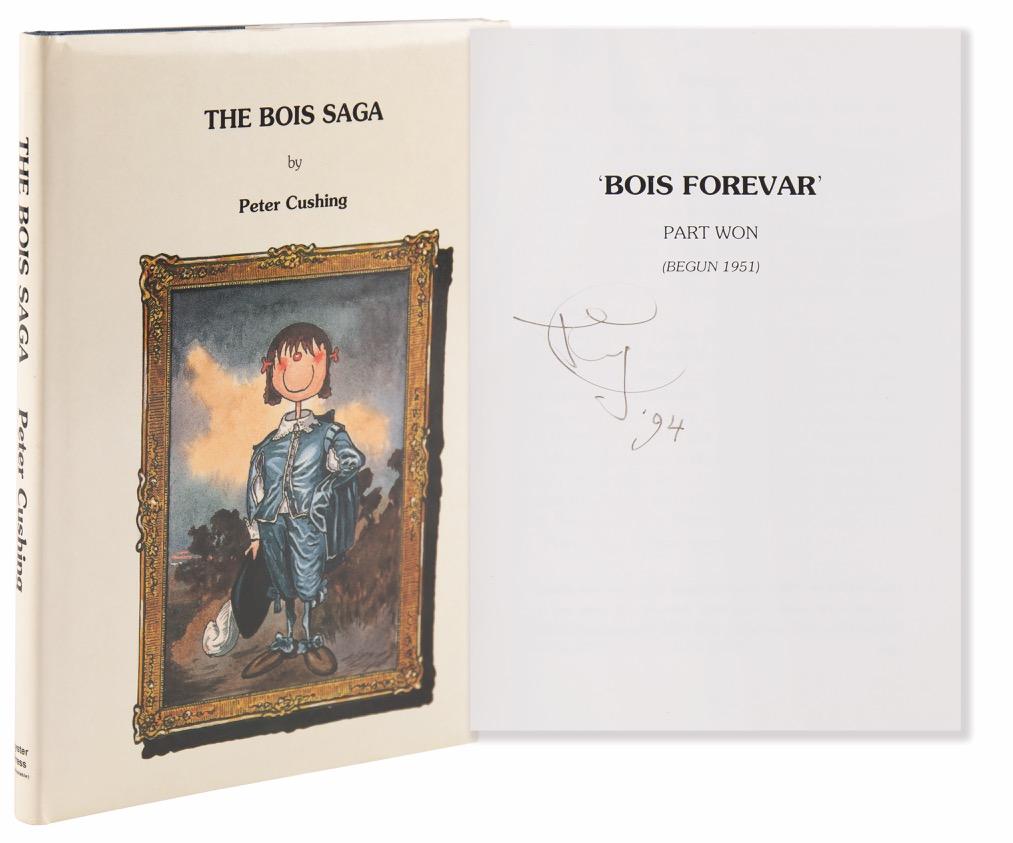
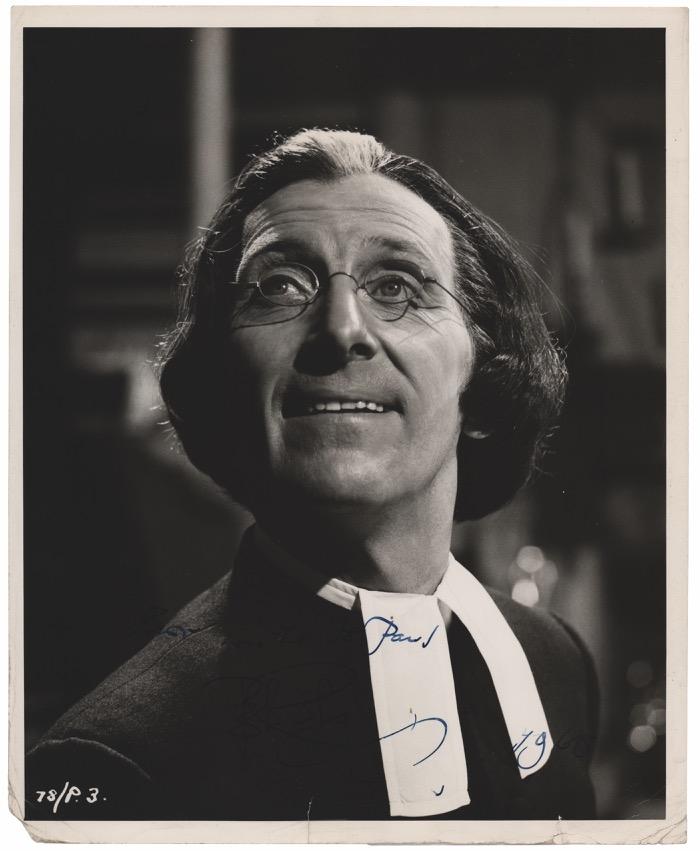
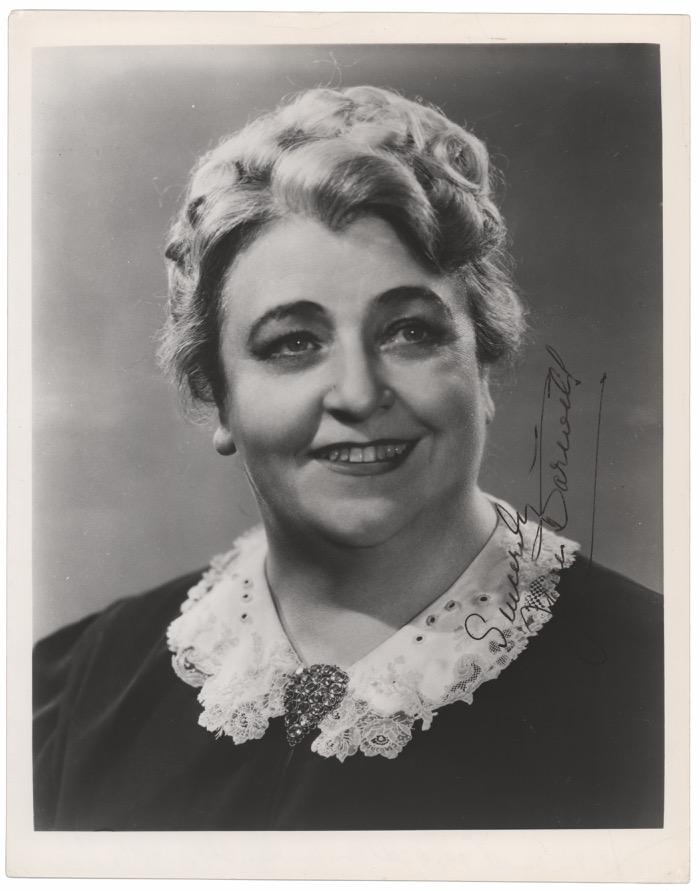
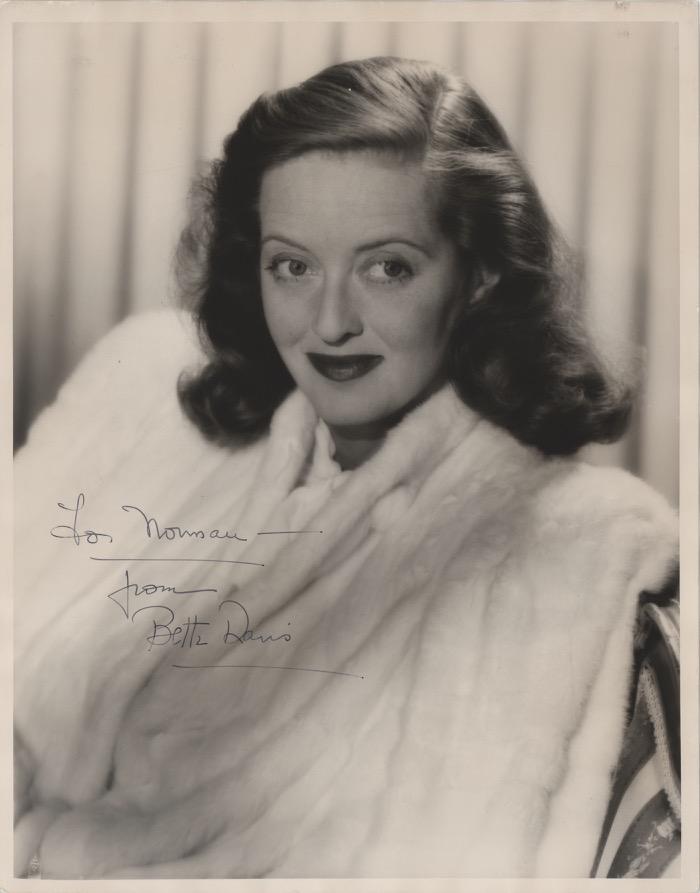
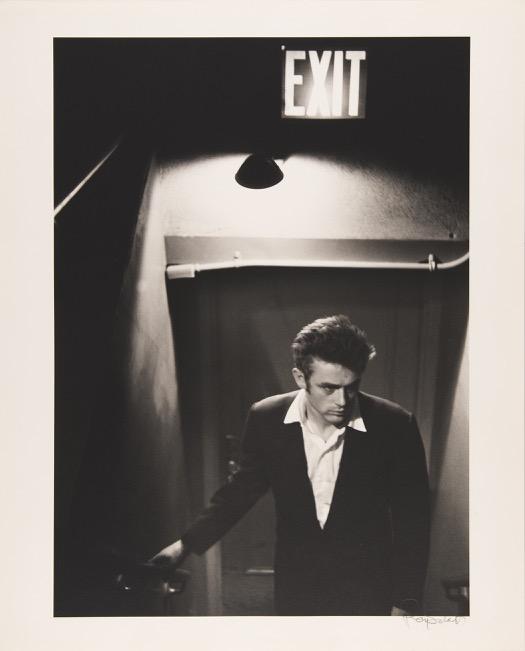
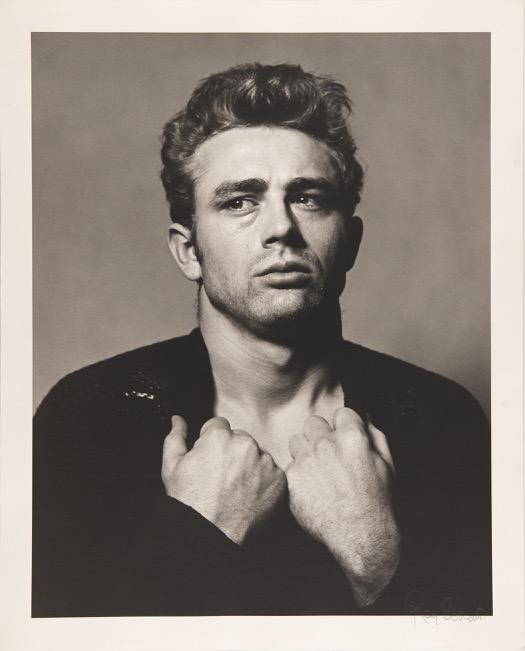
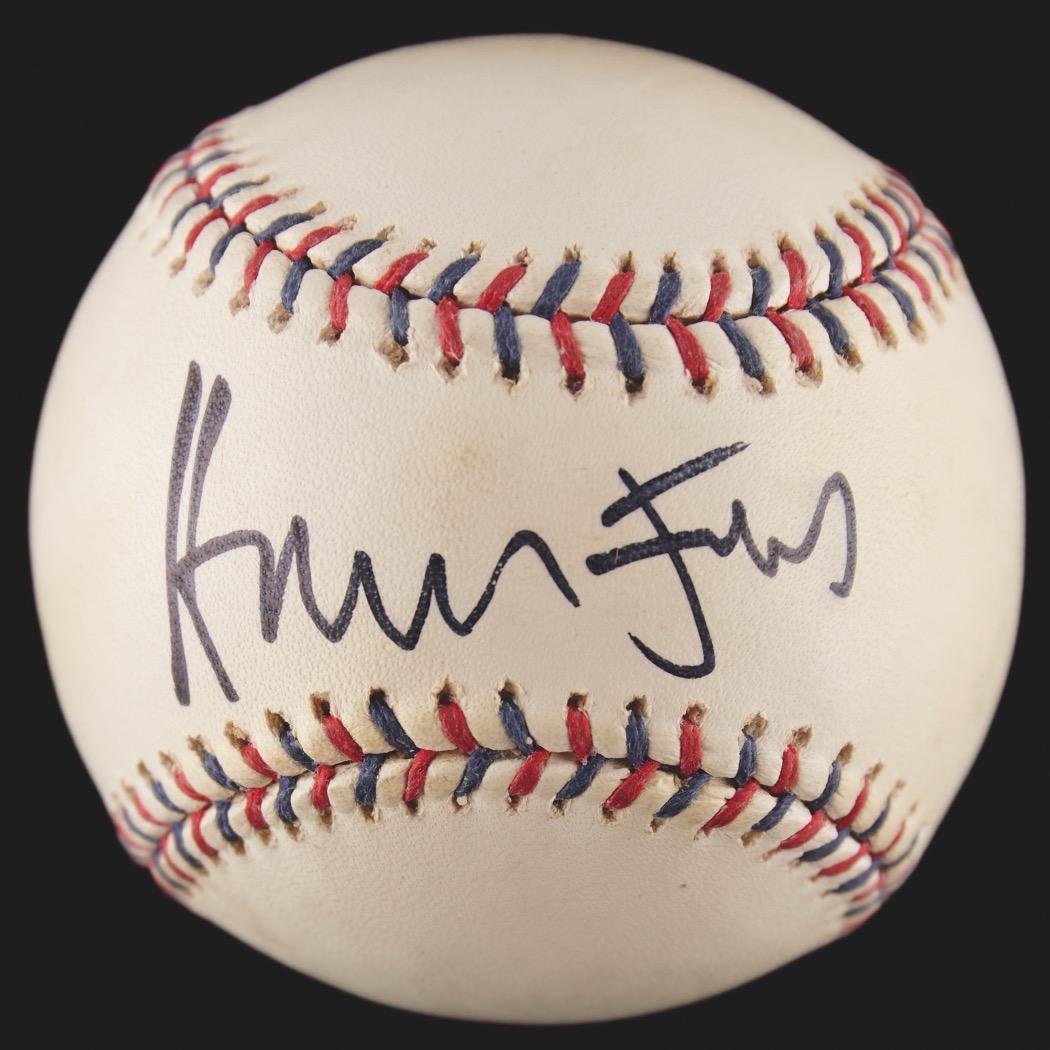
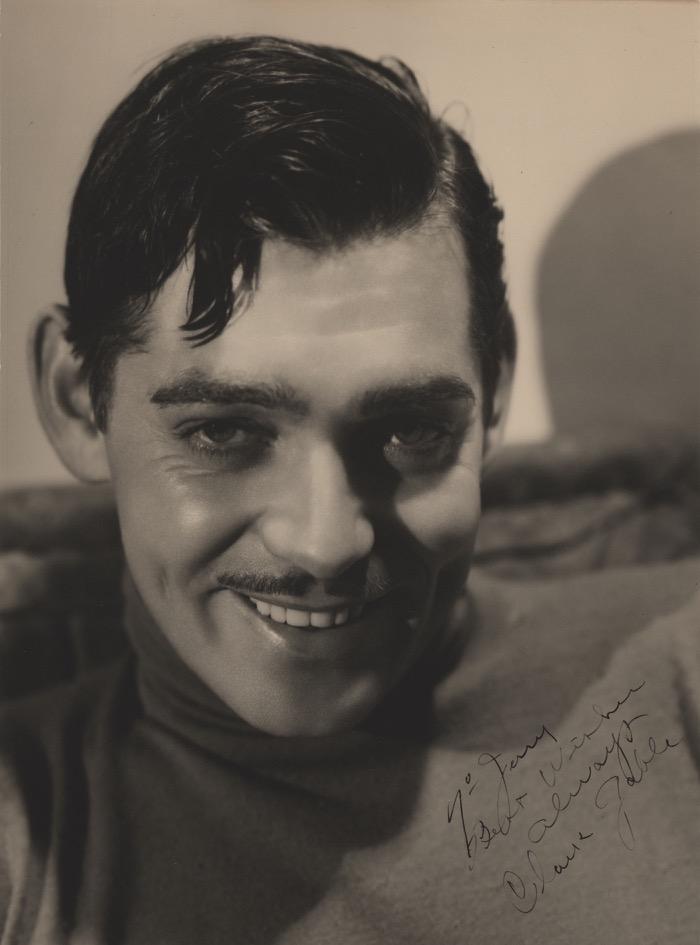
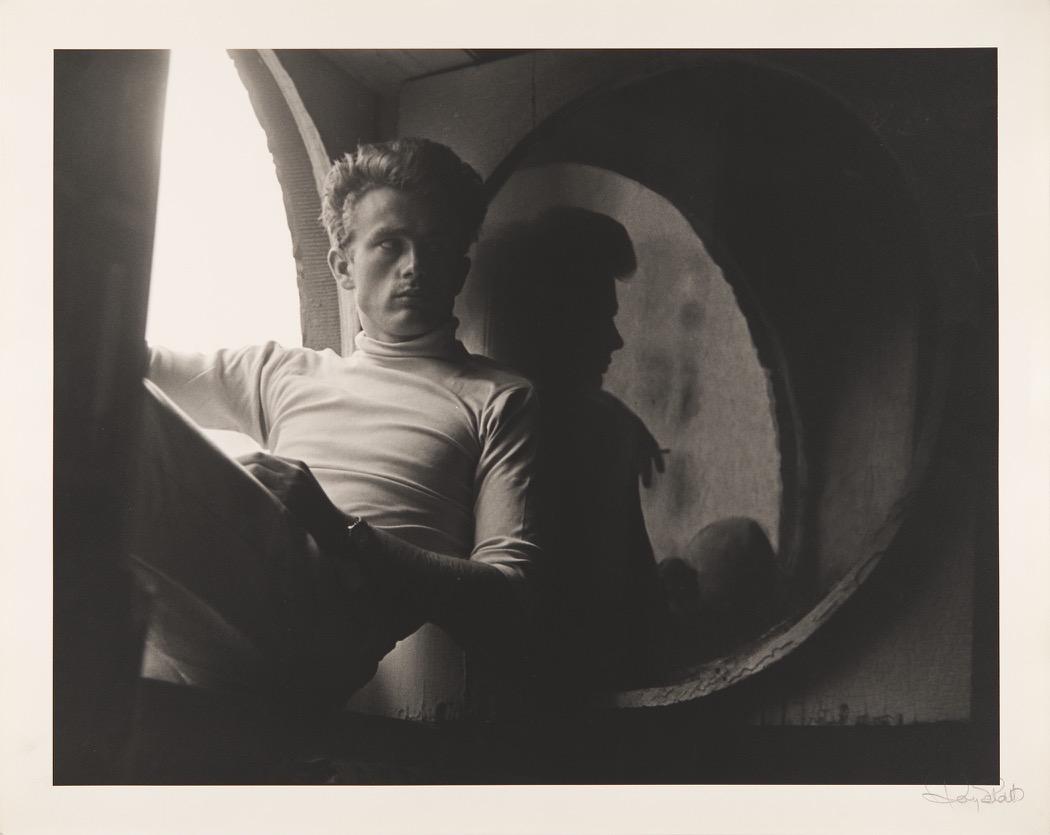
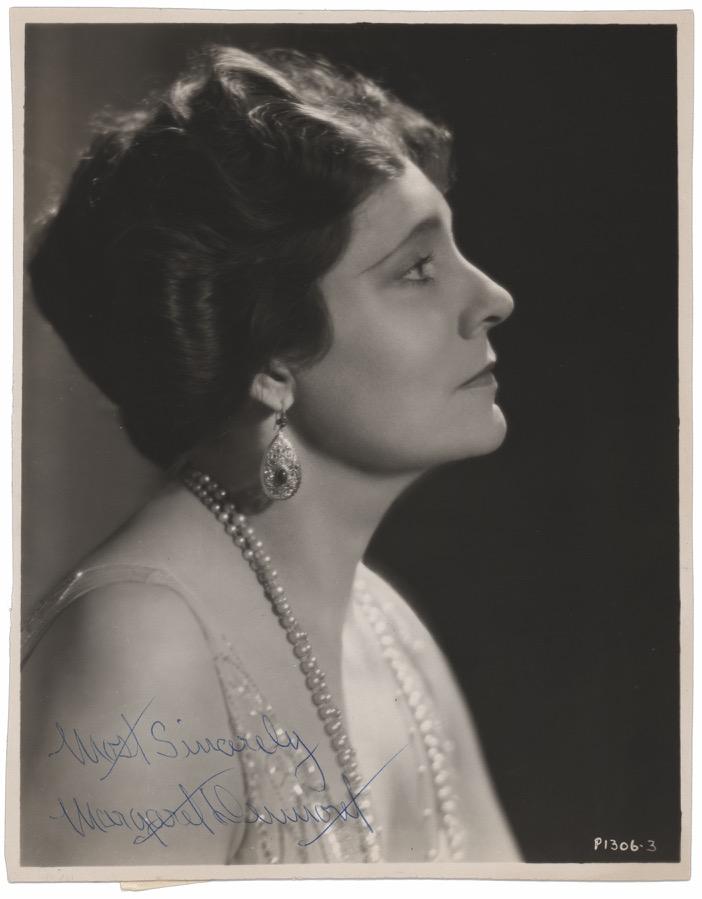
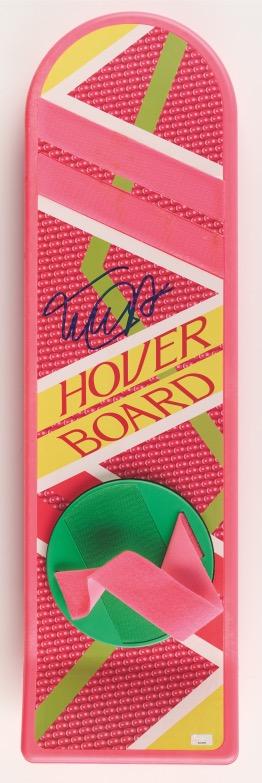
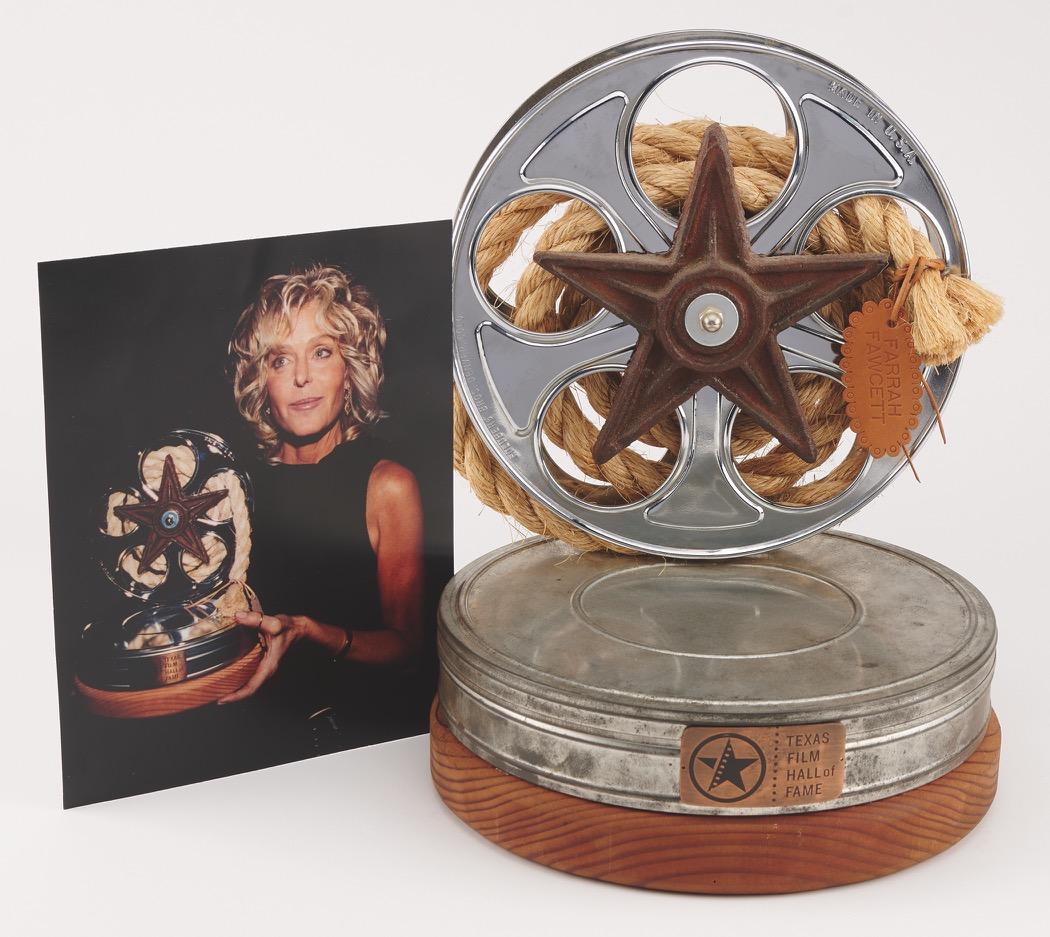
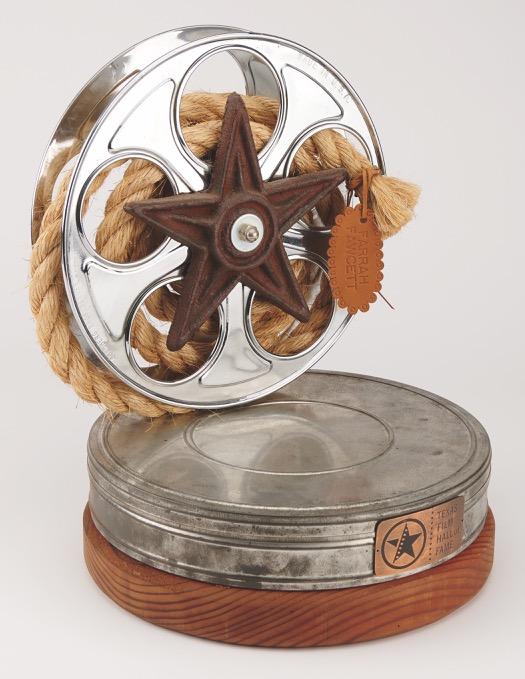
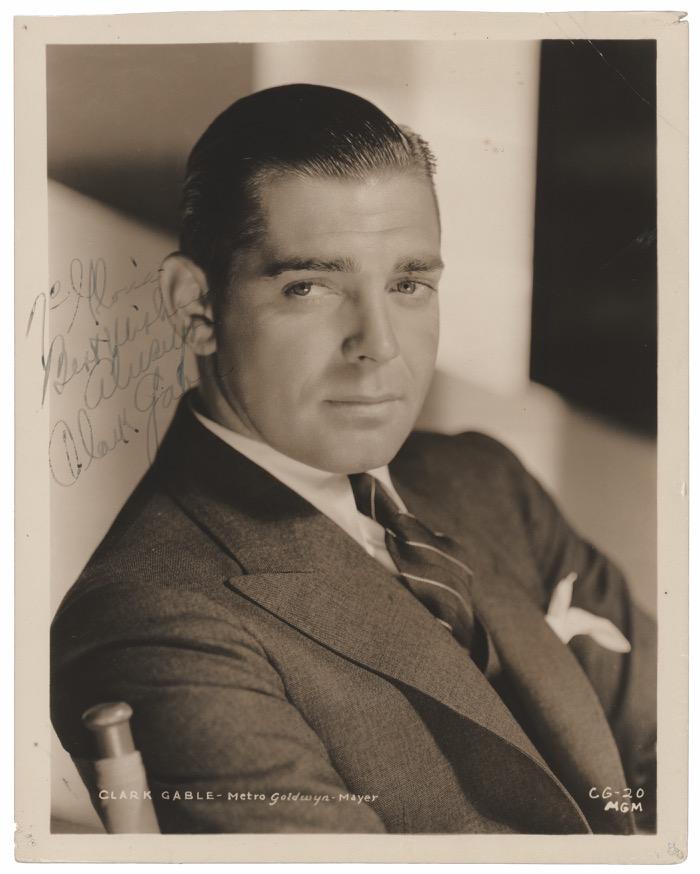
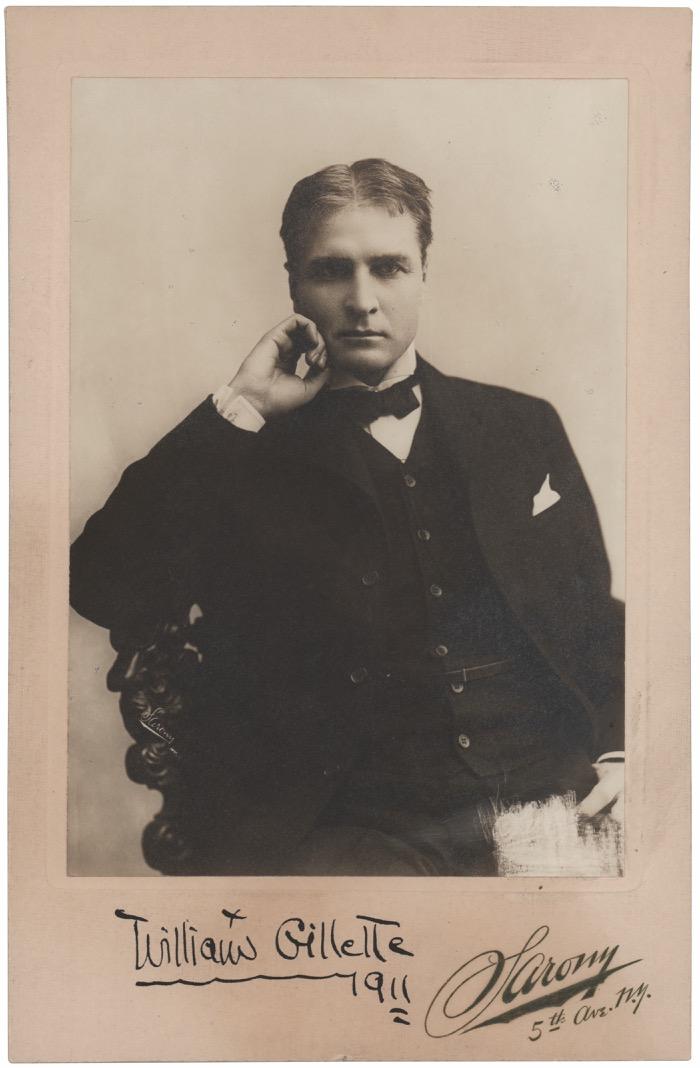
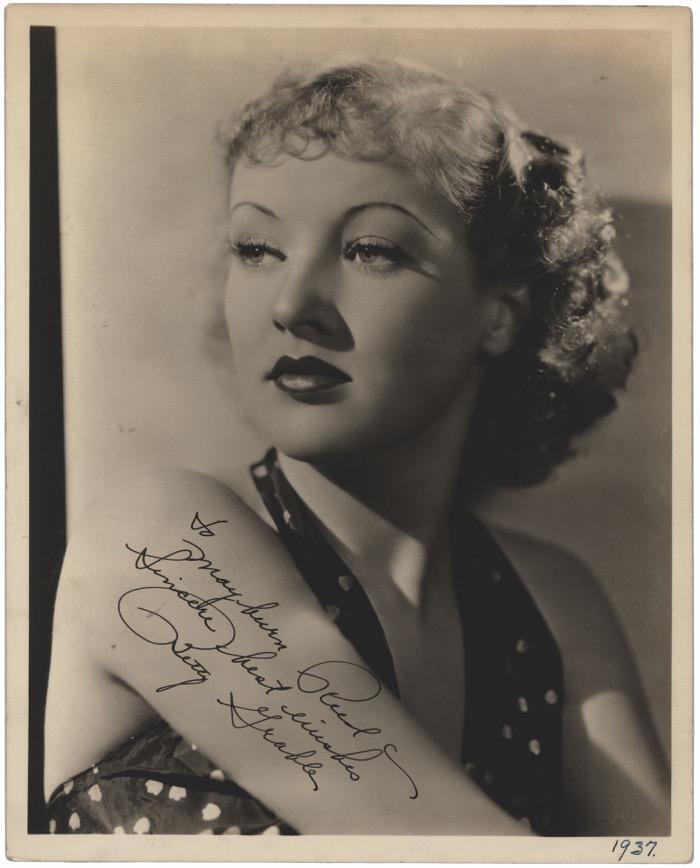
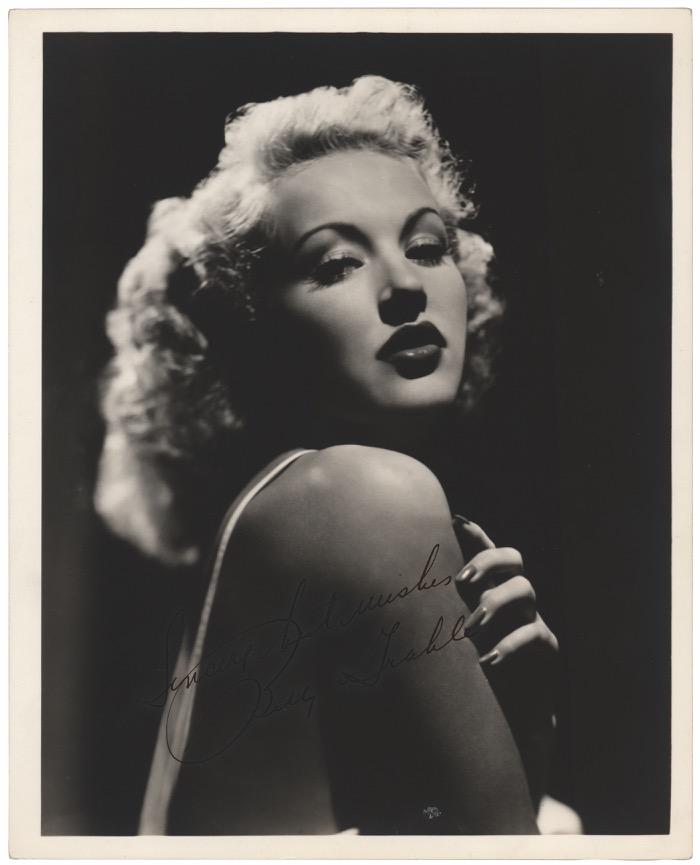
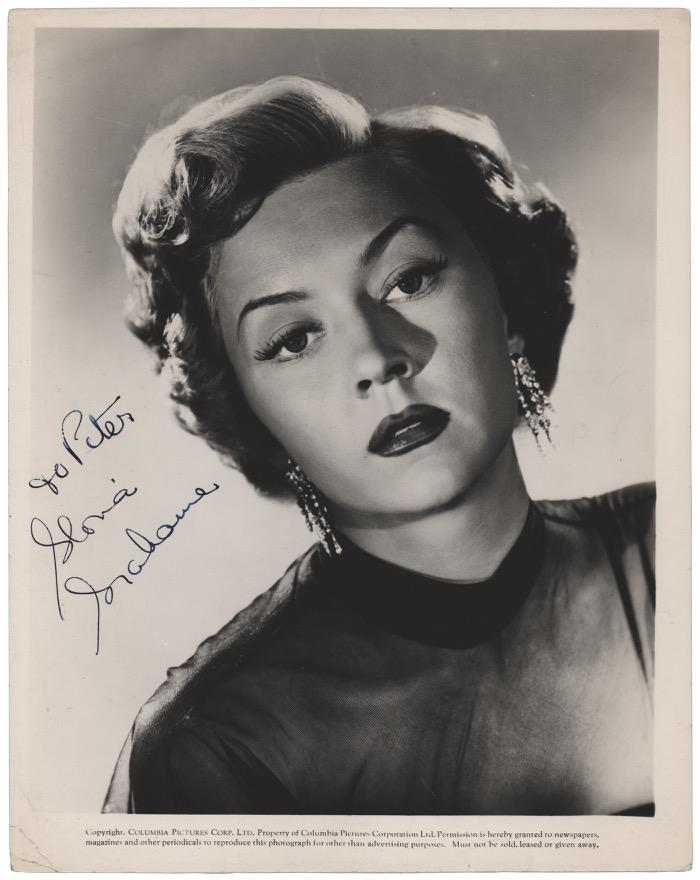
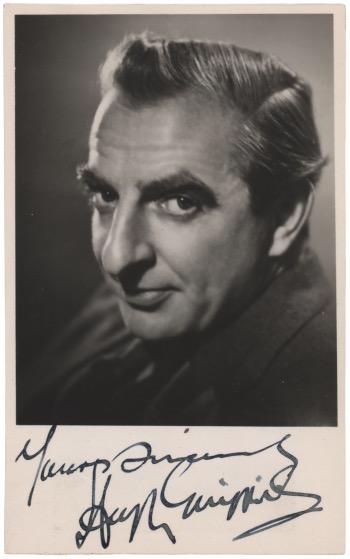
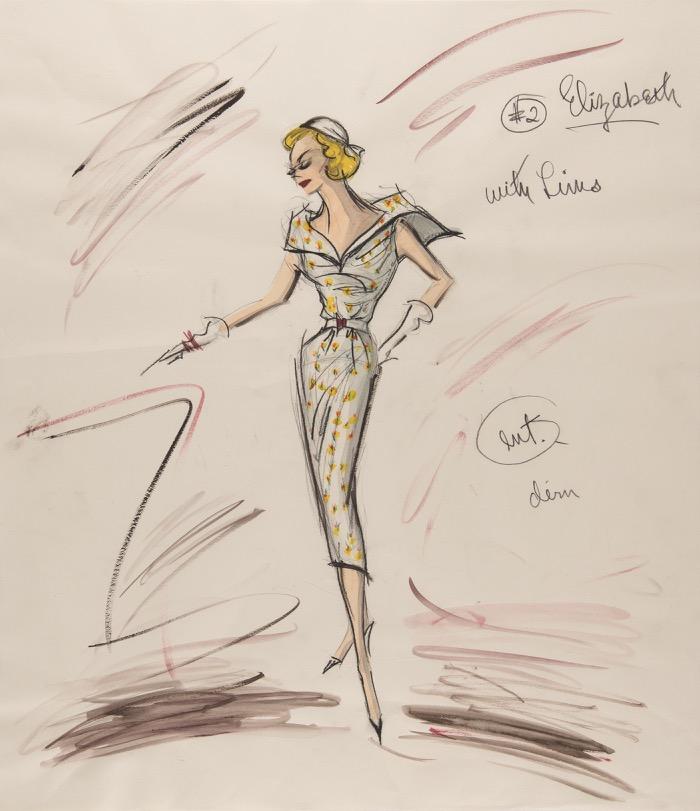
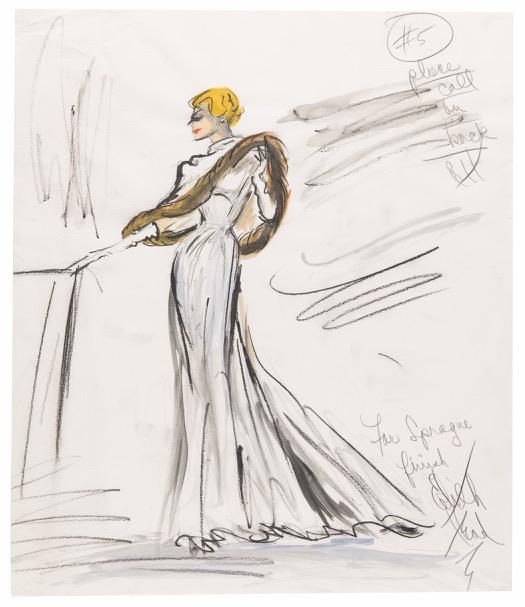
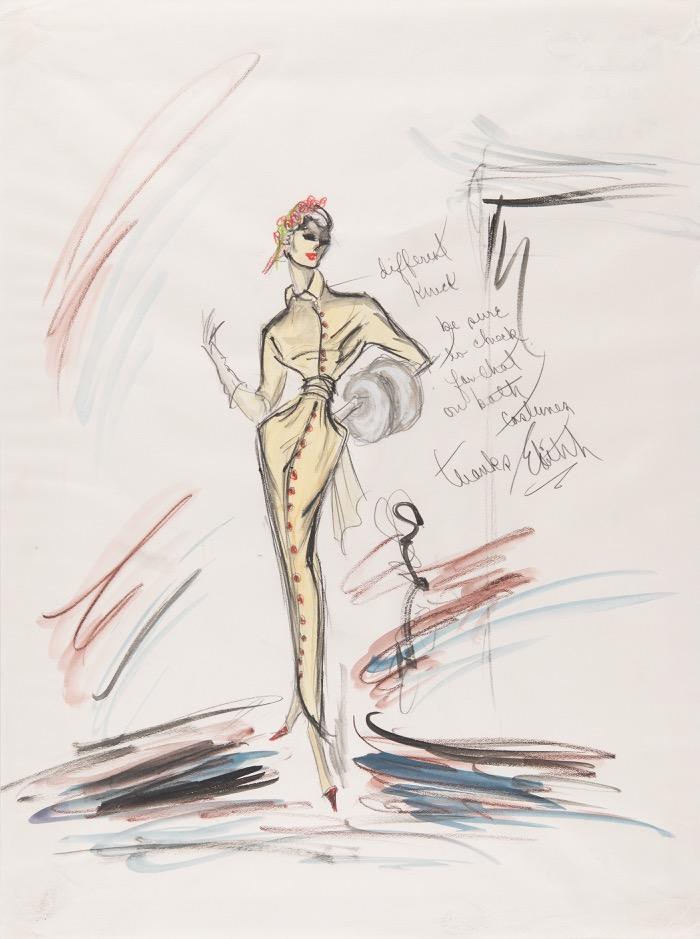
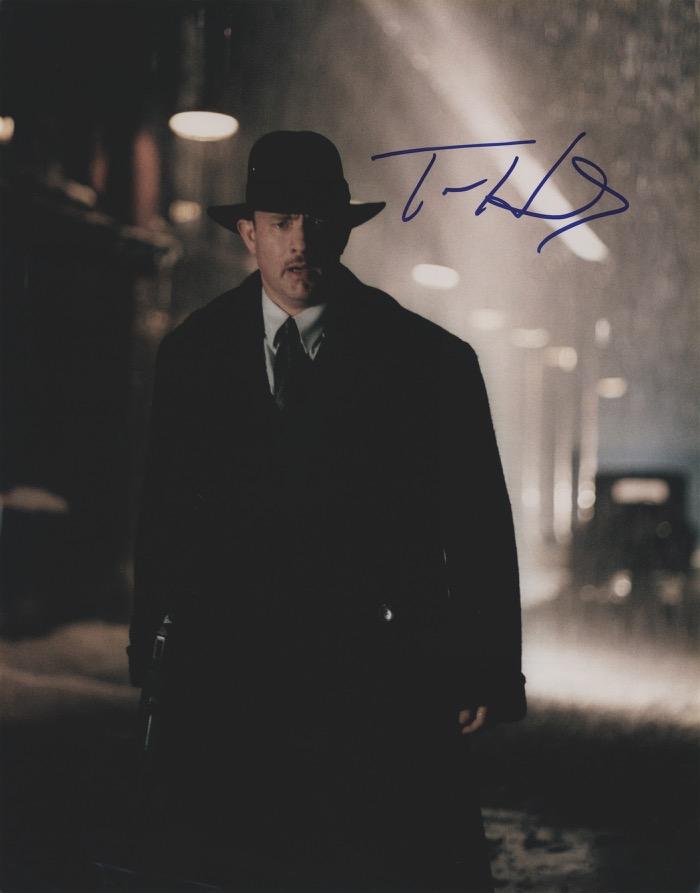
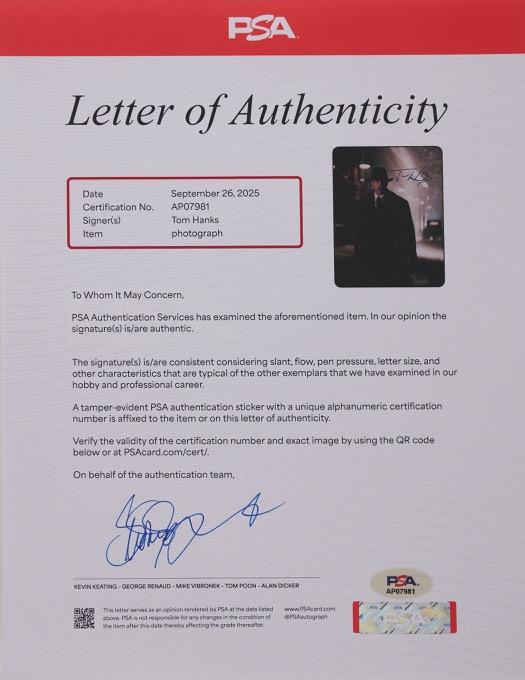
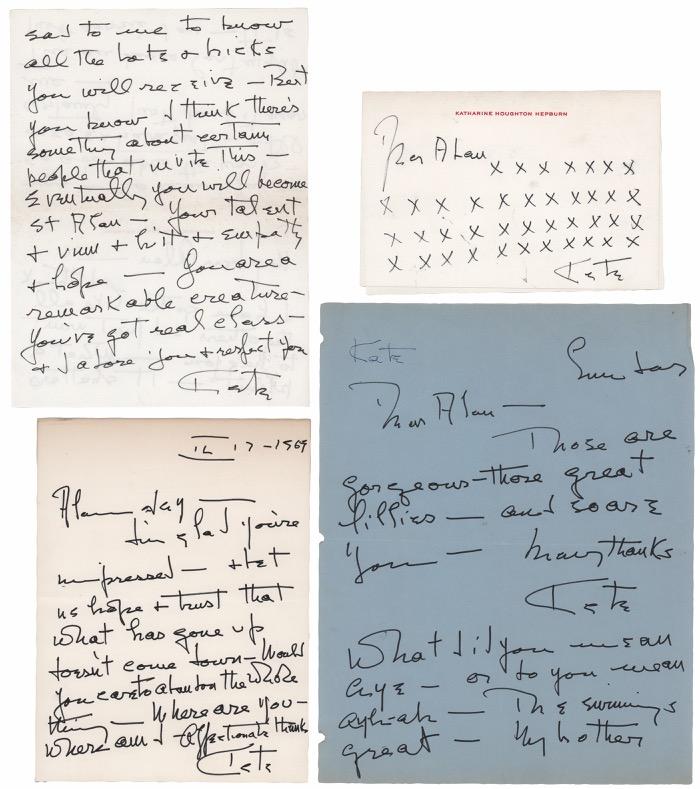
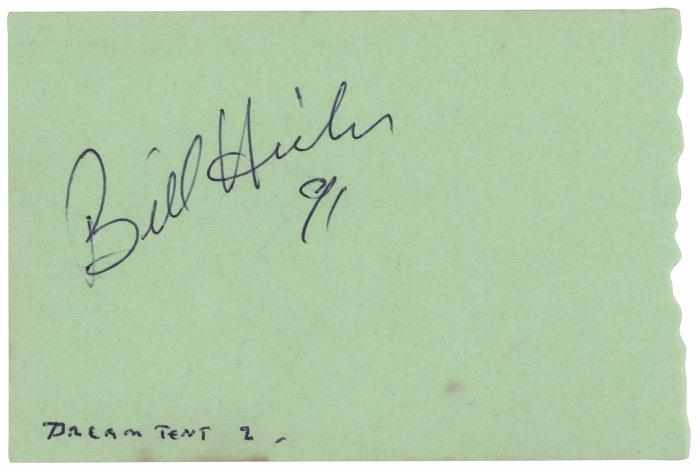
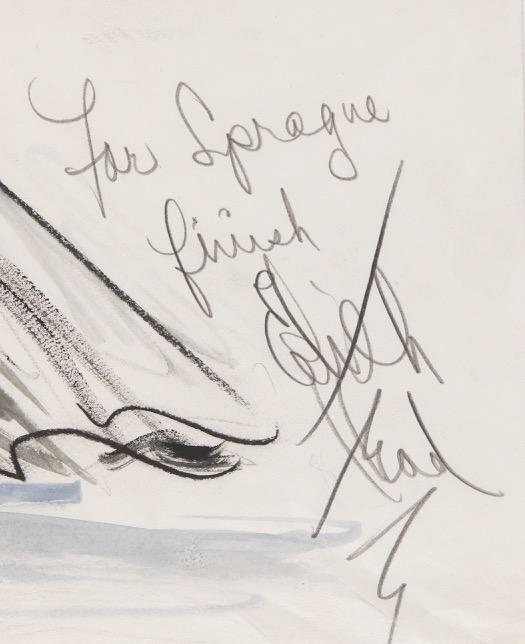
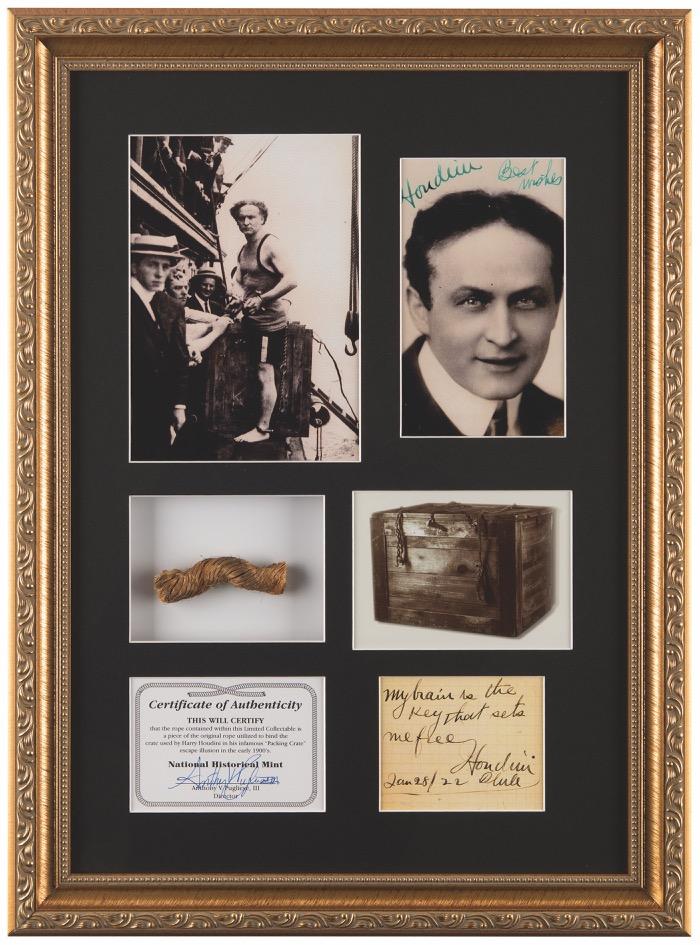
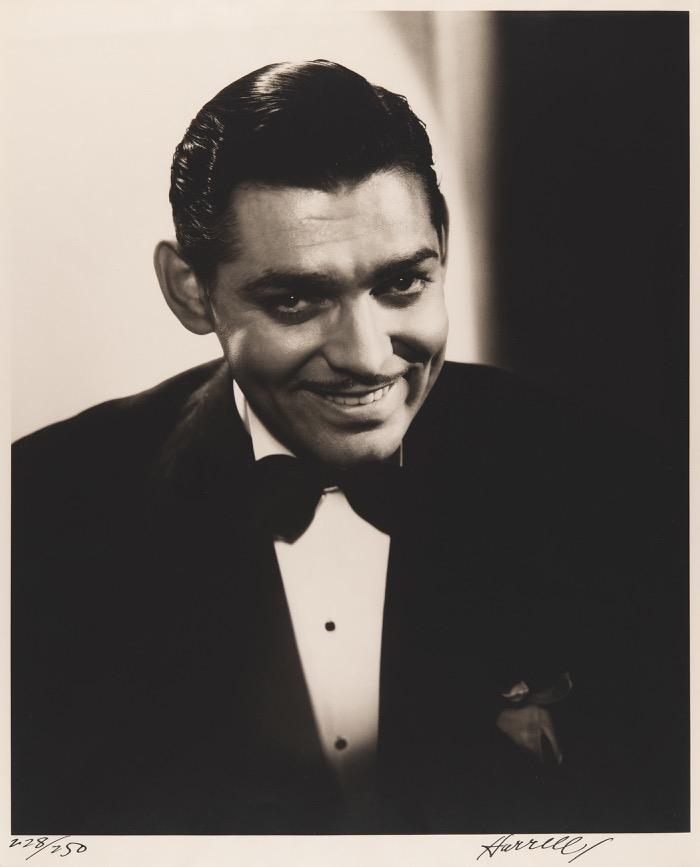
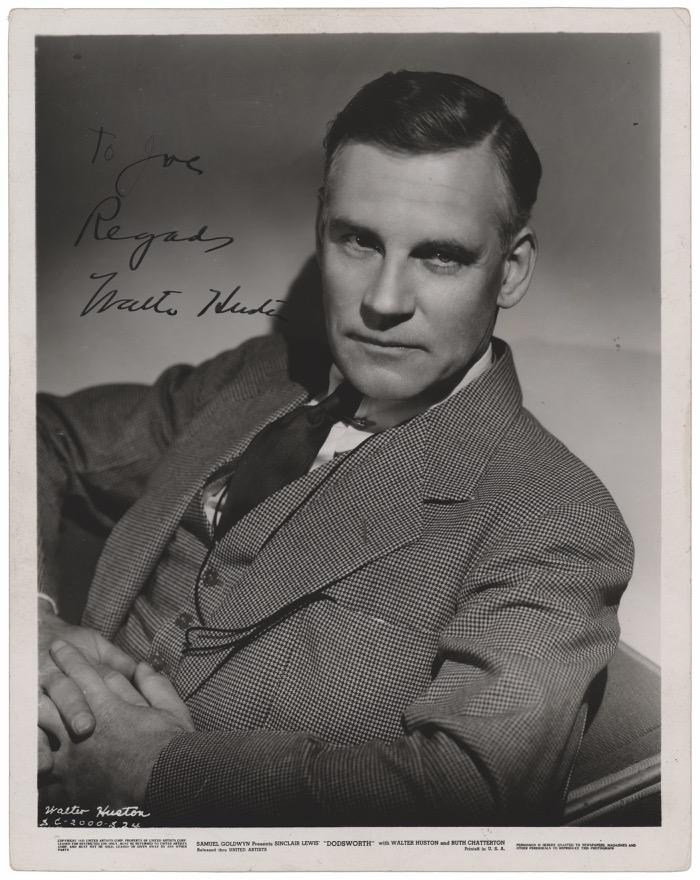
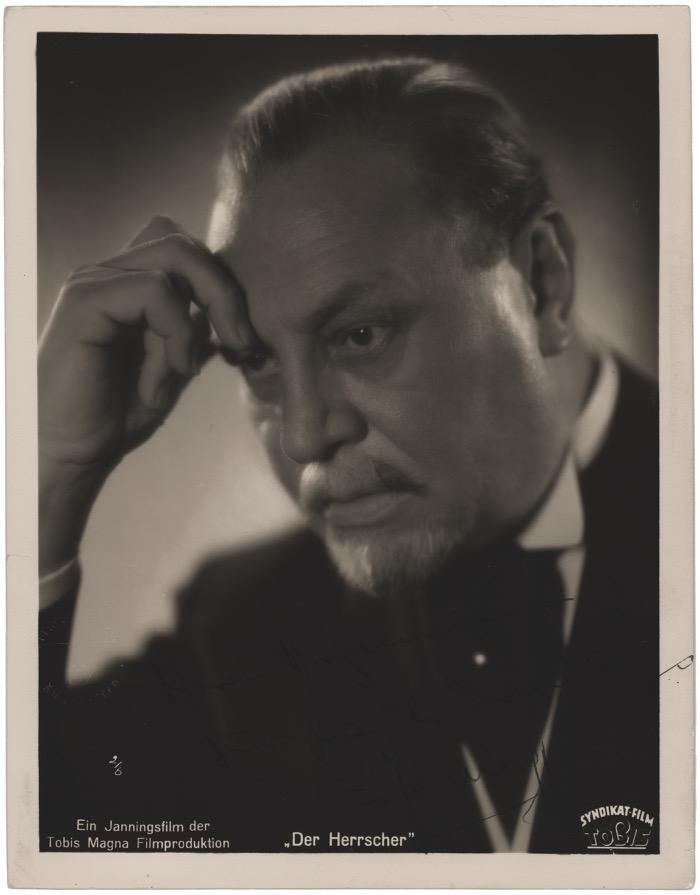
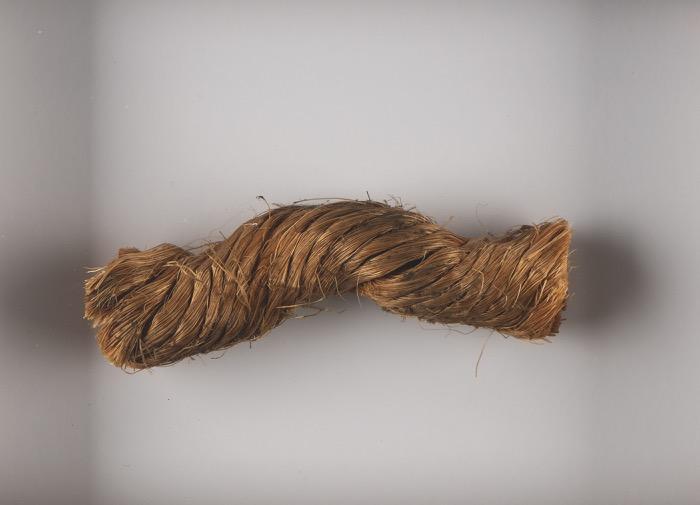

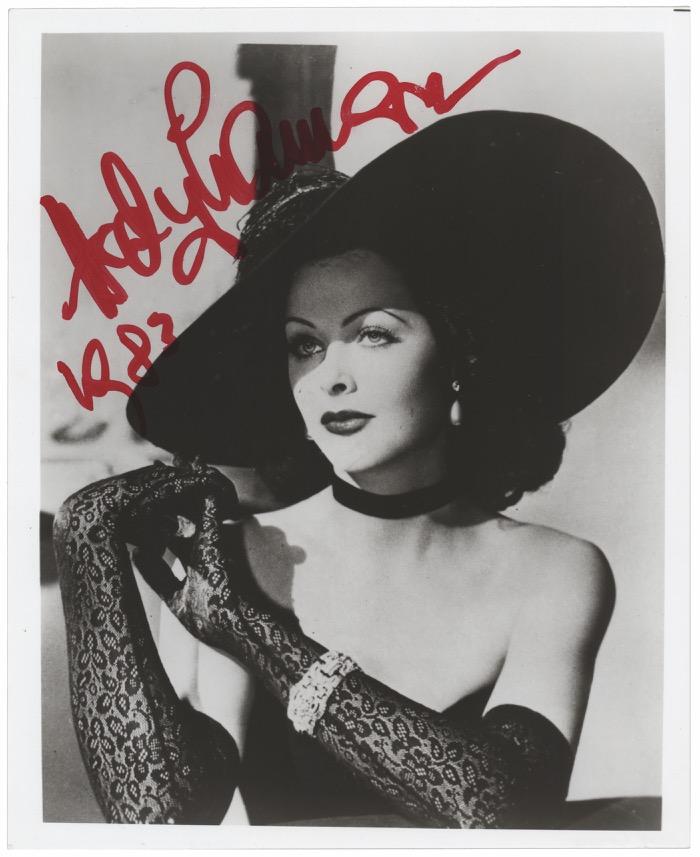
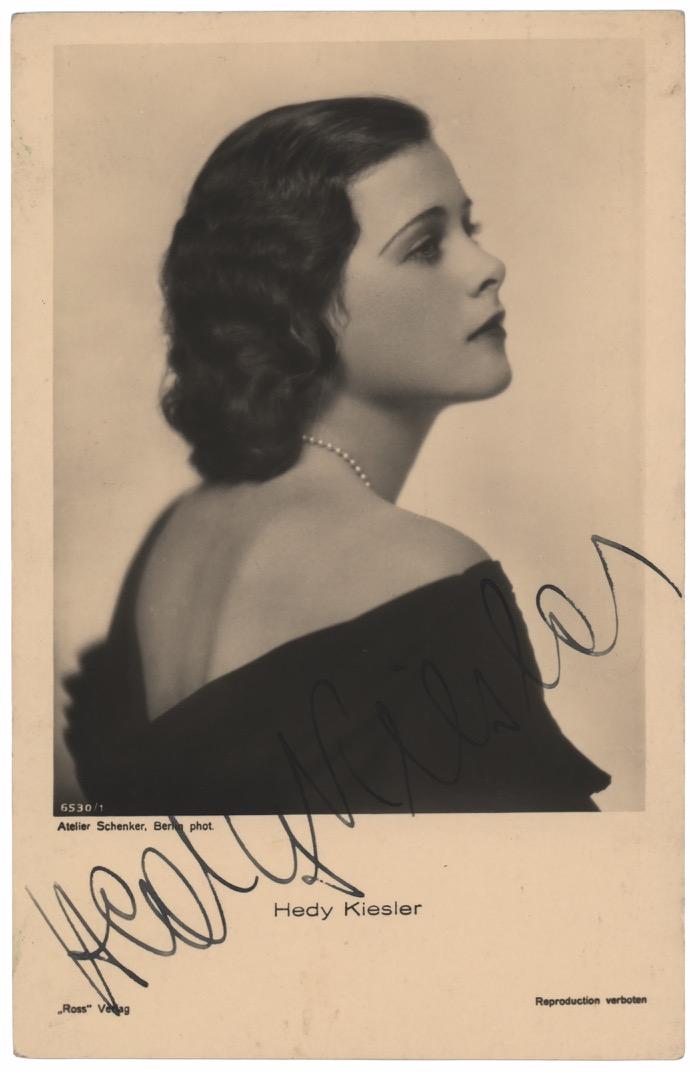
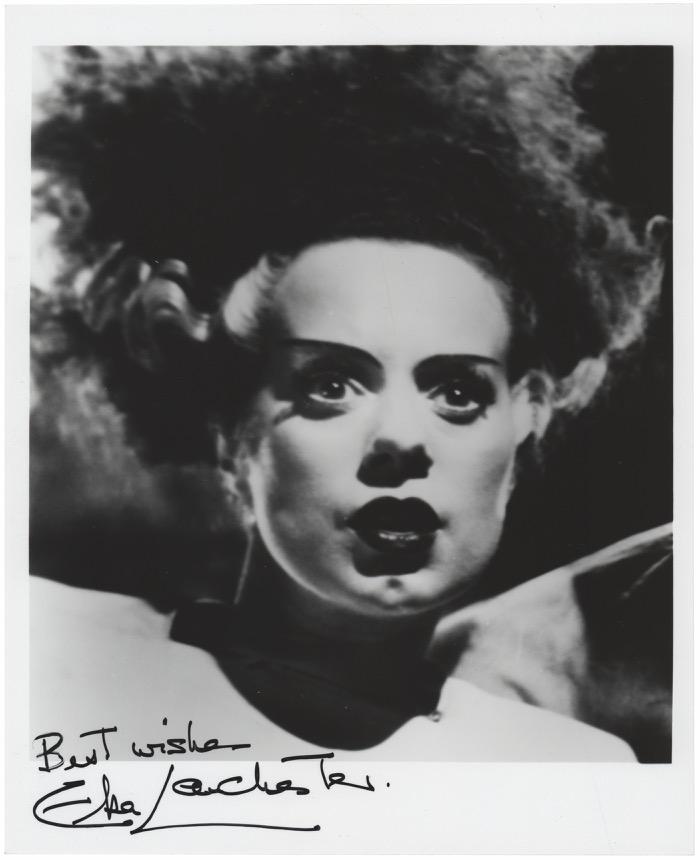
594.
Starting Bid $200
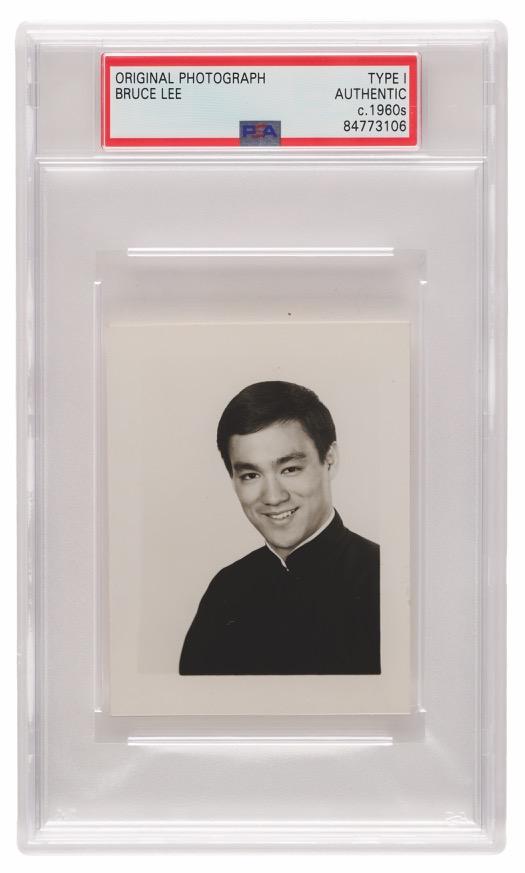
598.
Original Photograph - PSA Type I Starting Bid $200
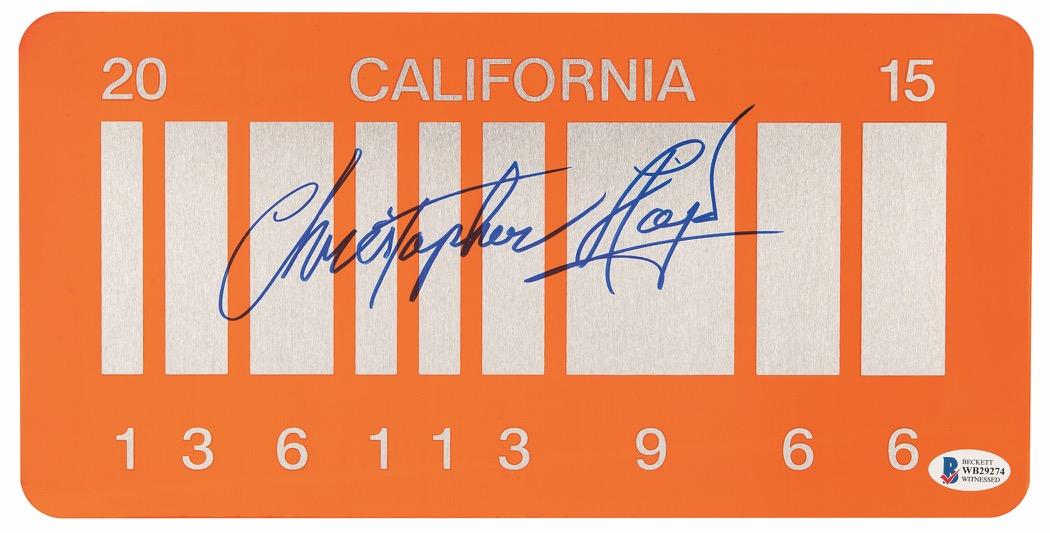
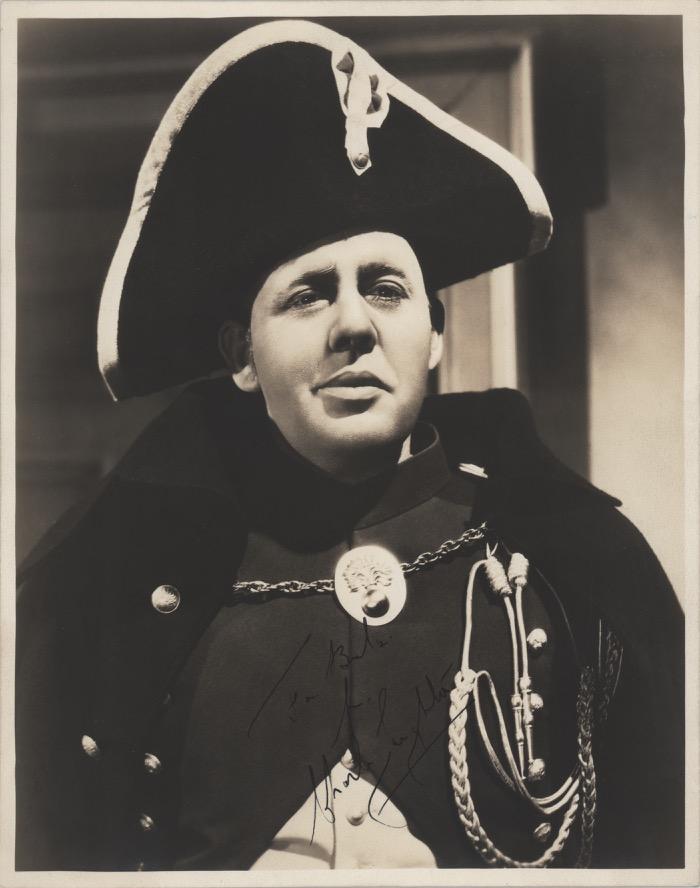
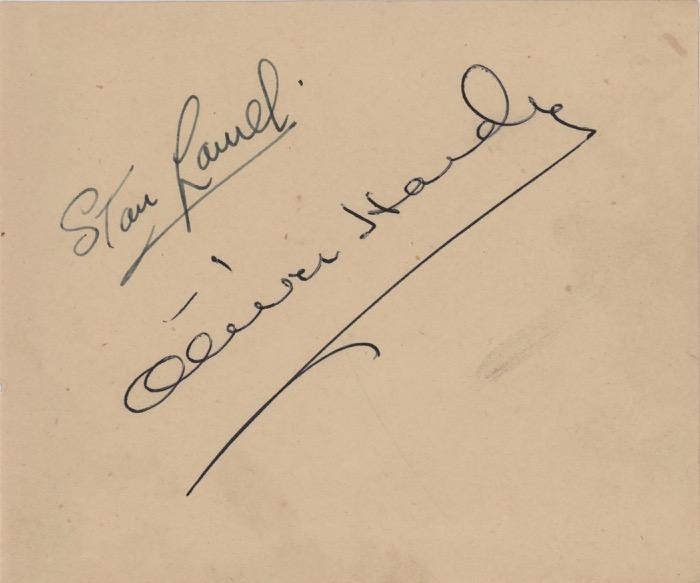
Starting Bid $200
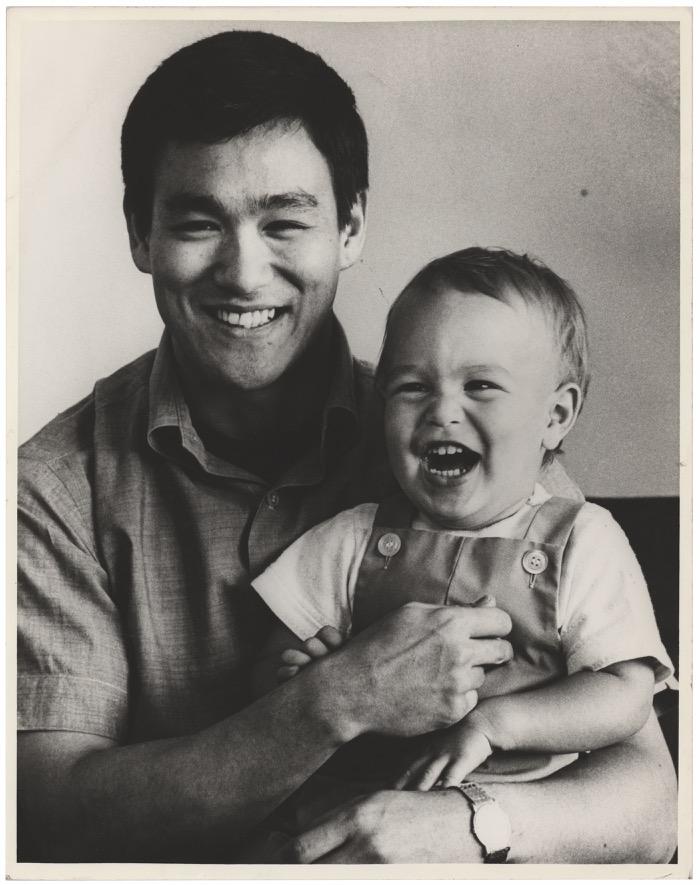
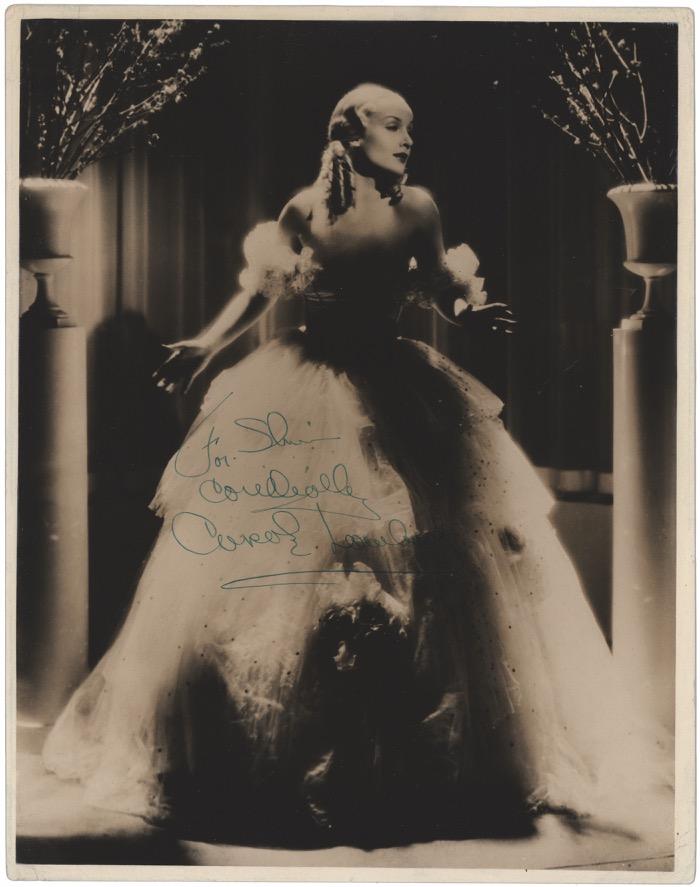
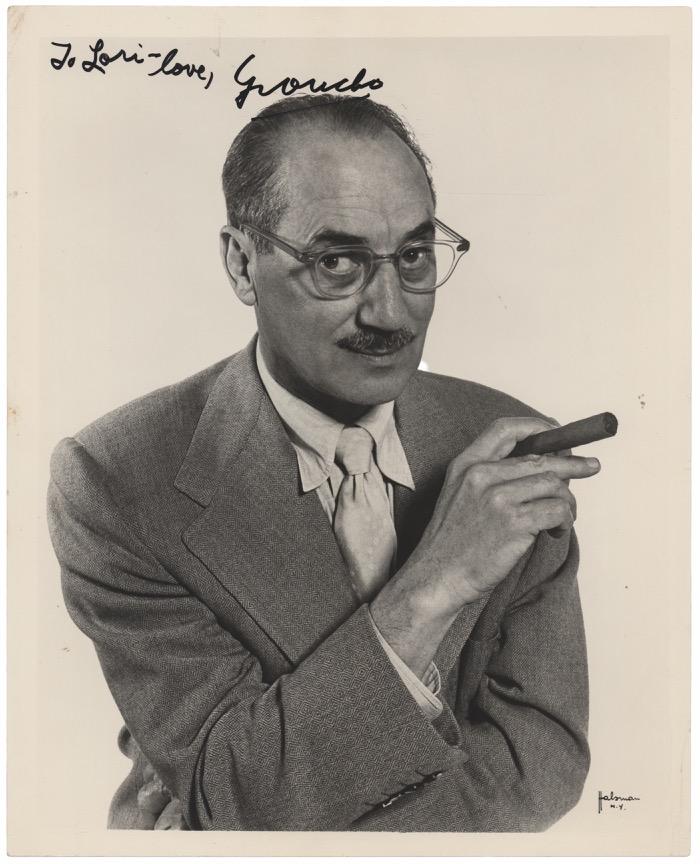
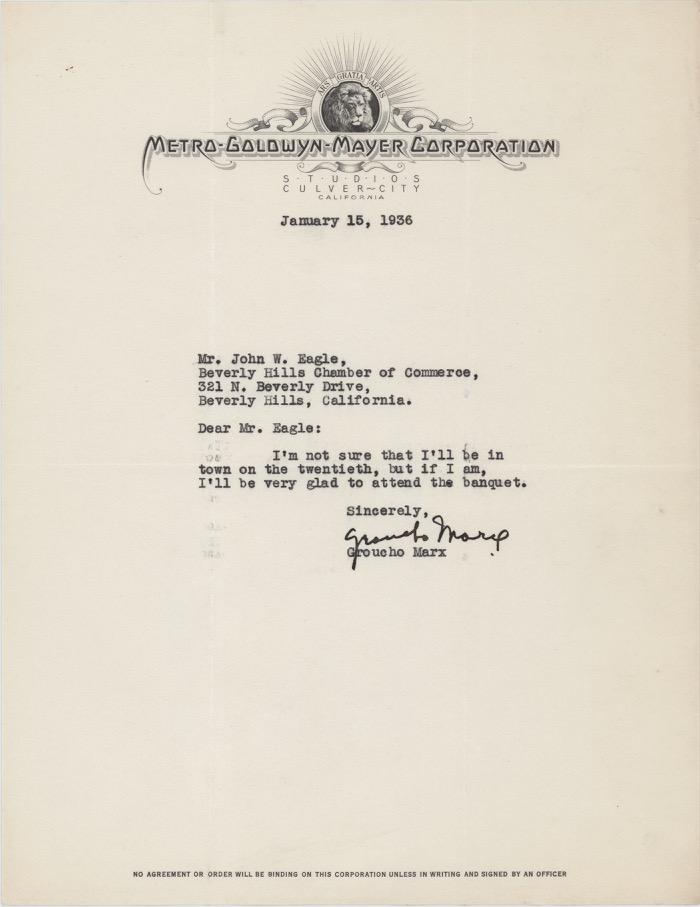
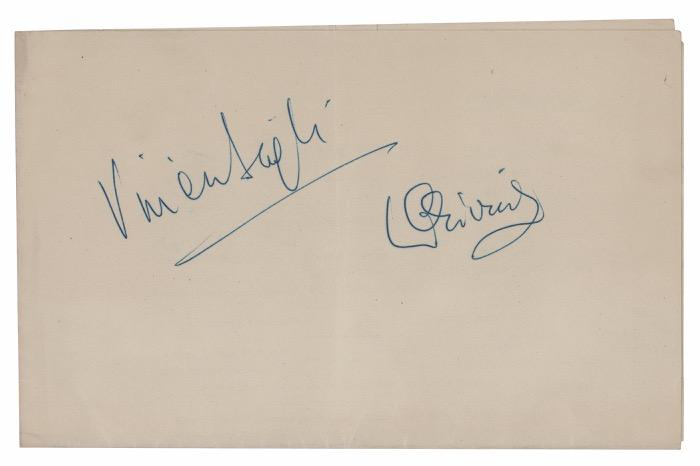
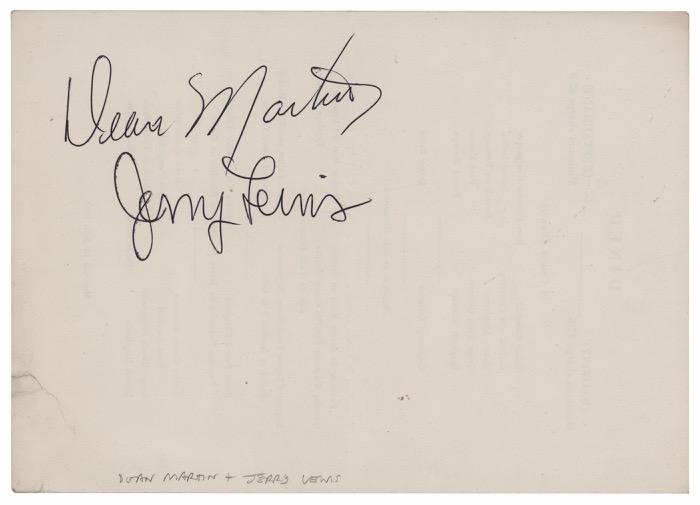
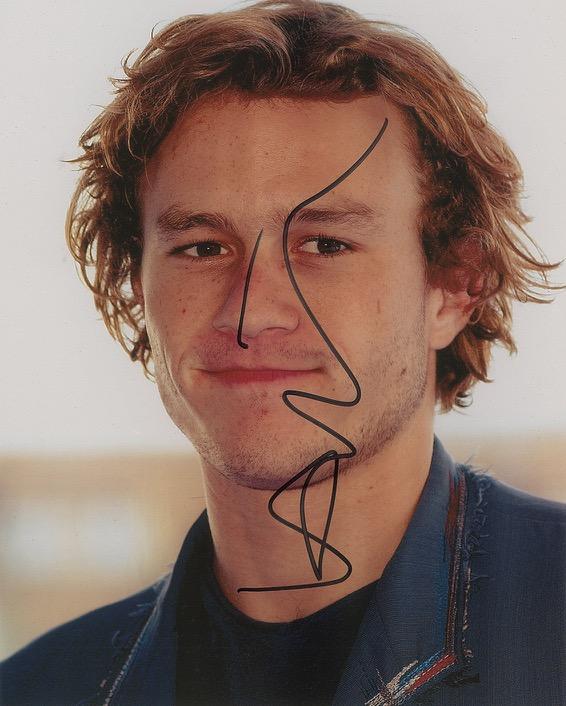
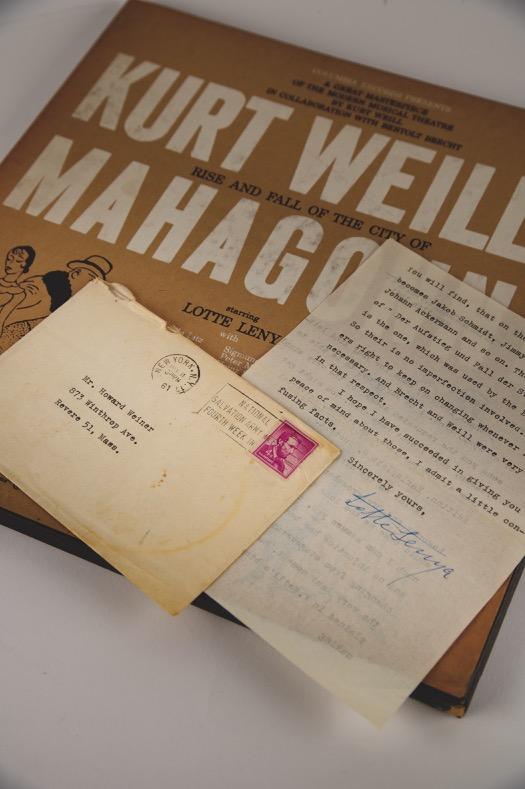
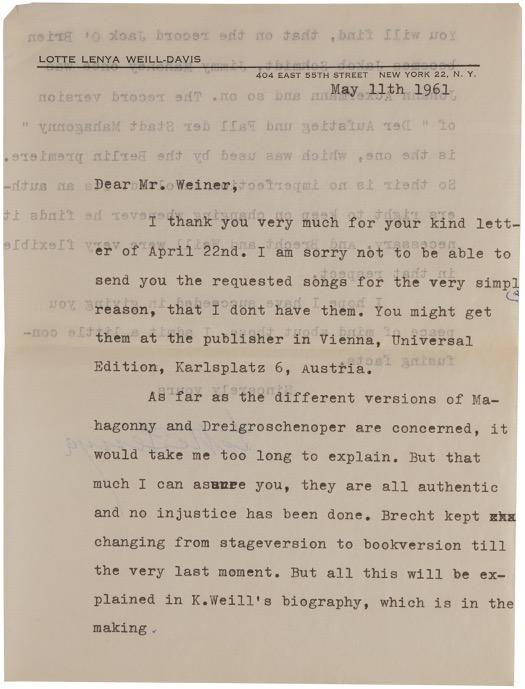
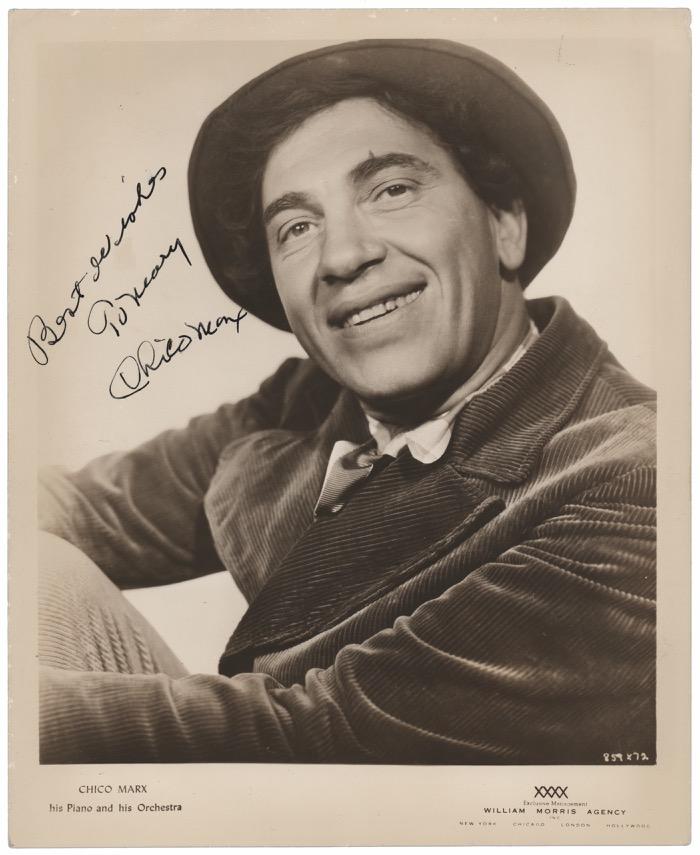
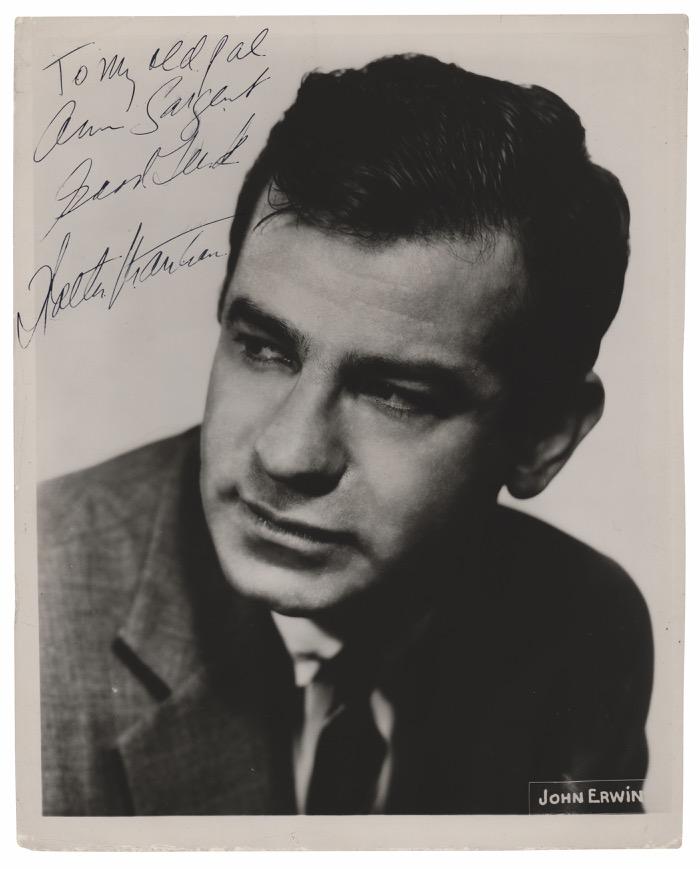
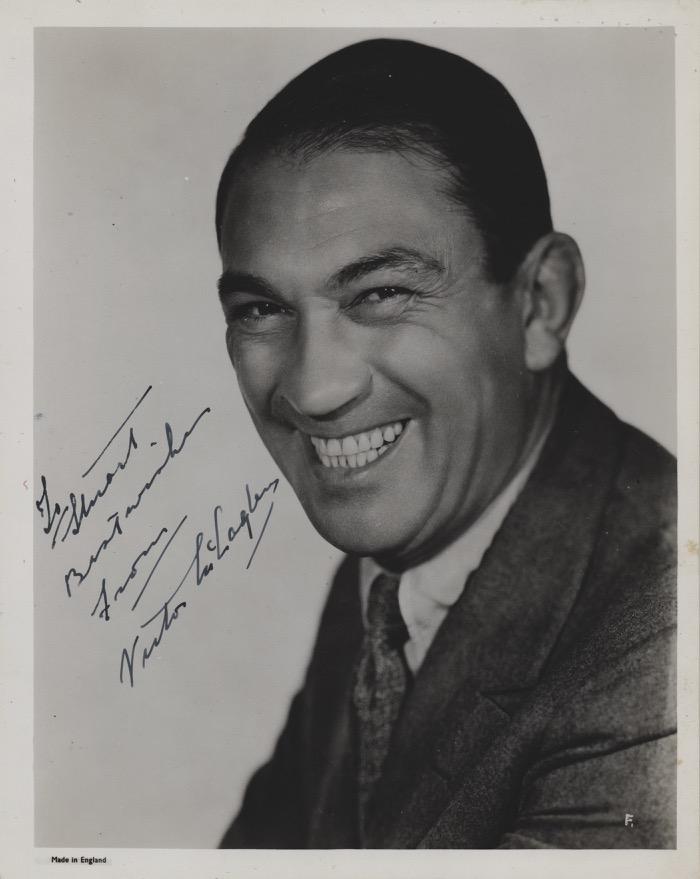
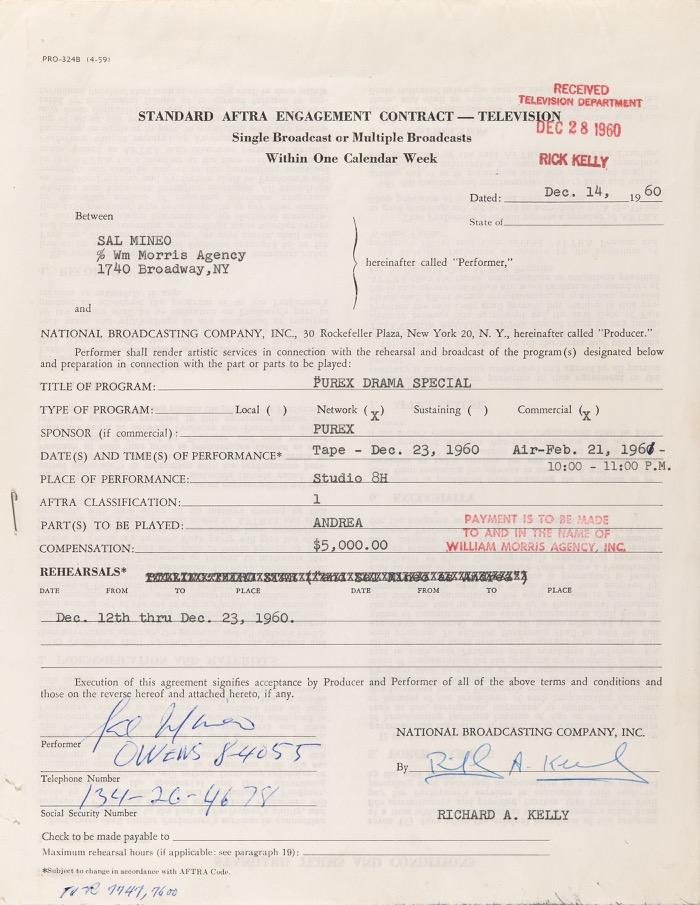
610. Sal
Document Signed Starting Bid $200
611.
Oversized Signed Photograph Starting Bid $200
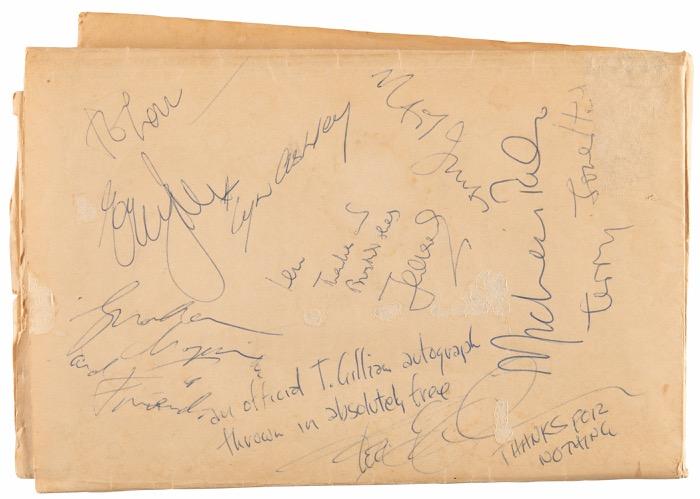
615.
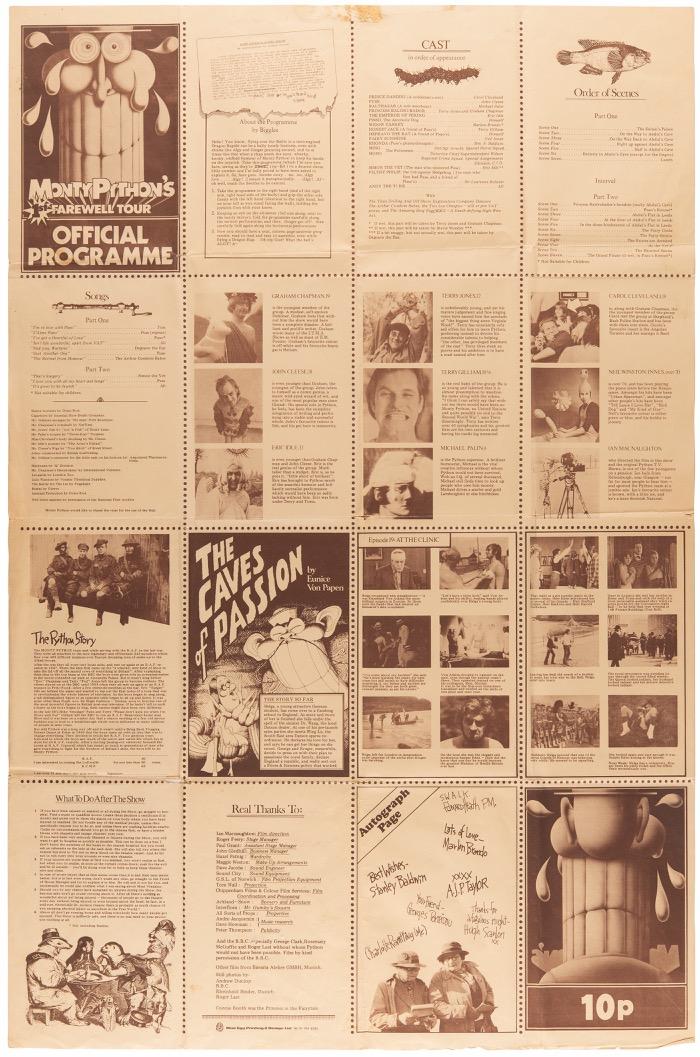
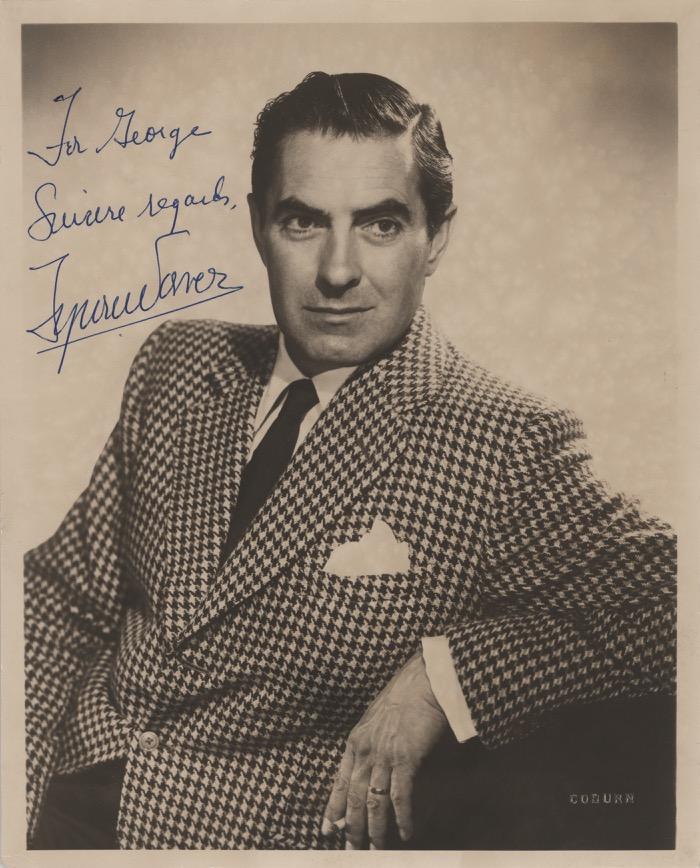
Starting Bid $100
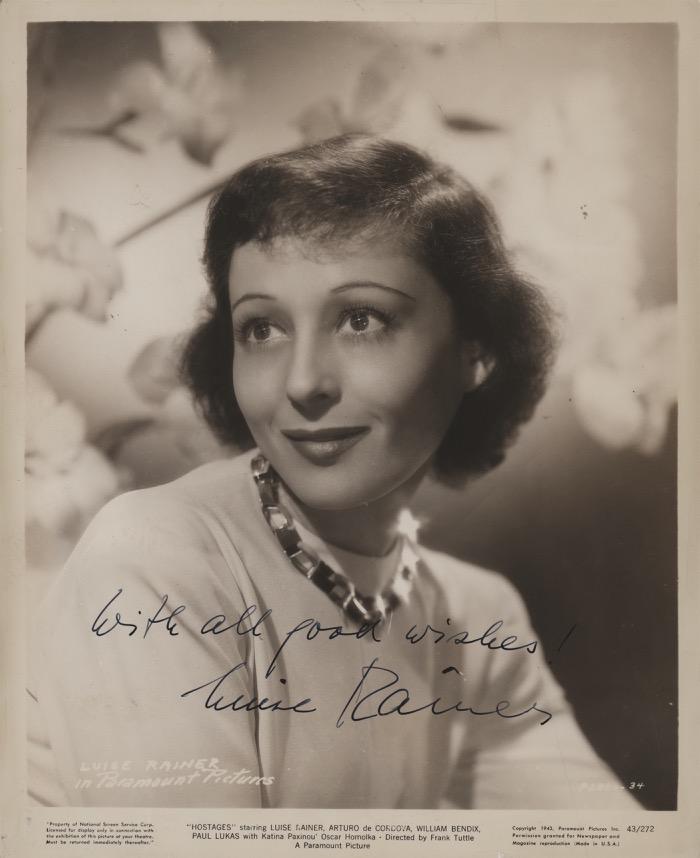
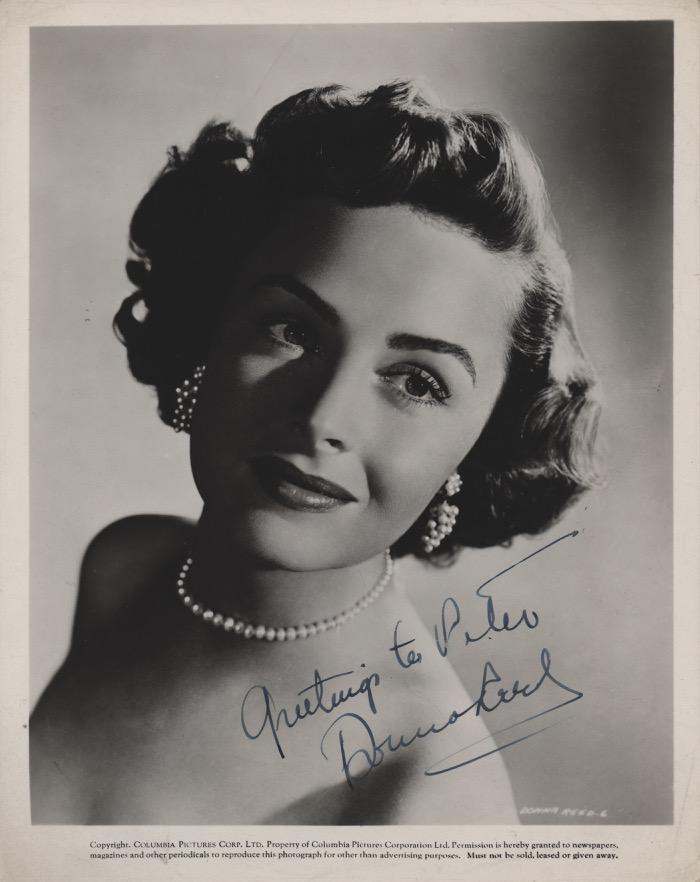
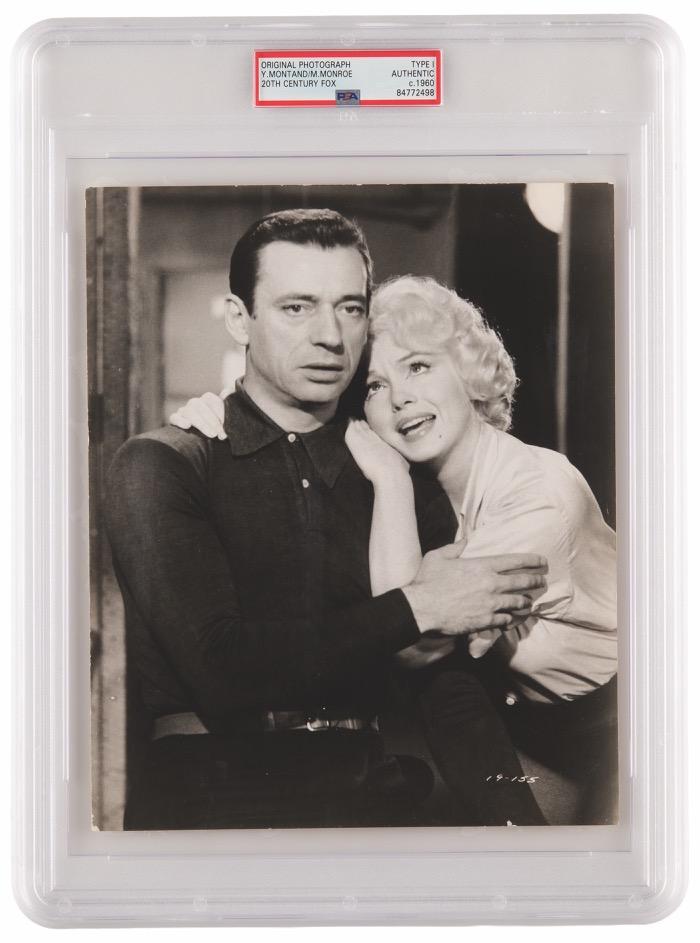
612.
and Yves
Original Photograph - PSA Type I Starting Bid $200
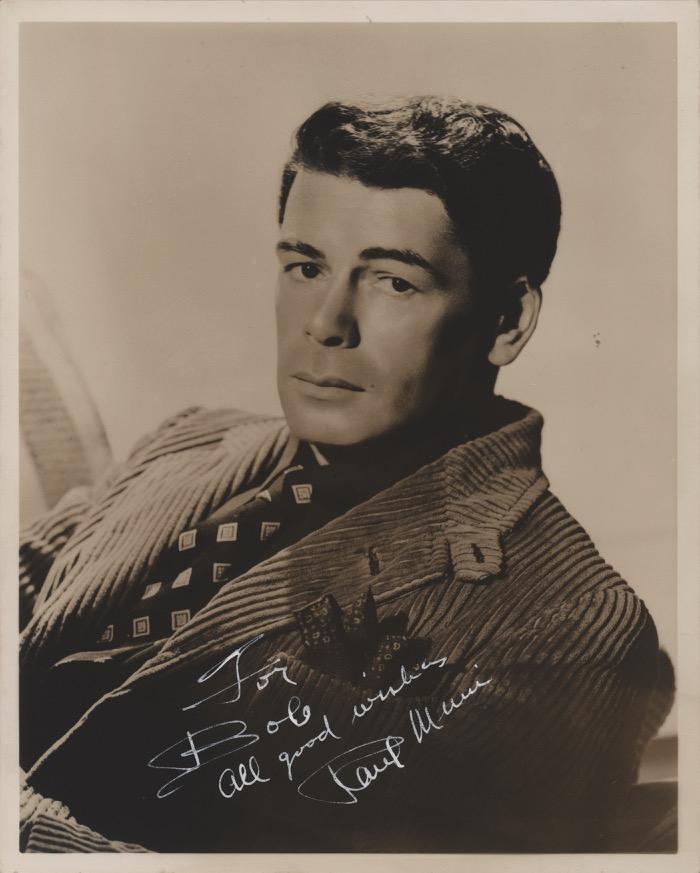
616.
Starting Bid $200
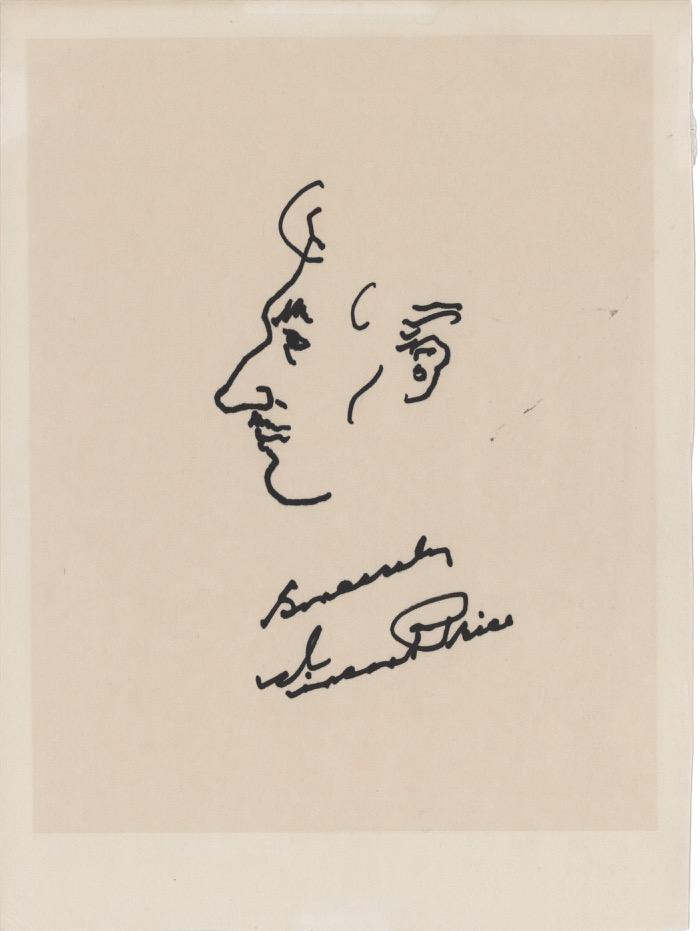
Starting Bid $200
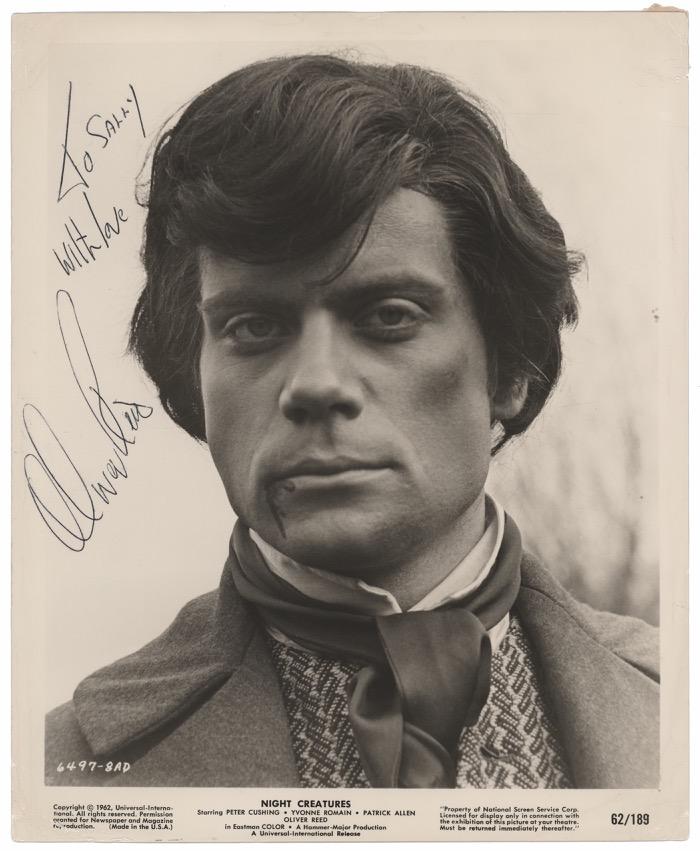
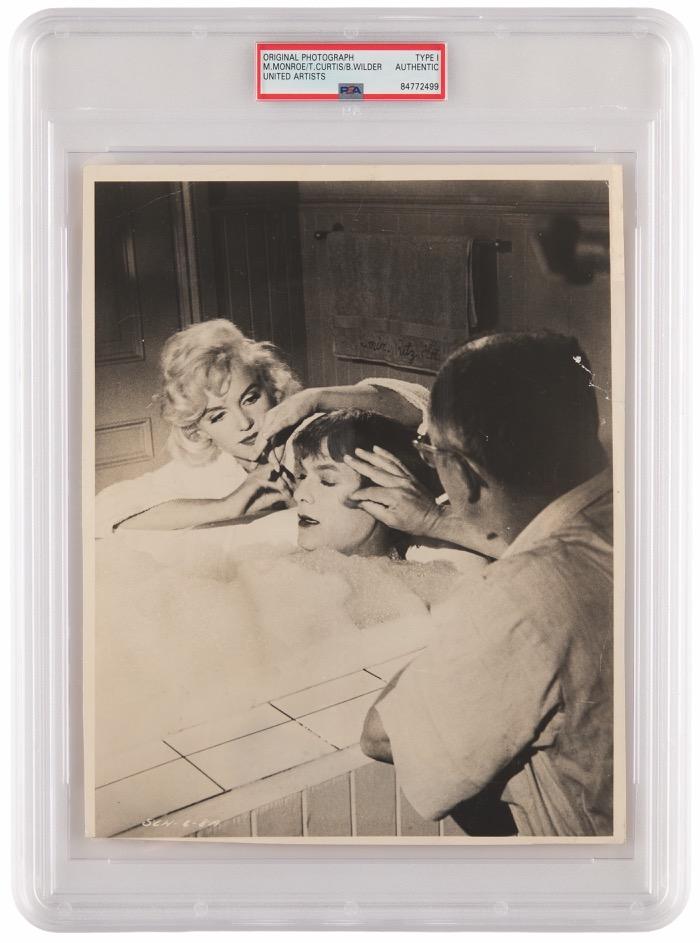
613.
Starting Bid $200
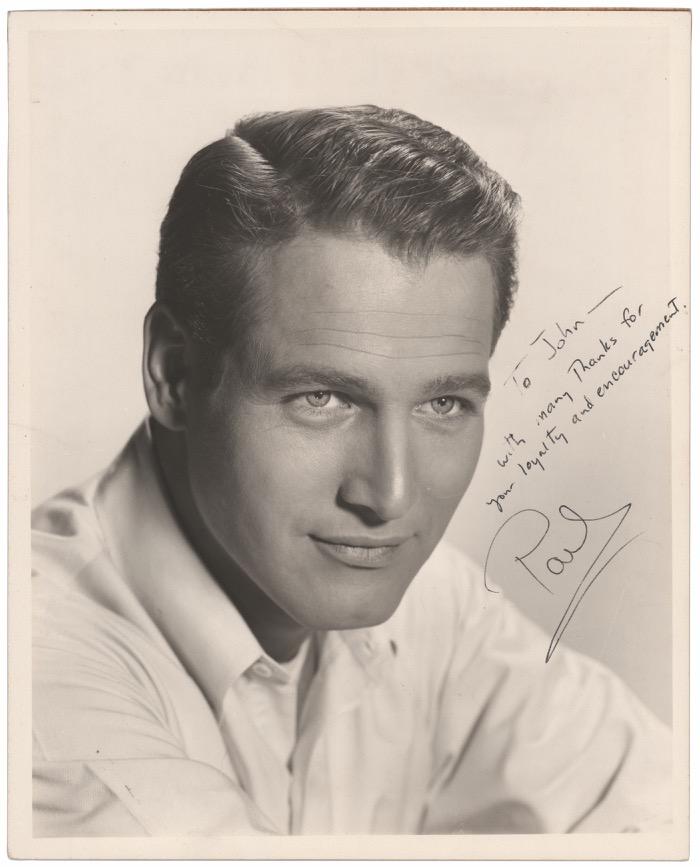
617.
Starting Bid $200
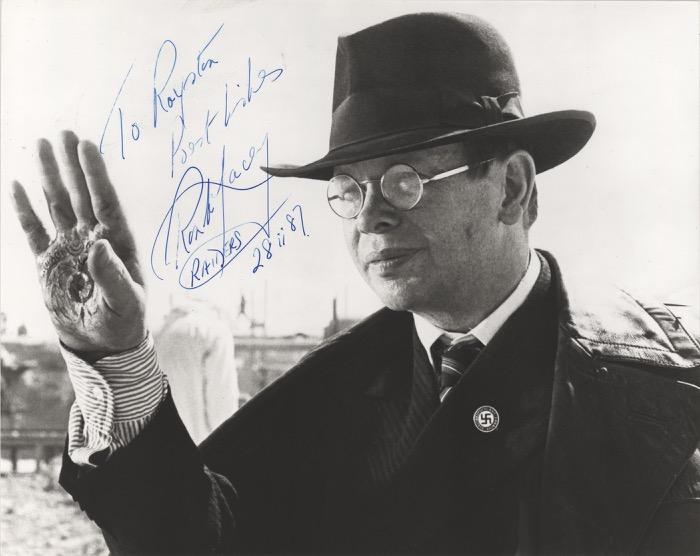
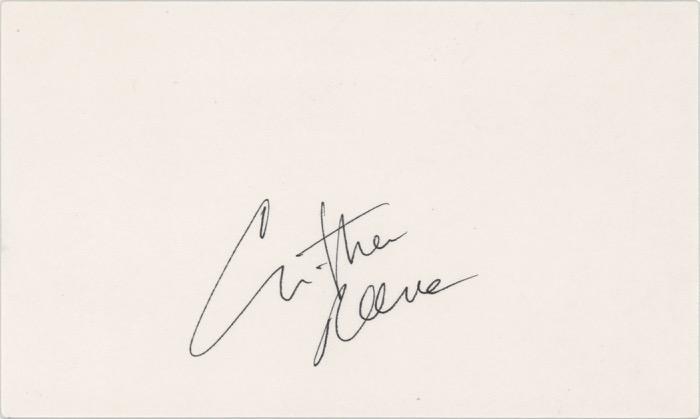
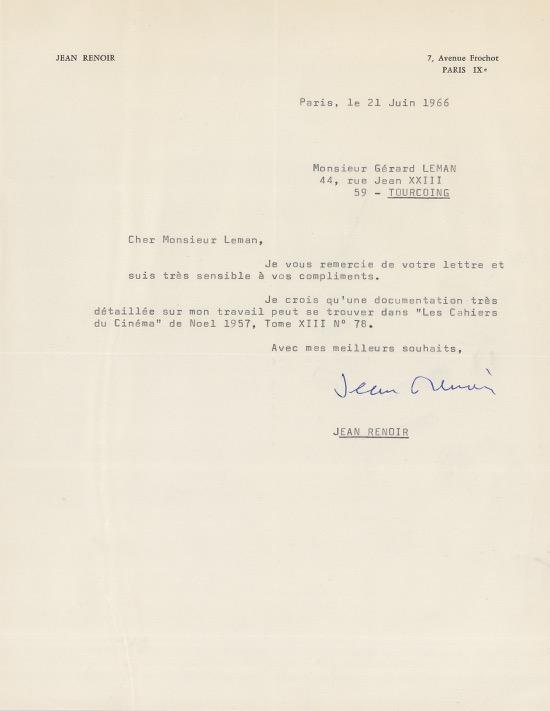
Starting Bid $200
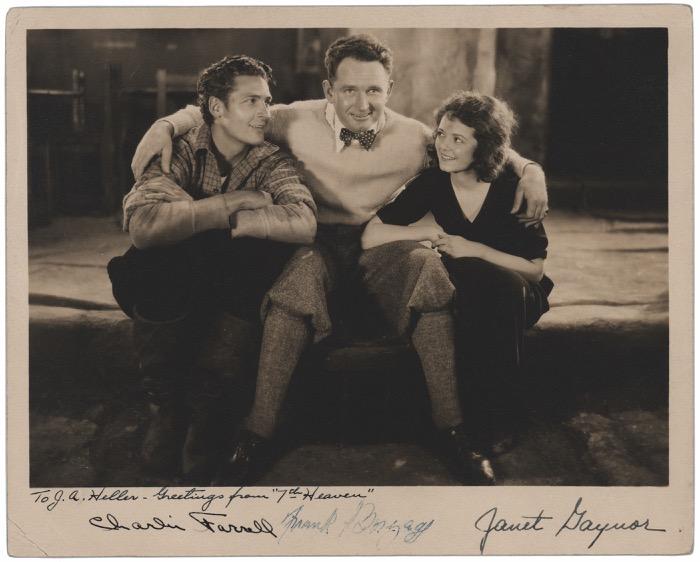
Starting Bid $200
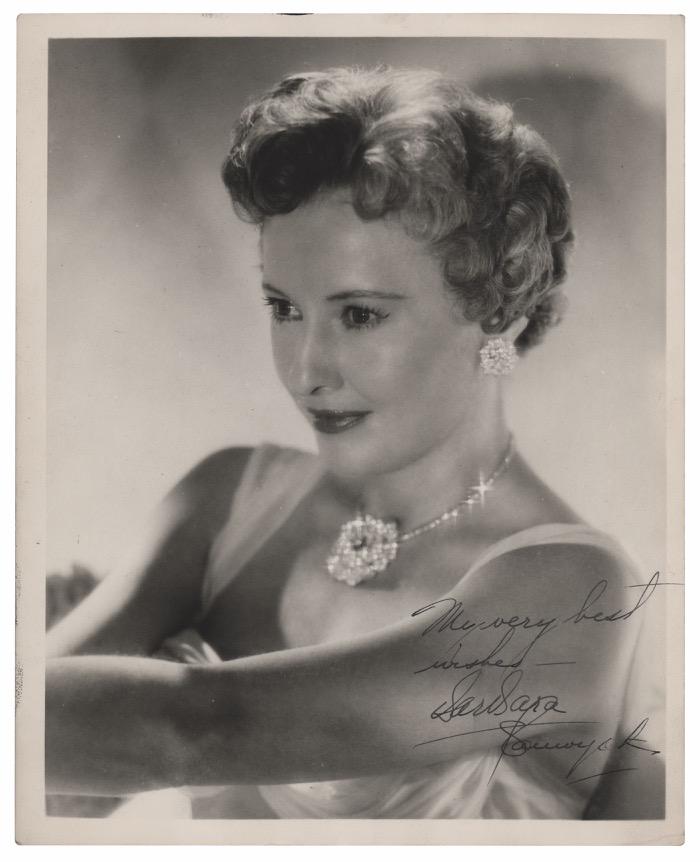
Starting
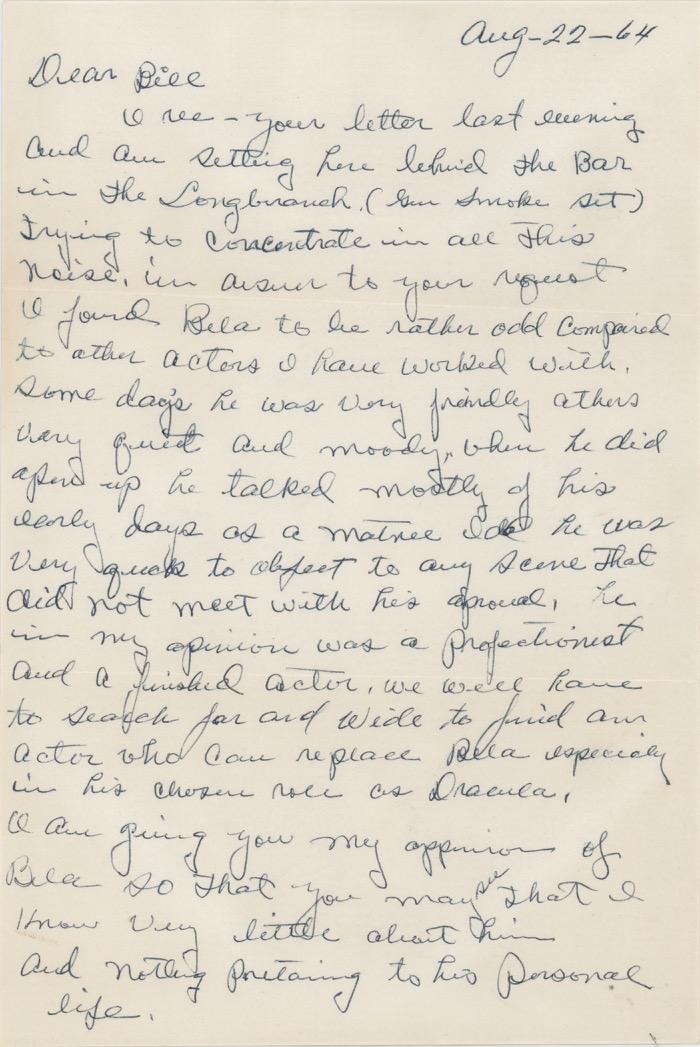
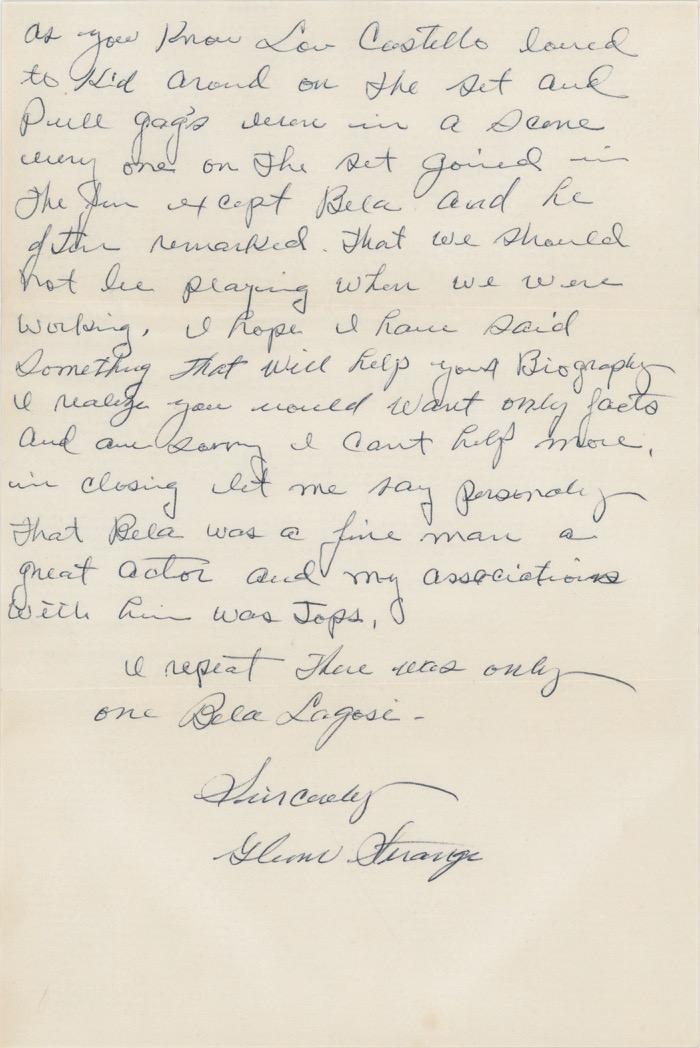
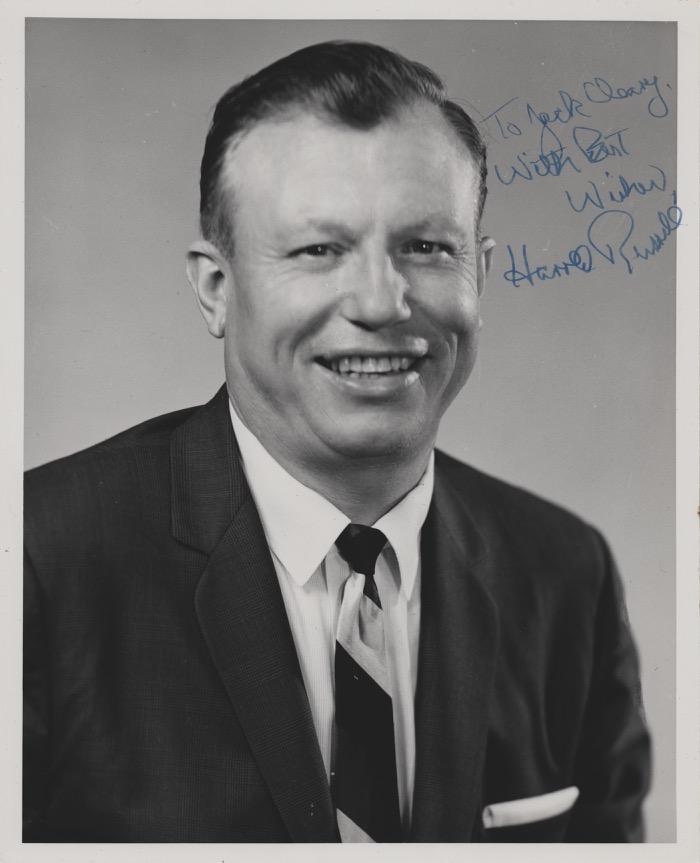
Starting Bid $200
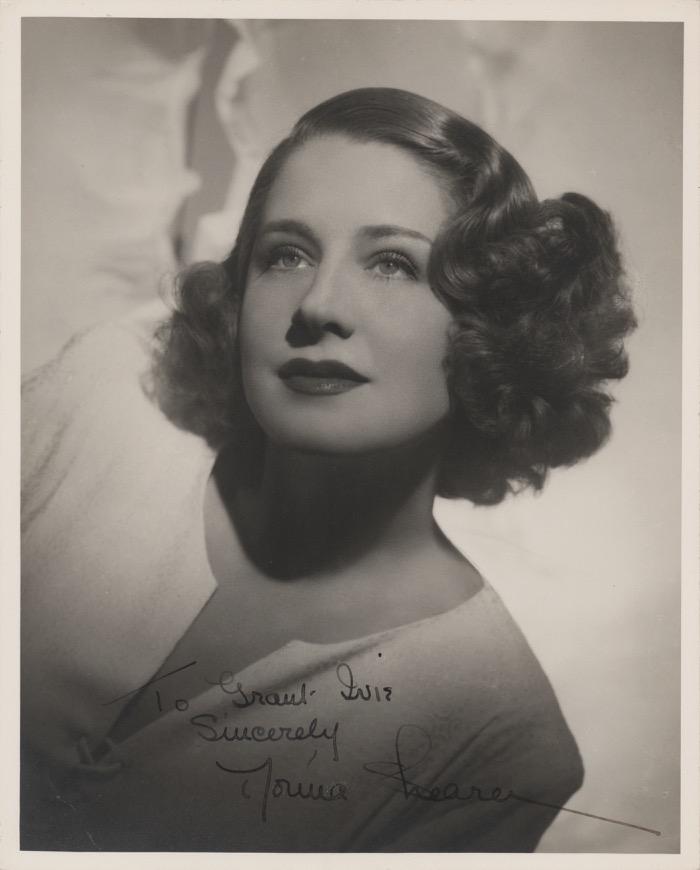
Starting Bid $200
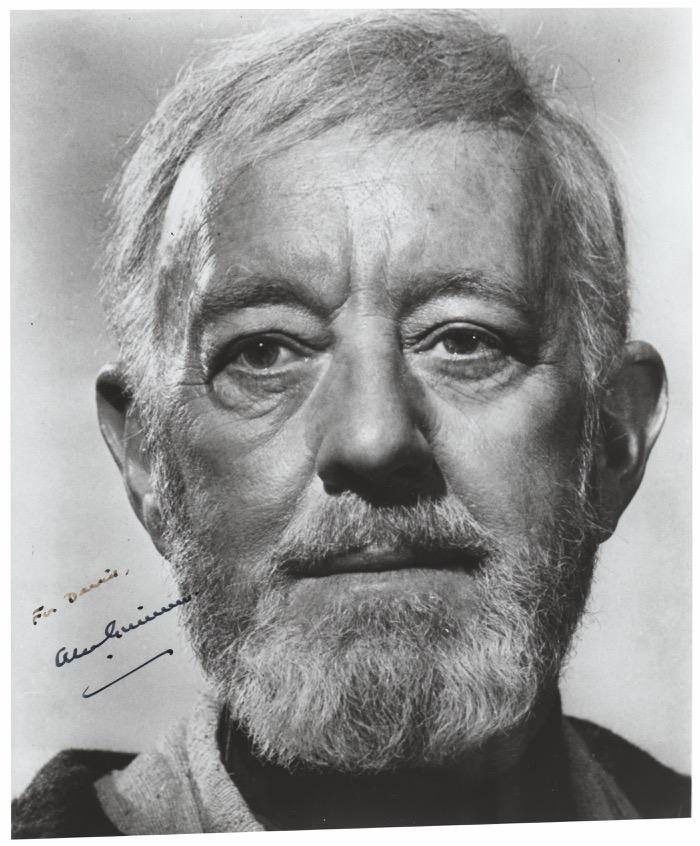
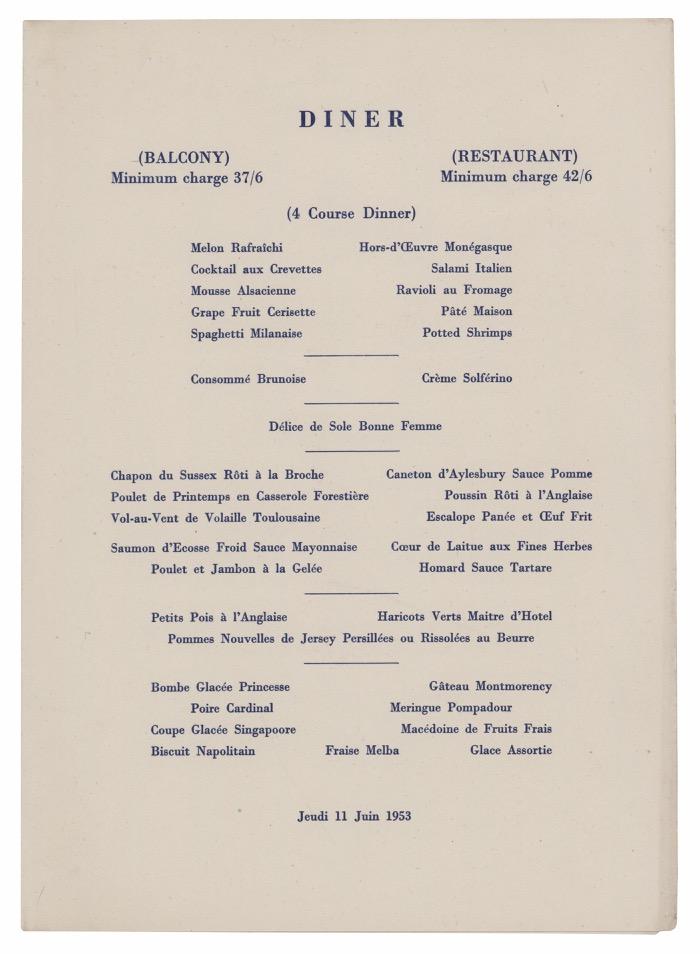
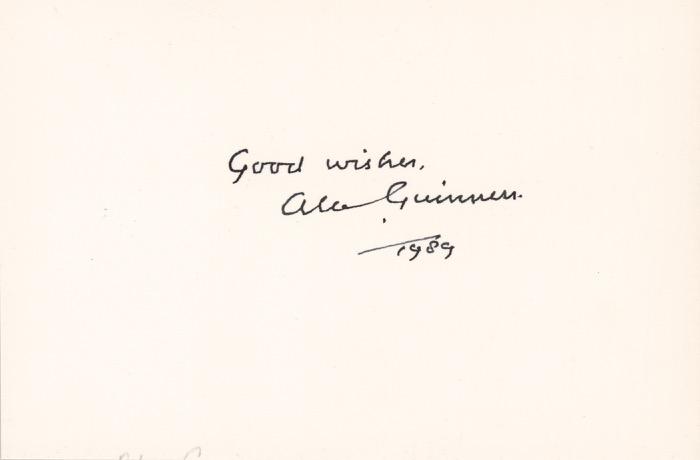
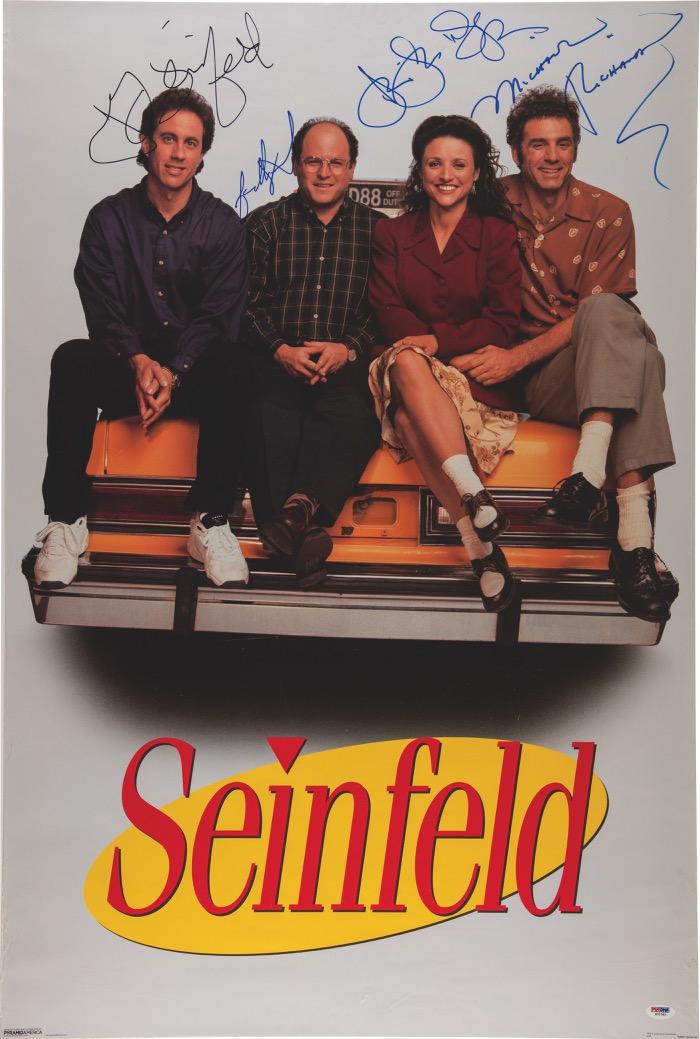
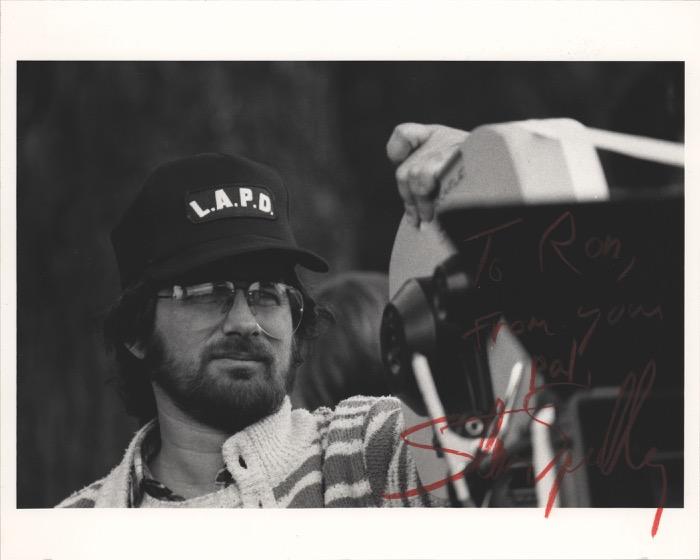
Starting
Starting
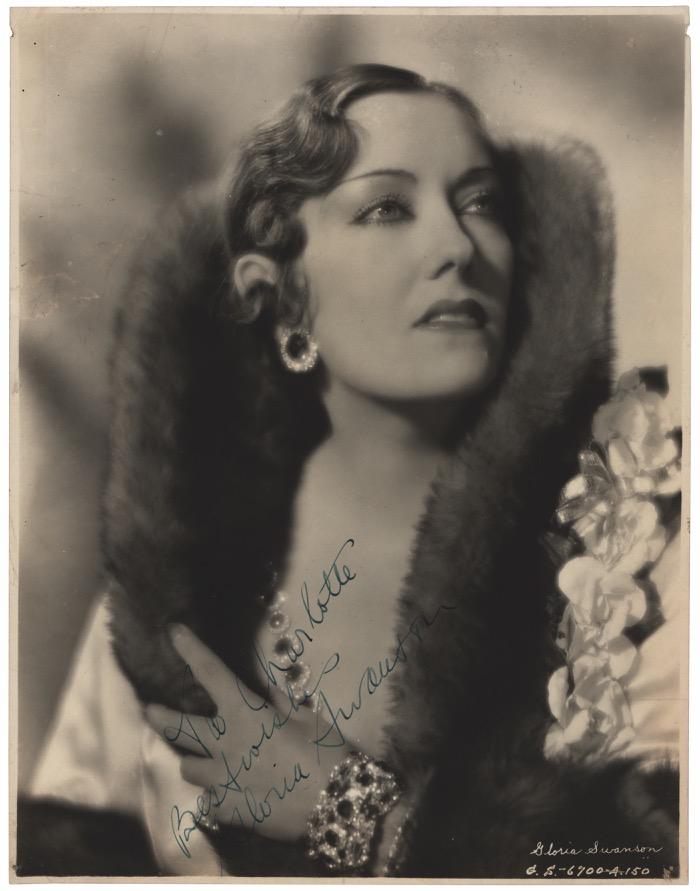
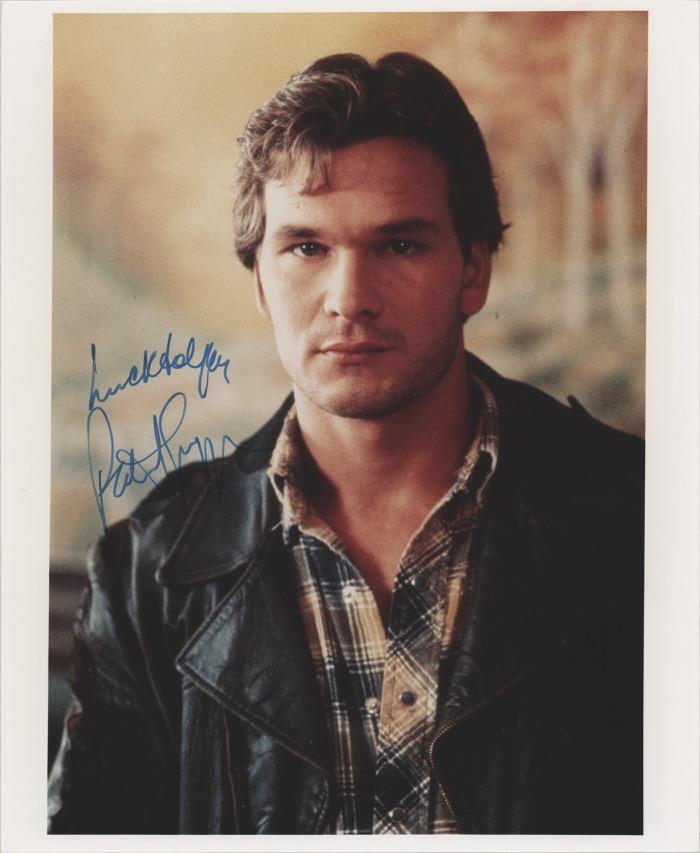
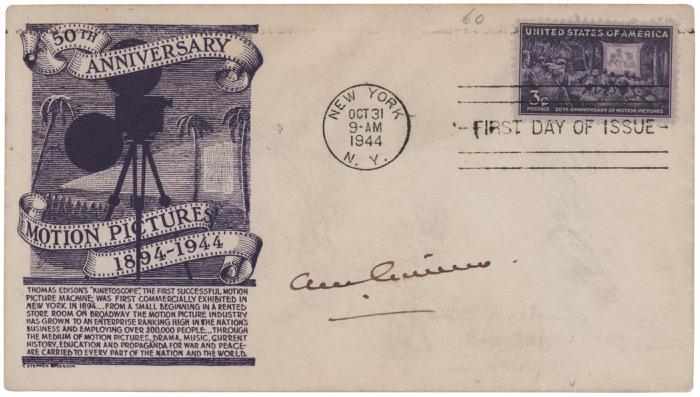
Starting Bid $200
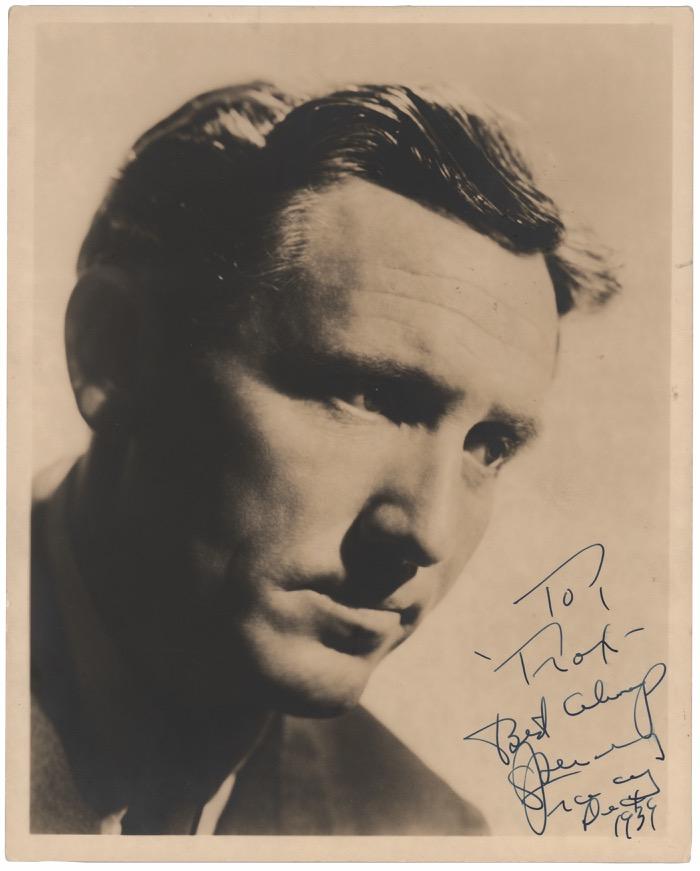
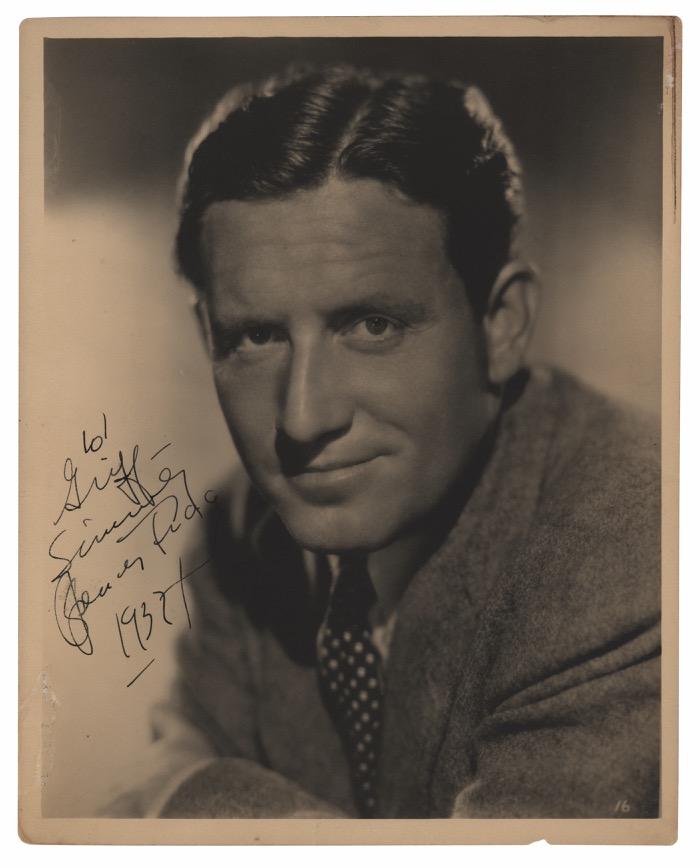
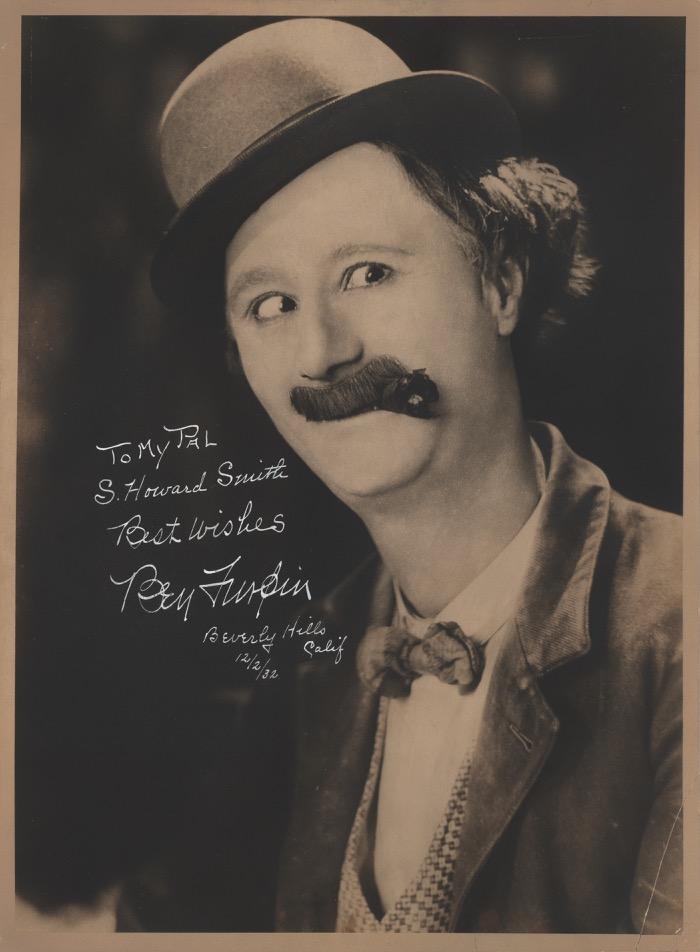
Starting Bid $200
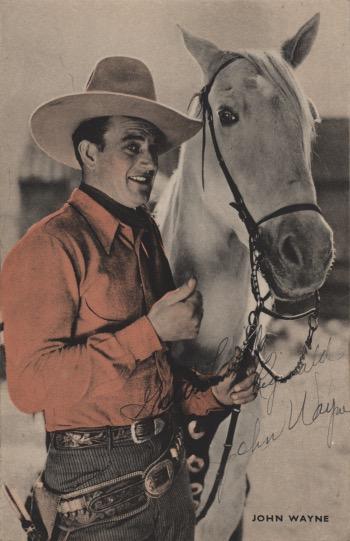
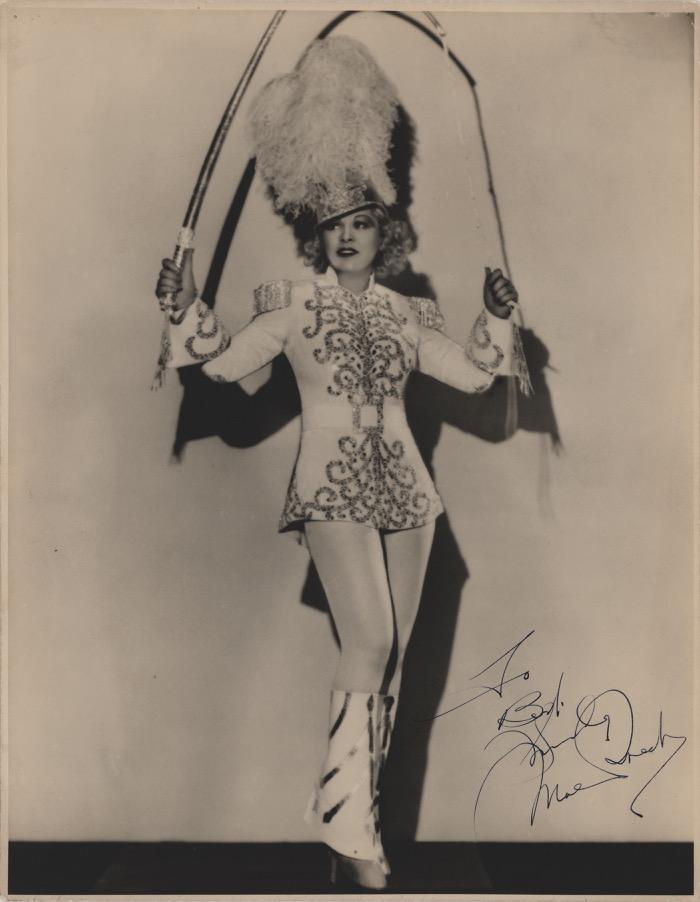
Starting
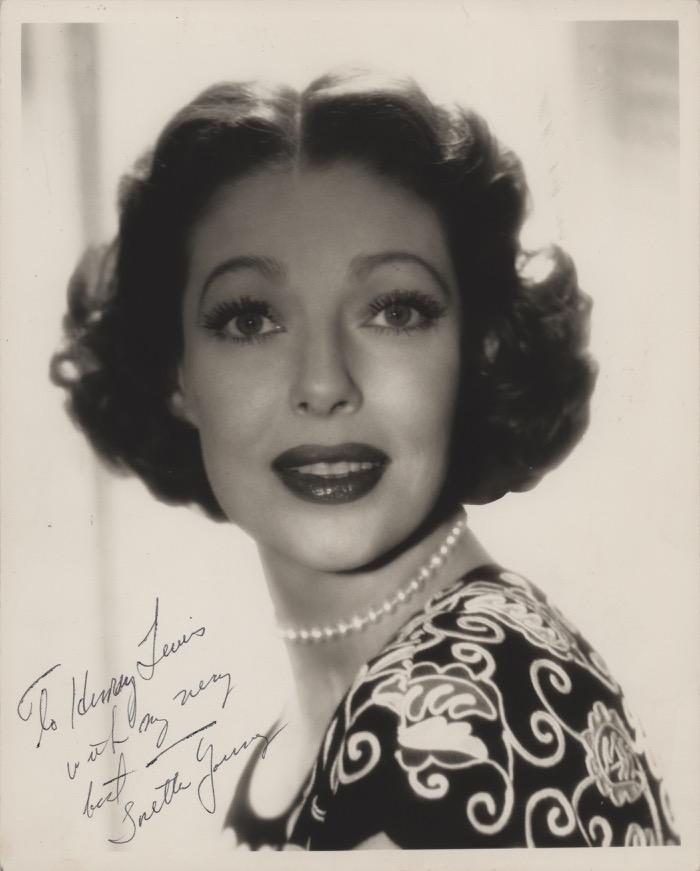
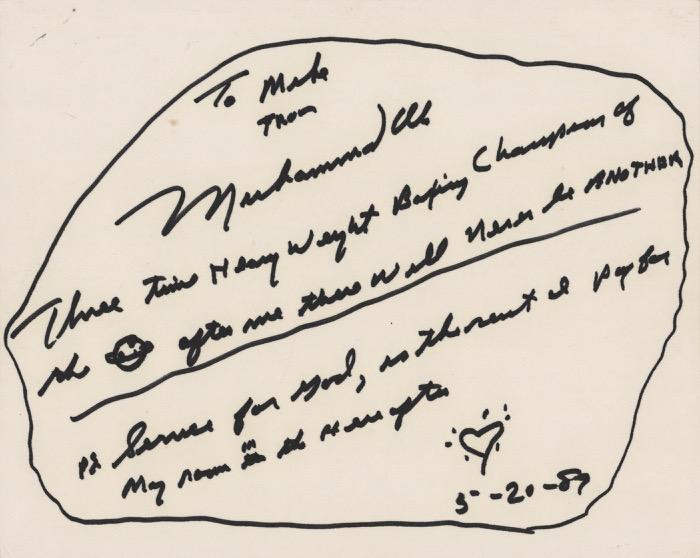
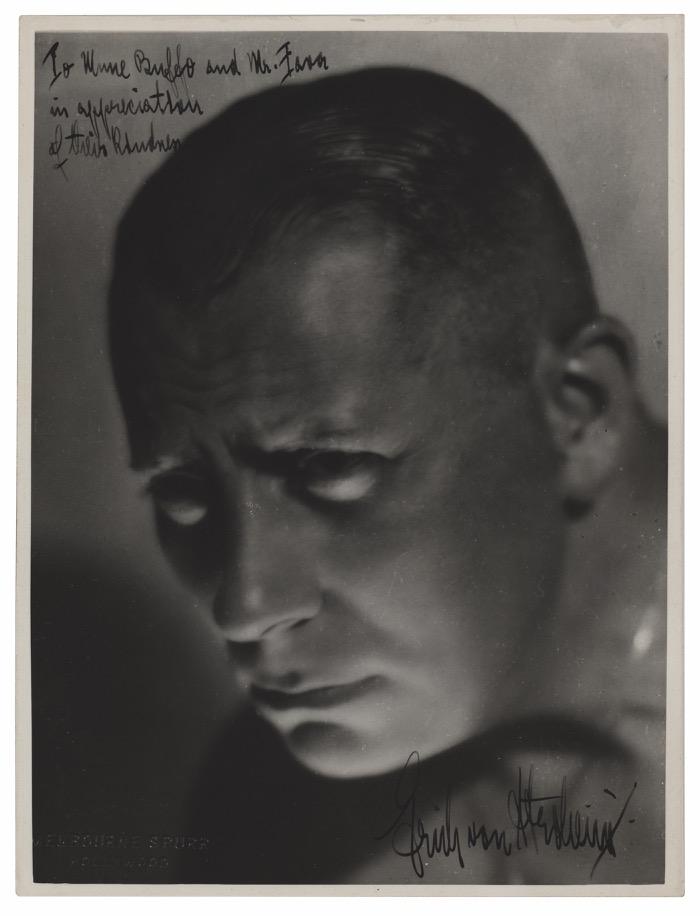
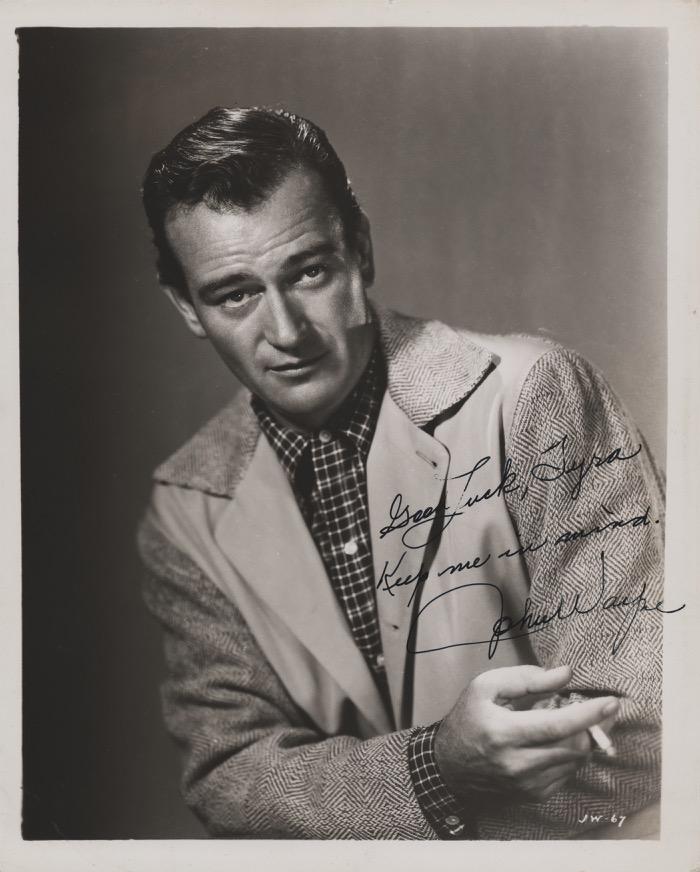
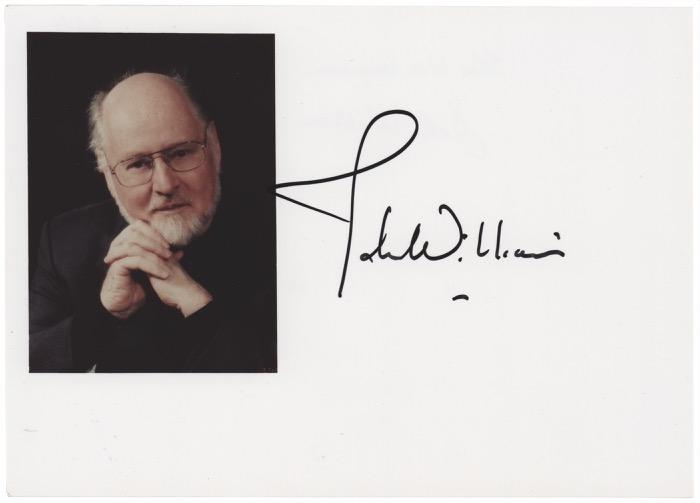
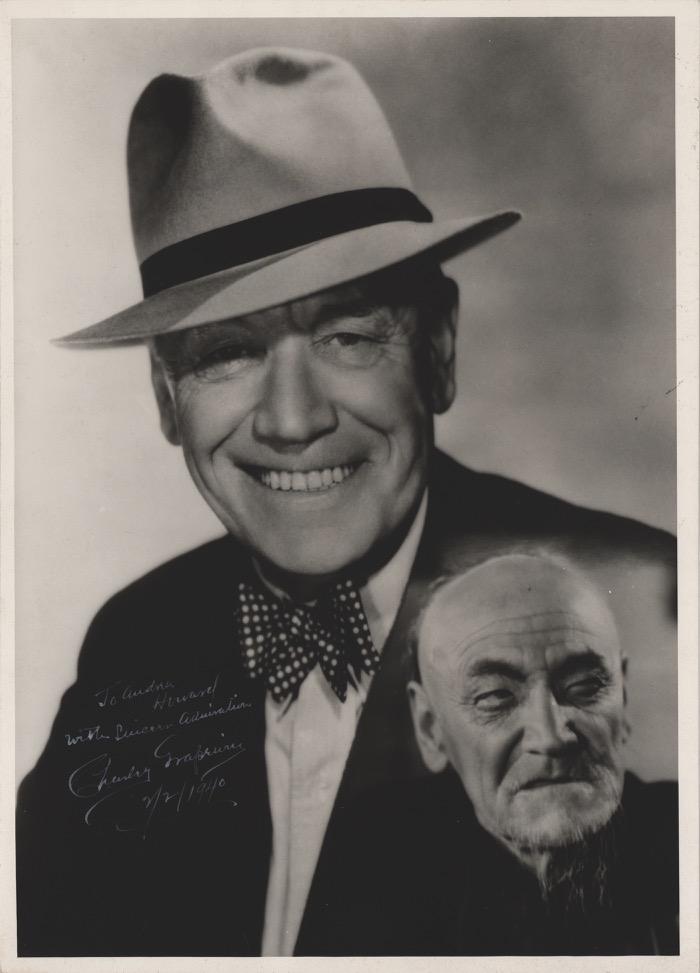
Starting Bid
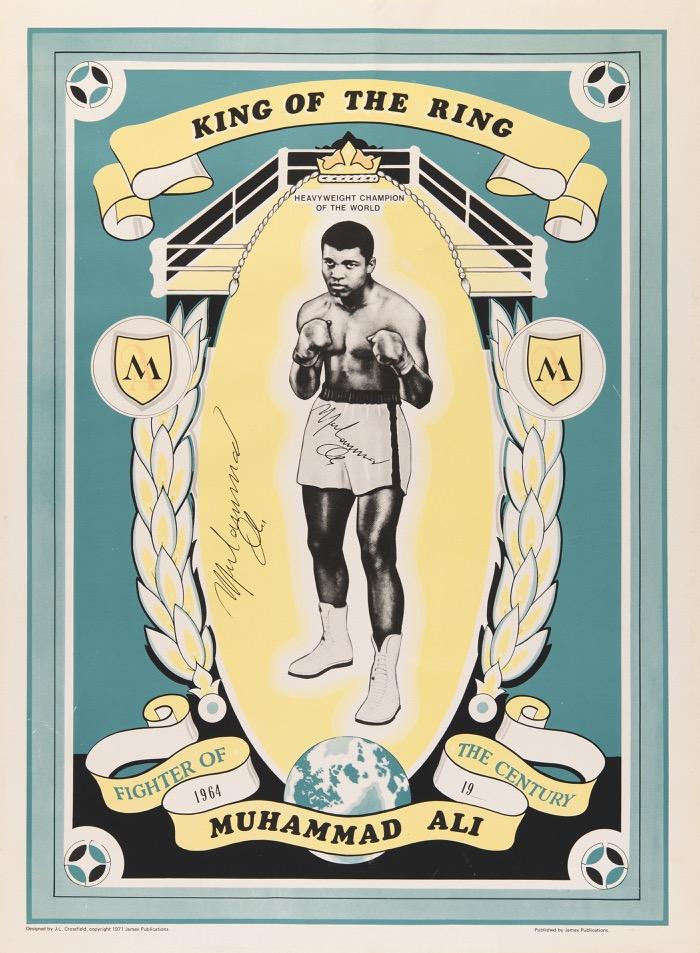
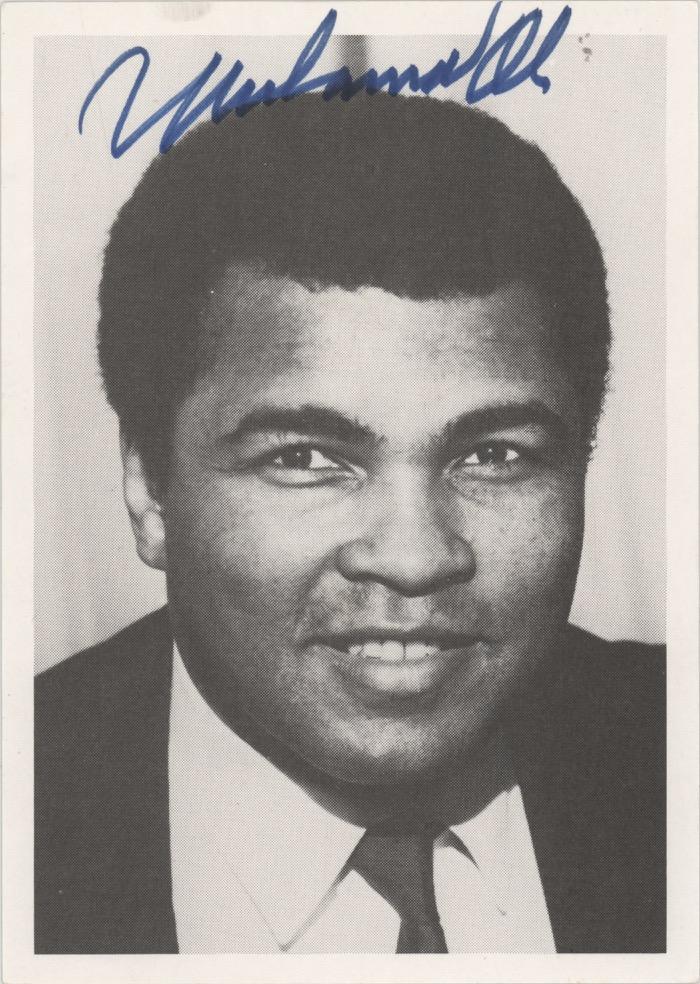
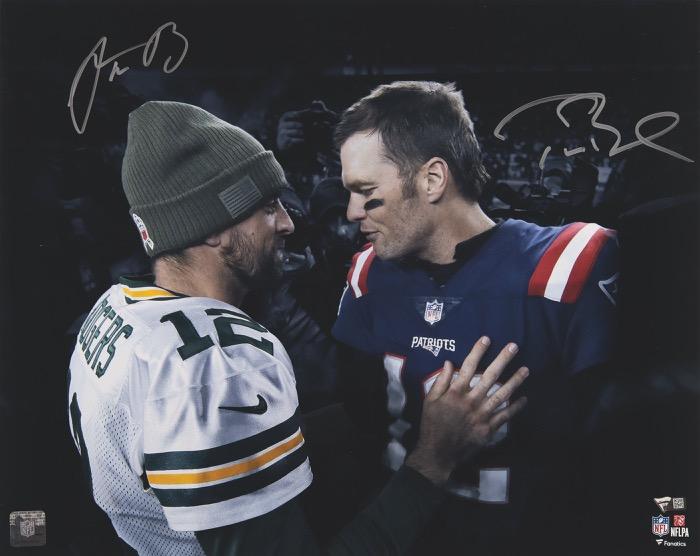
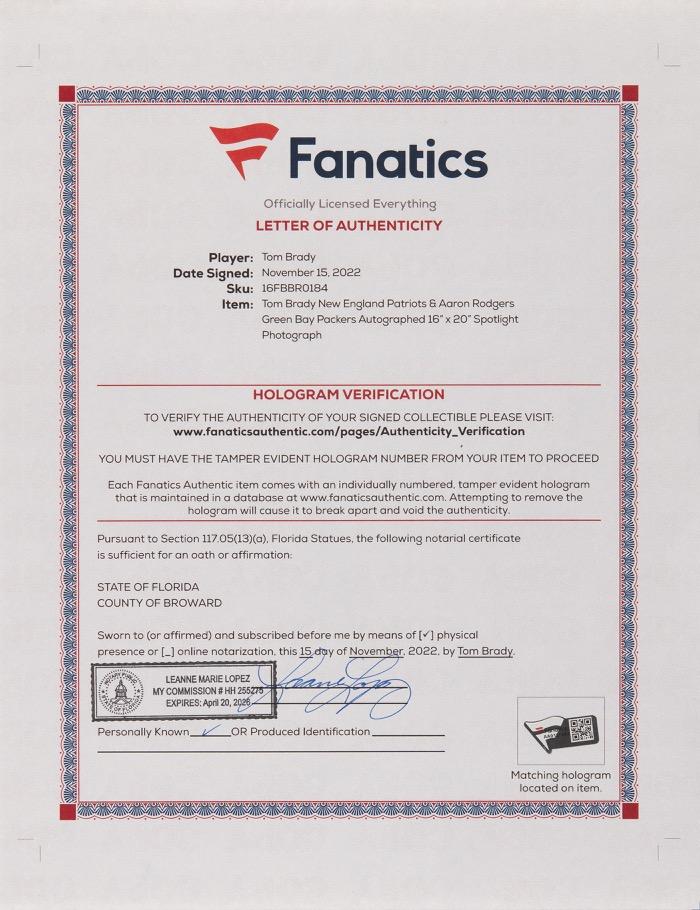
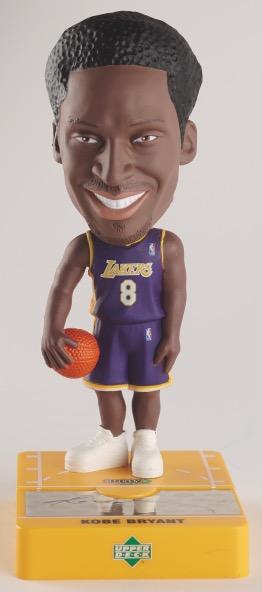
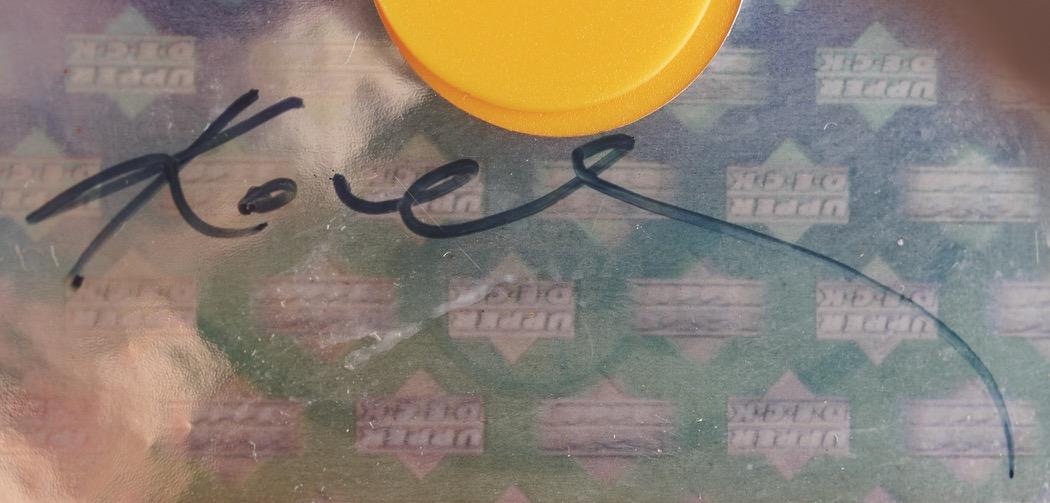
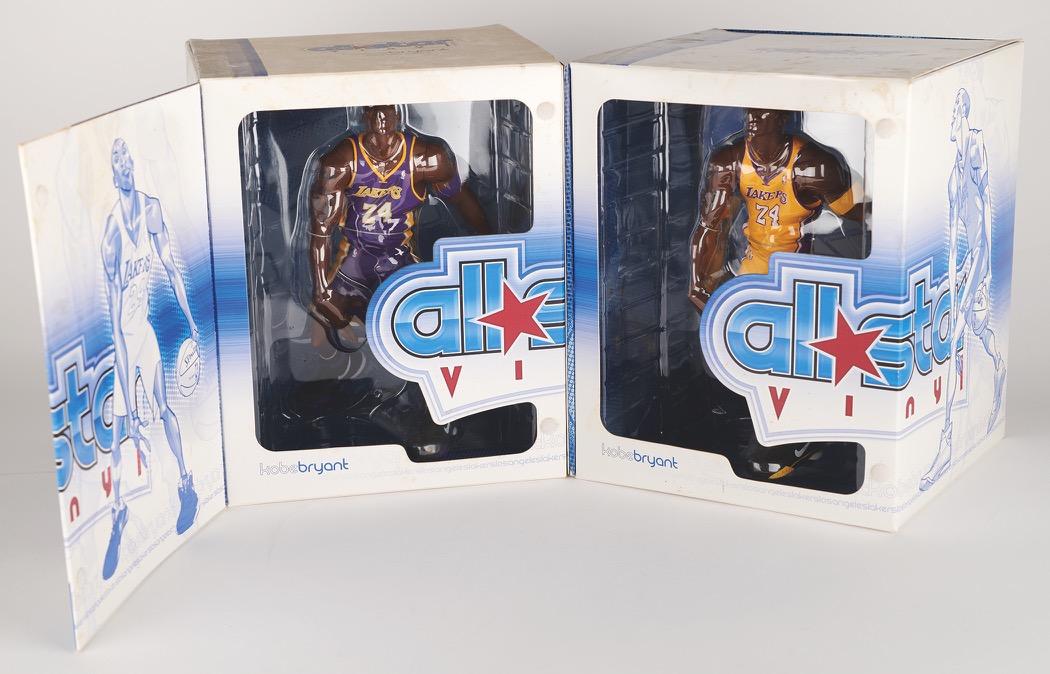
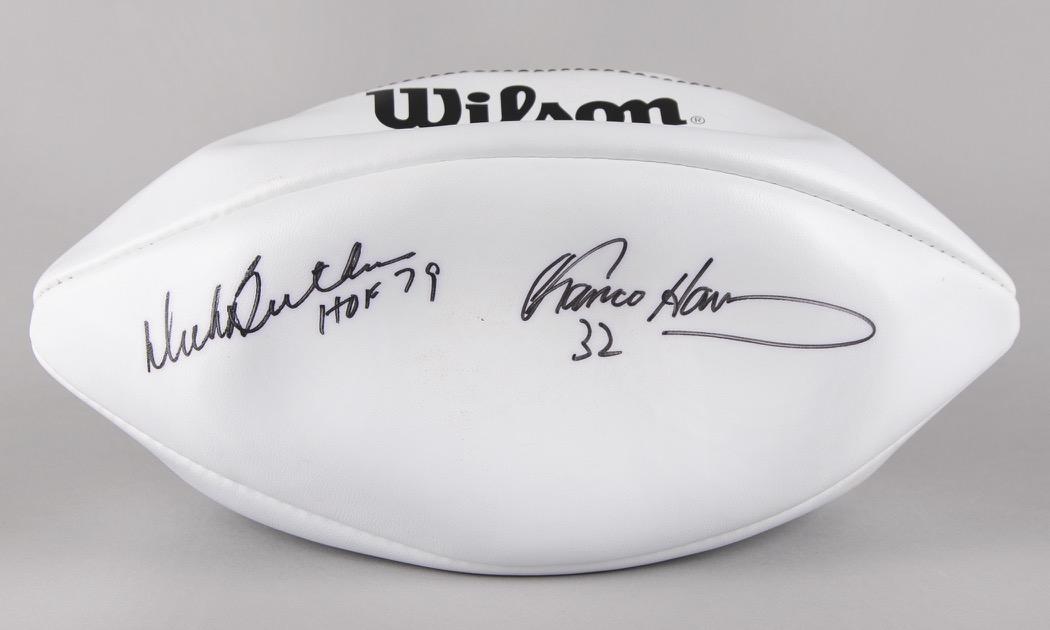
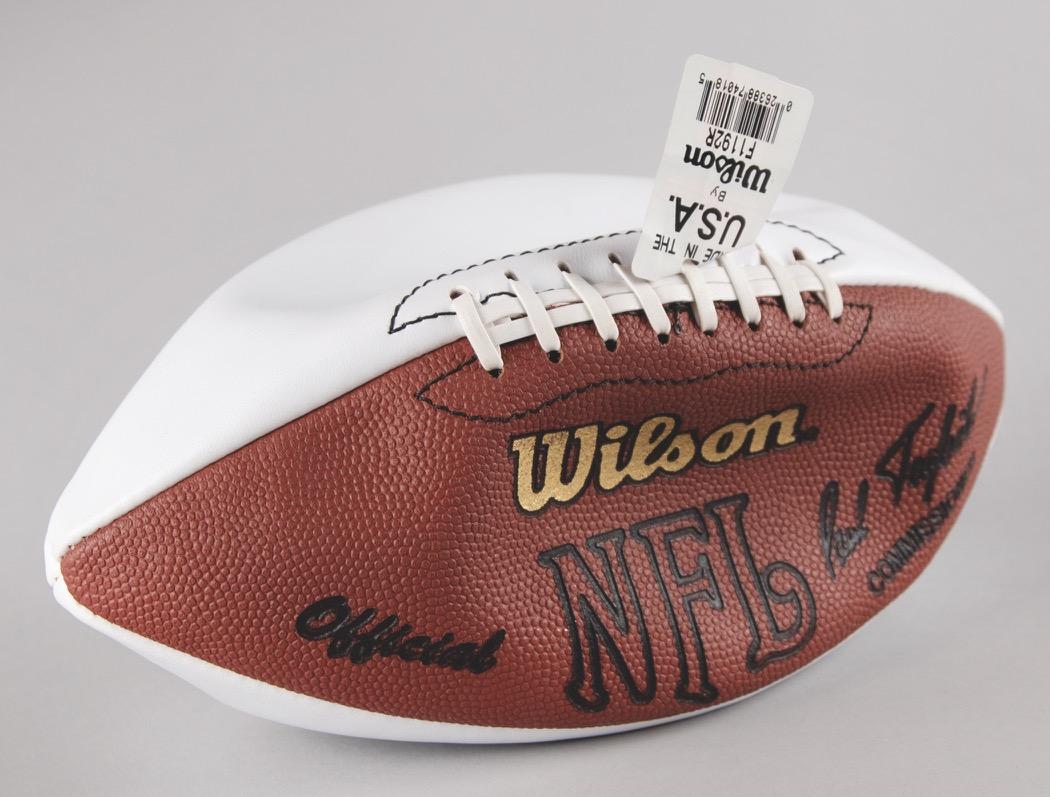
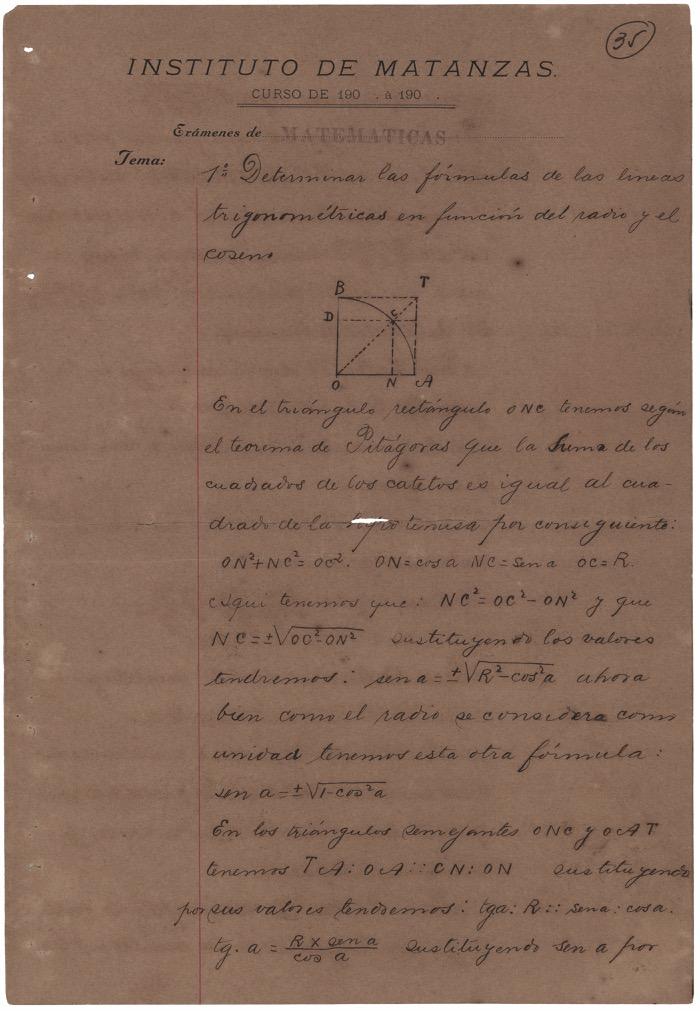
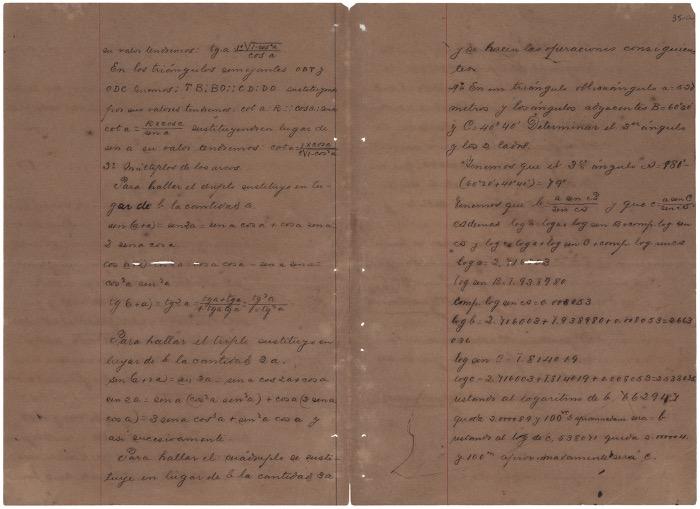
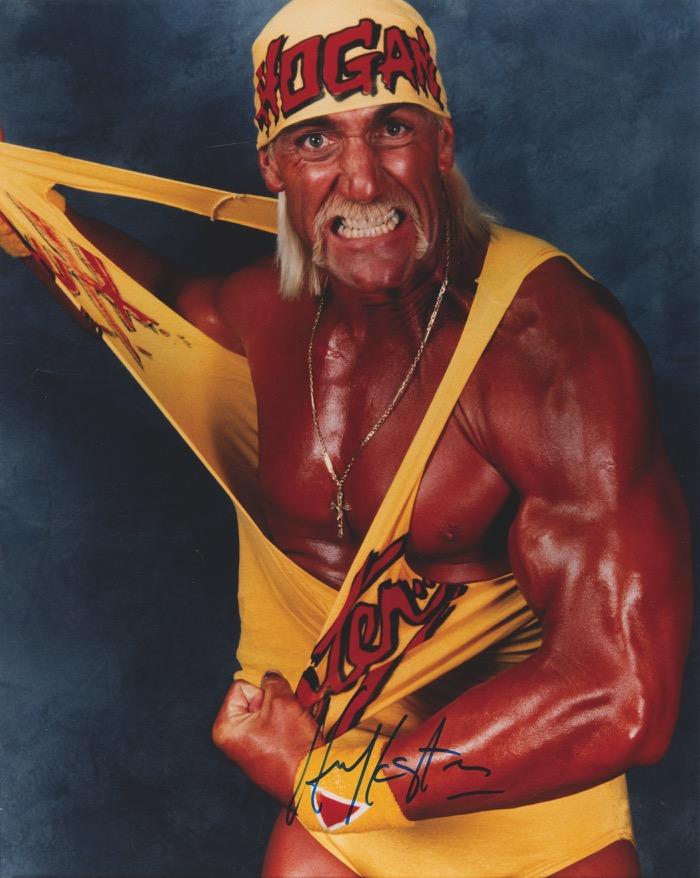
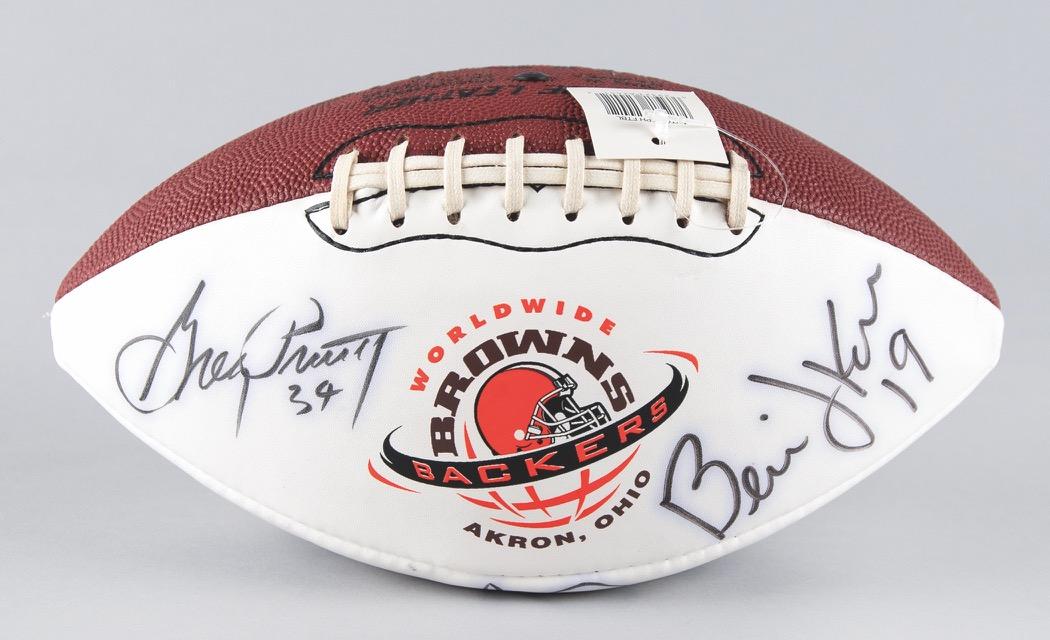
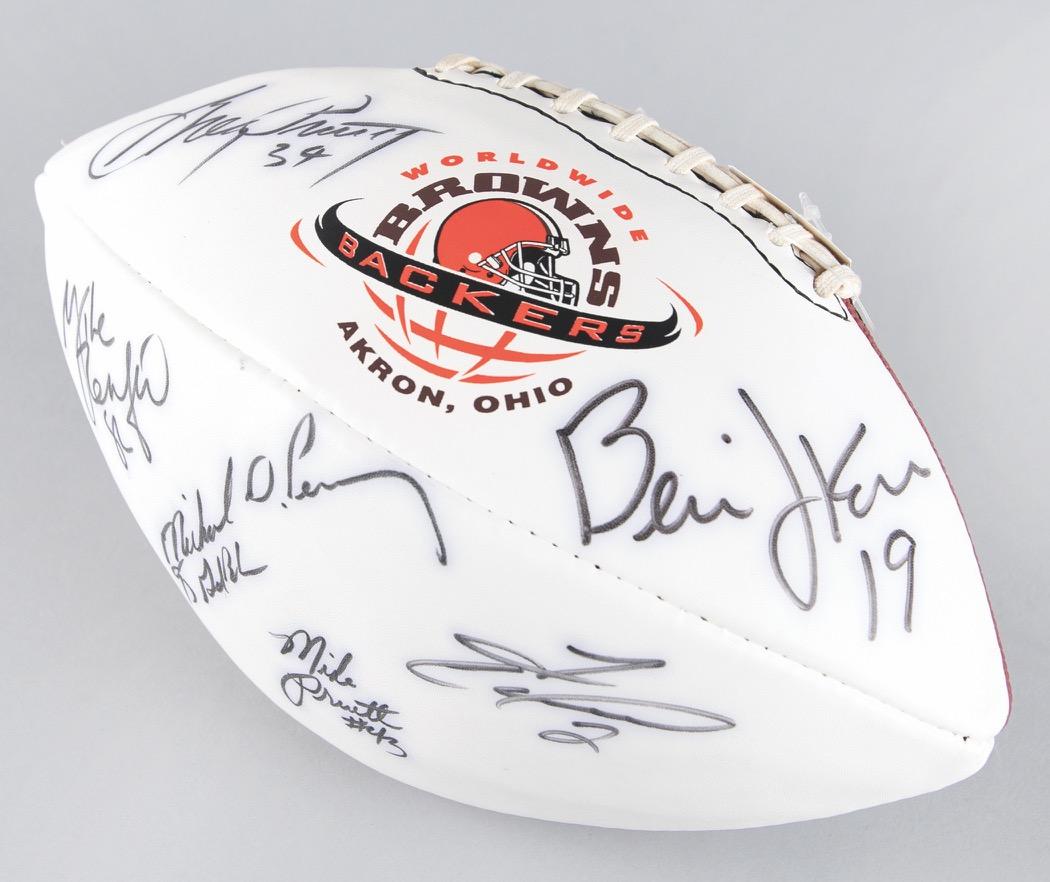
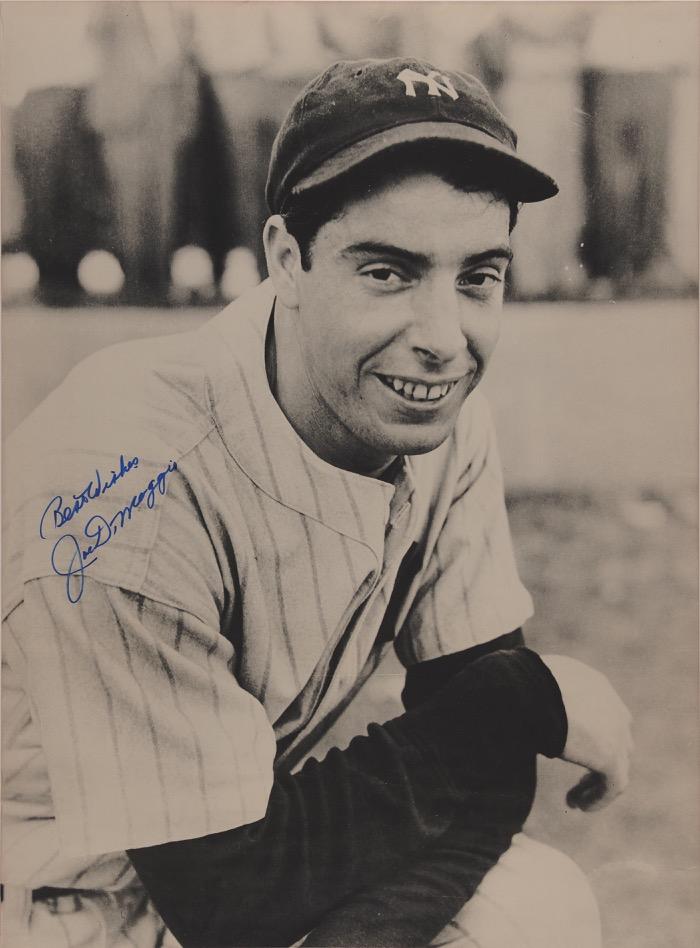
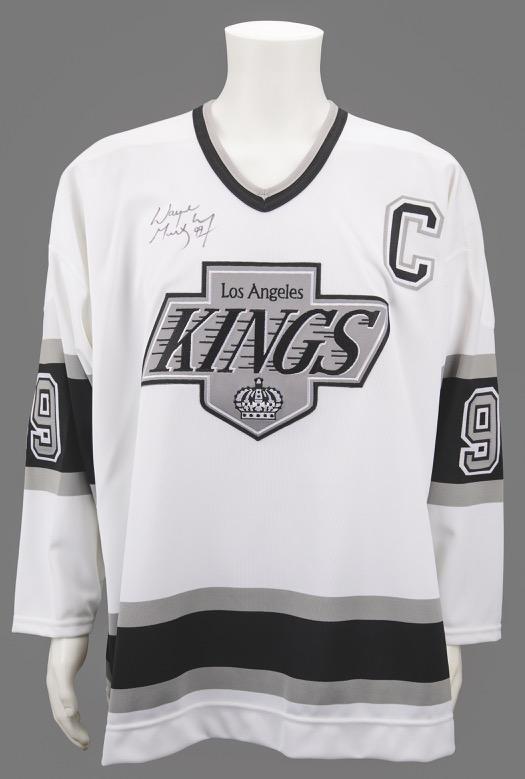
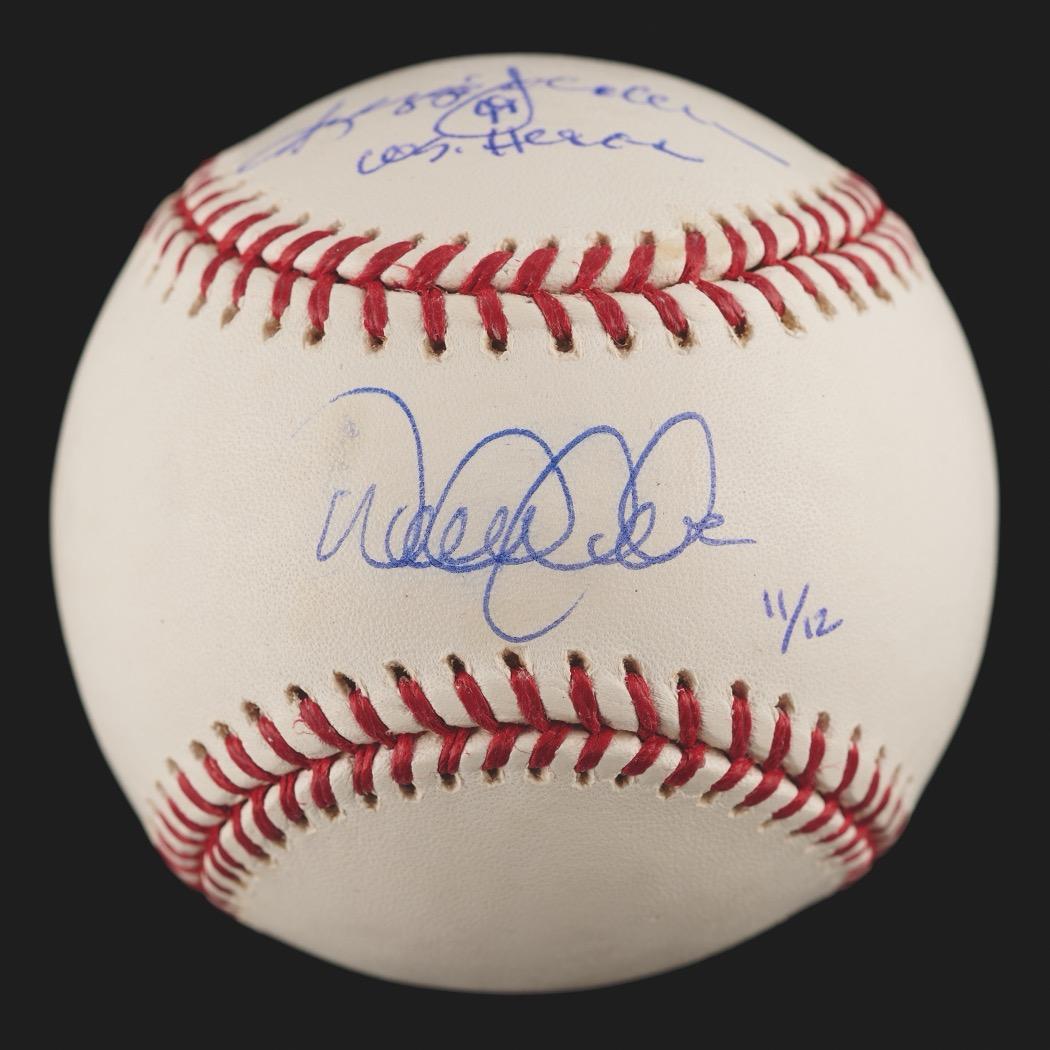
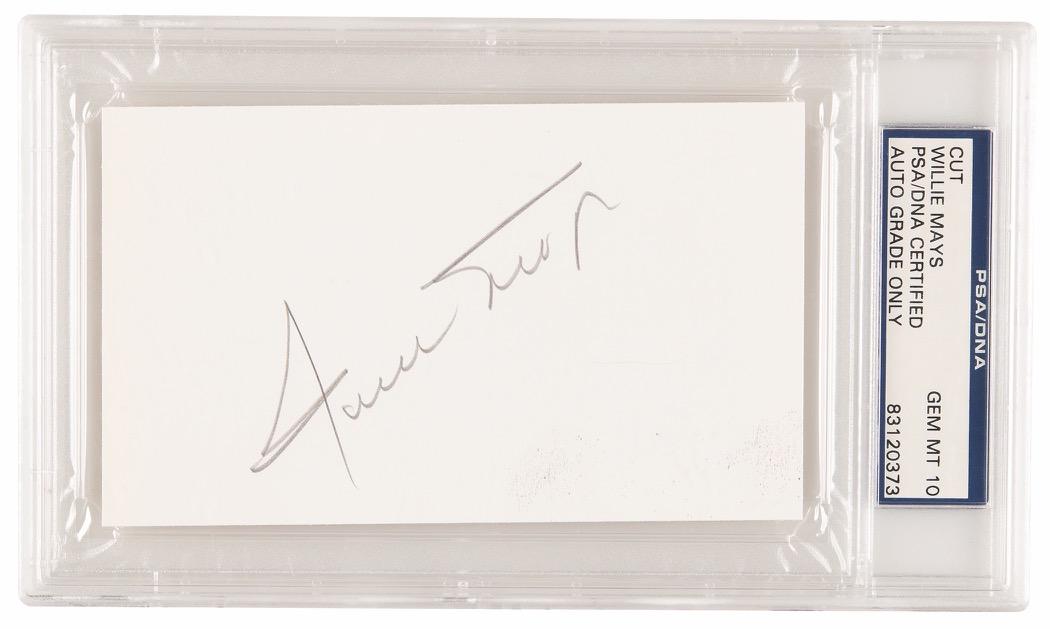
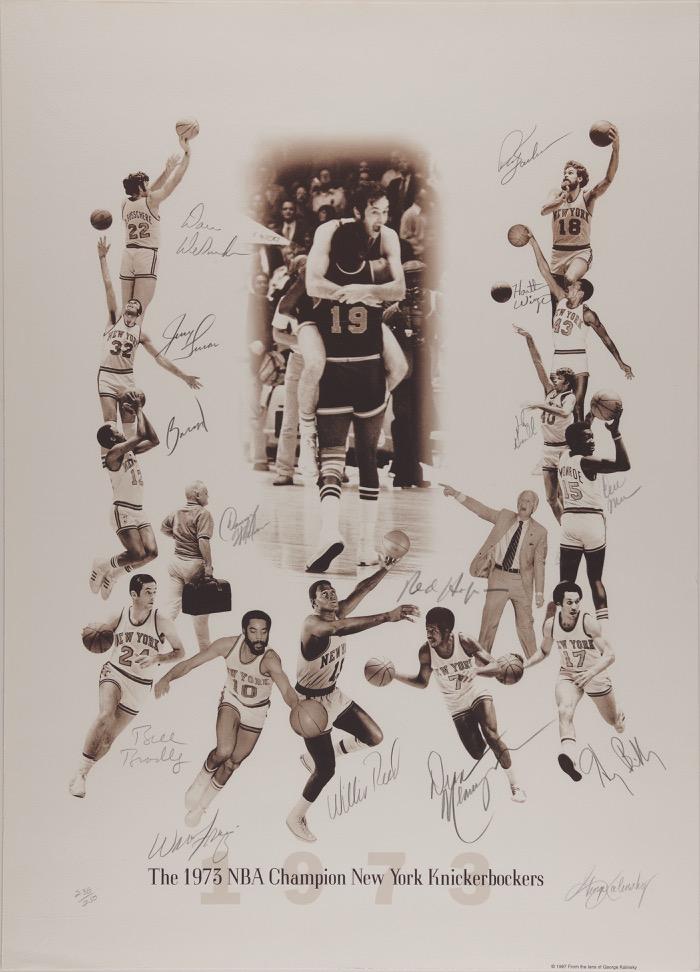
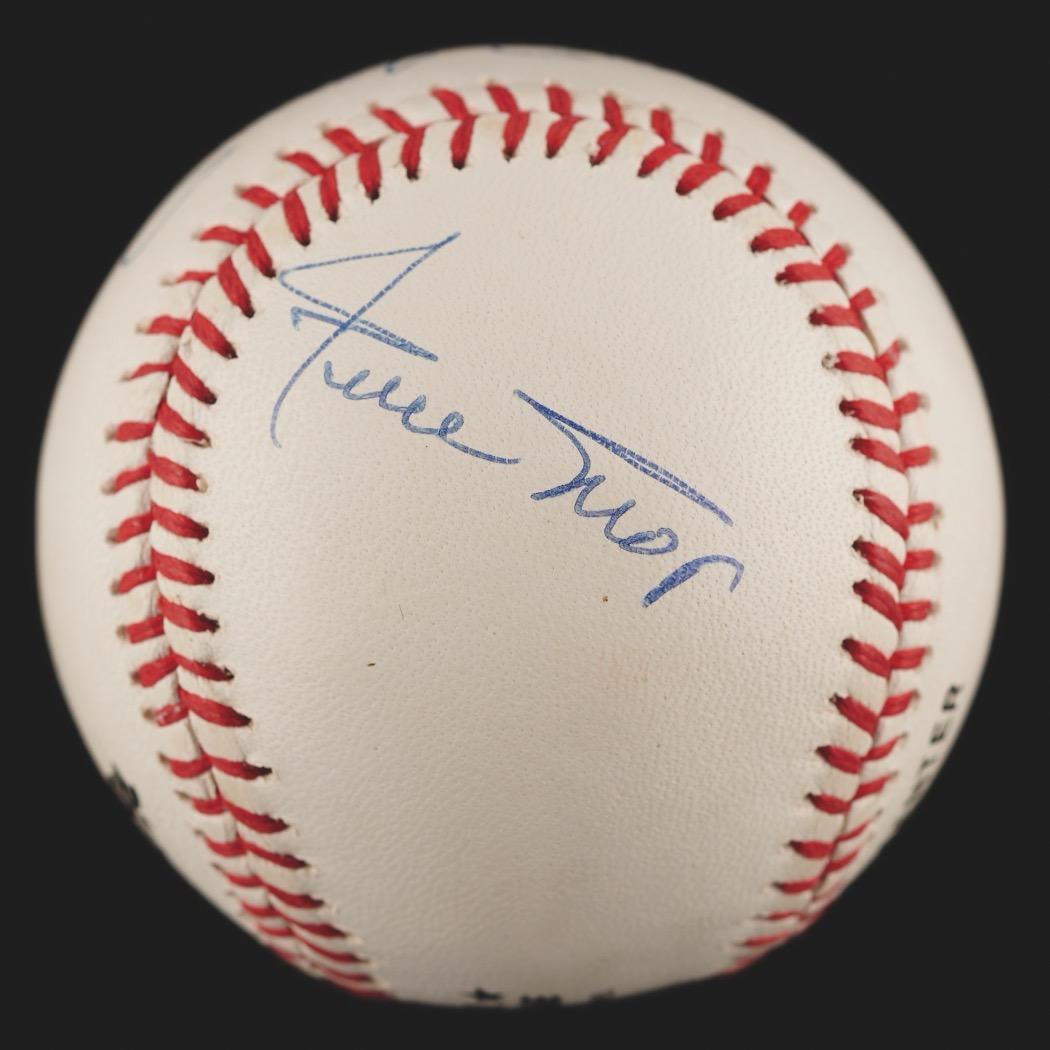
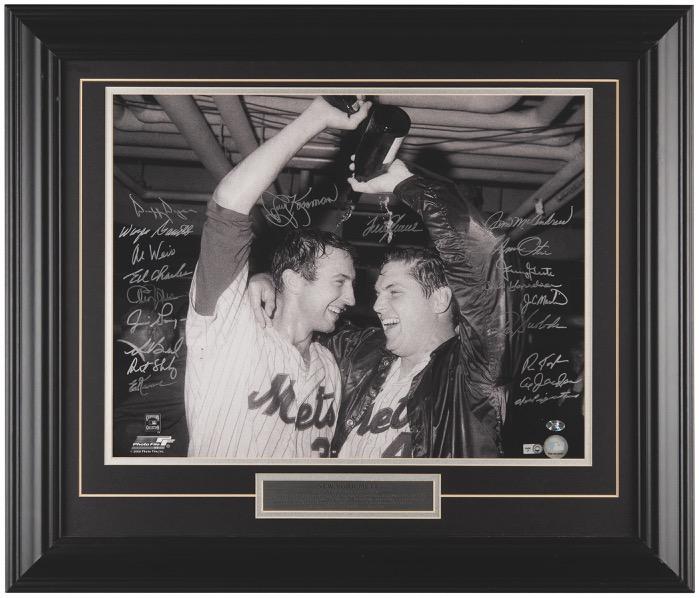
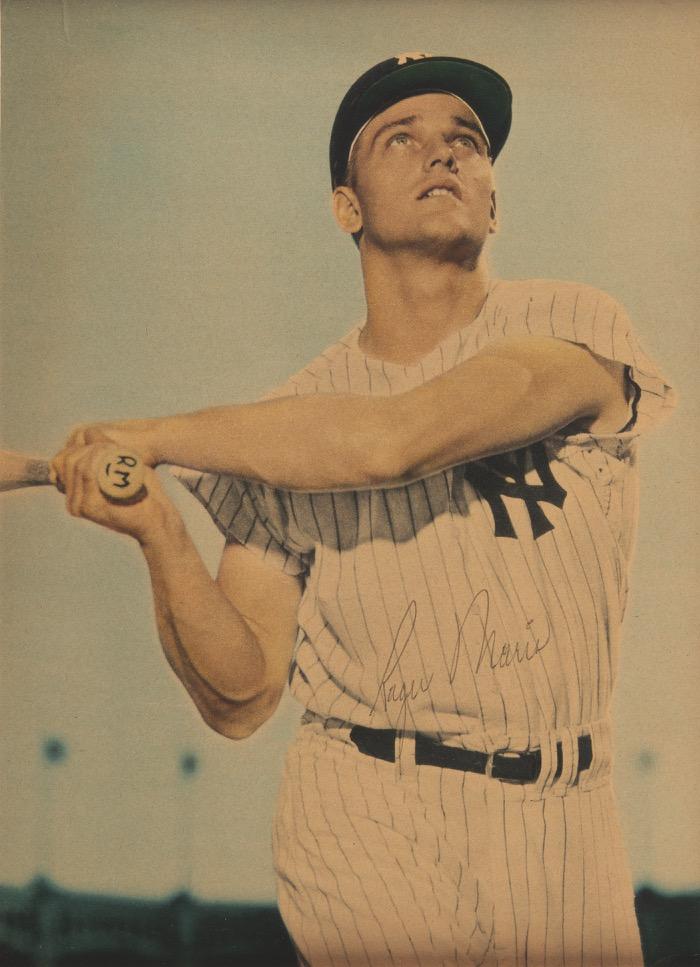
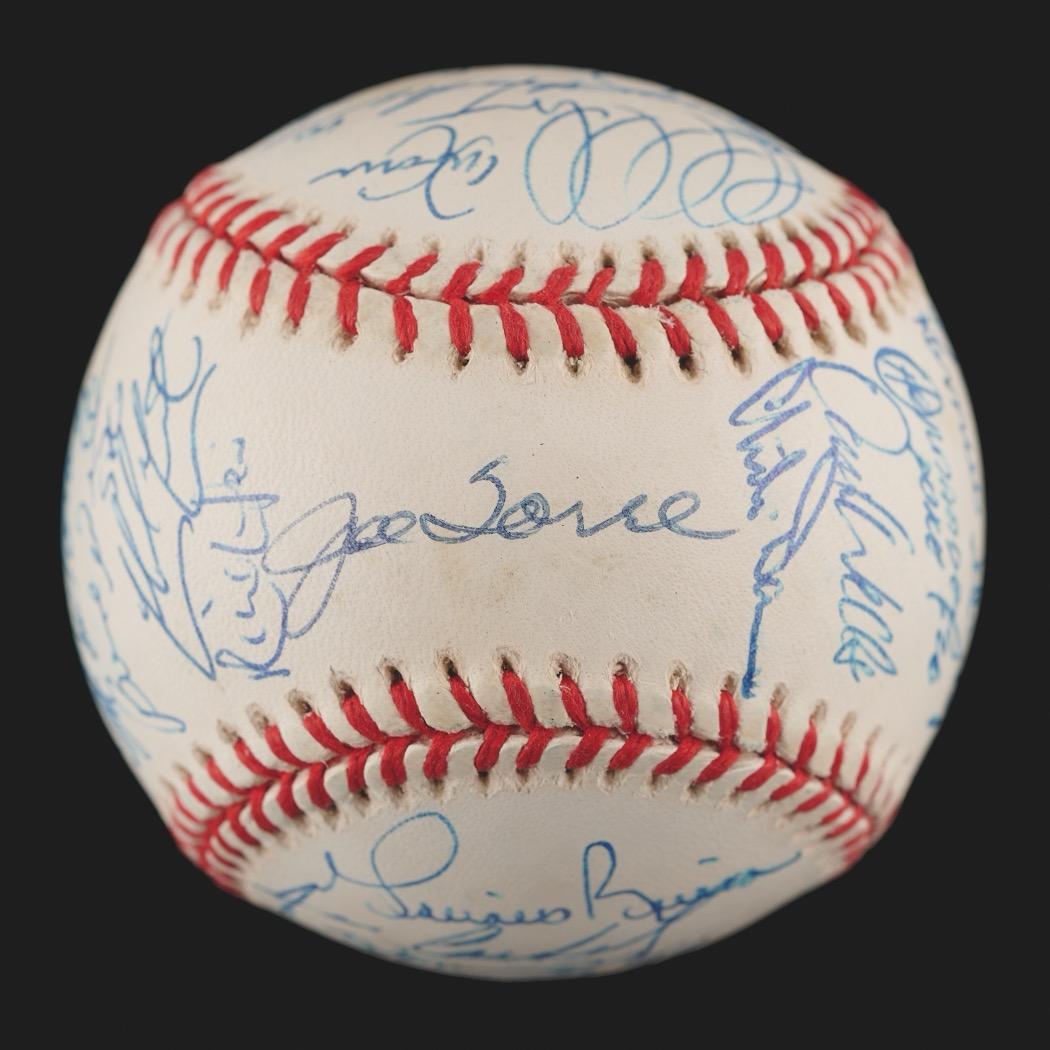

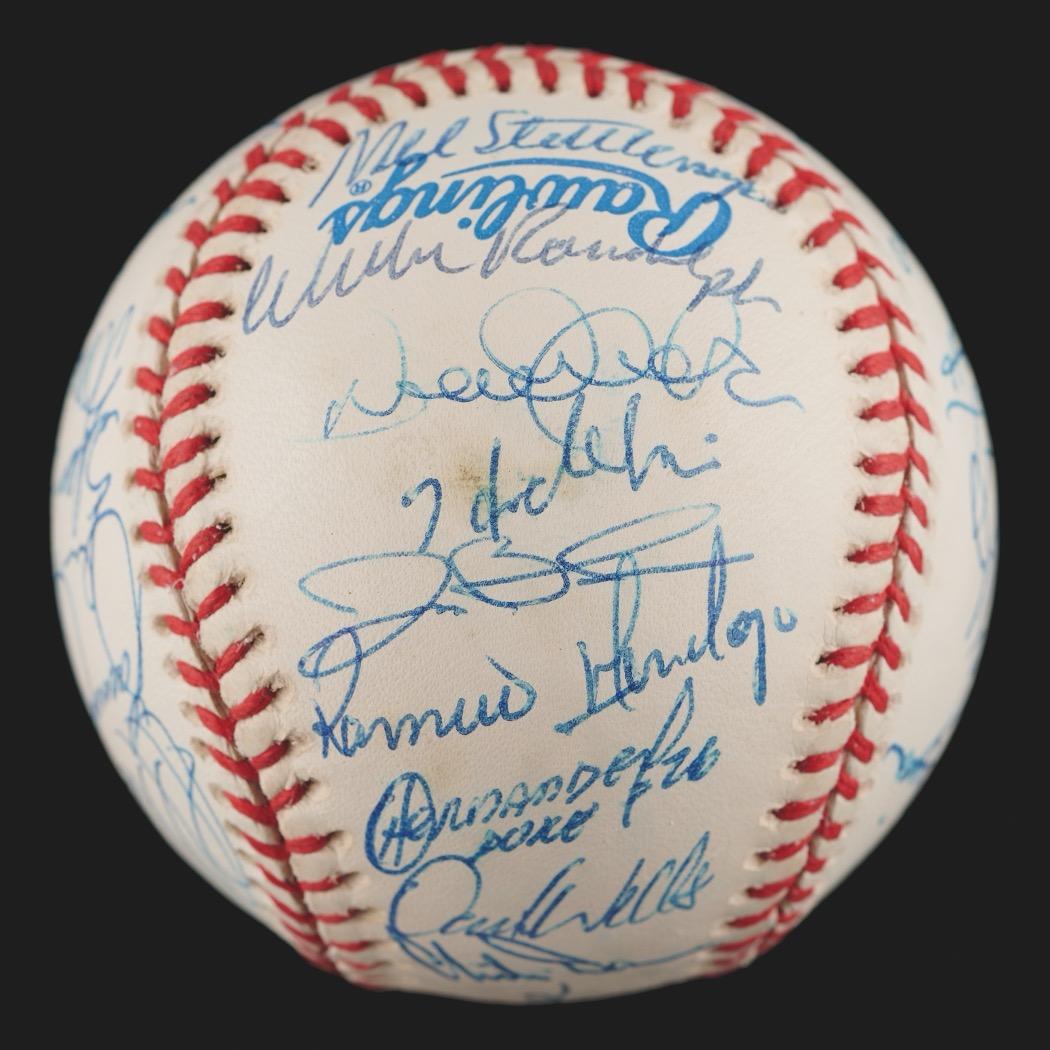
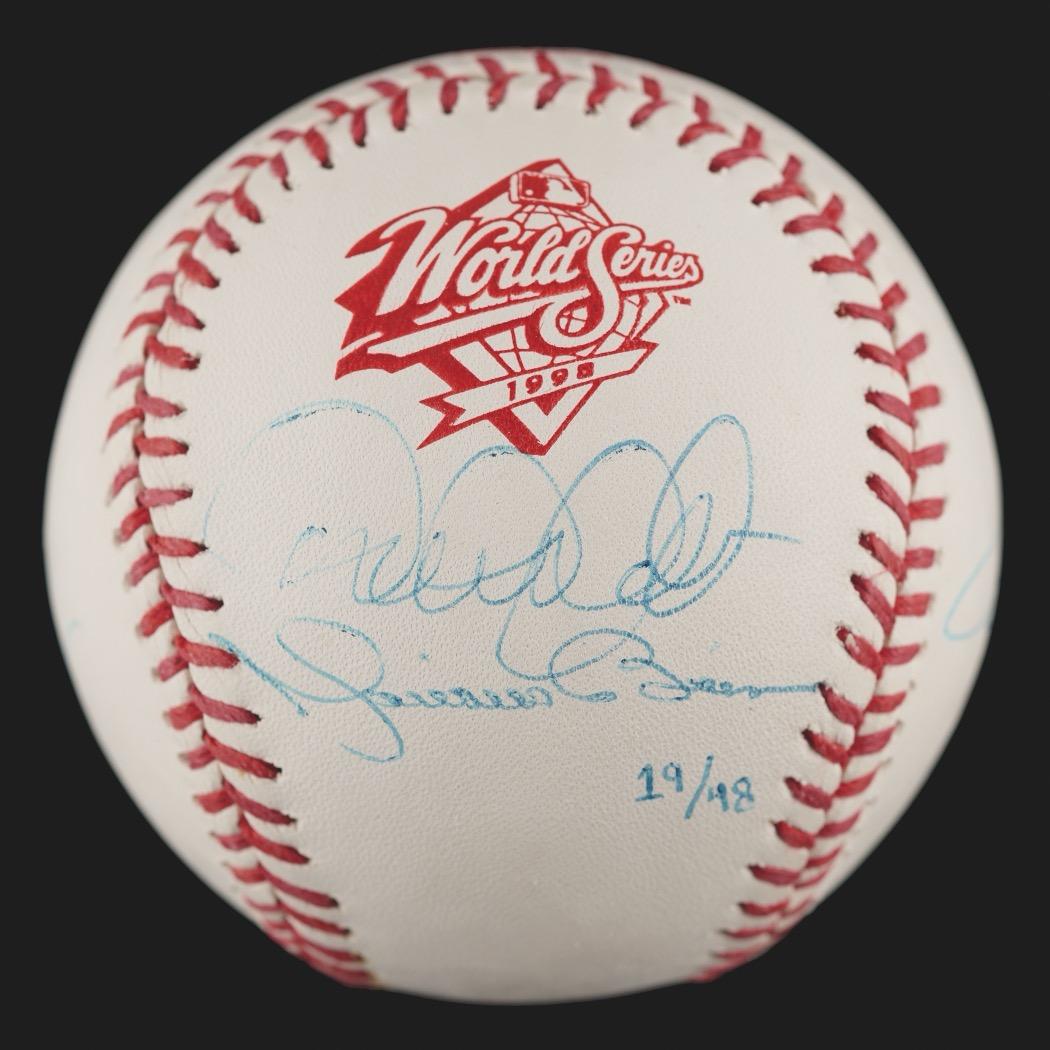
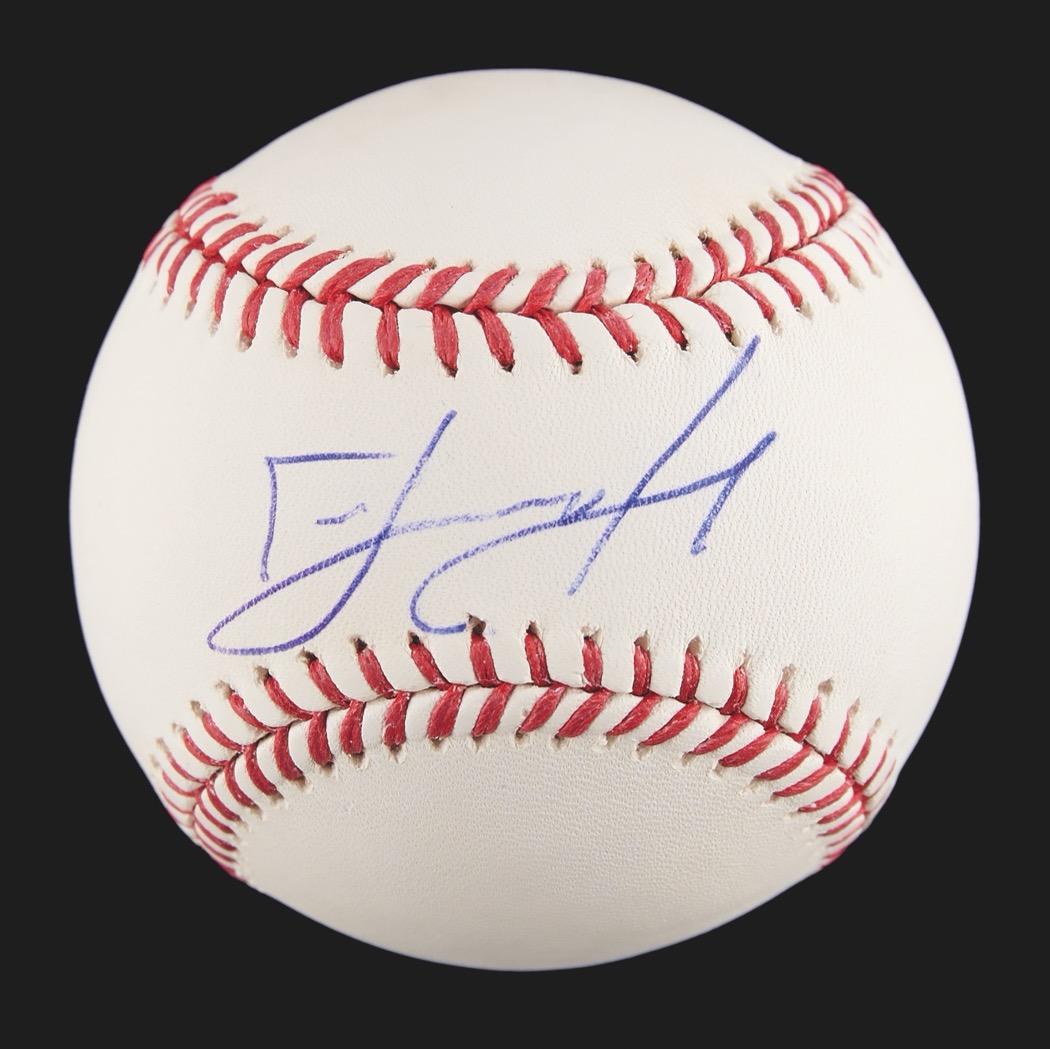
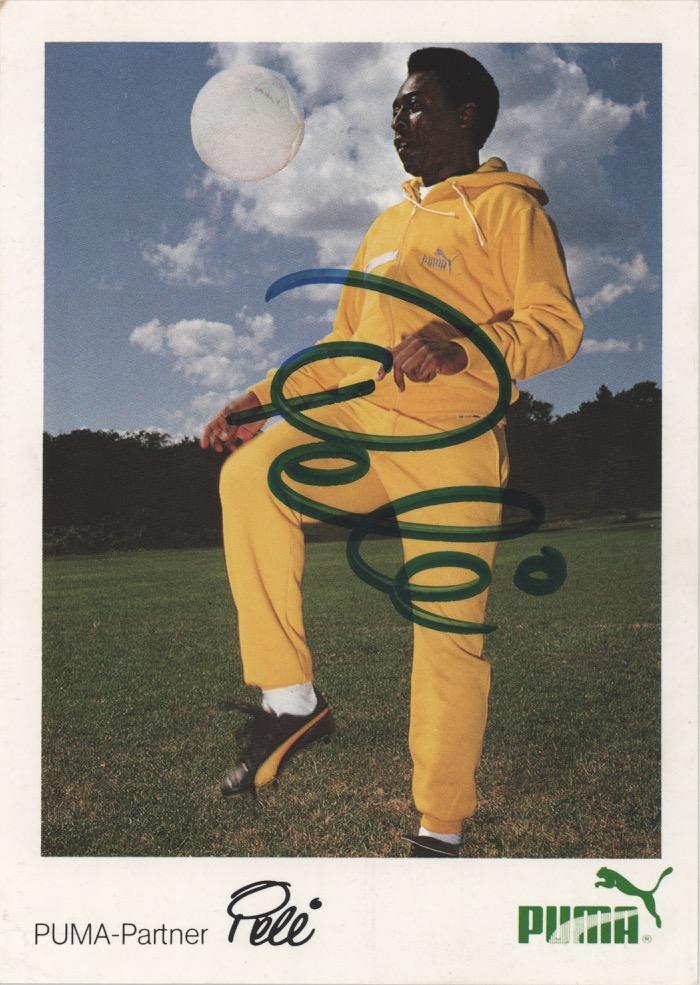
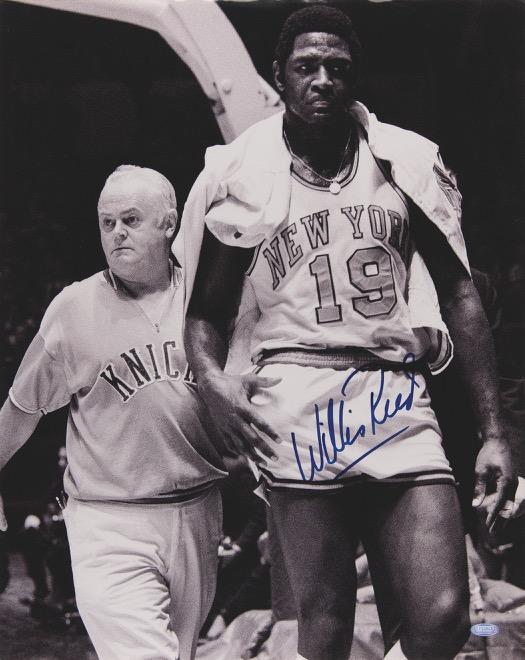
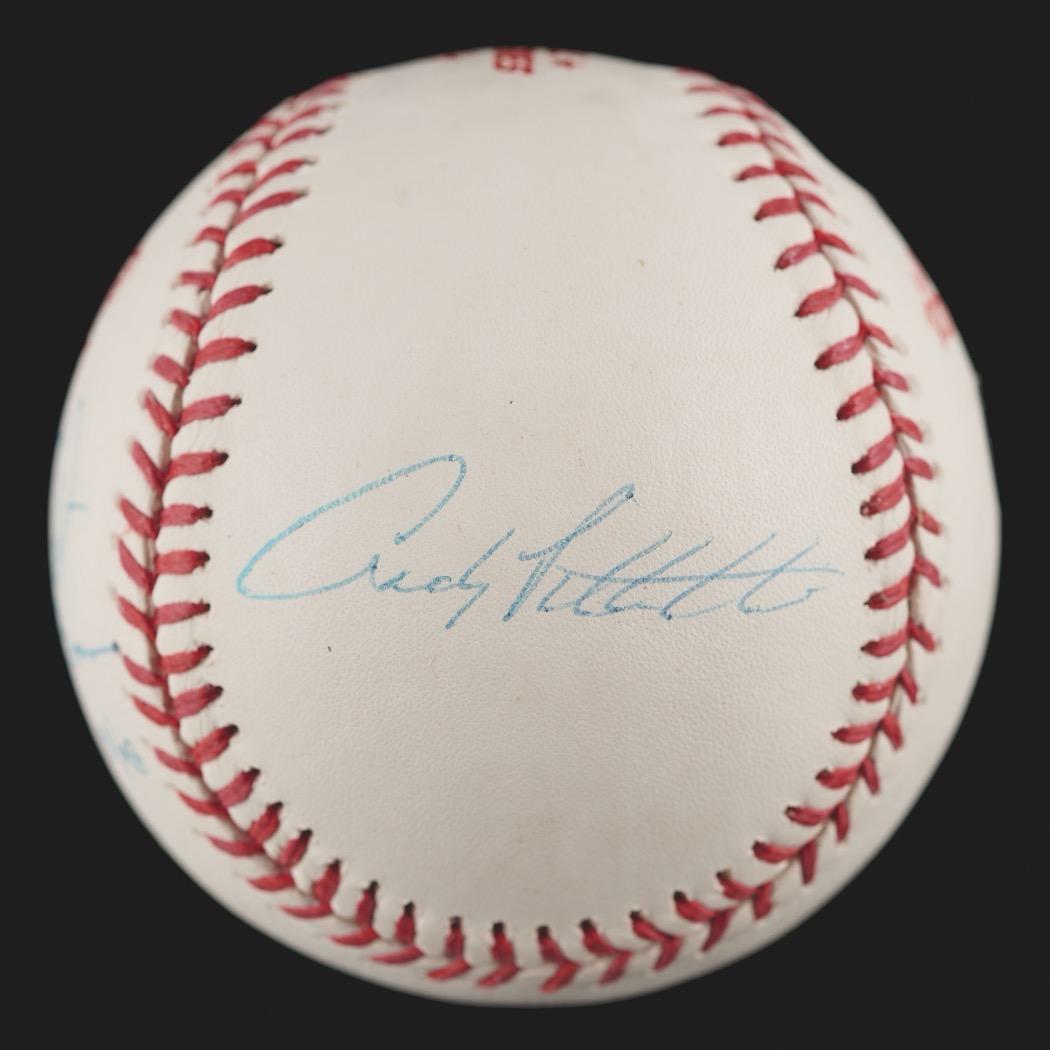
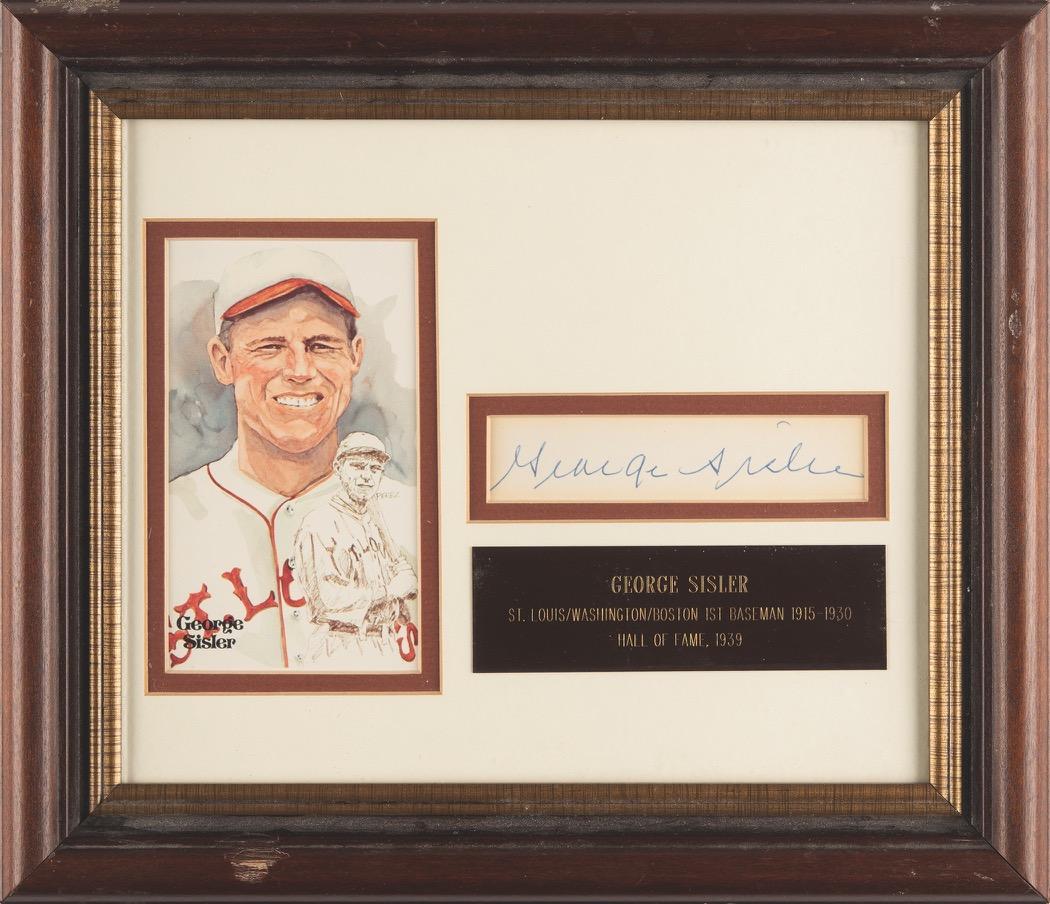
ANYONE EITHER REGISTERING TO BID OR PLACING A BID (“BIDDER”) ACCEPTS THESE CONDITIONS OF SALE AND ENTERS INTO A LEGALLY, BINDING, ENFORCEABLE AGREEMENT WITH R&R AUCTION COMPANY OF MASSACHUSETTS, LLC (“RR AUCTION”) TOGETHER WITH BIDDER, THE “PARTIES”).
This Agreement contains important provisions that control rights and liabilities, and specifically has provisions governing how disputes are handled as well as LIMITATIONS OF LIABILITY that can be imposed upon RR Auction, WAIVER OF JURY and ARBITRATION PROVISIONS. This acknowledgement is a material term of these Conditions of Sale and of the consideration under which RR Auction agrees to these terms. PLEASE READ CAREFULLY.
The following terms and conditions (“Conditions of Sale”) constitute the sole terms and conditions under which RR Auction will offer for sale and sell the property on its website, and/or described in the catalog of items for auction (the “Catalog”). These Conditions of Sale constitute a binding agreement between the Parties with respect to the auction in which Bidder participates (the “Auction”). By bidding at the Auction, whether in person, through an agent or representative, by telephone, facsimile, online, absentee bid, or by any other form of bid or by any other means, Bidder acknowledges the thorough reading and understanding of all of these Conditions of Sale, all descriptions of items in the Catalog, and all matters incorporated herein by reference, and agrees to be fully bound thereby.
Section 1
The Parties1.1 RR Auction and Auction
This Auction is presented by RR Auction, a d/b/a/ of R&R Auction Company of Massachusetts, LLC, as identified with the applicable licensing information on the title page of the Catalog or on the www.RRauction. com Internet site. The Auction is conducted under these Conditions of Sale. Announcements and corrections from the podium at live auctions and those made through the Conditions of Sale appearing on the Internet at RRauction.com supersede those in the printed Catalog.
1.2 Bidder
Bidder shall mean the original Bidder on the property offered for sale by RR Auction and not any subsequent owner or other person who may acquire or have acquired an interest therein. If Bidder is an agent, the agency must be disclosed in writing to RR Auction prior to the time of sale, otherwise the benefits of the warranty shall be limited to the agent and not transferable to the undisclosed principal.
The rights granted to Bidder under these Conditions of Sale are personal and may not be assigned or transferred to any other person or entity, whether by operation of law or otherwise without the express written assent of RR Auction. Bidder may not transfer, assign, or otherwise convey these Conditions of Sale or any of the rights herein, and such purported transfer, assignment, or conveyance shall be null and void. No third party may rely on any benefit or right conferred on any Bidder by these Conditions of Sale, and no third party is intended as a beneficiary of these Conditions of Sale.
Bids will not be accepted from minor persons under eighteen (18) years of age without a parent or legal guardian’s written consent containing an acknowledgment of the Conditions of Sale herein and indicating their agreement to be bound thereby on behalf of the Bidder.
All Bidders must meet RR Auction’s qualifications to bid. Any Bidder who is not a client in good standing of RR Auction may be disqualified at RR Auction’s sole option and will not be awarded lots. Such determination may be made by RR Auction in its sole and unlimited discretion, at any time prior to, during, or even after the close of the Auction. RR Auction reserves the right to exclude any person from the Auction.
If an entity places a bid, then the person executing the bid on behalf of the entity agrees to personally guarantee payment for any successful bid and
agrees to be bound by these Conditions of Sale in addition to company for whom the Bidder is acting
By accepting the Conditions of Sale, Bidder personally and unconditionally guarantees payment.
2.1 In order to place bids, Bidders who have not established an account with RR Auction must either furnish satisfactory credit information (including two collectibles-related business references) or supply additional information if requested, well in advance of the Auction. Bidders who are not members of RRAuction.com should pre-register before the close of the Auction to allow adequate time to contact references. Privileges will be granted at the sole discretion of RR Auction. Additionally, Bidders who have not previously established credit or who wish to bid in excess of their established credit history may be required to provide a cash deposit prior to RR Auction’s acceptance of a bid. Check writing privileges and immediate delivery of merchandise may also be determined by pre-approval of credit based on a combination of criteria: RRAuction.com history, related industry references, bank verification, a credit bureau report and/or a personal guarantee for a corporate or partnership entity in advance of the Auction venue.
2.2 Bidder providing any false or misleading information provided in connection with the registration shall be a material breach of the Conditions of Sale and in addition to any other remedies at law shall excuse RR Auction from performance under these Conditions of Sale, including the right to any refund.
2.2 Bidding privileges may be revoked without notice, for any reason, at the sole discretion of RR Auction .
Section 3
3.1 The Bidder acknowledges and agrees that a 25% buyer’s premium will be added to the hammer price on all individual lots sold in timed and live Auctions. . For payment other than by cash, delivery will not be made unless and until full payment has been received by RR Auction, i.e., check or wired funds have fully cleared. Unless otherwise agreed in writing, signed by RR Auction, payment in full is due within thirteen (13) calendar days of the Auction or within twelve (12) calendar days of the invoice date, whichever is earlier. Bidder’s failure to pay any payment in full when due required shall constitute a material breach, and in addition to other damages available under contract or law, at RR Auction’s election, RR Auction may cancel the sale and require full premium still be due along with interest at 1.5% per month from the date of breach, or at the maximum legally allowable rate.
Section 4
Bidding
4.1 Each Bidder’s determination of its bid should be based upon its own examination of the item(s) and independent investigation, rather than the any reliance as to what is represented in the Catalog, online or elsewhere. Bidder affirms that it regards any statements made by RR Auction concerning the item as solely opinion and that Bidder is making its own inspection and independent evaluation of the goods, and is not relying upon any description or statements by RR Auction (including as to quality, authenticity, provenance, ownership, liens existing, on goods legality, or value) in making its determination to bid on or purchase an item. In any purchase or sale, the value of the item(s) is determined by the price. THE BIDDER HEREBY ASSUMES ALL RISKS CONCERNING ANY AND ALL PURCHASES TO THE FULLEST EXTENT UNDER APPLICABLE LAW.
4.2 RR AUCTION IS NOT RESPONSIBLE FOR ERRORS IN BIDDING. A Bidder should make certain to bid on the correct lot and that the bid is the maximum (plus the Buyer’s Premium) that the Bidder is willing and able to pay. Since other Bidders (by mail, facsimile, online, and in person) will be present, and since a re-offering could damage the momentum of the sale, once the hammer has fallen and RR Auction has announced the winning Bidder, such Bidder is unconditionally bound to pay for the lot,
even if the Bidder has made a mistake.
4.3 All prospective Bidders who examine lots in person prior to the sale shall personally assume all responsibility for any damage they cause in so doing. RR Auction shall have sole discretion in determining the value of the damage caused, which shall be promptly paid by the prospective Bidder.
4.4 Title to any lot remains with Consignor, any secured party of the Consignor, or assignee of Consignor, as the case may be, until the lot is paid for in full by Bidder and Bidder has fully satisfied any outstanding financial obligations to RR Auction (including as it concerns aby other lots). RR Auction reserves the right to require payment in full before delivering any lot to the successful Bidder.
4.5 It is the Bidder’s responsibility and obligation to have the lots fully insured while in their possession. Bidder assumes any and all risk of loss upon the earlier of shipment to Bidder or in Bidder’s possession.
4.6 Bidder grants to RR Auction or its assigns the right to offset any sums due, or found to be due by RR Auction, and to make such offset from any past, subsequent or future consignment, or items acquired by Bidder in possession or control of RR Auction or from any sums due to Bidder by RR Auction. Bidder further grants RR Auction a lien consisting of a senior security interest (or purchase money security interest to the extent applicable) in such sums or items to the fullest extent applicable, authorizes RR Auction to file documents concerning the interest, and Bidder agrees to execute any further documents as may be reasonably necessary to grant RR Auction such security interest. Bidder agrees that RR Auction and its assigns shall be a secured party with respect to items bought by Bidder and in the possession of RR Auction, to the extent of the maximum indebtedness, plus all accrued fees and expenses, until the indebtedness is paid.
4.7 By bidding in this sale, Bidder personally and unconditionally guarantees payment. The authorized representative of any corporate Bidder who is present at the sale shall provide RR Auction or its agent, prior to the commencement of the bidding (or at the time of registration), with a statement signed by a principal, director or officer that they he or she personally and unconditionally guarantees any payment due RR Auction.
4.8 RR Auction may at its sole and absolute discretion, make loans or advances to Consignors and/or prospective Bidders.
Section 5
Bidding Options
5.1 Non-Internet bids (including but not limited to in-person, facsimile, phone and mail bids) are treated similarly to floor bids in that they must be on-increment. Any in-person, facsimile, phone, or mail bids that do not conform to a full increment will be rounded up or down to the nearest full increment and this revised amount will be considered Bidder’s high bid.
5.2 When identical bids are submitted, preference is given to the first received. To ensure the greatest accuracy, written bids should be entered on the standard printed bid sheet and be received at RR Auction’s place of business at least twenty-four (24) hours before the Auction start. RR Auction is not responsible for executing mail bids or facsimile bids received on or after the day the first lot is sold, nor Internet bids submitted after the published closing time; nor is RR Auction responsible for proper execution of bids submitted by telephone, mail, facsimile, e-mail, Internet, or in person once the Auction begins.
5.3 In all Auctions, bids on an item must raise the current high bid by at least 10%, or as specified on a per-Auction basis. Bids will be accepted in whole dollar amounts only. No “buy” or “unlimited” bids will be accepted. In a live sale, bids on an item can change at the discretion of RR Auction.
5.4 RR Auction reserves the right to accept or decline any bid. Bids must be for an entire lot and each lot constitutes a separate sale. All bids are per lot unless otherwise announced. Live auction lots will be sold in their numbered sequence unless RR Auction directs otherwise. It is unlawful and illegal for Bidders to collude, pool, or agree with another Bidder to pay less than the fair value for lot(s). For live auctions, RR Auction will have final discretion in the event that any dispute should arise between Bidders. RR Auction will determine the successful Bidder, cancel the sale,
or re-offer and resell the lot or lots in dispute. RR Auction will have final discretion to resolve any disputes arising after the sale and in online auctions. If any dispute arises, RR Auction’s sale record is conclusive.
6.1 Subject to fulfillment of all of the Conditions of Sale set forth herein, upon the sooner of (1) the passing of title to the offered lot pursuant to these Conditions of Sale, or (2) possession of the offered lot by the Bidder, Bidder thereupon (a) assumes full risk and responsibility (including without limitation, liability for or damage to frames or glass covering prints, paintings, photos, or other works), and (b) will immediately pay the full purchase price or such part as RR Auction may require. In addition to other remedies available to RR Auction by law, RR Auction reserves the right to impose from the date of sale a late charge of 1.5% per month of the total purchase price if payment is not made in accordance with the conditions set forth herein. All property must be removed from RR Auction’s premises by the Bidder at his/her expense not later than sixty (60) business days following its sale and, if it is not so removed, RR Auction may send the purchased property to a public warehouse for the account, at the risk and expense of the Bidder.
6.2 Payment is due upon closing of the Auction session, or upon presentment of an invoice. RR Auction reserves the right to void an invoice if payment in full is not received within thirteen (13) calendar days of the Auction or within twelve (12) calendar days of the invoice date. In cases of nonpayment, RR Auction’s election to void a sale does not relieve the Bidder from their obligation to pay RR Auction its fees (seller’s and Buyer’s Premium) on the lot and any other damages pertaining to the lot.
6.3 All sales for total invoices greater than $1,000 are strictly for cash in United States dollars (including U.S. currency, bank wire, cashier checks, eChecks, and bank money orders), and are subject to all reporting requirements.
6.4 All deliveries are subject to good funds; funds being received in RR Auction’s account before delivery of the Purchases; and all payments are subject to a clearing period. RR Auction reserves the right to determine if a check constitutes “good funds”: checks drawn on a U.S. bank are subject to a ten (10) calendar day hold, and ten (10) business days when drawn on an international bank. Clients with pre-arranged credit status may receive immediate credit for payments via e-Check, personal or corporate checks.
6.5 In the event that a Bidder’s payment is dishonored upon presentment(s), Bidder shall pay the maximum statutory processing fee set by applicable state law. If Bidder attempts to pay via check and the financial institution denies the transfer from Bidder’s bank account, or the payment cannot be completed using the selected funding source, Bidder agrees to complete payment.
6.7 If RR Auction refers any unpaid invoice to an attorney for collection, the Bidder agrees to pay and shall be liable for RR Auction’s attorney’s fees, court costs, and other collection costs incurred by RR Auction in addition to the invoice amount and interest the greater of 1.5% per month or at the maximum legally allowable rate from date of invoice to collection. If RR Auction assigns collection to its house counsel, such attorney’s time expended on the matter shall be compensated at a rate comparable to the hourly rate of independent attorneys.
6.8 RR Auction shall have a lien against the merchandise purchased by the Bidder (as well as to the extent it is a consignor any other monies owed or due to Bidder) to secure payment of the Auction invoice. RR Auction is further granted a lien and the right to retain possession of any other property of the Bidder then held by RR Auction or its affiliates to secure payment of any Auction invoice or any other amounts due RR Auction or affiliates from the Bidder. With respect to these lien rights, RR Auction shall have all the rights of a secured creditor, including but not limited to the right of sale. In addition, with respect to payment of the Auction invoice(s), the Bidder waives any and all rights of offset he might otherwise have against RR Auction and the consignor of the merchandise included on the invoice (the Consignor”). If a Bidder owes RR Auction or its affiliates on any account, RR Auction and its affiliates shall have the right to offset such unpaid account by any credit balance due Bidder, and it may secure by possessory lien any unpaid amount by any of the Bid-
der’s property in their possession.
6.9 All checks, cashiers checks, bank checks, or money orders are payable to R&R Auction Company of Massachusetts, LLC. RR Auction clients with an invoice totaling $1,000 or under will have the option to pay by VISA, Mastercard, Discover or Paypal. All Paypal payments must be sent to FinanceDepartment@rrauction.com. Authorize.net, a third-party service provider contracted by RR Auction for processing on-line payments, charges a nonrefundable service fee of 3%, which will be added to your final invoice should you pay by credit/debit card.
Section 7 Sales Tax
RR Auction is a remote seller and we are now required to collect Sales/ Use Tax from our bidders. The states that we have nexus in we will be required to collect and remit sales tax on your behalf. Each state has different requirements to meet nexus. When RR Auction has achieved a certain monetary and/or invoice threshold in each state we will apply sales tax to your total invoice. The states that are affected are: ARIZONA, ARKANSAS, CALIFORNIA, COLORADO, CONNECTICUT, FLORIDA, GEORGIA, ILLINOIS, INDIANA, IOWA, KANSAS, KENTUCKY, MAINE, MARYLAND, MASSACHUSETTS, MICHIGAN, MINNESOTA, NEBRASKA, NEVADA, NEW JERSEY, NEW YORK, NORTH CAROLINA, OHIO, OKLAHOMA, PENNSYLVANIA,RHODE ISLAND, TENNESSEE, TEXAS, UTAH, VIRGINIA, WASHINGTON, WISCONSIN
If we have not achieved nexus in a particular state it is still your responsibility to pay sales tax on your purchases.
The sales tax rate is determined by the State, Country, and City where purchases are shipped to. If you decide to pick up your purchases at our New Hampshire location you will not be required to pay sales tax. The State of New Hampshire does not have a general sales and use tax. All purchases picked up at our Massachusetts location will be taxed at the current rate of 6.25%.
If you have a resale number please email Sue@RRAuction.com or fax to (603) 732-4288 a copy of your state resale certificate and you will be exempt from paying sales tax.
Section 8
Bidder is liable for shipping and handling and providing accurate information as to shipping or delivery locations and arranging for such. RR Auction is unable to combine purchases from other auctions or affiliates into one package for shipping purposes. Lots won will be shipped in a commercially reasonable time after payment in good funds for the merchandise and the shipping fees is received or credit extended, except when third-party shipment occurs. Bidder agrees that service and handling charges related to shipping items which are not pre-paid may be charged to a credit card on file with RR Auction.
Successful international Bidders shall provide written shipping instructions, including specified Customs declarations, to RR Auction for any lots to be delivered outside of the United States. NOTE: Declaration value shall be the item’(s) hammer price and RR Auction shall use the correct harmonized code for the lot. Domestic Bidders on lots designated for third-party shipment must designate the common carrier, accept risk of loss, and prepay shipping costs.
All duties, customs, and any other import charges are the responsibility of the bidder.
Section 9
Title
Title shall not pass to the successful Bidder until all invoices of Bidder (including those pertaining to the item(s) at issue) and amounts owed to RR Auction are paid in full. It is the responsibility of the Bidder to provide adequate insurance coverage for the items once they have been delivered to a common carrier or third-party shipper.
Section 10
Rights Reserved
RR Auction reserves the right, at any time before, during or after an auction has ended to: withdraw any lot before or at the time of the Auction, cancel any bid, and/or to postpone the Auction of all or any lots or parts thereof, for any reason. RR Auction shall not be liable to any Bidder in the event of such withdrawal, cancellation, or postponement under any circumstances. RR Auction reserves the right to refuse to accept bids from anyone at any time.
Section 11
Conducting the Auction
11.1 RR Auction reserves the right to postpone the Auction or any session thereof for a reasonable period of time for any reason whatsoever, and no Bidder or prospective Bidder shall have any claim as a result thereof, including consequential damages.
11.2 RR Auction’s Discretion: RR Auction shall determine opening bids and bidding increments. RR Auction has the right in its absolute discretion to reject any bid in the event of dispute between Bidders or if RR Auction has doubt as to the validity of any bid, to advance the bidding at its absolute discretion and to determine the successful Bidder in the event of a dispute between Bidders, to continue the bidding or to reoffer and resell the lot in question. In the event of a dispute after the sale, RR Auctions record of final sale shall be conclusive. RR Auction also may reject any bid if RR Auction decides either that any bid is below the reserve of the lot or article or that an advance is insufficient. Unless otherwise announced by RR Auction at the time of sale, no lots may be divided for the purpose of sale.
Lots may be subject to a reserve which is the confidential minimum price below which the lot will not be sold. Consignors may not bid on their own lots or property. RR Auction may, from time to time, bid on items that it does not own. RR Auction may execute bids consecutively or otherwise up to one bid increment below the reserve.
Bidding by telephone, facsimile, online, or absentee bidding (advance written bids submitted by mail) are offered solely as a convenience and permitted subject to advance arrangements, availability, and RR Auction’s approval which shall be exercised at RR Auction’s sole discretion. Neither RR Auction nor its agents or employees shall be held liable for the failure to execute bids or for errors relating to any transmission or execution thereof. In order to be considered for off-site bidding in any manner, Bidders must comply with all of these Conditions of Sale and the terms contained on the Registration Form.
11.5 Estimate Prices:
In addition to descriptive information, each item in the Catalog sometimes includes a price range which reflects opinion as to the price expected at auction (the “Estimate Prices”). In other instances, Estimate Prices can be obtained by calling RR Auction at (603) 732-4280. The Estimate Prices are based upon various factors including prices recently paid at auction for comparable property, condition, rarity, quality, history and provenance. Estimate Prices are prepared well in advance of the sale and subject to revision. Estimates do not include the Buyer’s Premium or sales tax (see under separate heading).
11.6 Owned or Guaranteed Property:
RR Auction generally offers property consigned by others for sale at public auction; in very limited occasion, lots are offered that are the property of RR Auction.
11.7 Before the Auction:
Bidder may attend pre-sale viewing for all of RR Auction’s auctions at no charge. All property to be auctioned is usually on view for several days prior to the sale. Bidder is encouraged to examine lots thoroughly. Bidder may also request condition reports (see below). RR Auction’s staff are available at viewings and by appointment.
11.8 Maximum Bids In All Auctions:
To maximize Bidder’s chance of winning, RR Auction strongly encourages
the use of maximum bids. RR Auction will then bid for Bidder until the lot reaches Bidder’s specified maximum. Maximum bids are strictly confidential. Placing arbitrary, non-incremental bids on lots with prior maximum bids may result in these lots being sold for less than 10% above the under Bidder’s bid.
The fall of RR Auction’s hammer indicates the final bid. RR Auction will record the paddle number of the Bidder. If Bidder’s salesroom or absentee bid is successful, Bidder will be notified after the sale by mailed or emailed invoice.
11.10
If a lot does not reach the reserve, it is bought-in. In other words, it remains unsold and is returned to the Consignor. RR Auction has the right to sell certain unsold items after the close of the Auction. Such lots shall be considered sold during the Auction and all these Terms and Conditions shall apply to such sales including but not limited to the Buyer’s Premium, return rights, and disclaimers.
Bidder may open, monitor, and/or raise bids at any time before the close of a lot through www.rrauction.com. RR Auction offers a callback service the day of the Auction, but Bidder is responsible for supplying a correct telephone number(s) where Bidder can be reached until the Auction closes. Bidder must request this service in writing. RR Auction will make reasonable efforts to ensure that Bidders who request a callback are contacted if outbid; however, RR Auction does not guarantee this service and it is merely a courtesy and not an enforceable right. The auctioneer may also execute a bid on behalf of the consignor to protect the reserve, either by entering a bid in response to salesroom, telephone or absentee bids. Under no circumstances will the auctioneer place any bid on behalf of the consignor above the reserve. The auctioneer will not specifically identify bids placed on behalf of the consignor to protect the reserve.
To ensure proper registration, those Bidders intending to bid via the Internet must visit www.RRauction.com and register accordingly at least one full day prior to the actual auction. Winning bidders will be notified by RR Auction. RR Auction is not responsible or liable for any problems, delays, or any other issues or problems resulting out of use of the Internet generally or specifically, including but not limited to transmission, execution or processing of bids.
Any Bidder may bid on any lot prior to 6 pm EST/EDT. At that time, an extended bidding period goes into effect. If Bidder has not bid on a lot before 6 pm EST/EDT, Bidder may not bid on that lot after 6 pm EST/EDT. Only those Bidders who have placed bids on a lot before 6 pm EST/EDT will be allowed to bid on that lot after 6 pm EST/EDT. If Bidder is the only Bidder on a lot at 6 pm EST/EDT, that lot is awarded to Bidder. During the extended bidding period, a lot will remain open only to those who bid on that lot prior to 6 pm EST/EDT. All lots WITHOUT an opening bid at 6 pm EST/EDT will remain OPEN to ALL Bidders until 7 pm EST/EDT or until they receive their first bid. These lots will close immediately upon receipt of a bid or at 7 pm EST/EDT, whichever comes first. For all lots that are active after 7 pm EST/EDT, bidding will remain open until 30 minutes pass without a bid being placed on THAT lot (the “30 Minute Rule”). The 30 Minute Rule is applied on a PER LOT BASIS; each lot in the Auction closes individually based on bidding activity after 7 pm EST/EDT. On a PER LOT BASIS, the 30 minute timer will reset each time a bid is placed after 7 pm EST/EDT. If Bidder is the high Bidder, raising Bidder’s maximum bid will NOT reset the timer. RR Auction reserves the right to close the Auction at any time at its sole discretion.
11.12 Bidding - Internet Live
Bidder may open, monitor, and/or raise bids at any time before the close of a lot through www.rrauction.com. RR Auction offers a callback service the day of the Auction, but Bidder is responsible for supplying a correct telephone number(s) where Bidder can be reached until the Auction closes. Bidder must request this service in writing. RR Auction will make reasonable efforts to ensure that Bidders who request a callback are contacted if outbid; however, RR Auction does not guarantee this service and it is merely a courtesy and not an enforceable right.
To ensure proper registration, those Bidders intending to bid via the Internet must visit www.RRauction.com and register accordingly at least one full day prior to the actual auction. Winning bidders will be notified by RR Auction. RR Auction is not responsible or liable for any problems, delays,
or any other issues or problems resulting out of use of the Internet generally or specifically, including but not limited to transmission, execution or processing of bids.
During live internet or live auction, property is auctioned in consecutive numerical order, as it appears in the catalog. The auctioneer will accept bids from those present in the salesroom or absentee bidders participating by telephone, internet or by written bid left with RR Auction in advance of the auction. The auctioneer may also execute a bid or bids (successively or otherwise) on behalf of the consignor to protect the reserve, either by entering a bid in response to salesroom, telephone or absentee bids. Under no circumstances will the auctioneer place any bid on behalf of the consignor above the reserve. The auctioneer will not specifically identify bids placed on behalf of the consignor to protect the reserve. All auctions for lots are with reserve unless specifically stated otherwise.
During live Auctions, internet bids can be placed in real time through one or more of the following Third Party services: www.liveauctioneers.com, www.invaluable.com and www.icollector.com. RR Auction is not responsible or liable for any problems, delays, or any other issues or problems resulting out of use of the Internet generally or specifically, including but not limited to transmission, execution or processing of bids. RR Auction treats any third-party site bids as floor or telephone bids. Floor bids and telephone bids are always considered first over third party sites bids, and floor bids are considered earlier than telephone bids. All RR Auction lots purchased through the third-party sites carry an additional Buyer’s Premium.
11.13 Miscellaneous:
Agreements between Bidders and Consignors to effectuate a non-sale of an item at Auction, inhibit bidding on a consigned item to enter into a private sale agreement for said item, or to utilize RR Auction’s Auction to obtain sales for non-selling consigned items subsequent to the Auction, are strictly prohibited. If a subsequent sale of a previously consigned item occurs in violation of this provision, RR Auction reserves the right to charge Bidder the applicable Buyer’s Premium and Consignor a Seller’s Commission as determined for each auction venue and by the terms of the seller’s agreement.
Acceptance of these Terms and Conditions qualifies Bidder as a client who has consented to be contacted by RR Auction in the future. In conformity with ”do-not-call” regulations promulgated by the Federal or State regulatory agencies, participation by the Bidder is affirmative consent to being contacted at the phone number shown in his application and this consent shall remain in effect until it is revoked in writing. RR Auction may from time to time contact Bidder concerning sale, purchase, and auction opportunities available.
11.14 Rules of Construction: RR Auction presents properties in a number of collectible fields, and as such, specific venues have promulgated supplemental Terms and Conditions. Nothing herein shall be construed to waive the general Conditions of Sale by these additional rules and shall be construed to give force and effect to the rules in their entirety.
Section 12
RR Auction’s Remedies
Failure of the Bidder to comply with any of these Conditions of Sale or the terms of the Registration Form is an event of material breach or default. In such event, RR Auction may, in addition to any other available remedies specifically including the right to hold the defaulting Bidder liable for the Purchase Price or to charge and collect from the defaulting Bidder’s credit or debit accounts as provided for elsewhere herein: (a) cancel the sale, retaining any payment made by the Bidder as damages (the Bidder understands and acknowledges that RR Auction will be substantially damaged should such default occur, and that damages under sub-part (a) are necessary to compensate RR Auction for such damages); (b) resell the property without reserve at public auction or privately; (c) charge the Bidder interest on the Purchase Price at the rate of one and one-half percent (1.5%) per month or the highest allowable interest rate; (d) take any other action that RR Auction, in its sole discretion, deems necessary or appropriate to preserve and protect RR Auction’s rights and remedies. Should RR Auction resell the property, the original defaulting Bidder shall be liable for the payment of any deficiency in the purchase price and all costs and expenses associated there with, including but not limited
to warehousing, sales-related expenses, reasonable attorney fees and court costs, commissions, incidental damages and any other charges due hereunder which were not collected or collectable. In the event that such Bidder is the successful Bidder on more than one lot and pays less than the purchase price for the total lots purchased, RR Auction shall apply the payment received to such lot or lots that RR Auction, in its sole discretion, deems appropriate. If RR Auction does not exercise such discretion, the lots to which the payment shall be applied will be in descending order from the highest purchase price to the lowest. Any Bidder failing to comply with these Conditions of Sale shall be deemed to have granted RR Auction a security interest in, and RR Auction may retain as collateral such security for such Bidder’s obligations to RR Auction, any Bidder’s property in RR Auction’s possession or to which title has not yet passed to Bidder. RR Auction shall have the benefit of all rights of a secured party under the Uniform Commercial Code (U.C.C.) as adopted by the Commonwealth of Massachusetts.
Section 13 Warranties
13.1 RR Auction does not provide any warranties to Bidders, whether expressed or implied, beyond those expressly provided in these Conditions of Sale. All property and lots are sold ”as is” and “where is”. By way of illustration rather than limitation, neither RR Auction nor the Consignor makes any representation or warranty, expressed or implied, as to merchantability or fitness for intended use, condition of the property (including any condition report), correctness of description, origin, measurement, quality, rarity, importance, exhibition, relevance, attribution, source, provenance, date, authorship, condition, culture, genuineness, value, or period of the property. Additionally, neither RR Auction nor the Consignor makes any representation or warranty, expressed or implied, as to whether the Bidder acquires rights in copyright, trademark, or other intellectual property (including exhibition or reproduction rights) related to the item, or whether the property is subject to any limitations or other rights. RR Auction does not make any representation or warranty as to title.
13.2 All descriptions, photographs, illustrations, and terminology including but not limited to words describing condition (including any condition reports requested by Bidder, see also Terminology), authorship, period, culture, source, origin, measurement, quality, rarity, provenance, importance, exhibition, and relevance, used in the Catalog, bill of sale, invoice, or anywhere else, represent a good faith effort made by RR Auction to fairly represent the lots and property offered for sale as to origin, date, condition, and other information contained therein; they are statements of opinion only. They are not representations or warranties and Bidder agrees and acknowledges that he or she shall not rely on them in determining whether or not to bid or for what price. Price estimates (which are determined well in advance of the Auction and are therefore subject to revision) and condition reports are provided solely as a convenience to Bidders and are not intended nor shall they be relied on by Bidders as statements, representations or warranties of actual value or predictions of final bid prices.
13.3 Bidders are accorded the opportunity to inspect the lots and to otherwise satisfy themselves as to the nature and sufficiency of each lot prior to bidding, and RR Auction urges Bidders to avail themselves accordingly.
13.4 All lots sold by RR Auction are accompanied by an Auction Certificate (“AC”). On any lot presented with an AC issued by RR Auction, the certification is only as to its attribution to the person or entity described or to the lot’s usage and only as explicitly stated therein (the “AC”), to the exclusion of any other warranties, express or implied, including but not limited to those pursuant to the Uniform Commercial Code. The AC inures only to the original Bidder (as shown in RR Auction’s records). Bidder may not transfer, assign, or otherwise convey the AC and such purported transfer, assignment, or conveyance shall be null and void.
RR Auction complies with all Federal and State rules and regulations relating to the purchasing, registration and shipping of firearms. A Bidder is required to provide appropriate documents and the payment of associated fees, if any. Bidder is responsible for providing a shipping address that is suitable for the receipt of a firearm.
Under no circumstances is any employee, agent or representative of RR Auction authorized by RR Auction to modify, amend, waive or contradict any of these Conditions of Sale, any term or condition set forth on a registration form, any warranty or limitation or exclusion of warranty, any term or condition in either the Registration Form or these Terms and Conditions regarding payment requirements, including but not limited to due date, manner of payment, and what constitutes payment in full, or any other term or condition contained in any documents issued by RR Auction unless such modification, amendment, waiver or contradiction is contained in a writing signed by all parties. Any statements, oral or written, made by employees, agents or representatives of RR Auction to Bidder, including statements regarding specific lots, even if such employee, agent or representative represents that such statement is authorized, unless reduced to a writing signed Bidder and by an authorized officer of RR Auction by all parties, are statements of personal opinion only and are not binding on RR Auction, and under no circumstances shall be relied upon by Bidder as a statement, representation or warranty of RR Auction.
Section 16
Bidder’s Remedies
16.1 Except as stated expressly herein, Bidder’s sole and exclusive remedy related to or pertaining to items it bids upon, views, or purchases from RR Auction, and any claims by Bidder related to authenticity, ownership, condition, title or value, shall be against Consignor only.
16.2 This section sets forth the sole and exclusive remedies of Bidder as against RR Auction (inclusive of its affiliates, officers, managers, employees or agents), or in any way arising out of, related to, or in connection with these Conditions of Sale, , and is expressly in lieu of any other rights or remedies which might be available to Bidder by law. Time is of the essence with respect to these procedures.
The Bidder hereby accepts the benefit of the Consignor’s warranty of title and any other representations and warranties made by the Consignor for the Bidder’s benefit. In the event that Bidder demonstrates in writing, satisfactory to the sole discretion of RR Auction, that there was a breach of the Consignor’s warranty of title concerning a lot purchased by Bidder, RR Auction may make demand upon the Consignor to pay to Bidder the Purchase Price (including any premiums, taxes, or other amounts paid or due to RR Auction). Should the Consignor not pay the Purchase Price to Bidder within thirty days after such demand (if any made), RR Auction may disclose the identity of the Consignor to Bidder and may assign to Bidder all or some of RR Auction’s rights against the Consignor with respect to such lot or property. Upon such disclosure and/or assignment, all responsibility and liability of RR Auction, if any, with respect to said lot or item shall automatically terminate related to or arising from these Conditions of Sale or such transaction operating as a complete waiver and general release by Bidder as to RR Auction and its agents, contractors, and affiliates, as to any and all claims concerning or related to the item, if any . RR Auction shall be entitled to retain the premiums and other amounts paid to RR Auction by Consignor only. The rights and remedies provided herein are for the original Bidder only and they may not be assigned or relied upon by any transferee or assignee under any circumstances.
(1) If Bidder wishes to dispute or challenge the Authenticity of the lot or item (including asserting that it is incorrect), Bidder must adhere to the following procedure: Within 30 days of the Auction Date, Bidder must present written evidence to RR Auction, that the lot is not authentic as determined by a known expert in the field (and one recognized by RR Auction within its discretion) and send the physical item or lot at issue to RR Auction along with all evidence relied upon by Bidder for contesting the Authenticity. (“Authenticity Challenge Process”) “Authenticity” shall mean a gross discrepancy in the between the description, genuiness, or attribution of the item as represented by RR Auction in the Catalog or at the auction, and the item. If RR Auction concurs that the lot is not Authentic as was represented (it is sole discretion), Bidder’s sole and exclusive remedy
as against RR Auction (inclusive of its affiliates, agents, employees, and contractors) shall be a refund of the purchase price of the subject item paid by Bidder, with no other costs, liabilities or amounts recoverable by Bidder. If RR Auction does not agree with the assertion by Bidder, then the Parties shall follow the dispute resolution procedures of these Conditions of Sale. Strict adherence to the Authenticity Challenge Process is a condition of standing for Bidder to initiate suit or claim.
(2) So long as Bidder has complied with the Authenticity Challenge Process, any claim, suit or action, by Bidder concerning an AC or Certification of Authenticity, or related to the authenticity of the item must, without any exception, be brought within one (1) year of Auction Date and is subject to the other limitations and conditions stated in the Conditions of Sale.
16.5 Other Issues. Any dispute or claim by Bidder against RR Auction (or its affiliates, directors, employees, officers, agents, or contractors)) other than Authenticity, concerning any item or lot bid upon, or purchased, including value, title, condition, bidding process, or description must be asserted (if at all) in the following manner:
(1) If the description of any lot in the Catalog is materially or grossly incorrect (e.g., gross cataloging error), or there is any other gross material issue pertaining to the item or lot, the item or lot may be returned if returned within five (5) calendar days of receipt, and received by RR Auction no later than twenty-one (21) calendar days after the Auction Date with explanation in writing.. If there is any discrepancy between the description in the Catalog and a certificate of auction, then the description in the certificate of auction (“Lot Challenge Process”). This paragraph shall constitute Bidder’s sole right with respect to the return of items, and no refunds shall be given for any items not returned to and received by RR Auction within the period of time stated herein or not materially or grossly in deviation from the description. Such a refund is subject to RR Auction’s sole discretionary review, and any request for refund must be made concurrently with returning the physical item or lot to RR Auction. Any item not returned within said frame will constitute acceptance of the item and a waiver and release of any and all claims by Bidder pertaining to the item other than with respect to authenticity; and
(2) Provided that the Bidder has engaged in the Lot Challenge Process, any claim concerning such must be brought no later than one (1) year of the Auction Date for the item or lot at issue and is subject to the other limitations and conditions stated in the Conditions of Sale.
NO RETURN OR REFUND OF ANY AUCTION LOT WILL BE CONSIDERED OR PROVIDED EXCEPT AS PROVIDED IN THESE CONDITIONS OF SALE AND BIDDERS OR AS MAY BE REQUIRED BY LAW. FAILURE TO COMPLY WITH SUCH SHALL BE A COMPLETE DEFENSE TO ANY CLAIMS BY BIDDER RELATED TO THE CONDITIONS OF SALE, ANY AUCTION OR BID.
16.6 LIMITATION OF LIABILITY. For any and all claims by Bidder arising out of or related to this Agreement, Bidder’s viewing, bid, or purchase of items, or any agreement between the Parties, or otherwise, Bidder agrees that to the fullest extent such can be limited under the law, Bidder shall have no right to recover and hereby waives any and all rights to recover from against RR Auction or its affiliates, directors, employees, officers, agents, or contractors, consequential or indirect damages, lost profits damages, punitive, exemplary, statutory (or multiplier damages), physical or emotional distress damages, general or special damages of any kind (beyond amounts actually paid by Bidder for item(s) at issue), and in the event of recovery of any damages whatsoever, such shall be limited by the amounts actually paid by Bidder to RR Auction for the item(s) at issue in such claim, or if no money was paid to RR Auction by Bidder for items at issue, or there items are at issue, the amount of $150.00.
Section 17
RR Auction’s Additional Services
For Bidders who do not remove purchased property from RR Auction’s premises, RR Auction, in its sole discretion and solely as a service and accommodation to Bidders, may arrange to have purchased lots packed, insured and forwarded at the sole request, expense, and risk of Bidder.
RR Auction assumes no and disclaims all responsibility and liability for acts or omissions in such packing or shipping by RR Auction or other packers and carriers, whether or not recommended by RR Auction. RR Auction assumes no and disclaims all responsibility and liability for damage to frames, glass or other breakable items. Where RR Auction arranges and bills for such services via invoice, RR Auction will include an administration charge.
Headings are for convenience only and shall not be used to interpret the substantive sections to which they refer.
Except to the extent Bidder is also a consignor (in which case the terms of the consignment agreement shall also govern), these Conditions of Sale constitute the entire agreement between the Parties together with the terms and conditions contained in the auction Registration Form. They may not be amended, modified or superseded except in a signed writing executed by all parties. No oral or written statement by anyone employed by RR Auction or acting as agent or representative of RR Auction may amend, modify, waive or supersede the terms herein unless such amendment, waiver or modification is contained in a writing signed by all parties.
If any section of these Conditions of Sale or any term or provision of any section is held to be invalid, void, or unenforceable by any court or arbitrator of competent jurisdiction, the remaining parts of the agreement and remainder of the sections or terms and provisions of the section and all sections shall continue in full force and effect without being impaired or invalidated in any way.
20.1 The Parties agree that all agreements between the Parties including but not limited to these Conditions of Sale are entered into in Boston, Massachusetts, no matter where Bidder is situated and no matter by what means or where Bidder was informed of the Auction and regardless of whether catalogs, materials, or other communications were received by Bidder in another location.
20.2 The Parties agree that these Conditions of Sale, any other related agreement(s), along with all claims between the Parties, including those arising out of or related to such are governed by the laws of the Commonwealth of Massachusetts, without regard for its conflict of laws principles. The Parties agree that any dispute between the Parties, including but not limited to those related to or arising out of these Conditions of Sale, or related to or arising out of any other related agreement(s) shall be submitted to confidential binding arbitration (the ”Arbitration”) before a single Arbitrator of the American Arbitration Association (the “AAA”) The Parties agree that the Arbitration shall be conducted pursuant to the commercial rules of the AAA in Boston, Massachusetts, unless the Consumer Arbitration Rules apply, in which case, such rules and venue will govern. In the event that the Parties cannot agree on the selection of the Arbitrator, then the Arbitrator shall be selected by the AAA. The prevailing Party in the Arbitration shall also recover all of its related fees and costs, whether before or after the formal institution of the Arbitration, including but not limited to its reasonable attorneys’ fees and costs, if RR Auction prevails, such recovery, in addition to all remedies available at agreement or law, shall include the Buyer’s Premium as defined in these Conditions of Sale. Federal arbitration law, including the Federal Arbitration Act apply to this agreement to arbitrate and its related provisions. The arbitration and all related proceedings shall be held strictly confidential and all documents and discovery shall be held confidential and not used, published or disclosed publically or to anyone outside the Parties or expert consultants or counsel who shall agree to hold such confidential.
20.3 The Parties consent to the Commonwealth of Massachusetts as exclusive jurisdiction and venue for all claims between the Parties except as provided specifically herein and may seek confirmation of the decision in the Arbitration pursuant to the Federal Arbitration Act in any Court
of competent jurisdiction, including the courts of the Commonwealth of Massachusetts or the United States District Court for the District of Massachusetts. To the extent such is necessary under the law, RR Auction may enforce the Arbitration award against Bidder and any related Party in any court of competent jurisdiction. Nothing in this Agreement shall be construed as RR Auction consenting to jurisdiction or venue in any location outside of the Commonwealth of Massachusetts.
THE PARTIES MAY NOT BRING CLAIMS AGAINST EACH OTHER AS A CLASS OR CLASS MEMBER IN ANY CLAIMED CLASS, OR IN A REPRESENTATIVE ACTION UNLESS OTHERWISE AGREED. UNLESS OTHERWISE AGREED, THE CLAIMS AGAINST EACH OF THE OTHER CANNOT BE CONSOLIDATED OR JOINED WITH MORE THAN ONE ADDITIONAL PERSON OR ENTITIES’ CLAIMS. NO INJUNCTIVE OR DECLATORY RELIEF SOUGHT BY BIDDER IF ANY, CAN AFFECT OR BE ORDERED TO AFFECT ANY OTHER BIDDERS OR PERSONS.
20.4 Except as provided specifically in these Conditions of Sale in Bidder’s Remedies against RR Auction (along with its affiliates, directors, agents, officers, employees, and contractors) for any dispute, claim, cause of action related to or arising out of these Conditions of Sale or any other related agreement(s), brought by Bidder must be brought within the earlier of the Auction Date as it pertains to the item(s) at issue or no later than one (1) year of the acts, omissions or circumstances occurred giving rise to the alleged claim, without exception. This provision is intended as a full, complete and absolute bar to and release of any claims by Bidder initiated after one (1) year of such acts, omissions or circumstances. The Parties agree further that these waiver provisions are intended to be binding in the event of any dispute, specifically including but not limited to third party claims and cross-actions brought by Bidder. These provisions are consideration for the execution of these Conditions of Sale.
20.5 To the fullest extent under applicable law and except as specifically stated herein Bidder hereby holds harmless, releases and discharges RR Auction and its agents, officer’s directors, affiliates, successors, and assigns from any and all claims, liabilities, obligations, promises, agreements, damages, causes of action, suits, demands, losses, debts, and expenses of any nature whatsoever, known or unknown, suspected or unsuspected existing prior to these Conditions of Sale. Bidder agrees to the Conditions of Sale and upon each instance that Bidder participates in any auction, bids, or otherwise agrees to such terms and reaffirms this release as of the date of so participating or agreeing unless Bidder otherwise provides clear written notice to RR Auction prior to so bidding.
20.6 The Bidder hereby agrees that RR Auction shall be entitled to present these Conditions of Sale to a court in any jurisdiction other than set forth in this paragraph as conclusive evidence of the Parties agreement, and the Parties further agree that the court shall immediately dismiss any action filed in such jurisdiction.
20.7
In the event that Bidder provides false information in connection with registering for bidding, fails to correct or update information or breaches the Conditions of Sale by failing to pay the purchase price when due after becoming the winning bidder, as liquidated damages associated with such breaches, R&R may obtain from Bidder the greater of (1) 150% the reserve of the item (if any); (2) the amount bidder bid; or (3), the full amount that bidder would have otherwise paid. Bidder will also be liable for an additional 20% of such amount to account for additional administrative costs, shipping, additional advertising, and other damages and liabilities fees that are difficult to calculate on an item-by-item basis.
20.8 Indemnity. Bidder agrees to defend, indemnify, hold harmless RR Auction (along with its officers, directors, agents, contractors, and affiliates) from and against any and all claims, costs, fees, damages, and liabilities arising out of or related to these Conditions of Sale, view of items, or lots, bidding, or participation in any auction by RR Auction, and/or or in any way connected to any item you viewed, bid upon or purchased through RR Auction.
This Auction is being conducted in and the sale shall take place in the State of Massachusetts. Notwithstanding, the foregoing, should these
terms and conditions violate the law of any State should that state’s law be found to govern, or any provision herein determined to be invalid, the clause itself and the remainder of the Agreement shall be valid to the fullest extent allowed. Also, to the extent other states law apply to any transaction arising out of the Agreement (without admitting such), RR Auction states:
For Residents of California:
SALE OF AUTOGRAPHED COLLECTIBLES: AS REQUIRED BY LAW, A DEALER WHO SELLS TO A CONSUMER ANY COLLECTIBLE DESCRIBED AS BEING AUTOGRAPHED MUST PROVIDE A WRITTEN EXPRESS WARRANTY AT THE TIME OF SALE. THIS DEALER MAY BE SURETY BONDED OR OTHERWISE INSURED TO ENSURE THE AUTHENTICITY OF ANY AUTOGRAPHED COLLECTIBLE SOLD BY THIS DEALER.
A written express warranty is provided with each autographed collectible, as required by law. This dealer may be surety bonded or otherwise insured to ensure the authenticity of any autographed collectible sold by this dealer.
Section 22
Glossary of Condition terms
Information provided to prospective Bidders with respect of any lot, including any pre-sale estimate, whether written or oral, and information in any catalogue, condition or other report, commentary or valuation, is not a representation of fact but rather a statement of opinion held by RR Auction.
Use of the following terms constitutes an opinion as follows:
VERY FINE describes an item believed to be in virtually flawless condition, and is used sparingly for items of exceptionally attractive appearance.
FINE is the most common statement of condition, and applies to most items that we offer. It describes items that we believe to show expected handling wear, generally acceptable random flaws (such as light creases, small bends, etc.), and an overall appearance that is pleasing to the majority of collectors.
VERY GOOD describes an item that we believe exhibits more moderate flaws (such as toning, light staining, professional reinforcements or repairs, etc.). Most collectors would be comfortable with items in very good condition, and this would be the expected condition for many formats (early presidential documents, for example).
GOOD describes an item which we believe to have obvious visible flaws, including heavy wear, missing portions, or repairs that affect appearance; generally items in this condition are offered only if an item is otherwise believed to be exceedingly rare or important.
Bidder may call and request further details and information about RR Auction’s opinions concerning any item via phone or email which shall provided in RR Auction’s discretion.
Bidder warrants that Bidder (and its agents, assigns, successors, and affiliates) shall not purposely deface, destroy, dismember, cut-up into parts the item or Lot purchased at auction from RR Auction and in the event such shall occur whether purposefully or accidently, Bidder (and its agents, assigns, successors, and affiliates) shall refrain from advertising, promoting, or marketing the item as having been purchased from RR Auction and shall in no event display, expressly claim, or imply that the item was certified or auctioned in such state by RR Auction. As liquidated damages for such breach, Bidder agrees to be liable to RR Auction for the greater of the amount of three (3) times the hammer price of the item along with all other fees and costs as otherwise provided in this Terms of Sale.