n City Manager Mike Bennett’s first full budget cycle, the Grand Junction City Council has adopted a comprehensive 10-Year Capital Improvement Plan (2026 to 2035), a long-term roadmap that outlines future infrastructure spending, major facility construction, equipment, parks improvements and public safety investments.
The plan sets the stage for next year’s construction season while also mapping out aspirational projects further into the future.
The first five years of the plan show a decreasing but positive reserve-fund balance, while years six through 10 function more as a capital “wish list” of potential projects to be studied, designed or pursued as funding becomes available.
29 Road corridor and I-70 interchange design
In 2026, the city will fund final design work for 29 Road improvements and a potential Interstate 70 and 29 Road interchange, a multijurisdictional project that would be funded by the city and Mesa County. The plan allocates $3.44 million for design, including a $2 million Congressional Directed Spending award and a pending $1 million Rural and Tribal Assistance Program grant, with the city and county providing the remaining $440,000 local match. See story Page 5
Pro fuels, plus convenience
Profuels of Fruita renovated front of the building and opened a convenience store where it sells premium diesel and ethanol-free fuels — See Page 2
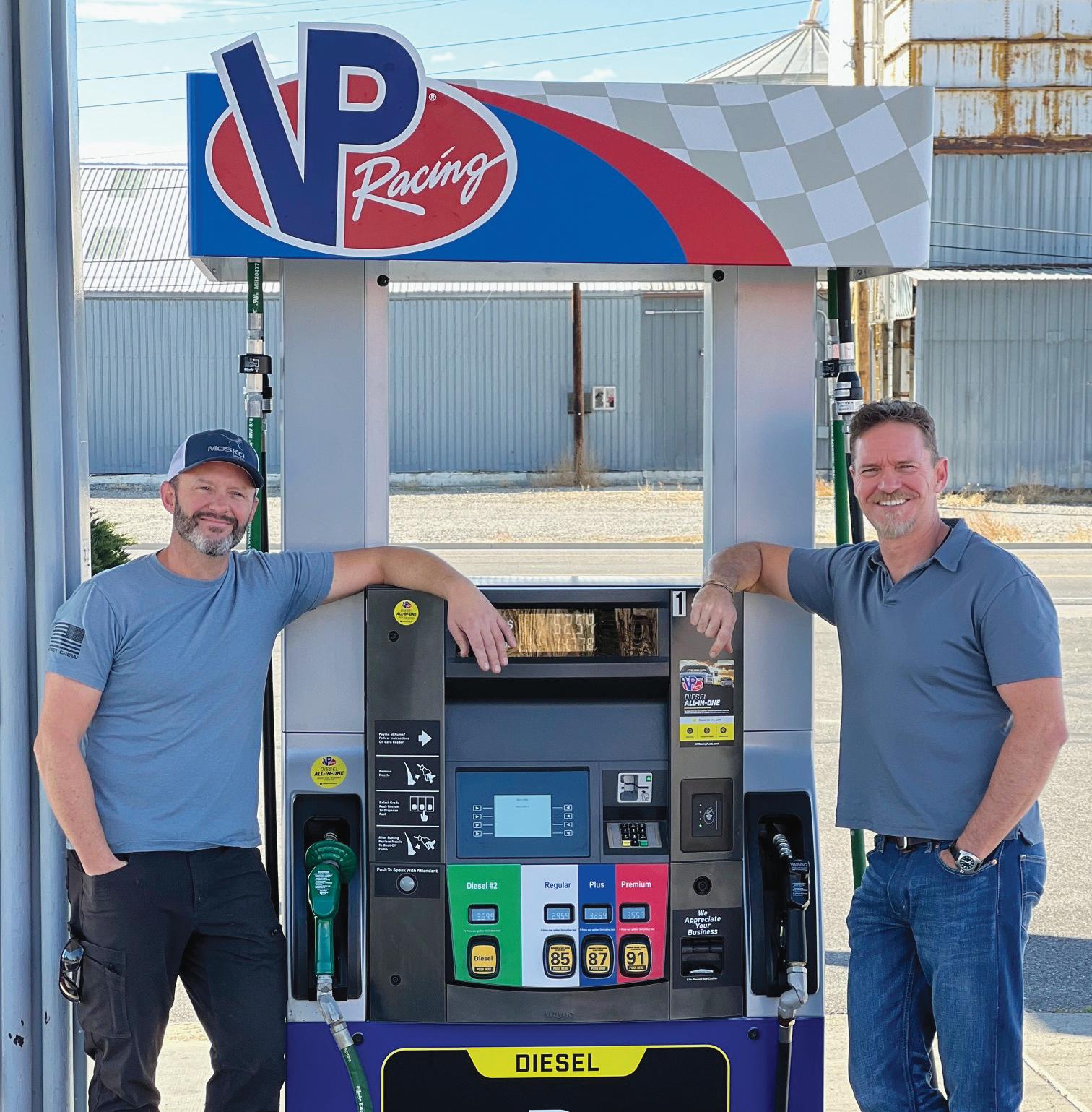
Profuels of Fruita co-owners Alex Moore, left, and Kriss Bergethon stand next to one of the fuel pumps at the specialtyfuels gas station, which they bought on April 4. They had new fuel pumps installed and put up new signage outside, then turned their attention to the store’s interior and converted the front end of the property’s 7,200-square-foot building into a convenience store. Photo by Tim Harty.
‘Not your run-of-the-mill
gas station’
Tim Harty The Business Times
hen Kriss Bergethon and Alex Moore bought the property at 221 U.S. Highway 6&50 in Fruita in April, they knew what they were getting.
First and foremost, in the name of their limited liability company, 221 Hwy 6 LLC dba Profuels of Fruita, they took over a gas station that is known for its specialty fuels, such as premium diesel and ethanol-free premium.
They also took over a bit of a mess – they chose “run-down” for their least-harsh description – in terms of the property, which once was occupied by a tire service center. But they saw potential in the 7,200-square-foot building, beginning with the front section, which they decided to make a convenience store.
A whole lot of tender loving care later – painting, replacing, modernizing – the presentation to the public is much more pleasant, and the Profuels of Fruita convenience store opened Nov. 17, with a grand opening likely in early December.
The warehouse also is home to another business, Moore Adventures LLC, a motorcycle-rental business and outfitter that is owned solely by Moore and does business as Rogue Moto.
Fuels Found Only in Fruita
Profuels of Fruita sells some fuel, such as premium diesel, that Bergethon and Moore say isn’t found anywhere else in the Grand Valley. For that matter, they said it’s nowhere else on the Western Slope.
They also have ethanol-free 91-octane premium, which Bergethon said “doesn’t have any of the corn juice in it,” and people prefer the ethanol-free premium “for motorbikes and sideby-sides, boats, all your farm equipment, like chainsaws, weed whackers. Anything with a two-stroke engine, it runs a lot better. ... Well, any vehicle with a carburetor does better with ethanol-free.”
Moore said Profuels has customers putting the 91-octane ethanol-free in brand new vehicles, too.
“That’s all they want,” he said. “They just don’t want the – well, it’s corn alcohol, right? – they don’t want the corn alcohol in their vehicle.”
Moore also said Profuels of Fruita puts additives in its diesel, the same additives people buy from auto-parts stores to help with power and fuel economy and cleaning the engine.
“This additive,” he said, “will have the same effect as like a winter diesel, anti-gelling, so in cold, cold temperatures, your diesel truck will still start up quickly.”
Because Profuels inherited a lot of loyal customers, Moore said he and Bergethon focused on fuel first after buying the property. Get that ramped up, then work on the other stuff, because “it’s not your run-of-the-mill gas station,” Moore said.
Bergethon added “fuel first” had to be the approach.
“This place has been frequented by locals for decades, and there’s sort of a local vibe there. These farmers,
power-sports people, anybody with a lawnmower, a weed whacker, they know to put ethanol-free in all those things,” Bergethon said. “So, there’s this base level of customers that are just, even when the place looked like crap and it was all run down, people still frequented it for that gas.
“In fact, the first thing they asked when they would show up, they see the new pumps and they’re like, ‘You’re not getting rid of the ethanol-free, right?’ We’re like, ‘No way!’”
Beyond that base of farmers and local residents from Fruita, Mack and Loma, Bergethon said some people drive from Grand Junction “just to come get this fuel, because it doesn’t have the ethanol in it.”
Convenience Store with Outdoors Gear
When it came to renovating the area that is now the convenience store, Bergethon and Moore determined they wanted to do something different. Yes, it would have tobacco products and Lotto and soda machines and an assortment of the most popular snack foods, but they could set that up and have room for more.
To fill that remaining area of the store, they decided to deviate from the norm.
“The convenience store is also going to be more of a specialty store, catering to outdoorsmen, to the mountain bikers and climbers and people that are coming into town,” Moore said. “We’re making it a little more, you know, adapting to that Fruita culture, to that outdoor culture. One of the biggest
drivers of growth and interest in this valley is the outdoor tourism, things like that, so that’s what we’re going for.”
To that end, Moore and Bergethon have some items displayed now, but more are coming soon.
“Right now we’re selling off 10 years worth of used gear,” Moore said, then pointed to the door that goes to the warehouse and added, “We have a lot more back there, too.”
Moore said there will be some new retail items and listed a few, such as tire tubes, tool kits, fuel additives and five-gallon fuel containers. Profuels also has an association with VP Fuels and will carry some of its specialty products.
“We’re kind of experimenting with a few products,” Moore said, then summed up the vision for the store with: “It’s a place people can come get a deal on some good gear, high-quality gear.”
Motorcycles for sale or rent
Moore mentioned used motorcycles get sold all throughout the year, and Rogue Moto, which he started several years ago, stands to benefit from its new home in the building’s warehouse.
With its store right off U.S. 6&50 and near Interstate 70, Rogue Moto is a convenient stop for a person looking to rent a dirt bike and ride for a day or weekend.
Moore said Rogue Moto usually gets about two seasons out of a bike before selling it.
Profuels of Fruita co-owners Kriss Bergethon, left, and Alex Moore stand near the new, digital sign that displays the gas station’s premium-fuel prices to traffic passing by on U.S. Highway 6&50. Photo by Tim Harty.
mid-November
the outdoor for.” some items worth of used goes to the there, too.” items and additives and association products. products,” store with: some good sold all he started home in Interstate person looking about two on Page 8
Puff now, pour later
Puff & Pour already is selling vape products, soon will add liquor to sales floor
Tim Harty The Business Times
The puff is available now, and the pour is coming soon to the business that moved into the building where Bookcliff Liquors once resided.
The Puff is primarily e-cigarettes, and the Pour will be beer, wine and spirits in Puff & Pour, which opened for business Oct. 7 with only half of its business on display at 3026 Patterson Road.
The puffing side is ready, so co-owners Sunny Patel and his brother-in-law Chris
Patel, opened the business to serve those customers. They got the local approval they needed to sell alcohol, but now they’re waiting for the state to process their license. They hope to get the go-ahead by mid-December, or at least before Christmas.
While there are no shelving units set up at the moment, Sunny said that will be resolved quickly.
“We already have the shelves and everything ready,” he said. “We just didn’t put it in yet until we get the OK.”
Until then, Sunny and Chris will get up to speed on the vapes, cigarettes, cigars, glass pipes and more that constitute the puffing side.
Sunny Patel said Puff & Pour will stand out because of its hybrid nature.
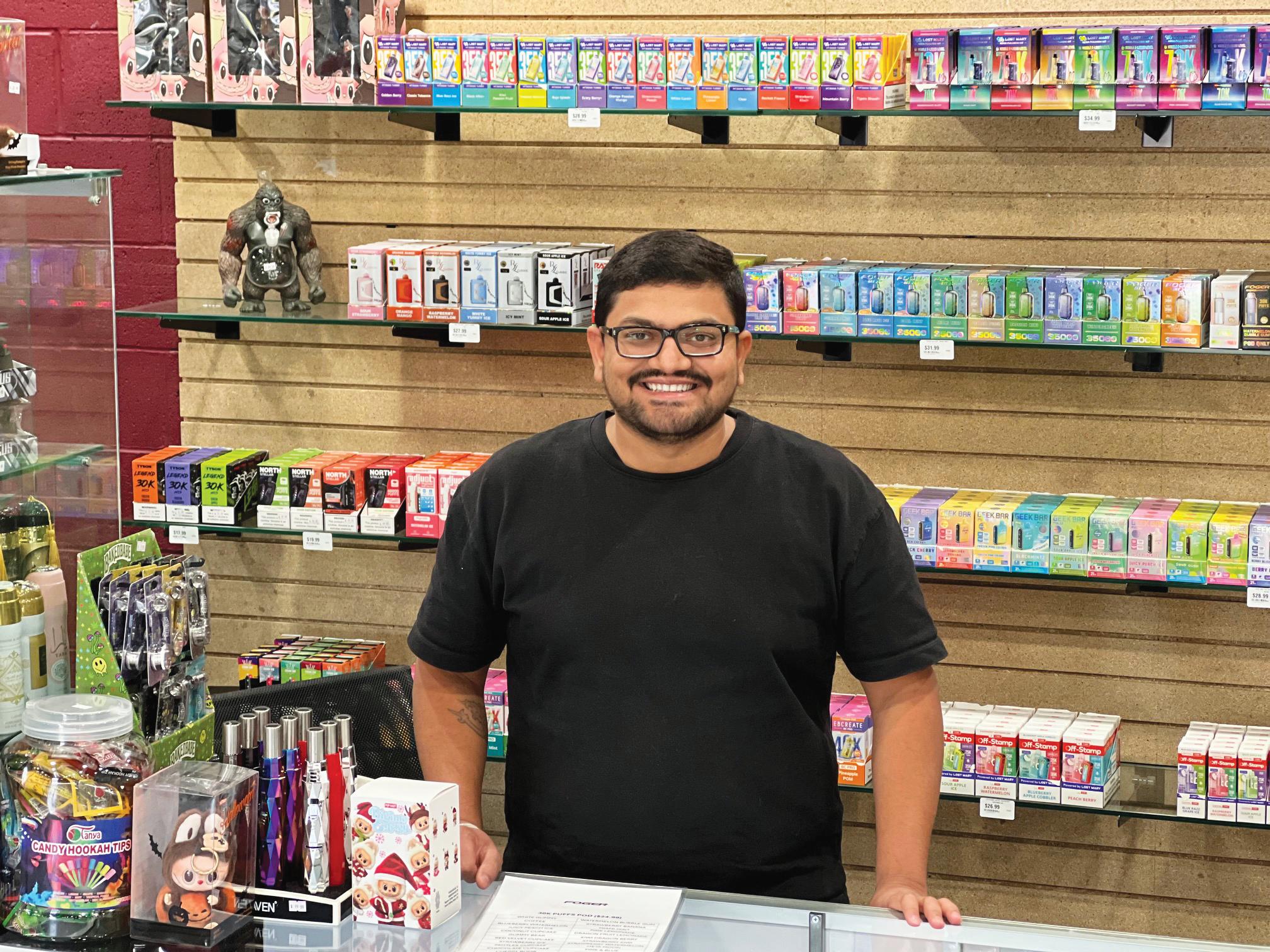
Puff & Pour co-owner Sunny Patel stands behind the counter with a variety of flavored vape products on display at the new store, which previously was home to Bookcliff Liquors, 3026 Patterson Road. Patel said he and his brother-in-law/co-owner Chris Patel decided to open the store to customers on Oct. 7 and begin selling vapes and other smoking products while waiting for their alcohol-sales licensing to get approved locally, then processed with the state. Sunny Patel is hoping alcohol sales will begin in mid-December. Photo by Tim Harty.
MORE ABOUT PUFF & POUR
Seeking
loyalty and rewarding it
Puff & Pour co-owner Sunny Patel spoke frequently about building a base of loyal customers, and the store has a vape promotion that appears to be a good start.
On top of prices that Patel believes are already competitive, Puff & Pour will reward its first 100 customers with 15 percent off vapes for the next year (until November 2026).
A large sign on the front of the building says as much, telling customers: “Don’t wait … because loyalty deserves reward.”
Enough
experience to give retail a try
Sunny Patel and fellow co-owner Chris Patel have a background in hotel management and are part owners of Super 8 and Econo Lodge hotels in Grand Junction.
Sunny said his hotel experience in Colorado included seven years in Gunnison, then three years in Grand Junction. Before that, he worked some part-time jobs in retail, and he said Chris also has some experience in retail, so they opened Puff & Pour with some confidence in their abilities.
“That’s why I was like, ‘OK, we’re just going to give it a try,’” Sunny said.
“Usually what happens is there is just a liquor store, and there is just a vape store,” he said. “We just need this small space to be a full vape thing, and we have enough space for the liquor, so that’s why we’re like, ‘Oh, we’re just going to do both.’”
Actually, their initial inclination was to open just a vape store, but Sunny said building owner Pam Hambright, who owned and operated Bookcliff Liquors in the space previously, got them thinking they can do more. After all, the 4,800 square feet for Puff & Pour was already equipped to be a liquor store, and Sunny said Hambright had loyal customers that may appreciate the return of a liquor store to that space.
So, the Patels didn’t need a lot of coaxing to buy into to the hybrid-store idea.
“She inspired us, saying go for both,” Sunny said. “She already had a good business over here. But just because she retired and she didn’t want to do the liquor store anymore, that’s why she closed it. “
There’s also the logic that people who buy vaping products and alcohol may prefer going to one store instead of two.
“It’s way more convenient for them just to have both at one place,” Sunny said.
For vaping products, Sunny said Puff & Pour carries name brands that people recognize and offers a wide variety of flavors.
Because Denver voters recently banned flavored tobacco products, Sunny acknowledged there’s concern that a ban could happen one day in Grand Junction, but he thinks Puff & Pour would be OK. He said many people are turning to vapes, because it is a lower-nicotine product than cigarettes, and vaping is cheaper than smoking cigarettes. Therefore, demand will remain.
“People like more flavored,” he said. “But if it’s not flavored, then I know people still prefer vapes more than the cigarettes.”
For alcohol products, Puff & Pour will carry beer, wine and spirits, but it won’t try to stock a vast variety. Rather, it will cater to its loyal customers, carrying what customers request.
“In terms of the space and stuff like that, we’re not able to compete with (larger liquor stores). We’re just trying to be whatever our customer base wants,” Sunny said. “Initially we are going to bring most of the high-selling stuff, and then afterward whatever the customer wants.
“So, if they like a certain beer, we go out there and get it for them. That’s just how we’re going to do it. Someone comes in and is like, ‘Hey, this is our flavor, we want you to carry them,’ we will try to get that for them. That’s the thing we’re going to focus on.”
The other thing Sunny thinks is going to appeal to both kinds of customers at Puff & Pour is the pricing.
“So right now we are one of the lowest with the prices anywhere,” Sunny said for vapes.
He said it will be similar for alcohol.
Plus, they will offer weekly deals, and Puff & Pour is just outside the City of Grand Junction’s boundaries, meaning it doesn’t charge the city’s higher sales-tax rate.
GJ adopts 10-year capital plan
Continued from Page 1
The project also prepares the corridor for multimodal upgrades, including bike lanes, and detached sidewalks. These design plans could also be used to improve 29 Road even if an interchange is not immediately constructed.
Grand Junction Transportation Director Trent Prall said at the city council workshop on Nov. 20 that the city has three years to use the plans and could seek two one-year extensions if necessary.
“We would like to get the rest back out to voters for whatever package that may be here in the next three to four years,” Prall said.
Rec center construction
For the final phase of the Community Recreation Center, the budget allocates $23.3 million for the rec center’s construction, funded by the voter-approved sales-tax increase and a previously issued bond. The project brings the total rec center investment to more than $82 million and includes the continuation of work on the building as well as $2.44 million toward the initial phase of outdoor recreation facilities. The center is scheduled to open in mid to late 2026.
Police Department annex
Another significant public safety investment is the Police Department Annex, with $2 million budgeted in 2026 for design and engineering, followed by an estimated $33 million construction phase in 2027. The city plans to finance the building using Certificates of Participation, which are not subject to TABOR rules that require voter approval for long-term debt.
How COPs work
Instead of issuing voter-approved debt, according to the Colorado Legislative Council Staff’s issue brief Certificates of Participation (Issue Brief 18-09), “in lieu of issuing bonds, or using another form of long-term debt, the state may use a form of lease-purchase agreement called certificates of participation (COPs) to finance the construction of its new facilities.”
Why TABOR doesn’t affect COPs
According to a Colorado Joint Budget Committee briefing that summarizes the controlling Supreme Court rulings on lease-purchase financing, “The Colorado Supreme Court ruled on two separate occasions that the use of COPs does not violate the constitution, primarily because the parties to the COP are not bound to renew the lease annually. Therefore, it does not constitute long-term debt. The General Assembly may choose, without legal repercussion, to not appropriate funds for payments on a leased property; however, if the state chooses to terminate the lease and
payments by not making an appropriation for the project, the property would forfeit to the investors.”
North Avenue Multimodal Upgrades
The 2026 plan includes $7.097 million for detached multimodal sidewalks and right-of-way improvements on North Avenue between 28 1/2 Road and I-70B. The project is funded largely through Federal Transportation Alternatives Program dollars, state transit funds, and the state Multimodal Options Fund.
Whitman Park and other projects:
Long-Range but Not Yet Funded
Whitman Park, which was shut down and fenced off in September 2023, does not show any funding until 2031. The plan lists “Whitman Park Improvements, Planning and Design” at $4.63 million, but the entire amount appears in the 2031 through 2035 window.
The downtown-to-Dos Rios bike and pedestrian bridge is listed, and It shows no funding in the first five years, $900,000 dollars in the sixth year, and $7.5 million dollars in the seventh year.
The Fourth and Fifth Street improvements are also on the list and left unfunded in the initial years. Beginning in Year 6, it has $200,000 listed and increases to $1.03 million by Year 10.
Another long-range project, the Union Pacific Railroad downtown quiet zone, has no funding in the first five years and lists $1.2 million in Year 6.
Additional notable 2026 projects
The 2026 budget includes $1.1 million for the Ranchman’s Ditch Trail, $1 million to rebuild the Riverside Parkway retaining wall, and $295,050 for traffic signal upgrades. It also allocates $3.747 million for street maintenance, $6 million for widening D 1/2 Road from 29 1/4 Road to 30 Road, and $162,500 dollars for a new greenhouse at the Botanical Gardens.
Other improvements include $320,000 for trail replacements and $80,000 for renovating Lilac Park.
Capital Reserve Fund Levels drop significantly
The city’s two largest capital funds, Fund 201 and Fund 207, show planned drawdowns in the capital plan as projects move forward. They do not include future grants or adjustments that may be made during the yearly budget process.
Fund 201 begins 2026 with $4.09 million and ends the year with $2.21 million after funding a wide range of parks, trails, facilities and neighborhood-level improvements. By Year 5 the balance is $850,370.
Fund 207, the Transportation Capacity Fund, starts 2026 with a much larger balance of $34.88 million. That amount falls to $15.2 million by the end of 2026. The balance after five years is $582,4341, showing a nearly $34 million decrease in the fund balance without future grants or other new revenue sources.
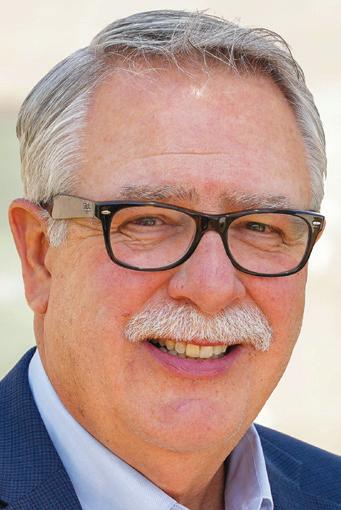
Mike Bennett
Owners put Okagawa Farms on the market
Brandon Leuallen The Business Times
A well-known agricultural landmark in the Grand Valley has quietly come to market. Okagawa Farms is listed for sale for $1,850,000 as a turn-key business opportunity.
Legacy rooted in soil, water, community
According to the listing by The Christi Reece Group, Okagawa Farms was founded in 1980 and operated for more than 40 years.
Today, the listing says, the operation runs across approximately 300 leased acres, holds senior water rights and boasts “some of the best growing conditions in the state.”
Infrastructure highlights include multiple heated greenhouses, processing and storage facilities, and seasonal housing to support a workforce of about 20 H-2A agricultural workers.
Retail, nursery and wholesale mix
While primarily an agricultural production business, Okagawa Farms features a retail store and nursery in Grand Junction, making it both a direct-to-consumer venue and a wholesale supplier. The real estate listing says wholesale sales comprise nearly 70 percent of total revenue, with distribution extending to Colorado farmers markets, including the Aspen Saturday Market.
Context and local significance
In a region where farm-to-table initiatives, local produce markets and agri-tourism are gaining traction, Okagawa Farms holds a place as one of Grand Junction’s familiar farm-stand destinations. The Colorado Tourism Office highlights Okagawa Farms as “Grand Junction’s premier source for flowers and bedding plants, garden plants and locally grown, farm-fresh fruits and vegetables.”
Its mix of production, retail and workforce housing offers a model that is more complex than a simple hobby farm. The presence of senior water rights and substantial leased acreage suggests it’s a serious agricultural enterprise rather than just a roadside stand.
What a buyer would step into
The listing shows a prospective purchaser would be acquiring:
• A functioning business with infrastructure already in place: greenhouses; storage/processing; and retail footprint.
• A workforce team under H-2A program arrangements.
• A brand in the local market with history and a retail customer base.
• Leased land of roughly 300 acres with senior water rights in a region known for favorable growing conditions.
• A dual revenue stream: wholesale (approximately 70 percent of sales) plus retail/nursery.
• A tangible exit opportunity for current owners, who have built the enterprise for more than four decades.
WANT TO BUY OKAGAWA FARMS?
Okagawa Farms is for sale, listed with The Christi Reece Group in Grand Junction. Price: $1,850,000.
Location: 2889 C Road, Grand Junction (also seen as 281 29 Road for the retail store address).
Year established: 1980.
About the farm: It has approximately 300 leased acres, senior water rights, multiple greenhouses and workforce housing for approximately 20 seasonal workers.
The Business Times 609 North Ave., Suite 5 Grand Junction, CO 81501 (970) 424-5133
www.thebusinesstimes.com
The Business Times is published weekly and distributed throughout Grand Junction, Fruita and Palisade. Advertising rates and deadlines are available upon request. Opinions expressed in this publication are those of the writers and don’t necessarily reflect the views of the publisher, editor or advertisers.
Letters to the editor at: publisher@thebusinesstimes.com
Submit stories or story ideas to: stories@thebusinesstimes.com
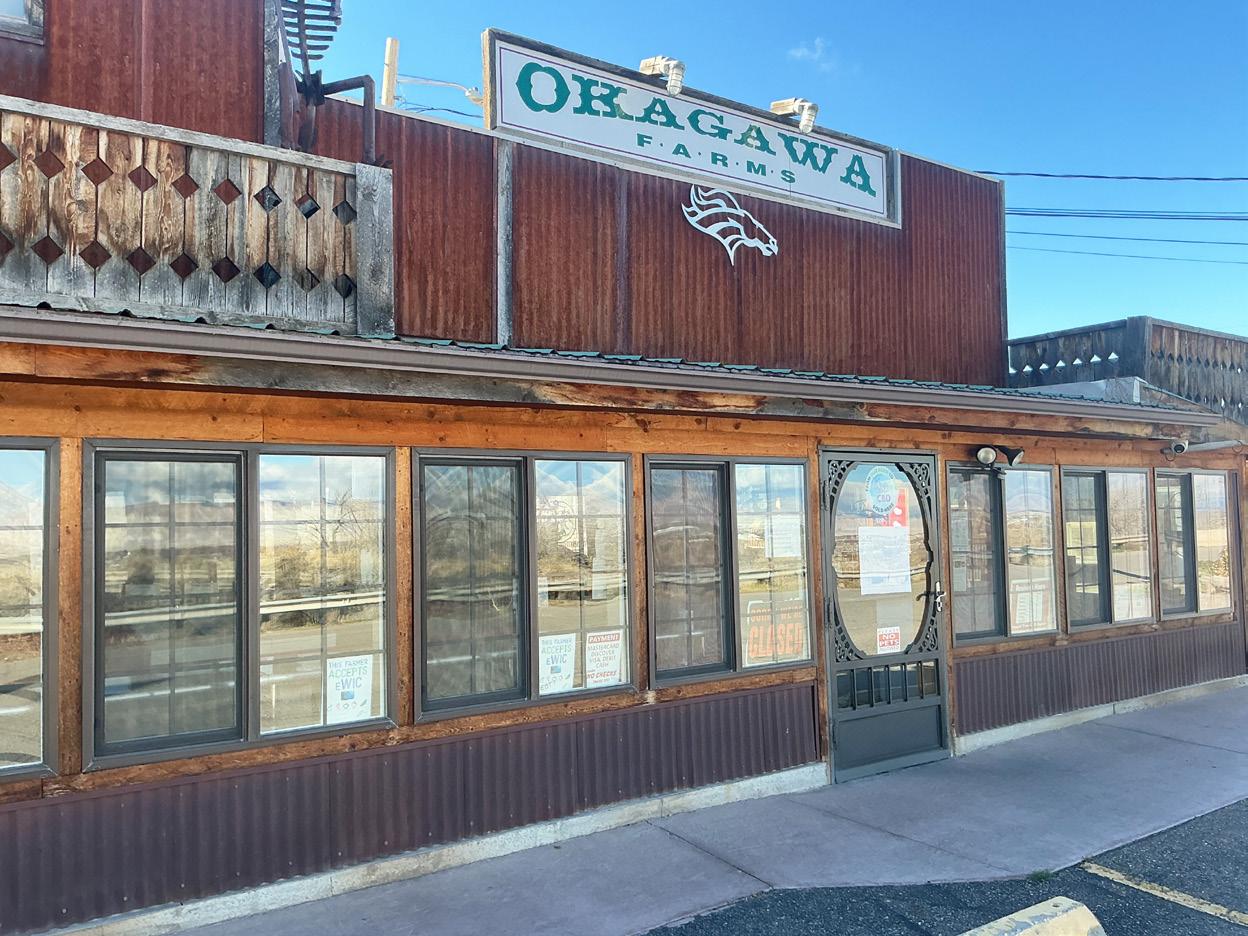
The main Okagawa Farms retail store on C Road sits closed for the winter season. The property, which includes greenhouses, storage space and a Western-style storefront, is part of the turn-key operation now on the market. Photo by Brandon Leuallen.
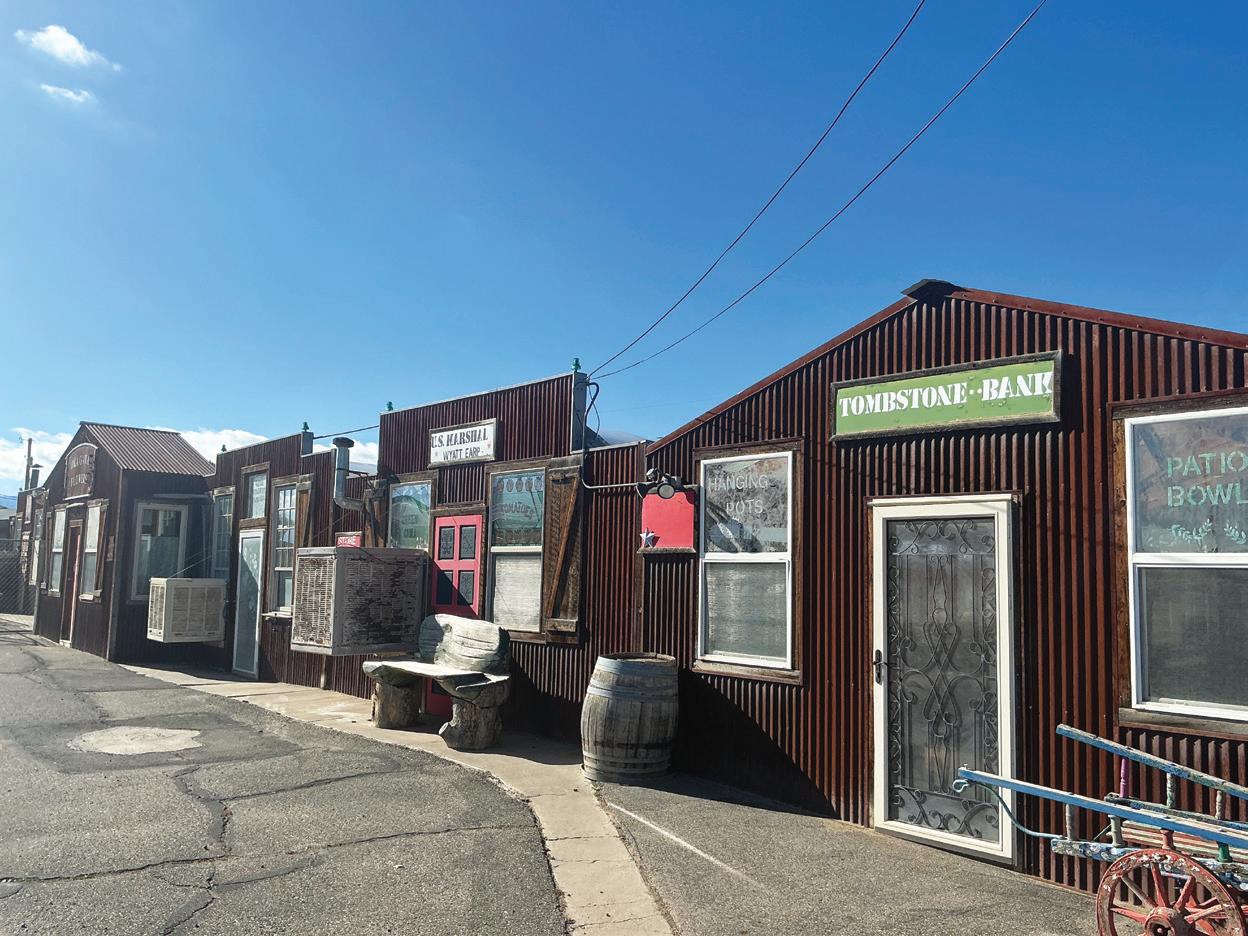
A row of Western-themed entrances lines the Okagawa Farms retail greenhouse tunnels, long a distinctive feature for visitors stopping for plants and starts. The farm’s classic architecture is a feature in the business listing. Photo by Brandon Leuallen.
Okagawa
1980 and senior water facilities, and store and supplier. The distribution are gaining destinations. The for flowers complex than a suggests it’s a storage/processing; and growing retail/nursery. four decades.
Alex Moore stands amidst some of Rogue Moto’s motorcycles in the warehouse of the Profuels building at 221 U.S. Highway 6&50. Moore started Rogue Moto in 2022 and moved the motorcyle-rental and outfitting business into the warehouse earlier this year. Photo by Tim Harty.
Continued from Page 2
“Customers will come back and buy our rental bikes, because they know we take care of them,” he said.
Rogue Moto also provides storage for bikes.
“We store people’s bikes from the East Coast, West Coast, people ship them out to us,” he said. “We do the maintenance, they fly in, their bike’s ready, so we offer kind of concierge moto-storage service.”
For example, Moore said, “People in Florida that have five bikes in their garage, they ship one to the southwest, so they could fly in and ride here a couple times a year, and then their bike’s ready and charged up.
“Now that we have a lot more space, we’re doubling down on that.”
MORE ABOUT PROFUELS OF FRUITA
Space to lease
The large warehouse in the back of the Profuels of Fruita building, 221 U.S. Highway 6&50, gets some use by owners Alex Moore and Kriss Bergethon, but there are several bays, including two with lifts, that are not getting used.
So, Profuels is looking for tenants to lease the space.
Moore said the spaces can be utilized for storage, a retail business or a service business.
“It’s got the bays, it’s got the lifts, it’s really best for somebody who is either light manufacturing, automotive, something that fits,” he said. “It could be a service kind of business like a a plumber that needs to store their vehicles inside at night.”
To find out more about leasing space, contact Profuels at 970-549-0787.
E-bike rentals in the works
Moore said Profuels is working with the city of Fruita on an e-bike program.
“We’re waiting for the final say on that,” he said. “We’re going to be doing e-motos regardless, but hopefully we’ll be in partnership with the city of Fruita here soon.”
Moore said if it comes to fruition, the rental program will allow Fruita residents to go to Profuels and “for a very discounted rate, take a bike for the day.”
“That’s something we want to highlight as well, because that’s the direction things are going,” he said. “The city of Fruita really wants some kind of an e-bike program.”
GVP names Dean new CEO as Walch exits for state job
Tom Walch initially thought he was retiring from Grand Valley Power and work in general on Jan. 2. Then, the Colorado Rural Electric Association came knocking, and retirement will wait.
That still left an opening for chief executive officer at Grand Valley Power, and after a nationwide search for Walch’s successor, the electric cooperative stayed close to home in choosing Chrystal Dean to assume the role.
Grand Valley Power made the announcement in a Dec. 1 news release. New CEO brings experience, knows the area
Dean, who grew up in Montrose and attended the University of Wyoming, brings almost two decades of electricutility-leadership experience to Grand Valley Power. Most recently she served as executive vice president and chief operating officer at the Western Area Power Administration (WAPA), based in Lakewood, Colo. The federal agency markets and delivers wholesale hydropower from 57 hydroelectric dams.
“Chrystal is an ideal fit for the cooperative’s needs,” GVP Board President Brian Woods said. “Her focus on serving the community and continuing to ensure GVP delivers safe, affordable and reliable power stood out during our interviews.”
Dean will lead Grand Valley Power’s team of 46 employees, guiding the cooperative’s strategic direction through an era of innovation and change in the electric industry.
“I am honored to have been selected for this role,” Dean said, “and to have the opportunity to work alongside the board and lead such a capable and dedicated team at Grand Valley Power.”
The cooperative serves nearly 17,000 households and businesses across Mesa, Garfield and Delta counties.
Dean will begin her new role after the holidays on Jan. 2, which is Walch’s last day at GVP after 14 years at the cooperative. Old CEO trades retirement for new challenge
Walch joins the Colorado Rural Electric Association on Jan. 5 and will oversee the statewide support of critical electric cooperative functions, from safety support and regulatory analysis to educational activities and legislative advocacy.
At the association’s headquarters
in Lakewood, Walch will advocate for members of Colorado electric cooperatives across the state.
Walch said he is grateful for his time at Grand Valley Power. He joined the rural Mesa County electric provider in 2012 after stints practicing law and serving in leadership roles within the cooperative industry in Texas.
Under Walch’s leadership, Grand Valley Power improved its financial position, expanded its youth programs, elevated its communications and strengthened its safety culture, the news release said. The cooperative is nearing seven consecutive years without a lost-time accident, an achievement Walch credits to the dedication of operations crews and the emphasis Grand Valley Power places on working safely every day.
Walch also championed the growth of the cooperative’s scholarship program and supported a communications team that has consistently earned state and national recognition.
A defining milestone of Walch’s tenure, according to the news release, was the cooperative’s decision to secure a new wholesale power contract that will take effect in 2028. Grand Valley Power negotiated an agreement with Guzman Energy that offers long-term cost stability for members. The decision was made possible, in part, because of contract provisions Walch put in place shortly after his arrival, provisions that preserved the cooperative’s flexibility.
“Tom has always kept the long-term interests of our members at the center of every decision,” Woods said. “His leadership has positioned Grand Valley Power for a strong future, and we are grateful for his steady guidance over the last 14 years.”
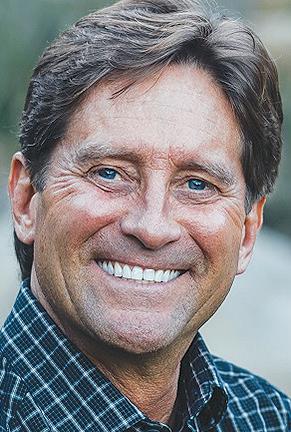
Tom Walch Chrystal Dean
FRUITA
Sale of Mesa Mall spurs sizable increase in commercial sales through Q3
Mesa County’s commercial sales volume through the first three quarters of 2025 is up 36 percent over 2024’s total for the same time frame, according to data provided by Bray & Co. Real Estate Development.
The total through Sept. 2025 is $203 million, compared with $148.8 million through three quarters in 2024.
Bray & Co. Development Director Kevin Bray said much of the increase can be attributed to one major transaction: Mesa Mall sold July 18 for $49 million and included just under 400,000 square feet on 30.8 acres. The mall sale did not include the restaurant pad sites, Dillards, Target or Cabela’s/Bass Pro Shops.
Bray said other notable sales in the third quarter include:
• Peach Street Distillers in Palisade, which sold July 21 for $1.23 million.
• The former Guild Mortgage office space at 501 Main St., which sold July 15 for $2.5 million.
• Dutch Bros Coffee, which sold Aug. 25 for $2.66 million.
• The Bookcliff Apartments at 1250 Bookcliff Ave., a 14-unit apartment building that sold for $1.725 million on Sept. 8.
Looking at the data for Mesa County’s third quarter this year, Kevin Bray shared the following observations:
• Commercial building permits, not including commercial remodels, are up 23 percent over 2024, increasing from 26
permits issued in 2024 to 32 so far this year.
“The increase highlights continued confidence in Mesa County’s commercial market, and while higher construction costs, continued material and labor shortages and longer timelines pose challenges, expanding industries and a steadily growing population create meaningful opportunities for new development,” Bray wrote in a news release.
• The third quarter of 2025 showed a slight increase in the number of units closed with 151 sold year to date in 2025 compared to 147 transactions during the same period last year.
• Active commercial listings were comparable to this year’s second quarter with a decrease of only 1.4 percent, from 208 to 205, and down 5.5 percent from the third quarter of 2024, dropping from 217 to 205.
• Active leases remain steady in the upper 100s with 180 currently on the market.
• County sales tax collections are up 2.5 percent year over year, rising from $40.9 million in 2024 to $42 million so far in 2025.
• According to the September 2025 report, year-to-date tax revenue has increased 23.5 percent in the construction industry, 24.9 percent in finance and 14.8 percent in the professional sector. It has decreased 8.1 percent in the medical industry and 5.4 percent in utilities.
• In retail categories, auto sales and general merchandising have seen the largest increases at 5.9 percent and 5.3 percent, respectively. Home improvement decreased 3.1 percent, and food and beverages decreased 0.8 percent. Most other retail categories have had slight increases.
Grand Junction Chamber promotion targets local businesses during holiday season
The Grand Junction Area Chamber of Commerce launched its annual Keep the Cheer Here campaign, encouraging residents across Mesa County to shop local, support local and give local throughout the holiday season.
“As we step into this season of gratitude, we want to recognize and thank the businesses that drive Mesa County’s economic vitality and character,” said Candace Carnahan, president and CEO of the Grand Junction Chamber. “Every day our members invest in this community. This campaign is our way of celebrating that commitment and inviting residents to stand with them by choosing local first.”
The Keep the Cheer Here initiative includes several opportunities for community participation, most notably the Keep the Cheer Here Bingo Challenge. The challenge is free and requires no purchase. Participants complete a row of holiday-themed activities such as visiting a local shop, attending a community event, trying a local restaurant, volunteering, or supporting a nonprofit. Completed cards can be submitted for a chance to win a Downtown
Grand Junction gift card.
“This challenge is designed for everyone,” Carnahan said. “Local support is not limited to spending money. It can be as simple as leaving a review, recommending a favorite business, engaging on social media, volunteering time or stopping in to show encouragement. Every action helps lift our local economy.”
The chamber also launched a Business Marketing Toolkit with ready-to-use graphics, caption ideas, email footers, coupons and customizable templates. The toolkit is available at gjchamber.org/kchforbusiness.
Throughout the season, the chamber team will take part in the Bingo Challenge, highlight community-engagement opportunities and celebrate the impact of keeping local dollars and support close to home.
“Our goal is simple. We want to inspire our community to make intentional choices that strengthen businesses and nonprofits during the holidays,” Carnahan said. “Together, we can keep our valley strong and vibrant.”
Residents and businesses can learn more and download materials at gjchamber. org/keepthecheerhere.
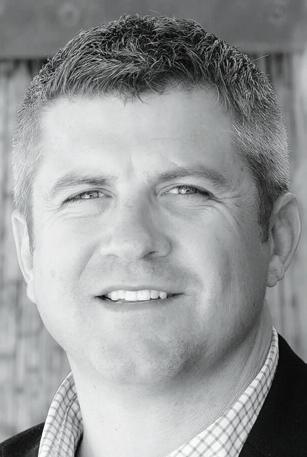
Kevin Bray
this year. continued commercial construction costs, shortages challenges, steadily meaningful development,” Bray showed of units in 2025 during the listings were second quarter from 208 the third to 205. steady in the the market. collections are up from $40.9 far in 2025. September 2025 revenue has construction finance and sector. It medical utilities. sales and the largest percent, decreased beverages other retail increases.
Marcus Straub
Leaders must act fast when personality conflicts poison business
In every organization, people bring their own personalities, preferences and quirks to the table. Diversity of thought and style can be a tremendous asset, sparking creativity, innovation and resilience.
Marcus Straub
But when personality differences harden into conflict, the results can be devastating. Left unresolved, these clashes erode trust, block communication, weaken collaboration and drain morale. Over time, they don’t just damage relationships; they sabotage efficiency, productivity, retention and ultimately profitability.
The truth is simple: Personality conflicts are not “small issues.” They are business-critical challenges. Leaders who ignore them risk watching their culture unravel from within.
When team members stop communicating effectively, the entire organization suffers. Information flow slows, misunderstandings multiply, and opportunities slip through the cracks. Customers feel the effects in missed deadlines, inconsistent service or products that fail to meet expectations. Internally, frustration grows, and top talent begins to disengage or worse, walk away.
The ripple effect is far-reaching. A single unresolved conflict can spread negativity across departments, creating silos, resistance and a culture of blame. What begins as a clash between two individuals can quickly become a drag on the entire business.
Conflicts rarely announce themselves with flashing lights. More often, they show up in subtle but destructive behaviors. Leaders must learn to spot these early warning signs:
drawing attention to negative behaviors and making it clear they are unacceptable is enough to spark change. But more often, deeper intervention is required.
Strategies for Resolution
1. Invest in Team Training – Training built on accurate assessments helps team members understand themselves and others: their similarities; differences; and communication styles. When people learn how to adapt their approach to different personalities, conflicts diminish. Enhanced communication skills create a foundation for trust and collaboration.
2. Provide Coaching – Professional coaching is highly effective in helping individuals recognize their role in conflict. A skilled coach guides team members to take responsibility for their attitudes and behaviors, then equips them with tools to shift toward more constructive patterns. Coaching transforms conflict into an opportunity for growth.
The goal is to create a culture where differences are understood, respected and leveraged productively. When leaders invest in helping team members understand themselves and each other, acceptance becomes easier. Communication flows more freely. Collaboration becomes the norm.
• Avoidance: Some team members cope by withdrawing. They dodge conversations, meetings or collaboration with the person they’re in conflict with. While quiet, avoidance undermines trust and prevents the open communication necessary for high-functioning teams.
• Resistance: Others respond with defiance. They openly resist suggestions, directions or requests from the person they dislike. Sometimes this escalates into spiteful actions designed to “push buttons.” Resistance is toxic to teamwork and progress.
• Verbal Sabotage: Gossip, snide remarks and sarcastic comments are common weapons in personality conflicts. These behaviors corrode morale, spread negativity and damage the work environment. They have no place in a healthy business culture.
• Arguing: Frequent arguments or aggressive disagreements disrupt operations and send waves of negativity through the organization. They destroy psychological safety, making it impossible for team members to perform at their best.
If you recognize these behaviors in your workplace, take them seriously. They are not minor irritations. They are signals that your business is bleeding energy, resources and profitability.
The longer conflicts fester, the harder they are to resolve. By the time customers notice or top performers leave, the damage is already severe. Leaders must act quickly, not only to protect the team, but to safeguard the business itself.
Many conflicts stem from unconscious habits or tendencies. Sometimes, simply
3. Hire for Emotional Intelligence – Prevention is better than cure. By hiring team members with strong emotional intelligence, businesses reduce the likelihood of destructive conflicts from the outset. Assessments that measure attitude, empathy and interpersonal skills are invaluable in building resilient teams.
4. Know When to Let Go – Not every conflict can be resolved. Some individuals refuse to put down their differences, no matter the effort invested. In these cases, the wisest choice is to part ways. Removing persistent negativity improves team satisfaction, strengthens culture and ultimately enhances customer service and profitability. The goal is not to eliminate differences; diverse perspectives are essential to innovation. The goal is to create a culture where differences are understood, respected and leveraged productively. When leaders invest in helping team members understand themselves and each other, acceptance becomes easier. Communication flows more freely. Collaboration becomes the norm.
A well-designed team, working in harmony, delivers the best possible experience to customers. And in today’s competitive marketplace, that experience is the ultimate differentiator.
Personality conflicts are inevitable. What matters is how leaders respond. Ignoring them is not an option. Addressing them early, directly and effectively is the hallmark of strong leadership.
Leaders must remember: Every unresolved conflict is a silent drain on the organization. It weakens culture, drives away talent and erodes profitability. But when conflicts are addressed with clarity, empathy and accountability, they can become catalysts for growth.
Marcus Straub owns Life is Great Coaching in Grand Junction. His personalized coaching and consulting services help individuals, business owners, executives and companies build teams, organizations and lives filled with happiness and success. Straub is winner of the International Coach of the Year Award and author of “Is It Fun Being You?” He’s available for free consultations regarding coaching, speaking and trainings. Reach Straub at (970) 208-3150, marcus@ligcoaching.com or through the website located at www.ligcoaching.com.
Thankfully, your politics never crossed our mind; only your story
I had planned to write a combo Thanksgiving/Birthday column since I have a smaller space to fill this edition, and it’s the first time in the history of The Business Times we have a deadline that falls in Thanksgiving week. More importantly, this deadline also falls on the anniversary of my 64th trip around the fireball in the sky as well.
So, I’ll open with I’m thankful for two things, another year of entertaining my “fans” in this column and the privilege of now doing it weekly for almost a year with the paper. To ferret that out a bit, I always planned publish dates to land the day before Thanksgiving, which allowed two editions in December published before Christmas, so my old editor Phil Castle and I could spend family time over the holidays, and more important, take a three-week break after Christmas.
And then Phil retired, and for some reason I decided I needed even more deadlines. I’m thankful I did, because of the opportunities that have come (and those to come) were too good to pass up. And while the business opportunities are
many, there’s one we cherish the most. That’s the opportunity to communicate and interact with the great folks who make up our little slice of heaven in Western Colorado.
And I mean that sincerely. We love doing stories about as many of you as we can. So, doubling the publishing dates allows us to report even more. And we’ll make it a good story no matter where you come from, where you go to church, what news stations you watch, what radio station you listen to, or anything else “different” you think or do which aren’t germane to a story including, most importantly, who you voted for or what your politics are.
Because other than maybe where you came from as interesting background, none of that other stuff really matters.
But there’s another edge of the sword when we interact with the public, and here’s something that happened during this deadline. We received a Facebook comment from a local business which said, “For a newspaper that is about supporting businesses, you shouldn’t pick and choose which one ones (sic) you support based on politics.”
Considering we’ve done a few stories over the years about this family business, it was a little shocking. More shocking,
this person indicated they had “a source” who told them that, and that the source was me.
Now I’m not going to mount a defense on something I never said. I even removed this person’s comments from our Facebook page, as a “supportive” gesture in not letting folks see their embarrassing statements. Fact is, I have thousands of stories online (which by and large could be considered “supportive” even though that’s not our main function) about folks who think differently than I do on a thousand things, including politics.
Even more, we have an upcoming story where this family business will be mentioned. But one might miss that while sounding off about how they think a newspaper works while proving they don’t know how a newspaper works.
Thankfully, as I sit and type while watching football in my recliner, that’s enough for me. I hope it is for all of you. Blessings to you all on this coming holiday season.
In Truth and Freedom.
Craig Hall is owner and publisher of the Business Times. Reach him at (970) 424-5133 or publisher@thebusinesstimes.com.
Colorado cannot afford to leave its pioneering communities behind
Colorado was built by pioneers. That pioneering spirit still defines the rural communities that grow our food, produce our energy, protect our water and carry the transportation and natural resource backbone of this state. These communities have never asked for special treatment. They have always done the hard work without complaint and have carried Colorado through every major challenge for generations.
Today, they are being asked to carry far more than their share.
A wave of overlapping state mandates, rising costs and policy decisions made on the Front Range is hitting rural Colorado all at once. These challenges are reshaping the economic landscape of the Western Slope and other rural regions. If Colorado’s leaders do not act quickly, the consequences will reach every household in this state. Colorado is imposing multiple emissions and building-code mandates at the same moment rural communities are grappling with energy-transition losses, workforce shortages and housing strain. These mandates require expensive equipment changes, electrical upgrades, new certifications and contractor retraining all at once.
For many small HVAC businesses, the math simply does not work. When a contractor serving several counties warns that he may shut down because his customers cannot afford the required upgrades, that is a public-safety concern. Add to this Colorado’s soaring housing and energy costs. According to the Common Sense Institute, energy is the No. 1 driver of inflation in Colorado. Electricity prices are projected to grow more than three times the rate of inflation. Older residents on fixed incomes are being priced out of their homes. Families are falling behind. Rural communities did not create these conditions, yet they are being hit the hardest.
The energy transition adds another layer. One coal mine is already in reclamation. Another will follow in 2026. Craig Station Unit 1 is expected to close by year’s end. The remaining units retire before 2028.
These losses represent real families and entire towns that powered Colorado’s economy for decades. Severancetax revenues intended to support these communities
through transition continue to be diverted for statewide budget balancing, leaving rural regions without the support they were promised.
Meanwhile, regulatory pressure is halting private investment. During GEMM Phase 2, a local company that produces about one-third of the world’s baking soda using a clean and responsible method paused expansion because of emissions rules that their Wyoming competitors will not face.
When the cleanest operators cannot expand in Colorado, the global environment loses. Colorado workers do not win. No one wins.
Water is the lifeblood of rural Colorado, but the future of our communities is uncertain. On the Western Slope, shrinking snowpack, dropping reservoir levels, and ongoing questions about how much water we can count on from year to year are putting real pressure on agriculture and business. At the same time, more water is diverted east through longstanding agreements, leaving us with less to support farms, ranches and Main Street employers.
Colorado’s obligations under the Colorado River Compact and other agreements mean that if flows keep falling, rural communities and agriculture will feel the impact first through mandatory cutbacks and higher costs.
When water is scarce or expensive, the consequences go far beyond crop yields and irrigation. Jobs, food production, business expansion, housing and local investment all take a hit. Water challenges multiply the difficulty of meeting every other state mandate, from building codes to energy regulations to the rising cost of living.
Rural water security is not just an ag issue or a Western Slope issue; it is a statewide economic imperative. When Colorado’s rural water supply becomes less reliable or less affordable, the entire state pays the price.
These water issues are made worse by the growing threat of wildfire. The Western Slope is seeing longer, more severe fire seasons that destroy forests, threaten homes and ranches and destabilize entire watersheds. After a major fire, runoff and erosion contaminate drinking water, fill reservoirs with silt and wipe out irrigation systems.
Rural communities bear the long-term costs: higher insurance rates; lost grazing land; lost crops; and expensive infrastructure repairs. Wildfires compound the damage from drought, strain our water supply even further and add more uncertainty for agriculture and local businesses. When state
policy adds regulatory burdens on top of these disasters, recovery gets harder, and costs go up for everyone.
Then there is the wolf issue. The state moved forward with wolf releases over clear objections from rural communities, and the consequences were exactly what those communities warned about.
Depredation events, emergency-response challenges and federal-coordination problems are piling up faster than the state can manage. Ranchers and rural counties are carrying the financial and emotional burden of a program they never supported. Trust in Colorado Parks and Wildlife, once strong, is gone. These are widening cracks in the relationship between rural Colorado and the entire state government.
These issues compound each other. Rising household costs, business closures, workforce loss, regulatory burdens, land-use pressures and wildlife conflicts all lead to the same point. Rural Colorado is being pushed to a breaking point.
If rural Colorado collapses, the entire state will feel it. Every Coloradan depends on the energy, food, materials, water and transportation systems that come from the Western Slope and other rural regions. Colorado cannot thrive if its foundational communities are allowed to weaken.
But here’s the thing: These communities are resilient. They do not give up. They still carry the same pioneering spirit that built this state from the ground up. What they need now is not a rescue. What they need is a partner.
Colorado needs a balanced policy. Colorado needs timelines and tools that work in small and rural communities. Colorado needs leaders who understand that rural voices are not obstacles to progress. They are essential partners in shaping Colorado’s future.
At the Associated Governments of Northwest Colorado, we champion the pioneers who keep this state strong. We stand ready to work with every level of leadership, including the next governor, to repair systems that are no longer functioning and to build a future that includes every community, not just those closest to the Front Range.
Colorado’s future depends on its pioneers. It is time for the state to stand with them.
F
Tiffany Dickenson is executive director of the Associated Governments of Northwest Colorado, which serves as the Council of Governments for Garfield, Mesa, Moffat and Rio Blanco counties.
Tiffany Dickerson
Craig Hall
n Enstrom’s ice cream earns national honor
Enstrom Candies received a blue ribbon for its fresh strawberryflavored ice cream from the North American Ice Cream Association recently during the association’s 2025 National Ice Cream Awards event. Enstrom Candies also received red ribbons for its dark chocolate and Tahitian vanilla-flavored ice creams.
According to a news release from Enstrom Candies, hundreds of ice cream professionals and aspiring dessert entrepreneurs from across the nation gathered for the annual event, the industry’s largest event in the United States. This year it took place Nov. 9-11 in West Palm Beach, Fla. A highlight of the event is the association’s ice cream flavor and quality competitions, which draw entries from the finest ice cream makers nationwide.
The rigorous sensory judging process was overseen by dairy scientist Dr. Sam Alcaine of Cornell University, and judging panels included seasoned ice cream business owners, making the award an honor from industry peers.
n GVP taking applications for youth tour, camp
High school juniors and seniors who get their electricity from Grand Valley Power can apply to attend all-expenses-paid leadership trips to either Washington, D.C., or Steamboat Springs next summer.
The Washington, D.C. Youth Tour takes place June 15-21, 2026. Tour participants learn about co-ops, engage in one-on-one conversations with elected officials, visit major monuments and memorials and network with their peers. More than 1,800 students from all over the country attend.
The Cooperative Youth Leadership Camp takes place July 11-16 at the Glen Eden Resort near Steamboat Springs. Students who attend the camp learn about the electric utility industry and how cooperatives work. Students also raft the Colorado River, ride
the Steamboat Springs gondola and visit the Trapper Mine. Nearly 100 students from Colorado, Kansas, Wyoming and Oklahoma gather for six days at the Glen Eden Resort.
The application is open to current high school students who will be at least 16 years of age by the time of the tour or camp selected and whose parents or legal guardians are members of Grand Valley Power. Students are required to submit a 500-word essay and completed application, which is online at gvp.org and must be submitted by Jan. 5.
For more information about program requirements and eligibility, go online to gvp. org/youth-leadership-programs.
n Confluence Center seeks $90,000 before year ends
The Confluence Center of Colorado is raising funds to complete the second phase of its solar build-out before federal incentives expire on Dec. 31. It launched a rapid fundraising campaign in an attempt to secure the $90,000 needed to complete the project immediately, ensuring maximum long-term savings and environmental impact, the center said in a news release.
The Confluence Center is designed to be a hub for education, collaboration, and community engagement throughout Western Colorado.
The proposed project involves the installation of a 40.9-kilowatt rooftop solar array by Atlasta Solar. The solar array is projected to offset 70 to 90 percent of the Confluence Center’s total electricity use.
For more information on the solar build-out and to donate, visit www. confluencecenterco.org/solar-project.
n New Veteran’s Monument Park opens in Cedaredge
The Support Our Soldiers Foundation hosted a dedication ceremony for the longawaited Veteran’s Monuments Park on Veterans Day, Nov. 11, at 100 SE Buffalo Ave. in Cedaredge.
The dedication marked the realization of founder Cathy Meskel’s vision to create a place where veterans and community members alike can come to reflect, remember and honor military veterans. The park features 13 marble monuments that tell the stories of America’s wars from World War I through Afghanistan. Each monument was hand-drawn and carved by local artist Lark Abel and her team.
“This park stands as a living reminder of sacrifice and gratitude,” Meskel said. “It’s a place for healing, learning and pride for our veterans, their families and generations to come.”
The project came to life through the dedication of local volunteers and supporters at every stage: Michelle Roberts assisted with acquiring the land; Bill Challis, Steve Houghton and Scotty Malmgrem prepared the grounds and designed the park’s landscape and flow; John Hoffman volunteered as the electrician; and Malmgrem also hand-crafted two custom flagpoles, one for 9/11 and another honoring POWs, that now rise over the park.
To learn more about the foundation, the monuments or upcoming plans for the park, visit www.supportoursoldiersfoundation.org.
Enstrom Candies Grand Junction Retail Manager
Mandi Jacobs, left, and Ice Cream Department Lead Trisha Russell. Photo courtesy of Enstrom Candies.
students from Eden Resort. 16 years guardians are essay and Jan. 5. online to gvp. of its solar campaign ensuring release. collaboration, and solar array Confluence visit www.
the longBuffalo Ave. in
to create a remember and stories of hand-drawn said. “It’s a to come.” supporters at Houghton and flow; two custom the park,