Unless otherwise indicated, all images are from, and copyright of, the authors.
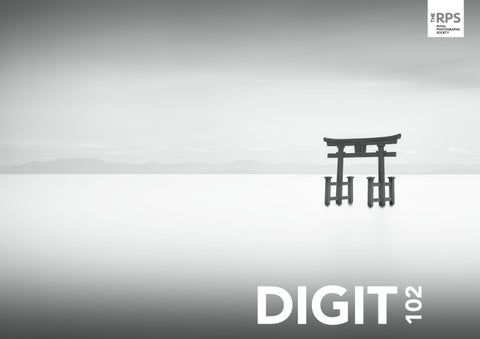
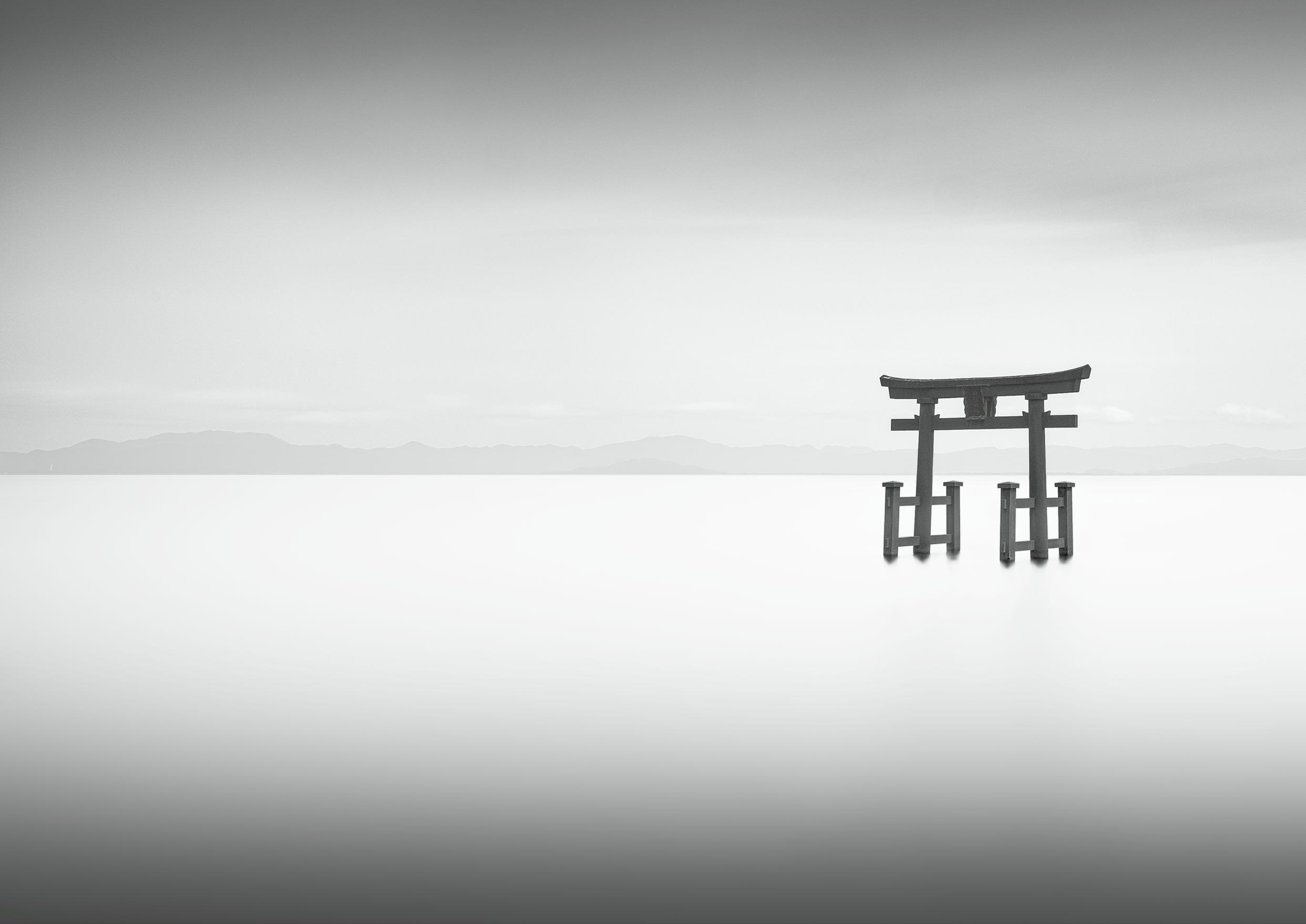
Cover image: Shirahige Shrine, Lake Biwa, Japan by Hugh Rooney FRPS
FROM THE CHAIR
Does the Digital Imaging group give you sufficient inspiration and support as you continue your photographic journey?
The original ethos of Digital Imaging (DI) was as a self-help group when digital photography was in its infancy: there was little to no support for the ‘new kids on the block’. Strange as it seems even YouTube didn’t exist in 1996/7 (how did we survive?) as that didn’t launch until 2005. DIG, as it was then known, was simply some early digital adopters who got together in person, sharing their knowledge. Fundamentally, that ethos still remains the basis of that which DI delivers today.
As we plan our 2025 programme, learning and inspiration is always at the forefront of our minds. During 2024 we have delivered two longer term projects of ‘Books & Zines’ and ‘from Seed to Bloom’, both of which have been very popular. We will retain the ‘project’ concept for next year, albeit perhaps over shorter time frames. This will be determined by subject matter and popularity. We are looking to deliver new workshops and additional tutors, whilst repeating or developing some from this year that have proven popular.
RPS Distinctions is surely one extremely good route for members to travel if they wish to progress their photographic journey. With this in mind, DI is relaunching Accolade, the online publication that celebrates our members’ Distinction successes,
EDITORIAL
As I look through this issue, I see an unintentional theme in a number of our contributors’ articles. Hugh Rooney shows us a range of his monochrome landscapes, Robert Bracher shares some of his personal favourites from his portfolio and Roger Cookson presents a DIGIT Challenge; many of the images have been reduced to their essential elements only. Our photographic equipment these days is usually capable of highly detailed, highresolution capture and there is a strange irony that some of the most aesthetically pleasing images may have so much of that detail removed.
In a rather different vein, Melanie Chalk’s medalwinning wet cyanotypes include beautiful and intricate detail which is transitory. This process, almost as old as photography itself, can produce stunning images which must be captured electronically as the image evolves in order to save all
where we can all learn from that which the members tell us about their own stories to success. Coupled with Accolade, DI is launching a new programme to help and support those just starting out on their Distinctions journey by offering a new LRPS Support Group. This online facilitated group will hold monthly meetings where members can bring along images for peers to discuss and offer suggestions for improvements towards their submissions. Again, this goes more or less full circle, back to the origins of the DI group - self help and support. The only difference is we can now all work online, thus extending our reach to members everywhere.
All the basic offerings in 2025 will remain - DIGIT quarterly will inspire and challenge you. Our Saturday webinars likewise. There will be competitions for those who like competing. We’ll possibly play a little more in the AI space for those who are interested. Certainly do more in the smartphone area, as we evidence how many are now choosing that as their camera of choice. DI Online, our online monthly newsletter, will keep you up to date with everything that is going on in the group, with some inspirational pieces from our members there, too.
So, let me revert to my opening question - are we doing enough for you to feel fully supported and engaged in our programmes? I am always happy to receive feedback.
Janet Haines
that beauty.
Christina Gundersen, whose day job includes medical photography, regularly employs the concept of negative space. Although more commonly considered in artistic genres, she shows that the principles can be applied in all situations and can enable the photographer to give emphasis to particular aspects of the image.
You might think that David Cudworth, a selfproclaimed non-creative, is not really cut out for much competition photography. On the contrary, however, David is very successful in competitions and explains how he approaches creating his winning images.
Finally, Challenge images from Rob Kershaw, Roger Cookson and Bob Sanders give us ideas to inspire our own image-making.
Gary Beaton
WHAT IS HIGH KEY MINIMALIST BLACK AND WHITE PHOTOGRAPHY?
HUGH ROONEY FRPS
Many photographers go to great lengths to include every little detail of a scene in their images. Hugh Rooney explains that less can be more.
My photography is almost exclusively black and white, and all my images are produced digitally, having long ago left the darkroom behind. I am drawn to black and white because I particularly enjoy making monochrome prints on the beautiful matte and textured art papers, which are now widely available to us as photographers.
I have always loved high key images printed on textured art papers. This is a technique which can be used successfully for many subjects
including portraiture, wildlife, architecture and landscapes. High key images are defined as having mainly lighter tones, it is however also important that there are some strong darker tones in the image, to provide the necessary contrast. I try to use these strong tones, and hence the area of highest contrast to help draw the viewer’s eye to the main subject of the photograph.
I am also a fan of minimalist images especially when used for landscapes. It is hard to define exactly what
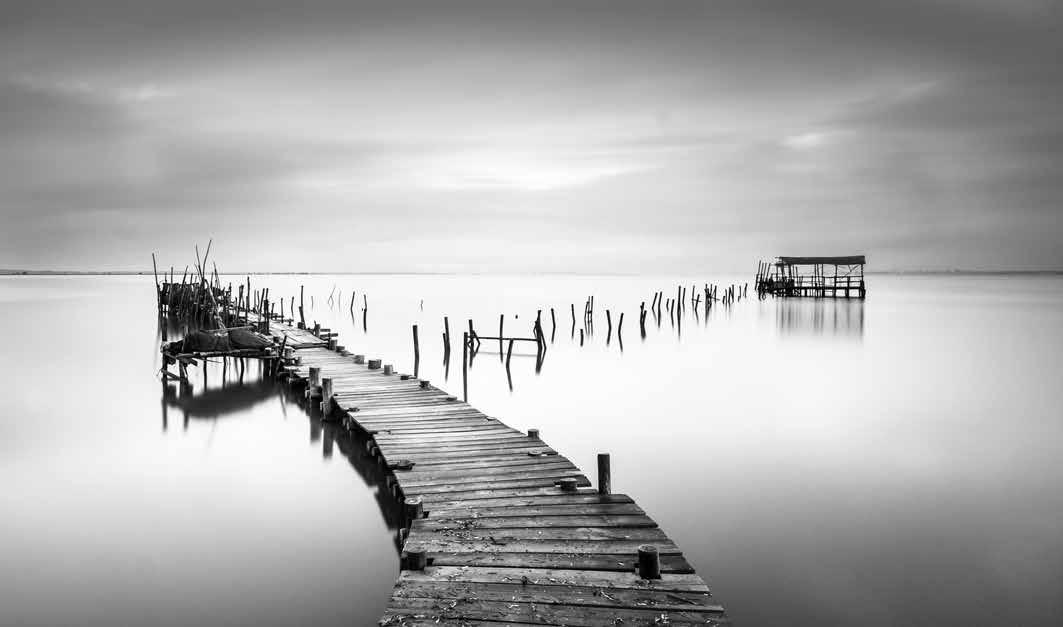
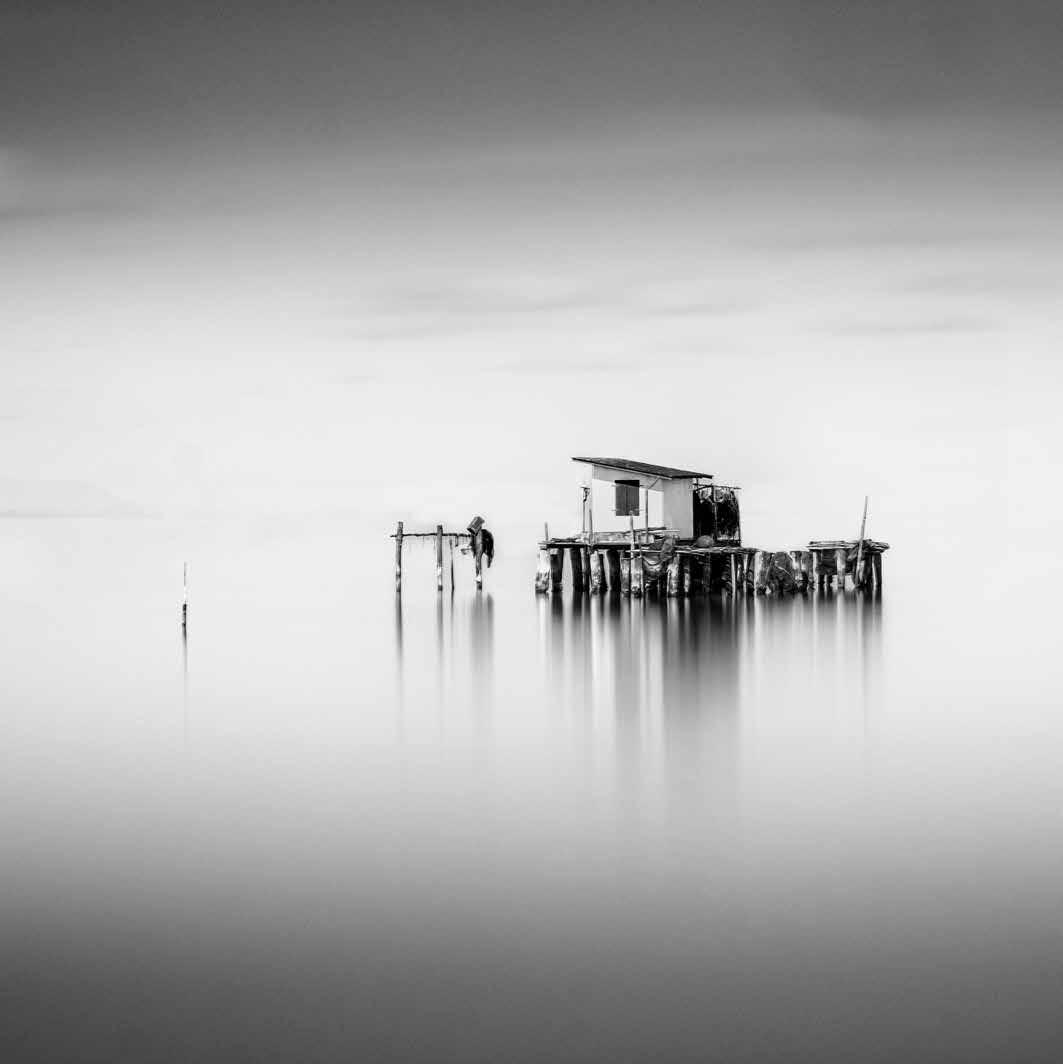
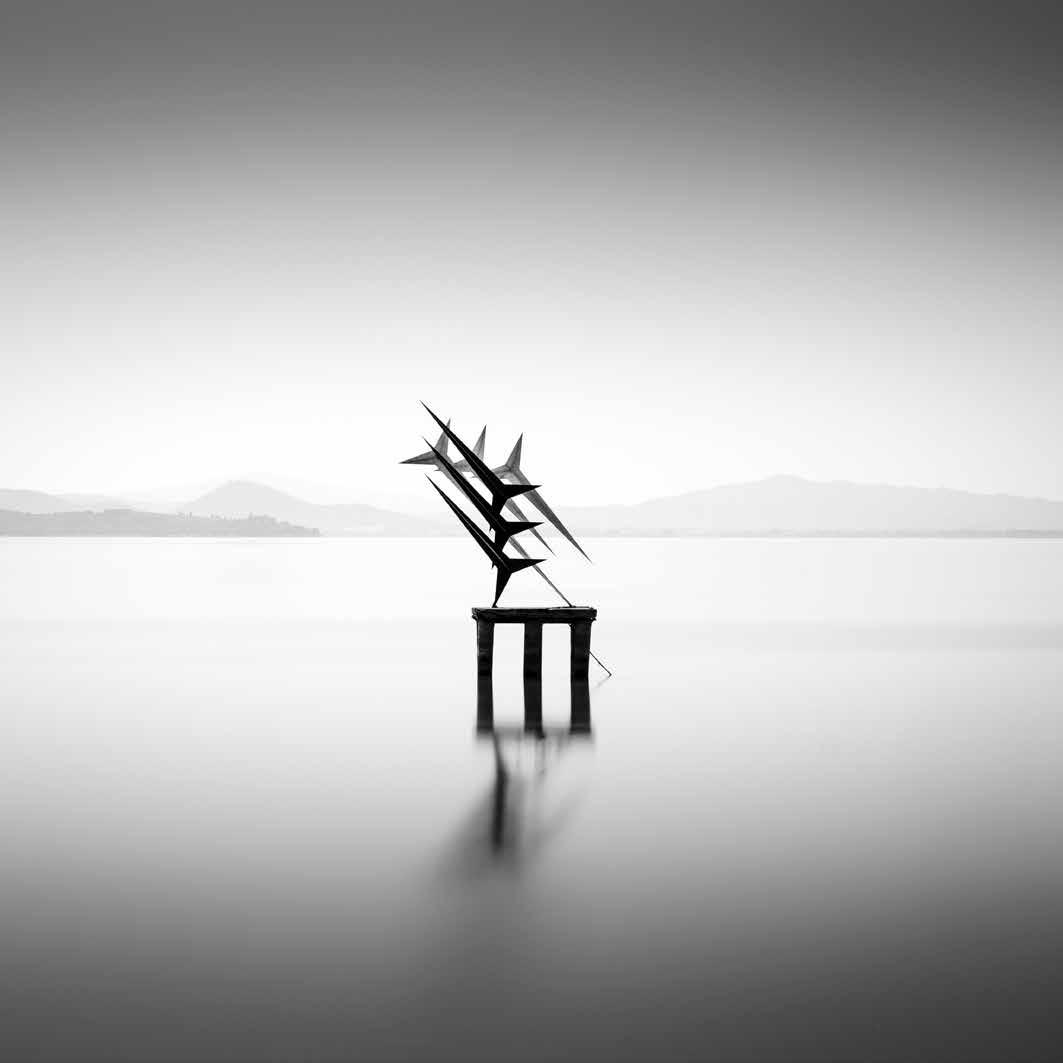
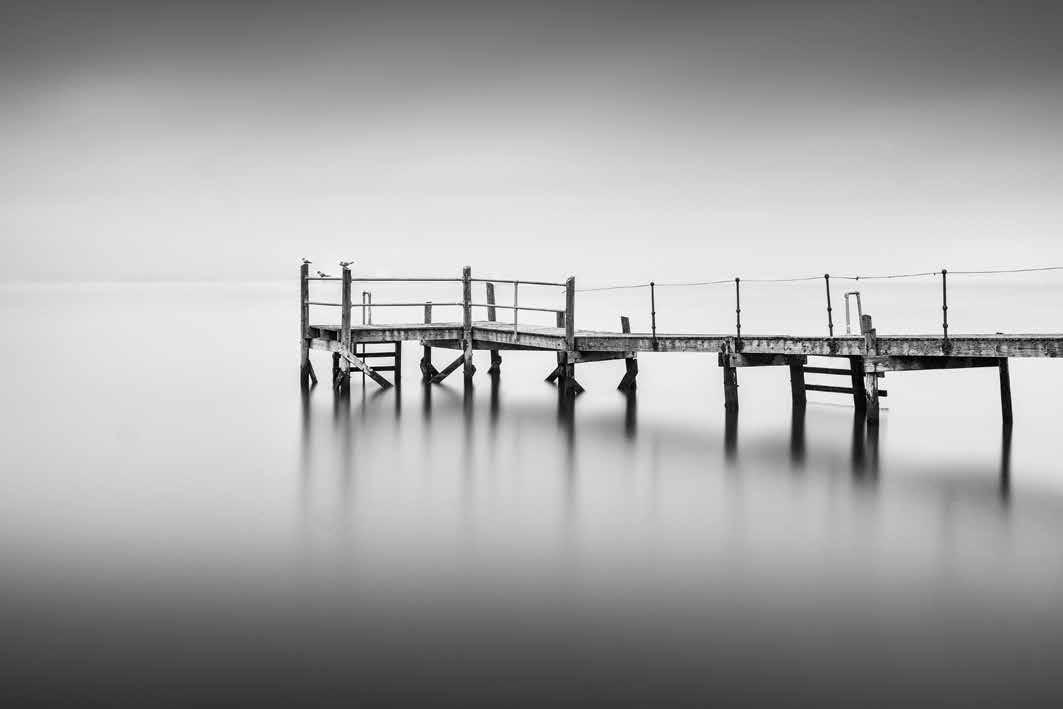
minimalist means, but the images have reduced complexity, containing large amounts of what is often referred to as negative space. This negative space usually contains very little detail, but can still provide important context within the image. This article describes how I combine high key and minimalism to produce my landscape prints. The images are most often minimalist seascapes, where long exposures of several minutes are used to soften water and the sky, removing distracting detail
Carrasqueira
and producing images which can be used to create monochrome art prints. However, I also increasingly apply a similar approach to more traditional landscape images.
Locations
My minimalist landscape works are mostly images taken while travelling. When preparing to visit a new location, I will do extensive research online to discover possible subjects in the area. This research is conducted using Google Maps, and popular photography sites such as Instagram and 500px. Having
determined which locations are of interest, I will try to determine what time of day is best for a given location. I often use a mobile phone app called The Photographers Ephemeris (TPE), a favourite tool of many landscape photographers, to help identify the best time of day, and also local weather and tides apps to help decide when to visit a specific location.
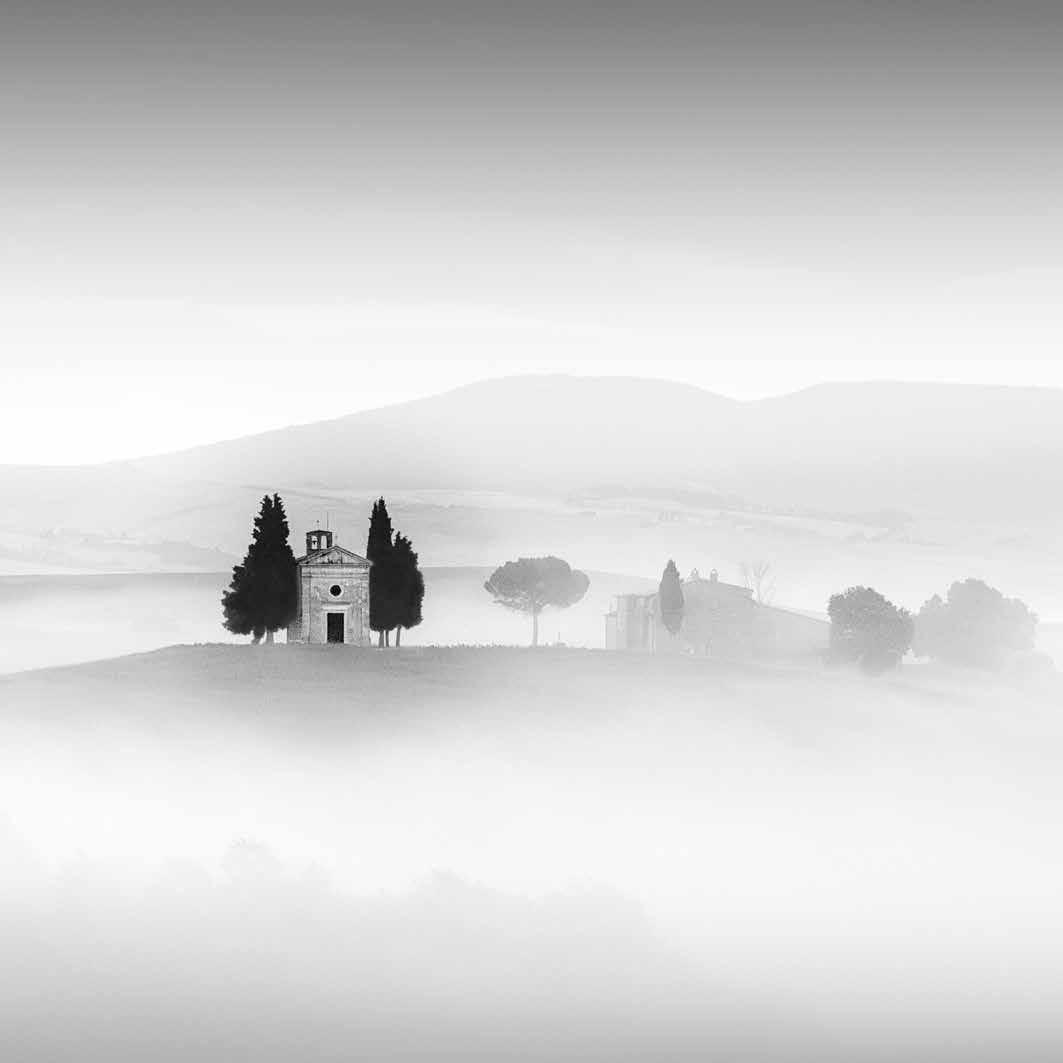
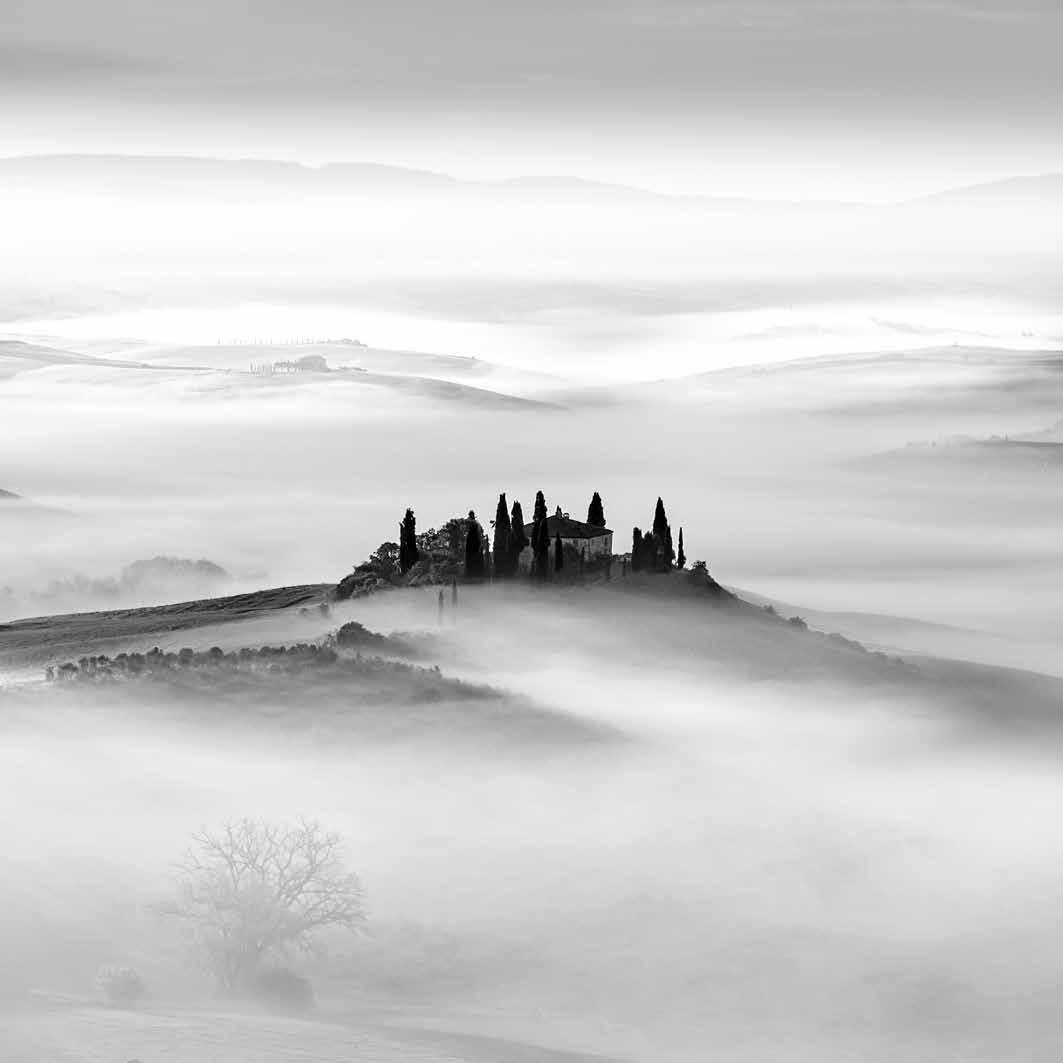
One of my favourite locations for landscape photography is Tuscany, which I have visited many times. One example of a high key landscape image is of a small and
very famous church called the Capella di Vitaleta in the Val D’Orcia area of Southern Tuscany. The Val D’Orcia is a Unesco World Heritage site, and is a very popular location for photographers, especially the well known Belvedere house which is often photographed in early morning, while the valley is shrouded in mist. I have been to this location at sunrise on many occasions, and finally managed to photograph it in the ideal misty conditions. On that morning, on my way to Belvedere, I noticed the little church, and stopped to photograph it as I passed. After processing it in
Capella di Vitaleta - Tuscany
many different ways (over several years), I finally settled on this very minimalist high key approach, printed in a square format on textured art paper, which I felt really suited this image.
I live in Northern Ireland, and I am always trying to take more images closer to home. When you are able to visit the same location frequently you have more opportunity to photograph it in different weather and lighting conditions, and find the conditions which best suit the particular location.
Light
The lighting conditions that I prefer depend on the type of image I am taking. When taking long exposure seascapes, I prefer a bright overcast day, ideally with haze, this will soften distant shoreline, or other distracting features, helping the subject to stand out from the background. It is also preferable when taking seascapes that there is little or no wind; stronger winds can create unwanted texture in the water, even with longer exposures. When taking landscapes where I am trying to produce a high key
image, the preferred conditions are either snow or mist and fog. Often this means taking the photographs in early morning. These conditions make it easier to create a final image which is naturally high key, with a predominance of lighter tones.
Equipment
Minimalist high key images can be created using almost any camera. The long exposure images will also require a sturdy tripod, neutral density filters and some form of remote release (either a cable
Belvedere
release, or a mobile phone app that can trigger the camera remotely).
The camera could be a film camera. Michael Kenna, who is widely regarded as the father of minimalist photography, still uses film to produce fantastic images, and some of his images are also high key, notably his snow covered landscapes from Hokkaido in Japan. There are some obvious advantages especially for long exposure photography if you use either a DSLR or mirrorless camera, and first among these is the ability to see the resulting image at the time of
taking.
When taking my seascapes it is necessary to use a sturdy tripod and Neutral Density (ND) filters. The ND filters block the light reaching the camera sensor, and allow for much longer exposure times. I use Lee filters, both the Big Stopper (10-stop) and Little Stopper (6-stop) filters. I find in softer light, e.g., early morning, I can use the 10-stop filter on its own, however when taking photographs during the day, I sometimes need to combine the two filters, giving a total of 16 stops. When shooting with the intent of
creating high key images, I usually over-expose the image by 1-2 stops as this produces a slightly brighter image which I find translates well into high key. In these minimalist monochrome images, unlike in most landscape photography, I personally prefer there to be little or no cloud, this helps accentuate the minimalist feel.
It is also possible to take minimalist images on an iPhone, even long exposure images. The iPhone does not really have the ability to keep the shutter open for long periods, as would be the case with
Fishing Hut - Venice
traditional film or digital cameras. There are, however, iPhone apps which combine many shorter exposures to produce a similar effect. One such app is ReeXpose; for best results it does still require that the iPhone be mounted on a solid tripod, but can produce exposures of several minutes. I have used this method to produce long exposure minimalist seascape images. I have tested this by using my Fuji X-T3 and my iPhone 12 Pro Max to take the same long exposure photograph at the same time. I have printed the two resulting images to 10”x10” on
A3 paper and find the two images to be surprisingly similar, despite the very different methods used to produce the two images.
Post processing
I’m afraid I am a bit of a Photoshop junkie! I know everyone says it is important to get your image right in camera, and this is true in that it needs to have details in shadows and highlights (even if these are on different frames), and of course it needs to be sharp. However, my images usually have extensive post processing in Lightroom and
Photoshop. I feel this allows me to create something more personal, and unlike many people, I actually enjoy the time spent manipulating the image in Photoshop.
The actual post-processing steps I use will vary depending on the specific image. I am always trying to produce images with an overall high key feel, and soft delicate tonality. There are however a few favourite techniques below which I do tend to use more frequently on my minimalist landscapes and seascapes:
• My seascape images are usually
Fallen Aviators
long exposures of 4-6 minutes, this blurs the water and the sky helping to remove distracting details. However, even with these long exposures there is sometimes still some unwanted texture in the water. When I want to remove this I make a feathered selection around the unwanted texture, and apply the Photoshop surface blur filter (Filter -> Blur -> Surface Blur). Like most post processing techniques it is important to apply this in a subtle way so that it does not appear too obvious, or create unwanted post processing artefacts.
• I soften or remove minor distractions by setting the Photoshop clone tool to about 20% opacity and slowly paint away the distracting element.
• I create top and bottom gradients to darken the edges of the frame, and help focus the viewer’s attention on the main subject. This can be done quite simply and effectively using the Linear Gradient Selection tool in Lightroom. However, for even more control, I sometimes use the new
gradient tool in Photoshop. Once again I usually prefer to keep these gradients fairly subtle.
The Print
My interest in black and white photography is ultimately about the production of high-quality photographic art prints. I know many photographers hark back to the darkroom days, when they could watch their images appear in the developing dish, and I enjoyed that process too, but even more I do love to see a beautiful monochrome print produced on the very best modern art papers. I print all my own work, using an Epson Surecolor P800 printer. I print mostly on high quality art papers, my current favourites being Canson Velin Museum Rag and Canson Arches BFK Rives White. I prefer these papers, because for both of them I like the amount of texture which I feel works very well with my minimalist landscape and seascape images. The Velin has a slightly warmer off white base, whereas Arches has a cooler whiter base.
I am, however, something of a paper geek, always on the lookout for new and interesting papers. I have recently bought some Japanese papers and am looking forward to printing my images on these unusual papers in the near future.
I have been taking minimalist and high key images for many years. I am really enjoying using the high key technique as a method to enhance minimalism. I am still sometimes surprised at how much of the detail in a photograph, which at first seems important to the image can be simplified when working in this way.
I hope you will be encouraged to give these techniques a try for yourself! l
See more of Hugh’s work
If you would like to see more of Hugh’s work, take a look at his website at hughrooney.co.uk, or follow him on Instagram at @hugh.rooney
Kinnegar Jetty
THESE ARE A FEW OF MY FAVOURITE THINGS
ROBERT BRACHER ARPS
Robert Bracher shares the back story to some of his favourite prints and ponders what the future may hold for the printed image.
It is perhaps not surprising that I have always enjoyed looking at pictorial art. Both my father and uncle made a living in the world of commercial art, so the genes were passed on. Regrettably, these
genes were not as well developed when it came to this inheritance for I have no drawing or painting ability. No talent whatsoever.
However, I remember that I always enjoyed taking photos from a very
early age and who would have thought that decades later I could translate what is in my ‘artistic head’ into pictures without the use of ‘artistic hands’. I just need to compose the image, press
The Blue Bottle
buttons and control a mouse, with composition being the most important aspect.
It seems that it was just yesterday that the digital age came upon us. Brightness, contrast, saturation and cropping became readily available.
I am not good at reading manuals and I certainly have little patience producing a multitude of layers to bring about a final image. What I do, however, is spend time in examining what could be done with the tools at hand and when such things as Topaz came about, I examined what was on offer. After some experimentation, I came to understand the filters that worked for me, and the filters that didn’t.
The outcome of this process led me to visualise what may be brought about with all the computer tools at hand, this at the point in time of pressing the shutter button. Whether or not they prove to be a final success, either for myself or for others (judges), is open to debate.
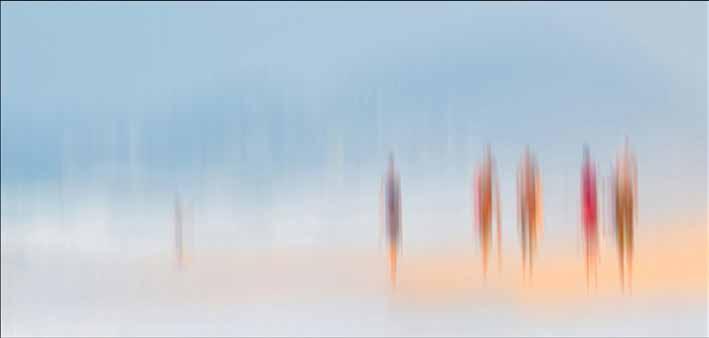
When I was asked to produce this article for DIGIT, I looked back to just beyond a decade when I submitted a feature in the 55th edition. There was an explanation of how I produced The Sand Travellers which at that time proved to be one of my more successful images.
This was the catalyst for pushing forward with photographic/digital manipulation and the software certainly neutralises my impatience!
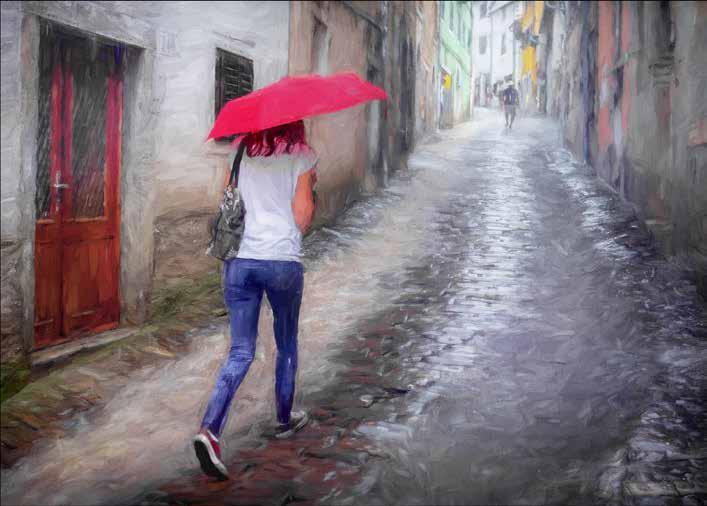
The image Nearly There was taken with all the elements being in the right place at the right time. The door on the left, the girl on the third, the lead lines to the people in the background and, yes, the red umbrella! It was also pouring down with rain and that added a sense of drama. A perfect picture some might say, but I wanted to give it a painterly feel and a suitable filter was chosen. With a few tweaks, the job was done within thirty minutes. Perfect!
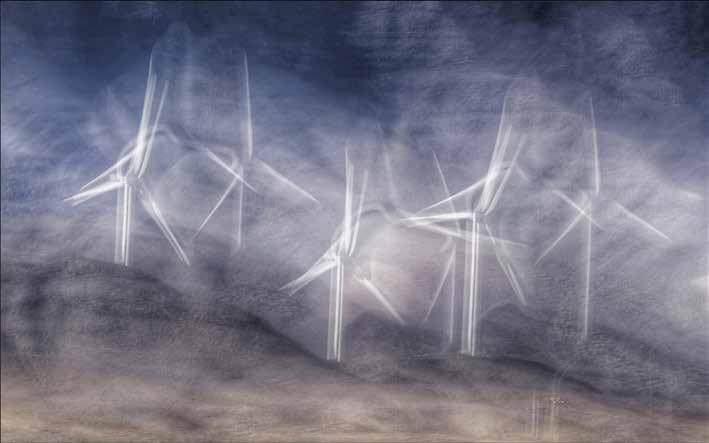
Wind turbines are not to the
Nearly There
liking of everybody but I find them fascinating and photogenic, especially in a good geographical location. Such was the case when I saw them on the Canary Islands. I immediately knew that I didn’t want to produce a record shot but instead an image that reflected their purpose. That is to move and generate energy. I used Intentional Camera Movement (ICM) to take a couple of dozen shots with the hope that my thoughts were digitally transcribed onto the chip.
Wind Power had little post production. Just a bit of a crop and an adjustment to the saturation. I hope the image and its title portray the feeling I had when I saw the far off turbines in the dramatic landscape.
A visit to Newcastle; the walk along the river embankment is marvellous and so many pictures are taken of its wonderful engineering architecture. Whilst I was pleased with my snaps, I was dissatisfied not to have taken anything I had not
seen before, both during day light hours and night time.
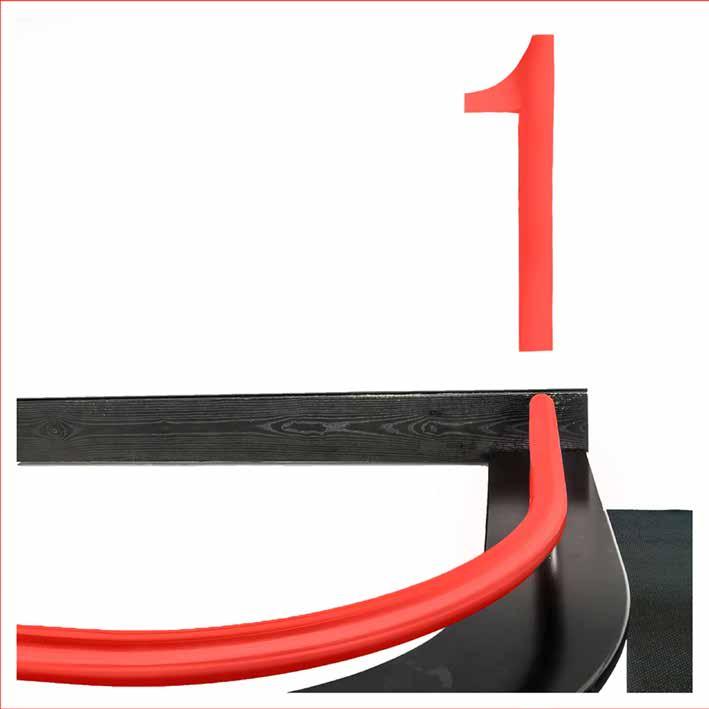
The Sage was all locked up, but late one afternoon the doors opened and I ventured inside. I was drawn to the graphical nature of its interior and produced The Graphical 1
The door number was not in this position, and it and the handrail were not red! So in post production
the number was moved and colour added. I really enjoy the clean graphical lines and the minimalist design. To quote the architect Ludwig Mies van de Rohe, “less is more”, and it was nice to remember these words in this lovely environment. To crown things off, this image was accepted into The London Salon of Photography this year.
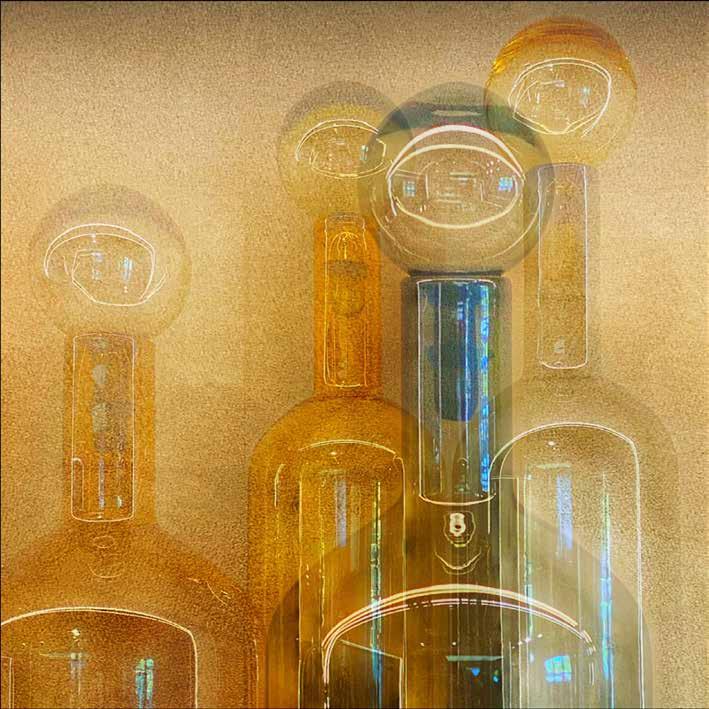
And finally, The Blue Bottle. This elegant and very expensive collection of bottles was on display in a corporate reception area. I was given permission to photograph them with the only camera I had with me….the iPhone.
They were magnificent and I could only dream about using them in
The Sand Travellers
Wind Power
a home studio to create all sorts of images. Anyway, I clicked a few shots, put them through the wonderful app, Snapseed, and within ten minutes produced this image. And then moved onto my appointment!
The iPhone (others are available), has democratised picture taking and you can read all about the number of images that are being downloaded. I last saw that Facebook is receiving some 250,000 a minute and Instagram reports 95 million a day. May I ask the question ‘How many prints are being
produced?’; answer, ‘not enough’, especially since the pandemic. This is such a shame.
The digital age has eroded the output of printed matter. Pictures hanging on a wall or inserted into albums are so much more endearing to me. I find no greater pleasure than putting family pictures into my albums and hopefully they will ‘live on’ for my heirs to enjoy.
I suspect this will not be true of all the prints I have done for my club, exhibitions etc. They will be long gone after me, maybe before!
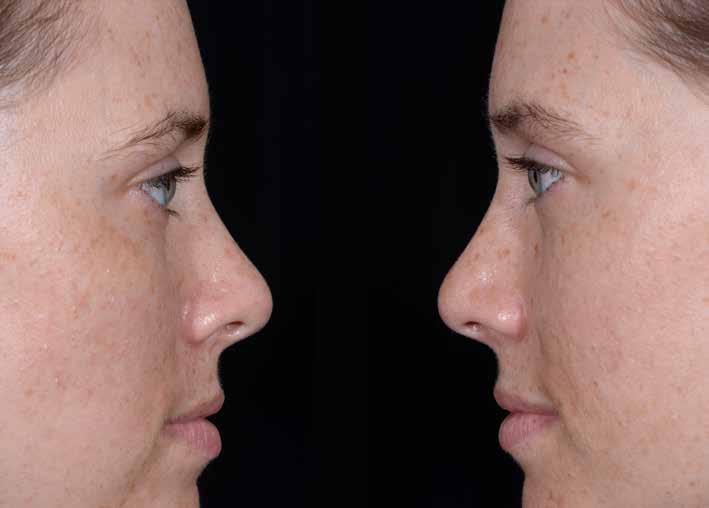
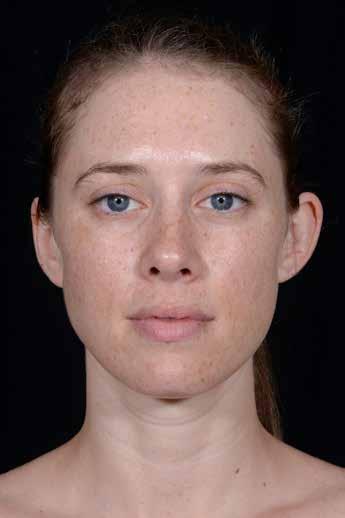
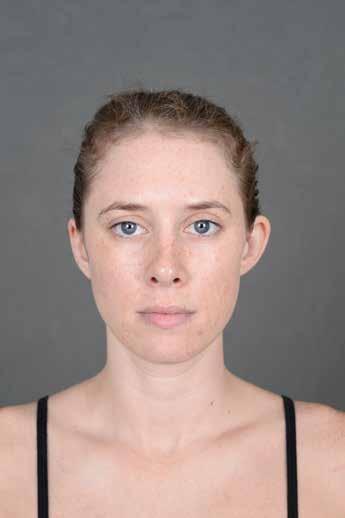
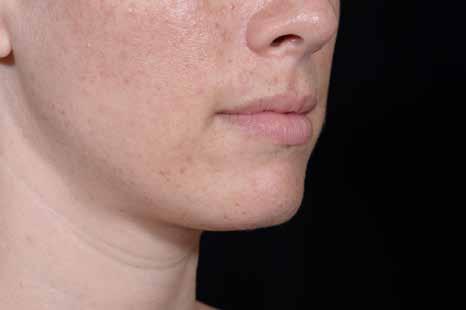
By combining the right and left view of the same patient the positive and negative space help clearly illustrate the importance of the two spaces and how they work together to define figure and ground
THE IMPORTANCE OF SEEING NEGATIVE SPACE
CHRISTINA GUNDERSEN AIS ARPS
Although biomedical and record photography may appear to offer limited opportunities for creativity or compositional variations, Christina Gundersen explains how such considerations can affect the results.
During the quarter century that I have been a professional photographer I have lost track of the times people have inquired what the subject of my work is. It is almost certain I will be asked that question shortly after an individual learns of my profession. This question is then accompanied by the statement that they also take photographs. I cannot think of many professions where this call and response is applicable and what a compliment it ultimately
is. Photography has exploded in popularity and accessibility. Our modern culture is a heavily visually dependent one. As such it seems natural to inquire of a photographer what their preferred subject is as a starting point for a dialogue. The focus of the work is key to understanding it, no matter what field of photography one is in: editorial, sport, portrait, documentary, fine art, biomedical, forensic, document, and any other field I may have omitted.
I mention all of this because I realized in all of my years as a photographer that no one has ever asked about negative space. Of course, negative space was mentioned in school, but it is almost as if, outside those walls, negative space does not exist. A stark contrast to the ever-present focus on the subject of a work of art or photograph. Yet negative space does exist and provides essential support to the subject. The subject would find its very existence
questioned without the support of its good friend negative space.
As photographers, why do we care about negative space? The answer lies in the definition of photography itself. Photography is about recording or capturing a moment of light. The purpose behind capturing the moment may vary, perhaps it is for an advertising campaign, perhaps a historical event, a moment of beauty or perhaps a visual reference. When looking at a photograph a viewer sees everything on the paper or screen. Some of what we see we focus on and may not consciously notice parts that are not the subject, but we as a viewer still see them. The placement of the subject within the negative space is critical to the successful conveyance of the idea. Yes, some corrections and modifications can be made in post-production and now even with the assistance of AI. With some
speciality areas of photography post-production is only permitted to a small degree or not at all. In the fields of biomedical, medicolegal and document photography, framing shots while keeping the negative space in the fore of the mind is helpful for the composition given the limits on post-production.
Having specialized in biomedical, medico-legal and document photography for much of my career, I am often still surprised to hear from people that they are unaware of the importance of aesthetics in this area of photography. I am unsure of why this is since we are still visual communicators. We may be documenting an injury or a mole, but how it is framed still matters. Keeping aesthetics in mind when photographing in these fields of photography can actually make for a better shot and more successful communication. One way to work on aesthetics is through negative
space.
So what exactly is negative space?
For those who do not know, it is the space surrounding the subject, which may be referred to as the positive space. Negative space is essentially empty space or space lacking in detail. Not a void necessarily, but less busy, cluttered or detailed than the positive space. This decluttered area provides a place for the eye and consequentially the mind to rest and better absorb the subject. It may also be used as a tool to direct the eye or place emphasis on a certain detail. Negative space may be used to help create atmosphere or for emotional effect in a photograph. A sense of scale in a photograph is also largely dependent on negative space. How does this apply to biomedical photography? When I am photographing a patient some questions I will ask myself when I
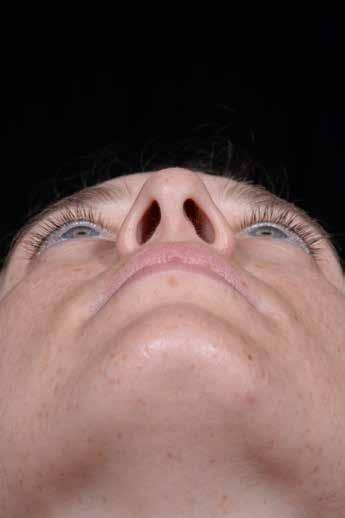
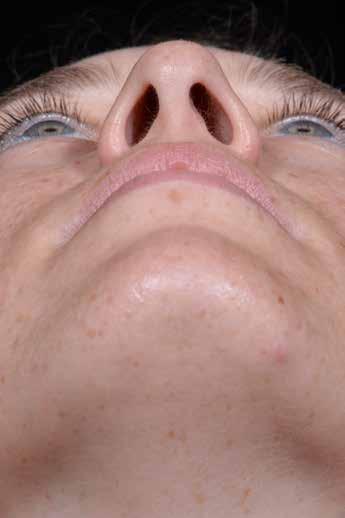
Notice how the focus of both photographs is the nose, but in the image with more negative space the viewer’s eye is able to relax and digest what it is seeing.
set up the shot are: ‘What noise is in the shot, if any?’, ‘Is there a part of the body that does not need to be in the frame?’, ‘If the view is bilateral is there a way to frame the other side the same so that the two sides of the body align when the photographs are viewed side-byside?’, ‘If I am photographing a close-up or view of part of the body, is there a way to frame it to clean up the negative space and place more emphasis on the subject?’, ‘Is the subject balanced in the frame?’. Let me be clear that I do not mean the body or body part needs to be centred or symmetrical within the frame, rather is the subject framed in a way that the negative space is enough to let the subject breathe, but not so much that the subject is swimming or diminished in the negative space. Think of negative space more as a graceful support. A tool to guide the eye to where the artist or photographer wants the viewer’s eye to go. Perhaps
an obvious tool for fine artists regardless of their medium.
The importance of negative space in biomedical or document photography can be seen in the standardization of backgrounds. It is often strongly recommended or required that a neutral background be used when photographing patients, fine art or artefacts. Depending on where the photographer is based, the background may be white, black, a neutral grey, or at times another solid colour. This is an attempt to remove noise and let the subject of the photograph exist and shine proudly. Yet, the solid background alone is not enough. The texture of the background must be taken into consideration. Is the background fuzzy? Is it smooth? If smooth, is it perhaps too shiny? Is the material solid but under studio lighting does it become transparent or translucent? Or under studio
lighting does the material suddenly become patterned? If the background is paper has the paper faded or is it uniform in colour? Did the background change its hue with the lighting set up? Being mindful of these questions can help a biomedical or document photographer utilize the negative space, but these questions are not the only ones to have in mind. The photographer must also notice how the shadows fall on the background. The shadows created by the subject may adversely affect the negative space by creating too much noise. Depending on the photographer, the shadows could become the subject, which would not be appropriate for these types of photography, which is why the photographer must be conscientious when it comes to the placement of lighting. Again, biomedical and document photography have standard lighting set up solutions which can help
These photographs are of the same model using a 105mm lens and a 60mm lens. Notice how not only the difference in lens, background and lighting affect the subject, but also the change in negative space
mitigate issues with shadows. However patients and objects are all created slightly differently and the photographer must be aware not just of how the shadows fall on the body of the subject, but also on the background. Having a large studio is one solution where the background can be placed a considerable distance behind the patient. The height of the lights, the number of lights used and the kind of light used should also be kept in mind, not just when the photographer is thinking about the subject, but when thinking about the negative space as well.
What about when having to photograph in the field or during a medical procedure? Negative space is still important. Yes, the photographer may have very limited resources in environments such as these, but there are a few tools at our disposal. Distance for instance; the photographer may need to be quite close to the subject in order to remove potential noise from the frame and keep the negative space clean. Or exposure; perhaps the photographer can use a penlight or operating room light to spotlight the subject and have the fall off happen dramatically, creating a clean and emotive surrounding negative space. If this is not an option then perhaps a screen or
blind may be created using an extra disposable gown or scrub or any other sterile material available in the operating room. In the field perhaps a well placed piece of paper or cloth, or even walking around the subject in question, looking for a view that possesses less noise. The photographer could also use the time of day and shadows to help define the negative space. The photographer has much less control in the field, but there are options if an open mind is kept and the awareness of the importance of negative space on the overall photograph and its aesthetics.
Let us not forget the lens used for the photograph and its relevance in contributing to negative space. Again, some fields of photography require the use of specific lenses. For instance in biomedical photography it is highly likely a 60mm macro or 105mm macro will be used. Both are appropriate, but both will take a very different photograph of the same subject. Obviously not all biomedical photographers have the space to play with when deciding which of these lenses are used and when, but if the studio is large enough it is important to test and make sure the correct lens is used, particularly for detailed and close-up views. The 60mm macro will contain
much more of the background when taking a photograph of the head of a patient than the 105mm macro. Perhaps the closer view with less negative space is more appropriate to keep the focus on the details of the subject. Letting the eye follow the outlines and details of the skin and features of the patient. If I was photographing a person for a personal project I might prefer to use the 60mm or even the 50mm and have a huge expanse of space around the head of the person. This would allow the subject to swim or float in a sea of negative space, aiding in both creating emotion and potentially changing the scale of the subject. A large empty negative space might be very useful in creating a sense or feeling of isolation for the subject, but be much less successful in highlighting the asymmetry between the subject’s left and right ear placement.
In summary, negative space is important in all areas of photography. It should exist quiet and strong. Negative space has the ability to be beautiful in its own right and deserves respect and recognition as a powerful tool for all photographers l
See more of Christina’s work Learn more about Christina’s biomedical and record photography at gundersenandprice.com. She also creates fine art pieces which you can see at cgundersen.com
Notice how the subject is framed. More of the patient’s ear and hair could have been captured in the frame, but the negative space would have been diminished potentially shifting the focus away from the neckline.
PHOTOGRAPHIC COMPETITIONS FOR NONCREATIVE PEOPLE
DAVID CUDWORTH
David Cudworth doesn’t think of himself as creative but has an enviable track record in competitions and salons. Despite his self-proclaimed lack of creativity, he explains how he holds his own with the photographic artists.
Since the beginning of time creativity has been a defining characteristic of humans. Creating art makes us feel good. Naturally you might expect that creative people are more likely to excel in creating competition winning photographs. However, as somebody who doesn’t consider myself to be artistic or creative I have enjoyed some success in competitions. In this article I want to explore how people who like structure and rules can also be successful competition photographers.
For amateur photographers the motivation we need to keep taking photographs is often just the enjoyment of being creative. For those of us who enjoy competitions, entering them exposes us to a whole new world of creativity. But what does creativity look like if you aren’t naturally a creative person? For me, as somebody who likes rules and structure, creativity starts with the practical exercise of adjusting camera settings and juggling with light and exposure. Personally, I enjoy using a camera to create an image much more than I would ever enjoy drawing
or painting on a blank canvas. For me the process of taking a photograph has more to do with sticking to rules than it does to being creative and thinking outside the box. This is why photography appeals to me. It makes me feel good because it allows me to be creative through a process that conveniently suits the practical and logical way I think. Having captured the raw image, the next step is to process this information to create the final image. This is where you may expect a creative person would have an advantage. However, it is possible to do well
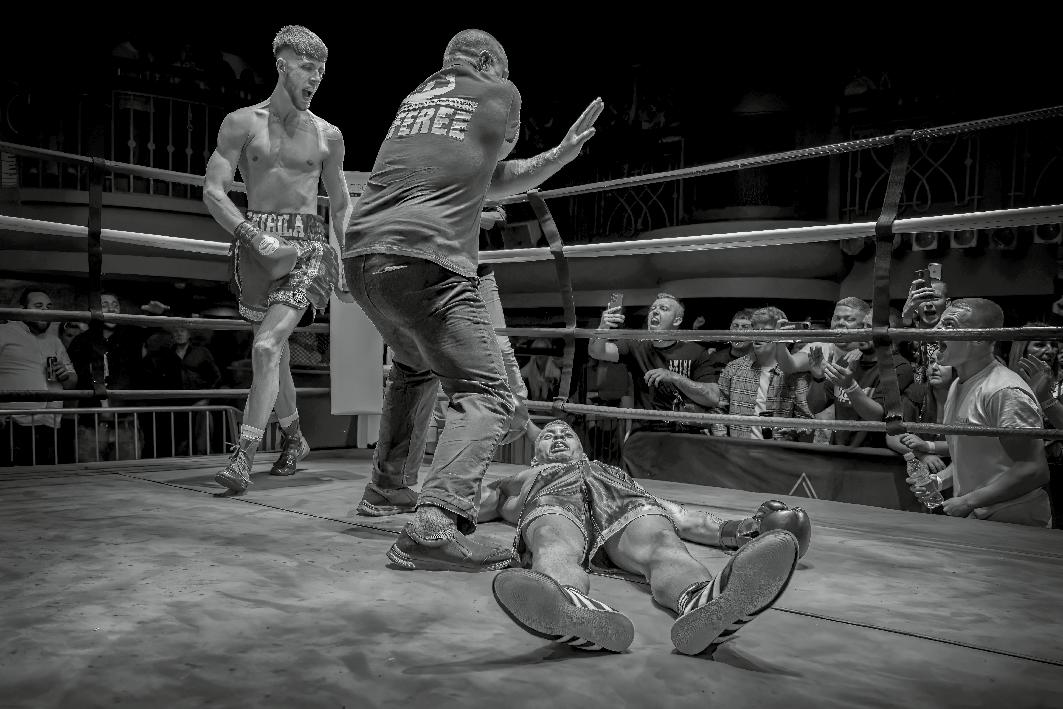
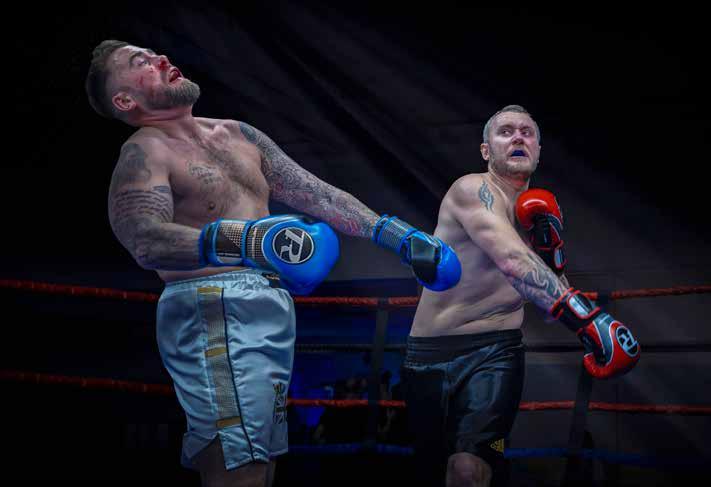
Knockout in the Bear Pit
in competitions using images that are essentially well taken shots that just record a moment in time. These images often only need a ‘light touch’ in Photoshop to enhance their quality which doesn’t need too much creative thinking. But before we consider this further, let’s take a moment to think about camera clubs and competitions.
For aspiring amateurs, camera clubs provide a good grounding in where the rules of photography are and provide access to competitions which often become the goals on which most amateur photographers
ultimately focus. The paradox with competitions is that objective rules are used to judge creative images that are viewed subjectively by judges who will have their own opinions and tastes. Competitions need rules, but there is a common perception that success comes from breaking them by pushing against what are often seen to be the conservative boundaries of a camera club. Breaking the rules will certainly get you noticed, but I wonder whether this is the best way of achieving competition success. Competitions often have a judging
panel and breaking the rules can produce that ‘Marmite’ image that doesn’t appeal to everyone’s taste. If your image doesn’t appeal to all the judging panel members your chance of success just becomes limited. Break the rules and you may just be creating enough ‘judge bait’ to give the exhibition selectors a reason to dismiss your image. When it comes to competitions, I therefore see a logic in wherever possible staying within the accepted rules. Having said this, I also see the need to stand out from the crowd which I believe
Controlling the Game
comes from inspiring emotion. In my style of photography, the logical route to success is to produce images with impact. When it comes to competition, I am therefore naturally drawn to subjects such as sports and nature rather than creative fine art photography.
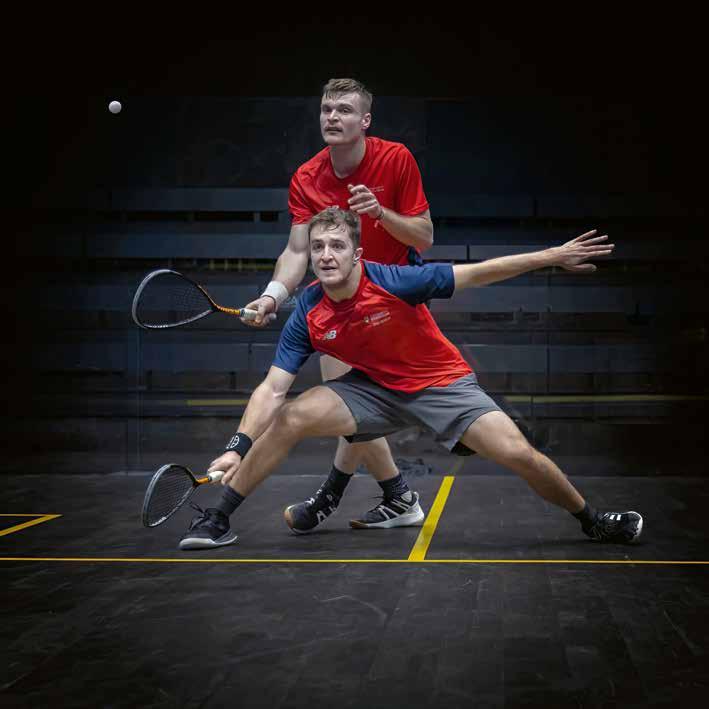
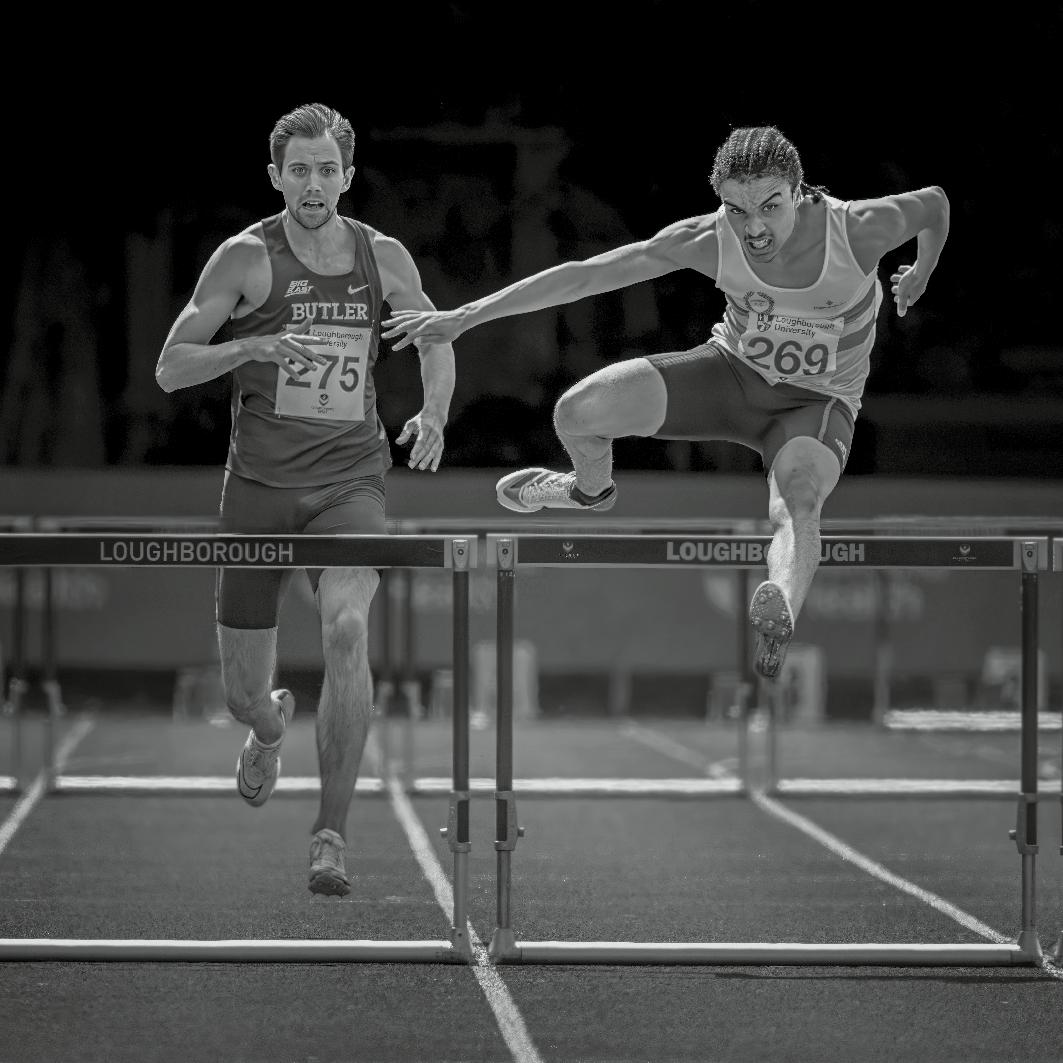
When I look back at my own success in competitions it soon becomes clear that photographing sport has provided me with a winning formula and that my attempts at fine art and composites have been noticeably less successful. Photographing sport isn’t anything new but it does
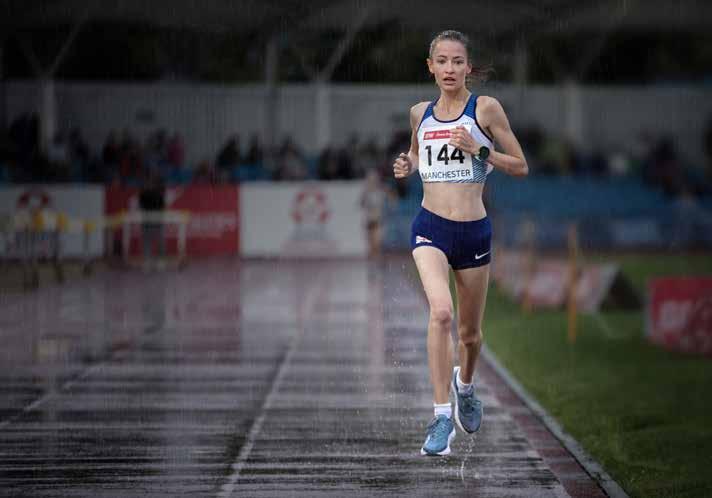
provide an opportunity to capture a moment that is truly unique. The moment somebody crosses the line in a race or lands a punch during a boxing match is a moment in time that has impact that cannot be recreated. That little analytical voice in my head says, I am the only person on the planet with this image and this gives me the opportunity to stand out from the crowd. To create a winning sports image it is necessary to understand the mechanics of how the camera works and how to make the best use of the available light. What this ultimately ‘boils down’ to is that
sports photographers are creating impactful images through the application of logic and science rather than creating digital art in Photoshop. Getting the image right in camera is more important than creating something stunning in post processing.
In all successful photography club images there is a recognised order and structure. Judges on the photography club judging circuit often work to similar rules about how an image should be presented and processed. Consequently, successful photo shoots often
Duel Leapers
Raining Champion
Hammer Blow
require the photographer to bring order to chaos by deciding how to arrange the elements in the scene in the camera’s frame. This is again an area where creative people can have an advantage over more analytical photographers. I am often in awe of the imagination of some of my more creative photographer friends who work with models and props to create wonderful images that appeal to judges. Shooting sport is a different process. The reason for this is, after mastering the camera settings and finding the right place to stand, sports photography just becomes an exercise in shooting something random and often unpredictable and hoping for an image that works. A sports photographer is simply unable to arrange and/or coordinate the subjects they are shooting. This is particularly true with sports like boxing. The most convincing boxing shots work when you can see both boxers’ faces, the composition of the fighters looks right, the background isn’t too distracting and everybody in the crowd looks like they are watching the fight. As a photographer there’s no way I can create this, all I can do is put myself in the right position,
set up the camera for the conditions and hope for the best. With all of these variables I think that just one in ten thousand of my boxing images are acceptable competition images and maybe just one in one hundred thousand stand any chance of winning an award. Other sports are more predictable, but the basic principle is the same.
Photography that captures a moment in time allows me to be creative in a way that suits the way I think. I am more comfortable thinking about working with challenging light conditions, and finding the best way to set up my camera, than I am with creating photographic art. This is why, like many other analytical thinkers, I am drawn to sports photography. Mastering the camera to shoot a unique moment in time in difficult lighting conditions is how I personally fulfil that fundamental defining human characteristic to be creative. It may sound boring to some, but my most successful competition images have been created through the application of logic and science rather than artistic ability. In my style of competition photography, before any manipulation in post
processing the image needs to be right in camera first. Digital photography makes this easier, I can take thousands of images in the hope of getting that winning shot. And when it does all come together it produces that unique moment that has impact to do well in competitions. Being creative makes me feel good and doing this through my local camera club (Rolls Royce Derby Photographic Society) has led to some great experiences and lifelong friendships. For photographers who like competition, I believe that photography is a ‘broad church’ that has a level of subjectivity that allows both creative and noncreative types to do well. Writing this article has made me realise that amateur photography is a wonderful and fulfilling hobby that allows everyone to fulfil that defining human characteristic to be creative. And if this leads to your local camera club, you can do all of this with friends and create some amazing lifelong memories and hopefully create some competition winning images
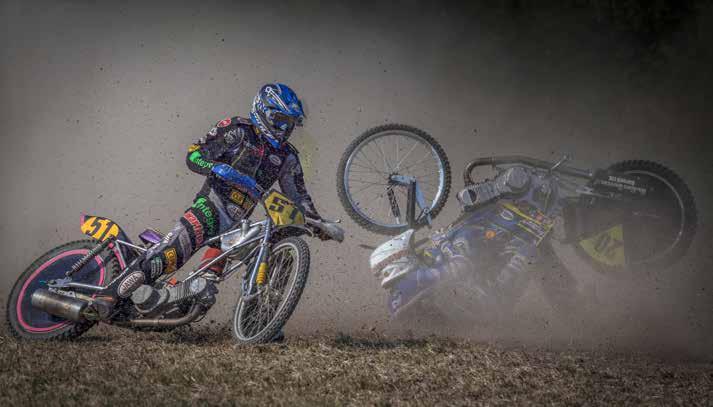
Mayhem in the Dust
I enjoy making cyanotypes, the beauty, to me, of this alternative form of photographic image making, is the unknown journey travelled, every resulting image is unique and artistically creative working with nature and serendipity.
I am a curious ‘artist’ having investigated many types of media in my journey, paint, dyes, inks, wax,
MAGIC IN A SUMMER GARDEN
printing, tissue and manipulated papers. Experimenting with cyanotype was simply another method to create art, and easy to explore in the summer sunshine.
Like many others I have a pile of the traditional deep blue experiments, recording beautiful stark white botanical specimens. In the early 19th century, when cyanotypes
were first invented, they were used by botanists and artists to create detailed, blue-toned images to document collections with great accuracy. But I was looking to expand the possibilities of creativity and try something different.
At first I followed all the rules, preparing the chemicals, ferric ammonium citrate and potassium
CYANOTYPE
MELANIE CHALK ARPS
Melanie Chalk explains how a summer experiment prompted by curiosity led to exhibiting at the Saatchi Gallery.....oh, and an addition to her wardrobe. u
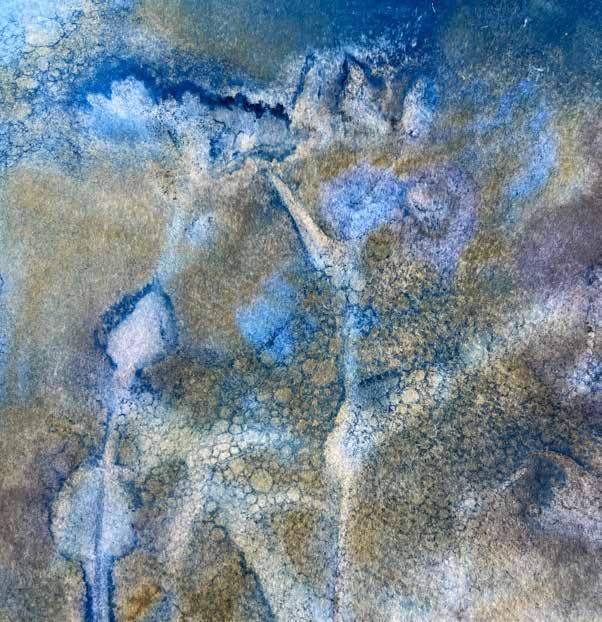
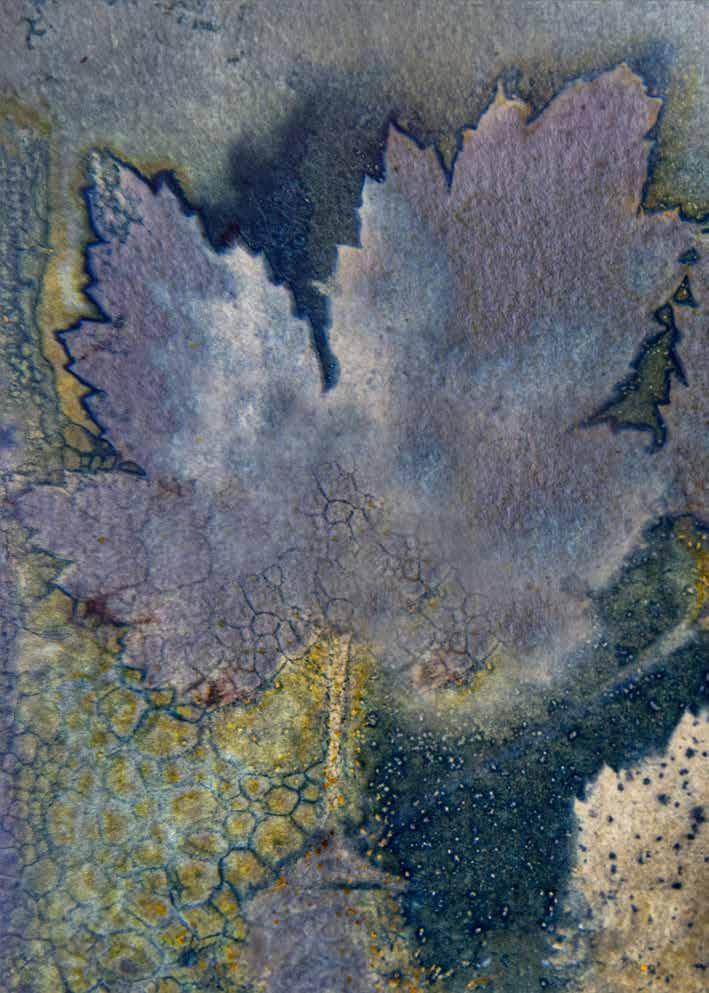
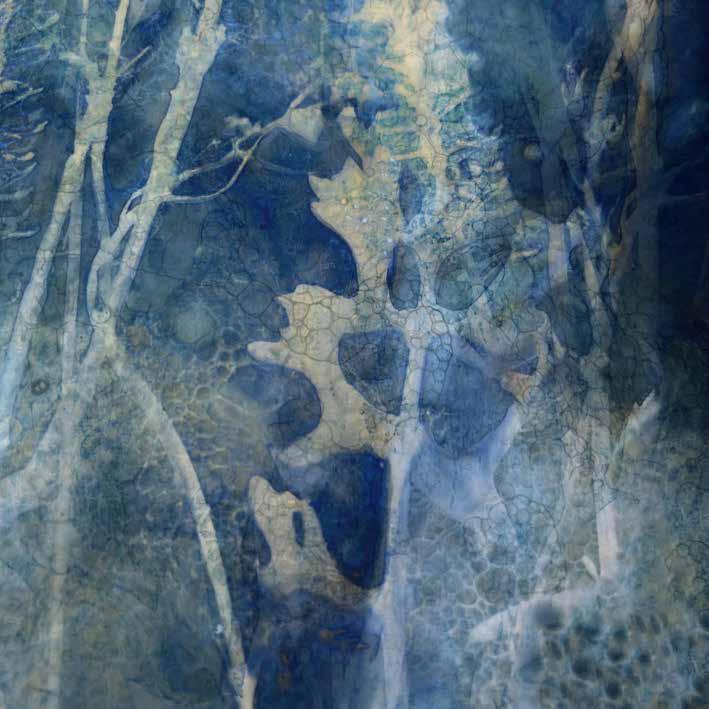
Detail from a wet cyanotype image
One of Melanie’s panel images
ferricyanide, which are mixed in equal quantities and painted onto thick art papers in semi-darkness. I then dried them under the stairs, in the dark, and stored them in black bin bags and I ran into the light, only once I had placed the plant material in an artistic way. But soon I became more relaxed and was ready to be more experimental, and break some of the rules. Making these sun prints is something I find I do each summer, using the plants I grow on my small roof garden by the sea. Being south facing, on a sunny day I have hours ‘to play’, and I have an ideal space to lay out my
papers.
Pinterest is a great place to find inspiration, but for me was often frustrating too, as I’d not get the beautiful results that were displayed there. However those posting are very generous with their methods, the pitfalls they have encountered and advising the patience needed to make successful prints with ‘alternative’ additions.
And those additions are to be found in the pantry: the spices, turmeric and paprika and condiments, salt and vinegar as well as bicarbonate and a nice froth of
bubbles. All readily available and cheap to use with abandon!
I started making ‘wet cyanotypes’. I came out of the darkened room, breaking the rules, mixing small quantities of the chemicals and treating the papers quickly outside and immediately arranging the leaves and flowers, sprinkling the spices, and adding the ‘Fairy’ bubbles (other brands equally suitable!), and then sandwiching it all together with picture glass and bulldog clips. The bubbles are trapped and burst to create magical texture and interest in the spaces
Detail from a wet cyanotype image
between the leaves.
I had discovered my personal favourite method. The detail and distinctive blue tone is absent, but the added elements cause ‘interference‘ which disrupts the reaction, the chemical interactions blur and soften the fresh botanicals, creating differing hues and colour combinations. The wet cyanotypes are watched carefully during exposure until the optimum moment is reached, the botanicals are removed and prints washed, sometimes here the magic of colours and tones can be lost. So I take digital images at all the stages of the process, both before and after washing, then that transient magic can be recorded.
The images captured are processed through Lightroom and Photoshop, some cropping, exposure and colour balance adjustments are made where necessary. Dodging
and burning may also be necessary and dust spots removed to enhance the images.
I also explored making cyanotypes on other materials, for example tissue paper, interfacing and fabric. Everything works to varying degrees, the difficulty remains that eventually the ‘prints’ have to be washed in water to fix them, and finer papers would easily disintegrate, however careful I was. But Japanese tissue and Lens Tissue, were strong enough to be washed and dried successfully and natural fabrics printed well too.
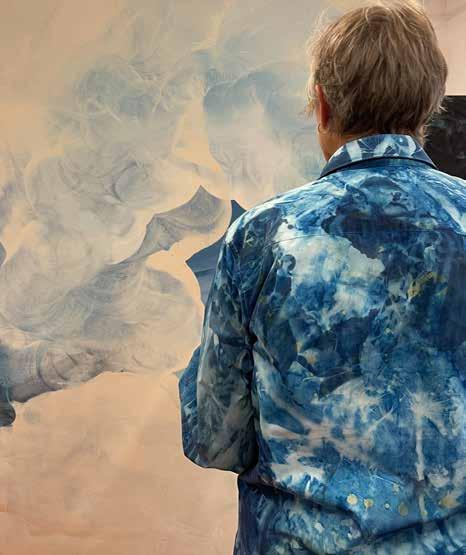
Last summer I thought I would try printing a shirt. Printing lengths of material is commonplace and then they can be made into bags, cushions and clothes, but I wanted to try using a readymade shirt. Never one to spend too much money, I picked up a new white shirt
at a boot fair, so nothing to lose if my experiment failed. The process took place over a succession of sunny days. I am not a note taker, so exactly how I did it is reliant on my memory. At each stage it could easily have gone wrong and I had little confidence that I would complete the whole shirt, collar, cuffs and arms without an issue. But I am an experimental artist, with an impulsive nature, ready to adapt to the circumstances, no planning involved, it only cost me my time and the price of the chemicals as the sunshine was free!
I would paint a section of the shirt with the chemicals, lay out the various leaves and flowers, weight it with glass, and visually judge the exposure time, then lay it in water to fix the section, dry the shirt and repeat. Sometimes my judgement was amiss but once dried I was able to overprint pale areas. Nothing did go wrong, the whole process was a resounding success, and I had a unique wearable shirt, an ideal outfit to wear to an art exhibition, wearing my ‘art’!
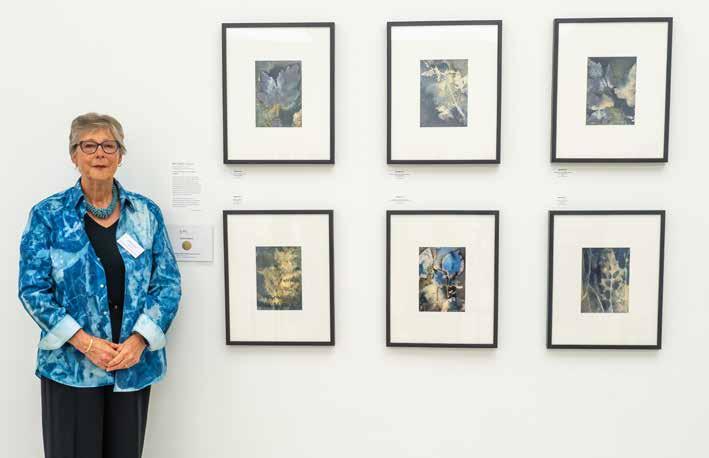
Through the summer months I had collected a large folder of digital copies of the cyanotypes that I had made, and I started to process them. How could I display them, could I make cards, make fine art prints or make a book? I have an especial interest in the RHS Portfolio Panel Photography Competition. I have helped to facilitate talks and advisory sessions to promote this prestigious event to RPS members for some years, and an advisory session was on the calendar. So last September I started to consider if I had a cohesive panel of six images that had botanical interest and fulfilled the rules laid down for the competition. Sending in a panel to obtain feedback and to assess its suitability is a totally anonymous process, this was very important, as I book and talk to the RHS judges that consider these panels on the advisory evening.
The concern I had with my own panel was that it might not have
Melanie wearing some of her art
sufficient botanicals included, as you have to name and list them in your statement of intent. Was I showing enough? So I bit the bullet and uploaded my six images, the hanging plan and my statement of intent, there was only one way to find out. The anonymity continues and you write your questions to the panel of three judges, who were complimentary and thought my panel had merit and was something a bit different. If my panel was eventually selected, to go forward, they thought they might need to get the Botanists on side, and argue their point. January is the upload month, I perfected my digital files, cropped them to size, agonised over my statement and pressed ‘Send’.
In February I heard I had been selected, and my panel would hang in the Saatchi Gallery in July. Now I had to go to print! I chose to use a local Fine Art Printer to produce top quality prints, I deliberated over the size the prints, A5 or A4, eventually settling on a size in between the two. I did not want to enlarge them
too much and loose the detail. The feedback, I received afterwards, from the judges revealed I had chosen just the ideal size! One can choose the colour of the frame - I opted for black, to define the boundary and so create a sense of finality.
The medals are decided the day before the official opening, it is only at this stage that the judges see the names associated with the panels of images. At around 10pm I was informed by email that I had won a Gold medal. I would view that the following day beside my panel, I was thrilled. I would wear my cyanotype shirt once again and really blend in with my art!
Melanie and her Gold medal-winning panel at the Saatchi Gallery
TRIANGULAR CONSTRUCTION
BOB SANDERS
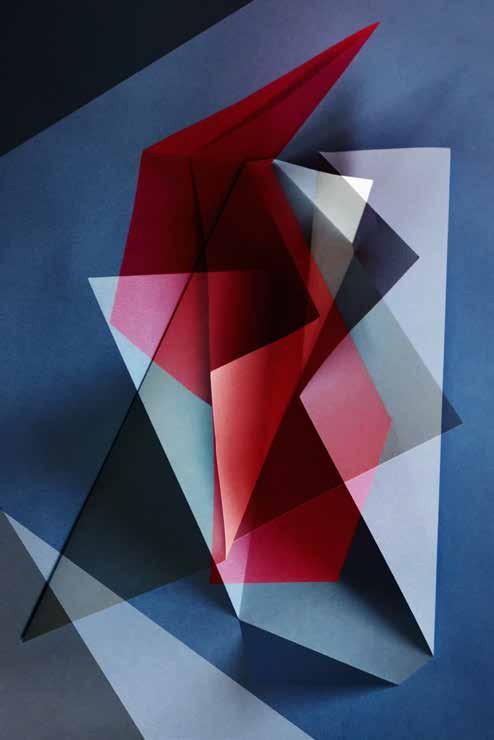
This odd abstract image says a whole lot about me. My interest in abstract geometric shapes goes way back to my youth as does my interest in photography and art generally. Origami is a much more recent interest.
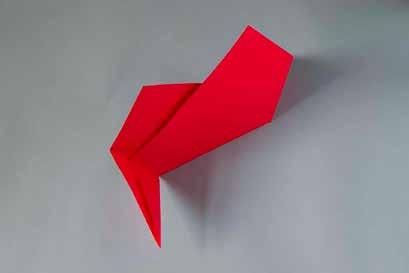
During my search for 'interesting things' to photograph in my makeshift garage studio I discovered that architects and designers use folded paper and card to mock up ideas they want to use in construction, and some of the pictures of those models sparked my imagination. After all, I thought, the materials are cheap and with some practice I should be able to make them myself. They can be small or large, simple or complex, colourful or monochrome. Origami, and it's sister Kirigami which involves cutting and folding, offers vast possibilities. With suitable lighting this could lead to unique and compelling tabletop compositions. My first attempts were simple folds a bit like the paper aeroplanes we used to make and I tried using the cheapest
inkjet printing paper as well as some coloured paper I already had available. It worked quite well. But the photographs I produced were not very exciting.
I know many photographers prefer to create in camera and keep post-processing to a minimum. But I enjoy working in photoediting software and happy to spend time trying processing ideas. I've used multiple exposure techniques many times before so I decided to experiment with these three shots.
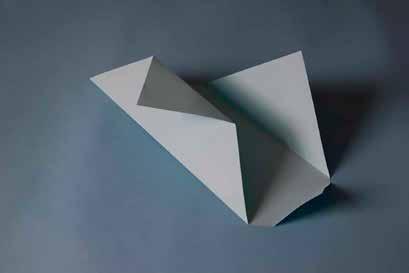
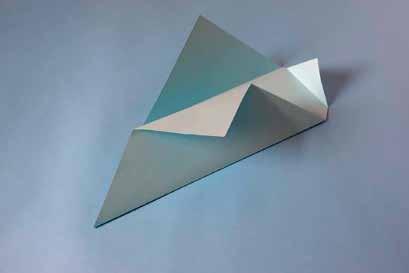
I use Serif’s AffinityPhoto for my photo editing, but the process would work in very much the same way with Photoshop or any other layer-based editing software. The three images, one of folded red paper and two of white paper were photographed separately on either a grey or sky blue background. My first attempt at merging them was not a great success. The colours and tones were bland and the composition unexciting.
But it triggered something in my brain. It reminded me of those early 20th Century Constructivist paintings by artists such as the Hungarian Laszlo Moholy-Nagy and others. So I decided to persevere with that as my goal.
To create my final image these three separate photos have been turned and flipped either horizontally or vertically or both. The lowest layer was also stretched out across the canvas. When I achieved a satisfactory composition I then experimented with the blend modes.
For one I used 'Add' and for the second I chose 'Overlay'. Many of the other modes would work well but this combination gave me something close to what I saw in my head. It really is a process of pure experimentation. Very hit and miss, you might say, and it's essential to be prepared to fail.
I needed to tidy up the image after the merge because there was a distraction in one corner and I also slightly changed the brightness and contrast. There's some obvious grain in there too, probably resulting from the low light I used to capture the original photos, and I've chosen to leave that because I think it implies a texture like canvas or board without me adding such an overlay although that is a common technique in more common still life images. I had fun doing it and I was overwhelmed by the response I got when I published it on-linel
AN ALTERNATIVE REALITY
ROGER COOKSON ARPS
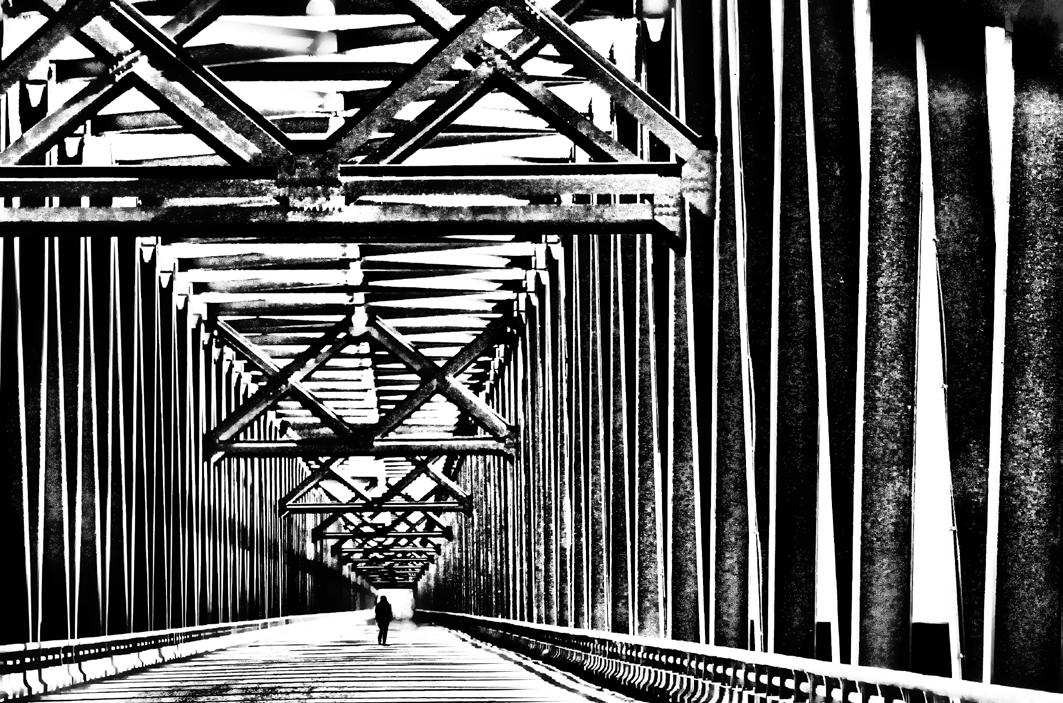
Some images lend themselves to the possibility of an alternative interpretation, so that an entirely different story might be told from the original ‘straight’ view of the subject. I like to produce these alternative views, which usually begin with a picture of something reasonably plain but with strong lines, which will benefit from a purely monochromatic view so as to emphasise content without any diversion of attention through the use of colour.
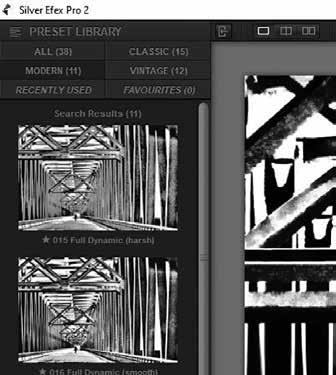
When I came across the metal bridge (above) it was immediately apparent to me that it would make for a strong image; I thought that a sense of isolation could be introduced by accentuating the claustrophobic feel of the closed box bridge. Changing the original colour photograph to monochrome, meant extra emphasis could be placed on the stark straight lines of the bridge girders. The original image was taken on a ‘large JPG’ setting ( I didn’t have storage space on my card for RAW) and was easily changed to mono by the use of NIK Silver Efex. The latter software used to be offered free by Google, but a simple transition to black and white through any editing software would produce a similar result.
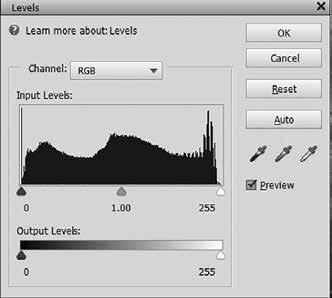
Once I had the basic monochrome image, I used Levels to accentuate the strong black lines. This tool is also generally available in the various iterations of Photoshop, NIK, and other editing software, and Curves would also work in a similar way.
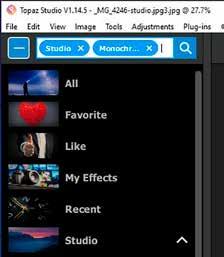
The image was now taking shape, but I thought that a little lightening of some of the overly dark areas would enhance it, and so I went to Topaz Studio. This platform offers methods of subtly altering tones, and I used the ‘Monochrome’ sub-menu to generate a slightly softer result, without
neglecting the original strong perception of the bridge girders.
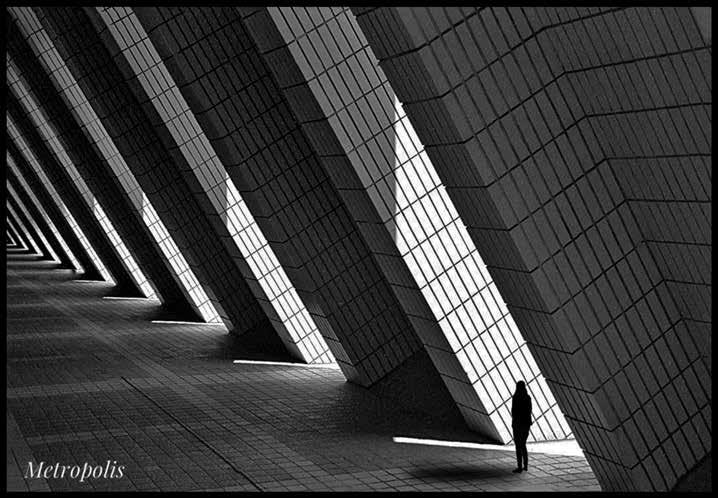
At this juncture I had the basic image which was in my mind, but it was apparent that the introduction of a human figure on the bridge would introduce a sense of other-worldliness to the scene, and also suggest some foreboding. Like many photographers I have far too many images kept on my computer, and amongst them are some of people in scenes which offered the opportunity of isolating a figure, and changing its size and appearance to fit. One such picture provided the female figure which appears in the bridge photo on the previous page, and also in Metropolis
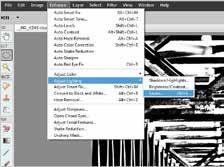
I didn’t want to preserve any features of the figure other than its overall shape, and so I isolated it using the ‘magic wand’ tool in Photoshop Elements (call me a cheapskate, but I have no need of the vast array of tools available in the full-blown Photoshop), and then copied the figure onto a new blank file. The latter is available from the drop-down menu hidden under ‘File’ at the top left of the Elements opening page. After copying the figure onto the new blank file, I selected it (see the same menu at the top of the Elements opening page) and by using Levels, reduced it to a silhouette by moving the sliders completely to the left. Following that, I saved the image and used the magic wand to select the figure, and made a copy of it (go to ‘Edit’ at the top of the Elements opening page, and its drop-down menu).
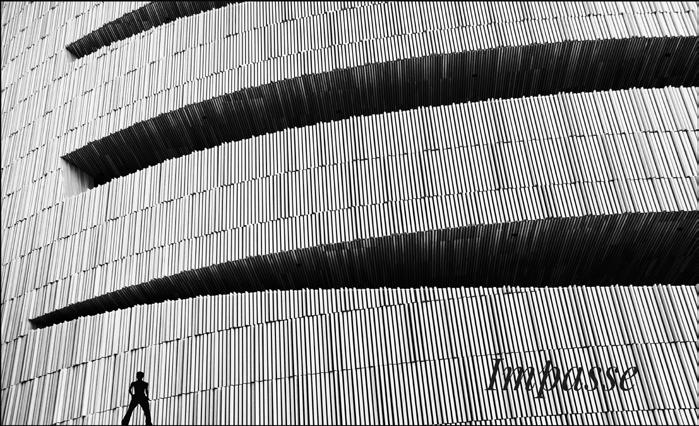
Lastly, if I haven’t bored you to tears yet, here’s another image from my files, called ‘Impasse’ which was produced using the same technique and which I hope speaks for itself l
After this step, I re-opened my monochrome image of the bridge and located the place where I wanted to place the figure; I selected that place using the oval Selection tool in Elements, and copied the saved image of the figure into the selected space (another function of Edit).
Next, in order to place the figure and reduce it to the size required for insertion into the final image, I used ‘Transform’ (Control + T in Windows) to move it and change its size.
CITY TIME
ARPS
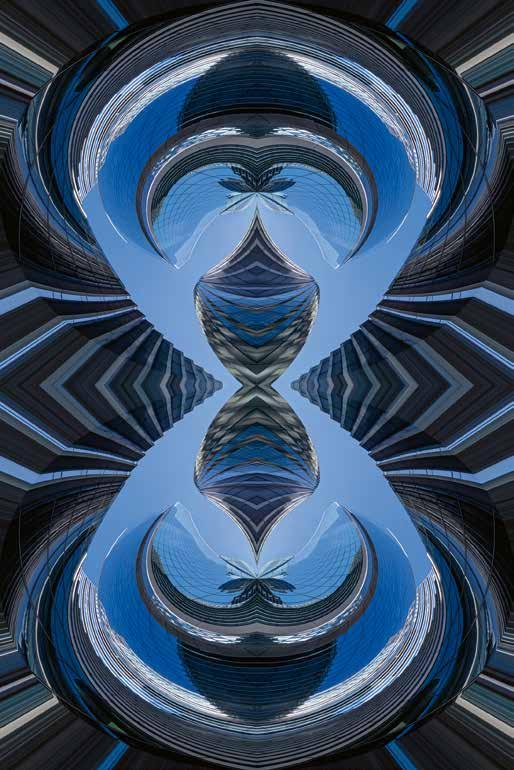
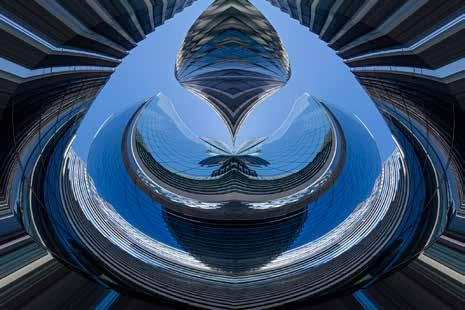
Sometimes out of the ordinary and striking images can be produced with a few simple steps in Photoshop. Originating in the City of London the egg timer effect of City Time provided a different perspective on the location lending itself to several interpretations in the viewer’s mind.
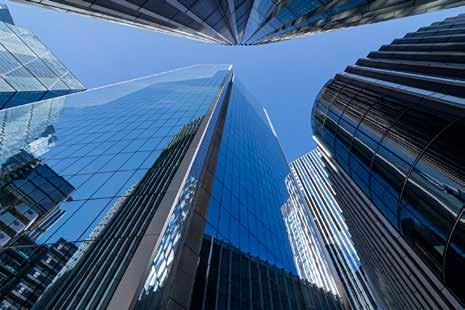
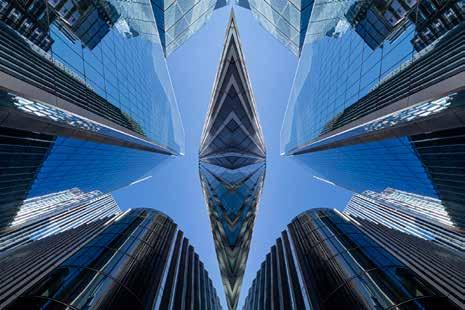
The image started life as a shot looking up in London during a walkabout last year. The RAW original was processed in Adobe Camera Raw, and some distracting details were cloned out, leaving the starting image (see step 1). I have been making mirror images for some time and thought this shot could work well. The background from the starting image was duplicated. The duplicate was selected and flipped vertically using Edit>Transform.
ROB KERSHAW
The canvas size was then doubled in the vertical direction using Image>Canvas Size. The duplicate was then moved into the empty canvas using the Move tool until it abutted with the other layer to produce the mirror image. The layers were flattened, and the image rotated 90° clockwise (see step 2).
During a Zoom meeting someone had mentioned the Polar coordinates effect, and my interest was piqued so I gave it a try. I applied Filter>Distort>Polar coordinates>rectangular to polar and to the image from step 2 and the result is shown in step 3. I quite liked the effect but decided to take it a step further and make a mirror image using the same technique as mentioned above and City Time was the result.
Tips
• It’s a good idea to reduce the size of the original before starting as the image size can get very large. A size of 30cm x 20cm is a good starting point.
• When rotating a duplicate layer use the Transform tool.
• Image>Canvas Size brings up a dialogue box and in this case the height was doubled, the bottom middle arrow selected to put the extension to the top and white was selected as the extension colour.
• Sometimes when making the mirror image, a straight white line can appear at the join or on one side this can be cloned out using the Spot Healing Brush after flattening the image.
• On the way to a final image interesting variants can also be produced
IN PREVIOUS ISSUES
All previous issues are available from the DIGIT Archive at rps.org/di/digit-archive/
Hill HonFRPS 5 From the very start
Hilary Roberts FRPS
5 The art of convergence
Mark Reeves FRPS
9 Dan Jones: CEO and photographer
Dan Jones
14 What comes fi rst the book or the project?
Wendy North
17 Behind the scenes at the Second Edinburgh International Salon
Joe Houghton and David Greer
22 The RHS Botanical Art and Photography Show
26 Digital Imaging workshops
Melanie Chalk ARPS
29 DIGIT Challenge: The banana leaf project
Ashok Viswanathan
31 DIGIT Challenge: My holiday experiment
John Moore
33 DIGIT Challenge: Nightmares and visions
Janet Lee
35 In previous issues
11 The digital evolution
Panikos Hajistilly
17 A working life in photographic printing
Alan Hodgson ASIS HonFRPS
21 The end of the beginning … Simon Hill HonFRPS
26 Colour management and how it has changed in the last 30 years
DATACOLOR
30 A photograph is not an image until it’s been printed for the world to see Robin Whetton
33 Surviving the paradigm change FUJIFILM
36 100 and counting Janet Haines ARPS 38 A final thought
In previous issues
Gary Beaton 5 Portraits of time
9
13
17
22
Paul Mitchell
The allure of tintype
Clive Haynes FRPS
Panorama processing
Sean Goodhart ARPS
A frustrated artist
Bob Sanders
Medical Photography – A career of choice
Hoosain M Ebrahim ASIS FRPS
26 The Old Woman does AI
Sally Sallett ARPS
31 DIGIT Challenge: Ice Flowers
Marius Grose
33 DIGIT Challenge: Alchemy from Rusted Nail Heads