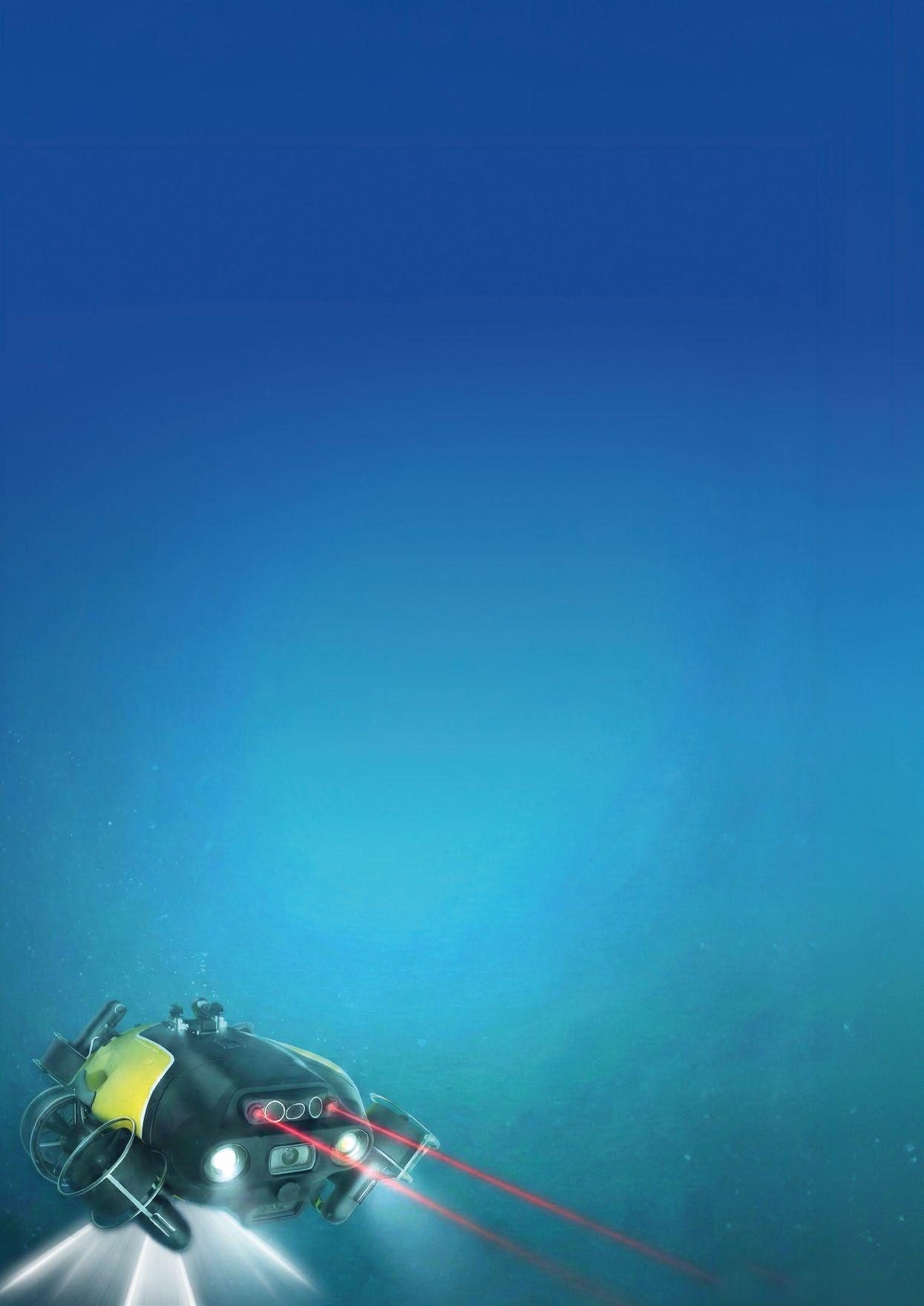
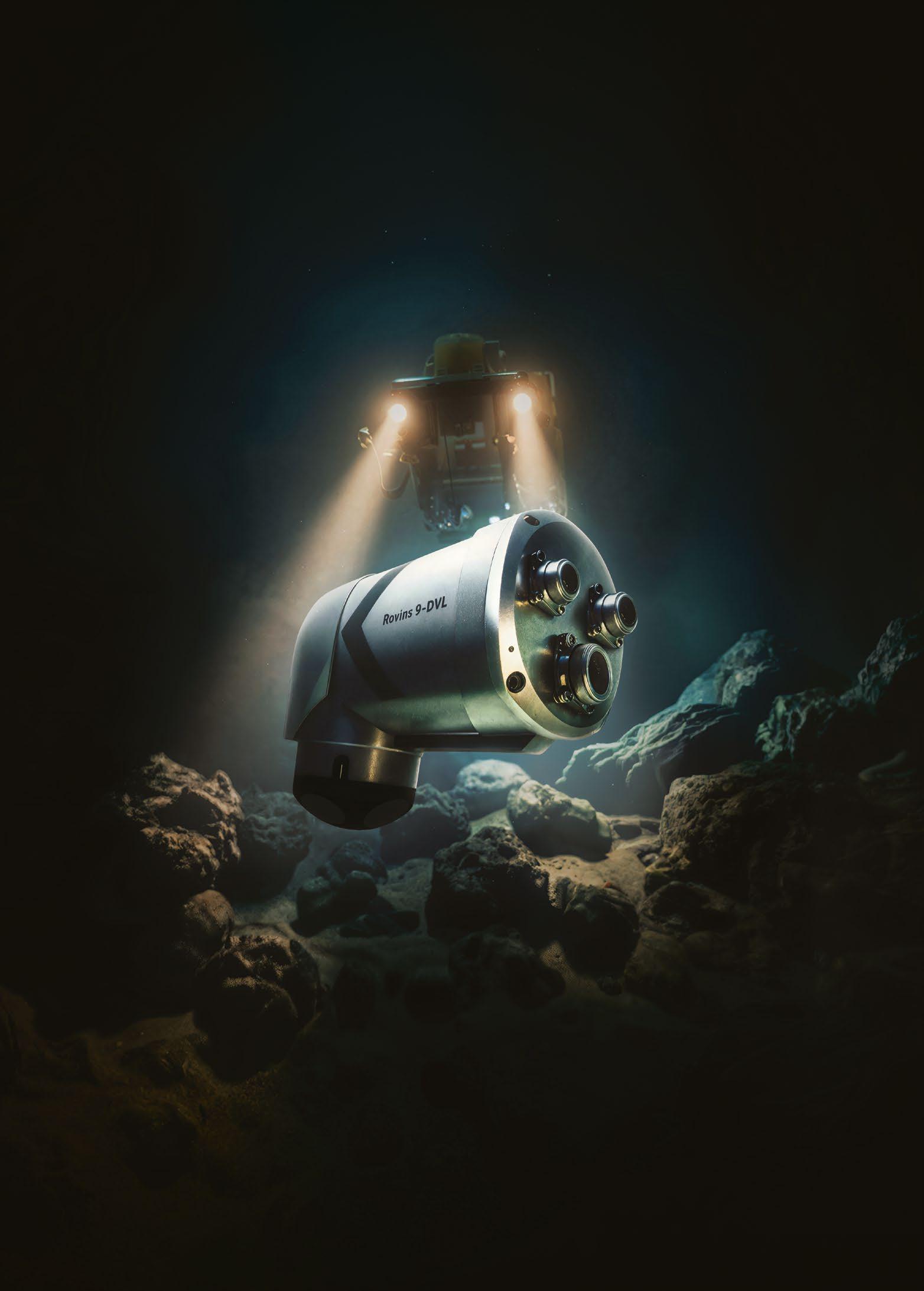
Empowering the Blue Economy Through Advanced Ocean Technology.
High resolution sonar system solutions for Mine Counter Measures and other military applications.
Supporting ocean scientists, engineers and the maritime industries overall by providing underwater technology.
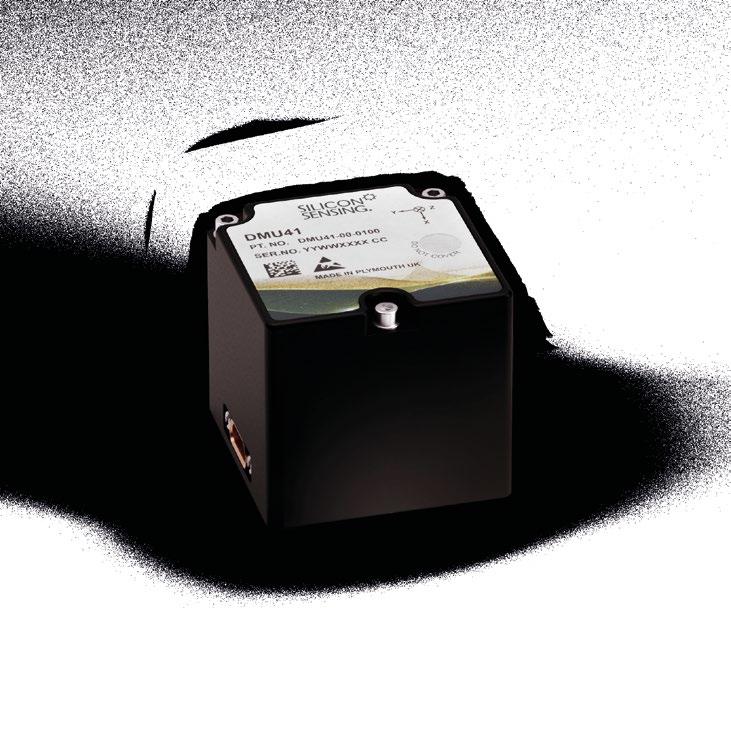
Advanced instruments used in oceanography and subsea navigation to help measure movement in underwater environments.
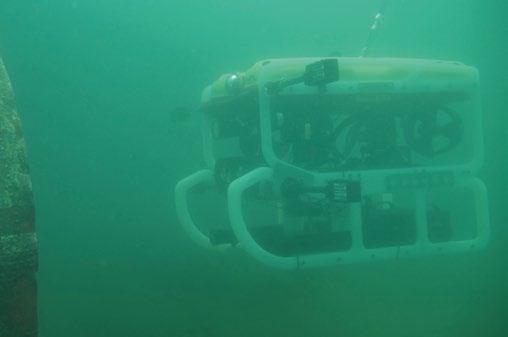
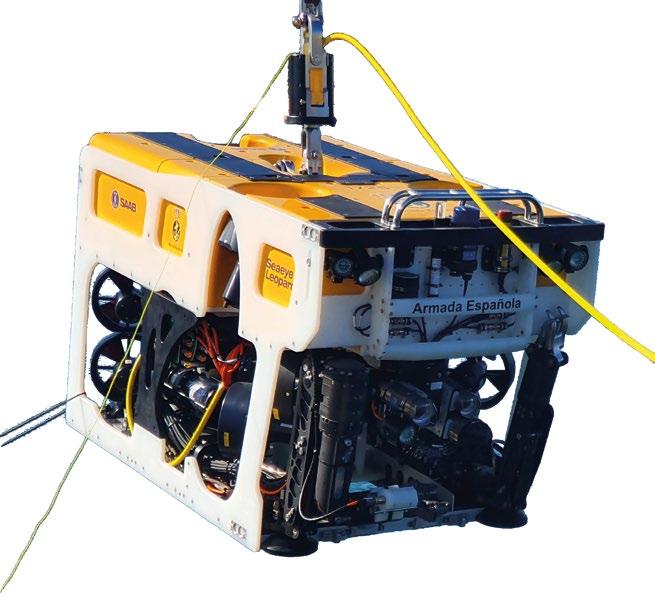
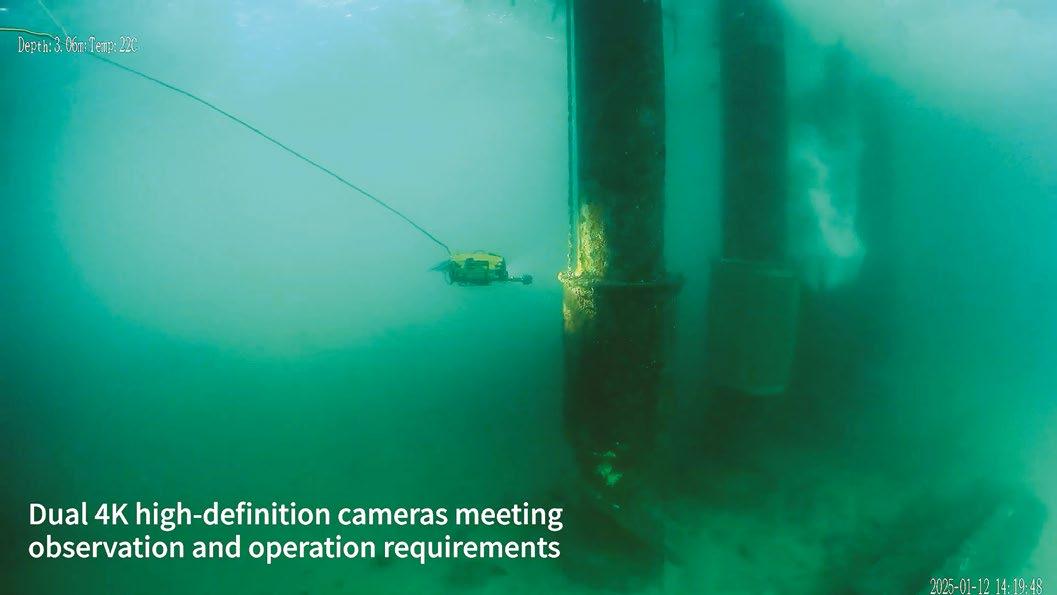
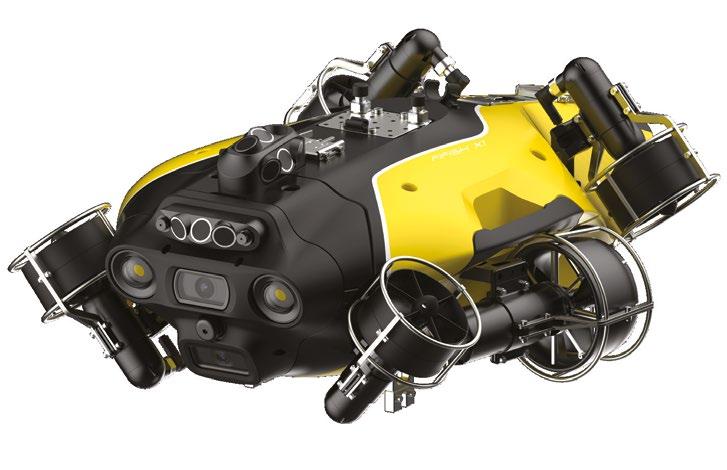
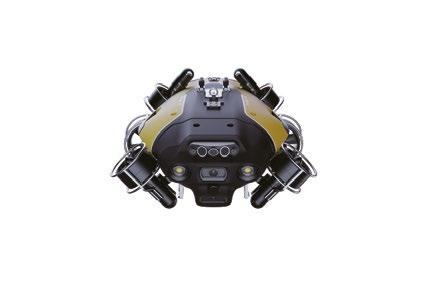
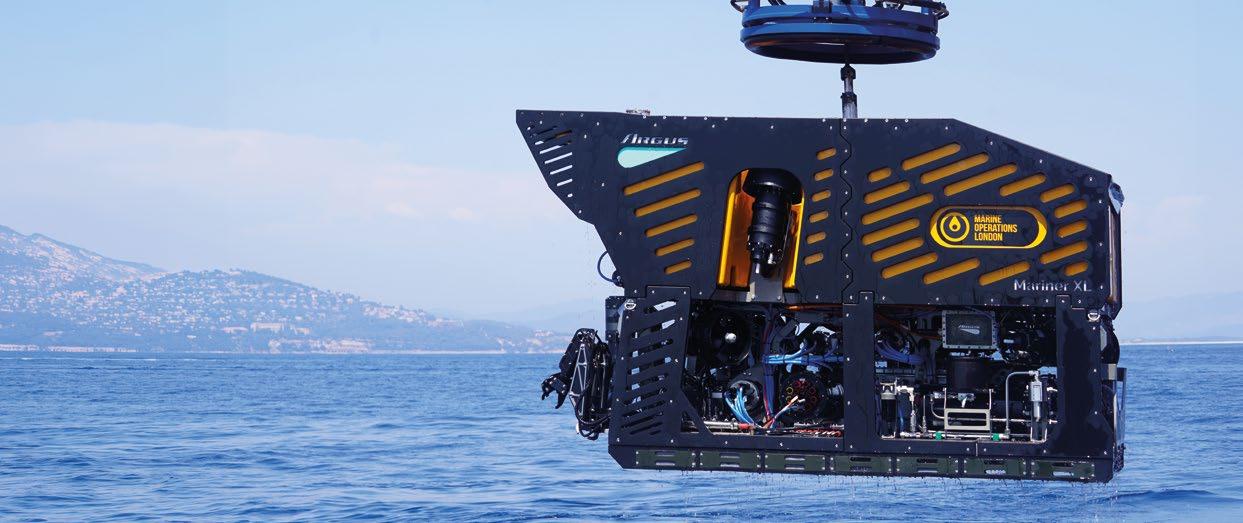
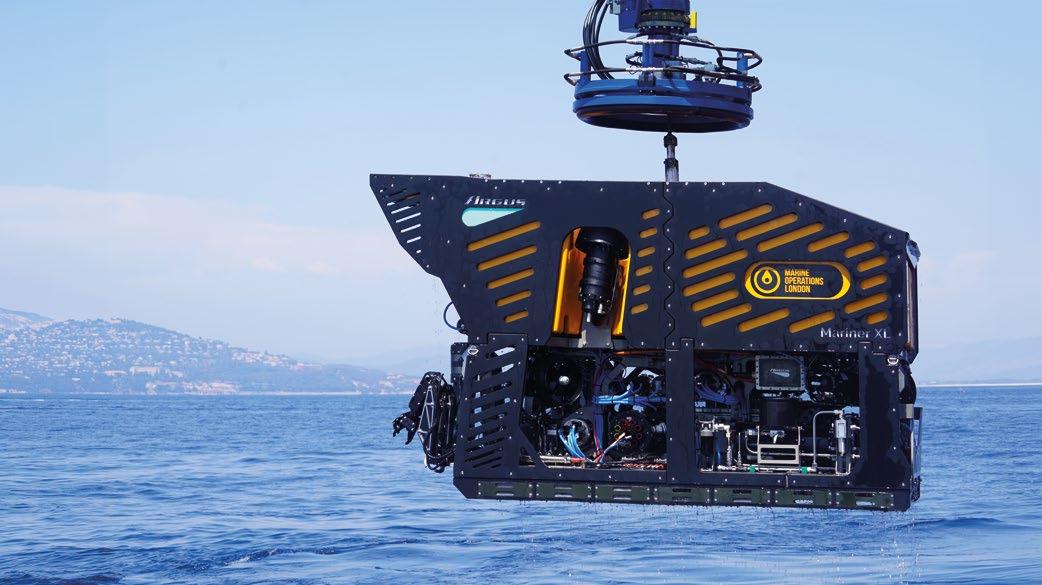
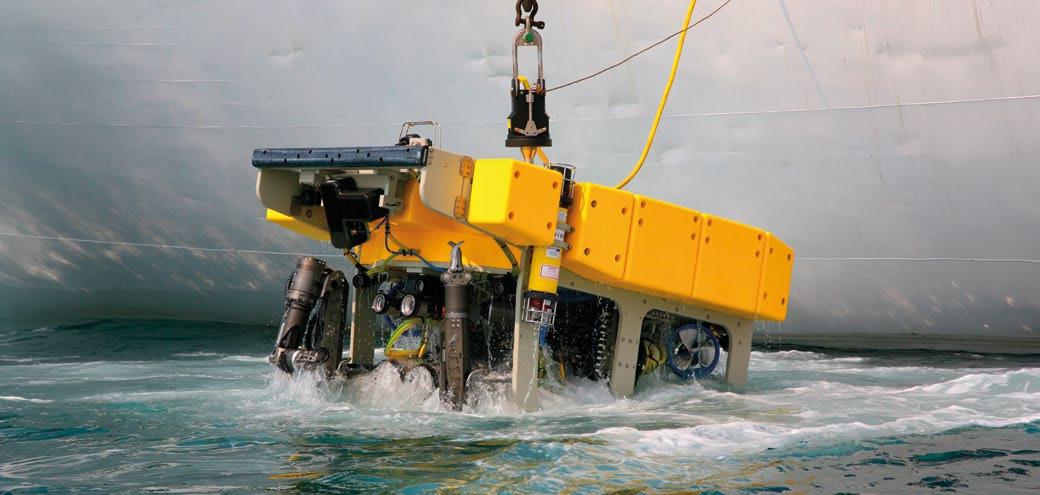
Mission-ready Hybrid ROV system with fully integrated sensors for fast deployment.
Adaptive robotic arms for intervention and control in offshore energy and modern naval landscapes.
Robust, reliable underwater sensors for the planet’s harshest environments and most difficult applications.
Find out more
ISSN 2755-239X
EDITOR-IN-CHIEF
Richie Enzmann
COPY EDITOR
Will Grant
SALES
Nick Search, Natalie Souter
DESIGN & LAYOUT
Milan Farkas
CONTRIBUTORS
Richie Enzmann, Aidan Thorn, Benoit Cajelot, Edward Lundquist, Elaine Maslin, George Galdorisi, Dr. Lee Willett, Marc Deglinnocenti, Thomas Meurling
SPECIAL THANKS TO
Andy Freeman, Anthony Hammond, Audrey Leon, Bill Mallin, Charlotte Sherwood, Curtis Lee, Dawn D’Angelillo, Ed Cheesman, Gill Vosper, Jack Rowley, James Colebourn, Jeroen Romijn, John Benson, Guy Frankland, Matt Bates, Marion Seyve, Morgane Ruiz, Nancy Summers, Rachael Reader, Rachel McAlpine, Richard Mills, Siv Tveit, Soren Johannsen, Terry Sloane Alseamar-BMTI
Blueprint
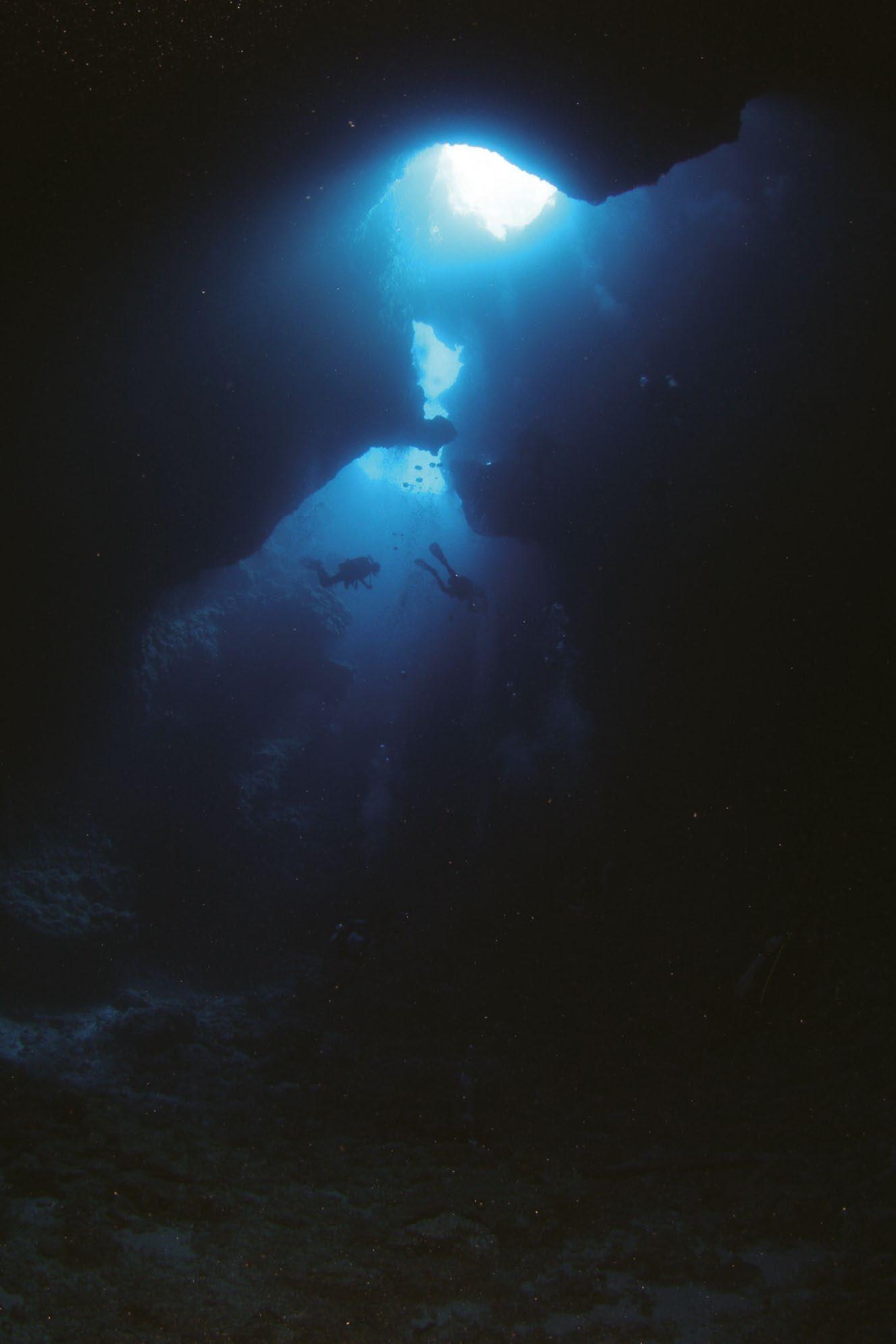
Front Cover Image: Courtesy of Sonardyne Poster Image: Kelly David Screen
EVENTS CALENDAR 2026/27
MARCH OCEANOLOGY INTERNATIONAL
London, UK (10-12 March 2026)
APRIL UNDERSEA DEFENCE TECHNOLOGY (UDT)
London, UK (14-16 April 2026)
SEA AIR SPACE
National Harbor, MD, USA (19-22 April 2026)
MAY COMBINED NAVAL EVENT (CNE)
Farnborough, UK (19-21 May 2026)
MTS/IEEE OCEANS
Sanya, China (25-28 May 2026)
SUBMARINE NETWORKS EMEA / SUBSEA SECURITY SUMMIT
London, UK (27-28 May 2026)
JUNE SUPPLY SECURITY DEFENCE EXPO
Tallin, Estonia (10-11 June 2026)
AQUACULTURE UK
Glasgow, UK (16-17 June 2026)
GLOBAL OFFSHORE WIND
Manchester, UK (16-17 June 2026)
AUGUST ONS
Stavanger, Norway (24-27 August 2026)
SEPTEMBER
AUV2026
Southampton, UK (1-3 September 2026)
UNMANNED MARITIME SYSTEMS TECHNOLOGY
Arlington, VA, USA (14-16 September 2026)
MAST FOCUS FORUM
Glasgow, UK (15-17 September 2026)
SUBMARINE NETWORKS - ASIA
Singapore (23-24 September 2026)
MTS/IEEE OCEANS
Monterey, CA, USA (21-24 September 2026)
WINDENERGY
Hamburg, Germany (22-25 September 2026)
My name is Richie Enzmann. Allow me to welcome you all to the latest issue of Ocean Robotics Planet!
WELCOME TO OCEAN ROBOTICS PLANET!
Dear Reader,
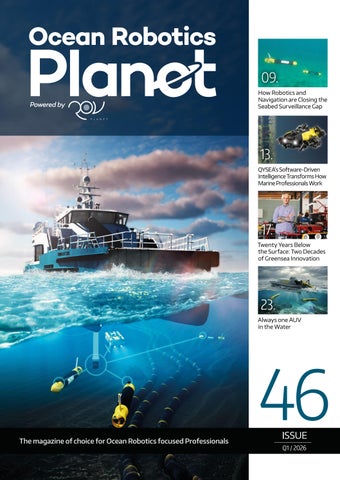
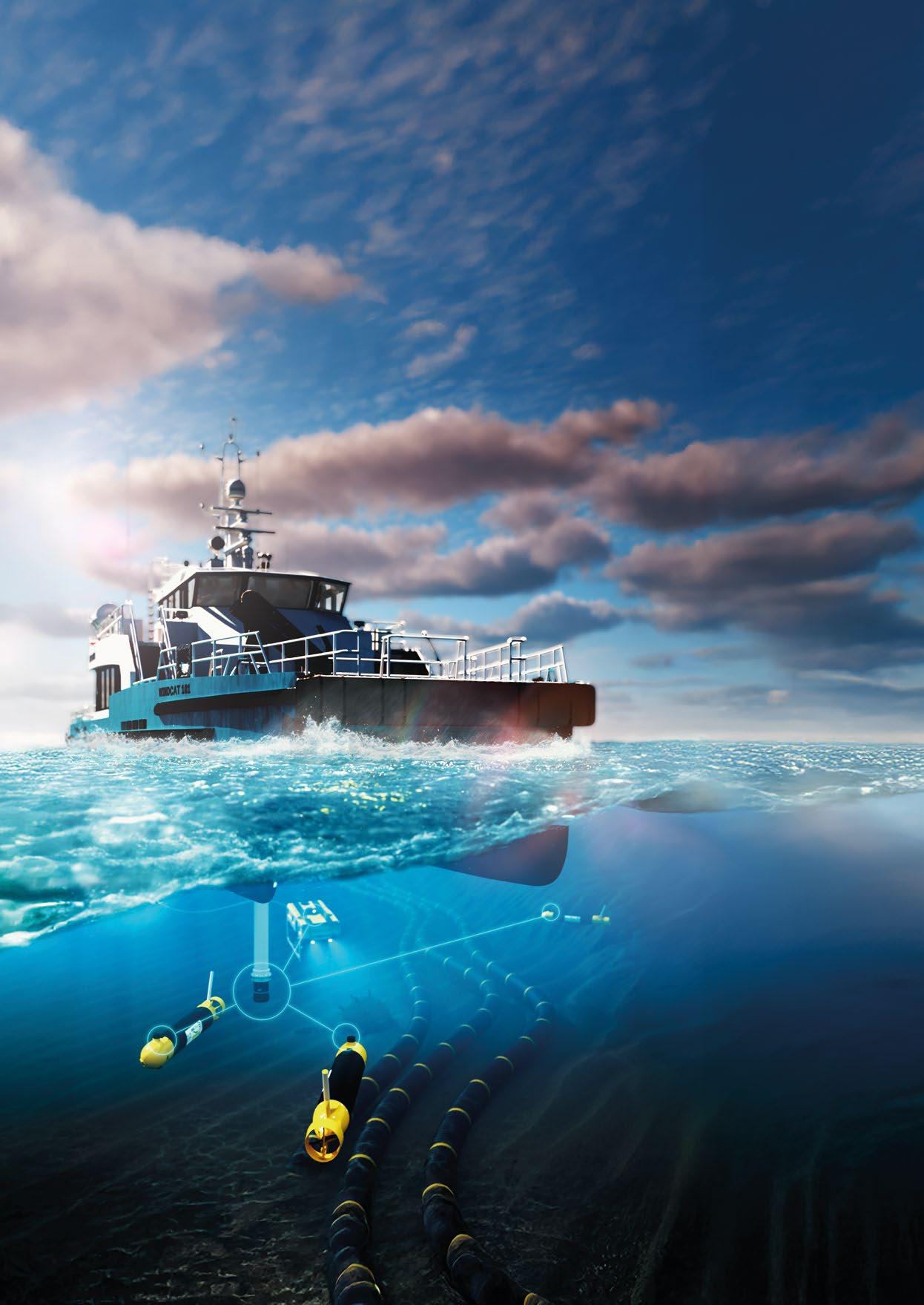
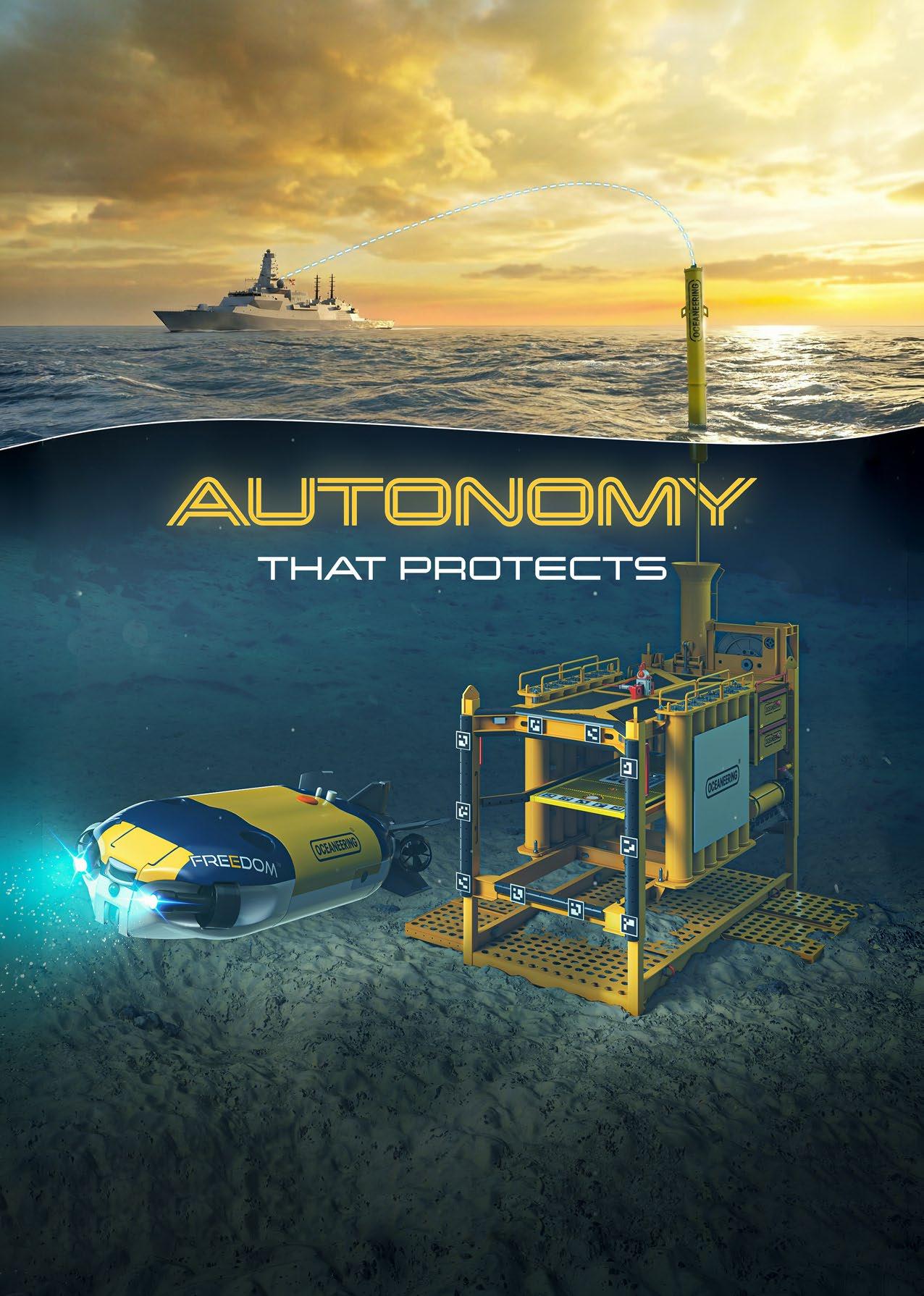
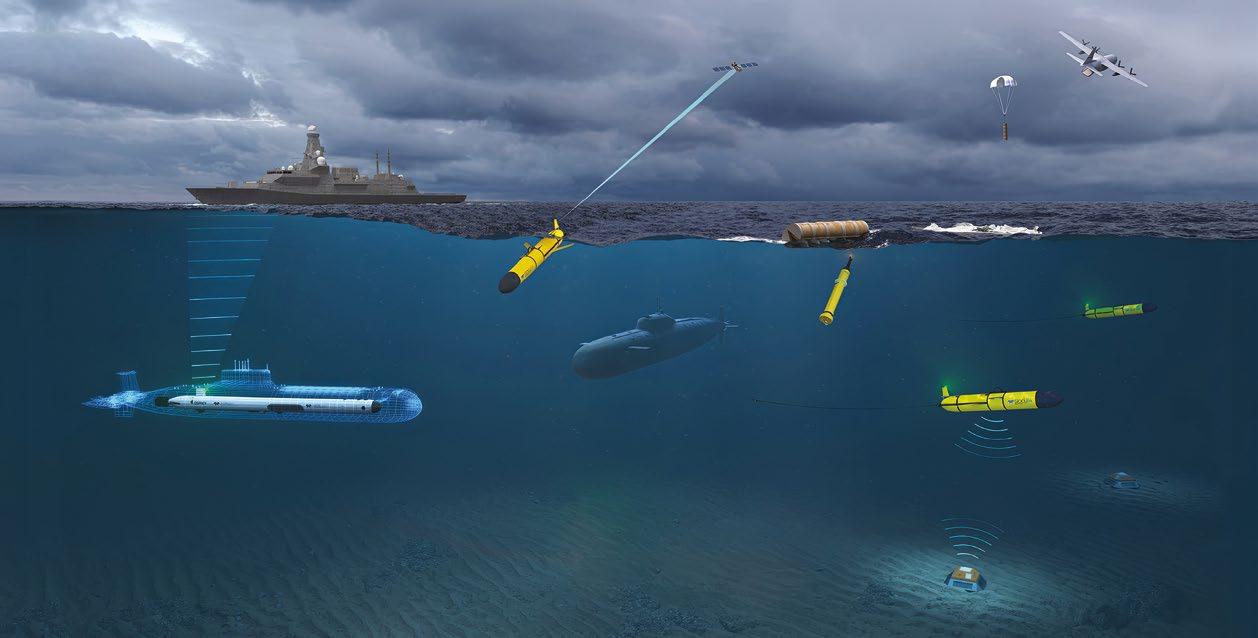
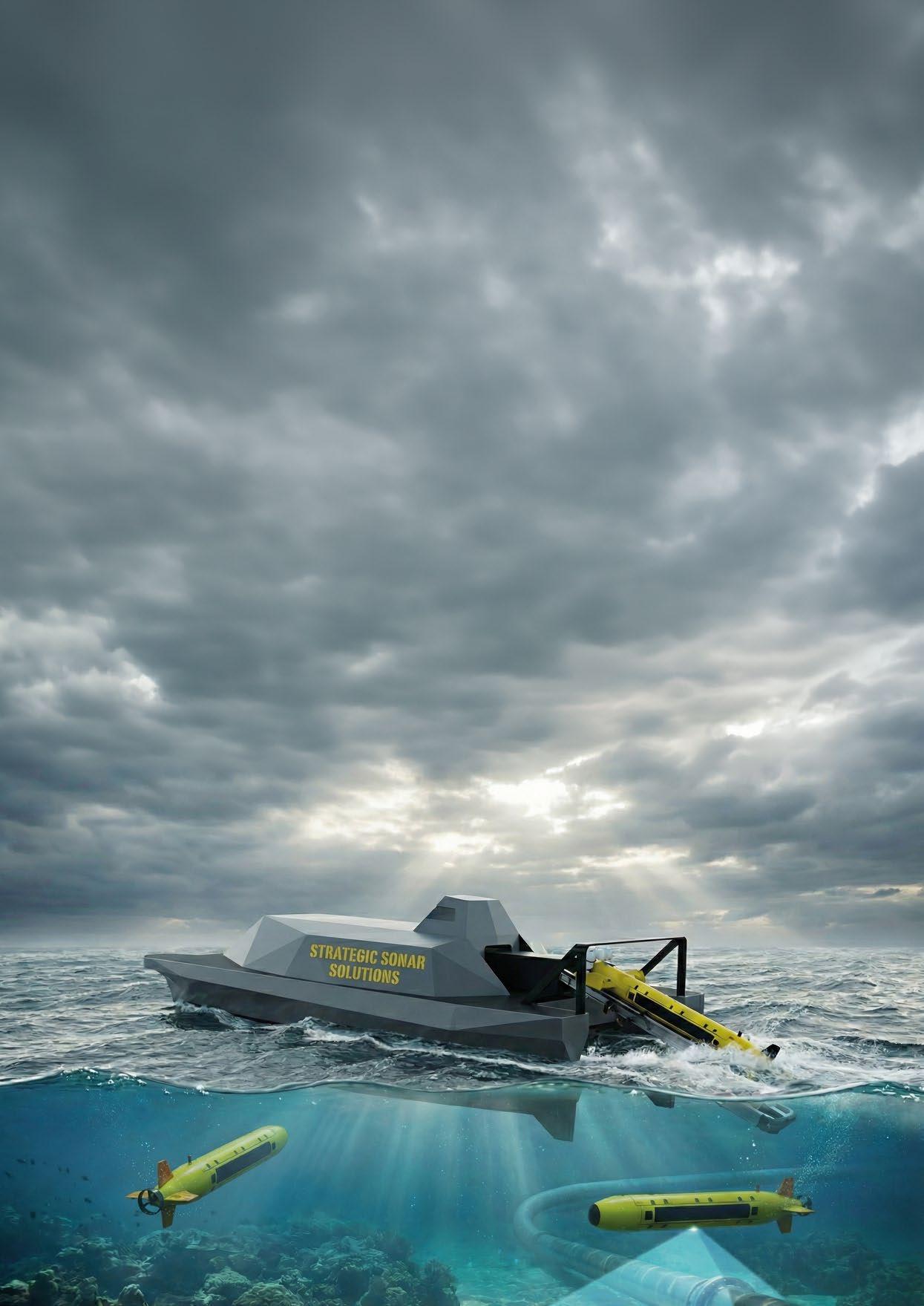
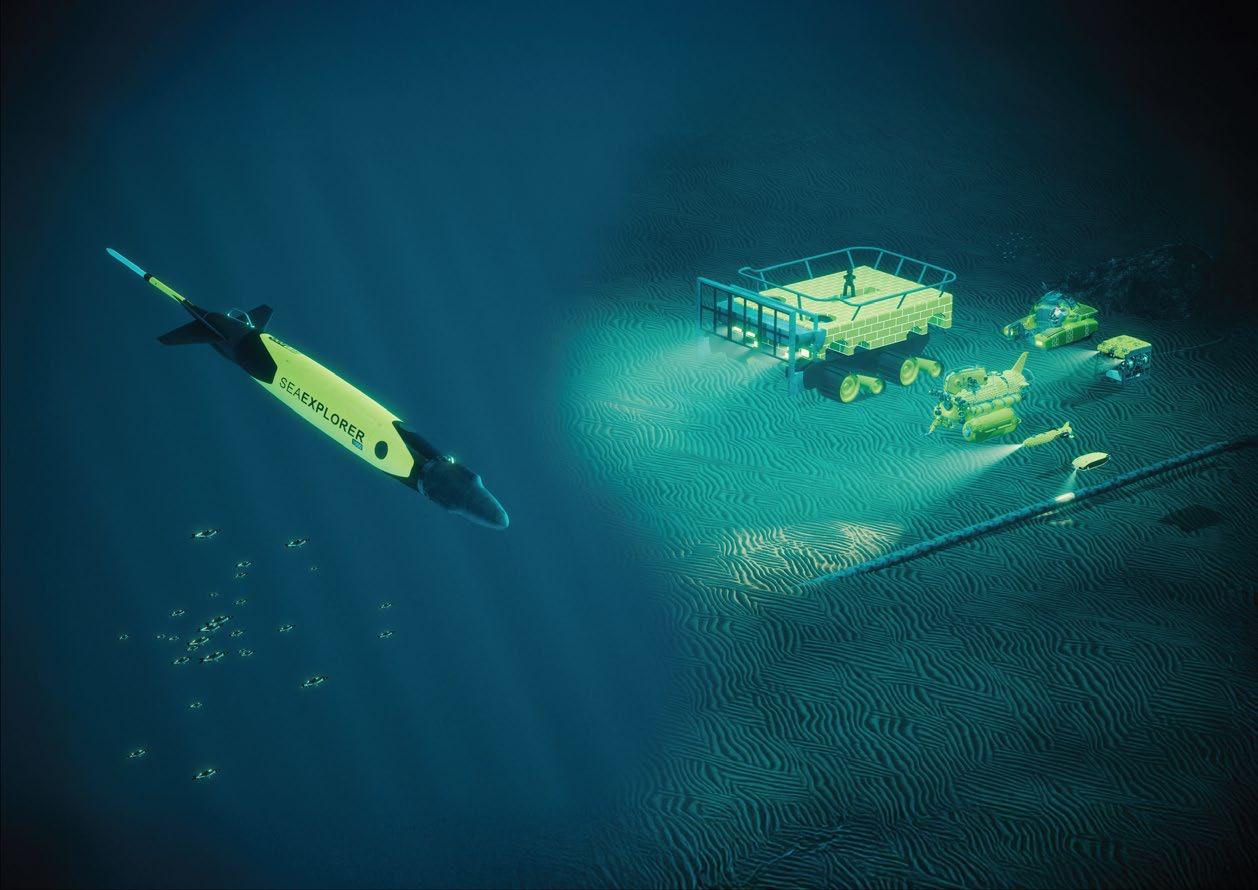
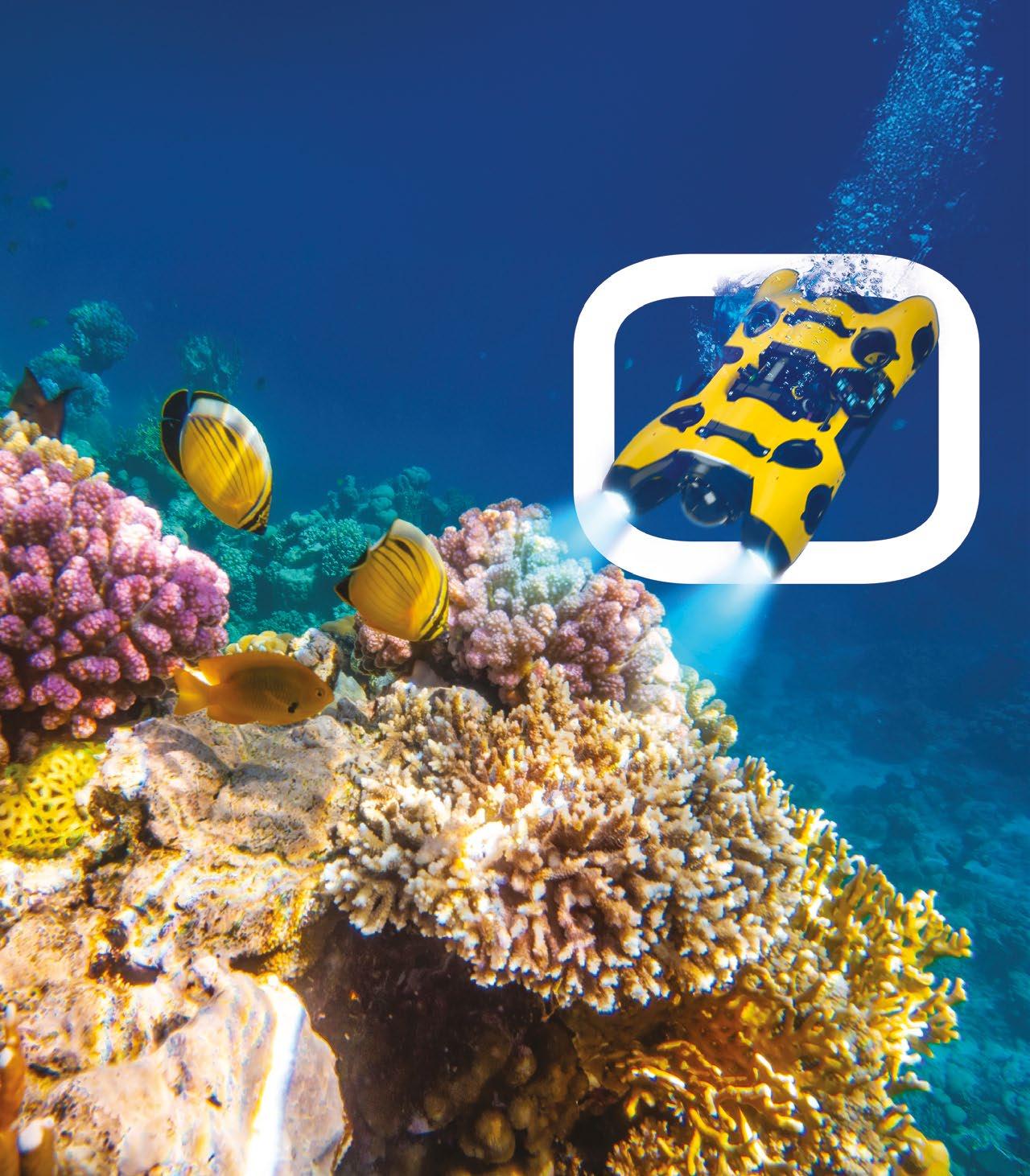
Our front cover features a swarm of underwater vehicles utilised to protect critical underwater infrastructure (CUI) that is so vital for our everyday lives. There is already a broad toolkit of platforms to protect underwater infrastructure: ROVs for close inspection and intervention, long endurance AUVs for wide-area surveys, ROTVs for efficient towed mapping and USVs to extend reach while removing people from harm’s way - both as coordinated fleets and standalone systems. However, the quality of the navigation, positioning, and communications on these platforms is critical to their success. This is where Sonardyne’s navigation suites such as the SPRINT-NAV and the Ranger 2 USBL come into play. In this issue you can read about these solutions in more detail, including a piece on the cooperation between Navy and Industry written by Dr Lee Willett.
Last year, we partnered with the Marine Technology Society (MTS) for their ROV Photo Challenge. Votes for the best photo were cast at Underwater Intervention in New Orleans. We are proud to announce the winners of the MTS ROV Challenge, and you can see the top three winning photos on the centre spread pages of the magazine. Please make sure to submit your own spectacular robotics-related photos to the next competition, commencing in April this year!
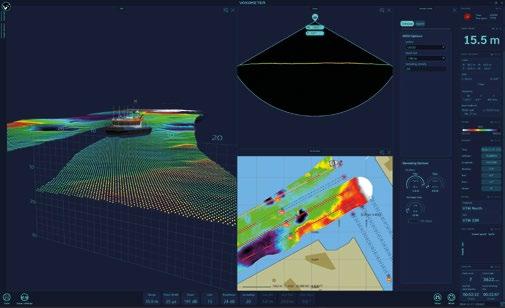
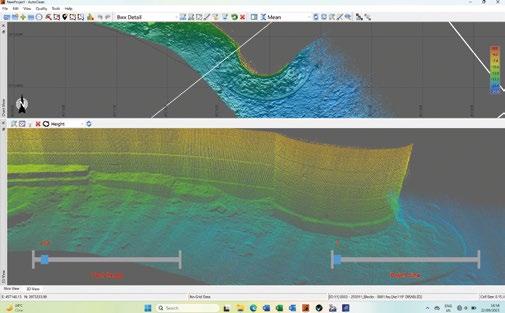
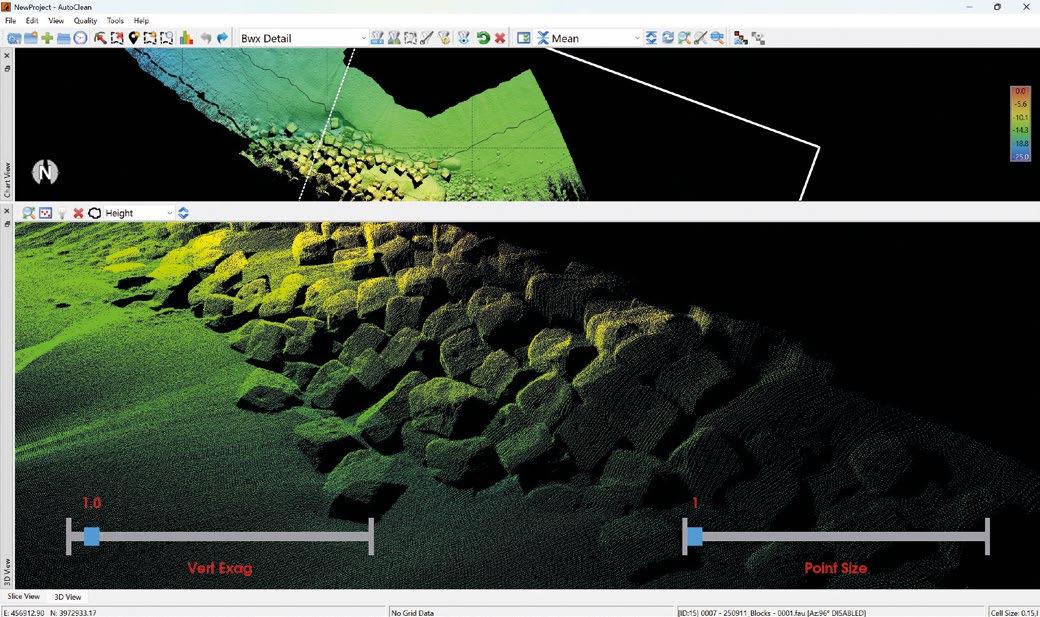
On the innovation front, Captain Marc Deglinnocenti reports on the new Voxometer launched by R2Sonic, investigating why this new piece of equipment could become a game changer for the future of marine surveys.
We also celebrate 20 years of Greensea IQ. Over the past two decades, the company has become one of the most influential forces in subsea robotics, autonomy, and navigation. From early breakthroughs in open-architecture control software to today’s autonomous hull maintenance and seabed robotics systems, its story is defined by continuity: a steady accumulation of expertise, hard-won operational lessons, and the belief that intelligent robots can extend human reach safely and at scale.
Finally, we are very much looking forward to the great events taking place this quarter, such as Oceanology (Oi26), UDT, and SeaAirSpace. Please stop by and say hello if you are attending any of these events.
Explore these stories and many more inside. I truly hope you enjoy this quarter’s issue.
Best regards, Richie Enzmann
Reach for the impossible.
Your operations are getting more complex. Hybrid. Autonomous. Crewless. USVs and AUVs working alongside ROVs in fully integrated missions. Demanding lighter tethers, smarter connectivity, and uncompromising signal integrity. Now, the solutions you need are the ones you can’t find in any catalog. That’s where DeRegt comes in.
Talk to our ROV specialists about what your next project demands.
Take a refreshing deep dive on our new website: deregtcables.com/rov-cables
ENVOY AUV
®
2,000 km mid-range workhorse. Rapid-deploy for geophysical survey and environmental monitoring.
PORTER AUV
5,000 L heavy payload. Subsea power delivery. Sensor deployment. Extended survey. ®
GUARDIAN AUV
®
5,000 km ultra long-range. Persistent surveillance and payload delivery. Containerized mobility.
SUBSEA WARDEN
®
Hovering vessel signature measurement. Acoustic + magnetic profiling.
HOW ROBOTICS AND NAVIGATION ARE CLOSING THE SEABED SURVEILLANCE GAP
By Aidan Thorn, Business Development Manager – Robotics, Sonardyne
Undersea sabotage against critical national infrastructure (CNI) is no longer theoretical. From cable cuts in the Baltic Sea to the Nord Stream explosions, it’s increasingly evident how vulnerable subsea pipelines, telecommunications cables and offshore energy assets now are. Since 2022, suspected sabotage has increased markedly, particularly in the Baltic Sea and North Atlantic. While annual cable faults still average 100–200 — mostly caused by fishing activity or anchor drag — NATO has reported a “phenomenal increase” in subsurface activity near strategically important routes.
Single incidents can have immediate, national-level impacts, such as the damage to the Estlink 2 interconnector in 2024, which reduced electricity transmission capacity between Finland and Estonia by 70%. Despite the strategic importance of these assets, protection and monitoring efforts still largely stop at the waterline. This gap is driving a shift toward persistent, wide-area, uncrewed subsea surveillance in GNSS-denied environments, often far from shore.
FROM PLATFORMS TO OUTCOMES
There is already a broad toolkit of platforms to meet this demand: ROVs for close inspection and intervention, longendurance AUVs for wide-area surveys, ROTVs for efficient towed mapping and USVs to extend reach while removing people from harm’s way – as coordinated fleets and standalone systems. The quality of the navigation, positioning and communications on these platforms is critical to their success. This is particularly important when operating close to subsea infrastructure, such as pipelines, power cables and unexploded ordnance (UXO). That’s because magnetic interference from ferrous materials or electrical currents can degrade conventional heading sensors, leading to positional drift, inconsistent survey lines and the need for costly re-runs.
TURNING SENSOR DATA INTO ACTIONABLE INTELLIGENCE
The work of international marine services company Sulmara highlights this challenge. Specialising in UXO detection and depth-of-burial surveys for energy cables, the company frequently operates ROTVs in close proximity to ferrous infrastructure. In such environments, unreliable navigation directly translates into wasted vessel time and compromised datasets. By integrating Sonardyne’s SPRINT-Nav U — a compact hybrid acoustic – inertial navigation system using fibre-optic gyro (FOG) technology—on the ROTV, Sulmara avoids magnetic interference entirely. In combination with
our Mini-Ranger 2 USBL positioning system, to position the ROTV from their vessel, a survey grade accuracy of 0.15 degrees is achieved. The result is stable, repeatable navigation performance and survey-grade data delivered on schedule, even in complex seabed environments.
Sonardyne’s SPRINT-Nav and Ranger 2 is used for positioning, tracking and navigation on EIVA’s ScanFish platforms. (Courtesy of EIVA)
Similarly, our sister company, EIVA, supports the UK’s Royal Navy with containerised ScanFish ROTVs. Their value is in flexibility – both through being able to carry multiple sensors, reconfigure rapidly, operate in diverse environments and be deployed from a wide range of host vessels. When equipped with SPRINT-Nav Mini, in combination with our Mini-Ranger 2 system, these systems provide centimetre-level positioning accuracy, enabling high-resolution seabed mapping and reliable object detection.
For subsea telecommunications cable protection, this accuracy allows operators to distinguish between benign seabed features and potential threats. Navigation precision makes the difference between sensor data into actionable intelligence. Operational efficiency can also be critical when responding to suspected damage or security alerts. Our SPRINT-Nav systems are delivered pre-calibrated, allowing uncrewed systems to be deployed rapidly on arrival at site –instead of a number of hours for set up and calibration routines – lowering risk, cost, and uncertainty.
OPERATING AT SCALE
Remote inspection at scale is also being proven. Geodata solutions leader Fugro's Blue Essence USV fleet is designed to deliver safer and more sustainable subsea inspections by removing the need for crewed vessels. This approach has already been used to inspect more than 1,300 km of gas trunkline. The USV provides endurance and reach. Accurate positioning of the ROV payload at long layback distances in shallow water underpins the quality of the inspection. This positioning is provided by Mini-Ranger 2, which delivers continuous survey-quality positioning, ensuring regulatory and integrity assurance requirements.
In defence and security applications, USBL systems also support precise vehicle control during intervention tasks, allowing ROVs to interact accurately with hazards while keeping human divers out of harm’s way. Our Ranger 2 system supports robot-to-robot communications and tracking, allowing a surface USV to manage and monitor multiple subsea vehicles simultaneously. This supports use of a single
uncrewed surface asset as a command node for multiple subsea platforms, relaying data securely back to shore, for wide-area monitoring. With inertial navigation, positioning and communications all available an interoperable package from a single supplier, performance is optimised, system integration simplified, reducing operational complexity and risk.
LONG-ENDURANCE AUTONOMY AND PERSISTENT SURVEILLANCE
CNI protection can be more acute in remote and high-latitude regions, where assets extend far beyond the reach of routine inspection operations. Leading marine technology company Cellula Robotics' Guardian AUV shows how long-endurance autonomy can address this gap. Designed for multi-month missions over distances exceeding 2,000 km, Guardian is being funded to support the Canadian Department of National Defence in regions such as the Arctic. For persistent surveillance to be effective, navigation accuracy and data reliability must be maintained without frequent human intervention.
Guardian uses SPRINT-Nav for its inertial navigation, enabling controlled error growth during long autonomous transits. Our highest-grade SPRINT-Nav (SPRINT-Nav X) is a powerful asset for a vehicle like the Guardian. We’ve specified it for 0.01% position error, but trials have shown it delivering even greater accuracy than this.
Navigation can be enhanced using seabed-deployed Compatt 6 transponders to periodically correct drift and maintain survey-grade positioning near critical assets. For continuous tracking and mission updates, our AvTrak works with any of our Ranger USBL systems, while our BlueComm optical data links can be used when you want gigabyte-level data delivered fast, without requiring the vehicle to surface. The package is available for vehicles like Guardian to operate independently delivering timely intelligence over extended periods.
PASSIVE SEABED POSITIONING: SHIFTING INTELLIGENCE TO THE SEABED
For more focused activities involving intervention tasks, seabed residency provides one option, and we covered this
A Fugro Blue Essence USV, supported by Sonardyne’s Mini-Ranger 2 USBL system for positioning and communications. (Courtesy of Fugro)
A SPRINT-Nav being installed on a towfish platform. (Courtesy of Sonardyne)
in depth in Ocean Robotics Planet issue 42 (November 2024). But if you want assets ready and able to navigate on-demand, with minimal support infrastructure, passive seabed positioning is emerging as an attractive low logistics concept. This concept shifts the “intelligence” of the positioning system from the surface to the seabed and significantly minimises the infrastructure required. This could support fleets of small AUVs that then don’t need significant navigation and communication packages.
The system uses USBL positioning. But, unlike a conventional USBL configuration, where a surface platform actively interrogates a subsea target, a passive subsea positioning system is passive. The system incorporates a passive USBL (pUSBL) receiver and a Compatt 6 transponder, providing communications and a known absolute position, having been boxed in when it was placed on the seabed.
When an AUV equipped with a Nano transponder passes within range, its signal is picked up by the pUSBL receiver. The bearing of the signal is calculated and passed to the Compatt, which transmits it back to the vehicle’s Nano transponder, allowing it to calculate the AUV’s position, all without any involvement from a surface vessel. This approach is particularly valuable in environments where surface acoustics are unreliable. Many critical assets in the Baltic Sea, for example, lie beneath complex surface layers where freshwater overlays saltwater, disrupting acoustic propagation from surface vessels. Because passive subsea positioning operates entirely on the seabed, it remains unaffected by these conditions.
Passive subsea positioning also enables persistent monitoring in remote locations where continuous surface presence is impractical or prohibitively expensive. Long trunklines and deepwater assets can be monitored by autonomous vehicles navigating independently using seabed infrastructure, significantly reducing vessel time, operational cost and carbon footprint. For protecting a specific area or an asset, passive positioning means you could have small-low-power AUVs sat waiting, ready to investigate anomalies on-demand, whether it’s a leak source or a diver or UUV incursion. Because
they can rely on the passive positioning system for their navigation, they provide capability with a minimised payload.
Integrated into wider acoustic networks, passive positioning supports the creation of a subsurface surveillance layer capable of tracking assets and detecting anomalies along cable routes or around offshore platforms—closing the underwater domain awareness gap.
A COHERENT TOOLBOX FOR SEABED SECURITY
In complex environments a flexible, interoperable toolbox is needed to make critical national infrastructure protection effective. It’s a toolbox that exists. Operators can select the most appropriate platform (or combination of platforms) — AUV, USV, ROTV or ROV — for each task, complete with navigation, positioning and communications technologies that deliver the required accuracy and reliability.
SPRINT-Nav provides the navigation “brain” that enables autonomous operation with centimetre-level accuracy in GNSS-denied environments. Our Ranger USBL systems provide the tracking and communications that keep operators informed and in control. Together, they allow subsea robotics to move beyond inspection toward persistent surveillance, delivering the timely, accurate intelligence needed to secure the energy and data links on which modern society depends.
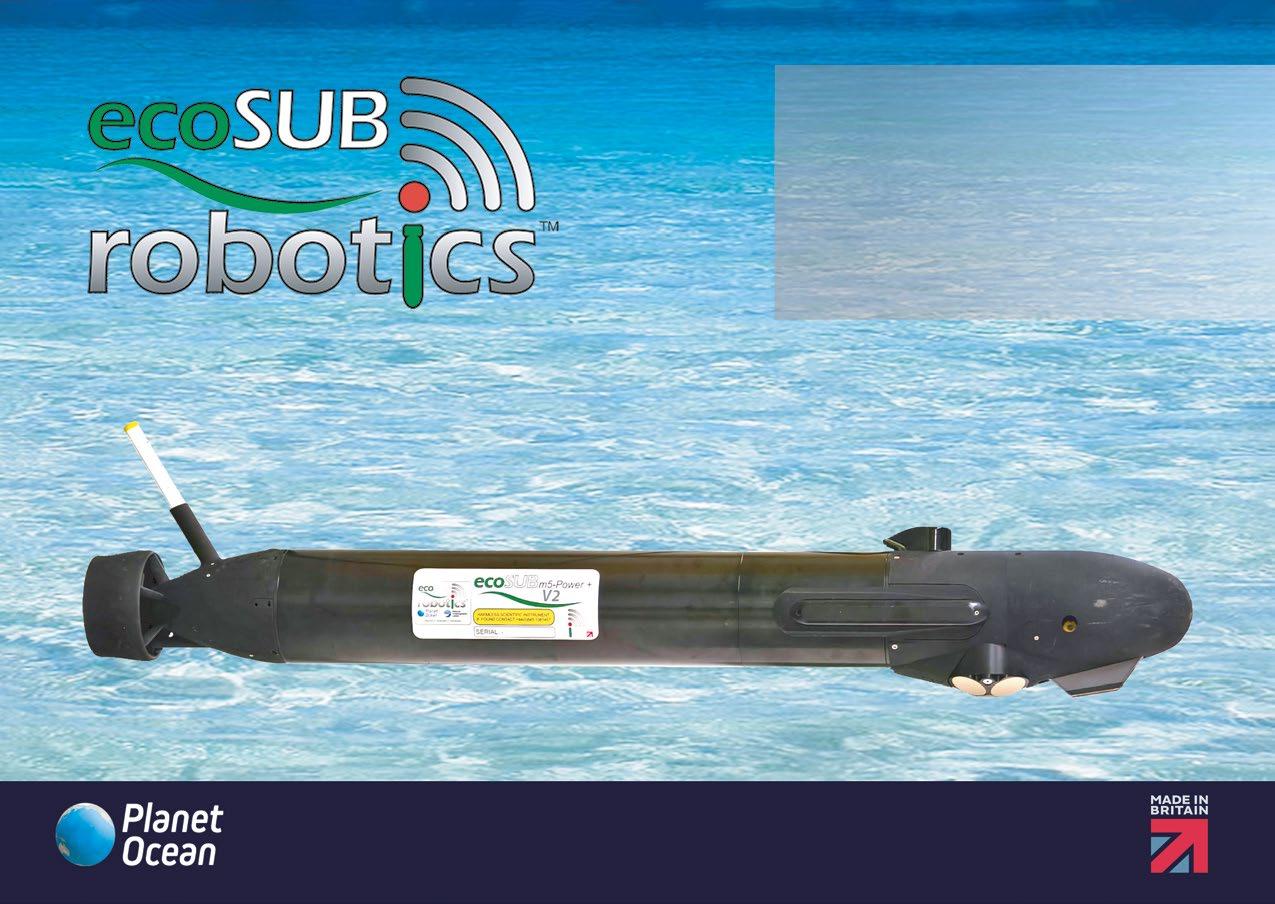
AUV-to-AUV communications using a Sonardyne OEM transponder. (Courtesy of ecoSUB)
AUV-to-AUV communications using a Sonardyne OEM transponder. (Courtesy of ecoSUB)
An inspection ROV integrated with a Voyis Discovery Stereo camera and SPRINT-Nav. (Courtesy of Sonardyne)
BRINGING THE OCEAN WITHIN REACH
QYSEA INNOVATES UNDERWATER ROBOTICS FOR MARINE OPERATIONS WITH COMPUTATIONAL INTELLIGENCE
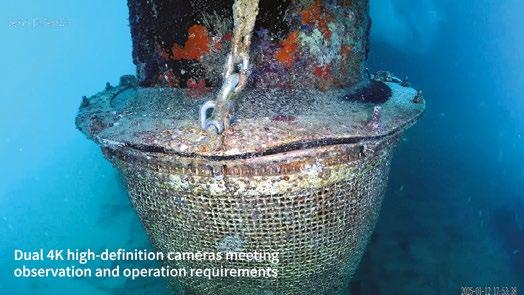
QYSEA is transforming underwater operations with its FIFISH AI ROVs: professional systems designed to perceive their surroundings, maintain stability, and support autonomous operation in dynamic marine environments. By combining high-performance hardware with onboard computation and software-defined tools, these ROVs enable professionals to inspect, document, and survey complex underwater assets safely, precisely, and efficiently, while minimizing traditional logistical and operational constraints.
RETHINKING UNDERWATER OPERATIONS
For decades, underwater inspections, surveys, and environmental monitoring have relied on a hardware-first approach: larger ROVs, higher thrust, heavier payloads, or expanded dive teams to cope with currents, confined spaces, and high-precision tasks. While effective, this strategy often increases logistics complexity, operational costs, and safety risks, particularly for frequent or localized missions.
Across civil infrastructure, offshore energy, aquaculture, and marine research, operators face a shared challenge: performing underwater work safely and efficiently while producing reliable, repeatable results. Difficulty maintaining position near structures, inconsistent path retracing, or deploying oversized systems for small-scale tasks continues to limit efficiency and data consistency.
QYSEA takes a different approach. Rather than relying on added mass or brute-force propulsion, the company prioritizes computational control and software-defined capability. By enabling ROVs to perceive displacement, stabilize actively, and assist operators through autonomous behaviors, FIFISH AI ROVs reshape how professionals carry out underwater work–especially in environments influenced by current, turbulence, or spatial constraints.
FIFISH AI ROVs are built on an integrated foundation of hardware, algorithms, and onboard computation. High-performance sensors, thrusters, and structural design deliver precise physical control, while control algorithms continuously process environmental data to enable adaptive, real-time operation. Through sensor fusion, the ROV maintains station-lock in currents, follows structured inspection paths, and responds predictably to changing underwater conditions, reducing operator workload while ensuring consistent, repeatable mission performance.
This foundation is unified through a software-defined platform that integrates sensors, onboard computation, and professional software into a single operational system. Without adding mechanical complexity, QYSEA translates perception into controlled motion and reliable outcomes through algorithmic control. Building on this platform, FIFISH AI ROVs support an end-to-end mission workflow, guiding operations from stable data acquisition and repeatable navigation to assessment, mapping, and long-term monitoring.
OBSERVE → NAVIGATE → MEASURE & MAP → DELIVER
OBSERVE
Q-Pilot |
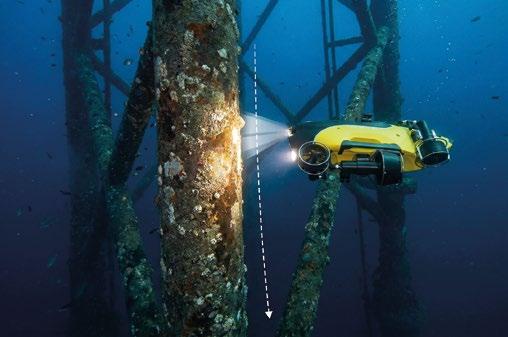
Precision Stability & Smart Cruise Control
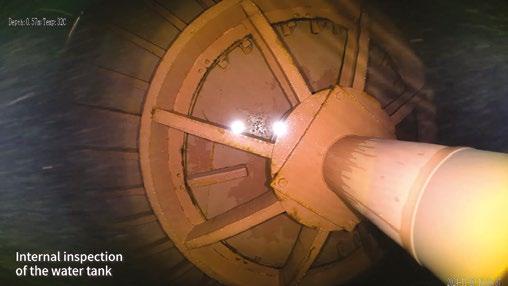
During close-range inspections of ship hulls, tanks, or vertical structures, maintaining high-precision control in moving water is essential for capturing stable and clear visual data.
FIFISH AI ROVs achieve this through Underwater StationLock Hovering, which combines locking algorithms with multiple sensor inputs and real-time control logic to detect micro-movements and automatically correct position, orientation, and posture. Adaptive collision avoidance and distance control further reduce manual intervention, allowing operators to focus on inspection quality rather than continuous vehicle control.
Underwater Cruise Control adds semi-autonomous motion, enabling operators to initiate continuous vertical, parallel, or horizontal movement while the system maintains stability and safe stand-off distance. This hands-free approach reduces fatigue and ensures consistent, repeatable inspection passes across extended operations.
NAVIGATE
Mission Planning | Underwater Positioning & Navigation Made Repeatable
For repeat inspections along the same hull, pile, or tank wall, operators must be able to retrace paths with confidence and consistency.
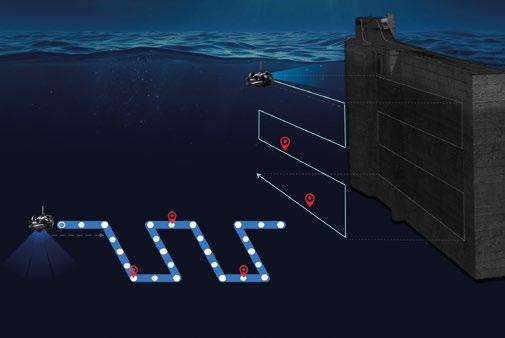
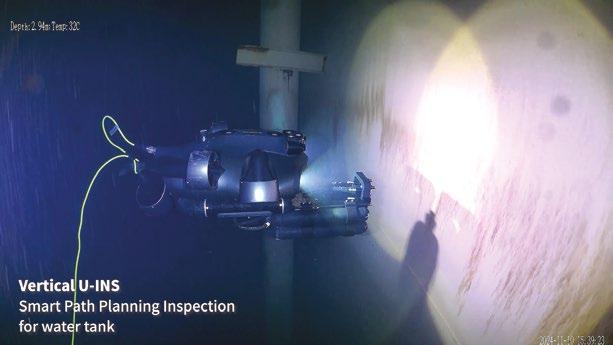
FIFISH AI ROVs enable pre-planned and repeatable inspection workflows through the Underwater Inertial Navigation System (U-INS Plus). By combining inertial sensors, surface GNSS references, and onboard navigation logic, U-INS Plus provides precise relative positioning underwater and enables the execution of predefined navigation paths for controlled, automatic movement.
Automatic return-to-home functionality further enhances operational safety, giving operators confidence that missions can be completed, and repeated, reliably.
For extended operations under the surface, the Underwater Quick Positioning System (U-QPS) enables rapid absolute positioning using USBL technology. By marking points of
Q-Pilot | Vertical Cruise Control Courtesy of QYSEA · FIFISH
U-INS Plus | Multi-Surface Underwater Navigation Courtesy of QYSEA · FIFISH
interest and returning to them over time, operators can establish long-term monitoring workflows rather than relying on isolated inspection snapshots.
MEASURE & MAP
QY Software Suite | Turning Visual Data into Measurable Insight
When assessing structural condition or monitoring environmental change, raw visuals alone are not enough. Operators require verifiable dimensions and spatial context. QYSEA transforms visual, positional, and depth data into structured, decision-ready information through a software-defined approach. The QY Software Suite enables operators to capture dimensions, model structures, and document environments without bulky or complex external payloads.
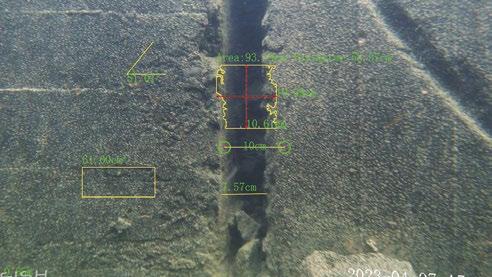
For detailed assessment, the QYSEA 2D Measurement Tool (QY-MT 2D) integrates laser scaling, high-resolution imaging and key software to deliver centimeter-level accuracy in real time or during post-processing. Operators can quickly capture distances, angles, and object dimensions directly from visual data.
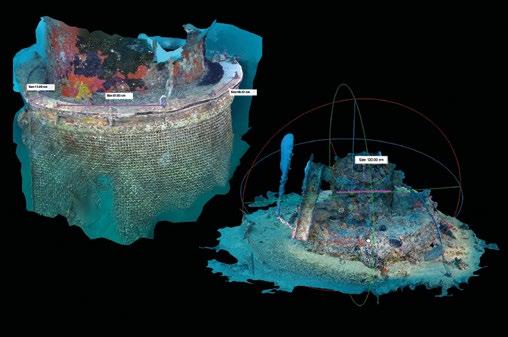
Building on this capability, the QYSEA 3D Measurement Tool (QY-MT 3D) uses continuous 4K imaging to generate accurate three-dimensional reconstructions of underwater structures and environments. These models support structural size assessment, deformation analysis, and environmental studies across engineering and research applications.
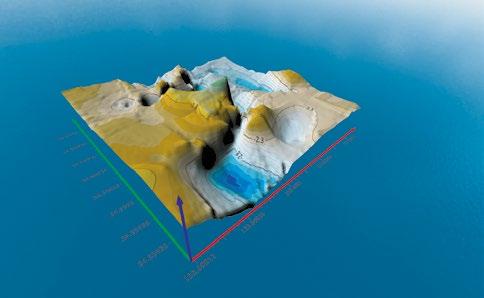
For broader spatial understanding, the QYSEA Bathymetric Tool (QY-BT) leverages depth sensing and navigation data to produce 2D profiles and fully rendered 3D bathymetric maps. By visualizing seabed terrain, structures, and potential hazards, QY-BT transforms inspection data into mission-ready outputs that support long-term monitoring, risk assessment, and operational planning—without the need for bulky sonar equipment.
DELIVER
Actionable Data & Decision-Ready Outputs
Data becomes valuable only when it can be reviewed, shared, and acted upon. FIFISH AI ROVs generate exportable visuals, dimensional records, and depth datasets that transform inspection results into structured documentation, threedimensional models, and dynamic seafloor maps.
These outputs enable teams to plan operations, monitor changes over time, and make informed maintenance or research decisions with confidence. By integrating observation, navigation, evaluation, and delivery into a unified workflow, QYSEA ensures that underwater missions do more than capture data—they produce actionable insight that drives better outcomes across engineering, conservation, and operational planning.
PIONEERING SOLUTIONS FOR UNDERWATER WORK
For years, capability in underwater robotics has been associated with size, thrust, and payload capacity. QYSEA challenges this assumption. The next frontier lies not in mass, but in intelligence applied through control, perception, and software-defined operation.
Through advanced control algorithms, autonomous stability, and integrated data tools, FIFISH AI ROVs deliver:
ƀ Reliable station-lock performance in challenging currents
ƀ Semi-autonomous inspection along seabeds and vertical structures
ƀ Dimensional and spatial analysis previously achievable only with specialized equipment
This approach enables professionals to inspect, document, and protect underwater environments with greater precision, efficiency, and certainty, from the surface to the seafloor.
QY-BT | 3D Bathymetric Survey Courtesy of QYSEA · FIFISH
QY-MT 3D | Photogrammetry & Measurement Courtesy of QYSEA · FIFISH
FIFISH AI ROV · Seamless Transportation & Deployment Courtesy of QYSEA · FIFISH
TWENTY YEARS BELOW THE SURFACE
CELEBRATING TWO DECADES OF GREENSEA IQ INNOVATION
In an industry where progress is often measured in inches per year and trust is earned mission by mission, reaching a 20-year milestone is no small achievement. For Greensea IQ, the anniversary is not simply about longevity, it is a marker of sustained relevance, technical rigor, and a clear-eyed commitment to solving some of the ocean’s hardest problems.
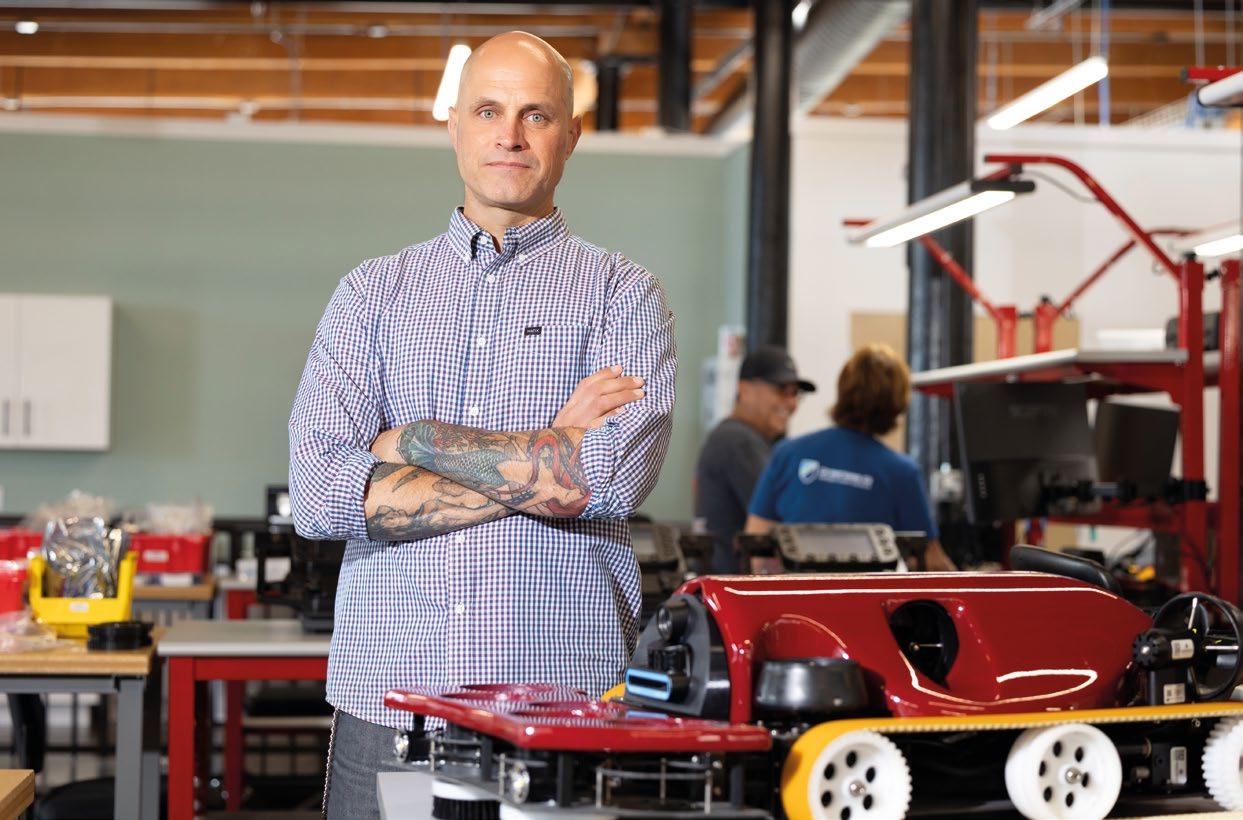
Over the past two decades, Greensea IQ has become one of the most influential forces in subsea robotics, autonomy, and navigation. From early breakthroughs in open-architecture control software to today’s autonomous hull maintenance and seabed robotics systems, the company’s story is defined by continuity: a steady accumulation of expertise, hard-won operational lessons, and a belief that intelligent robots can extend human reach safely and at scale.
This anniversary is a moment to reflect not only on where Greensea IQ began, but on how its foundational ideas—openness, autonomy, and trust in data—continue to shape its role in defense, commercial maritime operations, and ocean sustainability.
BUILT EARLY, BUILT RIGHT: A 20-YEAR HEAD START
Greensea was founded in 2006 by Ben Kinnaman with a clear technical conviction: the future of marine robotics would depend on robust software, accurate navigation, and architectures flexible enough to evolve alongside rapidly changing sensors and missions. At a time when many systems were closed, proprietary, and hardware-locked, Greensea took a different path.
The early decision, to build an open, extensible robotics operating environment, proved visionary. This philosophy found its earliest and most demanding adopters in the
Ben Kinnaman with early EverClean robot in Plymouth, MA facility (Courtesy of Greensea IQ)
global ocean science community. Long before autonomy became a commercial differentiator, Greensea IQ’s open architecture platform was selected by research institutions that required precision, reliability, and flexibility at depth. Over the past two decades, Greensea IQ has partnered with many of the world’s most respected ocean research organizations, including the Schmidt Ocean Institute, Monterey Bay Aquarium Research Institute, the University of Hawaii, NOAA, Scripps Institution of Oceanography, and, most recently, the Woods Hole Oceanographic Institution.
These partnerships did more than validate the technology— they stress-tested it in some of the most complex and unforgiving environments on Earth, accelerating the maturity of Greensea IQ’s software, navigation, and autonomy long before similar capabilities reached broader commercial or defense markets.
By the time autonomy, AI/ML, and edge computing became industry buzzwords, Greensea IQ already had more than a decade of operational experience integrating perception, navigation, and control into working systems. That 20-year head start remains one of the company’s defining advantages.
DEFENSE FIRST: ENABLING SAFETY, SCALE, AND STANDOFF
Greensea IQ’s deepest roots are in maritime defense, where reliability is non-negotiable and failure carries real consequences. The company’s technologies have been shaped by close collaboration with military users operating in mine countermeasures (MCM), explosive ordnance disposal (EOD), unexploded ordnance (UXO) response, and special operations environments.
Across these missions, the challenge is consistent: how to extend human capability while reducing risk. Greensea IQ’s response has been to push intelligence, navigation, and decision-making closer to the robot which enables greater autonomy at the edge while preserving operator trust and control.
Today, Greensea IQ systems support critical naval programs, providing integrated navigation, mission planning, perception, and over-the-horizon command and control. These tools allow operators to work at safer standoff distances, cover larger areas more systematically, and operate effectively in GPS-denied, low-visibility, and high-risk environments.
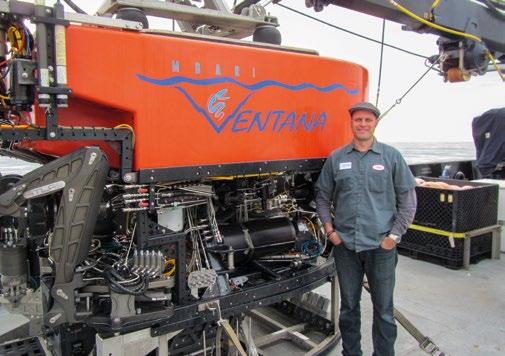
Ben Kinnaman shown with Monterey Bay Aquarium Research Institute’s (MBARI) ROV Ventana during early sea trials. (2014) (Courtesy of Greensea IQ)
Not all CEO work is glamorous. Ben Kinnaman making updates on the R/V Baldwin. (2014) (Courtesy of Greensea IQ)
Greensea IQ’s Bayonet production team (December 2025) in Plymouth, MA facility. (Courtesy of Greensea IQ)
Importantly, Greensea IQ has never treated autonomy as an abstraction. Each increment has been driven by real operational needs. The result is software and hardware that feel mature because they are mature, refined through years of feedback from warfighters and operators who depend on them.
BAYONET AUGVS:
EXTENDING AUTONOMY TO THE SEABED
Greensea IQ has focused on enabling robotic operations where people, vessels, and traditional systems face the greatest risk. That philosophy naturally expanded from midwater work to the seabed and surf-zone environments, areas that demand stability, endurance, and precise navigation under challenging conditions.
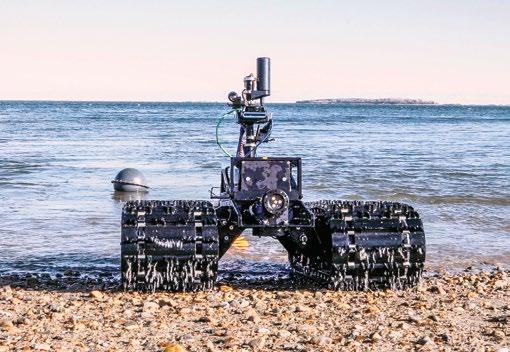
Bayonet Autonomous Underwater Ground Vehicles are a direct outcome of Greensea IQ’s technology progression. Built to operate on the seafloor and through the nearshore transition zone, Bayonet extends Greensea IQ’s core autonomy and navigation strengths into missions that demand stability, persistence, and controlled interaction with the environment.
In the same way Bayonet applies that foundation to the seabed, EverClean applies it to hull maintenance and security, turning proven autonomy into a repeatable, ship-ready capability.
FROM SEABED TO HULL: TECHNOLOGY THAT TRANSFERS
One of the most distinctive aspects of Greensea IQ’s journey is how its defense technologies have transitioned into commercial maritime applications. Rather than building for separate markets, the company has consistently leveraged the same core autonomy, navigation, and data systems across domains.
This philosophy is perhaps best illustrated by EverClean, Greensea IQ’s proactive, robotic hull grooming and inspection solution. Initially supported by U.S. Navy research investment, EverClean represents a rare example of defensederived autonomy delivering immediate commercial value at scale.
The problem EverClean addresses is deceptively simple: biofouling. Even light biofilm and slime can significantly increase fuel consumption, emissions, and operating costs.
Bayonet 250 is Greensea IQ’s best selling autonomous underwater ground vehicle (AUGV) capable of working in the littoral zone in surf up to 2 meters. (Courtesy of Greensea IQ)
Greensea IQ is revolutionizing proactive in-water cleaning with its EverClean technology. The EverClean robot and EverClean inspection robot are shown here during a 2025 demonstration held in Pearl Harbor, HI. (Courtesy of Greensea IQ)
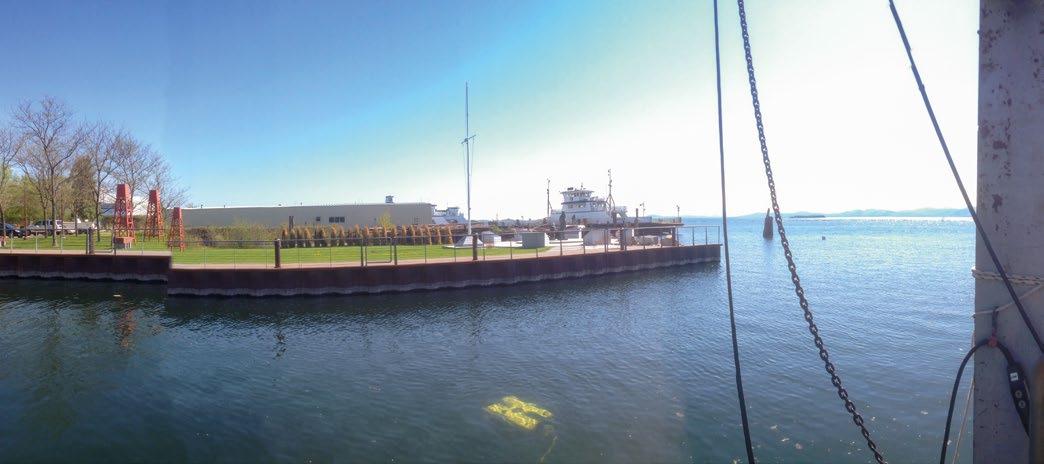
Testing system integration in Lake Champlain 2022. (Courtesy of Greensea IQ)
Traditionally, the industry has relied on reactive cleaning, waiting until fouling becomes visible and costly before intervening. Greensea IQ challenged that assumption.
By applying precise navigation, supervised autonomy, and systematic coverage, EverClean enables regular, light grooming of vessel hulls. The result is an “always clean” hull that preserves coating integrity, improves efficiency, and generates high-frequency condition data below the waterline.
Since its commercial deployment, EverClean has demonstrated measurable impact: fuel savings, emissions reductions, improved maintenance planning, and reduced reliance on hazardous diver-based operations. These outcomes are not theoretical; they are backed by operational data collected during hundreds of cleanings across dozens of vessels
DUAL-USE, NOT SPLIT-USE
As conversations around “dual-use technology” have grown more prominent, Greensea IQ stands out for having practiced it long before the term became fashionable. The company has never viewed defense and commercial markets as separate silos. Instead, it treats them as complementary proving grounds.
Defense missions demand robustness, security, and trust under extreme conditions. Commercial maritime operations
demand efficiency, scalability, and return on investment. When a technology can satisfy both, it tends to be fundamentally sound.
The same autonomy, navigation, and edge-processing capabilities that enable safe EOD operations on the seabed also underpin reliable inspection, survey, and maintenance tasks in oceans and waterways around the world.
This dual-use continuity reinforces Greensea IQ’s identity as a single, unified company—not a collection of loosely related products. Everything traces back to the same core technologies, refined and redeployed as new challenges emerge.
TWENTY YEARS IN, STILL LOOKING FORWARD
Anniversaries often invite nostalgia, but Greensea IQ’s 20-year milestone feels more like a waypoint than a destination. The ocean is changing. Regulatory pressure on emissions is increasing. Naval operations are evolving toward distributed, autonomous systems. Data expectations are rising across every sector.
Against this backdrop, Greensea IQ enters its third decade with rare assets: mature autonomy, proven navigation, thousands of deployed systems, and teams accustomed to working at the intersection of software, hardware, and realworld operations.
Just as importantly, the company retains the mindset that defined its early years—curious, pragmatic, and grounded in deployment rather than speculation. The same questions that drove Greensea’s founding still apply today: How can robots make ocean operations safer? How can data improve decisions? How can autonomy be trusted, not just demonstrated?
After twenty years beneath the surface, Greensea IQ has shown that lasting innovation in ocean robotics is not about chasing trends. It is about building foundations strong enough to support whatever comes next—and then proving them, mission by mission, hull by hull, year after year.
NOAA’s Okeanos Explorer D2 and Schmidt Ocean Institute’s ROV SuBastian, Greensea IQ technologies enable diverse subsea platforms and share common architecture, navigation, and vehicle control. (Courtesy of Greensea IQ)
NOAA’s Okeanos Explorer D2 and Schmidt Ocean Institute’s ROV SuBastian, Greensea IQ technologies enable diverse subsea platforms and share common architecture, navigation, and vehicle control. (Courtesy of SOI)
Courtesy of Greensea IQ
OPERATIONS
Mission-Ready Training For Navies & Defence Forces
Search & Rescue (SAR) Teams
UXO & EOD Units
Offshore, Subsea & Diving Operators
Marine Research Institutions
Wind Farm & Renewable Energy Operators
MODULES
ROV Training Modules
ROV Pilot Technician – Grade II
USBL/DVL Positioning & Underwater Navigation
ROV Fiber Optics
Safety in High Voltage
Electrical, Electronic & Hydraulic Systems
ROV Sensors & Tooling
Work Class ROV Simulation Training
Competence Assessment: RPT I, Senior & Supervisor
IMCA R002 Approved Training Programme
Operational E-Learning Platform
Hybrid & Onsite Training Program
Train Like You Operate.
www.rovtrainingcentre.com
rovtraining@qstar.es
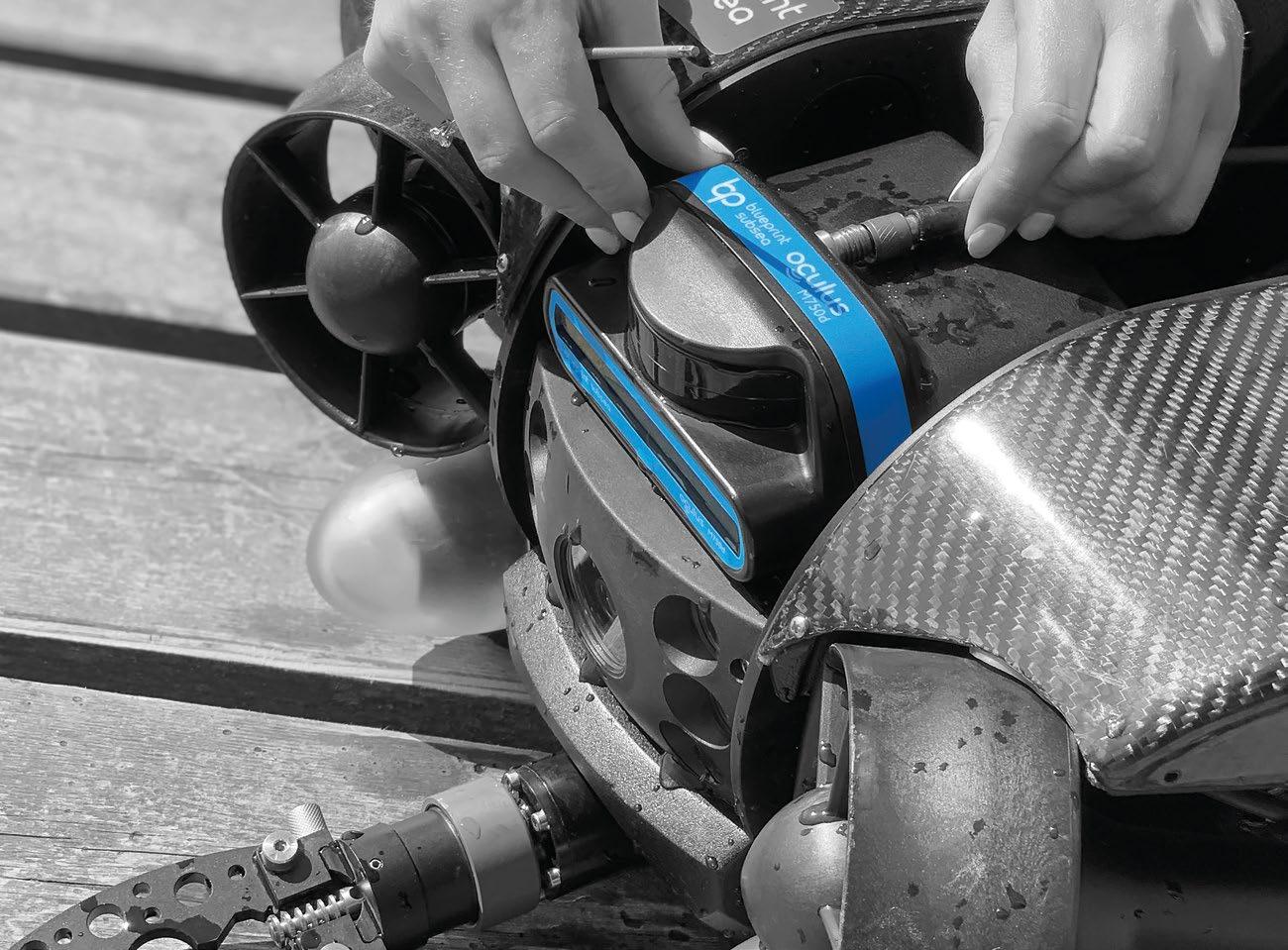
Oculus Multibeam Imaging Sonars
High resolution imaging in turbid water for improved situational awareness and target identification. Available in 375kHz to 3.0MHz. Depth rated to 500m, 1000m, or 4000m.
Proven Operational Performance
ALWAYS ONE AUV IN THE WATER
HOW USV–AUV MOTHERSHIP OPERATIONS ARE REDEFINING PROTECTION OF CRITICAL UNDERWATER INFRASTRUCTURE
By Thomas Meurling
Critical Underwater Infrastructure (CUI), subsea pipelines, power cables, and global communications links form the invisible foundation of modern society. These assets that carry energy, data, and provide economic stability across oceans are quietly enabling everything from national defense to daily digital life, whilst also becoming increasingly vulnerable.
The sabotage of the Nord Stream pipelines in 2022 and the damage to the Baltic pipeline in 2023 did more than disrupt energy flows. These incidents revealed that much of the critical seabed infrastructure remains unprotected, insufficiently monitored, and difficult to defend via traditional maritime surveillance.
What makes the challenge even more complex is the nature of the threat. Many hostile actions targeting CUI fall into the “grey zone”. Though deliberate and deniable, they’re intended to avert escalation whilst still achieving strategic effects. Attribution is difficult, deterrence even harder, and episodic monitoring is no longer enough. Protecting CUI now requires persistent, high-resolution, and cost-effective underwater surveillance on a continuous basis.
WHY TRADITIONAL SURVEILLANCE MODELS FALL SHORT
Established approaches to subsea monitoring struggle to meet this requirement. Fixed seabed systems, such as hydrophone arrays, provide persistent monitoring but only at known locations. Once identified, they can be avoided, spoofed, or neutralised. Their static nature is both an advantage and a limitation.
Crewed vessels deliver mobility, but at a prohibitive cost. Daily operating expenses routinely exceed tens or hundreds of thousands of dollars. Their acoustic and visual signatures are unmistakable, making discreet monitoring impossible. Most critically, launching and recovering underwater systems in real sea states exposes crews and equipment to considerable risk.
Standalone AUV operations solve some problems, but cause another: endurance. Battery limitations typically restrict missions to less than 24 hours. When depleted, the AUV must be recovered, recharged, and redeployed. The result is a stopstart surveillance model, punctuated by gaps precisely when persistence matters most.
In short, today’s tools were never designed for continuous, wide-area CUI protection.
Courtesy of Thomas Meurling
THE SHIFT: USVS AS MOTHERSHIPS, AUVS AS PERSISTENT SENSORS
A new operational model is emerging that fundamentally changes how subsea infrastructure can be protected.
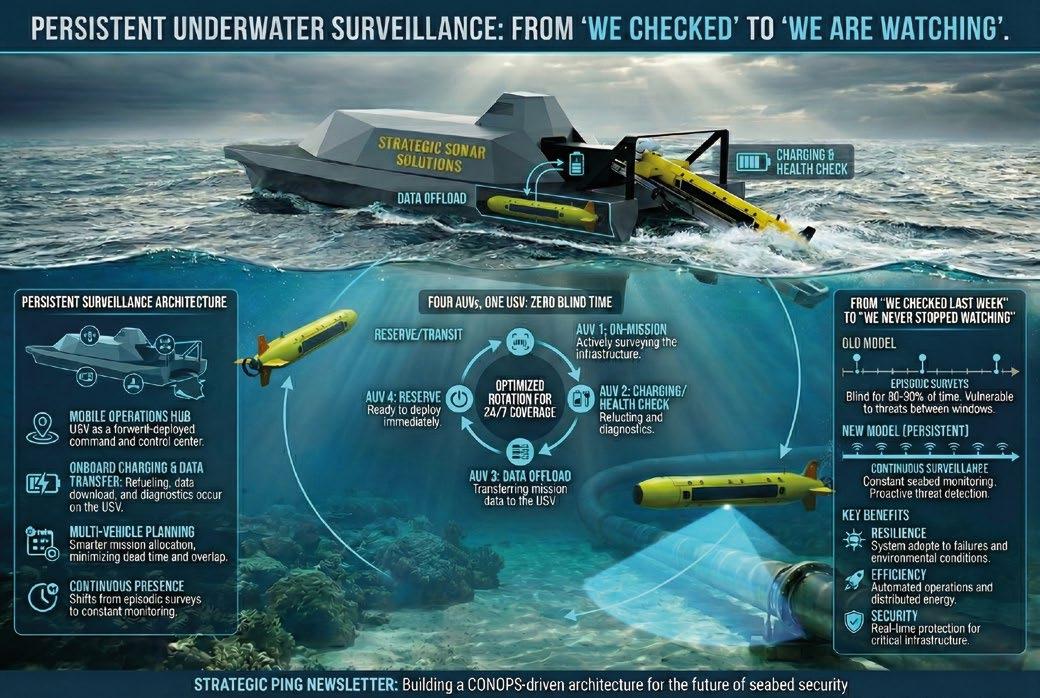
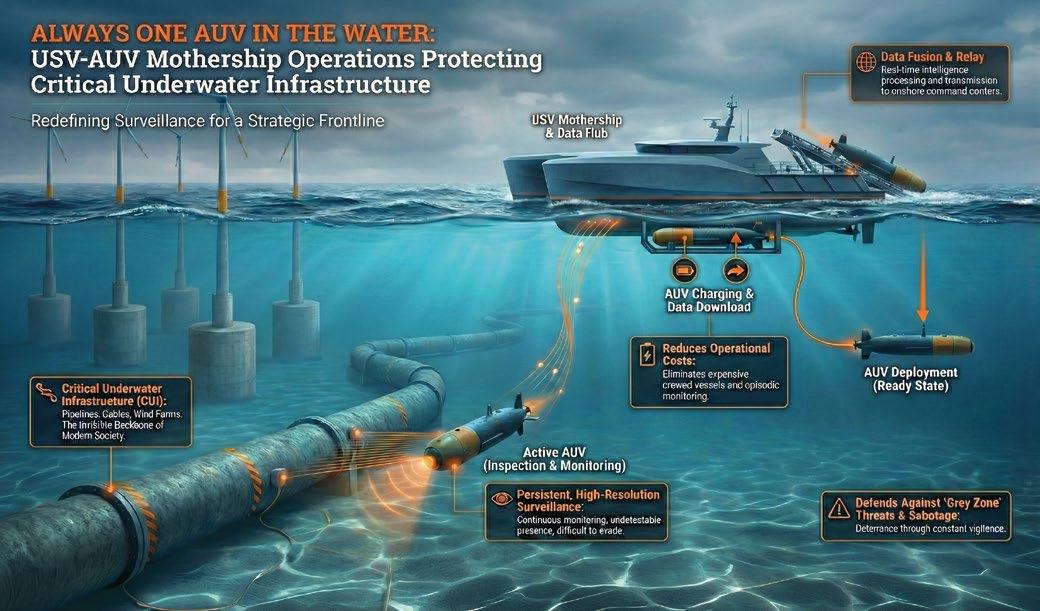
At its core is a symbiotic USV–AUV concept: Unmanned Surface Vehicles acting as autonomous motherships, supporting and sustaining fleets of Autonomous Underwater Vehicles.
This does not concern replacing ships with drones. It is about breaking the endurance barrier and creating a system where at least one AUV is always in the water – surveying, mapping, and monitoring critical infrastructure – while others recharge, upload data, or stand by. Persistence becomes the standard, not the exception.
THE OPERATIONAL PRINCIPLE: CONTINUOUS AUV ROTATION
The model is simple yet operationally effective. A USV deploys a fully charged AUV to survey a defined CUI corridor. As that AUV approaches its battery or mission limit, it autonomously returns to the USV. A launch-and-recovery system (LARS) enables safe, automated docking, often without the AUV even leaving the water. While the returning vehicle recharges and offloads data, a second AUV is deployed immediately.
The result is a continuous rotation cycle: 1 – one AUV surveying; 2 – one AUV charging; 3 – one AUV processing or standing by. There are no surveillance gaps, no need for
crewed recovery, and no dependence on weather windows to dictate operational tempo. This capability establishes the USV as an effective force-multiplying mothership.
WHY MULTI-AUV LARS IS THE ENABLER
The most critical function of the USV in this architecture is launch and recovery, rather than navigation or endurance. A multi-AUV LARS transforms the USV from a basic platform into an autonomous subsea operations hub. It enables safe handling of multiple AUVs in real sea states; in-water docking for charging and data transfer; and elimination of deck-based recovery, the riskiest phase of any subsea mission.
Removing personnel from launch and recovery operations significantly increases safety. Meanwhile keeping AUVs submerged during servicing further increases operational uptime. In this case persistence is no longer limited by weather, daylight, or crew availability.
AUVS:
HIGH-RESOLUTION EYES ON THE SEABED
In this model, the AUV serves as the primary sensor platform, operating directly where CUI is located. Mediumclass AUVs offer an optimal balance of payload capacity, endurance, and autonomy for monitoring infrastructure. Equipped with high-resolution sonar, such as Synthetic Aperture Sonar (SAS), they deliver centimeter-scale imagery across wide areas of the seabed. This level of resolution is essential, not optional.
Courtesy of Thomas Meurling
It enables detection of subtle seabed disturbances, newly introduced objects, cable exposure, or burial changes, and provides evidence of tampering or pre-positioned devices. Importantly, it also enables repeatable and comparable surveys, supporting accurate pattern-of-life analysis along critical routes.
FROM SEABED TO SHORE: TURNING DATA INTO DECISIONS
Persistence alone is insufficient; data must be transferred securely and efficiently. In the USV–AUV model, data flows seamlessly: 1 – raw sonar data is collected by the AUV; 2 –data is transferred during docking to the USV; 3 – data is then pre-processed onboard to flag anomalies and reduce bandwidth; 4 – pre-processed data is transmitted via encrypted satellite links to shore-based command centres.
The USV acts as a mobile data gateway, providing nearreal-time intelligence to national or alliance-level command systems. Once integrated into a wider Maritime Domain Awareness framework, this continuous data stream enables a shift from reactive response to proactive infrastructure defense.
STRATEGIC ADVANTAGES THAT REDEFINE THE MISSION
The benefits of this symbiotic model are transformational, not incremental.
ƀ PERSISTENCE AT SCALE: Weeks or months of uninterrupted monitoring replace short, disconnected missions;
ƀ REDUCED RISK: No crews are exposed to hazardous launch and recovery operations;
ƀ ECONOMIC VIABILITY: Replacing crewed support vessels with autonomous motherships makes persistent surveillance financially viable;
ƀ SCALABILITY: Multiple USV–AUV teams can be deployed simultaneously throughout vast infrastructure networks.
Together, these advantages make unmanned systems a significant force multiplier for CUI protection.
A NEW DOCTRINE FOR UNDERWATER SECURITY
The protection of Critical Underwater Infrastructure is no longer a niche technical problem, it’s a strategic requirement. The USV–AUV mothership model offers a forward-looking doctrine – one designed for endurance, ambiguity, and scale. By making sure that there is always an AUV in the water, it delivers the persistence required to deter, detect, and document hostile activity in the subsea domain.
While this model is highly relevant for CUI, its implications reach further to mine countermeasures, ISR, and long-term seabed monitoring. At a time when underwater infrastructure has become both a target and a strategic lever, adopting persistent, unmanned, and integrated surveillance architectures is no longer optional. It’s the new baseline for maritime security.
Courtesy of Thomas Meurling
WIN, WIN
NORWAY’S CUI SECURITY APPROACH
ILLUSTRATES COMBINED INDUSTRY/NAVY ROLE IN MULTI-STAKEHOLDER CO-OPERATION
Dr Lee Willett
Norway has perhaps a unique geostrategic perspective on the threat to critical underwater infrastructure (CUI) within NATO’s area of responsibility.
First, it has an extensive national CUI network – mostly offshore oil and gas, but also power and data cables – through which it shares its resources with NATO allies and other international partners.
Second, this extensive network reflects the fact that Norway is home to commercial industry that holds significant expertise, capability, and capacity in building, operating, and maintaining such a network. Such capability and capacity include maritime uncrewed systems in the surface and – especially – sub-surface domains.
Third, Norway has experienced suspected CUI attacks – and prior to the CUI threat surfacing in European political and public consciousness following the Baltic Sea Nordstream gas pipeline explosions in September 2022. In January 2022, data cables connecting the SvalSat satellite station on Norway’s Svalbard Island to the mainland reportedly were cut. In November 2021, several kilometres of sensor cable were reported to have been torn from a civilian-run environmental monitoring network off the Lofoten peninsula, on the northern stretches of Norway’s mainland. These incidents occurred at either end of the Bear Gap, which divides the relatively shallow waters of the Barents Sea from the deeper Norwegian Sea and is a key transit area for underwater traffic.
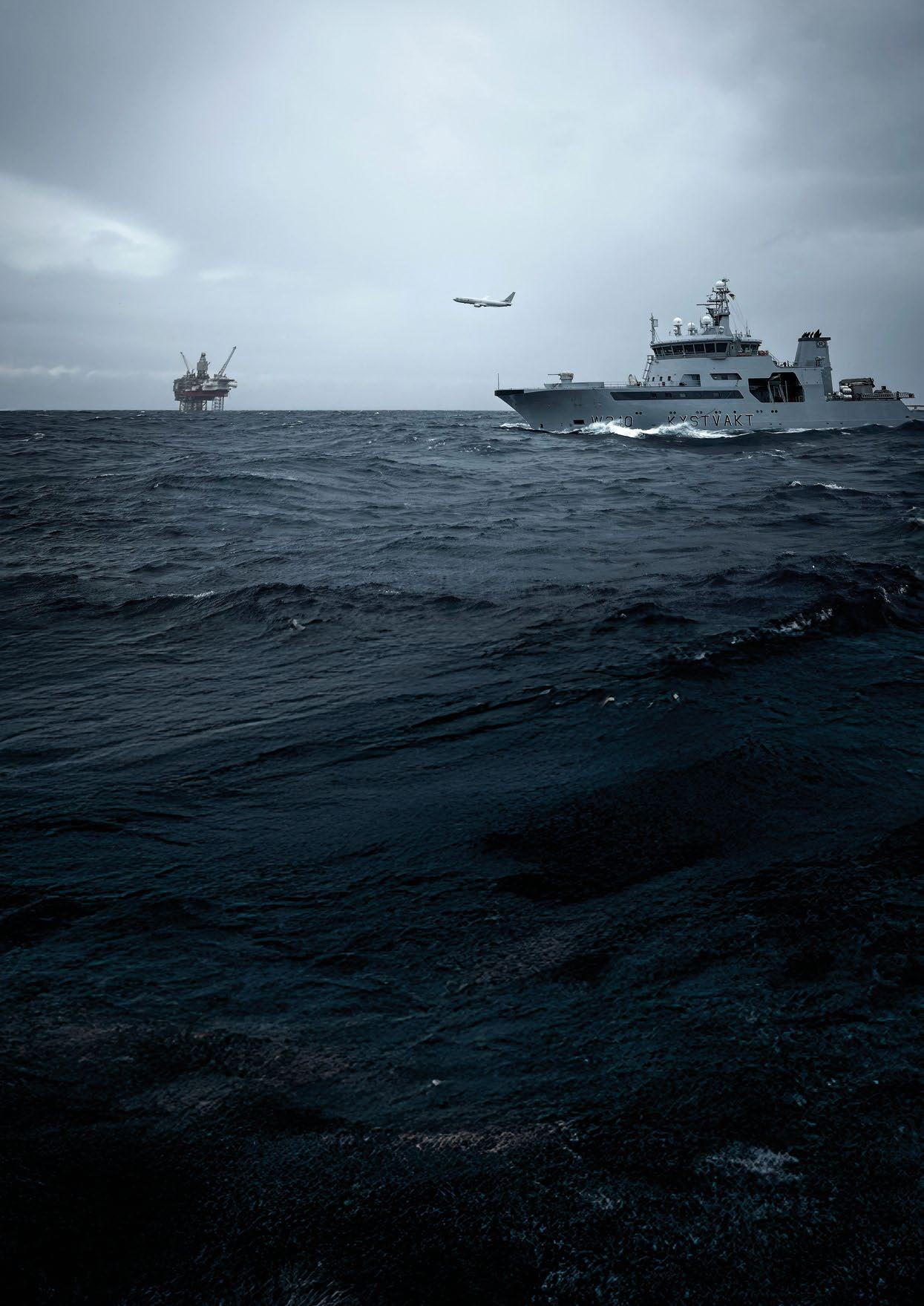
Norway is home to an extensive CUI network offshore, which it secures through a co-operative relationship between the government, maritime agencies, armed forces, and industry.
(Courtesy of Norwegian Armed Forces)
Norway’s geostrategic position is thus significant when considering CUI threats. Its CUI security capacity, capability, and experience are significant, too.
It was thus unsurprising that, in the immediate postNordstream period, Norway led an international response including Denmark, Germany, the Netherlands, and the UK to survey almost 9,000 kilometres of pipelines and cables across the five countries’ national sectors. A crucial component of this collaboration was the ability to tap into the Norwegian commercial marine industrial sector’s collective pool of over 600 uncrewed underwater vehicles (UUVs).
NATIONAL POWER
Norway itself has 8,800 km of oil and gas pipelines offshore, which supplied Europe with 30 percent of its gas in 2024. The country also hosts 400 electric power plants, which are connected by seabed power cables to Denmark, Germany, and the UK. It also has, of course, fibre-optic data cables.
“This infrastructure is owned by industry, it is established by industry, and it is put on the seabed by industry. It is inspected and monitored by industry. If it is broken, it is repaired by industry,” Commodore Kyrre Haugen –Commander Norwegian Fleet for the Royal Norwegian Navy (RNoN) – told the DefenceIQ ‘Seabed Security’ conference in Tróia, Portugal in September 2025.
“The true muscle is within industry, with hundreds of remotely operated vehicles (ROVs) and other systems available for pipeline and cable surveillance. This provides resilience,” said Cdre Haugen.
“The subsea industry in Norway is ... world class. They find sensible solutions to different problem sets,” the Cdre
continued. Industry has been establishing and surveying its own integrated seabed infrastructure for decades, and the system has some in-built redundancy for when maintenance is required or accidental damage occurs; industry also holds data that is available for the armed forces, he added.
Today, given the CUI threat’s increasingly urgent nature, Norway’s commercial industry conducts risk analysis with an emphasis on security alongside safety, Cdre Haugen explained. There is recognition amongst the different stakeholders including industry and the military that common situational understanding is required to help the government and armed forces protect what may need to be protected.
In the current security context, protecting CUI involves multi-stakeholder co-operation due to the possibility of seabed interference by various outside actors. For example, three incidents of CUI damage in the Baltic Sea that occurred between October 2023 and December 2024 prompted questions within the NATO community of whether such damage was caused by commercial ships purposefully dragging their anchors across the seabed for extended distances.
A co-operative approach to CUI security involves commercial industry, various governmental departments and agencies, maritime police and other marine authorities, and the armed forces – especially navies.
“There is a naval role in deterring the CUI threat: we have responsibility for maritime situational awareness (MSA),” Cdre Haugen said. More broadly, the armed forces provide further support and co-ordination in securing CUI, he added.
Norway works with international partners to deter CUI threats. The Royal Norwegian Navy (RNoN) frigate HNoMS Fridtjof Nansen (left) is pictured bringing maritime situational awareness presence at the Goliat oil field, during a UK-led Joint Expeditionary Force deployment. (Courtesy of Norwegian Armed Forces)
The Norwegian experience illustrates its multi-agency approach, in particular sharing information across different stakeholders.
“Deterring, defending against, and responding to CUI threats is all about using available information,” said Cdre Haugen. “Connecting the coastguard, the fleet, customs, the police, maritime authorities, and the major industry players together by sharing information from different sources is the key to being able to monitor such a wide and broad network of pipelines and cables, and a huge variety of different areas.”
Norway has taken specific steps to ingrain such co-operation deeply into its CUI security processes. “We have established a maritime security network with key stakeholders gathered on a regular basis, discussing relevant topics and doing tabletop exercises,” said Cdre Haugen. “Industry’s key elements have their own operational centres with classified facilities: these are in regular connection and communication with the naval Maritime Operations Centre – sharing information, and accessing information they need.”
CO-OPERATIVE INNOVATION
Norway’s industrial and naval operators are also innovating to improve CUI security capacity.
Industry’s innovation in uncrewed systems, sensors, data, and artificial intelligence is impressive, said Cdre Haugen.
Moreover, industry is developing a significant network and capacity to improve efficiency and agility in CUI surveillance not only to reduce risk of network disruption impacting
availability of industry’s service but because of the national focus on keeping CUI secure, Cdre Haugen explained. “That’s a win-win situation,” he added.
Collaborative steps have also been taken to make better use of available information. For example, sensors used by the commercial companies to monitor their systems’ safety are now increasingly integrated into Norway’s wider information-sharing network to enable MSA to be further enhanced. Physically connecting such sensing capacity into the wider national network also provides an appropriate means of sharing classified CUI information, Cdre Haugen explained.
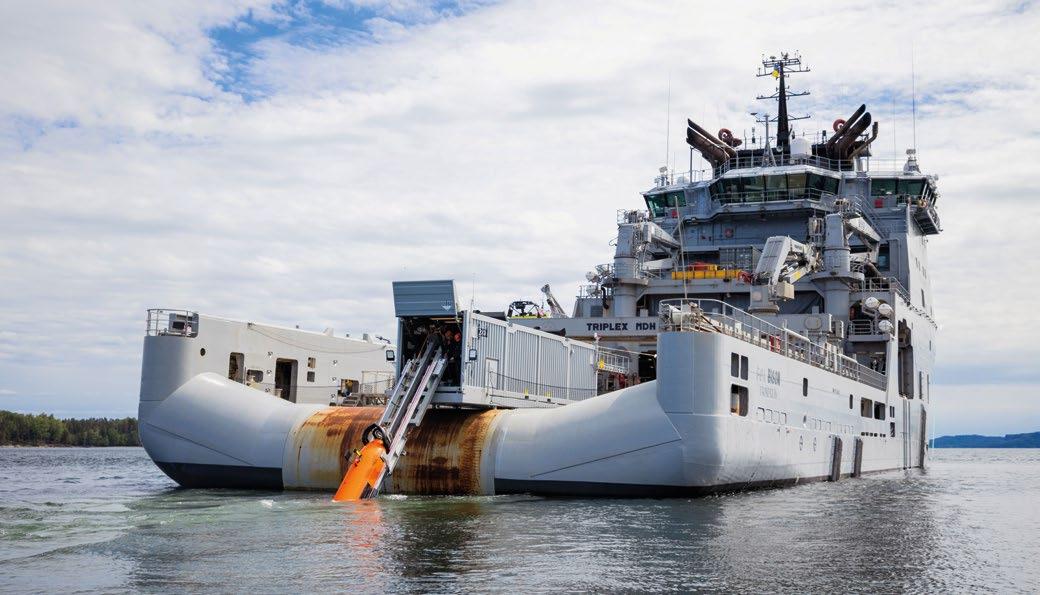
As regards the RNoN’s own capacity development, Cdre Haugen highlighted the navy’s investment in UUVs for CUI surveillance and threat detection. For example, he explained, “The RNoN has improved its ocean-going autonomous underwater vehicle (AUV) capabilities, using a container-based system that can be deployed from several ships in the fleet.”
The RNoN also uses its mine countermeasures expertise including mine clearance divers to support industry CUI surveillance needs, he added.
In CUI surveillance terms, the military requirement differs slightly from that of industry. Industry needs to surveil its entire network to ensure it all works. From the military perspective, Cdre Haugen explained, “There are other objects out there and cables at the bottom that we are more focused on to survey and protect. This is part of the risk analysis, because not all CUI is vulnerable or vital to protect as there is a lot of redundancy in the system.” “So, by analysing and conducting risk assessments, we identify ‘hot spots’ in the network and keep focusing on those,” the Cdre added.
Norway’s co-operation approach encompasses equipment capability development. Here, the RNoN deploys a Hugin AUV from a Norwegian Coast Guard vessel. (Courtesy of Norwegian Armed Forces)
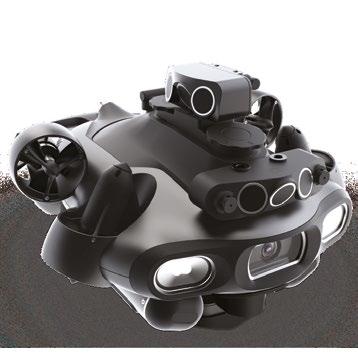
QYSEA is a smart solution provider specializing in ROVs with integrated hardware and software for advanced underwater inspection, measurement, and surveying. Its lineup of FIFISH AI ROVs delivers true 360-degree maneuverability, enhanced by the Q-Pilot · Auto-Cruise system for intelligent movement control and adaptive station-locking. Compact, precise, and mission-ready, FIFISH AI ROVs enable instant deployment in real-world operations.
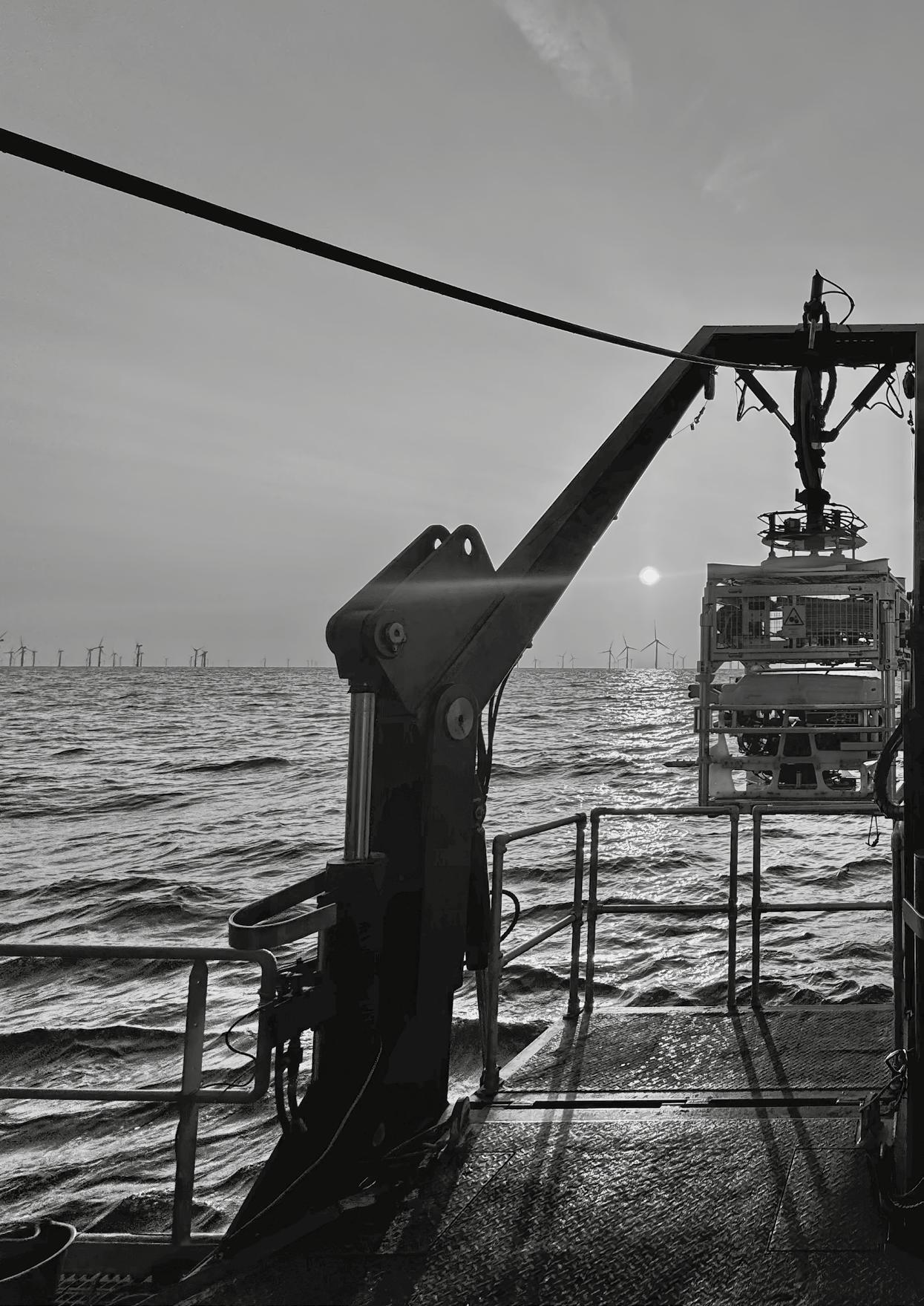
RESULTS ARE IN FROM THE 2025 MTS ROV PHOTO CHALLENGE!
We're excited to announce the winners of the 2025 MTS ROV Photo Challenge, powered by the MTS ROV Committee.
Launched earlier this year, the challenge invited the global ROV community to share images that capture the real work of ROVs in the field — from offshore inspection and subsea construction to research, environmental monitoring, and student-built vehicles.
The response was outstanding: 128 photo submissions representing a wide variety of industries, missions, and ROV platforms.
Finalists were evaluated using a formal scoring rubric, with photos judged on visual impact, storytelling & clarity of the mission, creativity & composition, and alignment with the ROV theme.
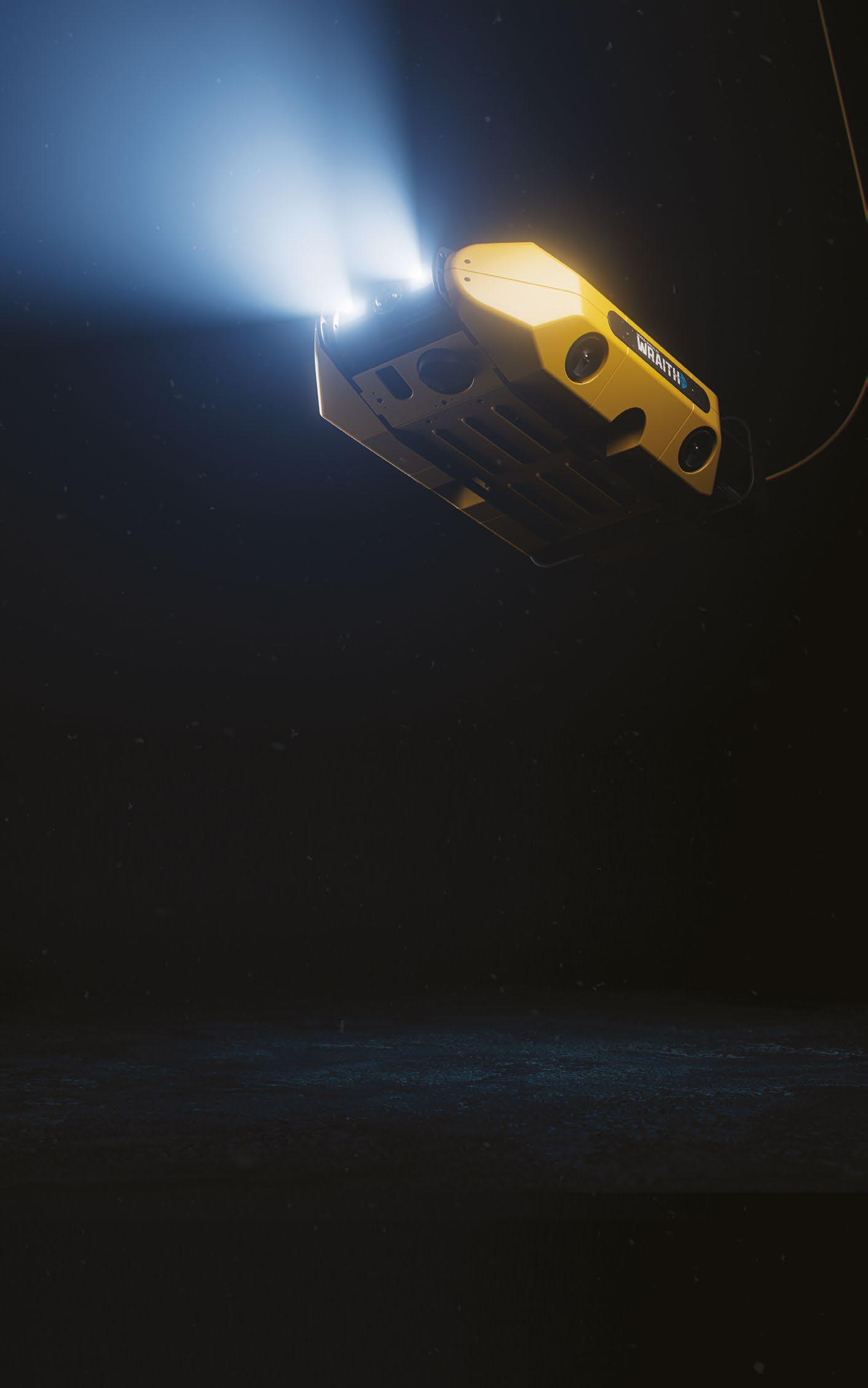
At Underwater Intervention 2025, the Top 10 finalist photos were displayed on the expo floor, where attendees cast their Industry Choice votes.
2025 MTS ROV Photo Challenge - 1st Place: To the Future
Photo by: Kelly David Screen
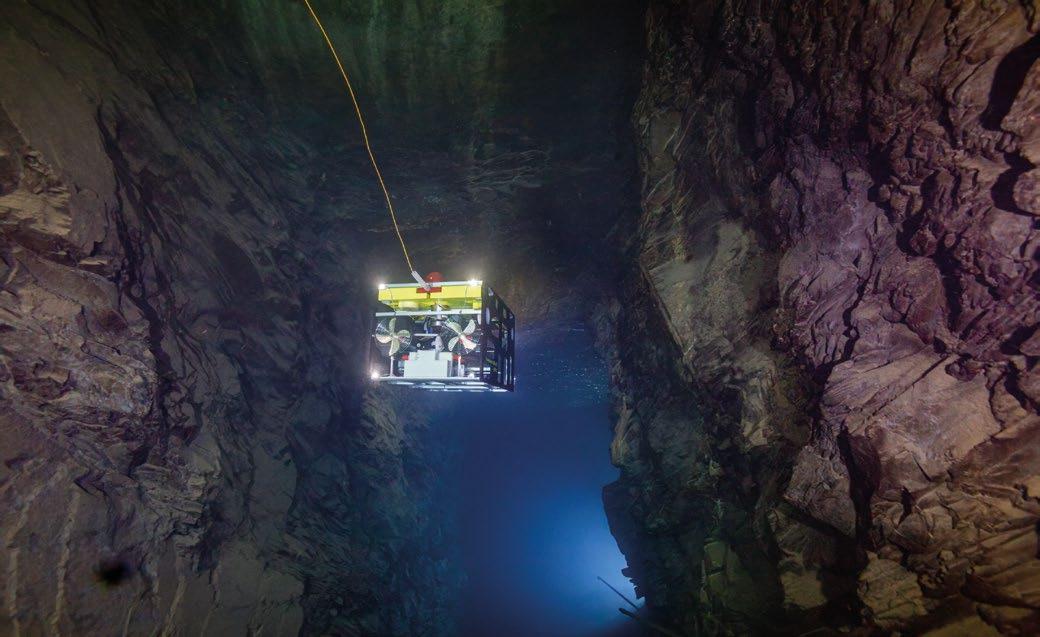
2ND PLACE: BETTA INSPECTS FLOODED GERMAN MINE
Photo by: Helge Renkewitz & Oliver Pütz
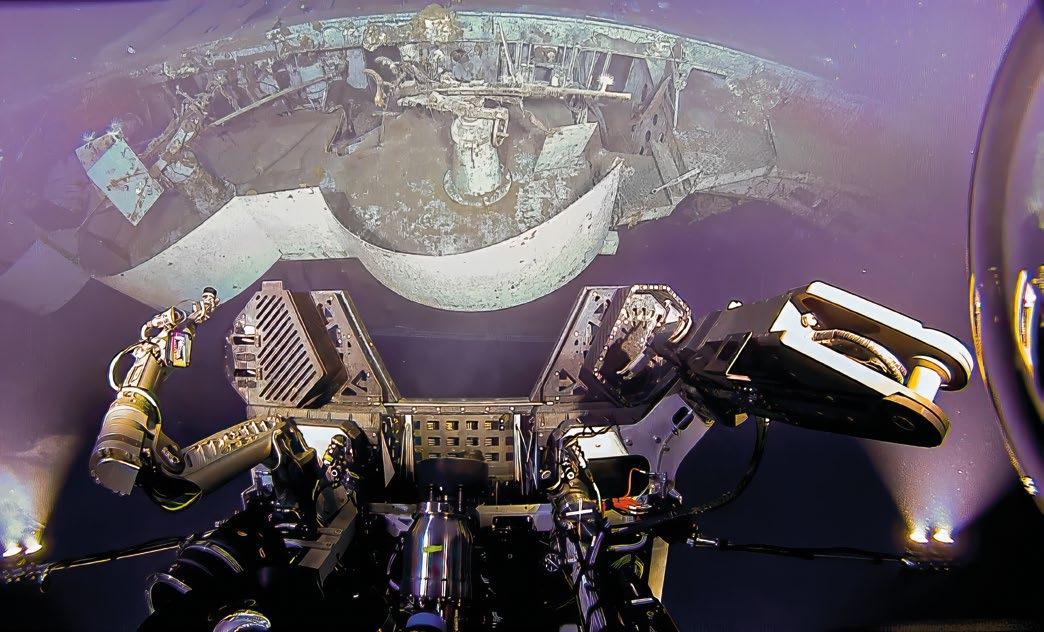
3RD PLACE: USS YORKTOWN GUN STILL READY FOR BATTLE
Photo by: Melissa Ryan, Global Foundation for Ocean Exploration
GROWING WITHOUT LOSING YOUR DNA
Growth is easy to measure. Headcount, facilities, assets and turnover all show up on paper. What is harder to measure is whether a company still recognises itself after it has grown. For RTS, that question has become increasingly relevant in recent years.
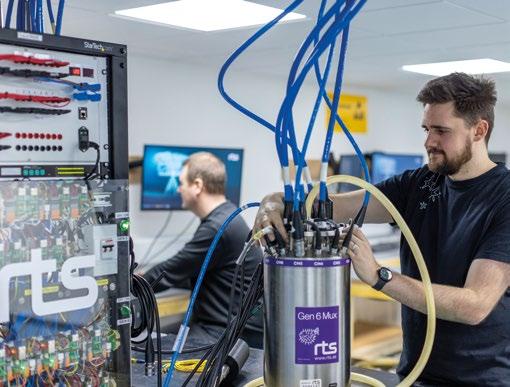
Founded in Norway more than two decades ago, RTS built its position in the subsea sector through smart technical solutions and consistent delivery. Systems were developed in-house, tested thoroughly and supported properly offshore. Rental was part of the structure from the beginning. Engineering decisions were made by engineers. Investments were deliberate. Over time, that approach built trust, not only in the equipment, but in the people behind it.
When RTS UK was established at the end of 2022, it began in familiar fashion: six experienced professionals in a 7,000 square
foot unit that served as office, workshop and warehouse all at once. It was practical, compact and entirely sufficient.
Those early months revealed more about the company’s DNA than any internal statement could. The team had worked together before. There were no ego battles and no territorial lines. Nobody was concerned with where their job ended if something needed doing. The objective was clear: make RTS UK solid from day one, and make it consistent with the standards already set in Norway.
From the Norwegian side, the intention was equally straightforward. The UK operation was not a detached venture; it was part of the same backbone. Engineering development would remain anchored in Åkrehamn, alongside established workshop, tooling and rental operations, while rental capability would expand in the UK, with both sides continuing to strengthen one another.
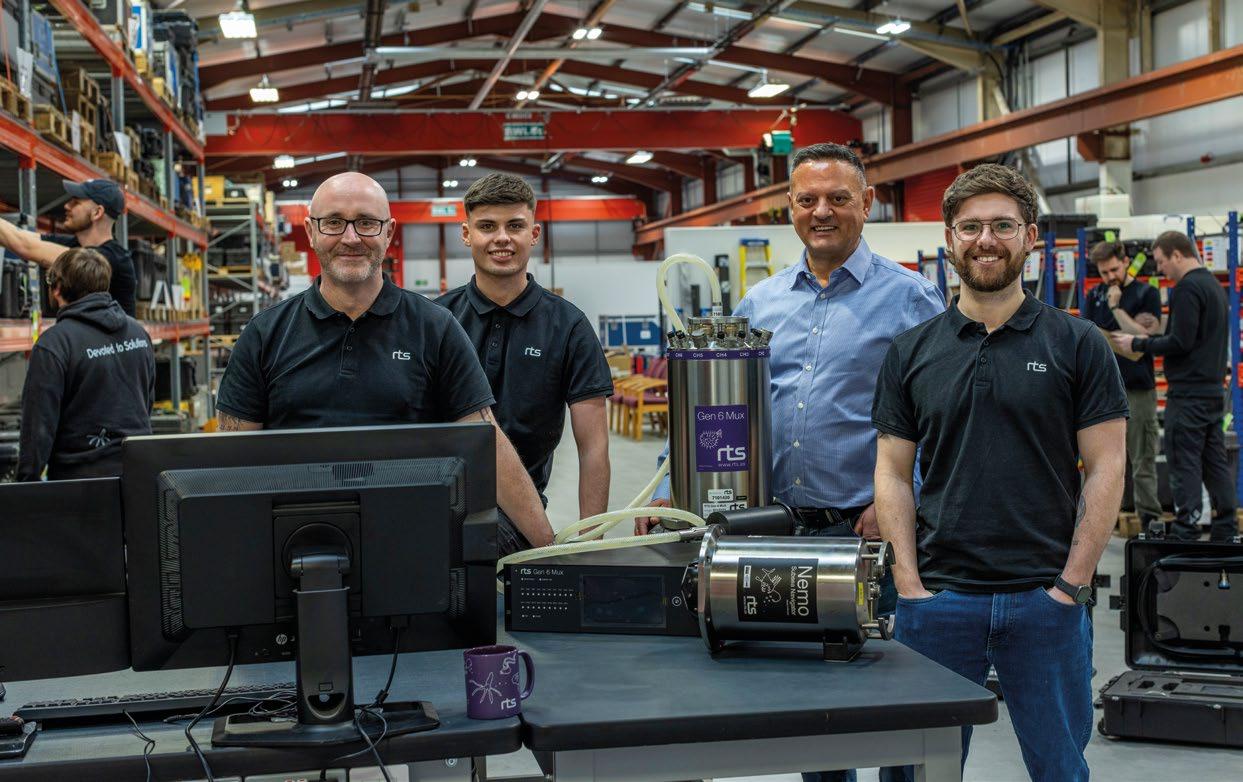
From left to right: Dale Townend (UK General Manager), Stevie Paterson (Junior Sales Engineer), David Currie (Group Managing Director) and Andrew Logan (Global Sales Manager). | Photo: Ray Smith
The connection became tangible early on. That first shared Christmas gathering, informal, slightly chaotic and absolutely longer than planned, did more than mark the season. Introductions turned into conversations, conversations into stories, and by the end of the evening there was a sence that this would work. It was the beginning of relationships that have since carried projects and pressure across borders.
In the early phase, equipment availability was the main constraint. Demand frequently exceeded supply. Every investment decision mattered. Assets could not simply be purchased to fill shelves; they had to strengthen capability and credibility. That pressure reinforced habits already embedded in the organisation: careful reasoning, long-term thinking and technical discipline.
Three years on, RTS UK has grown from six people to twenty-four. The rental fleet has expanded significantly, supported by the wider group. Long-term project awards
have followed steady performance rather than sudden leaps. Customers who once associated RTS primarily with multiplexers increasingly recognise the strength of its rental capability.
The move in late 2025 to a 22,000 square foot facility marked a visible step forward. Dedicated mux repair and testing workshops, improved warehouse flow and expanded office space created operational breathing room. The building is larger, but the mindset inside remains practical. Designed for function.
J1W began in very different circumstances. Established during the Covid period around a kitchen table, it was built by a small family team with decades of subsea experience and a clear approach: do the work properly and look after customers well. The early workshop was modest and cold in winter, but the standards were not. Mornings began around the kettle before toolbox talks. Problems were addressed directly. Responsibility was shared.
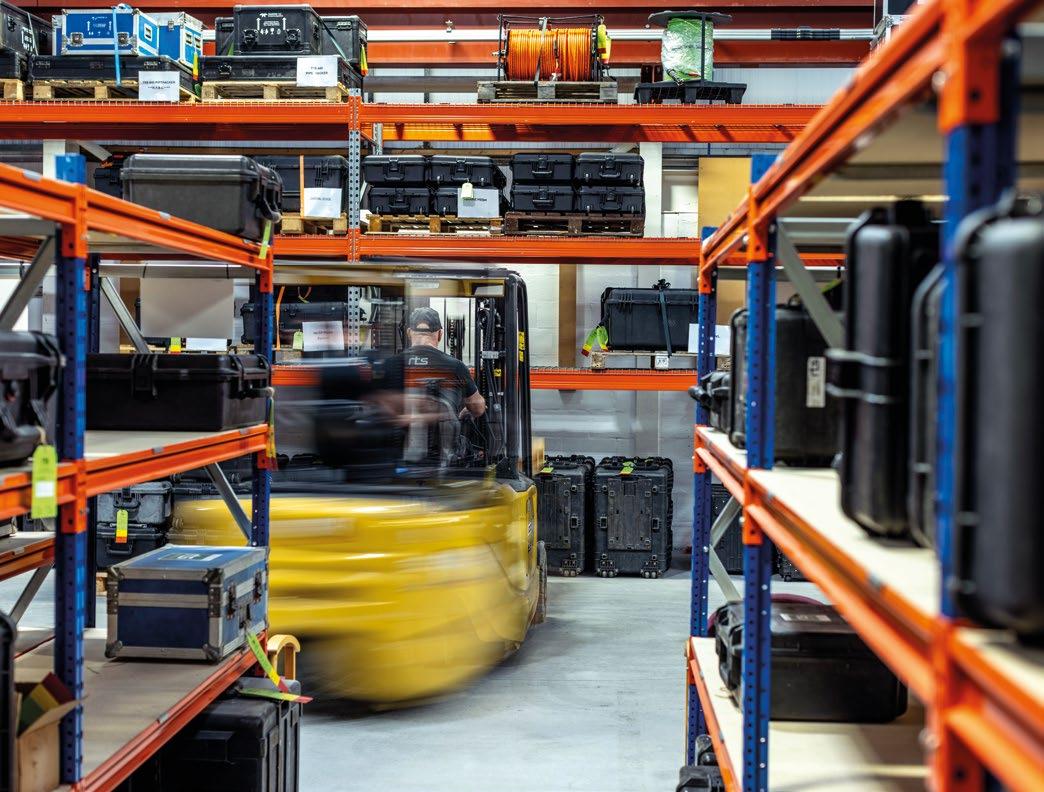
The engine of logistics, keeping the supply chain moving one pallet at a time. | Photo: Ray Smith
Growth came steadily, earned through reliability. New hires were chosen as carefully for attitude as for technical skill. There was little hierarchy and no appetite for unnecessary complexity.
When conversations about joining RTS began, the commercial case was evident. The more important question was cultural: would joining a larger group alter what made J1W effective?
The answer lay in the similarities. Both organisations valued technical credibility over noise. Both prioritised long-term relationships. Both relied on experienced people taking responsibility rather than waiting for instruction.
Following the acquisition in late 2025, J1W’s tooling expertise was integrated into the expanded RTS UK facility. Manipulator service stands, tooling test bays and plumbed-in HPUs now sit alongside mux repair and testing stations. Capability has broadened, but the working culture remains recognisable.
Today, RTS operates with development anchored in Norway, supported by an engineering office in Spain and
a strengthened UK presence combining rental, tooling and service capability. The organisation is larger and more geographically spread than it was three years ago.
Yet the daily habits are familiar. Technical decisions are still grounded in engineering logic. Investment remains deliberate. Customers are treated as long-term partners. On workshop floors, the question is still how to solve the problem properly, not who owns it.
DNA is not something declared in a strategy document. It reveals itself in behaviour: in how people respond under pressure, how decisions are made, and whether growth strengthens or weakens the foundations beneath it.
So far, RTS has grown without altering those foundations.
And if that discipline continues, the company will not simply expand.
It will grow, and remain unmistakably itself.
RTS and J1W teams powering innovation through hands-on expertise and smart collaboration. Top right: Graham and John Walker, founders of J1W, now an RTS company. | Photos: Ray Smith
SubCtech GmbH www.subctech.com
Li-ion Underwater Power Solutions Highly
efficient and safe Li-Ion batteries Made for harsh offshore and subsea conditions!
certified
MAPPING ITALY’S FUTURE A FIRST-OF-ITS-KIND
SEAGRASS MAPPING PROJECT TO SUPPORT OCEAN HEALTH AND THE BLUE ECONOMY
By Benoit Cajelot – Fugro’s Regional Manager for Climate & Nature.
Seagrass meadows are some of the most valuable ecosystems on Earth. They store carbon, support marine biodiversity, and protect coastlines from erosion. In the Mediterranean Sea basin, Posidonia oceanica, a native seagrass species, plays a vital role. But it’s under threat. Pollution, coastal development, anchoring and climate change have caused these meadows to shrink by more than a third in the past 50 years.
Fugro’s autonomous underwater vehicle: Seacat (Courtesy of Fugro)
Italy’s Marine Ecosystem Restoration (MER) project, led by ISPRA and supported by NextGenerationEU funding, aims to reverse this trend by preserving and, where needed, restoring marine habitats and strengthening coastal habitat monitoring systems. The essential starting point is clear: better baseline data that is consistently collected, nationally integrated, and ready for decision-making.
FROM FRAGMENTED INSIGHTS TO A NATIONAL PICTURE
A common bottleneck in marine restoration is the lack of comprehensive geospatial insights. Fragmented datasets and gaps in coverage limit strategic planning, impact assessment, and the ability to scale successful local initiatives. Fugro, working with CGR, EOMAP (a Fugro company) and PlanBlue, is closing this gap by mapping Italy’s entire coastline to locate and assess seagrass meadows and seafloor morphology.
This is one of the largest shallow-water mapping projects ever undertaken in Europe, and it represents a shift from fragmented data to a single, integrated view of coastal habitats that enables smarter, faster and more confident decision-making.
WHY AN INTEGRATED PERSPECTIVE MATTERS
This national-scale dataset gives public bodies, port authorities, developers, conservation organisations, and insurers a shared view to:
ƀ TARGET INVESTMENT WHERE IT MATTERS MOST: Focus restoration efforts where they deliver the greatest ecological and economic benefits
ƀ PLAN RESILIENT INFRASTRUCTURE: Understand seabed conditions and habitat sensitivities to design projects that last
ƀ BUILD STRONGER FUNDING CASES: Use clear evidence of ecosystem services, like carbon storage, fisheries, and shoreline protection, to secure support
ƀ SHOW MEASURABLE IMPACT: Track progress with transparent baselines and monitoring that demonstrate real change over time
ƀ BRING STAKEHOLDERS TOGETHER: Align decisions around trusted data and clear performance metrics.
Put simply, better data lowers risk, shortens timelines, and increases the likelihood of a project’s success.
TACKLING COMPLEXITY WITH CONFIDENCE
To deliver these outcomes, we combine satellite-derived bathymetry, airborne lidar bathymetry (ALB), multibeam echo sounders (MBES), and AUV-based validation surveys. Together, they create a seamless dataset from land to ~50 metres depth, which is essential for understanding how coastal systems are changing.
All datasets are precisely positioned using advanced GNSS and integrated into Italy’s national reference system. This allows us to produce high-resolution digital elevation models with centimetre-level precision, providing the accuracy needed for reliable analysis and informed decision-making.
We also use Virgeo®, Fugro’s cloud-based data management platform, to keep everything on track. It gives our teams, and our partners, real-time access to project data, vessel locations and progress updates. That means faster decisions, better coordination and more efficient operations.
“It’s not enough to use remote sensing, lidar, or autonomous systems on their own, you need to combine and integrate them into a dynamic, digital system,” said Giordano Giorgi, Project Director at ISPRA. “Without that integration, we won’t be able to turn diverse data into meaningful results. Our coastlines are complex, and mapping them requires a flexible, integrated approach that brings all these tools together.”
To make this possible, we go beyond simple data collection. We normalise intensity values across sensors like MBES and ALB to ensure consistency, a critical step for machine learning and automated seafloor classification. This process turns raw, multi-source data into a unified dataset ready for advanced analysis and actionable insights.
BUILDING A CLEARER PICTURE FOR SEAGRASS RESTORATION
Once integrated and processed, the data is classified using machine learning to identify where Posidonia oceanica is growing and where it’s under stress. We also map other seabed types like rock and mobile sediment.
We then segment the data into regions based on shared characteristics. These segments are grouped into thematic classes, validated using high-resolution seabed orthomosaic captured by autonomous underwater vehicles. These images, taken just a few metres above the seabed, give us a clear view of seagrass coverage and health.
Quality and consistency remain essential. We apply rigorous controls to maintain accuracy across all sensors and combine multiple layers, such as slope, aspect, backscatter and intensity, to produce high-resolution habitat maps designed for restoration planning and long-term coastal monitoring.
A SUSTAINABLE FUTURE STARTS WITH KNOWLEDGE
The MER project is more than a technical achievement in shallow-water mapping, it’s a commitment to protecting our oceans and the life they sustain. Most importantly, it demonstrates that the technologies exist to move from local initiatives to national-scale projects. By combining cutting-edge innovation with deep expertise, we are
helping Italy build a sustainable future. Our work gives ISPRA the knowledge it needs to make informed decisions about its marine environment. When we understand the seafloor, we can take meaningful steps to safeguard the ecosystems that support life above and below the waterline.
Visit Fugro at Oceanology International 2026 (Oi26) on Stand E600. The world’s leading forum for ocean science, engineering and technology returns to Excel London from 10th to 12th March 2026, connecting more than 8,000 attendees and with every continent in the world represented. For more information or to register, visit the Oi26 website.
LEADING-EDGE SOLUTIONS
FOR OCEAN SCIENCE AND OFFSHORE MISSIONS
Underwater glider for in-situ data collection
High reliability subsea buoyancy for vehicles
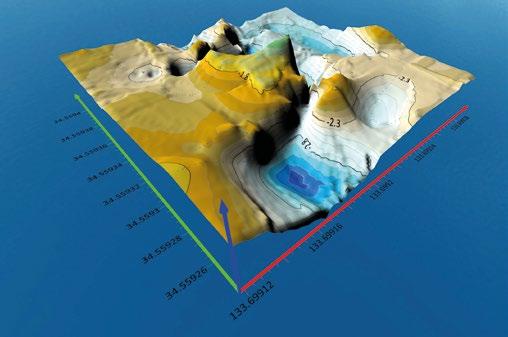
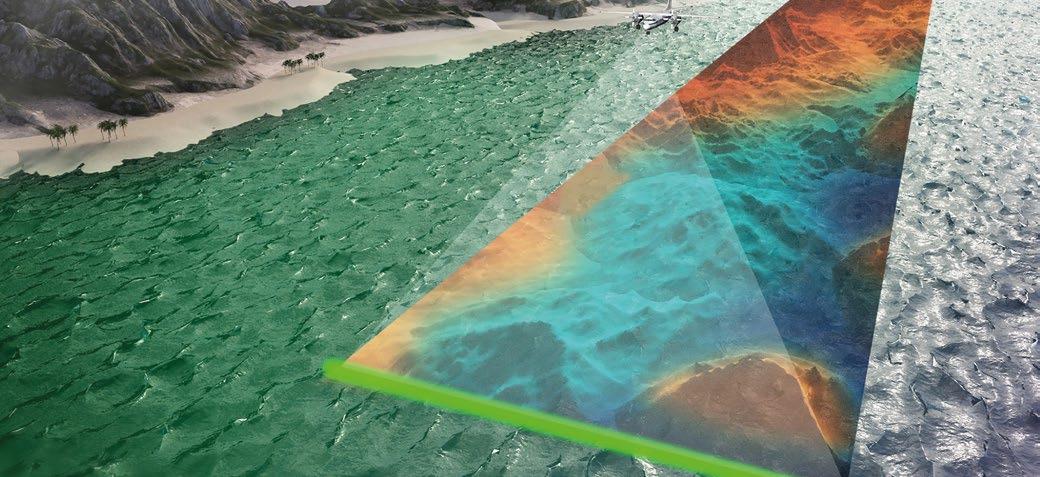
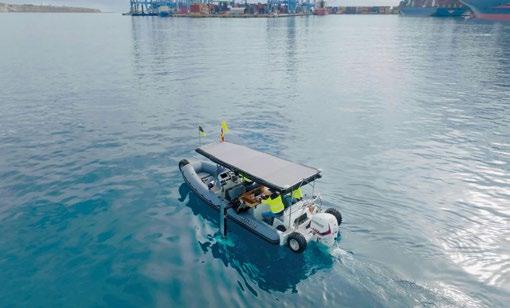
Illustration of the RAMMS technology acquiring bathymetry data (Courtesy of Fugro)
BREAKING NEW GROUND WITH UNMANNED SURFACE VESSEL AUTONOMY
By Captain George Galdorisi, U.S. Navy (ret.)
The need to have more knowledge than the adversary is as old as warfare itself. Well over two-and-a-half millennia ago Sun Tzu said, in The Art of War: “What enables the wise sovereign and the good general to overcome others and achieve things beyond the reach of ordinary men is foreknowledge. Now, this foreknowledge cannot be elicited from ghosts and spirits, nor by analogy with past events nor by deductive calculation. It must be obtained from men who know the enemy situation.”
T38 Devil Ray (Photo: Michael Cornwel)
For centuries, commanders have struggled to collect enough information about the adversary in order to give them the edge in combat. As the Duke of Wellington famously said: “All the business of war is to endeavour to find out what you don’t know by what you do; that’s what I call guessing what’s on the other side of the hill. Another British commander, Admiral Lord Nelson, was victorious at Trafalgar in large part because he used his small, fast ships to scout the position of the French and Spanish fleets.
More contemporaneously, in a naval engagement that marked the turning point of World War II, the Battle of Midway turned on one commander having more of the right information than the other had. U.S. Navy PBY scout planes located the Japanese carriers first, while the Japanese Imperial Navy found the U.S. Navy carriers too late to launch an effective attack. Had Admiral Yamamoto learned the location of his adversary’s carriers just a bit sooner, he might well have been victorious.
Today, nations and navies seek to “lift the fog of war” by gaining knowledge of adversary positions and movements. However, with ships and aircraft increasingly expensive and scarce, to say nothing of the need for them to conduct missions for which they were designed, learning “what is on the other side of the hill” is becoming more and more challenging. Increasingly, world militaries see unmanned platforms as potential “scouts” and a 2025 version of the scout planes that turned the tide during the Battle of Midway.
UNMANNED DOES NOT EQUATE TO AUTONOMOUS
When people talk about systems that are unmanned — meaning that there is no human operator aboard the craft — they often conflate the terms “unmanned” and “autonomous”
and use the terms interchangeably. This leads to confusion and obscures that fact that there is a human footprint — and often a very large one — needed to operate and maintain an “unmanned system.”
To be sure, one of the most pressing challenges for all the U.S. military services — and especially the U.S. Navy — is to reduce the manpower footprint necessary to operate unmanned systems. Most unmanned platforms in use by the Navy today are operated as remotely piloted vehicles, meaning that the controller must be “in the loop” one hundred percent of the time.
Aboard Navy ships, where space is severely limited, the manpower footprint needed to support multiple operators to drive the platform, operate its sensors, and curate the data it gobbles up is often a severe impediment that impedes the effective use of these platforms. This has led to the imperative to design and field unmanned platforms that are more autonomous.
ACHIEVING AUTONOMY IS NOT A TRIVIAL TASK
As American journalist and essayist H. L. Mencken famously wrote: "For every complex problem there is an answer that is clear, simple, and wrong." While there is some truth in this assertion, when it comes to making unmanned platforms more autonomous, emerging technology does offer an answer that is correct.
That triad of technologies includes big data analytics, artificial intelligence, and machine learning. Generally grouped together under the catch-all phrase “AI,” the art and science of making unmanned platforms more autonomous is dependent on these technologies.
T24 Devil Ray (Photo: Michael Cornwel)
This is “new news” as these emergent technologies were not mature enough to meaningfully deliver more autonomy to unmanned systems until just a few years ago. That said, AI technologies are not condiments that are sprinkled on platforms, systems, sensors and weapons to make them better, but rather technologies that must be used purposefully.
But this begs the question: “Autonomy to do what?” While there is a plethora of military missions that unmanned platforms can perform, the most basic function for any military effort is to discern: “what’s on the other side of the hill.” This is especially challenging in the maritime context where vast oceanic spaces are challenging to surveil.
In the case of unmanned maritime systems, the most universal mission is intelligence, surveillance, and reconnaissance (ISR). While at first glance unmanned aerial systems might seem to be the best solution to provide comprehensive ISR, most of those that can be carried on U.S. Navy ships have limited range and are easily spotted by adversary antiaccess/area denial radars and other systems.
AI technologies can enable unmanned maritime systems, and especially unmanned surface vessels (USVs), to become not only more autonomous, but also better equipped to process and communicate the data they acquire. Here are some of the most viable ways that this can be done:
ƀ AI technologies can help USVs plan optimal paths based on real-time data and environmental conditions and enable them to navigate safely and efficiently. This is vastly more complex and effective than simply putting pre-determined waypoints into the USV’s “brain” before it is launched.
ƀ The famous military saying: “No plan survives contact with the enemy” is as true for unmanned systems as it is for manned military platforms. AI technologies can enable USVs that are over the horizon from human controllers to adapt to new situations and make optimal decisions in dynamic and uncertain environments.
ƀ AI technologies can help unmanned systems target identification: AI-powered computer vision and machine learning algorithms can be trained to recognize and track specific targets, such as adversary vessels, with far greater speed and accuracy than human analysts.
ƀ Ultimately, what unmanned surface vessels discover during their ISR missions must be communicated back to a decision-maker. There are no communications channels used by modern militaries where bandwidth is unlimited. Therefore, there is only a discrete amount of data that can be pushed through the atmosphere. AI technologies can curate the vast amount of data acquired and transmit only what is vital for the decision-maker.
ƀ Numerous exercises, experiments and demonstrations have shown that one of the most effective uses of unmanned systems is having them collaborate and operate in swarms. The science and engineering to do this has advanced most rapidly with aerial unmanned systems but now unmanned surface vessels are entering this arena. As validated in recent demonstrations, AI technologies can help these USVs operate collaboratively to perform complex tasks.
These are only some of the ways in which AI technologies can enhance the success of this basic military mission. As big data analytics, artificial intelligence, and machine learning
T38 Devil Ray (Photo: Michael Cornwel)
continue to advance, they will likely continue to offer additional ways to enhance the ISR military mission as well as other missions important to today’s militaries.
UNMANNED SURFACE VESSEL AUTONOMY IS NO LONGER “ASPIRATIONAL”
Just a few short years ago, suggesting that AI technologies could accomplish some of the goals above would be at best “aspirational” and at worst only a distant, but likely unattainable, dream. That is why the U.S. military was eager to marry unmanned systems — in this specific case unmanned surface vessels — with cutting edge AI technologies to achieve a tactical and operational goal.
In early 2025 the U.S. Joint Staff organized an ambitious demonstration to not only conduct the basic ISR mission, but to show how unmanned surface vessels could operate as a swarm. As reported in a previous issue of Ocean Robotics Planet, this demonstration brought together two small, innovative technology companies, Maritime Tactical Systems, Inc. (MARTAC), a leading provider of high-performance unmanned surface vessels and TurbineOne, a company that specializes in automating threat detection and monitoring multiple sensors simultaneously.
The article cited above provides good granularity and there is no need to repeat the full results of this demonstration here. But briefly, MARTAC provided several of its high-speed T12 MANTAS, and T24 and T38 Devil Ray craft, each of which were equipped with TurbineOne’s Frontline Perception System (FPS) which provided (AI/ML)-driven automatic target recognition (ATR) and tracking.
During this exercise, multiple Frontline Perception Systemenabled MANTAS and Devil Ray unmanned surface vessels patrolled designated maritime areas detecting, identifying, and targeting specific maritime threat vessels. This was accomplished with high accuracy and low latency, validating the concept of AI/ML-driven maritime ATR and targeting. Upon detection, the Devil Rays maneuvered to conduct fully autonomous swarming operations against a simulated threat.
ADVANCING AUTONOMY THROUGH ADDITIONAL EXERCISES, EXPERIMENTS AND DEMONSTRATIONS
This significant breakthrough bodes well for future unmanned systems autonomy. Continuing — and accelerating — the development of high-speed USVs like the T38 Devil Ray, and technologies such as TurbineOne’s Frontline Perception System to provide driven automatic target recognition and tracking is a viable way forward to deal with seaborne threats. Indeed, machine-directed action to deal with these threats is a strategic imperative for maintaining dominance in increasingly contested maritime environments.
But one successful demonstration is insufficient to convince a wide array of stakeholders that these technologies should be fast-tracked ahead of other worthy defense investments. Every year the Navy and Marine Corps (as well as joint forces) conduct a substantial number of exercises, experiments and demonstrations. It is time to scale up demonstrations like the one described above to include larger numbers of unmanned systems working autonomously and in concert with each other to conduct ISR and other important military missions. Industry would be wellserved to prioritize developing these game-changing technologies that will best support future defense needs.
The views expressed in this article are those of the author and do not reflect the official policy or position of the Department of Defense or the U.S. government.
T38 Devil Ray (Photo: Michael Cornwel)
T24 Devil Ray (Photo: Michael Cornwel)
VOXEL MEANS COMPUTER 3D.
VOXOMETER
MEANS A NEW PARADIGM IN SONAR!
By Captain Marc Deglinnocenti
Yes, many multibeam sonar companies are ranting about how their technology is new and innovative. But many of them just turn out to be more of the same. R2Sonic of Austin, Texas, USA has truly achieved something new in sonar development though. Most multibeam sonars send out a single frequency of sound in each of the individual transducer beams no matter how many beams they send out at a time. That’s called a single ping. The new Voxometer sonar sends out 12 different frequencies of sound through its multibeam transducers in one single ping! This patented technology is a real game changer in the world of underwater benthic surveying. But wait, there’s more to it than that.
Courtesy of R2Sonic
Because this new sonar is so sophisticated in its pinging, it must have a very sophisticated on-board computer with multifunctioning software capabilities. That extra brainpower not only allows it to collect more detailed data faster, but it interprets the data as it goes. With one single touch of the Export button, it immediately converts all of that complicated data into a three-dimensional picture for you. There’s no more need to send the collected data through a separate software system. That computer brain saves a great deal of time indeed.
The brain can also collect data faster than their previous lines of sonars. Can you imagine trying to collect accurate sonar data whilst running a ship or an Autonomous Surface Vehicle (ASV) at speeds up to 18 knots? Voxometer can do that due to its multibeam and multi frequency capability. It has another new trick up its sleeve to accomplish that feat. According to Technical Sales Manager Mike Brissette, its top beamwidth is 0.4 x 0.4 degrees at 1000 kHz or 1 MHz if you please. That’s second to none in the marine technology industry. That can double your benthic surveying efficiency whilst only costing 20% to 25% more than the many other far less efficient and slower brands. So, Voxometer doubles the efficiency far below doubling the cost. The Voxometer sonar is extremely efficient in other areas too.
Picture resolution is always a question that’s brought up when discussing sonar bottom surveys. There are three models of Voxometers with three levels of resolution. Excellent resolution can be obtained up to a sounding depth of 500 metres for R2Sonic’s 40 Watt Medium model. The Large model operates at 60 Watt and can collect data down to 700 metres. Finally, their biggest and best model is the Extra Large one which can accurately survey the ocean
Courtesy of R2Sonic
Courtesy of R2Sonic
Courtesy of R2Sonic
Courtesy of R2Sonic
bottom down to 1000 metres! You won’t need a deep diving Remotely Operated Vehicle (ROV) to do it too. All three models are attached right to the bottom of the hull of the ship or ASV. You’ll need a Personal Computer (PC) that works with Voxometer’s already heavily computer driven brain. Most laptop computers can suffice. How is all this possible?
R2Sonic was founded in 2009. Over 15 years and eight patents later, they have finally achieved all their goals for the Voxometer sonar. This sonar is unlike anything on the market today. It’s also unlike any of their own previous sonars. It’s unique in its design and doesn’t share any of their previous sonar components. All this development might have occurred in Austin, Texas, but their manufacturing plant is in the island nation of Malta. Of course, they have a sister company in Malta called R3Vox that can easily service the European market. Selling the new technologies of Voxometer is easy for the many reasons previously stated, but there are a few more added benefits to owning a Voxometer sonar. There just happens to be a few more spinoff features that come with all that new technology.
The Voxometer can tune itself depending upon the job or jobs that you want it to do. R2Sonic’s software is so user friendly that it’s difficult for the sonar operators to make
a mistake. As an example, just tell the Voxometer that you want to survey a pipeline, and it will tune itself to make all the necessary passes with its 12 frequency pings. It’s that easy. Two of those 12 frequencies are used to give the users a good idea of how soft the ocean floor is. One frequency is gently tuned to the top of the floor bottom, whilst the other frequency probes a bit deeper to where the hard bottom starts. This can reveal if there’s a soft muddy or silty bottom as well as its thickness. Another spinoff benefit of all that computer power, multibeam transducers, multi frequency beams, high wattage, and high beamwidth, is its own Doppler Velocity Log (DVL) benefit which R2Sonic calls their Precise Velocity Log (PVL). That means that Voxometer sonar also records the current speed and direction. There’s even more that comes with the Voxometer.
You get service technicians too like most other sonar companies provide. Yet with R2Sonic you’ll get a bit more special treatment with the revolutionary Voxometer sonar like some special training for example. They have even developed their own secret formula for coating the Voxometer’s transducers. The new formula helps keep barnacles and other marine growth off of the transducers longer than ever before. So, purchasing an R2Sonic sonar sounds like a good idea to me!
Courtesy of R2Sonic
Courtesy of R2Sonic
COMBINED NAVAL EVENT
Nations
Underwater
Thursday, 21 May, 2026
Farnborough International Exhibition & Conference Centre To Tuesday, 19 May, 2026
Exhibitors
Speakers
Vice Admiral Paul Marshall CB CBE, Director General Options and Commissioning, UK MoD DE&S
Vice Admiral Rob Gaucher, Commander Submarine Forces, US Navy
Rear Admiral Piotr Sikora, Commander of 8th Coastal Defence Flotilla, Polish Navy
Rear Admiral (UH) Erdinç Yetkìn, Commander Istanbul Naval Shipyard,, Turkish Ministry of National Defence
IMPLICATIONS FOR INDUSTRY AS THE U.S. NAVY DETERMINES WHICH FLEET IT WILL FIELD
By Captain George Galdorisi, U.S. Navy (ret.)
As the U.S. Navy examines options for what mix of crewed and uncrewed systems will populate the NavyAfter-Next, industry would be well-served to watch these developments carefully as companies work to review and balance their manufacturing capabilities, and ideally, be prepared to build the mix of vessels needed by the Navy.
By way of background, a decade and a half ago The Center for Naval Analyses published a report called Tipping Point. The purpose of the report was to offer alternative operational concepts for the Navy as it worked to meet its global responsibilities.
The authors’ high concept was that the U.S. Navy was attempting to be all things to all people globally, and as the number of Navy ships declined, the service was “thinslicing,” that is, trying to do more-and-more with less-andless. This analysis suggested that decisions needed to be made regarding operational concepts. Briefly, there were five suggested alternatives for the “Global Navy:” a two-hub option a one-hub option, a shaping option, a surge option, and a shrinking status quo option.
Courtesy of MARTAC
Column space does not allow for a detailed analysis of this study, but here is a link to the report:
The Tipping Point report was an important assessment as it analyzed the pros and cons of deploying the US Navy fleet in different ways.
Today, the U.S. Navy is conducting another analysis, not about how the fleet should be deployed, but rather, and more importantly, the composition of the fleet.
These are four options for fleet composition that have gained purchase within the Navy. They are:
ƀ The U.S. Navy’s current shipbuilding plan as reported by the Congressional Research Service. This includes 381 crewed ships and a number of uncrewed surface vessels.
ƀ The second option that has gained traction is called the “hybrid fleet.” This concept was unveiled by then-Chief of Naval Operations, Admiral Michael Gilday, and endorsed by his successors. This envisions a Navy of 350 crewed ships and 150 uncrewed surface vessels.
ƀ The next option is called the “hedge fleet.” This envisions a forward-deployed force of robotic autonomous systems and crewed ships to be employed quickly in any crisis. One of the best-known concepts for employing the hedge fleet would be the much-discussed Taiwan Streetfocused “hellscape” project designed to disable a Chinese amphibious invasion of Taiwan.
ƀ The final option is the U.S. Navy‘s “golden fleet,” a recent initiative announced by President Trump in late 2025 to rapidly expand and modernize the fleet. This plan focuses heavily on battleships alongside frigates and uncrewed surface vessels. While the news reporting regarding the golden fleet centers primarily on large ships, knowledgeable observers have suggested that the small- and medium-sized uncrewed surface vessels armed with long range strike and missile defense systems will be the most strategically impactful in the near term.
One feature that ties these four options together is the emergence of uncrewed surface vessels as vital assets in the Navy’s plans for a future fleet.
I say “future” advisedly because the Navy is not treating this as a futuristic endeavor, but as a “now” imperative. Indeed, the U.S. Navy tends to deploy uncrewed surface vessels with crewed surface forces this year. As announced at the Surface Navy Association 38th national symposium in January 2026, the Seahawk and Sea Hunter medium-sized USVs will deploy this year. These uncrewed surface vessels are no longer considered “experimental,” but rather as fleet assets. The Seahawk will be part of a Navy carrier strike group.
The implications for the maritime industry should be clear. While it is expensive, and even risky, to “tool up” to produce new maritime vessels, it is impossible to miss the Navy’s commitment to field substantial numbers of large- and medium-sized uncrewed surface vessels.
An important consideration for industry is that over the past decade-plus the Navy and Marine Corps have conducted a substantial number of exercises, experiments, and demonstrations where industry has brought capable uncrewed surface vessel prototypes and put them in the hands of Sailors and Marines.
As just one example of this testing that has gone on for years, MARTAC, a U.S. uncrewed surface vessel corporation, has been invited to bring its MANTAS T12, Muskie M18, and Devil Ray T24 and T38 USV vessels to a wide range of exercises, experiments, and demonstrations.
These have included the COMPACFLT-led Integrated Battle Problem series of exercises, the Integrated Maritime Exercise series held under the auspices of U.S. Naval Forces Central Command/Commander Task Force 59 in the Arabian Gulf, NATO exercises BALTOPS, REPMUS, and the follow-on Dynamic Messenger, Australian Defence Force Exercise Autonomous Warrior, and many others too numerous to list here.
As the maritime industry moves forward to produce capable uncrewed surface vessels to meet the Navy’s current and anticipated needs, companies would be well-served to participate in as many exercises, experiments, and demonstrations as possible. This will enable them to “wring out” their USVs as MARTAC has done in order to gain fleet feedback to produce uncrewed surface vessels that will meet the Navy’s needs.
The views expressed in this article are those of the author and do not reflect the official policy or position of the Department of Defense or the U.S. government.
Courtesy of MARTAC
BMTI: ALSEAMAR’S BUOYANCY SOLUTIONS ACROSS THE FULL DEPTH RANGE
ENABLING THE NEXT GENERATION OF SUBSEA VEHICLES
The subsea vehicle market is undergoing rapid transformation driven by electrification, increasing automation, and the demand for sustained offshore operations. Remotely Operated Vehicles (ROVs) are transitioning to fully electric architectures, Autonomous Underwater Vehicles (AUVs) are advancing toward resident deployment concepts, and industrial subsea vehicles are increasingly manufactured at scale. Across all segments, buoyancy systems have become a critical determinant of vehicle performance, reliability, and total lifecycle cost.
A one-size-fits-all buoyancy solution is no longer adequate. Variations in vehicle architecture, depth rating, and operational profile require buoyancy systems to be engineered as an integral part of the vehicle design not added as an afterthought. From shallow-water industrial platforms to deepwater electric ROVs and resident AUVs, buoyancy must be precisely tailored to meet specific mission requirements.
ALSEAMAR with its brand BMTI addresses these challenges through a comprehensive portfolio of syntactic foams delivering reliable buoyancy, ranging from shallow-grade foams to deepwater solutions and composite-integrated buoyancy systems.
Underwater vehicles are extremely diverse, ranging from shallow-water trenchers to electric ROVs and long-endurance AUVs, each presenting unique operational challenges and environmental requirements. Therefore, no single buoyancy solution can be suitable for all platforms or missions.
To meet these operational challenges whilst combining technical excellence with high quality standards, BMTI offers a wide range of buoyancy solutions capable of matching the different requirements imposed by this variety of operations.
This technological offering is reinforced by a major expansion of European manufacturing capacity scheduled toward the close of the decade, ensuring scalability, reliability, and longterm supply for next-generation subsea vehicles.
ALSEAMAR’s large production capacity for Buoyancy solutions: 15,000 standard blocks/year, 3.300m3 foam filled parts (Courtesy of ALSEAMAR)
Courtesy of Deep Ocean Search
SHALLOW-WATER VEHICLES: INDUSTRIAL SCALE AND COST-EFFICIENT BUOYANCY
Many subsea vehicles operate in shallow to moderate water depths, ranging from near-surface environments to a few hundred meters. These include cable trenchers, burial vehicles, inspection systems, and a wide range of defence platforms. Such vehicles are typically large, mechanically robust, and manufactured in series.
ALSEAMAR designs foams are optimised for high buoyancy volumes, long-term mechanical durability, cost efficiency, and tailored for application in extreme pressure environments. BMTI’s shallow-grade buoyancy solutions are engineered to achieve an optimal balance between density, structural strength, and material cost, while delivering reliable buoyancy without unnecessary overengineering.
In industrial operations, buoyancy systems must withstand impacts, abrasion, and repeated handling while maintaining stable buoyancy throughout extended campaigns. BMTI’s consistent mass properties foams are equally critical to ensure predictable and repeatable performance across multiple identical platforms.
SERIES PRODUCTION AND DEFENCE APPLICATIONS
Defence and security vehicles are often produced and supported over long timeframes, sometimes spanning decades. Thanks to reliable documentation and strict configuration control, BMTI Foam solutions enable precise requirements to be met in terms of qualification, traceability, and permanent availability of materials. This rigorous approach promotes the long-term continuity required for defence programs.
In this context, buoyancy materials are selected not only for technical performance, but also for ALSEAMAR’s proven industrial capability to support serial production and guarantee long-standing supply stability, ensuring consistent vehicle performance in the field.
ELECTRIC ROVS: OPTIMISING BUOYANCY FOR PERFORMANCE AND EFFICIENCY
The transition to fully electric ROV architectures has fundamentally reshaped vehicle layouts and mass distribution. The concentration of batteries, power electronics, and electric thrusters places greater emphasis on precise buoyancy optimisation.
ALSEAMAR buoyancy systems are engineered to deliver accurate trim, reduced inertia, and bring efficient hydrodynamic performance, while remaining modular and maintainable throughout the vehicle’s operational life. Adjustable and replaceable elements are essential for adapting to changing mission requirements and system upgrades.
Deep Ocean Search Ltd’s Argus Remote Mariner XL System, equipped with a combination of ALSEAMAR’s and Subsea Composite Solutions’ (DIAB Group) subsea buoyancy parts Courtesy of Deep Ocean Search
BMTI buoyancy solutions come in standard blocks or custom shape parts to meet each client’s needs (Courtesy of ALSEAMAR)
BMTI deepwater foams solutions combine high buoyancy efficiency with robust pressure resistance and consistent performance over repeated dive cycles. Ongoing developments focus on minimising excess volume, reducing hydrodynamic drag, and enhancing overall energy efficiency.
RELIABILITY UNDER PRESSURE CYCLING
ROVs used for inspection and intervention are exposed to repeated pressure cycles throughout their service life. As a result, resistance to fatigue, creep, and long-term degradation are criteria that are just as important as resistance to maximum pressure.
As a response, ALSEAMAR has developed modern buoyancy materials that show minimal permanent deformation, low water absorption, and long-term density stability. This ensures predictable buoyancy behaviour even after extensive operational use.
Such reliability allows designers to reduce conservative margins and optimise payload capacity. For electric ROVs, improved buoyancy stabilisation directly contributes to lower power consumption and enhanced operational efficiency.
RESIDENT AUVS: A FUNDAMENTALLY DIFFERENT BUOYANCY PARADIGM
Resident AUVs are designed to operate on the seabed for months or even years with minimal human intervention. In these systems, long-term stability and reliability are the most important challenges.
BMTI buoyancy solutions for AUVs became an integral part of the vehicle structure rather than a modular component, as it directly influences stiffness, volume utilisation, mass stability, and hydrodynamic performance.
This evolution has driven the development of compositeintegrated buoyancy concepts specifically adapted to longduration subsea deployment.
COMPOSITE-INTEGRATED BUOYANCY FOR LONG-TERM DEPLOYMENT
ALSEAMAR’s composite-integrated buoyancy solutions combine high-performance syntactic foams with loadbearing composite structures to form fully unified assemblies. Structural composite skins ensure mechanical strength, dimensional accuracy, and controlled geometry, while integrated buoyancy cores provide optimised buoyancy and long-term resistance to hydrostatic pressure.
By minimising interfaces and eliminating secondary bonding operations, these monolithic architectures significantly reduce potential failure points and ensure stable mass and buoyancy characteristics throughout extended subsea missions. Such integrated solutions are particularly suitable for resident AUV platforms and long-duration autonomous systems.
For vehicle manufacturers, sustained exposure to extreme hydrostatic pressure remains a critical design driver. BMTI buoyancy materials demonstrate exceptionally low creep behaviour, negligible buoyancy drift over time, and robust resistance to water ingress and microstructural degradation. This promotes consistent performance and reliability throughout the operational lifecycle.
MANUFACTURING CONTROL AND QUALIFICATION
As buoyancy becomes increasingly integrated and application-specific, manufacturing control is critical. Minor variations in density or curing parameters can directly affect vehicle performance.
ALSEAMAR’s manufacturing approach is based on its own proprietary formulations and focuses on repeatability, tight process control, batch consistency, and non-destructive inspection, with full traceability from raw materials to finished components.
Qualification processes are increasingly aligned with vehiclelevel requirements, reflecting buoyancy’s role as a functional subsystem rather than a passive element. It’s also fully supported by ALSEAMAR’s end-to-end production chain, ensuring consistent quality and capability from prototype to series production.
Reinforced composite buoyancy products (Courtesy of ALSEAMAR)
Wide range of syntactic foam formulations, each developed in-house Courtesy of ALSEAMAR)
SCALING UP: NEW EUROPEAN MANUFACTURING CAPACITY IN 2027
Growing platform diversity and increasing production volumes require a scalable industrial base. To address this demand, ALSEAMAR is planning a new high-capacity European facility dedicated to buoyancy solutions in the next few years.
The facility will support high-volume shallow-water buoyancy, advanced deepwater solutions for electric ROVs, and large composite-integrated systems for resident AUVs, while maintaining BMTI’s usual strict process control and supporting long-term program requirements.
Expanded European capacity will also strengthen supplychain resilience and reduce logistical complexity for ALSEAMAR’s customers worldwide.
ONE TECHNOLOGY, MULTIPLE ARCHITECTURES
ALSEAMAR's Subsea Buoyancy Department relies on custom design, reliable materials, and high-quality manufacturing. Buoyancy solutions are carefully designed to integrate seamlessly with the vehicle's architecture, mission profile, and lifecycle requirements.
By treating buoyancy as a fully functional subsystem rather than a passive element, ALSEAMAR ensures optimised performance, enhanced reliability, and predictable behaviour
across all subsea platforms, from short-duration operations to long-term deployments.
CONCLUSION
BMTI’s buoyancy solution remains a critical subsystem for subsea vehicles, yet its role continues to evolve alongside advancing platform technologies. Shallow-water solutions enable high-volume industrial platforms, deepwater buoyancy ensures efficient performance for electric ROVs, and composite-integrated designs unlock the full potential of long-duration resident AUVs.
As a recognised leader in subsea buoyancy solutions, ALSEAMAR leverages decades of expertise to deliver innovative, high-performance systems. By transfiguring a passive material into a strategic enabler, enhancing vehicle performance, BMTI ensures operational reliability, and supports sustained marine missions across diverse subsea environments.
With the planned expansion of European manufacturing capacity projected by the end of the decade, ALSEAMAR is shaping the future of subsea operations, ensuring vehicles perform at their best across every mission and environment.
ALSEAMAR’s historic collaboration with Orange Marine, a leader in the installation and maintenance of subsea cable, to provide advanced buoyancy solutions for their cutting-edge cable trenchers. Courtesy of Orange Marine
Submarine Networks EMEA is the largest annual subsea connectivity event, bringing together 1,500 senior leaders from the global subsea market for two jam-packed days of learning, collaboration and networking.
In addition to offering unmissable networking opportunities, attendees will be able to enjoy thoughtleading panels, technical presentations, workshops and cable project and connectivity hub updates.
Submarine Networks EMEA is co-located with Subsea Security Summit & Expo 2026. Together, the two events form the leading annual gathering for the global subsea cable industry.
UNMANNED VEHICLES HELP RESPONSE TO THAI FLOODS
CYCLONE SENYAR WAS A “ONCE-IN-300-YEAR EVENT”
By Captain Edward Lundquist, U.S. Navy (ret.)
Heavy rains from Cyclone Senyar at the end of November caused severe flooding in Thailand, Indonesia, Sri Lanka, Vietnam and Malaysia, requiring massive rescue and relief efforts. While the storm did not have catastrophic winds, it did bring torrential rain. The most serious flooding in Thailand occurred in Songkhla Province in the southern part of the country. In Thailand, as much as 335 millimeters (13 inches) fell in the city of Hat Yai in just one day, and floodwaters reached a depth of up to 2.5 meters (over 8 feet) in some areas. Officials are calling the storm and its aftermath a “Once-in-300-year event.”
Authorities established shelters to provide a safe and dry place for people to escape the flood-soaked communities. Roads became impassable, cutting off villages from relief supplies. Many residents had to take refuge on their rooftops.
Drones were used to survey areas affected by flooding, especially inaccessible villages where roads were washed out. The unmanned aircraft were able to locate stranded individuals or find alternative routes to reach them. In some cases, drones were used to drop supplies.
Unmanned surface vehicle (USV) boats were used to pull boats with food, water and medical supplies to flood victims. The
small EMILY USVs were helpful for water rescues and delivering emergency supplies to people stranded by the water.
Normal communications and cellular service were negatively affected, requiring aerial and satellite imagery to help find and help victims. Rushing streams and rivers carried along trees, debris and buildings. Some roads remained impassable even after the rains let up and the flood waters subsided. Mudslides continue to be a danger because of the water-soaked soil.
According to a Dec. 2 report from the World Meteorological Organization, the devasting rainfall in Thailand claimed hundreds of lives. “At least 162 were killed and more than
Courtesy of Hydronalix
1.4 million households and 3.8 million people have been affected by floods triggered by heavy rains in 12 southern provinces, according to the Department of Disaster Prevention and Mitigation. In Thailand, as of 1 December, flooding affected a total of 9 provinces, 74 districts, 407 sub-districts, and 2,725 villages, approximately 2.3 million people, with at least 178 fatalities reported. Hat Yai, the largest city in the Southern region, was also affected. The rainfall reached 370.2 mm (equivalent to a 300 year return period).”
In Thailand, the military led the relief efforts but were also impacted by the difficulties in staging equipment and supplies, evacuating people and delivering food, water and
medicine to victims, caused by the impassable roads. The Thai military used helicopters, planes, trucks, small boats, drones, and even the country’s aircraft carrier, which helped deliver food, drinking water and medicine.
The country's only aircraft carrier, HTMS Chakri Naruebet, provided air support, food and medicines. The Royal Thai Navy refers to the 182-meter (597-foot), 11,500-ton ship as an "offshore patrol helicopter carrier,” and its primary mission is to serve in humanitarian assistance and disaster relief in Thailand and Southeast Asia. The ship can serve as a floating command center, hospital, and aviation hub for helicopters and drones that can respond to floods, storms and other disasters.
A team of Royal Thai Marines moves through flooded roads to reach victims of recent severe storms and subsequent flooding. A pair of Rescue EMILY drones are carried on top of the vehicle.
The unmanned surface vessels are used to rescue individuals as well as pull needed food, water and supplies to stranded people. (Courtesy of Hydronalix)
Representatives from of CCTech Thailand, explain how to prepare an EMILY USV for operation. The battery-powered unmanned surface vehicles, built by Hydronalix, are in use around the world for rescue, logistics, intelligence and survey missions. (Courtesy of Hydronalix)
Thai Marines receive training on the operation of the Rescue EMILY unmanned surface vehicle (USV). CCTech Thailand, the Bangkok-based representatives of Hydronalix of Sahuarita, Arizona, helped train Royal Thai Marines on the use of Rescue EMILY USV, which was used to provide rescue and logistics support following the recent heavy flooding in Southwest Asia. The Hydronalix vehicles were developed with the investment of U.S. Navy Small Business Innovation Research (SBIR) funding. (Courtesy of Hydronalix)
Personnel from CCTech, the Bangkok-based representatives of Hydronalix of Sahuarita, Arizona, prepare a Rescue EMILY USV, which will be employed by Royal Thai Marines during the recent heavy flood in Southwest Asia. The Sonar version of the Hydronalix EMILY and AMY USVs are in use with the Royal Thai Navy. (Courtesy of Hydronalix)
A BUSINESS BUILT ON INNOVATION
Through strategic investment across materials, services and digital manufacturing, Base Materials is accelerating its next phase of growth and strengthening its position as a technology-driven, solution-led partner to some of the world’s most demanding industries.
As offshore energy, marine research and defence operations push into deeper and more demanding environments, the performance of mission-critical components such as buoyancy modules is under increasing scrutiny. Base Materials is responding with independently certified materials, scalable production and customer-led innovation.
POWERING THE NEXT PHASE OF GROWTH
In recent years, Base Materials has undergone significant expansion, driven by rising global demand for high-performance subsea buoyancy materials.
Courtesy of Base Materials
Courtesy of Base Materials
In 2023, the business opened a purpose-built subsea production facility in Birmingham, UK. Strategically located opposite its existing warehouse and distribution centre, the £1 million investment supports the manufacture of lowdensity syntactic buoyancy materials and finished buoyancy modules for ROV, AUV and HOV applications.
The facility currently houses a 39,000-litre calibrated buoyancy tank, preparation and spray coating booths, inspection and assembly areas, and is supported by enhanced laboratory testing capabilities – enabling Base Materials to scale production while maintaining rigorous quality control. The business is now entering a significant new phase of growth, with plans to expand its UK operations.
SETTING THE STANDARD FOR SUBSEA PERFORMANCE
Base Materials’ diversification into subsea buoyancy reinforces its technology leadership. The company became the first syntactic foam buoyancy manufacturer to achieve full DNV type approval (TAC) across its entire Subtec® materials range.
Following extensive independent testing by DNV, all seven Subtec® grades are type approved for use at depths from 2,000 to 11,500 metres, providing customers with confidence that performance is independently verified, regardless of application criticality.
This milestone builds on the DNV approval of manufacture (AoM) and positions Base Materials as the most comprehensively certified syntactic buoyancy materials supplier in the market.
EMBEDDING
A SUSTAINABILITY MINDSET
Against this backdrop of expansion, Base Materials is also strengthening its environmental leadership, underpinned by its recent ISO 14001 environmental management system certification. A newly launched proprietary Life Cycle
Assessment tool enables product-specific carbon footprint calculations across its entire materials portfolio. Covering cradle-to-gate impacts and aligned with ISO and GHG standards, the tool provides verified insights to support material selection and supply chain reporting.
Annual carbon accounting and offsetting activities enable Base Materials to operate as a carbon-neutral business. These initiatives form part of a broader ESG strategy, prioritising environmental responsibility, strengthening social value and ensuring strong governance.
Sustainability is embedded into Base Materials’ buoyancy strategy through its approach to materials and services. Its buoyancy repair and refurbishment service enables ROV owners and operators to extend the service life of existing modules, reducing waste to landfill while improving return on investment.
CUSTOMER-LED PRODUCT DEVELOPMENT AND SERVICES
Collaboration lies at the heart of Base Materials’ approach. Materials, modules and services are developed in close partnership with customers to ensure reliable performance in the most demanding real-world environments. This collaborative mindset extends to services that optimise performance and cost and reduce environmental impact.
THE FUTURE OF SUBSEA
While subsea buoyancy represents a strategic diversification for Base Materials, it forms part of a broader growth story built on its commitment to innovation, performance and customer-focussed solutions.
With purpose-built production facilities, a fully DNV typeapproved materials portfolio and a clear growth strategy, Base Materials is setting the standard for buoyancy performance in a deeper, busier and more demanding underwater world.