


The Institute for Gender and the Economy (GATE) is using rigorous research to change the conversation on gender equality.
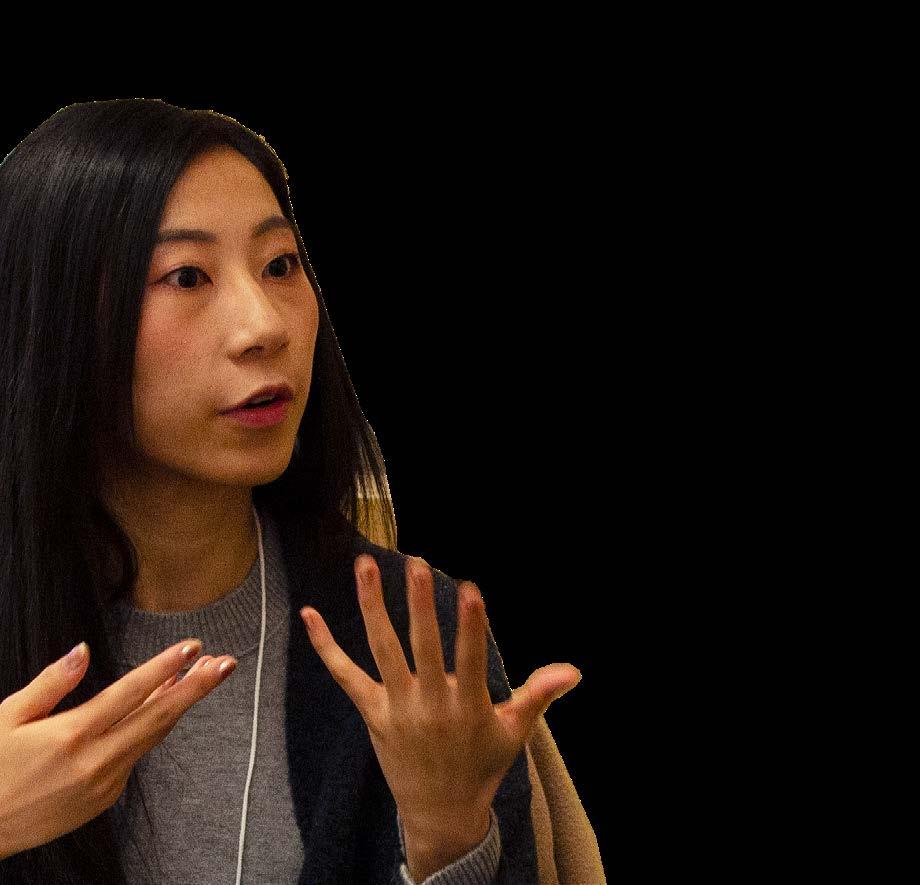
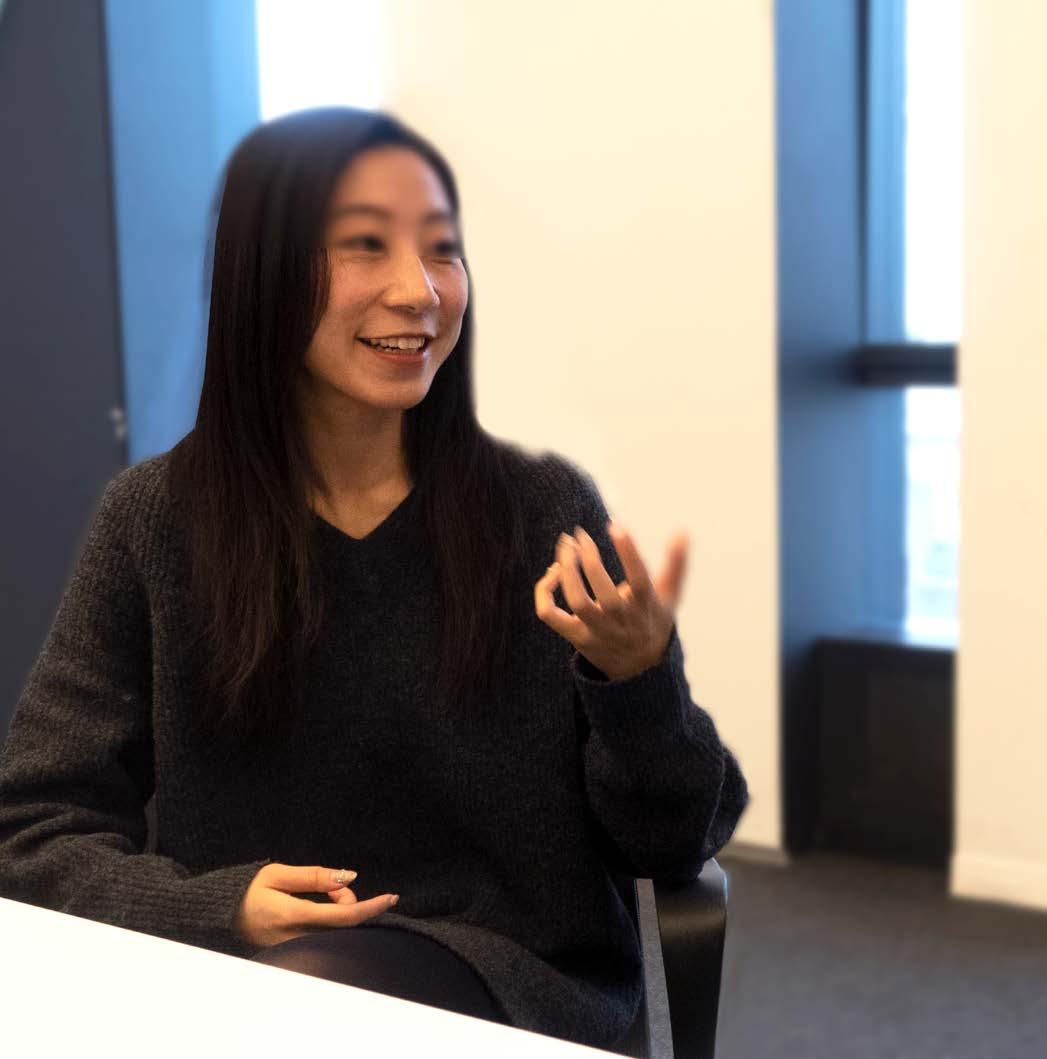
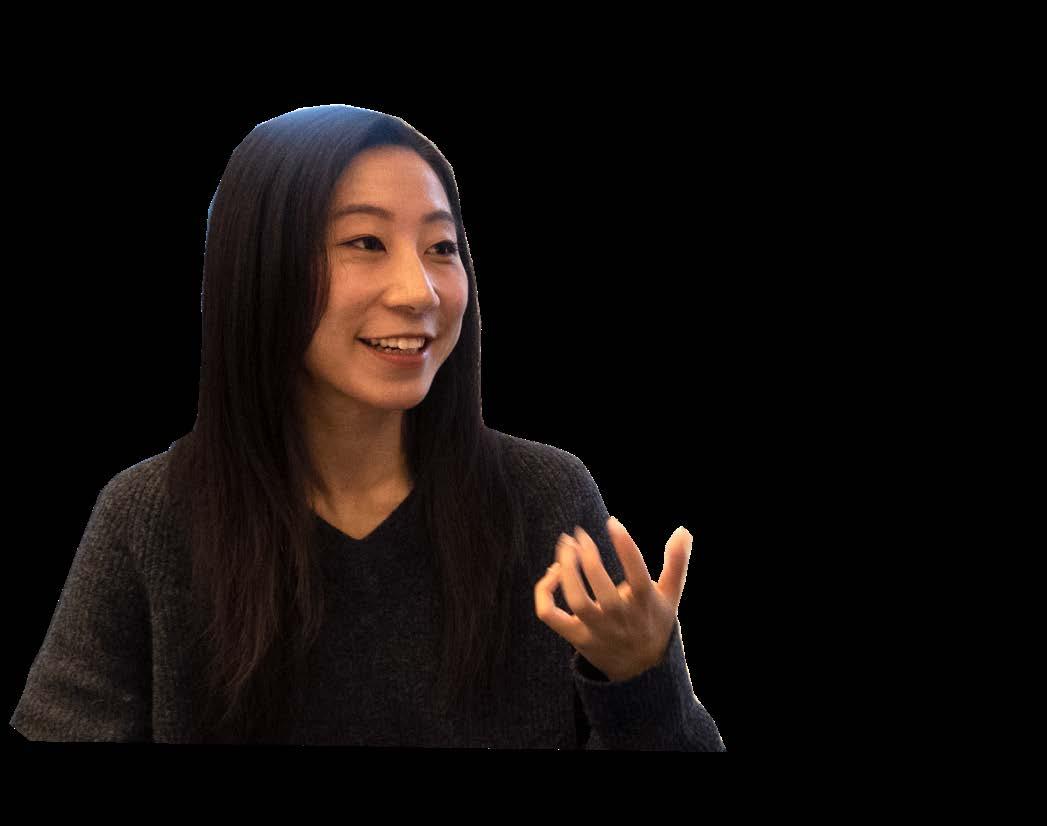
At GATE, we are changing the conversation on gender equality by:
Instigating academic research
Mythbusting tired ideas
Inspiring disruptive change
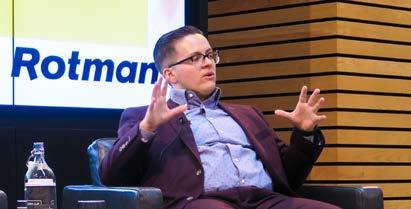
"Nobody is outside of this problem. We all experience it, and we all participate in it."

Lee Airton, assistant professor at Queen's University and author of Gender: Your Guide: A Gender-Friendly Primer on What to Know, What to Say, and What to Do in the New Gender Culture.




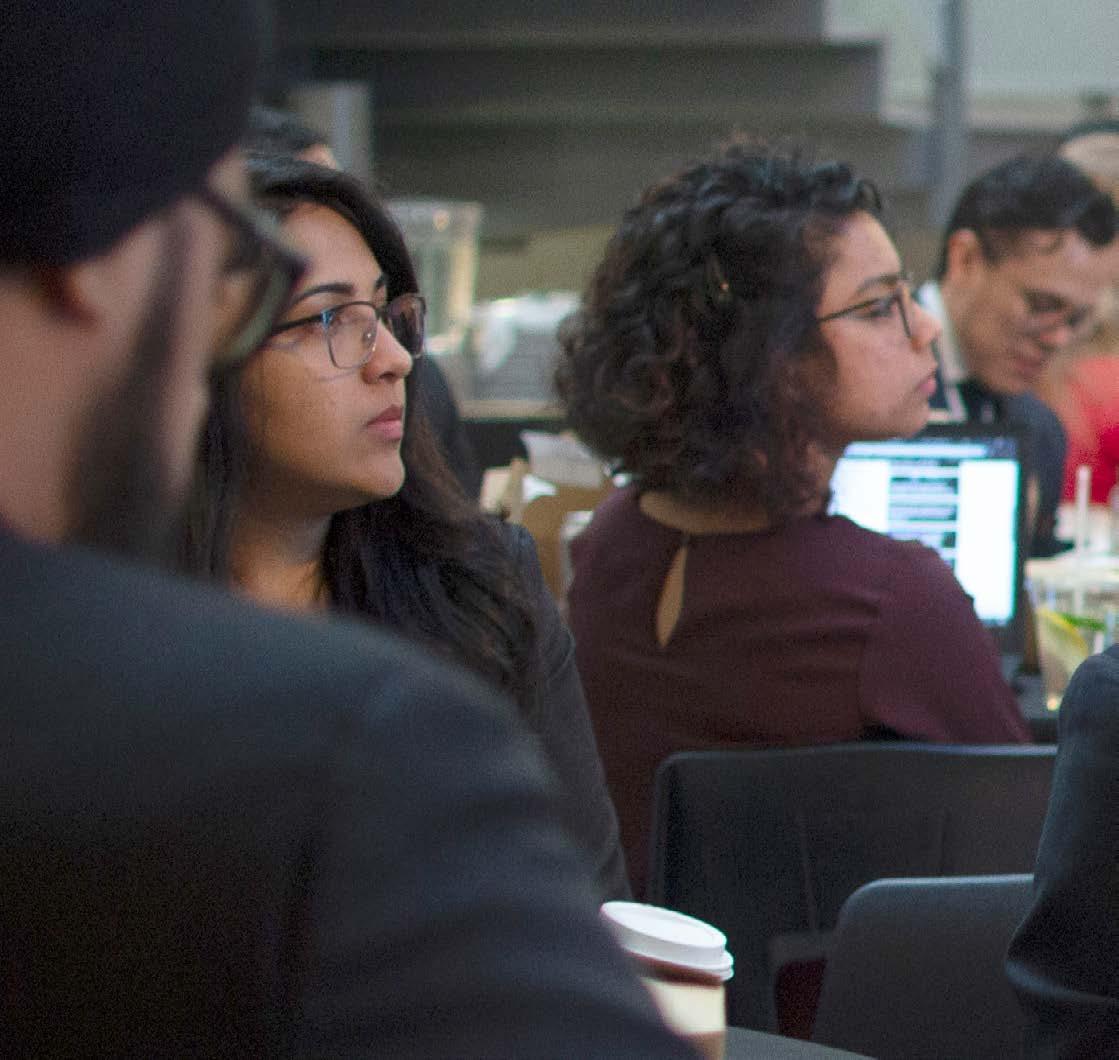
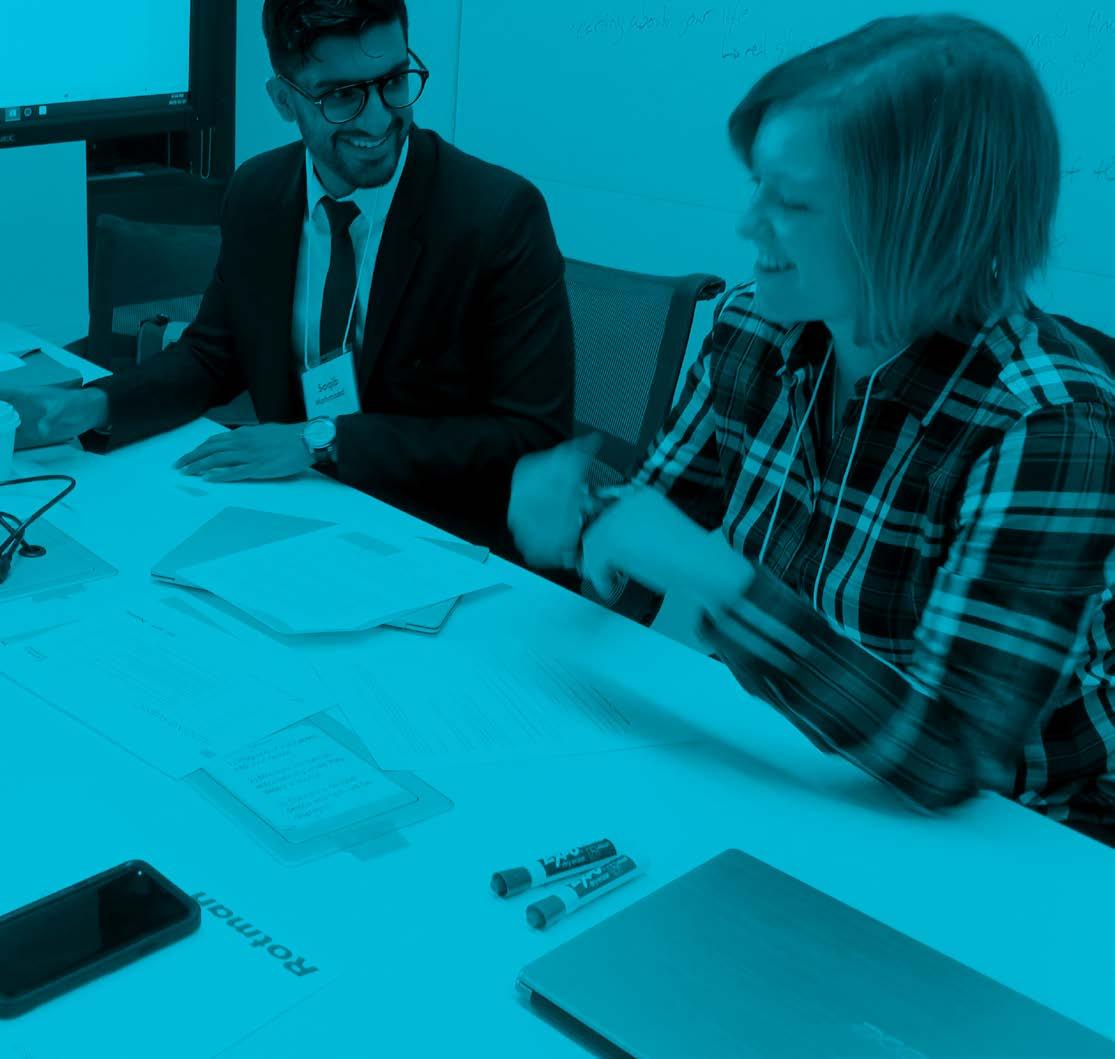
Rotman student clubs, WIMA and WiMen, cohosted a design sprint with Deloitte and GATE to rethink the “everyday man.”

Strength in numbers: How gender group composition influences knowledge contribution
7 grants for a total of $52,500

Cultural beliefs about gender affect how individuals behave within organizations. Using a behavioural approach, Daphné
Baldassari will consider how gender group composition may help increase women's willingness to contribute ideas and thus improve team performance.
Strength in numbers: How gender group composition influences knowledge contribution (Daphné Baldassari)
Effects of media outlet on gender and social biases in artificial intelligence (Spike Lee & Yang Xu)
Gender differences in response to competition in the workplace: Evidence from a natural experiment (Shannon Liu & Hugh Wu)
Does marriage matter?: Understanding the impact of same-sex marriage on the gender pay gap (Julie Moreau & Avni Shah)
She said “me, too,” he said “not me:” Situational ambiguity and sexual harassment (Rachel Ruttan & Katrina Fincher)
Developing helpful habits: Designing dynamic interventions to promote financial inclusion among women and people of colour (Avni Shah, Joseph Williams, Cendri Hutcherson & Matthew Osborne)
A closer look or a cursory glance? Systematic search bias in statistical discrimination (András Tilcsik)

Does marriage matter?: Understanding the impact of samesex marriage on the gender pay gap

Research has shown that heterosexual married men earn nearly 11% more per hour than unmarried men. This “marriage premium” does not appear for women. But what about samesex marriage? Using data collected from the 2016 and 2020 Collaborative Multi-Racial PostElection Survey (CMPS), Julie Moreau & Avni Shah will apply an intersectional lens to uncover if the marriage premium operates for LGBTQ people.
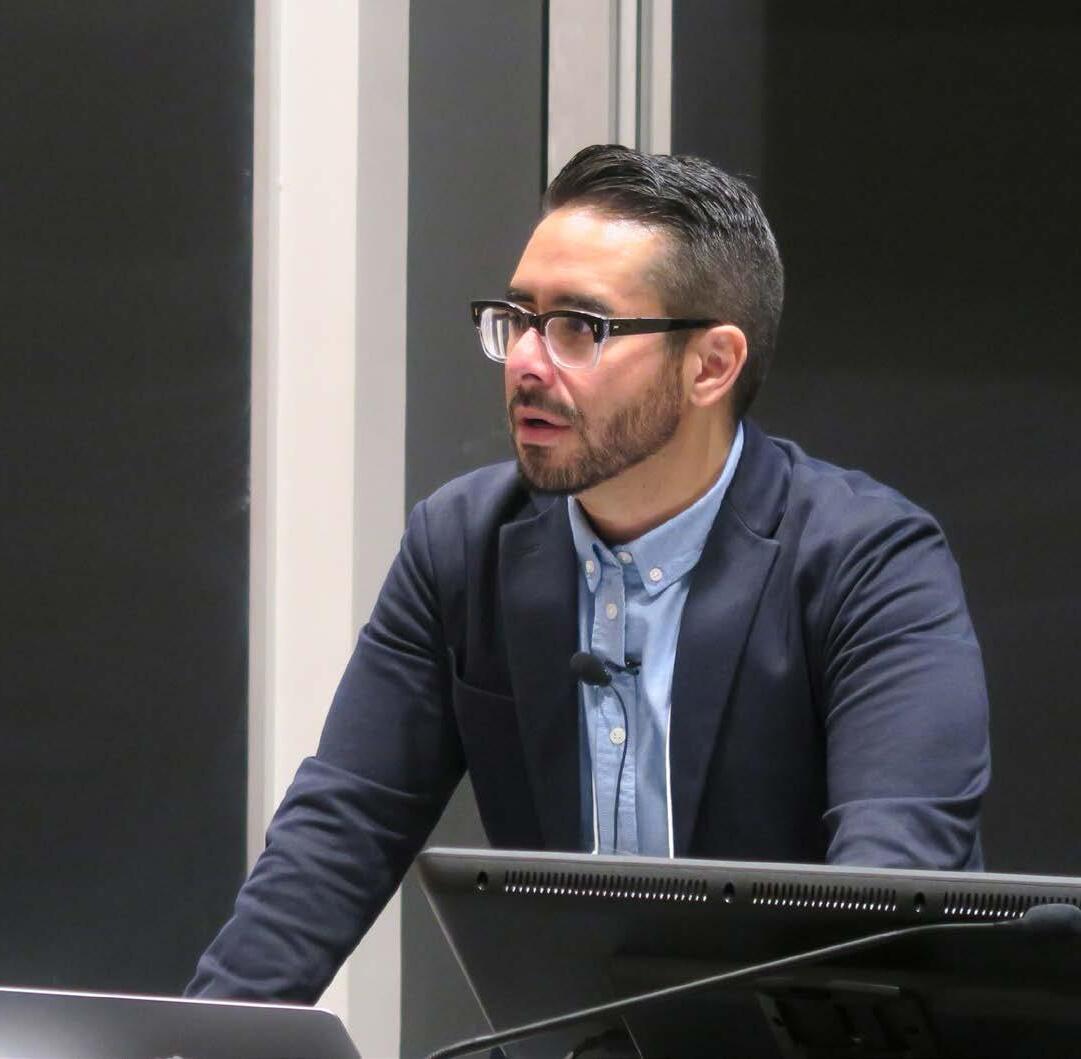
Miguel M. Unzueta, senior associate dean of MBA Programs and professor of management and organizations at the UCLA Anderson School of Management, delivers his keynote on: “Defining Diversity: How Contemporary Diversity Rhetoric Might Be Undermining Equity” at our 4th Annual Research Roundtable.
it

A 2017 Canadian study revealed that 64% of women and 53% of men believe that sexual harassment happens at their workplace. Organizations face a legal, moral, and business imperative to prevent sexual harassment of their employees. Considering the popularity of training, it remains important to question its impacts. Are anti-sexual harassment training programs useful and effective tools for reducing sexual harassment at work?
Read about the pros and cons here: gendereconomy.org/anti-sexual-harassment-training-does-it-work



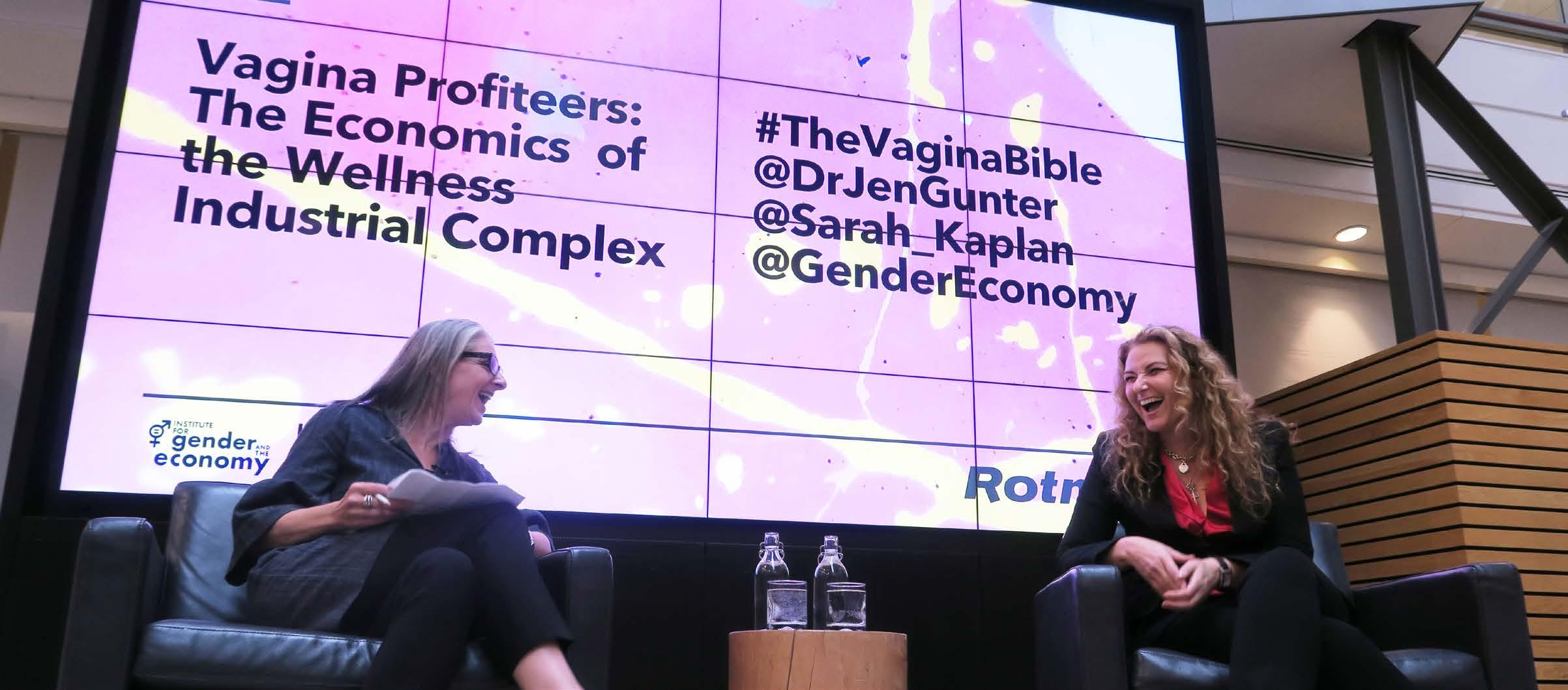
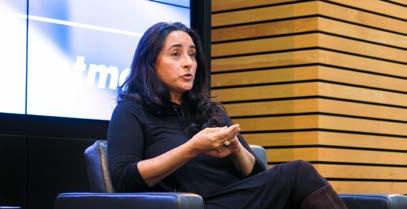
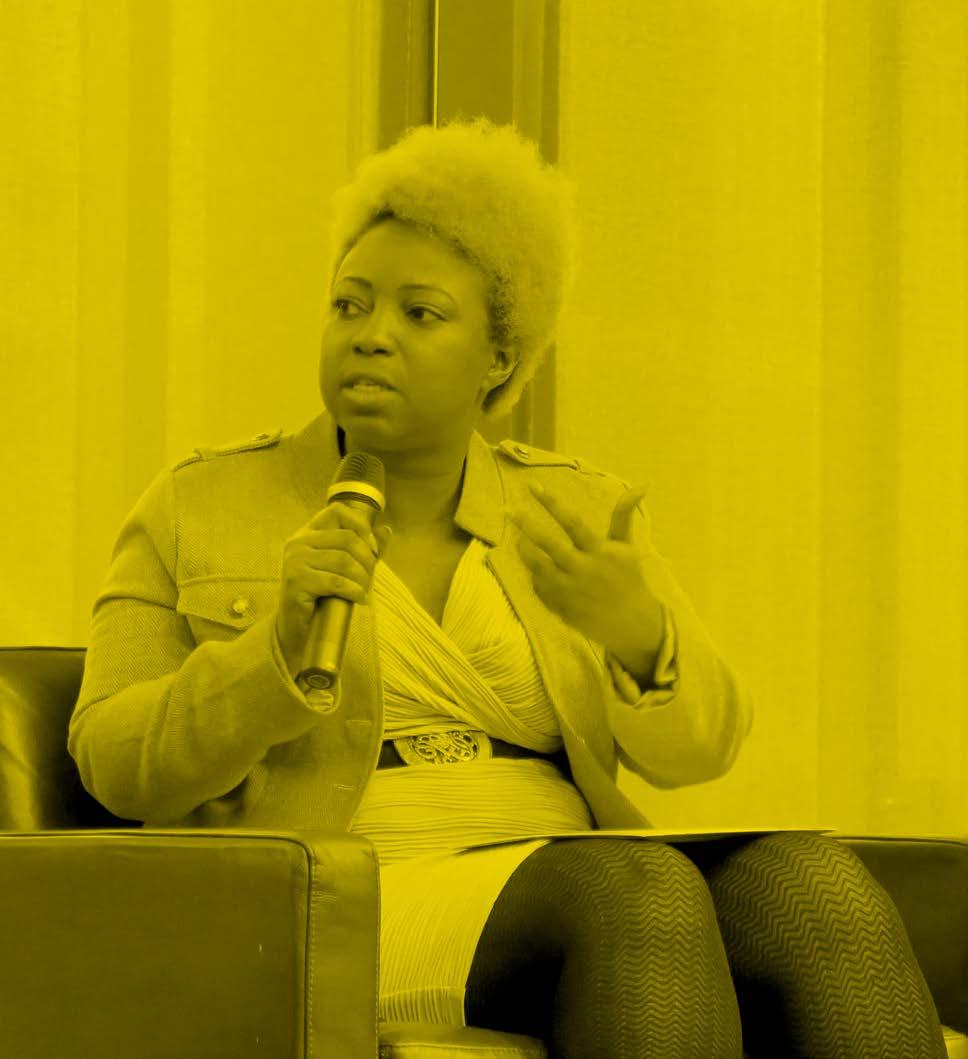
Sarah Kaplan, director of GATE (left), and Dr. Jen Gunter (right), at a fireside chat on Vagina
Profiteers: The Economics of the Wellness Industrial Complex, on October 29, 2019.

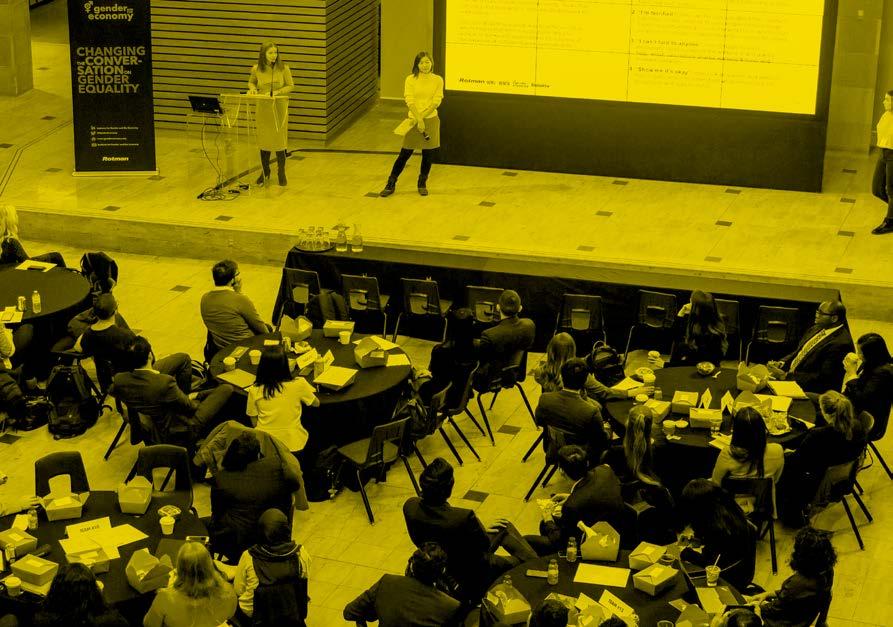
We hosted the Symposium on Women and the Workplace in May 2019. The two-day event invited 240 Canadian leaders and champions of workplace gender equality and diversity to share best practices to inspire and to advance women’s participation in the workplace.

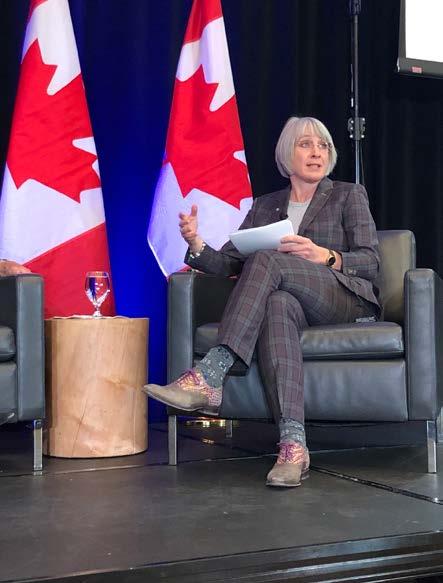
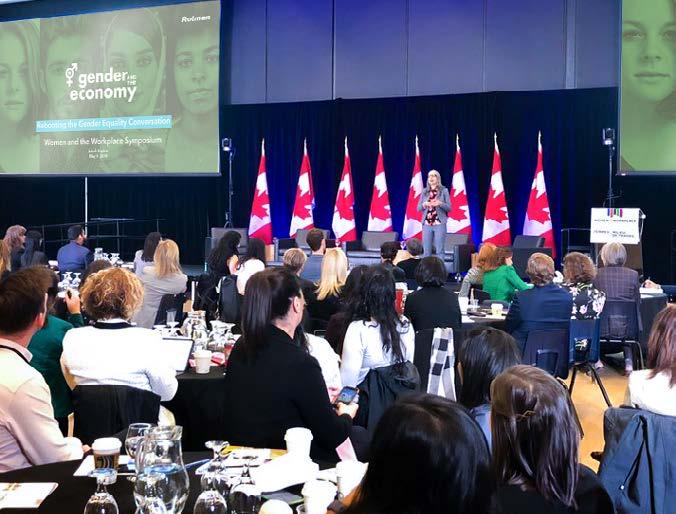
(Left) Minister Patty Hajdu kicks off the Symposium on Women and the Workplace with her opening statement. (Right) Sarah Kaplan delivers her keynote on: "Evidence on workplace gender equality."
Watch Sarah's full keynote at: gendereconomy.org/rebootingthe-gender-equality-conversation

Women, investing and retirement

How gender identity and expression protections support employees

Towards a more equitable gig economy

Diversity and inclusion in small and medium enterprises (SME’s)
Considering women are at greater risk of facing financial insecurity in old age, what are some solutions to reduce the gender investing gap?
How do gender identity and expression protections support transgender and gender-nonconforming people in the workplace?
How should companies, governments, worker cooperatives, and researchers work to ensure the safety and rights of gig workers?
Read our latest policy briefs at: gendereconomy.org/category/policy-briefs
What is known about diversity and inclusion in SME's in the Canadian context and what could be done going forward?
Shaping Practice changed the conversation

tv, radio, and print media interviews in 55 39 outlets






“Numeric performance ratings are everywhere, and in an era obsessed with data and metrics, we often act as if our tools for measurement and evaluation were neutral instruments. They are not. Even factors as seemingly small as the number of categories on a rating scale can have a significant effect on inequality.
The upside is that we are not powerless when it comes to gender inequality. It’s difficult to overcome our individual biases, but once we recognize that biases are also built into our evaluation systems, we can change those systems."
András Tilcsik, GATE faculty research fellow in the Harvard Business Review, April 2019.
panels, lectures, and events with over 14 2,000
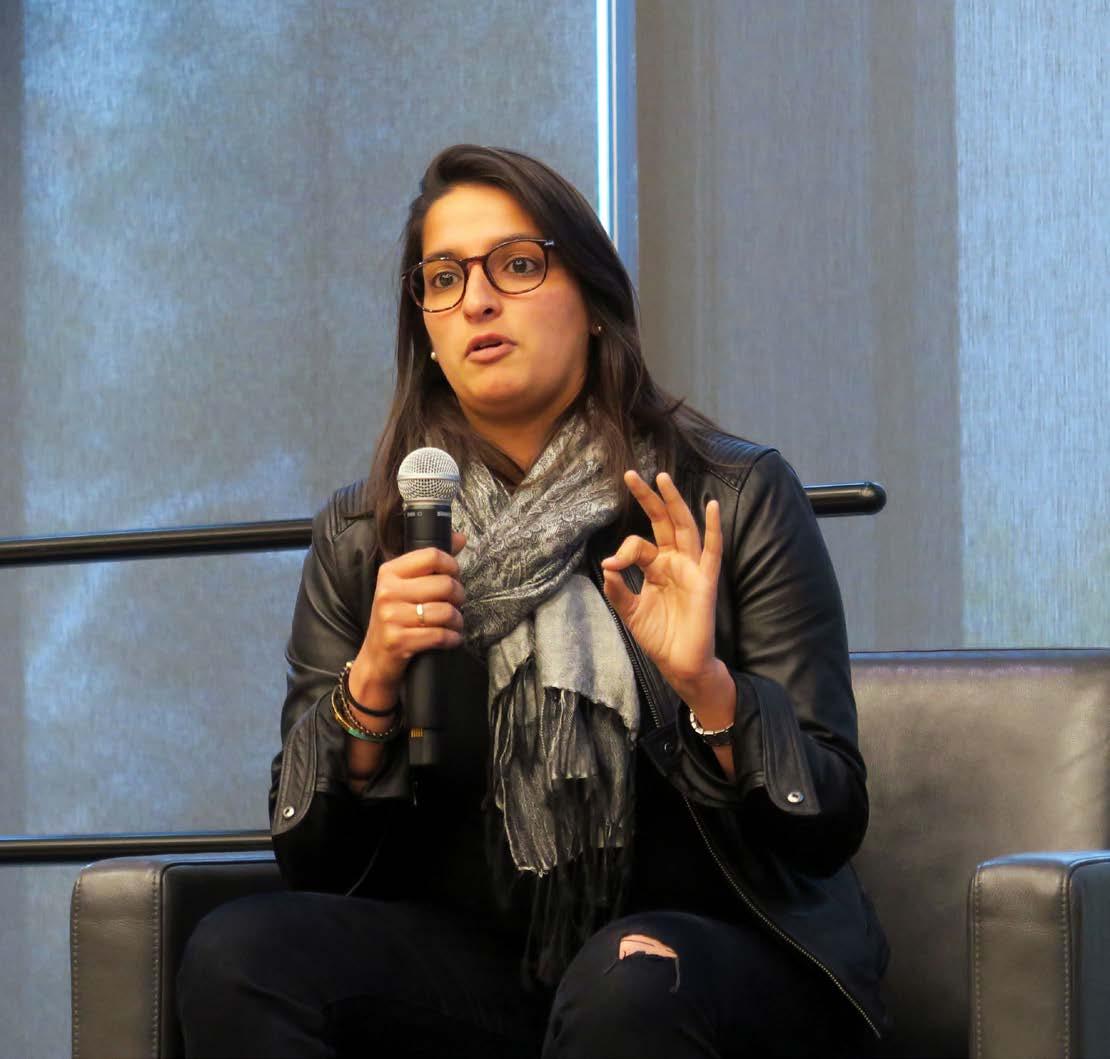
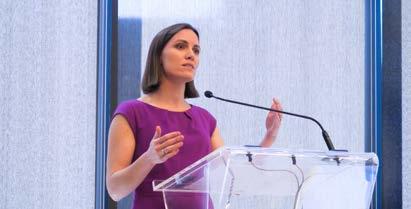
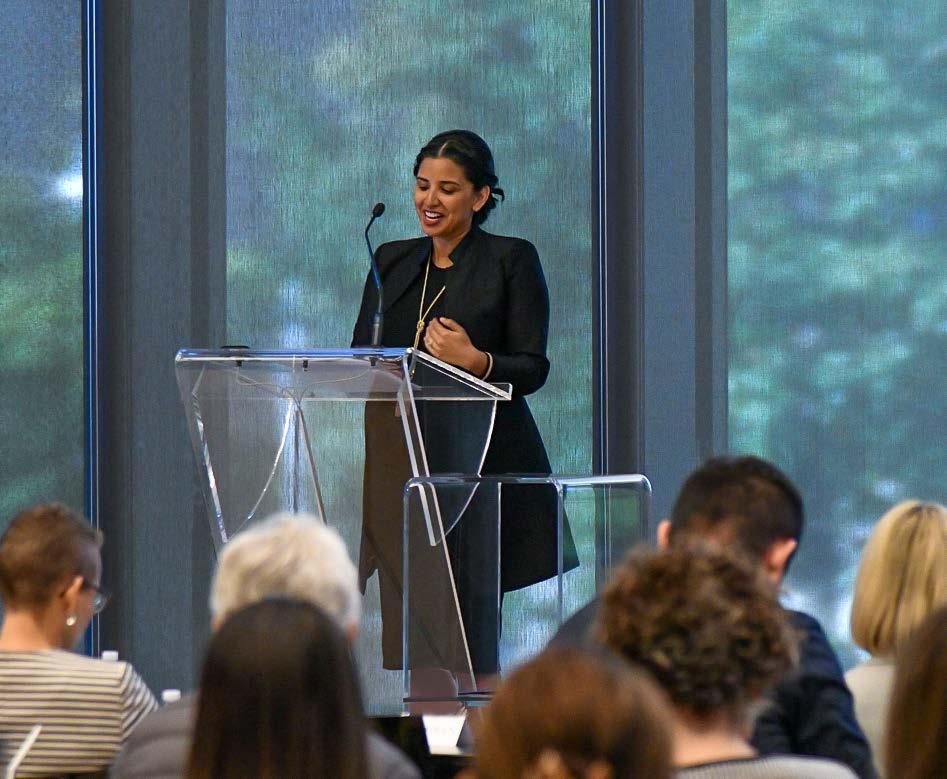
Avni Shah, assistant professor of marketing, Rotman School of Management, speaking at the "Women and investing: Cuttingedge research insights from 3 Rotman professors" event.
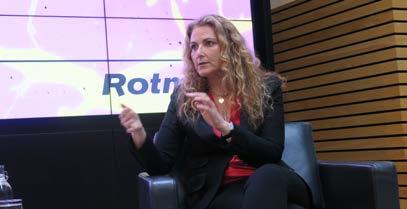
Vagina Profiteers: The Economics of the Wellness Industrial Complex
Dr. Jen Gunter, New York Times columnist, author, and gynecologist
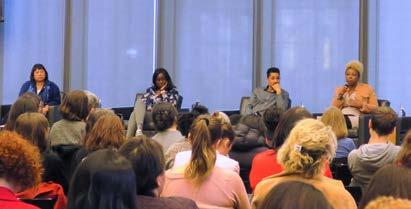
What Could a Feminist City Look Like?
Kofi Hope (Wellesley Institute), Olivia Nuamah (Pride Toronto), Rosemarie Powell (Toronto Community Benefits Network) and Brigitte Shim (University of Toronto)
See upcoming events and recaps at: gendereconomy.org/events
Rage Becomes Her: The Power of Women’s Anger
Soraya Chemaly, director of the Women’s Media Center Speech Project and award-winning writer
Cribsheet: A Data-Driven Guide to
Better, More Relaxed Parenting
Emily Oster, professor of economics at Brown University and author
Gender: Your Guide
Lee Airton, assistant professor at Queen's University and author
MBA students appointed as GATE Student Fellows
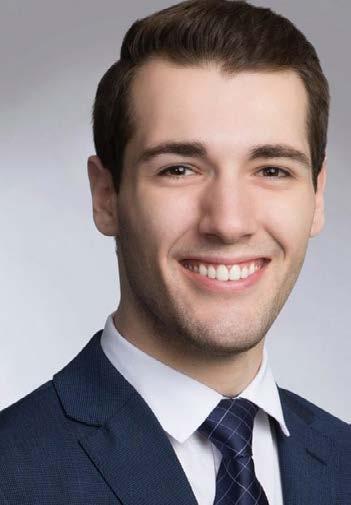
Robert Nanni
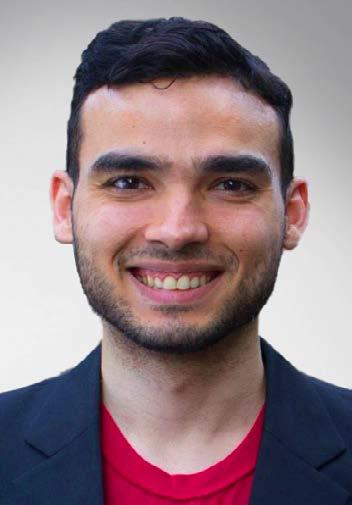
Examining how white privilege arises in corporate law practices. Pablo Nazé Studying best practices to reduce gender bias in artificial intelligence/ machine learning.
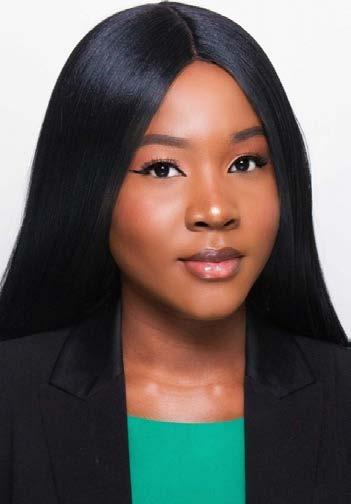
Chinedum Nwaogwugwu
Evaluating the portrayal of successful, powerful, or ambitious women in Nigerian film.
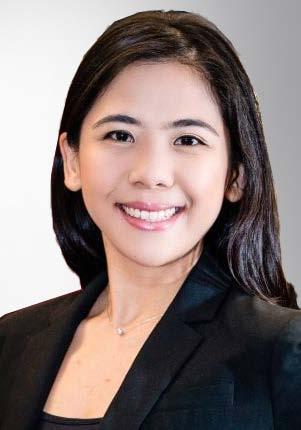
Kristina Roderos
Shining a spotlight on what drives LGBTQ+ professionals to succeed in business, law or community service.

Asli Zayim
Analyzing women's representation in mid and senior management levels in the technology industry.

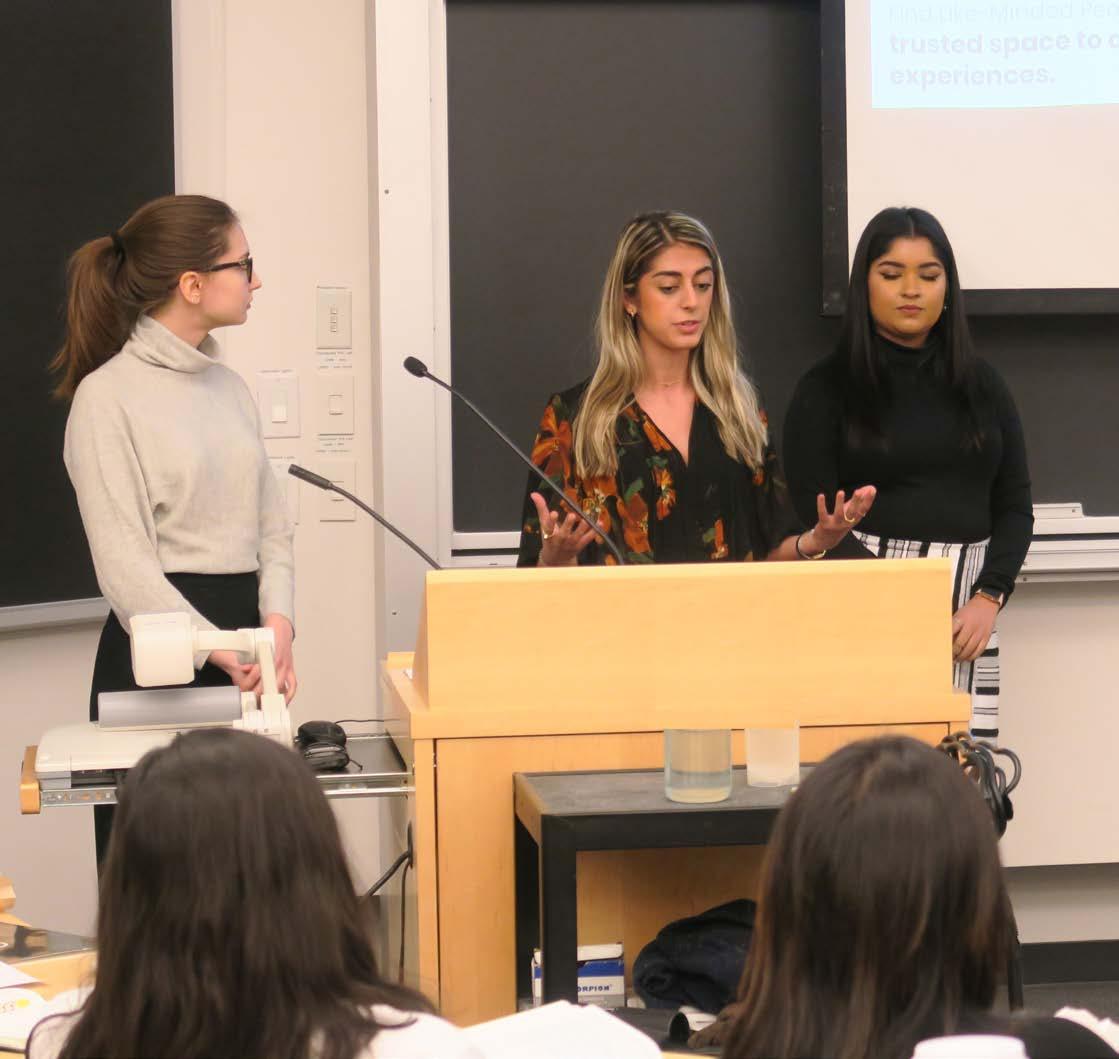
Commerce students and course participants,
their group's work.
Are quotas a hiring tool that organizations should use to increase gender parity?
What will it really take to close the gender wage gap?
Using cutting-edge business design methods, students developed a factbased understanding of issues that are often oversimplified and misunderstood.
Students used Rotman's business design methods to tackle real-world problems related to helping women at different life stages save and invest for their future.
What role do organizations play in challenging gender inequalities?
How might we improve access to mental health care services for immigrant women?
Students worked with each other,
Executive-in-Residence Vanessa Serra
Iarocci, Alumna-in-Residence Nika Stelman, and industry leaders to complete a series of assignments to ‘reframe problems’ and design solutions.
Our new Gender Analytics mini-course launches in 2020!
Learn more at: gendereconomy.org/gender-analytics
The design of everyday men: A design sprint co-hosted by WIMA and WiMen
diversity and inclusion design sprint with over students
45
Based on the Deloitte report, "The Design of Everyday Men," 14 teams proposed solutions for the following problem statement: How might organizations enable and reinforce men to bring their whole selves to work? 1
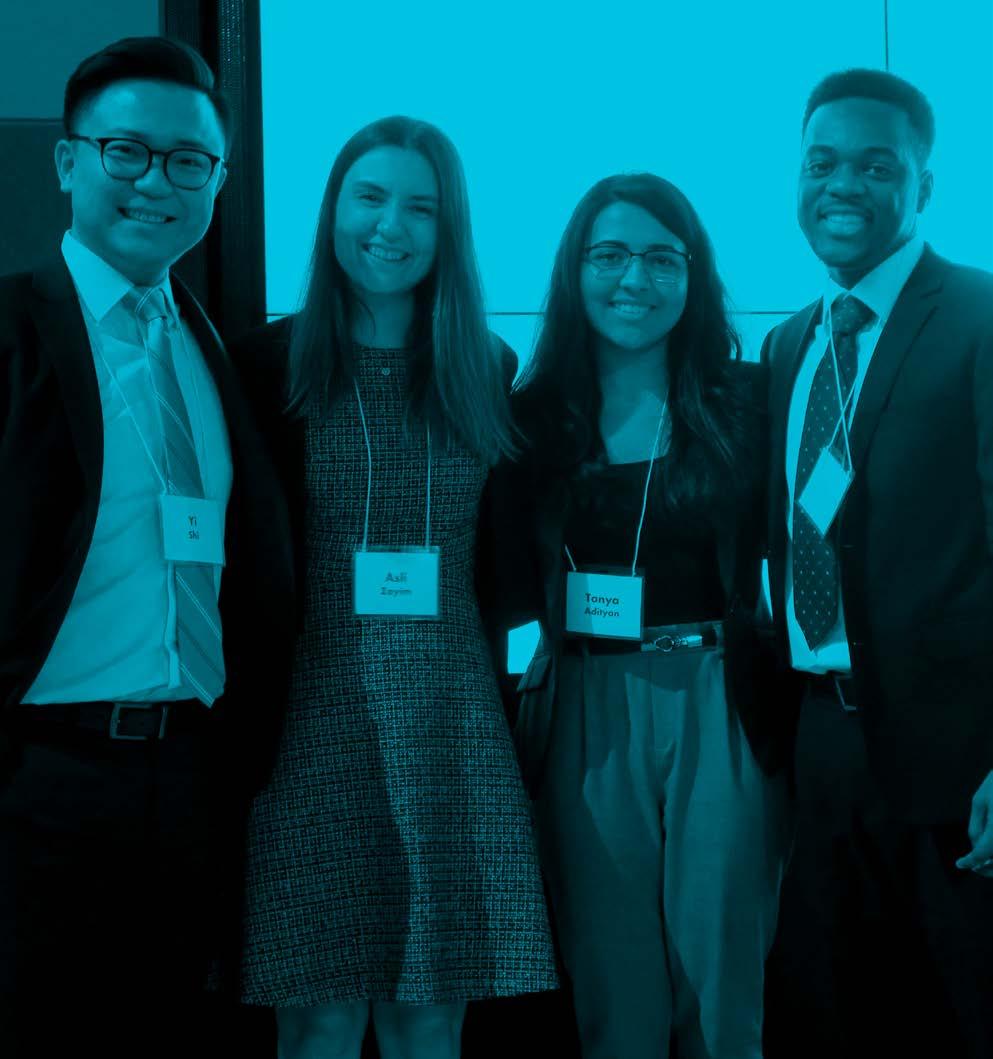
Team 8 (Yi Shi, Asli Zayim, Tanya Adityan, and Kyle Christian) proposed a digital, integrative platform that would encourage men to bring their full selves to work by giving them a place to share personal photos and stories, as well as participate in team reward initiatives (e.g., a fundraising challenge on Mother’s Day).
See more from this design sprint at: gendereconomy.org/the-design-of-everyday-men

co-create insights
Industry partners are a select group of organizations that are front-runners in creating, leading, and managing change.







Power Circle members pledge $25,000 or more to support GATE in making disruptive change to promote gender equality.
Molline Green (MBA '98)
Jonathan A. Lister (B.A. '94, MBA '00)
Kevin A. Lobo (MBA '95)
Kerrie MacPherson (B.Comm '86, MBA '91)
Anita McGahan (George E. Connell Chair in Organizations & Society)
Barry McInerney (B.Comm '85, MBA '87)
Rose McInerney (B.A. '86, B.Ed 88)
Hilary Partner (MBA ’18)

embrace change
Individual supporters are passionate about creating, leading, and managing change.
Sarah Albo (MBA ’18)
Hugh Arnold
Heather Campbell (MBA ’19)
Anna Y. Chau (MBA ’17)
Jillian Chown (MBA ’06, PhD ’16)
Lawrence D. Franklin
Delee Fromm
Verónica Hernandez Herrera (MBA ’19)
Farah Huq
Vanessa Serra Iarocci
Celeste Jalbert (MBA ’17)
Sarah Kaplan
Dolores Keating-Mallen
Bonnie Lam
Jennifer Lancaster
Ruth Mandel - WHO GIVES Fund
Mary E. McCutcheon
Pablo L. Nazé (MBA '20)
Mihee Park (MBA ’12)
Narjis Premjee (MBA ’19)
Sydney B. Raeburn-Power
Adil Sethi (MBA ’19)
Camille Simardone (BCOMM ’14)
Marilyn Spink
Myha Truong-Regan
Helen Vavougios (MBA ’16)
Chelsea Wagner
Stephanie Watsa (MBA ’12)
Rosemary Williamson (MBA ’20)
Stacy Zosky Anonymous

• We can’t do anything without you
• Our startup funds are tapering off. In 2020 we will be working to develop a sustainable funding strategy for GATE's future
• Every contribution matters
• You can sponsor our student fellowships, policy briefs, digital storytelling, faculty fellowships, research grants and more!
If you (or your organization!) are interested in making a large or small gift, please contact gender.economy@rotman.utoronto.ca
See more at: gendereconomy.org/community
With our Academic Partnerships, we will continue to advance rigourous research.



LinkedIn followers

In 2019, our digital community skyrocketed! (Stay tuned for our Instagram feed in 2020.)


Twitter followers
YouTube subscribers
Website visits

Newsletter subscriptions
"We really need to think about something much bolder: quotas or major transformational changes within organizations, because that’s the only way we are going to be able to get movement."


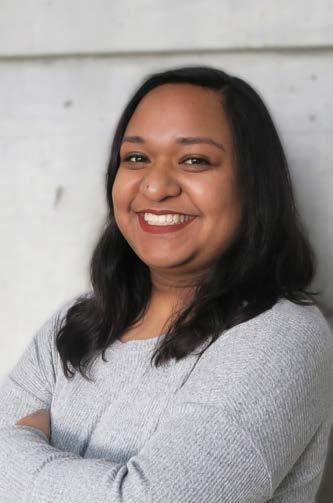

Sarah Kaplan on Fresh Air, CBC radio one, discussing whether we will see gender equality in our lifetimes.
Associate Director
Nouman Ashraf
Faculty Teaching Fellow

Kim de Laat
Postdoctoral Fellow (2017-2020)

Joyce He
PhD Research Fellow

Maja Djikic
Faculty Teaching Fellow
Fauzia Husain
Postdoctoral Fellow (2019-2021)

Kira Lussier
Postdoctoral Fellow (2019-2020)

Amanda Menking
Postdoctoral Fellow (2019-2020)

Bretton Fosbrook
Postdoctoral Fellow (2018-2019)
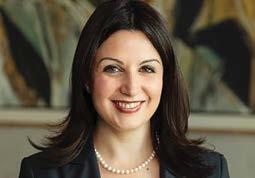
Vanessa Serra Iarocci Executive-in-Residence; Instructor
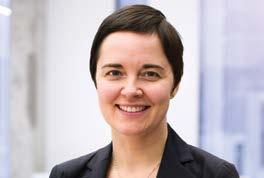
Dionne Pohler Faculty Research Fellow

Rachael Goodman
Postdoctoral Fellow (2017-2019)
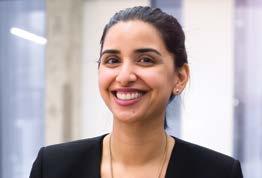
Sonia K. Kang Faculty Research Fellow

Heather Sarsons Postdoctoral Fellow (2018-2019)
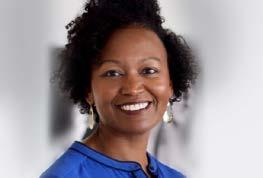
Chanel Grenaway Advisor; Instructor
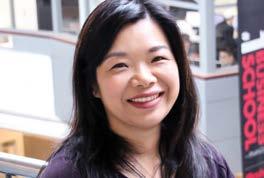
Bonnie Lam Interim Associate Director

Nika Stelman Alumna-in-Residence; Instructor


Lechin Lu Project Lead Gender Analytics

András Tilcsik Faculty Research Fellow



Join the conversation
Follow us on Twitter @GenderEconomy Report designed by Omid Razavi
Find us on LinkedIn as Institute for Gender and The Economy
Subscribe to our YouTube via www.youtube.com/c/InstituteforGenderandtheEconomy
Join our newsletter via www.gendereconomy.org
Come to our events via www.gendereconomy.org/events
Email us directly at gender.economy@rotman.utoronto.ca

Photo Credits
Jeffrey Beardall, Eugene Grichko, Victoria Heath, Yana Kaz, Omid Razavi, and Hannah Rosen
The Institute for Gender and the Economy operates on the traditional land of the Huron-Wendat, the Seneca, and most recently, the Mississaugas of the New Credit.
Today, this meeting place is still home to many Indigenous people from across Turtle Island and we are grateful to have the opportunity to work on this land.


www.gendereconomy.org

gender.economy@rotman.utoronto.ca