




Despite widespread acknowledgment of gender inequalities and credible efforts to make progress, a primary challenge that remains is truly understanding the fundamental mechanisms that produce gender gaps and identifying which actions can be most effective in addressing them.

The mission of the Institute for Gender and the Economy (GATE) at the University of Toronto’s Rotman School of Management is to sponsor, convene, and translate rigorous research in order to change the conversation on gender equality. GATE promotes an understanding of gender inequalities and how they can be remedied. These insights can create opportunities for personal, business, and economic prosperity in a more inclusive society.










Julie Dzerowicz, Member of Parliament, Davenport (left) and The Honourable William Francis Morneau, Minister of Finance (right) at the pre-budget consultation at Rotman hosted by GATE.

BARRIERS TO REPORTING SEXUAL HARRASSMENT AND ASSAULT
GRANTS FOR A TOTAL OF 9
$57,000

Using experimental methods, Laura Derksen is testing different technological solutions that make reporting sexual harrassment easier and help deter perpetrators. These methods involve such tools as “information escrows” in which reports only become formal complaints if more than one person reports the same offender.
Gender and awards for financial analysts (Anne Bowers)
Gender and race in journalism (Nicole Cohen)
Reducing barrieres to reporting sexual harrassment (Laura Derksen)
De-biasing job descriptions (Sonia Kang and Chong He)
Effect of women on board advisory effectiveness (Daehyun Kim)
Intersecting race and gender in leadership (Hadiya Roderique)
Gendered responses to workplace failures (Avni Shah and Amber Holden)
Effect of CEO background on gendered resource allocation (Mikhail Simutin)
Changing performance evaluations to reduce bias (András Tilcsik)
Mikhail Simutin is exploring the impact of CEOs’ formative years on the gender gap in corporate offices. He assesses the effect of the demographic characteristic of CEOs’ education, family background, and the area where they grew up, on the differential treatment of men and women in capital allocation and the promotions of male and female managers.



a debate about the effectiveness of diversity training.
The Oxford-style debate at our 1st Research Round Table assessed the pros and cons of quotas.
Many worry that quotas could be seen as unjust, contribute to stigma of those who benefit from them, or reduce support for diversity initiatives. But, debaters showed those fears have not been realized and that the implementation of quotas may be a useful shock to a system of discrimination by expanding the search for candidates and creating a critical mass of women.
At our 2nd Research Round Table, we debated the merits of diversity training. Recent research has suggested that diversity training risks being ineffective or even inciting backlash, especially if it is mandatory. The debaters concluded that, while these risks are real, training may be the key to unlocking the creative potential of diverse teams and that diversity training, done right, can be effective.

View insights from our rountables at www.gendereconomy.org/research-briefs

Written by Sonia Kang, Katherine DeCelles, András Tilcsik, and Sora Jun.
“Advertising oneself as a diversity-friendly employer does not solve the problem of discrimination. Pro-diversity statements give you a more diverse applicant pool, but it takes more to make workplaces inclusive.”


“A WEALTH OF SOCIAL SCIENCE RESEARCH HAS
OBSERVED THE POWERFUL EFFECT OF BIAS THAT IS EMBEDDED NOT ONLY IN OUR MINDS BUT ALSO IN OUR SYSTEMS, PROCESSES AND STRUCTURES....FOR A LAW TO HAVE A FIGHTING CHANCE OF DISPLACING THESE DYNAMICS, IT MUST BE EQUALLY POWERFUL.”
Sarah Kaplan before the Standing Senate Committee on Banking, Trade and Commerce on December 6, 2017 to discuss Bill C-25.








BLACK ON BAY STREET: HADIYA RODERIQUE HAD IT ALL, BUT STILL COULDN’T FIT IN
“PEOPLE GRAVITATE TOWARD PEOPLE WHO ARE LIKE THEM. SOCIAL SCIENTISTS CALL THIS HOMOPHILY. WE CONSCIOUSLY AND UNCONSCIOUSLY SURROUND OURSELVES WITH OTHERS LIKE US, WHO IN TURN VALIDATE OUR OWN CHOICES AND VALUES.”
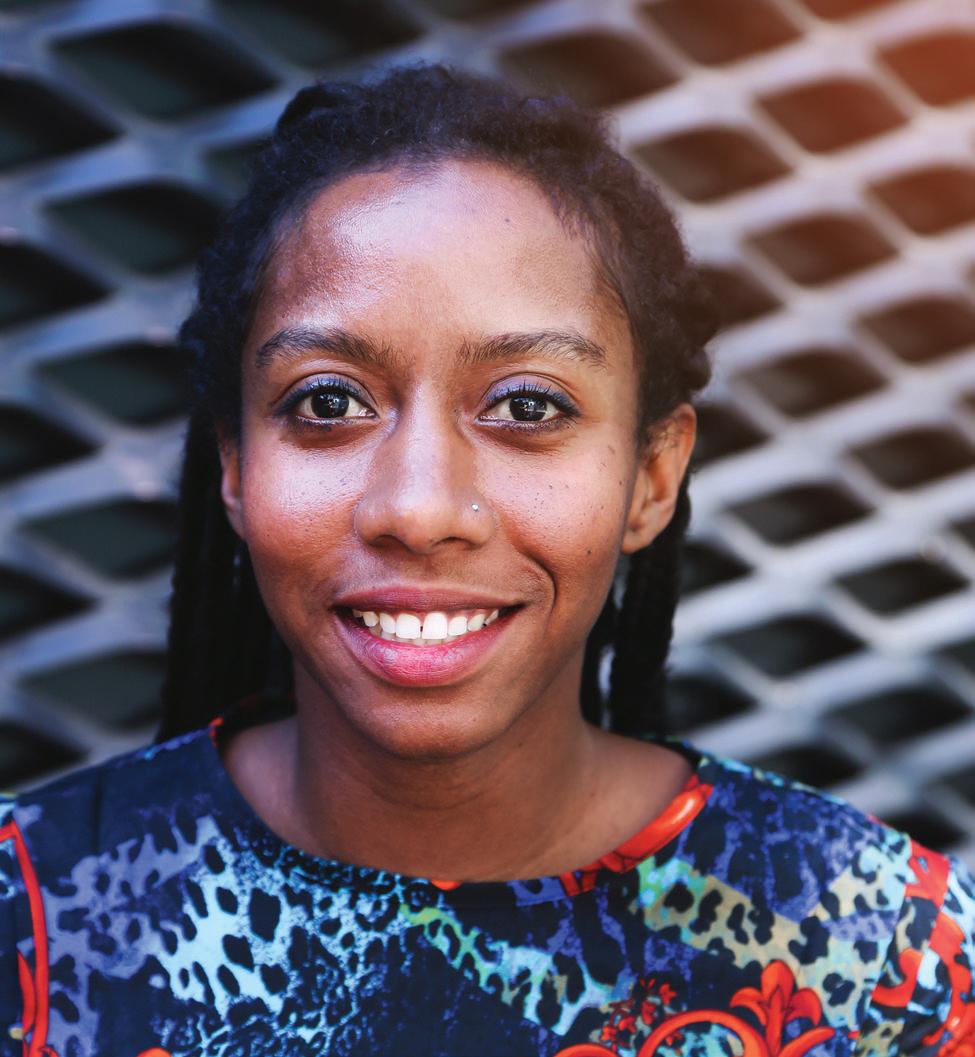
GATE-funded researcher Hadiya Roderique talks about race and fit on Bay Street in the Globe and Mail

Aaron Dhir presents the findings of his latest book, “Challenging Boardroom Homogeniety: Corporate Law, Governance, and Diversity.”
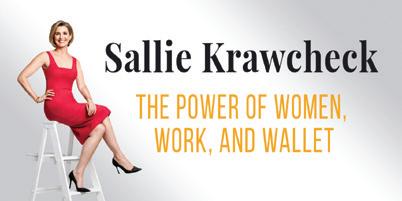
The power of women, work and wallet
Featuring Sallie Krawcheck, CEO and Founder of Ellevest
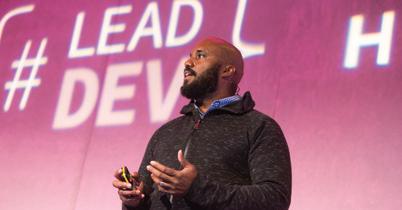
HOW TO BE AN ALLY
Lending privilege
Featuring Anjuan Simmons, a tech translator and speaker
See our full event listing at www.gendereconomy.org/events


DUCKWORTH ON GRIT
The power of passion and perserverance
Featuring Angela Duckworth, 2013
MacArthur Fellow and Professor at the University of Pennsylvania
Lessons from the UK and beyond
Featuring Diane Elson, Emeritus Professor at the University of Essex and former Chair of the UK Women’s Budget Group
Why gender is material to investors
Featuring Eve Ellis (Morgan Stanley) and Angela Sun (Bloomberg LP)


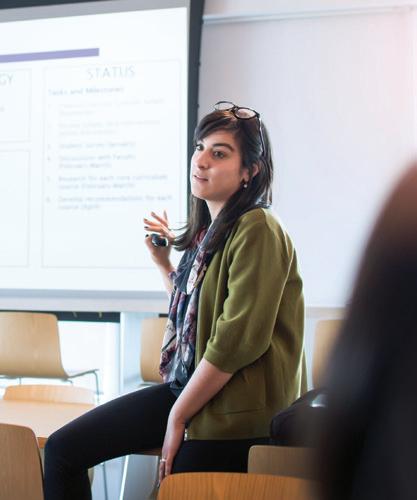
Creating a video series on “sponsorship” vs. “mentorship” in the workplace.
Developing a set of interventions in MBA core courses to make them more inclusive.
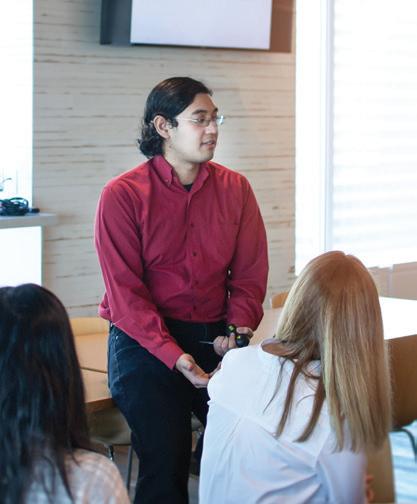
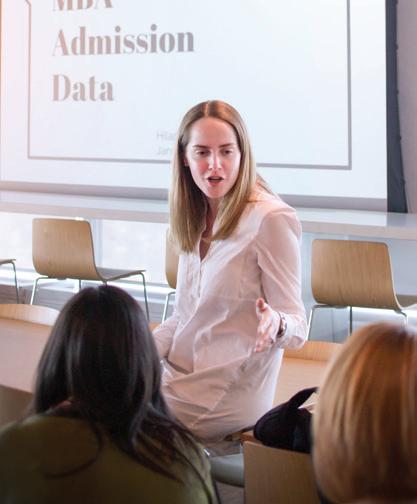
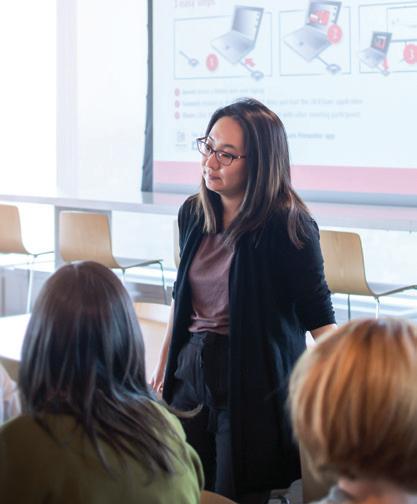
Researching a white paper on female students in undergraduate engineering programs in Ontario universities.
Analyzing MBA admissions data to understand perceptions (self and other) of applicants.

Producing a podcast series on the business case for diversity in the workplace.

Does the Gig Economy have unintended gender consequences? Are men really better investors than women?
What does it really take to get women on boards?
Are women held to a different standard than men in real-world evaluative situations?
Using cutting-edge business methods, students uncovered a fact-based understanding of issues that are often ‘overly simplified’ and misunderstood by mainstream media.
Students worked with each other, instructor Vanessa Iarocci, and industry leaders to complete a series of assignments to ‘reframe problems’ and design solutions.
Students used Rotman’s business design methods to tackle real world problems such as helping people of all genders balance careers and personal lives, motivate more females to be investors, and help women land board seats traditionally held by men.
They pitched their solutions to several companies including Shopify, RBC, Tellent and What She Said Radio.
PARTNERS to co-create insights



MEDIA
to spread the word


Community engagement through partnership creates an opportunity for exponential impact – our partners are frontrunners in creating, leading, and managing change, and are motivated and ready to drive lasting disruption for gender equality.

For more information go to www.gendereconomy.org/community or contact us at gender.economy@rotman.utoronto.ca
“IT WILL BE HARD TO MAKE FURTHER PROGRESS ON GENDER EQUALITY IF WE CONTINUE TO DO THE SAME OLD THINGS WITHIN THE SAME OLD SYSTEM.”
Kaplan












Follow us on Twitter @GenderEconomy
Find us on LinkedIn as Institute for Gender + The Economy
Join our newsletter via www.gendereconomy.org
Come to our events via www.gendereconomy.org/events
Email us directly at gender.economy@rotman.utoronto.ca

Report designed by Victoria Heath
Photo Credits Cover: Brxxto; Page 1. Victoria Heath; Page 3. Ron Hansen, Albert Dera, Guilherme Stecanella, Cristina Gottardi, Ahmed Carter; Page 7. Alfons Morales; Page 9. Rob Curran; Page 13. Hadiya Roderique; Page 24. Tyler Nix, Victoria Heath, Jonathan Chen

www.gendereconomy.org


gender.economy@rotman.utoronto.ca