The pork sector faces a year marked by volatility in production costs, regulatory pressure on well-being and the environment, and a health scenario that requires maximum caution. This is why producers must optimise each available resource, reinforce their planning and tighten cost control to sustain increasingly tight margins without compromising the health, animal welfare or viability of their farms.
In this context of sanitary and economic pressure, correct water management takes on a strategic role. Traditionally undervalued, water directly in uences digestive health, treatment effectiveness, animal welfare and productive ef ciency. Consumption control, microbiological and physicochemical quality, and proper facility maintenance are key tools for preventing health problems and improving pro tability. Far from being an additional cost, adequate water management should be understood as an investment that reinforces farm biosecurity and sustainability.
In the business eld, in an increasingly demanding environment, active presence in professional forums acquires strategic value. At Rotecna, during the rst quarter of the year, we partook in meetings in Latin America and the United States, to listen to the market, share knowledge and accompany professionals in current and future challenges. These meetings are consolidated as key spaces to promote innovation, productive ef ciency and sustainable development of the sector.
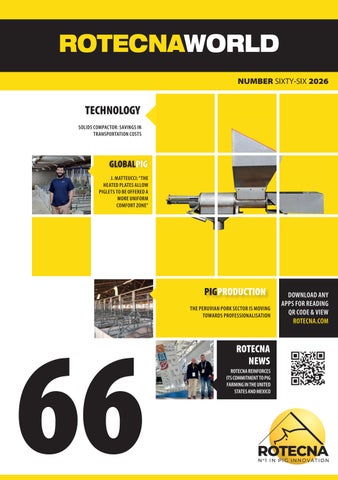
4. Rotecna News
Rotecna reinforces its commitment to pig farming in the United States and Mexico.
6. Something About
The Vall de Núria, a sanctuary among mountains.
8. Technology
Solids compactor: Savings in transportation costs.
10. Global Pig
J. Matteucci: “The heated plates allow piglets to be offered a more uniform comfort zone”.
14. Future News
Ingrid Seró: “Water control is not an expense, it is a strategic investment”.
18. Pig Production in...
The Peruvian pork sector is moving towards professionalisation.
Rotecna World
Director: Antonio Pinos.
Editor: Francisco García, Tamara Lombardo.
Translation: Sam Smith.
Print: Imprenta Barnola.
Antonio Pinos, CEO, Rotecna.
L-41-2007
Rotecna's World's editors accept no liability for contributor's opinion.
DIGITAL VERSION /issuu.com/rotecnapress
ROTECNA NEWS
ROTECNA REINFORCES ITS COMMITMENT TO PIG FARMING IN THE UNITED STATES AND MEXICO
Rotecna’s presence in the main forums enables us to learn first-hand about the sector’s real needs.
The pork sector continues to position itself as a strategic industry at a global level, driven by the modernisation of production systems, the incorporation of advanced technology and the growing professionalisation of work teams. In this context, Rotecna has strengthened its international presence by participating in some of the most relevant sector events in Mexico and the United States.
Presence in the United States
The United States’ pork sector maintains significant global weight. In 2025, the pork
census exceeded 74 million heads, strengthening the country’s status as one of the world’s largest producers and exporters of pork. This leadership is based on highly technical production systems and a clear orientation towards efficiency and sustainability.
Within the country, the states of South Dakota, Iowa, and Minnesota stand out as key areas of the pork industry, with highly technical farms focused on productive efficiency. For this reason, conferences held in each of these states throughout the first months
of the year have established themselves as reference meeting points for producers, technicians and professionals in the sector. In all of them, Rotecna has participated alongside its distributor in the United States, exchanging experiences with attendees and presenting its solutions for pig equipment, thereby reinforcing its local presence.
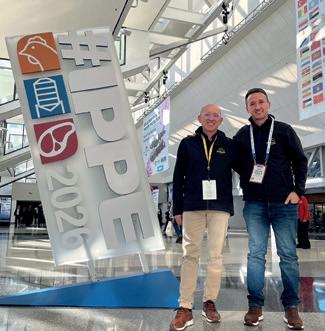
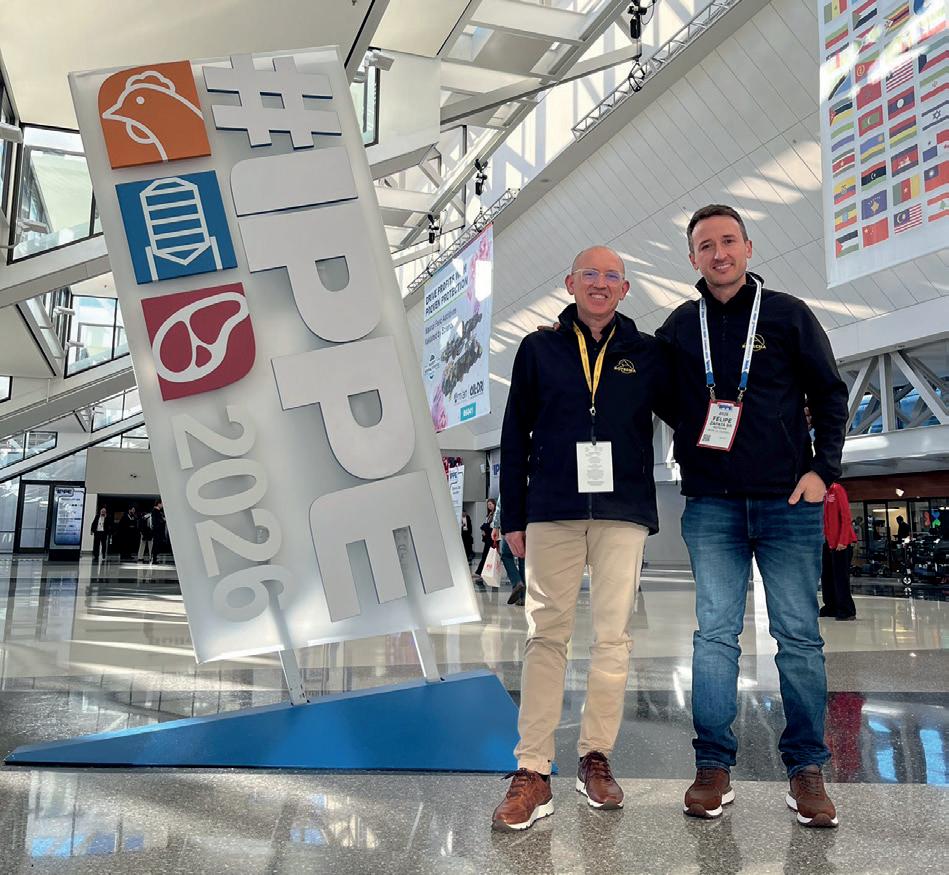
On the other hand, the state of Georgia has also hosted the IPPE Atlanta fair, one of the main international meetings of the livestock industry and a key point for connecting with the North American market. Once again, Rotecna has been present at this event, which has brought together professionals from across the value chain, consolidating itself as a key space to analyse trends, share technological innovation, and promote knowledge exchange.
Rotecna team at IPPE Atlanta . Photo: Rotecna.
Rotecna’s presence in these forums allows us to learn first-hand about the sector’s real needs, strengthen relationships with producers and technicians, and share solutions for more efficient, safe, and sustainable production. In this way, participating in national and international events reaffirms the company’s commitment to developing the pork sector and supporting the professionals who push its evolution.
AMVECAJ Mexico
Mexico continues to position itself as one of the leaders in global pork production, driven by the modernisation of production systems, the adoption of technology, continuous process improvement, and the growing specialisation of professionals in the sector.
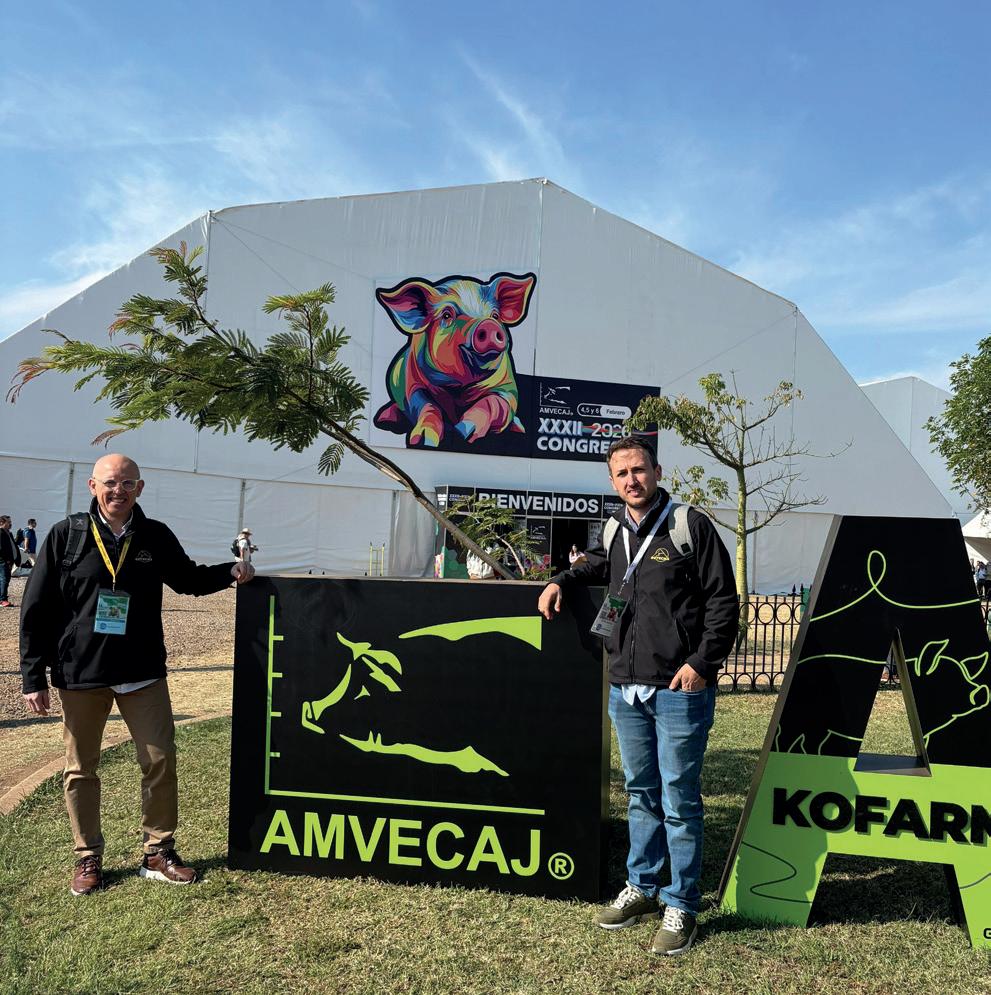
In this situation, Rotecna once again participated in the AMVECAJ Congress alongside its distributor in the country, reaffirming its commitment to the development of Mexico’s pork sector. The company’s presence at the event allowed it to maintain direct contact with veterinarians, technicians and production managers, listening firsthand to the real
needs of the farms and sharing experiences aimed at more efficient, safer production.
The AMVECAJ Congress established itself as a key meeting point for exchanging technical knowledge and seeking solutions adapted to the current and future challenges of pig production.
For Rotecna, participation in these types of forums reaffirms its commitment to advancing technology, animal welfare, and productive efficiency, fundamental pillars for moving towards a more sustainable and competitive pig farming model in the country.
Upcoming events
In the coming months, Rotecna will travel to Vietnam to participate in a new edition of ILDEX. This international livestock sector fair has proven itself as a leader in Southeast Asia, bringing together key industry players, innovative technologies, and the latest market trends.
On the other hand, in June, we will be present again at the World Pork Expo in Iowa, the reference event for the U.S. pork sector, where we will share experiences and solutions with producers and technicians across the country.
Rotecna participated in the AMVECAJ Congress, in Mexico. Photo: Rotecna.
SOMETHING ABOUT
THE VALL DE NÚRIA , A
SANCTUARY AMONG MOUNTAINS
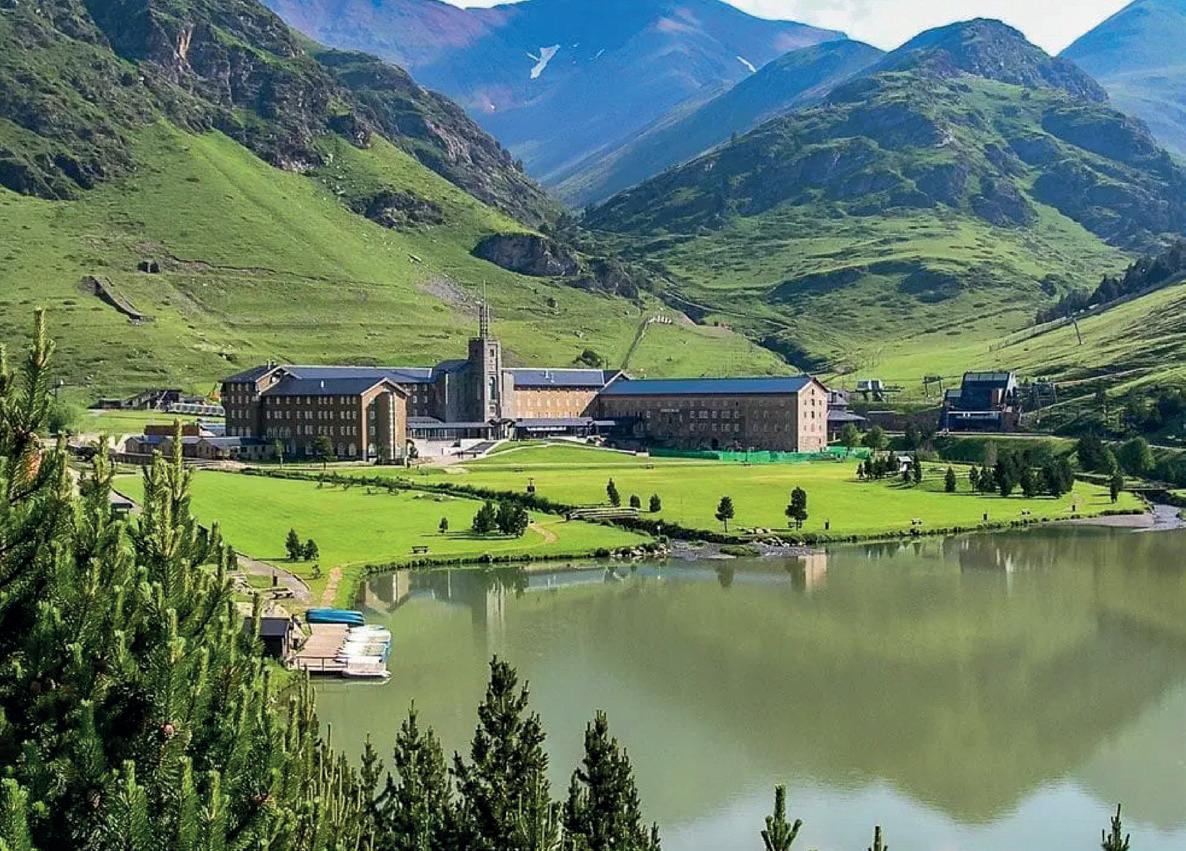
General view of the Vall de Núria sanctuary.
In the heart of the Catalan Eastern Pyrenees, lies one of the most magical and emblematic places in Catalonia: The “Vall de Núria”. Surrounded by high peaks that exceed 2,800 meters and accessible only by rack railway or on foot, Núria combines nature, spirituality and tradition. Its sanctuary, lake, and alpine environment make it a unique destination year-round, offering a different experience in each season.
A valley with great beauty
The Vall de Núria belongs to the municipality of Queralbs, in the Ripollès region (Girona), in northeastern Catalonia. It is a closed glacial valley, a natural basin in the shape of a cirque, surrounded by mountains such as Puigmal (2,913 m), Finestrelles (2,826 m) or Torreneules (2,713 m). Its isolation has been, paradoxically, its greatest treasure: it can only be reached by walking along mountain trails or by using
Surrounded by high peaks that exceed 2,800 meters, Núria combines nature, spirituality and tradition.
the Núria rack railway, a narrow-gauge train inaugurated in 1931 that ascends from Ribes de Freser and covers more than a thousand meters of elevation gain in just 12 kilometres.
This tour, in addition to being a tourist attraction in its own right, offers one of the most beautiful panoramic views of the Catalan Pyrenees. As the train meanders through the Freser River Valley, the landscape transforms. Oak and beech forests give way to alpine meadows, and the air becomes purer and fresher. Upon arriving in Núria, the visitor immediately feels as if they are in a different, minute world of its own.
The sanctuary of the Virgin of Núria
The central element of the valley is the Sanctuary of the Mare de Déu de Núria, a pilgrimage site with centuries of history. Tradition says that,
around the 8th century, Saint Gil, a hermit fleeing the Muslim invasion, took refuge in these mountains. There he would have carved an image of the Virgin Mary and left three objects: a bell, a pot and a cross. Centuries later, according to legend, some shepherds found the image in a cave, and there a small chapel was built, which would later become the current sanctuary.
The image of the Virgin of Núria, a Romanesque carving in walnut wood, is one of the most beloved in Catalonia. It depicts the Virgin with the Child Jesus sitting on her knee, both with a serene, familiar expression. His devotion has been kept alive throughout the centuries, and thousands of pilgrims come every year to pay tribute to him, especially on September 8, the day of the Virgin of Núria.
It is said that this Virgin has the gift of fertility; for this reason, many couples who cannot have children ascend to Núria to follow the symbolic ritual: to pray before the cross and place their heads in the pot while the bell is rung. It is one of the reasons why this Virgin and, consequently, the sanctuary and the valley are so popular.
The place offers different activities in each season of the year.
Nature and spirituality are united
Beyond its religious value, Núria is also a natural sanctuary. In spring and summer, the meadows are filled with flowers and shepherds who bring their flocks up, keeping alive the ancestral livestock tradition. It is the starting point for numerous hiking routes, such as the ascent of Puigmal, one of the most emblematic peaks in Catalonia, or paths that connect with Queralbs, Fontalba, or Coma de l’Embut.
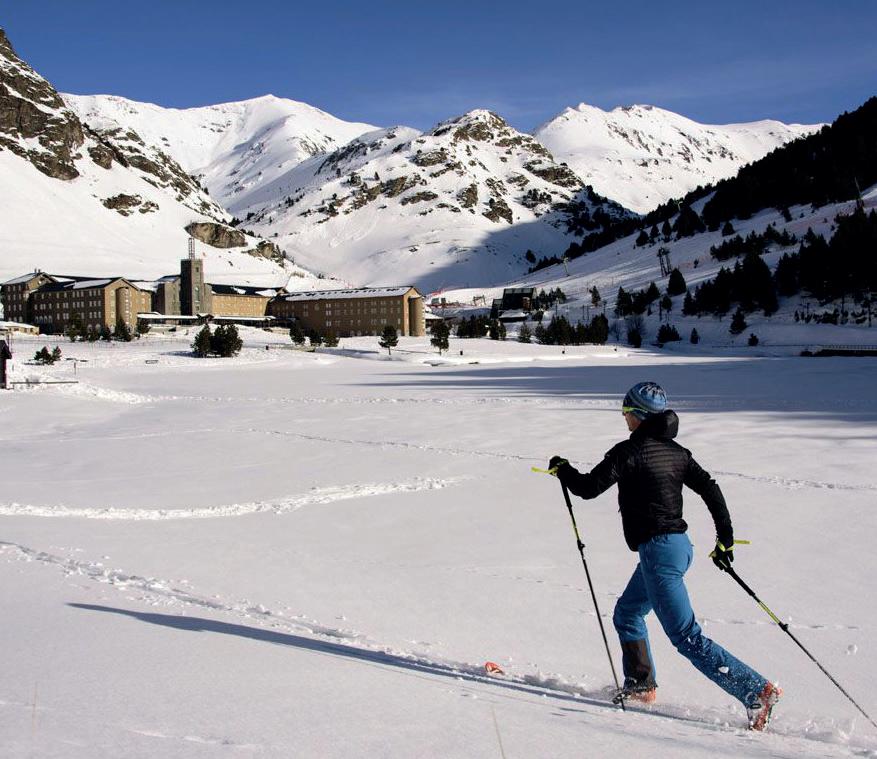
In winter, the valley transforms into a little ski resort and offers activities such as family slopes, snowshoeing, ski mountaineering and sledging. In summer, family activities, guided tours and religious celebrations are also organised.
In autumn, the valley turns ocher and gold, and in spring, the thaw brings with it waterfalls and an explosion of life. Ultimately, each season has its own unique charm.
A symbol of the Catalan Pyrenees
The Vall de Núria is much more than a tourist destination: it is a spiritual and natural symbol of the Catalan Pyrenees. It represents the union between the mountains, faith and culture.
Whether out of devotion, for love of nature or simply out of curiosity, every visitor who comes to Núria feels something special. Perhaps it is the peace of the place, the echo of the bells between the peaks or the feeling of being, for a moment, in a different era.
SOLIDS COMPACTOR Technology
Slurry management is one of the great challenges that pig farms face today. The increasing environmental demands and the need to optimise resource use make it essential to have technical solutions that maximise the economic recovery of slurry and reduce its management costs.
In this context, the separation of the solid portion of the slurry plays a key role, as it contributes to sustainable management and facilitates compliance with current environmental requirements, reduces the costs of applying the liquid phase, and, at the same time, generates a high-value byproduct. In addition, it allows us to move towards more sustainable models.
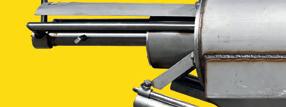
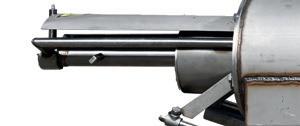
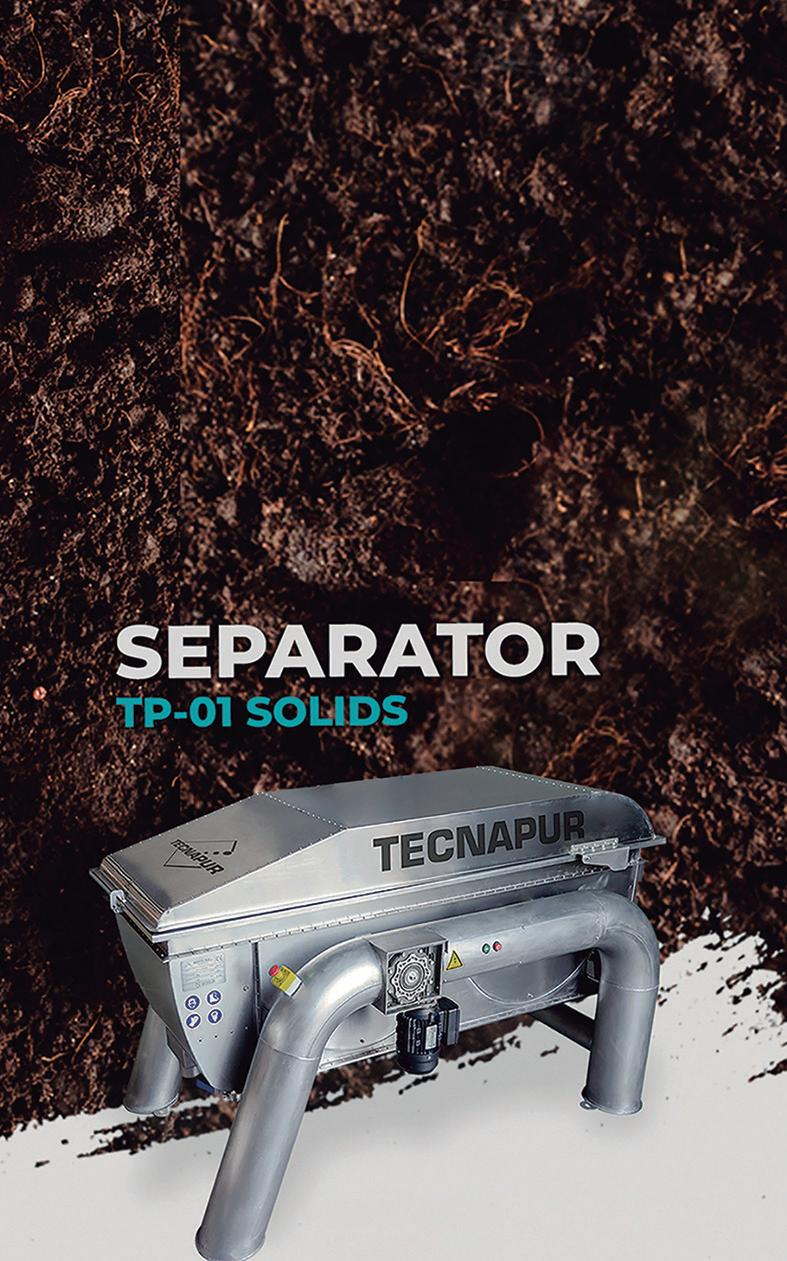
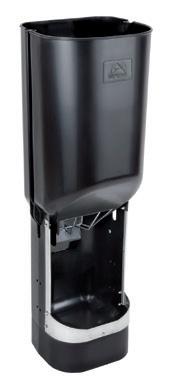
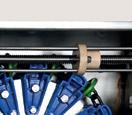
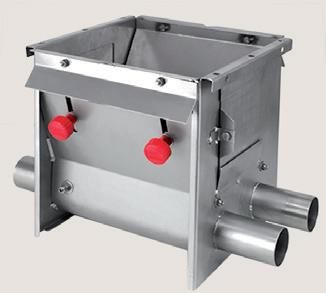
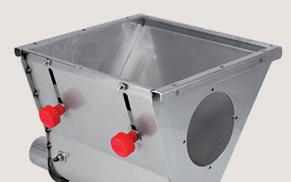
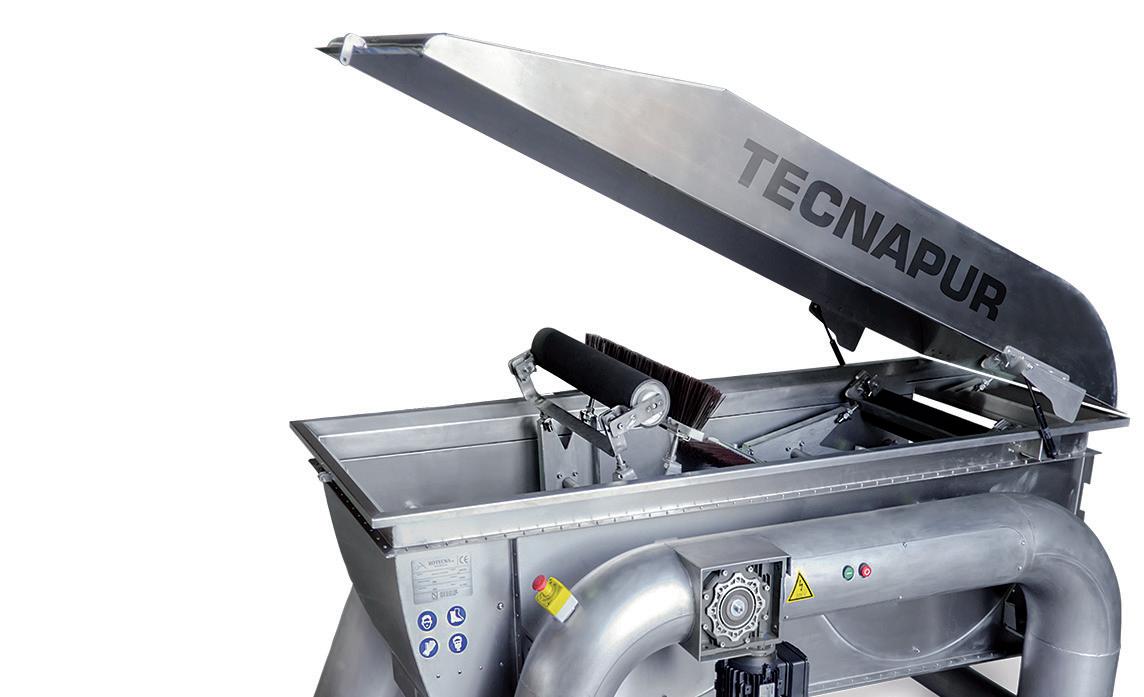
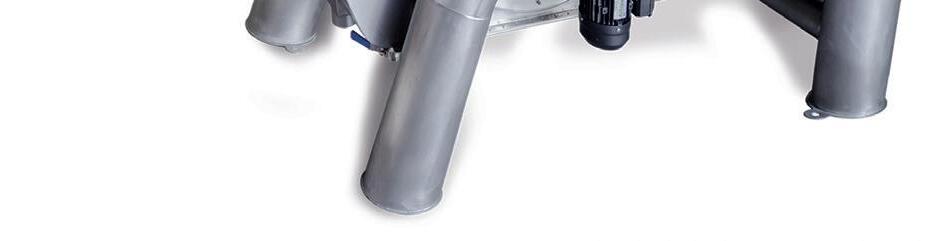
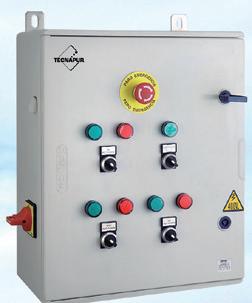
To counter these needs, at Rotecna, we expand our range of Tecnapur solutions for the treatment of slurry with the Solids Compactor, a piece of equipment designed for those farms where the management of the solid fraction is not carried out in the facilities themselves and the separated
solids must be transported over long distances, immediately after separation, for subsequent treatment or recovery.
Efficiency and control in solid treatment
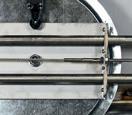
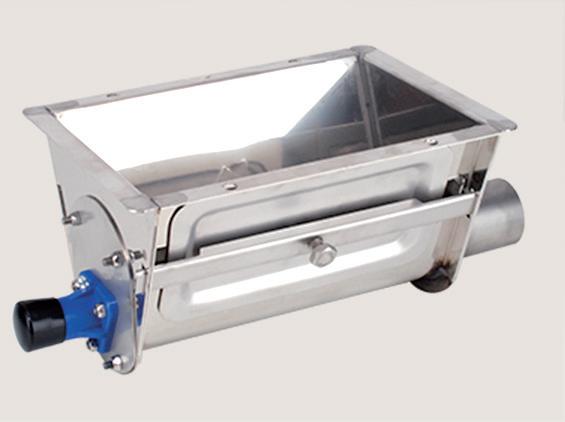
The Solids Compactor is part of the Tecnapur line, which specialises in the management and treatment of pig manure. Its main function is to further reduce the humidity of the solid fraction from a mechanical separation process, allowing the production of a solid with a humidity of less than 70%, compared to up to 80% that can come out of the mechanical separator TP-01 rollers from Tecnapur. This weight reduction is particularly interesting if the solid is to be transported immediately after separation, without time for it to dry in the dunghill or on-site composting area, as it significantly reduces transportation costs.
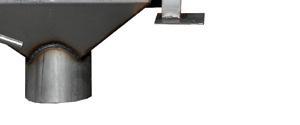
The equipment is specifically designed to work with the solid fraction from the TP-01 separator and is integrated and efficiently into existing treatment systems. The optimised design of its
SAVINGS IN TRANSPORTATION COSTS
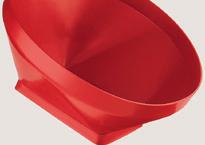
hopper makes it easier for the solid to enter fluidly, ensuring homogeneous and efficient compaction.
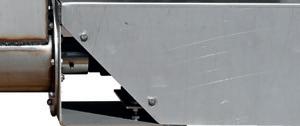
Thanks to its compaction and dehydration system, the equipment allows you to transform a solid with a high water content into a more structured material, with reduced weight, easier to manage and transport over long distances. In addition, the compactor allows adjusting the final solids’ humidity level, adapting to the specific needs of each farm and the different destinations of the treated slurry.
This type of resolution is especially interesting when the final destination of the solid is an external composting, drying, agronomic recovery or industrial treatment plant, and the distance to be travelled economically penalises the transportation of materials with high water content.
Impact on the liquid fraction
However, it is important to keep in mind that greater dehydration of the solid directly implies an increase in the volume of the separated liquid fraction.
By extracting more water from the solid through compaction, this liquid becomes part of the slurry or liquid effluent, which must be stored and managed, with field application as fertiliser, for example. Therefore, although the compactor allows the cost associated with its use to be clearly optimised for the transportation of the solid when done immediately after separation, the overall cost of managing the liquid slurry will increase.
ADVANTAGES
• Reduction of the humidity of the solids obtained in the separation.
• Possibility of regulating the level of dehydration according to the user’s requirements.
• Easy maintenance.
• Simple and safe operation, with minimal operator intervention.
• High corrosion resistance and long service life.
FEATURES
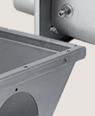
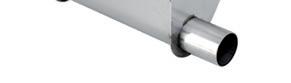
• Equipment made entirely of stainless steel.
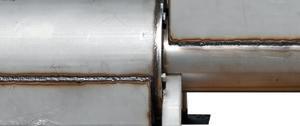
• HSS 304 perforated sieve, which ensures an efficient and reliable compaction process.
• Compact and automatic system.
Compactor and/or separator
In this sense, the use of a compactor responds to a very specific management model, focused on the immediate long-distance export of the solid and on minimising its weight.
On the other hand, when the objective is to achieve an optimal balance between the solid and liquid segments, reducing the total volume of liquid slurry to be managed and optimising the costs of agricultural application, the use of the TP01 separator allows obtaining a solid with adequate humidity without penalising the volume of liquid generated.
GLOBAL PIG
J. MATTEUCCI: “THE HEATED PLATES ALLOW PIGLETS TO BE OFFERED
A MORE UNIFORM COMFORT ZONE”
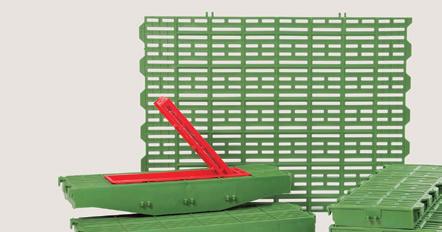
In the midst of its expansion, the BLD Agro farm, located in the province of Córdoba (Argentina), is moving towards an increasingly ef cient production model aligned with animal welfare. With a capacity of 5,800 to 8,500 sows, the farm has opted for technological solutions that optimise management and energy consumption, such as Rotecna’s hydraulic heated plates in farrowing wards. In this interview, its technical manager, Juan Matteucci, reviews the evolution of the project, explains the technical criteria behind this choice and details the daily management of the system.
Located in Noetinger, Argentina, the BLD Agro SA farm opted for Rotecna hydraulic plates to optimise piglet thermal comfort and reduce costs.
Why did you decide to dedicate yourself professionally to pork production?
My father was a veterinarian and worked in a rural area. Always being by his side, both my brother and I ended up studying Veterinary Medicine. I first worked for a company in a neighbouring town, when many producers were switching to intensive production systems. From there, I began working on larger farms with more developed infrastructure. In that process, I completed a postgraduate specialisation, which I am now finishing, and
I have evolved professionally. I started in counselling, then in health, and then in starting farms and genetic changes. Today, I am in the technical part of an expansion project and am moving towards a role more closely aligned with infrastructure.
How and when was this farm started?
The farm belongs to the BLD business group and is located in Noetinger, Córdoba. It was launched between 2018 and 2019, and began producing and selling animals in 2020. It is currently in an expansion process that will increase it from 5,800 to 8,500 sows, following a technical analysis of the original project to adapt it to the company’s growth needs. The production system is an integration model. The
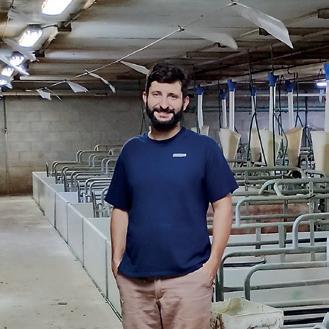
Juan Matteucci, farm’s technical manager. Photo: BLD.
farm produces piglets until approximately day 70, weighing about 28–30 kg. Then it is sold to a partner, working under a partnership scheme in which expenses and results are distributed.
How is it distributed?
The farm is distributed in 14 farrowing wards, with 88 places per room. The reproduction system includes a cover–release phase in groups, at 16 weeks of gestation, and has cages for temporary use, designed for an approximate stay of 24 hours, only during the cover and release of the animals.
Rotecna hydraulic heated plates are installed during weaning. What factors were decisive when choosing this system?
One of the key factors in choosing this system was the possibility of connecting the farm to the natural gas network, since the location was selected precisely for its proximity to it. Currently, the entire farm runs on natural gas, which fits perfectly with a heating system using hydraulic heated plates, both for efficiency and cost. The savings in heating are very significant compared to other systems that depend on
liquefied gas. Furthermore, it is a very practical solution from an operational point of view and has multiple benefits in handling. Beyond the technical, it was also a strategic decision. We went from depending on a liquefied gas supply to a natural gas system, which is much more stable and economical for the farm.
From your experience, what are the main benefits that you would highlight from the use of heated plates on the well-being and performance of piglets?
One of the main benefits of heated plates is the uniform heat distribution, which allows better use of the entire surface and provides piglets with a more uniform comfort zone. Once the plate is filled with water, the system reaches thermal equilibrium, and almost 100% of the surface is utilised, which has a direct, positive impact on the well-being and performance of the animals. This stable thermal environment helps piglets stay dry and active from the first hours of life, reduces the risk of cooling and contributes to better vitality, which translates into a better start of lactation and greater uniformity of litters.
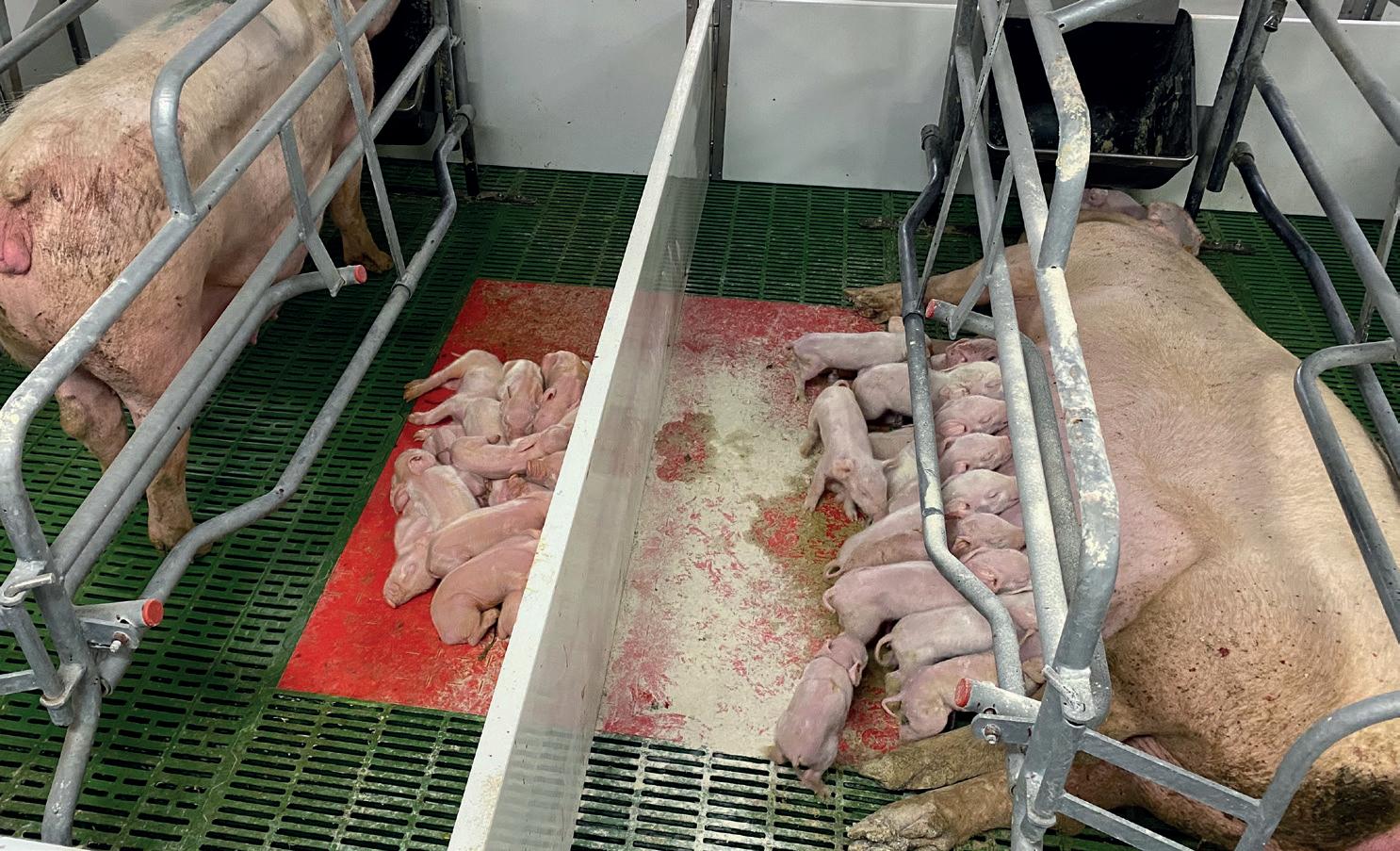
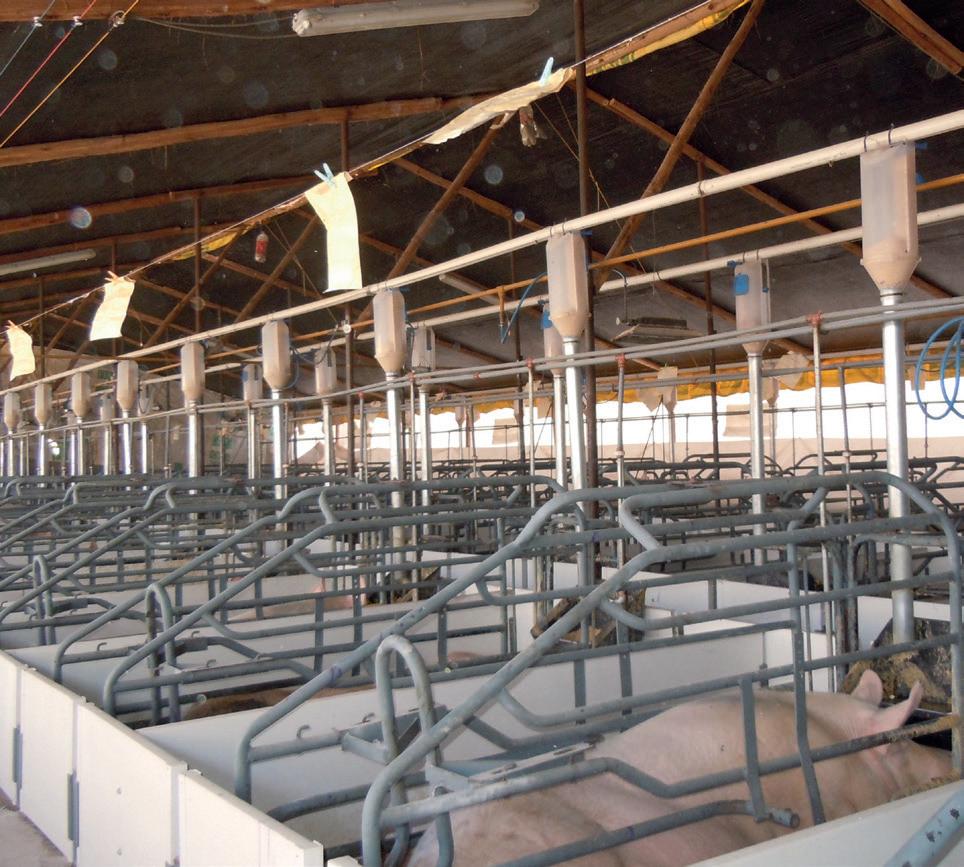
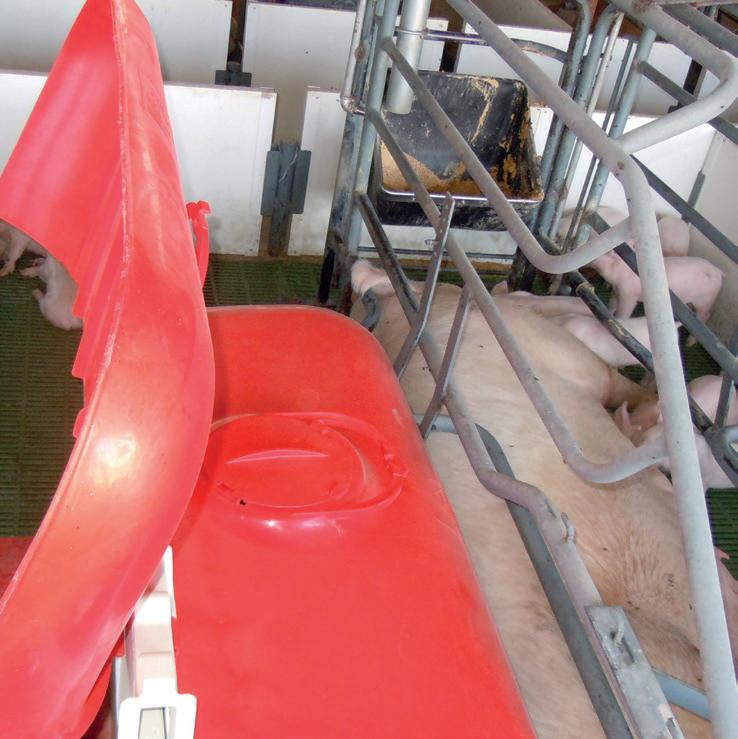
Farrowing area with Rotecna hydraulic heated plates. Photo: BLD.
GLOBAL PIG
What management do you perform with the plates daily? How do you adjust the temperature?
Although the team had no previous experience with this system, after a brief adaptation period, daily handling of the boards is very simple. We work with a stable temperature, differentiating only between winter and summer. The boiler operates at 60°C in winter and 55°C in summer. Once the room is washed and disinfected, the person in charge conducts a complete check using a control sheet, verifying the inlet temperature from the boiler, the flow rates, and the temperature of each plate with a laser thermometer, and, if necessary, adjusting the flows. This prior control allows us to reach the delivery moment with the system correctly regulated. During calving, a quick verification of conformity is carried out. Around the seventh day, when the piglets still require greater thermal input, the final check is performed. From that moment on, the room remains unchanged until the end of the cycle. Initially, the possibility of adjusting the temperature according to the age of the piglets was considered. Still, due to the system’s size and interconnections, maintaining a constant temperature ensures a more balanced operation and prevents flow imbalances.
Are the plates energy efficient?
Yes. By working with water and maintaining a stable temperature, consumption is much more controlled than in other heating systems. Furthermore, because natural gas is used, energy costs are significantly lower, and dependence on more expensive and unstable supplies is reduced.
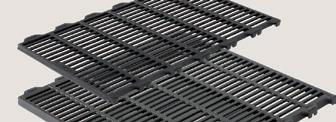
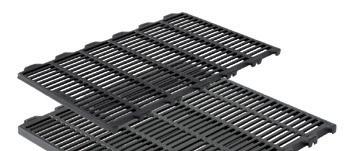
What other Rotecna products have you installed? In addition to the heated plates, we have several Rotecna products installed on the farm. We have slats, dispensers, the Feeding Ball dispenser, systems, distribution of food and
feeders, so practically all farrowing wards are equipped with Rotecna solutions.
What do you value most about Rotecna?
The good quality-price ratio of their products. It is a brand that offers reliable, competitive solutions for both equipment and costs. Furthermore, in Argentina, we have access to spare parts and reliable technical service through INDIV, which makes maintenance and daily operations much easier. During the current farm expansion, when requesting quotes, we found that Rotecna solutions were very competitive in price, reinforcing our decision to continue working with the brand.
At a health level, what are your main concerns? At the health level, one of our main concerns is maintaining our health status, because the expansion project significantly increases the
In the farrowing area, they use the Feeding Ball dispenser. Photo: BLD.
risk of introducing diseases. As a result, we strictly enforce biosafety measures. At the country level, we are currently free of PRRS and other high-impact diseases, such as African swine fever (ASF), although we are aware that we are no strangers to these risks. Therefore, prevention and health control are constant priorities in our daily management.
What biosecurity measures have you adopted on the farm?
On the farm, we follow a strict biosafety protocol, especially regarding vehicle movement. All trucks that enter the dirty area go through an outsourced laundry room in addition to the official washing, and are subsequently given an extra wash. Before authorising entry, a wash check is carried out, and any vehicle that does not meet the requirements is rejected. Once inspected, trucks pass through disinfection
arches, and vehicle access to the clean area is strictly restricted, with specific controls for everything entering the farm from the transfer unit. In addition, we have a transfer unit, where the animals are loaded and transported in other trucks to the refrigerator, preventing direct entry by external vehicles. For staff, we require sanitary filters, affidavits, and income records. All material that enters the farm is disinfected, and access is always through wet sanitary filters.
Finally, what future challenges do they pose for this farm?
The main challenge for the future is to determine the productive limit of the new farm and achieve high-quality pigs that meet animal welfare standards, while ensuring economic viability, operational efficiency and long-term environmental sustainability.
INGRID SERÓ: “ WATER CONTROL IS NOT AN EXPENSE, IT IS A STRATEGIC INVESTMENT”
In pig production, parameters such as diet, genetics, and health are precisely controlled, but water remains, in many cases, an undervalued factor. However, its impact on the health, wellbeing and productive performance of animals is direct and transversal in all phases. In this interview, we speak with Ingrid Seró, veterinarian at the GSP Lleida (Grup de Sanejament Porcí), who explains why water should be considered a strategic pillar in the management of farms.
Is water given the relevance it has in production?
In general, no, although it is increasingly given more importance. Traditionally, water itself has been considered a guaranteed input on the farm and was not a limiting factor. For this reason, in many farms neither their quality nor their consumption is systematically monitored, unlike, for example, food or health, where very extensive
Controlling water consumption and quality is key to preventing digestive problems, optimising treatments and improving the productive efficiency of farms.
controls are carried out. It must be clear that water directly affects both food and health.
Why should we consider water as a decisive element in pig production and not just as another resource?
Water serves both nutritional and health purposes and, very importantly, also acts as a vehicle for medicines, as in antibiotic treatments. In addition, it is essential to clean and disinfect the farm and equipment, and, from a biosafety perspective, we must consider that it can also serve as a potential entry and dissemination route for microorganisms, some of which can be pathogenic to our animals.
What key functions does water play in the proper growth of pigs, and why is it essential for their well-being and performance?
Water is essential. Firstly, for the metabolism of the animal itself, for the correct functioning of the different organs and for the thermal regulation of pigs. All of this directly affects the animals’ well-being and health. In fact, pigs consume approximately twice as much water as they eat dry food, and this consumption can increase by up to 30% in hotter weather.
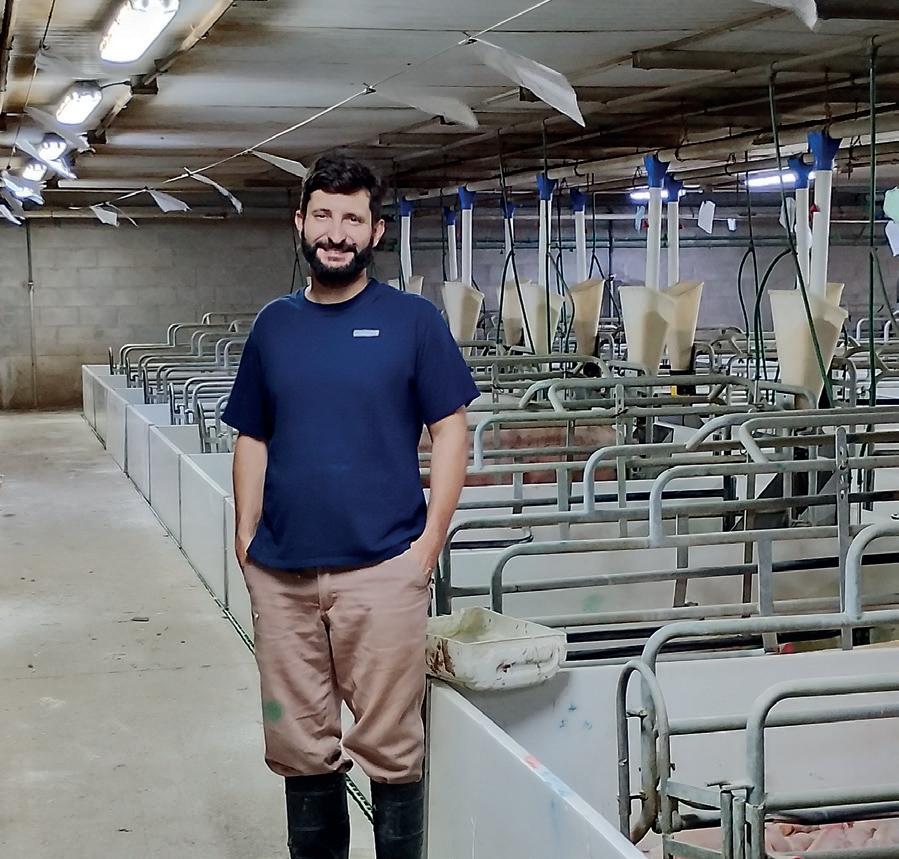
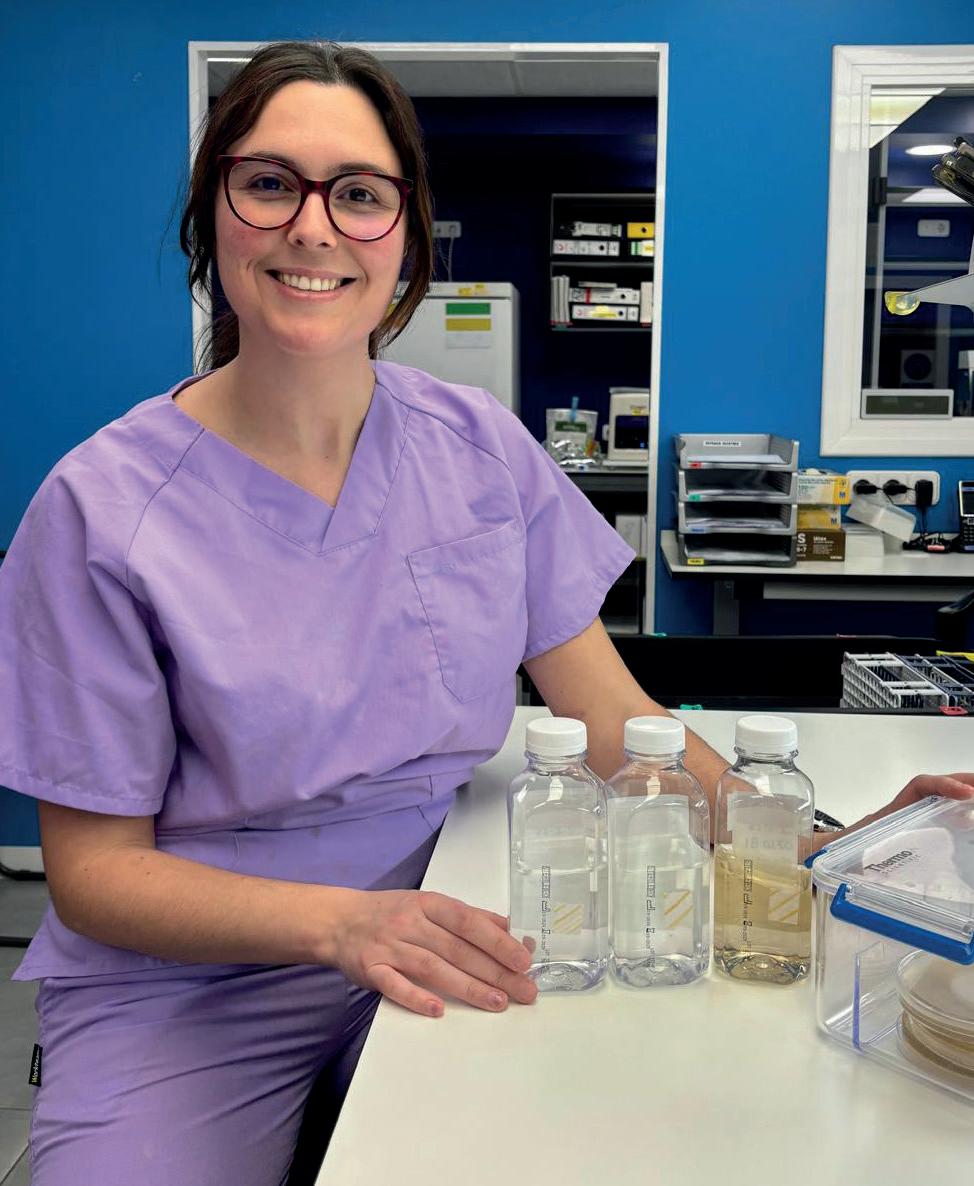
Ingrid Seró, veterinarian at the GSP Lleida Photo: Ingrid Seró.
How does water consumption vary at different stages of pig growth?
As animals age, their water requirements increase. Thus, there are numerous reference tables on consumption in litres per day, depending on the animals’ age. As a guide, we could talk about approximate consumption of 2 to 3 litres/ day in piglets and 4 to 6.5 litres/day in fattening. Where greater consumption is observed is in the breeding stock, which, depending on their physiological state, can range from 10 to 15 litres/day, especially during the lactation phase of the sow, when consumption can reach 30-40 litres/day. Therefore, consumption clearly varies with the animals’ age and physiological state.
What are the most common mistakes in water management?
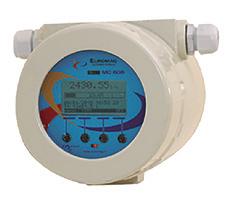
The most common mistake is to assume that animals, simply by having access to water, already receive the necessary quantity and quality. To avoid this, it is essential to monitor the amount of water the animals ingest on the farm using flowmeters, which are not yet widely used, and to adjust the drinkers’ flow correctly, an aspect that is sometimes not fully verified. Regarding water quality, one of the main errors is misinterpreting the analytics. Although we must always aspire to water qualities close to those for human consumption, we must also recognise that, depending on the production phase, animals are not equally tolerant of microorganisms due to their immature digestive systems, so we must be aware of this when interpreting analytical results.
Regarding water quality, which analytical controls are recommended for periodic monitoring?
At least, maintenance should be carried out semi-annually. However, the frequency may
vary if, for example, an analysis is unfavourable and corrective measures must be evaluated, or if changes are made in the water treatment, it is necessary to evaluate its effectiveness through complementary analyses. At an analytical level, both microbiological parameters (total coliforms, total germs, E. coli, clostridia...) and physicochemical parameters (pH, hardness, free chlorine, total chlorine, chloride, sulfates, nitrites, nitrates, etc.) must be considered. Royal Decree 3/2023 on the quality of water intended for human consumption serves as the main reference framework in veterinary medicine. Furthermore, it is important to keep in mind that the water sampling point is also key for a correct interpretation of the results. It is advisable to sample at representative points along the animal’s actual consumption path, such as the end of the line, the drinkers themselves, the beginning of the line, and the tanks, to evaluate the water’s origin.
“The most common mistake is to assume that animals, simply by having access to water, already receive the necessary quantity and quality.”
Do facilities also need to be checked?
One of the key points to guarantee water quality is the proper condition of the facilities, which, first of all, helps avoid water leaks and prevent the waste of this resource, and ensures that the flow reaching the animals is adequate and not lost along the way. Furthermore, the origin of the water, whether from a network, a well, or a surface source, will greatly determine the types of problems that can happen on the farm, both
FUTURE NEWS
at the microbiological and physicochemical levels, so the facilities and controls must be adapted to that origin. It is also very important to periodically check for biofilm and mineral scale in the pipes, as these remain obstacles to the animal receiving water in sufficient quantity and quality. We must keep in mind, above all, that, without adequate maintenance, any analytical control program will lose effectiveness.
Why should water be one of the first points to check when health problems appear?
In the end, water is a common factor that is distributed throughout the farm and, consequently, affects all the productive phases we have. For example, digestive problems in certain warehouses, or drops in consumption or uniformity within a lot, can originate in water or be aggravated by it as a cofactor. Therefore, treating water as one of the first checkpoints enables rapid, objective evaluation based on sampling, although it is often undervalued.
Precisely, regarding animal health, what impact can poor water quality have?
In piglets, it can cause dysbiosis and diarrhoea by disrupting the microbiota after consuming contaminated water. In fattening pigs, poorquality or inadequate water consumption can
lead to reduced conversion and, depending on the load and the type of microorganisms present, also to digestive problems. In the case of sows, it could cause decreases in consumption and, indirectly, reproductive problems, so that the economic impact would be greater. Furthermore, poor water quality can compromise the effectiveness of drug treatments, leading to unnecessary medication waste. In this sense, on many occasions, a well-planned water analysis makes it possible to explain apparent failures of treatments that, in reality, are not due to the medication itself, but to a water quality problem or the presence of biofilm in the pipes.
At a more general level, should a farm’s total daily water consumption be measured?
Yes, without a doubt, because it is a fundamental tool that can guide us a lot, especially when diagnosing on a farm, when we have a problem. Abnormally low consumption could indicate problems with access, quality or loss of palatability, that is, that this water does not taste good for the animal, or that the animals are sick and, consequently, reduce their water intake. On the contrary, excessive, very high consumption may indicate poorly regulated drinking fountains or, for example, the presence of digestive processes.
Finally, what key message would you convey to farmers about the importance of monitoring water in all production phases?
Water control is not an expense but a strategic investment, because good water management, in the end, will help us improve farm health control, optimise feed use, and maximise the effectiveness of the treatments to the water and, consequently, to reduce productive losses and reinforce biosecurity on farms, which is also very important.
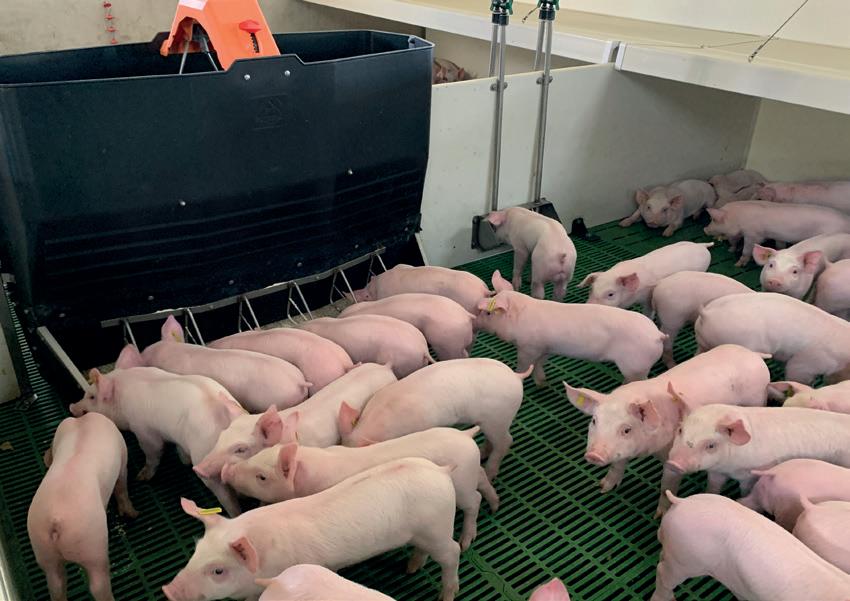
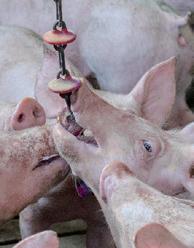
Piglets consume two to three liters of water per day.
Photo: Rotecna.
PIG PRODUCTION IN
THE PERUVIAN PORK SECTOR IS MOVING TOWARDS
PROFESSIONALISATION
Pig production in Peru remains closely linked to rural areas, with family livestock farming still a significant component. According to data from the Peruvian Association of Pig Farmers, there are between 450,000 and 550,000 pig producers in Peru, of whom around 75–80% are engaged in family farming. Consequently, a significant portion of the meat produced is destined for self-consumption, rather than being incorporated into modern slaughter and distribution routes. In this sense, it is estimated that between 85,000 and 110,000 tons of pork are
Advances in animal health and efforts to modernise pig production mark the evolution of a sector oriented to the domestic market.
fever (ASF), which has enabled reduced health risks in the main producing areas and laid the foundations for greater consolidation of commercial farms.
Recent evolution of the pork sector
produced annually outside the commercial market. This feature has historically conditioned the structure of the Peruvian pork sector and explains, to a large extent, some particularities of its production, consumption and trade statistics.
However, this traditional context has not been incompatible with progressive improvements in the health framework, which in recent years have contributed decisively to stabilising productive activity. In 2024, 13 regions of the country were already free of African swine
In recent years, there has been notable progress in commercial pig farms, which are increasingly technical, operate at larger scales, and are clearly market-oriented. These farms, many of them integrated into industrial projects or in integration schemes, already control close to 70% of commercial pig production, and are consolidating themselves as the main instrument of growth in the sector.
This transformation has been possible, to a large extent, thanks to the support of the Peruvian government,
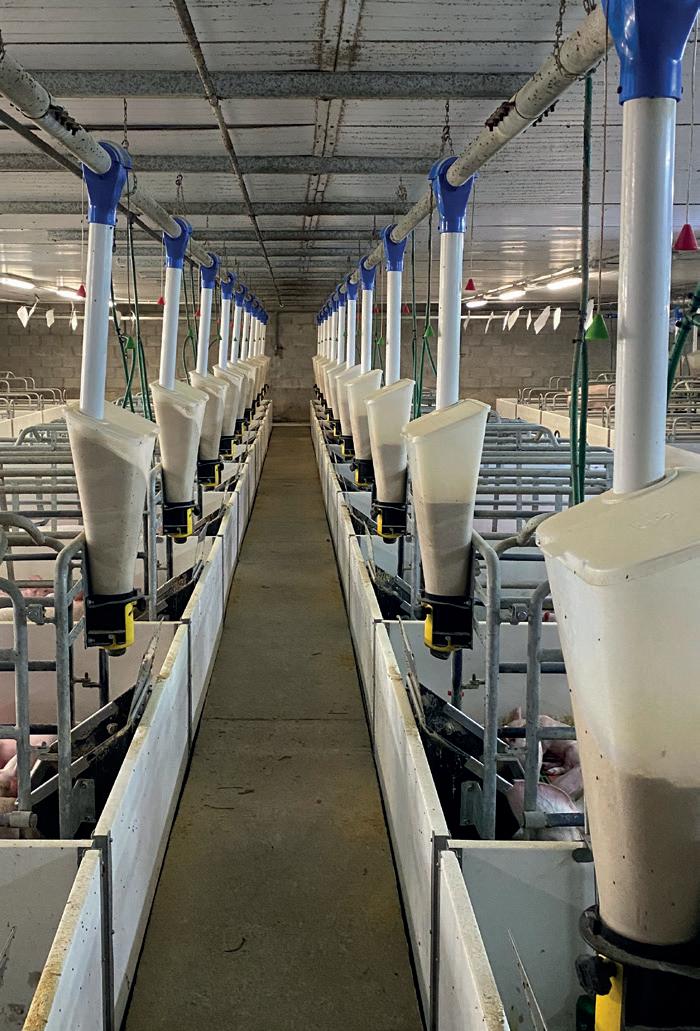
Peruvian farrowing farm fitted with Rotecna equipment. Photo: Rotecna.
which has reinforced policies to promote more efficient, competitive, domestic pork production aligned with international health standards.
This institutional support has been key to facilitating investments in biosafety, productive management, and genetic improvement, which have been transformed into a positive evolution in productive indicators. In 2024, around 3.15 million pigs were slaughtered on commercial farms, reaching a production of 208,583 tons of pork. The average yield was around 66.2 kg per pig, a figure still low compared to other, more technical markets but indicative of progressive improvement in production efficiency.
As a result of all this, pig production registered approximately 4% growth in 2024, and forecasts suggest this trend could continue or even increase, in line with the ongoing modernisation process.
Pork consumption in Peru
Pork consumption in Peru remains moderate per capita, though it shows a clear positive trend. In 2024, total meat and pork consumption was around 226,883 tons, equivalent to about 6.6 kg per inhabitant per year. However, forecasts suggest that this level could double in the medium term, especially in large urban areas such as Lima or Arequipa.
Imports and self-sufficiency
The Peruvian pork market is characterised by a high degree of self-sufficiency, close to 92%, which covers most of the national consumption. Domestic production, both commercial and intended for self-consumption, limits the need to resort to the foreign market. In 2023, imports of meat and pork products represented less than 8% of total consumption.
That year, Peru imported 18,292 tons of meat and pork products, worth 48.33 million euros, with a price import medium of 2.63 €/kg. The main suppliers were Chile, Brazil, the United States, Canada and Spain.In contrast, Peru exports virtually no pork, largely because it is not yet completely free of classical swine fever.
Future and opportunities
The future of the pork sector in Peru involves consolidating the modernisation process of commercial farms, improving productive yields and gradually reducing the burden of selfconsumption. The expected growth in domestic consumption, especially in large urban centres, provides a solid basis for the sector’s expansion. At the same time, improving animal health and institutional support open opportunities to strengthen the value chain, develop products with greater added value and move towards more integrated and formalised production. In this scenario, the sector’s ability to incorporate small producers into more structured routes will be a key factor in its evolution over the coming years.
Source: Interporc.
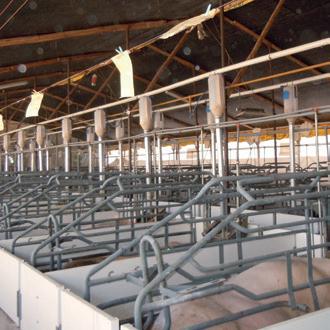
Farrowing farm in Peru equipped with Rotecna products. Photo: Rotecna.
OWN DESIGN AND MANUFACTURE
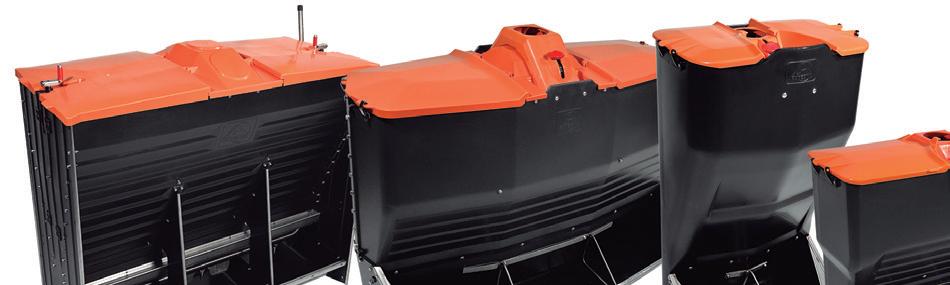
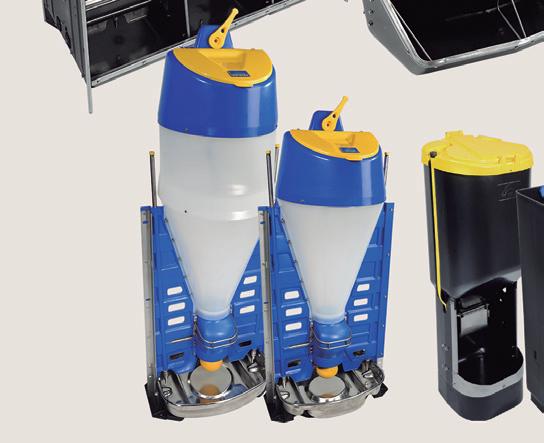
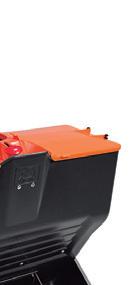
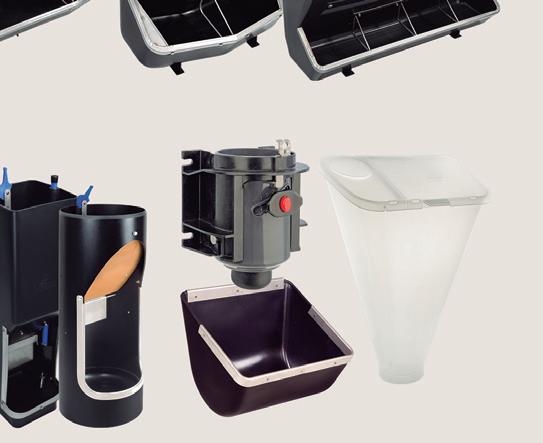
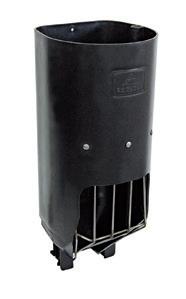
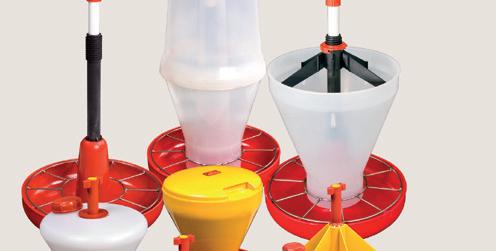
30 YEARS DEVELOPING HIGH RESISTANCE PLASTIC (POLYPROPYLENE) FEEDERS
FEEDERS
GROW FEEDER MAXI Fattening, WTF
GROW FEEDER MINI Weaning
SOW FEEDER Farrowing
SWING R3 DUO Weaning, Fattening, WTF
SWING R3 WET Weaning, Fattening, WTF
SWING R3 TUBE Weaning, Fattening, WTF
TR7D FEEDER Weaning
TR4 FEEDER Weaning
TR5 FEEDER Weaning
TR2 FEEDER Fattening
TR3D FEEDER Fattening
SF3D FEEDER Fattening, WTF
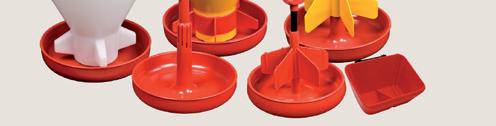
SOW BOWL Farrowing, Fattening, Gestation
FEEDING BALL Farrowing, Gestation
PANS
MAXI PAN
MAXI HOPPER PAN
TECNA PAN Plato 1ª edad
EASY PAN Plato 1ª edad
Adaptation pan - Weaning
Adaptation pan - Weaning
MAXITAINER para MAXI PAN Tank for liquids
Adaptation pan - Farrowing
Adaptation pan - Farrowing
WALL PAN Adaptation pan - Farrowing
MINI PAN
Adaptation pan - Farrowing
MINI HOPPER PAN Adaptation pan - Farrowing
MINITAINER Tank for liquids
ANTI-STRESS FEEDER ANTI-STRESS CHAIN
Rotecna, s.a.
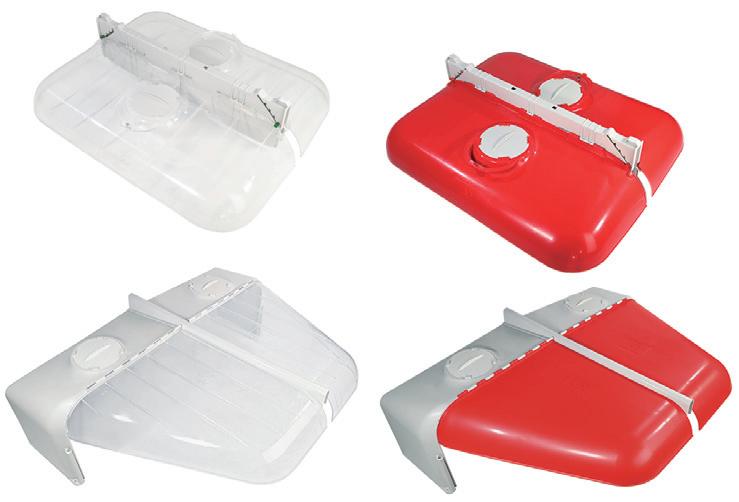
COVERS AND NI-2
NI-2 CORNER Farrowing
NI-2 MOBILE Farrowing
NI-2 WEANING
5W LED
LAMP
ELECTRONIC FEEDING MANAGEMENT SYSTEMS
DOSITRONIC M Farrowing
DOSITRONIC G Gestation EVOFEED Transition
SILOTRONIC
SENSORITRONIC
DRINKING BOWLS & VRH-3 VALVE
VRH Gestation and farrowing
VRH-3D Gestation and farrowing
SWING DRINKER Weaning and fattening
EASY DRIKER MINI Farrowing (piglets)
EASY DRIKER MIDI Weaning
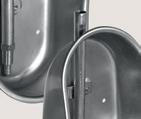
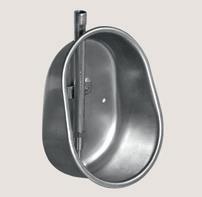
STAINLESS STEEL DRINKERS Sows, weaning and fattening
DISPENSERS
CLUTCH DISPENSER
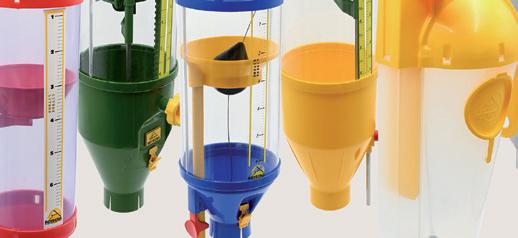
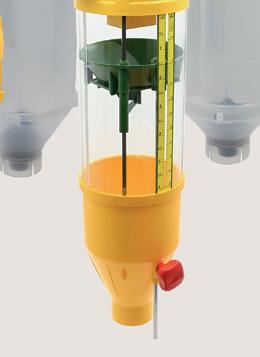
DOSIMATIC
SIMPLEX D-2
FOUR
FIVE
SIX-D
SIX-S
SEVEN
Gestation and farrowing
THE MOST EXTENSIVE RANGE OF PRODUCTS FOR PIG EQUIPMENT
DOWNPIPES 60 2 x 60Ø / 75Ø mm
60Ø / 63 - 70Ø mm
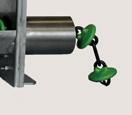
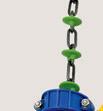
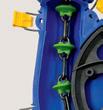
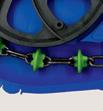
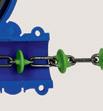
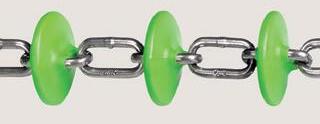
CHAIN AND DISK SYSTEM
• Shock absorbing teeth system.
• Easy adjustable chain tensioning system with graduation scale.
• Corners with easy aperture system.
• Silo extraction system with an agitator.
CORNER 50Ø / 60Ø
ULTRA-RESISTANT CHAIN
38Ø / 44Ø mm
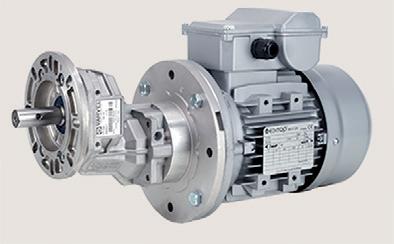
GEAR MOTORS
AUGER SYSTEM
The silo outlet system consist of a silo boot, a transfer unit and a slide gate assembly that allows horizontal and inclined installation.
TRANSFER UNIT
SPIRALS
55Ø / 75Ø / 90Ø mm
DOWNPIPES 50 - 60 - 90 63Ø mm
EXTRACTION SINGLE / DOUBLE
PANELS
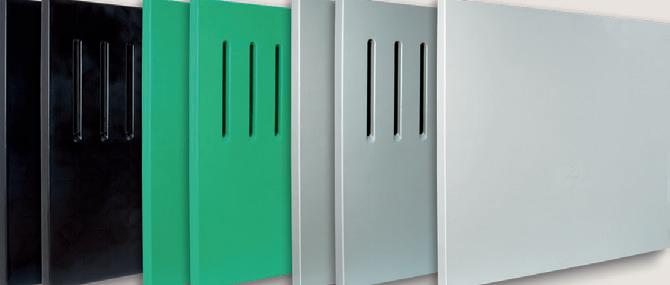
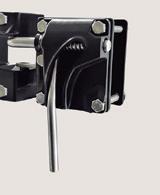
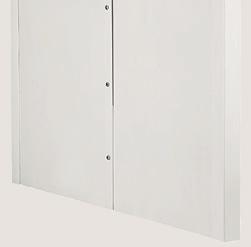
BLIND PANEL 1200X1000 VENTILATED PANEL 1200X1000 PANELS MADE TO SIZE PROFILES FOR PANELS DOORS POLIAMID UNION BRAKETS FOR PANELS
THE MOST EXTENSIVE RANGE OF PRODUCTS FOR PIG EQUIPMENT