IMPACT REPORT 2025

The story of our time is one of profound interconnection: The health of our communities is bound to the health of the planet; the stability of families is linked to the stability of their homes; and the resilience of our society depends on the resilience of the systems we build together. Jonathan Rose Companies has long sought to respond to this co-arising nature of life with a model of housing that integrates affordability, livability, environmental stewardship, and social opportunity – creating places where people and nature can thrive in balance.
In 2024, we reached a turning point in how we live that mission. With the transition of our property management function to trusted third-party partners, we embraced a more collaborative, distributed model – one that allows us to focus on what we do best: acquiring, developing, improving, and preserving affordable housing while scaling the innovations and models that make communities healthier, more equitable, and more sustainable. By embedding impact alignment directly into our management agreements and standard practices, we ensure that the values that guide us are carried out at every property, every day.
We also refined our impact framework to more clearly articulate the pillars that define a Rose Community –affordability, social impact, environmental impact, and, newly elevated, housing quality. Safe, stable, healthy homes are the foundation upon which all other opportunities are built. Informed by the voices of our diverse set of stakeholders, our double materiality assessment reaffirmed that investments in safe, stable housing are not only the cornerstone of positive impact on people and planet but also among the most material drivers of our company’s long-term financial performance.
In practice, our impact work took many forms. We advanced decarbonization through electrification, renewable energy, and efficiency projects that not only reduce emissions, water use, and costs but also bring the benefits of clean energy to our residents. We launched new initiatives to strengthen financial resilience for families, including renter wealth-building pilots and Family Self-Sufficiency (FSS) programming. And we turned our attention with greater focus to caregivers and young children, recognizing that the seeds of long-term opportunity are planted early in life.
Looking ahead, our work is only growing in urgency and importance. Climate change, rising inequality, and social fragmentation are reshaping the landscape in which we invest. Yet within these challenges lies the possibility of renewal. In the coming year, we will deepen our efforts to preserve and enhance affordable housing in resilient, opportunity-rich markets; expand our strategies to strengthen safety and security, recognizing that a sense of safety is foundational to delivering meaningful resident engagement; and advance our physical and social resilience to prepare our communities for the storms – both literal and figurative – that the future holds.
I am grateful to our team, our investors, the cities and public agencies we work with, and our many partners and collaborators who share our vision. Together, we are proving that affordable housing can be a platform for stability, opportunity, connection, and hope. Each community we touch becomes part of a greater whole: a network of thriving landscapes that, taken together, embody a new model of harmony between people and planet.
Warmly,
Jonathan F. P. Rose
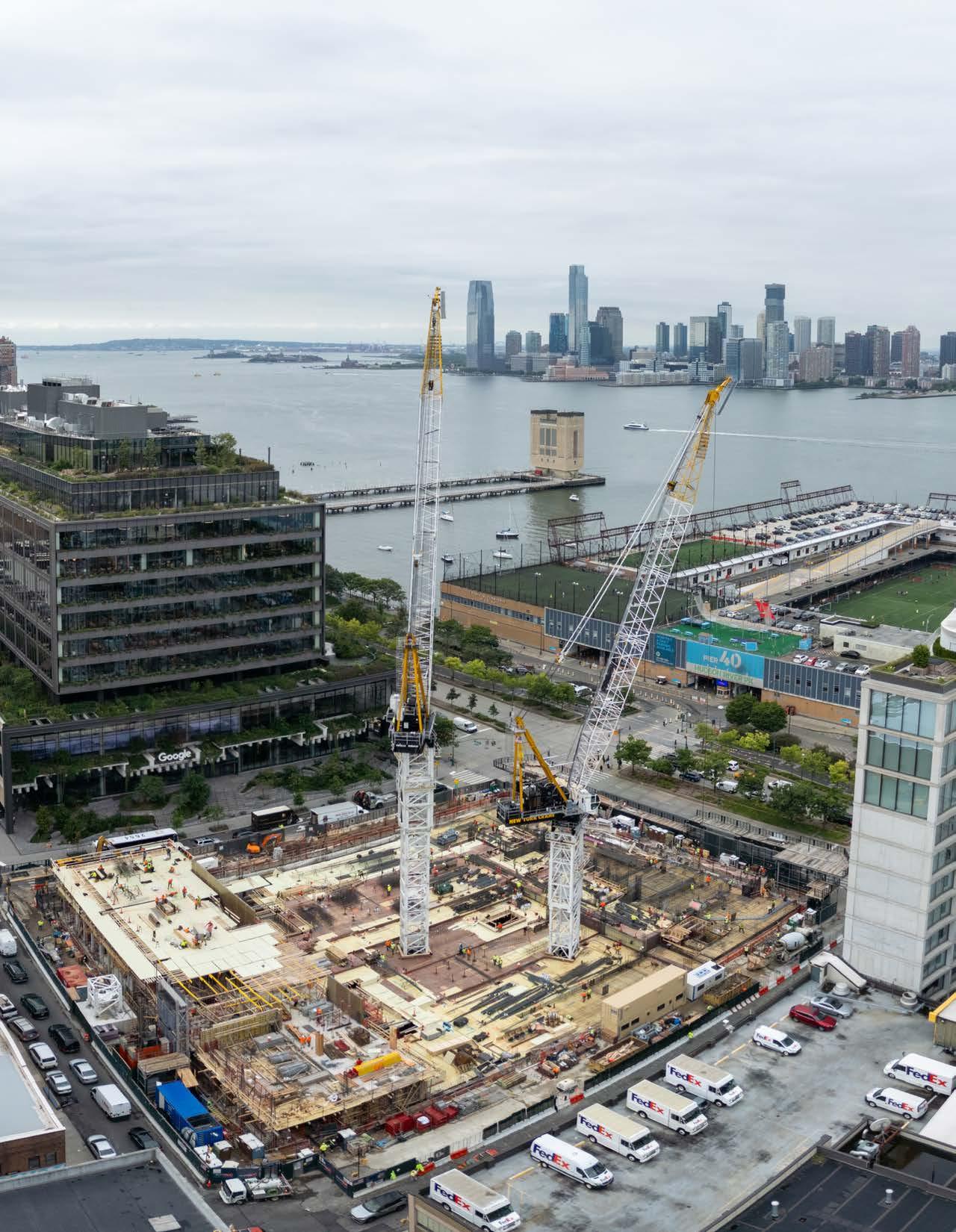
Jonathan Rose Companies is one of the nation’s leading owners, developers, and operators of green, affordable, and mixed-income communities. Founded in 1989 with a mission to create a more environmentally thriving and socially just world, our company has created projects exceeding $5 billion in value, with a current portfolio of over 19,000 apartment homes across 14 states and Washington, D.C. For over 35 years, our firm has focused on scalable models that integrate environmental and social responsibility with strong economic performance.
In an era marked by widening inequality and rapid climate change, we recognize that these challenges stem from systems that have historically undervalued social and environmental impacts. In response, Rose has been among the early developers of impact-oriented real estate investment vehicles and has established an impact management system to align our investments with measurable outcomes for people and planet.
As a mission-driven real estate owner, we continually evolve our investment, asset management, and development practices in collaboration with our affiliates in construction management, mortgage finance, solar energy, and title services. We invest in the creation and preservation of well-maintained, resilient properties that foster community connection and resident wellbeing, with a strong focus on safety, stability, and quality of life.
We strive to achieve positive environmental outcomes through energy efficiency, decarbonization, water conservation, and the reduction of toxins in the built environment. Equally, our social impact efforts center on expanding housing stability and connecting our residents to health, education, financial, and social opportunities.
Our impact strategies are designed to deliver both measurable social and environmental outcomes and competitive, risk-adjusted financial returns. By investing in stable, high-demand housing in strong markets and enhancing long-term asset value through efficiency and resilience improvements, we aim to achieve durable performance for our investors alongside meaningful benefits for our residents and communities.
Rose is intentional about where we work – targeting high-opportunity, transit-accessible, and resource-rich locations that demonstrate strong environmental, social, and economic resilience. This integration of affordability, housing quality, social programming, and environmental performance defines every Rose Community.
Our mission is to create a more environmentally thriving, socially just world through the development, preservation, renovation, and management of green, affordable, and mixed-income communities.
Portfolio 1 $5.3 Billion Invested in Acquisitions and Development 2
100+ Properties
19,000+ Residential Units across 14 States and D.C.
17,000+ Affordable Units
100+ Employees 5 Offices Across the U.S.A.
In 2024, Jonathan Rose Companies formally debuted the Rose Impact Framework – the organizing structure that defines how we create and measure the positive outcomes delivered by a Rose Community. Rooted in our mission to create environmentally thriving and socially just communities, the framework translates our long-held philosophy into a formal system that aligns impact priorities across our business lines and investment vehicles.
The Rose Impact Framework organizes our work into four interconnected pillars – affordability, housing quality, social Impact, and environmental Impact – that together define what it is to be a Rose Community.
Each pillar is supported by measurable focus areas and portfolio-level indicators that enable us to quantify progress and refine our strategies over time. The framework is the foundation of our impact management system, which integrates goal setting, monitoring, reporting, and evaluation across the full lifec ycle of investments.
The preservation and creation of affordable housing is at the center of our work. We pursue a broad range of partnerships to develop innovative finance and regulatory solutions to maximize the impact of our investments. Through governmental and voluntary income restrictions, we ensure that the properties remain affordable for the long term. We also advocate for regulatory protections and funding for affordable housing at the local, regional, and national levels.
FOCUS AREAS
Create Housing | Preserve Housing
At both the corporate level and through our third-party managers, we create systems and programs that support residents in maintaining housing, improving their health and wellbeing, accessing local social services, reducing food insecurity, and creating community. We collaborate with a variety of public and private partners to develop pilot programs at selected properties. We review and analyze the effectiveness of these pilots and expand the most successful ones throughout the portfolio.
FOCUS AREAS
Housing Stability | Community Building | Economic Opportunity | Health and Wellbeing | Food Security | Learning
The new framework makes explicit a value that has long been implicit for our team: that quality housing is foundational to every other dimension of impact. By creating spaces where residents feel safe and comfortable, we can, by extension, improve their wellbeing and strengthen the entire community. Quality properties also increase net operating income and add value, improving our investor returns.
FOCUS AREAS
Neighborhood Connection | Building Certification | Safety and Security | Community Facilities | Digital Access | Unit Conditions | Design Equity
Sustainable buildings use fewer natural resources, create healthier spaces for residents, and often have lower operating costs. We focus on reducing our carbon emissions and water use while increasing the resiliency of our assets. We review metrics for our properties and create long-term operational and capex strategies to balance environmental performance, affordability, and investment returns across the portfolio.
FOCUS AREAS
Decarbonization | Clean Energy | Water Efficiency | Green Operations | Biodiversity | Climate Resilience
The Rose Impact Framework is grounded in internationally recognized standards that promote transparency, consistency, and accountability across the impact investing industry.
Our impact management system is aligned with the Operating Principles for Impact Management and integrates metrics and definitions drawn from IRIS+, the Impact Management Project, and the Multifamily Impact Framework.
We report and disclose through leading third-party frameworks including GRESB, PRI, SASB, TCFD, and IFRS
Sustainability Disclosure Standards, and maintain an environmental management system aligned with ISO 14001. Our approach also advances the global priorities outlined in the United Nations Sustainable Development Goals (SDGs).
Together, these partnerships and reporting structures ensure that our impact management and reporting practices meet the highest standards of rigor, comparability, and transparency, allowing investors, residents, and partners to trust in the integrity and depth of our results.



United Nations Sustainable Development Goals (SDGs) are a set of 17 goals to promote social, economic, and sustainable development worldwide. As part of Rose Companies’ commitment to creating tangible and scalable impacts that extend beyond the communities where we operate, we have identified six that are materially relevant to our organization.
Our impact framework is the blueprint for how we build high quality, environmentally thriving, socially just, and inclusive communities. Grounded in four pillars, it translates our mission and values into measurable outcomes across every stage of investment, development, and operations, providing a unified structure that guides our teams, partners, and investors in creating lasting impact.
AFFORDABILITY
Create Housing – Create new affordable and mixed-income housing units through the conversion of market-rate assets with voluntary income restrictions and build new affordable and mixed-income units through ground-up development.
Preserve Housing – Acquire and rehabilitate existing housing by extending and deepening affordability restrictions for the long term, including beyond our ownership period.
Neighborhood Connection – Safe and equitable access to quality essential services and amenities, such as education, employment opportunities, healthcare, and transit.
Building Certification – Third-party assurance of green, healthy, and active design attributes. Holistic building certifications also encourage healthy building practices, indoor air quality, green operations, maintenance, and more.
Safety and Security – Enjoyment of safe and secure living spaces, common areas, outdoor areas, and the surrounding neighborhood.
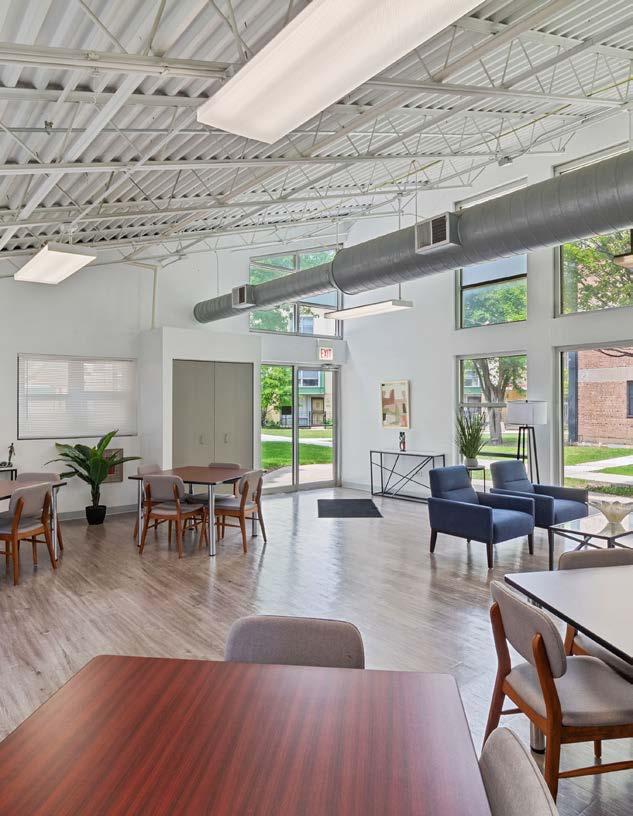
Community Facilities – Presence of quality, accessible physical spaces including multipurpose rooms, fitness centers, community kitchens, wellness rooms, computer labs, libraries, green spaces, community gardens, and play spaces to deliver social programming and facilitate community building.
Digital Access – Access to high-speed internet, along with devices and training, to enable meaningful digital connection.
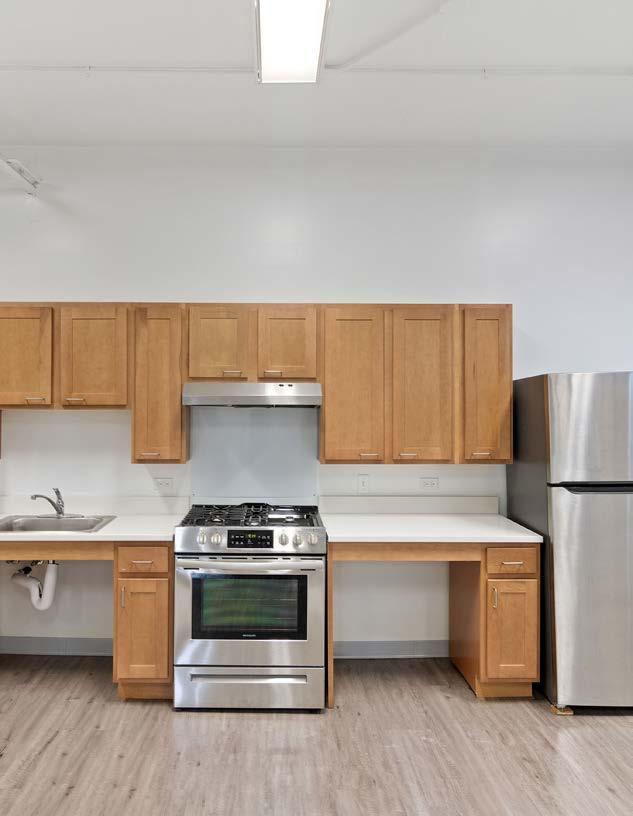
Unit Conditions – Quality dwelling units with access to adequate light, heating, cooling, storage, and acoustics, including in features such as suitable kitchens, bathrooms, and flooring.
Design Equity – Thoughtful design that prioritizes equitable access to beautiful spaces that are aesthetic and functional and include locally sourced artwork.
Housing Stability – Stable environments for residents to maintain residency without disruption such as eviction, financial or physical hardship, or unaffordable rent.
Community Building – Social programming that promotes connections and support among residents, contributing to a sense of belonging, cultural connection, active engagement, and social resilience in the immediate and surrounding communities.
Economic Opportunity – Connection to financial education, job preparedness, and banking resources to promote residents’ ability to afford essential needs such as food, healthcare, and transportation. Allocate resources toward asset and credit building and wealth accumulation.
Health and Wellbeing – Connection to on- and off-site healthcare services, health and wellness programming, well-designed open spaces, and fitness and recreational facilities to promote residents’ physical and mental wellbeing.
Food Security – Access to free or discounted healthy food and nutrition.
Learning – Connection to educational programming, learning opportunities, and after-school and summer programs to support early-childhood, youth, family, and adult education.
Decarbonization – Emissions reduction through energy efficiency, energy conservation, and electrification of fossil-fuel-using systems. Includes upgrades to major building systems and equipment and building envelope as well as in-unit upgrades such as lighting and appliances.
Clean Energy – Installation of on-site renewables and procurement of clean energy.
Water Efficiency – Water efficiency and conservation achieved through water-conserving fixtures, efficient irrigation and controls, landscape design, and active monitoring.
Green Operations – Operations and maintenance protocols and practices that promote environmental stewardship and human health.
Biodiversity – Responsible procurement of materials and wood products with supply chain practices that protect biodiversity in addition to on-site plantings and landscape maintenance practices.
Climate Resilience – Relative exposure of an asset to climate hazards and level of current and planned mitigation against such events, as well as preparedness for emergencies, including backup power and response protocols.
In 2024, Rose Companies conducted its inaugural double materiality assessment to align its impact strategy with stakeholder priorities and business resilience. This assessment was intended to improve our ability to protect asset value, reduce risk, and advance initiatives that result in positive social and environmental outcomes both internally and externally.
After our 2020 single materiality assessment, we transitioned to a double assessment last year to better gauge how our stakeholders view the financial effects of our environmental, social, resilience, and governance (ESRG) work. Double materiality is considered the best practice ESRG impact analysis by the Corporate Sustainability Reporting Directive (CSRD) and the European Sustainability Reporting Standards (ESRS), two widely respected global sustainability frameworks.
The assessment evaluates topics through two lenses:
The actual or potential effect that Rose Companies activities have on ESRG outcomes.
The impact of ESRG factors on financial performance and risk exposure.
Four of the top five material topics in the assessment are related to our business and community social impact, validating our work as a mission-driven organization to improve the wellbeing of our communities.
Moving forward, we will evaluate how the most material topics compare to our impact framework and management strategy. We plan to highlight our initiatives and programs related to the most material topics in future stakeholder communications.
CATEGORY
1.
MATERIAL TOPIC
• Safe and Secure Properties
• Occupational Health & Safety
• Data Privacy & Cybersecurity (Governance)
• Equality & Anti-Harassment
• Indoor Air Quality
The double materiality matrix below represents the complete matrix for all topics and stakeholder groups labeled by indicator question.
• Reduces operational risks and enhances resident retention.
• Mitigates legal liabilities and improves productivity.
• Protects sensitive resident and financial data.
• Strengthens workplace culture and compliance.
• Lowers healthcare costs and improves asset value.
• Ranked highest by investors and residents.
• Critical for employees and vendors.
• Top concern for investors and corporate teams.
• Emphasized by employees and nonprofits.
• Linked to resident health and satisfaction.
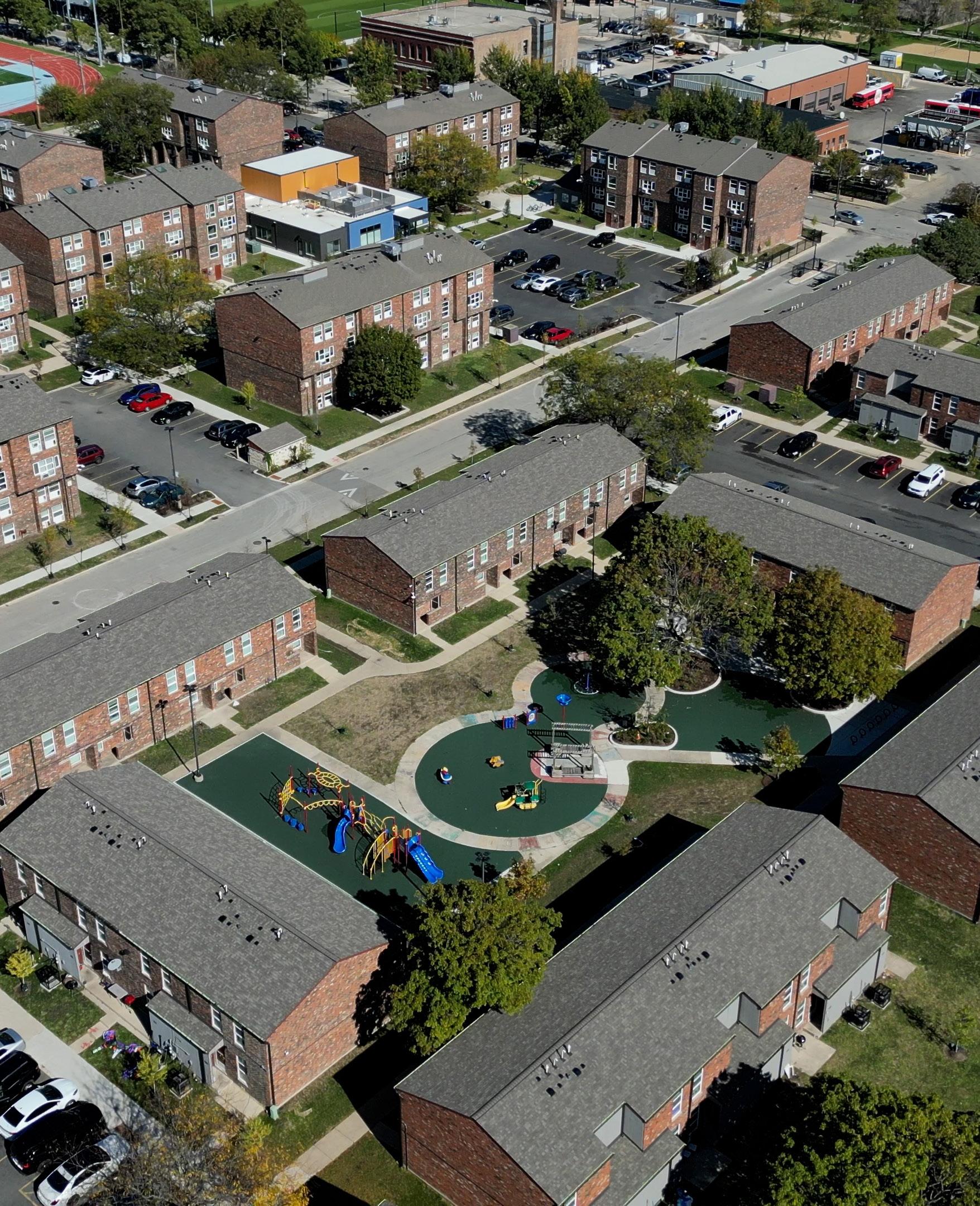
Preserving and expanding access to affordable homes strengthens communities.
Across the United States, rents are escalating at an unsustainable pace. In 2023, 21.1 million renter-occupied households were cost burdened, which the Department of Housing and Urban Development (HUD) defines as households that spend more than 30% of gross income on rent.1 This represents nearly half of the 42.5 million renter households in the United States and is an increase of 1 million rent-burdened households since 2021.1
The affordability challenge is compounded by the lack of supply. For the nation’s 10.9 million extremely low-income renters, there is an estimated shortage of 7.1 million affordable housing units.2 Moreover, low-cost rental units are being lost to market-rate conversions and demolition for new construction.
The affordable housing crisis disproportionally impacts BIPOC communities. Black, Latino, and Native and Alaska Native households are more than twice as likely as white households to be extremely low-income renters.2 These disparities have only become more prominent in the wake of climate change, where the effects of extreme weather events have been exacerbated across low-income communities.
For over 35 years, tackling the affordable housing crisis has been core to our business. Our approach revolves around acquiring, developing, and preserving low-income housing across the country and consists of three mechanisms of change:
We buy existing affordable housing units to ensure that the housing stock remains affordable for residents predominately earning 30-80% of AMI. We also create new affordable housing units by voluntarily placing income restrictions on naturally occurring affordable housing.
We leverage 4% and 9% low income housing tax credits to rehabilitate existing affordable housing properties, improving the conditions to make communities affordable for the long term.
We deliver new units of affordable housing through ground-up development. We add critical supply in major markets around the country where demand for affordable housing is high.
Affordable rental housing is broadly defined by the U.S. Department of Housing and Urban Development (HUD) as housing where resident-paid rents are no more than 30% of a household’s gross income.1
At Rose Companies, our investments are centered around three types of affordable housing:
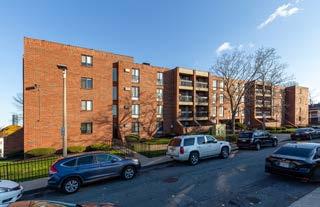
HUD provides rental subsidies through Section 8 Housing Assistance Payment (HAP) contracts. Eligible tenants contribute up to 30% of their income toward rent, while HUD pays the difference between that amount and the contract rent. Subsidies may be tenant-based (housing choice vouchers that move with tenants) or project-based (tied to the property). Although HAP units are designated for households earning below 80% of Area Median Income (AMI), they primarily serve deeply vulnerable populations earning between 30% and 50% of AMI.
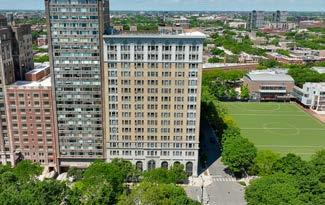
This primarily refers to the federal low-income housing tax credit (LIHTC) program, which is administered by state housing finance agencies that allocate a stream of tax credits to developers, who then sell the tax credits to a tax credit investor. Properties are encumbered for at least 30 years by deed restrictions that limit allowable rents to 30% of the household income of renters earning no more than 60% of AMI.
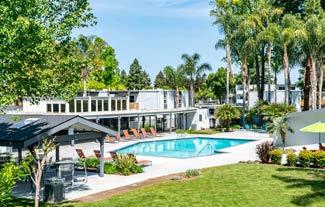
NOAH refers to properties that are not subsidized or restricted by any government program. These properties are “naturally affordable” due to their age, location, and condition and are also referred to as Portfolio affordability. Rose has worked on a case-by-case basis to devise structures with local governments, housing agencies, and mission-driven third parties to create new affordable housing deed restrictions in exchange for low-cost financing or tax relief.
Our portfolio is primarily composed of rent-subsidized, rent-restricted, and naturally occurring affordable housing (NOAH) units. We also own several mixed-income properties and participate in a range of state and local programs designed to create and preserve affordable housing.
Approximately 66% of our portfolio - more than 11,700 units - are rent subsidized through Section 8 HAP contracts. 1 While these units are generally available to households earning up to 80% AMI, in practice, HAP units serve residents with much lower incomes, often less than 30-50% AMI.
Another 20% of units are subject to rent restrictions , including NOAH properties where Rose has voluntarily established long-term affordability covenants. Only 2,584 units (about 14% of our portfolio) have no income or rent restrictions.
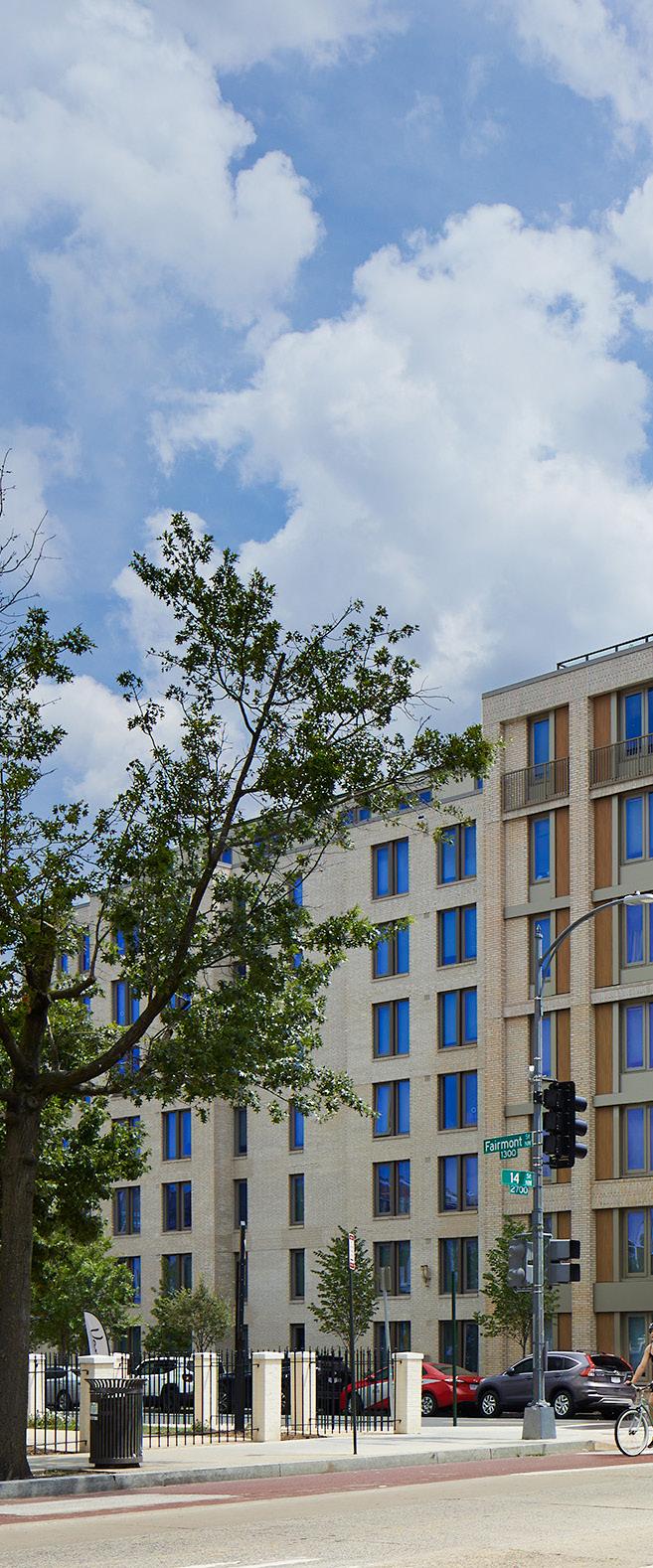
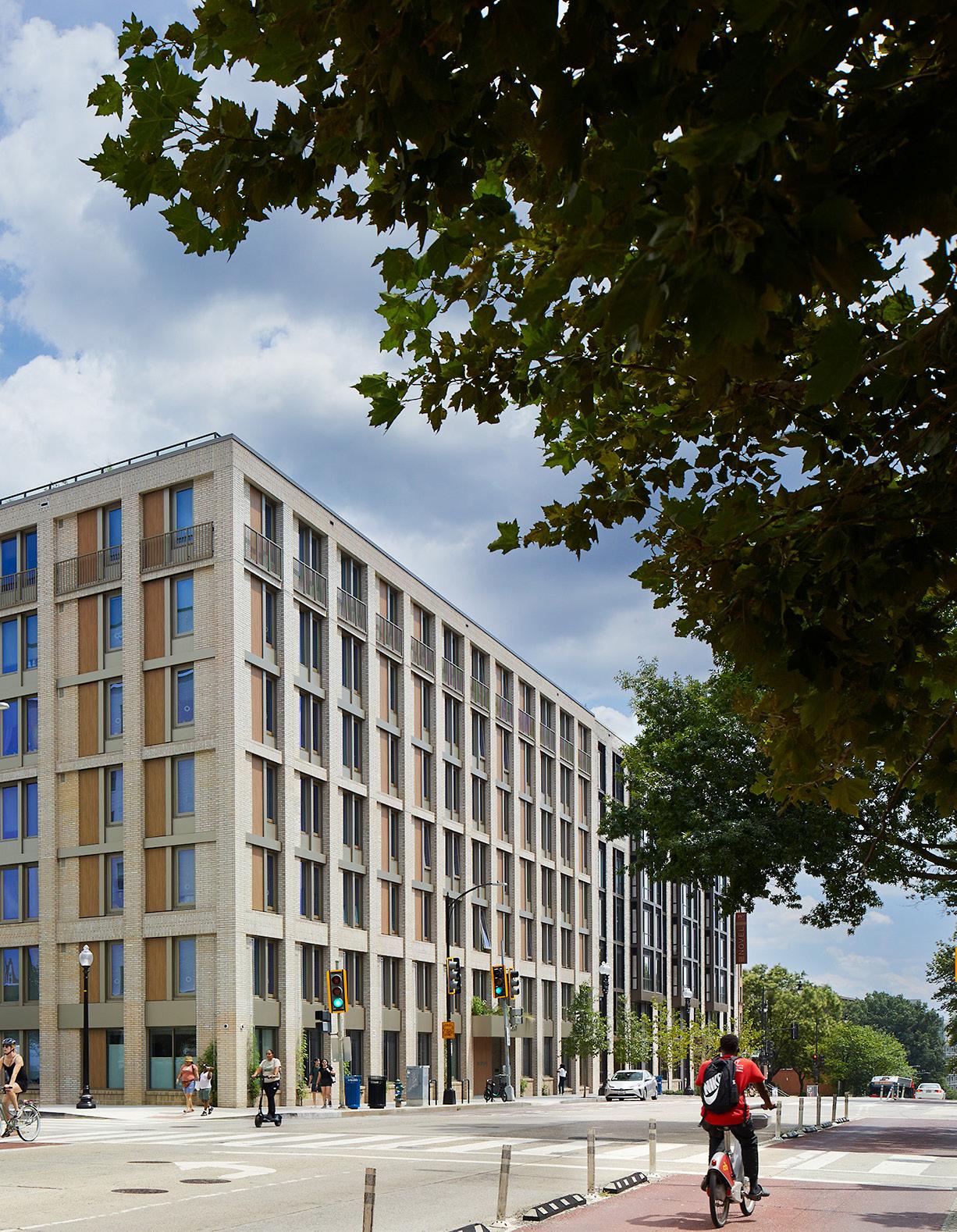
Jonathan Rose Companies partnered with Somerset Development Company and Housing Up to transform the aging Faircliff Plaza East complex in Washington, D.C., into a new 125-unit, all-electric affordable-housing community that reflects our integrated impact strategy. Built to PHIUS+ and LEED Platinum standards, The Faircliff advances our goals around long-term affordability, environmental performance, and resident wellbeing.
As part of the redevelopment strategy, a portion of the original site was sold to a market-rate developer for a 197-unit building, helping to finance the land acquisition and enabling a mixed-income neighborhood transformation. This approach quadrupled the total number of homes on-site – bringing density to a rapidly developing area of D.C. while also expanding affordability.
The Faircliff includes all 80 affordable units from the original property and 45 new apartments for households earning at or below 50% of AMI, of which 23 are three-bedroom homes, including nine permanent supportive-housing units. With relocation assistance and a guaranteed right to return, more than 80% of original residents chose to come back, demonstrating our commitment to housing stability through redevelopment.
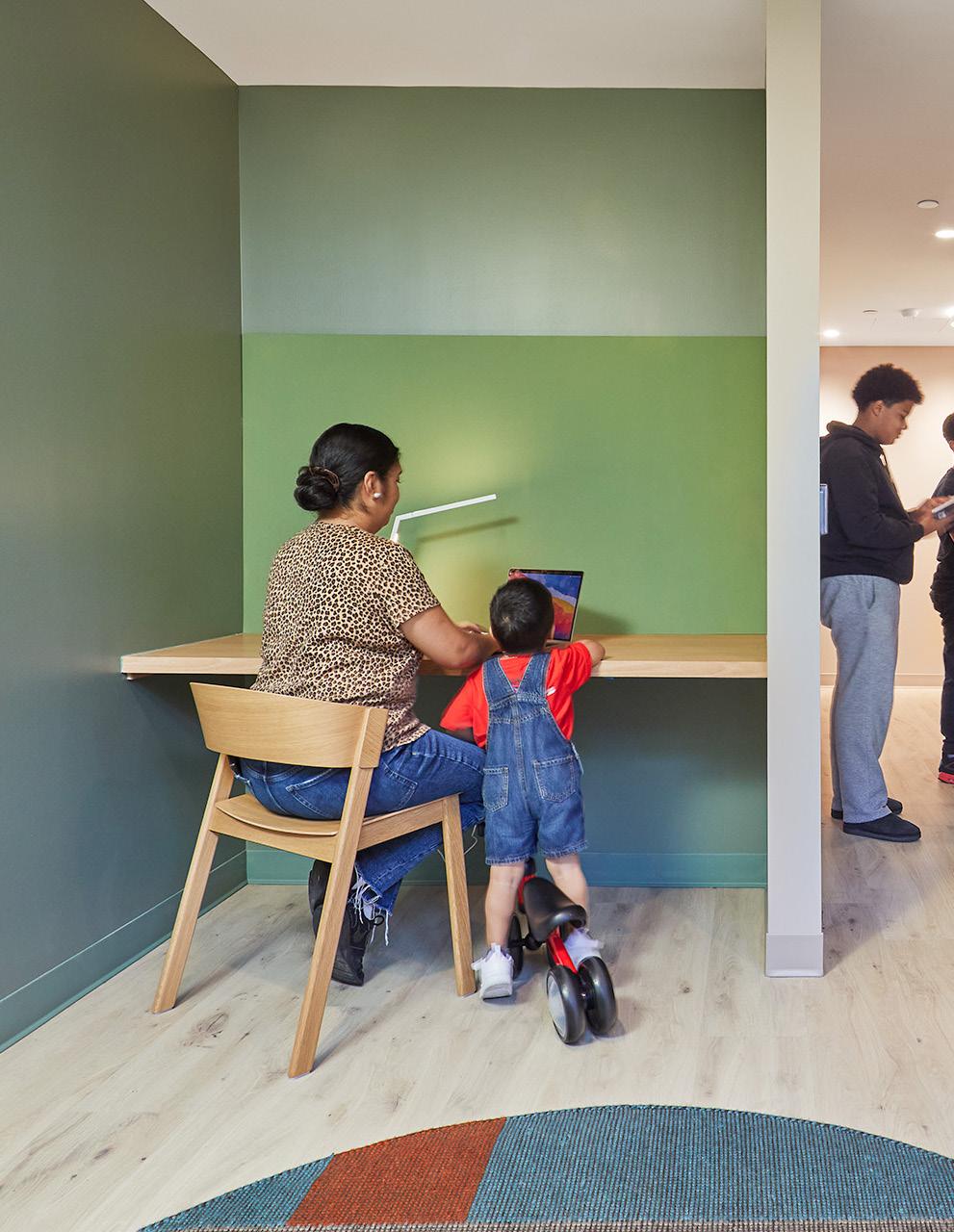
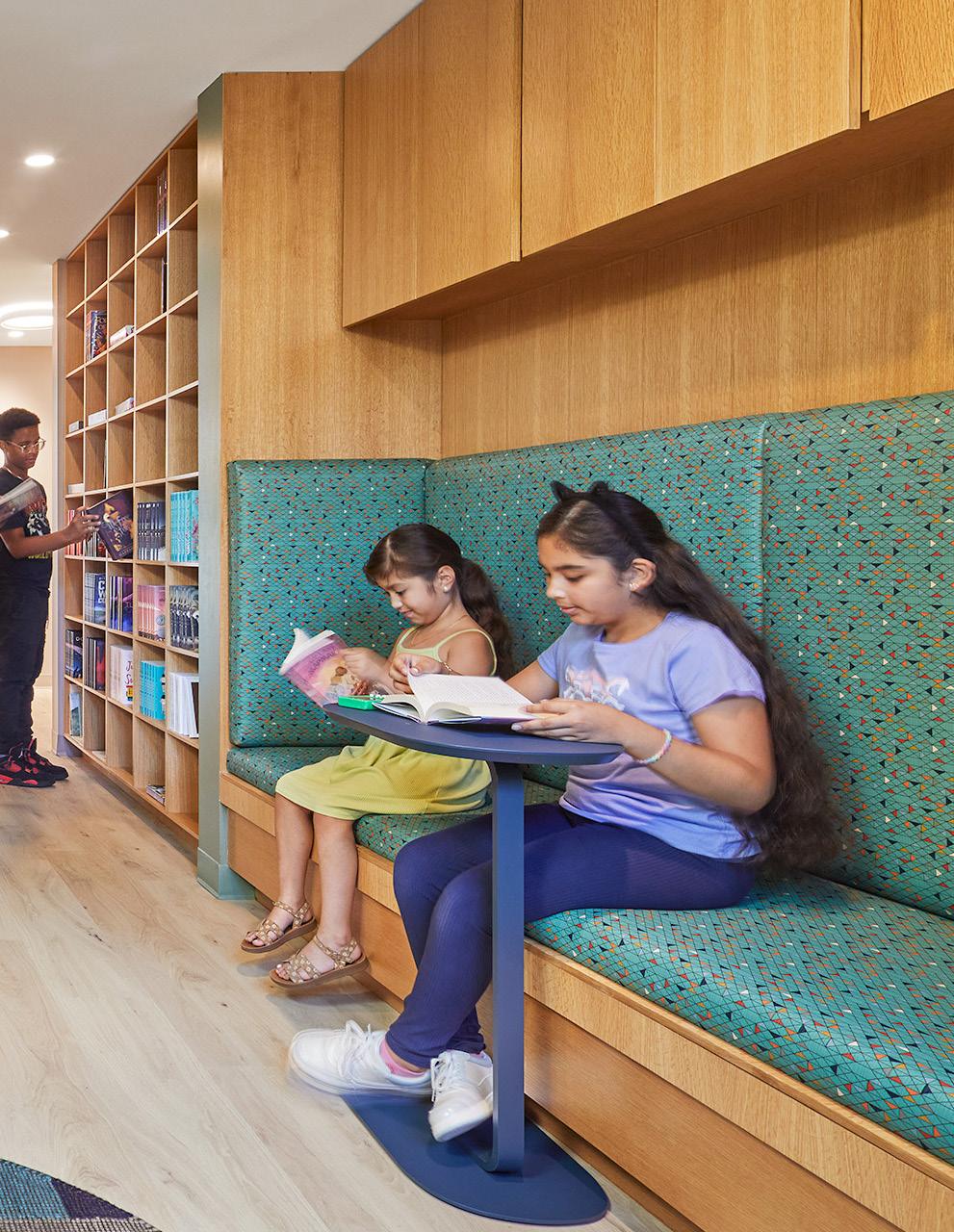
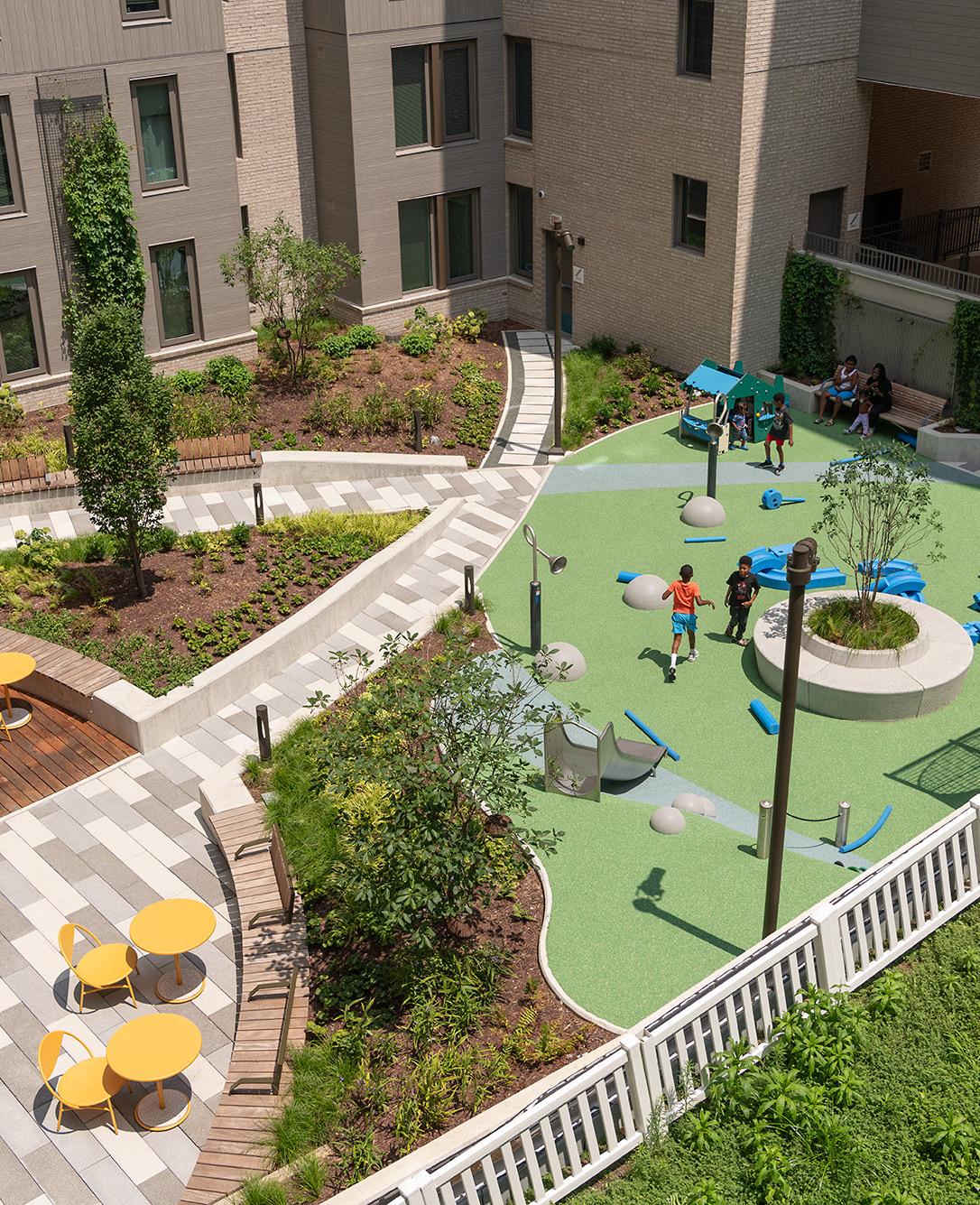
Residents helped shape a design that prioritizes health, comfort, and connection, with features like a courtyard playground, fitness center, library, common goods lending, rooftop event space, and free highspeed WiFi. The building’s green features include solar-integrated green roofs, EV charging, and carbon-injected concrete, reducing emissions and operating costs while improving indoor air quality and climate resilience.
The $110 million development was financed through a layered mix of LIHTC equity, tax-exempt bonds, soft funds, FHA debt, and a first-ofa-kind predevelopment loan from DC Green Bank. The Faircliff stands as a model for how mission-aligned capital and collaborative planning can transform communities.
TOTAL AFFORDABLE UNITS BUILT 125 Units
3-BEDROOM FAMILY UNITS 23 Units
HOUSEHOLD INCOME SERVED <50% AMI
INCREASE IN TOTAL HOMES ON-SITE
4x CARBON CAPTURED IN CONSTRUCTION MATERIALS
1.1 Million KG of CO2
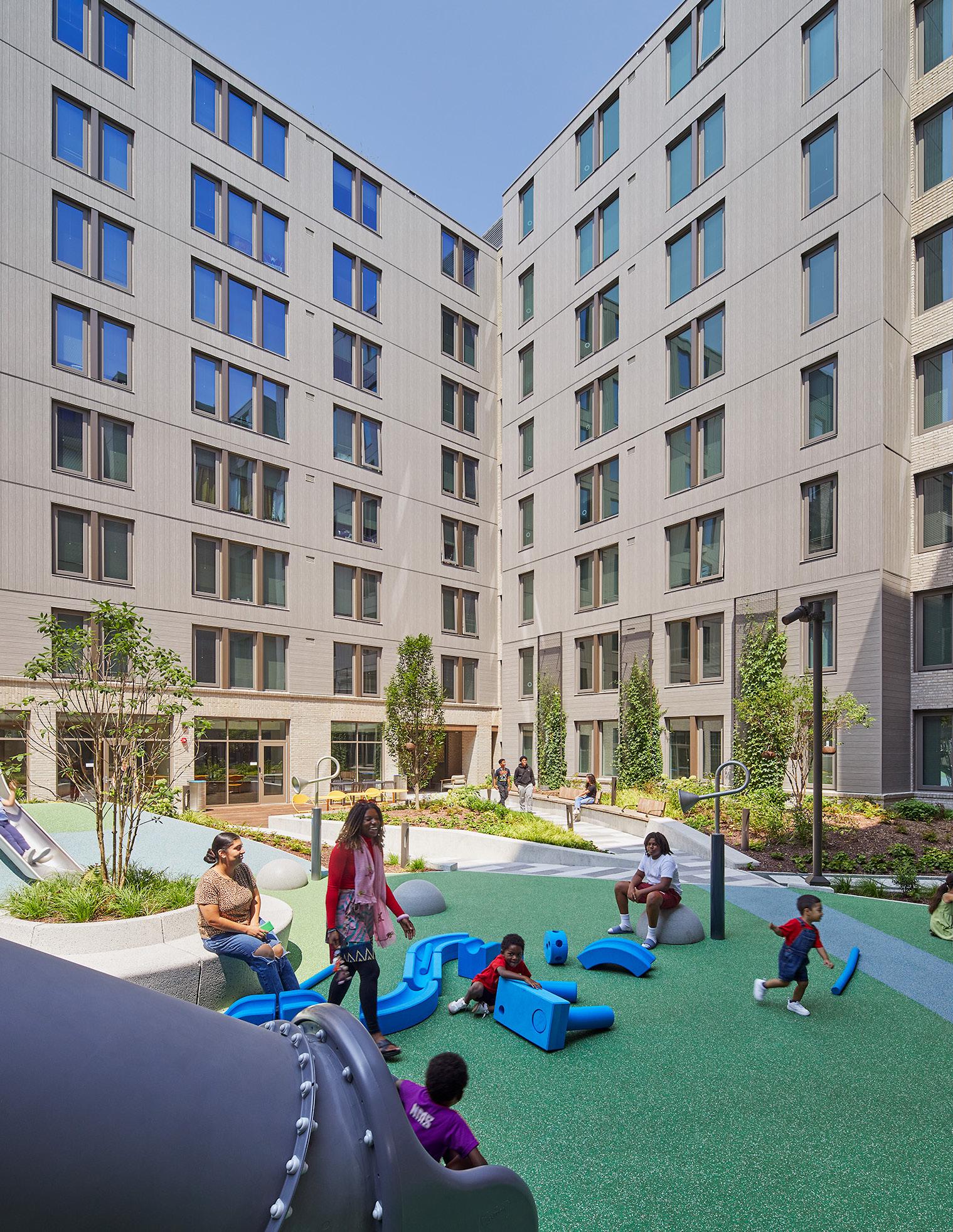
Where people live profoundly shapes their life outcomes. Research shows that a child’s zip code can be a stronger predictor of future success than any other factor, influencing access to quality schools, employment, transportation, and health. In the United States, intergenerational mobility has declined for the first time in modern history, and today’s younger generations are less likely than their parents to move up the economic ladder.
High-quality, well-located housing is a powerful tool for expanding opportunity. At Rose, we believe every resident deserves a home that is safe, healthy, and dignified - a place that fosters stability, connection, and wellbeing. In 2024, housing quality was elevated to one of the four pillars of our impact framework, enabling more intentional capital planning, clearer measurement of outcomes, and stronger alignment with our environmental and social initiatives.
Across new developments and renovations, our approach considers the full resident experience – from neighborhood to community to household. We locate properties near essential services, design shared spaces that promote inclusion and wellbeing, and maintain homes that are functional, durable, and beautiful. Investments in high-performing systems and modern unit interiors enhance comfort and reliability while strengthening asset performance, reducing costs, and extending building life. Community facilities provide the spaces that enable our resident-services programming and foster engagement, wellness, and belonging. Safety, in particular, forms the foundation of housing stability and underpins all other aspects of impact: When residents feel secure, they are better able to thrive and participate fully in community life.
Our housing quality work is guided by seven impact focus areas:
Neighborhood Connection
Building Certification
Safety and Security
Community Facilities
Digital Access
Unit Conditions
Design Equity
Through this work, Rose Companies demonstrates that affordable and mixed-income housing can be both high performing and deeply human centered by creating homes that deliver strong financial outcomes while advancing health, equity, and long-term community stability.
People thrive when they are interwoven within the fabric of communities that offer safe and equitable access to quality services and amenities such as education, employment opportunities, healthcare, cultural resources, and transit. Investing in housing in well-resourced locations and actively connecting residents to their surrounding neighborhood fosters belonging, strengthens safety and security through visibility and engagement, and supports the creation of resilient neighborhoods that can adapt and prosper over time.
As part of our investment process, we use the location intelligence platform, MapDash to evaluate each site’s economic and social indicators, including proximity to supermarkets, schools, healthcare facilities, and transit, to ensure our properties can support resident stability, opportunity, and long-term success.
Well-connected locations lower transportation costs, reduce commute times, and improve access to jobs and services. They also deliver environmental benefits by decreasing reliance on private vehicles, lowering greenhouse gas emissions, and promoting walkability and transit use. In areas with limited public transit, we bridge transportation gaps by partnering with local organizations and providing paratransit and shuttles to grocery stores, health clinics, and other essential destinations.
Piedmont Apartments in Oakland, California, is an example that highlights how we work at both the corporate and individual property levels to create communities where residents feel connected to their neighborhood. The acquisition team identified Piedmont for investment in part because it is located within a walkable neighborhood near green space, shopping, and health services.
Piedmont’s resident-services coordinator partnered with the nearby Kaiser Permanente Oakland campus to provide residents with on-site health programming, including diabetes and blood pressure screenings, Zumba and line-dancing classes, and connections to additional healthcare services. From due diligence to operations, Rose Companies works to strengthen neighborhood connections.


Areas for residents to gather, socialize, access technology, and engage in physical activity all contribute to positive outcomes. Below are the key physical design elements to support a full Communities of Opportunity program, which each property strives to incorporate as space, layout, and budget allow.
Each property should have a multipurpose community room where people can gather for social, health, and educational events, access high-speed internet, and where important information can be posted in a centralized location. This room is the hub of the community. 1
Access to green spaces and play areas positively influences mental and physical health by connecting people with nature, encouraging active living, and strengthening social engagement. We strive to incorporate safe, accessible outdoor green spaces and playgrounds into all our projects.
Physical activity improves overall wellbeing and reduces the risk of negative health outcomes. We provide fitness rooms with equipment tailored to residents’ abilities and schedule regular health and fitness programming.
Technology is an increasingly important part of life and becoming necessary to complete schoolwork, pay bills, and access resources, yet many residents do not have access to computers or the internet. We provide access to internetconnected computers and devices in computer labs and education spaces.
7 KITCHEN
Our properties incorporate thoughtfully designed spaces that are accessible, visually appealing, functional, and enriched with locally sourced artwork.
Using a kitchen for nutritional demos, cooking together, and sharing a meal as a community is a great way to build bonds and increase social connectedness.
LOBBY BULLETIN BOARDS/DIGITAL SCREENS
Bulletin boards and digital screens are used to share information about the larger community, advertise upcoming events, and share transportation information.
A common barrier to receiving medical care for many elderly or disabled individuals is mobility and access to transportation. A private medical screening room allows nurses, podiatrists, and other health experts to provide much-needed medical care on-site.
Having a designated library can help improve literacy rates and allows educational material to be easily accessible. Rose Companies encourages properties to stock libraries with culturally appropriate books.
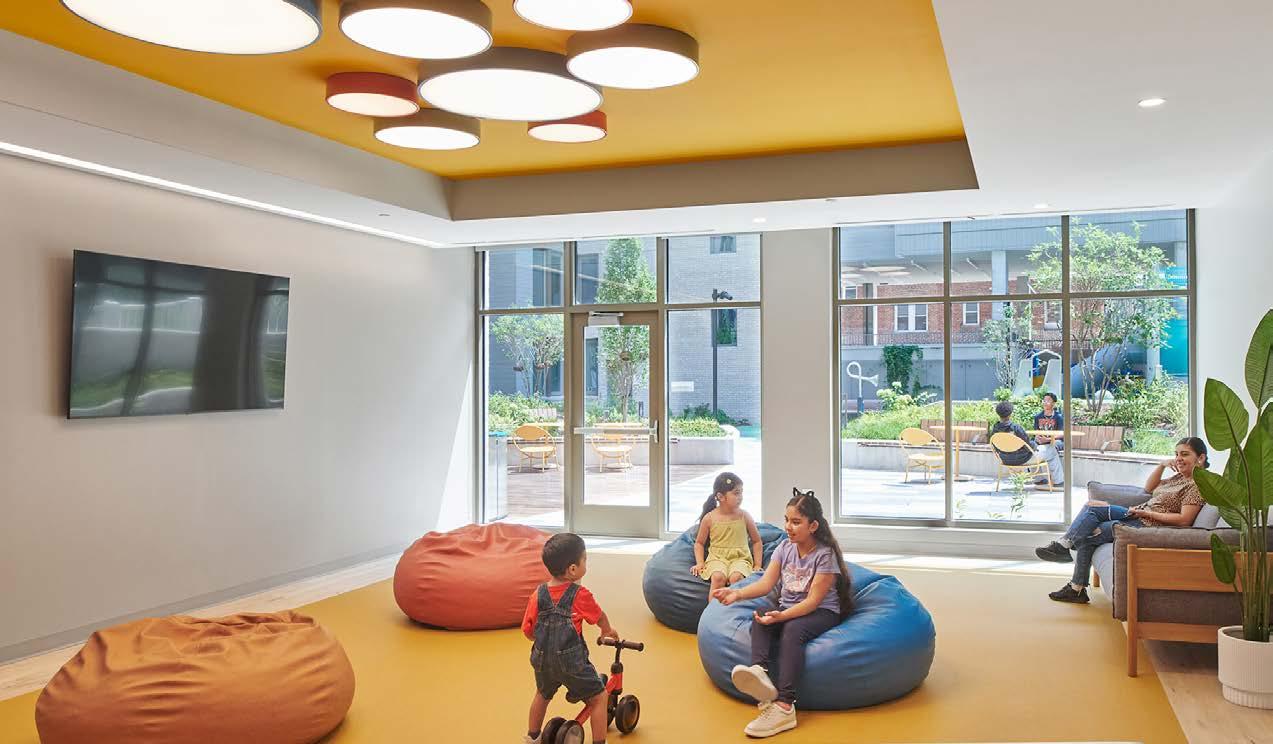
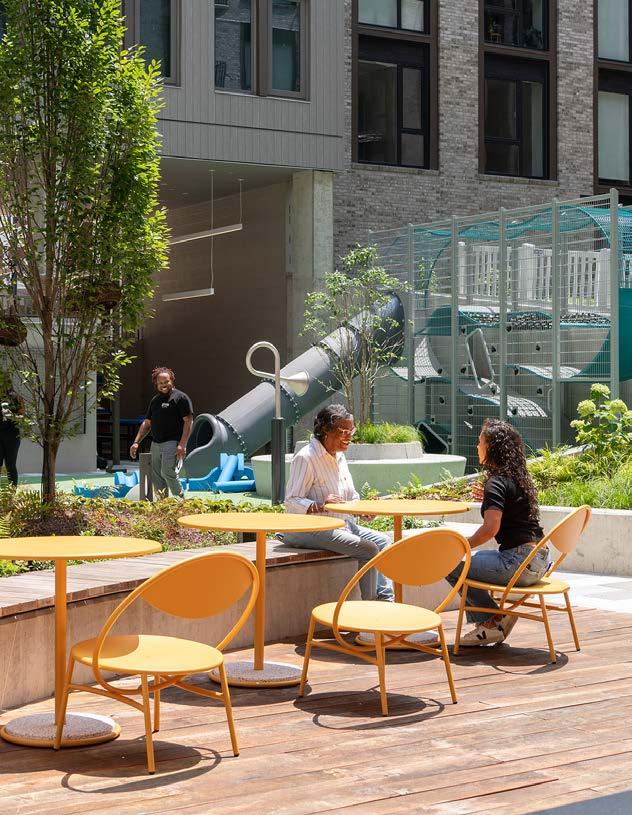
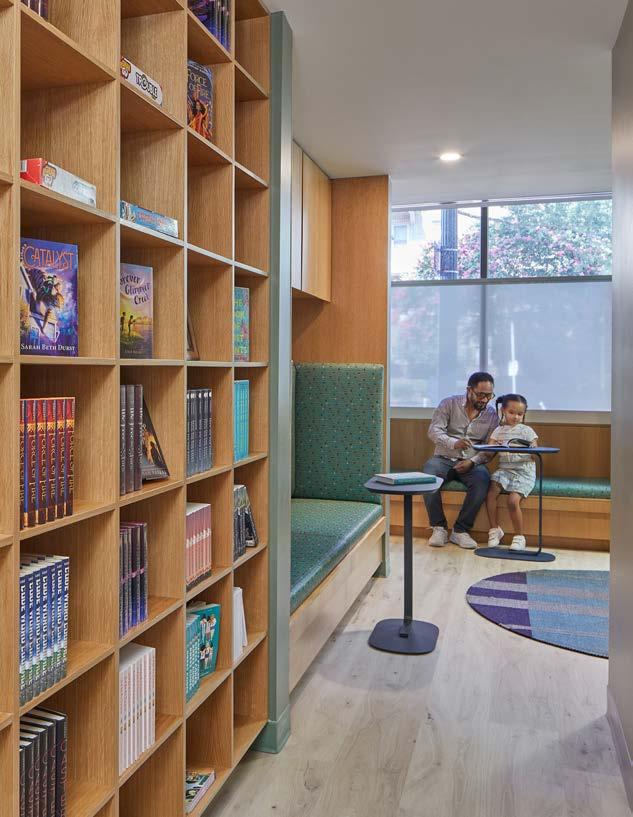



Our Communities of Opportunity program strives to connect our residents to opportunity by co-creating health, social services, education and community building programs alongside our residents and employees.
Housing provides the foundation for stability, but true community thriving requires more than a home. Social programming activates that foundation by fostering connection, building trust, and linking residents to the resources and relationships that support their wellbeing. By using housing as a platform to address the social determinants of health – the conditions in which people live, learn, work, and age – we can improve outcomes in health, education, and economic mobility while strengthening the social fabric of our communities.
Our vision for social impact is to empower residents through the co-creation of programs and interventions that enhance health, wellbeing, and opportunity. We employ an Asset-Based Community Development (ABCD) model that builds upon the strengths and leadership of residents to achieve community-driven, sustainable solutions.
Each property has its own culture, networks, and aspirations, and our approach recognizes residents as partners in shaping those outcomes. Through purposeful engagement, collaboration, and partnership with external service providers, we create the conditions for lasting positive change and neighborhood resilience.
Our social impact program advances social and racial equity through an integrated set of interventions across six areas of impact:
Housing Stability
Community Building
Economic Opportunity
Health and Wellbeing
Food Security Learning
Together, these efforts foster belonging and connection, improve residents’ quality of life, and strengthen the long-term stability of our communities.
Our Communities of Opportunity program brings the social impact vision to life. It uses housing as a platform to connect residents with resources that address the social determinants of health and expand access to opportunity. The program is designed to foster stability and resident wellbeing through collaboration, services, and strong community networks.
Grounded in an asset-based community development (ABCD) approach, Communities of Opportunity builds on the existing strengths, assets, and aspirations of each community. We work closely with residents to co-create programs and initiatives that reflect their priorities, such as improving access to health and financial resources, supporting early-childhood development, and strengthening social ties. Continuous in-person engagement, regular surveys, and feedback loops ensure that programming remains responsive to residents’ evolving needs.
Community managers and resident services coordinators are central to this work. They host events, connect residents to local resources, and form partnerships with service providers to deliver programs aligned with our Communities of Opportunity Toolkit. This toolkit provides a consistent structure across the portfolio, supporting the design, implementation, and evaluation of social programs that enhance residents’ lives and property performance alike.
To measure progress and strengthen accountability, we deploy a monthly survey that tracks social programs and participation across the portfolio. In 2024, over 85% of properties were actively reporting events on the platform and had implemented programs in at least five different impact areas.
Together, these efforts create vibrant, resilient communities where residents feel connected, supported, and empowered to thrive.

Since 2021,Jonathan Rose Companies has been a CORES Certified organization, recognizing the company’s integrated approach to delivering resident services. CORES (Certified Organization for Resident Engagement and Services) is a national certification program administered by Stewards of Affordable Housing for the Future (SAHF). The certification is designed to recognize affordable housing owners and operators that can demonstrate a high-quality resident-services strategy that is integrated into their business model, has clear governance, utilizes data systems, operates with best practices, and is responsive to resident needs.
Rose has certified four properties under CORES to qualify for Fannie Mae’s Healthy Housing Rewards™ – Enhanced Resident Services financing, which collectively reduces debt service by $300,000 annually.



DESCRIPTION
HOUSING STABILITY
COMMUNITY BUILDING
Stable environments for residents to maintain residency without disruptions such as eviction, financial or physical hardship, or unaffordable rent.
• One-on-one service support
• Benefits checkups
• Eviction prevention program
• Microloans
Social programming that promotes connections and support among residents, contributing to a sense of belonging, cultural connection, active engagement, and social resilience in the immediate and surrounding communities.
ECONOMIC OPPORTUNITY
HEALTH AND WELLBEING
Connection to financial education, job preparedness, and banking resources to promote residents' ability to afford essential needs such as food, healthcare, and transportation. Allocate resources toward asset and credit building and wealth accumulation.
Connection to on- and off-site healthcare services, health and wellness programming, well-designed open spaces, and fitness and recreational facilities to promote residents' physical and mental wellbeing.
• Dance, music, and arts programming
• Coffee chats
• Civic engagement and volunteering
• Voter registration
• Financial coaching and education
• Tax preparation support
• Family Self-Sufficiency program
• Credit building
• On-site health services
• Vaccine clinics
• Fitness classes
• Mental health education
FOOD SECURITY
Access to free or discounted healthy food and nutrition.
LEARNING
Connection to educational programming, learning opportunities, and after-school and summer programs to support early-childhood, youth, family, and adult education.
• Healthy food delivery
• Nutrition classes
• Community gardening
• Summer feeding programs
• After-school programs
• Digital-literacy courses
• ESL classes
• Career education and workshops
METRIC HIGHLIGHTS (1)
12.8
Average Years of Residency
66% Households with Access to a Resident Services Coordinator
10,434 Events Hosted
98,417 Event Participants
702
Median Credit Score
11,978 Residents Enrolled in Positive Credit Reporting
227 Active Healthcare Partners
3,214 Health Events Hosted
927,725 Pounds of Food Distributed
11,804 Households Connected to Food Distribution
787 Educational Events
6,081 Resident Participants
In 2024, Rose Companies launched our Family Self-Sufficiency (FSS) program, a long-standing HUD initiative that promotes financial independence by supporting residents to increase earned income and incentivizing savings. Thanks to HUD grant funding and a philanthropic donation from M&T Bank to our non-profit partner Community Opportunity Fund, Rose residents affordable housing residents can now participate for the first time.
As part of this multiyear program, participants work with a coach to set objectives and milestones aimed at increasing income enough to transition off government cash benefits. The program connects residents with their own personal financial coach who provides confidential advice and support on all aspects of residents' finances including budgeting, job training, financial opportunities, emergency savings, accessing credit, lowering expenses and many other areas. The financial coach is also able to offer referrals and connections to other services such as childcare, education and other social resources. Income-driven rent increases are deposited into an escrow account, funded by HUD, which participants receive upon graduation - allowing families to save rather than pay more in rent. Graduates leave the program with higher income, financial-literacy skills, and a savings account.
The potential impact is substantial. Savings accrued through FSS can fund emergency expenses, education, debt repayment, or business start-ups. Studies show the program creates $2.25 in benefit per $1 spent, totaling nearly $4,000 per participant.1 By temporarily breaking the connection between income and rent, the program encourages long-term financial stability and asset building.
Rose Companies built the program using HUD best practices and in partnership with experienced FSS partners like Compass Working Capital. It has been piloted at seven properties, enrolling 87 families - nearly 50% of our target. Additional funding is being pursued to expand the program, with progress and results to be shared in future reports.



Parents, caregivers, and young children make up nearly one-quarter of the global population, but their needs are often overlooked in the design and management of housing. Recognizing this gap, Rose Companies – with more than half of our portfolio consisting of family apartments – partnered with the Van Leer Foundation, ZCD Architects, and the Community Opportunity Fund to pilot the Family Voices Toolkit at our recently renovated Barbara Jean Wright Court Apartments property in Chicago.
The toolkit, developed by Van Leer and ZCD, provides a structured framework to engage parents and caregivers to better understand their housing-related needs and aspirations. It offers practical methods for involving families in the design process so that feedback can be consistently gathered, analyzed, and applied to improve outcomes for residents. Through this pilot, Rose Companies is proud to represent the United States in a global effort to make family-centered housing design standard practice.
As part of the pilot program, ZCD and Rose staff hosted two sessions with a group of resident parents, exploring their experiences of home, community, and the local neighborhood through interactive activities. Participants discussed apartment features, playground and courtyard spaces, safety, and amenities on the surrounding blocks. The caregivers also brainstormed ideas for new resident programs and community engagement such as fitness classes, study groups, talent shows, and food distribution. The sessions not only generated valuable insights for our property and design teams but also fostered new relationships among residents.
We plan to incorporate key principles and activities from the Family Voices Toolkit into our Communities of Opportunity Toolkit, allowing us to bring family-centered design practices to more Rose properties across the country.
Building on this partnership, we are now collaborating with the Van Leer Foundation on a new 18-month research study that will examine the wellbeing of parents with young children living in affordable housing. The mixed method study will take place at three properties and will comprise quantitative surveys and qualitative Photovoice focus groups to deepen our understanding of how housing and community features influence the health and wellbeing of parents and caregivers of young children.


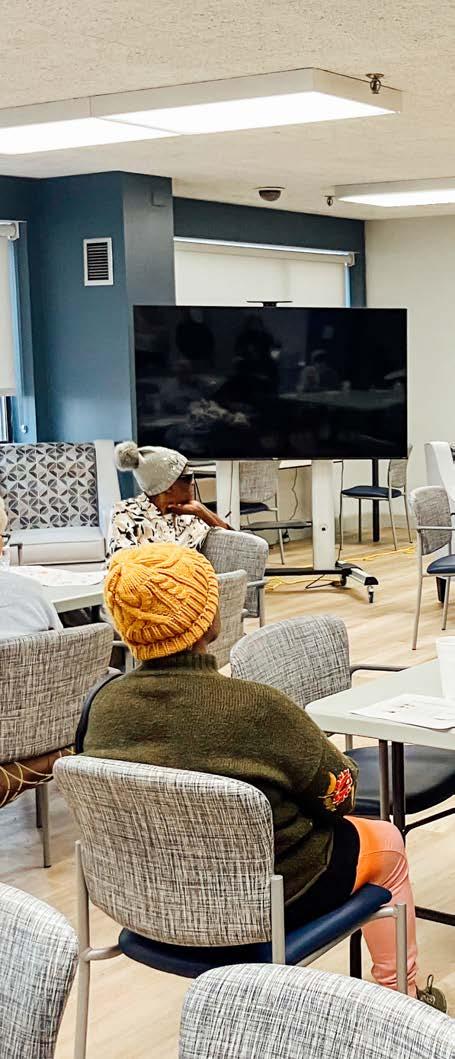
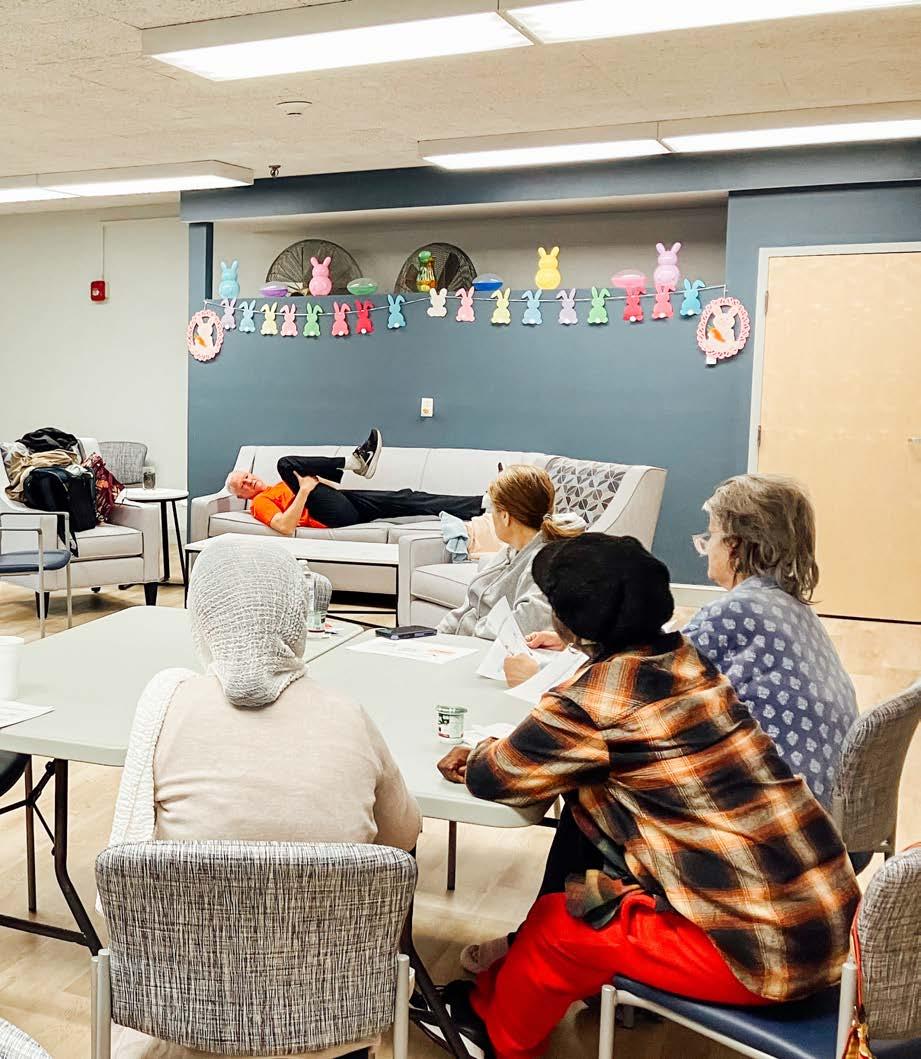
Rose Companies has collaborated with Hebrew SeniorLife and The Schochet Companies to implement the Right Care, Right Place, Right Time Initiative – known as R3 –at Riverside Towers, a 200-unit senior housing community in Medford, Massachusetts. The R3 program is an innovative model that integrates on-site wellness teams into affordable senior housing communities to help residents proactively manage their health.
The R3 team at Riverside Towers consists of four full-time staff - a resident service coordinator, wellness coordinator, nurse care manager, and fitness specialist – who work individually to deliver specific health interventions and collectively to cultivate a culture of trust, mutuality, and communication. Through proactive engagement, the team has helped foster stronger resident connection and increased participation in health and wellness activities. As a result, 47% of residents have participated in community programming and 41% have visited their primary care doctor, demonstrating meaningful engagement in preventive care.
Beyond fostering community connection, R3 has enrolled 78 residents in comprehensive health assessments evaluating nutrition, food security, social and emotional health, cognitive health, activities of daily living, and fall risk. Of these, 33 residents were identified as “at-risk” in at least one of the categories. Through over 350 individual touchpoints over 12 months, the R3 team coached atrisk residents in healthy decision-making, advocated for clinical care, organized transportation, improved apartment safety, and connected participants with social services. As a result, 61% of at-risk participants took direct action to address their health needs.
One participant, Robert2, illustrates the power of the R3 program at both the individual and community level. After co-creating a spirituality and connection program called Living Soulfully, Robert confided feelings of isolation to the R3 staff. Together, they developed a plan for Robert to increase his connections in the community by volunteering in the library and kitchen and launching a weekly conversation group for non-native English speakers. His story reflects how investing in dedicated staff and integrated wellness programming can strengthen both individual wellbeing and the overall sense of community, connection, and purpose that defines a Rose Community.
WEEKLY ON-SITE SOCIAL SUPPORT STAFF COVERAGE 116 hours
NUMBER OF TOUCHPOINTS WITH RESIDENTS
350+
ENROLLED RESIDENTS 70+
RESIDENTS TAKING DIRECT ACTION ON THEIR HEALTH NEEDS
61%
RESIDENTS PARTICIPATING IN SOCIAL PROGRAMMING 47%
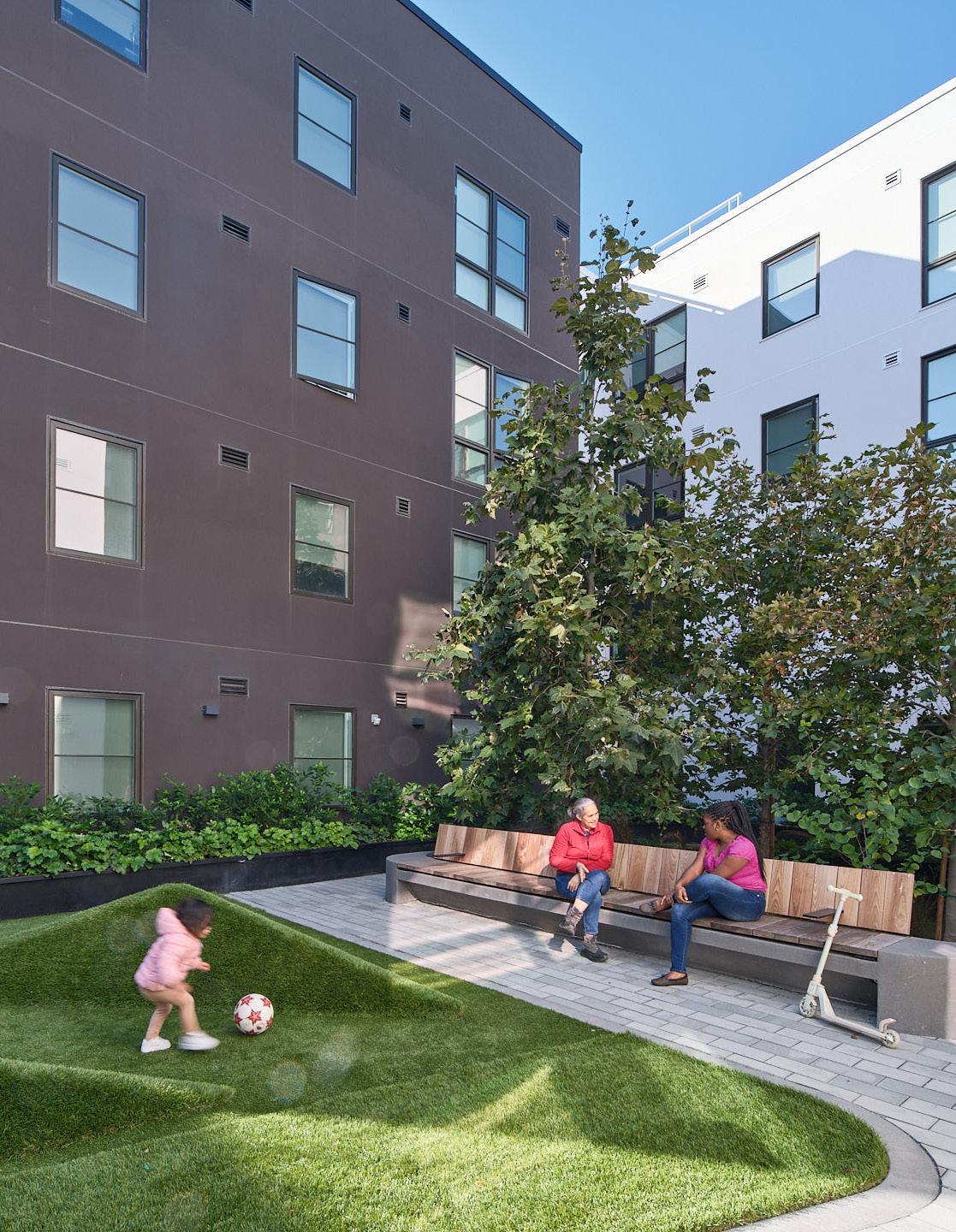
We are committed to tackling the urgent challenges of climate change, pollution, and biodiversity loss.
By minimizing the climate and resource impacts of our portfolio, we create properties that are not only resilient and future-proof but also promote the health and wellbeing of our residents. Our approach integrates third-party green building certifications to guide both design and operations, ensuring environmental benefits that reduce operating costs, enhance stability, and improve safety.
Our team of environmental impact professionals collaborates closely with project teams to set and achieve sustainability goals aligned with our six core environmental impact areas:
Decarbonization
Clean Energy
Water Efficiency
Green Operations
Biodiversity
Climate Resilience
In new developments, we employ advanced techniques such as all-electric, high-performance design and resilient construction with renewable energy and storage options, setting new benchmarks for sustainable, affordable, and mixed-income housing.
For existing properties, we implement green retrofits that deliver meaningful reductions in emissions, energy, and water. These retrofits include cost-effective upgrades such as LED lighting, low-flow water fixtures, enhanced insulation, and improved air sealing. Using a data-driven approach, we continuously monitor performance across our portfolio, identifying opportunities to further optimize energy and water efficiency in partnership with property and asset management teams.
Our environmental initiatives are deeply connected to our broader impact objectives across affordability, housing quality, and social impact. By reducing energy and water use, we lower utility costs for residents, improving affordability and stability. Buildings designed for resilience provide stability during climate-driven events such as floods and wildfires. Green operations enhance indoor environmental quality, advancing health for our residents and staff. Together, these efforts enhance community resilience, drive long-term asset stability, and deliver enduring value.
From pioneering projects to portfolio-wide operations, we are building scalable, replicable models that demonstrate that affordable housing can lead the way towards a low-carbon future. Through partnership, advocacy, and innovation, Rose continues to lead in combating climate change and advancing the wellbeing of the communities we serve.
In order to reduce our impact on the environment, we have set forth a series of climate change mitigation goals for our portfolio. These mitigation goals aim to reduce emissions, energy, and water use intensity from our properties over time. We establish a baseline for each property and actively work to achieve the goals by implementing improvements and continually monitoring performance. We strive to achieve the targets at each individual property to contribute to our overall portfolio goals.
We design, construct, retrofit, and operate properties to minimize their emissions of greenhouse and ozone-depleting gases. We are committed to both mitigating through both reducing emissions and adapting to our changing environment.
Reduce carbon dioxide-equivalent (CO2e) emissions intensity by 20% or more from baseline.2
We design, construct, retrofit, and operate properties using strategies to reduce energy use, including integrated design, efficiency improvements, conservation measures, and optimized operations.
Reduce energy intensity by 20% compared to baseline.2
We design, construct, retrofit, and operate properties to make the most efficient use of water resources, minimize consumption, and reduce adverse effects on water infrastructure systems.
Reduce water intensity by 15% compared to baseline.2
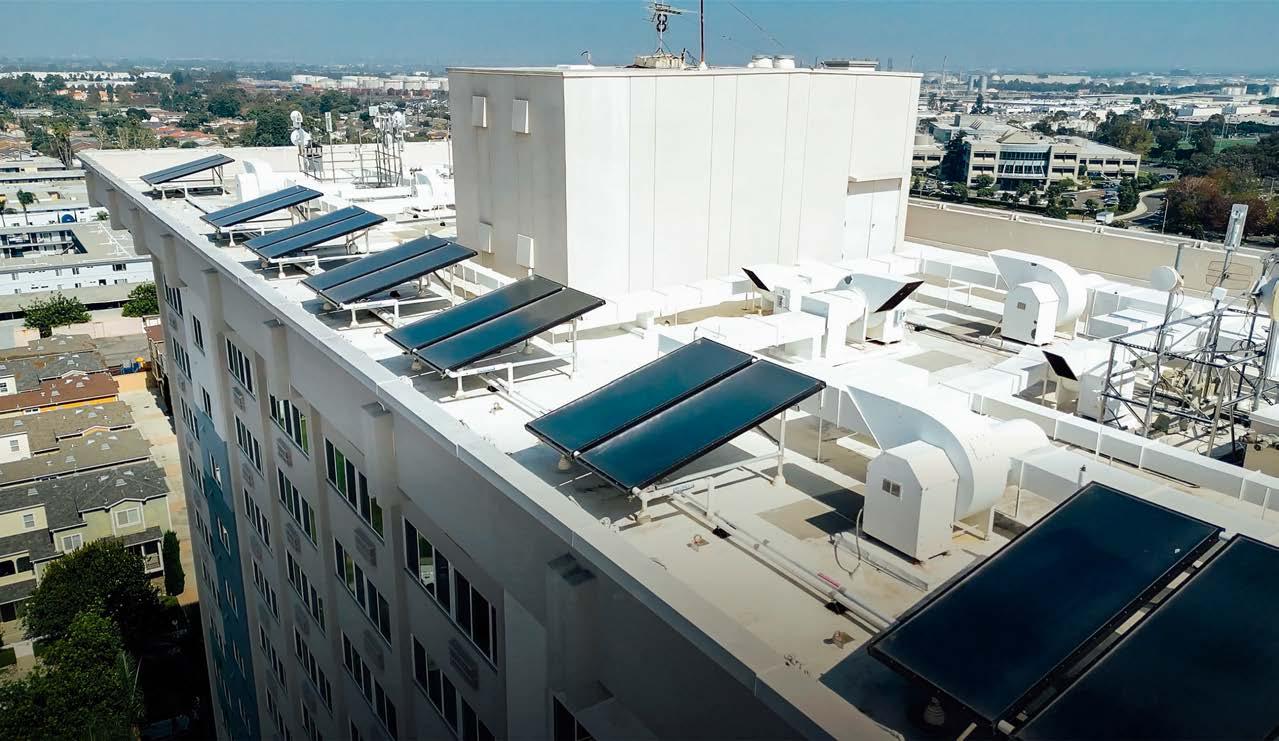
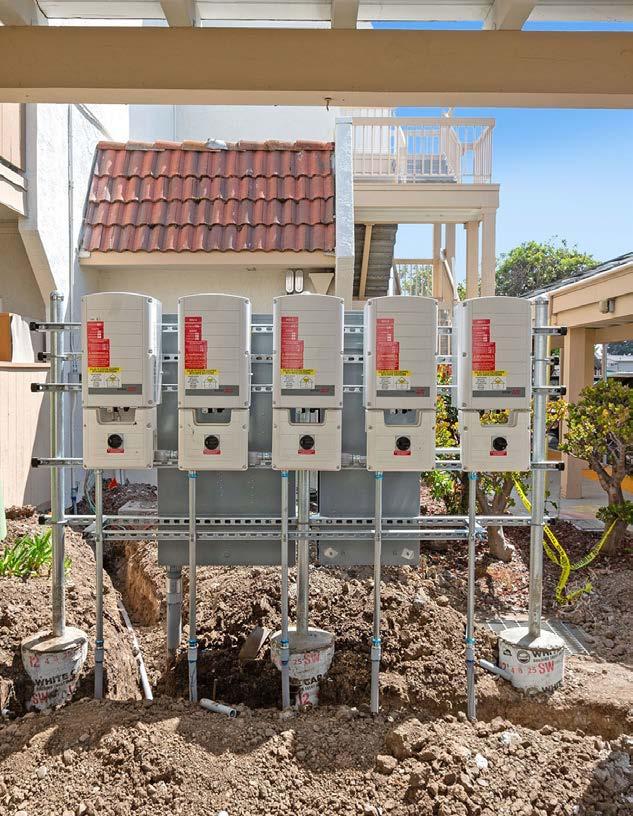
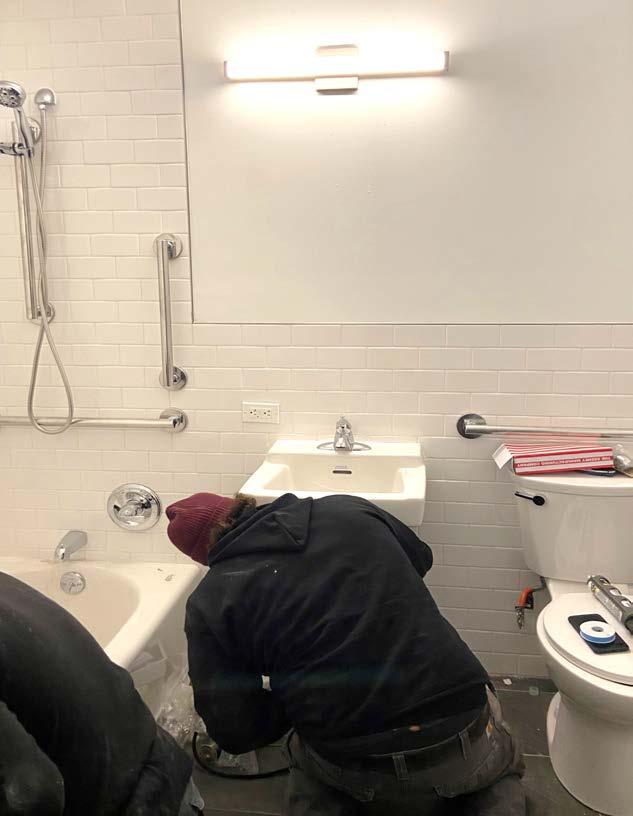
We tailor each property’s renovation scope to the specific needs of the site and its residents. However, we have a standard set of commonsense retrofit measures that we typically implement to achieve utility savings, improve indoor environmental quality, and attain whole-building green certifications when feasible.
Adding and supplementing insulation to a property’s roofs and walls helps the building retain heat in the winter and slow heat from reaching the interior in the summer. Air sealing also improves the building’s fire resistance, reduces pest problems, and limits noise transfer and movement of odors between different parts of the building.
Replacing windows at the end of their useful life with higher-performance models can substantially reduce heat loss and gain within a building, reducing utility bills and improving resident thermal and acoustic comfort. We select ENERGY STAR windows specific to each region. 1
Always-on or frequently used appliances, such as refrigerators, dishwashers, washing machines, and dryers, should be upgraded to energyefficient ENERGY STAR models whenever feasible. Efficient appliances help reduce annual utility costs, greenhouse gas emissions, and operational costs. 3 4
Our landscape design prioritizes indigenous, noninvasive, drought-tolerant plants that encourage biodiversity and restore precolonial ecology. Efficient irrigation technologies, such as drip irrigation systems, irrigation timers, moisture control sensors, and rain delay controllers, help reduce water consumption while maintaining healthy plant life.
Setting rigorous environmental standards for product procurement can help ensure that residents remain healthy and building interiors remain resilient. Product categories including hard-surface and soft-surface flooring, paints, cabinets, sealants, and adhesives have third-party certifications that test for reduced VOCs and other toxic chemicals. 5
Tuning boiler systems ensures that equipment is running optimally and according to original design intent. Adding or upgrading control systems helps systems respond to changes in outdoor temperatures and indoor heating and hot water demands. At the end of a boiler’s useful life, replacing equipment with high-efficiency condensing models can greatly reduce energy use and emissions and improve indoor air quality.
Rooftop solar PV systems allow for a portion of the building’s electricity demand to be generated by natural sunlight. Where feasible, solar PV systems are paired with battery storage, which allows the site to use the stored energy during emergency situations like power outages.
Upgrading existing light fixtures and bulbs with high-efficiency LED systems significantly reduces the property’s electrical demand while maintaining or improving existing light levels and reducing ongoing maintenance costs. We also install occupancy sensors, timers, and photocells that decrease energy use by providing light only when necessary. 2
Installing real-time watermonitoring sensors in a building allows for owners to be targeted in their water conservation efforts, which may include fixtures such as low-flow aerators, showerheads, and toilets.

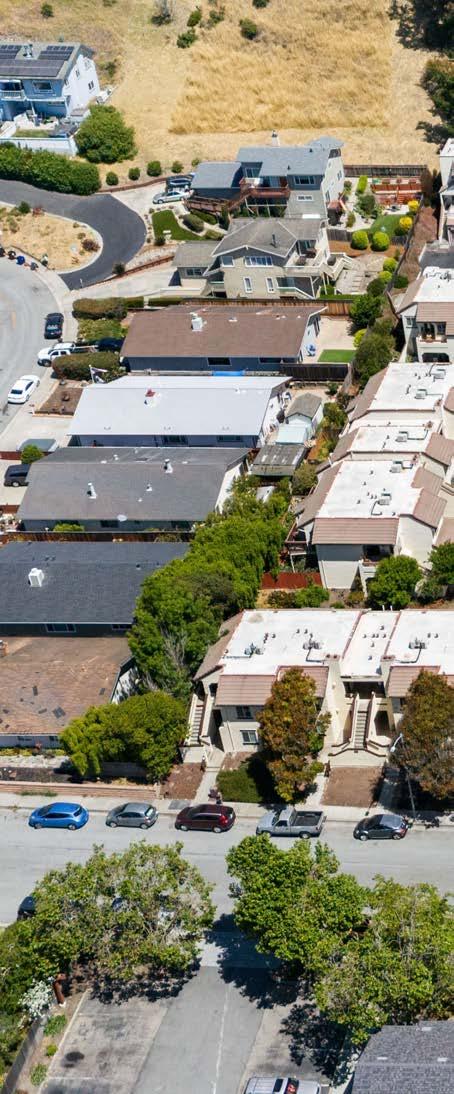
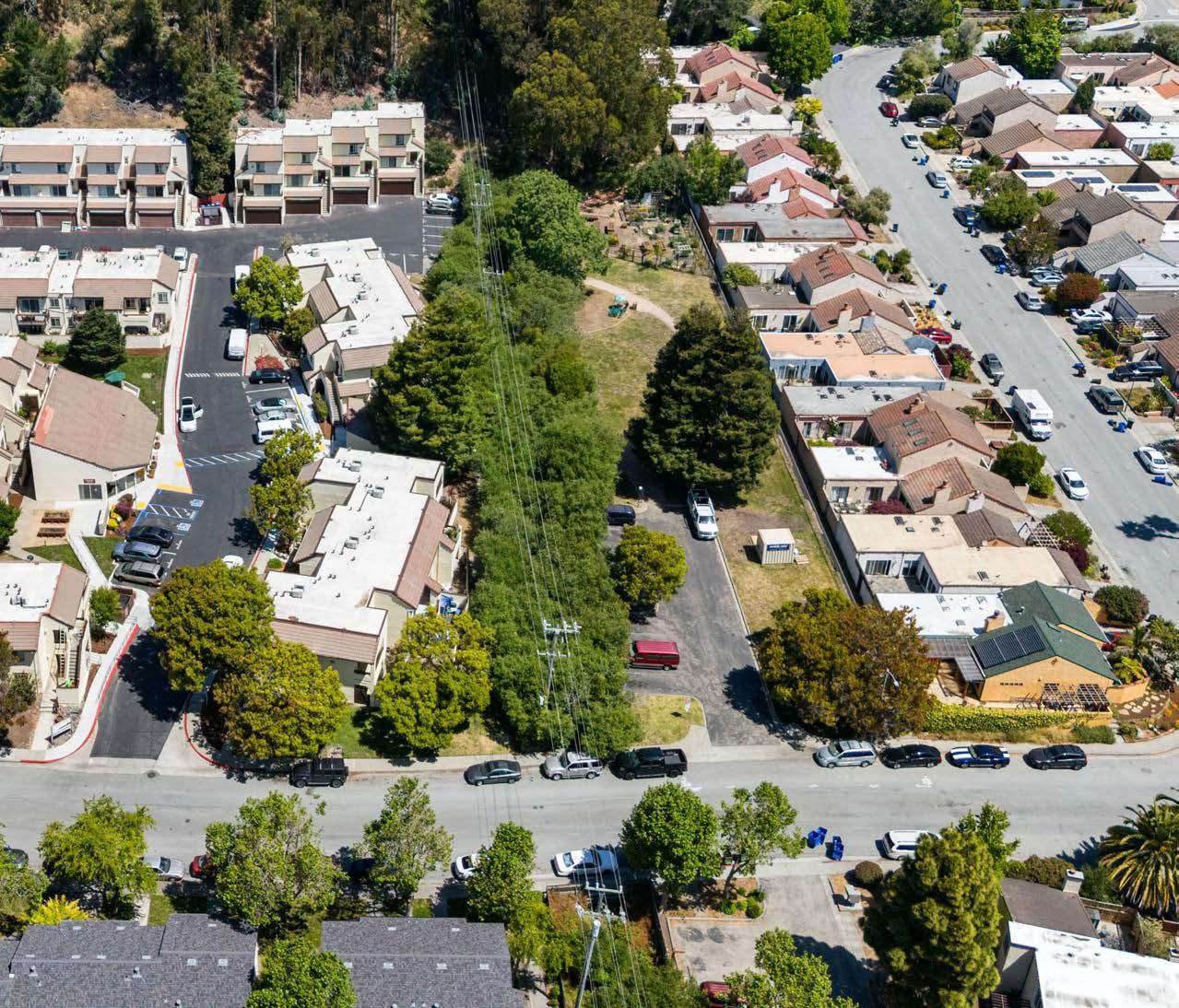
Mission Gardens is a 50-unit Project Based Section 8 community in Santa Cruz, California's Westside neighborhood. Built in 1981, the property offered a strong opportunity to pair long-term affordability with a deep green retrofit in a city committed to ambitious climate goals. Leveraging the supportive regulatory environment and incentive landscape in California, Rose Companies undertook an environmentally focused renovation designed to modernize the building, eliminate fossil fuel reliance, and improve long-term performance.
Of the $5 million rehabilitation, $1.3 million was dedicated to environmental upgrades. Working with a turnkey electrification partner, we replaced all gas-fired systems with high-efficiency electric heat pumps for both space conditioning and domestic hot water, enabling full building electrification while adding cooling to the property for the first time. Additional improvements included new attic insulation and air sealing to reduce energy load as well as ENERGY STAR appliances, LED lighting, and water-saving fixtures to lower utility consumption and improve indoor comfort.
To make this deep decarbonization scope financially feasible, Rose secured nearly $1 million in incentives from four programs: TECH Clean California, California Low-Income Weatherization Program (LIWP), California Energy-Smart Homes Program (CESHP), and Central Coast Community Energy (CCCE). A HUD mark-up-tomarket adjustment further supported long-term operational stability and ensured that the property could maintain affordability while investing in next-generation systems.
In May 2025, Mission Gardens was fully electrified, with no on-site natural gas. The property is now positioned to pursue green power purchasing – advancing toward net-zero operational emissions –and is on track to achieve GreenPoint Rated Existing Homes 2.0 certification. The project is expected to deliver significant reductions in energy use, emissions, and water consumption while enhancing resident comfort and building resilience.
Mission Gardens demonstrates how deep electrification and strategic incentive deployment can transform an aging affordable property into a high-performing, climate-aligned community without compromising long-term affordability.
PROJECTED ENERGY REDUCTION1 45%
PROJECTED EMISSIONS REDUCTION1 40%
PROJECTED WATER SAVINGS 12%
INCENTIVES PROCURED $950,000+
PROJECTED SITE-WIDE UTILITY COST SAVINGS $16,000+ PER YEAR
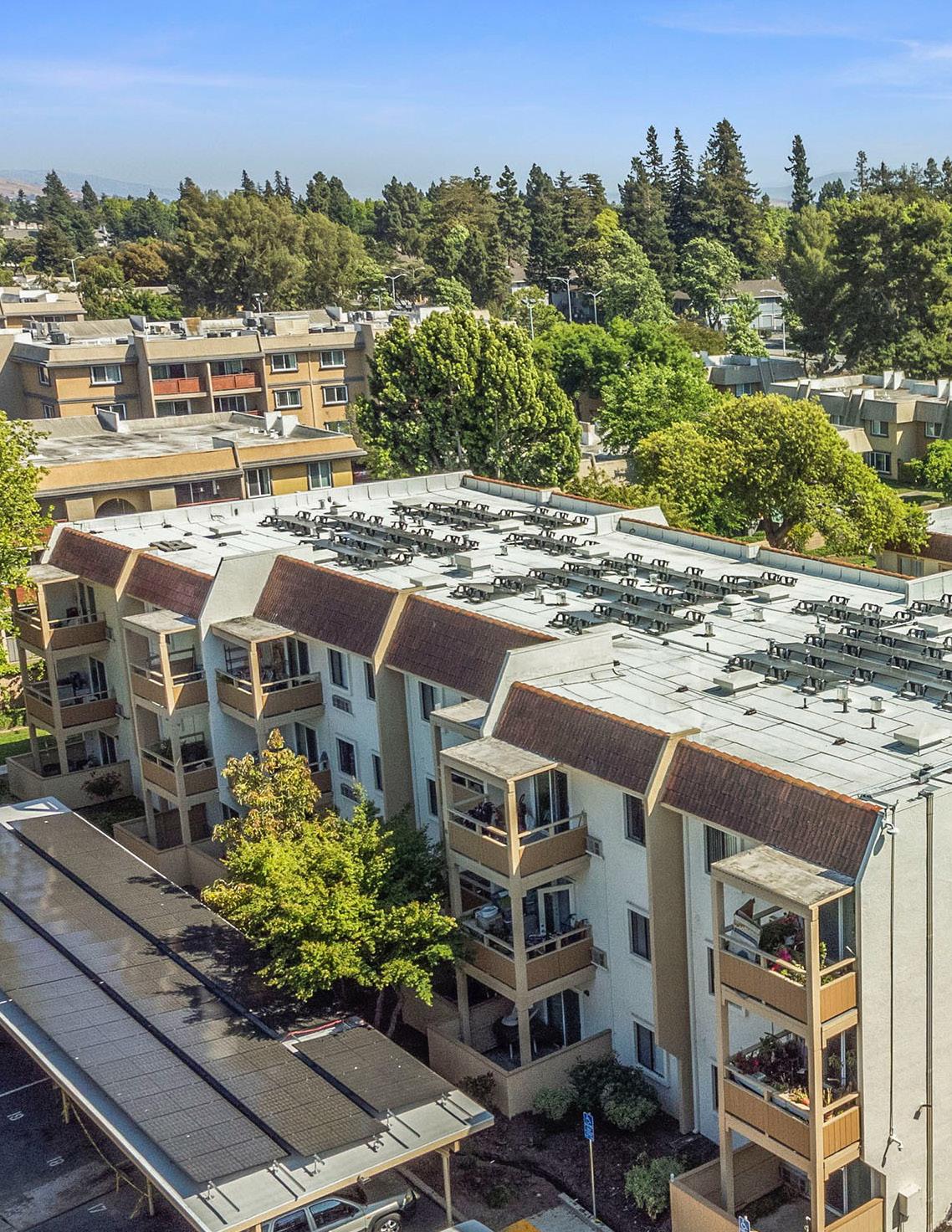
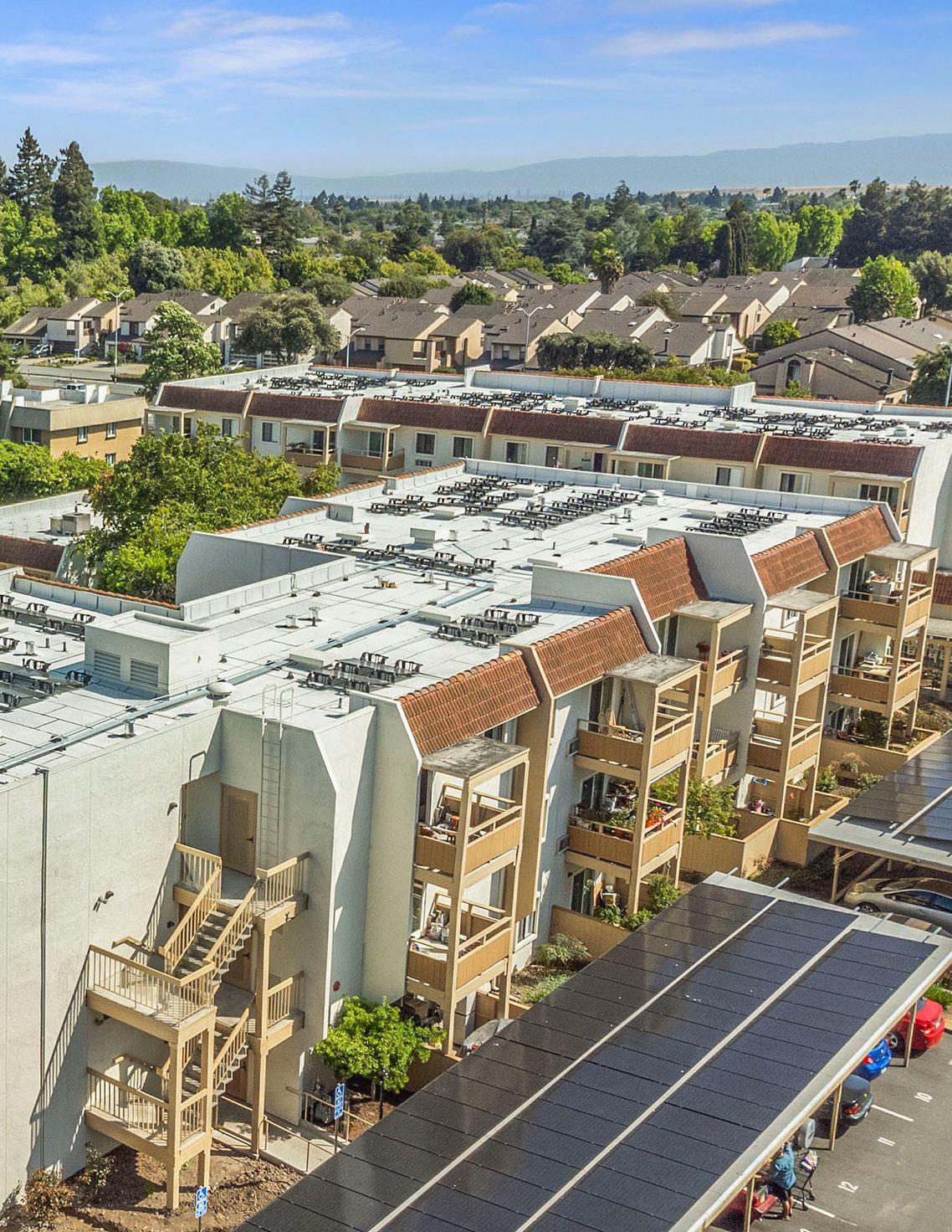
Jonathan Rose Companies' robust clean energy strategy includes both the development of on-site solar and the procurement of carbon-free electricity for our owner-controlled loads. Since our first solar installation in 2007, we have evolved our strategy as the market has grown and matured. We now have 2.5 MW of on-site solar installed, with 945 kW currently under construction and more under contract.
To supplement on-site solar generation, we also procure renewable energy credits (RECs) to offset owner-paid electricity. In recent years, we have expanded this program to ensure that renter households can also share in the benefits of the clean energy transition. Our focus on energy equity reduces costs for residents, supports the growth of the carbonfree energy market, and advances decarbonization across our portfolio through three main strategies:
We have identified 2.9MW of rooftop and carport solar installations with the support of programs such as California’s Solar on Multifamily Affordable Housing (SOMAH). These arrays directly reduce residents’ utility bills by an average of $23 per month ($276 annually) and provide up to 100% of the owner’s power needs.
At select projects, we leverage the Low-Income Communities Bonus Credit program of the Federal Investment Tax Credit, and share at least half of the installation’s financial benefit with residents. Across five projects in development, totaling 390.3 kW, this structure is projected to generate over $41,000 annually to fund resident services.
We partner with local off-site solar providers and host sign-up and education events at properties, connecting residents to shared solar arrays that generate monthly bill credits.
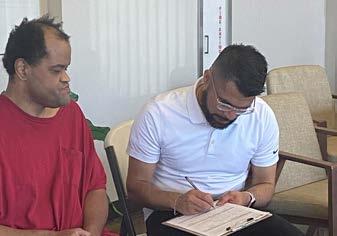
In partnership with Energy Outreach Colorado, Rose Companies hosted a series of community solar enrollment events at Juanita Nolasco Apartments, helping more than 70 residents subscribe and save an average of $18 per month on their electricity bills in 2024.1
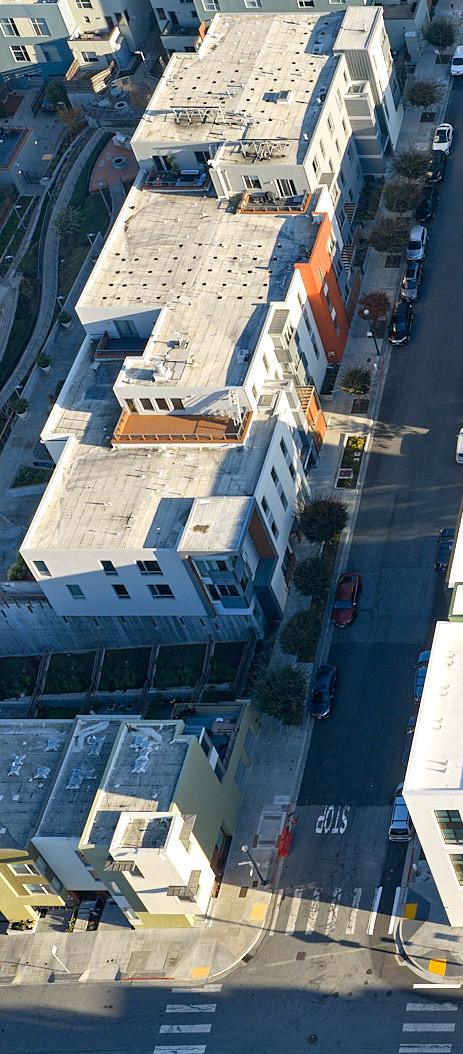
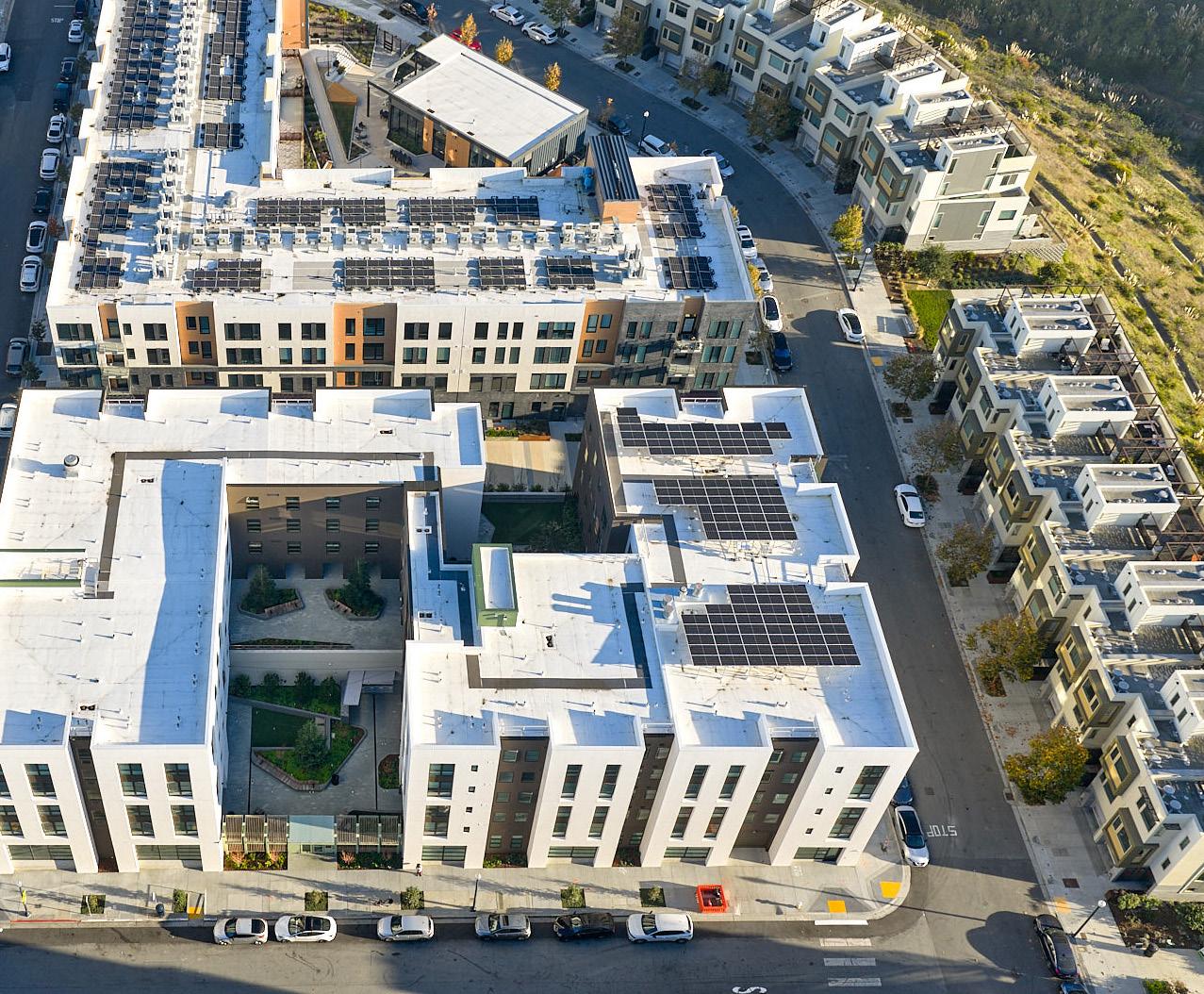
NUMBER OF PROPERTIES 88
GREEN CERTIFIED PROPERTIES2 55
GREEN CERTIFIED AREA - COMPLETED3
10.43 million SF
% PORTFOLIO COMPLETED OR PURSUING CERTIFICATION3
62.5%
GRESB SCORES OVER TIME4
GREEN CERTIFIED AREA - IN PROGRESS3
663,000 SF
Annual Site Energy Use for the Rose Companies portfolio is composed of several types of source energy: natural gas, gridpurchased electricity, and electricity procured through renewable energy credits. We aim to account for and expand on-site generation capacity and increase the proportion of green power until 100% of electricity is offset or from carbon-free sources.
The Rose Companies portfolio has reduced its collective emissions intensity by 16%, its energy use intensity by 11%, and its water use intensity by 17% against a blended baseline.
Each year, the Rose Companies portfolio can account for its net avoided greenhouse gas emissions at each owned property against baseline year emissions. The waterfall chart below shows the net annual avoided emissions for the portfolio cumulatively from 2008 through 2024.
TOTAL EMISSIONS AVOIDED 42,489 MTCO2e
EQUIVALENT TO CARBON SEQUESTERED BY
702,560
TREES GROWN FOR 10 YEARS
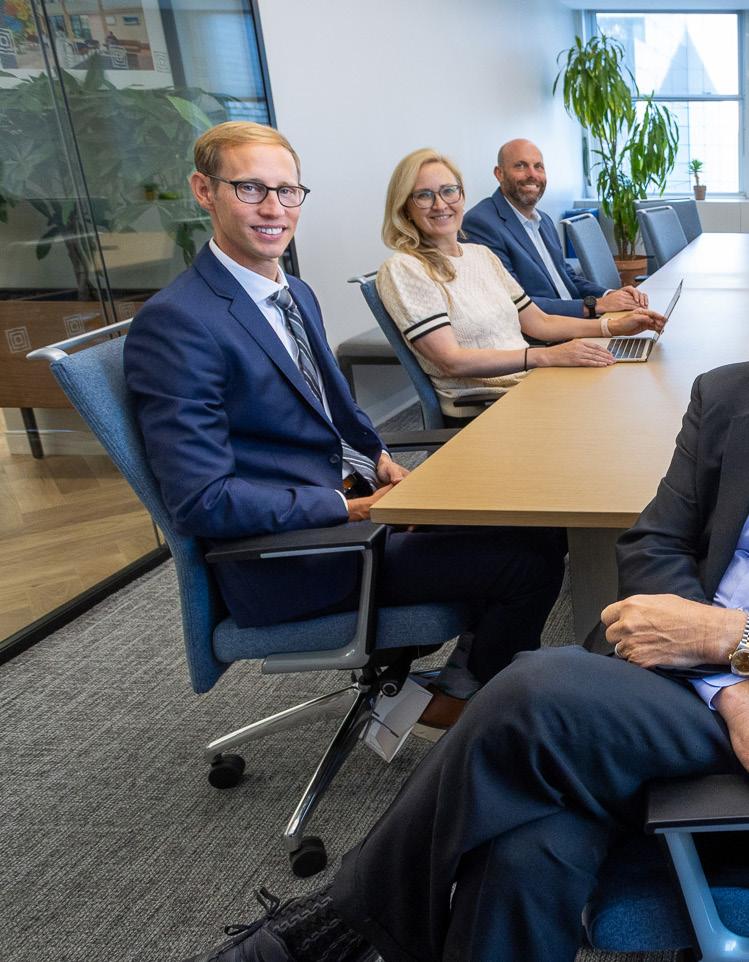

Our company is organized to co-create and deliver innovative and impactful investments by sharing lessons, best practices, and resources across all our business practices. We have an integrated investment management and development group that buys and builds properties, supported by our design and construction team and internal and external groups, to successfully deliver our vision.
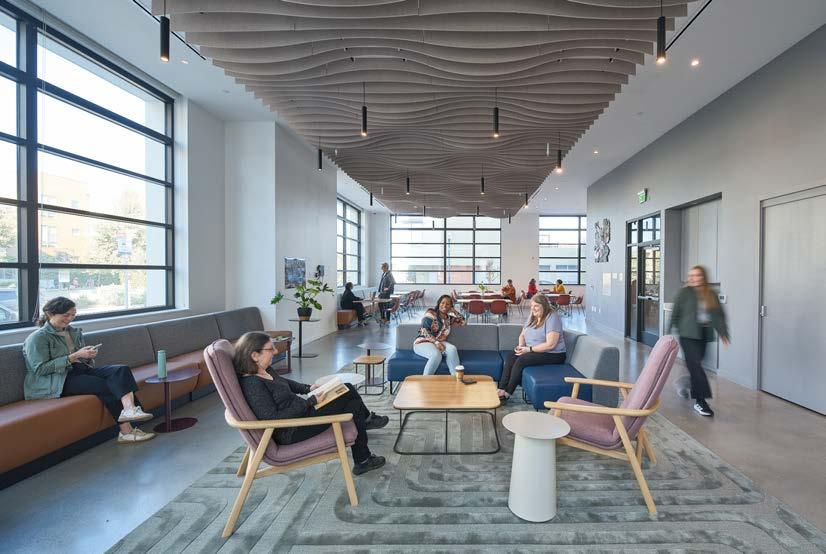
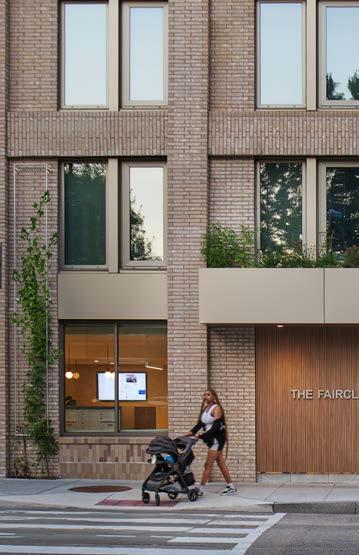

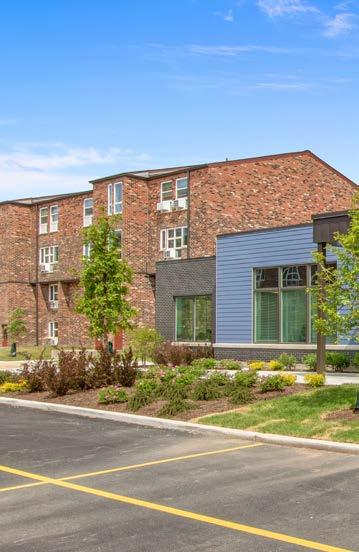
Our investment management group consists of acquisitions, asset management, impact teams, portfolio management, fund accounting, and investor relations. We conduct interdepartmental due diligence to understand an asset’s historical financial, environmental, and social performance and identify opportunities for property improvements and value creation through creative financing, income generation, and operational savings.
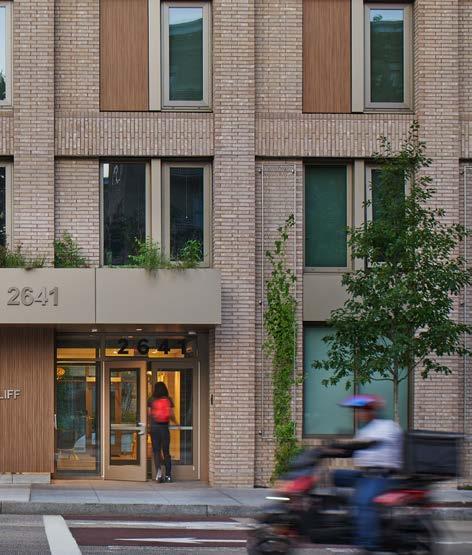
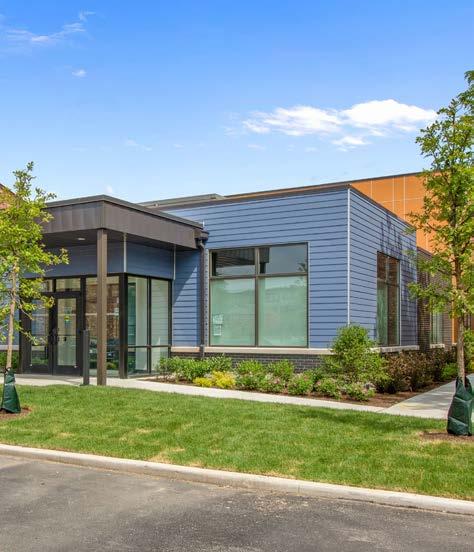
2
Our acquisition-rehab work leverages the Low-Income Housing Tax Credit program (LIHTC) to rehabilitate existing affordable housing properties across the country to transform communities and preserve affordability for the long term. Our interdisciplinary acq-rehab team navigates complex regulatory systems across a variety of agencies and stakeholders and brings in capital partners to execute transformational deals that address deferred maintenance, deliver deep environmental benefit, and improve resident experience.
Our development team oversees all new affordable and mixed-income construction projects in the Rose Companies portfolio from proposal to occupancy. Using creative design and financing solutions, we work with community partners, government agencies, and our designers to deliver our vision for a greener and more equitable world through models that can be replicated by other developers.
Our design and construction practice group collaborates on all projects across the new development and investment pipeline to coordinate and implement project scopes and achieve our environmental and social goals. Our growing inhouse construction group, Rose Community Builders (RCB), specializes in renovating our occupied communities and acts as a general contractor to help streamline schedules at many of our acquisition-rehab projects.
Rose Community Capital (RCC) provides customers with affordable, workforce, and mixed-income multifamily housing finance services. As a designated FHA Multifamily Accelerated Processing (MAP) and USDA 538 lender, we originate, underwrite, place, and service FHA and USDA-insured multifamily mortgage loans. RCC also provides bridge lending for affordable- and workforce-housing and construction loans.
We have developed an impact management system (IMS) that organizes the commitments, plans, implementation, monitoring, and evaluation strategies into an implementation framework that guides our impact delivery process and improves outcomes for our communities, company, and investors. Our impact management begins with a deep commitment to enhancing social wellbeing and improving our ecological footprint, which we define through a multi-stakeholder strategic intent and goal-setting process. We set portfolio-wide targets for our company, investments, and investment funds that establish guidelines for housing affordability, social impact, environmental goals, and governance priorities. We commit to both what we will do and how we do it by underpinning our impact delivery strategies in established third-party frameworks. Our IMS is aligned with the Operating Principles for Impact Management - to which we became a signatory in early 2024 - and its embedded environmental management system is aligned with the ISO 14001 protocol.
We tailor impact plans for each investment, using a data-driven co-creation model. Our interdisciplinary team includes acquisitions, construction, asset management, and impact professionals who leverage third-party technical consultants, tools, site visits, resident engagement, and deep experience to evaluate properties and development opportunities that optimize for impact and financial returns.
We bring the impact plan to life through physical and operational changes upon acquisition and development. We renovate and build properties that deliver spaces to improve housing quality, facilitate social programming, and achieve the environmental goals of the project. We also train and empower site staff to deliver the social and environmental mission in day-to-day operations by hiring impact-dedicated staff like resident services coordinators and establishing policies and procedures to meet our health, safety, and environmental standards.
Impact is continuously tracked, measured, and reported. We use a survey platform to gather data about implementation of social programming at sites and a utility-monitoring platform to track environmental performance. We also use qualitative information from our network of service providers and property managers to monitor progress and challenges and collect best practices. The data is assessed by the impact team and communicated internally to asset managers and executives and externally through quarterly reports and our yearly Impact Report. Impact professionals identify issues and opportunities and work collectively with asset and property management to address them.
To achieve continuous improvement, deepen impact and deliver results more efficiently, we assess performance against the impact plan and goals on a periodic basis. Quarterly meetings and annual business plan reviews provide forums for updates on impact delivery, sharing of lessons learned, and executive-level feedback on strategic initiatives. We aim to achieve impact at exit through responsible disposition and by sharing our learnings with the broader industry.
IMPACT MANAGEMENT SYSTEM FRAMEWORK
Review and improve impact decisions and processes based on achievements and lessons learned. Continuously improve in subsequent investments and commitments.

Track, measure, and report impact and financial performance. Communicate progress to all parties and make adjustments as appropriate.




Evaluate opportunities using proprietary and third-party assessment tools and co-create impact plans to achieve desired goals.



Make physical changes through construction and train staff and service coordinators to implement operational vision.
PLAN
• Impact Opportunity Score
• Site Inspections and Due Diligence
• Energy Audits
• Green Certification Feasibility
• Resident Engagement and Surveys
• Scope Development
IMPACT MANAGEMENT TOOLS + STRATEGIES
IMPLEMENT
• Renovations and Retrofits
• Communities of Opportunity Toolkit
• Resident Services Coordinators
• Green Operations
• Clean Energy Procurement
MONITOR
• Utility Tracking and Real-time Monitoring
• Web-Based Service Coordinator Software
• Internal and External Reporting
• Annual Impact Report
EVALUATE
• GRESB Survey
• Impact at Exit Memos
• Lessons Learned Meetings
• Impact Management Committee Reviews
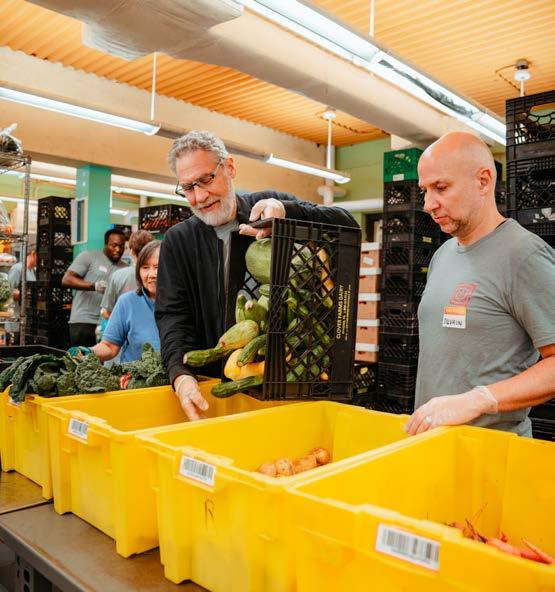
Rose Companies encourages our corporate team members to connect with the communities that we serve. We recently hosted an employee volunteer day at New York Common Pantry, a Harlem- and Bronx-based organization that works to reduce hunger while promoting dignity, health, and self-sufficiency.




NYCP provides fresh food packages and hot meals while also connecting guests to available services with the goal of improving the root causes of their food insecurity. Thirty-nine Rose employees served over 13,600 meals to nearly 900 people, including seniors and children. We host similar volunteer opportunities at our regional offices to support like-minded nonprofits.
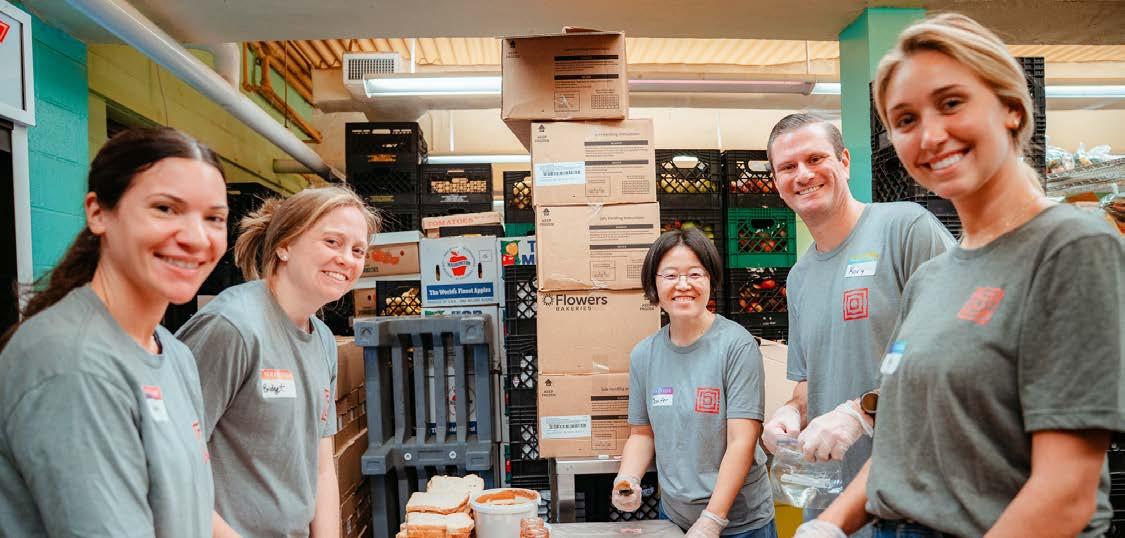
13,600+ Meals Served
900+ People Fed
Rose Companies leadership is guided by the Management Committee, which consists of partners and select department heads who make decisions on behalf of all stakeholders.
Impact strategy and environmental, social, and governance (ESG) considerations are integrated into each department’s operations through the impact management system and supported by dedicated environmental and social impact teams in close collaboration with each business line. The environmental impact team drives sustainability initiatives across the portfolio and at the property level, working with the investment team to set targets and achieve environmental and financial outcomes. The social impact team manages external resident services providers establishes partnerships, and leads portfolio- and property-level social initiatives to fulfill our commitment to housing stability and resident wellbeing. Both teams participate in research studies to assess the effectiveness of our programs and share best practices within the industry. Impact performance is tracked through a data management process and evaluated quarterly by the investment department and executive leadership.
Broader impact strategy is established through a co-creation process that draws upon insights, data, and lessons from the portfolio as well as industry innovation, research, and partnerships. Executive leadership, the impact team, and cross-departmental committees such as the Rose Opportunity Council, Benefits Committee, and Risk Committee convene to define vision, priorities, targets, and execution strategies to ensure Rose remains at the forefront of providing environmentally thriving and socially just communities. Implementation and monitoring are led by the impact team in collaboration with each business line as well as a network of external partners and providers. Fund- and asset-level impact strategies are ultimately overseen by the investment committee, ensuring alignment between financial performance and impact objectives.
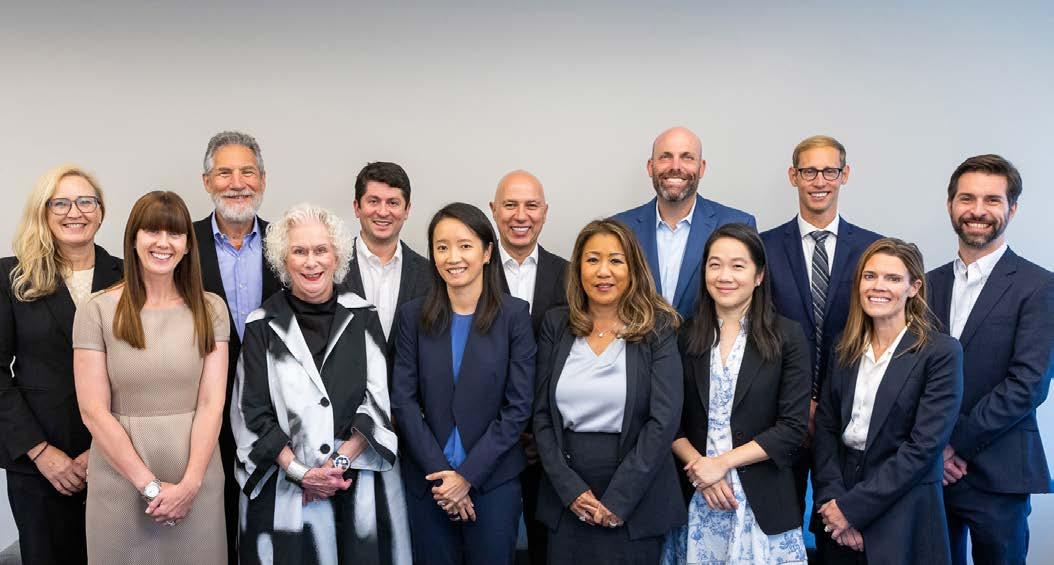
The Rose Opportunity Council (ROC) plays a central role in advancing Rose Companies’ mission to create a more environmentally thriving and socially just world. Rooted in the firm’s founding principle of building communities of opportunity, the ROC is dedicated to cultivating an inclusive culture within our company and across our communities that actively confronts inequities and expands access to opportunity.
Established to translate our values into action, the council is organized around three pillars: internal, external, and community. Through these lenses, the ROC works to strengthen our practices in hiring, advancement, supplier engagement, partnerships, and resident engagement. Its efforts encompass everything from ensuring fair and transparent employment practices to deepening partnerships with diverse vendors and minority-owned firms and embedding social equity across our investment activities and community programs.
Supported by an executive champion and a dedicated ROC lead within the talent and culture team, the council reviews organizational policies, recommends changes to advance accessibility and fairness, and tracks progress toward firmwide inclusion goals. Through these coordinated efforts, the Rose Opportunity Council helps ensure that the principles of opportunity, equity, and belonging are reflected in our culture, the communities we build, and the investments we make.
We are pleased to invest in our most important asset – our people. We believe it is important to find the right balance between a fun work environment, a challenging career, and passion to make a difference in the world. Rose Companies provides our team members with all of these. Our unique culture breeds a positive, respectful environment where employees can thrive and have a positive impact.
To foster a culture of collaboration and teamwork while allowing for individual performance to shine, Rose uses an annual bonus plan that compensates employees for goal achievement across three dimensions: individual goals, departmental goals, and company goals. The dimensions are weighted according to an employee’s level within the organization: mid- and junior-level staff have a higher weighting on individual goals, while senior- and executive-level staff have a higher weighting on achievement of departmental and company goals. The company goals include a financial goal, a social goal, and an environmental goal. Each year, the impact team works with Management Committee to determine environmental and social goals that will advance progress toward impact targets and initiatives. Examples of previous goals include emissions reductions, water reductions, and digital connection through provision of Wi-Fi and free or low-cost devices.

Health and wellbeing are the foundation for a successful life. We have crafted a benefits and wellness program to help employees and their families strengthen their foundation through preventive services, additional coverage options, and access to programs to help navigate life’s challenges.
• Medical insurance, including two PPO plans and a Health Savings Account plan
• Dental + vision insurance
• Additional insurance coverage options, including accident, hospital indemnity, and critical illness
• Company-paid short-term disability
• Company-paid long-term disability (with buy-up option)
• Access to telehealth services to connect with a quality doctor in minutes
• Employee assistance program
• Health advocate
• Paid parental bonding
• PeopleOne wellness site and company wellness programs
Our competitive compensation and benefits package is supplemented by programs that help employees and their families achieve their financial goals.
• Annual bonus plan for achievement of individual, departmental, and company goals
• Profit-sharing plan for eligible employees
• 401(k) with company match
• Company paid life insurance (with option to purchase additional life insurance)
• Pre-tax flexible spending accounts for medical, dependent care, and commuter benefits
• Employee referral program
• Charitable giving match through CharityVest
• Financial education and one-on-one consultation
Employees have access to training and professional development opportunities throughout the year through virtual workshops, in-person sessions, lunch and learns, and online courses. Topics have included:
• Identifying microaggressions
• Unconscious bias
• Active shooter preparedness
• Cybersecurity
• Investment policy compliance
• Managing stress
• Crucial conversations
• Social impact
In addition, employees have opportunities for professional development, including:
• Tuition reimbursement up to $5000/year for full-time employees and $2500/year for part-time employees
• Participation in industry conferences, events, and memberships
• Reimbursement for relevant professional accreditations and continuing education
Jonathan Rose Companies maintains a strong commitment to transparency, accountability, and the safeguarding of financial and operational data. Our governance systems are designed to meet rigorous standards, including compliance with System and Organization Controls (SOC) frameworks. SOC compliance provides independent assurance that our internal controls governing security, availability, processing integrity, confidentiality, and privacy are appropriately designed and operating effectively. In April 2025, the firm completed a SOC 1 Type I examination and is currently undergoing a SOC 1 Type II examination. This advancement in controls reflects our continuous effort to strengthen operational rigor and aligns with our integrated governance approach, which unites compliance, risk management, and impact oversight across the firm.
Our impact management system is structured around established third-party frameworks, including the UN Principles for Responsible Investment (PRI) and the Operating Principles for Impact Management, and is underpinned by an environmental management system aligned with ISO 14001. Further, Rose Smart Growth Investment Advisors, our investment management subsidiary, is a registered investment adviser (RIA) regulated by the U.S. Securities and Exchange Commission (SEC). As an RIA, the firm adheres to a fiduciary standard and operates under comprehensive compliance, ethics, and disclosure obligations designed to ensure transparency, integrity, and accountability in all aspects of our investment management activities. We also voluntarily enhance transparency through annual disclosures to GRESB, PRI, SASB, and TCFD, reinforcing our commitment to continuous improvement and responsible stewardship.
Protecting sensitive data and ensuring business continuity are core elements of the firm’s governance practices. We have implemented robust cybersecurity measures, including multilayered defenses, secure cloud-based systems, and continuous monitoring of digital infrastructure. Employees receive yearly training on cybersecurity, monthly phishing awareness campaigns are conducted, and best practices for safeguarding confidential information are in place. We also conduct periodic third-party assessments and yearly penetration testing to validate the strength of our systems. These efforts help safeguard resident, employee, and investor information, while supporting regulatory compliance and reducing enterprise risk.
This is Jonathan Rose Companies 2025 annual Impact Report
Unless otherwise stated, all performance data is reported for calendar year ending December 31, 2024
Like-for-like performance metrics included in the report have been externally verified by CodeGreen Solutions.
To provide feedback or request additional information, please email:
Lauren Zullo Managing Director, Impact lzullo@rosecompanies.com
For more information, please visit: www.rosecompanies.com
551 Fifth Avenue, 23rd Floor, New York, NY 10176
917.542.3600
www.rosecompanies.com
This Impact Report (the “Report”) prepared by Jonathan Rose Companies (the “Company”) is provided for informational or educational purposes. A reader of the Report may not rely on this material as the basis upon which to make an investment decision. This material does not purport to be complete on any topic addressed. The Report does not constitute a solicitation in any jurisdiction. Moreover, this Report neither constitutes an offer to enter into an investment agreement with the recipient nor an invitation to respond to it by making an offer to enter into an investment agreement. Any potential investment managed by the Company or its affiliates will be suitable only for certain financially sophisticated and qualified investors who meet certain eligibility requirements.
The Report is not intended to provide, and should not be relied upon for, tax, legal, accounting, or investment advice. Individuals should make their own investigations and evaluations of the information contained herein and consult their own attorney, business adviser, and tax adviser as to legal, business, tax, and related matters concerning the information in this Report.
The properties appearing throughout this Report are representative properties related to certain of the Company’s activities. Information about such properties is provided for informational purposes only. There can be no assurance that the Company or an affiliate of the Company will invest in or manage similar properties.
This Report may contain “forward-looking” information that is not purely historical in nature. Such information may include, among other things, projections, forecasts, estimates of expense savings, and proposed or expected activities. Moreover, certain historical performance information has been included in this material and such performance information is presented by way of example only. No representation is made that the performance presented will be achieved by any current or future projects or investments or that every assumption made in achieving, calculating, or presenting either the forward-looking information or the historical performance information herein has been considered or stated in preparing this material. Any changes to assumptions that may have been made in preparing this Report could have a material impact on the performance that is presented herein by way of example.
This Report is not intended to be relied upon as a forecast, research, or investment advice and is not a recommendation, offer, or solicitation to buy or sell any securities or to adopt any investment strategy. The information and opinions contained in this Report are derived from proprietary and nonproprietary sources deemed by the Company to be reliable and not necessarily all-inclusive and are not guaranteed as to accuracy. There is no guarantee that any forecasts made will come to pass. Any properties named within this Report may not necessarily be held in any funds or accounts managed by the Company or any affiliate of the Company. Reliance upon information in this Report is at the sole discretion of the reader.
The investment strategy employed by the Company and/or its affiliates involves the purchase and development of land and real estate. Thus, any portfolio that employs this strategy may experience more volatility and be exposed to greater risk than a more diversified investment portfolio. Real estate investments are subject to the risks incidental to the development, ownership, and operation of real estate, including, among other things: (i) local real estate and financial conditions; (ii) risks due to dependence on cash flow; (iii) changes in availability of financing at attractive pricing; (iv) changes in tax, real estate, environmental, and zoning laws and regulations; (v) natural disasters; and (vi) the ability of the sponsor to manage the properties and service providers. The characteristics of any future projects or investments may vary from the characteristics of those shown herein and may not have comparable risks and returns. A project or an investment made by the Company on behalf of its clients is speculative and involves significant risks, including loss of the entire investment.
Past performance may not be indicative of future results. The reader should not rely upon the historical data referred to in any of the case studies in making any investment decision. This report has not been audited or otherwise verified by any outside party and should not be construed as representative of the investment experience or returns that may be achieved in the future by the Company.
DISCLOSURE NUMBER DISCLOSURE TITLE
GRI 2: GENERAL DISCLOSURES 2021
The Organization and its Reporting Practices
REFERENCE/LOCATION
2-1 Organizational details Cover Page, Our Portfolio, Company Overview
2-3 Reporting period, frequency and contact point About This Report
2-5 External assurance About This Report Activities and Workers
2-6 Activities, value chain and other business relationships Company Overview, Our Portfolio, Partnering for Impact
2-7 Employees Rose Opportunity Council Governance
2-9 Governance structure and composition Our Integrated Management Approach, Leadership
2-11 Chair of the highest governance body Our Integrated Management Approach, Leadership
2-12 Role of the highest governance body in overseeing the management of impacts Our Integrated Management Approach
2-13 Delegation of responsibility for managing impact Our Integrated Management Approach, Leadership
2-14 Role of the highest governance body in sustainability reporting Impact Management System
2-18 Evaluation of the performance of the highest governance body Impact Management System
2-19 Remuneration policies Benefits Programs at Rose Strategy, Policies, and Practices
2-22 Statement on sustainable development strategy Letter from Our President
2-23 Policy commitments Impact Management System, Partnering for Impact
2-28 Membership associations Partnering for Impact
2-29 Approach to stakeholder engagement Double Materiality Assessment
3-1
Process to determine material topics
3-2 List of material topics
3-3 Management of material topics
TOPIC STANDARDS
Environmental
302-3
302-4
Energy intensity
Reduction of energy consumption
305-5 Reduction of GHG emissions
Social
401-2
Benefits provided to full-time employees that are not provided to temporary or part-time employees
404-2 Programs for upgrading employee skills and transition assistance programs
405-1 Diversity of governance bodies and employees
413-1 Operations with local community engagement, impact assessments, and development programs
SECTOR DISCLOSURES
GRI G4 Sector Supplement: Construction and Real Estate
G4 CRE8 Type and number of sustainability certification, rating and labeling schemes for new construction, management, occupation and redevelopment
Our Integrated Management Approach, Leadership, Double Materiality Assessment, Double Materiality Matrix
Double Materiality Assessment, Key Findings
Impact Strategy, Impact Management System, Our Integrated Management Approach
Environmental Performance
Environmental Performance
Environmental Performance
Benefits Programs at Rose Companies
Benefits Programs at Rose
Rose Opportunity Council
Social Impact
Rose Companies Portfolio Characteristics
TCFD RECOMMENDED DISCLOSURES
Governance: Disclose the organization's governance around climate-related risks and opportunities
Governance: The objective of climate-related financial disclosures on governance is to enable users of general purpose financial reports to understand the governance processes, controls, and procedures an entity uses to monitor, manage, and oversee climate-related risks and opportunities."
To achieve this objective, an entity shall disclose information about:
a) Describe the board's oversight of climaterelated risks and opportunities
b) Describe management's role in assessing and managing climaterelated risks and opportunities
(a) the governance body(s) (which can include a board, committee, or equivalent body charged with governance) or individual(s) responsible for oversight of climate-related risks and opportunities. Specifically, the entity shall identify that body(s) or individual(s) and disclose information about:
(b) management’s role in the governance processes, controls, and procedures used to monitor, manage, and oversee climaterelated risks and opportunities
Jonathan F.P. Rose, who is the president and founding partner of the company, serves as the senior decision maker on climate-related risks, opportunities, and issues. Mr. Rose and partners receive quarterly reports detailing portfolio and asset-level performance on ESG topics.
In addition, Jonathan Rose Companies conducts annual meetings with the Management Committee about sustainability performance, including GRESB results, identified risks and opportunities related to climate, and the ESG program in general, to discuss upcoming priorities. Annual reporting covers updates on long-term strategic objectives, updates, and notifications regarding regulatory changes, and updates regarding proposed actions to improve the performance of the assets.
At Jonathan Rose Companies, we assess risk from the very earliest stages and incorporate investment and operational strategies to mitigate risk and enable continuous, safe operations across our entire portfolio and within each business practice. We actively focus our investments in economically resilient markets and, when possible, aim to acquire properties and locate new development projects in areas with limited exposure to current and future climate hazards. Our investment strategy applies basic real estate principles to increase value, while taking advantage of our competitive position in the market and our sophisticated partnership and debt structures to add value. Our business strategy is designed to deliver social and environmental impact as well as competitive, risk-adjusted market returns in our asset class. In alignment with this strategy, resiliency is incorporated into all business practices: New Development, Acquisitions, Asset Management and Operations, and Investor Relations. Annually, members representing each of these groups convene for a portfolio-wide evaluation of resiliency strategies, sharing lessons learned and determining strategy for the coming year. To help lessen our demand for natural resources and improve the health and safety of our residents, Rose Companies invests in the energy efficiency, water conservation, and resilience of our buildings, in turn mitigating climate change and reducing our operating costs. These strategies provide economic resilience and add value to our properties, strengthening our financial returns and allowing us to ultimately deploy more capital to achieve even deeper impact.
Strategy: Disclose the actual and potential impacts of climate-related risks and opportunities on the organization's businesses, strategy, and financial planning where such information is material
Strategy: The objective of climate-related financial disclosures on strategy is to enable users of general purpose financial reports to understand an entity’s strategy for managing climate-related risks and opportunities.
a) Describe the climate-related risks and opportunities the organization has identified over the short, medium, and long term
"(a) describe climate-related risks and opportunities that could reasonably be expected to affect the entity’s prospects
(b) explain, for each climate-related risk the entity has identified, whether the entity considers the risk to be a climate-related physical risk or climate-related transition risk
(c) specify, for each climate-related risk and opportunity the entity has identified, over which time horizons—short, medium, or long term—the effects of each climaterelated risk and opportunity could reasonably be expected to occur
b) Describe the impact of climate-related risks and opportunities on the organization’s businesses, strategy, and financial planning
(d) explain how the entity defines ‘short term’, ‘medium term’ and ‘long term,’ and how these definitions are linked to the planning horizons used by the entity for strategic decision-making "
"Jonathan Rose Companies has identified a number of physical, transitional, and social risks, including:
- enhancing emissions-reporting obligations (short to medium term)
- costs to transition to lower emissions technology (medium to long term)
- substitution of existing products and services with lower emissions (medium to long term)
- acute hazards such as severe storms and flooding (short term)
- chronic stressors such as drought, heat, and rising sea levels (long term)
- potential shifts in consumer behavior (long term)
However, Rose Companies also views the risks posed by climate change as opportunities to improve efficiency, planning, and resiliency of our assets. Opportunities include incorporating design for the future energy grid and decarbonization, which will make our assets more competitive and resilient for tenants and investors; designing space for social cohesion, which will foster community connectedness and identify local partnerships to enhance our placement in the communities in which we operate as well as the value to our tenants; and maintaining our position as a leader in the industry. "
"Impacts of climate-related risks include:
- capital investments in technology developments
- costs to adopt/deploy new practices and processes
- abrupt and unexpected shifts in energy costs
- increased operating costs from fines, shifts in production, and/or government requirements
- increased insurance premiums and potential for reduced availability of insurance on assets in ""high-risk"" locations
- reduced revenue from lost rent"
Climate Resilience: An entity shall disclose information that enables users of general purpose financial reports to understand the resilience of the entity’s strategy and business model to climate-related changes, developments, and uncertainties, taking into consideration the entity’s identified climate-related risks and opportunities. The entity shall use climate-related scenario analysis to assess its climate resilience using an approach that is commensurate with the entity’s circumstances (see paragraphs B1 – B18). In providing quantitative information, the entity may disclose a single amount or a range. Specifically, the entity shall disclose:
c) Describe the resilience of the organization's strategy and financial planning
(a) the entity’s assessment of its climate resilience as of the reporting date
Resiliency is incorporated into all business practices: New Development, Acquisitions, Asset Management and Operations, and Investor Relations. Annually, members representing each of these groups convene as the Resiliency Committee for a company-wide evaluation of resiliency strategies, sharing lessons learned and determining strategy for the coming year. As we evaluate potential properties for acquisition, we consider the likely risks for a property based on its location, such as flood, earthquake, extreme storms, or tornados. We do not invest in properties with severe, imminent risk, such as those located in a flood plain, unless the property has sufficient existing or planned infrastructure to sustain operations. However, some risks are so widespread within a market that they are somewhat unavoidable – such as earthquake risk in California or tornado risk in the Midwest. In these locations, we evaluate building construction type, condition, and structural integrity for resilience against the local risks and will only move forward with properties that are well suited to withstand severe events. In our deal underwriting, we include budget for capital improvements to enhance the resiliency of projects. For example, if a property does not have an emergency generator, we will underwrite the investment to include installation of a generator.
We manage funds with a strong focuses on social and environmental impact, and we have spent years developing our approach to resiliency planning and investment, which reduces risk to our investors and makes our communities stronger. The environmental and social focuses of our firm enhance our portfolio’s resiliency because energy-efficient buildings are inherently safer in extreme climate conditions and the social cohesion spurred on by resident engagement and social programming creates bonds that are crucial to survival of the most vulnerable populations in an emergency. Traditional communication with investors about resiliency may begin and end with investment criteria: “How much risk can we tolerate, and thus which properties are suitable for investment?” However, fund managers with a focus on sustainability and resiliency like – Rose Companies – are concerned with the long-term performance of properties and continually assess, improve, and monitor properties to optimize financial, environmental, and social impact. Tools like GRESB have long been an important means of communication between managers and investors – allowing outside parties to see environmental, social, and governance indicators through the lens of a neutral third party. As the real estate industry evolves and responsible investment increases, GRESB has responded by adding modules related to health and well-being, and risk and resiliency. Rose Companies is proud to have responded to both, which helps us refine our approach by understanding what else industry peers may be doing and to help shape future GRESB reporting by identifying gaps or opportunities for more transparency.
Risk Management: Disclose how the organization identifies, assesses, and manages climate-related risks
Risk Management: The objective of climate-related financial disclosures on risk management is to enable users of general purpose financial reports to understand an entity’s processes to identify, assess, prioritize, and monitor climate-related risks and opportunities, including whether and how those processes are integrated into and inform the entity’s overall risk management process.
a) Describe the organization’s processes for identifying and assessing climaterelated risks
(a) the processes and related policies the entity uses to identify, assess, prioritize, and monitor climate-related risks
b) Describe the organization’s processes for managing climate-related risks. Risks include transition, physical, and social risks
(b) the processes the entity uses to identify, assess, prioritize, and monitor climate-related opportunities
To future-proof our portfolio, we have developed a resilience policy that addresses three key types of risk: physical, social, and transitional. During due diligence of investment properties and the design of new developments, we undertake a series of assessments and studies to identify and mitigate risk. Jonathan Rose Companies prioritizes transition risks, or risks that assume a market transition to a lowcarbon economy, by preparing and actively participating in policy and regulatory design, such as New York City’s Climate Mobilization Act. In anticipation of regulatory risks such as this, we design and budget for our buildings accordingly. For example, in anticipation of organic waste requirements, our infrastructure design incorporates organic waste-collection elements. Our buildings also prioritize transition risks by incorporating design for the future energy grid into the construction phase at our assets. We continue to design greener and more resilient buildings, incorporating healthy building materials and sustainable practices into our development and operating strategies. Recognizing the importance of moving away from fossil fuels, we are actively taking steps toward the electrification of our energy sources and are purchasing renewable energy credits and carbon offsets in local markets across the country. Through our green commitments and Rose Solar, we reduce the climate impacts of our communities and help make them more resilient in the face of climate change.
Jonathan Rose Companies’ process for identifying, assessing, and managing physical risks starts with assessing the property for current and future risks based on location. We then evaluate the regionally identified climate priorities and design our systems to address them. For our new development projects, we undertake a series of assessments and studies to identify and mitigate risk. These include conducting regional risk assessments in all our target markets to identify climate scenarios that could jeopardize physical assets. As we evaluate potential properties for acquisition, we consider the likely risks for a property based on its location, such as flood, earthquake, extreme storms, or tornados. We do not invest in properties with severe, imminent risk, such as those located in a flood plain. However, some risks are so widespread that they are somewhat unavoidable –such as earthquake risk in California or tornado risk in the Midwest. In these locations, we evaluate building construction type, condition, and structural integrity for resilience against the local risks and will only move forward with properties that are well suited to withstand severe events. In our deal underwriting, we include budget for capital improvements to enhance the resiliency of projects. For example, if a property does not have an emergency generator we will underwrite the investment to include installation of a generator.
c) Describe how processes for identifying, assessing, and managing climaterelated risks are integrated into the organization’s overall risk management. Risks include transition, physical, and social risks
(c) the extent to which and how the processes for identifying, assessing, prioritizing, and monitoring climate-related risks and opportunities are integrated into and inform the entity’s overall risk management process
Jonathan Rose Companies integrates the management of transition risks into overall risk management by preparing and actively participating in policy and regulatory design, such as New York City’s Climate Mobilization Act. Energy and climate regulations in regions and cities where we operate are leveraged as guides for a comprehensive strategy of risk management integration. For example, we evaluate our compliance status with legislation related to our carbon footprint and measure the financial impact of energy and climate legislation by assessing the financial risk of noncompliance with Local Law 97 for our New York City assets, as well as Washington, D.C’s Building Energy Performance Standards (BEPS) for our assets located in that region. Regarding market risks, we evaluate abrupt or unexpected changes in energy costs and market perceptions by investors and tenants. Technology risks related to capital investments in low-carbon technology are evaluated in conjunction with evaluating innovative technologies to help mitigate risks, including battery storage, renewable energy, lighting and controls, and building management systems and equipment.
We integrate management of physical risks into our overall risk management strategy not just at the asset level through rigorous due diligence processes but also at the portfolio level. Recently, we have conducted a portfolio-wide evaluation of current and future climate risks identified at the city or county level. Working with property and facilities staff and our insurance carriers, we evaluate which regional risks are most relevant to each property, assess current preparedness, and make recommendations to improve resiliency. Recommendations include both operational and physical capital improvements.
• Operational and low-cost improvements include measures such as improving resident communication and strengthening community ties, relocating an evacuation site, or ensuring that the property has proper emergency supplies, like water and a radio, on hand. These changes can be implemented quickly and easily.
• Physical adaptations require capital planning and include measures such as elevating electrical panels or other pieces of critical equipment, adding flood-proofing or sump pumps, and adding sources of backup power. Fortunately, many adaptation measures that increase the passive survivability of a building align with improvements we already typically make for energy efficiency, such as improving wall and roof insulation or installing energy-efficient windows. Risk and resiliency assessments are then incorporated into capital planning for each property and evaluated alongside other resources such as energy audits and property condition reports to inform the five-year capital expense budget. Importantly, resiliency can be improved as part of typical improvements – not simply as stand-alone projects.
Metrics and Targets: Disclose the metrics and targets used to assess and manage relevant climate-related risks and opportunities where such information is material
Metrics and Targets: The objective of climate-related financial disclosures on metrics and targets is to enable users of general purpose financial reports to understand an entity’s performance in relation to its climate-related risks and opportunities, including progress toward any climate-related targets it has set and any targets it is required to meet by law or regulation.
a) Disclose the metrics used by the organization to assess climaterelated risks and opportunities in line with its strategy and risk management process
(a) information relevant to the crossindustry metric categories (see paragraphs 29 – 31)
(b) industry-based metrics that are associated with particular business models, activities, or other common features that characterize participation in an industry (see paragraph 32)
(c) targets set by the entity and any targets it is required to meet by law or regulation to mitigate or adapt to climate-related risks or take advantage of climate-related opportunities, including metrics used by the governance body or management to measure progress toward these targets"
Properties are assessed and scored on an asset-by-asset basis against 14 hazard categories, which are broken into “acute hazard” and “chronic stressor” categories as follows:
Acute Hazards:
Extratropical storm
Flash flood
Hail
River flood
Storm surge
Tropical cyclone
Severe winds
Chronic Stressors:
Drought
Wildfires
Heat stress
Heavy rain
Rising mean temperatures
Rising aea levels
Erosion
In addition, Rose Companies designs with regulation in mind. Acquisition managers and asset managers have periodic discussions regarding what new policies or laws are expected to come into effect that could impact the property in the future. Based on these discussions, assets are designed and have budgets for anticipated regulatory changes.
b) Disclose Scope 1, Scope 2, and if appropriate, Scope 3 greenhouse gas (GHG) emissions and the related risks
(a) greenhouse gases – the entity shall:
(i) disclose its absolute gross greenhouse gas emissions generated during the reporting period, expressed as metric tonnes of CO2 equivalent (see paragraphs B19 – B22), classified as:
(1) Scope 1 greenhouse gas emissions
(2) Scope 2 greenhouse gas emissions
(3) Scope 3 greenhouse gas emissions
(ii) measure its greenhouse gas emissions in accordance with the Greenhouse Gas Protocol: A Corporate Accounting and Reporting Standard (2004) unless required by a jurisdictional authority or an exchange on which the entity is listed to use a different method for measuring its greenhouse gas emissions (see paragraphs B23 – B25),
(iii) disclose the approach it uses to measure its greenhouse gas emissions
(see paragraphs B26 – B29), including:
(1) the measurement approach, inputs, and assumptions the entity uses to measure its greenhouse gas emissions
(2) the reason why the entity has chosen the measurement approach, inputs, and assumptions it uses to measure its greenhouse gas emissions
(3) any changes the entity made to the measurement approach, inputs, and assumptions during the reporting period and the reasons for those changes
(iv) for Scope 1 and Scope 2 greenhouse gas emissions disclosed in accordance with paragraph 29(a)(i)(1) – (2), disaggregate emissions between:
(1) the consolidated accounting group
(for example, for an entity applying IFRS Accounting Standards, this group would comprise the parent and its consolidated subsidiaries)
(2) other investees excluded from paragraph 29(a)(iv)(1) (for example, for an entity applying IFRS Accounting Standards, these investees would include associates, joint ventures, and unconsolidated subsidiaries)
(v) for Scope 2 greenhouse gas emissions disclosed in accordance with paragraph 29(a)(i)(2) disclose its location-based Scope 2 greenhouse gas emissions and provide information about any contractual instruments that is necessary to inform users’ understanding of the entity’s Scope 2 greenhouse gas emissions (see paragraphs B30 – B31)
(vi) for Scope 3 greenhouse gas emissions disclosed in accordance with paragraph 29(a)(i)(3), and with reference to paragraphs B32 – B57 disclose:
(1) the categories included within the entity’s measure of Scope 3 greenhouse gas emissions, in accordance with the Scope 3 categories described in the Greenhouse Gas Protocol Corporate Value Chain (Scope 3) Accounting and Reporting Standard (2011)
(2) additional information about the entity’s Category 15 greenhouse gas emissions or those associated with its investments (financed emissions), if the entity’s activities include asset management, commercial banking, or insurance (see paragraphs B58 – B63)
c) Describe the targets used by the organization to manage climate-related risks and opportunities and performance against targets
(b) climate-related transition risks – the amount and percentage of assets or business activities vulnerable to climate-related transition risks
(c) climate-related physical risks – the amount and percentage of assets or business activities vulnerable to climate-related physical risks
(d) climate-related opportunities – the amount and percentage of assets or business activities aligned with climate-related opportunities
(e) capital deployment – the amount of capital expenditure, financing, or investment deployed toward climaterelated risks and opportunities
(f) internal carbon prices – the entity shall disclose:
(i) an explanation of whether and how the entity is applying a carbon price in decision-making (for example, investment decisions, transfer pricing, and scenario analysis)
(ii) the price for each metric tonne of greenhouse gas emissions the entity uses to assess the costs of its greenhouse gas emissions
(g) remuneration – the entity shall disclose:
(i) a description of whether and how climate-related considerations are factored into executive remuneration
(see also paragraph 6(a)(v))
(ii) the percentage of executive management remuneration recognized in the current period that is linked to climate-related considerations"
In order to reduce our impact on the environment, we have set forth a series of climate change mitigation goals for our portfolio. These mitigation goals aim to reduce the emissions, energy and water use, and landfill waste from our properties over time. We establish a baseline for each property* and actively work to achieve the goals by implementing improvements and continuously monitoring performance. We strive to achieve the targets at each individual property to contribute to our overall portfolio goals:
- reduce carbon dioxide-equivalent (CO2e) emissions intensity by 20% or more from baseline
- reduce energy intensity by 20% compared to baseline
reduce water intensity by 15% compared to baseline - increase the amount of waste diverted from landfills by 15% from baseline
*Baseline for investment properties is defined as the 12-month period immediately preceding acquisition or the first 12-month period for which full utility consumption, demand, and cost data is available. The goal timeline is within ten years of acquisition. Baseline for new development properties is a comparable energy code-compliant building. "