


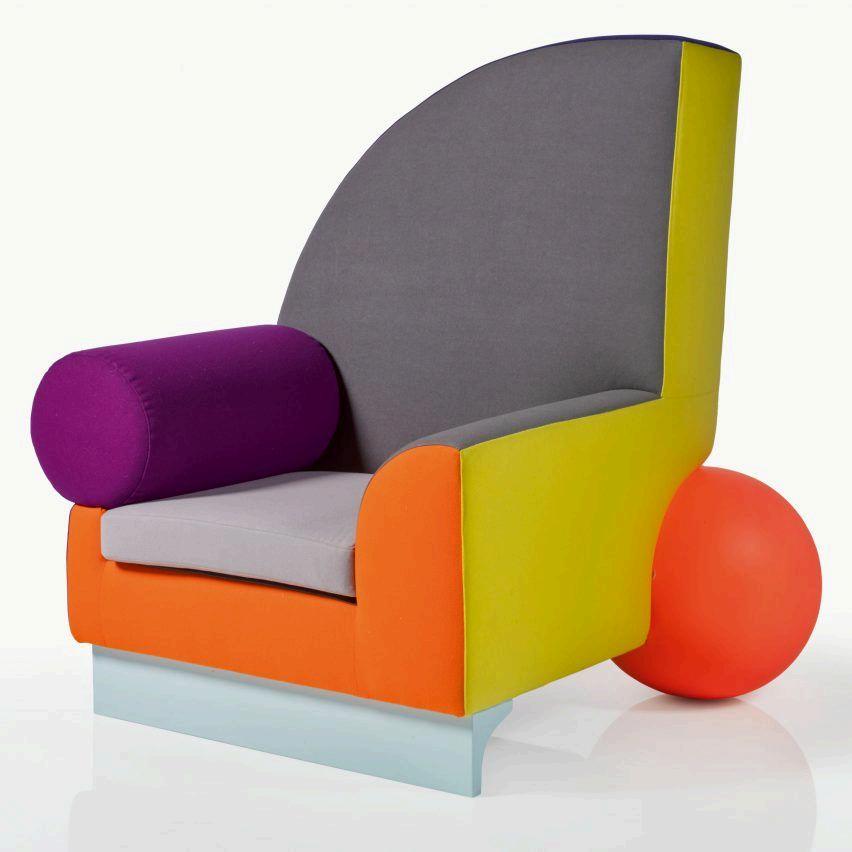
“D&T in schools gives fledgling scientists, engineers, linguists, lawyers and businessmen an experience of how the world works, of how things are made and how to think differently.”
Dick Powell, Founder, Seymour Design
Design and Technology is a phenomenally important subject. Logical, creative and practical, it’s the only opportunity students have to apply what they learn in Maths and Science – directly preparing them for a career in engineering.”
Sir James Dyson, Founder and Chairman of Dyson and Patron to the D&T Association
The new GCSE qualification (examined from June 2019 onwards) is modern and relevant, so students can learn about contemporary technologies, materials and processes, as well as established practices.
The new GCSE places greater emphasis on understanding and applying the iterative design process, a cyclic process of prototyping, testing, analysing, and refining. Students will use their creativity and imagination to design and make prototypes that solve real and relevant problems, considering their own and others’ needs, wants and values
With links to Maths, Science, Geography, Computing, Engineering, Business and Economics, as well as social, moral, ethical and environmental issues, pupils learn through a combination of practical application and more traditional theory based lessons.
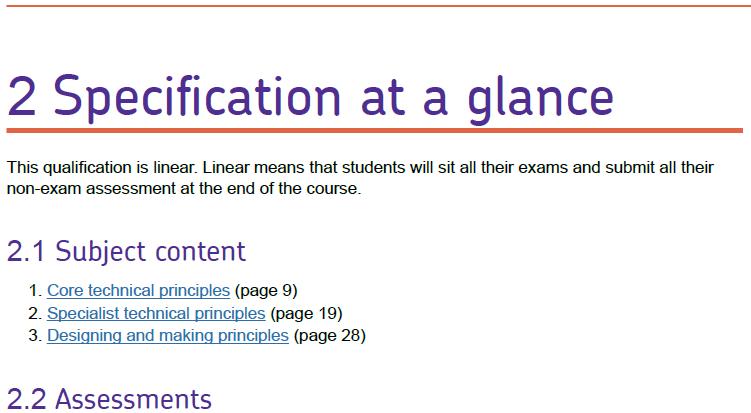
The qualification consists of:
50% Written Exam - Paper 1 (Year 11)
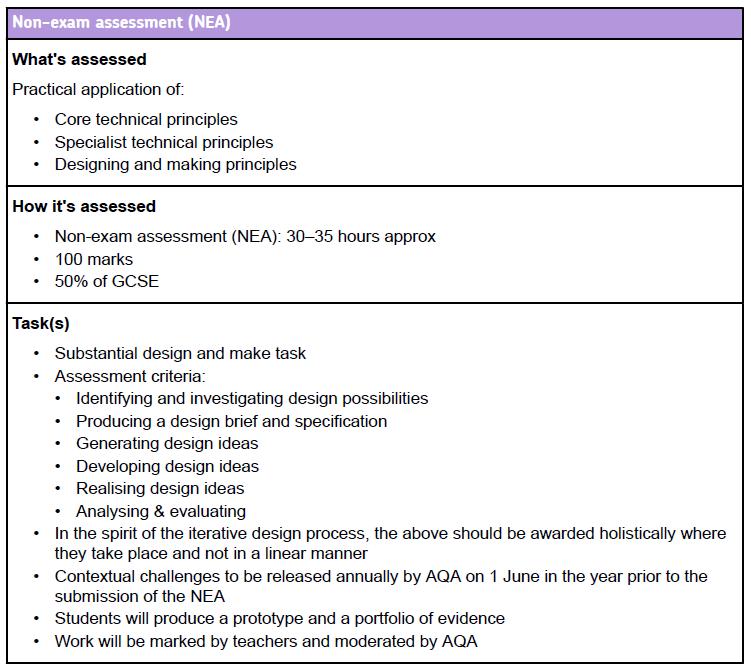
50% Non-Exam Assessment - NEA (1st June Year 10 - Year 11)
Year 9 students will:

● Complete 3 design and make based units, developing core technical knowledge and designing and making skills. These have previously consisted of:
○ Timber based skills project
○ 3D Printing Project (TBC)
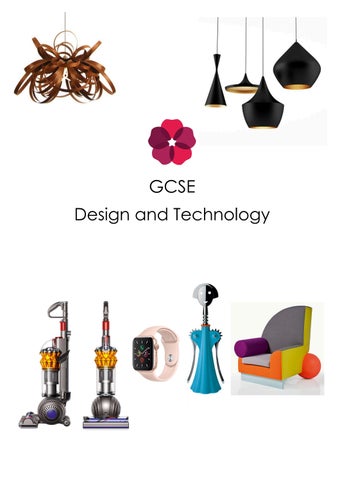
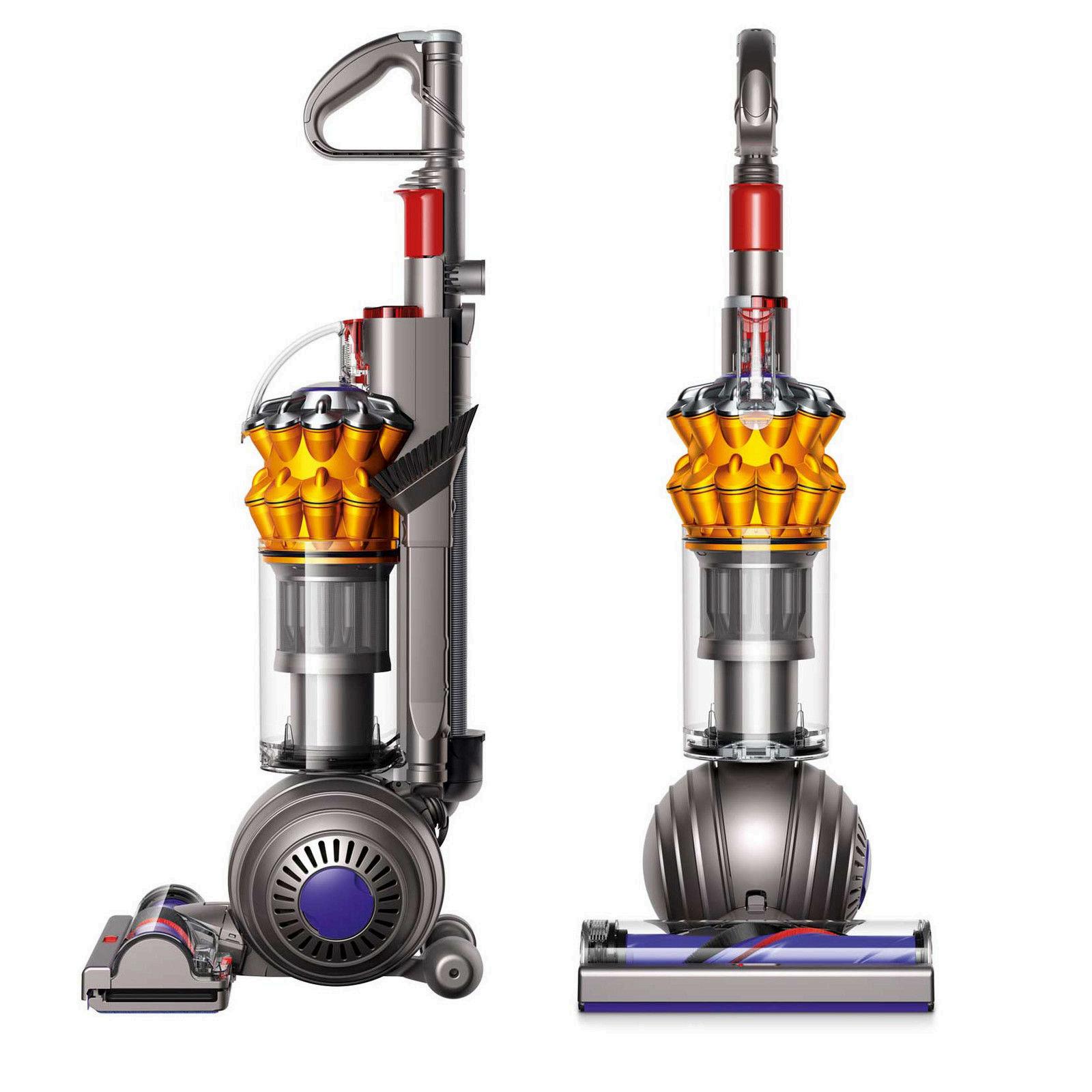
○ Dyson engineering project
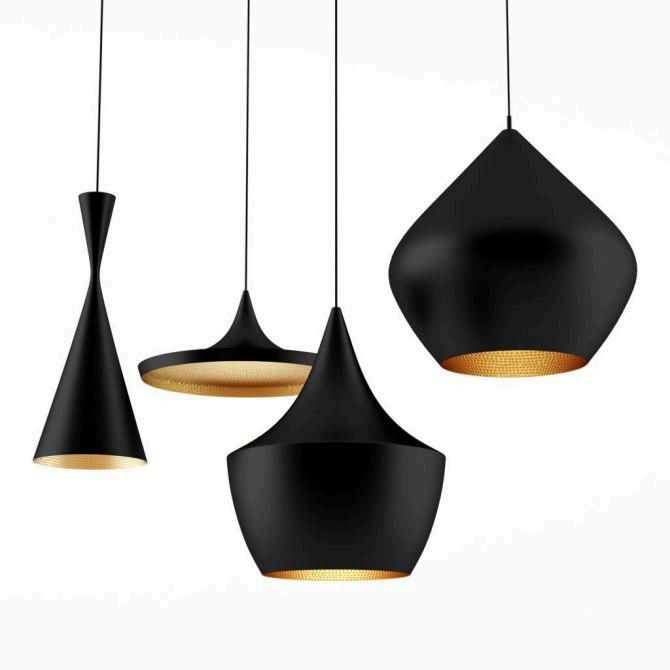
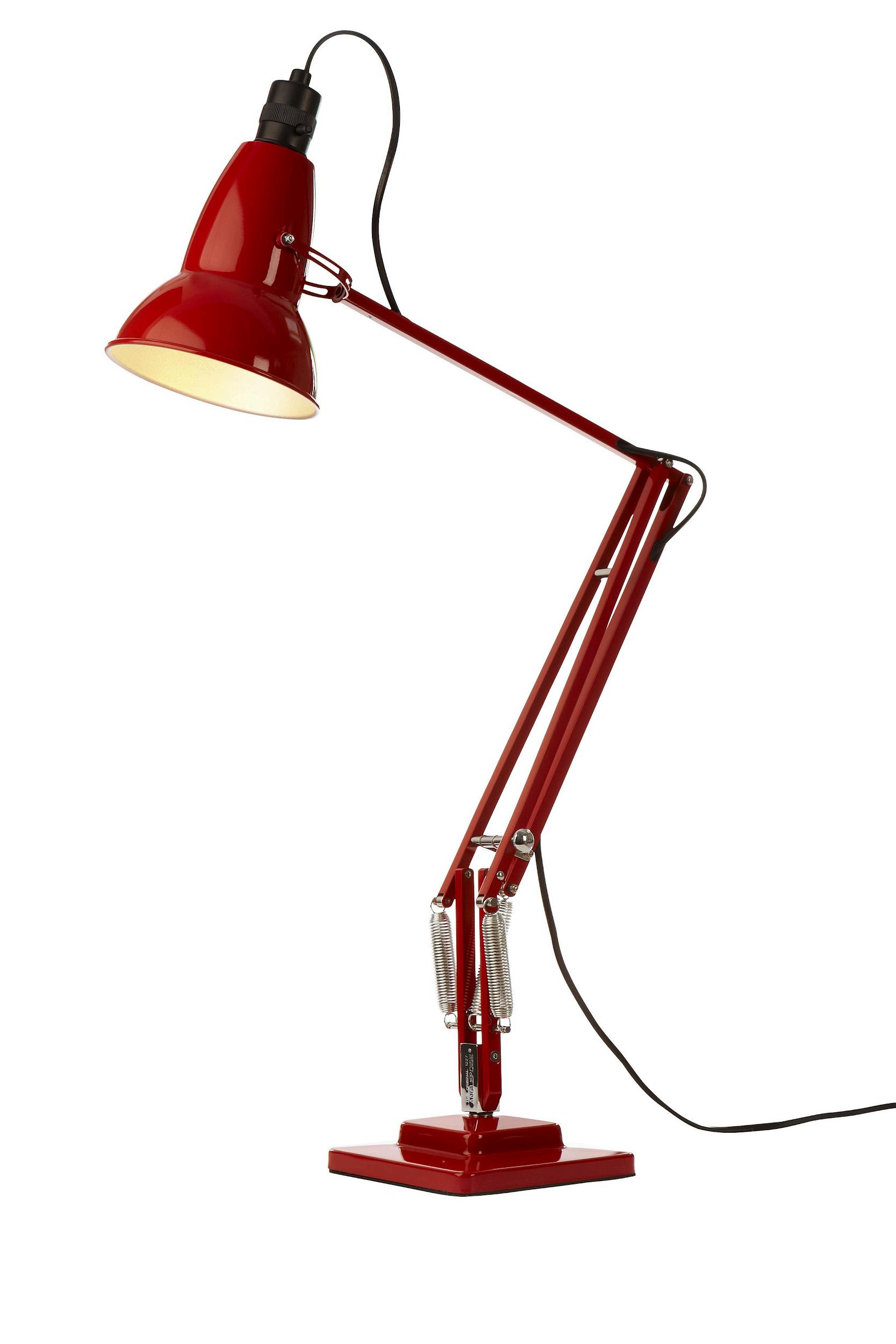
○ Lighting project
● Begin to cover theory elements of Section A of Paper 1 ‘Core Technical Knowledge’, making links to other subjects and understanding the application of DT to the wider world.
Year 10 students will:
● Complete a short design and make project in the Autumn term, covering elements from the written exam - Paper 1
○ Section B ‘Specialist technical Principles’
○ Section C ‘Designing and Making Principles’
● Complete NEA skills tasks exploring iterative design and the full design process
● Cover theory content for Section A of Paper 1 ‘Core Technical Knowledge’ and Section B ‘Specialist Technical Principles’ with a focus on Timber based materials
● 1st June - Contexts for Non-exam assessment (NEA) are released by the exam board and students will begin their GCSE NEA.
Year 11 students will:
● Complete their Non-exam assessment (under supervised conditions in school time)
● Continue to cover theory content for Section A of Paper 1 ‘Core Technical Knowledge’ Section B ‘Specialist Technical Principles’ with a focus on Timber based materials
As a subject, Design and Technology has the ability to support the development of a wide range of transferable skills beyond its immediate subject content, with opportunities for:
● Creative thinking
● Innovation and enterprise
● Problem solving
● Using initiative
● Being analytical
● Decision making
● Independent and critical thinking
● Team work
● Good communication
● Planning and organisation
● Taking design risks and challenging yourself
● Reflection and Evaluation
Design and Technology provides the opportunity for logical application of knowledge and understanding in practical contexts developing young peoples’ knowledge of how and why the products, buildings and objects they are surrounded by and use every day are made and developed. Combining design with technology is what makes the world work.
Have you ever wondered what designers actually do?
Have you ever wondered how things move or work?
Have you ever wondered why some things go together and some things clash?
Have you ever wondered how products can be more environmentally sustainable?
Have you ever wondered how a product continues to stay popular?

Watch Video here from The Design and Technology Association
What is DT – and why do we need it?

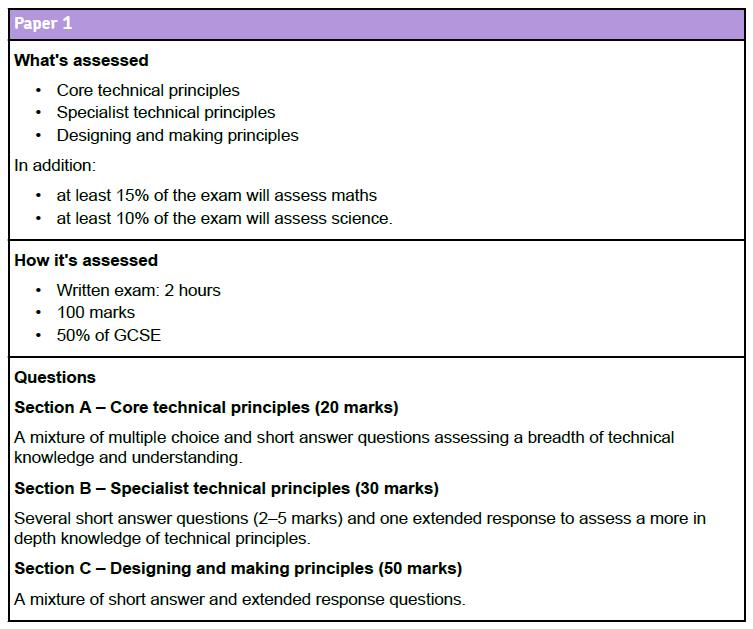
Paper 1 Section A
● New and emerging technologies
● Energy generation and storage
● Developments in new materials
● Systems approach to designing
● Mechanical devices
● Materials and their working properties.
Paper 2 Section B
This Section is taught in greater depth through at least one material category
For DT: Product Design students, Section B will be taught through predominantly Timber based materials, although students will also have experience using Plastics, Metals, Electronics, Papers and Boards.
Students are encouraged to explore and develop a multi-material approach to their NEA practical prototype, working with a range of materials and components which could include timbers, metals, plastics, electronics, textiles, modern and smart materials, CAD & CAM.
For more information visit the AQA Design Technology website: https://www.aqa.org.uk/subjects/design-and-technology/gcse/design-and-technology-8552
In order to support both the written exam and NEA aspects of the course, as well as to promote independent study, we encourage students to visit a range of museums, factories, shows and exhibitions throughout Year 9 to Year 11 as well as being inquisitive about design beyond the classroom.
Some of these visits will be arranged through school and it is hoped that students have at least one industrial or design based visit per year (these will be back up and running when current circumstances allow).
School visits may include:
● The Design Museum, London
● New Designers, London
● The London Design Festival (NEA research)
● Ercol Furniture Factory
All examination candidates should also try to visit exhibitions relevant to their chosen area of study.
Independent visits could include:
● Design Museum
● V&A
● The London Design Festival
● 100% Design
● Grand Designs Live
● Ideal Home Show
● Clerkenwell Design week
● The Conran Shop
● Vitra showroom
● Areas related to their user/client for their NEA to gather research
● Design Lectures or webinars
Monthly design recommendations:
The department has previously published a list of design based recommendations to encourage students to be more inquisitive about the world of design beyond the classroom. This typically includes:
● Podcasts
● Online Webinars/lectures/talks
● News articles
● TV shows
These can be found via Rosebery News, on google classroom and on our google site: https://sites.google.com/rosebery.surrey.sch.uk/dtrosebery/monthly-design-recommendations
Design Technology award:
This award encourages students to complete a range of activities and tasks beyond the classroom in order to achieve a Bronze, Silver or Gold award. More information can be found on our google site: https://sites.google.com/rosebery.surrey.sch.uk/dtrosebery/design-technology-award
All students are made aware of Design and Technology related competitions or opportunities, and will have the opportunity to enter a Design based competition either as part of lesson time or as part of an extracurricular club or the Design & Technology award.
V&A - Innovate National Schools Challenge
https://www vam.ac.uk/info/innovate#slideshow=84355020&slide=0
INNOVATE, the V&A’s National Schools Challenge gives students the opportunity to experience the power of design and technology in solving real world problems, at home, in school, or locally – leading to a new design solution. In teams, students are invited to choose from three contextual challenges that ask critical questions about the issues shaping our world. Each team records their design journey on 2 sheets which are then submitted to the panel and each team receives individual feedback.
Pupils who show an interest and application for Design and Technology will be directed to potential career options such as:
Engineering - such as Civil, Structural, Mechanical, Environmental
Architecture
Product Design
Furniture Design
Theatre Design
Set and Props design
Design Management and Marketing
Materials Science and Technology
Industrial Design
Landscape Design
Automotive Design
Computer Aided Design
Programming
Game Design and App Design
Technology
STEM
(Science, Technology Engineering & Maths)




Women’s Engineering Society http://www.wes.org.uk/
The Women's Engineering Society is a charity and a professional network of women engineers, scientists and technologists offering inspiration, support and professional development Working in partnership, we campaign to encourage women to participate and achieve as engineers, scientists and as leaders
The Institution of Engineering and Technology Faraday Project https://education theiet org/secondary/
The IET Faraday programme has been developed by the Institution of Engineering and Technology, Europe’s largest professional organisation in the field. Our aim is to introduce a new generation to the sheer excitement of science, technology and engineering.
Tomorrows Engineers https://tomorrowsengineers org uk/
We are working with The Institution of Engineering and Technology, The Institution of Mechanical Engineers, The Institution of Civil Engineers and The Institute of Physics to develop a programme of careers resources that provide clear, consistent guidance for young people aged between 9 - 16 and their teachers.
EDT Headstart and Inspire Courses http://www.etrust.org.uk/
EDT delivers over 40,000 STEM (science, technology, engineering and mathematics) experiences each year, for young people age 9 -21 across the UK.
Our range of work related learning schemes provide opportunities for young people to enhance their technical, personal and employability skills through industry-led projects, industrial placements and specialised taster courses.




“Design Technology is a rigorous and challenging subject that builds a bridge between academic learning and its usefulness, relevance and application to the world.”
Dick Powell, Founder, Seymour Design