ROOFING Florida
A Publication of FRSA – Florida’s Association of Roofing Professionals
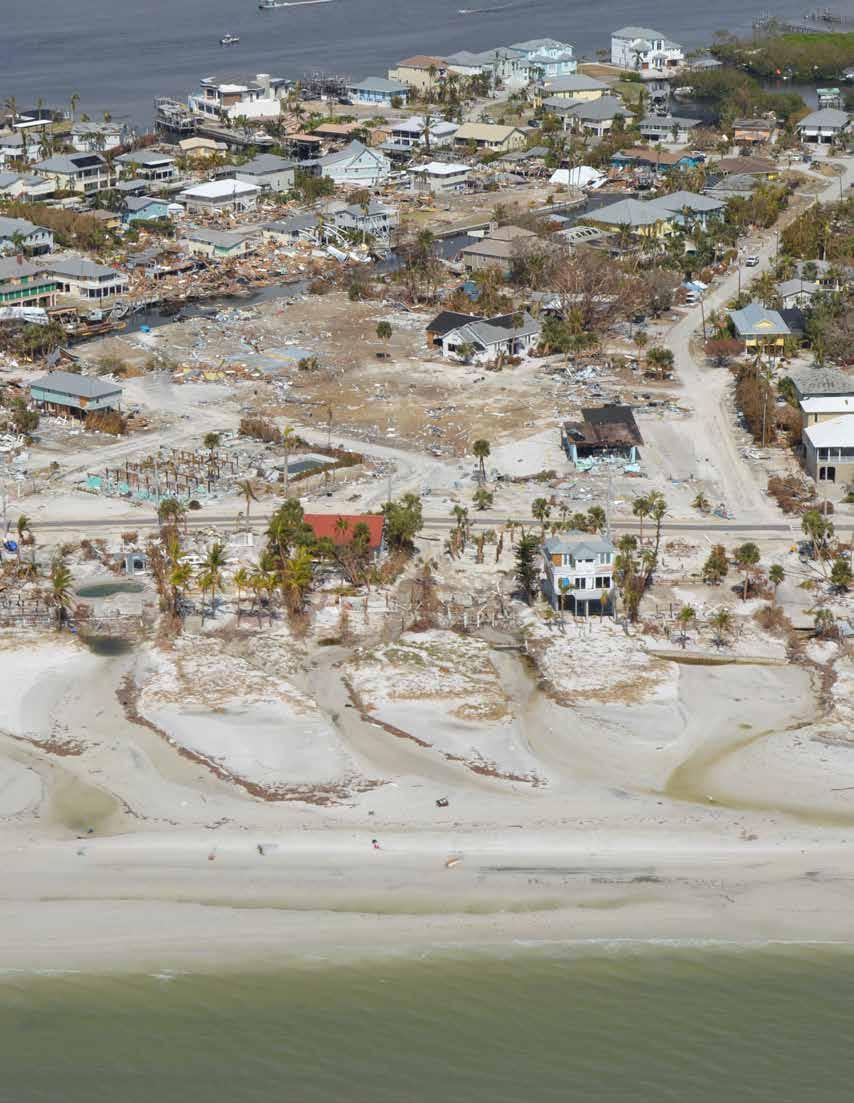
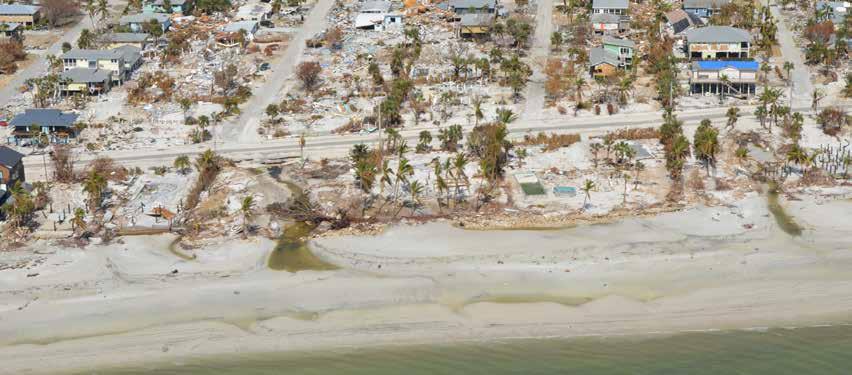
Devastation in the Wake of Hurricane Ian, Ft. Myers Beach
December 2022

FRSA-Florida Roofing Magazine Contacts:


For advertising inquiries, contact: Keisha Martinez at: keisha@floridaroof.com (800) 767-3772 ext. 127

All feedback and reprint permission requests (please include your full name, city and state) contact: Lisa Pate, Editor, at: lisapate@floridaroof.com (800) 767-3772 ext. 157
Florida Roofing Magazine, PO Box 4850 Winter Park, FL 32793-4850
View media kit at: www.floridaroof.com/ florida-roofing-magazine/

www.floridaroof.com | FLORIDA ROOFING 3 Florida Roofing (VOL. 7, NO. 12), December 2022, (ISSN 0191-4618) is published monthly by FRSA, 3855 N. Econlockhatchee Trl. Orlando, FL 32817. Periodicals Postage paid at Orlando, FL. POSTMASTER: Please send address corrections (form 3579) to Florida Roofing, PO Box 4850, Winter Park, FL 32793-4850. Any material submitted for publication in Florida Roofing becomes the property of the publication. Statements of fact and opinion are the responsibility of the author(s) alone and do not imply an opinion or endorsement on the part of the officers or the membership of FRSA. No part of this publication may be reproduced or transmitted in any form or by any means, without permission from the publisher. Available Online at www.floridaroof.com/florida-roofing-magazine/ ROOFING Florida December 2022
#roofingprotects Contents On Mobile Devices Ergonomic Guidelines – Using Four-Wheel Carts in Roofing 26 | Lower Workers’ Comp Rates 32 | Digging Deeper into Ian’s Destruction 14 | Voluntary Benefits Can Help Recruitment and Retention Efforts 23 | Discipline and Accountability in the Workforce 34 | Devastation in the wake of Hurricane Ian, Ft. Myers Beach. Cover and above photo courtesy of Robert S. Young, PhD, Director, Program for the Study of Developed Shorelines, Professor, Coastal Geology, Western Carolina University.















olution
FL Installing contr.:
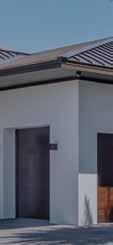
Snap-Clad Tite-Loc Plus PAC-150 Equally strong and attractive , these metal roofing panels are available in Florida in our full line of PAC-CLAD painted steel, aluminum and Galvalume Plus coatings, ensuring that your roof will endure whatever comes its way. All panels are Miami-Dade County and Florida Building Code approved. 102 Northpoint Parkway, Acworth, GA 30102 P: 800 272 4482 F: 770 420 2533 PAC-CLAD.COM | INFO@PAC-CLAD.COM MIAMI DADE COUNTY APPROVED View the case study
S unshine S tate S
Private residence,
Sheet Metal Masters Architect: Design Point Architects Distributor: Roofers Mart GC: Dixon Kazek Construction Profile: Snap-Clad Color: Dark Bronze Photo: Tim Ryan, 1920andcompany.com
ROOFING FloridaPRODUCTPROFILES
PAc Snap-clad Metal Roofing System
PAC-CLAD |
Petersen’s Snap-Clad metal roofing system features a 1-3/4” leg height and a continuous interlock for improved wind resistance. A concealed-fastener clip system allows for thermal expan sion and contraction while providing extraordinary hold-down strength. Snap-Clad panels are MiamiDade County and Florida Building Code-approved.

Equipter 4000
We offer a wide range of PVDF finishes backed by our outstanding non-prorated finish warranty. Many finishes meet LEED requirements and are Cool Roof-rated. Visit PAC-CLAD.com for more info.
MFM Building Products
High Temperature Underlayment – Ultra HT Wind & Water Seal is a self-adhering underlay ment composed of a cross-laminated, non-slip polymer film laminated to a high temperature rubberized asphalt adhesive rated up to 250°F. It is engineered for use with metal roofing systems where extreme heat is generated. This 45-mil underlayment comes in a 36” x 67’ (200 square foot) roll. Tested to ASTM D 1970, ICC-ES ESR 1737, Florida Building Code FL# 16562 and MiamiDade County approved. For a free sample, visit www.mfmbp.com.
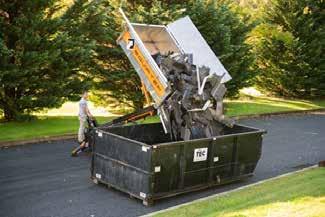
Since its beginning in 2004, The Equipter 4000 drivable dumpster has been helping roofers do more. Powered by a 13-hp engine, this self-pro pelled trailer can be driven across lawns directly to where it’s needed. Its 4.1 cu-yd container lifts to the roofline (up to 12 ft) to catch up to 4,000 lbs of tear-off debris. When full, it’s easy to drive the Equipter 4000 across the property, lower the hydraulic tailgate and angle the box to slide the trash into an onsite dumpster. Utilize the Equipter 4000 to offer the New Roof No Mess promise and increase your customer satisfaction.
Integrity Metals Architectural Fabrication
IM550SL 1-1/2” Snap Lock Clip – Sleek mod ern look and powerful performance, this versatile panel combines bold standing seam lines and ease of installation. The IM550SL Snap Lock Clip system delivers en hanced thermal movement and wind resistance. Concealed metal clips snap together with panels to form an interlocking system – no mechanical seaming required. Florida HVHZ Product Approved.
■ Coverage width: 15”, 17” or 19”
■ Slope: 1/4:12 minimum
■ Rib height: 1-1/2” | seam: 7/16” wide
■ Metal: 26- and 24-ga. Galvalume
■ Support: plywood or wood plank
■ .032 and .040 aluminum Visit us at integritymetalsfl.com or call 772-584-2654

www.floridaroof.com | FLORIDA ROOFING 5
What Every Contractor Needs to Know About Managing Inventory
These days, everyone is feeling the pressure of finding the right materials and getting them on time. It is an ongoing challenge. However, once your materials are delivered, it is crucial that you know how and where to store them. Too often, contractors might be tempted toimprovise, which can be the easiest approach for the short term. But in the long term, it pays to have an organized system in place.
Purchasing Process
After you win a bid and begin the project, purchasing materials is a key process. It often involves negotiating with suppliers around quantity and price. Then, you must create a schedule for all the materials to arrive. The major materials take priority since they will likely require more time for installation. You will probably acquire miscellaneous materials from a distributor and you can get those on shorter notice.
Some contractors collect lists of materials needed for the next day and place orders daily. While this tactic eliminates the need for managing inventory, it can be risky. Materials might not be delivered before workers arrive the following morning or they could be delayed even further. A safer approach is to order ev erything in advance and then schedule specific items to arrive the day before they are needed.
In some cases, contractors choose to order only about 80 percent of the materials they need and then order the remainder as they get closer to project com pletion. This strategy helps keep inventory down, but it can be dangerous if vendor supplies run low.
Procurement of Materials
Once you have ordered all your materials, create a system for receiving and tracking them. It should in clude monitoring different materials, quantities and arrival dates.
Usually, materials are delivered directly to the job site. However, that might not be feasible if storage is limited. If you have a warehouse or other offsite storage option, you can have the materials sent there and brought to the site as needed. This practice might be better for security reasons. It is easier to safeguard inventory at a warehouse than at a job site.
Even with the best planning, however, you may encounter the following issues:
■ Materials might not arrive on time due to miscom munication, human error or supply chain issues. Recently, we have had reports of manufacturers delivering shipments early and demanding payment. Make sure to read your applicator agreements in detail regarding your rights in this situation and recognize that you may be able to refuse an order that is delivered early.
■ Materials might be delivered to the wrong location, such as to the warehouse instead of the job site or vice versa.
■ An incorrect quantity might be delivered, with too much creating a storage issue or too little holding up the project.
To avoid these and other problems, consider the following guidelines:
■ Invite quotes from a variety of vendors
■ Check vendors’ reputations before doing business with them

■ Look for discounts related to quantities and pay ment schedules
■ Request order acknowledgment
■ Request delivery guarantee and acknowledgment
■ Check proper specifications for all materials
■ Keep communications with your suppliers open and clear
6 FLORIDA ROOFING | December 2022
FRSA GENERAL COUNSEL
Trent Cotney, Partner, Adams and Reese LLP
Print Circulation 5,000 Industry Professionals 100,000 Industry-focused Digital Impressions monthly ROOFING Florida
■
Inventory Management
After materials have been delivered, it is your respon sibility to know what you have and where everything is. If too many people are in charge of this task, there is more potential to lose track. Your system should be streamlined so it is simple to check the status of materials. This process will help you prevent theft and ensure you keep enough materials on hand.


Many contractors have come to rely on electronic tracking systems and software. Using bar codes, you can scan items in as they are received and scan them again when they are removed for use. You can also determine where items are stored, if any are damaged and how much of any material is left. In addition, some systems can alert you if your inventory of a specific item gets too low and can even automatically reorder it.
Final Advice
Depending on your company’s size, you may find that different jobs require different inventory management strategies. However, having a basic system in place will always give you a good place to start. Research the systems available to see what seems best suited for you.
If you have questions about inventory manage ment, do not hesitate to ask for help. Your vendors likely have a good idea of what systems work. The more efficient you are with your inventory, the more likely you can avoid unnecessary losses.
FRM
The information contained in this article is for general educational information only. This information does not constitute legal advice, is not intended to consti tute legal advice, nor should it be relied upon as legal advice for your specific factual pattern or situation.
Trent Cotney is a Partner and Construction Practice Group Leader at the law firm of Adams and Reese LLP and FRSA General Counsel. For more information on this subject, please contact the author at trent.cotney@arlaw.com.
Free Legal Helpline for FRSA Members

Adams and Reese LLP is a full-service law firm dedi cated to serving the roofing industry. FRSA members can contact Trent Cotney to discuss and identify legal issues and to ask general questions through access to specialized counsel. They offer free advice (up to 15 minutes) for members. If additional legal work is re quired, members will receive discounted rates. This is a pro bono benefit provided to FRSA members only. To use this service, contact Trent Cotney, 813-227-5501.



www.floridaroof.com | FLORIDA ROOFING 7 PBR Panel 5V & Millennium-V Call 877-358-7663 for a list of distributors in your area Proud Member M-Seam/Standing Seam Visit www.mmi2000.net for all of our Florida Product Approvals Rib Panel
Continue to use and build a partnership with sup
you trust.
pliers
Chris Dawson, Attorney, GrayRobinson
Red Tsunami Sweeps Across Florida
Tsunamis aren’t considered a major threat in Florida, but on November 8, Florida Democrats found them selves engulfed in a massive red wave. For the first time in modern history, Florida does not have a Democrat elected to statewide office. The Florida Cabinet was handily secured by Republicans at the top of the ticket, led by Florida Governor Ron DeSantis’ nearly 20-point rout of Democratic challeng er Charlie Crist. DeSantis was successful in flipping blue or blue-leaning counties such as Hillsborough, Osceola, Palm Beach and, for the first time in two decades, Miami-Dade. The massive red wave flowed far down ballot, delivering supermajorities to legis lative Republicans in the Florida House and Senate. Major upsets were seen in the Florida Senate where Republicans picked up four seats including lopsided victories over incumbent Democrats. In the Florida House, a similar story unfolded with major wins for Republicans, even in some of Florida’s bluest metros like Orlando and West Palm Beach. They say a picture is worth a thousand words, so this month I want to paint the story of the red tsunami with the graphics below and on the following pages. With so much red, it is hard to see Florida as a “purple state” these days.
FRM
Chris Dawson is an Attorney and professional Lobbyist for GrayRobinson’s Orlando office and is licensed to practice law in both Florida and Alabama. He primarily focuses on lobbying and government relations for public and private sector clients at the executive and legislative levels of state government. He is cre dentialed as a Designated Professional Lobbyist by the Florida Association of Professional Lobbyists. Chris also holds two degrees in Civil Engineering and has experience in construction litigation and design professional malpractice defense.
Governor
GOVERNOR
RON DESANTIS (R)
Lieutenant Governor: Jeanette Nuñez (R)
Margin of victory: 19.67% Incumbent
CHIEF FINANCIAL OFFICER
JIMMY
PATRONIS (R)
Margin of victory: 19.20% Incumbent
COMMISIONER OF AGRICULTURE
WILTON SIMPSON
Margin of victory: 18.86% New Cabinet Member
(R)
ATTORNEY GENERAL
ASHLEY MOODY (R)
Margin of victory: 21.44% Incumbent
U.S.Senate Cabinet &

MARCO RUBIO (R)
Margin of victory: 16.42% Incumbent
8 FLORIDA ROOFING | December 2022
FRSA LEGISLATIVE COUNSEL




www.floridaroof.com | FLORIDA ROOFING 9 Why Join FRSA? WWW.FLORIDAROOF.COM 800-767-3772 ext. 142. ANNA@FLORIDAROOF.COM FRSA Self Insurers Fund Access to Workers' Comp with an unmatched safety and training program FRSA Credit Union Discounts on seminars Discounts on Expo booths Sponsorship opportunities Access to the residential roof loan program. FRSA CU can assist with auto and equipment loans and all your banking needs Convention & Expo Technical Building Code support, Human Resources & Legal Services Discounts on advertising Member Benefits BallotInitiatives AMENDMENT 1 LIMITATION ON THE ASSESSMENT OF REAL PROPERTY USED FOR RESIDENTIAL PURPOSES Failed AMENDMENT 2 ABOLISHING THE CONSTITUTION REVISION COMMISSION Failed AMENDMENT 3 ADDITIONAL HOMESTEAD PROPERTY TAX EXEMPTION FOR SPECIFIED CRITICAL PUBLIC SERVICE WORKFORCE Failed
Houseof
U.S.Representatives
DISTRICT 1
MATT GAETZ (R)
Margin of victory: 33.42% Incumbent
DISTRICT 2
NEIL DUNN (R)
Margin of victory: 20.48% Incumbent Beat Incumbent
DISTRICT 3
KATT CAMMACK (R)
Margin of victory: 24.87% Incumbent
DISTRICT 4
AARON BEAN (R)
Margin of victory: 21.40% Incumbent
DISTRICT 5
JOHN RUTHERFORD (R)
Margin of victory: 100% Incumbent
DISTRICT 6
MIKE WALTZ (R)
Margin of victory: 49.50% Incumbent
DISTRICT 7
CORY MILLS (R)
Margin of victory: 15.94% New Seat
DISTRICT 8
BILL POSEY (R)

Margin of victory: 30.28% Incumbent
DISTRICT 9
DARREN SOTO (D)
Margin of victory: 6.12% Incumbent
DISTRICT 10
MAXWELL ALEJANDRO FROST (D)
Margin of victory: 19.10% New Member
DISTRICT 11
DAN WEBSTER (R)
Margin of victory: 28.17% Incumbent
DISTRICT 12
GUS BILIRAKIS (R)
Margin of victory: 40.94% Incumbent
DISTRICT 13
ANNA PAULINA LUNA (R)
Margin of victory: 8.63% New Member
DISTRICT 14
KATHY CASTOR (D)
Margin of victory: 13.06% Incumbent
DISTRICT 15
LAUREL LEE (R)
Margin of victory: 17.58% New Seat
U.S.HouseofRepresentatives
DISTRICT 16
VERN BUCHANAN (R)
Margin of victory: 24.90% Incumbent
DISTRICT 17
GREG STEUBE (R)
Margin of victory: 25.12% Incumbent
DISTRICT 18
SCOTT FRANKLIN (R)
Margin of victory: 49.76% Incumbent
DISTRICT 19
BYRON DONALDS (R)
Margin of victory: 40.74% Incumbent
DISTRICT 20
SHEILA CHERFILUSMCCORMICK (D) Margin of victory: 45.98% Incumbent
DISTRICT 21
BRIAN MAST (R)
Margin of victory: 27.16% Incumbent
DISTRICT 22
LOIS FRANKEL (D)
Margin of victory: 10% Incumbent
DISTRICT 23
JARED MOSKOWITZ (D)
Margin of victory: 7.57% New Member
DISTRICT 24
FREDERICA WILSON (D) Margin of victory: 43.42% Incumbent
DISTRICT 25
DEBBIE WASSERMANSCHULTZ (D) Margin of victory: 14.26% Incumbent
DISTRICT 26
MARIO DIAZ-BALART (R) Margin of victory: 41.96% Incumbent
DISTRICT 27
MARIA ELVIRA SALAZAR (R)
Margin of victory: 14.58% New Member Flip
DISTRICT 28
CARLOS GIMENEZ (R)
Margin of victory: 27.52% Incumbent
10 FLORIDA ROOFING | December 2022
REPUBLICANS - 85 71% DEMOCRATS - 35 29%
ofRepresentativesFloridaHouse
POLYSET ®
PROVIDING STRENGTH IN EVERY DIRECTION connections that endure
When you join materials together, you create a precise bond, a vital connection that builds strength in every direction. This is not just how our products functionit’s how we function too. ICP delivers innovation and excellence from roof to floor. Our extensive array of professional grade coatings and adhesives builds the first layer, but our bonds extend well beyond the surface.
At ICP, we stand behind our solutions, and we’re constantly pushing the building envelope towards enduring success.
www.icpgroup.com | info@icpgroup.com
Industry Updates

Beacon Acquires Florida-Based Coastal construction Products


Beacon has acquired Jacksonville-based Coastal Construction Products, one of the largest independent distributors of specialty waterproofing products in the United States, from the company’s majority owner, Supply Chain Equity Partners (SCEP).
Coastal has 18 locations dedicated to waterproof ing serving the Southeast and Midwest. Beacon currently sells waterproofing products throughout its commercial and residential roofing branches as well as 13 specialty waterproofing locations in the Western U.S. The resulting combination, a new platform for future growth, creates an opportunity to leverage a coast-to-coast footprint to better serve customers locally, regionally and nationally, including in stormexposed regions where waterproofing is essential to protecting buildings, adapting to stricter building codes and meeting heightened maintenance stan dards. Beacon’s new specialty waterproofing division will be led by Coastal CEO, Martin Harrell.
“The entire Coastal team is excited to be joining Beacon. This partnership allows us to bring our cus tomers the benefits of Beacon’s North American footprint and specialized capabilities designed to accelerate growth and enhance profitability. The team and I believe partnering with Beacon provides the best opportunity to continue to build on our 45-year his tory and bring additional value to customers,” stated Harrell.

Julian Francis, Beacon’s President and CEO, said Coastal’s core values, customer-focused service model and depth of waterproofing expertise are an ideal fit as Beacon continues progress toward its Ambition 2025 goals announced in February.
“We are thrilled to welcome Coastal’s 200-plus em ployees to the Beacon team,” said Francis. “Expanding nationwide access to waterproofing products en hances our value proposition to our commercial and multifamily customers and provides the opportunity to build more together. I am particularly pleased that Martin Harrell will be leading Beacon’s new specialty waterproofing division to enhance our focus and cap italize on the above-market growth opportunities we see for waterproofing products.”


ABC Supply Co. Inc. Acquires Kaycan’s U.S. Distribution Business ABC Supply Co. Inc., the nation’s largest wholesale distributor of roofing, siding and other select exterior and interior building products, has acquired the United States distribution business of Kaycan, a leading man ufacturer and distributor of siding and other products, from Saint-Gobain.
With the acquisition, which includes 24 Kaycan locations, ABC Supply will operate more than 860 locations across 49 states. The acquired locations will operate as ABC Supply branches focused on dis tributing Kaycan branded products along with other complementary building products and accessories.
“The acquisition of Kaycan’s U.S. distribution busi ness will enhance ABC Supply’s product and service offerings and provide momentum for our next phase of growth,” said Keith Rozolis, ABC Supply’s President and CEO. “We are excited to welcome Kaycan’s asso ciates into the ABC Supply family.”
Based in Montreal, Kaycan produces and distributes exterior building products, including vinyl, aluminum and engineered wood siding as well as related accesso ries, coil, windows and patio doors.

FRM

12 FLORIDA ROOFING | December 2022
Contact Us Today For The Best Service And Lead Time 800.894.7741 | SALES@M ETALDECK SUPPLY.COM YOUR ONE-STOP METAL DECK SHOP! Metal Deck Replacement? We Have It In Stock Now! Largest Inventory In Stock for Immediate Use Variety of Deck in Stock Pick Up Or Delivery Knowledgeable Staff www.METALDECKSUPPLY.COM PROUD MEMBER

Visit One of Our Locations for the Southeast’s Largest Selection of Roofing Materials and Equipment Roofing Tools Fasteners Drains & Parts Caulking & Sealants Safety Products & Apparel And More! www.crssupply.com 800-874-6152 We have Generators, Tarps and Fasteners in stock at all locations
Digging Deeper into Ian’s Destruction
Mike Silvers, CPRC, Silvers Systems Inc. and FRSA Director of Technical Services
As I finished last month’s column (www.floridaroof.com /frm11-22p12), I had just returned from hurricane dam age reconnaissance in areas north of where Hurricane Ian made landfall. I reported on some of my early observations made just days after the hurricane and addressed issues with limited access to some hard-hit areas, noting how important it is to gather information prior to tarping and other repairs taking place. I also discussed how much information could be obtained from many types of media directly after these events. Sometimes, those two types of information gathering can converge, and with a little research and applied reasoning, there is much that can be learned.
Shortly after Hurricane Ian hit southwest Florida, I was looking at the damage on NOAA satellite imagery, slowly making my way up the coast trying to pinpoint different types of roof damage, noting the locations of buildings. I was looking for missing or damaged roof coverings, displaced air conditioning units, etc. Some damage is easy to spot, others require a closer look to find.
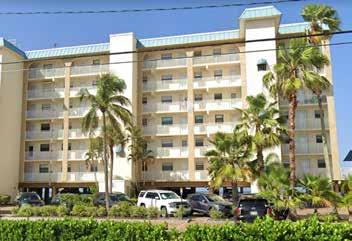
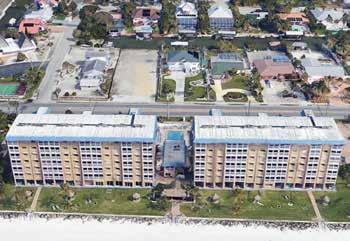
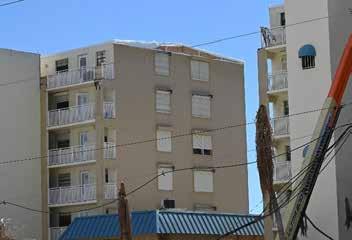
The roofs on a pair of condominium buildings located in Ft. Myers Beach, directly on the Gulf of Mexico, looked odd. In particular, I had trouble making out what I initially thought was a piece of strangely shaped mechanical equipment and then realized that what I was looking at was actually a couch. As I looked closer, it became clear that I wasn’t looking at a roof at all but instead at the inside of every apartment on the top floor of both buildings – kitchens, bathrooms and all. These were two good-sized buildings that had suffered a catastrophic failure of the overall roof assembly. The image made an impression. A few days later while looking at hurricane damage in the Tampa
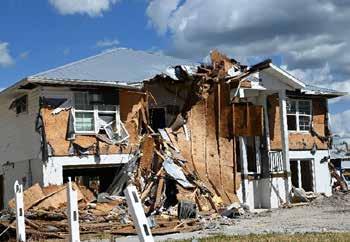
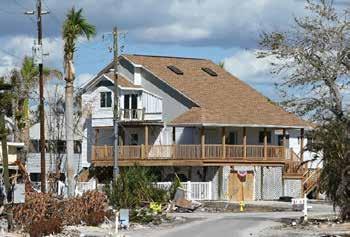
Bay Times, I was struck by a picture of these same buildings taken from a helicopter just a few days after Ian’s landfall. It was much clearer and more detailed than the NOAA imagery. You can see how compelling the above picture is. As I examined the shot closer, my attention was drawn to the houses across Estero Boulevard, behind the condos. It seemed that they weren’t as severely impacted by the storm surge as many others in this area but, even though they were protected from the wind by the much larger condo buildings, they still had significant damage. When looking closer at the shape and size of the debris near the houses it didn’t correlate with the damage to the structures. Then it occurred to me that the debris could be the roof assemblies from the condo buildings, which would indicate that the roofs may have been relatively intact when making impact with the houses.
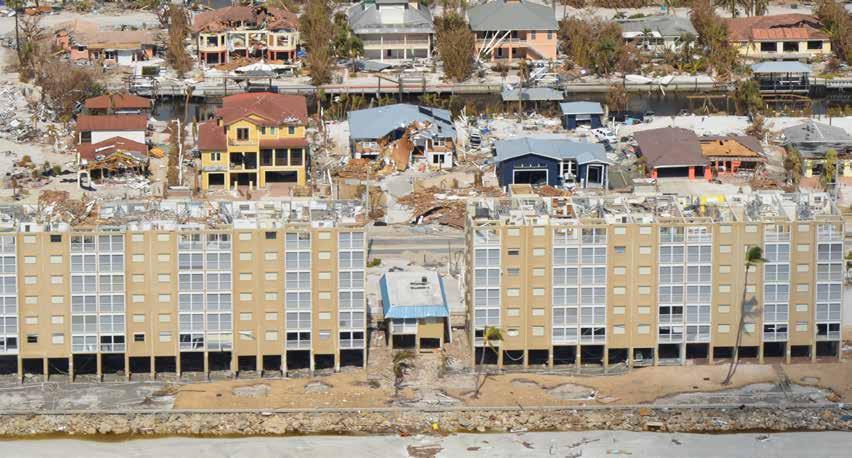
As I looked closer at a two-story house behind the oth ers and across a canal there was similar debris. Could the roof structure have blown that far away? I couldn’t help but be curious and I hoped for some additional information.
A few days later, an opportunity to do some addi tional storm damage assessment presented itself. The Roofing Industry Committee on Weather Issues (RICOWI) was going to send wind investigative teams to observe damage caused by Ian and they were looking for volunteers to participate. RICOWI is a great organization funded by the Department of Energy, that is dedicated to conducting surveys to study the performance of roofing materials in extreme weather events and report their findings to the industry to help improve products and their application. RICOWI’s David Roodvoets, Jordan Loudon, members and
14 FLORIDA ROOFING | December 2022

volunteers provide an invaluable service to the indus try. I gladly agreed to spend a few days with them, as did a few FRSA members. It was another opportunity to observe and learn.
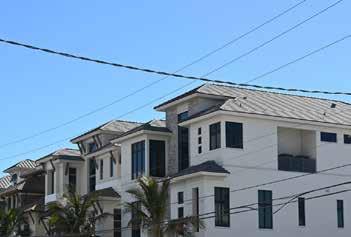
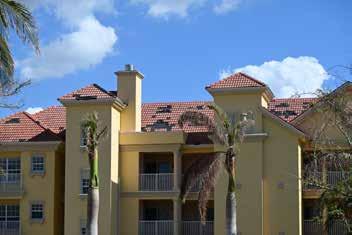
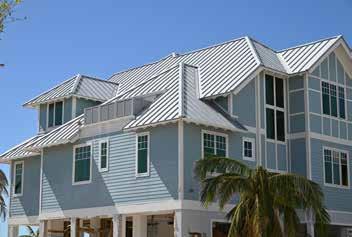
Our team was assigned investigation of steep slope roofing. We visited many sites, gathering information on all types of roof systems including shingles, tile, metal and wood shakes and shingles. We looked at damage that occurred in areas north, south and east of where Ian made landfall. These RICOWI trips con firmed many of the same successes and failures that I had observed during previous visits. Roof coverings of all types that were installed in accordance with recent editions of the Florida Building Code (FBC), which have incorporated ASCE 7-10 and 7-16, overall did very well. I’ll get back to those observations after a little more on the damage sustained on the condos I mentioned above.
With RICOWI, we gained access to Ft. Myers Beach and those condo buildings were still in the back of my mind. We worked our way south along the beach and after many stops to access all kinds of roof damage, I saw the two condo buildings I’d been looking for. Repair work was already well underway. A new truss system had been installed and roofing had begun. Debris cleanup was in progress and a lot of the debris had been hauled away while some had been pushed
aside to open up streets to traffic or moved to park ing lots for staging. One house across the street had already been demolished and hauled away. However, some of what appeared to be the condo building’s roof assembly was still laying on several of the houses.
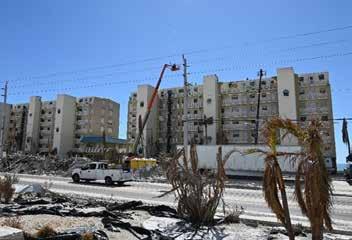
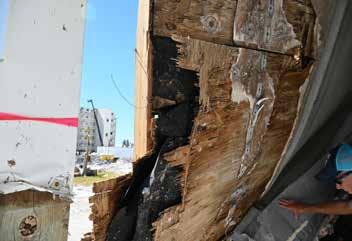
The roof section that remained was unusual for several reasons. For one, there were two layers of plywood sheathing with an asphalt-based roof cover ing in between and a mechanically attached single-ply roof covering on top. I expected to see wood joists but instead was seeing trusses. I thought from see ing the walls that remained that it would probably be joists construction and that the roof-to-wall con nection might have been an issue. After reviewing some Google Earth pre-hurricane pictures, it became obvious that the buildings did actually have trusses that incorporated mansards and soffits around the pe rimeter. All of this was now gone or at least not where it was supposed to be.
Several questions came to mind. Did the addition of a second layer of plywood that was used as an unusual type of roof recover preclude renailing of the original plywood deck? Would renailing have helped? Would the recent expansion of roof-to-wall inspections in the FBC for this type of building and the optional mitiga tion that it now includes, have helped in lessening the failure? How much did the presence of the mansards
16 FLORIDA ROOFING | December 2022
and soffits as well as how they were constructed and roofed, contribute to the failure? What effect would the new condominium inspection requirements that were recently adopted by the state as a response to the Surfside collapse have on the type of conditions that led to this catastrophic failure? I hope that some additional information will become available to help clarify what the failure mode was and what construc tion methods will be employed in making repairs.
While trying to obtain a better image of the news paper shot that originally helped me clarify what I was seeing, I reached out to Dr. Robert Young with Western Carolina University and the credited photographer. He
not only shared the image but provided a link to aerial shots all along the impacted coastline. The viewpoint and clarity of the pictures contained are perfect for initial roof damage assessment and have added a great deal of information to our research. Looking for this kind of information often opens doors to new, unexpected resources. The degree of collaboration among those with an interest in improving the resil ience of buildings is to be commended. Many thanks to Dr. Young.
I want to get back to some of my general observa tions. One needs to keep in mind that hard data about specific damage experienced on particular roof types

www.floridaroof.com | FLORIDA ROOFING 17
and the cause of that damage are extremely hard to come by. So, for the time being, we try to reach some early preliminary conclusions using not only our own personal observations but also by discussing our ob servations with other professionals.
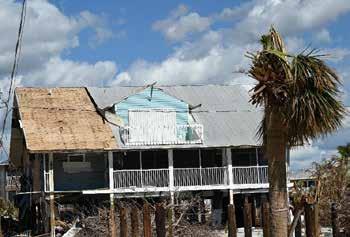
As I said earlier, roofs that have been installed since the wind resistance requirements of the FBC have been increased did very well overall regardless of roof type. With that said, many older roofs also did well, but they were outliers when looking at roofs that were approximately 20 years or older. We observed many severely damaged shingle, tile and metal roof coverings from that period. The damage to older roofs was often more catastrophic with wood exposed. Exposed wood is much less common with newer roof
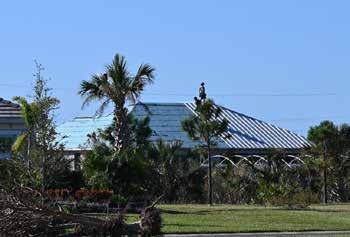
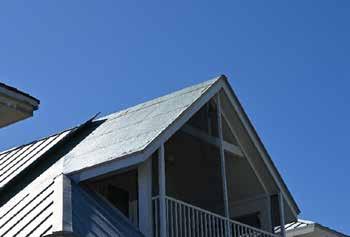
coverings, even when missing portions of the field of the roofs. This is possibly attributable to improved underlayments – or secondary water barrier – resis tance. Several roofs were observed with very little of the primary roof covering still left in place but where a self-adhered underlayment applied direct-to-deck was present and was still providing protection from major water intrusion.
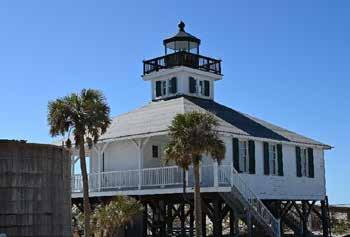
One trend was very clear from my observations. Many of those who suffered major roof damage are opting to have a self-adhered underlayment installed direct-to-deck when replacing their roofs regardless of the type of roof covering chosen. Even the historic Boca Grande Pass Lighthouse is getting the added protection that such a system provides. It seems that

18 FLORIDA ROOFING | December 2022
Englert is known for time-tested metal roofing solutions and top quality products. We’ve been in business for over 50 years and believe our relationship with our customers is a partnership. With a full suite of products and services, including local machine technicians and training support, we’ll be standing behind you every step of the way as you grow your business. When you succeed, we succeed.
Call us today to learn how we can help you.

Longer-Lasting,
1-800-ENGLERT info@englertinc.com www.englertinc.com
A Better Quality,
and Weather-Tested Roof
those who have been through a recent hurricane can see the value of having this type of underlayment as an option.

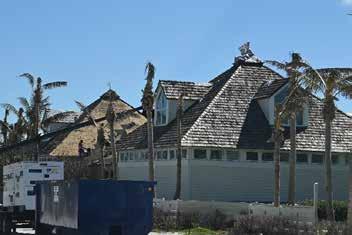
Unfortunately, this is an option that those in the High Velocity Hurricane Zone (HVHZ Miami-Dade and Broward Counties) don’t have. On December 13, the Florida Building Commission will decide if this inequi ty will remain when the new 2023 8th Edition of the Florida Building Code is adopted or if they will follow the guidance of the Commision’s Roofing Technical Advisory Committee and the roofing industry coali tion and vote to standardize underlayment options throughout Florida. Self-adhered underlayment applied directly to the deck is the only underlayment option that qualifies for a secondary water resistance
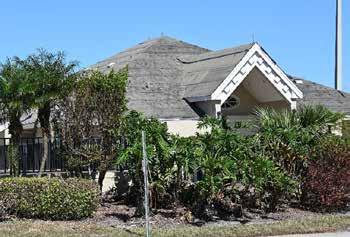
mitigation credit from Florida’s property insurers. It will also help reduce claim damages that affect insurance rates for all Floridians. One of FRSA’s past Presidents recently asked “Why is it only the people with no experience with this installation method are the ones pushing back against its adoption?” Great question!
FRM
Mike Silvers, CPRC is owner of Silvers Systems Inc., and is consulting with FRSA as Director of Technical Services. Mike is an FRSA Past President, Life Member and Campanella Award recipient and brings over 40 years of industry knowledge and experience to FRSA’s team.
20 FLORIDA ROOFING | December 2022

ADAMSANDREESE.COM // TRENT.COTNEY@ARLAW.COM // 866.303.5868 PROUDLYREPRESENTING THE ROOFING INDUSTRY MAIN OFFICE: TAMPA
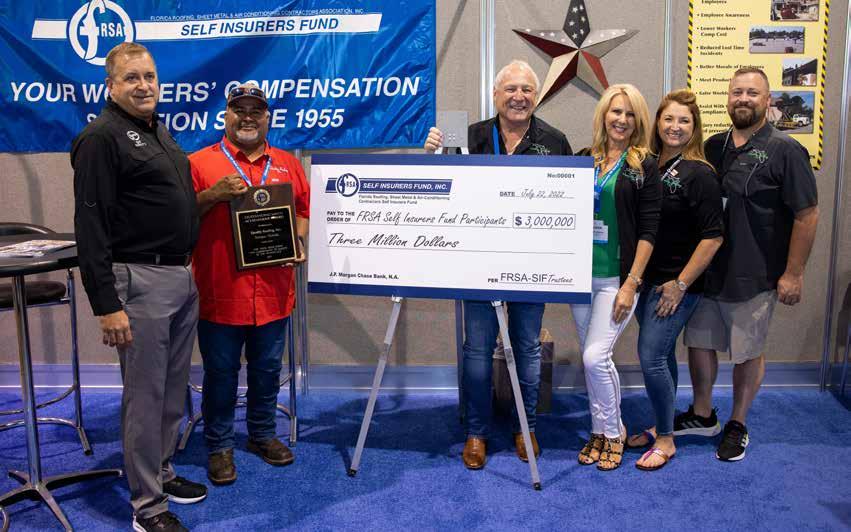
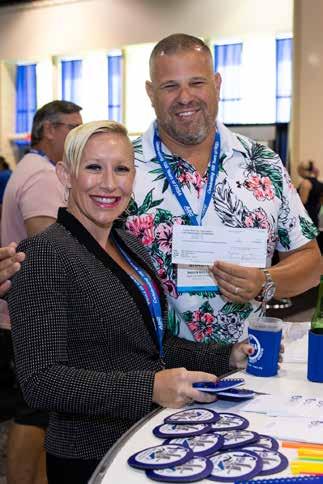
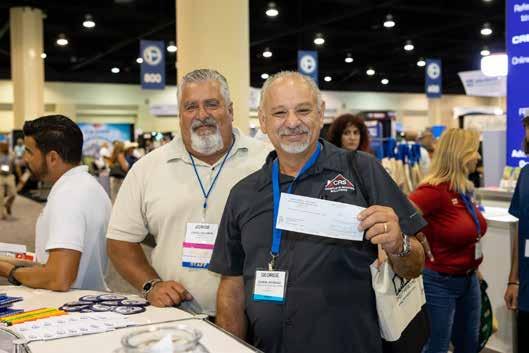
Everyone pays the same workers' comp rate, but does your workers' comp insurance carrier provide you with the potential for a yearly dividend for operating safely? If not, you need to consider the FRSA Self Insurers Fund. These members received their share of $3 million during FRSA's Convention.
more information about joining the
at
206 or by
For
Self Insurers Fund, contact Alexis
800-767-3772 ext.
email: alexis@frsasif.com
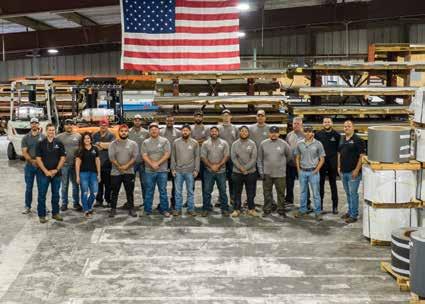
Traditionally, employee benefits for construction workers, including roofers, have not kept pace with those offered in other industries.
In recent years, construction employers have stepped up with health benefits: some 74 percent now offer them, higher than the 69 percent national average for all employees. But only 29 percent offer short-term disability insurance and 17 percent longterm – both below average and paid family leave is only provided by 11 percent, versus the 20 percent national average.
Given the ongoing and increasingly pressing challenge of finding employees to meet the current workload and the shortfall of people as the con struction workforce ages, roofing companies should consider benefit options that go beyond industry standards. One option is to take a look at voluntary benefits.

Why Voluntary Benefits are a Good Bet
Benefits that go beyond the “expected” health, dental, vision and a nominal life policy are prized by employ ees. Three-fourths of workers in one survey said voluntary benefits would make a difference in their decision to stay with their employers.
And employers are seeing the payoff of offering them even beyond recruitment and retention success. Employers also believe, the survey found, that adding
to their voluntary benefits lineup will save employees money (63 percent) and ultimately, boost productivity (53 percent).
Even better, many of the most sought-after types of voluntary benefits won’t necessarily add to the employer’s costs. When offered under the employer’s umbrella, typically at group rates, they still cost em ployees half of what they would if purchased directly. Plus, employees have more confidence in benefits that first have been vetted by employers.
A Wide Variety of Choices

There is a fast-growing universe of voluntary benefits to add to the package, from those that support physi cal, emotional and financial wellness to those that help individuals advance professionally.
Among the Options
Supplemental health: The out-of-pocket costs of unexpected medical events can be catastrophic. Supplemental benefits directly reimburse plan mem bers for treatments related to accidental injury, if they are hospitalized or are diagnosed with a covered critical condition.
Accident insurance: This covers treatment costs for an off-the-job accidental injury.
Financial assistance programs: Assistance dealing with financial pressures is invaluable to improve overall
www.floridaroof.com | FLORIDA ROOFING 23
Growing. Expanding. Remaining True to Quality & Service. integritymetalsfl.com 772-584-2654 How Voluntary
Retention
Benefits Can Help Recruitment and
Efforts
Corey Slavik, Property and Casualty Advisor, HUB International
wellness. Financial stress is also linked to mental health, so these programs address many issues. The most popular programs provide access to vetted purchasing, low-cost loans and debt refinancing pro grams. These also support engagement: 80 percent of employees today say they would use these programs.
Legal services benefits: Group legal plans can be a boon to every employee demographic, ensuring pro fessional help for needs from traffic tickets to landlord disputes to immigration situations.

Develop a Strategy
An effective benefits program takes a sound strategy that is built on a deep understanding of employees and their unique, individual circumstances. Here are the underpinnings that must be taken into account: Cookie-cutter solutions don’t work. Employers need to understand their employees’ needs based on where they are in life and in work. Standard demo graphics and generational factors provide a basis for planning, but it takes a deeper dive into where they are at professionally to gain a broader perspective of needs. Personal analysis is a valuable way to get a better profile.
Determine goals and measure results. HR may think a particular roster of voluntary benefits is a good idea. But before deciding on a lineup, it’s im portant to gauge their potential impact on retention
and recruitment. These are the kinds of metrics that, applied over time, will refine the program and ensure it meets everyone’s needs.
Educate and communicate. Employees must be educated and informed for voluntary benefits to make a difference. It’s not enough to tell them the benefits are available. They need to know how to access them and assisted over potential hurdles of costs or need. Education can’t be a one-and-done matter. It must be undertaken consistently and over time.
Corey Slavik, Property and Casualty advisor for HUB International in Melbourne. He is responsible for new business development and maintaining client rela tionships. Corey specializes in complex property and liability insurance and risk management programs for businesses, with a focus on contractors, commercial real estate and manufacturers.
24 FLORIDA ROOFING | December 2022
FRM
A p p l y O n l i n e w w w . f r s a c u . o r g o r c a l l 8 7 7 6 5 7 7 2 1 2 Roof Loans to Assist With Hurricane Deductibles Contact us for more information
THE PREMIER ROOFING AND EXTERIORS EVENT
The 2023 International Roofing Expo® [IRE] puts you at the center of it all — providing unparalleled access to the tools, technologies and resources you need to maximize your roofing success. It’s where new products are launched, great ideas are born and creativity and innovation unite. See the latest trends, source roofing products, meet icons of industry, network and expand your knowledge in the educational conference sessions. Stay on top of the latest news in the industry at roofingexteriors.com

LEARN MORE! theroofingexpo.com OFFICIAL DIGITAL MEDIA BRAND OFFICIAL SHOW PUBLICATION OFFICIAL SHOW SPONSOR MARCH 7-9, 2023 DALLAS,TX KAY BAILEY HUTCHISON CONVENTION CENTER
Ergonomic Guidelines – Using Four-Wheel Carts in Roofing, Part One
 Dr. Ken-Yu Lin and Dr. Zhenyu Zhang, SHARE Lab, College of Built Environments, University of Washington
Keeping employees safe is of paramount importance to your business, not only to ensure your operations run smoothly, but to limit workers’ comp claims. Your employees are your most important asset, so keep ing them safe and properly trained is essential. But not all injuries occur on the rooftop or job site. These guidelines focus on the proper use and maintenance of four-wheel carts and provide insight and tips for employee safety – an important tool to share with your team.
Overexertion in Cart Operation
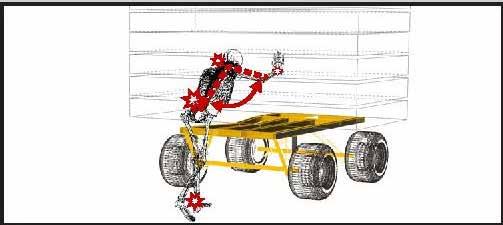
Manual carts are being used every day in the roofing industry to transport materials. However, cart handling is a physically demanding task and could cause over exertion when pulling and pushing, a leading cause of work-related musculoskeletal disorders (WMSDs). In the U.S. construction industry, overexertion from pulling and pushing accounts for about 11.2 percent of lost workdays involving WMSDs.
average lost time and average cost per claim were 21.2 days and $9,430 respectively.
■ High employee turnover – 71 percent of overex ertion in cart handling happened to new workers, where 57 percent of them left the company after the injury. This challenged the company’s ability to build and retain a young workforce.
■ Low employee morale – workers perceived cart operations as strenuous and attributed low morale and reduced productivity to the malfunction of carts.
How can guidelines help you prevent overexertion when handling carts? The guidelines provide a series of recommendations to help you incorporate ergo nomic principles into the process of cart handling:
■ When to replace aged carts
■ Which tire to select to prevent injury and improve performance
■ How to set up a good workspace for cart handling
■ How to pre-plan cart handling tasks with proper team pulling and pushing and job rotation.
The guidelines also illustrate the benefits you can expect from adopting these recommendations. When you develop intervention programs to improve the practice of cart handling, the information on the benefits will help you justify your suggestions and win support from senior managers and workers.
How did we develop these guidelines? All data displayed in the guidelines are supported by lab oratory research. The authors of the guidelines measured force and duration required to operate four-wheel carts under various working conditions that are common on commercial roofing sites. Such settings allowed them to determine when a risk factor becomes harmful and to what extent it has to be addressed.
How can overexertion caused by cart handling impact your company? A review of injury logs from a commercial roofing contractor (with more than 120 employees) found that overexertion caused by cart handling created:
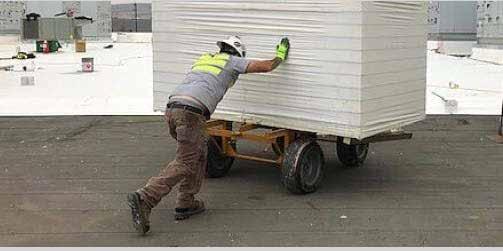
■ Substantial economic burden – cart handling had directly caused 7 out of 40 total WMSDs over four years. These injuries imposed an economic burden of $65,405 in medical and indemnity cost. The
The guidelines use the metric “strength percent age” to measure and describe the risk of overexertion injury. Because cart operations are typically performed by male workers in the roofing industry, the strength percentage refers to the proportion of the male population that can be expected to do a specific task “without straining themselves or becoming unusually tired, weakened, overheated or out of breath.” For ex ample, a 60 percent strength percentage means that a task will be acceptable to 6 out of 10 males. In other words, 4 out of 10 males are susceptible to getting hurt when performing this task.
26 FLORIDA ROOFING | December 2022
Cart Condition and Maintenance
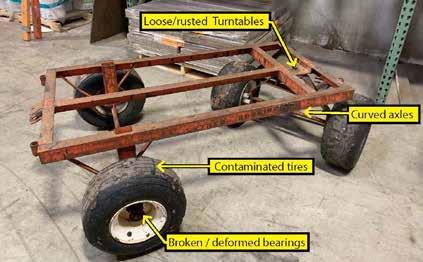
Roofers rely on carts to handle heavy materials, but aged equipment will do more harm than good. The use of aged carts not only increases the risk of overexertion, but it also negatively impacts employee morale. Preventative replacement is nec essary and can bring long-term benefits. What could happen if you use carts that have outlived their life expectancy?
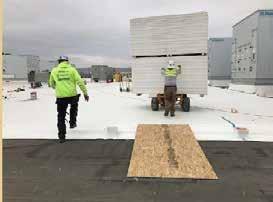
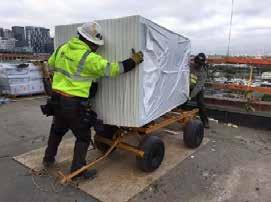
Loose or rusted turntables, bent axles, contaminated tires and broken or de formed bearings usually emerge after a cart is in service for five years and will adversely impact performance.
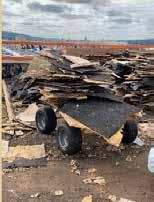
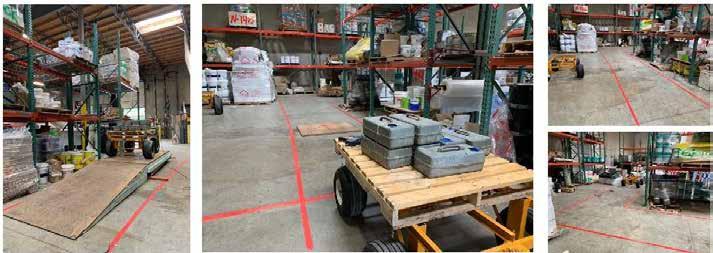
Purchasing a brand new cart cannot fix all problems because of other ergonomic hazards which can cause overexertion during cart han dling. For example, workers may overload a cart or use it for an extended period of time. There are also many physical hazards, such as space constraints, ramps and obstacles. We’ll address these issues later.
When is the right time to replace aged carts? The general rule of thumb is to replace carts every five years. Alternatively, carts can be replaced whenever a number of structural problems arise, including:
■ Contaminated tires
■ Broken bearings
■ Deformed bearings
■ Curved axles
■ Loose or rusted turntables.
Cart degradation typically does not manifest in the first year of service but usually will become a safety concern after five years. Operating aged carts is unac ceptable to 7 in 10 of the male population and reduces productivity by as much as 35 percent. Replacing old tires for a five-year-old cart can improve safety and productivity to a limited extent.
www.floridaroof.com | FLORIDA ROOFING 27
Tire Selection
Solid (polyurethane foam-filled rubber) tires are rec ommended as a replacement for pneumatic (air-filled rubber) tires. Solid tires are more cost effective be cause of their no-flats and maintenance-free nature.
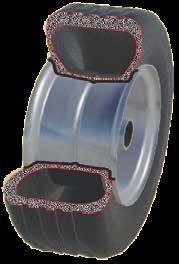
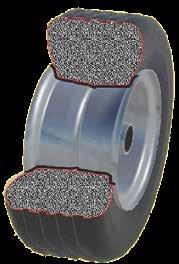
Solid tires have recently been introduced in the construction industry. Unlike pneumatic tires that are filled by air, solid tires are made of solid, micro-cellular polyurethane foam. Solid tires are heavier and more expensive.
Seven Tips for Using Four-Wheel Carts
Inspect and maintain carts – material carts should be properly maintained. Old carts with warped axels, loose turntables, worn tires and broken or deformed bearings should be replaced immediately. Operating an old cart could increase the risk of injury by as much as 30 percent and decrease productivity by 35 percent.
Allow sufficient clearance – keep an open and clear space for cart operation. A two foot clearance is needed for each side of a hallway or passage. When a ramp or obstacle is present, a worker should allow at least two feet to build momentum. The further back you start, the less likelihood of overexertion.
Build gentle ramps – the recommended slope for a ramp is four degrees. Moving a cart over a four degree (approximately 1:12) ramp presents little additional risk than over a flat surface. A ramp becomes a hazard when it reaches eight degrees or more.
Set up proper ramps – ramps should be stable with a smooth running slope and landings. Poorly set-up ramps can have harmful gaps, obstacles and ridges. Plan ahead before building a ramp. Secure boards with screws or nails to stabilize the ramp. Use heavy sheets of membrane to bridge gaps and make a smooth ramp. Small changes will bring big results.
Which type of tire should you use? In general, we recommend that you purchase solid tires and then use other measures to make up for their shortcomings in injury prevention.
Flat tires often occur during tear-off. If your compa ny works more often on new construction and always maintains good housekeeping, you might prefer to use pneumatic tires. Still, you must make certain that the pneumatic tires are inflated to the recommended pressure or their advantage of allowing for ease of pulling could easily fall short.

Reduce obstacles – make sure the path for cart movement is free of obstacles. Remove any obstacle higher then 3/4 inches (the thickness of one piece of plywood).
Teamwork – apply team pulling and pushing to share cart loads and minimize the risk of overexertion, especially when factors relating to the physical work environment are present. The team size will depend on the cart load and the presence of factors like space constraints, obstacles and ramps.
Job rotation – job rotation can prevent workers from being exposed to particular ergonomic stressors for an extended period of time. Workers should be as signed to handle carts no more than two hours within an eight-hour work shift. Alternatively, cart handling should be conducted at a lower frequency, no more than one load every 30 minutes, without other physi cally demanding activities in between.
Practicing these safety tips may help prevent serious harm to workers and eliminate overexertion injuries. As with any safety guidelines, these are only valuable if implemented properly and reviewed with employees.
Next month, we’ll address workplace setup, plan ning and developing ergonomic intervention.
FRM
Dr. Ken-Yu Lin and Dr. Zhenyu Zhang, SHARE Lab, College of Built Environments, University of Washington developed Ergonomic Guidelines, Using Four-Wheel Carts in the Roofing Trade with funding and support provided by the State of Washington, Department of Labor and Industries, Safety and Health Investment Projects (grant number 2018ZH00361).
28 FLORIDA ROOFING | December 2022
www.floridaroof.com/charityofchoice 2023
Pneumatic Tire Solid Tire
FRSA Charity of Choice
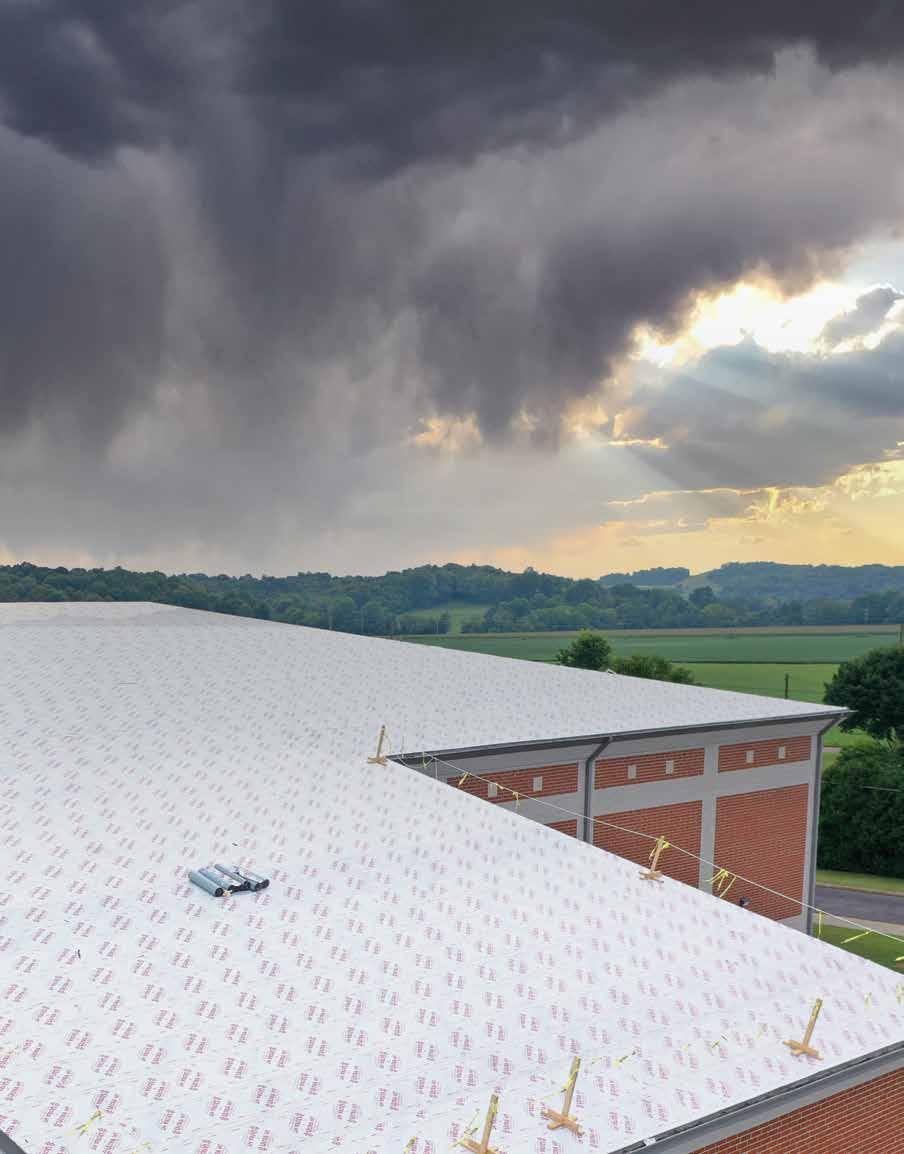

Ultra HT is the premium, high temperature, self-adhering underlayment engineered to take on whatever Mother Nature dishes out. Whether it’s extreme heat, wind-blown rain, or ice and snow, Ultra HT provides complete waterproofing protection. Ultra HT is designed for whole roof coverage to protect your project before, during and after the installation of the final roofing system. Peace of mind you and your customer will appreciate. Visit mfmbp.com for a free sample or call 800.882.7663 today. • High temperature rated up to 250°F • Tough and durable cross-laminated construction • Self-seals around roofing fasteners • Non-slip traction coated top film When sunny skies aren’t so sunny.
COTNEY CONSULTING GROUP
John Kenney, CPRC, CEO, Cotney Consulting Group
Managing a Successful Roofing Company, Part One
Understanding why roofing contractor businesses can lose money is the best way to prevent that situation. The decisions and events that precede the failure of a roofing business can be categorized and quantified into a group of common causes.
When it comes to understanding the causes, one of the most interesting facts is that the events and deci sions that cause or contribute to a roofing contractor’s failure occur during the company’s profitable years. If you look for the causes during the problematic years when a company is losing money or breaking even, you are only examining the result, not the causes.
The events and decisions that precede a company failure occur during the one to three profitable years before the first year of breaking even or loss. Since many companies struggle through several losing years before failure, the time frame can be from one to four or more years before failure is evident.
In researching the events and decisions that cause companies’ difficulties, I found five recurring and in dustry-wide risk elements to potential profit or failure. These common aspects of business failure are:
1. Increase in project size
2. Unfamiliarity with new geographic locations
3. New and unfamiliar types of installations and services
4. Changes in key personnel
5. Lack of managerial maturity.
In this article series, we will focus briefly on items one through three and look deeper into reasons four and five.
I am not suggesting that you fear growth or change. Many contractors making decisions concern ing growth or expansion into new markets, locations or new and unfamiliar types of installations and services do not see them as risky or dangerous. In fact, with proper planning and controls, most of them are not. But, when two or more of these changes are undertak en simultaneously, they can be lethal to the company’s bottom line.
Increase in Project Size
One of the most common elements among contrac tors who fail is a dramatic increase in project size. Taking on more significant projects is a normal part of growing a roofing company. The switch to larger proj ects usually occurs during profitable years. However,
problems can develop be fore the first of the larger projects are completed.
The project size relative to the size of the company and the size of its average projects has a definite relationship to profitability. When a company is operat ing at a healthy profit doing a specific average-sized project and a certain top-sized one, there is no reason to believe that prof it will carry over performing a dramatically larger one.
Most companies can perform well on a two or three-times larger project than it usually does. Let’s say you normally do roof replacements between five hundred thousand and one million dollars. In all likeli hood, you can do a two to three-million dollar project. As the size increases, so does the strain on the com pany’s resources and technical abilities. Nonetheless, within this magnitude, you can probably get the job done. But the critical question is this: Can you make a profit? Using this example, making a profit from a job three to four times greater than the largest project would be impossible without additional resources and careful planning – unlikely without outside help. Large projects can also be a significant drain on cash flow. When considering these types of projects, ask yourself these questions:
■ Getting the additional resources required might be possible, but how would my company, without a background on a project this large, determine the needed resources?
■ Without experience, how could I carefully plan the work?
■ Do I have the capital available to bankroll this type of project?
Unfamiliarity with New Geographic Locations
While many good business reasons exist for a com pany to expand into new geographic areas – such as normal growth, lack of work in the primary area and unique opportunities – risks must be recognized and planned for. Again, the question is not whether the
30 FLORIDA ROOFING | December 2022
organization can perform a similar project in a differ ent location, the question is: Can a profit be made in a new location?
A company accustomed to working in one area can easily assume that their work type is done the same way everywhere. Yet the differences in meth ods, procedures, regulations and labor conditions can be significantly different and must be considered. Compounding the problem, a roofing contractor often takes a distant project that is much more extensive than anything they have done in the past.
New and Unfamiliar Types of Installations and Services
Roofing contractors sometimes change the types of installations and services from their existing special ty. Companies may change, for example, from doing roofs on office buildings to hospital roofs. They may also add other division seven lines, such as wall panels. These shifts in business strategy require research and planning before attempting new types of work.
Unfortunately, some companies will not survive the change. The entrance cost into new types of installa tions or services is often drastically underestimated. There is always a learning curve associated with this type of change. Hiring a senior person who knows the new type of work inside and out may not be enough. Your company may have to complete one or more
unprofitable jobs before it can execute a new type of work profitably.
Next month, in part two, we will focus on the effects of key personnel changes and a lack of organizational maturity. As a bonus, we also discuss how to evaluate contract profitability.
John Kenney, CPRC has over 45 years of experience in the roofing industry. He started his career by work ing as a roofing apprentice at a family business in the Northeast and worked his way up to operating multiple Top 100 Roofing Contractors. As CEO, John is intimately familiar with all aspects of roofing pro duction, estimating and operations. During his tenure in the industry, John ran business units associated with delivering excellent workmanship and unparal leled customer service while ensuring his company’s strong net profits before joining Cotney Consulting Group. If you would like any further information on this or another subject, you can contact John at jkenney@cotneyconsulting.com.

www.floridaroof.com | FLORIDA ROOFING 31
FRSA Member Perk! Get your first month of R-Club membership for free. Email aj@rooferscoffeeshop.com to get your discount code.
FRM
Lower Workers’ Comp Rates
The Florida Office of Insurance Regulation (OIR) lowered workers’ comp rates by 8.4 percent overall. Rates will go into effect beginning on January 1, 2023 or whenever your workers’ comp policy renews.
Again this year, FRSA President Matt Criswell testified before the OIR, asking for stability in the rates or a rate freeze for roofing classification code 5551. With the uncertainty in the insurance market, FRSA supported rate consistency for the coming year. We



reached out to members asking for their support by contacting the OIR with the same message. Many thanks to all who sent emails and letters.

Looking for workers’ comp insurance with ex ceptional customer service, a drug-free workplace program and the potential for dividends? Call 800767-3772 ext. 206 and speak with Alexis at the FRSA Self Insurers Fund for more information.
Because every house deserves a safe roof.
M e r r y C h r i s t m a s !
Classification Code 1/1/22 Rate 1/1/23 Rate Change Sheet Metal Products Mfg. Only 3076 $3.86 $3.48 (9.84%) Sheet Metal Installation 5535 $7.62 $6.85
Heating, Ventilation, A/C, Refrig. 5537 $4.63 $3.86
Roofing – All Kinds & Drivers 5551 $11.41 $10.57 (7.36%) Executive Supervisor 5606 $1.14 $1.05
Sales Estimator 8742 $0.32 $0.29 (9.37%) Clerical 8810 $0.16 $0.15 (6.25%) Painting NOC 5474 $7.14 $6.55 (8.26%) Contractors Permanent Yard 8227 $5.16 $4.56
Carpentry Residential 5645 $12.61 $11.44
Carpentry NOC 5403 $6.17 $5.30
Masonry NOC 5022 $8.68 $7.45
Workers’ Comp Rates for January 1, 2023 Rate Comparison - January 1, 2022 vs. January 1, 2023
(10.10%)
(16.63%)
(7.89%)
(11.62%)
(9.27%)
(14.10%)
(14.17%)
SALES GROUP
COMPASS
Discipline and Accountability in the Workforce
Matt Savin, Safety Consultant, FRSA Self Insurer’s Fund
Some of the most common problems in the workplace have some of the simplest solutions.
Discipline and accountability are things we learned from our childhood that should be applied on a daily basis. At some point, a lack of discipline from superiors will begin to shift accountability from workers that are out of line, to the supervisors that are refusing to stop those actions. A disciplinary action plan is something that can easily mitigate the problems that could arise from these instances. The disciplinary action plan should be concise and consistent while being both beneficial to the company as well as to its employees. It should focus on being fair to all employees, while encouraging growth and safety. All employees should be asked to read and sign the document and be given a copy for their employee manual. There are several methods a company may choose to use, but there is no single blanket policy that will work for all compa nies in the roofing industry. The most common policies that are used and encouraged are progressive policies. These will offer a small dose of discipline at the be ginning and may include termination at any point. It is completely up to the company to decide on the steps, but they should always encourage retraining of the safety policy or task that was not performed properly.
Types of Discipline
Verbal warning – a warning to the employee based on their misconduct. These should always be document ed to show that the discipline policy was adhered to.
Written warning – this would be the same warning, though the employee would receive a copy for their records. The employee should sign the warning for the company’s records.
Written warning with retraining – this will be the same as above, followed by retraining the employee before they are allowed to return to work. This, as always, should be documented.
Suspension or pay decrease – if this action is taken, it should include an outline and incentive for the employee to return to their previous position or rate of pay. This should also include retraining the employee so that your expectations of them will be known.
Termination – the most difficult form of discipline that should only be used when absolutely necessary. There are times when an employee’s actions will warrant this from the beginning, which is why it should always be an option if the employee’s actions put their or other’s safety at risk. Consider including a key em ployee as a witness during this process.
Document, Document, Document
By now, I am sure you can tell that documentation is important. There are many reasons that documen tation could be crucial, but two of the most common reasons in the roofing industry are legal action from the employee or OSHA. Much like other legal action against a company, documentation is a large part of fighting an OSHA violation. Demonstrating that you are proactive in combatting the issues facing your company is looked at favorably and may be the differ ence in the type of fine or dollar amount assessed.
It is always important to be fair and consistent to all employees, especially in times when they have to be disciplined. Your discipline policy should lay out what actions will be taken, whether for your best employee or your worst. Try not to be personal with the disci pline, as the employee should not be disciplined based on who they are, but by their actions. Some employees simply do not understand that what they were doing was wrong, so any warning or retraining must address this. Remember, have the employee sign all disci plinary forms whether they agree with your decision or not.
There are plenty of disciplinary action policies and programs available with an Internet search or you can contact your workers’ compensation insurance safety representative for assistance in setting one up within your company.
FRM
The FRSA Self Insurer’s Fund (FRSA-SIF) has profes sional safety consultants throughout the state who are willing to provide SIF members with safety training at no additional cost. To find out if you qualify for FRSASIF membership, please contact us at 800-767-3772, ext. 206, or email alexis@frsasif.com. To learn more about the FRSA Self Insurers Fund, please visit www.frsasif.com.
Free HR Helpline for FRSA Members
Seay Management Consultants has partnered with FRSA to offer free phone and email advice (up to 15 minutes) and guidance on HR issues. If additional HR consultation is necessary, members will receive discounted rates. This is a members-only benefit. Contact Seay Management at 888-245-6272 or email admin@seay.us.
34 FLORIDA ROOFING | December 2022
the power of INNOVATION
THREE DECADES STRONG

Double
Imagine what’s next! Polyglass.us/polystick2ply polyglass.us

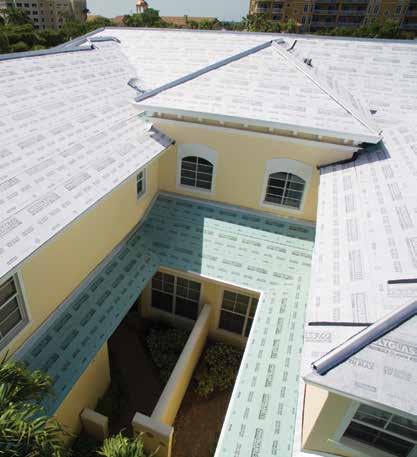
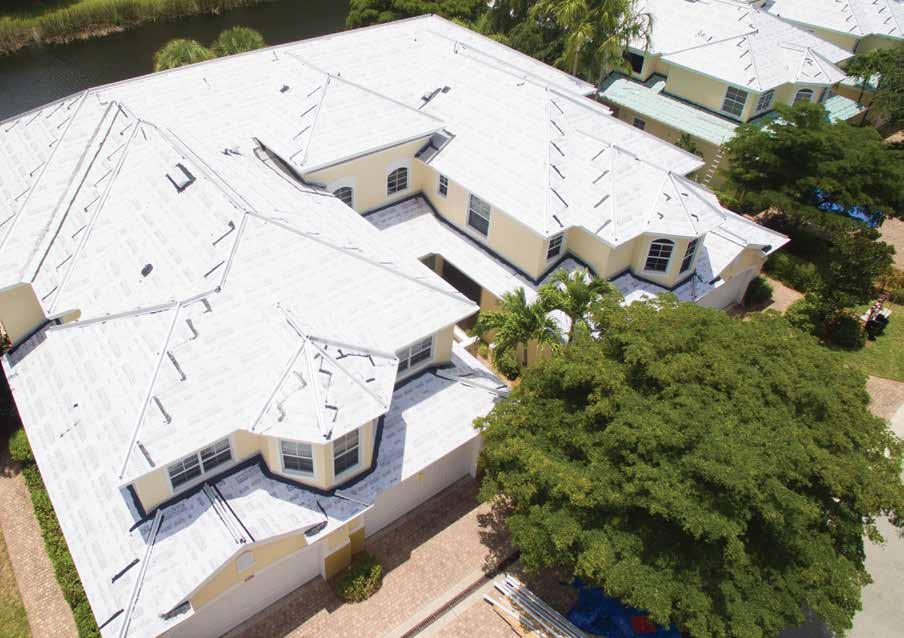
Down on Your Protection! Offer homeowners the assurance of long-term waterproofing with exposure ratings available up to 365 days when using Polystick ® self-adhered roof underlayments in a 2-ply system.
Stay Connected
SAVE TIME WITH EVERY ORDER
Beacon PRO+ connects with your local Beacon branch enabling you to order all your building materials online.
Beacon PRO+ connects with your local
Beacon branch enabling you to order all your building
24/7 online access to your account
Place and track orders
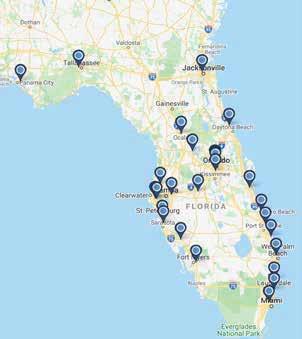
Jacksonville, FL 32209 (904) 503-9400
Jacksonville, FL 32209 (904) 503-9400
Tallahassee, FL 32304 (850) 574-7600
Tallahassee, FL 32304 (850) 574-7600
Odessa, FL 33556 (813) 749-5354
Odessa, FL 33556 (813) 749-5354
Orlando, FL 32804 (407) 291-7244
Orlando, FL 32804 (407) 291-7244
Tampa, FL 33619 (813) 740-8790
Tampa, FL 33619 (813) 740-8790
Fort Myers, FL 33916 (239) 935-5077
Fort Myers, FL 33916 (239) 935-5077
Deerfield Beach, FL 33442 (954) 969-8000
Deerfield Beach, FL 33442 (954) 969-8000
Miami, FL 33142 (305) 635-7177
Miami, FL 33142 (305) 635-7177
Orlando, FL 32809 (407) 367-6246
Orlando, FL 32809 (407) 367-6246
Go to BECN.com to sign up or download the app.
Go to BECN.com to sign up or download the app.
Ocala, FL 34474 (352) 622-3933
Ocala, FL 34474 (352) 622-3933
Melbourne, FL 32904 (321) 369-7892
Melbourne, FL 32904 (321) 369-7892
Ormond Beach, FL 32174 (386) 301-4471
Ormond Beach, FL 32174 (386) 301-4471
Palmetto, FL 34221 (941) 722-6800
Palmetto, FL 34221 (941) 722-6800
Leesburg, FL 34748 (352) 818-6120
Leesburg, FL 34748 (352) 818-6120
Orlando, FL 32804 (407) 859-9997
Orlando, FL 32804 (407) 859-9997
Winter Haven, FL 33880 (863) 293-1555
Winter Haven, FL 33880 (863) 293-1555
St. Petersburg, FL 33716 (727) 565-4630
St. Petersburg, FL 33716 (727) 565-4630
Sarasota, FL 34243 (941) 203-6320
Sarasota, FL 34243 (941) 203-6320
Fort Pierce, FL 34982 (772) 466-3461
Fort Pierce, FL 34982 (772) 466-3461
Stuart, FL 34997 (772) 223-8881
Stuart, FL 34997 (772) 223-8881
Vero Beach, FL 32960 (772) 778-0549
Vero Beach, FL 32960 (772) 778-0549
Orlando, FL 32810 (321) 442-0061
Orlando, FL 32810 (321) 442-0061
Fort Lauderdale, FL 33315 (954) 525-1158
Fort Lauderdale, FL 33315 (954) 525-1158
Riviera Beach, FL 33407 (561) 863-9899
Riviera Beach, FL 33407 (561) 863-9899
Clearwater, FL 33762 (727) 573-6075
Clearwater, FL 33762 (727) 573-6075
Panama City, FL 32401 (850) 763-0851
Panama City, FL 32401 (850) 763-0851
North Port, FL 34289 NOW OPEN!!!
North Port, FL 34289 NOW OPEN!!!
TIME WITH EVERY
SAVE
ORDER
materials online.
24/7 online access to your account Place and track orders
