 ROMINA BROGLIA
ARCHITECTURAL DESIGN
PORTFOLIO
ROMINA BROGLIA
ARCHITECTURAL DESIGN
PORTFOLIO
EDUCATION
Temple University, Tyler School of Art & Architecture
M. Arch
NOMAS member
AIAS member
James Madison University
BFA Architectural Design
NOMAS President
AIAS Treasurer
SKILLS
INDESIGN- PHOTOSHOP- REVIT- SKETCHUPILLUSTRATOR- RHINO- ARCGIS- VRAYPHOTOGRAPHY - SKETCHING- MODEL
WORK EXPRERIENCES
ARCHITECTRA, Intern
May 2022-August 2022
Residential project management through tasks such as conducting surveys of existing conditions and proficiently drafting in Revit.
2023-25
2019-23
MARIO BROGLIA GENERAL CONTRACTOR, Intern
December 2021- January 2022
Residential project management, client relation, and demolition.
GAINES GROUP ARCHITECTS, Intern BOHLIN CYWINSKI JACKSON, Shadow
November 2022- February 2023
Organized events between the firm and JMU NOMAS. Joined site visits and client calls.
PERSONAL SKILLS
March 2019- August 2019
Shadowed different architects, organized architectural library, and visited sites.
I take pride in my punctuality, ensuring tasks are always completed on time. My curiosity drives me to explore new ideas and perspectives, fueling my artistic endeavors. Being naturally organized allows me to manage multiple roles effortlessly, from serving as NOMAS president to AIAS treasurer. I excel in communication, fostering collaboration as a team member, evident in my role as a group exercise manager.
01.THE EDGE INTERVENTION
Spring 2024
ARCH 8013- Comprehensive Architecture Design Studio
Professor Mauricio Bertet
Collaborator: Kathryn Nocella
Current studio project
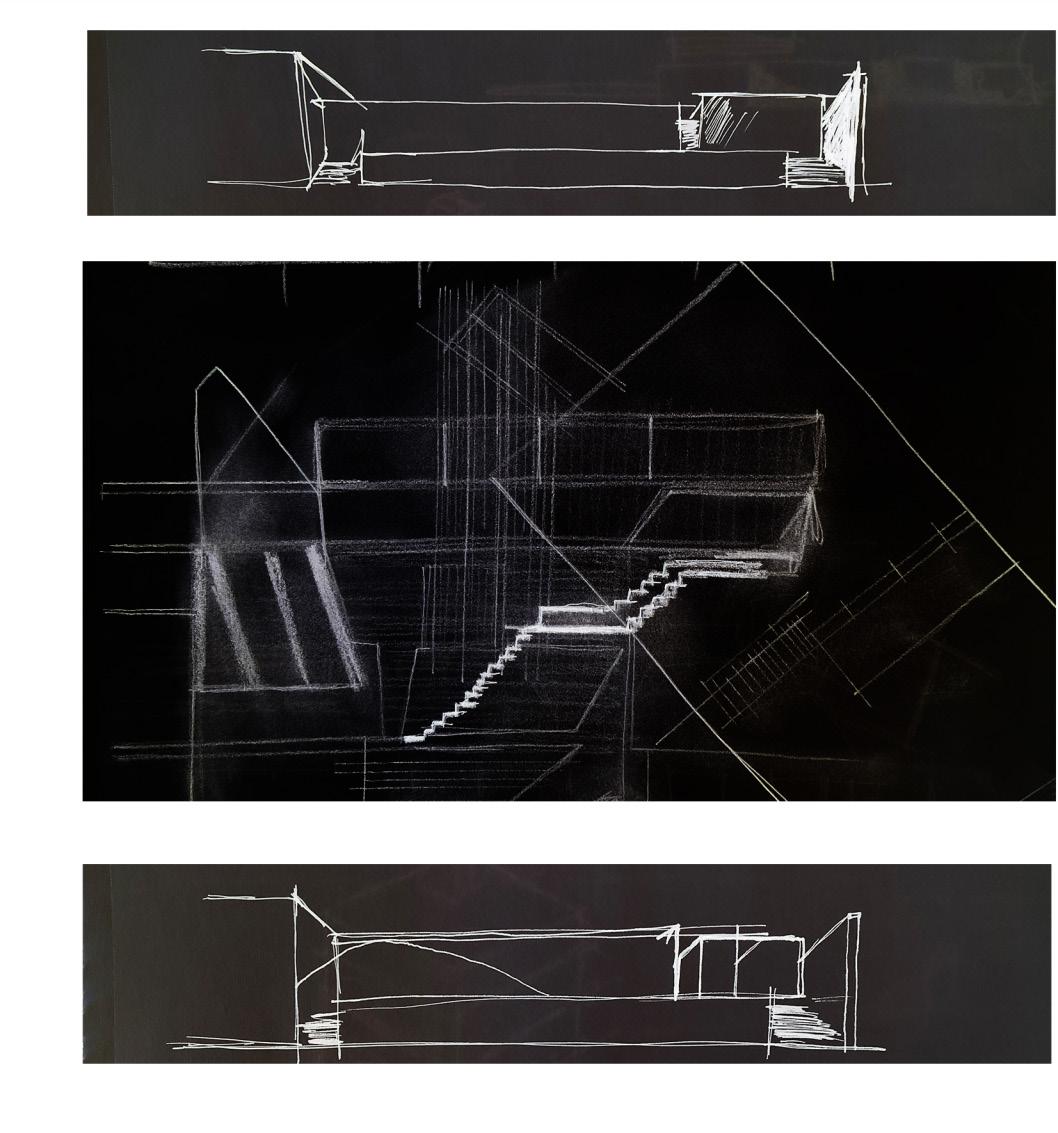
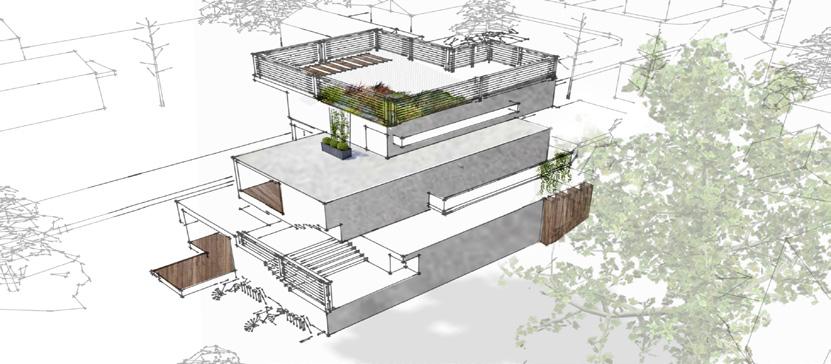
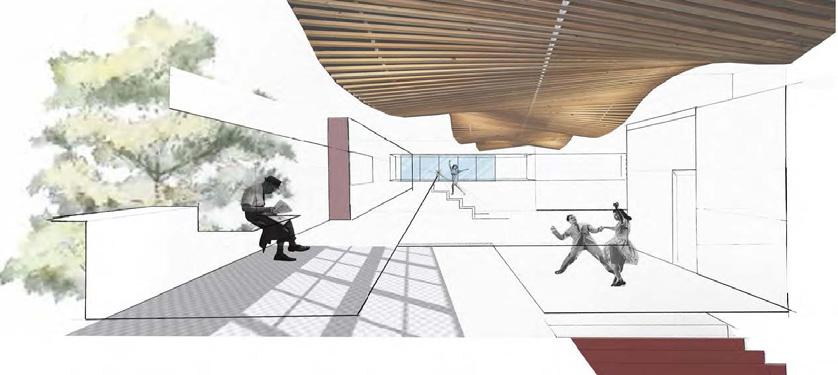
The semester project is based on a project that Temple University might consider for relocating the School of Music from Boyer Hall to a prominent location that would support public events facing Broad Street.
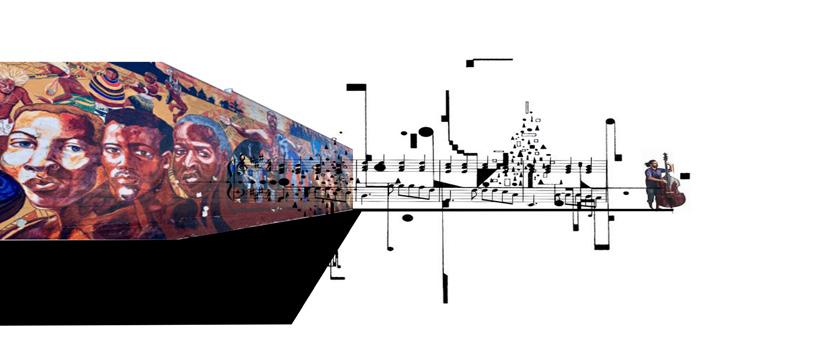
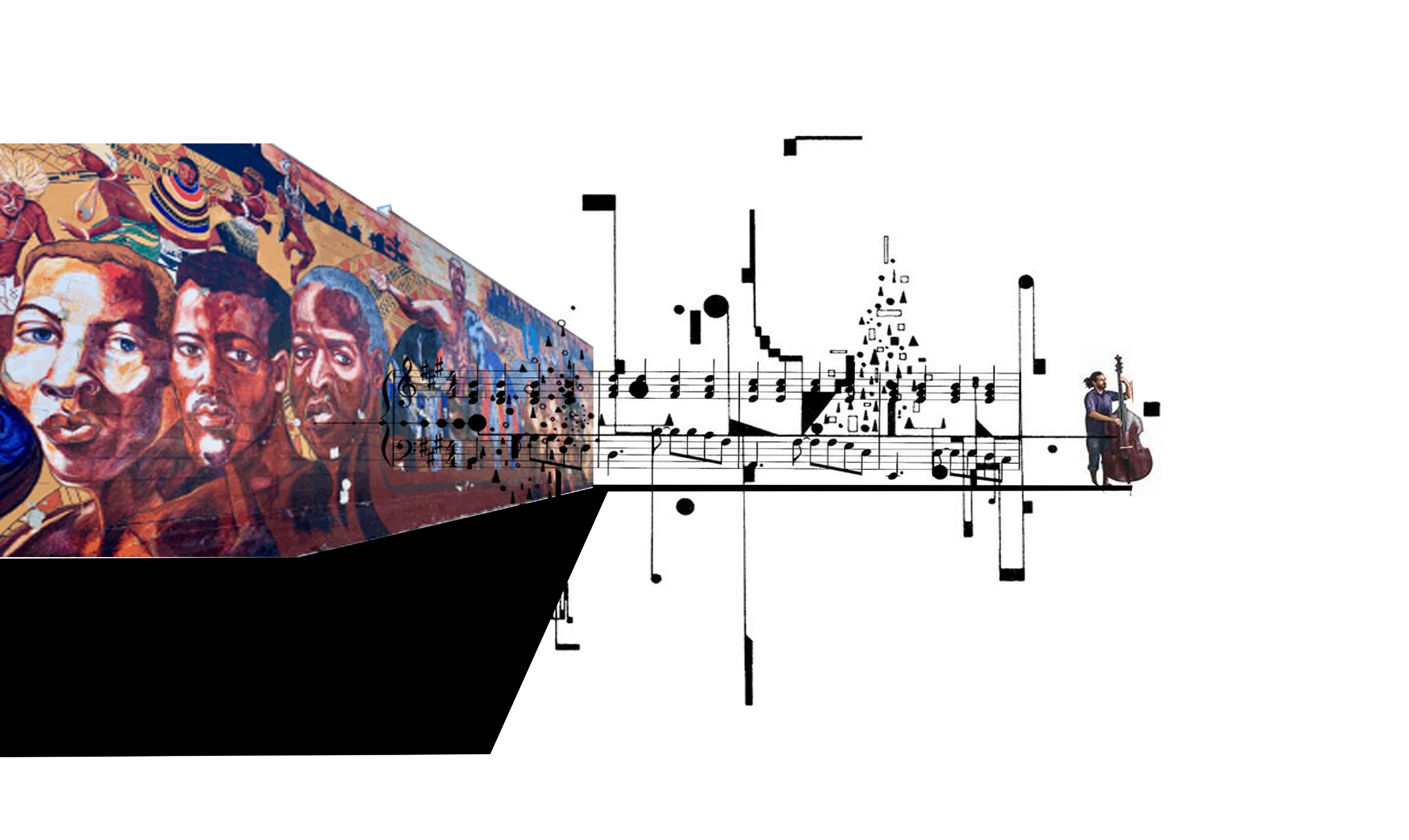 Showcasing the integration of North Philadelphia art and the Boyer School of Music and where the edge combines together.
COLLAGE
Showcasing the integration of North Philadelphia art and the Boyer School of Music and where the edge combines together.
COLLAGE
Top: Section Axonometric: Revit building overlayed with Photoshop materials
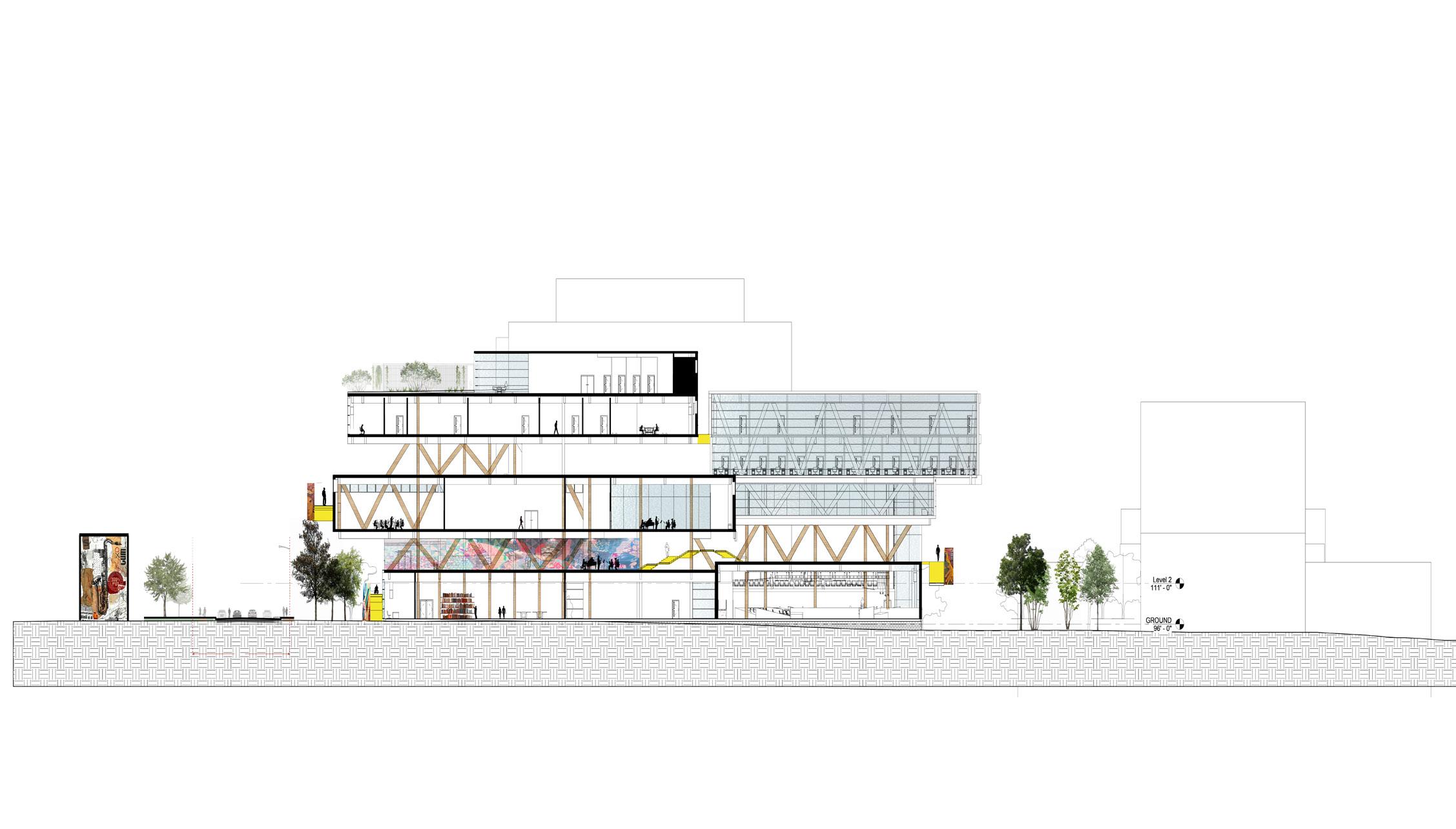
Bottom: Longitudinal Section showcasing community engagement
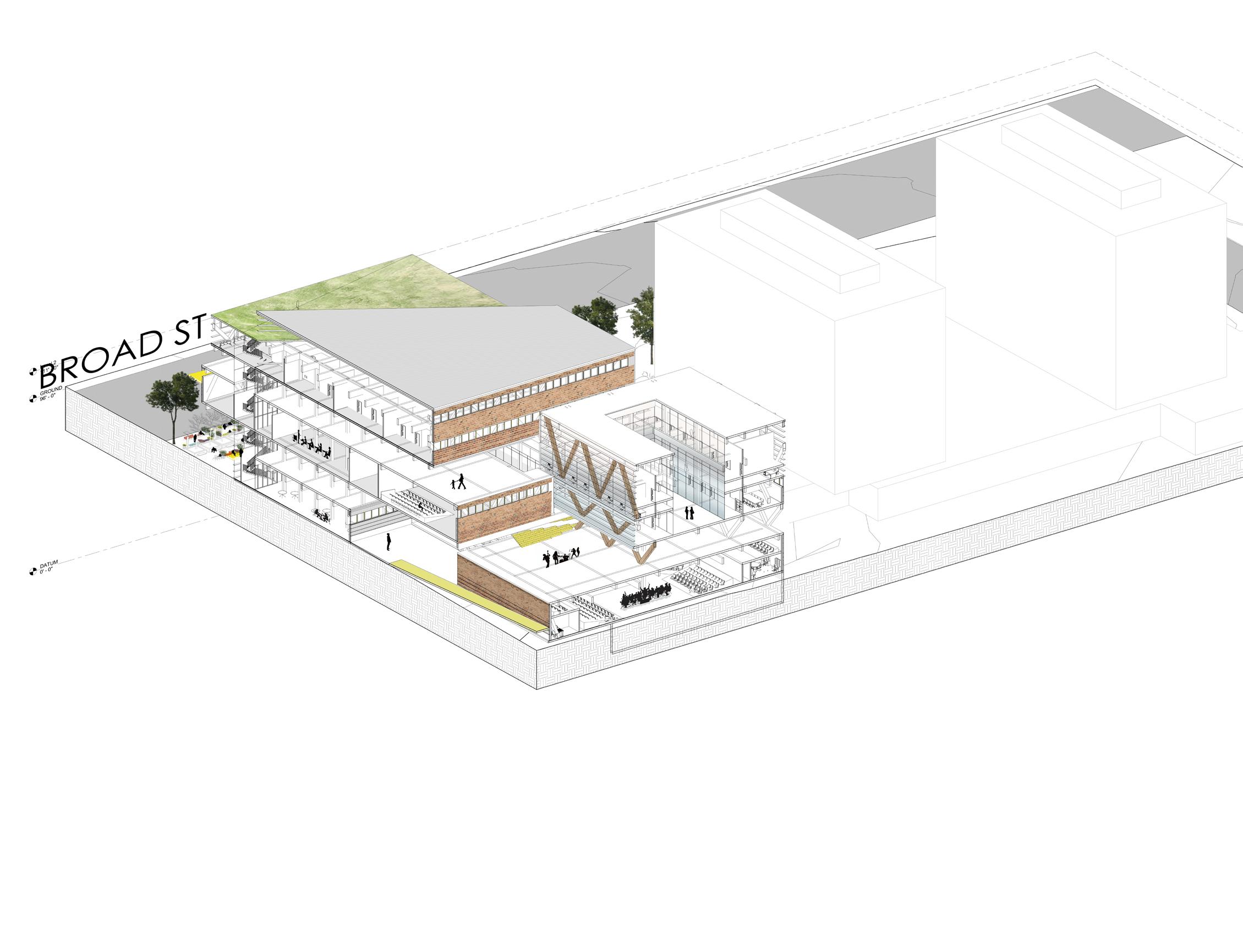
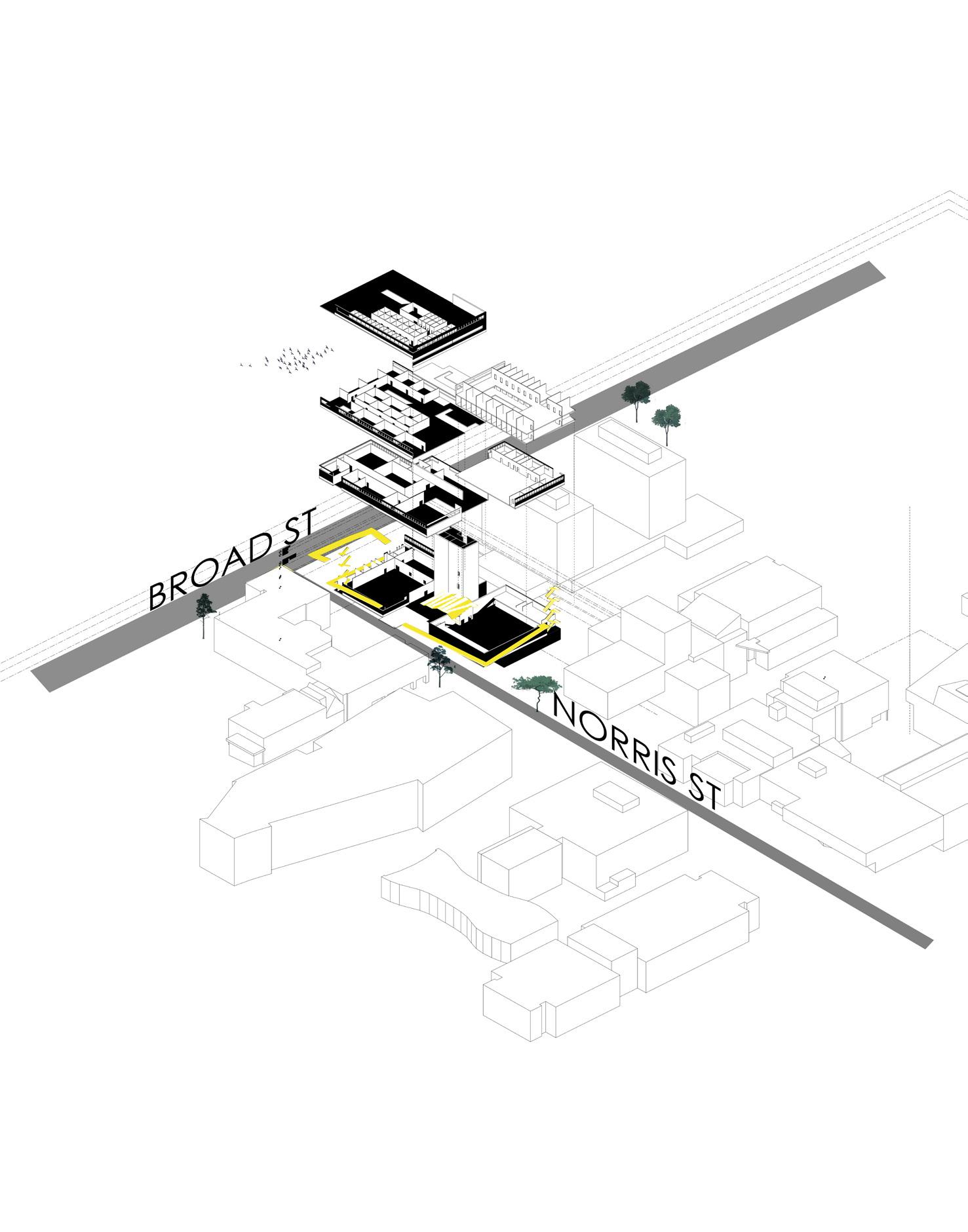
Top: Exploded Axonometric showing floor plans and circulation
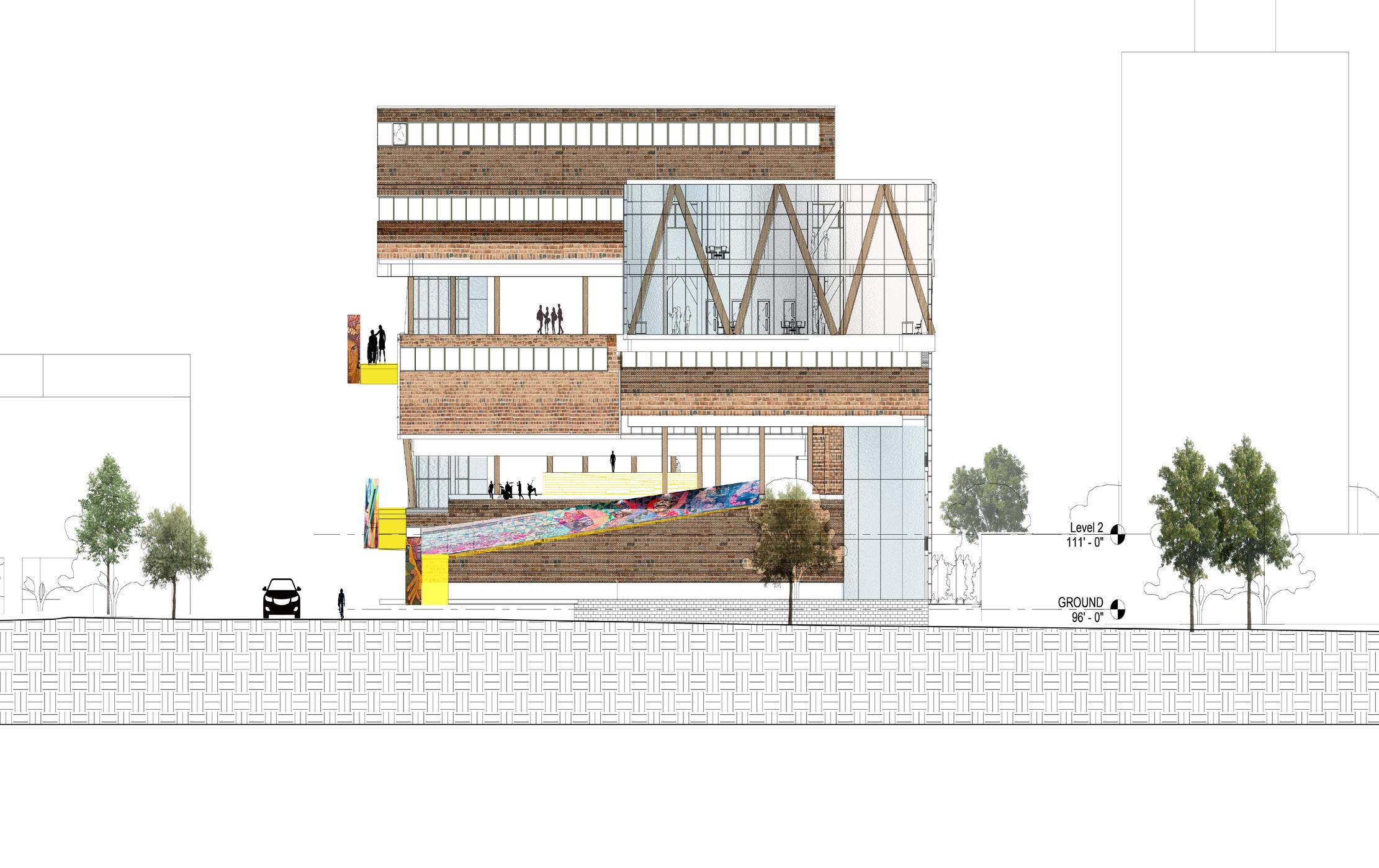
Bottom: Elevation 1/16” scale
Axonometric- Emphasis on circulation throughout building
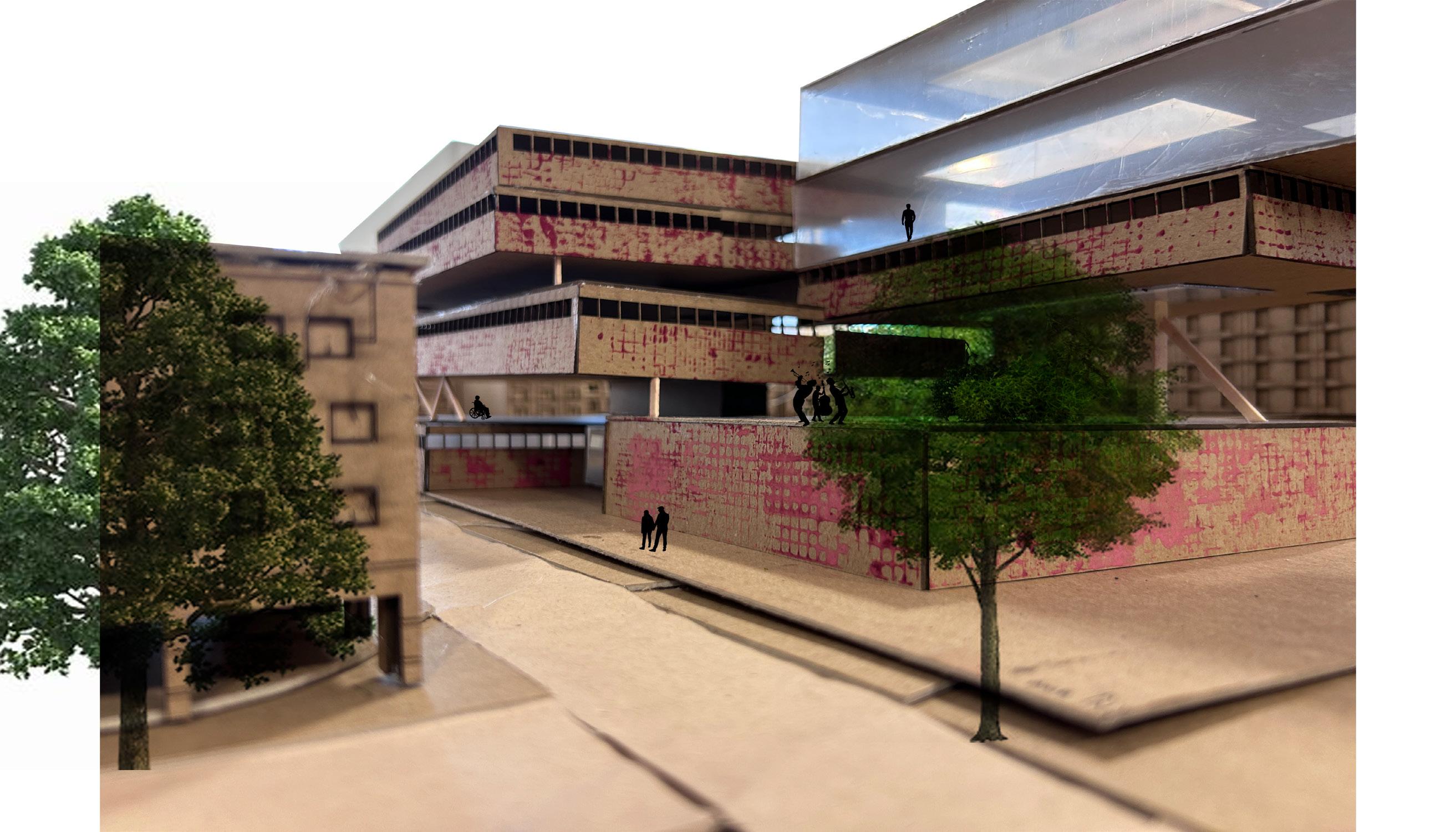
 Right- 1/16” scale physical model, textured paint brick pattern, plexiglass for curtain system, overlayed Photoshop people to show interaction with surrounding atmosphere.
Bottom- Enviromental analysis showing sustainability techniques proposed for the building, considering solar orientation, wind movement, interior gardens, rainwater collection, and ecological building materiality.
Right- 1/16” scale physical model, textured paint brick pattern, plexiglass for curtain system, overlayed Photoshop people to show interaction with surrounding atmosphere.
Bottom- Enviromental analysis showing sustainability techniques proposed for the building, considering solar orientation, wind movement, interior gardens, rainwater collection, and ecological building materiality.
02. SOLACE
Fall 2023
ARCH 8013- Advanced Arch Design Studio
Professor Eric Oskey and Na Wei Collaborators: Breana Haselbarth and Joseph Guido
Location: Shubenacadie, Nova Scotia
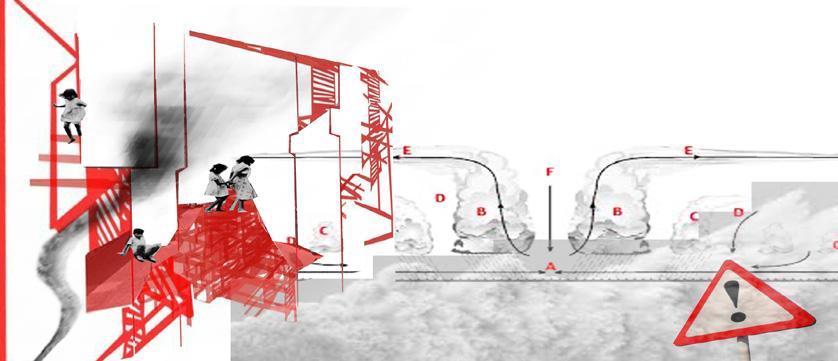
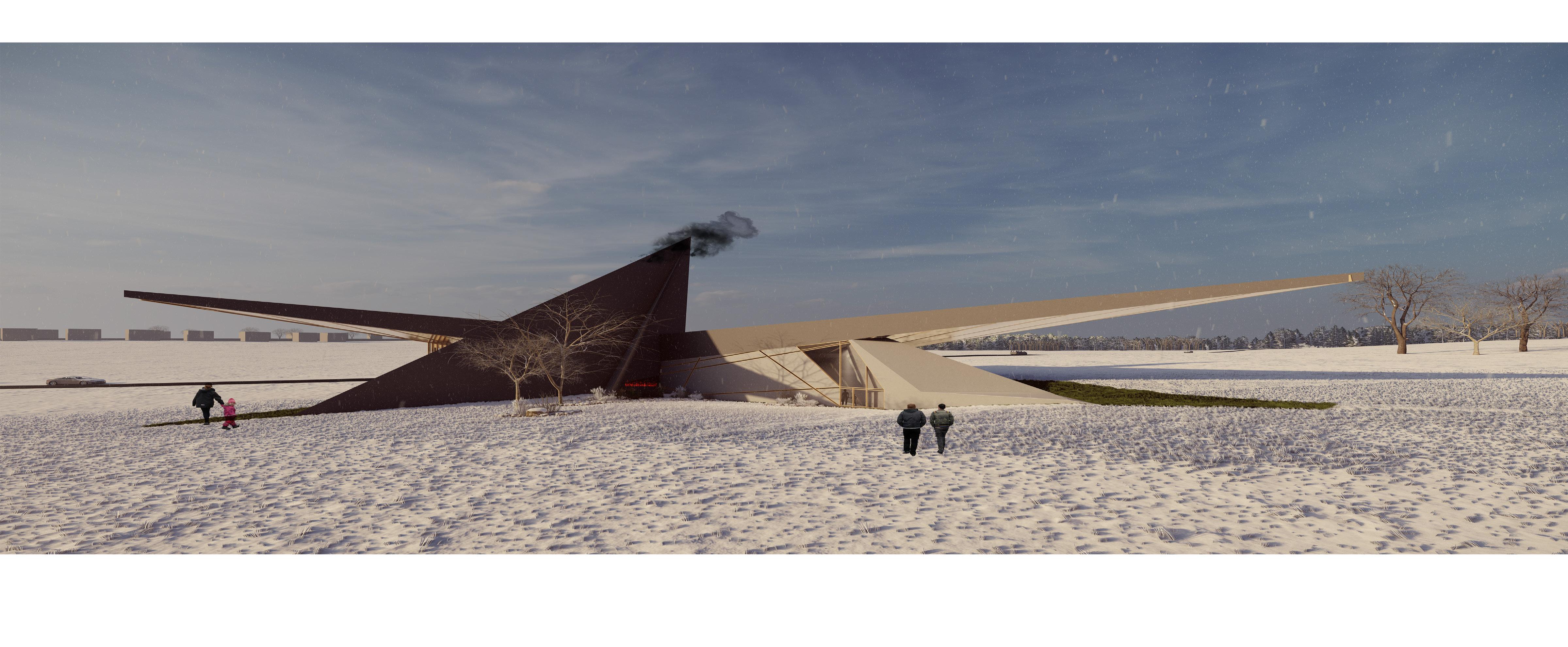
We’ve identified that fear is a two-sided problem for this community. The fear of fire and the fear of persecution. By providing opportunity for the prusuit of knowledge and truth, he comunity can find solace.
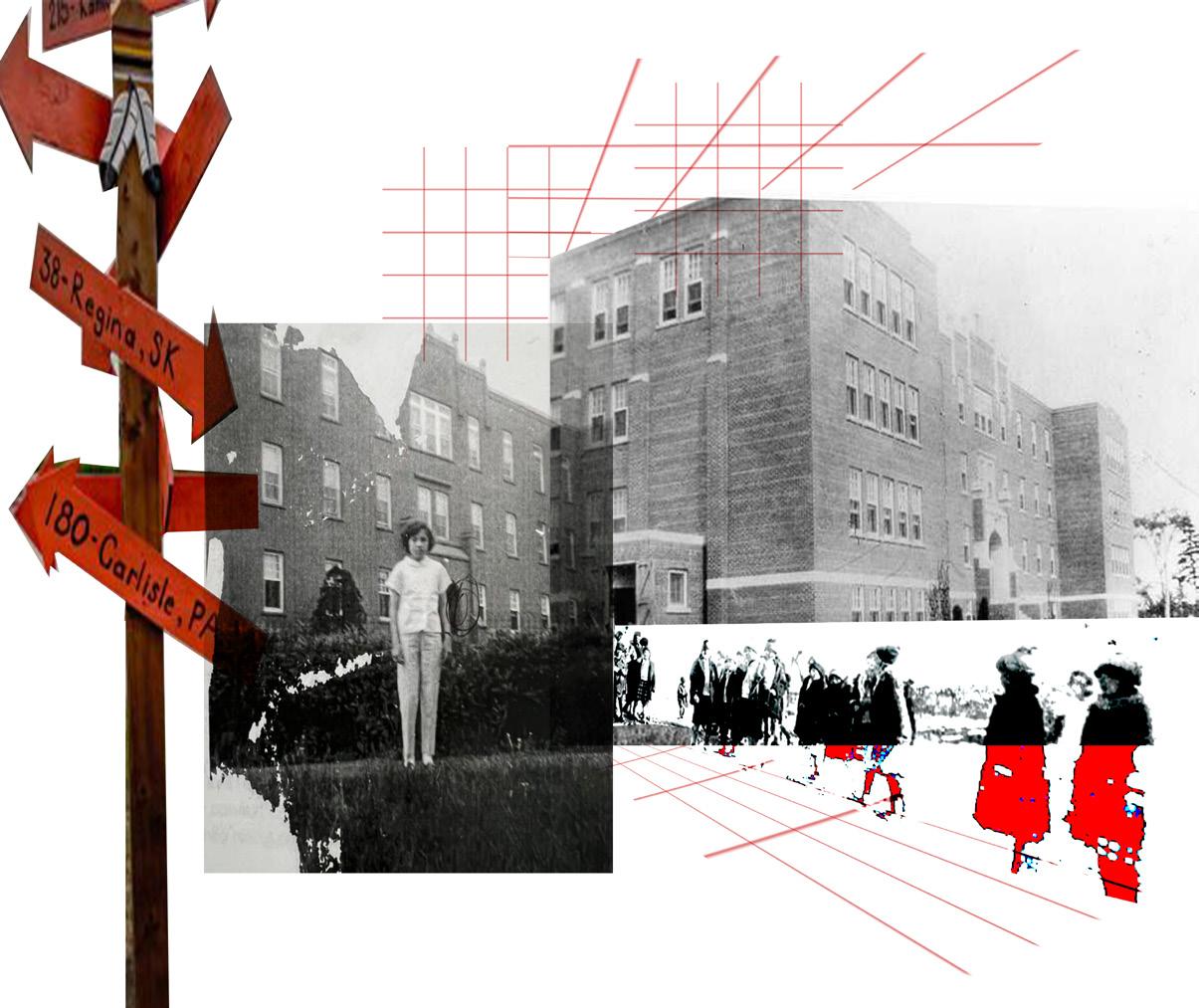
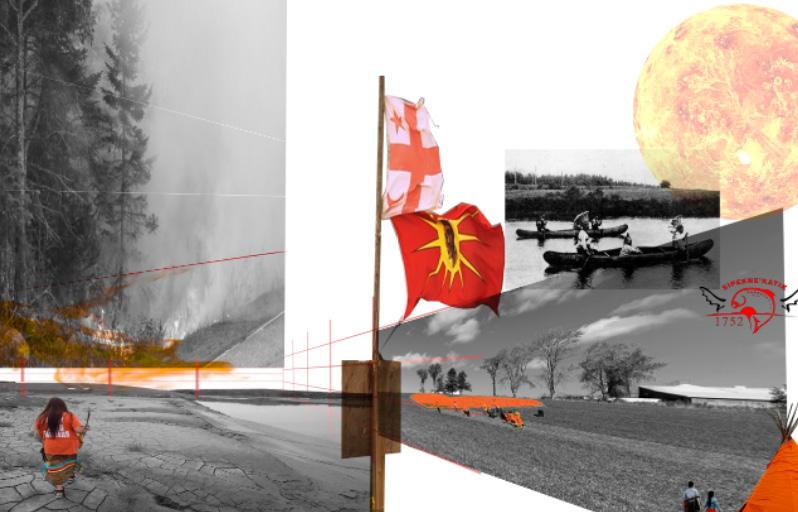
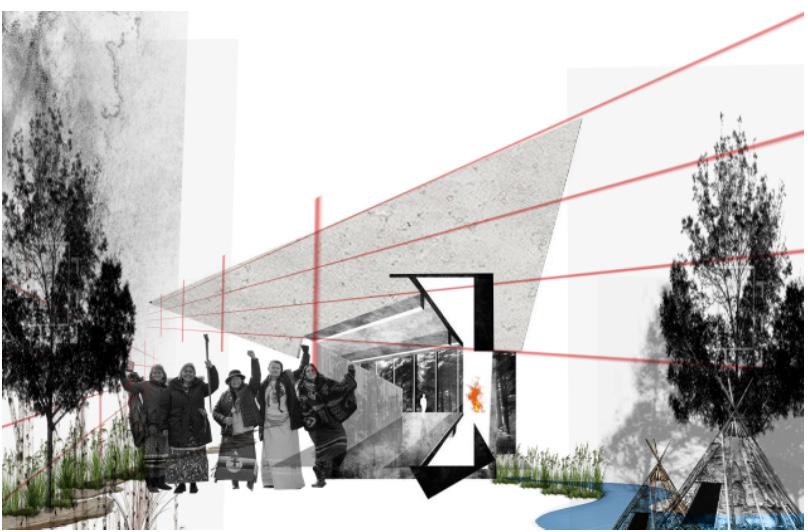
Digital collage to show the historical events on our site from past to present to future (our design) and how it would affect the Sipeknekatik tribe
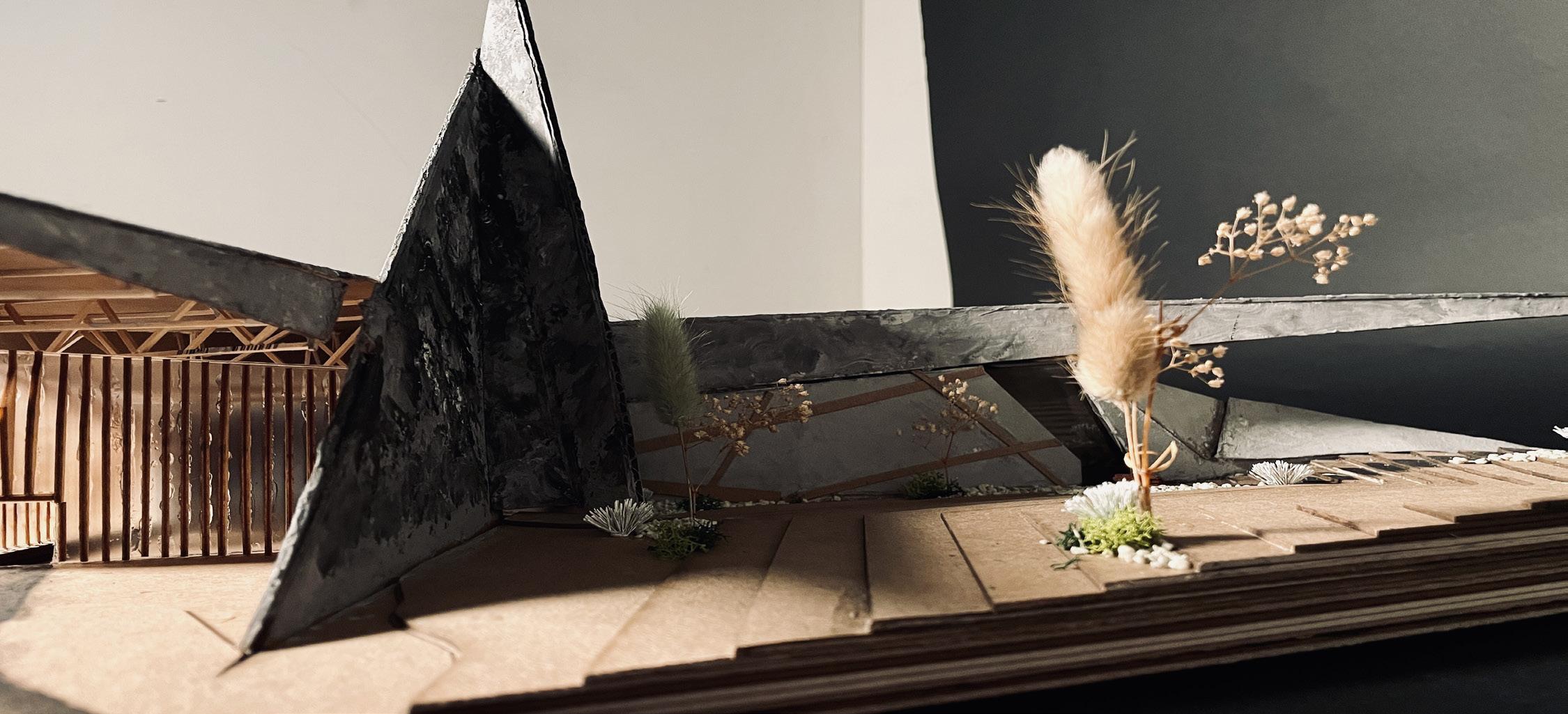
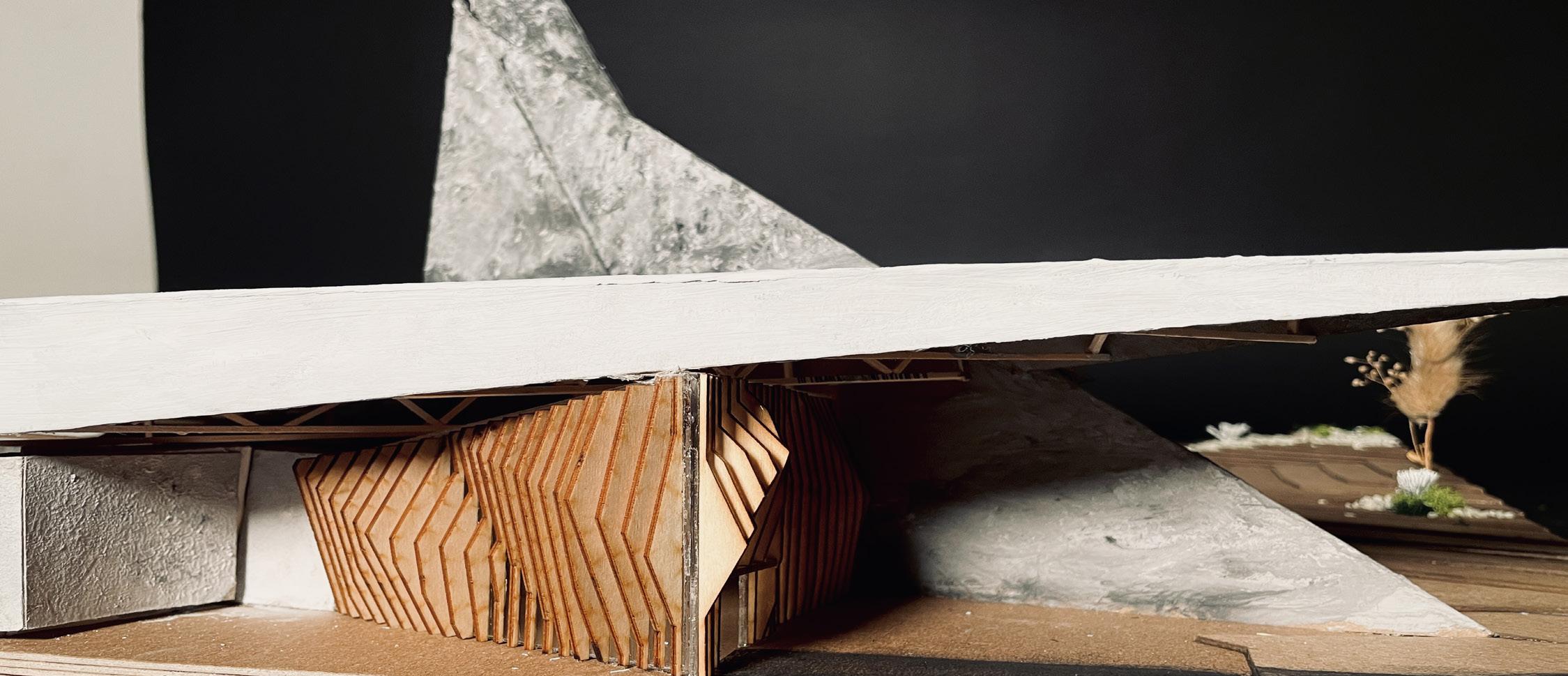
PHYSICAL MODEL
Laser cut chipboard for jagged wall facade; hand cut truss roof system; splattered acrylic paint to create concrete texture.
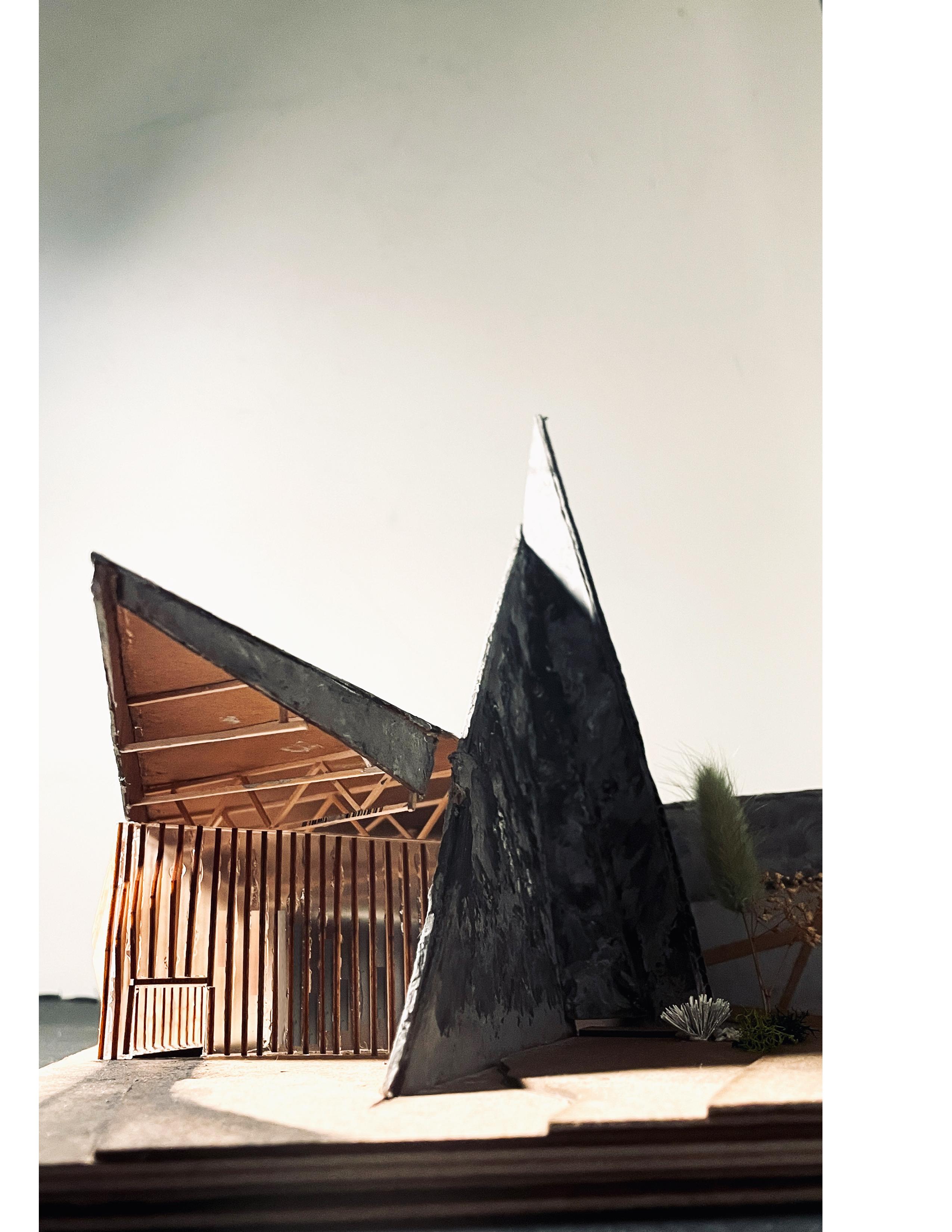
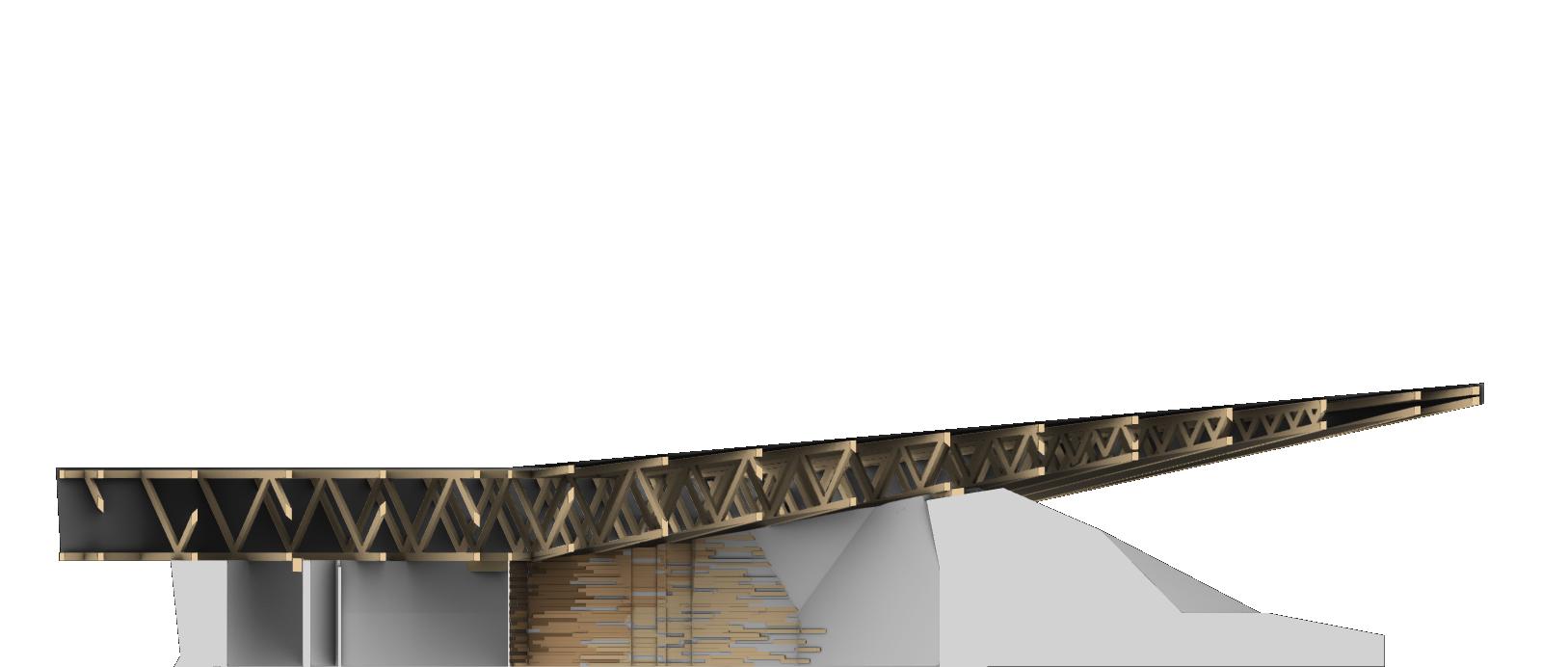
LONGITUDINAL SECTION
1/16” scale section cut to see roof assembly.
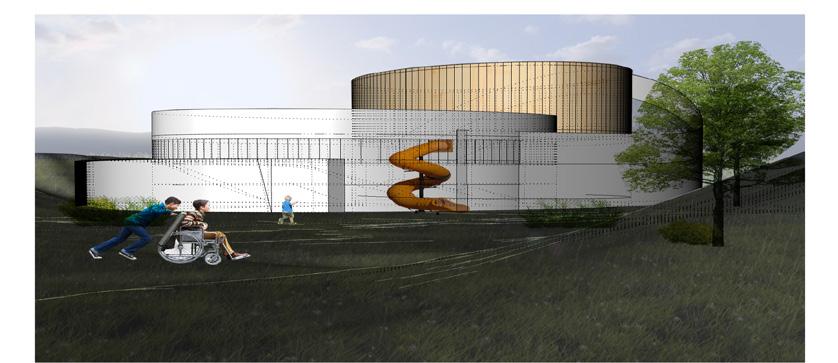
EXTERIOR RENDERING
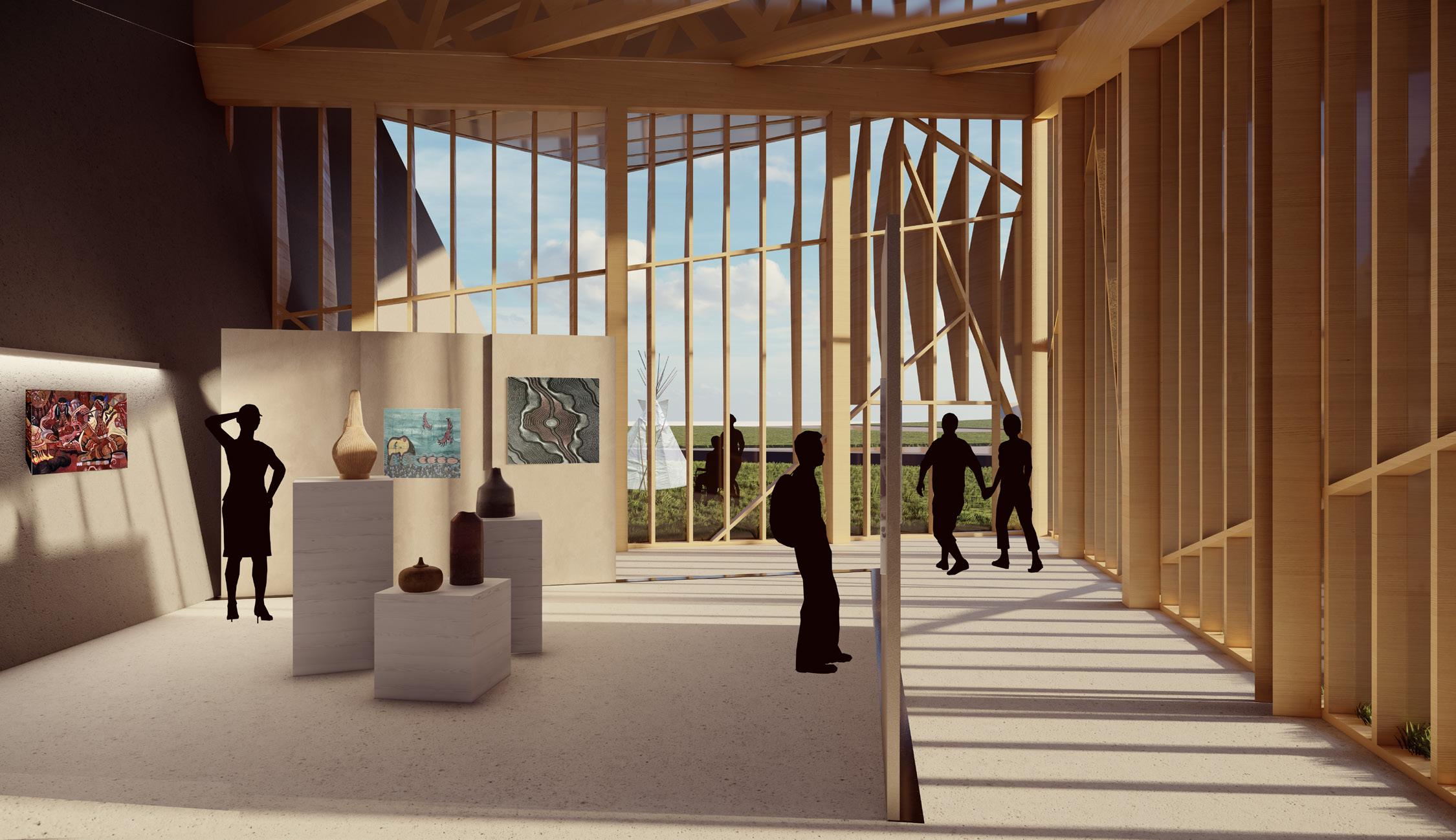
INTERIOR REDNERING
03. ANGEL’S GARDEN
Spring 2023
ARCD 402: Architect Design Studio VI
Professor Jori Erdman
Location: Whitewater, Colorado
Medicine is moving towards a preventive, personalized, and participative approach and I believe the architecture should also encapsulate that approach. The design of a pediatric oncology facility can significantly impact the physical and emotional well-being of children with cancer diagnoses. Architecture can play an important role in improving the quality of life for these children and their families by incorporating elements that support their physical and emotional needs. Architecture can play an important role in supporting the well-being of children with cancer diagnoses. Architecture has the capability to assure that the space around these kids is protective, interactive, secure, and hopeful so they can feel at peace through the emotional turmoil that cancer causes. Architecture can influence the mental state of a child and their family fighting cancer through its inviting spaces, embracement of nature, sensorial experiences, and comfortable interactions.
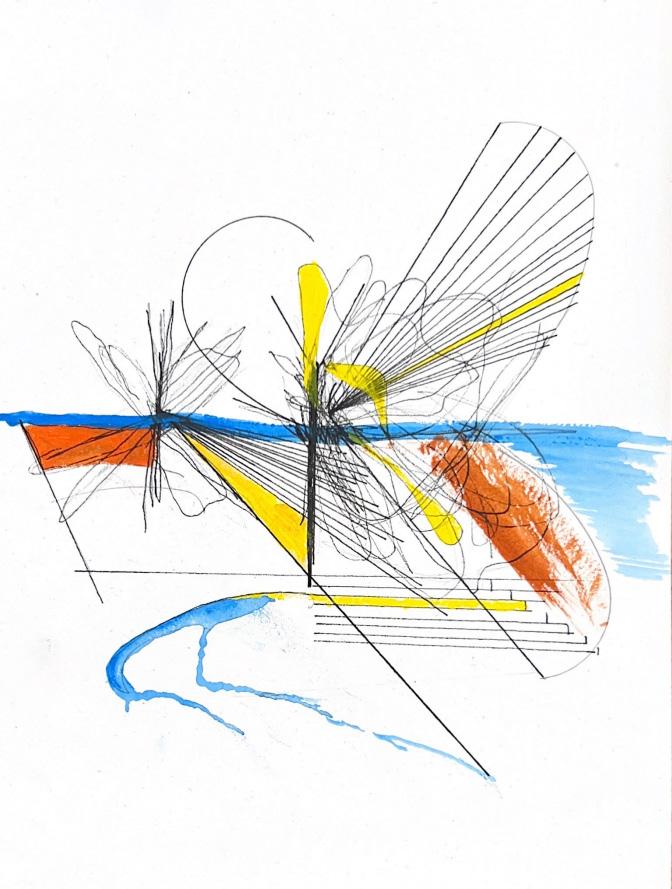
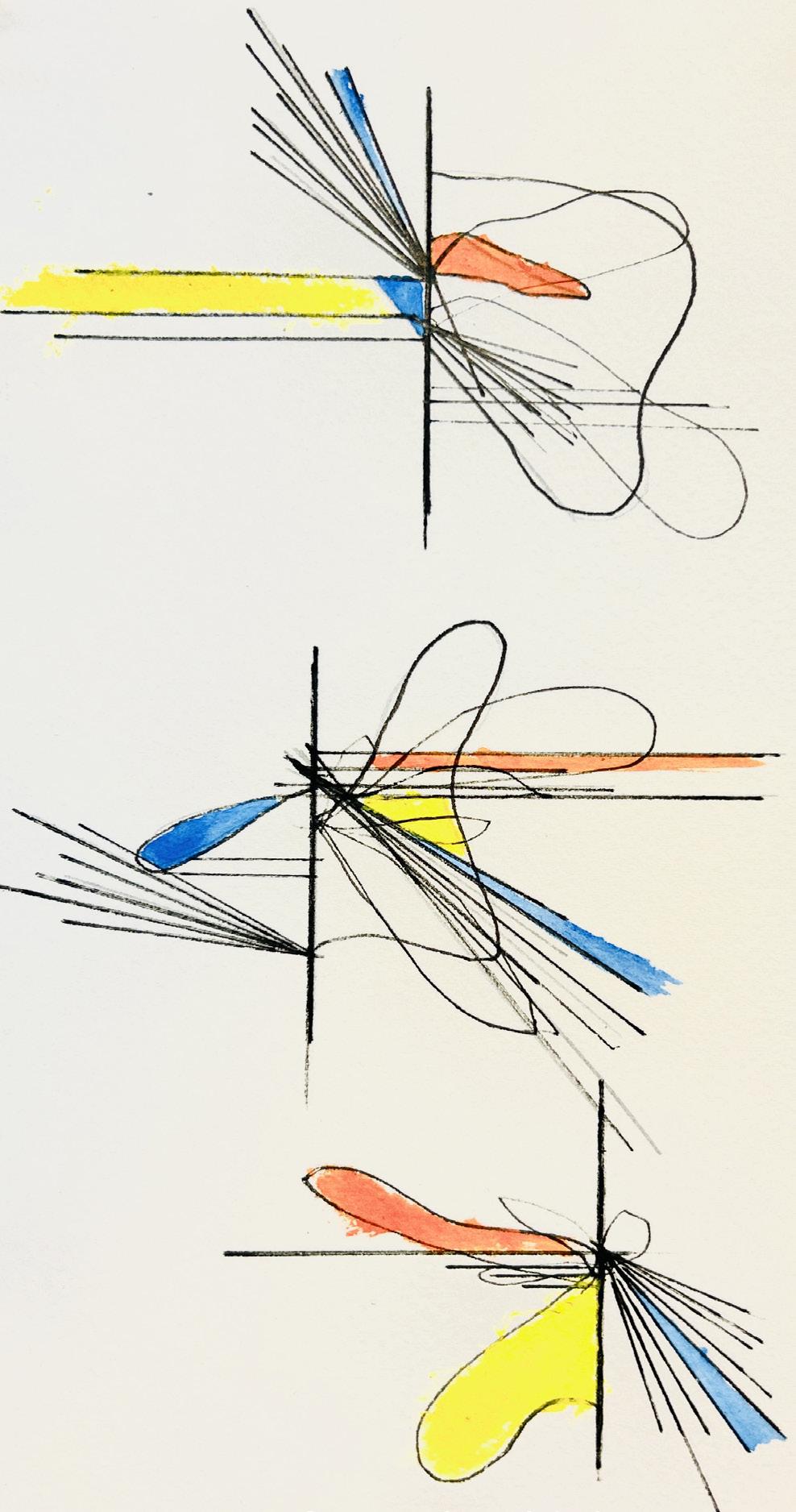
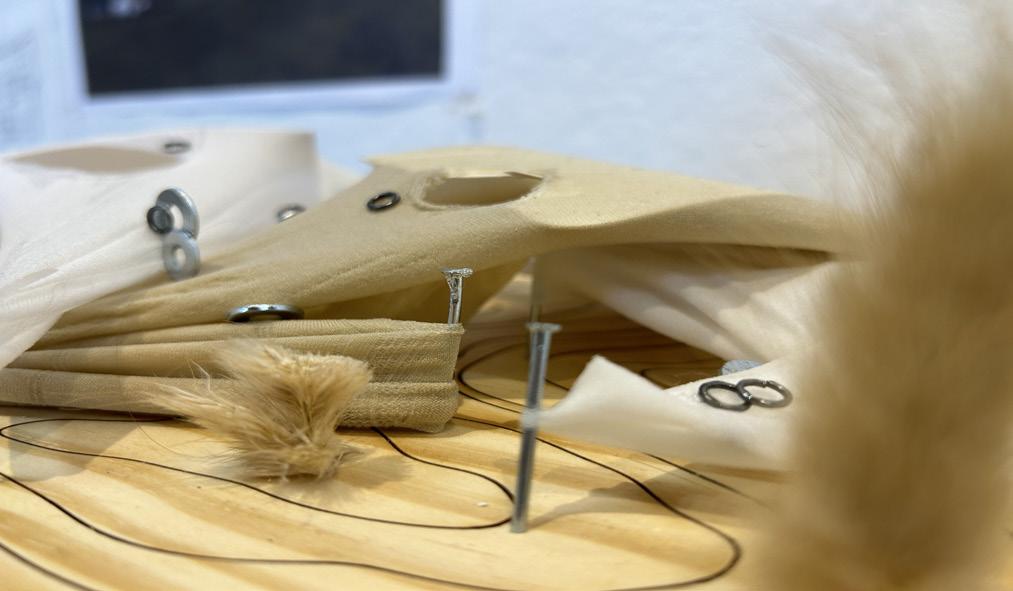
Due to the site, the design is based on the surrounding landscape, using local materiality, biomorphic shapes, and natural forms. I used the natural landscape to derive upwards into a triangular form that invites the local flora/fauna into the interior spaces. Different heights on the exterior allow through the movement of the wind to traverse through the space, larger openings allow for natural light to enter into social spaces, and interior courtyards with sunroofs allow full integration of the surrounding environment. The scale expands beyond the main center and extends into long corridors that open into private sectors such as play areas, food areas, healing spaces, medical facilities, and private meditation areas. As a designer, they have the power to design the interior space to control the movement of the user, therefore I want to integrate longer corridors that open into larger areas of social interaction where all patients can communicate. The interior design of the space can push the intervention of a combination between western medicine and naturopathic medicine through open involvement/research of herbal medicine that connects to the exterior garden and could connect to the essential oils area to help heal various sensorial experiences.
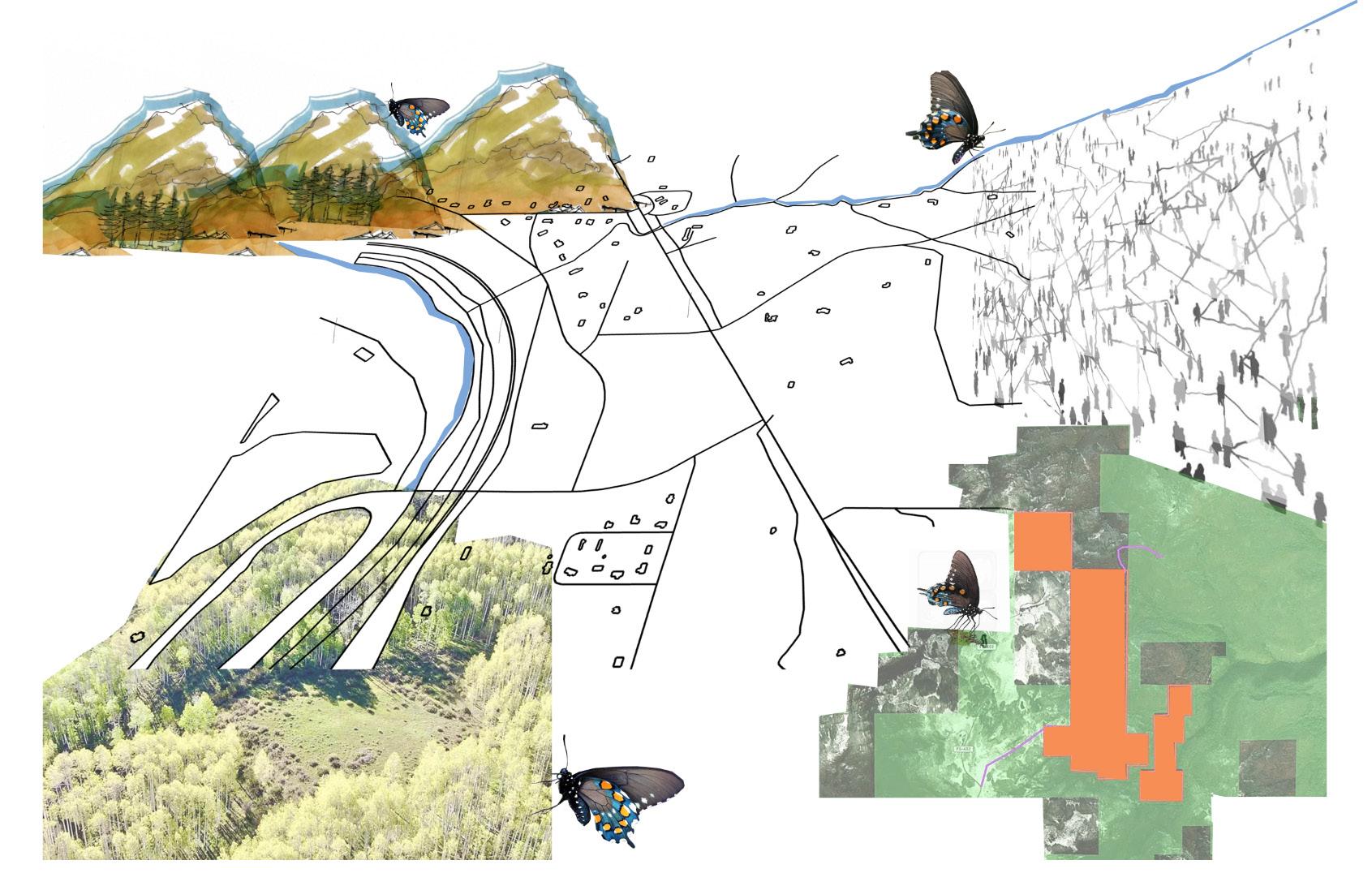 SITE COLLAGE
MODEL ITERATIONS
SITE ANALYSIS
SITE COLLAGE
MODEL ITERATIONS
SITE ANALYSIS
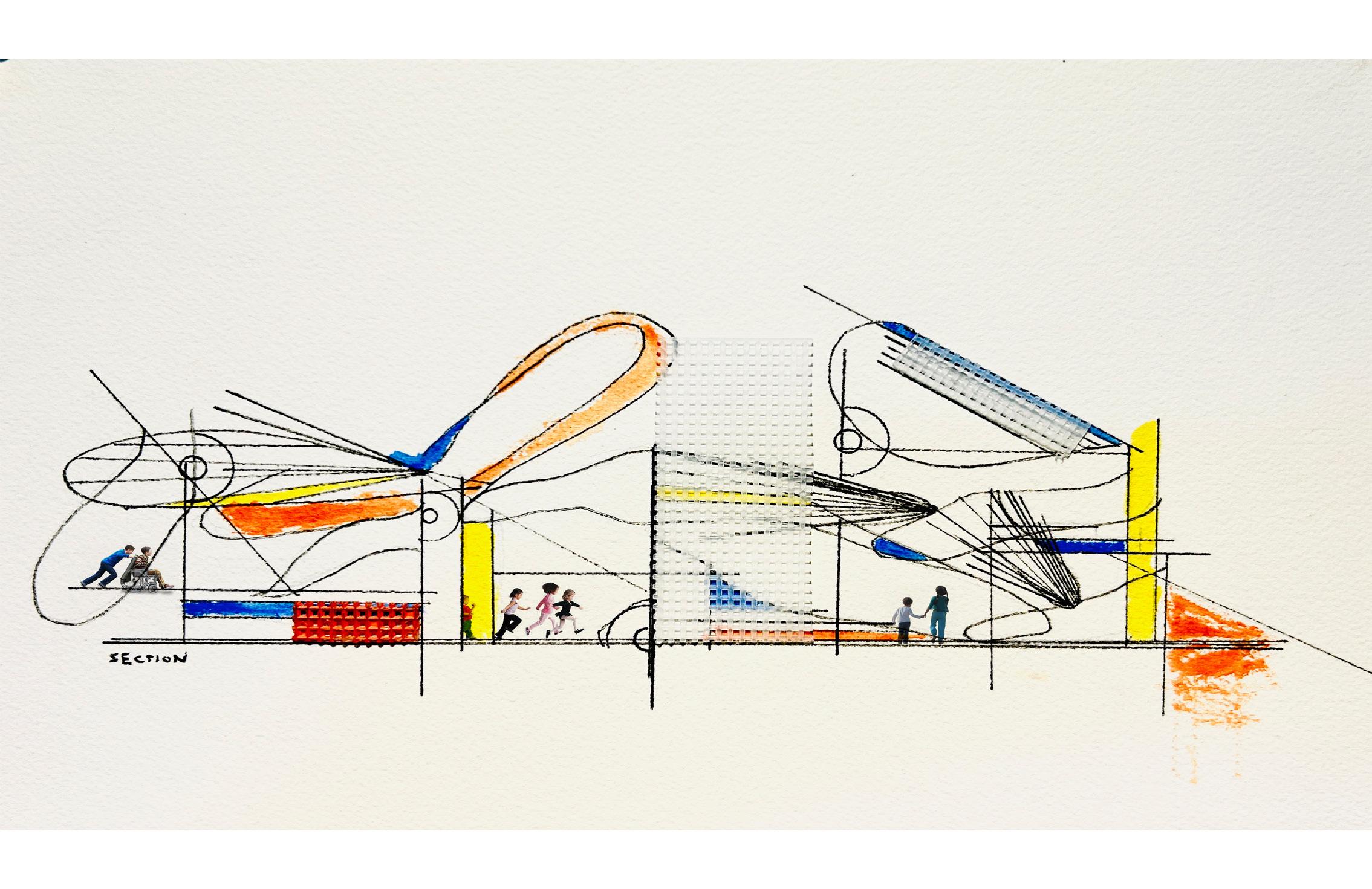
HAND DRAWINGS
Top: Section 1/16” scale
Bottom: Interior perspective drawings
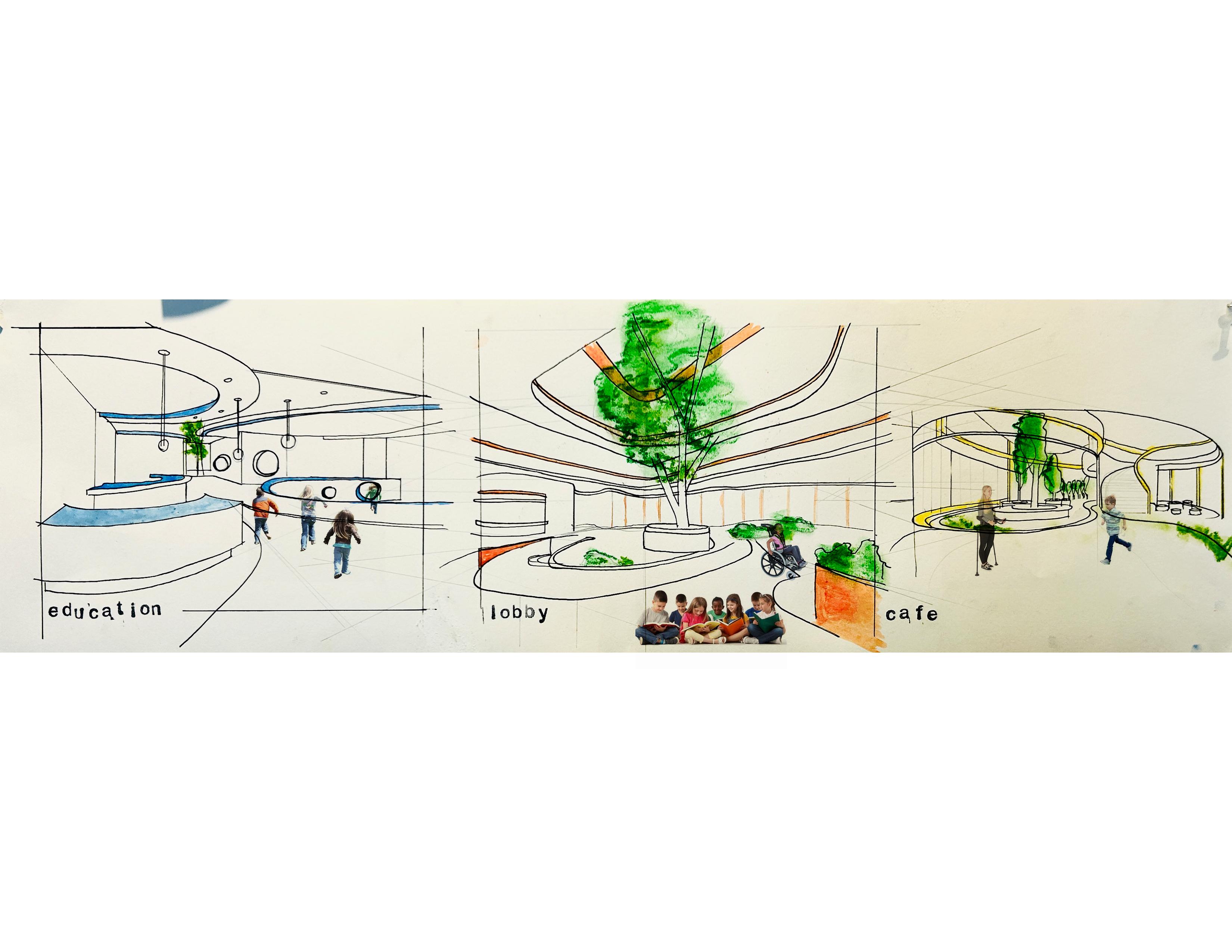
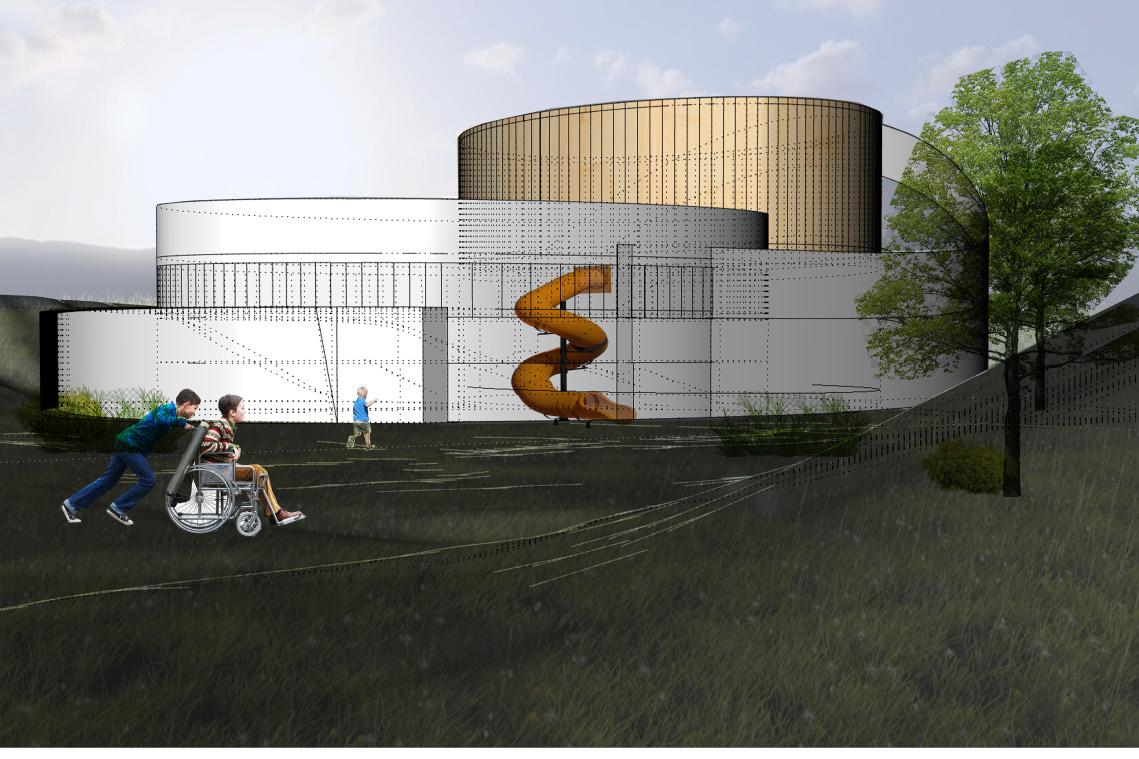
Used google earth, rhino, and photoshop to showcase the external experience that a patient may engage when entering into the holistic space.





EXTERIOR RENDERING MODEL
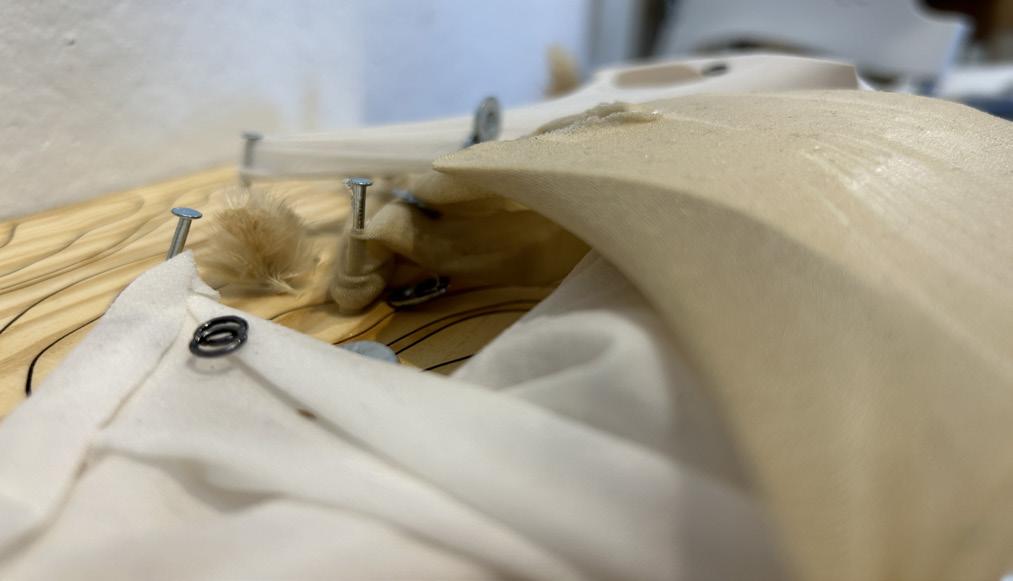
Laser cut balsa wood and floated topography by hand. Used strecthed fabric to create the bridges/ walking paths.
04. FRIENDLY CITY EXPANSION
Spring 2022
ARCD 302- Architect Design Studio IV
Professor Golnar Ahmadi
Location: Harrisonburg, Virginia
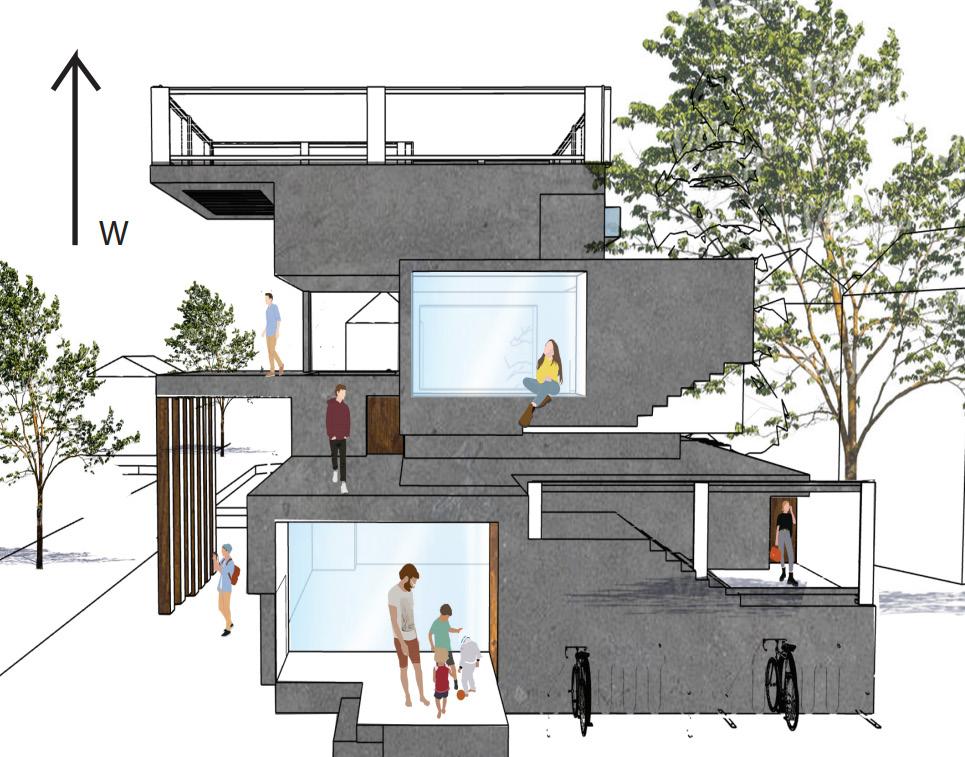
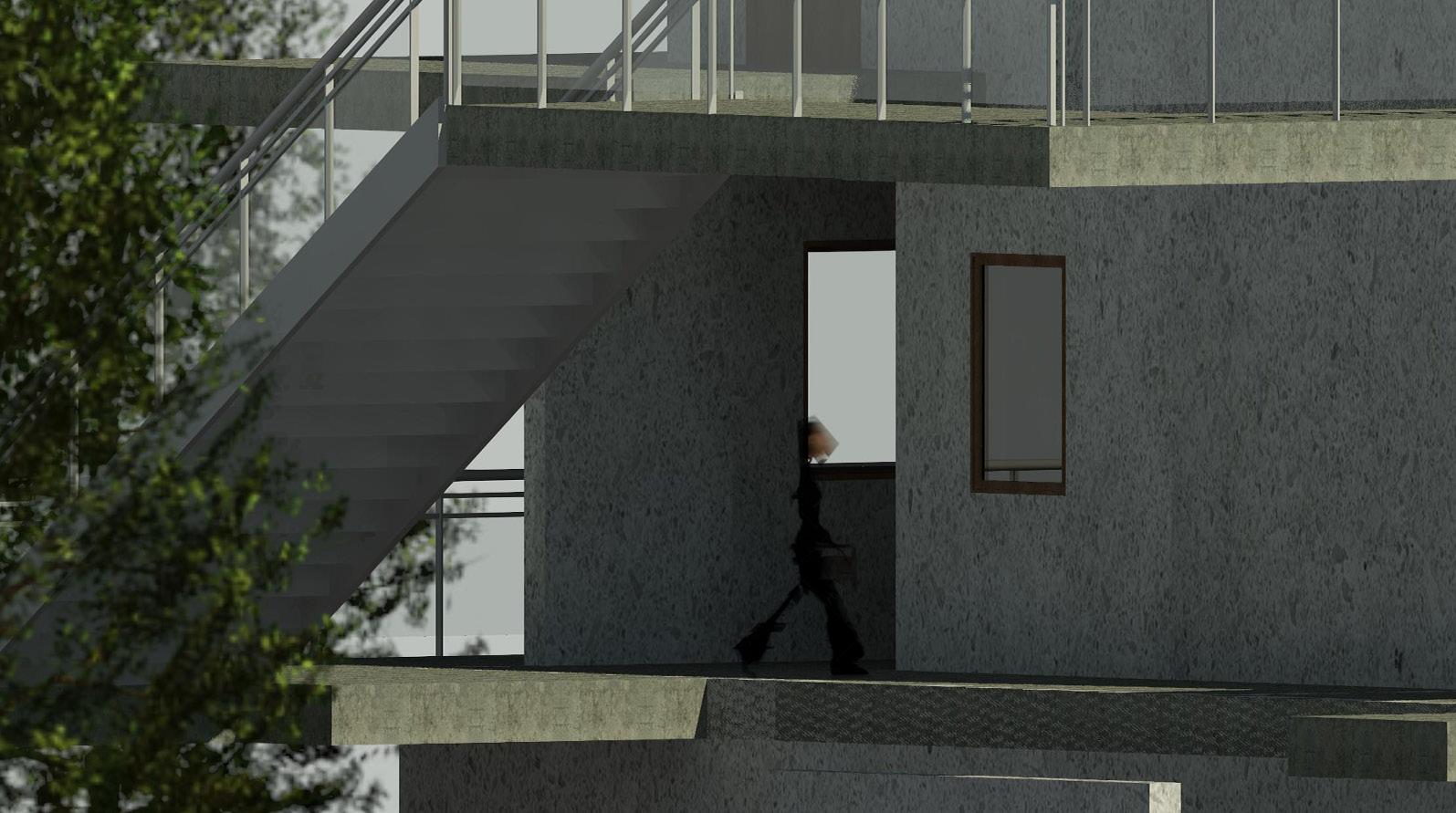
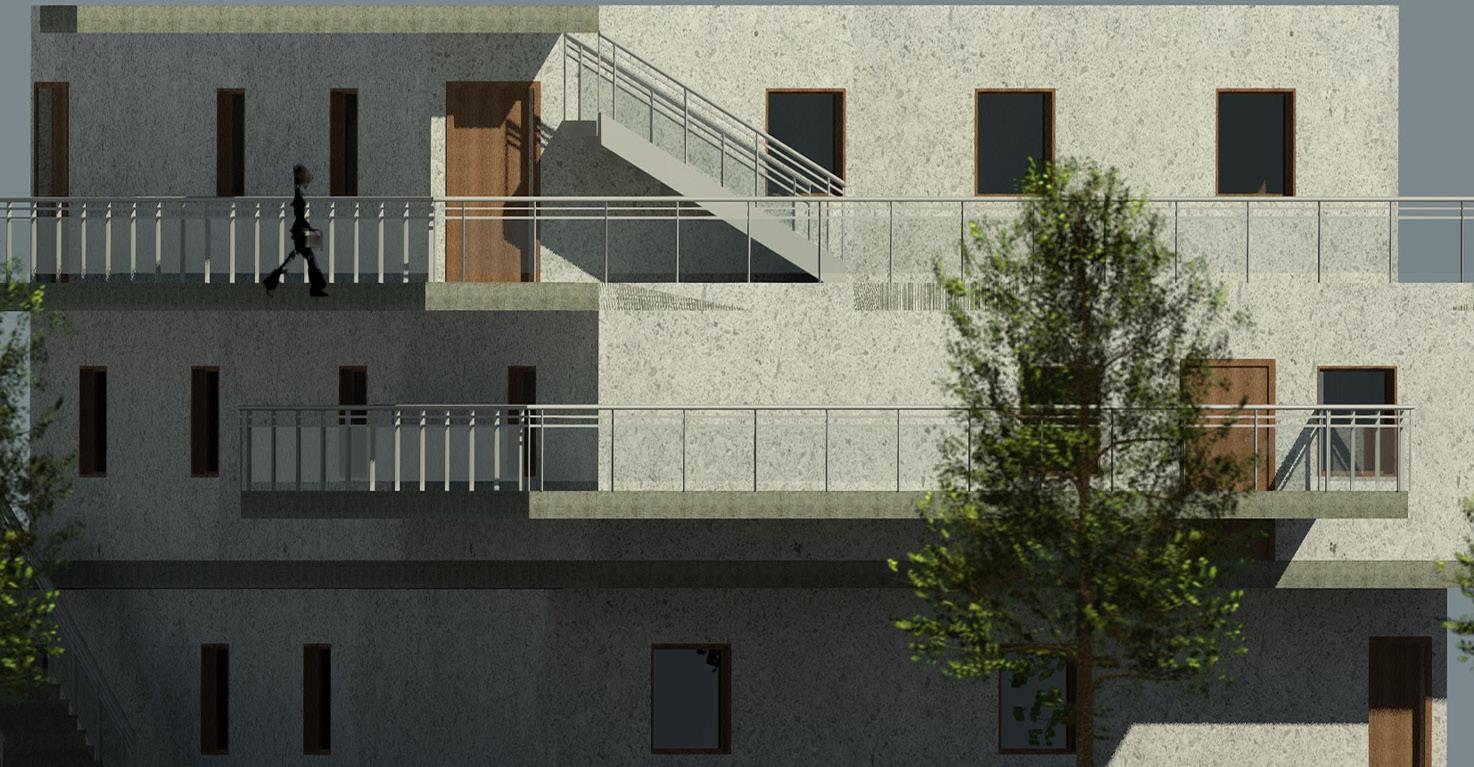
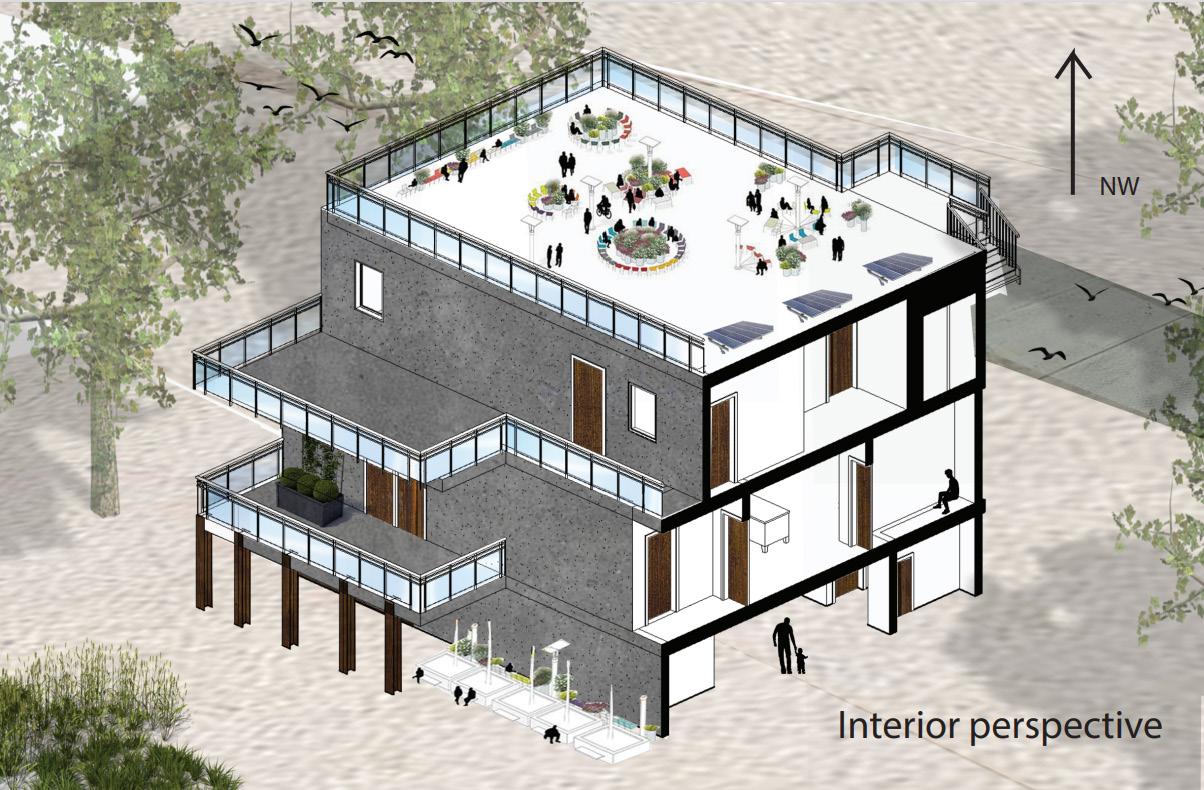
Climate Positive Concrete Housing - redefining multi-family affordable living while enriching community bonds. In crafting this project, I delved deep into the essence of Harrisonburg, fondly known as the “Friendly City”, and its diverse fabric. Thus, the Friendly City Expansion was born, addressing the need for affordable housing for minority low-income families. Inspired by Harrisonburg’s inclusivity, our design features intertwining exterior staircases, offering connectivity and privacy. Half-floors with exterior balconies encourage communal living, transcending traditional boundaries. Utilizing precast concrete and harnessing the region’s temperate climate, our design promotes sustainability. A public rooftop garden and permeable pavement pathways further enhance ecological harmony.
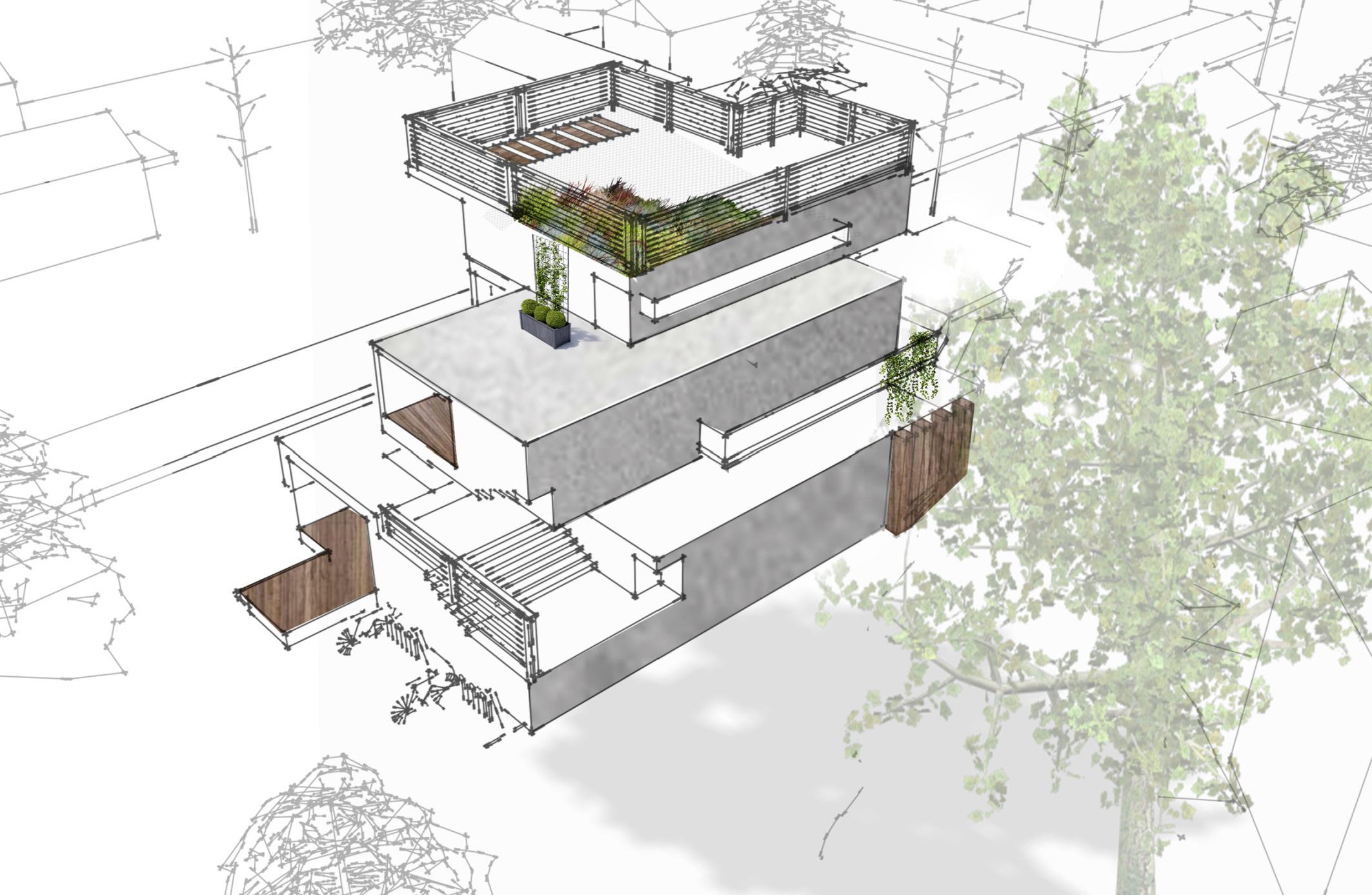
PERSPECTIVE
Aerial view perspective image combining hand drawings and digital techniques.
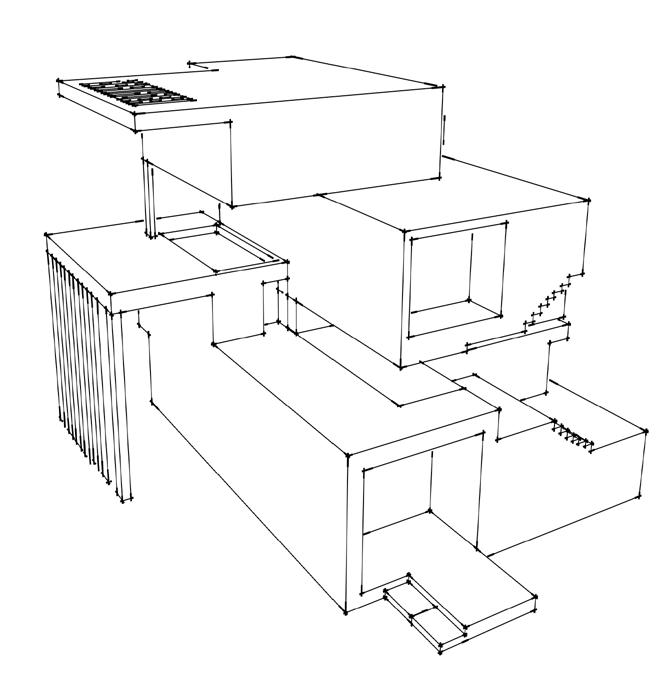
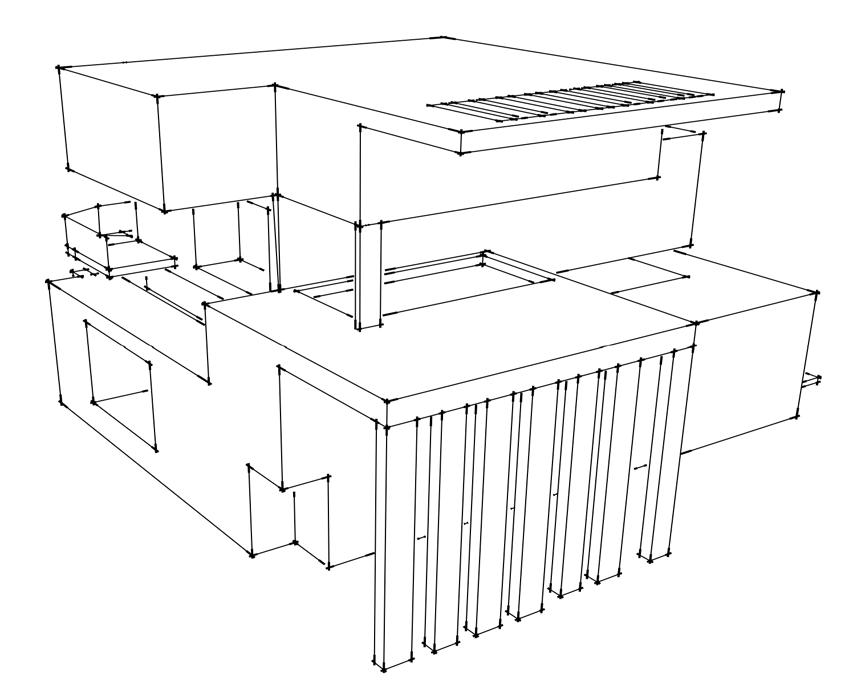
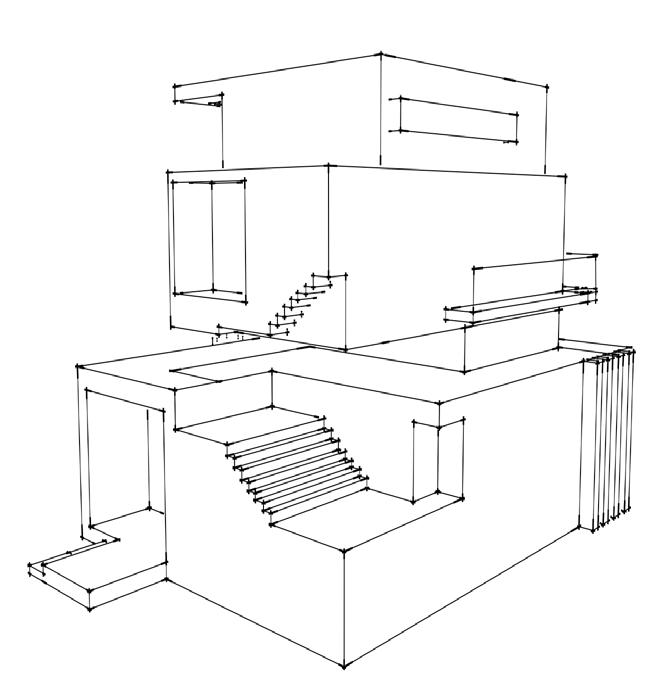
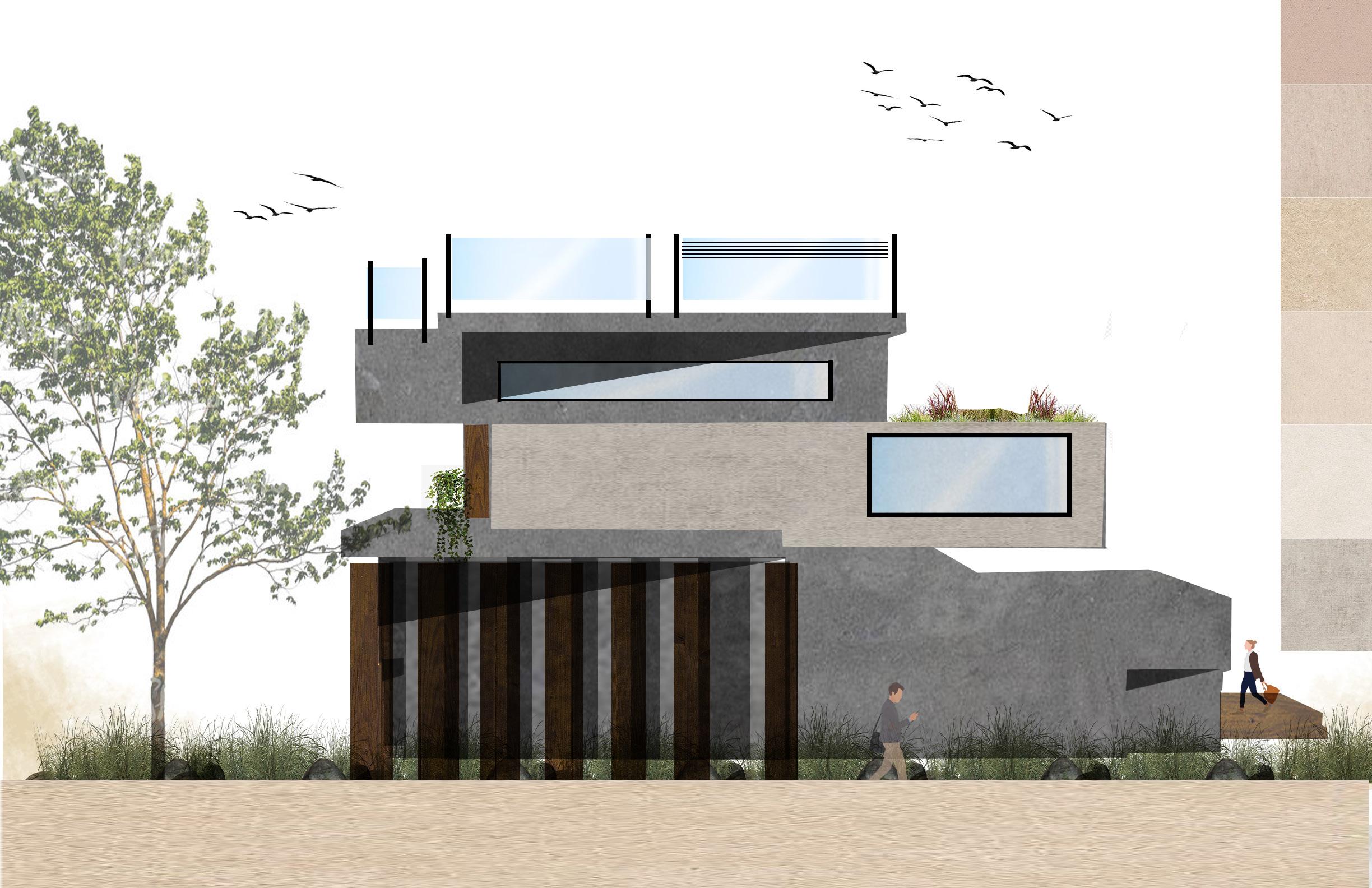
Top: Elevation 1/16”
Bottom: Section perspective 1/16”

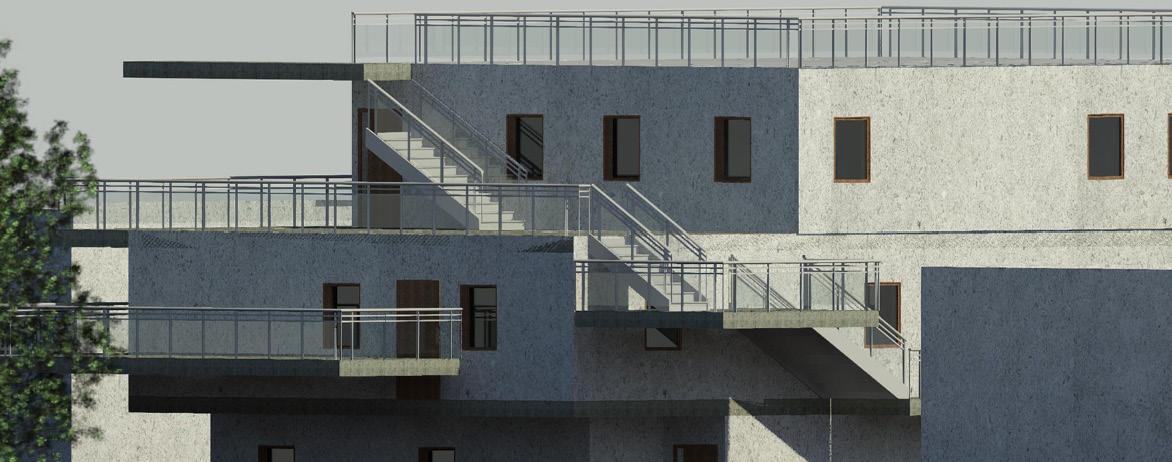

ACCESIBILITY
Left: Revit rendered images showing movement throughout the space
Right: Section Axonometric
05. BAILAR DANCE STUDIO
Fall 2021
ARCD 300- Architect Design Studio III
Professor Nick Brinnen
Location: Richmond, Virginia
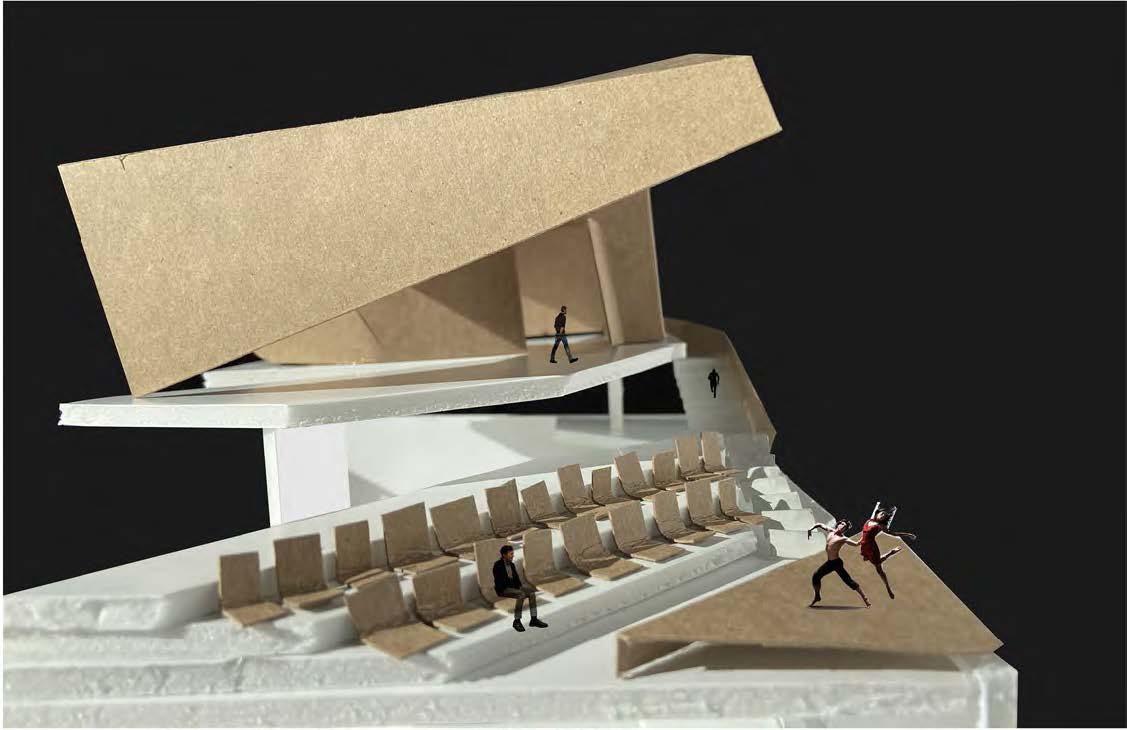
Designing a dance studio in Shockoe Bottom, Richmond, Virginia. This area is very rich in African American history and there are plans to preserve this historical land. The city was centered on slave trade through the Civil War and after it was outlawed, they shifted to the tobacco industry. Richmond has been a center for experimentation and is a mix of a wide variety of architectural styles and recently has exploded in artistic styles. Therefore, I proposed an expressive dance studio that encompassed the style of Marinera Nortena from South America to tie in roots of artisitic freedom and my own personal heritage.
PHYSICAL MODEL
Section cut model of top floor area showing the performance spaces.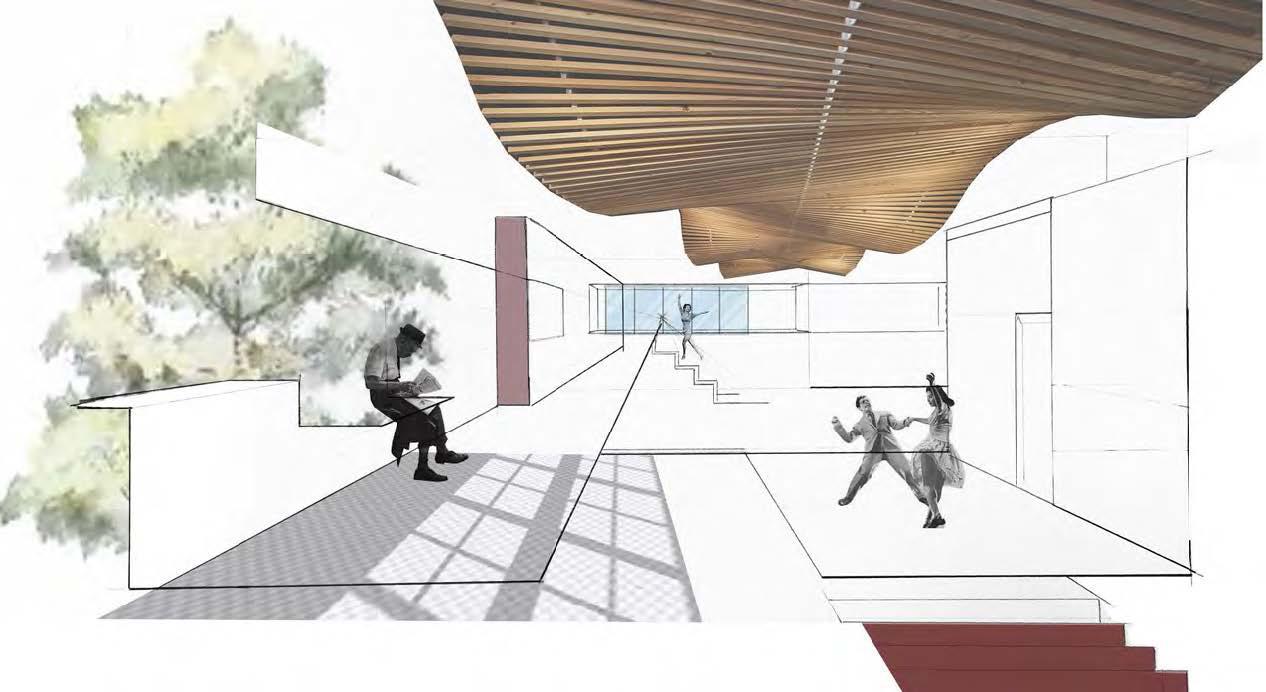
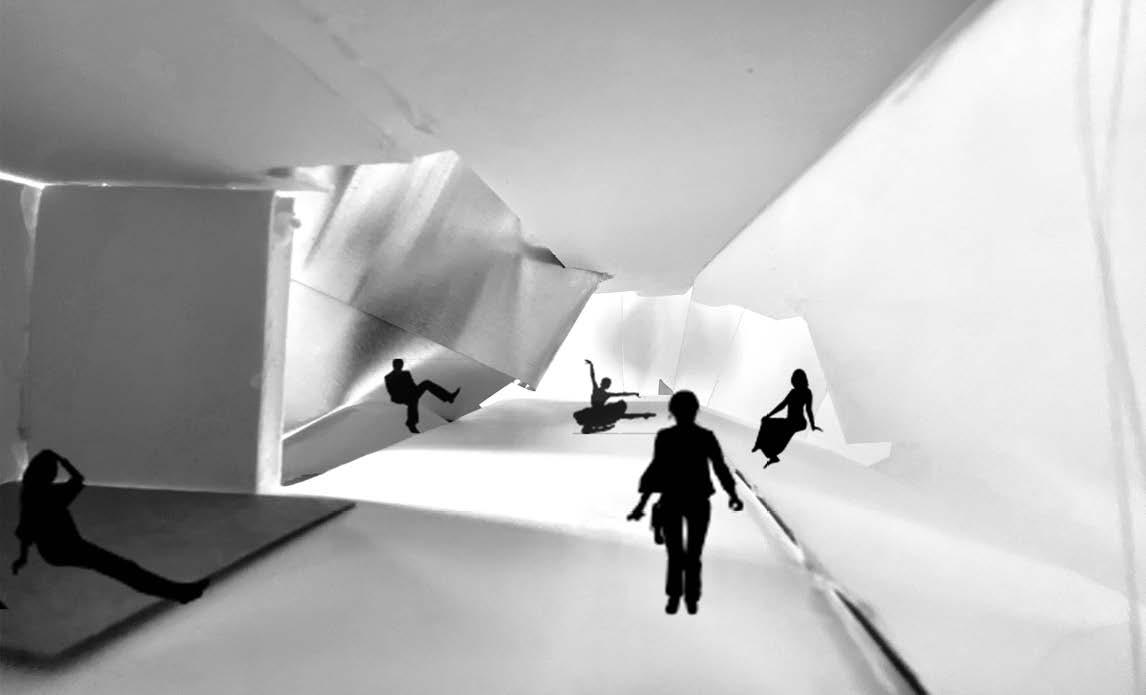
PHYSICAL MODEL
Image looking into the physical model, playing with light and materials; overlayed with silhouette images
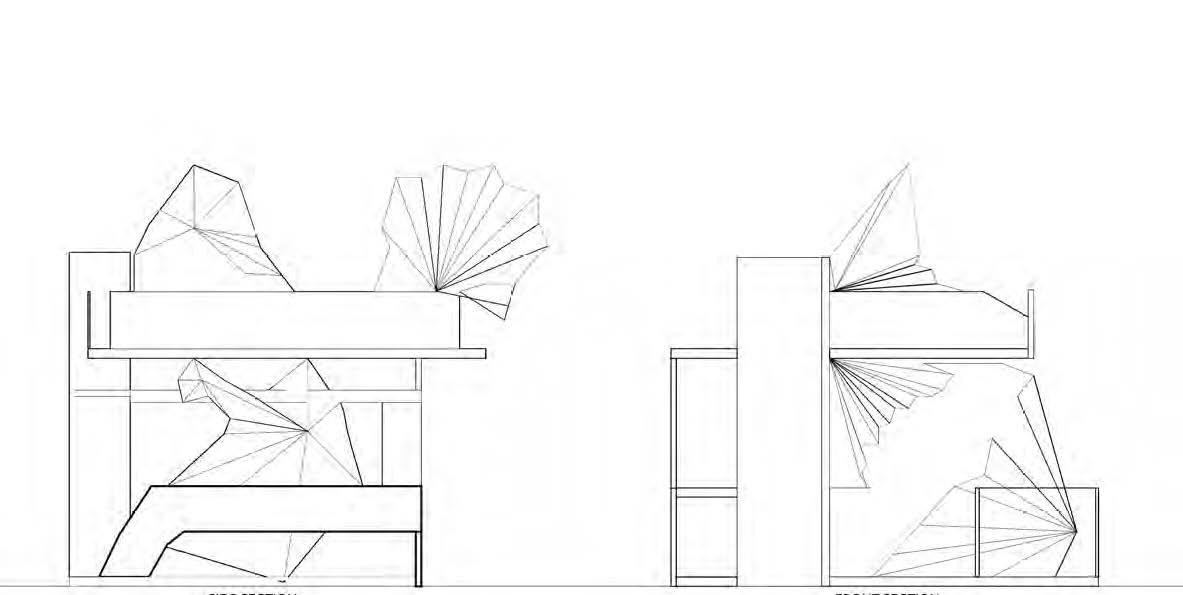
SECTION
1/16” scale using illustrator, sketchup, and photoshop; The form of the building is inspired by the skirt of the dancer.