









4 cups flour
2 cups water (lukewarm)
2¼ teaspoons instant yeast
1 teaspoon salt
2 teaspoons sugar Oil, for frying
Instructions
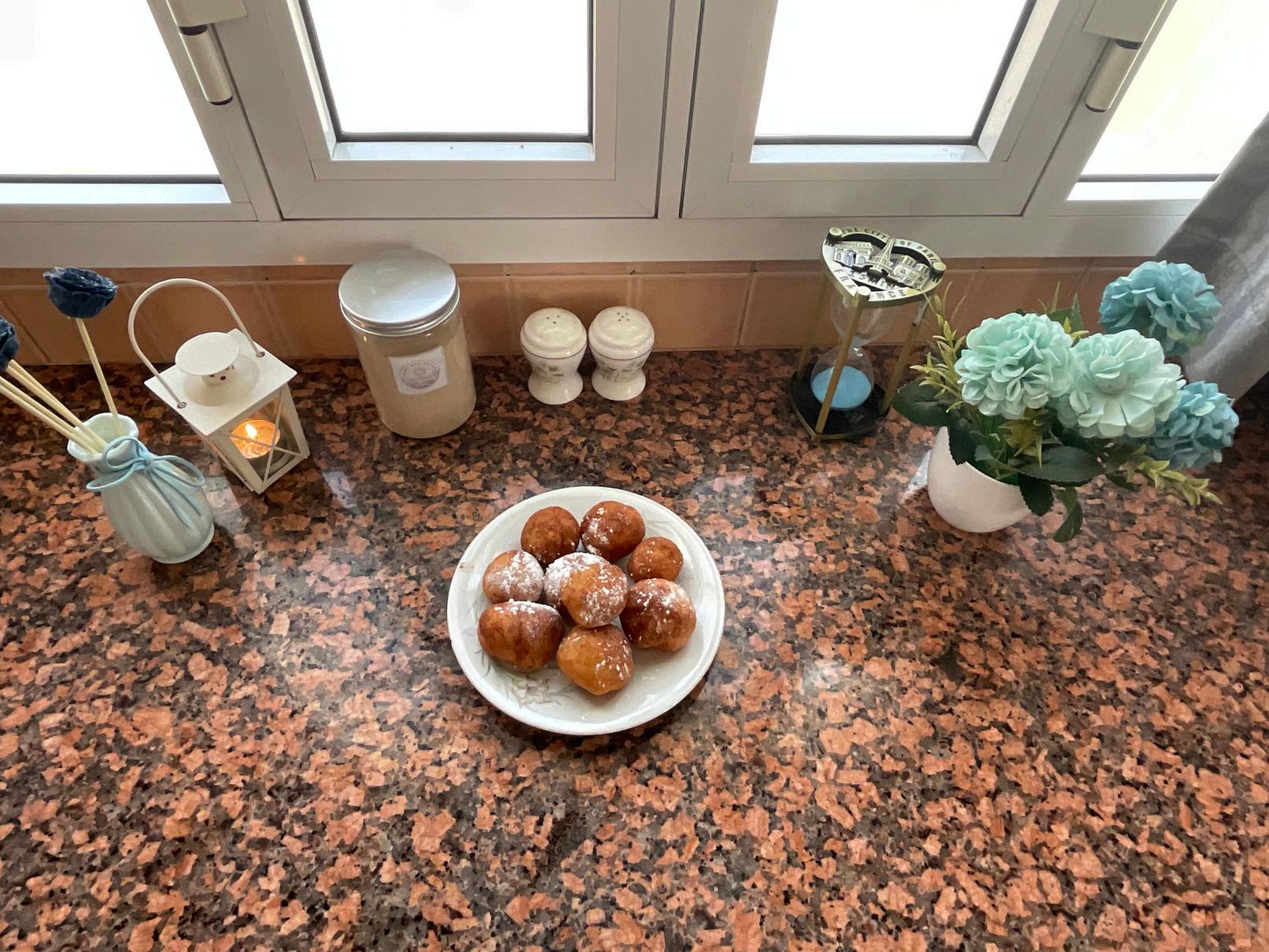

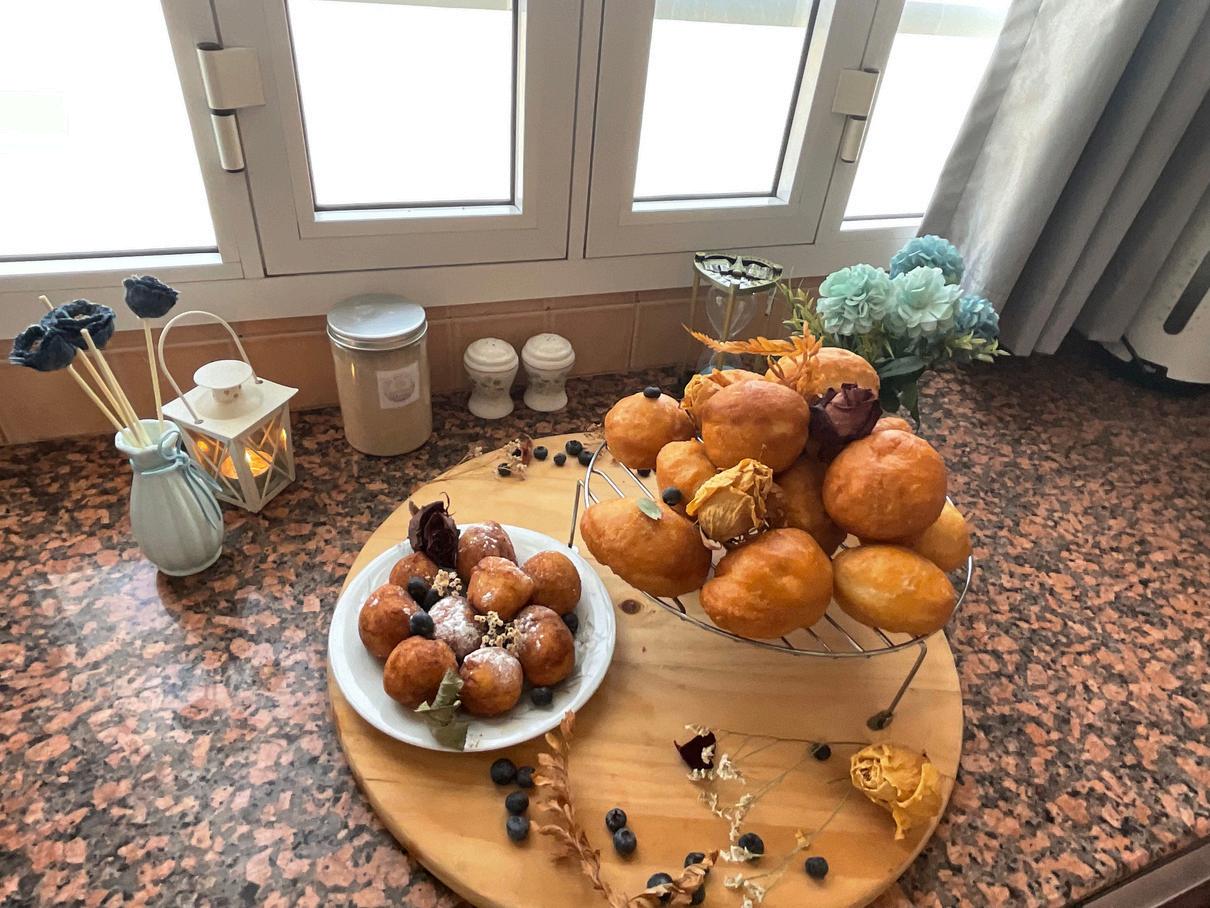

Vetkoek is a traditional South African fried bread that dates back to early Dutch settlers. They made it because it was simple, filling, and required very basic ingredients that were easy to carry and store while traveling and settling.
Make sure the water is lukewarm, not hot, or the yeast may die.
Don’t overcrowd the pan when frying, or the vetkoek won’t cook evenly inside. You can serve vetkoek sweet (jam, honey) or savory (minced meat, cheese).
2 2/3 cups all-purpose
flour (320 g)
1 teaspoon sugar
2 teaspoons instant yeast
2/3 cup milk (160 ml),
room temperature
1/3 cup water (80 ml),
room temperature
1 teaspoon salt
1 tablespoon olive oil
Optional: 1 teaspoons
thyme or oregano for extra flavor
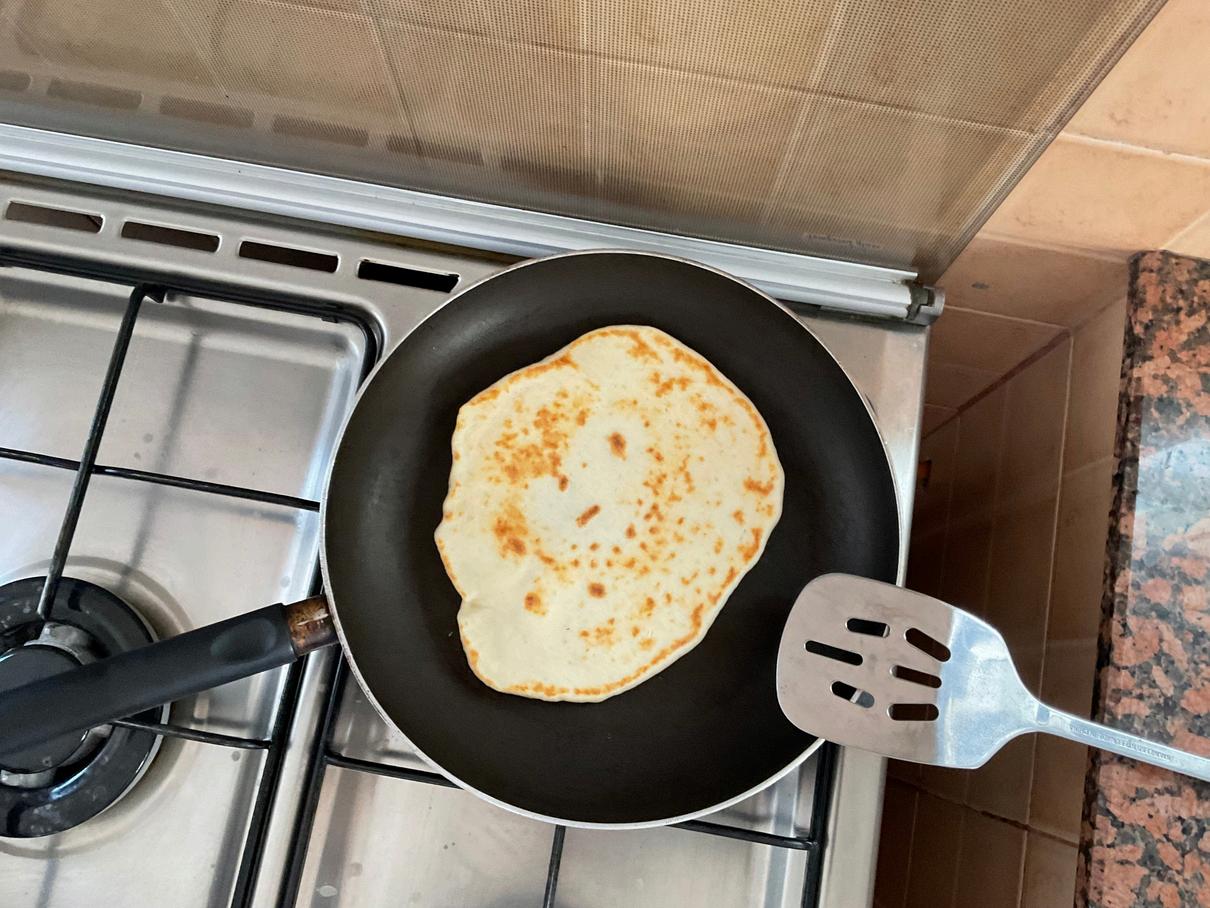
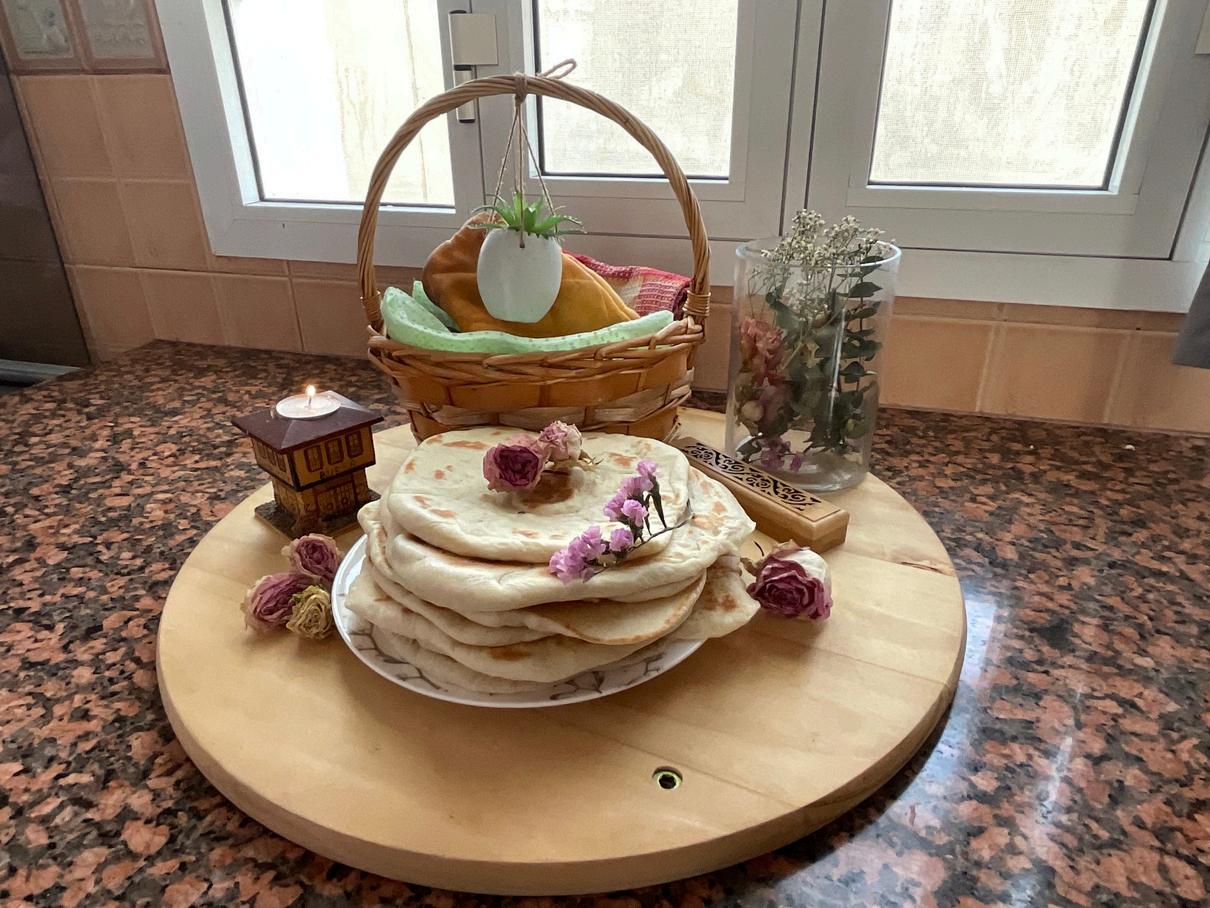
Greek pita bread dates back thousands of years and was a staple because it was quick to cook and easy to eat with meals. It became central to Greek cuisine as it paired well with dips, meats, and vegetables.
The pan should be hot but not smoking, or the pita will burn before puffing. Roll the dough evenly so it puffs properly. Keep cooked pita wrapped in a cloth to stay soft.
2 ½ cups all-purpose flour
1 teaspoon salt
1 ½ teaspoon instant yeast ¾ + 2 tablespoons water
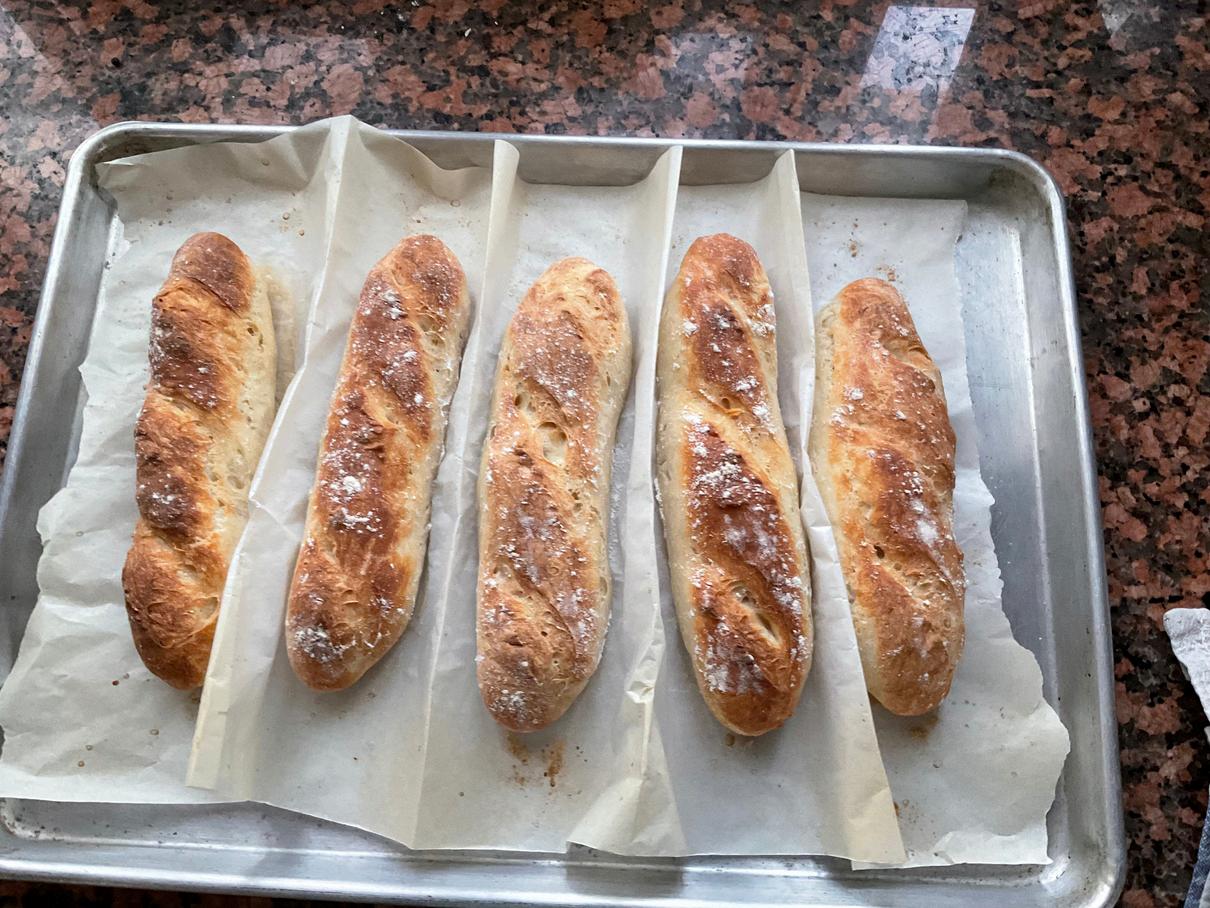
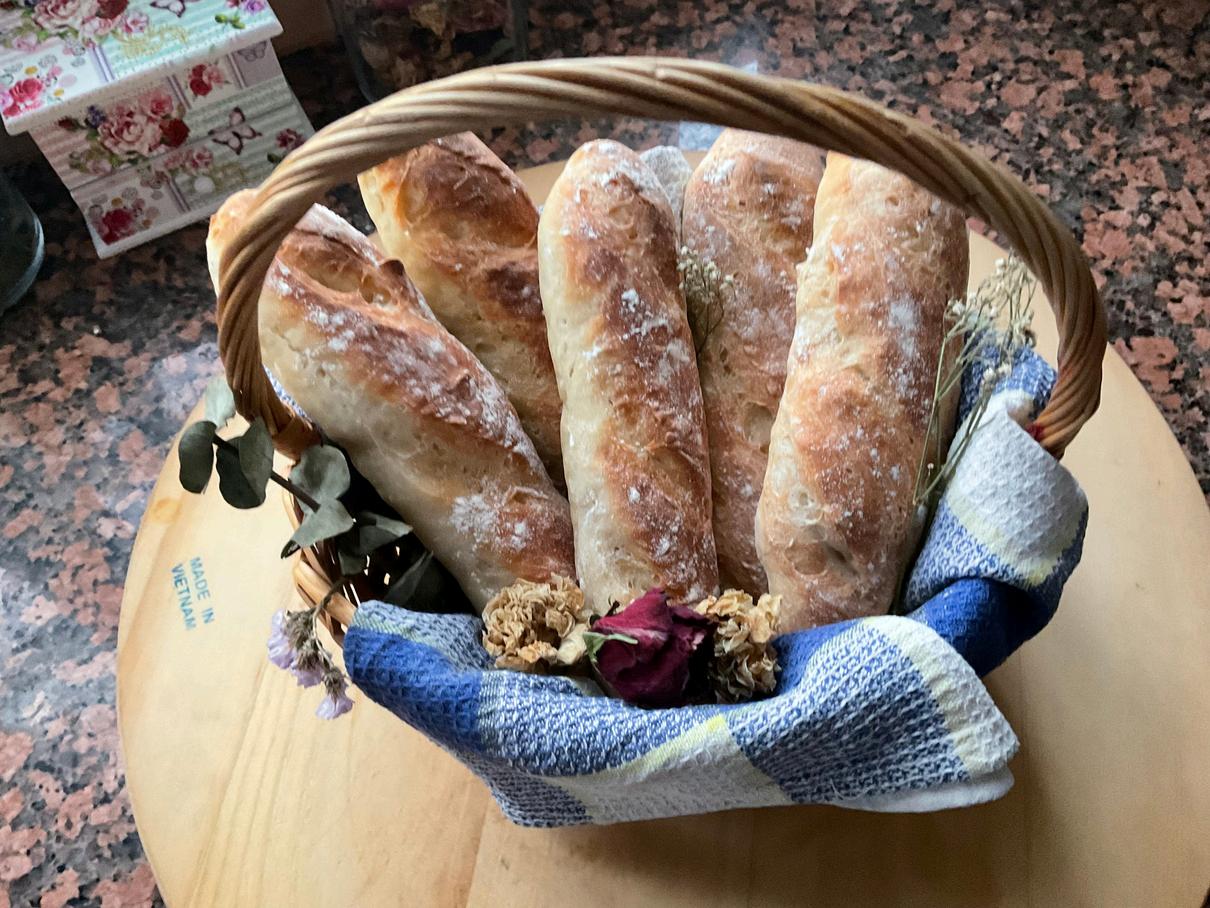
The baguette originated in France in the early 19th century. It was designed to bake quickly in modern steam ovens so bakers could produce bread faster for city workers. Its long, thin shape helped it cook evenly and develop a crisp crust while keeping a soft, airy interior.
Ingredients
3⅓ cups all-purpose flour
1 cup warm water
2¼ tsp instant dry yeast
3 tbsp sugar
3 tbsp soft butter
1 tbsp vegetable oil
1 tbsp salt
1 egg (for egg wash)
Instructions
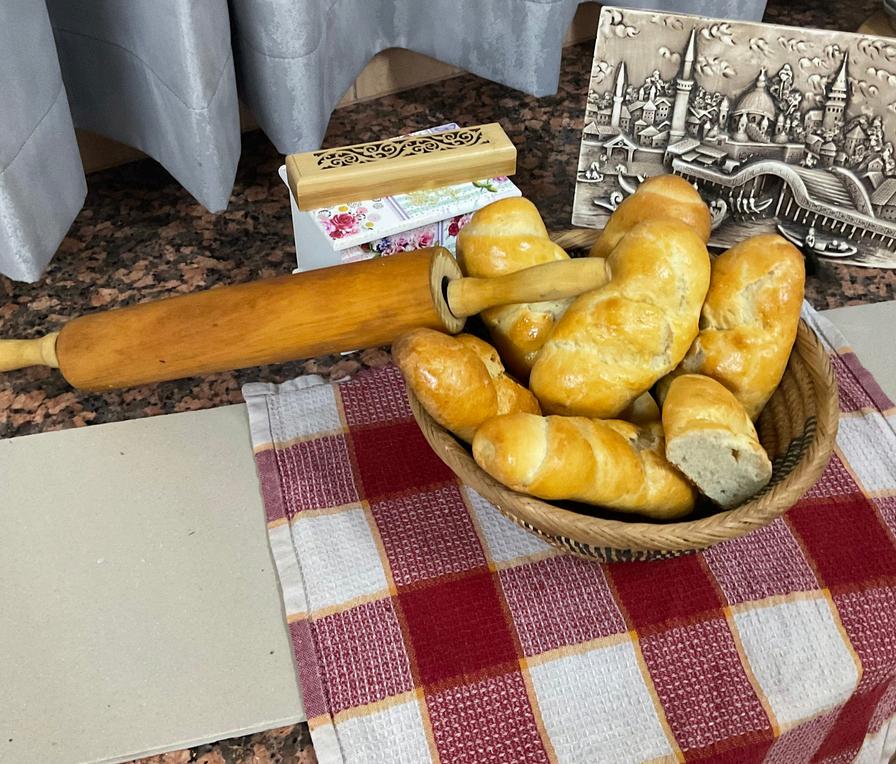
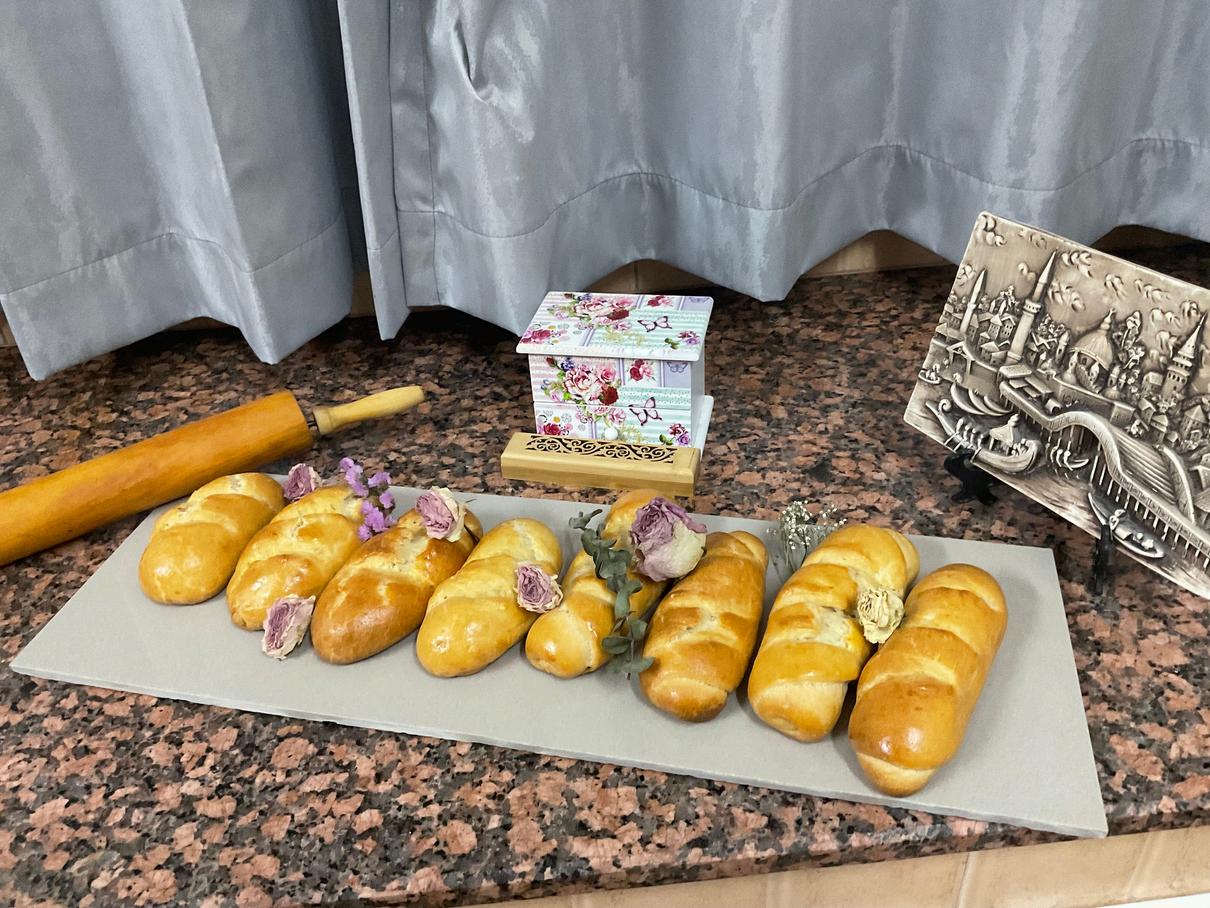
Greek pita bread dates back thousands of years and was a staple because it was quick to cook and easy to eat with meals. It became central to Greek cuisine as it paired well with dips, meats, and vegetables.

Instructions
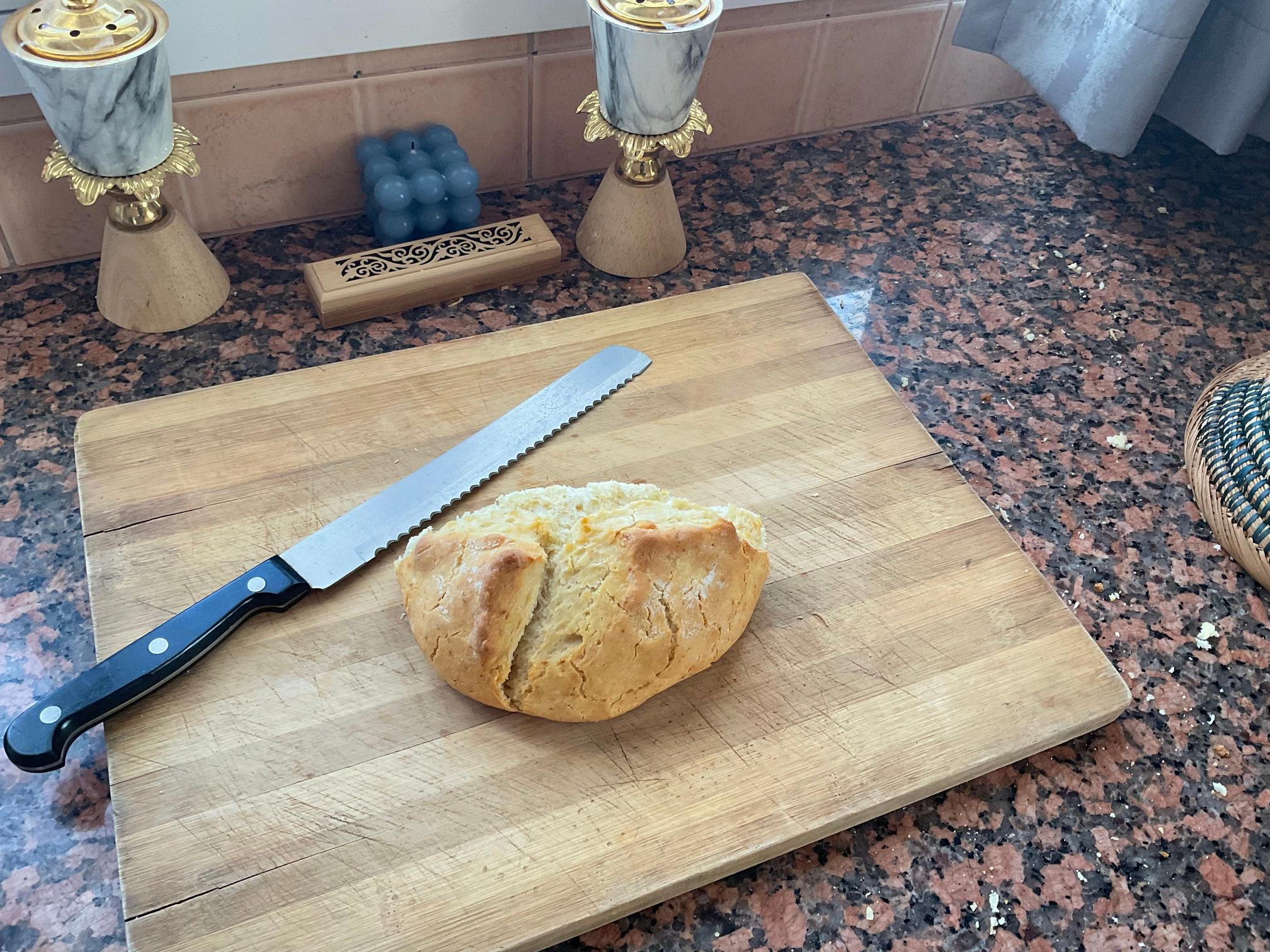
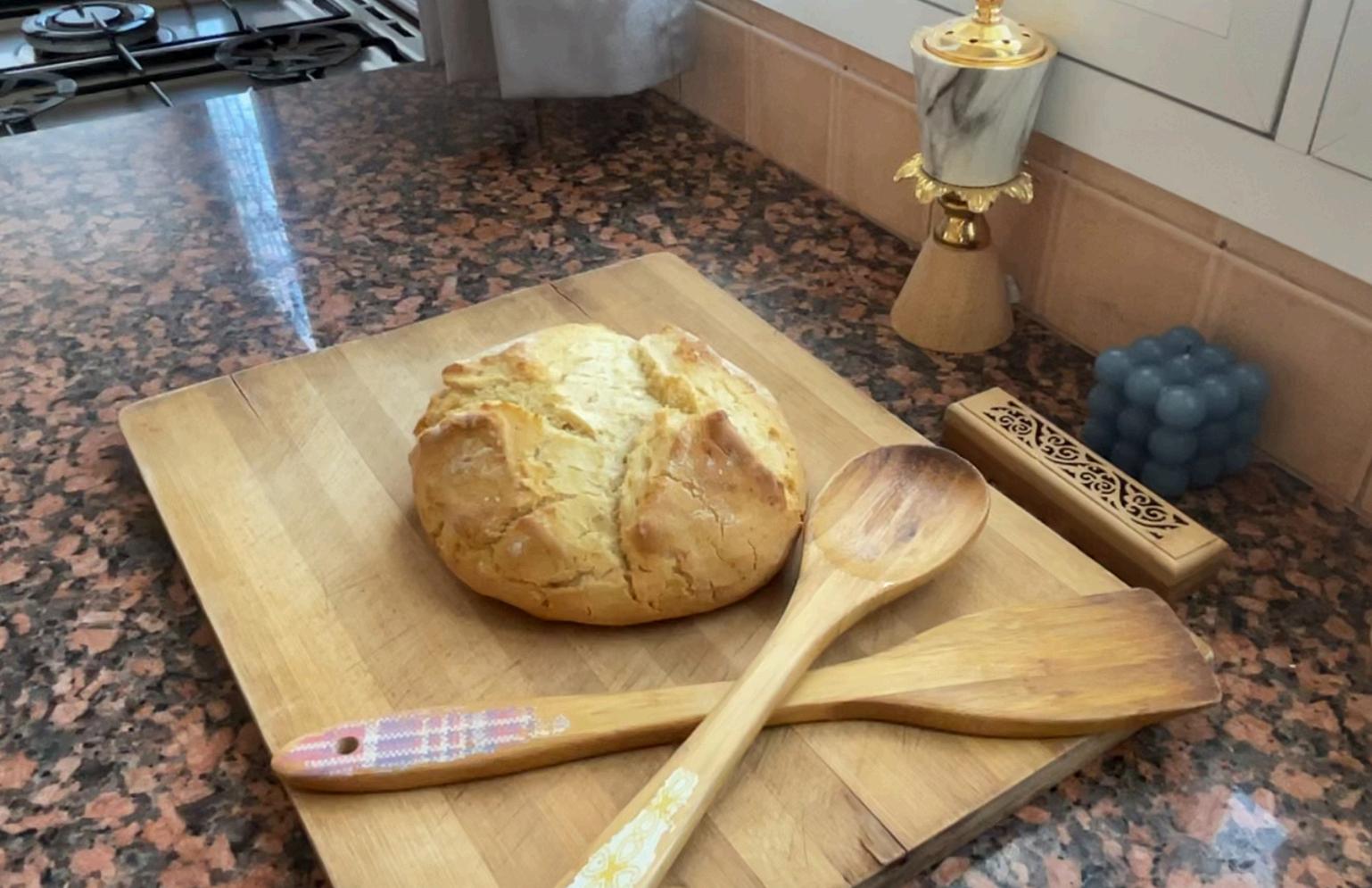
Damper bread is extremely easy and simple to make, but there’s a reason why. Settlers and stockmen in the bush didn’t have time to make fancy bread, resulting with: Damper. Simple yet delicious.
Do not over-knead — damper should stay tender, not chewy.
Keep the butter cold for better texture. The dough should be soft, not dry add milk slowly. Scoring the top helps the bread bake evenly. Let it cool for 10–15 minutes before cutting to avoid a gummy crumb. If browning too fast, loosely cover with foil for the last 5–10 minutes.
Instructions
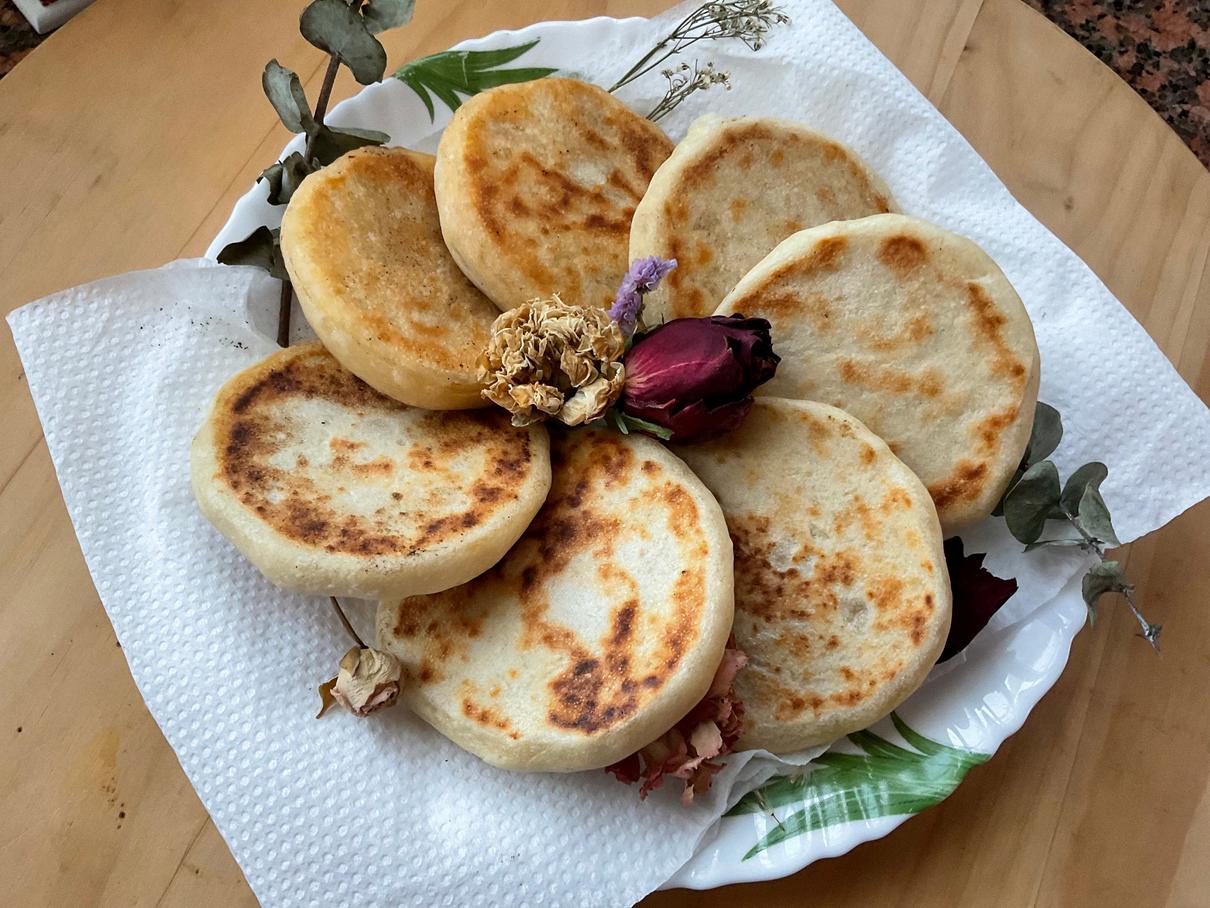
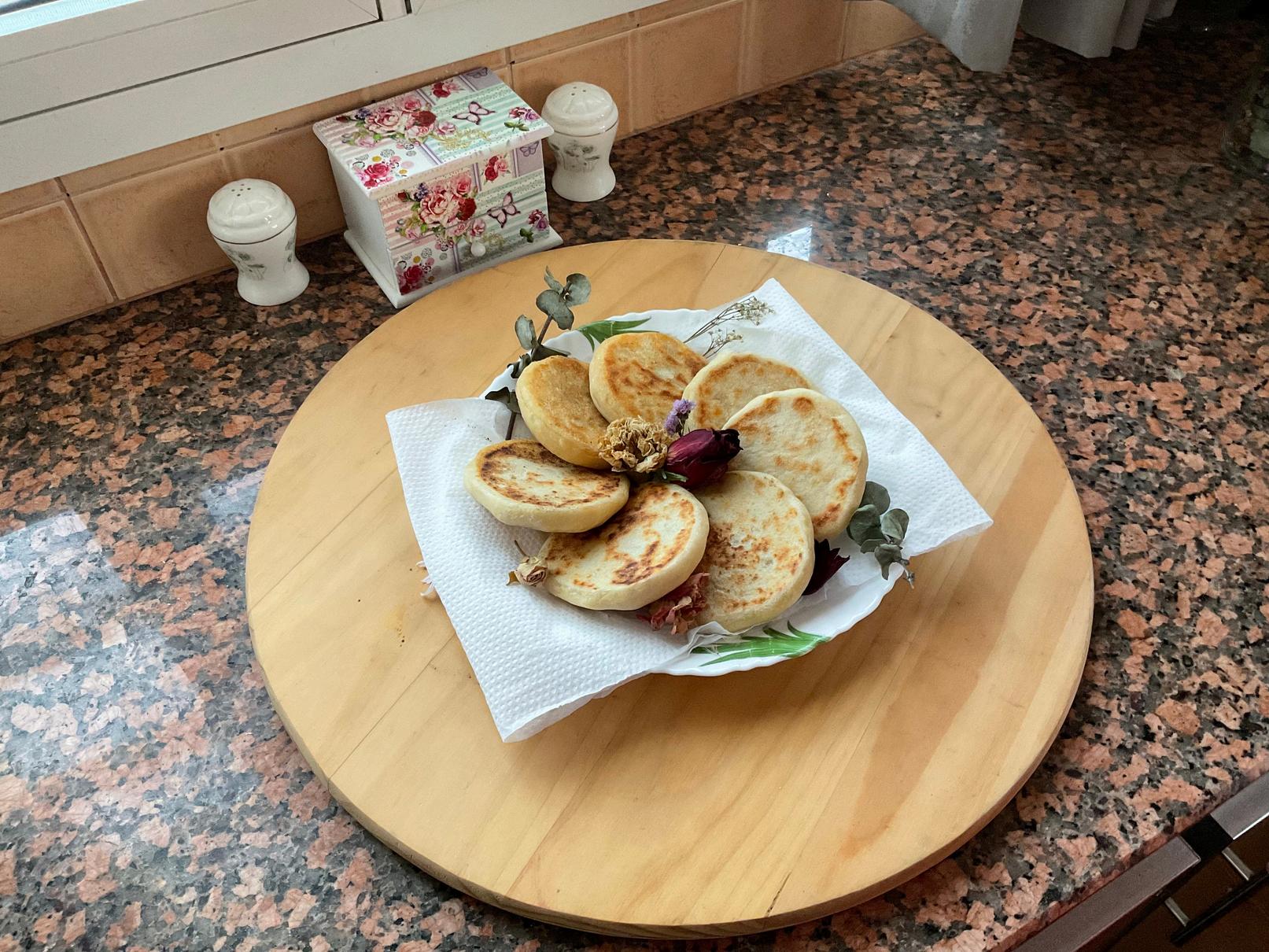
Bannock bread is extremely easy and simple to make, but there’s a reason why. Settlers and stockmen in the bush didn’t have time to make fancy bread, resulting with: Damper. Simple yet delicious.
Do not over-knead — damper should stay tender, not chewy.
Keep the butter cold for better texture. The dough should be soft, not dry add milk slowly. Scoring the top helps the bread bake evenly. Let it cool for 10–15 minutes before cutting to avoid a gummy crumb. If browning too fast, loosely cover with foil for the last 5–10 minutes.
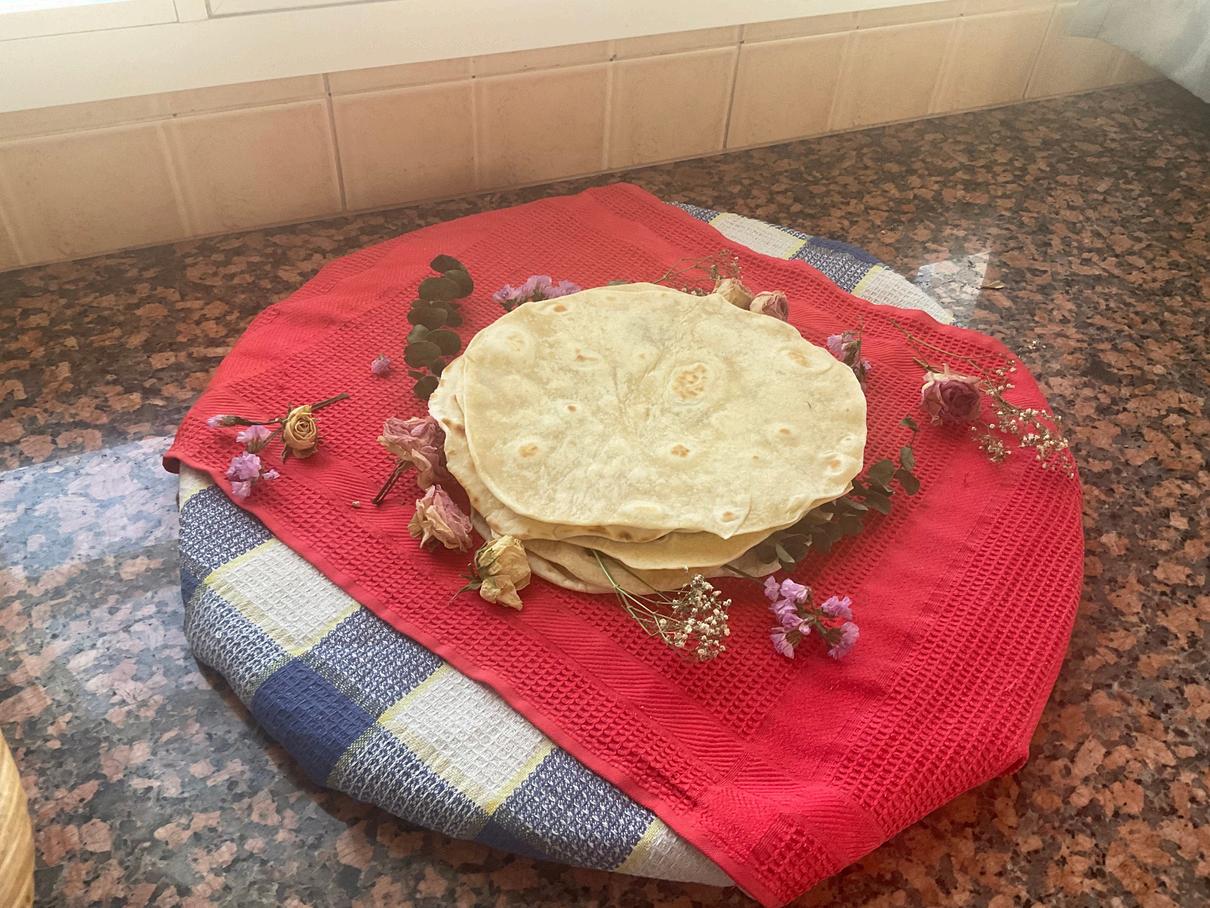
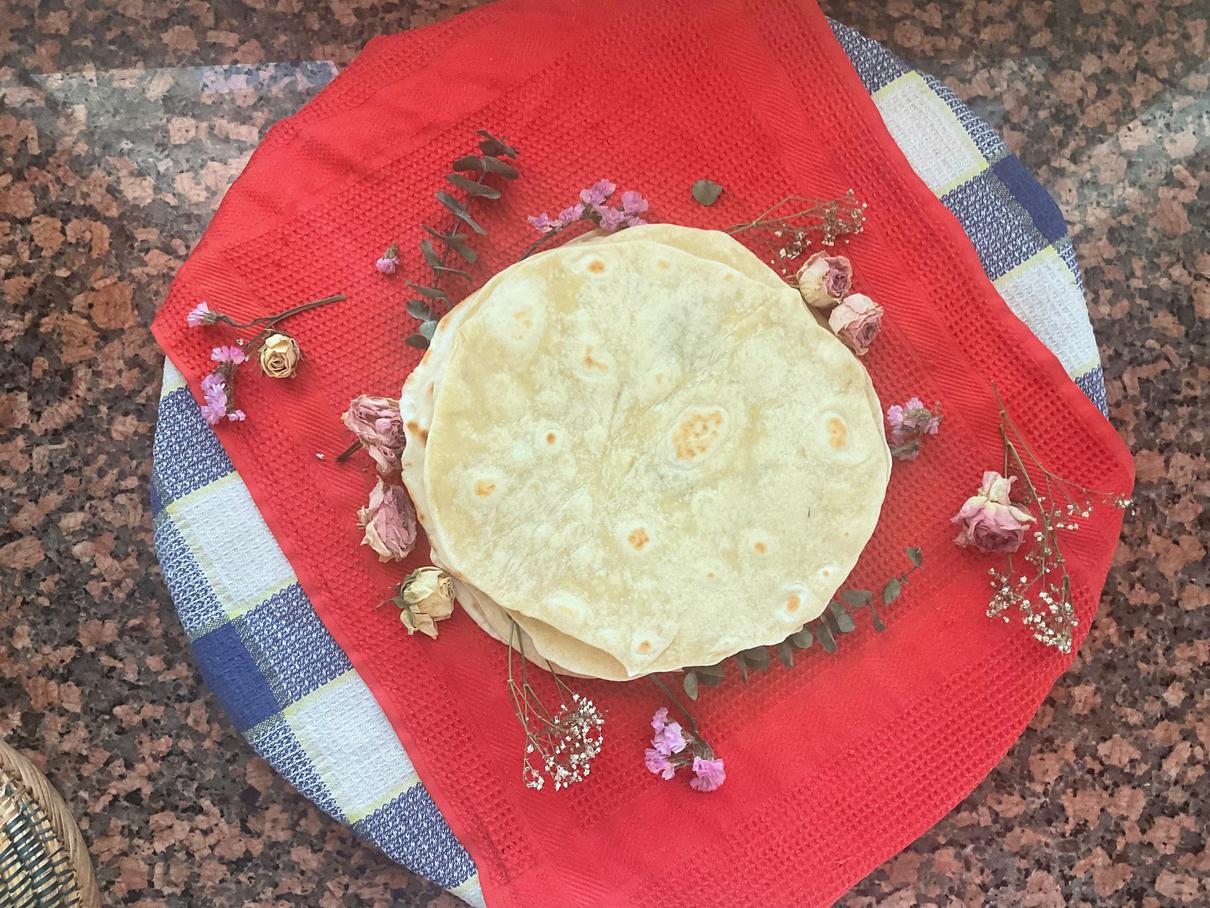
Tortillas have been made in Mexico for over 10,000 years, originally from corn by the indigenous peoples. Flour tortillas appeared later in northern Mexico after Spanish colonists brought wheat in the 16th century.
Rest the dough at least 10–15 minutes — it makes the tortillas softer and easier to roll.
Roll each piece evenly to avoid thick and thin spots, which cook unevenly. Use a hot, dry skillet for quick cooking — this gives brown spots without drying out the tortilla. Don’t press too hard when cooking; let the heat puff the tortilla naturally. Stack cooked tortillas in a towel to keep them warm and soft.
Instructions
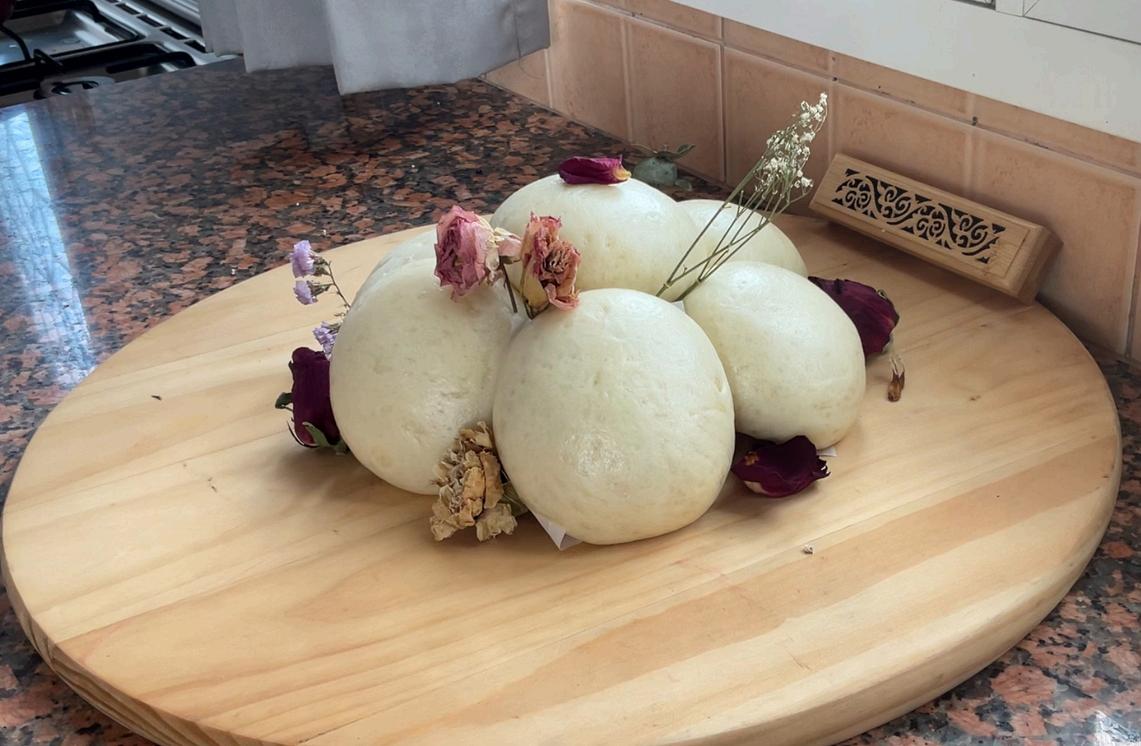
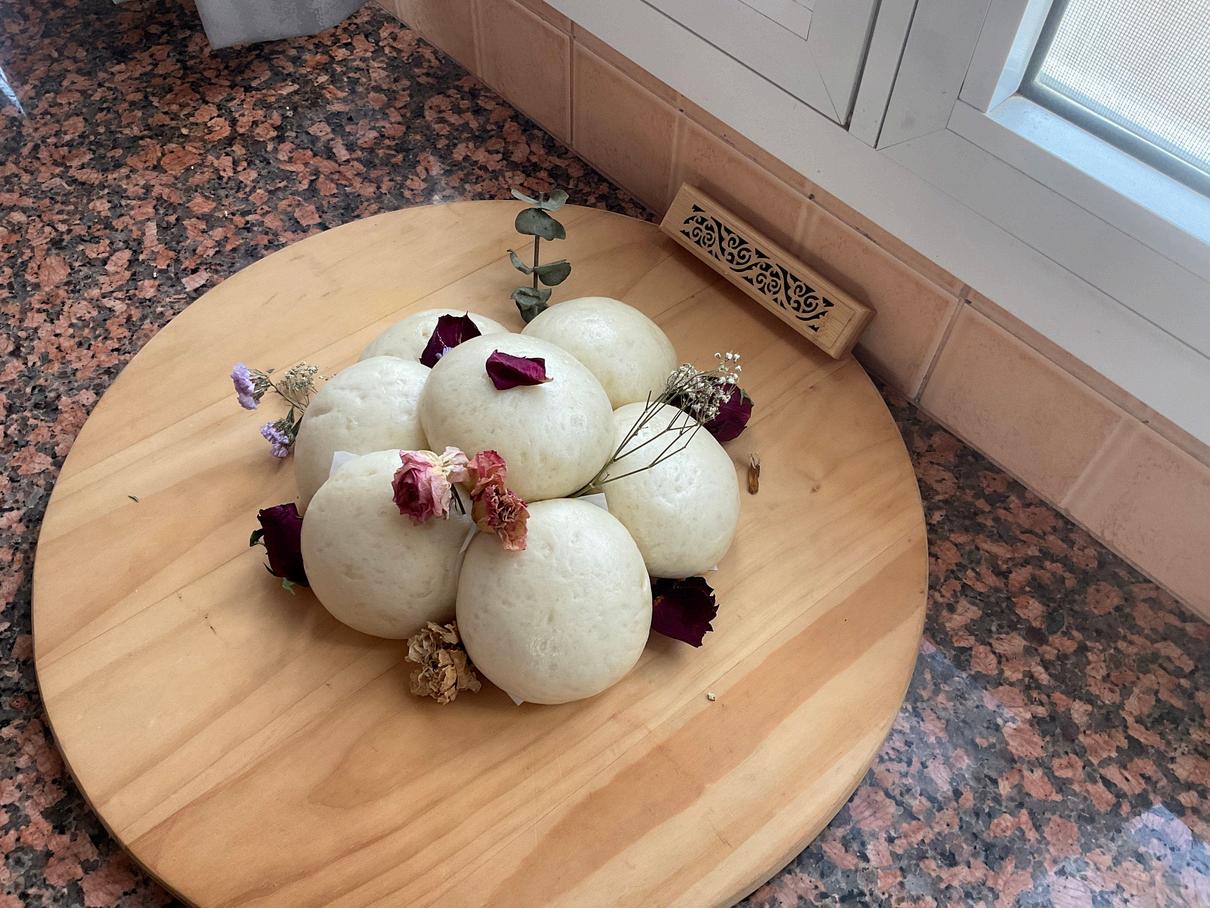
Mantou are traditional Chinese steamed buns that have been eaten for thousands of years. Originally made in northern China, they were a staple when wheat replaced millet. Fun fact: they were often eaten plain or with sweetened condensed milk as a snack or breakfast.
Resting the dough makes buns fluffier.
• Use parchment or lightly oiled steamer trays to prevent sticking.
• Don’t open the lid immediately after steaming the buns may shrink.
(tangzhong method)
Instructions
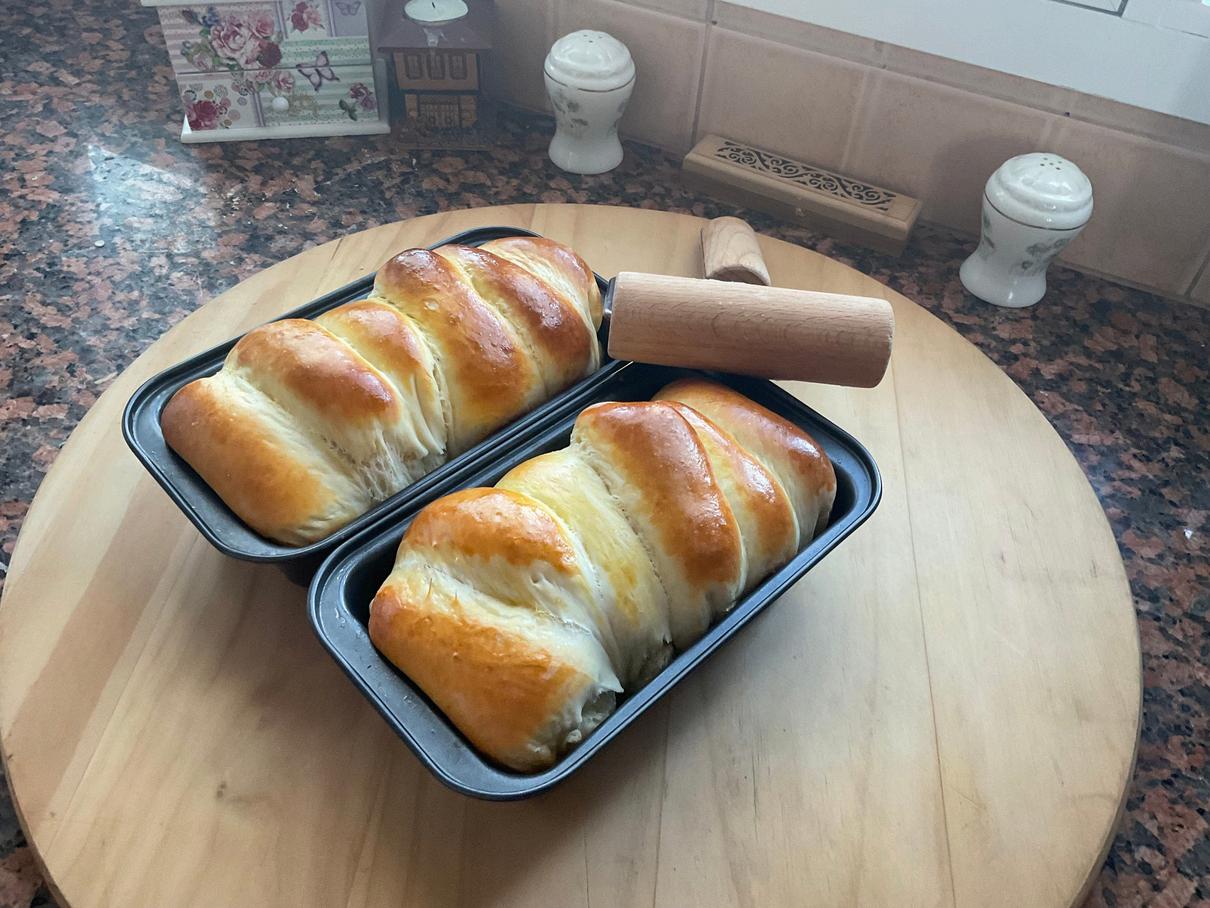
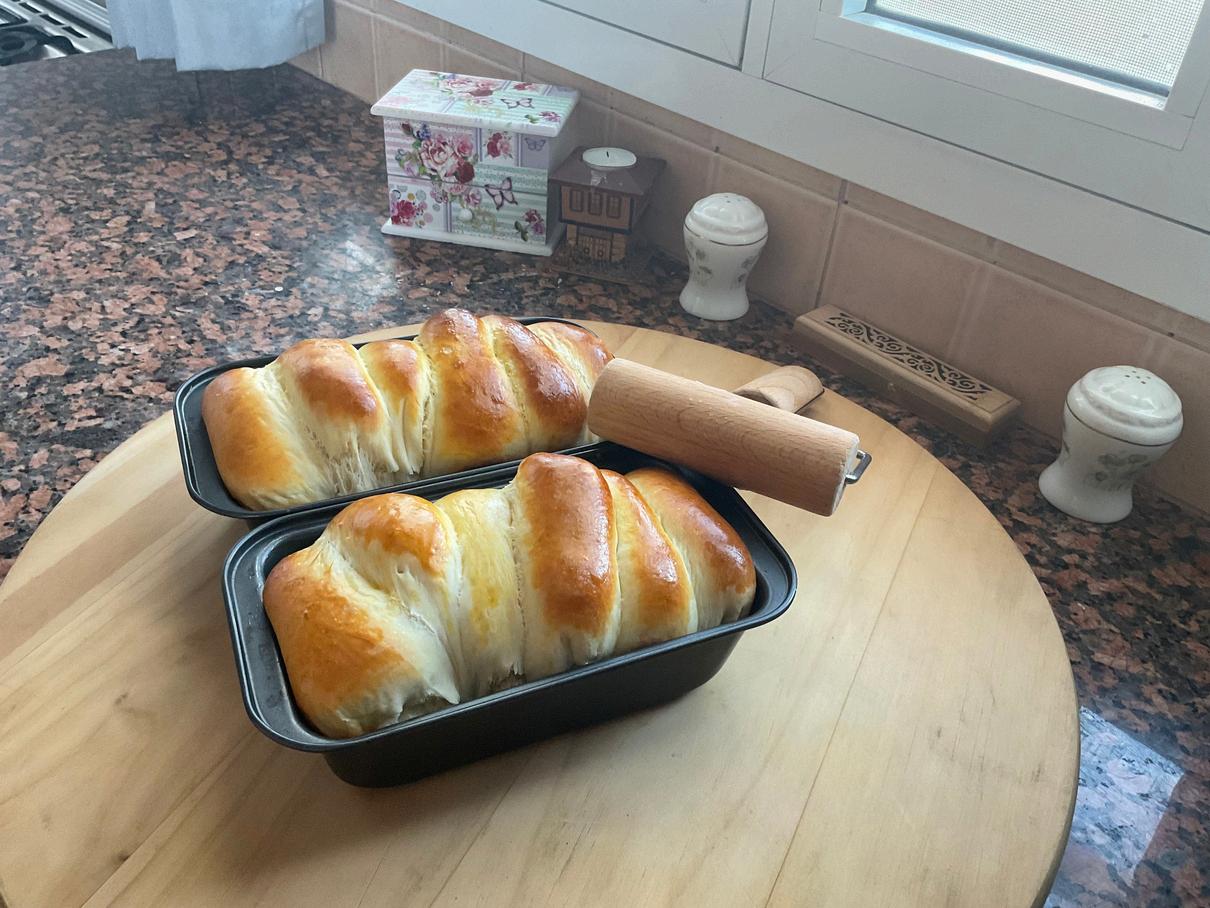
Resting the dough improves fluffiness. Don’t skip the tangzhong – it keeps the bread moist for days.
Cover the loaf while rising to prevent drying. Shape the balls evenly for uniform baking. Use lukewarm milk to activate the yeast properly. Bake fully until golden –underbaking can make the center doughy.
Flour – bread flour or whole wheat flour
Butter – margarine or vegetable oil
Milk – water or non-dairy milk
Sugar – honey or agave syrup
Yeast – instant yeast instead of active dry yeast
(beginner friendly)
Instructions
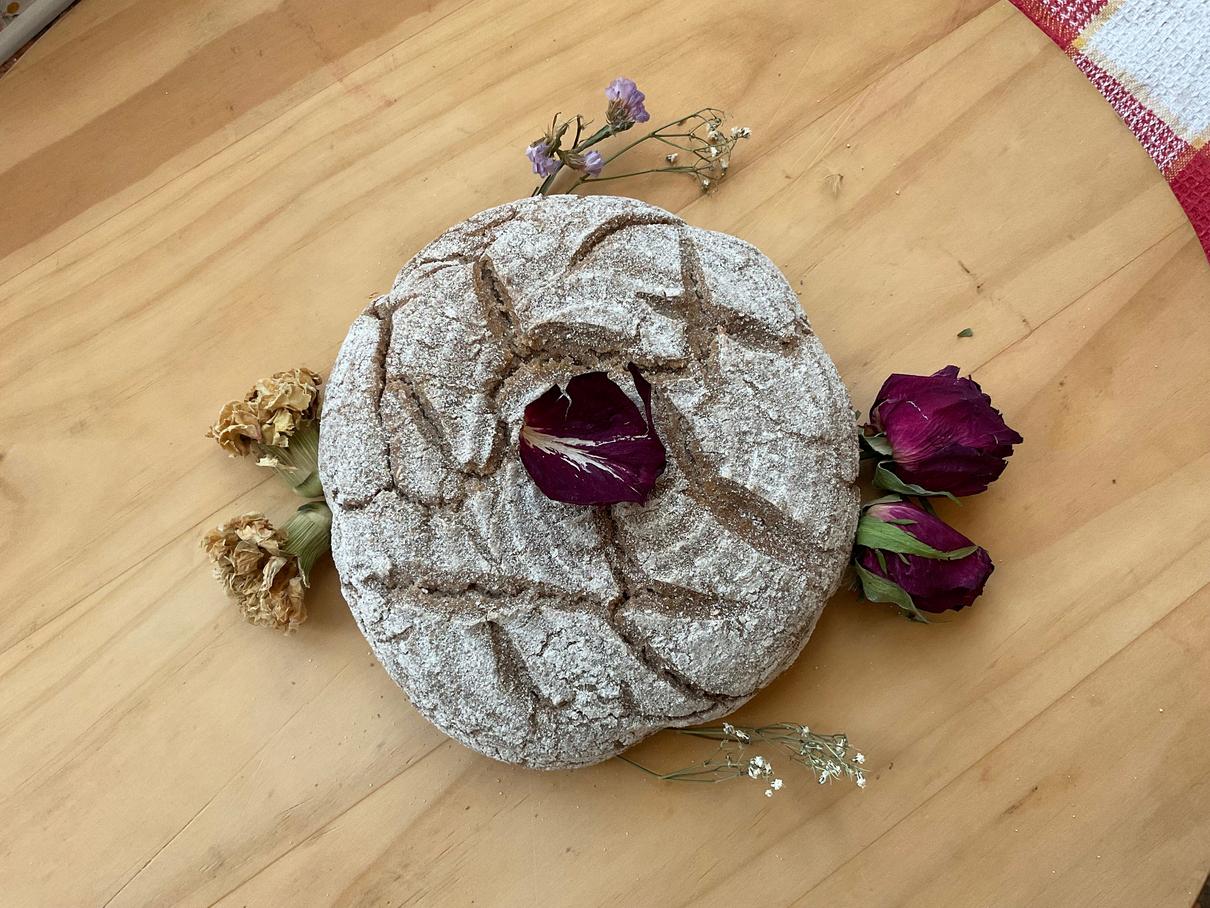
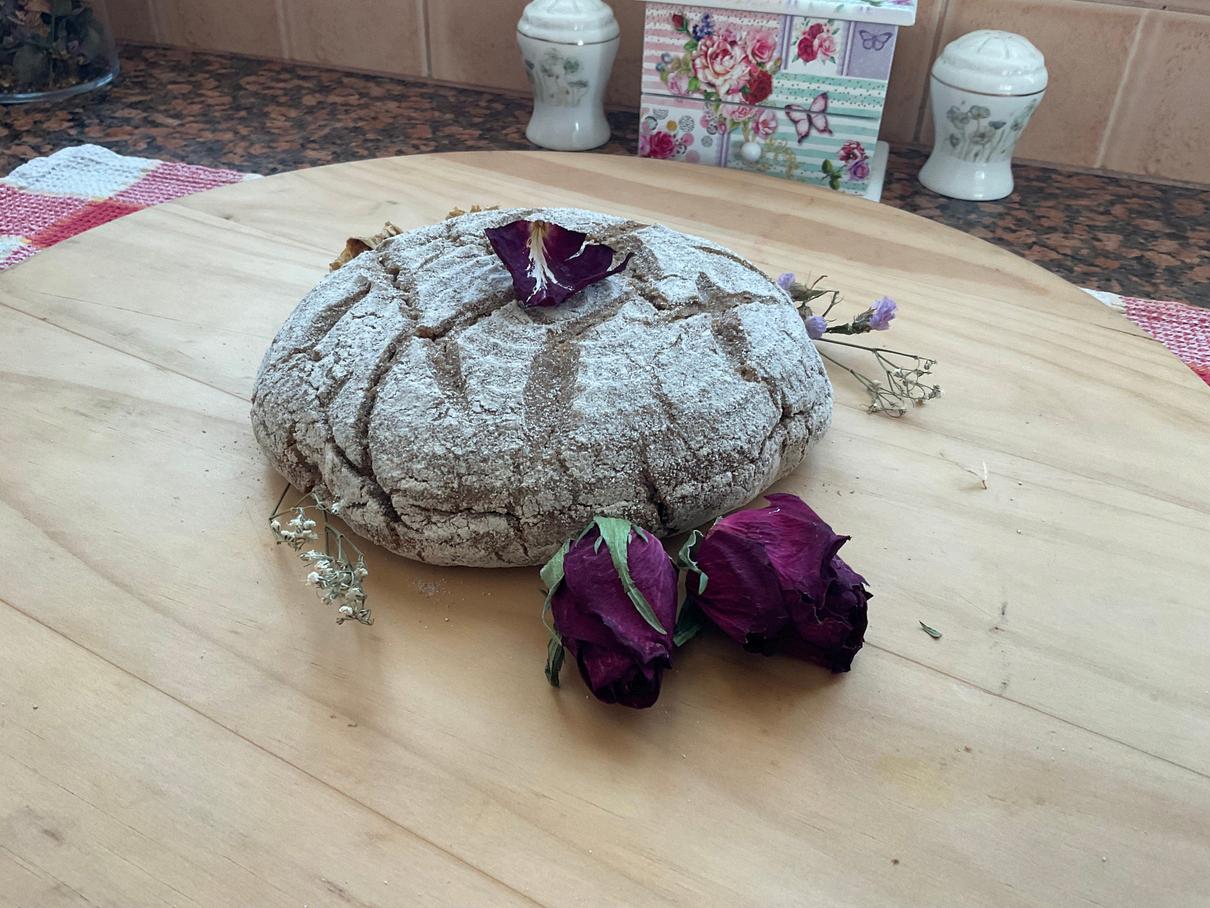
Use a active rye starter for proper fermentation and flavor.
Dough is sticky — don’t over-knead. Folding is enough.
Let the dough rest (autolyse) before kneading to improve texture.
After baking, leave the bread 24–48 hours outside (on a rack) before slicing; this helps it set and prevents gumminess. Preheat the oven fully to 220°C (425°F) to get a good crust.
All-purpose flour - whole wheat flour (for slightly denser bread)
Rye flour - half whole wheat + half all-purpose (less tangy, lighter texture)
Active rye starter - sourdough starter made from any flour, or 1 tsp yeast + a bit of water and flour for a faster version (flavor changes slightly)
Lukewarm water - milk or oat milk (slightly softer crumb, slightly different flavor)