Designing the horizon is an opportunity to merge the beauty of nature with the intent of human creation. Architecture has the power to shape the way people experience the landscape, framing views, guiding movement, and evoking emotion.
By carefully considering site context, the built environment becomes a seamless extension of its surroundings. The following works explore this evolving relationship, reflecting a deep interest in how design can shape and define the horizon.
Selected Contents
2-5 . Studio VI . Midpoint
6-8 . Studio IV . Framed Horizons
9-11 . Studio V . Elevated Horizons
12-15 . Studio VII . The Living Building
Fall 2024 . Studies In Vernacular Architecture
Seville Urban Market
Spring 2024 . Instructor: Angel Martinez Garcia-Posada
Studio VI
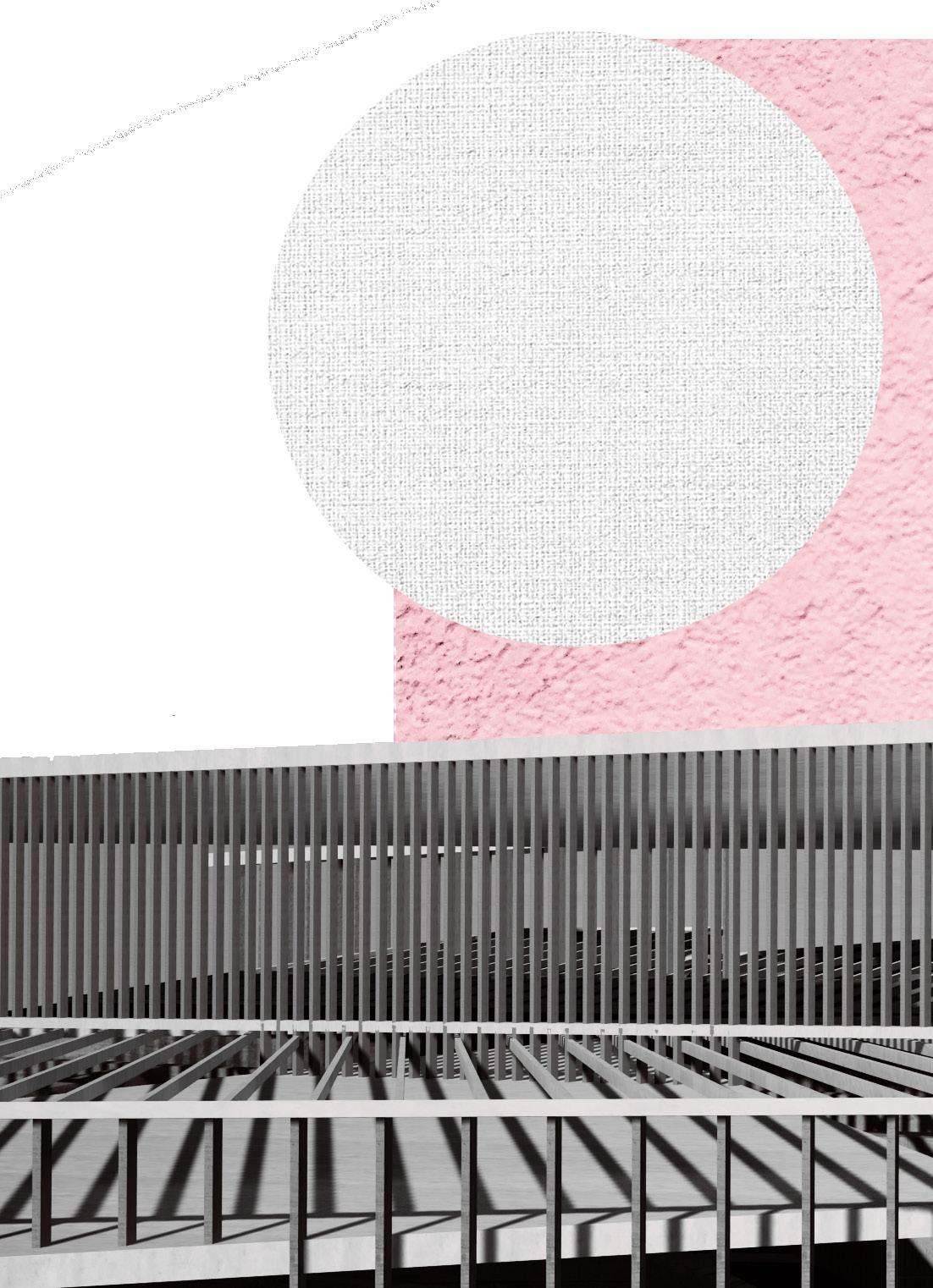
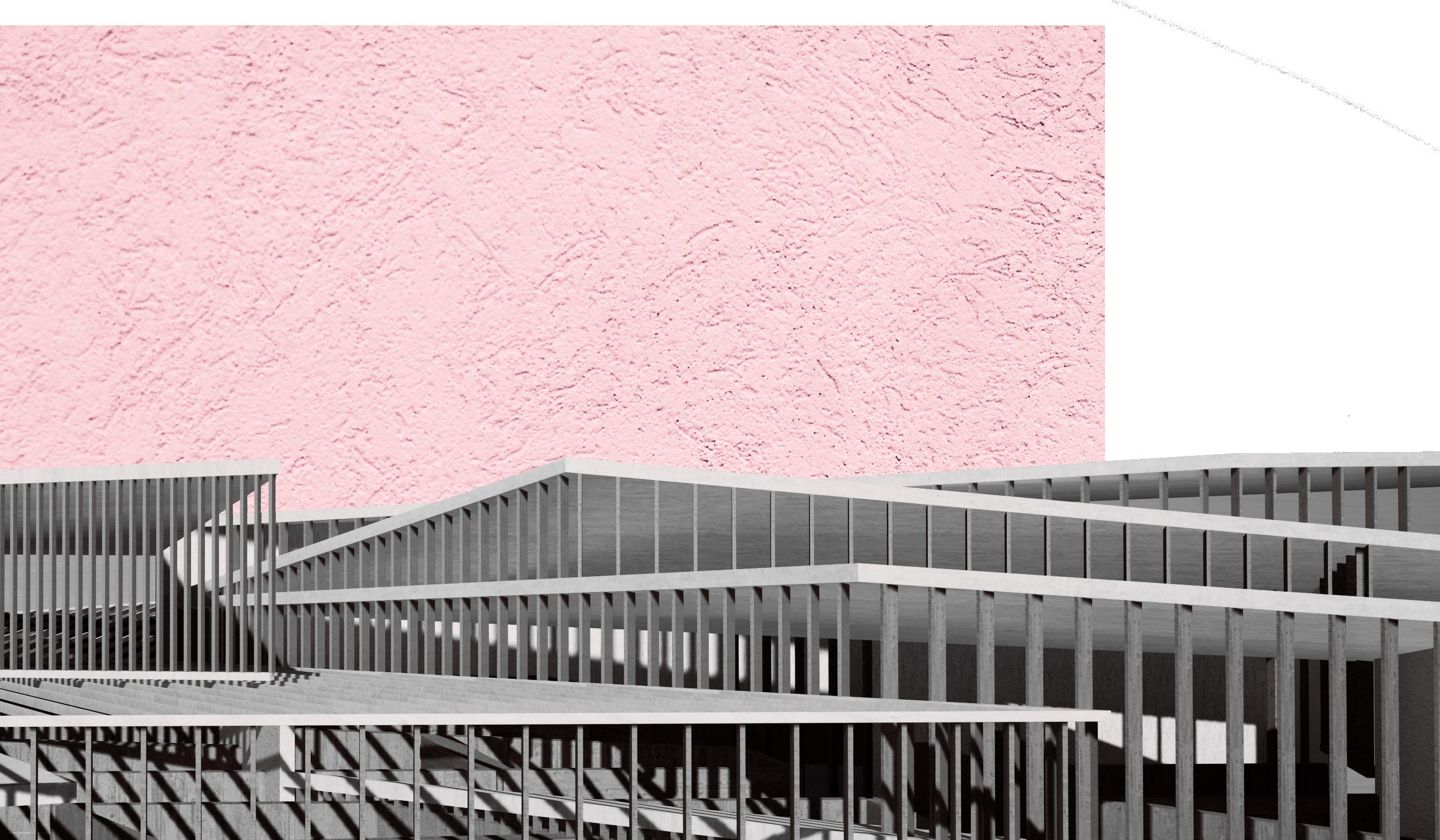
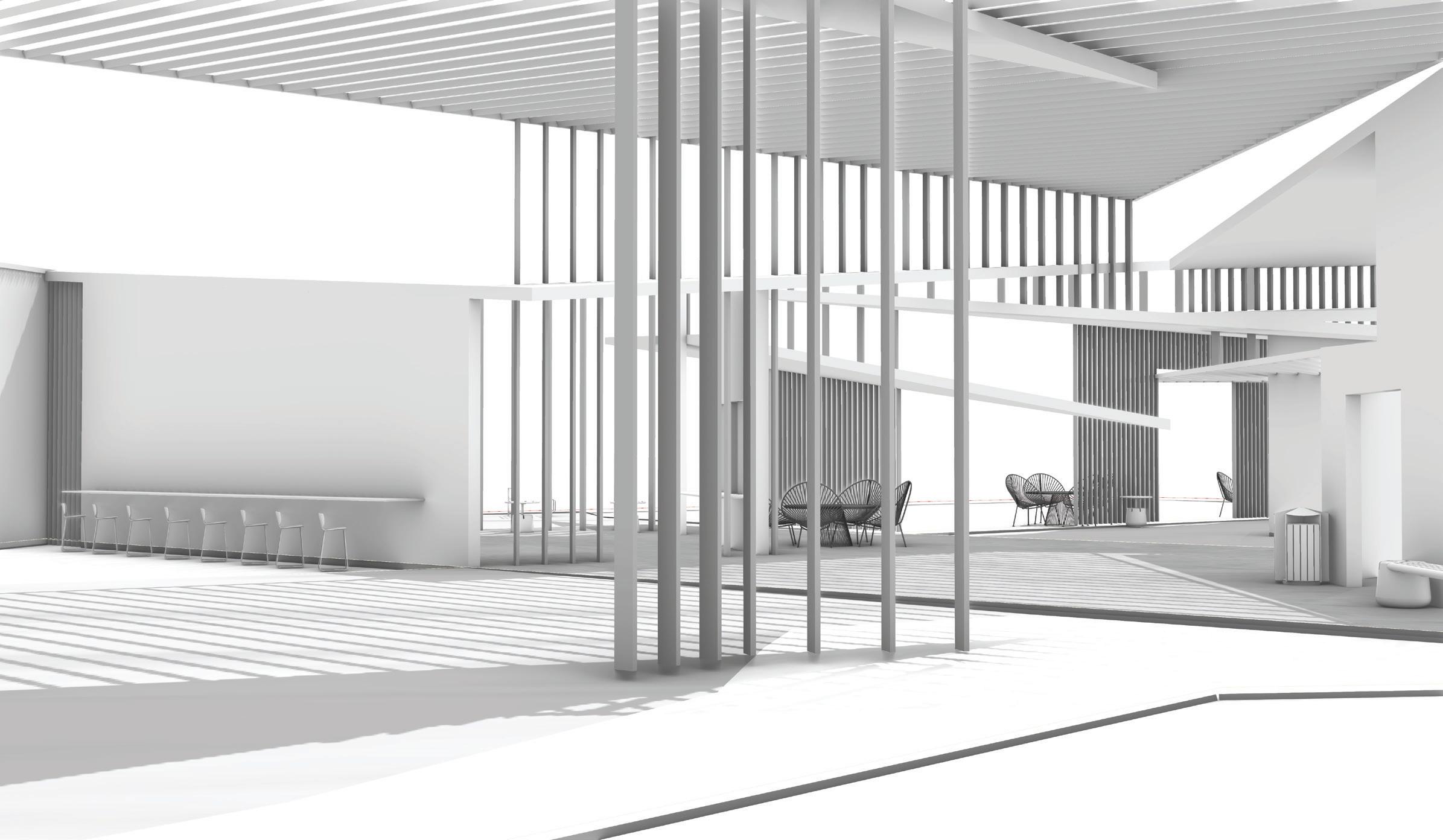
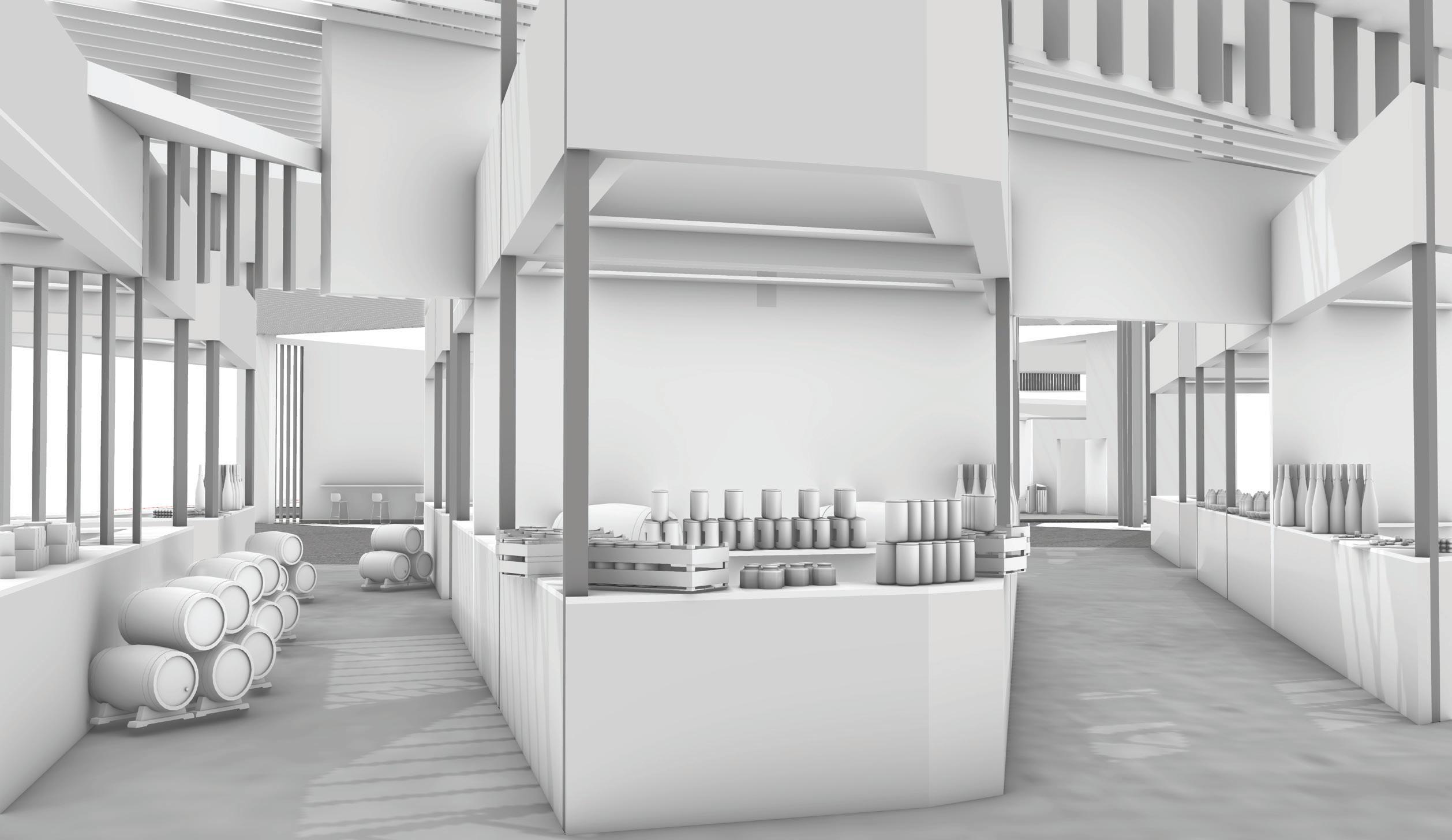
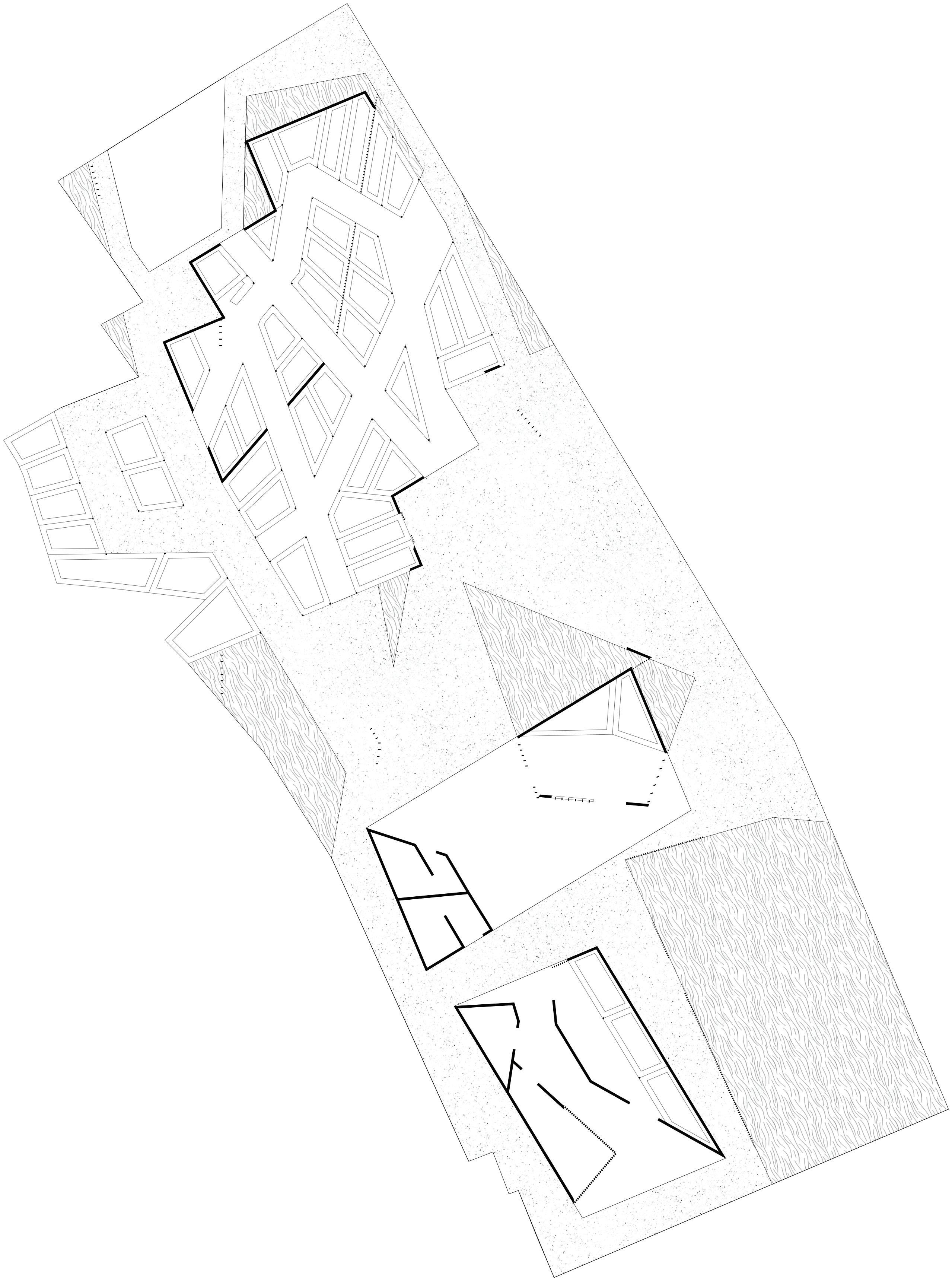
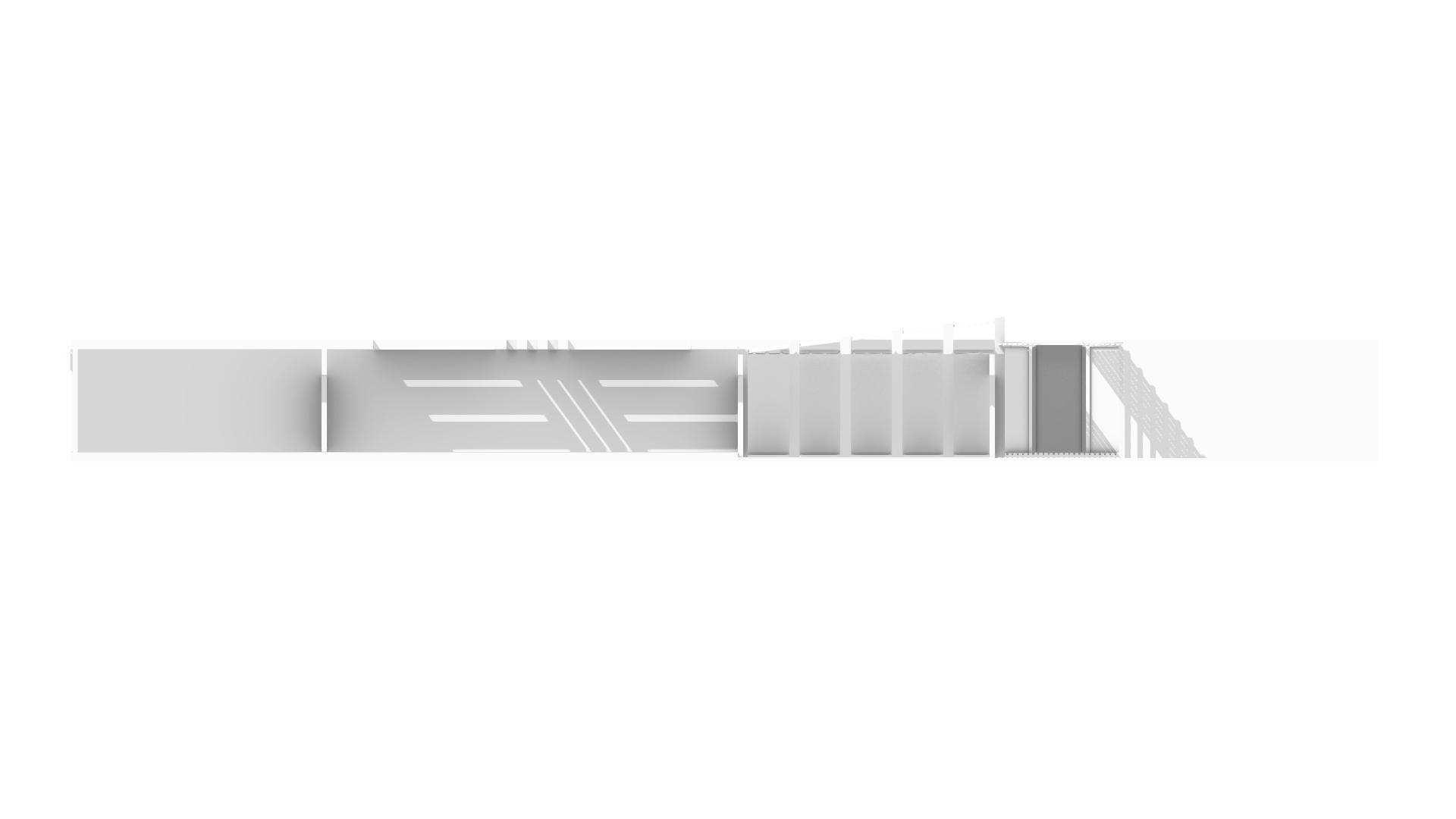
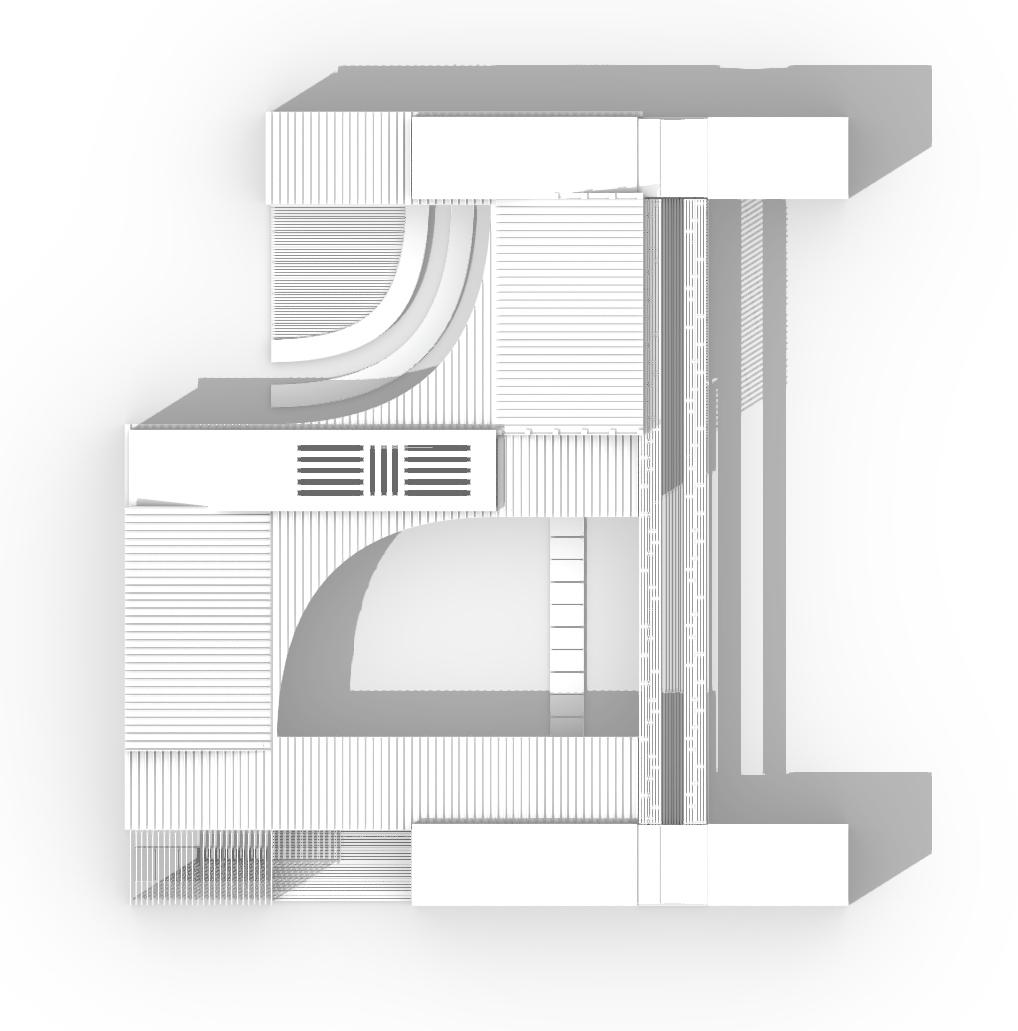
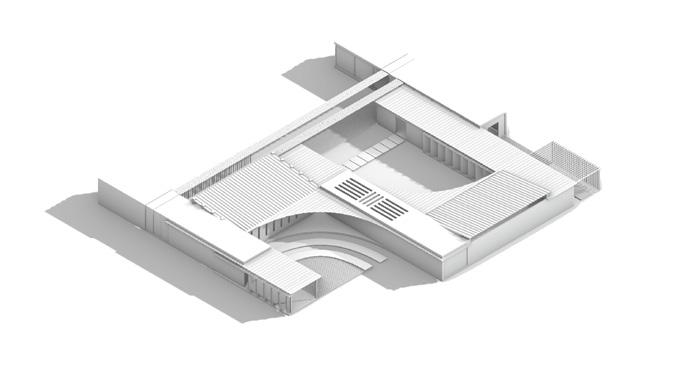
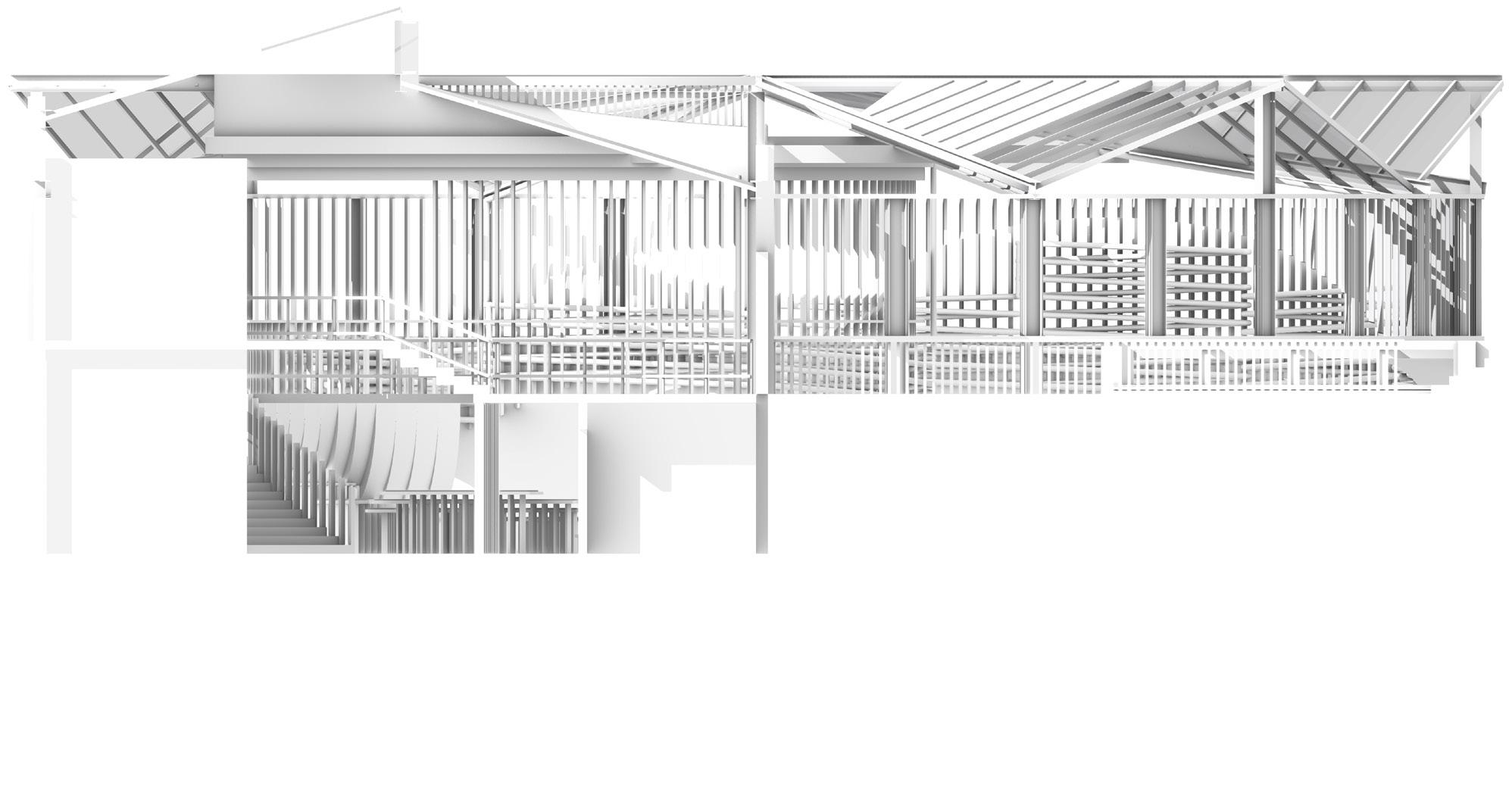
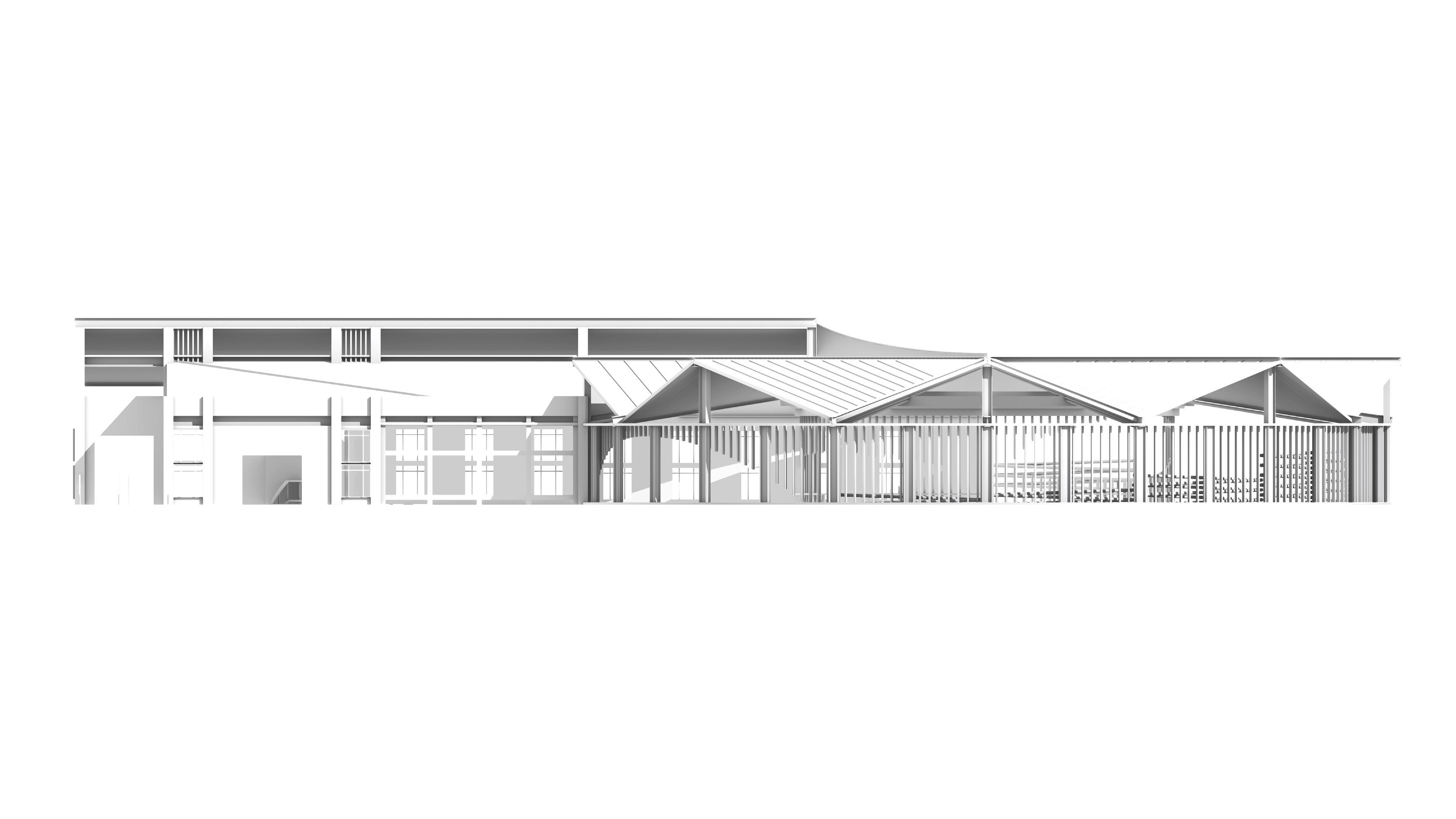
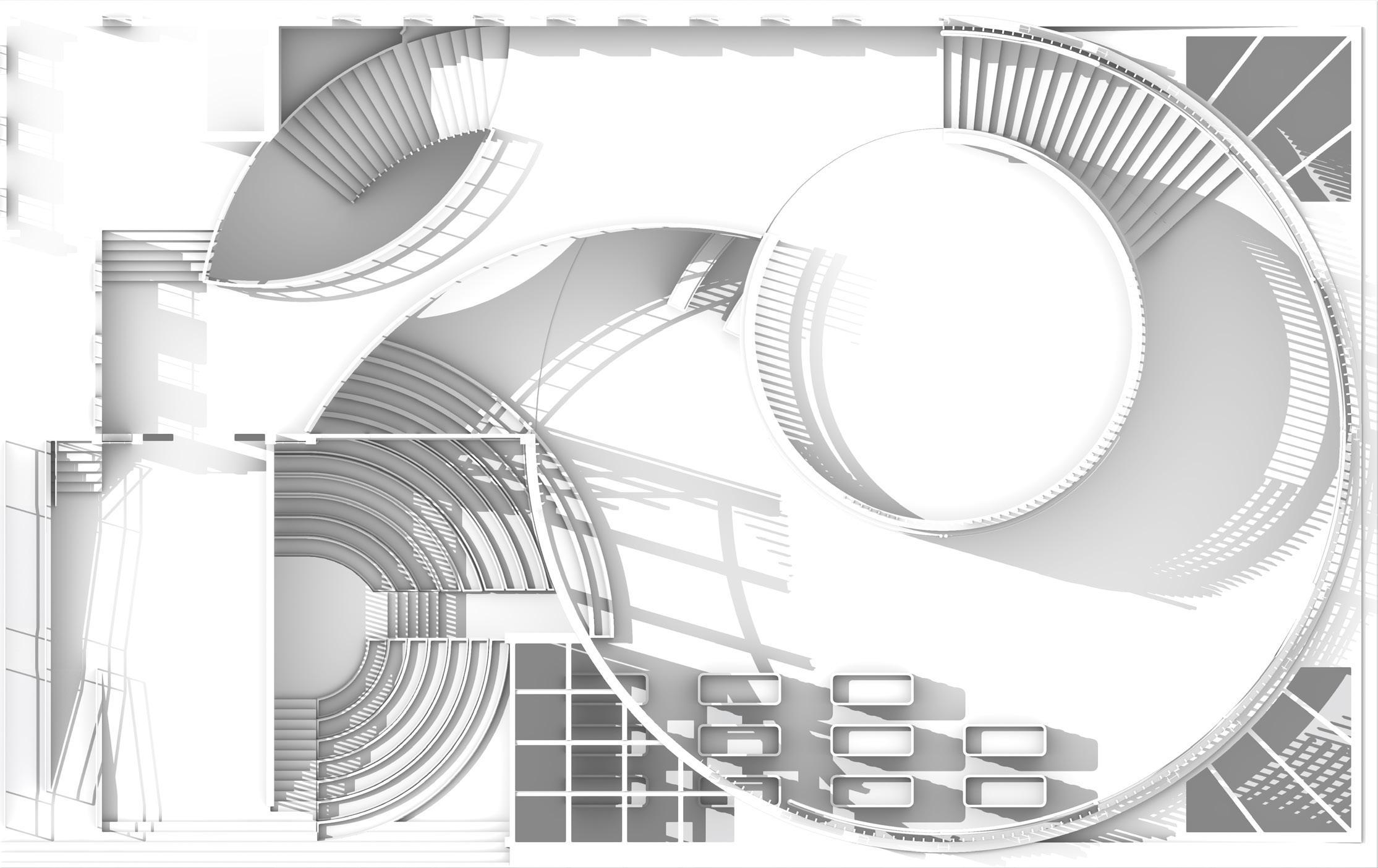
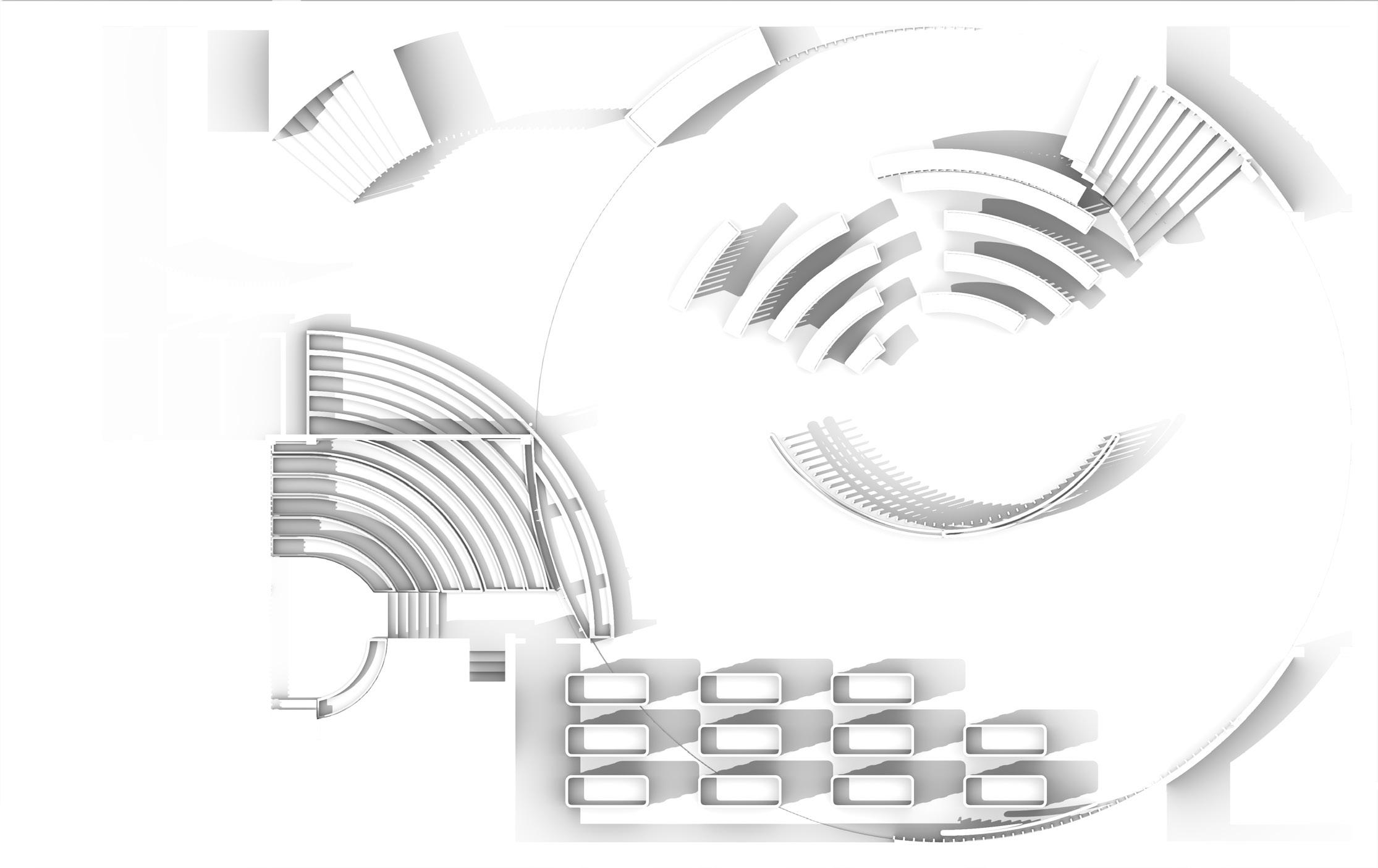
Midpoint market’s design forms a relationship with the city and its people. The market provides a series of market stalls shaded by a large series of roof forms and canopies which stretch the mass of the site. The South of the site consists of interior restaurant stalls and cafes, aimed at providing users with a space not strictly for purchasing produce and other assorted goods, but rather for enjoying leisure and community over extended periods of time. The North of the site contains 14 interior stalls, 19 exterior stalls, and 9 exterior pop up stalls to promote the purchasing of variety goods in a single location.
The market serves as an excellent midpoint between the inner and outer parts of the city, providing residents of East Seville with a more accessible market.
Seville, Spain
Seville’s original city roads have created a setting in which maneuvering can be confusing and disorienting. With this accessability in mind, the market’s roof systems mark out the site’s locations of entry, as well as the doors of the neighboring church. In doing this, the building creates awe in its introduction to every customer who approaches the site, while indicating points of exit.
Building Progression
Stall Perspective
Market
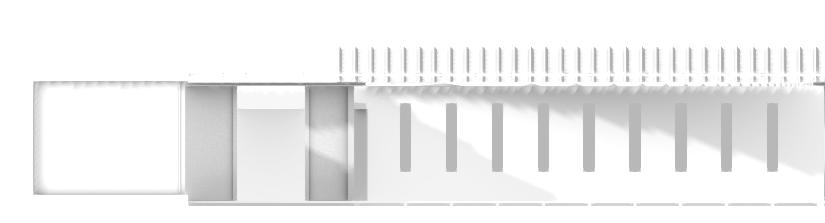
B Section
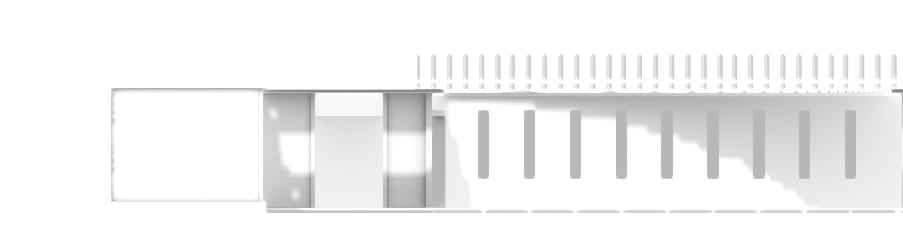
C Section
Exploded Roof Isometric
Isometric View
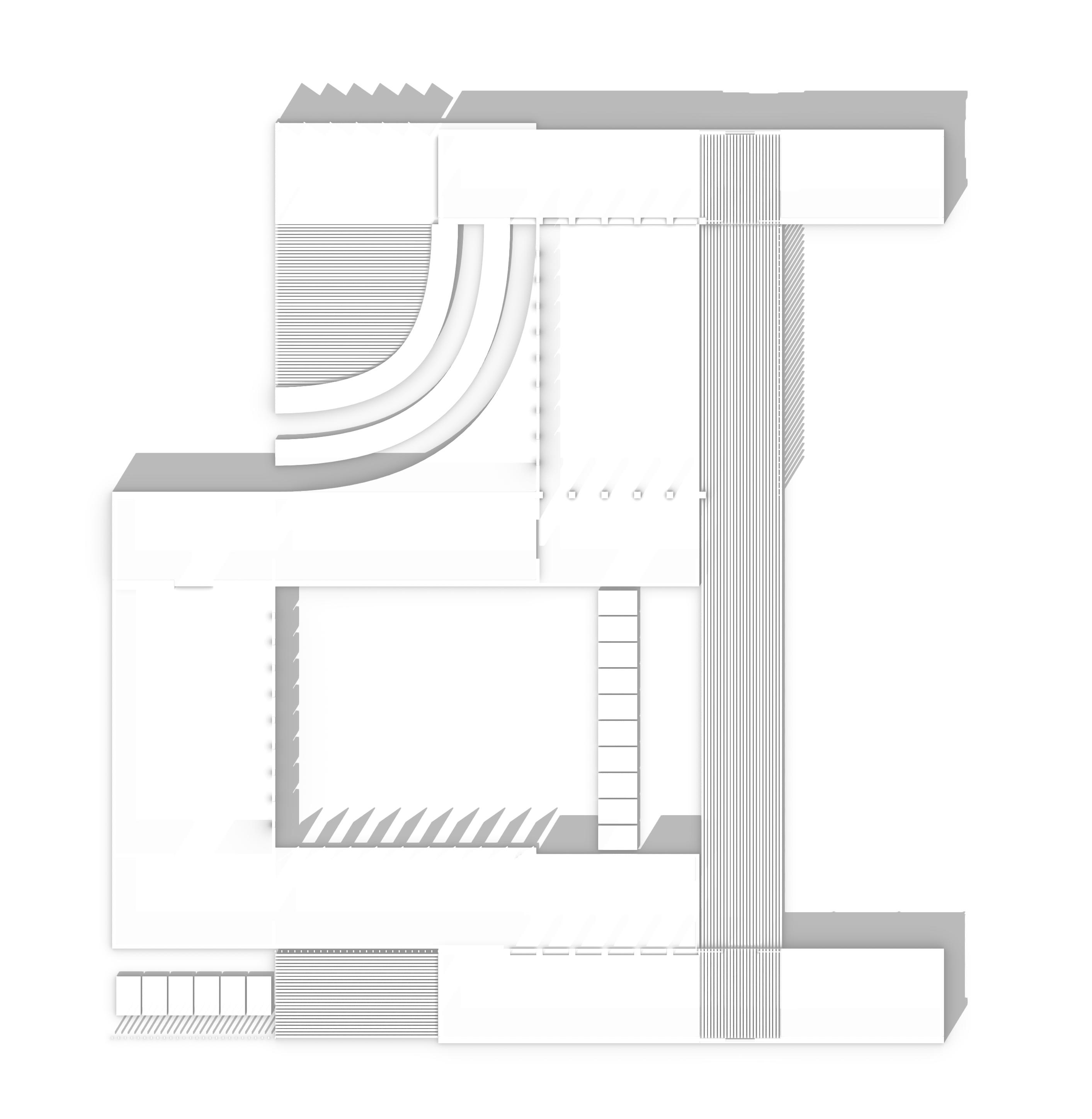
Painting With Light was a driving force behind the roof canopies and veneer facade, creating an interplay between the contrasting shadows projected onto the floors and walls. The market stalls share reseblence to the original road layout of the inner city, establishing a circulation reminiscent of traditional culture.
Exploded Isometric
Lubbock Solar Observatory Spring 2023 . Instructor: Lauren Philips Studio VI
Framed Horizons is an architectural exploration of light and its interplay with the environment. Situated on a flat field in Lubbock, the building takes inspiration from Villa Cornaro, embracing its classical balance and spatial clarity.
The design intentionally frames and obstructs views to craft visual compositions of the landscape, turning the surrounding flatness into a series of dynamic, framed horizons. This approach creates a profound dialogue between light, architecture, and site, offering visitors an immersive experience of perspective and illumination
Framed Horizons Diagram
Villa Cornaro Anaysis
The building’s use of division, particularly through its exterior walkway, draws inspiration from Richard Long’s artistic ideas of lines as pathways, connections, and boundaries within a landscape. The walkway creates a literal and symbolic division in the structure, forming a dominant axis that organizes the building and its relationship to the site.
Elevation
A Section
B Section
This design emphasizes simplicity, spatial order, and the interplay of natural and industrial materials reflected by Donald Judd’s ideas of minimalist forms and material honesty. The building’s large concrete boxes, inspired by Judd’s 15 Untitled Works in Concrete, establish rhythm and clarity. Wood veneers soften the boundaries between the structure and the landscape, while corrugated steel sheets and I-beams highlight functional, straightforward construction.
A Section
A Elevation A B
Through strategically placed light halls along the walls of the building’s nooks, direct sunlight gradually illuminates these spaces in relation to the building’s roof shape. As the sun moves across the sky, the amount and angle of light entering the light halls shift, creating a natural, ever-changing display of time within the walls of the building, utilizing light as a dynamic marker of time.
B Elevation
B Section
Elevated Horizons Transit Hub
Lubbock Cultural Migration Transit Hub
Fall 2024 . Instructor: Marshall Drennan Studio VI
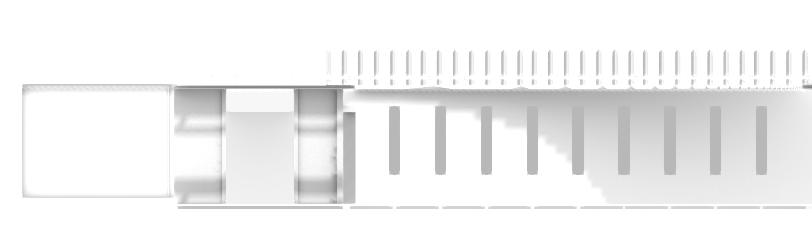
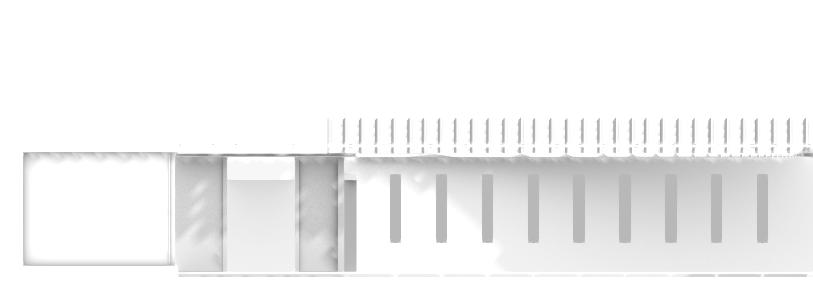
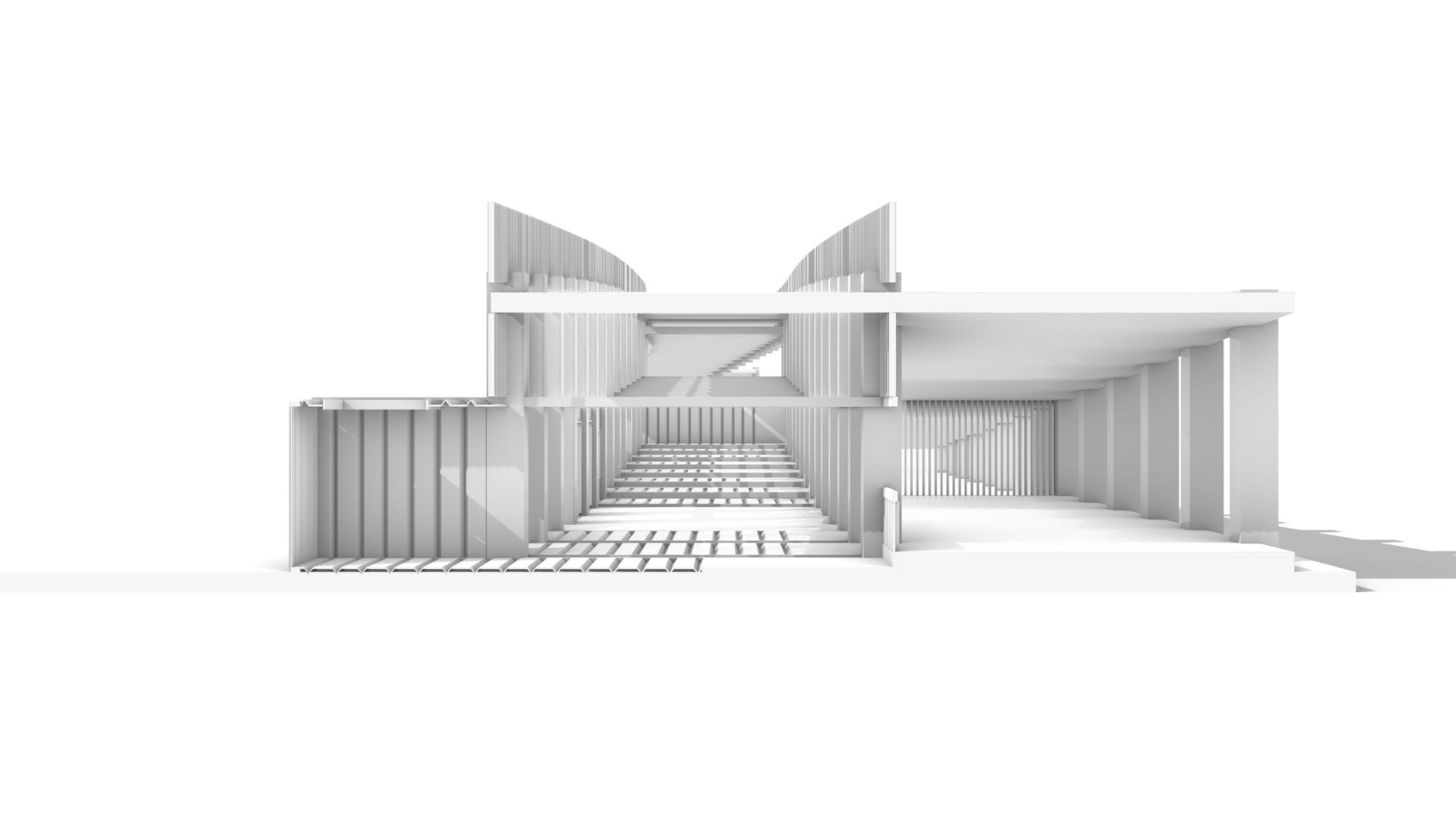
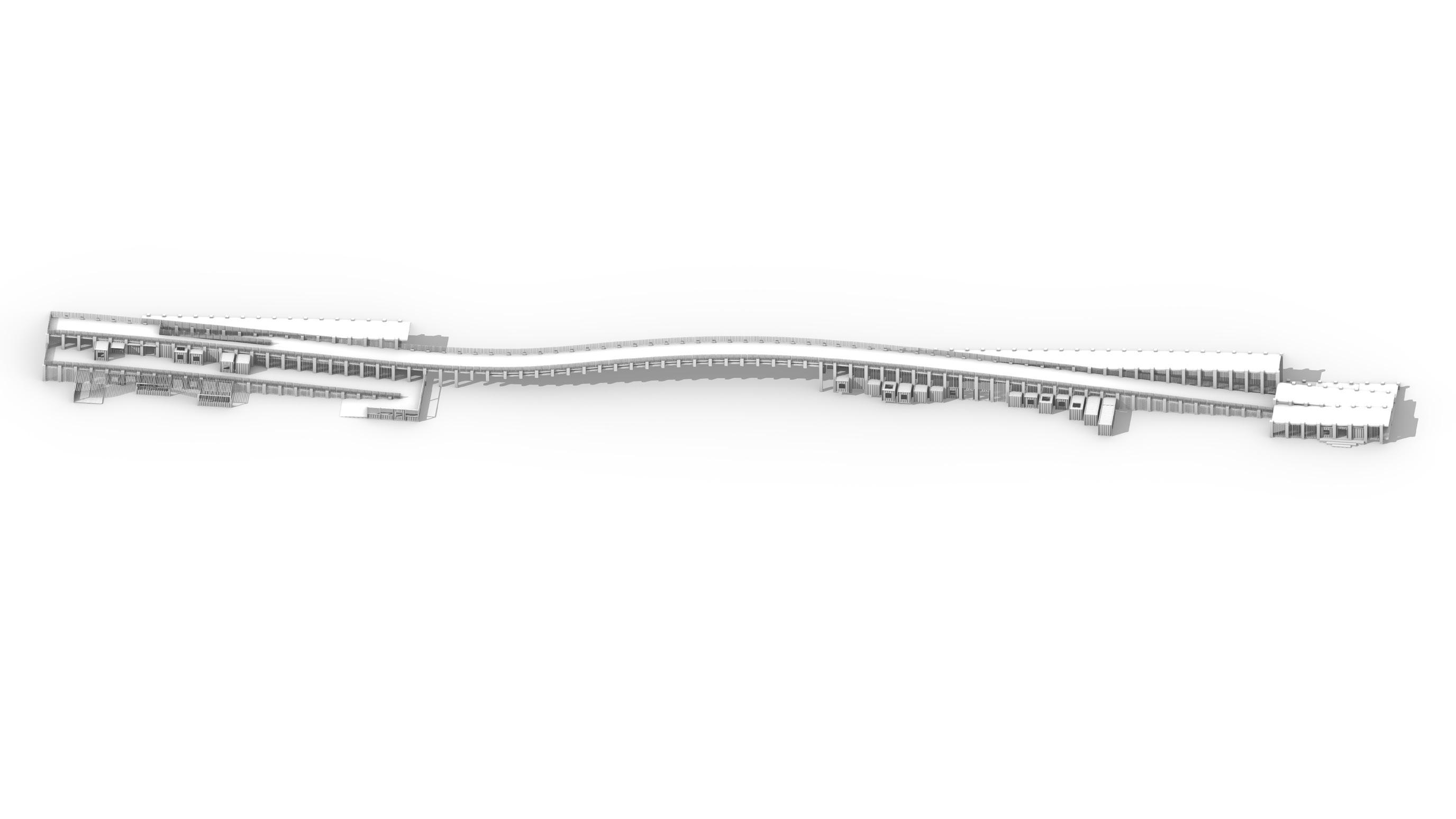
Elevated Horizons is a transit hub and art gallery that integrates community, sustainability, and functionality. Inspired by the Carpenter Center and Star Apartments, its design features a grid of concrete columns with recycled shipping containers forming suspended modular spaces between the columns.
The building includes distinct zones for transit, an accessible bridge, and processional spaces for art. Wood veneer facades provide shading, noise reduction, and rhythm, while the overall design emphasizes transit efficiency, public engagement, and artistic expression.
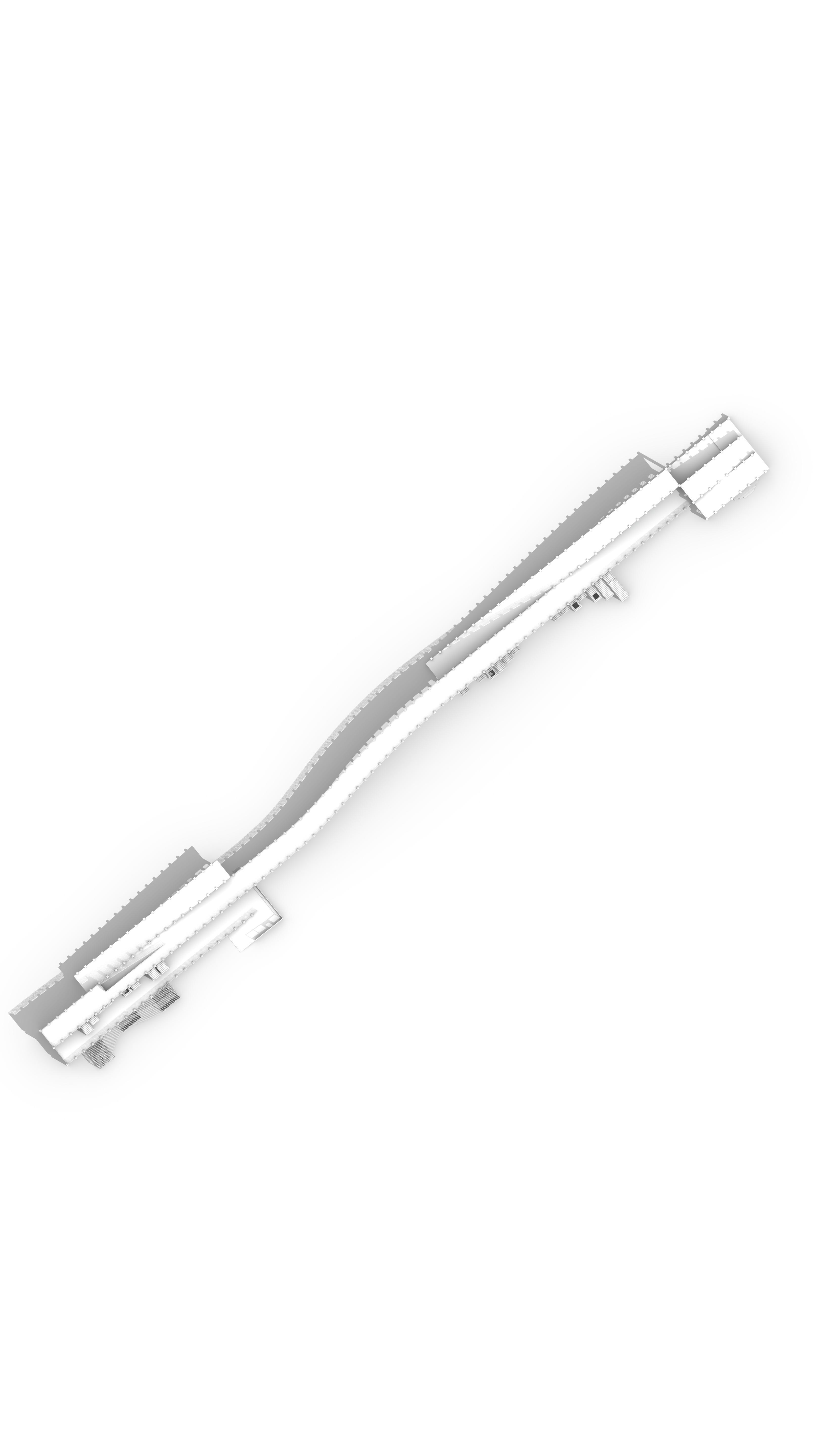
The building’s forms shift along grid lines to suit their functions. The bus site is shifted away from the site’s edge to create boarding space, while the train site aligns with the railroad for seamless access. The grid aligns with the nearby train tracks to connect the building to its transportation function. Perpendicular lines are placed at neighboring road intersections, creating divisions in the building and reinforcing its relationship with the site.
Bus Gallery Highlight Section
Train Gallery Highlight Section
Processional pathways are purpose-driven: the bus site includes an art hall where users can navigate freely without interfering with commuters, the train site incorporates an elevated art hall and ticket nooks within shipping containers, and the bridge offers constant accessibility for road crossing.
Circulation
Priorotizing functionality and comfort, users access the buses through designated spaces formed between the building’s concrete columns, providing a safe and convenient boarding experience. At the train station, passengers board directly from a covered platform where the train pulls up, ensuring easy and comfortable access.
First Floor Plan
Second Floor Plan
Running Section
Isometric View
The Living Building
Lubbock Wastewater Plant Revitilization Fall 2024 . Instructor: Mehan Asma Studio VII
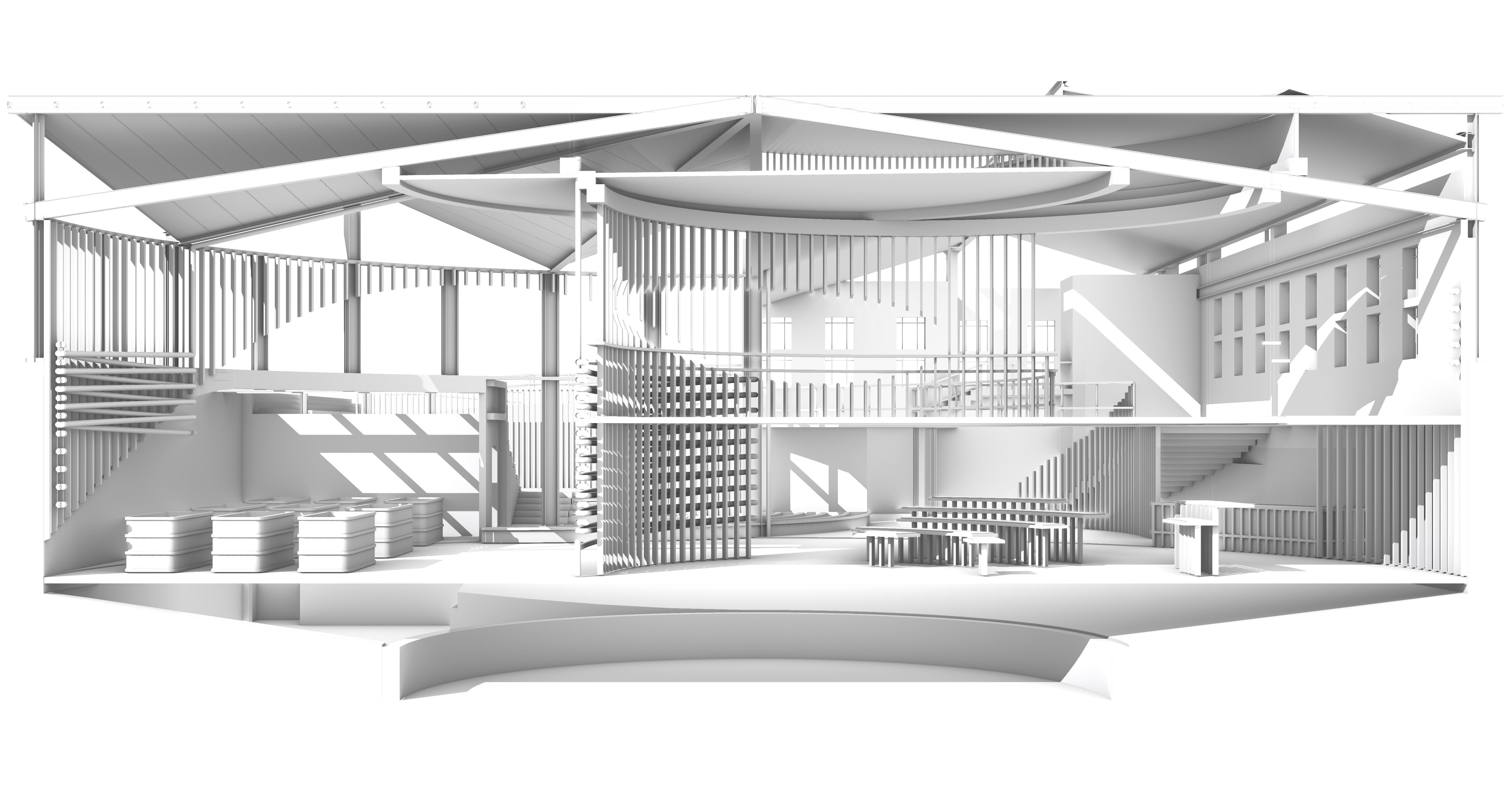
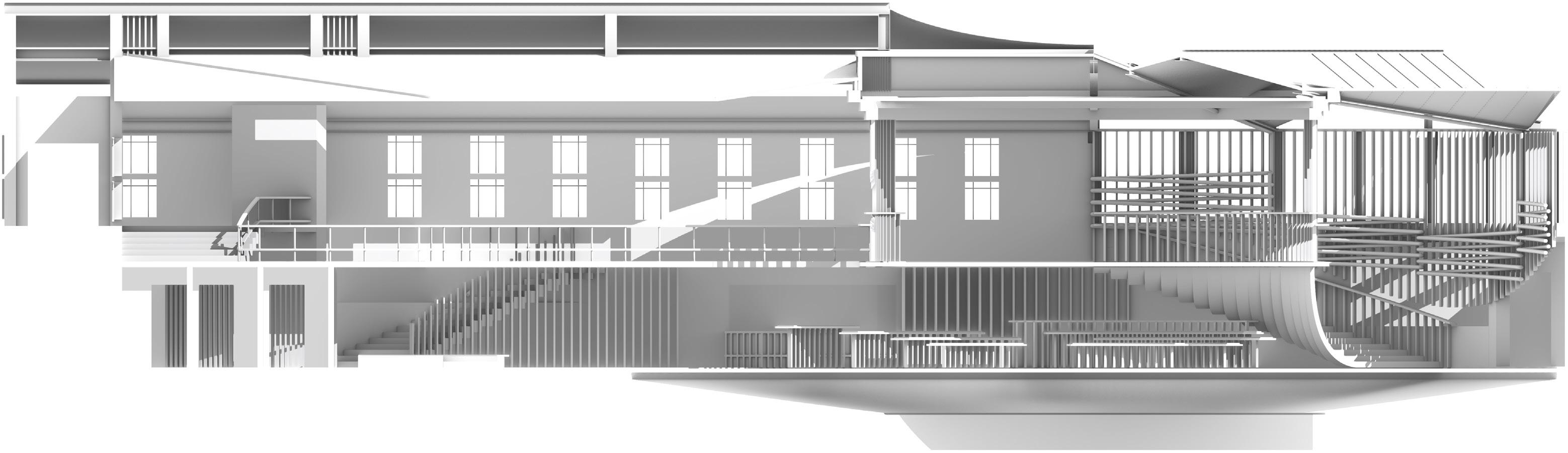
Repurposing a retired wastewater treatment site in Lubbock, Texas, this facility serves the Dunbar-Manhattan Heights community in Lubbock by providing fresh, locally grown foods to its members. It functions as an educational hub for children and adults, offering workshops and hands-on learning experiences about sustainable food systems.
The design features a pre-existing submerged circular structure with extensions for classrooms and public spaces. The building uses geothermal cooling, passive ventilation, and integrated hydroponic systems as a means of energy consfervation. Additionally, a public community garden fosters engagement and accessibility, making the center a cornerstone for environmental education and community wellbeing.
Perpective Section
Windcatcher Roof systems harnesses Lubbock’s strong southwest winds to bring natural air into the facility, promoting natural cooling and air circulation while reducing the need for mechanical ventilation.
Geothermal Cooling in the building utilizes the earth’s stable underground temperature to cool submerged sections naturally, offering energyefficient temperature regulation without external power sources.
Water Recycling through the hydroponic systems minimize waste and ensure water is continuously filtered and reused, promoting sustainability and reducing consumption.
Rainwater Collection takes place through a network of gutters and downspouts, storing it in the tank for use in hydroponic systems and other building needs, reducing reliance on municipal water sources.
The building is designed for Rapid Assembly, incorporating prefabricated components such as roof panels, veneer panels, and pipe systems. These elements are manufactured off-site to be quickly installed, significantly reducing construction time and minimizing disruption to the surrounding area.
A Section
B Section
Elevation
Formal Progression Diagram
Studies in Vernacular Architecture
Fall 2024 .
Architecture in Non-Western Societies Instructor: Joseph Aranha
Studies in Studio VII Instructor: Mehan Asma
These projects study the multicultural architectural contributions, interrelationships of culture and architecture, diversity of traditions, meanings, modernity, and change in the non-western world.
Through understanding issues drawn from Asia, Africa, the MiddleEast and parts of the Americas. The studies provide an understanding of and appreciation for the value and usefulness of traditional architecture.
Showcased at the Biennale d’Architecture et de Paysage d’Île-de-France 2025 in Versailles