FDM Printing: A Reliable Option for Functional Prototypes and
CNC Plastic Parts
There’s something refreshingly simple about FDM printing. No steep setup curve, no long lead times. Just a material spool, a working printer, and your design turning into a real, physical part in a matter of hours.
In the early stages of building anything, speed counts. You don’t always need perfection you need something you can hold, test, tweak, and test again. That’s where FDM printing earns its place. It’s not about polished marketing models. It’s about proving a concept, adjusting for fit, and finding what works before you commit to production.
Good Enough to Get You Moving
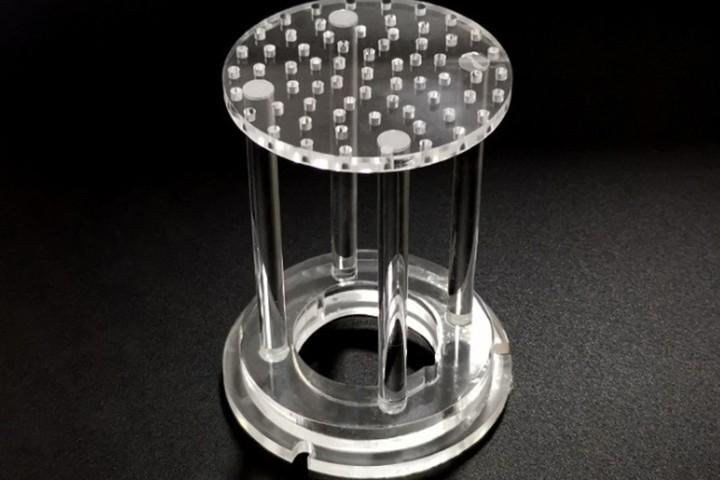
FDM uses common thermoplastics like ABS or PLA nothing fancy, but definitely functional. You can print a bracket, an enclosure, a jig, or a snap-fit assembly. And while the edges may not be flawless, the part does its job.
This process is especially useful when timelines are short and feedback cycles are tight. You’re able to modify a design overnight, print a new version the next day, and stay ahead of development instead of chasing delays. Not every piece will be your final answer. But FDM lets you find that answer faster.
When Precision Starts to Matter
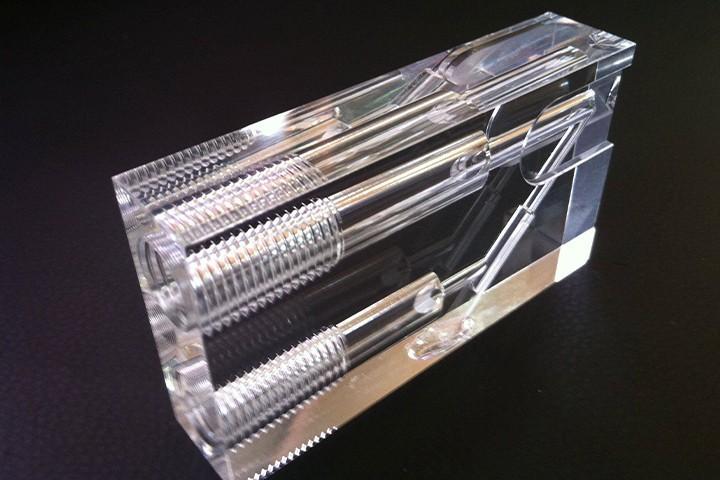
When you have nailed your design down, and you want something that has tighter tolerance, or would tolerate more usage, you may not want to be as restricted as 3d printing. That is when CNC plastic parts really minimize in sense.
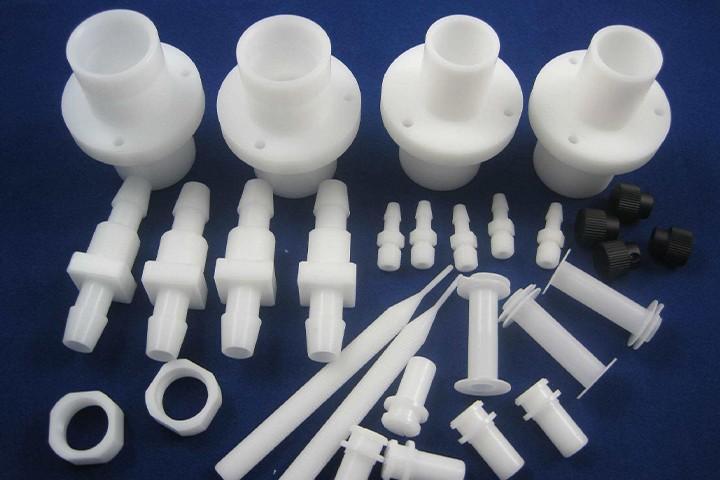
CNC machining delivers refined, production-ready plastic components with cleaner finishes and better consistency. It’s the route you take when testing is done and you’re preparing for scale. FDM gets you to the point. CNC helps you cross the finish line.
Use What Moves the Project Forward
There’s no need to overcomplicate early-stage builds. If a fast, flexible solution can keep your team moving, that’s the right choice for right now. FDM printing does that without slowing you down and leaves the door open for refinement when it’s time to go further.
Contact Details RM Mold
Email: info@rm-mold.com
Website:www.rm-mold.com