As we enter 2026, the architectural profession stands at a decisive moment. Sustainability imperatives, rapid technological evolution, and profound cultural shifts are no longer emerging trends - they are the conditions shaping how we design, build, and live. Architects today are challenged not only to respond to the present, but to anticipate the future with clarity, responsibility, and intent.
In this Winter Issue of RMJM’s Semi-Annual Report, our sixth edition - we reflect on the collective achievements of the RMJM Group over the past six months. Across regions and disciplines, our global teams continue to deliver ambitious, highquality work, shaping complex projects and iconic environments in diverse contexts worldwide.
This edition also marks an important milestone for RMJM: the introduction of our refreshed brand identity. More than a visual evolution, the rebranding reflects a deeper transformation in how we articulate who we are and what we stand for today- Architects of Ambition. It captures our renewed focus on purposeful design, long-term value creation, and architecture that balances innovation with social and environmental responsibility.
Our design philosophy has matured into a more deliberate, research-driven approach - one that seeks to understand the unique essence of each project and its impact over time. Looking ahead, RMJM’s agenda will continue to be shaped by the intersection of sustainability, technology, and human experience.
Our greatest strength is in our peopleworking together across borders and disciplines to deliver architecture of lasting value.
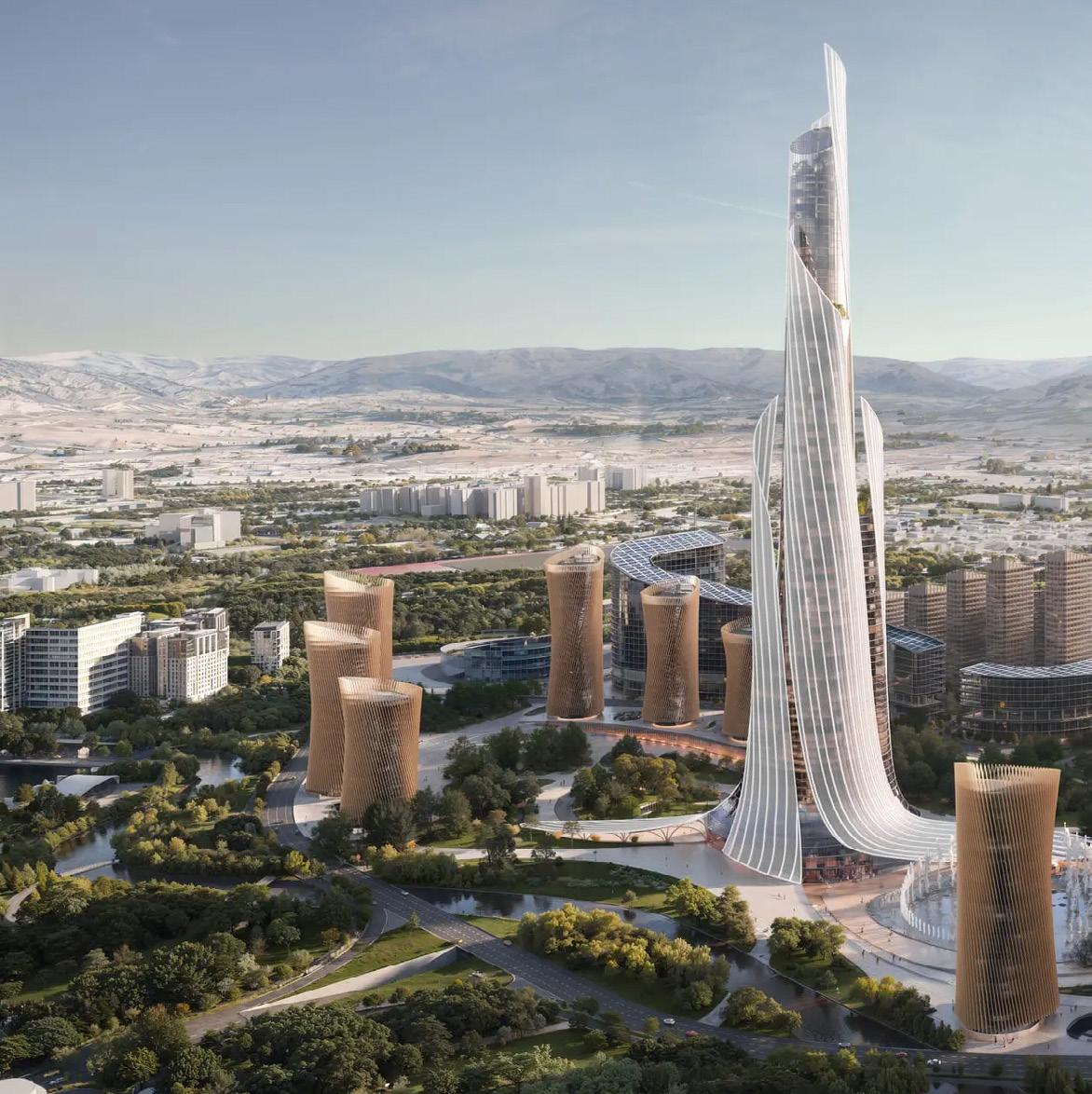
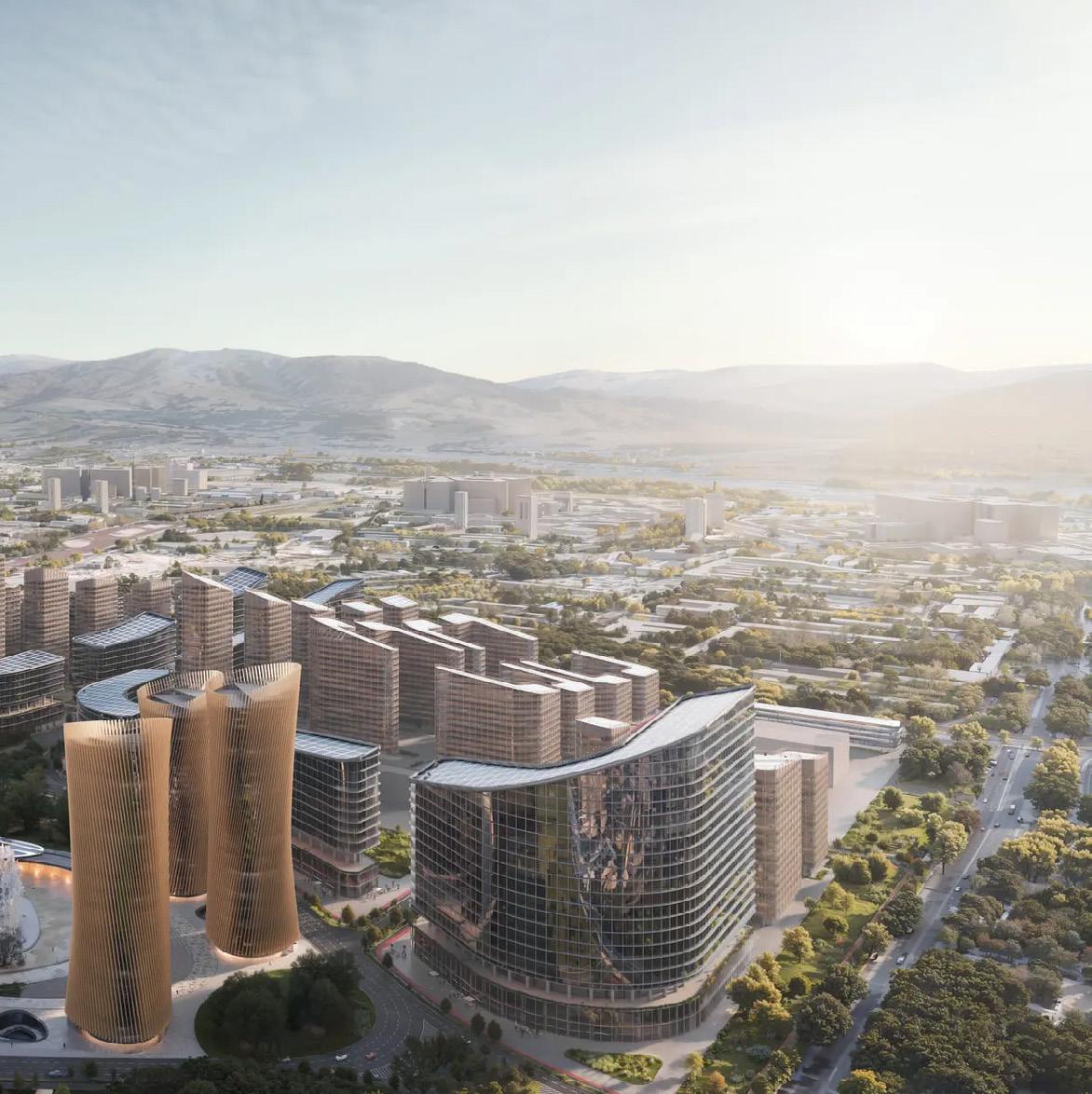
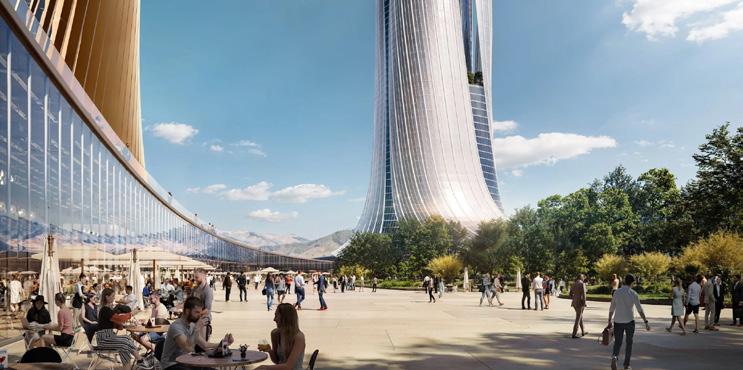
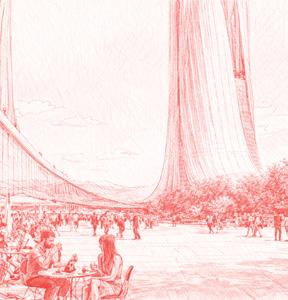
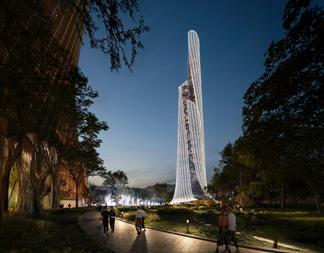
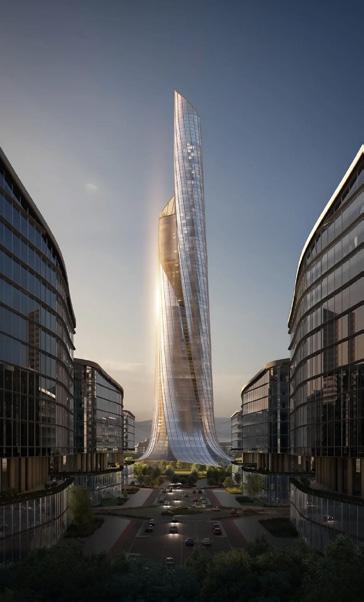
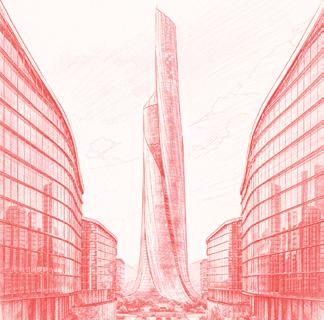
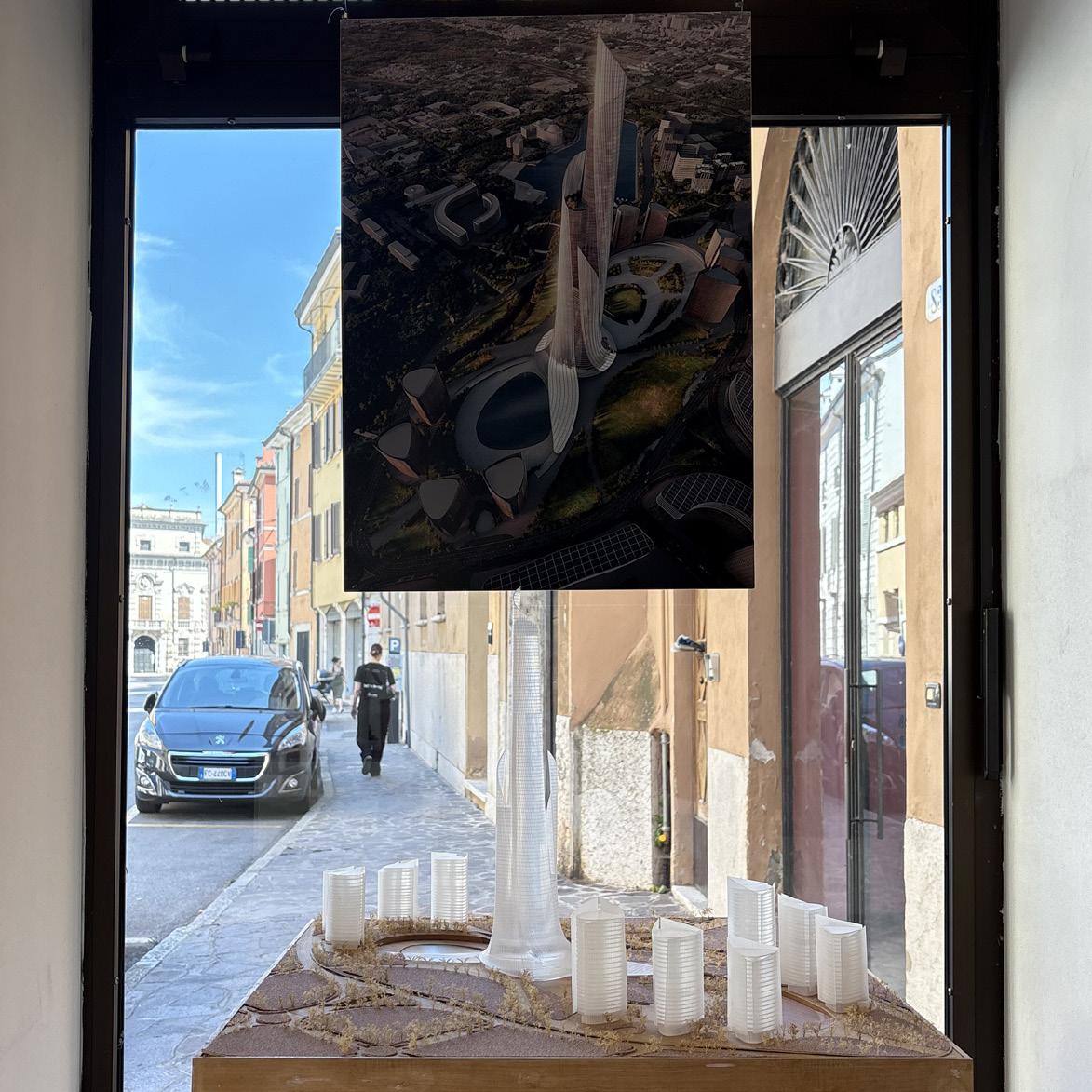
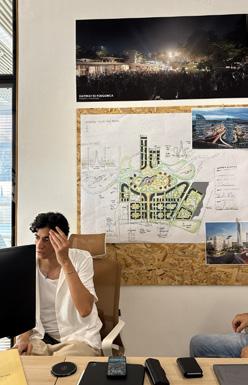
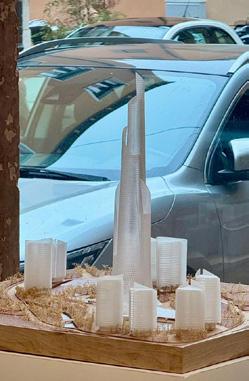
This visionary project places the tower inside a sprawling public park, offering a new blueprint for sustainable urbanism in Central Asia.
While most tall buildings seek to recreate gardens within their interiors, trapping nature behind glass walls, this project embraces a radically different approach. Here, the building itself is immersed in a living park. Sunken plazas, lush
green landscapes, and open public spaces surround the skyscraper, allowing nature to flow freely and making greenery an integral, authentic part of the urban experience. Instead of enclosing the garden within the building, the building is graciously placed inside the park.
“Our intention was clear from the start,” says Luca Aldrighi, Principal. “The architecture is not the dominant element but a humble servant, a tool to enhance life and foster community.” project designed by RMJM Mantova, Italy, 2026, for more info. please visit rmjm.com
The entire development is designed to be exclusively pedestrian-friendly, liberating the ground plane from vehicular traffic.
Cars access the building only via the second underground level, ensuring that the space above remains free, safe, and fully activated for people.
This thoughtful strategy transforms the ground-level environment into a vibrant gathering point for the community, not a traditional urban setup but one that prioritizes human experience, safety, and connection.
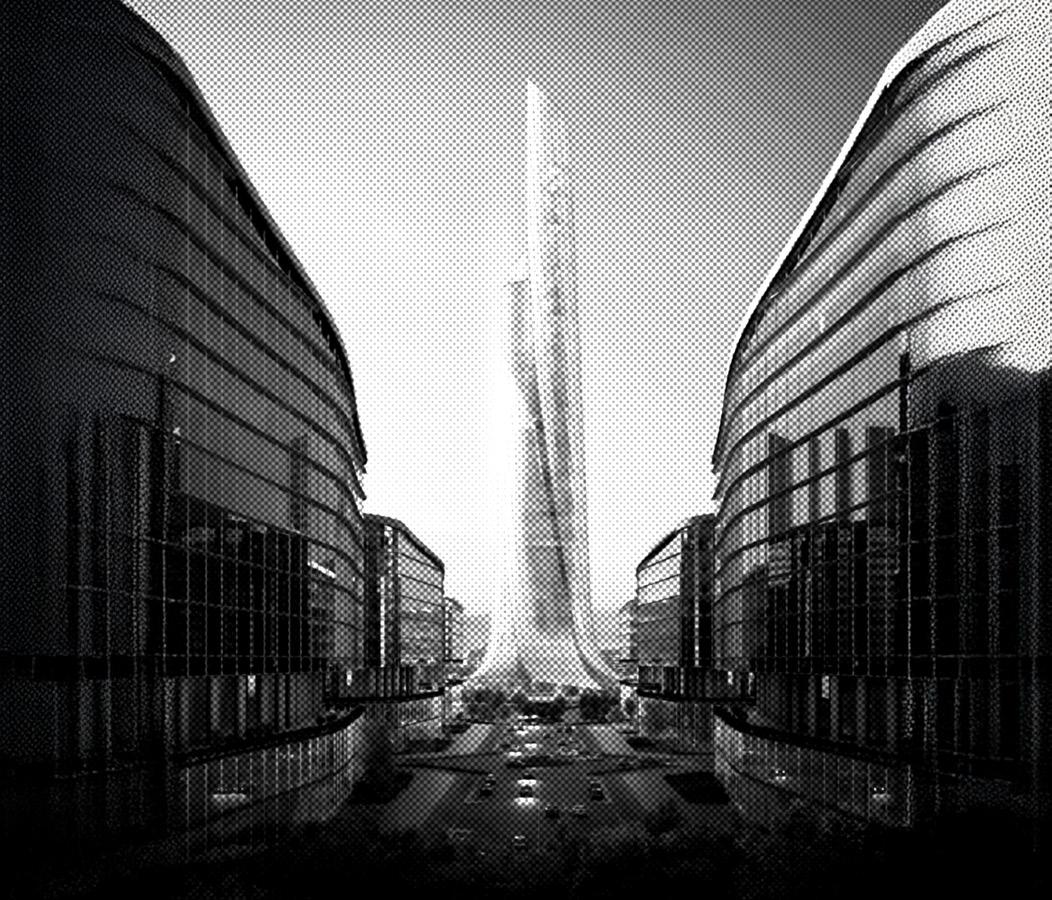
The sculptural expression of the tower enhances this dialogue with nature. Flake-like elements, inspired by the shifting forms of mountain ridges, twist and extend outward, creating canopies that provide shade, shelter, and moments for social interaction at ground level.
Public space is conceived as an active civic layer, designed to support movement, gathering, and everyday urban life.
A clear separation of circulation systems enhances safety and legibility, reinforcing a calm and accessible ground-level experience.
These dynamic gestures infuse the tower’s presence with motion and life, reinforcing its connection to the natural world that envelops it.
Abhinav Goel, Principal, reflects: “For us, the true success of this tower isn’t measured in meters or its skyline impact, but in how seamlessly it becomes part of everyday life. We envisioned a structure that doesn’t just rise above the city but roots itself within it, inviting people to pause, gather, and feel connected to a place where architecture and nature truly coexist.”
More than a landmark, the tower reimagines vertical living through a human centered and nature integrated approach, setting a new model for balanced future cities.
The building’s form is shaped by environmental forces, translating natural dynamics into a coherent architectural language.
Light, landscape, and structure work together to create a vertical presence that evolves throughout the day and across seasons.
The project explores a future-forward urban model where architecture contributes meaningfully to ecological and social balance.
RMJM
MANTOVA
BIOPHILIA
PANORAMA VIEW
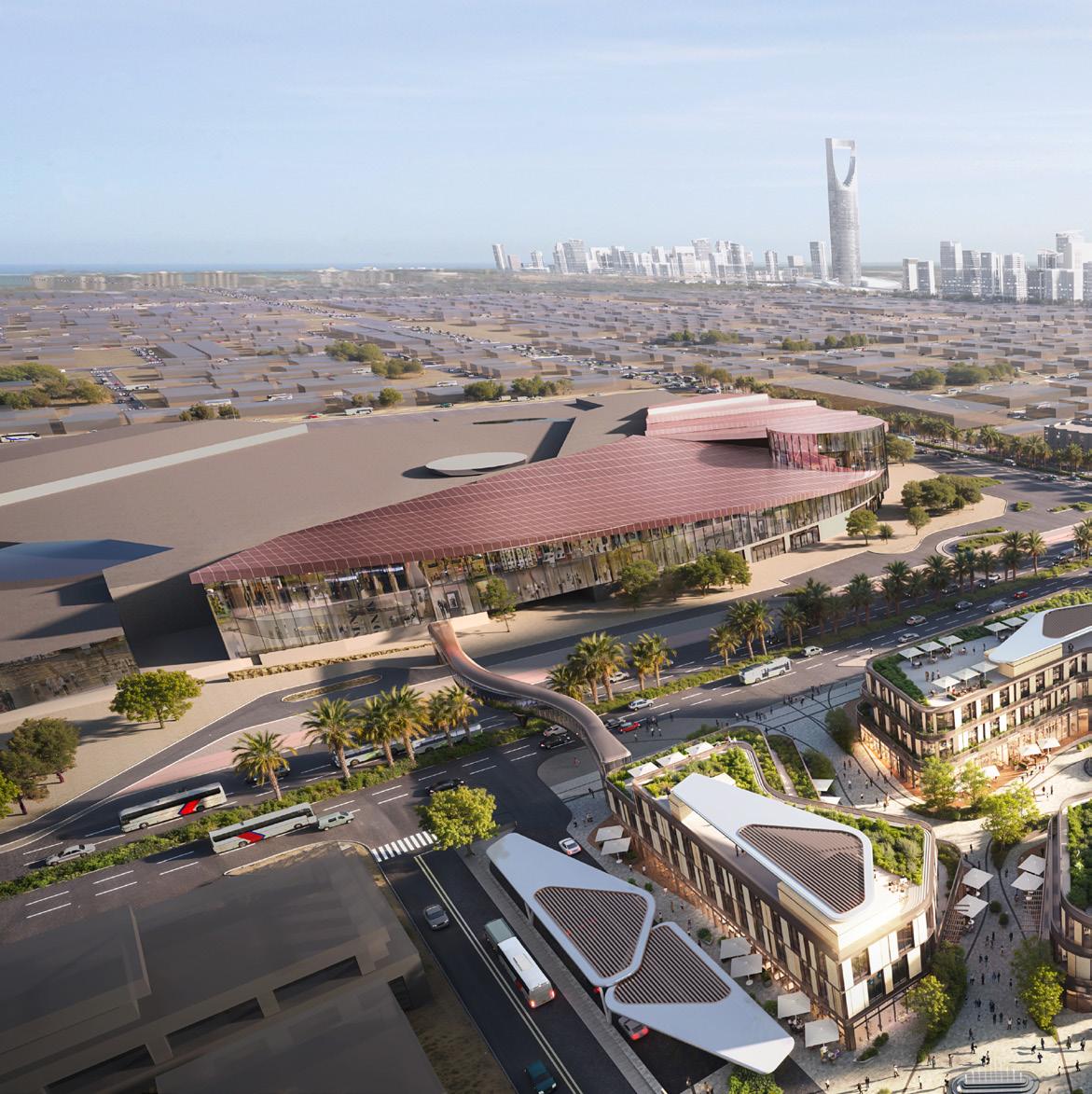
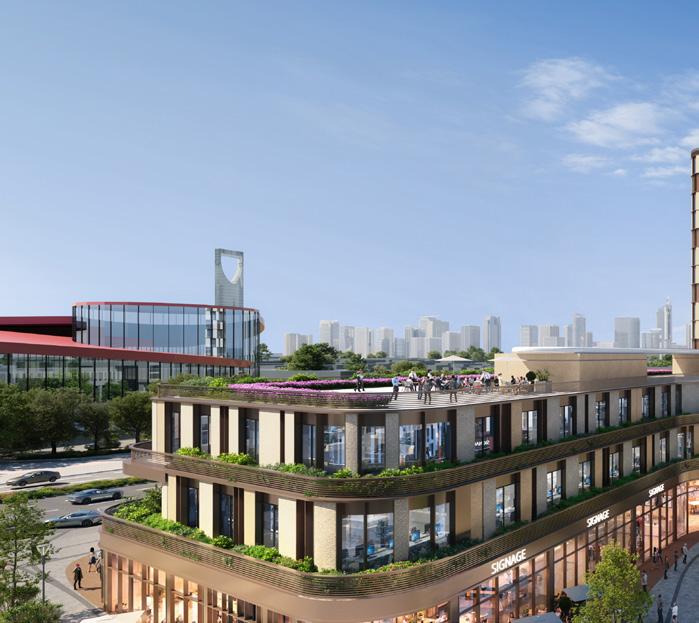
RMJM, in collaboration with G1 – the development arm of AWJ Holding, is proud to announce Panorama View, a landmark mixed-use development set to redefine Riyadh’s urban skyline and lifestyle.
Located opposite the iconic Panorama Mall at the junction of Tahliah and Takhassousi Streets, this premium address brings together hospitality, executive residences, retail, and office space in one vibrant destination, designed to seamlessly integrate business, leisure, and community life.
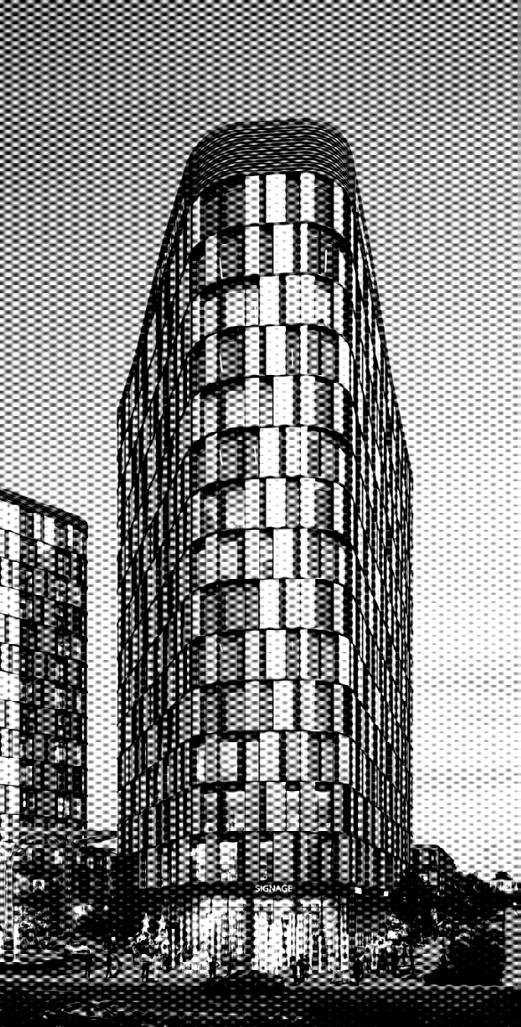
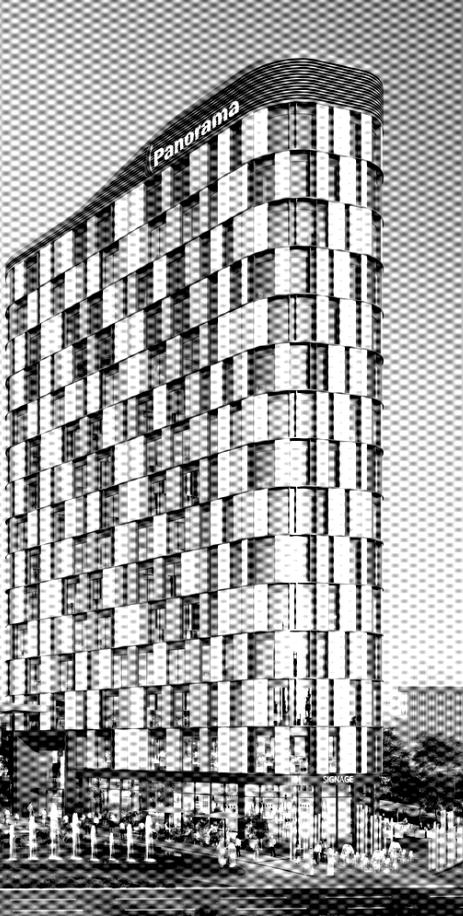
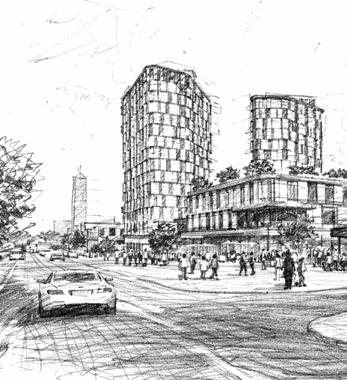
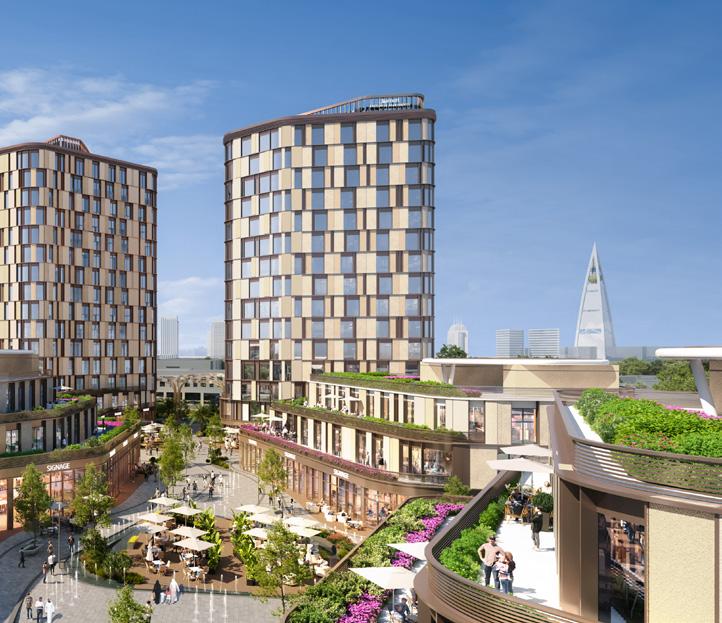
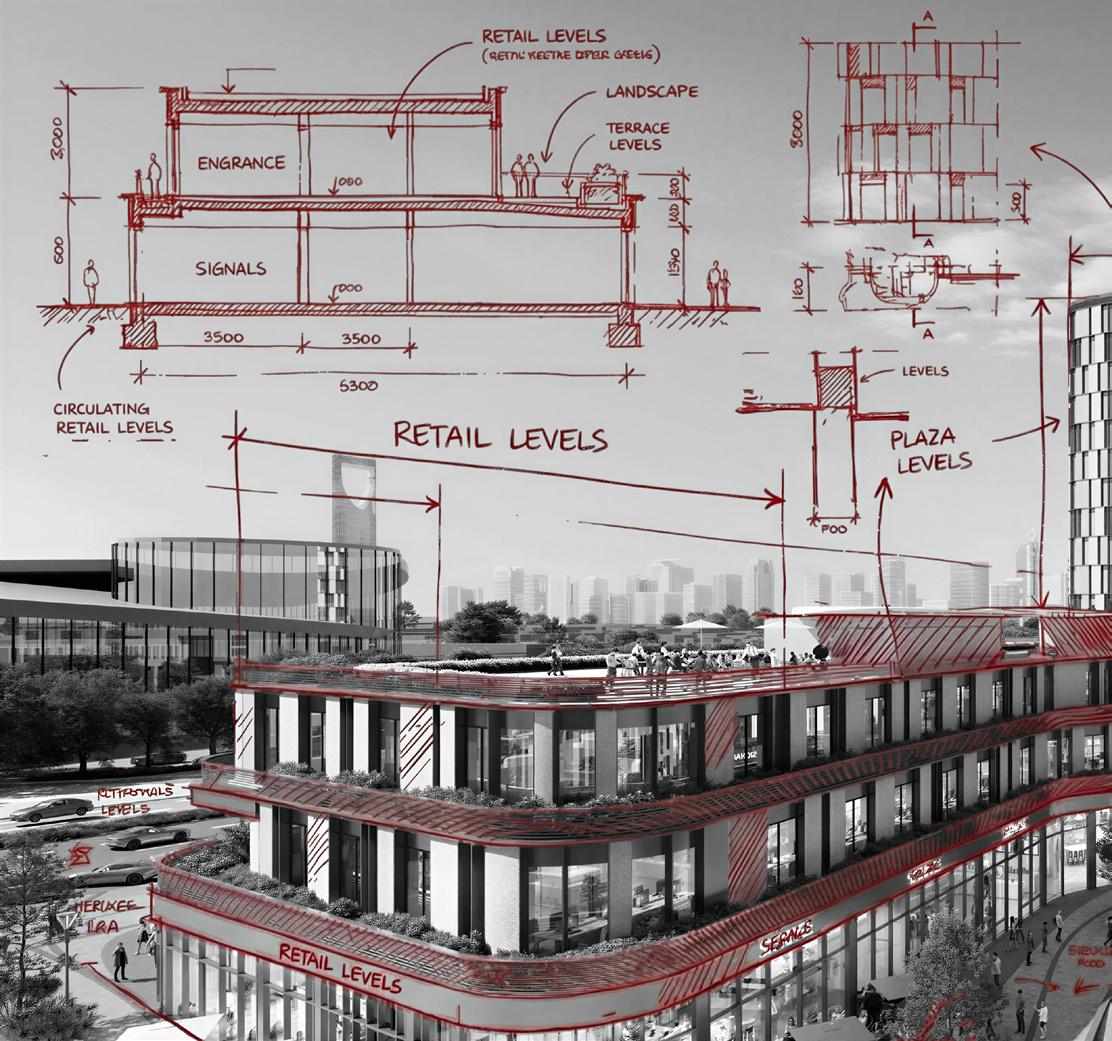
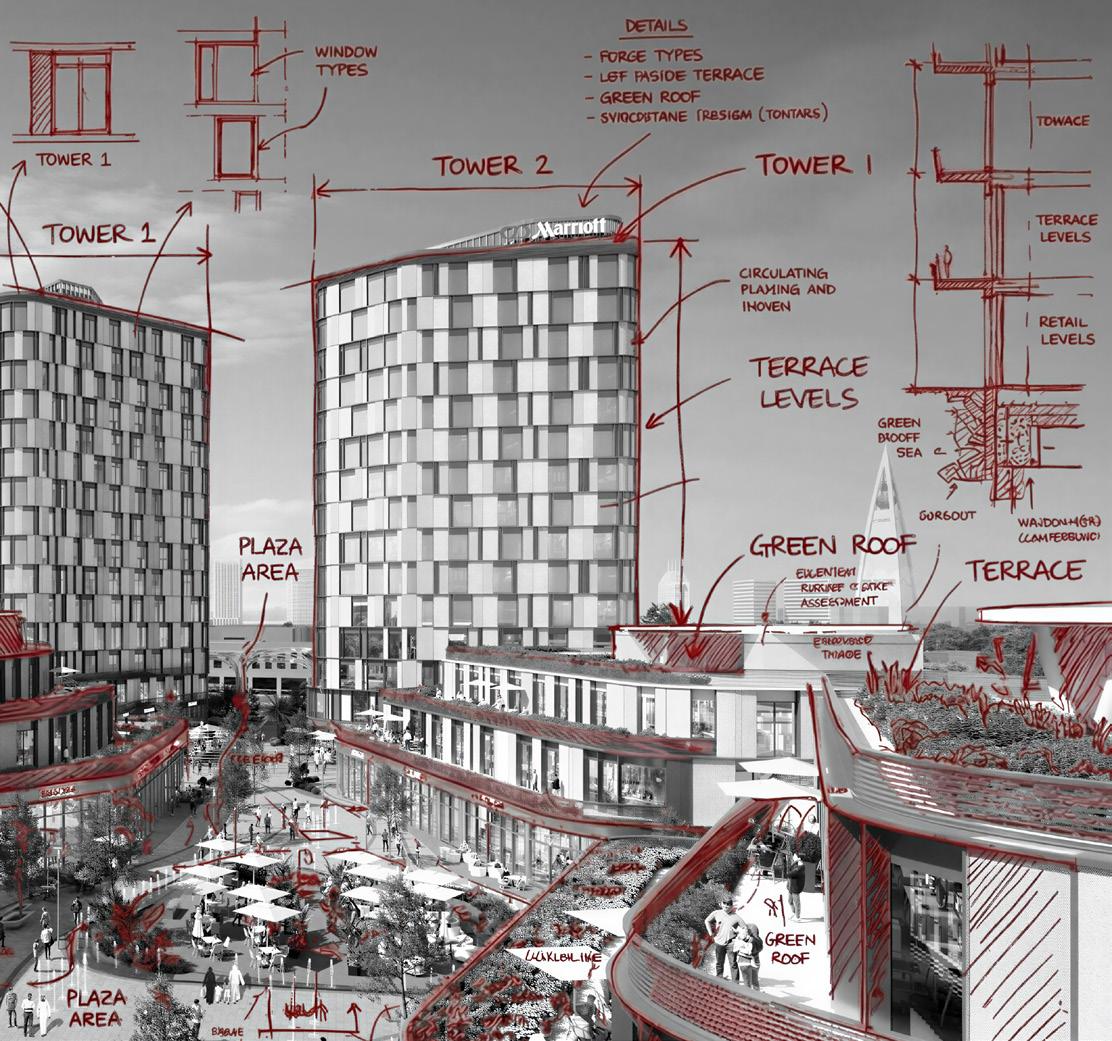
Two sculptural towers – housing Marriott Executive Apartments and premium “Panorama” branded offices – are linked by an elegant bridge and set above a dynamic retail podium.
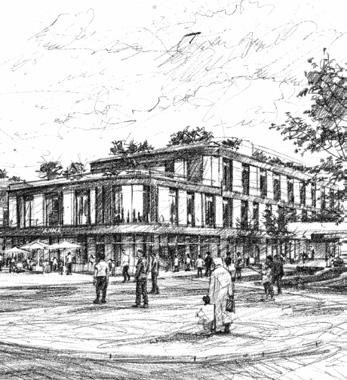
Inspired by the flowing forms of Saudi Arabia’s desert valleys, the architecture features a refined vertical-dunes façade. Warm stone and slender vertical glazing create shifting rhythms of light and shadow, while subtle tonal variation adds depth. Open, transparent podium façades connect retail and dining spaces seamlessly with the public realm.
OUR VISION WITH PANORAMA VIEW
IS TO CREATE MORE THAN JUST A DEVELOPMENT
IT’S ABOUT DELIVERING A CONNECTED, WORLD-CLASS ENVIRONMENT WHERE BUSINESS, LEISURE, AND COMMUNITY CONVERGE
At street level, the development opens into a carefully choreographed landscape. A sequence of plazas – Terhab Plaza, Multaqa Plaza, and Atyaf Plaza – each offers a distinct atmosphere, from the calm arrival framed by water and greenery to lively social nodes animated by cafés, outdoor dining terraces, and pop-up retail.
Shaded seating areas, native planting, and cooling water features create a sensory environment that is both functional and restorative. The interplay of built form and soft landscaping blurs the boundaries between architecture and nature, making the outdoor spaces as much a destination as the interiors.
Designed as a place to live, connect, and belong, shaping the rhythms of daily life.
Sustainability underpins the design, from high-performance façades that reduce heat gain to efficient water management, native planting, and shaded pedestrian routes. Positioned within Riyadh’s core commercial and lifestyle district, and within easy reach of major landmarks and transport links, Panorama View is set to become a new benchmark for integrated urban living.
The project is conceived as a layered urban destination, where architecture and public realm are interwoven to support long-term vitality. By integrating active frontages, flexible public spaces, and a clear pedestrian hierarchy, Panorama View fosters a sense of place that evolves throughout the day and adapts to the rhythms of the city.
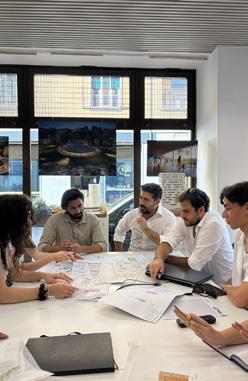
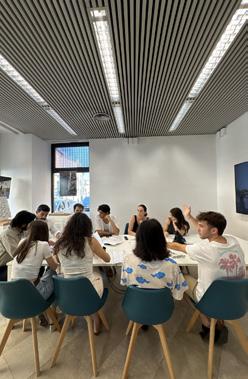
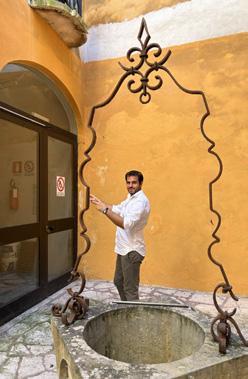
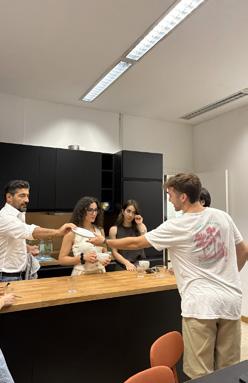
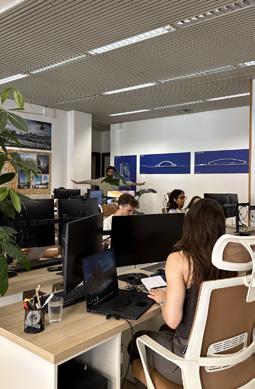
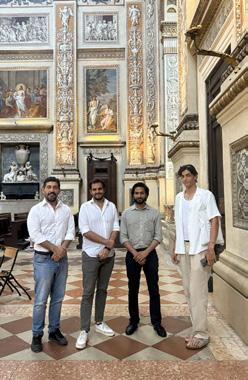
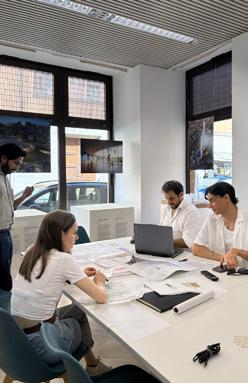
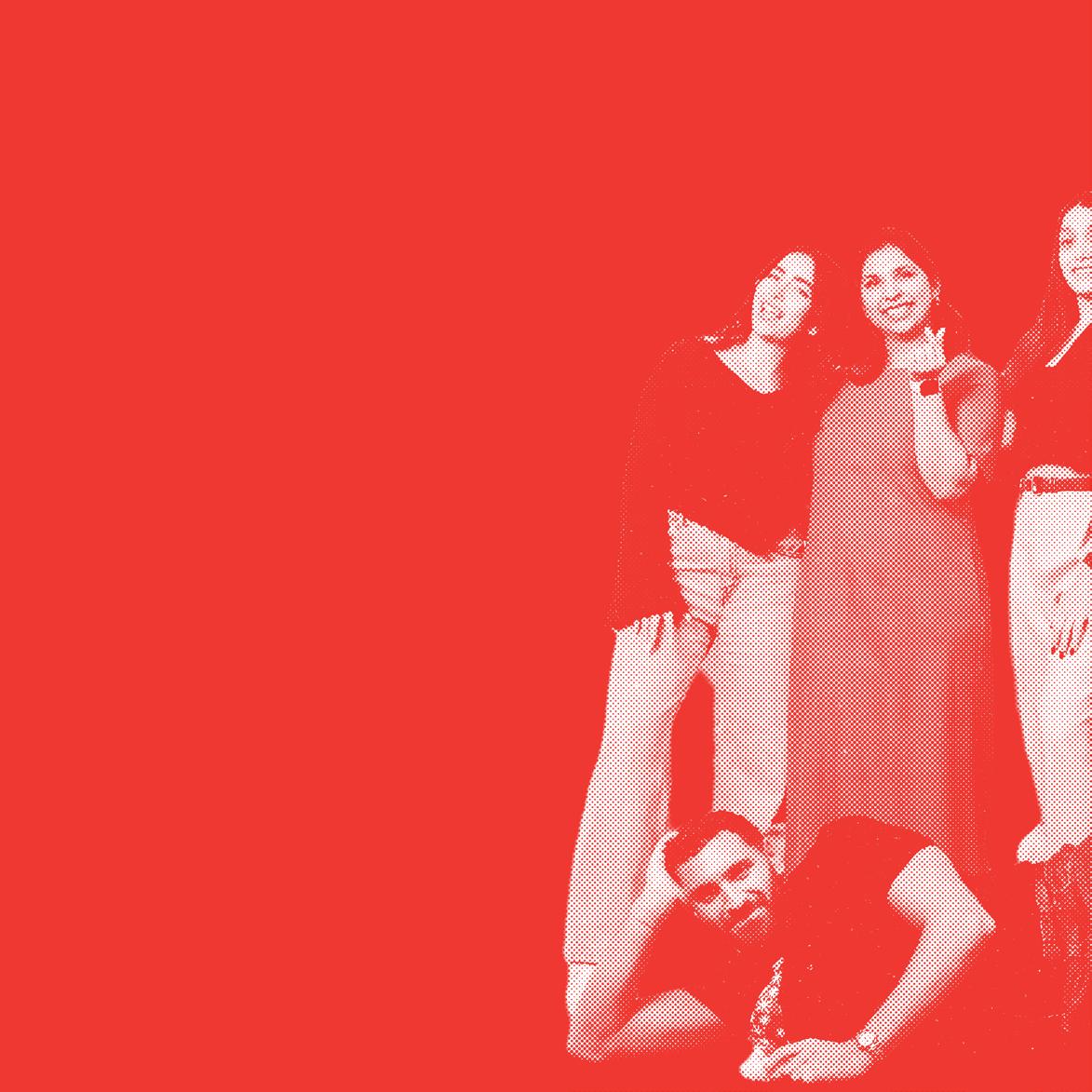
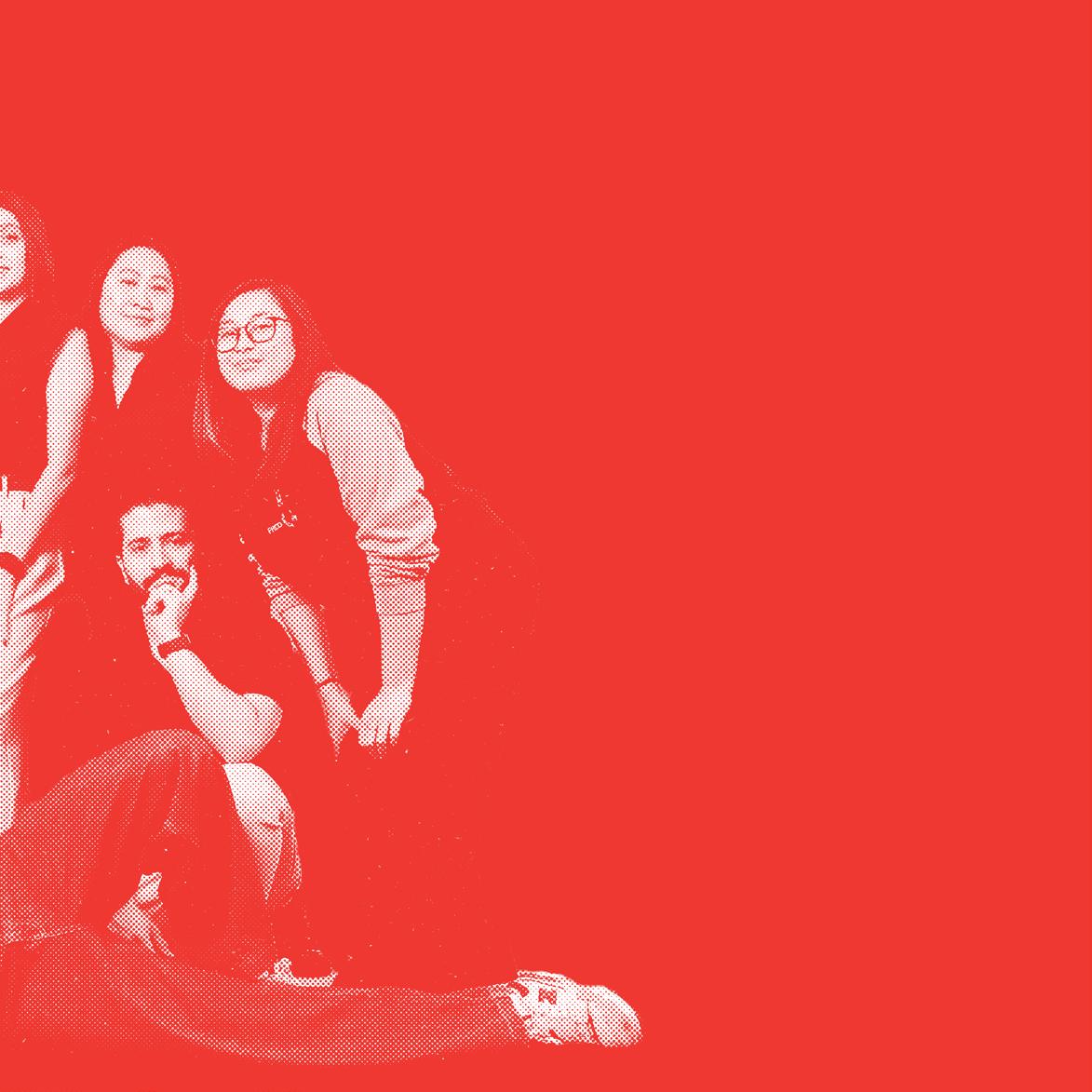
At RMJM, design begins with people. Across disciplines, cultures, and geographies, our teams bring diverse perspectives that enrich every project and challenge conventional thinking. This collective intelligence is what allows RMJM to move seamlessly, shaping environments that are both functional and deeply human.
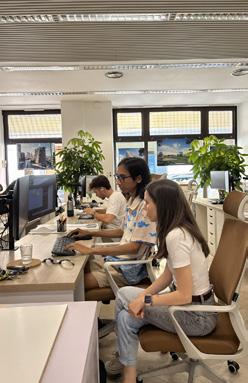
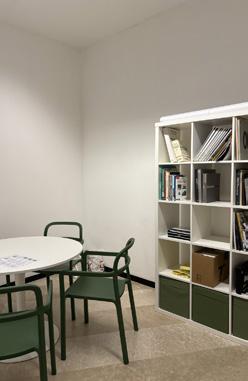
The launch of RMJM’s Interior Design Department marked a natural evolution of this ethos. By integrating interior design more closely within our global practice, we strengthen our ability to deliver cohesive, experience-driven environments—from the scale of the city to the intimacy of interior space.
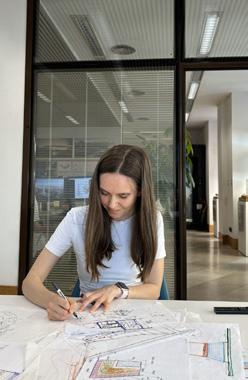
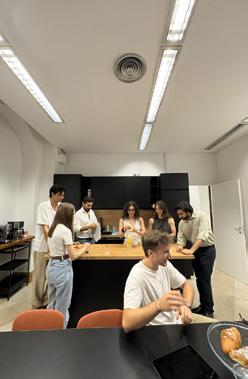
Our designers work collaboratively across studios, sharing knowledge, craft, and technical expertise. This synergy enables us to respond to complex briefs with clarity and purpose.
Each project reflects not only design excellence, but also cultural sensitivity and longterm value.
It is through this shared commitment - across people, places, and disciplines - that RMJM continues to shape architecture with intent.
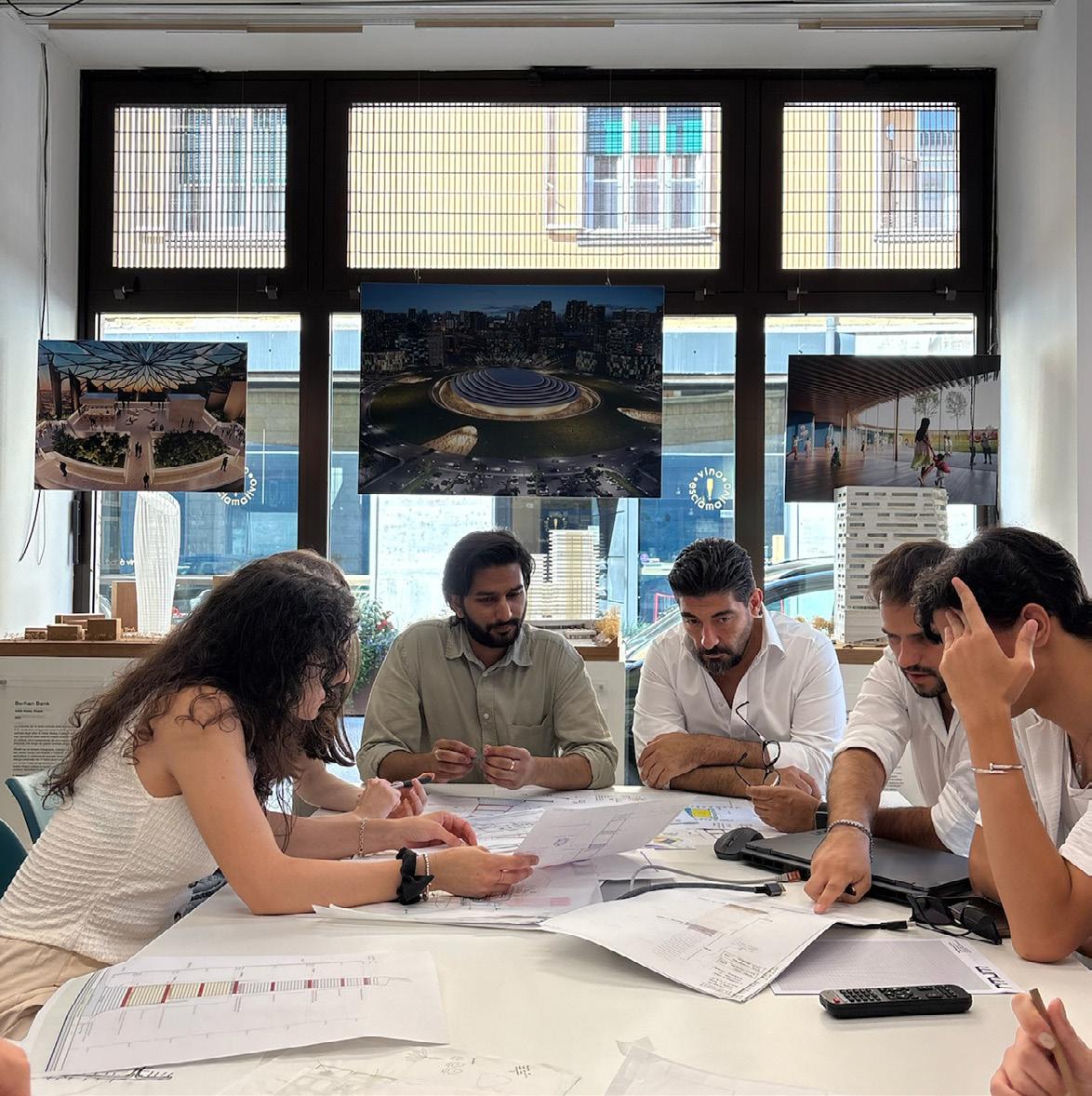
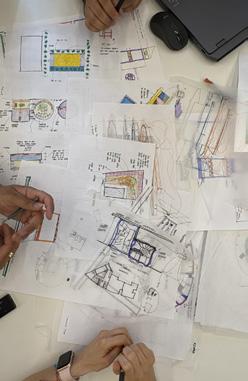
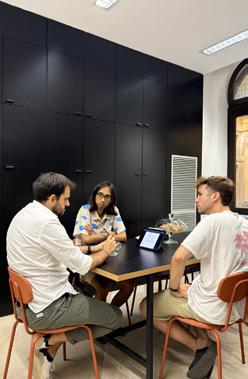
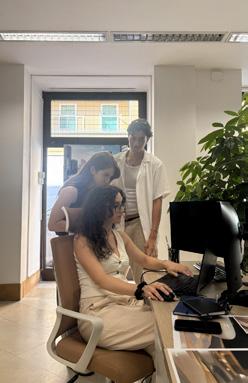
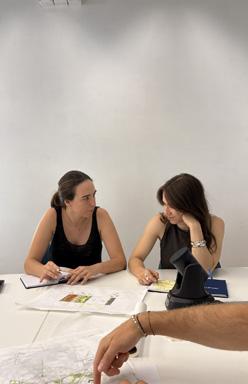
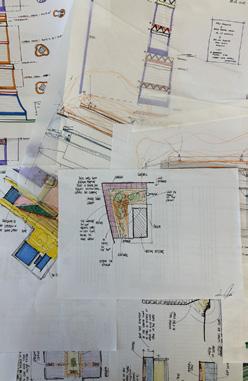
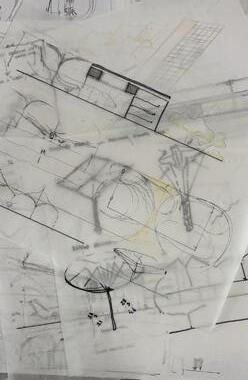
Design at RMJM evolves through dialogue - ideas refined through close collaboration and shared insight.
This collective process ensures clarity, precision, and purpose at every stage of design.
Location Client Sector Size Scope
Riyadh, KSA Confidential Mixed Use Confidential Architecture
AL QAIRAWAN DEVELOPMENT
3Climate
2Scale
1Urban Context
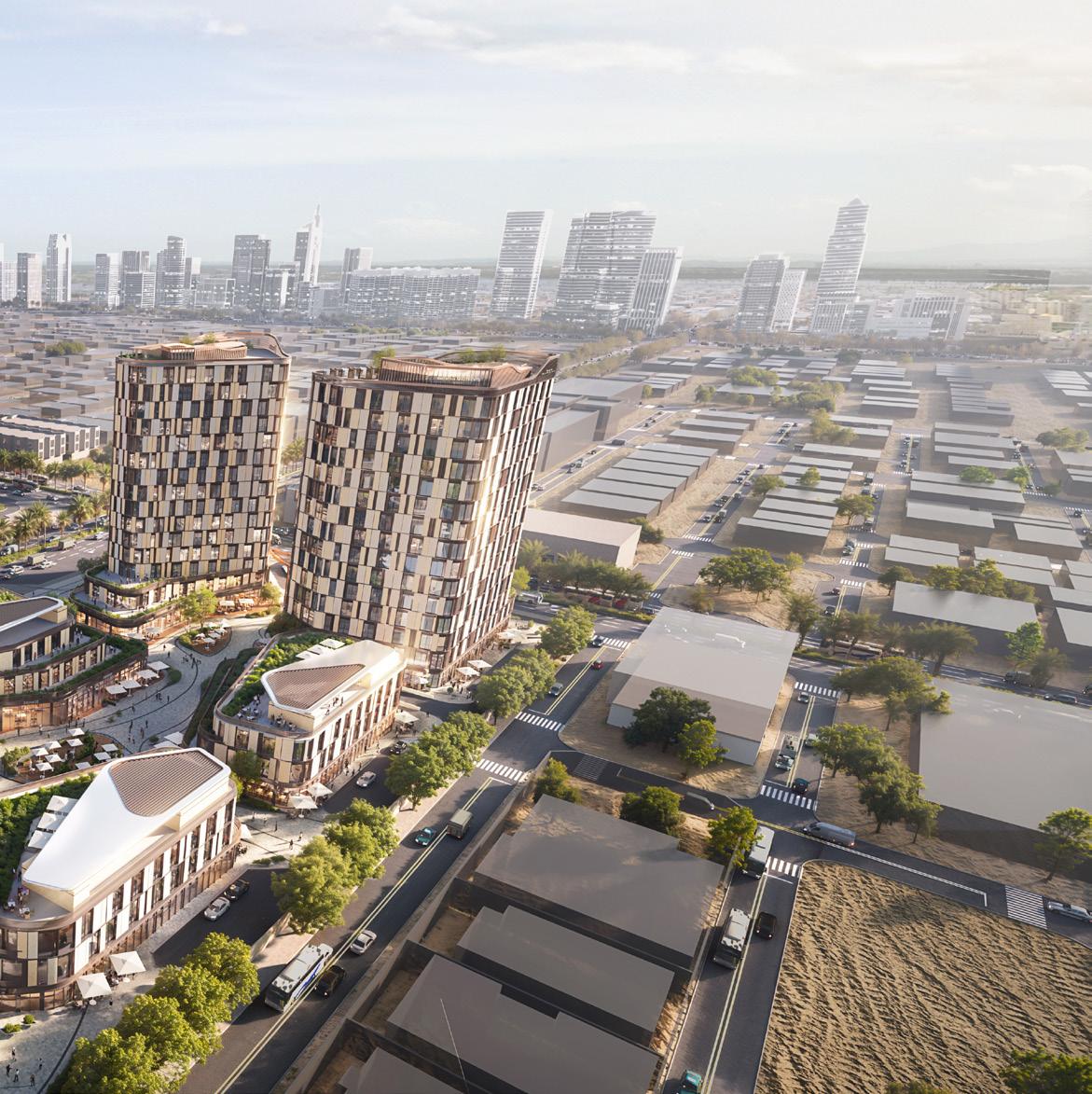
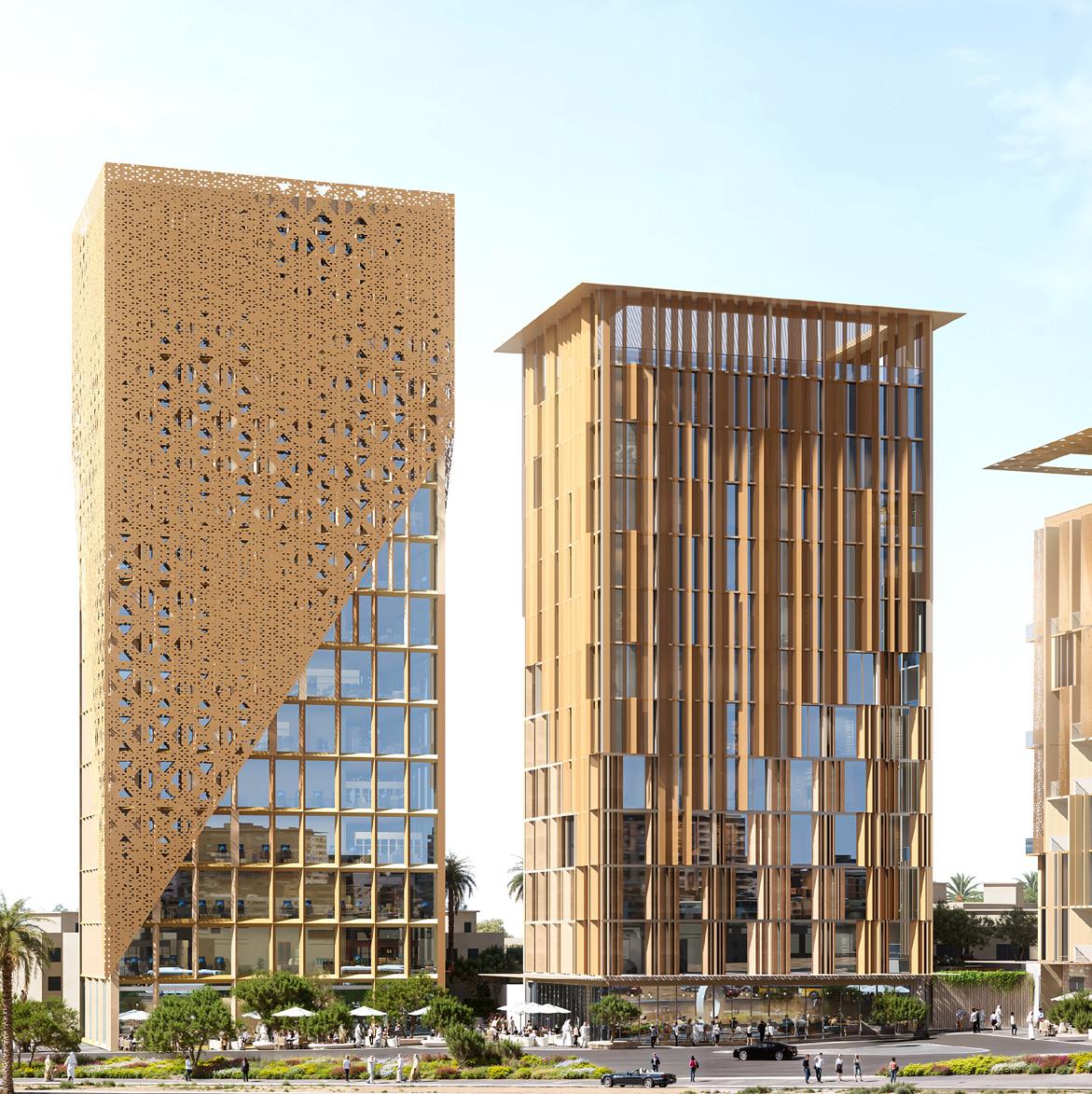
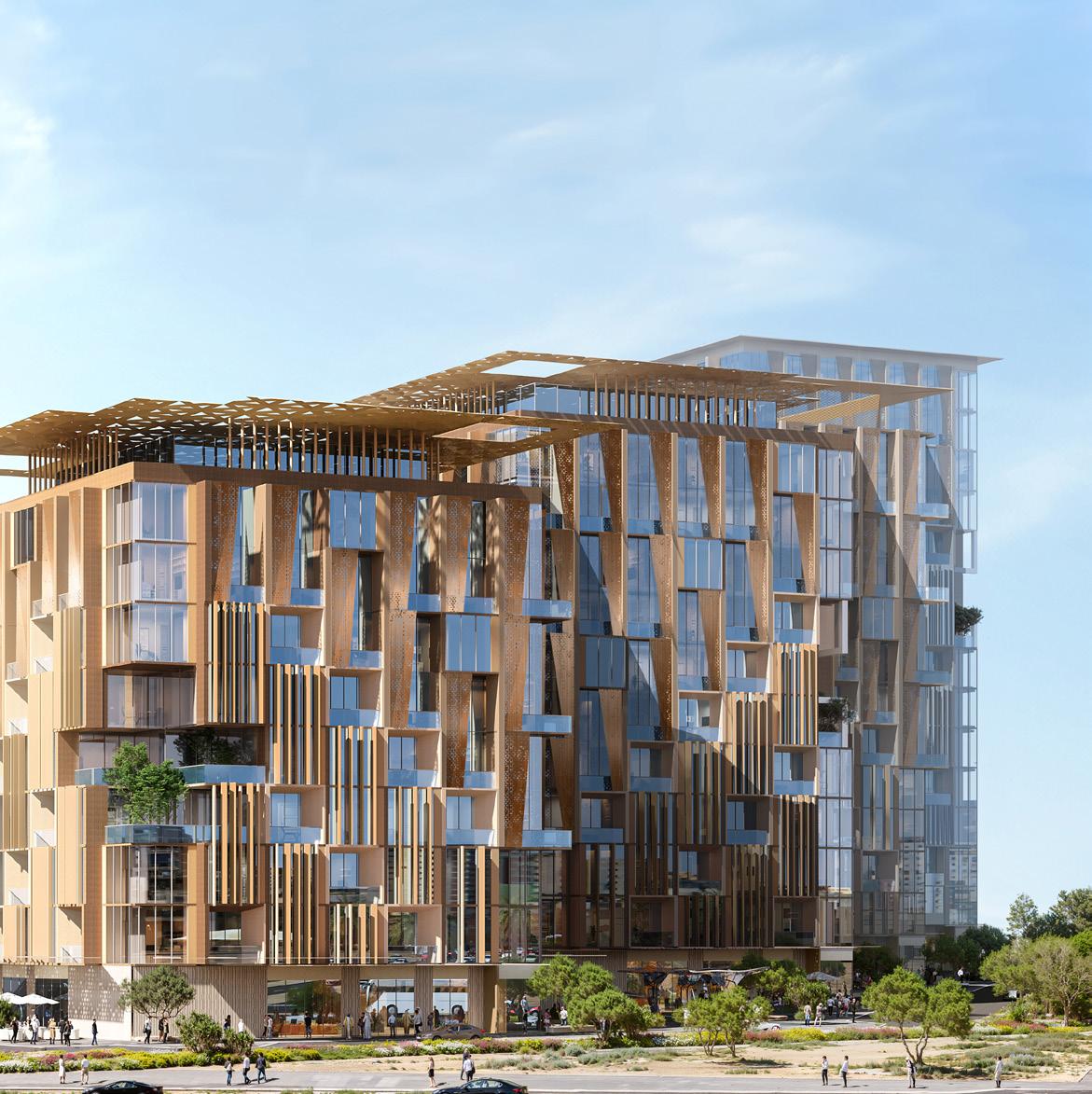
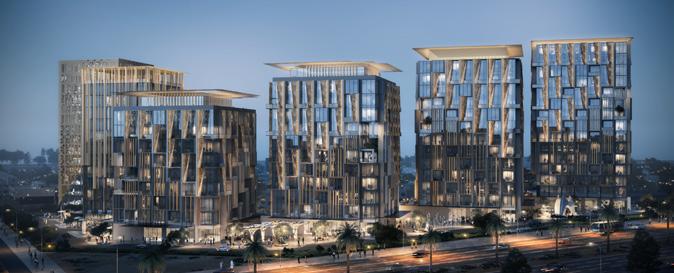
The project is characterised by a layered, tectonic composition that responds directly to climate, scale, and urban context.
Drawing on Salmani architectural principles, the façades employ vertical fins, perforated screens, deep reveals, and stepped massing to create a dynamic interplay of light and shadow while enhancing solar control and visual depth. Warm, earthy tones and textured materials echo the region’s architectural heritage without resorting to literal historic reference.
Massing is articulated as a family of volumes rather than a singular object, allowing variation in height, rhythm, and proportion across the site. Recessed terraces, green pockets, and articulated corners soften the towers’ verticality and introduce moments of porosity within the built form. Distinctive crown elements complete the skyline composition while reinforcing each building’s architectural identity.
At podium and street levels, architecture and landscape are tightly integrated. Shaded colonnades, perforated canopies, and layered thresholds define a sequence of public and semi-public spaces, creating a continuous pedestrian experience that mediates between interior programmes and the surrounding city. The ground plane is conceived as an extension of the architecture itself, prioritising human scale, climatic comfort, and spatial continuity.
Read as an integrated architectural system, the development is articulated through layering, proportion, and materiality, establishing clarity, depth, and cohesion across its built form.
The development represents RMJM’s approach to contextresponsive architecture, where façade, massing, materiality, and public realm are conceived as a single architectural system, contributing to Riyadh’s evolving urban and architectural language.
Collectively, the buildings shape a legible urban presence, engaging the skyline and street through calibrated massing, depth, and a consistent architectural language.
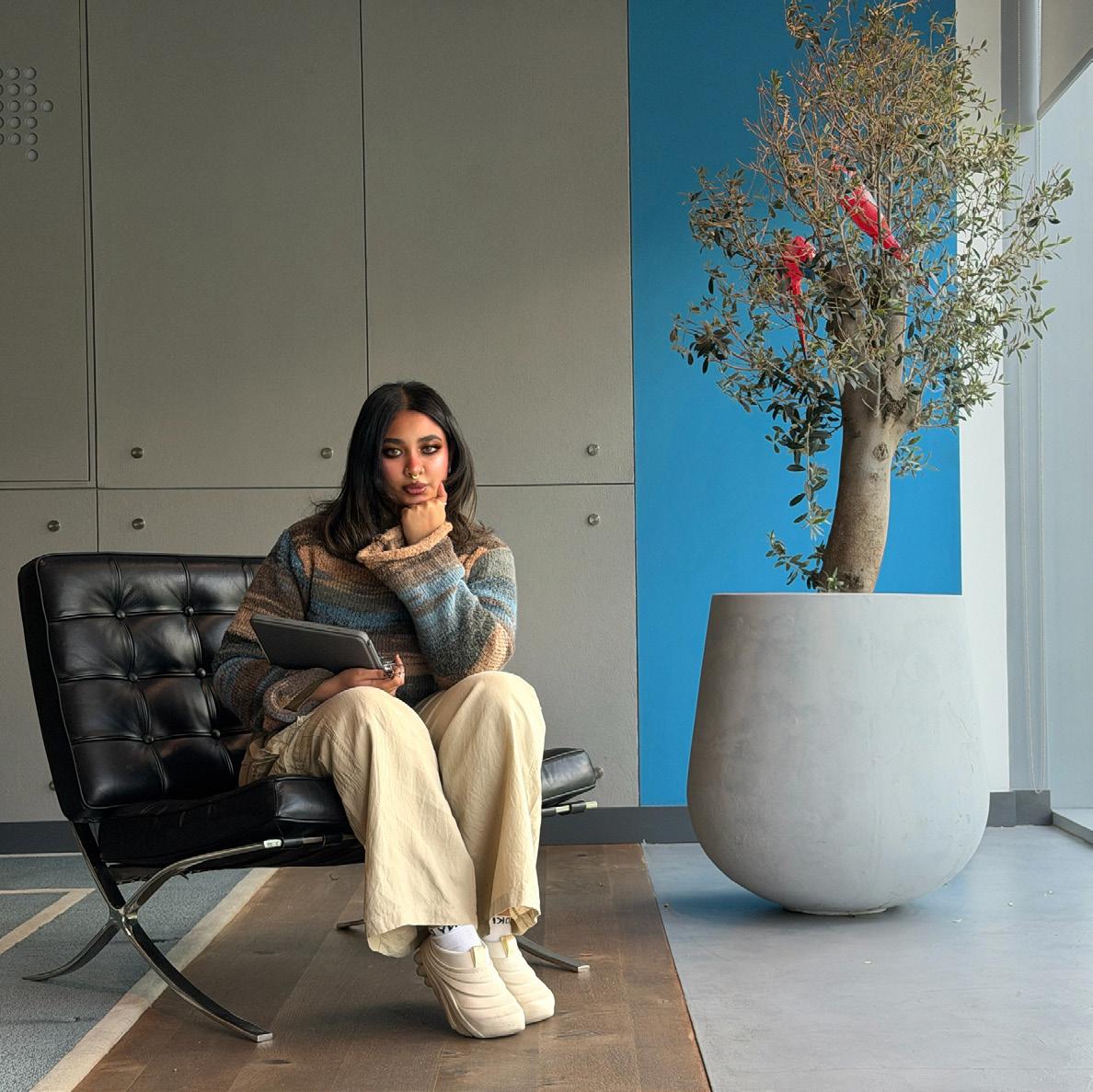
We speak with Senior Graphic Designer Ruba Saeed about her design practice, collaborative process, and role in shaping the studio’s graphic and visual output.
HOW DOES COLLABORATING CLOSELY WITH ARCHITECTS INFLUENCE YOUR DESIGN DECISIONS?
Collaborating closely with architects deeply shapes my design decisions. It allows me to understand the project beyond aesthetics its spatial logic, narrative, and intent
When I’m involved in conversations around concept, scale, and materiality, my graphic decisions become more purposeful and grounded in the architecture itself.
This collaboration ensures that the visual language supports the design vision, communicates ideas clearly to clients, and strengthens the overall storytelling of the project rather than existing as a separate layer.
WHAT ROLE DO GRAPHIC DESIGNERS PLAY IN SHAPING HOW ARCHITECTURAL PROJECTS ARE UNDERSTOOD BY CLIENTS AND THE PUBLIC?
Graphic designers play a crucial role in translating architectural ideas into clear, engaging narratives that clients and the public can understand. We bridge the gap between complex design thinking and accessible communication, shaping how a project is perceived, remembered, and valued.
Through layout, hierarchy, and visual storytelling, we help reveal the intent behind the architecture and guide audiences through the project in a way that feels coherent and meaningful.
Beyond aesthetics, our role is strategic,we curate information, control visual pacing, and ensure that key ideas are communicated with clarity and impact.
From concept presentations to reports, competitions, and public-facing material, graphic design supports decision making and strengthens trust by making architecture legible and engaging.
When done well, it elevates the project narrative, reinforces the studio’s identity, and allows the architecture to speak with confidence and consistency across all platforms.
A key part of this role is maintaining strong alignment with the studio’s brand guidelines. Consistent application of visual language, typography, and tone ensures that every piece of communication feels unified and instantly recognizable, regardless of scale or platform.
This consistency strengthens trust, reinforces professionalism, and allows the focus to remain on the quality of the architecture itself.
By embedding brand principles into project narratives, graphic designers help create communication that is not only visually compelling but also cohesive and solid.
The result is a clear, confident voice that supports the studio’s identity, enhances credibility, and ensures architectural ideas are communicated with clarity and impact across all touchpoints.
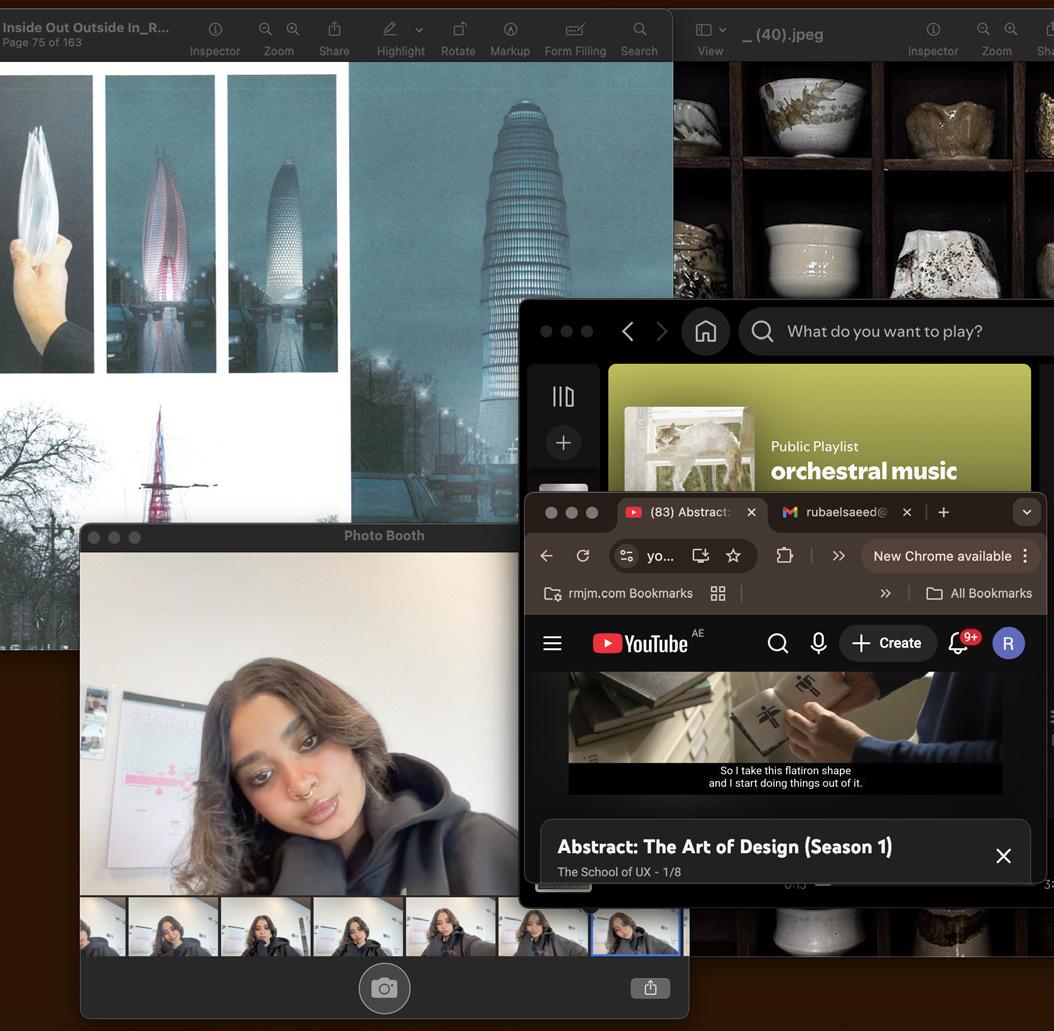
WHAT ARE YOUR MAIN SOURCES OF INSPIRATION, AND HOW DO THEY INFLUENCE YOUR DESIGN APPROACH?
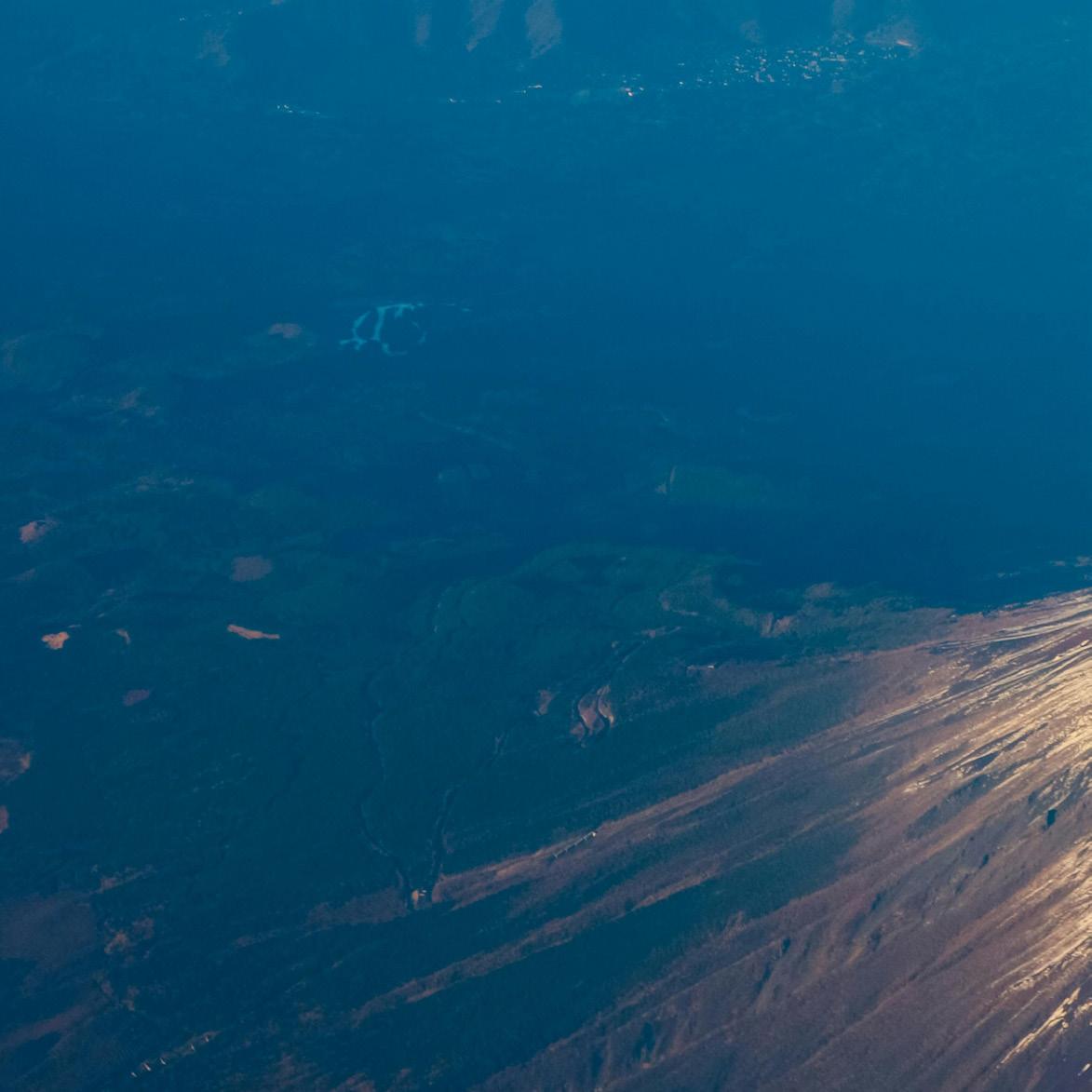
Nature is my main source of inspiration, the textures, colours, and emotions it evokes. It influences how I think about balance, rhythm, and restraint in design.
I often draw from natural patterns and material qualities to create work that feels calm, intentional, and connected, allowing the architecture to remain the focus while the graphics quietly support the narrative.
Nature informs my sensitivity to scale, texture, and restraint, helping me decide when to simplify and when to add depth. Subtle variations in tone, rhythm, and layering are often inspired
by natural environments, where nothing feels accidental yet nothing feels overstated. clarity and balance, ensuring that visual communication enhances understanding rather than competing for attention.
By referencing nature in this way, my design process becomes less about trends and more about creating work that feels timeless, grounded, and aligned with the architectural intent.
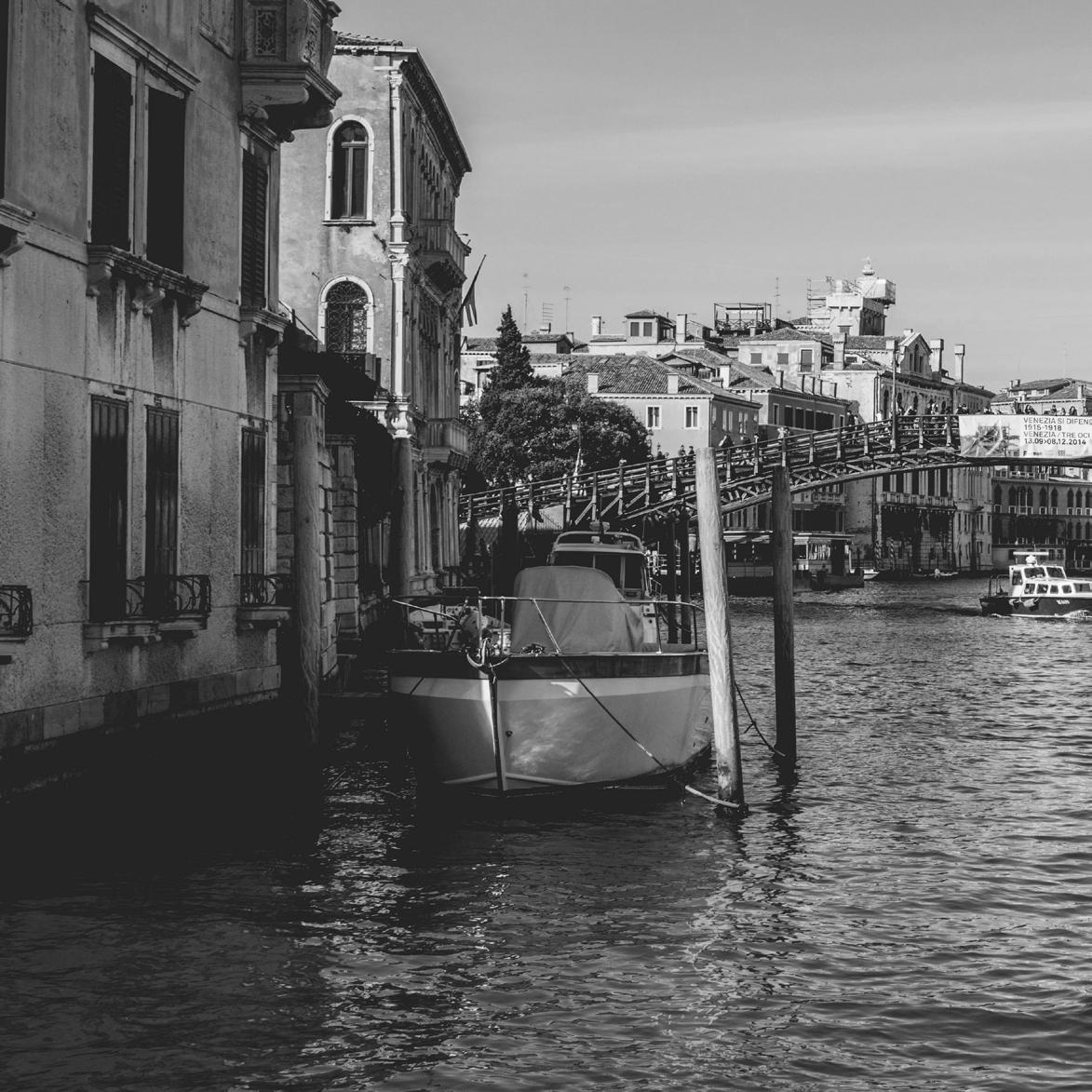
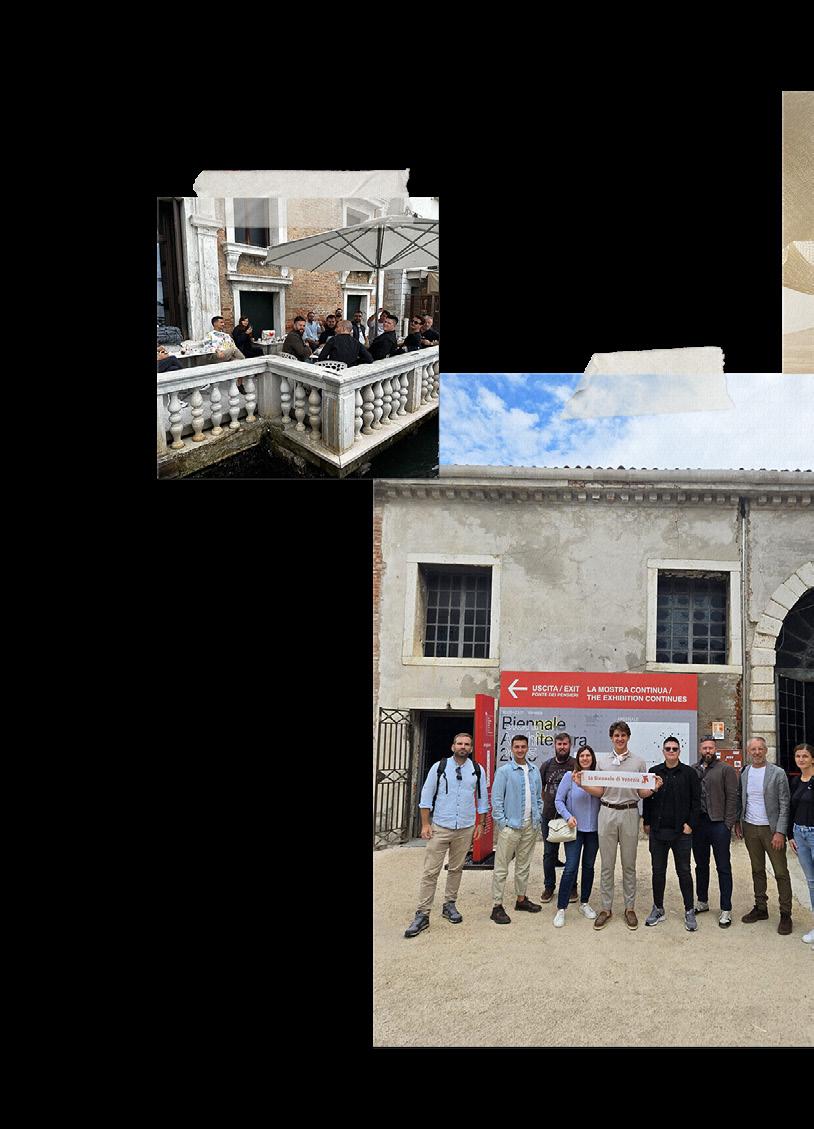
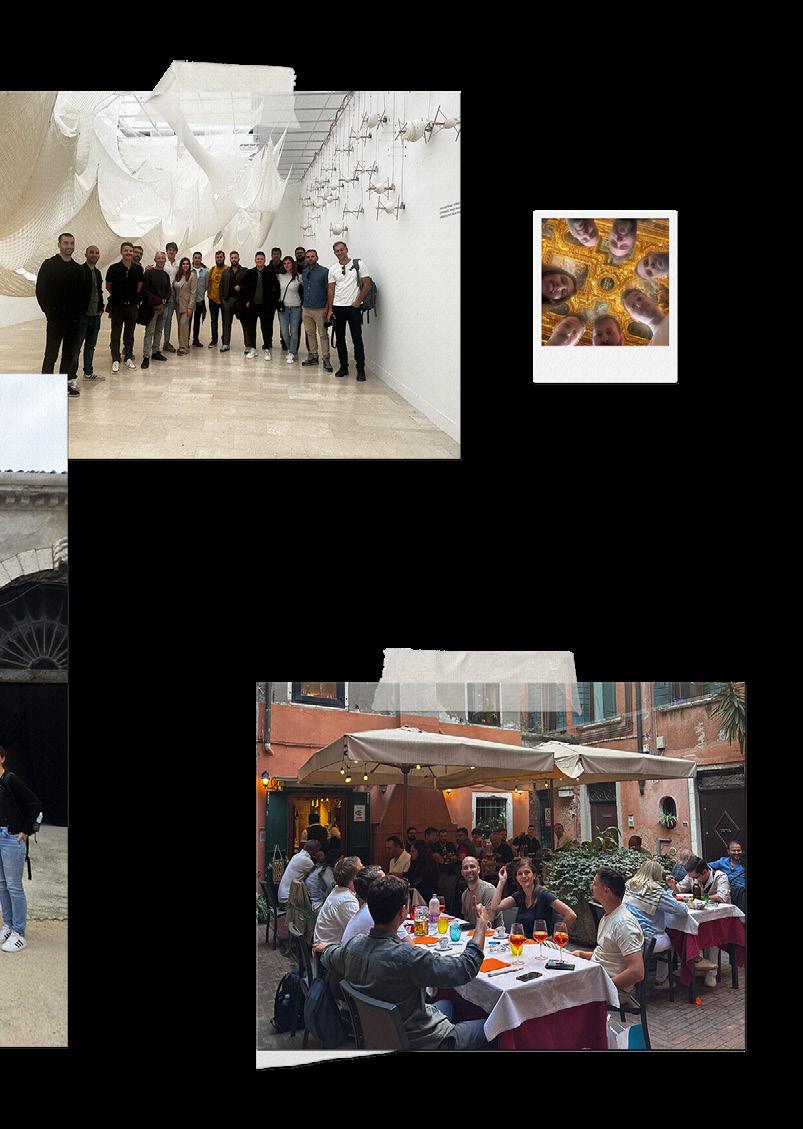
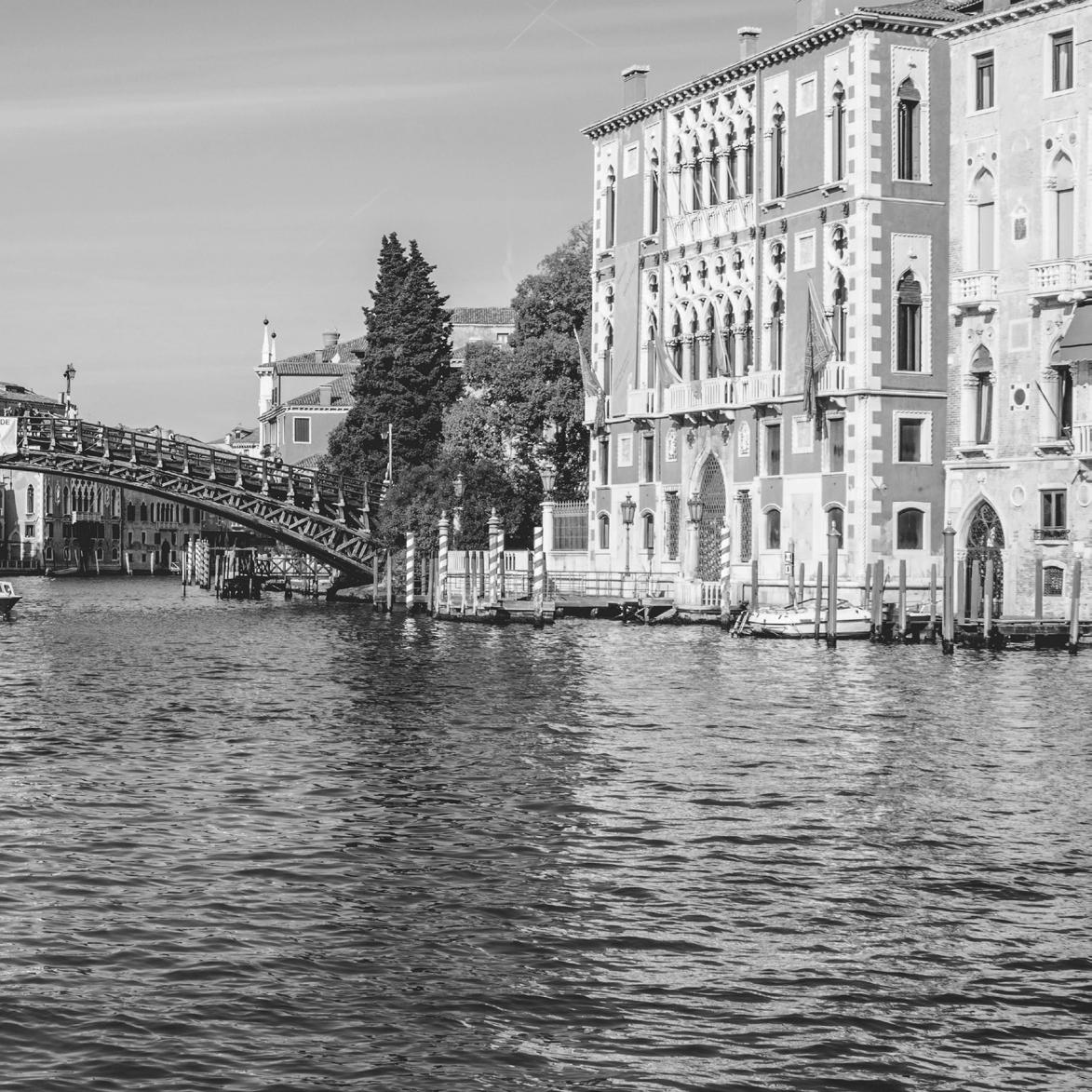
RMJM SERBIA GOES TO VENICE
As a mark of appreciation, RMJM recognised long-standing commitment and outstanding contribution by awarding a group of its longest-serving and exceptional team members with a four-day visit to the Venice Architecture Biennale, while also celebrating RMJM Serbia’s first 10 years.
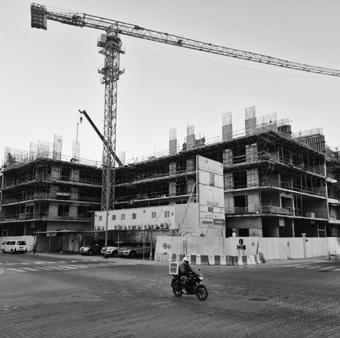
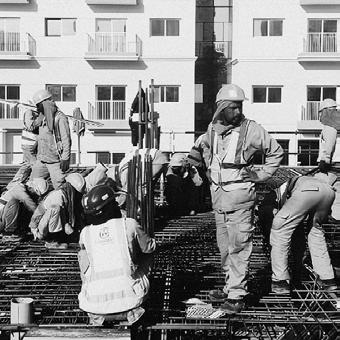
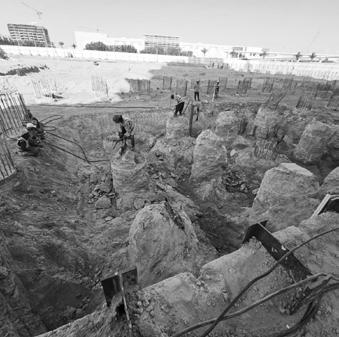
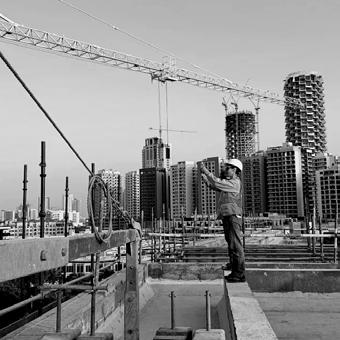
CELLO RESIDENCES IS UNDER CONSTRUCTION
compliance
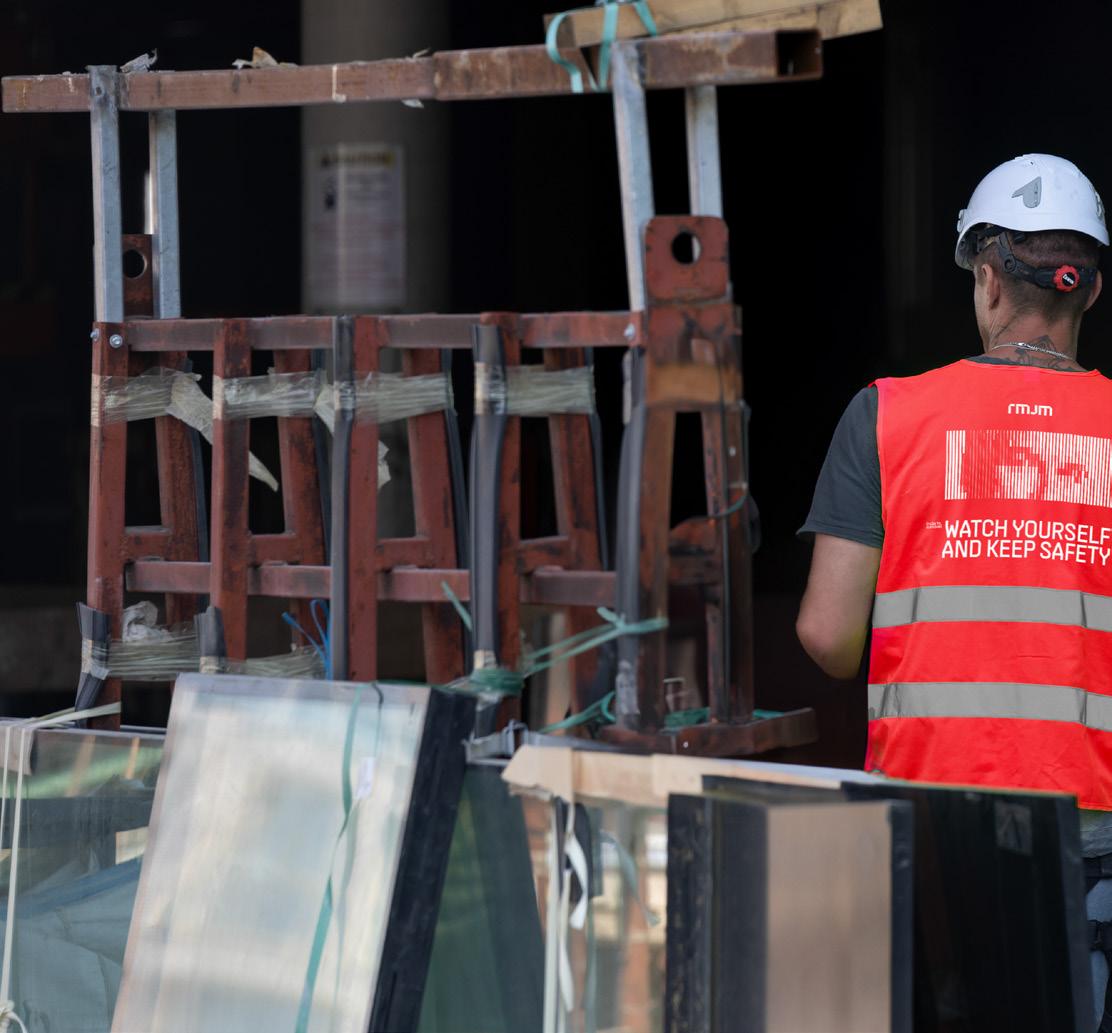
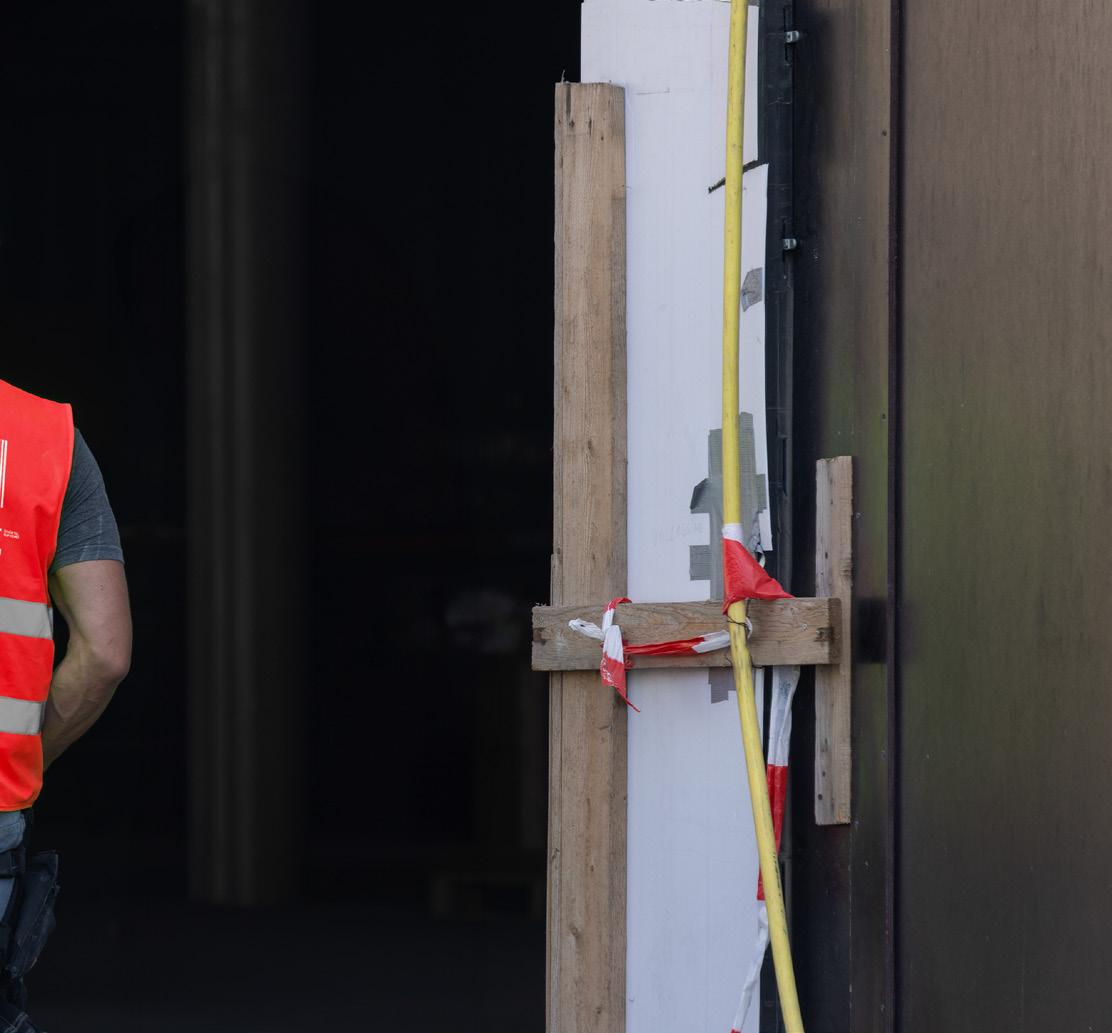
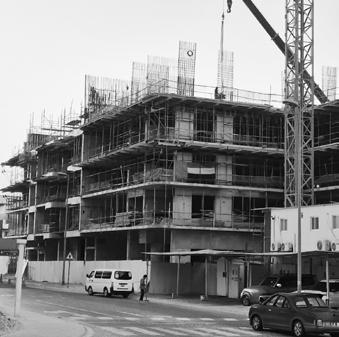
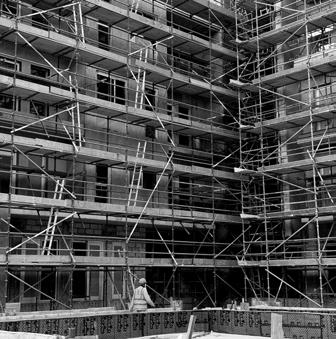
Our site supervision team is working closely across several live projects, maintaining a strong on-site presence and clear coordination with all stakeholders to support consistent and efficient delivery.
reliability
precision
This close collaboration helps ensure design intent is upheld throughout construction, allowing teams to respond proactively to site conditions while maintaining quality, accuracy, and continuity.
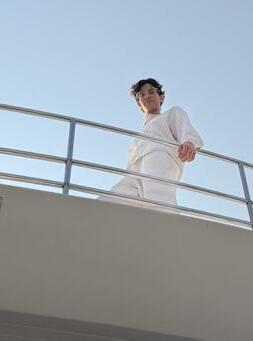
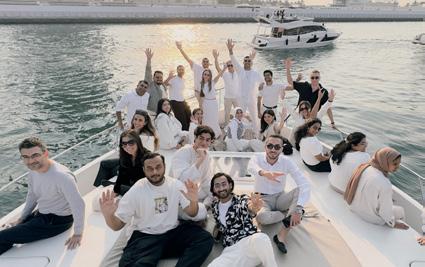
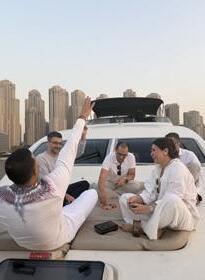
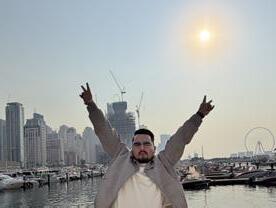
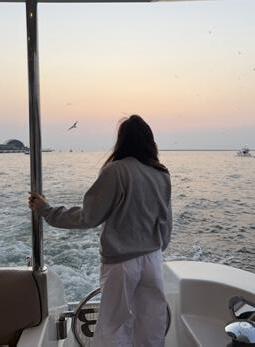
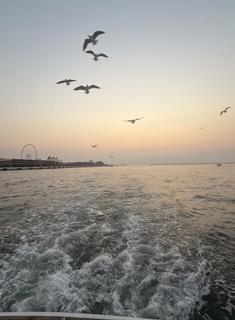
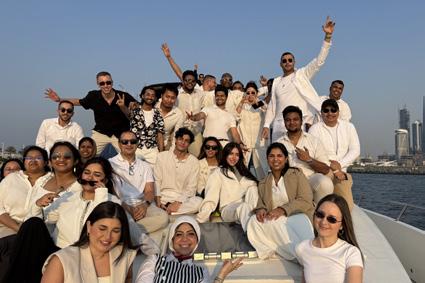
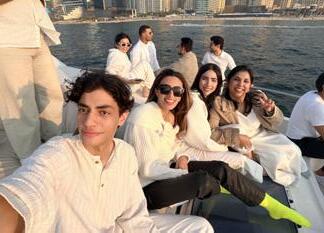
We wrapped up 2025 on the water, celebrating a year of collaboration, growth, and shared moments. An evening on a yacht gave us the space to reflect, reconnect, and close the year with clarity and renewed energy.
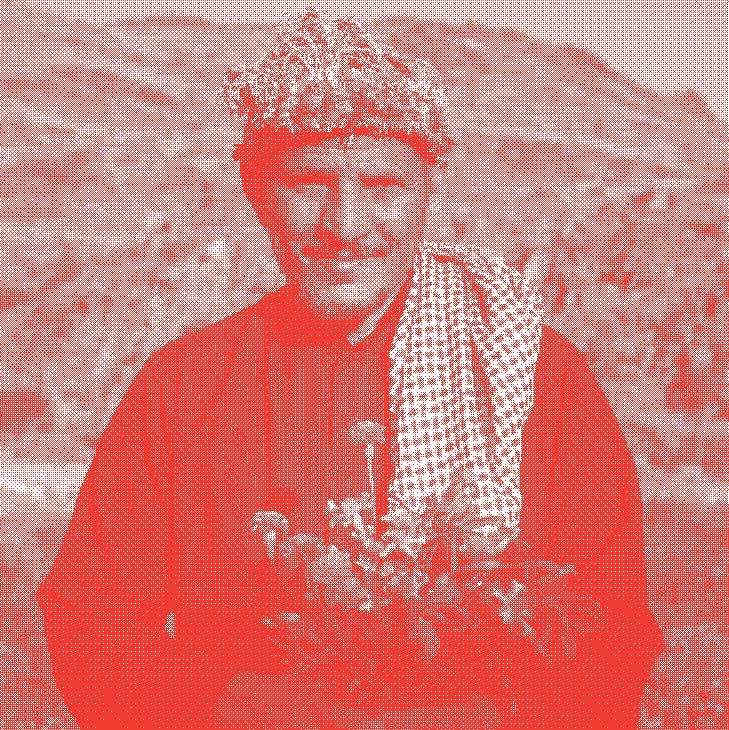
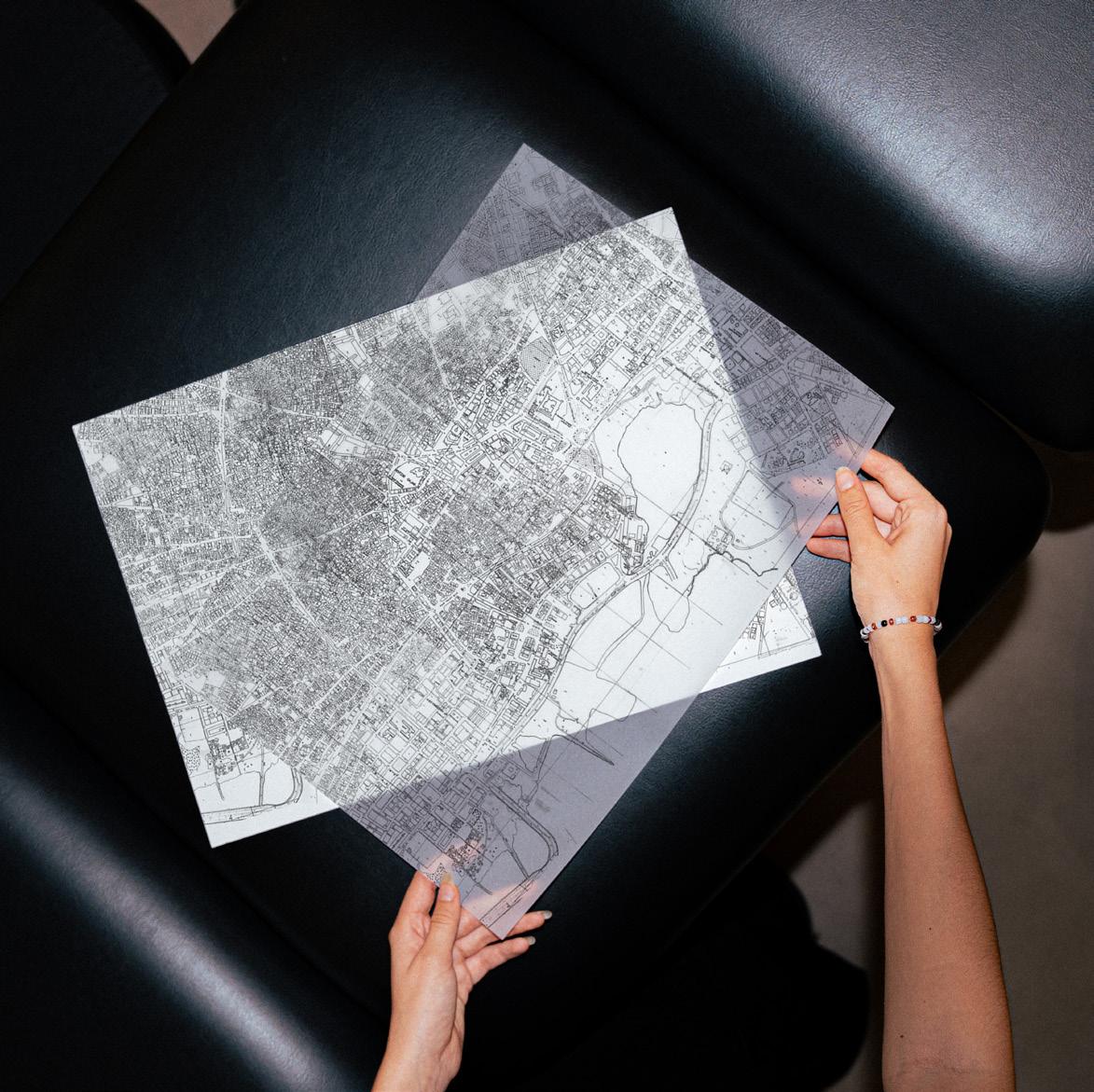
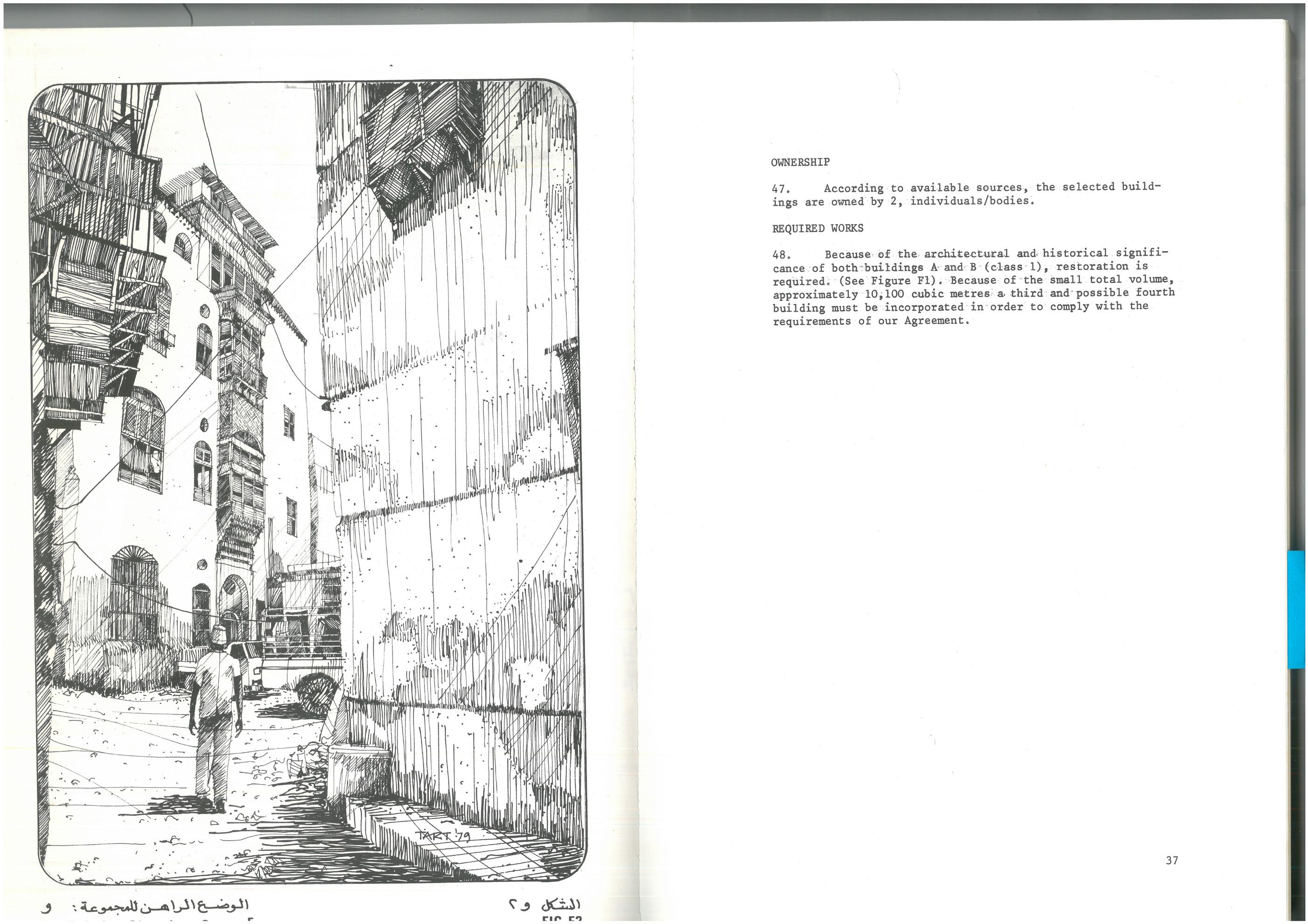
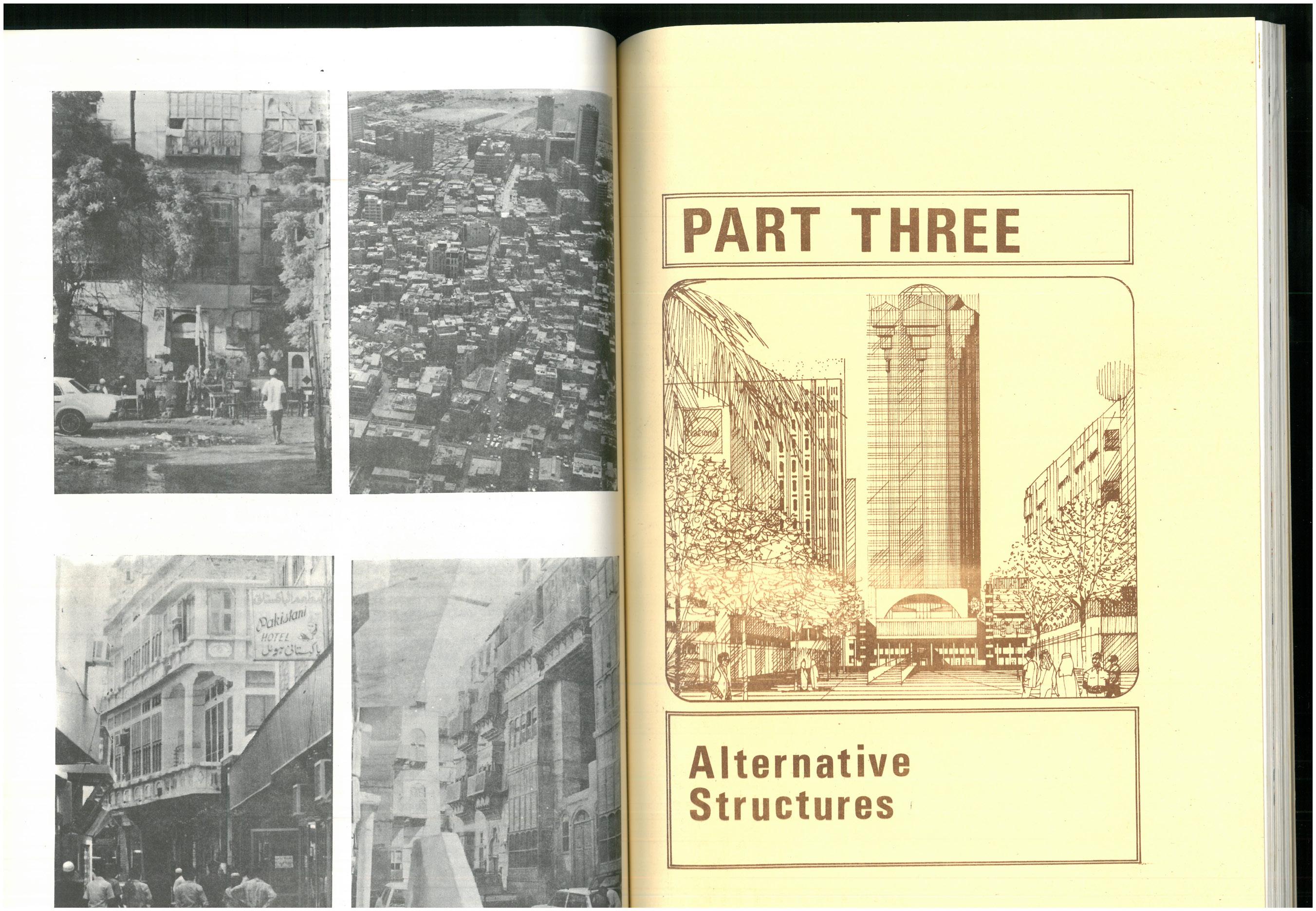
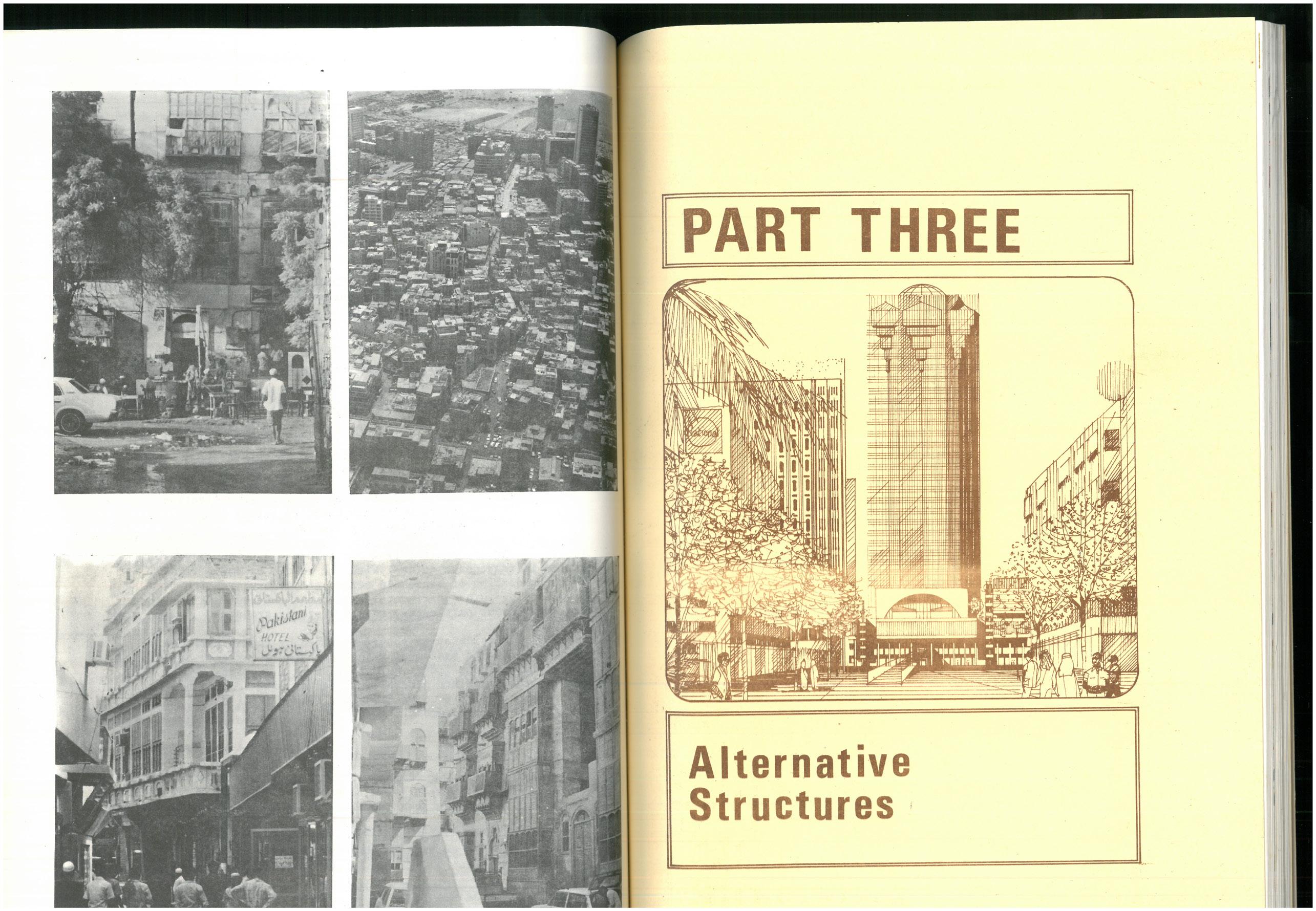
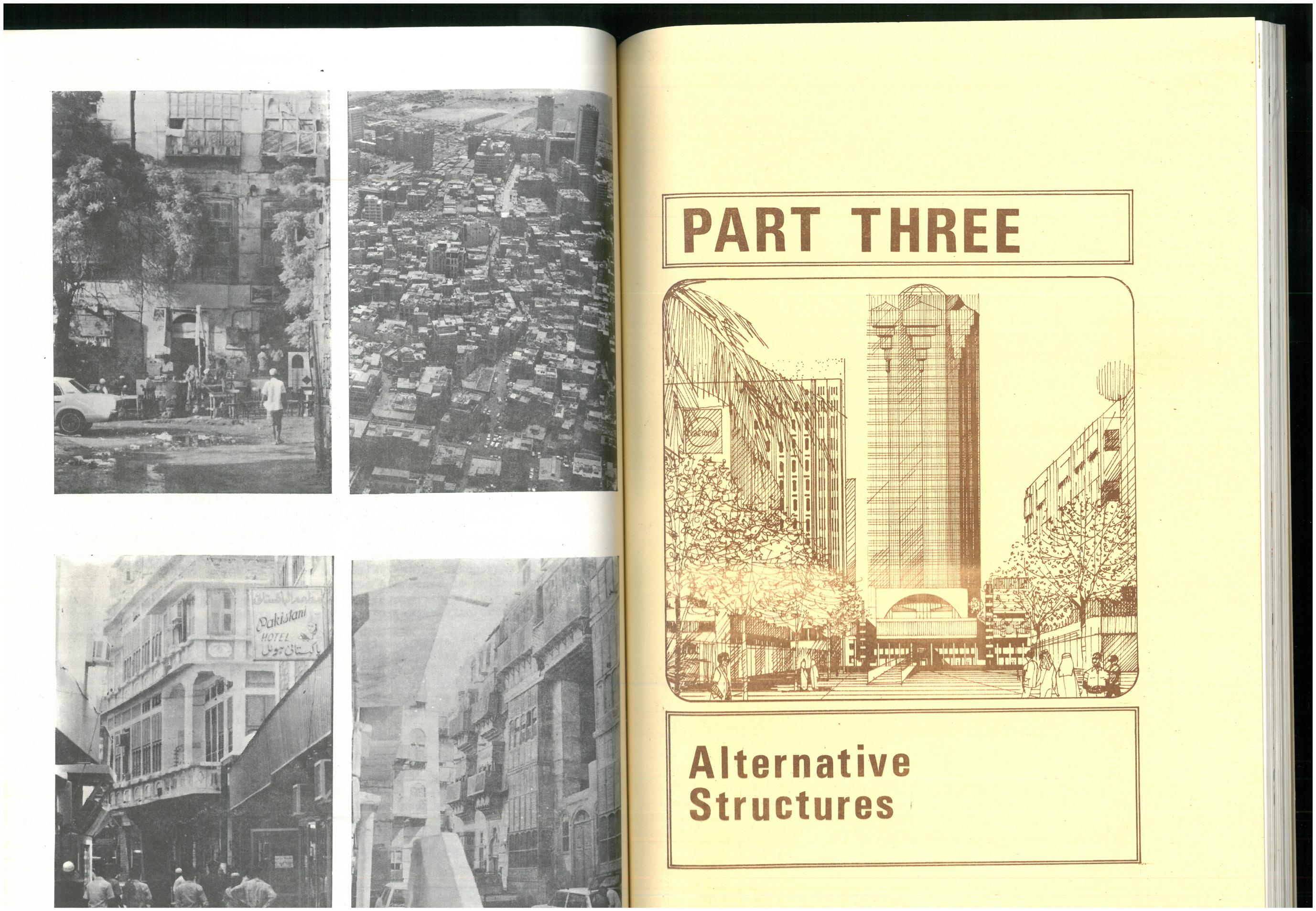
RMJM’s engagement in Jeddah began in 1968, with the firm commissioned to establish early planning frameworks for Saudi Arabia’s Western Region, including the city’s masterplan, one of RMJM’s earliest and most significant projects in the Middle East.
AGA KHAN PRIZE AWARD
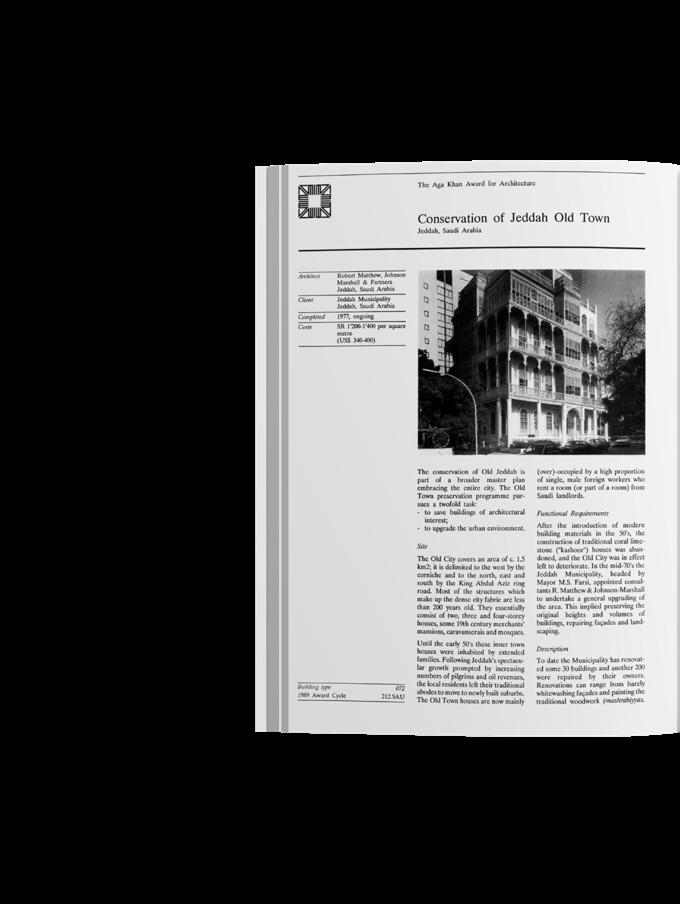
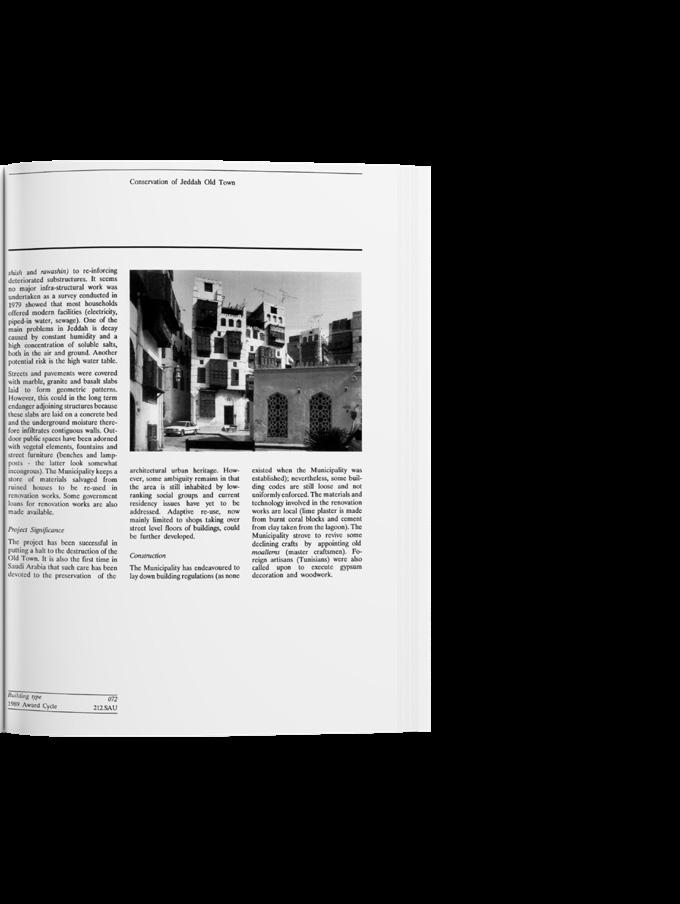
Central to this effort was the conservation of Jeddah Old Town (Al-Balad), where RMJM developed strategies that prioritised adaptive reuse, social continuity, and the preservation of traditional building techniques. Rather than treating heritage as a static artifact, the project approached conservation as a living process - supporting local communities while safeguarding architectural identity.
This pioneering approach was internationally recognised with the Aga Khan Award for Architecture (1989 Award Cycle), acknowledging the project’s cultural sensitivity, urban foresight, and longterm social impact. The award cemented RMJM’s role in shaping conservation practice in the region and remains a defining chapter in the firm’s legacy of designing with context, responsibility, and respect for place.
Decades on, the project remains a reference point for heritage-led urban regeneration in the region.
It reflects RMJM’s long-standing commitment to contextual design and responsible citymaking today.