To prevent drowning, so everyone can enjoy water safely
WATER SAFETY EDUCATION UPDATE
January 2026
All-Party Parliamentary Group (APPG) for Water Safety Education
Foreword from Darren Paffey MP, Chair of the APPG
I am delighted to chair the All-Party Parliamentary Group (APPG) on Water Safety Education as we welcome the Government’s inclusion of water safety in England’s school curriculum.
This victory follows years of water safety campaigning by dedicated organisations such as the Royal Life Saving Society UK and powerful advocacy by bereaved families, including from my own constituency of Southampton Itchen, whom I have been privileged to campaign alongside.
However, our work is not yet finished, as we now shift our focus from policy to delivery. With the new curriculum commencing in September 2026, we must ensure that every school has the necessary resources and support needed to deliver effective water safety education. The statistics in this report remind us of the urgent need: child drowning deaths have doubled since 2020.
I urge all parliamentarians to engage with their local schools and wider communities to advocate the importance of classroom-based water safety education.

Foreword
from Lord Storey, Co-Chair of the APPG
As Co-Chair of this APPG, I am proud of the cross-party collaboration that has secured water safety education in the English school curriculum. Education is essential for drowning prevention: children who understand the potential risks of water are better equipped to keep themselves and others safe.
Yet the statistics show we have much work to do, particularly in addressing the inequalities contributing to child drowning risk. Black children are three times more likely to drown than white children, and those living in the most deprived areas are almost twice as likely to drown as those in the wealthiest places.
Education can act as a “great equaliser” by ensuring every child understands how to enjoy water safely.
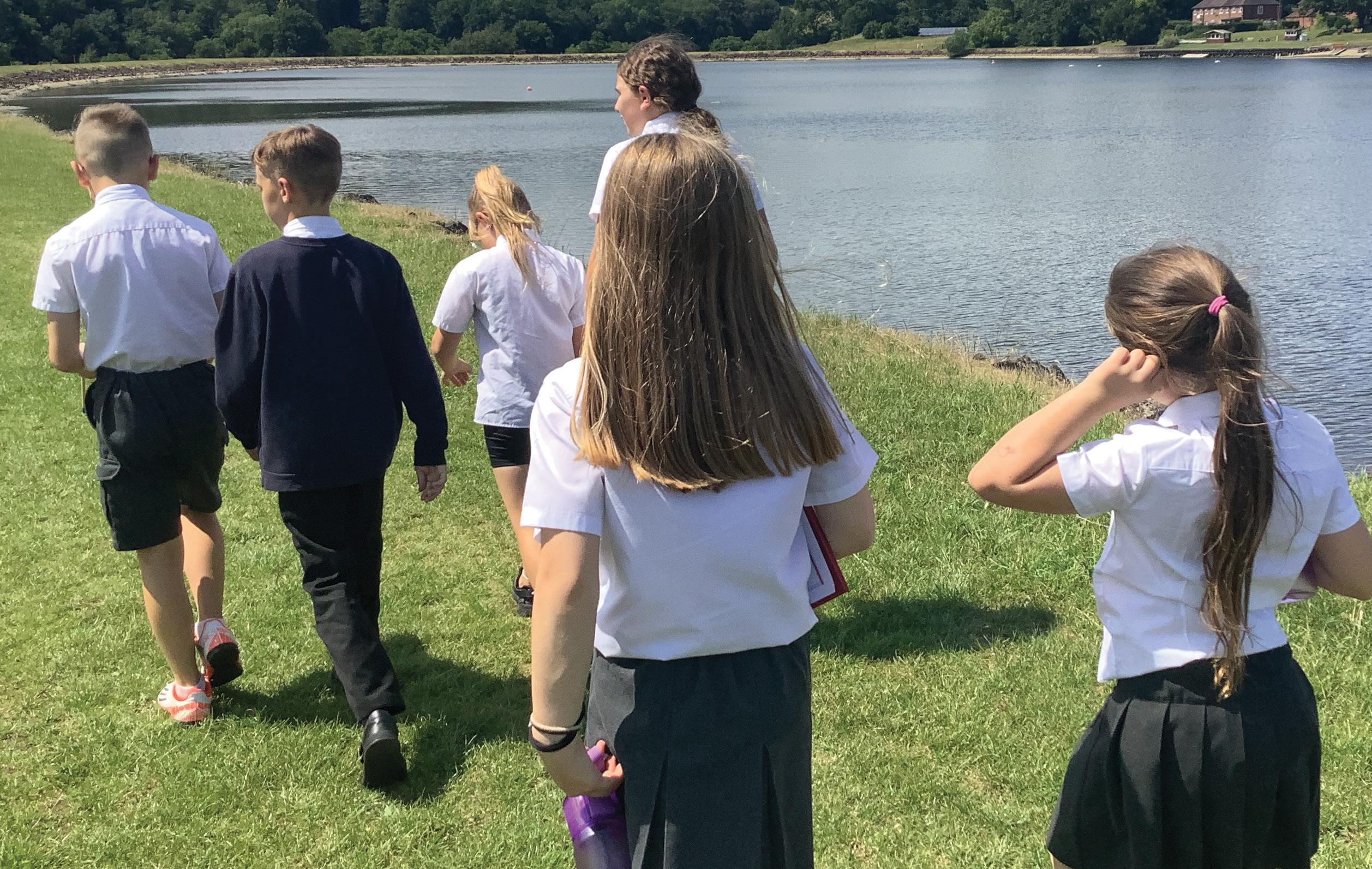
© House of Commons / Laurie Noble
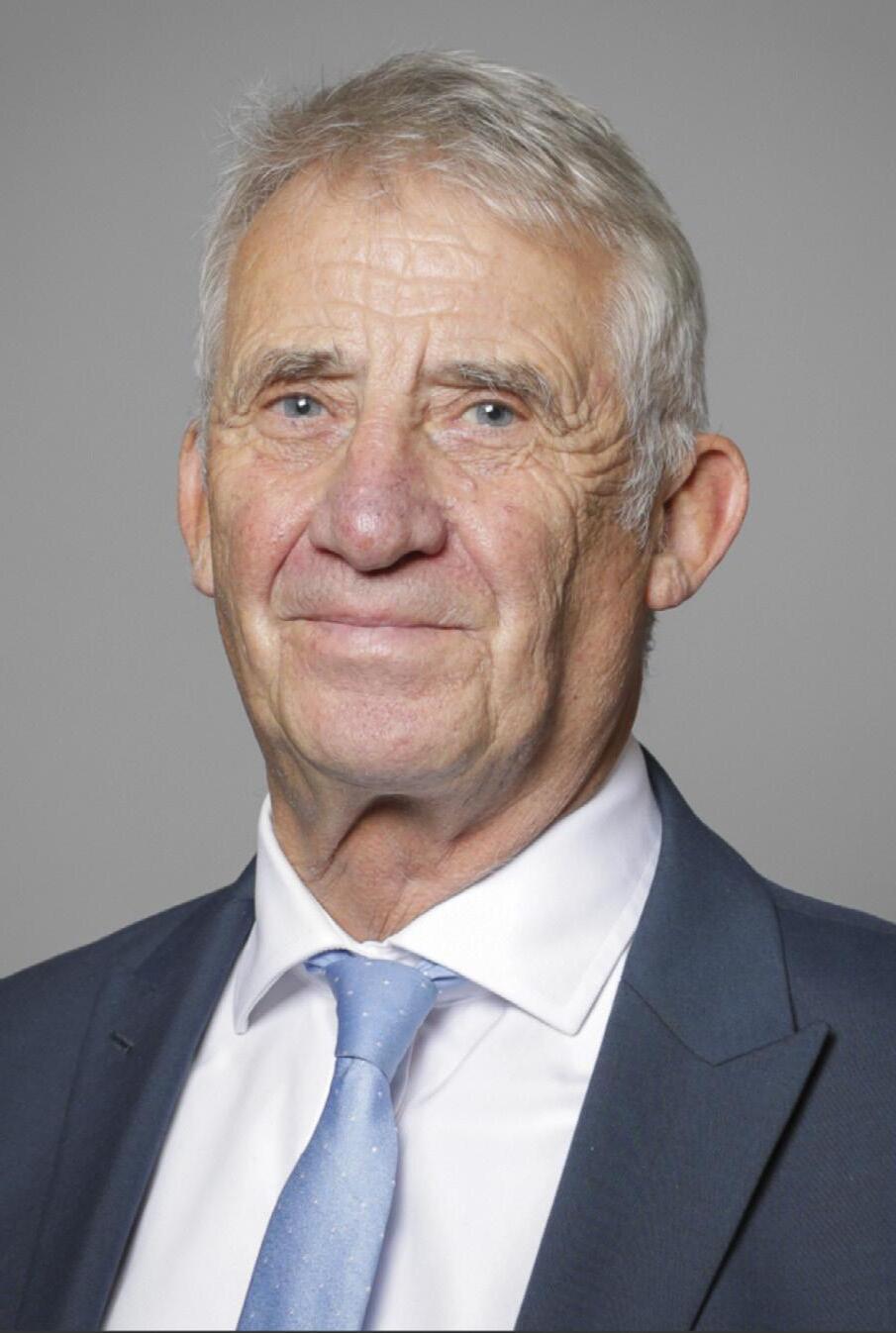
© House of Lords / Roger Harris
Message from the APPG Secretariat, RLSS UK CEO, Simmy Akhtar
For over 130 years, the Royal Life Saving Society UK (RLSS UK) has been at the forefront of drowning prevention. Last year, we launched a new Strategic Framework.1 Our mission is to save lives by being the leader in lifesaving, lifeguarding, and water safety education so that everyone can enjoy water safely.
As a charity, RLSS UK awards 97% of all pool lifeguard qualifications in England2 and awarded over 160,000 lifesaving and lifeguarding qualifications and awards in 2025. We leverage our water safety expertise by producing free educational resources and our flagship Water Smart Schools programme to keep children safe around water. We proudly provide the Secretariat to the APPG on Water Safety Education, as having water safety education in the school curricula is one of the most impactful ways we can save lives.

The inclusion of water safety in the curriculum in England is a landmark moment, and RLSS UK is committed to supporting every school to deliver high-quality water safety education. Our resources are free, accessible, and designed for any school regardless of its facilities.
I invite all MPs to explore our resources and become champions for water safety education in their constituencies. Together, we will save lives by preparing our communities to enjoy water safely for a lifetime and be free from drowning.
Further information
For further information, advice, or support on any aspect of water safety, please do not hesitate to contact the APPG Secretariat at RLSS UK: publicaffairs@rlss.org.uk
¹ www.rlss.org.uk/strategic-framework ² Oct 24- Sept 25 Ofqual Vocational qualifications dataset
Executive Summary
• The school curriculum in England is changing in September 2026 to include compulsory class-based water safety education.
• The number of children drowning in England has doubled in the five years since 2020, with 40 children drowning in 2024.
• A Prevention of Future Deaths Report, issued by Coroners in 2023, called on the Department for Education to include water safety in the national curriculum as “urgent action to prevent future deaths”.
• Classroom-based water safety education is one of the critical tools for tackling this crisis: we will save lives by ensuring every child knows how to enjoy water safely, regardless of their background or access to swimming facilities.
Child drownings are a preventable public health issue that disproportionately affects disadvantaged and ethnically diverse communities:
Children in the most deprived areas are almost twice as likely to drown as in the wealthiest areas.
Black children are three times more likely to drown than white children.
The APPG for Water Safety Education is encouraging MPs to engage with their local schools to encourage the use of high-quality water safety education materials, available here: www.rlss.org.uk/water-safety-education
Latest child drowning statistics
Child drowning statistics for England are collated annually by RLSS UK in partnership with the National Child Mortality Database (NCMD). The latest figures, up to March 2024, show that child drowning deaths have doubled since 2020, with 40 children drowning last year. 3
Supervision
89% of child drownings occurred in the absence of adult supervision.
Age
Children aged 6-12 are at lower risk, with most drownings occurring in under 5-year-olds, or those aged 13-17.
Region
There is significant regional variation, with the North West having the highest rate of 3.76 child drownings per 1,000,000 population per year, compared to the East of England having the lowest rate of 1.8.
Ethnicity
Black children are three times more likely to drown than white children, with 7.45 per million compared to 2.39 per million.
Deprivation
Drowning risk is almost twice as high for children in the most deprived areas (3.76 per 1,000,000) compared to the least deprived (1.92 per 1,000,000).
Child drownings are a preventable public health issue that disproportionately affects disadvantaged communities. Classroom-based water safety education is one of the critical tools for tackling this crisis: we will save lives by ensuring every child knows how to enjoy water safely, regardless of their background or access to swimming facilities.
3 National Child Mortality Database: Child drowning deaths – 1 April 2019 to 31 March 2024, accessed at https://www.ncmd.info/publications/child-drowning-deaths/#deaths-1-april-2019-to-31-march-20
Importance of classroom-based education in preventing drowning
Learning to swim is a core life skill that enables a range of sports and recreational activities. But the practical skill of swimming, on its own, is insufficient to ensure safe enjoyment of water and minimise the risk of drowning.
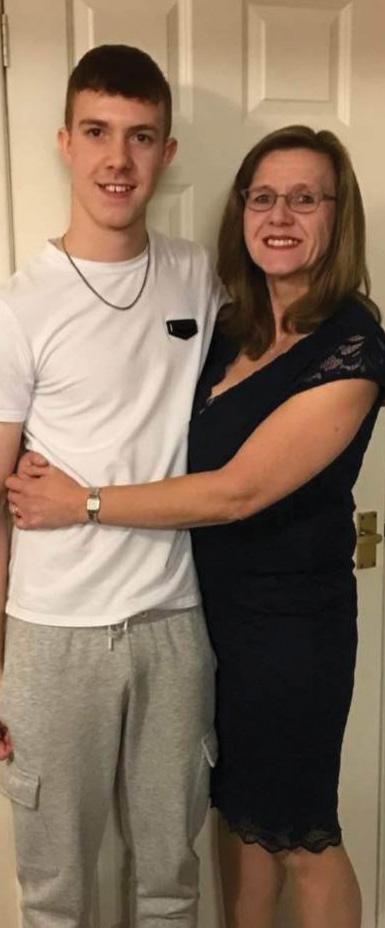
The tragic case of Joe Abbess (age 17) and Sunnah Khan (age 12), who drowned at Bournemouth beach on 31 May 2023, illustrates the need for classroom-based water safety education.
Joe was a strong swimmer, paddling in waist-deep water with friends, between the lifeguard flags on Bournemouth beach. Sunnah was in the water with her family. Both were following the Water Safety Code and taking all necessary precautions when a sudden and ferocious rip current swept them off their feet and pulled them into deep water. Others were pulled out as well, triggering a mass rescue incident. Eight others were rescued, but tragically, Joe and Sunnah died.
An Inquest was held into the deaths, and the coroner issued a Prevention of Future Deaths report4 to the Department for Education, warning that “there is a risk that future deaths will occur unless action is taken”. The coroner noted, “The RLSS UK and Sunnah and Joe’s mothers have been advocating for water safety to become part of the classroom part of the curriculum as opposed to the physical education part of the curriculum on the basis that if children cannot do the practical part of water safety, they will at least have access to water safety awareness and lifesaving skills in a classroom setting.”
4 Joseph Abbess & Sunnah Khan: Prevention of Future Deaths Report https://www.judiciary.uk/prevention-of-future-death-reports/joseph-abbess-sunnah-khan-prevention-of-future-deaths-report
The coroner’s report stressed the importance of classroom-based learning to ensure that people have an awareness of the “inherent dangers of using any form of water”, how to manage the risks, and called on the government to take “urgent action to prevent future deaths”.
Joe and Sunnah’s tragedy underlined the importance of complementing practical swimming and self-rescue skills with applied knowledge and understanding of water safety. Even the strongest swimmers can be challenged by riptides, currents, cold-water shock, and other hazards. Swimming directly against a riptide will rapidly exhaust a swimmer and pull them further away from shore. The water safety advice is to stay calm, float on your back, and call for help.
As the coroner rightly identified, water safety education will save lives, and urgent action will prevent future deaths.

As a parent bereaved by drowning, I am passionate about raising awareness for water safety, which I hope will save lives and prevent other families from this heartbreak. Although speaking of our son Joe's tragic death is difficult, it feels incredibly important to prove that the sea is unpredictable and can suddenly become ferocious, even in shallow water.
I strongly believe that education is the key to reducing drowning deaths, and I was very pleased to hear that mandatory water safety education will be added to the National Curriculum in England from September 2026. I am keen to be involved in the process of finalising resources for schools and would be happy for Joe's story to be incorporated. I hope that through ongoing education, it will become common knowledge to float if ever in difficulty in the water.
Ness Abbess, Joe’s mum
Summary of the campaign for water safety education and parliamentary activity to date
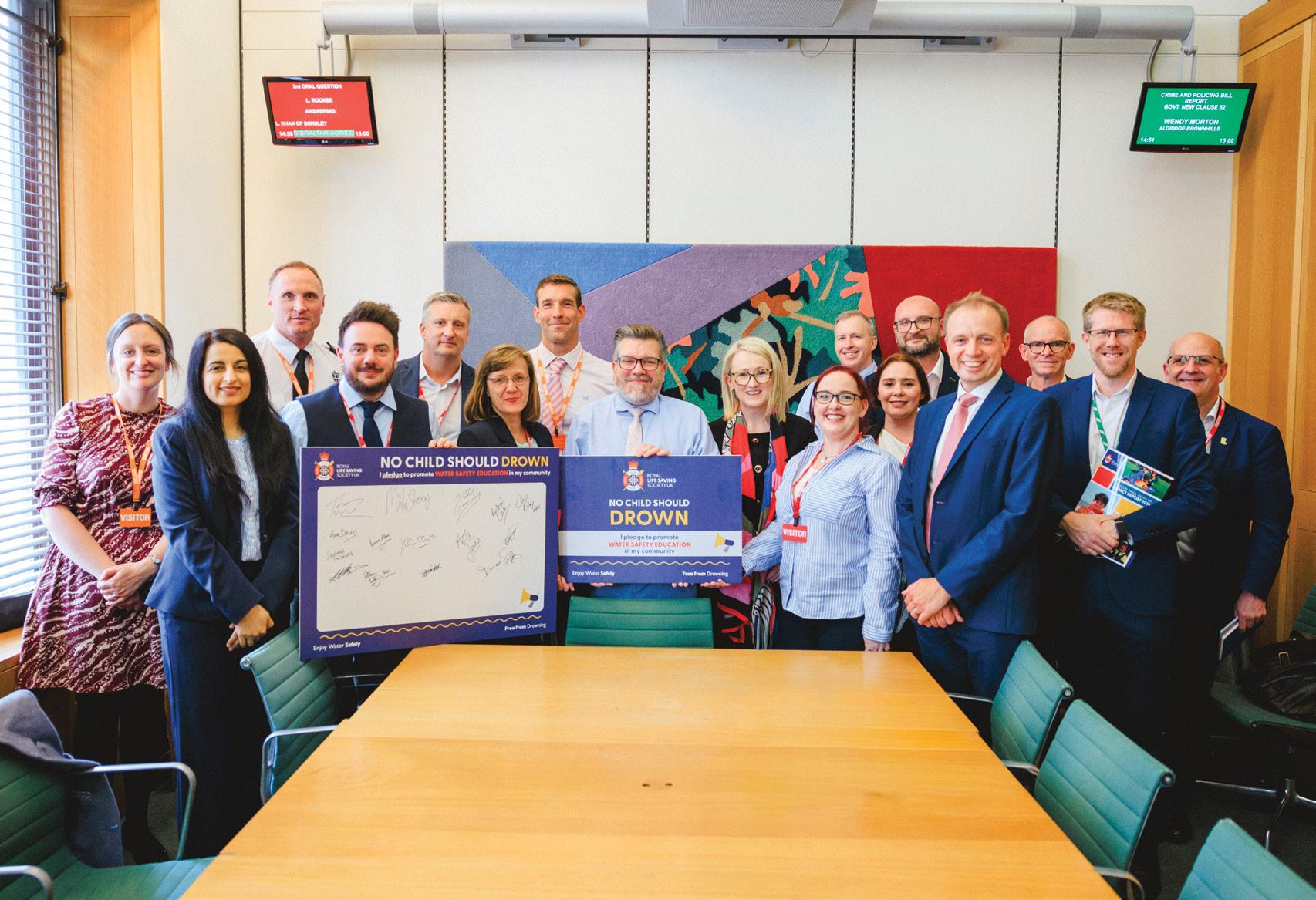
It’s been a very positive first year for the APPG on Water Safety Education. The Inaugural General Meeting established the APPG, with the Royal Life Saving Society UK (RLSS UK) as Secretariat during RLSS UK’s Drowning Prevention Week in June 2025, with an aim to “secure class-based water safety on the English National Curriculum, and broaden access to water safety education across the UK.”
Later that week, APPG Chair Darren Paffey MP, led a Commons Debate to mark Drowning Prevention Week and called for mandatory water safety education in schools5. MPs expressed cross-party support for both class-based education and practical swimming lessons, noting the growing number of communities losing local swimming pools. Responding to the debate, then Minister of State for Education, Catherine McKinnell MP, confirmed that the government was working to include water safety education in the new Relationships, Sex and Health Education (RSHE) statutory guidance for schools and academies.
Water safety education will be formally included in England's school curriculum from September 2026. The next phase of the campaign focuses on ensuring the successful delivery of this new curriculum by supporting schools with the best learning materials available.
RLSS UK's education materials and "Water Smart Schools" programme
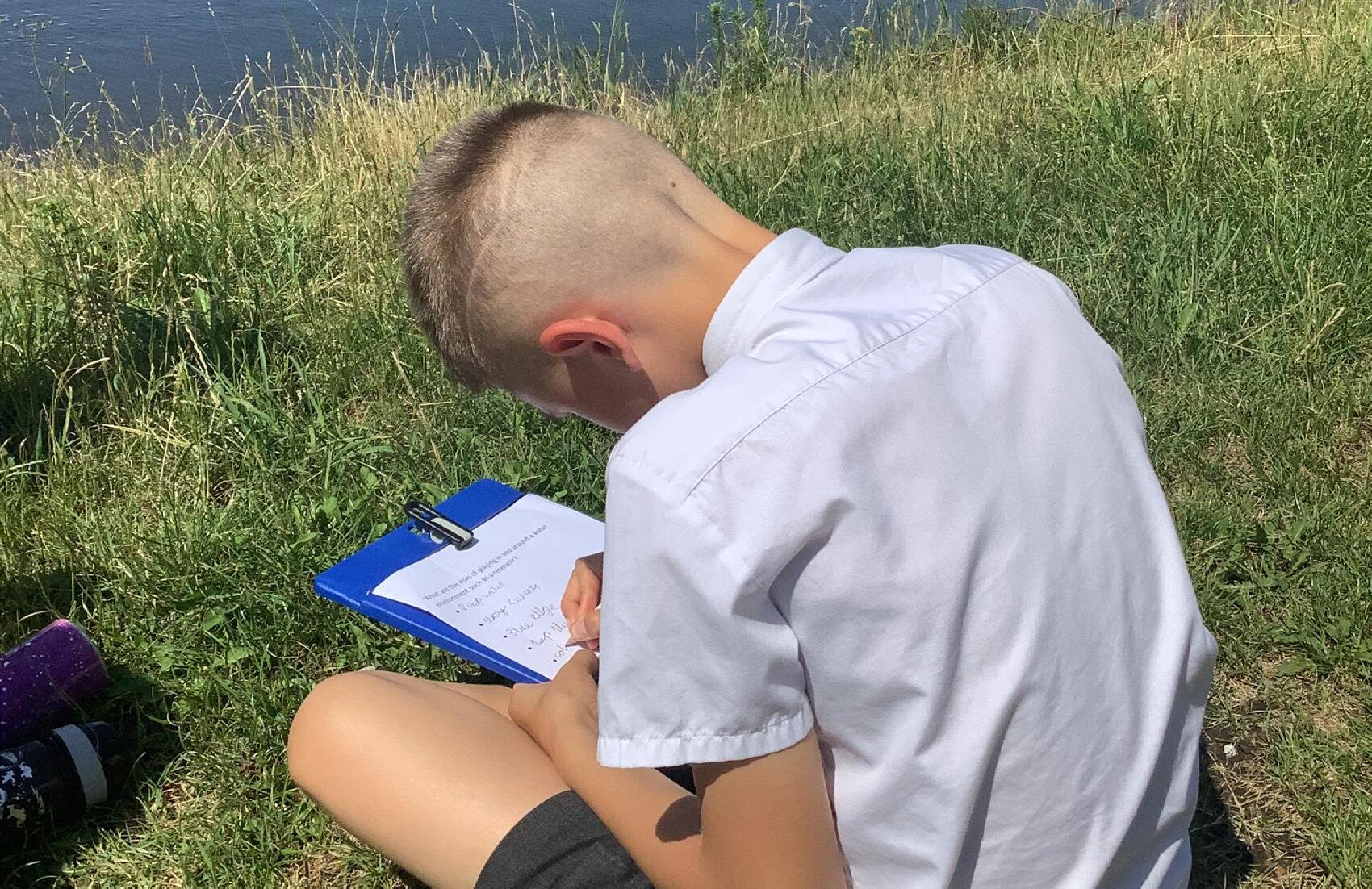
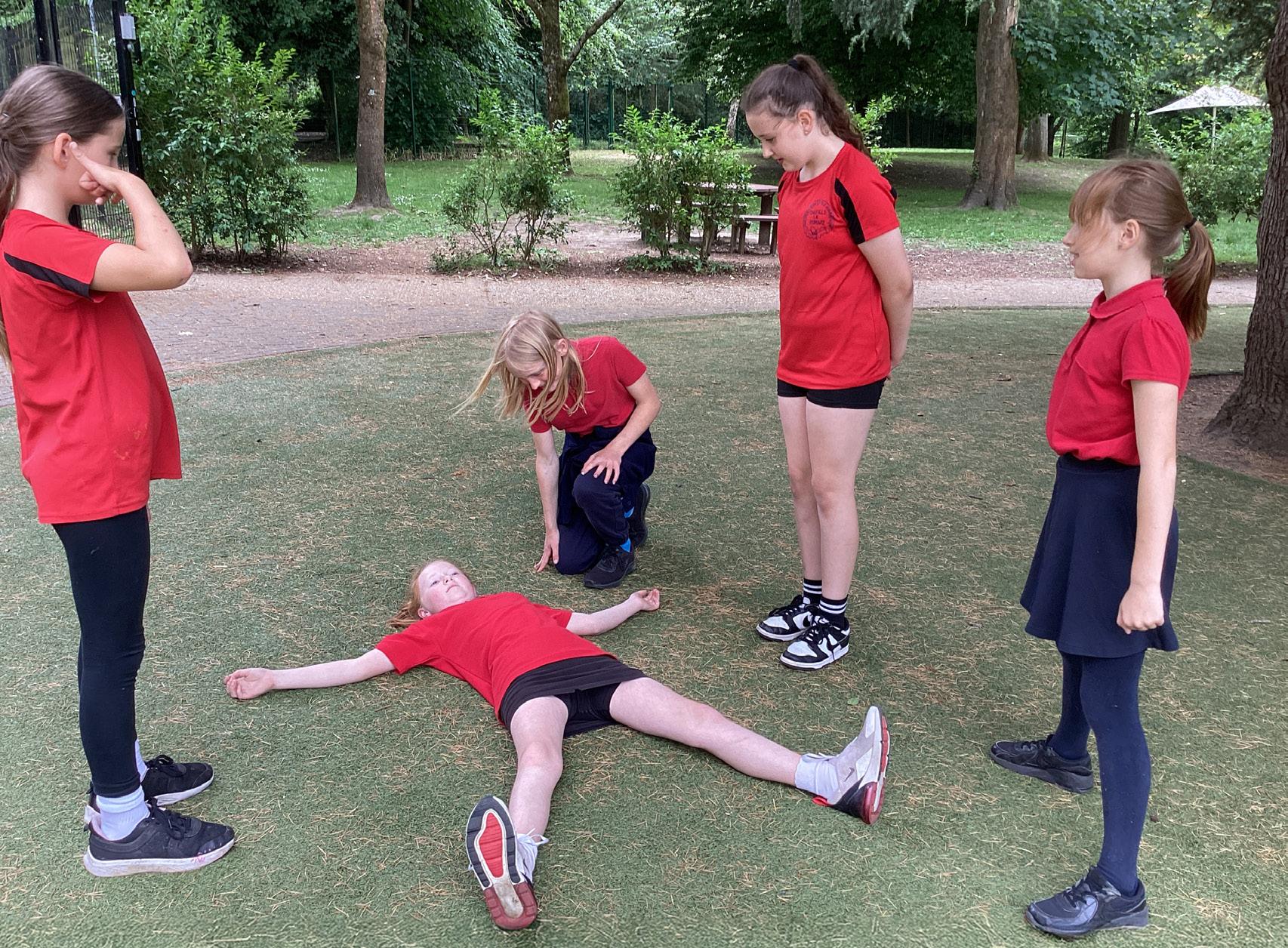
As leading experts in water safety, the Royal Life Saving Society UK (RLSS UK) provides free educational resources to schools across the UK. In 2025, an estimated 2.3 million children benefitted from RLSS UK’s wide range of materials, ranging from single lesson plans through to the flagship “Water Smart Schools” programme - a free accreditation-based, awardwinning education programme for primary, secondary, and specialist SEND schools. Lessons are classroom or assembly-based, enabling any school, regardless of its facilities and resources, to deliver best-practice water safety education to pupils.
Our free education materials include:
• Lesson plans
• PowerPoint presentations
• Instructional videos and cartoons
• Worksheets and printouts
• Ideas for working with local Fire and Rescue Services, RNLI, and other organisations linked to water safety.
Schools can sign up to access the free education offer at: www.rlss.org.uk/water-safety-education
How MPs can engage with their local schools to get ready for the
NEW WATER SAFETY EDUCATION CURRICULUM
Advocate
• Speak to Headteachers about the importance of water safety education in your regular engagement with local schools and encourage participation in RLSS UK Drowning Prevention Week, 13-20 June 2026.
Signpost
• Signpost schools to RLSS UK’s water safety education resources.
Support
• Support initiatives that help keep children safer around water, such as ensuring that sports and physical education funding reaches swimming pools and lessons, especially in disadvantaged and ethnically diverse communities.
Celebrate
• Share success stories from your schools on social media, tagging @RLSSUK to amplify impact.
RLSS UK, Red Hill House, 227 London Road, Worcestershire WR5 2JG rlss.org.uk | info@rlss.org.uk | 0300 3230 096
Registered Charity (England and Wales 1046060, Scotland SC037912). Private Limited by Guarantee Company (3033781).