the member magazine for Riverbanks Zoo and Garden | November - December 2025

the member magazine for Riverbanks Zoo and Garden | November - December 2025
Riverbanks Zoo and Garden unveiled a visionary master plan in 2018—Bridge to the Wild—as our bold road map for the future. This dynamic initiative is designed to transform how guests experience wildlife and connect with nature. Thanks to the generous support of private donors, strategic partners, and earned revenue, Phase One of Bridge to the Wild has already delivered an immersive southern white rhino habitat; the reimagined Darnall W. and Susan F. Boyd Aquarium & Reptile Conservation Center; a world-class Komodo dragon breeding facility; and the Jane B. Friedman Conservation Learning Center (slated for completion in 2026).
Phase Two of Bridge to the Wild represents a $100 million transformational expansion that will enhance the guest experience, deepen connections to wildlife, and showcase the beauty of the Saluda River. With the recent opening of the Saluda Skyride aerial transportation system, Riverbanks is poised to take the Zoo and Garden to the next level.
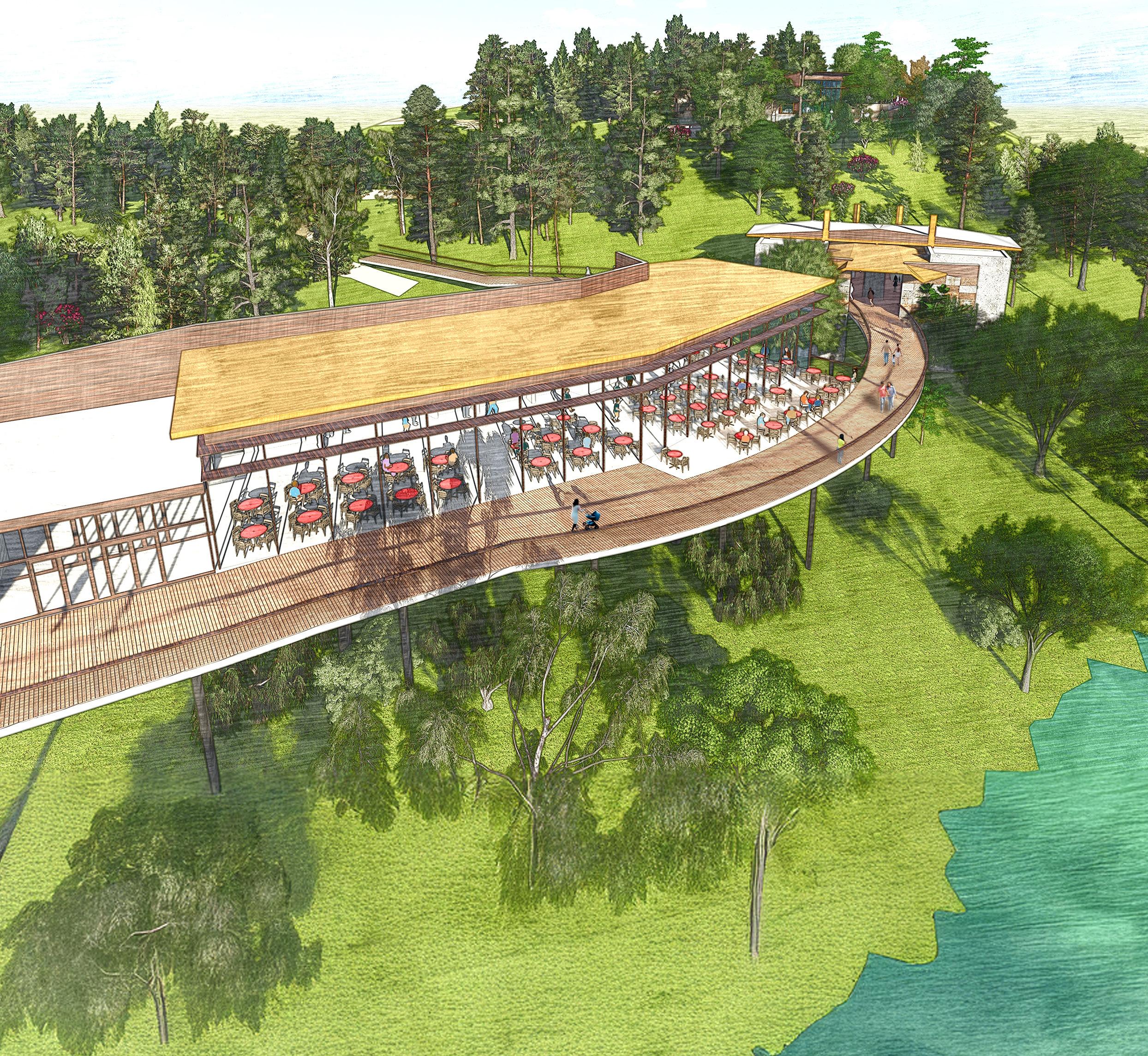
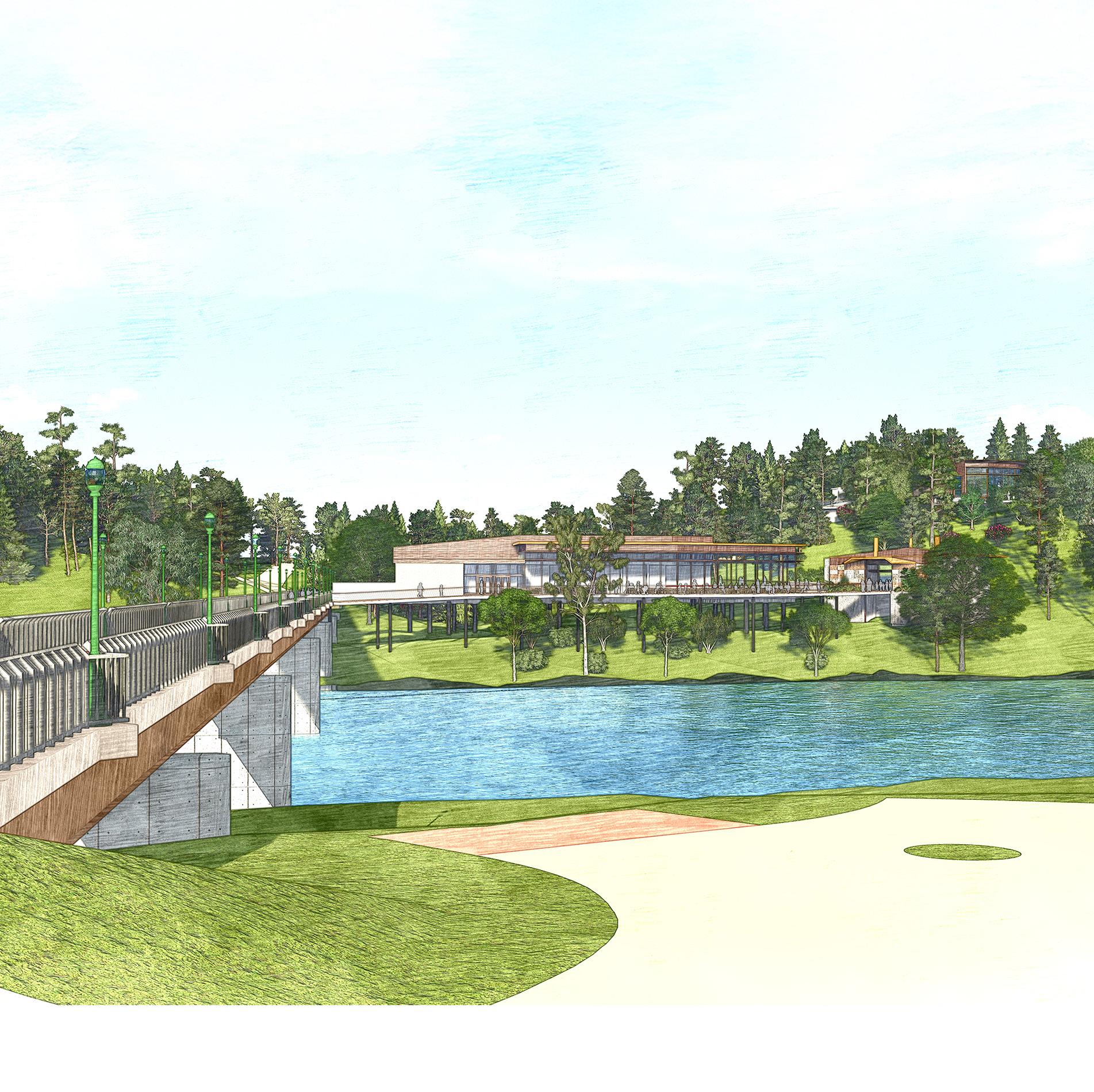
An expansive dining facility and event venue along the banks of the Saluda River will provide sweeping views and an enhanced experience for guests.
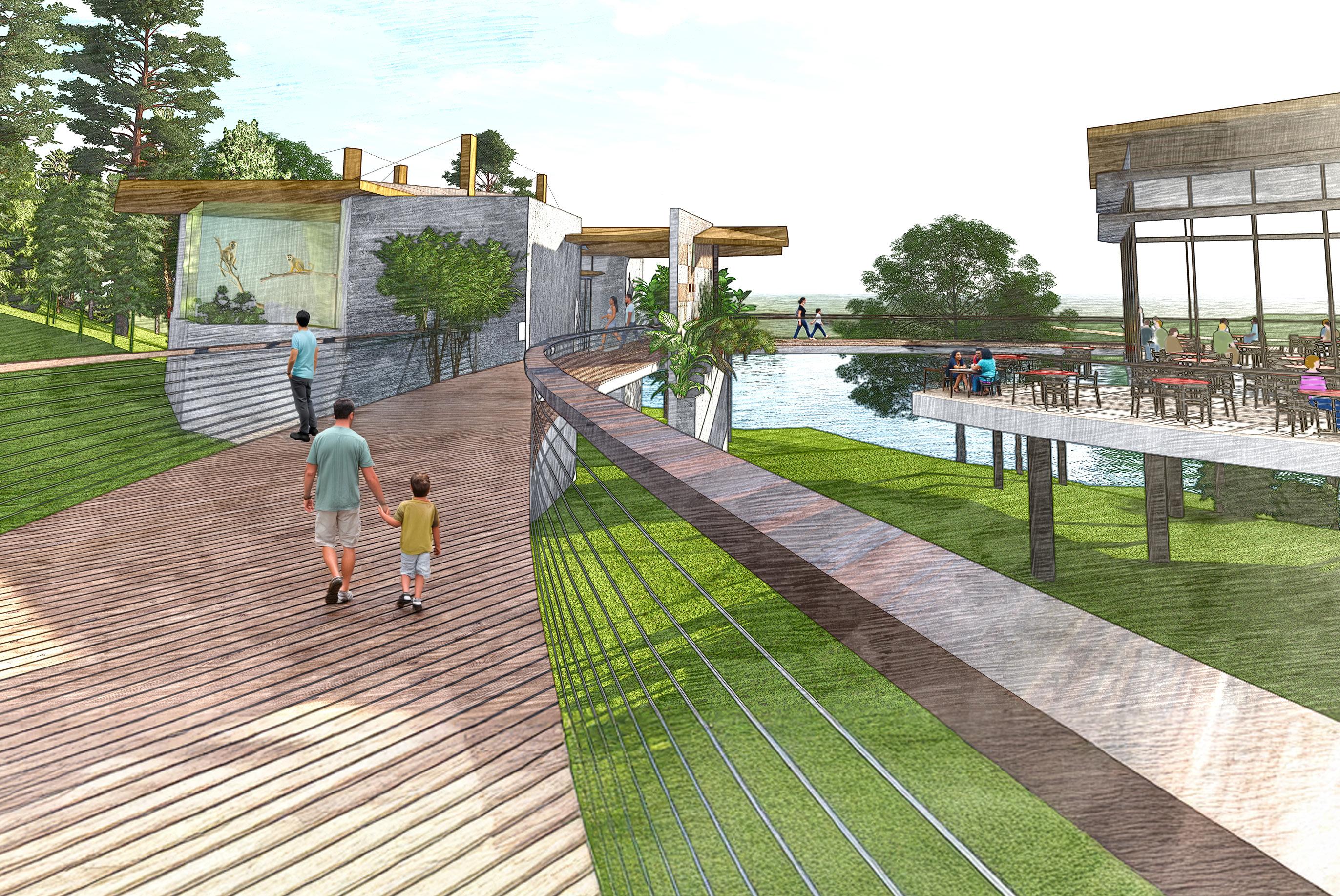
A first-of-its-kind habitat along the riverbanks will offer new insights into the world of endangered monkeys and inspire guests to help combat wildlife trafficking.
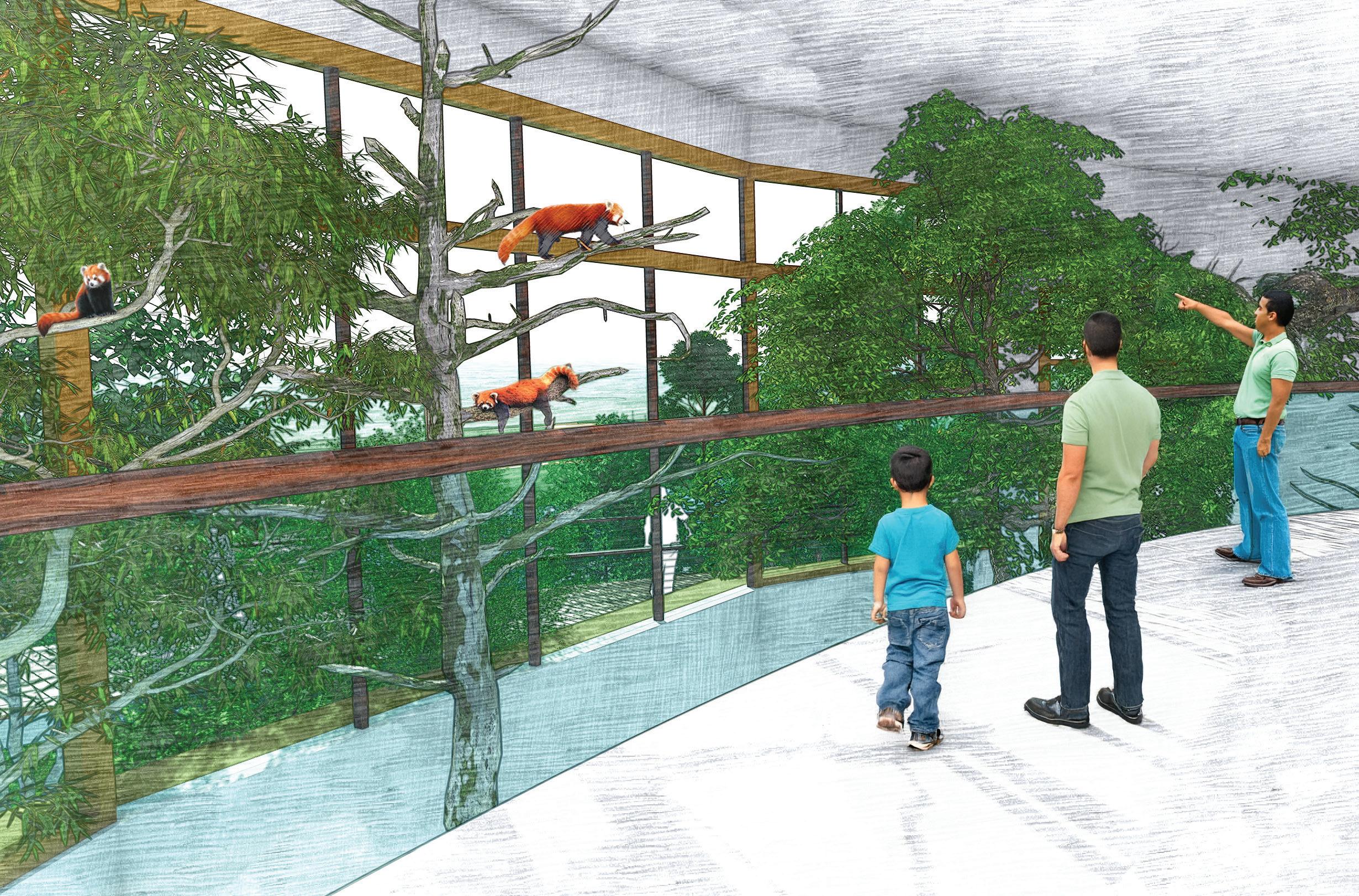
A state-of-the-art red panda habitat will allow guests to observe these amazing animals from various viewpoints while learning to help save this endangered species.
An expanded lion habitat in the Zoo (East campus) and a new tiger habitat on the Garden side (West campus) will provide plenty of room to roam.
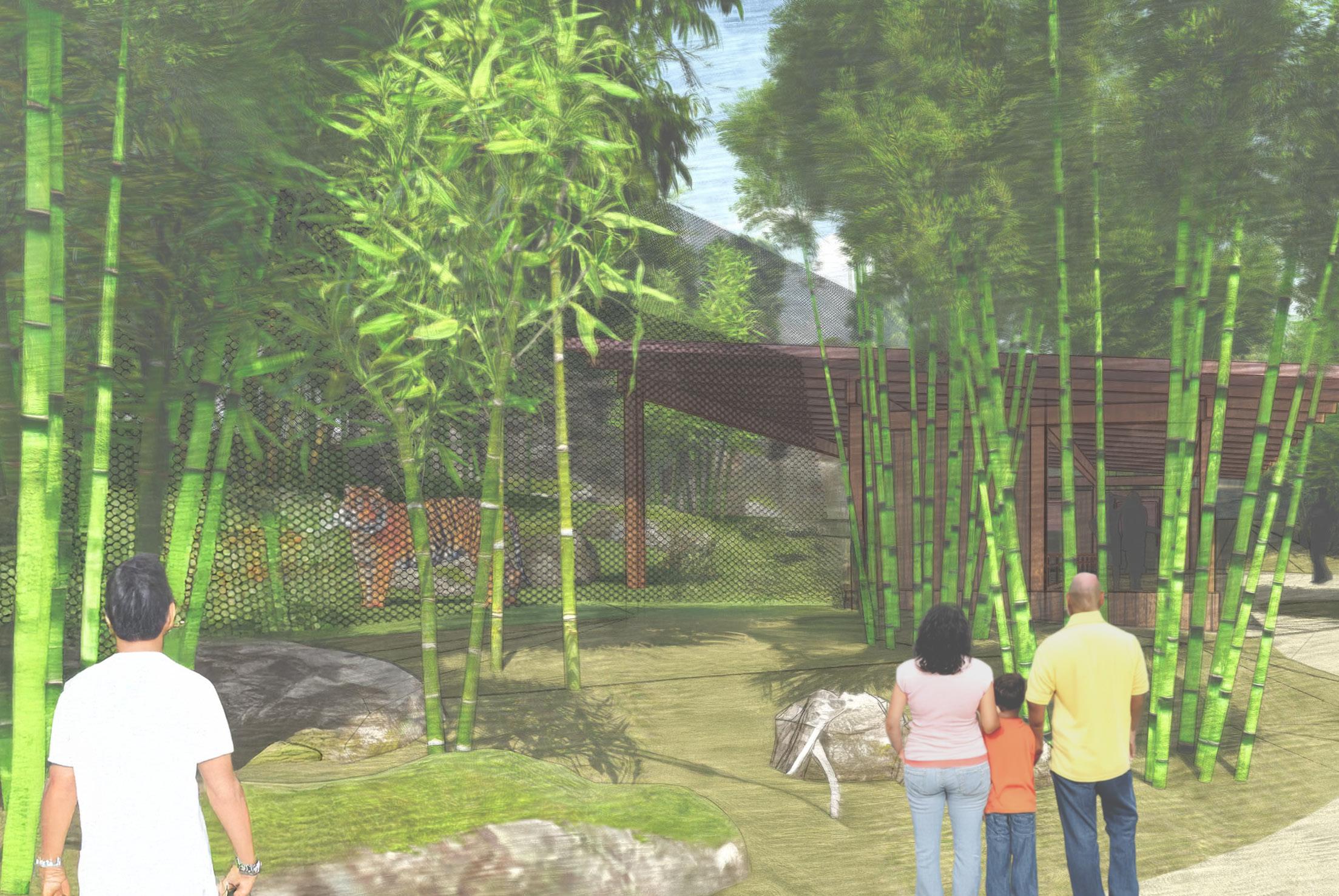
Construction on the expanded lion habitat is set to begin in early 2026, followed by these transformative projects on the Garden side. Final completion of Phase Two is anticipated by early 2029. Planning for Phase Three will begin as Phase Two nears completion, ensuring sustained momentum and continued impact in conservation, education, and community engagement.
To find out more or to make a donation towards this extraordinary project, visit riverbanks.org or scan the below QR code.
Find the perfect gift while supporting Riverbanks’ mission to create meaningful connections and inspire action for wildlife and wild places.
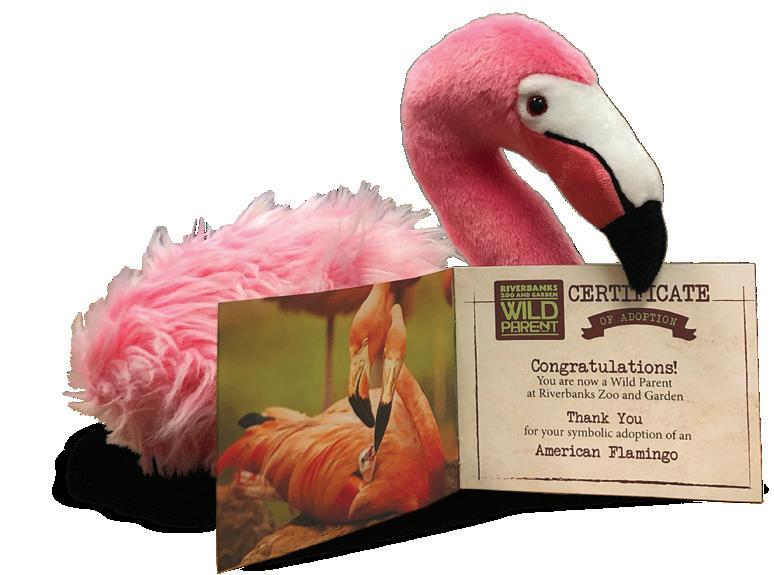
Your gift of a Wild Parent sponsorship comes with a personal gift message, portfolio featuring photos and facts about your “adopted” animal plus a cuddly, soft plush. Please order three weeks in advance to ensure on time delivery.
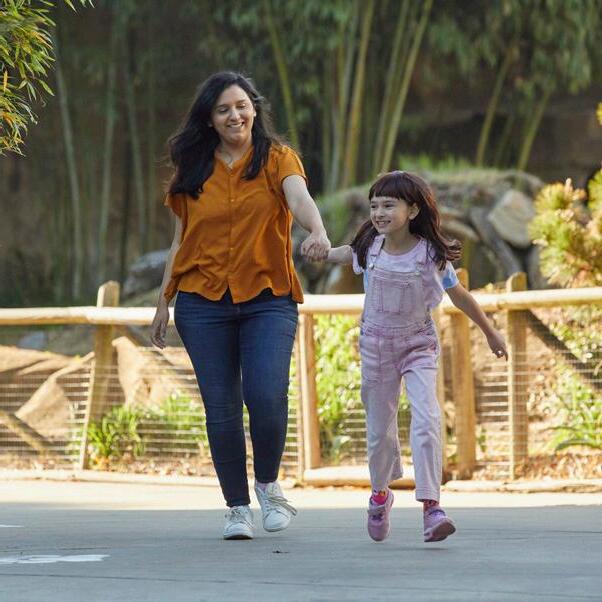
Give a full year of free daytime admission— including access to the Saluda Skyride—plus guest passes, discounts, and so much more. Becoming a Riverbanks member is an easy way to enjoy endless adventures.
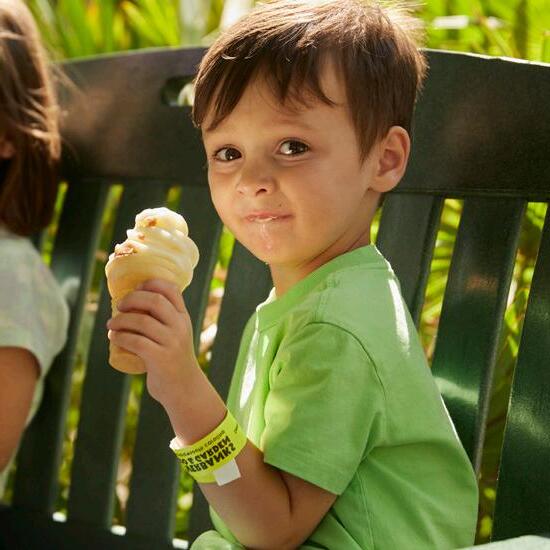
Riverbanks’ Explore More cards make the perfect stocking stuffer for anyone who loves to explore at their own pace. Redeemable on-site for tickets, memberships, attractions, and concessions.
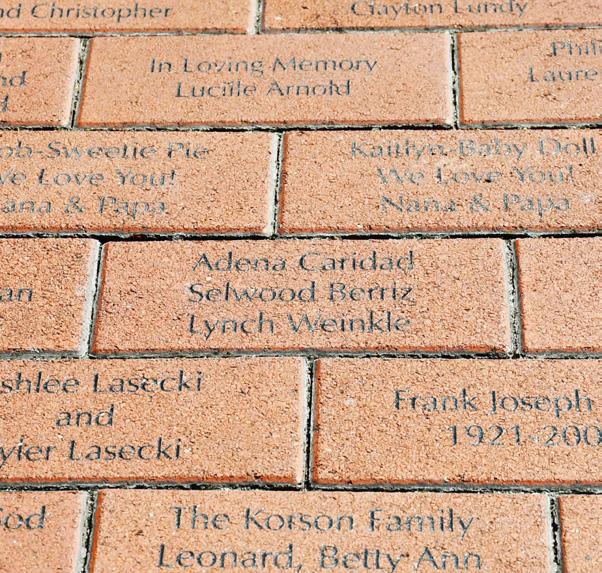
Honor someone’s legacy with a tribute brick in Riverbanks’ Palmetto Plaza. For an additional donation, miniature paperweight-size replicas are available with your 4x8 brick purchase. Please order three weeks in advance for engraving certificates. Installations are completed quarterly.
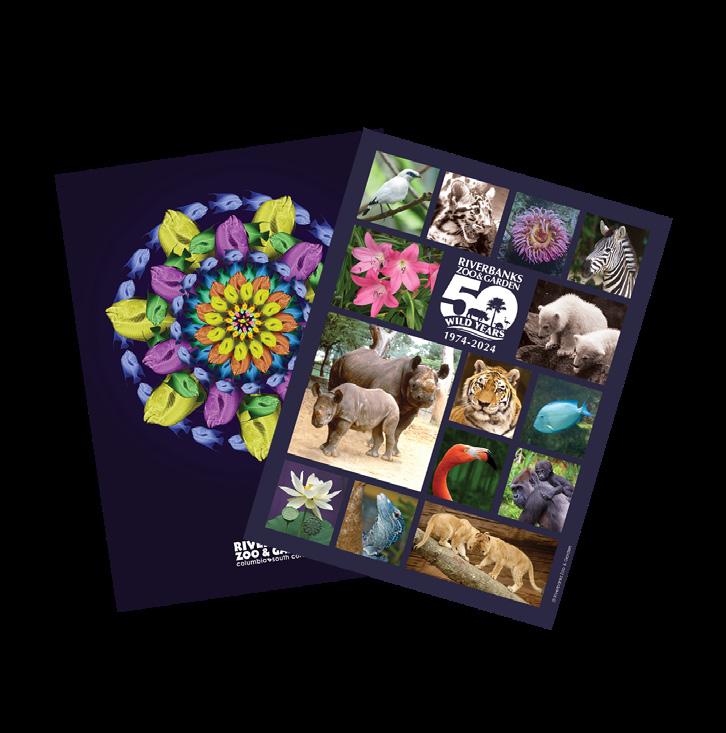
This collection features limited one-of-a-kind paintings created by our animal residents, stunning kaleidoscopic prints created from animal X-rays, and limited 50 Year Anniversary posters. Please order three weeks in advance to ensure on time delivery.
Perfect for anyone who dreams of getting an inside look at animal care, meet your favorite animals, and learn about the Zoo’s efforts to protect endangered species. Each tour is a private experience for your group. Gift certificates and tour reservations are available.
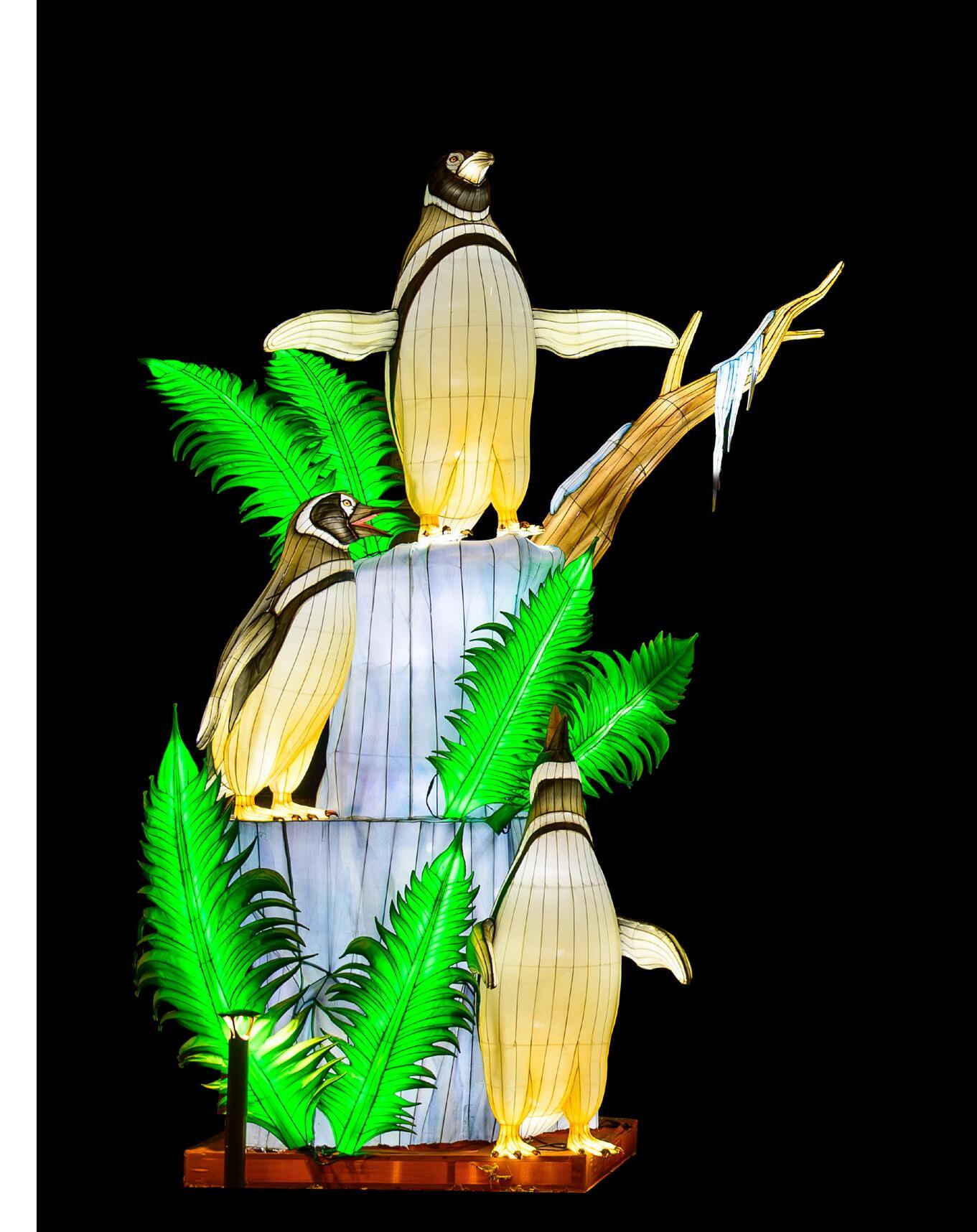
Shine a light on a friend or family name or business logo with your dedicated lantern display. Larger-than-life handcrafted lantern displays rotate every year and start at $1,500 and up. Email societyinfo@riverbanks.org for information.
To purchase or learn more about these wild gift ideas, visit riverbanks.org or email societyinfo@riverbanks.org.
Thank you for your support!
In 2024, Riverbanks Zoo and Garden expanded opportunities for young conservation leaders by introducing two new scholarships, made possible through the generosity of the Weinkle Family. Open to graduating ZooTeens and animal care interns, these scholarships help ease the financial pressures of tuition and housing while celebrating the dedication of the next generation of conservationists. Through the support of these scholarships, recipients can focus on their studies and pursue their goals with confidence.
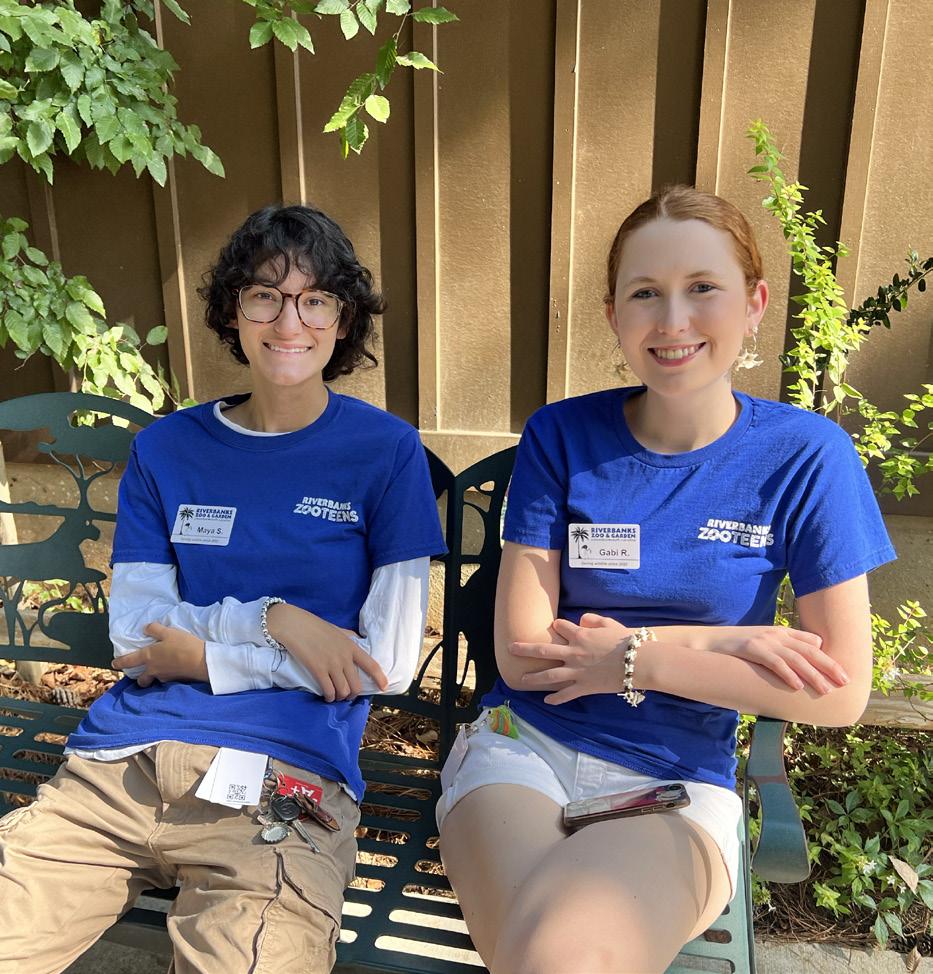
Each of this year’s recipients, Maya Segura, a ZooTeen, and Kate Padget, an Aquarium Intern, brings a unique vision and passion to their conservation journeys. Though their paths are different, both reflect Riverbanks’ mission to inspire people to protect wildlife and wild places.
For Maya, the spark came during a survey of crabs at Hobcaw Barony, where they discovered the power of field research and set their sights on a career as a national forest ranger. Through the ZooTeens program, Maya grew into a more confident leader, thriving when connecting with guests, collaborating on projects, and building lasting friendships. The Weinkle Family Conservation Steward Scholarship honors Maya’s growth and pursuit of a career in conservation.
If I could inspire just one other person to find value in protecting nature, then I feel I would have done
my job as a conservation leader.
- Maya Segura
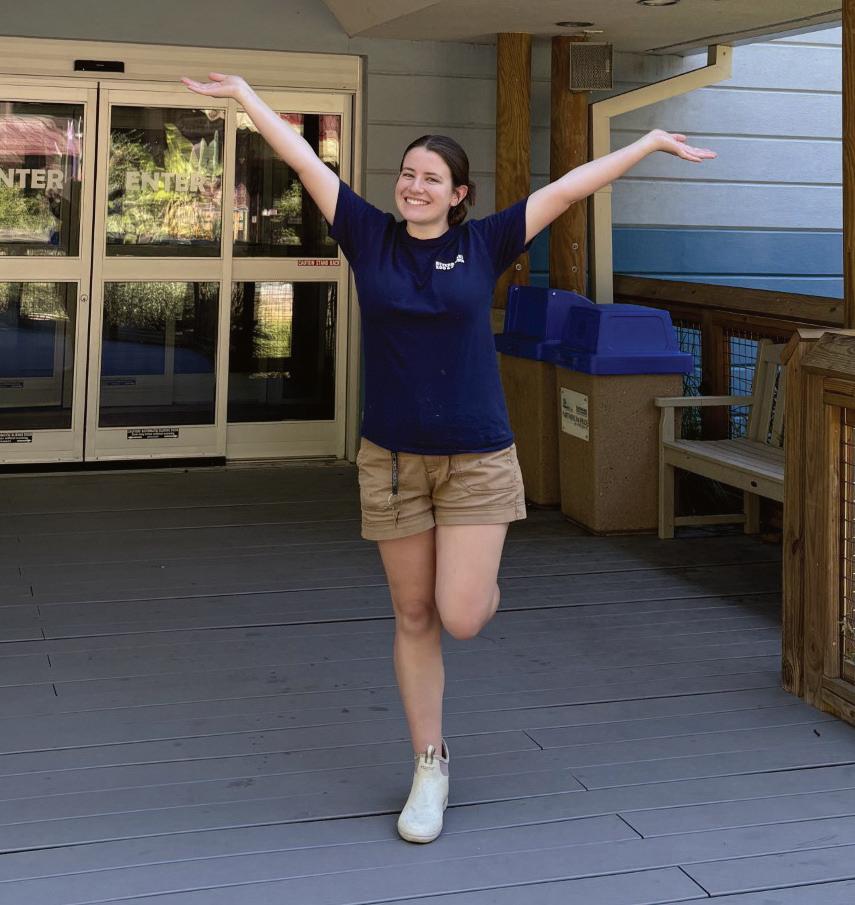
Kate’s connection to Riverbanks began long before her internship. As a child, she spent countless summer days exploring the Zoo and Garden with her family. Later, she returned as an Attractions Attendant, where she welcomed guests and gained her first glimpse into a career in conservation. This summer, as an Aquarium Intern, Kate deepened that commitment. The Weinkle Family Internship Scholarship recognizes Kate’s dedication and passion for aquatic conservation.
Participating in this internship has taught me things that a classroom simply couldn’t. It’s given me unique opportunities and shown me the true work that goes into conservation and animal care. For that, I’ll always be thankful.
- Kate Padget
Together, Maya and Kate represent the promise of the next generation of conservationists. Their achievements and the opportunities that make them possible are a reminder that Riverbanks’ mission is attainable and strengthened by the passion and philanthropy of families like the Weinkles. Thanks to their generous support, we can continue to inspire and empower future leaders in conservation.
Riverbanks Zoo and Garden created a strategic plan in 2023 to help guide our trajectory and impact over the next five years. One of our five key commitments is to advance our mission to impact wildlife and wild places through conservation projects, both locally and around the world. Through the Satch Krantz Conservation Fund (SKCF), Riverbanks has provided support for hundreds of amazing projects since 1996, many of which were led, supported, or advised by our dedicated staff.
Staff involvement is so important to us that one of our conservation program goals is to provide 100% of staff the opportunity to participate in conservation projects. To continue fostering a culture of a conservation-minded community at Riverbanks, we created a program that allows staff members to help choose which conservation organizations Riverbanks supports.
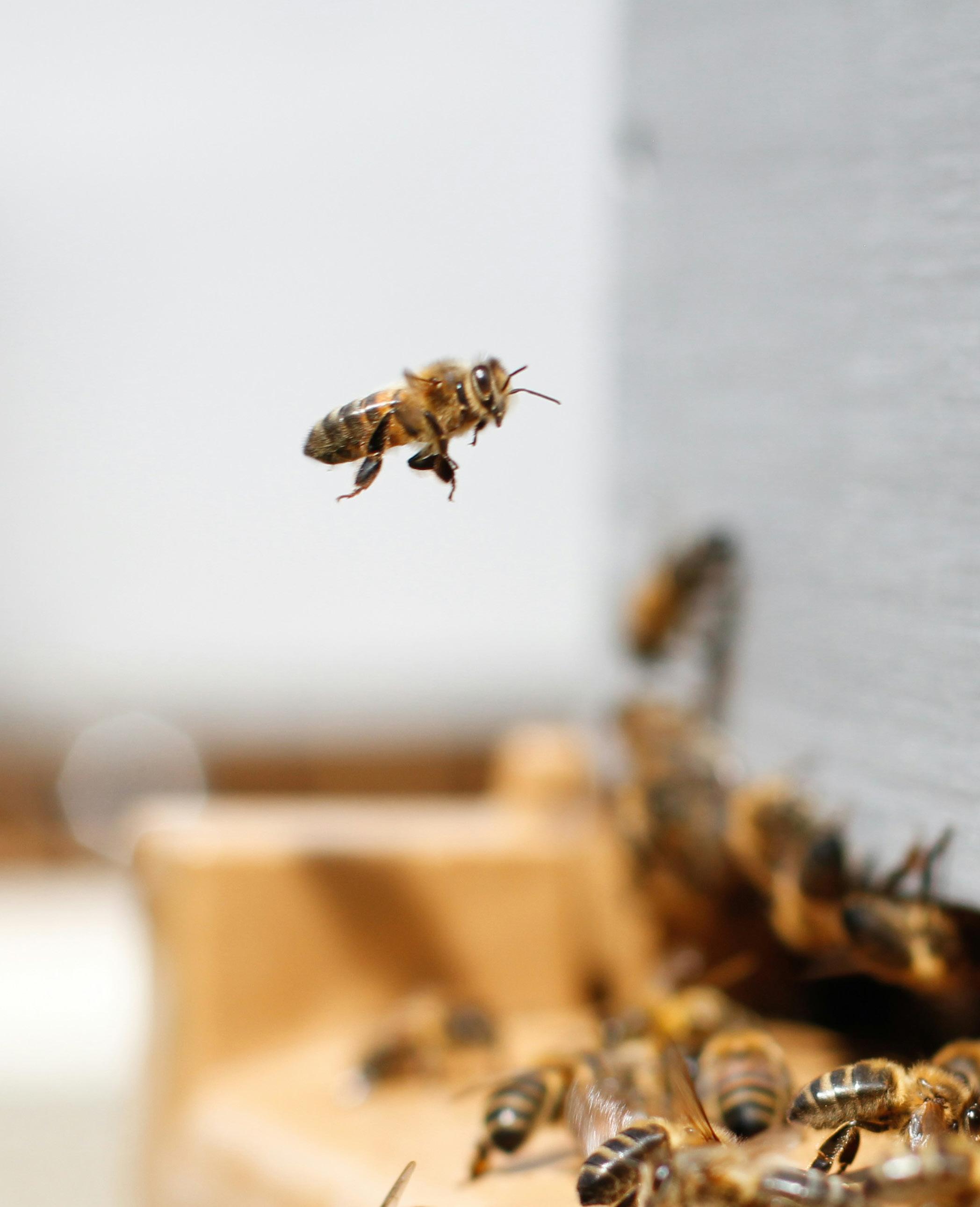
Aptly called the “staff nomination program,” twice a year, Riverbanks employees can select a conservation nonprofit to receive a donation from the SKCF. In the five years we have offered this program, 127 organizations have been nominated, and we have donated just shy of $110,000 to organizations whose missions inspired our staff. A great benefit to this program is exposure to the variety of conservation work that takes place in South Carolina and all over the world. Some of the organizations that resonated with our staff include:
South Carolina Wildlife Federation SC State Beekeepers Association



Riverbanks is building lasting relationships and partnerships with a few of these organizations. Making a positive impact on wildlife and wild places is best achieved when everyone is working together, and we are proud to be working with other leaders in conservation to ensure healthy populations and healthy ecosystems for generations to come.

Join the Bugg Club today at any Grow store! Our youth savings club teaches kids to save by making it fun. Earn prizes, coloring books, activity sheets and more. Plus, get a free Bugg Club t-shirt!*




Saturday, November 22 Ndoki Lodge | 5-9pm



MAKE YOUR HOLIDAY PART Y

With WILD LIGHTS at Riverbanks Zoo and Garden
ONE OF A KIND VENUES + DELECTABLE MENUS
CAPACITIES FROM 25 - 5,000
ON-SITE CATERING SPECIALISTS
PROCEEDS SUPPORT CONSERVATION EFFORTS
CONTACT US TODAY TO SECURE YOUR DATE

Drying and Using Herbs
November 8, 2025 | 10:00am
$20 members, $25 general public
From garden to pantry, explore effective ways to dry and preserve herbs that will spice up your life year-round.
Holiday Wreaths
December 13, 2025 | 10:00am or 1:00pm
$30 members, $36 general public
Use fresh cut greenery from the Riverbanks campus to create a wreath for your door or a tabletop centerpiece.
Purple Martin Conservation
January 31, 2026 | 10:00am to noon
$20 members, $25 general public
Join Wingard’s Naturalist and USCG
Captain Zach Steinhauser to learn about Purple Martins, why they need protection, and how to become a Purple Martin landlord by setting up your own colony of Martin Houses.
February 7, 2026 | 10:00am to 2:00pm
$50 members, $55 general public
Discover the tangled story of kudzu in a handson weaving workshop with Aaron Baumgardner and DeLesslin “Roo” George-Warren, both artists and citizens of Catawba Nation.
Terrariums
March 21, 2026 | 10:00am to 11:30am
$35 members, $40 general public
Learn the basics of creating a closed terrarium that stays healthy and requires minimal maintenance. Everyone will make a terrarium to take home.
Gardening 101
April 18, 2026 | 10:00am to 11:30am
$15 members, $20 general public
Gain practical tips and tricks for a successful vegetable garden during an informal discussion on soil types, organic materials, watering, pest control, and more.
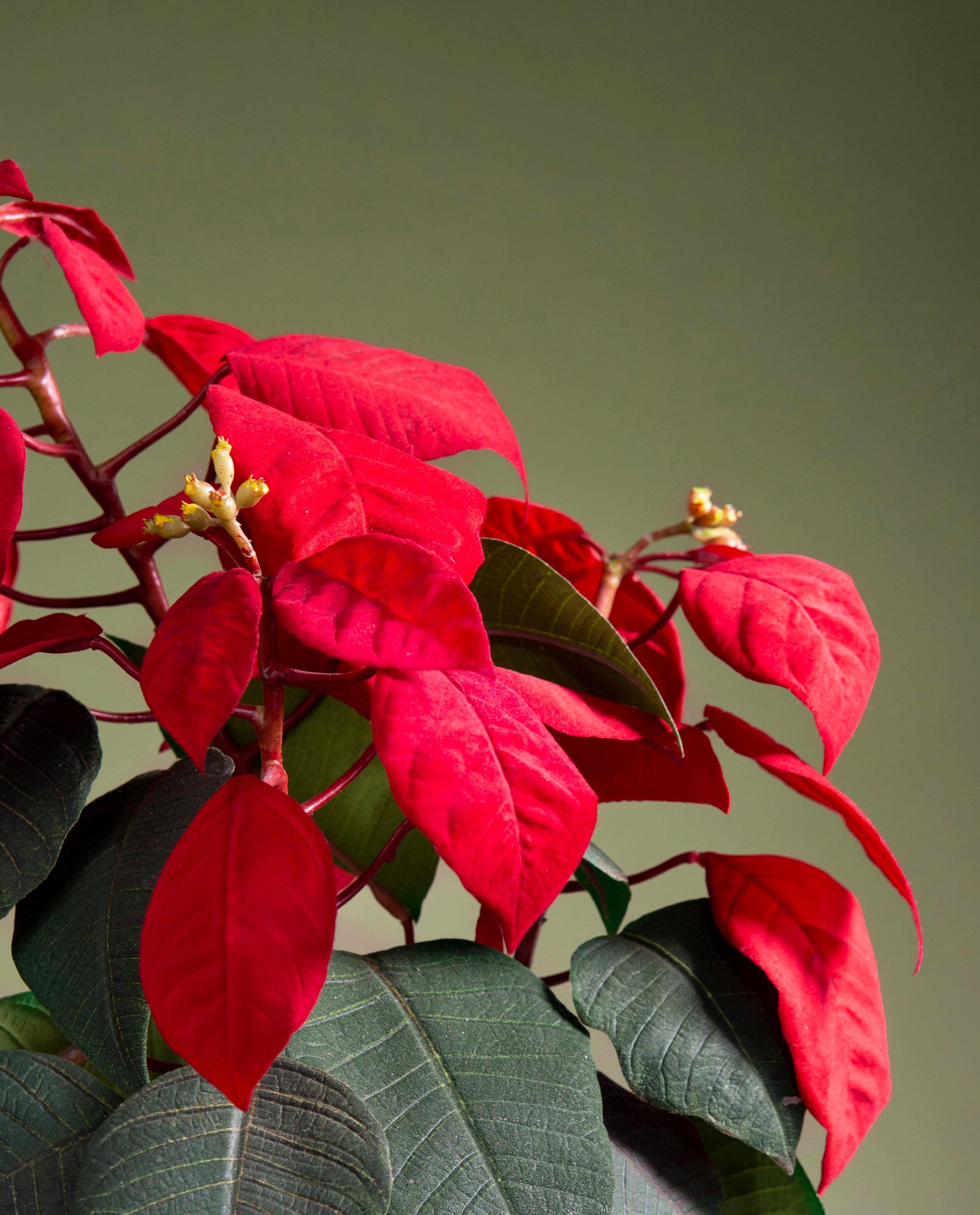
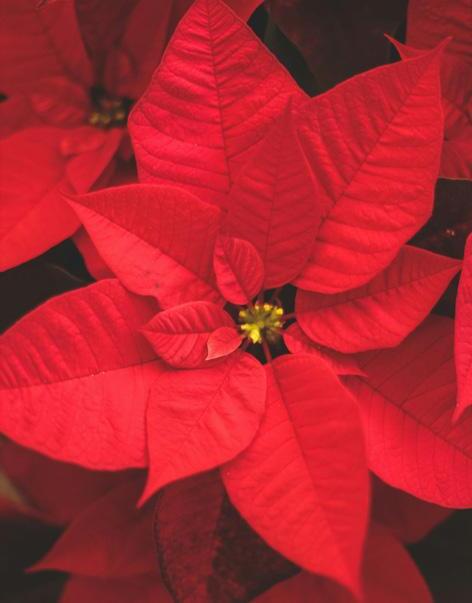
The Poinsettia we see during the holiday season has an interesting history and a unique tie to South Carolina.
Joel Roberts Poinsett was born in Charleston, South Carolina, in 1779. As a young man, he traveled extensively across Europe, Asia, and South America. His travels served him well when returning to Charleston. One of his many appointments was as the first United States Minister to Mexico. In 1823, while traveling south of Mexico City in the state of Guerrero, he saw what was known as the Mexican flame flower and sent plants back to his greenhouses in Charleston. The name Poinsettia was widely used for the plant in the United States soon after. Poinsett had many roles in government, serving as a state representative, a United States congressman, and Secretary of War. Not only is the Poinsettia plant named for Poinsett, but a Mexican lizard also bears his name, as well as a South Carolina state park.
Poinsettia (Euphorbia pulcherrima) is now widely used in holiday décor and is sometimes called the Christmas Eve star. Native to Mexico and into Guatemala, Poinsettias in the wild can become small trees, reaching heights of 14 feet. Many people believe that the red leaves of the Poinsettia are the flower; however, the small, insignificant yellow and white at the center of the red bracts, or modified leaves, are the actual flowers. These bracts change color through photoperiodism, the plant’s biological response to day and night. Growers must provide at least 14 hours of complete darkness for six weeks for the bracts to change color. In the United States, December 12 is known as National Poinsettia Day. There is huge commercial value in Poinsettias, with over 70 million sold during the six weeks before Christmas, generating over $250 million annually.
There have long been rumors and old wives’ tales that the Poinsettia is toxic and can cause death. Testing to determine toxicity has found the plant to be mildly irritating if ingested, with symptoms mainly being nausea. Humans would have to ingest large volumes of the plant to suffer symptoms, and you can feel safe having Poinsettia in your home with animals. Poinsettia is in the Euphorbia family, and like many plants in this family, there is a milky sap released when the stem is broken. The stem can sometimes cause skin irritation when touched.
Paul Ecke was a florist in California, and in 1909, he began to produce Poinsettias commercially. Today, there are over 230 cultivars of Poinsettia, ranging in color from white and cream to pink and marbled. The Poinsettia business has grown over the years, and Dümmen Orange, who now owns Paul Ecke Ranch, has over fifty percent of the world market and grows over seventy percent of the Poinsettias sold in the United States. It is interesting to think that one South Carolinian’s trip to Mexico so long ago facilitated the growth of a plant that is so widely recognized today. It is now Poinsettia season, so go get yours today!
0 0 0 0
Poinsettias like bright light but not full sun. Direct sunlight can scorch the leaves. Place in a location with at least six hours of filtered sunlight.
Poinsettias are not cold hardy in South Carolina, but they can be treated like a houseplant. Place outside in the summer and bring in before the first frost.
Water when the top inch of the soil is dry but do not leave in standing water.
It is possible to make your Poinsettia bracts color up again; however, it is a very labor intensive process and many people chose to purchase a new plant for the holiday season.

Come Visit Our One-Armed
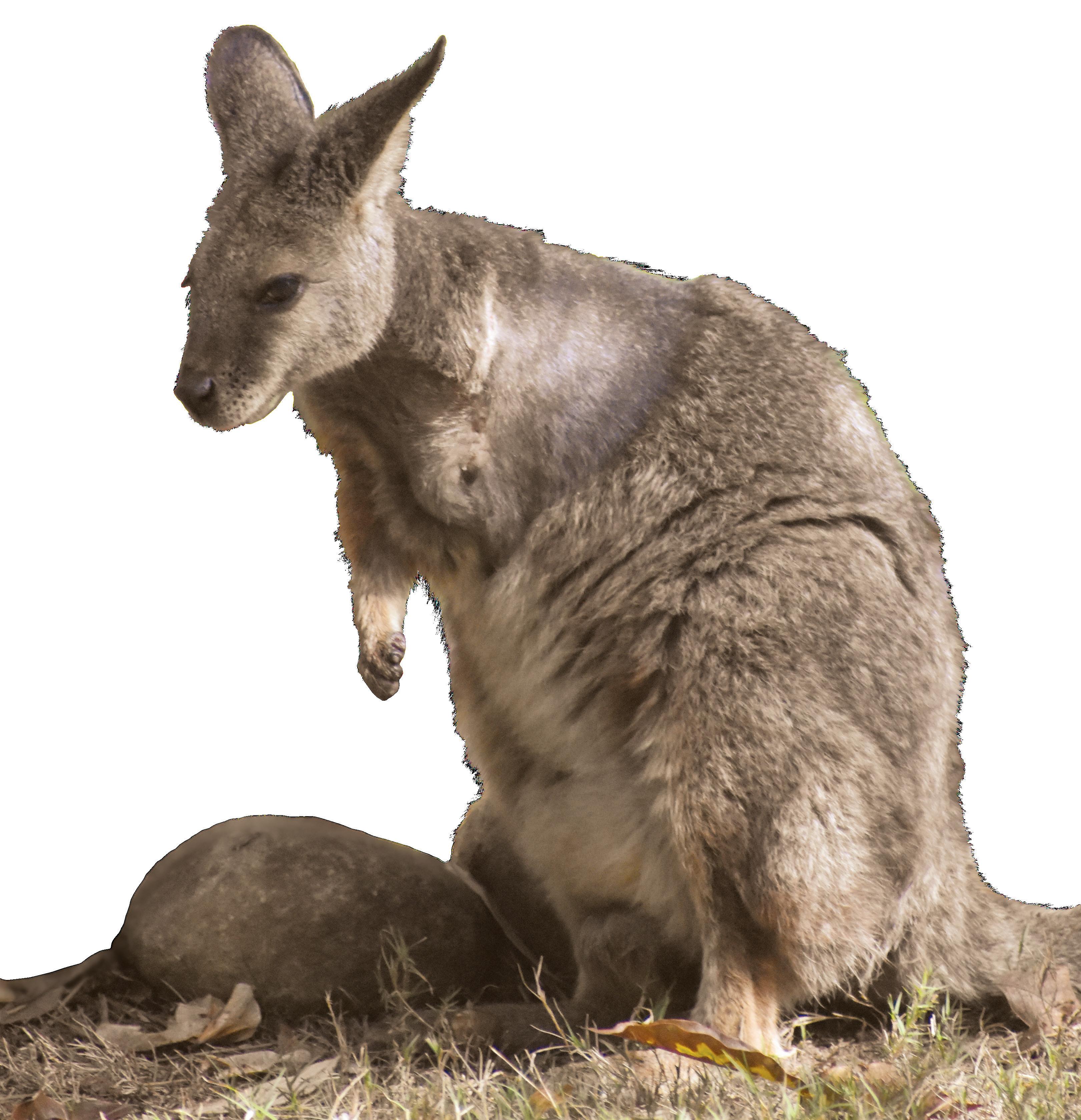
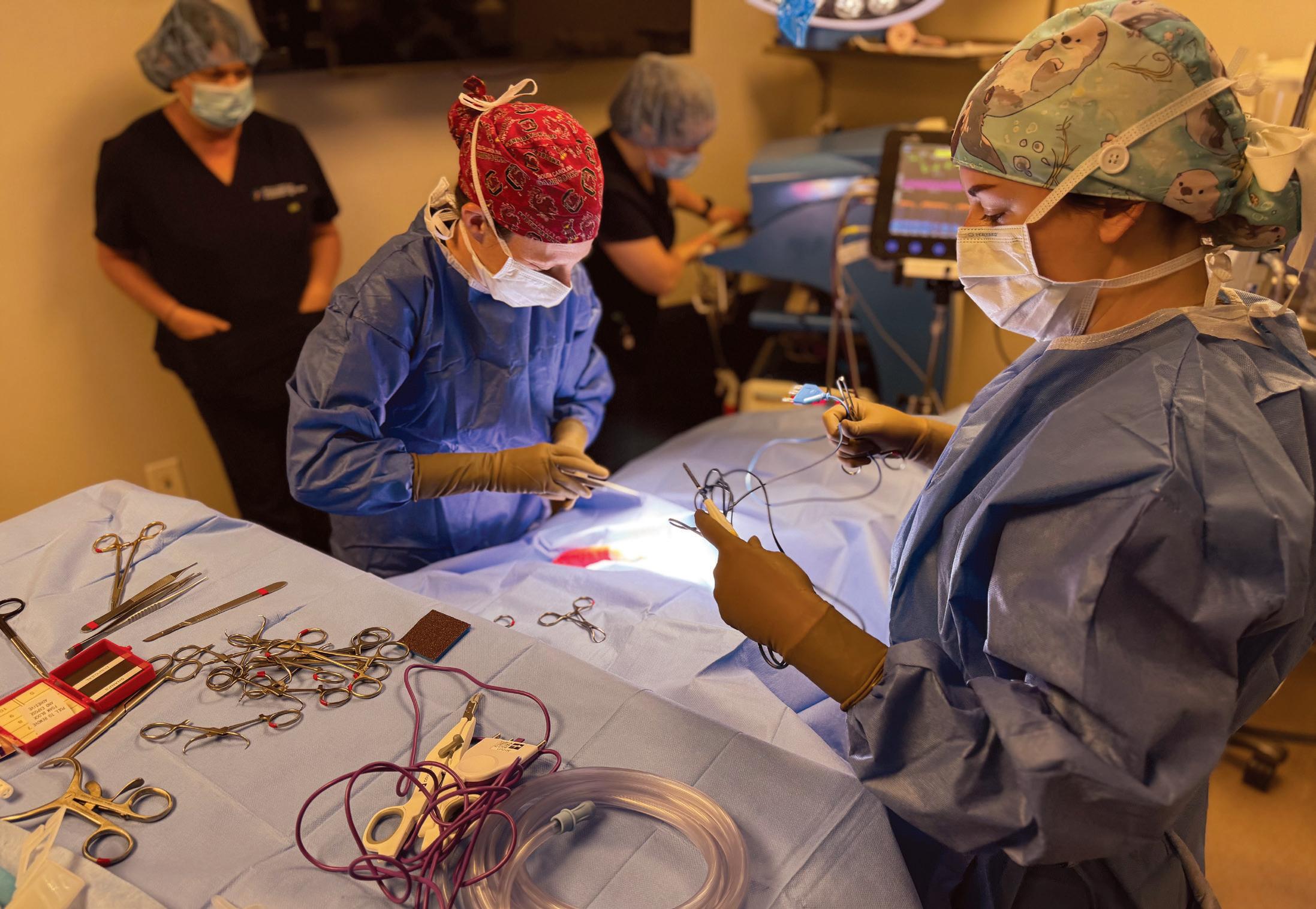
No, we have not opened a casino at Riverbanks. The keepers who care for the kangaroos and wallabies recently noticed that Bandit, our nine-year-old male Tammar wallaby, was reluctant to use his left arm for walking or to handle food items. The veterinary team thought his arm also looked swollen, so we brought him to the hospital for a closer look. We anesthetized Bandit, and during his physical examination we could feel that his humerus, the upper arm bone, was abnormally shaped. Radiographs showed that the humerus was very distorted, which suggested that Bandit had cancer in the bone.
Bandit is an old animal in the wallaby world. Most of the other Tammar wallabies in North America are less than seven years old, so cancer was not necessarily an unexpected complication. However, Bandit is a very healthy animal who recently sired our youngest wallaby, Sherman, and enjoys socializing with our female, Simone. We wanted to make the best choice for managing Bandit’s cancer, so the veterinary team ran extensive testing to confirm that he was in good health.
We treated Bandit with multiple pain medications to make him more comfortable, and we shared his radiographs with a surgeon. The surgeon’s recommendation was to amputate Bandit’s arm to remove the affected bone that was causing so much discomfort. We discussed this with the animal care team to ensure they felt Bandit could manage well with only one arm, and they agreed we should move forward.
The surgery was a success, and I think, even with expected post-surgical discomfort, Bandit already feels much better. He is living at the hospital at the time I’m writing this, but I suspect very soon he will be back in the Kangaroo Walkabout, bouncing around with the other wallabies, and being an ambassador for his species and our commitment to excellent animal care.
Our vet team brings Bandit comfort, and the hoppiness he loves most!
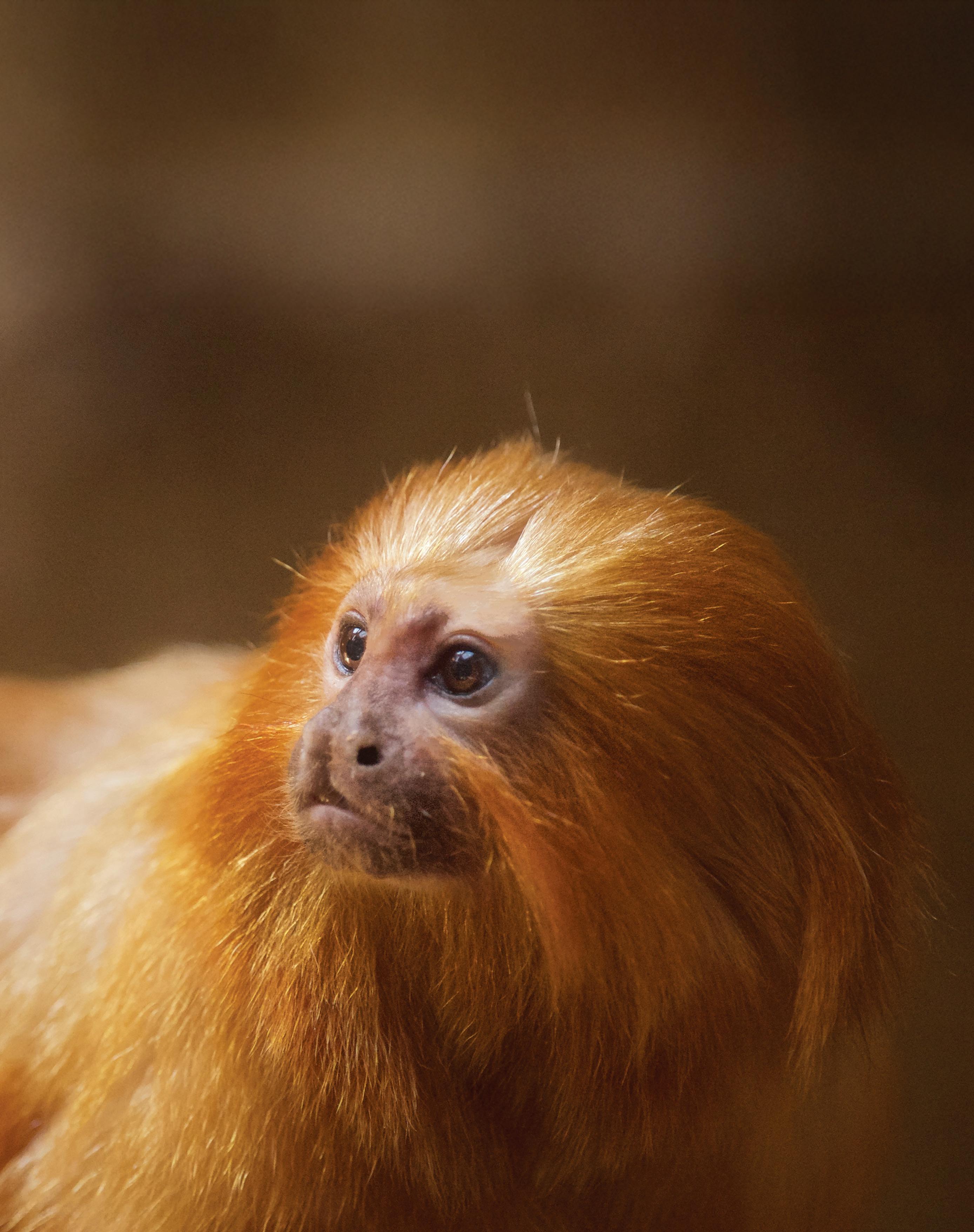
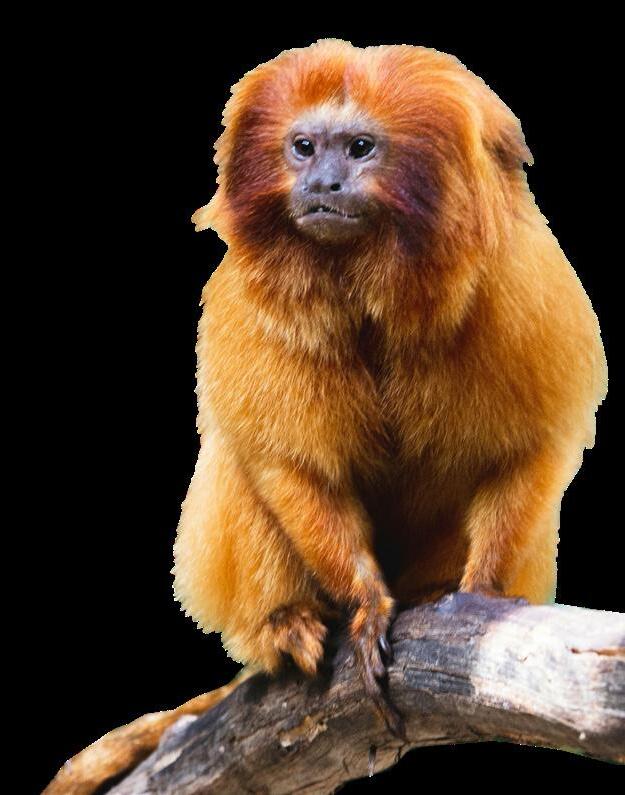
Golden lion tamarins are named for the long, fiery orange-red hairs that sprout from their head, cheeks, throat, and ears, creating a mane similar to a male lion’s. They are part of a group of monkeys called callitrichids with claw-like nails that help them cling to vertical tree trunks and travel across the forest canopy on small branches and vines. Callitrichids often give birth to twins, so the whole family helps raise the babies.
These small monkeys weigh 1 to 1.5 pounds, with a body length of 6 to 10 inches and a tail length of 12 to 15 inches.
Golden lion tamarins are endemic to the lowland Atlantic coastal rainforests of Brazil. Because of habitat loss and fragmentation, their range is restricted to a tiny area on the southeastern coast of Brazil, in the state of Rio de Janeiro.
Riverbanks has housed golden lion tamarins since 1982 and is currently home to two males, Mico and Cheeto. The “Golden Boys” arrived separately in 2008 and were paired with females in two different groups.
At twenty years old, Mico and Cheeto are two of the oldest golden lion tamarins in the country! In human care, these monkeys are usually housed in male-female pairs, pairs of related males, or small family groups. In early 2024, our Golden Boys were in an unusual situation where both of their respective mates had passed away, and they needed a companion. Because golden lion tamarins are highly territorial, animal care staff carefully introduced them to each other in a way that was conducive to their different personalities. While Mico is more personable and food motivated, Cheeto does most of the grooming and keeps their nestbox clean. Throughout the day, they can be observed sharing enrichment, napping together, and taking turns training with their keepers. The pairing of these two charismatic geriatric monkeys is yet another standout success for the staff at Riverbanks!
Through our staff nomination program, Riverbanks has supported Save the Golden Lion Tamarin, the American partner of the Brazilian nonprofit, Associação MicoLeão-Dourado, since 2022. This organization monitors the remaining wild population of golden liontamarins, restores forest corridors by planting trees to connect isolated patches, and works with the Brazilian government and the community to help protect their land.
Additionally, in partnership with the Wildlife Trafficking Alliance, a coalition of more than 90 organizations working together to reduce and eliminate the illegal trade of wildlife and wildlife products, Riverbanks is actively developing educational resources to increase guest awareness and inspire actions to help combat wildlife trafficking. One important action that can help is responsible pet ownership.
Monkeys like golden lion tamarins are highly targeted for the pet trade. This was a major contributor to their population decline in the twentieth century. People need to see and understand the type and amount of specialty care and husbandry required to house this species. Monkeys do not make good pets. They are, however, great ambassadors for their wild counterparts. Be sure to come see them at Riverbanks Conservation Outpost!
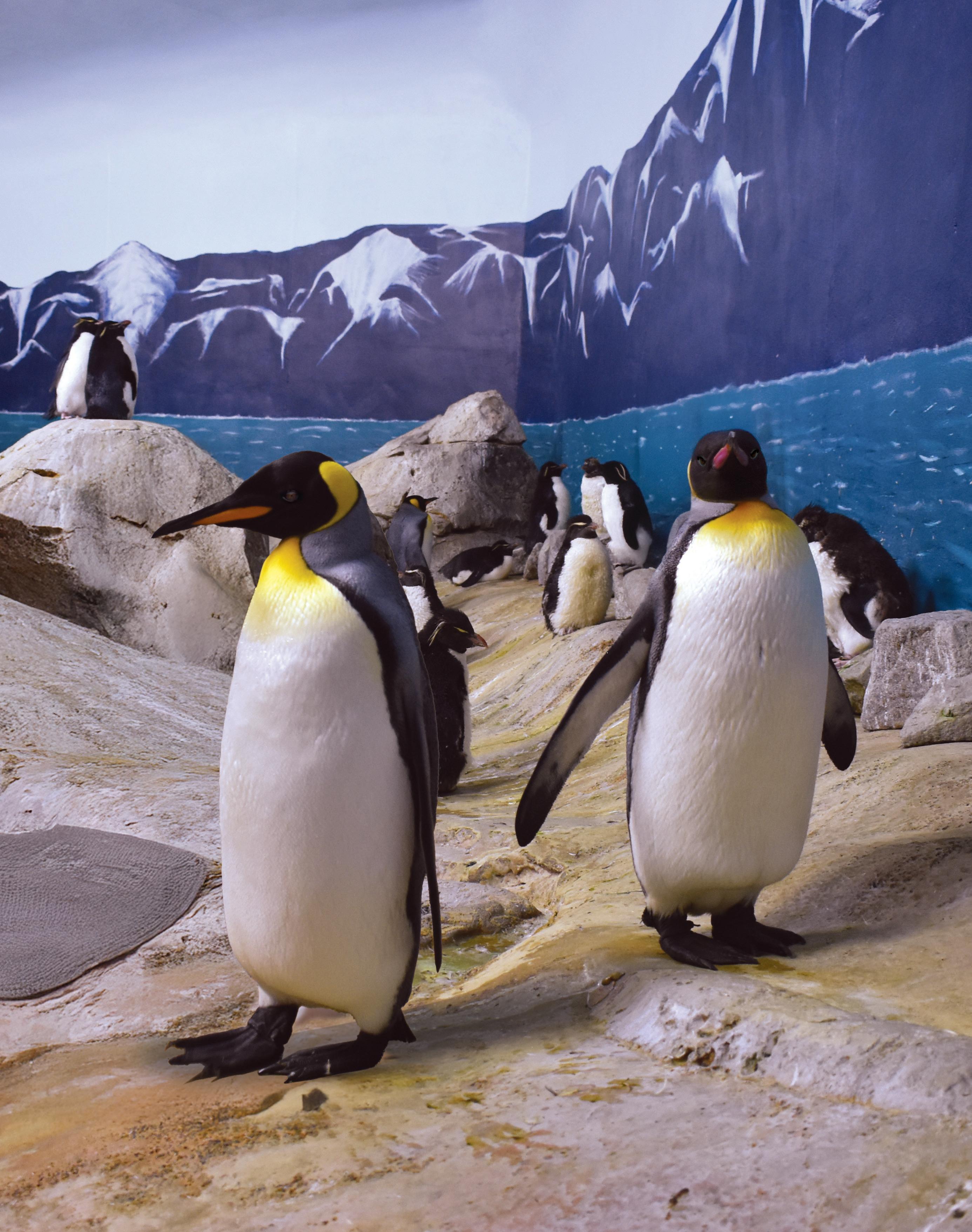
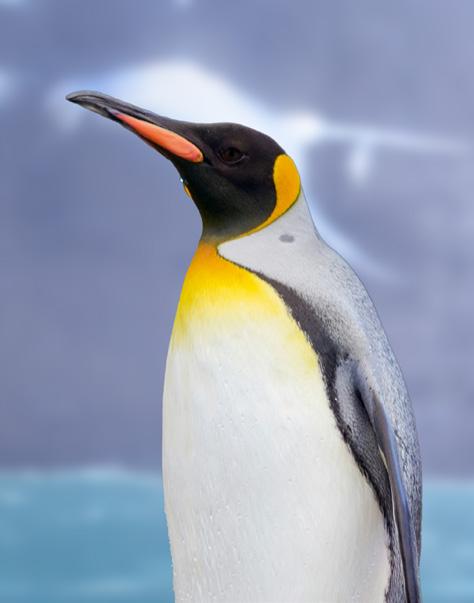
We are excited to share that penguins are back out on habitat! A lengthy renovation earlier this year made important infrastructure improvements at Penguin Coast. Work included reinforcing the wall behind the penguin pool, refreshing the mural, upgrading the air handling system, and installing a new dive safety platform. During that period, our twentyone southern rockhopper penguins and four king penguins were temporarily housed behind the scenes.
Before moving the colony off exhibit, keepers worked to acclimate the birds to the backup space. Typically, the birds only have access to this area during routine cleaning and backstage tours, so they were not accustomed to being there all together. We started the process by feeding the penguins in the backup area first and then moved the feeding onto the exhibit for any of the birds that were hesitant to enter the space. Over time, the penguins began associating the backup space with food and safety, so all eventually entered at feeding time. This process helped us shift the colony successfully to the temporary space once construction started.
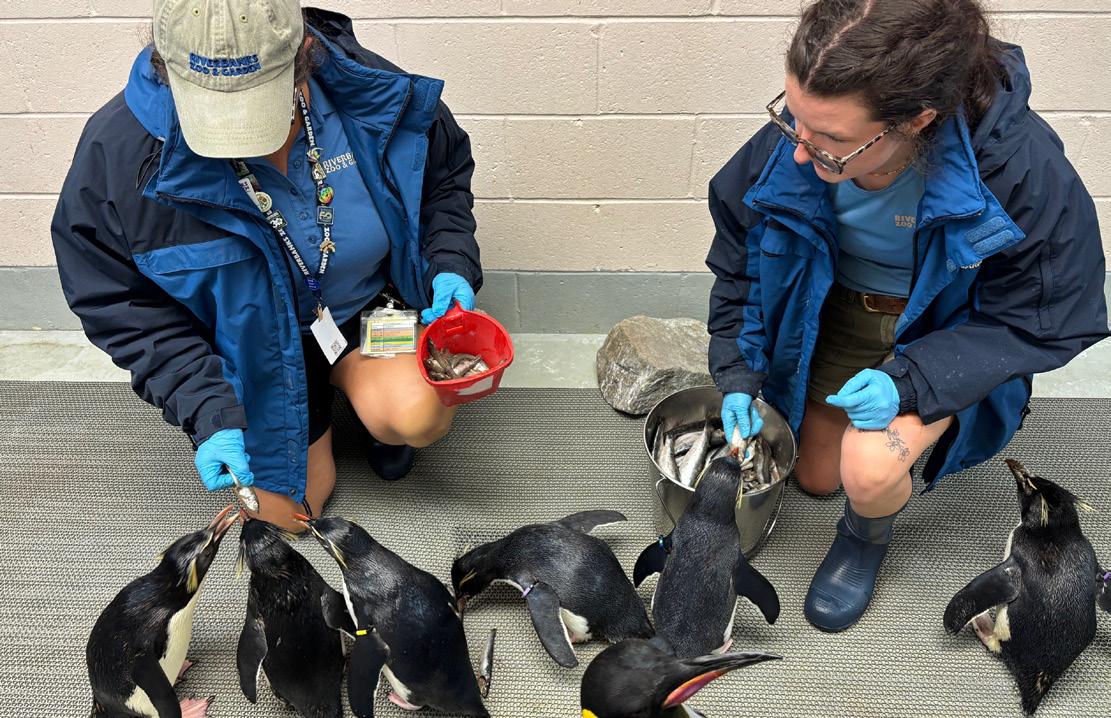
During their time off habitat, the penguins received preventive care to support their overall well-being. The bird department partnered with the conservation engagement team to carefully track which penguins had received their supplements. During each session, a keeper would offer a penguin its specially prepared fish, call out the penguin’s name, and a conservation engagement team member would check that penguin off the list. Afterward, the engagement team member assisted in feeding the penguins the remainder of their diet. These feeding sessions created meaningful opportunities for the team to spend time with the penguin colony, allowing them to share their experiences and insights with guests and help build personal connections that may not have been made otherwise.
The smaller space also created opportunities for keepers to interact with the penguins more closely than when the birds were in their habitat. Some penguins would
Keepers hand-fed each penguin to ensure they received their medications, building trust with the more reserved penguins.
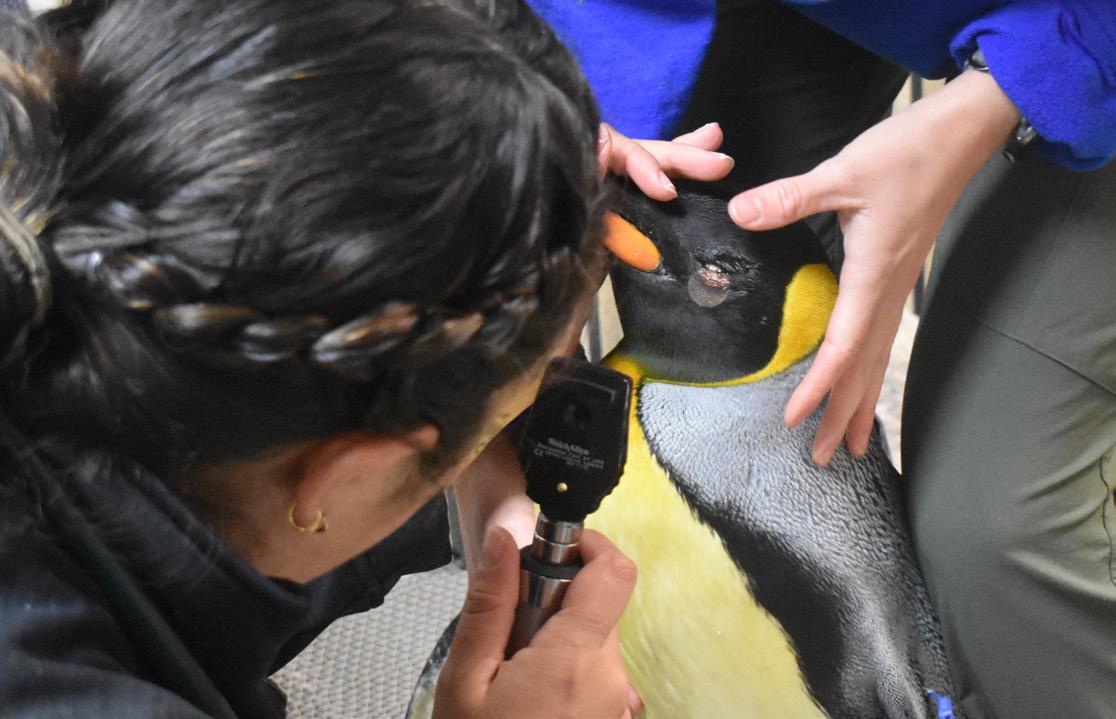
reliably approach keepers for handfeeding, while others preferred fish to be tossed to them. Keepers hand-fed each penguin to ensure they received their medications, building trust with the more reserved penguins. Closer contact with the penguins ensured better medical and behavioral observations. As a result, we identified a few birds with early signs of eye concerns, and the veterinary team addressed those issues immediately.
Maintaining cleanliness in the smaller space was essential. To help the penguins keep their feathers in good condition, keepers encouraged them to bathe by tossing fish into the pool, using a sprinkler, and gently misting them with a hose. We also tested different types of flooring to support cleanliness and promote healthy feet. The project required the team to continuously brainstorm ideas for improving the well-being of the colony and involved plenty of trial and error.
The penguins received preventive care to support their well-being.
Through collaboration and innovation, we provided an environment for the penguins that allowed for close observation and necessary medical care. This experience enhanced our understanding of the penguins’ needs and reinforced the importance of teamwork in achieving our mission of conservation and education. As we move forward, the lessons learned will continue to guide our efforts in providing the best care for all our animals.
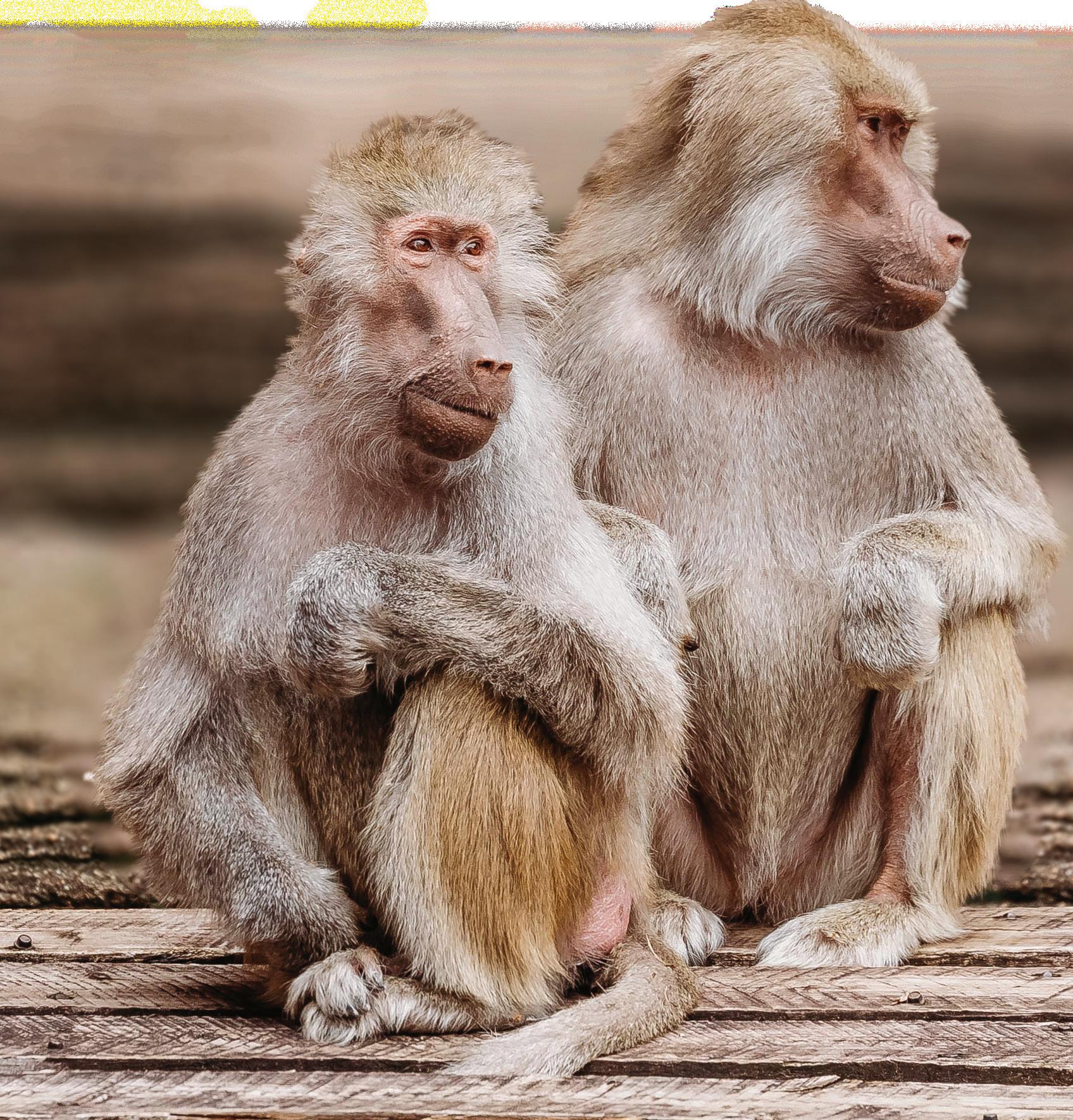

If you walk past the Hamadryas baboon habitat, you likely will see our troop out foraging, grooming, or napping. One thing you will not see is the training that these amazing animals undergo to benefit their care. Imi, our 27-year-old baboon, was diagnosed with diabetes mellitus during a routine medical exam in 2022. This led to a shift in priorities because she needed regular monitoring and testing.
The ability to monitor Imi’s blood glucose levels is vital to ensuring her medications are working to keep her blood sugar within an acceptable range. In the beginning, her blood glucose levels were dangerously high, despite her not showing any obvious symptoms of this condition. The animal care team worked to build trust and trained Imi to allow a small poke with a lancing device for a few drops of blood to measure her blood sugar and ketones, just as a human may do to monitor a similar condition. This testing is done twice a week to keep consistent records while allowing her days of rest, where she is not asked to participate. You may be wondering where on a baboon’s body we would get such a small blood sample. We utilize the Hamadryas baboon’s notoriously large red rump as the perfect place with lots of blood flow and no hair growth.
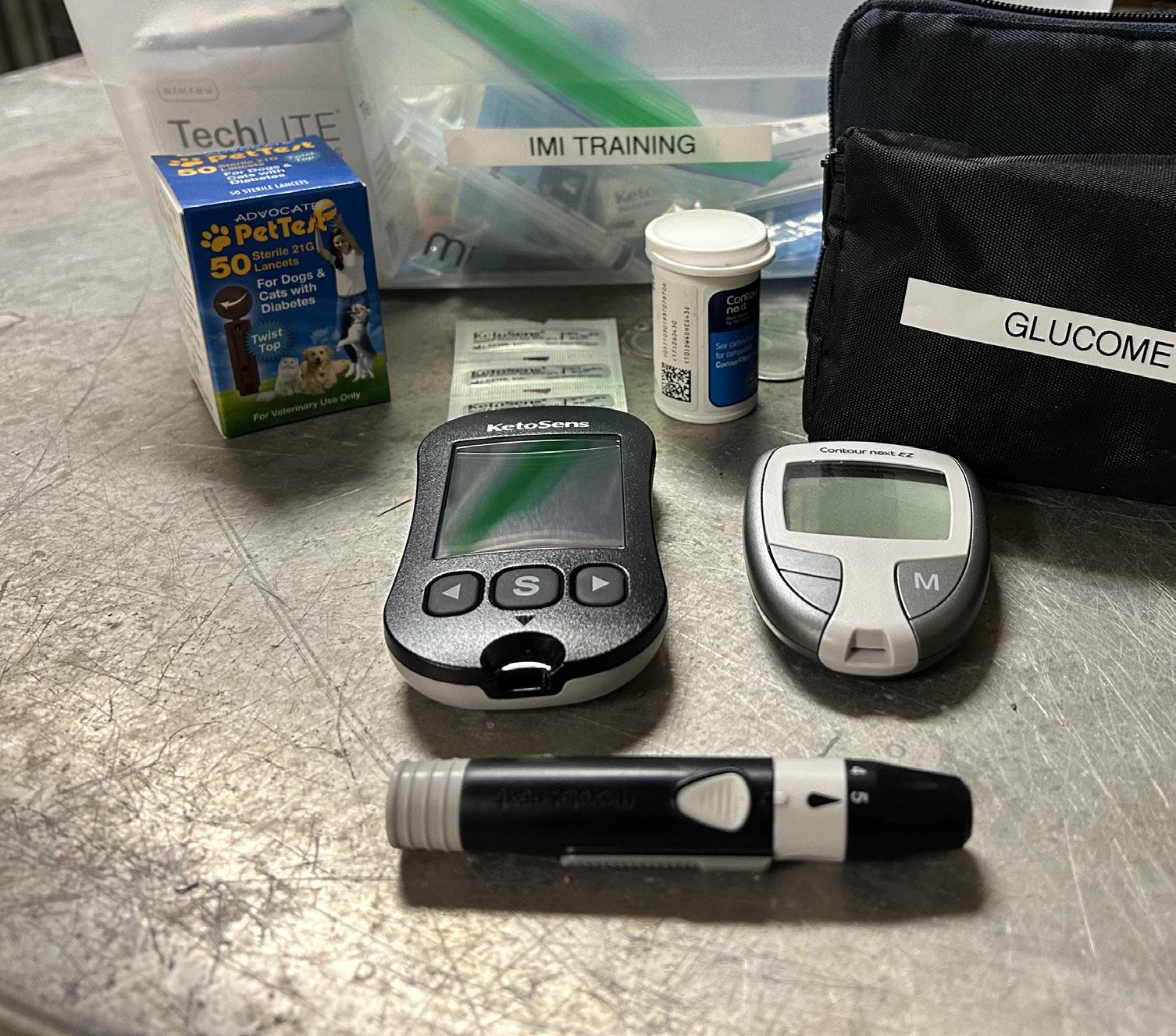
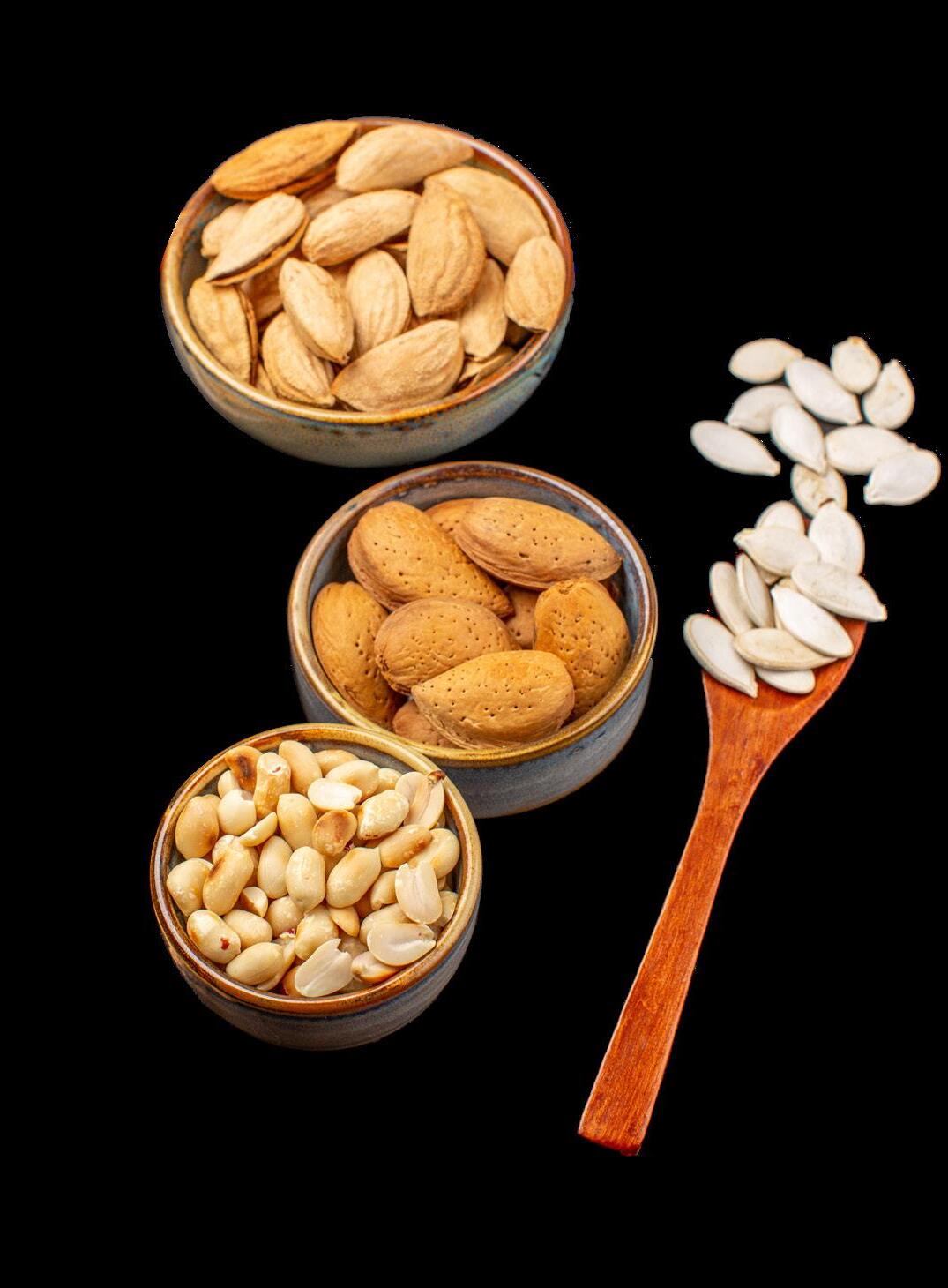
Glucose levels can also be monitored through urine. Additional training taught Imi to urinate on cue while separated from the group so a fresh sample could be collected and submitted to vet staff for testing. While not as glamorous as blood sample testing, this ensures our long-term goals to assess Imi’s medical condition and make the best care choices for her. Imi can choose not to participate in these training sessions, but when she does, she is always rewarded with two of her favorite, diabeticfriendly treats—mixed nuts and sugar-free jelly beans!
With a few dietary adjustments, regular testing, and a lot of patience, Imi has lived as an integrated member of our baboon troop for the last three years, proving that managing a primate with diabetes is a challenge Riverbanks is willing to embrace.
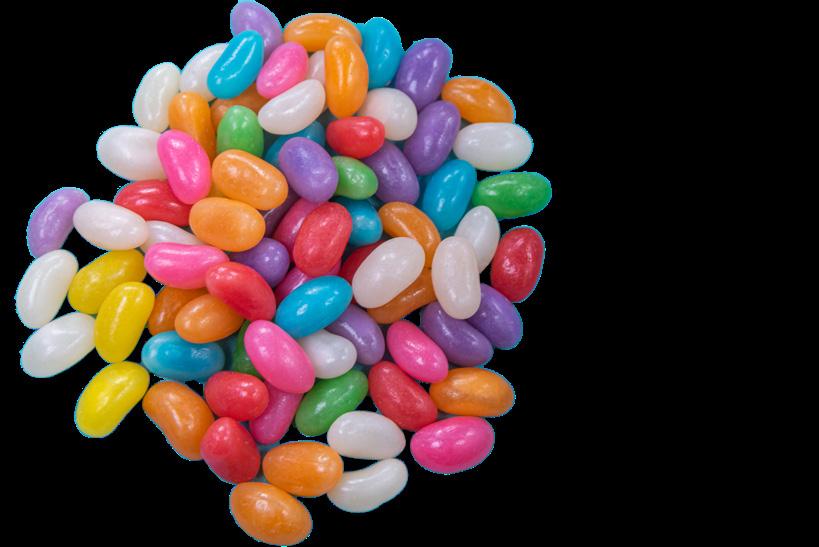
Imi is always rewarded with two of her favorite, diabeticfriendly treats—mixed nuts and sugar-free jelly beans!

And we’re here to help you do just that. Our experienced physicians, nurses and health professionals want nothing more than to help make you well again.
Our network of care includes more than 70 physician practices in Richland and Lexington counties. Our community medical and urgent care centers offer lab work, diagnostic tests, outpatient surgery and after-hours care. And our state-of-the-art hospital stands ready to care for you whether you’re welcoming a new baby, seeking treatment for cancer or need surgery for your heart.
Whenever you need us, Lexington Health is here for you. So if you don’t already have a doctor or you’re looking for a new one, visit LexHealth.com/Doctors. We wish you a lifetime of good health and happiness.