INDEX
Oncology Research pg.3
Mental Health pg.4

Oncology Research pg.3
Mental Health pg.4

 By Iliana L. Peters, JD Kayleigh S. Shuler, JD Polsinelli, PC

Organizations with comprehensive cybersecurity programs can (and do) fall victim to cyber-attacks by sophisticated cyber criminals. In any cyber-attack situation, your health care organization should consider the following issues throughout the process of containing and responding to such cyber incident, including the most prevalent form, ransomware.
1. Identify Appropriate Point(s) of Contact
An organization must first determine who will be part of the incident response team. While IT team members will serve a vital role here, the incident response team will need to include others in the organization who have: (a) the ability to make legal decisions; (b) knowledge of business workflows and the short and long term effects of disruptions; and (c) knowledge of the organization’s communication strategy.
2. “Stop the Bleeding” (Identify, Triage, Contain, Eradicate)
The organization should immediately attempt to determine the vectors and scope of the attack. IT should take steps to contain the spread of the incident and determine the best next steps to prevent further business interruption. While systems may
be taken offline or sandboxed during this effort, absolutely no systems or devices should be wiped or otherwise cleaned of any data, until legal counsel has authorized
notify its cyber insurer regarding coverage evaluation.
5. Engage Outside Counsel Organizations should bring in legal counsel with expertise in responding to cyber incidents. Outside counsel provides significant insight into responding to cyberattacks, while ensuring the best protection for attorney-client privilege.
and directed such activities.
3. Preserve Evidence Containment efforts must be implemented quickly, but also carefully. Kneejerk decisions to “wipe” or “erase” machines to stop an attack can inadvertently “wipe” and “erase” the criminal’s tracks, including critical log data and other important forensic evidence, making it difficult (if not impossible) to later understand how, when, and what the criminal did.
4. Contact Cyber Insurer An organization should promptly
6. Engage Forensic Vendor through Counsel Outside counsel should engage the forensic firm to support the position that the work is done under the protection of attorney-client privilege.
7. Determine Scope The investigation should specifically address whether the criminal both accessed (e.g., viewed) or acquired (e.g., downloaded or exfiltrated) data, as access alone creates legal obligations pursuant to many state and federal laws. The investigation should further determine all of the identifiers for any individuals (e.g., patients, beneficiaries, employees, donors, research subjects, etc.) whose data may be involved in the
Do not wait until a cyber-attack actually occurs to practice responding—engage legal counsel now
For cancer patients, attitudes about New Year’s resolutions may be different than in years past. That is because having cancer can be a catalyst for rethinking priorities – what really matters. It does not mean typical, popular resolutions related to health and fitness or diet are not appropriate or relevant. Indeed, improving overall health and focusing your lifestyle on wellness is beneficial to both cancer patients and those who are well. However, other more personal or meaningful issues may take precedence.
Developing a list of resolutions – a life plan for the coming year – can help cancer patients envision their path forward, especially while undergoing
treatment. Despite the physical and emotional challenges of cancer, it is possible to find a sense of renewal in the coming year with a fresh outlook, a desire to try new things, or the urge to restart an old hobby.
Be realistic with your resolutions
When it comes to making resolutions, think about what is realistic and attainable. Define success on your terms. Resolutions do not need to be tied to a specific timetable. What can you feasibly control? Your words?
Behavior? The choices you make when it comes to spending your time, money, and energy?


Perhaps you want to improve your mood and be more positive or rekindle relationships with family and friends that have gone by the wayside. You can never go wrong with resolutions that positively impact your body and mind such as improving nutrition, staying physically active, or spending more time outdoors.
While you may experience feelings of loss or sadness on your
cancer journey, resolutions focused on activities and results that bring joy can help you find balance and optimism. Do you have a hobby?
As you make resolutions, think about your hobbies. Do you currently participate in an activity you enjoy that takes your mind off cancer for just a few minutes?
A study in New Zealand found that engaging in creative activities such as painting, drawing, or writing can lead to an improved sense of well-being that has long lasting effects such as a more positive mood.
During chemotherapy, patients are often in the clinic for an extended period of time during infusion. A New Year’s resolution could be to take up
a new hobby which will keep your mind occupied and pass the time. Activities such as reading, crossword puzzles, knitting, journaling, drawing, or meditating can be helpful during treatment.
When it comes to starting a hobby or new ‘good’ habit, you may want to keep it simple, especially at the beginning. For example, studies have shown that spending time outside can lead to an improved mood, focus, and overall well-being. Instead of aiming for conquering mountains, you might consider going on a non-strenuous hike or short walk. Gardening, on a manageable scale, is another fulfilling



The Youth Aware of Mental Health (YAM) program has been deployed in more than 30 schools in North Texas, touching more than 20,000 students since its launch in 2016.
UT Southwestern Medical Center is expanding an evidence-based mental health promotion and crisis prevention program for adolescents to schools across Texas after receiving $11.5 million in funding from the state.
The Youth Aware of Mental Health (YAM) program helps teens recognize and better understand feelings and signs of depression and anxiety by sending trained facilitators into schools to lead sessions including discussion and role-playing activities. The program has been deployed in
since its launch in 2016. It is now being rolled out throughout Texas in partnership with other health-related institutions as part of the Texas Child Mental Health Care Consortium (TCMHCC).
Madhukar Trivedi, M.D., Professor of Psychiatry, Director of the Center for Depression Research and Clinical Care, and Principal Investigator for YAM at UT Southwestern, said research has shown that YAM results in significantly lower depression and anxiety scores among students, decreasing their risk of suicide.
“As a society, we tend to only focus on depression when there is a crisis. That’s like only focusing on cancer when it becomes stage 4 when the outcomes aren’t great,” said Dr.


“Thanks to support from philanthropists and UT Southwestern, we have been able to reach tens of thousands of students so far in North Texas to help prevent suicide. With this new funding from the state, we will be able to reach even more across the state.”
Dr. Trivedi explained that before puberty, the rate of depression – a well-known risk factor for suicide – is about the same for boys and girls. However, during puberty and shortly afterward, the depression rates rise for both genders and eventually double for girls compared to boys, making this stage a particularly vulnerable time for suicidal ideation and attempts.
To help lower suicide risk, Dr. Trivedi and his colleagues were drawn to YAM, a European program that was shown to reduce suicide attempts and severe suicidal ideation by about
in 2015. A different study led by Dr. Trivedi’s team showed a significant reduction in depression and anxiety among students who participated in a three-week YAM session in North Texas schools from 2017 to 2019.
Support for the expansion was provided by the Texas Legislature through the TCMHCC, created in 2019 and recently funded with federal American Rescue Plan Act




Houston Methodist is now accepting applications for its 2023 Diversity, Equity & Inclusion Summer Scholarship Program, a 10-week program created to give hands-on learning and leadership development experiences in select Houston Methodist hospitals and departments.
In its second year, the program, hosted by Houston Methodist’s Office of Diversity, Equity & Inclusion (DEI), matches undergraduate students interested in pursuing a future in health care in a non-clinical setting with summer opportunities to work side by side with employees across the eight-hospital Houston Methodist system.
Along with the immersive
10-week work experience, the program offers professional development workshops, mentorship, skill building opportunities and exposure to health care professionals in areas such as: managed care administration, spiritual care, DEI, finance, Houston Methodist Academic Institute human resources, department of otolaryngology at Houston Methodist Hospital and more. Each participating scholar will be awarded a $6,000 scholarship.
“It’s critical to create opportunities and expose future health care leaders, particularly those from diverse backgrounds, to the variety of career opportunities in the health care industry,” said Arianne Dowdell, vice president, chief diversity, equity
and inclusion officer at Houston Methodist. “There are so many career options within the evolving health care industry, and we’re committed to Houston Methodist’s mission to create and maintain a diverse, equitable and inclusive workforce. We look forward to welcoming another group of exceptional students to our second DEI scholarship program cohort this summer.”
In 2022, six college students had the opportunity to gain exposure to a variety of positions at Houston Methodist’s flagship location in the Texas Medical Center during the program’s first year. The goal of the 2023 cohort is to expand the program to place scholars at all eight Houston Methodist hospitals in the Greater Houston area.

Siah Green, a senior biology
major at Prairie View A&M University, was a member of the inaugural group of scholars last summer. She said the program’s focus on mentorship and hands-on experience helped her set her sights on a health care career.
“As a result of this amazing experience, I’m more excited than ever to pursue a career in medicine and am well-equipped to take on my future endeavors,” Green said. “I can’t wait to take the knowledge I’ve gained into the professional health care job market.”
The application period for the 2023 program opened December 5, 2022 and continues through January 27, 2023. The DEI Summer Scholarship Program runs from May 30 – August 4, 2023. Program requirements and further details are available here.
Psychological health can positively or negatively impact a person’s health and risk factors for heart disease and stroke, according to “Psychological Health, Well-Being, and the Mind-Heart-Body Connection,” a new American Heart Association Scientific Statement, published in the Association’s flagship journal Circulation. The statement evaluates the relationship between psychological health and heart health, summarizing ways to help improve psychological health for people with and at risk for heart disease.
“A person’s mind, heart and body are all interconnected and interdependent in what can be termed ‘the mind-heart-body-connection,’” said Glenn N. Levine, M.D., FAHA, master clinician and professor of medicine at Baylor College of Medicine, chief of the cardiology section at the Michael E. DeBakey VA Medical Center, both
in Houston, and chair of the writing committee for the Scientific Statement.
“Research has clearly demonstrated that negative psychological factors, personality traits and mental health disorders can negatively impact cardiovascular health.”
Negative psychological health conditions include depression, chronic stress, anxiety, anger, pessimism and dissatisfaction with one’s current life. These conditions are associated with potentially harmful biological responses, such as:
• irregularities of heart rate and rhythm
• increased digestive complaints

• increased blood pressure
• inflammation
• reduced blood flow to the heart
Negative psychological health is also associated with health behaviors that are linked to an increased risk for heart disease and stroke, such as smoking, lower levels of physical activity, unhealthy diet, being

overweight and not taking medications as prescribed.
Due to evidence that connects negative psychological health to heart disease, the statement suggests regular mental health screening for people with or at risk for cardiovascular disease. The authors note that psychological therapy and mind-body programs can lead to better cardiovascular health. Programs that improve psychological health include cognitive behavioral therapy, psychotherapy, collaborative care management approaches, stress reduction therapy and meditation.
Patients’ self-report of general stress as well as work-related stress have been associated with an up to 40% increased risk of developing or dying from heart disease.
Studies have found positive psychological health associated with a lower risk of cardiovascular disease and death. Positive psychological health characteristics include happiness, optimism, gratitude, sense of purpose, life satisfaction and mindfulness. “The data is consistent, suggesting that positive psychological traits play a part in better cardiovascular health,” said Levine.
People with positive psychological health were also more likely to have health factors linked to a lower risk of developing cardiovascular disease:
• lower blood pressure
• better glucose control
Lung nodule biopsies performed with new robotic bronchoscopy technology may be safer and more effective than those done by traditional methods, a study by researchers at UT Southwestern suggests.

UT Southwestern was the first medical center in Dallas-Fort Worth – and among the first in the country – to use robotic-assisted bronchoscopy (RAB) to biopsy pulmonary lesions. Paired with advanced imaging that provides real-time 3D visuals, the technology enables UTSW’s Interventional Pulmonology team to navigate an ultra-thin, ultra-flexible tube with light and camera capabilities into a patient’s lungs to pinpoint and test suspicious abnormalities.
The increased dexterity of the steerable tube makes it possible to safely reach areas in the lungs that couldn’t




be accessed through traditional bronchoscopy and other sampling tools.
A retrospective analysis of 200 of those procedures – the largest cohort studied to date – found that shape-sensing, robotic-assisted bronchoscopy (ssRAB), when combined with technologies such as intra-procedure cone beam CT imaging (CBCT) and radial endobronchial ultrasound, offers high diagnostic accuracy, sensitivity, and specificity with an excellent safety profile. The findings were published in Lung.
“The goal of advanced bronchoscopy is to diagnose lung nodules and perform mediastinal staging in a single procedure, while achieving a comparable diagnostic yield to percutaneous biopsy and at the same time, minimizing complications,”
said Kim Styrvoky, M.D., Assistant Professor of Internal Medicine in the Division of Pulmonary and Critical Care Medicine at UT Southwestern, and Muhanned Abu-Hijleh, M.D., Professor of Internal Medicine in the Division of Pulmonary and Critical Care Medicine. Drs. Styrvoky and Abu-Hijleh are members of the Interventional Pulmonary section at UTSW and the Harold C. Simmons Comprehensive Cancer Center.
“The diagnostic yield of current bronchoscopic techniques is limited,
and there is about a 1 in 4 chance of pneumothorax, or collapsed lung, with percutaneous biopsy,” Dr. Styrvoky said. “Our study showed that this new technology provided accuracy of 91.4%, on par with traditional biopsy methods, while reducing the risk of pneumothorax complication to 1%.”
Lung cancer remains the leading cause of cancer-related deaths for both men and women in the U.S. Each year, between 1.5 million and 2 million


Christopher Flowers, M.D., division head ad interim of Cancer Medicine and chair of Lymphoma & Myeloma at The University of Texas MD Anderson Cancer Center, has received a 2022 ASH Mentor Award from the American Society of Hematology in acknowledgement of his career-long commitment to mentoring.
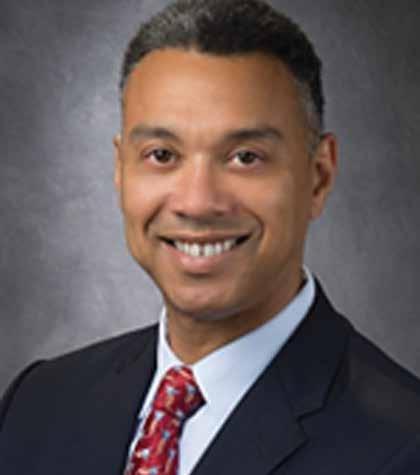
“It is an honor to be recognized for something that I am very passionate about. Key mentors have impacted my career profoundly, so I understand the value these deep and long-lasting relationships can have on career success,” Flowers said. “I am thankful for all of my mentors and for their support throughout my career. I also am grateful for my mentees allowing me to participate in their journey toward becoming the next generation of leaders in hematology and oncology.”
The ASH Mentor Award was created to reward outstanding mentors in the hematology community who have guided, supported and promoted the training and career development of others. Each year, ASH recognizes two outstanding mentors from any branch of hematology as part of their Honorific Awards. Flowers will be recognized during a ceremony at the 2022 ASH Annual Meeting.
Flowers is a globally recognized leader in lymphoma clinical and population science research as well as a national leader in hematology and medical oncology. He has made significant contributions to the field, including revealing racial disparities in lymphoid cancers and supporting the successful development of the first PI3-kinase inhibitor and CD79b-direct therapy in oncology. He has led numerous cohort studies that provided a greater understanding of the etiology, outcomes and survivorship around lymphoma. To date, he has authored over 300
articles and published in multiple top peer-reviewed journals.

As a medical and graduate student, Flowers was inspired to become a clinical investigator and mentor through his research that focused on physicians who served as “clinical champions” and sped up the process of drug development. In his mentoring, Flowers is particularly committed to the career-long development and support of women and underrepresented minorities in clinical research.
“Chris’ dedication to guiding the next generation of health care leaders is a testament to his generosity and passion for ending cancer,” said Peter WT Pisters, M.D., president of MD Anderson. “His contribution to the development of talented and skilled leaders in this field is a gift to our institution, and we applaud his commitment to this noble and important role.”
Flowers has mentored numerous junior investigators through formal ASH programs such as the Minority Medical Student Award Program, the Clinical Research Training Institute (CRTI), and the Amos Medical Faculty Development Program. In addition, he has mentored trainees at all levels, including fellows, residents, medical students, undergraduates and high school students, who wished to pursue careers in cancer research.
 By Rae Lynn Mitchell
We are just starting the decade of the 2020s and already are seeing a level of turmoil rivaling the dramatic social, economic and political changes seen in the roaring ’20s a century ago. With mass media at the ready, the public is bombarded with news about the killer opioid crisis, the lingering COVID-19 pandemic—which is now turning into a possible triple pandemic—and a growing recognition of social isolation and other mental health issues that have placed a heavy burden on older adults and their families.
In the past, despite the problems du jour, there was typically a steady march toward increased life expectancy in the United States. As a

society we proudly touted the successes of medicine, public health, access to health care, rising living standards, and improved lifestyles and education as influencing the length and quality of life.
Yet, according to Regents and Distinguished Professor Marcia Ory, PhD, MPH, of the Texas A&M University School of Public Health, America is facing early warnings of a declining life expectancy at birth, having recently reached a sustained two-year downward turn for the first time in a century.
Life expectancy at birth is a demographic term reflecting the average number of years a newborn could be expected to live if they were to experience the age-specific death rates prevailing during a specific
period throughout their life. The excess mortality associated with the COVID-19 pandemic led to an overall decline in life expectancy in recent years. But so did a burgeoning of other social and health problems such as accidents/unintentional injuries, heart disease, chronic liver disease and cirrhosis, and suicide.
As indicated by a recent CDC report, this decline is not constant across all groups but reflects underlying social vulnerabilities and targets for intervention.
“There have been declines for men and women, but the declines have been greater for men, resulting in a
widening gender gap with women’s life expectancy now 79.1 years compared to men’s life expectancy of 73.2 years,” Ory said.
Similarly, being affiliated with a particular ethnic or racial group has different consequences. From 2019 to 2021 the non-Hispanic white population and non-Hispanic Asian population saw modest declines in life expectancy (about two years) while the non-Hispanic American Indian/Alaskan Native population, the non-Hispanic Black population,

You can’t help but experience life in a whole new way at ARTAVIA®. Vibrant. Welcoming. Full of joy and wonder. From our lakeside Amenity Center with the Palate Café and FitCenter, to our Splash Pad, playground, and extensive trail system, life is different here and everything has been thoughtfully designed to help you get the most out of it. Visit one of our 10 model homes today and see how natural it is to Live Colorfully in ARTAVIA®

More Equal Access to Health Care and Safety Net Provisions Across the Life Course Could Be Key
In March 2020, the Houston-based medical device contract engineering firm Velentium was recruited for “Project V”, a massive ventilator manufacturing scale-up authorized by the emergency production act. (Read more about Project V here: https:// ventecgm.com/about).
Based on the treatment protocols at that point in the pandemic, the projected shortfall of needed medical devices did not look good. It was believed that without 960,000 new ventilators, tens of thousands of Americans could die per day. Even more troubling, facilities to build new ventilators simply didn’t exist. In a normal year, worldwide demand for new ventilators reaches a few thousand. Manufacturing them is not a high-volume industry. Meanwhile, desperate hospitals were repurposing anesthesia machines, hacking CPAP machines, even experimenting with “splitting”—double-tubing a single ventilator and positioning it between beds to serve two patients at once.
“It was a terrifying prospect,” recalls Velentium CEO Dan Purvis. “I was haunted by the thought that any day now, in some hospital nearby, it could come down to your mom, my mom, and one available ventilator.”
To address the shortfall, Project V came together as a collaboration between General Motors (GM) and one of Velentium’s clients: Seattle-based Ventec Life Systems, makers of an ingenious multi-function ventilator perfect for deployment in emergency situations. Velentium’s role in the project was straightforward: Build, deliver, install, and support 141 automated test stations for the ventilator production factory GM was spinning up in Kokomo, IN.
That’s a project that Velentium, a 65-person team at the time, would ordinarily have bid 7 months to complete.
Project V wanted it done in 4 weeks.
Serving on the frontlines of pandemic response is enough pressure to cause any size business to buckle.
Velentium didn’t. The company survived by aggressively recruiting staff
laid off or furloughed by Houston’s energy industry due to lockdown, completed the test system delivery order in six weeks, and thrived as a result.
Velentium’s cofounders, Dan Purvis and Tim Carroll, attribute their company’s odds-defying success to carefully-crafted company culture. According to them, it was Velentium’s culture that buoyed the team in the face of unprecedented crisis.
Now, Purvis and co-author Jason Smith share exactly what crafting a crisis-capable culture looks like in a new book, 28 Days to Save the World: Crafting Your Culture to be Ready for Anything (Matt Holt Books, ISBN: 978-1637741900). The first section of the book tells the story of Project V, taking readers behind the scenes and into the rooms where it happened—from the conference room at Ventec’s headquarters in Seattle, to Velentium’s rapidly cleared and repurposed receiving and assembly facilities in and around Houston, to the Project V factory in Kokomo. Readers are treated to the day-by-day and blow-by-blow of how U.S. private industry and public leadership came

together to save the world, in a way that hasn’t happened since World War II.
The second section of the book explains how the company was able to do it. Purvis and Smith lay out how Velentium’s culture is built, showing how any organization can craft their culture to energize, unite, and propel teams to thrive amidst unimaginable challenge.
28 Days to Save the World: Crafting Your Culture to be Ready for Anything published on December 6 and is available from Amazon, Barnes and Noble, or your favorite bookseller.




The start of a new year is often a good time to make a “fresh start,” which includes reviewing your financial plan to make sure you’re still on the right track. While everyone’s financial strategies can differ based on their own unique needs and objectives, there are four primary areas that you should not ignore or leave to chance. These include the following:
Reviewing account titling and beneficiaries
Budgeting to pay off and saving for holiday spending
Joint tenants with right of survivorship (JTWROS)
Tenants in common
Another important part of reviewing your accounts includes checking to make sure that the beneficiary designations are up to date. In this case, for instance, there are several account types that have named beneficiaries, such as:
IRAs (Individual Retirement Accounts)
Employer-sponsored retirement accounts (like 401ks)

Life insurance
− Many CERTIFIED FINANCIAL PLANNER practitioners recommend that you review your accounts and beneficiary designations at least once a year – and even more frequently if you have incurred any major life changes like marriage/divorce, death
− Reviewing savings and investment plans
Implementing / updating legal documents
Taking a closer look can help you determine where there are any “gaps” or necessary updates.
Reviewing Account Titling and Beneficiaries

Making sure that your financial accounts and other assets are properly titled is a vital component of keeping your plan on track. This is because account titling can make a big difference in how things are handled when various changes occur. Many people unknowingly title accounts in a way that could undermine their overall financial, retirement, and estate plan.
Asset titling refers to the legal form of asset ownership. The most common account titling options are: Individual account(s)
of a spouse, or retirement.
It is recommended that you budget for these expenses and that you have a plan in place for paying down this debt.
If you find that you put a significant amount of purchases on credit, you should ideally focus on paying down the debt with the highest interest rate. That way, you can better manage – and reduce - the interest that you pay to the credit card company.
The end of the year is also an ideal time to review your savings and investments. If you have been putting off “paying yourself first” (i.e., contributing to savings rather than only paying bills), now is a good time
Dr. Winston Houston Methodist The Woodlands Hospital successfully performed its 100th transcatheter aortic valve implantation (TAVI) procedure. This minimally invasive procedure is an alternative to open heart surgery for patients diagnosed with aortic stenosis, a narrowing of the valve that obstructs blood flow and can lead to heart failure.
The milestone procedure was performed by regional medical director of cardiovascular surgery Lucas Duvall, M.D., and structural heart medical director Devang Parikh, M.D. The TAVI procedure eliminates the need for open heart surgery that comes with a traditional valve replacement. With TAVI, a physician accesses the aortic valve through the body via an artery, typically in the leg, and replaces it with a specially designed artificial valve. The procedure provides patients with less pain, faster recovery times and shorter hospital stays.
“We are incredibly proud of this milestone,” Duvall said. “This is just the beginning. This procedure expands the scope of the diseases we are able to treat here in The Woodlands with patients who want seek out health care in their local community.”
Houston Methodist uses a multidisciplinary approach to cardiovascular care. Initial discussions are between the TAVI team of Duvall and Parikh, but there is also a weekly conference to discuss each case systemwide. It is as if you are getting a third, fourth or fifth opinion in one with the team approach.
“That takes bias out of the decision making. It allows us to keep an open mind about what the entire team feels is the safest approach to get them through the procedure with the best possible outcomes,” said Parikh. “Creating that multidisciplinary approach for the community is a resource that is not often seen. It has
led to our outcomes being substantially better over time.”
Recovery from similar procedures previously took weeks or even months as it required open surgery. Now, with a minimally invasive procedure such as TAVI, patients are home and back on their feet the next day.
“I didn’t have a good experience, I had a great experience. [Houston] Methodist did a lot to get me prepared for this procedure,” said patient Jerry Sechelski. “I was so impressed with all the tests they did to get me ready; checking lungs, kidneys, everything. The procedure was virtually painless before, during, and after. I was ready to get up the same day. I got back to everyday activities basically the next day. Amazing procedure with amazing results.”
As a system, the Houston Methodist TAVI (TAVR) team has performed more than 2,000 TAVI (TAVR) device implantations, making Houston Methodist one of the most experienced teams in the nation.

The advantages of TAVI (TAVR) include:
• Improved recovery times
• Improved safety
• Shorter hospital stays

• Reduced chance of being admitted to the intensive care unit
• Effective treatment option for

Continued from page 7
pulmonary nodules – spots or related abnormalities – are identified through diagnostic imaging. UT Southwestern is using robotic bronchoscopy in cases where traditional biopsies present a higher risk of complications, including patients with lesions deep in the lung, near major blood vessels, or adjacent to a portion of diseased lung.
This was UTSW’s first
reported study detailing the usage of ssRAB-CBCT, but other trials focusing on various aspects of robotic bronchoscopy are underway.
If further studies confirm the findings, ssRAB-CBCT has the potential to become the standard of care for targeted lung sampling, Drs. Styrvoky and Abu-Hijleh said.
Other UTSW researchers who
contributed to this study include Audra Schwalk, David Pham, Hsienchang T. Chiu, Kristine Madsen, Stephen Carrio, Elizabeth M. Kurian, and Luis De Las Casas.
All Interventional Pulmonary faculty at UT Southwestern, including Drs. Abu-Hijleh, Chiu, Styrvoky, and Schwalk, as well as bronchoscopy support staff in UTSW’s Endoscopy
and the Hispanic population saw much larger aggregate declines from four to six years. One positive trend, however, is the life expectancy gap between Black and white populations is narrowing.
How to reverse the trend
What are some specific strategies that can be undertaken to increase life expectancy—both at birth as well as at an older age? Life expectancy at age 65 has increased on average from the 1960s to 2020, but there are also recent drops in how long someone who is already age 65 can expect to live, with women likely to live about 19.8 years longer and men about 17 years longer. Interestingly, there are many overlaps in the factors associated with life expectancy at any age, pointing again to
the importance of medical innovation and public health infrastructure.
The big question is whether our life expectancy will continue to drop, plateau off, or begin to increase again.
“On the negative side, the United States has much lower life expectancy rates than other comparable high-income countries. This suggests that more equal access to health care and safety net provisions across the life course might be important,” Ory said.
“On the positive side, Healthy People 2030 goals target reducing health disparities and improving access to preventive and curative treatments.”
Additionally, professional associations have started campaigns to reframe aging, which is likely to lead to a better quality of life as well as the
Continued from page 11
to start.
This strategy can also include contributing the maximum amount that you can to your employer-sponsored retirement plan (if applicable). That is because these, as well as IRA accounts, allow the growth to take place tax deferred or tax free. This, in turn, can help you to grow your savings much
Heart Procedure
Continued from page 12
those who cannot undergo open surgery
Patients of the Houston
faster as compared to fully taxable accounts.
Implementing / Updating Legal Documents
Although reviewing legal documents is not typically appealing, it is a necessary part of your overall financial and retirement planning. In this case, if you do not yet have
overall length of life. As an example, one of the core strategic priorities of the American Society on Aging is to address ageism by reframing the conversation about aging and older people.
“This will go a long way to counter institutional, interpersonal and internal ageism, which has been associated with myriad negative health effects,” Ory said. “These activities are in line with the United Nations Decade of Healthy Aging (2021–30) where four action areas are relevant globally and particularly in the United States: combating ageism, promoting age-friendly environments, providing access to integrated care, and supporting good quality long-term care.”
unit, received training related to robotic bronchoscopy procedures through Intuitive Surgical Inc. This included lab procedures and equipment, following standards of care, and the credentialing process. Dr. De Las Casas has served as a consultant for Intuitive since 2021.
Methodist The Woodlands Hospital have access to the hospital system’s clinical trials for a variety of heart valve
healthcare proxy and/or financial powers of attorney set up, it is essential that you do so as soon as possible.
Are You Financially Prepared for the New Year?
Growing and protecting your finances can require many “moving parts” to fit together seamlessly. For this reason, many people may shy away
Ory acknowledges we are living in tumultuous times with declining life expectancies; however, she cautions that this does not need to be our destiny and advises as we approach the new year, we should rethink challenges as opportunities.
“As a society, we should pay more attention to ensuring access to quality health care, shoring up our public health infrastructure, addressing social determinants of health, and reframing aging so that there is value to and respect for each stage of life,” she said. “Let’s hope that the current ’20s will roar in positive change, with accommodations to the growing number of older Americans expected this decade.”
therapies, expanding opportunities for new procedures and technologies close to home. To learn more, visit
from doing anything about it. But this can be disastrous in terms of your future financial security, as well as that of the people you love and care about.
houstonmethodist.org/valve-clinic.
Continued from page 1
cyberattack.
8. Coordinate with Law Enforcement In most cases, law enforcement – specifically, the FBI – should be notified by legal counsel as part of the response to the cyberattack. Even if law enforcement assistance is not needed, having notified law enforcement can be important later, if the organization finds itself in the position of needing to pay a ransom or report the cyberattack to state or federal regulators. Contacting law enforcement may also reduce the risk that a regulator, including the OFAC, finds an organization’s officers have obstructed justice or worked to activity hide criminal activity (i.e., a cyberattack).
Continued from page 3
outdoor activity – a few tomato or herb plants in conveniently placed containers may work better for you than tilling a huge garden plot. Allow yourself to be flexible. What is of interest to you today can change
Continued from page 4
funds directed to the state to address fallout from the COVID-19 pandemic, including mental health issues. Thus far, more than 100 facilitators have been trained for the YAM expansion from health-related institutions including UT Dell Medical Center in Austin, Texas A&M, Texas Tech, UT Medical Branch at Galveston, and UT
Continued from page 6
• less inflammation
• lower cholesterol
Liz Youngblood, President Baylor St. Luke’s Medical Center & SVP/ COO St. Luke’s Health Texas Division, adds that “Wellness is more than simply the absence of disease. It is an active
Based on what is learned about the incident through the forensic investigation, the organization must assess whether notifications to patients, employees, contractors, donors, research subjects, business partners, vendors, other individuals, or regulatory bodies are legally required (e.g., under HIPAA) or otherwise appropriate. Where notice is required, the timing and form of such notice, as well as the particular content of the notice, will be as set forth in applicable law or contracts. In some cases, notification to media and/or notice published on the victim’s website may also be required.
10. Prepare for Regulatory Investigations HHS Office for Civil Rights (OCR) and the State Attorneys General may open an investigation into any incident involving unauthorized access or acquisition of protected health
information under HIPAA, and OCR will automatically do so, if an incident involves five hundred or more individuals’ protected health information. There are many other regulators at the state and federal (and international) level, who may have jurisdiction over issues related to the cyberattack, and from whom the organization may receive inquiries.
With the help of legal counsel, taking the appropriate steps outlined above during the response to any cyberattack, puts an organization in a better position to handle inquiries from individuals, business partners, the media, and regulators and defend against potential claims. Also, do not wait until a cyber-attack actually occurs to practice responding—engage legal counsel now to assist your teams with tabletop exercises to prepare for such attacks, and to address all of the important issues discussed above.
and may be impacted by your physical wellness during cancer. Focus on your mental health in the new year
Emotional and mental health matter when dealing with cancer. Feelings may change by the day, hour, or minute. Thoughts may get stuck in a rut. Actively consider your mental health as you make resolutions. Journaling gratitude is one way to
Health Science Centers in Houston, San Antonio, and Tyler. Once trained, the facilitators bring the program to schools in their communities.
By providing mental health education to all students in a high school or middle school class, rather than just responding to those considered at risk or already in crisis, students are taught how to recognize depression and anxiety symptoms in themselves and their peers, Dr. Trivedi explained, lowering suicide risk before
create a habit to improve your mental health. Jot down one or two things you are thankful for each day and review your list when times are tough. No matter what the new year brings, make it your goal to find peace and a sense of renewal in your body and mind as you continue your cancer journey.
students are in danger. “Mental health and wellness are essential to student success,” Dr. Trivedi said. “Increased rates of anxiety and depression, and learning loss as a result of the pandemic, underscore that this is a pivotal time for our children. If we ignore this, we ignore it at our own peril.”
HOUSTON
Published by Texas Healthcare Media Group Inc.
Director of Media Sales Richard W DeLaRosa
Senior Designer Jamie Farquhar-Rizzo
Web Development Lorenzo Morales Distribution Robert Cox Brad Jander Accounting Liz Thachar Office: 713-885-3808 Fax: 281-316-9403
For Advertising advertising@medicaltimesnews. com Editor editor@medicaltimesnews.com
process directed toward a healthier, happier and more fulfilling life, and we must strive to reduce negative aspects of psychological health and promote an overall positive and healthy state of being. In patients with or at risk for heart disease, health care professionals
need to address the mental wellness of the patient in tandem with the physical conditions affecting the body, such as blood pressure, cholesterol levels, chest pain, etc.”
Houston Medical Times is Published by Texas Healthcare Media Group, Inc. All content in this publication is copyrighted by Texas Healthcare Media Group, and should not be reproduced in part or at whole without written consent from the Editor. Houston Medical Times reserves the right to edit all submissions and assumes no responsibility for solicited or unsolicited manuscripts. All submissions sent to Houston Medical Times are considered property and are to distribute for publication and copyright purposes. Houston Medical Times is published every month
P.O. Box 57430 Webster, TX 77598-7430


1. Slow down.
Plan ahead and allow enough time to get the most important things done without having to rush.
3. Let worry go.
The world won’t end if a few things fall off of your plate. Give yourself a break and just breathe
4. Laugh it up.
Laughter makes us feel good Don’t be afraid to laugh out loud, even when you ’ re alone.
2. Snooze more. 6. Get organized.
A daily dose of friendship is great medicine Make time to call friends or family so you can catch up
Use “to do” lists to help you focus on your most important tasks and take big projects one step at a time.
5. Get connected. 8. Be active every day.
Volunteer your time or spend time helping out a friend Helping others helps you
Exercise can relieve mental and physical tension. Find something you think is fun and stick with it.
Too much alcohol, tobacco or caffeine can increase blood pressure. Cut back or quit to decrease anxiety.
Practice giving back. 9. Give up the bad habits. 10. Lean into things you can change.
Make time to learn a new skill, work toward a goal, or to love and help others
Try to get seven to nine hours of sleep each night To fight insomnia, add mindfulness and activity Learn more at heart.org/HealthyForGood