



PRESIDENT
Tim Hay, MCH Bigelow Nurseries, Inc.
Tel: (508) 845-2143
VICE PRESIDENT
Peter Mezitt, MCH Weston Nurseries, Inc.
Tel: (508) 435-3414
SECRETARY/TREASURER
Chris O’Brien, MCH
Howard Designs, Inc.
Tel: (617) 244-7269
PAST PRESIDENT
Jim Stucchi, MCH
Ahronian Landscape and Design, Inc.
Tel: (508) 429-3844
DIRECTORS
Deborah Trickett, MCH The Captured Garden
Kerry Preston, MCH Wisteria & Rose, Inc.
Steve Charette Farm Family Insurance Family
David Vetelino, MCH Vetelino Landscape, Inc
Jean Dooley, MCH
Mahoney’s Garden Centers
EXECUTIVE DIRECTOR
Rena M. Sumner
Tel: (413) 369-4731

EDUCATION & RESEARCH COMMITTEE
Kathy Bergmann, MCH — Chair
Bergmann Construction
Tel: (508) 435-3414
FINANCIAL COMMITTEE (FINCOM)
Steve Corrigan, MCH — Chair
Mountain View Landscapes & Lawncare, Inc.
Tel: (413) 536-7555
Chuck Baker, MCH — Vice Chair
Strictly Pruning
Tel: (508) 429-7189
GOVERNMENT RELATIONS COMMITTEE
Chris O’Brien, MCH — Chair Howard Designs, Inc. Tel: (617) 244-7269
HISTORY COMMITTEE
Philip Boucher, MCH — Chair Elysian Garden Designs Tel: (508) 695-9630
Skott Rebello, MCH — Vice Chair Harborside P.S.
Tel: (508) 994-9208
MAGAZINE COMMITTEE
Gaele McCully, MCH MCLP — Chair Mahoney’s Garden Center Tel: (781) 729-5900
MASSACHUSETTS CERTIFIED HORTICULTURIST BOARD (MCH)
Jack Elicone, MCH — Chair
John R. Elicone Consulting
Tel: (617) 527-5706
PRODUCTS COMMITTEE
Peter Mezitt, MCH — Chair
Weston Nurseries, Inc.
Tel: (508) 435-3414
Massachusetts
& Landscape Association P.O. Box 387 Conway, MA 01341
mnlaoffice@aol.com www.mnla.com www.PlantSomethingMA.org www.mnlafoundation.org

ByTim Hay
fter lamenting “will winter ever end” and asking Mother Nature to find spring, she sure did answer the call. Getting phone calls in April with customers asking “Are your tomatoes plants in yet?” or “Do you have your Dipladenia in?” is a sure sign spring is here, and summer is right around the corner. There have been days when I have asked myself, “Can I get off the tilt-a-whirl yet?” After the winter we all had with freezing temperatures and ice-cold wind, people are ready to work outside and looking forward to sunny days. There are projects getting done whether by home owners or landscapers. They are all looking for plants, patios, lawns, and most of all advice. There are days I think my brain has been picked clean. It truly looks like this spring is going to be a great season!
However, we all seem to have fewer employees, and the new ones — although filled with enthusiasm and energy — are lacking horticultural knowledge. This creates a challenge, but MNLA can help with the perfect solution: Bring them along to the Down To Earth Summer Conference & Trade Show on Thursday, July 26, at Wachusett Mountain. This is where you can give them their start with all the education MNLA has to offer. I not only gained knowledge from the educational sessions and hands-on demonstrations at these

events, it is a great place to make contacts and catch up with old friends, and I also landed my last two jobs through attending MNLA’s summer events. This event will have something for everyone. Whether you want hands-on demonstrations or great networking opportunities, there will be plenty for all. I hope to see you all there.
Next, put on the big-city shoes and get ready for Plant Geek Day on August 22. This year, we are going to the Big City, to the Rose Fitzgerald Kennedy Conservancy. Located in downtown Boston, it consists of landscaped gardens, plazas, public art, fountains, and promenades. It is a beautiful and perfect location to host Plant Geek Day. This event has become a must-attend
We recently added a new member to the MNLA team. Please welcome new Government Relations Director Jason Wentworth. He made his first trip to Beacon Hill within the first few weeks on the job, and it has been a pleasure getting to know him over these past few months. I wish you all a successful growing season! Remember MNLA is your resource for success. As always, please feel free to contact me with questions, concerns, or just to catch up.
Tim Hay, MCH
Bigelow Nurseries, Inc.
MNLA President

MNLA welcomes Jason Wentworth as our new Government Affairs Director effective May 21, 2018. He comes to us highly recommended with prior agriculture industry experience in state government agencies as well as industry organizations.


Most recently, Jason was deputy commissioner in the Department of Agricultural Resources, which promotes and regulates agriculture in the Commonwealth. Prior to that, he was executive director of the Southeastern Massachusetts Agricultural Partnership, promoting farmers and growers in Bristol, Plymouth, and Norfolk counties. From 2011 to 2014, he served as Legislative Aide in the office of State Representative Christopher Markey from Bristol County. Jason fills the position with MNLA formerly held by Henry S. Gillet, who passed away unexpectedly in December 2017. Over the years, Jason worked with Henry in his official capacity on many issues affecting the horticulture industry. Thus, he comes on board with knowledge of what matters to our businesses and what government can do to support and strengthen the nursery and landscape sector of the state’s economy.
Many of our members already know Jason. We urge those who don’t to introduce themselves to him at one of our events and to let him know about your business. Those stories, collectively and individually, are powerful tools when working with legislators and administration managers.
Chris O’Brien, MCH, Howard Garden Designs, Inc. Government Relations Committee Chair
How did you get involved in horticulture? I grew up in New Jersey, 25 minutes from Manhattan. Big house, small lot, one amazing magnolia outside my bedroom window, piles of boxwood, and not much more. Nobody I knew grew anything. We joke that my grandma could have killed the plastic flowers hanging over her kitchen sink.

But the horticultural gods were watching out for me. The first house my husband and I owned had the most beautiful gardens. I loved them and learned to take care of them, although I couldn’t have told you the names of most of the plants then. I can now.
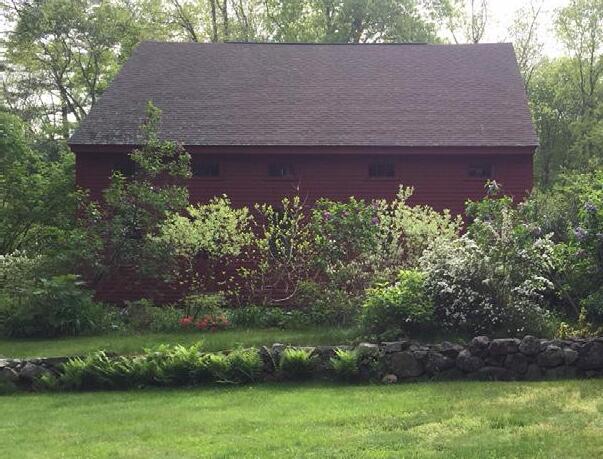
We moved to Massachusetts 37 years ago, to one of the oldest houses in town. Almost four acres, two and a half cleared, with nothing much on it but white pine, forsythia, a beautiful Norway spruce, and some very old apple trees. We did have a beautiful barn, however, so I opened a gift shop, selling handmade goodies only from New England.
In my spare time, I planted some perennial gardens, and to my surprise, they looked so nice that a local watercolor teacher asked if she could bring her class over to paint them. When a young couple asked to use our place for their wedding photos, I realized I was missing something.

I became a Master Gardener, then talked my way into a hort job at Elm Bank. Later, I went to work for a large nursery/ garden center, learning many of the skills I use now, followed by Green School and MCH.
Now I work in a pretty little place close to home. So many of the customers have shopped here for so long that they seem like family, and I love that they know so much. But even more, I love the ones who admit to knowing nothing about growing anything but are so anxious to learn. They remind me of who I once was, and I now realize that — for me — the point is not just to sell, but to teach.
I leave with one last story. A few years ago, a lady from the neighborhood stopped to talk to my husband. She was worried about me, she said, because a couple of days before, on her way to work, she saw me walking outside with my coffee, and she could swear she saw me talking to a tree….
My husband answered “And…?” What’s your story?
Kathy Bergmann, MCH, Bergmann Construction Education Committee Chair
Established in 1910, Cavicchio Greenhouses is a fourth-generation New England farm working more than 250 acres in Sudbury. As a horticultural grower and landscape distributor, we cultivate and supply an extensive variety of annuals and perennials, nursery stock, stone, masonry and landscape materials. With a hard-earned reputation for service, quality, selection and sustainability, we work with professionals and garden centers throughout the area to keep our region beautiful.
Welcome to the quarterly column dedicated to inform the MCH Community and MNLA members about what is happening in the MCH program. As always, it has been a challenging spring for all of us in the green industry with the late start and many employee issues, but we endure and continue to offer professional services to our customers.

I am using this opportunity to remind all MCHs and MNLA members of upcoming opportunities to gather and network with your peers in the green industry. With the absence of the New England Grows Conference this coming December, MCHs need to think seriously about attending these events to keep up with recertification credits.
On Thursday, July 26, take part in MNLA’s Down to Earth Annual Summer Conference and Trade Show. This year, it is again being held at Wachusett Mountain in Westminster, Massachusetts. Last year was a rousing success. MCHs can earn a recertification credit at the Plant ID Challenge from 8am to 10am. The ID challenge will continue after 10am for those who want to participate for fun and discuss recognition techniques with MCH board members. This is also an opportunity for those taking the exam in August to get experience on Plant ID.
The next MCH Exam is Wednesday, August 1, at the Massachusetts Horticultural Society location at Elm Bank. Please encourage your peers who are interested in receiving their accreditation to register early with the MNLA office.
We encourage all MCHs to experience this year’s Plant Geek Day on Wednesday, August 22, at the Rose Kennedy Greenway in Boston from 8am to 2pm. This is always a great and informative event, allows us a break in our busy schedules, and supplies two MCH credits.
As green industry professionals, we should be encouraging young people who may be working as summer employees in our businesses to consider this as a possible career.
As always, continually check the MNLA website and log into the events calendar to keep updated on opportunities to secure MCH credits. I am always interested in comments and suggestions for the MCH board. Please contact me by email at jackelicone@gmail.com.
Jack Elicone, MCH
John R Elicone Landscape Consulting Massachusetts Certified Horticulturist (MCH) Board Chair

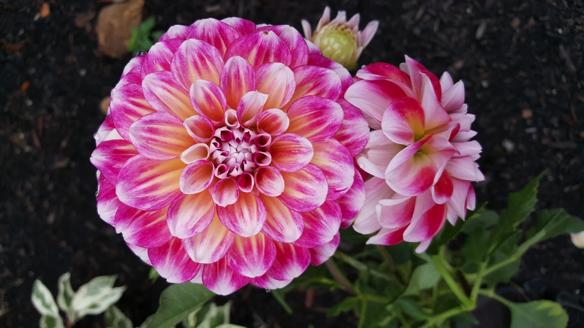
Instagram Winner: Sydney Tomlinson, Townsend, MA

By Gaele McCully, MCH
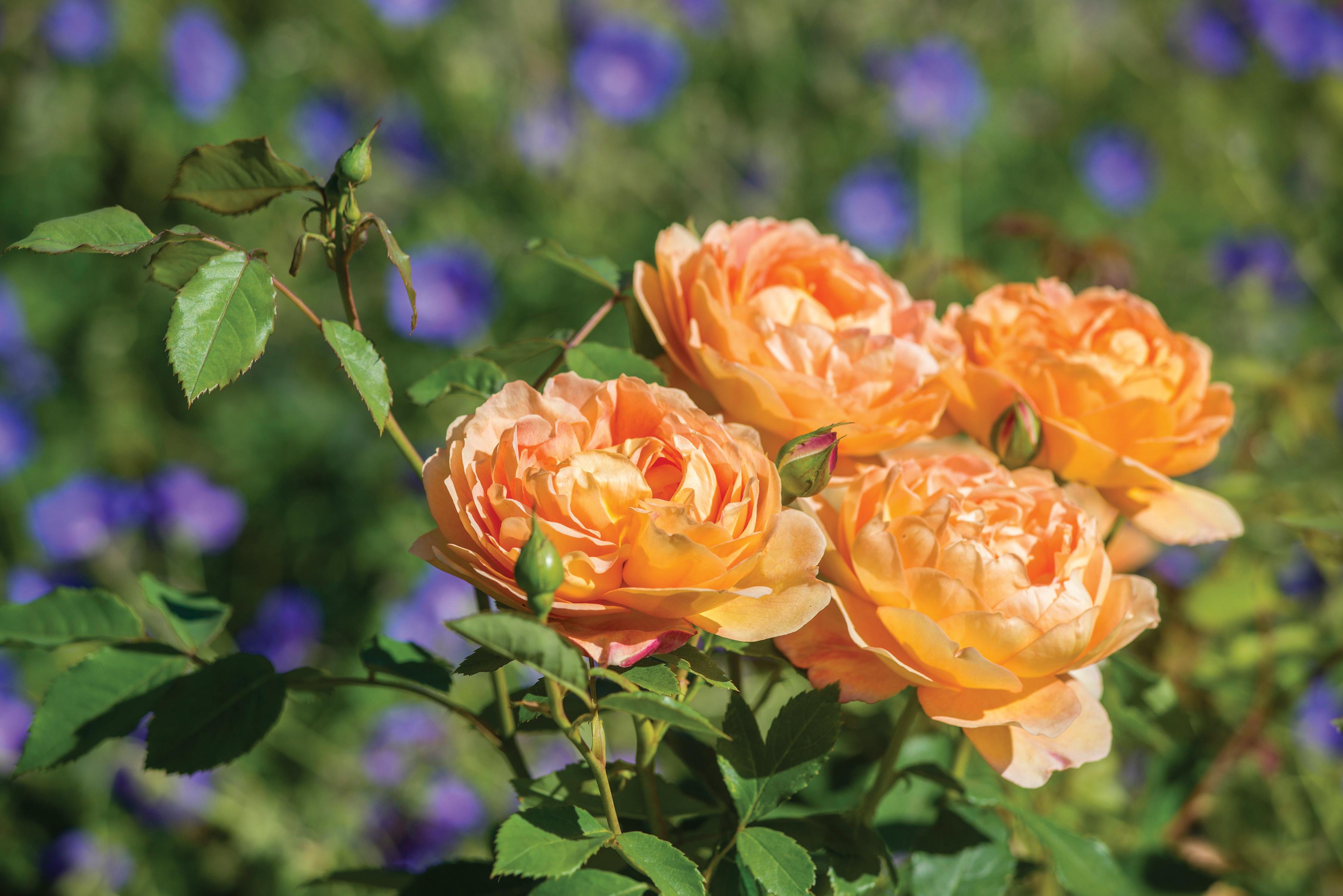
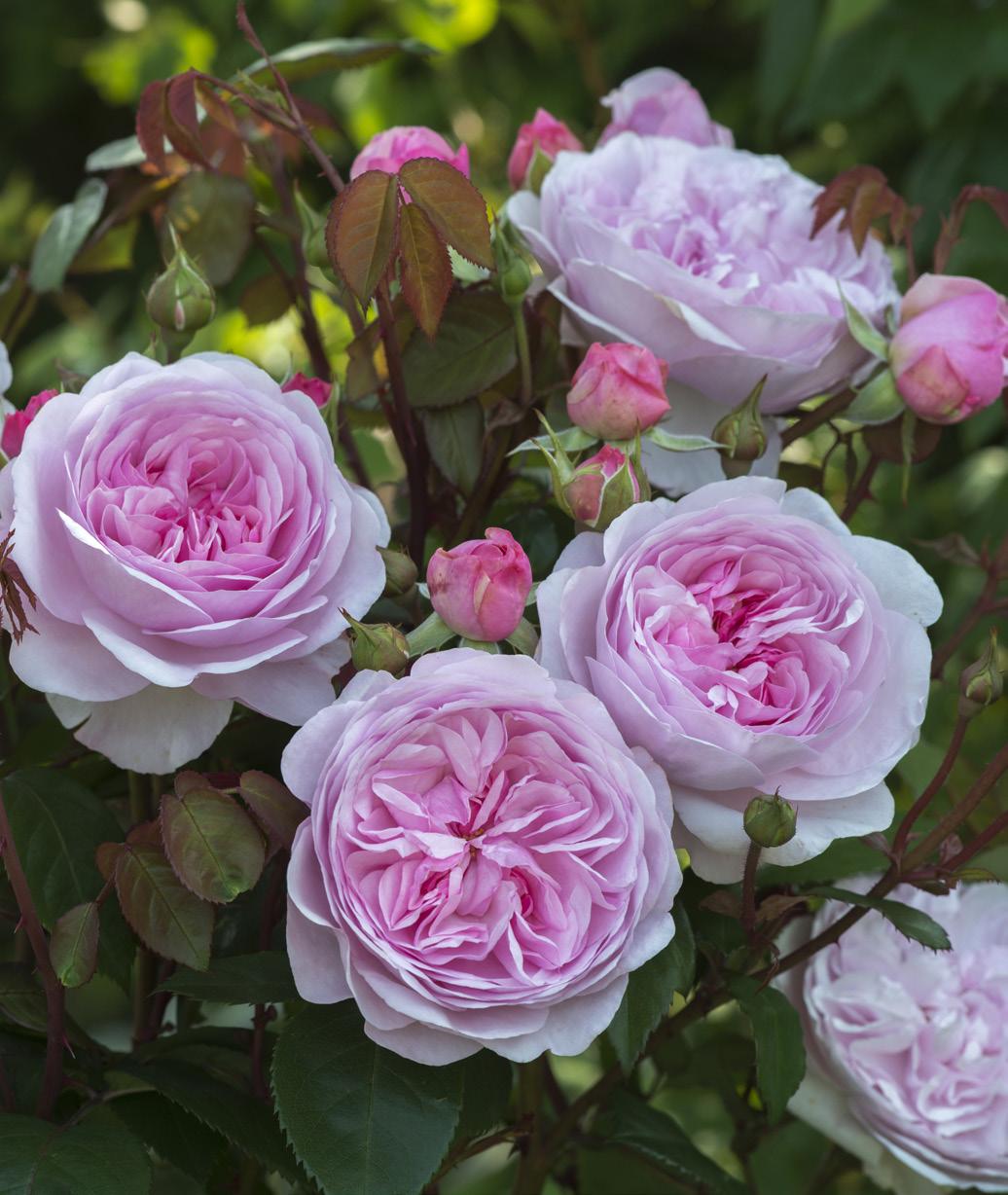
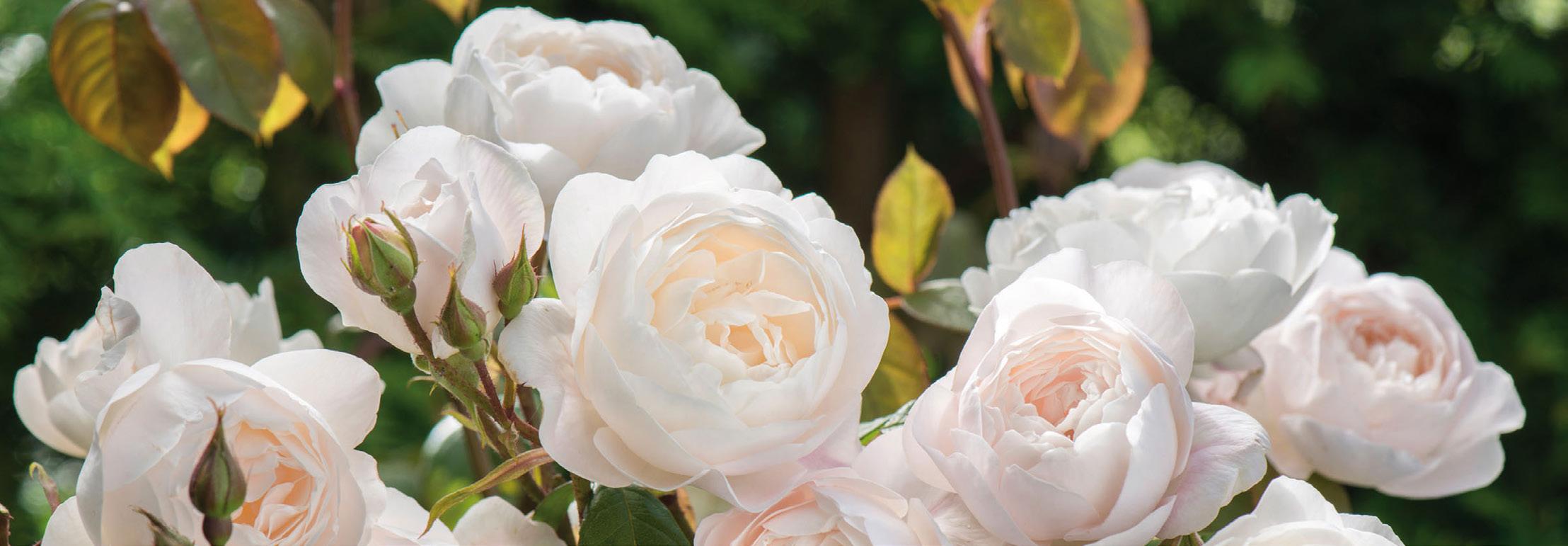
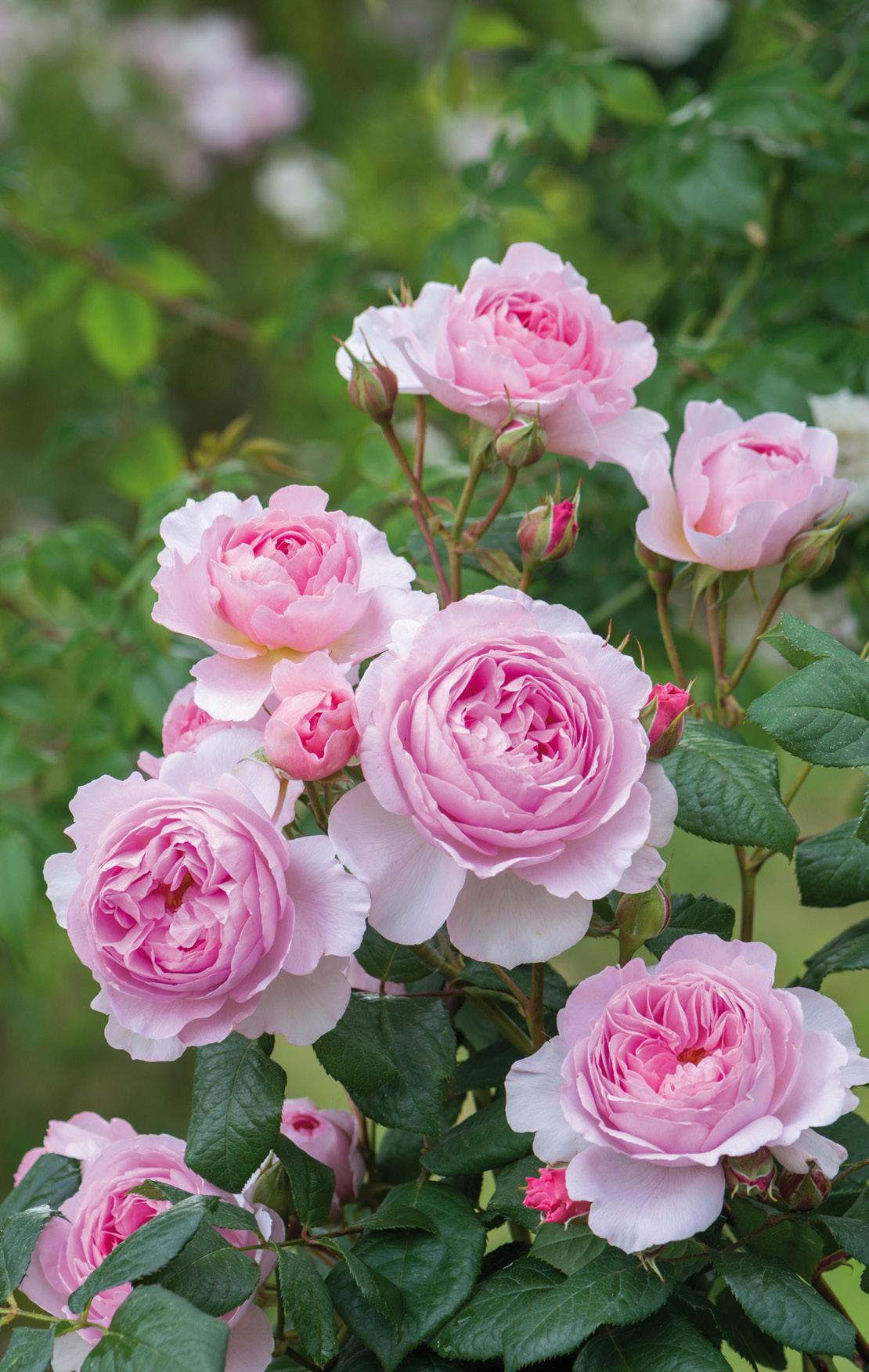
Our romance with the rose goes back thousands of years. Symbols of love and beauty, they have become a favorite plant of gardeners around the world. At times considered difficult to grow, roses today exhibit greater flower production and improved disease resistance and fragrance. Over the last 60 years, the breeding program by British rosarian David Austin has won world-wide acclaim for roses that offer charming flowers (some with up to 200 petals per flower), strong repeat blooming, excellent disease resistance, cold hardiness, and intoxicating fragrance. Based in Albrighton, England, the breeding program is one of the largest in the world. It is a complex and detailed process beginning with approximately 140,000 cross-pollinations each season. Successful crosses will result in seed-bearing hips. Some 400,000 seeds are removed from the pulp by hand, placed in

muslin bags surrounded by damp compost, and put in cold storage (a little above freezing) for three months. They will then be sown into seedling plug trays. Approximately 200,000 successful germinations will result.
The first seedlings will flower in the greenhouse after only 6 to 8 weeks. At this time, the flower form is the only selection criteria considered. Further selection for characteristics such as color, fragrance, attractive foliage, and garden performance, including health and disease resistance, comes later in the process. Around 10,000 seedlings are initially selected and propagated vegetatively to keep the identical genetics. In March, they are planted
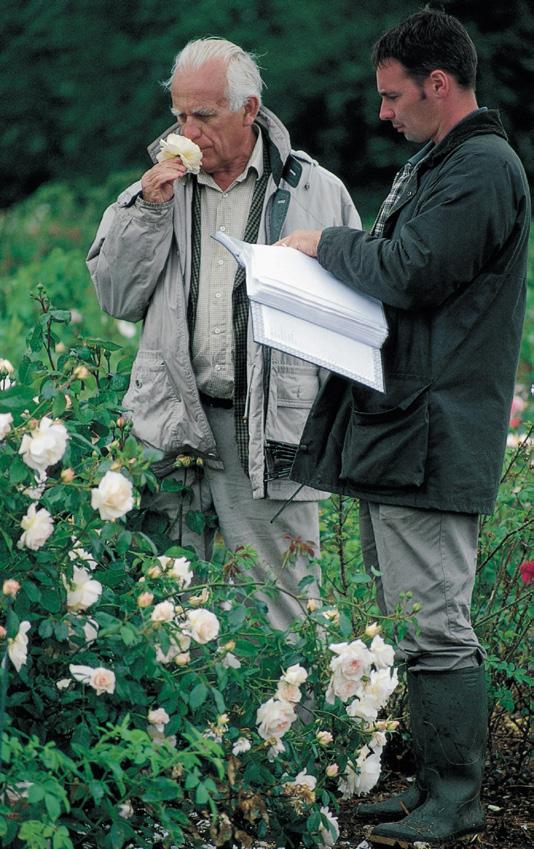
in rows in the trial fields and are evaluated over several years, as susceptibility to disease can make itself shown only in later years.
Since the 1990s, the David Austin trial fields have been sprayed for pests and diseases only at very bare minimum levels, if at all. With this practice, only the very strongest and healthiest varieties make it through the selection process. Only a small proportion of these will display all the desired characteristics and move forward to further trialing. These seedlings will be budded onto a high-quality rootstock and will be assessed over the following season. The ones that show the most promise are multiplied by further budding each year. This means that each potential new variety can be assessed in larger quantities.
In the final years of trialing, each seedling will have been transformed into a row of 200 plants, and the trial field will look stunning. But the process of selection continues, focusing on flower form, fragrance, foliage characteristics, vigor, and disease resistance. Only the very best will remain, and in the end, only two or three are chosen each year. Clearly, the process is a long one. It typically takes 8 to 10 years for a new rose to move from initial cross-pollination to field trials and ultimate introduction to the market.
David Austin roses reintroduced the importance of scent to rose breeding. A perfumier is employed during the trial process to assess the five types of rose fragrance: tea, old rose, fruit, musk, and myrrh. Scent is actually an oil that is contained within the flower and has to evaporate in order for us to be able to smell it. The scent is produced predominantly from the flowers, but can also come from the leaves and stems. It is sometimes in the reverse of the flower. The fragrance of myrrh comes from the stamens and is apparent only when the flower reveals the anthers. The strength of the scent depends on the flower stage and — importantly — the weather conditions, and of course, everyone’s perception of smell is different.
The aim of the breeding program is not only to create more varieties, but also to identify good parents. These are roses that reliably pass on desirable characteristics to
their offspring. The knowledge and stock of parent plants built up over time helps to reinforce the character, strength, and beauty of the roses. The majority of these parents will never be released for sale.
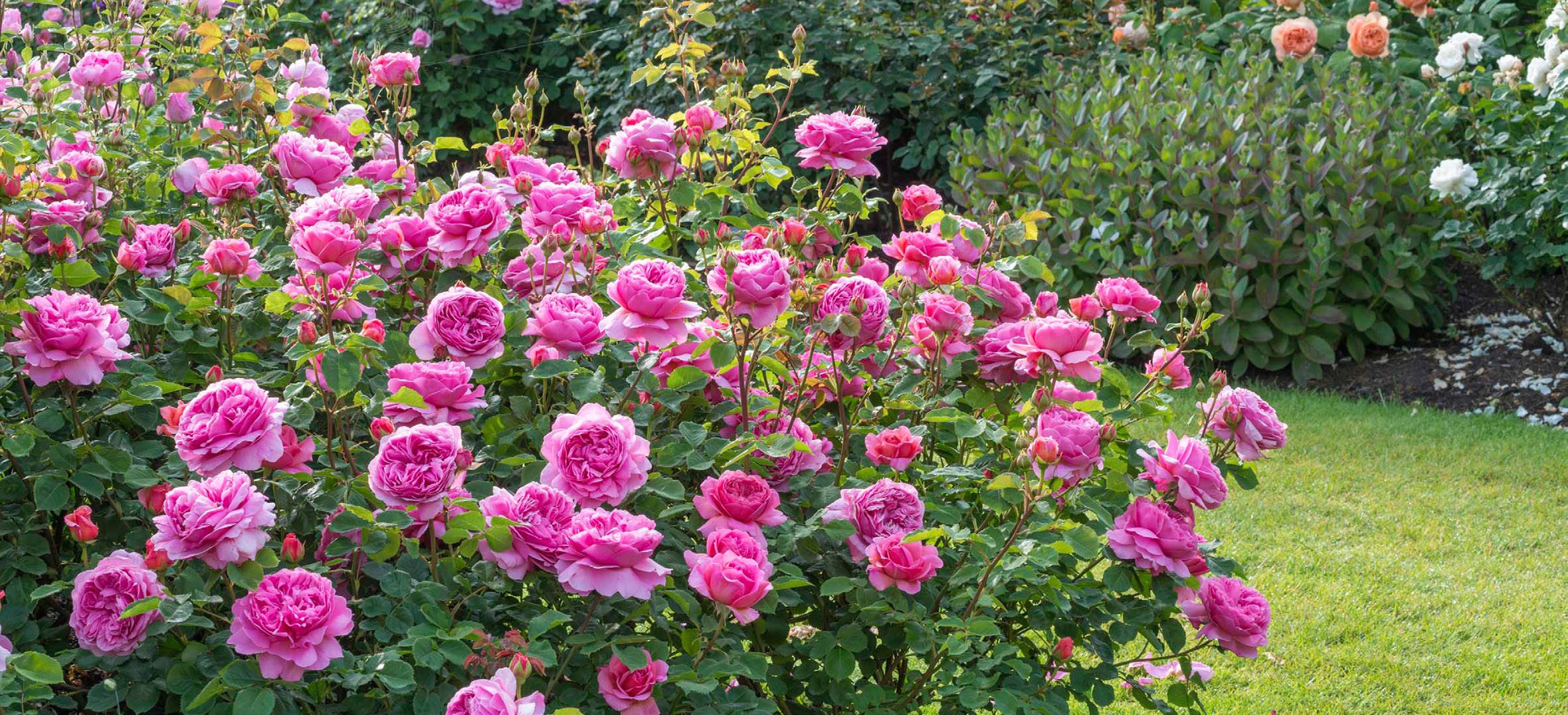
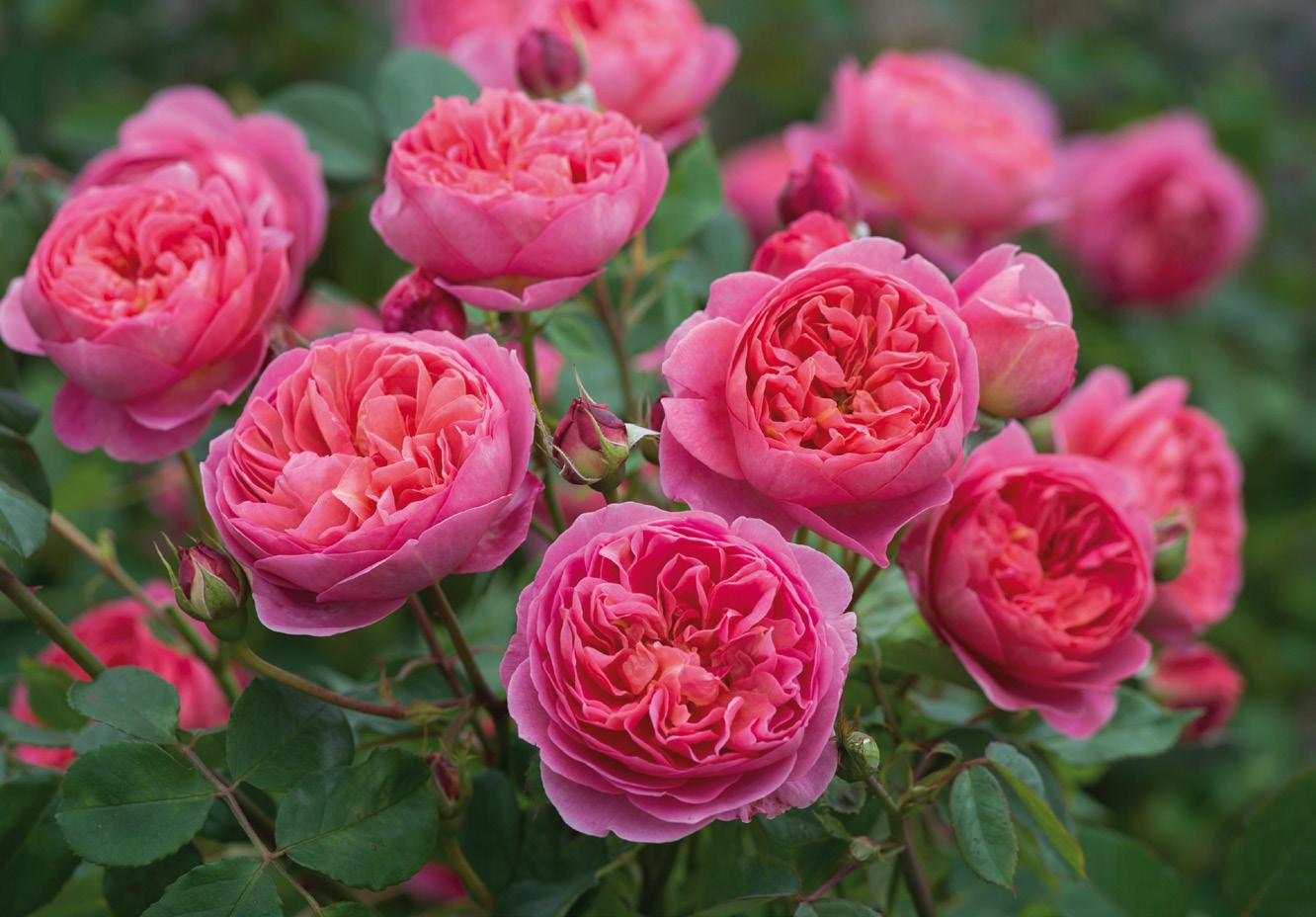
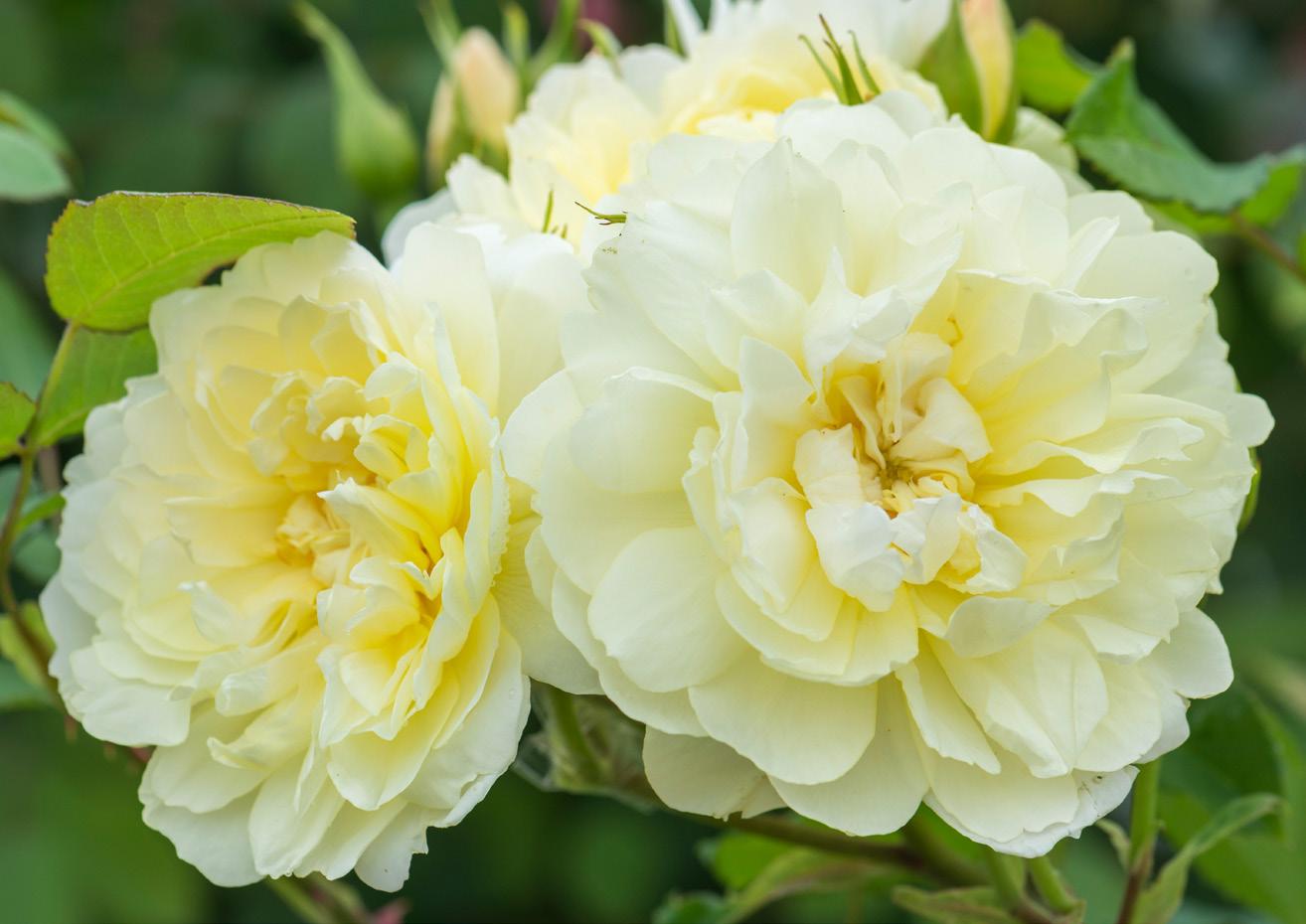
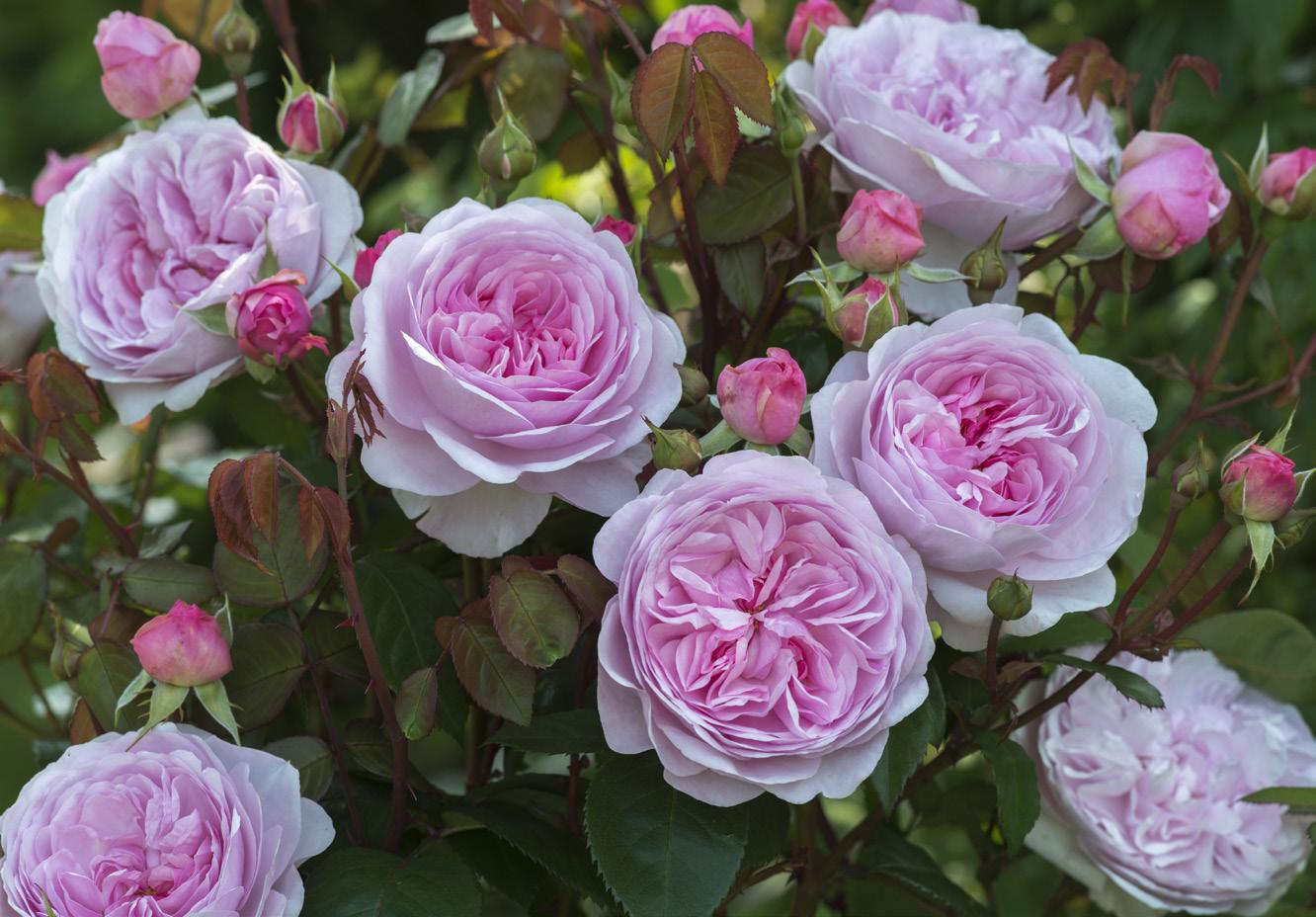
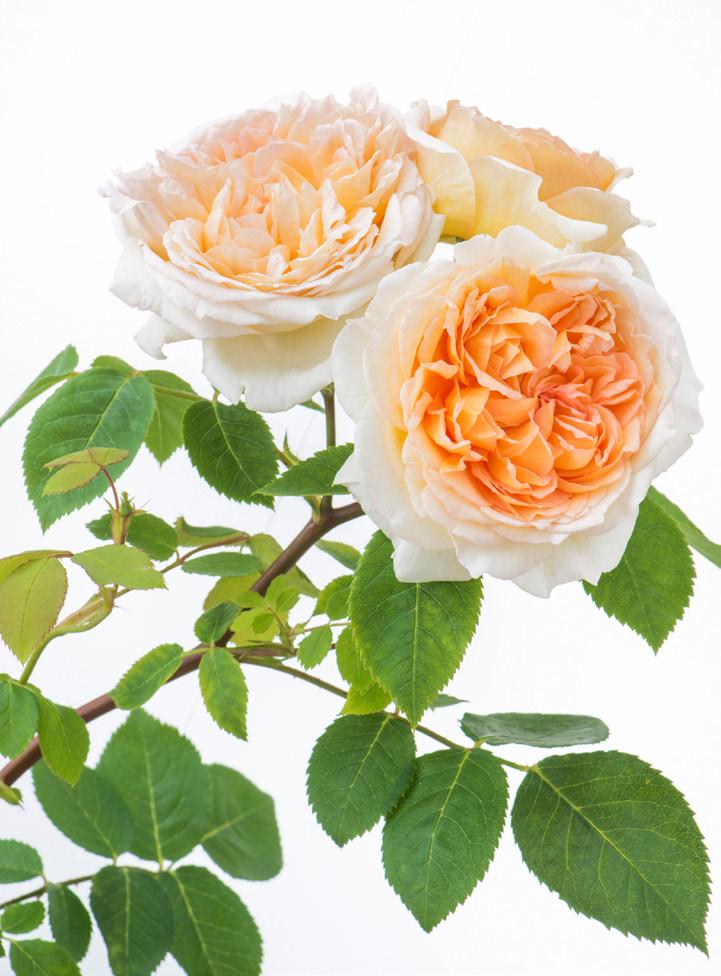
Among recent introductions exhibiting breakthrough disease resistance and overall performance are ‘Roald Dahl’ (apricot), ‘Olivia Rose Austin’ (soft pink), ‘The Poet’s Wife’ (yellow), ‘Boscobel’ (rich salmon pink), ‘Princess Anne’ (deep pink), ‘Lady of Shalott’ (rich apricot) and Princess Alexandra of Kent’ (glowing pink).
David Austin roses are remarkably hardy in our Massachusetts climate. Improve the soil with compost before planting. These roses are vigorous grow-
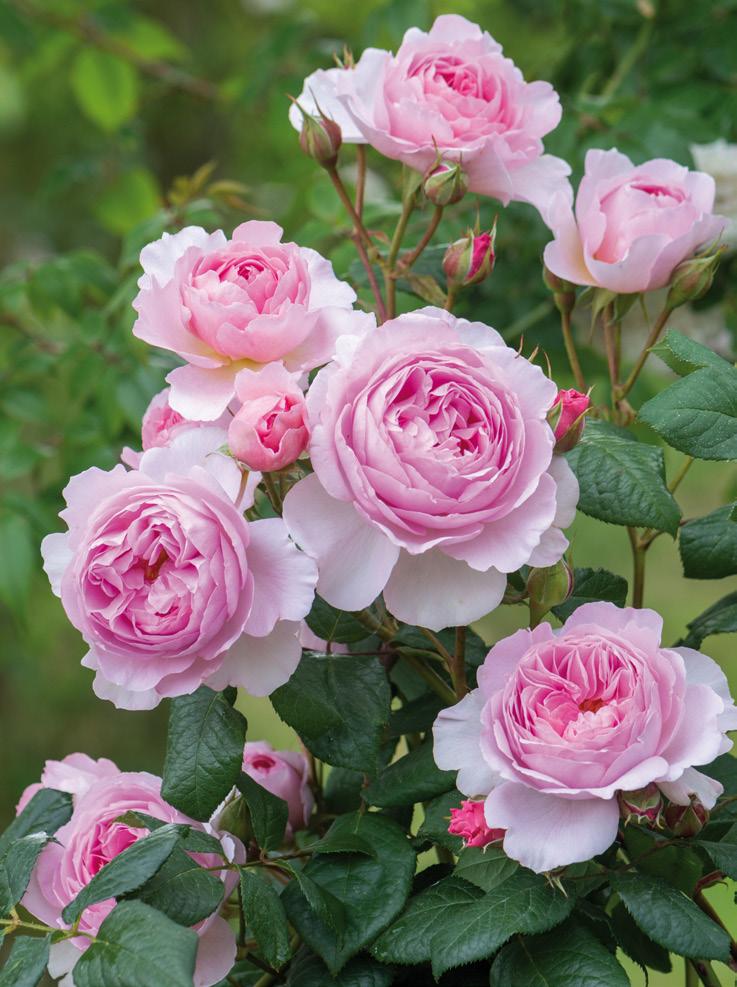
ers, and pruning in late winter/early spring when the first growth is just beginning will create shapely, attractive shrubs with good structure. Fertilize in spring and again after the first flush of flowers. The petals will drop cleanly, but deadheading spent flowers does encourage quicker rebloom. Spraying is not necessary, as these roses suffer very little from disease. Michael Marriott, technical director of David Austin Roses, believes the more you look after the soil and minimize the use of sprays, the happier the roses will be.
In the early days of Austin’s work, labels were hand-written and decisions were made on gut feelings.
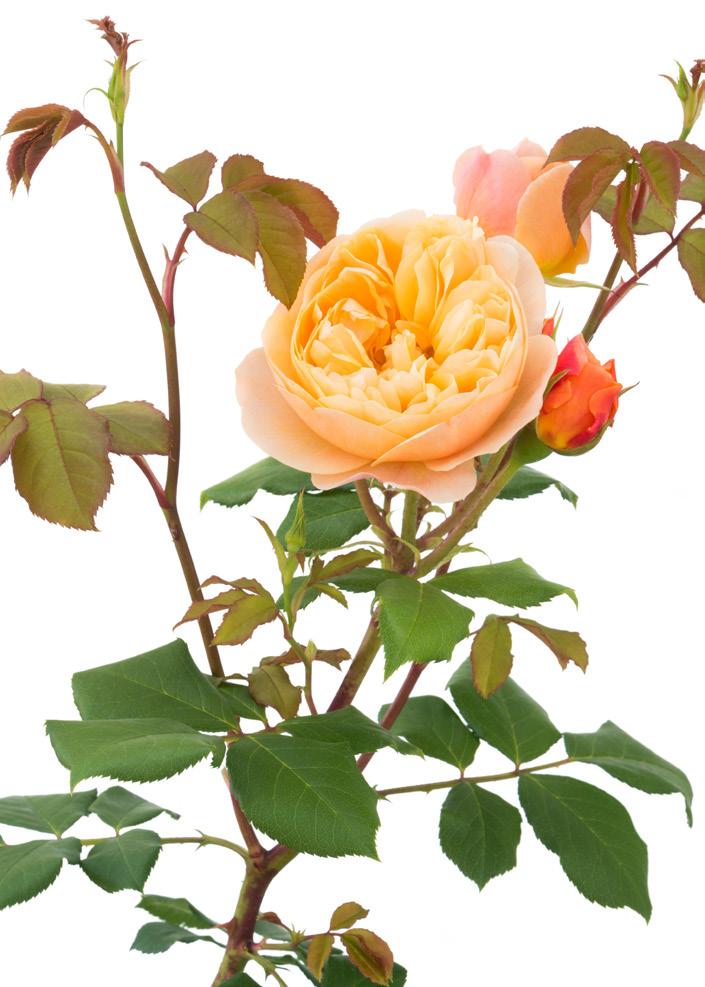
Today, it is a highly organized system with great attention paid to detail and carefully documented records. The company now employs 160 people in Albrighton, has a distribution center and trial garden in Tyler, Texas, and has recently opened an office in Japan. Roses are readily available in the U.S. in garden centers and through wholesale licensees.
The David Austin roses have been bred for beauty, fragrance, and an almost indefinable characteristic that sets them apart from other roses, that of “grace.”
Gaele McCully, MCH, is a horticulturalist at Mahoney’s Garden Centers.
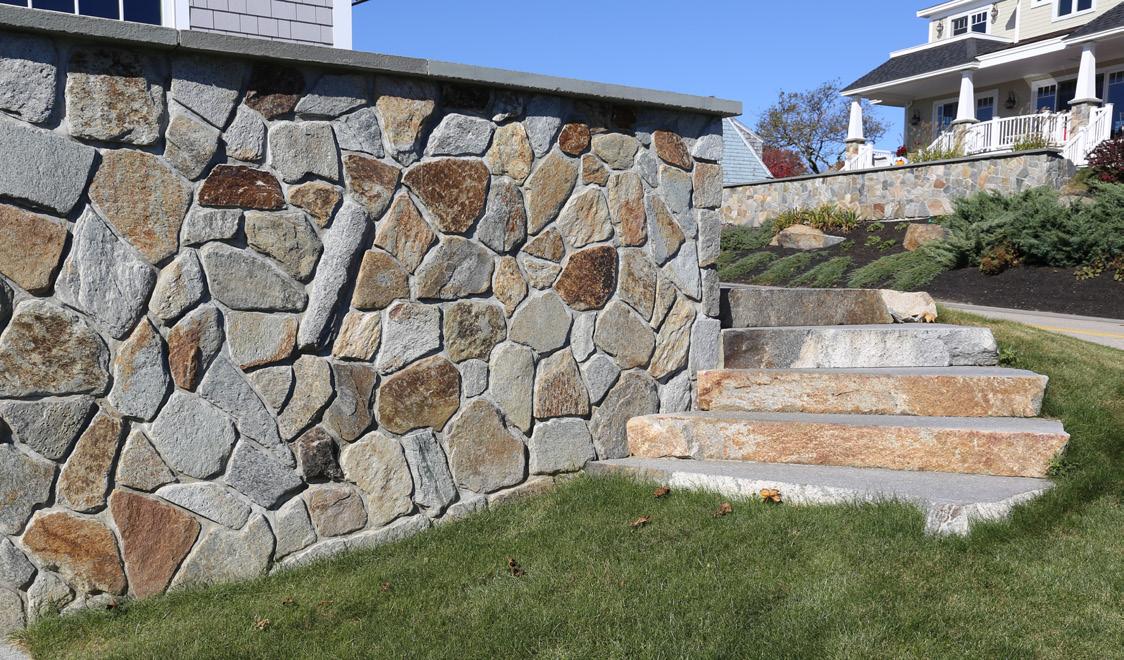
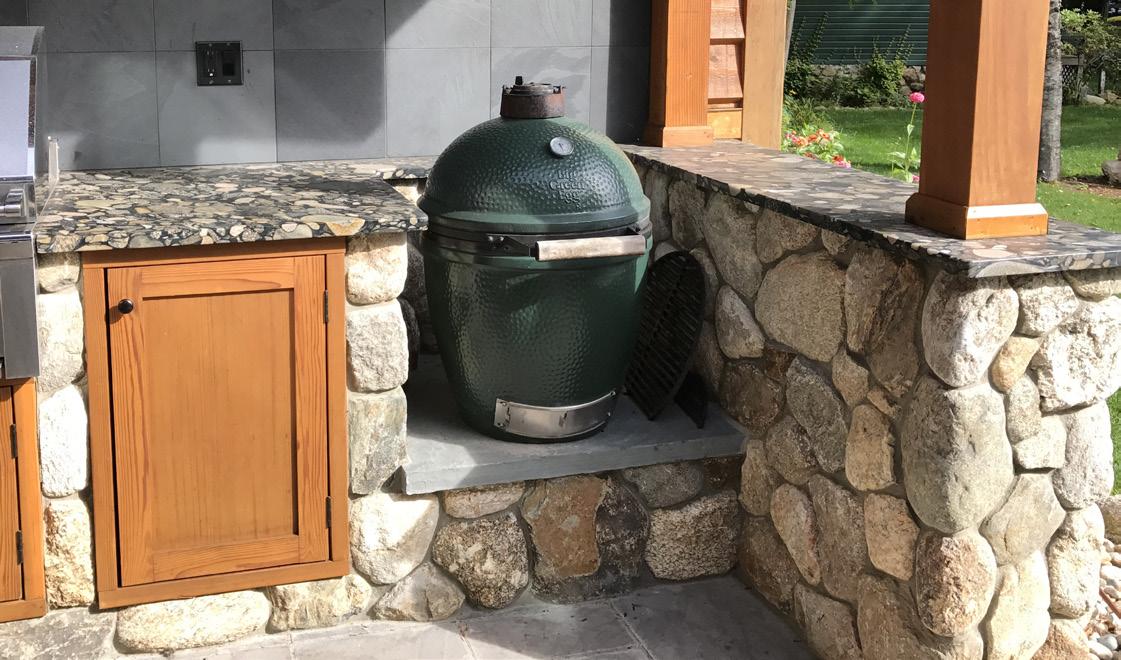
The new CB-8 system from Comfort Block is designed for projects such as outdoor kitchen construction, sitting walls, and other various projects that normally use standard 8 inch block for rough construction.
Precision ground to use glue instead of mortar for an unprecedented speed of construction.
Once complete take advantage of the builtin utility channel and easily install electrical boxes. After the wall has been constructed finish with thin veneer, stucco or other similar products.



CB-8 SYSTEM: 8” THICK WALL
+ MANUFACTURED TO PRECISE HEIGHT
+ INTERLOCKING SIDES
+ QUICK ASSEMBLY WITH ADHESIVE
+ BUILT-IN ELECTRICAL CHANNEL
+ NO DRYWALL NEEDED
+ INSULATION INSERTS AVAILABLE
+ REPLACES STANDARD 8” BLOCK




By Mandy Bayer
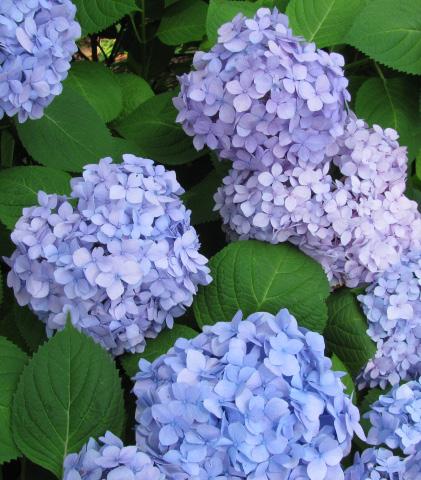
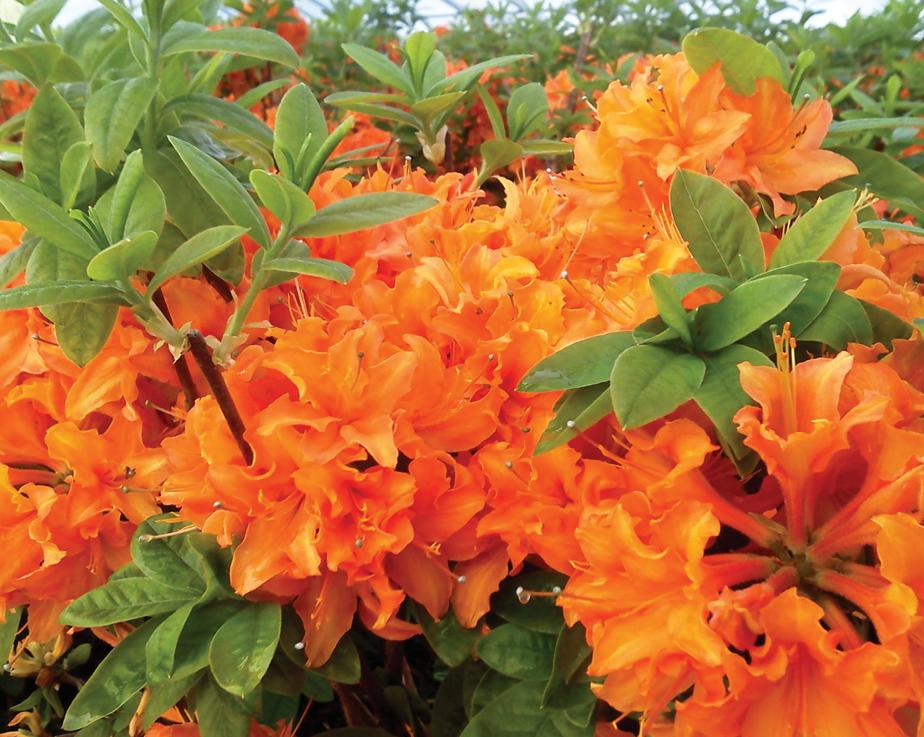
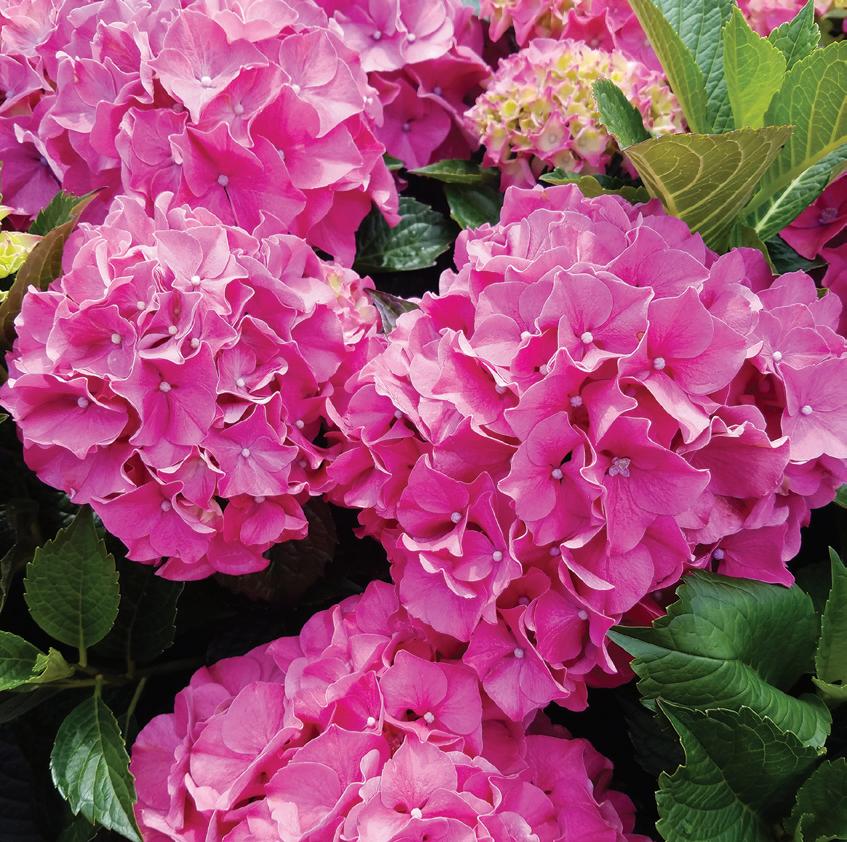
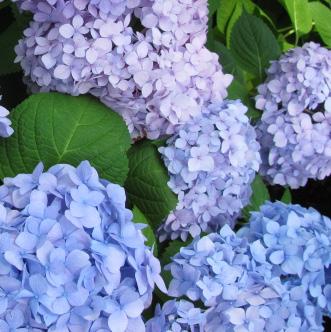
Alandscape favorite, Hydrangea macrophylla or bigleaf hydrangea is popular for its large mophead flowers. An endless variety of new cultivars keeps consumer interest with multicolored flowers, intense colors, and repeat blooms. Although it does not have any serious insect or disease problems, Hydrangea macrophylla can be a challenging shrub for people looking for prolific blooms every year.
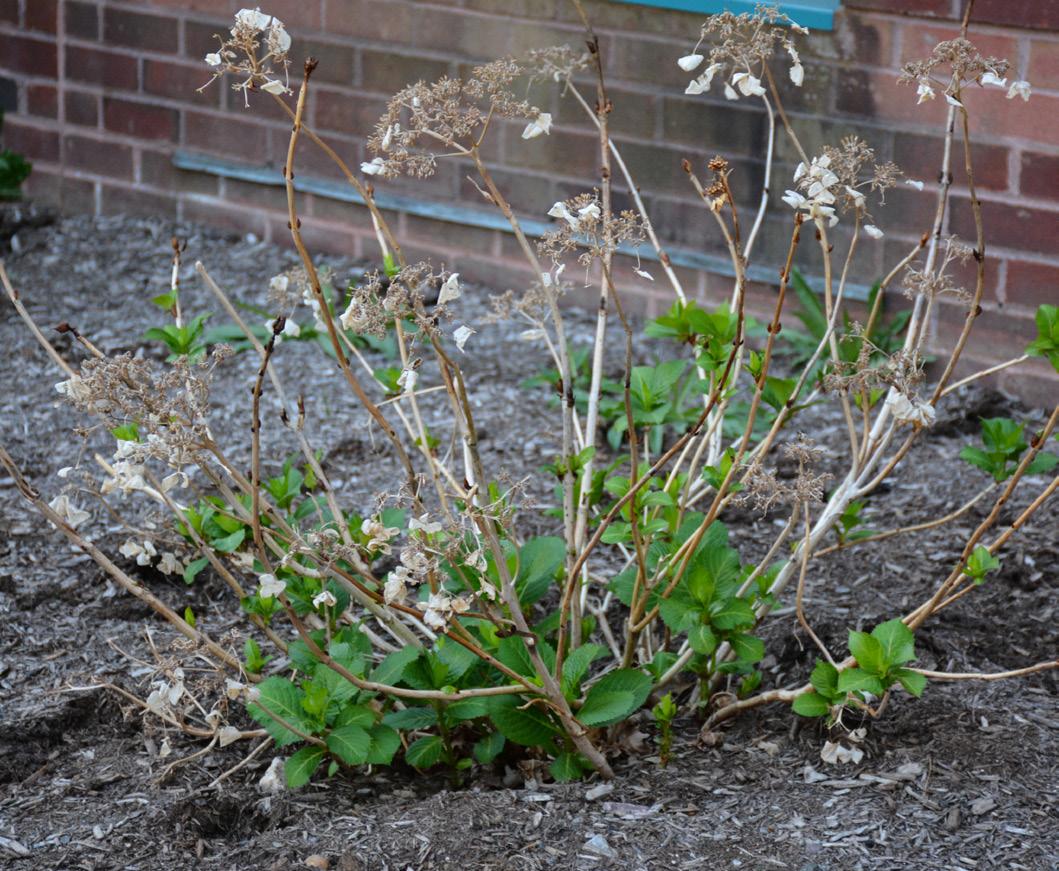
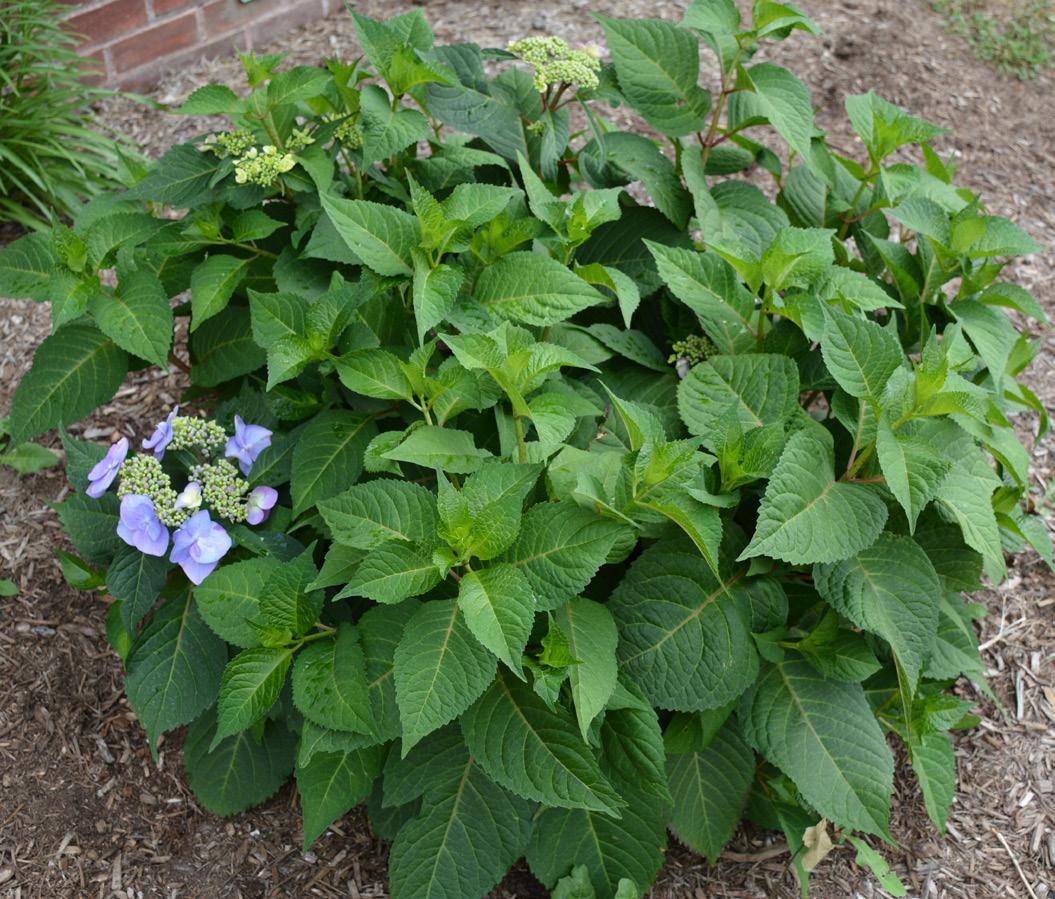
A common question asked of many garden centers, nurseries, and landscapers is: Why aren’t my Hydrangea macrophylla flowering? Unfortunately, H. macrophylla blooms are affected by a number of factors over the course of the year. Some of these factors are simple mistakes that happen at planting or during maintenance, while others are the result of environmental factors that are out of our control. Either way, the perennial question comes every summer: Why isn’t my hydrangea blooming?
Planting and Maintenance Mistakes
One of the most common reasons Hydrangea macrophylla don’t bloom is improper pruning. Traditional H.macrophylla bloom on old wood, meaning that flower buds develop on stems during the summer the year before they bloom, so pruning in late summer or fall can result in flower buds being pruned off. Pruning should be done after growth resumes in the spring and buds can be identified. Any dead branches can then be removed. Newer cultivars have been bred to bloom on both new and old wood, meaning that flower buds develop on both previous year and current year growth. However, most blooms still occur on old wood, and (continued on page 22)
with very few blooms



With FARM FAMILY, you’ll get an agent who has the know-how and products to help you properly manage your family’s risks. An open appointment book, along with options for home, auto, life, farm and business coverage, means you can feel good that you’re getting more an ally than just an agent.
Wherever you are in Massachusetts, there’s a Farm Family agent close to you. Give us a call for more information.





























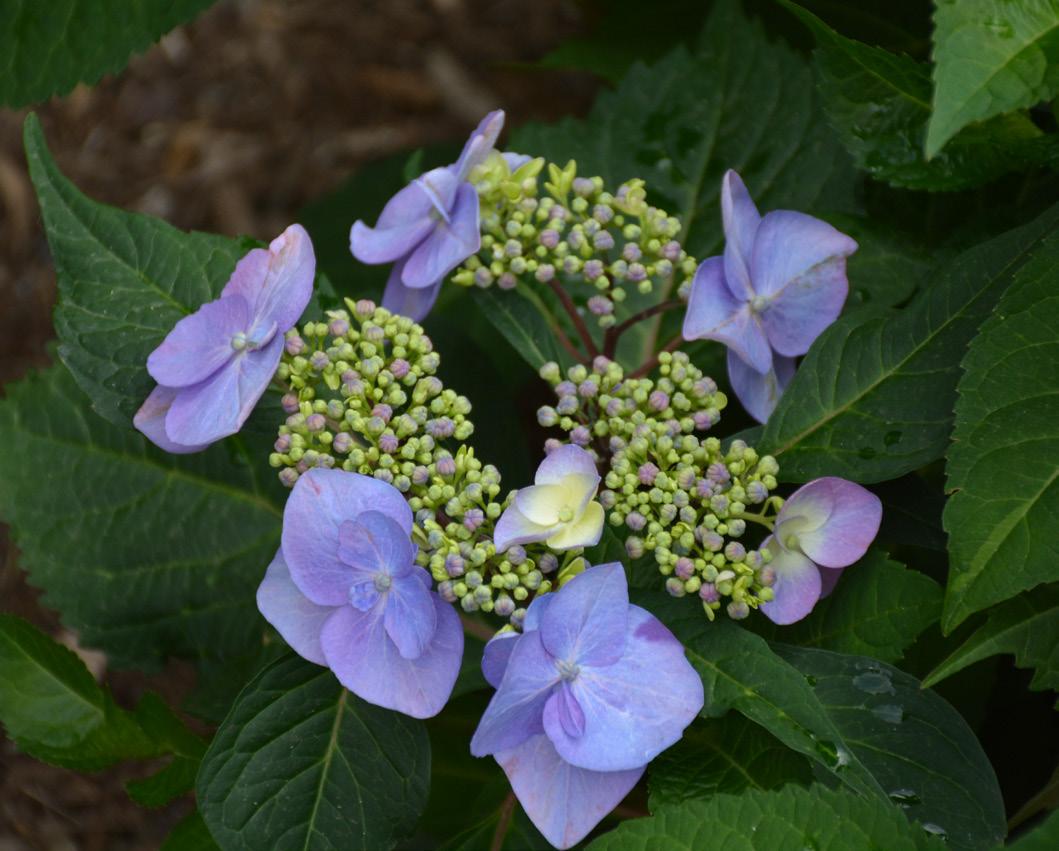
(continued from page 20) pruning should wait until after growth has resumed in spring so that only dead branches are removed.
Other common issues are planting mistakes. Sun exposure is important for bigleaf hydrangea, which prefers morning sun and dappled afternoon sun. Too much shade will reduce flowers. Overall plant health will also decline if plants are grown in dry areas. Plants need well-drained soil with good moisture for best growth. Drought stress can impact blooming, even if leaves look fine. However, there is such a thing as too much of a good thing, as over-watering can also reduce plant health and flowering. Over-fertilization can also result in reduced blooms. Too much nitrogen fertilizer will promote deep-green leaves but few flowers. This can also be an issue if fertilizer from other areas of the yard washes into the soil surrounding the hydrangea. Fertilizers higher in phosphorus rather than nitrogen encourage bloom growth.
Also keep in mind that new plants need time to establish. During establishment, plants are working on root growth and stem development and may not flower as much.
The most common environmental factor that affects hydrangea blooms is winter damage. Hydrangea macrophylla are cold hardy to Zone 6 and need protection when grown in Zone 5. Winter weather can damage hydrangea buds due to low temperatures, fluctuating temperatures, and late frost or freeze events. Cold spring temperatures or late freeze events can also result in delayed or damaged spring growth. Cooler summer temperatures can reduce blooms or delay blooming.
Wrapping plants by creating a circle of burlap and chicken wire or stacks that are then filled with leaves or straw can help protect hydrangeas during winter. In particularly harsh years, plants will likely die back to the ground or will not bloom despite protective measures.
Environmental stressors such as drought also impact flowering. If a drought is severe enough, flowers can be affected the year of the drought as well as the subsequent year.
Probably the most difficult thing for people to understand is that, even with proper planting in the correct location, there will be years that a Hydrangea macrophylla will not bloom because of unfavorable weather conditions. It can also be frustrating when repeat blooming cultivars don’t bloom as anticipated. For those determined to consistently have hydrangea blooms year after year, or would like a hydrangea in a challenging area, Hydrangea paniculata may be a better selection. Of course, for those who desire blue or lacecap flowers, Hydrangea paniculata will not be a good substitute. Regardless of the challenges with flowering, Hydrangea macrophylla remain landscape favorites and are worth the wait for the blooms.
Mandy Bayer is Extension Assistant Professor of Sustainable Landscape Horticulture at University of Massachusetts, Amherst.
The Massachusetts Department of Agricultural Resources (MDAR) Pesticide Program now provides two webpages with links to some of the most commonly requested sources of information and instruction for those seeking to navigate the examination and licensing process via the EEA ePLACE Portal. Anyone seeking to start their pesticide exam and license journey or maintain their license and information in the EEA ePLACE Portal should bookmark this page as an important resource. Page 1: Pesticide Examination and Licensing. In addition to the usual links to the ever popular Pesticide Exams Rosters and Results page, Pesticide Examination Information Bulletin, Pesticide Program Publications, and Pesticide Recertification and Audit Program, there is a new link for applying for a Pesticide Examination and Licensing journey. •

Your source for...
Trees, Shrubs, Ferns, Flowering Perennials, and Grasses Coastal and Inland Wetland Plants
Specialty Seed Mixes
Coir Logs, Straw Wattles, Blankets and Mats

820 West Street, Amherst, MA 01002
Phone: (413) 548-8000 Fax: (413) 549-4000
Email: info@newp.com Web: www.newp.com
)
Page 2: First time? Start here.
This new page provides specific assistance to those just starting their pesticide exam and license journey, especially with respect to using the new EEA ePLACE Portal. There are specific guides to walk the applicant step-by-step to create a new ePLACE Portal Account, register for exams, apply for licenses, renew licenses, etc. There is even an exhaustive Overview of the ePLACE Permitting Portal for the Pesticide Application Process.
Other additional resources include:
• Apply for an Applicator License Exam
• Reschedule an exam on the ePLACE portal
• Link your existing Pesticide License to your new ePLACE account
• Renewing your Applicator License
• Search for and confirm your license status
• Pesticide Exam Frequently Asked Questions
Reach out to Steven Antunes-Kenyon with concerns or feedback: steve.kenyon@state.ma.us.
560-A Eayrestown-Red Lion Rd., Medford, NJ 08055 609-267-8100 Toll Free: 800-443-3314 www.medfordnursery.com

IN THE NORTHEAST 1320 Mountain Rd., West Suffield, CT 860-668-5225 67 Pinkham Rd., Barrington, NH 603-868-7172 115 Cordell Rd., Schenectady, NY 518-382-1600 www. northernnurseries.com
What are the needs and impacts of your landscaping and nursery business? Please take our survey!
A 2015 survey by the Massachusetts Nursery and Landscape Association estimated the impact of the Massachusetts green industry to be $5.17 billion in output; 48,772 jobs; and $2.46 billion in labor income.
The goal of this new survey is to gather information on the issues most important to the landscape and nursery industries. This information will be used to:
• Develop industry-focused research
• Create needed programming to support the industry
• Provide an overview of the state of the industry
This survey will not only help to focus research efforts, but will also provide insight on how national and state regulations and public perceptions of issues such as the impact of landscapes and plant production on pollinators impact the industry in Massachusetts.
The survey should take 10-15 minutes to complete. Part of the survey is meant to be completed by the owner or manager of the company. Please complete the survey as thoroughly as possible. Responses will be aggregated, analyzed, and shared with the industry. No individual or company names or other contact information will be associated with the responses or the analysis.
The survey can be found at: https://goo.gl/forms/UaF9oUJDK0Z5QXru2, or be on the lookout for an upcoming email from MNLA.

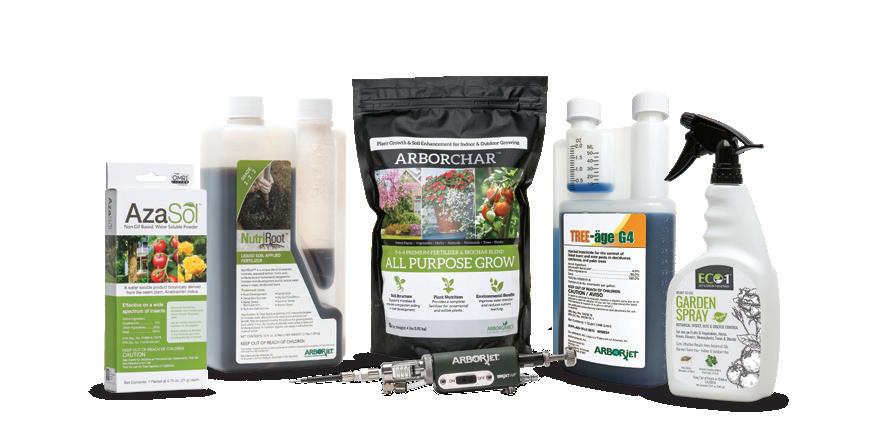
Arborjet provides cutting edge solutions to the green industry’s insect and disease problems. From high tech equipment to formulations that change the way we think about plant health care, Arborjet offers the tools you need to save America’s landscapes.

•Customized financing.
•Buy new or used.
•Trade, rent or lease.
•Best work tool selection.
•Free technical help line.
•Parts always readily available.
•Unbeatable resale value.


Holyoke, MA (800) 862-0089
Charlton, MA (508) 987-0101
Wilmington, MA (866) 830-5909
Norwalk, CT (203) 831-9748
Plainville, CT (888) 889-9996
Hamden, CT (203) 288-2222
Smithfield, RI (401) 232-2597
Albany, NY (518) 650-6228



eSpalier appleS
Semi-dwarf,
deciduouS ShrubS
Write












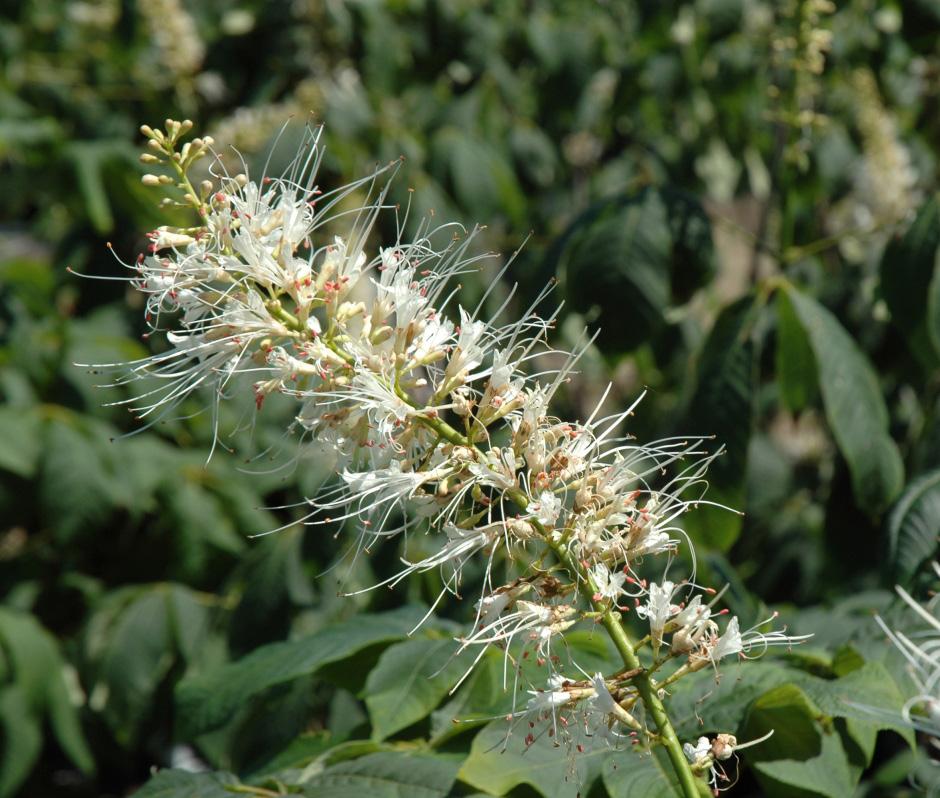
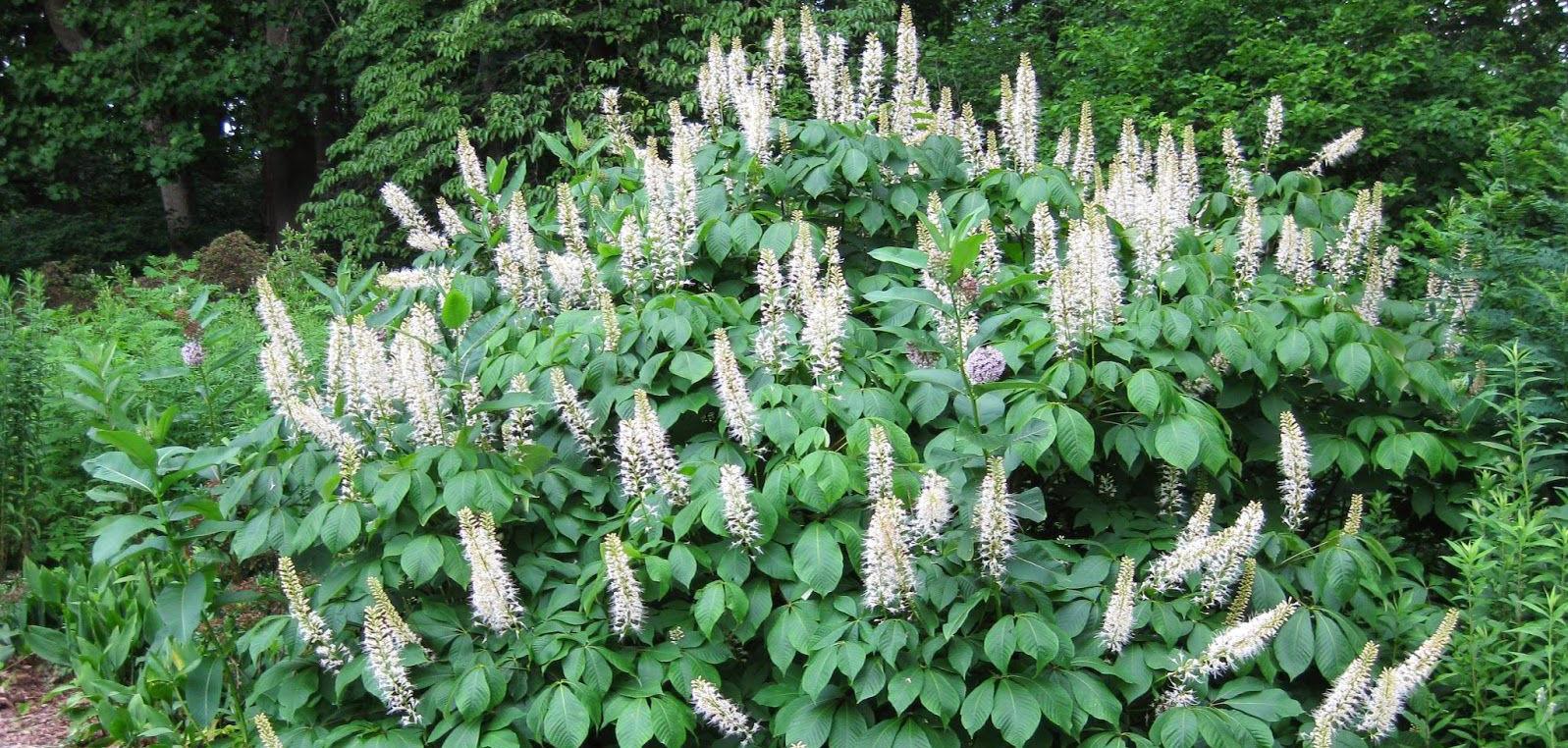
One of my favorite plants that I use frequently within my landscapes is the Bottlebrush Buckeye, Aesculus parviflora
Most of the time, I use it for privacy screens or buffer areas that require deciduous accents to complement evergreens in tough to grow areas, for example, planting in areas with an existing canopy. Where competition for light, nutrients, and water is high, this plant excels. The Buckeye is also deer resistant for those areas prone to browsing deer.
Bottlbrush Buckeye lives up to its given name with the showy white bottlebrush-looking flower it produces in July. I prefer the palmate leaf shape, as the contrast in texture with such a robust leaf against a coniferous evergreen is spectacular. This plant never fails, and there is never a call back for replacement due to its hardy nature. Therefore, it is a true money maker.
Facts and Features
• Bloom time is in July with white to pink panicle flowers with red accents.
• There is seasonal interest in all four seasons. In winter, it has grey stalks from the clump forming a canopy. As the season progresses towards spring, the buds swell. In summer, there is a showy flower, and in fall, it sports glowing yellow foliage as its leaves turn for the season.
• Works great with coniferous evergreens. The contrast of needles with the large panicle leaves of the buckeye provides excellent texture.
Aesculus parviflora

Bottlebrush Buckeye
Type: Deciduous shrub Soil: Well-drained Bloom Time: June to July Growth Rate: Slow Bloom Description: White Fall Color: Foliage turns with red anthers yellow in autumn Height: 8 to 12 feet Spread: 8 to 15 feet
Sun: Part shade to full shade
David J. Vetelino, Vetelino Landscape, Pembroke, MA.

•Extensive selection of nursery stock
•Hardscape & Masonry Supply
•Landscape Lighting
•Residential & Commercial Irrigation Supply
•Custom seed blending
• Equipment Rental (Bobcat, Ditch Witch, Turf Equipment & More)
Northeast Turf & Irrigation Supply
•New England Delivery Routes


Northeast Greenhouse & Nursery Supply
• Supplying growers, retail stores & farm stands
• Pots, Growing Media, Fertilizer, Irrigation & more
•Serving all of New England
• Complete Turf & Ornamental Mangement line
• Northeast Golf & Turf Supply
Northeast Arbor Supply
• Wide selection of climbing, pruning & safety gear


Check out our services at both locations:
• Bulk Mulch, Loam & Stone &