pro grow news
The Garden as Magic Propagation Fundamentals
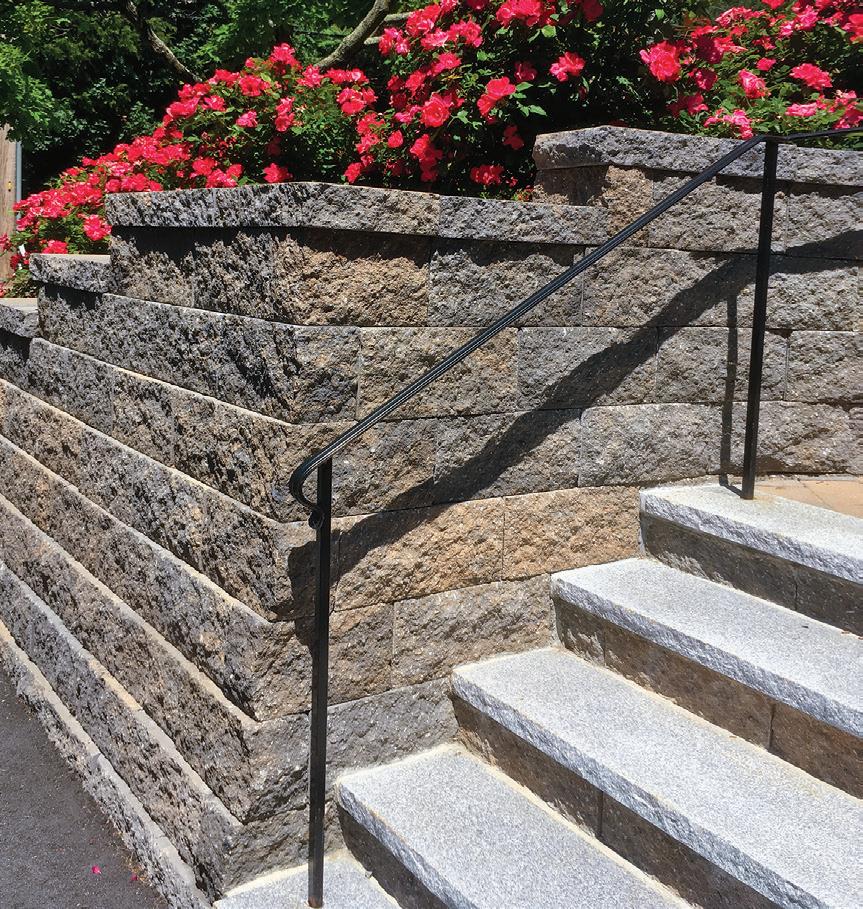


Fat Face™ Wall & Steps • Universal Coping™ Granite Treads • FineLine™ Pavers
Yankee Cobble™ Circle Pak & Graphite Border ScapeStone™ Fire Pit XL • CastStone™ Coping XL
Andover Collection™ StoneCleft GrandStone featuring Color with 4D Technology™
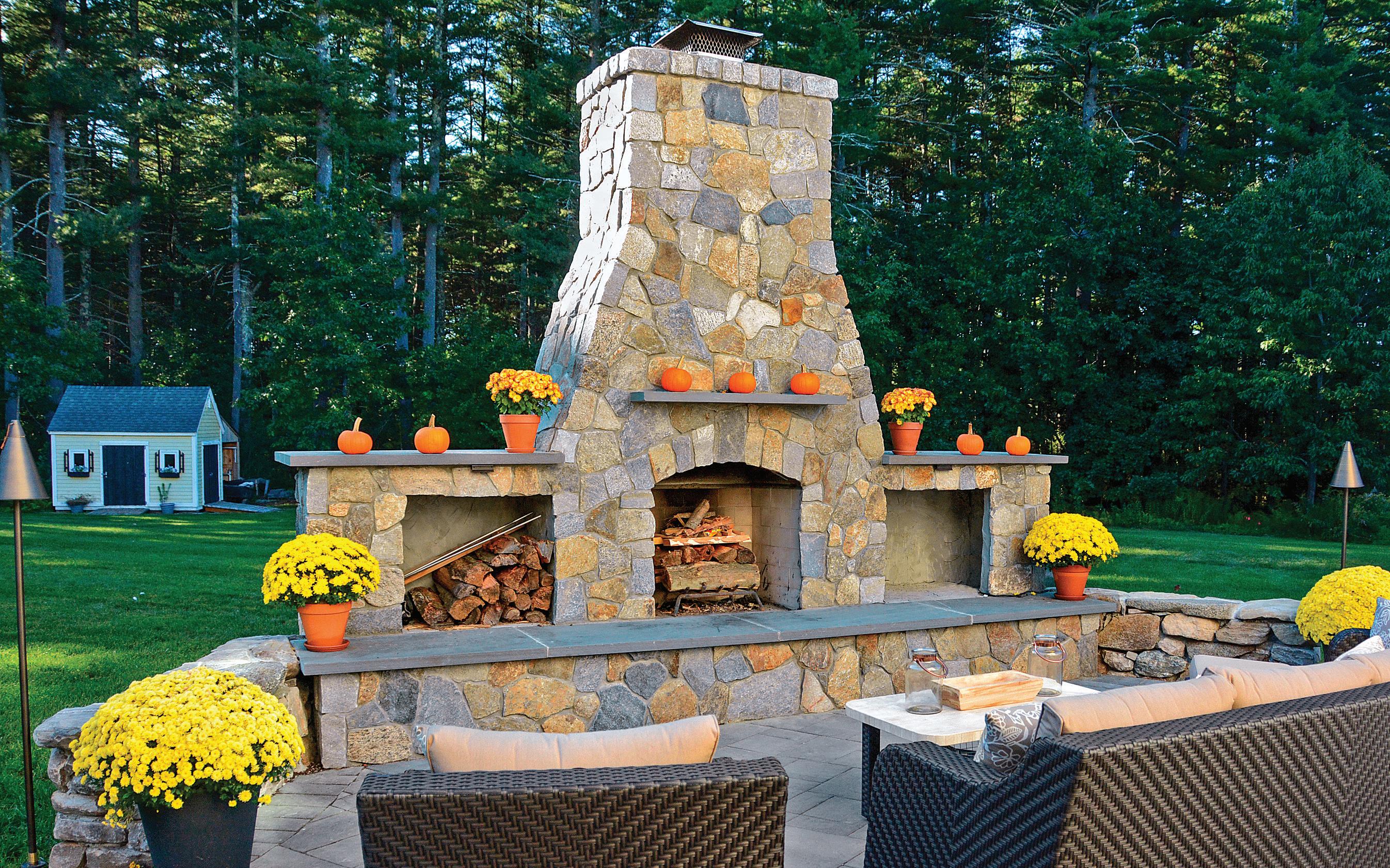
King of Hearths Fireplace with Side Boxes New England Blend Mosaic Veneer with Bluestone Hearth & Accents

pro grow news Fall 2020 board committees
PRESIDENT Peter Mezitt, MCH Weston Nurseries, Inc. Tel: (508) 435-3414
VICE PRESIDENT
Chris O’Brien, MCH Howard Designs, Inc. Tel: (617) 244-7269
SECRETARY/TREASURER
Kerry Preston, MCH Wisteria & Rose, Inc. (617) 522-3843
PAST PRESIDENT
Tim Hay, MCH Bigelow Nurseries, Inc. Tel: (508) 845-2143
DIRECTORS
Deborah Trickett, MCH The Captured Garden
Steve Charette Farm Family Insurance Family
David Vetelino, MCH Vetelino Landscape, Inc
Jean Dooley, MCH Mahoney’s Garden Centers
David Anderson Hartney Greymont, Inc.

EDUCATION & RESEARCH COMMITTEE
Deborah Trickett, MCH — Board Liaison The Captured Gardens (781) 329-9698
FINANCIAL COMMITTEE (FINCOM)
Steve Corrigan, MCH — Chair Mountain View Landscapes & Lawncare, Inc.
Tel: (413) 536-7555
Chuck Baker, MCH — Vice Chair Strictly Pruning Tel: (508) 429-7189
GOVERNMENT RELATIONS COMMITTEE
Chris O’Brien, MCH — Chair Howard Designs, Inc. Tel: (617) 244-7269
HISTORY COMMITTEE
Philip Boucher, MCH — Chair Elysian Garden Designs Tel: (508) 695-9630
Skott Rebello, MCH — Vice Chair Harborside P.S. Tel: (508) 994-9208
MASSACHUSETTS CERTIFIED HORTICULTURIST BOARD (MCH)
Jack Elicone, MCH — Chair John R. Elicone Consulting Tel: (617) 527-5706
Corinne Jean, MCH — Vice Chair Wisteria & Rose (617) 522-3843
PRODUCTS COMMITTEE
Peter Mezitt, MCH — Chair Weston Nurseries, Inc. Tel: (508) 435-3414
GOVERNMENT RELATIONS DIRECTOR
Jason Wentworth Tel: (617) 417-4050
EXECUTIVE DIRECTOR
Rena M. Sumner Tel: (413) 369-4731
Massachusetts Nursery & Landscape Association P.O. Box 387 Conway, MA 01341 mnlaoffice@aol.com www.mnla.com www.PlantSomethingMA.org www.mnlafoundation.org
pro
grow news
ProGrowNews is published quarterly by the Massachusetts Nursery & Landscape Association (MNLA), P.O. Box 387, Conway, MA 01341, tel. (413) 369-4731.
Articles do not necessarily reflect the view or position of MNLA. Editorial coverage or permission to advertise does not constitute endorsement of the company covered or of an advertiser’s products or services, nor does ProGrowNews make any claims or guarantees as to the accuracy or validity of the advertiser’s offer. (c) 2014 All rights reserved. No part of this publication may be reproduced in print or electronically without the express written permission of the MNLA.
www.mnla.com

Conquering COVID-19 Together
ByPeter Mezitt, MCH
My wife and I recently drove to Pennsylvania and Michigan to drop our daughters off at their respective colleges. During these trips and on a few other occasions this summer, we spent some time in hotels, airports, and in both urban and rural areas, and it is a gross understatement to tell you things feel very different. The emptiness in the airports, the number of stores that choose not to open, the empty mall parking lots, the limited options for restaurants, and the quiet atmosphere at the colleges all leave an eerie feeling.
With experts like Bill Gates estimating it will take until the end of 2021 or start of 2022 to have a vaccine administered to enough of the population to develop enough immunity to COVID-19, we are most likely going to see a continuation of life as we know it today for at least another year. At the start of 2020, who could believe things would take such a turn?
Some trends are starting to emerge. Home prices in the suburbs are rising. Residential and commercial properties in the city are starting to see prices decline. Malls and retail-zoned properties are struggling to hold on to tenants as online sales gain more momentum. Colleges and surrounding areas are struggling with some going entirely virtual and many deciding to minimize on-campus living. Certain sectors of the economy are doing well while others are losing many participants. Ironically, as of this writing, many of us have experienced five months of unprecedented activity in our businesses. The appetite for our products and services has continued to be strong through the summer months despite record-high temperatures and prolonged periods of drought. We are some of the lucky ones who are fortunate enough to be busy with our careers and continue to enjoy a good balance of work and family life. Even with so much uncertainty surrounding COVID and with such diverse political viewpoints about the future of our country, our industry should continue to remain essential and important. This is especially the case with our homeowner customer base that will continue to be restrained on their business and personal travel and will likely continue to invest in making their homes more valuable and more enjoyable.
In a typical recession, people cut overall spending but typically continue to spend money on their homes in lieu of luxury items and travel. This recession is different because no one is taking any trips, and people are spending even more money on their homes and on luxury items such as new vehicles, boats, etc. because we can only do things in small groups within relative isolation. The situation makes us feel like we lost our freedom, so we have to create our own tiny bits of
enjoyment however we can.
Things could be very different after the pandemic ends. Our industry typically feels the pain when we emerge from recessions because people are able and eager to purchase more luxury items and travel experiences. When COVID-19 is resolved, we could see a lot of pent up demand for travel and spending time away from our houses.
Alternatively, with all the new gardening activity that emerged in the past few months, hopefully people were successful and will want to continue enjoying all the benefits of vegetable gardening and keeping their outdoor spaces looking better than ever. How will we help these folks succeed? How will they want us to sell to them and to service them? While we hope most people will love the in-person experience we provide, it is quite possible that consumers will want to interact with garden centers and landscape companies remotely to make their purchasing decisions. Curbside pickup and delivery can be done remotely without the consumer needing to step foot into a garden center, and the installer can do more of the planning and heavy lifting without the presence of the customer during the installation. Are you working on an e-commerce platform for your website? Have you mastered Zoom-style meetings?
Think of the opportunities and let us know where you could use some help. Our MNLA board and committee members are working on a remote winter-time educational curriculum along with a trade show and career fair component that will be totally relevant and help you navigate in this environment we seem to be stuck in for a while.
Please remember where we were and how we got to where we are today. Our industry handled the onset of COVID-19 with a high sense of urgency that allowed us the privilege of being essential businesses during a time where many other retail, hospitality, and restaurant businesses were not. It is important to continue to make the right decisions in order to demonstrate discipline to your customers, coworkers, and fellow industry members.
Your MNLA organization remains healthy and relevant, so please stay engaged with us and take advantage of the many opportunities your membership provides. Look for our upcoming email blasts, and visit the MNLA website often. You will see there is a lot going on.
Have a great fall season!
Peter Mezitt, MCH Weston Nurseries, Inc. MNLA President
Government Relations Update
Fighting to Save Our Industry
by Jason Wentworth
It’s late March/early April. Even while many across the state are just starting to thaw out from the seasonal frost, the icy, deadly grip of the COVID-19 virus threatens to plunge individuals, businesses, and even whole industries into a more permanent winter. The commercial horticultural sector, facing the most pivotal point of their business year, has faced three different “essential services” designations in the past two weeks. For all rungs of the industry, from retail to installation, the uncertainty is unbearable. The government, rightfully trying to protect the public health, and the industry, trying to maintain its small businesses and critical services and products, are not on the same page, and the policy ambiguity makes that chasm evident. If this continues, many garden centers, greenhouses, and landscape services will have to shutter. Some may never recover.


If this scenario doesn’t sound familiar…if it’s clear that this is an alternate reality that, while completely feasible, didn’t happen, please take a moment to renew your MNLA membership.
No, in Massachusetts, our industry was not shuttered. On the contrary, we adapted and we prospered; many of our members went on to have banner seasons.
It’s important to remember that this was not due to happenstance. From before the declaration of a State of Emergency on March 10, I worked closely with our Board of Directors to make sure the policy makers at all levels of state government knew what was at stake. I also was able to
convey just how willing our members were to put the public’s health and safety first. I was confident in our industry’s preparedness because Executive Director Rena Sumner did an exemplary job of tracking, researching, and translating all of the latest guidelines from the federal Centers for Disease Control and the Commonwealth’s Department of Public Health and other state agencies.
As our industry entered April, we finally had assurances that, provided we follow the guidelines that many of us already had willingly adopted, we would remain in business, but it’s important to know that we did not get the benefit of the doubt from government. We had to fight for it. Every right and privilege these past eight months has been earned, and earned by our association.
The true test of a membership organization does not come during the sunshine; it comes during the storm. When things are good, we are pleased. We should also recognize (and clearly 2020 has showed it to be true) that we are only as good as our preparedness for and response to the unknown. By that measure, our members have proven to be responsible and able to do business through the “new normal,” and I hope you know by now that this association has quite literally helped save the industry.
There is strength in numbers, and my final wish is that you understand the value of your membership as much as the association values you, your businesses, your employees, and your customers.
Relations Director
Jason Wentworth, Peacefield Strategies MNLA Government
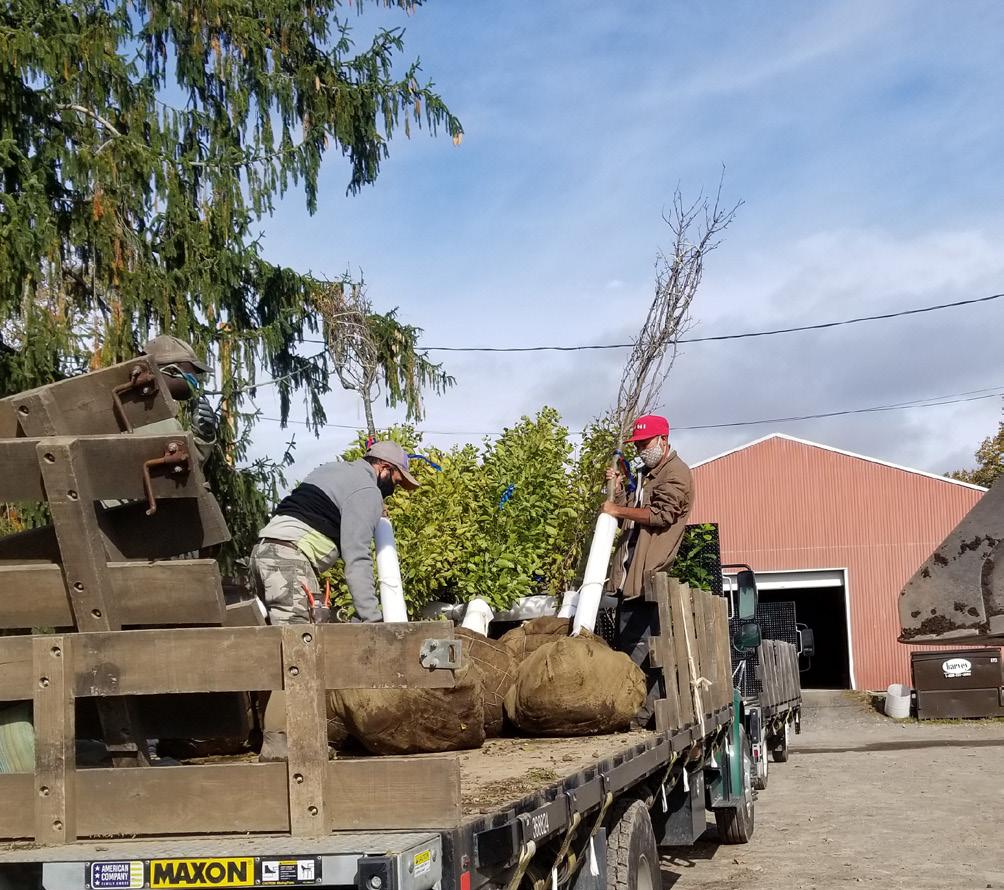
Photo courtesy: Bigelow Nurseries
Photo courtesy: Weston Nurseries
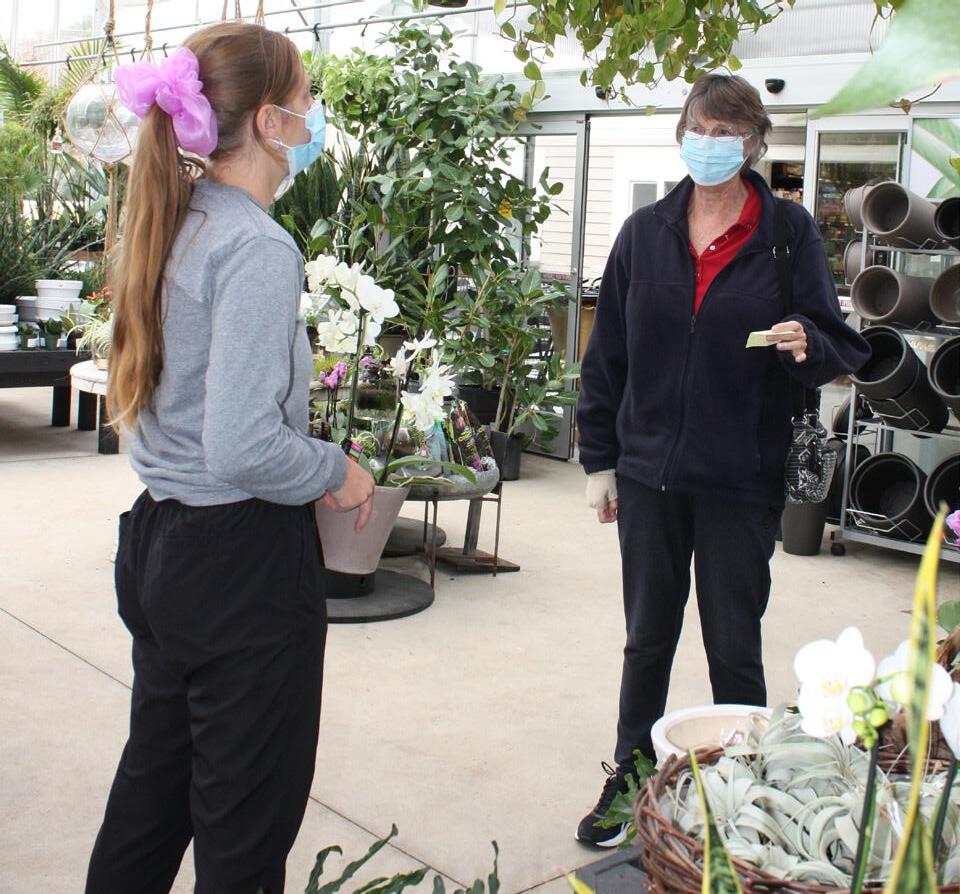
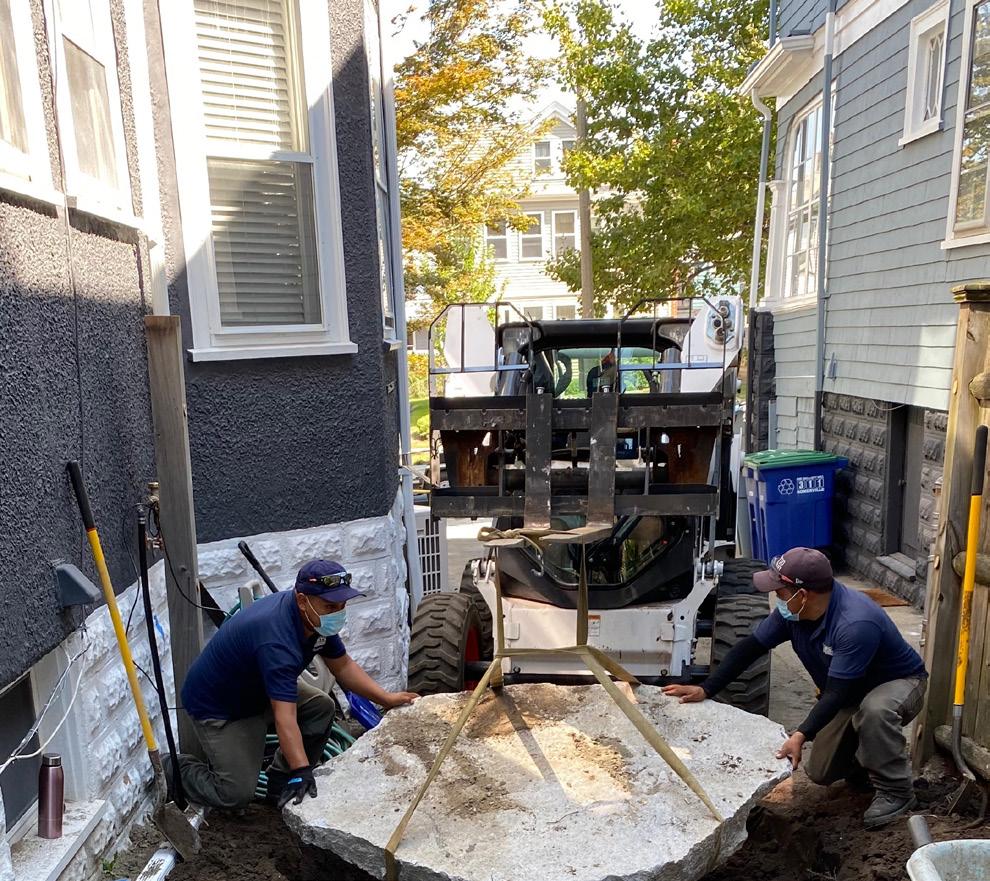
Photo courtesy: Wisteria & Rose, Inc.
MCH Committee
Maintain Your MCH Certification
Welcome to the quarterly column dedicated to updating the MCH community and MNLA members about what is happening in the MCH Program.
First, please extend congratulations to our new MCHs who passed the recent exam on August 4, 2020.

• Joseph Bobick Pemberton Garden Services Inc.
• Calvin Chase Weston Nurseries, Inc.
• Jonathan Daniels Sudbury Design Group
• Julie Fitzgerald Total Lawn and Landscape
• Skyler Hall Bigelow Nurseries
• Heather Jarnot Every Bloomin’ Thing
• Aimeebeth McLynn Christie Dustman & Company, Inc.
• Brian Parks Parks Grounds and Property Care
• Emily Perry Bigelow Nurseries
• Brittany Spezzano Pemberton Garden Services Inc.
• Marta Walkowska The Garden Concierge
• Natasha Wilcox Weston Nurseries, Inc.
Please be aware you still need to amass 8 credits to maintain your MCH for the year 2020. There are many opportunities to earn MCH credits, and they are constantly updated on the MNLA website. Here are just a few examples to help you stay on top of the situation.
• Did you attend the Winter Conference? It was worth 2 credits per/day.
• Are you a MNLA member or an employee of a MNLA member? That is worth 1 credit.
• Are you a member of another industry related association? Get ½ credit per membership up to 1 credit.
• What certifications do you maintain? Pesticide Applicator 1 credit, Arborist 1 credit, CPR 1 credit, First Aid 1 credit.
• Have you participated in any educational programming? There are still a number of programs available on sites such as the Native Plant Trust and UMass Extension. The MCH board has been extremely generous in allowing certain webinars for credit, so please look into these offerings.
• New for 2020! Do a plant selfie or submit a My Favorite Plant article for ProGrowNews. Earn 1 credit per year for each one. This year has certainly been a challenge for all of us in the MCH program, but stay persistent and maintain your certification. Remember, you must earn these 8 credits by December 31, 2020, to keep your MCH in good standing. I can always be reached for questions by email at jackelicone@ gmail.com.
Jack Elicone, MCH
John R Elicone Landscape Consulting Massachusetts Certified Horticulturist (MCH) Board Chair


We have a great selection of Seashore, Native, Heather & Heath, and Landscape sized plants.

How Was My Plant Propagated?
by Wayne Mezitt, MCH
Knowing the origin of a plant (tree, shrub, perennial, annual, etc.) and the method that was used to propagate it can be helpful in understanding what to expect for its role in the garden. It’s worthwhile to understand that each and every plant was created by either sexual or by asexual propagation, and that how it originated plays a role in determining its characteristics. Being aware of these fundamental propagation differences can influence decisions about how a plant is best utilized in designs and installations, and how it will perform in future years as it grows and matures.
Grown from Seed

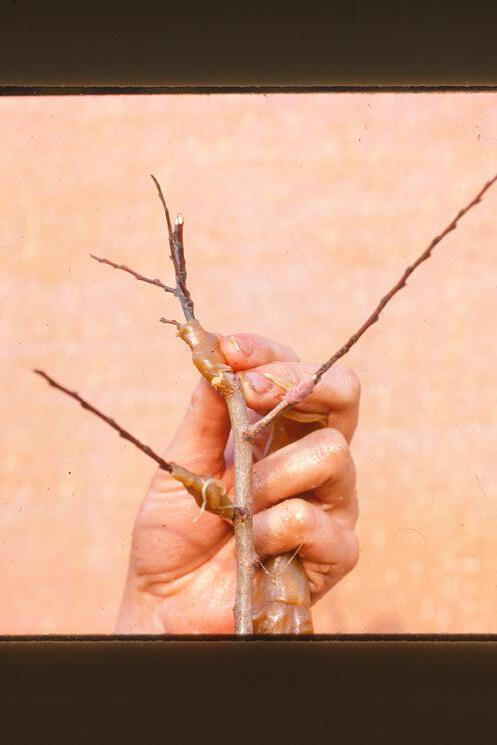
Vegetative propagation methods include
• Stem and root cuttings
• Layering
• Division of plant segments
• Grafting/budding
• Micro-propagation (tissue culture)
The propagation method chosen by the grower depends upon many factors, including the individual species/cultivar characteristics, production feasibility, customer demand, time of year, resources available, and cost/value of using a specific technique. Many of the fruits we consume daily are clones. Many plants can be propagated using more than one method, sometimes resulting in differing outcomes as
Plants grown from seed — sexually reproduced from seed (or spore) from the mother plant — often have variations in color, foliage, speed of growth, size, and other characteristics. Each seedling is a genetically recombined and genetically diverse individual. Some seedgrown plants may seem to be nearly identical to the original parent, but wider variations sometimes occur. These variations can cause confusion if the results appear to be different from expectations.
Plants typically seed-grown include seedlings collected from areas where they grow naturally, most annuals and vegetables, many herbaceous perennials and ferns, and many species of native (and non-native) plants.
Single Clones
Characteristics of plants propagated as a single clone (asexual or vegetative reproduction) differ from seed-grown plants because they are genetically identical to the original mother plant.
characteristic like variegation is not stable and the resulting plant reverts to normal. Understocks used for grafted plants
bud union. This should be to maintain the integrity of the desired cultivar. Some rootstocks on grafted plants and other characteristics of the resulting plant (dwarfing rootstocks on apple trees, for example). Some micropropagated plants tend to retain their juvenile growth characteristics longer than
longer period to look normal in the garden (e.g. some micro-
have become susceptible to unexpected diseases/insects. Examples include American chestnut blight, Dutch elm
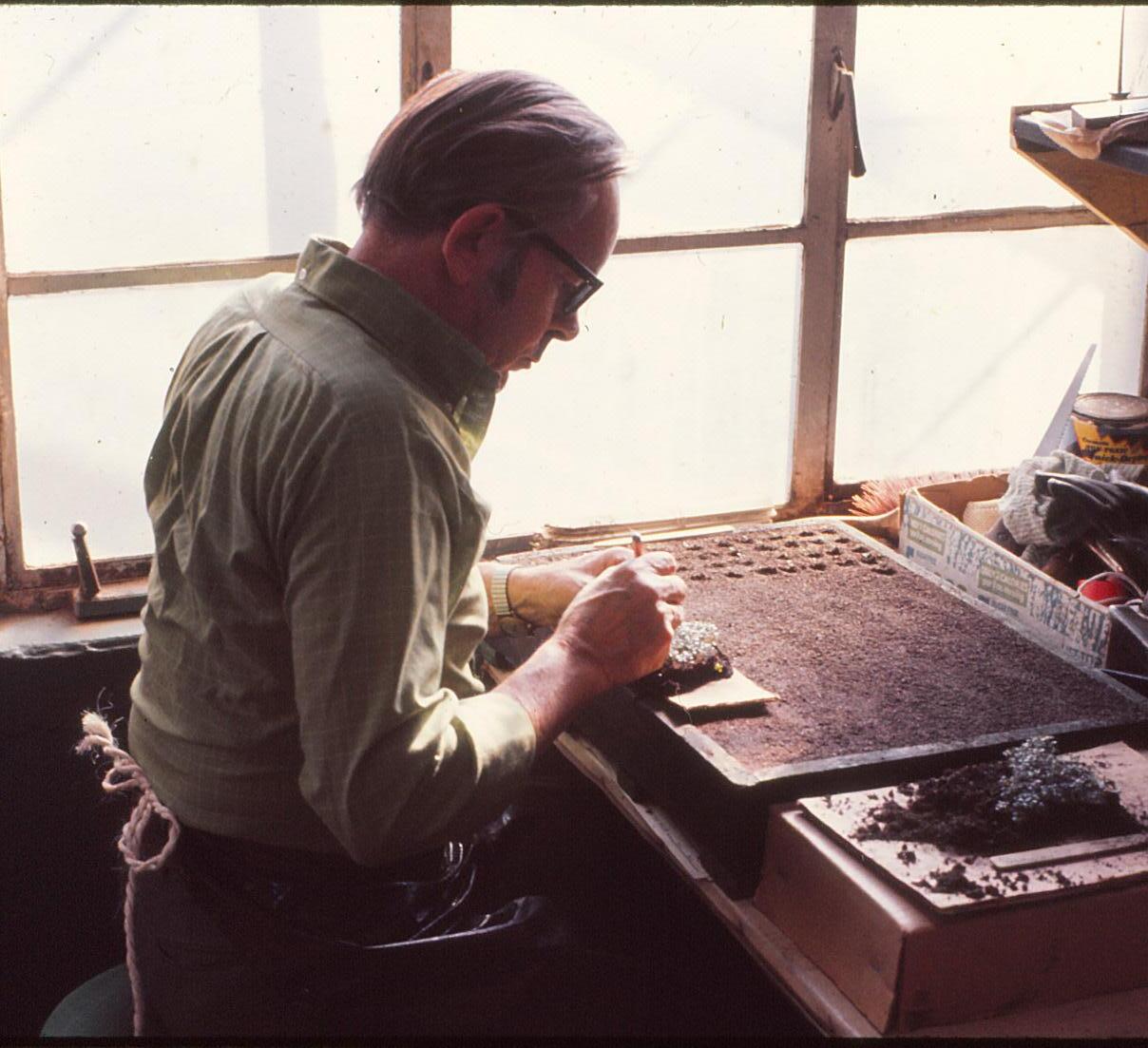
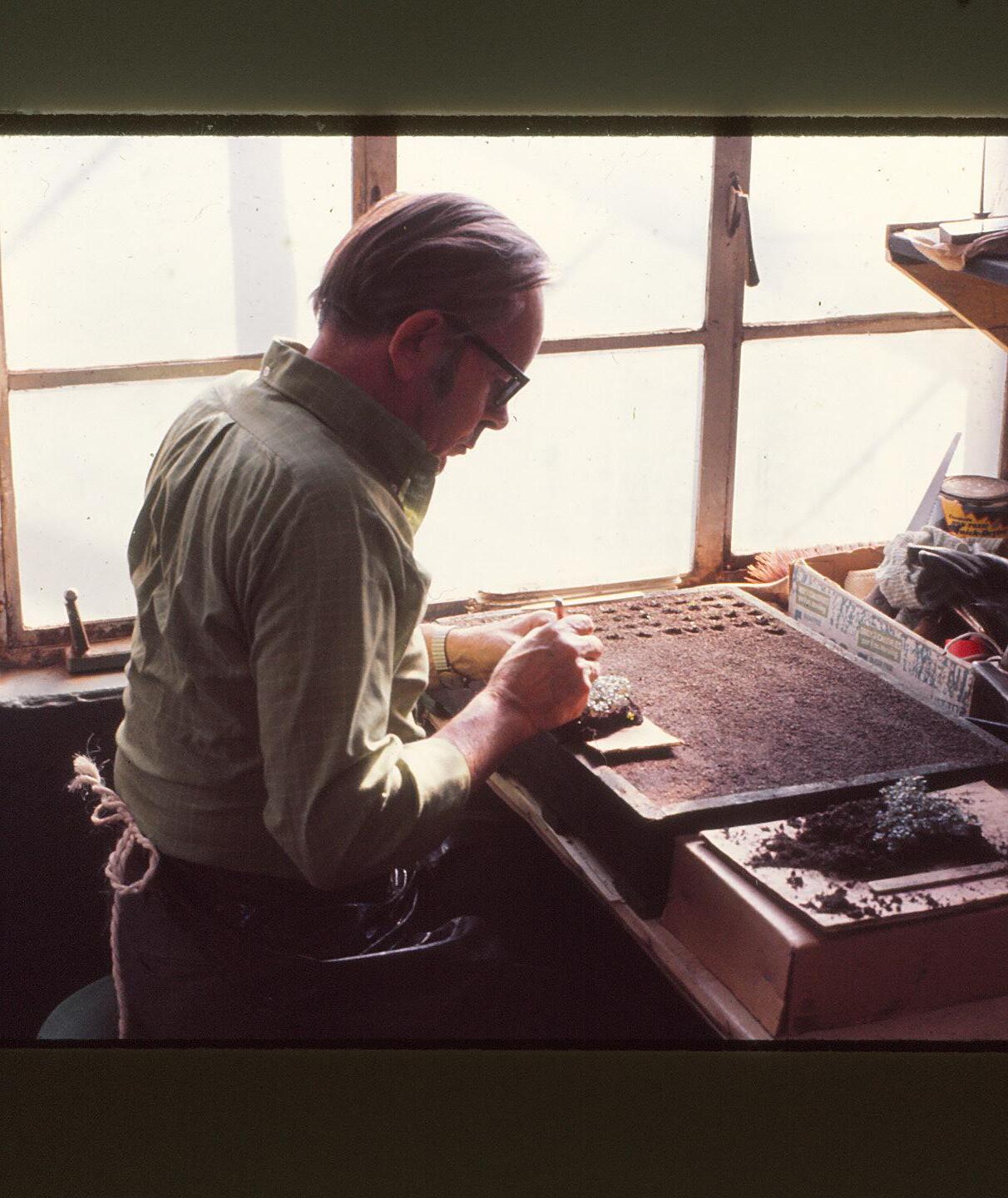
Transplanting germinated seeds

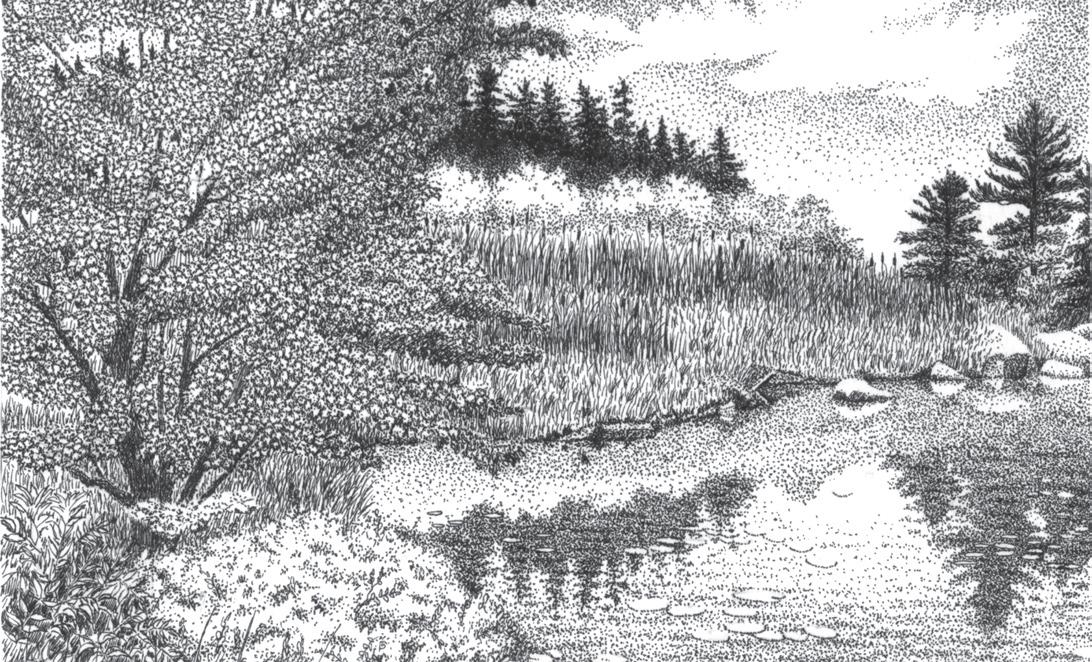
New England Wetland Plants, Inc.
Wholesale Native Plant Nursery
problems. If cultivars can be selected for resistance to specific problems and then vegetatively propagated as a clone, this can compensate for general species susceptibility, resulting in a healthier plant.
Single-clone cultivars also offer unique opportunities for predictable growth and uniformity, which may be beneficial in many design and landscaping situations. They are also more appropriate for large-scale production with a predictable final product. Clones can also be patented and trademarked, resulting in potential financial incentives for the developer.
On the other hand, being genetically identical also increases opportunities for unforeseen problems to affect all of those clonally produced plants (rather than just susceptible individuals when genetically diverse seedlings are used). And occasionally, a clone selected for certain desirable characteristics turns out to be inadvertently susceptible to previously unrecognized problems.
For example, the ‘Cavendish’ banana, developed as a seedfree and resistant clone, has now become the most widely available banana worldwide. ‘Cavendish’ was itself selected and clonally propagated because it proved resistant to the disease that in the 1950s unexpectedly devastated a previously-selected clone, ‘Gros Michel’ (“Big Mike”). But recently, ‘Cavendish’ is showing serious susceptibility to a pervasive fungal strain previously unrecognized, requiring intensive and expensive production measures and pesticide applications, and now threatening its commercial feasibility going forward. This has the potential to become a major disaster for the entire banana industry worldwide.
Genetic diversity is the answer to resolving or avoiding clonal problems like this, but the result is usually less predictability and uniformity. Seedlings germinated from seed produced by clones are not clones themselves, and they may hold the possibility of perpetuating some of the desirable clonal benefits in some cases. But for the present, more and more of the plants used in our landscapes and gardens are vegetatively propagated because of the obvious benefits they afford the producer and end user.
R. Wayne Mezitt, a third-generation nurseryman and a Massachusetts Certified Horticulturist, is now chairman of Weston Nurseries of Hopkinton, Chelmsford & Hingham, Massachusetts, and owner of Hort-Sense, a horticultural advisory business. He currently serves as Trustee Chairman for the Massachusetts Horticultural Society at The Gardens at Elm Bank in Wellesley, Massachusetts.
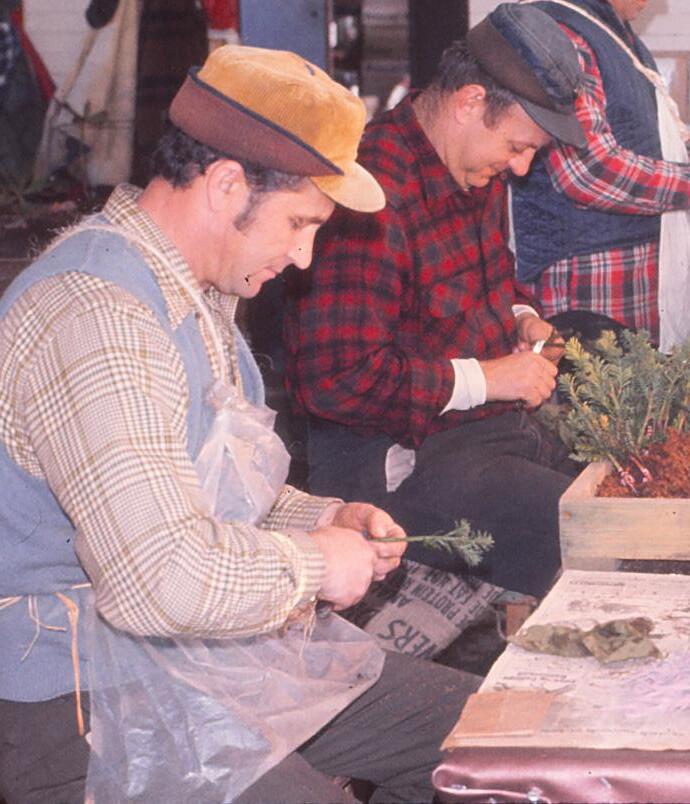
Grafting evergreens
Graft detail
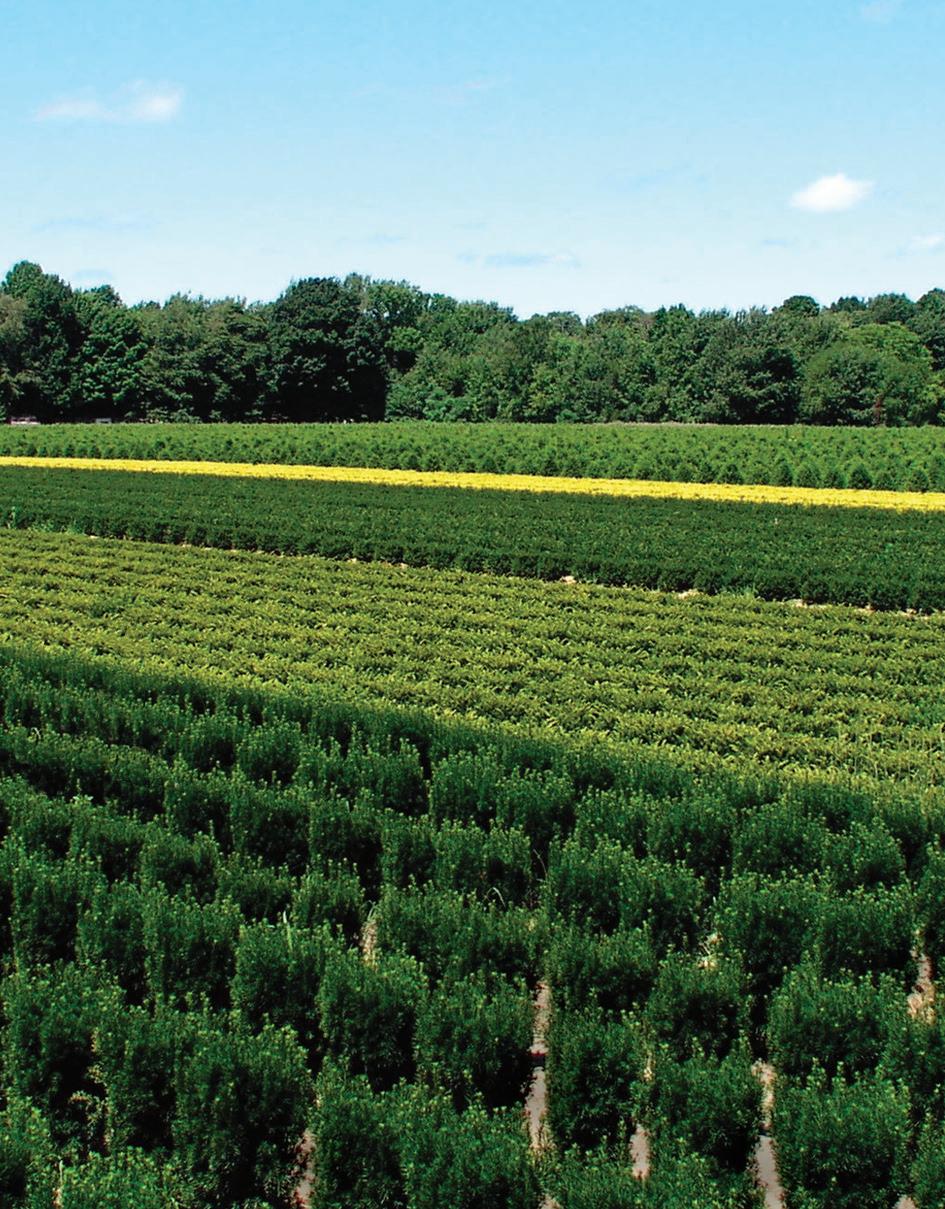
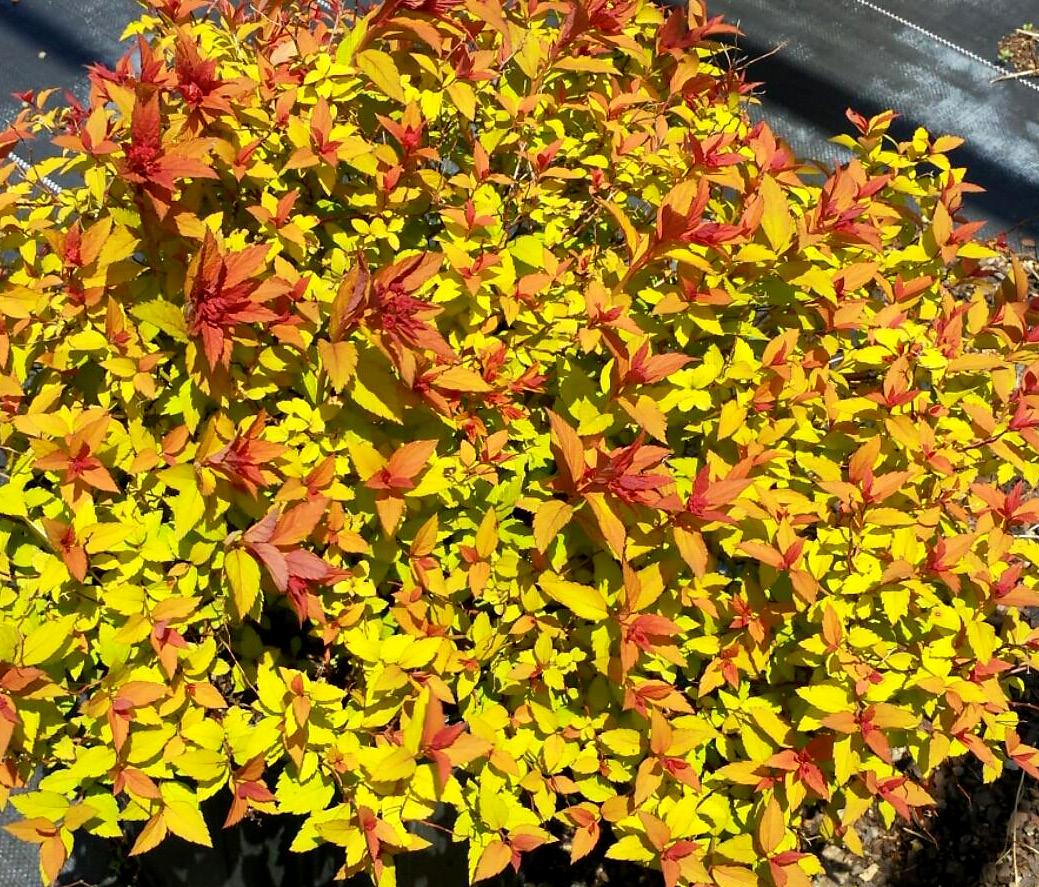
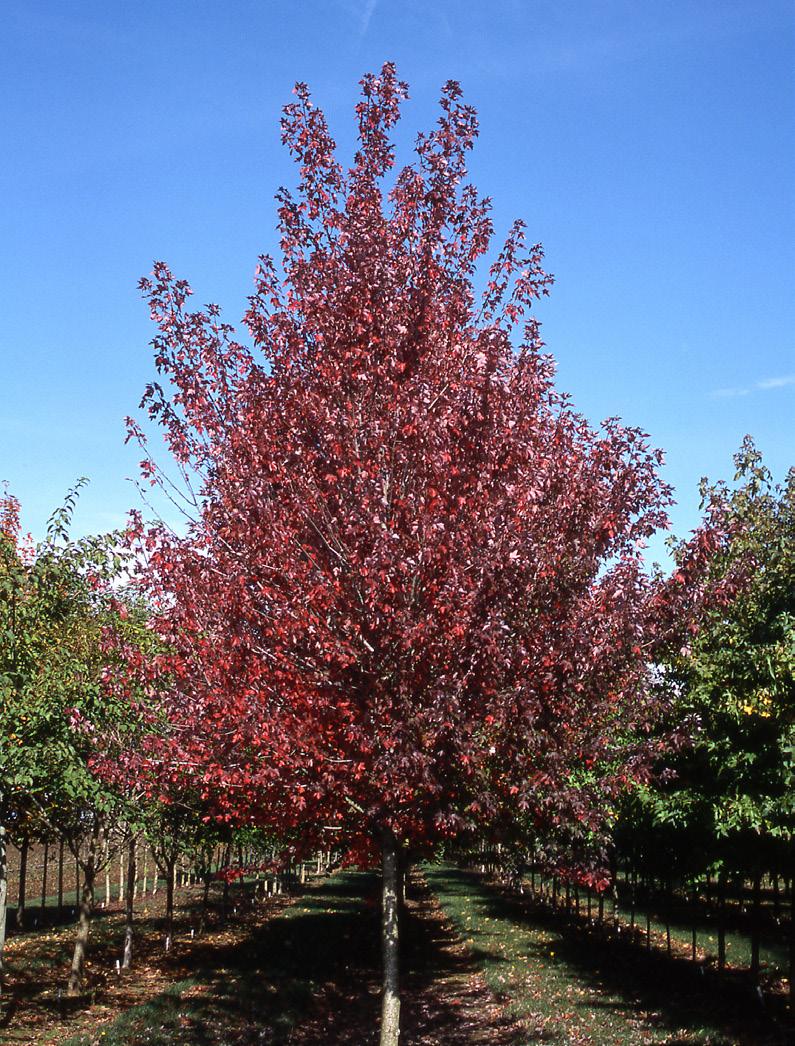
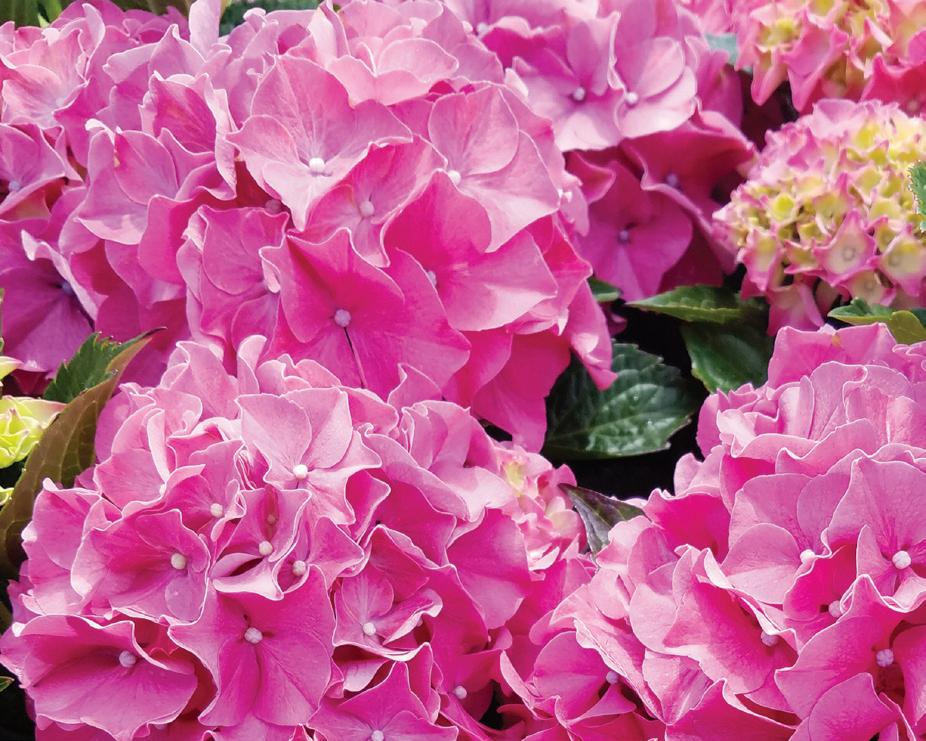
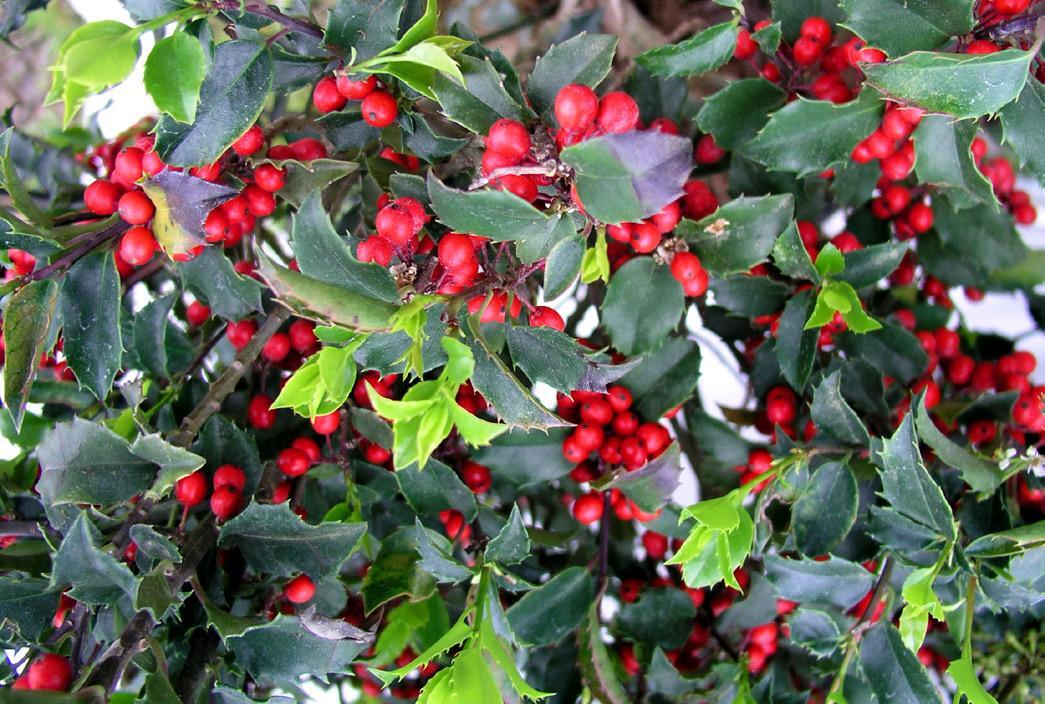
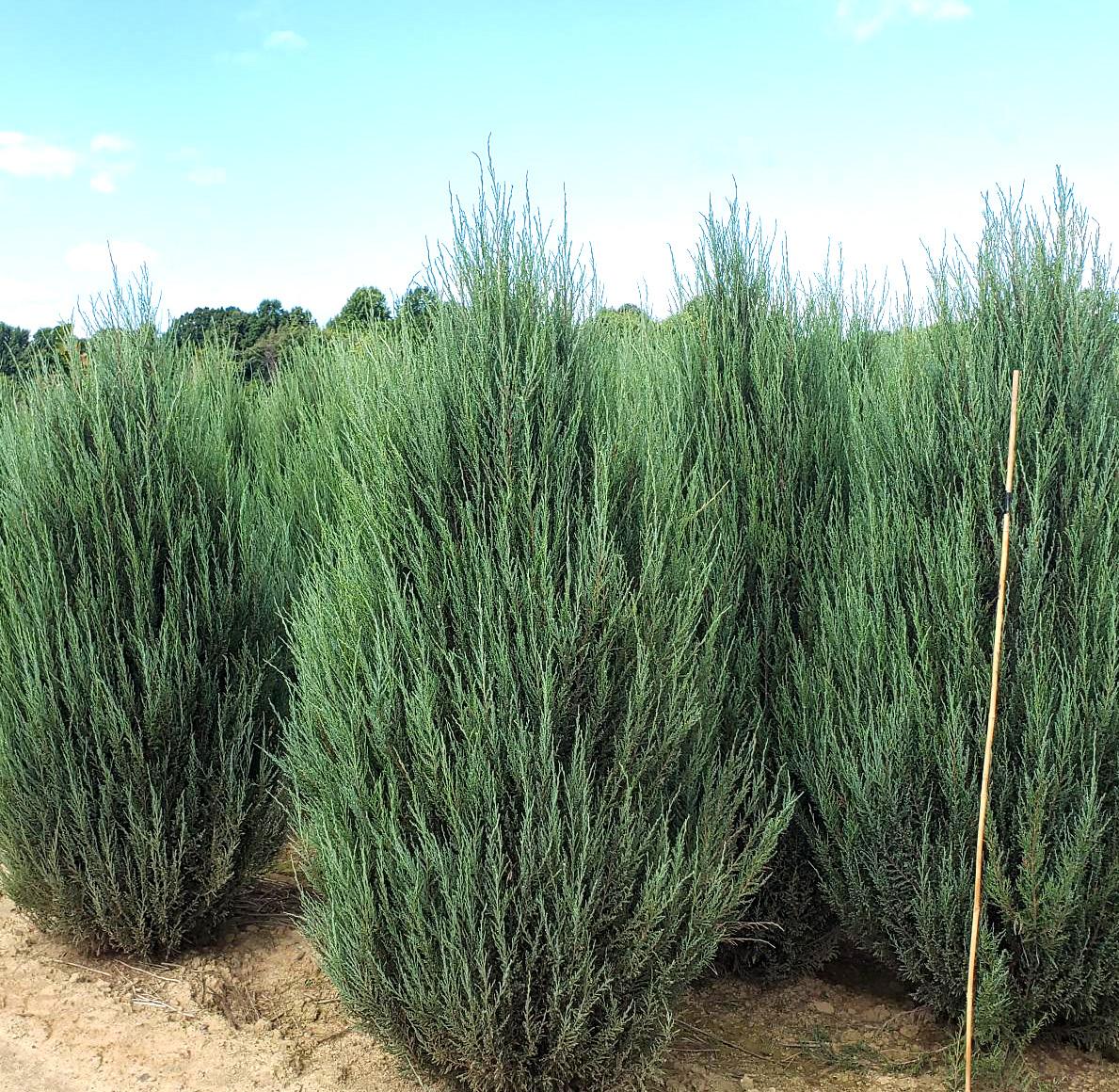
Blue Princess Holly
Magic Carpet Spirea
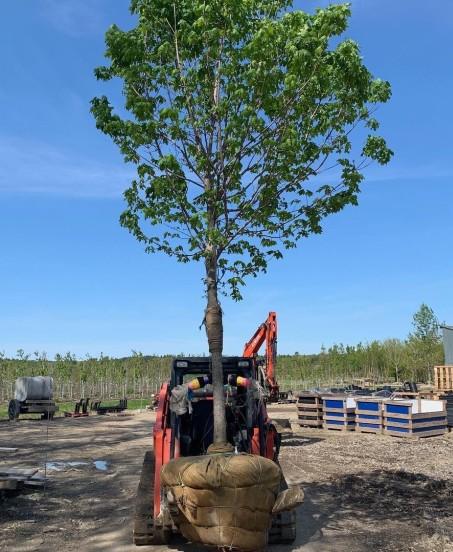
Redpointe Maple
Blue Arrow Juniper
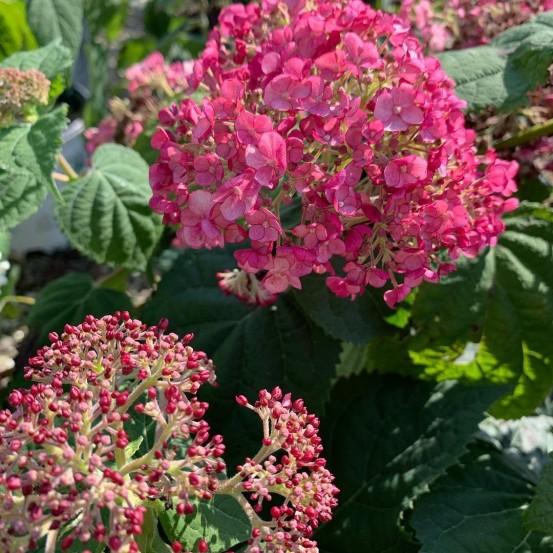
Hortense Hydrangea
The Garden as Magic
By Bobbie Schwartz, FAPLD
Awell-designed garden or landscape can beautify a space and make it both more usable and more enjoyable but a creatively designed space will be magical. Part of the magic will be a result of engaging the homeowner in such a way that he or she will want to appreciate the space up close.

How can we, as landscape designers, make our clients aware that the designs we create for them are recreating the cycle of life? If you walk through a forest and examine the soil, it is rich and loose. That is what we want in our created beds. Thus, we should caution our clients not to rake leaves out of the beds as part of fall cleanup. If the leaves are left in the beds, they will decay and return their nutrients to the soil, thus improving it. This is Mother Nature’s way of mulching. Included in the cycle of life is attracting birds, butterflies, and other beneficial insects to our gardens. We need to know which plants supply sustenance at different times of the year. We also need to know which ones are attractive enough to be included in our designs and which need to be placed in an out of the way spot. Clients may say that they
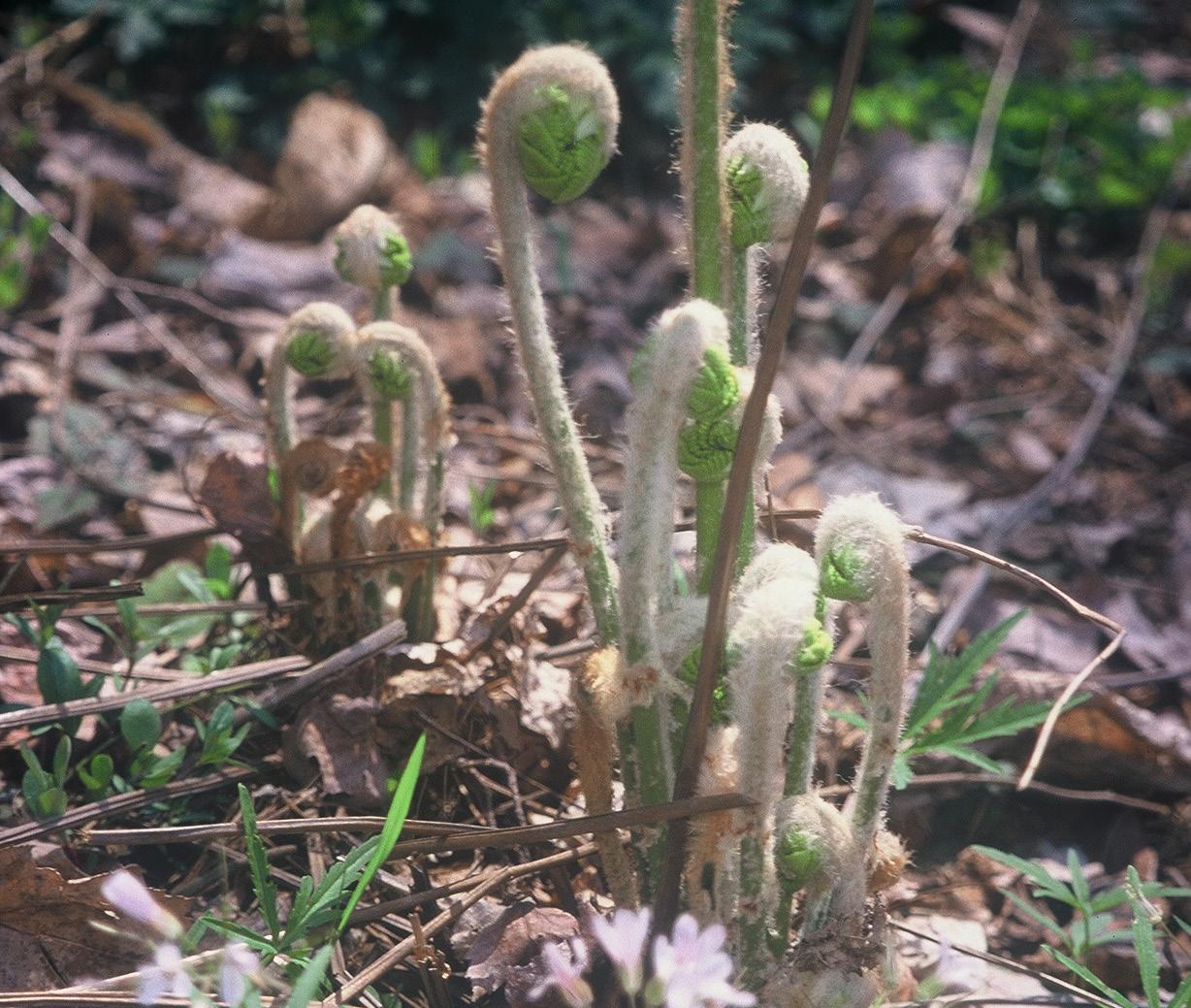
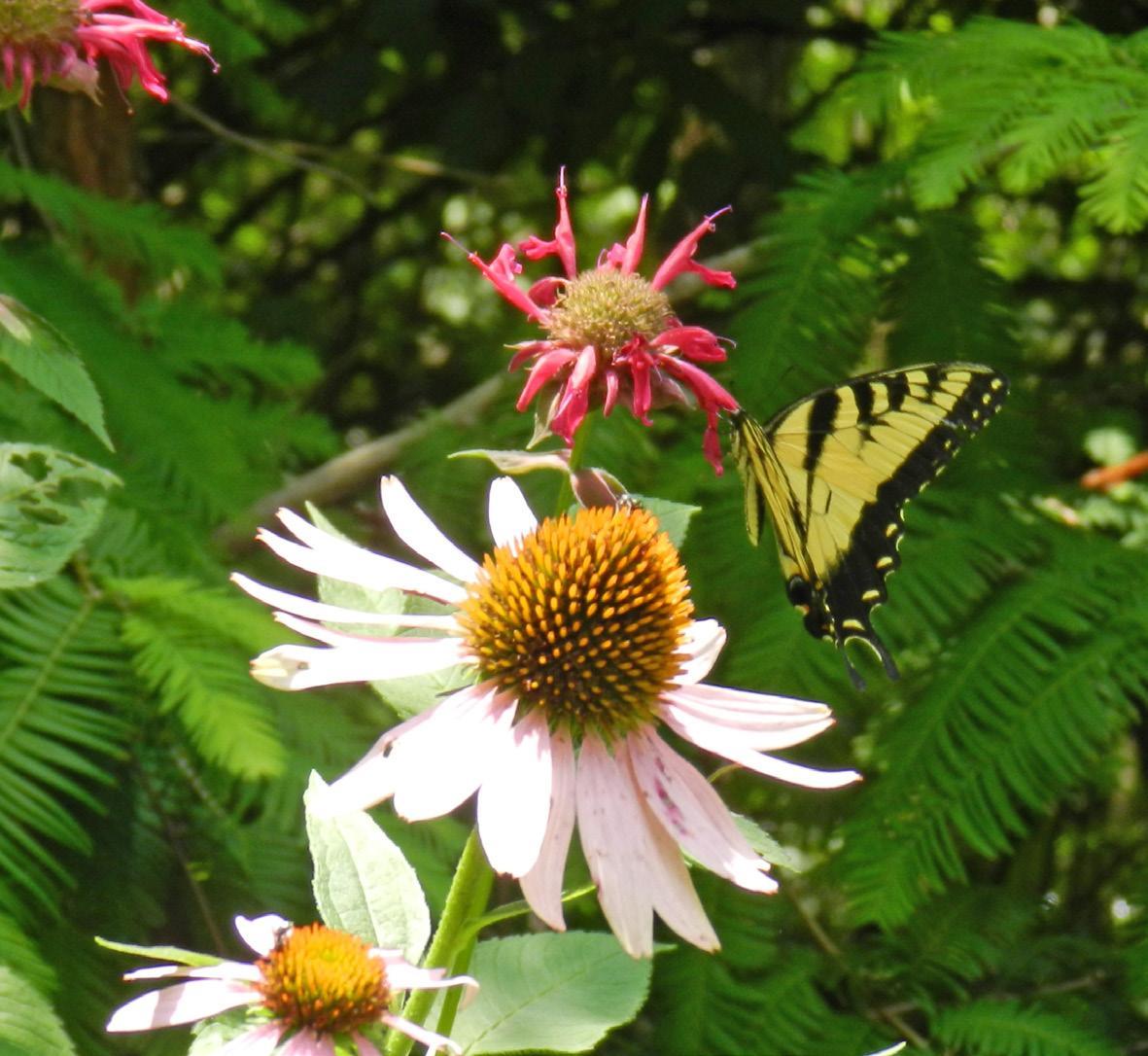
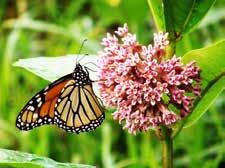
want landscapes that are environmentally beneficial but the reality of ragged foliage eaten by butterfly larvae sometimes changes their mindset. Many people are now aware of the need to plant Asclepias (Butterfly Weed) for the Monarch butterflies but there are many other perennials and herbs that attract beneficial insects. Among them are Salvia, Coreopsis, Monarda, Agastache, Penstemon Ajuga, Rucbeckia, Echinacea, Leucanthemum, and Pycnanthemum. This list is merely introductory. A bit of research will give you many more choices. Watching a fern frond unfurl is magical. A longer process is watching some perennial leavesncrease in size. When Brunnera macrophylla (Forget-Me-Not) foliates, the leaves are small. However, after it blooms, the leaves double or triple in size. I think of the development of a bud that becomes a flower that eventually becomes a lovely seedhead or a fruit as a six or seven month miraculous evolution.
The unfurling of Osmunda claytoniana (Interrupted Fern) fiddleheads is magical.
Swallowtail butterflies love to feast on Monarda and Leucanthemum.


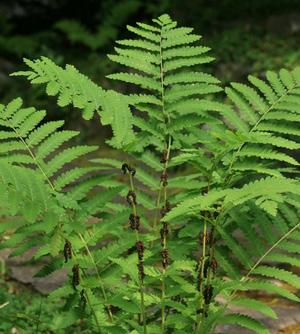
Who but a gardener would know that a fiddlehead would become this beautiful frond?
Variegated foliage perennials for shade: Geranium macrorrhizum ‘Variegatum’, Brunnera ‘Jack Frost’
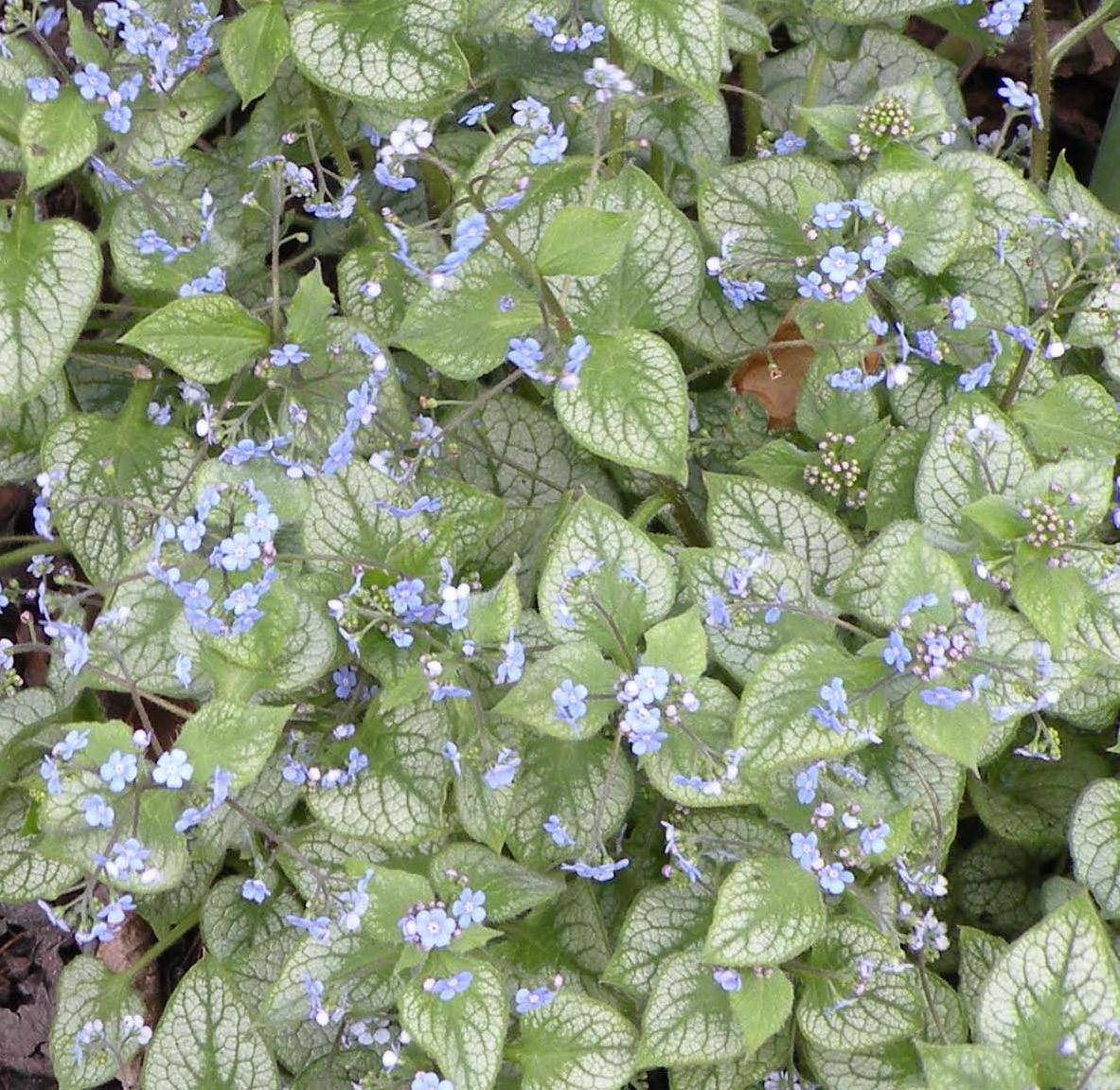
Although the flowers of Brunnera ‘Jack Frost’ are lovely, they are fleeting.
Spring blooming, drought tolerant, shade perennials: Smilacina racemosa, Aquilegia double purple, Heuchera ‘Color Beauty’
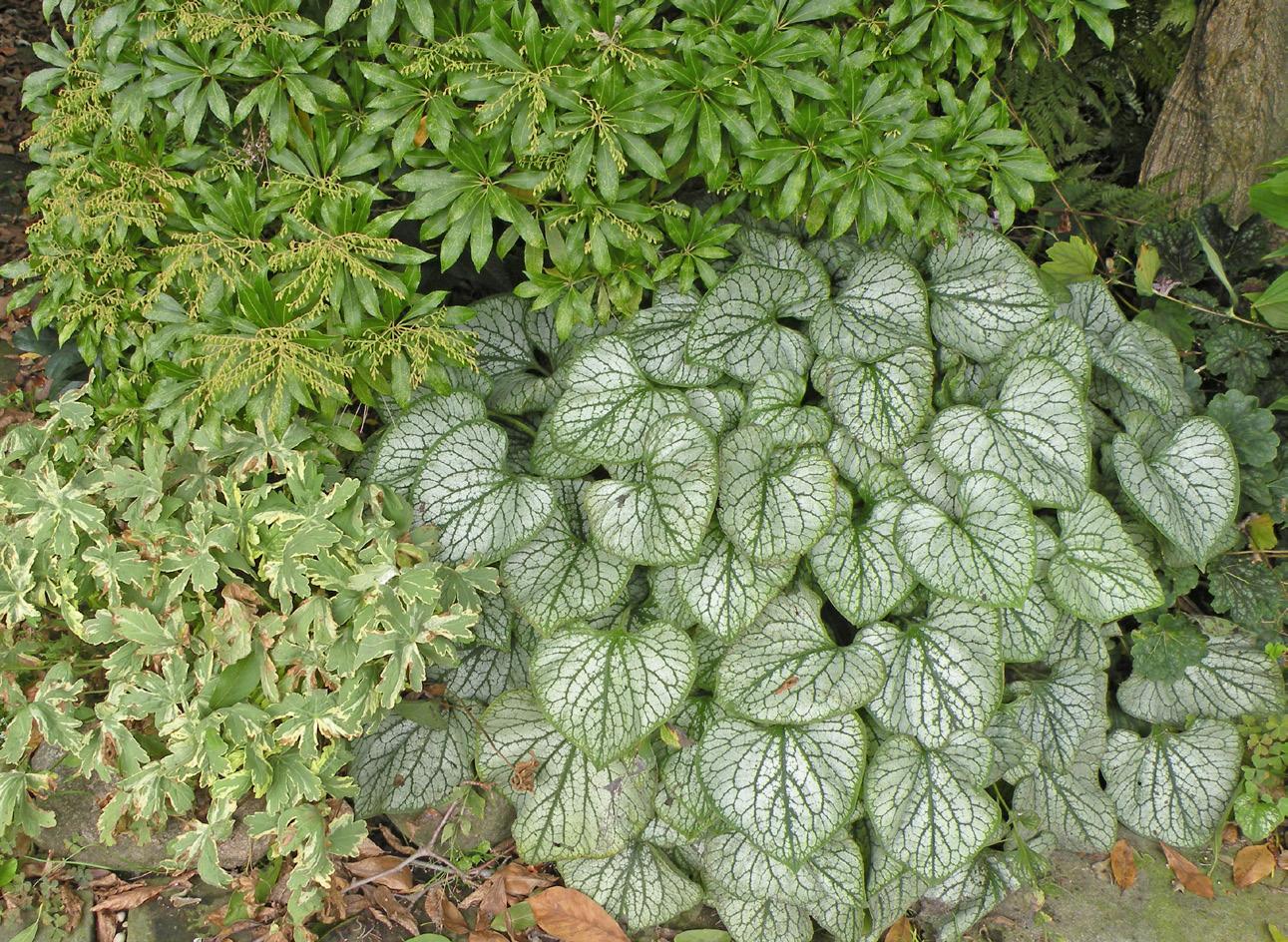
It is the foliage of Brunnera ‘Jack Frost’ that attracts our attention from June until frost.
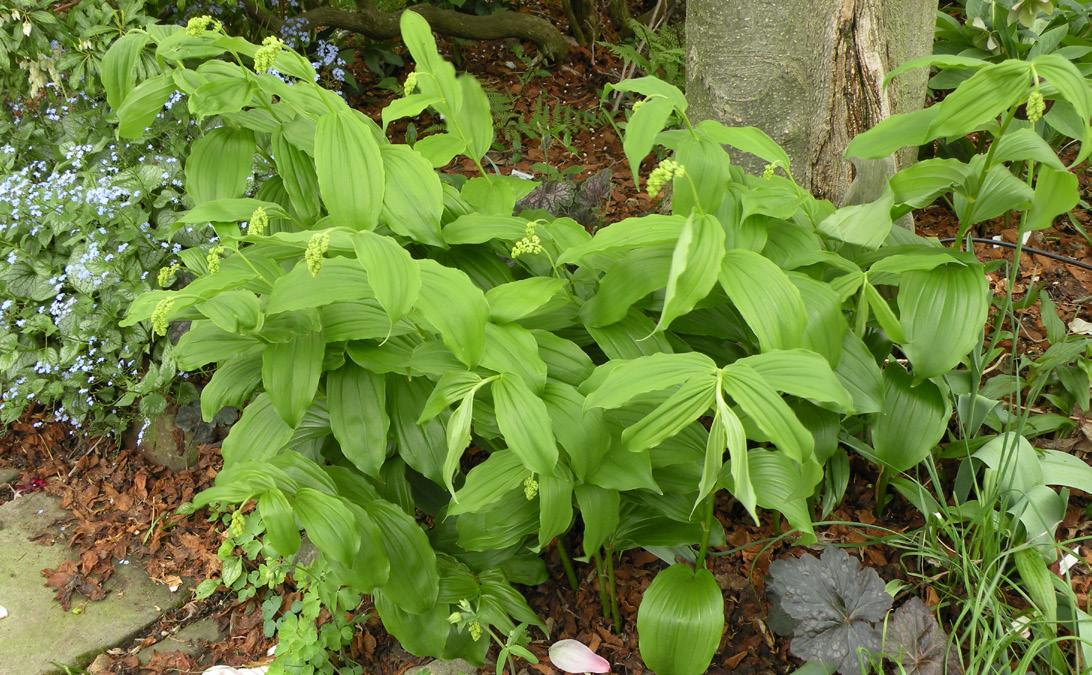
The white plumes of Smilacina racemosa lighten up any shady bed.

Because your business never stops, we want owning new Cat® compact equipment to be simple and hassle-free. Right now, you can take advantage of zero down and zero interest with unmatched support from Milton CAT. Plus, this finance rate can be applied to attachment purchases, helping you get more done for less.
Just a few of the new ways we say, “Hello and welcome to Milton CAT.”
Stems that burst out of the ground to become an unexpected sight are magical. Synelesis aconitifolia is a collector’s item that I purchased from Heronswood many years ago but I have never regretted the expense. It is one of the strangest perennials I grow. The emerging foliage is wrapped around the stem and you would never guess that the leaf is quite large and deeply divided. The bonus is a series of pink tubes atop a tall stalk in June. Adding spring blooming bulbs after a design has been implemented means that some blooms might burst through snowcovered ground for unexpected delight.
The hairy stranded, emerging foliage of Syneilesis aconitifolia looks like a phantasm, but by early July, it has very distinctive, deeply dissected foliage and pink flowers.
Textures can be magical, when one of them is unusual or when a variety of them play against each other and are made into a vignette.
Have you ever thought about the magical transformation of leaf color due to the temperature change? Many Japanese maples have the same color

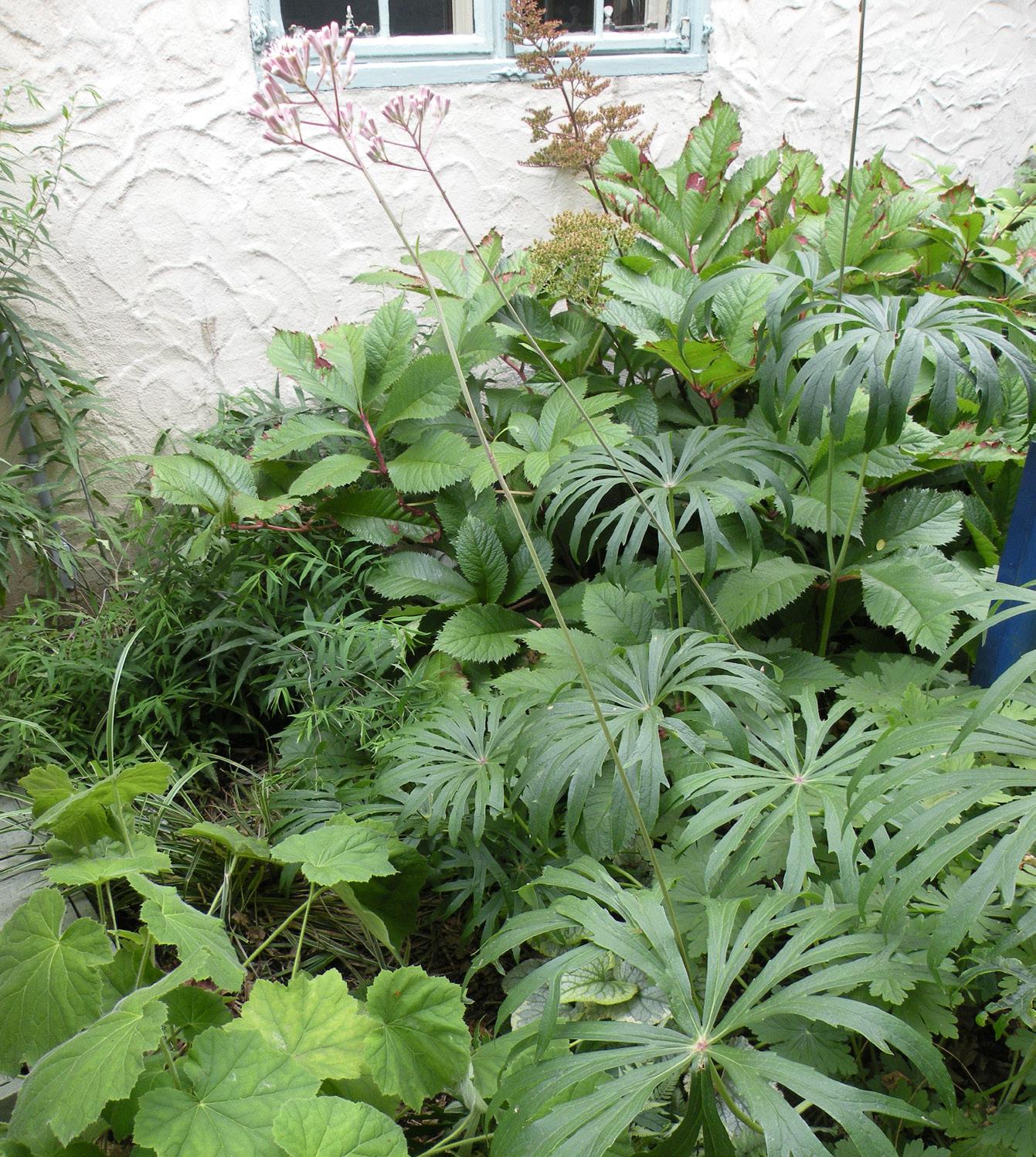

Syneilesis acontifolia foliated and in bloom make a distinctive show.
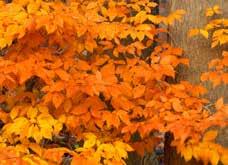
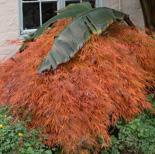
from spring through fall but Acer palmatum ‘Viridis’ is different’. When it foliates in spring, the leaves are red but in June, when temperatures rise, the leaves become bronzy green. Then in mid-fall, when temperatures drop, the leaves are a blaze of orange.
This part shade garden has several different shades of green, variegated foliage, and many different textures and forms: Corydalis lutea, Hydrangea ‘Incrediball’, Colchicum in Helleborus foliage, Sternbergia luteum, Corydalis ochroleuca, Saruma henryii, Athyrium niponicum ‘Pictum’, Arum italicum ‘Pictum.’
Water is transformative
The notion of a birdbath may seem trite but when I see the robins having a ball in my birdbath, they make me laugh. I had no idea how much they splash and their delight is mine. The sound of the water as it spills over the side of the basin is also entrancing and
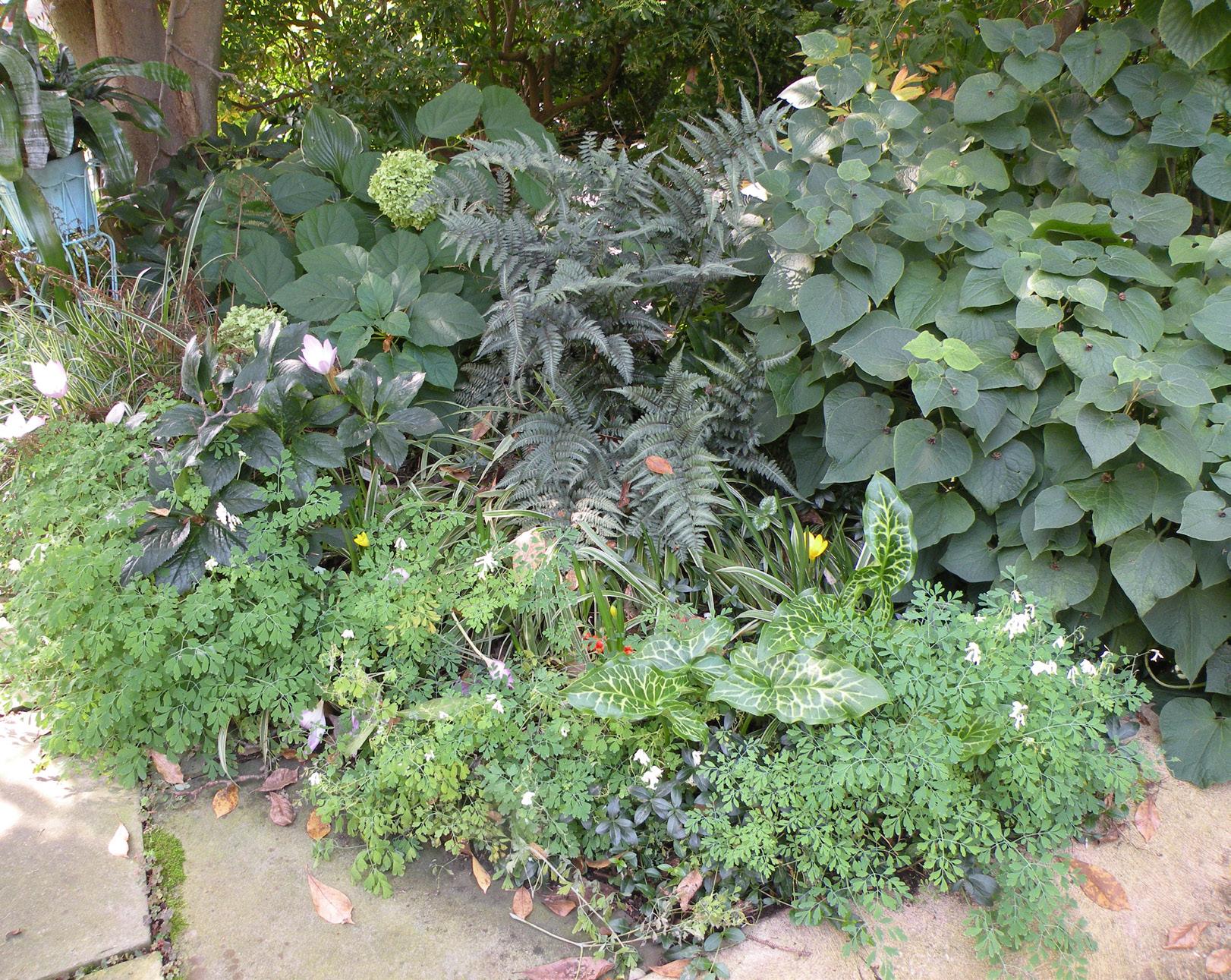












Corydalis lutea with bulbs added is great combination of foliage.
soothing.
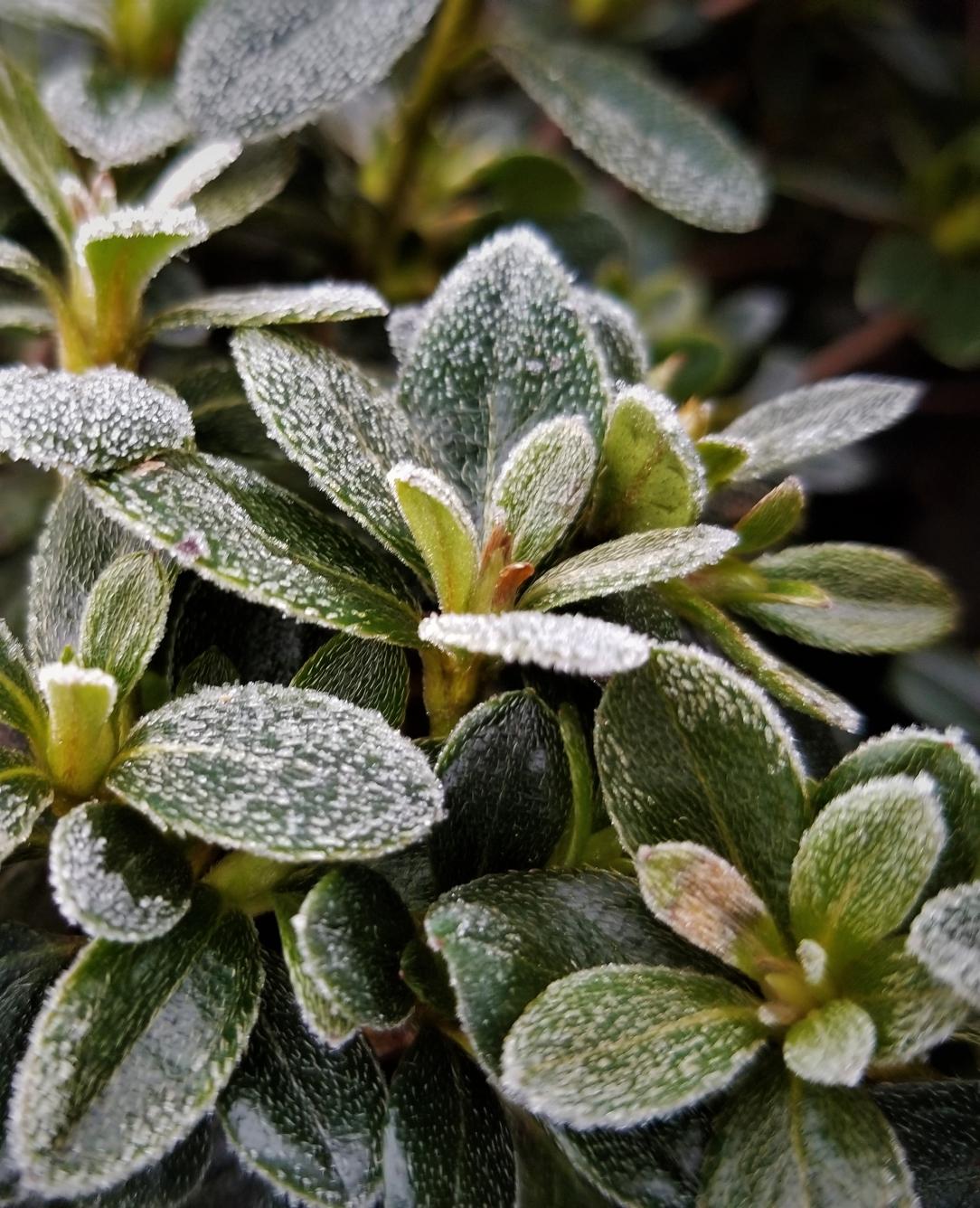
I love to walk outside after it rains and observe the droplets of water on leaves, especially on Alchemilla leaves that are beautifully pleated. Walk through a garden after Jack Frost has touched the plants and enjoy that special coating that is almost ice but not quite.
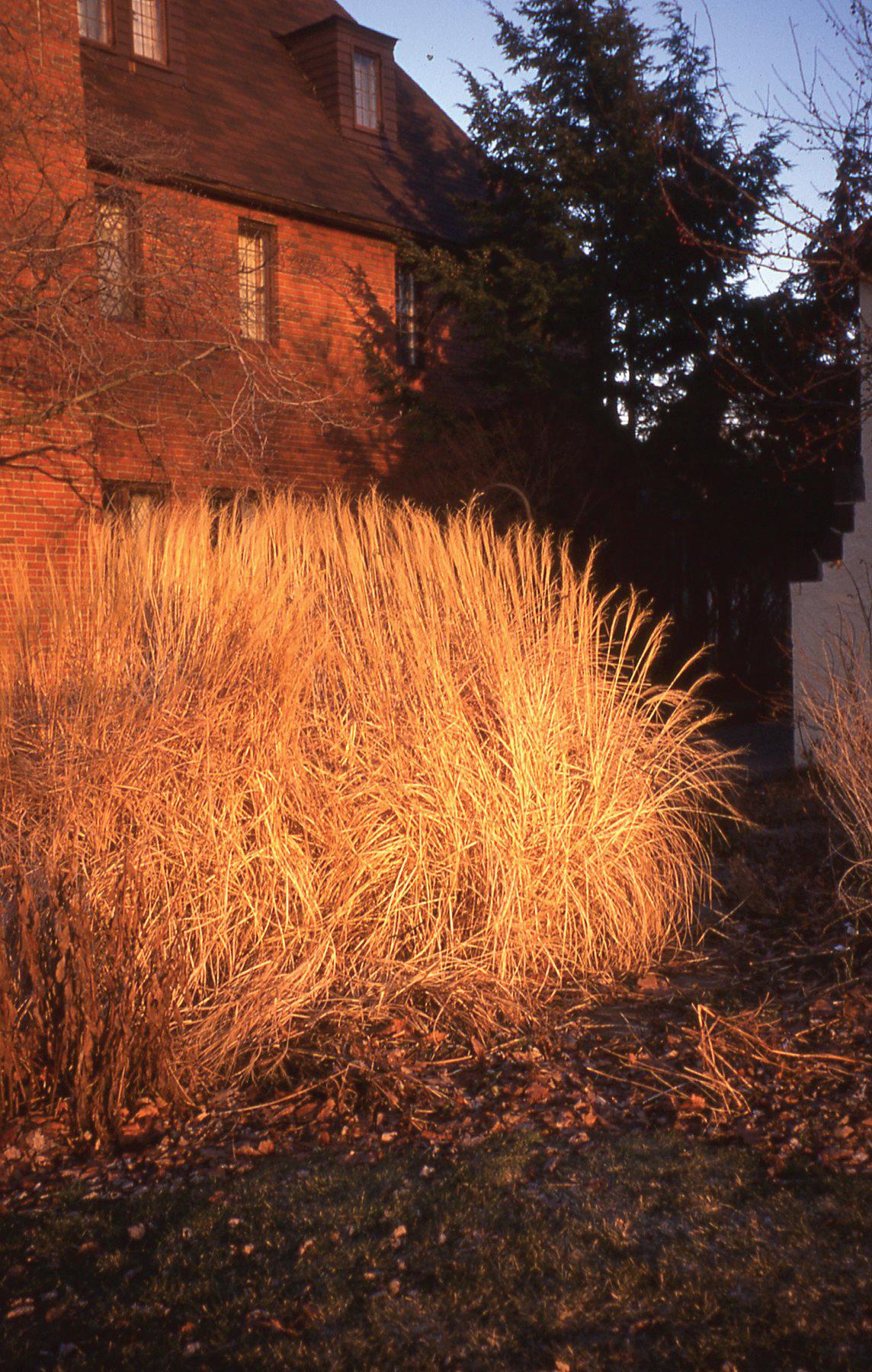
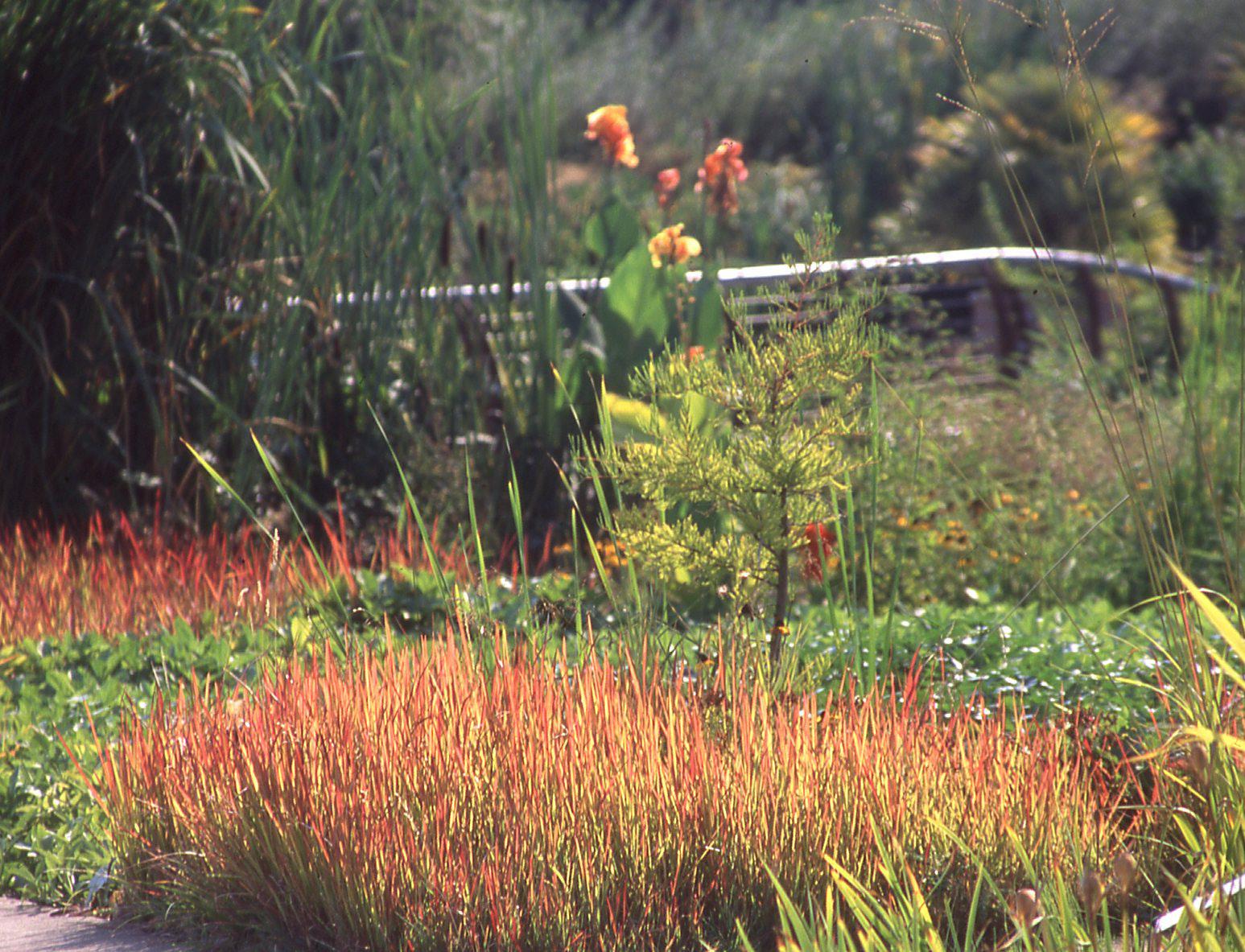
Light can be a source of wonder. In winter, the seemingly ordinary beige foliage of most ornamental grasses becomes golden when struck by morning sun. In summer and fall, red cultivars of Panicum (Switch Grass) or Imperata (Blood Grass) turn from bright to fiery when the sun lights them from behind.
Time may be the greatest sorcery of all. Landscapes look immature when installed but three to five years later, a magical transformation will have taken place, assuming of course that what was planted was not infinitesimally small. Patience is essential although not easy to teach.
I hope you will find ways to incorporate magic into designs and then educate your clients to appreciate it.
All photos by Bobbie Schwartz
Bobbie Schwartz, a certified landscape designer in Shaker Heights, Ohio, is the owner of Bobbie’s Green Thumb, a full-time business focusing on landscape design, consultation, installation and maintenance, lecturing, and writing. Most of Bobbie’s designs are for residential properties. Her landscape signature is the use of perennials, flowering shrubs, and ornamental grasses to facilitate color and interest throughout the year. An obsessed gardener for fifty years and a landscape designer for forty-two years, her extensive travels to gardens and nurseries have contributed greatly to her knowledge of design and new plants. Bobbie has received several design awards for residential, commercial, and institutional designs. She lectures locally and nationally for master gardeners, botanical gardens, and landscape associations on various aspects of design and perennial and ornamental grass gardening. She also writes extensively for various associations and magazines. Her book, Garden Renovation: Transform Your Yard into the Garden of Your Dreams, was released by Timber Press in 2017.
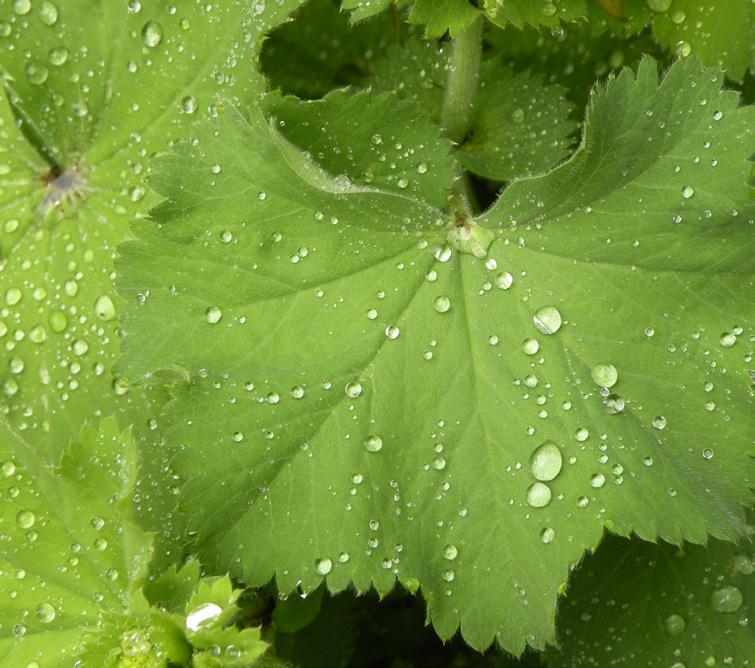

Raindrops on Alchemilla mollis
Frost-Edged Rose foliage
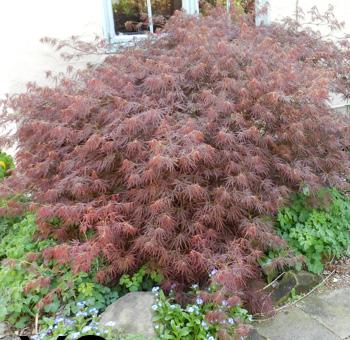
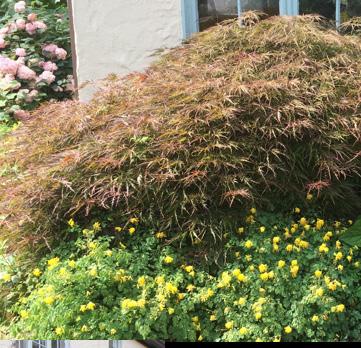
Acer palmatum dissectum ‘Viridis’ is showy in spring, summer, and fall.
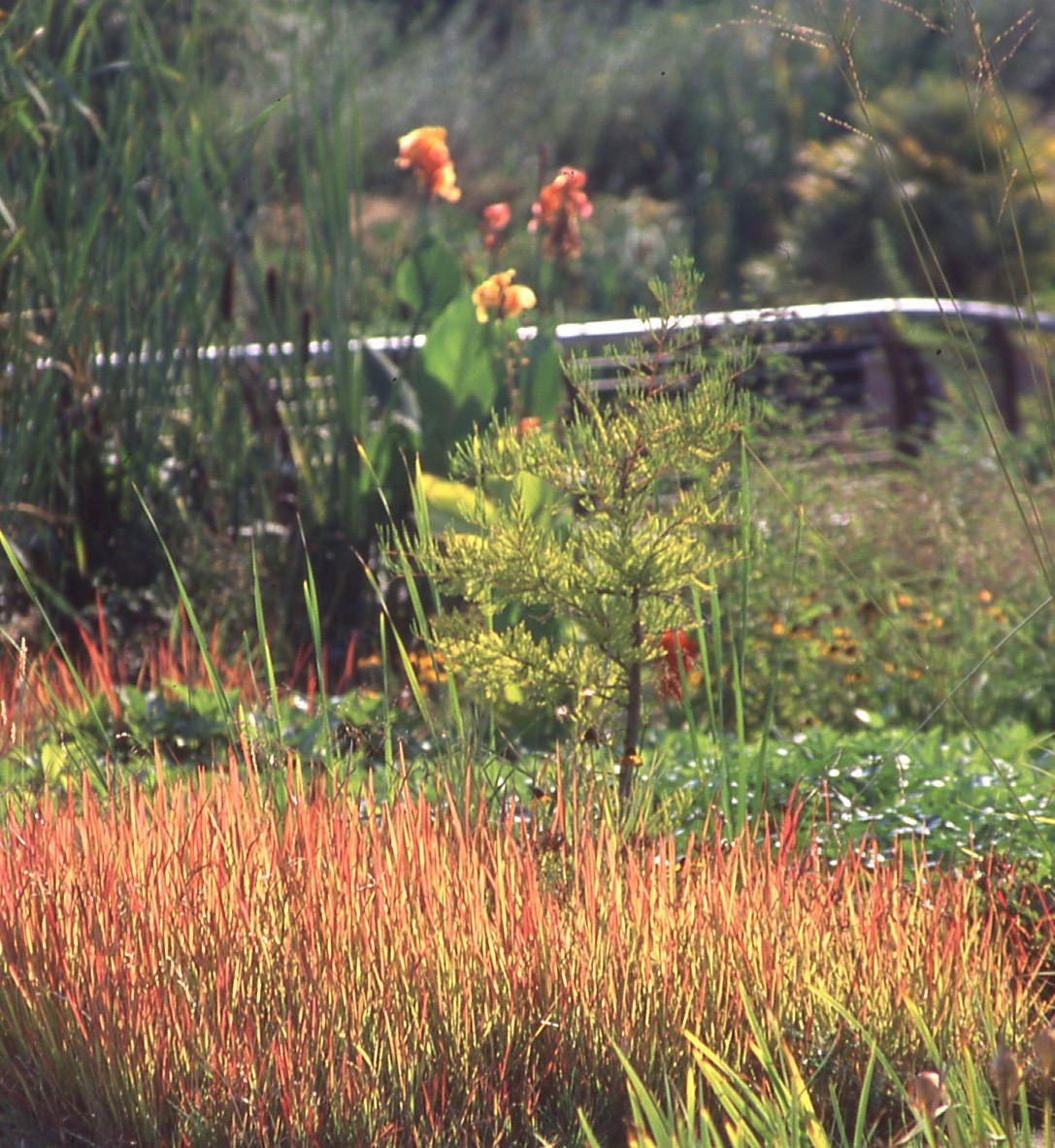
Try to position Imperata ‘Red Baron’ so it is backlit. It will look like it’s on fire.
Established in 1910, Cavicchio Greenhouses is a fourth-generation New England farm working more than 250 acres in Sudbury. As a horticultural grower and landscape distributor, we cultivate and supply an extensive variety of annuals and perennials, nursery stock, stone, masonry and landscape materials. With a hard-earned reputation for service, quality, selection and sustainability, we work with professionals and garden centers throughout the area to keep our region beautiful.
978.443.7177 www.cavicchio.com
Safety Tips — Slip and Trip Injuries
Slips and trips are common in our industry, but preventable:
• Landscape crews, professional lawn care crews, and other horticultural employees who work outdoors on wet, muddy, and uneven terrain are at high risk of slip and trip injuries.
• These injuries often occur at job sites, but they can also occur indoors, especially when good housekeeping isn’t a high priority.
• Slips and trips may result in broken bones, sprains, concussions, or other costly and painful injuries. These injuries, however, are preventable
What causes slip and trip injuries?
• Running on the job is a major cause of slip and trip injuries.
other contributors to slip and trip injuries.
How to prevent slip and trip injuries
• •
Pay close attention to conditions. Remember that wet grass can be very slick, and you need to slow down on muddy or uneven terrain.
Wear boots (landscape crews) or waterproof shoes or boots (professional lawn care crews) that have good traction.

• These injuries can also occur by not being on the constant lookout for hazards, such as holes in the ground, bumps (sticks, stones, partially hidden rocks), or unexpected changes in the terrain.
• Applying fertilizer or other products in light drizzle or working on slippery slopes or when the morning dew is still on the ground can also result in slips and trips.
• Wearing improper footwear or failing to put tools and equipment back where they belong can cause tripping.
• Slippery grass clippings, poor lighting conditions, icy spots in winter, spills, and electrical cords or hoses left in walkways or other job site paths are among the many
• •
Put tools, equipment, and materials back where they belong.
Be especially careful when applying liquids.
•
Pay close attention when carrying a load that may block your view.
Practice good housekeeping. If you spill something, clean it up. If you spot a potential tripping hazard, eliminate it if possible or bring it to your crew leader’s attention.
This is the first in a series of Safety Tips Sheets developed by the Professional Landcare Network on the four major hazards identified through our OSHA-PLANET Alliance. This Safety Tips Sheet is available in both English and Spanish.
MORE YOUR ALLY THAN YOUR AGENT


With AMERICAN NATIONAL, you’ll get an agent who has the know-how and products to help you properly manage your family’s risks. An open appointment book, along with options for home, auto, life, farm and business coverage, means you can feel good that you’re getting more an ally than just an agent.
Wherever you are in Massachusetts, there’s a American National agent close to you. Give us a call for more information.























An Ecological Perspective for the
By Larry Weaner & Jenna Webster
Cdistinctive textures, and all-season color make them important as structural ele ments and backdrops for other vegetation, design techniques that conifer devotees use with particular skill and creativity. Yet the ecological role of conifers, especially
with regards to our native wildlife, remains

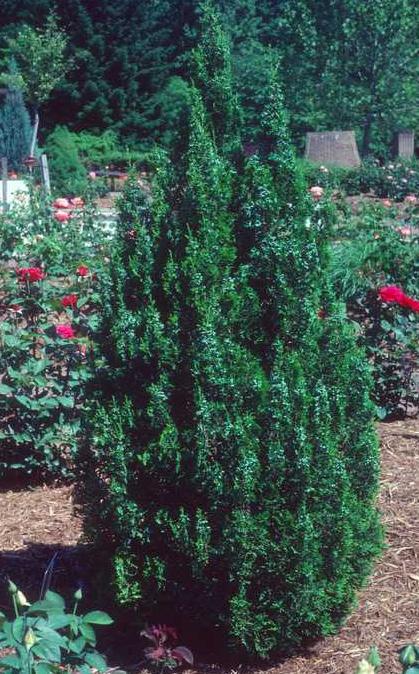
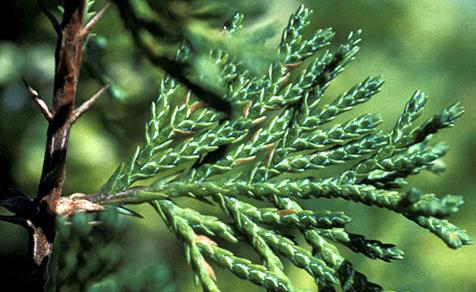
Connoisseur Conifer Collector

on residential properties. These host relationships also hold significance for gardeners and conifer aficionados alike.
North America is home to conifers in fifteen genera: Abies, Chamaecyparis, Cupressus, Larix, Juniperus, Picea, Pinus, Pseudotsuga, Sequoidendron, Taxodium, Taxus, Thuja, Torreya, and Tsuga. Pines are among the most abundant, numbering over 40 species. Seeds that mature within pine cones
sustain turkeys, grouse, quail, dozens of songbirds, chipmunks, mice, voles, and several types of squirrels, while pine needles constitute forage for over 200 known species of moth and butterfly larvae, many of which rely solely on pines for food. Insects that feed on pine needles, in turn, become essential food sources for beloved nesting and migratory birds.
In his recent book Bringing Nature Home, entomologist Doug Tallamy recounts how one spring he observed a pair of bluebirds rear their young almost entirely on sawfly larvae gathered from white pines in his backyard. Indeed, 96 percent of our terrestrial birds feed their young in part or exclusively on insects, and the almost 50 percent decline in North American bird species within the
last 50 years can be partially attributed to loss of native plants serving as food for native insects, which generally cannot process the leaf chemistry of alien plants.
Some gardeners may not want to attract insects for fear of unsightly foliar damage. A diversity of native plants, however, supports a diversity of natural predators that keep insect populations in check. In fact, a recent study revealed that on suburban properties landscaped with native plants, only three percent of the leaves were subject to insect damage.
As residential and commercial development converts needle leaf forests to landscapes of turf and non-native ornamentals, bird species such as crossbills (a small bird in the finch family) find it difficult or impossible to meet their food

Holyoke, MA (800) 862-0089
Charlton, MA (508) 987-0101
Wilmington, MA (866) 830-5909
Norwalk, CT (203) 831-9748
Plainville, CT (888) 889-9996
Hamden, CT (203) 288-2222
Smithfield, RI (401) 232-2597
Albany, NY (518) 650-6228


and nesting needs. Crossbills use their uniquely evolved offset mandibles to access seeds inside spruce, pine, and fir cones. One study found that to survive a typical northern winter, crossbills need to eat spruce kernels approximately every seven seconds during daylight hours. Birds and small mammals that cannot actively shred cone scales retrieve seeds dropped by crossbills (as well as red squirrels). Owls and hawks in turn prey upon these ground-feeding animals.
North America’s four species of hemlocks provide forage for more than 20 known insect species. Birds that nest in hemlock’s dense foliage include the veery, the golden-crowned kinglet, the dark-eyed junco, the pine siskin, the sharp-shinned hawk, and numerous warblers (one of which is even known as the hemlock warbler). Similarly, the needles on North America’s nine fir and seven spruce species feed over 150 known species of moths and butterflies, while songbirds and small mammals eat
the seeds, and animals of all kinds nibble on needles and young twigs, particularly in winter when other food sources are scarce (one animal, the spruce grouse, actually changes the size of its intestinal tract in the winter in order to process the resins and terpenes in conifer foliage). Yellow-bellied sapsuckers make feeding wells in fir bark, and solitary vireos, yellow-rumped warblers, and evening grosbeaks can frequently be found nesting in firs within their native range. Meanwhile, prostrate conifers like Canada yew (Taxus canadensis) function primarily as cover and nest sites.
Conifers and animal species sometimes develop mutually beneficial relationships. A biologist studying eastern red cedars (Juniperus virginiana) determined that seeds passing through the digestive system of cedar waxwings (so-named for their preference for red cedar fruit) are three times more likely to germinate than seed that simply falls to the ground.
Straight species as well as horticultural selections of native conifers can be purchased at garden centers, nurseries, and

special occasion plant sales. While discussion of particular species and cultivars exceeds the scope of this article, some principles for using native conifers are listed below:
• Determine the extent to which you wish to emulate native ecosystems. A large site may allow for the design of a functioning ecosystem using solely native species, while a smaller site might feature a perimeter of site-appropriate natives with more formal plants closer to the house. Natives and non-natives can be combined to create beautiful, ecologically rich gardens as long as non-native species that disrupt regional ecosystems are avoided.
• Select conifers native to your ecoregion. They will be better adapted to your local conditions and will best match the needs of wildlife indigenous to your ecoregion.
• Use local genotypes if possible. A plant originating thousands of miles away from your home landscape
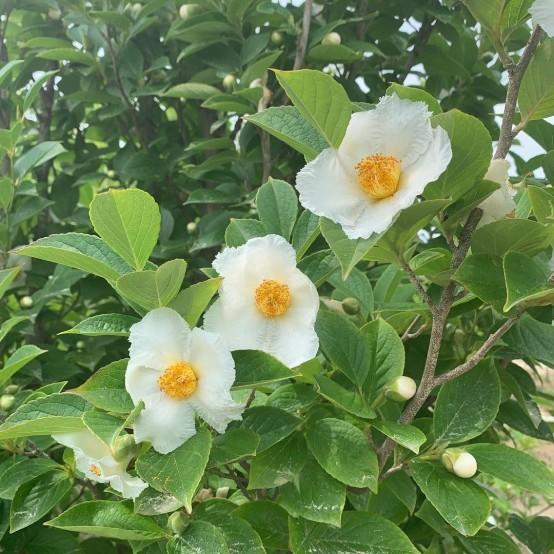
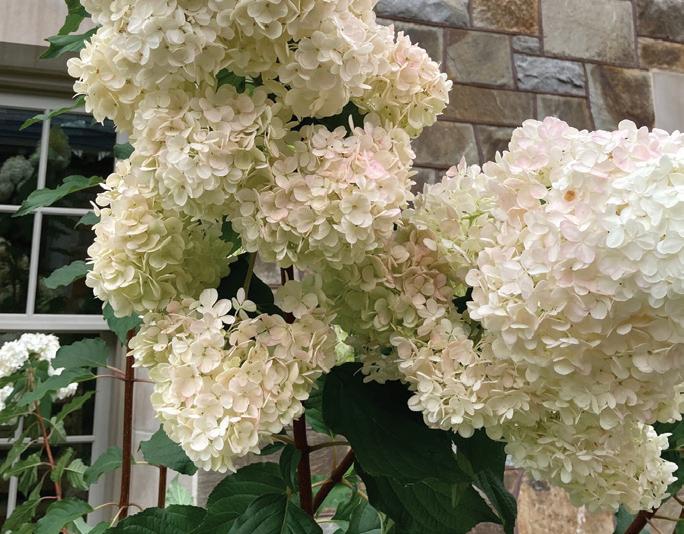
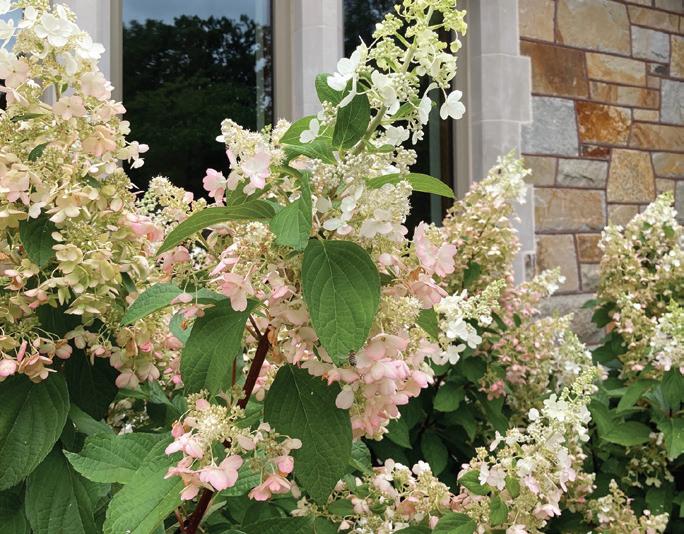
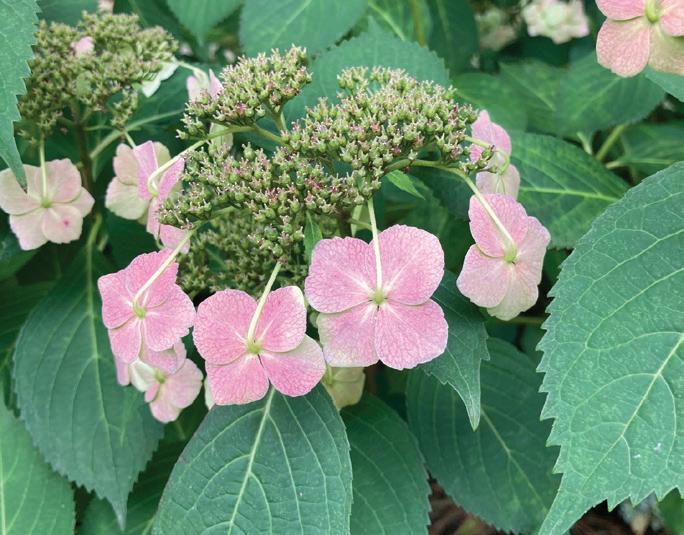
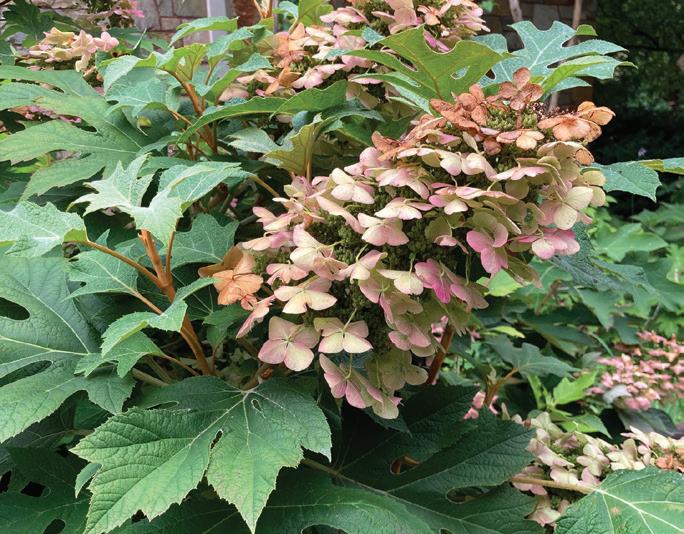
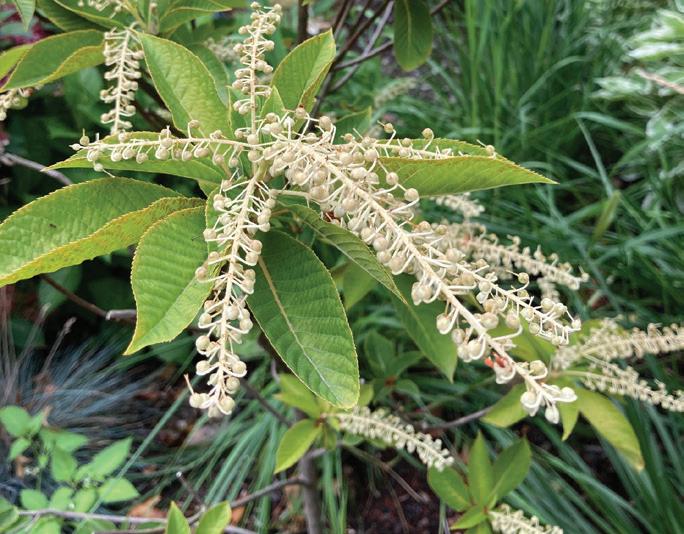
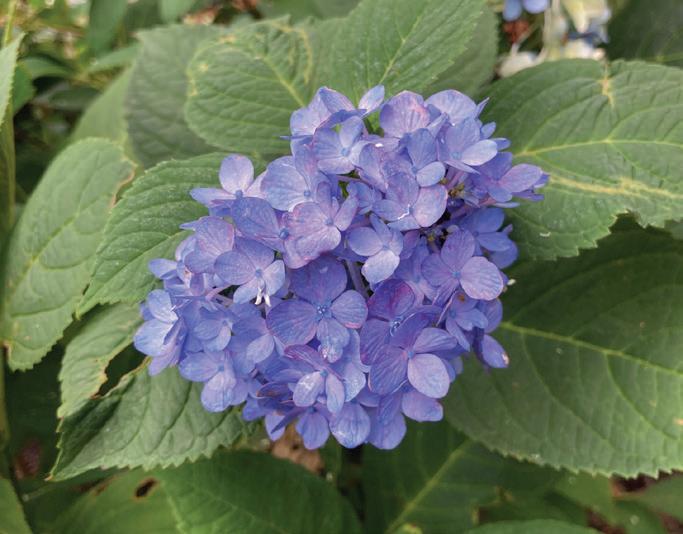
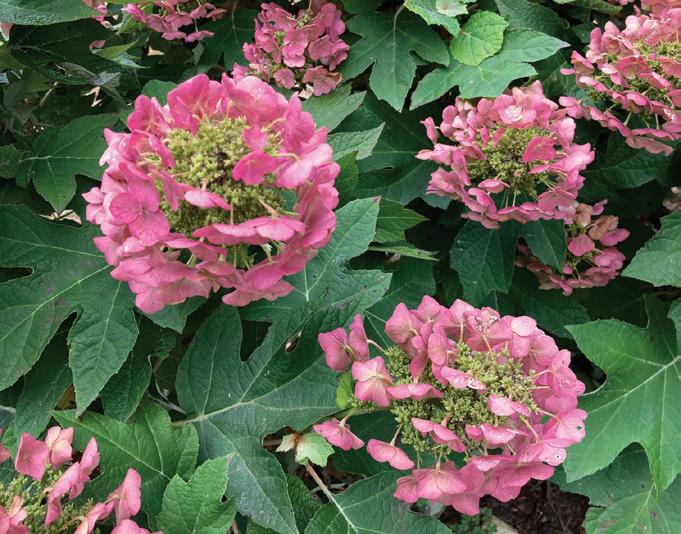
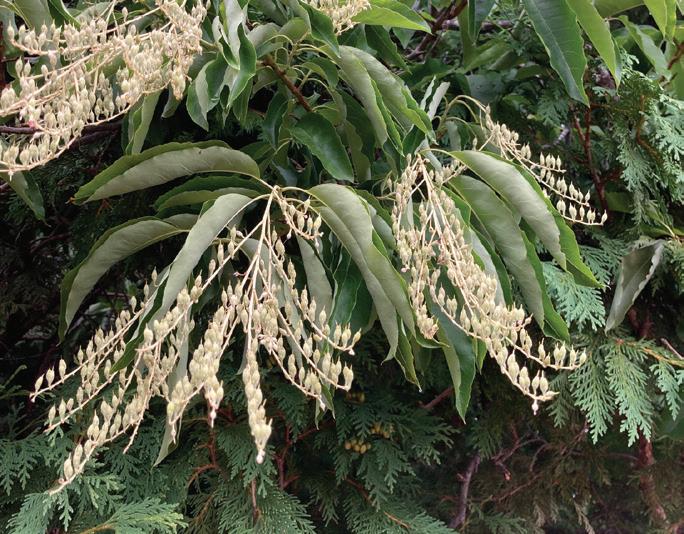
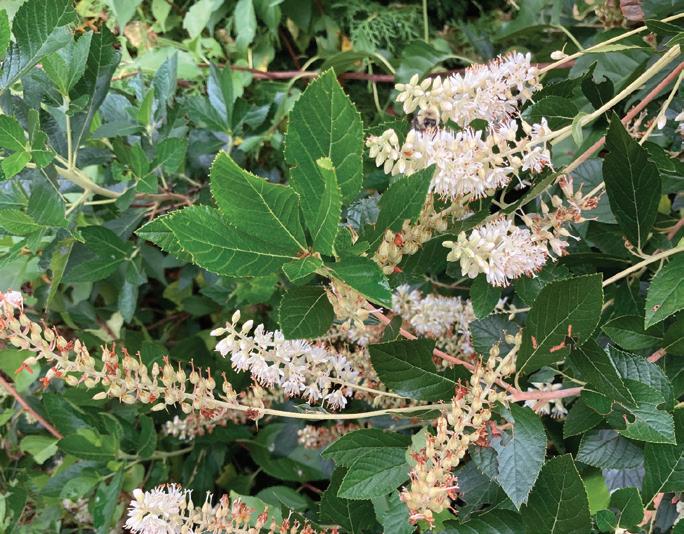
Provide the Latin name for all nine plants below and earn 1 MCH credit! Submission deadline is November 30, 2020 and can be emailed to mnlaoffice@gmail.com, sent via postal mail to MNLA, PO Box 387, Conway, MA 01341, or submit online at: mnla.com/fall-challenge
Thank you to Kelly Perry, MCH of Swan Point Cemetery for the challenge!
MARKETPLACE