pro grow news

Recommending the Right Plant
The Impact of Salts on Plants




pro grow news Fall 2019 board committees
PRESIDENT
Tim Hay, MCH
Bigelow Nurseries, Inc.
Tel: (508) 845-2143
VICE PRESIDENT
Peter Mezitt, MCH Weston Nurseries, Inc.
Tel: (508) 435-3414
SECRETARY/TREASURER
Chris O’Brien, MCH
Howard Designs, Inc.
Tel: (617) 244-7269
PAST PRESIDENT
Jim Stucchi, MCH
Stucchi Landscape and Design, LLC
Tel: (774) 233-2151
DIRECTORS
Deborah Trickett, MCH
The Captured Garden
Kerry Preston, MCH
Wisteria & Rose, Inc.
Steve Charette
Farm Family Insurance Family
David Vetelino, MCH
Vetelino Landscape, Inc
Jean Dooley, MCH
Mahoney’s Garden Centers

EDUCATION & RESEARCH COMMITTEE
Kathy Bergmann, MCH — Chair
Bergmann Construction
Tel: (508) 435-3414
FINANCIAL COMMITTEE (FINCOM)
Steve Corrigan, MCH — Chair
Mountain View Landscapes & Lawncare, Inc.
Tel: (413) 536-7555
Chuck Baker, MCH — Vice Chair
Strictly Pruning
Tel: (508) 429-7189
GOVERNMENT RELATIONS COMMITTEE
Chris O’Brien, MCH — Chair
Howard Designs, Inc.
Tel: (617) 244-7269
HISTORY COMMITTEE
Philip Boucher, MCH — Chair
Elysian Garden Designs
Tel: (508) 695-9630
Skott Rebello, MCH — Vice Chair Harborside P.S.
Tel: (508) 994-9208
MAGAZINE COMMITTEE
Gaele McCully, MCH MCLP — Chair
Mahoney’s Garden Center
Tel: (781) 729-5900
MASSACHUSETTS CERTIFIED HORTICULTURIST BOARD (MCH)
Jack Elicone, MCH — Chair
John R. Elicone Consulting
Tel: (617) 527-5706
PRODUCTS COMMITTEE
Peter Mezitt, MCH — Chair
Weston Nurseries, Inc.
Tel: (508) 435-3414
GOVERNMENT RELATIONS DIRECTOR
Jason Wentworth
Tel: (617) 417-4050
EXECUTIVE DIRECTOR
Rena M. Sumner
Tel: (413) 369-4731
Massachusetts Nursery & Landscape Association P.O. Box 387 Conway, MA 01341 mnlaoffice@aol.com www.mnla.com www.PlantSomethingMA.org www.mnlafoundation.org
ProGrowNews is published quarterly by the Massachusetts Nursery & Landscape Association (MNLA), P.O. Box 387, Conway, MA 01341, tel. (413) 369-4731. Articles do not necessarily reflect the view or position of MNLA. Editorial coverage or permission to advertise does not constitute endorsement of the company covered or of an advertiser’s products or services, nor does ProGrowNews make any claims or guarantees as to the accuracy or validity of the advertiser’s offer. (c) 2014 All rights reserved. No part of this publication may be reproduced in print or electronically without the express written permission of the MNLA.
www.mnla.com pro|grow|news

AsWhere did the season go?
ByTim Hay, MCH
I am trying to write this (Yes, I know I am late again) I am thinking where did the season go? It was just yesterday we were all under the bright blue sky, feeling the warm ocean breezes at Sylvan Nursery. Now, as I look outside, it is a blanket of white and the cold winds of winter are here. The fall gave us plenty of rain that is sure to help keep those plantings through the winter. However, it did nothing to help with the fall cleanups, and many are under this white blanket. I hope those of you who do snow services see this as an early start, with a chance for some added cash flow. For the rest of us, it is now time to plan our winter.
I also hope you will check out the MNLA Winter Forum & Trade Show. February 25 & 26, in Marlborough. Two days of education, networking, employee recruitment, the Annual Meeting, and so much more. MNLA will again host the Job Fair at this event. For those who participated this past year, we are taking the Job Fair on the road again in 2020. For those who did not take advantage of this great opportunity…DO NOT MISS OUT THIS YEAR!
I may sound like a broken record here, but MNLA is a member-driven association. I encourage you to attend, participate, and get involved. We are always looking for committee participation. You do not have to serve as a full member. The committees are always looking for help with events and planning. This is a great way to get MCH points, network with industry colleagues, and have some fun. MNLA is always striving to be that “Resource for Success” for each member.
As always, please feel free to contact me with any question, concerns, or just to catch up.
Tim Hay, MCH Bigelow Nurseries, Inc. MNLA President

Fighting the Good Fight on Beacon Hill
Aswe all know, agriculture and horticulture in Massachusetts may be less obvious in the winter months, but there is no hibernation involved. Many of our members engage in year-round retail, but all of our members are taking these cold days to prepare and plan. The critical successes we will enjoy later in 2020 are born today and in the coming weeks.
So it is with the happenings on Beacon Hill. Whether it’s with the legislative or the executive branch, our Government Affairs Committee continues to do the important work now for the benefit of our industry’s future.
Speaking of the future, you may recall that the Fiscal Year 2020 budget bill, in addition to the usual appropriations funding cities, towns, and state agencies, provided additional funding for the Massachusetts Department of Agricultural Resources for a “scientific review of the potential impacts of neonicotinoid insecticides on pollinators,” with results of the review to be submitted to the Pesticide Board Subcommittee. At that point, the Subcommittee will utilize the MDAR review as part of their own individual review “to determine whether current uses of neonicotinoid insecticides pose unreasonable adverse effects to the environment as well as pollinators.”
Additionally, public hearings are mandated prior to completion of the Subcommittee’s individual review, and MDAR is required to submit the results of both MDAR and the Subcommittee’s reviews to the Joint Committee on Environment, Natural Resources, and Agriculture by December 31, 2019. We were informed that the individual contracted to do the Department’s aggregated study was recently hired, and even though there is no new science being done and this study will draw from existing studies from other governments, academic institutions, etc, it is very doubtful that this process will be complete by the mandated deadline. Late spring seems more likely.
MNLA continues to be optimistic for a positive outcome for our industry, but cautiously so. We have, in the past two years, pushed hard to ensure that this tool remains in our toolbox. One of the reasons we worked with State Representative Carolyn Dykema on her bill (H763) that would not ban but reasonably restrict neonicotinoids was that this compromise would let us do just that. Because of Rep. Dykema’s outreach with advocates, passage of this bill would seriously undermine any efforts to take the issue of an outright ban to the voters in the form of a ballot question.
Conversely, there is the distinct possibility that the “pollinator advocates” may not be satisfied with the outcome of the review and seek relief at the ballot box. The review may also lead to a more stringent restriction than proposed by Rep. Dykema’s compromise bill. The bottom line is that, with the compromise language, we were able to be in front of this issue. With the review, we leave our fates in the hands of others. Again, we hope for the best, but must prepare to fight against a worst-case scenario.
Speaking of worst-scenarios, how would you feel if each city and town in Massachusetts had the ability to regulate the use, purchase, storage, and licensing of pesticides in their respective

towns? Like me, I’m sure you think it’s a bad idea. You may even go further with some choice, holiday-inappropriate expletives. Well, there’s legislation in both the House and Senate (H776/S447) that would do just that. This is similar to language that we fought at the end of the last legislative session, and we remain committed to stopping it again. There is no evidence that the current regulatory authority exercised by MDAR in accordance with state and federal laws is lax in any way. It is a complaint-based system, and I’ve never heard of any complaint made that was not immediately investigated. On the contrary, this is a solution in search of a problem that would actually cause more problems. It would create 351 separate processes that would not only create more burdens and complications for our members, but also endanger public safety by encouraging non-compliance. We are working and will continue to work with other like-minded stakeholders to make sure this language does not pass.
Additionally, we are working with our friends at Farm Bureau to oppose the Board of Building Regulation and Standards’ (BBRS) efforts to regulate greenhouse operations in the same way they are proposing to regulate cannabis operations. This all came about as part of the BBRS’ Cannabis Advisory Group discussions on creating regulation to ensure the safety of the public and employees at these new operations. That is a noble intention, and one that we agree with given the very industrial methods used for growing and extracting. However, MNLA, the Massachusetts Flower Growers’ Association, and Farm Bureau are vehemently opposed to including traditional agriculture (and even the growing of hemp which, by statute, is not the same as the cannabis the BBRS seeks to regulate) in these proposed rules.
The proposed new rules include language regarding emergency exits, extraction, etc, and while it focused on cannabis, left placeholders for indoor farming and the rearing of animals. It was also titled “indoor agriculture,” which we all felt was inappropriate. I was joined by MNLA President Tim Hay and Ed Bemis at some of the Advisory Group meetings and it was clear to all of us that we were not going to be able to have full public comment until the BBRS approved their draft. We are currently awaiting the next stage and are preparing to bring all we can to bear on this.
With these and many more issues, we continue to fight the good fight and have a reputation for being “good guys.” Knowing the time and effort our whole team puts in — but specifically MNLA President Tim Hay, MCH; Government Affairs Committee Chair Chris O’Brien, MCH; and Executive Director Rena Sumner — I can say that that title is warranted and well-earned. In this season of gratitude, I could not be more thankful to have a team like them to work with on these complex and important issues, and I hope you feel that gratitude as well.
Jason Wentworth MNLA Government Relations Director
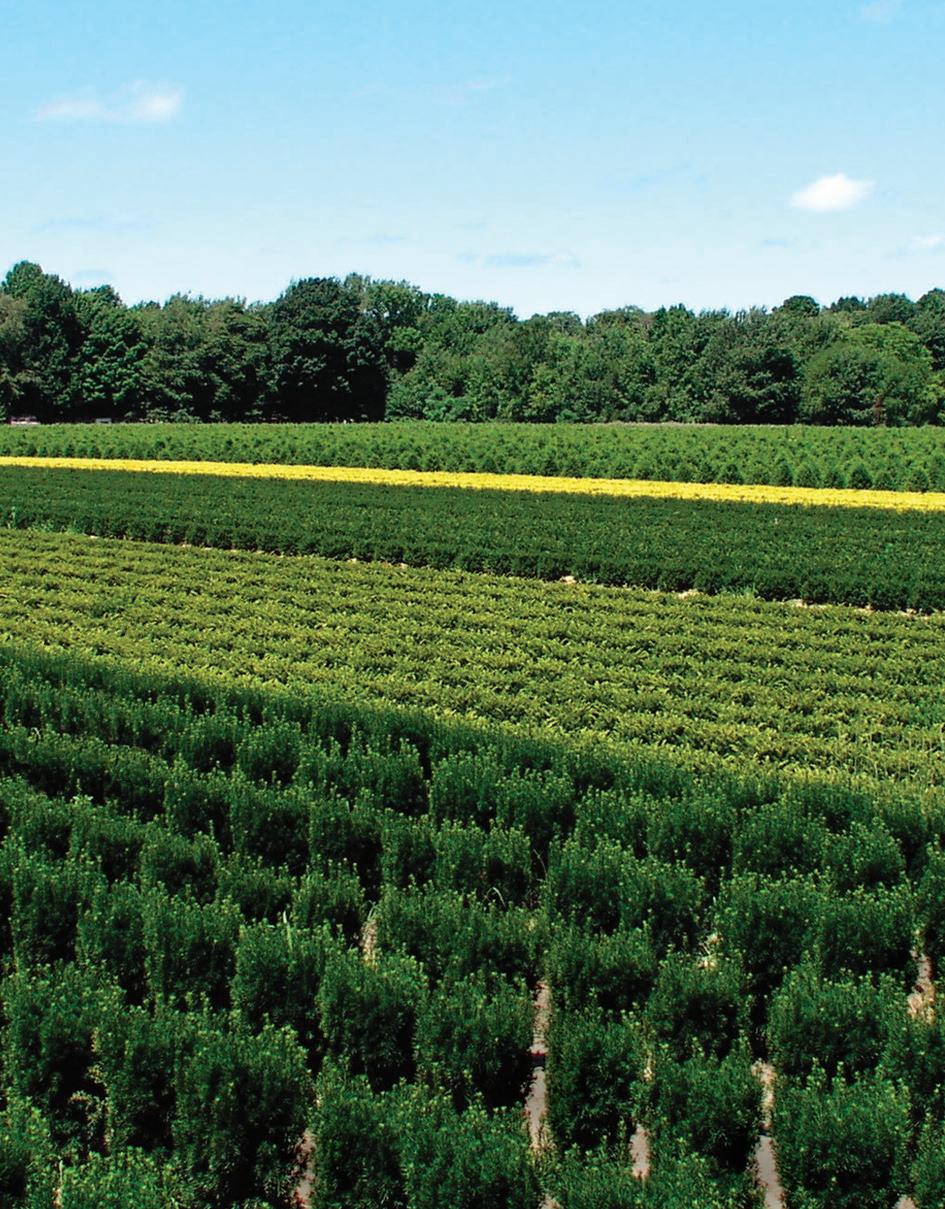
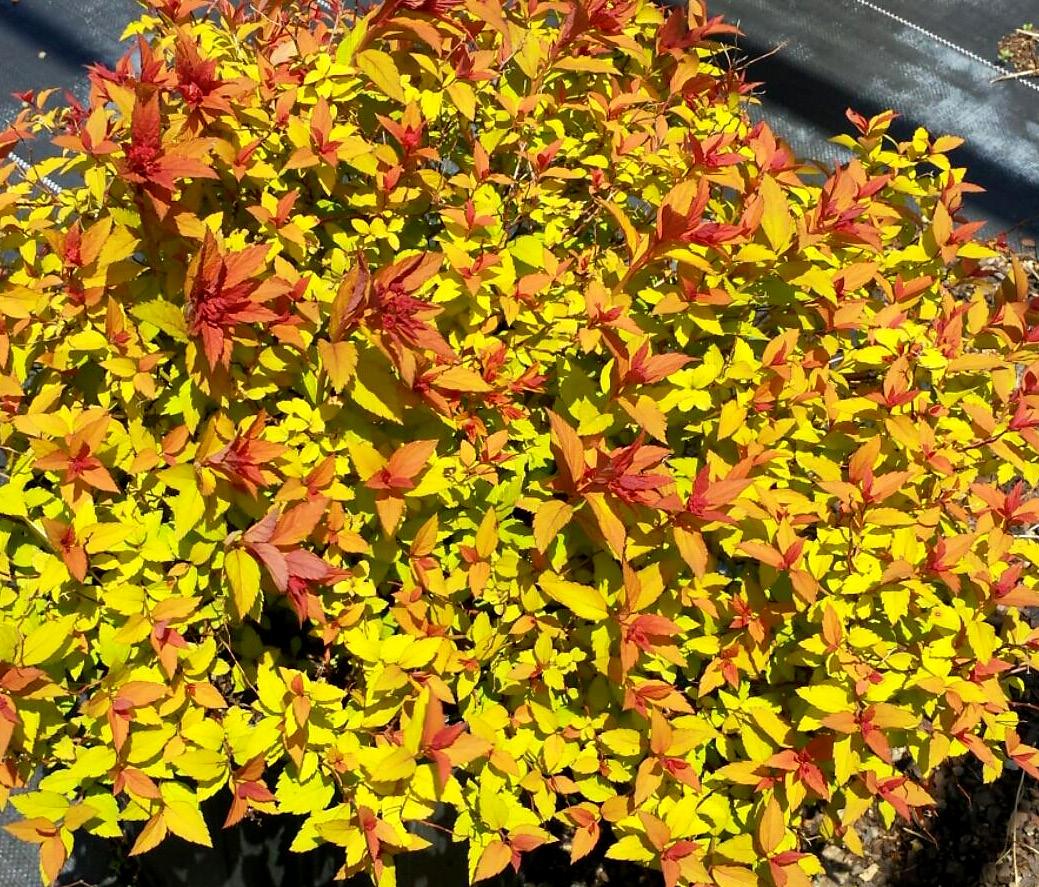
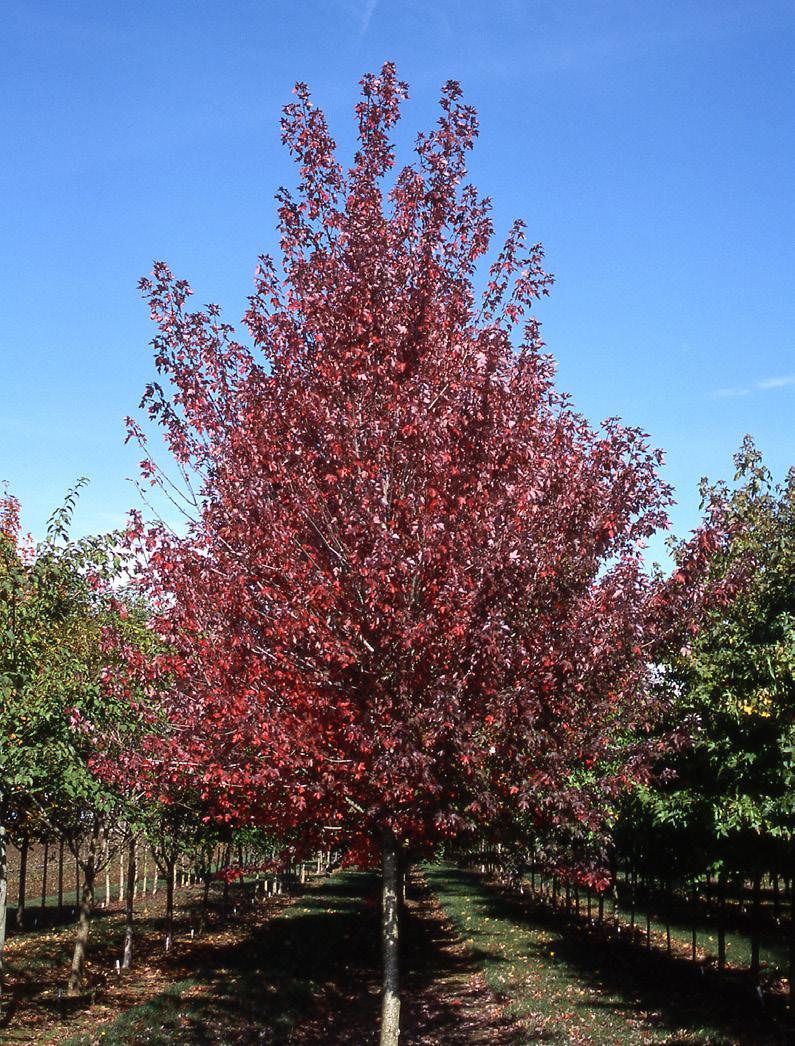
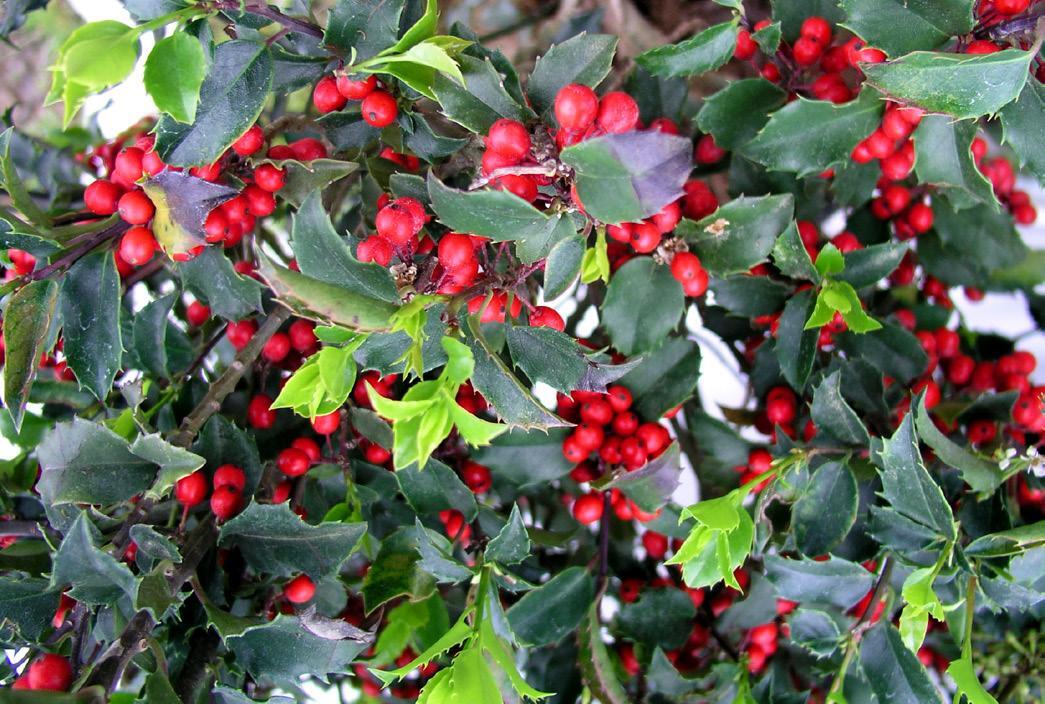
Blue Princess Holly
Magic Carpet Spirea
Redpointe Maple
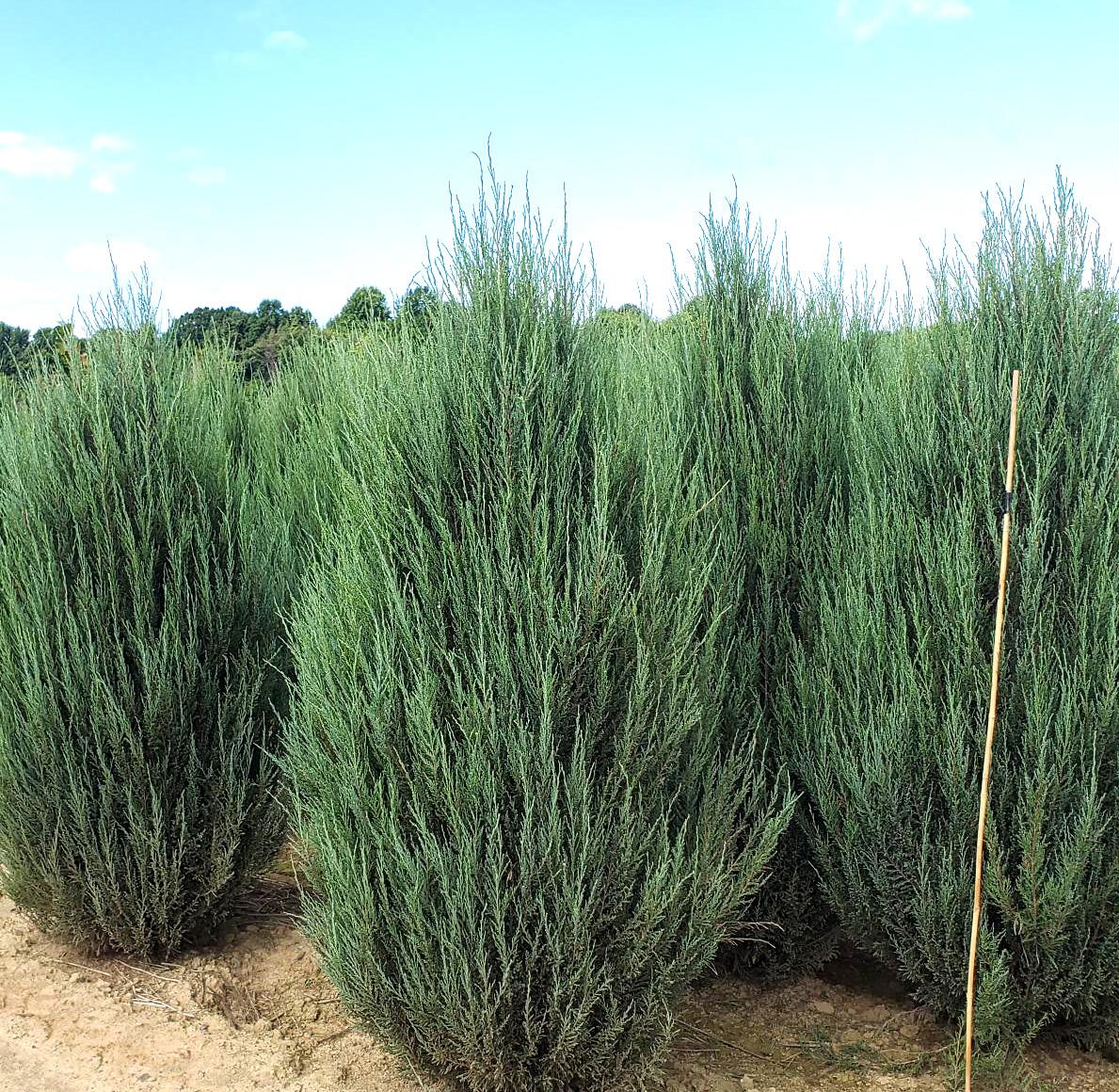
Blue Arrow Juniper
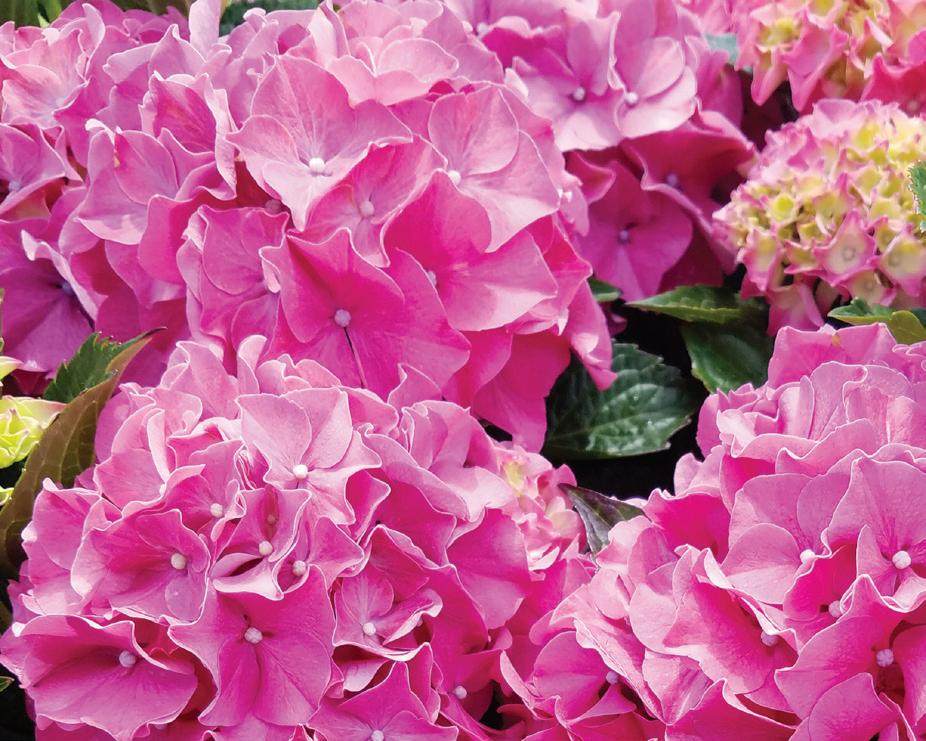
Hortense Hydrangea
MNLA GovernmentCommittees Relations Committee
Education Committee
MNLA Goes to Washington
This fall, representatives of MNLA joined colleagues from other state nursery and landscape organizations in Washington, D.C., to discuss federal issues affecting our industry. After briefings with key leaders from Congress and the administration, industry members went to Capitol Hill to engage with the Senate and House members from their own state to promote action on key problems.

At the top of the agenda was labor availability. Federal action is required on several existing work-visa programs including H-2A and H-2B to increase the number of available workers in an extremely tight market. The H2B program makes workers available for seasonal peaks and is particularly important to the landscape and hospitality industries in Massachusetts. Also urgent was regulatory revision to explicitly define nursery and greenhouse crops as “agricultural” to avoid long layovers of perishable products.
The industry also requested approval of continued federal funding in the national Farm Bill for horticultural research and innovation initiatives that include pest and disease prevention response, as well as mechanization and automation.
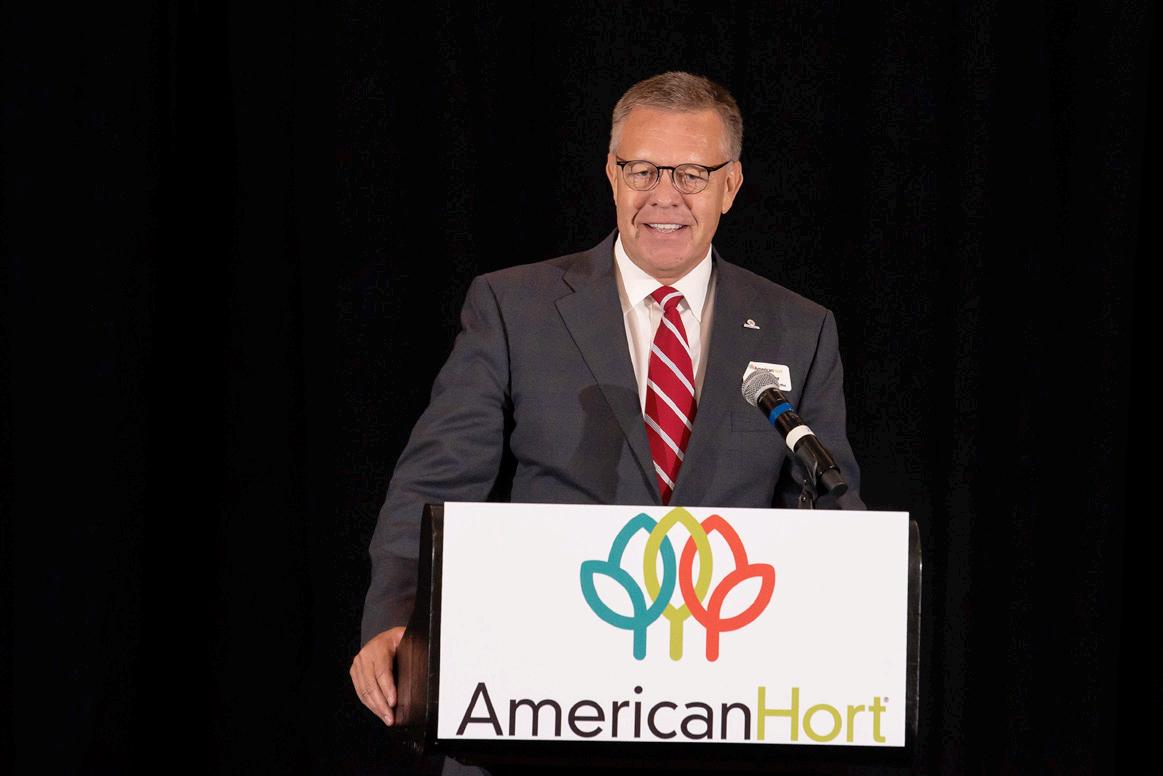
The Impact Washington summit was organized by AmericanHort, the national organization of the nursery and landscape industry. MNLA Executive Director Rena Sumner and Government Relations Chair Chris O’Brien represented MNLA.
Chris O’Brien, MCH
Howard Designs, Inc. Chair, Government Relations Committee
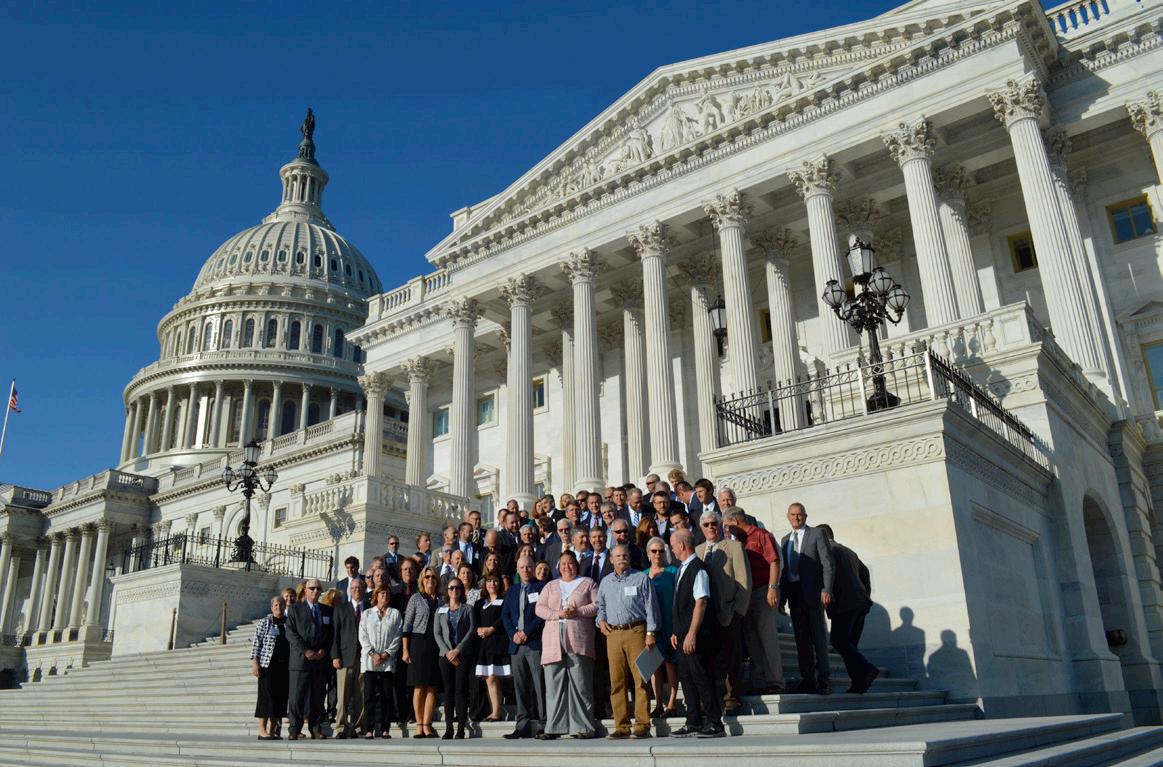
Green industry association leaders with their executive directors from across the US
AmericanHort CEO Ken Fisher addresses attendees at Impact Washington
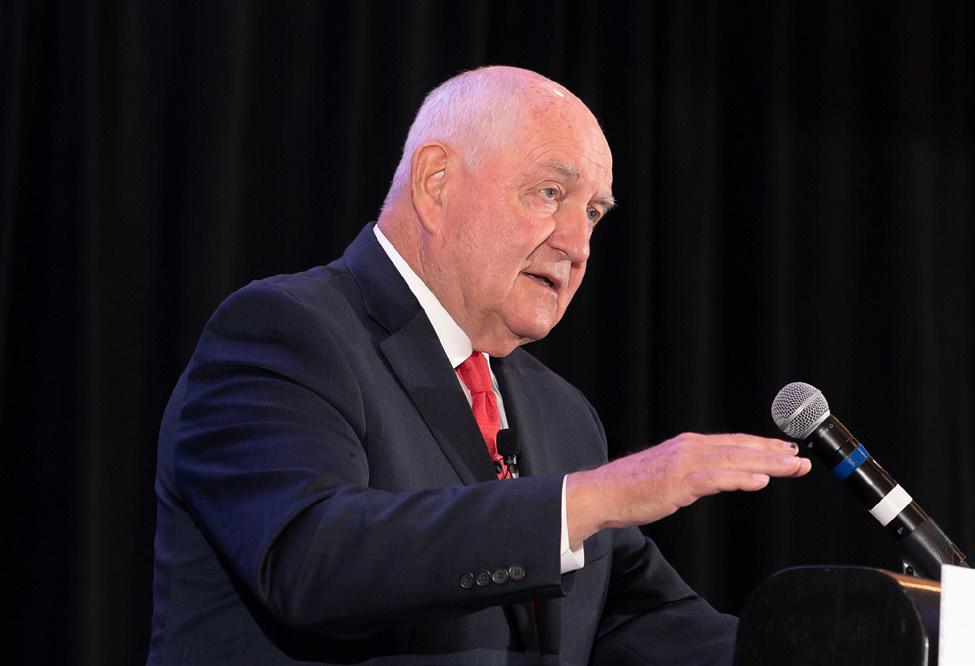
A great opportunity to meet and hear directly from Secretary of Agriculture Sonny Perdue
Established in 1910, Cavicchio Greenhouses is a fourth-generation New England farm working more than 250 acres in Sudbury. As a horticultural grower and landscape distributor, we cultivate and supply an extensive variety of annuals and perennials, nursery stock, stone, masonry and landscape materials. With a hard-earned reputation for service, quality, selection and sustainability, we work with professionals and garden centers throughout the area to keep our region beautiful.
Recommending the Right Plants for your Clients
By R. Wayne Mezitt
Chances are when your customers ask, “When is the best time to plant?” your answer is generally “Whenever the ground isn’t frozen.” You can confidently assure them that any plant that is available at a reputable local garden center can be readily installed and easy to get established in their yard.
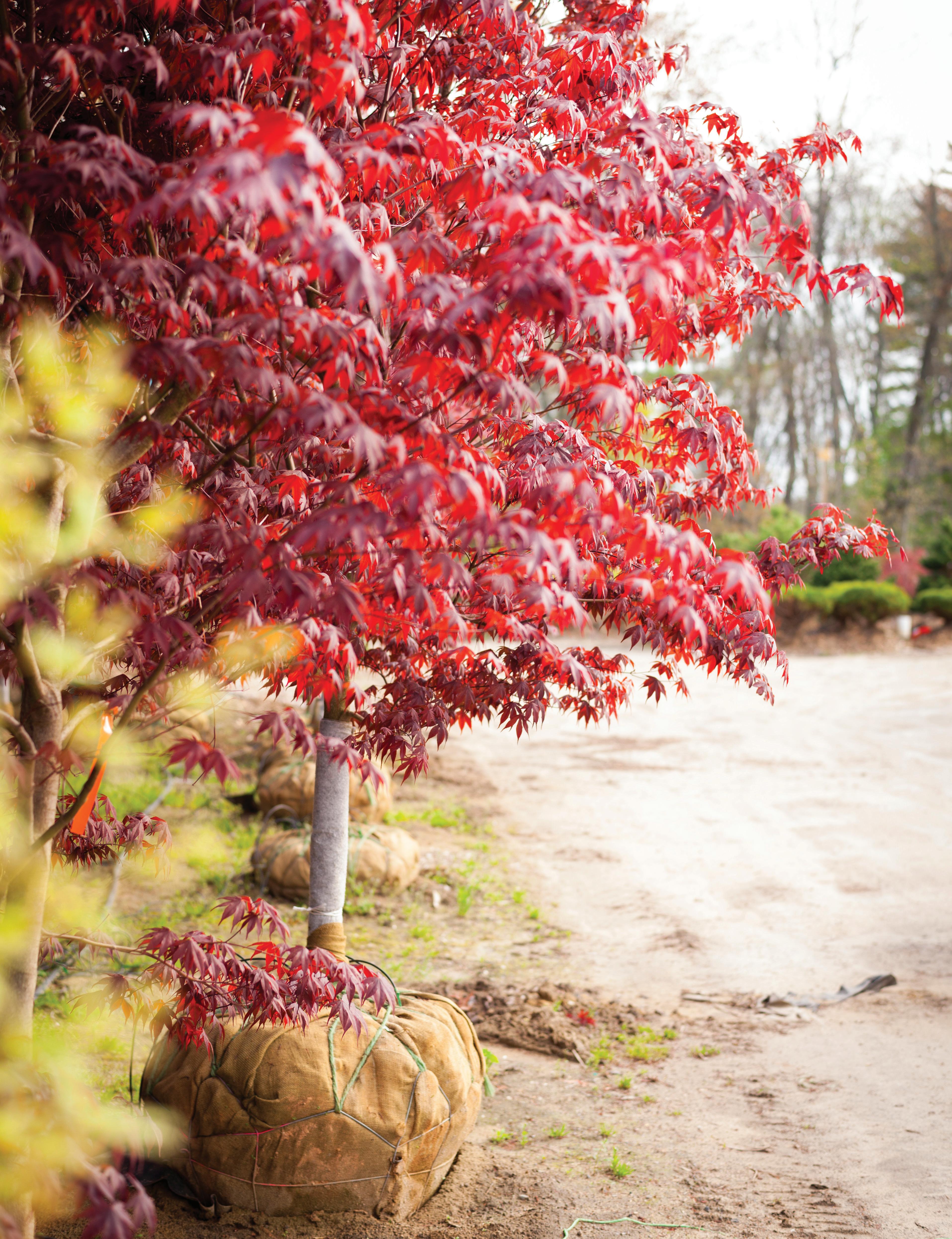
The next question, “How do I choose the right plant?” requires a bit more attention. Homeowners can be mystified by the process of selecting the proper plantings for around their home. Obviously, no single tree or shrub can be the right choice for every location; there are simply too many variables. Geographical location, climate, soil conditions, rainfall, sun exposure, wind, personal preferences, and other factors require individual decisions. And once they start exploring the options, they may be overwhelmed and confused by the multitude of claims that various brands attest about their products.
• Are the plants appropriate for their climate and adapted for the soil and moisture conditions where they’ll be growing?
• As they grow larger and more mature, how will their plantings continue to work with their site constraints, architecture, environment, and lifestyle?
• How do the aesthetics and plant combinations work together: size, shape, foliage, flowers, and seasonal appearance of the plants?
• Will they be comfortable with the maintenance the resulting plantings require for irrigating, fertilizing, pruning, and managing pests?

Let’s focus on woody trees and shrubs — those that form the foundation of every enduring landscape. We’ll leave discussions about herbaceous perennials, annuals, house plants, fruits, and vegetables for another time.
Choosing the right landscape plants for your client depends upon particular needs and preferences, so it’s always best to start with some basic considerations. For example:
• What purpose and function do they want their landscape to serve: a quiet place to relax, shade to help cool their home, screening an undesirable view, guiding traffic flow, a low maintenance groundcover, year-round appeal, etc?
It’s important to be sure they don’t become frustrated with a process so complicated that they can’t decide what plants to choose. A good place to start is to suggest a visit to public parks, botanic gardens, and arboretums around their community. The Gardens at Elm Bank in Wellesley, Tower Hill Botanic Garden in Boylston, and Framingham’s Garden in the Woods are several in eastern Massachusetts. These gardens display a multitude of plants, many well labeled, and visitors can readily see how they look in the garden.
The UMass Extension Service is a most reliable resource, both for homeowners and professionals. The Extension Service is a nationwide educational network established in the 1800s to offer useful, practical, and research-based information to agricultural producers, small-business owners, and ordinary citizens, particularly in rural areas. Each state has an office at its land-grant university, along with a network of local or regional offices staffed by experts who specialize in crops suitable for the region and are well equipped to evaluate claims made by growers and plant introducers.
MORE YOUR ALLY THAN YOUR AGENT


With AMERICAN NATIONAL, you’ll get an agent who has the know-how and products to help you properly manage your family’s risks. An open appointment book, along with options for home, auto, life, farm and business coverage, means you can feel good that you’re getting more an ally than just an agent.
Wherever you are in Massachusetts, there’s a American National agent close to you. Give us a call for more information.

























More specific information about recommended plants is available from regional plant-selection programs. These programs offer performance evaluations based upon impartial trials and recommendations from actual experience. They tend to be much less biased than claims offered by companies that produce the products themselves. And because local conditions determine what grows best in any area, regional programs are the most relevant and helpful.
These are some recommended programs that evaluate woody tree and
shrub choices appropriate for the eastern parts of USA:
• Northeastern USA: The Cary Award at Tower Hill Botanic Garden
• Mid-Atlantic: Gold Medal Plants, Pennsylvania Horticultural Society
• Southeast: Theodore Klein Plant Award, Kentucky
• Midwest: Chicago Botanic Garden Plant Evaluations.
Numerous plant societies for trees and shrubs are dedicated to specific information about those particular plants. Examples are the Rhododendron Society, Holly Society of America, International Lilac Society, The Conifer Society, International Oak Society, The Maple Society and Magnolia Society. Plant societies like these offer devotees great opportunities to share similar interests not readily available elsewhere. Many of them have local chapters where members can meet and personally exchange helpful

And when clients want one-onone discussions about plants, you can assure them that local independent garden centers offer the most reliable and relevant information. Staff experts are interested in helping clients and understanding their needs, and they are willing to spend the time to work with them. A business that is family run and has been in operation for a long time should be the first choice; those ubiquitous box stores tend to be more interested in optimizing income, and are rarely able to provide the most knowledgeable, well-considered, longterm advice.
R. Wayne Mezitt is a third-generation nurseryman and a Massachusetts Certified Horticulturist, now chairman of Weston Nurseries of Hopkinton and Chelmsford, MA, and owner of Hort-Sense, a horticultural advisory business. Wayne currently serves as Trustee chairman for the Massachusetts Horticultural Society at The Gardens at Elm Bank in Wellesley, MA








Skid Steer Loaders
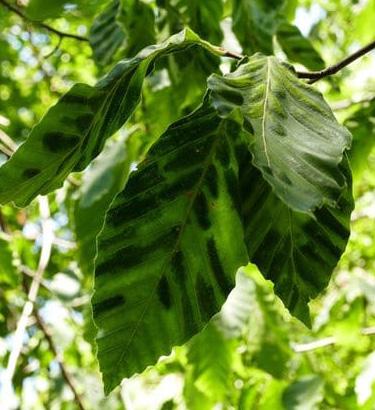
dence of three bacteria and three fungi not found in healthy looking trees. They don’t know whether any of the microbes sicken trees. But Bonello says the finding, which he plans to present at an upcoming conference, “raises questions” about the role of nematodes. Perhaps, he says, the worms are simply transmitting a microbial pathogen that is the disease’s true cause.
Carta’s team, however, considers that scenario “highly unlikely.” She contends nematode feeding alone could sicken trees.
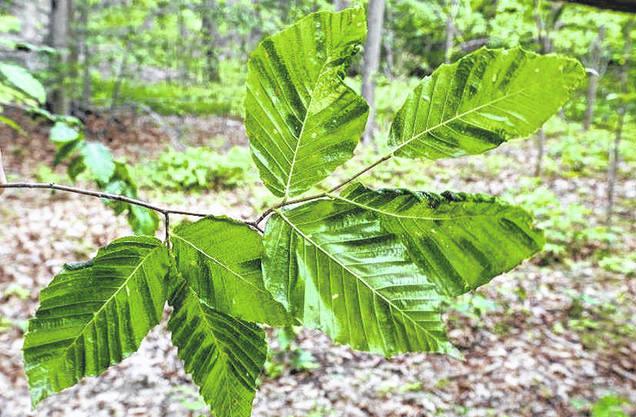
Whatever its cause, beech leaf disease is getting around. Connecticut officials last month announced detections in Greenwich, Stamford, and New Canaan — on New York City’s doorstep. Diseased trees have also been found on Long Island in New York state, some 800 kilometers from the malady’s ground zero. Carta and others are investigating whether the nematode is being moved across the landscape by mites found on infected beech trees, or
by birds.
USDA’s Animal and Plant Health Inspection Service, the agency responsible
for dealing with invasive tree killers, is helping study the disease. But it has held off on taking action to limit the disease until it knows more about the cause and how it spreads.
The beech’s plight has dismayed forest experts, who are already reeling from an onslaught of introduced tree killers such as the emerald ash borer beetle that has eliminated millions of trees. “I think we should
www.medfordnursery.com
be alarmed,” says Robert Marra, a forest pathologist with the Connecticut Agricultural Experiment Station in New Haven. “What’s going to be left in forests?”
The beech may face additional threats. Earlier this year, U.S. Forest Service researchers announced they had found an undescribed beetle on stressed European beech trees in a New York City cemetery. The scientists are now studying whether the insect also has a taste for American beech.
CONTRIBUTORS:
USDA/ARS/ELECTRON & CONFOCAL MICROSCOPY UNIT/LYNN CARTA/ GARY BAUCHAN/CHRIS POOLEY/ MYCOLOGY AND NEMATOLOGY
GENETIC DIVERSITY AND BIOLOGY LABORATORY; COLORIZATION BY IT SPECIALIST/SOYBEAN GENOMICS AND IMPROVEMENT LABORATORY
(609)-267-8100
Toll Free: 800-443-3314
www.northernnurseries.com