






PRESIDENT Peter Mezitt, MCH Weston Nurseries, Inc. Tel: (508) 435-3414
VICE PRESIDENT
Chris O’Brien, MCH Howard Designs, Inc. Tel: (617) 244-7269
SECRETARY/TREASURER
Kerry Preston, MCH Wisteria & Rose, Inc. (617) 522-3843
PAST PRESIDENT
Tim Hay, MCH Bigelow Nurseries, Inc. Tel: (508) 845-2143
DIRECTORS
Deborah Trickett, MCH The Captured Garden
Steve Charette Farm Family Insurance Family
David Vetelino, MCH Vetelino Landscape, Inc
Jean Dooley, MCH Mahoney’s Garden Centers
David Anderson Mayer Tree Service

EDUCATION & RESEARCH COMMITTEE
Deborah Trickett, MCH — Board Liaison The Captured Gardens (781) 329-9698
FINANCIAL COMMITTEE (FINCOM)
Steve Corrigan, MCH — Chair Mountain View Landscapes & Lawncare, Inc.
Tel: (413) 536-7555
Chuck Baker, MCH — Vice Chair Strictly Pruning Tel: (508) 429-7189
GOVERNMENT RELATIONS COMMITTEE
Chris O’Brien, MCH — Chair Howard Designs, Inc. Tel: (617) 244-7269
HISTORY COMMITTEE
Philip Boucher, MCH — Chair Elysian Garden Designs Tel: (508) 695-9630
Skott Rebello, MCH — Vice Chair Harborside P.S. Tel: (508) 994-9208
MASSACHUSETTS CERTIFIED HORTICULTURIST BOARD (MCH)
Jack Elicone, MCH — Chair John R. Elicone Consulting Tel: (617) 527-5706
Corinne Jean, MCH — Vice Chair Wisteria & Rose (617) 522-3843
PRODUCTS COMMITTEE
Peter Mezitt, MCH — Chair Weston Nurseries, Inc. Tel: (508) 435-3414
GOVERNMENT RELATIONS DIRECTOR
Jason Wentworth Tel: (617) 417-4050
EXECUTIVE DIRECTOR
Rena M. Sumner Tel: (413) 369-4731
Massachusetts Nursery & Landscape Association P.O. Box 387 Conway, MA 01341 mnlaoffice@aol.com www.mnla.com www.PlantSomethingMA.org www.mnlafoundation.org
ProGrowNews is published quarterly by the Massachusetts Nursery & Landscape Association (MNLA), P.O. Box 387, Conway, MA 01341, tel. (413) 369-4731. Articles do not necessarily reflect the view or position of MNLA. Editorial coverage or permission to advertise does not constitute endorsement of the company covered or of an advertiser’s products or services, nor does ProGrowNews make any claims or guarantees as to the accuracy or validity of the advertiser’s offer. (c) 2014 All rights reserved. No part of this publication may be reproduced in print or electronically without the express written permission of the MNLA.
www.mnla.com pro|grow|news

ByPeter Mezitt, MCH
here did the past 16 months go? We rode the COVID storm, and here we are in the summer of 2021 feeling relieved that life resembles 2019 again. It’s kind of nice to have most of our normal, every-day routines back again, and not wearing a mask in the 90 degree heat really is refreshing.
The flood gates were open again for us this spring as customer demand for our products surged and we all tried desperately to answer all the calls with fewer people available to do the work. It was not an easy spring.
What did we learn from all of this?
The work we do is not for the faint of heart.
To make it through the spring in this business, you have to be the type of person who values (and likes) hard work. I admit I am addicted to the annual ritual of breaking out into a full-on sprint to make our places of business as attractive as they can be. Many of you are most likely addicts to that adrenaline rush you get when the temperatures warm up and the equipment starts to roll. People I spoke with in recent months were all happier to have been too busy rather than the alternative of sitting at home waiting this thing out.
What we do is really important.
Millions of people tried their hand at gardening for the first time last year while spending time at their homes. Many were successful and kept playing in the garden throughout the year, while others decided to hire out the hard work and called their landscaper. This spring, many of you told me you could not keep up with the amount of business being offered. The idea of making someone wait until July to get their mulching done was real this year and, for the most part, people were willing to wait. I think there is a new-found respect for the hard work we do day in, day out.
We have to be organized.
We were fortunate to have a high level of consumer demand during a time where so many businesses struggled. Yet if we did not take the time to step back and define a strategy to handle this type of environment, this period of high demand could have really taken a toll on you. The fact is that we can’t be all things to all people or be in two places at once. We have to make decisions on what we do and what we don’t do. Then we have to be good at communicating expectations to our customers. Hopefully, you were able to define the framework of your business and were successful at navigating through the myriad of opportunities over these past months.
There are some clear winners among us.
These past two seasons have taught me to communicate on a more personal level with my employees. I have found that the passion is within many of us, but we need to do a better job defining it. There are careers paths for everyone in this industry, and many of our folks now have a path thanks to a lot more time spent communicating and asking the right questions. We are all individuals, and we need that individual attention in the workplace in order to clarify opportunities to make better decisions on what we want to do.
I think our industry is one of the best for many reasons. Being outside is right at the top of the list. Who wouldn’t agree that it is clearly a healthier life style to be moving around outside for a large part of the day? Your Apple watch knows this, and mine is constantly congratulating me for achieving my exercise goals — many times before noon! How many people with inside desk jobs can say they walked eight miles on an average work day? I feel my healthiest during the spring and suspect many of you do, too.
Now that you have made it through the most challenging spring I can remember, I hope you can take some well-deserved time off. It’s time to bring your life back into balance by enjoying your family and friends and spending some quality time with them.
Speaking of balance, it’s time to get social again! We have planned an awesome event to get us all together. Please take the afternoon on September 29th and come to Start Line Brewing in Hopkinton for MNLA LIVE. This is the event we’ve all been waiting for where we can once again meet and mingle with the great folks in our industry. Without hosting our winter and summer forums this year, MNLA needs your support, and this is a fabulous environment to support the association and have a great time while doing so. Keep an eye out for more information in the upcoming weeks.
Happy summer!
Peter Mezitt, MCH Weston Nurseries,
MNLA President
Inc.

by Jason Wentworth

With the summer solstice in our rearview mirror, many of our association’s members are already assessing how they have fared this year. Using 2019 as a more representative benchmark, it anecdotally seems that most of our members are heading for another banner year. When we take a moment to consider what we were up against in the spring of 2020, it is amazing. Faced with a “non-essential” designation that would have led to a potential wholesale closing of our operations at a time when so much capital was tied up in perishable plant materials (materials that installation and maintenance services relied upon as well), our members maintained the highest safety standards for their employees and clients, and we mobilized. Thanks to our advocacy, we turned what would have been a colossal bust into a boom.
2021, from a policy perspective, has been about finding the “new normal.” It has been challenging. While we enjoy a generally good relationship with policy makers, Zoom calls and texts to legislators do not have the same impact as meeting face-to-face at the state house. Like all of you have had to make changes to your processes to keep up with the times, I have had to modify my approach to “retail politics.” With policy makers working from home, it is always good form to respect their work/life balance while at the same time maintaining the lines of communication. All in all, we have done a good job of that, and hopefully, the lifting of restrictions will allow us back into the state house in autumn.
Make no mistake; we are going to need those lines of communication and that access for future challenges. There are bills that have been stopped in the past (like the bill that would allow cities and towns authority over the regulation of pesticides) that may have more legs than in the past. It is up to us to make sure legislators understand how bad an idea that is and how unsafe it could make our communities.
These challenges present opportunities — opportunities to build relationships with our own senators and representatives and become a resource to them. I have often said that they need you (to provide them with a context they cannot hope to gain on their own on how policy affects real people and real businesses) almost as much as you need them. With greater opportunities for access in autumn, we will continue to work together to use that leverage — and apply pressure when necessary — for the benefit of our members, employees, and clients.
Jason Wentworth, Peacefield Strategies
MNLA Government Relations Director

By Olga Kostromytska, Ph.D.

Earthworms are typically considered beneficial organisms — “best friends for the gardener” — and their benefits for soil quality and health are well documented and undeniable. Earthworms are important and efficient decomposers. They feed on organic matter, such as leaf litter, woods, and dead plants; facilitate organic matter decomposition; and incorporate it into the soil profile. Earthworms convert essential soil macronutrients such as nitrogen, phosphorus, and potassium into forms more available to plants and promote microbial activity at the root system. Their tunneling and burrowing contributes to soil turnover, porosity, aeration, and drainage. Ecologist and farmers often agree earthworms are the best indicators of soil health and quality.
The majority of the earthworm species found in the backyards and forests of the Northeast are invasive, and like all invasive species, they can disrupt the native ecosystem. Most native species were eliminated by glaciers that covered a large part of the continent north of the 45th parallel during the last Ice Age about 10, 000 years ago. The native species that survived moved south and are slowly moving back north, but very few have been recorded in New England (Reynolds 2010).
The first wave of earthworm invasion occurred in the 1600s. Earthworms were brought by settlers from Europe in soil used as ballast in ships and with plants. Soil earthworms were beneficial for farmland, but introducing new species can be detrimental to Northeastern forest that had existed without earthworms for about 10,000 years.
Earthworms feeding on organic matter strips the layer of undecomposed leaf litter (duff) and changes forest soils. As a result, soil conditions are not suitable for native species; they favor establishment of non-native plant species, subsequently benefiting non-native animal species establishment. Earthworms overcompete with native decomposers and disrupt tree roots and the microbiome within the system.
European earthworms have been in our region for a long time, are beneficial in urban environments, and often are not perceived as invasive. In recent years, established populations of earthworms originating from Asia have been reported throughout the United States, including our region. These worms are commonly called worms, jumping worms, or Asian crazy worms. Scientifically, they are known as Pheretimoid earthworms, and their biology, morphology, life cycle, and ecology is different from European earthworms. They are often referred to as Amynthas spp. even though some populations include worms from other genera. The first infestation of Amynthas spp. (pheretimoid earthworms) was recorded in 1866 (Chang 2016) in California.
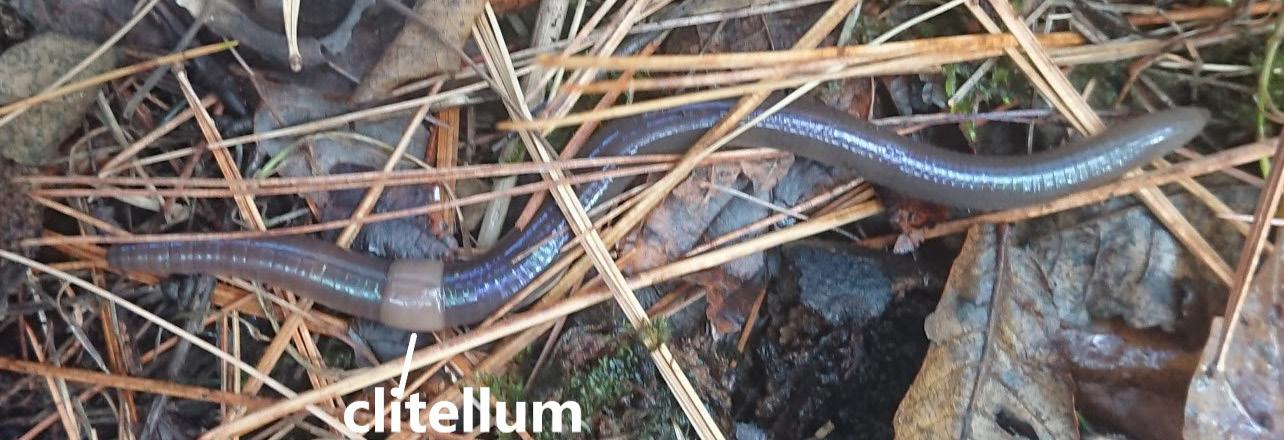
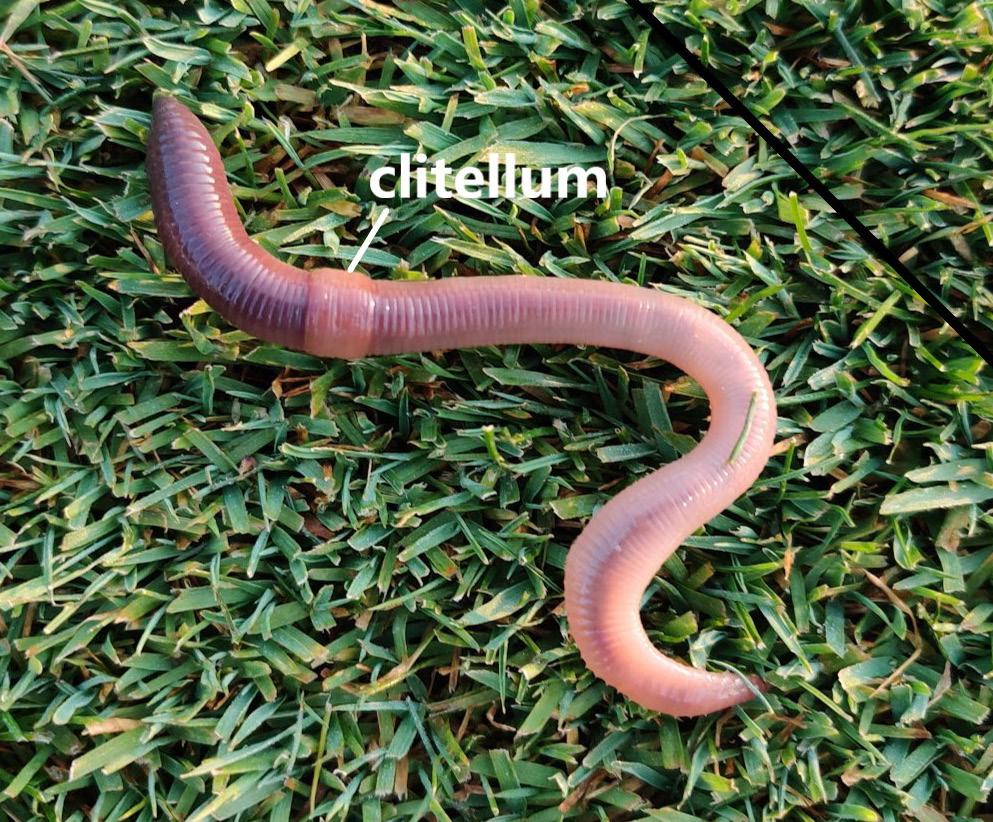
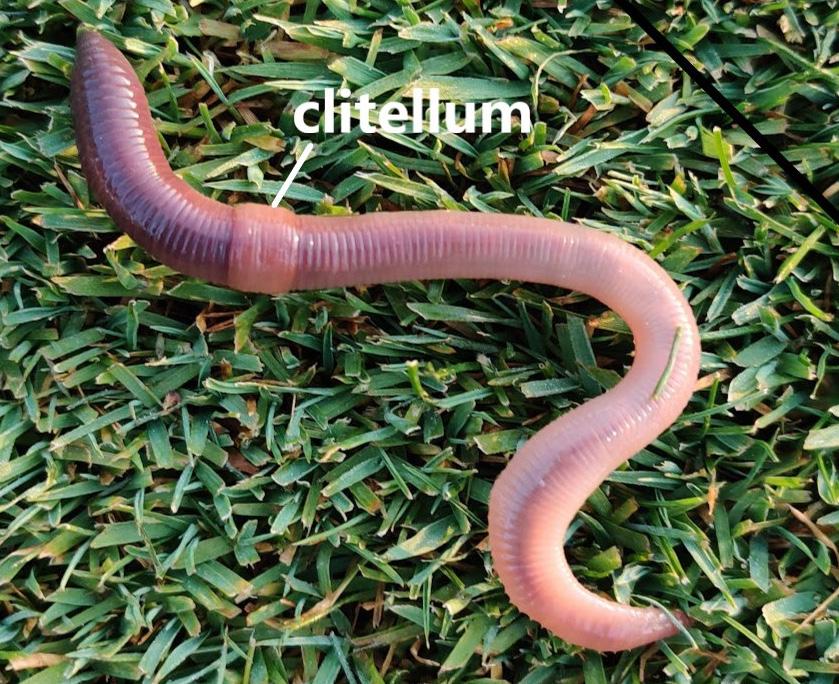
Snake Worm Adult: Note the grayish-brown dark coloration of the body with slight iridescence and contrasting white clitellum located relatively close to the head.

With AMERICAN NATIONAL, you’ll get an agent who has the know-how and products to help you properly manage your family’s risks. An open appointment book, along with options for home, auto, life, farm and business coverage, means you can feel good that you’re getting more an ally than just an agent.
Wherever you are in Massachusetts, there’s a American National agent close to you. Give us a call for more information.























Since then, 16 additional species have been documented throughout the US. In New England, some specimens date from the 1950s–1970s (Gates 1958, Reynolds 2010). Recently, these worms have been noticed by the public and received extensive media coverage, making them easier to detect. It is possible that changing weather conditions — warmer winters and hotter summers — favored the warmth-loving species.
These worms are called “crazy,” “snake,” or “jumping” for their unusually active movements, which set them apart from any other earthworm species. European earthworms are much slower and tend to stretch out toward the head when they move. Snake worms move very actively and wiggle and thrash in an s-like pattern resembling snake movement. If disturbed, some shed their tail as a defense strategy. The worms stay close to the soil surface and are often found right under leaves and/or the upper soil layer. This behavior is not typical of other worm species and can be startling and visually unpleasant. They are voracious feeders and usually appear in high densities at any given location, where they consume large amounts of organic matter in a relatively short time. They significantly alter the soil structure — soil substrate in the infested area has a pelletlike appearance resembling coffee grounds or ground beef.
Because of their behavior, feeding habits, and surface dwelling, snake worms have less benefit to the soil, but higher risk of negative effects on the Northeast native ecosystem. Some studies suggest these species, like European earthworms, strip the forest floor of organic matter, but do it faster. Their presence is associated with root aeration and drying out and negatively affects seedlings of some native tree species (Bethke and Midgly 2019).
Amynthas spp. are active in summer, while many European earthworm species are in the resting state during hot weather and only active in spring and fall. Thus, these species have more potential to negatively affect growing plants, avoid direct competition with European earthworms, and often are found as the sole worm species in a given area. In Massachusetts, we still do not know how damaging or disruptive this species may be for turfgrass and urban landscapes (lawns, golf courses), but they have been found in high densities at many locations throughout the state. So far, few reports of noticeable negative effects on turfgrass and ornamental plants have been received.
Unlike European worms that can live up to eight years, usually overwintering as adults deep in burrows below freezing point, Amynthas spp. have one generation per year in our area. Adults are sensitive to cold temperatures and die by winter. Their cocoon (a sac containing one or two eggs) can successfully overwinter, hatch in spring, and reach adulthood in summer. If you see adult worms in early spring, it is more likely the European worm. Snake worms are probably in the cocoon or early-hatchling stage, which is hard to see. Unlike European earthworms, Asian worms prefer warmer temperatures, and the cocoon requires the soil temperature to stabilize above 45°F before they hatch.
Positive identification of any earthworm species is possible only if the adult worms are collected. Amynthas spp. adults are most abun-
dant in the middle of the summer; juveniles become big enough to notice as early as late May. Adult earthworms have a clitellum, which is involved in reproduction and cocoon formation.
Amynthas spp. worms have a pale, milky-white clitellum (band) that encircles the entire body relatively close to the head. The body of these species is usually uniformly colored and is dark gray or brown.
European earthworms are exposed to less sun, and usually only the front part of the body has a dark coloration.
No effective methods of suppression are known for Amynthas spp. infestation. The best thing to do is not panic, report the infestation, and prevent the spread of these invasive species. Because earthworms are typically beneficial organisms, no chemical or biocontrol agents are currently labeled for their control. Several research teams are working on cultural and other methods to stop the spread and to determine possible management strategies of existing infestations.
The worms cannot travel far on their own — about 30 feet each year. They seek areas with specific favorable conditions, such as high moisture level and plentiful leaf litter or other organic matter. They are usually found at properties bordering wooded areas, raised garden beds, compost piles, and mulched areas, and tend to stay in a localized area. Any organic matter associated with horticulture or landscaping, including soil, leaf litter, compost, and mulch, can be a source of crazy-worm invasion or spread.
It is crucial to inspect material before spreading it on the landscape or sharing with others. Unfortunately, most gardening is done in the spring when Asian worms are still in cocoons or the early hatchling stage, which is impossible to notice. Buy bagged or certified compost and mulch. This ensures the compost goes through a specified heating procedure that kills adults, immature worms, and cocoons. High temperature (at least 104°F) is lethal to cocoons and worms. Where possible, cover infested compost with plastic for several weeks or bag it and put it in the sun. Worms

can be picked by hand and destroyed. They do not cause known harm to people and pets.
Amynthas spp. infestations have been present for quite a long time, and it is impossible to eradicate these species. It is important to be aware of these invasive earthworms and limit their spread into new areas.
Bellitürk, K., Görres, J.H., Kunkle, J., Melnichuk, R.D.S. 2015. “Can commercial mulches be reservoirs of invasive earthworms? Promotion of ligninolytic enzyme activity and survival of Amynthas agrestis” (Goto and Hatai, 1899), Applied Soil Ecology, 87: pp. 27-31.
Bethke, P.G. and Midgley, M.G. 2020. “Amynthas spp. impacts on seedlings and forest soils are tree species-dependent,” Biological Invasions, 22: pp. 3145–3162
Brown, G.G., Edwards, C.A., Brussaard, L. 2004. “How earthworms affect plant growth: burrowing into mechanisms,” In C.A. Edwards (Ed.) Earthworm Ecology, 2nd edition, CRC press
Chang, C.-H., Snyder, B.A., Szlavecz, K. 2016. “Asian pheretimoid earthworms in North America north of Mexico: An illustrated key to the genera Amynthas, Metaphire, Pithemera, and Polypheretima (Clitellata: Megascolecidae),” Zootaxa, 4179: pp. 495–529
Chang, C.-H., Johnston, M. R., Gorres, J.H., Da´valos, A., McHugh, D., Szlavecz, K. 2018. “Co-invasion of three Asian earthworms, Metaphire hilgendorfi, Amynthas agrestis and Amynthas tokioensis in the US,” Biological Invasions, 20: pp. 843–848
Gates, G.E. 1958. “On some species of the Oriental earthworm genus Pheretima Kinberg, 1867, with key to species reported from the Americas,” Am Mus Novit 1888: pp. 1–33.
Reynolds, J. W. 2010. “The earthworms (Oligochaeta: Acanthodrilidae, Lumbricidae, Megascolecidae and Sparganophilidae) of Northeastern United States, revisited,” Megadrilogica 14: pp. 101–157.
Extension Assistant Professor Olga Kostromytska received her M.S. and Ph.D. degrees in entomology from the University of Florida, specializing in turf entomology. She joined the University of Massachusetts in 2018 as an Umass Extension faculty member. Her research program is centered on gaining better understanding of the biology and ecology of turfgrass insect pests, developing sustainable management strategies with reduced insecticide applications, and investigating insecticide resistance mechanisms and developing resistance mitigation programs. The main goals of her extension program are to identify and solve insect pest problems and provide solid and rigorous research foundation to the practical problem solutions. She previously worked as a post-doctoral researcher at Rutgers University, focusing on biology and management of annual bluegrass weevil.
F:
sales@piersonnurseries.com www.piersonnurseries.com
Mailing Address: 24 Buzzell Rd, Biddeford ME 04005 Physical Address: 291 Waterhouse Rd, Dayton ME 04005
Check our website for our most recent availability (PW: pni2021) Or contact our office if you would like to receive our weekly availability emails
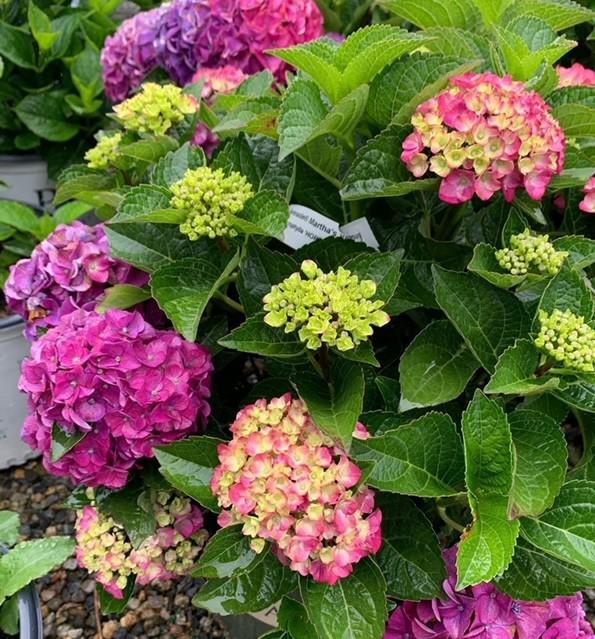
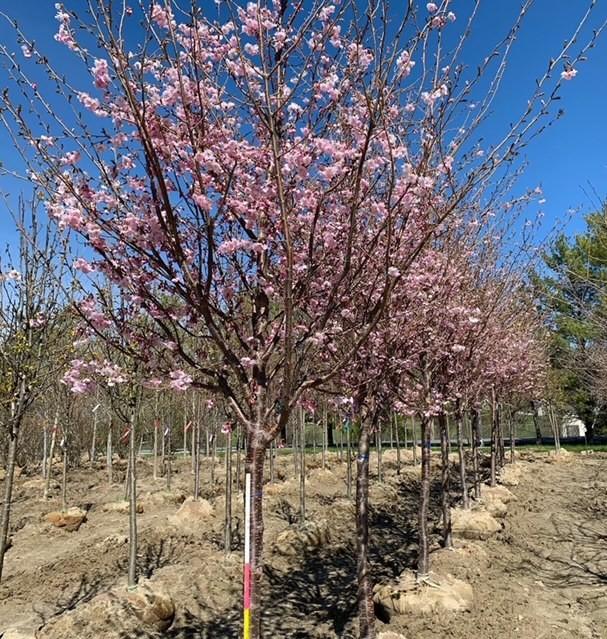
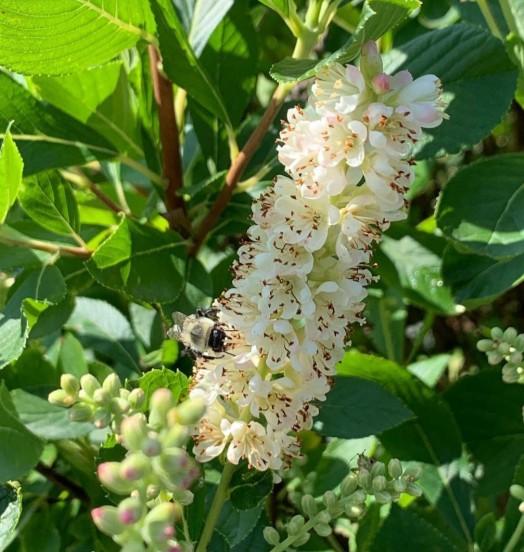
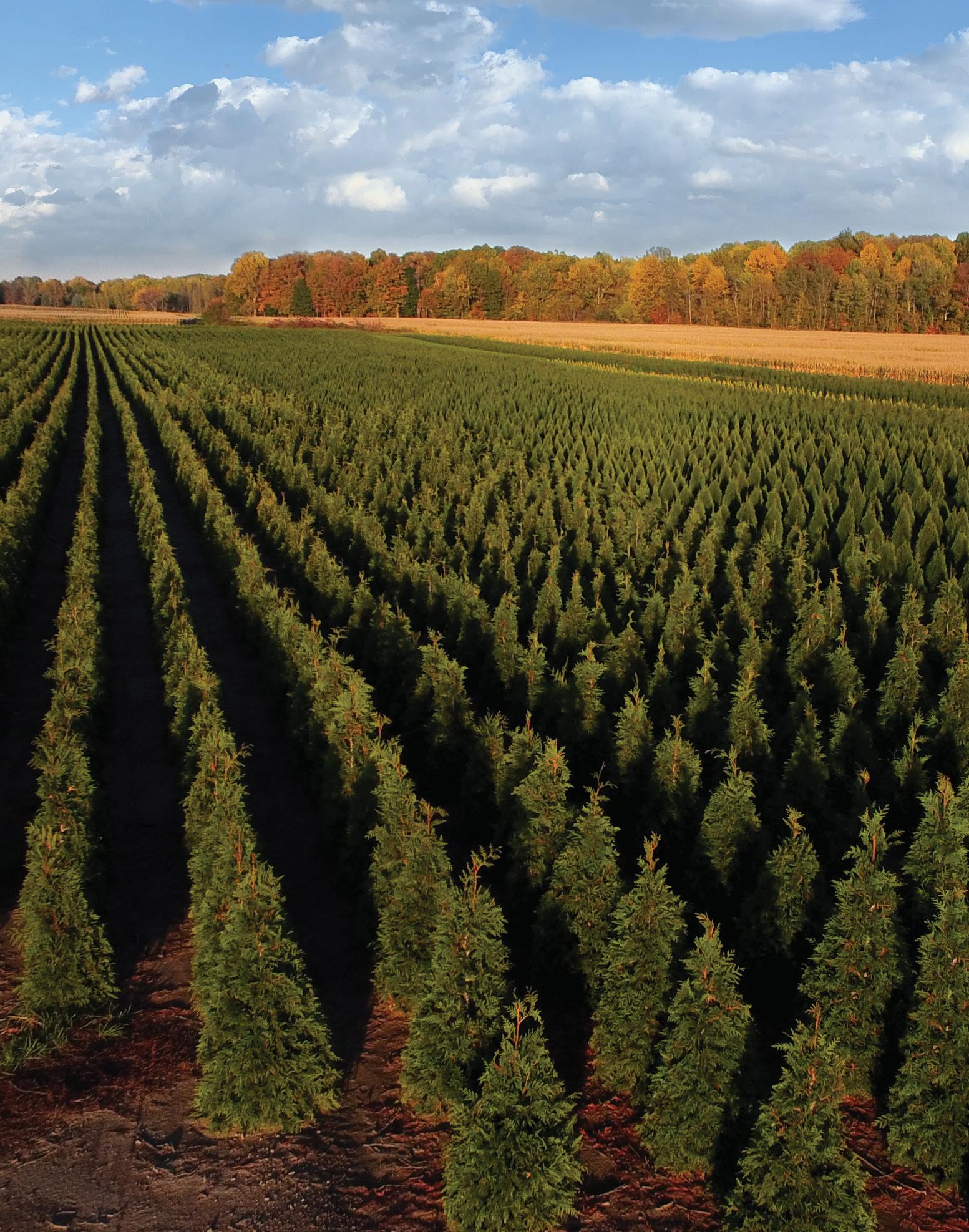
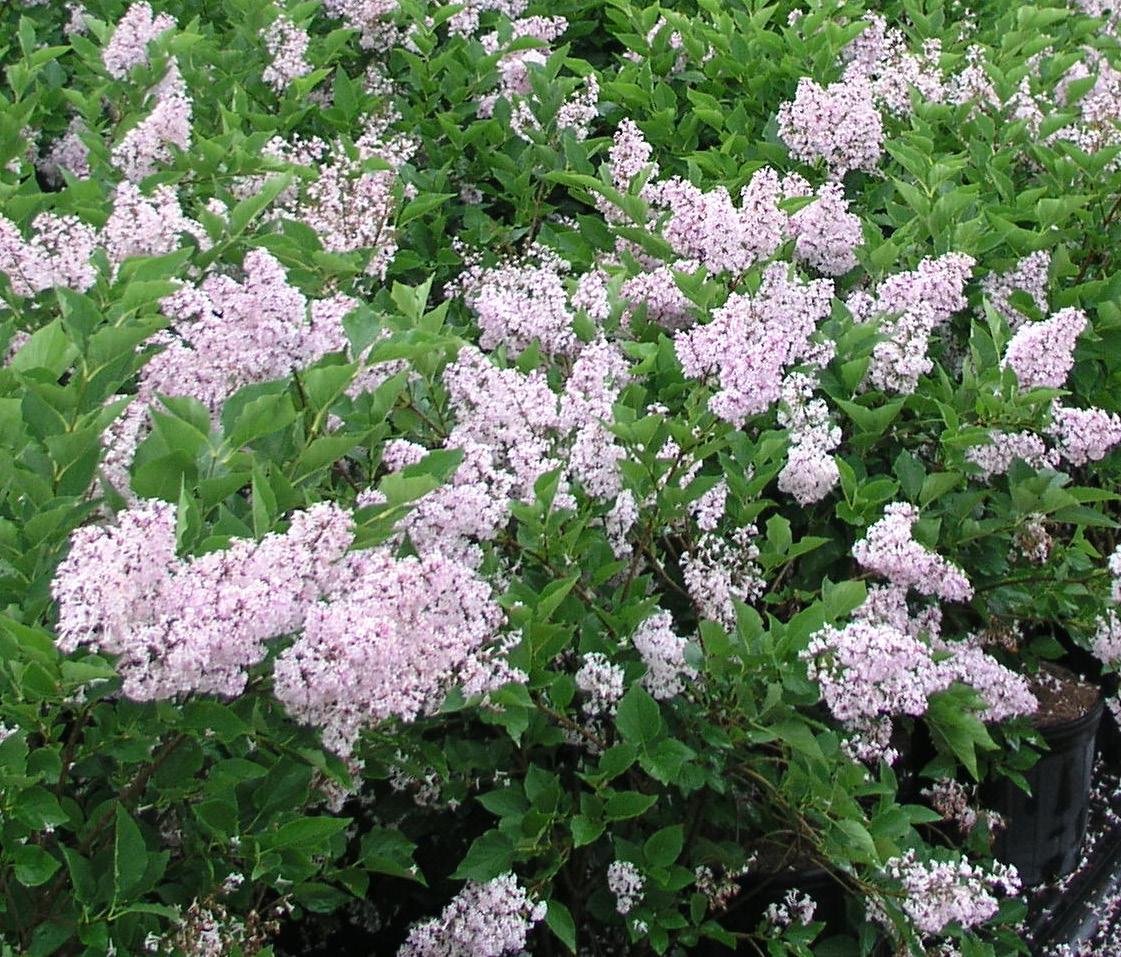
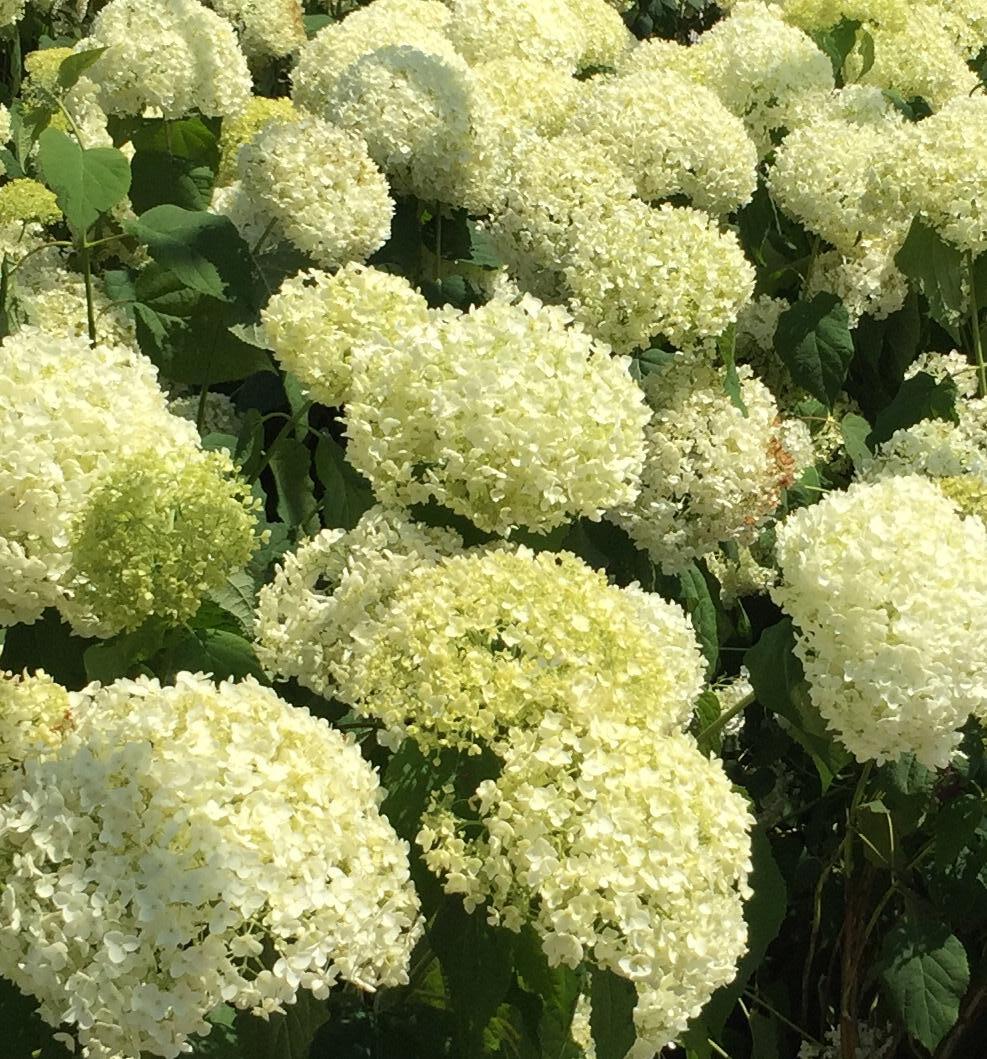
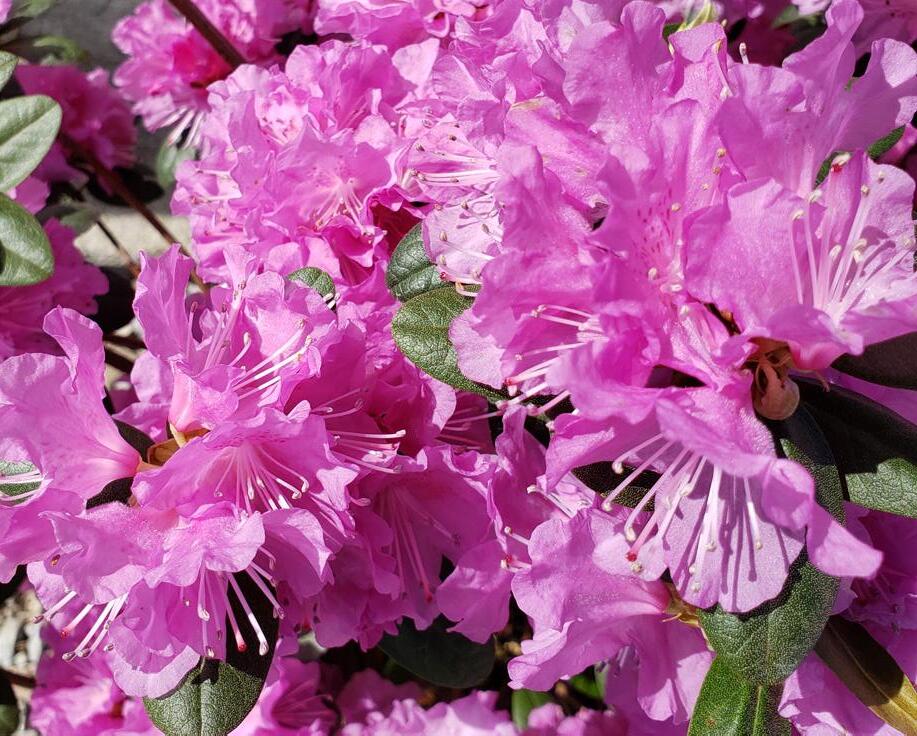
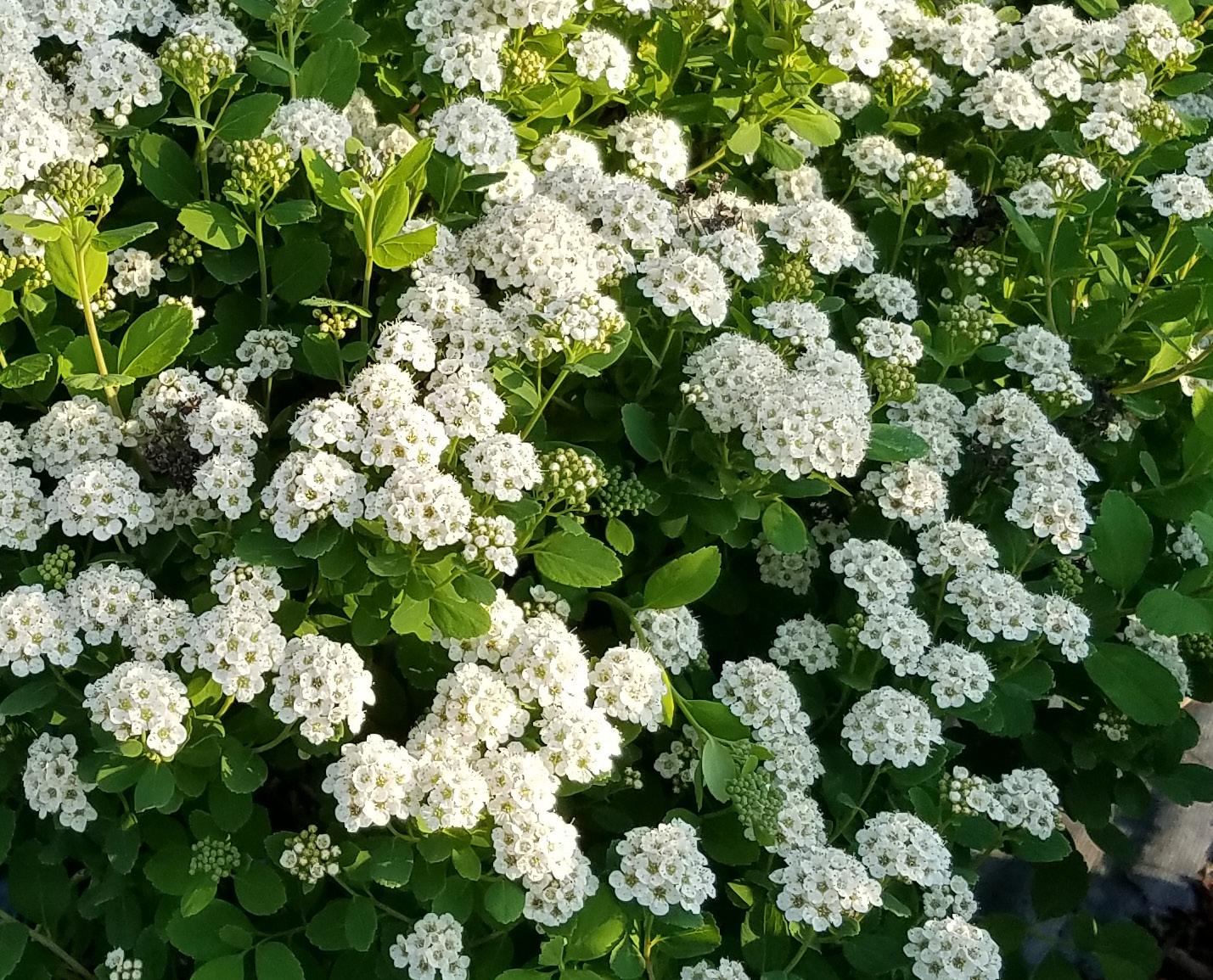
Established in 1910, Cavicchio Greenhouses is a fourth-generation New England farm working more than 250 acres in Sudbury. As a horticultural grower and landscape distributor, we cultivate and supply an extensive variety of annuals and perennials, nursery stock, stone, masonry and landscape materials. With a hard-earned reputation for service, quality, selection and sustainability, we work with professionals and garden centers throughout the area to keep our region beautiful.

978.443.7177 www.cavicchio.com
agers. If you have people you trust, it’s a win-win situation. You may get a resume that is not a match for you, but you can share it with someone else. I’m a big believer in Karma. If you do right by others, it will come back to you.
It’s a numbers game. Just like being a good salesperson, the more recruiting you do, the more resumes you will get. The more resumes you call, the more interviews you will have. The more interviews you have, the better people you will hire. As I like to say, you need to kiss a lot of frogs to find a prince or princess. Pucker up — you have a lot of kissing to do.
Have a sense of urgency especially when you have a really good candidate. You are running a business and thinking about 50 different things you must attend to. However, prospective employees are only thinking about getting this job. In our modern world, people are used to instant answers. If you have a good candidate, stay in touch. Woo them by making them feel important. Think of all prospects as perishable food. Don’t let them rot or get eaten by a rival. Get the job offer out as quickly as you can.
When possible, avoid poaching other people’s employees. This is standard in all industries, especially at the executive level. I guess all is fair in a capitalist society. I can’t say that I haven’t, or that I wouldn’t, but I know how much it angers me when someone goes after one of my people. My advice is to pick your spots. Try not to take this tool out of the toolbox too often. However, if someone is going to leave their job, that’s another
story. People are free to go somewhere else and be happy. Don’t settle. If you suspect that someone is not a good fit when you interview them, chances are they won’t be a good employee after being hired. No matter how desperate you are, be disciplined. It’s unfair to your existing staff to bring on a new recruit you don’t feel confident about. This is especially true of the industry retreads. Just like a bad client who has cycled through several companies, you can’t and won’t fix them. Leopards don’t change their spots. “He has so much talent, he will be different here. I will keep an eye on him…..” WRONG! It’s only a matter of time before he will become a problem.
OK, I realize many of you are thinking to yourselves, “I can’t afford that.’’ “I don’t have time for that.” “I don’t have the resources of a big company.”
I am not here to debate these clichés. Recruiting is hard, and it takes time and resources away from other things. However, if you want to build an outstanding company, you must have a written plan in place for retention and recruiting. Have someone in charge, setting clear expectations that they spend time on the task weekly, if not daily. If you don’t have someone with that skill set, hire someone who does. If you have a small company with limited resources, find a company or person to help you part-time. You may not be able to do everything, but the more effort you put into this, the better your team will be. You can only fix what you focus on.
Great people are the most important resource for a service business. If you have mediocre people who don’t show up or do a
Having a partner that makes