Homecoming in Seaford


As a child, Wantagh native Michael Kefer often dreamed about rescuing and training wild mustangs — and he’s been one of the few to actually make those ambitions come true.

Kefer, who goes by the nickname Cow boy, is the owner of Black Crow Mus tangs, a horse rehabilitation farm in upstate New Paltz. Kefer had been build ing horse fences for farms upstate before he saw the opportunity to open his own horse farm two years ago.
“I’ve wanted to rescue wild mustangs ever since I was a kid,” Kefer said. “And as I got older, I just kept pushing it off and
 By MICHAEl MAlASZCZYK mmalaszczyk@liherald.com
Not long after the holidays of Rosh Hashana and Yom Kippur, the Jewish community of Long Island is celebrating another hol iday — Sukkot, also known as Feast of the Tabernacles. Sukkot is a joyous holiday, filled with enthusiastic celebration.
The Chabad Center for Jew ish Life, which is in Merrick but has congregants from Wantagh and Seaford as well, kicked off the holiday on Sunday.
Sukkot dates back to ancient Israel, when Jews built huts near the edges of their fields during the harvest season. In
those days, people lived in these sukkahs. Now, Jewish observers of Sukkot either build sukkahs in their backyards or help con struct them at their synagogues.
“When the Jewish people left Egypt, they were in the desert for 40 years,” Rabbi Shimon Kramer, of the Chabad Center, said. “They didn’t have houses, so God provided them with huts. Well, they appeared as huts, but they were clouds of glory which shielded them from the sun and other elements.”
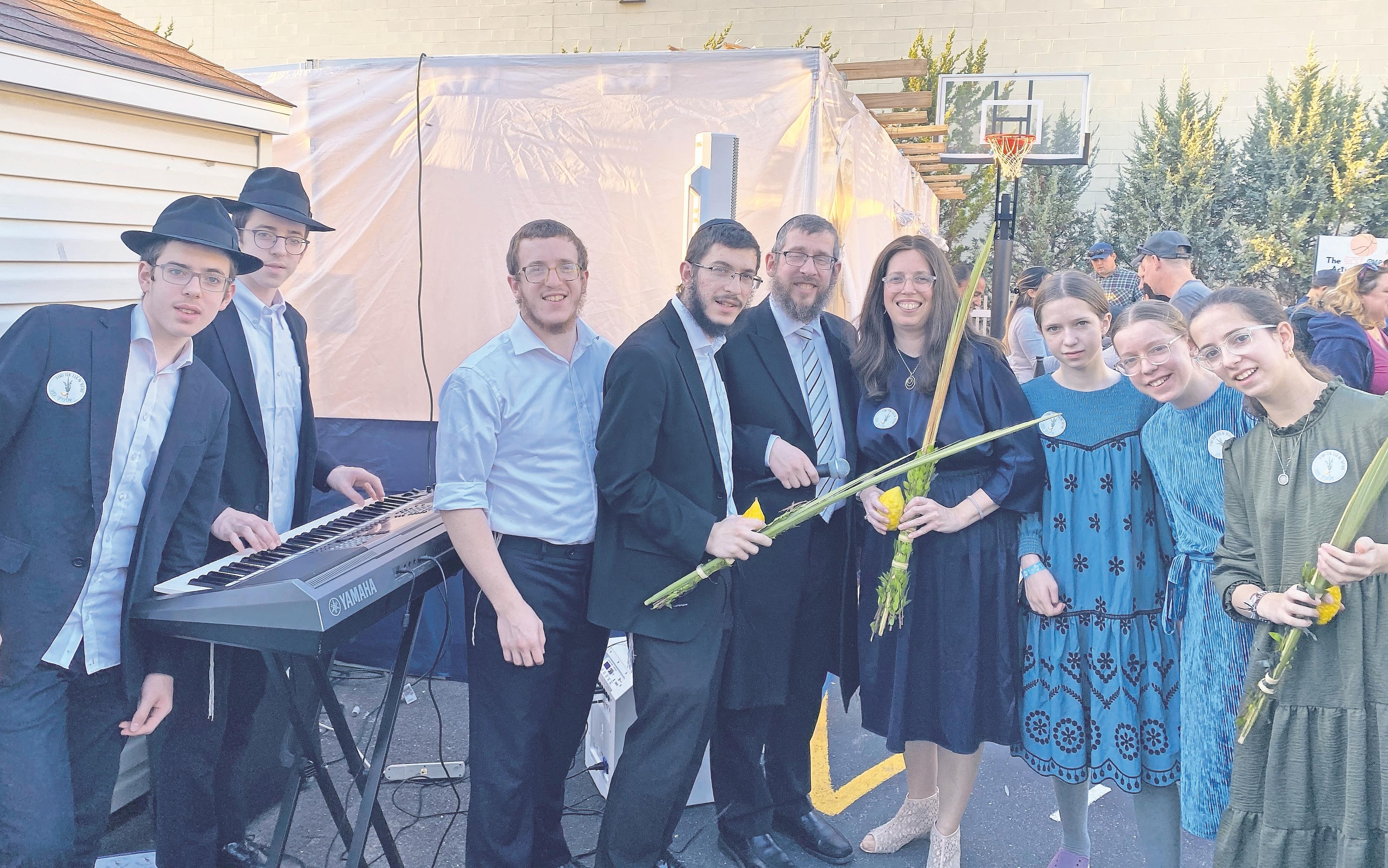
Congregants were given stickers for taking part in a cere mony involving what Jewish custom calls the four species, three types of branches and one
SHIMoN KRAMER Rabbitype of fruit. Together they are shaken three times while a blessing is recited. “It says in the Torah that you should take a beautiful fruit and shake it,” Kramer said.
More than 250 congregants were in attendance, and Kramer
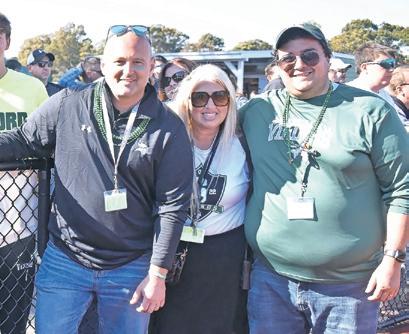
proudly noted that the Chabad Center is as much a community center as it is a religious center, so many people, religious and secular, came to take part in the holiday.
The celebration began with a variety of activities, including a petting zoo, pony rides, a barbe cue, live music and a real suk kah, assembled outside the cen
ter. The petting zoo was especial ly popular with the children, whom Kramer called “our most important members.”
He added that it is important for congregants to eat inside the sukkah, because it can remind those who are comfortable in their large homes that not every one can afford housing.
Continued on page 4
W hat we cannot accomplish in prayer, we can accomplish in dance.
pushing it off.”
Kefer’s love of horses at a young age started here on Long Island. He grew up in Wantagh and attended Wantagh Elementary School and Wantagh Middle School.
His father had owned Mike’s Firehouse Pizza in Seaford for many years, so Kefer was connected to both Wantagh and Seaford.
As a youth, he loved riding his bike to Jones Beach along Merrick Road, and said that when he was growing up, bridge jumping was a big thing in the area.
“Every bridge that we crossed, we’d jump off real quick, then climb back up,” Kefer said, referring to the many small bridges that exist in Jones Beach State Park.
“That’s probably what spurred my interest in taming wild mustangs, because I’m still crazy apparently.”
Everything changed, however, when his parents sold the pizzeria in Seaford and moved the family upstate.
“We moved upstate right before I started high school,” Kefer said. “So that was rough — a bit of culture shock.”
The move upstate was obviously difficult for a Long Islander like Kefer, but his saving grace was that he had been riding horses on Long Island as well.
“I had been going to the Babylon Riding Academy since I was 5,” Kefer said. “So when we moved upstate and my par ents got the 100-acre horse farm, being around the horses made the transition easier.”
Kefer had made a living building horse fences, but when both Covid-19 and personal tragedy struck, he decided to pursue his dream.

“One of my good friends died of cancer,” Kefer said. “And another good friend was diagnosed with cancer, so I said to myself that if I didn’t do it now, I’d never do it.”

Kefer sold his fencing business and opened Black Crow Mustangs, starting his dream work of taming wild horses. Most of the horses come from Nevada and have never even
seen humans before, he said.
“It’s like trying to tame a 1,000-pound deer on crack,” he joked.
Many of the horses he rescues are wild and waiting to go to the slaughterhouse. Some wild mustangs are tamed and sent to good homes, but others are not, according to Kefer.
That means there is a great deal of danger handling these horses, because they are large and powerful animals. But Kefer said he is patient and works to gain their trust over time with a variety of small exercises. Once they have been perfectly tamed, in a process that usually takes about six months, Kefer then sends them to loving homes, where they can live out good lives.
Kefer started this business in 2020, but it really took off when an unfortunate incident turned into Black Crow’s big break.

“I was riding my personal horse down the street in New Paltz,” Kefer said. “And he had an accident in the street, which I cleaned up right away. But people were, of course, complaining about the smell, and talking about it. But I tell you what — it brought attention to my business.”
Since that incident, Black Crow Mustangs has grown in popularity, with local newspapers upstate reporting it. Kefer has even been able to sell some apparel.
Since available land out West is decreasing for wild hors es, Kefer said he feels he’s doing good work by saving the lives of these horses through his business.
Kefer said he’s too busy to visit his home area of Want agh and Seaford, but he wishes he could.
“I still have family in Seaford,” he said. “And they’re very involved in the community. I wish had the time to come down more often.”
Whenever his Long Island family visits him, Kefer said he demands a bagel and some potato salad from Otto’s Deli in Wantagh. He said he also misses Jones Beach, despite having fully adjusted to life upstate.

An already energized crowd reached a new level when the Seaford Vikings homecoming football game ended with a dou ble overtime win against the Malverne Mules on Oct. 15. The final score was 34-33 and sent the fans home happy on a day that was devoted to Seaford pride.

Homecoming festivities began with a parade up Washington Avenue, featuring students and staff from all four schools as well as board of education trustees, cen tral administrators, local youth organiza tions and the Seaford Fire Department. The high school’s four classes showcased their decades-themed banners.
This year’s parade grand marshal was John Striffolino, who retired in June after serving as an administrator in the district for 25 years, most recently as deputy superintendent. John Striffolino was known for his regular attendance at Sea ford sporting events and he was recog nized during the halftime program. Some in the community have referred to him as “Mr. Seaford”.
A large crowd of students, staff, alum ni, parents and community members gathered for the game, filling the bleach ers and lining the fence on the home side. A performance by the dance team preced ed the arrival of the varsity football squad, which was introduced as a Seaford fire truck launched a stream of green water off in the distance. A quartet of stu dents sang the national anthem, and then the game was under way with Seaford putting the first points on the board with a touchdown.
Halftime began with a joint perfor mance by the varsity, junior varsity and middle school cheerleaders, followed by the marching band show, “Seaford World wide.” The senior class was named the

winner of the banner contest and the juniors claimed the most points in spirt week, which included themed dress-up days leading up to homecoming.
Ryan Baldwin and Kailly Nocera were crowned king and queen, with Emily Bowles, Michael Lent, Karl Leudesdorff and Skyla Munro rounding out the homecoming court.
cHeerleaders kepT THe crowd energized throughout the game.
THe marcHing band’s “Seaford Worldwide” show featured the music of American rapper Pitbull.



In his introduction to the festivities, Kramer spoke of Rosh Hashana and Yom Kippur, and noted that Sukkot comes afterward, to connect further with the faith in ways the other holidays cannot.
“We have been praying and praying,” he said. “And now for God to continue to listen, we must dance. What we cannot accomplish in prayer, we can accomplish in dance.”
After the outdoor activities, congre gants headed into the center, where the Torah dances began. There were three dances, one dedicated to children, anoth er dedicated to parents, and another dedi cated to grandparents. Many held Torahs for the dances.
Afterward, the children of the center sat in a circle, and Kramer shared with them the stories of the original Sukkot, before leading a prayer.
With its large attendance and its par ticipants’ clearly evident enthusiasm, this Sukkot celebration was a success for the Chabad Center, and an indication of the vibrancy of the South Shore Jewish community.
“We cater to everyone here, from the youngest to the most elderly,” Kramer said. “And we are so glad that the commu nity welcomes us and that they come out to enjoy themselves.”
Congregation Beth Tikvah Hebrew School in Wantagh recently celebrated Rosh Hashanah, the Jewish New Year. Hebrew School teachers Elta Portnoy, standing left, and Henry Arkin, seated center, and children prepared freshly baked traditional round challah breads, dipped apples in honey for a sweet good year, and made a heartwarming toast for a healthy, blessed, joyous and peaceful New Year.
 Michael Malaszczyk/Herald


The list of successful small businesses in the Wantagh Chamber of Commerce has grown by one, as the Wantagh Chamber, Town of Hempstead Clerk Kate Murray, Legislator Steve Rhoads, Councilman Christopher Carini, and others welcomed Imperium Physical Therapy and Performance to Wantagh. The business is located on Wantagh Avenue, and is owned by Jacob Urban and Frank Prochilo. It features several exercise machines and beds for physical therapy. The Chamber hosted the official ribbon cutting in the afternoon on October 14.
 Courtesy Congregation Beth Tikvah
As annoying as they might be, those four words could very well be signs of hearing loss. And it’s not a bad idea to get it checked out.
Protecting your hearing is exactly what those who tuned in to the recent AARP Long Island webinar series found out, thanks to the expertise of Dr. Lawrence Cardano and Dr. Esther Fogel.

“Out of all the health problems known to the United States, hearing loss is the third-most common health problem amongst adults,” Fogel told those attend ing the recent webinar from Herald Inside LI. That makes hearing loss “even more common than diabetes or some other health problems.”
Nearly 30 percent of adults older than 65 have some degree of hearing loss, the audiologist said, and as many as half of adults older than 75 have hearing loss to some degree.
The free webinar was part of the Octo ber series “Health+Wealth+Self,” which concludes Thursday, Oct. 20 with a focus on protecting older Americans from cyber crime.
Sponsored by AARP Long Island, Ber nard Macias — it’s associate state director — stressed the importance of AARP empowering people older than 50.
“We strengthen communities,” Macias
said. “We advocate for what matters most, with a special focus on health, security, financial stability and personal fulfillment.
So, if you’re going to remember anything about AARP, remember we’re all about health, wealth and self.”

Fogel is from Comprehensive Audiolo gy in Lynbrook, while Cardano sees patients at the Hearing Center of Long Island in Valley Stream. Both say getting
your hearing checked out can improve your quality of life. And there are signs anyone can look for when it comes to hear ing loss. Like if people around you seem like they’re mumbling, or you find your self asking people to repeat themselves.
Other signs include struggling to under stand people talking in noisy locations, missing words or phrases on the tele phone, or even hearing ringing, buzzing,
hissing sounds in your ears.
“There are a lot of things that can con tribute to hearing loss and put you more at risk for hearing loss,” Cardano said. “Any thing that affects your health, overall, can affect your hearing.”
Common risks, Cardano mentioned, include high blood pressure, obesity, inac tivity, high cholesterol, smoking and diabe tes.
Hearing loss can have even larger impli cations, the doctors said — like dementia.
“In order for the brain to function prop erly, it needs to receive all the sensory input from our surroundings,” Fogel said. “So, when we’re not hearing all the sounds that we should, the brain is not receiving all the signals that it should be hearing. And that can lead to cognitive decline.”
Don’t panic if you think your hearing might be diminishing, however. There are steps you can take to protect your hearing, such as having your hearing tested, limit ing your exposure to loud noises, eating healthy, and exercising.
And, if you are diagnosed with hearing loss, Cardano stressed, treat it early.
“All the research is telling us that if you have any hearing loss — even a mild hear ing loss — the easiest way to preserve your hearing clarity is to have it treated and have properly fitted and maintained hear ing aids,” Cardano said.
Register for the final webinar in the series set for Thursday, Oct. 20 at 6 p.m., by visiting LIHerald.com/self.

As a business owner, it’s a constant challenge to meet the day-to-day demands of your business while also planning for the future.


Whether you own a local store or a national company, it’s critical to be prepared for any scenario and for the successful transition of your business. It’s security and peace of mind for you and your family.
Join attorney Joseph Milizio, managing partner of Vishnick McGovern Milizio LLP and head of the firm's Business & Transactional Law practice, and Anthony Citrolo, CPA, CMAA, CEPA, founder and managing partner of The NYBB Group, for a live webinar with audience Q&A on the challenges, solutions, common mistakes, and necessary steps business owners and executives must take to be prepared for the future.



RichnerLIVE and Herald Community Newspapers will celebrate family-owned businesses that are successful, giving back and moving Long Island forward.

Philanthropic Family of the Year
The Bruderman Family of Companies Legacy Award

GSE Dynamics, Inc. Richner Community Award Huntington Learning Center Multi-Generation Award Iavarone Brothers
The Heritage Club at Bethpage Farmingdale, New York
Stew Leonard Jr. Stew Leonard’s

Lanes RVC
Company,
Group
& Empire Nutrition Patrizia’s Pinelawn Memorial Park and Arboretum

River Day Camp
Leonard’s
Atlantic Beach Club



Marketplace
Brooklyn Bagels and Bialys



Bay Harbour Insurance Agency, Inc. C&L Plumbing Supply Inc. Charles Krull & Son, Inc.






The Louise Pitlake Power Team at Douglas Elliman Real Estate Hart & Soul Inc.
Performing Arts and Dance School Harry Katz Carpet One Floor & Home

Herb & Olive Marketa HoodSkulls®️
KeepFit by Keisha La Strada Montana Brothers My Gym Children’s Fitness Center Rockville Centre Auto Repair Otto’s Sea Grill

SVS Fine Jewelry Towers Funeral Home, Inc. The Zweig Law Firm P.C.





A portion of ticket proceeds will be donated to a local charity.
*List in formation

MacArthur High School’s football field has been a house of horrors for Elmont in recent years, but last Friday night the Spartans played a dominant first half and held on for a 20-13 Conference II victory to exorcise some demons.
saMaNtha KolB Long Beach Senior SoccerCoMMitteD to plaY D-1 soccer at Providence College, Kolb is considered the frontrunner to earn a second Conference Player of the Year award in three seasons. The soon-to-be four-time All-County forward/midfielder has the Marines on the verge of the A3 title with a record of 10-1. She leads all of Nassau County in goals this fall with 24, including at least one in all 11 games, and has more than 50 in her career.
BoYs soCCeR Friday, oct. 21
Class A first round at higher seed 2:30 p.m. tuesday, oct. 25
Class A quarterfinals at higher seed 2:30 p.m. Wednesday, oct. 26
Class AA quarterfinals at higher seed 2:30 p.m. thursday, oct. 27 Class B championship at Plainedge 7:30 p.m. Friday, oct. 28
Class A semifinals at Mitchel Complex 5:30 and 8 p.m. sunday, oct. 30
Class AA semifinals at Mitchel Complex 12:30 and 3 p.m.
giRls soCCeR saturday, oct. 22
Class A quarterfinals at higher seed TBA Wednesday, oct. 26
Class A semifinals at C.S. Harbor TBA
“We lost five in a row on this field and four of those were very close, including a playoff game,” Elmont head coach Jay Hegi said. “We couldn’t have played better in the first half, but we had chances to build a bigger lead and it almost came back to haunt us. Credit to MacArthur. Those kids didn’t give up and we were dragging and cramping towards the end.”
MacArthur (2-4) used its patented ground attack to get back in the game fol lowing a momentum-turning interception by junior Frank Hespe late in the third quarter. The Generals were marching for the potential game-winning score in the final minute before stalling just inside the red zone.

“That turnover is exactly what we needed and gave us a chance to win,” said MacArthur head coach Bobby Fehren bach, who was planning on a 2-point con version try if it got within a point. “We started the season with little experience and we’re battling every week,” he added. “The goal is to be one of the last eight standing when the playoffs get here and go from there.”
The Spartans (3-3) scored all three of their touchdowns within the first 10 min utes and didn’t allow a first down to the Generals until the opening possession of the second half. Senior Kamani Lewis, moved to quarterback just a week earlier, had passing and rushing touchdowns as Elmont put together consecutive wins for the first time.
“I’ve never played quarterback before, but I practice throwing a lot during the summer,” said Lewis, a track star who began the season as a receiver but swapped positions with fellow senior Jus tus Nathaniel, who caught a 67-yard touch down pass 1:38 into the game to open the scoring. “We’re a different offense now and just getting started,” Lewis added.
On the third snap of Elmont’s second possession, Lewis turned a broken play into an electrifying 72-yard touchdown run and a 12-0 lead. He rolled out of the pocket looking to pass but after not find ing an open receiver, tucked the ball and took off. He made a sharp cut around mid field and was gone.
“We’re a much more dangerous offense the past two weeks,” said Hegi, who will look to earn his 100th coaching victory this Saturday when the Spartans visit Herricks for a 2 p.m. kickoff. “Kimani can really throw the ball and Justus is a dynamic receiver,” he added. “We also
have two quality backs who are both juniors.”
Running backs on both sides had impressive games. Elmont’s Nicholi Noble had a 6-yard touchdown run while sharing the workload with Isaiah Davis. MacAr thur, with its offensive line back to full strength following injuries to a pair of starters, got a 14-yard touchdown run from senior Joey Forchelli in the third quarter and an 18-yard score from senior Rocco Hogan with 5:47 remaining in the fourth.
“We’ve lost some heartbreakers on this field,” Hegi said. “I was nervous during that last drive.”
Free web class reveals how high-income families can comfortably afford college during these turbulent times... without scrimping their lifestyle or raiding their retirement savings.
Discover little-known, closely-guarded strategies and tips that could save you thousands off the cost of college, including:
• How to negotiate with colleges. Did your accountant or financial advisor tell you where to save for college? WATCH OUT: their advice may have RUINED your chances of getting anything (and what to do about it at the 11th hour)
• The counter-intuitive reason why an expensive private college can actually cost less than a so-called "cheaper" state university.
• The strange reason why high income families have an edge when it comes to getting aid from colleges
• Which types of savings accounts do NOT penalize you at all in the financial aid formulas
• The 529 Savings Plan: "friend" or "foe?"
• Legal "loopholes" business owners can use to unlock cash buried in their businesses
• WARNING: Why your guidance counselor on "College Night" might SABOTAGE your child's odds of admission or getting aid

• How a Huntington family negotiated an extra $38,000 per year from the University of Pennsylvania Plus more, including your questions, answered in real time!










 By Karen Bloom
rom their roots in the Five Towns back in 1983, the Rockville Centrebased South Shore Symphony has grown and flourished as a regional orchestra that commands attention. For much of that time — since 1991 — principal cellist Wayne Lipton, the orchestra’s president, has been instrumental in guiding the many phases of its
growth.
“We started to really blossom, added more musicians, when the Rockville Centre Guild for the Arts took us under their umbrella” in 1991, Lipton recalls. And he and his group have never looked back. The orchestra — which performed at South Side Middle School until its move to the then newly-opened Madison Theatre on the Molloy University campus in 2011 — soon become known for their fascinating, challenging repertoire.

• Saturday, Nov. 12, 7 p.m.
• Madison Theatre, Molloy University campus, 1000 Hempstead Ave., Rockville Centre
• For tickets, visit MadisonTheatreNY.org or call the box office at (516) 323-4444
“We put everything into it,” Lipton says. “We attracted more musicians and a larger audience. Soon soloists were added into the mix of the all-volunteer orchestra. We kept adding new things.”
conductor Scott Jackson Wiley.
“Wiley is extraordinary,” Lipton says. “He’s done a wonderful job teaching us and moving us forward. His dedication and commitment to the highest musical standards has led us to deliver consistently powerful and moving performances of some of the greatest symphonic works. It takes a special person to commit to an orchestra for that span, and he’s truly deserving of recognition.”
As he will be on Nov. 12, when the orchestra celebrates their beloved conductor’s 25th season with a special concert in his honor. Fen Hsin returns as featured soloist to perform Brahms Violin Concerto. The program also includes ‘Brahms Variations on a Theme” by Haydn and Brahms Symphony No. 4.
The fusion supergroup has enthralled audience with their special blend of Pink Floyd, Talking Heads and Phish since their inception some 10 years ago. What began as a lark for the four jam band musicians has turned into something much more. The band — with Eric Gould on bass, Richard James on keyboards, Zack Burwick on drums, and Cal Kehoe on guitar — has garnered a major following for their inventive combination of tunes from the namesake bands that inspired PTF. Although the music from each act is different, PTF has discovered that fusing the material together creates what the band describes as an ‘amazing story.’
Friday, Oct. 21, 8 p.m. $44.
Jeanne Rimsky Theater at Landmark on Main Street, 232 Main St., Port Washington. (516) 767-6444, or LandmarkOnMainStreet.org.
Ltd.
That included collaborating with the local dance company, Leggz Ltd. Dance, performing outdoors each summer in Rockville Centre, and concerts at St. Agnes Cathedral.

The real turning point occurred with the construction of the Madison Theatre.
“We were ecstatic to be offered a real home,” Lipton enthuses.
“We were ecstatic to be offered a real home,” Lipton enthuses.

The feeling is mutual.
The feeling is mutual. partner artistic throughout
“The Madison Theatre is proud to partner with the South Shore Symphony,” says artistic director Angelo Fraboni. “We feature them in a variety of shows throughout the year. They’re always consistently excellent.”






























“These are all pieces chosen by Scott as a statement of his classical background,” Wiley says. “It’s a strong classic repertoire. As an accessible Romantic composer with a big sound, Brahms is (a) tremendous showpiece for Ming. The Symphony is a tough one, a nice challenge for the orchestra, as is Variations on Hayden.”
While the orchestra may have “South Shore” in its name, Lipton is quick to point out that this is a group of dedicated, highly skilled musicians representative of all of Long Island.
This relationship has challenged and opened up new ventures for the orchestra. Its members now perform in opera and musical productions. Also Broadwaystyle revues, which include the University’s CAP21 theatre arts students. And, of course, Leggz Ltd Dance’s holiday confection “The Nutcracker,” among their many versatile performances.
“We’ve had an opportunity to play with some amazing people,” Lipton says, including Keith Emerson, Neil Sedaka and Jimmy Webb.
“It’s a very special group,” he says.
That “special group” has committed to a special season. One of “the most ambitious yet,” according to Wiley.
Collaboration with Fraboni has blossomed into highly-praised full productions of operatic standards such as “Carmen,” “Marriage of Figaro,” “La Bohème,” “Tosca” and “Madame Butterfly.” A sustained cooperation with musical director Michael Bower and the Cathedral of Saint Agnes has led to memorable performances of major choral works such as Mahler’s Second and Third Symphonies, Beethoven’s Choral Symphony and many others, as well as most of the major concertos for organ and orchestra.
cooperation with musical director Michael Bower and the Cathedral of Saint Agnes has led to memorable performances of major choral well and relationship
Of special note is the orchestra’s relationship with virtuoso violinist Ming Fen Hsin — the orchestra’s music director in the ‘90s — who connected the South Shore Symphony with music director and
“I hope everyone takes advantage of all that we’ve pulled together this season to entertain you.”
Above photos: Whether playing the classical repertoire or joining Molloy’s CAP21 theatre arts conservatory students and Broadway performers in a Salute to Broadway, most recently on Oct. 9.
The Great Jack O’ Lantern Blaze is back for a third year at Old Bethpage Village Restoration. The Halloween-themed event, which had its start in the Hudson Valley at Van Cortlandt Manor in Croton-onHudson, features more than 7,000 illuminated, individually hand-crafted jack o’ lanterns displayed throughout the restored village. The pumpkins are carved into elaborate sculptural displays that light up the night, creating an family-friendly experience all ages will enjoy. Visitors stroll the pumpkin trail, past 19th-century buildings, and through historic barns to find themselves immersed in a fall wonderland.
Now through Nov. 6. Tickets must be purchased in advance, none available on-site. Tickets start at $32 for adults; $24 ages 3-17. Children 2 and younger are free. Old Bethpage Village Restoration, 1303 Round Swamp Road, Old Bethpage. For tickets and information, visit PumpkinBlaze.org.






























































The JULIETS are back playing Mah Jongg and cards at Congregation Beth Tikvah, at 3710 Woodbine Ave., in Wantagh every Thursday, 11:30 a.m. to 4 p.m. Masks are optional, but proof of Covid-19 vaccination is required for newcomers, as well as a contribution of $5 per person. For more information email mahjonggCBT@yahoo.com or call (516) 785-2445.












The versatile songstress-musical theater star brings her powerful voice to NYCB Theatre at Westbury, 960 Brush Hollow Rd., Westbury, for her latest cabaret turn, Friday, Oct. 28, 8 p.m. A best-selling recording artist with 14 solo albums to her credit, Eder brings a diverse repertoire spanning Broadway, standards, pop, country, and jazz. When Eder performs live in concert, audiences are awed by the ease of her transitions between genres, effortlessly displaying the full range of her incredible vocal gifts. For information/tickets, visit TheTheatreAtWestbury.com or LiveNation.com or call (516) 247-5200.






Meet journalist Joe Calderone, author of “Don’t Look Back,” a thriller that takes readers into the hearts and minds of a FDNY family who lost their son during 9/11, and set out on a mission to find out what really happened to him and the other 342 firefighters who perished, Wednesday, Oct. 26, 6-9 p.m. Hosted by Tony Cancellieri and Mike Sapralcone, at the Coral House, 70 Milburn Ave., Baldwin. For information, call (516) 672-3205.






Art has access to worlds beyond the one we know. Explore the next dimension as seen through eyes of artists throughout the centuries, at Nassau County Museum of Art’s current exhibition, Other Worlds than This: The Supernatural in Art,” now through Nov. 6. The exhibit summons a celestial realm of demons, ghosts and extrasensory phenomena as conjured by such Surrealists as Dalí, photographers, Old Masters including Goya, contemporary talents Betye Saar, Luc Tuymans, Michaël Borremans and others. Nassau County Museum of Art, 1 Museum Dr., Roslyn Harbor. (516) 484-9337 or NassauMuseum.org.



If you like both wine and saving animals, there is some good news for you. Last Hope Animal Rescue,will be hosting a wine tasting in Old Bethpage on Oct. 21. For more information visit lasthopeanimalrescue.org/





Enjoy an ABBA-inspired disco night at Mulcahy’s, Friday, Oct. 21. at 3232 Railroad Ave. Be transported back to the disco era. For more information, visit tinyurl.com/disco1021.

Visit Governor’s Comedy Club for a comedy benefit for the “Laughter Saves Lives” Foundation, Wednesday, Oct. 26, 90 Division Ave., Levittown, For more information, visit tinyurl.com/laughterlives1026.
United Skates of America in Seaford wants to make skating year round activity. Every Thursday, from 4 to 6 p.m., enjoy a skate night with only $5 admission; skate rental is available for an extra $6. For more information visit tinyurl. com/thursdayskate.
Pick up tasty seasonal goodies at Seaford Farmers Market, Railroad Street, at the east end of the LIRR parking lot, at the intersection of Washington Avenue and Sunrise Highway, from 7 a.m. to noon through Nov. 19.

Feast on delectable mac and cheese when Mulcahy’s hosts a tasty Mac & Cheese Fest, Sunday, Oct. 23, 3232 Railroad Ave. With various types of macaroni and cheese dishes, craft beer and prizes. For more information visit tinyurl.com/ macandcheese1023.

Attend an informative session with state legislature candidates, hosted by the League of Women Voters and the Plainview-Old Bethpage Library, 999 Old Country Rd., Plainview, Tuesday, Nov. 1. 15th Assembly District candidates Amanda Field and Jake Blumancranz are at 6:307:30 p.m., followed by 5th State Senate District candidates John Brooks and Steve Rhoads at 8-9 p.m. For information, contact gfelicetti7@yahoo.com.

If you missed the Mulcahy’s 80s night you can still turn back the years on Saturday, Oct. 22 at the Sunset Grill in Seaford, with the band Guilty Pleasures, 4068 Sunrise Hwy. For more information, visit tinyurl.com/sunsetgrill1022.
Bring the family to see the popular musical based Victoria and Elizabeth Kann’s beloved book about the girl who can’t stop eating pink cupcakes, presented by Plaza Theatrical Productions, Saturday, Oct. 29, 11 a.m. Her pink indulgence lands her at the doctor’s office with Pinkititis, an affliction that turns her pink from head to toe. $15. The Show Place at the Bellmore Movies, 222 Pettit Ave., Bellmore. For tickets and information, call (516) 599-6870 or PlazaTheatrical.com.

Items on The Scene page are listed free of charge. The Herald welcomes listings of upcoming events, community meetings and items of public interest. All submissions should include date, time and location of the event, cost, and a contact name and phone number. Submissions can be emailed to thescene@liherald.com.
Join Nassau County Museum Director Charles A. Riley II, PhD, for a Director’s Seminar, Tuesday, Nov. 1, 4 p.m. He’ll discuss “The Persistence of Surrealism,” which highlights the drama and poetry of the Surrealist movement, along with masterworks of painting and sculpture. Participation is limited; registration required. Nassau County Museum of Art, 1 Museum Dr., Roslyn Harbor. (516) 484-9337 or NassauMuseum.org.

It’s finally completed. The Long Island Rail Road line connecting New York City with Nassau County’s governmental seat and other points east now has a third track. And that could mean not only more trains along a nearly 10-stretch between Floral Park and Hicksville, but added ben efits to neighboring lines and traffic.
The Third Track Project, completed Oct. 3, is the latest addition to the LIRR’s rail network, giving the Metropolitan Transportation Authority the ability to carry more trains on the track, as well as better flexibility moving trains in both directions during peak hours.
For commuters, this could mean fewer service disruptions and delays along the busy line that connects to Ronkonkoma, Huntington, Port Jefferson, Hempstead and Oyster Bay, meaning potentially fewer riders on those lines passengers might choose as alternatives. For those choosing to drive, it eliminates grade-crossing at seven different intersections, meaning fewer delays whenever trains roll through.
Gov. Kathy Hochul celebrated the com pletion of the third rail alongside MTA executives at a garage next to the LIRR’s Westbury station.
“The completion of the historic third track project connects commuters with a more resilient and flexible railroad with frequent service, modern stations, ADA
accessibility, and more travel opportuni ties for Long Islanders and visitors,” said Hochul of the $2.5 billion construction project that finished $100 million under budget.
The project kicked off in 2019 after decades of battles over how such a track would be constructed. Many living around the affected areas — along with the local officials who represented them — bristled at the idea of having the new set of rails potentially cut through private property.
The current design began in 2016 under the backing of Hochul’s predecessor, Andrew Cuomo. This time, the plan didn’t involve taking residential property while adding other infrastructural perks includ ing landscape improvement, retaining walls, parking garages, improvements to rail bridges, and the removal of eight street-level grade crossings.
The plan also refurbished stations in Mineola, New Hyde Park, Carle Place, Merillon Avenue and Westbury.
The project was carried out in three phases with the first leg of track through New Hyde Park and Merillon Avenue fin ishing last August. The second stretch of track to Mineola completed weeks later, with the last section crossing the finish line at Hicksville.
There is still, however, minor station work left to complete.
Catherine Rinaldi, LIRR’s interim pres ident, says the rail system expansion couldn’t come at a better time as the new
Manhattan East Side terminal Grand Cen tral Madison — a heavyweight project in itself — comes into operation in the com ing weeks.
“When combined with the new termi nal at Grand Central Madison and the newly renovated LIRR concourse at Penn Station, LIRR customers will have more frequent service, upgraded stations with a host of modern amenities, and easier reverse peak trips,” Rinaldi said.
Courtesy Marc A. Hermann/MTA
GOv. KAthy hOchUL joined Metropolitan Transportation Authority chief executive Janno Lieber to announce the completion of the Long Island Rail Road’s 9.8-mile piece of track stretching from Floral Park to Hicksville that is expected to allow more trains, and ease congestion.

The third track’s ability will allow the two-way flow of trains on the mainline during the railroad’s busiest hours.
This, MTA chief executive Janno Lieber said, will be “a huge boon for Long Island businesses, since it will increase access to the region’s talent pool by enabling not only a 40 percent overall increase in LIRR service, but a huge uptick in reverse peak train frequency.
“It’s a win-win-win.”
A 27-year tradition that celebrates the changing of the seasons continued on Oct. 6 as Seaford Manor Elementary School hosted its Autumn Classic.
The annual event encourages physical fitness and also focuses on positive char acter traits. Students wore their Charac ter Counts shirts, which were provided by the PTA, and gathered on the blacktop for a schoolwide photo. They had all of the colors of the rainbow represented, from kindergartners in red to fifth graders in purple.

Each grade had half an hour to run,
jog and walk around the track at the adja cent Seaford High School. There were also some hurdles to add other physical fitness components. Children were joined by Principal Debra Emmerich, Assistant Principal Mary-Ellen Kakalos, their teachers and family members for multiple laps around the track on the sunny fall day.
The event was organized by physical education teachers Michael Corcoran and Dianne Dunn to emphasize that working out with family and friends bring enjoy ment and creates lifelong fitness habits.
SUPREME COURT OF THE STATE OF NEW YORK COUNTY OF NASSAU HSBC BANK USA, NATIONAL ASSOCIATION AS TRUSTEE FOR NOMURA HOME EQUITY LOAN, INC., ASSETBACKED CERTIFICATES, SERIES 2007-1, Plaintiff, v.
CASEY STERN, RANDEE STERN, ET AL, Defendant. NOTICE OF SALE IN FORECLOSURE PLEASE TAKE NOTICE THAT In pursuance of a Judgment of Foreclosure and Sale entered in the Office of the County Clerk of Nassau County on September 23, 2019, I, Lisa Segal Poczik, Esq. the Referee named in said Judgment, will sell in one parcel at public auction on November 7, 2022 at The North Side Steps of the Nassau County Supreme Court, 100 Supreme Court Drive, Mineola, NY 11501, County of Nassau, State
of New York, at 2:00 PM the premises described as follows: 2515 Seamans Neck Road Seaford, NY 11783 SBL #: 65-253-21
ALL THAT TRACT OR PARCEL OF LAND situate in the Town of Hempstead, County of Nassau, State of New York.
The premises are sold subject to the provisions of the filed judgment, Index No. 607859/2018 in the amount of $382,485.44 plus interest and costs.
Foreclosure Auctions will be held Rain or Shine. If proper social distancing cannot be maintained or there are other health or safety concerns, then the Court Appointed Referee will cancel the foreclosure auction.
Richard S. Mullen Woods Oviatt Gilman LLP Plaintiff’s Attorney 500 Bausch & Lomb Place Rochester, NY 14604 Tel.: 855-227-5072 134469
COUNTY OF NASSAU Manufacturers and Traders Trust Company, a/k/a M&T Bank, successor by merger with Hudson City Savings Bank, Plaintiff
AGAINST Shaju George; Ramani George; et al., Defendant(s)
Pursuant to a Judgment of Foreclosure and Sale duly entered December 17, 2019 I, the undersigned Referee will sell at public auction at the North Side Steps of the Nassau County Supreme Court at 100 Supreme Court Drive, Mineola, NY 11501 on November 22, 2022 at 2:00PM, premises known as 14 Crescent Cove Drive, Seaford, NY 11783.
All that certain plot piece or parcel of land, with the buildings and improvements erected, situate, lying and being at Seaford, in the Town of Hempstead, County of Nassau, State of New
York, Section 65 Block 276 Lot 14. Approximate amount of judgment $1,338,140.21 plus interest and costs.
Premises will be sold subject to provisions of filed Judgment Index# 011131/2009. The auction will be conducted pursuant to the COVID-19 Policies Concerning Public Auctions of Foreclosed Property established by the Tenth Judicial District.
Foreclosure Auctions will be held “Rain or Shine.”

John Marks, Esq., Referee LOGS Legal Group LLP f/k/a Shapiro, DiCaro & Barak, LLC Attorney(s) for the Plaintiff 175 Mile Crossing Boulevard Rochester, New York 14624 (877) 430-4792
Dated: October 6, 2022 For sale information, please visit www.Auction.com or call (800) 280-2832 134794
To place a notice here call us at 516-569-4000 x232 or send an email to: legalnotices@liherald.com
 By KePherd daniel kdaniel@liherald.com
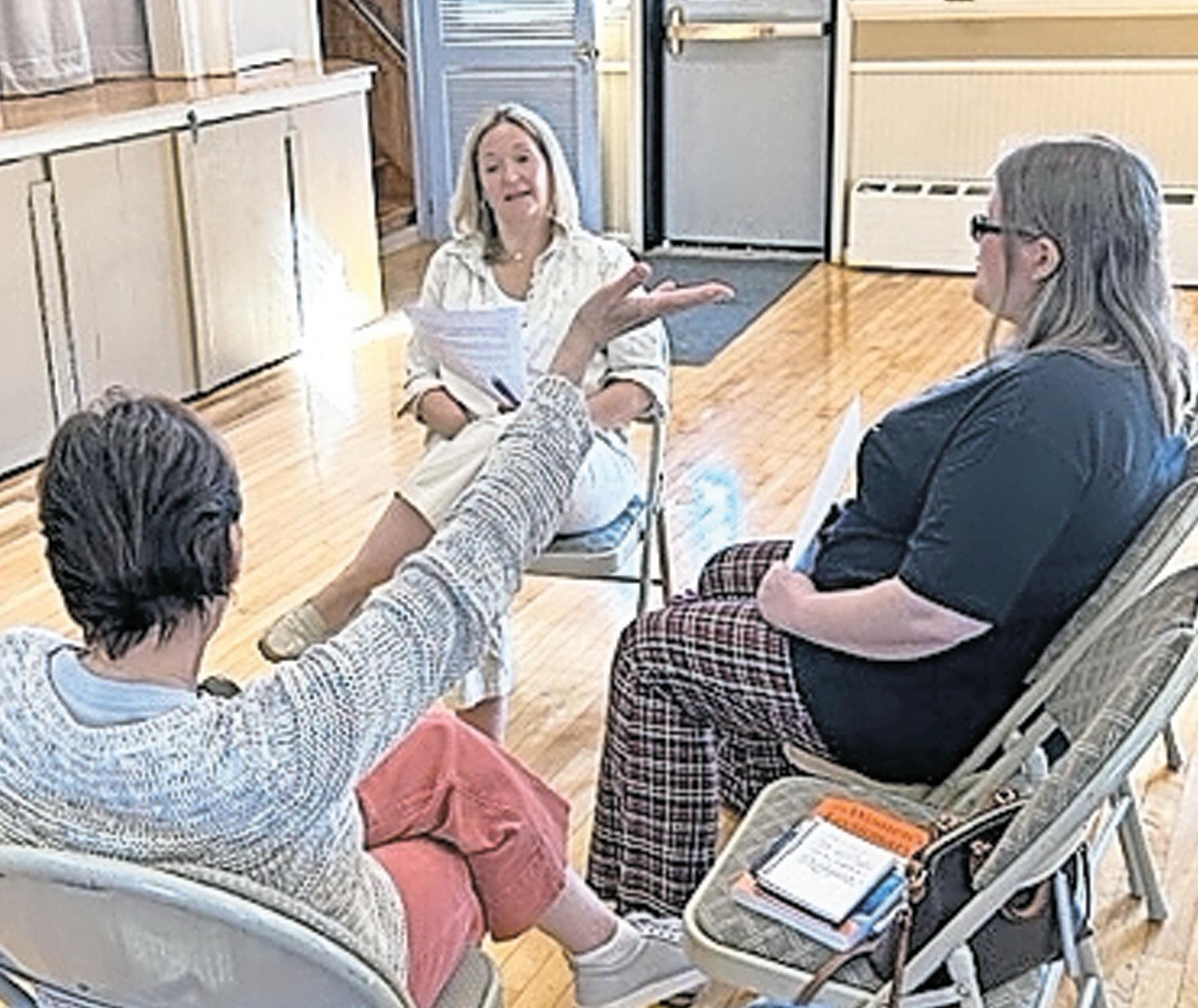
The Wantagh Memorial Congrega tional Church took a weekend to learn about women. Ashley Wilcox is a Quaker minister and Author of the book “The Women’s Lectionary: Preaching the Women of the Bible throughout the year”. Wilcox preaches, speaks, and teaches across the country and interna tionally and brought her workshop on women in the bible to the Congregation al Church.
Pastor Ron Garner has been preach ing at the Church for 13 years, after hav ing served churches in England. Garner had read Wilcox’s book and was fascinat ed with it, so much so that he began using it in his preaches and eventually contacted Wilcox to speak to the church.
During Covid, the church had few activities and Garner decided to begin inviting speakers to come share differ ent workshops at the Church. “No one wanted to get out during the pandemic and that was understandable, but after we began to open up, I decided on a quar terly basis, to start having speakers either come in or speak through Zoom,” Garner said. “Ashley’s workshop was the first of what I hope to be a continuing process of people coming in to speak.”
Wilcox’s workshop was based on her book, which tells the story of different women within the bible. “I think for a long time we have focused on the stories of men in the Bible,” said Wilcox. “There are a lot of stories about women in the Bible, but we don’t always hear them and I think it’s important to hear the stories to give us a better sense of what is in the Bible and our relationship with God. God interacts with women throughout the Bible, and knowing these
stories helps us to understand that bet ter.”
Wilcox is originally from Anchorage, Alaska, and currently lives in Greens boro, North Carolina. She taught preaching at the Candler School of The ology for five years and is a graduate of Candler School of Theology and Willa mette University College of Law. Wilcox has had several workshops spreading the story of women in the bible not only through the country but has also done international workshops to different countries.
“Ashley Wilcox’s thoughtful calendar and luminous commentaries help the church do better.,” said Ted Smith, Almar H. Shatford, Professor of Preach ing and Ethics, Candler School of Theol ogy”
The workshop focused on looking at women in the Bible through the lens of fairy tales. “We looked at the story of Sarah and Hagar putting Sarah in the position of a wicked stepmother,” said Wilcox. “Then we looked at the story of Queen Jezebel, seeing her as an evil queen.”
“The idea is to sympathize with these characters, to understand them are using their story to see if they really are evil characters and in the workshop, we use different practices of reading the Bible and imagining ourselves in the story to understand the stories better.”
Many church patrons were familiar with Wilcox’s book through Garner using the book in his preaches. The church had redistributed Wilcox’s book to Church patrons and the workshop was well received by those who attended.
“I have a core group of mostly women in my church who have been coming since I’ve been here and they received the book very well,” Garner said.
•
•
•
•
•
•
• Speech
• Board Certified
We have openings for teacher aides for the 2022/23 school year. 10-month positions available immediately, starting at $15.00/hr.
We have an opening for a P/T school nurse, 2 days/wk mostly Wed & Thurs. Pro-rated salary, approx. $240.00/day. RN cert. required.
Please apply for positions via OLAS at
Technology O ce - 7:45 am- 4:15 pm
Salary: $39,633-$46,087
This position is a provisional position and will require the selected candidate to take and receive a reachable score on the next scheduled Clerk Typist I exam given by the Nassau County Civil Service.
Teacher Aide -10 Months 8 am to 3 pm | 5 days a week $19,776-$24,894
*Proof of HS Required or Equivalent*
Those interested will be required to comply with Nassau County Civil Service & NYS ngerprinting requirements.
Part-Time School Monitor -10 Months 11 am to 1 pm | 5 days a week $15.45 per hour

Those interested will be required to comply with Nassau County Civil Service & NYS ngerprinting requirements.
Interested candidates should email, fax, or send a letter of interest and resume to the VS 30 Human Resources Department, 150 Washington Avenue, Valley Stream, NY 11580 or email: HumanResources@vs30.org 1187761
Richner Communications - a rapidly growing multimedia company and publishers of the Herald newspaper grouphas several administrative job openings: Receptionist (F/T), Accounts Receivable/Billing Collections Clerk
Multi-Media Coordinator (Hours Flexible)

Qualified candidates are fast learners with good organizational and people skills - entry level ok.



Role requires working knowledge of Microsoft Office and ability to learn custom software programs.
If you would like to join a communitydriven, fast-paced environment, please send your resume to: careers@liherald.com.
ASSISTANT TEACHER/ PRESCHOOL: Monday- Friday. H.S. Diploma. Salary Commensurate With Experience. Far Rockaway. Contact Lynn 718-327-1141 Or Email Resume rhccclynn@hotmail.com

CIRCULATION ASSOCIATE
Full Time/Part Time Richner Communications, publisher of Herald community newspapers has an excellent opportunity for a FT/PT Customer Service Clerk in our busy Circulation Department. Basic customer service and administrative responsibilities include: heavy computer work, answering phones, making phone calls, entering orders, faxing, filing, etc.
STRONG knowledge of EXCEL a must! Knowledge of DATABASE maintenance or postal regulations a big plus. Qualified Candidates must be computer literate, able to multitask, dependable, reliable, organized, energetic, detail orientated and able to work well under deadlines. For consideration, please send resume & salary requirements to: careers@liherald.com
516-328-7126
CSC Holdings, LLC seeks a Manager Process Engineering to lead and execute assigned initiatives impacting Altice USA enterprise processes and customer experiences (CX), focusing on designing, viewing and improving the interactions with our customers. Utilize Business Process Management (BPM), Project Management (PM), and Six Sigma sub-methodologies: DMAIC (Define, Measure, Analyze, Improve, Control) and LEAN principles to evaluate the quality of relevant operational procedures, institute and document standard around business processes. Lead high visibility engagements with key business stakeholders, addressing complex interdepartmental challenges from inception to implementation with relevant controls and an after action review to measure business change impact. Communicate with technical experts, 3rd party vendors, and top-level executive leaders. Implement customer centric solutions, institute rigor and consistency around implementation, as well as drive success-based metrics KPIs including First Call Resolution (FCR), Repeat call and Repeat Service Visits, Average Handle Time (AHT) for assigned projects. Position requires a Bachelor’s degree in Engineering, Information Systems, or a related field, and 3 years of experience in customer experience (CX) roles. Experience must include a minimum of: 3 years of experience performing business analysis, identifying business requirements, designing and developing journey maps/process flows to enhance the customer experience; 3 years of experience working with business process re-engineering and process improvement tools and techniques; 3 years of experience with e-Business Process Management (BPM), Project Management (PM); 3 years of experience with internal audits to improve risk management, governance, and effectiveness of operations; and 3 years of experience with MS Project, Visio, Iserver, JIRA, Dbeaver, Adobe XD, Dreamweaver and Photoshop Requirements for this position include demonstration of either full vaccinations status against COVID-19 or company-provided weekly COVID-19 testing. Job location: Bethpage, NY. To apply, submit resume online at https://www.alticeusacareers.com/ and search by job title or enter job ID number 2022-35082.
CUSTODIAN FT/ PT Needed For Preschool in Far Rockaway. Salary/ $15 Hr. Call Lynn 718-327-1141 Or Email Resume rhccclynn@hotmail.com
Must Obtain Required License Great Growth Potential! email resume to: kevin@kevindignam.com
Busy Print Shop in Garden City is Hiring Immediately for Full Time and Part Time Drivers. Must Have a Clean License and BoxTruck Driving Experience. Hours Vary, Night Availability is a Must. Please Email Resume to ehecker@liherald.com or Call (516)569-4000 x239
NYS License Clean 3 Years Call 516-731-3000
The award-winning Herald Community Newspapers group, covering Nassau County's North and South Shores with hard-hitting news stories and gracefully written features, seeks a motivated, energetic and creative editor/reporter to join our dynamic (and awesome) team! This education and general assignment reporting position offers a unique experience to learn from some of the best in the business. Historically, reporters who have launched their careers with us have gone on to The New York Times, Newsweek, Newsday, the New York Daily News, New York Post, CNN, BBC, NBC News and The Daily Mail, among many others. We look for excellent writers who are eager to learn, enhance their skills, and become well-established and respected journalists in our industry. To apply: Send a brief summary in the form of a cover letter describing your career goals and what strengths you can bring to our newsroom, along with a resume and three writing samples to mhinman@riverdalepress.com
HUMAN RESOURCES DIRECTOR Richner Communications is looking for a hands-on Human Resources professional to oversee all HR functions on a strategic and tactical level. Exciting opportunity to join a dynamic and expanding Garden City, Long Island media company. This position has a flexible schedule, part-time job share would be considered.

Responsibilities: Talent acquisition: Source, screen, and interview potential candidates and manage new employee onboarding Benefits administration: Liaise with brokers, providers and facilitate enrollment and updating of coverage. Manage annual open enrollment and employee benefits review. Administration of 401(k) plan. Employee relations: Provide day- today support and problem resolution in regards to employee concerns, questions and policy issues. Performance management: Coach, counsel and recommend disciplinary actions Compliance: Maintain indepth knowledge of legal requirements related to day-to-day management of employees, reducing legal risk and ensuring regulatory compliance Payroll: Process biweekly payroll through payroll vendor for population of 150 employees Requirements: Bachelor's degree, preferably in business or HR, or equivalent experience Minimum 5 years HR generalist experience Knowledge of Federal, State & Local regulations governing employment Experience with payroll processing Self-motivated, ability to prioritize and work well under pressure Customer-focused attitude, with high level of professionalism and discretion Excellent oral and written communication and quantitative skills Proficiency with Microsoft Office Qualified candidates should submit a resume and cover letter to: careers@liherald.com.
LEAD CARPENTER FT For Growing Home Improvement Company. Experienced. Must Have Own Transportation And Be Legal To Work. Call 516-849-7411
MEDICAL ASSISTANT FT Pulmonary Office. Lawrence And Rockville Centre. Experienced Preferred. Vital Signs, Patient Care, Phone Work, File And Prepare Charts. Pulmonary Function Studies A Plus. Email Resume To: southshore360@gmail.com Or Call 516-569-6966
Richner Communications, One of the Fastest Growing Media, Event and Communications Companies on Long Island is Seeking a Sales/Marketing Candidate to Sell our Print Media Products and our Digital, Events, Sponsorships. Salary, Commission, Eligible for Health Benefits, 401k and Paid Time Off.

Will Consider Part Time. Please Send Cover Letter and Resume with Salary Requirements to ereynolds@liherald.com or Call 516-569-4000 X286
PRESS-ROOM/WAREHOUSE HELP
Long Island Herald has IMMEDIATE openings for a FULL-TIME Pressroom/warehouse helper in Garden City. We are a busy print shop looking for a motivated and reliable individuals to assist in various duties in the shop. Forklift experience is a plus and heavy lifting is required. Hours vary, so flexibility is key.
Email resumes or contact info to careers@liherald.com
Receptionist (full-time) needed for Publisher and Self-Storage Facility located in Garden City. The ideal candidate should have excellent communications and customer service skills, be professional, dependable and have reliable transportation. Candidate should have computer knowledge and working knowledge of MS Office. Candidate MUST be reliable, punctual and be able to work a CONSISTENT schedule: Monday and Wednesday 8am to 4pm Tuesday and Thursday 8am to 6pm Friday 8am to 5pm
Job Responsibilities include, but are not limited to: Answering phones and greeting customers, assisting new customers by showing storage facility options and pricing, collecting payments from customers, contacting customers for late payments, applying payments and updating the customer files /data base and other general administrative responsibilities on an as needed basis. Hourly pay, plus eligible for Holiday Pay, PTO, Medical, Dental, 401k with company matching, plus other benefits. Qualified candidates should email their resume, cover letter and salary requirements. No phone calls please. Job Type: Full-time. Salary: $15.00 /hour Email your resume to: careers@liherald.com
TILE SETTERS/ HELPERS FT Wanted: Setters Must Have 8yrs. Experience. Call 516-665-2314 Or Email hiring@broadwaytileco.com
UP TO $21.09 NYC, $20.22 L.I., $15.20 Upstate NY! If you need care from your relative, friend/ neighbor and you have Medicaid, they may be eligible to start taking care of you as personal assistant under NYS Medicaid CDPA Program. No Certificates needed. 347-713-3553
HHA's, LPN's, Nurse's Aides Childcare. Housekeeping Day Workers
No Fee To Employers Evon's Svces: 516-505-5510

ADMINISTRATOR AVAILABLE To Work For You FT/ PT Immediately. I Am Experienced. RVC Vicinity. Call 516-536-6994
FAR ROCKAWAY 10/23, 2-3:30, 33-47 Bay Ct, FIRST TIME ON MARKET! Enjoy The Waterviews in This Bayswater 4 BR, 1.5 Bth Split Tucked Away in Cul de Sac. Fin Bsmt. Att Gar. O/S Resortlike Yard on the Bay. Opportunity to Make This Your Dream Home!..$719,000 Ronnie Gerber, Douglas Elliman 516-238-4299
Centre SD REDUCED! $799,000
206 Albon Rd, BA, FIRST TIME ON MARKET! Grand & Elegant 6200 Sq Ft Col Tucked Away on over an Acre of Parklike Prop w/ IG Pool. 7 BR, 7.5 Bth, All Spacious Rms. Elevator. 4 Car Att Gar. Opportunity to Make This Your Dream Home $2,399,000 1299 Seawane Dr, BA, Beautiful 4 BR, 3 Bath Exp Ranch with Open Layout in Prime Location.Updtd Wood/Marble Kitchen & Great Room Overlooking Magnificently Landscaped 3/4 Acre Parklike Prop. Main Floor Primary Ste. SD#14 $1,799,000
E a ST ROCK aWay
8 Acorn Rd, BA, 5 BR, 3 Bth Front to Back Split on Beautiful Quiet St in Lynbrook SD#20. Fin Bsmt, Att Gar. CAC, Gas Ht, HW Flr REDUCED! $749,000
1534 Broadway #103, BA, Magnificent New Renovation! One of a Kind Ranch Style Living in Luxurious Jonathan Hall Condominium with Doorman & Elevator. Just Move into This Gut Renovated, Spacious 2 BR, 2 Bath Apt with Open Layout.Large Designer Eat in Kitchen with Sep Pantry & Laundry Rm.Master BR Boasts Gorgeous Bth & Walk in Closet. Terrace Faces into Courtyard. Garage Parking Incl REDUCED $769,000
1534 Broadway #205, BA, Extra Large 2000 Sq Ft, 2 Bedroom(Originally 3 BR), 2 Bath Condo in Prestigious Jonathan Hall with Doorman & Elevator. Updtd Wood/ Quartz Kit, LR & DR. Washer/Dryer in Unit. Underground Pkg. Loads of Closets. Terrace Faces Back. Easy Ranch Style Living BIG REDUCTION!! $699,000
Fa R ROCK aWay
33-47 Bay Ct, BA, FIRST TIME ON MARKET! Enjoy The Waterviews in This Bayswater 4 BR, 1.5 Bth Split Tucked Away in Cul de Sac. Fin Bsmt. Att Gar. O/S Resortlike Yard on the Bay. Opportunity to Make This Your Dream Home! $719,000
New construction, waterfront property and low taxes! This hidden gem tucked away in East Rockaway is pure luxury through and through. The marble white kitchen with high end appliances, lead to a spacious living room with custom white paneled wood and decorative fireplace. The beautiful beachy wood floors add to the ambiance and lead to two bedrooms. Sliding glass doors bring you out to your own breathtaking waterfront sanctuary. Imagine yourself on one of the three tiered decks doing yoga; barbecuing or simply relaxing as you watch the boats go by. Perhaps you'd like to tie up your Jet Ski or boat to your own dock and bulkhead! Doesn't get better than this! A must see!!!
Q. I’m buying a sunroom for my breakfast room on the back of my split-level house, about 8 feet off the ground. I’m being told by the contractor that I need an architect and sealed plans. Since it’s basically a kit of parts that will go on my existing deck, why do I need this? It seems like a lot of extra expense the sunroom people didn’t tell me about. If I already have a permit for the deck, it should be allowed, right? I haven’t bought the sunroom yet. I’m just trying to be sure I know the whole story before I do this, probably by spring, when the weather is better for construction. Any advice would be helpful.

A. Do things once, the best way. A deck isn’t hab itable, but a sunroom is, and a permit is required. Plans have to show struc tural support, energy and building code compliance. Rain, moisture and ice are your primary concerns.





Douglas Elliman Real Estate 304 Merrick Road, Rockville Centre NY 11570 Direct: 212-360-8622 Mobile: 561-901-9232 Office: 516-669-3700 joeyfrankel@elliman.com


You need the whole story without the sales part. Just like any pur chase, issues you might not expect are still impor tant, like finding out what kind of oil to add to your snow blower before the engine seizes or that windows without factory tint ing can allow ultra-violet sunlight rays to fade your carpet. As an architect for a largely popular sun room manufacturer in the 1980s and ’90s, I experi enced many issues with their construction.

Pre-engineered panel systems are designed by the company, hopefully by engineers, and should come with plans, from the manufacturer, that can be sealed and signed by their in-house engineer. If not, plans may need to be drawn from scratch by an architect or engineer that you hire so those plans can be integrated with your house. Integrated means that the company generally just sells you a product and doesn’t necessarily give any indication of how to support the unit or how to attach the unit system to your house so that it won’t leak or move.

HEWLETT HARBOR BA 1299 Seawane Dr Beautiful 4 BR, 3 Bath Exp Ranch with Open Layout in Prime Location.Updtd Wood/Marble Kitchen & Great Room Overlooking Magnificently Landscaped 3/4 Acre Parklike Prop. Main Floor Primary Ste. SD#14...$1,799,000 Ronnie Gerber, Douglas Elliman 516-238-4299
HEWLETT HARBOR BA, 206 Albon Rd, FIRST TIME ON MARKET! Grand & Elegant 6200 Sq Ft Col Tucked Away on over an Acre of Parklike Prop w/ IG Pool. 7 BR, 7.5 Bth, All Spacious Rms. Elevator. 4 Car Att Gar. Opportunity to Make This Your Dream Home...$2,399,000 Ronnie Gerber, Douglas Elliman 516-238-4299
ROCKVILLE CENTRE BA 133 S. Centre Ave, REDUCED! Move Right Into This Renovated 4/5 BR, 3 Bth Colonial w/ LR, DR & Gran/Wood EIK with Stainless Steel Appl. Full Bsmt, 2 Car Gar. RVC Schools..$899,000 Ronnie Gerber, Douglas Elliman 516-238-4299

GREENPORT: NORTH FORK commercial/retail. Prime main street village location. Captain’s house. Original floors and architectural details. Excellent exposure. Owner, 516-241-8135.


LYNBROOK: 3 BRs, 2 Bths, EIK, LR, DR, Family Room/ Fireplace, IGP, Parking, SD#20. 516-581-1404

CEDARHURST: 1 BEDROOM, Private Entrance, Ground Floor. Full Kitchen, Full Bath, $1,950 + Electric. 631-662-4181
CEDARHURST NO FEE Private Entrance, Modern 1BR, 2BR, 3BR, CAC, W/D, Storage, Wall To Wall Carpeting, Indoor Parking Space. Starting At $1450 For One Bedroom When Available. (516)860-6889/ (516)852-5135/ (516)582-9978
888-869-5361 (Hours: Mon-Fri 7am-5pm PST)
This is the general failing of the system, since, as I experienced with most of the installations, the part I could detail was free of leaking or movement, but the units themselves leaked nearly every time. We could detail how the edges of the unit could be sealed and redundantly weather-stripped and flashed, but the frames around the glass and wall edges would unseal and leak. I even met with the corporate president/owner and identified the spe cific problems. Promises to correct leak issues were made but not kept, and eventually I gave up.
I looked at a two-year-old system while discuss ing other work for a home recently. The owner described the back-and-forth misery he and his family were experiencing with their sunroom and the company. Even 25 years after I gave up, the same company is still doing things the same way. You need a detail-oriented architect and installer, even if you think you don’t. The cost of doing things twice is much greater. Good luck.
Readers are encouraged to send questions to yourhousedr@aol.com, with “Herald question” in the subject


























We Buy Antiques, Fine Art & Jewelry Same Day Service, Free In-Home Evaluations, 45 Year Family Business. Licensed and Bonded, Immediate Cash Paid. SYL-LEE ANTIQUES www.syl-leeantiques.com 516-671-6464


STATIONARY FITNESS BIKE Horizon/ Comfort R. Lightly Used, Adjustable With Read Out. $450 Negotiable 516-285-7422
CRYSTAL STEMWARE, WATER, wine, champagne. Brand New in Boxes $99. 516-225-9191.
ELECTROLUX 30' HOSE for Power Nozzle. $80. 516-798-2098.
ELECTROLUX CENTRAL VACUUM Canister w/New Motor. Some attachments, Sidekick. $99. 516-798-2098.

FREESTANDING BATHTUB WITH faucet. L-67", W-33", H-24". $99. (516) 965-0983
HIGH CHAIR IN excellent condition. Removable tray for easy cleaning. $20 or best offer. 516-851-2222
MEN'S HUNTING OUTFIT red and orange $12.00 each 516-221-9380
PLAYSTATION 2 GAME Console. Very good condition. Includes original box, cables (no controller). $60, 516-596-1538
PRINTER - CANON MX360, copy, scan and fax capability. Very good, $35. 516-776-7713.
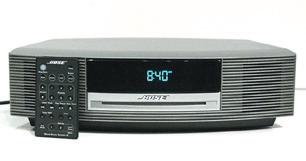
TRANSPORT WHEELCHAIR: EXCELLENT condition, folds easily, has complete set of removable leg braces. $75.00. 516-835-4453.
TWO TWIN METAL headboards. One black one grey. Very good. $15- each best offer. 516-851-2222
WALKER-WHEEL CHAIR: (DRIVE) Foldable New $90.00 (516)371-1793

WIRE STEEL STORAGE shelves assembled with wheels and 5 shelves. Excellent condition $40.00 (516)-371-1793
COUCH: 95", DARK Beige, 2 Pillows, Good Condition. Asking $200. Call Kay At 516-766-8515
KITCHEN SET: Table/ chrome pedestal. 4 chairs with chrome and black vinyle seats. 5ft x 4ft smoked glass table.$200 Neg. 516.668. 8877
TABLES: COFFEE AND 2 end tables. Wood frame with glass inserts. Great condition. $300 Neg.. 516-668-8877
E-Z ELECTRIC SERVICES, INC. All Types Residential/Commercial Wiring, Generators, Telephone/Data, Home Entertainment, Service Upgrades, Pools, Spas. Services/Repairs. Violations Removed. Free Estimates Low Rates. 516-785-0646 Lic/Ins.
Repairs and Installations for the Household. Careful and Reliable and Vaccinated. Licensed and Insured. 30-Year Nassau County Resident. Friendly Frank Phone/Text 516-238-2112 E-mail-Frankcav@optonline.net
BATH & SHOWER UPDATES in as little as ONE DAY! Affordable prices - No payments for 18 months! Lifetime warranty & professional installs. Senior & Military Discounts available. Call: 866-393-3636
ELIMINATE GUTTER CLEANING forever! LeafFilter, the most advanced debrisblocking gutter protection. Schedule a FREE LeafFilter estimate today. 15% off and 0% financing for those who qualify. PLUS Senior & Military Discounts. Call 1-877-763-2379
* Full Or Partial Kitchens/ Baths *Painting *Sheetrock *Taping/ Spackling *Installations Ceramic/ Vinyl Tile *Carpentry *Alterations *Repairs/ More. FREE ESTIMATES. Dan 516-342-0761
ROOFING GREAT PRICES ! NEW ROOF SPECIALS SIDING- Best Prices RENOVATIONS & ALL REPAIRS SUPER COMPETITIVE PRICES! Lic/ Ins. Free Estimates Nassau Lic. # H-0102710000 Call John - 516-852-9830

THE GENERAC PWRcell, a solar plus battery storage system. SAVE money, reduce your reliance on the grid, prepare for power outages and power your home. Full installation services available. $0 Down Financing Option. Request a FREE, no obligation, quote today. Call 1-888-871-0194
BEST SATELLITE TV with 2 Year Price Guarantee! $59.99/mo with 190 channels and 3 months free premium movie channels! Free next day installation! Call 888-508-5313

DIRECTV FOR $79.99/MO for 12 months with CHOICE Package. Watch your favorite live sports, news & entertainment anywhere. First 3 months of HBO Max, Cinemax, Showtime, Starz and Epix included! Directv is #1 in Customer Satisfaction (JD Power & Assoc.) Some restrictions apply. Call 1-888-534-6918
TURN THE BOXES of old comic books sitting in your garage into cash money! Call George (917) 652-9128 or email gbrook@pipeline.com
GRACIE'S DOG WALKING & SITTING: Looking To Have Your Dog Walked Or Watched While At Work Or Away? You Found Me. Please Call Kim 516-554-1847
PLUMBER! PLUMBER! PLUMBER! FREE ESTIMATES! Heating, Repairs, Installations. $25 OFF New Customers. 24 Hour Emergency Response. 516-599-1011
PLUMBING & HEATING ALL TYPES Boilers, Bathrooms. Small/Large Jobs. Free Estimates. Call Tony 516-281-6061
POWERWASHING ALL SURFACES: Houses, Fences, Concrete/ Brick, Decks/Sealing. . ANTHONY & J HOME IMPROVEMENT, INC. 516-678-6641

TILE INSTALLATION: 25 Years In Business. FREE Estimates. We Specialize In Quality Work. Broadway Tile Company. Call Jeff 516-647-2604 Or email estimating@broadwaytileco.com
T&M GREENCARE TREE SERVICE
*Tree Removal *Stump Grinding *Pruning *Roof Line Clearing. Residential and Commercial. "We Beat All Competitors' Rates." Lowest Rates. *Senior Discount. Free Estimates. *516-223-4525, 631-586-3800 www.tmgreencare.com
DISH TV $64.99 For 190 Channels + $14.95 High Speed Internet. Free Installation, Smart HD DVR Included, Free Voice Remote. Some restrictions apply. Promo Expires 1/21/23. 1-866-595-6967
COMPUTER & IT TRAINING PROGRAM! Train ONLINE to get the skills to become a Computer & Help Desk Professional now! Grants and Scholarships available for certain programs for qualified applicants. Call CTI for details! (844) 947-0192 (M-F 8am-6pm ET)
TRAIN ONLINE TO DO MEDICAL BILLING! Become a Medical Office Professional online at CTI! Get Trained, Certified & ready to work in months! Call 855-543-6440. (M-F 8am-6pm ET). Computer with internet is required
ATTENTION VIAGRA USERS: Generic 100mg blue pills or generic 20mg yellow pills. Get 45 plus 5 free $99 + S/H. Call Today. 877-707-5523
ACURA 2003, 3.2 CLS, 2 door, Silver, Black Interior, 160K Plus. Needs Battery. $2700 516-668-8877
BUICK ENCLAVE 2012: Fully Loaded, Leather, AWD, 4WD, 80K Miles, Excellent Condition. $12,000. 516-672-9130
HYUNDAI SANTA FE 2006: AWD, Blue, 157K Miles, Good Condition. $2900. 646-578-3724
***AAA***

DRIVE OUT BREAST Cancer: Donate a car today! The benefits of donating your car or boat: Fast Free Pickup - 24hr Response Tax Deduction - Easy To Do! Call 24/7: 855-905-4755
WHEELS FOR WISHES benefiting MakeA-Wish® Northeast New York. Your Car Donations Matter NOW More Than Ever! Free Vehicle Pick Up ANYWHERE. We Accept Most Vehicles Running or Not. 100% Tax Deductible. Minimal To No Human Contact. Call: (877) 798-9474. Car Donation Foundation d/b/a Wheels For Wishes. www.wheelsforwishes.org.

BUYERS
ID#1303199. Call LUKE 516VAN-CARS. 516-297-2277
Serving Nassau County 41 Years No Title, No Keys=No Problem ID Required. CALL US LAST! Call us at 516-766-0000

one of the most popular movies about the apocalyptic notion of a giant meteor striking Earth and destroying civilization was “Deep Impact,” a 1998 disaster film in which a high school student and a scien tist discover that a huge rock from outer space is headed right toward our world.
A space crew is sent to destroy it with nuclear weapons, but succeeds only in blasting it in half, and winds up sacrificing their lives to destroy the larger half with their remaining bombs, saving Earth and its inhabitants.
JAMEs BERnsTEinIn the real world, of course, nothing so dramat ic has ever hap pened. But on Sept. 26, NASA successfully gave an asteroid a punch in the nose, knocking it off course. The asteroid posed no threat to Earth. NASA just wanted to test its capability to send an unmanned spacecraft, in a mission called DART, for Double Asteroid Redirection Test, to
make contact with a rock in space and set it off course.
Just in case the real thing ever hap pens, and we are faced with the possibility of extinction from beyond.
The asteroid Dimorphos was about 7 million miles from Earth. DART was launched last November, tasked with fly ing out to the asteroid, which has a diameter of about 560 feet, and crashing into it at about 14,000 miles per hour. The purpose of the test was to see if DART’s impact could push Dimor phos a bit off its orbit.
It worked. The test suc ceeded beyond NASA’s expectations.
“For the first time ever, humanity has changed the orbit of a plan etary body,” Lori Glaze, director of NASA’s Planetary Science Division, said in a statement after the test.
NASA administrator Bill Nelson added, “This mission shows that NASA is trying to be ready for whatever the uni verse throws at us. “NASA has proven we are serious as a defender of the planet.”
And there is no question the planet
needs defense. In December 2019, Con gress established the U.S. Space Force, the newest branch of the armed forces in 73 years. The members of Congress believed the defense of space was a national secu rity imperative, not only because of the possibility of hostile missile attacks, but also the chances of the planet being struck by a massive space boulder.
WWe now have the capabil ity to see deeper into space than ever before, with the launch in 2021 of the James Webb Space Telescope, which conducts infrared astronomy. The Webb is the largest optical telescope in space, and its high resolu tion and sensitivity give it the ability to see objects too old, distant or faint to be detected by the older Hubble Space Telescope, which was launched in 1990.
While NASA is to be congratulated for its success with DART, we here on Earth should not become complacent that all such dangers from space objects can be handled so easily. No one is talking about Armageddon from space, and the notion of a manned space vehicle smashing into
a meteor remains the stuff of Hollywood. But some experts are cautiously hopeful that NASA and the Space Force continue to seek ways of looking out for dangerous objects out there. The sooner they are seen, the better our chances of destroying them.
“We do now track a majority of the larger ones,” said Andy Parton, president of the Cradle of Aviation Museum in Gar den City. “We have the capability of using bigger space vehicles than DART” to do battle with meteors. “But we must also remember this was a small test, and just a test at that.”
No one should forget the 66-foot Chely abinsk meteor that exploded in the atmo sphere over the southern Ural region of Russia in 2013, causing a bright flash and a hot cloud of dust and gas. The meteor entered Earth’s atmosphere undetected because its radiant, or source direction, was close to the sun. The blast caused extensive ground damage, and about 1,000 people sought medical attention.
As Parton said, “Somebody should always be watching.”
James Bernstein is editor of the Long Beach Herald. Comments? Jbernstein@ liherald.com.

‘The whole world is watching. The whole world is watching.”
If you know American his tory, or you remember it, “The whole world is watching!” is the unforget table chant shouted by thousands of young Vietnam War protesters as they were tear-gassed and beaten with clubs by the Chicago police during the 1968 Demo cratic National Convention that August.
The weekend before the convention, some 2,000 young people gathered in Chi cago’s Grant Park to protest. By the time the convention began, the crowd had swelled to 10,000. The police came to break up the protest, and they were brutal.
ised a nation of voters freaked out by the demonstrations that he would impose law and order. He won. Six years later, about to be impeached, he resigned in disgrace. The North Vietnamese had driven Ameri ca out of their country.
Department of Justice and Congress try to hold Trump accountable for alleged crimes.
RAnDi KREiss
A quick recount: The stodgy Vice Presi dent Hubert Hum phrey was about to be named the Democrats’ presi dential candidate, to run against Republican Rich ard Nixon.
The back ground: President John F. Kennedy had been assassinated five years earlier. His younger brother, Bobby, running against Humphrey for the Democratic nomina tion, had been assassinated two months before the Chicago convention. The Rev. Dr. Martin Luther King Jr. had been assassinated in April, four months earlier.
I was 21, and I remember the despair of losing the leaders who inspired us to find our best selves. They championed civil rights, opposed the Vietnam War, and then they were gone. Shot and killed.
The fallout: According to the Guardian newspaper, “After four days and nights of violence, 668 people had been arrested, 425 demon strators were treated at tem porary medical facilities, 200 were treated on the spot, 400 given first aid for tear gas exposure and 110 went to hospital. A total of 192 police officers were injured
“… Images of police fir ing teargas and beating demonstrators with their nightsticks played on network television news. It looked like an oppressive fascist state and offered a view of a nation appar ently tearing itself apart.”
The kids never stopped shouting, “The whole world is watching,” even as police tore into them. It has been said that the extensive media coverage of the violence, beamed into American homes, helped propel a reckoning over the savage police overreaction. It seems that reckoning is still playing out in our politics and in our communities, 54 years later.
In the ’68 presidential election, Nixon appealed to a “silent majority.” He prom
The echoes: Last week, as I watched the Jan. 6 commit tee hearing, I thought about how vital the media has been in investigating and reporting the alleged crimes committed by our 45th pres ident and his enablers. Without an intense commit ment by reporters at the Capitol on Jan. 6, 2021, we would not know what hap pened that day. This time the protesters carried the weapons, and erected a por table gallows. This time the protesters wanted to overthrow a righ teous election. These American citizens storming the Capitol were attacking the police.
The videos taken inside the Capitol’s hiding place during the insurrection reveal the chaos and the fright of the moment, with legally elected members of Congress fearing for their lives not far from a crowd gone berserk. As we go to press, we hear promises of further vio lence from Trump supporters who refuse to accept the peaceful transfer of power, the holy grail of our democracy. Various groups threaten ongoing disorder if the
The lines connecting 1968 and 2022 are unsettling. For me, the connection is my gut. It feels all wrong all over again. Kids were on the march then, demanding peace. Extremists today are threatening war. We lived then, and we live now, in a time of civil unrest.
After ’68, we edged into a relatively calmer passage of political life. But then along came Trump, who found common ground with a segment of angry and vio lent Americans. The new twist in the MAGA community, and from Trump him self, is the increasingly overt racism and antisemitism. What was never OK to say is slowly becoming OK in certain radical groups. The swastika and the Nazi salute are useful again, on the fringe.
In 1968 we were deeply hurt and disil lusioned by the successive assassinations of our leaders. We dreamt of peace and equality. As young idealists, we couldn’t bear that this was how our dreams would die.
Today, the dynamic is more toxic. The protesters are the ones with weapons. Their dream is absolute power. Their leader has debased the office of the presi dency and he just won’t go.
We are suspended in time, and the whole world is watching.
Copyright 2022 Randi Kreiss. Randi can be reached at randik3@aol.com.
e must also remember that this was a small test, and just a test at that.’
T he lines connecting 1968 and 2022 are unsettling. It feels all wrong all over again.
they work outside in rain, sleet and snow, keeping our most precious commodity — our children — safe.
School crossing guards are unsung heroes. Underappreciated — and sometimes ignored by motorists — they put their lives on the line every day. And they are at constant risk of injury or even death caused by drivers who disregard them.
How does a crossing guard get hit? Maybe someone is late getting some where. Or they have others in the car dis tracting them. Or maybe they’re simply impatient. The reasons matter little when the outcome is devastating.
Most people would say they’ve never heard of a crossing guard getting hurt on the job. But that’s what happened two weeks ago in Glen Cove, when a guard, attempting to stop traffic to allow chil dren to cross a street near an elementary school, was hit by an SUV.
He remains in critical condition. And he’s not alone.
It’s difficult to find statistics on how many crossing guards are injured on the job each year, because most data focuses more on the children and pedestrians they protect. But one of the most common causes of injury, according to the New York State School Boards Association, is being hit by vehicles’ side mirrors. And those can be significant injuries.
Crossing guards have been killed — even on Long Island. One in Hempstead died in 2016 when he was hit by a truck.
And there were two separate incidents in California last year when crossing guards were struck by SUVs and died.
A child was hit, too, in one of the Cali fornia tragedies, but survived. In the other, the crossing guard pushed a group of children away from the pathway of an oncoming vehicle.
In February, a crossing guard in Mary land was struck by an SUV and killed after pushing a child out of the way.
All of these guards were nothing less than heroes. But why does this even hap pen? Are people on their cellphones, talk ing or texting? Are they changing the channel on their car radio? Arguing with another passenger? How are they so dis tracted that they fail to see a human being wearing reflective clothing in the middle of the street with an arm outstretched, directing them to stop?
It remains unclear why the 82-year-old Bayville driver hit the Glen Cove crossing guard on Oct. 6. He remained at the scene after the accident, and he had yet to be charged criminally this week, as police continued to investigate.
It isn’t hard to become a crossing guard. In Nassau County, anyone who’s at least 18 and doesn’t have a criminal record can apply. No experience is required. But as one police officer said, a crossing guard needs to be someone who likes children.
A city police department, like Glen Cove, handles the hiring. In the villages, it’s the purview of the Nassau County
Subject: on booing the Yankees’ Aaron Judge after his 62-home-run, MVP season. Yankees (and too many other sports) fans are rude, crude, cruel and ignorant fairweather friends, booing a player they pro fess to like, admire, respect and even “love” — as if he strikes out on purpose.
Players don’t make errors, drop passes, miss shots or throw interceptions on pur pose. Do these same “fans” boo their own Little Leaguers when they strike out?
Music lovers don’t boo the conductor if he drops his baton; nor do they boo the violinist if she drops her bow.
Grow up, fans, or stay home and boo to your hearts’ content in your own living rooms, where the objects of your unde served anger will not have to hear you.
RICHARD SIEGELMAN
In some parts of the country, school crossing guards receive health insurance, but not in Nassau County. Their working schedule is 90 minutes in the morning and again in the afternoon, when chil dren are on their way to, and then dis missed from, school. The unusual hours set this job apart from typical part-time work, and it’s hard to hold down another job at the same time.
Police say that while many guards are retirees, college students also take on the work. They take the job seriously, no mat ter their background.
Crossing guards obviously are impor tant — our schoolchildren need to be kept safe — and there is a shortage. Where they are needed but not available, police officers, or members of the auxiliary police, take their place.
Guards do more than help children safely cross the street. They remind driv ers of the presence of pedestrians, and just as important, they help children develop the skills to cross streets safely on their own in the future.
So the next time you see a school cross ing guard, give them a wave of gratitude — after you stop, without anger or impa tience, reminding yourself that you’ll get where you need to go eventually. That extra minute or two can save the lives of not only our children, but also the heroes standing in the middle of the street each weekday morning and afternoon, doing their utmost to keep those kids safe.
In case you haven’t heard, there is an election on Nov. 8. Most elections are about the current candidates, who are seeking a variety of offices all over America. This one, however, will be the equivalent of two elections, because its results may determine whether the 2024 election will be the end of democracy as we know it. Some of you may think this is overdramat ic, but there are good reasons to view this one as a political twofer.
tions will decide whether democracy lives or dies in 2024. As of now, there are almost 300 Republican candidates nation wide who maintain that Joe Biden was never legitimately elected president. They believe the lie about the stolen 2020 elec tion, but there is much more happening that we should all worry about.
are planning to or have lost their jobs in primary contests, won by the election cra zies. If the deniers win in six of the key states, they will have the power to poten tially reverse the national election tally two years from now.
Republican Senate candidate in Arizona, scrubbed his website to remove mentions of a national abortion ban and references to Christian themes.
Many of us New Yorkers are oblivious to what is taking place all over the country. One sage veteran of the partisan wars once told me that “America begins west of the Hudson River.” Nothing could be more accurate. Our local contests for Congress are dominated by such issues as abortion, inflation and crime, with scant mention of stolen elections and threats to the Con stitution, even though a few of the Repub lican candidates are election deniers or members of the Trump cult.
But if you lived in Michigan or Arizo na, you would understand why their elec
There are two positions in a state that have the power to throw out a public vote. One is governor, and the other is secretary of state. There are a number of Republicans running for governor who also deny Biden’s election. They have publicly stated that if elect ed they will “fix” the system by taking power away from local election boards. Doug Mastriano, the GOP candidate for governor of Pennsyl vania, has pledged flat out that if former President Donald Trump runs again and loses Pennsylvania, Mastriano will reverse the final results.
It is widely accepted that most of the incumbent secretaries of state around the country are independent and fair-minded. Not one of them has challenged the 2020 results, and they have staunchly defended their process from partisan attacks. But sadly, many of them have either retired,
For 20 years, the North Shore Land Alliance has worked to pro tect nearly 1,300 acres of natural areas. The primary reason we pro tect land is to safeguard drinking water. Long Island’s sole-source aquifer requires pervious surfaces (like fields and forests) for rain and snow to seep through the ground to recharge our drinking water source. But a study by the Rauch Foundation found that nearly 70 percent of Nassau Coun ty’s surface is impervious (pave ment and buildings). We need open space to protect our ground and surface water.
On Nov. 8, New York state vot ers will have an opportunity to vote on Proposition 1, the Clean Water, Clean Air, and Green Jobs Environmental Bond Act. This
historic legislation would protect open space, safeguard clean drink ing water, and update our aging water and sewer infrastructure while supporting nearly 100,000 good jobs.
In our community, we have 8,000-plus acres of natural areas left to protect. With passage of the Bond Act, we would have access to critical funding to conserve land in perpetuity and maintain our quality of life. Plus, with the wors ening effects of climate change, protecting open spaces, replenish ing our aquifers, and restoring bays and harbors is more impor tant than ever.
I hope 2022 will be the year that we truly value our natural resources and take urgently need ed action to protect our environ ment. On Election Day, please flip your ballot and vote “yes” on Prop 1. Let’s act now to ensure a healthy future for those who come after us.
LISA OTT President and CEO North Shore Land AllianceComments about our stories? Send a letter to the editor to execeditor@liherald.com
Another factor that bodes ill for America is the quality of the roster of Republicans running for the U.S. Senate. It is hard to imagine that Georgia’s Her schel Walker could be sit ting in a body that once boasted the likes of Everett Dirksen, Lyndon Johnson and Pat Moynihan. Can you envision Sen. Mitch McCon nell walking over to Senator Walker and saying, “Her schel, how do you feel about nuclear disarmament?”
Walker’s race, in which he has his par ty’s full support, is about power, and not about electing qualified candidates.
The platforms of a number of Republi cans in key races around the country are scary. Many, such as Mastriano, pledge to restore “Christian values” to governing. He has used veiled antisemitic themes against Josh Shapiro, his opponent. U.S. Rep. Lauren Boebert, a Colorado Republi can, states that the church should be run ning the government. Blake Masters, a
 Framework by Tim Baker
The use of crime as an issue by Repub licans around the country is more than just a statement about criminals. It is a return to the dominant theme of the 1988 presidential election, when the party ran an ad campaign featuring a photo of con victed murderer Willie Horton that helped Vice President George H.W. Bush defeat the Democratic nominee, Michael Dukakis, who was portrayed as soft on crime. And in many Republican cam paigns, there are frequent references to billionaire George Soros, a major Demo cratic contributor, his very name serving as antisemitic code words.
Some political observers say that the tone of the Republican campaigns is just what a normal campaign should be like. But if the candidates who promise to over turn election results win and remake the fabric of our nation, the 2024 election will have been decided two years in advance.
Jerry Kremer was a state assemblyman for 23 years, and chaired the Assembly’s Ways and Means Committee for 12 years. He now heads Empire Government Strategies, a business development and legislative strat egy firm. Comments about this column?
JKremer@liherald.com.
I magine a Sen. Herschel Walker in a chamber where Pat Moynihan once sat.Whimsical profiles in wood at Historical Society headquarters — Long Beach
Advance registration is required.
October is National Hearing Awareness Month HEALTH: Protect Your Hearing
Everything from loud concerts and sports stadium crowds to chemicals in cigarette smoke and cleaning agents can kill the thousands of tiny hair cells in your inner ear. Learn how to protect your hearing and understand what are the 10 signs of hearing loss you should not ignore.
Watch the recording at www.LIHERALD.com/health
October is National Financial Planning Month WEALTH: Protect Your Money
Plan now for your future. Being financially secure in retirement is not just about money. It requires planning and a realistic understanding of your needs and wants.
Watch the recording at www.LIHERALD.com/wealth
OCTOBER 20, 2022 6-7PM
October is National Cyber Security Awareness Month
is in the news every day – data breaches, identity theft, and social media scams. You’ll learn how to be more online savvy and how to keep personal information on your smartphone, tablet and computer safe.
at www.LIHERALD.com/self