





Rallying against turbines and cables Locals gather to sound off on Hochul’s RAPID Act
By BRENDAN CARPENTER bcarpenter@liherald.com
Long Beach, Island Park and Oceanside residents have been speaking their minds about offshore wind for nearly two years. For or against it, they have made their voices heard — at village board and City Council meetings, at public forums, on social media.
Last Sunday, they gathered on the Long Beach Boardwalk, at Riverside Boulevard, to share their opinions on Gov. Kathy Hochul’s proposed Renewable Action Through Project Interconnection and Deployment, or RAPID Act, meant to lead the state’s transition to clean energy.
“The RAPID Act removes checks and balances in our government by removing the
voice of the local municipalities in the development of infrastructure,” Long Beach resident Christina Kramer said. “The RAPID Act is just a streamlined process that expedites the process and does not take into account the will of the people, and very little input from the municipalities or the environmental agencies that have been protecting our quality of life up until this moment.”
Kramer has been outspoken in her opposition to the offshore wind projects off Long Beach at many meetings, and started a Facebook group called Protect Our Coast LINY, made up of like-minded community members.
The RAPID Act, according to the governor’s website, would create a one-stop shop




Survivor tells story of facing down cancer
By KEPHERD DANIEL kdaniel@liherald.com
In an effort to raise awareness of colorectal cancer and underscore the importance of early detection, Mount Sinai South Nassau hospital in Oceanside hosted a seminar on March 6, featuring medical experts and a survivor.
The event provided valuable insights into the significance of regular screenings and featured a tour through a 10-foothigh inflatable, interactive colon to raise awareness of colorectal cancer. Doctors were able to walk through the colon, which depicted different stages of the intestine’s lining.
Dr. Frank Gress, the hospital’s chief of the division of gastroenterology and hepatology, and Dr. Dean Pappas, its chief of colon and rectal surgery, delivered insightful presentations emphasizing the critical role of screenings in detecting this type of cancer. According to the National Library of Medicine women have a higher age-adjusted 5-year relative survival rate of about 65 percent compared to about 62 percent for men. According to the CDC, colorectal cancer is the fourth most
common cancer in men and women in the United States.
“Unfortunately, we’re finding colon cancer in younger and younger people,” Pappas said. “We don’t know why, and there are different theories as to why, but we’re seeing patients in their 30s and 40s with rectal cancer. That’s why we’re trying to hammer home the point that if you see any blood in your stool, don’t just assume it’s x, y, or z. Come in and get checked out.”
The doctors stressed that while the recommended age for screenings has traditionally been 50, recent trends indicate a rise in cases among younger individuals, prompting a shift towards earlier screening protocols. Gress highlighted common symptoms such as lower abdominal pain, changes in bowel habits, rectal bleeding and unexplained weight loss, urging those who attended the seminar not to ignore these warning signs.
During the session, participants posed several questions, including how frequently an individual should be screened, the accuracy of different screening methods, and the role of lifestyle factors in
Jaci Zitman/Herald photo Mark Suer, far left, Peter Silletti, Dennis Deforest, Carrie Bunchanan, Teresa Silletti and Rose Willis made their opinions clear at the Long Beach boardwalk rally against the RAPID Act.
preConTInueD on PAge 6 ConTInueD on PAge 10 HERALD Oceanside/island park WHO'S WHO IN REAL ESTATE MEET THE REAL DEAL IN THE LOCAL MARKETPLACE VoL. 59 No. 12 MARCH 14-20, 2024 $1.00 WE ARE HERE FOR NATURAL BEAUTY! Grand Opening COMPREHENSIVE AESTHETIX 929-572-0731 • 3173 Long Beach Road • Oceanside camedspa.comOpen Sunday – Friday SEE AD INSIDE 1246141 THE LEADER IN PROPERTY TAX REDUCTION Apply online at mptrg.com/heraldnote or call 516 715 1266 Hablamos Español Maidenbaum Property Tax Reduction Group LLC 483 Chestnut Street, Cedarhurst, NY 11516 Get Results. Sign Up Today! Experience & Expertise! DEADLINE EXTENDED MARCH 18TH 1248637


We know you. We focus on every detail, including your other health conditions and emotional
needs. We know cancer. We combine extensive clinical expertise
advanced technologies to create truly comprehensive and innovative care. We know your cancer™ . Leaving no stone unturned, we start with the genetic makeup of your tumor and consider every factor to provide a highly personalized care plan. It’s because we know that considering all the details can add up to a life-changing difference.

March 14, 2024 — OCEANSIDE/ISLAND PARK HERALD 2 Life-changing care starts with your details Learn more at chsli.org/cancer or call us at (844) 86-CANCER.
WE
YOU
YOUR CANCER ™ CH-Cancer-Institute-Herald-10.25x12.75-PRNT.indd 1 6/23/23 10:02 AM 1249719
and physical
and
KNOW
WE KNOW CANCER WE KNOW
Knights of Columbus celebrate St.Patrick’s Day
— Kepherd





3 OCEANSIDE/ISLAND PARK HERALD — March 14, 2024
The Oceanside Knights of Columbus came out for a night of Irish music, dancing, and culture at the annual St. Patrick’s party.
One of the largest Knights of Columbus councils in the country, Oceanside’s catholic brotherhood boasts over 2,000 members. Knights members from Oceanside made their way to O’Connell Gardens on Kenneth Place for a fun holiday time.
Daniel
Jason Thomas/Herald Juliana Michelson, 17, Nora Duffy, 11, Lauren Hayden, 12, Ella Connor, 13 and Siobhan Kelly, 19 of the Hagen Kavanagh School of Irish Dance performed for St. Patricks Day.
Dan Ramos and Joesph Ponte enjoyed the ‘Knights’ festivities.
Live music was performed by ‘Raggle Taggle Gypsy-O’s’ who added to the holiday spirit.
Chris Hegmann, Grand Knight, left, with Father Bret Stockdale, S.J. of St. Anthony’s Church, who said a prayer alongside James McCabe.
Steve Bermudez sporting his one gold and green-lit shoe for St.Pat’s Day.
Local officials recognize Oceanside Eagle Scouts

Hempstead Town Councilwoman Laura Ryder congratulated Oceanside residents Michael and Louis Saglebeni as they reached
held on Feb.11 at St. Anthony’s Church in Oceanside. Also attending were Nassau County Legislator Patrick Mullaney, New York State Senator Patricia
and U.S. Rep. Anthony D’Esposito.
Oceanside man arrested after assaulting two police officers
An Oceanside man, Vincent Fredericks, 21, was arrested following an assault on two police officers on Monday, March 4. The incident occurred
just after 6 p.m. in Westbury along Old Country Road. Police observed a black BMW, reported stolen and linked to multiple
crimes across Nassau County, traveling westbound on W. John Street. Fredericks was identified as the operator of the vehicle and was with Pia Califano, 20, of Levittown, seated in the front passenger seat. As officers approached the vehicle parked at 1636 Old Country Road, Fredericks refused to comply with verbal commands, accelerating forward and striking two officers before fleeing eastbound on Old Country Road.



The assaulted officers were transported to a nearby hospital for evaluation and treatment.
Through their investigation, detectives were able to connect Fredericks to a spree of criminal activities spanning from Jan. 29 to March 4. The charges
against Fredericks include robbery, assault, two counts of grand larceny, reckless endangerment, three counts of criminal possession of stolen property, sixteen counts of petit larceny, and attempted petit larceny.
Pia Califano was found responsible for a petit larceny incident on March 1 and was issued an appearance ticket returnable to First District Court, Hempstead, on March 18.
Police had offered a reward of $10,000 for credible information leading to Fredericks arrest. The black BMW, bearing a Connecticut registration number was believed to be his mode of transportation.
Fredericks was arraigned on March 8, at First District Court, Hempstead.
Courtesy Town of Hempstead
the rank of Eagle Scout. The Court of Honor was
Canzoneri-Fitzpatrick
Courtesy NCPD Vincent Fredericks
March 14, 2024 — OCEANSIDE/ISLAND PARK HERALD 4 INJURED? NO ATTORNEY’S FEES UNLESS WE COLLECT FOR YOU TELL US YOUR STORY. THE CONSULTATION IS FREE. Personal Injury Auto and Motorcycle Accidents Construction Accidents Slip/ Trip and Fall Accidents Wrongful Death Small Enough To Care Smart Enough To Win. 314 Jackson Ave Syosset, NY 11791 516-677-0066 RobertHorn@NClawNY.com Robert M. Horn, Esq. Nichols & Cane PLLC 1250342 HOW TO REACH US Our offices are located at 2 Endo Blvd. Garden City, NY 11530 and are open from 8:30 a.m. to 5:30 p.m., Monday through Friday. MAIN PHONE: (516) 569-4000 ■ WEB SITE: www.liherald.com/oceanside ■ E-MAIl: Letters and other submissions: oceaneditor@liherald.com ■ EDITORIAl DEPARTMENT: Ext. 265 E-mail: oceaneditor@liherald.com ■ SUBSCRIPTIONS: Press ”7” E-mail: circ@liherald.com Fax: (516) 569-4942 ■ ClASSIFIED ADVERTISING: Ext. 286 E-mail: ereynolds@liherald.com Fax: (516) 622-7460 ■ DISPlAY ADVERTISING: Ext. 249 E-mail: sales@liherald.com Fax: (516) 569-4643 The Oceanside/Island Park Herald USPS 398610, is published every Thursday by Richner Communications, Inc., 2 Endo Blvd. Garden City, NY 11530. Periodicals postage paid at Garden City, NY 11530 and additional mailing offices. Postmaster send address changes to Oceanside/Island Park Herald, 2 Endo Blvd. Garden City, NY 11530. Newsstand Price: $1. Subscription rates: $60 for 1 year. Annual Subscription Rates, $9.75 per quarter auto-pay or $50 one-time payment within Nassau County or $60 outside of Nassau County. Copyright © 2024 Richner Communications, Inc. All rights reserved. HERALD oceanside/island park
O’Side Parent University podcast enhances education outreach
By KEPHERD DANIEL kdaniel@liherald.com
In an effort to bolster communication between educators and parents, the Oceanside School District has expanded the Parent University podcast series to provide parents with informative content, covering a range of educational topics pertinent to their children’s academic journey. The podcast was initially launched last year and after positive feedback was launched for a second run with an increase in episodes.
The series, consisting of five episodes, delves into various aspects of education, including successful learning strategies, standardized testing, and college preparation. Each episode features experts from within the Oceanside School District. The episode’s topics emanated from feedback received from parents.
The success of the Parent University podcast series lies not only in its informative content but also in its ability to foster collaboration between educators, students, and parents. Last year the podcasts featured parents and administrative staff but this year, the podcast added students to the mix. Julian Piedrahita, an Oceanside High School student who participated in one of the podcast episodes that went through preparing for the SAT, shared his perspective on the initiative. “The

“Elder Law Estate Planning” is
of law that combines features of both elder law (disability planning) and estate planning (death planning) and relates mostly to the needs of the middle class. Estate planning was formerly only for the wealthy, who wanted to shelter their assets from taxes and pass more on to their heirs. But today estate planning is also needed by the middle class who may have assets exceeding one million dollars, especially when you consider life insurance in the mix.
Estate planning with trusts became popular starting in 1991 when AARP published “A Consumer Report on Probate” concluding that probate should be avoided and trusts should be used to transfer assets to heirs without the expense and delay of probate, a court proceeding on death. Trusts are also widely used today to avoid guardianship proceedings on disability, protect privacy, and reduce the chance of a will contest in court.

Parent University podcast serve as beacons of progress, empowering parents to play an active role in their children’s education.
“Last year there were parents and administrative staff, this year was the student’s voice,” said Dianne Provvido, the assistant superintendent for curriculum at Oceanside Schools. “We were all so excited about it and if you listen to them, they are mature and wise beyond their years so having the students involved was a game changer for us to see them and have their voice.”
One of the defining features of the Parent University podcast series is its brevity. With episodes averaging around 20 minutes, the content is concise and engaging, catering to the busy schedules of parents. This intentional approach aims to deliver essential information efficiently while maintaining listener interest.
Looking ahead, Provvido expressed enthusiasm for the future of the podcast series.
whole episode was dedicated to helping parents figure out how to support their children when it comes to applying for college and especially within standardized testing,” he said. “Our goal is to show parents that Oceanside offers a lot of opportunities for students to excel in this area so I felt like it was

As the population aged, life expectancies increased, and the cost of care skyrocketed, the field of elder law emerged in the late 1980’s to help people protect assets from the cost of long-term care by using Medicaid asset protection strategies.
We have been practicing “elder law estate planning” together for over thirty years to address these needs:
• Getting your assets to your heirs, with the least amount of court costs, taxes and legal fees possible.
• Keeping your assets in the bloodline for your grandchildren and protecting those assets from your children’s divorces, lawsuits and creditors.
• Protecting your assets from the costs of long-term care and qualifying you for government benefits to pay for your home care or facility care.
• Avoiding guardianship proceedings if you become disabled and probate court proceedings on death.
really beneficial for the parents and whoever listens to the podcast. I feel like we got a lot of work done.”
By bridging the gap between parents and students, the initiative strengthens the partnership essential for student success. As the educational landscape continues to evolve, initiatives like the
“We do certainly want to send them out again, give parents more opportunity to listen and maybe get a little more feedback,” said Provvido. “We have found this to be a modality of giving information that was well received and because of that, we’re going to give it another shot. We’re already thinking about our next series.”


5 OCEANSIDE/ISLAND PARK HERALD — March 14, 2024 1250236 What is Elder Law Estate Planning? Attorney advertising Protecting Your Future with Michael and Suzanne Ettinger Attorneys-at-Law ETTINGER LAW FIRM ELDER LAW ESTATE PLANNING SINCE 1991 trustlaw.com Trusts & Estates • Wills & Probate • Medicaid FREE CONSULTATION: 516-327-8880 x117 or email info@trustlaw.com 100 Merrick Rd., Rockville Centre • 3000 Marcus Ave., Lake Success Other offices in Huntington • Melville • Islandia Visit us at trustlaw.com to learn more or search Ettinger Law on YouTube for our elder law estate planning videos
Courtesy Oceanside School District Parent University podcast 4 went through Understanding the PSAT, SAT & ACT. Kevin Carbonetti, director of school counseling,ledft with Frank Luisi, NCAA coordinator, Julien Piedrahita, OHS student, Jaclyn Sileo, school counselor and Phyllis Harrington, superintendent of schools had an engaging conversations.
an area
1250519
Health experts advise early detection screening
venting colorectal cancer.
Dr. Pappas addressed concerns about the discomfort associated with colonoscopies, emphasizing the importance of patient education and the availability of less invasive options such as the Cologuard test. A cologuard is a screening test for colon and rectal cancer. After you collect your stool sample, the collection kit will be delivered to a lab to test the sample. Gress shot down common myths and encouraged individuals to prioritize their health by overcoming apprehensions about screenings.
“I think it’s about education,” Gress said. “The education piece is really important. We explain exactly what the procedure is. What’s involved with it? Patients tend to hear things about colonoscopies from their friends, or they read something and they get a horror story in some cases, but, who knows whether that is magnified, or what the bottom line is people get scared. The goal really for us as physicians is to educate, to explain the options, and to recommend what we think is the right thing and the best thing to do.”
Long Beach resident Miranda Steiger, 57, a survivor of stage II colon cancer, shared her story, offering a firsthand account of her diagnosis, treatment and recovery. Steiger was 54 when she had her first colonoscopy and discovered her cancer. She has been can -

cer-free for the past few years. She recounted undergoing a routine colonoscopy, which led to the detection of cancerous lesions. Despite initial fears, Steiger underwent chemotherapy, radiation and surgery, ultimately emerging victorious in her battle against the disease.
“It was not what you think when we
think of radiation and chemotherapy,” she said. “I was able to continue to work and do my life. There are some side effects and mine was in the summer when I had cold sensitivity. But it’s very short-lived. I had my own room in the hospital. I was well looked-after, and then they sent you home.”
Both Dr. Gress and Dr. Pappas

emphasized the accessibility of various screening methods, including colonoscopies, Cologuard tests and virtual colonoscopies, catering to individual preferences and medical needs. Dr. Pappas emphasized the need for patient advocacy and encouraged those in attendance to seek guidance from trusted sources rather than relying on Internet searches.
“The greatest place to be is the recovery room in an endoscopy center,” Pappas said. “Everyone is happy. The education component is so critical that patients come in. They think they’re going to have this invasive procedure, and it turns out it’s a quick procedure, and you need it every 10 years and you won’t get colon cancer. If they don’t want to deal with it, then we get into the Cologuard, or there are other types of tests, much less effective, but at least it’s better than nothing.”
The event underscored the hospital’s commitment to promoting community wellness and fighting colorectal cancer by empowering individuals with knowledge and encouraging proactive healthcare practices.
“Ask somebody who’s been through it,” Steiger said. “Once I was diagnosed, I never Googled anything because I knew it was gonna send me to fear and inaccurate information. Just ask somebody you know who’s been through it, and they’ll tell you. You’ll feel better about yourself when it’s over.”
Tim Baker/Herald photos
ContinueD From paGe 1 March 14, 2024 — OCEANSIDE/ISLAND PARK HERALD 6 Equal Housing Opportunity. Contact us today to tour our models 180 Boardwalk, Long Beach, NY 11561 516.908.7733 | breezelongbeach.com Long Island’s most anticipated new oceanfront community is now open. At The Breeze, each rental unit opens you to a world of uncompromising luxury amenities and an active, adventurous lifestyle. 1248071
Dr. Frank Gress toured the inflatable colon and gave tips on cancer prevention.

7 HERALD — March 14, 2024 1250452
HERALD SPORTS
Hofstra aims for conference tournament
By ANDREW COEN sports@liherald.com
After just missing out on reaching its postseason conference tournament for a second straight year, the Hofstra men’s lacrosse team is sharply focused on extending its 2024 season into the month of May.
The Pride entered the final season game against Stony Brook in a win or go home scenario and fell 11-10 to its Long Island rivals and missed out on a tiebreaker for the final spot in the fourteam league tournament to compete for an automatic qualifier into the NCAA Tournament. The Coastal Athletic Association (CAA) preseason coaches poll projects Hofstra to finish fifth in the eight-team conference, which would leave Hofstra just shy once again of the postseason.
“After losing the tiebreaker two years in a row it doesn’t sit well with us,” said longtime Hofstra head coach Seth Tierney.
Hofstra enters the start of CAA play this weekend at 3-4 following a 21-9 loss to 18th-ranked North Carolina at home last Saturday in the program’s first meeting with the ACC power since 2018.
Junior attackman John Madsen (21 goals) and redshirt junior midfielder Rory Jones (16 goals) have paced the offense so far this season. Madsen, a Locust Valley High School graduate, tallied 27 points as a junior, while Jones neatly set a program record for goals in a game with eight in a season-opening 21-9 win against Wagner.
Madsen and Jones lead a deep Hofstra offense featuring multiple scoring options including Colton Rudd, Griffin Turner and Justin Sykes.
A key part of assuring Hofstra is in the offensive end of the field for much

of the game is the play of graduate student faceoff specialist Chase Patterson, who earned preseason All-CAA honors. Patterson led the CAA in faceoff win -

ning percentage at 59.5 percent last year and is at 60 percent through seven games this season.
“He’s been very self motivated and won some big face offs for us,” said Tierney of Patterson. “He very much thinks like a coach as even after a successful game he finds the negatives, he finds the ones that he missed and he continues to work each week to miss less and less.”
The defense is led by redshirt sophomore goalie Sean Henderson, who recorded 19 saves in a 17-13 victory against St. John’s on Feb. 13. Graduate student goalie Max May, a Hewlett High School product who previously played goalie at Muhlenberg College, serves as a solid backup behind Henderson and tallied three saves at the end of the Wagner game.
“They push each other every day in practice and no one can take a day off,”: said Tierney of his two top goalies. “Right now we are staying with what we’re staying with, but Max is right there ready to go to help the team when necessary.”
The starting defense in front of Hen-
derson features Henry Troy, Will Delaney and Blake Cooling. Graduate student long stick defensive midfielder is also a key component of the defense and earned All-CAA preseason accolades after playing 14 games at North Carolina last season.
The Hofstra defensive unit also features two local players in redshirt sophomore Ryan Kiernan, a Rockville Centre native and Chaminade graduate, along with junior short-stick defensive midfielder Chris Barry, an East Meadow High School alum.
The CAA season kicks off Saturday at Fairfield followed by a March 23 road trip to two-time defending champion Delaware. The conference home opener is set for March 30 against Monmouth at 1 p.m.
Hofstra’s late season schedule also includes an April 16 non-league game against Yale at 7 p.m., which will mark the program’s first meeting with the Ivy League school since 1995.
“They are a tremendous team with a lot of talent,” said Tierney of Yale. “It is another opportunity to sharpen our swords against a quality opponent.”
March 14, 2024 — HERALD 8 BRINGING LOCAL SPORTS HOME EVERY WEEK
Photos courtesy Hofstra Athletics Communications
Midfielder Rory Jones is off to a strong start for the Pride with 16 goals through seven games, including eight in the seasonopening victory over Wagner.
Attack John Madsen, a Locust Valley product, leads the Pride with 21 goals.
Nassau makes federal case of trans ban
By PARKER SCHUG pschug@liherald.com
Bruce Blakeman wants to ban transgender athletes who identify as female from participating in women sports on Nassau County playing fields. But Letitia James says he can’t do that.
So, the Nassau County executive is joining Mark Mullen — the father of a female athlete he says is protected by such a ban — to file a federal lawsuit contesting the state attorney general’s ceaseand-desist order halting Blakeman’s efforts to restrict who can be on a sports team.
“What the attorney general was asking us to do was a violation of federal Constitutional law and federal statutory law,” Blakeman told reporters in Mineola last week. “Our response was to file a lawsuit, for a declaratory judgment, requiring the attorney general to come before a federal judge and explain why this cease-and-desist order has been issued and the threat of sanctions and litigations against the county, when we in Nassau County are protecting women and girls, who are a protected class under the constitution, and under federal law.”
James sent her cease-and-desist letter to Blakeman on March 1, demanding he rescind his executive order banning transgender athletes identifying as female from participating in women’s

sports in county facilities. She called the executive order was transphobic and illegal under the state’s human rights and civil rights laws.
With the cease-and-desist, James ordered the county to rescind the executive order or face potential legal action.
“Not only will the order impact a wide array of Nassau-based teams and leagues, it will undoubtedly deter inclusive teams and transgender women and girls who participate in women’s and girls’ sports from other parts of the state who want to participate in sporting events and competitions in Nassau County,” James wrote.
A spokesperson from the attorney

general’s office reiterated that after Blakeman’s news conference, saying the laws protecting people from discrimination are not “up for debate.”
“The executive order is illegal,” the spokesperson said, “and it will not stand in New York.”
Blakeman cited the New York City Marathon as an example where males and females compete exclusively in their own classified groups.
“There is a reason for those classifications,” he said. “Males are bigger, stronger and faster. And it wouldn’t be a fair competition with females.”
The county’s action is consistent with the Constitution, Blakeman added, treat-

ing women and girls as a protected class under federal law.
“Transgender women who are biological males are not a protected class under federal law,” he said.
And because of that, Blakeman believes his order is not transphobic.
“Transgender athletes can compete freely here in Nassau County, and we welcome it,” Blakeman said. “If you’re a biological male and you identify yourself as a female, you can play against other biological males. Or, you can play in a co-ed league.”
Blakeman posed an idea with reporters of starting a transgender league, something he said his parks commissioner, Darcy Belyea, is open to.
Blakeman issued his executive order last month with County Legislator Samantha Goetz and sports activist Kimberly Ross standing by his side.
The executive order demands sports, leagues, organizations, teams, programs or sport entities operating in county facilities to first designate themselves based on gender makeup, and then only accept athletes who meet that criteria according to what was originally listed on their birth certificate.
While those born male would not be allowed to participate in female teams, the order does not ban someone born female from joining a male team, or for anyone who is transgender from participating on a co-ed team.



 Parker Schug/Herald
9 OCEANSIDE/ISLAND PARK HERALD — March 14, 2024 1247155 20% OFF Any Service* Open Sunday – Friday COMPREHENSIVE AESTHETIX *excludes Injectables 1 per client Exp 4/10/24 1245321
Nassau County Executive Bruce Blakeman says he’s filing a federal lawsuit contesting the state attorney general’s cease-and-desist order on his ban of transgender athletes identifying as female playing in women’s sports on county property.

Rally draws a crowd to L.B. boardwalk
for the environmental review and permitting of major renewable energy and transmission facilities in the Office of Renewable Energy Siting. The permitting process would balance transparency and environmental protection with the need for fast decision-making, while continuing to be responsive to community feedback and environmental considerations.
“Equinor shares New York’s commitment to offshore wind and to the importance of regularly engaging with stakeholders, including residents, elected leaders and government officials,” said David Schoetz, a spokesman for Equinor, the Norwegian energy company whose proposed wind power project in the waters off Long Beach is now on hold.
I’m also not saying that I am against all forms of renewable energy.
U.S. Rep. Anthony D’eSpoSIto
“We are proud of the support Empire Wind 1 has earned in the community and throughout the state … We will continue to build on those relationships as we break ground at the South Brooklyn Marine Terminal this spring, creating jobs and economic activity on the path to delivering reliable renewable power to half a million New York homes.”
Federal, state and local officials also turned out on Sunday. U.S. Rep. Anthony D’Esposito, State Sen. Patricia Canzoneri-Fitzpatrick, Assemblyman Ari Brown, Nassau County Legislator Patrick Mullaney, Island Park Mayor Michael McGinty, Long Beach City Council members Brendan Finn, Mike Reinhart and Chris Fiumara, and Long Beach City Manager Dan Creighton all attended.
“What we need to focus on here on the barrier island is to keep these decisions local,” D’Esposito said. “We need to make sure that there’s a process (so) that individuals like all of you here today, and those at home, have the ability to give their input on decisions that can change the landscape of our communities forever. I’m also not saying that I am against all forms of renewable energy. What I am against are companies coming into our communities and trying to hold us hostage.”
Equinor planned two projects, Empire Wind 1 and 2, with 147 wind turbines, each standing 886 feet tall, as well as the stations housing the cables that transfer energy from the turbines to land, all 15 to 35 miles offshore. The plans also included cables that would run under Long Beach to an Island Park substation. The proposal created quite the stir at City Council meet-


ings last year, before newly elected members Finn, Reinhart and Fiumara took their seats in January.
“We should be able to live the way we want to live and not directed by people 150 or 300 miles away, or even 24 miles away in New York City,” Finn told to the crowd on Sunday. “The RAPID Act will change the way these kinds of projects are approved. Do we want someone from Buffalo telling us how we should live down here in Long Beach or the barrier island? No. That’s not the way it’s supposed to be.”
The governor “is focused on putting this through and will not stop it,” Canzoneri-Fitzpatrick said. “We’re not against clean energy. I want us to have a clean environment. I want us to have the jobs that come with new forms of energy. That’s not what this is about. But jamming things down our throat without our input is not acceptable under any circumstances.”
“This turnout today is just proof that we don’t want it, and we will continue to keep fighting it,” Mullaney said. “This fight is nowhere near over. It’s up to every single one of us to get out and talk to people.”
Equinor and Empire Wind have had a bumpy ride on the barrier island, to say the least. In January, Equinor and BP announced an agreement with the New York State Energy Research and Development Authority to terminate the Offshore Wind Renewable Energy Certificate Agreement for the project. In a statement explaining the termination, Equinor cited rising inflation, higher borrowing costs, and supply
chain issues.
In November, the state announced new energy guidelines that will allow companies that petition the state for financial relief, as BP and Equinor did, to cancel old contracts and re-offer projects at higher prices.
Then, late last month, the federal government granted final approval for the construction and operation plan of the Empire Wind projects, marking a significant milestone despite challenges in the offshore wind industry.
With this key permitting action by the Bureau of Ocean Energy, Empire Wind is on track to begin construction in its federal lease area off the southern coast of Long Island later this year. Already well advanced in planning and development, Empire Wind 1 could deliver power to New Yorkers by 2026. Empire Wind projects would see turbines starting 12 miles off the South Shore at Long Beach.
“With bold actions to deploy renewable energy swiftly and transition away from fossil fuels, we are not only charting the course for a cleaner and healthier New York State, but we are making important changes that will reduce costs for our most vulnerable New Yorkers,” Hochul stated in a news release. “Energy affordability will continue to be a top priority of my climate agenda because we need to combat climate change and protect all New Yorkers.”
March 14, 2024 — OCEANSIDE/ISLAND PARK HERALD 10
Congressman Anthony D’Esposito heard the concerns of local residents when it comes to offshore wind.
Jaci Zitman/Herald photos
Dozens gathered on the Long Beach boardwalk on Sunday to rally against Gov. Kathy Hochul’s RAPID Act.
Long Beach resident Tim Kramer spoke out against the RAPID Act.
ConTInuED fRom PAGE 1

Why John and Barbara?
• TOP 1% in COLDWELL BANKER
• #1 PRODUCING AGENT - JOHN GANDOLFO
• #1 TEAM - THE GANDOLFO TEAM
• TOP 1.5% in 2023 REALTRENDS AMERICA’S BEST
International President’s Premier Award
International President’s Elite Team Award
Double Centurian Award
President’s Quality Service Pinnacle Award
✓ Over 25 Years Experience
✓ Strong Proven Track Record
✓ Aeriel Photography, Twilight Photography and Video
✓ Professional Interior & Exterior Photography and Floor Plans
✓ Massive Social Media and Internet Marketing
✓ Record Breaking Sales
John Gandolfo: 516-779-8423
Barbara Gandolfo: 516-644-8097
Licensed Real Estate Brokers
JOHNGANDOLFOSELLS@GMAIL.COM
REALTORGANDOLFO@AOL.COM
johngandolfohomes.com



















































11 OCEANSIDE/ISLAND PARK HERALD — March 14, 2024 Over 1,000 homes sold and over $1 Billion in real estate sold to date Everything We Touch Turns to SOLD!
1250019 If you are thinking about selling or relocating now is a great time because inventory is low and Spring is right around the corner! We have been helping people sell their homes for over 25 years and we would love to help you too. Call us today for a complimentary home appraisal to nd out what your house is worth in today’s market. John: 516.779.8423 Barbara: 516.644.8097 If your home is listed with a real estate broker, this is not a solicitation of that listing

Defending against an invisible enemy
Can laws solve the problems of noise pollution?
By Nicole Formisano & Will Sheeline
Continuing a series exploring the impact pollution from air, noise and light has on our communities and way of life. Thoughts? Questions? Ideas? Email us at execeditor@liherald.com.
How can local representatives protect people from an invisible, ever-present hazard? That’s the question small governments across Nassau County have been trying to answer when it comes to noise pollution — all to varying degrees of success.
“Inevitably, you might be creating a standard that is unfair, that is inequitable,” said Kevin Walsh, an attorney who’s helped draft noise ordinances for municipalities like Malverne and Farmingdale. “Not because it isn’t applied equally, but because it hurts people that don’t have a problem with it.”
Noise pollution — excessive or frequent noise — is said to come with health risks like increased stress, hypertension and sleep disruption, according to the World Health Organization. But for some communities, dealing with excessive noise is nothing new.
Glen Cove’s noise ordinance, for example, has been largely unchanged since 1997, limiting noise that is “clearly audible at 50 feet.” Village ordinances for Sea Cliff — dating back to 1995 with updates more than a decade ago — define unreasonable noise as any constant, continuous or repetitive loud sound which “annoys” or “disturbs” the peace and comfort of neighboring residents.
But — despite what neighbors of barking dogs or chronic partiers may
wish — there is no legal definition of “annoying.” Noise ordinances often use subjective language, because noise pollution is a subjective experience, Walsh said. Sound that irks one neighbor may be hardly noticeable by another.
Finding a way to differentiate
“It’s difficult because it’s trying to regulate human behavior,” he said. “When you try to regulate people’s enjoyment of their existence like this, on relatively subjective degrees, it’s a problem.”
When someone wants to play music while their neighbor wants their child to go to sleep, where does law enforcement draw the line? The incongruous — yet equally defensible — interests are “making it more and more difficult to get a balance between what is acceptable noise and what is not,” Walsh said.
Finding that balance
So, the question becomes, what is a fair standard to regulate noise? Do municipalities put the noise limit at the lower end to shield more sensitive people, and risk discouraging others from enjoying time outside?
Or do municipalities create more lenient ordinances that allow more noise, and risk leaving sensitive people unprotected?

“It’s a no-win situation, because, inevitably, you make one person happy. You’re making one person sad.”
Managing these conflicting expectations can result in local officials walking a tightrope. But Elena Villafane, Sea Cliff’s mayor, says that is an inherent part of serving the community.
“So, as with every local government, where you are managing how people reside in a community together, you’re always balancing a variety of interests.” she said. “Right now, we seem to be at a happy equilibrium.”
It’s a balancing act Glen Cove has had to grapple with.
“It is a very subjective criteria when one person’s noise pollution is another person’s ‘fun time,’ so to speak,” said Christopher Ortiz, deputy chief of the Glen Cove Police Department. “So, in that sense, it is difficult trying to precisely determine what is an excessive amount of noise, and it becomes kind of a gray area.”
And that “fun time” is on the rise, especially since Covid-19. People these days are spending more time in their backyards since the pandemic, Walsh said.
Malverne mayor Tim Sullivan noticed that trend as well.
“What we found is, during Covid, a lot of homeowners invested in their backyards,” Sullivan said. “Whether pools, or outdoor bars and kitchens and sound systems. The backyard has become a renewed entertainment focus of the home.”
Sound-measuring technology,
though, has dramatically improved in the decades since those original laws were passed, Walsh said — another reason why more governments across the county are passing updated noise ordinances.
Malverne’s noise ordinance, passed in December, limits outdoor music to 80 decibels — about the noise level of a vacuum cleaner — measured at the property line. Glen Cove considers 65 decibels — about the noise level of a conversation — “disturbing,” but also allows for subjectivity by employing a standard of whether the noise is “clearly audible” at 50 feet.
Too many variables?
But even something seemingly objective — such as a measurable standard like decibel level — presents new obstacles. A noise level that constitutes a nuisance to one neighbor may not bother another.
Sometimes, Walsh said, police will visit a property that is technically violating the noise ordinance, but the officer will personally find that the sound level or quality shouldn’t break the law.
So even with a measurable standard, enforcement is subjective.
And the actual sound level isn’t the only thing that matters — the source does, too.
Things like fire whistles and barking dogs polarize neighbors, Villafane said. Gas-powered leaf blowers are another malefactor that often earn their own section of noise ordinances.
The city ordinances also differentiate between how much noise various types of properties can make at different
March 14, 2024 — OCEANSIDE/ISLAND PARK HERALD 12
Herald file photo
ConTInued on neXT pAge
In growing numbers, local villages are passing noise ordinance to curb excessive or unwanted noise in their neighborhoods. But airplanes — perhaps the biggest noisemakers — are beyond local jurisdiction. The Town of Hempstead is working with the Federal Aviation Administration, but with little success.
Noise laws are often subjective, experts say
times. For example, a private residence can be penalized for making 50 decibels or more of noise after 10 p.m., and before 7 a.m., while a commercial property operating at the same time would need to reach 70 decibels before neighbors can make a complaint.
These different standards for businesses and private residences can sometimes boil over in communities. Because Long Island is very much suburbia, Walsh said, the interests of commercial and residential parts of towns often conflict — commercial districts often create more noise, which is at odds with the interests of residential communities that typically neighbor them.
Fly-by-night (and day) noise
But the arguably biggest culprits of excessive noise may also be the hardest to manage. The constant drone of airplanes flying overhead is seemingly ever-present, but comes with its own challenges.
With John F. Kennedy and LaGuardia airports right next door, neighbors across the county are dealing with the near-constant drone of planes flying overhead.
The Town of Hempstead created the Town-Village Aircraft Safety and Noise Abatement Committee to deal specifically with this nuisance. But try as they might, local government has no sway over the conduct of airplanes — that’s all the Federal Aviation Administration.
“Everyone wants airlines to be safe,” said James Vilardi, the noise abatment committee’s executive director. “But is there a way to maintain the highest levels of airplane safety, and to accom-
modate the residents on the ground that are dealing with the airplane influence? We maintain that there is.”
The committee’s primary goal right now is to get accurate, specific decibel readings from FAA monitors.
The problem, Vilardi said, is the information the FAA provides right now is warped because the decibel readings are averaged out among neighborhoods.
But if the committee gets the raw data and finds that the decibels violate municipal or federal code, they can appeal to the FAA to make changes.
The FAA, however, is largely unwilling to even acknowledge the noise abatement committee.
“It’s difficult to make changes in their policy without them being willing to talk to us,” Vilardi said. “We’re pushing as hard as we can to get this data so we can have a real conversation with them.
“Unfortunately, it’s a problem that our residents face, that our local elected officials do not have the power to directly impact. “There’s no way that the supervisor — or the county executive, or even a congressman — can say ‘OK, stop flying over Franklin Square.’ Or ‘fly 20 feet higher.’
“They just don’t have the jurisdiction to do it.”
The timeline for progress is in the air, so to speak, until the federal agency finally has a dialogue with the town.
In the meantime, local governments are still striving for progress in the fight against noise pollution using new and updated noise ordinances. Although noise is largely inescapable, its excess can be mitigated when we focus on what we can control, experts say — local government’s responsibility to us, and our responsibility to each other.








Continued from PreViouS Page Herald file photo Subjectivity often comes into play when it comes to enforcing noise laws. Some things that break the typical decibel limit, like fireworks on the fourth of July, are more acceptable than others, like loud music at 2 a.m. 13 OCEANSIDE/ISLAND PARK HERALD — March 14, 2024 1248930 APRIL RVC RECREATION CENTER 111 N OCEANSIDE RD, ROCKVILLE CENTRE, NY 11570 10AM-12:30PM To Register Call Alexa Anderwkavich at 516-569-4000 x253 or go to richnerlive.com/seniorexpo We’re Back! For Advertising Opportunities contact Amy Amato at 516-569-4000 x224 or aamato@liherald.com 25 IT’S FREE! MARK YOUR CALENDARS! SILVER SPONSORS GIFT BAG SPONSORS 1250499
By MOHAMMAD RAFIQ mrafiq@liherald.com
The Town of Hempstead is gearing up once again to a job fair — this one scheduled for Thursday, March 21 at the Freeport Recreation Center.
Appointments are already filling up for the event, set to run between 9:30 a.m. and 3:30 p.m., at the center, located at 130 E. Merrick Road — all aimed to connect job seekers with prospective employers.
HempsteadWorks — a branch of the town’s occupational services department — has hosted the fair since 2021. Established more than 40 years ago, HempsteadWorks serves as a career center for not only the town, but also for Long Beach. Its primary mission is to provide access to training, develop skills, and share job opportunities across various industries, including health care, construction and manufacturing.
“Our primary goal is to help people within our township to better themselves, promote , careers that are up and coming, provide them access to training and skills,” said Nene Alameda, a business representative who works for the town.
“And if they don’t have those skills, we we give them access to occupational skills training.”
More than 85 such companies already

have registered to participate in the Freeport job fair, That includes prominent entities like the U.S. Postal Service, the New York Police Department, Mount Sinai Hospital, Brookhaven National Lab, Amazon, and the Metropolitan Transportation Authority.
“We have the job fair to make sure that companies who are looking for people are partnered with people who are looking for jobs,” Alameda said.
The fair is experiencing radical growth in every iteration, Alameda adds, growing from fewer than 1,000 attendees in 2021, to more than 2,100 in its most recent outing. For next week’s event, more than 1,100 job seekers have
already signed up.
This rapid growth has produced long lines. To make everything more convenient, HempsteadWorks has instituted a time slot-based registration system, which job seekers can sign up for at HempsteadWorks.com/jobfair.
This registration system already was in effect last year, Alameda said, cutting down the wait from two hours to almost nothing.
The first hour of the fair, beginning at 9:30, is dedicated to veterans and people with disabilities. But no matter what time you sign up, attendees are advised to bring several copies of their resume.
Caroline Coyne, a 22-year-old Maris College graduate, says her current job hunt “has been pretty terrible.”
“It seems like there’s an oversaturation of applications because so many people are getting laid off and so many people didn’t get jobs during Covid when they were graduating,” she said. “So now, along with the 2022 graduates, you have the 2023 and the upcoming 2024. And everybody’s just trying to find their way at the same time.”
But, Alameda said, it’s important to remain optimistic and not despair.
“For every job seeker that’s out there, there (are) two positions,” she said. “Employers are in dire need of workers.”
In fact, the HempsteadWorks job fairs have likely helped at least 500 people find jobs directly in recent years. The end of pandemic-era benefits may also play a role in the sudden increase of people looking for work, as those bonuses and extra money are no longer available.
“As the largest and most diverse township in America, the Town of Hempstead is dedicated to leading the way in job creation and economic growth throughout the community,” said Town Supervisor Don Clavin, in a release.
“With dozens of employers participating in this year’s HempsteadWorks Job Fair, we encourage all job-seekers to come on down to the Freeport Recreation Center on March 21.”




It’s
time to find a job at Hempstead fair
Looking for a job? There are plenty ready to be offered at the upcoming Town of Hempstead fair, taking place March 21 between 9;30 a.m. and 3:30 p.m., at the Freeport Recreation Center on East Merrick Road. March 14, 2024 — OCEANSIDE/ISLAND PARK HERALD 14 Serving The Community For Over 25 Years 713 Brooklyn Ave. Baldwin 516-223-9431 • grandviewautobody.com Catering to all of your Auto Body Needs! We work with ALL Insurance Companies We insure the very best customer care for our clients Lease Repairs Guaranteed Repairs for Life We conduct our business honestly with integrity 1250439 24 Hour Towing 516-486-3696 Auto Body Mention this ad for a FREE headlight restoration with repairs
Nicole Formisano/Herald
STEPPING OUT





JigJam

Spring forth by donning some green
Savor the flavor of St. Patrick’s Day
By Karen Bloom
Spring is in our sights and we’re sure ready for its embrace. The arrival of St. Patrick’s Day on Sunday always is a welcome harbinger of the season. Enjoy some of the lively parades nearby, even a concert, and certainly bring St. Patrick’s Day into your home with some tasty Irish cuisine. Favorites include corned beef and cabbage, and, of course, soda bread.
Among these quintessential Irish foods, Irish Soda Bread is a tempting quick bread that everyone enjoys and is quite easy to make. It gets its name from the baking soda used as a leavener, instead of yeast. While the traditional version is made with only flour, buttermilk, salt and baking soda, consider adding a modern version to your repertoire.
Classic Irish Soda Bread
• 3 cups pastry flour blend or unbleached all-purpose flour
• 1 tablespoon baking powder
• 1/4 teaspoon baking soda
• 3/4 teaspoon salt
• Heaping 1/2 cup granulated sugar
• 1 cup currants or raisins
• 1 tablespoon caraway seeds, optional
• 1 large egg
• 1 3/4 cups buttermilk
• 4 tablespoons butter, melted
Topping:
• 1 tablespoon milk
• 1 tablespoon coarse white sparkling sugar
Preheat the oven to 375°F. Lightly grease a 9x5 loaf pan. In a large bowl, whisk together the pastry blend or flour, baking powder, baking soda, salt, sugar, currants, and caraway seeds.
In a separate bowl, or in a measuring cup, whisk together the egg and buttermilk (or milk and yogurt).
Quickly and gently stir the wet ingredients into the dry ingredients. Stir in the melted butter.
Spoon the batter into the prepared pan. Draw your finger around the edge of the pan to create a “moat.” Drizzle the bread with the 1 tablespoon of milk; the moat will help prevent the milk from running down the sides of the loaf. Sprinkle with the coarse sugar.
Bake the bread for 50 minutes to 1 hour, or until a cake tester inserted into the center comes out clean; the interior of the bread will measure 200°F to 210°F on a thermometer.
Remove the bread from the oven, loosen its edges, and after five minutes turn it out onto a rack to cool. Cool completely before slicing. Wrap airtight and store at room temperature.
Serve with hot tea and organic jam, Irish stew, traditional Irish cabbage dishes, or enjoy on its own!
Savory Irish Cheese Soda Bread
• 2 1/2 cups flour
• 1/2 cup sugar
• 1 1/2 teaspoons baking powder
• 1/2 teaspoon baking soda
• 1/2 teaspoon salt
• 2 teaspoons caraway seed
• 1 teaspoon garlic powder
• 1/4 teaspoon red pepper, ground
• 1/2 cup shredded Irish Cheddar cheese
• 2 eggs
• 1 1/4 cups buttermilk
Preheat oven to 350°F. Mix flour, sugar, baking powder, baking soda, salt and seasonings in large bowl. Stir in cheese. Set aside. Mix eggs and buttermilk in medium bowl. Add to dry ingredients; stir until well blended. Spread in lightly grease 9-inch round cake pan.
Bake 30-40 minutes or until toothpick inserted in center comes out clean. Cool in pan on wire rack 10 minutes. Remove from pan. Cool completely on wire rack.
Tip: Make muffins instead of bread. Prepare dough as directed and divide among 12 greased muffin cups. Bake 20-25 minutes, or until toothpick inserted in center comes out clean.
Irish Soda Bread Muffins
• 1 1/2 cups unbleached all-purpose flour
• 3/4 cup white whole wheat flour
• 2 teaspoons baking powder
• 1/4 teaspoon baking soda
• 1/2 teaspoon salt
• 1/3 cup granulated sugar
• 1 1/2 cups currants (first choice) or raisins
• 1/2 to 2 teaspoons caraway seeds, to taste
• 1 large egg
• 1 cup buttermilk, yogurt, or sour cream
• 6 tablespoons butter, melted; or 1/3 cup vegetable oil
• sparkling white sugar, for topping
Preheat the oven to 400°F. Lightly grease a standard muffin pan; or line with papers, and grease the papers.
In a medium-sized mixing bowl, whisk together the flours, baking powder, baking soda, salt, sugar, currants or raisins, and caraway seeds.
In a separate bowl, whisk together the egg, buttermilk (or equivalent) and melted butter (or equivalent).
Quickly and gently combine the dry and wet ingredients; honestly, this won’t take more than a few stirs with a bowl scraper or large spoon. As soon as everything is evenly moistened, quit; further stirring will cause the muffins to be tough.
Spoon the batter into the prepared pan, filling the cups about 3/4 full; the stiff batter will look mounded in the cups. Top with sparkling white sugar, if desired.
Bake the muffins for 20 minutes, until a cake tester inserted into the center of a muffin comes out clean. Remove them from the oven. Tip the muffins in the pan, so their bottoms don’t get soggy. Wait five minutes, then transfer the muffins to a rack to cool. Serve them plain, or with butter and/or jam.

When virtuoso Irish playing jumps the pond running through the wide open fields of bluegrass and Americana, JigJam is born. This Offaly- and Tipperary-born band has started the Irish invasion of Americana with an injection of the magic of Scottish folk music. The lads — described as ‘The best Irish band in bluegrass’ and ‘sparkling, infectious’ — bring their footstomping vibe to Long Island for a lively St. Patrick’s Day celebration. Founding members from Offaly Jamie McKeogh (lead singer and guitar) and Daithi Melia (five-string banjo and Dobro) were joined by Tipperary-born Gavin Strappe (mandolin and tenor banjo) in 2016. They’ve since added Glasgow native Danny Hunter (fiddle) to make up this iGrass (Irish Bluegrass) quartet. With a sounded rooted in Irish music and Irish immigration, the Irish have found their prodigal son in JigJam.
Saturday, March 16, 8 p.m.
$38.14-$49.48. Landmark on Main Street, 232 Main St., Port Washington. Tickets available at LandmarkOnMainStreet.org or (516) 767-6444.

Blippi
The colorful YouTube sensation known as Blippi is ready to delight preschoolers when The Wonderful World tour visits Tilles Center. Families will dance, sing and learn with Blippi and special guest, Meekah, as everyone discovers how different cities are unique and special. Will there be monster trucks, excavators, and garbage trucks galore? You bet! So get ready to shake those wiggles out and O.J. Twist your way through this musical party. The lively show expands upon creator Stevin John’s engaging world that inspires curiosity in young families. Clad in his iconic blue and orange outfit, Blippi — along with best friend Meekah — clearly excites preschoolers with experiences that are relatable and accessible and make learning fun. Kids 4 and younger quickly respond to Blippi’s endearing personality as they explore the world around them through adventures that relate to everyday life, involving fire trucks, zoos, animals, and so much more.
Tuesday, March 19, 6 p.m. Tickets start at $32. Tilles Center for the Performing Arts, LIU Post campus, 720 Northern Blvd., Brookville. Tickets available at Ticketmaster.com or TillesCenter.org or (516) 299-3100.
15 OCEANSIDE/ISLAND PARK HERALD — March 14, 2024
Classic Irish Soda Bread
Savory Irish Cheese Soda Bread Soda Bread Muffins
THE Your Neighborhood
March 23
Comedy’s ‘Ivy League’

The Ivy League of Comedy is the premier group of stand-up comedians touring America. Known for their elite brand of clever comedy, you’ve heard their brilliant comedic voices on latenight TV and Comedy Central. Now come see them live when Carmen Lynch, Ryan Reiss and Shaun Eli bring their act to the Madison Theatre, Saturday, March 23 , 8 p.m. Lynch, who made it to the semi-finals of NBC’s “Last Comic Standing,” is known for her deadpan delivery and riffs on life. A rising star from a bi-lingual family, who lived in Spain as a child, she’s appeared on a string of late night TV shows. Shes’s also appeared “Inside Amy Schumer,” “That Damn Michael Che,” “Life & Beth,” and the documentary “Hysterical.” Funnyman Reis, also a writer-actor, began his career while attending NYU, and quickly became a favorite act on the scene. He made his network TV debut on “Late Night With Seth Meyers.” His quit wit, instant likeability and unique way of engaging any audience have made him one of the most sought-after comics on the club circuit and a favorite audience warm up performer. Eli has rightfully been called one of America’s smartest comics. Whether it’s a story about dining with a vegetarian or successfully fighting a parking ticket in criminal court, master storyteller Eli shows you that there’s hilarity in the ordinary if you approach life with a comedic warp. Even job interviews. For just about anything he’s experienced he has hilarious stories at the ready. $45-$50. Molloy University, 1000 Hempstead Ave., Rockville Centre. Tickets available at MadisonTheatreNY.org or (516) 323-4444.


Family theater
Inspired by L. Frank Baum’s stories, this clever adaptation puts the audience front and center, literally, on the Long Island Children’s Museum stage, Friday, March 15, 10:15 a.m., noon, 6:15 p.m. (sensoryfriendly performance); Saturday, March 16, 11:30 a.m. and 2 p.m.; Wednesday and Thursday, March 20-21,10:15 a.m. and noon. Kids become cast members, singing dancing, and acting on stage alongside the professional cast. One of the museum’s most interactive shows, it received rave reviews in its prior run. Going beyond the traditional telling of the Oz stories, the performance uses personal journal entries and historic newspaper headlines to bring the history of L. Frank Baum and illustrator W.W. Denslow to life. Dorothy, the Scarecrow, Tin Man, and Cowardly Lion take the audience with them on this lively, playful trip down the yellow brick road. $10 with museum admission ($8 members), $14 theater only. Museum Row, Garden City. (516) 224-5800 or LICM.org.




On exhibit
Nassau County Museum of Art’s latest exhibition, “Urban Art Evolution,” is a comprehensive exhibit featuring a diverse range of compositions from the 1980s through the present by creators who were based in the rough and tumble downtown area of New York City known as Loisaida/LES (Lower East Side/East Village) and close surrounding neighborhoods.
Artists pushed the boundaries of what was considered “art” with a primary focus on street/graffiti art. The exhibit’s scope, guest curated by art collector/gallerist Christopher Pusey, offers an even broader view from other creative residents, who worked inside their studios but still contributed to the rich fabric of the downtown art scene from different vantage points and aesthetics.
Works include sculpture, paintings, photography, music, and ephemera from many noted and influential artists.
Opens March 23, on view through July 7. Nassau County Museum of Art, 1 Museum Dr., Roslyn Harbor. (516) 484-9337 or NassauMuseum.org.















March 14, 2024 — OCEANSIDE/ISLAND PARK HERALD 16 Friend Follow the OCEANSIDE/ISLAND PARK page today! • Get local news • Share your content • Comment on stories Scan this QR code to visit the Oceanside / Island Park Herald’s Page 210123 Open Monday - Friday, 9AM - 4PM Bosco Family Foods 507 Brown Court, Oceanside, NY 11572 Call 516-764-3663 To Place Your Order Or Order On-Line At www.karlehmer.com Parking inside parking lot, go to grey doors for service. $5 OFF $50.00 With Coupon. 3 MONEY SAVING CASH & CARRY GO GERMAN TONIGHT! We Ship Direct To Your Friends & Family Go To www.karlehmer.com To Place Your Order With Coupon In Oceanside Store Only $40.00 Bratwurst Krainer wurst Bockwurst, Knockwurst Andoille Chorizo 1249332 Join Us In Oceanside! Karl Ehmer says Farewell To Our Franklin Square Location, Extends Warm Welcome To Customers At Our Friendly Oceanside Store! Expires 9/30/24 FS/ELM 1249336 Expires 9/30/24 MALV
March 27
Literary conversation
Poet-essayist Elizabeth Schmermund, who is an assistant professor of English at SUNY Old Westbury, reads from her works, as part of Hofstra University’s Great Writers Great Readings series, Wednesday, March 27, 4:30 p.m.
Her work has appeared in The Independent, Mantis, and Gyroscope Review, among other venues. Her first poetry chapbook, “Alexander the Great,” is published by Finishing Line Press. Free and open to the public. Guthart Cultural Center Theater, Axinn Library, South Campus, Hempstead. Register in advance at events.hofstra. edu or call the Hofstra Cultural Center at (516) 463-5669 for more information.
Friedberg JCC SPEAC Talent Show
Friedberg JCC hosts a red carpet event honoring SPEAC, the Special Advocacy Coalition, Thursday, April 4, at 6 p.m. This event supports SPEAC’s future initiatives and contributes to the scholarship fund, which assists Long Island self-advocates in attending regional self-advocacy conferences. 15 Neil Court, Oceanside. Call (516) 766-4341 for information.
Kiwanettes of Oceanside Gala
Kiwanettes of Oceanside hold their annual dinner, Thursday April 11, 7 p.m.-1 a.m., at Lambrou’s Catering. Residents who are or who have been outstanding in their service are honored, including Towers Funeral Home with a Public Service Award and Joe Cibellis with a Leadership Award. $80 per person. Attendees can make checks payable to: Kiwannettes of Oceanside and mail with number of guests to Aneette DeBaun, 2999 Waverly Ave., Oceanside, 11572. Businesses that would like to be included in the raffle prize table can call Pat Roth at (516) 680-7937. 4073 Austin Blvd., in Island Park.
Island Park Easter Egg Hunt
The Island Park Village board welcomes everyone to the annual Easter egg hunt at Masone Beach, on Saturday, March 30. The fun begins at 12 p.m. First come first serve. Waterford Road.
Having an event?
Hug A Bunny celebration
Island Park Civic Association hosts the annual Hug A Bunny fundraiser, Friday, March 22, 6:30- 9:30 p.m., at Local Ale House. New plush bunnies will be donated to the pediatric wing at Mount Sinai South Nassau. Drop off plush bunnies and other plush animals at the Island Park Library, March 2327. $10 a person. Drinks and finger foods will be served. 140 Long Beach Road, Island Park. For more information contact the Island Park Cvic Association at IslandParkCivicAssociation@ gmail.com.
Mozzarella demonstration and tasting
Oceanside Lutheran Church presents its popular mozzarella making and tasting workshop, Saturday, April 13, at 7 p.m. Enjoy a tasty evening. 55 Fairview Ave., in Oceanside. Register through the link bit.ly/OLCCheese or cal the church office at (516) 766-0136.
Items on The Scene page are listed free of charge. The Herald welcomes listings of upcoming events, community meetings and items of public interest. All submissions should include date, time and location of the event, cost, and a contact name and phone number. Submissions can be emailed to thescene@liherald.com.
In concert

Plaza Theatrical welcomes spring with a tribute to The Temptations, Saturday, March 23, 7:30 p.m. Groove along with The Fellas, in their concert “Just My Imagination,” a powerful salute to the Motown icons. Enjoy great tunes, including “Just My Imagination,” “My Girl,” “Papa Was A Rollin’ Stone,” “Ain’t Too Proud to Beg,” and more. See the concert at Plaza’s stage at the Elmont Library Theatre. 700 Hempstead Tpke., Elmont. $40, $35 seniors. Elmont. For tickets, call (516) 599-6870 or visit PlazaTheatrical.com.
Bird walk
March 17
See some birds with the South Shore Audubon Society. All are welcome to join members for the next in its series of bird walks, at Mill Pond Park in Wantagh, Sunday, March 17, starting at 9 a.m. The Park is on the north side of Merrick Road, four blocks west of the Wantagh State Parkway. Meet at the gazebo. Walk leaders, other birders and nature enthusiasts are happy to share their knowledge and experience with you. Bring binoculars. The group will meet at the gazebo. To register, text your name and contact information to (516) 467-9498. No walk if rain or snow. Text regarding questionable weather. For more information, visit SSAudubon.org.
Temple Avodah Sisterhood Granny’s Attic Sale
Join Temple Avodah for the Temple Avodah Sisterhood Granny’s Attic Sale on Sunday, March 17, from 9:00 a.m. to 3:00 p.m. at the Temple Avodah Annex at 3050 Oceanside Road, in Oceanside. Explore a diverse selection of new and gently used items, including toys, children’s books, sporting goods, tools and hardware, housewares and tableware, decorative items, collectibles, linens, small furniture, knitting and craft supplies, and Unique Boutique items. All are offered at bargain prices. For additional information, please call (516) 766-6809. Take advantage of this opportunity to discover quality items at unbeatable prices.
NCPD Pop Police Forum
Island Park Library welcomes the POP (Problem oriented police) from the 4th Precinct, Thursday, March 21, 6:30-7:30 p.m. Unlike officers who respond to emergencies, POP officers respond to recurring issues in the neighborhood. Registration required. 176 Long Beach Road. Visit IslandParkLibrary.org for more information.

























17 OCEANSIDE/ISLAND PARK HERALD — March 14, 2024 BROADWAYGOESWRONG.COM 212-239-6200 NEW WORLD STAGES 340 W 50th St (between 8th & 9th Aves) ACOMEDY FORTHEAGES. ALLAGES! NEW YORK’S WRONGEST RUNNING COMEDY! PHOTO BY MATTHEW MURPHY BROADWAY’S FUNNIEST SMASH HIT AND INTERNATIONAL PHENOMENON 1250154





















March 14, 2024 — OCEANSIDE/ISLAND PARK HERALD 18 1250477
Paul Engel provides support and healing with group therapy
By KEPHERD DANIEL kdaniel@liherald.com
Oceanside resident and clinical social worker Paul Engel will be facilitating an eight-week-long group therapy session called “Healing from Emotional Anger and Relational Trauma”. The sessions are organized by the Queens Long Island Community Services, in collaboration with the Flushing Jewish Community Council and FamilyKind.
The therapy sessions initially began as an anger management workshop in the fall of 2021, in partnership with FamilyKind, an organization working with families undergoing divorce. However, discussions during the sessions quickly expanded to include topics of relational trauma, gas lighting, and dealing with traumatic narcissists. Due to overlapping issues, the workshop evolved into a comprehensive group addressing both emotional anger and relational trauma.
Engel emphasizes the prevalence of relational trauma beyond divorce situations, including experiences within destructive cults, extreme religious communities, family dynamics, and professional settings involving coercive control. The sessions provide a supportive environment for survivors to share experiences and learn from each other.
“I think primarily, the ratings have been quite high and have been helpful in a number of ways with many people and even a couple of friends,”Engel said. There are people who still return some on a regular basis, some of my clients who I work with joined the group as well.”
The group sessions typically consist of around 10 to 15 participants and sessions are conducted over Zoom. The group sessions provide a platform for individuals to share their experiences, receive validation, and gain insights into their situations.
Queens resident George Tselios participates in the therapy sessions offered by Engel’s group as a means of coping with the emotional trauma resulting from a traumatic divorce.
He initially discovered the group through online searches for trauma therapy and found that it addressed issues such as dealing with divorces and narcissistic backgrounds, which resonated with his own experiences.
Tselios values the group dynamic, where everyone shares similar but unique experiences, providing mutual support and understanding. He appreciates the diverse perspectives brought by both the participants and the facilitators, which enrich the therapeutic process.
“Everybody brings different but yet similar experiences,” he said. “We can all relate to each other. Everybody brings something different and we can all relate to something. Could be through emotional trauma, which could be dealing with cults, dealing with traumatic divorces. It could be dealing with a very narcissistic spouse but we all have similar stories. Dr. Paul (Engel) brings something different to the table from his background. It’s just one big group session and we all just speak about our experiences and that’s what really makes it very therapeutic.”
Throughout the sessions, Tselios said he has noticed improvements in his emotional well being and healing process. He credits the group for providing a sense of security and understanding, allowing him to gradually heal from the trauma.
Despite the ongoing nature of his healing journey, he feels optimistic about the progress he has made and plans to continue participating in the sessions for the

foreseeable future.
Lindenhurst resident Virginia Llanos, 47, joined the sessions after encountering the court system due to her divorce and custody battles. She initially found out about the sessions through Family Kind and the workshops helped Virginia deal with emotions related to her divorce, as well as provided guidance on handling these issues with her daughter. Llanos

said she realized that she had been living around those with narcissistic behavior without fully understanding it, and the sessions helped her identify and address these patterns not only in her marriage but also in other relationships.
“It really is great for anyone, even if they’re not going through a divorce because I learned that I went through the same behavior through my family members,” Llanos said.
Llanos feels a strong sense of support and understanding in the group sessions, where she can express her emotions and receive validation from others who have gone through similar experiences.
“You see that you’re not the only one,” she said. “This second session, I found that we are very comfortable with each other. It is helpful because you see that you’re not alone. We’re able to open up and everybody’s from different walks of life so you can get a different perspective. It’s like a circle of support.”
The sessions will continue beyond the initial eight weeks, ensuring ongoing support for survivors of relational trauma. The eight sessions will $80 for the entire will be held virtually on Wednesdays, starting March 20 at 7:30 to 8:45 p.m. Scholarships are available based on financial need: call (516) 547-4318 for more information.
Jonathan Wolfsohn MBA, CFP, EA, ATA
“A
The
“(You’ll Need to Get This to Get Your Refunds
After Filing. These Must Be Given to a Filing
Agent Who Will Help You Submit Your Unclaimed Property Claim. Once You Send All The Information
Please Try to Be Checking Your Email for Response From The Agents Thanks)”
This letter contains a variety of warning signs, including odd punctuation and a mixture of fonts as well as inaccuracies.
Taxpayers and tax professionals should be alert to fake communications posing as legitimate organizations in the tax and financial community, including the IRS and states. These messages can arrive in the form of an unsolicited text or email to lure unsuspecting victims to provide valuable personal and financial information that can lead to identity theft, including phishing and smishing.
Herald File Photo
19 OCEANSIDE/ISLAND PARK HERALD — March 14, 2024 It’s Your MoneY
Presented as a service to the community by L.I. Tax Services Inc. Div. of Wolfsohn and Bhandari Accounting, Tax and Advisory Services 15 3 Broadway, Lynbrook NY 887-7380 www.wolfsohn.biz 1250362 BEWARE OF A NEW SCAM: pArT II The Internal Revenue Service has warned taxpayers to be on the lookout for a new scam mailing that tries to mislead people into believing they are owed a refund. The letter tells the recipients they need to provide “Filing Information” for their refund. This includes some awkwardly worded requests like this:
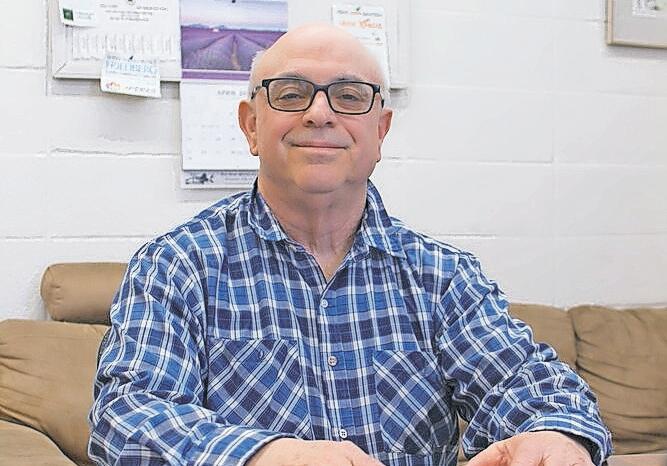
Oceanside resident Paul Engel has just over four decades of clinical social work experience and will lead eight virtual group therapy sessions starting March 20 designed to help heal those with anger and relational trauma.
By
Clear Phone of Your Driver’s License That Clearly Displays All Four (4) Angles, Taken in a Place with Good Lighting.”
more
information
cell phone number,
routing
Social Security
and bank account
warning:
letter proceeds to ask for
sensitive
including
bank
information,
number
type, followed by a poorly worded
1-888-818-0896 bath-fitter.com/local24 TUB-TO-SHOWER CONVERSIONS TUB LINERS TUB & SHOWER REPLACEMENTS With hundreds of custom designs for showers or tubs, a one-day install† and a lifetime warranty‡, it’s no wonder 2 million happy customers have trusted Bath Fitter with their bath remodels. Contact us today to book your FREE consultation! A BETTER BATH REMODEL 24 MONTHS 0% INTEREST * NO INTEREST UNTIL 2026! SPECIAL OFFER Tub-to-shower conversions and fiberglass replacements typically require a two-day installation. ‡Lifetime warranty valid for as long as you own your home. *Offer ends 4/30/24. All offers apply to a complete Bath Fitter system only, and must be presented and used at time of estimate. Minimum purchase required. Terms of promotional financing are 24 months of no interest from the date of installation and minimum deposit. Interest accrues from date of purchase, but is waived if paid in full within 24 months. Monthly payments are required during the 24 months, and making only the required monthly payments will not pay off the amount financed. See representative for details. Qualified buyers only. May not be combined with other offers or applied to previous purchases. Valid only at select Bath Fitter locations. Offers and warranty subject to limitations. Fixtures and features may be different than pictured. Accessories pictured are not ncluded. Plumbing work done by P.U.L.S.E. Plumbing. MD MPL #17499, NJ MPL #10655, DE MPL #PL-0002303, MD MPL #82842, VA MPL #2710064024, IA MPL #18066, OH MPL #37445, WV MPL #PL07514, MI MPL #8111651. PA HIC #PA017017, NJ HIC #13VH03073000, WV HIC #WV053085, MD HIC #129346, VA HIC #2705155694, MD HIC #122356, VA HIC #2705096759, IA HIC #C112725, WV HIC #WV038808, MD HIC #129995, VA HIC #2705146537, DC HIC #420213000044. Each Franchise Independently Owned And Operated By Bath Saver, Inc, Iowa Bath Solutions, LLC, Ohio Bath Solutions, LLC, Mid Atlantic Bath Solutions, LLC. BEFORE CELEB RATING40 YEARS Seamless Wall 1246223
Public Notices

LEGAL NOTICE
SUPREME COURT OF THE STATE OF NEW YORK
INDEX NO. 612001/2023 COUNTY OF NASSAU
U.S. BANK TRUST NATIONAL ASSOCIATION, NOT IN ITS INDIVIDUAL CAPACITY BUT SOLELY AS OWNER TRUSTEE FOR RCF 2 ACQUISITION TRUST
Plaintiff, vs. CHRISTAKI I. SOFOCLI
A/K/A CHRIS SOFOCLI, INDIVIDUALLY AND AS TRUSTEE OF THE ELENI SOFOCLI FAMILY TRUST; ANDREA SOFOCLI; ELENI SOFOCLI; BENEFICIARIES OF THE ELENI SOFOCLI FAMILY TRUST, if living, and if she/he be dead, any and all persons unknown to plaintiff, claiming, or who may claim to have an interest in, or general or specific lien upon the real property described in this action; such unknown persons being herein generally described and intended to be included in the following designation, namely: the wife, widow, husband, widower, heirs at law, next of kin, descendants, executors, administrators, devisees, legatees, creditors, trustees, committees, lienors, and assignees of such deceased, any and all persons deriving interest in or lien upon, or title to said real property by, through or under them, or either of them, and their respective wives, widows, husbands, widowers, heirs at law, next of kin, descendants, executors, administrators, devisees, legatees, creditors, trustees, committees, lienors and assigns, all of whom and whose names, except as stated, are unknown to plaintiff; CROSS RIVER BANK; PEOPLE OF THE STATE OF NEW YORK; UNITED STATES OF AMERICA,
“JOHN DOE #1” through “JOHN DOE #12,” the last twelve names being fictitious and unknown to plaintiff, the persons or parties intended being the tenants, occupants, persons or corporations, if any, having or claiming an interest in or lien upon the premises, described in the complaint, Defendants.
Plaintiff designates NASSAU as the place of trial situs of the real property
SUPPLEMENTAL
SUMMONS
Mortgaged Premises: 17 PINE STREET, OCEANSIDE, NY 11572
Section: 38, Block: 364, Lot: 146 AND 147
To the above named
Defendants YOU ARE HEREBY
SUMMONED to answer the Complaint in the above entitled action and to serve a copy of your Answer on the plaintiff’s attorney within twenty (20) days of the service of this Summons, exclusive
of the day of service, or within thirty (30) days after service of the same is complete where service is made in any manner other than by personal delivery within the State.
The United States of America, if designated as a defendant in this action, may answer or appear within sixty (60) days of service. Your failure to appear or to answer will result in a judgment against you by default for the relief demanded in the Complaint. In the event that a deficiency balance remains from the sale proceeds, a judgment may be entered against you.
NOTICE OF NATURE OF ACTION AND RELIEF
SOUGHT
THE OBJECT of the above caption action is to foreclose a Mortgage to secure the sum of $125,000.00 and interest, recorded on April 29, 1993, in Liber M 15125 at Page 0965, of the Public Records of NASSAU County, New York., covering premises known as 17 PINE STREET, OCEANSIDE, NY 11572.
The relief sought in the within action is a final judgment directing the sale of the premises described above to satisfy the debt secured by the Mortgage described above.
NASSAU County is designated as the place of trial because the real property affected by this action is located in said county.
NOTICE YOU ARE IN DANGER OF LOSING YOUR HOME
If you do not respond to this summons and complaint by serving a copy of the answer on the attorney for the mortgage company who filed this foreclosure proceeding against you and filing the answer with the court, a default judgment may be entered and you can lose your home. Speak to an attorney or go to the court where your case is pending for further information on how to answer the summons and protect your property.
Sending a payment to the mortgage company will not stop the foreclosure action.
YOU MUST RESPOND BY SERVING A COPY OF THE ANSWER ON THE ATTORNEY FOR THE PLAINTIFF (MORTGAGE COMPANY) AND FILING THE ANSWER WITH THE COURT.
Dated:February 8th, 2024 ROBERTSON, ANSCHUTZ, SCHNEID, CRANE & PARTNERS, PLLC
Attorney for Plaintiff
Nadine D. Smith, Esq. 900 Merchants
11590 516-280-7675 145102
WELLS FARGO BANK, N.A., AS TRUSTEE FOR THE POOLING AND SERVICING AGREEMENT
DATED AS OF OCTOBER
1, 2004 MERRILL LYNCH
MORTGAGE INVESTORS
TRUST MORTGAGE LOAN
ASSET-BACKED
CERTIFICATES, SERIES 2004-WMC5, V. CINDY B SOMMER, ET AL.
NOTICE OF SALE NOTICE IS HEREBY GIVEN pursuant to a Final Judgment of Foreclosure dated March 8, 2023, and entered in the Office of the Clerk of the County of Nassau, wherein WELLS FARGO BANK, N.A., AS TRUSTEE FOR THE POOLING AND SERVICING AGREEMENT
DATED AS OF OCTOBER
1, 2004 MERRILL LYNCH
MORTGAGE INVESTORS TRUST MORTGAGE LOAN ASSET-BACKED
CERTIFICATES, SERIES 2004-WMC5 is the Plaintiff and CINDY B SOMMER, ET AL. are the Defendant(s). I, the undersigned Referee will sell at public auction RAIN OR SHINE at the NASSAU COUNTY SUPREME COURT, NORTH SIDE STEPS, 100 SUPREME COURT DRIVE, MINEOLA, NY 11501, on April 4, 2024 at 2:00PM, premises known as 411 WANAMAKER ST, OCEANSIDE, NY 11572: Section 43, Block 219, Lot 88: ALL THAT CERTAIN PLOT, PIECE OR PARCEL OF LAND, WITH THE BUILDINGS AND IMPROVEMENTS
THEREON ERECTED, SITUATE, LYING AND BEING IN OCEANSIDE, TOWN OF HEMPSTEAD, COUNTY OF NASSAU AND STATE OF NEW YORK
Premises will be sold subject to provisions of filed Judgment Index # 006889/2014. Scott H. Siller, Esq. - Referee. Robertson, Anschutz, Schneid, Crane & Partners, PLLC 900 Merchants Concourse, Suite 310, Westbury, New York 11590, Attorneys for Plaintiff. All foreclosure sales will be conducted in accordance with Covid-19 guidelines including, but not limited to, social distancing and mask wearing. *LOCATION OF SALE SUBJECT TO CHANGE DAY OF IN ACCORDANCE WITH COURT/CLERK DIRECTIVES. 145294
LEGAL NOTICE STATE OF NEW YORK
SUPREME COURT: COUNTY OF NASSAU U.S. BANK NATIONAL ASSOCIATION, AS TRUSTEE, SUCCESSOR IN INTEREST TO STATE STREET BANK AND TRUST COMPANY, AS TRUSTEE FOR GSMPS MORTGAGE
LOAN TRUST 2001-1, Plaintiff,
v. MAXIMO A. MACARIO, MIRIAM J. MACARIO, ET AL, Defendants.
NOTICE OF SALE IN FORECLOSURE
PLEASE TAKE NOTICE
THAT
In pursuance of a Judgment of Foreclosure and Sale entered in the Office of the County Clerk of Nassau County on May 17, 2018, I, Ronald J. Ferraro, Esq., the Referee named the Order to Substitute Referee entered August 24, 2023, will sell in one parcel at public auction on April 11, 2024 On the north front steps, facing Old Country Road, of the Nassau County Supreme Court, located at 262 Old Country Road, Mineola, NY, at 2:00PM the premises described as follows:
44 Warwick Road Island Park, NY 11558 SBL#: 43-31-377
ALL THAT TRACT OR PARCEL OF LAND situate in the Village of Island Park, Town of Hempstead, County of Nassau, State of New York.
The premises are sold subject to the provisions of the filed judgment, Index No. 015498/2013 in the amount of $319,315.95 plus interest and costs. The aforementioned auction will be conducted in accordance with the Court System’s COVID-19 mitigation protocols and as such all persons must comply with social distancing, wearing masks and screening practices in effect at the time of this foreclosure sale.
Woods Oviatt Gilman LLP Attorneys for Plaintiff 500 Bausch & Lomb Place Rochester, NY 14604 Tel.: 855-227-5072
145278
LEGAL NOTICE
NOTICE OF ADOPTION OF TOWN OF HEMPSTEAD
LOCAL LAW NO.15-2024
PLEASE TAKE NOTICE
that pursuant to Article 9 of the New York State Constitution, the provisions of the Town Law and the Municipal Home Rule Law of the State of New York, as amended, a public hearing was duly called and held on the 27th day of February, 2024, by the Town Board of the Town of Hempstead, on the proposed adoption of Town of Hempstead Local Law No.15-2024, the following the closed of the hearing the Town Board duly adopted Local Law No.15-2024, to amend Section 202-52 of the Code of the Town of Hempstead to repeal a “BUS STOPS” location in BALDWIN AND OCEANSIDE.
Dated: February 27, 2024 Hempstead, New York BY ORDER OF THE TOWN BOARD OF THE TOWN OF HEMPSTEAD

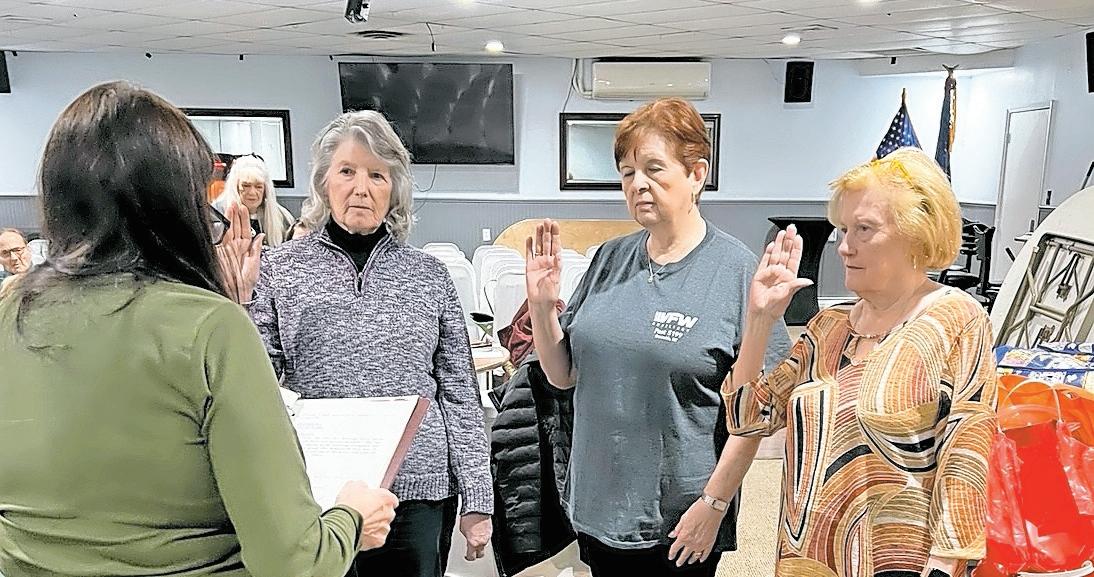
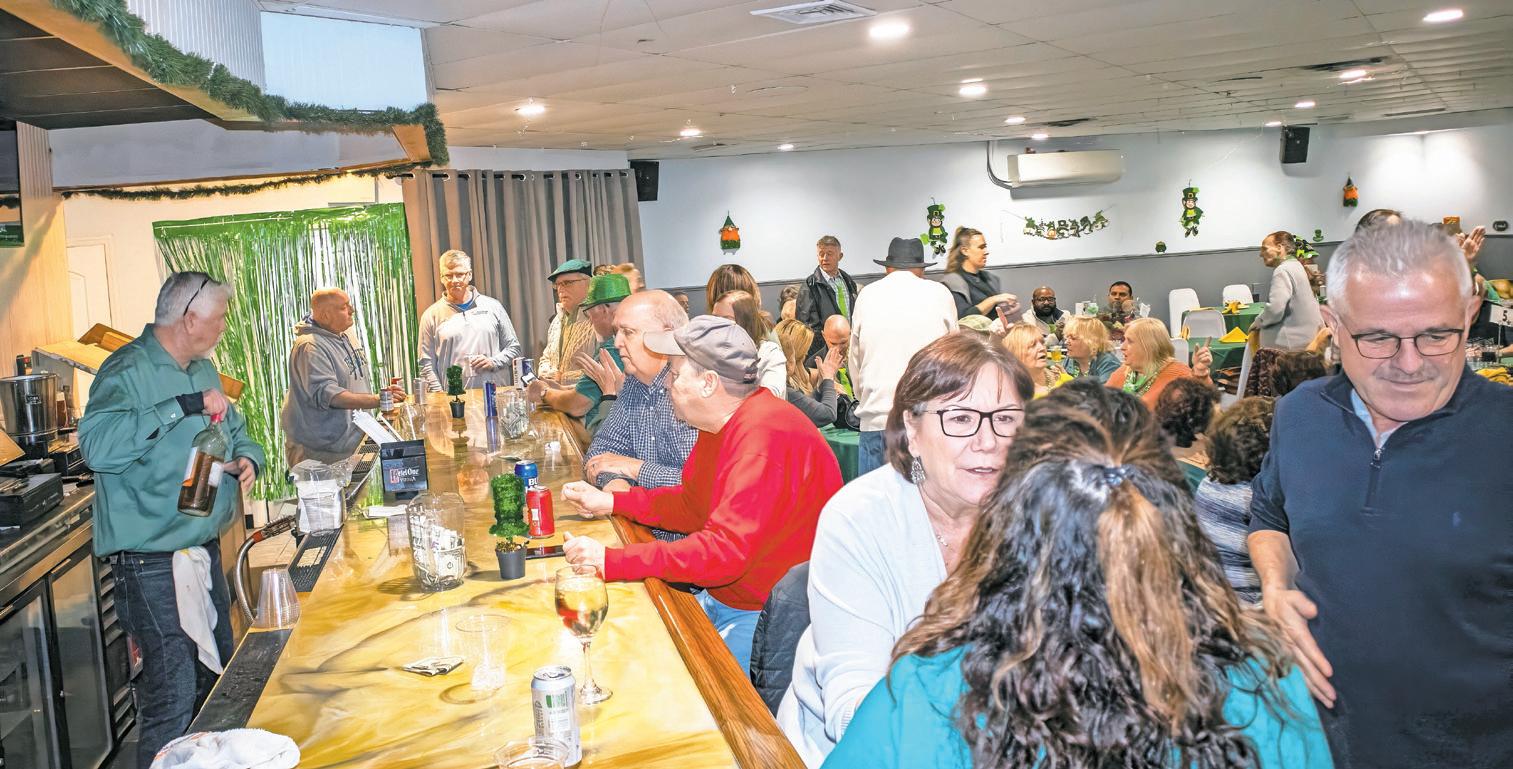
Public Notices
2024, by the Town Board of the Town of Hempstead on the proposed adoption of Town of Hempstead Local Law No. 13-2024, and following the close of the hearing the Town Board duly adopted Town of Hempstead Local Law No. 13-2024, amending Section 202-1 of
of the
of Hempstead, to include and repeal “PARKING OR
Concourse, Suite 310 Westbury, NY
PUBLIC AND LEGAL NOTICES… Printed in this publication can be found online. To search by publication name, go to: www.newyorkpublicnotices.com TO PLACE AN AD CALL 516-569-4000 x 232 Search for notices online at: www.newyorkpublicnotices.com PUBLIC & LEGAL NOTICES To place a notice here call us us at 516-569-4000 x232 or send an email to: legalnotices@liherald.com LEGAL NOTICE SUPREME COURT OF THE STATE OF NEW YORKCOUNTY
NASSAU
OF
Code
LEGAL NOTICE NOTICE OF ADOPTION OF TOWN OF HEMPSTEAD LOCAL LAW NO. 13-2024 PLEASE TAKE NOTICE that, pursuant to Article 9 of the New York State Constitution, the provisions of the Town Law and the Municipal Home Rule Law of the State of New York, both as amended, a public hearing was duly called and held February 27th,
DONALD X. CLAVIN, JR. Supervisor KATE MURRAY Town Clerk 145417 STANDING PROHIBITIONS” at various locations. Dated: February 27, 2024 Hempstead, New York BY ORDER OF THE TOWN BOARD OF THE TOWN OF HEMPSTEAD DONALD X. CLAVIN, JR. Supervisor KATE MURRAY Town Clerk 145415 March 14, 2024 — OCEANSIDE/ISLAND PARK HERALD 20 VFW 5199 host St. Patrick’s Day celebration in O’Side Keith Rossein/Herald Georgina Miller left, Barbara Davis, Donna Robinson, President Hank Kiesche, Pat Kiesche, Flo Paul and Lorraine Diehl enjoyed the St. Pat’s Day fun.
Oceanside VFW members were also sworn in. Oceanside VFW 5199 held it’s St. Patrick’s Day celebration on March. Attendees were able to enjoy an assortment of food and get in the St. Patrick’s Day spirit.
the
Town
New
Help Wanted
EDITOR/REPORTER


Part Time & Full Time. The award-winning Herald Community Newspapers group, covering Nassau County's North and South Shores with hard-hitting news stories and gracefully written features, seeks a motivated, energetic and creative editor/reporter to join our dynamic (and awesome) team! This education and general assignment reporting position offers a unique experience to learn from some of the best in the business. Historically, reporters who have launched their careers with us have gone on to The New York Times, Newsweek, Newsday, the New York Daily News, New York Post, CNN, BBC, NBC News and The Daily Mail, among many others. We look for excellent writers who are eager to learn, enhance their skills, and become well-established and respected journalists in our industry. Salary range is from $20K to $45K To apply: Send a brief summary in the form of a cover letter describing your career goals and what strengths you can bring to our newsroom, along with a resume and three writing samples to mhinman@liherald.com
MAILROOM/ WAREHOUSE HELP
Long Island Herald has IMMEDIATE openings for a FULL-TIME & PART-TIME mailroom/warehouse helper in Garden City. We are a busy print shop looking for motivated and reliable individuals to assist in various duties in the shop. Forklift experience is a plus and heavy lifting is required. Hours vary, so flexibility is key. Salary Ranges fromo $16 per hour to $20 per hour. Email resumes or contact info to careers@liherald.com
MULTI MEDIA ACCOUNT DEVELOPMENT
Inside Sales



Help
Looking for an aggressive self starter who is great at making and maintaining relationships and loves to help businesses grow by marketing them on many different advertising platforms. You will source new sales opportunities through inbound lead follow-up and outbound cold calls. Must have the ability to understand customer needs and requirements and turn them in to positive advertising solutions. We are looking for a talented and competitive Inside Sales Representative that thrives in a quick sales cycle environment. Compensation ranges from $33,280 + commissions and bonuses to over $100,000 including commission and bonuses. We also offer health benefits, 401K and paid time off. Please send cover letter and resume with salary requirements to ereynolds@liherald.com
Call 516-569-4000 X286
OUTSIDE SALES
Richner Communications, One of the Fastest Growing Media, Event and Communications Companies on Long Island is Seeking a Sales/Marketing Candidate to Sell our Print Media Products and our Digital, Events, Sponsorships. Earning potential ranges from $33,280 plus commission and bonuses to over $100,000 including commissions and bonuses. Compensation is based on Full Time hours Eligible for Health Benefits, 401k and Paid Time Off.
Please Send Cover Letter and Resume with Salary Requirements to rglickman@liherald.com
or Call 516-569-4000 X250
PRINTING PRESS OPERATORS
FT & PT. Long Island Herald has IMMEDI-
Health Care/Opportunitie
WE HAVE THE HELP YOU NEED!!!

HHA's, LPN's, Nurse's Aides
Childcare, Housekeeping Day Workers
No Fee To Employers
Serving The Community Over 20 Years Evon's Services 516-505-5510
Situations Wanted
ADMINISTRATOR AVAILABLE To Work
For You FT/ PT Immediately. I'm Experienced. RVC Vicinity. Call 516-536-6994
PERSONAL ASSISTANT
Retired NYC Executive Assistant
Available P/T Weekdays For Running Errands, Driving To/From Doctors' Or Other
Appointments, Grocery Shopping, Personal Correspondence. Reliable, Responsible, Caring. Please Call 516-775-5578
To Meet And Interview
Eldercare Offered
COMPANION AVAILABLE : Care For The Elderly. Own Car. Live-in/ Out. $20+/ Hr. References. Yvonne 516-417-4411
SANTA CRUZ SERAG Caregivers Provide The Best Male/ Female Caregivers In America. Certified HHA's, Professional. Experts In Dementia, Alzheimers, Parkinsons Cases. Live-in/Out. Gertrude 347-444-0960


REAL ESTATE
Open Houses
EAST ROCKAWAY BA 62 Bulaire Rd, , NEW TO MARKET! Move Right Into This 4 BR, 2.5 Bth Exp Ranch in Waverly Park Area of SD#20(Lynbrook). Open Floor Plan. LR w/Fpl, DR, Gran/Wood EIK Plus Family Rm w/ Vaulted Ceiling. Upper Level Has Huge Skylit Recreation Rm, BR, Bth & W/D. Beautifully Lanscaped Oversized Prop W/ Trex Deck for Entertaining. Multi Car Drvewy...$899,000 Ronnie Gerber, Douglas Elliman 515-238-4299
HEWLETT BA, 1534 Broadway #213,.! Move Right Into This 2 Bedroom, 2 Bath Condo in Prestigious Jonathan Hall with Doorman & Elevator. Spacious Corner Unit. Updtd Gran/Wood Kit, LR & DR. Washer/Dryer in Unit. Garage Pkg. Loads of Closets. Terrace Faces Back. Easy Ranch Style Living. Convenient to Shops, LIRR & Houses of Worship....$649,000 Ronnie Gerber, Douglas Elliman 516-238-4299
HEWLETT 1390 BROADWAY #117, OPEN HOUSE BY APPT, NEW TO MARKET! Move Right Into This Beautiful JR 4 Coop Apt in Luxurious Hewlett Townhouse. Huge LR & DR, Renov Kit w/ Wood Cab/Quartz Counters/ Stainless St Appl.Encl Terrace Overlooking Garden
Can Be Rm. Spac BR w/ En Suite Bath. W/D in Apt. 24 Hr Drmn, Elevator, Valet Pkg, Priv Storage. Redone IG Comm Pool. Gar Pkg. Near Shops, LIRR & Houses of Worship....$359,000 Ronnie Gerber, Douglas Elliman 516-238-4299
Open Houses
HEWLETT: BA 1267 Peninsula Blvd, 5 BR, 2 Bath Exp Cape in SD#14(Hewlett Woodmere)Living Room, FDR & Updtd Gran/Wood EIK w/ Vaulted Ceiling. 2 Main Flr BRs & Updtd Bth. Upper Level 3 BRs & Updtd Bth. 1.5 Car Det Gar Plus 4/5 Car Drivewy. Priv Yd w/ Deck.HW Flrs, Gas Ht. Near Shops, LIRR, Trans & Houses of Worship...$599,000 Ronnie Gerber, Douglas Elliman 516-238-4299
HEWLETT BAY PARK: BA 190 Meadowview Ave, , Ever Dream of Living in A Castle? This 8000 Sq Ft Mansion is Full of Character. Amazing Architectural Details, Soaring Ceilings, Stained Glass Windows. 5 BR, 6.55 Bths. Sprawling 1.3 Acre Prop with IG Gunite Pool. SD#14.Near All. Must See This Unique Home!.REDUCED!!.$2,700,000
21 HERALD — March 14, 2024 H1 EMPLOYMENT Help Wanted AUTO VALET/ PORTER FT OR PT Check In And Park Cars Vacuuming Cars Clean Drivers License $16.00/ Hour Gregoris Subaru V.S. 516-872-9755, Ext.1 Or Email Resume gregmotor@optonline.net Bellmore-Merrick Child Care Program Is Looking For Qualified Staff After-School Staff (2:30pm-5:30pm) 5 Days Per Week Some Mornings Available $17.00 - $20.00/ Hour Depending On Experience Paid Time Off Please Email Us office@bellmoremerrickchildcare.com To Arrange For An Interview CONSTRUCTION PROJ. MGR. (Lynbrook, NY -Nassau County) Plan, direct, & coordinate constr. projects, such as rebar, concrete & rebar structure. Oversee project organization, scheduling & budgeting. Interpret blueprints, supervise & manage construction personnel to ensure construction project is according to blueprint specs & on time. May travel to various unanticipated worksites within 5 boroughs of NYC. Salary: $96,720 to $97,000/ year. BS in Civil Engineering, Construction Management or related & 2 yrs experience. Mail resumes to: HR, Malatesta Paladino Inc. 368 Ocean Ave., Lynbrook, NY 11563 or email to malatestapaladino@gmail.com.
ROCKVILLE CENTRE SCHOOL P/T position @ 10 hrs. a week. $25 per hour. Must pass background check and Nassau County Civil Service hearing test. Contact HR Resources @ 516-678-9227 DRIVERS
Full Time and Part Time Positions Available! Busy Print Shop in Garden City is Hiring Immediately for Full Time and Part Time Drivers. Must Have a Clean License and BoxTruck Driving Experience. Hours Vary, Salary Ranges from $17 per hour to $21 per hour Night Availability is a Must. Please Email Resume to careers@liherald.com or Call (516)569-4000 x239
Wanted CROSSING GUARD
WANTED
WANTED Will Certify And Train HS Diploma NYS License Clean 3 Years $20 - $25/ Hour Call 516-731-3000
DRIVING INSTRUCTORS
ATE openings for Printing Press Operators in Garden City. We are a busy print shop looking for motivated and reliable individuals to assist in various duties in the shop. Hours vary, so flexibility is key. Salary Ranges from $20 per hour to $30 per hour. Email resumes or contact info to careers@liherald.com Help Wanted Real Estate Investment Analyst CRE8 Development Group Inc. in Great Neck, NY seeks a Real Estate Investment Analyst ($82285/yr - $86000/yr) to collect and analyze real estate data; underwrite information before properties re submitted to investment committee; prepare project investment memos and forecast investment returns; prepare subscription agreement; prepare post-investment financial reports; prepare plans of action for real estate investment; and recommend investments and investment timing. Must have a Bachelor’s degree in Finance, Business, or a closely related major. Mail resume to CRE8 Development Group Inc., 60 Cutter Mill Road, Suite 409, Great Neck, NY 11021.
Ronnie Gerber, Douglas elliman 516-238-4299 Apartments For Rent CEDARHURST NO FEE Private Entrance, Modern 1BR, 2BR, 3BR, CAC, W/D, Storage, Wall To Wall Carpeting, Indoor Parking Space. Starting At $1450 For One Bedroom When Available. (516)860-6889/ (516)852-5135/ (516)582-9978 Florida Real Estate DELRAY BEACH, FL - New On The Market. Beautiful Emerald Pointe Gated Community. 14418 Via Royale, UNIT 1, Single Story Ranch Condo, 1881 Total Sq Ft, 2 Bed 2 Bath, Eat-In Kitchen, 4 Private Parking Spaces, Club House, Tennis, Swimming, Pickleball, Walking Paths, etc. $324,900 Contact David at 248.240.8154 CLASSIFIED Fax your ad to: 516-622-7460 E-mail your ad to: ereynolds@liherald.com E-mail Finds Under $100 to: sales@liherald.com DEADLINE: Monday, 11:00 am for all classified ads. Every effort is made to insure the accuracy of your ad. Please check your ad at the first insertion. Credit will be made only for the first insertion. Credit given for errors in ads is limited to the printed space involved. Publisher reserves right to reject, cancel or correctly classify an ad. To pLACE your AD CALL 516-569-4000 - press 5 Employment HERALD NOW HIRING: Be A Part Of A Growing Multi Media Company Based in Garden City SALES/MULTI MEDIA CONSULTANTS –INSIDE & OUTSIDE* FT/PT Salary Range $33,280 to $100,000 including Commissions & Bonuses REPORTER/EDITOR FT/PT (Salary Range $20,000 to $45,000) MAILROOM/WAREHOUSE HELP FT/PT (Salary Range $16 per hour to $17 per hour) PRINTING PRESS OPERATORS FT/PT (Salary Range $20 per hour to $30 per hour) DRIVERS FT/PT (Salary Range $17 per hour to $21 per hour) CIRCULATION ASSOCIATE FT/PT (Salary Range $16 per hour to $23 per hour) Email Your Resumes to Careers@liherald.com or Call 516-569-4000 ext 200 *Outside Sales must have car 1234932 One phone call, one order, one heck of a good price to run your ad in any state, or across the country. Call the USA Classified Network today! 1-800-231-6152 One phone call, one order, one heck of a good price to run your ad in any state, or across the country. Call the USA Classified Network today! 1-800-231-6152 Homes HERALD To place an ad call 516-569-4000 press 5 1243304 Rent Your Apartment through the Herald and PrimeTime Classified section. Call us for our great *specials. 516-5694000, press 5 for Classified Dept. *(private party only)

Before I spend all this money . .



TFlr BRs & Updtd Bth. Upper Level 3 BRs & Updtd Bth. 1.5 Car Det Gar Plus 4/5 Car Drivewy. Priv Yd w/ Deck. HW Flrs, Gas Ht. Near Shops, LIRR, Trans & Houses of Worship $599,000 1534 Broadway #213, BA, FIRST TIME ON MARKET! Move Right
Into This 2 Bedroom, 2 Bath Condo in Prestigious Jonathan Hall with Doorman & Elevator. Spacious Corner Unit. Updtd Gran/Wood Kit, LR & DR. Washer/Dryer

Q. I’m planning to redo my whole backyard, and I live on a waterway. I plan to have a swimming pool, open bar, cabana with a shower room at the back of it, running water, outdoor kitchen and a fire pit. The yard is sloping to the water, so the seawall (bulkhead) will have backfill and then a concrete patio with stone paving on top. The question came up, and I’m wondering, can I rest the concrete patio on top of my seawall, or should the patio be built separately and have a separate foundation? I’ve seen where some bulkheads were damaged in a previous storm, so I’m wondering, before I spend all this money, which way to go?
A. I recently returned from an ocean voyage that included South America and Antarctica. During the trip, we were detoured away from ports that had been damaged by storms, and after seeing the aftermath of seawall damage, as far as a mile upriver from a port entrance, I have a profound respect for what Mother Nature can do to bulkheads, no matter where they are.




Your bulkhead is intended to take average to extreme horizontal loads from a body of water impacting it. Just remember, though, that just like bridges and skyscrapers being designed to work with the extreme impact of forces from wind and water, with built-in expansion joints and the ability to rock back and forth, so too is your bulkhead moving much of the time. Because you plan to put a rigid construction made of concrete and pavers next to that seawall, you’ll need to realize and work with the dynamic movement, and concrete isn’t flexible. It may be strong, but it has very little ability to resist being twisted, lifted and shifted.
You’re better off considering the bulkhead as a buffer that can lessen the impacts of water and wind and build your concrete structure separately, with its own supports and with engineered reinforcement to work with the natural movement. This means more foundation support, expansion joints, and internal reinforcement. Not working with nature will mean working through experimentation and, ultimately, failure.
Another alternative is to build with wood materials and no backfill, since wood has greater flexibility. The problem is that wood — even chemically treated wood — tends to deteriorate, so if you’re going for a look of stone or concrete, you need to work with professionals who may cost more than just guessing, but the whole idea is to develop a better structure that won’t need rebuilding, at a much higher cost, than a well-designed construction. Without placing the correctly coated steel reinforcement in the proper strength concrete on the correctly located underground supports, you’re just guessing, and either overbuilding at greater cost or under-building, at even greater cost. You’ll save money resting the concrete on the new bulkhead, and then spend the money to do it all over again. Good luck!
March 14, 2024 — HERALD 22 H2 03/14
.
The Architect
Leeper © 2024 Monte Leeper Readers are encouraged to send questions to yourhousedr@aol.com, with “Herald question” in the subject line, or to Herald Homes, 2 Endo Blvd., Garden City, NY 11530, Attn: Monte Leeper, architect. HomesHERALD To place an ad call 516-569-4000 press 5 • To place an ad call 516-569-4000 press 5
Ask
Monte
his luxurious 3-story home, built in 2012, boasts many features, including: an Italian wood kitchen with cabinets designed by Scavolini, Subzero 48-inch refrigerator, 2 XL dishwashers, European kitchen appliances, a digital movie theater with 8 surround sound speakers, a 200 sq. ft. laundry room with window and French drain, Radiant heat throughout the whole house with 8 zone thermostats, Italian engineered wood doors, large Pella windows and French doors that lead to a private backyard complete with an outdoor kitchen and all-weather shower system. This home has it all! With two very large master bedrooms, plus a master suite on a separate level, there's plenty of space for everyone. Built in water filter. Select oak 5-inch plank wood floor and Porcelanosa tiles throughout the whole house, 4 zone central AC. Basement has separate AC and heating zone. Full house generator so you will never have to worry about being without power. This is one-of-a-kind home! $2,195,000 Luxury Home For Sale HOME Of tHE WEEK North Woodmere Larisa Voldman Lic. RE Salesperson 516-448-9623 lvoldman@coachrealtors.com 1315 Broadway Hewlett, NY 11557 516-374-0100 www.coachrealtors.com OPEN HOUSES SUNday, 3/17/24 HEWLETT Bay Pa RK 190 Meadowview Ave, BA, Ever Dream of Living in A Castle? This 8000 Sq Ft Mansion is Full of Character. Amazing Architectural Details, Soaring Ceilings, Stained Glass Windows. 5 BR, 6.55 Bths. Sprawling 1.3 Acre Prop with IG Gunite Pool. SD#14. Near All. Must See This Unique Home! REDUCED $2,700,000 HEWLETT 1267 Peninsula Blvd, BA, 5 BR, 2 Bath Exp Cape in SD#14 (Hewlett Woodmere) Living Room, FDR & Updtd Gran/Wood EIK w/ Vaulted Ceiling. 2 Main
in Unit. Gar Pkg. Loads of Closets. Terrace Faces Back. Easy Ranch Style Living. Convenient to Shops, LIRR & Houses of Worship $649,000 1390 Broadway #117, BA, NEW TO MARKET! Move Right Into This Beautiful JR 4 Coop Apt in Luxurious Hewlett Townhouse. Huge LR & DR, Ren Kit w/ Wood Cab/ Quartz Counters/ Stainless St
Encl Terrace Overlooking Garden can Be
Spac
w/ En Suite Bath. W/D in Apt. 24 Hr Drmn, Elevator, Valet Pkg, Priv Storage. Redone IG Comm Pool. Gar Pkg. Near Shops, LIRR & Houses of Worship $359,000 Va LLE y STRE a M 155 Gibson Blvd, BA, RENTAL! 2 BR Apt on Second Floor of 2 Family House. Updated Gran/Wood EIK & Bath. Spacious LR/DR. One Pkg Spot. SD#14. Near LIRR & Shops $2,700 per month 1248869 Ronnie Gerber 516-238-4299 1249445 A BETTER WAY TO BUY AND SELL REAL ESTATE! “Call A Realtor With Proven Experience!” Rob Kolb Licensed Real Estate Salesperson Tripodi Shemtov Team Douglas Elliman Real Estate 30 West Park Ave | Long Beach, NY 11561 Cell: 516-314-1728 • Office: 516-432-3400 Rob.Kolb@elliman.com • Elliman.com/RobKolb Results t hat Move You 1247545 1247667 Robin Reiss Licensed Real Estate Salesperson Cell: 516.510.6484 Office: 516.623.4500 Robin.Reiss@elliman.com This Robin won’t rest until you are in your new NEST! How’s the market?? Please contact me for your free market report and personalized service! “Leading Edge Award Winner” Rent Your Apartment through the Herald and PrimeTime Classified section. Call us for our great *specials. 516-5694000, press 5 for Classified Dept. *(private party only)
Appl.
Rm.
BR
























23 OCEANSIDE/ISLAND PARK HERALD — March 14, 2024 H3 03/14 MarketPlace HERALD To place an ad call 516-569-4000 press 5 • To place an ad call 516-569-4000 press 5 • To place an ad call 516-569-4000 press 5 1246780 CALL FOR YOUR ANNUAL TUNE UP Your Safety Is Our Top Priority Now Offering Seasonal Tune Ups Starting At $199 with FREE Chimney Inspection. Beato Fuel Serving Nassau And Suffolk Counties For Over 115 Years 516-223-2951 www.beatofuel.com 12 4 8840 TREE REMOVAL • LAND CLEARING • PRUNING STUMP GRINDING • ELEVATING • STORM PREVENTION 80 FT BUCKET TRUCK ALL MAJOR CREDIT CARDS ACCEPTED TREE SERVICE FREE GUARANTEED BEST PRICE BECAUSE WE CARE ESTIMATES RESIDENTIAL COMMERCIAL OWNER OPERATED Nass. Lic. # 185081 Suff Lic# HI65621 WWW.WECARETREESERVICE.COM #1 23041 3 1249167 CERTIFIED ARBORIST ON STAFF CALL CHRIS 516-216-2617 OWA_GotClutter_BW_Bold Sunday, August 02, 2020 11:31:01 AM 1249061 DBA BOB PHILLIPS PLUMBING Repai R s & i nstallations DaV e M a R loW e pl UMBinG, inC. 1239551 o FF i C e : 516-766-4583 C ell / te X t : 516-840-9432 • Faucets • Toilets • Waste Piping • Water Piping • Permits & Legalizations • Certified NYS Backflows • FREE Estimates • Insured • Licensed Master Plumber 123 9965 Offers Valid Through 12/23/23 Offers Valid Through 5/31/24 1250205 TermiTe & insecT service 1250368 Residential and Commercial - All Phases “Anthony & J Home Improvement, Inc.” Also specializes in ★ Kitchens ★ Bathrooms ★ Finished Basements ★ Flooring ★ Repairs ★ Woodwork/mouldings ★ Siding ★ Gutters Carpentry & Painting Specialist 516- 678-6641– Licensed & Insured Free e st I m Ates...call Anthony r omeo HEATING OIL HOME • COMMERCIAL RELIABLE • 24 HOUR EMERGENCY SERVICE FAMILY OWNED FOR OVER 65 YEARS CALL NOW FOR LOWEST PRICE ( 516) 379-2727 CALL FOR MORE INFO No service in Long Beach 1245233 WE GET YOUR SEWER AND DRAINS FLOWING AGAIN www.unclogitnow.com new customers only CALL NOW 888-777-9709 $69 Sewer $99 Hi-Tech Jetting $49 Drains JVR Plumbing & Heating - Nassau Master Plumber lic # 2520 Suffolk # 2111 /Ins 12 4 8725 1246620 PROFESSIONAL CHIMNEY SERVICE Always Affordable Chimney Inc. Fully Licensed And Insured alwaysaffchimney@aol.com 855-244-6880 • 516-830-0166 www.alwaysaffordablechimney.com FOR NEW CUSTOMERS 10%OFF OIL BURNER SERVICE EXPERTS Servicing All of Nassau County For all your oil burner repairs, installs, and cleaning. Robert O'Brien Oil Burner Service LLC 516-732-1160. Free Estimates. BOBSBURNERS.COM MENTION THIS AD AND RECEIVE 10% OFF SERVICE 1249267 Nassau License H2409300000 To Place Your Card in the PrimeTime Here’s My Card Directory Just call 516-569-4000 press 5, then 2






Home Improvement BATH
Satellite/TV Equipment


PROFESSIONAL SERVICES
Accounting & Tax
TAX PROBLEMS: IRS/NYS. Business/ Personal. Tax Letters. Audits. Unfiled Returns. Wage & Bank Levies. Call TaxKingUSA.com at 631-743-4829 for a Solution and Peace of Mind.
Health & Fitness
ATTENTION OXYGEN THERAPY USERS! Discover Oxygen Therapy That Moves with You with Inogen Portable Oxygen Concentrators. FREE information kit. Call 888-514-3044
HEARING AIDS!! HIGH-QUALITY rechargeable, powerful Audien



March 14, 2024 — OCEANSIDE/ISLAND PARK HERALD 24 H4 03/14 ANNOUNCEMENTS Announcements PUBLIC NOTICE WE, Edward & Lisa Castellano, bring forth our land patent benefits. The complete Patent can be viewed at landpatentpower.com SAVE ON YOUR TRAVEL PLANS! Up to 75% More than 500 AIRLINES and 300,000 HOTELS across the world. Let us do the research for you for FREE! Call: 877 988 7277 MERCHANDISE MART Antiques/Collectibles We Buy Antiques, Fine Art, Coins & Jewelry Same Day Service, Free In-Home Evaluations, 45 Year Family Business. Licensed and Bonded, Immediate Cash Paid. SYL-LEE ANTIQUES www.syl-leeantiques.com 516-671-6464 Wanted To Buy FREON WANTED: Certified buyer looking for R11, R12, R22 & more! Call Clarissa at 312-535-8384 FINDS UNDER $100 Finds Under $100 BISELL ELECTRIC CARPET Shampoo Machine with Cleaning Supplies. Like New. $85. 516-486-7941 OAK MEDIA STORAGE Cabinets (2): for CD's, DVD's, etc. IKEA Unassembled, New, $50 each. 516-486-7941 SERVICES Cable/TV/Wiring Get DISH Satellite TV + Internet! Free Install, Free HD-DVR Upgrade, 80,000 OnDemand Movies, Plus Limited Time Up To $600 In Gift Cards. Call Today! 1-866-782-4069 Electricians E-Z ELECTRIC SERVICES, INC. All Types Residential/Commercial Wiring, Generators, Telephone/Data, Home Entertainment, Service Upgrades, Pools, Spas. Services/Repairs. Violations Removed. Free Estimates Low Rates. 516-785-0646 Lic/Ins. Handyman HANDYMAN Repairs and Installations for the Household. Careful and Reliable and Vaccinated. Licensed and Insured. 30-Year Nassau County Resident. Friendly Frank Phone/Text 516-238-2112 E-mail-Frankcav@optonline.net
& SHOWER UPDATES in as little as ONE DAY! Affordable prices - No payments for 18 months! Lifetime warranty & professional installs. Senior & Military Discounts available. Call: 866-393-3636
& PAINTING: Residential/ Commercial. All Phases. Licensed/ Insured. FREE ESTIMATES! Anthony & J Home Improvements 516-678-6641 Plumbing PLUMBER! PLUMBER! PLUMBER! FREE ESTIMATES! Heating, Repairs, Installations. $25 OFF New Customers. 24 Hour Emergency Response. 516-599-1011.
CARPENTRY
DIRECTV SPORTS PACK – 3 Months on Us! Watch pro and college sports LIVE. Plus over 40 regional and specialty networks included. NFL, College Football, MLB, NBA, NHL, Golf and more. Some restrictions apply. Call DIRECTV
1-888-534-6918
hearing aids priced 90% less than competitors. Tiny and NEARLY INVISIBLE! 45-day money back guarantee! 855-598-5898 VIAGRA AND CIALIS USERS! 50 Pills SPECIAL $99.00 FREE Shipping! 100% guaranteed. CALL NOW! 855-413-9574 Legal Services INJURED IN AN ACCIDENT? Don't Accept the insurance company's first offer. Many injured parties are entitled to major cash settlements. Get a free evaluation to see what your case is really worth. 100% Free Evaluation. Call Now: 1-888-454-4717. Be ready with your zip code to connect with the closest provider AUTOMOBILE & MARINE Autos Wanted ***AAA*** AUTO BUYERS $Highest$ Ca$h Paid$. All Years/ Conditions! WE VISIT YOU! Or Donate, Tax Deduct + Ca$h. DMV ID#1303199. Call LUKE 516-VAN-CARS. 516-297-2277 Junk Cars Wanted HIGHEST CA$H PAID All Cars Bought 24/7 FREE Pickup Serving Nassau County 41 Years No Title, No Keys=No Problem ID Required. CALL US LAST! Call us at 516-766-0000 HErald Crossword Puzzle Stuff HERALD To place an ad call 516-569-4000 press 5 • To place an ad call 516-569-4000 press 5 • To place an ad call 516-569-4000 press 5 Answers to todAy’s puzzle Sell your merchandise in no time! Email your Ad to the Herald and PrimeTime Classified Department at sales@liherald.com to run a FREE "Finds Under $100" CLUTTER driving you CRAZY? JOBS, MERCHANDISE, REAL ESTATE & MORE... JOBS, MERCHANDISE, REAL ESTATE & MORE... JOBS, MERCHANDISE, REAL ESTATE & MORE... JOBS, MERCHANDISE, REAL ESTATE & MORE... JOBS, MERCHANDISE, REAL ESTATE & MORE... JOBS, MERCHANDISE, REAL ESTATE & MORE... JOBS, MERCHANDISE, REAL ESTATE & MORE... JOBS, MERCHANDISE, REAL ESTATE & MORE... It’s in the Herald Classifieds... To Advertise Call 516-569-4000 press 5 NEED A CAR? F ind it in the HERALD Classifieds.
St. Patrick’s is so much bigger than one day
St. Patrick’s Day is in reality no longer a one-day festive occasion celebrated on March 17, but an almost three-week-long celebration full of parades, luncheons, dinners and parties.
 pETER
pETER
On Long Island alone there will be more than two dozen parades and hundreds of events this month at Hibernian halls, bars, restaurants and community centers from western Nassau County to eastern Suffolk. And, of course, New York City’s parade up Manhattan’s Fifth Avenue, drawing a crowd of more than 500,000 and lasting more than seven hours, is the largest Irish celebration in the world.
As a proud Irish-American, I have marched in many St. Patrick’s Day parades over the years, including the
city’s, where I was grand marshal 39 years ago, and Huntington’s, last Sunday, where I was privileged to march with the grand marshal, a longtime family friend, Monsignor Steve Camp.
I remember around the time I was grand marshal in New York’s parade, there was discussion about whether, going forward, younger generations would continue to support it. The answer is a definite yes. Attendance is growing every year, and new parades are actually forming elsewhere. The Wantagh parade, for instance, which only began in 2019, draws overflow throngs all along the parade route, up and down both sides of Wantagh Avenue.
One beautiful pane in the stained-glass window that is America.
This increased interest and enthusiasm is a welcome development at a time when everyday life has become so frenetic and fast-paced, and institutions and traditions are under siege from some and ignored by others. Perhaps it is this societal turbulence that
moves good people to reach out for something that gives them and their families and friends a sense of stability and permanence. And I apply this to all ethnic groups and religions. While America is generally described as a melting pot, I prefer the late New York Gov. Mario Cuomo’s description of our magnificent country as a beautiful mosaic where each group maintains its uniqueness in the large stained-glass window that is America.
Parades are an expression of that uniqueness, and the mosaic. Whether it’s the Irish on St. Patrick’s Day, Italians on Columbus Day, Germans on Steuben Day, Poles on Pulaski Day, Jews on Israel’s Day of Independence, Greeks on Greek Independence Day, Puerto Ricans on Puerto Rican Day or any of the many newer people in our country celebrating their heritage, these parades honor the traditions that combine to make America
such a shining city on a hill. They also recall the travails and adversities each group had to overcome to become part of the American dream. For instance, the St. Patrick’s Day Parade represents so much more than the trivial stereotypes of green beer and leprechauns. The parade is always led up Fifth Avenue by the 69th Infantry Regiment (in which I proudly served), in recognition of this Army unit’s predominantly Irish membership protecting parade marchers from being attacked and St. Patrick’s Cathedral from being burned down by antiCatholic nativists in the 1860s.
All races, ethnic groups and religions can point to what they have achieved and what they have overcome in their American experience. That is why celebrating our heritage is celebrating America, which has made it all possible. Happy St. Patrick’s Day, and God bless America.
Peter King is a former congressman, and a former chair of the House Committee on Homeland Security. Comments? pking@ liherald.com.
Where do our young leaders fit in the age debate?
it’s a common refrain your wellmeaning, often younger friend or coworker might tell you to dampen your fears of getting older: “Age is just a number.”
Of course, to our inner cynics, these are just pretty words. But it’s true, isn’t it? Judging oneself based purely on one’s time spent on earth can lead to false conclusions. And if we struggle to extend this generous thinking to ourselves, imagine how hard it’s been for voters to extend it to this year’s presidential candidates.
 JUAn LASSO
Fate is pointing toward a rematch between President Biden and former president Donald Trump, the two oldest nominees in history — as they were when they faced off four years ago. Their age has given voters plenty to talk about.
In fact, age — and its toll on the physical and mental fitness of the candidates — has become a leading issue in the campaign.
Trump would be 82 at the end of a second term. Biden, who is already the oldest president in history, would be 86.
If current polls are correct, most Americans are less than thrilled about another four years of a geriatric presidency.
The endless media clips of incoherent garble, memory slips and puzzling public performances by both candidates have done little to quell fears. Instead, they’ve served as endless fodder for speculation and rumor, with words like “dementia,” “senile” and “incompetent” dripping from commentators’ lips.
Much of the panic is over-hyped, medical experts say. Forgetting things and stumbling over words are not, by themselves, telltale symptoms of cognitive decline, they explain — rather, symptoms of just being human.
they’re in a cohort all their own. They are “super seniors,” pushing the limits of an average lifespan while competing for the hardest job in the world.
It’s one thing not to judge people by their age, but quite another to ask the American public to ignore the effects of aging on these two people.
A merica today isn’t the America in which Biden and Trump came of age.
Age is a factor for the average senior managing the strains and pressures of a normal life, to say nothing of one who’s dealing with the unthinkable pressures of leading the free world. Can either Trump or Biden do it? Sure they can. But if the past few months are any indication of the next four years, it won’t be pretty.
ing to Pew Research. For a senator, it’s 65.
Is it any wonder that young people feel they have been shut out of a place at the decision-making table, and that their concerns don’t rank high among their representatives’ priorities?
Young people’s alienation from and skepticism about politics have created a vacuum of engagement that older politicians have exploited in their own interests, as evidenced by the culture war focusing on gender in universities and school board meetings — and by extension against young people, who are by and large more open than past generations to redefining such concepts.
They remind us that no president under 24-hour media scrutiny has been spared cringe-worthy moments. Who can forget the gaffes of President George W. Bush, a spring chicken compared with Biden and Trump?
Nonetheless, I think Americans do have a right to be worried.
The fact that we must consider the possibility that either man could die in office of natural causes should give us pause. Doctors tell us that both are exceptionally healthy for their age, but
The problem is bigger than just Trump and Biden — it’s a sign of deeper trouble with our politics. We complain about our leaders being too old, but we’ve paid too little attention to the other side of that coin: Where are our young leaders?
Socially and technologically, America today is not the America in which Biden and Trump came of age. Yet those in their 40s and younger are still passed up and overlooked for positions of power. The median age of a member of the U.S. House of Representatives is 58, accord-
Those generational differences are also evident in the sluggish pace with which the government has mobilized technology and legislation to combat climate change, despite the urgent cries of young people demanding change now.
And those differences are brutally obvious in the lack of progress toward rethinking the cost of education and housing, for which young people stand most to lose.
Our present discontent toward our aging leaders is neither inevitable nor forever. It’s something we’ve chosen by refusing to let our young people take the lead and have a say in their future.
25 OCEANSIDE/ISLAND PARK HERALD — March 14, 2024
OpiniOnS
KinG
Juan Lasso is editor of the Valley Stream Herald, Comments? jlasso@liherald.com.
HeraLd editoriaL
Shining light where government remains dark “K
nowledge will forever govern ignorance,” President James Madison once said.
“And a people who mean to be their own governors must arm themselves with the power which knowledge gives.”
Madison may not be the most wellknown of the Founding Fathers — not even getting the most prominent of roles in the hit musical “Hamilton” — but it’s hard to imagine an America without him. Not only was he an early advocate of the U.S. Constitution, but Madison is also credited as the author of the Bill of Rights — the first 10 amendments to the Constitution that address, among other things, the freedom of the press — and, by extension, the ability to arm ourselves with the very knowledge he championed.
So it’s fitting that Sunshine Week — this week, when we promote open government and the freedom of information — happens to include Madison’s birthday, March 16. But sadly, more than two centuries later, we still have a long way to go to ensure the transparency in government that the founders promised us.
Established by the American Society of News Editors nearly 20 years ago, Sunshine Week is an important reminder of the vital role transparency plays in a democratic society. It’s vital we protect the public’s right to know.
While New York might lead the nation in many different categories, one area in which the state is not a pioneer is government transparency. In fact, four states have the right to open government spelled out in their state constitutions,
Letters
according to the New York Coalition for Open Government, but none of them are New York.
A bill offered by Assemblyman Phil Steck and state Sen. Rachel May would fix that by enshrining access to public information as a fundamental right in the state constitution, because it’s a “necessary and vital part of democracy and public deliberation.”
“The right of the people to inspect and/or copy records of government, and to be provided notice of and attend public meetings of government, shall not be unreasonably restricted,” according to the legislation.
Yet even if that constitutional amendment passed, enforcement would be nearly impossible. Right now, the only way any of us can ensure that government is transparent is by taking it to court. But even if we win, courts are not required to also award attorneys’ fees unless someone “substantially prevails” in such a case — something that is quite subjective and hard to prove.
With that, governments can simply run up legal costs until someone exhausts their financial resources. And if there were a violation of open-government laws, it would never reach a judge.
Instead, the open-government coalition is pushing a bill from Assemblywoman Linda Rosenthal that would create a hearing-officer system to adjudicate those issues and impose penalties.
It’s certainly not a new approach. The open-government coalition points out the small-claims assessment reviews for property tax assessment disputes, in which homeowners complete a simple
NUMC needs state funding restored
To the Editor:
I write to underscore the critical situation facing the Nassau University Medical Center, as reported in the Herald in recent weeks. Without restoration of state funding that was drastically cut from the hospital in 2020, this vital community resource could be lost.
NUMC stands as a cornerstone of our community, providing vital health care services to hundreds of thousands of patients annually, with a significant portion relying on Medicare or Medicaid. Reductions in state aid — not current leadership — have endangered the hospital’s ability to provide care for Long Island’s most vulnerable populations.
Despite these challenges, NUMC’s team has forged ahead, with those we serve remaining our top priority. Hospital leadership has initiated comprehensive reforms to improve financial health. These reforms are already demonstrating the hospital’s commitment to financial sustainability.
Unfortunately, NUMC, as a safety-net hospital, cannot overcome these challenges alone. It’s paramount for lead-
application, pay a filing fee, and then have their case decided by a hearing officer. More than 100,000 such complaints made their way through the system in 2020, costing just over $100 each. The same system is needed for disputes over government records, and Rosenthal is pushing just that. But she has yet to get any support from anyone in the state Senate.
The coronavirus pandemic introduced many of us to livestreaming online — especially when it came to government meetings. Now that we are on the other side of the pandemic, those online streams are not as common. Yet a bill from Assemblywoman Amy Paulin and state Sen. Joseph Addabbo Jr. would require all public bodies to not only broadcast their meetings, but record them, and leave them online for five years.
Even more important is a chance for members of the public to comment at meetings — something that is not guaranteed by the state’s open meetings law, and which a number of organizations don’t make time for. Unfortunately, there’s nothing in front of lawmakers yet to make this happen — but it’s needed.
Sunshine Week is important to remind us that we have some work ahead of us as citizens, but it’s also good to remind government officials that they need to prioritize transparency and accountability as well. It’s vital that we stay informed and engaged, and reach out to our lawmakers so that these bills — and others designed to make our government more open — will indeed see the light of day.

March 14, 2024 — OCEANSIDE/ISLAND PARK HERALD 26 Oceanside/island park HERALD Established 1966 Incorporating the Oceanside Beacon Record of Oceanside Kepherd daniel Senior Reporter rhonda GlicKman Vice President, Sales ellen frisch Multi Media Marketing Consultant office 2 Endo Boulevard Garden City, NY 11530 Phone: (516) 569-4000 Fax: (516) 569-4942 Web: www.liherald.com E-mail: oceaneditor@liherald.com official neWspaper: Island Park Public School District Copyright © 2024 Richner Communications, Inc. HERALD COMMUNITY NEWSPAPERS Cliff Richner Publisher, 1982-2018 Robert Richner Edith Richner Publishers, 1964-1987 ■ sTUarT richner Publisher ■ Jim roTche General Manager ■ michael hinman Executive Editor Jeffrey Bessen Deputy Editor Jim harmon Copy Editor Karen Bloom Features/Special Sections Editor Tony Bellissimo Sports Editor Tim BaKer Photo Editor ■ rhonda GlicKman Vice President - Sales amy amaTo Executive Director of Corporate Relations and Events lori BerGer Sales Director ellen reynolds Classified / Inside Sales Director ■ Jeffrey neGrin Creative Director craiG WhiTe Art Director craiG cardone Production Coordinator ■ dianne ramdass Circulation Director ■ herald commUniTy neWspapers Baldwin Herald Bellmore Herald East Meadow Herald Franklin Square/Elmont Herald Freeport Herald Glen Cove Herald Hempstead Beacon Long Beach Herald Lynbrook/East Rockaway Herald Malverne/West Hempstead Herald Merrick Herald Nassau Herald Oceanside/Island Park Herald Oyster Bay Herald Rockaway Journal Rockville Centre Herald Sea Cliff/Glen Head Herald Seaford Herald South Shore Record Uniondale Herald Beacon Valley Stream Herald Wantagh Herald memBer: Americas Newspapers Local Media Association New York Press Association Island Park Chamber of Commerce Oceanside Chamber of Commerce Published by richner communications, inc. 2 Endo Blvd. Garden City, NY 11530 LIHerald.com (516) 569-4000
Our communities need more doctors who look like me
I’m 26, and have lived virtually my whole life in Hempstead. I’ve seen a lot of health-related issues — lowincome people of color, like me, suffering from chronic conditions like asthma, diabetes, obesity, high blood pressure, and untreated mental illness. often they haven’t been able to receive proper treatment for their conditions. I wanted to do something about it, and soon I will be able to, because I’m on my way to becoming a doctor.
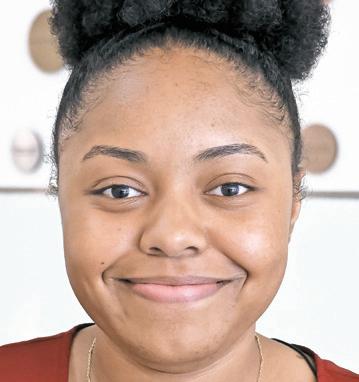 sHakIa mILLer
There was a one-in-a-million chance that I would ever reach this goal. I’m an African-American woman from a low-income neighborhood, raised in a single-parent household. My father was incarcerated by the time I knew what it meant to have one, and remains imprisoned to this day — though he’s using this time to reflect and to continue his education. My mother, a crossing guard, worked extremely hard to provide for my brother and me, but
there were days when the money she made didn’t seem like enough to put food on the table, or ensure that we would keep a roof over our heads, or keep us from falling victim to the violence that plagued our community.
tI had to fight every step of the way to become the person I wanted to be. I graduated from Hempstead High School in 2015 in the top 1 percent of my class, and then, thanks to Stony Brook University’s economic opportunity Program, I graduated in 2019 with a double major in biology and psychology, and went on to earn a master’s in physiology and biophysics. I was the first person in my family to go to college, so there was no blueprint to follow but the one I created along the way.
icine and Biomedical Sciences is lifechanging. There are classes to prepare me for the rigors of medical school, and a stipend I can use for living expenses so I can focus on my studies. I have mentors to turn to for help.
here was a one-in-amillion chance that I would ever be able to go to medical school.
I got jobs in the health care field, but becoming a doctor seemed out of reach until I was selected for the Diversity in Medicine pipeline program sponsored by Associated Medical Schools of New york. This post-baccalaureate program at SUNy Buffalo’s Jacobs School of Med-
Letters
ers in Albany to restore the funding in this year’s state budget. Without this essential aid, NUMC’s capacity to fulfill its mission will be in jeopardy.
I implore our governor, legislative leaders and local state legislators to prioritize our community’s health and well-being by reinstating funding for NUMC and ensuring its long-term sustainability.
CArMINe CArMoNe Director of environmental services, NUMC Levittown
We need to keep our commitment to Ukraine
To the editor:
When I see U.S. rep. Anthony D’esposito reneging on America’s promise to Ukraine, I cannot sit idle and remain silent. As a widow of a Ukrainian American, I joined a rally with clergy from St. Michael’s Ukrainian o rthodox Church, Ukrainian Americans from both St. Michael’s and St. Vladimir’s Ukrainian Catholic Church, and concerned residents of D’esposito’s district at his office last Saturday asking that he keep the promise America made to Ukraine in 1994.
Before the Soviet Union broke up, it housed most of its nuclear arsenal in Ukraine. So, when Ukraine gained independence in 1992, russia wanted its arsenal back. It was the third-largest nuclear arsenal in the world at that time. Terrorist factions were also interested in getting their hands on it, and the U.S. and europe were worried.
So, in 1994, the U.S. and some european countries signed a pact with Ukraine that if Ukraine dismantled its nuclear arsenal, we would protect it from future russian aggression. Well, Ukraine kept its part of the deal. If it hadn’t dismantled its nuclear arsenal, russia never would have started this war.
From the onset, President Volodymyr Zelensky asked for only military aid. He could have asked for boots on the ground, but he didn’t. Isn’t that the least we could do for a country that disarmed itself, trusting that we would live up to our part of the pact? Ukrainians are fighting this war so that American soldiers don’t have to.
r ussian President Vladimir Putin’s aggression won’t stop with Ukraine. Ukrainians are on the front lines in a fight to save democracy — not only theirs, but democracies around the globe, including our own.
Ukrainian Americans rallied in front of Congressman D’esposito’s office on Saturday to remind him to
Most important, if I successfully complete the oneyear program, I will go to medical school in the fall, and could be selected to receive AMSNy’s Diversity in Medicine Scholarship to help defray the cost. This amazing program is 100 percent state-funded.
Pipeline programs like this are needed to help diversify the physician workforce. research has shown that patients are more likely to visit and follow the instructions of doctors who understand their language and culture, resulting in better health outcomes. yet in New york state, where more than 30 percent of the population identifies as Black or Hispanic, just 13 percent of the state’s doctors come from those groups.
Physicians from racial and ethnic groups that are underrepresented are
Framework by Tim Baker
more likely to go into primary care and practice in under-served communities, where they are desperately needed. I have seen 30 to 40 people waiting, endlessly, to see a doctor; minor symptoms that were left untreated develop into chronic disease; and people with mental illness who are homeless, unable to pay for the care they need and jaded by past interactions with the health care system. People in these communities do not trust that system. I want to be a doctor who can change that, and earn their trust.
Growing up, I never saw a doctor who looked like me. Now I am one of 24 future physicians in this year’s AMSNy program who want to give back to our communities. I am immensely grateful to our state representatives and Gov. kathy Hochul for making that possible.
In the past two years, the state’s investment in Diversity in Medicine programs has tripled. This funding must continue, and even increase, so more people like us can become doctors and leaders of change for our communities.
Shakia Miller is scheduled to complete the AMSNY Diversity in Medicine program in May.

keep America’s promise to Ukraine and pass the Ukrainian aid bill. If House Speaker Mike Johnson won’t move the bill to the floor, then D’esposito must sign the discharge petition that will force Johnson to bring it to a vote.
D’esposito says he supports Ukraine. Well, it’s time for him to put his money where his
nians die. We need to keep our promise to them.
27 OCEANSIDE/ISLAND PARK HERALD — March 14, 2024
Facing off once more in the grand tradition at South Side High School — Rockville Centre
mouth is. Ukrainians are now rationing bullets. every day the House delays, more Ukrai-
ClAUDIA BoreCky President, Bellmore Merrick Democratic Club
opInIons
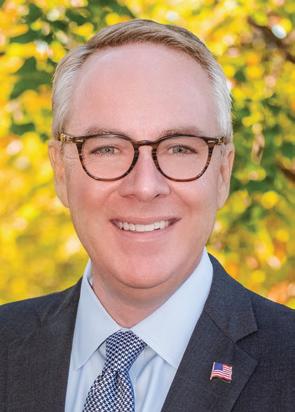




March 14, 2024 — OCEANSIDE/ISLAND PARK HERALD 28 Thursday, March 21, 2024 Freeport Recreation Center • 130 East Merrick Road • Freeport 9:30 a.m. to 10:30 a.m.- Open to Veterans and Individuals with Disabilities 10:30 a.m. to 3:30 p.m. - General Admission Clavin Don Supervisor invites you to a Don Council Members Dorothy L. Goosby • Dennis Dunne, Sr. • Thomas E. Muscarella Christopher Carini • Melissa Miller • Laura A. Ryder Kate Murray Town Clerk Jeanine C. Driscoll Receiver of Taxes Rev. Dr. Eric C. Mallette Commissioner, Dept. of Occupational Resources Clavin Supervisor TOWN OF HEMPSTEAD Town of Hempstead Department of Occupational Resources For more information, please call (516) 485-5000, ext. 1146 Visit our website: www.HempsteadWorks.com Employersattheeventinclude: Amazon • Council For Airport Opportunity, Inc. • CP Nassau • Doyle Security Services Cold Spring Harbor Laboratory • DNATA Catering • Catholic Charities of Long Island Mount Sinai South Nassau • Nassau County Police Department • National Grid New York State Department of Civil Service • Northwell Health • Scope Education Services New York City Fire Department • Ken’s Krew • NICE Bus Suffolk County Police Department • Transportation Security Administration (TSA) The Viscardi Center • PSEG Long Island • Richner Communications, Inc. • We Transport Office of the NYS Comptroller • United States Postal Service (USPS) • And More!!! Hosted by: Robert T. Kennedy, Mayor Freeport Village When you attend: BRING SEVERAL COPIES OF YOUR RESUME REGISTRATION IS REQUIRED. TO REGISTER, PLEASE VISIT: www.hempsteadworks.com/jobfair 1245809
