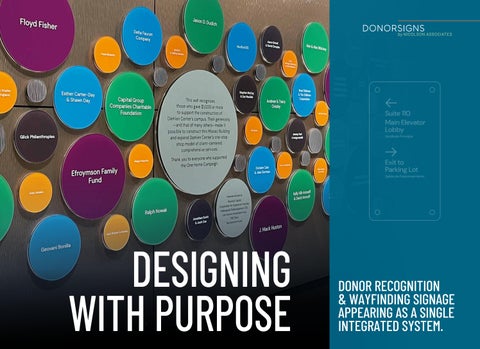
WHY PLANNING BOTH TOGETHER MATTERS
Treating donor recognition and signage as separate efforts often leads to duplication, inconsistency, or missed opportunities. One system organizes space; the other celebrates the people who made that space possible. But they share a common structure.
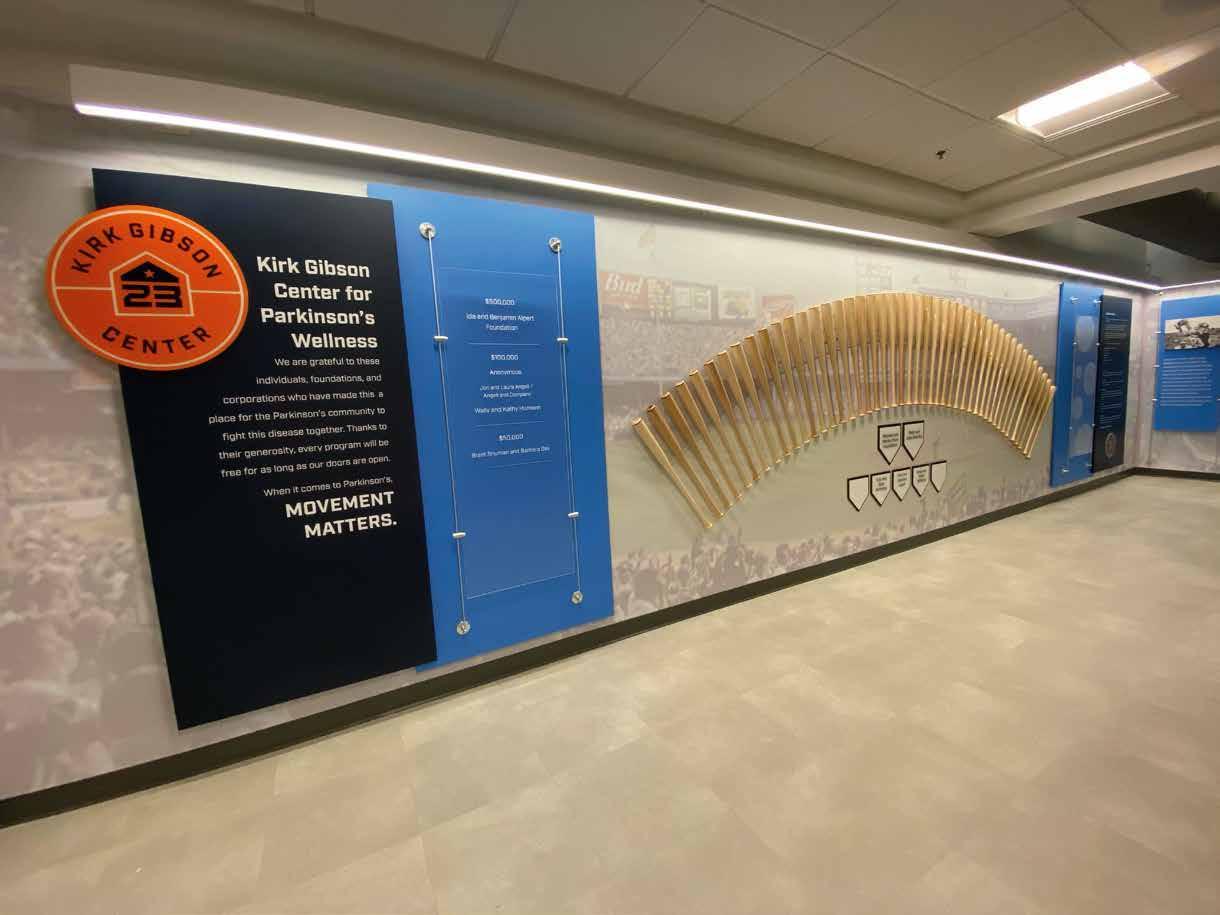
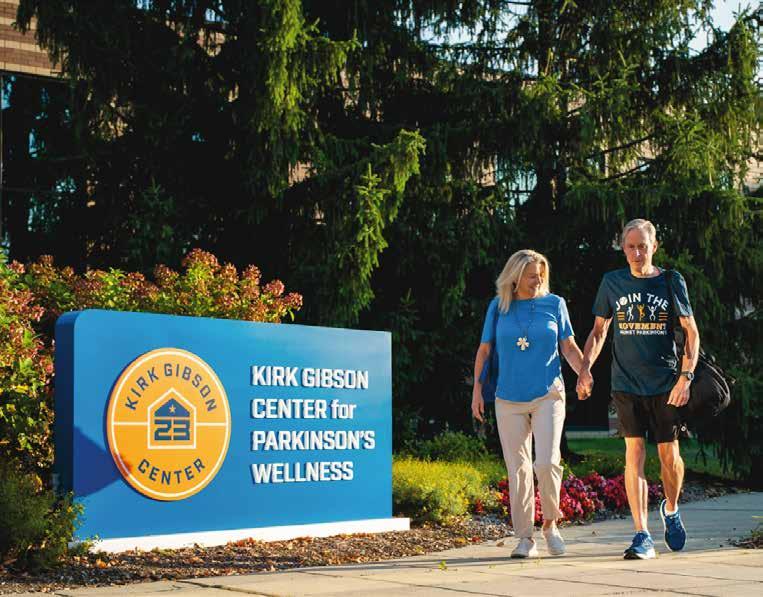
KIRK GIBSON CENTER FOR PARKINSON’S — FARMINGTON HILLS, MICHIGAN
for PARKINSON’S WELLNESS
THE DONOR WALL AS THE ANCHOR
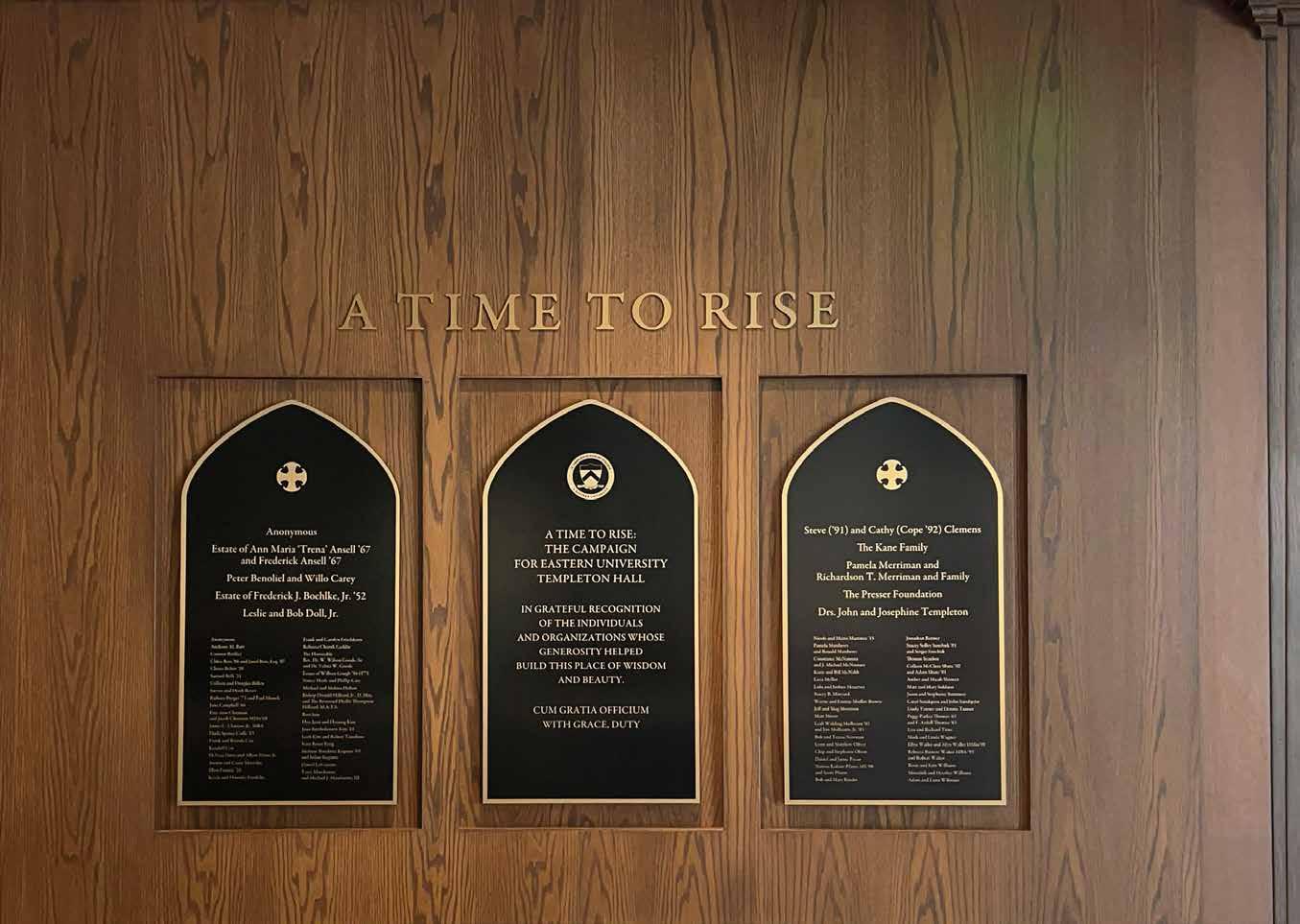
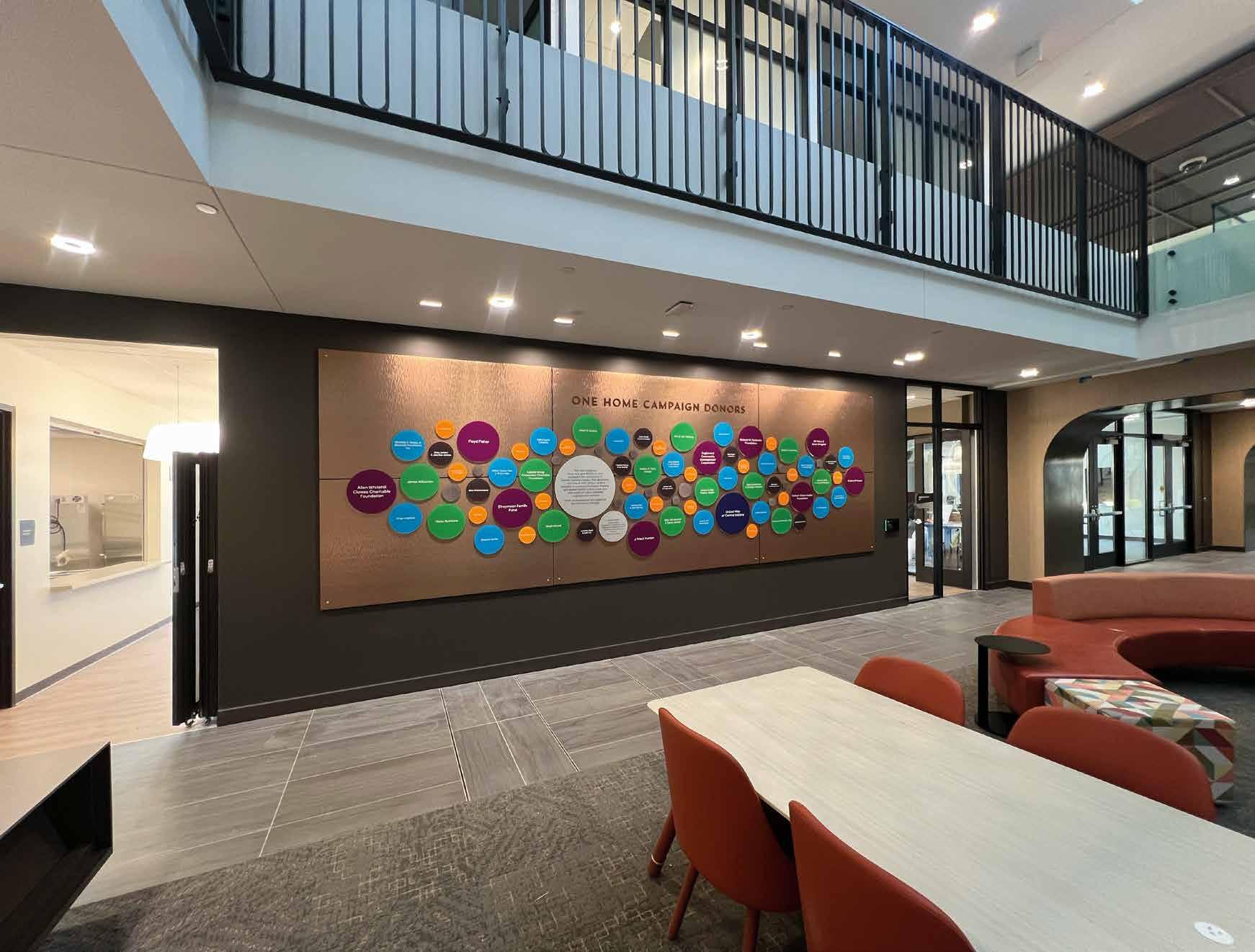
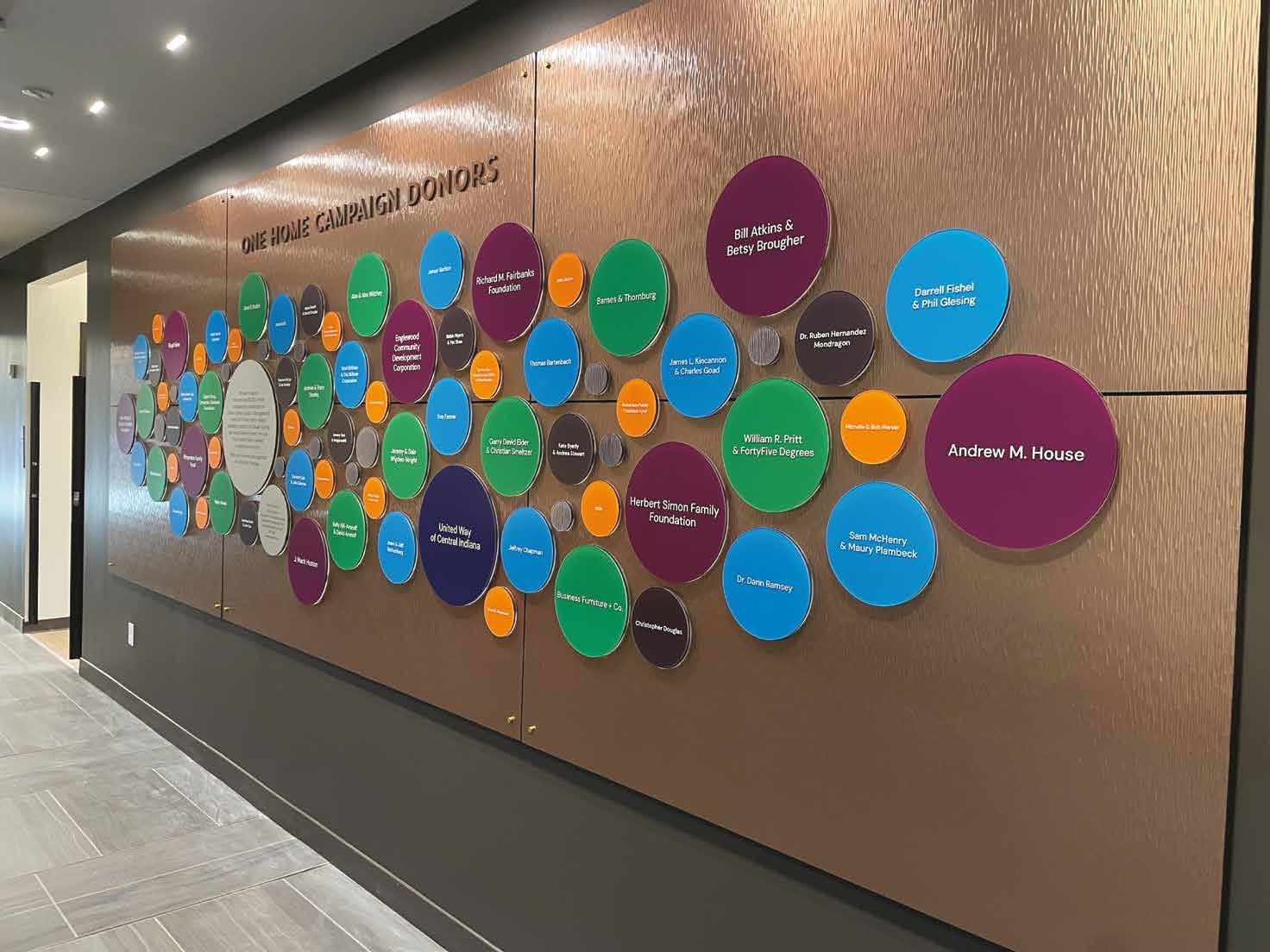
The donor wall remains the heart of recognition. It is often the emotional and visual centerpiece, a defining feature that draws visitors in and sets the tone for the entire experience.
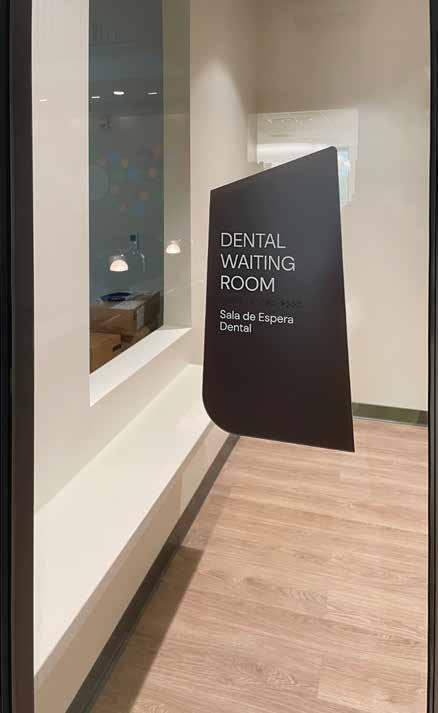
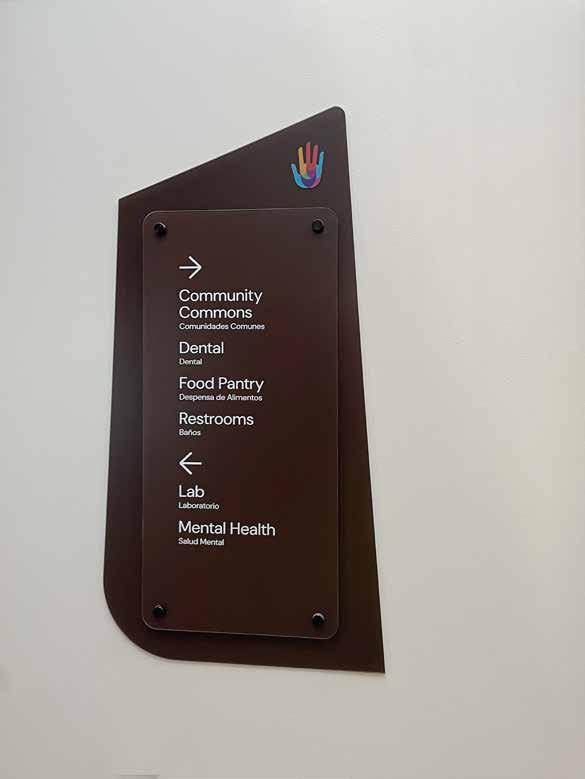
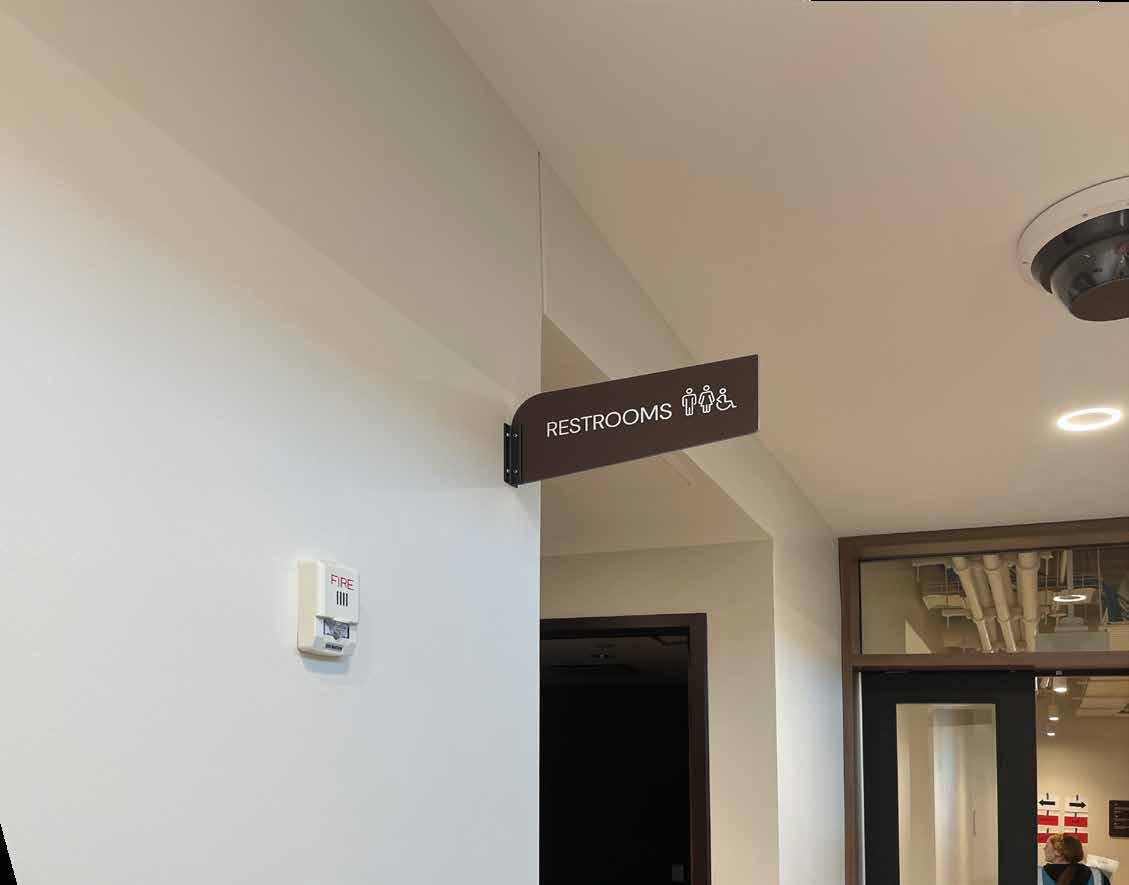
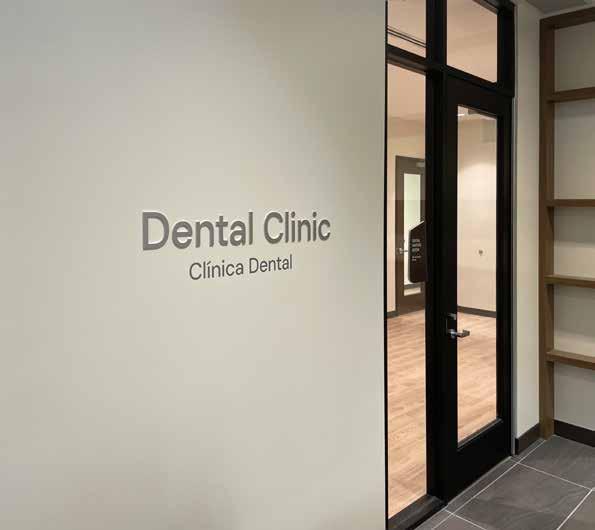
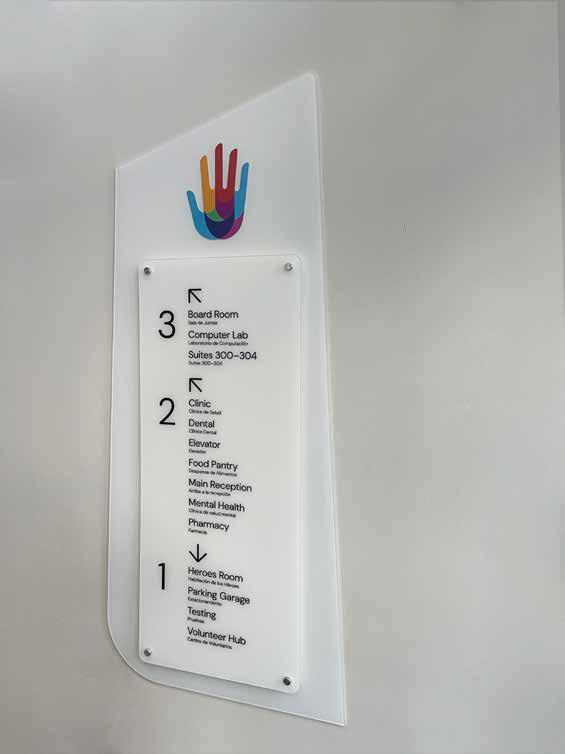
But a donor wall becomes even more powerful when it anchors a larger, integrated system. When the design language established at the wall, its typography, materials, and hierarchy, carries through to room plaques, directional signs, and environmental graphics, the whole building tells one story. Each component supports the other.
Rather than standing apart, the donor wall becomes the keystone of a coordinated environment, a place where navigation, architecture, and philanthropy come together.
KIRK GIBSON CENTER
THE POWER OF INTEGRATED PLANNING
When donor recognition and wayfinding signage are planned together, the benefits are tangible:
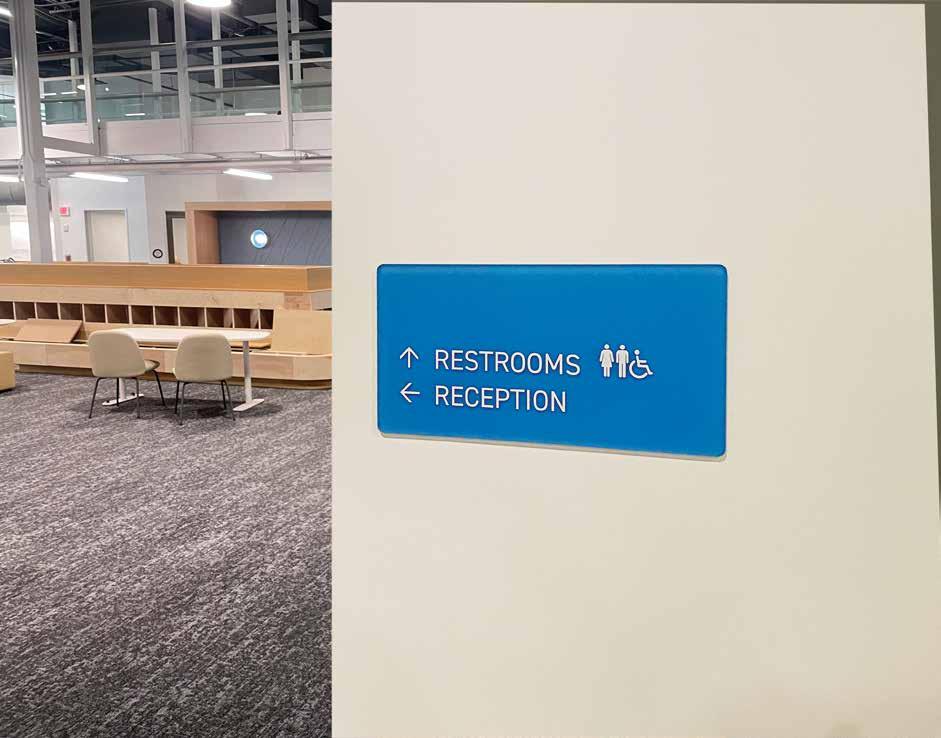
• A cohesive aesthetic that elevates the architectural environment
• A clearer and more intuitive visitor experience
• A donor program that feels naturally embedded in the building’s story
• Streamlined fabrication, installation, and long-term management
At Nicolson Associates, we believe great signage is not just about where signs go, but why they belong there. Integrating recognition and wayfinding transforms signage from an afterthought into an essential part of the architectural narrative, one that celebrates generosity, enhances clarity, and endures beautifully over time.
programs expand, new donors join. The key to maintaining a cohesive system over time is
Standards Manual provides a roadmap for
addition fits seamlessly into the existing
It protects the integrity of the design while
Associates provides to help clients sustain the long-term success of their signage and
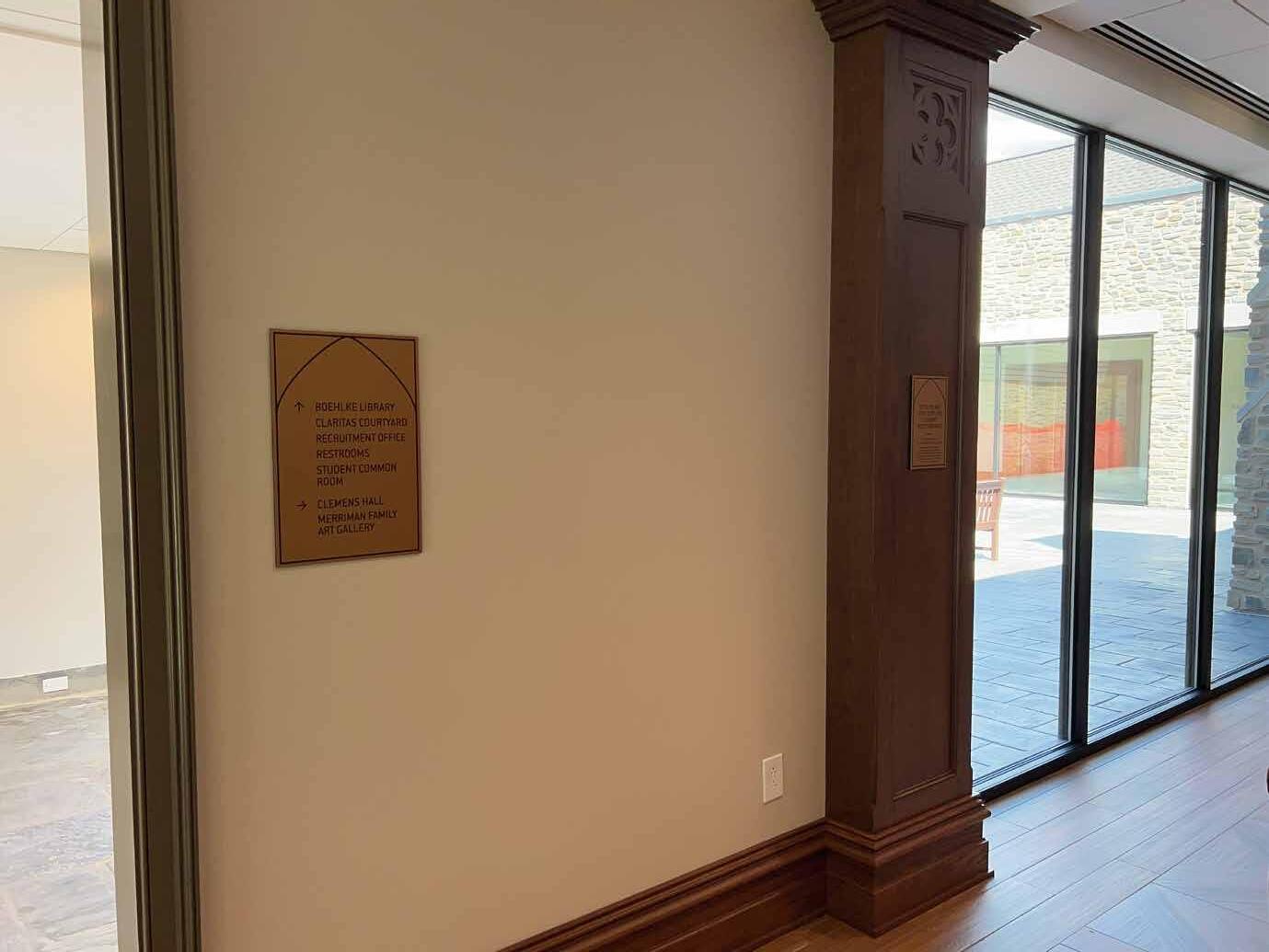
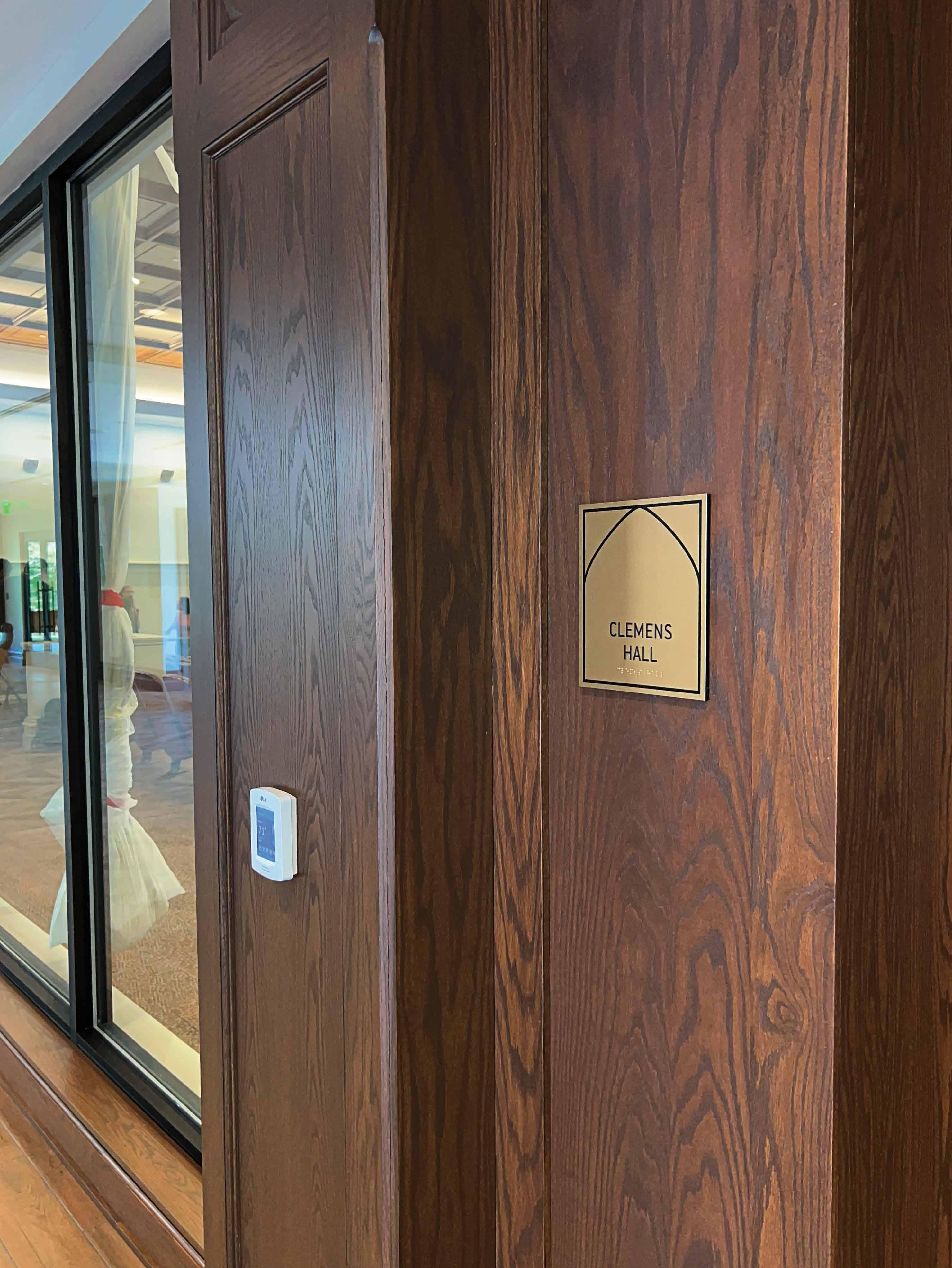
EASTERN UNIVERSITY, TEMPLETON HALL — ST. DAVIDS, PENNSYLVANIA
CREATING A COHESIVE VISUAL LANGUAGE
A successful integrated program relies on shared visual elements:
• Materials and finishes that harmonize with the architecture
• Typography and color palettes that communicate consistency and brand integrity
• Hierarchical cues that help both donors and visitors understand scale, importance, and relationship
This unified visual system transforms signage from a practical necessity into a design asset, one that reinforces the organization’s mission and leaves a lasting impression.
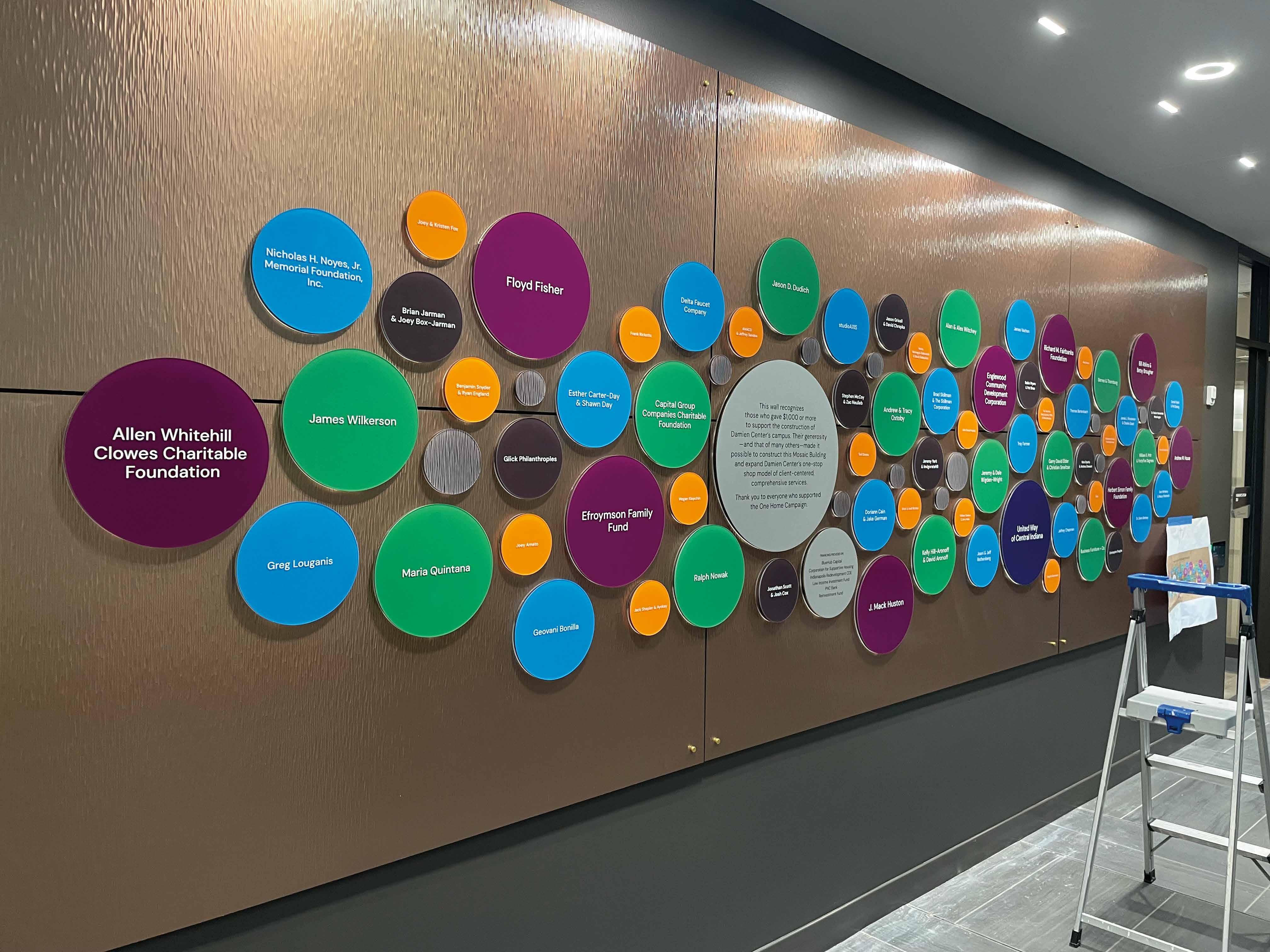
DAMIEN CENTER — INDIANAPOLIS, INDIANA
When donor recognition and wayfinding are planned as one cohesive system, the result is more than signs and plaques, it’s a connected experience that celebrates community and guides every visitor with purpose. At Nicolson Associates, we believe recognition and navigation should work hand in hand, telling a unified story of generosity, impact, and place. By combining strategy, planning, design, and fabrication, we help organizations create environments that honor donors while making every journey feel intuitive and inspiring.