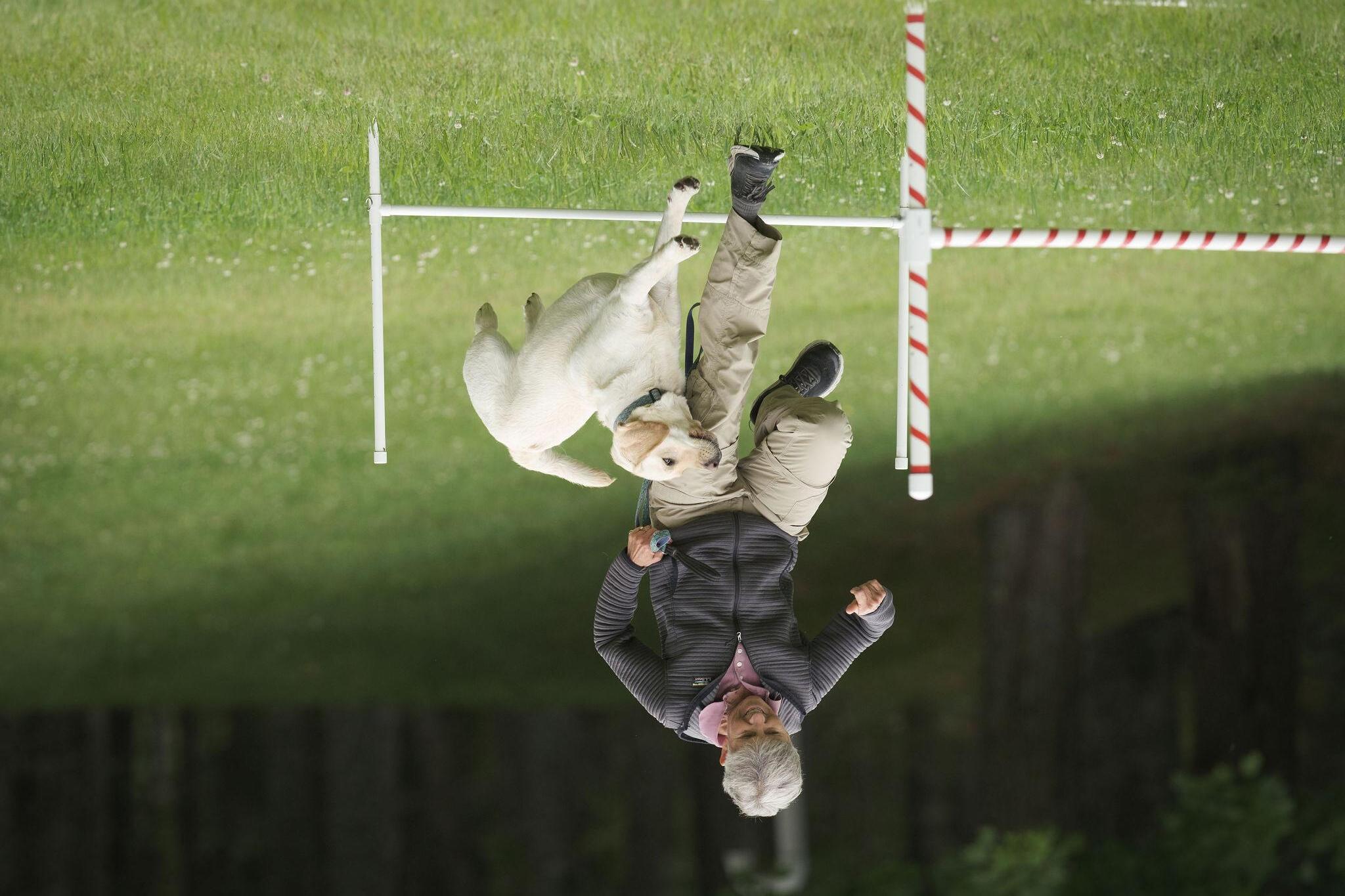
Dog sports have terrific benefits for you and your fourlegged companion! They create a stronger bond through teamwork, enhance mental stimulation, boost
confidence, and improve physical fitness. For those dogs with bad habits, sports can channel negative energies. Participating in and mastering new sports can give them a sense of accomplishment. And they connect you and your dog to other like-minded people and pets, increasing socialization and relaxation.
SpeedWay is an interesting sport similar to the popular Agility. It’s simpler with hoops, tunnels, and barrels, but it’s along a shorter course, depending on the events. It’s fun for dogs and their owners and is a fantastic way to release energy. For those who aspire to compete, they can at Canine Performance Events or
Pet Expo – Looking for Rescues & Vendors
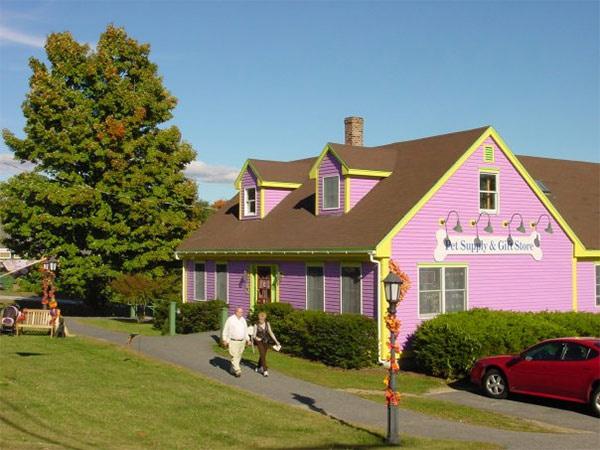
Soul Friends Pet Expo will be held on May 17 from 11 a.m. to 3 p.m. at The Furniture Gallery in Bangor. The event will feature local animal rescues as well as vendors and will provide the public with an opportunity to meet rescue organizations and submit adoption applications (no on-site adoptions unless already approved by rescue).
A few spaces are still available. Rescues participate at no charge. Vendor spots are $25. For more information, contact Soul Friends Fur-tography at 207-249-5554 or email: soulfriendsfurtography@ gmail.com
Hot Dog News
It’s Time to Have Fun with Your
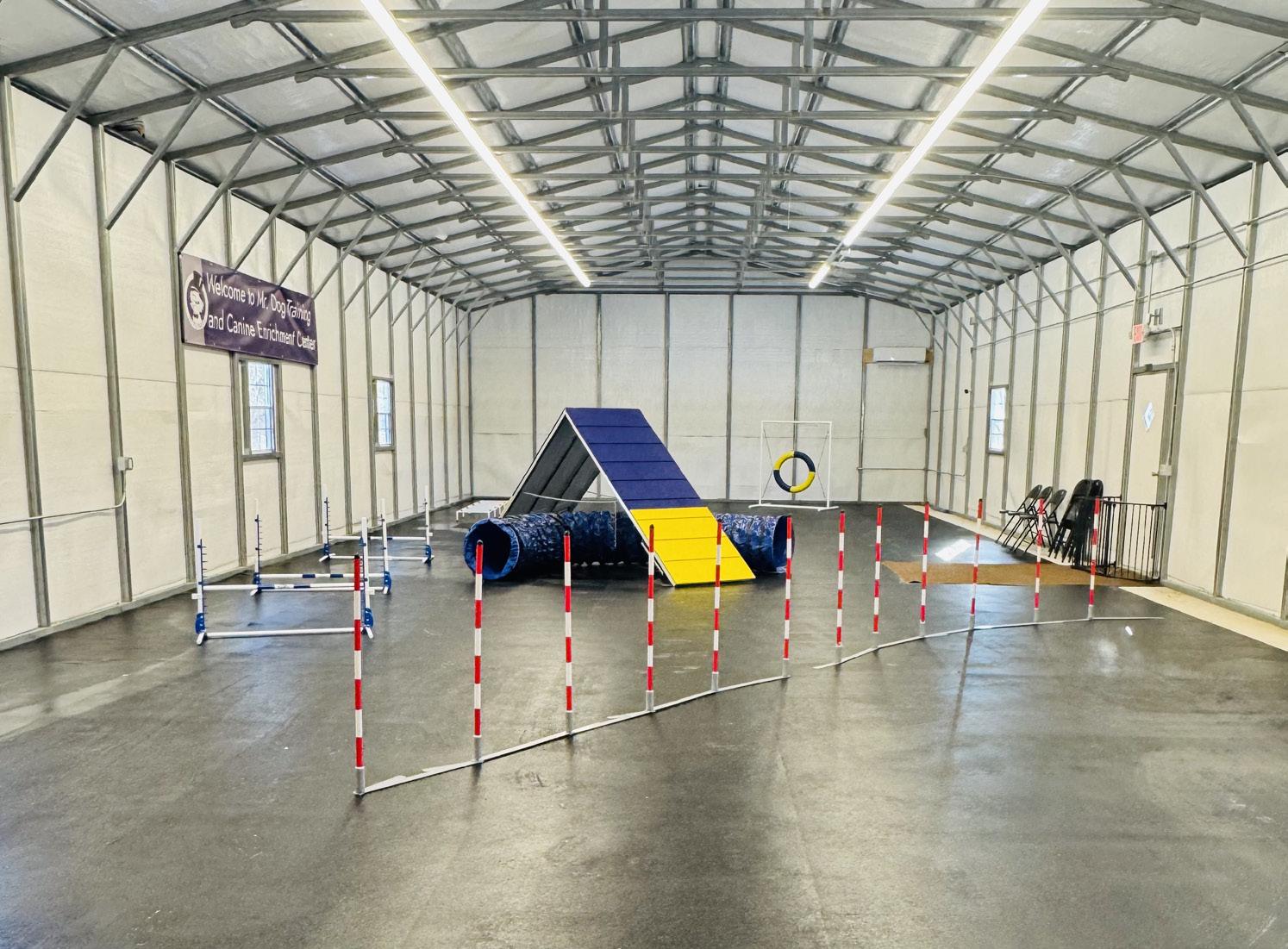
Mr. Dog Training is excited to announce the opening of its brandnew training facility and Canine Enrichment Center in West Gardiner.
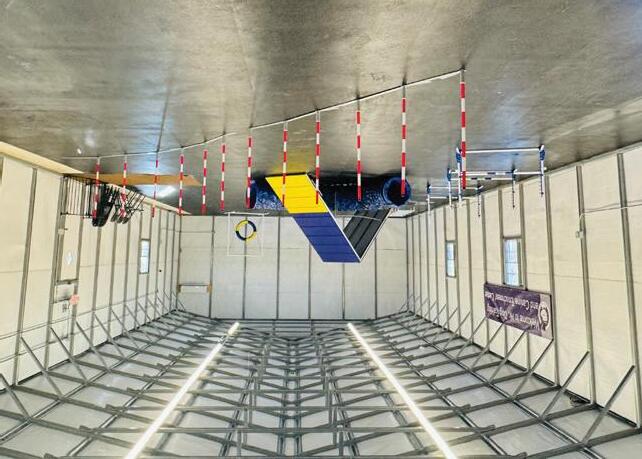
Located at 6 Terri Lane, this 2,400-square-foot, climate-controlled facility is designed for private, one-onone time between you and your dog. It’s a place where you can focus, play, train, explore, and simply enjoy being together—without worrying about crowds, weather, or distractions. For some families, this space means finally having a safe place to exercise a reactive or shy dog without unexpected encounters. For others, it means a secure place to let dogs run, jump, and “let it rip” when there’s no fenced yard at home. For sport and hobby enthusiasts, it’s a chance
Dog
to practice agility, obedience, or nose work in a professional and safe environment.
This new Enrichment Center is especially exciting because it marks the second facility for Mr. Dog Training—and opens the door to offering private room rentals for the first time. It’s a big step forward, and one rooted in a simple belief: dogs deserve more than just walks and routines. They deserve variety, problem-solving, play, and meaningful time with their people.
Each private rental includes access to a wide range of equipment and enrichment tools, including agility jumps, tunnels, an A-frame, weave poles, balance equipment, platforms, puzzle toys, a ball pit, scent boxes,
– 6pm
and a rotating selection of dog toys. The space features rubber flooring for safety and comfort and includes a human restroom for convenience.
The Canine Enrichment Center is also available to trainers, clubs, and dog groups looking for space for classes, practice sessions, and small events.
Most importantly, this space exists to support the local dog community— whether you’re working through challenges, training for competition, or simply looking for a new way to have fun with your best friend.
The doors are now open, and the adventures are just beginning. For more info reach out to Sara at info@mrdogtraining.com or visit the Mr. Dog Training Website.
From the Publisher Downeast Dog News
PUBLISHER
Jenn Rich
COPY EDITOR
Belinda Carter
CONTRIBUTORS
Susan Spisak
Sara Moore
Judith Herman
Carolyn Fuhrer
Don Hanson
Christine Calder
Sara Sokol
GRAPHIC DESIGN
NVDesigns • Nicole Vanorse
ADVERTISING
Jenn Rich 207-706-6765 jenn@downeastdognews.com
PRESIDENT
Wendi Smith
PARENT & PUBLISHING COMPANY
Maine Pet News LLC
OUR GOALS
• Provide the latest in dog-related news and information.
• Encourage and support dog-friendly businesses and Maine-made pet products and services.
• Cultivate a community of responsible dog guardianship/ownership.
• Support animal welfare causes.
CONTACT US
Maine Pet News, LLC 16 Tannery Ln., Ste 21, Camden, ME 04843 Phone: 207-706-6765
jenn@downeastdognews.com www.downeastdognews.com
CIRCULATION
Downeast Dog News is distributed free of charge at grocery stores, pet stores and other Maine locations.
SUBSCRIPTIONS
Individual and gift subscriptions are available for $40 (includes tax) per year.
SPEAK!
Downeast Dog News welcomes submissions of local news, events and photos. Email: jenn@downeastdognews.com
COPYRIGHT 2006-2026
All contents of Downeast Dog News are protected under United States copyright law. The contents may not be reprinted or reproduced without the expressed written permission of the publisher. The views and opinions expressed within Downeast Dog News are those of its contributors and not necessarily those of the publisher. Content of ads is the sole responsibility of the advertiser. Every effort has been made to ensure the accuracy of the content and Downeast Dog News assumes no liability for any errors, omissions or claims made by its contributors or advertisers.
Dear Dog News Readers,
I don’t know about you, but this has felt like a really long winter. I am longing for the days when I don’t need to bundle up to take Pepper outside although I am grateful for the break from the arctic temps we were experiencing.
On the warmer days we have gone out back to play fetch and she is still awfully fun to watch as she pounces into the snow for her ball. You would never know that she is closing in on 12-years old aside from the fact that she takes more breaks than she used to but that is to be expected. It is good for her to sniff around as well.
We are eagerly awaiting the new Water Bark Wellness and Play to open. We would normally help break up the winter boredom with visits to the pool. We also plan to go check out the new Mr. Dog facility in Gardiner where we can have our own private time. This is an exciting new opportunity for folks!
Our cover story is full of ideas for those of you considering enrolling your dog in some type of sport. We hope you will reach out to the businesses and groups mentioned for more information.
Also, this month is a special veterinary feature. You will find advertisements for veterinary practices as well as specialty and emergency options in our center spread and throughout this issue.
Be well and here’s to happy, healthy pups and plenty of tail wags ahead!
All the best, Jenn and Pepper
“Because of the dog’s joyfulness, our own is increased. It is no small gift.”
― Mary Oliver
Dog of the Month! ROSIE
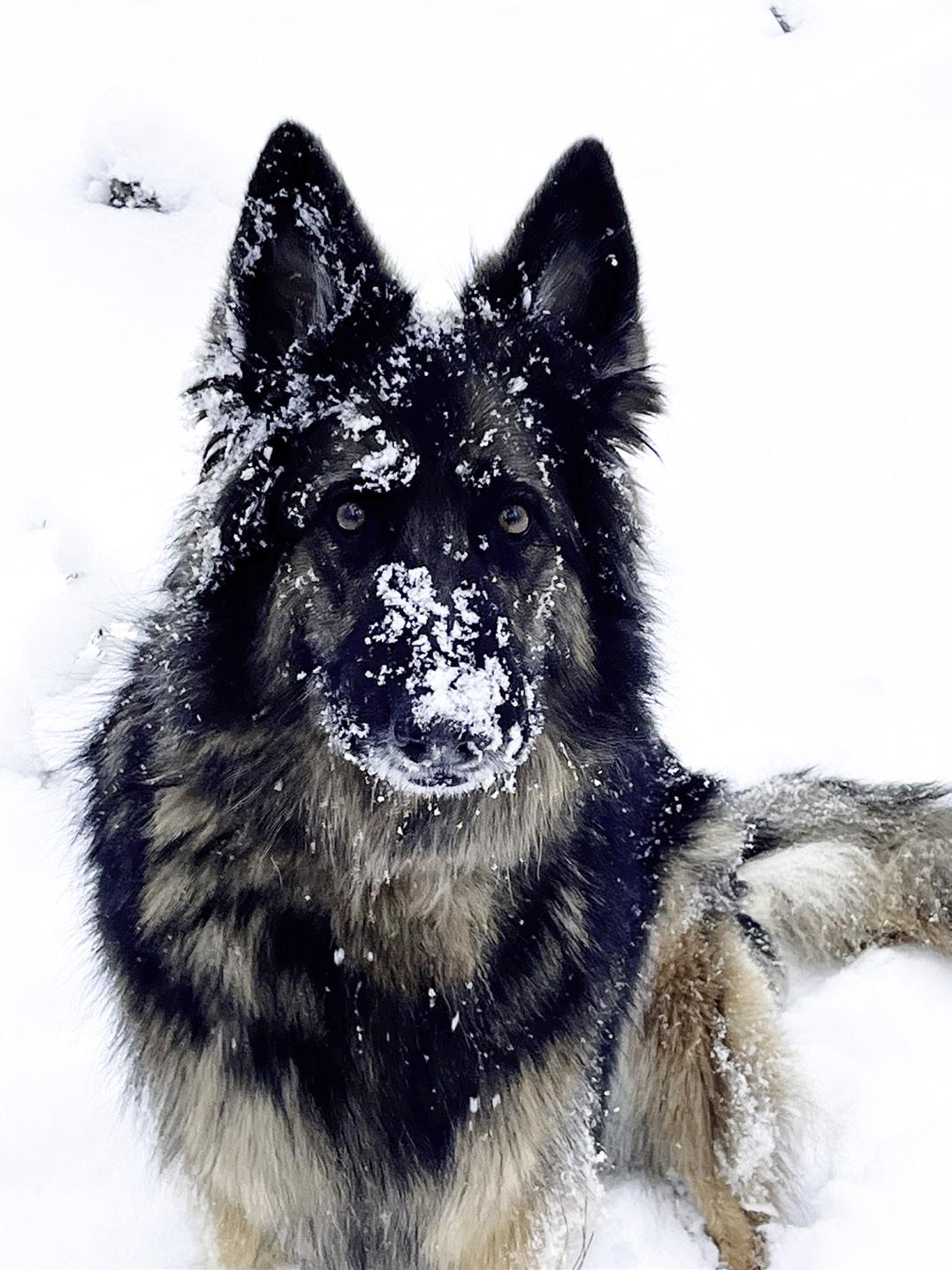
I love to do somersaults in the snow. I enjoy chasing balls and frisbees and can do the craziest acrobatics ever when trying to catch them. I generally have 2 speeds, rocket launch and sleeping. I love walks in the woods and car rides too.
If you’d like to submit a photo of your dog to be considered for Dog of the Month, send it with a small description of your dog (cool trick, silly thing he does, favorite toy) to jenn@ downeastdognews.com or mail it to: 16 Tannery Ln., Ste 21, Camden, ME 04843. Each month one will be selected to be printed in the paper.
Advertising Rates and Guidelines
AD RATES (PER MONTH)
3-month minimum recommended
Business directory: $65/month
1/16 page
$95 B&W, $110 color
1/8 page $155 B&W, $185 color
1/4 page $250 B&W, $295 color
1/2 page $425 B&W, $505 color
Full page $725 B&W, $865 color
Ask about 3, 6, and 12 month discounts
CIRCULATION
Up to 10,000 issues per month are distributed in grocery stores, pet stores and other Maine locations.
DEADLINE
Advertising deadline is the 12th of the preceding month.
Contact
Jenn Rich (207) 706-6765 or jenn@downeastdognews.com
We’ve made it to March!!! We should throw a party on the first of every month with music and dancing and hammocks for people who want a little more quiet. Until that day, I’m here to help you navigate this wild world and better connect with your pets. We are now a pack of four: one yellow lab and two lab mixes and our little yorkie/terrier moppet Francois. My Lord, he entertains us, and he’s a very welcome distraction. We will be looking for new furniture when he outgrows the puppy stage, however! I put the call out on my Sara Moore Enlightened Horizons Facebook page for your questions, and you filled it up! Just a reminder that psychic insight is never a replacement for licensed veterinary care.
Rachael A. asked about Daisy, her white Maltese who passed two days after Christmas. “Who was there to meet her?” Oh my goodness! YES! I see an elegant older man, thin build but on the taller size. He has her in his arms, and he feels more like a spouse’s father, not yours. Imagine being so busy in life you don’t have time to snuggle dogs? He’s making up for lost time. Daisy was so ready to go, but it still came as a surprise for her. It feels like her illness was going on long enough that when
Furry Words
by Sara Moore www.enlightenedhorizons.com
that day came, it was a relief and peaceful and not traumatic for her. She’s going to send you tiny moths that dance in the afternoon light in early summer. It will feel like you’re in heaven with her, she says. Wow. That’s beautiful.
Kelly M. asked, “What makes Pippin, my five-pound Poodle/ Chihuahua who is thirteen, happy?”
Simply being is the answer. He loves when he’s treated like “one of the gang” and is comparing it to someone with a disability being included in attending a sporting event. “Just because he’s old doesn’t mean that he’s broke” is what I’m hearing, and I’m cracking up! Warmth helps his bones so if you can put his bed in the sunny part of the room, he’d really appreciate it. And he’d also like a bowtie that came off a tuxedo or looks like it did. He’s quite dignified in his mind, and he likes that that surprises people. I would love to see a pic of Pippin!
Pauline T. asked about Lexie, a ten-pound Yorkie. “Is she happy?” Oh my goodness! The look you got from her even having to ask that says it all!!! She’s the princess!!! Which in her mind is way better than being a queen because everyone tries to help her look great and be great, so her whole life she has been catered to shamelessly and perfectly! She has no idea what you’re saying to her when you’re having conversations. She said she waits for your intonation to figure it out, and it makes her look quickly. I think she means smart. Again, that says it all right there, doesn’t it?
Before I go, I want to tell you
what my cat had to say the other night. No, we don’t usually chat in psychic mode. He’s kitty do no wrong who survived a bobcat attack about thirteen years ago and was abandoned and then adopted by us about fifteen years ago. He said he’s getting ready to hit the road because he misses being a wolf. WHAT?! He assured me he only came as a cat to help me and my son connect, learn to communicate and to love us up the best he could. He said when he arrived it was a hard time for me, which is true. He gave us as much of his love to fill us up, then when recovering from the bobcat incident we sent that love back to him. My son is twenty and Casper is at least fifteen, and he said that we’re all equally distributed with love, and he’ll hang with us in spirit when he goes. Yup, I sobbed and thanked him through my tears. When I got home to tell my wife, she chuckled and pointed out that the Yorkie Terrier mix we kept from the litter of six we fostered from the day they were born was nicknamed Wolfie on our feeding checklist. He’s now Francois and is the happiest little loving moppet puppy I’ve ever met. Apparently, Casper is setting us up for his hopefully far off exit.
Narcolepsy in Dogs
Q. Can dogs have narcolepsy?
My young Labradoodle will play really hard and then will fall asleep just sitting there after the play is done.
A. To answer your question, yes, dogs can have narcolepsy. There are certain breed predilection for this neurologic problem.
Narcolepsy is a chronic neurological disorder, which isn’t fatal. It can be genetic in origin and affects young dogs. The most represented breeds are Labradors, Dobermans, and Dachshunds, but any dog can have narcolepsy. The common symptoms are sudden sleep attacks, excessive daytime sleepiness, and another neurological disorder called cataplexy.
Cataplexy is a temporary muscle paralysis and loss of reflexes. With sudden collapse he may fall onto his side or stomach, resembling deep sleep, often with rapid eye movements (REM). These symptoms are triggered by excitement, play, and food.
Narcolepsy is considered a congenital or inherited condition but may also be caused by
Ask the Vet…
by Dr. Judith Herman
canine distemper virus or other inflammatory process of the nervous system. Research has found a genetic defect in Dobermans affecting a chemical neurotransmitter, hypocretin. Other breeds found with abnormalities with hypocretin receptors are Labrador retrievers, poodles, and dachshunds. This neurotransmitter regulates normal sleep cycles, so disruption would result in the symptoms we see in narcolepsy.
Triggers for these episodes are frequently a positive, high-energy emotion such as excitement, playing, or eating. Sometimes the excitement
of going out to potty can trigger an event. They usually last a few seconds but can go on for several minutes. Recovery is quick. Dogs usually wake up immediately and resume what they were doing. Often stimulating the dog with a noise or touch can bring them out of it.
Diagnosis is from a thorough descriptive history. A video of an episode would be very helpful. If the guardian can identify a specific stimuli, the veterinarian will try to recreate an event. This information may help identify a pattern which can be used to avoid or reduce future episodes.
Narcoleptic symptoms can occur with other medical problems, and conditions such as diabetes, heart disease, and epilepsy. Your veterinarian will do a thorough physical and neural exam. Laboratory tests such as a complete blood work up and urinalysis will help rule out other underlying diseases.
There is no specific treatment for narcolepsy. Treating underlying disease, learning the triggers, and reducing the frequency and arousal involved with triggers will be helpful. Most dogs with this disorder live a normal life. When quality of life for the dog or the guardian is a concern, anti- anxiety and antidepressants can be prescribed. These drugs don’t cure narcolepsy but may help reduce the frequency of attacks.
Living with a narcoleptic pup is not impossible. First you don’t have to worry about him not breathing or having a cardiac event. By being vigilant for possible hazards, you can reduce the number of events and severity. If he collapses while walking down the street, move him to a safe place to recover. When playing with other dogs, be aware the other dogs will be confused and possibly scared. This may result in your dog being attacked. It is up to you to protect him. Avoid over stimulating environments like dog parks, crowds of people, and dog events. In some cases, dogs with narcolepsy may resolve with age.
You need to remember that this condition is not common. Any very active bouncy pup such as a Labrador can run and play so hard and long that they can’t stand out of exhaustion versus this disease. Many normal young pups suffer from FOMO (Fear Of Missing Out), which keeps him running and playing. It is up to us as their guardians to give them appropriate time outs to relax and rejuvenate.
Animal Wellness Center Augusta, Maine
www.mainehomeopahticvet.com
Brandi Moore, CPDT-KA, Certified Professional Dog Trainer, Wag It! Games Certified Instructor, and owner of Lincolnville’s Spot On Dog Training Center, said that dogs and their humans love SpeedWay because it's a low-pressure sport for all ages and abilities.
“It builds drive and confidence in dogs, which is excellent foundation work for Agility. It promotes a partnership in the dog/handler team that carries across to other dog sports, as well as enhances the relationship between the dog and its human partner.”
She added that in addition to new students trying out this sport, several students have signed up for every session. “All breeds are able to enjoy and be successful in SpeedWay. We have students who compete in SpeedWay trials, as well as a couple of regulars who have no interest in competing but do it just because they and their dogs have so much fun!”
Readers are welcome to watch a class or take your dog and try it out for yourself. SpeedWay is offered most Wednesdays, 6:45 pm to 7:45 pm. Peek at all the classes her facility offers at spotondogtrainingcenter. com/dog-training-classes-1.
Nosework is a fun detection style sport designed to utilize dog’s olfactory receptors in its nose. Depending on the trainer, expect that your dog’s scenting abilities will be further developed with games and hide-and-seek type exercises.
Sara Sokol, Owner/Trainer of Mr. Dog Training (Voted BEST in Maine!) offers Nosework classes and shared, “A dog’s brain is uniquely wired for scent work—in fact, the portion of a dog’s brain devoted to analyzing smells is about 40 times larger than humans. Because of that, any scenting activity provides deep mental enrichment. In addition, sniffing helps dogs regulate their nervous systems, offering emotional balance, and decompression—much like people taking a few slow, deep breaths to calm themselves.”
For those looking for other types of sports for their pet, she said Agility is wonderful to add another layer of enrichment by fostering communication and teamwork between dogs and their handlers. “It can be a fun and engaging activity that builds confidence, strengthens
the bond between dog and human, and creates a shared experience they can enjoy together." (mrdogtraining. com)
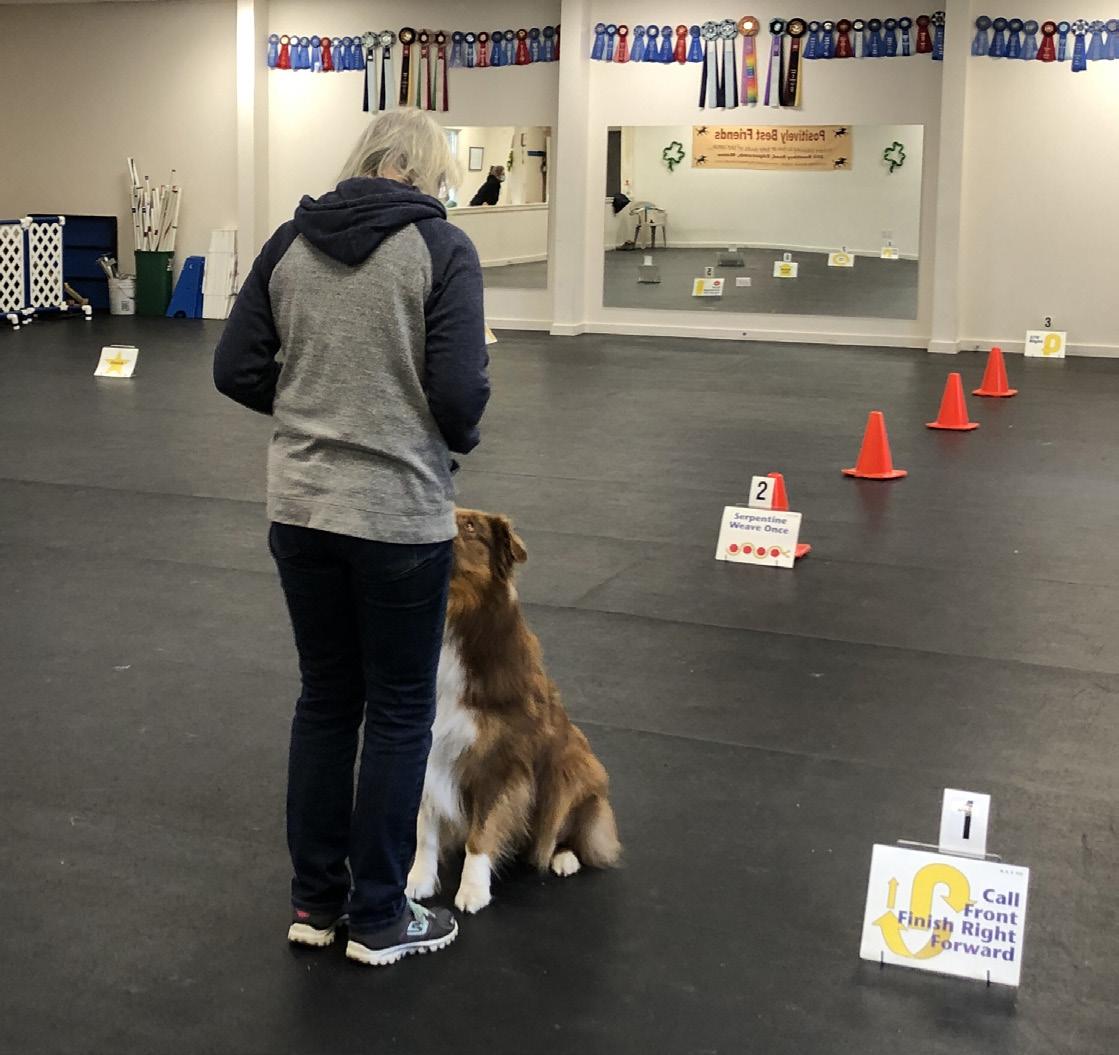
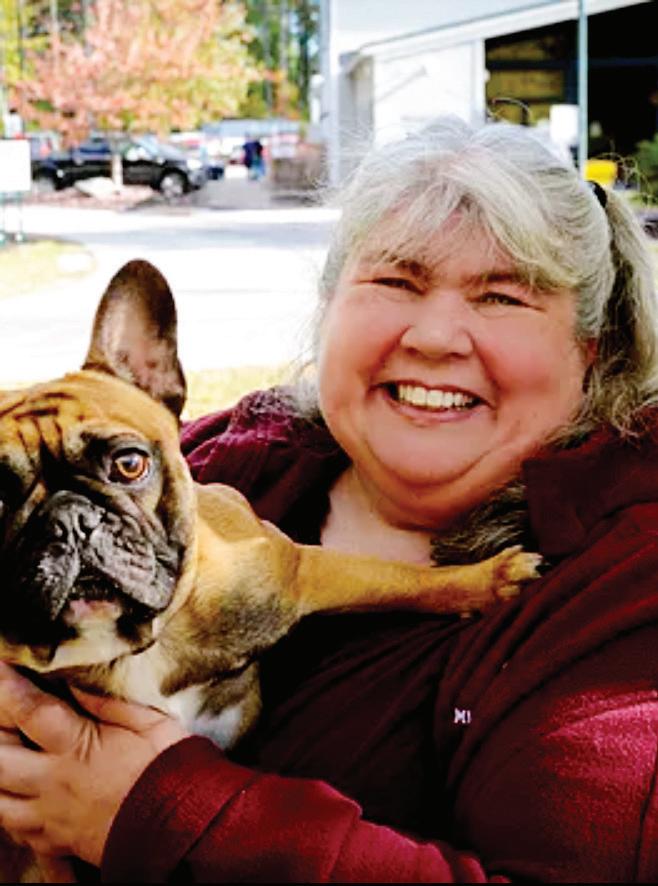
Positively Best Friends! Dog Training & Canine Activity Center in Edgecomb has a goal to celebrate the human-canine bond by providing dogs and their owners with a positive educational and recreational experience through classes and workshops, encouraging enrichment activities while enjoying the company of like-minded people in a relaxed, comfortable, supportive, and friendly atmosphere.
Managing member Marcia Welch has been teaching people to train their dogs for over thirty years and has trained her own dogs in Obedience, Agility, Herding, Rally, Tracking, K9 NoseWork, and Musical Canine Freestyle.
Marcia agreed with Sara on Nosework’s benefits, “Generally, any kind of scenting activity is rewarding
to most dogs. It doesn’t necessarily have to be limited to what we refer to as NoseWork. All dogs enjoy interpreting various scent ‘messages’ through the use of their sensitive noses.”
In Nose Work, dogs learn how to locate “target odors,” i.e., various essential oils which are placed in different areas. Some of the locations are on vehicles, in containers, or in a specific room. Working detection dogs inspired the activity which became a sport providing enrichment for dogs and people, creating a strong bond.
This Edgecomb studio offers many of these as well including the popular Agility. “Most dogs like to run and jump and climb. Agility is a perfect activity to provide enrichment and access to all those activities. Being agile is not really a prerequisite for either the dog or the handler at the foundation level. Obstacles are introduced slowly and carefully to help with confidence building. After
Please Support Our Advertisers
becoming familiar with the basics: jumps, tunnels, planks and tippy boards, obstacles are arranged in a numbered course. Dogs and their handlers navigate each obstacle in sequence…Agility is an activity that can be enjoyed by all breeds of dogs and all ages and abilities of the human part of the team,” said Marcia. (positivelybestfriends.com/)
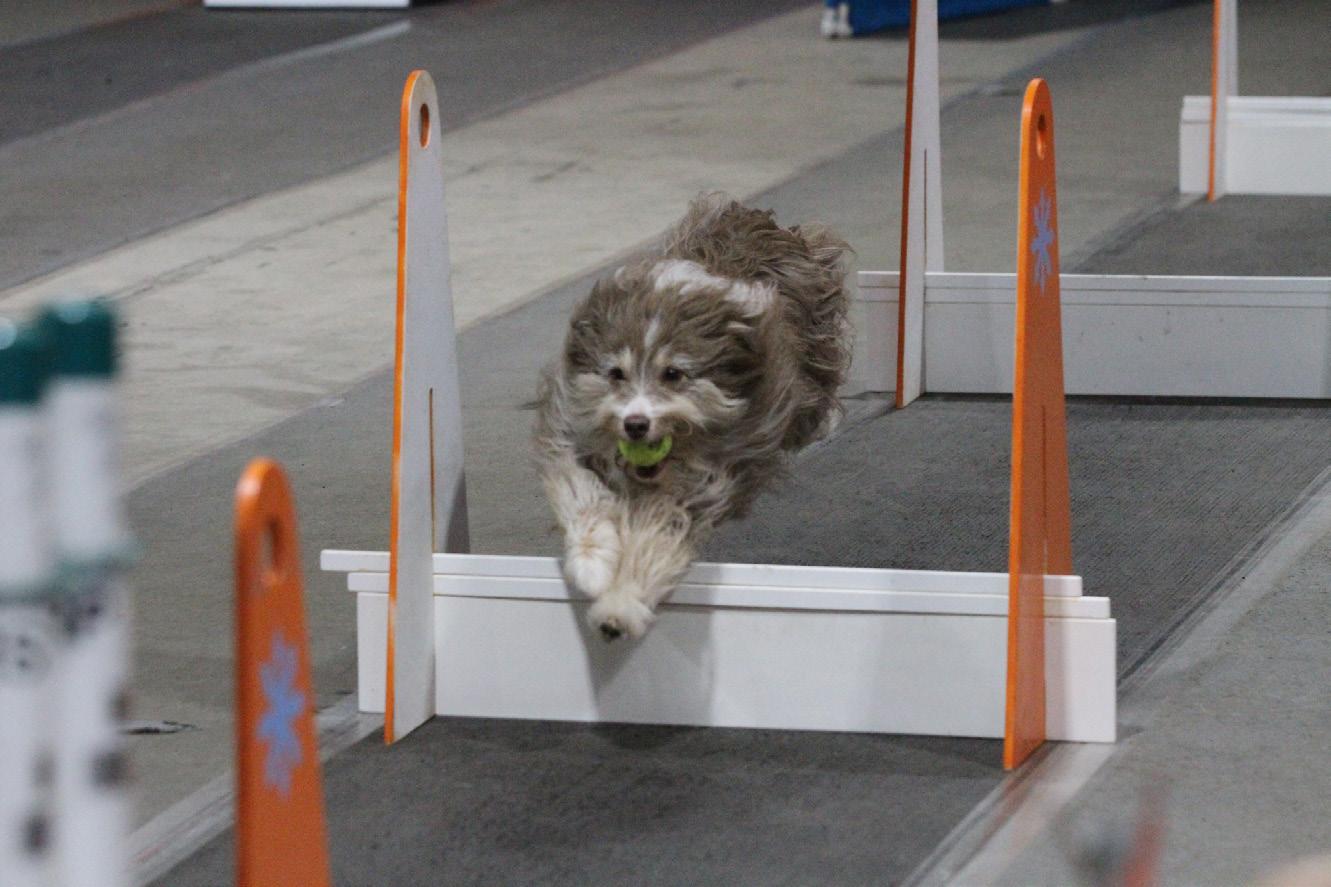
For dogs with lots of get up and go, Flyball may be good for them. Flyball is a fast-paced tennis ball relay race for dogs. Each dog sprints over four jumps to catch a tennis ball released from a spring-loaded flyball box and then races back over the four jumps so the next dog can go.
Rebeccah Aube of Flyball MAINEiacs, a 21-year-old group that is based out of Portland, said that most join with a dog who has a lot of ball drive and/or energy and they want a positive outlet. “Flyball provides both
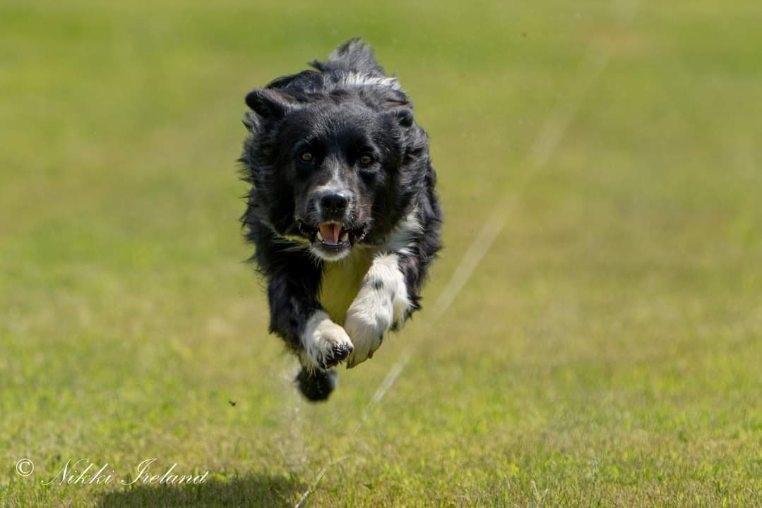
RAYN MOORE, PHOTO CREDIT: NIKKI IRELAND
FLYBALL, PHOTO CREDIT: DAVE STRAUSS
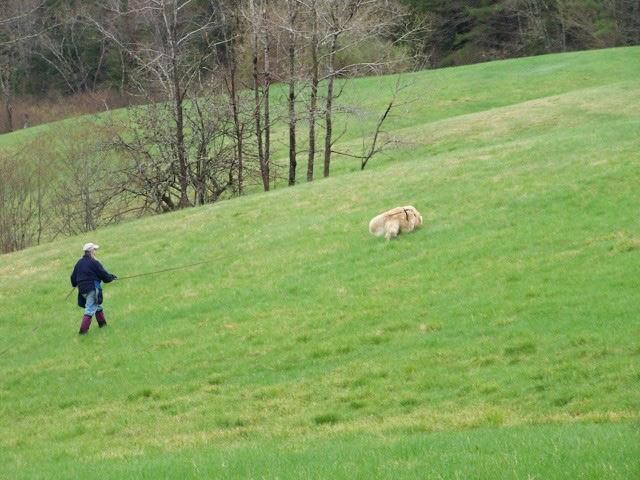
TRACKING, PHOTO CREDIT OF NORTH STAR DOG TRAINING
10 Dog Training Phrases That Sound Smart
(But Totally Aren’t)
There’s no shortage of advice in the dog world: the internet, books, your neighbor who has “had dogs his whole life”, your vet, and your breeder. Some of it is great. Some of it just sounds great. If you’ve been holding a leash for more than five minutes, you eventually learn that a lot of popular dog wisdom doesn’t hold up. Let’s look at ten of the most misleading phrases—and what actually matters instead.
1. “There are no bad dogs.”
I get the intention. Dogs aren’t moral beings. They don’t wake up plotting crimes. But they can have dangerous, reactive, or aggressive tendencies rooted in genetics, trauma, or environment. Pretending every dog is a harmless marshmallow helps no one. Honesty matters. Know your dog, advocate for him, and manage his world. That’s how we keep everyone safe including the dog.
2. “It’s all in how you raise them.” If this were true, everyone would own a perfectly behaved unicorn dog. But dogs come preloaded with genetics. You can nurture all you want (and you should) but wiring
Time to Train
by Sara Sokol mrdogtraining.com
one who goes everywhere. It’s one who feels safe somewhere.
4. “You need to show him who’s top dog.”
Ah yes, the dominance myth. Still alive and well. Your dog is not trying to overthrow your household. He’s trying to understand a confusing human world with inconsistent rules. Training isn’t about control. It’s about communication, structure, and trust. Dogs don’t need a boss. They need clarity.
matters. A high-drive herding dog in a tiny apartment with no outlet? That’s not a training failure—that’s a lifestyle mismatch. Choose dogs for real life, not for vibes.
3. “All dogs can be go-anywhere dogs.”
Most dogs don’t want to live your social calendar. That crowded brewery? Farmer’s market? Street festival? For many dogs, that feels like a Costco on a Saturday afternoon—overstimulating and exhausting.
Some dogs love it. Most don’t. And that’s okay. A good dog isn’t
5. “Adopt, don’t shop.”
I truly love rescue dogs. My best dog Milo was a rescue. But blanket advice helps no one. Some rescue dogs come with serious challenges. Pairing a first-time owner with a trauma case isn’t always fair—to either of them. Ethical breeders and thoughtful rescues both have a place. The goal isn’t virtue points. It’s the right match.
6. “Let them sort it out.”
This usually appears seconds before disaster. “Letting dogs work it out” often means ignoring warning signs until someone gets hurt. Most people are not fluent in dog body language—and even professionals intervene when needed. Your job isn’t to hope for the best. It’s to prevent problems before they start.
7. “All dogs can be fixed.”
Dogs aren’t broken appliances. Behavior is complex. It changes with context, stress,
history, health, and environment. There is no magic reset button. Instead of trying to “fix” dogs, aim to understand them. Support them. Adapt with them. That’s where real change happens. 8. “It’ll only take a couple of sessions.”
If training worked that way, I’d be retired. Dog training is more like fitness than car maintenance. You don’t go to the gym twice and become an athlete. Skills take repetition, consistency, and time. There’s no montage. Just practice. Keep showing up.
9. “They just need to get used to it.”
Throwing a scared dog into scary situations isn’t exposure. It’s flooding. Yes, dogs can learn to feel better about things. But it has to be gradual, thoughtful, and respectful. When a dog “suddenly stops reacting,” that may be shutdown— not confidence. Healing happens slowly. Slower than you think. Slower than that.
10. “My dog needs training.” Yes. He does. But so do you. Dogs learn incredibly well—when we teach well. If your dog isn’t “getting it,” that’s information, not failure. It means something needs adjusting on the human end. Train your dog. Start with yourself. That’s where the magic lives.
See TRAIN on page 14
Understanding Compulsive Behaviors
By Christine D. Calder, DVM, DACVB Board-Certified Veterinary Behaviorist, www.caldervbs.com
Does your dog chase its tail for ten minutes straight or lick the same spot on its paw until the skin is raw? These are not just strange habits. They can be signs of a compulsive behavior.
What Are Compulsive Behaviors?
Compulsive behaviors are normal actions, such as eating, walking, or grooming, that have gone off track. They appear out of context and happen in a repeated or exaggerated way. Think of a normal dog’s brain like a traffic light. It turns green to start a behavior, yellow to slow down, and red to stop. In a compulsive dog, the light is stuck on green. There is no signal telling it to slow down or stop, so the behavior runs on repeat.
Inside the brain, dopamine creates the urge to repeat an action while serotonin tells the brain “That is enough.” When serotonin runs too low, the stop signal breaks down and the behavior keeps firing. Over time, this pattern becomes hardwired into your dog’s brain, much like muscle memory. Once that happens, your dog is no longer choosing to spin or lick. Its actions run on autopilot, like a reflex. Common Types of Compulsive Behaviors
Type What Your Dog Does Breeds Most at Risk What You Will See
Movement
Self-licking
Sucking
Light/ shadow
Pica
Vocalization
Spinning, tail chasing, pacing
Licking one spot nonstop
Flank or blanket sucking
Chasing light, shadows, or fly snapping
Eating non-food objects
Repetitive barking, whining
Bull Terriers, German Shepherds, Australian Cattle Dogs
Labradors, Great Danes, Dobermans
Doberman Pinschers
Border Collies, Cavalier King Charles Spaniels
Various breeds
Various breeds
Your dog spins in tight circles for minutes or hours
Your dog licks until the skin is raw or creates an open wound forms
Your dog sucks on fabric or the flank area
Your dog stares at or chases things that are not there
Your dog eats rocks, socks, or plastic
Your dog vocalizes without a clear trigger
Who Is at Risk and What Causes Them?
Dogs of any age, breed, or sex can develop compulsive behavior. The average age of onset is 12 to 36 months, and about half of affected animals show signs before one year of age. Genetics play a big part, but environment matters just as much. Dogs that spend long hours alone, do not get enough exercise, are under constant stress, or missed out on socializing as puppies are all at higher risk. A previous injury or accidentally reinforcing the behavior with attention can also be triggers.
Ruling Out Medical Conditions
The first step is a complete physical and neurological examination with blood work and urinalysis. Medical conditions that can mimic compulsive behavior include seizures, neurological diseases, orthopedic diseases, infections such as Lyme disease, gastrointestinal disorders, skin diseases, eye diseases, and exposure to toxic substances. Video recordings of your dog when you are not present can help your veterinarian tell the difference between attention-seeking and true compulsive behavior.
How Are They Treated?
Compulsive behaviors can be managed but are rarely cured. The best results come from combining medication with changes to your dog’s daily life.
Method
Medication
Support medication
Manage triggers
Enrichment and training
Prevention
Examples
Maintenance medications
Situational medications
Remove or limit triggers
Puzzle toys, scent games, positive reinforcement
Puppy classes, early socializing
Key Details
Raise serotonin to repair the broken stop signal. Most dogs need long-term treatment.
Added as needed if the first drug is not enough. These reduce overall fear, anxiety, and frustration.
Close blinds to reduce shadows. Remove items your dog fixates on. Never punish or physically stop the behavior.
Teach alternate behaviors such as nose to hand targeting, coming when called, or going to a mat. Meet your dog’s needs for exercise and mental stimulation.
Dogs that attended puppy classes and received adequate socialization were less likely to develop compulsive behavior.
The Heart Behind Every Healthy Hound: Celebrating Our Local Veterinary Practices
Behind every joyful bark, muddy paw print, and enthusiastic tail wag is a dedicated veterinary team helping make those moments possible. Veterinary practices are more than medical facilities — they are trusted partners in our dogs’ lives, guiding them from their first puppy visit through their golden senior years.
For dog owners, few relationships are as important as the one built with a veterinarian. It’s a partnership rooted in prevention, education, compassion, and trust — all with one shared goal: helping our four-legged family members live long, healthy, happy lives.
Starting Off on the Right Paw Puppyhood is full of excitement — and plenty of questions. Veterinary teams help new dog owners navigate vaccination schedules, nutrition choices, parasite prevention, socialization concerns, and early training guidance. Those early visits lay the groundwork for a lifetime of wellness.
Regular wellness exams continue well beyond puppyhood. Annual (and sometimes semiannual) checkups allow veterinarians to monitor changes in weight, mobility, dental health, and overall condition. Subtle shifts can signal early stages of conditions such as arthritis, heart disease, thyroid imbalances, or diabetes. Catching these concerns early often means
more treatment options, better outcomes, and improved quality of life.
Preventive care isn’t just about vaccines — it’s about proactive health management. When small issues are addressed early, they’re far less likely
to become big problems.
The Importance of Dental Health
One of the most common conditions veterinarians treat in dogs is periodontal disease. By age three, many dogs show signs of dental issues,
even if they’re still eating normally. Bad breath isn’t just unpleasant — it can be a warning sign.
Untreated dental disease can lead to pain, infection, tooth loss, and even complications affecting major organs.
Regular dental exams and professional cleanings, combined with at-home brushing or dental chews, make a significant difference. A healthy mouth supports a healthy body — and keeps those slobbery kisses coming. Diagnostics and Advanced Care
Today’s veterinary practices offer far more than routine exams. Modern clinics often provide inhouse diagnostics such as bloodwork, digital radiographs, and ultrasound. These tools allow veterinarians to quickly assess injuries, detect internal concerns, and monitor chronic conditions.
Surgical services, dental procedures, pain management protocols, and rehabilitation therapies are increasingly common in local practices. Advances in veterinary medicine mean our dogs are living longer than ever — and with greater comfort and mobility.
Senior dogs, in particular, benefit from attentive monitoring. Agerelated conditions like arthritis, cognitive changes, and organ decline can often be managed effectively with medication, diet adjustments, and supportive care. With proper veterinary guidance, many senior dogs continue to enjoy active, fulfilling lives.
A Team Effort
Veterinary care is never the work of one person alone. Behind every appointment is a team of veterinarians, technicians, assistants, and client service professionals who work together to create a positive experience for both dogs and their humans.
Technicians carefully monitor
anesthesia and comfort during procedures. Support staff help calm nervous pups with gentle reassurance and treats. Client service representatives ensure communication flows smoothly and questions are answered thoroughly.
Equally important is the partnership between pet owners and their veterinary team. Open dialogue about behavior changes, appetite shifts, exercise habits, and even subtle personality differences can provide valuable clues. Dogs can’t tell us when something feels “off,” so careful observation and communication make all the difference.
Compassion in Every Stage
Veterinary practices are there for the joyful moments — first puppy visits, successful recoveries, and annual “all clear” exams. They’re also there during difficult times, offering guidance, clarity, and compassion when families must make hard decisions.
That steady presence builds trust. It transforms a clinic into something more personal — a familiar place where dogs are known by name and greeted like old friends.
Strengthening Our Dog-Loving Community
Local veterinary practices are vital members of our broader dog community. Many support rescue organizations, participate in adoption events, provide educational outreach, and advocate for responsible pet ownership. Their work extends beyond clinic walls, strengthening the wellbeing of dogs throughout the
region.
As you explore the veterinary practices featured in this center spread, we encourage you to learn more about the teams serving our community. Choosing a veterinarian is one of the most important decisions you’ll make for your dog — and building that relationship is one of the greatest investments in their future.
Because behind every healthy hound is a veterinary team dedicated to keeping tails wagging for years to come.
and diagnostics.
Arthur J. Charles, DVM
Bailey E. Gage, DVM
Laurie S. Howarth, DVM
offer worry free cat boarding. Arthur J. Charles, DVM Ariana A. Fowlie, DVM Christy A. Peters, DVM Bailey E. Gage, DVM
A gility, if introduced and taught correctly, can be a wonderful experience for almost any dog. Agility can help build confidence by exposing dogs to different surfaces, textures, and shapes dictated by the nature of the equipment. It can also help build coordination and body awareness as well as increase strength. Agility is a wonderful way to engage the mind by presenting different problems for the dog to solve.
Besides all these benefits for the dog, agility provides a great
opportunity for the handler and dog to form a wonderful working relationship. The handler must be able to communicate to the dog while the dog and handler are both moving and to direct the dog in a certain path throughout the course. Dogs need to have some basic obedience – “wait” and “come” and “with me” will help things go
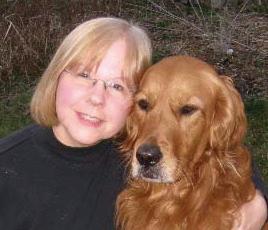
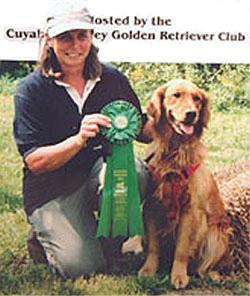
Fuhrer has earned over 200 AKC titles with her Golden Retrievers, including 4 Champion
smoother, and because dogs will learn to focus on instructions to gain rewards (usually food or toys), these basic obedience skills are easy to teach because the dogs want to do the work. They want to play agility because it is fun and they can earn rewards.
Agility can teach a handler a lot about how to motivate and focus his dog and how not to pressure him and to help him learn at his own pace.
A safe progressive introduction to agility equipment is extremely important. Dogs should be taught so they want to do the work, not lured onto obstacles with trepidation. Correct introduction builds confidence and helps to ensure safe performance. A good instructor can modify a course for all skill levels for both dogs and handlers.
Handlers learn to understand and work with their dogs. Many handlers are surprised how much focus it takes from the handler to keep the dog engaged. Without clear communication from the handler, the dog is really on his own, and the results may not be what the handler wants. Handlers must take on the responsibility of communication and be willing to
titles.
present information at a pace and in a format the dog can understand. Agility provides a medium for dogs to work on self-control skills such as start line stays, table performance, and contacts. Dogs also learn to work in the company of other dogs and still be able to focus on their handlers and the “job of agility”. Dogs learn self control by watching other dogs run the course and having to wait for their turns. If you are interested in agility, it is important that you find a place to introduce your dog to this wonderful sport safely and correctly. Because a friend of yours may do agility with his dog does not necessarily mean he can teach you and your dog to do agility. Agility is NOT a free- for-all where dogs just run around jumping and climbing on things. If you push them too far, too fast, and they become worried about certain experiences, your dog can have great setbacks in learning. There is no substitute for quality instruction from someone who not only knows how to play agility but also knows how to teach it properly.
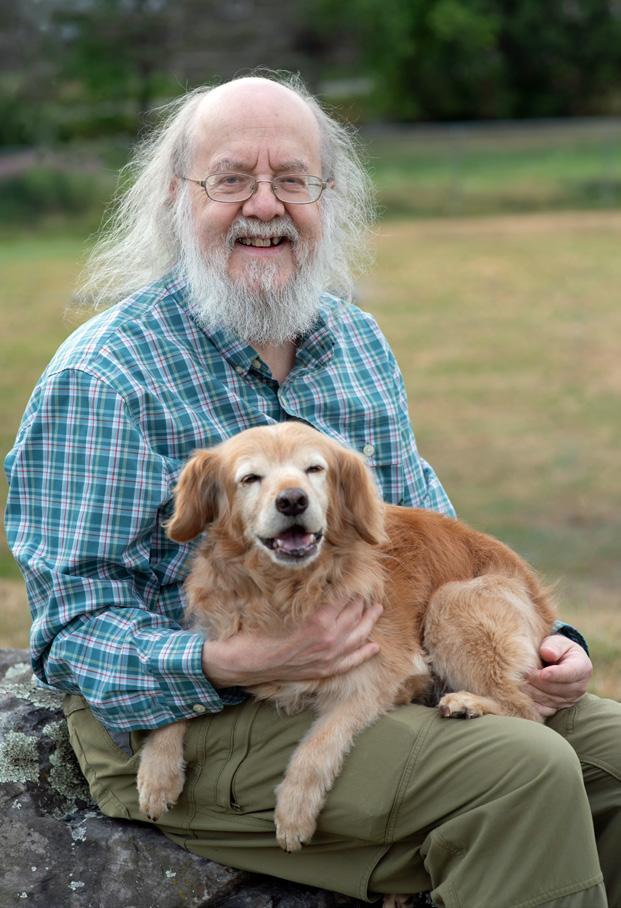
is the owner of North Star Dog Training School in Somerville, Maine. She has been teaching people to understand their dogs for over 30 years. You can contact her with questions, suggestions, and ideas for her column by e-mailing carolynfuhrer@gmail.com
We can help you achieve your goals! Classes - Private Lessons Small Group Lessons – Workshops Call for more information!
In my November column, I indicated that Jean Donaldson’s book, The Culture Clash, played a major role in refuting the dominance myth. However, her most astute observation is in the title, The Culture Clash. If we don’t take the time to understand and learn to accept our differences, we cannot develop the best possible relationship with our dog. No matter how much we want them to be furry four-footed humans, they are their own distinct species with their own needs, behaviors, and means of communication.
Minimally, culture as it relates to a species is “All group-typical behavior patterns, shared by members of animal communities, that are to some degree reliant on socially learned and transmitted information". – Google AI
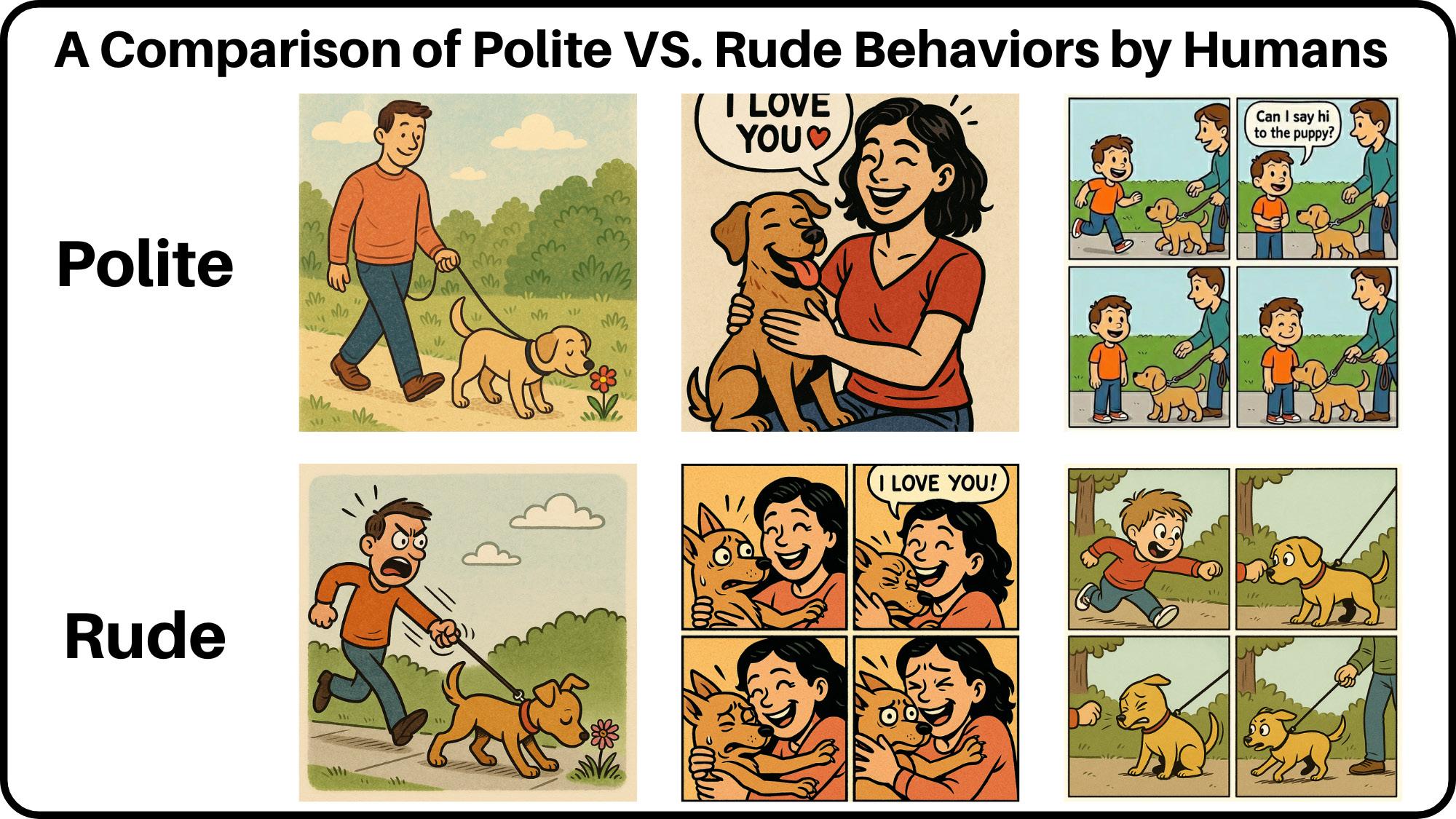
Just as people do, dogs have social norms for identifying behavior as acceptable or rude. Unfortunately, over the years, people have been taught that dogs must accept our rude behavior, and that is where our species most often clash.
In the Spring of 2023, the San Diego Humane Society released a one-minute video titled "How Would YOU Like It?" which illustrates some of these cultural conflicts noted below. Sometimes, these aren't cultural conflicts— people dislike them too; we just aren't taught that dogs also find such behaviors rude. To prevent a dog from being abused in this video, a woman plays the dog's part, while
Please, Be Polite to Your Dog
WORDS, WOOFS & MEOWS
a man plays the rude human. - https://forcefreepets.com/sharedvideo-howwouldyoulikeit/ Bothered while eating –Unfortunately, years ago, people were taught to play with the dog's food while they were eating, and even to take it away. This was terrible advice and is an excellent way to provoke a bite. Taking their feed away or playing with it while they eat is only likely to create resource guarding. Please, allow your dog to eat in peace.
Startled you while sleeping –Dogs don’t like being startled out of a sound sleep anymore than the normal human. While it may seem like a fun prank, it is in fact bullying, and when you do it to a dog, you may get bitten. It was NOT the dog's fault. If your dog is sleeping, stand at a respectable distance, quietly say their name, and let them wake gently.
Teased while playing with a toy – There is no good reason to tease a dog or a child playing with a toy, especially by taking it away and taunting them. This type of behavior is unkind and unnecessary.
Yanked you around while you were sniffing something – One of a dog's greatest joys in life is an ambling walk to sniff and explore. No one likes being yanked around by someone else, but especially when it denies him one of his greatest joys in life. Follow your dog's lead and take the time to enjoy the surroundings. It is good for both of you.
Used you as a pillow – Sadly, I remember trying this a couple of times as a kid. Most dogs will get up and walk away. Your dog is not a pillow and must never be used as one.
Greeted you by sticking their hand in your face – The number of people who will greet a dog by sticking their hand up to a dog's nose is unbelievable. With a dog's vastly superior sense of smell, they can smell you from across the room. The polite way to greet a dog, especially when you do not know
him, is to allow him to approach, and if the dog chooses not to interact, that is his right.
Greeted you by grabbing you, picking you up, and hugging you – This is one step beyond sticking your hand in the dog's face and is even ruder. There is ample data to suggest that most dogs abhor being hugged or kissed, which is why you should not hug or kiss your dog. Even if your dog tolerates this behavior from you, it is unlikely to do so from someone else. If a child sees you hugging your dog and then tries to hug the dog, the child could get bitten. Don’t put your dog in that situation.
The video ends by making the statement, “How would you like it if someone didn’t respect your choice…You Wouldn’t Like it At All!”
I believe that adults and children must understand these concepts before they ever add a dog to their family. That is why I encourage shelters, rescues, and breeders to teach everyone these simple principles before anyone leaves with a dog. It can all be done with this amazing 1-minute video available on YouTube at https://www.youtube. com/watch?v=G775ppK3VEM
You can find additional resources to help you better understand your dog on my blog at Resources on Canine Body Language & Communication – https:// forcefreepets.com/resourceson-canine-body-languagecommunication/
photo credit: debra bell
By Susan Spisak
Rescue of the Month
Their Vision is a Humane World for Every Animal
PAWS mission and core values align with their passion to support a humane environment for all animals:
“While we do accept dogs from our contracted towns, we also frequently bring in dogs from out-of-state, highkill shelters. These dogs often have very limited options and need safe, loving homes, and we strive to give them that opportunity here in Maine,” said Allison Parker, Shelter Director for the Camden-based nonprofit, a fullservice shelter and adoption facility that boasts unlimited residence for their pets until placed in permanent homes.
She shared that they also participate in “dog swaps” with other Maine shelters. “These swaps allow dogs to be introduced to new environments and potential adopters they might not otherwise meet. This exposure helps
dogs find the right match faster, and it benefits adopters by giving them access to a wider variety of dogs, including those that may suit their lifestyle and living situation better.”
Another positive about PAWS is that it’s a Fear Free shelter. Fear Free ideology subscribes to preventing and alleviating fear, anxiety, and stress in their pets. They empower their staff and volunteers to utilize the concepts, strategies, and techniques to reduce fear and frustration in the animals while they’re with them. This allows their pets to relax, and potential adopters can envision their true personalities, thus enabling quicker adoptions.
At their in-house PAWS Cares Community Veterinary Clinic, they offer exams, vaccines, flea and tick meds, heartworm and Lyme testing and prevention, spay and neuter services, lab testing, as well as non-
emergency illnesses to low-income pet owners. Allison indicated they see about one hundred clients monthly and provide low cost spay/neuters for the community as well.
For their townsfolk with energetic pets, there’s the Jean H. Kislak Community Dog Park which is maintained by PAWS’ volunteers and staff. This community space is designed for animal-loving neighbors to gather, safely socialize their dogs, and enjoy time outdoors together. The fenced-in park is on Camden Street in Rockport and has separate areas for large and small dogs.
They utilize foster homes for puppies as well as dogs needing behavioral support, hospice care, or a break from the shelter environment. Fostering enables them to bloom in a home to expedite successful adoptions. There’s also a “sleepover” program that allows potential adopters
to bring dogs home temporarily to see if it fits.
Check the website and socials for upcoming event dates including Yappy Hours, the Spring Golf Classic at the Samoset, the Summer Soirée at the Knox Mill, their annual PAWS run, and the favorite, Weinerfest!
PAWS is grateful for monetary gifts and donations for the Pet Food & Supply Pantry. They always need volunteers for dog walking, weekend cleaning, reception work, maintenance, and landscaping. “Even a few hours of assistance can make a big difference in the animals’ quality of life and the overall environment at the shelter.”
Support PAWS by attending events, volunteering, and getting involved. “Together, our community makes lifesaving work possible,” said Allison. For info and links to volunteering, adopting, fostering, donating, and all adoptable dogs, pawscares.org/.
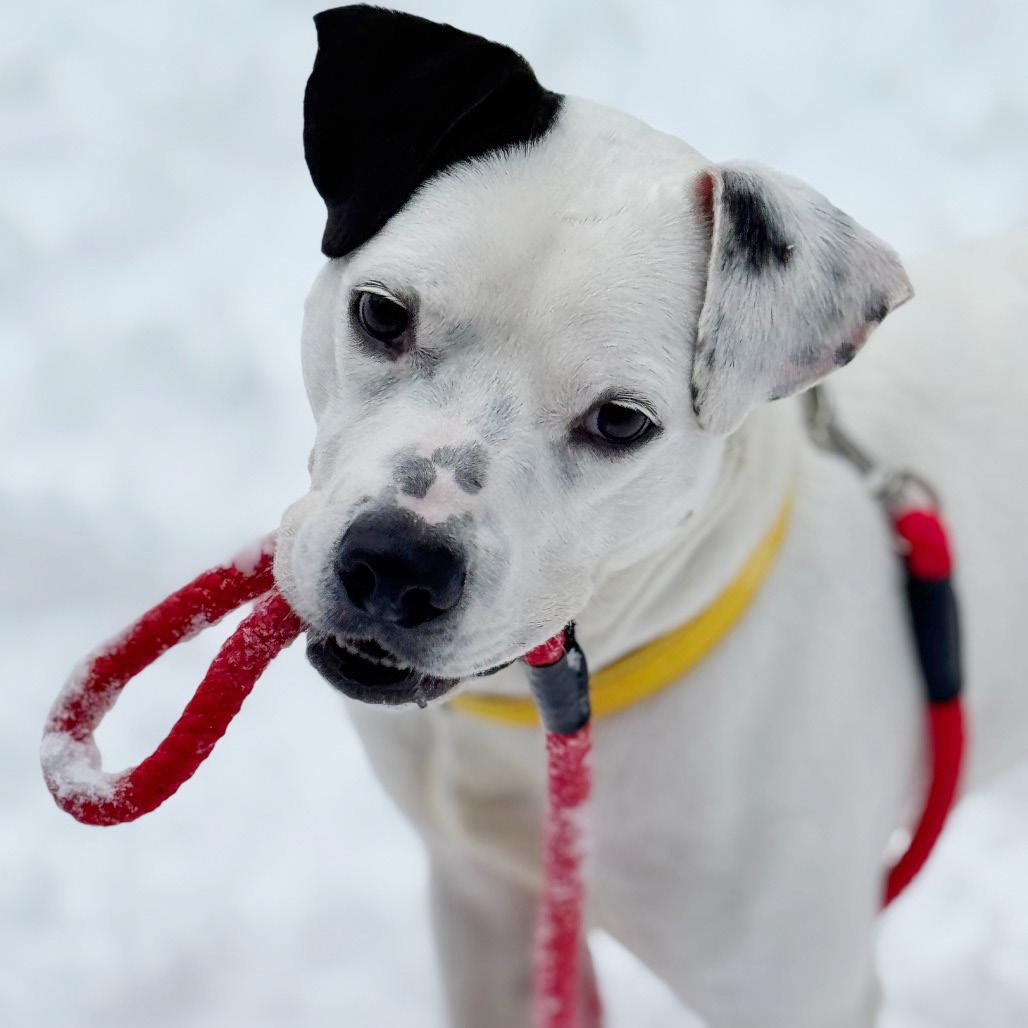
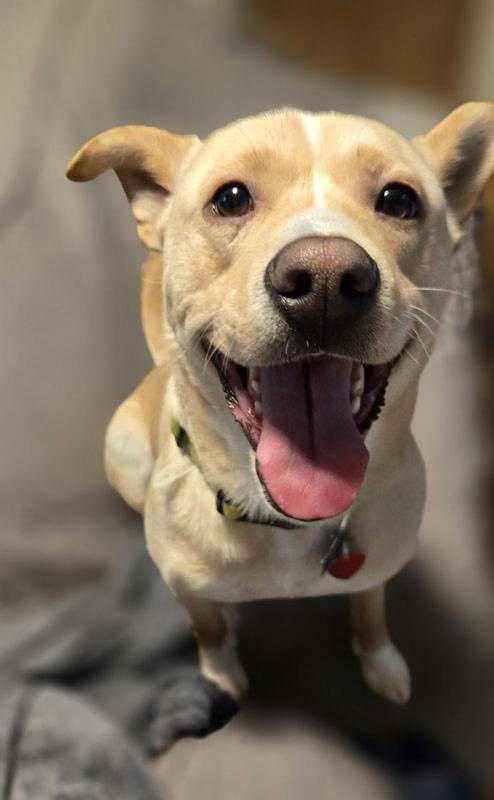
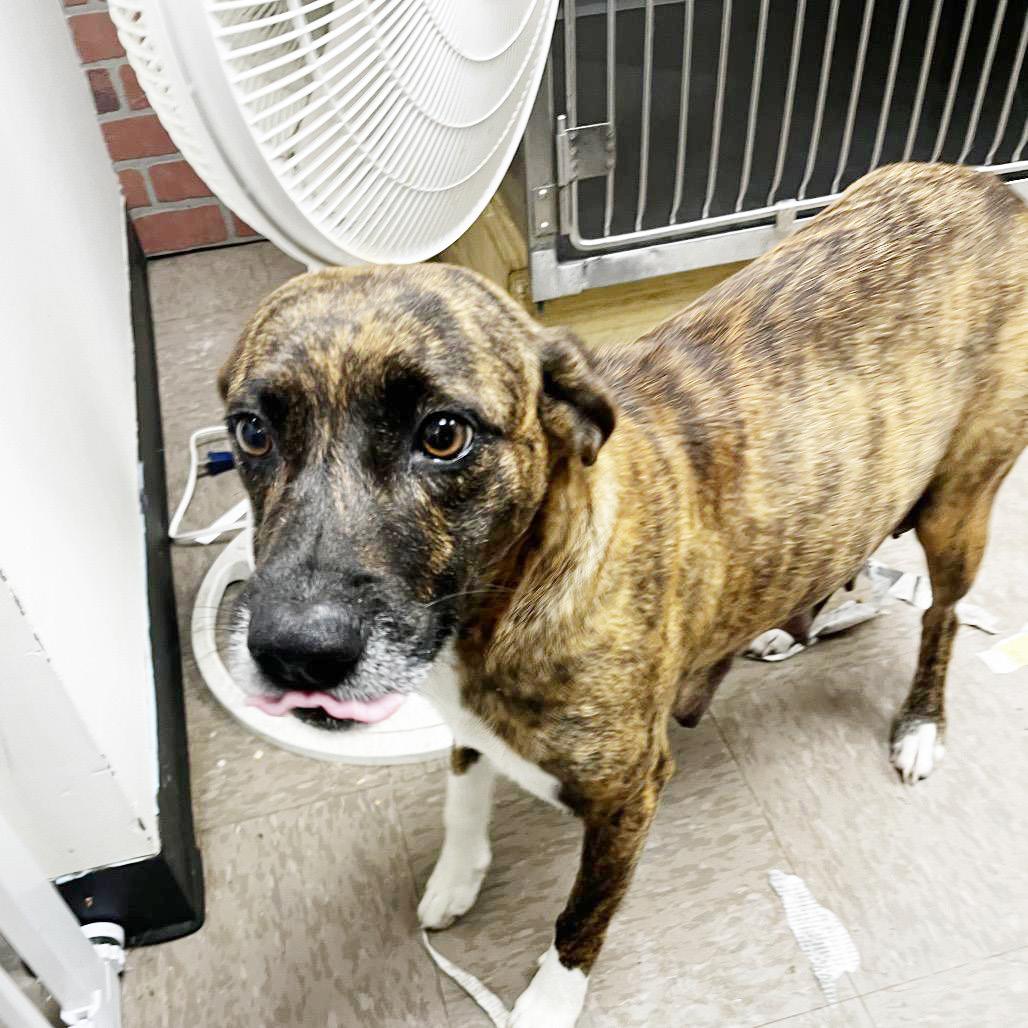
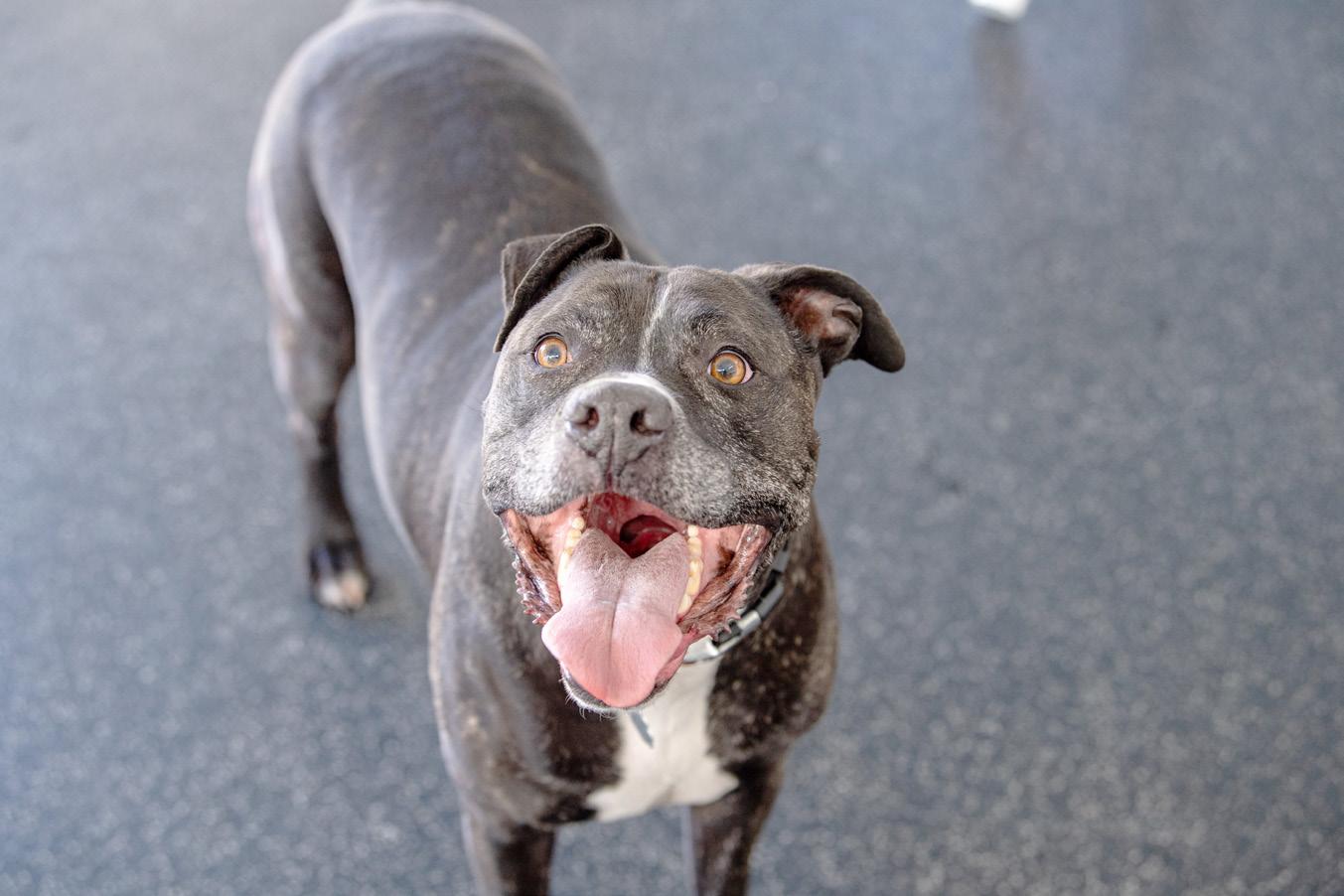
A young adult guy who LOVES cuddles and snuggles—honestly, it’s my favorite thing! I get along really well with other dogs and I’m friendly with everyone I meet. I have moderate energy, so I love playtime and walks, but I also settle down nicely for rest and relaxation. I’m fully vetted and ready to find my forever family. If you’re looking for a sweet, loving companion who will happily curl up by your side, I might just be the one for you!
He was pulled from down south just days before he was scheduled to be euthanized, and he has been an absolute joy with us ever since. Alfie loves everyone he meets — kids, adults, cats, and other dogs — and he’s just a super fun, loving-life kind of guy. He’s equal parts best friend and comedian and would make such a great addition to any family.
MAVERICK
2 years old, Mixed Breed
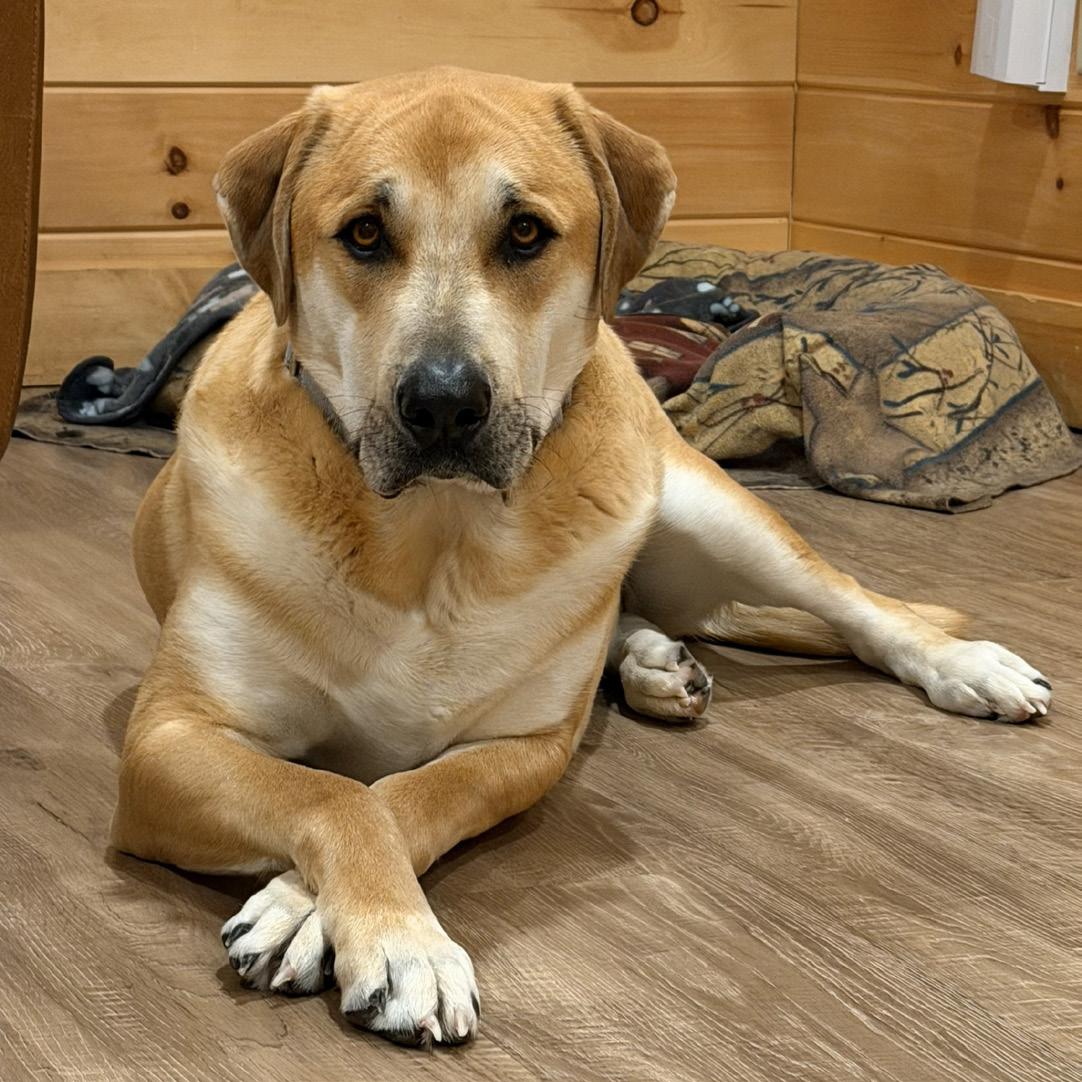
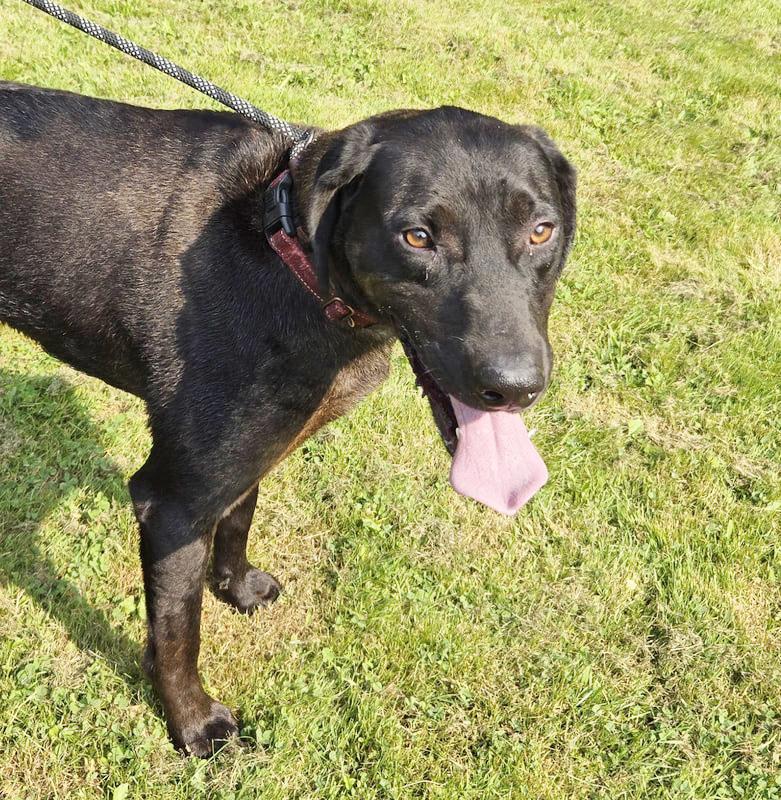
Maverick is a gentle giant. He is a sweet dog and loves being around other dogs. He enjoys going out for walks around campus and on the hiking trails. He would do best in a home with another dog friend.
Dogs for Adoption
View more available dogs on our website, downeastdognews.com.
Some rescues do not offer phone numbers and require you apply online. Please see the contact info. highlighted in yellow below each dog.
Sponsored by: Anonymous
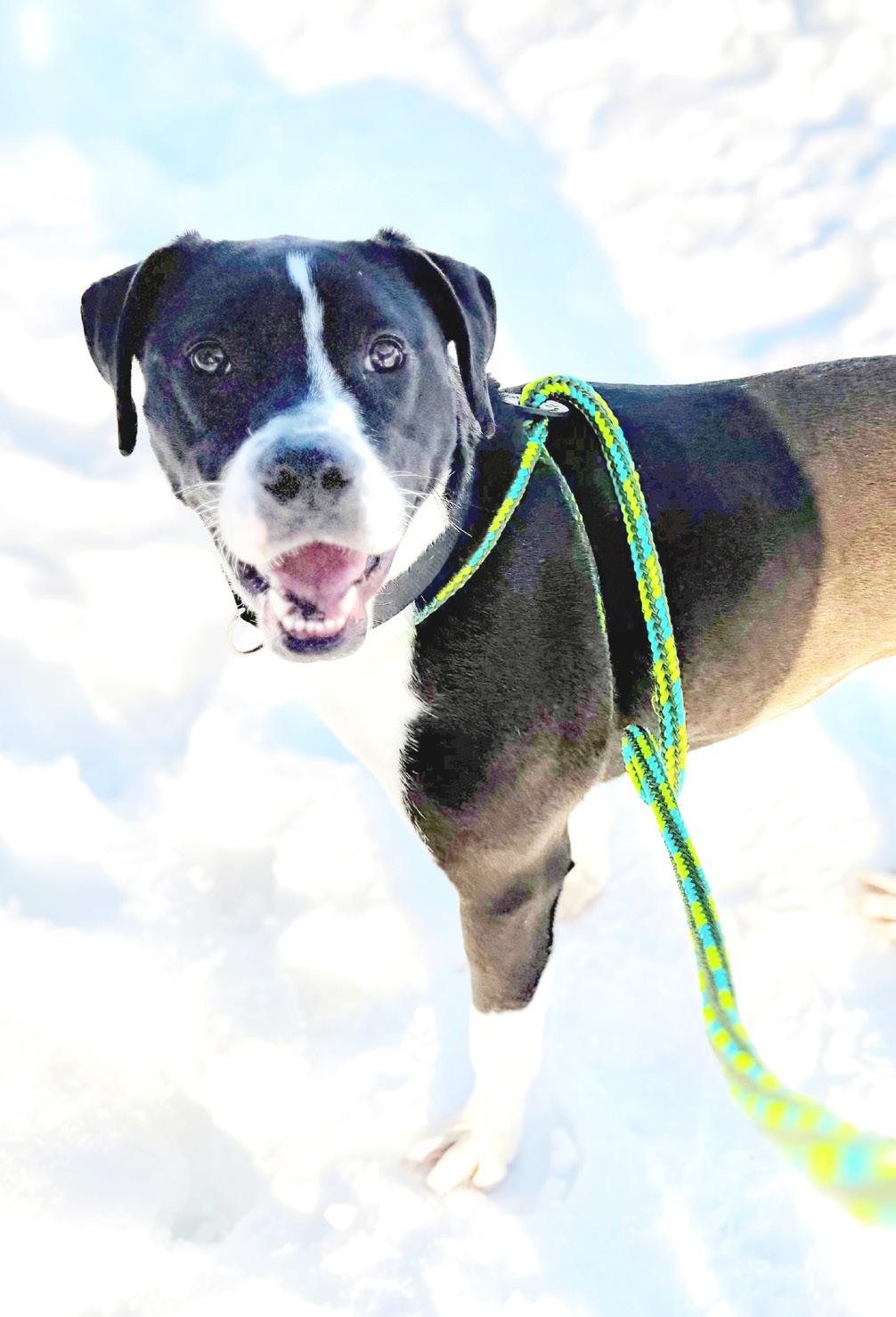
ALEX
8 months old, Labrador Retriever Mix
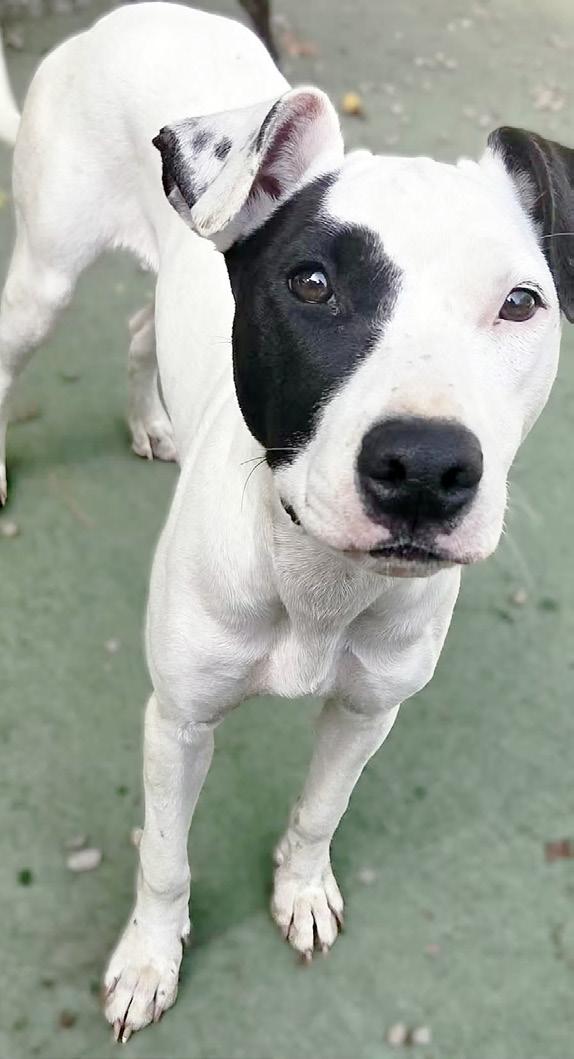
This tippy tappy happy good boy has survived the odds from the Puerto Rico Hurricanes to make it here!
Alex is a happy, healthy, playful pup who loves kisses, hugs, and being with people! Top favorites so far are: All things snow, playing with other doggies, toys of all kinds and walkies!
FMI
LIVY
Myles is a handsome dog. He likes to go out on walks zoomies in the snow. He is sweet and will curl up at your feet. He is a bit dog selective and would do better in a home where he’s the only
Sponsored by: York Bark & Play 915 US Route 1, York,
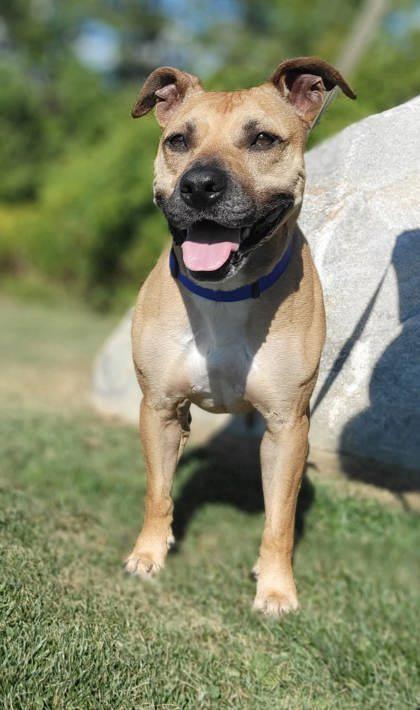
MAGGIE MAY
7 years old, Boxer Mix
She loves car rides, going for walks and meeting new friends. Looking for a home with no other animals and Kids 15+. Her enthusiasm would be a little overwhelming for younger kids. An accident in her previous life that resulted in her moving a little differently, so she gets joint supplements and a pain med regularly. FMI visit: pethavenlane.org
She is a little shy around new people but absolutely adores other dogs. This doggy playgroup rockstar is looking for a family who has another playful dog. Livy wants to run, play, bounce around, and then settle down in a cozy bed for a nice nap.
FMI visit: popehumane.org
Sponsored by: Green Tree Coffee & Tea 2456 Atlantic Hwy., Lincolnville, (207)706-7908, greentreecoffee.com
SHADOW
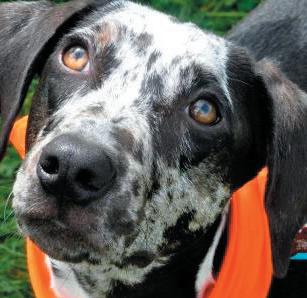
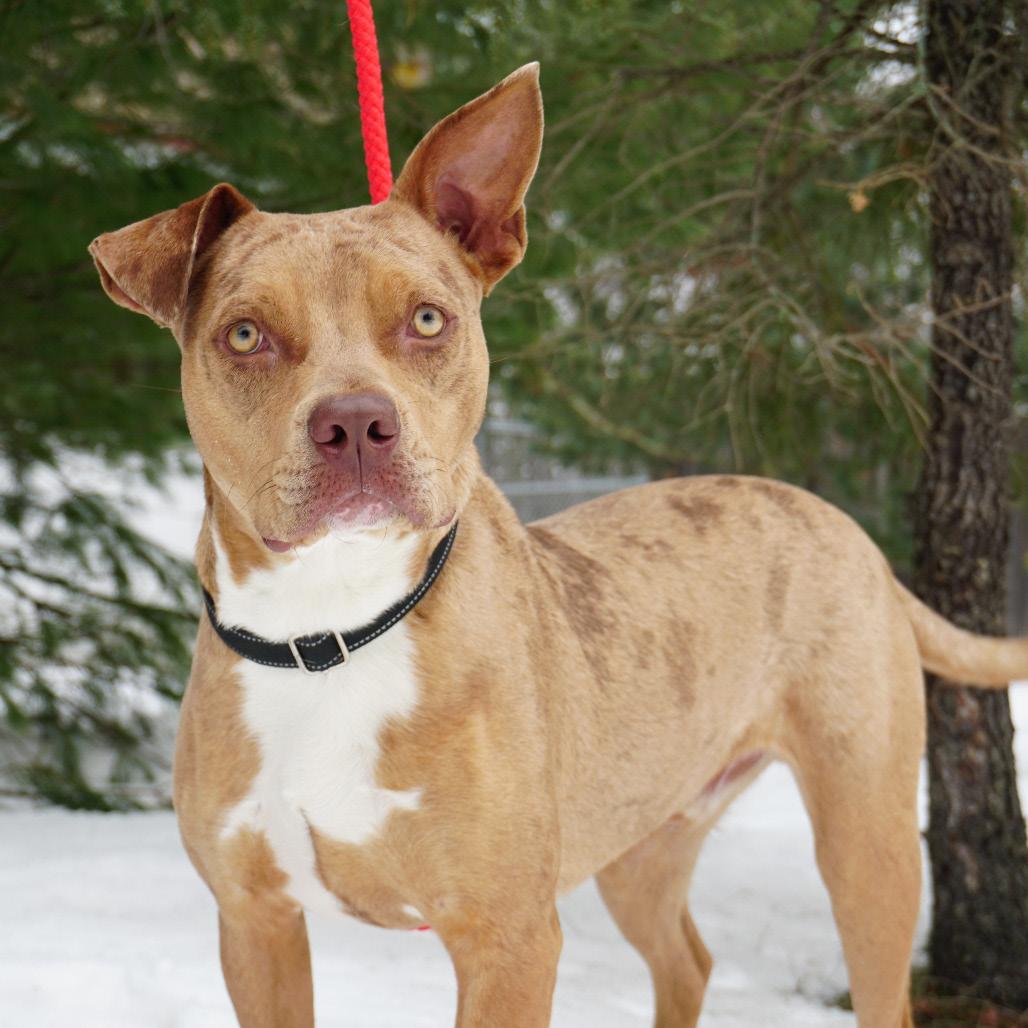
4 years old, Leopard Hound Shadow is everything that you read about Catahoula Leopard dogs. He loves his family but has energy that is endless! He loves to play, but he would be just fine being the only dog in the home, if you gave him a job! He is also the true essence of his name; he loves to be your Shadow! We do require you have Catahoula knowledge for this sweet boy. FMI: Email: sln2310@yahoo.com
Sponsored by: Kompletely K-9 Dog Training and Rehab. 248 Choate Rd., Montville, (207)322-5111, kompletelyk9.com
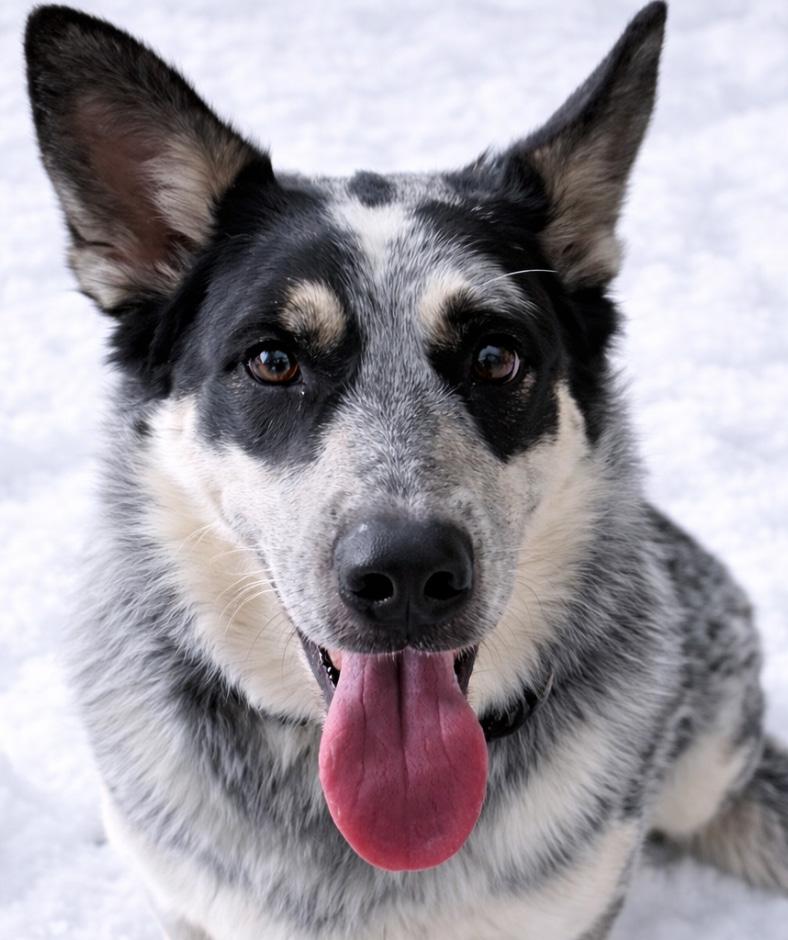
NOAH
3 years old, Heeler Mix
This handsome guy is super smart. Noah is looking for a family with older kids who understand that with his intelligence come some stubborn tendencies. If you’ve ever had a herding dog, you will understand. Noah needs an active home ready to play, train, and have fun. Running partner? Sure! Agility? Likely!
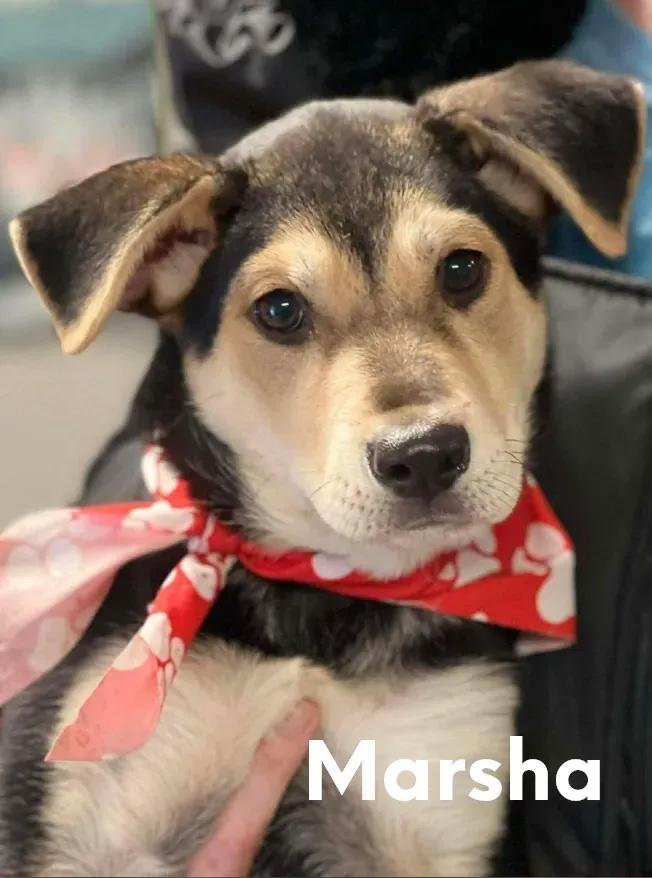
MARSHA
12 weeks old, Shepherd Mix
This sweet Southern belle will draw you in with her stunning looks and seal the deal with her charm. She is affectionate, loving, and always ready to snuggle, but don’t be fooled—she’s also eager for adventure. She can’t wait to explore the great outdoors with her future family.
FMI visit: pprorg.com
FMI visit: popehumane.org
Sponsored by: Bagel Café 30 Main St. (207)236-2661, 5 Colcord Ave. (207)230-8120 Camden, bagelcafemaine.com
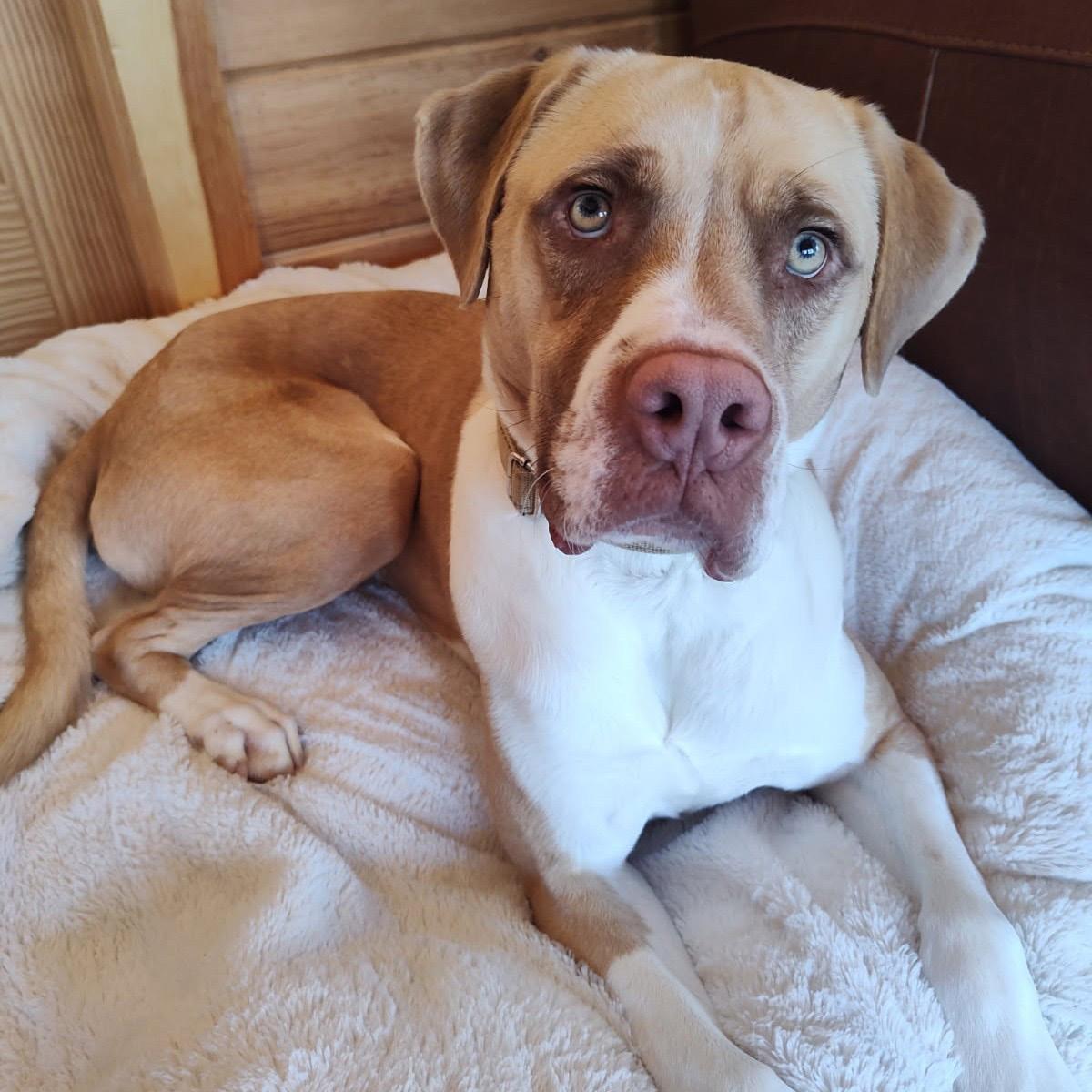
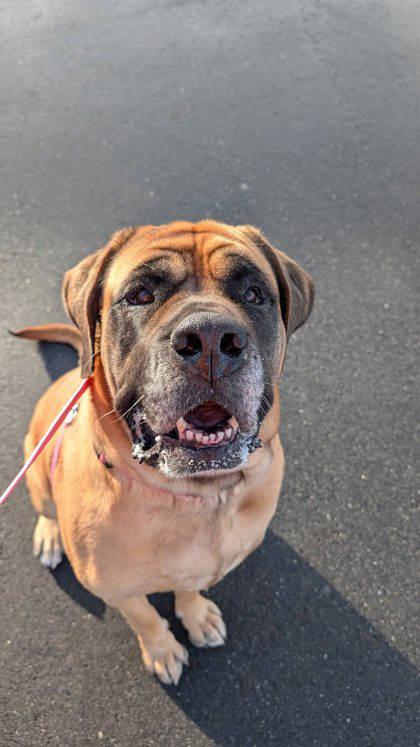
Diamond is a typical English Mastiff. She is suspicious of new people but deeply loyal, affectionate, and mellow with those that she loves. The great news is that treats win her over without too much effort. Diamond will be most successful in an adult only home, children 18+, no cats.
FMI visit: pethavenlane.org
Sponsored by: White Willow Retreat for Dogs 1761 Augusta Road, Belgrade, (207)495-3596, whitewillowretreat.com
LATTE
1 year old, Australian Cattle Dog Mix
Latte is the epitome of a cattle dog. Energetic, vocal, strong, busy and very forthcoming with his affection towards people. He will even sit in chairs with you and get as close as possible in bed. He loves kids; we recommend children on the older side due to his rough play and that he is the only dog or with another of the same nature.
Delilah is an absolutely beautiful girl who is doing well in her foster home in Maine. Delilah is looking for a home with another confident dog and potentially a fenced yard because leash walks can be hard for her. Delilah is a sensitive soul who does well with other dogs and has some quirky things that her foster family is learning about her.
FMI visit: luckypuprescuemaine.org
Sponsored by: Ridge Runner Veterinary Services 559 South Main St., Winterport, (207)223-2596, ridgerunnervet.com
KODA
Sponsored by: First National Bank 18 Branches from Wiscasset to Calais, 1-800-564-3195, thefirst.com
6 months old, Mixed Breed
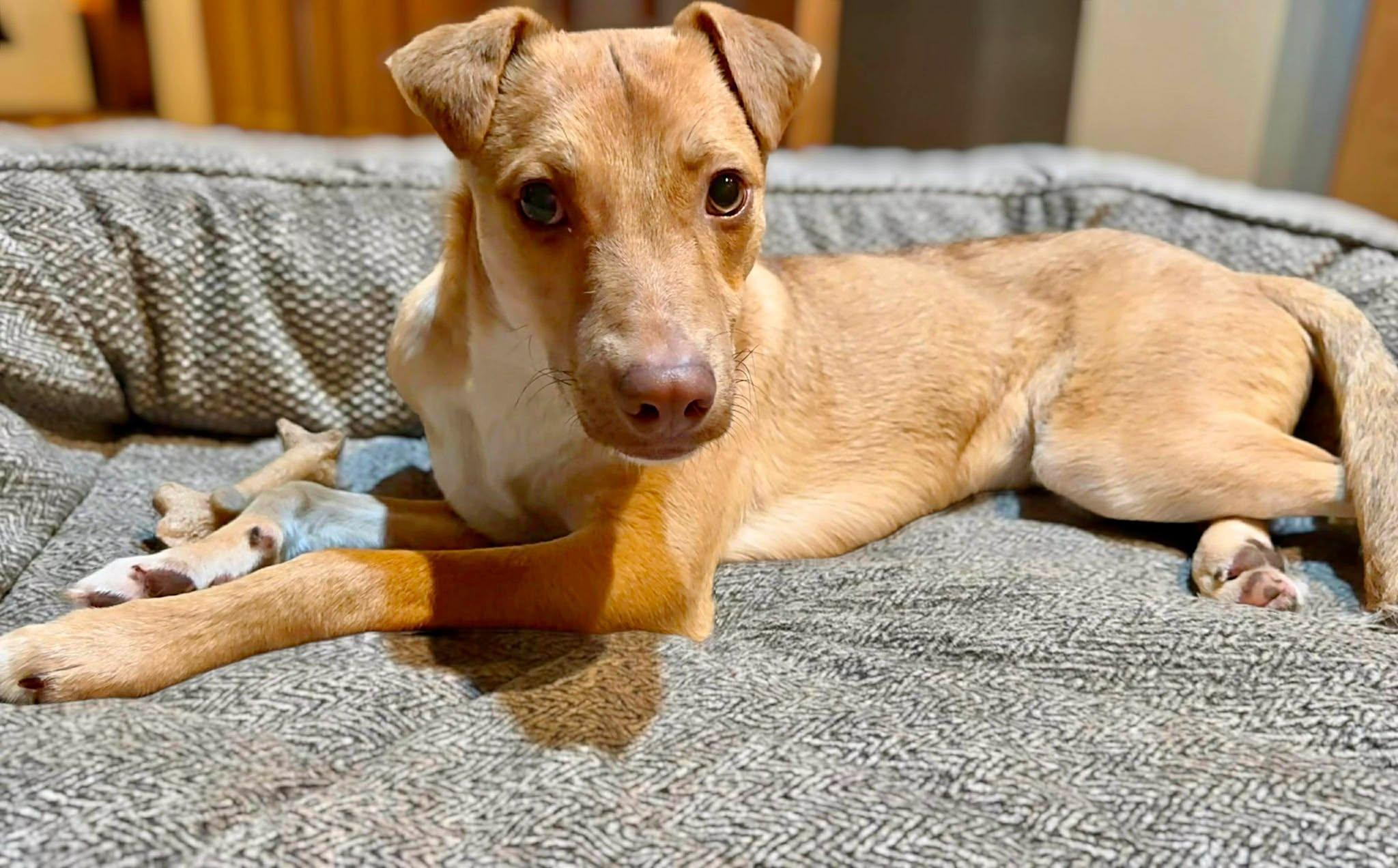
Koda is one of a litter of precious little souls who are 6 months old. He is the only boy and is approximately 20lbs. Mom is a small terrier mix who is about 25 lbs, Dad is not fessing up. They are happy and healthy babies who love to run and play.
FMI visit: luckypuprescuemaine.org
Sponsored in Loving Memory of Robby, Bet, ZephyrJoe, and Sadie
FMI visit: grammyrose.org
FMI visit: grammyrose.org
March C lendar
These events are currently scheduled as of our production date however please check with the event organizers to ensure they are still taking place on these dates.
TRIM & TREAT! NAIL & EAR CLEANING CLINIC
Sunday, March 1
Thomaston 2PM - 4PM
Bring your four-legged children over for their much deserved pedicures. Generally, the clinic will be held directly at the Thomaston Dog Park, for this clinic we will be at the the Thomaston Academy Building on the basement level in the back! Shannon L. Nachajko of the Catahoula Rescue of New England will be providing professional nail trims and ear cleanings as a complete package for just $15.00. For more information and updates, please stay tuned to the Thomaston Dog Park page on Facebook! All funds raised go directly to rescue. In case of inclement weather - Always call ahead (207)9752909!
OBEDIENCE & RALLY SHOW & GO
Saturday, March 7
Somerville ON TRACK AGILITY CLUB OF MAINE event held at North Star Dog Training School in Somerville. Obedience and Rally run thrus start at 10 am. Wonderful opportunity to practice with your dog and get experience in the ring! $15 per run/$10 OTAC members - contact Eva at pemmckenzie39@gmail.com to register. Pre-registration is requiredsign up now!
PAWS & CLAWS CLINICS
Saturday, March 14
Warren 11AM - 2PM
Bring your four-legged children over for their much deserved pedicures
look their very best! And remember we trim not only dogs, but cats, rabbits, guinea pigs, you name it! Nail Trimming and Ear Cleanings are available for a $10.00 each or combo price of $12.00 for ear cleanings. All funds raised go directly to rescue. In case of inclement weather - Always call ahead (207)975-2909! If School has been cancelled for MSAD 40 then the clinic will be cancelled as well!
to the Old Brick School Community Center 44 School Street, Warren! Shannon Nachajko, Director of Catahoula Rescue of New England will be on hand to make your fur kids look their very best! And remember we trim not only dogs, but cats, rabbits, guinea pigs, you name it! Nail Trimming and Ear Cleanings are available for a $10.00 each or combo price of $12.00 for ear cleanings. All funds raised go directly to rescue. In
case of inclement weather - Always call ahead (207)975-2909! If School has been cancelled for MSAD 40 then the clinic will be cancelled as well!
TRACKING
WORKSHOP
Saturday, March 21
Somerville ON TRACK AGILITY CLUB OF MAINE event with Carolyn Fuhrer held at North Star Dog Training School, Somerville. Beginners - Let's Talk Tracking: 10 am to Noon, $75 dog/ handler team, OTAC members $65. Advanced - Let's Talk Tracking - TDX and VST: 12:30 to 2:30 pm, $75 dog/ handler team, OTAC members $65. Note: Indoor workshop. FMI: e-mail kduhnoski@myfairpoint.net or call Kathy at 207-691-2332
HAPPY RATTERS WORKSHOP
Saturday, March 28
Somerville, 9AM – 10:30AM Held at North Star Dog Training School, Somerville. 9:00 - 10:30 am. Practice urban rat hunting and fine tune the necessary skills to compete at a Happy Ratters trial. All levels. Beginners welcome! $40. FMI: contact Kim Trafton at eshod1@ gmailcom.
DO YOU HAVE AN UPCOMING EVENT?
Let us know about it! Send info to jenn@downeastdognews.com CALL AHEAD!
Event schedules are subject to change. Contact individual event organizers to confirm times and locations. Downeast Dog News is not responsible for changes or errors.
mental and physical engagement, but it’s not an overnight process. It typically takes at least a year to fully train a dog to compete. What keeps people involved is that flyball is truly a team sport: we train together, support one another, and compete together.” For more information about the team, beginner flyball classes, demos or introduction seminars, please feel free to email her, flyballdogz@mail.com.
This spring, they’re hosting a flyball tournament on May 30th and 31st at the Dover Ice Arena. The event serves as a fundraiser to support their team and ongoing training efforts. Spectators are welcome and encouraged to come watch the excitement, though they ask that personal dogs stay at home so the competing teams can focus and stay safe. (flyballdogs.com/ flyball_maineiacs/.)
For those who participate in or are interested in starting, Rebeccah runs her own Portlandbased business focusing on canine strength training and conditioning,
essential for helping sporting dogs, Power Up K9, LLC. (facebook.com/ PowerUpK9/)
For Agility, Obedience and Tracking clinics and seminars, count on North Star Dog Training School in Somerville. Owner Carolyn Fuhrer has a background in teaching, and she has taught students at all levels throughout her career. Her skill and knowledge as a teacher are the keys to her success in helping people to understand their dogs and achieve their goals.
Carolyn shared that their most popular dog sport is “without a doubt” AKC Tracking. “Tracking is the ultimate team sport and success depends upon an intense personal relationship with your dog. Those who work to achieve goals in tracking enjoy a great sense of satisfaction.” Email or check the Facebook page for the schedules. (facebook.com/ NorthStarDogTraining/)
TRAIN from page 6
Final Thought: Retire the Phrase, Not the Dog
Language matters. How we talk about dogs shapes how we treat them. Catchy phrases feel good. They sound confident. But real
UNDERSTANDING from page 7
Never punish your dog for compulsive behavior. Yelling or hitting your dog will only escalate your dog’s distress and make the problem worse. Your dog is not being difficult. Its brain simply cannot turn off the behavior. Living with Compulsive Behavior
Compulsive behaviors may require lifelong management, and relapses can happen during times of stress. If you have not seen improvement in two to three months, or if things get worse, your dog should be reevaluated by your veterinarian. Understanding what is happening in your dog's brain is the first step toward getting your dog the help it needs.
training is nuanced, patient, and honest. So next time you hear one of these well-worn lines, pause for a moment. Your dog will thank you. And so will everyone else at the end of the leash.