As we close out 2025, the market is ending the year much as it began: steady, price aware and broadly balanced between buyers and sellers. Auction clearance rates in Melbourne and Sydney have edged slightly lower this week compared to previous weeks, reflecting a touch more sensitivity around quoting and reserve expectations rather than a shift in demand.
Across our campaigns, well-located, well-presented homes that are sensibly priced have continued to attract strong enquiries, competitive bidding and swift post-auction negotiations. Properties that missed the mark on price or presentation took somewhat longer to transact, highlighting how discerning buyers have become after a full year of higher living costs and cautious borrowing behaviour.
In many ways, 2025 has been a transition back to a more predictable, post-pandemic market. Vendors who lean into realistic price conversations and invest in presentation are being rewarded, while buyers compare options, do their research and act decisively when the right home appears.
The final auction Saturday of the year shaped up to be a continuation of this theme. Volumes were solid, buyers were selective but engaged, and quality homes still achieved excellent results where price, position and presentation aligned.
Looking ahead to 2026, we expect this sense of normality to remain the defining feature of the market. Life events will keep driving decisions to upsize, downsize or invest, and buyers will continue to reward properties that tell a clear value story.
If you are considering a move in 2026, now is the ideal time to start planning. Contact your local Marshall White team to discuss your goals and let us help you map out your next step with confidence. ■
By John Bongiorno
LIL'S YOLKY DOKEY EGGS
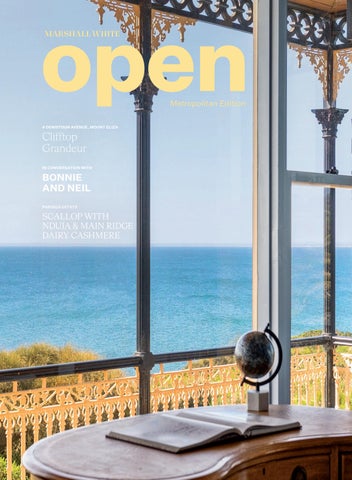
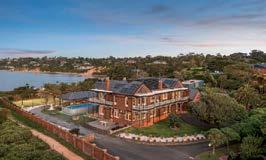
CLIFFTOP GRANDEUR
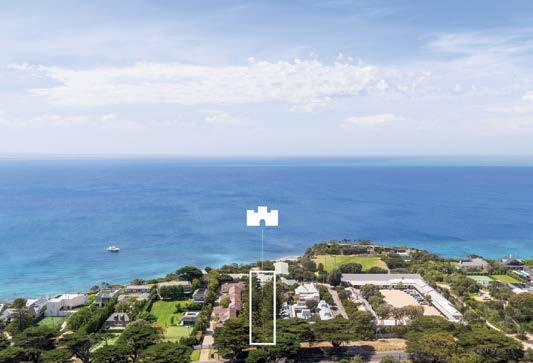
4 DENISTOUN AVENUE, MOUNT ELIZA
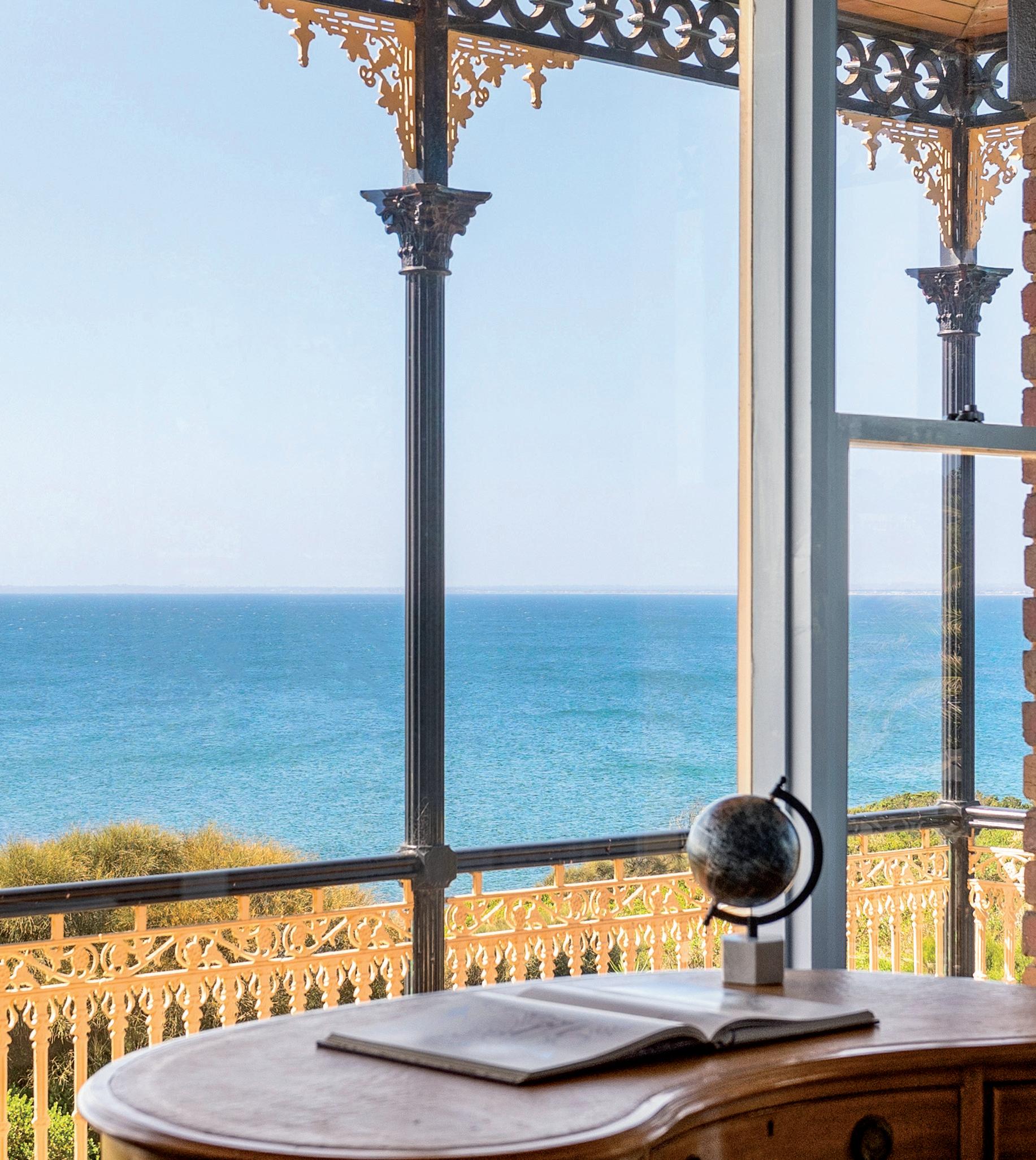
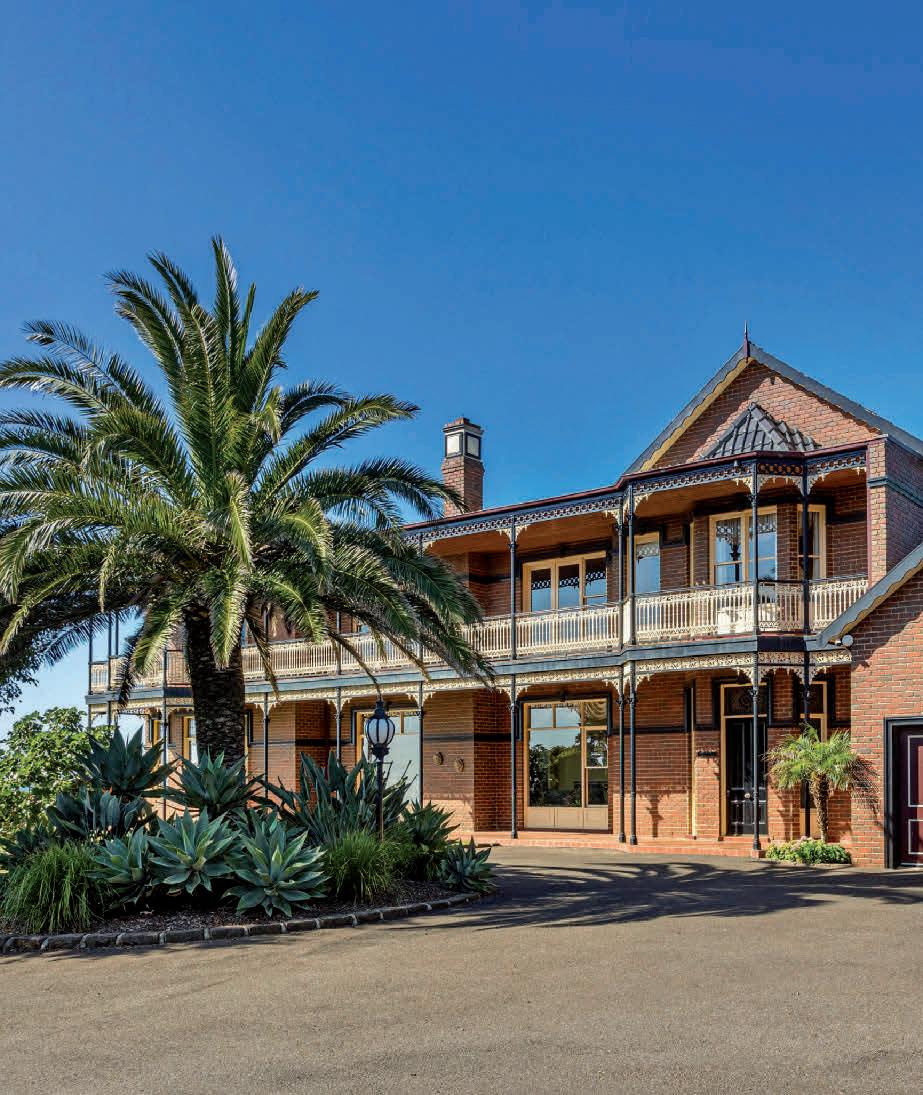
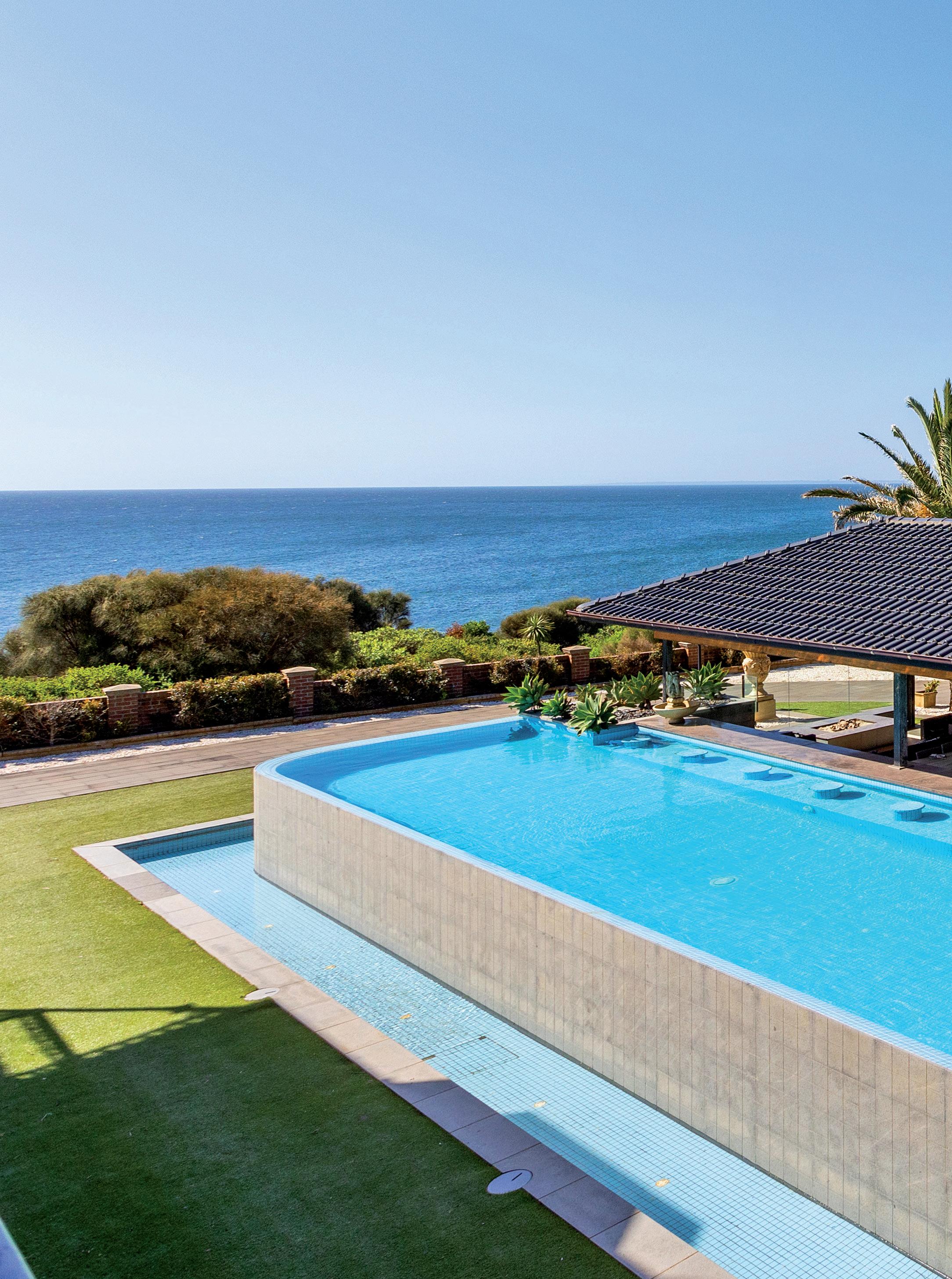
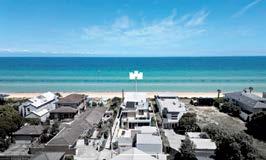
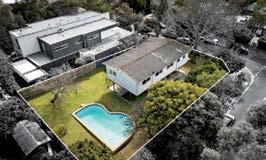
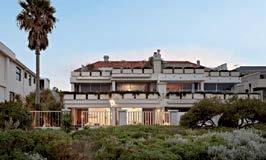
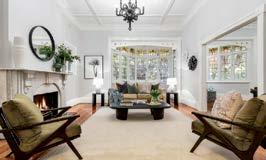
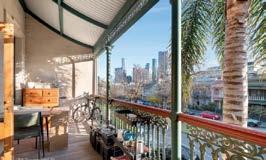
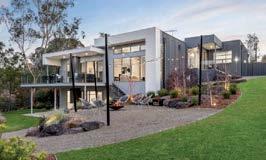
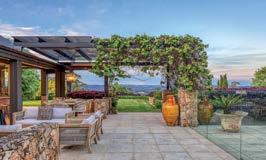
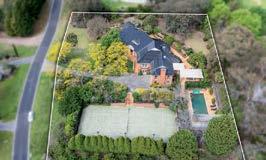
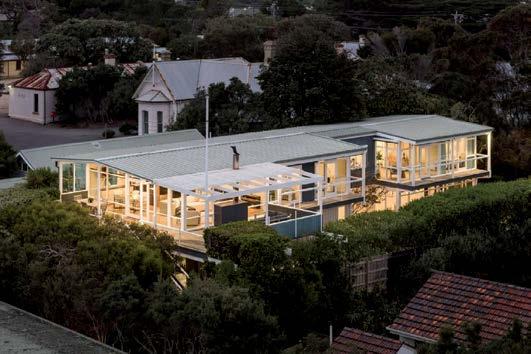
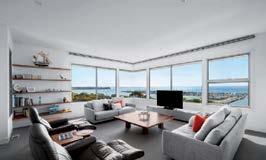
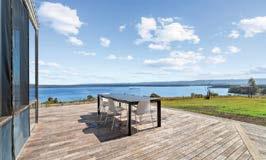
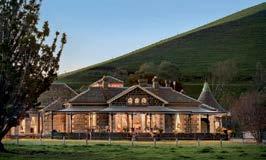
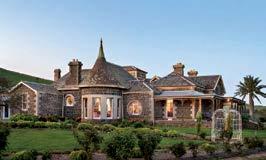
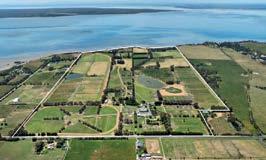
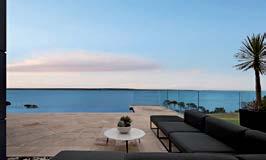
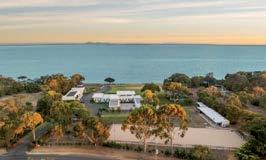
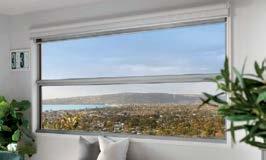
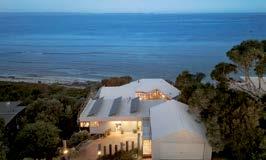
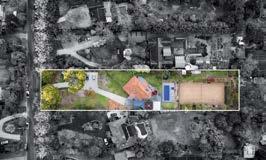
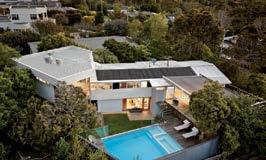
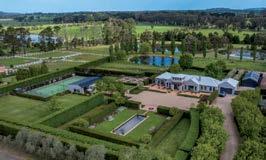
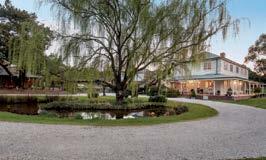
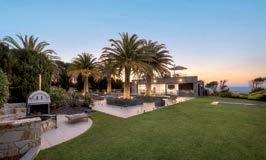
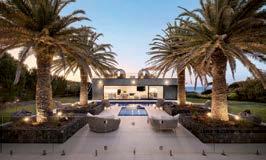
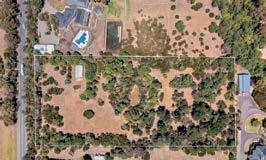
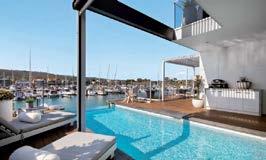
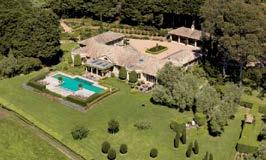
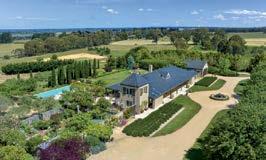
Magnificently set across 1.5 acres (approx.) of exclusive absolute waterfront, this landmark Mount Eliza clifftop estate delivers grand-scale, resort-style living with uninterrupted panoramas across Port Phillip Bay to the Melbourne skyline.
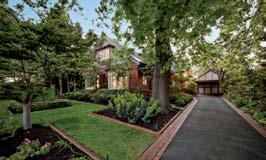
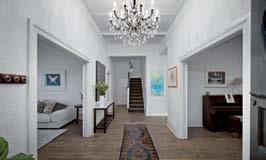
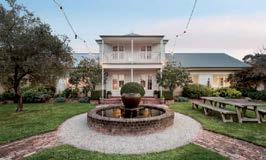
Privately secured behind automated gates and a palm-lined driveway, the five-bedroom-suite residence blends classic Victorian villa elegance with contemporary luxury. Lavish proportions reveal marble fireplaces, parquetry floors, crystal chandeliers and wraparound verandahs designed to capture sweeping 270-degree views. Formal and informal living zones are complemented by a vast stone kitchen with Rosieres ‘Paul Bocuse’ cooker and walk-in pantry.
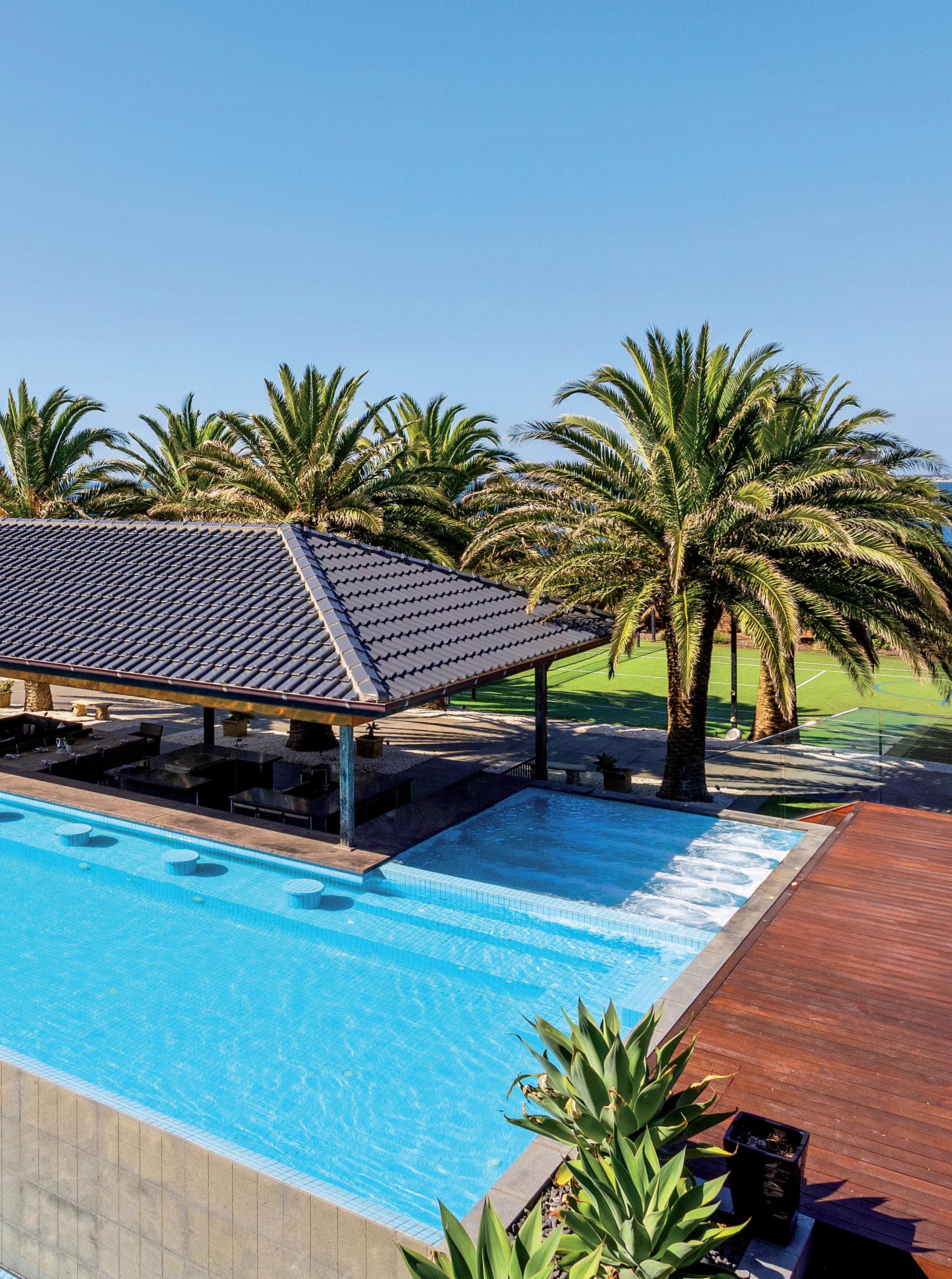
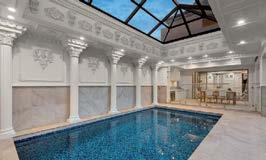
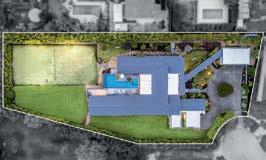
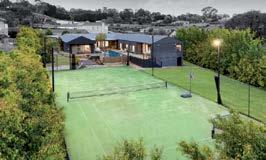
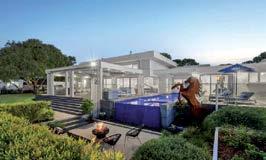
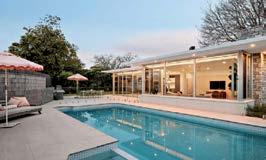
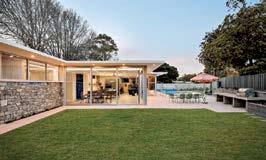
Outdoor entertaining is exceptional, with a 5-star infinityedge pool and spa, glass-fronted pavilion with bar and ensuite, floodlit tennis court and manicured botanical gardens. Luxuries include multiple marble ensuites, wine cellar, four-car garaging plus additional showroom space, solar panels, and state-ofthe-art finishes throughout.
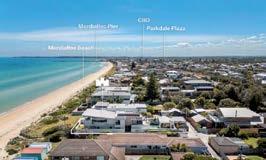
Positioned in a prestigious cul-de-sac, moments from Mount Eliza village, leading schools and Melbourne CBD access, ‘Pelican’ is a truly rare coastal masterpiece. ■
"This is one of Mount Eliza’s true legacy estates – a grand clifftop residence where Victorian elegance, world-class resort amenities and commanding bay-to-city views come together on an irreplaceable absolute waterfront holding."
ADRIAN CALCEDO - MARSHALL WHITE DIRECTOR
from Paringa Estate
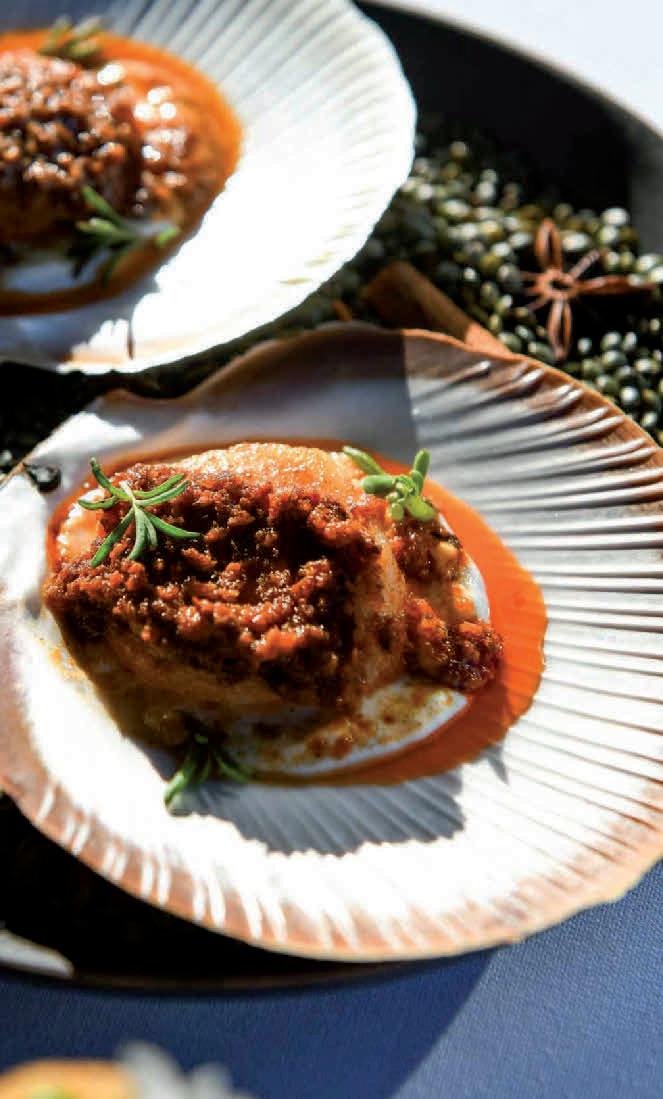
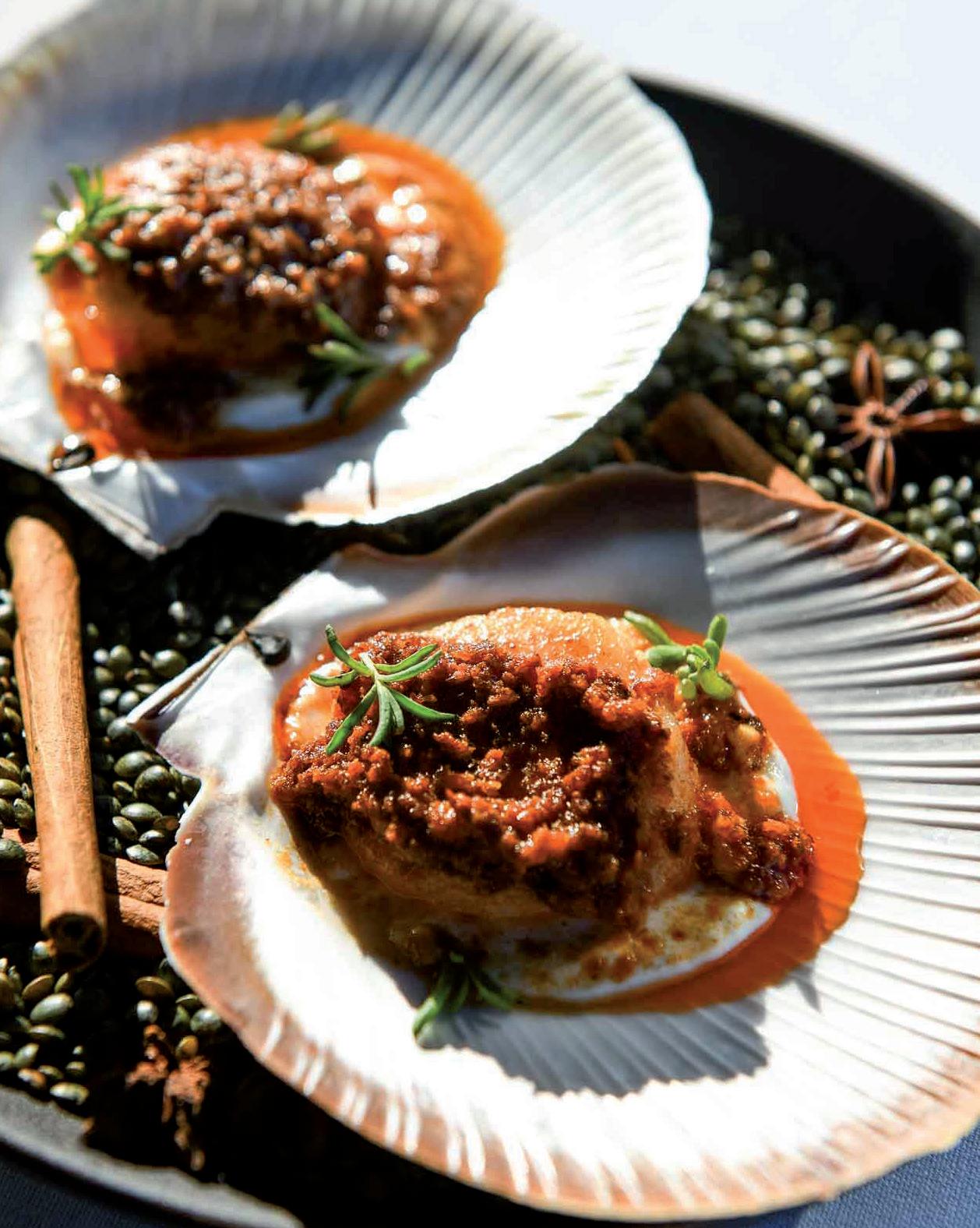
SCALLOP WITH NDUJA AND MAIN RIDGE DAIRY CASHMERE
At Paringa Estate, Head Chef Josh Kraupner-Taylor showcases the region’s exceptional produce through dishes that feel both refined and effortless. This scallop entrée layers tender scallops with the gentle heat of nduja and the creamy richness of Main Ridge Dairy Cashmere, coming together as a beautifully balanced, flavour-forward plate.
INGREDIENTS
4 extra large scallops
20 g nduja
1 garlic clove, crushed
1 shallot, finely diced
Chives, finely chopped
50 g butter
10 ml lemon juice
Salt, to taste
Main Ridge Dairy Cashmere Scallop shells, for serving
METHOD
1. Heat a pan with a little oil and sear the scallops on one side until golden.
2. Reduce the heat and add the butter, allowing it to froth gently without burning.
3. Stir in the nduja, garlic and shallot, breaking the nduja into the butter to create the sauce.
4. When the tops of the scallops turn opaque, remove from the heat. Add lemon juice, chives and season to taste.
5. To serve, spoon Cashmere into each scallop shell, place a scallop on top and finish with the warm nduja butter. Serve immediately.
WINE PAIRING
Pair with the 2023 Paringa Estate ‘The Paringa’ Chardonnay — a bright, elegant style with citrus and stone-fruit notes that complements the richness of the dish beautifully.
IN CONVERSATION WITH
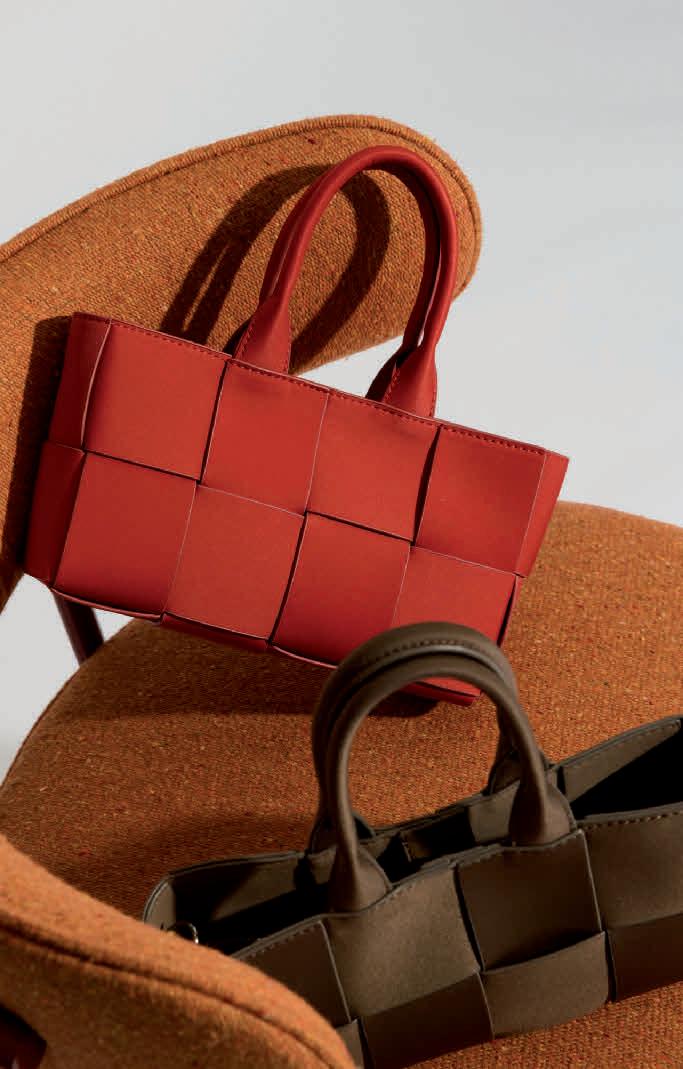
P R E N E
We sat down with Tammy Green, founder of Prene, to reflect on the iconic bag brand’s origins, its 10year milestone and her vision for the future.
What inspired you to launch Prene in 2015, and which customer need shaped the concept?
The idea behind Prene began on my daily commute to uni. I was 20, working a retail job I hated, studying a business degree (and ironically, failing), and every day I’d watch women place their designer bags on train floors or balance them on bathroom sinks. I couldn’t understand spending so much on a bag that ends up dirty and scuffed after a day in the real world. I wanted something stylish but practical — washable, lightweight, durable and functional. Real life is messy and fast; your bag should work with you, not against you. Stylish utility became the soul of Prene and still is today.
What are the non-negotiables every Prene design must meet before it ships?
We don’t chase trends or fads. Every Prene piece must balance fashion and function in a timeless way. It has to look good, but more importantly, serve a purpose — lightweight, durable, washable, with thoughtful pockets and structure that work in daily life. It also needs to feel unmistakably Prene: minimal, versatile and problem-solving at its core. If it doesn’t make someone’s day easier, it doesn’t get made.
What have been the biggest operational shifts as you’ve grown to a globally recognised brand while remaining independent and female-led?
The biggest shift has been learning how to run a small business that does big things. My team is tiny but mighty, still family-run and fully remote. I’ve learnt to lean into outsourcing, automation and AI. Everyone treats the business like their own, which is why we can scale while staying lean. Remaining independent lets us move quickly and stay intuitive. Being female-led and working with an incredible group of women has shaped a culture that’s collaborative, grounded and connected to our customer.
Regarding your collaboration with Rebecca Judd for the 10year collection, what was the creative brief you gave yourselves for this release?
This collaboration felt full-circle. Rebecca was our first collaborator in 2019 with The Bec Bag, which went viral and became one of our most recognisable designs. She embodies the Prene woman: a mother, an entrepreneur, stylish, active, endlessly on the go, yet unafraid to be real and vulnerable. Reuniting for our 10th birthday felt natural. The brief was to create pieces that reflect where we are now, what Bec needs in her everyday life, and what our customers value most: function. That’s how The Era Bag and Insulated Cosmetic Case came to life — pieces that look beautiful but work even harder.
If we were to revisit this conversation at the 15-year mark, what do you hope we’d be celebrating?
I hope we’ll be celebrating Prene’s global growth, thoughtfully replicating our Australian success in the U.S. and Europe. More importantly, I hope we’ve grown with integrity — staying independent, female-led and purpose-driven. If we’re still making products that genuinely make life easier, while expanding in a way that feels aligned and authentic, that’s real success. ■
STUDIO GRIFFITHS
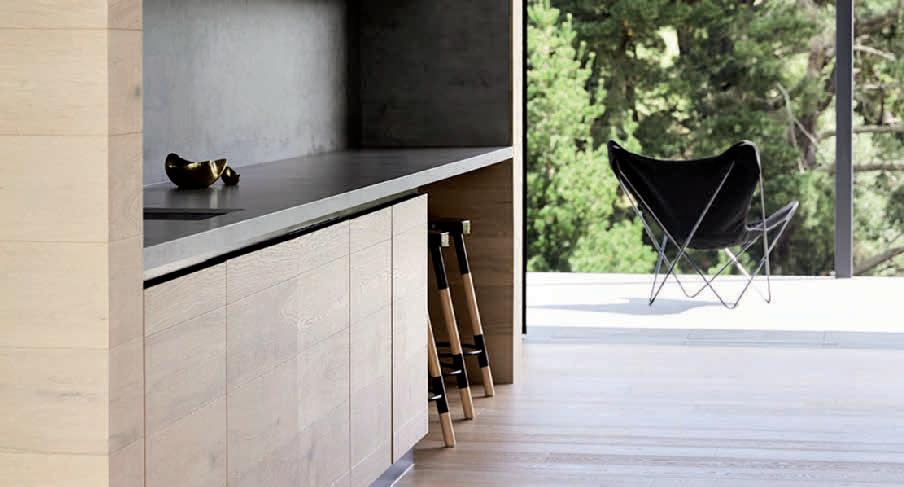
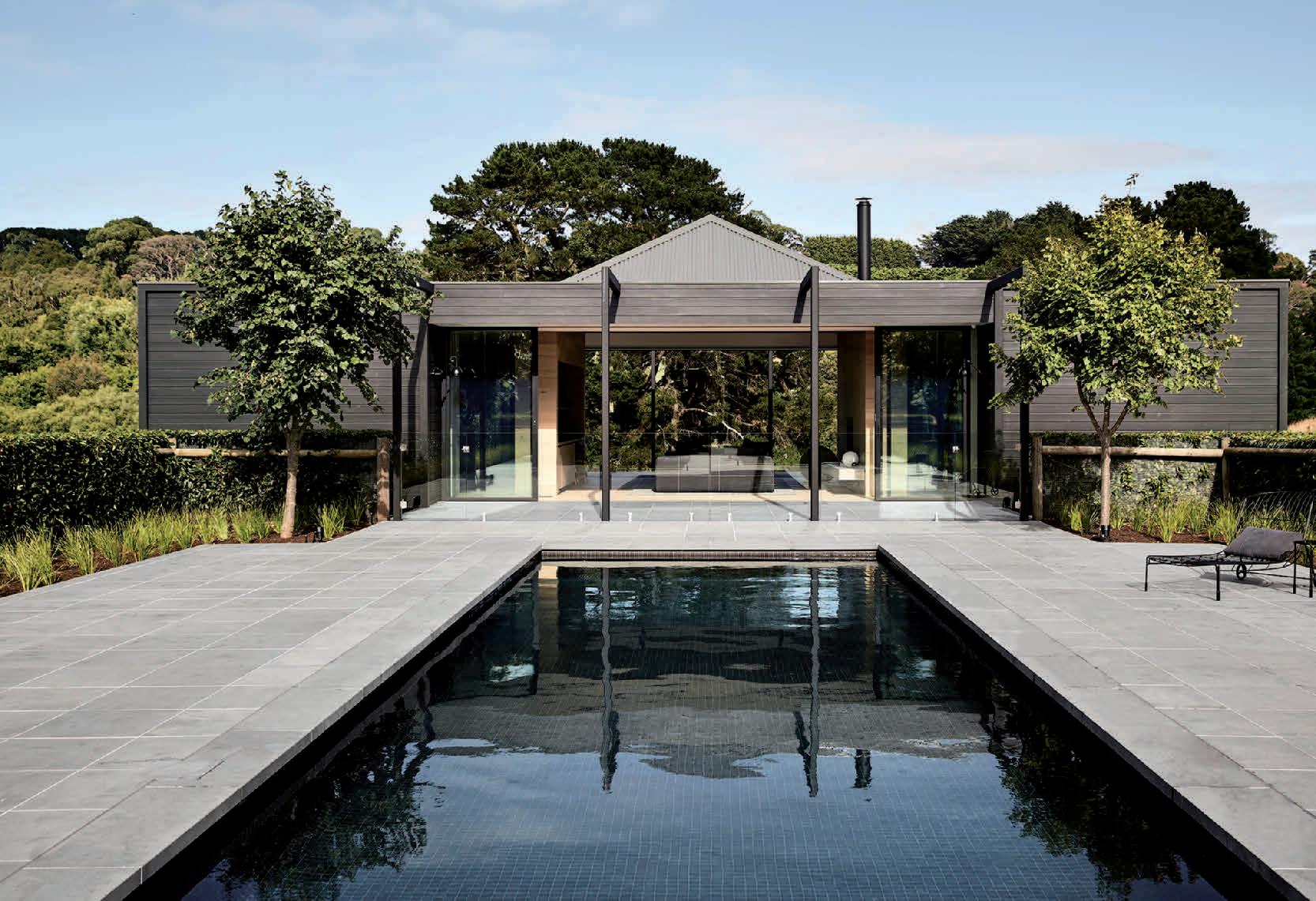
We spoke with Gillianne Griffiths, Creative Director of interior architecture and design practice Studio Griffiths, about how place and materiality shape her work. She shared how quiet luxury, refined simplicity and a deep connection to landscape continue to guide the studio’s evolving signature.
With one of your studios now firmly embedded on the Mornington Peninsula, how has the region’s landscape, lifestyle and design sensibility shaped the way you approach new residential projects?
The Mornington Peninsula has become an incredibly grounding influence on our work. The landscape has a quiet power: rugged coastline, expansive skies, rural solitude, a muted coastal palette and shifting light all invite a more elemental, intuitive design response. Living and working here has strengthened our commitment to restraint, material honesty, and spaces deeply connected to nature. Clients value calm, light-filled interiors, robust materials that age gracefully and planning that supports an easy flow between daily life and the outdoors, so our projects are more attuned to climate, more responsive to site and focused on creating a sanctuary that feels authentic to coastal and rural life.
Peninsula clients often seek homes that shift seamlessly between sanctuary wand entertainer’s haven. How do you design spaces that achieve that balance?
This balance has become a defining signature of our Peninsula projects. We design flexible spaces that expand for entertaining yet contract for intimacy, starting with strong planning: generous open living zones that connect directly to outdoor areas, supported by secondary spaces such as a rumpus or sitting room that offer retreat. Materiality plays a crucial role, with warm, tactile textures grounding the home while refined, durable finishes handle large gatherings. Layered lighting then shifts from soft and atmospheric to bright and functional so sanctuary and celebration feel seamlessly integrated.
Materiality is central to your practice. Are there any emerging textures, finishes or palettes that you feel will define the next chapter of coastal architecture and interiors?
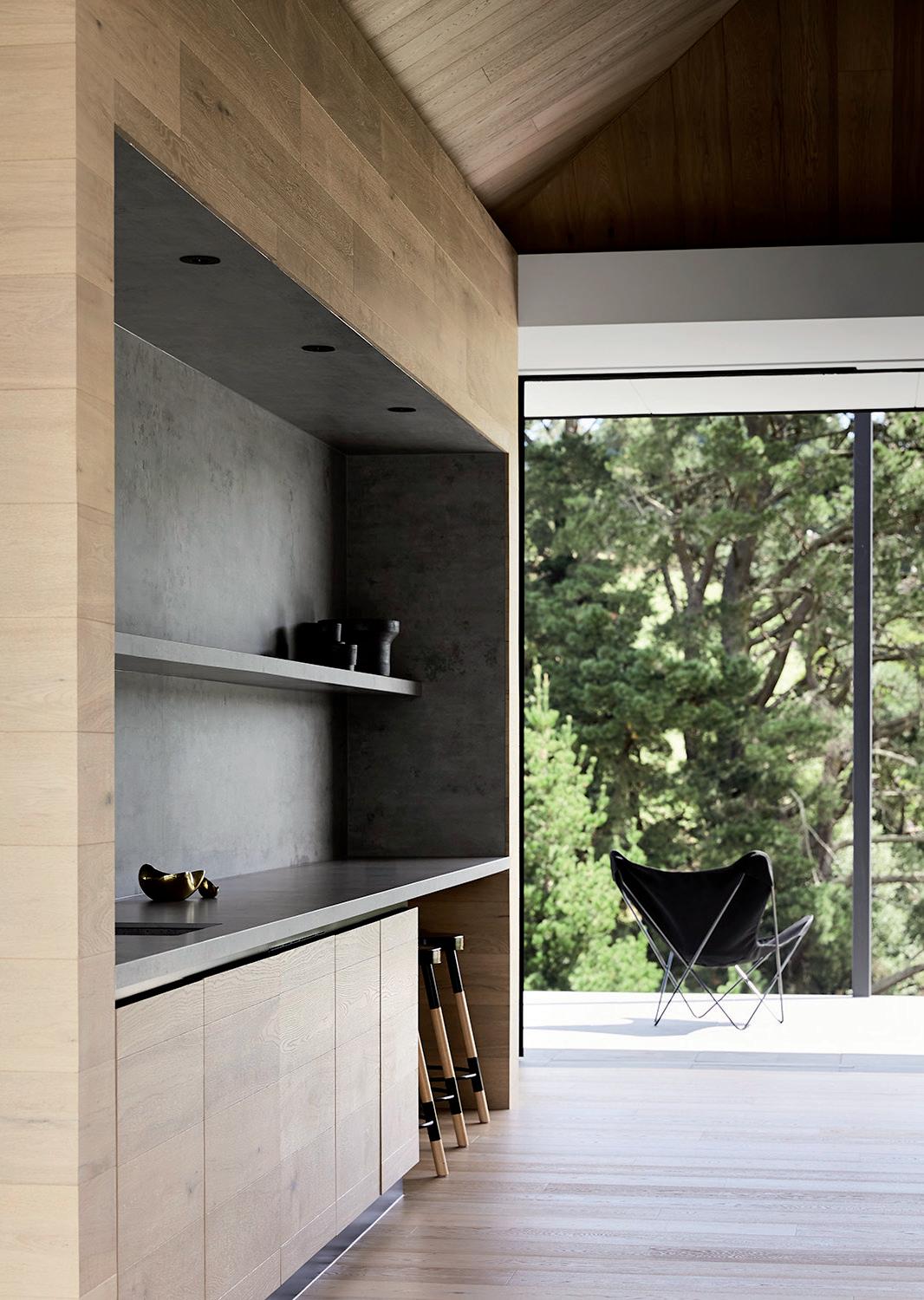
We’re seeing a shift towards materials that express depth, tactility and a sense of permanence. Across our coastal projects, we’re gravitating towards stone with gentle movement, warm neutral palettes of muted sands, coastal clays, chalky whites and deep inky charcoals or navy, natural timbers in refined matte finishes, and brushed or patinated metals for subtle warmth. We are also embracing porous, textural finishes such as limewash, rendered walls and handmade tiles that catch natural light beautifully. The next chapter of coastal design will lean into softer forms, layered textures and an understated, elemental calm.
Looking ahead, what excites you most about designing on the MorningtonPeninsula over the next few years — and where do you see Studio Griffiths’ signature evolving next?
The Peninsula offers a rare freedom: space to breathe and create meaningful connections between home, landscape and lifestyle. We’re excited by the chance to design homes that truly elevate the way people live here. At the same time, we’re expanding across rural and regional Victoria, with projects that refine our understanding of how architecture can sit quietly within nature while remaining elevated and luxurious. Our signature is evolving towards refined simplicity and sculptural restraint: spaces that feel effortless yet intentional, bold in their calmness and shaped by authenticity, longevity and place. ■
LEARN MORE
IN CONVERSATION WITH
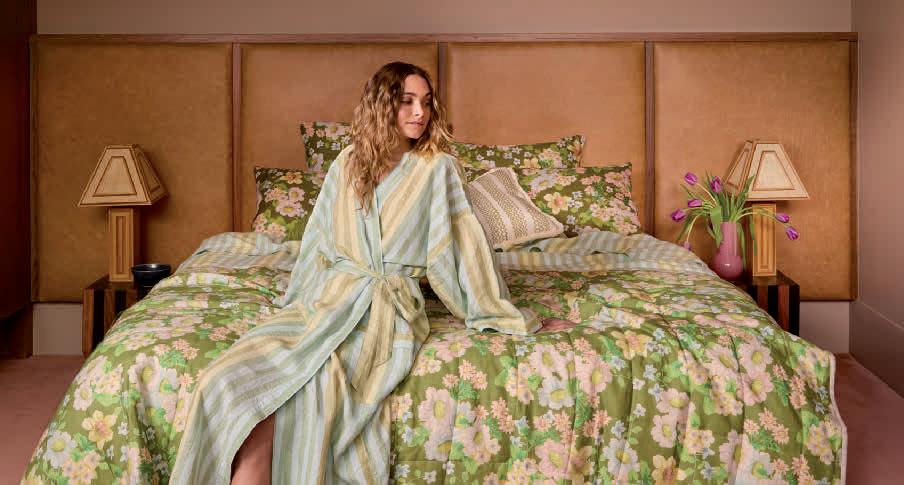
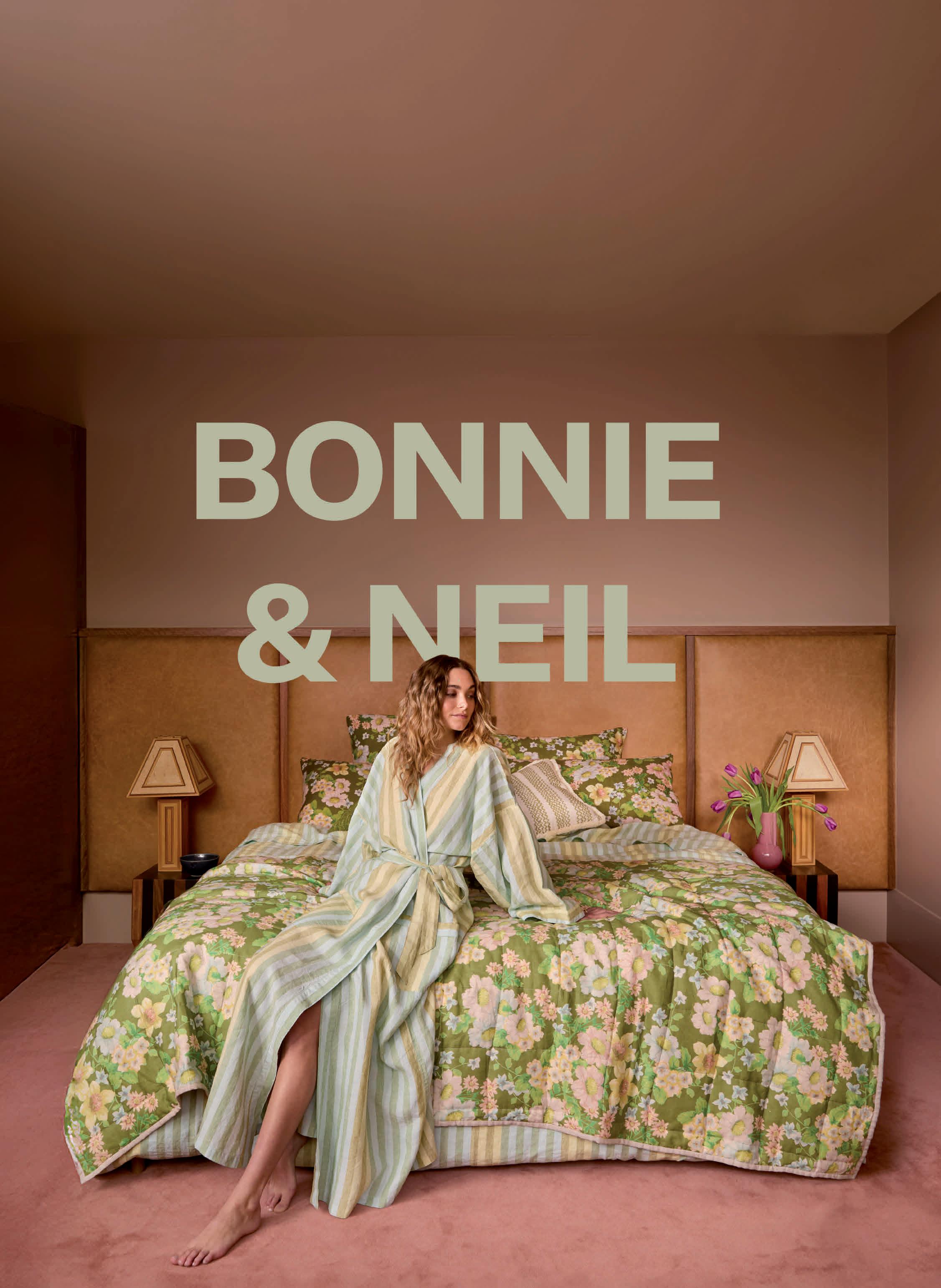
We recently spoke to Bonnie Ashley, co-founder and Creative Director of Australian textile brand Bonnie and Neil, about the art of living with colour and pattern. From hand-painted artworks to layered styling and future collections, she shared how thoughtful design can bring everyday joy into the home.
Bonnie and Neil is now a much-loved name in Australian design. How did the brand first come to life?
Bonnie and Neil began quite organically. Neil and I were both working in creative fields; I was a textile designer, and he was in furniture, and we shared a love for making things by hand. We started out printing small batches of textiles from our home in Melbourne, experimenting with colour, pattern and printmaking. What began as a handful of hand-printed cushions grew into a full collection, and from there, a brand built around the idea that artful design can bring joy into everyday life.
Can you share a bit about your creative process — from concept and inspiration to the final product?
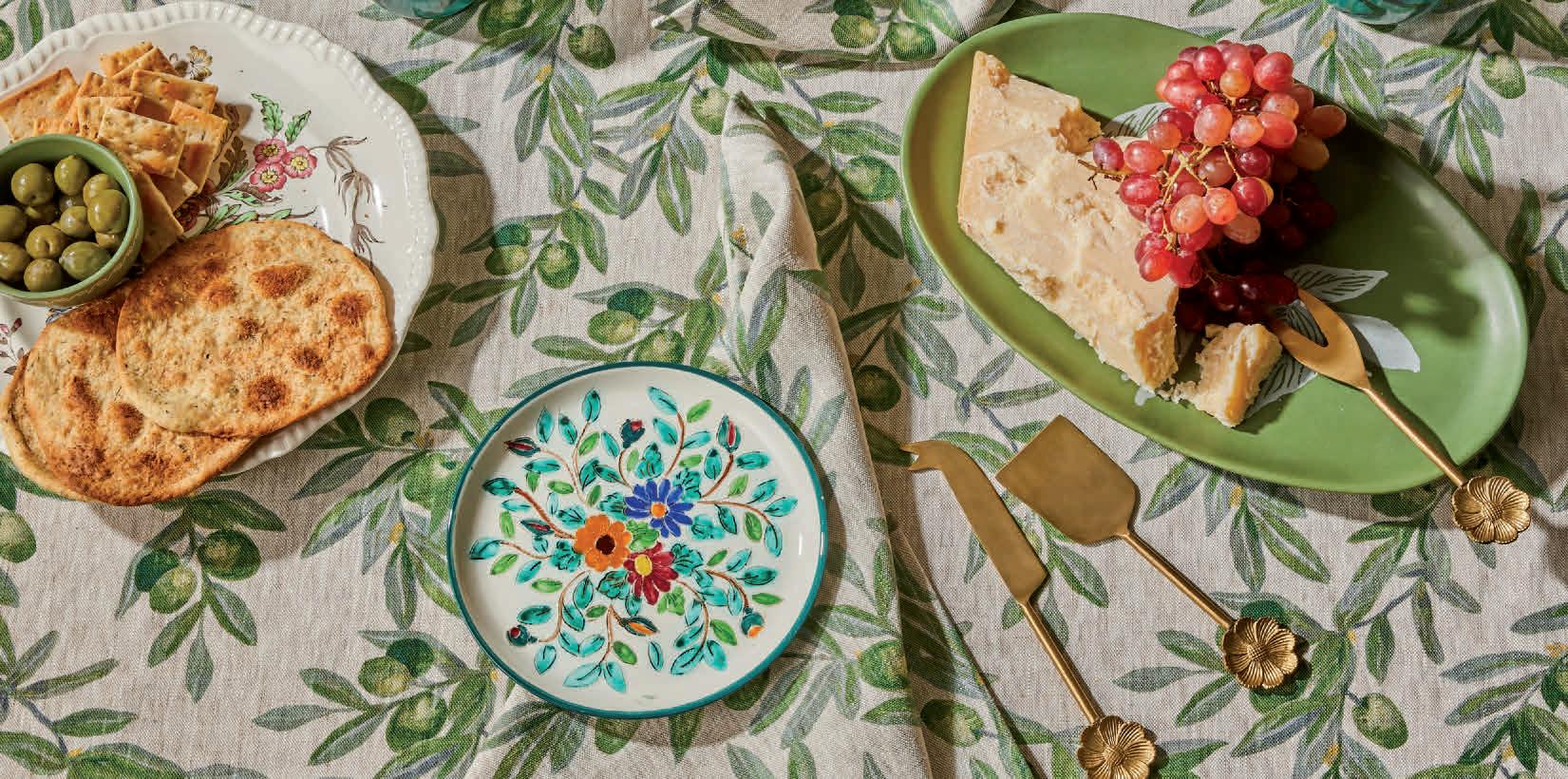
It always starts with painting. Each collection begins as a series of original artworks, whether florals, motifs, or abstract forms, that I create in our studio. From there, we translate those paintings into textiles. Colour is a huge part of the process; I often spend weeks refining tones until they feel perfectly balanced. Once the designs are finalised, we work closely with our makers to bring them to life across various mediums, from cushions and table linens to ceramics, bedding, and bathmats
What are some of your favourite ways to style your pieces, especially when layering patterns and colours?
For me, it’s about creating a story through texture and tone. I like to start with one hero piece, perhaps a floral cushion or a patterned tablecloth, and build from there using complementary colours and textures. Mixing bold motifs with finer details creates balance and depth. Most importantly, I think styling
should feel playful and intuitive, not overly considered. I always encourage people to trust their instincts and create spaces that make them feel happy.
If someone is new to Bonnie and Neil, what’s a great entry piece to start with?
A cushion is always a lovely place to begin. It’s such an easy way to introduce colour and pattern into your home and get a sense of our aesthetic. We design every piece to mix and match, so you can slowly build a collection that feels personal and effortless.
What’s next for Bonnie and Neil? Are there new directions or collaborations on the horizon?
We’re entering such an exciting phase of growth. We’ll be expanding our bedding range, something I’ve wanted to explore more deeply for years, and it’s been incredible to see how our linens, prints and palettes translate into that space. We’re also working on a very special drop of textiles for early next year, a collection that feels personal, playful and full of meaning. 2026 is shaping up to be our biggest year yet, with new categories, collaborations and creative projects in the works. I can’t wait to share it all! ■
LEARN MORE
LIL'S YOLKY DOKEY EGGS
Yolky Dokey Eggs began with one of Lily’s quiet dreams: to one day have her own bush block and chickens. After her unexpected passing, her family brought that dream to life in her honour.
What started as a small tribute on the Mornington Peninsula has grown into a thoughtful, regenerative farming venture shaped by community, purpose and care. Here, we explore how Lily’s legacy continues to guide Yolky Dokey and the vision behind its future.
Lil’s Yolky Dokey began as a way of honouring Lily and bringing one of her dreams to life. How has that original spark shaped the business you’ve grown into today?
Lil’s Yolky Dokey was created to honour Lily by bringing one of her dreams to life. Her vision for food, community and creativity still guides everything we do.
What began as something tender and personal has become a living expression of her spirit. Every flock we raise and every relationship we build connects back to that intention, reminding us that Yolky Dokey is more than a farm — it’s an act of love.
Since those early beginnings, Yolky Dokey has evolved significantly. What have been some of the most transformative moments in your journey so far?
Relocating the farm three times before finding a permanent home was one of our biggest challenges. Securing our lease with Torello Farm gave us stability, space to grow and a partnership with a business we admire.
We have also built strong relationships with growers, producers and farmers across the Peninsula. These connections shaped our understanding of what a resilient local food system looks like. More recently, we have expanded beyond eggs with new products, including Yolky Dokey Mayo and our pasture-raised spent-hen range now appearing on local menus.
Your commitment to regenerative, pasture-raised farming is central to your identity. What does this look like in practice, and why is it so important to you?
Regenerative farming means letting the land guide our decisions. Our hens live entirely on open pasture, roaming and foraging as they naturally would. We rotate them regularly so the land can rest and renew.
We work closely with partner farms to support healthy soil, stronger ecosystems and greater biodiversity. It is more than a method. It is our philosophy and the way we choose to care for the land and our community.
The Mornington Peninsula community has embraced Yolky Dokey from the beginning. How has that support influenced your growth and resilience over the years?
The Peninsula community has truly carried us. From the start, local chefs, farmers, makers and families have supported our work. Their encouragement helped us through some of the hardest moments of our lives. As mothers navigating grief while growing a business, we felt held in ways we will never forget.
Looking ahead, what would you most like Yolky Dokey to be known for as it continues to grow?
We want Yolky Dokey to be known for producing eggs with heart, from hens raised the way hens should be. Pasture-raised farming means low stocking densities, daily access to fresh pasture and the freedom to live naturally. It is labour-intensive, but the welfare, the land care and the quality make it worthwhile.
We put an enormous amount of love, hard work and intention into every dozen. As we grow, we hope people recognise Yolky Dokey as a source of truly ethical, regenerative, community-focused food — built on love, legacy and connection — and that’s why we want people to understand the important difference between free-range and pasture-raised eggs. ■
LEARN MORE
UNFOLDING: FIRST NATIONS WORKS ON PAPER
This summer, the Mornington Peninsula Regional Gallery unveils
Unfolding, a landmark exhibition celebrating the power, diversity and cultural depth of First Nations works on paper.
Bringing together more than 100 artworks by over 80 artists, the exhibition highlights paper not as a modest material, but as a vessel for identity, history, language and connection to Country.
Curated in collaboration with Gulumerridjin (Larrakia), Wardaman and KarraJarri artist and curator Jenna (Mayilema) Lee, Unfolding explores how First Nations artists have long transformed paper into a site of resistance, renewal and storytelling. For Lee, the medium holds a unique duality: once used to catalogue and constrain, it is now reclaimed as a space for truth-telling. “Paper becomes something else entirely,” she explains. “A surface for possibility, a reminder that this everyday material can bear the weight of history while opening space for newer, truer tellings.”
The exhibition features an extraordinary cross-section of artists including Queenie McKenzie, Gloria Petyarre, Robert Fielding, Brian Robinson, Brian Martin, Fiona Foley, Nici Cumpston, d harding, Danie Mellor, Teho Ropeyarn, Lisa Waup, Sally Morgan, and many more. Together, their works reflect a breadth of practices—from drawing and printmaking to painting and sculptural explorations of paper itself.
MPRG’s First Nations collection has been steadily shaped over the past 55 years, guided by a core commitment to acquiring
nationally significant works on paper. Today, the Permanent Collection includes more than 400 works by nearly 170 First Nations artists. The first, Sally Morgan’s Swamphen at Lake Joondalup (1997), marked the beginning of an ongoing dedication to elevating First Nations voices through collecting and exhibition practices.
Co-curator Stephanie Sacco notes the distinction of this growing body of work: “Every single First Nations piece in the Collection is a work on paper. This Collection tells the story of the significance of this medium to First Nations artists.”
On Friday 23 January, First Nations DJs Fosters and Pvrtal, each drawing on their own cultural heritage, will bring an electrifying night of music, culture and community to the Gallery.
Unfolding runs from 29 November to 15 February 2026, offering a profound and expansive look at the enduring strength of First Nations stories—told through the humble, powerful medium of paper. ■
LEARN MORE
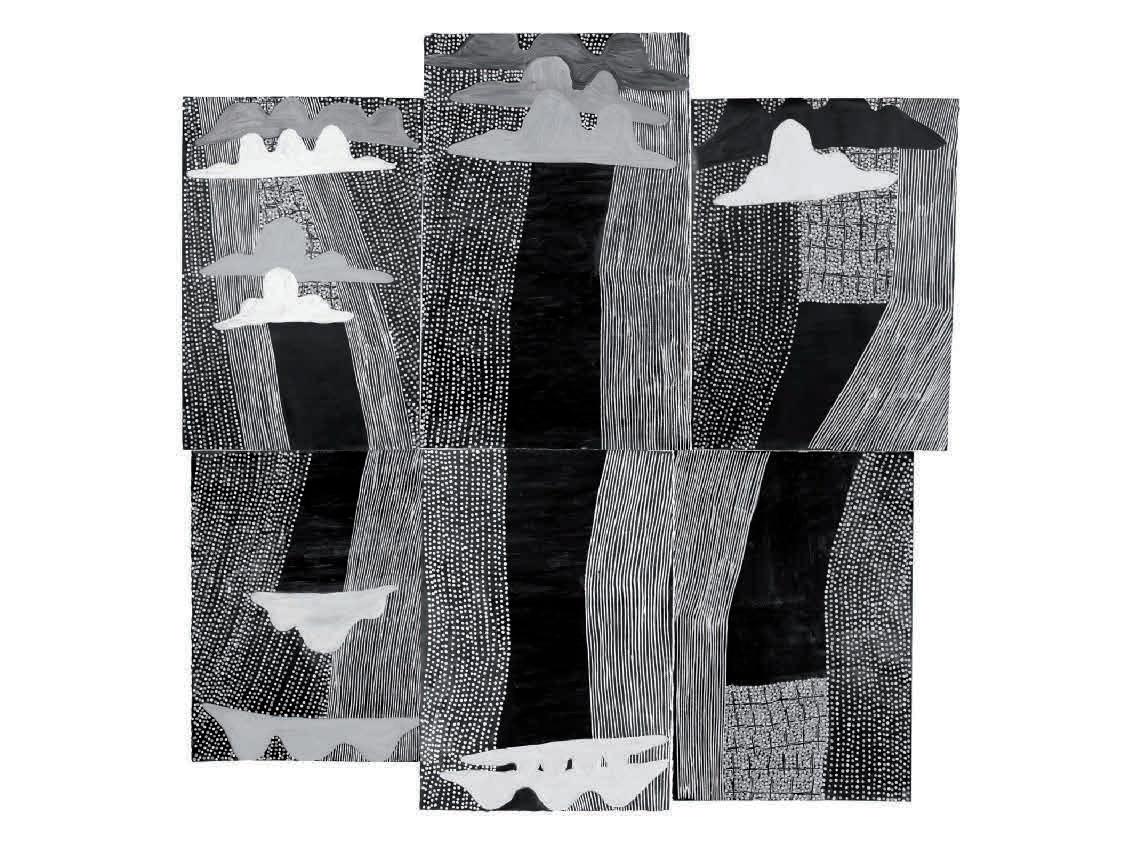
Djakaŋu Yunupiŋu, Gurmilili - Tears of the Djulpan 2024, earth pigments on paper, Purchased from National Works on Paper with funds provided by the Friends of MPRG, 2024
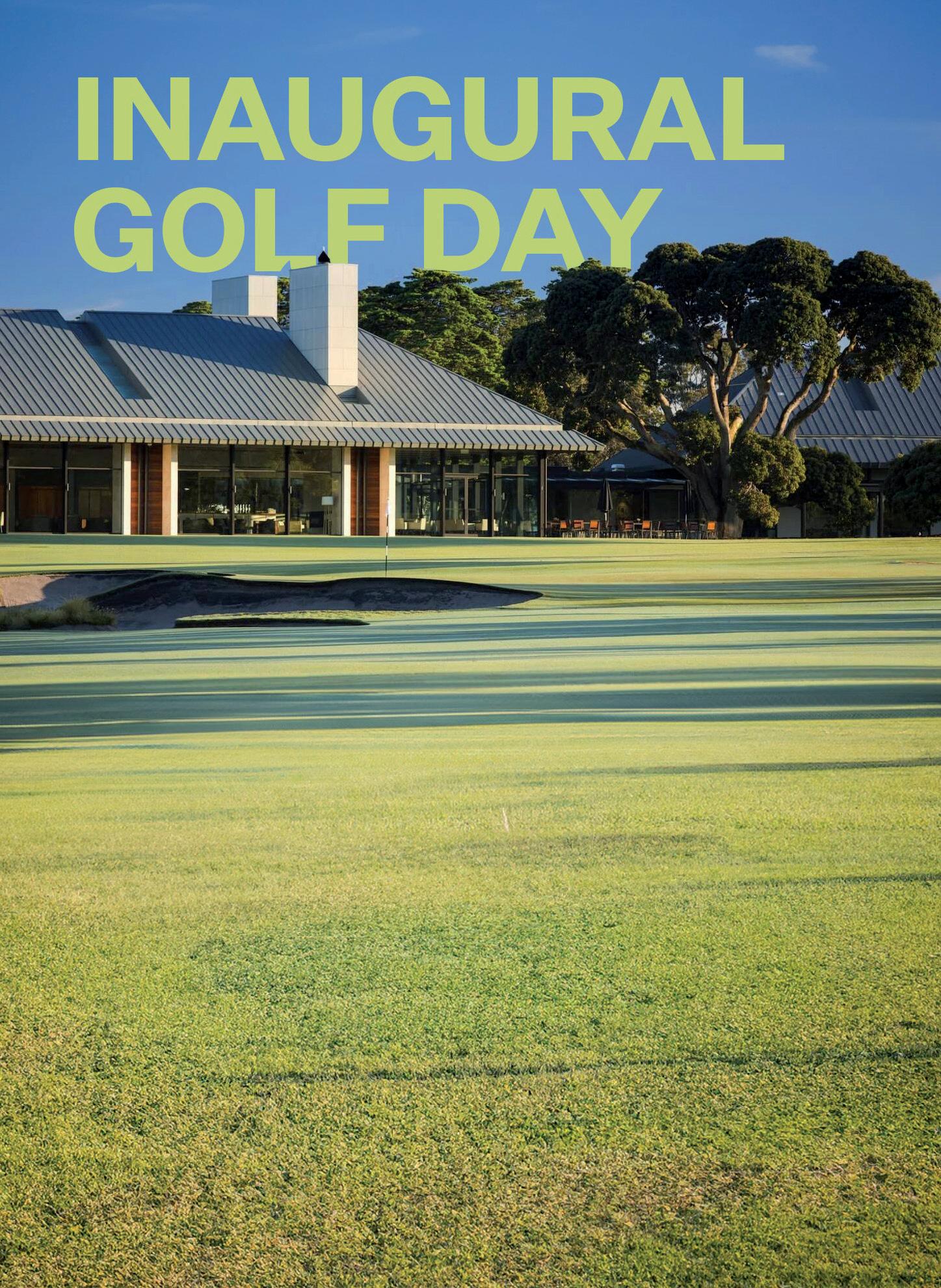
MONDAY 25 TH MAY 2026
THE METROPOLITAN GOLF CLUB
Sponsorship Includes:
Signage at your sponsored hole Golf for a team of 4
11.30am light lunch
1pm shotgun start
6.30pm celebration with a 3-course dinner and beverages
All proceeds in support of the Marshall White Foundation, impacting lives of those facing adversity, with a targeted approach to assisting individuals impacted by domestic violence, mental health difficulties, and homelessness.
YARRA
A RARE OPPORTUNITY IN DOMAIN HILL 17 AVOCA STREET, SOUTH
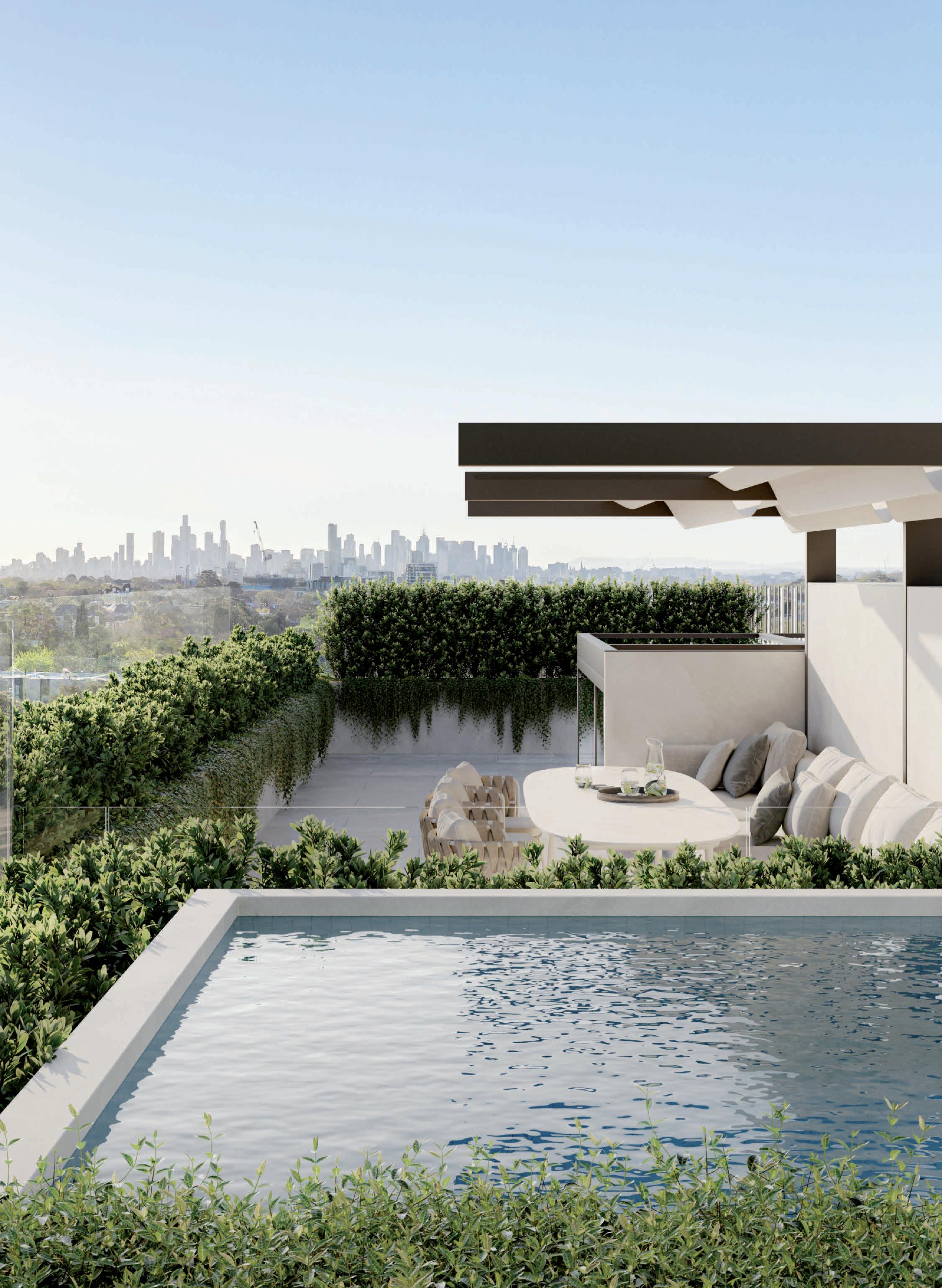
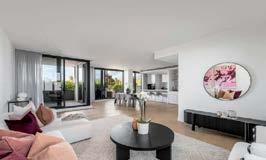
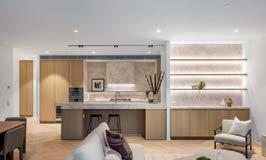
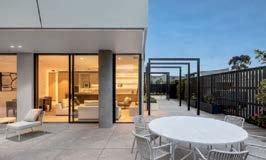
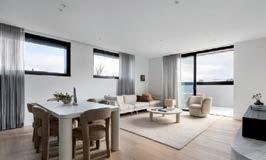
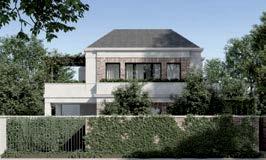
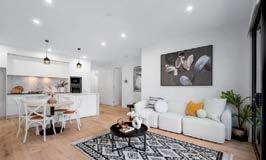
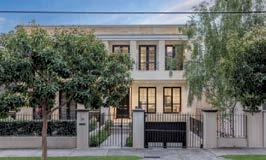
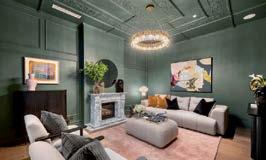
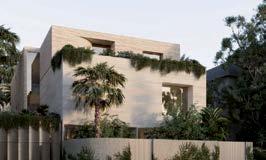
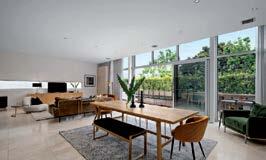
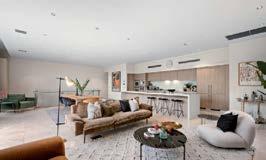
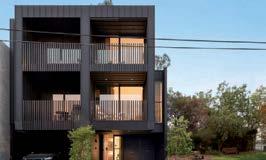
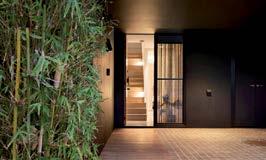
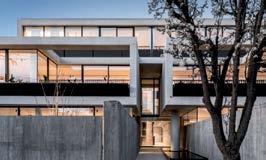
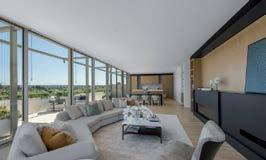
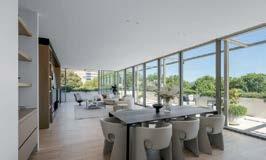
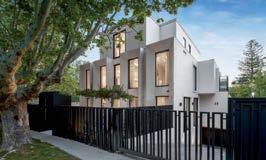
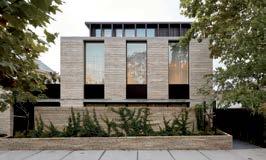
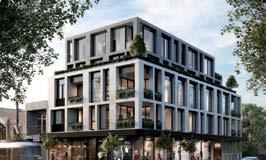
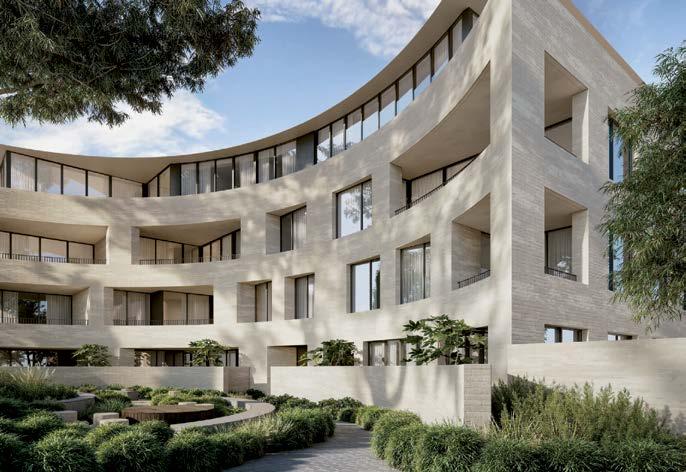
It’s been a defining year for Avoca in South Yarra’s prestigious Domain Hill. The completion of five full-floor residences marks the unveiling of a boutique development that seamlessly blends architectural excellence with lifestyle sophistication.
“Avoca is more than a home, it’s a lifestyle,” says Marcus Chiminello of Marshall White. “With only five residences, this boutique development offers unmatched exclusivity in South Yarra’s most coveted location.”
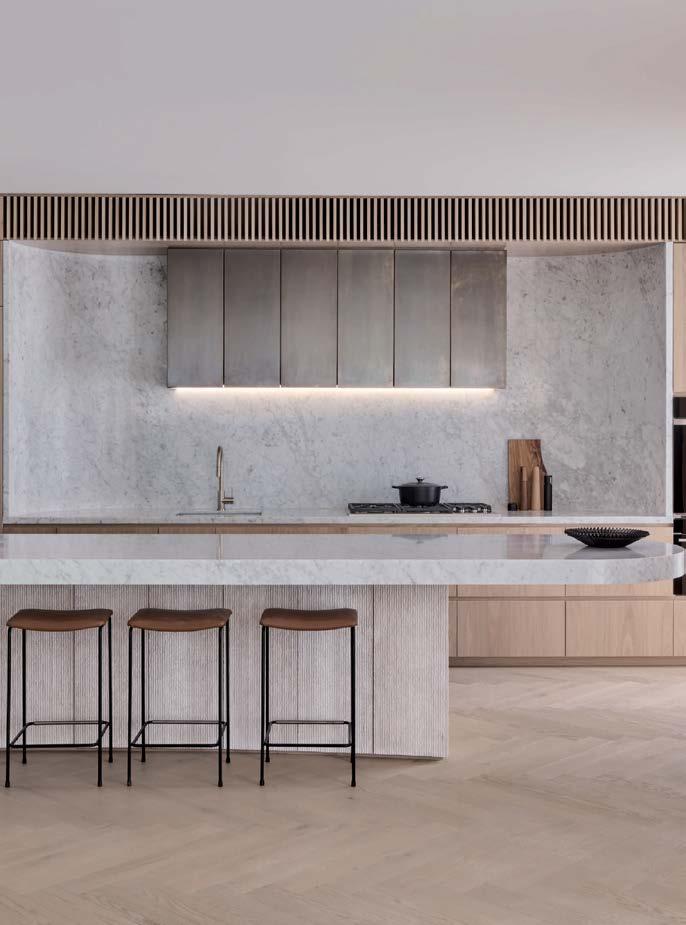
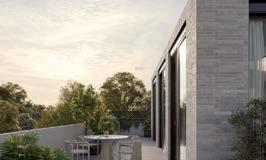
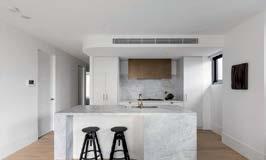
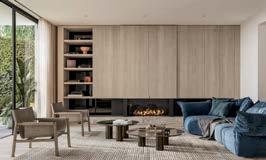
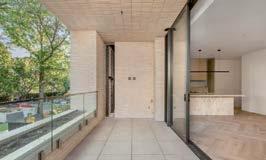
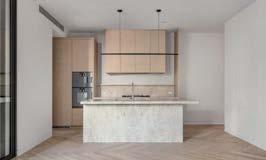
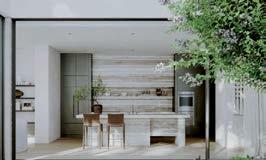
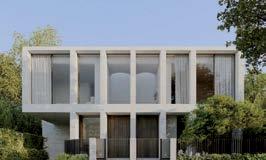
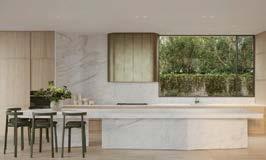
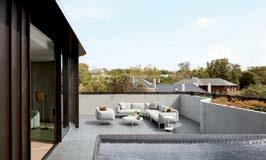
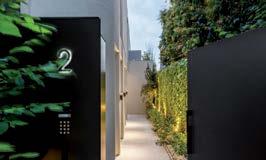
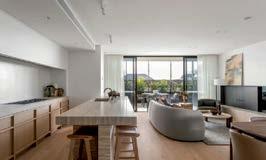
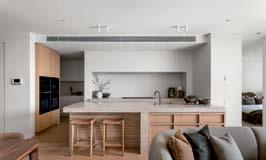
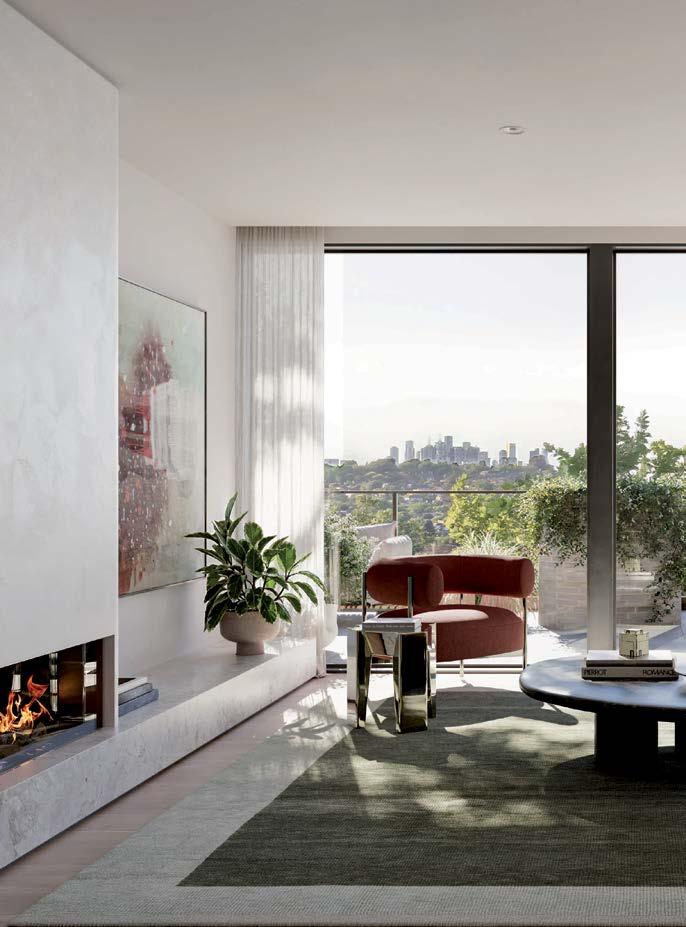
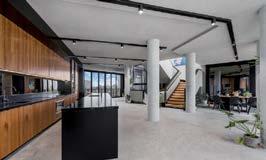
Designed by acclaimed architects Pandolfini and immersed in verdant gardens by Myles Baldwin, Avoca blends timeless elegance with contemporary comfort. North-facing, single-level interiors feature floorto-ceiling windows, leafy terraces, and sprawling island benches.
“Every detail has been considered,” adds Chiminello. “From the sculptural forms to the tranquil outdoor spaces, Avoca is designed for those who value privacy and sophistication.”
Completed and ready to live in, a select number of Avoca residences remain at 17 Avoca Street. Soon, an irreplaceable luxury home will be unveiled next door at 19 Avoca Street—marking the pinnacle of this distinguished address. Immerse yourself in the essence of Avoca within the prestige of Domain Hill.
DEVELOPED BY ARCHITECTURE BY
CHIMINELLO
A 3 B 2 C 2
From $1,630,000
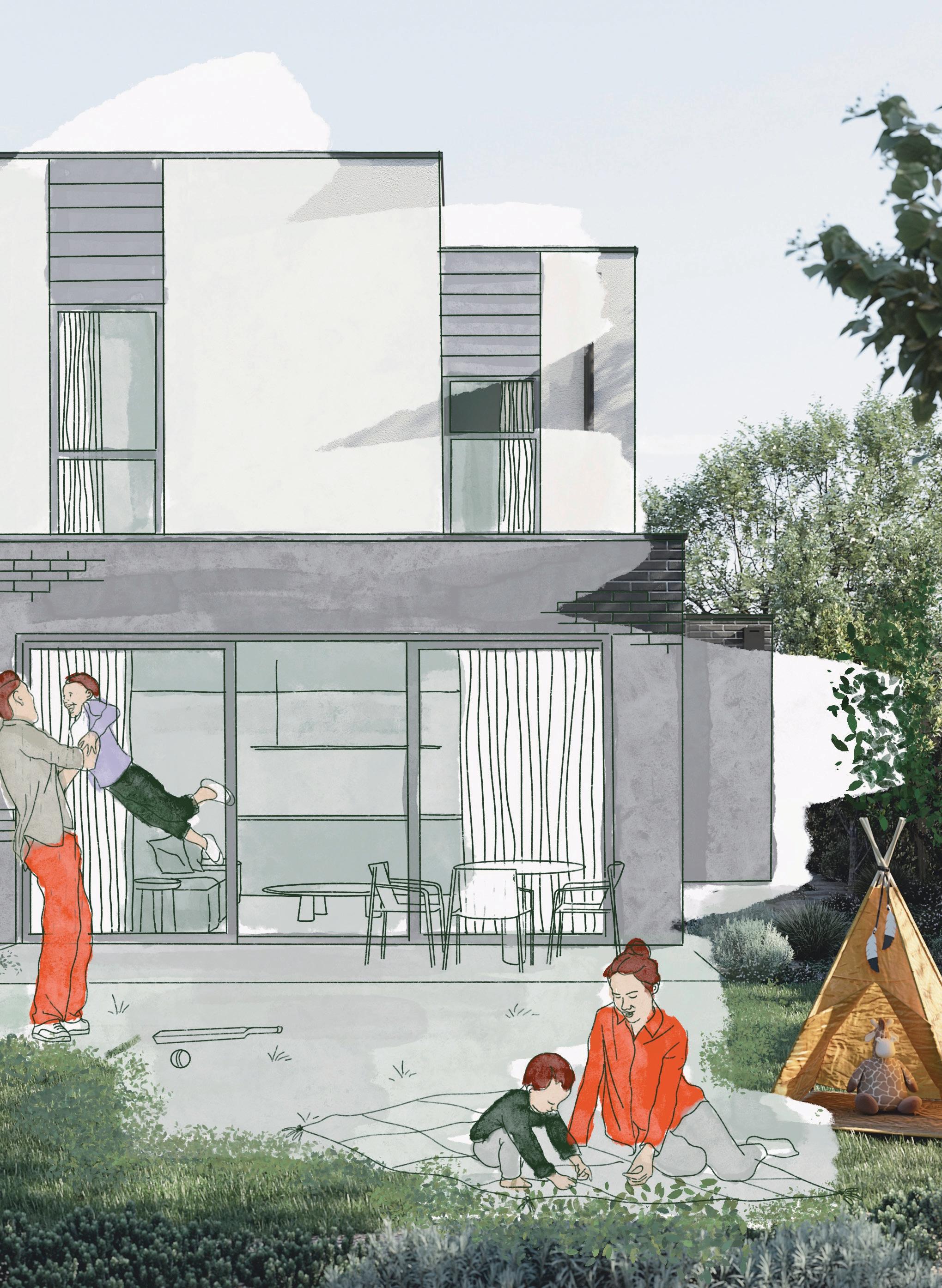
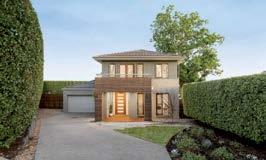
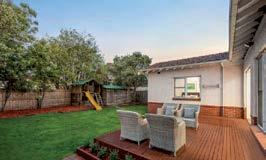
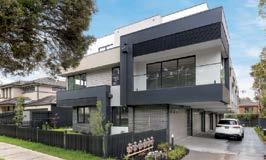
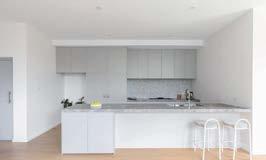
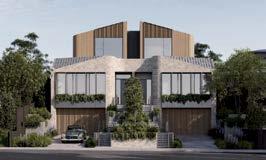
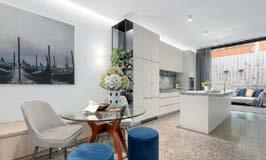
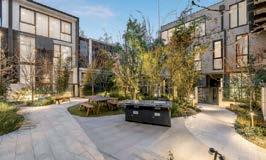
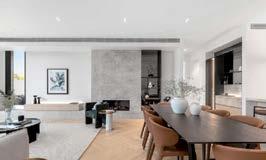
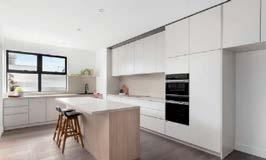
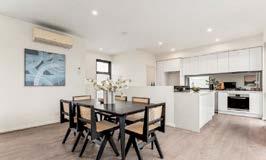
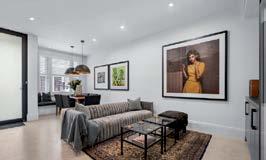
Discover the perfect blend of urban convenience and natural serenity just steps from Camberwell Junction. Designed by Cera Stribley, these meticulously crafted homes feature cutting-edge design and technology. Residents also enjoy exclusive access to a beautifully designed 170sqm communal garden, where innovation meets exceptional craftsmanship. RANKO CVJETICANIN 0451 153 833 SALES BY
44 SCOTT GROVE GLEN IRIS
A 2-3 B 2 C 1-2
From $895,000
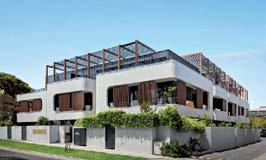
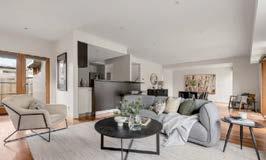
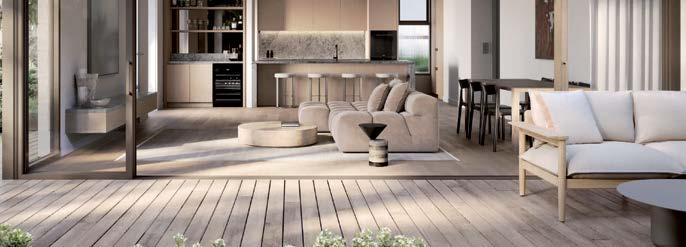
Enso Gardens is a sculptural symphony of green - where nature and design meet in quiet harmony. Tucked behind Scott Grove, its Japanese-inspired landscaping by Acre features wisteria-draped pergolas, Zen stones, and a serene water feature. Lush terraces, leafy courtyards, and tranquil shared spaces invite calm and connection.
ROSS HAMS 0410 160 151 SALES BY
9-11 WIMBA AVENUE
A 2-3 B 2-4 C 2-3
From $2,200,000
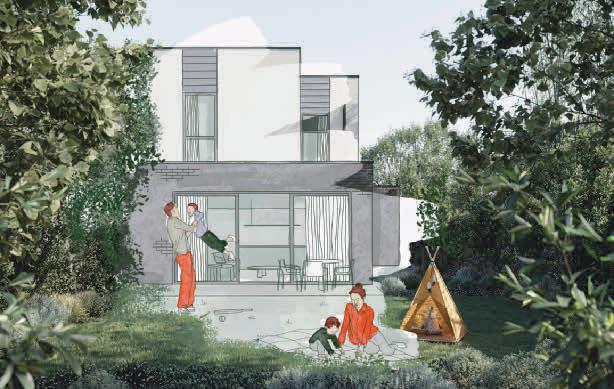
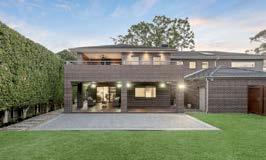
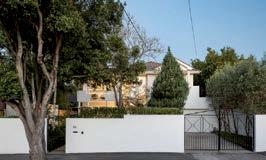
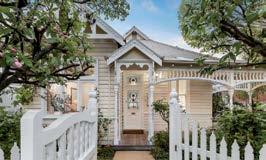
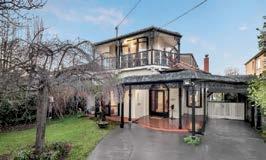
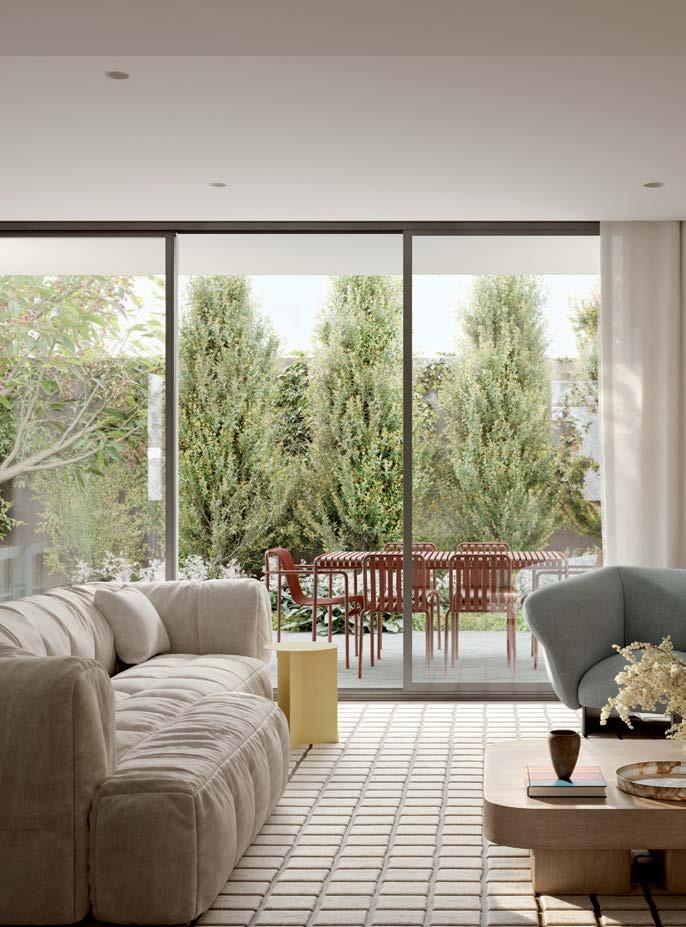
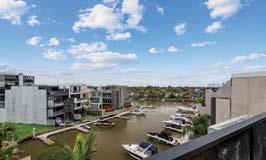
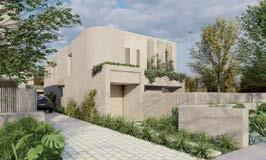
On one of Kew’s most picturesque, tree-lined streets, just 13 exclusive residences offer a rare harmony of space, serenity and refined design. Created by Idle Architects and landscaped by John Patrick, the architecture is elegant and enduring, complemented by lush green surrounds.
YOUR INVESTMENT IS OUR PRIORITY.
We offer superior personalised service tailored to elevate both the value and experience of your rental property.
Discover the benefits of our client-focused approach in maximising your investment property’s potential with a complimentary rental appraisal.