
EVOLUTION OF OCTAL RELAYS: FROM 8 PINS TO 11 PINS
Octal relays, essential in electronics and electrical engineering parts, have experienced great changes ever since they were discovered. From the early 8 pins, these relays have experienced a series of adaptations and transformations. Now they have a total of 11 pin octal relays and are more functional and adaptable.
Origins of Octal Relays:
Octal relays emerged in the early 20th century as one of the first devices to enable switching operations in electric circuits The main feature of these relays is their octal base, which are all designated to have 8 pins connected in a particular manner
Limitations of 8-Pin Design:
Sure, the 8 pin octal relays fulfilled their role very well without any problems, however, they had some drawbacks The main disadvantage was the lack of inbuilt facility, making configurations more difficult which limited their use in complex systems
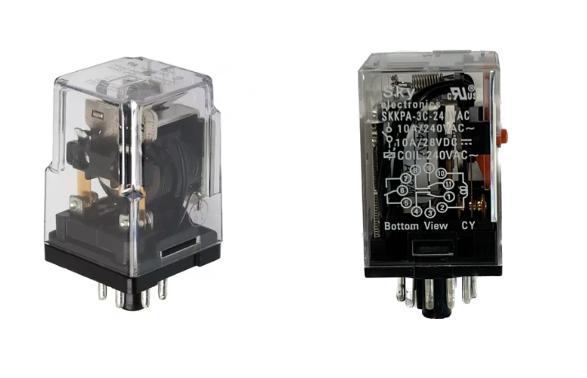
Transition to 11 Pins:
To overcome these deficiencies of a 3-pin connection a team of engineers started using an octal circuit with 11 pins Now with this extra slot, you could devise more styles of connectivity That is just one example of how this part aided user experience
Improved Efficiency and Performance:
The switch from the 8 to 11 pins leads to better yields and output in the machines These relays could be constructed to manage higher-level voltages and currents, yet they would still keep better control and reliability
Conclusion:
The evolution of octal relays from 8 to 11 pins represents the dynamism of technical progress. With improved security functions and wide-ranging flexibility, these relays remain the core of modern electric systems and the future of automation and control