
DIALOGUE
A Quarterly Publication of the Regional Center of Orange County
VOLUME 40 NO. 1 • WINTER 2026
IN THE SPOTLIGHT
The Savoji Family
MANY PARENTS WITH A CHILD IN THE EARLY START EARLY INTERVENTION PROGRAM CAN RECALL THE EXACT MOMENT THEY FELT SOMETHING WASN’T QUITE RIGHT WITH THEIR CHILD’S DEVELOPMENT. For Blake Savoji and her husband Bijan -- whose daughter Saylor had previously been hitting all of her developmental milestones -- that moment was particularly dramatic.
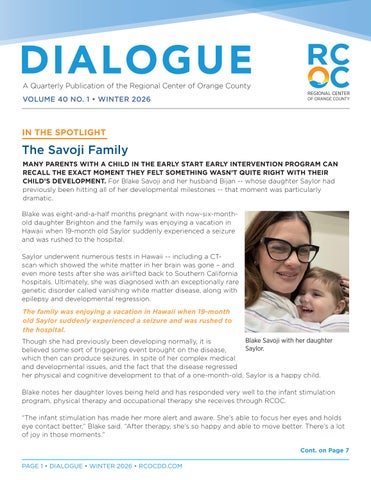
Blake was eight-and-a-half months pregnant with now-six-monthold daughter Brighton and the family was enjoying a vacation in Hawaii when 19-month old Saylor suddenly experienced a seizure and was rushed to the hospital.
Saylor underwent numerous tests in Hawaii -- including a CTscan which showed the white matter in her brain was gone – and even more tests after she was airlifted back to Southern California hospitals. Ultimately, she was diagnosed with an exceptionally rare genetic disorder called vanishing white matter disease, along with epilepsy and developmental regression.
The family was enjoying a vacation in Hawaii when 19-month old Saylor suddenly experienced a seizure and was rushed to the hospital.
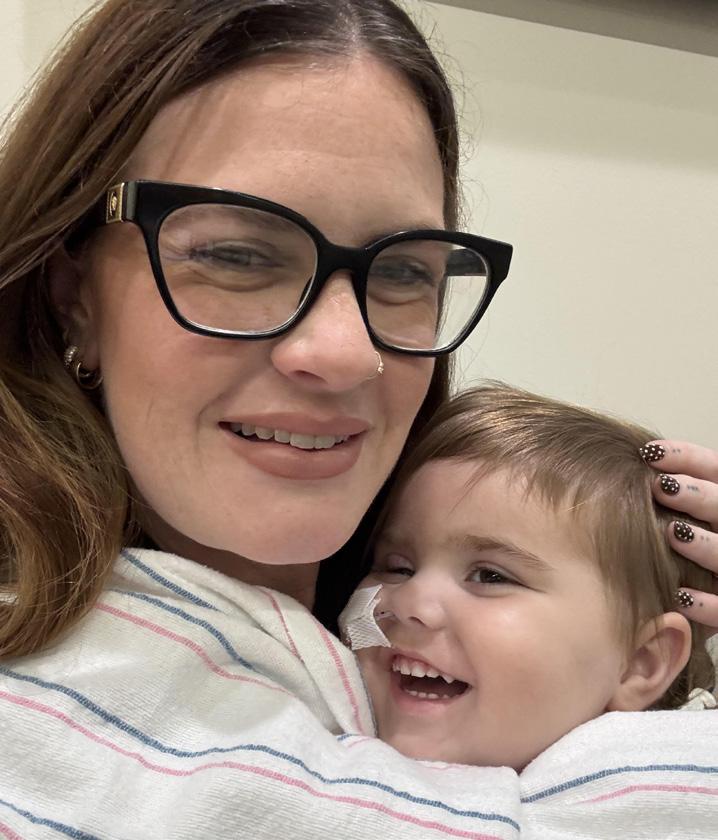
Though she had previously been developing normally, it is believed some sort of triggering event brought on the disease, which then can produce seizures. In spite of her complex medical and developmental issues, and the fact that the disease regressed her physical and cognitive development to that of a one-month-old, Saylor is a happy child.
Blake notes her daughter loves being held and has responded very well to the infant stimulation program, physical therapy and occupational therapy she receives through RCOC.
“The infant stimulation has made her more alert and aware. She’s able to focus her eyes and holds eye contact better,” Blake said. “After therapy, she’s so happy and able to move better. There’s a lot of joy in those moments.”
Cont. on Page 7
Blake Savoji with her daughter Saylor.
DIALOGUE
This newsletter can also be read online at RCOC’s website: www.rcocdd.com
Copyright © 2026
Board of Directors
Sandy Martin, Chair
John “Chip” Wright, Vice Chair
Jacqueline Nguyen, Treasurer
Yvonne Kluttz, Secretary
Marcell Bassett
Bruce Hall
Frances M.K. Hernandez
Amy Jessee
Liza Krassner
Lorena Medina
Hilda Mendez
Chinh Nguyen
Rick Perez
Please check the Monthly Calendar on RCOC’s website for the most up-to-date information regarding Board meeting dates and format.
RCOC Administration
Larry Landauer, Executive Director
Arturo Cazares, Associate Executive Director
Christina Petteruto, General Counsel
Marta Vasquez, Chief Financial Officer
Jerrod Bonner, Chief Information Officer
Bonnie Ivers, Psy.D., Clinical Director
Jennifer Montañez, Director of Case Management
Stacy Wong, Human Resources Director
Carmen Gonzalez, Associate Director, Central Area
Rachel Khorana, Associate Director, Intake
Araceli Mendez, Associate Director, Early Start
Carie Otto, Associate Director, West Area
Greg Shimada, Associate Director of Information Technology
Jack Stanton, Associate Director of Housing
Sean Watson, Associate Director, Risk Management
Buy Your Spotlight Award Gala Tickets Now!
MARK YOUR CALENDAR TO ATTEND RCOC’S SPOTLIGHT AWARDS DINNER-DANCE!
The gala event takes place on Friday, April 17 at the Embassy Suites Garden Grove, and features special guest emcee Michele Gile, on-air reporter for KCAL News and CBS Los Angeles. Tickets are $75 per person, but RCOC will work with persons served to help ensure that cost is not a barrier to participation. For more information, visit RCOC’s website.
What do You Think about the New IPP?
It’s been a year since we started using the new Individual Program Plan (IPP) the Department of Developmental Services (DDS) rolled out to Regional Centers statewide. The word of mouth has been generally positive, but we want more feedback.
After your next IPP meeting, please take a moment to scan the QR code that will be provided to you and take the quick survey. Your feedback will help determine how the new IPP could be improved.

Families of Young Children Benefit from Service Coordinators’ Lower Caseloads
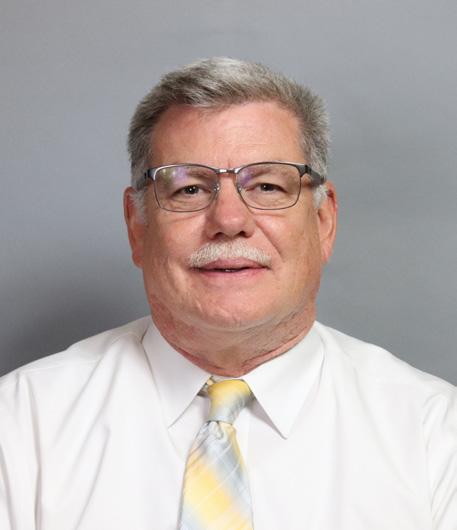
By Larry Landauer, Executive Director
The hallmarks of successful service coordination include trusting relationships, person-centered plans, and securing needed services and supports to meet crucial individual and family needs. And key to ensuring that success are well-trained Service Coordinators who have a reasonable workload that enables them to deliver excellent, caring service to each of those they serve.
SERVICE COORDINATION IS THE CORE OF REGIONAL CENTER WORK.
caseload ratio of 1:62 in 2022 (which was the standard then) to 1:48 as of Nov 2025 for children through age five.
RCOC has successfully used the additional funding we’ve received to hire and train more Service Coordinators.
This is still short of the 1:40 average caseload goal for this age group, but we’re seeing our young families – such as the Savojis, who are profiled in our cover story – already benefitting from the more intensive service level.
Intensive Service Levels for Adults
Funding has not always kept pace with growth in the number of children served.
In Regional Center jargon, this workload is referred to as the “caseload ratio” – specifically, the ratio of Service Coordinators to persons served. While it has long been recognized that the rapid pace of early childhood development and the critical nature of that stage of life requires more intensive service coordination, funding has not always kept pace with growth in the number of children served.
In the fiscal 2022-23 budget, California’s elected officials enacted a policy change and provided funding to reduce the caseloads specifically for Regional Center Service Coordinators working with children through age five. We applauded that action, and appreciate the foresight it demonstrated.
In spite of ongoing challenges our system faces in recruiting skilled staff, RCOC has successfully used the additional funding we’ve received to hire and train more Service Coordinators. Progress is not as fast as we would like it to be, but we’re proud to have gone from an average
It has been incredibly gratifying for all of us at RCOC to see the young children and families we serve thriving with lower caseload ratios, especially as we’ve concurrently been able to bring on many more Service Coordinators who are bilingual and help us better serve all members of our diverse Orange County community.
I do, however, think it’s important to remember that many of the older children and the adults we serve could also benefit from more intensive service levels.
In fact, more than half of those we serve are age six or older. These are the individuals who continue to experience significant challenges, even after early intervention. Many of these people require lifelong support, and we encourage California’s elected officials to also remember these individuals and their critical needs when analyzing and debating the Governor’s budget proposal for fiscal year 20262027.

PERSON-TO-PERSON
How Mentors Improve Our Lives
By Yvonne Kluttz, Peer Advisory Committee Chair and Amy Jessee, PAC Co-Chair
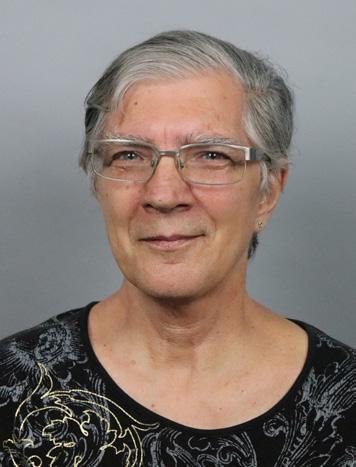
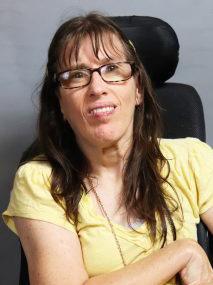
AMY THINKS OF A MENTOR AS SOMEONE WHO MAKES A POSITIVE IMPACT ON HIS OR HER WORLD. Yvonne agrees and notes that having trusted mentors throughout her life has made her life much happier. For example, as a young person who was not happy living in an adult residential facility, she turned to her RCOC Service Coordinator who counseled her about her options and then helped her find a new place to live.
Today, having lived on her own for many years, Yvonne also consults with her supported living staff at Project Independence for advice on many day-to-day life choices.
Amy has had similar experiences, and is particularly grateful for the mentorship of Sam Durbin, who she met at the Integrity House Clubhouse 18 years ago. Sam was instrumental in inspiring her self-advocacy, encouraging her to develop her public speaking skills and to believe she could live independently.
Both Yvonne and Amy are convinced that every adult with disabilities can benefit from this type of mentorship and they encourage others to look to friends, family members, service providers and others who can help them with advice and as role models.
EVERYDAY
WELLNESS:
Tips for Getting a Good Night’s Sleep
IT’S RECOMMENDED THAT ADULTS GET 7-9 HOURS OF SLEEP PER NIGHT, BECAUSE SLEEPING WELL BENEFITS BOTH PHYSICAL AND MENTAL HEALTH. It also helps keep the immune system strong and boosts mental clarity. To help get good sleep:
• Go to bed and get up at the same times each day.
• Avoid eating or drinking a lot when it’s close to bedtime.
• If you take naps, keep them short and before 5 p.m.
• Exercise regularly.
• Develop relaxing rituals to wind down, such as meditating instead of watching TV, right before bedtime.
• Keep the bedroom a relaxing place, by avoiding working or paying bills in bed.
• Go to bed in a dark, quiet room that isn’t too hot or too cold.
• Consider using ear plugs to block out household noise, but ensure you can still hear smoke detectors and alarm clocks.

Person Centered Planning Webinar
Workshops & Events
This free Zoom workshop is presented in English and will give parents and other adult family members with a loved one served by RCOC the opportunity to learn the fundamentals of person-centered thinking and person-centered planning, and how these come to life in the IPP process. To register, scan the QR code.
Wednesday, May 6 6-7:30 p.m.
Ask the Experts Zoom Conversations

RCOC partners with Chapman University, Department of Rehabilitation and the OC Local Partnership Agreement to present these free workshops for persons served, families, educators, service providers, disability support agencies and business partners. Each workshop runs from noon to 1 p.m. and begins with a presentation followed by a Q&A opportunity. Register by scanning the QR code next to the event listing.
Coordinated Family Support Services (Zoom)
Presenter: Arturo Cazares, RCOC Thursday, February 12
Saddleback College & Coastline College (Zoom)
Presenters: Saddleback College’s Stacy Eldred and Coastline College’s Rachelle Lopez Thursday, March 12

Self-Determination Program (Zoom)
Presenter: RCOC Self-Determination Program Staff Thursday, May 14

Transition Planning Workshops
All stakeholders are welcome to attend these Zoom workshops which go from 6-7:30 p.m. and focus on various aspects of the transition to adult services. Scan the QR code to register.
Adult Day & Employment Service Options
Presenters: RCOC’s Anita Kwon, Carlos Fonseca, Lily Cornyn Wednesday, March 25
Transition Planning Readiness Panel & Action Planning
Presenters: 7 experts representing all of the Ask the Experts organizations Wednesday, April 22
Alternative Pathway to a Diploma (Zoom)
Presenter: Tina Carpenter, AUHSD Wednesday, February 11
Deaf and Hard of Hearing Resource Fair




North Orange County Continuing Education & Santiago Canyon College (Zoom)
Presenters: NOCE’s Adam Gottdank and SCC’s Angela Guevara Thursday, April 9

This free event, with ASL interpretation available, offers families the opportunity to engage with organizations, service providers and agencies that support the deaf and hard of hearing community. There will also be free refreshments and children’s activities, including storytime reading in ASL and arts and crafts. For additional information, contact Brian Nesdale, RCOC Deaf and Hard of Hearing Coordinator at bnesdale@rcocdd.com To register, scan the QR code.
Saturday, March 7
11 a.m-1 p.m.
Anaheim Central Public Library 500 Broadway Avenue in Anaheim

ABC’s of School Services (formerly Special Education) Advocating for Students with Medical Needs
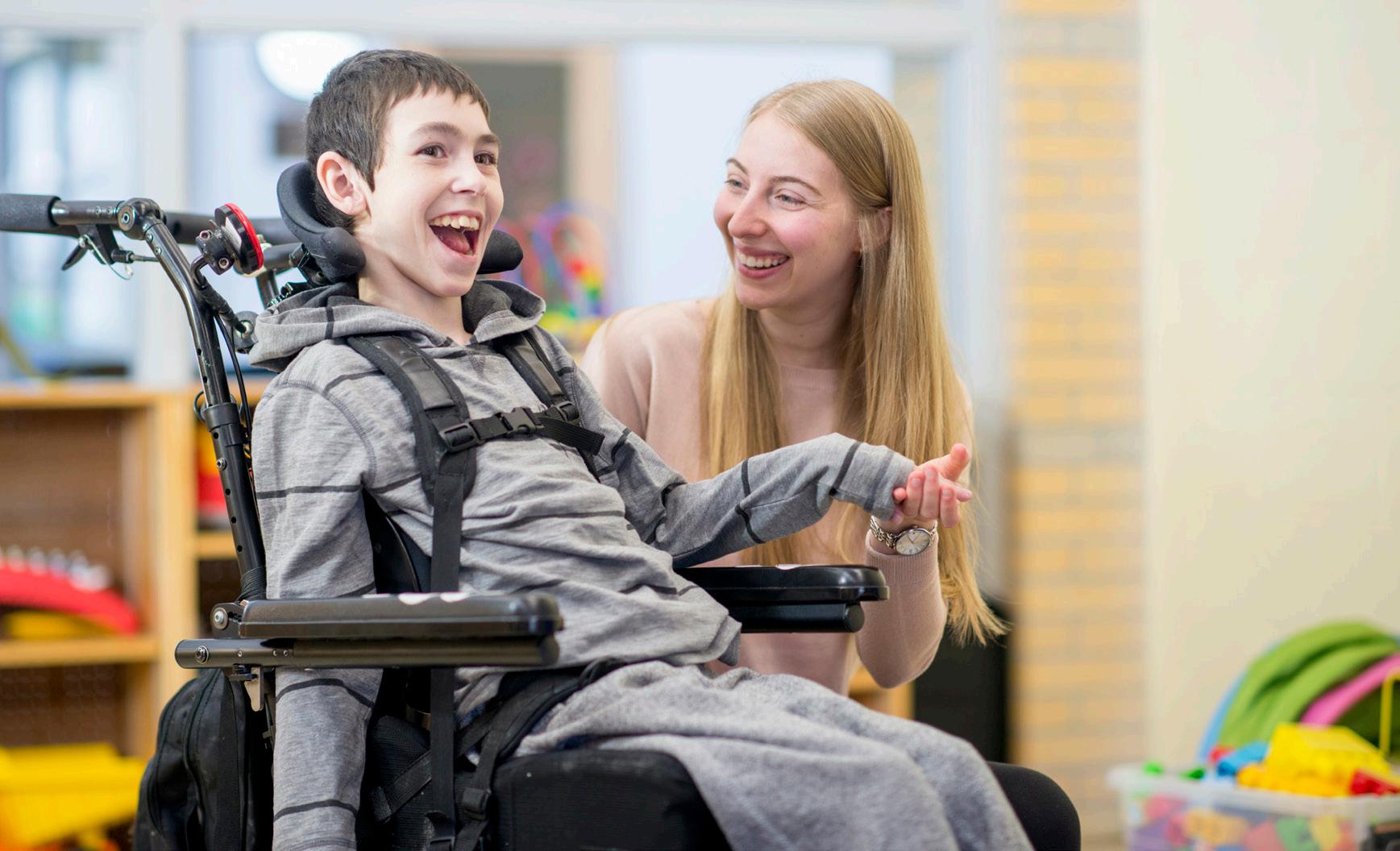
WHEN A CHILD HAS MEDICAL NEEDS THAT IMPACT THEIR EDUCATION, it is important to address these needs in the Individualized Education Plan (IEP). For students with complex or chronic health concerns, the school nurse may create an Individualized Health Plan (IHP). Though not required to be part of the IEP, an IHP is often attached or referenced to support the student’s needs.
Medical vs. Educational Diagnosis
A medical diagnosis (such as epilepsy, cerebral palsy, or asthma) differs from educational eligibility (such as Autism Spectrum Disorder or Intellectual Disability). However, if a medical condition affects a student’s ability to access the curriculum or participate safely at school, the IEP team must address it through accommodations, supports, or services.
Assessments to Consider
To make informed decisions, the IEP team may request additional assessments including:
• Occupational Therapy (OT)
• Physical Therapy (PT)
• Speech and Language evaluations
• Vision or audiology assessments
Health-Related Services and Supports Schools may provide health-related supports that do not require a physician, such as medication administration or assistance with feeding plans. The school nurse develops health supports using medical information provided by parents and physicians. Families may be asked for written consent for school staff to speak with medical providers, and parents can request that any communication include them.
Possible Components of an IHP
An IHP may include:
• Medical triggers and symptoms
• Self-monitoring expectations
• Health needs across the school day (classroom, bus, recess, field trips)
• Precautions, treatments, and responsible staff
• Nutritional or dietary requirements
• Medication and treatment procedures
• Accommodations such as positioning or special equipment
• Staff training responsibilities
• An Emergency Care Plan (ECP)
Emergency
Care Plan (ECP)
An ECP outlines what should occur during a medical emergency. For example, if a student requires rescue medication for seizures, the plan will specify who calls the nurse, who contacts 911, and where first responders enter the campus. These plans ensure a coordinated response.
Parent Tip
Before signing the IEP, review all medical information for accuracy. And remember, your RCOC Service Coordinator is always available to answer your questions and attend IEP meetings.

The Savoji Family, cont.
Blake especially appreciates the education she’s received from the professionals working with Saylor, which helps her support her daughter’s development. She and her husband have also greatly benefitted from parent mentoring RCOC arranged for them with the Family Support Network (FSN).
Their FSN mentor augments the support their RCOC Service Coordinator is able to provide and assists the family in applying for a variety of generic community resources, such as InHome Supportive Services (IHSS) and California Children’s Services.
It’s estimated that fewer than a few hundred individuals worldwide have vanishing white matter disease. However, when Saylor was diagnosed, her parents immediately underwent genetic testing and it was confirmed they both carry the gene. And, when Brighton was born in April 2025, she too was tested.
“The infant stimulation has made her more alert and aware. She’s able to focus her eyes and holds eye contact better,” Blake said. “After therapy, she’s so happy and able to move better. There’s a lot of joy in those moments.”
The Savojis are grateful their infant daughter is developing normally and showing no symptoms, though she too has been diagnosed with vanishing white matter disease. Brighton is also receiving Early Start services due to her established risk, and is benefitting from an Infant-Toddler Development Program with physical therapy and occupational therapy.
The goal of these therapies is to maximize Brighton’s development, to ensure she is as resilient as possible to the disease at whatever age it might be triggered.
The family’s RCOC Service Coordinator, Sabrina Wagner, has been with them since Saylor became eligible for services in late June 2025 and Brighton was deemed eligible soon after in August 2025. She thinks other parents can learn a lot from the Savojis about advocating for their children.
“These parents are very persistent in following up on the recommendations of the team,” she said. “And they do a great job of reaching out to me for help with their needs.”
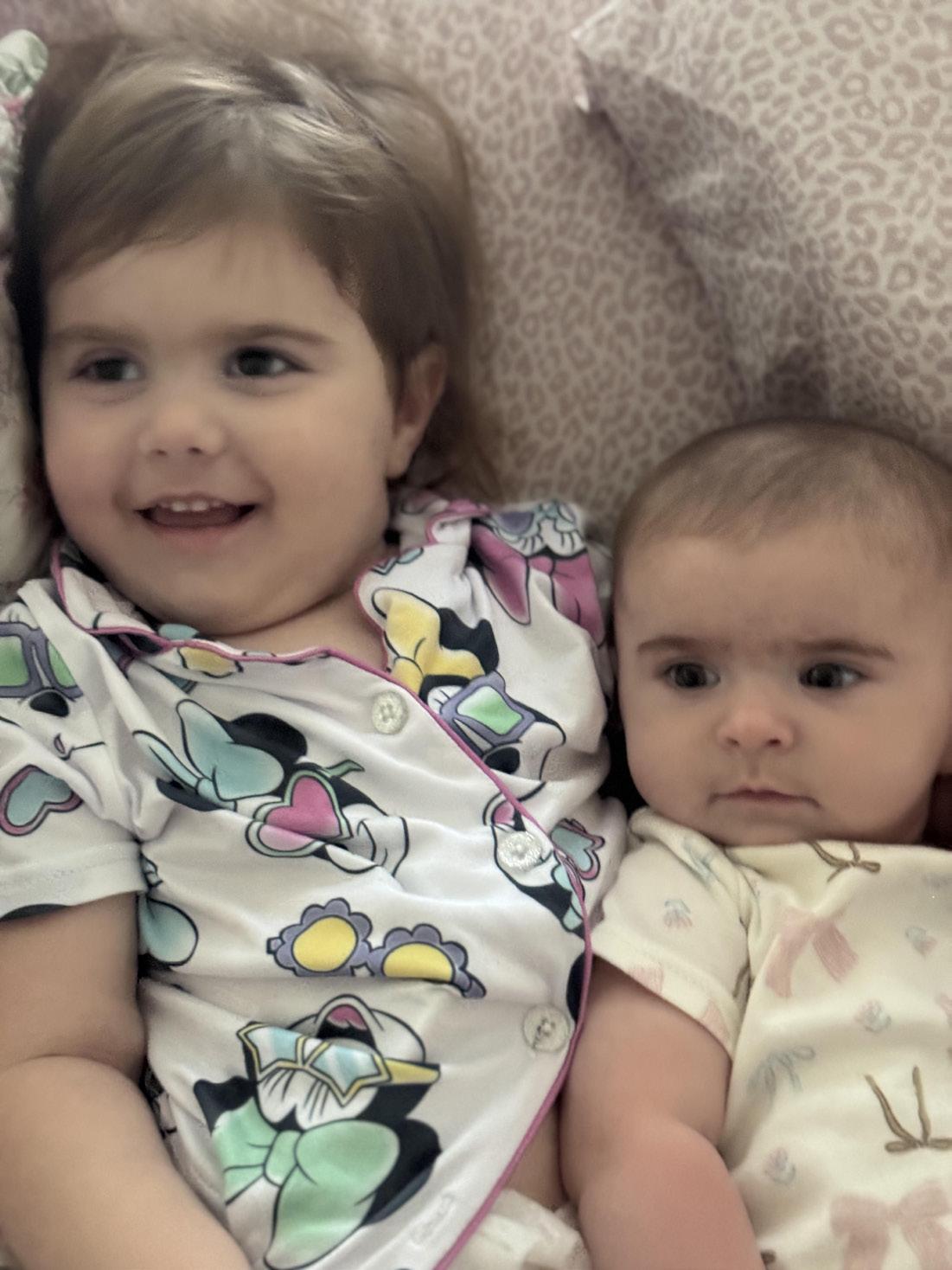
Saylor (left) and younger sister Brighton both receive essential services through RCOC.
Thank You to RCOC’s Holiday Partners
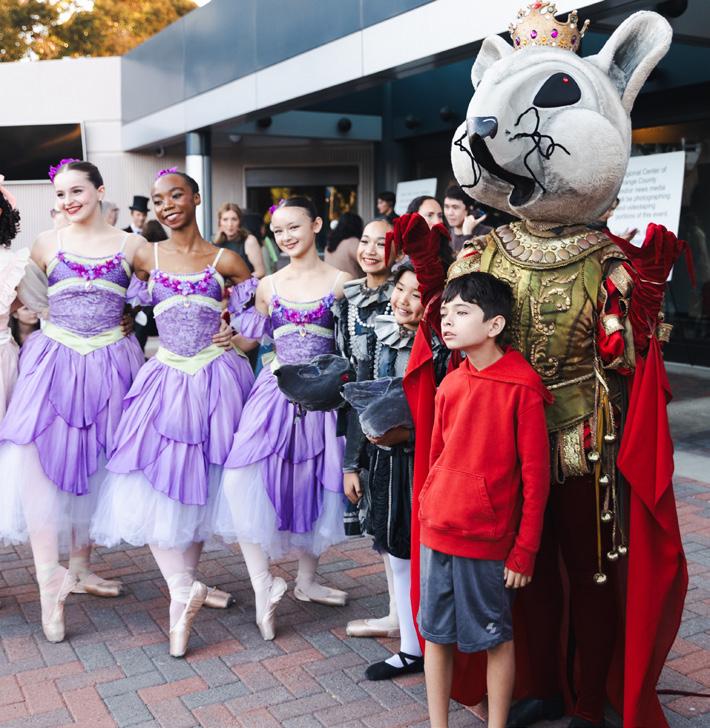
Heartfelt thanks from RCOC to Irvine Barclay Theatre for hosting hundreds of individuals and families we serve for an abridged, sensory-friendly holiday performance of The Nutcracker ballet. Thank you also to those who helped brighten the holidays for families in need, fulfilling the gift wishes of 752 adults and children we serve through RCOC’s long-standing Wish Tree program. Major supporters included: Spoelstra LLC, Edwards Lifesciences, Footprints Behavioral Interventions, Sharon Shab, CASTO State President, TNTT/Rang Dong, Giovanniello Law Group, Troutman Pepper, and Patterns Behavioral Services, along with dozens of other organizations and individuals, including RCOC Board members and employees. In addition, ABC7’s Spark of Love program, operated by KWVE radio, donated 200 toys.
Serving Orange County’s Hispanic Community
REGIONAL CENTER OF ORANGE COUNTY has prepared this insert especially for the individuals and families we serve who are most comfortable communicating in Spanish. These events, programs and activities are presented in Spanish and/or are geared specifically for those in Southern California’s Hispanic community. However, some are not funded or endorsed by RCOC and this information is provided as a courtesy. If you know of other opportunities you would like to share with other Spanish speakers, please contact Community Outreach and Access Coordinator Ingrid Jbeili at 714.558.5406 or ijbeili@rcocdd.com.
Easter Eggstravaganza
Hop on over with family and friends to enjoy this fun Spring-time event. Children can meet and have their photo taken with the Easter Bunny, and participate in several activities throughout the area. To learn more, scan the QR code.
March 7 to April 4
Irvine Park Railroad
1 Irvine Park Road in Orange

Behavior Management Workshop for Parents
Presented in Spanish by Advanced Behavioral Health, this five-session virtual workshop covers basic principles of positive behavior management. The focus is on helping parents of children with developmental disabilities change their own behavior and that of their children. Parents are actively involved and invited to discuss their specific behavioral challenges. To register, contact Rosita Aguilar at 714.796.5223 or raguilar@rcocdd.com.
Thursdays, from 5:30-8 p.m. March 5, March 12, March 19, March 26 and April 2
OC Dia del Niño
The OC Dia del Niño returns to The Hunt Library with amazing youth music and dance groups from throughout the county and great children’s arts workshops. The event is free for the entire family. Learn more at www.ocdiadelnino.org or scan the QR code.
Saturday, April 25
The Hunt Library 201 S. Basque Avenue in Fullerton

Person Centered Planning Webinar
This free Zoom workshop is presented in Spanish and will give parents and other adult family members with a loved one served by RCOC the opportunity to learn the fundamentals of person-centered thinking and person-centered planning, and how these come to life in the IPP process. To register, scan the QR code.
Thursday, April 16 from 6-7:30 p.m.

Introduction to Public Benefits and Community Resources

DURING THE PERSON-CENTERED IPP (INDIVIDUAL PROGRAM PLAN) AND IFSP (INDIVIDUAL FAMILY SERVICE PLAN) PROCESS, PLANNING TEAMS DISCUSS AND SET GOALS AND OBJECTIVES FOR HEALTH, HOUSING, DAILY ACTIVITIES AND WORK, SELF-CARE, FINANCES, LEISURE TIME, COMMUNITY PARTICIPATION, AND MORE. This is essential, because a person’s developmental disability can impact nearly everything in their life. However, the Lanterman Act places clear restrictions on which needs RCOC can address and which entity is required to provide the funding for each needed service or support.
Many needs are met by our network of nearly 1,800 service providers, while others are met by “generic resources” such as the in-home supportive services (IHSS) program for personal assistance and Orange County Transportation Authority (OCTA) for transportation needs. But what about needs that go beyond what RCOC or these types of generic resources offer?
A person’s developmental disability can impact nearly everything in their life.
In many cases, the government offers additional help and programs. These may take the form of subsidies or direct financial assistance, as with Supplemental Security Income (SSI) and several programs through the Orange County Social Services Agency. Other public benefits, such as the WIC (Women/Infants/ Children) supplemental nutrition program offer a combination of aid, education, and other services to those with specific needs.
Since RCOC Service Coordinators do not have comprehensive expertise with certain benefits or may be prohibited from assisting those
we serve in applying for them, we make available on our website a list of public benefits people we serve may be able to access. To view or download this list, scan this QR code.

RCOC’s Comfort Connection Family Resource Center’s bilingual specialists are able to direct families to organizations in Orange County that provide free assistance to non-English speakers. There are also numerous local non-profit organizations that offer free or low-cost services, regardless of eligibility for public benefits. The QR code above also takes you to the page on our website sharing resources and organizations offering support in areas ranging from cross-cultural services to legal aid and information, and homelessness.
If your family is experiencing food insecurity, specifically, you can scan this QR code to the right for a list of food pantry locations throughout Orange County.

Serving Orange County’s Vietnamese Community
REGIONAL CENTER
OF ORANGE COUNTY has prepared this insert especially for the individuals and families we serve who are most comfortable communicating in the Vietnamese language. These events, programs and activities are presented in Vietnamese and/or are geared specifically for those in Southern California’s Vietnamese community. However, some are not funded or endorsed by RCOC and this information is provided as a courtesy. If you know of other opportunities you would like to share with others in the Vietnamese community, please contact RCOC Cultural Specialist Derrick Nguyen at 714.558.5401 or dnguyen@rcocdd.com.
Lunar New Year Celebration
RCOC families are invited to attend our 2nd Lunar New Year Celebration in March, presented in partnership with the Vietnamese Parents of Disabled Children Association (VPDCA). While honoring an important tradition that fosters community pride and cultural identity, families can connect and engage with others served by RCOC in a comfortable, welcoming environment as they learn about RCOC-funded services, navigating access to needed supports, and enhancing family advocacy skills. For date and location, contact Derrick Nguyen at 714.558.5401 or dnguyen@rcocdd.com
Multi-Cultural Family Symposium
Focusing primarily on Hispanic and Asian communities, this April symposium will share information about RCOC services, available generic resources and educational advocacy, and address topics of particular interest and relevance to families served in these communities. The event will be presented in English to maintain a common platform, while interpretation services will be offered and all materials will be translated into Spanish, Vietnamese, and Korean. For date and location, contact Derrick Nguyen at 714.558.5401 or dnguyen@rcocdd.com.
Westminster Tet Parade
Saturday, February 21 at 8:30 a.m.
The Tet Parade has celebrated the Lunar New Year in Little Saigon for over two decades, with floats, marching bands, lion dances, color guards, veterans and youth organizations, martial arts, multi-cultural attire, elected officials, community organizations, and more. Vietnamese communities across the globe tune in to watch the event on local TV stations and social media platforms. For information, contact the Community Services and Recreation Department at 714.895.2860.
The parade begins at the intersection of Bolsa Avenue and Magnolia Street, and heads eastbound on Bolsa Avenue. The Parade will turn right on Bushard Street and head southbound, ending at Bishop Place.
Behavior Management Workshop for Parents
Presented in Vietnamese by Footprints Behavioral Interventions, this five-session virtual workshop covers basic principles of positive behavior management. The focus is on helping parents of children with developmental disabilities change their own behavior and that of their children. Parents are actively involved and invited to discuss their specific behavioral challenges. To register, contact Kaitlynn Yen Truong at 714.558.5404 or ktruong@rcocdd.com.
Thursdays, from 5:30-8 p.m. June 4, June 11, June 18, June 25 and July 2
Introduction to Public Benefits and Community Resources

DURING THE PERSON-CENTERED IPP (INDIVIDUAL PROGRAM PLAN) AND IFSP (INDIVIDUAL FAMILY SERVICE PLAN) PROCESS, PLANNING TEAMS DISCUSS AND SET GOALS AND OBJECTIVES FOR HEALTH, HOUSING, DAILY ACTIVITIES AND WORK, SELF-CARE, FINANCES, LEISURE TIME, COMMUNITY PARTICIPATION, AND MORE. This is essential, because a person’s developmental disability can impact nearly everything in their life. However, the Lanterman Act places clear restrictions on which needs RCOC can address and which entity is required to provide the funding for each needed service or support.
Many needs are met by our network of nearly 1,800 service providers, while others are met by “generic resources” such as the in-home supportive services (IHSS) program for personal assistance and Orange County Transportation Authority (OCTA) for transportation needs. But what about needs that go beyond what RCOC or these types of generic resources offer?
A person’s developmental disability can impact nearly everything in their life.
In many cases, the government offers additional help and programs. These may take the form of subsidies or direct financial assistance, as with Supplemental Security Income (SSI) and several programs through the Orange County Social Services Agency. Other public benefits, such as the WIC (Women/Infants/ Children) supplemental nutrition program offer a combination of aid, education, and other services to those with specific needs.
Since RCOC Service Coordinators do not have comprehensive expertise with certain benefits or may be prohibited from assisting those
we serve in applying for them, we make available on our website a list of public benefits people we serve may be able to access. To view or download this list, scan this QR code.
RCOC’s Comfort Connection Family Resource Center’s bilingual specialists are able to direct families to organizations in Orange County that provide free assistance to non-English speakers. There are also numerous local non-profit organizations that offer free or low-cost services, regardless of eligibility for public benefits. The QR code above also takes you to the page on our website sharing resources and organizations offering support in areas ranging from cross-cultural services to legal aid and information, and homelessness.
If your family is experiencing food insecurity, specifically, you can scan this QR code to the right for a list of food pantry locations throughout Orange County.
Serving Orange County’s Korean Community
REGIONAL
CENTER OF ORANGE COUNTY has prepared this insert especially for the individuals and families we serve who are most comfortable communicating in the Korean language. These events, programs and activities are presented in Korean and/or are geared specifically for those in Southern California’s Korean community. However, some are not funded or endorsed by RCOC and this information is provided as a courtesy. If you know of other opportunities you would like to share with others in the Korean community, please contact RCOC Cultural Specialist Derrick Nguyen at 714.558.5401 or dnguyen@rcocdd.com.
Buena Park Spring Eggstravaganza
Hop into spring at the City of Buena Park’s annual Spring Eggstravaganza & Sustainability Fair! Enjoy a day packed with familyfriendly fun, including crafts, games, bounce houses, live entertainment, a petting zoo, and pony rides. Kids 12 and under can take part in a Candle Scramble by age group, while everyone can kick off the morning with a delicious pancake breakfast at 8 a.m. To learn more, scan the QR code.
Saturday, April 5 to April 4
Boisseranc Park
7520 Dale Street in Buena Park

Multi-Cultural Family Symposium
Korean New Year Celebration
The Korean New Year, or Seollal, is one of the most important traditional holidays celebrated by Korean-speaking families. Join other Korean families served by RCOC to celebrate Seollal in February and engage and connect in a comfortable setting, while learning more about RCOC-funded services, how to access supports, and advocacy skill-building tailored specifically for the Korean community. For date and location, contact Derrick Nguyen at 714.558.5401 or dnguyen@rcocdd.com.
Focusing primarily on Hispanic and Asian communities, this April symposium will share information about RCOC services, available generic resources and educational advocacy, and address topics of particular interest and relevance to families served in these communities. The event will be presented in English to maintain a common platform, while interpretation services will be offered and all materials will be translated into Spanish, Vietnamese, and Korean. For date and location, contact Derrick Nguyen at 714.558.5401 or dnguyen@rcocdd.com.
Introduction to Public Benefits and Community Resources

DURING THE PERSON-CENTERED IPP (INDIVIDUAL PROGRAM PLAN) AND IFSP (INDIVIDUAL FAMILY SERVICE PLAN) PROCESS, PLANNING TEAMS DISCUSS AND SET GOALS AND OBJECTIVES FOR HEALTH, HOUSING, DAILY ACTIVITIES AND WORK, SELF-CARE, FINANCES, LEISURE TIME, COMMUNITY PARTICIPATION, AND MORE. This is essential, because a person’s developmental disability can impact nearly everything in their life. However, the Lanterman Act places clear restrictions on which needs RCOC can address and which entity is required to provide the funding for each needed service or support.
Many needs are met by our network of nearly 1,800 service providers, while others are met by “generic resources” such as the in-home supportive services (IHSS) program for personal assistance and Orange County Transportation Authority (OCTA) for transportation needs. But what about needs that go beyond what RCOC or these types of generic resources offer?
A person’s developmental disability can impact nearly everything in their life.
In many cases, the government offers additional help and programs. These may take the form of subsidies or direct financial assistance, as with Supplemental Security Income (SSI) and several programs through the Orange County Social Services Agency. Other public benefits, such as the WIC (Women/Infants/ Children) supplemental nutrition program offer a combination of aid, education, and other services to those with specific needs.
Since RCOC Service Coordinators do not have comprehensive expertise with certain benefits
or may be prohibited from assisting those we serve in applying for them, we make available on our website a list of public benefits people we serve may be able to access. To view or download this list, scan this QR code.
RCOC’s Comfort Connection Family Resource Center’s bilingual specialists are able to direct families to organizations in Orange County that provide free assistance to non-English speakers. There are also numerous local non-profit organizations that offer free or low-cost services, regardless of eligibility for public benefits. The QR code above also takes you to the page on our website sharing resources and organizations offering support in areas ranging from cross-cultural services to legal aid and information, and homelessness.
If your family is experiencing food insecurity, specifically, you can scan this QR code to the right for a list of food pantry locations throughout Orange County.