YOU CAN GROW LIFE BEYOND EARTH with us
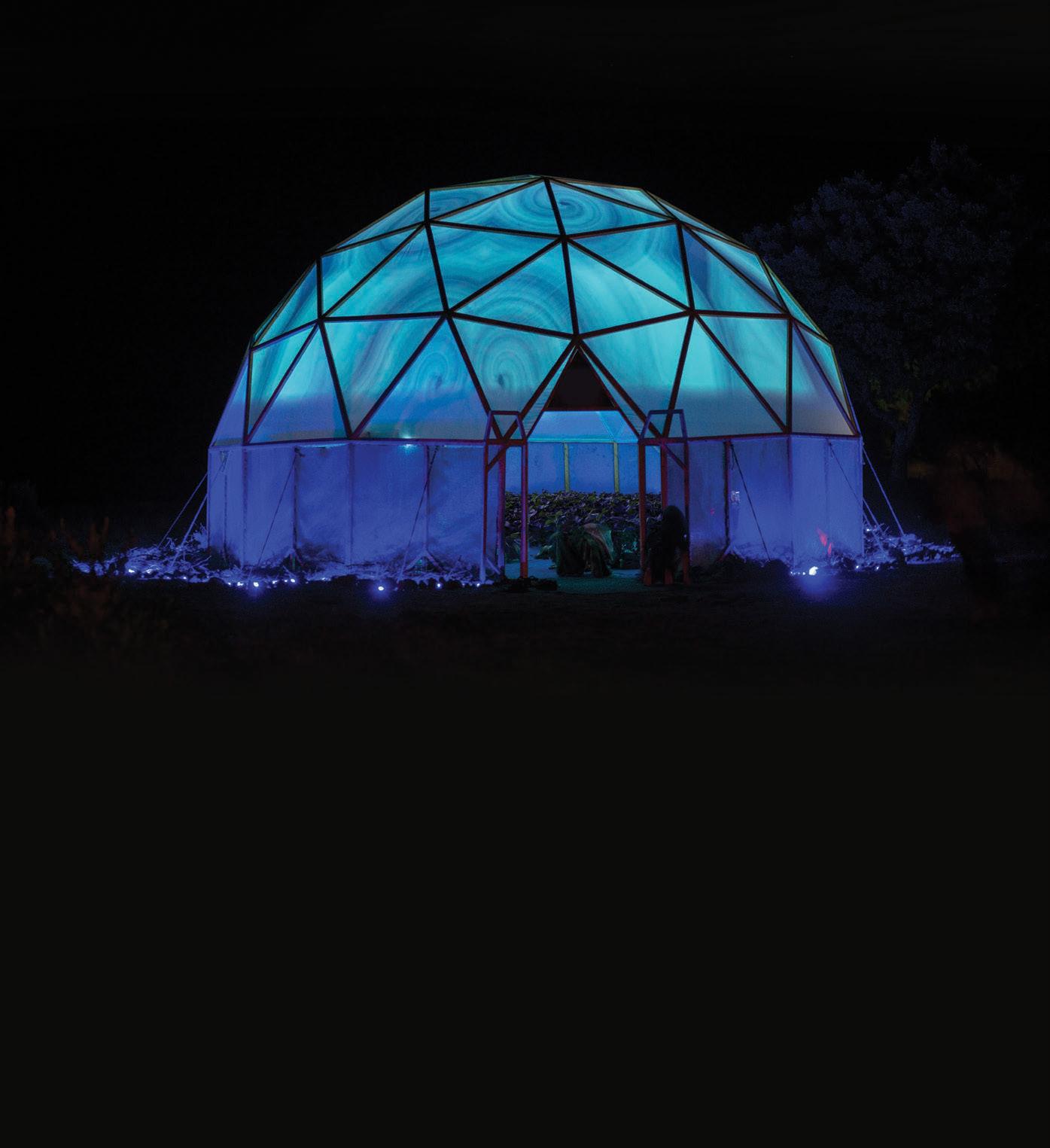

From manufacturing and human health to agriculture and conservation, synthetic biology (SynBio) is providing new tools to address some of the planet’s big issues – like controlling invasive species, reducing pollution and securing supply chains in the face of climate change and future pandemics.
SynBio is also helping fuel space exploration by producing food, fuels and building materials like bioplastics made from algae. It also has the capacity to provide radiation protection and prevent disease in astronauts.
Macquarie University is a world leader in SynBio. Home to the ARC Centre of Excellence in Synthetic Biology and the Australian Genome Foundry, our researchers led global efforts to complete construction of the world’s first synthetic yeast genome in 2025. As a Bachelor of Science student majoring in biotechnology you’ll study alongside these global experts as you develop your skills in cell biology, biomolecular sciences and genomics. You’ll also gain the knowledge you need to bring scientific discoveries to the world – and make living technology our bridge to the stars. Are you ready to take biology to the stars?
Science at the frontier
The next generation of scientists will collaborate across disciplines – from quantum physics to biology, coding to chemistry – to build a better tomorrow
The most exciting frontier isn’t a single discipline, but where they intersect.
There is this lovely word: consilience, which means looking at the same thing from different angles. The problems worth solving rarely sit inside one field, which is why we need physicists, biologists, chemists and engineers working together. Science today is a team sport.
At ANSTO, I watch young researchers moving fluidly between data science, laboratory work and design thinking. They are learning that the best discoveries happen at the boundaries between disciplines.

Hello people of 2126!
Here in the year 2026, we’re thrilled to join the Powerhouse Parramatta Time Capsule Book of Record. We hope the careers in these pages have helped to shape a brighter future for you all.

Here at ANSTO, we use particle accelerators to probe the past – tracing what has happened over geological or human timescales by analysing everything from ancient rock formations to cultural artefacts. We also create new materials for quantum technologies, energy research and national capability. You’ll meet my ANSTO colleagues and hear more about this work in this magazine (see ‘Small science, big impact’ p10 and ‘Making space safer’, p18). These stories will help you see our world differently, from the nanoscale to the cosmos.
If you are still in high school and thinking about a future in science, here’s my advice: go for the hardest maths and physics you can manage. Learn coding languages like Python,
Be curious, be collaborative and tackle the problems that matter”
C++ and MATLAB. Computation is becoming inseparable from experiment. Modelling and simulation are now part of almost every scientific discipline.
But technical skills aren’t enough. Being a scientist also requires confidence, and that comes through practice, not talent alone. Join maker clubs. Build things. Break things. Rebuild them. You will develop problem-solving instincts and learn how to work in teams – both essential for collaborative science of the future.
The future of science is being written today. It is not abstract, it is real. And we want you to be part of the team, starting now.
Dr Mitra Safavi-Naeini Acting Director, Centre for Accelerator Science ANSTO
PhD in medical radiation physics, University of Wollongong
Research leader, ANSTO
Bachelor of Engineering, University of Toronto
Acting director, Centre for Accelerator Science, ANSTO
Dr Mitra Safavi-Naeini Medical Radiation physicist
What’s inside?
Shaping solutions
P5 Think like a scientist
From homework to hangouts, here are 5 ways thinking scientifically can make a difference every day
P6 Global to-do list
Use your science smarts to power up communities, save the planet and change lives
P8 Can’t pick a favourite area of STEM? Try teaching!
Every scientist, technician, engineer and mathematician was inspired by a passionate mind. Why not go into a career that shares your passion?
P9 Work experience for STEM success
Work experience helps you discover what you


STEM + X =
Combine Science (STEM) with your passion (+X). It’s your formula for a dream career!
Science + …

Why science?

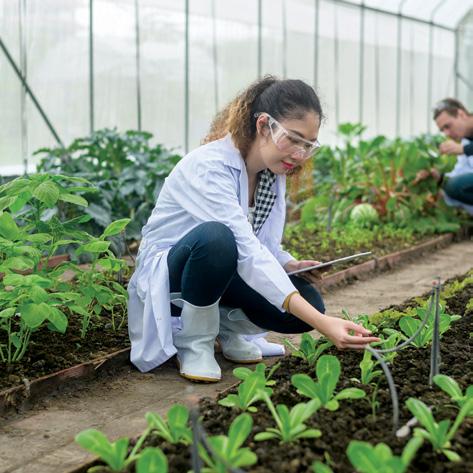
P12 Agriculture
Feed the world and combine science, technology and sustainability to grow smarter, greener solutions for our planet
P16 Space
Reach for the stars! Explore space science skills and how they can be handy in any career
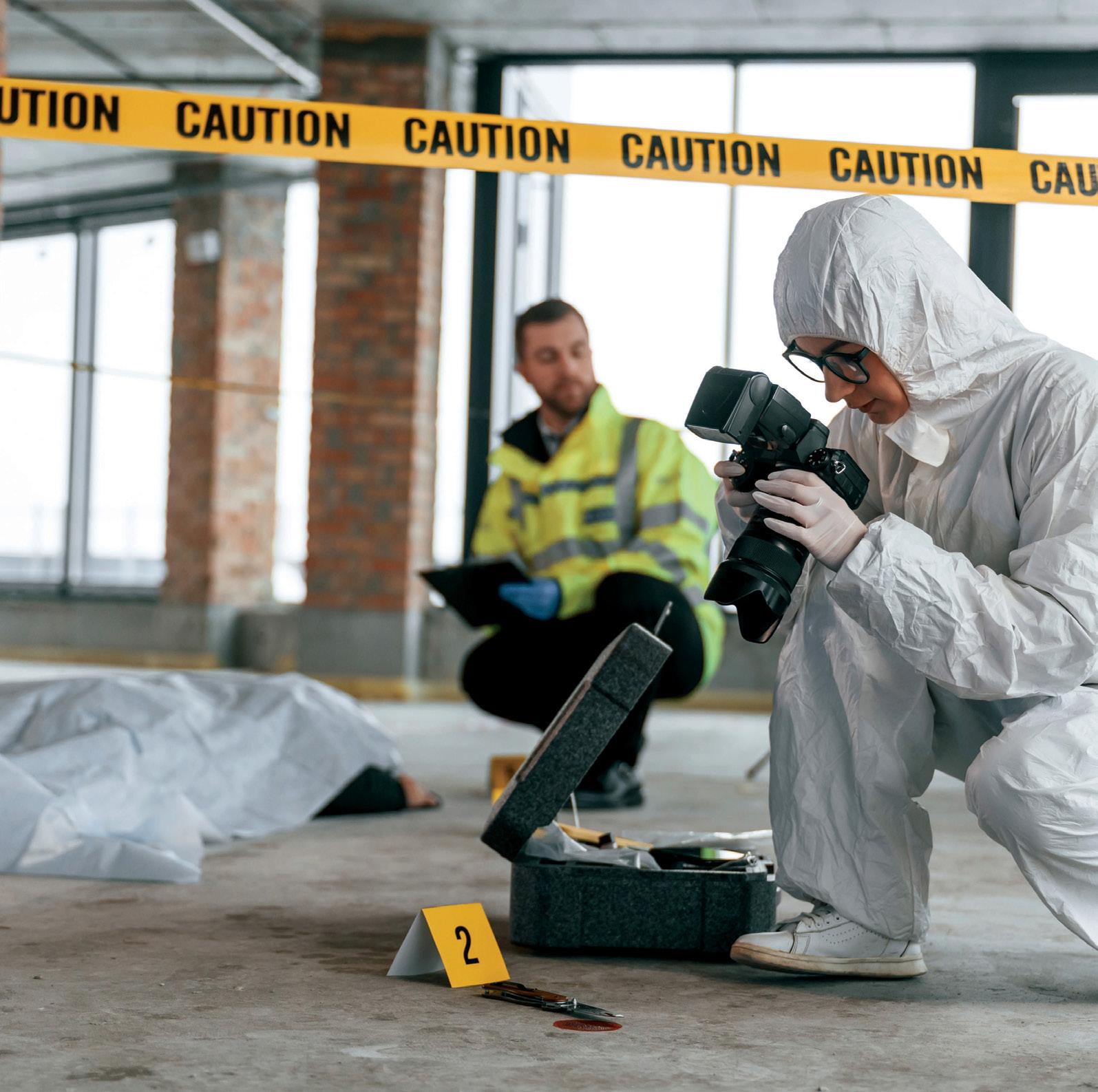
P20 Crime & justice
Stand up for what’s right using evidence, empathy and critical thinking to build safer, fairer communities
P22 Synthetic biology

Learn biology’s secrets to create solutions that will transform life as we know it
Think like a scientist
From homework to hangouts, here are 5 ways thinking scientifically can make a difference every day
Spot fake news
If you’ve seen the latest AI videos from Sora, you’ll know that you can’t always believe what you see. Science builds critical thinking, helping you to find the best sources, spot biases and avoid being fooled by clickbait or misinformation!
Teamwork makes the dream work
Science relies on teamwork – sharing a diversity of ideas, putting them to the test and respecting others’ viewpoints. Those same skills make group work (and life!) smoother all round.
Make decisionssmart
Science helps you weigh up pros and cons, look for reliable info and make informed choices. This is useful when making comparisons, like between phone plans or bank accounts.

Knowing about nutrition, sleep and exercise science also helps you make smart decisions for your wellbeing so you don’t follow the latest Instagram health fad!
Understand how things work
From knowing how the fizz gets in your soft drink, to understanding why the weather is being weird, scientific curiosity helps the world around you make sense… and it makes you way more interesting to talk to at parties.

Creativity boost
Science isn’t just about facts – it’s about experimenting. Finding new ways to try, fail, then try again helps you come up with innovative ideas, whether that’s in art, sport, politics or beyond! – Jasmine Fellows
Global to-do list
Use your science smarts to power up communities, save the planet and change lives
If you’re just as into helping others as you are problem-solving and innovating, consider your CV sorted. The United Nations has come up with a global to-do list to make the world a fairer and healthier planet – and the world needs scientists to start ticking things off.
Er, what the SDG?
The UN’s Sustainable Development Goals (SDGs) are a collective call to action – a global wishlist working towards ending poverty, reducing inequality and protecting the planet. And they aren’t just abstract ideas – they’re blueprints for real-world jobs. Pick a goal you care about, match it with your science skills, and chances are you’ll find a compatible study pathway and career!
Keen to get started? We’ve listed all 17 SDGs and their related science for social good jobs. – Cassie Steel
01No poverty
Good job: Agricultural scientist
Big help: Develops farming methods to boost food security.
Study: Bachelor of Agricultural Science
02Zero hunger
Good job: Food technologist
Big help: Creates nutritious, sustainable resources to feed growing populations.
Study: Bachelor of Food Science and Technology
03Good health and wellbeing
Good job: Biomedical scientist
Big help: Develops new treatments to help people live longer, healthier lives.
Study: Bachelor of Biomedical Science
05Genderequality
Good job: Social scientist
Big help: Designs fairer systems to support women and girls in science and tech.
Study: Bachelor of Psychology
Good job: Environmental engineer
04Qualityeducation
Good job: Science educator
Big help: Inspires the next generation of changemakers.
Study: Graduate Diploma of Education
Big help: Creates systems to safely manage water and waste in remote communities.
Study: Bachelor of Civil and Environmental Engineering
07Affordable and clean energy
Good job: Renewable energy scientist
Study: Bachelor of Renewable Energy Engineering (Honours) Good job! 1 x developmentsustainablegoal + 1 x study path = a science career for social good
06Clean water and sanitation

Big help: Creates solar panels, wind farms and batteries to power the planet sustainably.
08Decent work and economic growth
Good job: Data scientist
Big help: Uses data to boost industries, predict trends and create smarter, fairer economies.
Study: Bachelor of Data Science
09Industry,innovation and Infrastructure
Good job: Robotics engineer
Big help: Builds smarter machines to improve manufacturing, transport and communication.
Study: Bachelor of Engineering (Honours) (Mechatronic)
10Reducedinequalities
Good job: Public health researcher
Big help: Analyses data to close health gaps between communities.
Study: Bachelor of Health Science
11Sustainable cities and communities
Good job: Urban environmental scientist
Big help: Designs greener, cleaner cities with better air, transport and energy systems.
Study: Bachelor of Environment
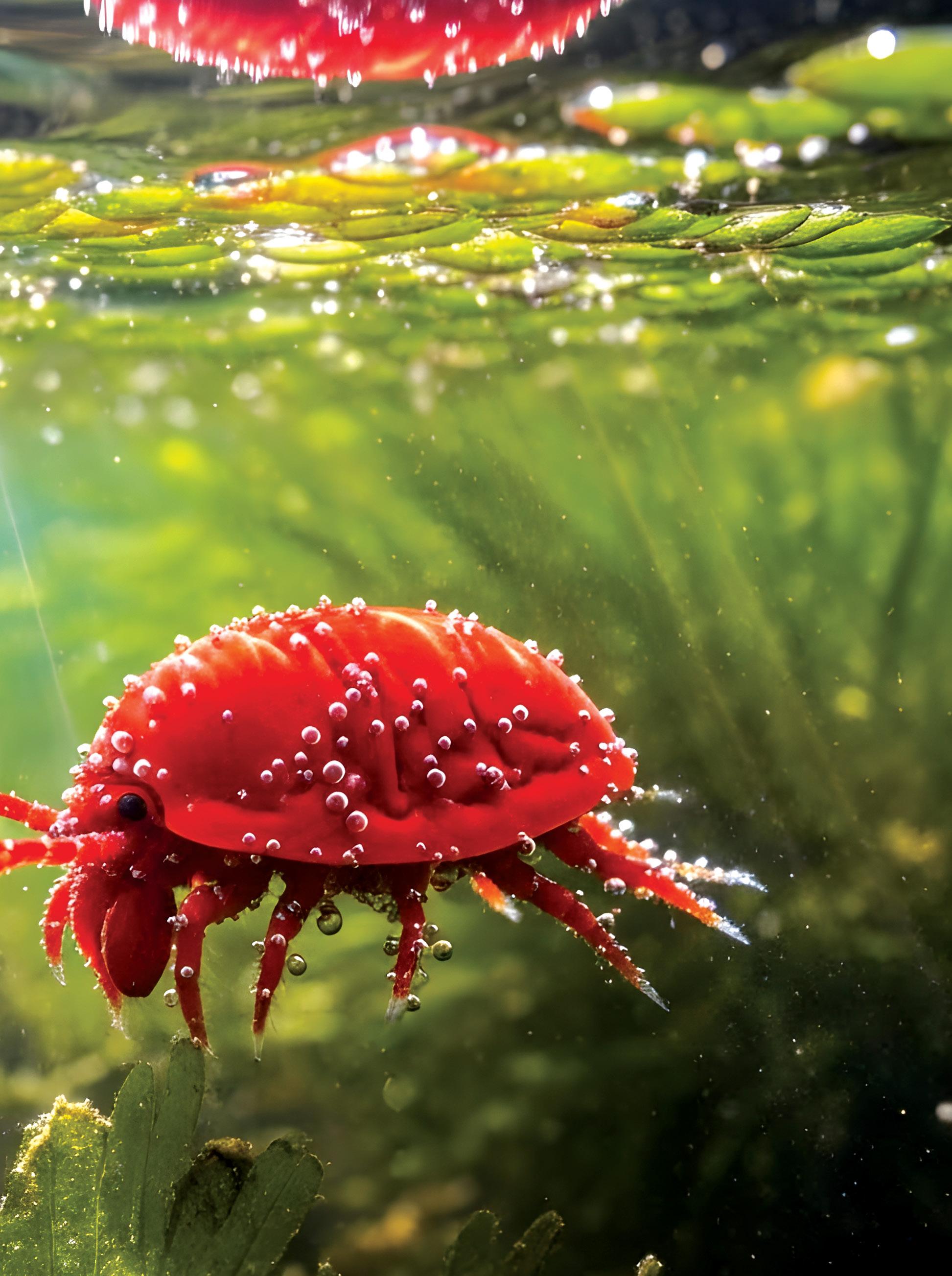
12Responsible consumption and production
Good job: Materials scientist
Big help: Creates eco-friendly materials and designs products that can be reused or recycled.

Study: Bachelor of Engineering (Honours) (Materials Engineering)
13Climate action
Good job: Climate scientist
Big help: Analyses weather patterns to help fight climate change.
Study: Bachelor of Climate Science
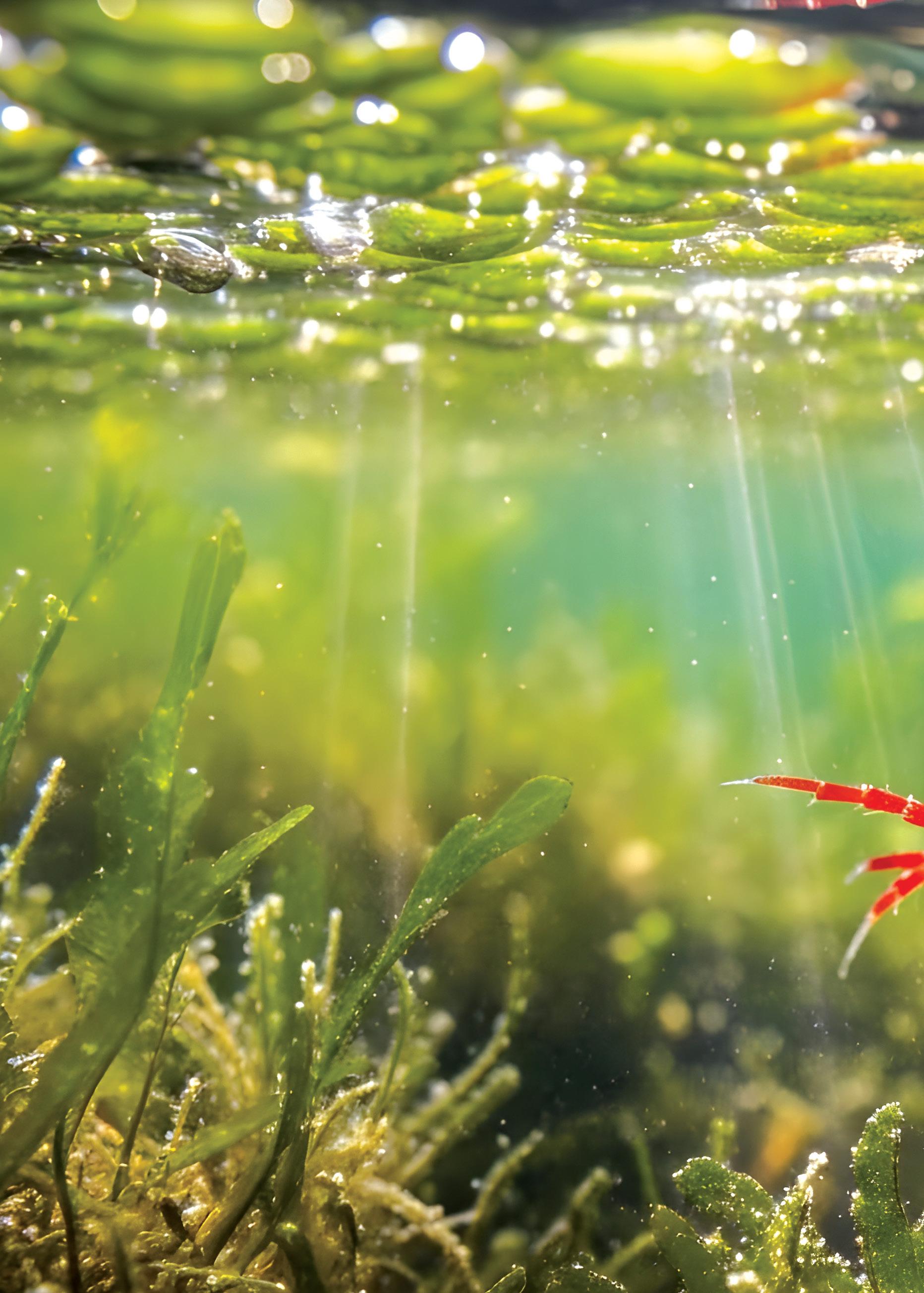
14Lifewaterbelow
Good job: Marine biologist
Big help: Protects marine ecosystems from pollution and warming seas.
Study: Bachelor of Marine Science
15Life on land
Good job: Conservation ecologist
Big help: Restores habitats, protects wildlife and manages biodiversity.
Study: Bachelor of Biodiversity and Conservation
16Peace, justice and institutionsstrong
Good job: Forensic scientist
Big help: Uses DNA, chemistry and evidence analysis to solve crimes.
Study: Bachelor of Forensic Science
17Partnerships for the goals
Good job: Policy advisor
Big help: Brings scientists, governments and communities together to turn research into action.
Study: Master of Public Policy

Can’t pick a favourite area of STEM? Try teaching!
Every scientist, technician, engineer and mathematician was inspired by a passionate mind. Why not go into a career that shares your passion?
It can be hard focusing on one area when everything sparks your curiosity. Does that sound like you? If so, teaching a classroom full of curious minds could be the perfect job!
Educators explore their own curiosity while inspiring that same excitement in others. STEM teachers do more than deliver lessons. They’re explorers, inventors and mentors for the next generation of thinkers.
Every day in the classroom brings a new question to solve. How might you explore black holes without ever leaving Earth? What’s the most efficient way to fit the most people onto a bus? How could you construct a boat that could hold an entire city?
Teaching STEM means you never stop learning new things yourself. Whether you’re programming robots that can navigate a maze, capturing stunning pictures of galaxies through a telescope, or testing bridge designs made of spaghetti, you get to explore the universe
alongside others. You’re not just shaping young scientists – you’re building a better tomorrow.
It’s estimated Australia will need more than a million additional tech workers by 2030, and it all starts with inspiring tomorrow’s scientists, mathematicians and engineers today.
So if you’re someone who loves solving problems, exploring how the world works and igniting that same passion in others, maybe the next big STEM breakthrough isn’t in a lab – it’s in a classroom. – Mike McRae

Work experience for STEM success
Work experience helps you discover what you enjoy, build confidence and explore potential careers
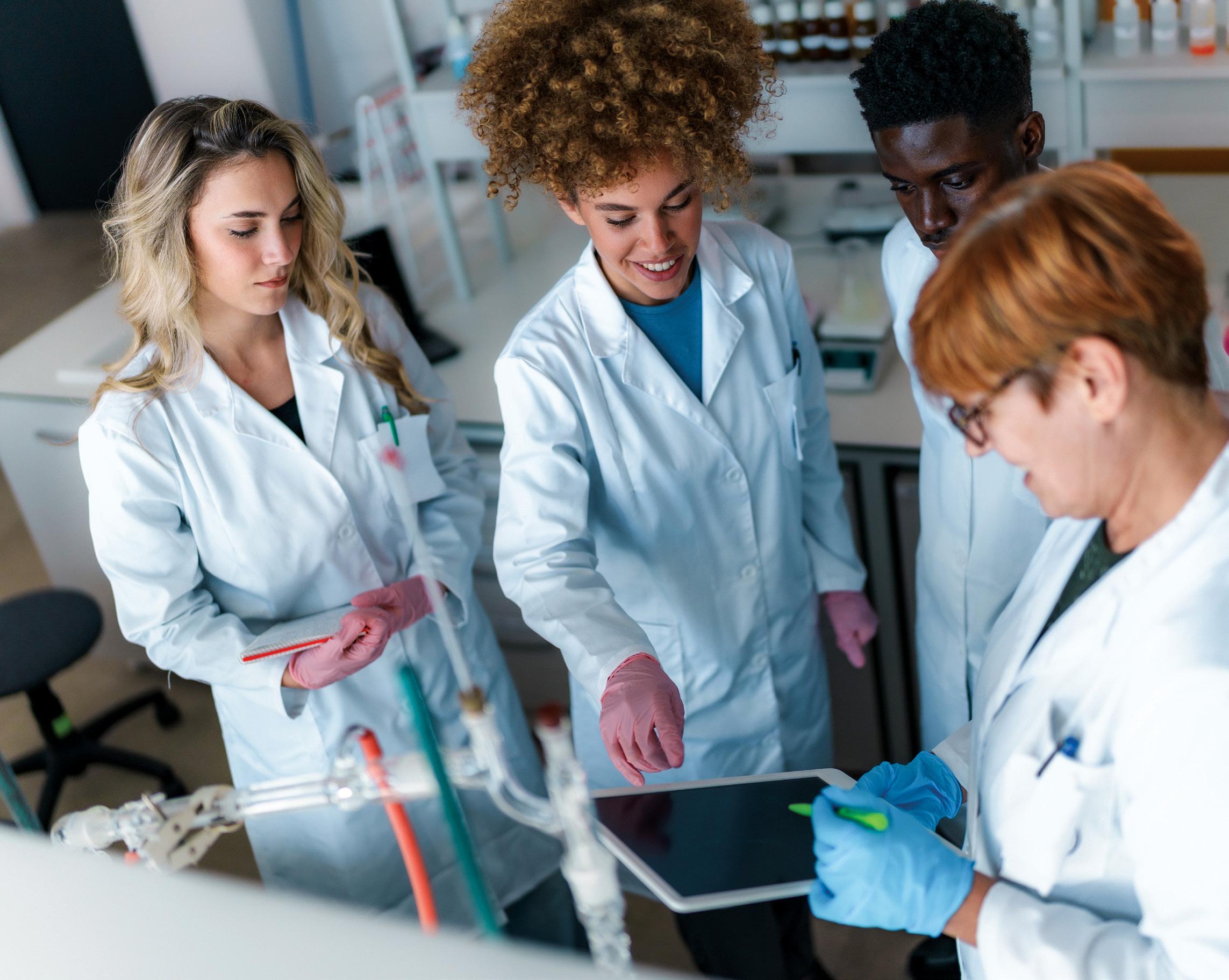
When it comes to STEM, work experience is your best opportunity to get up close with the latest tech and facilities, from observatories to laboratories! Plus, you get to tap into the inspirational minds that run them.
Work experience can take many forms. You might shadow someone, help on a project, or attend meetings. Here’s how…
Find your own
Employers love team players who show initiative, are self-motivated and proactively create opportunities. What better way to show that you embody all these qualities than to organise your own work experience placement?
Pick your goal: What type of work experience excites you? Where do you want to end up?
Make a list: Brainstorm people you know (family, friends, career advisors) and companies or organisations you’ve heard of (local businesses, universities, government agencies) who might help. Craft your blurb: Write a short intro about your skills and what you hope to get out of the experience. Tailor it for each contact to show genuine interest.
Reach out and follow up: Send your blurb to your contact list, then check in a week later. No luck? Keep trying. Send your blurb to five more contacts, then five more. Persistence pays!
Go through an agency
If doing it yourself feels overwhelming, use agencies. Check the Australian Government’s What’s Next website for options like Volunteering Australia, Workforce Australia, Seek Work Experience and opportunities in your state or territory. whatsnext.dewr.gov.au
Virtual work experience
Many experiences are now online! Try What’s Next’s list of online options or take a look at UNSW’s Career Accelerator Virtual Experiences for free online projects you can complete from home.
No matter how you do it, work experience opens doors. Once it’s done and dusted, you can list your work experience on your resume, along with the skills you developed on the job.
Start looking today – your future self will thank you!
– Cristy Burne and Jasmine Fellows

Small science, big impact
Meet 4 ANSTO researchers who know that small science can lead to seriously big breakthroughs
#1 #2 Mining for tech
Today, engineers like Charlie are helping mining and mineral processing companies to extract and refine critical minerals for tomorrow’s tech.
Lithium, which is a core component in the most powerful batteries, is used in everything from phones to EVs. It is super important – as are rare earth elements.
“Pretty much all modern technology has some sort of rare earth element in it, from medical devices to wind turbines,” Charlie says.
As a process engineer at ANSTO, Charlie works with companies on new ways of refining minerals into pure materials.
“We design a plant that will run at a small or pilot scale and give them data, and then that will be the basis of how their big plant will run,” she says.
Crystal discoveries
Howdo we know that DNA is a double helix, or that the COVID-19 virus is covered in spike proteins? The answer is to pummel it with X-rays (or, more formally, a technique called X-ray crystallography).
“You take thousands and thousands of teeny tiny little crystals, way too small to be picked up by hand, and essentially fire them through an X-ray beam, taking shots of them as they go,” explains Rosemary.
As a beamline scientist at the Australian Synchrotron in Melbourne, Rosemary is using crystallography to collaborate with scientists working in drug discovery, batteries and solar cells.
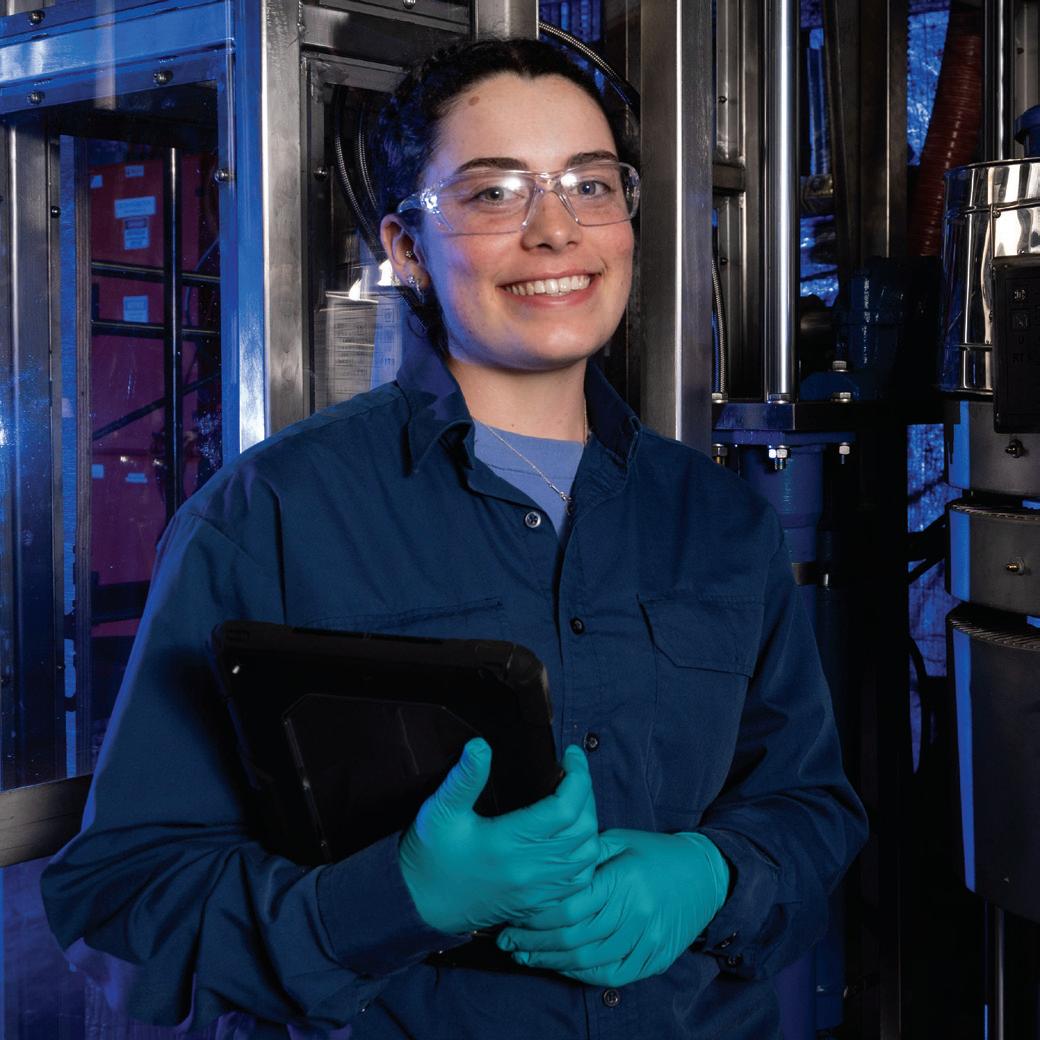
Charlie Stanwix Process engineer
Charlie’s tip
“Find a good mentor who you admire, and find people who are supportive of you.”
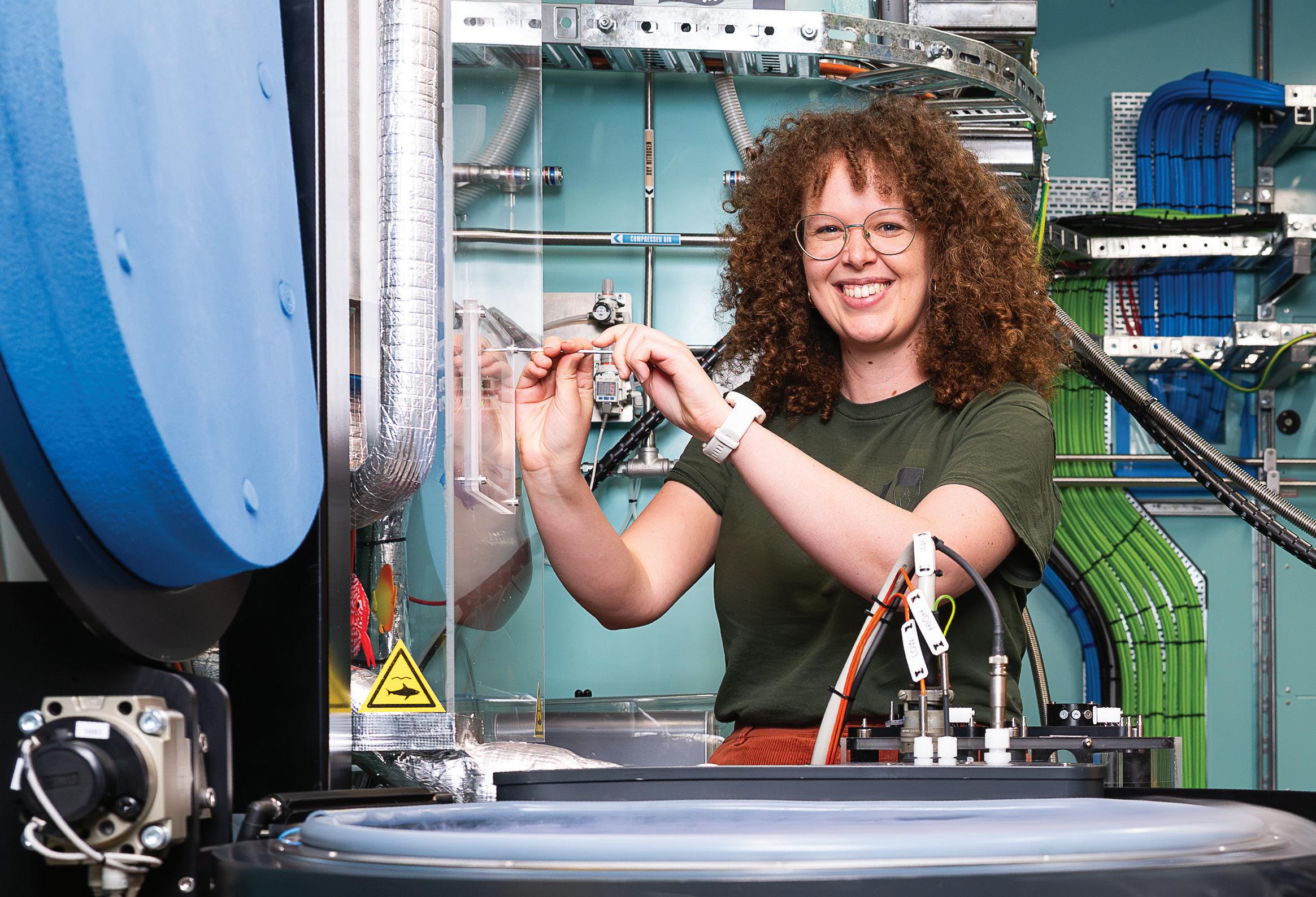
Dr Rosemary Young
Crystallography beamline scientist
Rosemary’s tip
“It’s hard to know what you don’t know, especially in regional areas, so take all the opportunities that are available to you.”
Bachelor of Science (Advanced) (Chemistry), University of Adelaide
Laboratory technician, Treasury Wine Estates
PhD in chemistry, University of Nottingham, England
Postdoctoral researcher, Monash University
Crystallography beamline scientist, ANSTO
Bachelor of Chemical Engineering (Honours) / Bachelor of Commerce (Finance), UNSW
Summer vacation student, Santos
year in industry student, ANSTO Minerals
Process engineer, ANSTO minerals
Dr Annmaree Warrender

Annmaree’s tip
“Be confident in what you know, and you’ll pick up on the other things as you go through. It’s okay to not know everything.”
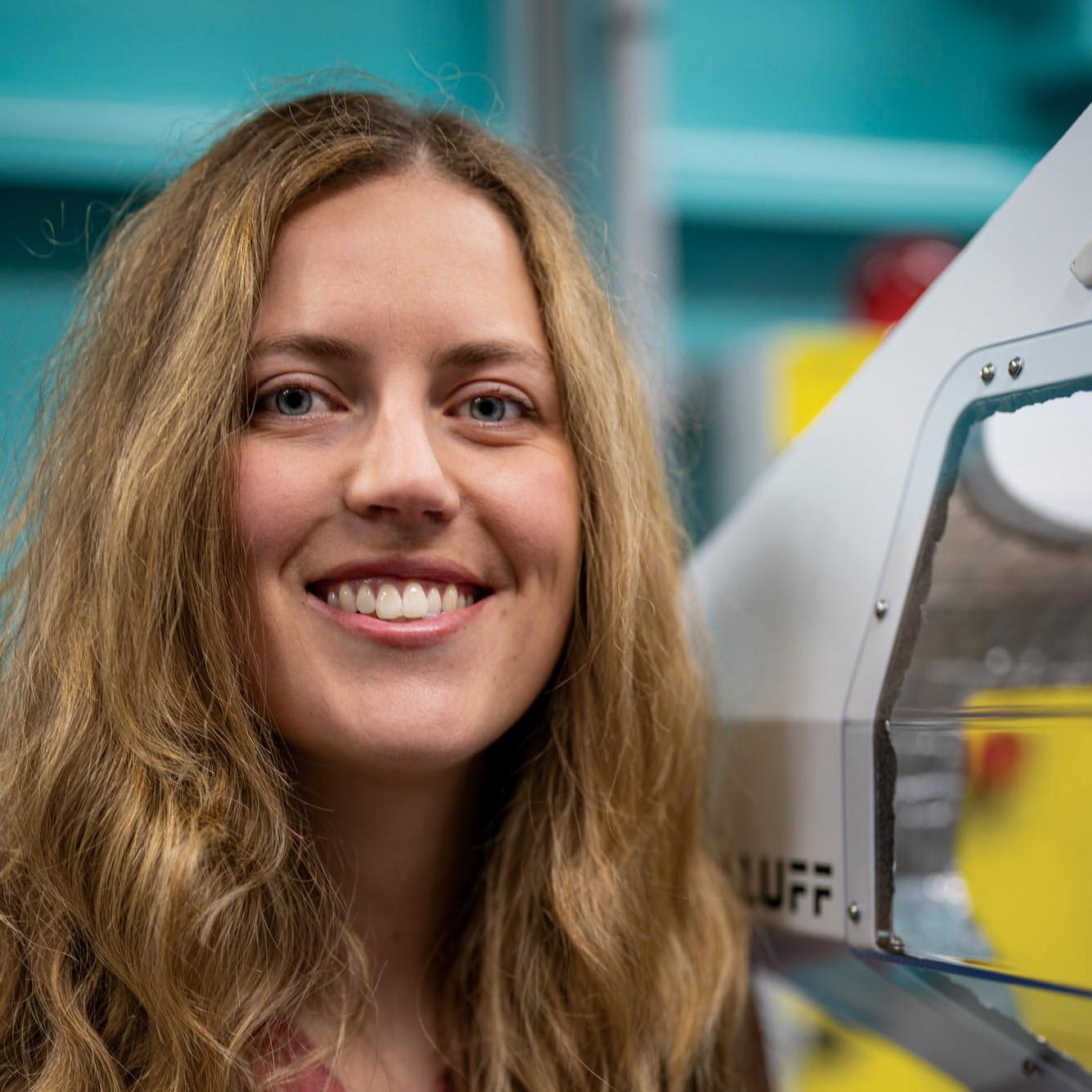
Super structures
All living things run on proteins: big, blobby molecules with thousands of atoms, performing mysterious duties at the atomic scale.
The way we learn more about those duties is by figuring out the shapes of these proteins. At the Synchrotron’s BioSAXS beamline, Annmaree works with researchers to do just that.
“We can use X-rays to understand what structures they’re forming,” she says. “People can understand what they look like, and then maybe design therapeutic drugs to target them, or understand processes in the body.”
Protein structure is important for researchers developing new medicines, but it can also be used to understand non-human proteins – even things like plant evolution!
Bright quantum future
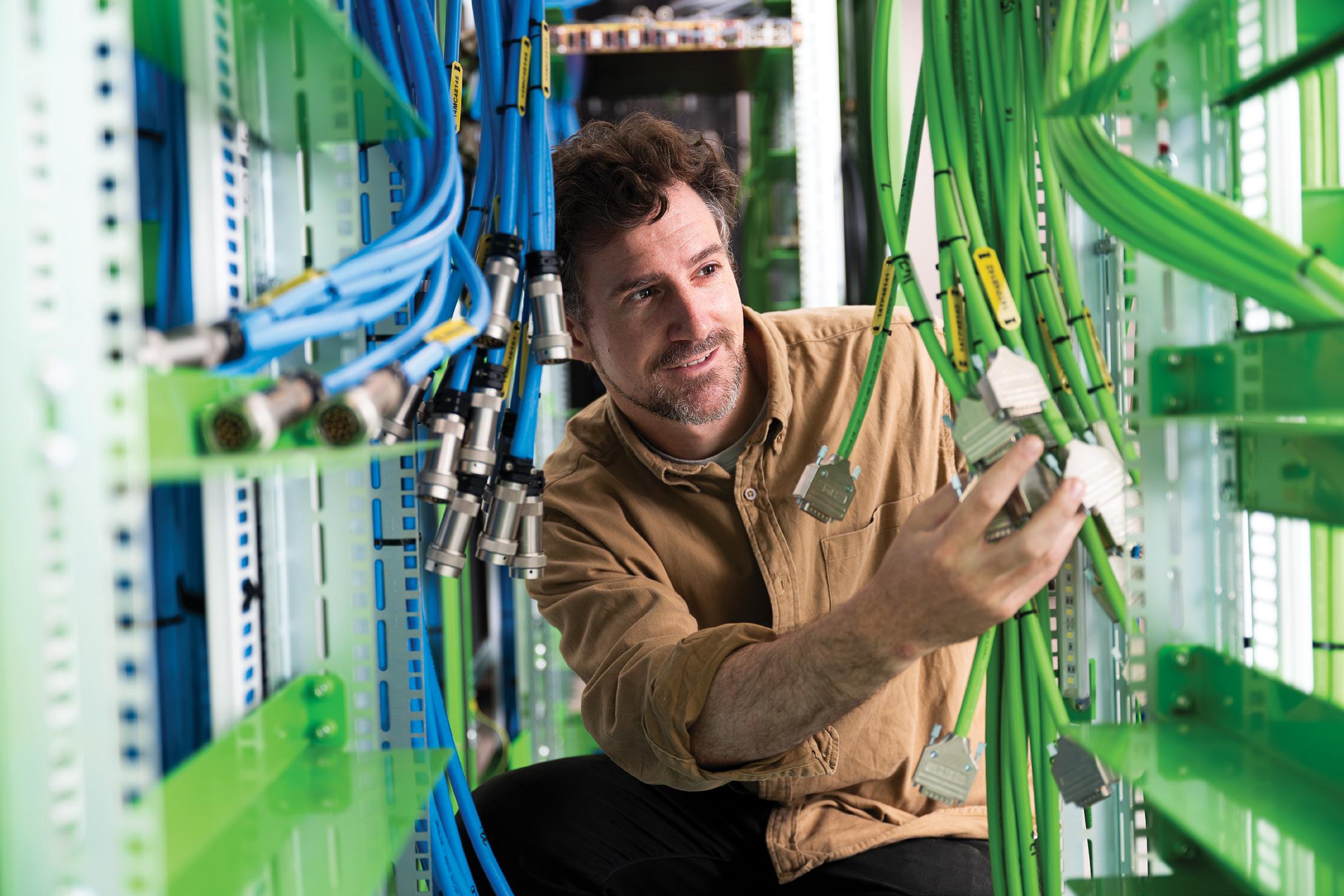
Evan’s tip
“Don’t be afraid to ask questions.”
dr evan constable NANOPROBE beamline scientist
What’s the tiniest thing you can imagine? Bet it’s not as small as what Evan’s been working on.
As a beamline scientist at the Synchrotron, Evan is investigating things at the nanoscale, in the order of about a billionth of a metre. He uses a nanoprobe, which focuses X-ray light on a minuscule spot. “That allows us to be really precise with where we’re applying the light,” he says. This can help to understand biological cells for medical research, and minerals for mining. But Evan is interested in quantum computing, a sector he says Australia has invested heavily in recently. Quantum computers are still developing, but as they scale up, the tiny components inside them will need to be analysed at the nanometre level to make sure they work properly. Evan’s tool acts almost like a quality check for the quantum future. – Ellen Phiddian
How tiny is a nanometre (nm)?
Human hair
~40,000 nm thick
Red blood cell ~7000 nm across
Bacterium
1000–10,000 nm
DNA molecule ~2 nm wide
Most atoms 0.1–0.2 nm
Bachelor of Science (Biochemistry), University of Waikato, New Zealand
Master of Science (Biochemistry and Molecular Biology), University of Waikato
PhD in biochemistry, University of Waikato
Beamline scientist BioSAXS, ANSTO
Bachelor of Science (Physics) (Advanced Honours), University of Wollongong
PhD in physics, University of Wollongong
Postdoctoral researcher, Institut N Éel CNRS, France
Senior scientist, Technische UniversitÄt Wien, Austria
Nanoprobe beamline scientist, ANSTO
CULTIVATE YOUR FUTURE
Want to feed the world while saving the planet? Ag science is your next frontier
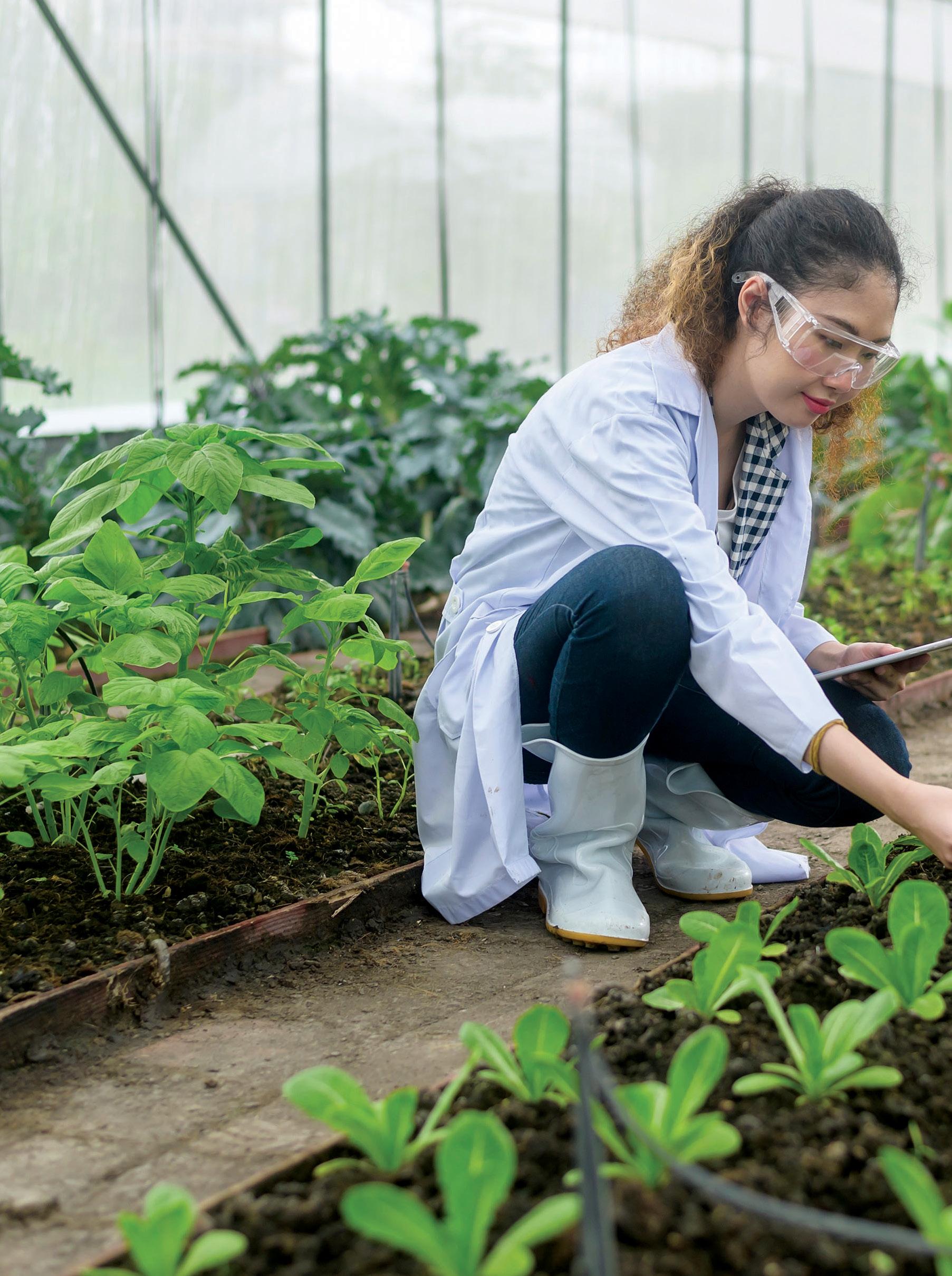
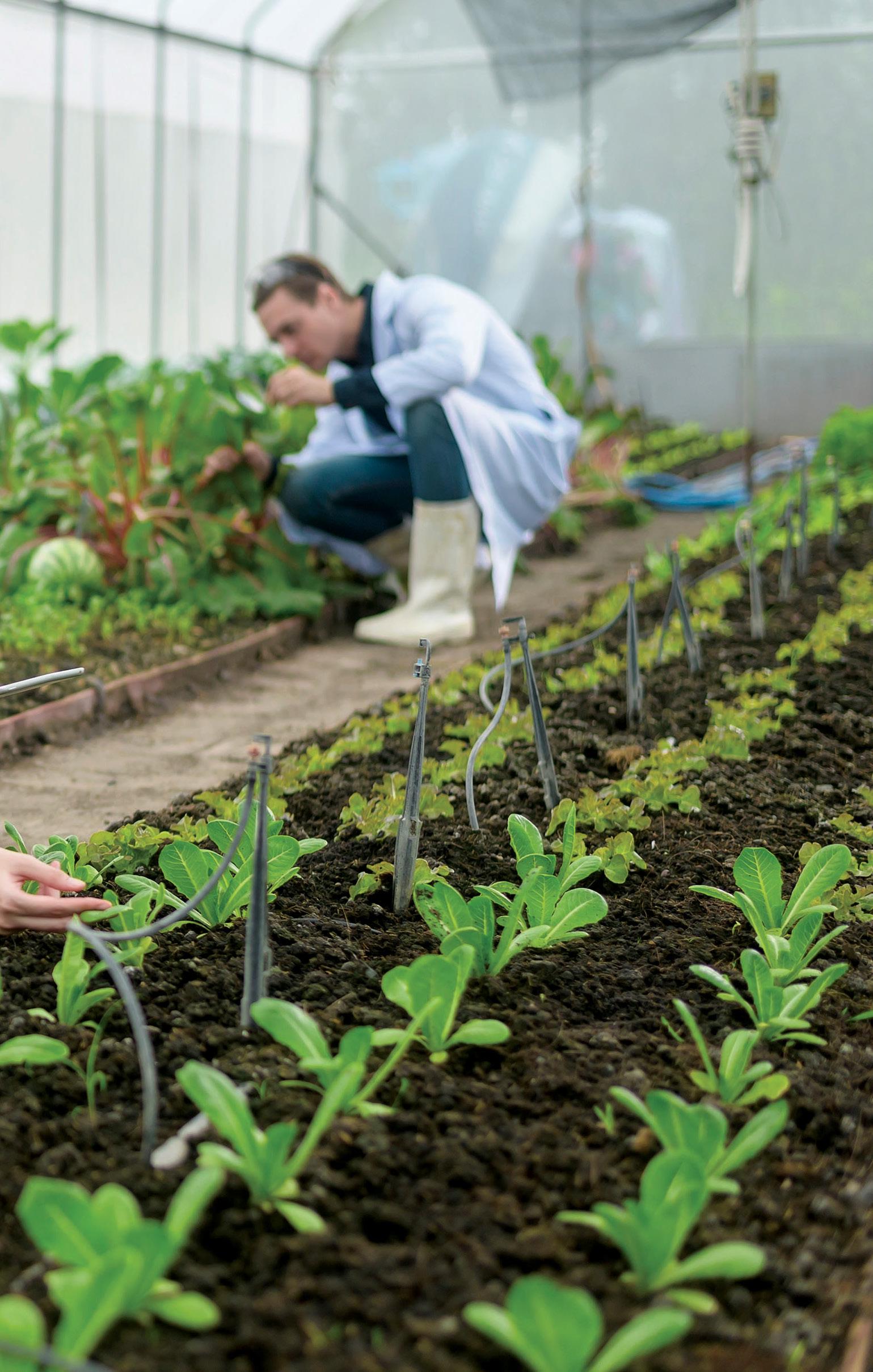
Forget that image of a weathered old guy in a plaid shirt on a tractor. Aussie farmers are among the most science-savvy in the world, and agriculture is brimming with STEM jobs. With a career in ag science, you could be in a lab figuring out how to improve livestock genetics or studying the life cycle of harmful insects that farmers need to control. You might be at an exciting AI startup working to combat climate risk. Perhaps you'll go diving in the aquaculture industry. Or maybe you’ll go roving around the stunning Kimberley rangelands, working with pastoralists to promote ecological food production.
By 2030, the government thinks ag jobs will tip away from traditional roles towards more creative science roles. – Alison Ratcliffe
Subjects matter
The government wants students from all kinds of disciplines to testdrive a career in ag through its new AgConnections placement scheme. It’s keen to enlist city dwellers, women and First Nations people too. Take a look at the subjects it’s targeting:
International Year of the Woman Farmer in 2026
Did you know nearly two-thirds of agriculture and environment graduates are women? Plus, female high school students are learning to solve real-world agtech problems through programs such as GrowHer in Queensland. All good reasons to celebrate the International Year of the Woman Farmer in 2026!

Feed the world
We need ag scientists to save our bacon! Here’s why…
• 9.8 billion – The projected world population, and number of people we’ll need to feed, by 2050.
• -120 calories – The likely result of reduced food production per person, per day for every degree Celsius of global warming.
• +3°C – The amount of global warming that would require everyone to give up breakfast.
• 800+ million – The number of people in the world who already have to go without food for a day or more.
• 8% – The projected drop in crop yields by 2050.
Real ag scientists in the field
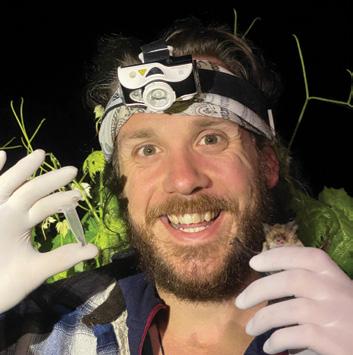
Dr Zenon Czenze (biology graduate) investigates whether bats could control pests in the wine industry, reducing pesticide use.
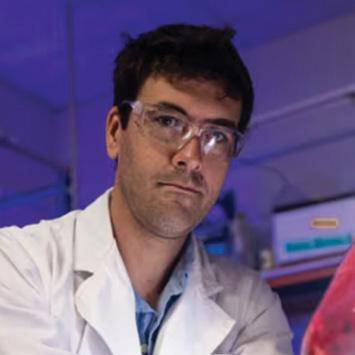
Indiana Rhind (engineering and agricultural engineering graduate) is founder of ag consultancy Demeter Engineering and an ag educator.
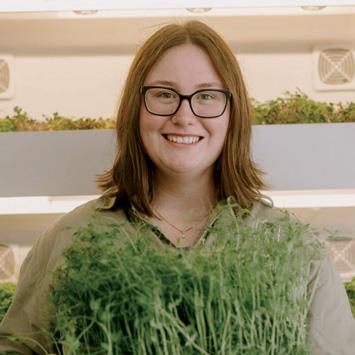
Dr Caitlin Evans (biodiversity, conservation and animal science graduate) is a livestock researcher investigating disease and stress-related health concerns of livestock.
Dr Valentin Thépot (science – aquaculture graduate) helps First Nations islanders on Groote Eylandt move from mining to sustainable aquaculture.
SCIENCE + AGRICULTURE + STUDY
Certificate II in Agriculture, TAFE WA, North Regional
Certificate III in Wine Industry Operations, TasTAFE
Diploma of Animal Technology, TAFE SA
Bachelor of Agricultural Science, University of Queensland
Bachelor of Agricultural Science, University of Tasmania
Bachelor of Viticulture, Charles Sturt University
SCIENCE + AGRICULTURE + JOBS
Agronomist
$56K–$102K
Vineyard manager
$50K–$93K
Biosecurity officer
$80K–$95K
Soil scientist
$49K–$83K Environmental consultant
Ag valley
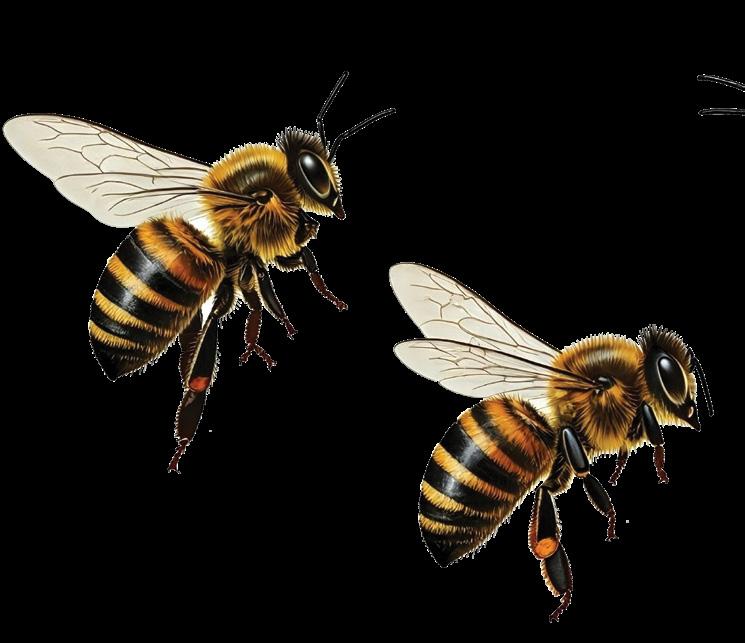
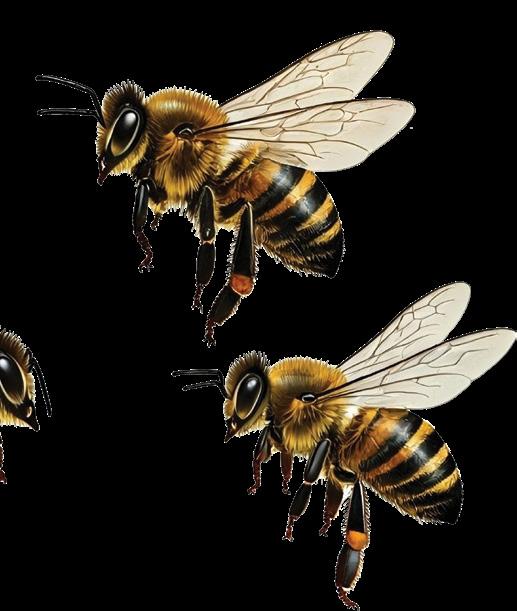
Aussie ag has its very own Silicon Valley! The trendy town of Orange in NSW is home to SparkLabs Cultiv8. Its accelerator program has funded more than 50 ag startups. They’ve developed a robotic bee that uses AI to pollinate crops, a fungus that could reduce fertiliser use and boost carbon capture, and feed that tweaks cows’ microbiomes to produce fewer planet-warming
$55K–$114K
*Salaries according to payscale.com and seek.com.au
CULTURED CAREERS
Modern ag is where innovation sprouts, science blooms and sustainability takes seed.
Explore a wide range of careers with ’culture!
Horticulture
Careers in horticulture are set to grow! Explore flowers and fruits, urban gardens, or even turf management for sports fields.
Horticulturists use botany, engineering and data analytics to develop impressive crops and design sustainable landscapes, all while reducing environmental impact.
Careers include: Arborist (tree management), landscape design, greenhouse technician, plant researcher
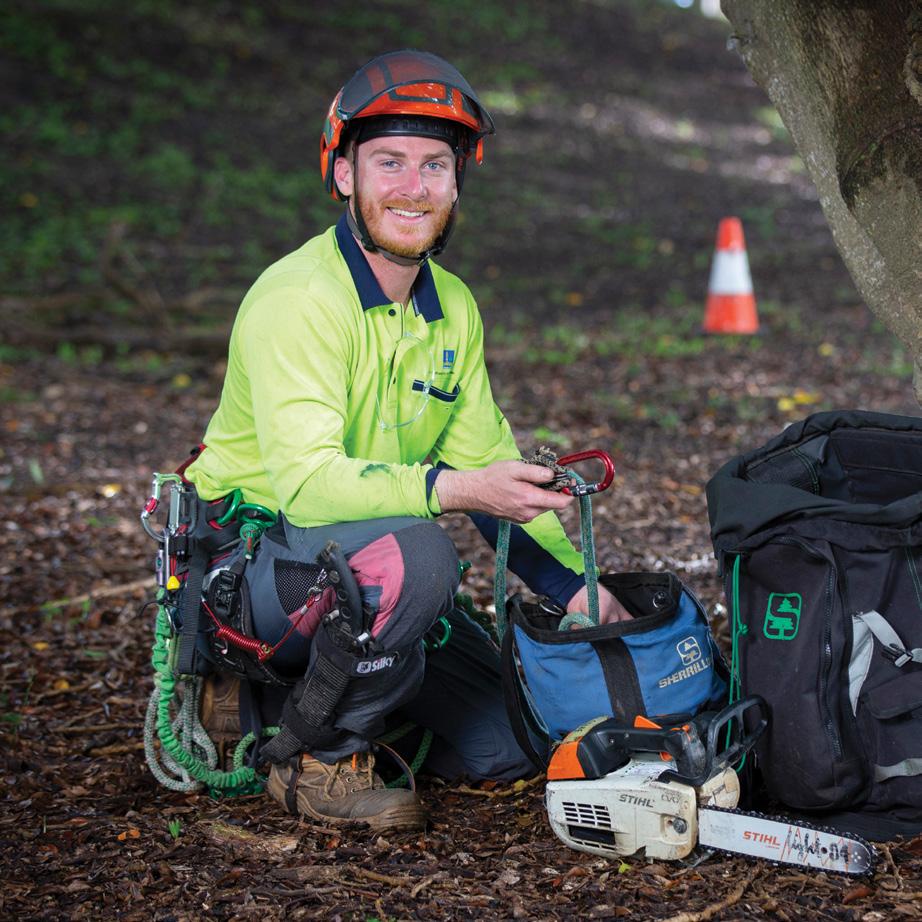
Meet Harryarborist Roberts
Harry completed his mature-age apprenticeship and a Certificate III in Arboriculture. He now leads his own arboriculture team at Brisbane City Council!
Viticulture
Aquaculture
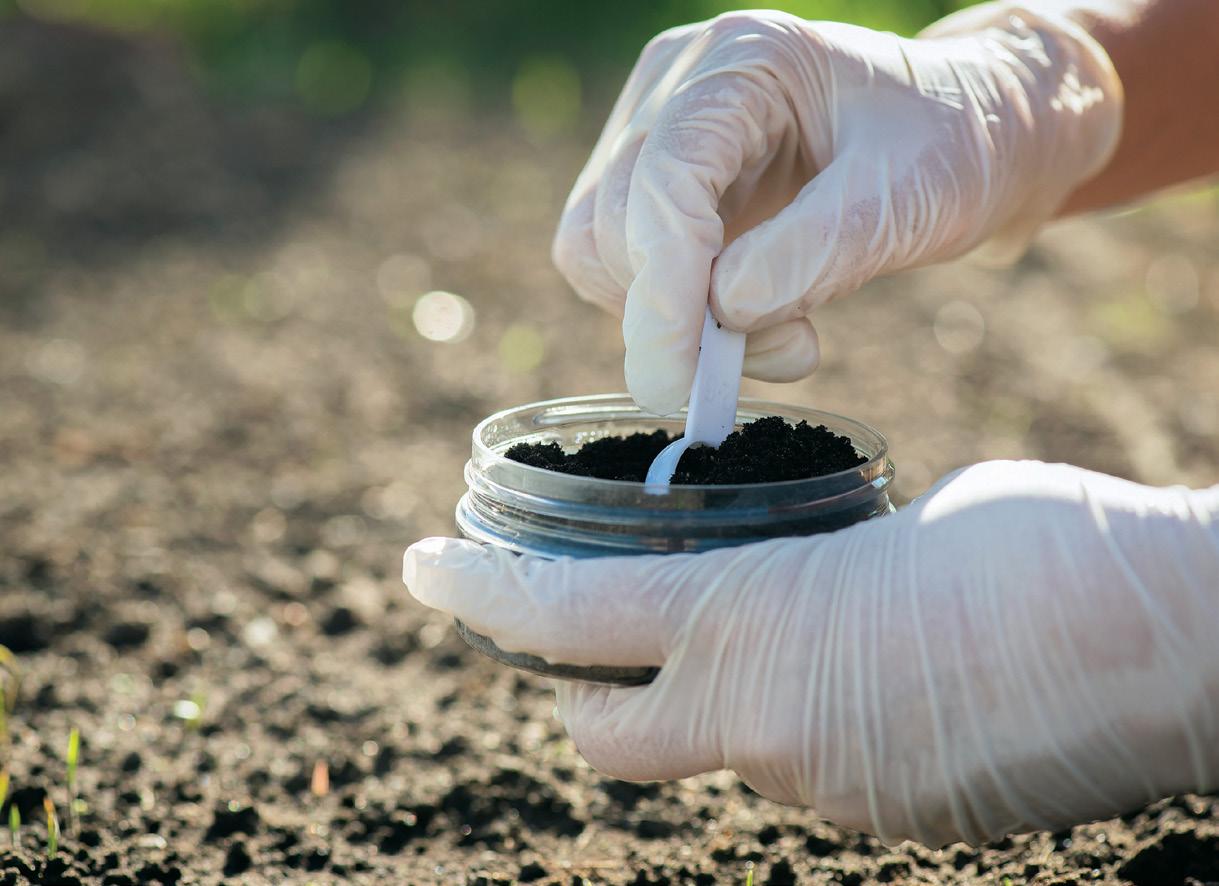
Australia is internationally renowned for its awardwinning wines and glamorous vineyards. Viticulture is the science and practice of growing grapes for wine, as well as for food and even cosmetics! You might explore soil analysis, pest control or fermentation technology for wine. Careers include: Vineyard manager, oenologist (wine scientist), plant geneticist, soil scientist
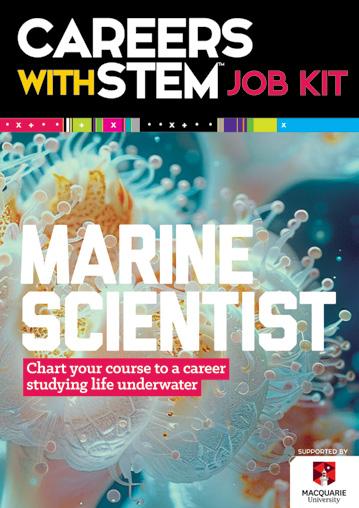
Aquaculture – aka fish, shellfish and algae farming – is the underwater version of agriculture. In Australia, aquaculture is booming and the industry is projected to increase in value by 5% to $2.21 billion by 2029. Get ready to make a splash in an aquaculture career!
Careers include: Marine biologist, phycologist (algae expert), aquaculture engineer, environmental scientist
Silviculture
Vital for healthy ecosystems, silviculture is about the growth and management of forests for everything from timber to clean water. Forestry scientists and environmental engineers use the latest tech like drones, GIS mapping and climate modelling to manage forests sustainably. –JasmineFellows
Careers include: Conservation biologist, forest ecologist, carbon analyst, sustainability consultant

Agriculture is more than farming
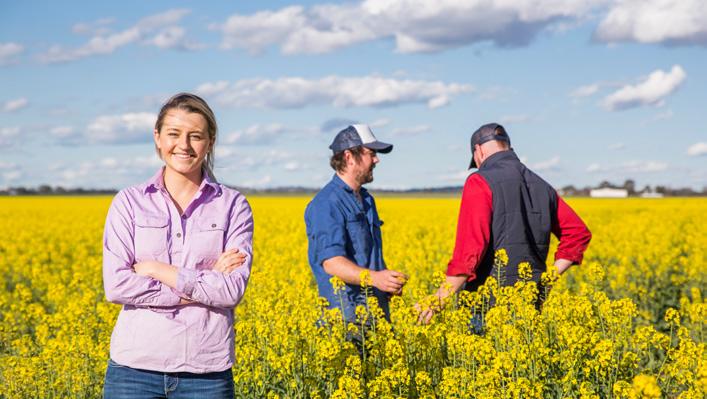
Discover how Jenson McIntosh’s agriculture degree is shaping a sustainable, science-driven future
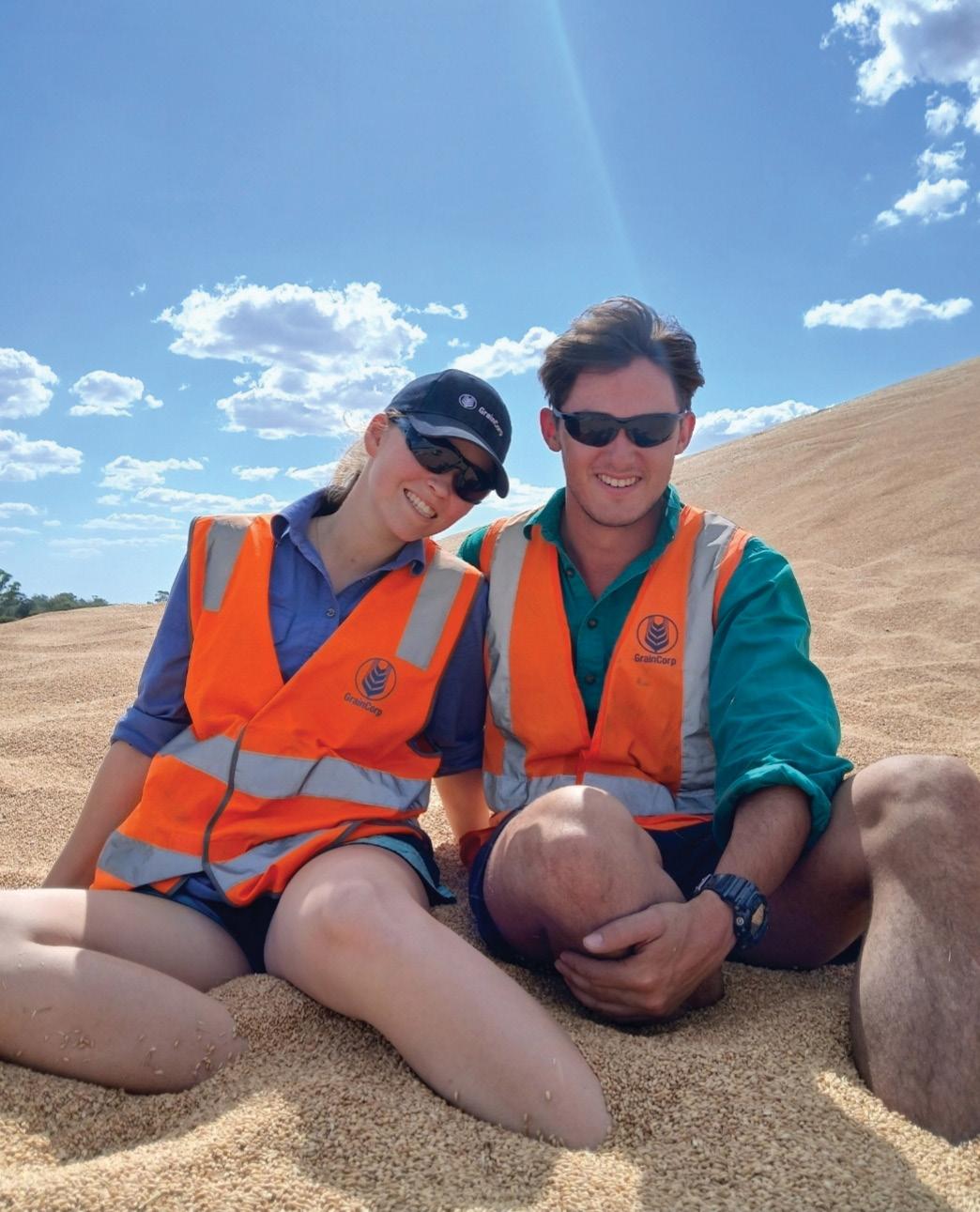
Youdon’t need to grow up on a farm to build a rewarding career in agriculture – just ask Jenson from Sydney who recently completed his Bachelor of Agricultural Business Management at Charles Sturt University in Wagga Wagga.
“When I started studying agriculture, I quickly discovered it’s much broader than I first thought,” Jenson says. “There are so many career paths, from research and agribusiness to international trade and supply chain management. It’s an industry full of opportunities to make a real impact.”
At Charles Sturt, Jenson’s classroom includes a 2000-hectare global digital on-campus farm in Wagga Wagga, giving him real-world experience. Charles Sturt is a leader in ag education – check out the 360-degree virtual farm tour to see the Wagga Wagga facilities.
This year, Jenson will start as a supply chain management graduate with a leading Australian pork company, where he’ll optimise production systems and explore renewable energy solutions. – Karen Taylor-Brown
jenson mcintosh supply chain manager

Bachelor of Agricultural Business Management, Charles Sturt
SCIENCE + SPACE + STUDY
Bachelor of Science (Astronomy and Astrophysics), Macquarie University
Bachelor of Science (Physics), QUT
Bachelor of Space Science, RMIT
Advanced Diploma of Engineering
TAFE Queensland
SCIENCE + SPACE + JOBS
Astrophysicist
$59K–$121K
Avionics engineer
$71K–$111K
REACH FOR THE SKY

Robotics engineer
$56K–$100K
Data analyst
$60K–$114K
*Salaries according to payscale.com

Major perk!
Space needs gamers! Yep, the same 3D modelling, virtual reality and simulation tools used to design video games are also used to plan rover missions, control satellites and even train astronauts.
Choose your trajectory
Pathways are as diverse as the jobs going – it just depends where you want to land!
A Bachelor of Science could skill you up to become an astrophysicist, meteorologist or planetary scientist, while a computer science degree could lead to careers in data analysis, satellite science and Earth observation.
Then there are the VET-to-space pathways in areas like aerospace manufacturing, drafting and avionics, where diplomas, internships and apprenticeships are increasingly supported by industry partners, including the Australian Space Agency. Whatever you choose, picking your pathway is a great first step into space! – Cassie Steel
Launch your science + space career, without leaving Earth
Figure you’d have to head to NASA to land a successful career in space? Think again! With Australia’s space industry on track to triple in size by 2030, the sector is buzzing with employers on a mission to hire science grads.
Speed of light
Since the launch of the Australian Space Agency in 2018, the industry has seriously taken off. With the help of tech-savvy graduates, it has supported more 15,000 jobs, with a goal to create another by 2030!
The best bit for wannabe space scientists? Space hubs (and jobs) can be found all over the country – from the ACT (Geoscience Australia) to Queensland (Gilmour Space Technologies) and South Australia (Neumann Space).
Mission control
Home to the Australian Space Agency, along with satellite giants Fleet Space Technologies and Myriota, Adelaide has become a buzzing industry hub.
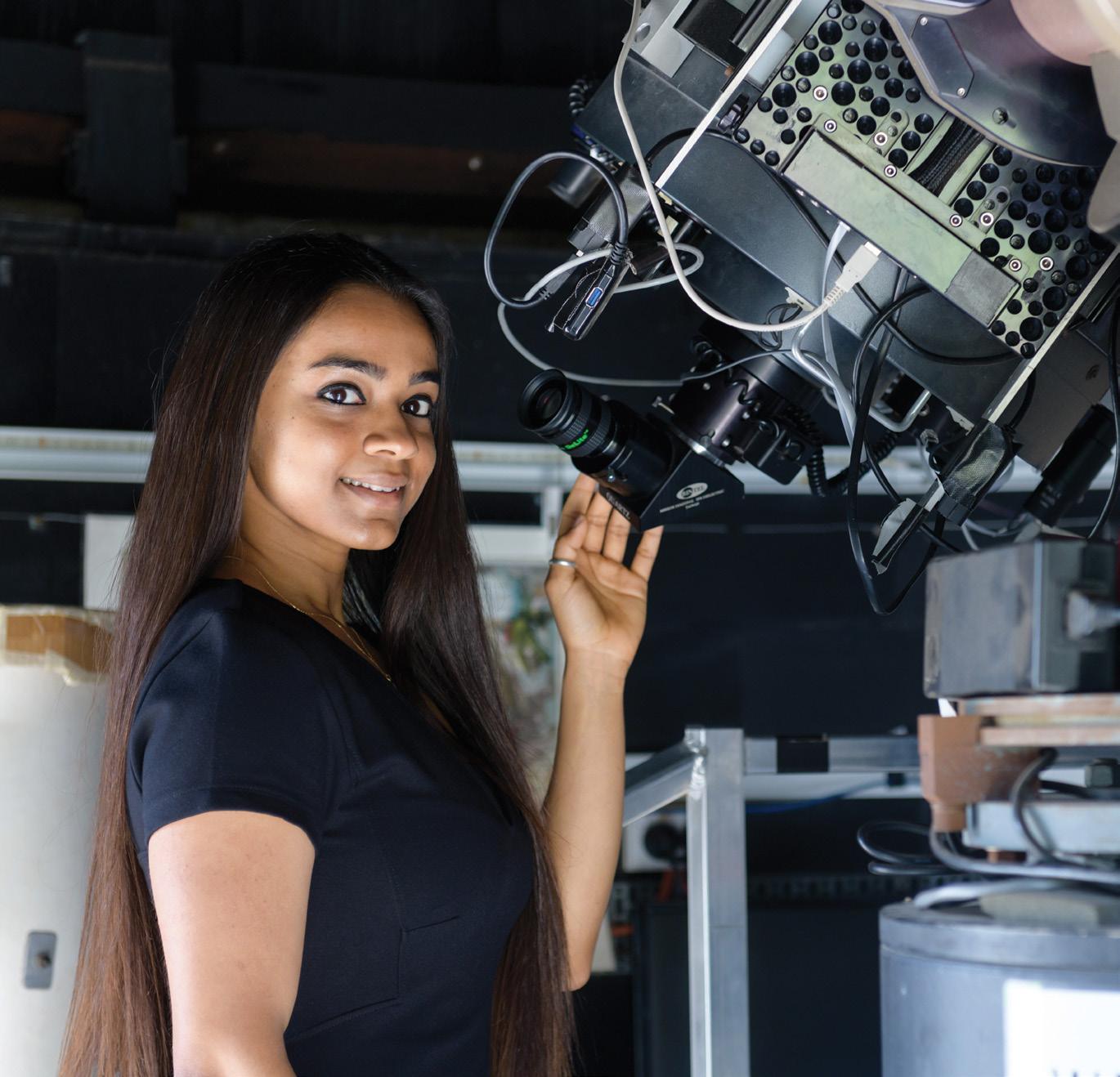
Associate Professor Devika Kamath Astrophysicist
FOLLOW THE STARS
Associate Professor Devika Kamath has followed the stars all her life. Now she’s inspiring the next generation to do the same at Macquarie University!
When you study at Macquarie University, the sky’s the limit! Devika has seen Macquarie astronomy grads go into jobs ranging from finance to pharmaceuticals, academia and science communication.
“The extreme amount of data science and data techniques we use in astronomy is incredible,” Devika says. “We use advanced modelling and imaging techniques, and that gives our students skills they can take anywhere.”
Super supportive
Devika loves how supportive and welcoming Macquarie University is, and she’s looking forward to continuing that culture for students as Head of the School of Mathematical and Physical Sciences.
if you have talent, macquarie supports you”

“Macquarie doesn’t care where you come from or what you look like. If you have talent and drive, it supports you,” Devika says.
Astronomy’s big toys
When Devika was young, her favourite toys were a sextant, an almanac and star charts. Her grandfather, a sailor, taught her that you can calculate distance and direction just by looking at the night sky.
These days, Devika is researching at Macquarie Observatory, one of Australia’s busiest teaching observatories and home to Sydney’s only astronomy major.
If you can't wait to check out the observatory, book in for a visit now! You'll get to chat to current students and experience the campus vibe.
The entire School of Mathematical and Physical Sciences has fantastic facilities. If you want to explore space, Macquarie has you covered. “There are laser labs, photonics labs, even 3D printing machines and data science centres,” says Devika. – Jasmine Fellows
Macquarie University
Post-doctoral
Leuven, Belgium
MAKING SPACE SAFER
To send things safely into space, we need experts who can replicate its harsh radiation – like ANSTO’s Dr Stefania Peracchi
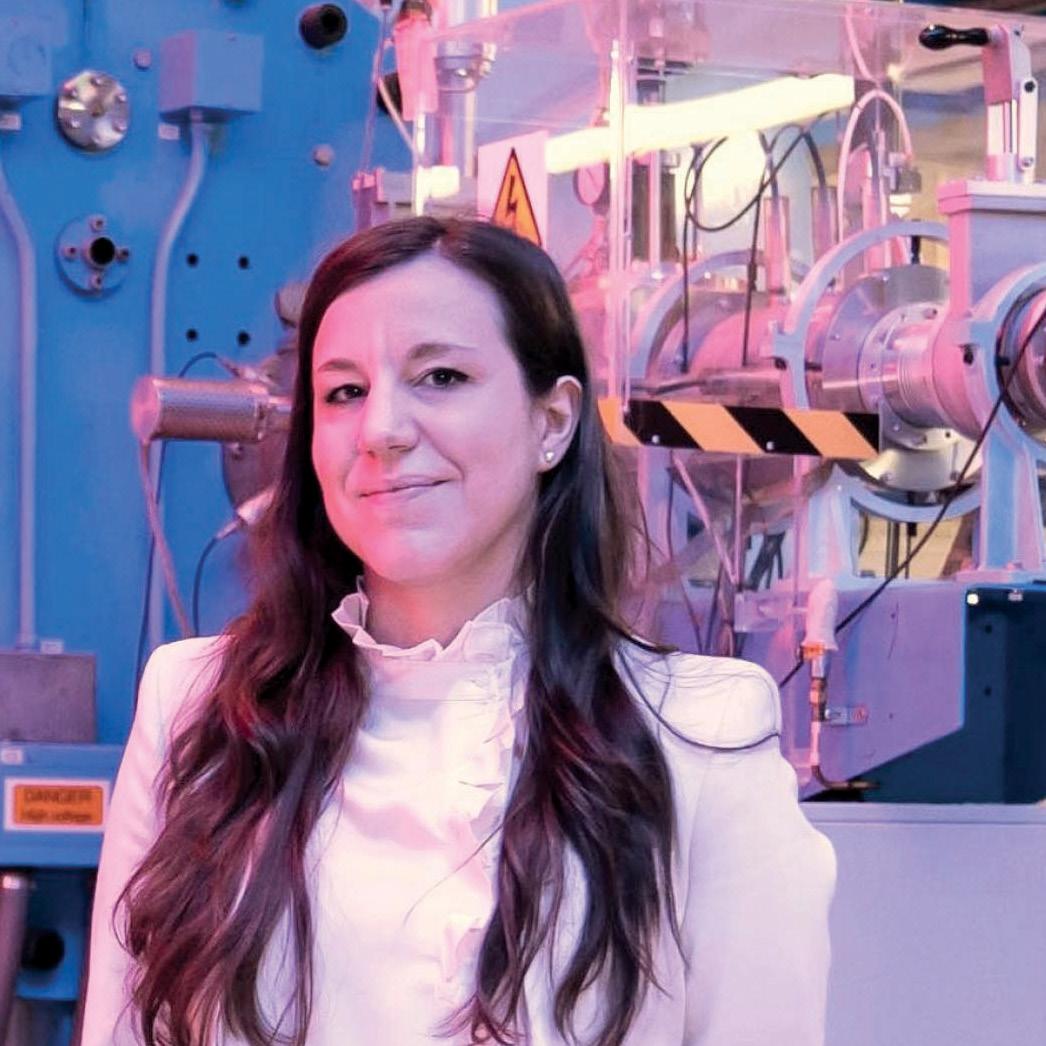
Dr Stefania Peracchi Nuclear physicist
Space is dangerous – and not just because there’s no air. It’s full of radiation!
On Earth, a magnetic field protects us, but space is constantly bombarded by cosmic rays and bursts of radiation from the Sun.
That means if we want to send humans, or even computers, into space, we need to protect them from radiation. Stefania is helping to do this at ANSTO’s Centre for Accelerator Science.
“Our purpose is to provide the facilities –particle accelerators – to recreate the space radiation environment on Earth,” she says.
Stefania and her team help researchers test out technologies used in space exploration by bombarding them with radiation.
“They can access a specific radiation that their electronic components, or whatever they’re going to send to space, will be exposed to during their mission,” she says.
Stefania spends her days running radiation experiments, developing and improving their instruments, and supervising students.
“The most rewarding part of my job is having a wide variety of researchers coming in with all these different and weird questions,” she says.

The experiments could be on anything, from a space company launching a satellite into low-Earth orbit, to academics testing to see how humans would handle a voyage to Mars.
In one recent experiment, they exposed seeds bound for the Moon to radiation to see if they could survive and become crops on a possible Moon base.
“It’s interesting to see how some seeds are more resilient to radiation than others.”
Stefania says it’s a fascinating job – but it’s not one she expected to end up in.
“I never dreamed to be a space radiation expert, or even to work in the space field. Do not worry if, at 18 years old, you don’t know who you want to be and what to study. There’s always a way to find out.” – Ellen
Phiddian
We recreate the space radiation environment on earth”
Master of Nuclear Engineering, Polytechnic University of Milan
Bachelor of Physics Engineering, Polytechnic University of Milan
engineer, IRSN
Cosmic crops
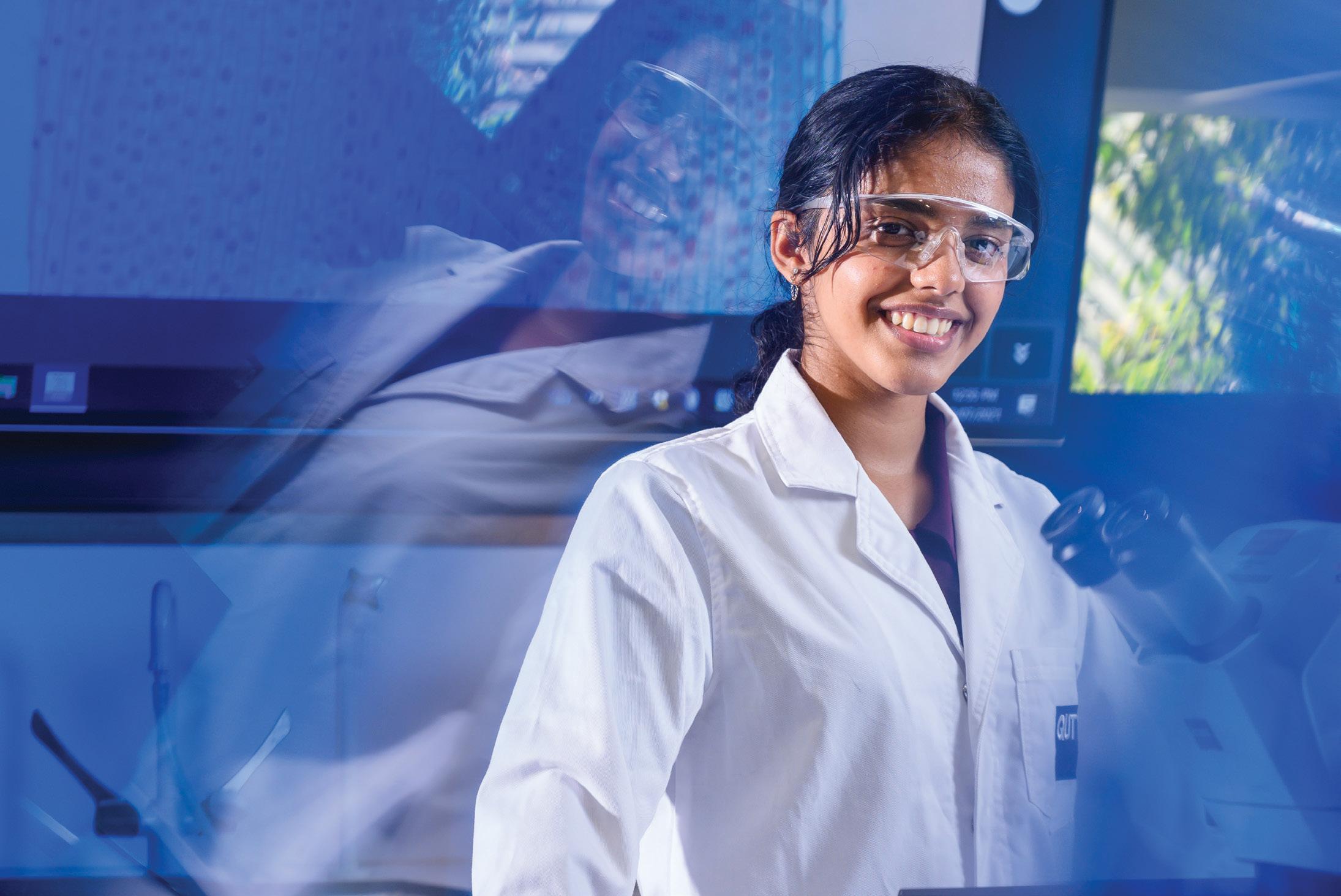
Find out how a chef swapped cooking for cosmic crops – and why QUT is the perfect place to start growing your future career
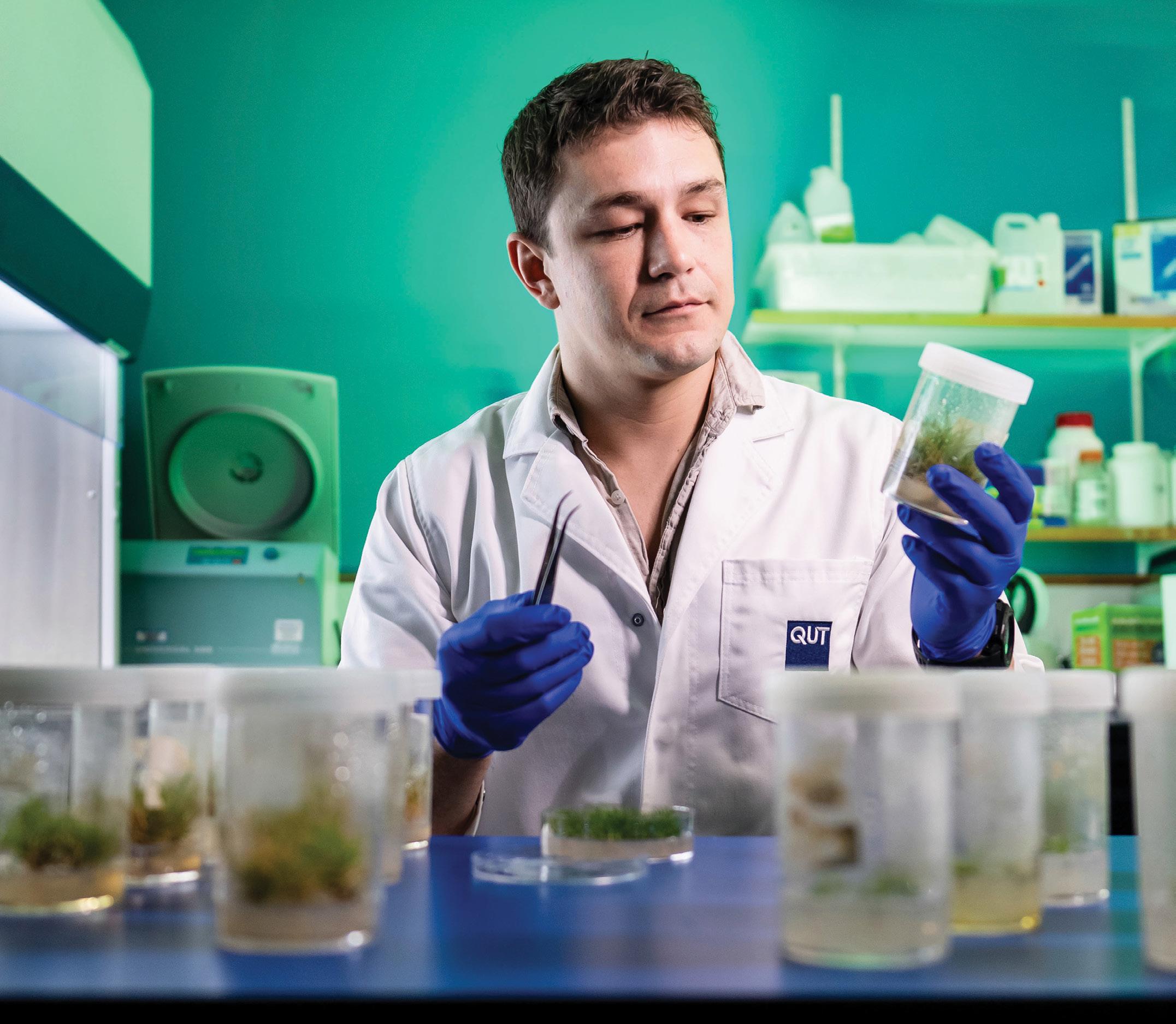
This year, Australia is aiming to grow plants on the Moon! Meet QUT PhD candidate Jordan, who’s helping to make this mission a reality.
Jordan is part of the Australian Lunar Experiment Promoting Horticulture (ALEPH) project – an international effort to choose the best seeds and plants to send into space. He’s studying Tripogon loliiformis, a native Australian ‘resurrection grass’. This plant can lose 95% of its water, then bounce back within 24 hours of watering. If any plant can handle lunar life, it’s this one!
After 17 years as a chef and restaurant manager, Jordan realised the industry wasn’t for him and turned to QUT to pursue his passion for plants.
“I ultimately decided on QUT because it’s well-known for its very practically oriented mindset,” he says.
One of Jordan’s favourite things about QUT is the close rapport he has with his supervisors, who encouraged him to take part in the lunar project.
“It’s definitely got a fantastic supervisory network. Our professors and lecturers are amazing.” – Jasmine Fellows

Honours (Biological Sciences), QUT
This article was produced in partnership with QUt
Bachelor of Science (Biological Sciences), QUT
Chef and restaurant manager
PhD in molecular biology and plant physiology, QUT
Beyond CSI
Love science and solving problems? You might have a career as a forensic expert
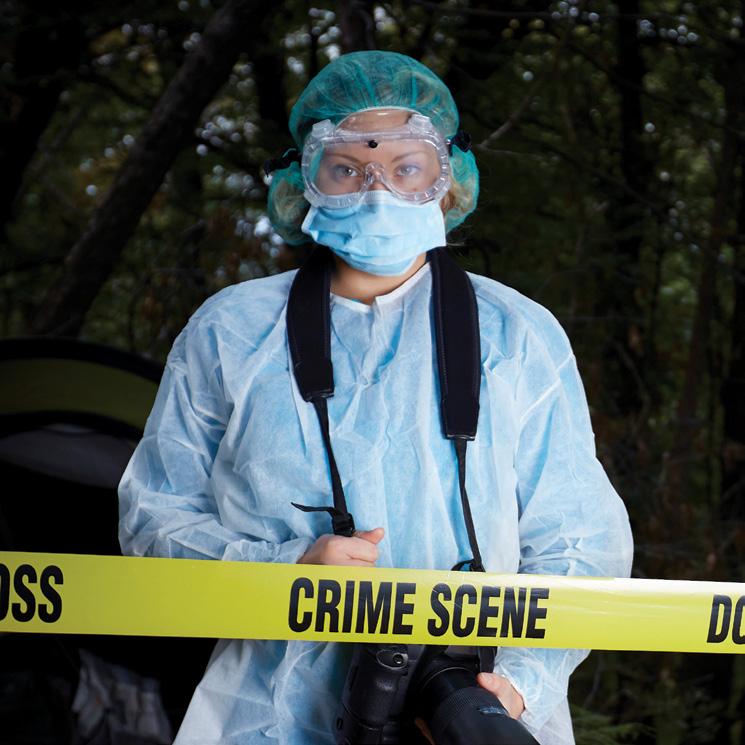
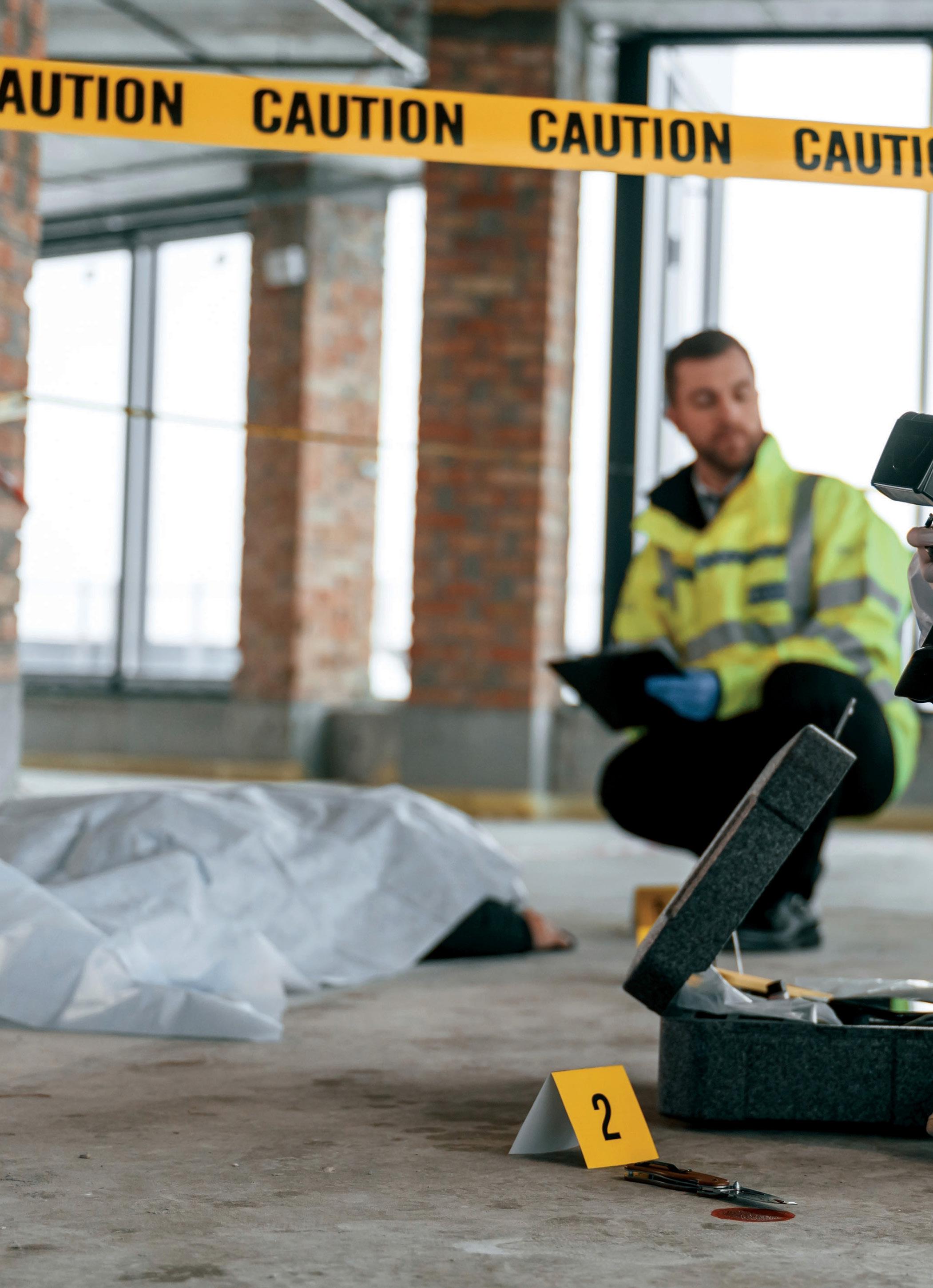
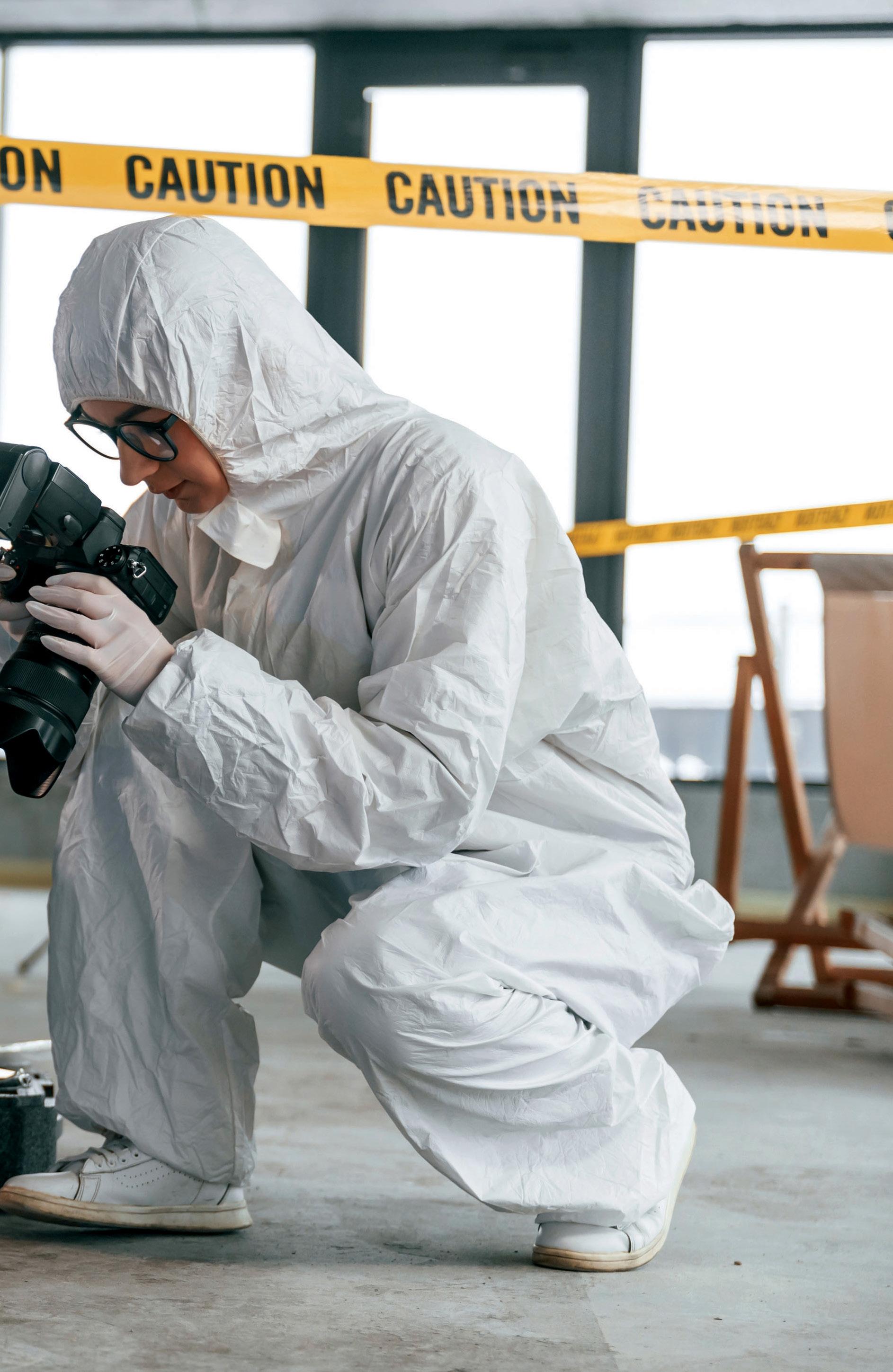
When you think of forensics, you might imagine one person in a lab coat analysing DNA or fingerprints. And while that can be part of the picture, the science of crime and justice is a vast field that often combines biology, chemistry and psychology to understand what happened, who did it and why.
The reality is that it takes time for lab results to come in, and there’s usually a team of hundreds working on multiple crimes at once. For example, the Victoria Police Forensic Services Department has over 500 staff and provides more than 100,000 examinations per year.
With a career in forensic science, you could be anything from a crime scene investigator to a forensic pathologist. The list of forensic jobs grows every year! – Samantha Wheeler
Australian Federal Police work experience
If you want to get a taste of a career in forensic science, the Australian Federal Police have a one-week immersive program for students in years 10 to 12 in the ACT. This program only happens twice a year, so be sure to keep a close eye on their website
Fact vs fiction
TV Reality
Futuristic equipment and facial recognition software are common.
Results are instantaneous, with a case solved in a few hours or days.
One person (or a small team) performs multiple roles, like lab tech, detective or mortician.
Investigators carry guns, chase suspects, and call all the shots.
Technology is advanced, but still not top tier. Enhancing blurry images or getting perfect facial matches is often not doable.
Backlogs in labs are common, and it can take days, weeks, or even months to receive and analyse lab results.
Different experts handle different tasks, from evidence collection to lab analysis.
Many forensic experts are rarely involved with suspect interrogations and arrests.
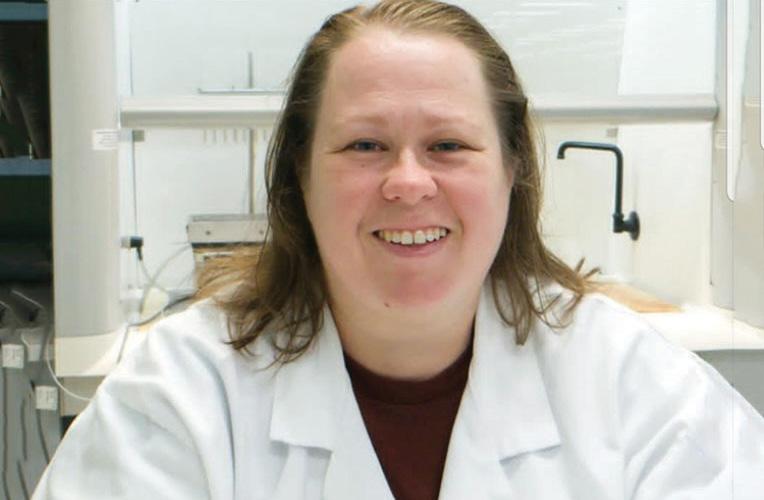
Michelle Neil Forensic analyst
Forensics for real
What a science career working in crime and justice actually looks like!
Have you ever heard of the CSI effect? As Michelle, a forensic analyst with Queensland Health Forensic and Scientific Services, explains: “The CSI effect is when crime shows and other media like TikTok portray forensics and other science incorrectly.”
While most of the ‘science’ you watch on TV or TikTok unfolds rapidly, Michelle says her work tends to be complicated and time consuming.
“Depending on the run time for each sample [of forensic evidence] and how many samples there are, it might take 24 hours for the run to finish – or even a whole weekend!”
Then, she needs to review the data and write up reports.
Her pro tip for anyone interested in forensics? Ask yourself which subjects you like best at school. This can help you figure out how to use your passion to solve forensic problems. Given the diversity of forensic roles out there, you're bound to find something that suits you!
“Forensic accountants to forensic nurses to forensic anthropologists, crime scene investigators, forensic psychologists, and even forensic dentists (odontologists),” Michelle says. Take your pick. – Samantha Wheeler
SCIENCE
+ STUDY
Bachelor of Forensic Science, UTS
Bachelor of Forensic Science / Bachelor of Criminology, Deakin University
Bachelor of Science (Chemistry), QUT
Diploma of Criminology and Criminal Justice, Federation University
SCIENCE + CRIME & JUSTICE + JOBS
Forensic scientist
$53K–$99K
Forensic pathologist
$51K–$306K
Crime scene investigator (CSI)
$33K–$102K
Forensic scientist
$53K–$99K
*Salaries according to payscale.com

LIFE BY DESIGN
By learning biology’s secrets, you could discover opportunities that nature never even dreamed of
Life on Earth is encoded in a shared language of biochemistry. From instructions written in DNA emerge the building blocks of proteins, fats and sugars, which combine into functional, living organisms.
Scientists are not only learning this language, they are finding ways to reimagine it in novel ways. Synthetic biology is a rapidly evolving field of study
where researchers construct and redesign biological systems to give them new functions that suit our needs.
At its core, synthetic biology combines biology, chemistry, engineering and computer science to build living systems from the ground up. – Mike
McRae
Cut and paste
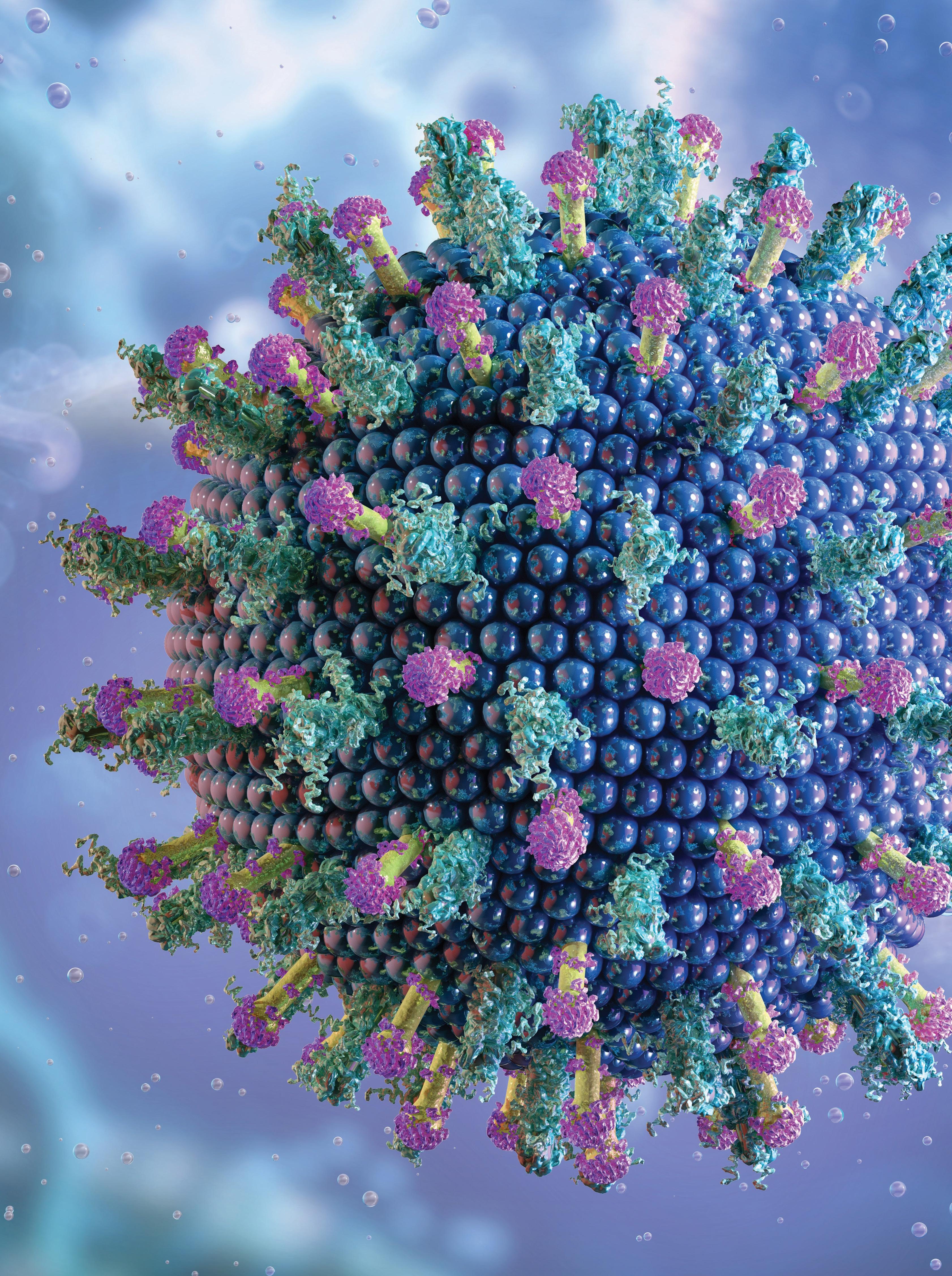
Researchers are already learning how to strip bacterial genomes down and rebuild them into cells that are entirely synthetic. A tool known as CRISPR allows researchers to tweak DNA codes as easily as we might cut and paste text. By removing or adding sequences into existing cells, future researchers could help crops adapt to dry or salty conditions, make foods that are more nutritious, or reduce the risk of disease in livestock and even humans.
START

Reprogrammed lifeforms
Check out these examples of synthetic biology in action!
Medicine from microbes
The common gut bacterium E. coli has been reprogrammed into a mini-factory. It can make insulin for people with diabetes, reducing the risks and costs of sourcing insulin from animals.
From bread to biofuel
Common brewer’s yeast has been tweaked to produce carbon-neutral biofuels. That’s a win for the environment.
Lab-grown meat
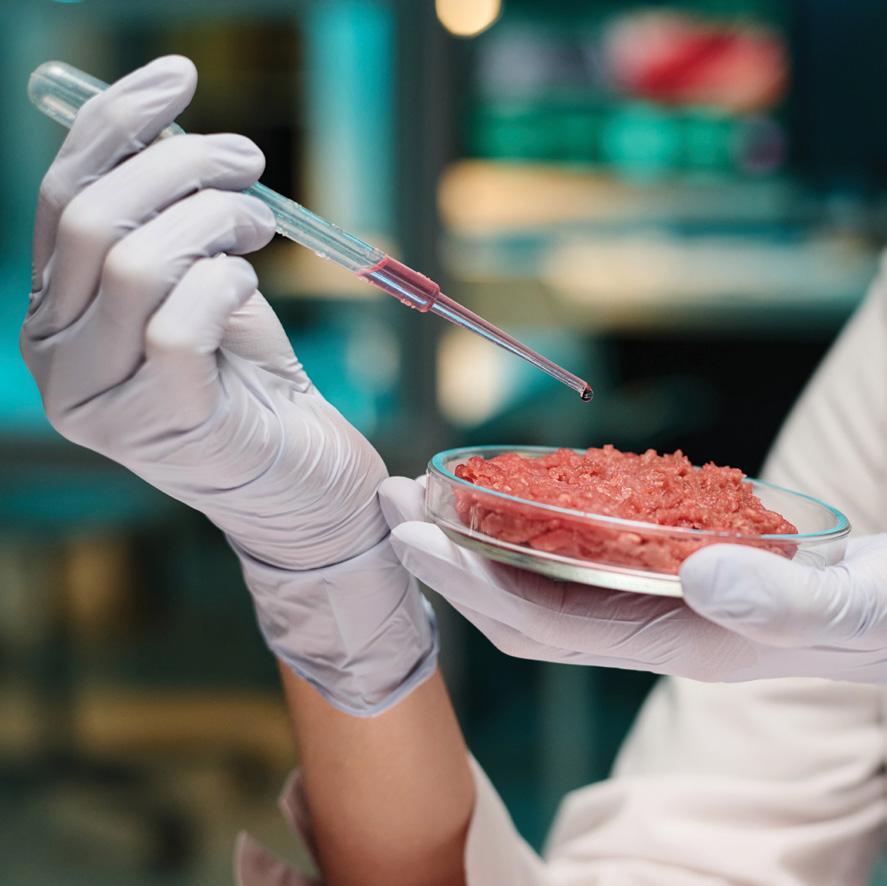
Science is serving the ‘meat’ without the moo. Animal tissues are being grown in labs to deliver more ethical and sustainable meat – without livestock.
The ethics of redesigning life
The next life-changing breakthrough might not come from nature, but from a lab bench where life itself is reimagined. Are we ready for what comes next? We’ll need bioethicists to make sure we are.
Biology that’s booming!
According to CSIRO, Australia’s synthetic biology sector could generate $30 billion in annual revenue and create over 50,000 jobs by 2040! From bioengineers and biotechnologists, to data scientists and biomanufacturing specialists, careers in this field are growing. You could work in industries like health, food, energy or environmental science.
Summer of science
QUT master’s student Summer Satterthwaite has been hooked on biology and the natural world ever since she was little
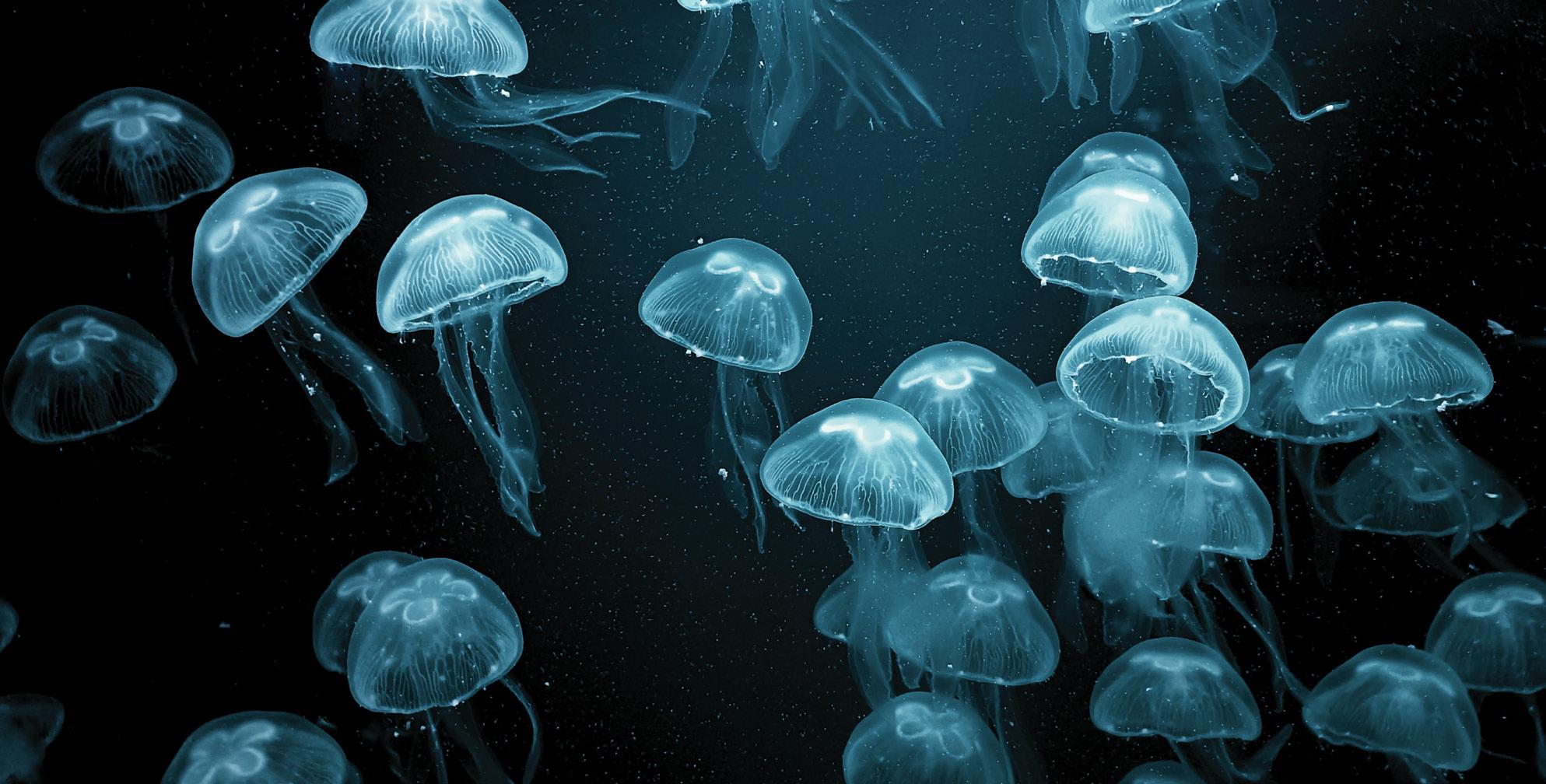
"Thanks to many David Attenborough documentaries, I was always interested in animals and the natural world as a little kid,” Summer explains. “But when I began to learn about how life works at the genomic level, I was absolutely astonished to discover that every living thing – from giraffes to microbes to jellyfish – was working with the same tool set.”
After majoring in biotechnology at Te Herenga Waka–Victoria University of Wellington, Summer won an Australian Academy of Technological
SCIENCE + SYNTHETIC BIOLOGY + STUDY
Bachelor of Science (Biotechnology), Macquarie University
Bachelor of Science (Biotechnology), RMIT
Bachelor of Science (Biotechnology), Te Herenga Waka–Victoria University of Wellington
Bachelor of Biomedical Science, University of New England
Summer Satterthwaite Biotechnology
student

Sciences & Engineering scholarship to study a Master of Philosophy (Biotechnology) at QUT.
Summer’s studies in synthetic biology now focus on semiochemicals. These compounds allow organisms to influence one another’s behaviours, like pheromones.
“Pheromones are incredibly powerful tools even in low quantities, but can be challenging to produce using traditional chemical synthesis, the perfect avenue for synthetic biology to step in,” Summer says.
Master of Biotechnology (Synthetic Biology and Industrial Biotechnology), The University of Queensland Master of Biotechnology and Bioinformatics, LaTrobe University
SCIENCE + SYNTHETIC BIOLOGY + JOBS
Food technologist
$55K–$93K
Research associate
$55K–$126K Biotechnologist
$49K–$92K
Biochemist
$62K–$122K
*Salaries according to payscale.com
Spark your scientific curiosity
The world of science is only a follow, play or watch away
Electives checklist
Follow
@kurzgesagt: Creates beautiful animated explainers to spark curiosity about science and the world we live in.
@doctor_karl: Aussie treasure and science communicator Dr Karl explains science not just on social media but for the ABC.
@CSIROgram: Australia’s national science agency uses its Instagram platform to show science research in a fun way. Look out for Wombat Wednesday!

Animal Crossing (Nintendo Switch)
This award-winning game lets you build your own little town. Within the game, you can fish, dig and collect bugs. Then, take them to Blathers, the owl museum curator. He’ll give you wholesome, real-world facts on each and every fossil, bug or fish.
The Planet Crafter (Steam)
Similar to Minecraft but set in space. A world-building game that aims to make an inhospitable planet habitable for humanity.
L.A. Noire (Steam)
Play as detective Cole Phelps as he solves crime for the L.A. Police Department.
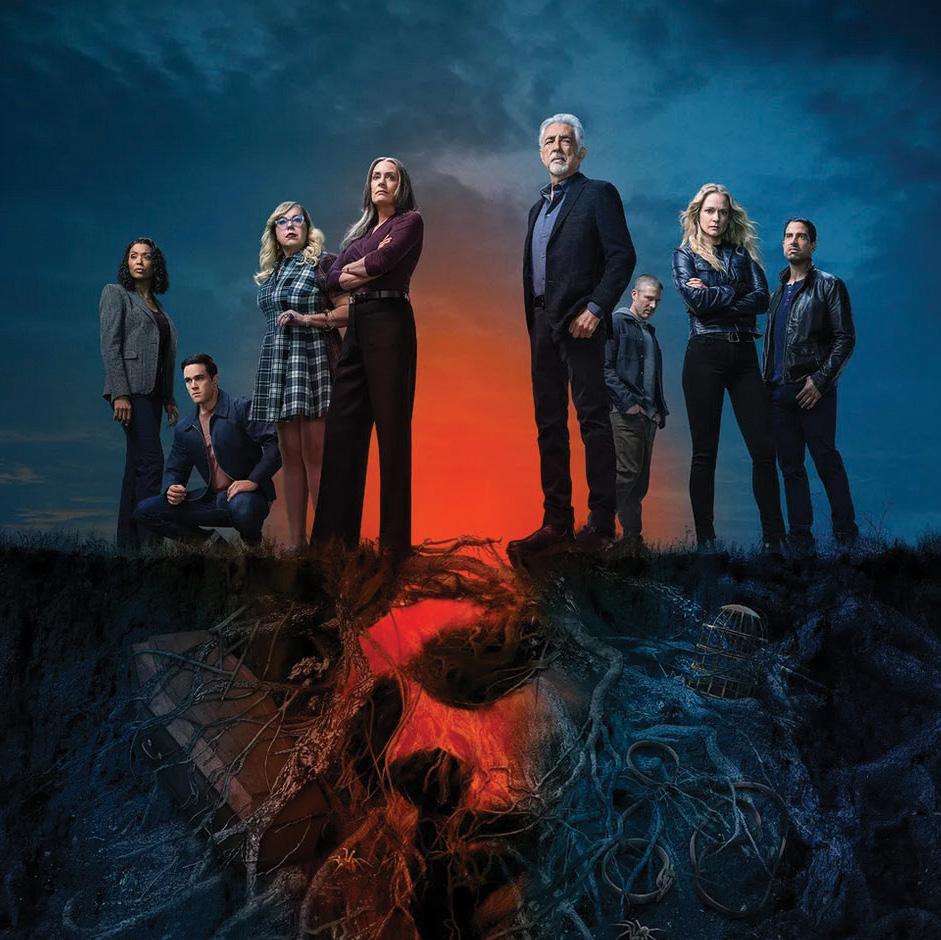
Criminal Minds (Disney+ and Paramount)
Follows the FBI’s Behavioural Analysis Unit, solving violent crimes using psychological profiling. Real-life note: this is a fabricated version of what profiling actually looks like in real-life investigations! Still inspiring.
Explained (Netflix)
This TV series run by Vox goes through a range of topics including pandemics, skin and plastic surgery. We also recommend their other series: The Mind, Explained
Steins;Gate (Crunchyroll)
This anime follows a mad scientist named Rintaro Okabe and his friends, who accidentally discover time travel. While seriously fictional, this anime explains real scientific concepts such as wormholes, Kerr black hole theory and string theory.


Careers with STEM: Science 2026 is a publication and trademark of Refraction Media. Copyright © 2026 Refraction Media, all rights reserved. No part of this publication may be reproduced in any manner or form without written permission. If you would like to reproduce anything from this magazine, email: info@refractionmedia.com.au.
We acknowledge the Traditional Owners of country throughout Australia and recognise their continuing connection to land, waters and culture. We pay our respects to their Elders past and present. This issue went to press on 19 January 2026. Printed in Australia by IVE.
Cover image: Carmen Zammit
Produced and published by: Refraction Media
Co-founder, CEO & Publisher: Karen Taylor-Brown
Partnerships Manager : Rachel Jones
Managing Editor: Jasmine Fellows
Deputy Editor: Louise Meers
Sub Editor: Amelia Caddy
Art Director: Katherine Power
Writers: Cristy Burne, Jasmine Fellows, Mike McRae, Ellen Phiddian, Alison Ratcliffe, Cassie Steel, Karen Taylor-Brown, Samantha Wheeler
SUBSCRIBE AND ORDER COPIES: CareerswithSTEM.com /subscribe
EDITORIAL & ADVERTISING ENQUIRIES: Email: info@refractionmedia.com.au
POSTAL ADDRESS: PO Box 154, Oyster Bay, NSW 2225, Australia CareerswithSTEM.com ISSN 2209-1076