with STEM™ CAREERS JOB KIT

Transform science into solutions for healthier food and a more resilient planet

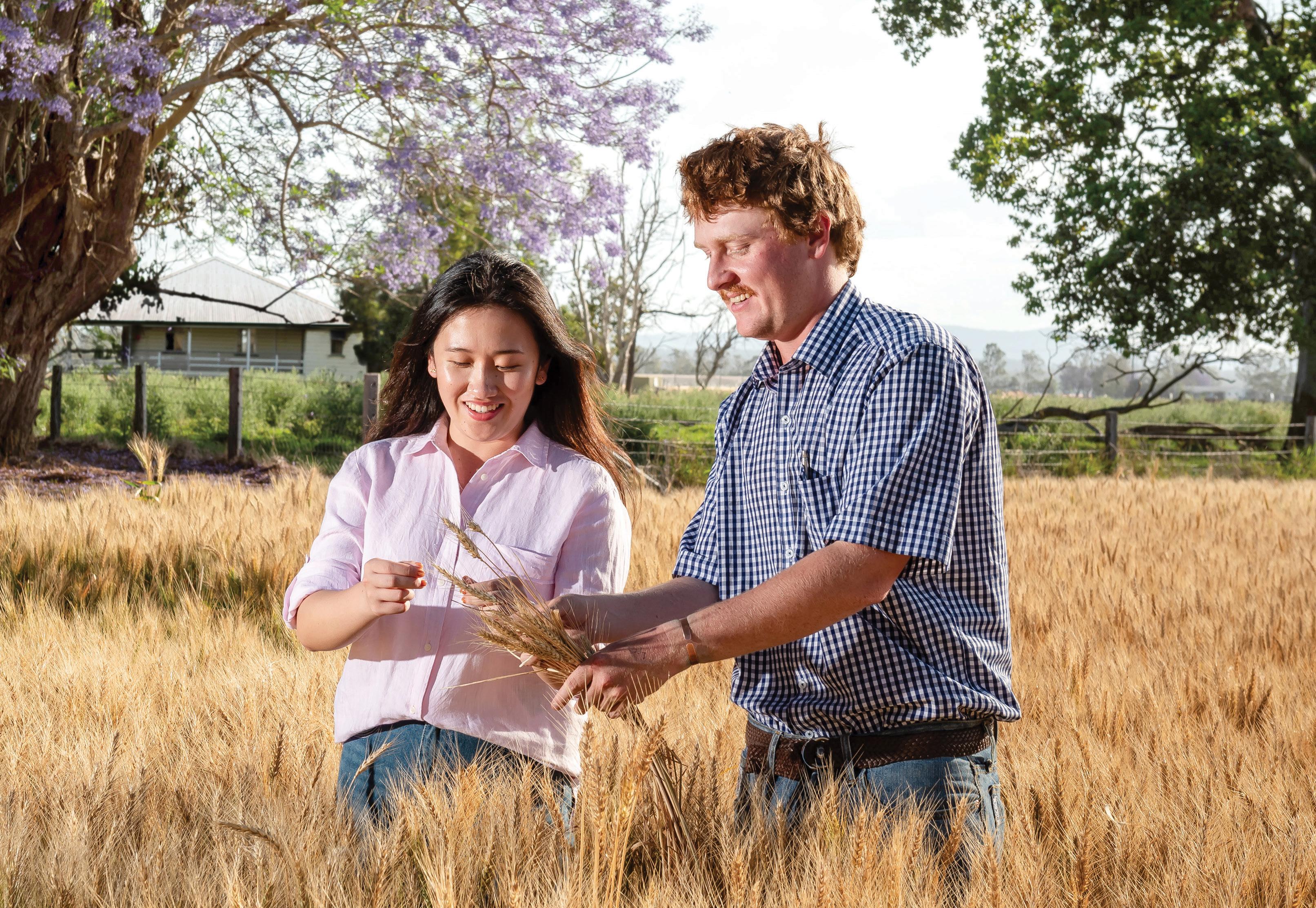
Turn your passion for nature into purpose. Agricultural Science blends technology, sustainability, and biology to nourish people, planet, and your career.
See where a degree in Agricultural Science from UQ can take you.

Agricultural science is a career path that combines innovation, sustainability and global impact – and this Job Kit will show you where it could take you
Agricultural science is one of the most dynamic and impactful fields to pursue.
As an agricultural science graduate, you will play a vital role in growing healthier food, safeguarding the environment, tackling climate change and ensuring that all communities have access to sufficient nutrition.
At The University of Queensland (UQ), we don’t just see ag science as a degree – we see it as a way to make a difference. Our students and researchers tackle real-world problems every day, from creating climate-resilient crops to building more sustainable food systems. We work closely with industry, government and Indigenous communities to make sure what we do has real impact.
As Head of UQ’s School of Agriculture and Food Sustainability, I’m proud to lead a team that’s focused on solving big challenges like food security, climate impacts and sustainable production. Our students get hands-on experience at our Gatton campus, access to world-class facilities, and strong industry connections that help set them up for success.
Agricultural science is about more than growing food – it’s about shaping a more resilient and sustainable world”
Professor Sagadevan Mundree Head of School Agriculture and Food SustainabilitY
The University of Queensland
The career options in this field are incredibly diverse – whether you’re interested in science, business, research, policy, tech or working directly with the land. You could end up in a lab, out in the field, in a boardroom or helping shape big decisions about the future of food on both national and international stages.
At its heart, agricultural science is about more than growing crops – it’s about creating a more sustainable and resilient future. If that sounds like something you want to be part of, I encourage you to find out where this path could take you.
Professor Sagadevan Mundree Head of School, Agriculture and Food Sustainability
The University of Queensland
Simply the best
UQ’s School of Agriculture and Food Sustainability consistently ranks as the best in Australia. You’ll get access to world-class academics, amazing industry placements and some of the best animal and agricultural facilities in the hemispheresouthern
From satellites to soil sensors, ag science is transforming how we grow food – and there’s never been a more exciting time to get involved.
Australia’s farmers face some of the toughest growing conditions in the world – from droughts and floods to climate change, biosecurity threats and rising costs. Agricultural science graduates are the peeps helping solve these challenges through innovation.
They’re finding new ways to grow more food using fewer resources, protect ecosystems and adapt to a changing climate. This includes everything from designing more climate-resilient crops to using satellite data to monitor soil health.
In short, ag science is essential for securing Australia’s food future – and supporting one of our biggest industries.
You can expect a solid starting salary
Grads in agricultural science earn a median starting salary of around $58,300 – on par with business and architecture grads.
Farmers need STEM
Future farms will rely increasingly on pros who can help with robotics, automation, sensors and data – not just fix breakdowns, but design better systems.

Even if you’re studying science or tech at school, you’ll definitely need extra skills and targeted qualifications to be able to develop, monitor and repair future ag technologies IRL.
Techies wanted on farms
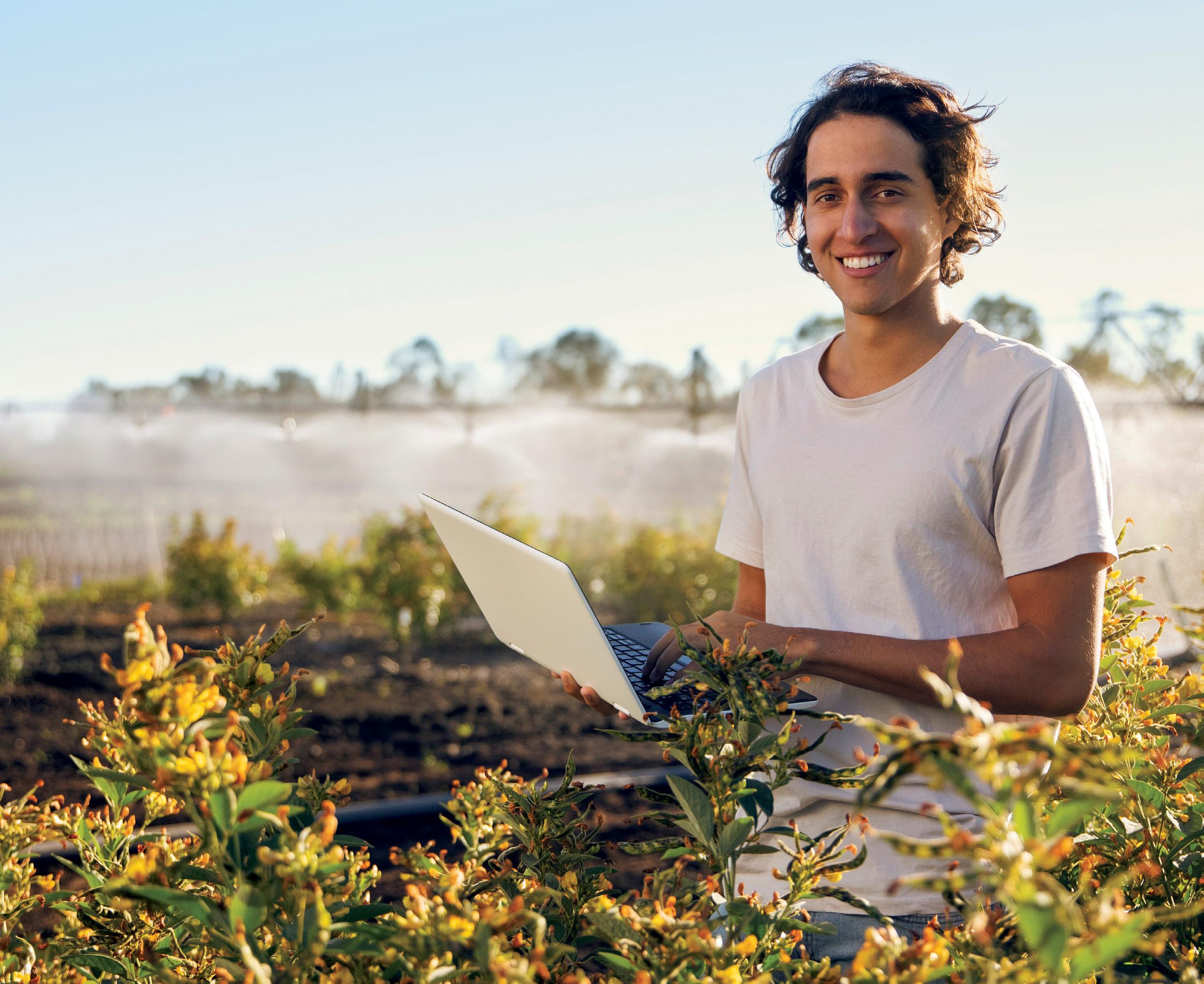
Already people with backgrounds in IT, robotics or computer science are increasingly turning their skills to agriculture.
Source: The Future Of Australia’s Agricultural Workforce , CSIRO Data61, 2019

Not all agricultural scientists do the same thing. Check out these potential pathways:
Love getting your hands dirty?
You might thrive in soil and water science – testing, analysing and improving the stuff plants grow in.
Fascinated by what makes plants tick?
Try plant biology – studying plant genetics, health and growth to boost yields and resilience.
Obsessed with climate and sustainability?
Explore climate adaptation – helping farms respond to droughts, floods and changing weather.
Can’t stop solving problems with spreadsheets?
You could be into digital agriculture – using data, sensors and software to improve farm decisions.
Curious about business, trade or global food systems?
Check out agribusiness – where science meets economics, logistics and supply chains.
Like protecting ecosystems from pests and disease?
Biosecurity might be your jam – working to keep Australia’s farms safe and sustainable.

Let’s bust some myths about this future-focused farming career
#1 #3 #4 #2 #5
Most ag science jobs involve working outside with animals.
FALSE. Many roles are lab- or tech-based, focused on soil, data, climate, crops and innovation.
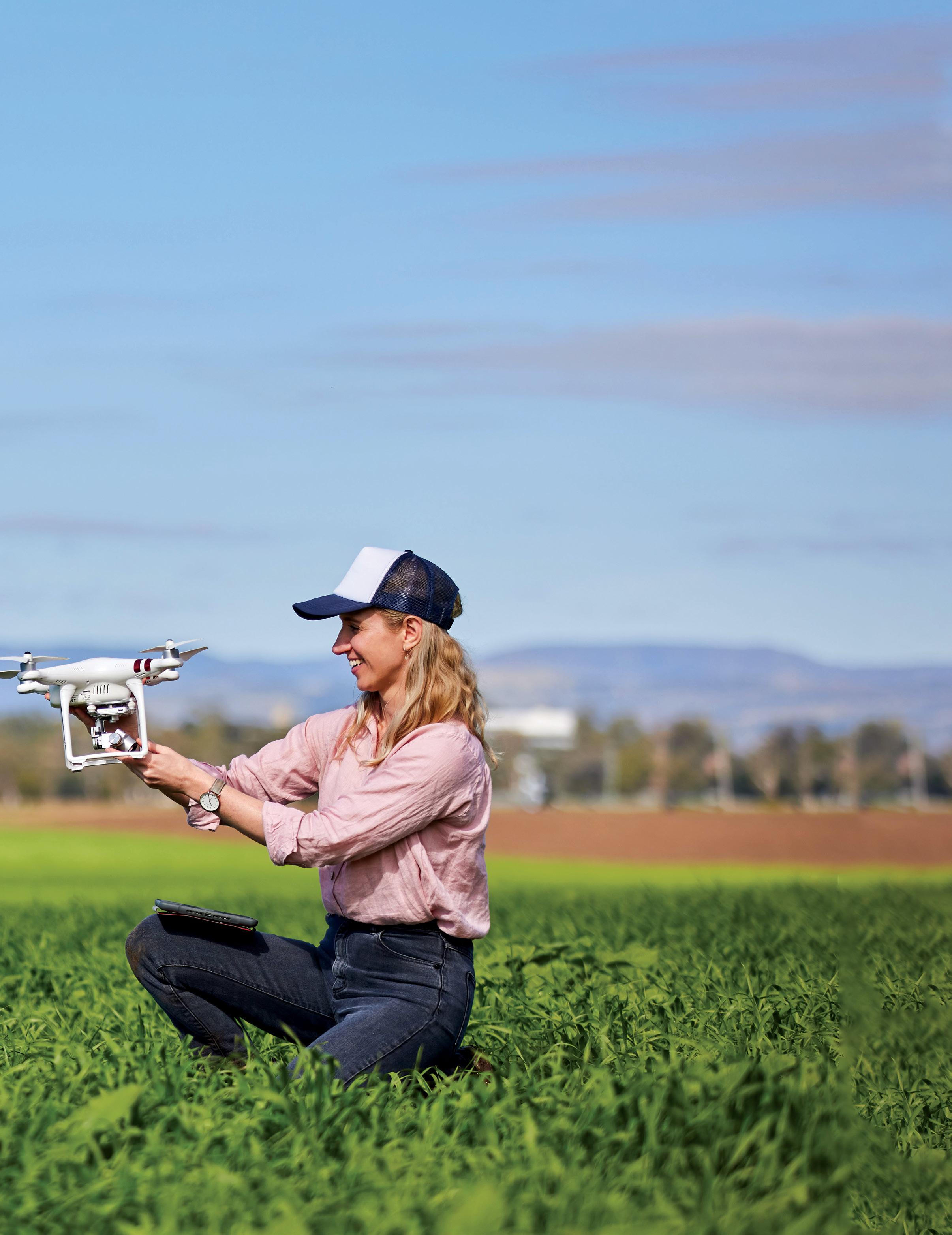
Agriculture is stuck in the past.
FALSE. From drones to climate modelling and gene editing, ag is one of the most tech-forward industries in Australia.
Ag science only leads to farm jobs.
FALSE. Graduates work in research, policy, sustainability, biosecurity, agribusiness and more – in Australia and around the world.
You have to grow up on a farm to work in agriculture.
FALSE. Ag science welcomes people from all backgrounds – curiosity and problem-solving matter more than postcode.
You can use ag science to invent new food products.
TRUE! Ag scientists work on everything from native grains to plant-based proteins and vertical farming – shaping what we’ll eat in the future.
• Agribusinesses (banks, food producers, consultancies)
• Government departments (local, state and federal)
• CSIRO and other research institutions
• Biosecurity and animal production organisations
• Horticulture and post-harvest businesses
• Allied industries (like feed mills and livestock health companies)
• Design field trials to test crop varieties or treatments
• Analyse soil, water and plant health
• Use tech (like drones and sensors) to collect data
• Develop crop forecasts and custom pest management plans
• Advise farmers or agribusinesses on boosting productivity
• Help develop more farmingsustainable systems
UQ offers around 1700 scholarships and prizes each year to deserving students. Along with scholarships open to all students, there are several scholarships available specifically to agricultural science students, including the Costa Berries Scholarship and the James and Everingham Bursary.
Discover more at scholarships.uq.edu.au

Ashlee Sturgess is growing a future in agriculture – combining science and business to help farms thrive sustainably
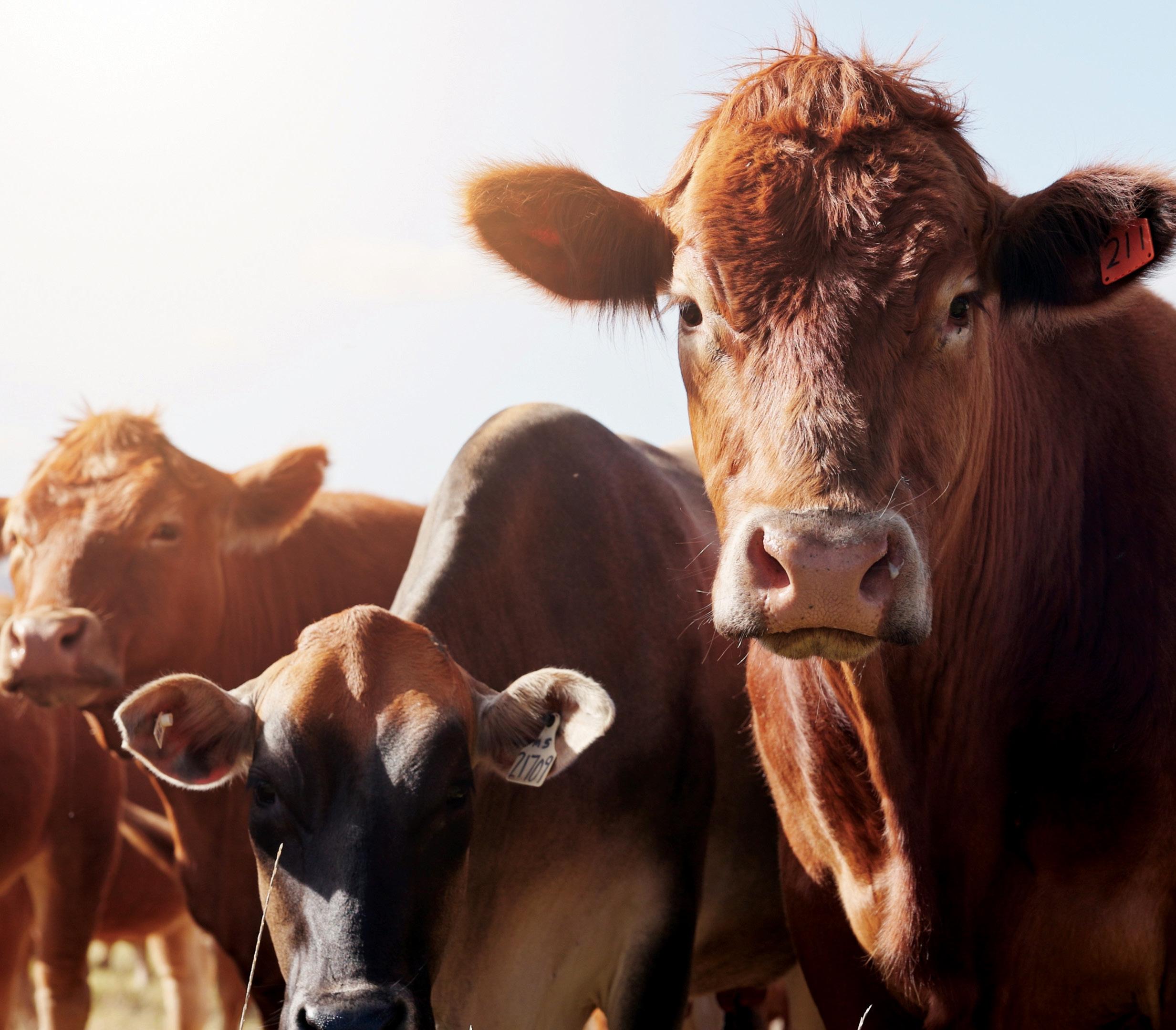
For Ashlee, agriculture has always been more than a career path – it’s part of who she is.
Growing up on a cattle property in Queensland’s Chinchilla region gave her a front-row seat to how important the industry is to both rural communities and the wider economy.

That experience inspired her to study a dual Bachelor of Agricultural Science and Agribusiness at The University of Queensland’s Gatton campus.
“I’ve always been interested in understanding how science and business work together to improve production, sustainability, and profitability on farms,” she says. “I was also drawn to the industry due to the unique culture and lifestyle that’s available.”
Ashlee’s studies have brought that connection between science and the land to life. She enjoys applying what she learns in class to real-world agricultural systems – whether that’s soil and crop sampling, livestock handling or
agribusiness case studies. “So far I have loved all of the Ag Science subjects, especially the Agronomy and Plant Science subjects that allow you to be hands-on and out in the field,” she says.
Beyond lectures and labs, Ashlee says life at UQ Gatton is a big part of what makes studying agriculture so rewarding. “The campus has a great mix of hands-on learning and supportive community life,” she says.
“Everyone knows each other, and there’s always something happening, whether it’s club events, social nights or study groups.”
She’s building valuable industry experience through UQ’s student societies and she turned a work experience stint into a summer job with MCA Ag, an agronomy and crop management consultancy. Her advice? “If you’re even slightly interested in agriculture or rural industries, I’d say go for it! Agricultural Science and Agribusiness open doors to a huge variety of careers. Plus, you’ll meet some amazing people and become part of a supportive community that genuinely wants to see you succeed.”
You’ll meet some amazing people and become part of a communitysupportive that genuinely wants to see you succeed”
jamie pollen
AGRONOMIST and field manager
One day Jamie’s walking through rows of strawberries under cover. The next, she’s checking how well a passionfruit crop is being irrigated – or tasting a new berry variety before it reaches the supermarket.
“No two days look the same,” says Jamie Pollen of her role as Agronomist and Field Manager with Garden City Plastics. “Every day is an adventure!”
From berry tunnels to passionfruit orchards, Jamie Pollen travels Australia helping farms grow smarter with the latest tools, techniques and technology.
Day in the life
8:00am
Farm walk with a grower, looking for early plant health issues, checking irrigation and monitoring how trial blocks are progressing.
10:30am
Meeting with farm managers to talk through production challenges and suggest practical solutions.
1:00pm
Quick bite to eat, then on the road to the next farm.
3:00pm
Review feedback and trial results. Collaborate with the product development team to improve things like irrigation systems, pot design and
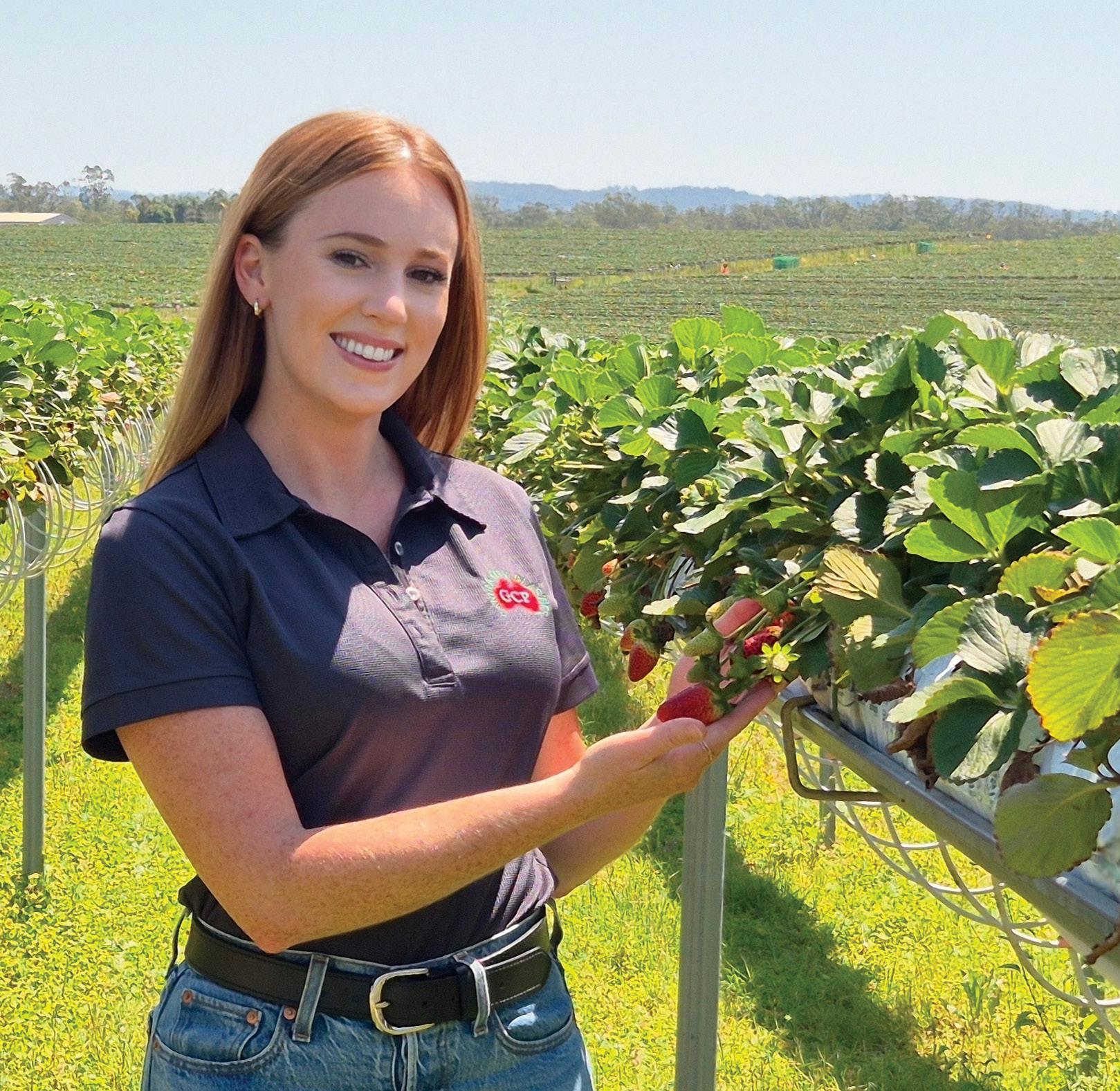
Jamie helps farms try out new ways to grow their crops, keep plants healthy and improve harvests. She works closely with growers and the team at Garden City Plastics – a company that supplies pots, soil mixes and other tools for growing – to make sure the products work well in real farming conditions.
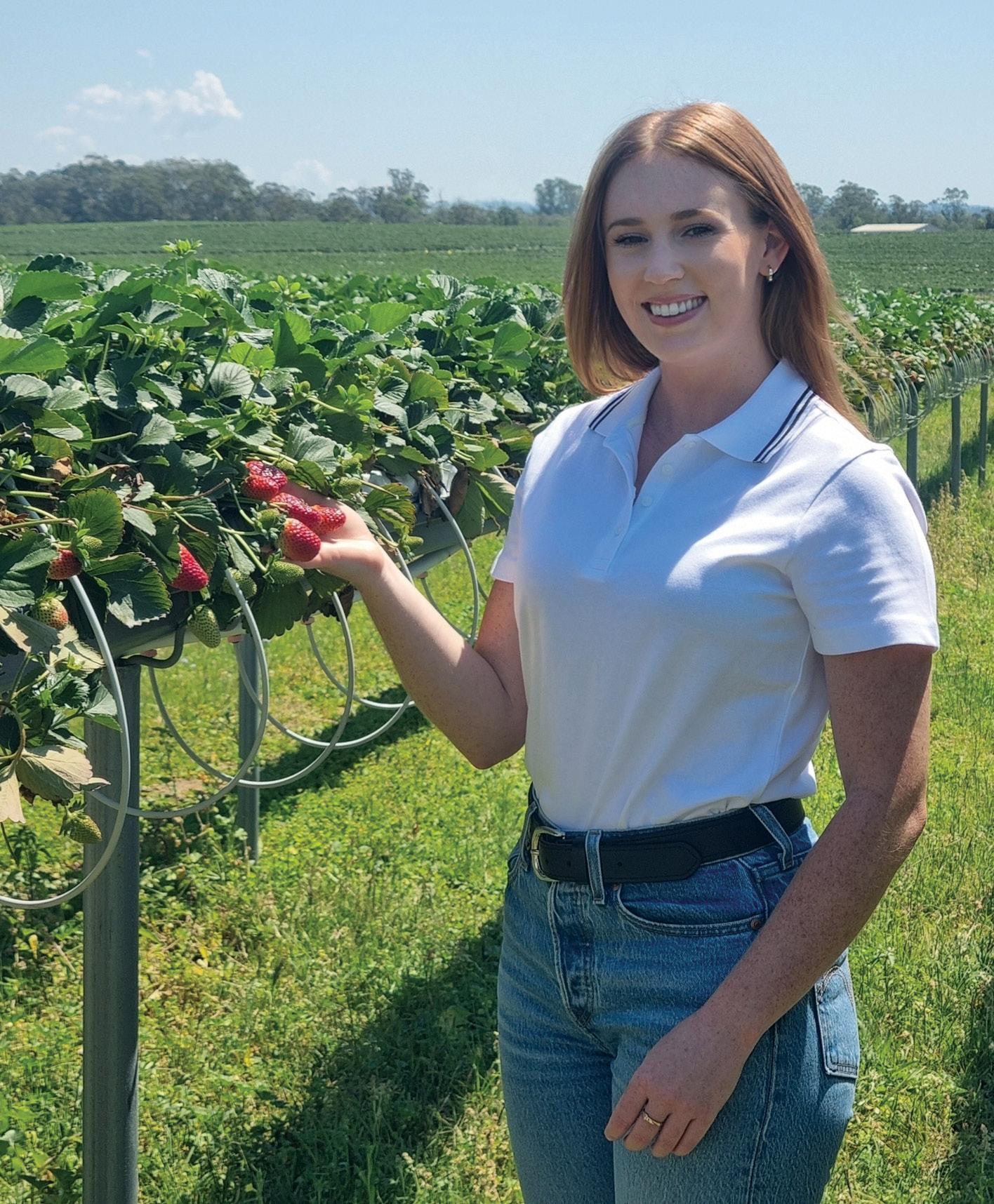
Her job takes her all over Australia, so she spends a lot of time travelling to different farms, learning about all kinds of crops and how each farm works.
Jamie studied Sustainable Agricultural Science at The University of Queensland, majoring in agronomy. She says the handson skills, problem-solving and industry connections she gained during her studies helped her build a career she loves.
is an adventure!”

Turn your love of science, nature or food into a career that really grows on you. Here’s how!
Land of opportunity
✔ Around 3400 ag scientists currently work in Australia (Jobs and Skills Australia)
✔ More than 1100 full-time jobs in ag science in Australia are listed right now on Seek
WATCH
2040 – A 2019 Aussie doco exploring future farming and sustainability.
LISTEN
AgriFutures On Air – A podcast from the folks at AgriFutures, showcasing the best and brightest in Australian agriculture innovation.
FOLLOW
@youngfarmersconnect –A sustainability-focused not-for-profit connecting new, young and future Aussie farmers.
VISIT
careerharvest.com.au – Start exploring ag career opportunities and dreaming about your future!
Agriculture isn’t all ploughing fields and driving tractors. If you have your sights set on a career in ag science, it helps if you can:
• Think creatively and solve problems
• Work well with others (you’ll be part of a team!)
• Communicate clearly – with farmers, scientists and business people
• Stay curious – the ag industry is constantly evolving
Pick subjects that give you a mix of science and real-world thinking:
✔ Biology – understand how plants and animals work
✔ Agricultural Science – if your school offers it, go for it
✔ Geography – explore climate and sustainability
✔ Maths – yes, spreadsheets matter
✔ Digital Tech – great if you’re into drones or data
✔ Learn on a working farm at UQ’s Gatton campus
✔ Study ag science or agribusiness – or combine both
✔ UQ ranks in the world’s top 20 for ag and forestry
✔ You’ll graduate job-ready, with real experience and industry connections
✔ Make a meaningful difference to environment, economy, and food security nationally and globally