I am Reeja Shrestha, a junior majoring in Architecture and Design Studies at Howard University, and I am thrilled to apply for the architectural intern position at Gensler. Growing up in the Kathmandu Valley, I was fortunate to witness Nepal’s rich architectural heritage, which led me to deeply appreciate design as a tool to sustain and promote cultural identity. My experiences leading Howard University NOMAS and the Nepalese Students Association have honed my ability to organize impactful initiatives, while internships at Hoffmann Architects + Engineers and PUSH Studio have strengthened my skills in preservation and people-focused design. Through the Gensler’s University Connect program, I have realized that Gensler’s mission to design for people resonates with my passion for creating resilient spaces that merge innovation with cultural and environmental sensitivity. I am confident that my cross-cultural understanding and collaborative approach would make me a valuable asset to Gensler’s interdisciplinary team, and I am eager to contribute to the firm.
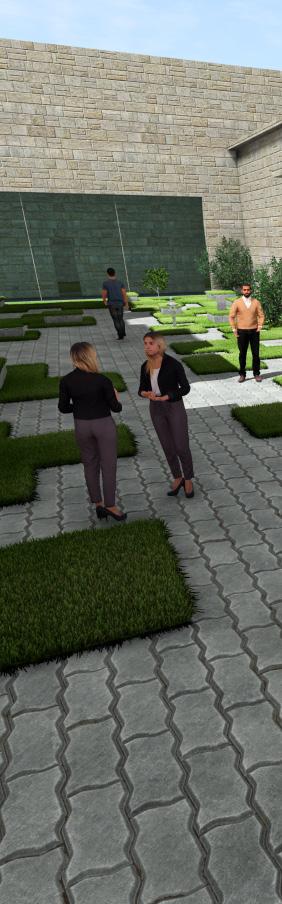
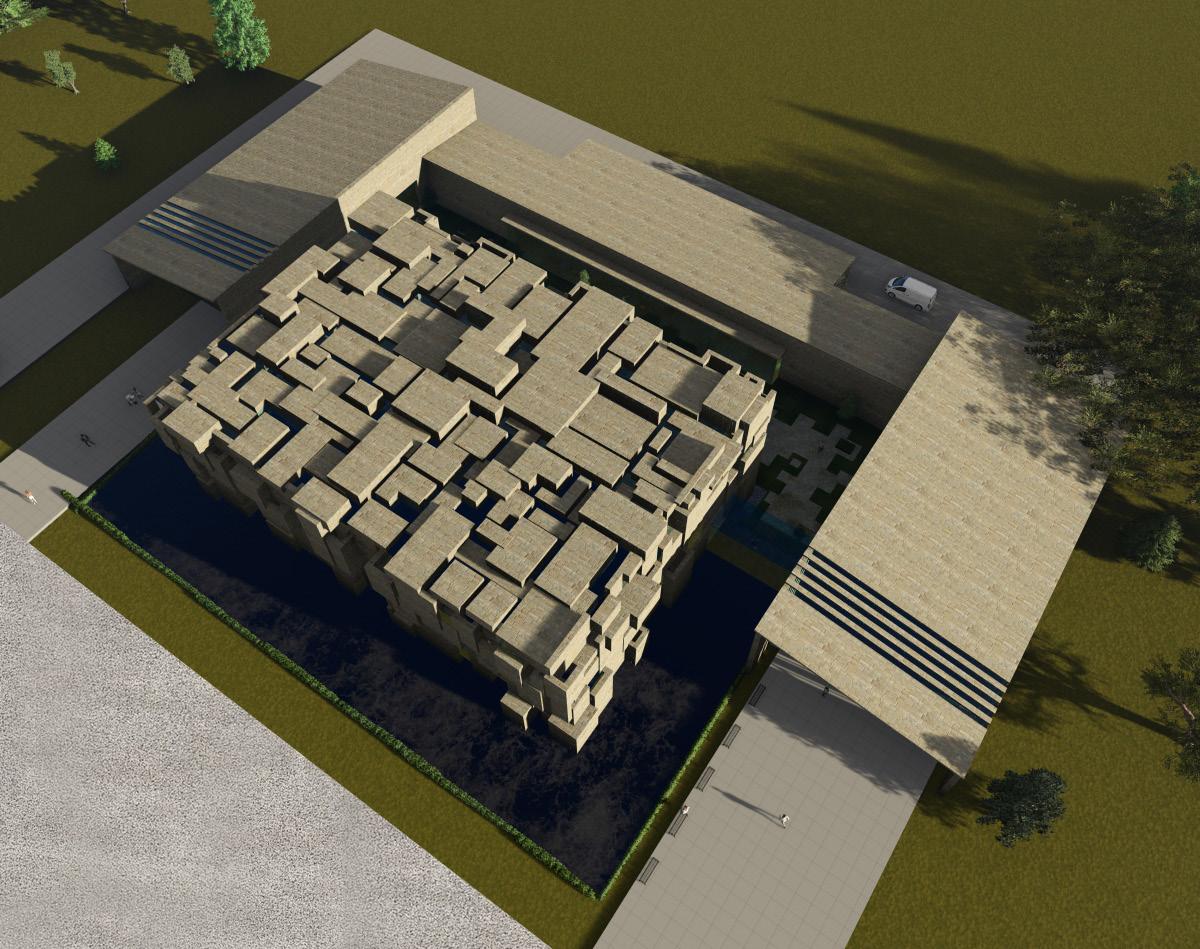
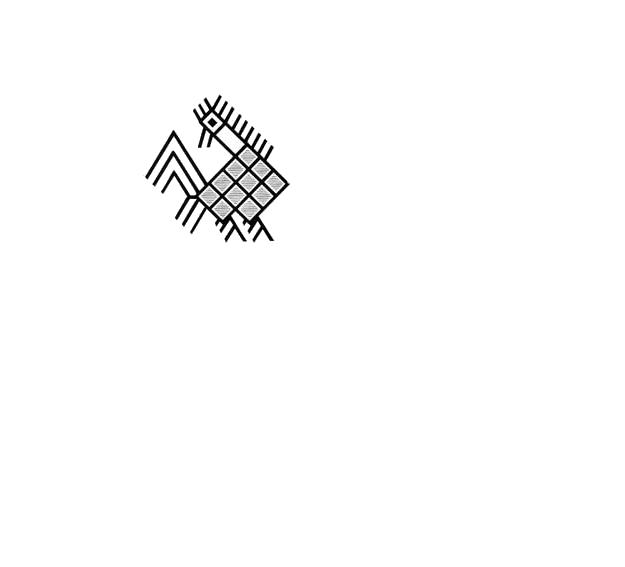
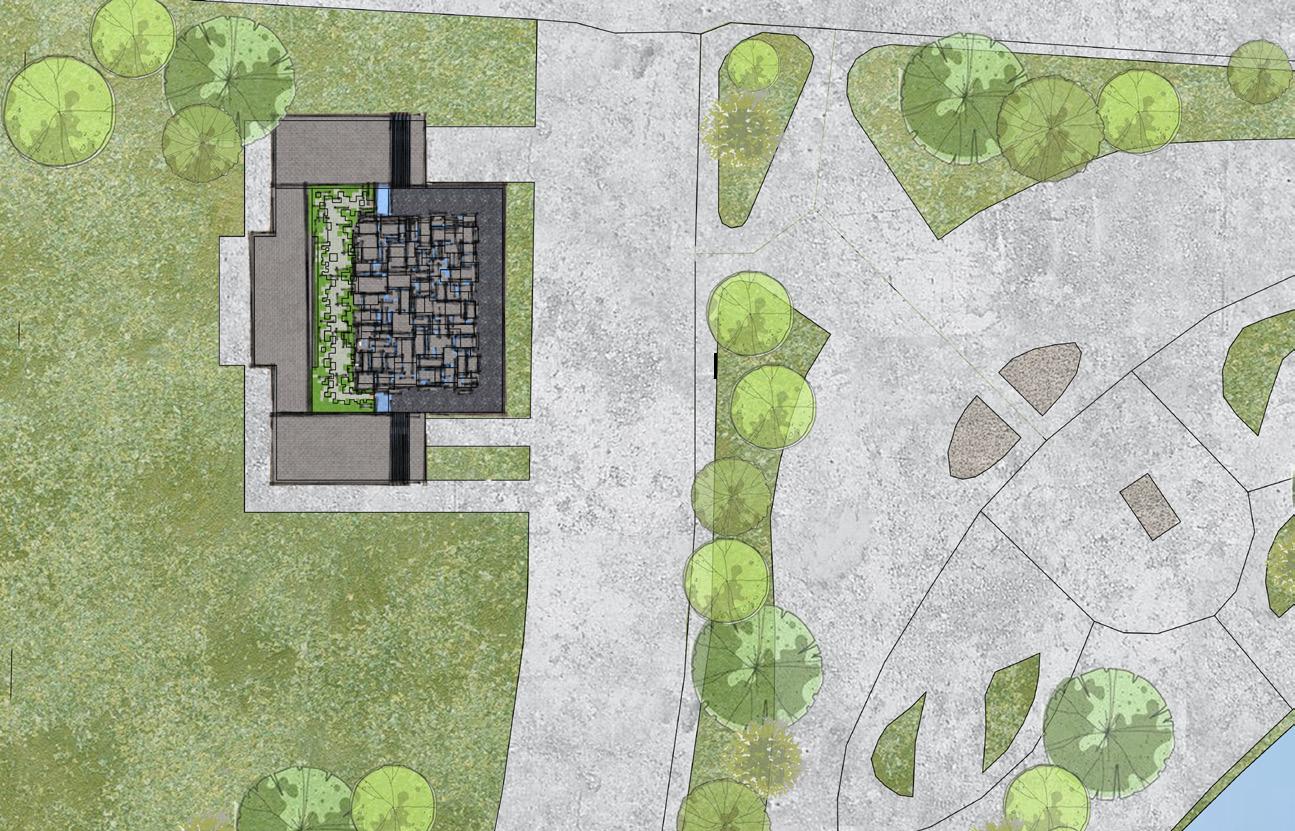
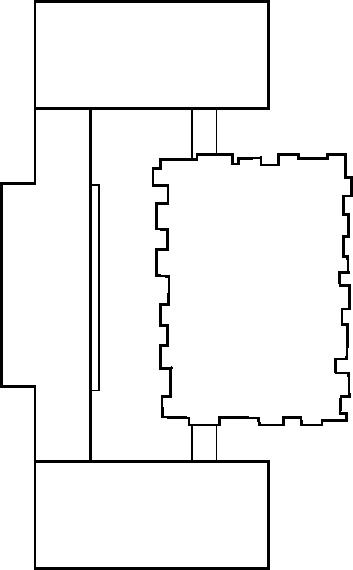
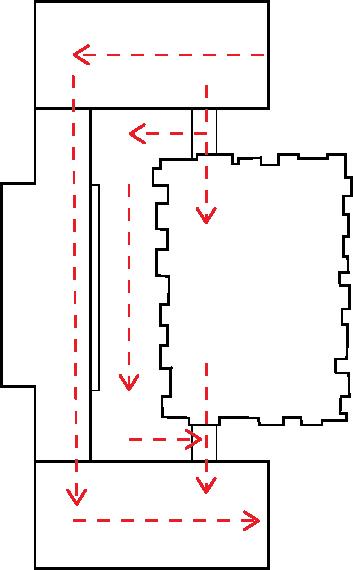
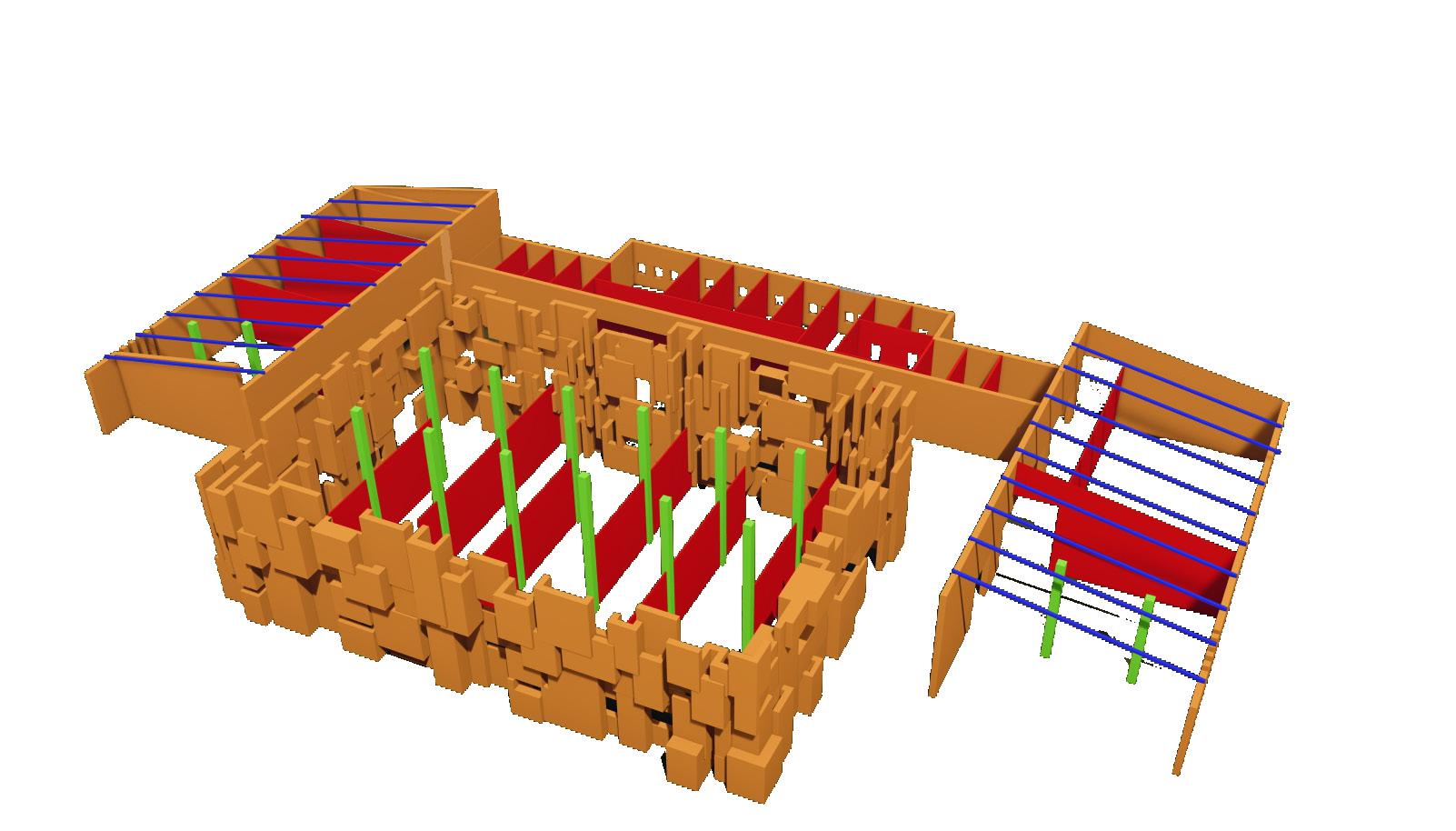
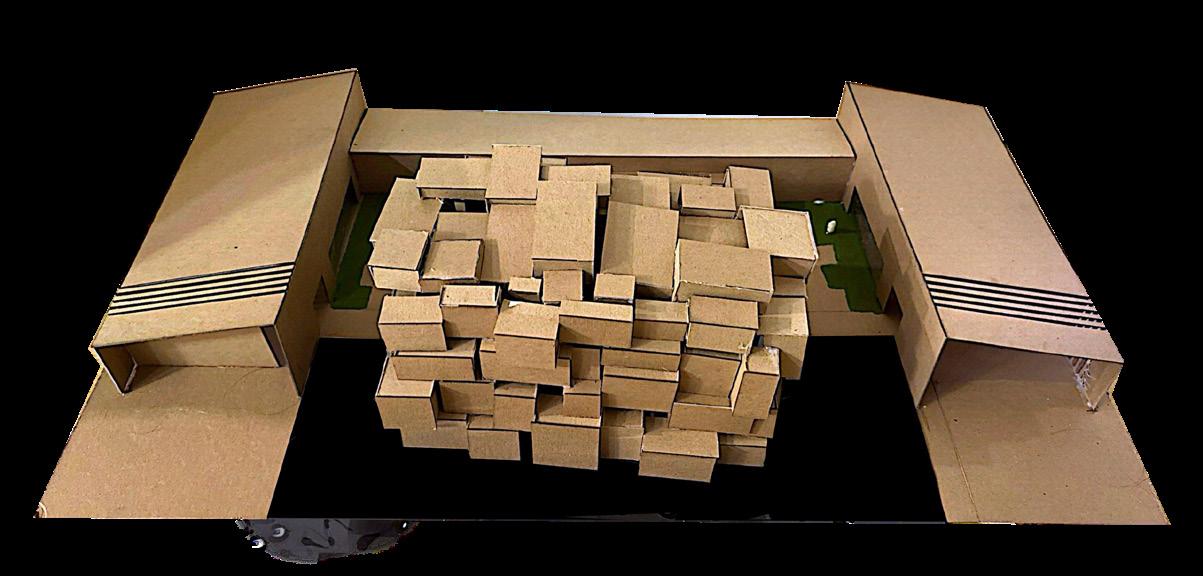
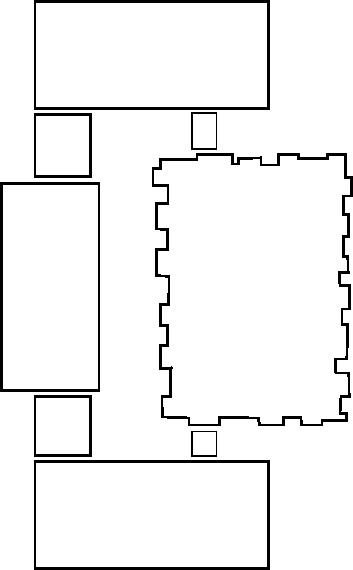
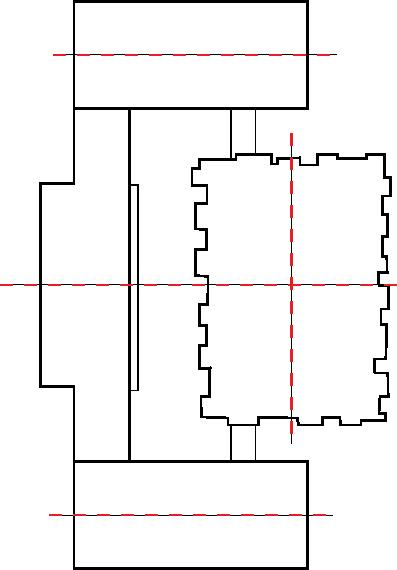
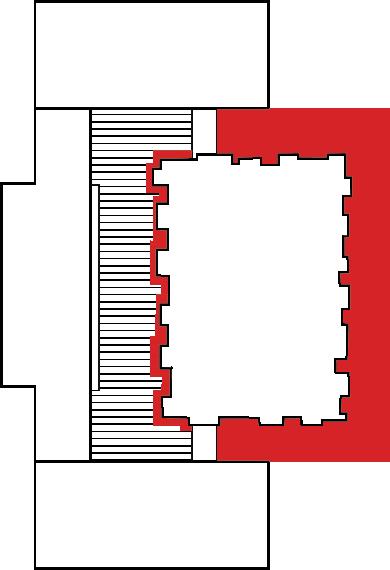
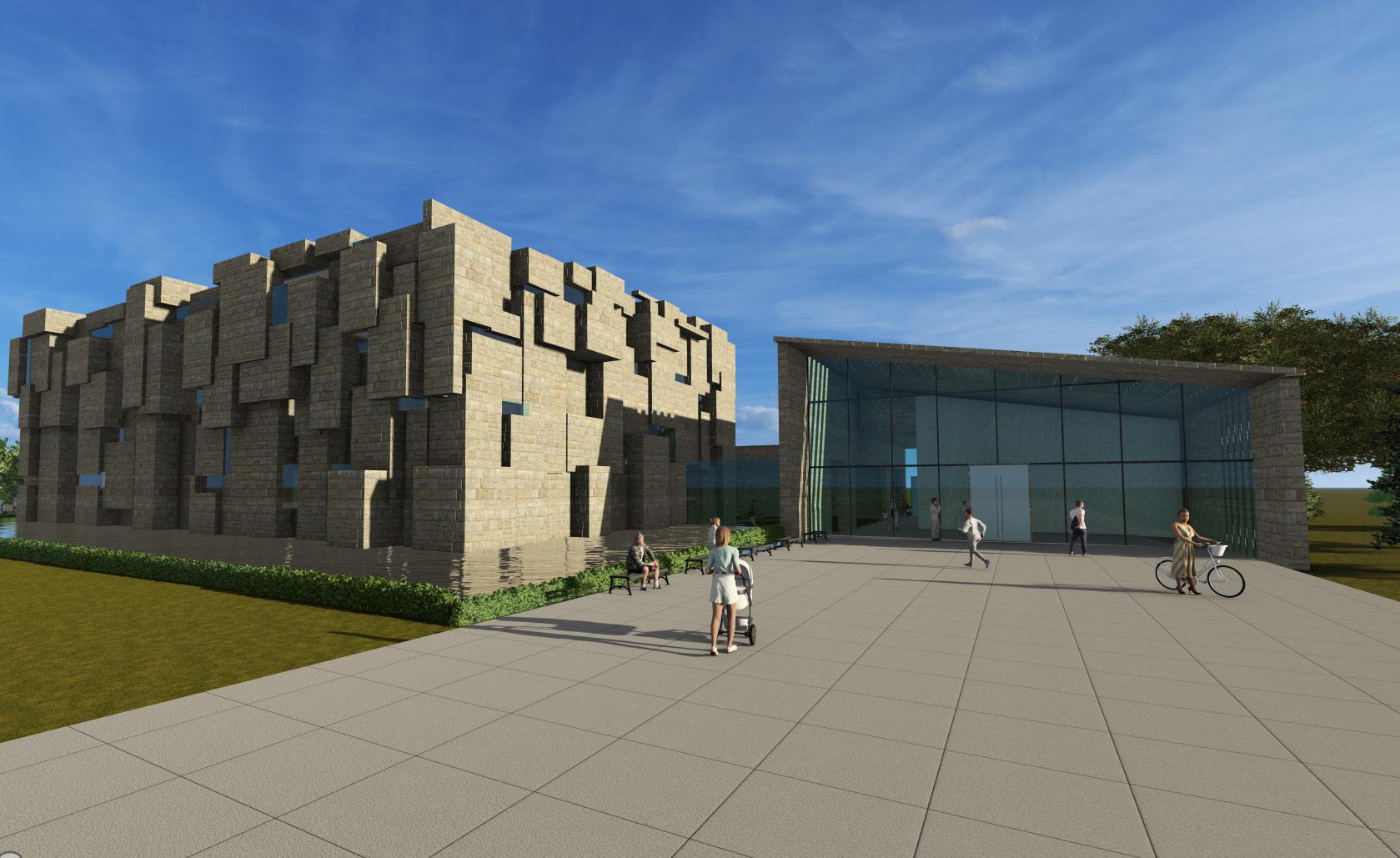
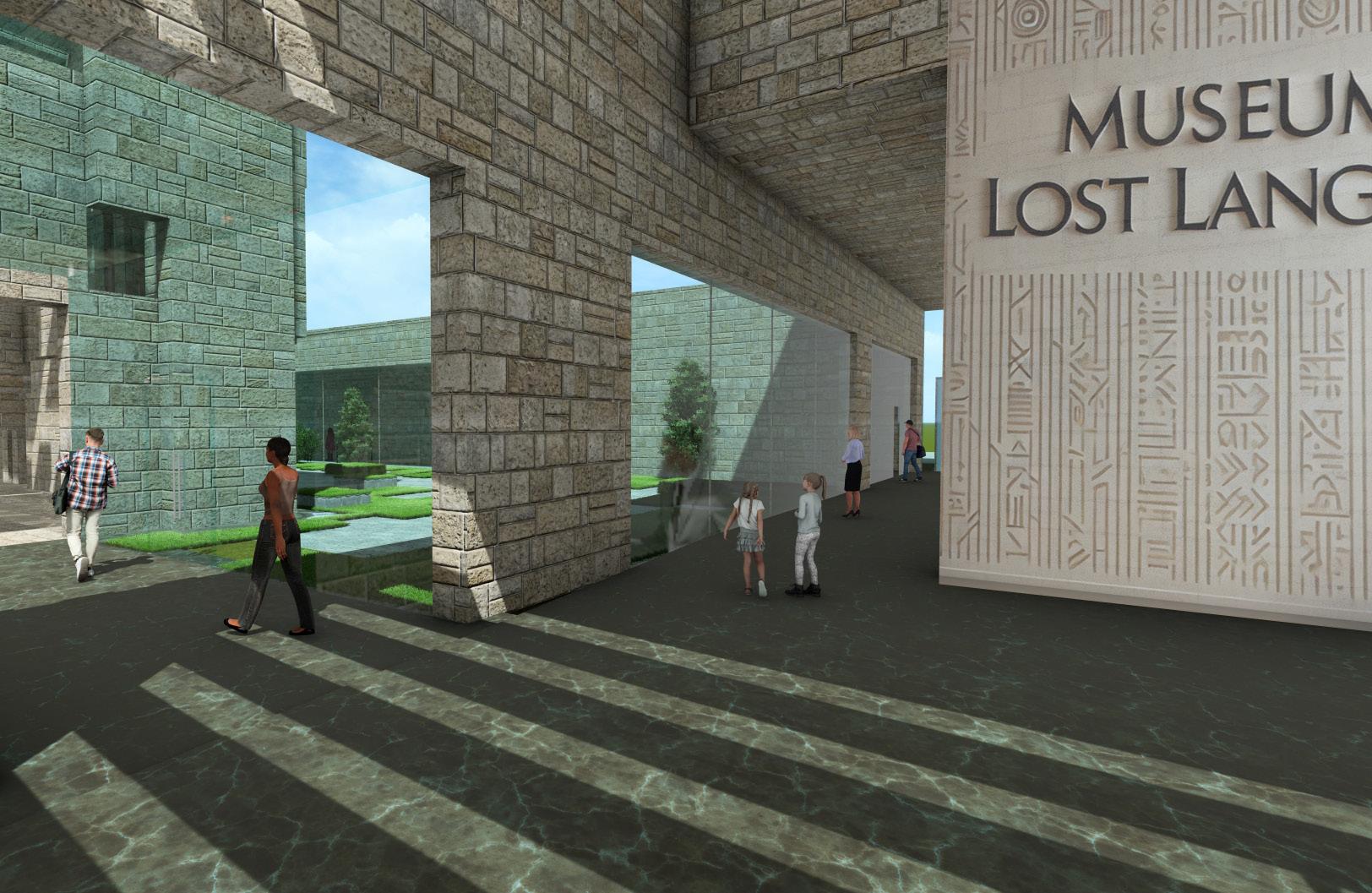
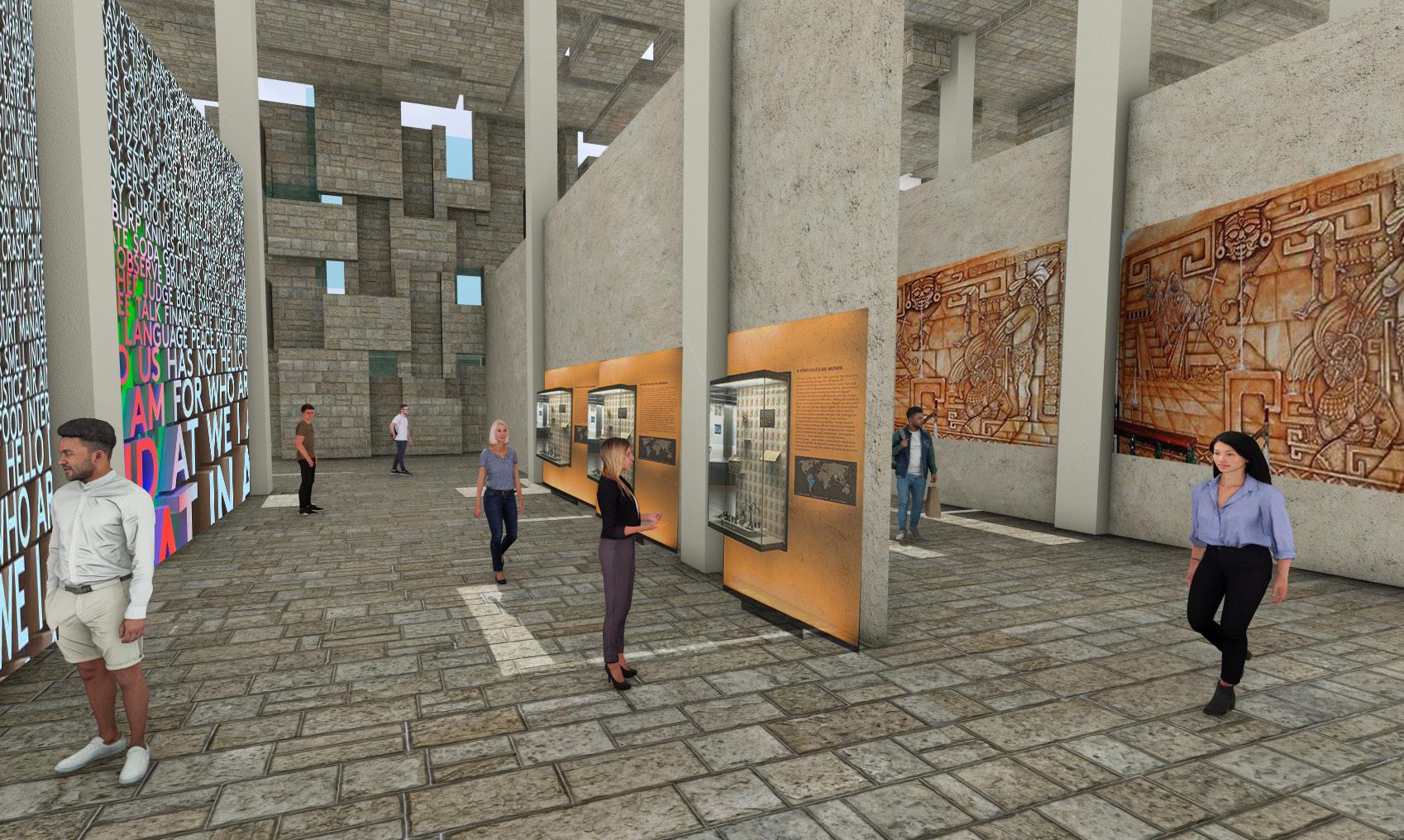
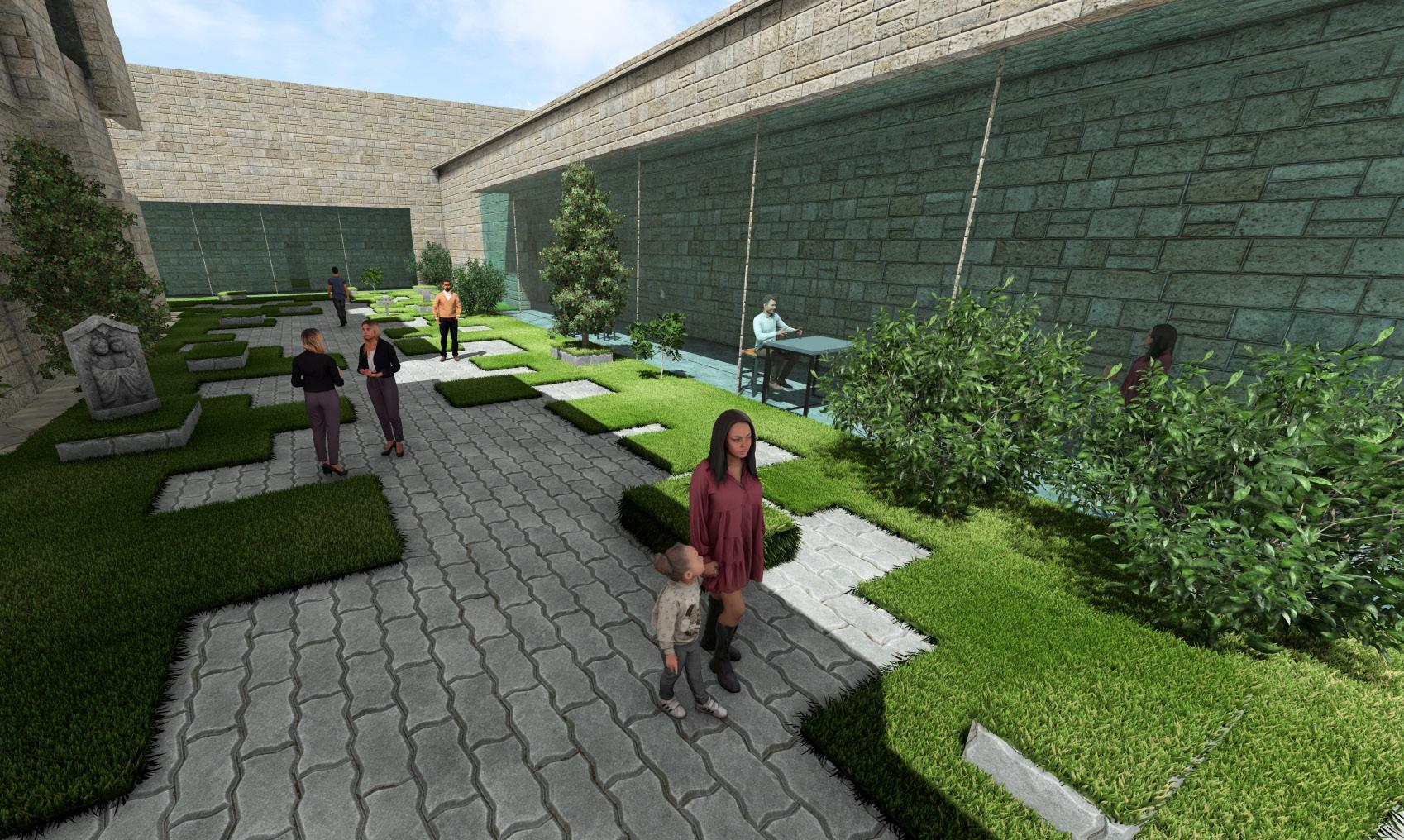
The Museum of Lost Languages celebrates the endangered languages of Central, South, and North America. Positioned across from the MLK Memorial in DC, the museum reflects the transformative power of language and speech. Inspired by Mayan patterns, the design features a central exhibition space with a fragmented facade, symbolizing disappearing languages, and is surrounded by supportive spaces that protect and empower the core. This layout mirrors the museum’s mission to revitalize linguistic heritage. Efficient, user-friendly programming ensures visitors experience language preservation as a vibrant act of cultural revival.
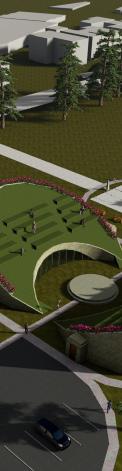
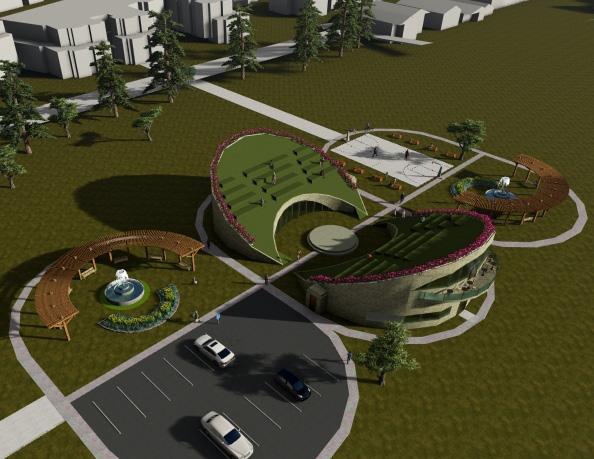
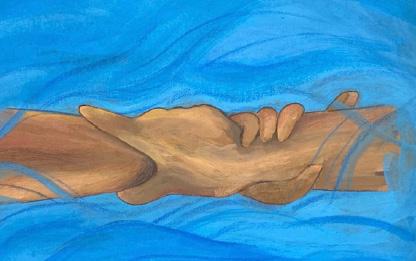
This library design embodies the themes of unity and stability, inspired by my painting of two arms held firmly together. The organic form features curved green roofs that blend seamlessly with the landscape, symbolizing connection to nature while providing functional outdoor spaces. Terraced seating on the slanted roof doubles as an open-air auditorium overlooking a central performance space, transforming the library into a dynamic hub for learning, reflection, and community gathering. The design ties architecture with nature, offering a grounded and inspiring space for all.
Concept Evolution
Elevation 1
Elevation 2
Site Diagram
Residential Area
Section
Sun Path Diagram
Circulation Diagram
03
400 MADISON AVE PROJECT
Skills: AutoCAD, Photoshop
Team Work- Hoffmann
Architects
This project focused on creating a construction document to portray facade repairs for an existing building. The process began with a thorough analysis of the building’s exterior, identifying areas in need of maintenance. A detailed elevation was then drafted to visually communicate the scope of work. The final document, presented as part of the restoration proposal, highlighted critical repairs to ensure the building’s longevity and integrity. This project combined technical precision with visual clarity to address the structure’s preservation needs.
04
RESIDENTIAL DESIGN
Skills: Revit, Twinmotion, AutoCAD
Individual Work
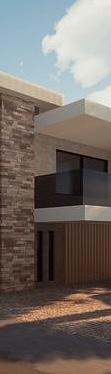
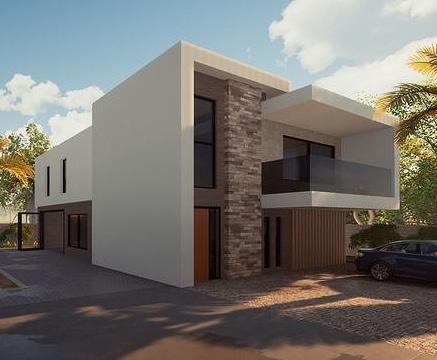
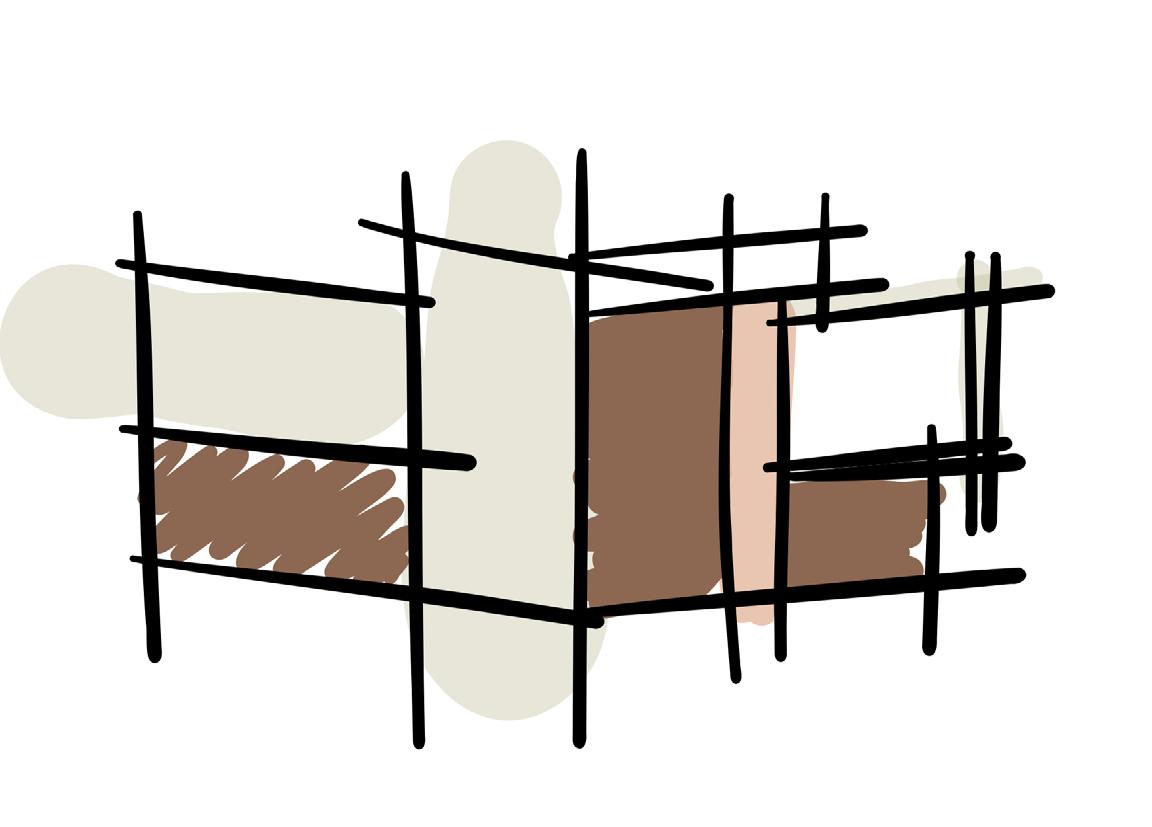
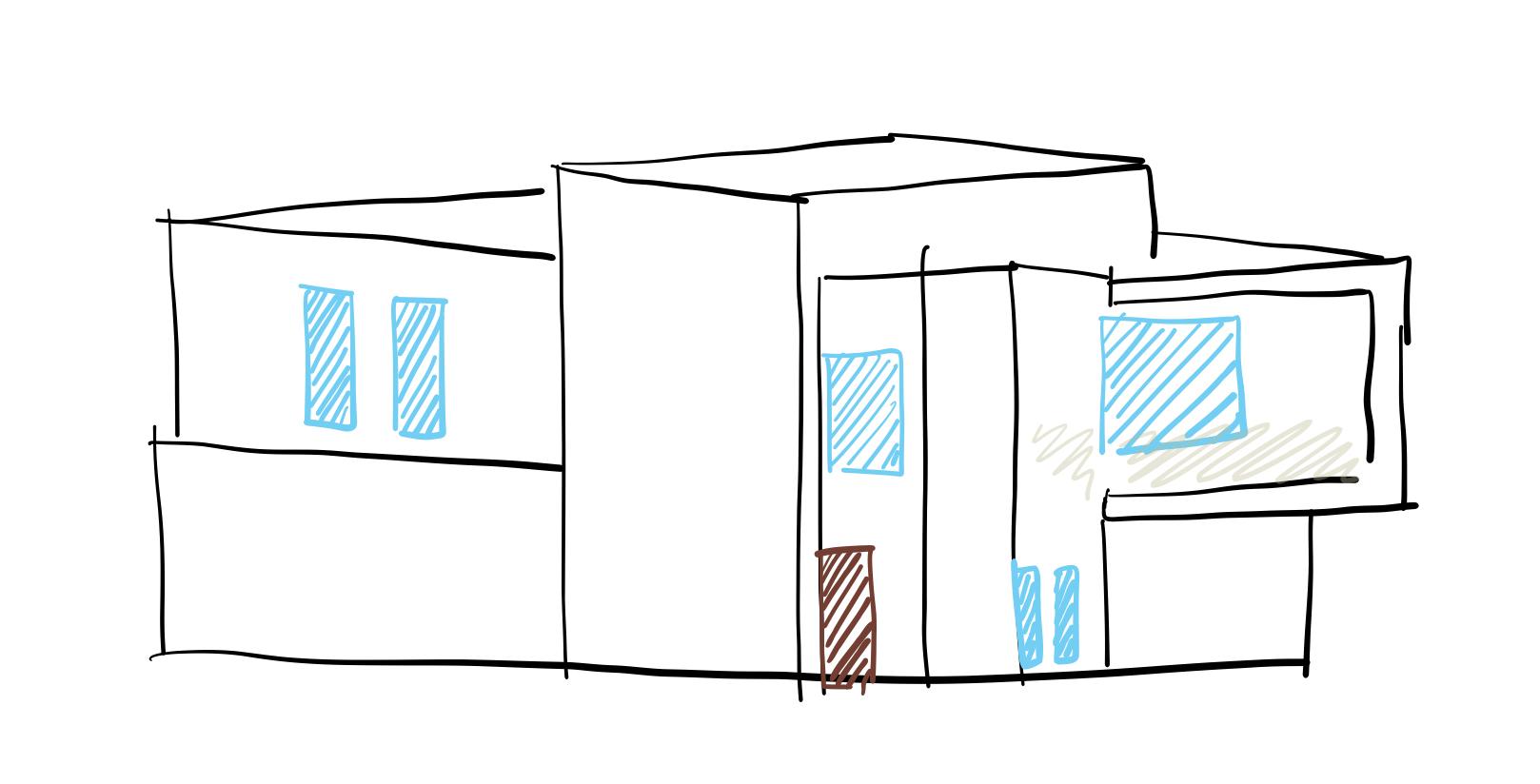
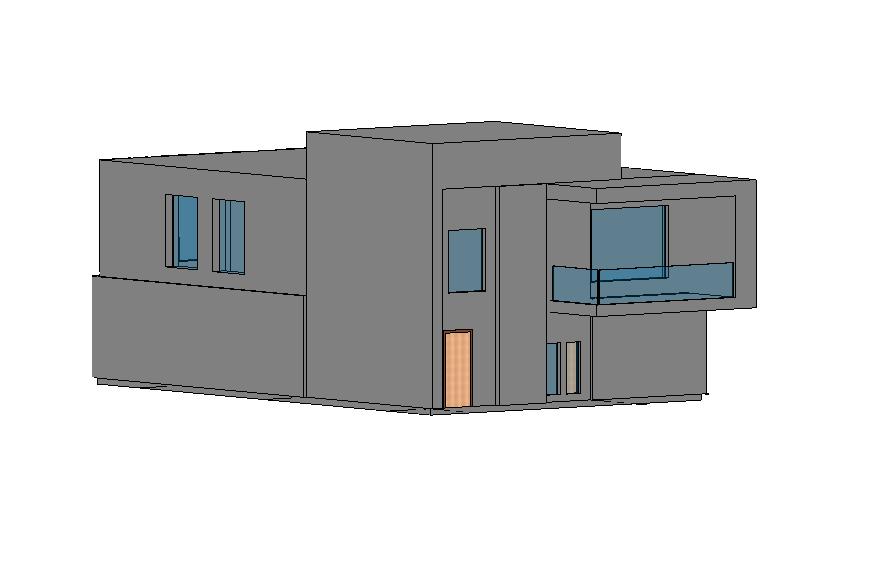
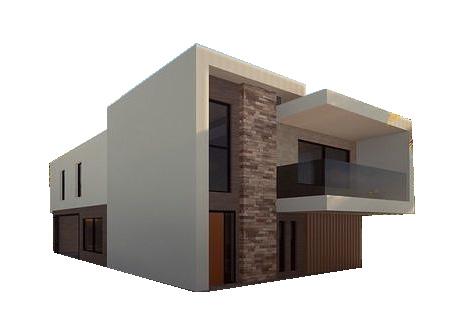
This project marks my journey into learning Revit, where I took on the challenge of digitally recreating an existing modern home design. Inspired by its clean geometric forms and textured stone accents, I focused on refining my skills in 3D modeling and material application. Although I didn’t design the house, the process of translating its physical elements into a digital model allowed me to explore new techniques in architectural visualization. Each step fine-tuned my understanding of how to represent real-world structures in a virtual space, honing both my technical abilities and my appreciation for the power of digital tools in architecture.
Schematic Sketch
Programming Openings
Model Draft
Axonometric View of Final Model 1st
05
SOURLAND PROJECT
Skills: Sketchup, Photoshop, Illustrator
Individual Work
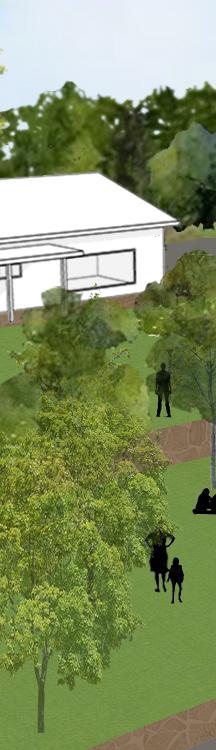
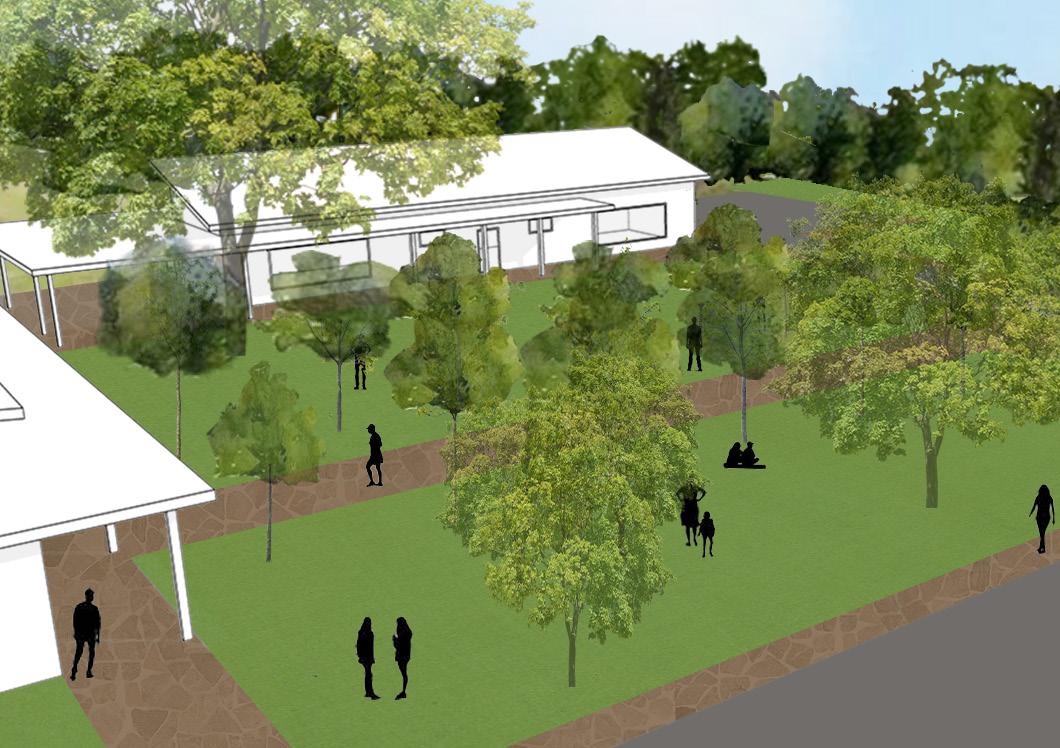
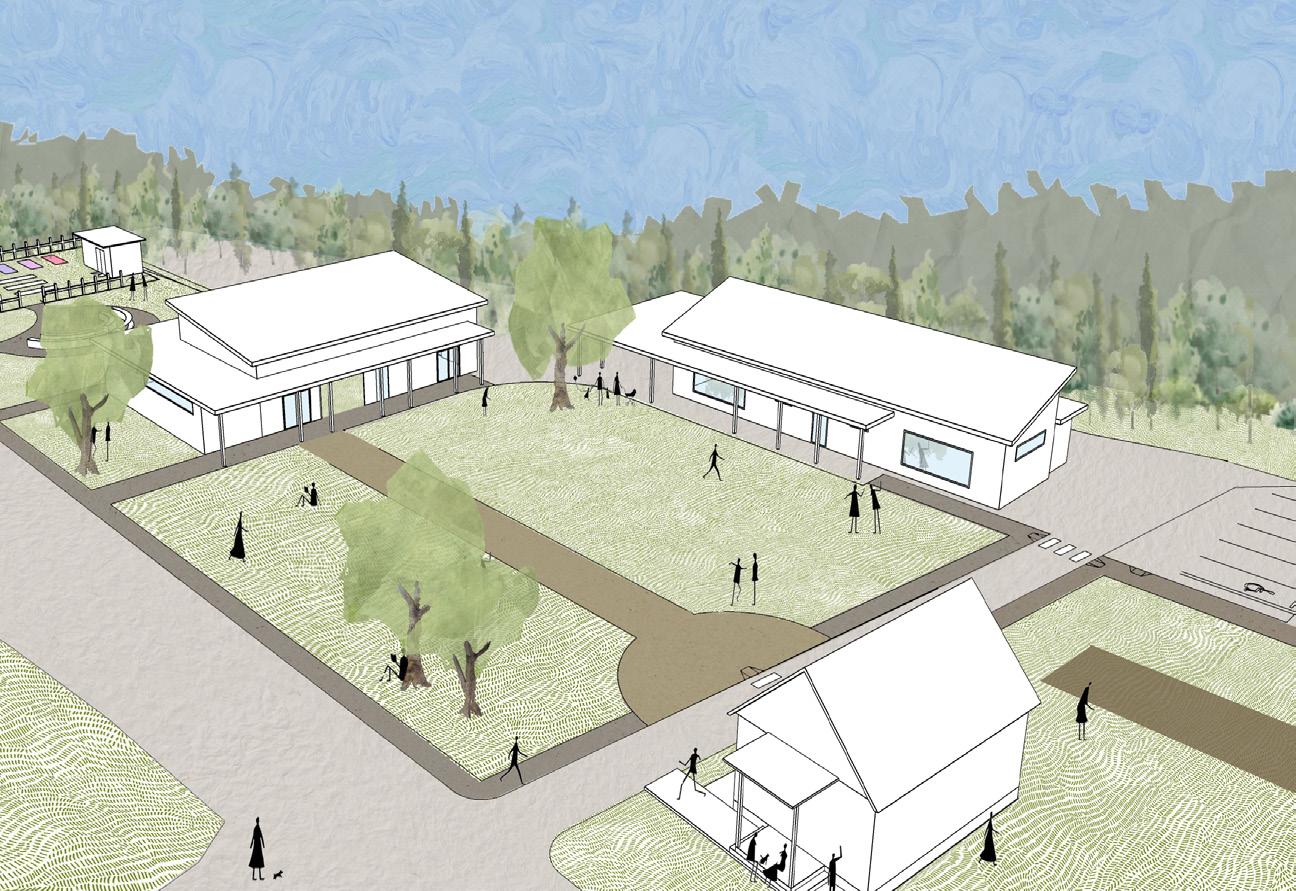
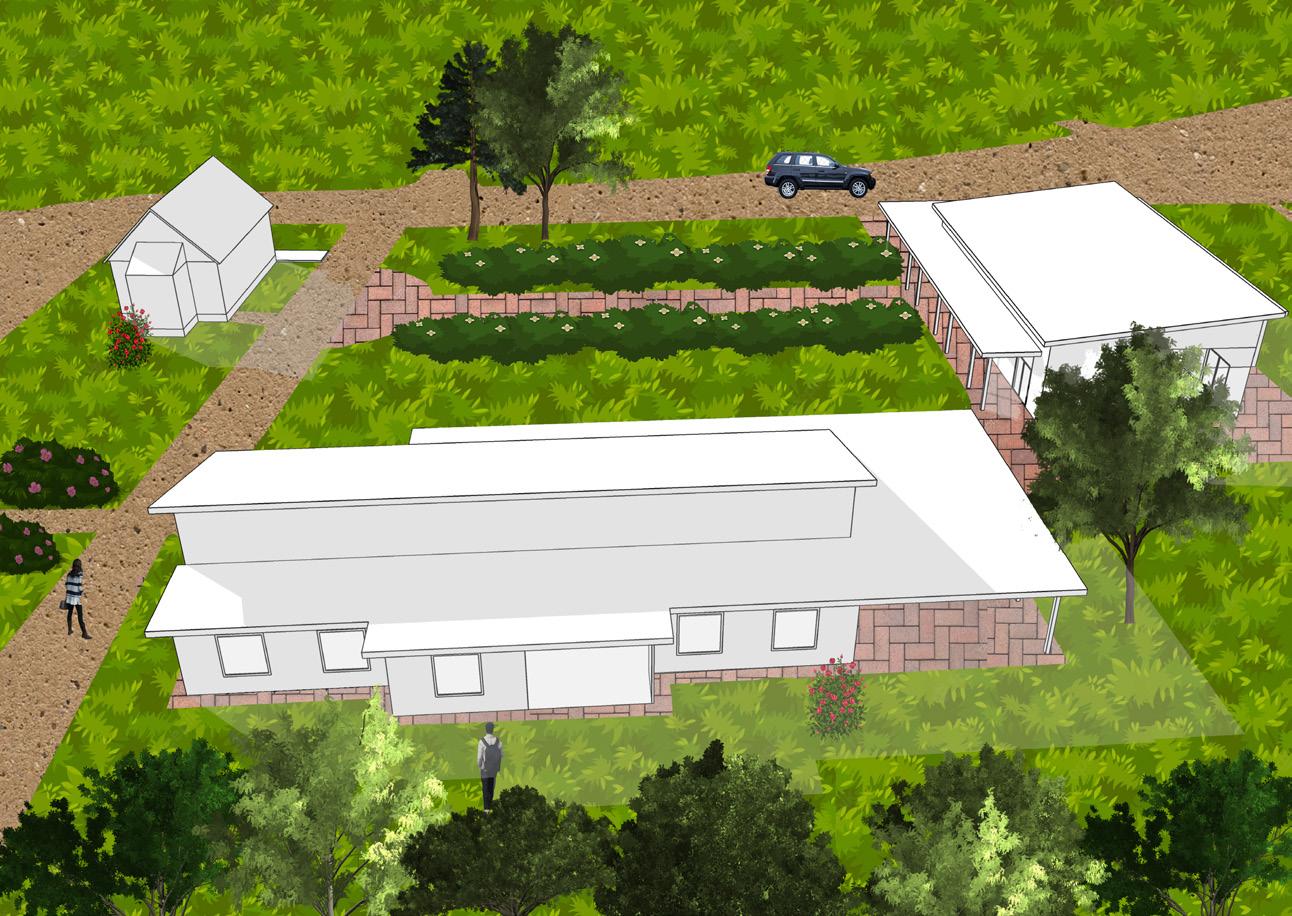
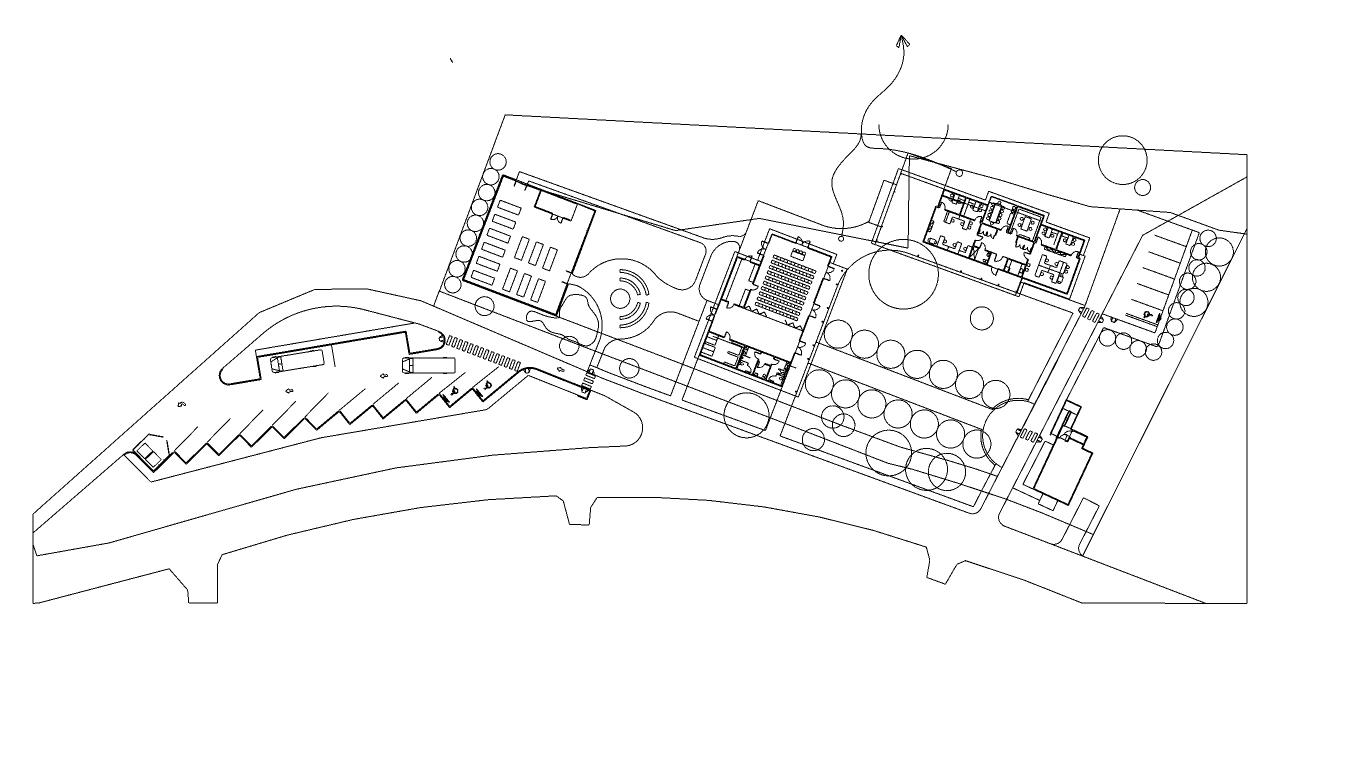
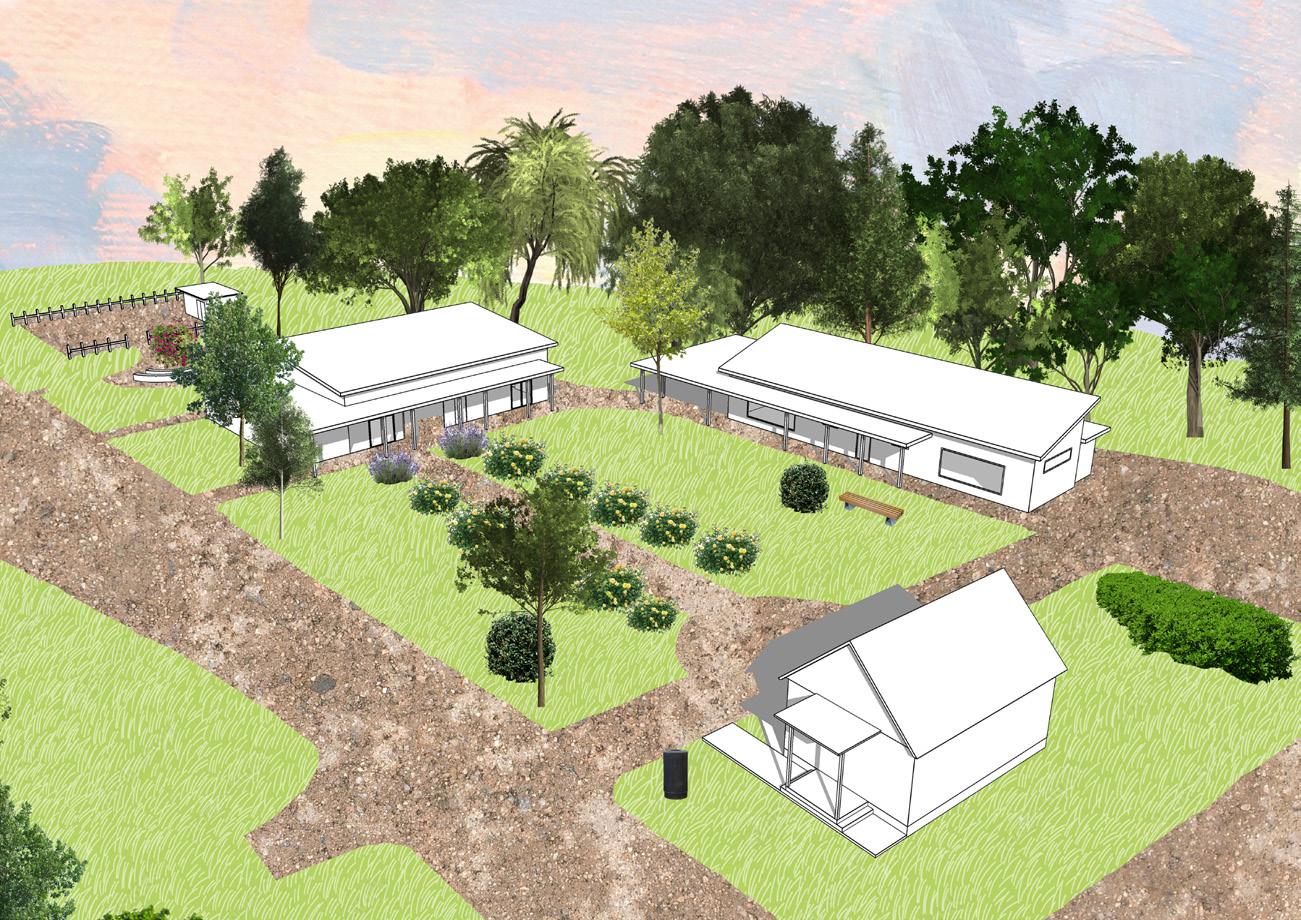
This project aimed to digitally bring the Stousburg Museum’s landscape, designed by PUSH Studio, to life. I began by carefully studying the existing construction documents to create a detailed 3D model of the museum structure. Using Photoshop, I designed the surrounding environment, experimenting with various stylistic elements through multiple iterations. This iterative approach allowed me to refine the integration of the building into its landscape, ensuring a visually compelling result. The final iteration will be uploaded to the company’s website, showcasing the project’s achievements and the natural connection between architecture and its environment.
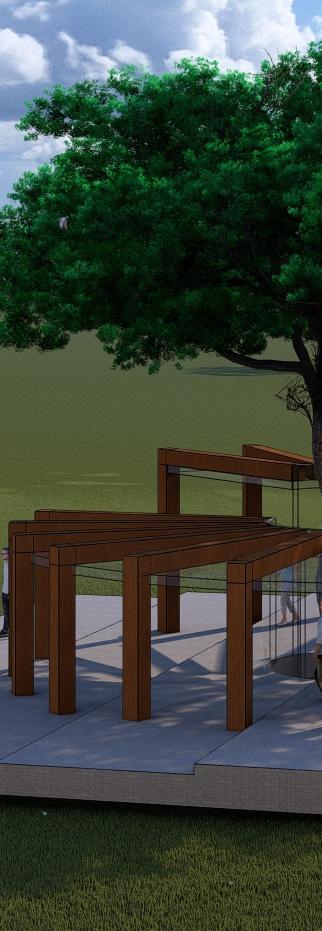
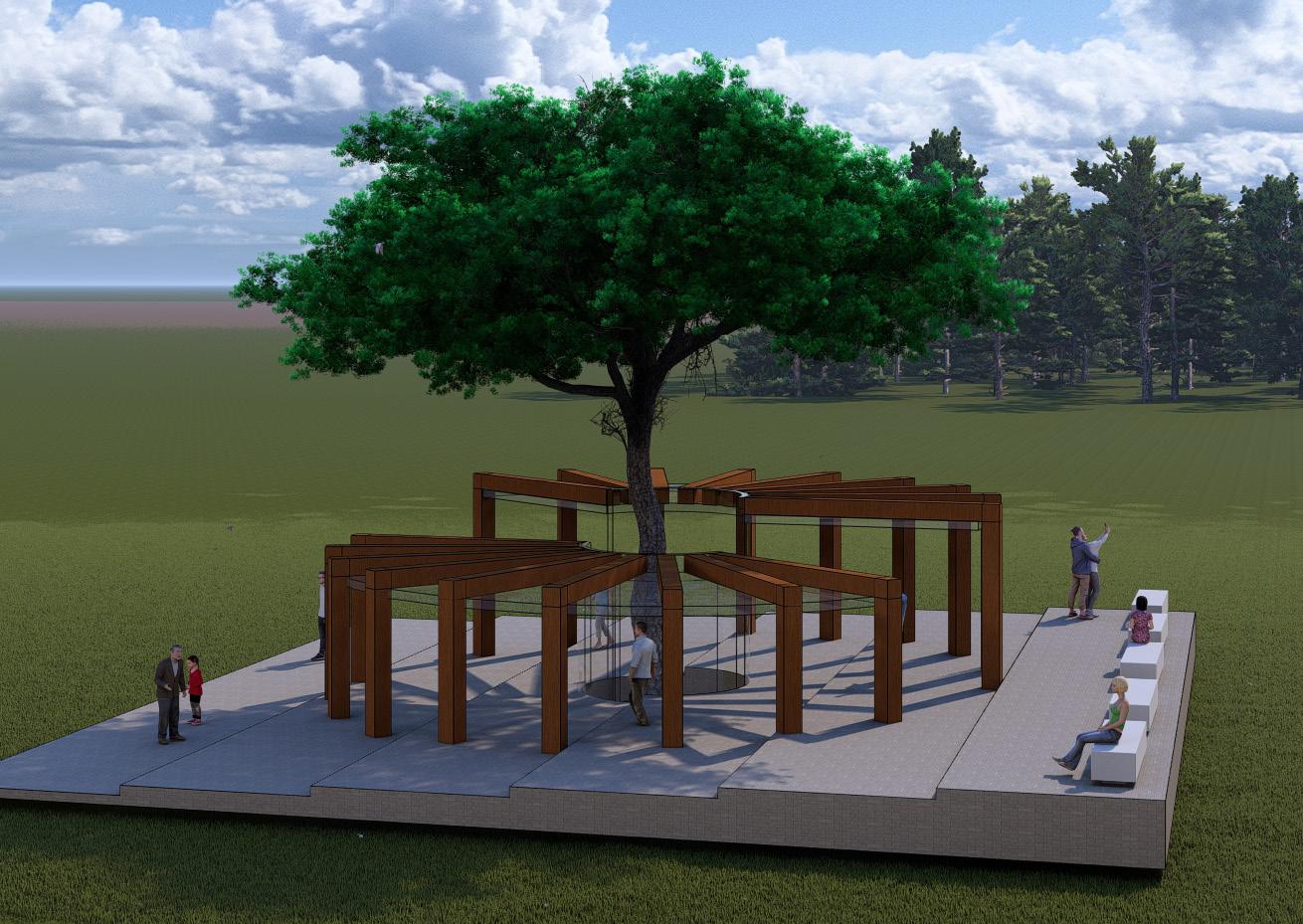
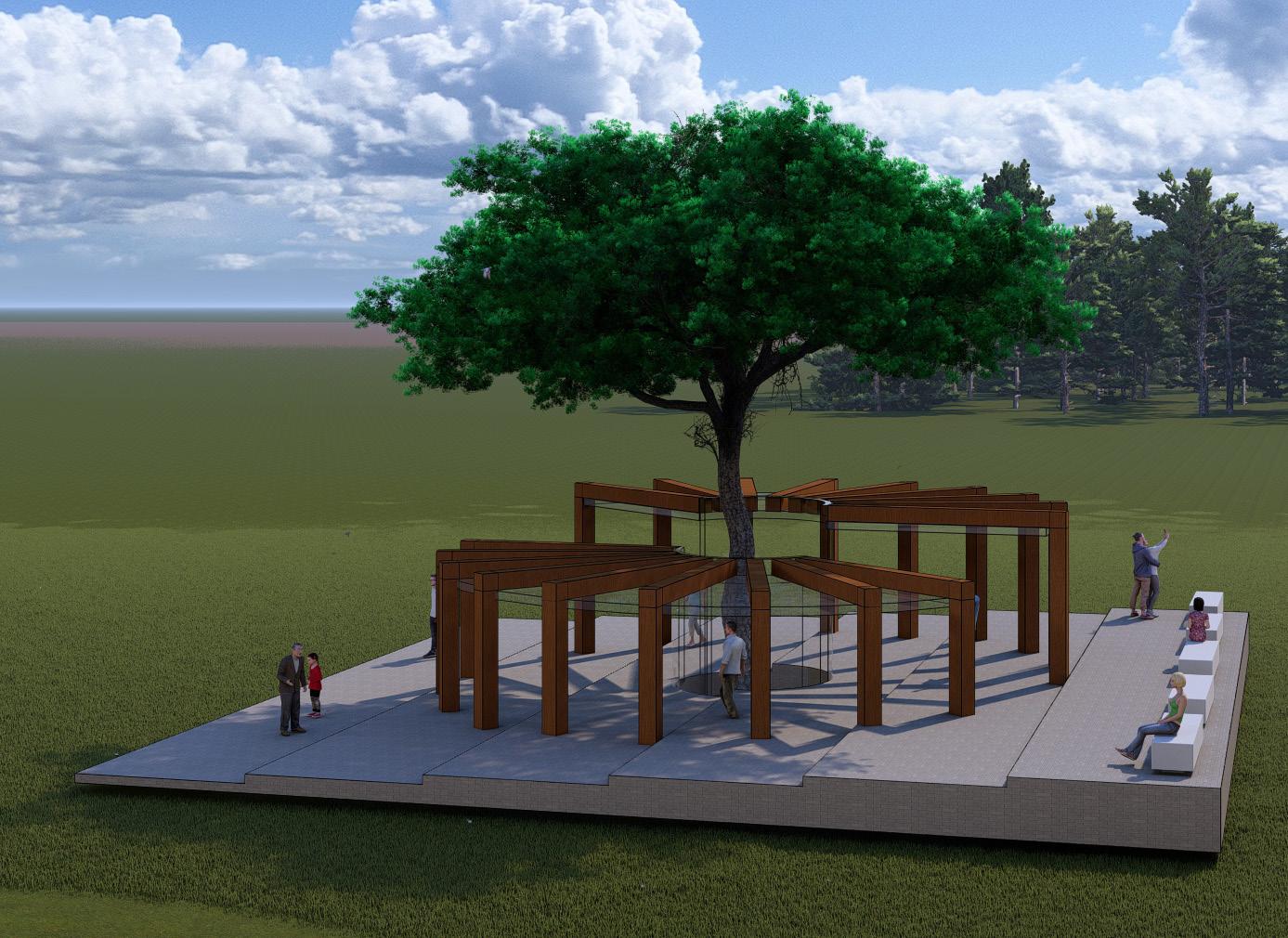
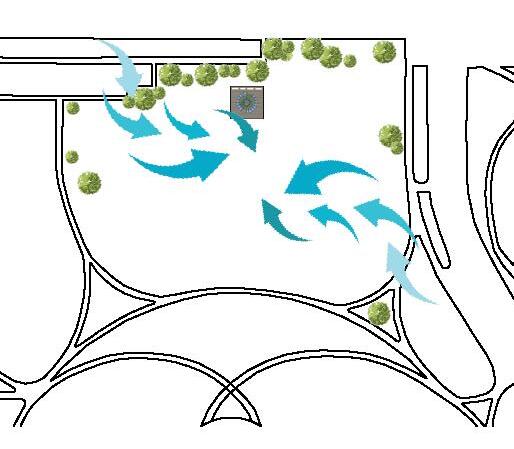
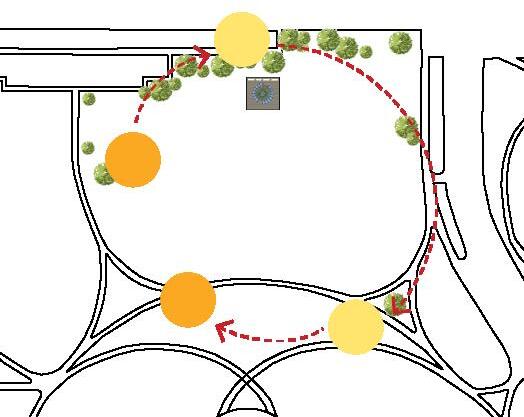
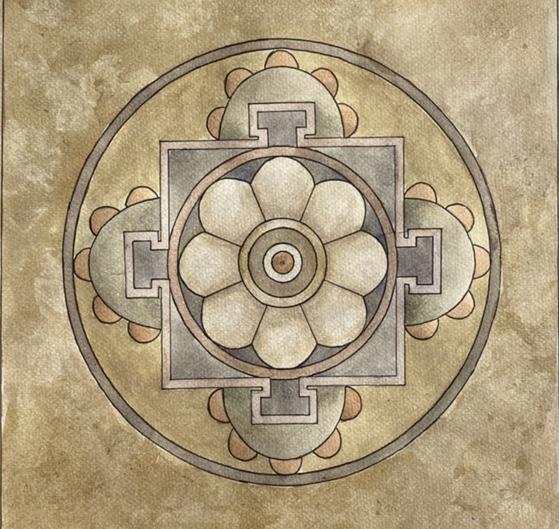
Inspired by Nepali culture, this project reimagines the sacred Bodhi tree as the heart of a contemporary pavilion, symbolizing enlightenment, gathering, and peace. Influenced by the innovative column design of the Hikma project, the pavilion frames the tree to create a serene and sacred space. The open design encourages connection with nature, blending cultural tradition with modern design to promote reflection and interaction. The structure maintains a deliberate porosity, with strategic openings that frame both intimate views of the Bodhi tree and broader vistas of the surrounding landscape.
ENLIGHTENMENT CONTEMPLATION
ENLIGHTENMENT CONTEMPLATION
REL. AND SEC. COMPLEX
AND SEC. COMPLEX
Pavilion Floor Plan
1/8”=1’-0”
1/8”=1’-0”
Hikma Site Plan
Pavilion Section
Pavilion Elevation
Pavilion Roof PLan
Hikma Elevation
Hikma Section
Symbollic Representations
07
LINGA BHAIRAVI
TEMPLE
Skills: Hand-sketching, Painting
Individual Work- Heirloom Artisans
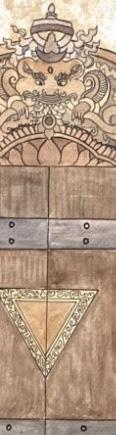
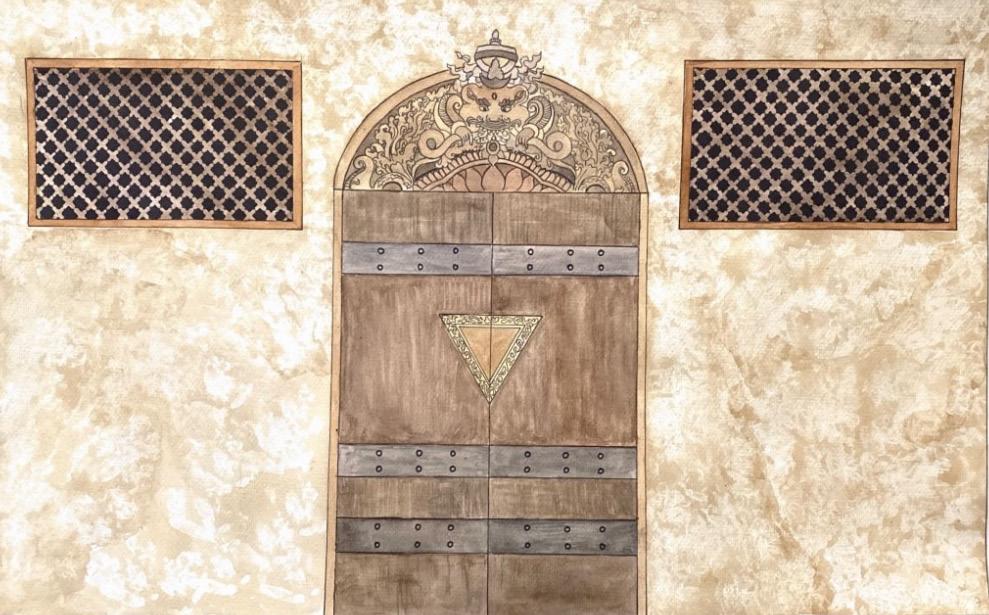
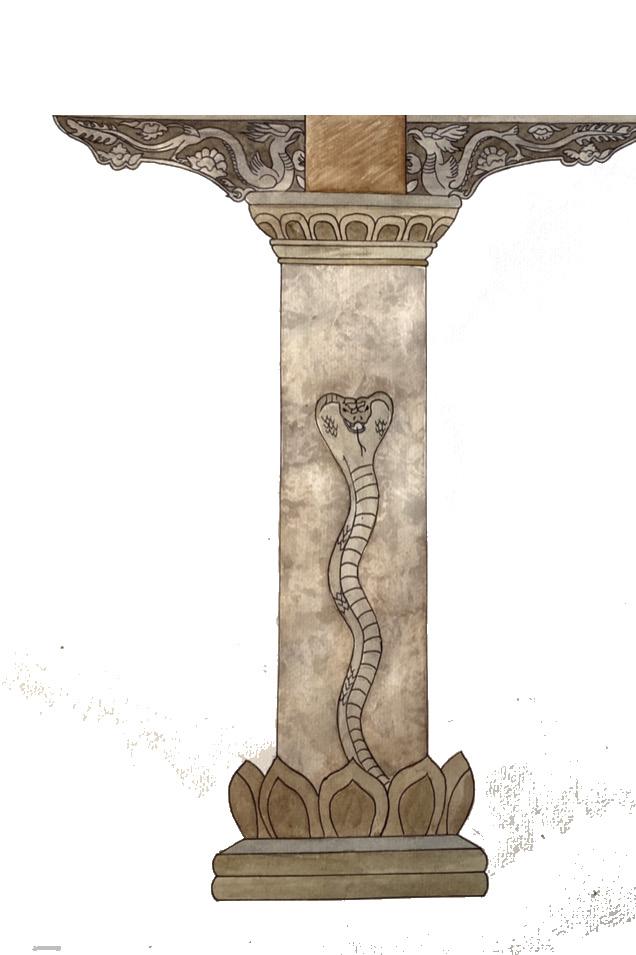
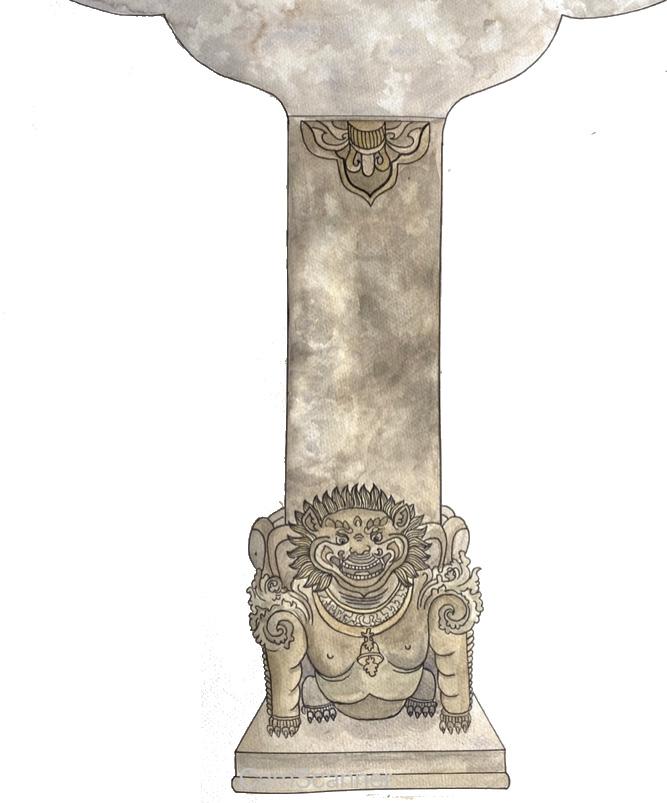
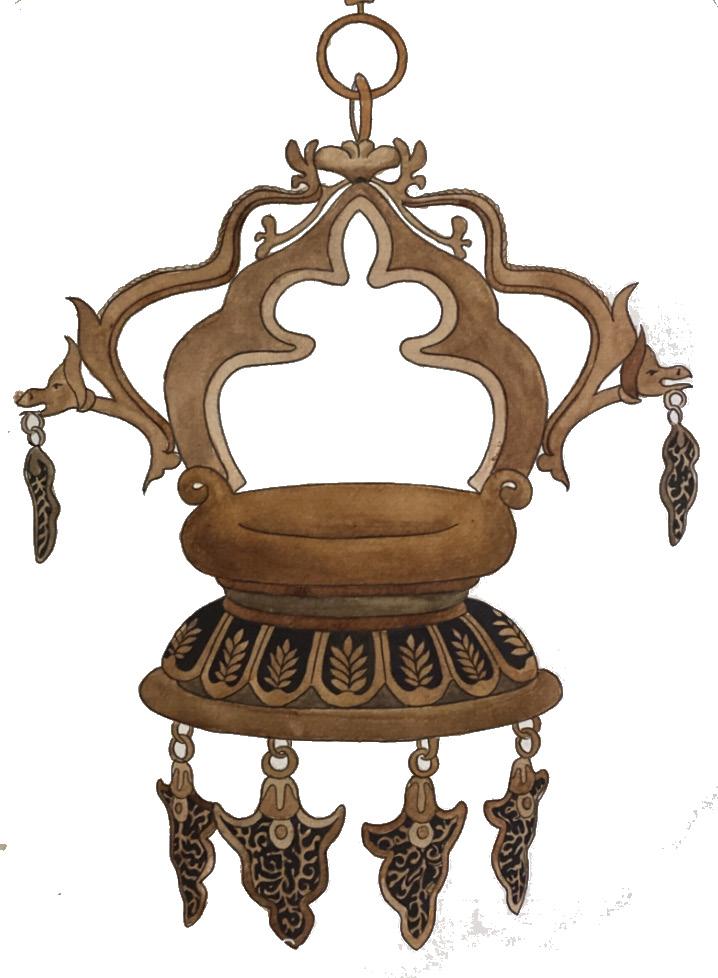
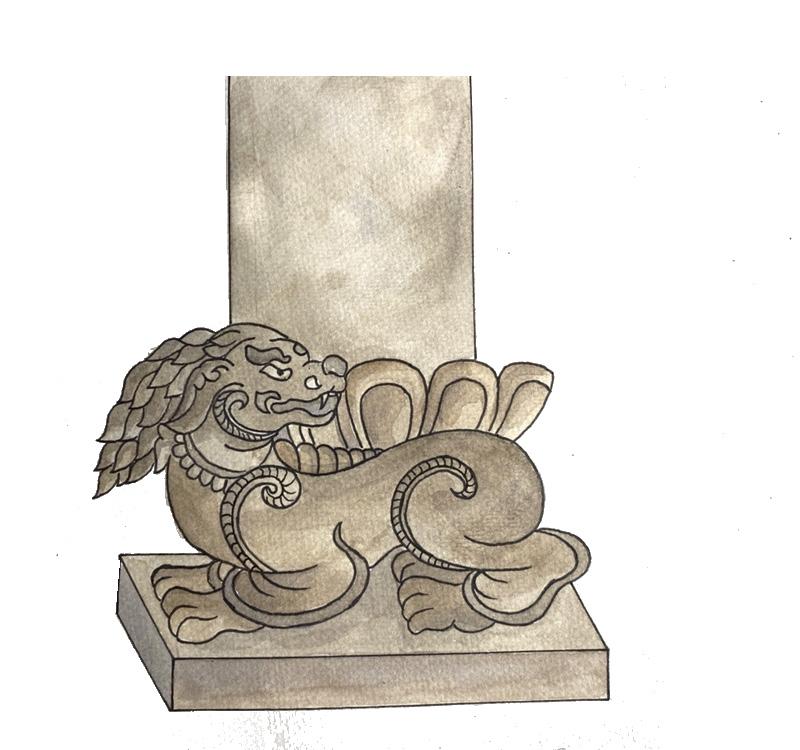
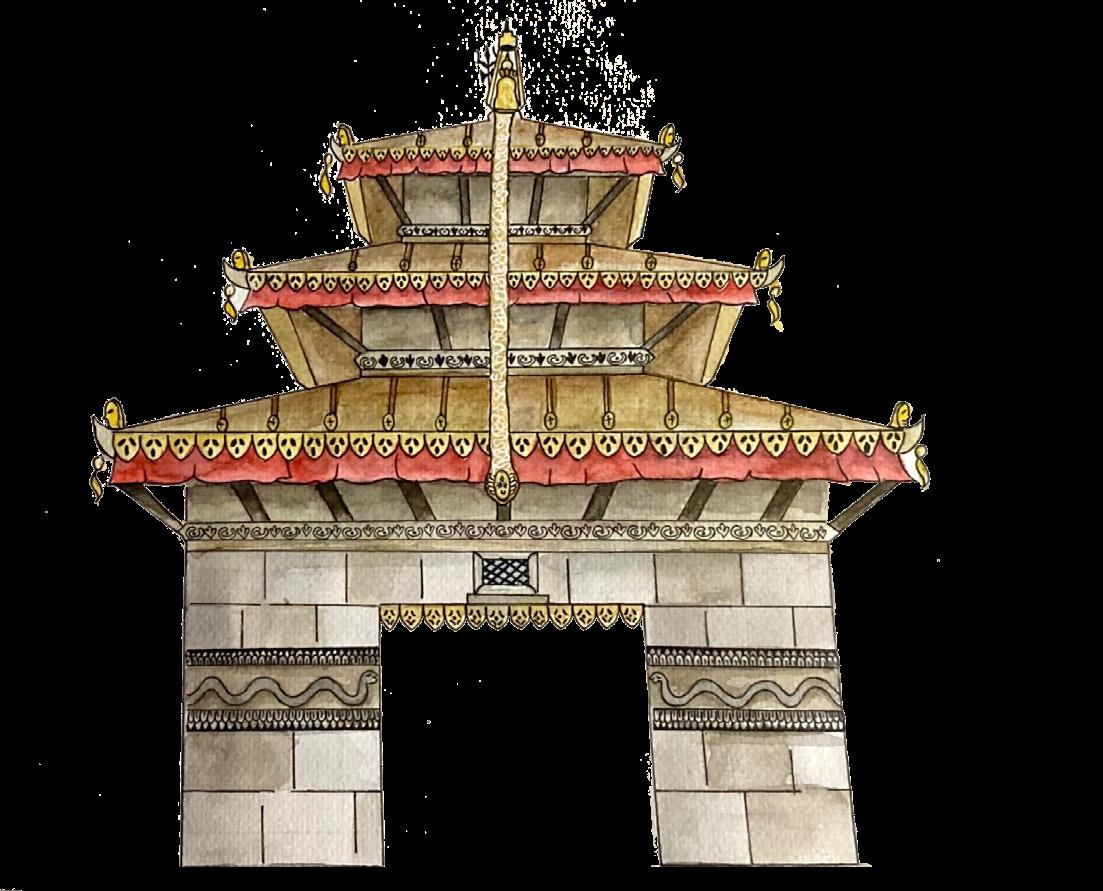
This project involved creating hand-drawn sketches and paintings for a temple design, emphasizing traditional elements and intricate details. The proposed design incorporates locally sourced, sustainable materials, aligning with eco-friendly principles and cultural significance. Each sketch reflects meticulous attention to detail, presenting multiple design options for the client. The concepts pay careful attention to ritual flow and spatial hierarchy, ensuring every architectural decision serves both practical function and spiritual purpose, ultimately delivering a thoughtful balance of heritage and contemporary needs.
Front Entrance Design
Wooden Lamp Design
Column base Design
Column Design 1
Column Design 2
Shrine Design
08 ANACOSTIA BID PROJECT
Skills: Photoshop, Illustrator, Indesign
Team Work- PUSH Studio
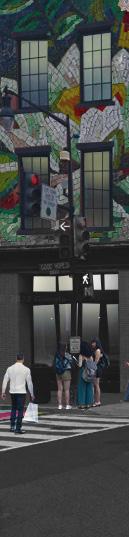
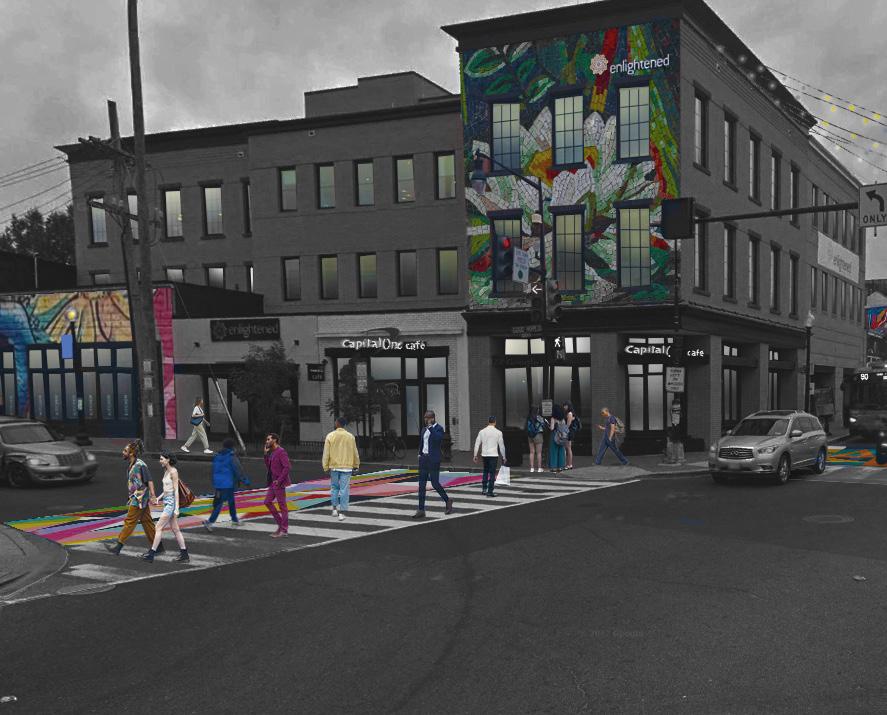
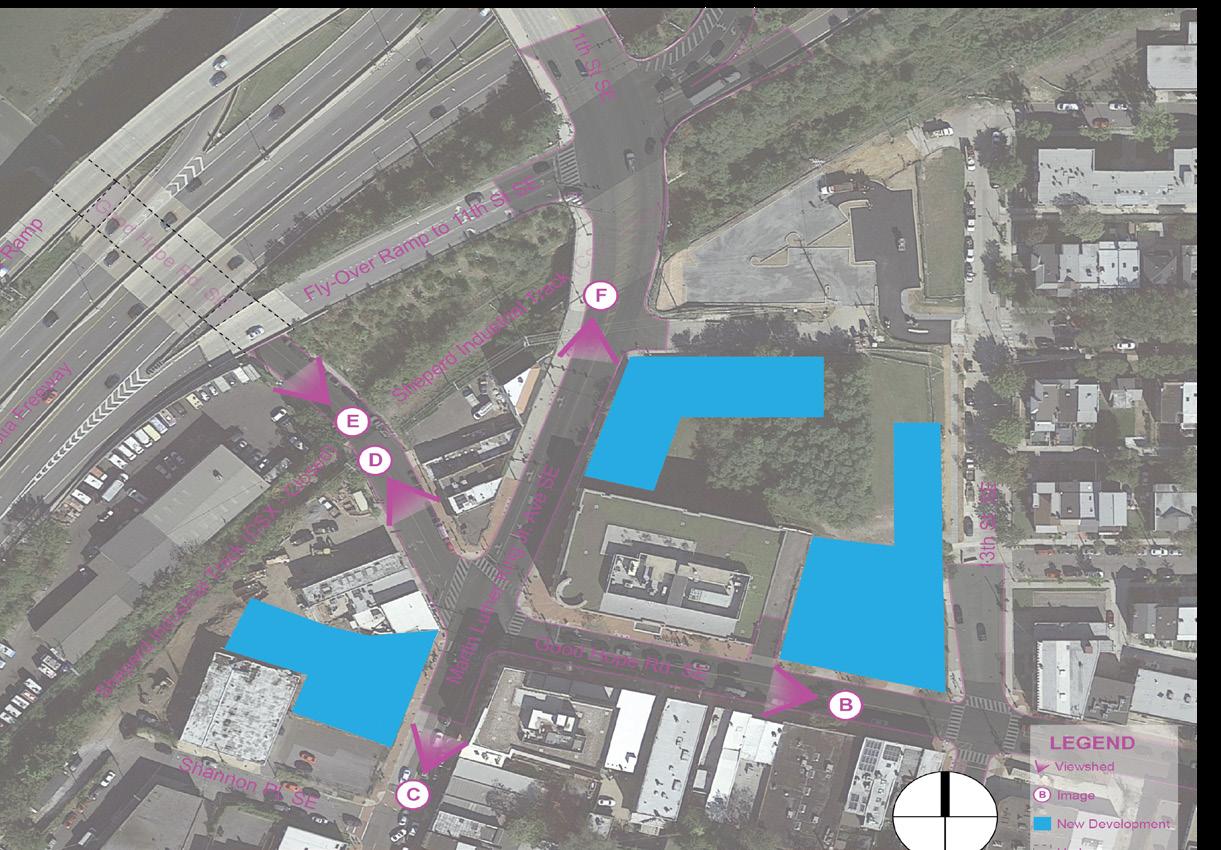
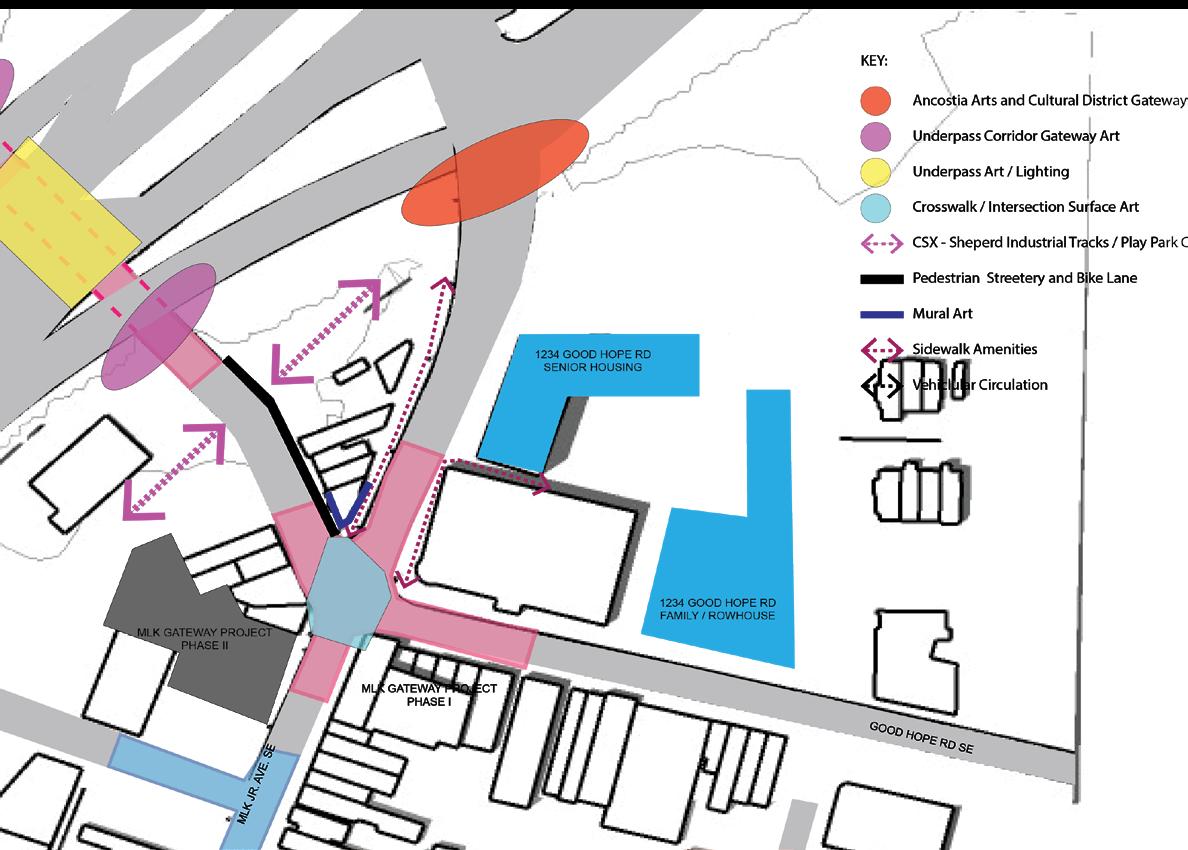
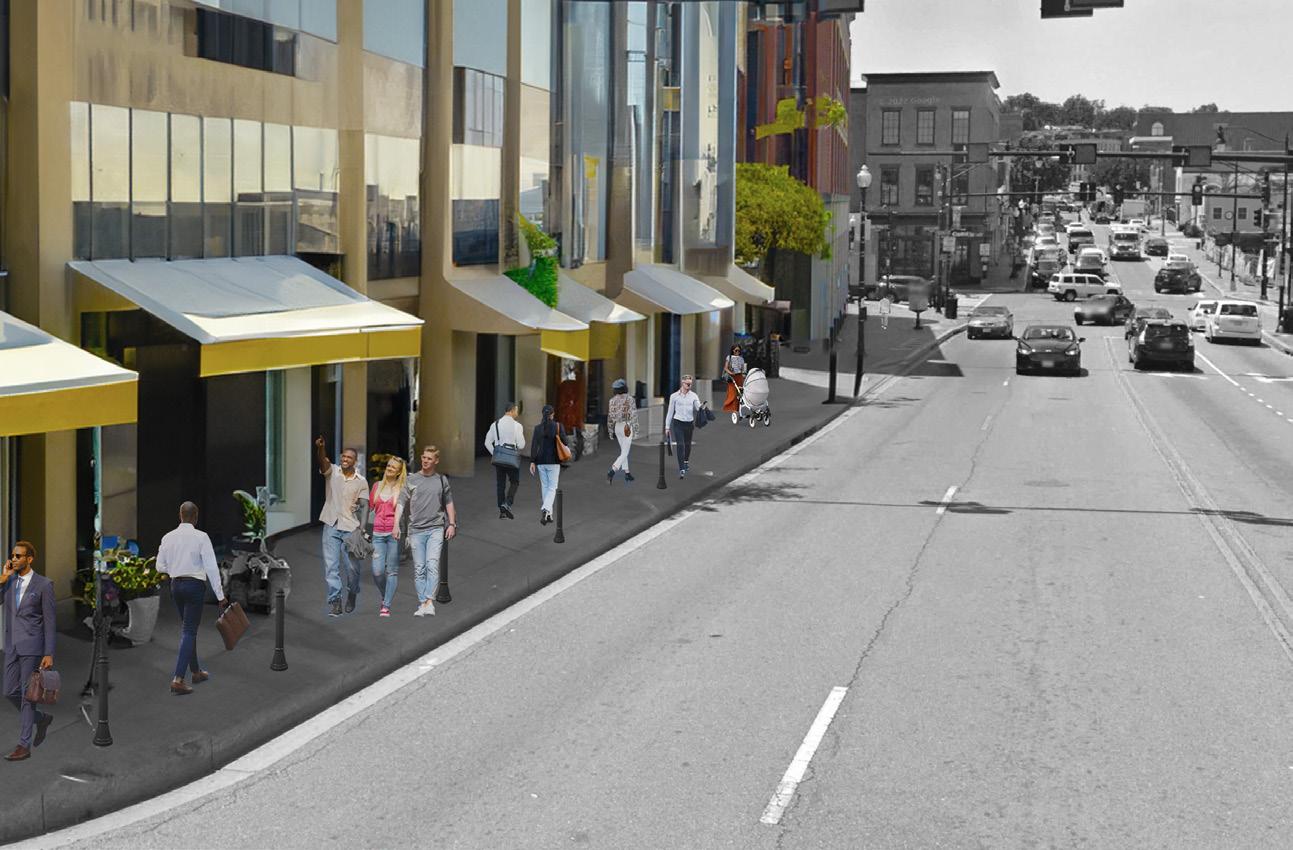
This project envisions a dynamic five-year plan focused on revitalizing the Anacostia Business Improvement District (BID). Through rigorous site analysis and collaborative stakeholder engagement, the project identifies key opportunities to reimagine public spaces as catalysts for community growth. The resulting visualizations and development framework demonstrate how strategic interventions—from art installations to adaptive reuse—can foster economic vitality while preserving neighborhood character. These images illustrate a future where thoughtful urban design nurtures both community connection and sustainable economic development in this historic district.